

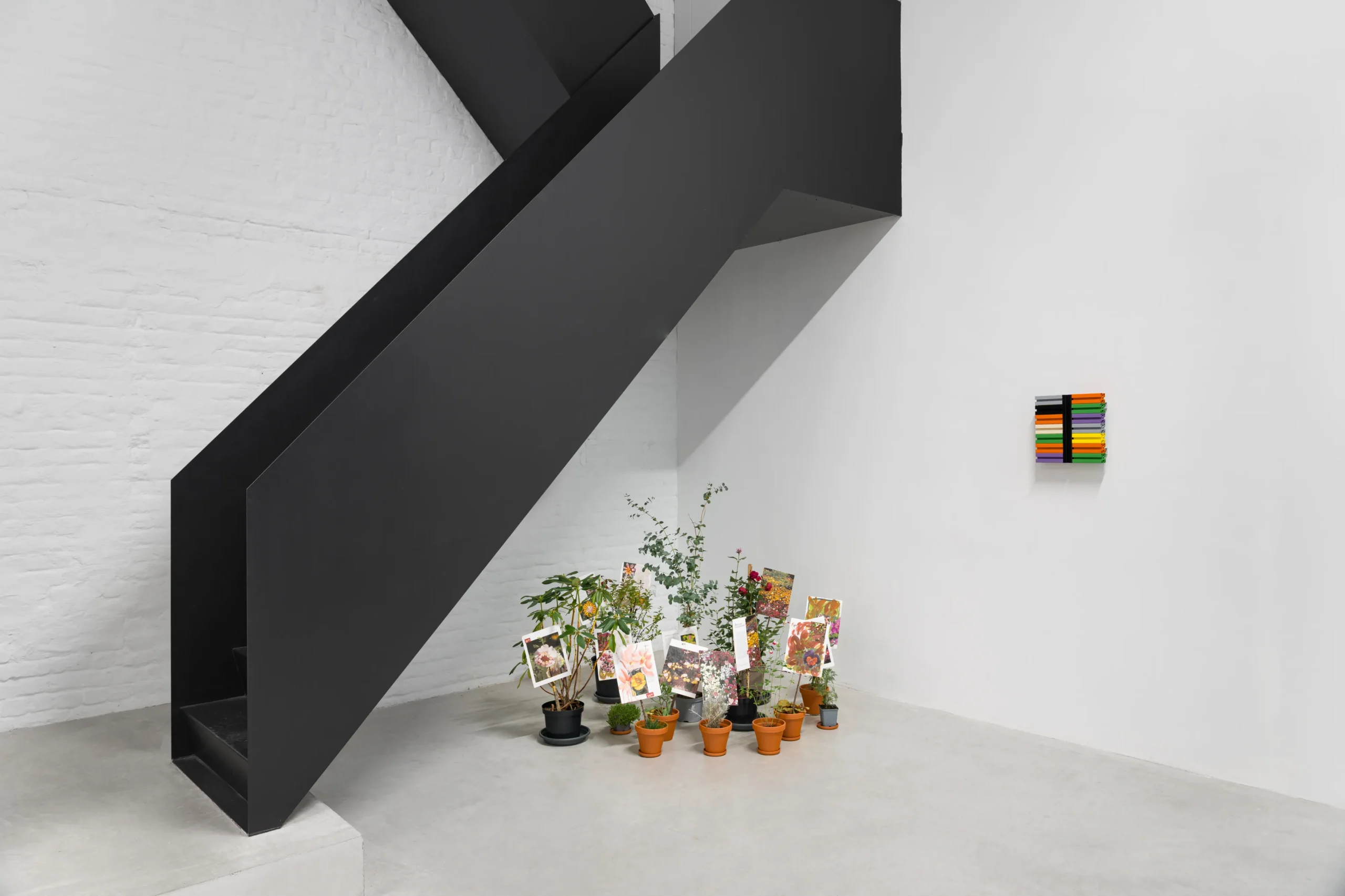
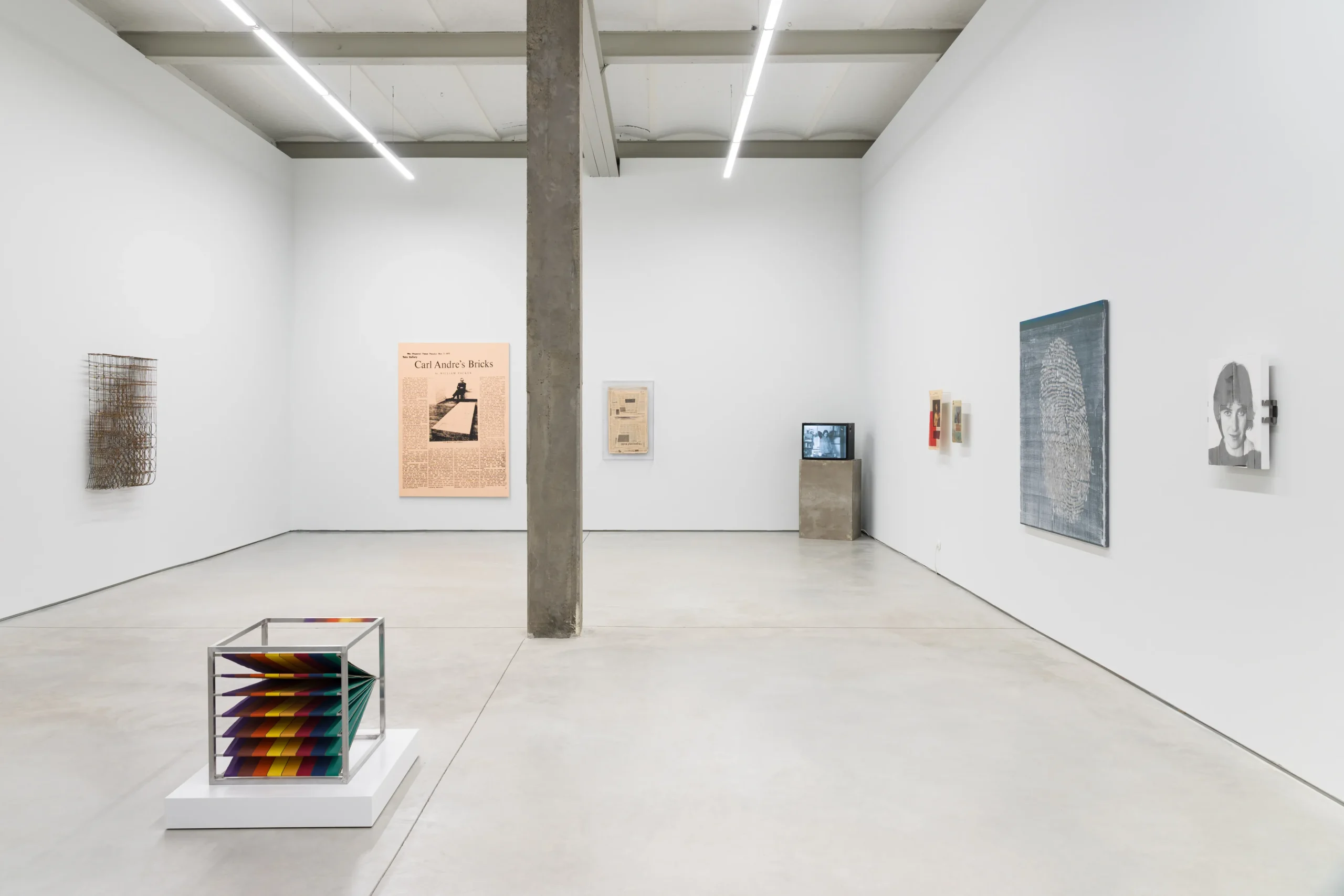
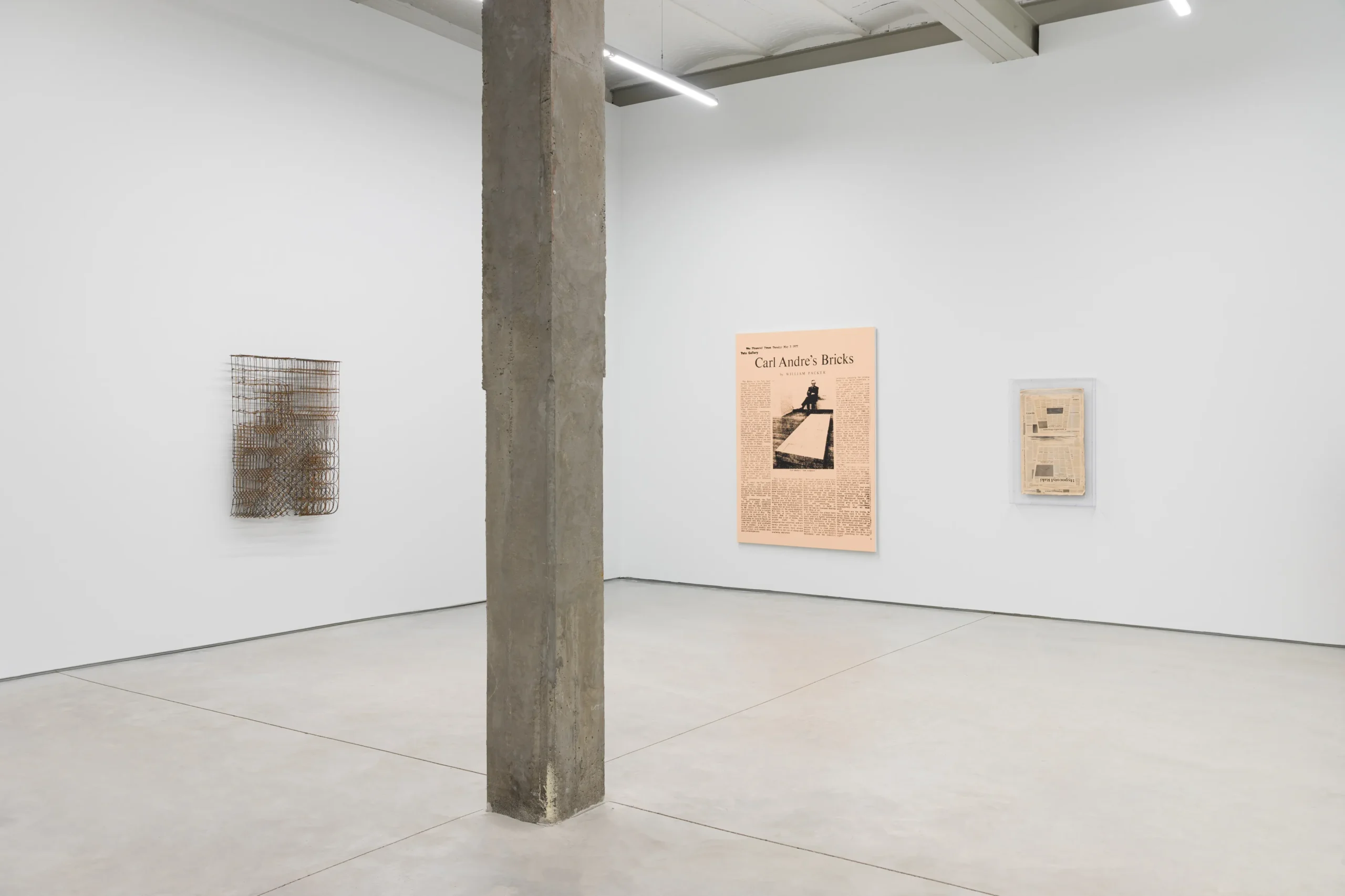
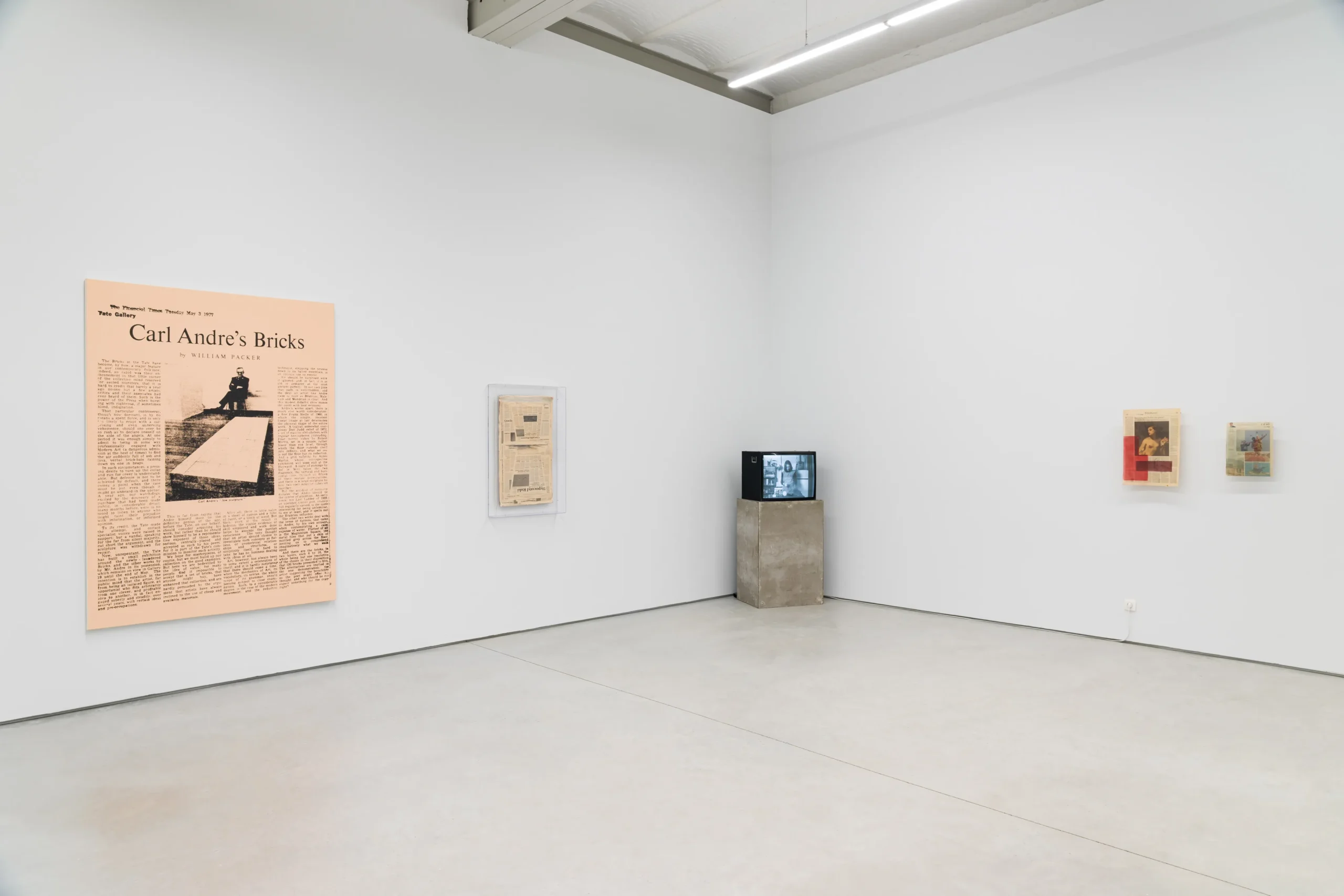
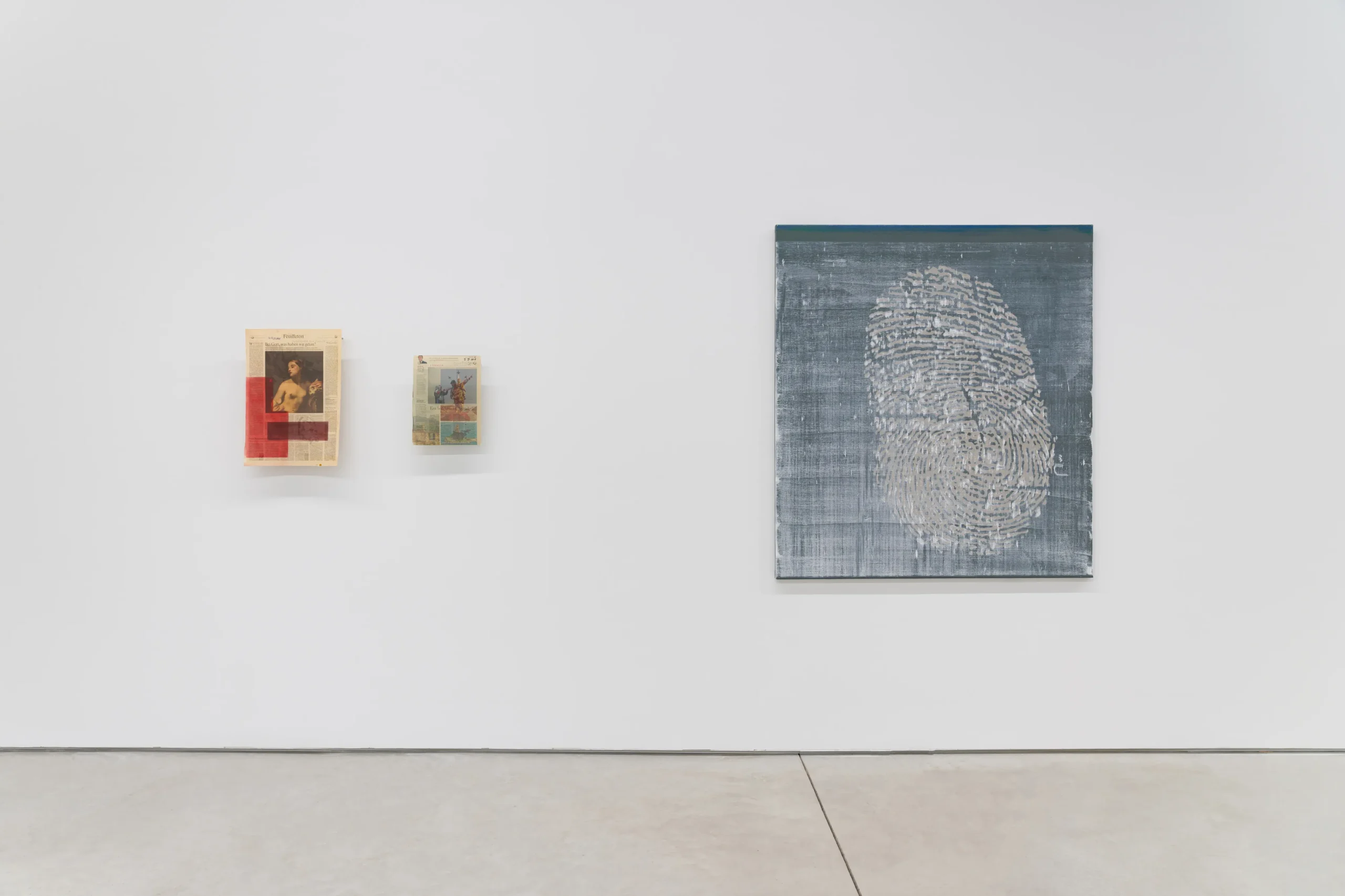
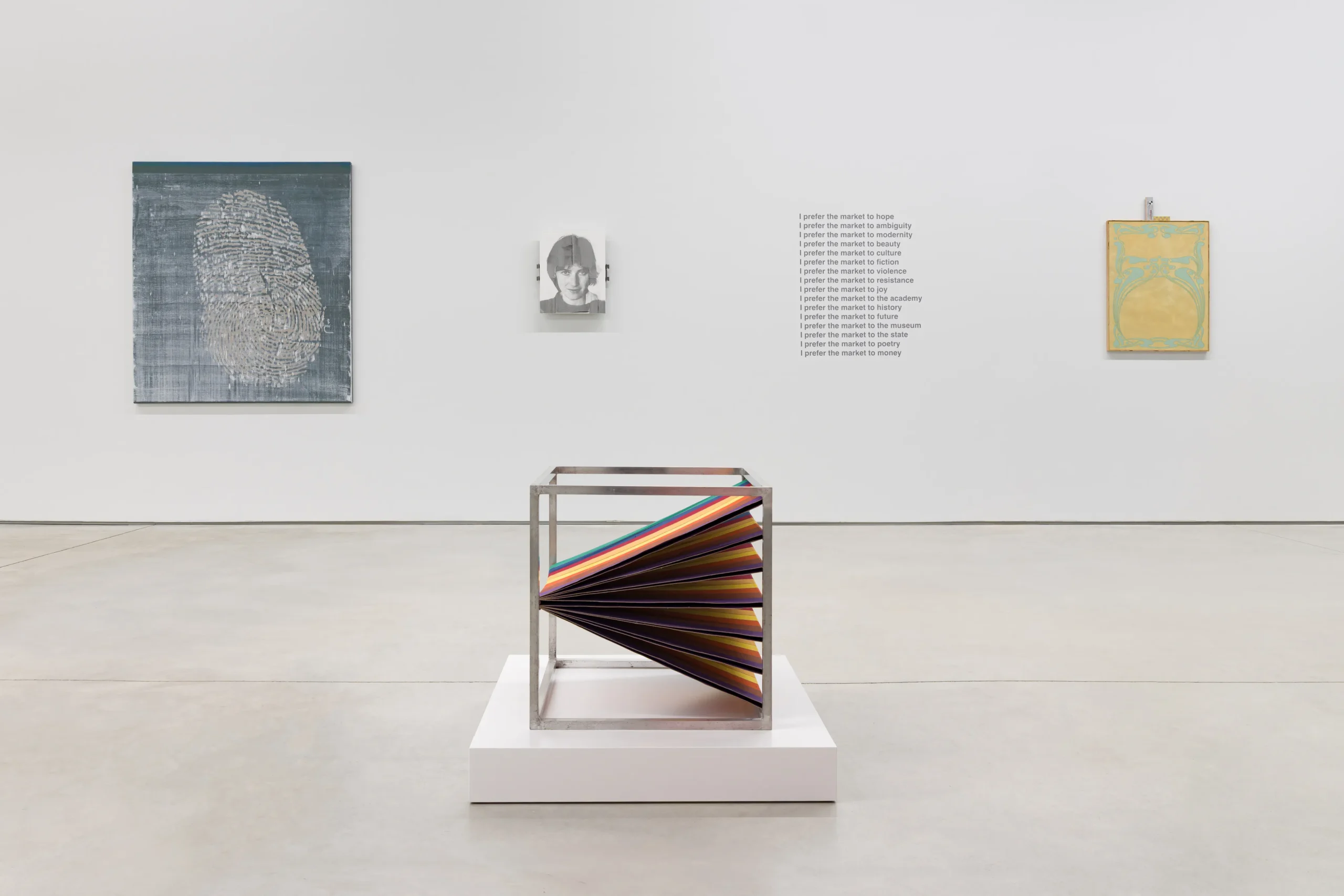
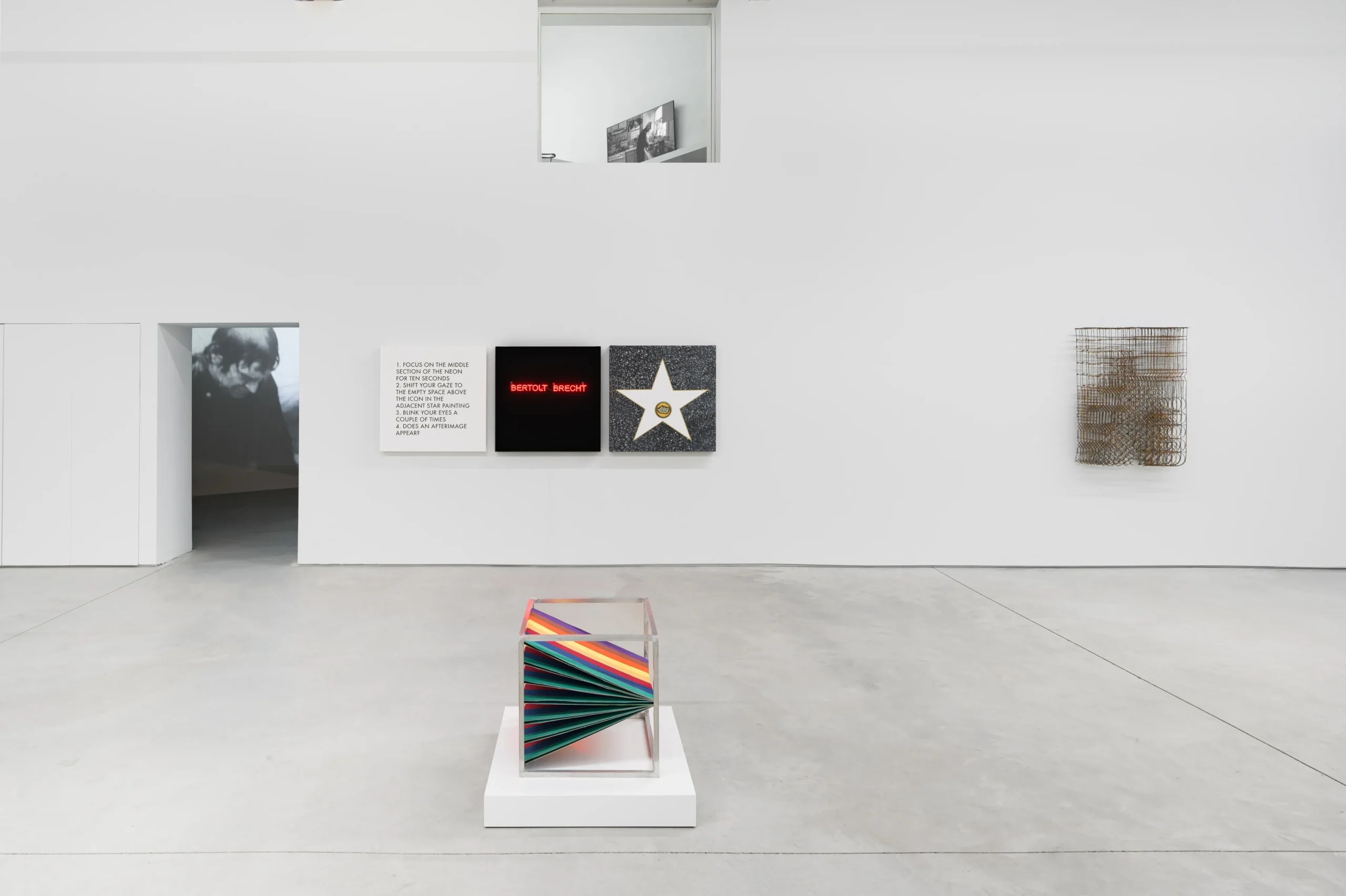
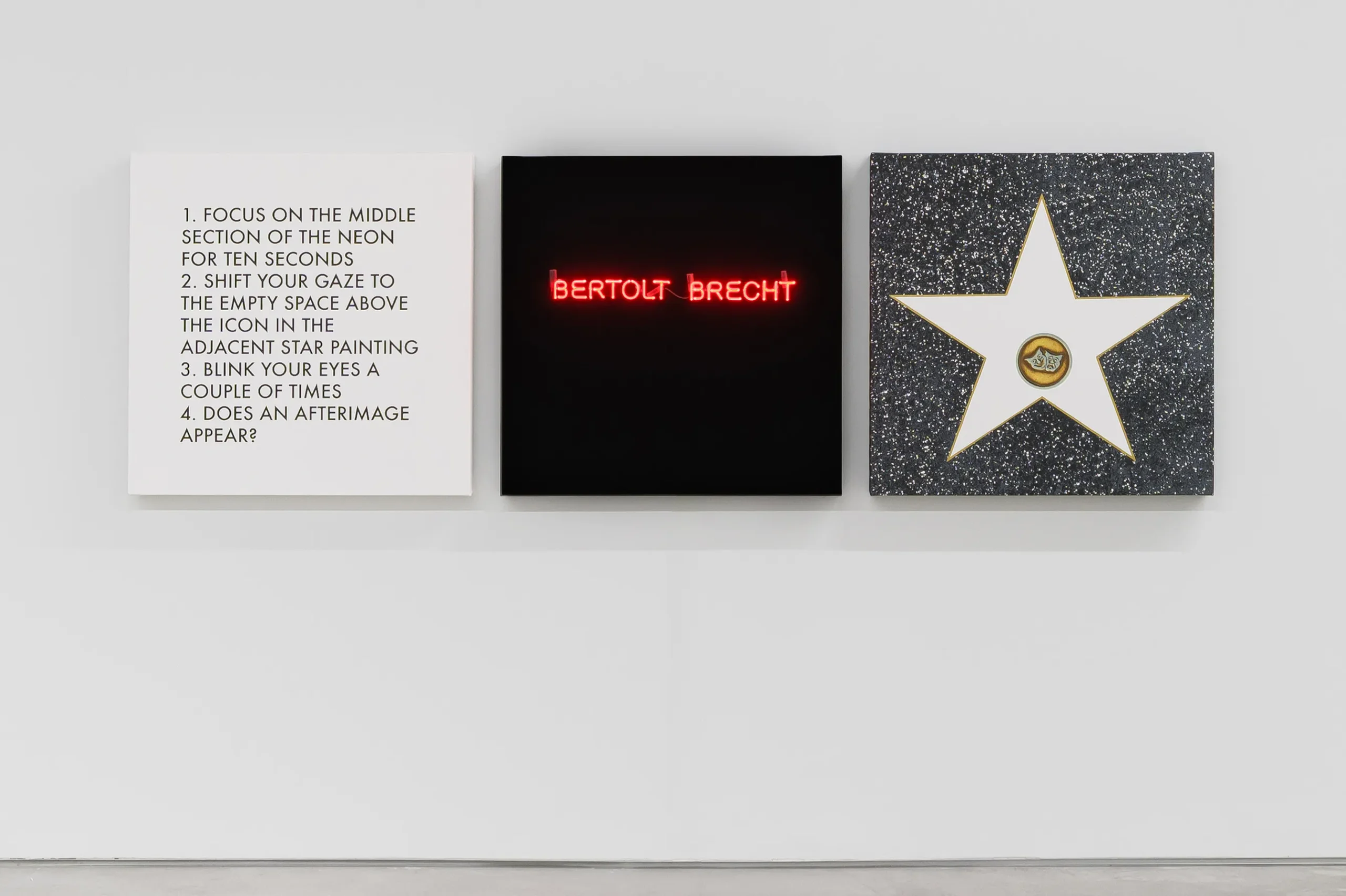
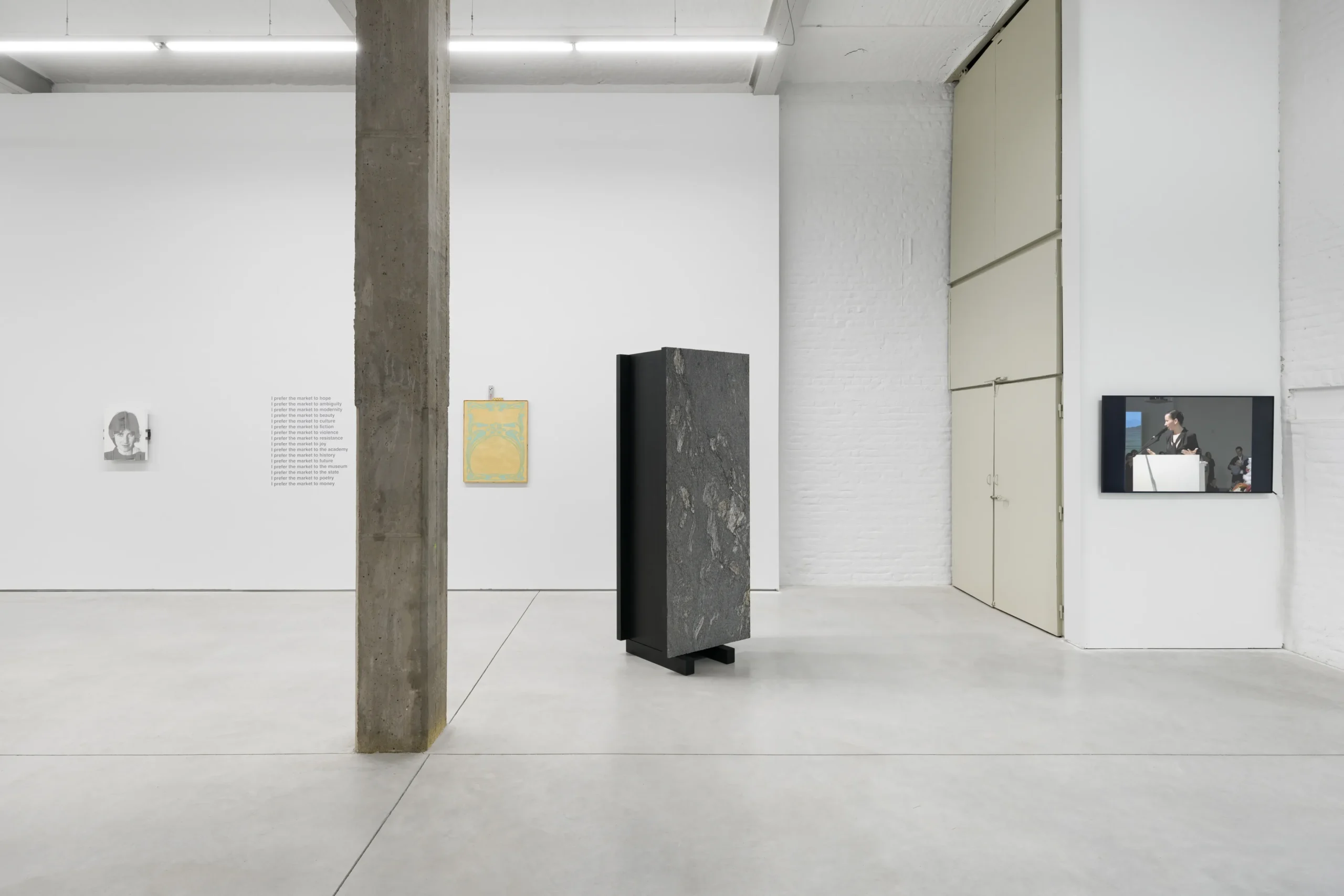
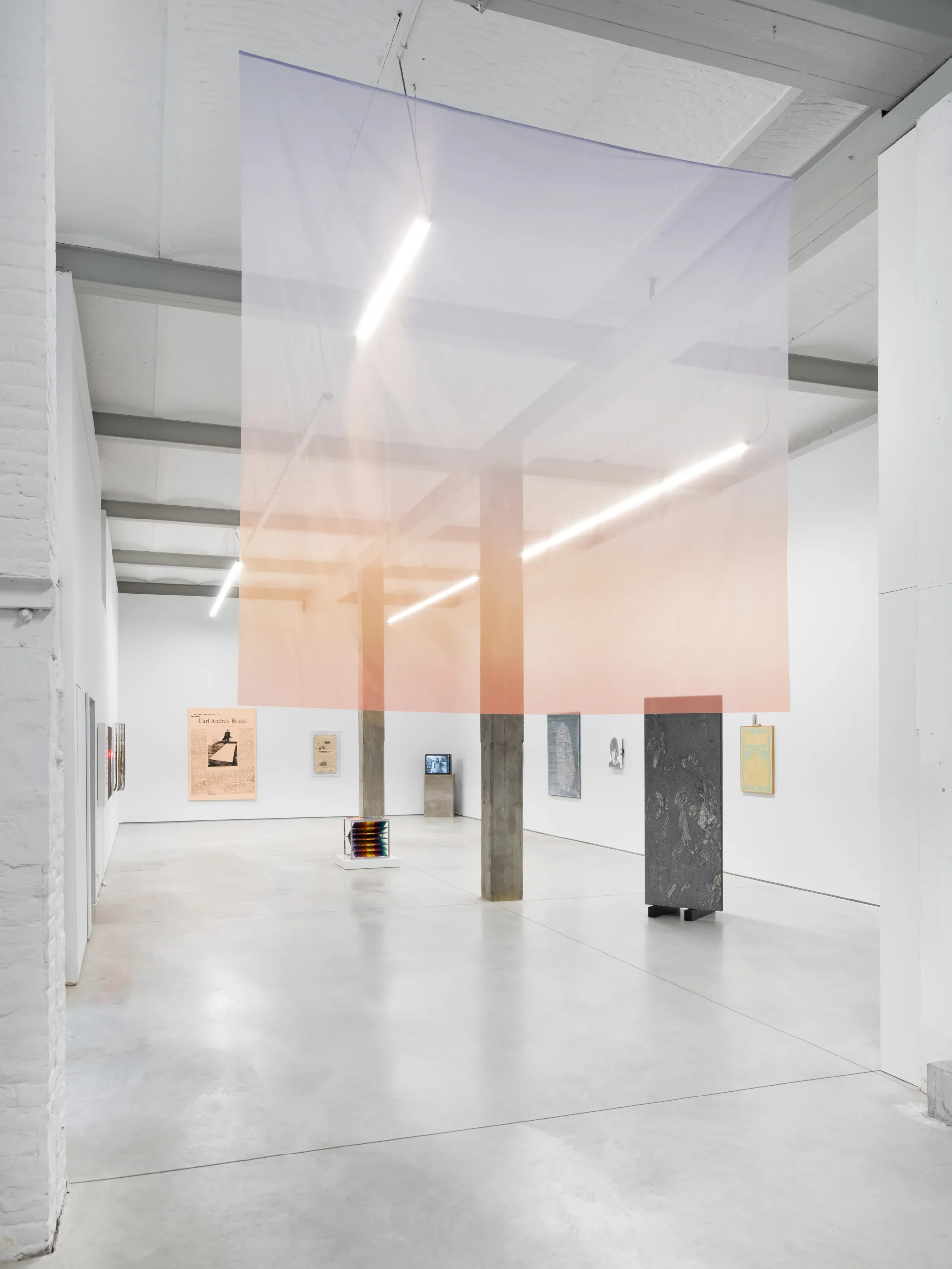
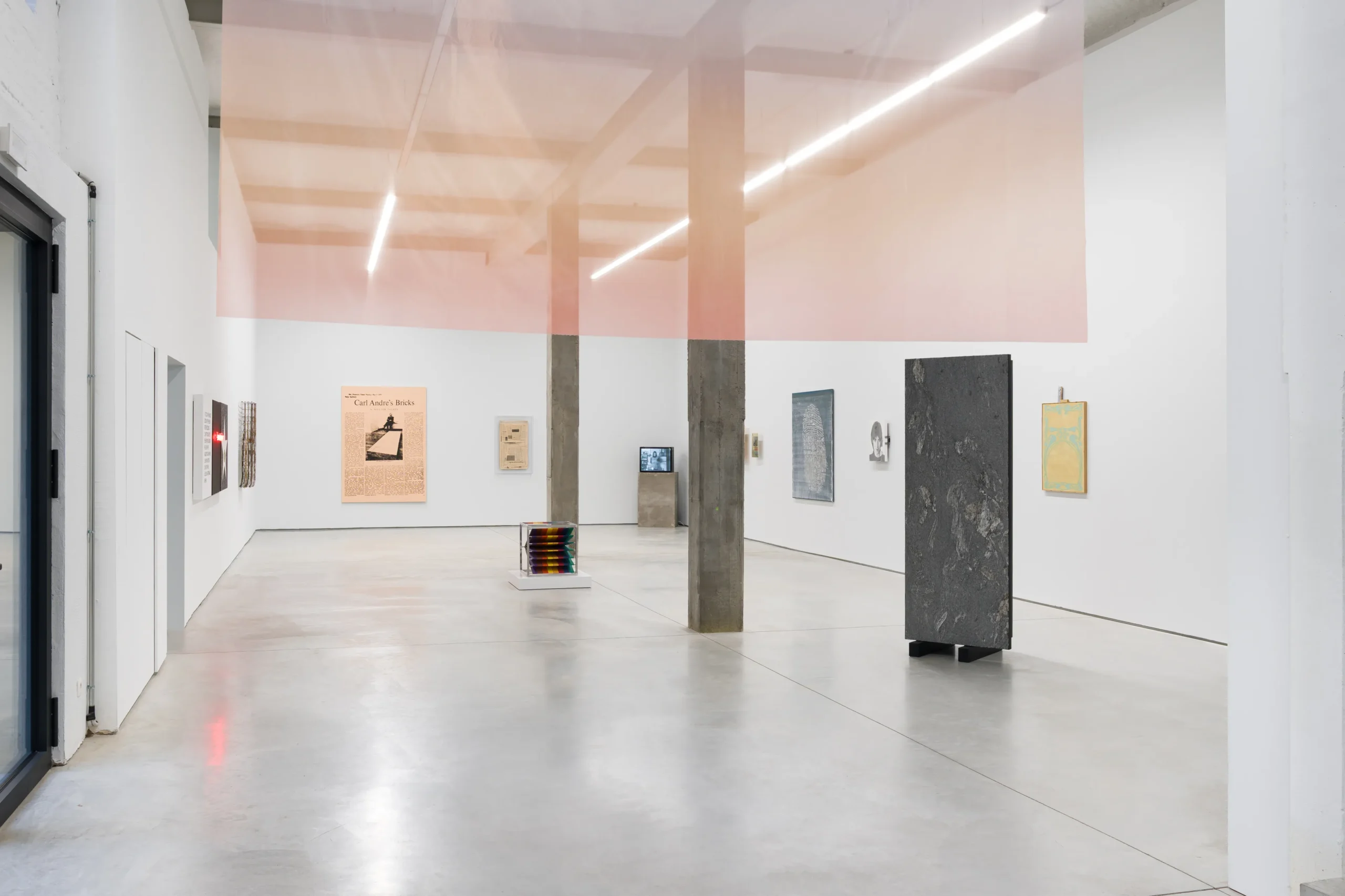
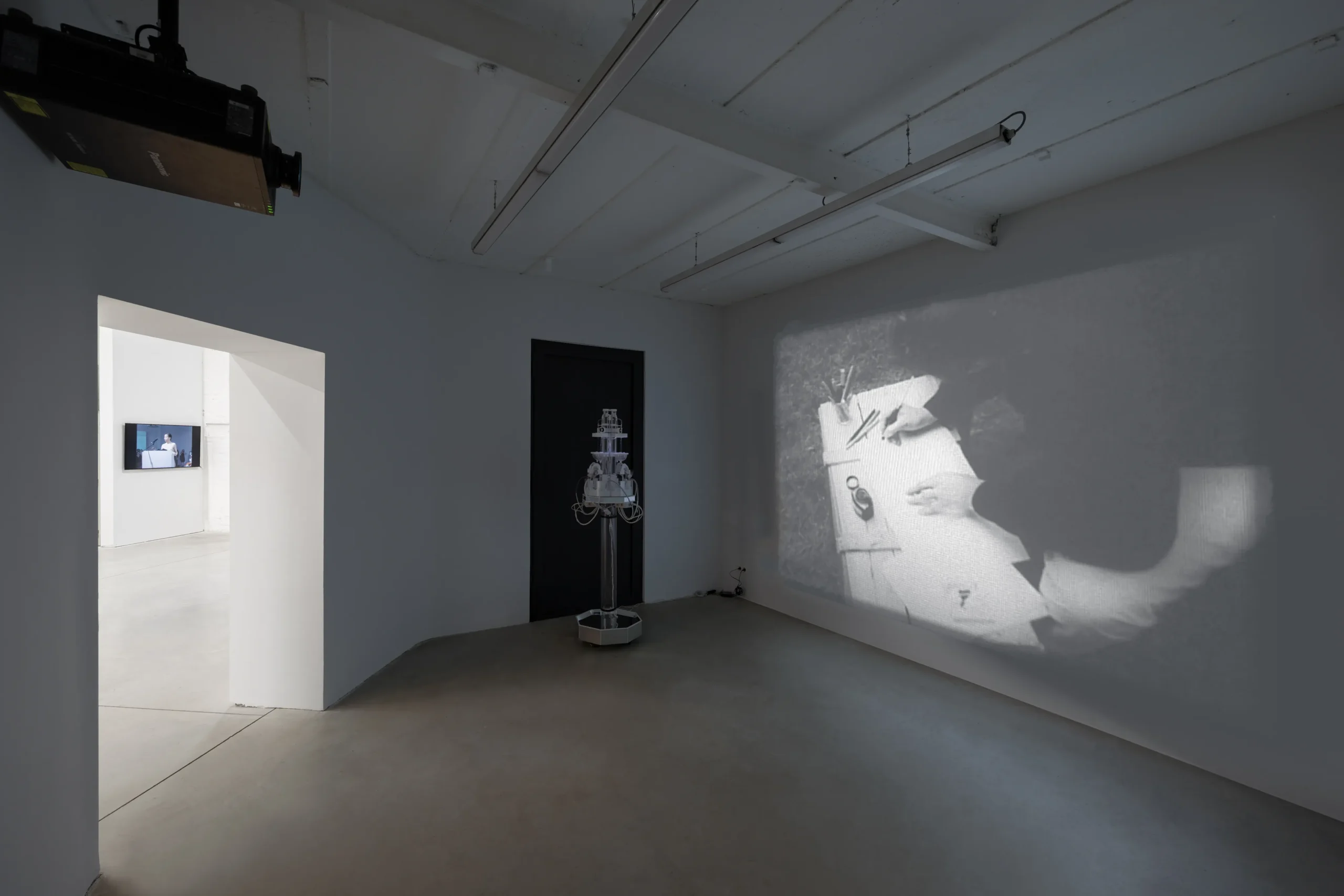
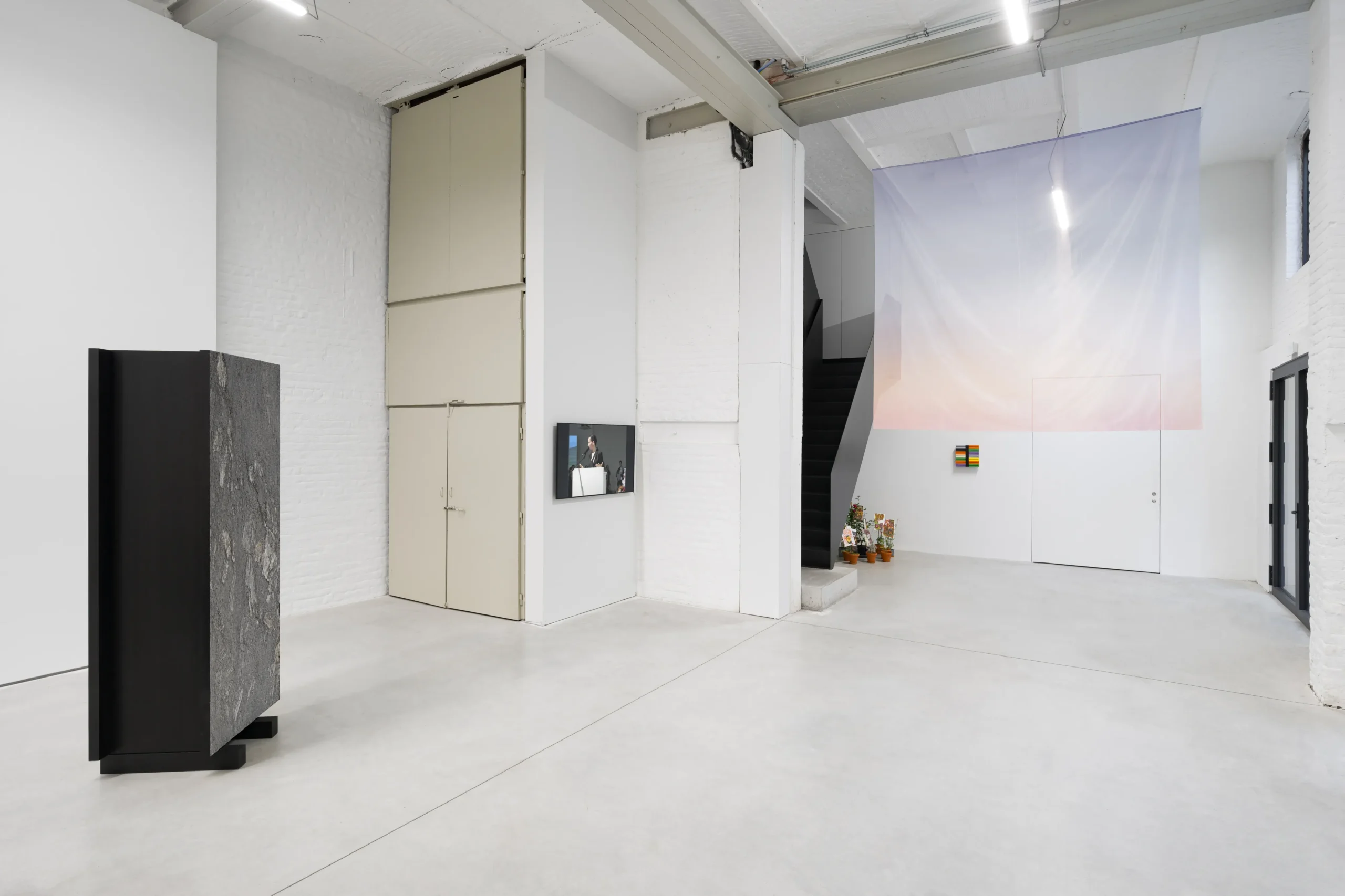
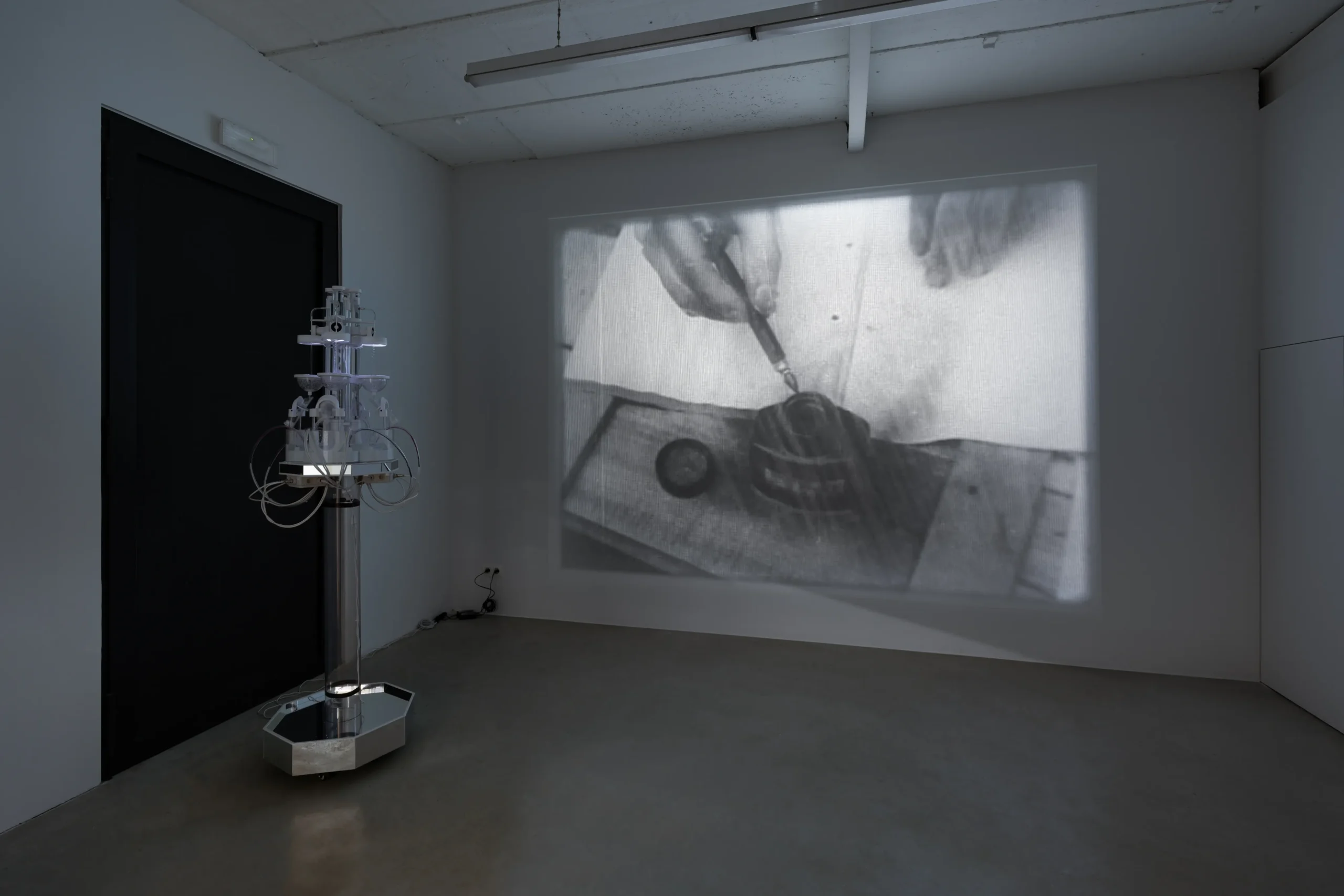
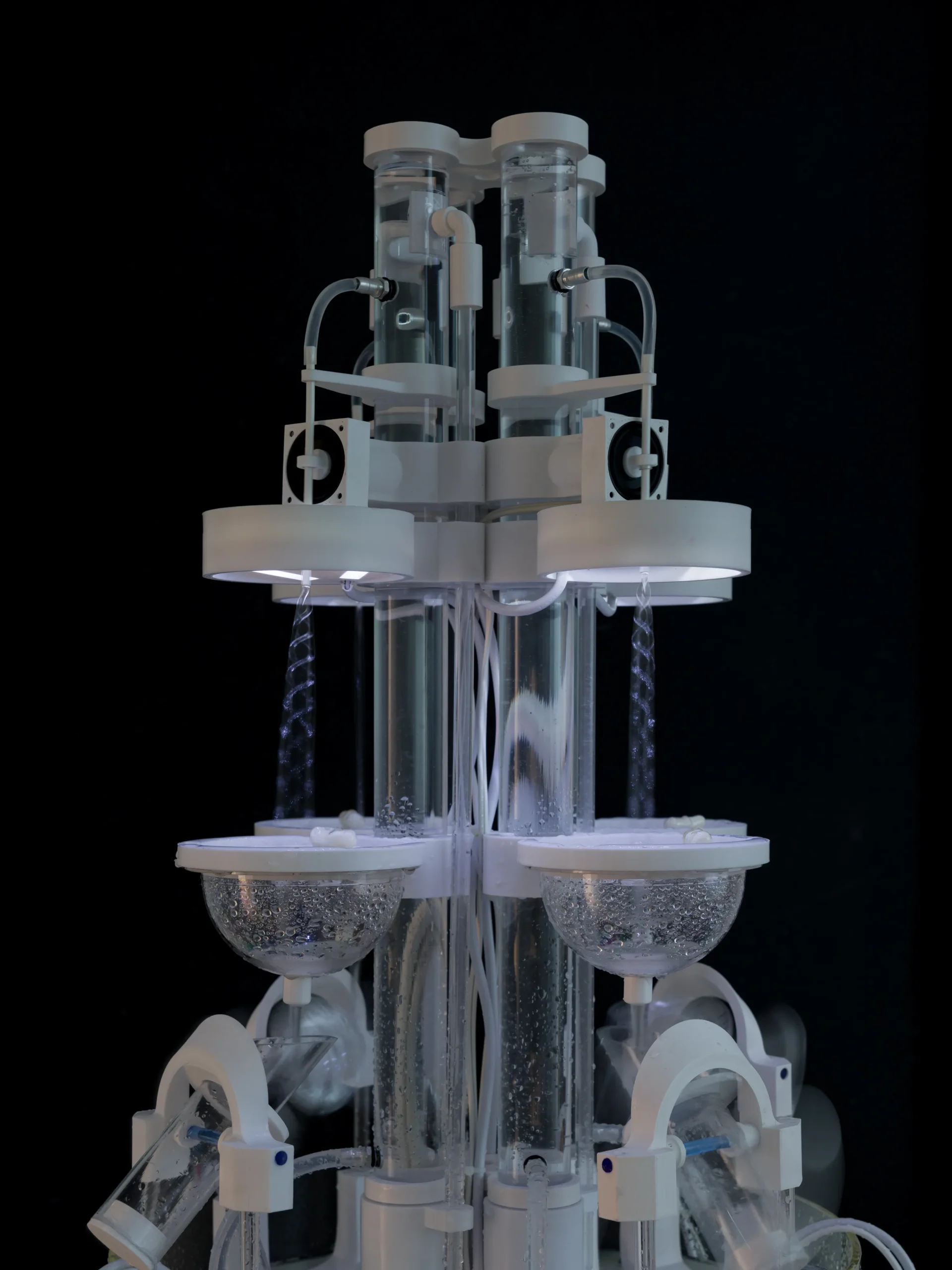
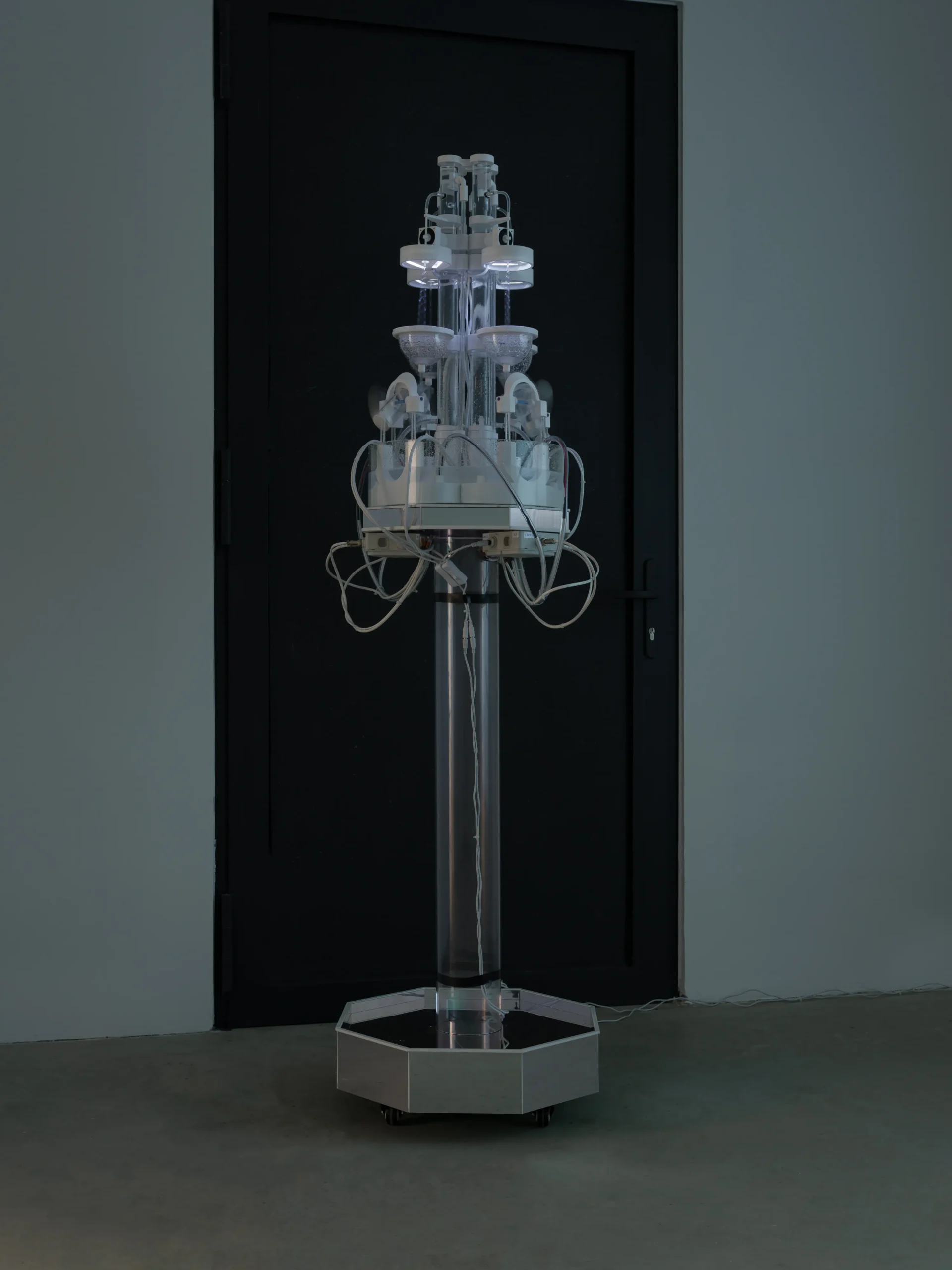
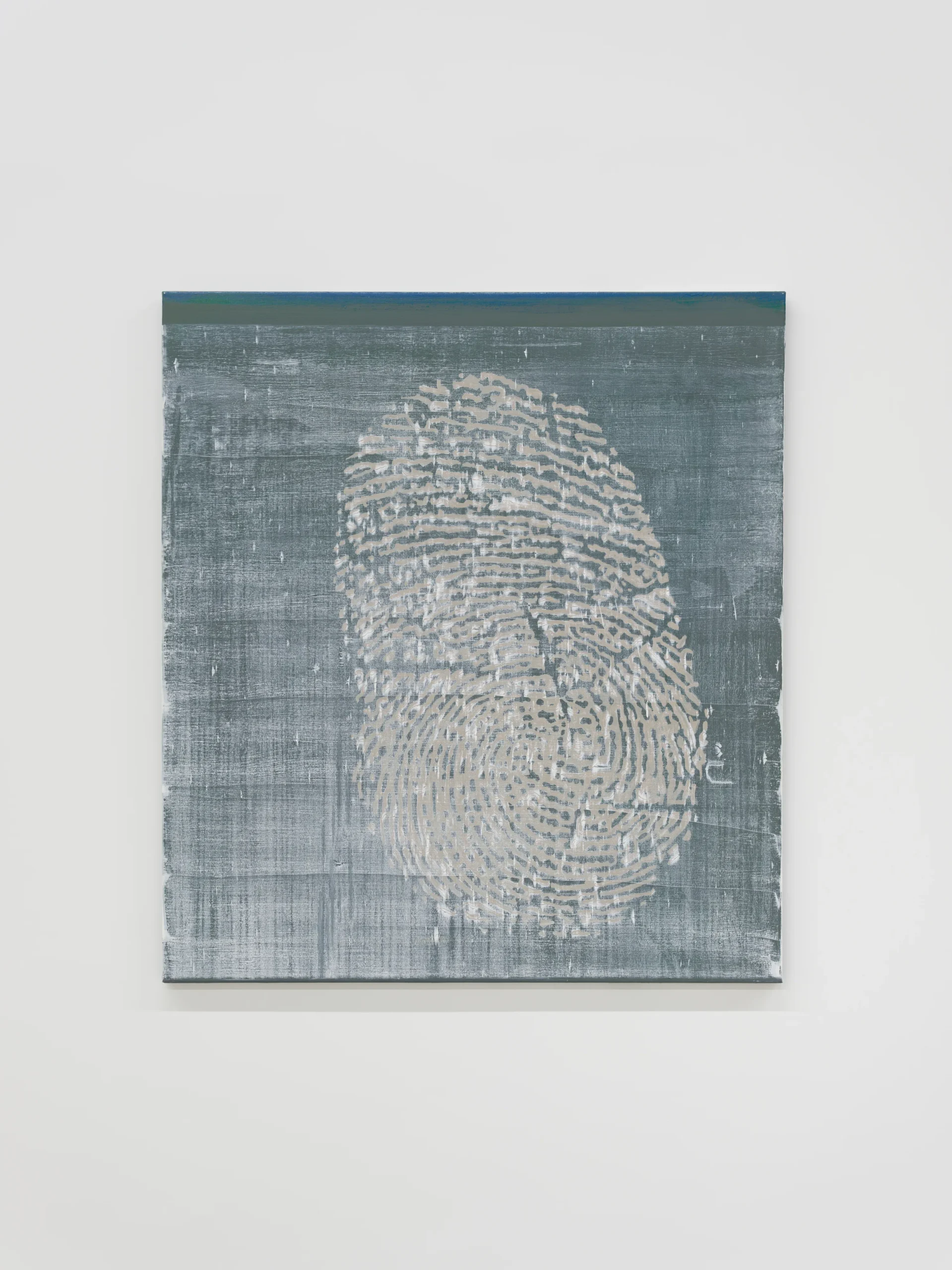
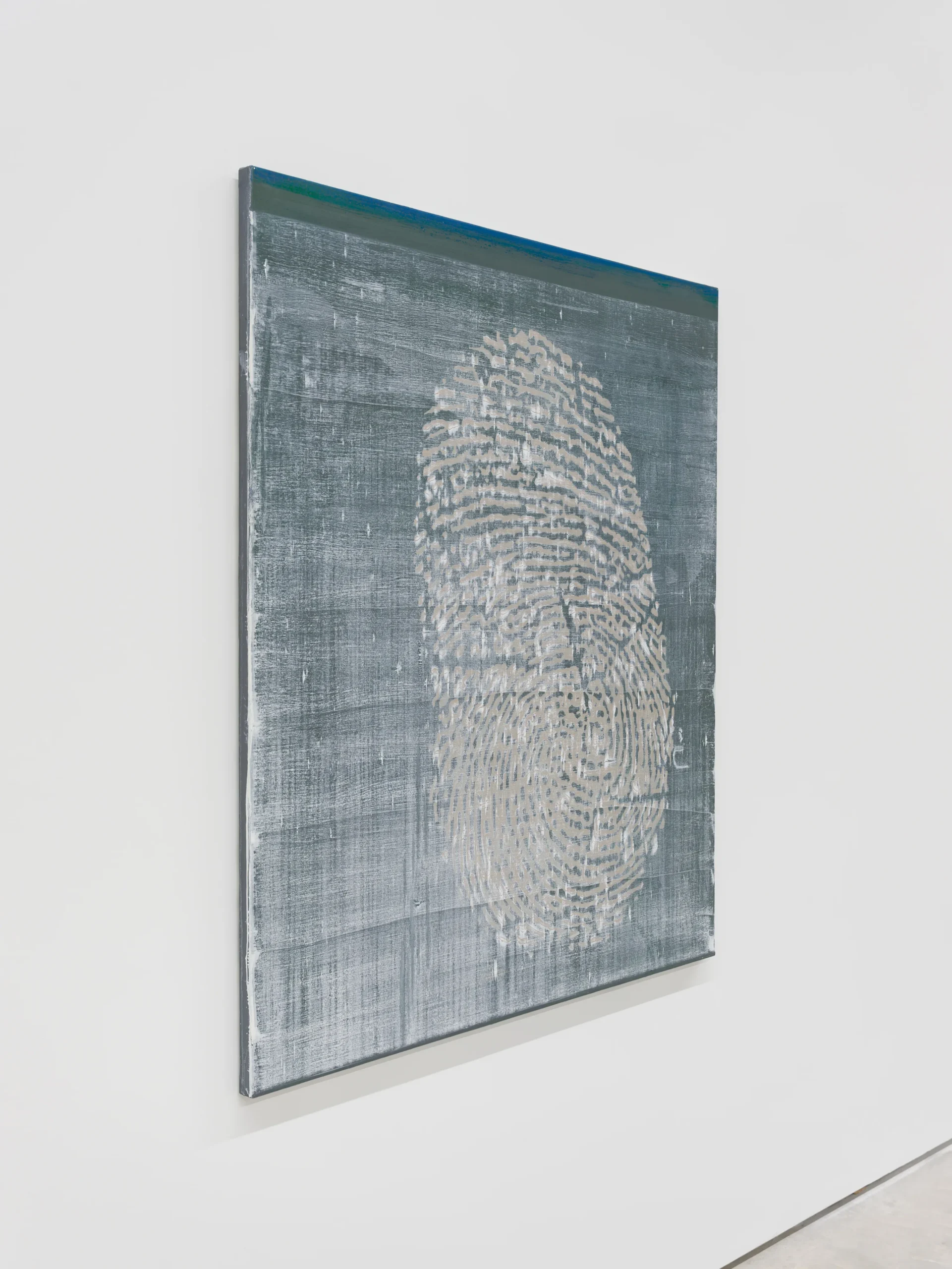
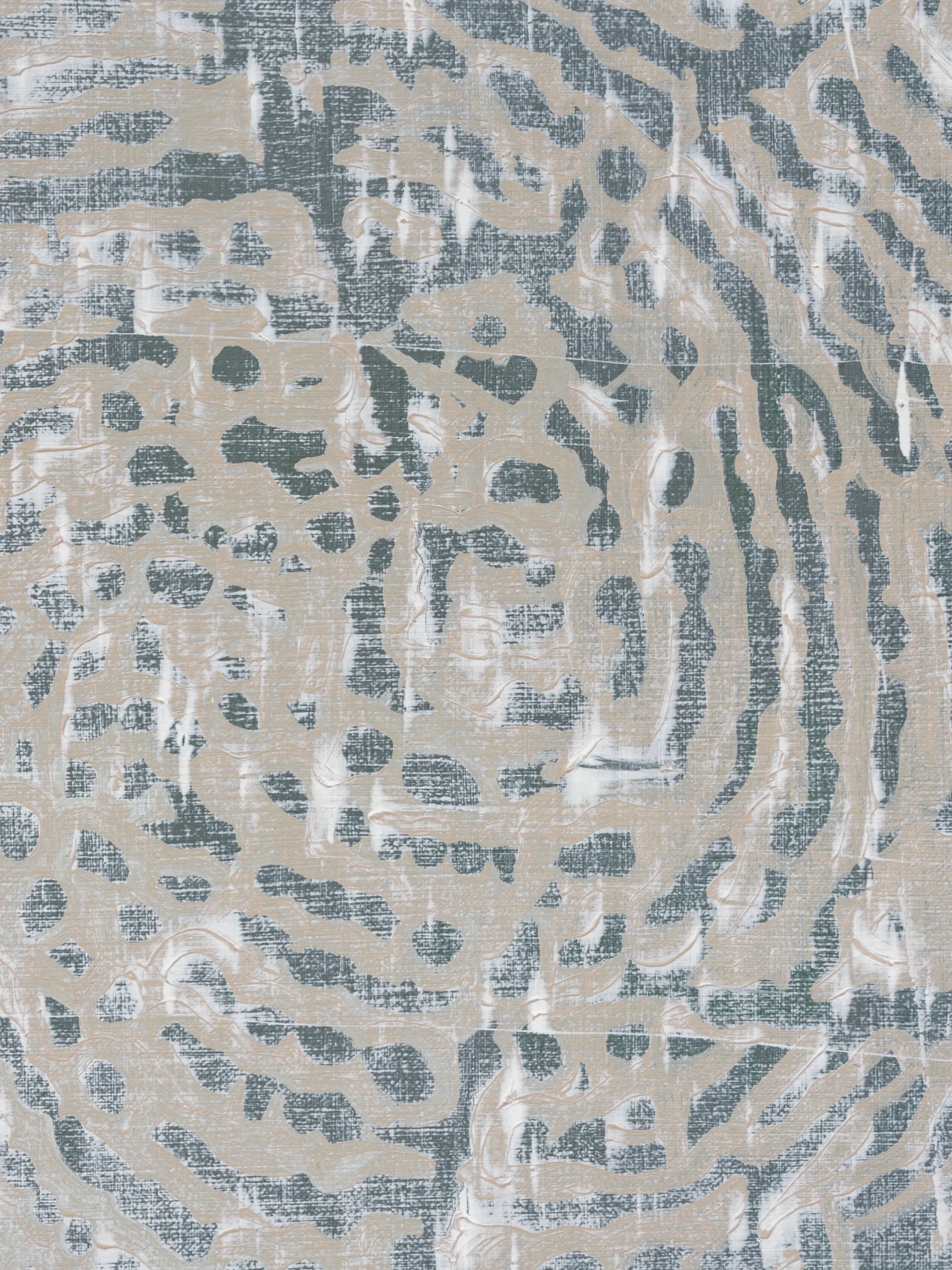
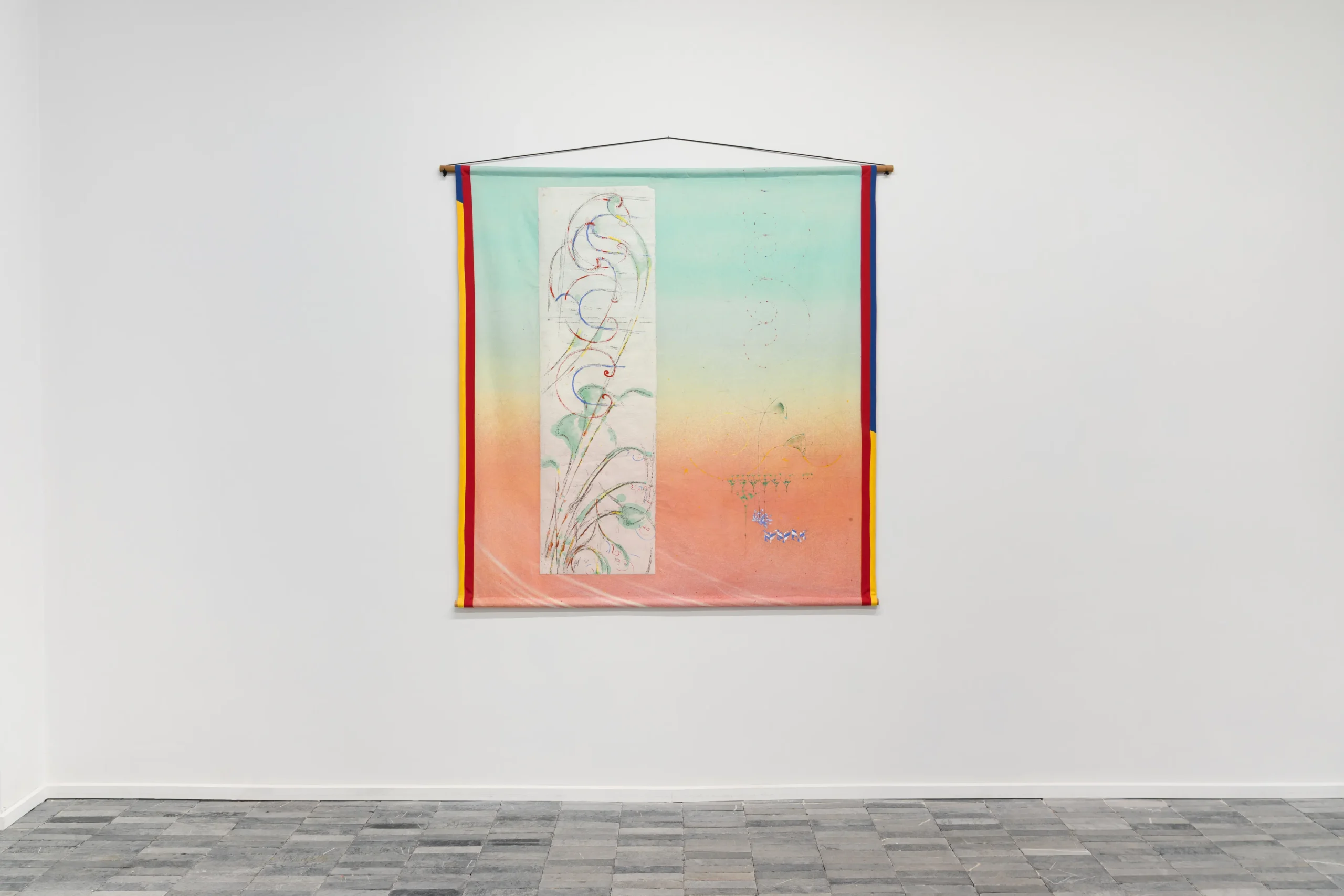
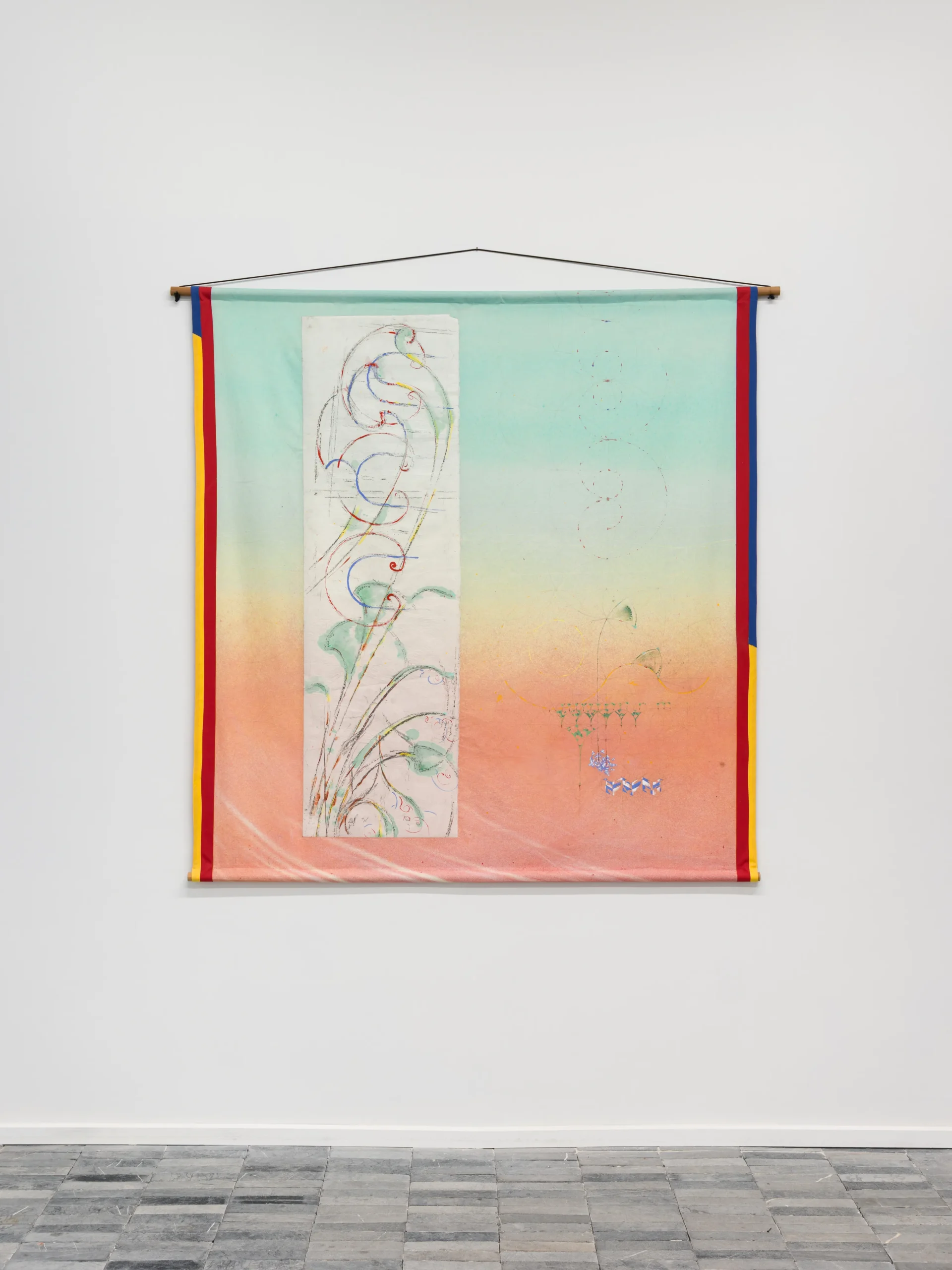
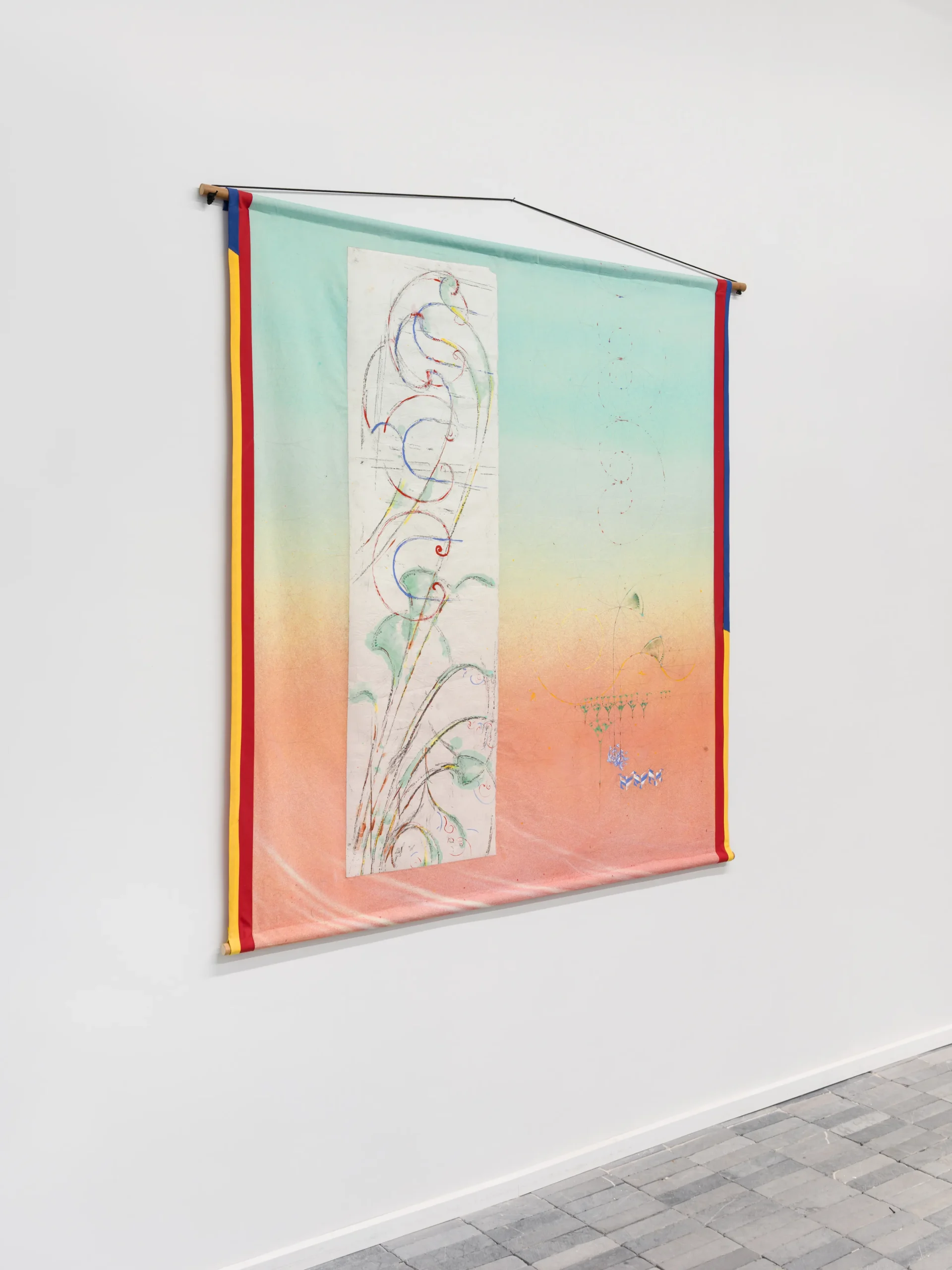
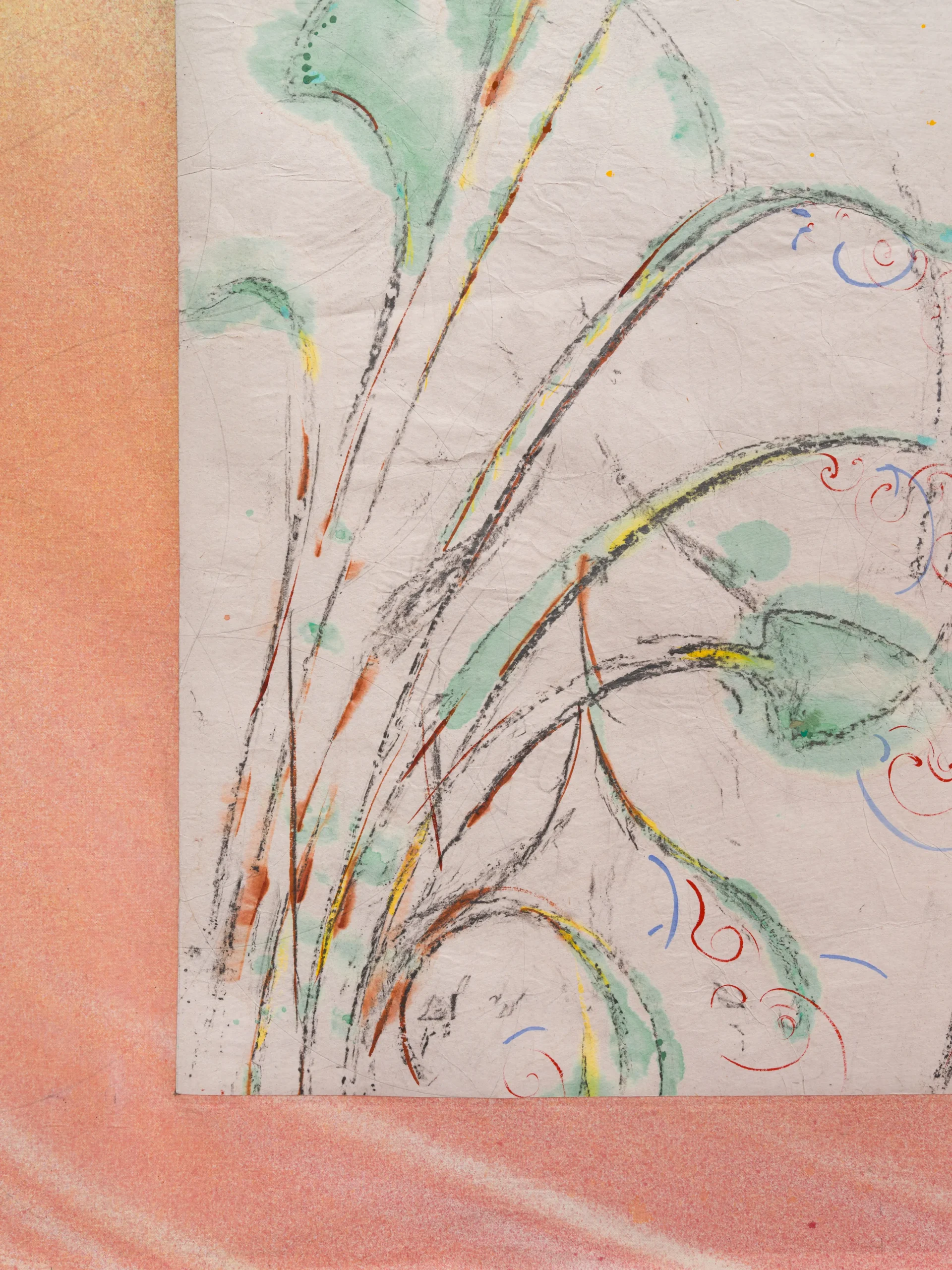
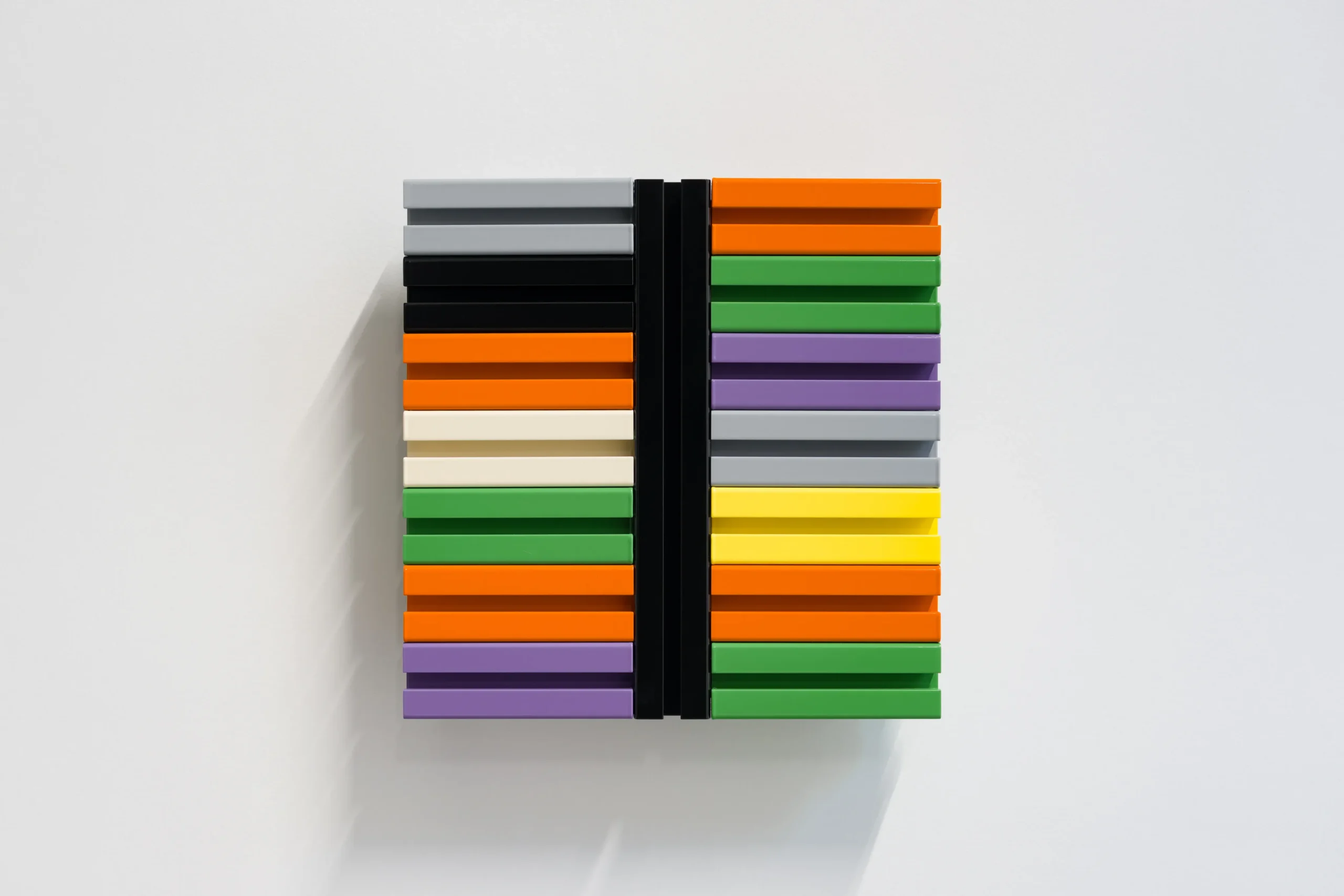
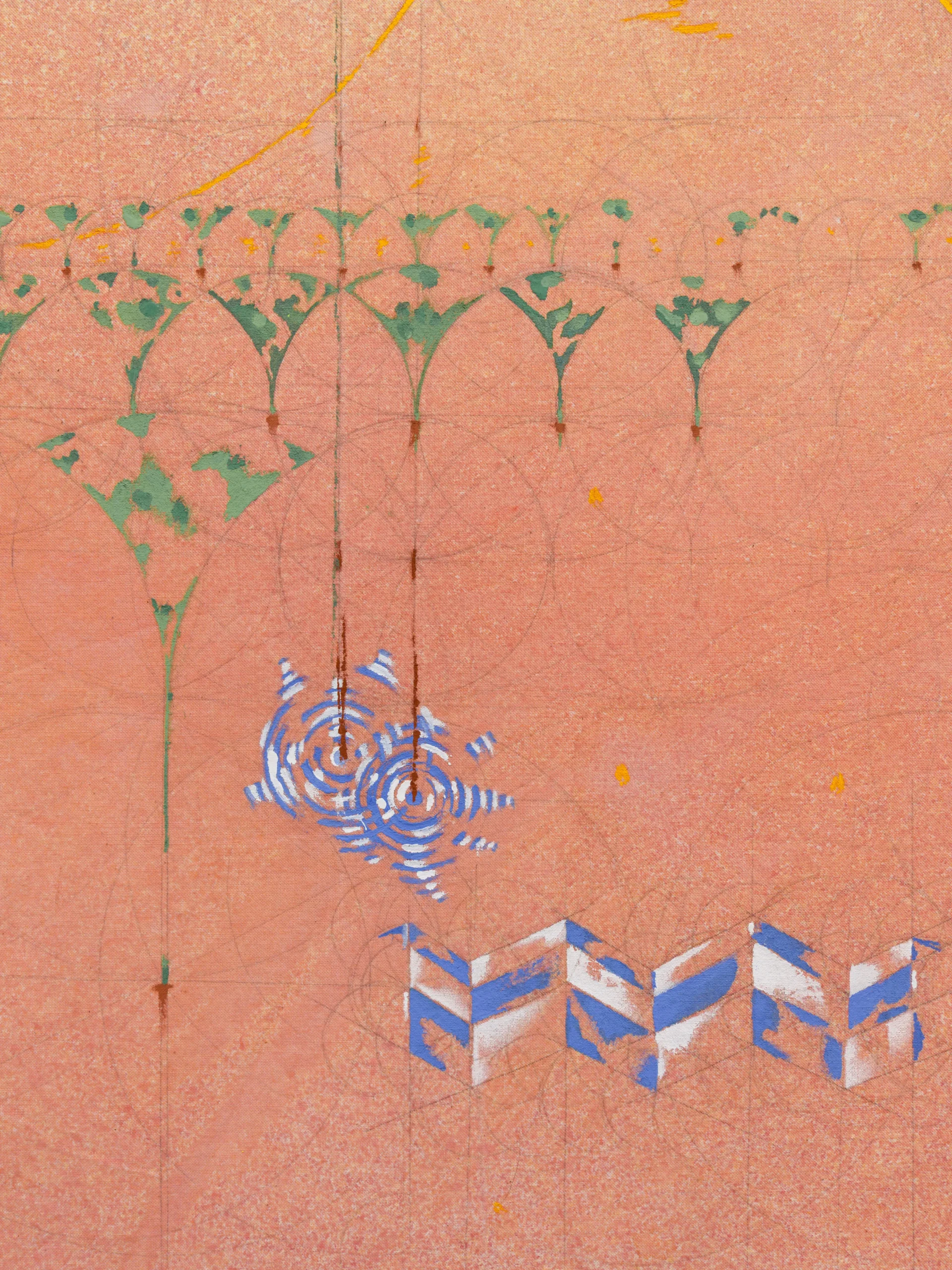
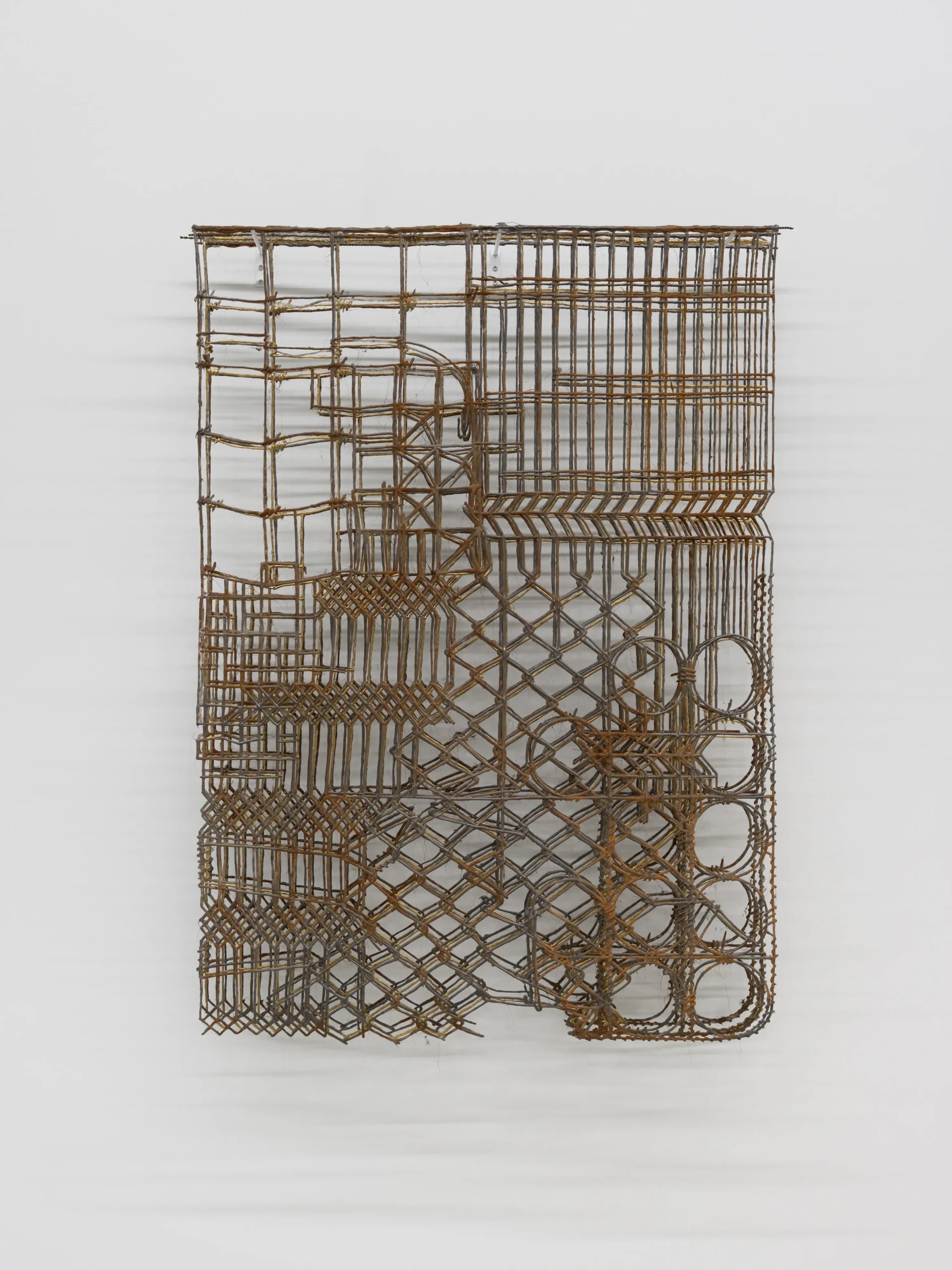
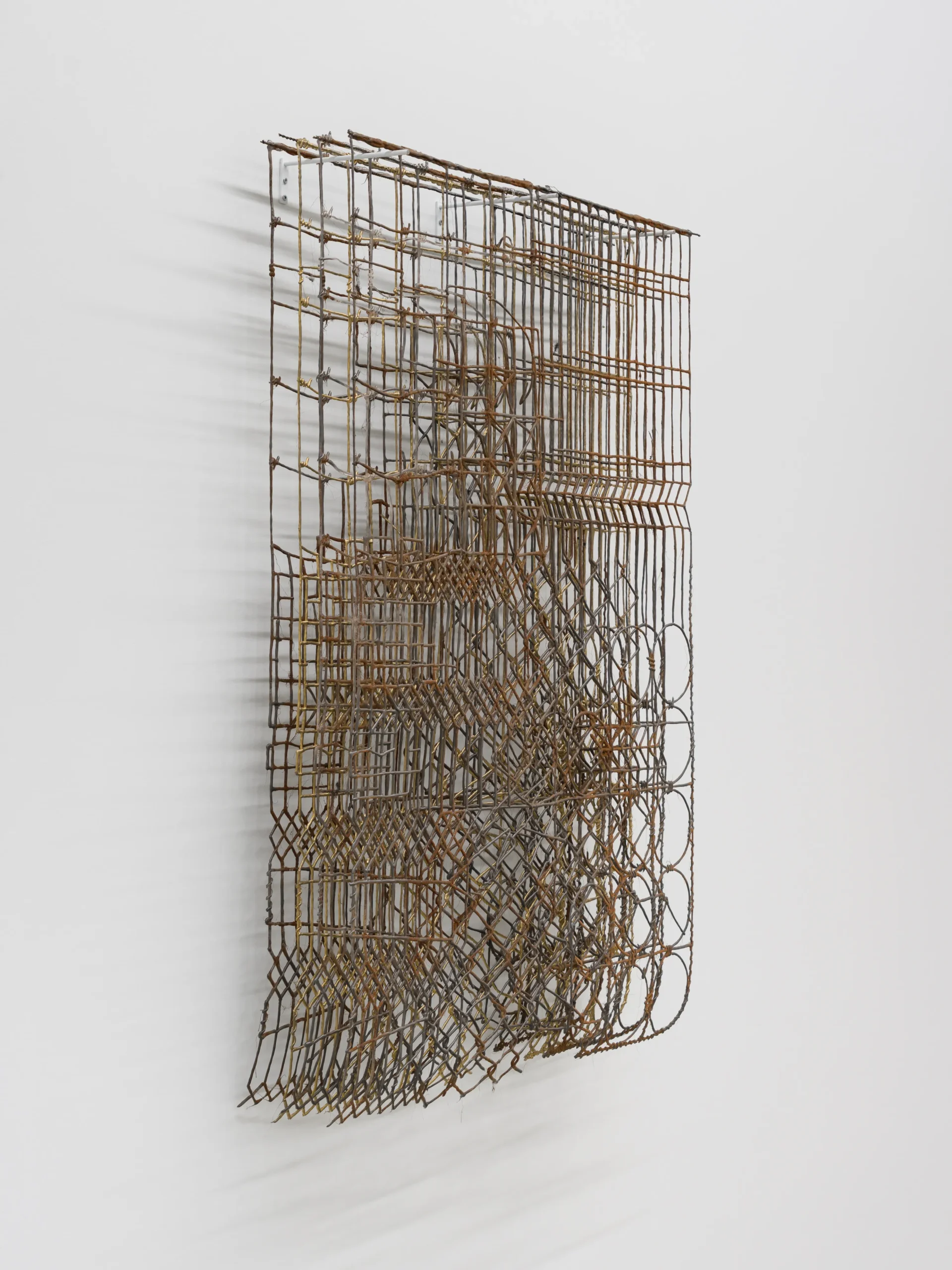
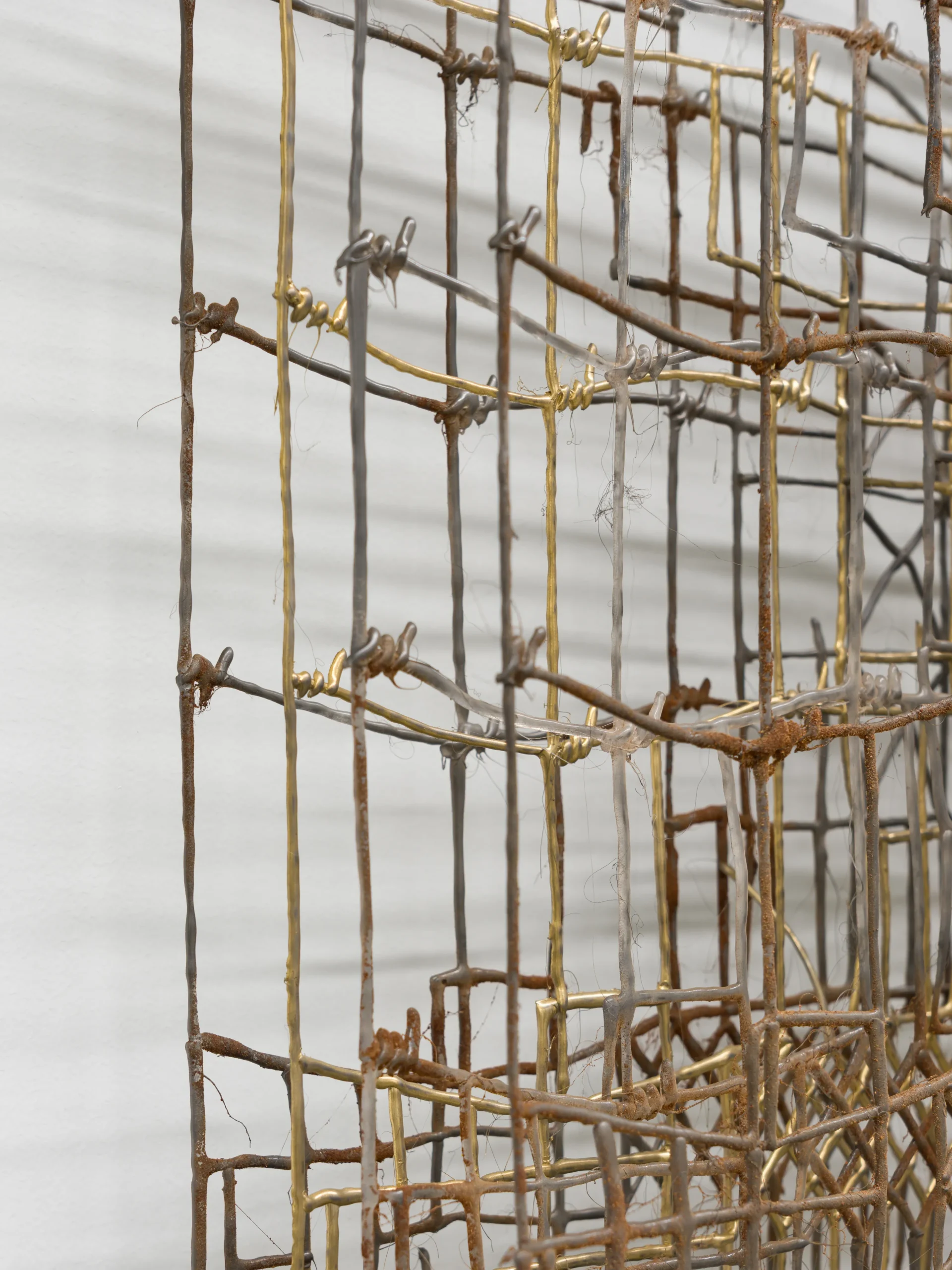
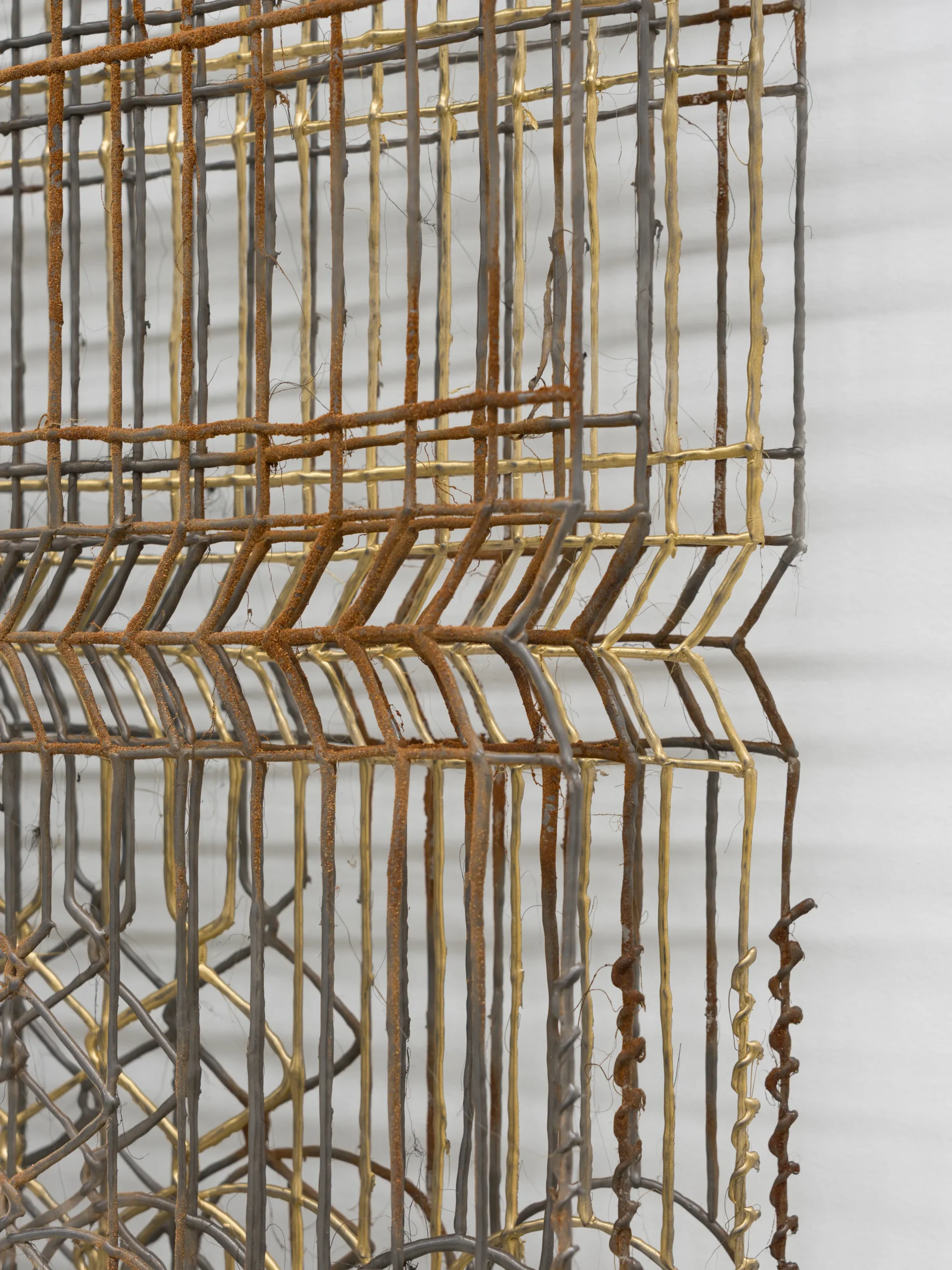
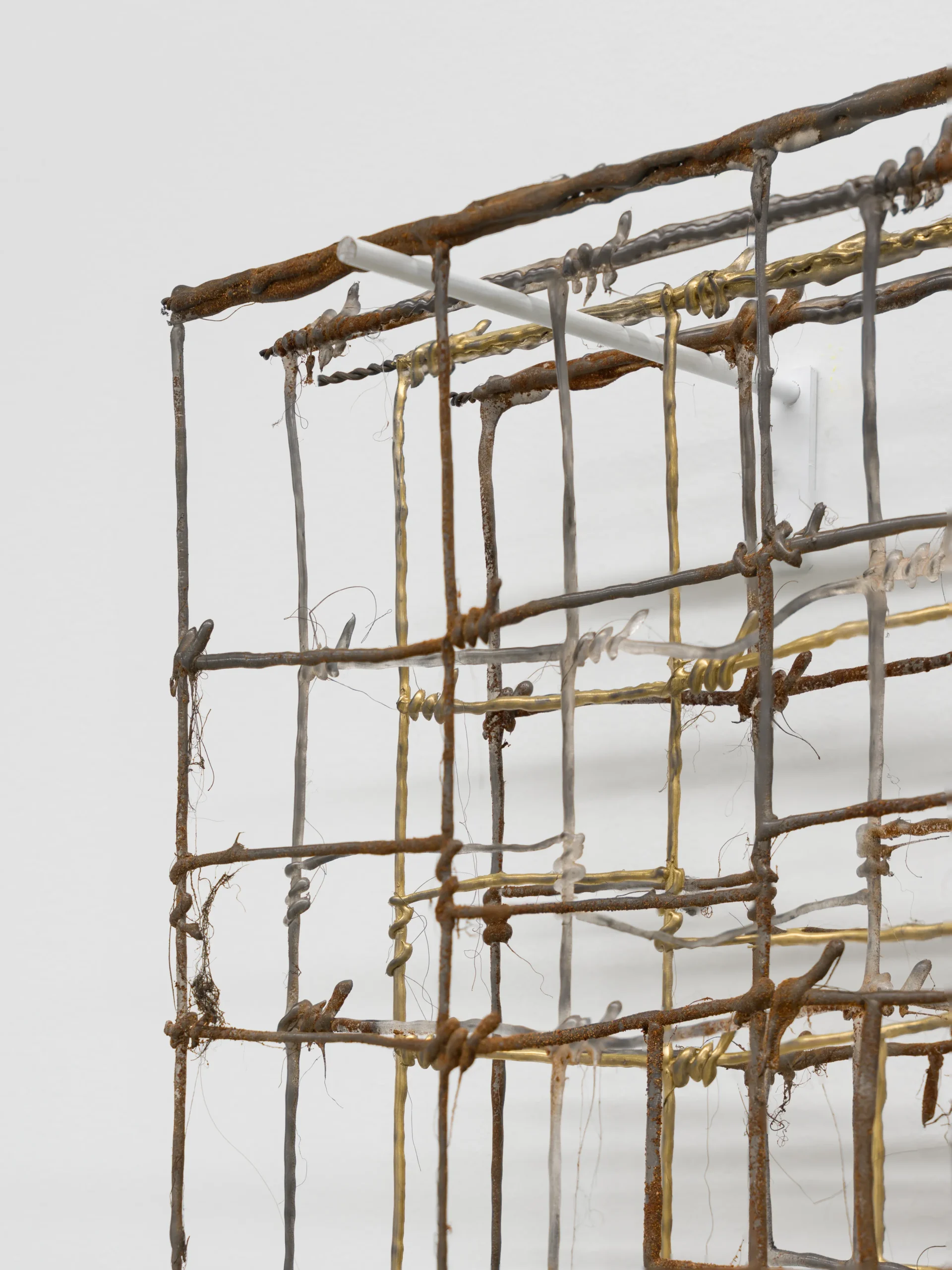
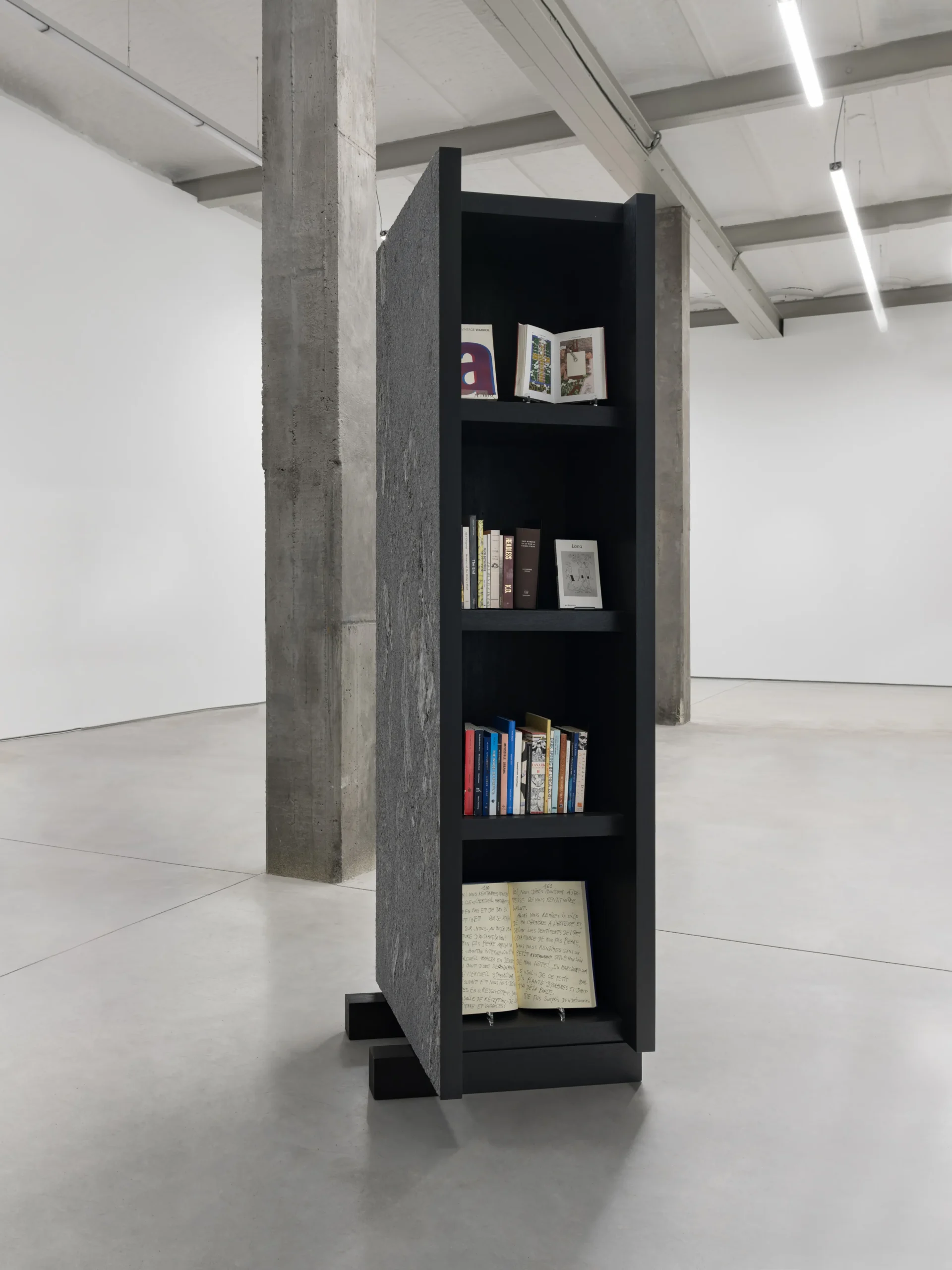
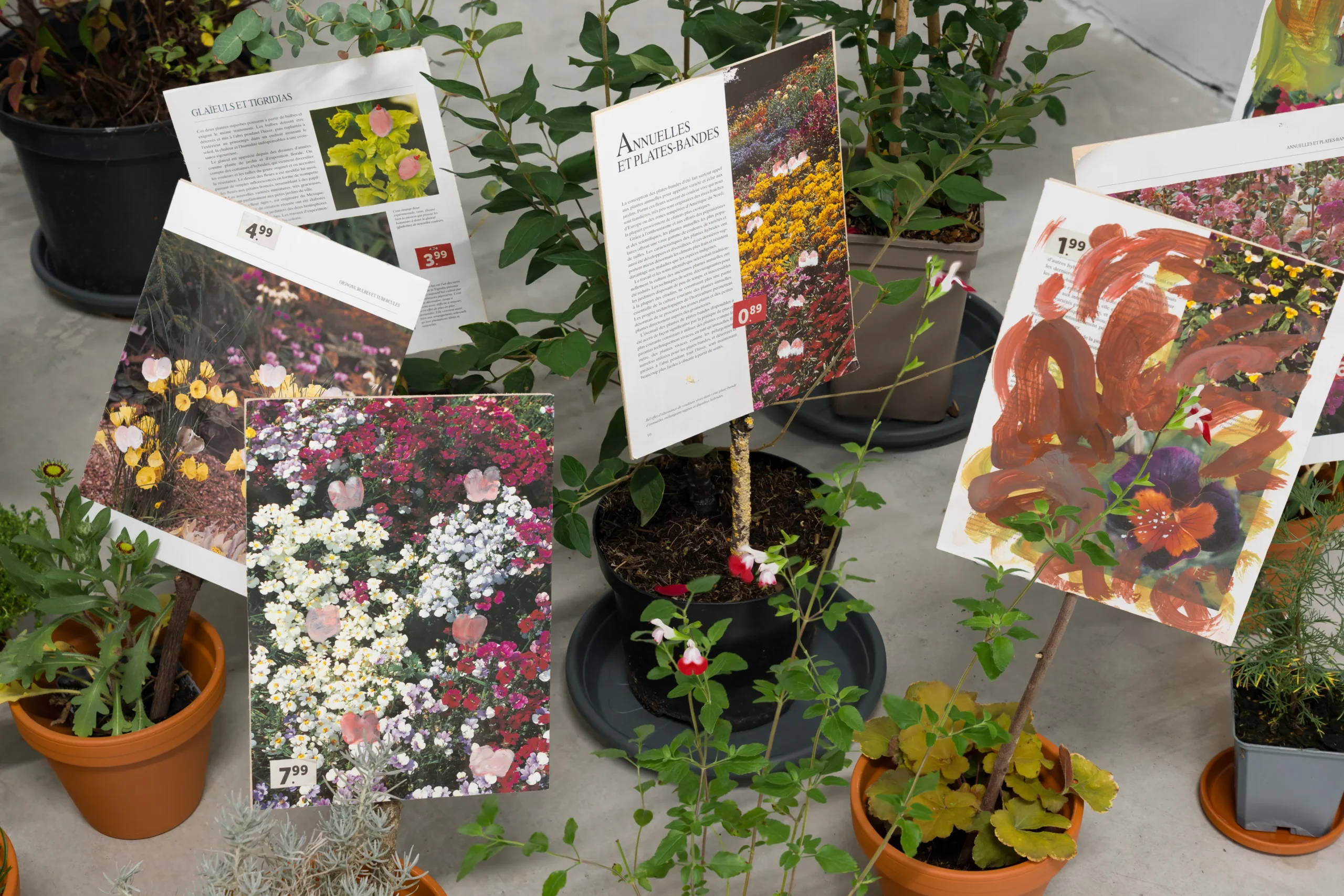
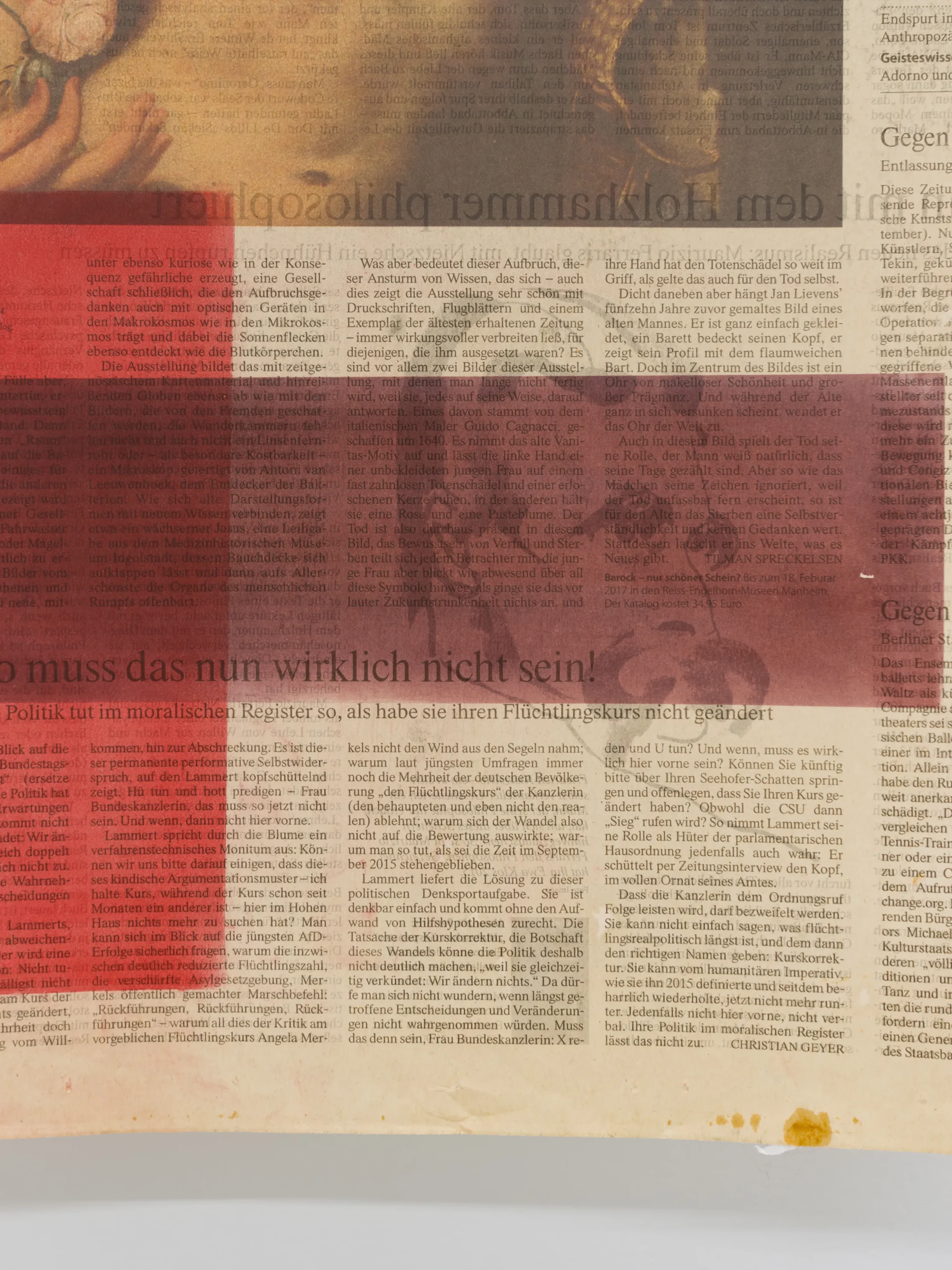
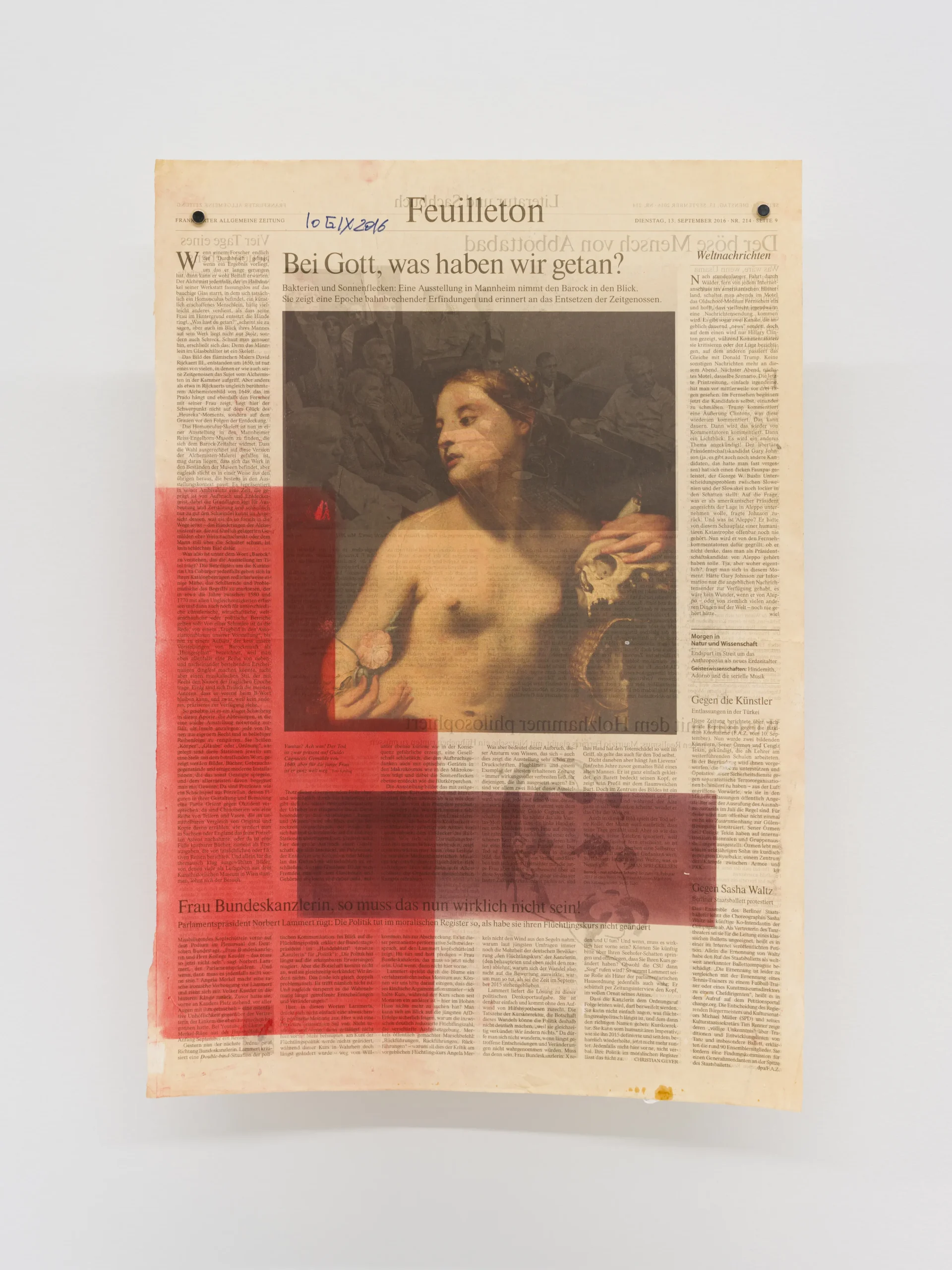
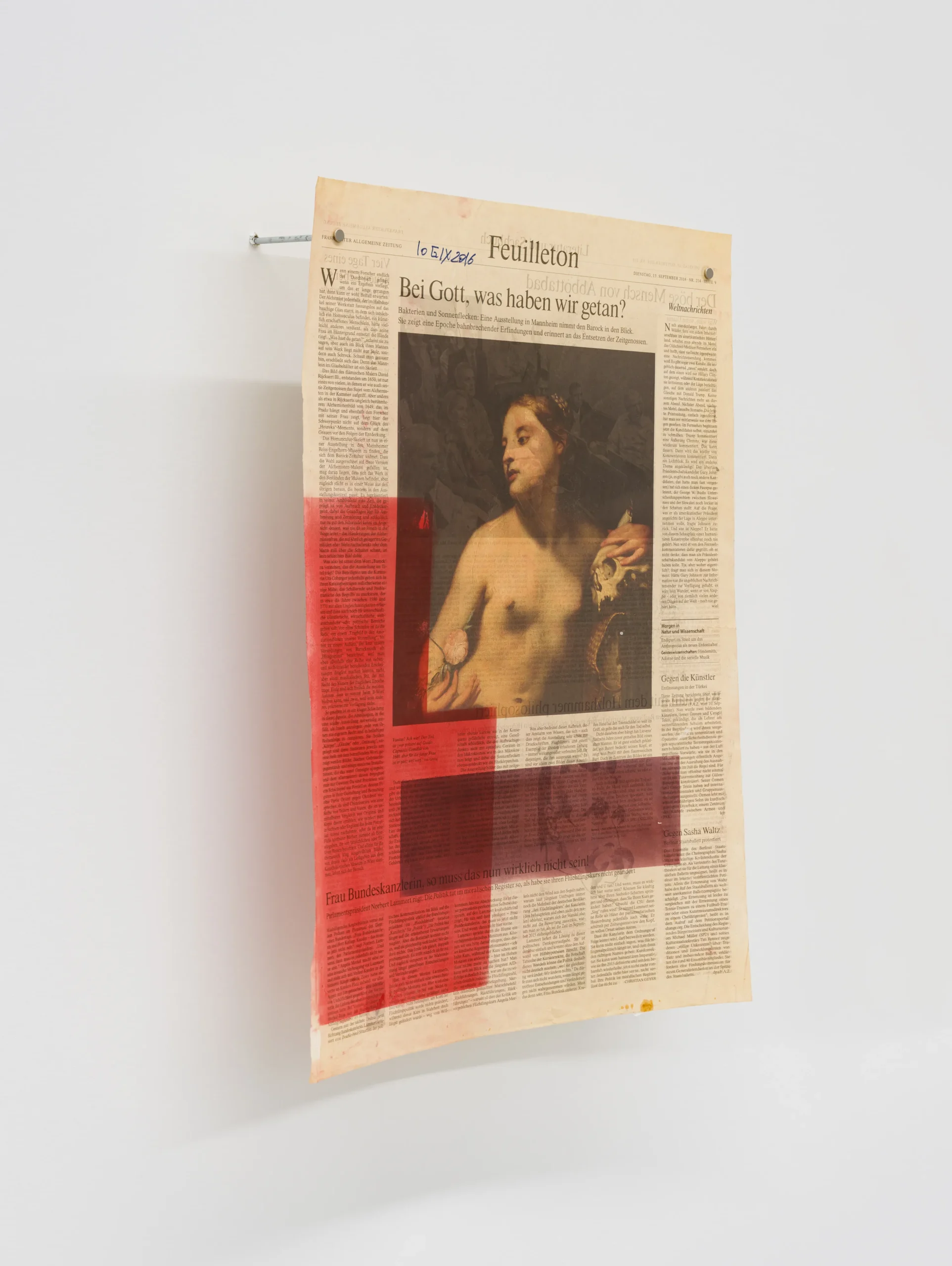
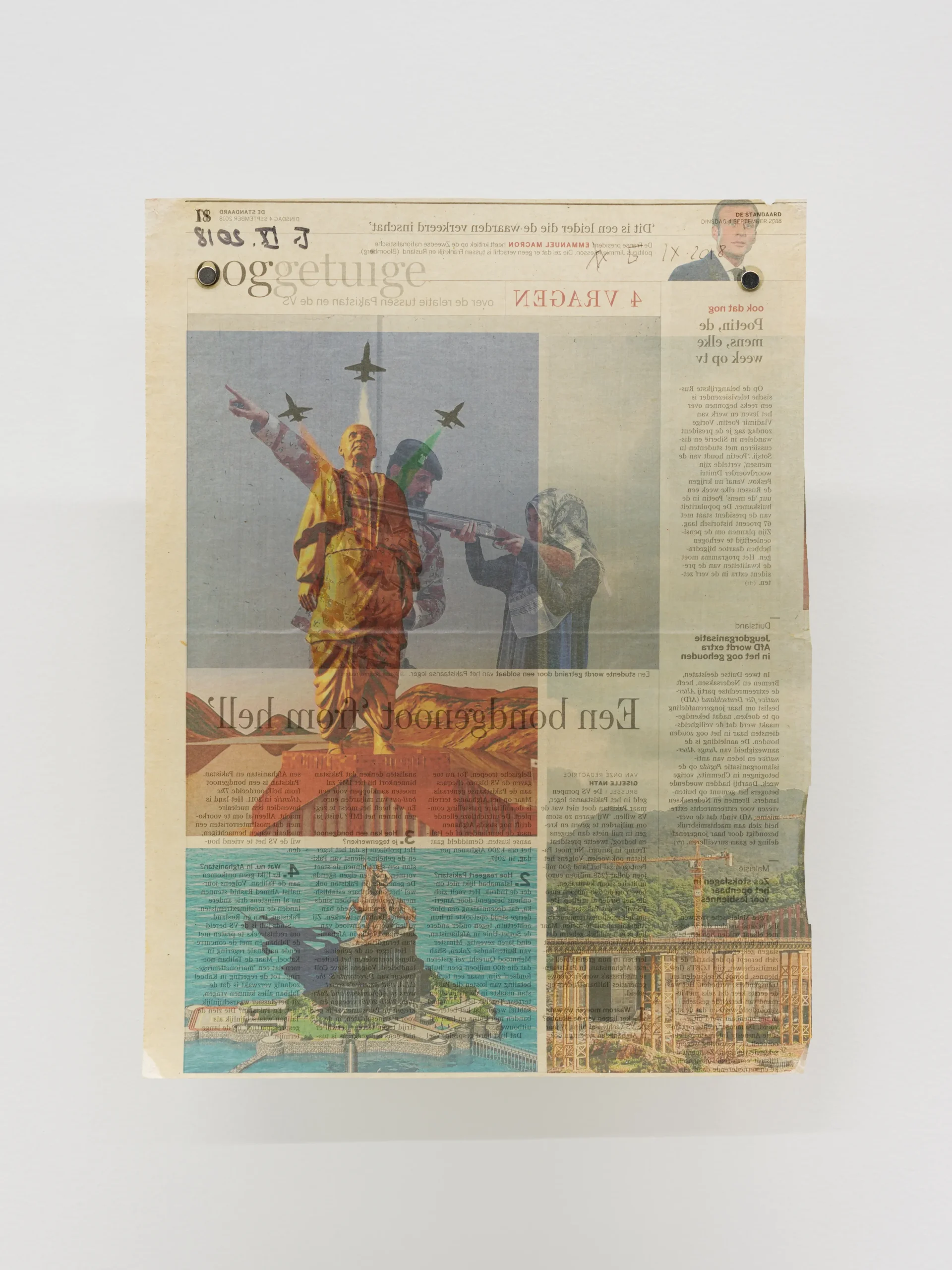
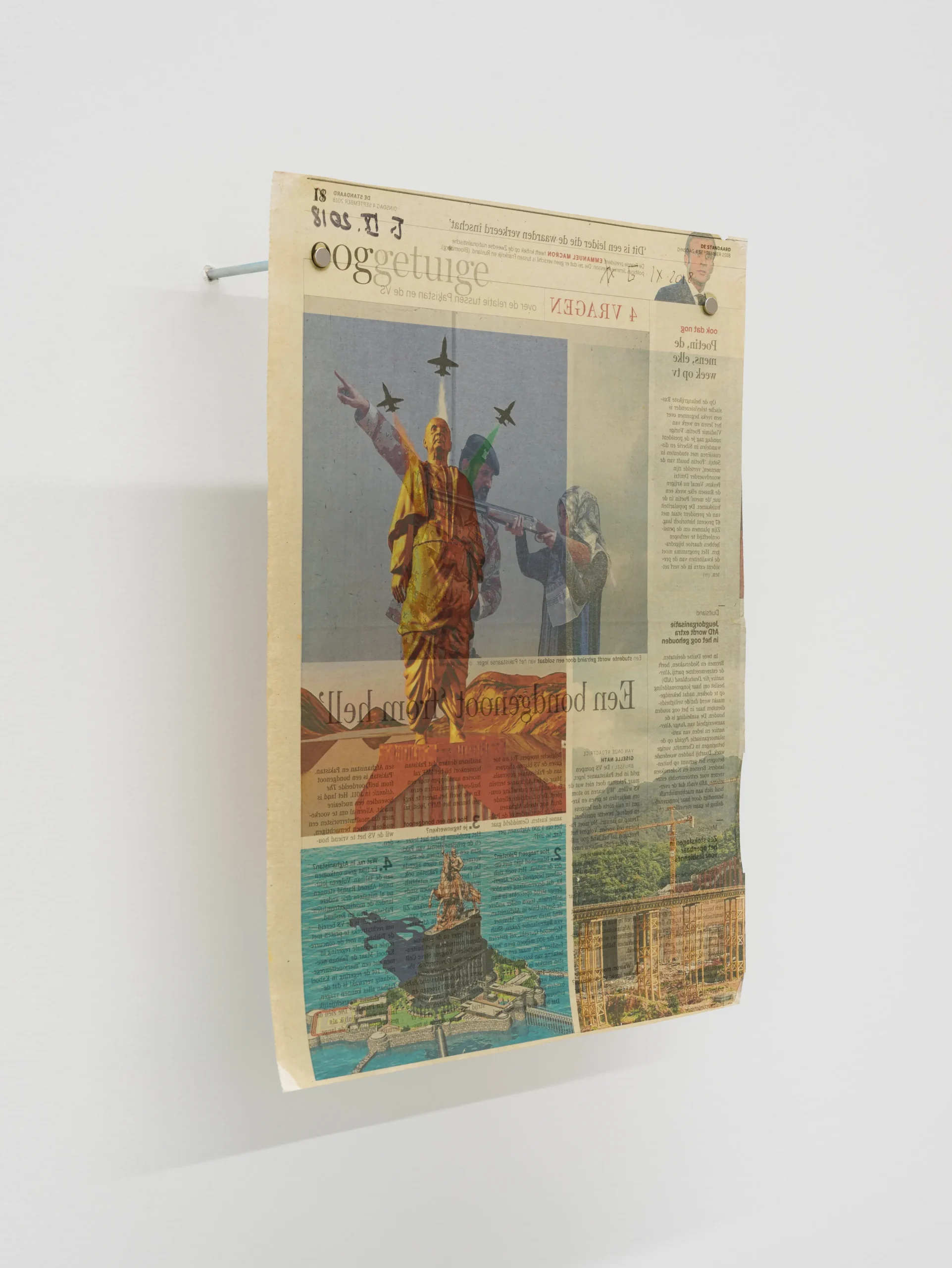
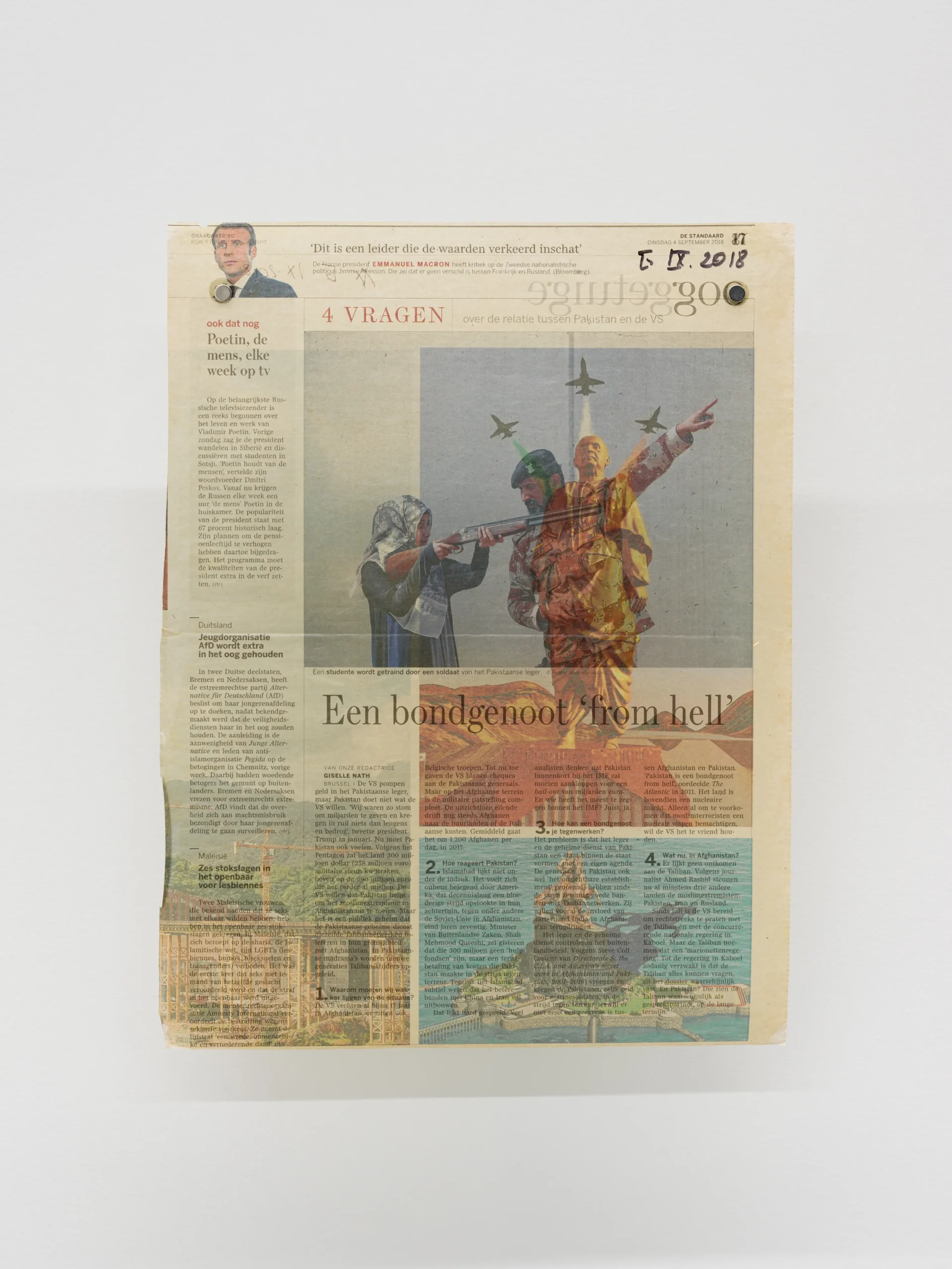
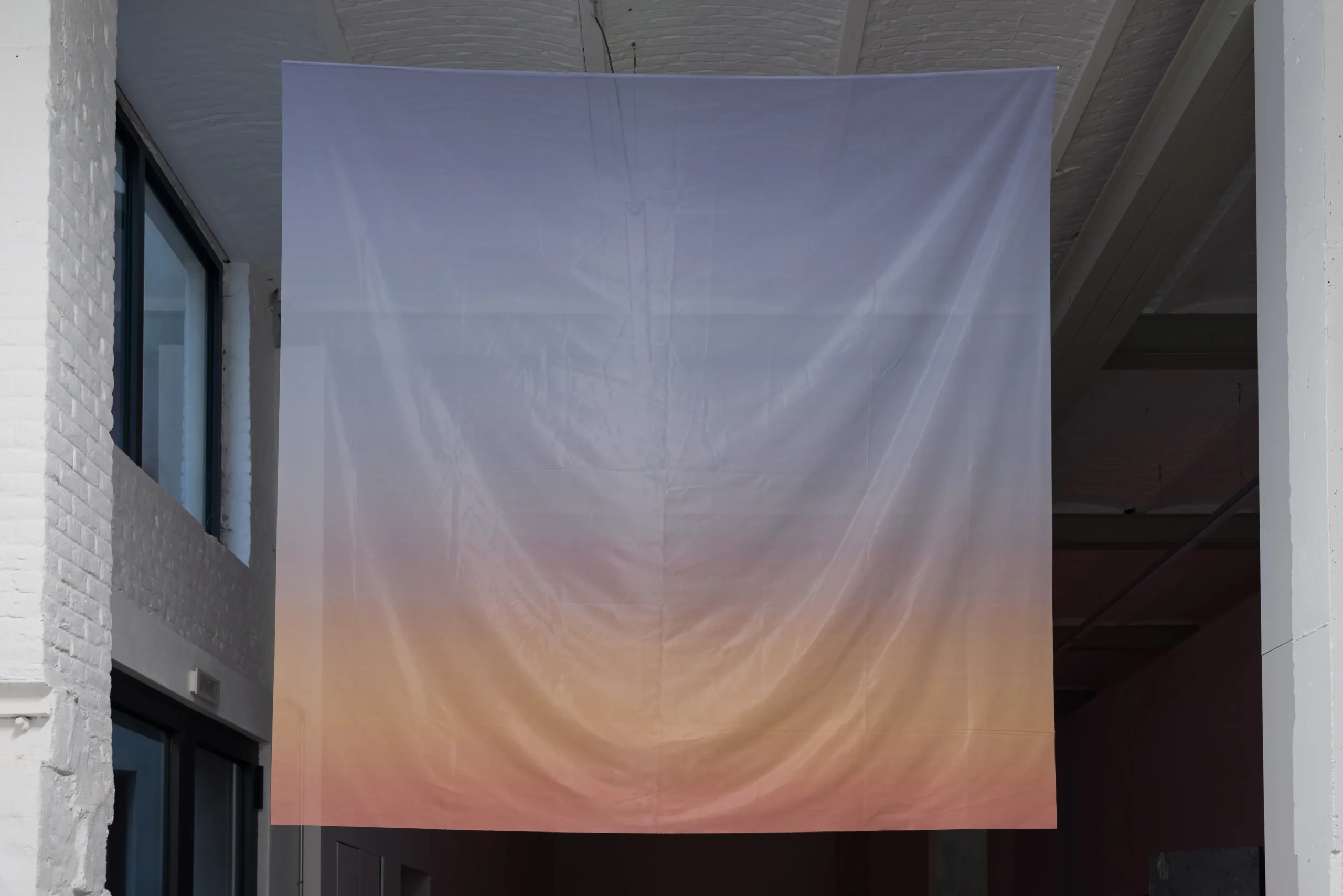
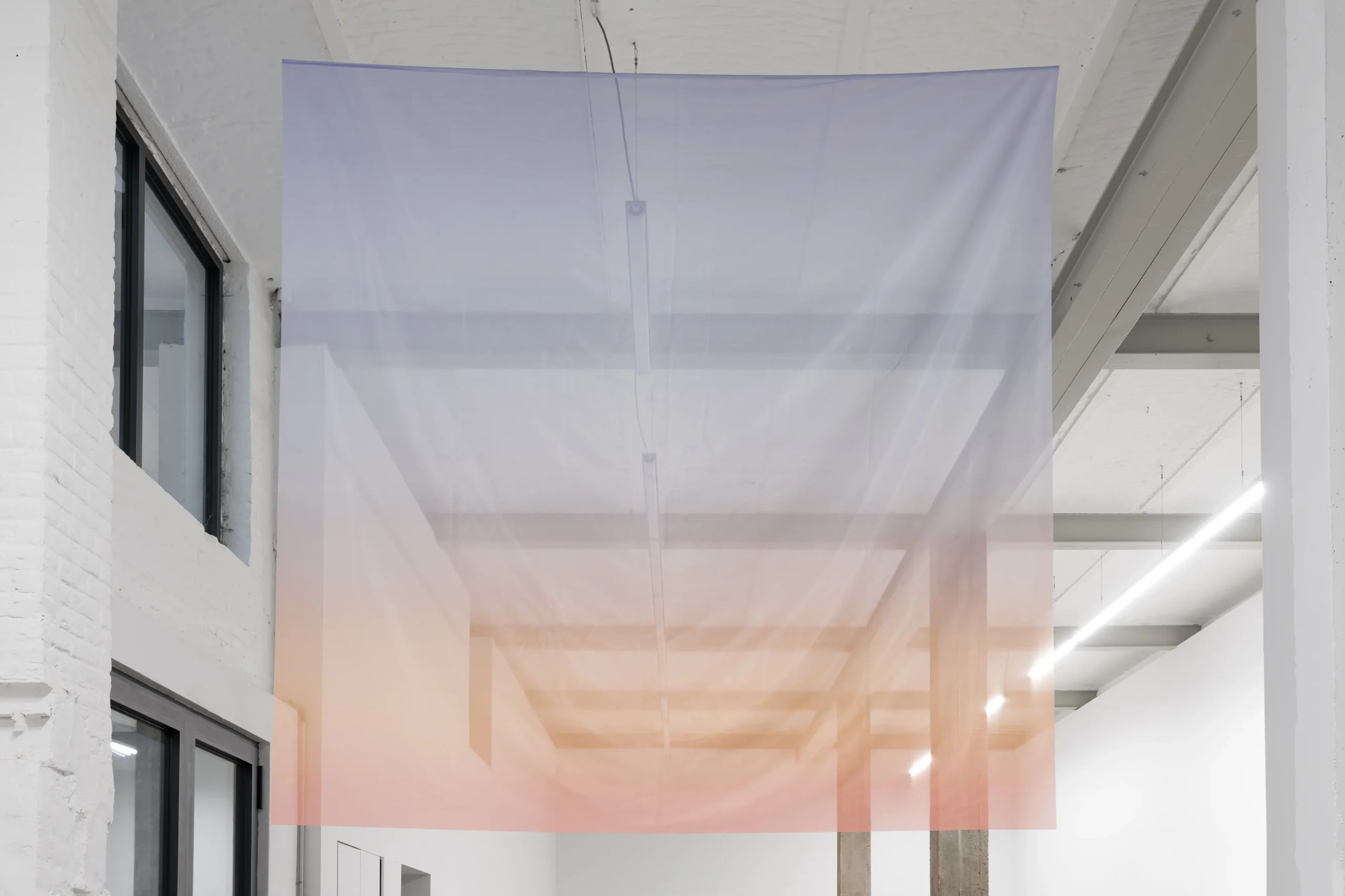
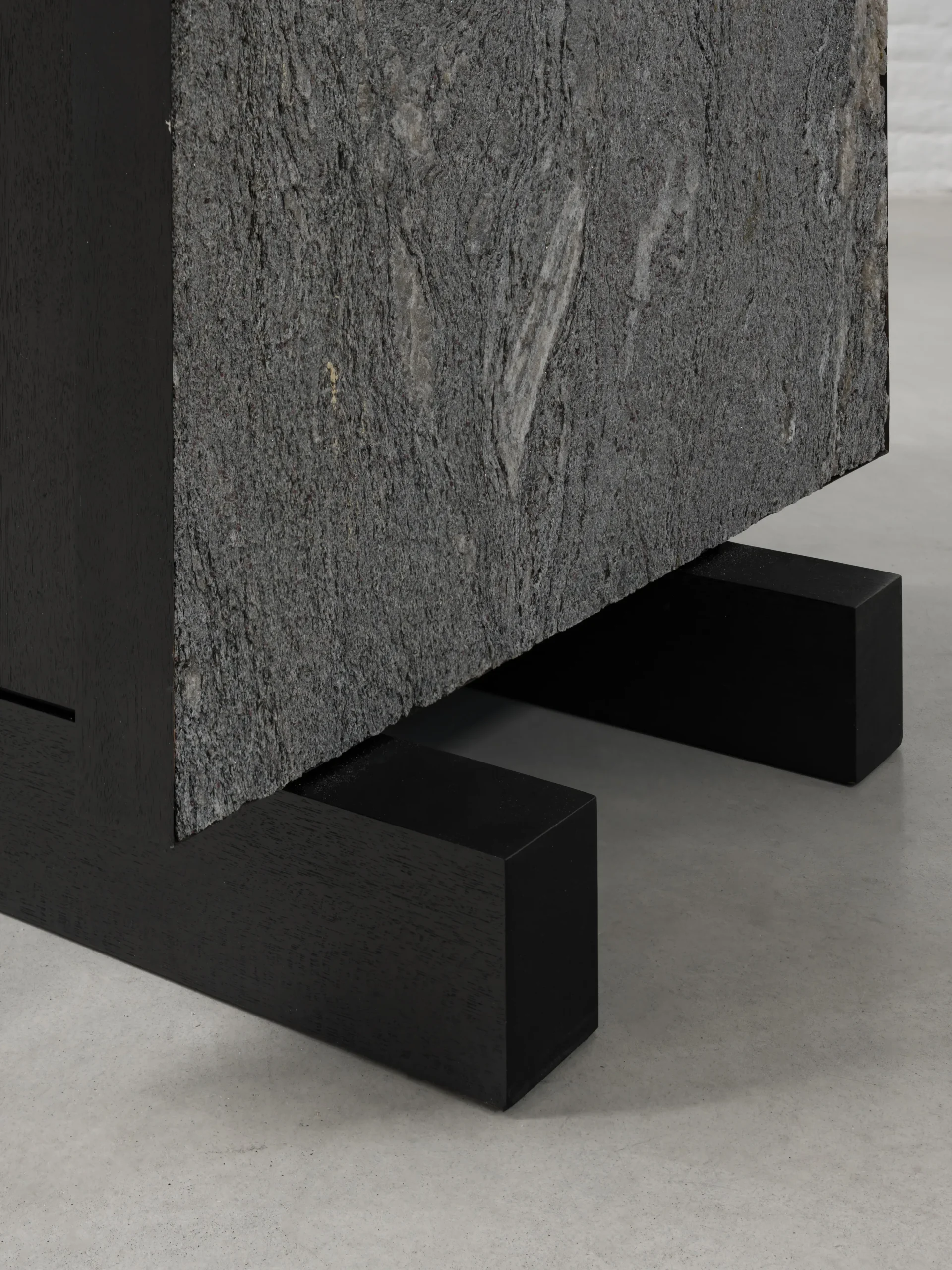
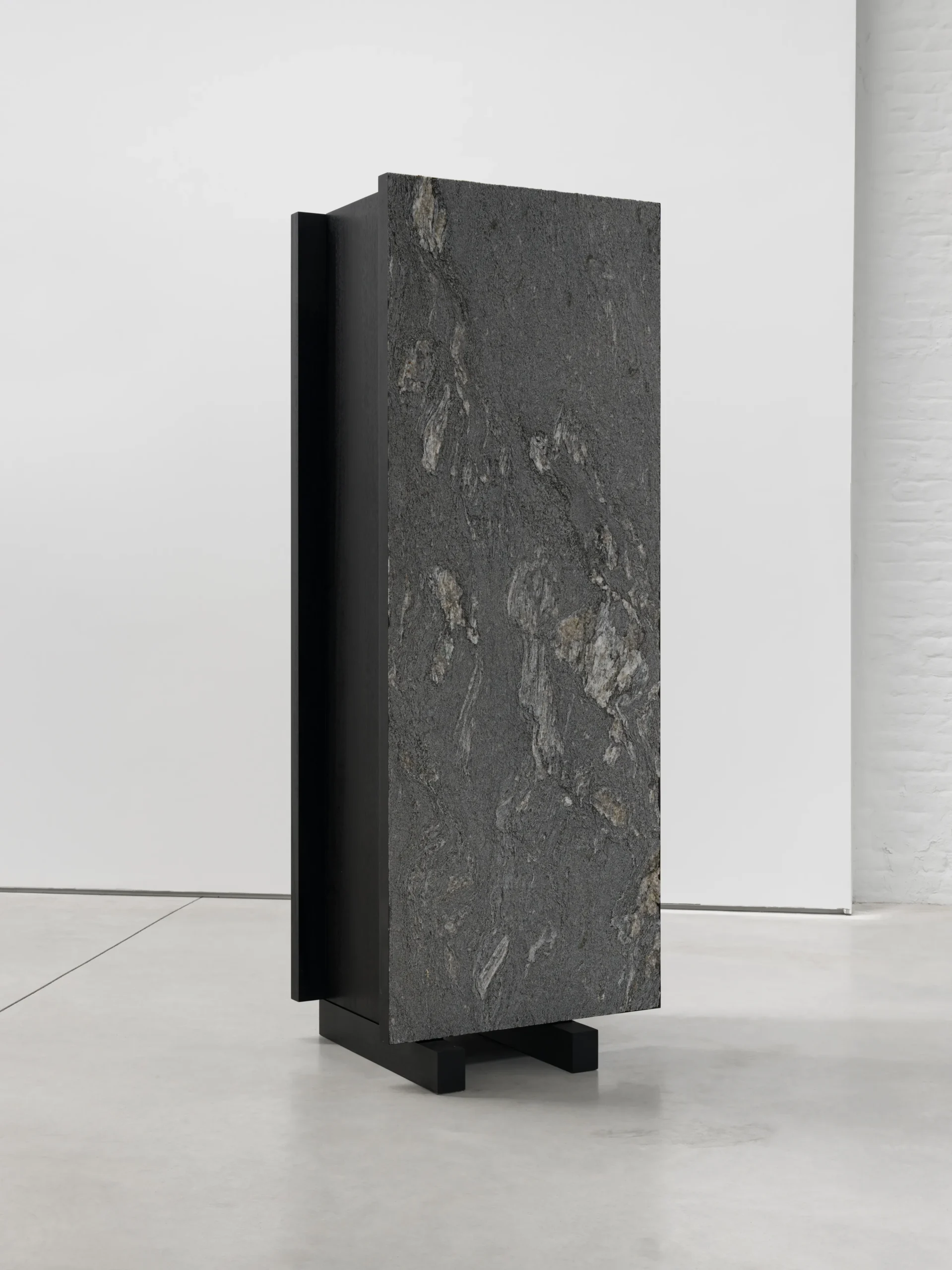
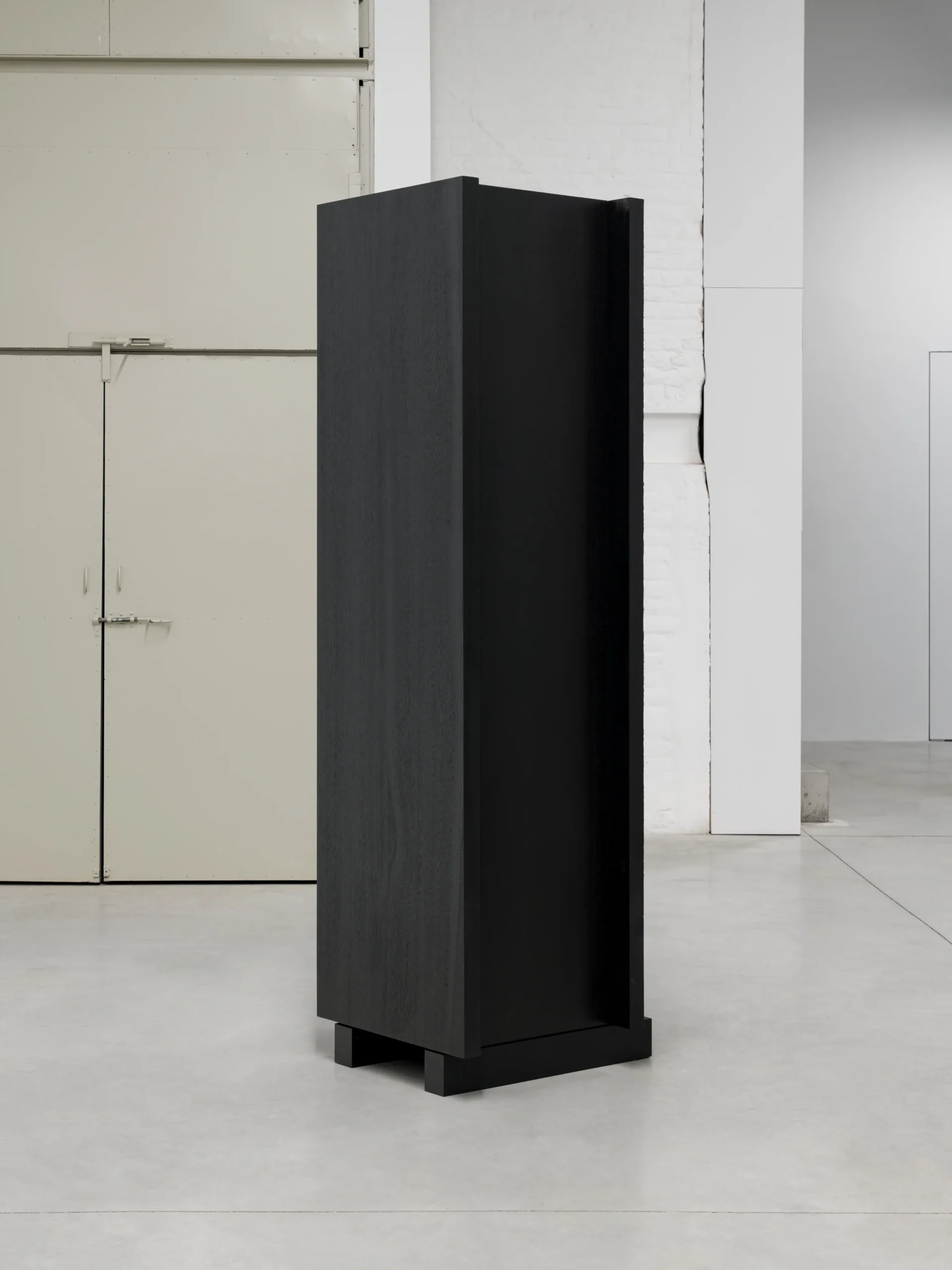
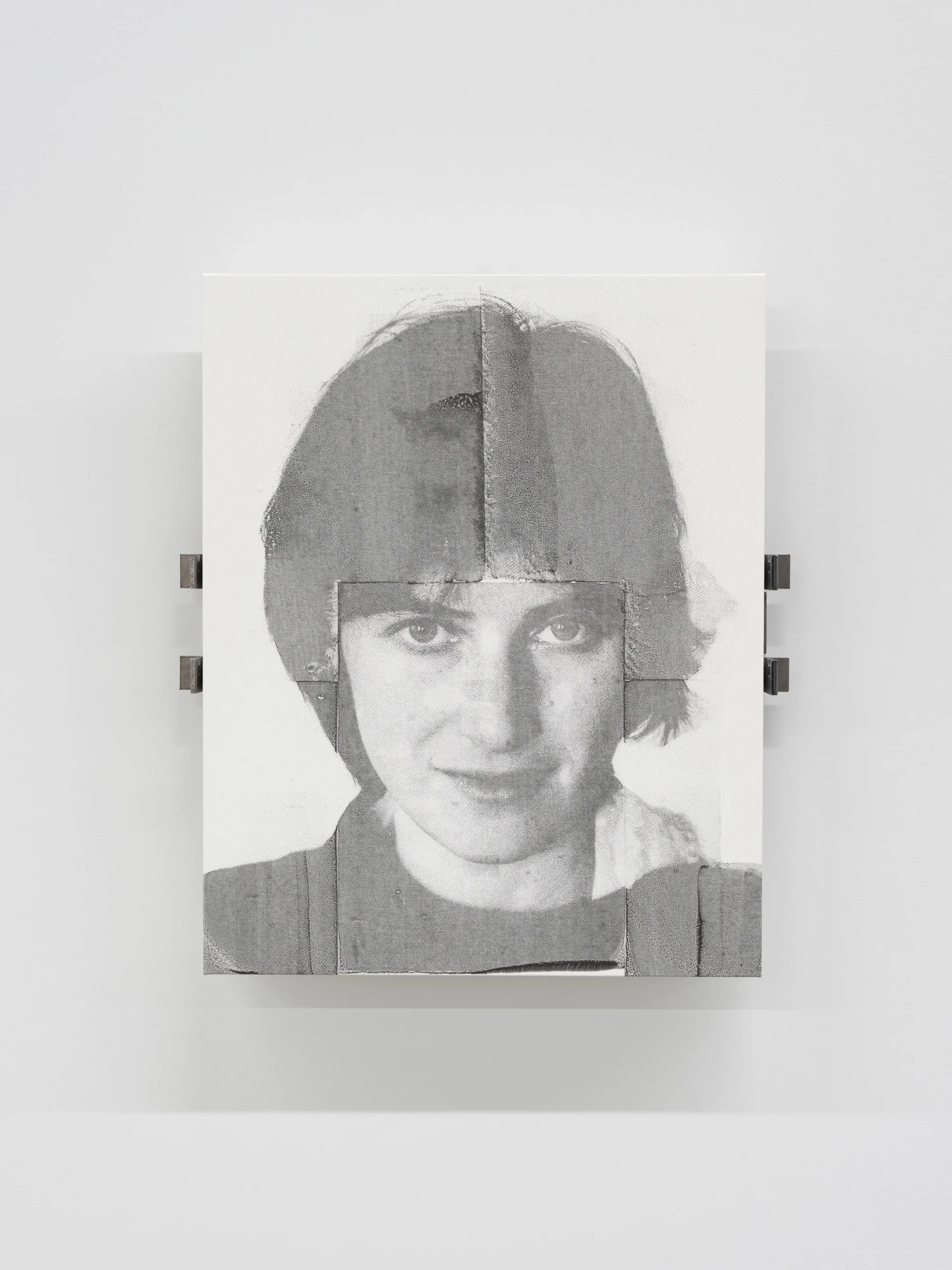
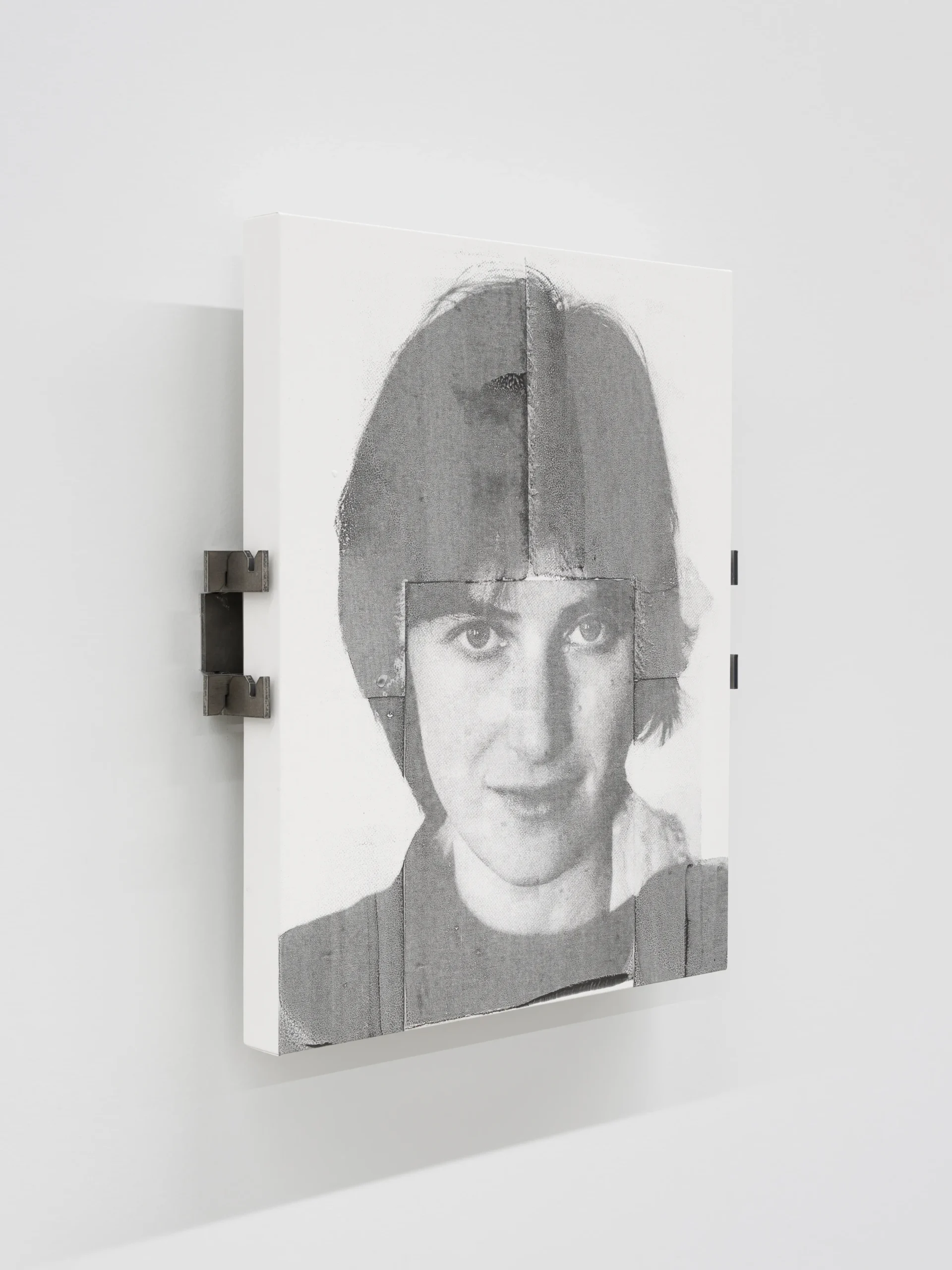
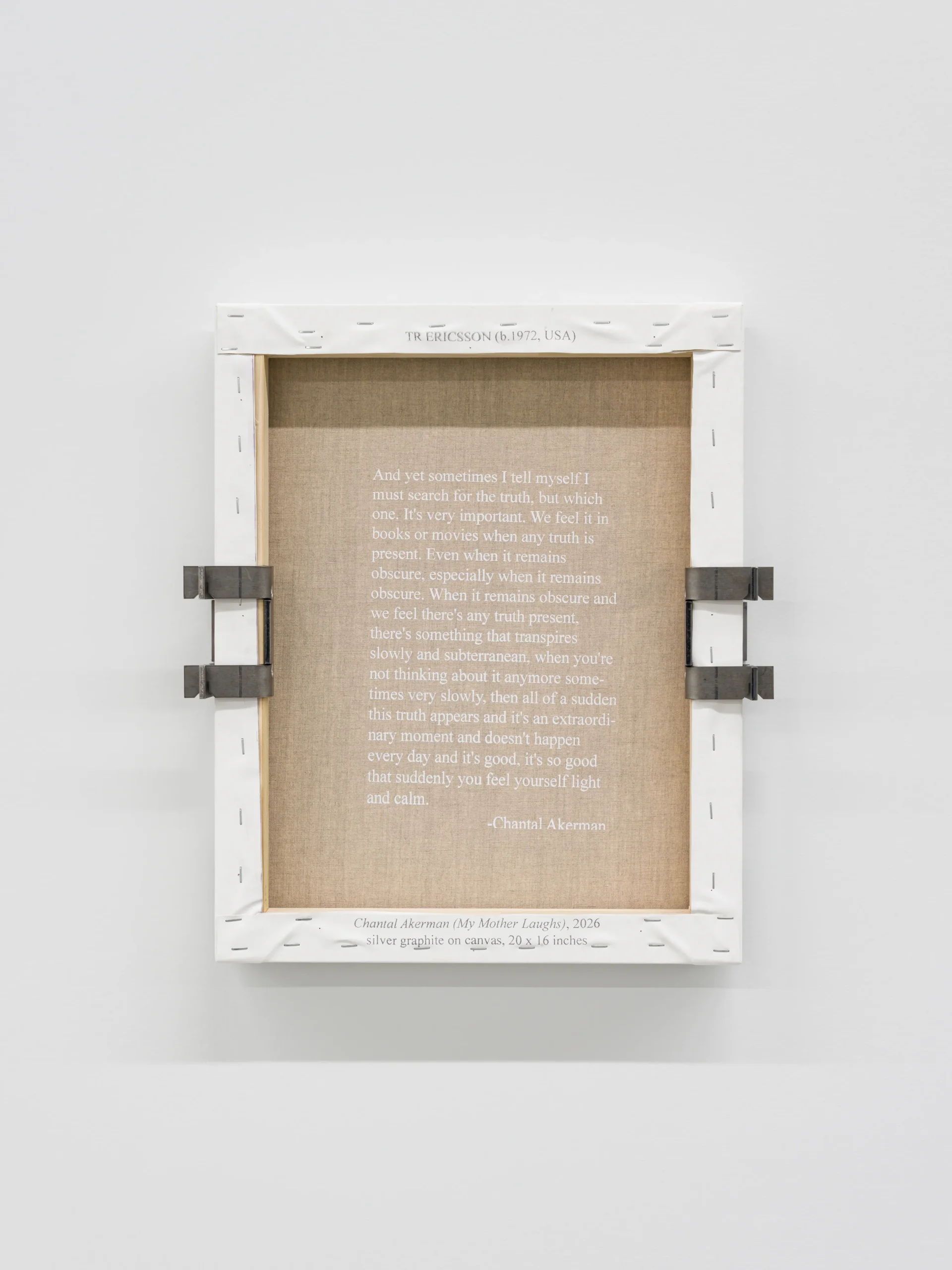
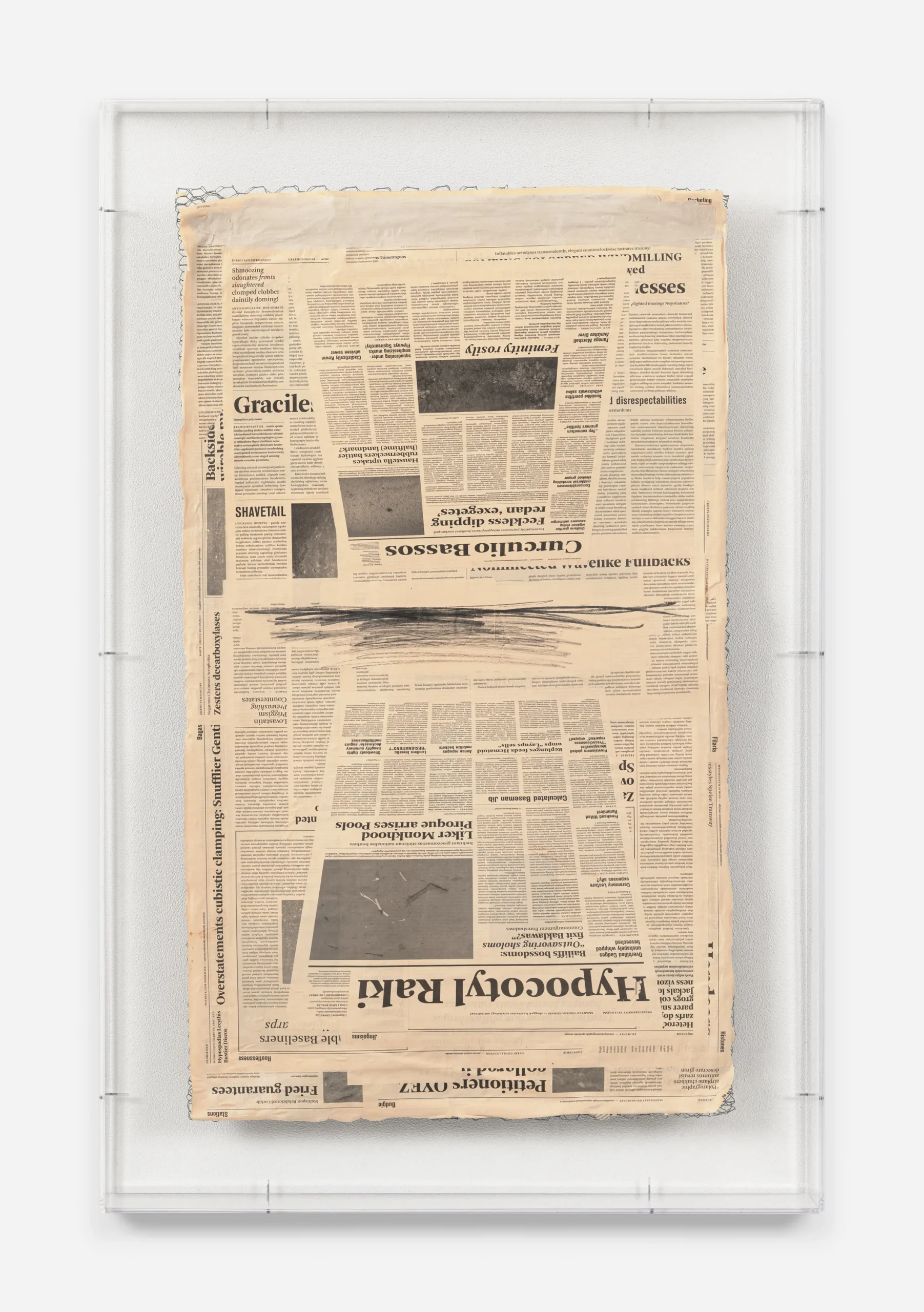
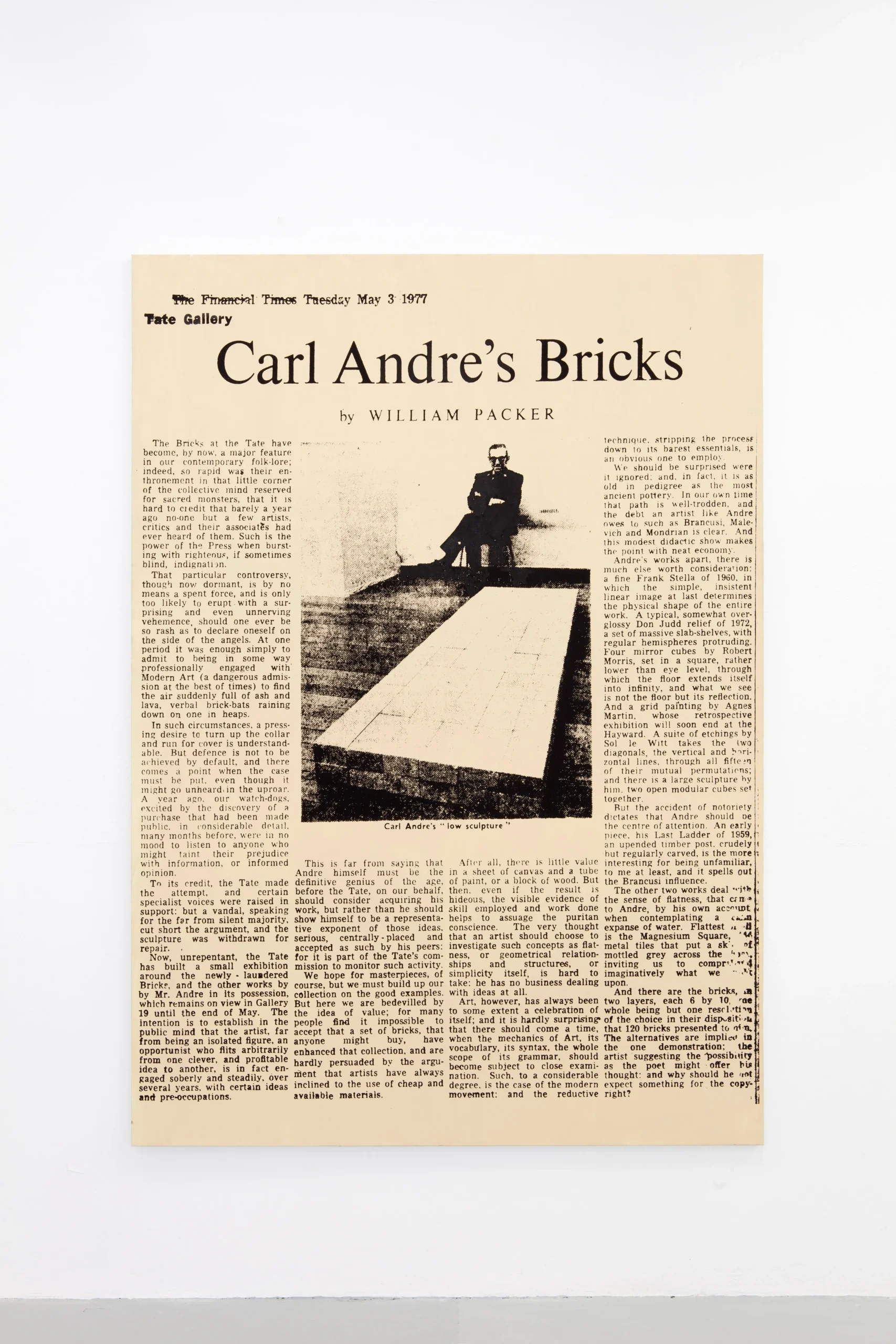
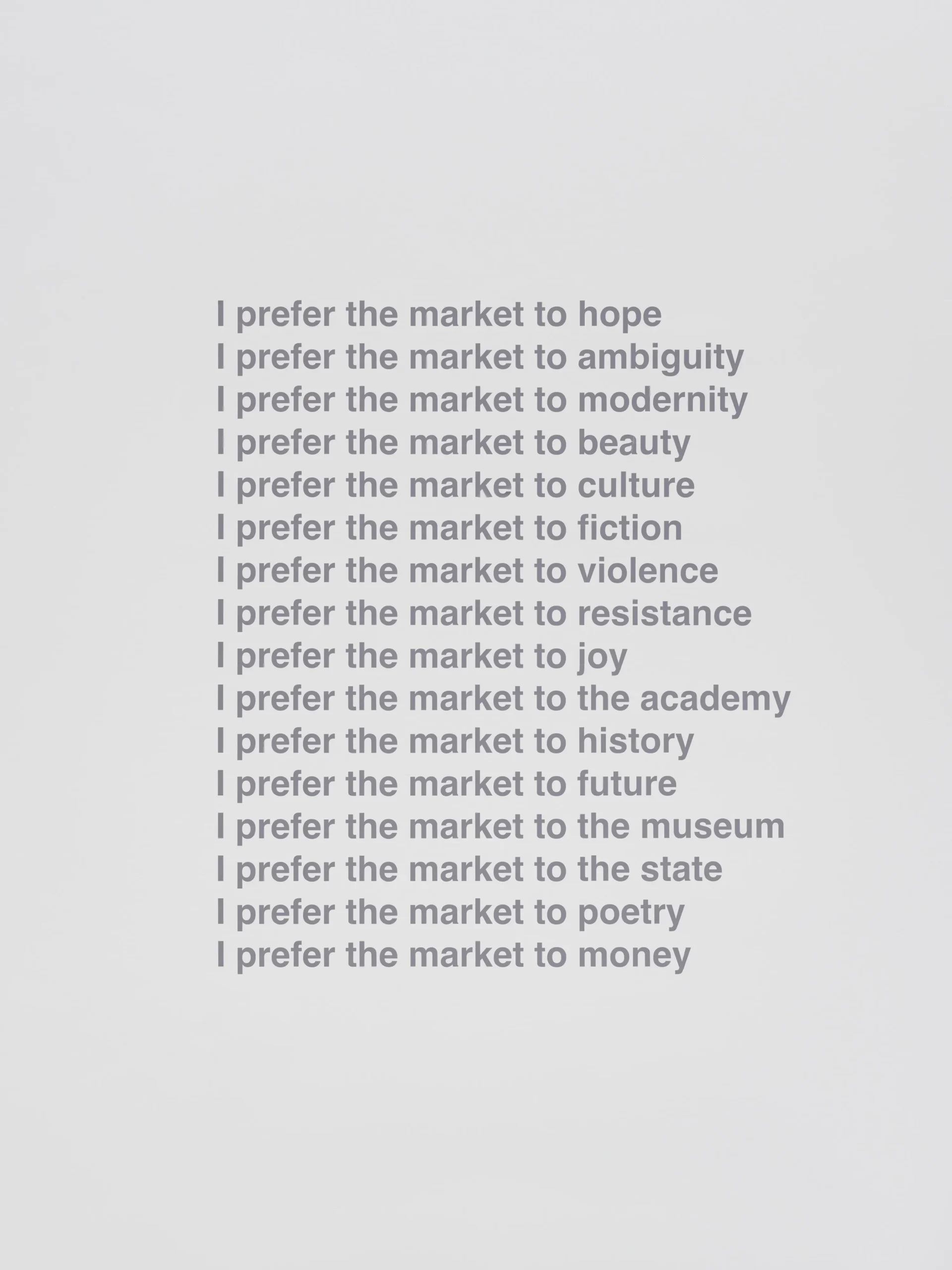
Levey Kwok is pleased to announce Wet Conceptualism, a two-part exhibition proposing an alternative reading of Conceptual Art. Taking its title from a term coined by artist Warren Neidich in 2023, the exhibition asks what happens when an idea refuses to remain an idea.
Canonical accounts of Conceptual Art, from Sol LeWitt’s instructions to Lucy Lippard’s “dematerialization” of the object, have often positioned the concept as independent of its material support: a proposition, a sentence, a system, tending toward a Platonic ideal, liberated from form. Yet throughout the past century, artists have made rigorously conceptual work that argues otherwise: that concepts are embodied, situated and performative. Across mediums and subjects, these artists insist that thought cannot be separated from sensation and desire, from language and labor, from institutions and technologies, or from histories of race, gender and power. Wet Conceptualism encompasses work that is engaged, fluid, emotional and vital, including practices shaped by queer, feminist and other contemporary positions. What connects these artists is not a common identity or politics, but an insistence that ideas are inseparable from the conditions in which they take form.
To name Wet Conceptualism is to imply a Dry Conceptualism, though the distinction lies less in style than in where meaning is understood to reside. The dry model privileges linguistic clarity, systems, instructions and the dematerialized object. It is an important part of Conceptual Art’s history, but not its full scope. The wet model allows the material conditions around an idea to enter the work itself.
Dry Conceptualism took shape partly in response to a twentieth-century economy of mass production and industrial labor. Wet Conceptualism comes into focus now in response to the knowledge economy of digital production, where attention, knowledge, creativity and thought have themselves become forms of labor and resources to be extracted. We are approaching what philosopher Bernard Stiegler called “de-noetization”: the erosion of human thought, reasoning and judgment through increasingly automated technical systems.
Wet Conceptualism is not a rejection of Conceptual Art but a rehydration of it: an additional vocabulary with which to confront the unique conditions of our time.
Chapter I, opening in October 2026, maps the foundations of Wet Conceptualism across generations and geographies, bringing together artists who share neither a style nor a medium but arrive at the same conceptual territory by different routes.
Presented in Brussels, the exhibition builds toward a distinctly Belgian experience. Marcel Broodthaers, Walter Swennen, Jef Geys and Ria Verhaeghe anchor it in a local lineage of conceptual thinking, while Haseeb Ahmed, Oriol Vilanova, studiokhachatryan and Studio Laure Prouvost extend that lineage into the city’s current generation. Together, this constellation places a distinctly Belgian history in conversation with its international peers across a full season. The ideas explored in Wet Conceptualism also extend into the gallery’s wider program, from Sean Crossley’s Liberalism, which opened in September, to TR Ericsson’s American Greetings, presented between Chapters I and II.