










In Old Germanic, the root *geban / *giftiz meant “what was given,” “gift,” or “something given.” However, over the centuries, due to semantic drift and the language’s evolution toward euphemism, the word “Gift” underwent a transformation. The common root retains a positive connotation in English to this day. In German, meanwhile, after years of use as a euphemism for lethal potions, it narrowed its scope to “lethal dose” and now refers to poison.
A gift can be both a source of joy and a mechanism of dependence. A “pure” gift seems difficult to imagine in a world where every such gesture carries with it the expectation of reciprocity, gratitude, or symbolic return. Gratitude automatically creates obligation and immediately entangles one in the economy of exchange. Perhaps the most radical gift, understood as self-giving, can be governed by the same principles, creating a responsibility bearing the hallmarks of sacrifice. Desire and the sacrifice that follows it can hardly be considered a selfless gesture.
Desire can confront us with both fantasy and lack; it need not be directed at another person, but at an object, an idea, or an absolute. It even leads toward truth and goodness, provided it is properly transformed and purified. This belief is based on the belief that relinquishing the ego can open the possibility of happiness in surrendering to that which transcends the individual, in an act of love without appropriation.
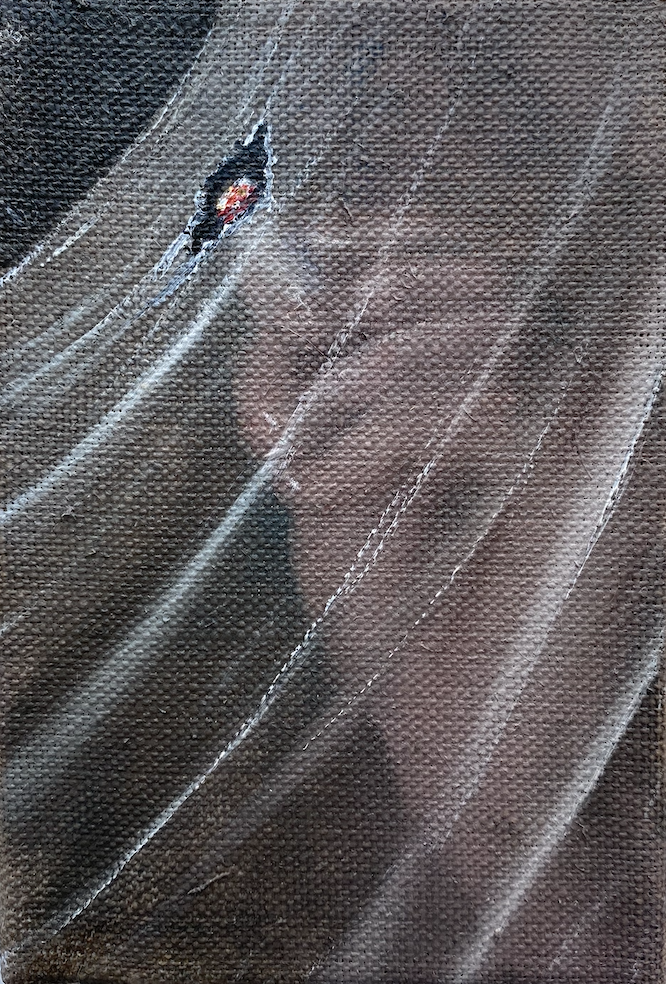
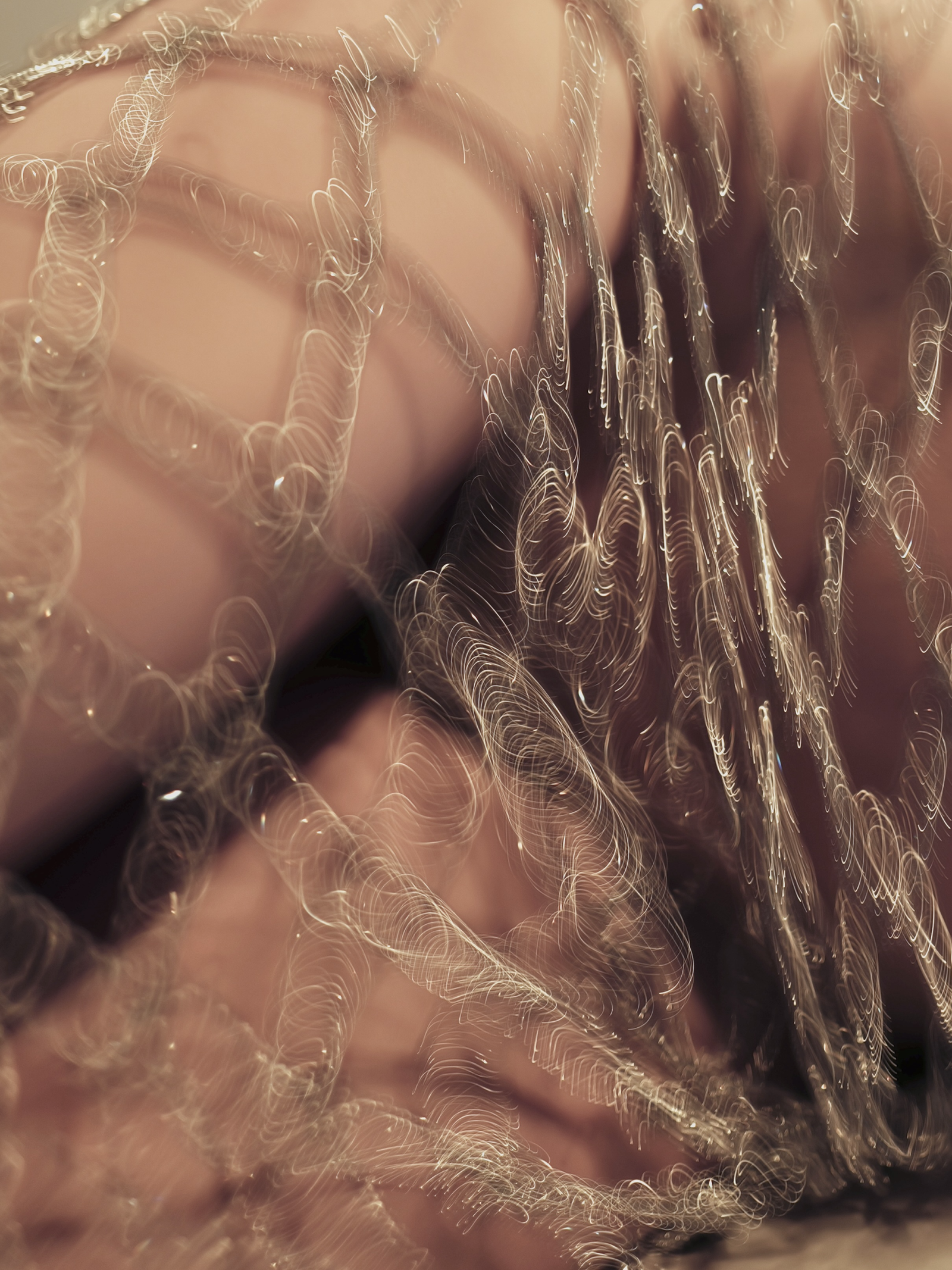
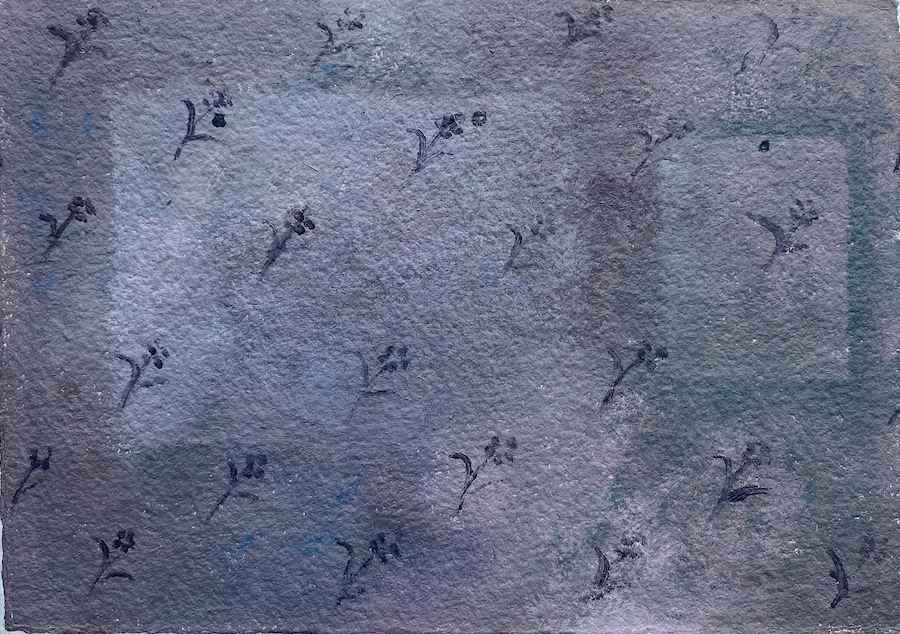
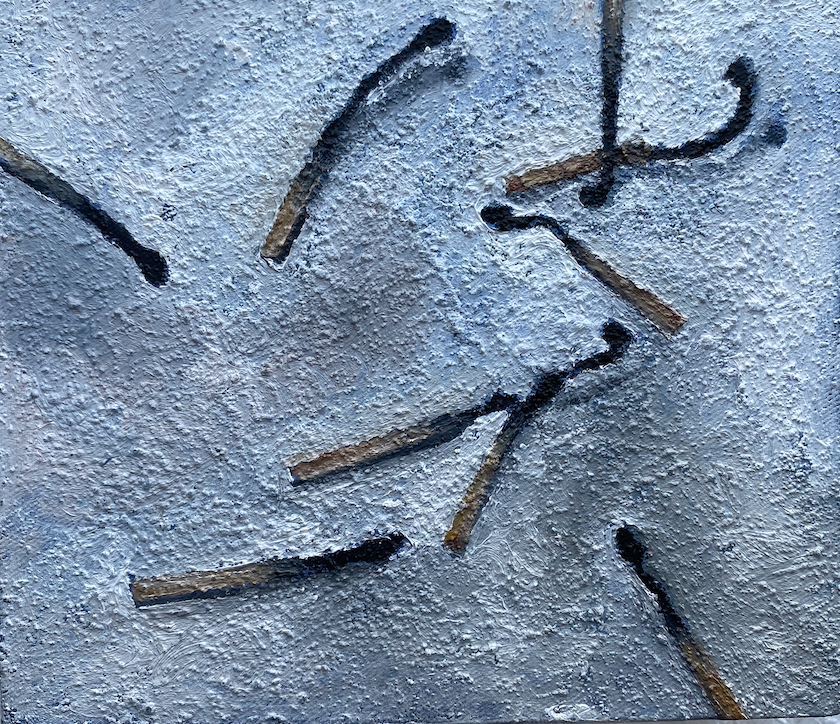
The work of the artists presented in the exhibition does not form a uniform narrative; rather, it intertwines, revealing successive aspects of desire and sacrifice. Their works guide the viewer through successive tensions, from the primal impulse, through the gesture of giving to others and its ambivalence, to the moment of purification, sublimation, and deconstruction of the idea itself.
Kama Kicińska examines the structure of desire as a multi-layered phenomenon, rooted in the body, history, and power relations. She seeks to capture its tension, its fragmentation, and its temporality. This drive appears here as a primal, wild, and even deceptive force that can simultaneously build bonds and lead to a loss of subjectivity.
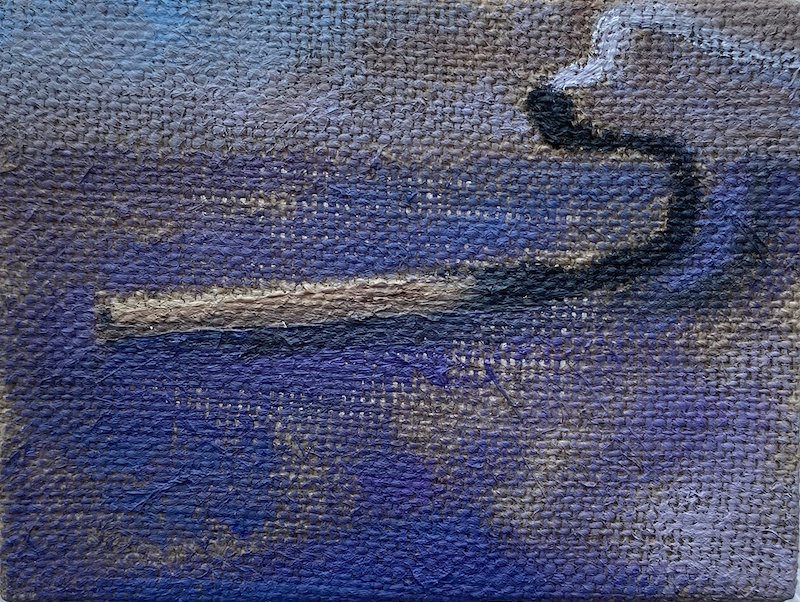
Similarly, balancing on the edge of care and sacrifice, of dedication to others, becomes risky, a key motif in Zuzanna Mazurek’s oil paintings. The painter emphasizes the entanglements that flow from giving to others and points out that the most important difference between these two approaches is choice, not dictated by an oppressive sense of duty or the perception of women as the titular “gift” always available.
Julia Szczerbowska and Julia Bachur look from the perspective of “after,” sublimation, and purification. Bachur’s practice, rooted in the theory of the abject, visualizes the trace that desire leaves on matter without erotic literalism.
The transference, surrender, loss, and dissolution of the self are processed here. Her delicate, soft objects reveal that what is repulsive can simultaneously be attractive, and beauty can arise from discomfort.
Szczerbowska conceptualizes purification as a silent, almost imperceptible experience, unfolding through traces of the fire’s disruption of matter. A bright palette, light, and repetitive motifs create an atmosphere of apparent calm, in which tension is shifted inward. Her works are closer to a gesture of withdrawal than transcendence, proposing a form of transformation achieved through attention and silence.
Amelia Woroszył ultimately reverses the logic of desire and gaze toward the image itself, proposing enigmatic representations that are the opposite of “obscenity,” understood as an absolute lack of mystery. The titular “poison” lies in what the image offers the viewer: an impulse for interpretation that proves uncertain.
The Gift / Das Gift is an exhibition about the impulse and tension inherent in human relationships; about how what is given always resonates beyond. It asks whether a gift can ever exist outside the structures that inevitably return it to us.
Curator and author of text: Marianna Łomża