


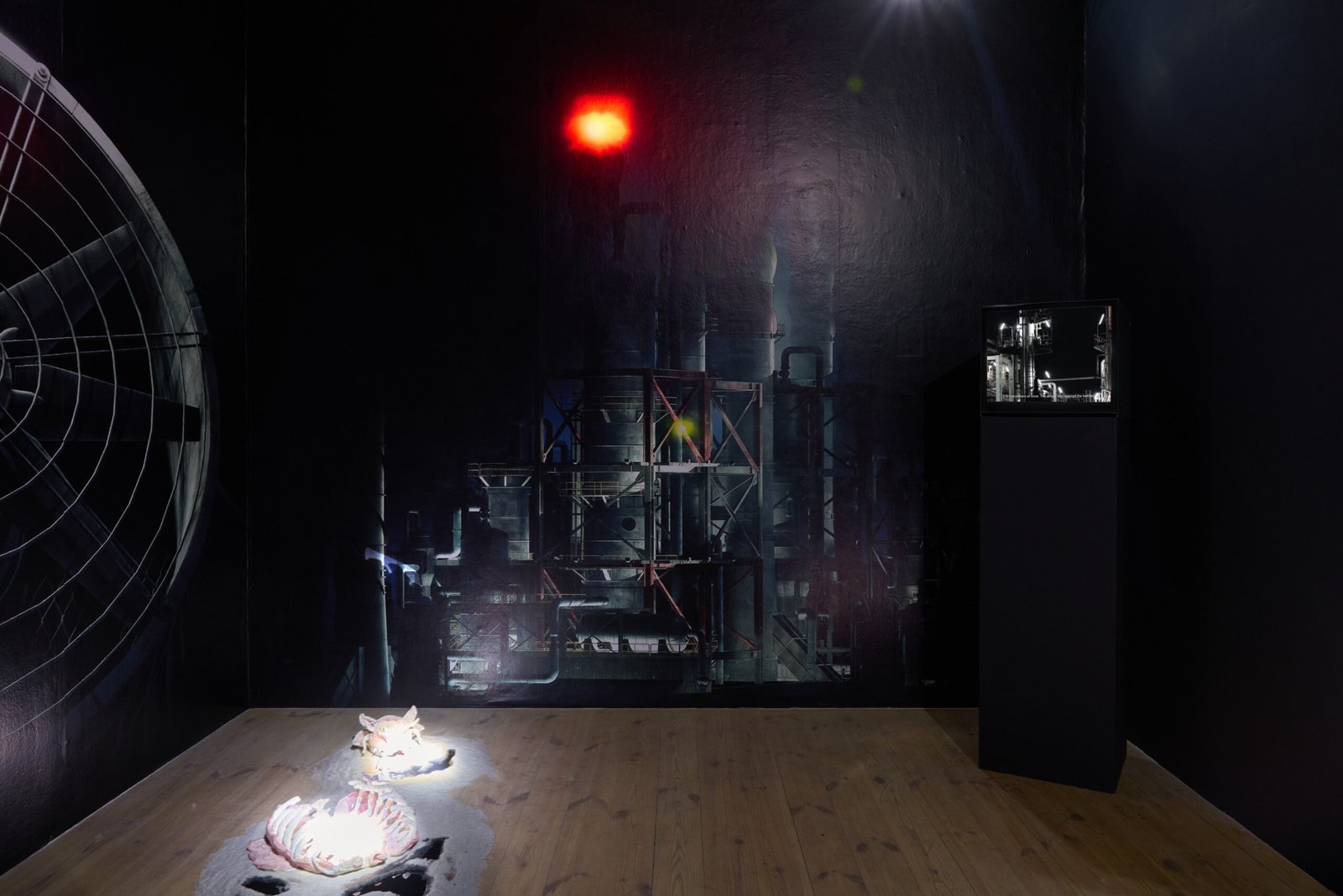
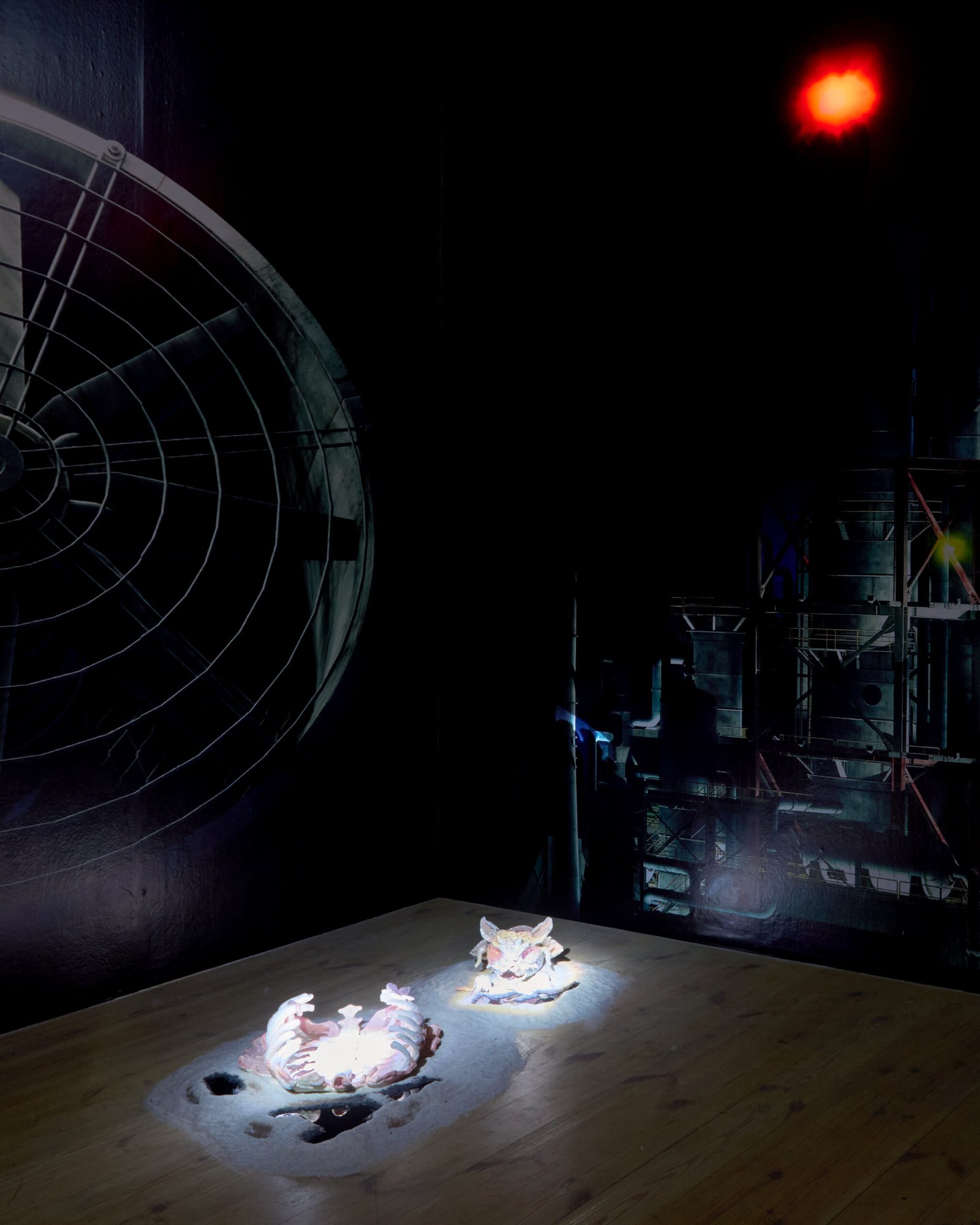
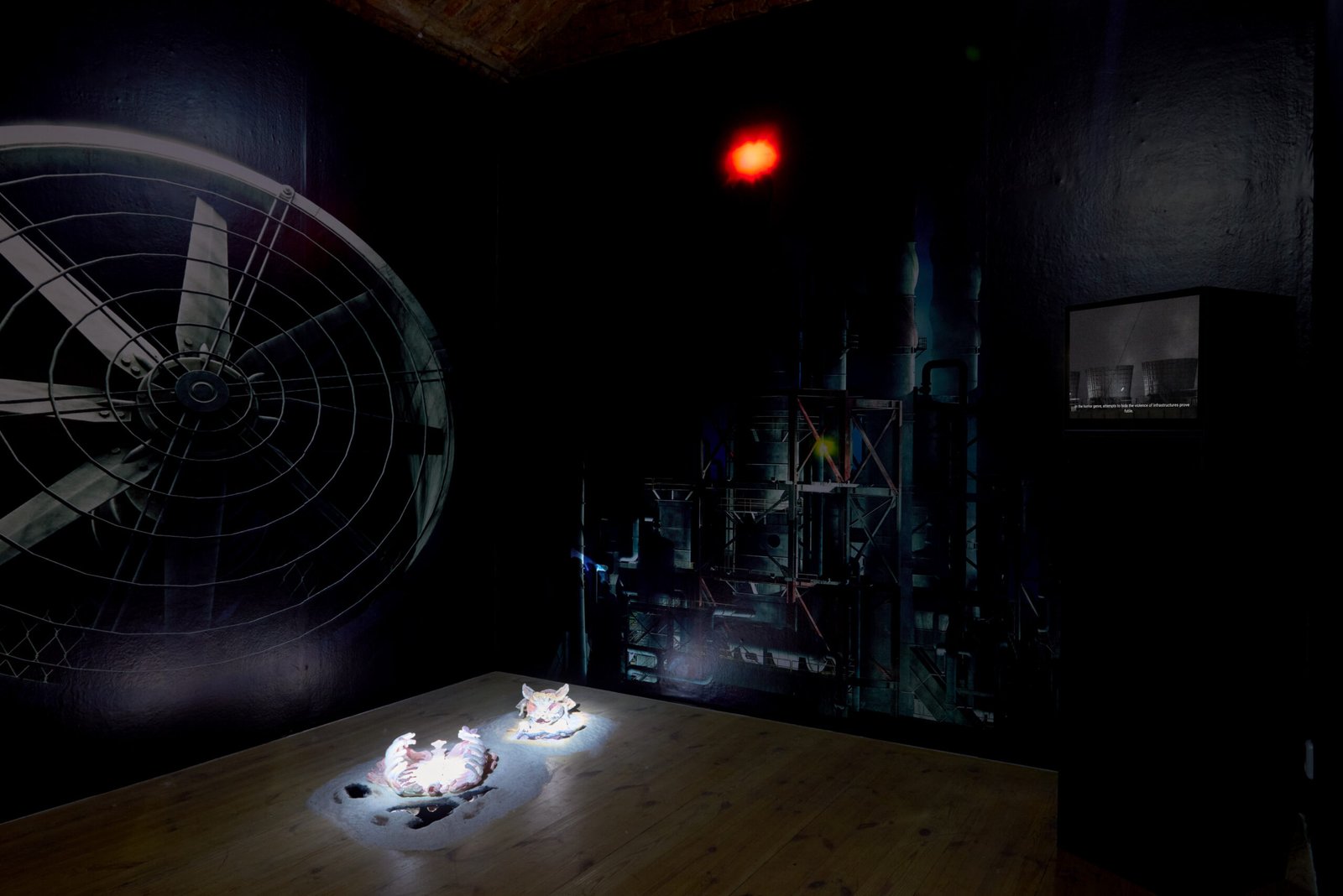
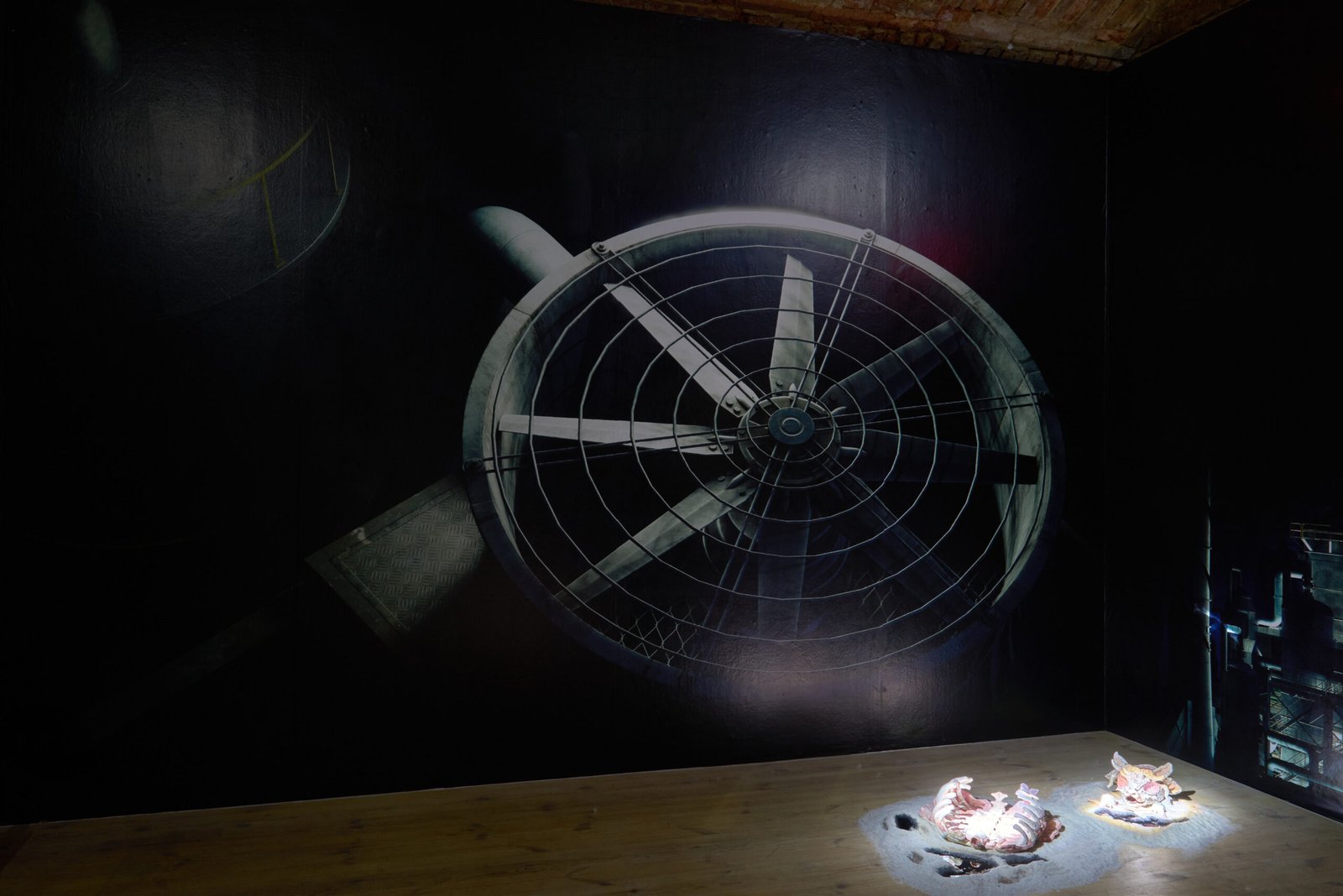
The exhibition is based on the premise that reality cannot be rigidly divided into interior and exterior, surface and depth, or the personal and the systemic. Rather, it constitutes a porous field in which seepage constantly occurs between individual planes. What is meant to remain hidden sooner or later manifests on the surface, not as a transparent message, but as something elusive that disrupts the stability of meaning. The title Bleed Through can be interpreted both as seepage and as bleeding – an unpleasant passage through a phase in which the repressed inevitably becomes visible. The exhibition focuses precisely on this moment, when accumulated stress, violence, and structural imbalances exceed the absorptive capacity of systems and bodies, entering the present as their immanent consequence.
In such a destabilised field, reality does not merely disintegrate into fragmentary images and affective atmospheres, but also into forms that allow us to grasp what still seems ungraspable. Fear here functions not only as an affect, but also as a mode of organising experience. Historically, it has been externalised into figures that make it possible both to name fear and to distance oneself from it. Monsters, ghosts, and horror figures thus function as projection screens. This is not fantasy in the narrow sense, but rather a cognitive and cultural mechanism that structures the boundaries between the acceptable and the unacceptable. In this sense, the monstrous does not denote the exceptional, but rather that which has been pushed outside symbolic processing and returns in another form.
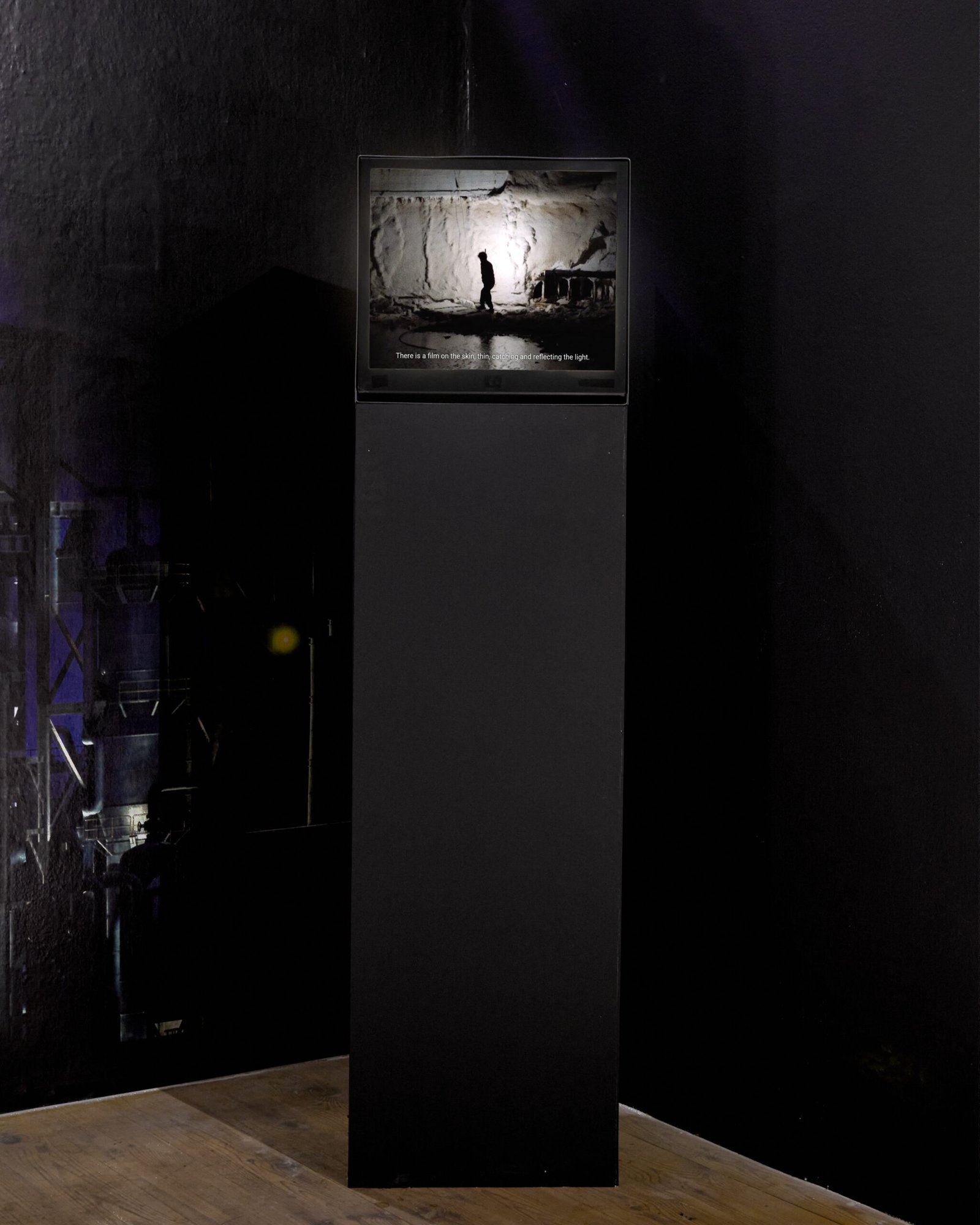
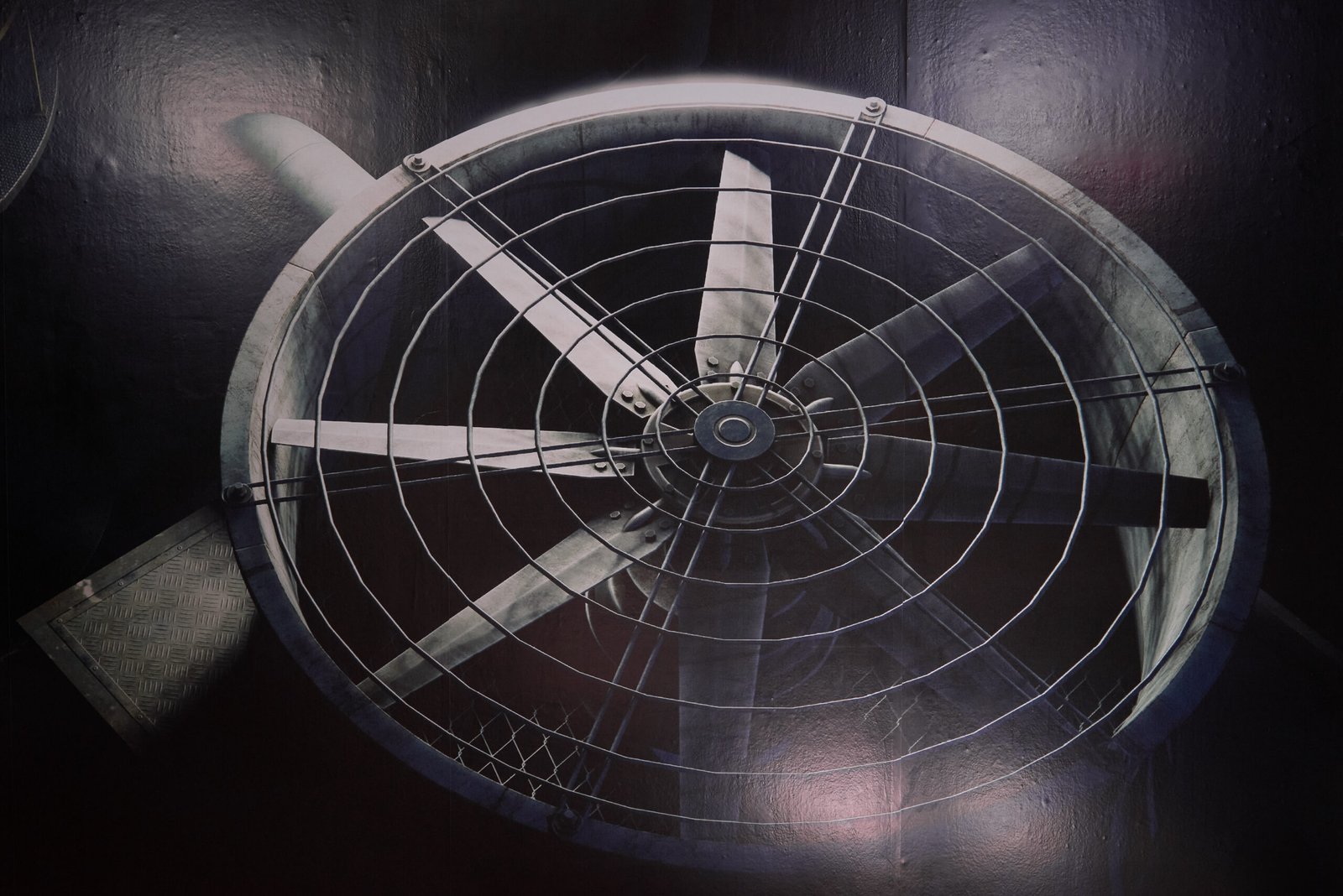
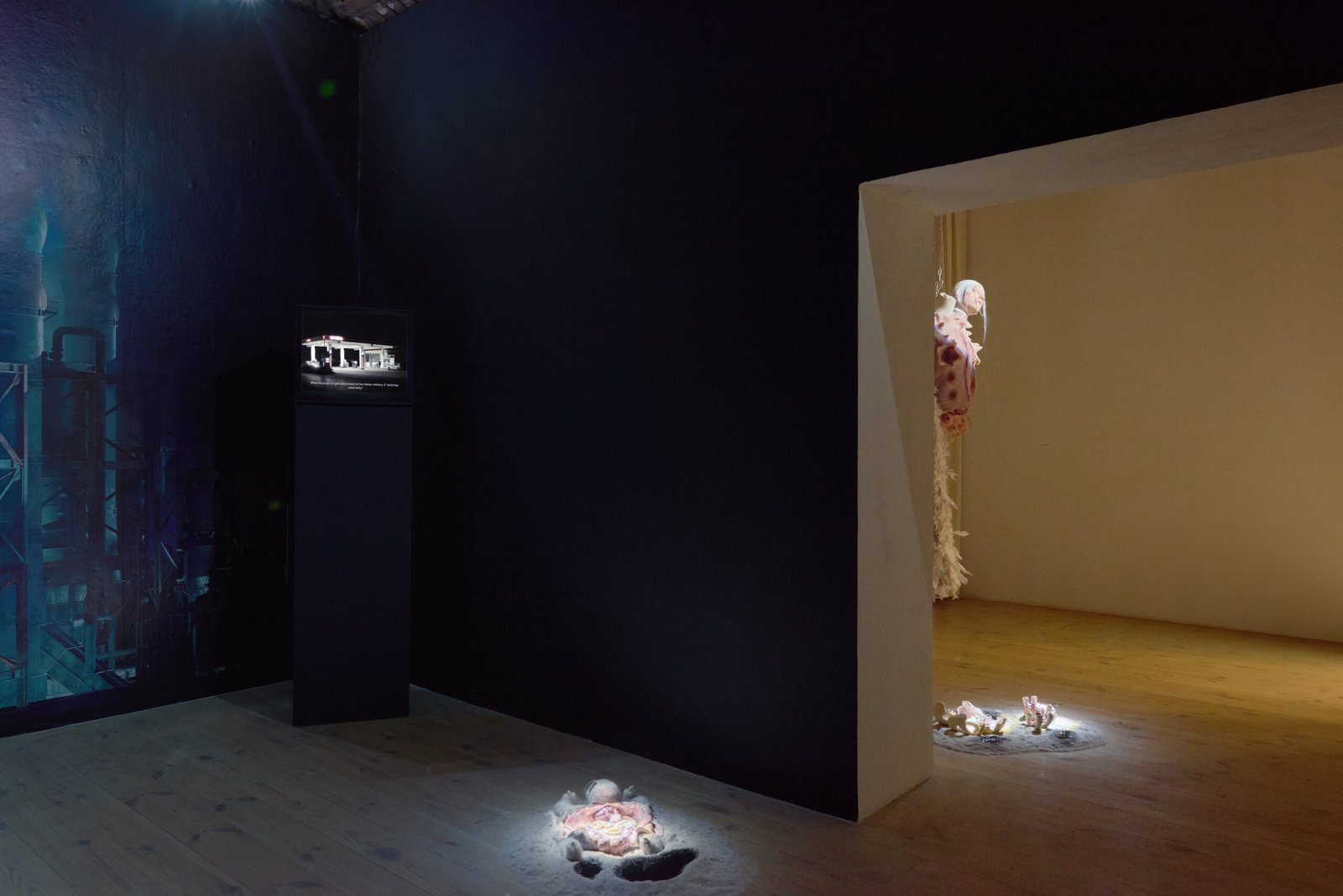
Anna Engelhardt’s video installation Towards Dissolution situates this dynamic within an Italian oil refinery where Russian oil is laundered into the European market. As Engelhardt moves through the fumes and tanks of the Sicilian refinery, she reveals infrastructure as a space in which violence accumulates and transforms. Refining aims to render the violent conditions of extraction invisible. Yet the perspective of a body exposed to this environment demonstrates that the process can never be fully sealed off. The material remains unstable, penetrating protective layers, clinging to surfaces, and leaving traces that cannot be completely eradicated. At the moment when infrastructure can no longer contain itself, seepage occurs: previously separated planes reconnect and emerge at the surface in the form of contamination. The project was developed during the Fondazione Studio Rizoma residency with support from Giulia Colletti.
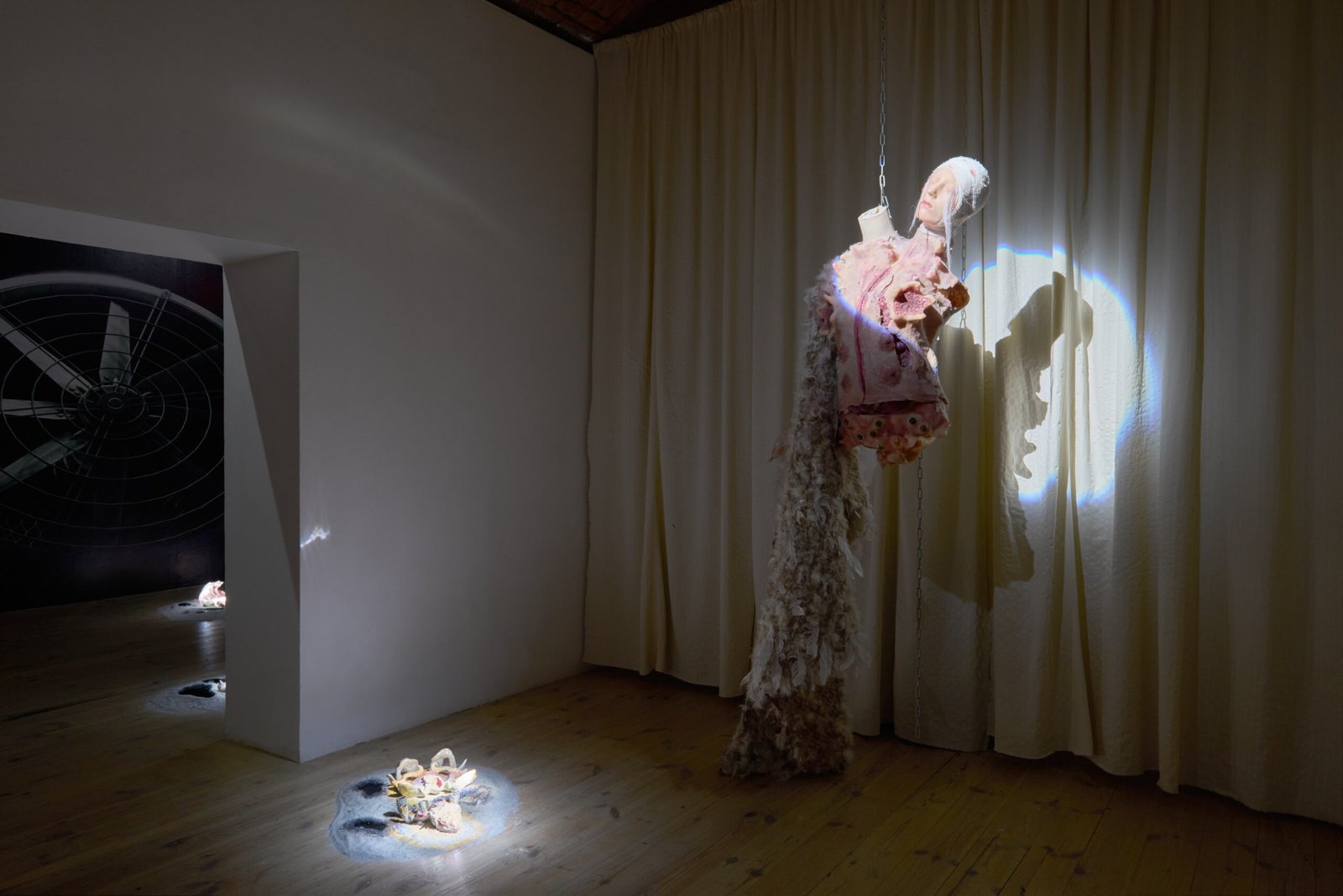
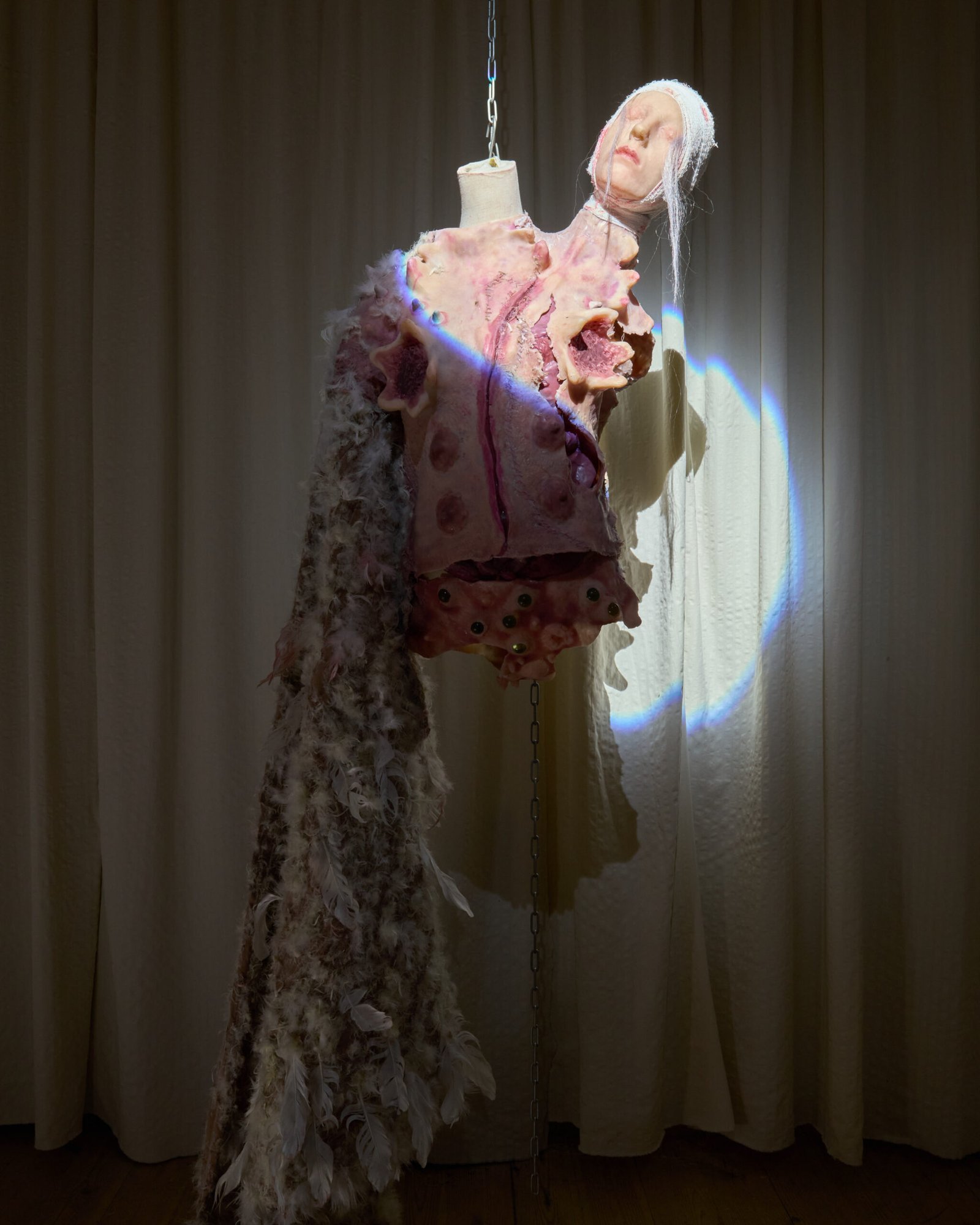
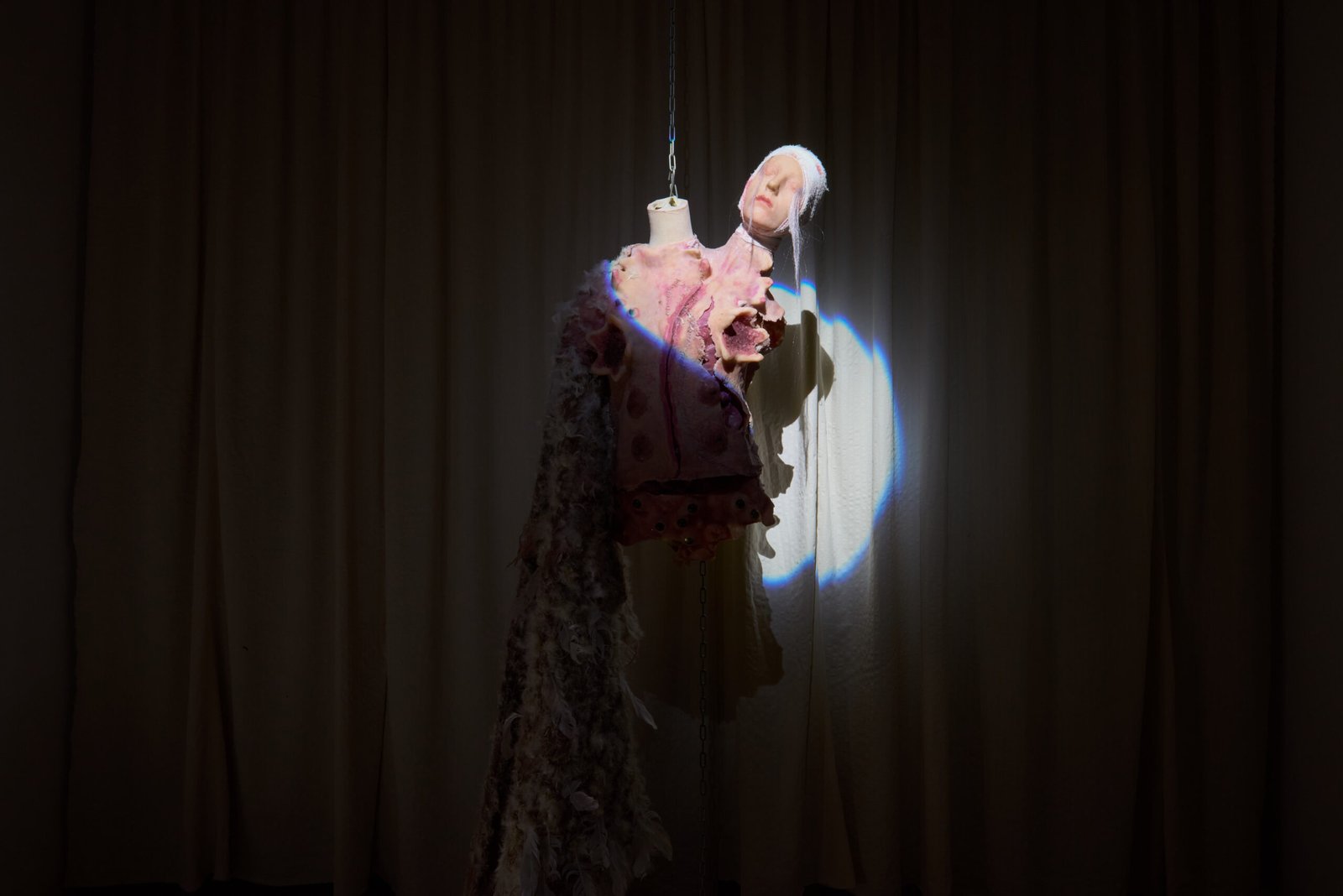
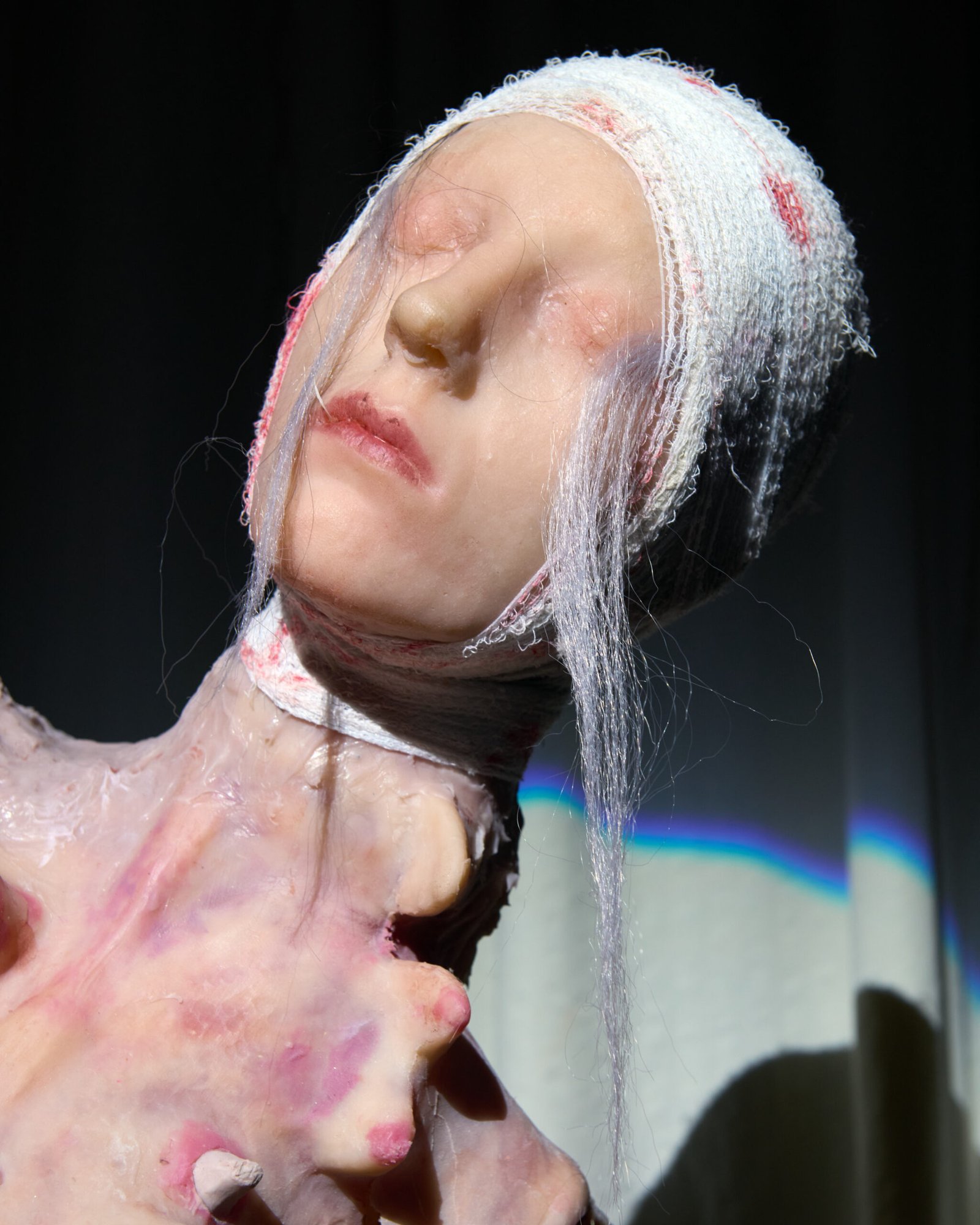
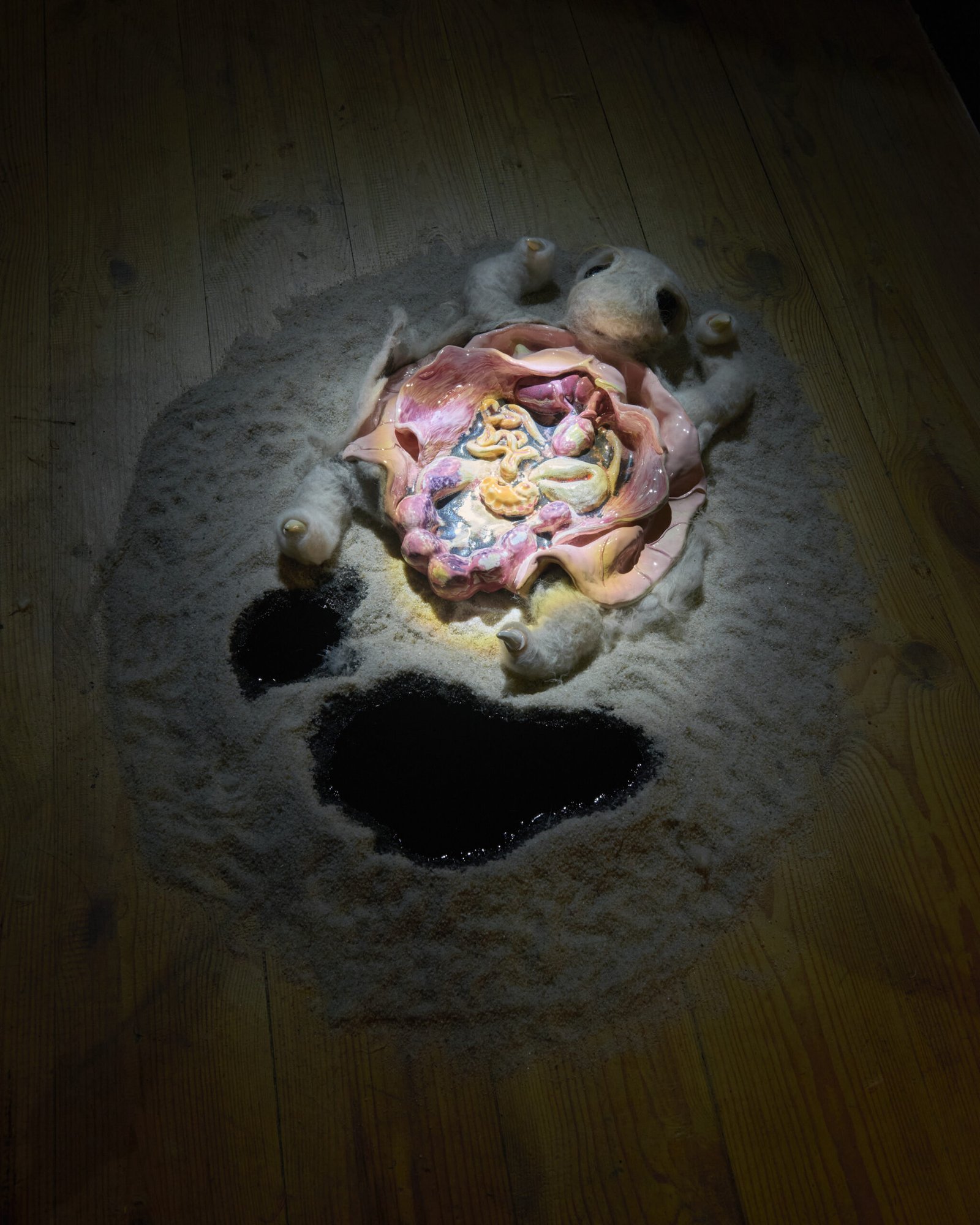
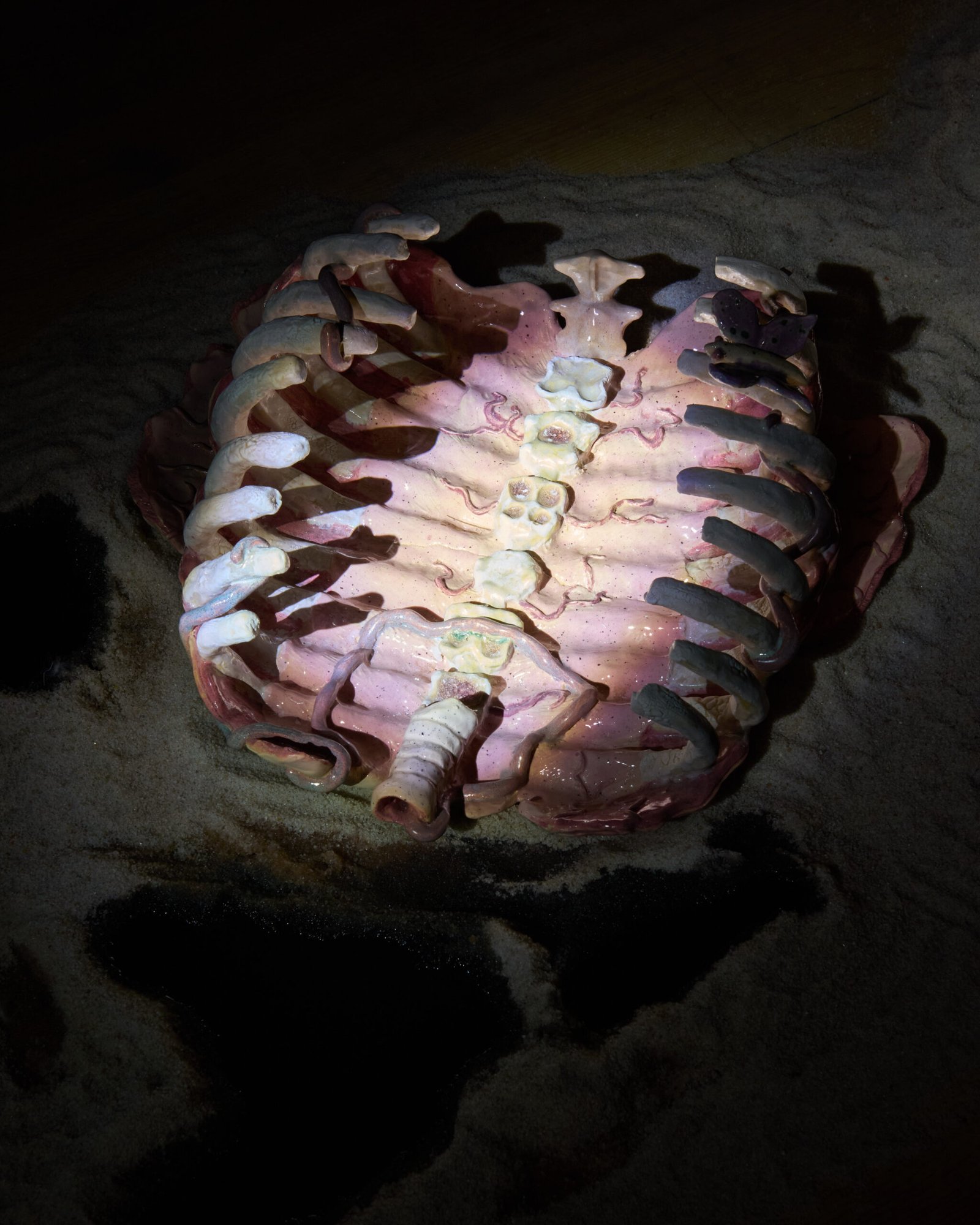
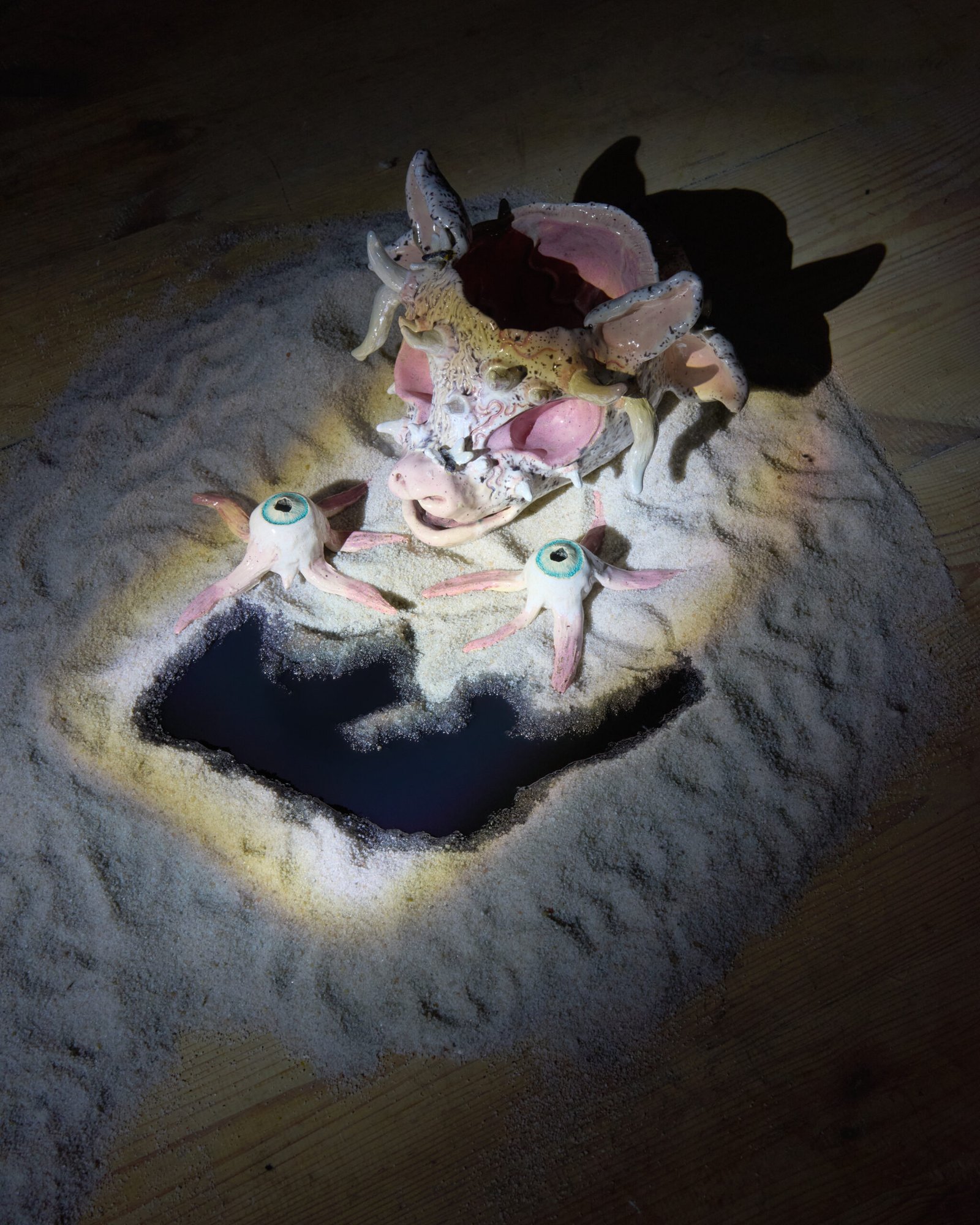
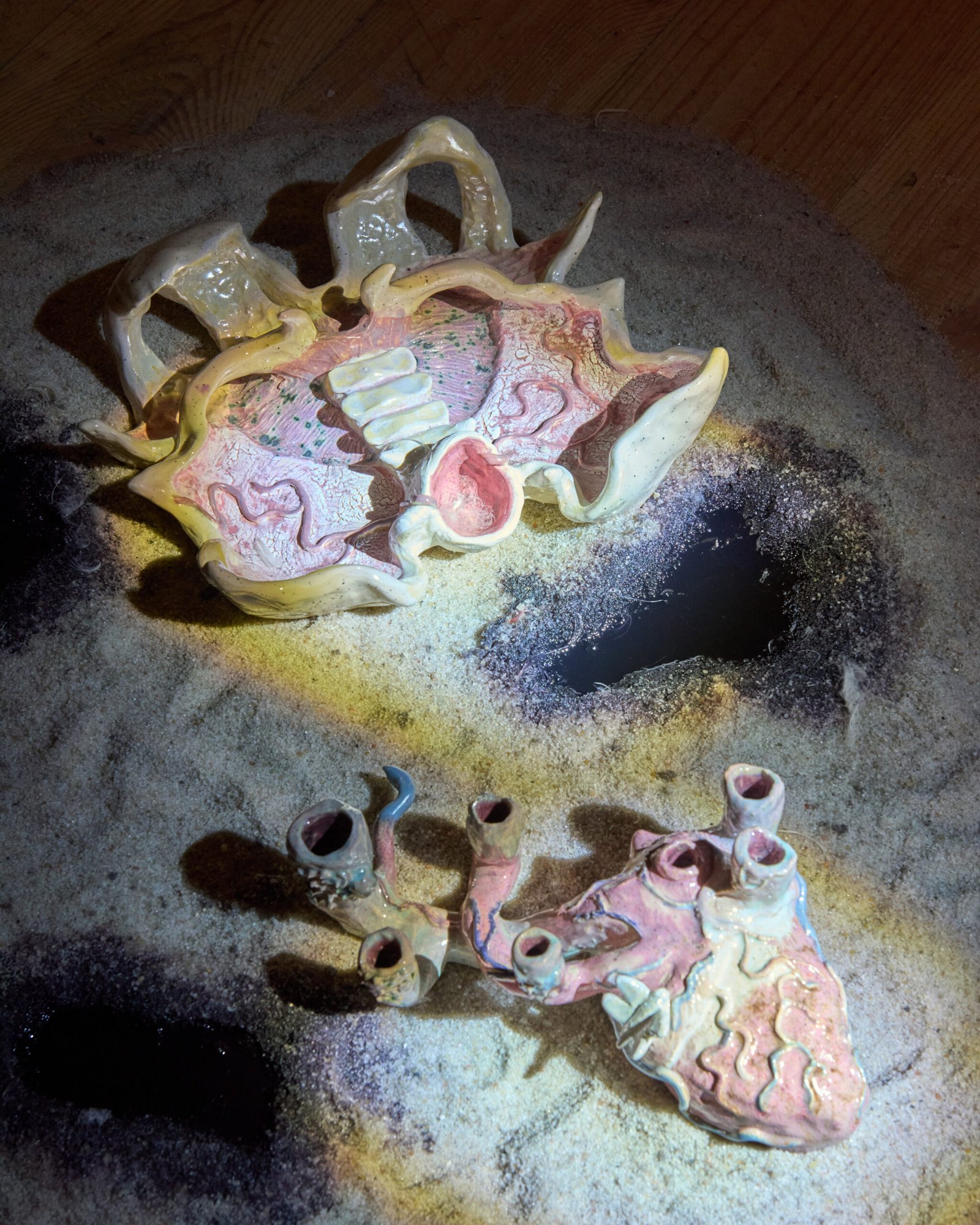
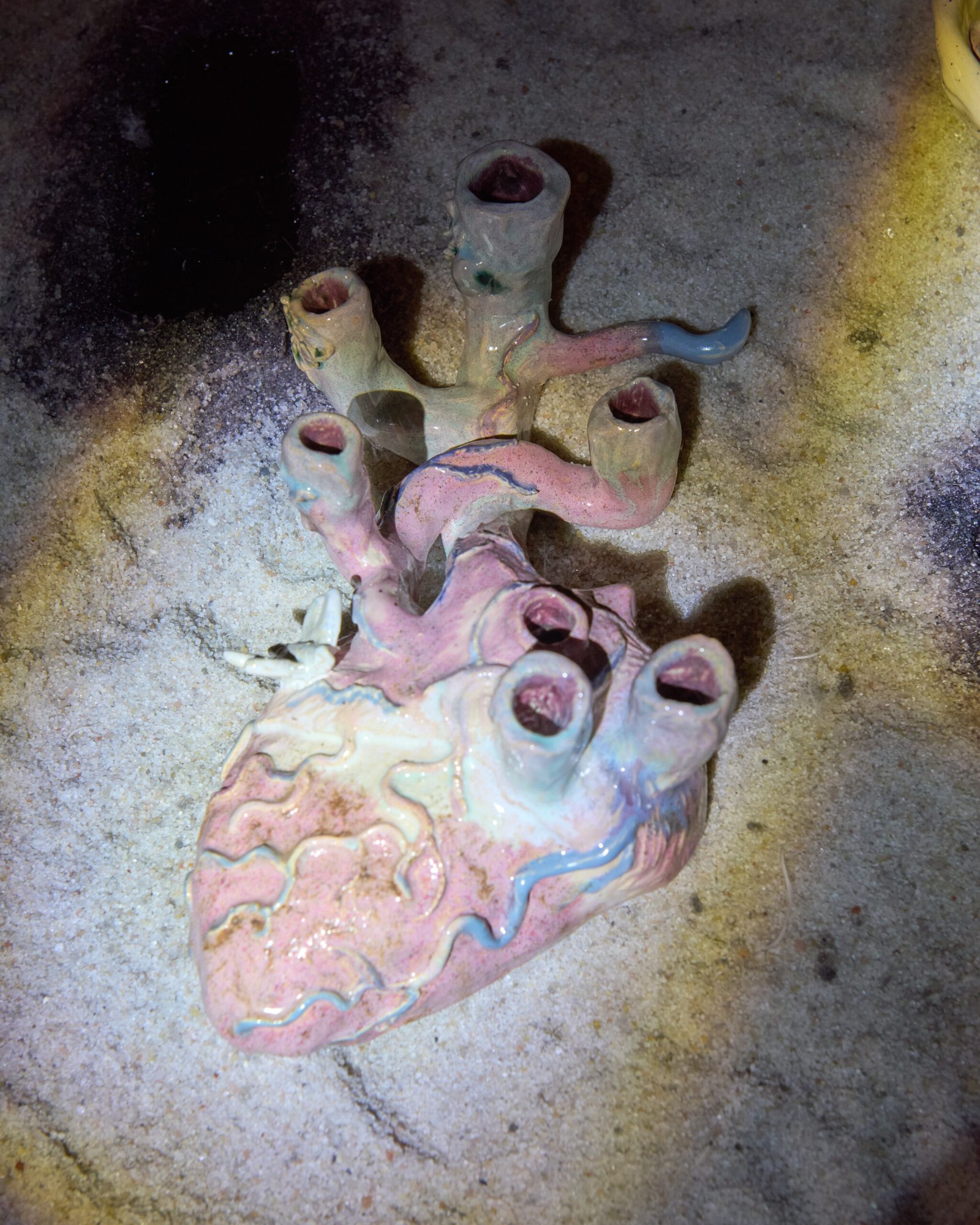
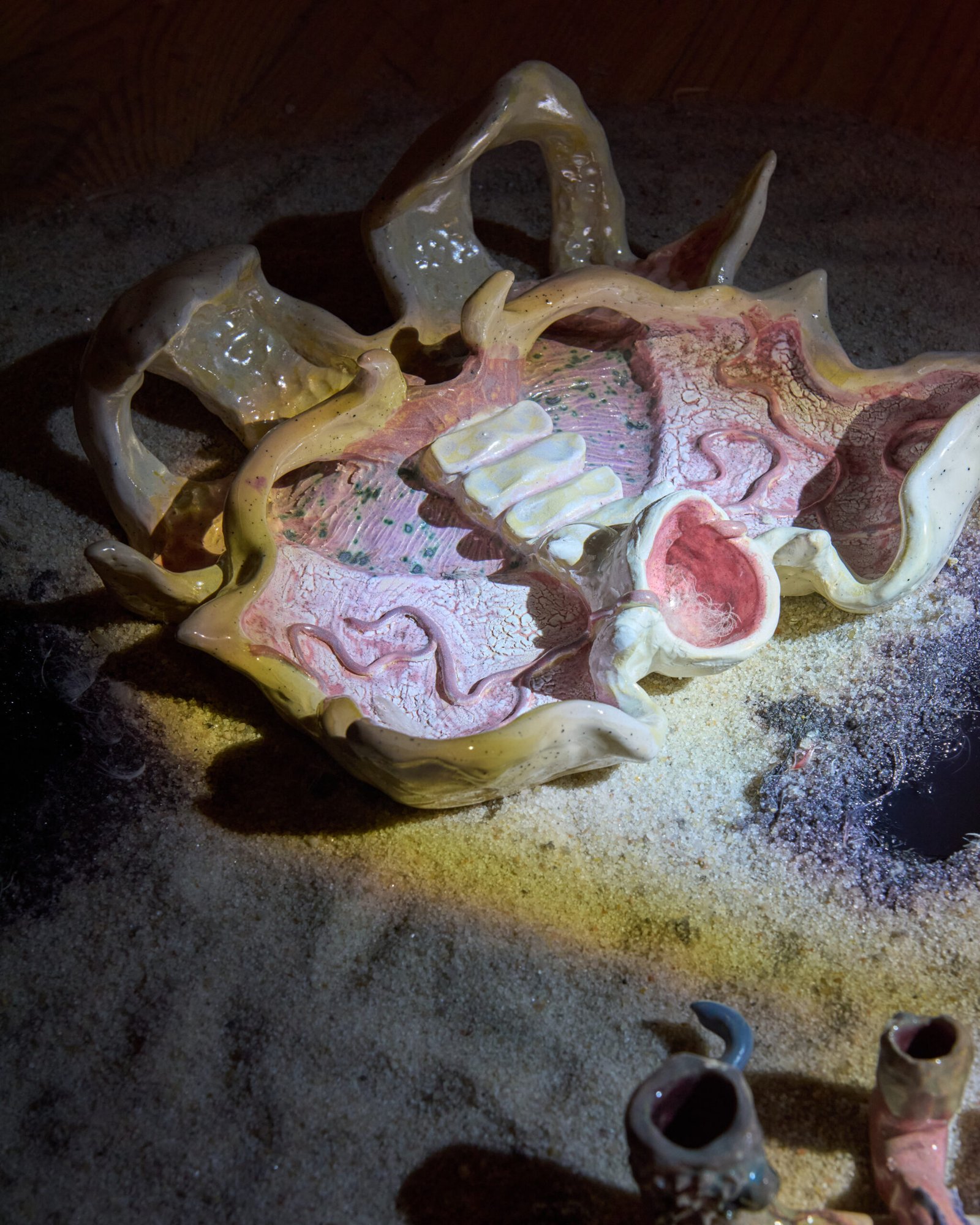
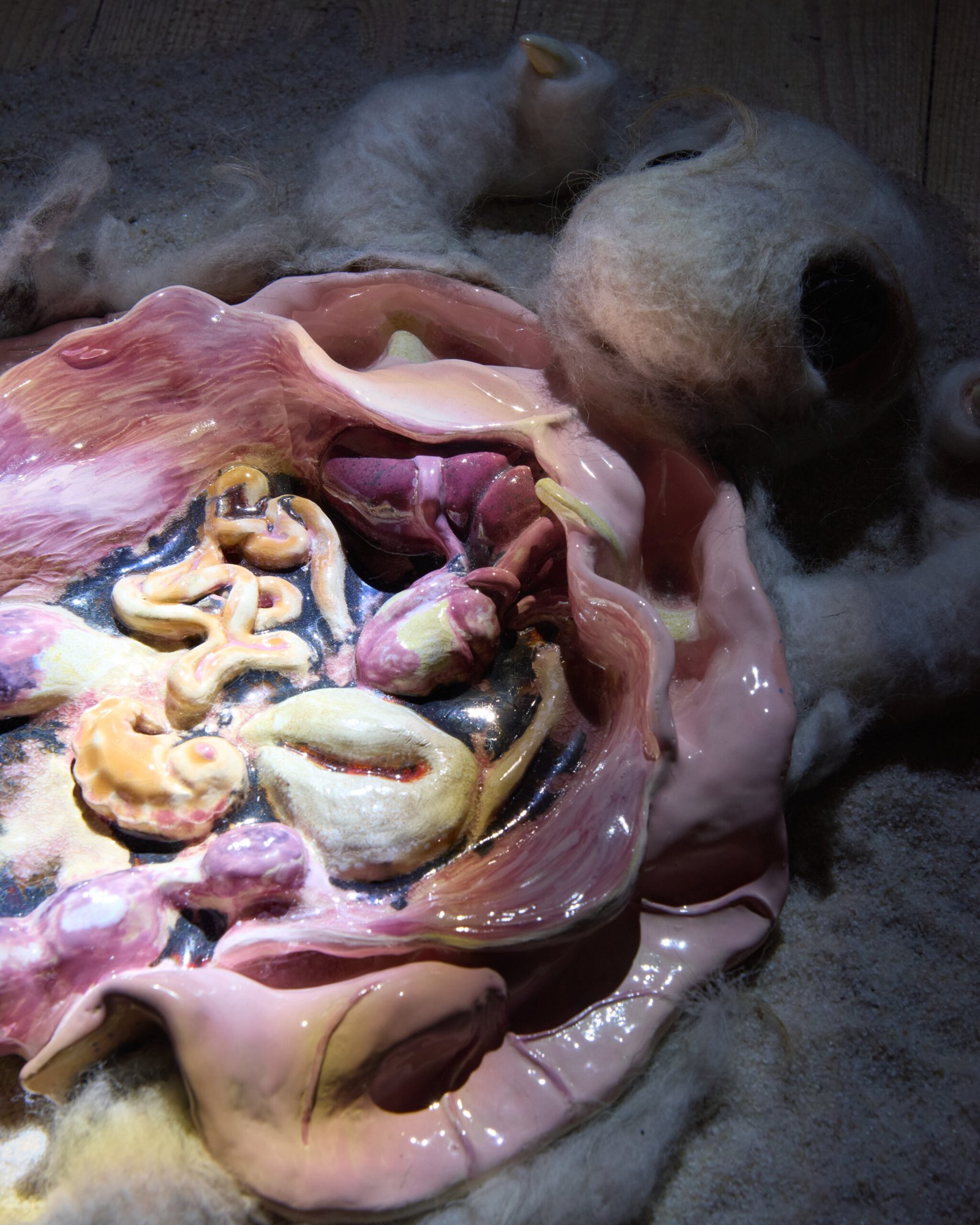
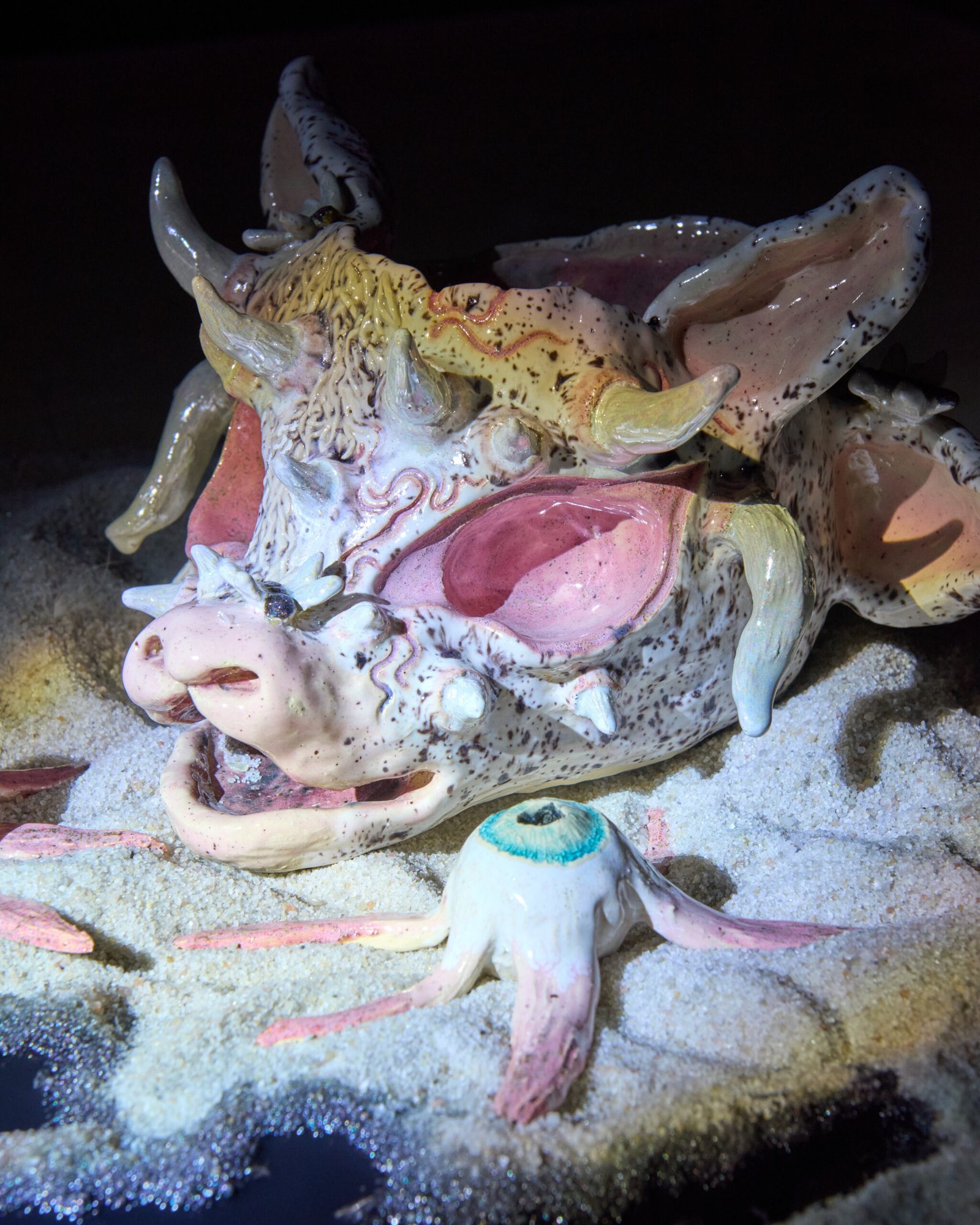
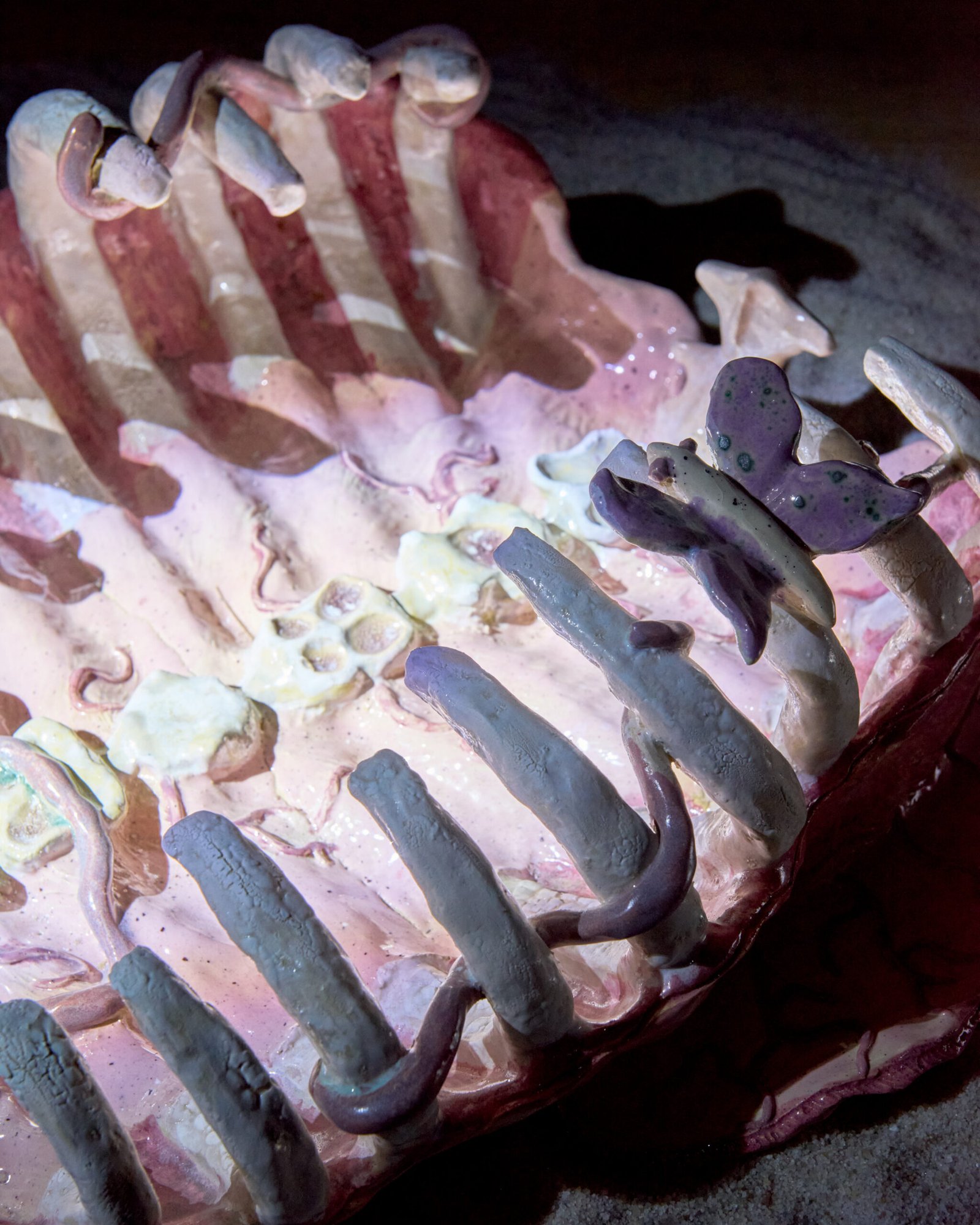
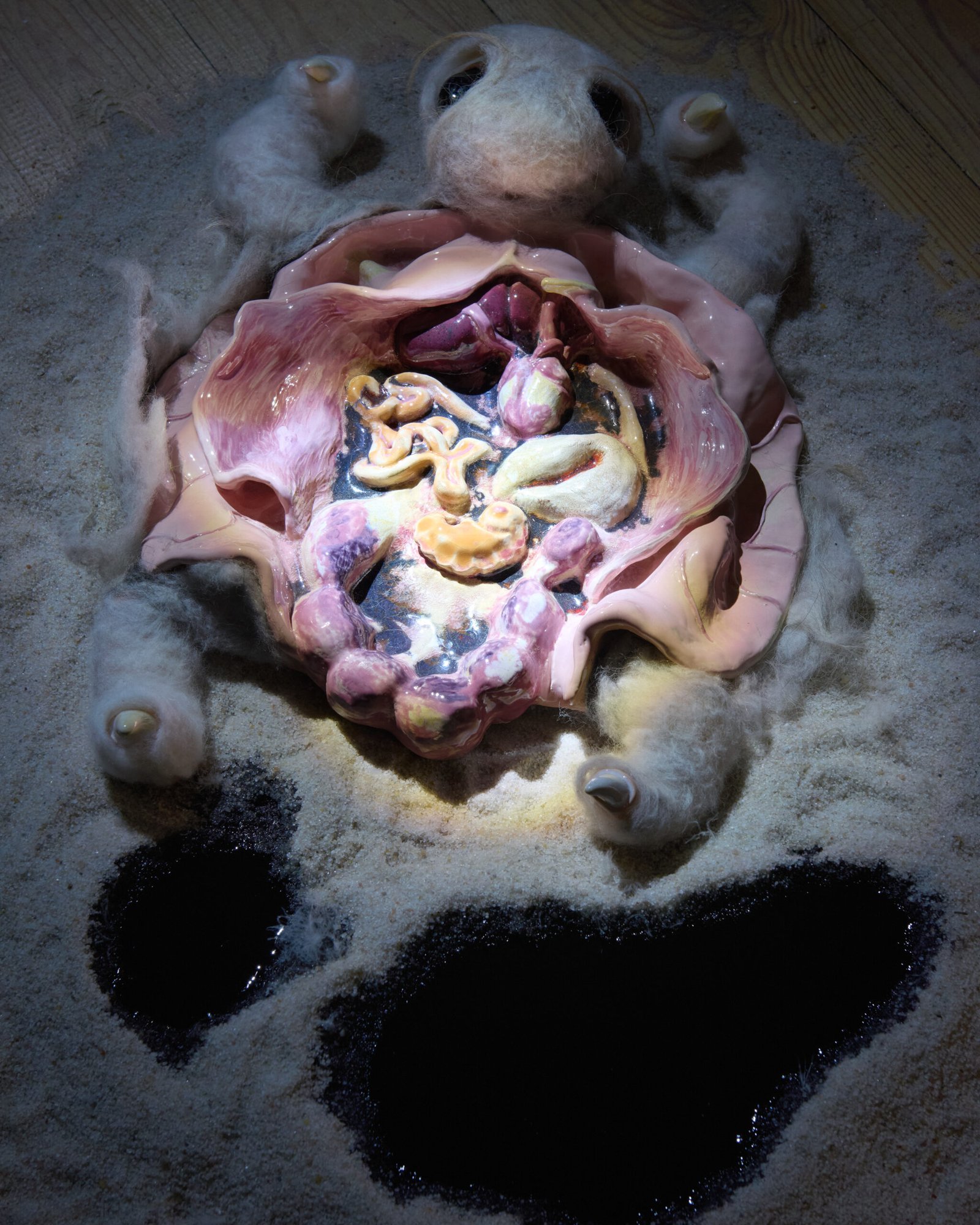
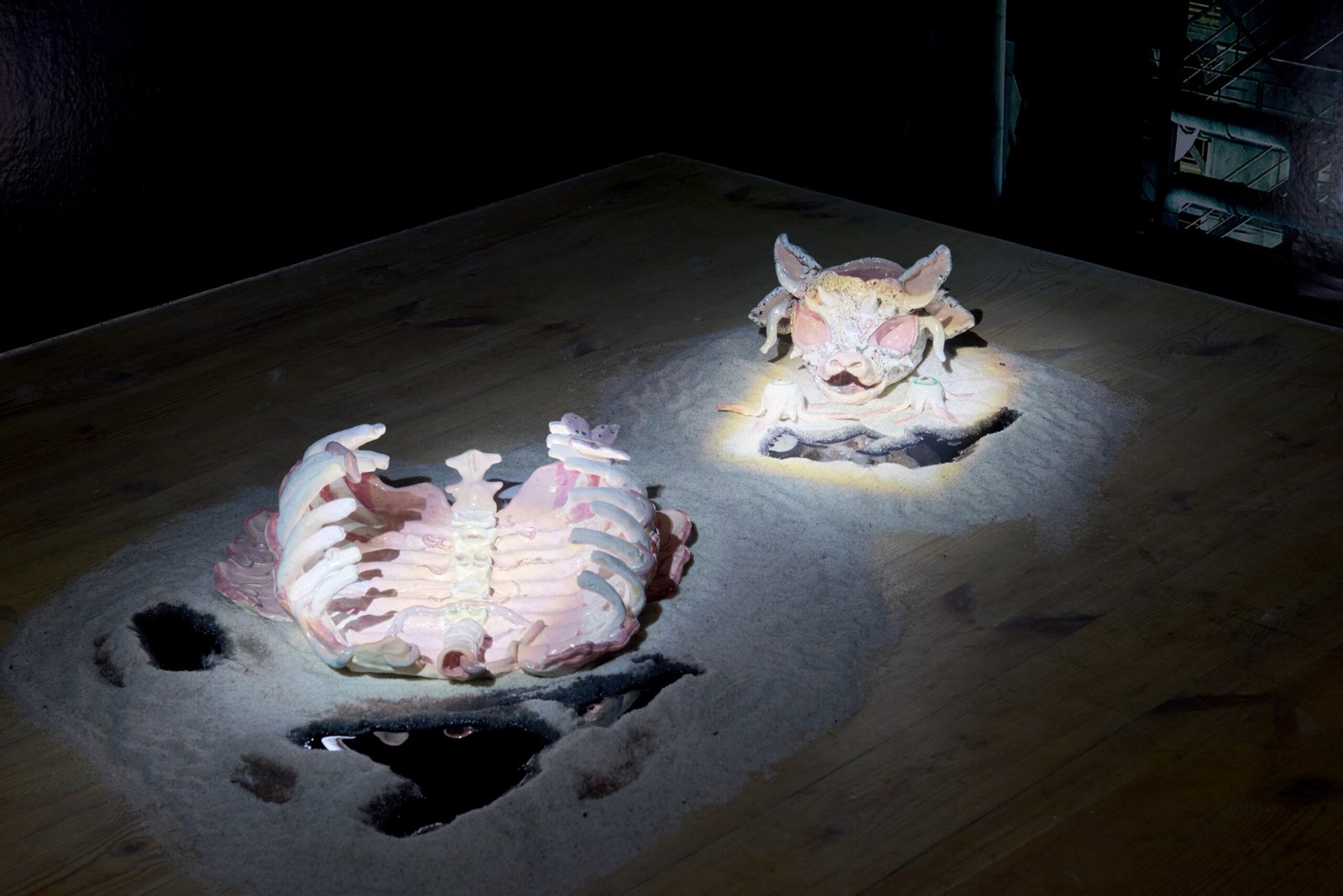
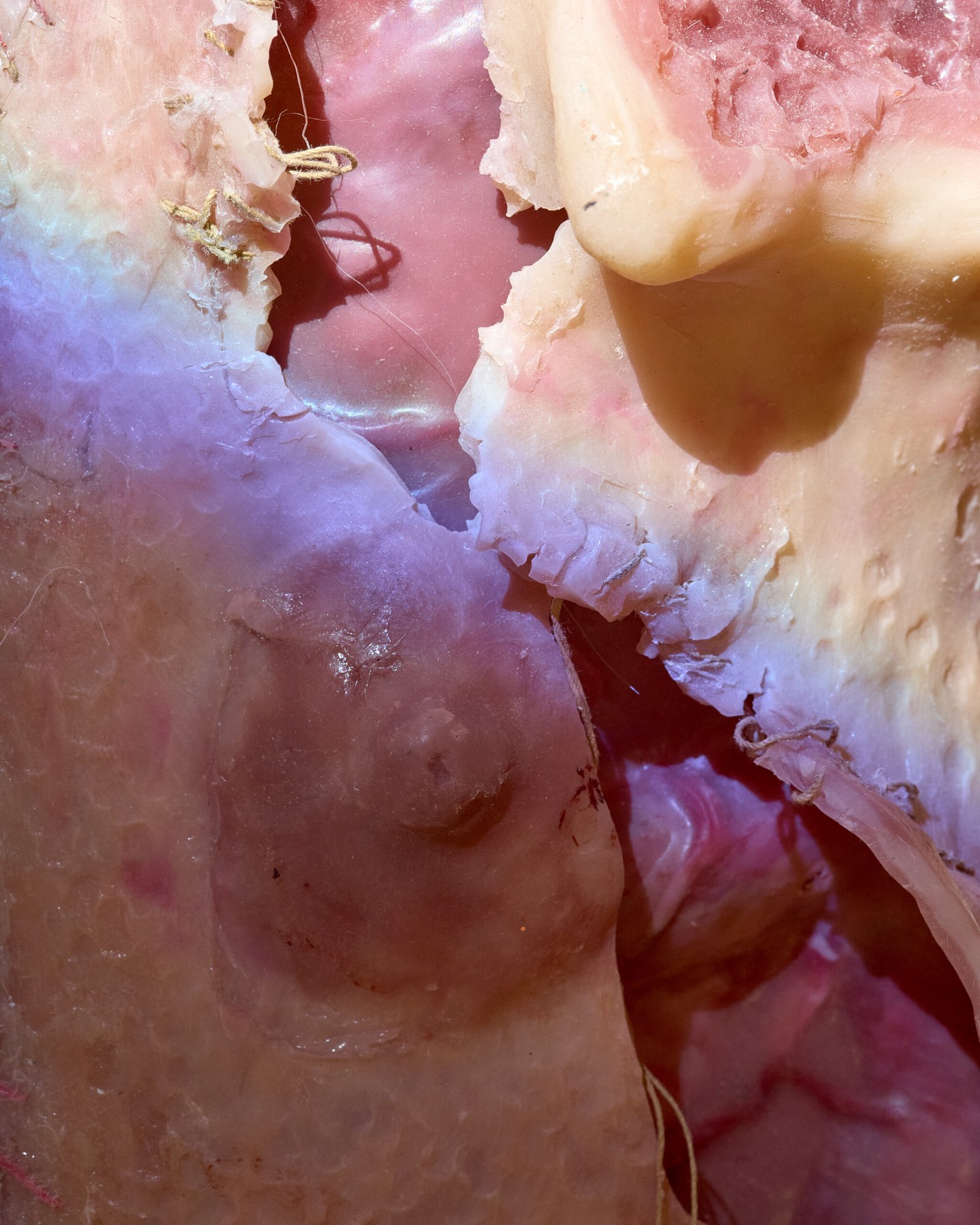
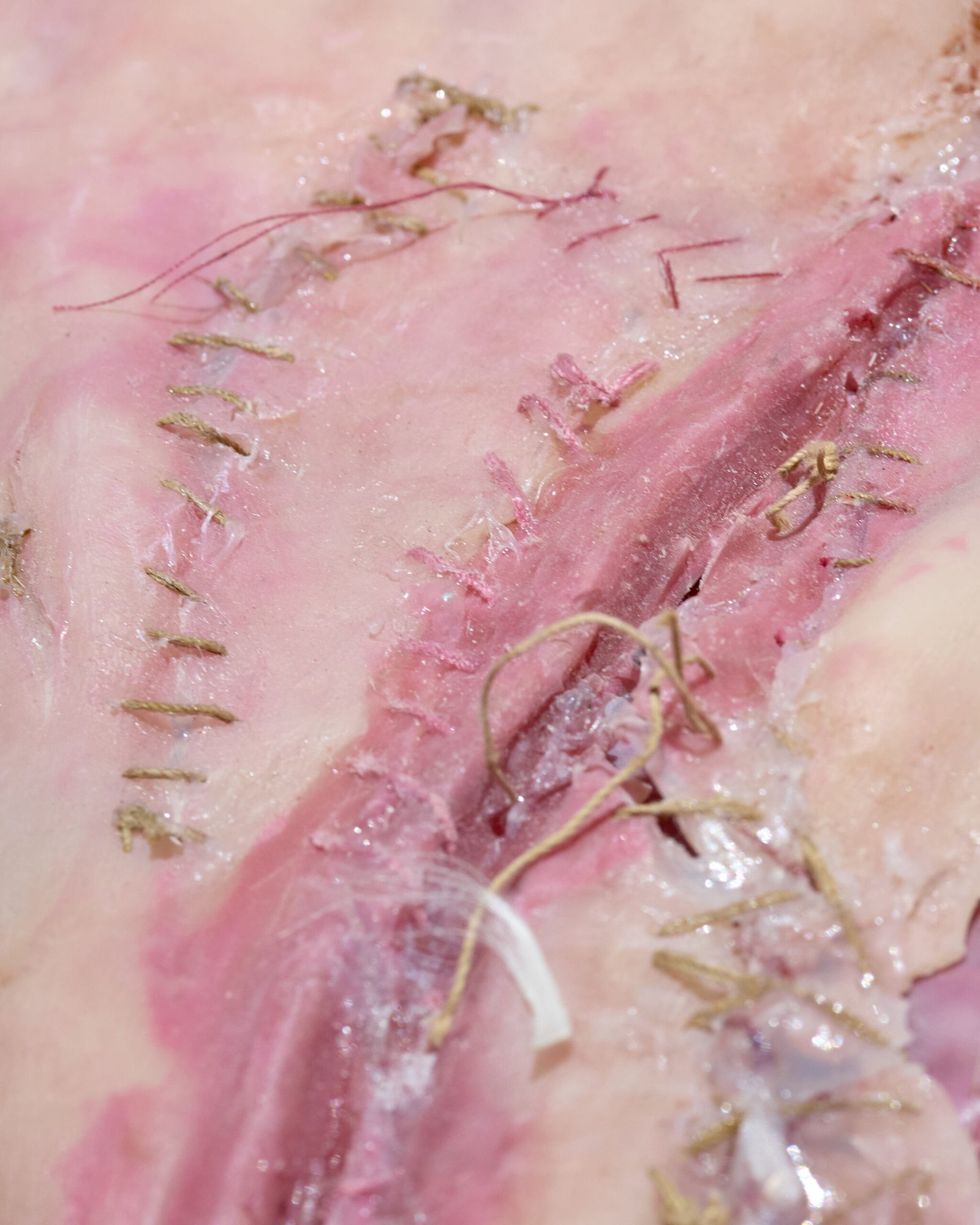
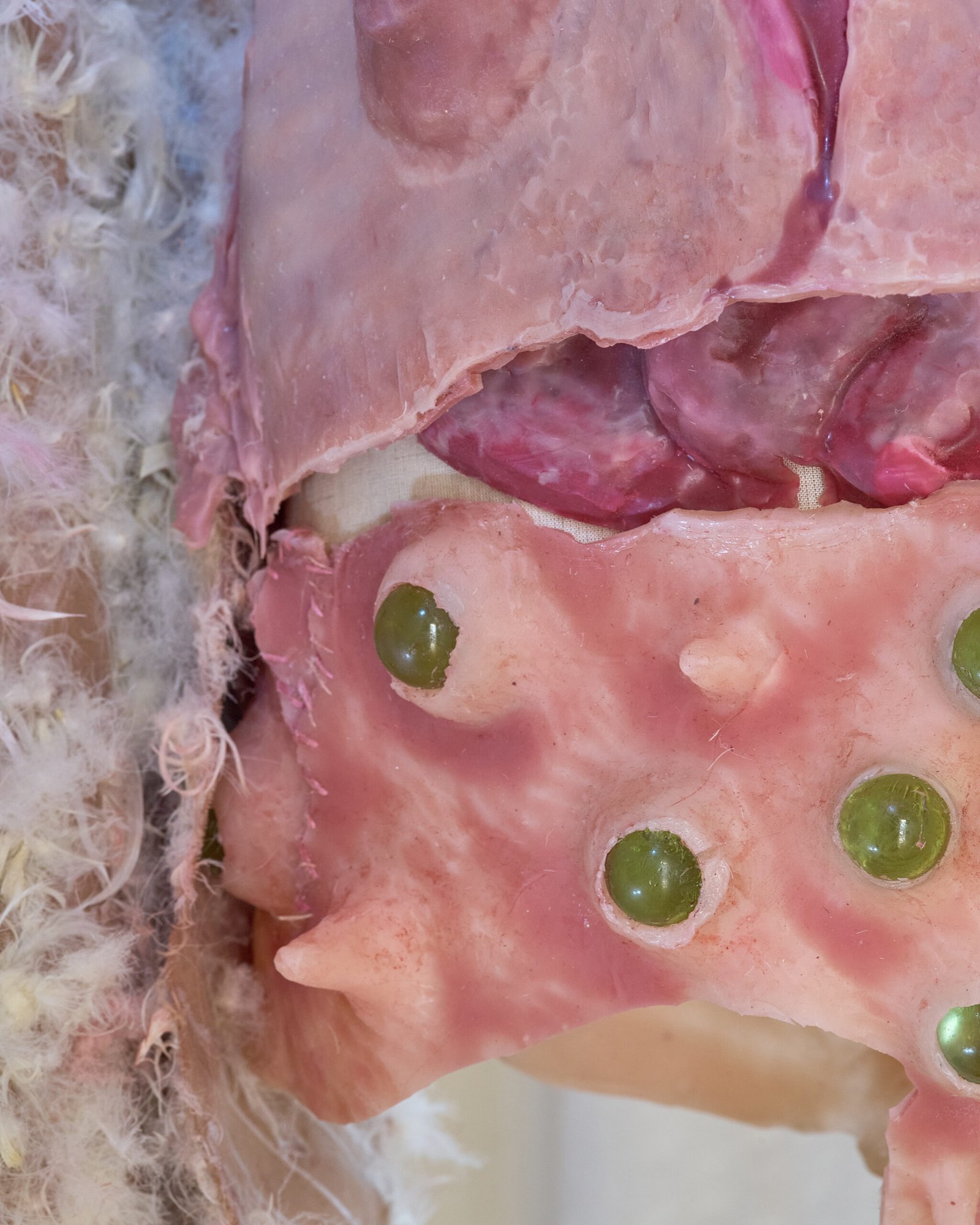
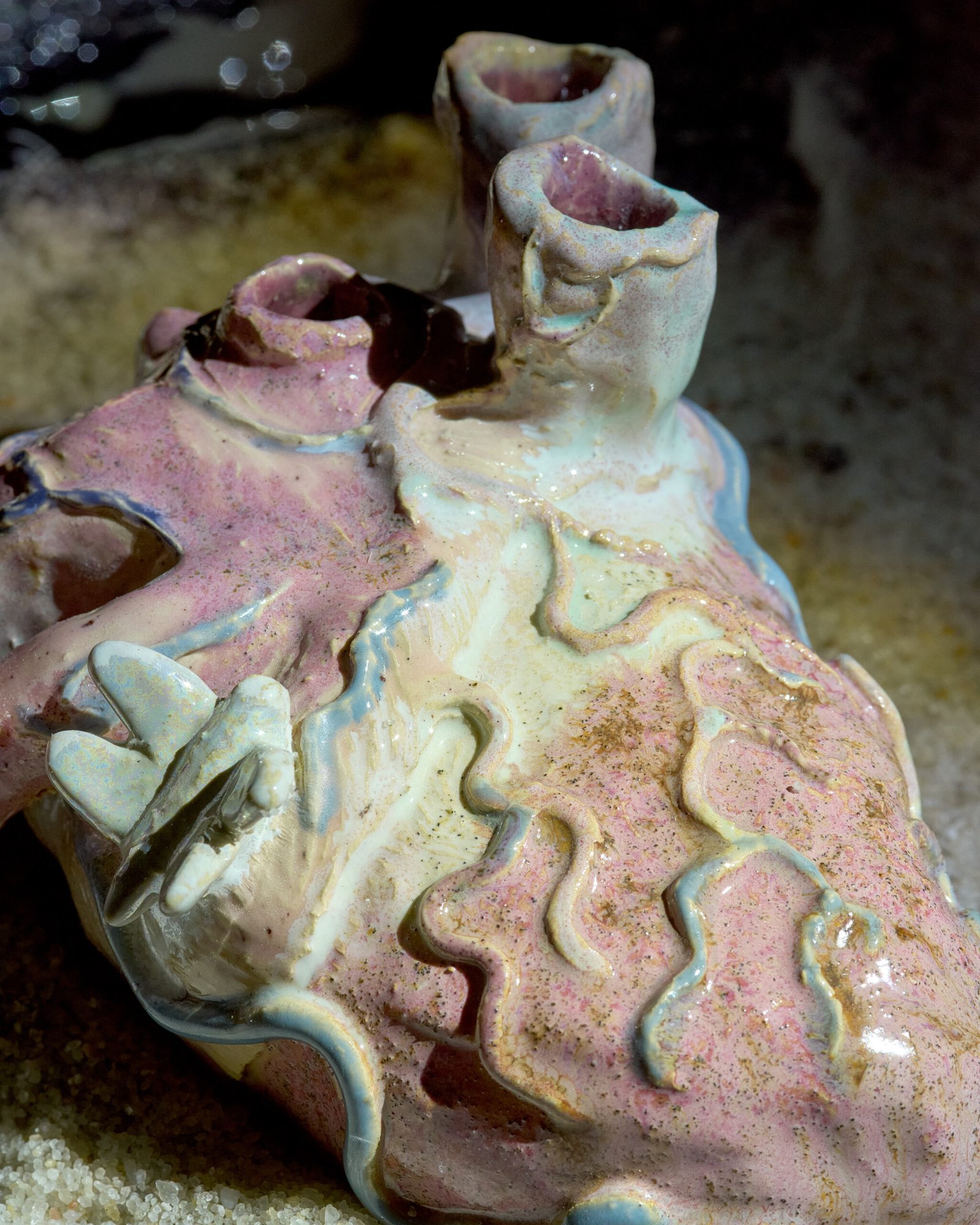
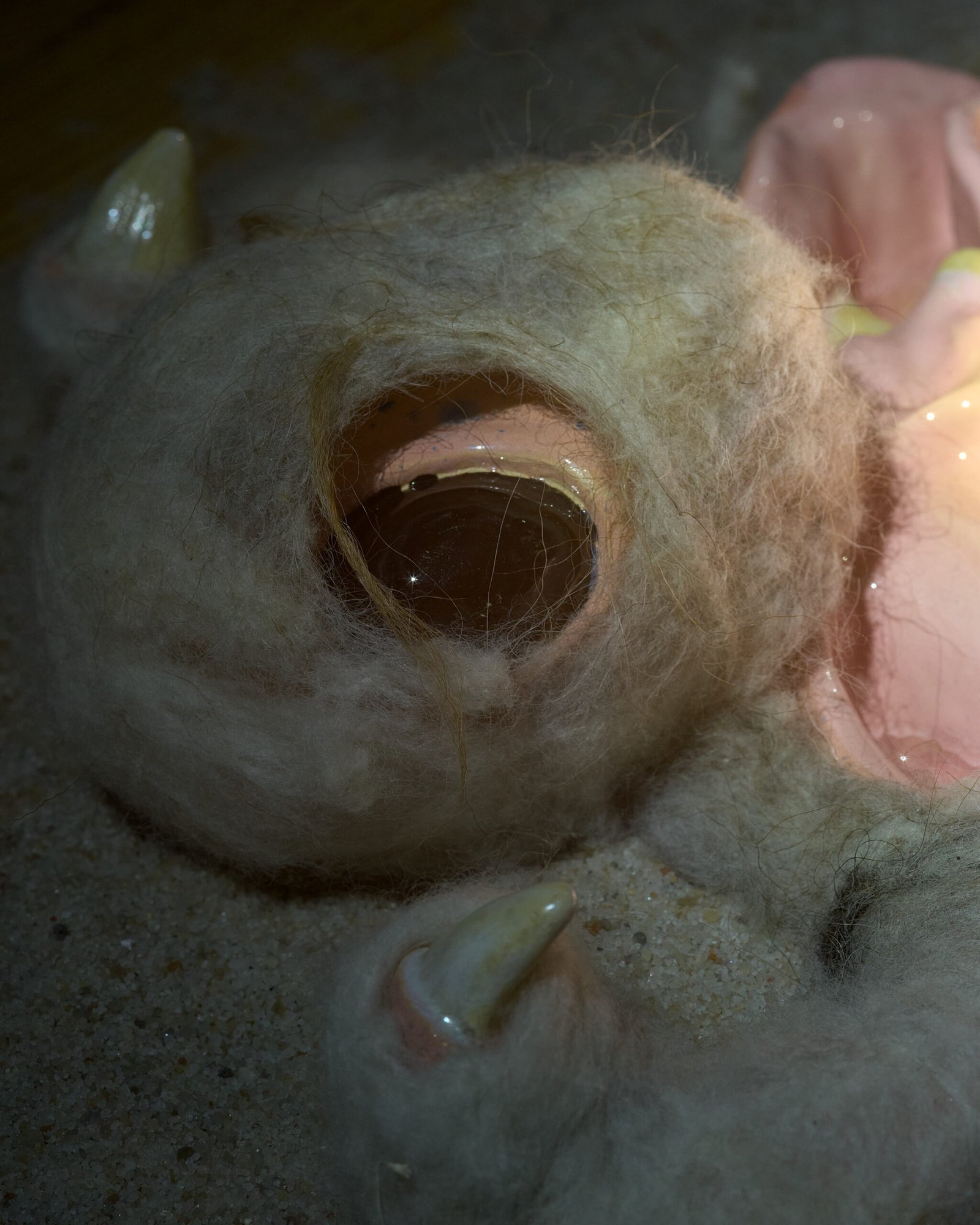
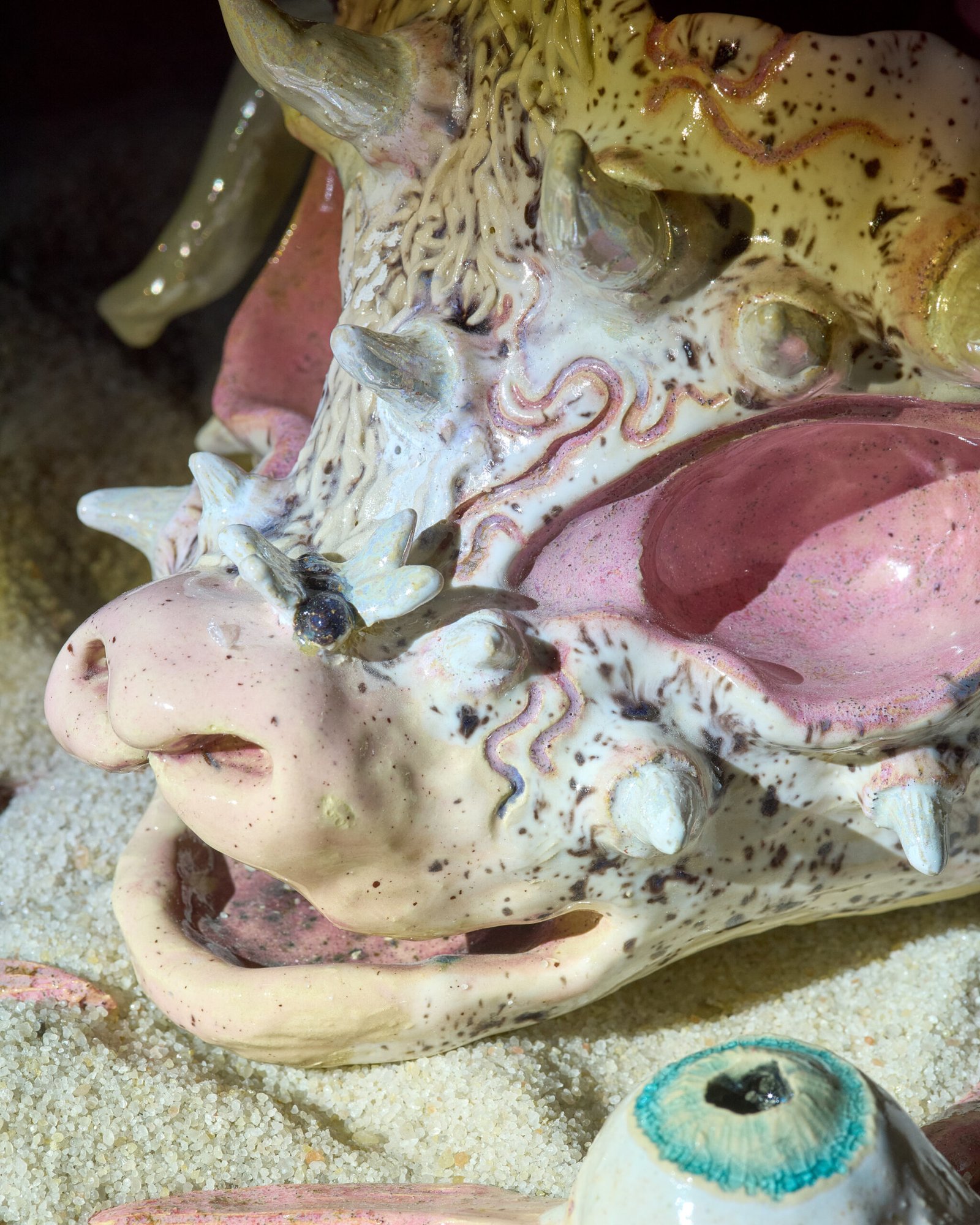
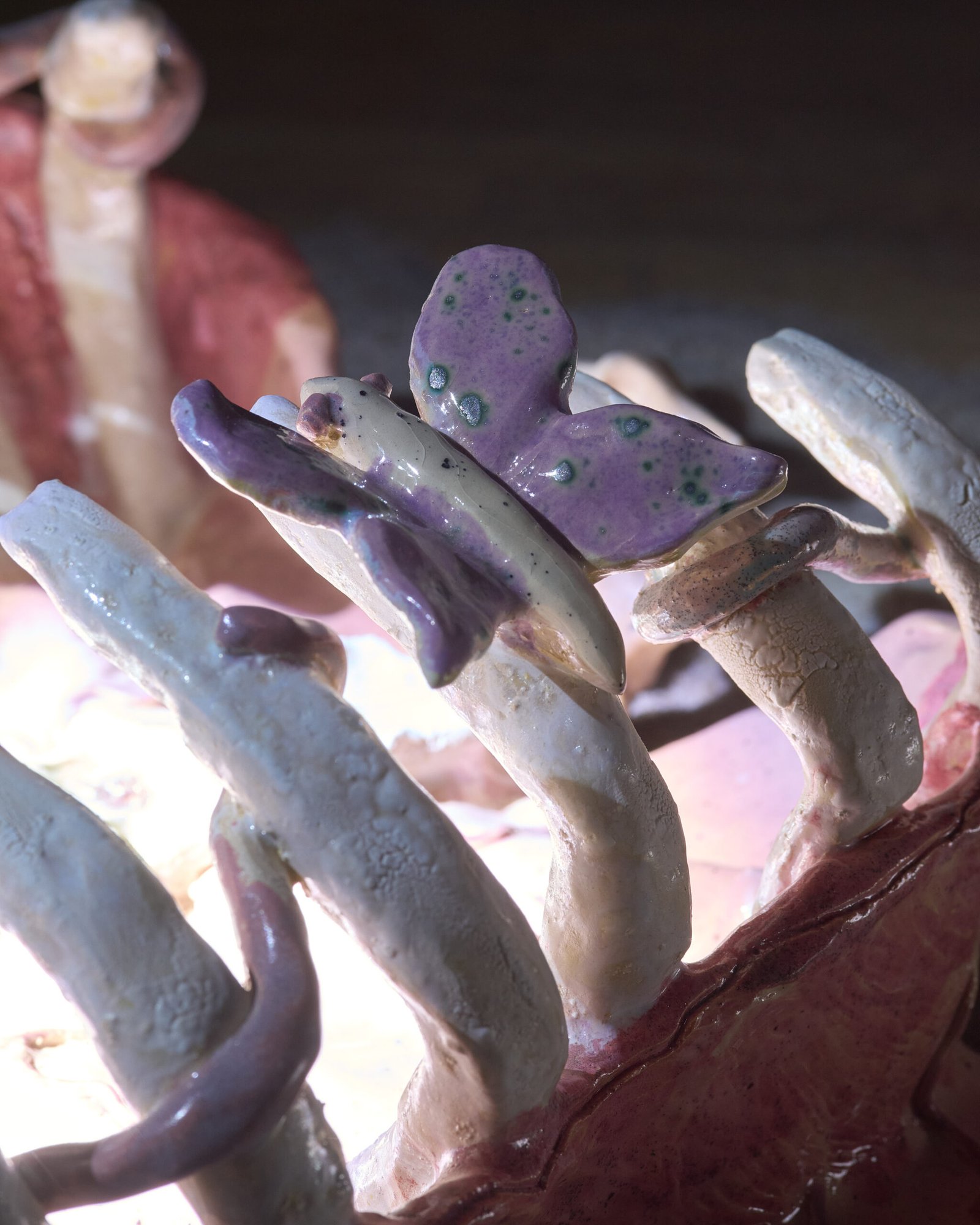
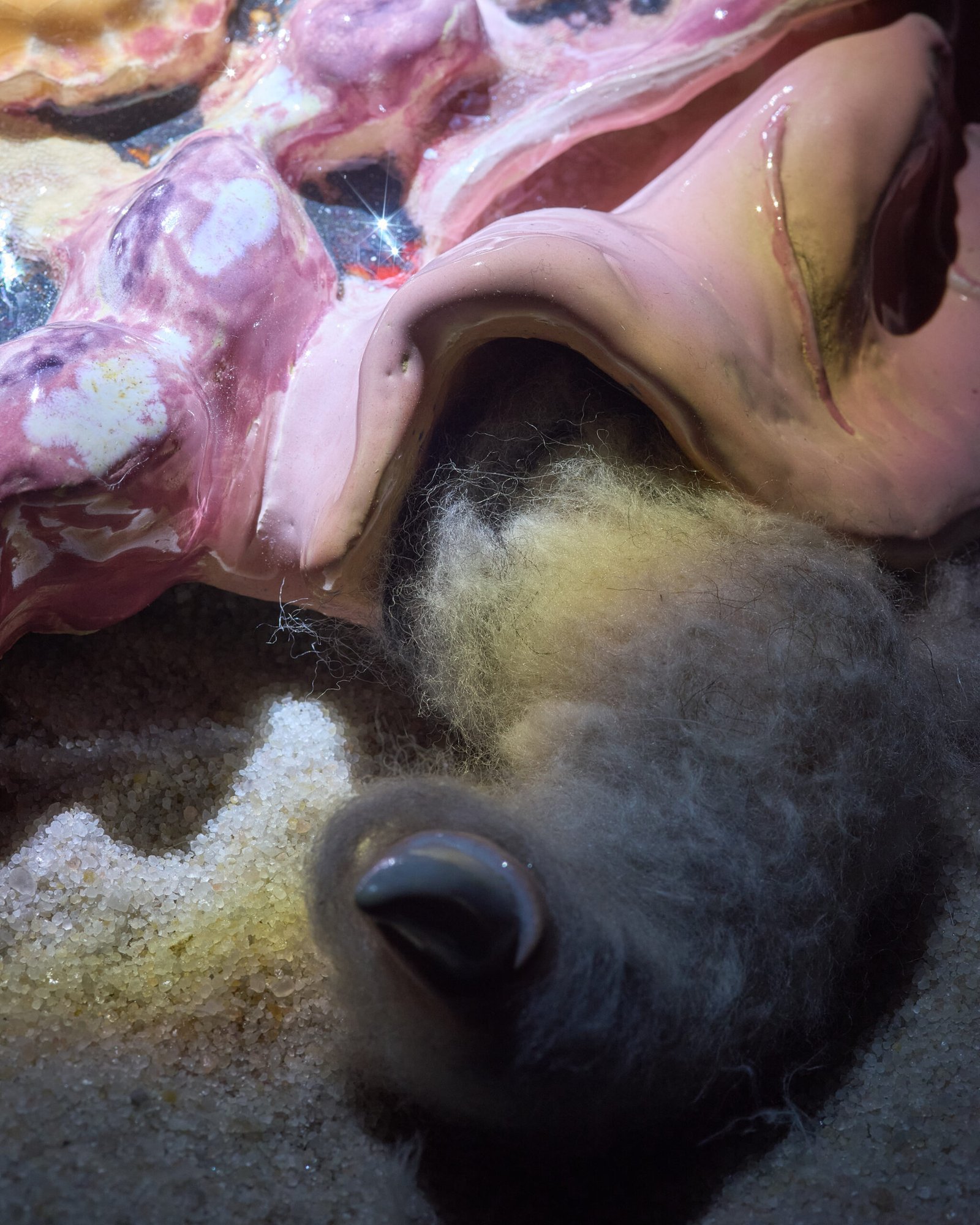
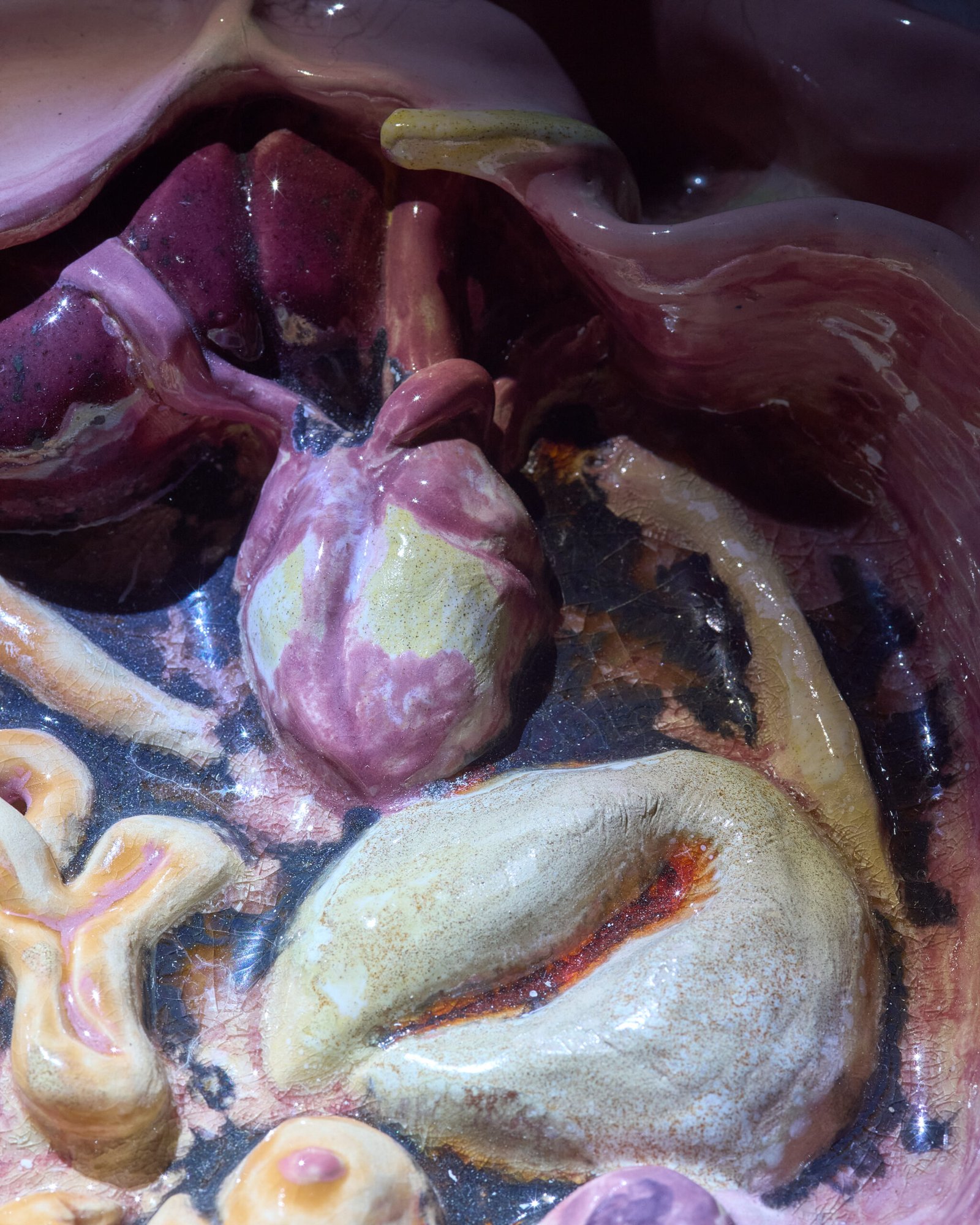
Tina Bxtq addresses a similar process on the level of individual corporeality through a costume from the performance Postangelic and ceramic objects depicting cute yet disfigured hybrid organisms. Here, the body is not understood as a closed entity, but as a permeable membrane that simultaneously absorbs and excretes, stabilises and fails. The aesthetic of cuteness functions as an ambivalent surface that both conceals and accentuates abjection. The fragmentation, openness, and vulnerability of the forms disrupt the notion of the body as a whole and autonomous subject, revealing it instead as a site where individual experience intersects with broader structural pressures.