

Spring is the season we load with the most expectation. It is also the season that keeps withdrawing, arriving late, or cold, or briefly, or not quite as imagined.
When Plato used the word pharmakon in the Phaedrus, he meant poison. His translators wrote remedy. Both are correct: the ancient Greek word names an inherently ambiguous agent that can heal and harm, soothe and overwhelm, sustain and subsume the self, and it’s power of the lies in its paradoxical nature. Jacques Derrida writes forty pages to show what happened when
translators chose between the two words. In choosing, they miss the point; some things have to be left untranslatable to not become something else entirely. Before pharmacy became a science, the apothecary worked in that indeterminate space between knowledge and superstition, science and folklore, cure and harm. To seek out that kind of help was already an act of trust in the person administering it, in the knowledge they’d inherited, in your own body’s capacity to do something with what it was given. And transformation, when it came, arrived through that vulnerability. You could not have one without the other two, and risk was the very passage through which change became possible.
Today we don’t have the stomach for this. We live inside landscapes and systems designed to eliminate the variable: to know what you want before you do, to deliver it frictionlessly, and to ensure the outcome matches the expectation. The past decades have been spent moving toward precision: the promise that the right intervention, correctly personalised and engineered, will produce the right result you are looking for. The logic has been shaping how people approach travel, rest, relationships to people and materials, and we have become very bad at accepting to not know what something will do to us before it does it.
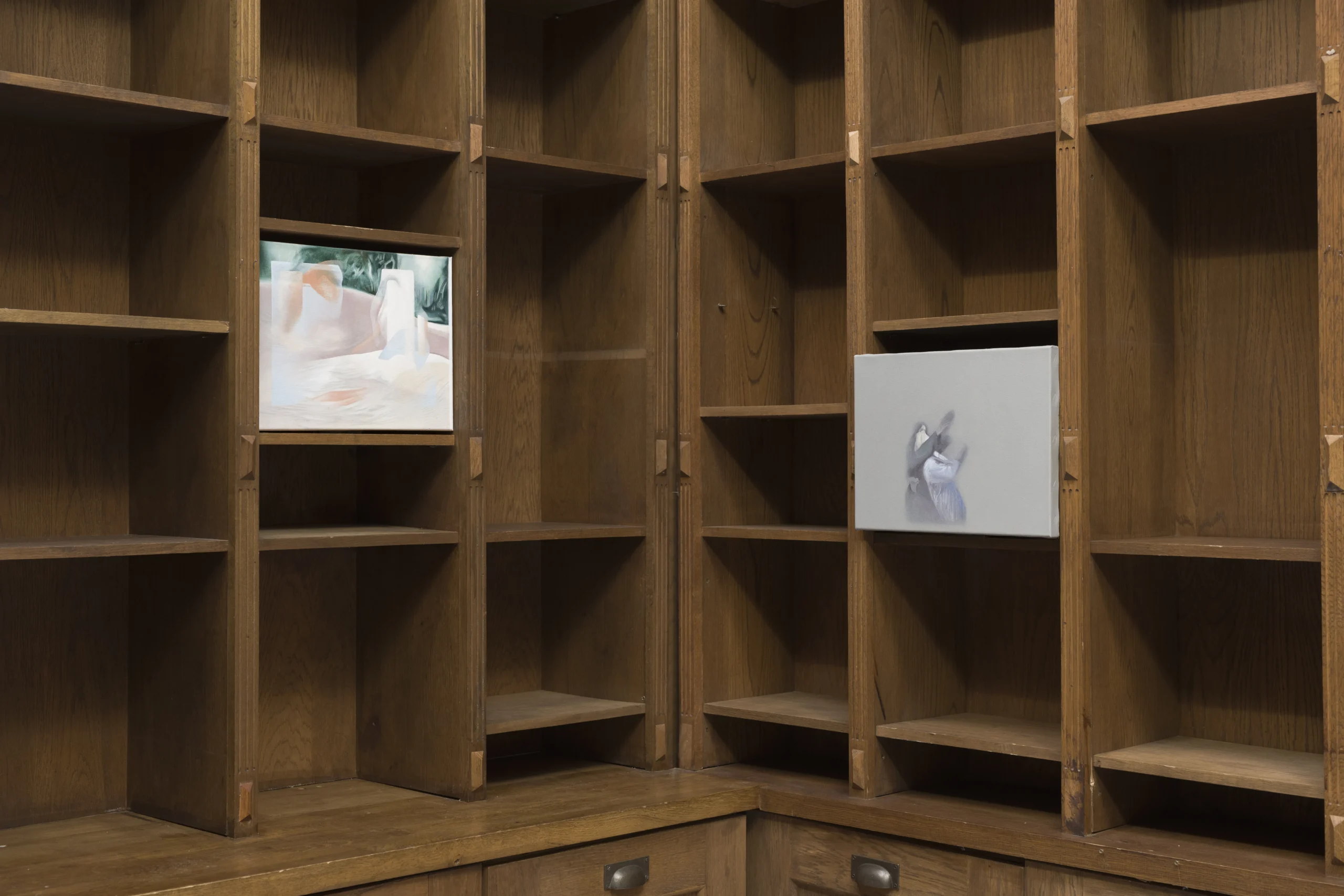
Bitter Spring is held in a former whisky shop, a space built to offer a substance that has always been both remedy and ruin to the people who sought it out. Like everything stored in anticipation, what is delivered is never quite what was promised. The seven artists in this exhibition do not claim to resolve this, but with a shared fidelity to difficulty, they are restoring the unknown to its proper place.
MARA Projects
For enquiries: info@maraprojects.com
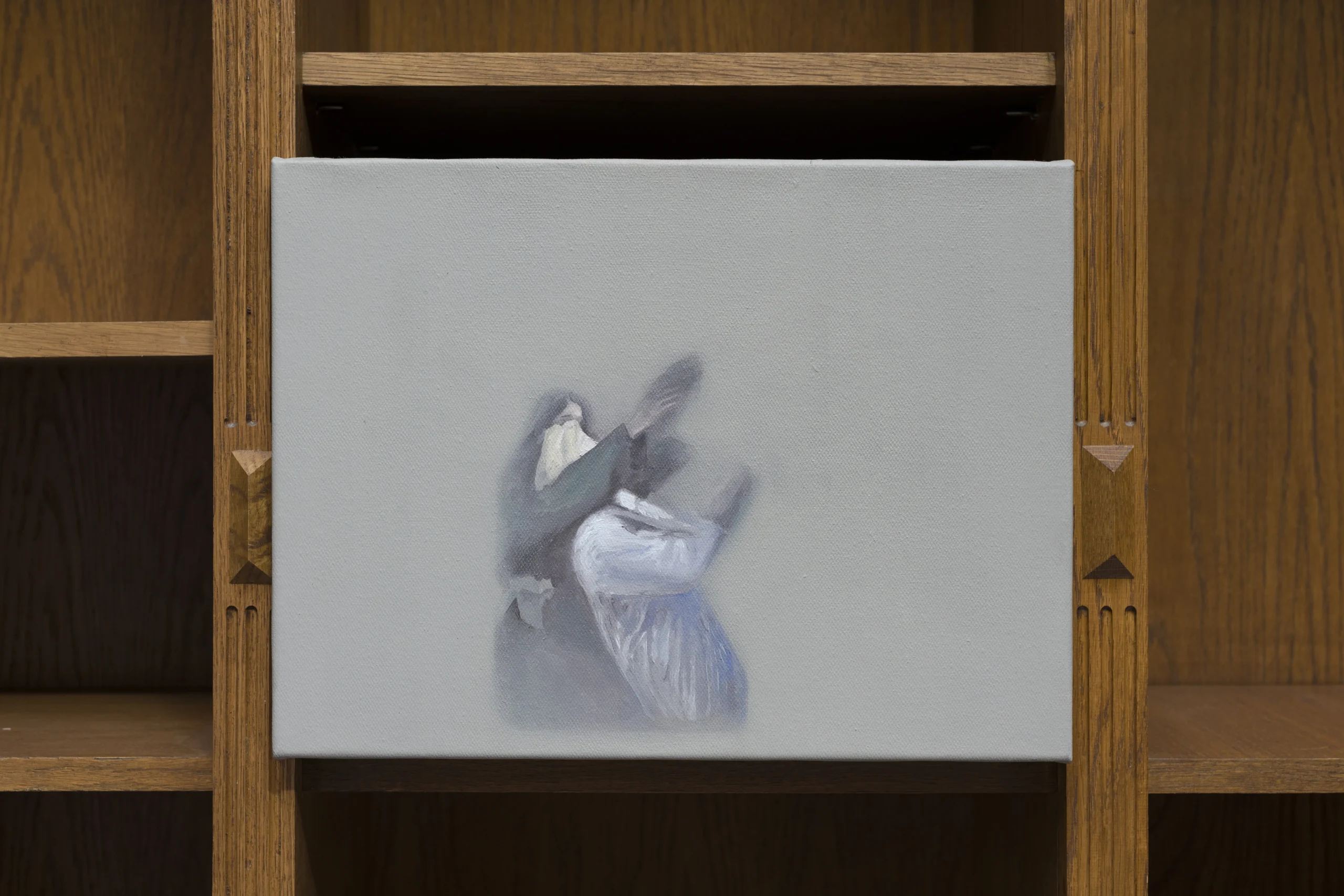
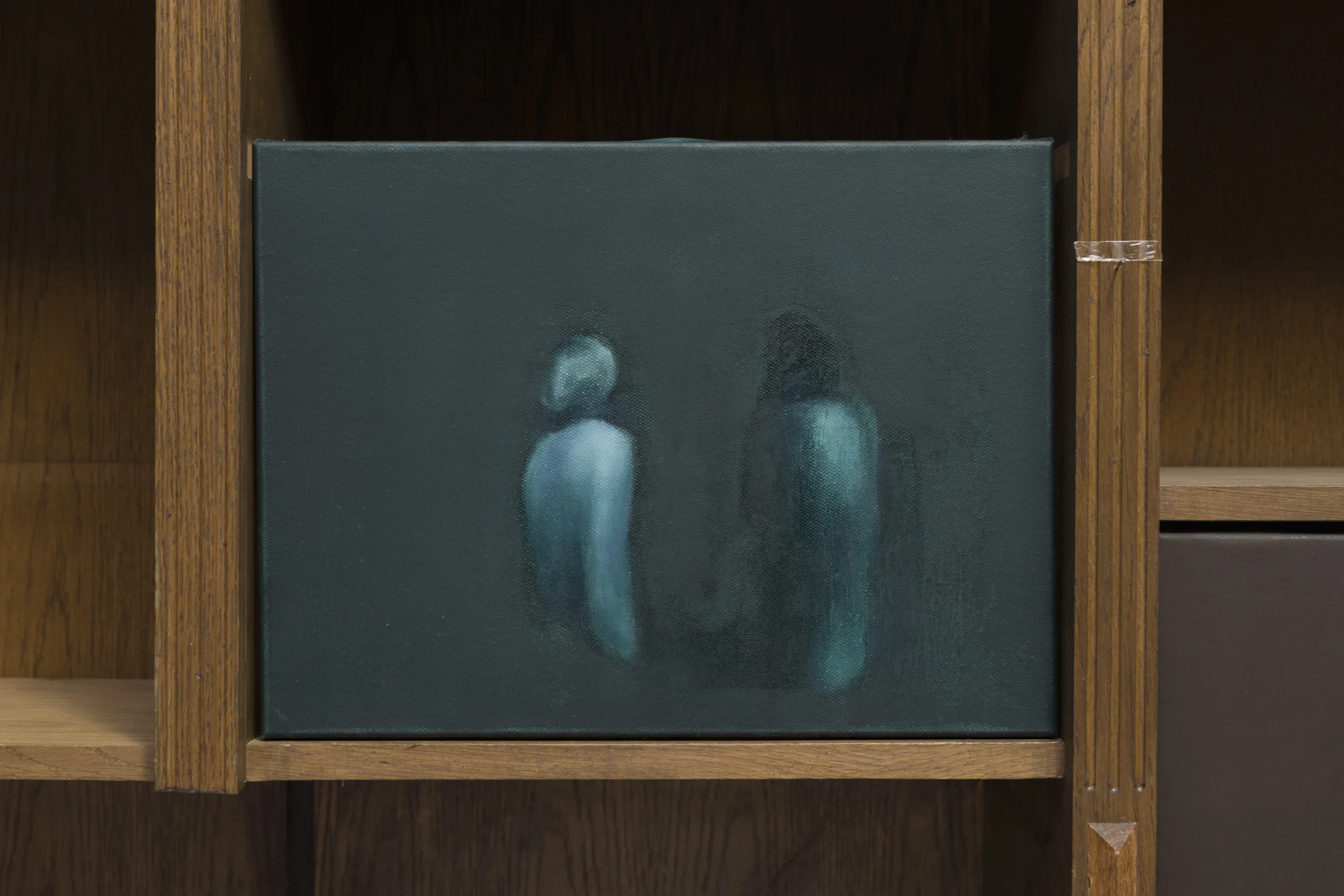
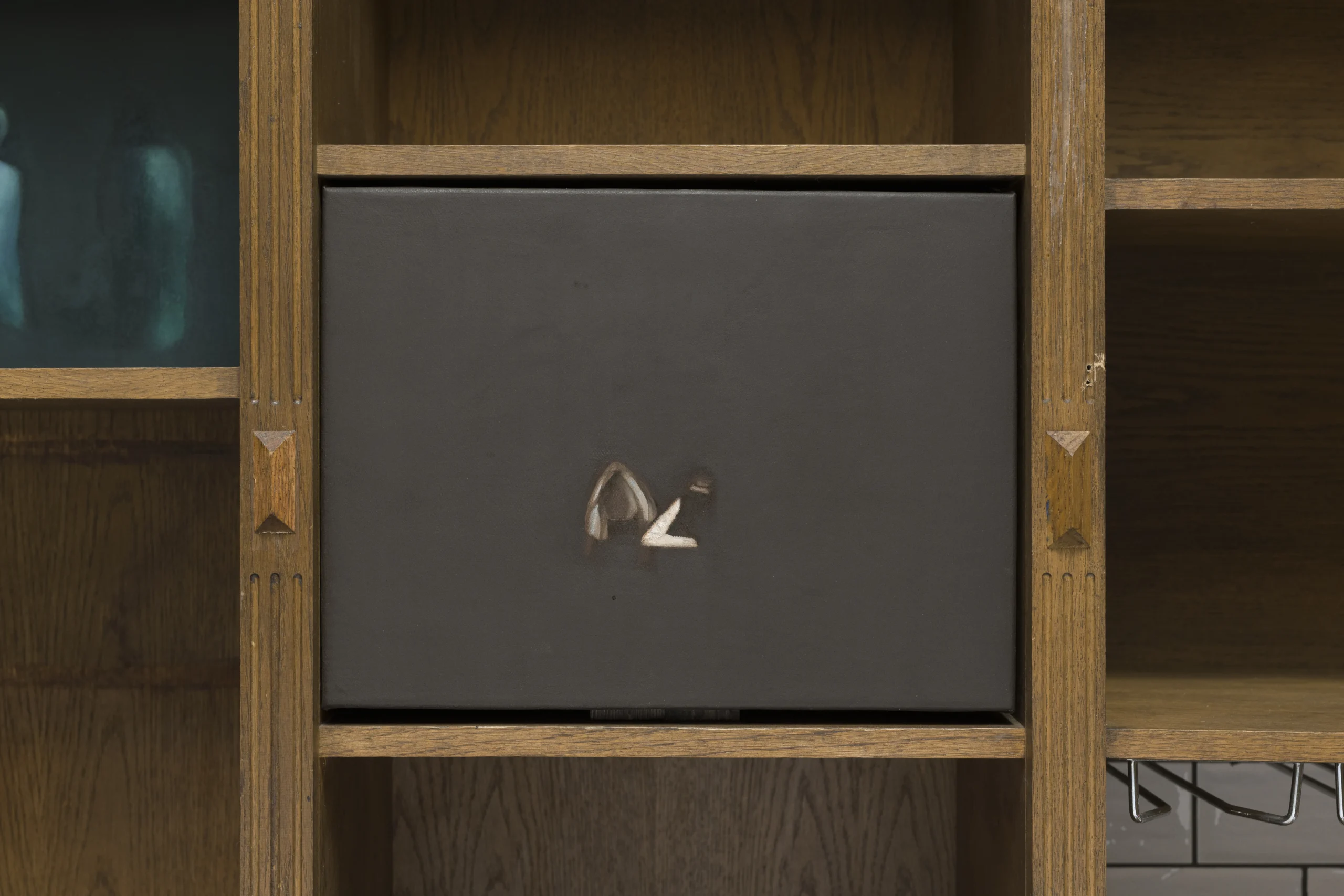
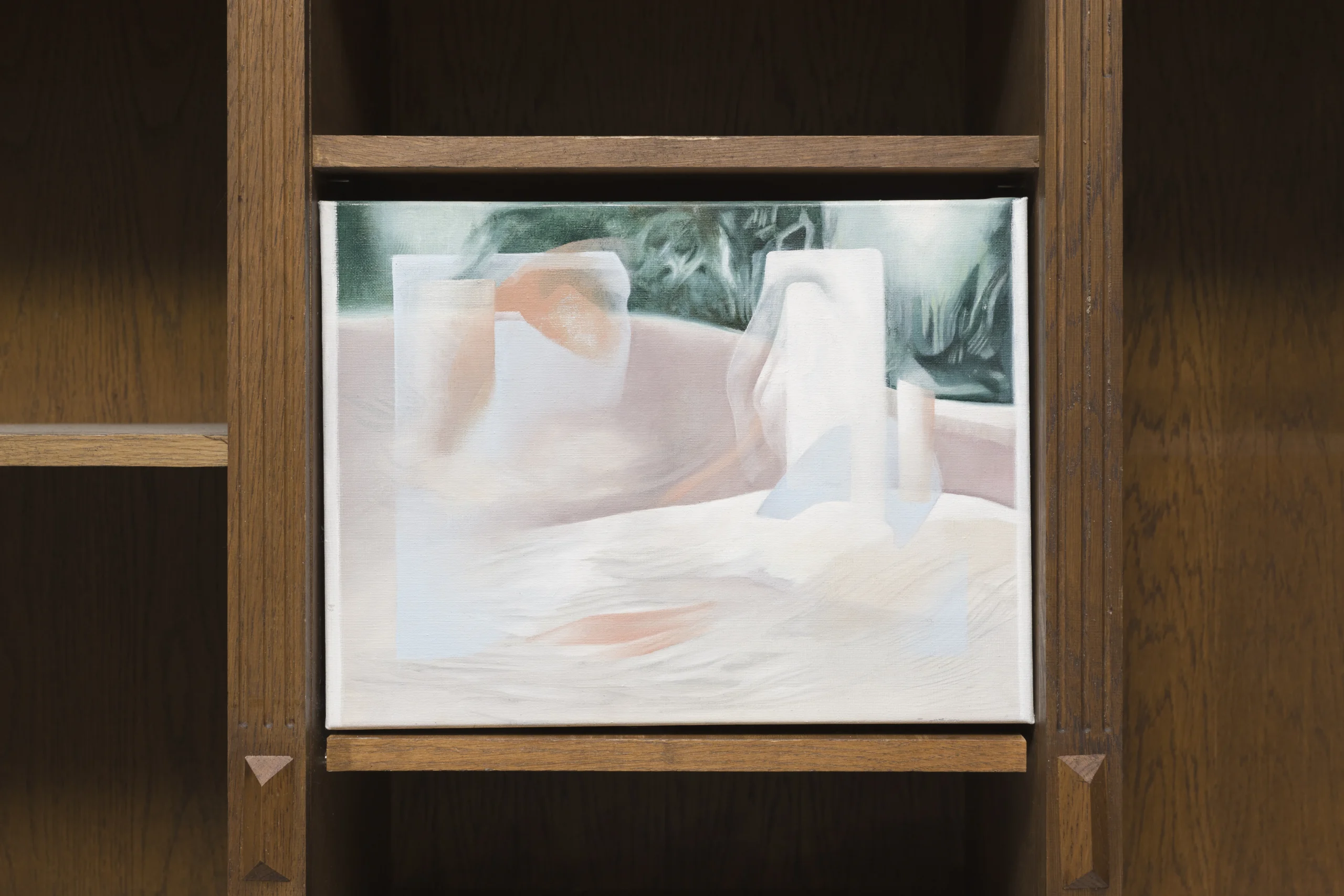
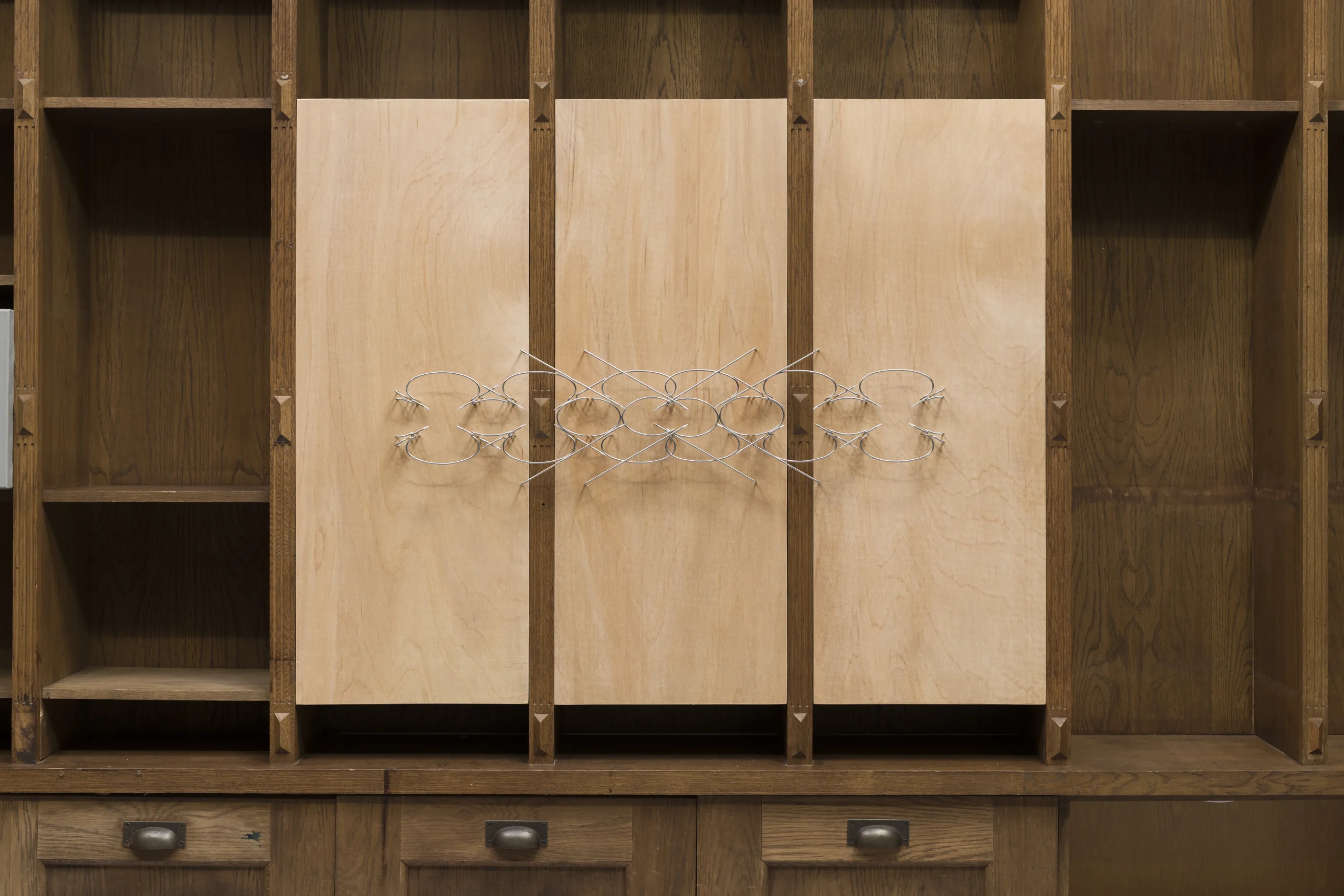
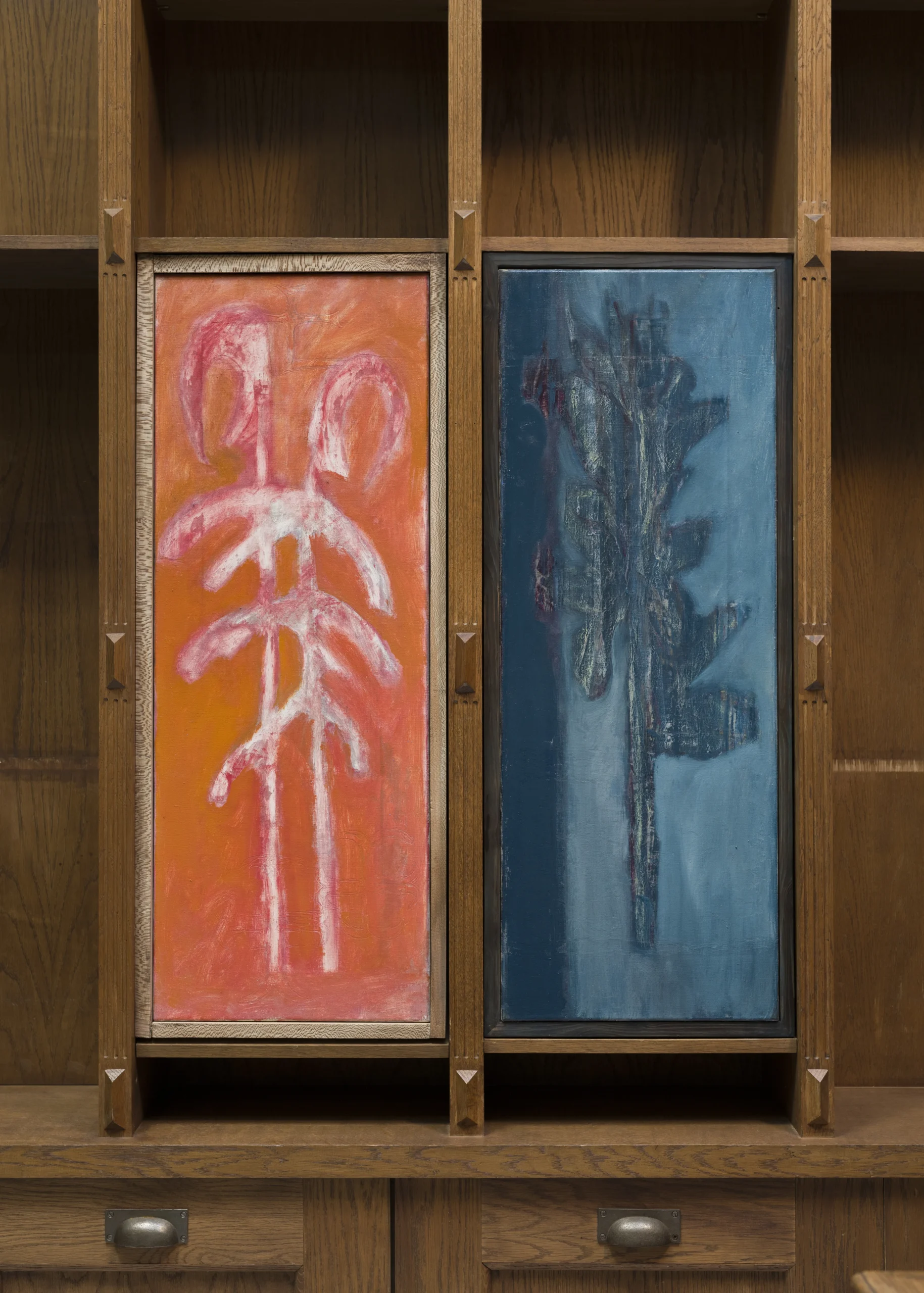
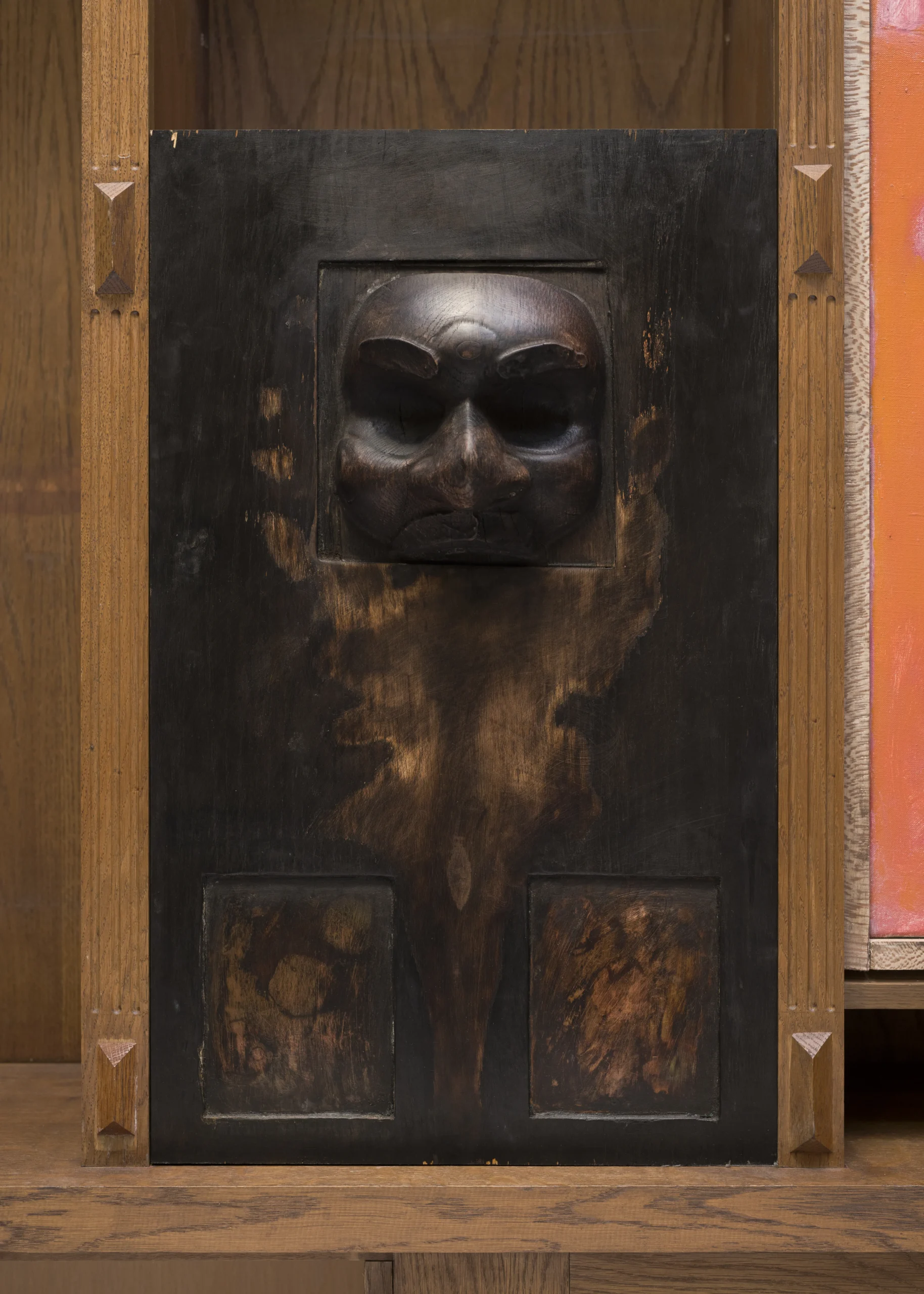
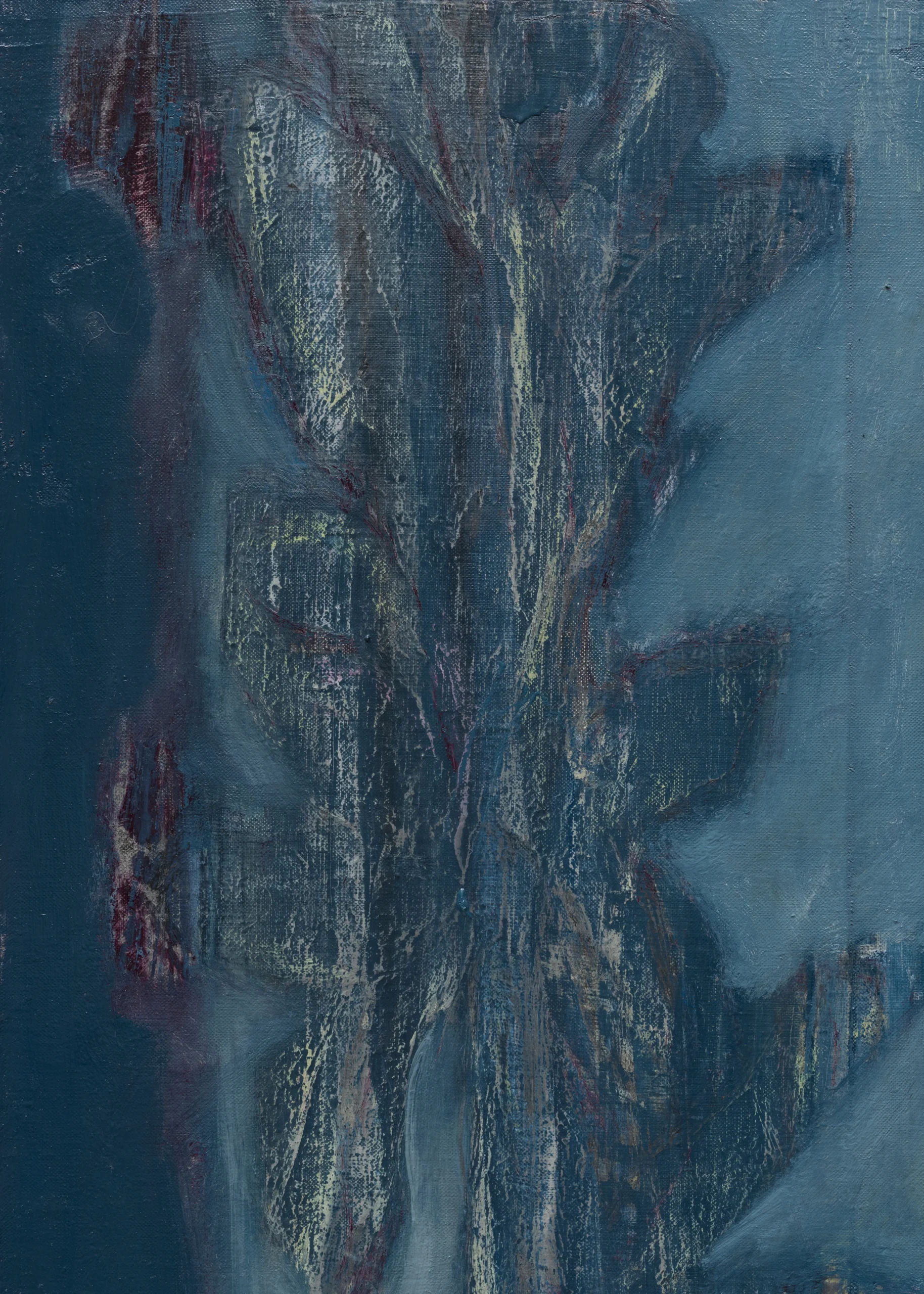
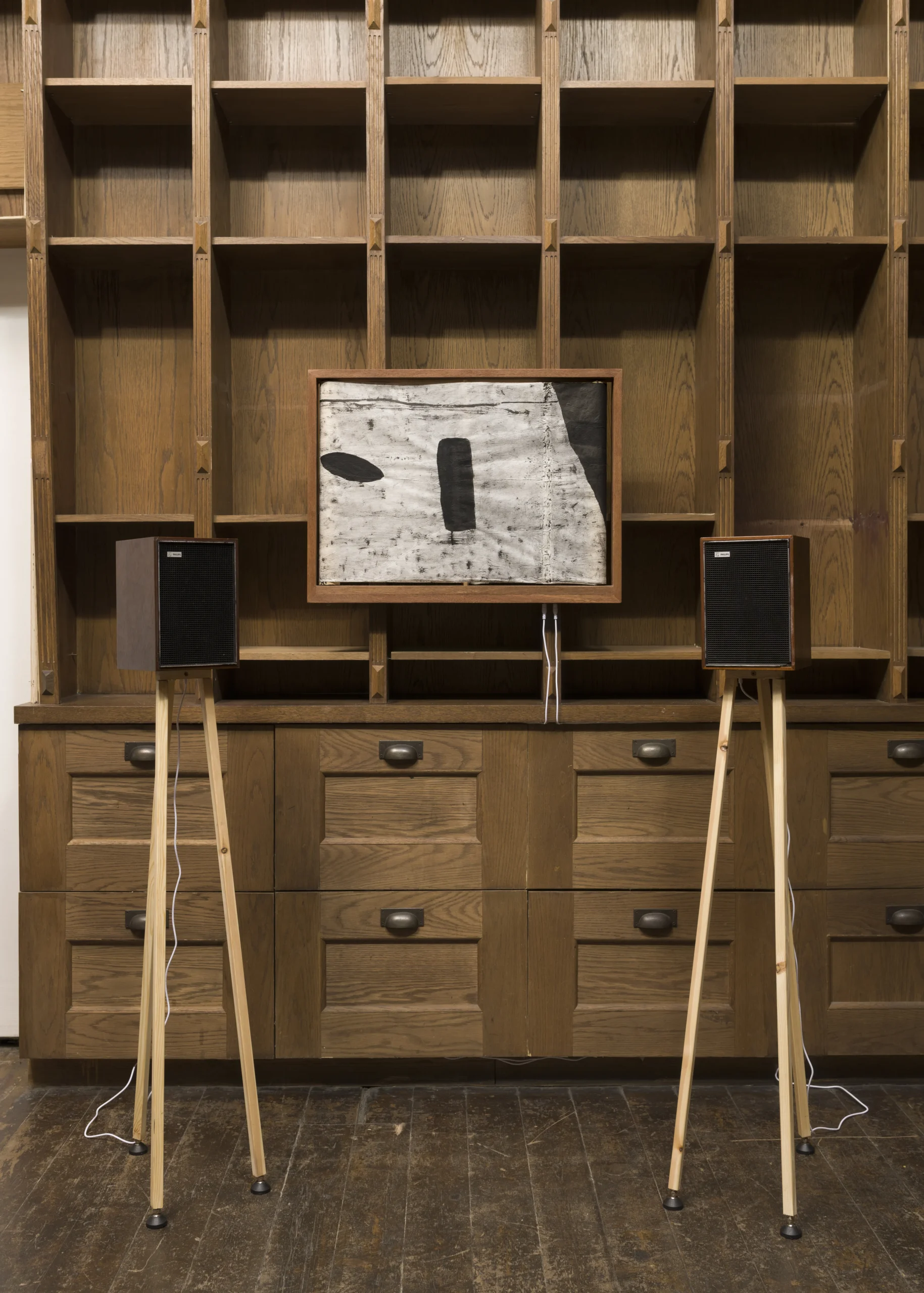
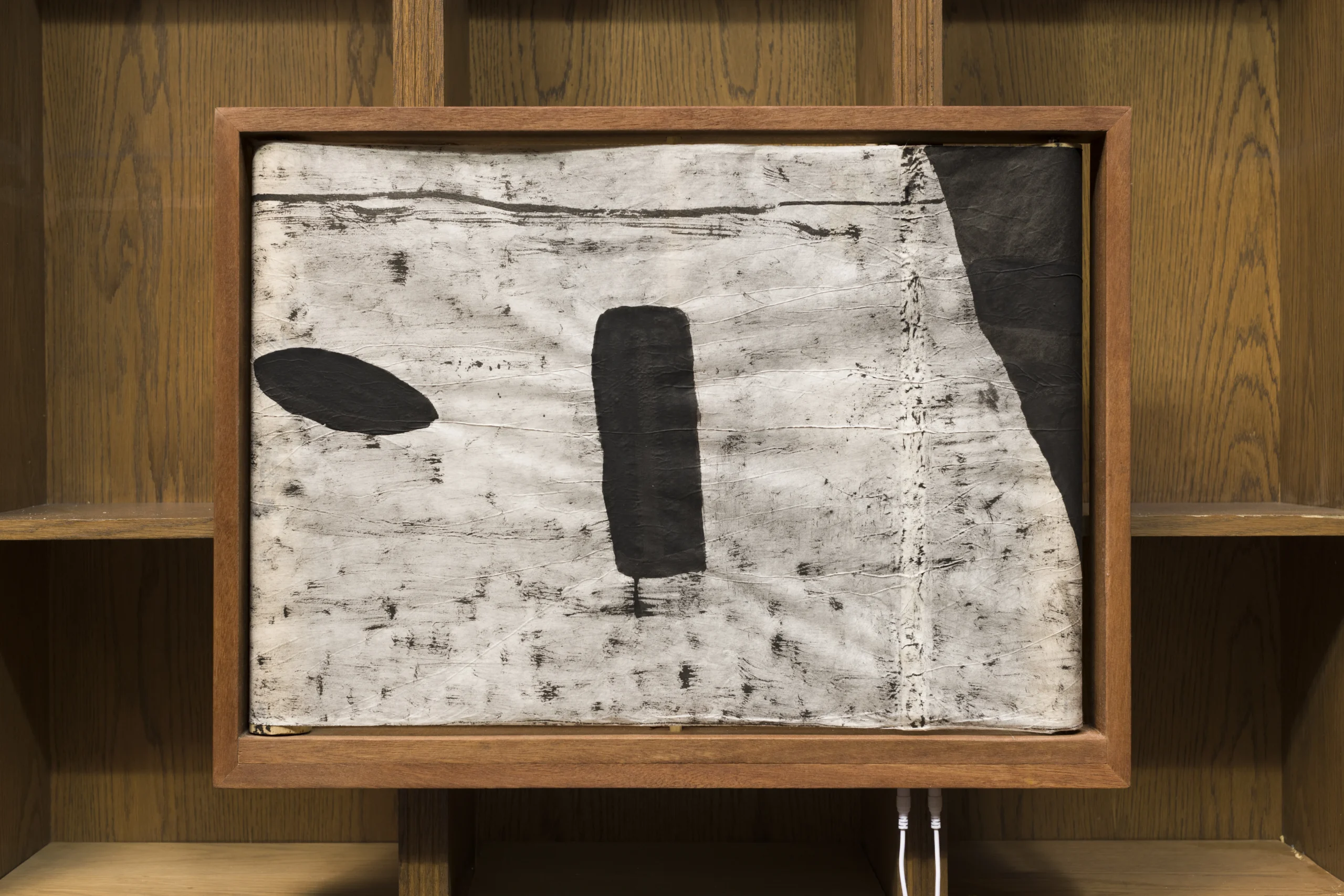
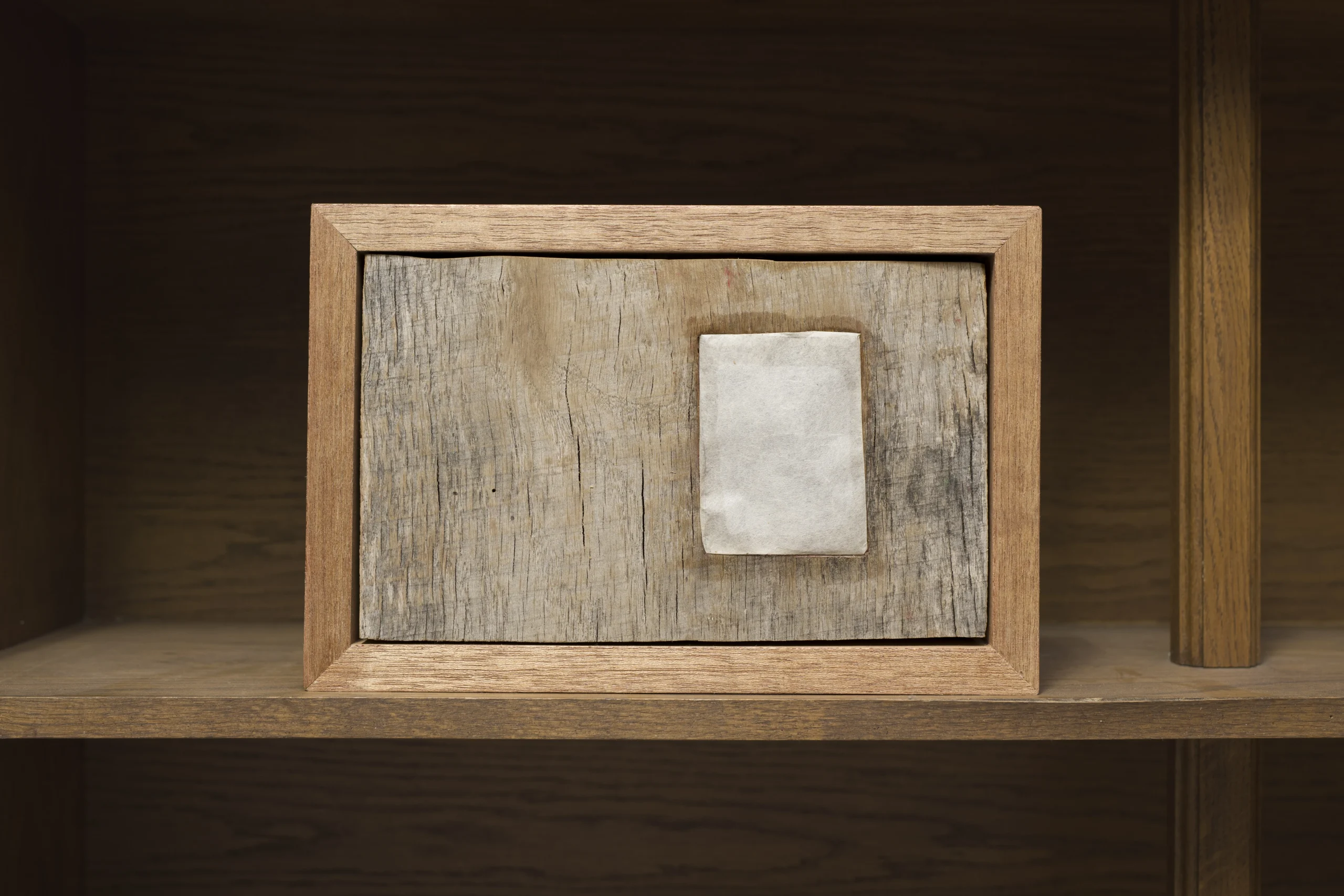
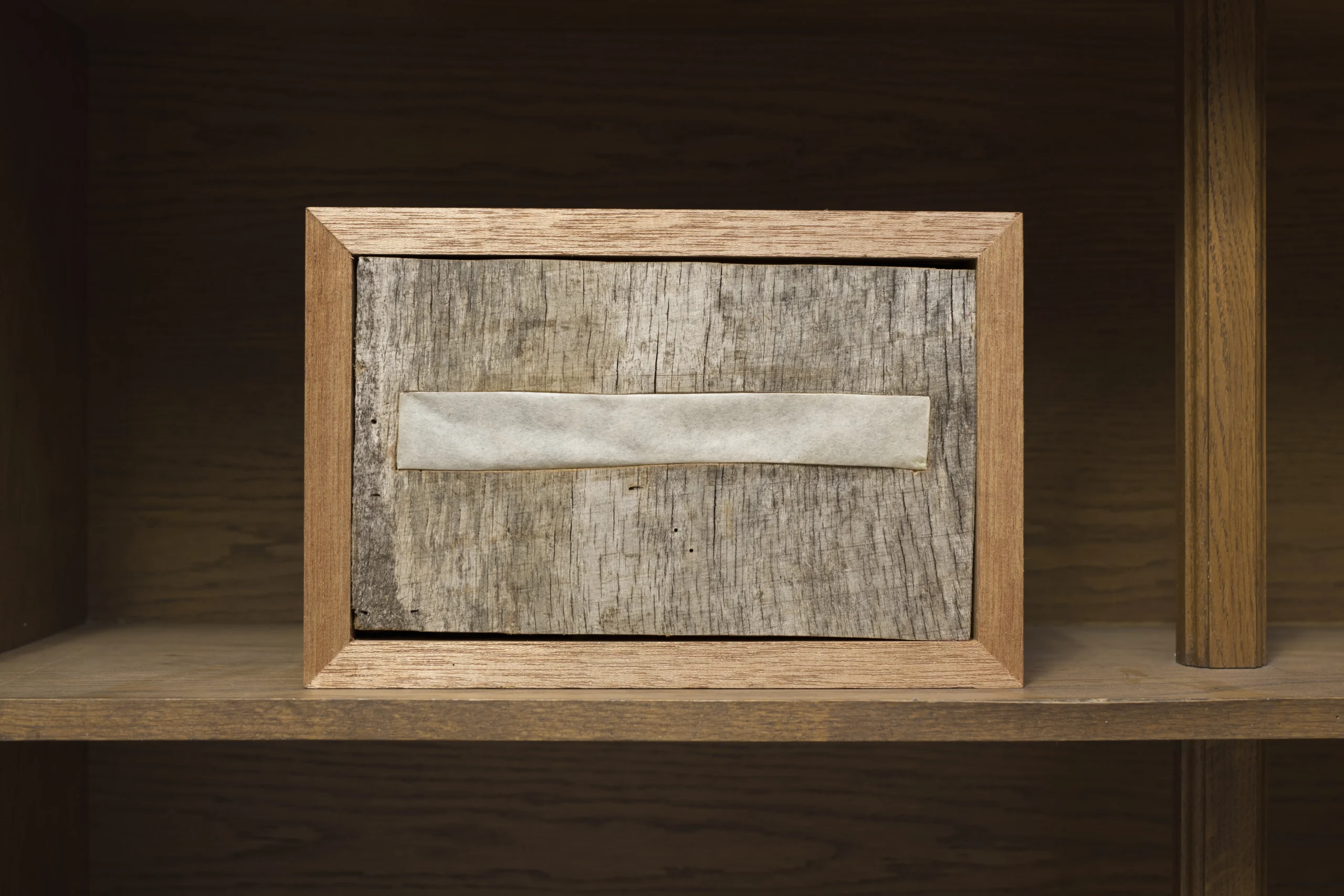
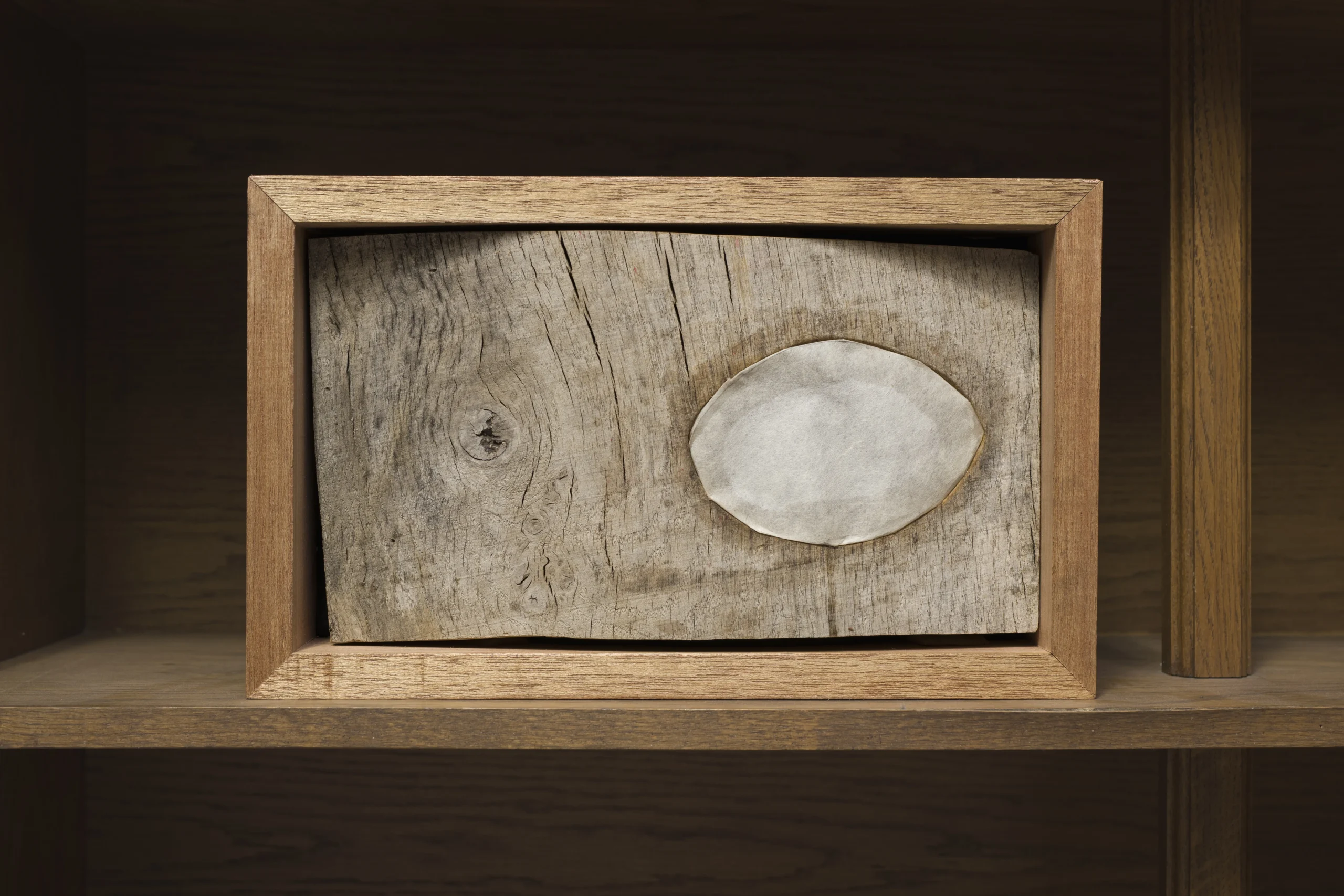
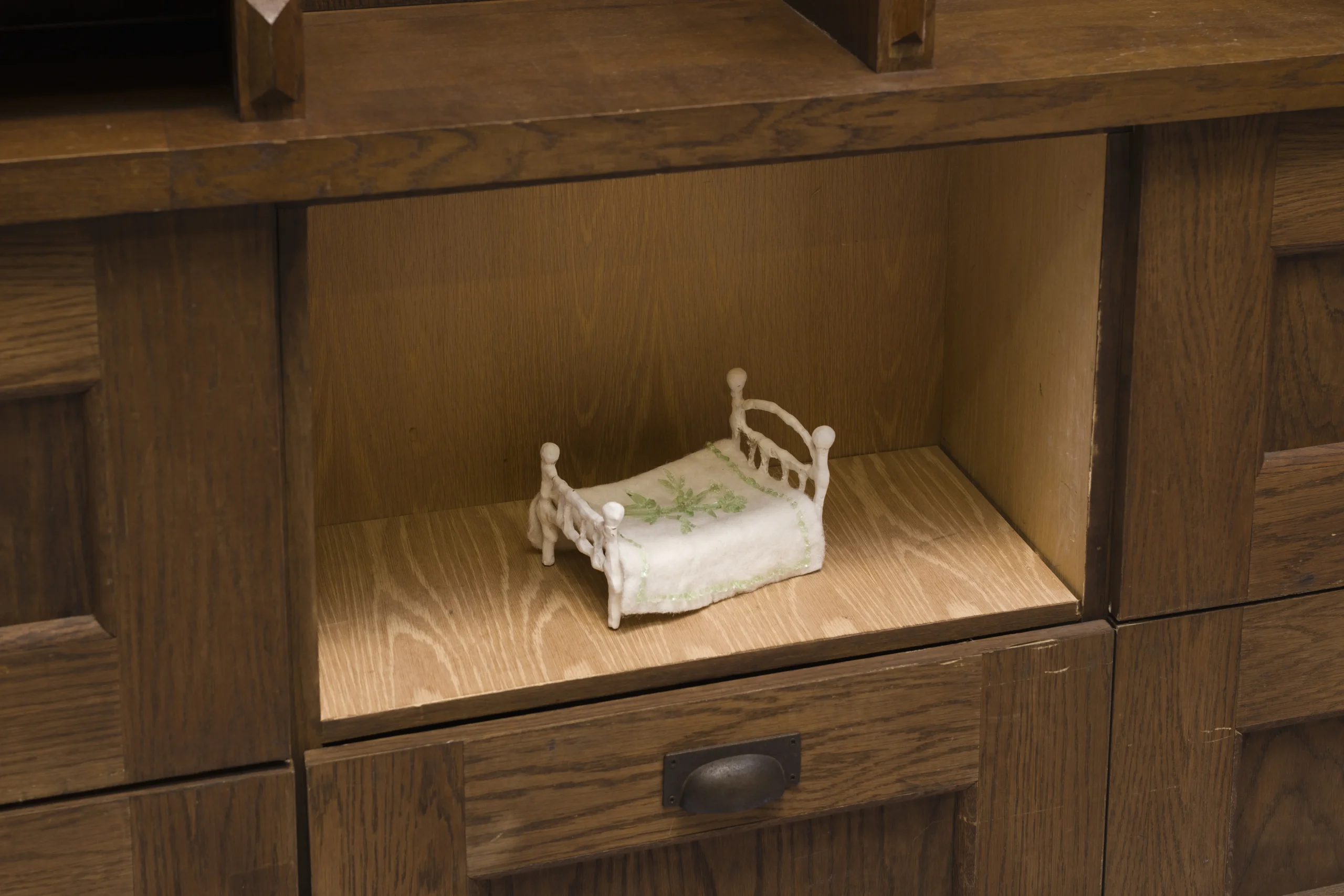
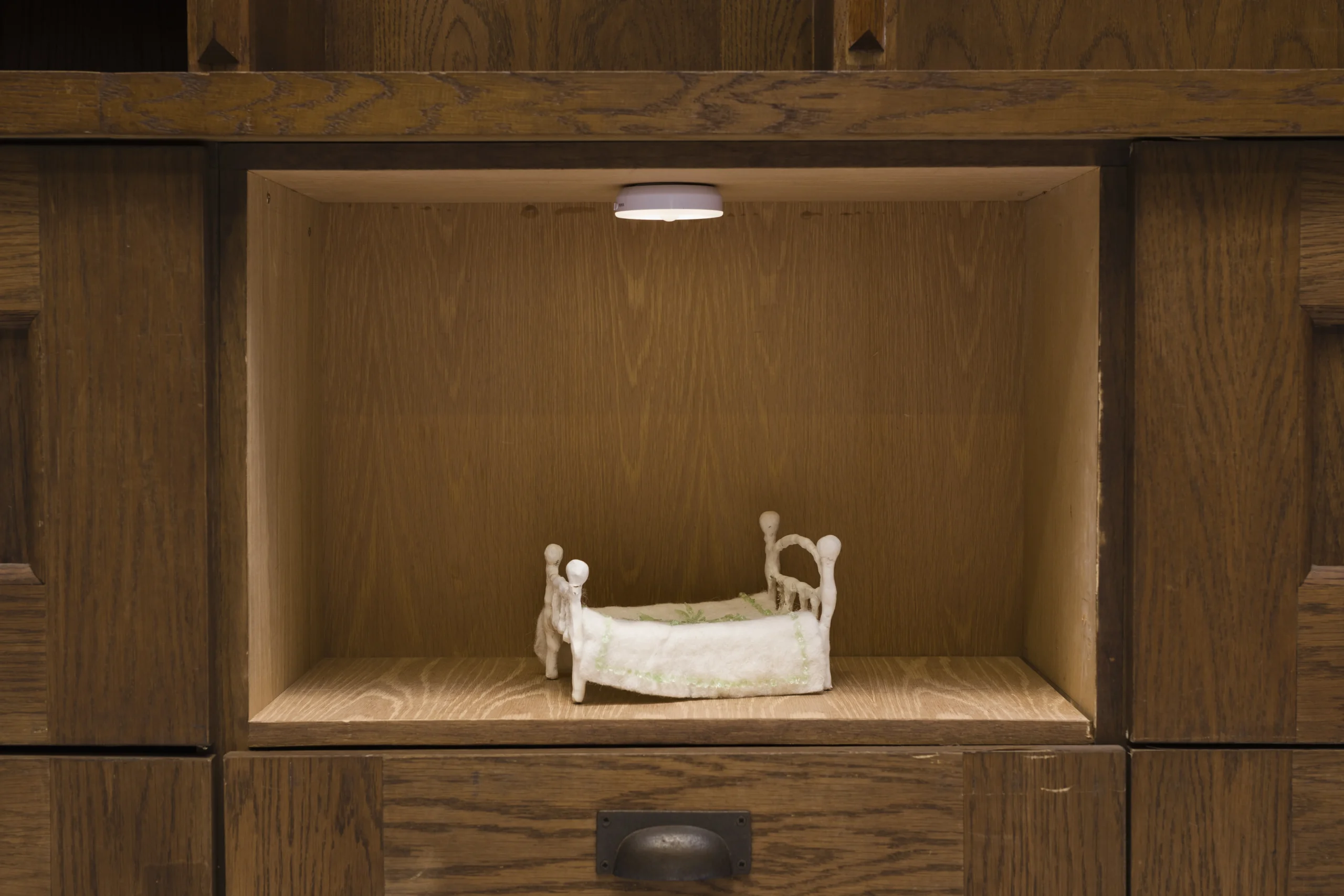
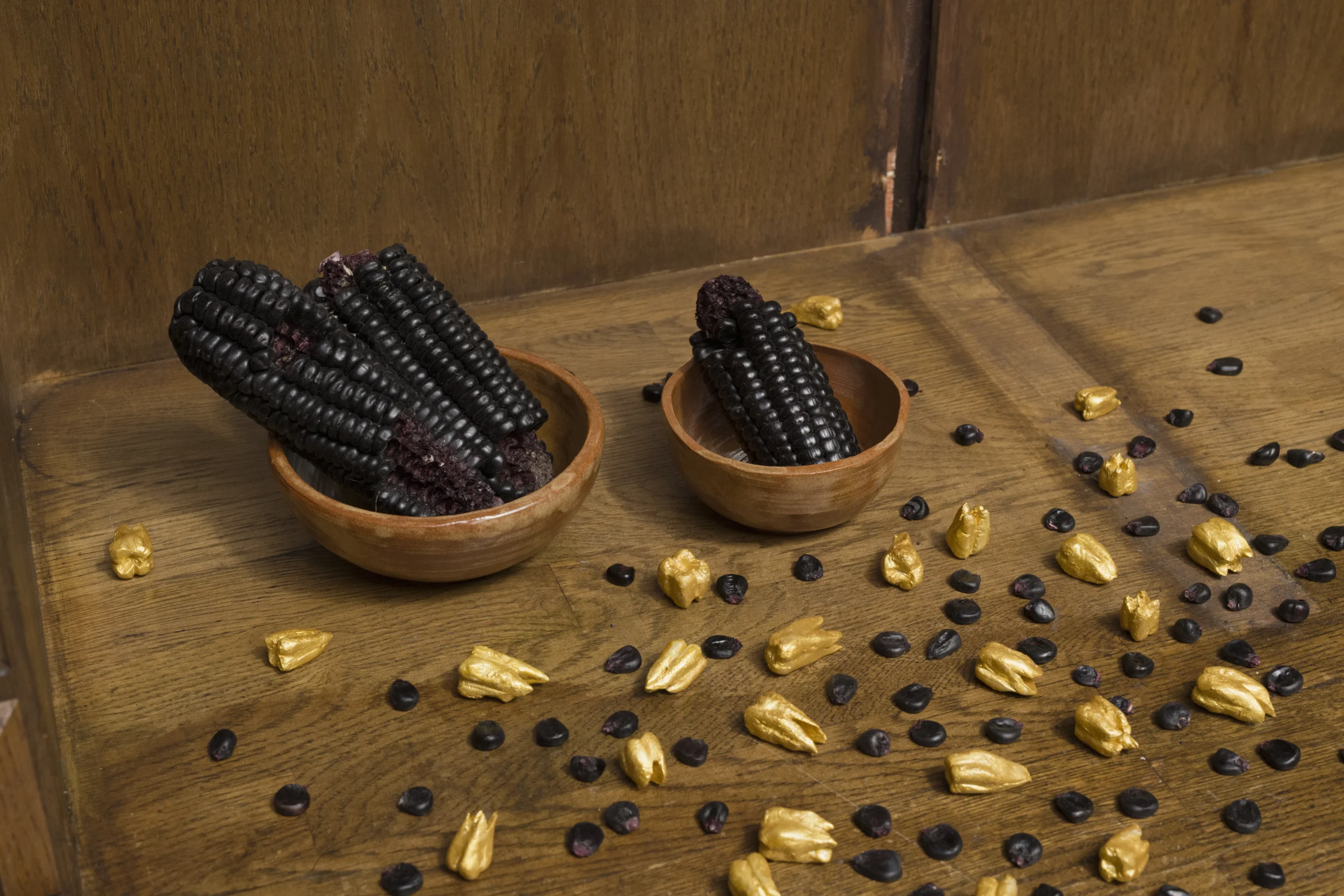
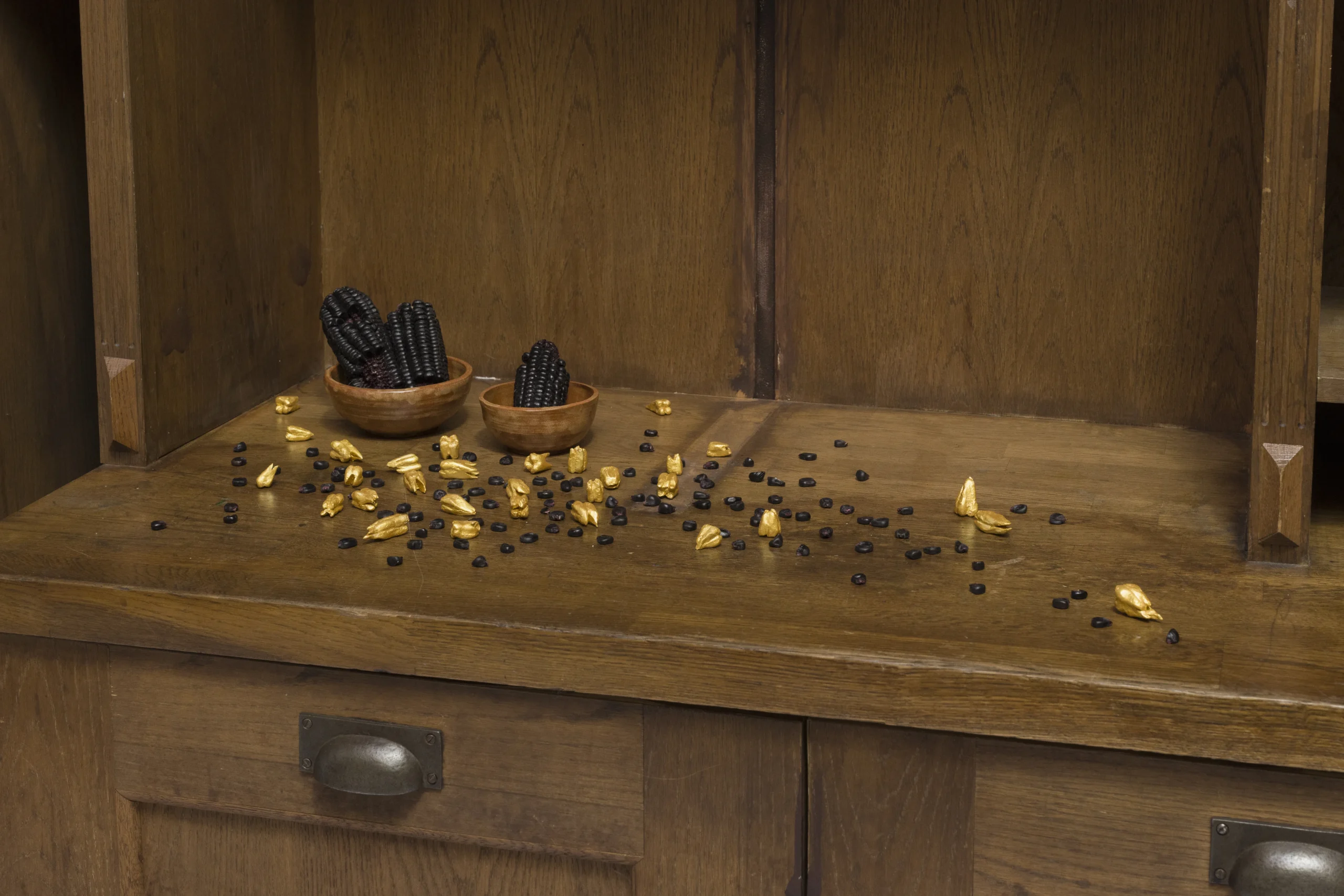
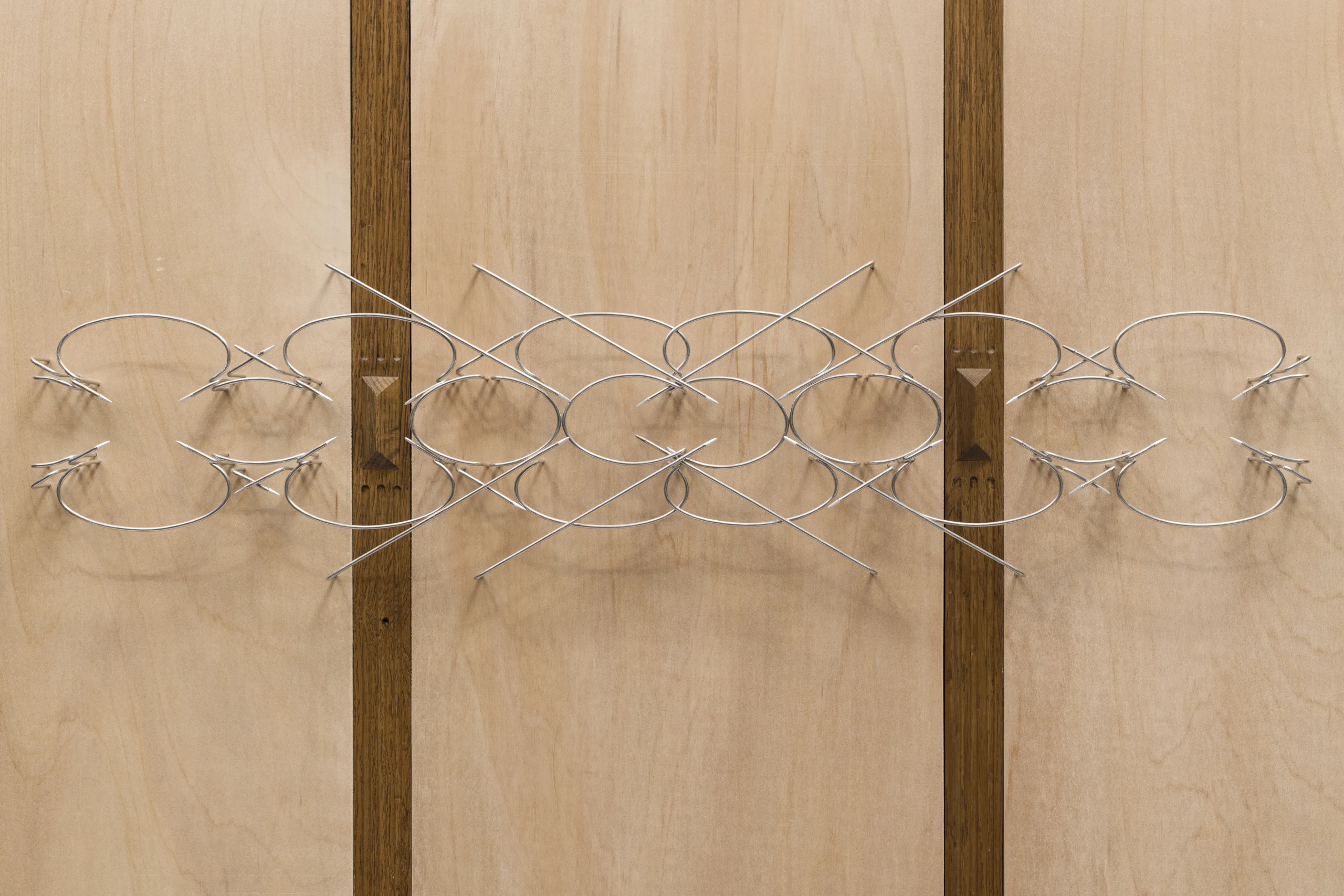
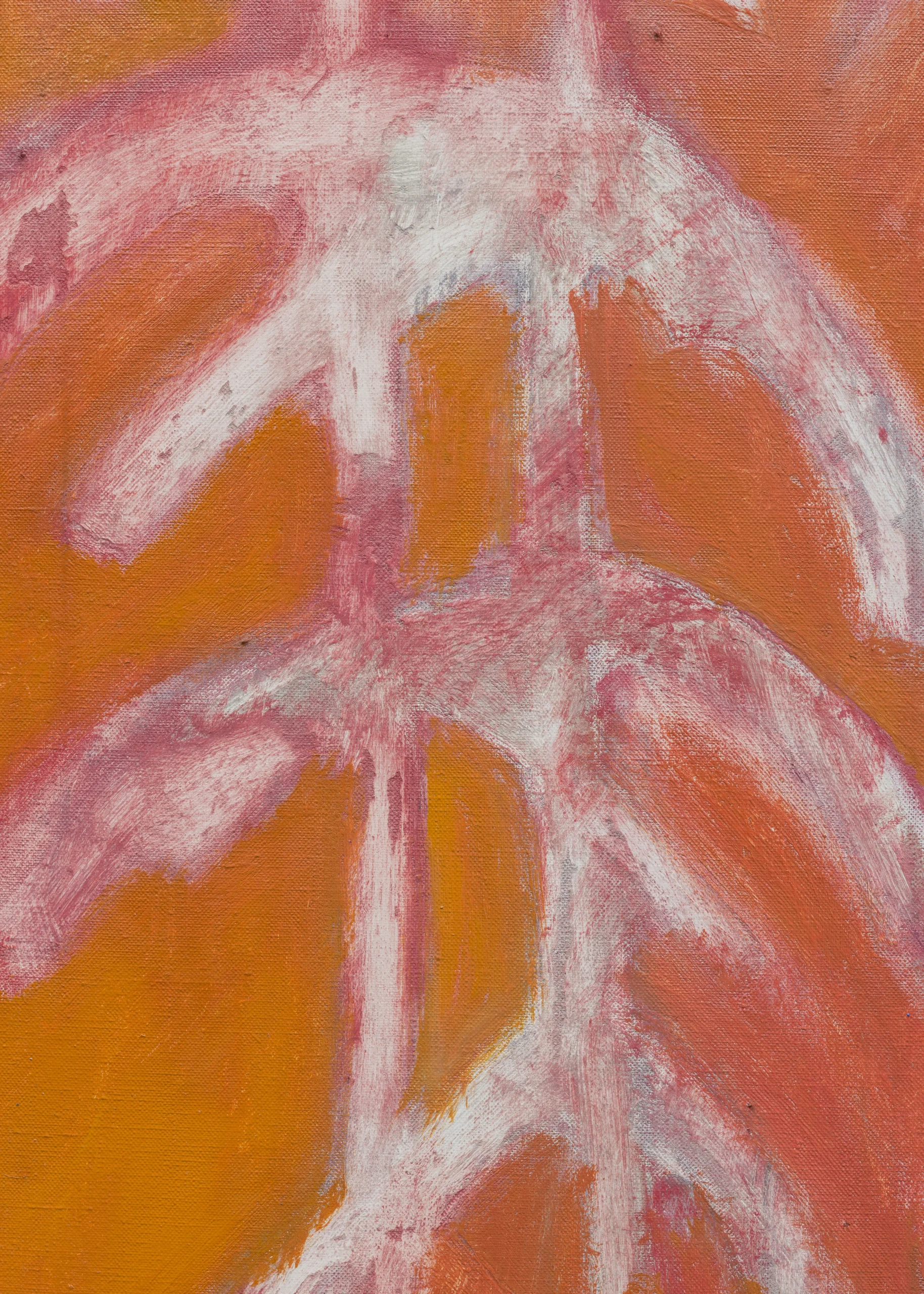
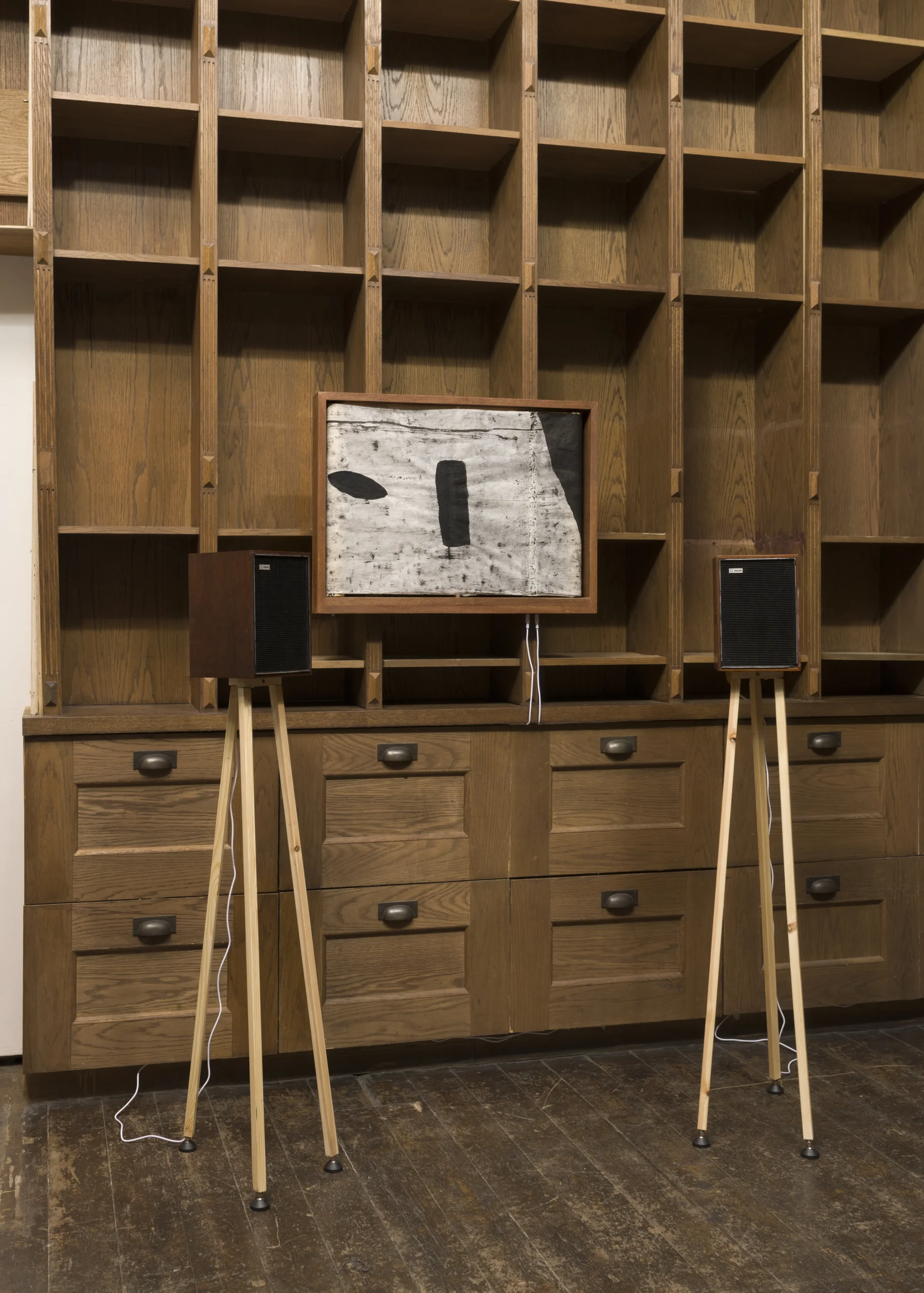
The sound created from Kairi Tokoro’s kinetic sculpture is the residue of foreign contact between wood, washi paper, and mineral pigment, with the rhythm only existing in that foreign encounter between its materials. In Bora Baboçi’s series of paintings, bodies and landscape become the sites of exchange. A night journey of singing through the silence of the Saharan desert, always moving towards Zenith Hour, an obliterating white that no gesture can reach with any certainty of being received. Inés Cardó reimagines purple maize as an oracle and offering, and she pairs them with gold-painted teeth — drawing on pre-Columbian practices of communion with natural forces, she proposes a mode of relation grounded not in extraction, but in reciprocity. Ben Grosse-Johannboecke’s metal barriers, which have until now existed only in relation to the image, here seal off new wood across three compartments. Whether they are withholding the cure or protecting you from harm, there is no way to know; what lies behind has been exhausted. Renid Tosuni reveals a scene of a small clay bed blanketed in felt, where shards of glass are arranged in a motif recalling Balkan blankets — holding the memory of his great-grandmother, an alternative healer who mixed finely broken glass with herbs and wrapped it around the bodies of the sick. Felix Murphy’s paintings take their cue from the ancient temple of Asklepios at Epidauros, where the sick slept overnight in hope of dreaming their own cure. We tend to trust only what we can name, but what is asked here is an order older than that. Edoardo Rito invites you to go down the stairs.