




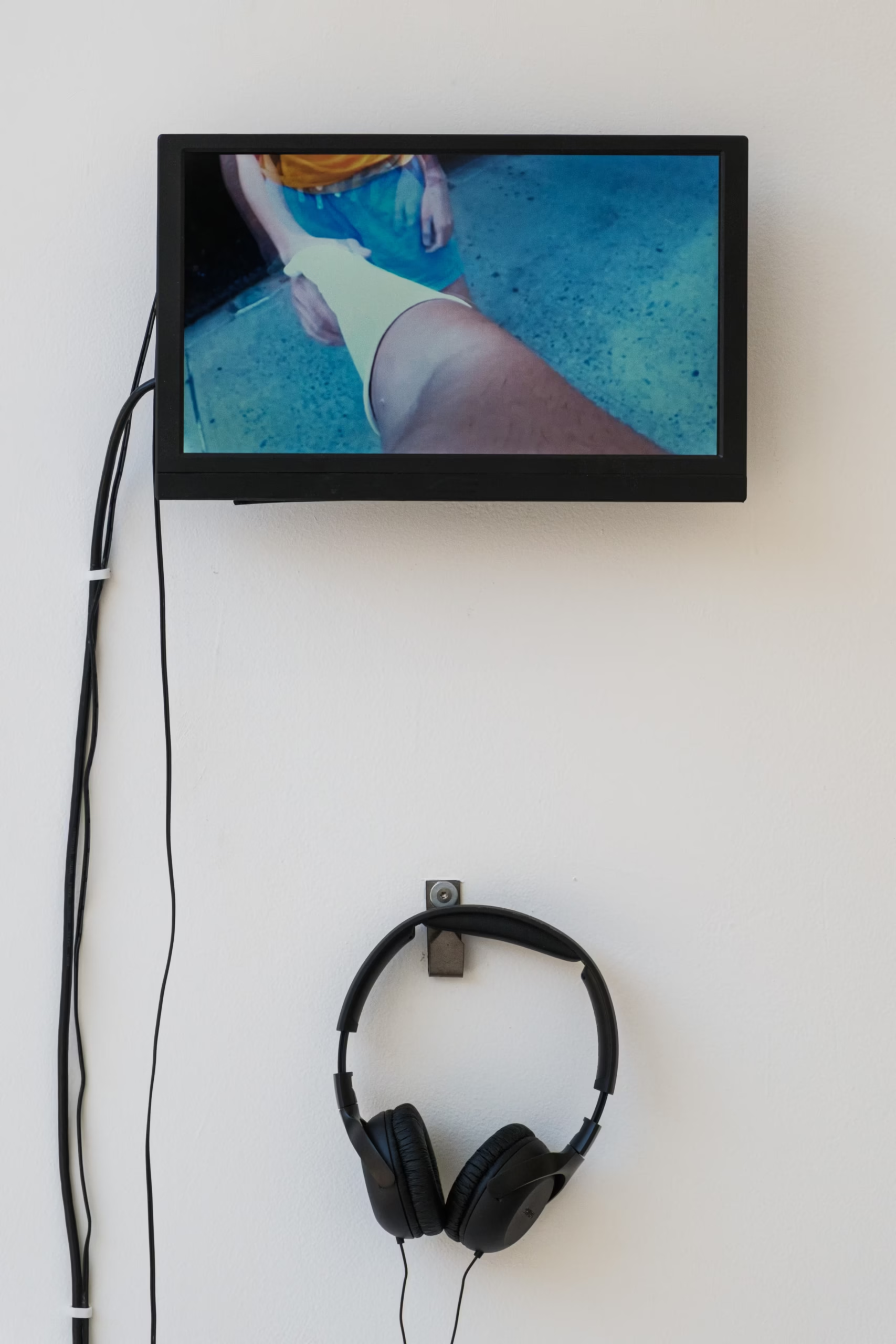
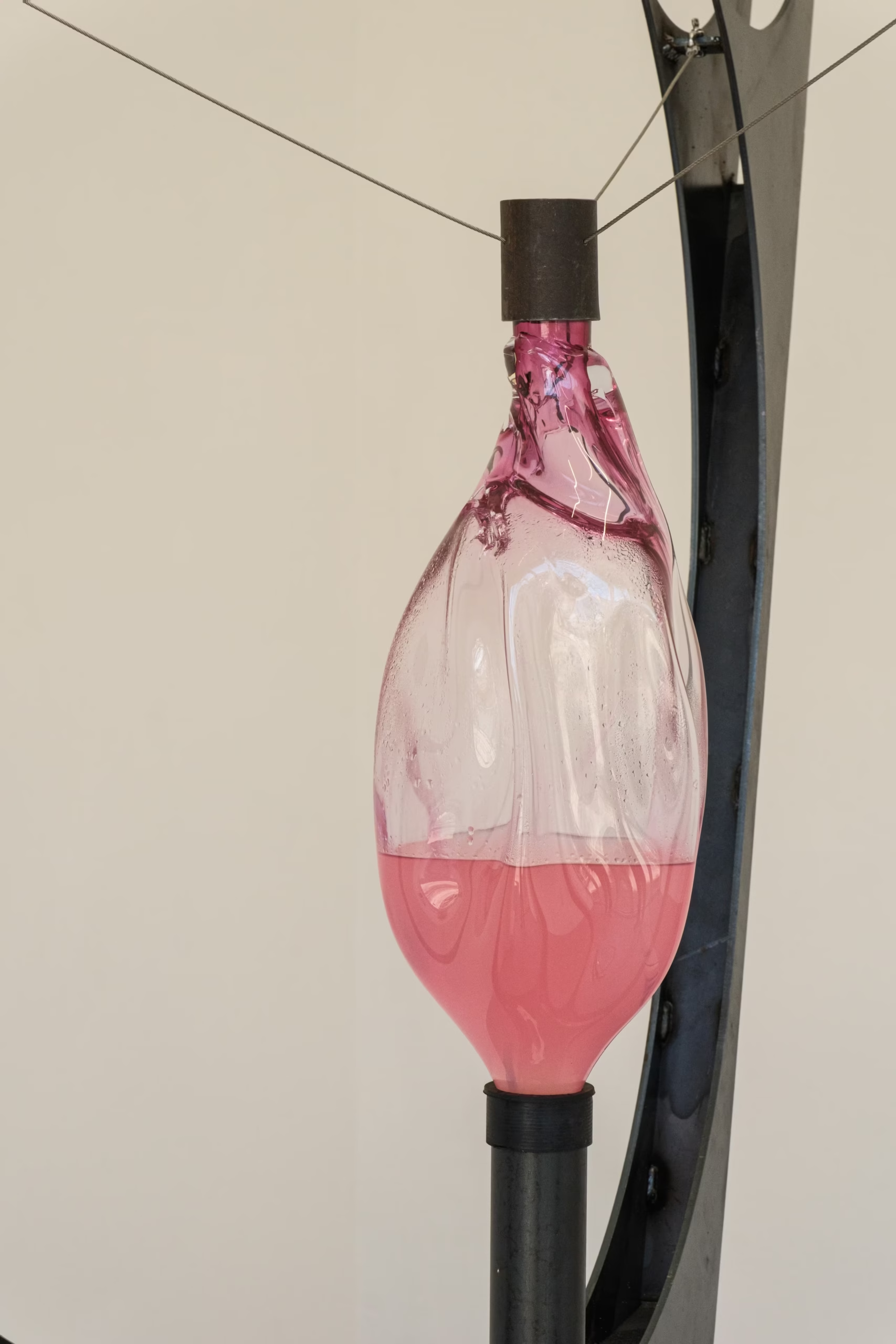
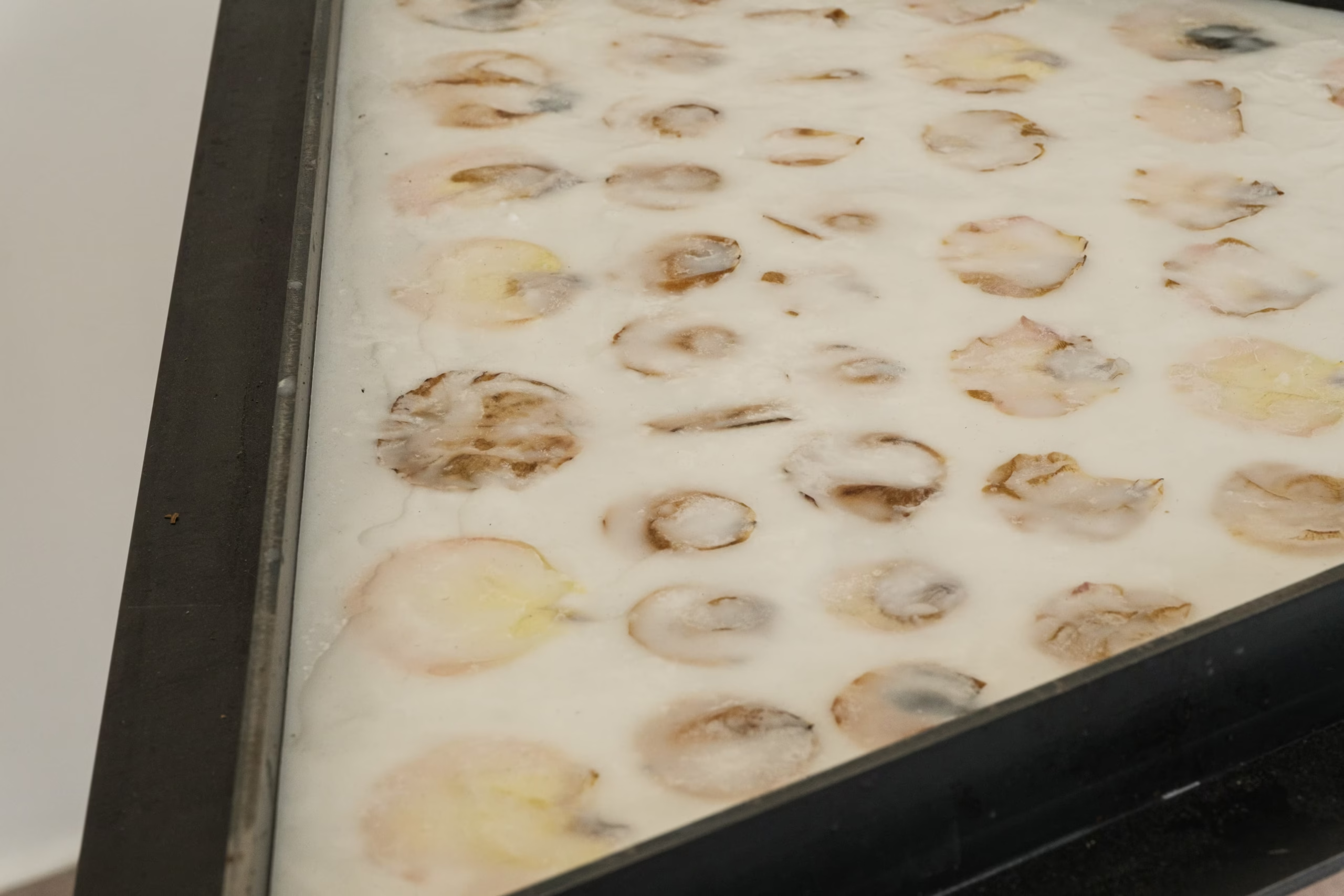
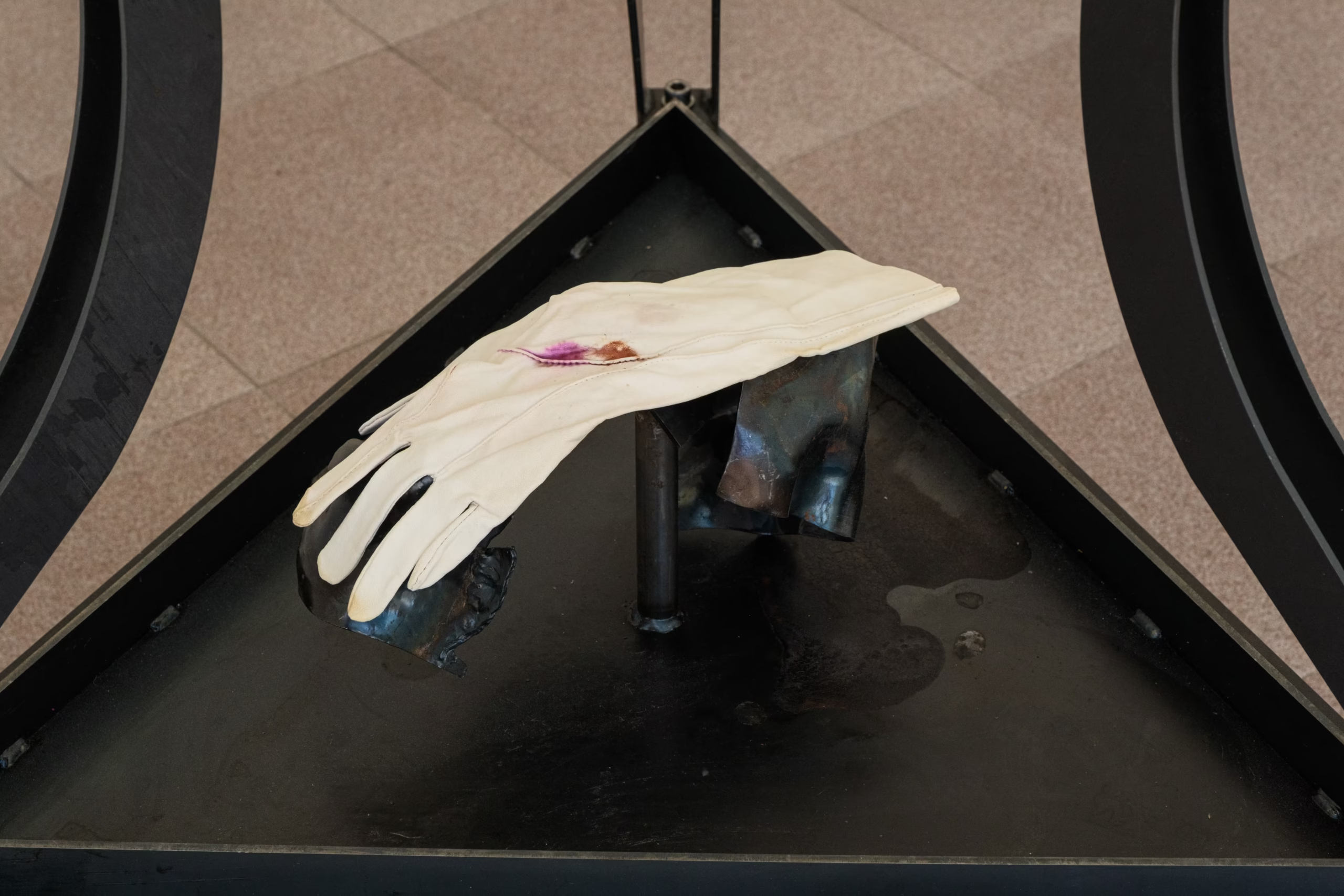

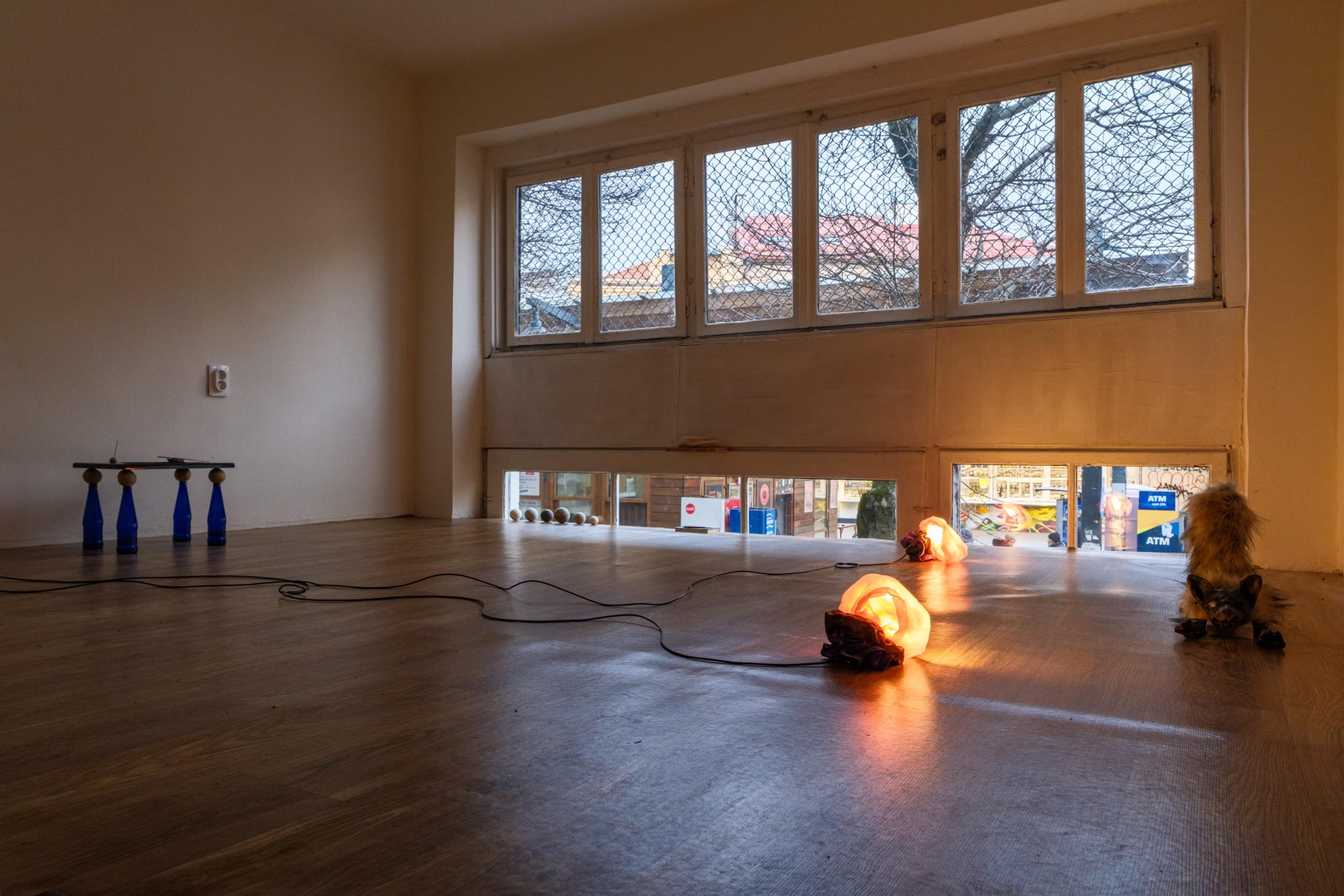
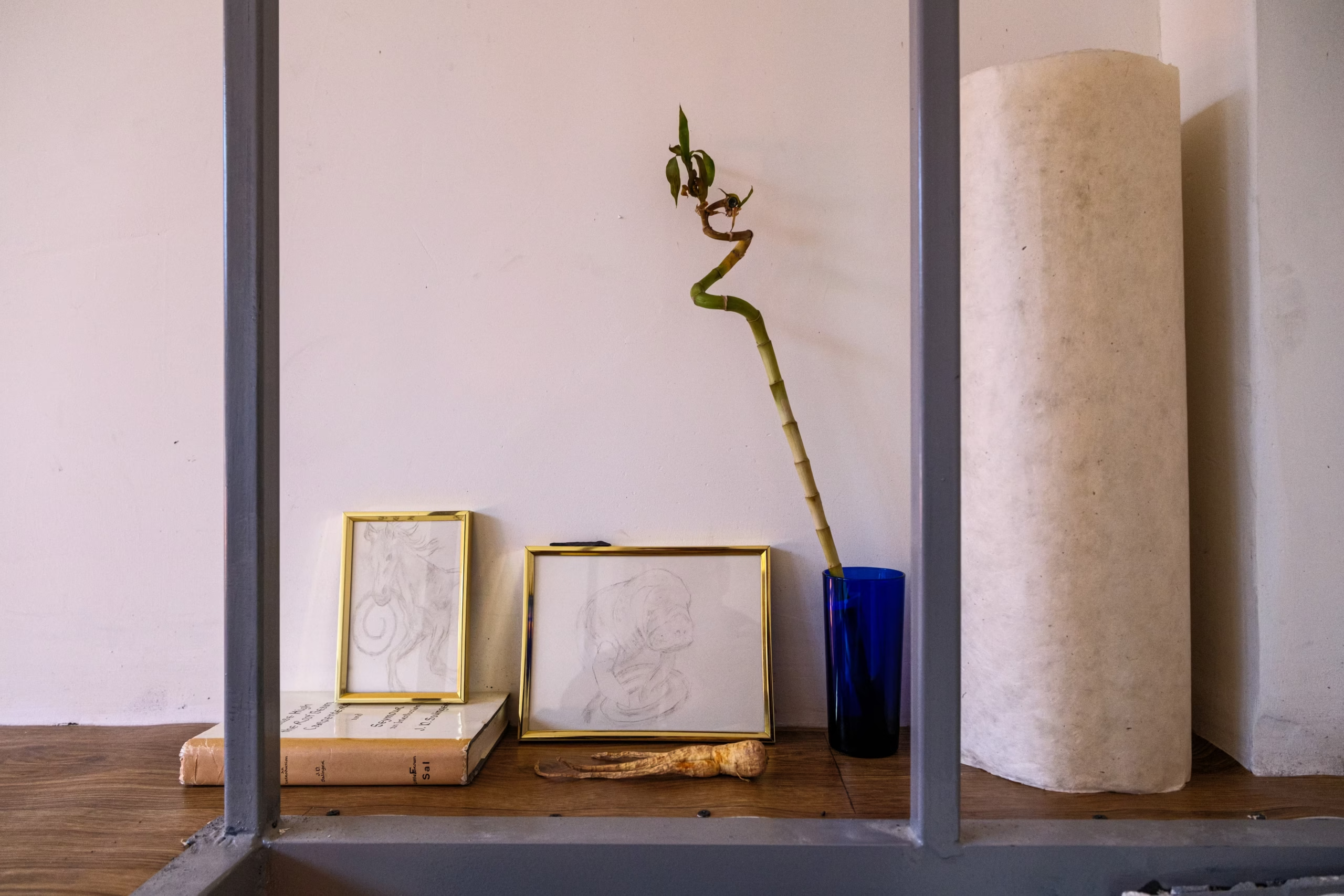
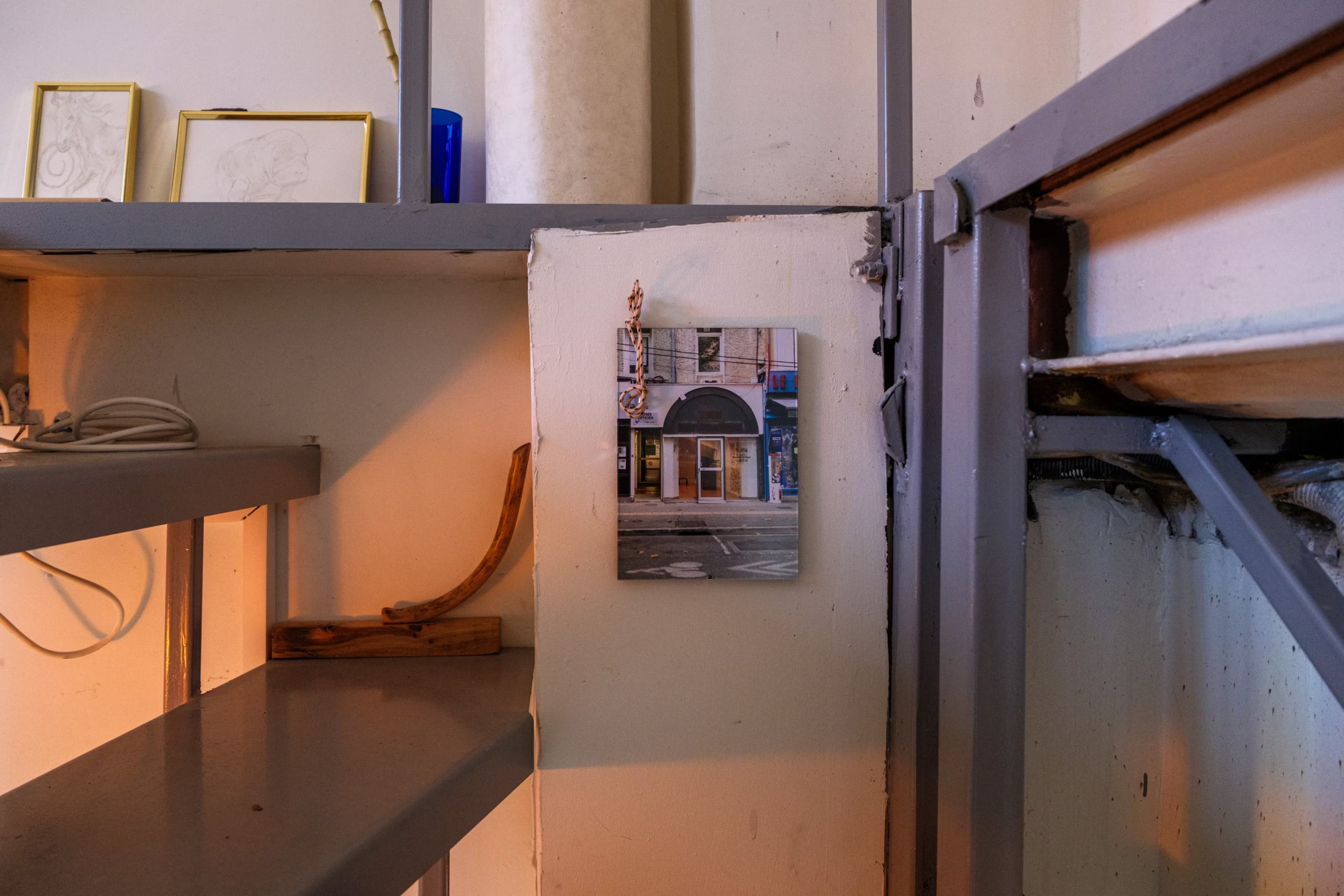
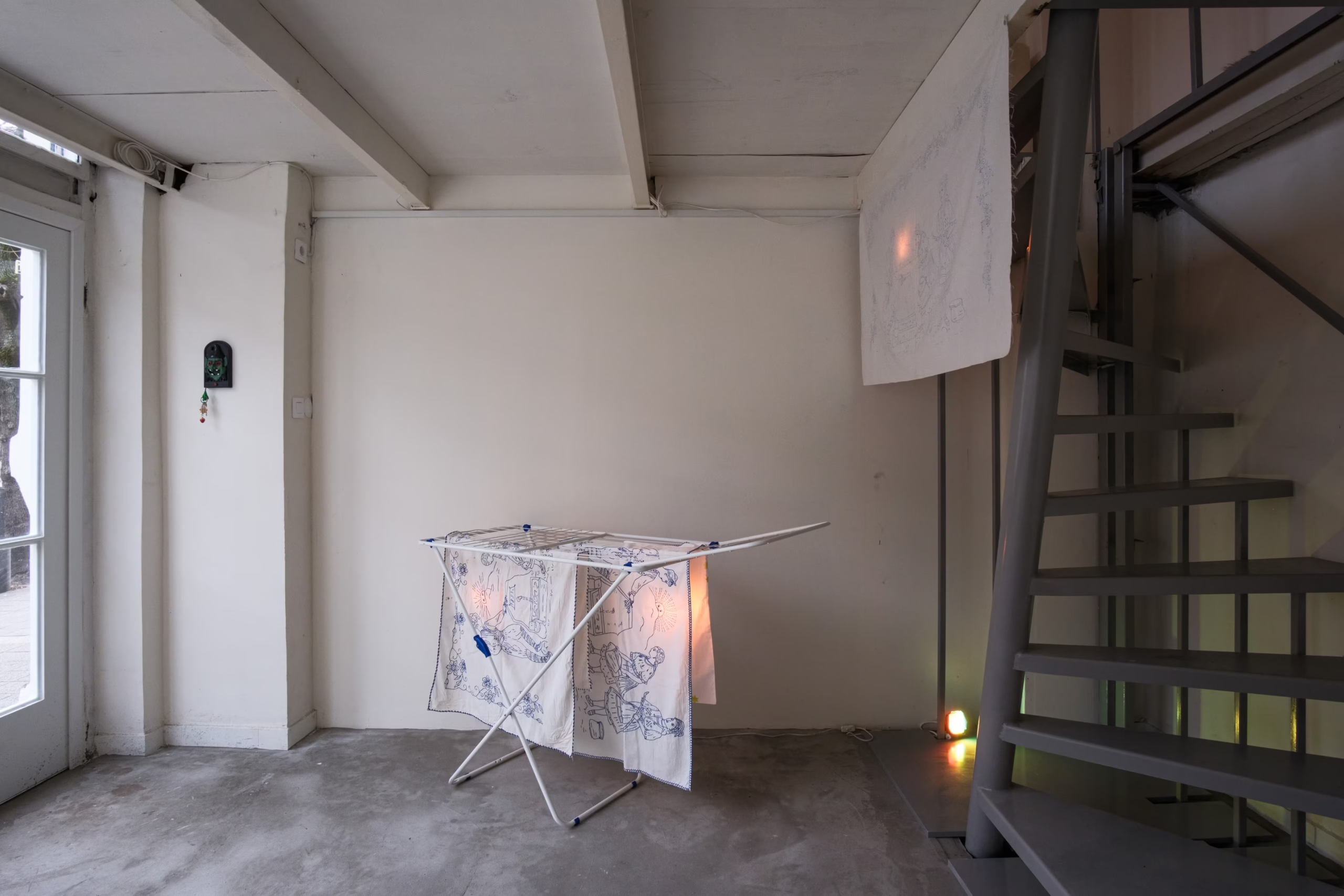

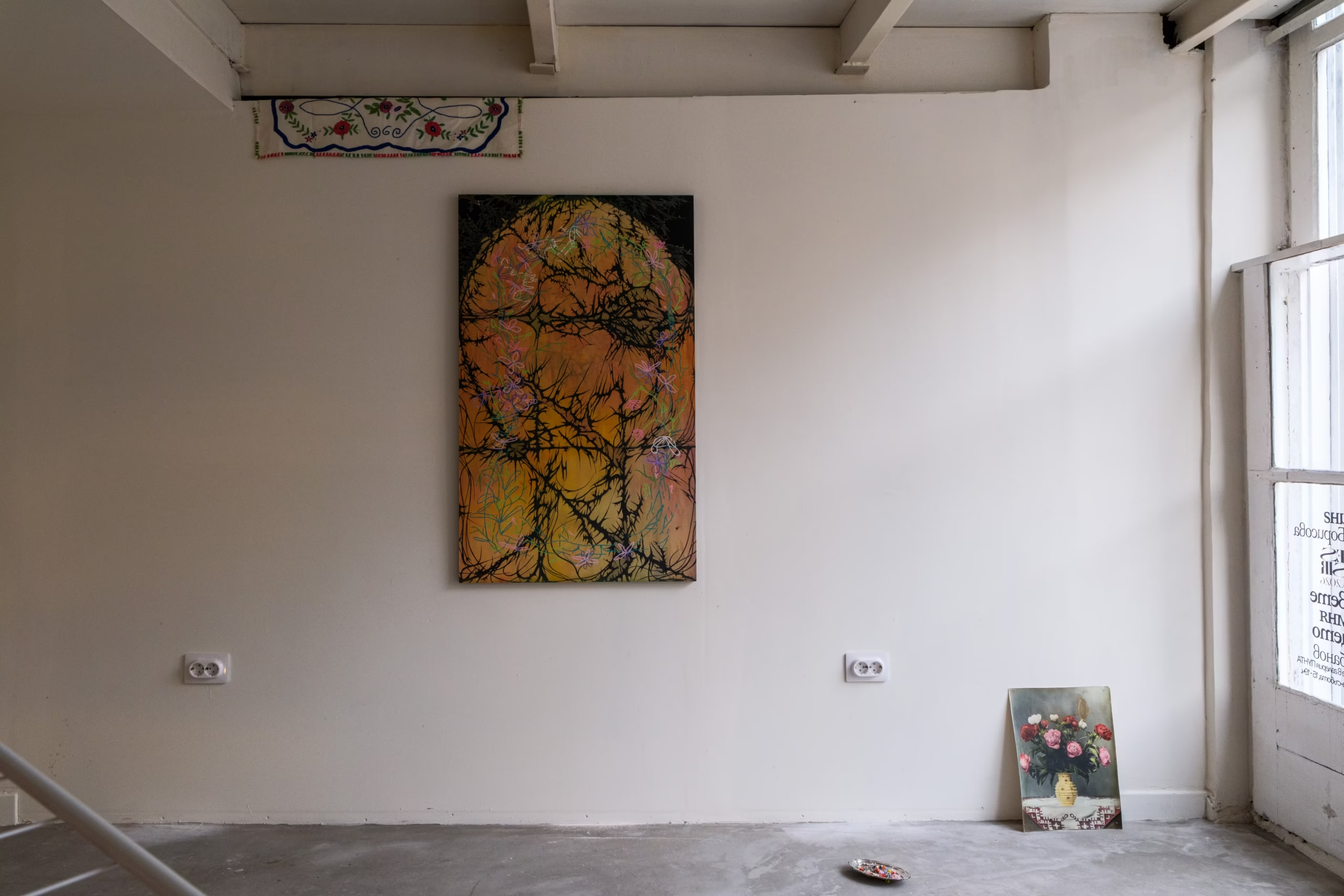
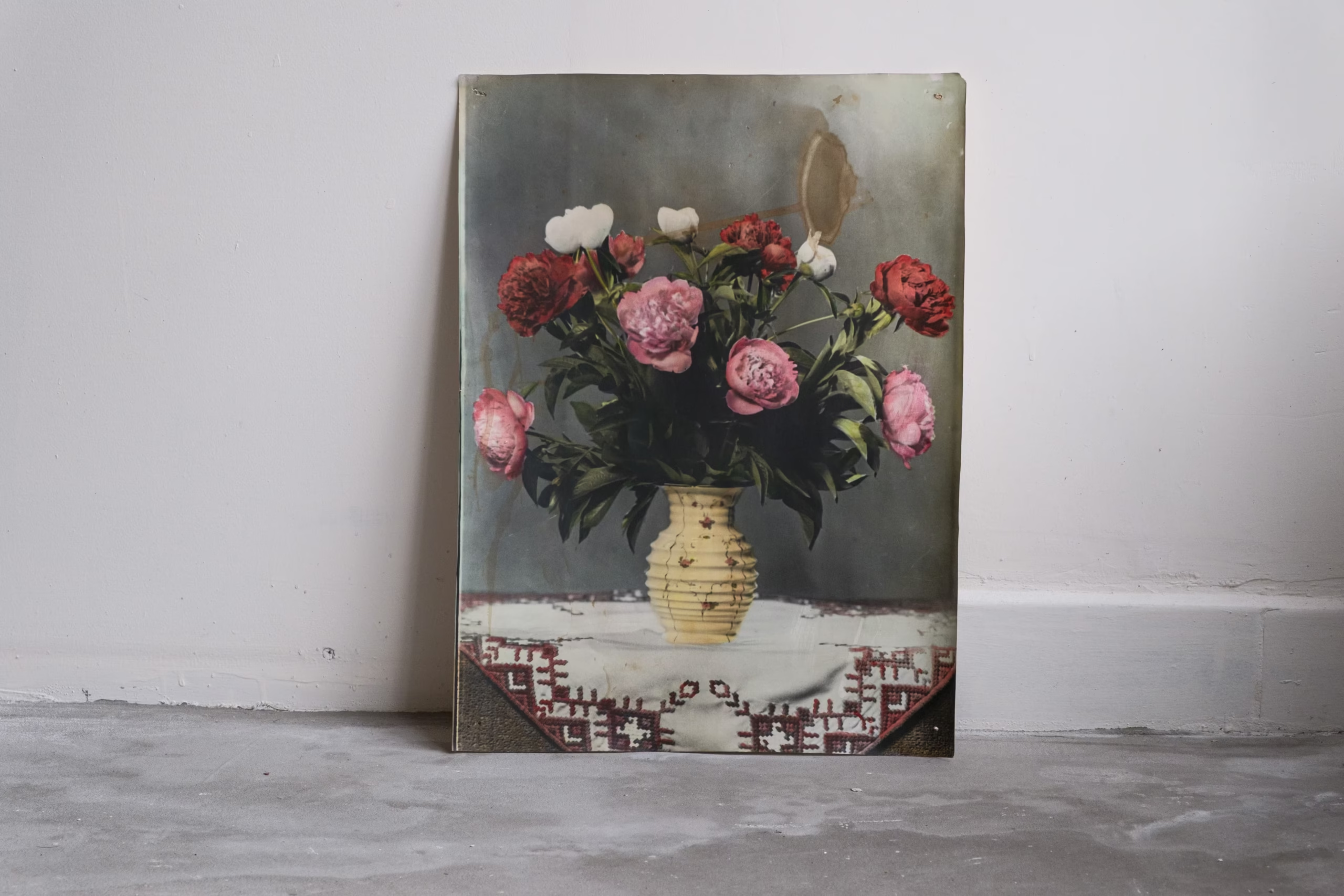
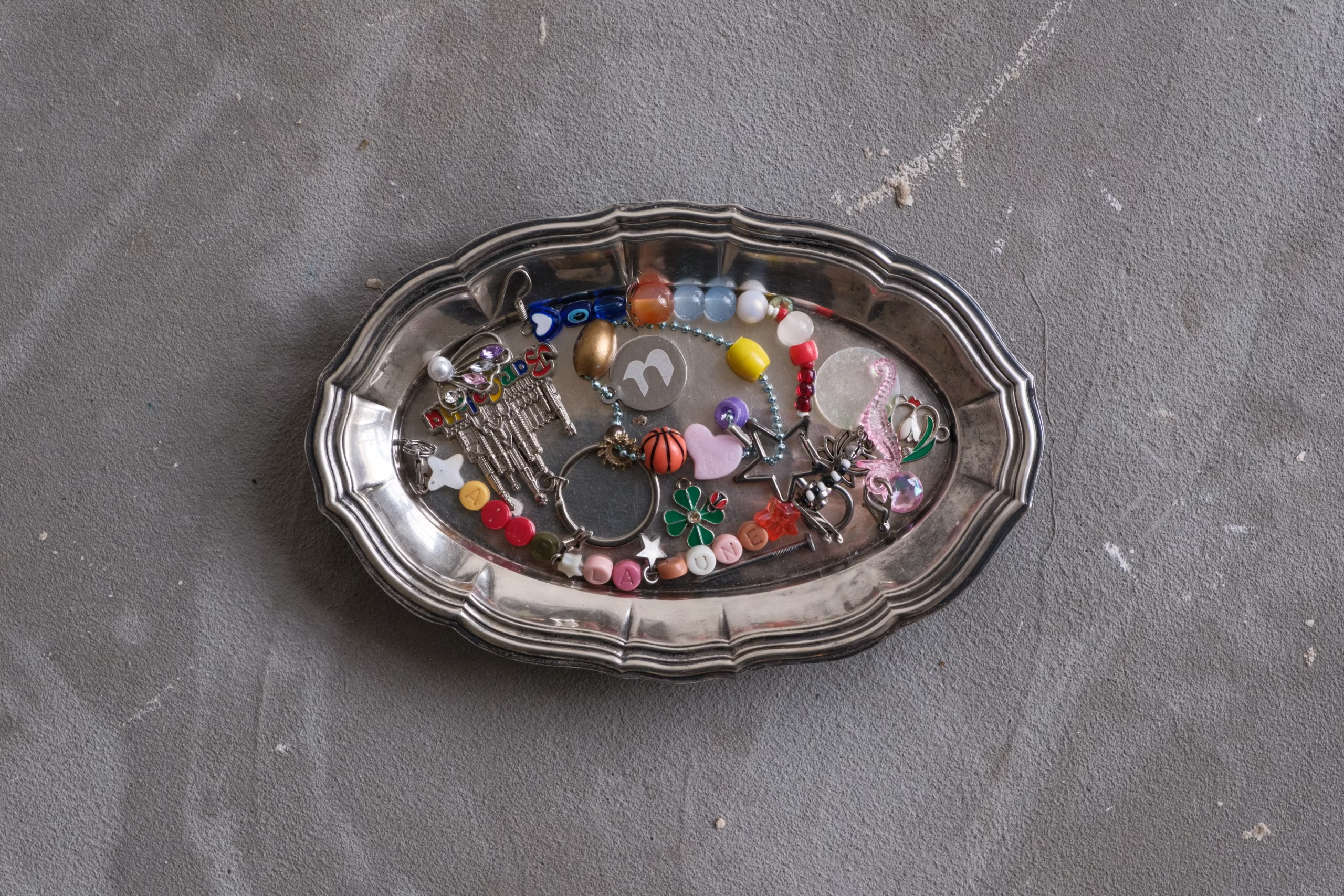
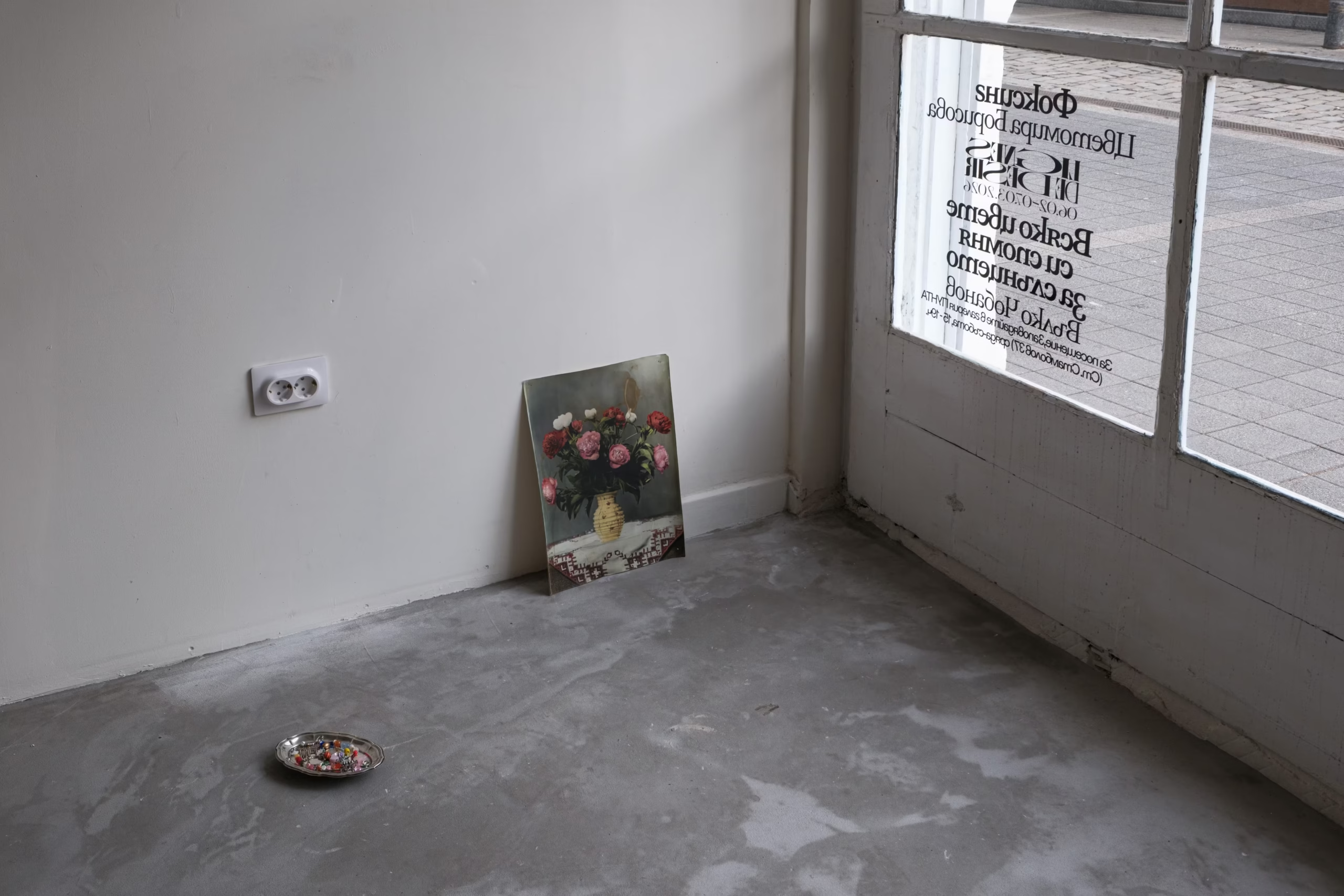
Lignes de désir
06.02–07.03.2024
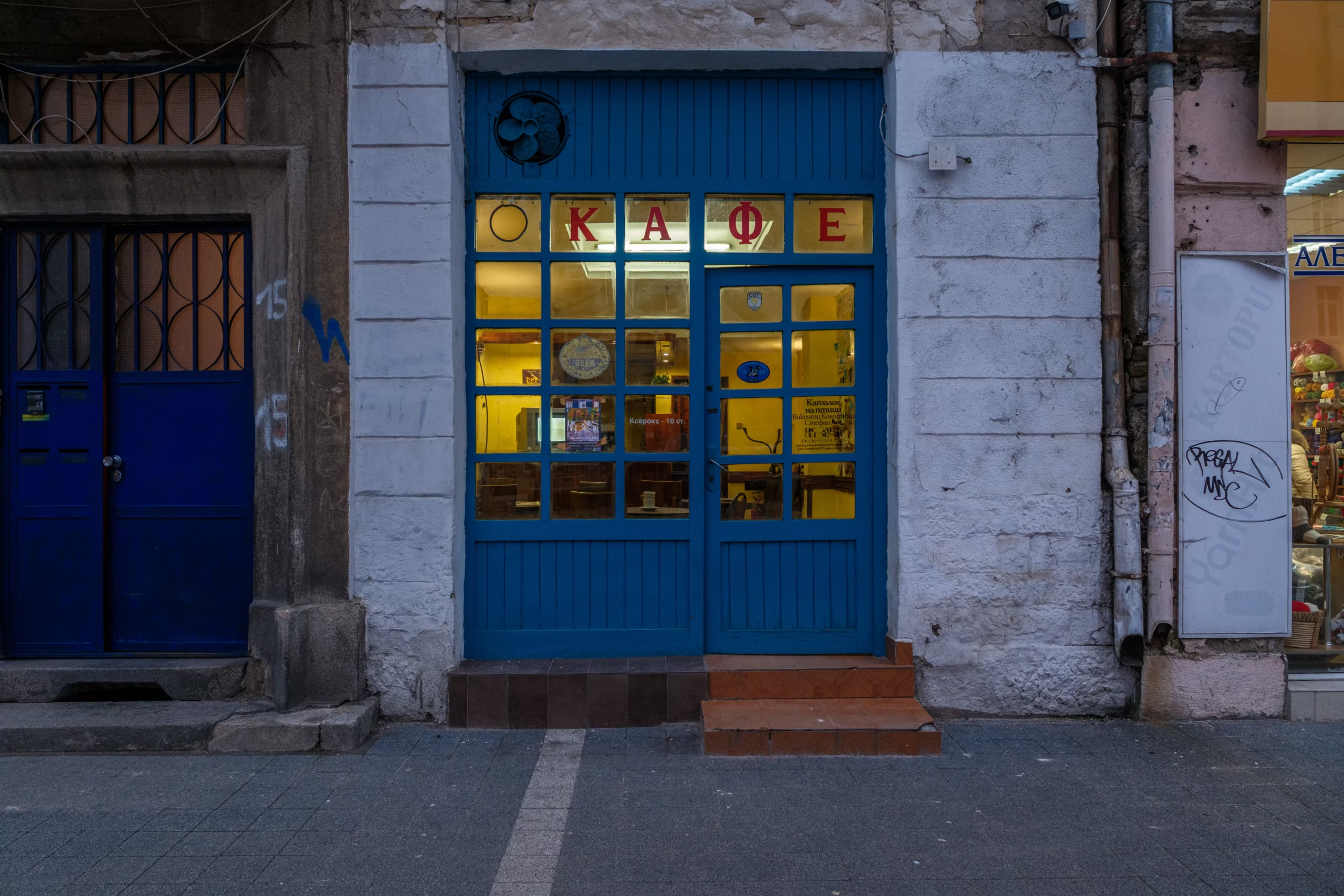
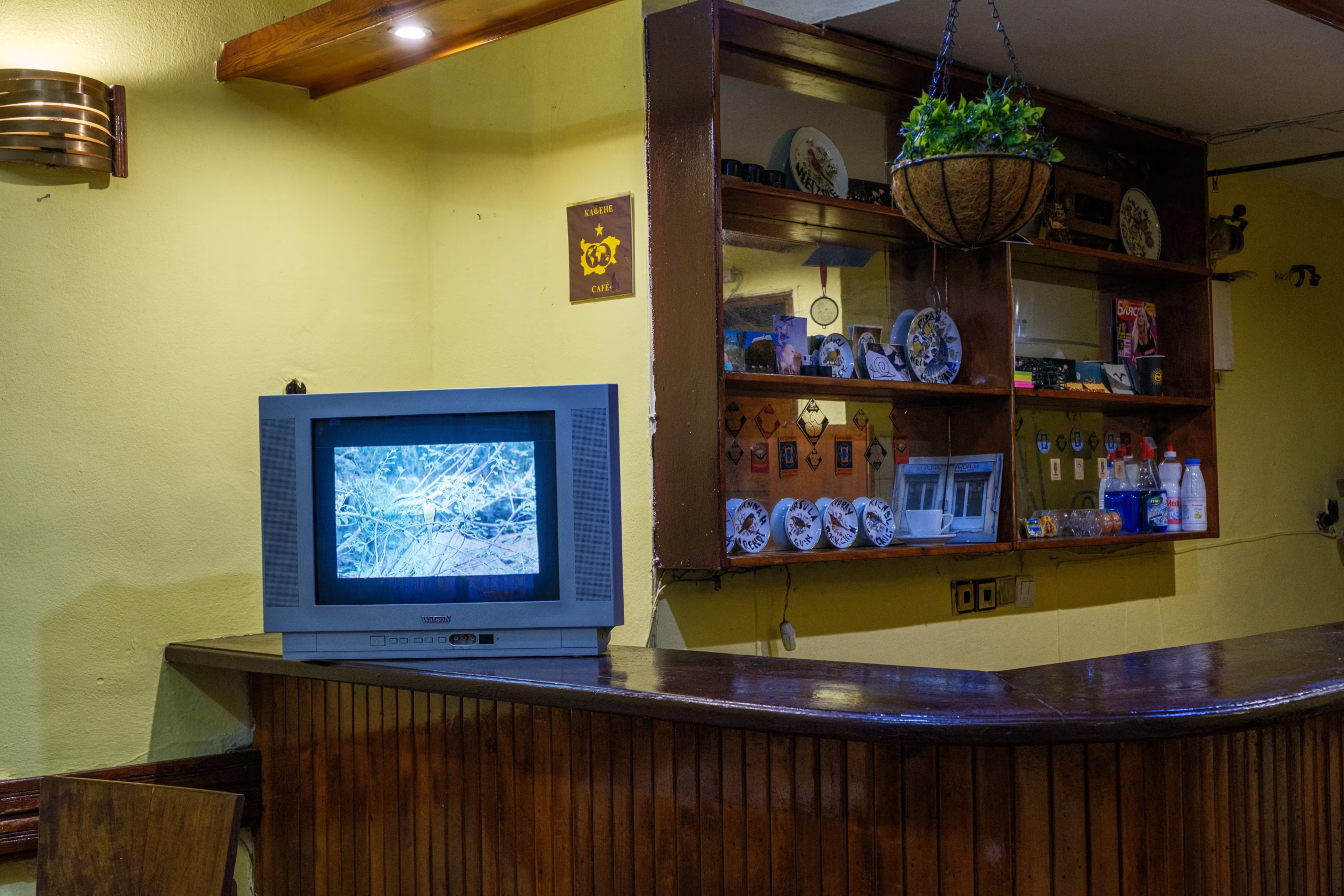
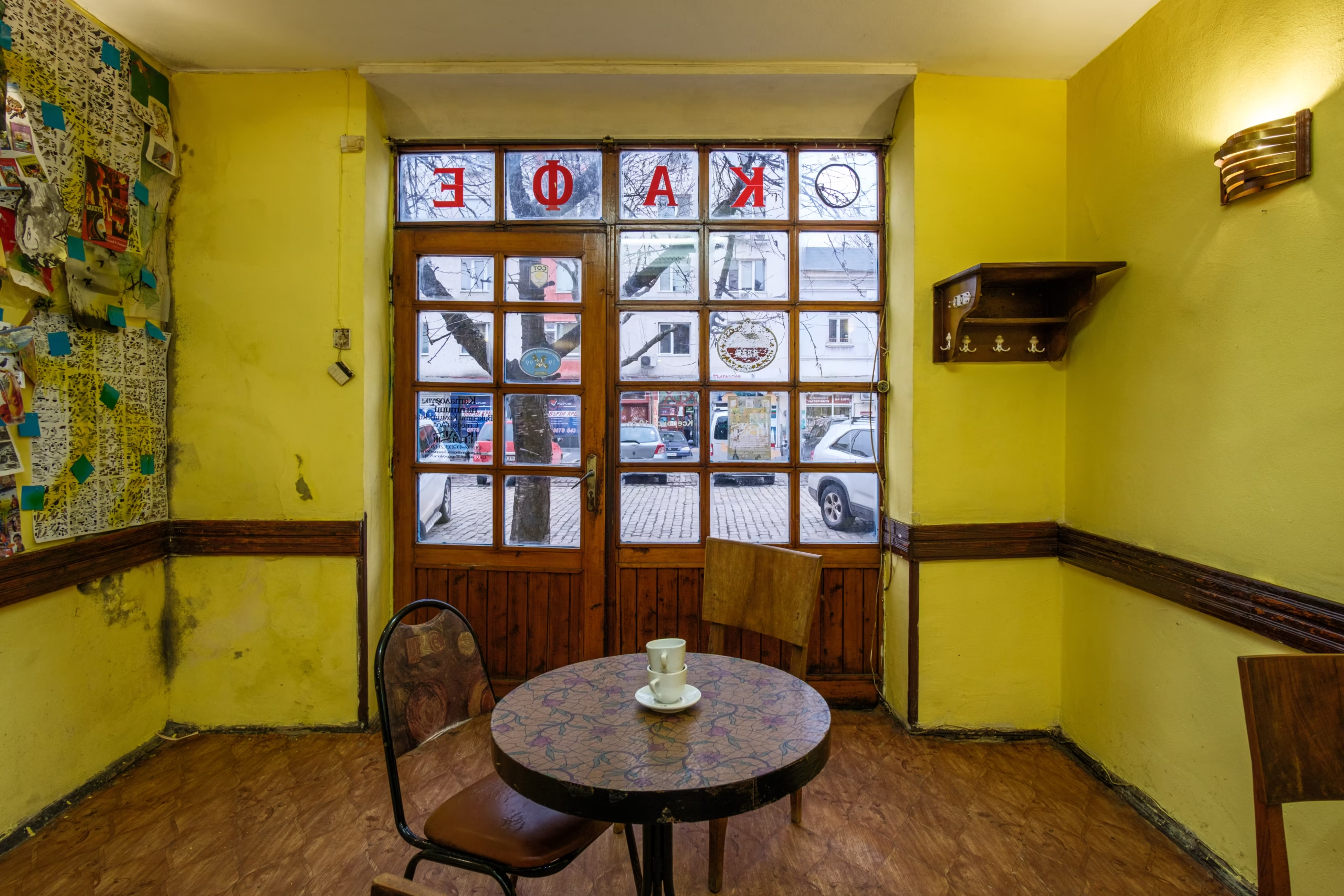
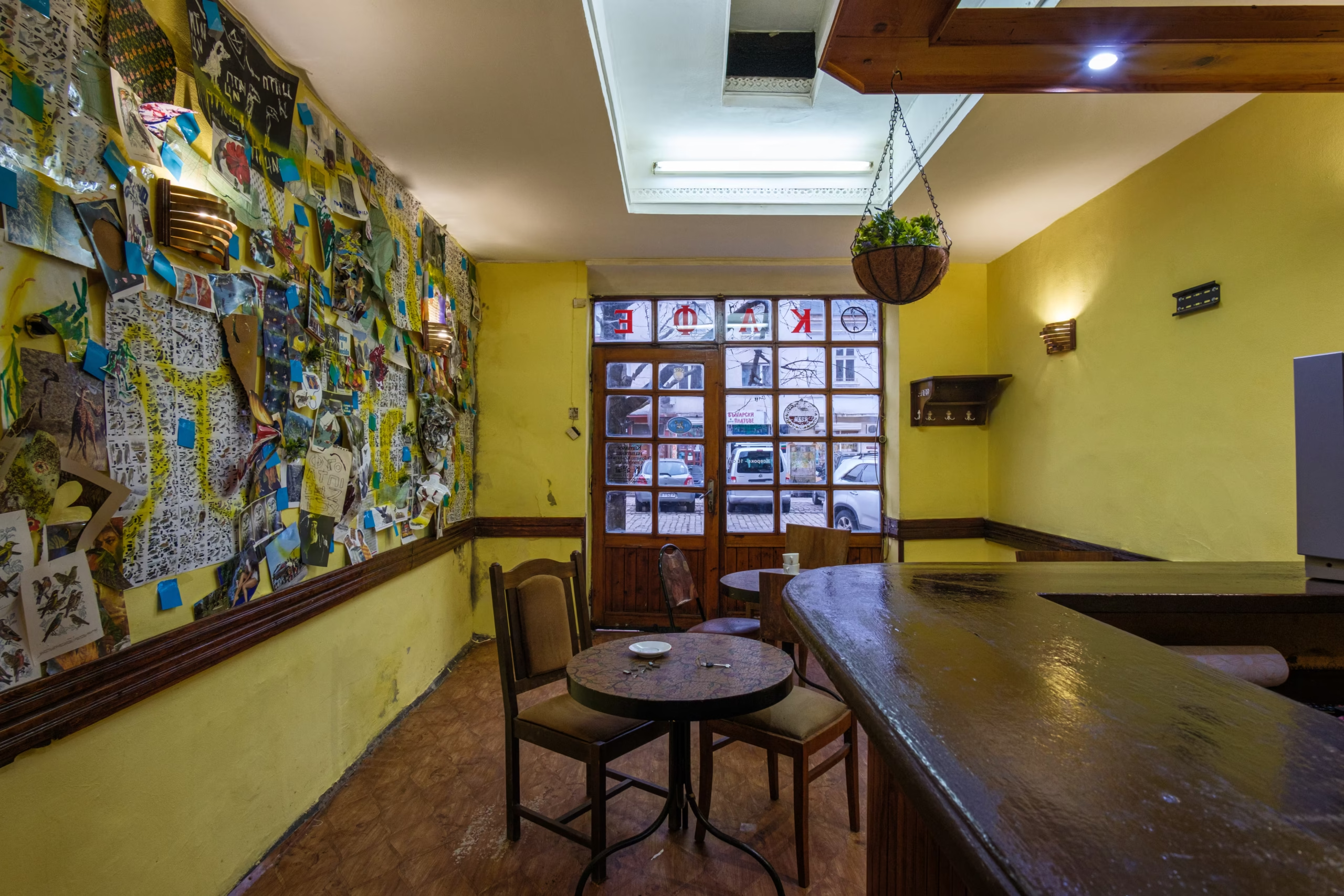
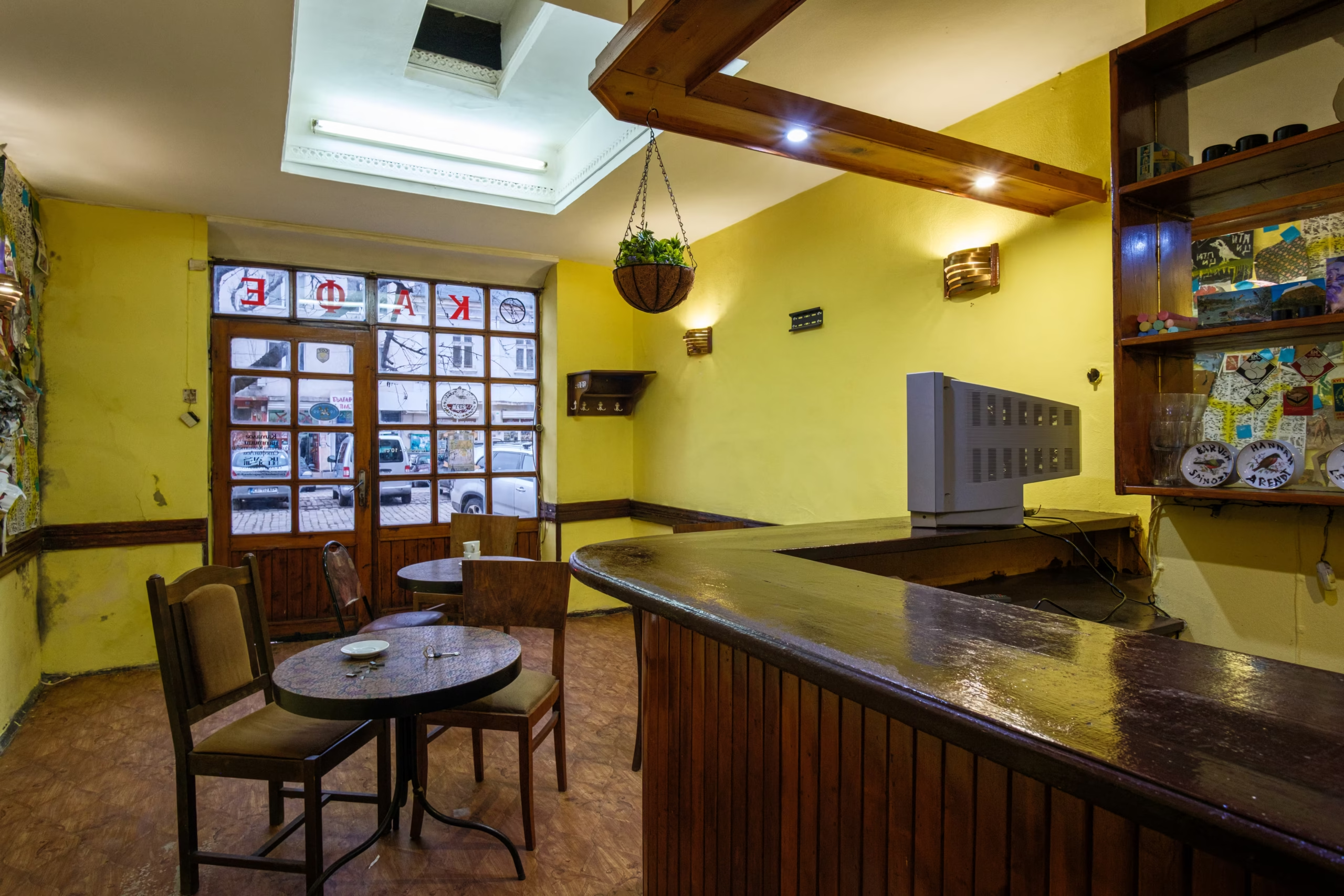
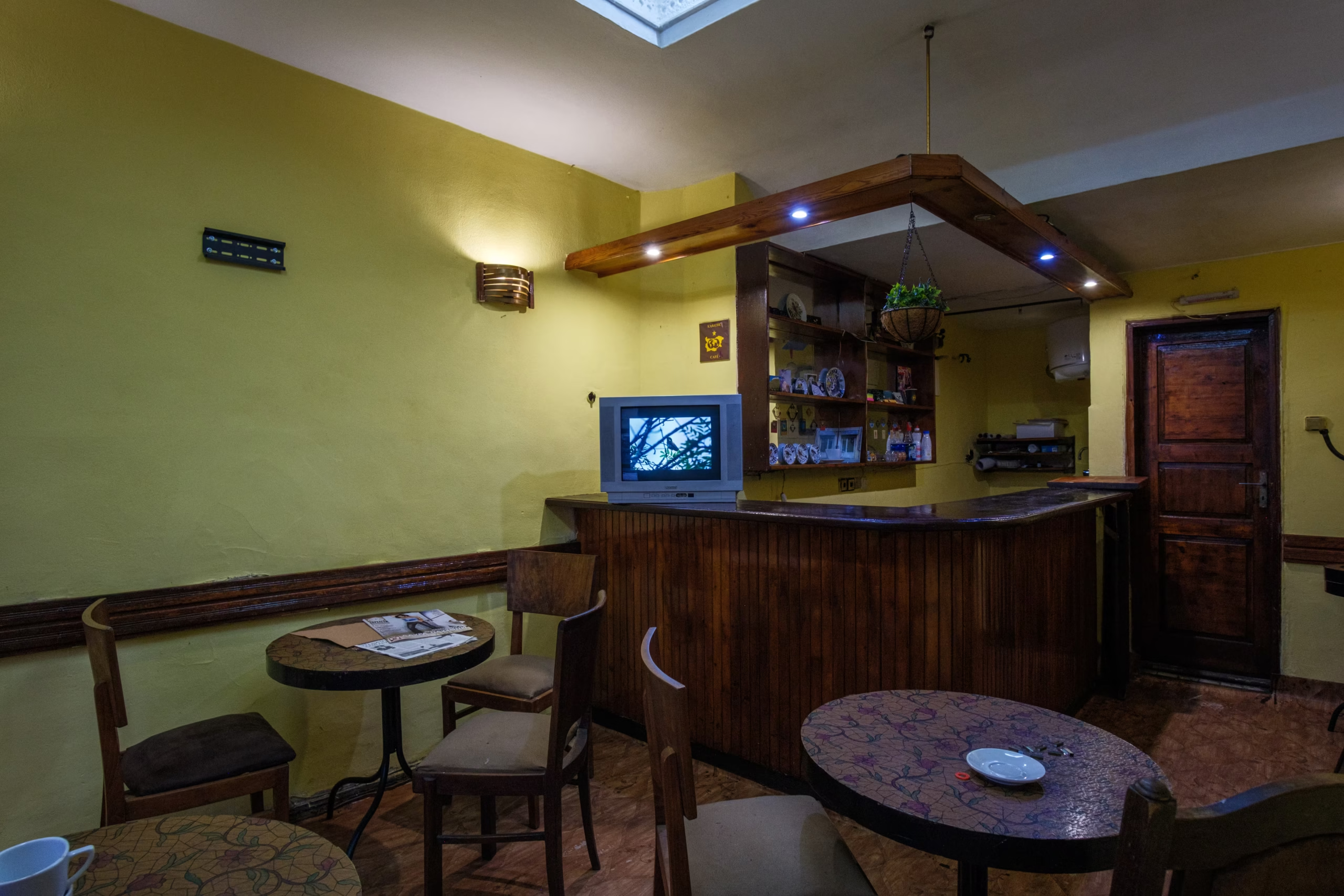
PUNTA Gallery, 15 Stefan Stambolov Blvd. (bookstore and café), 31 Stefan Stambolov Blvd. (next to the sewing supplies shop)
*In order to visit the shops, please come by PUNTA Gallery from Wednesday to Saturday, 3–7 PM
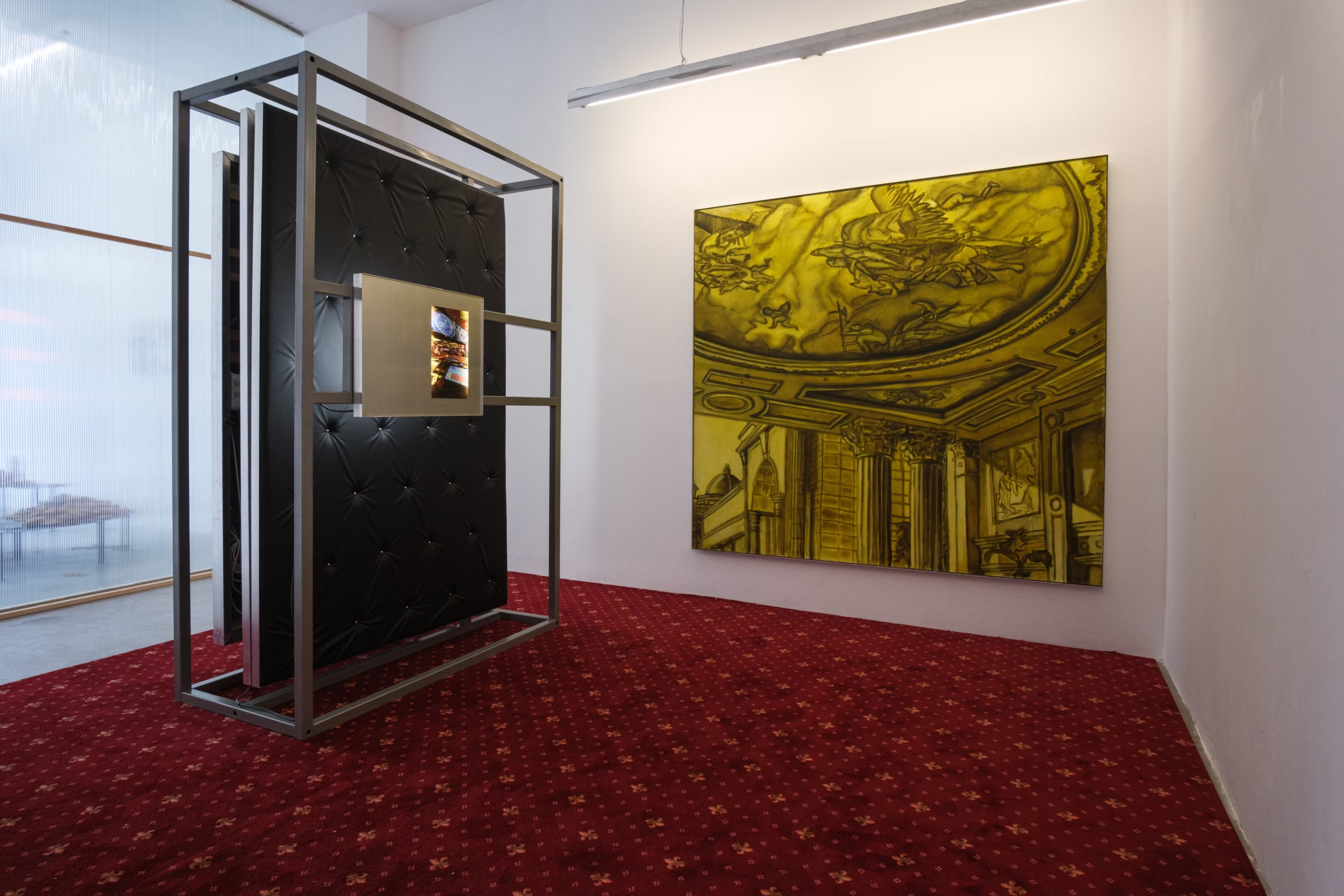
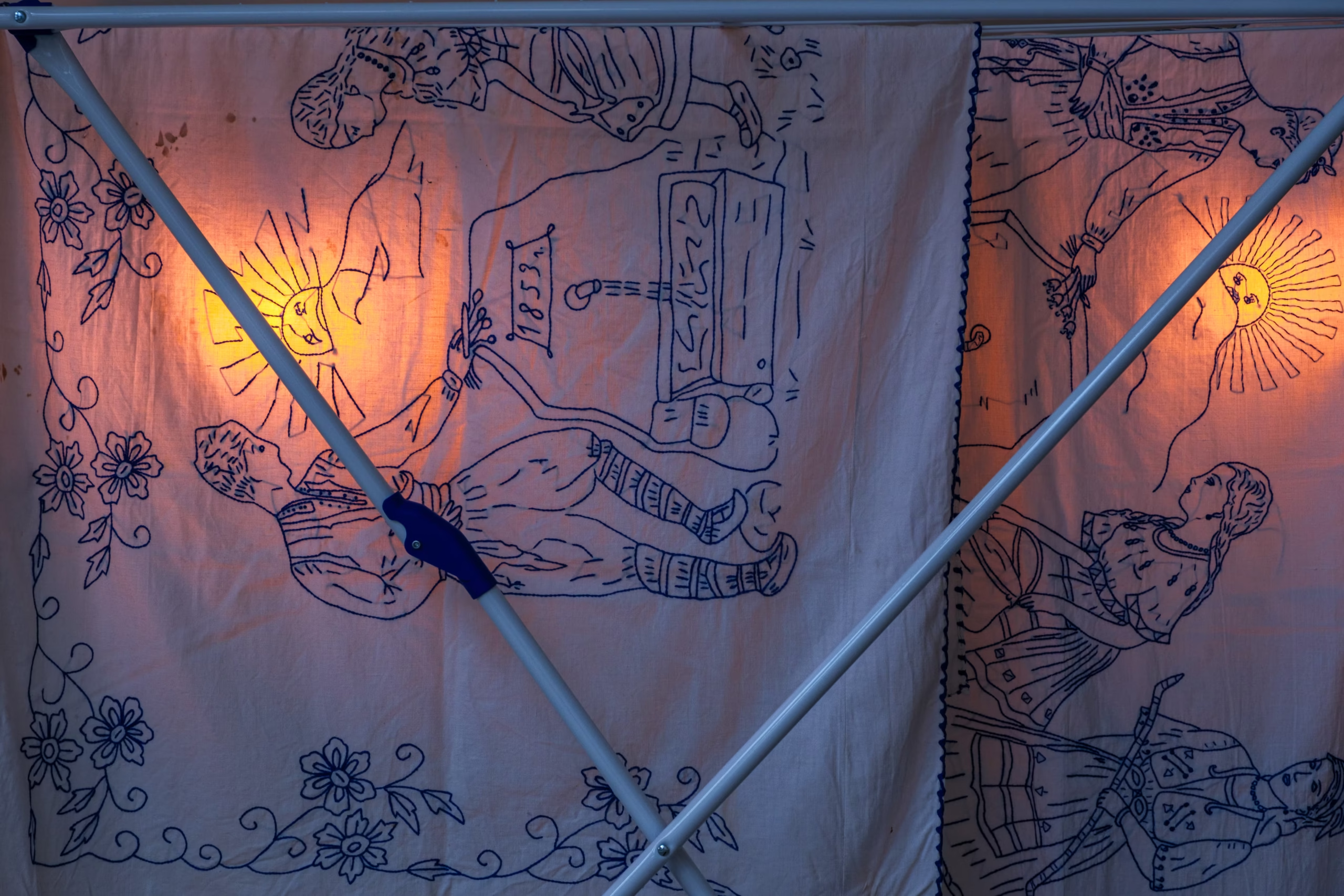
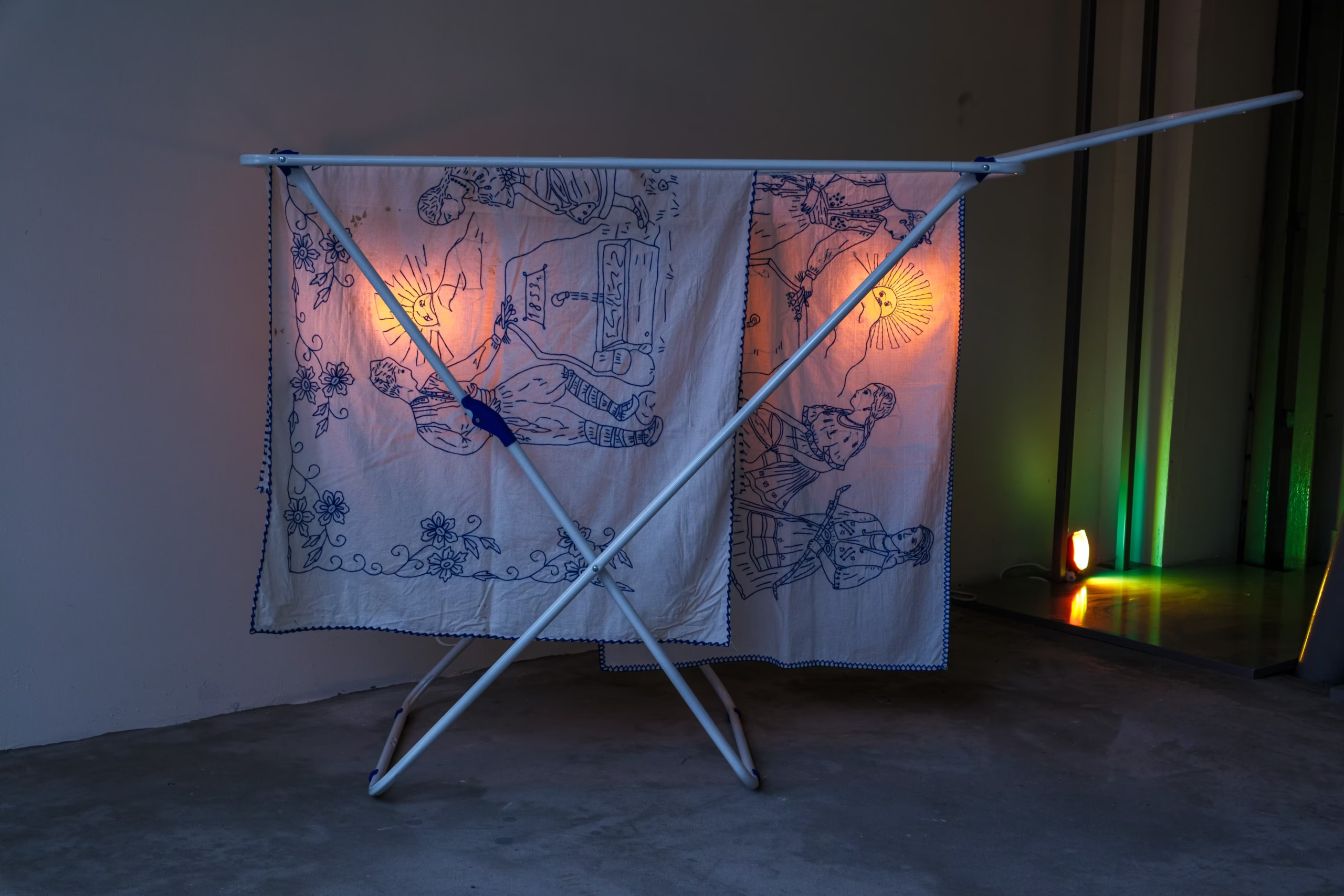
Aaron Roth, Veronika Desova, Yana Abrasheva, Tsvetomira Borisova, Rada Boukova, Valko Chobanov, Lazar Lyutakov, Vikenti Komitski and Stéphen Loye
Curated by Boyana Dzhikova
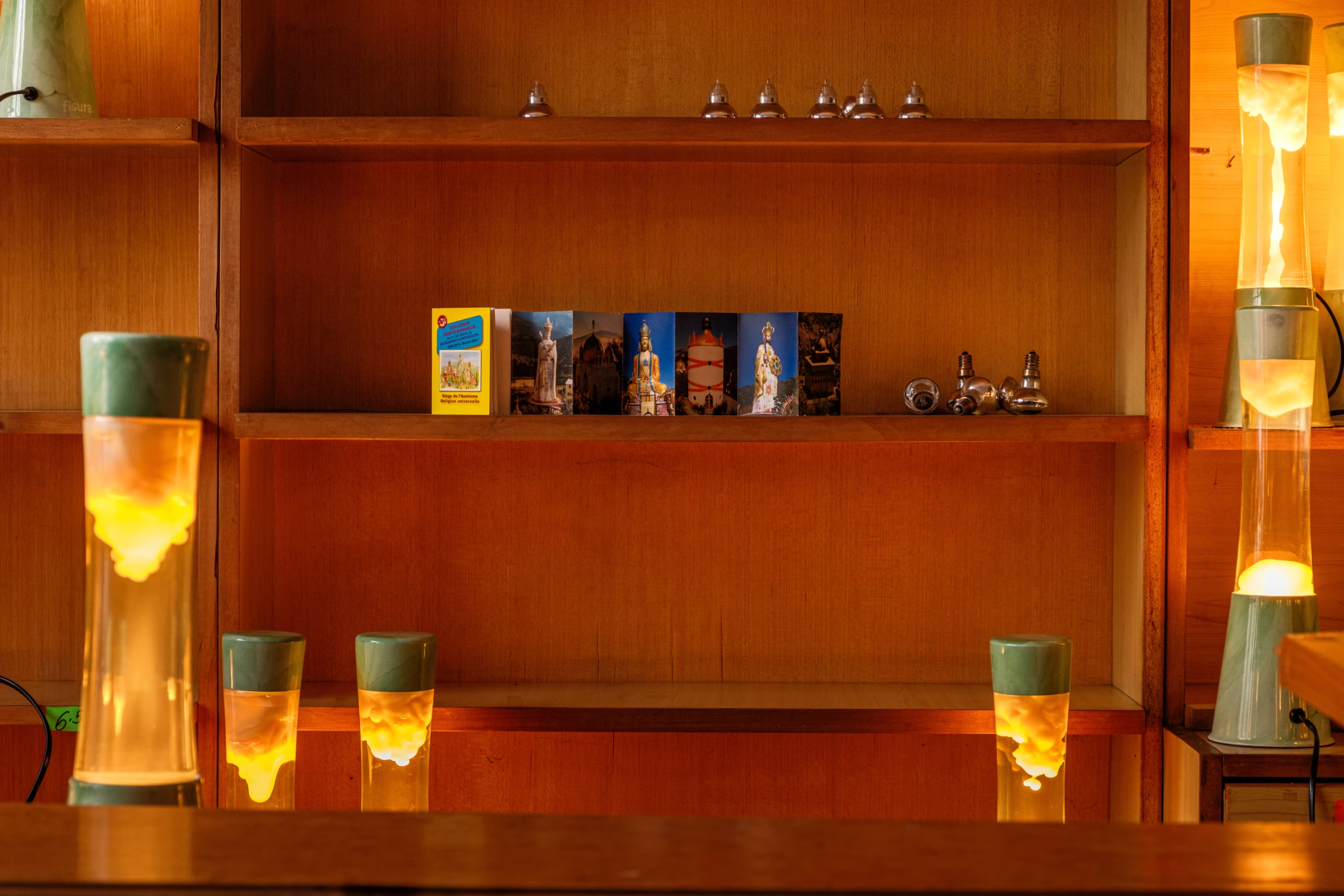
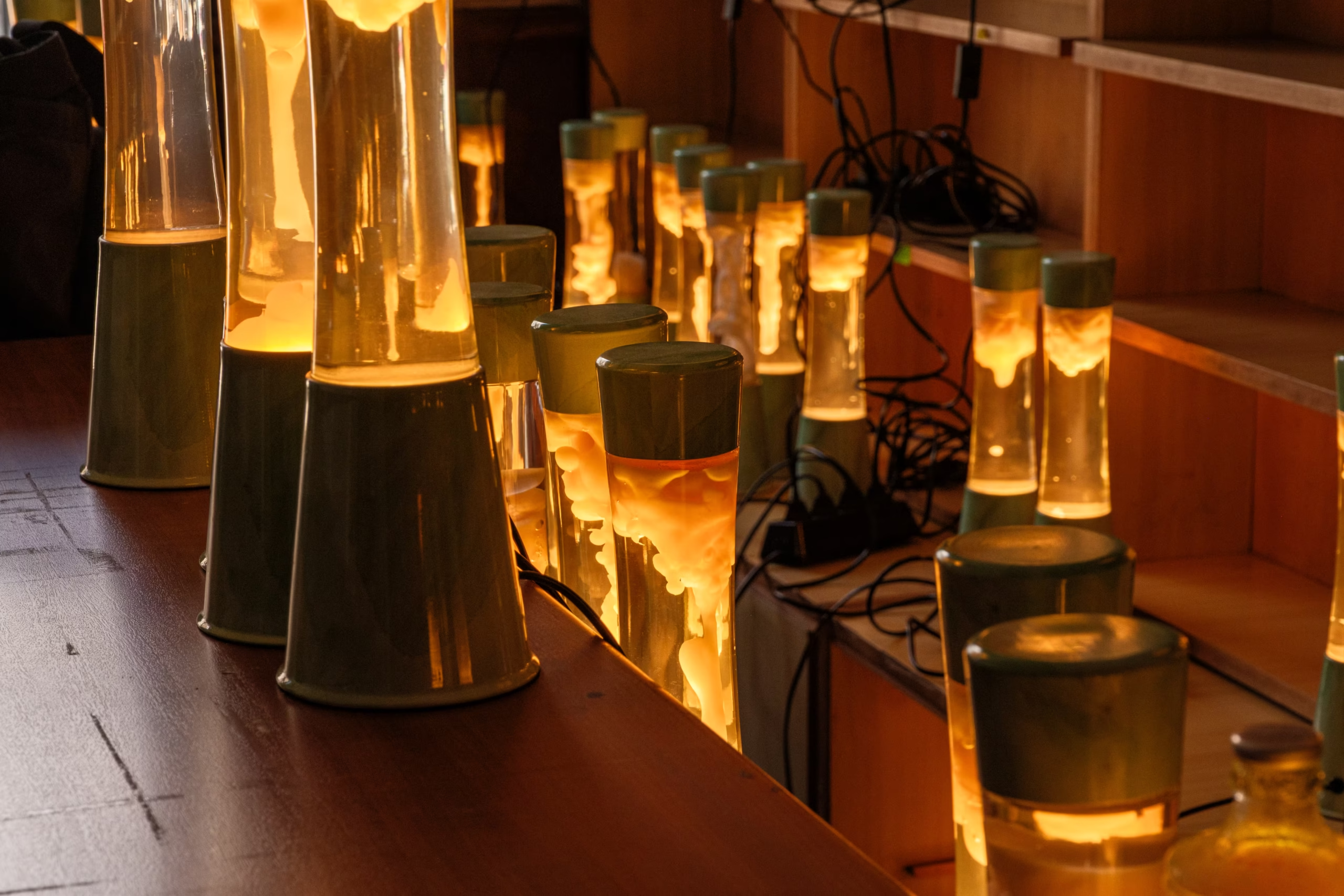
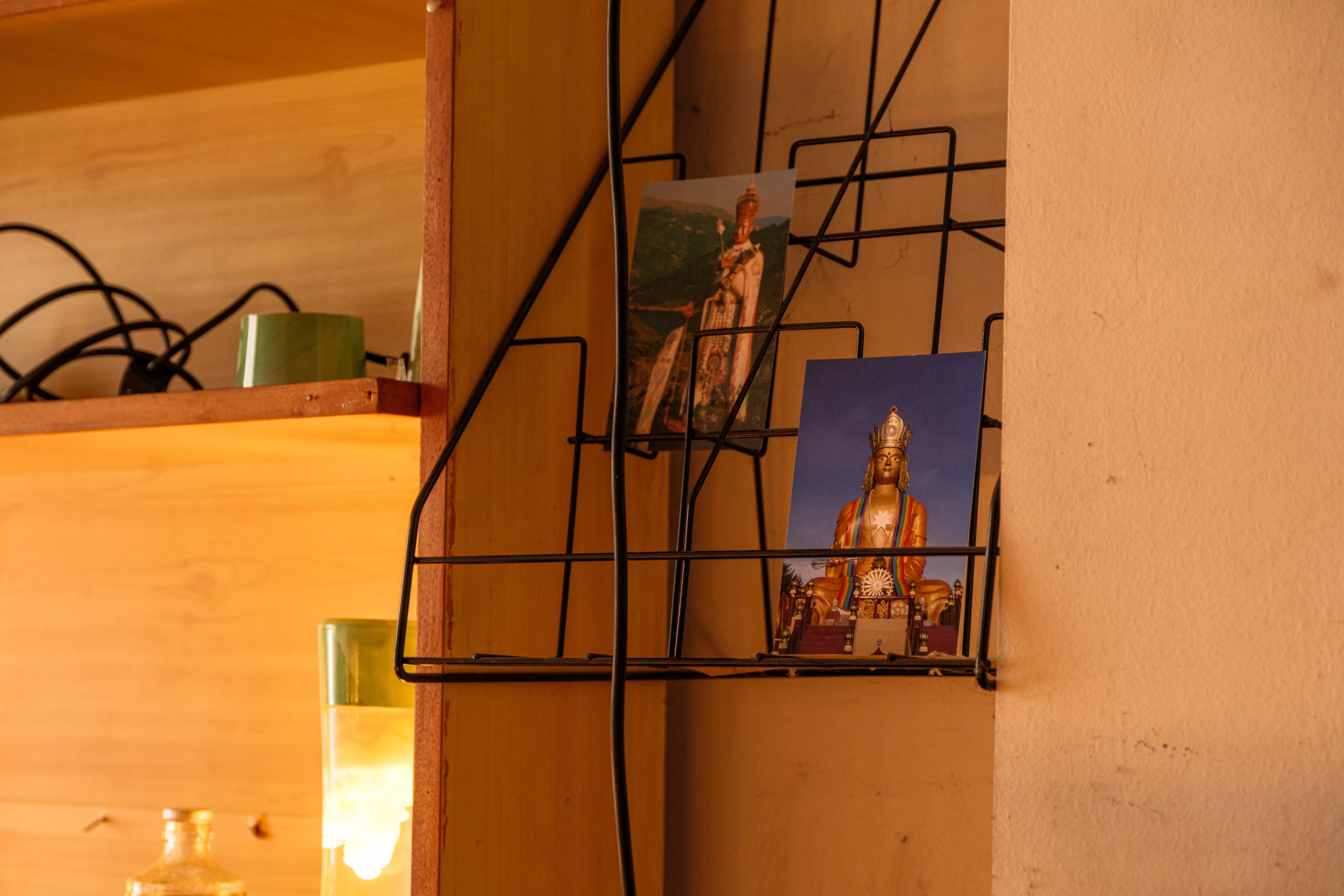
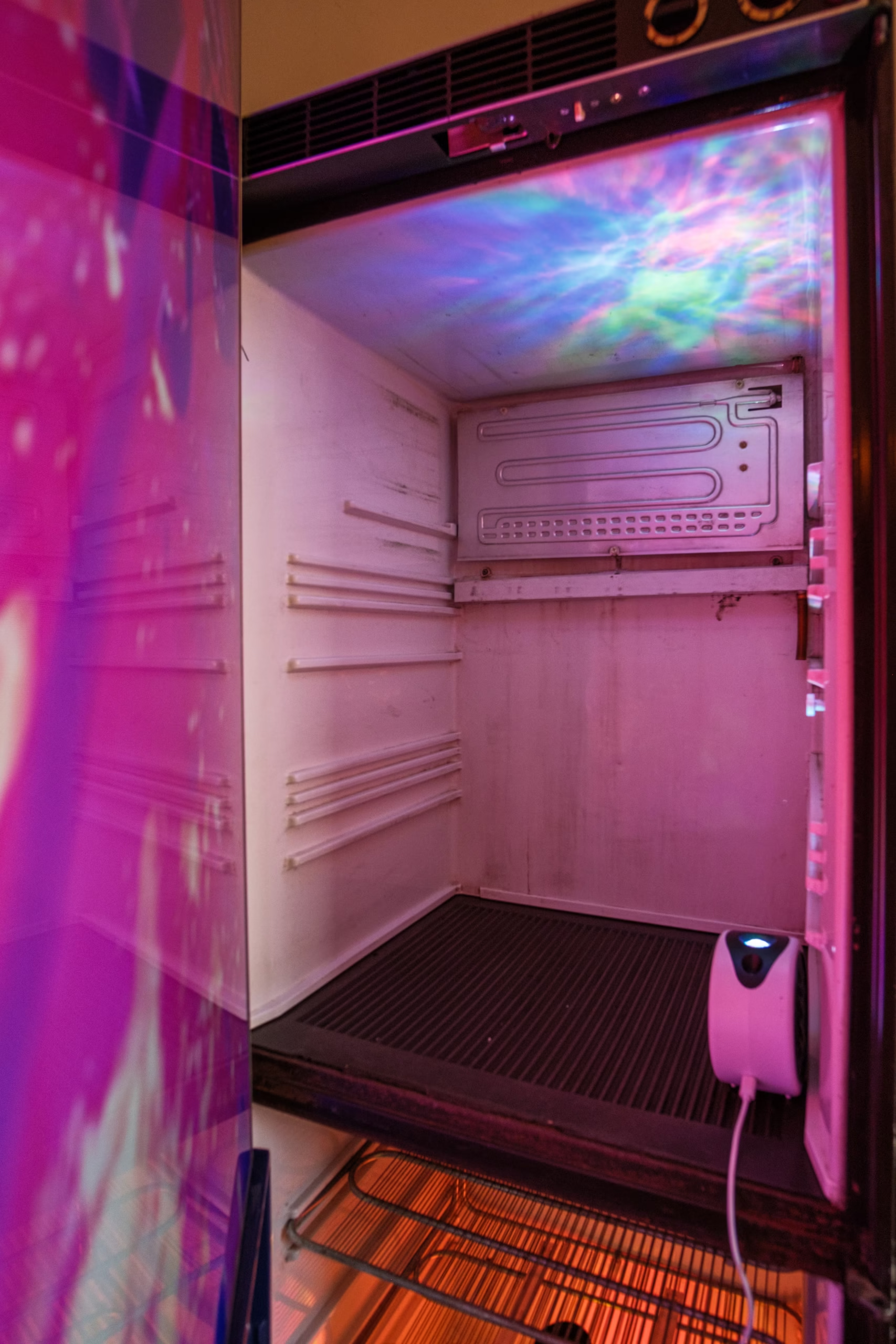
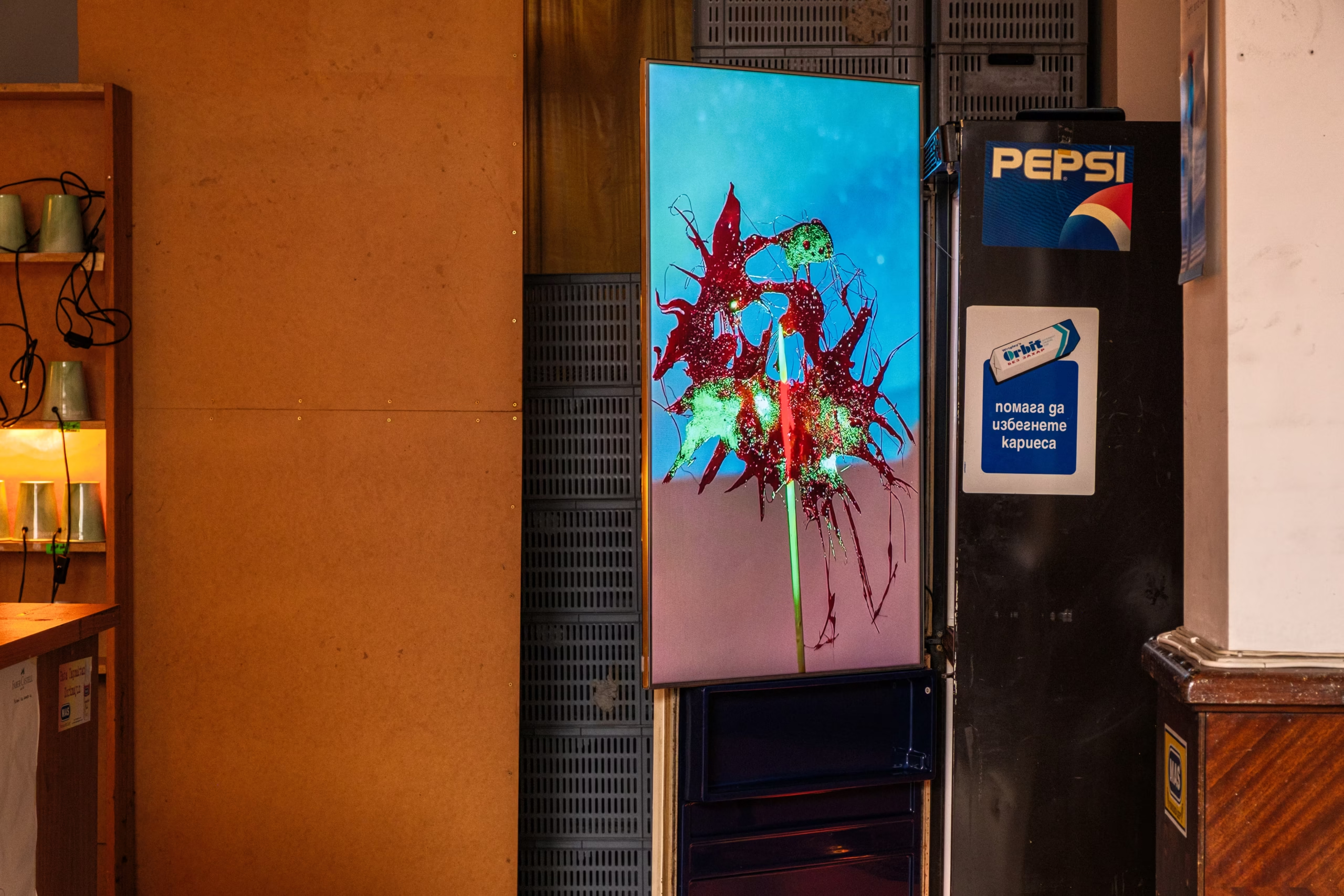
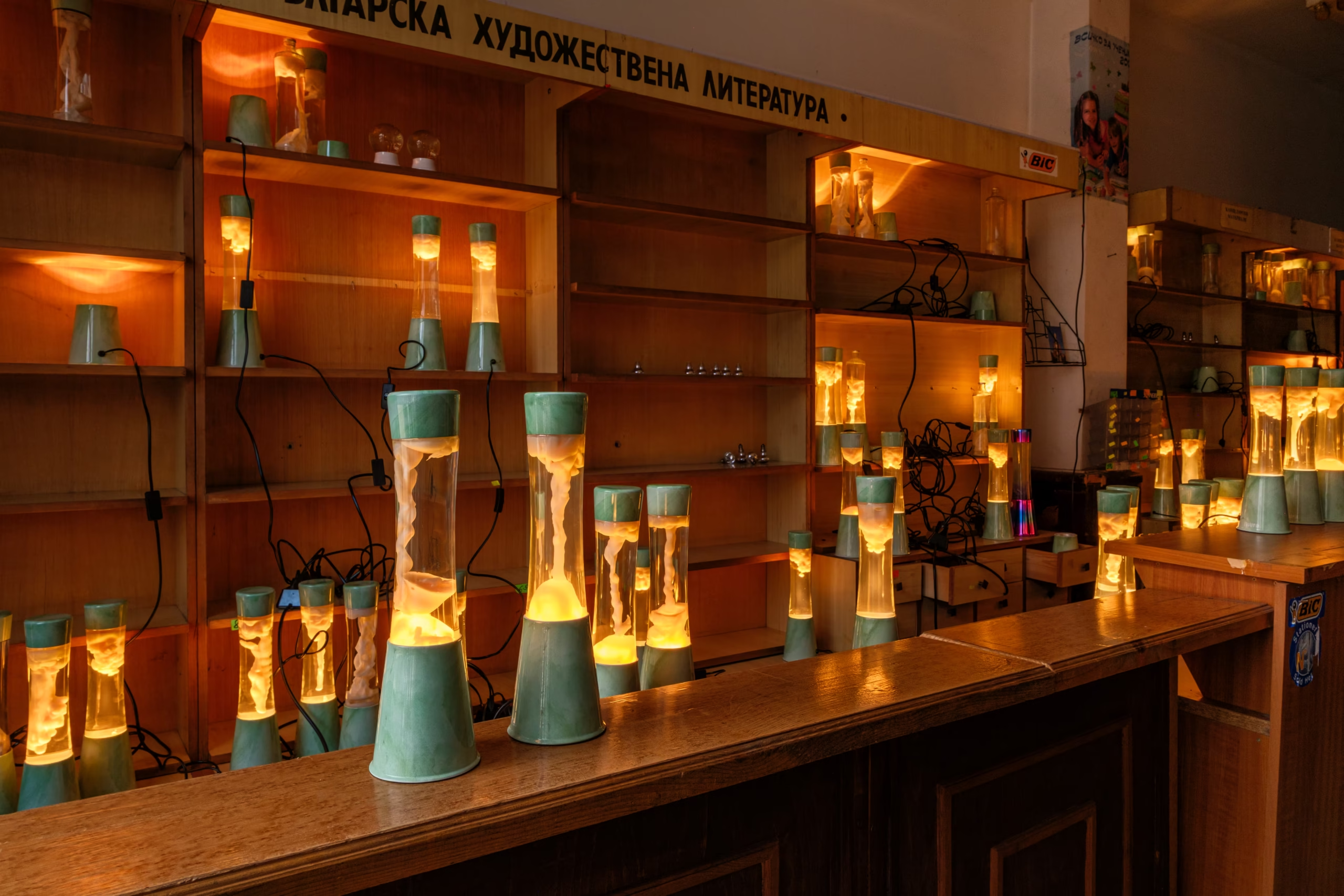
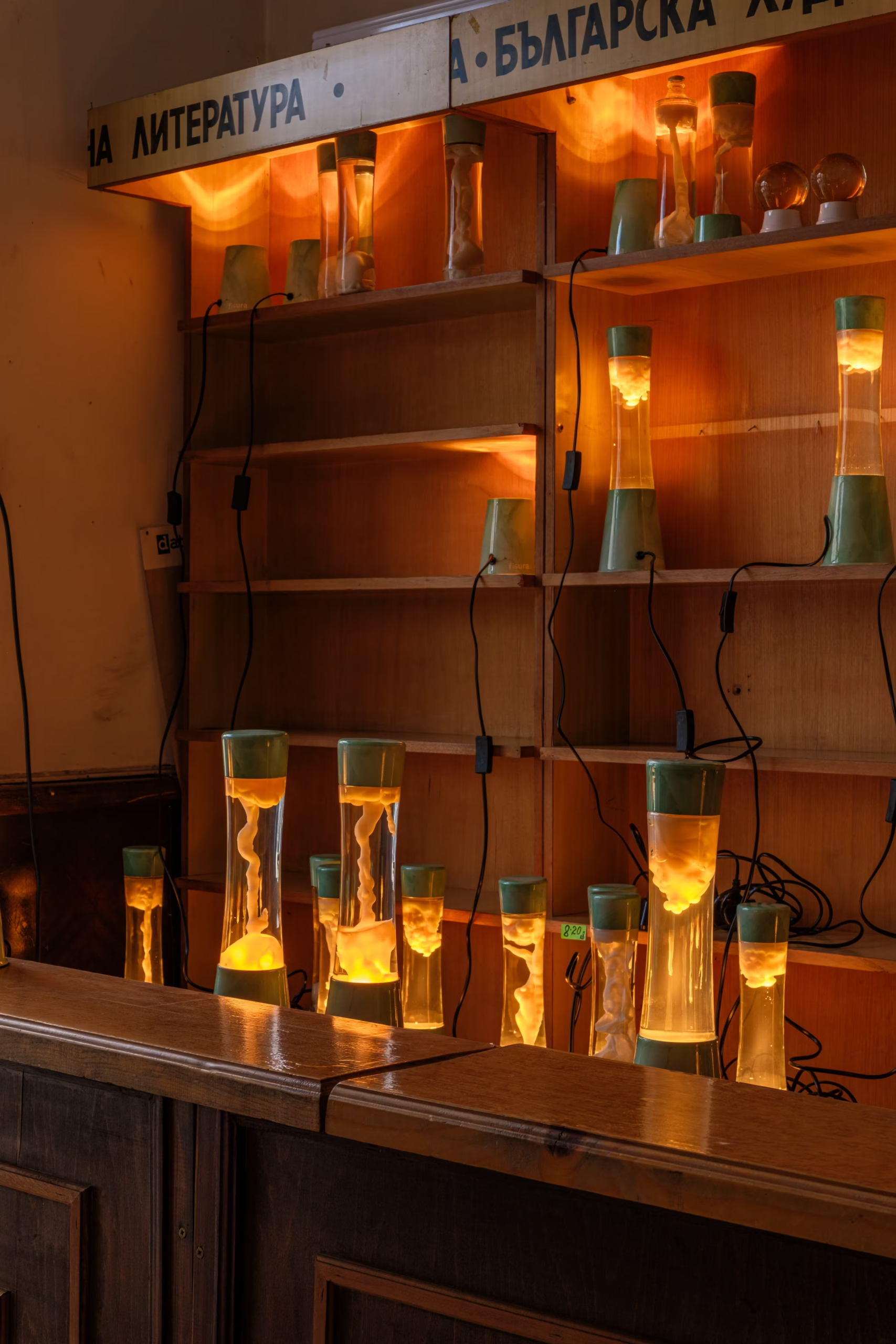
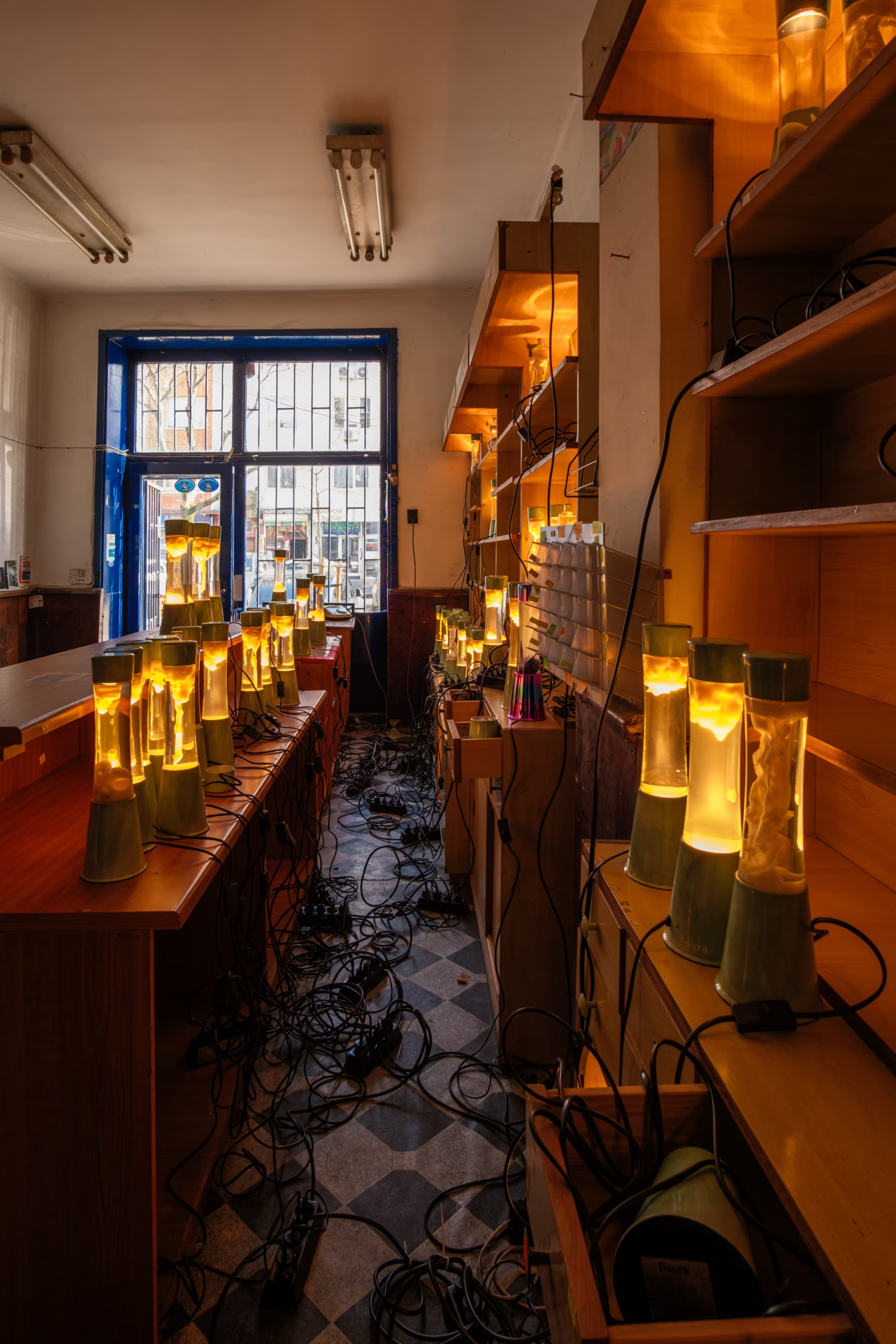
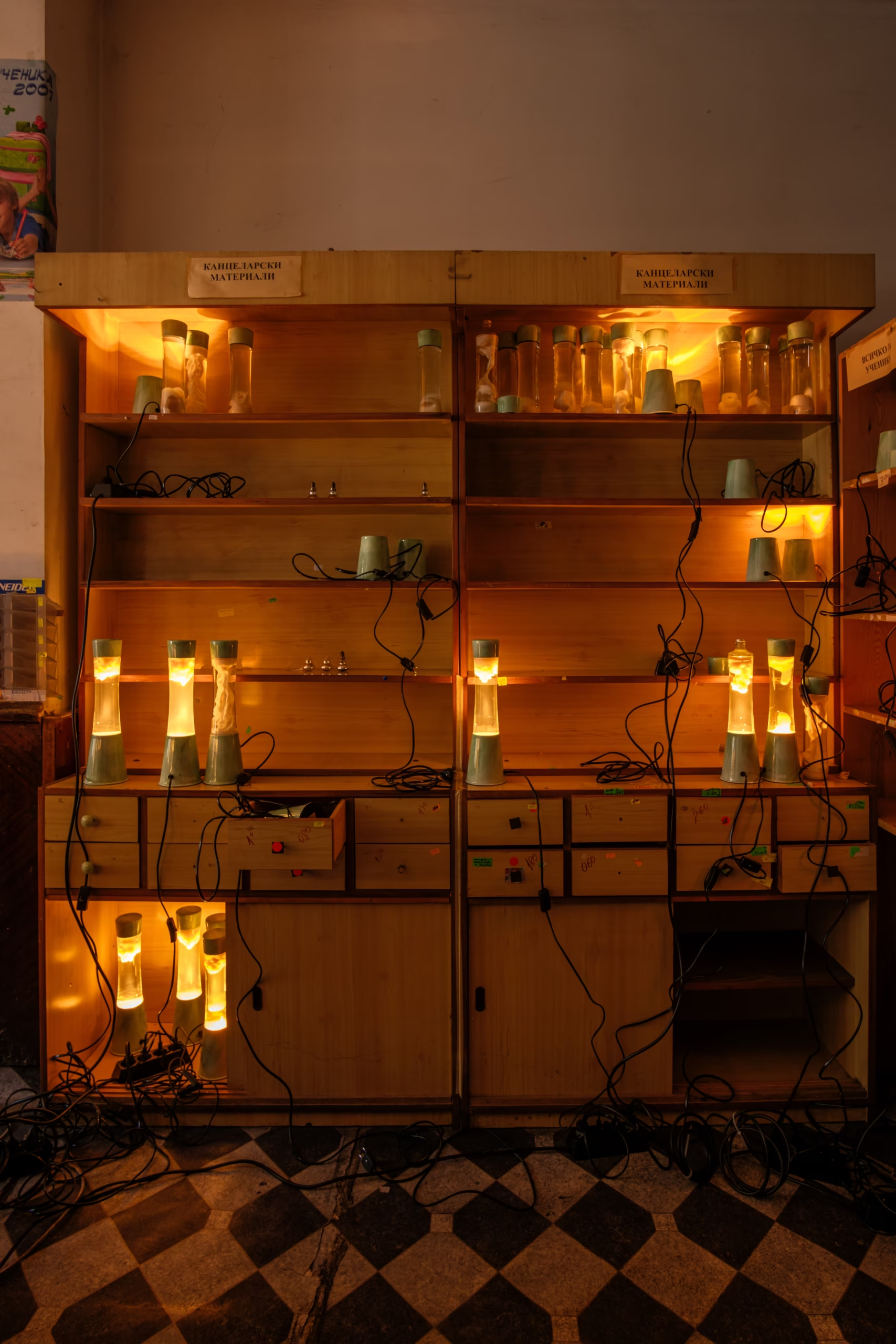
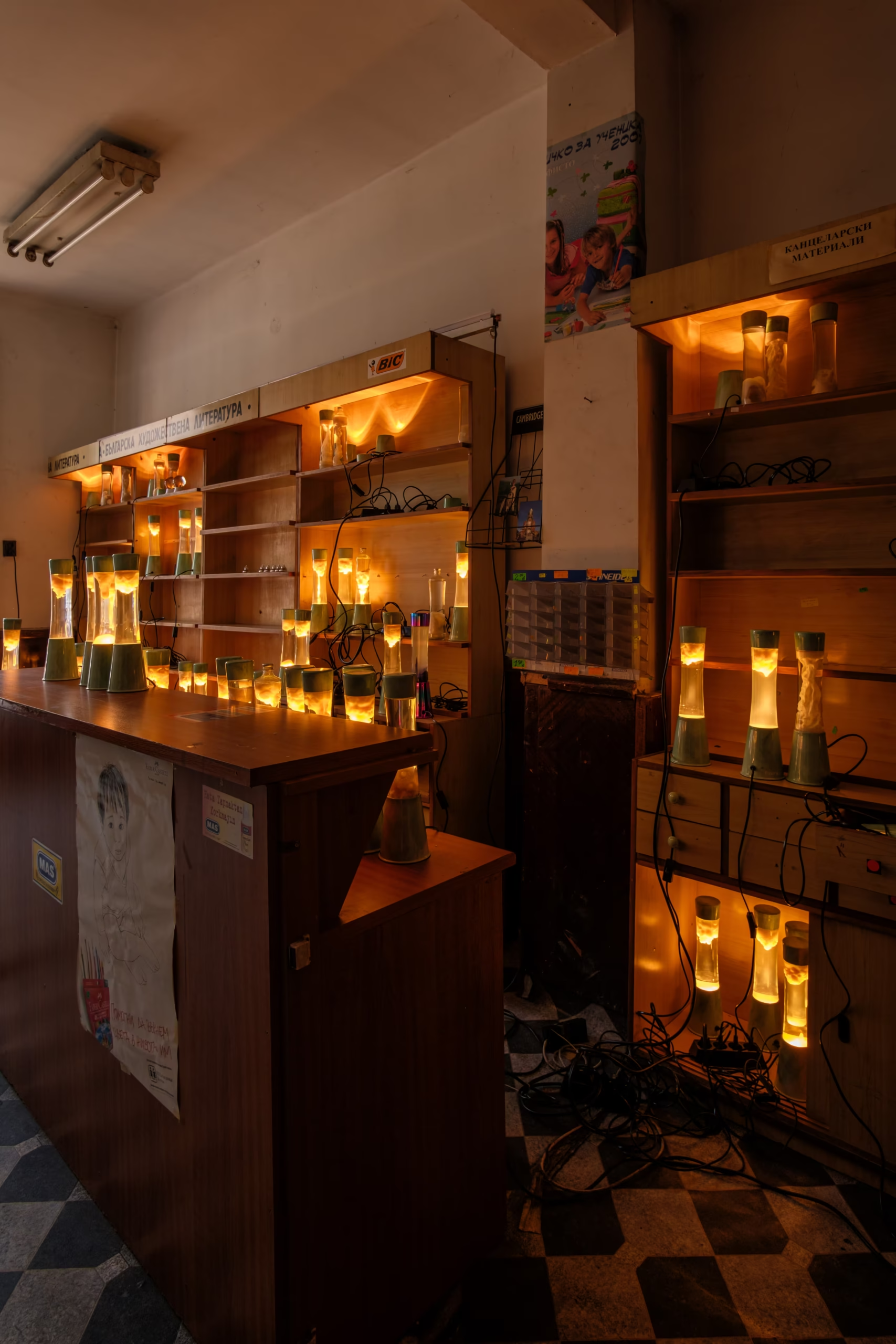
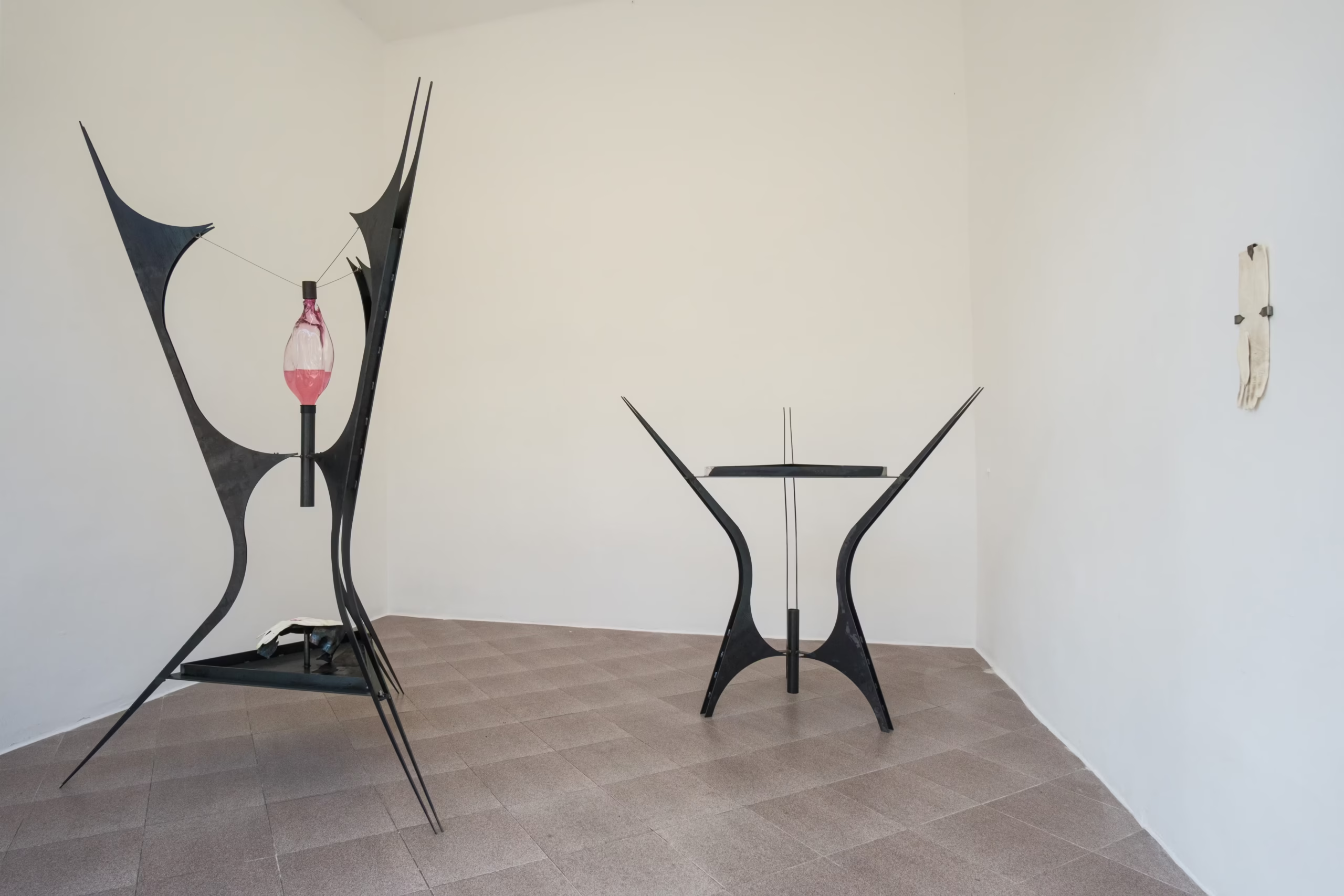
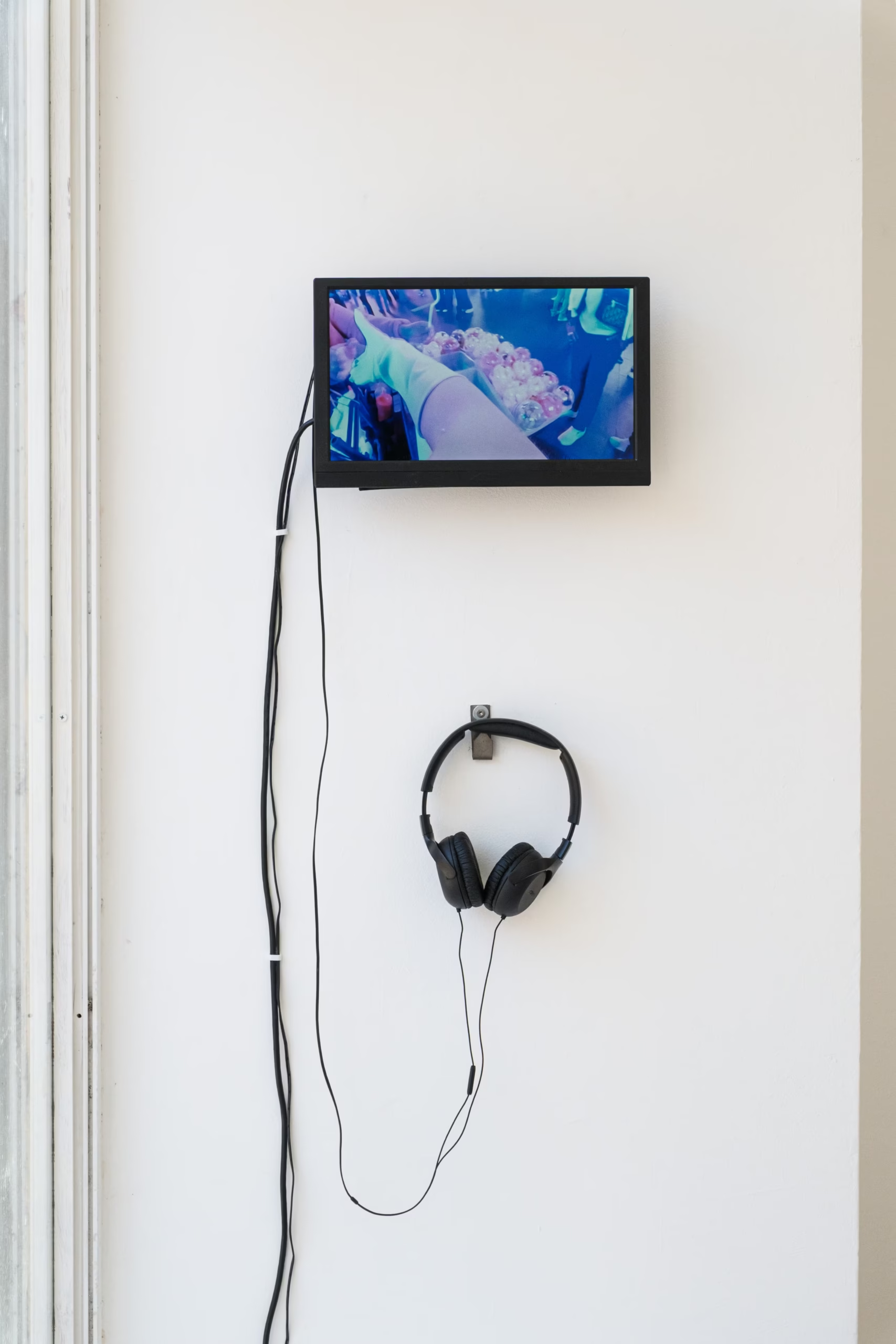
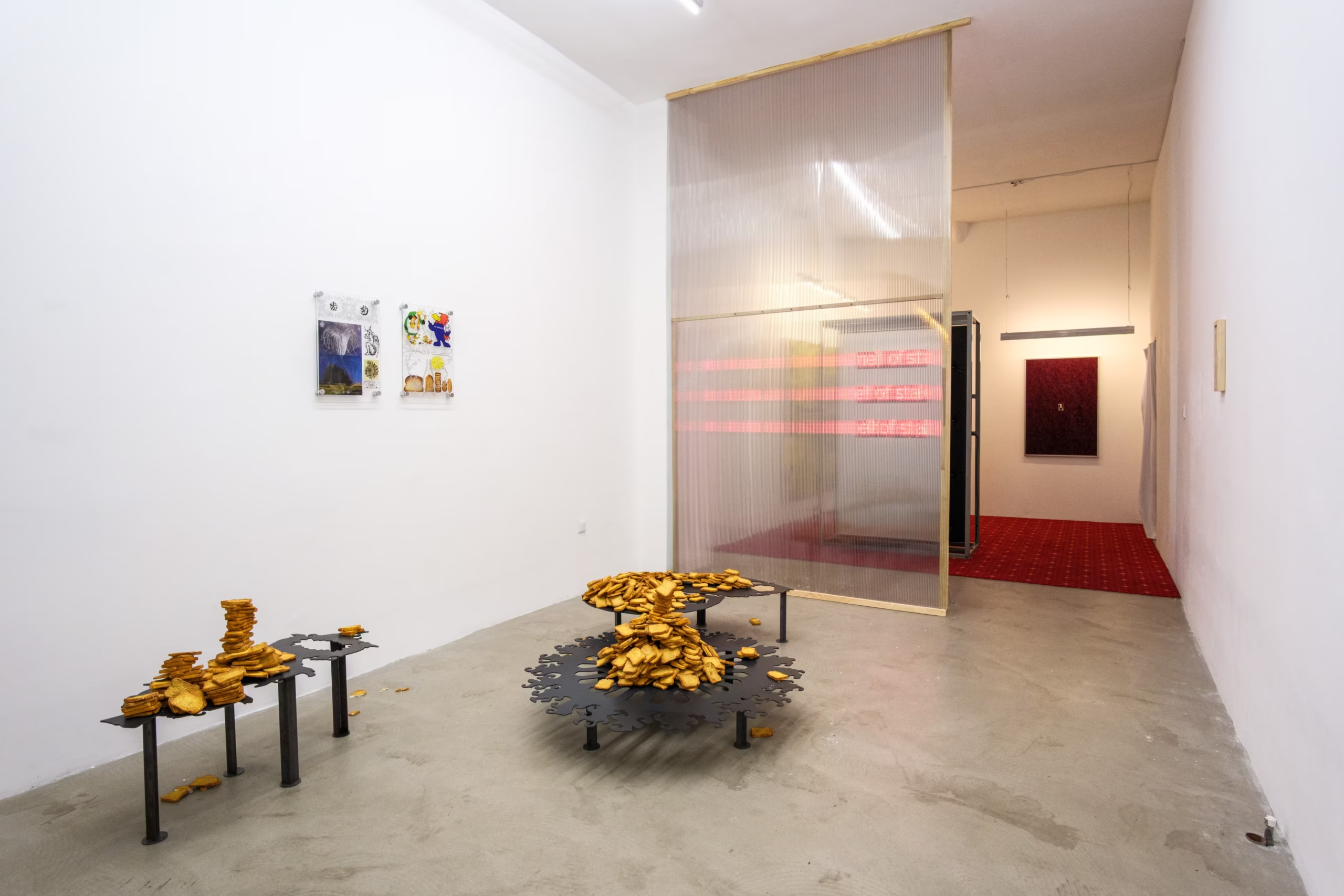
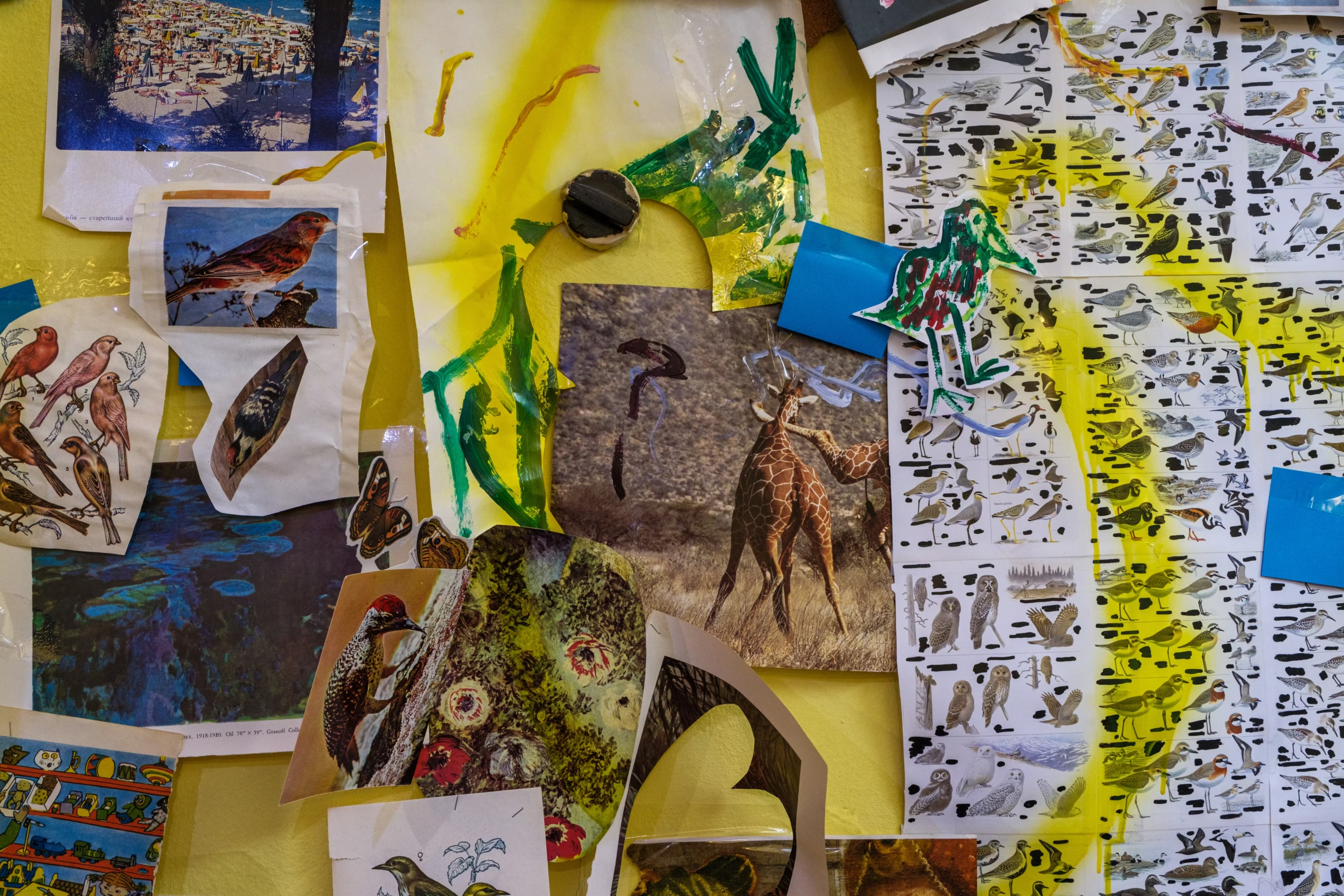
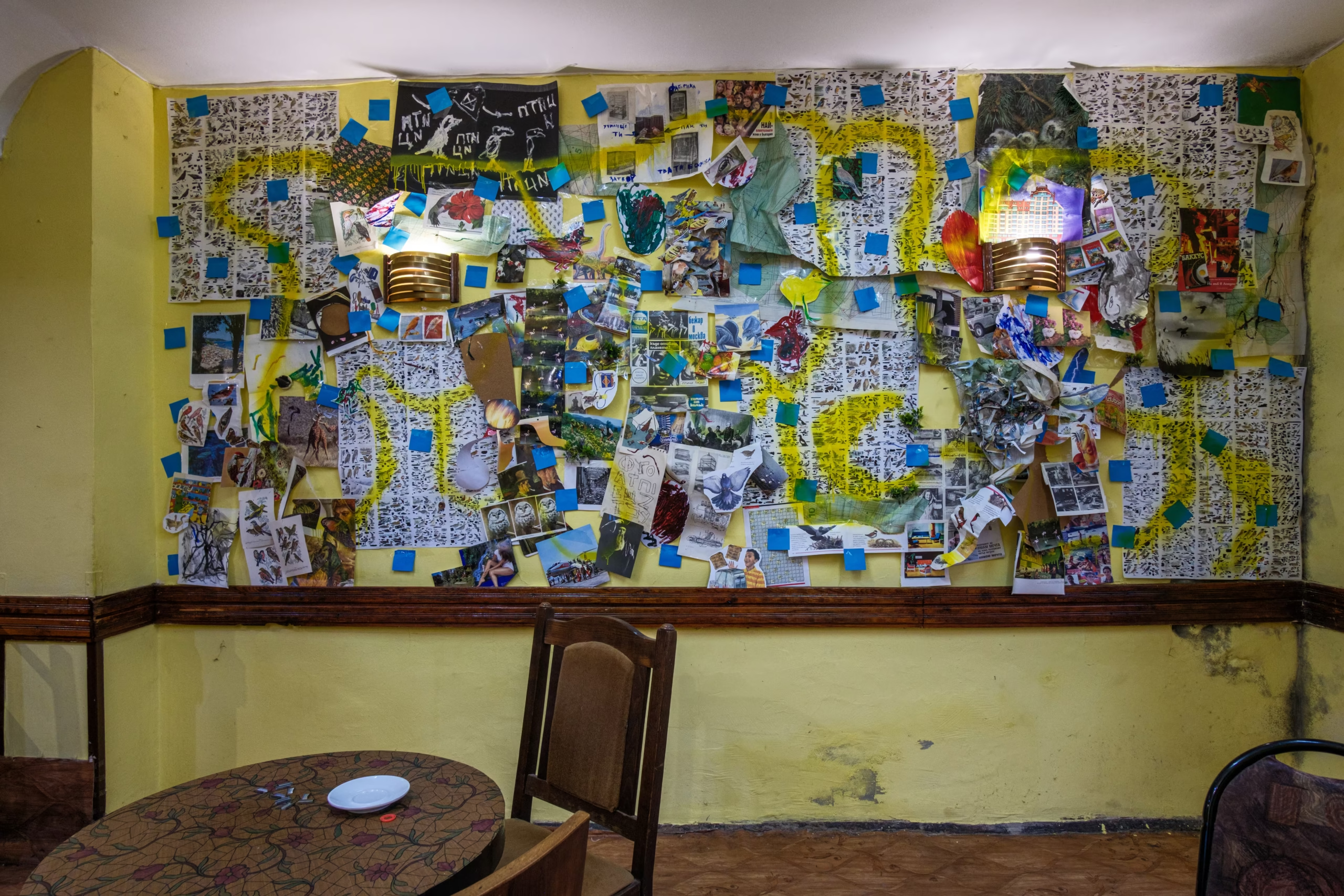
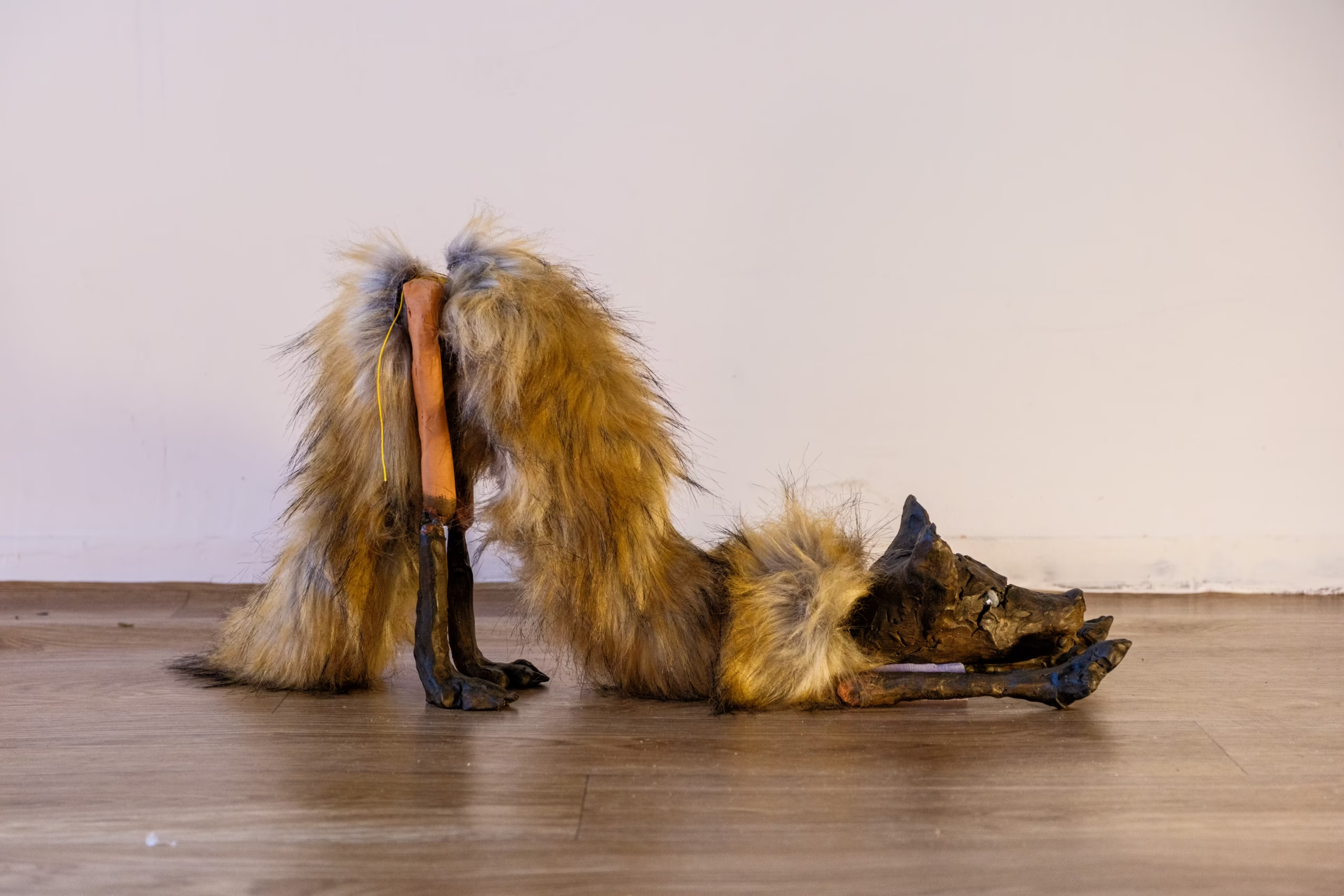
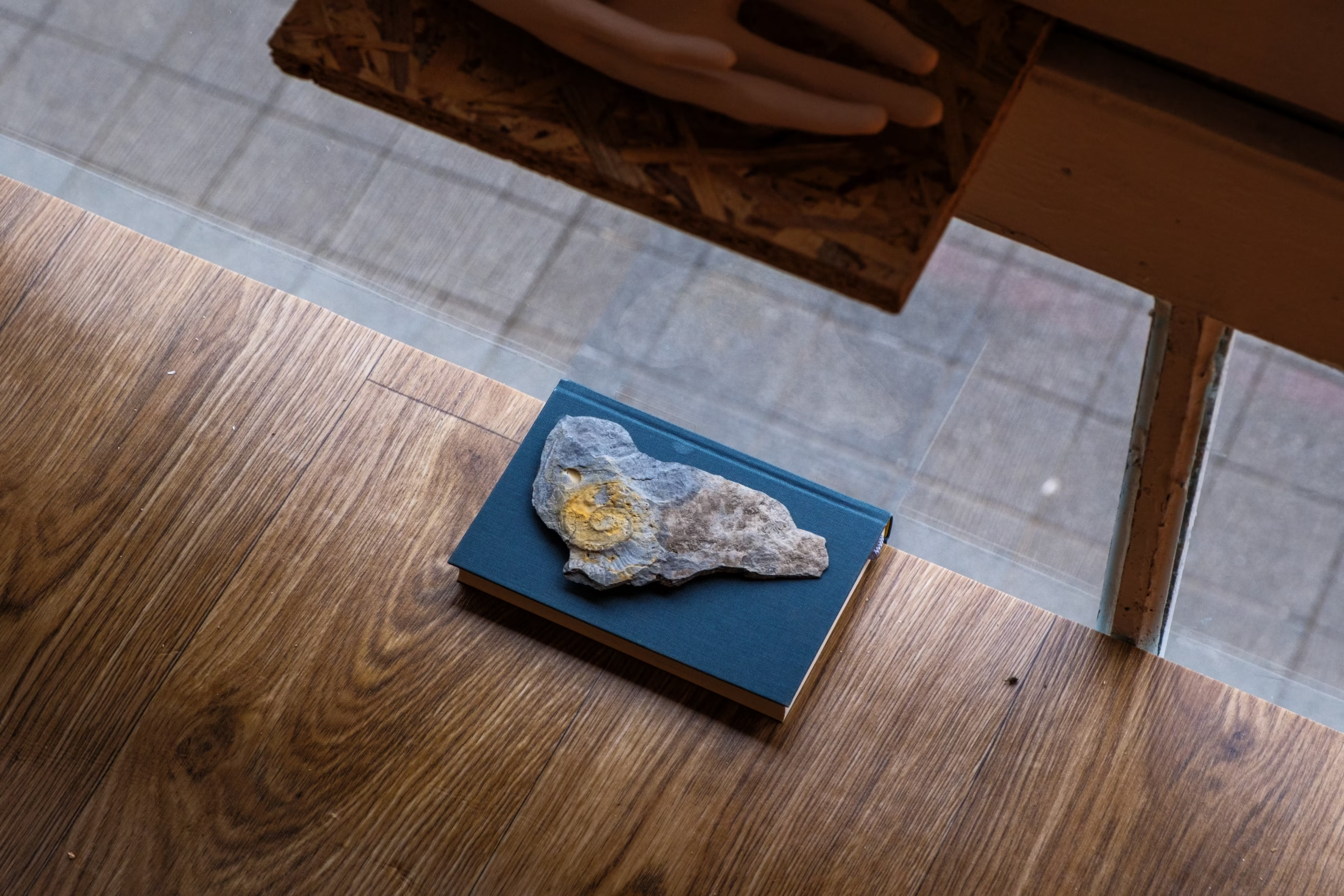
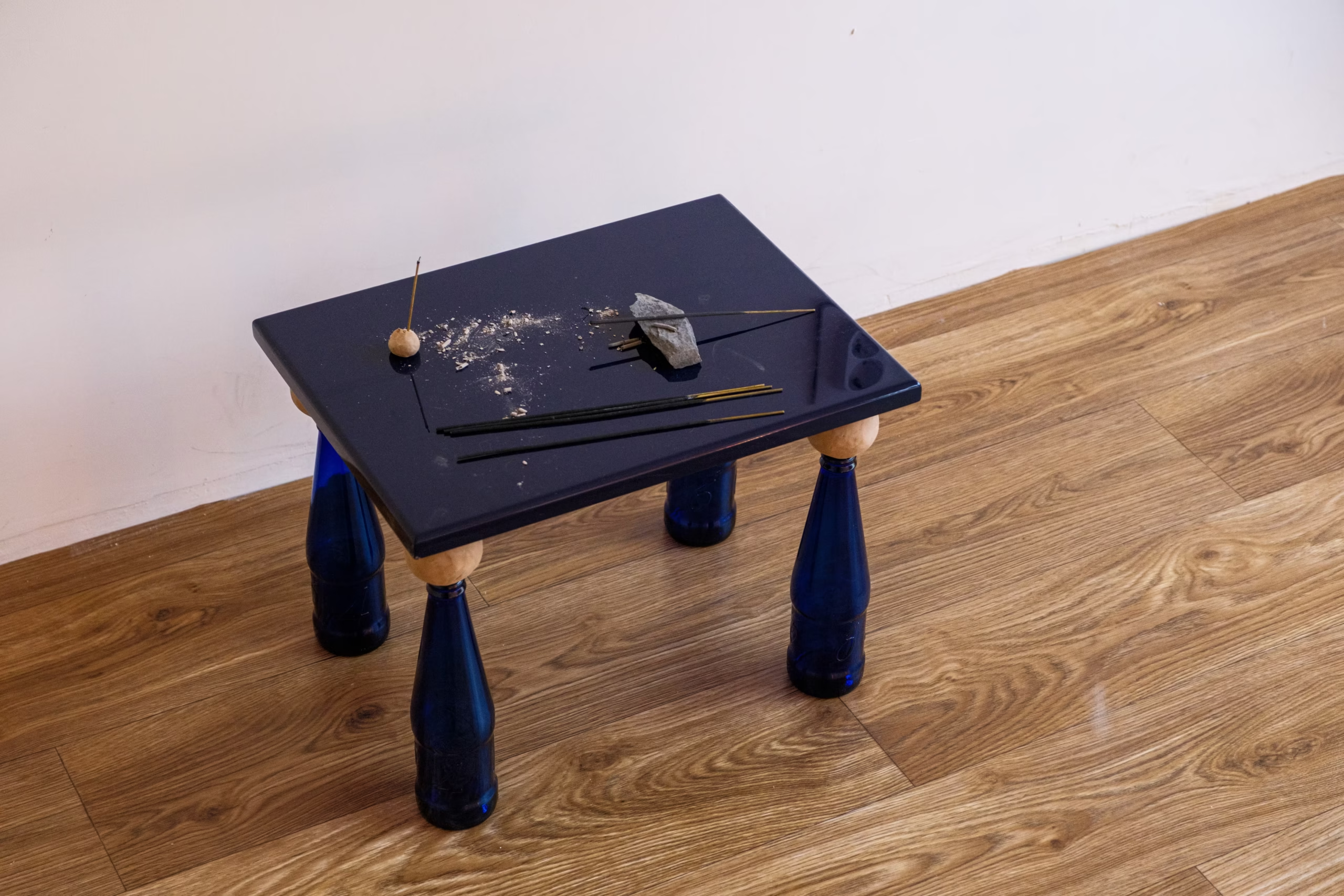
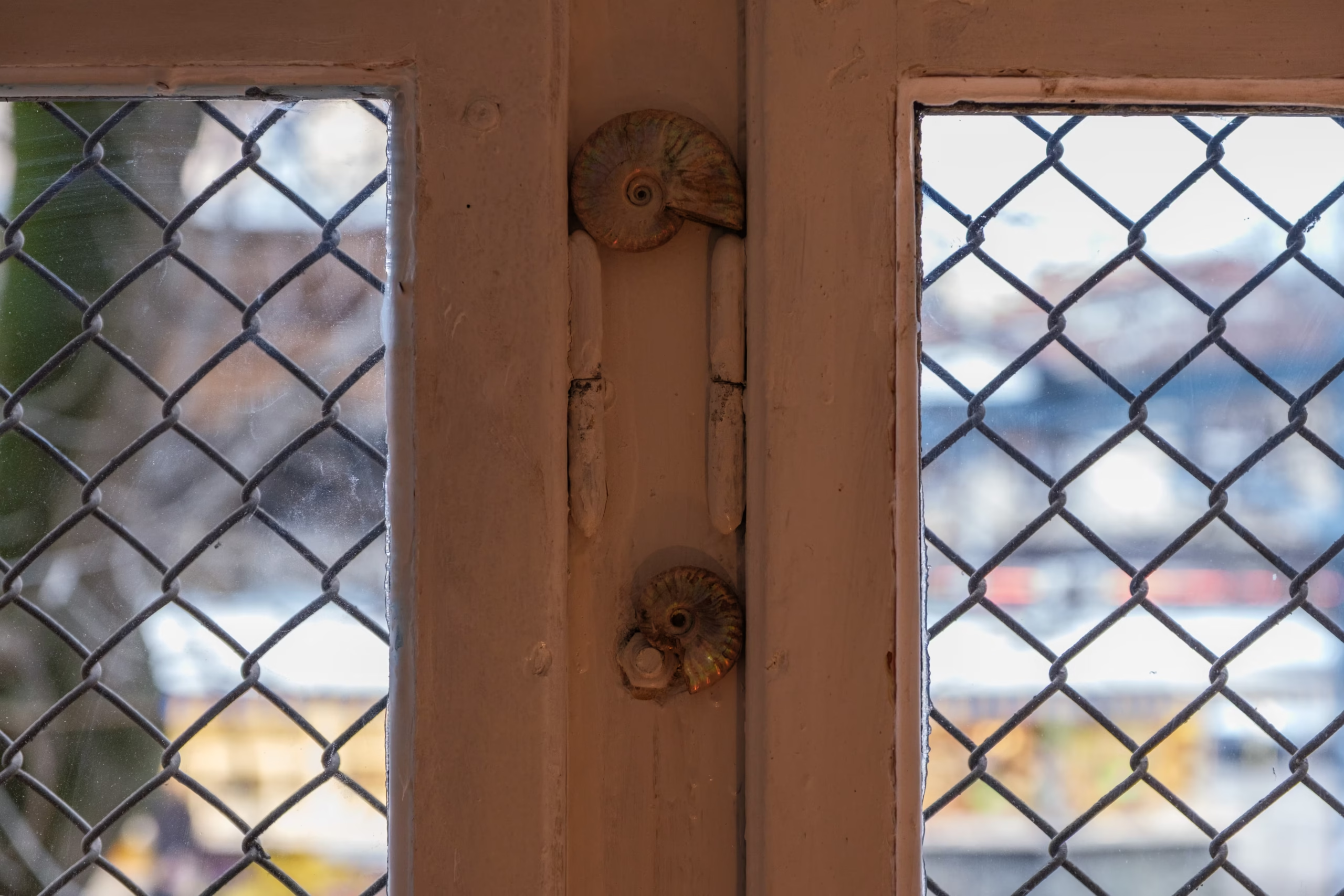
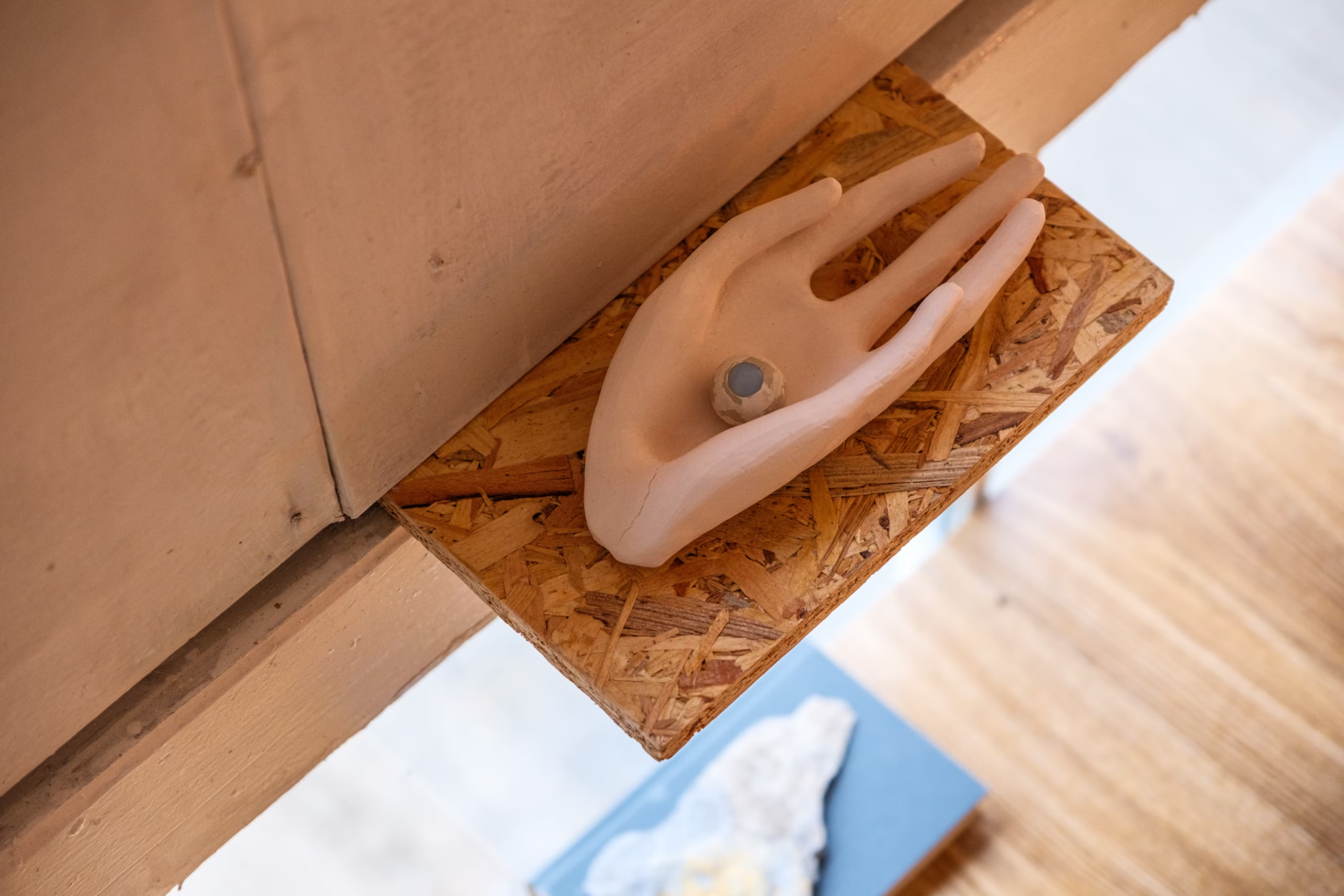
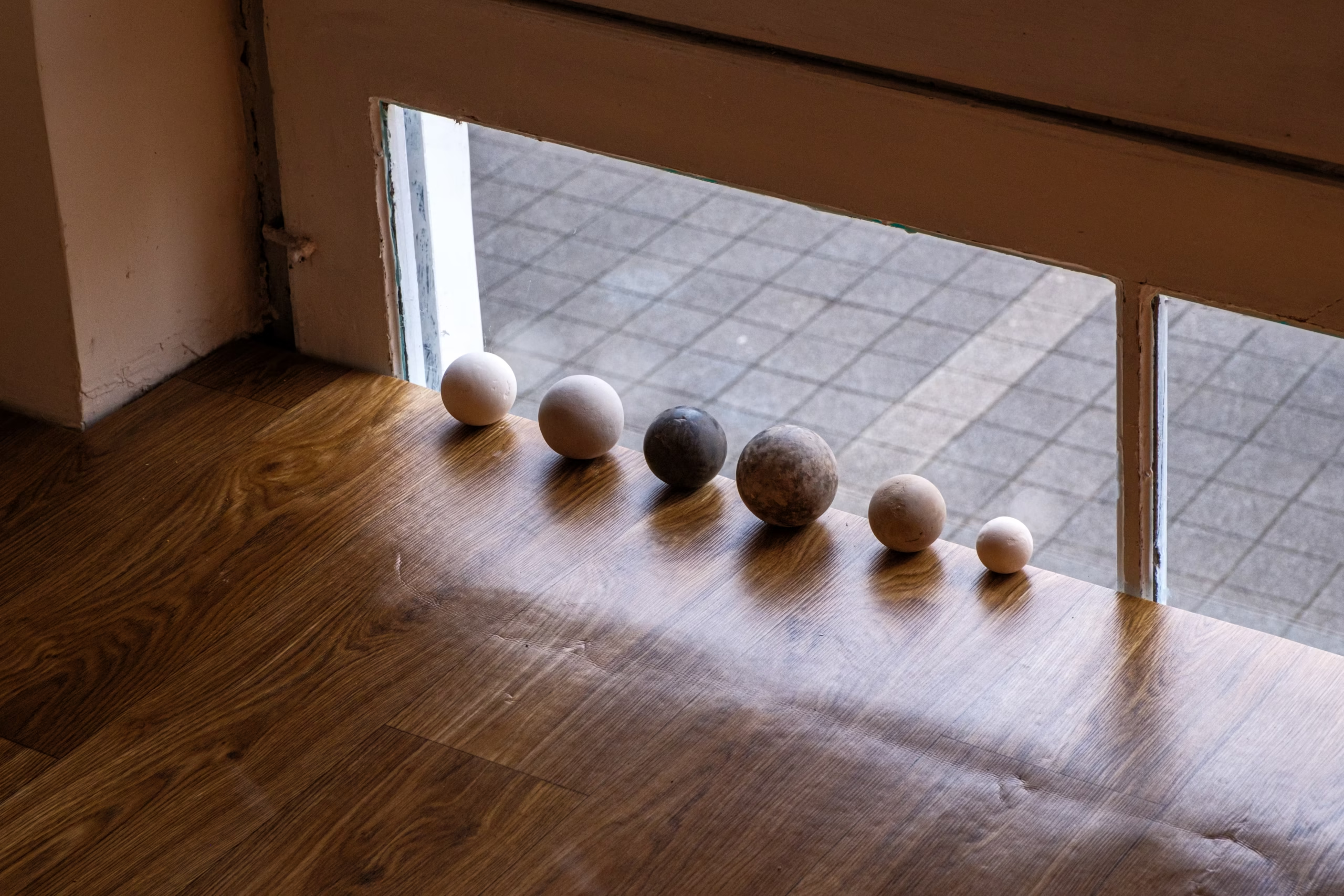
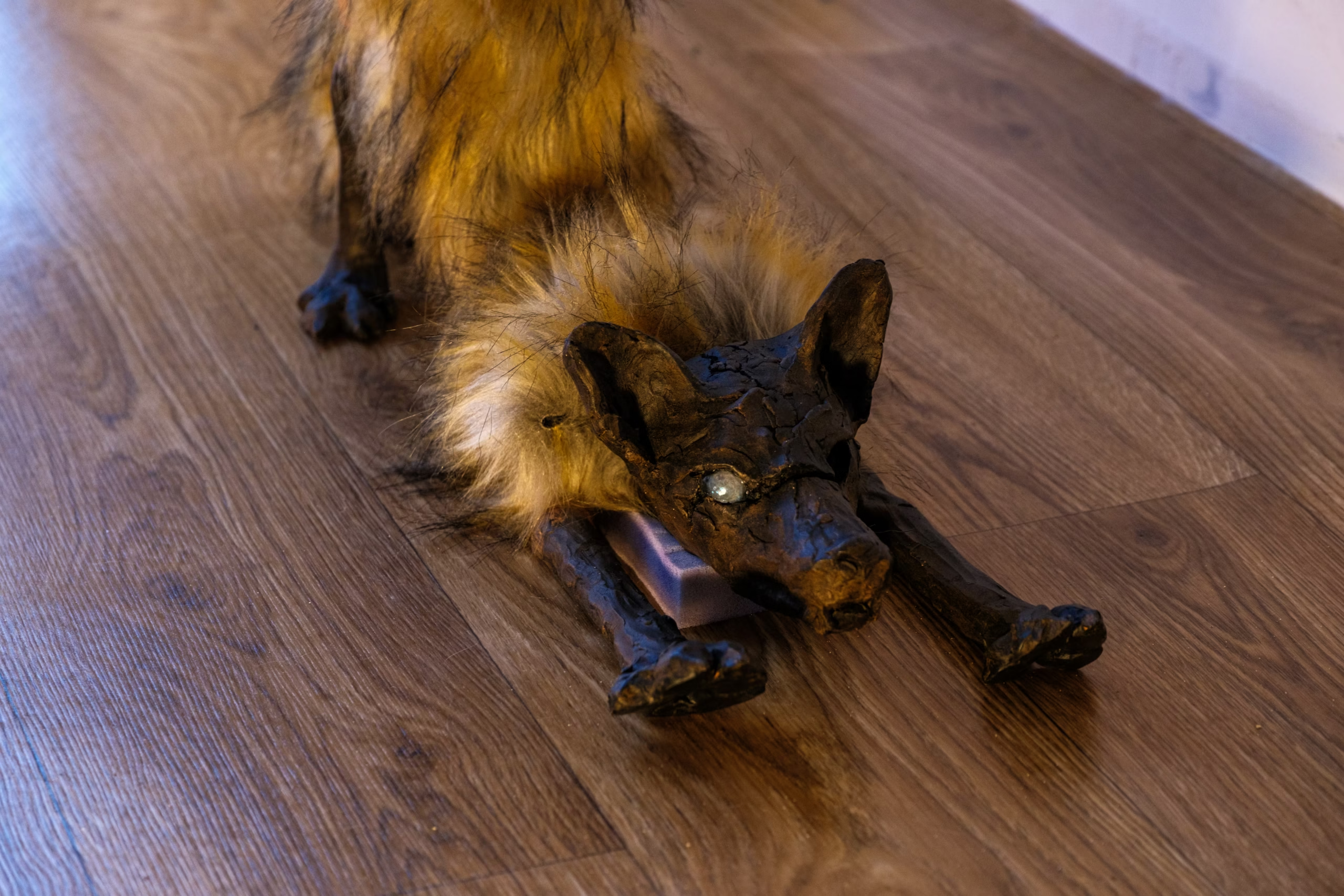
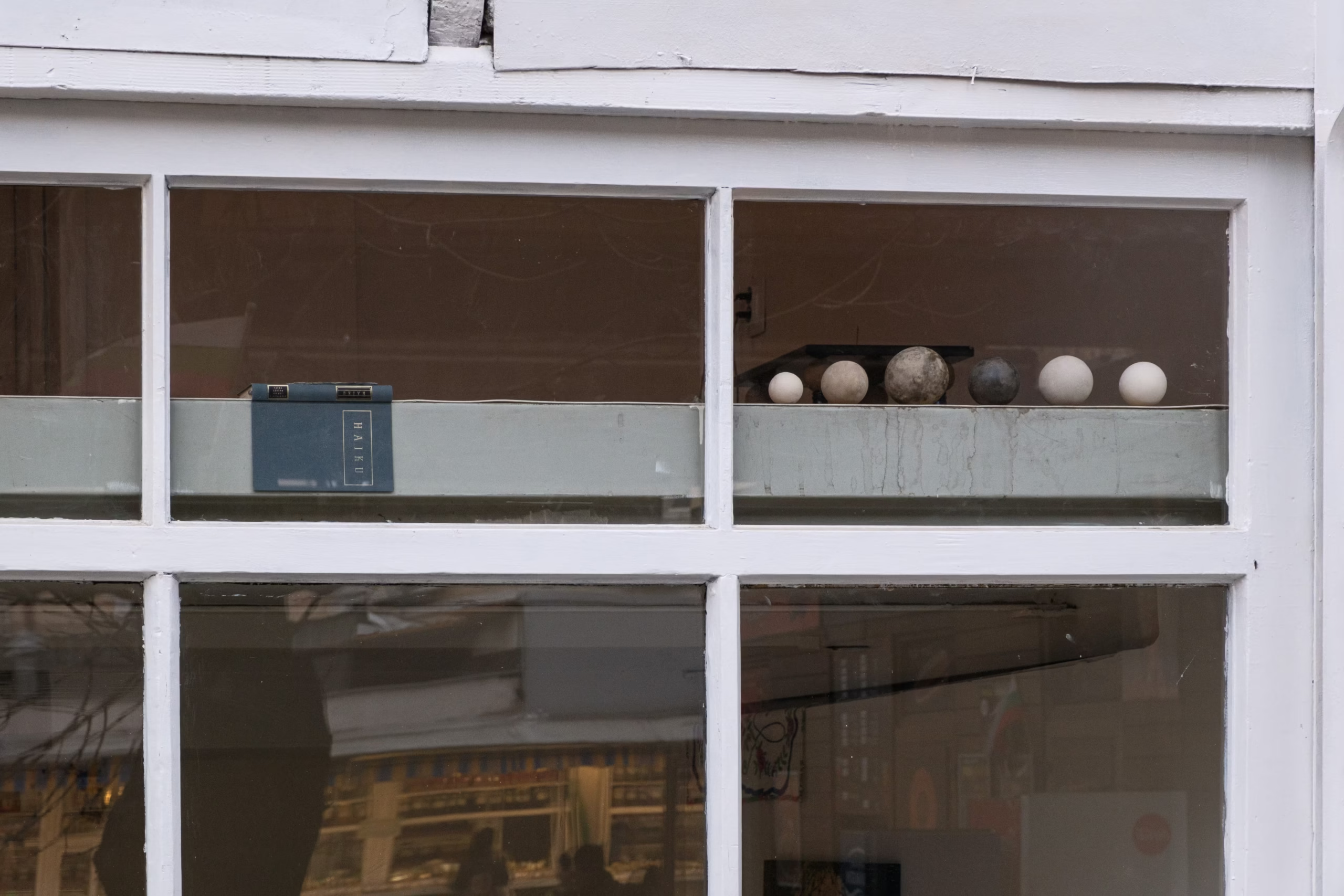
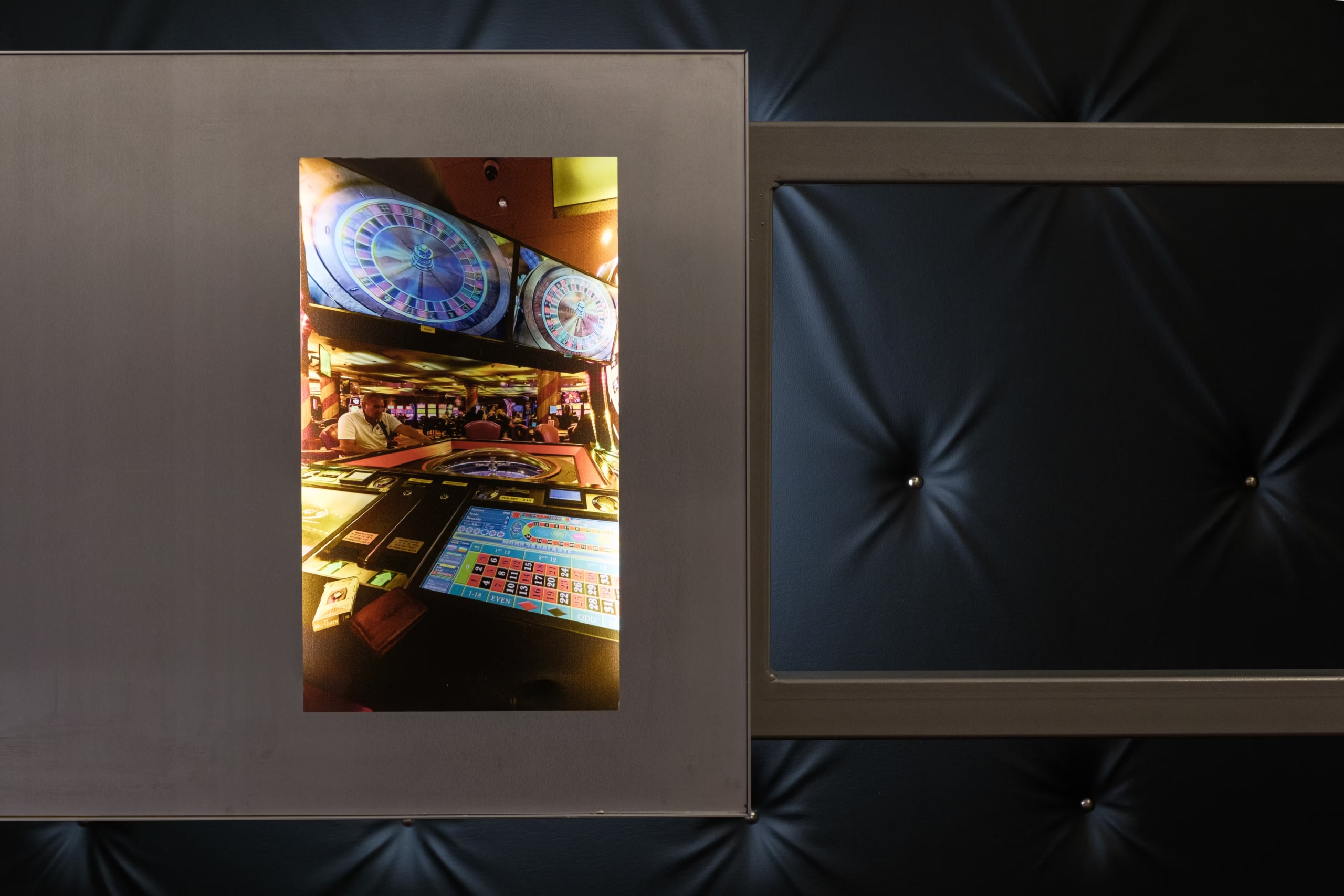
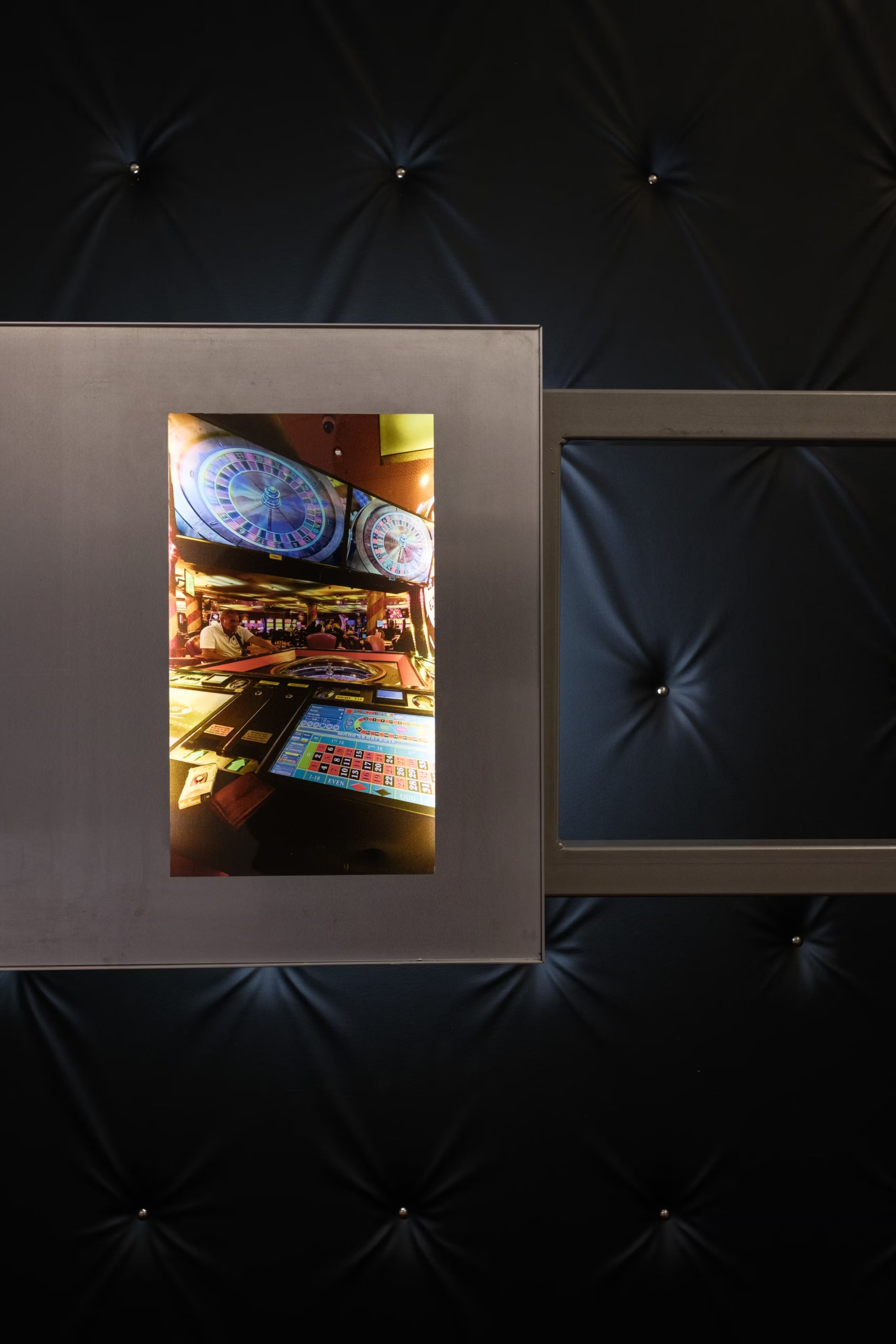
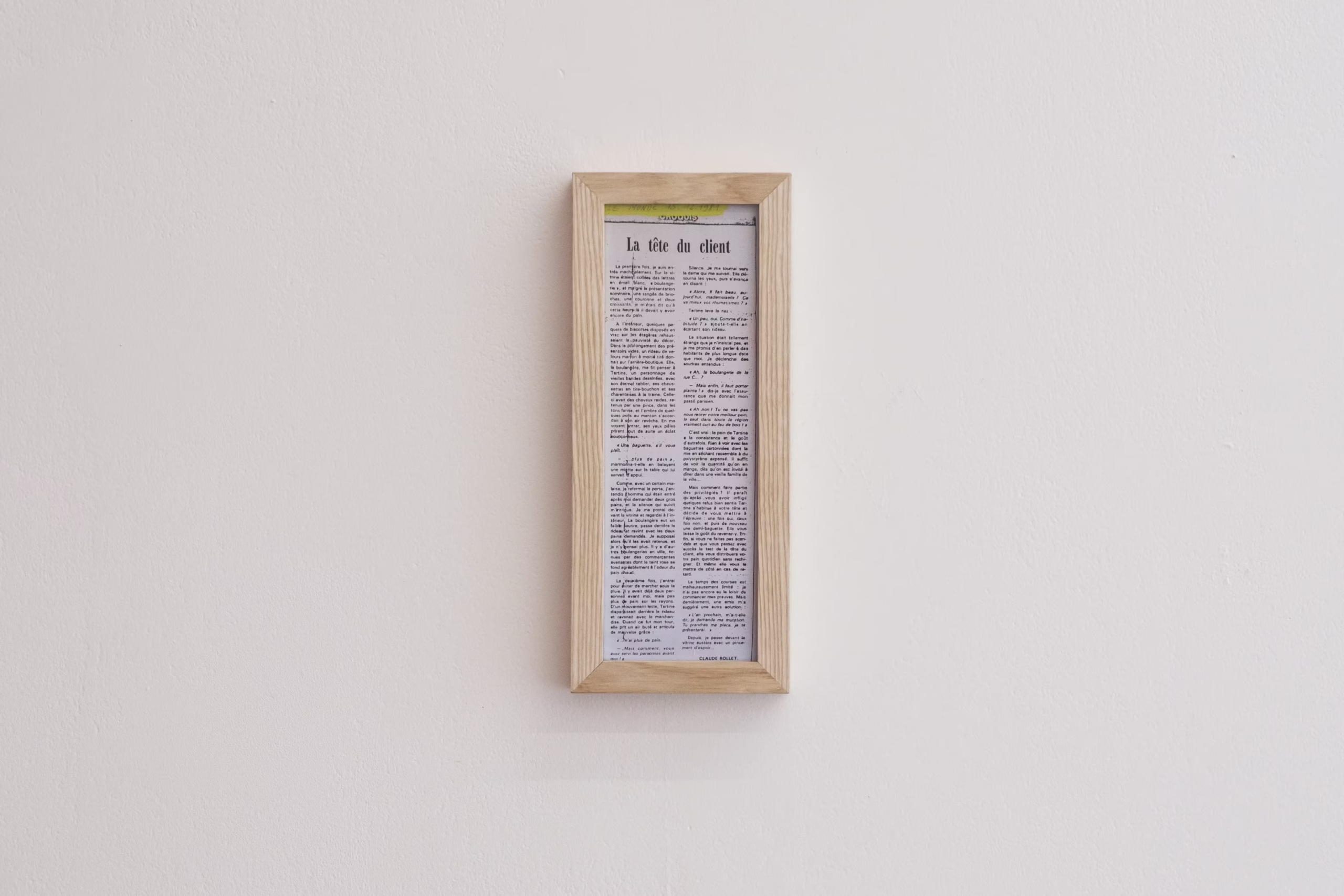
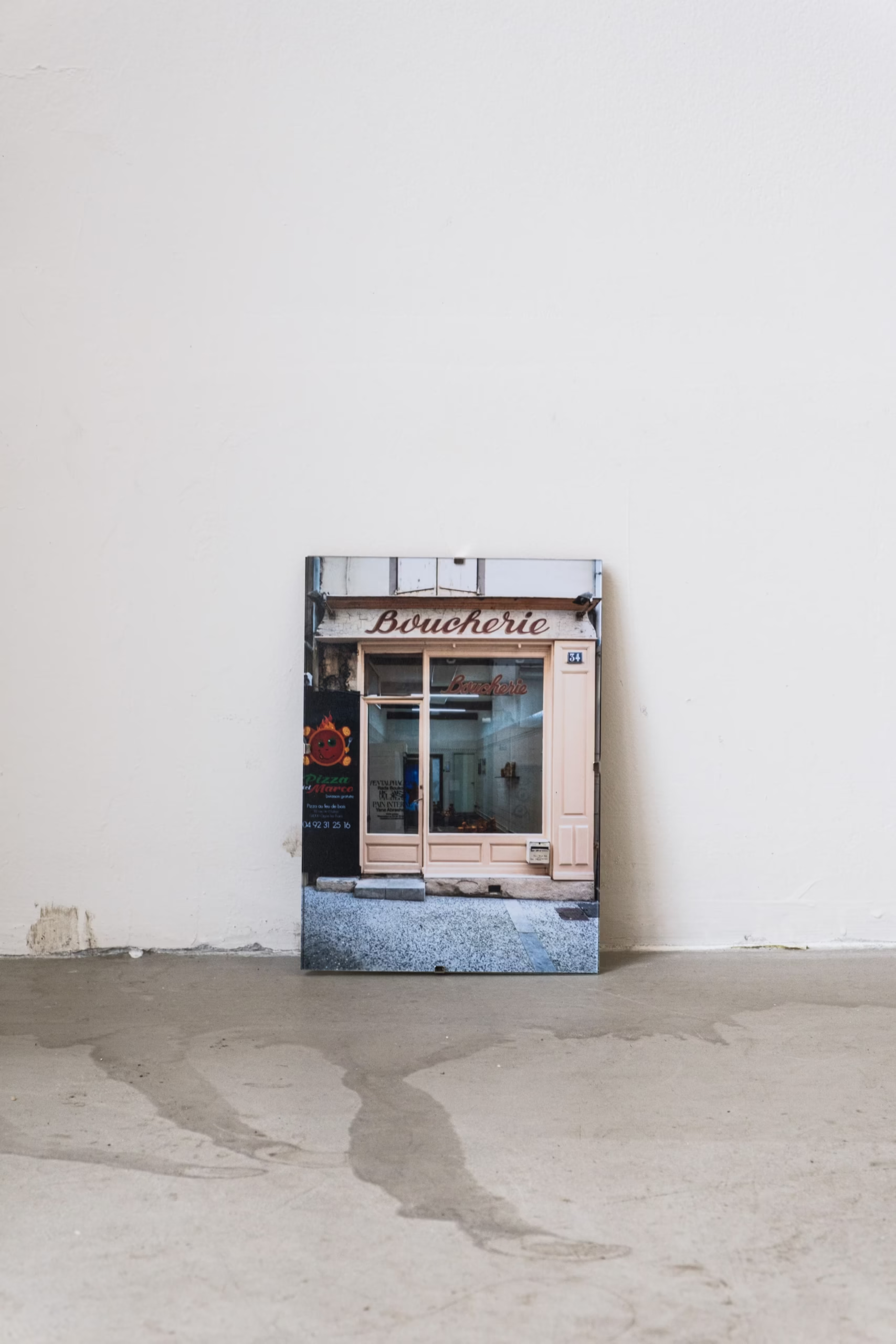
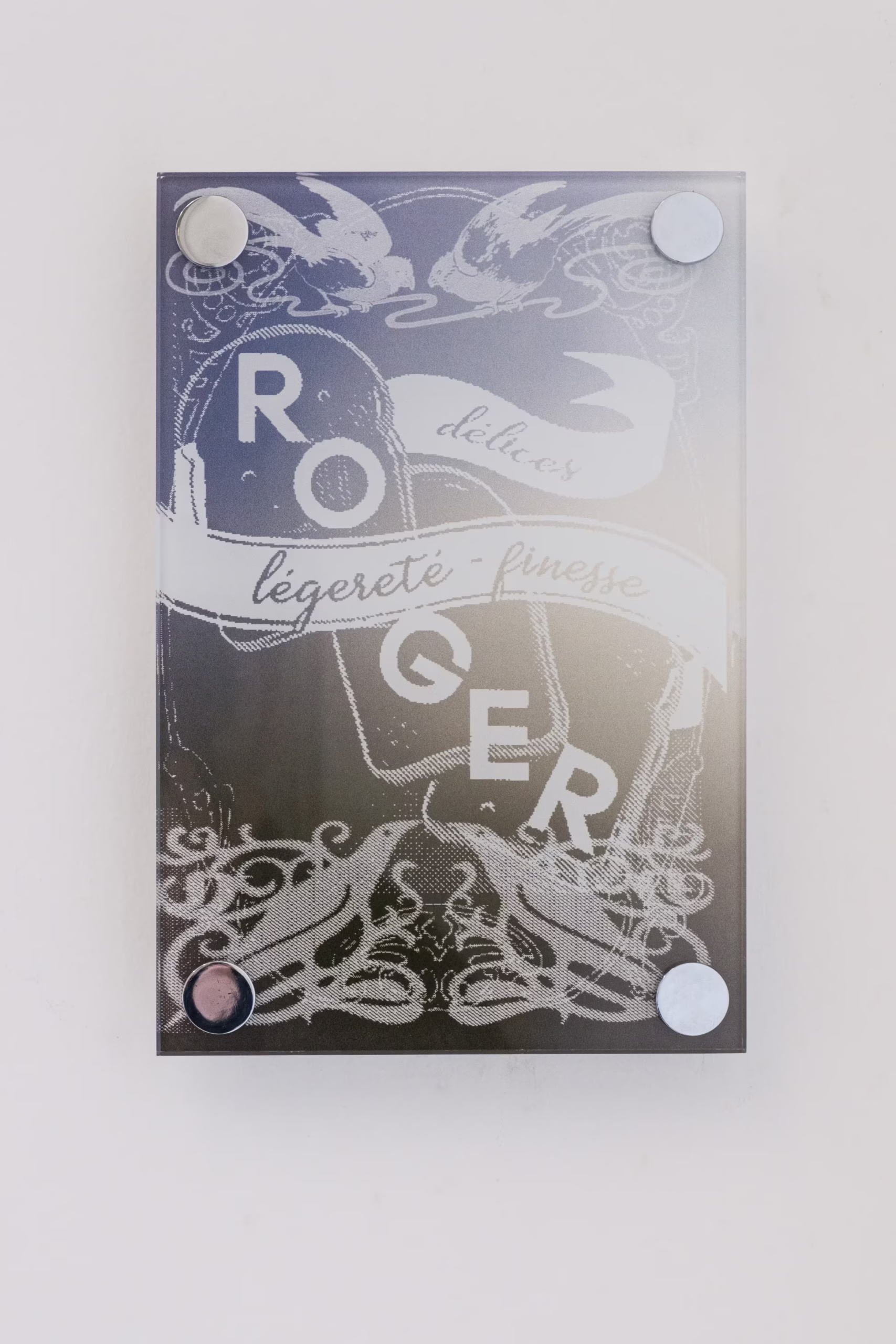
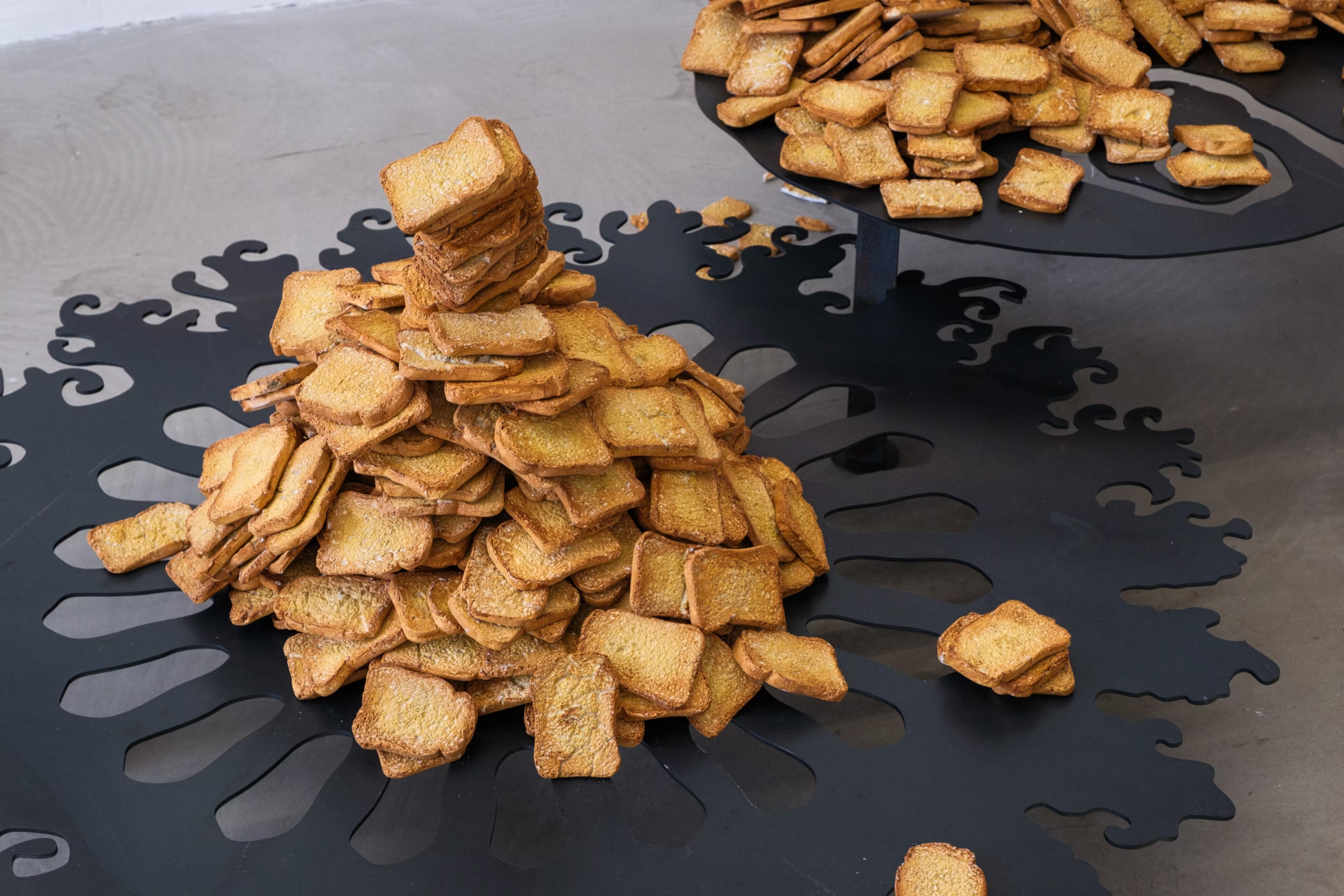
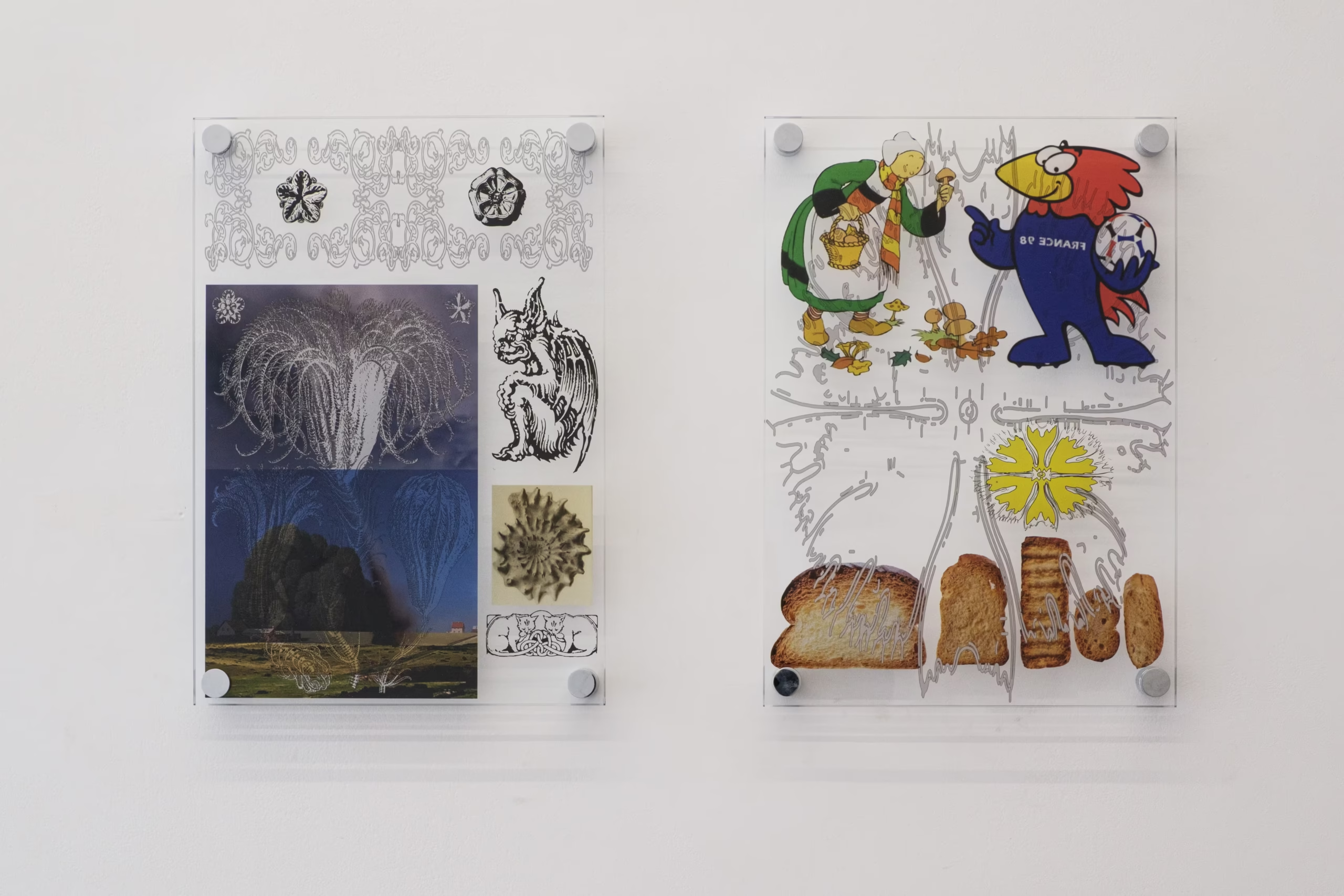
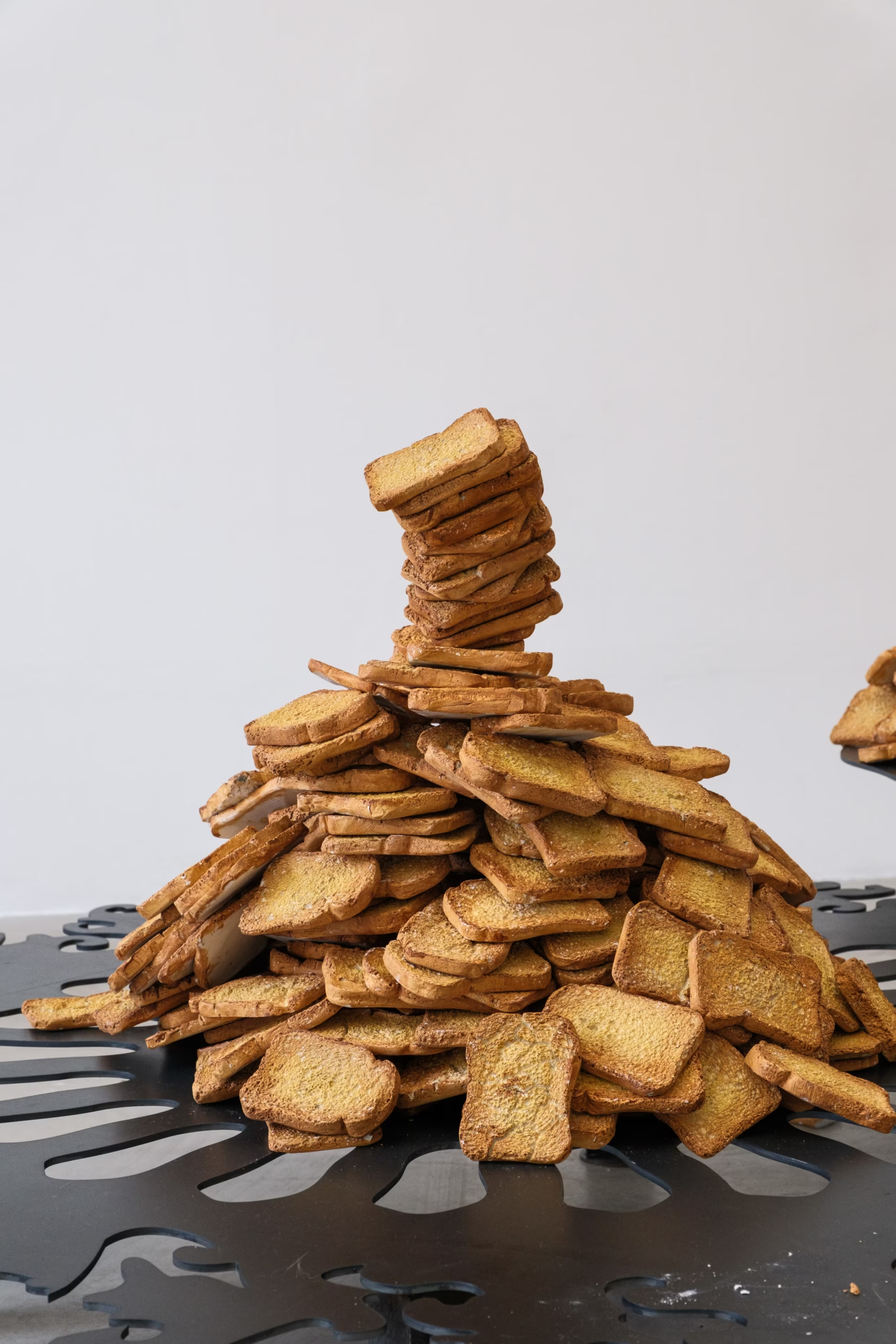
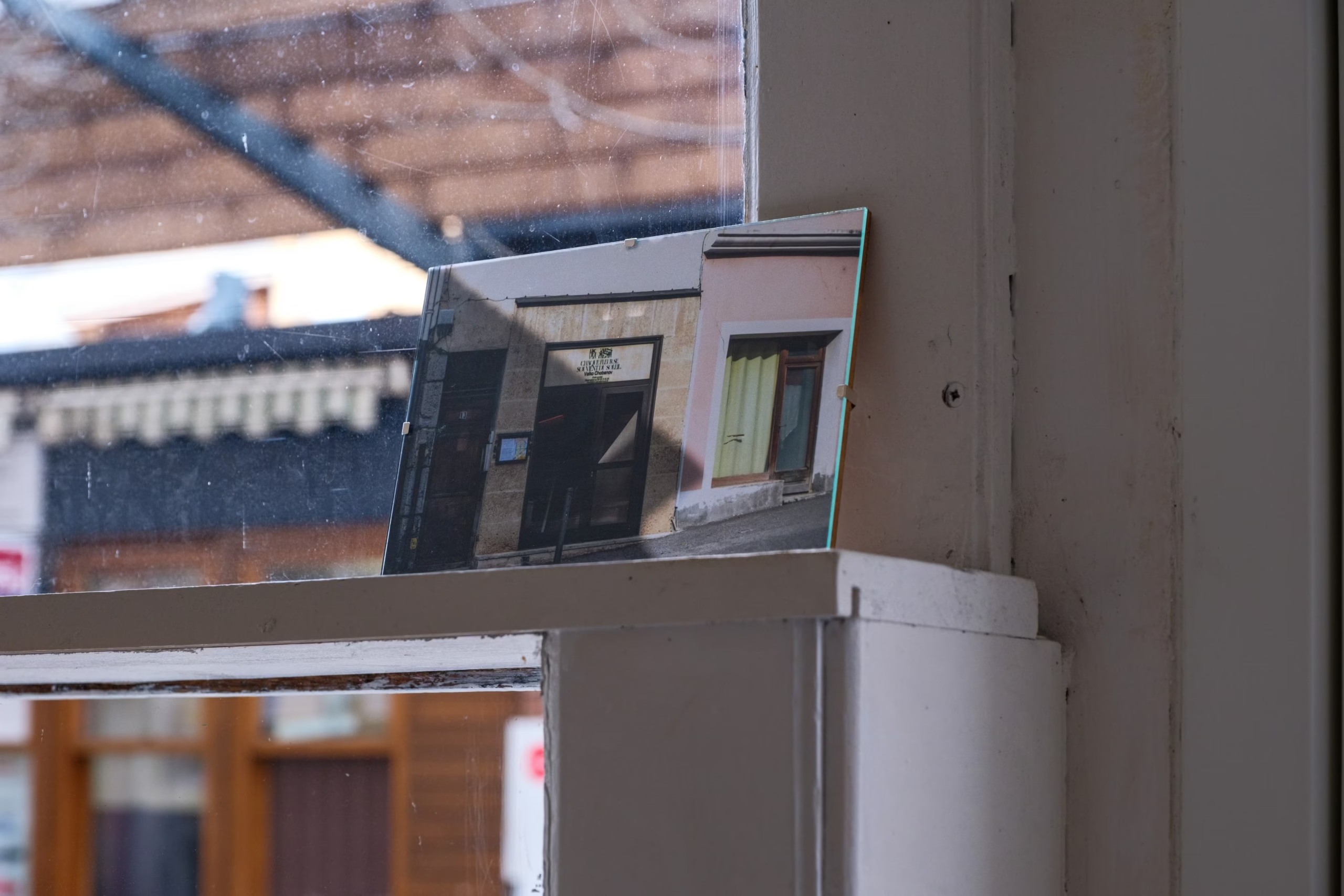
The Lignes de désir project was realised in 2025 inside the empty shops in the historical city centre of Digne-les-Bains, France. Within the walls of seven shops, eight Bulgarian artists (and one French), invited by the Cairn Art Centre, displayed their site-specific works – a result of three years of artistic research.
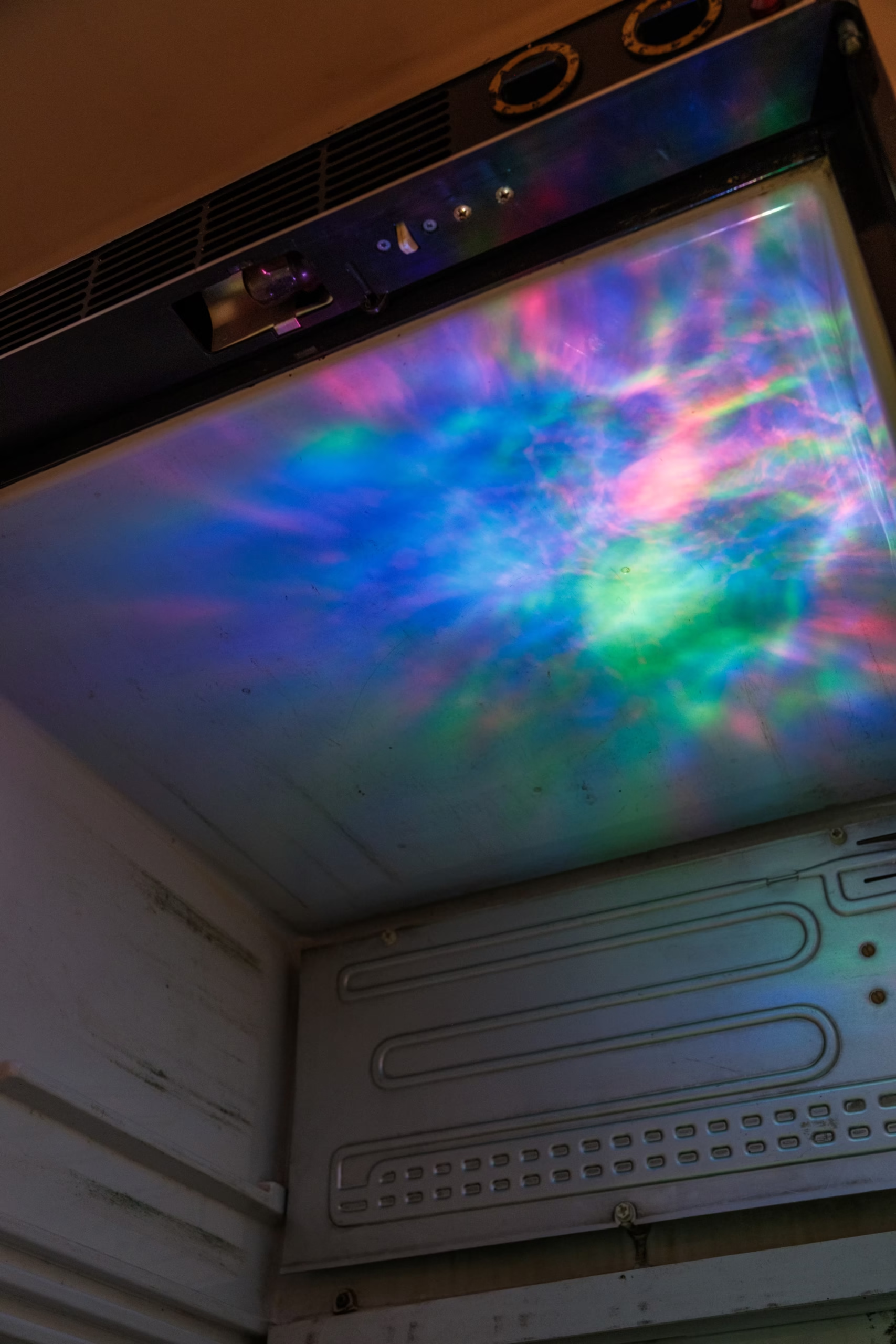
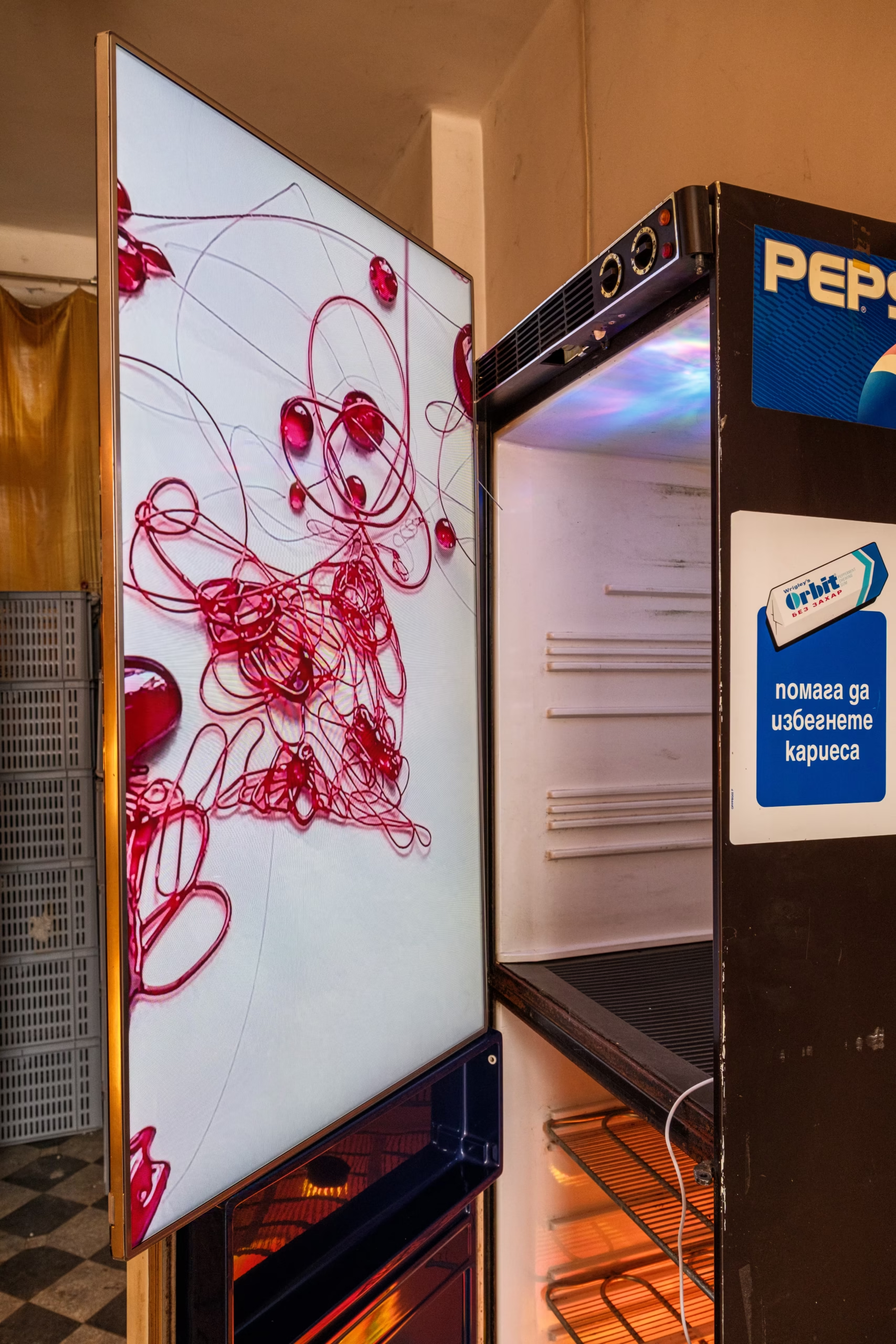
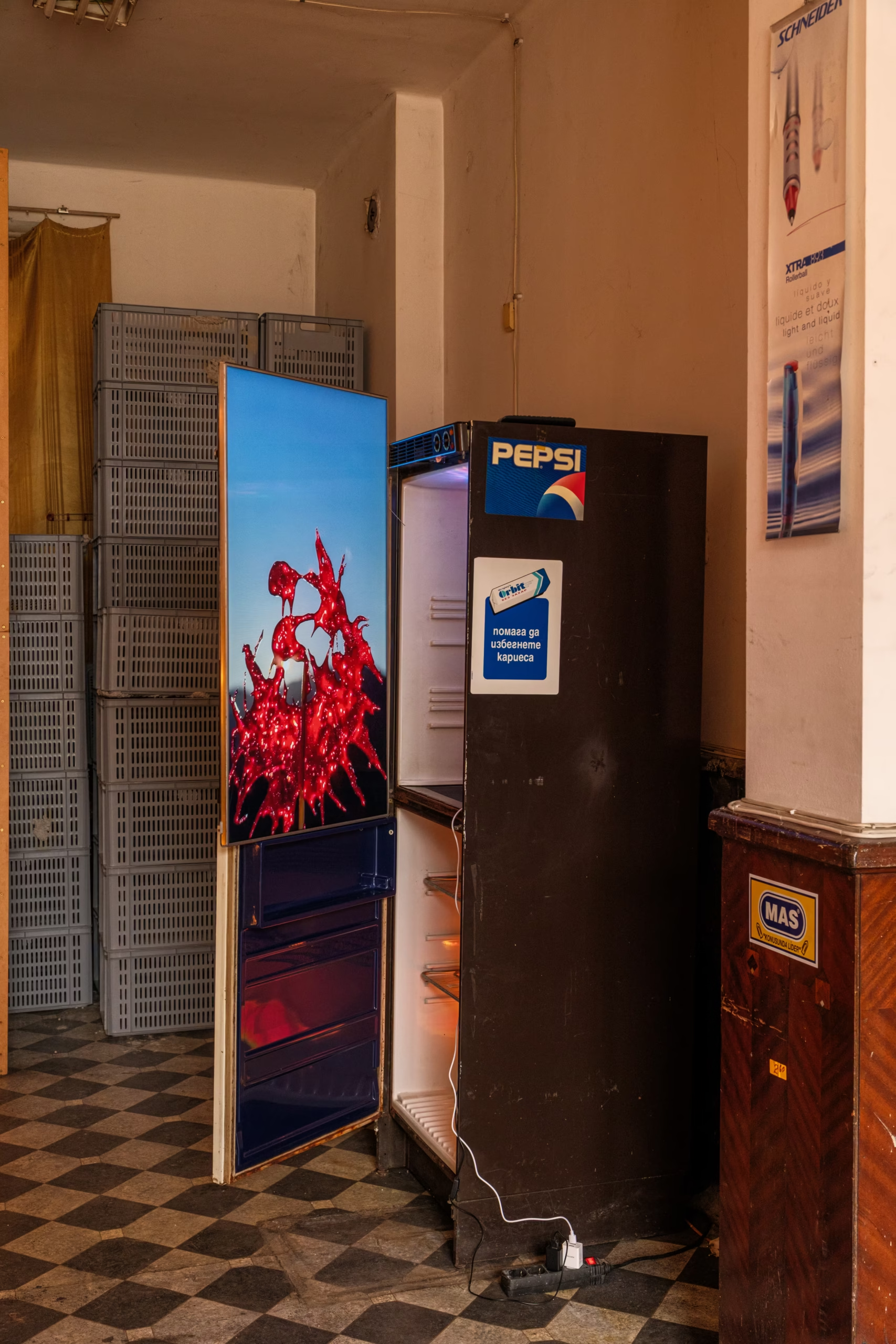
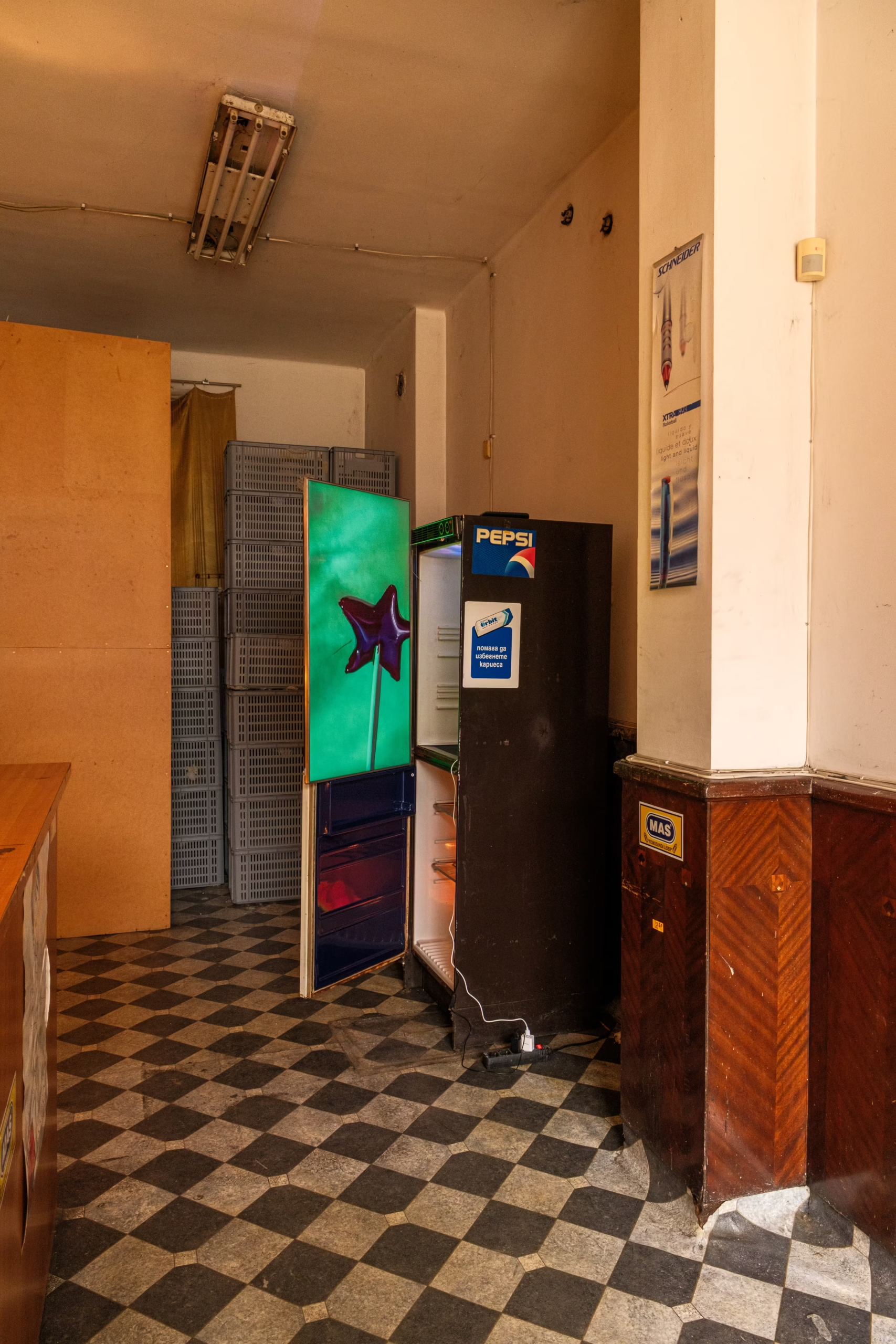
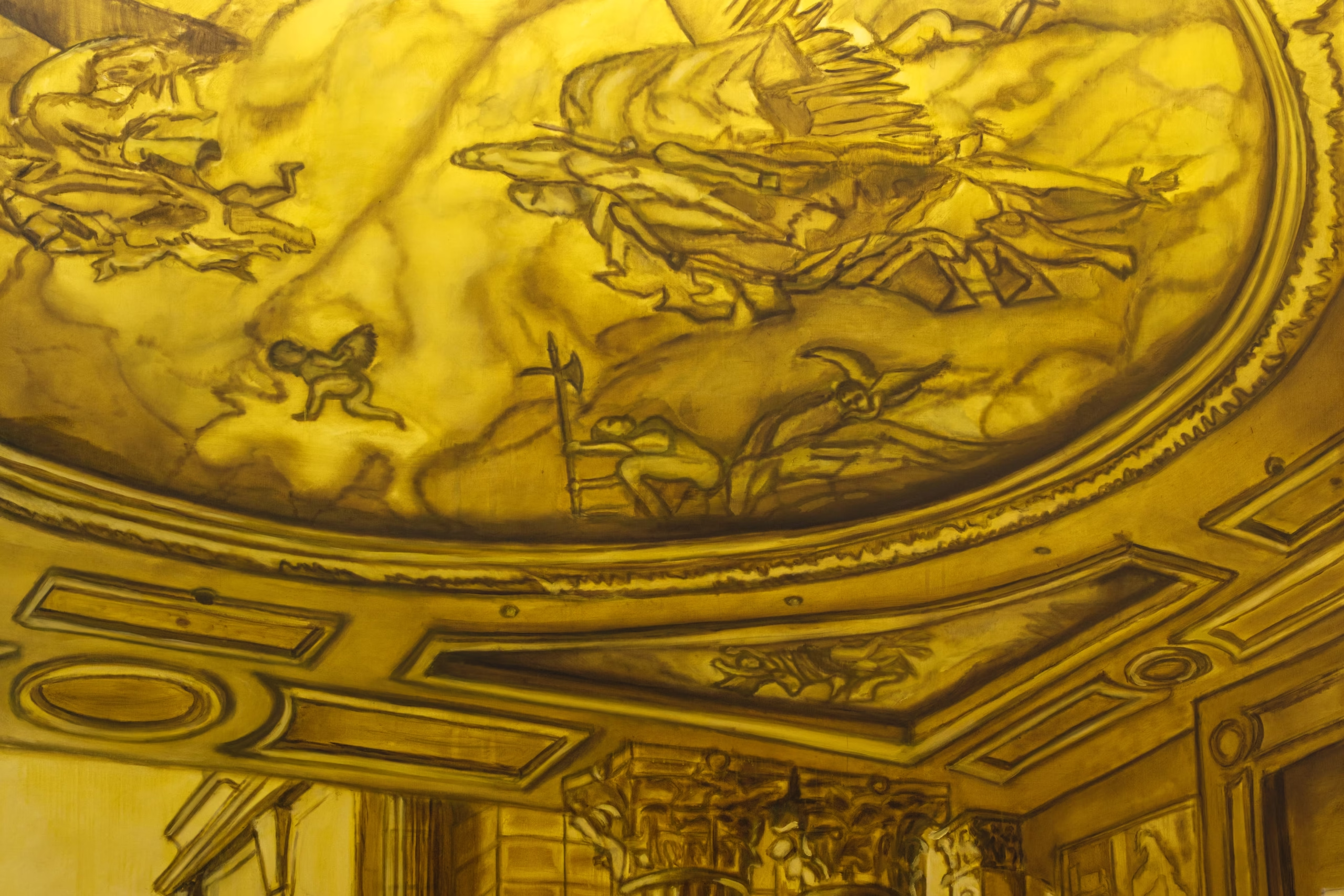
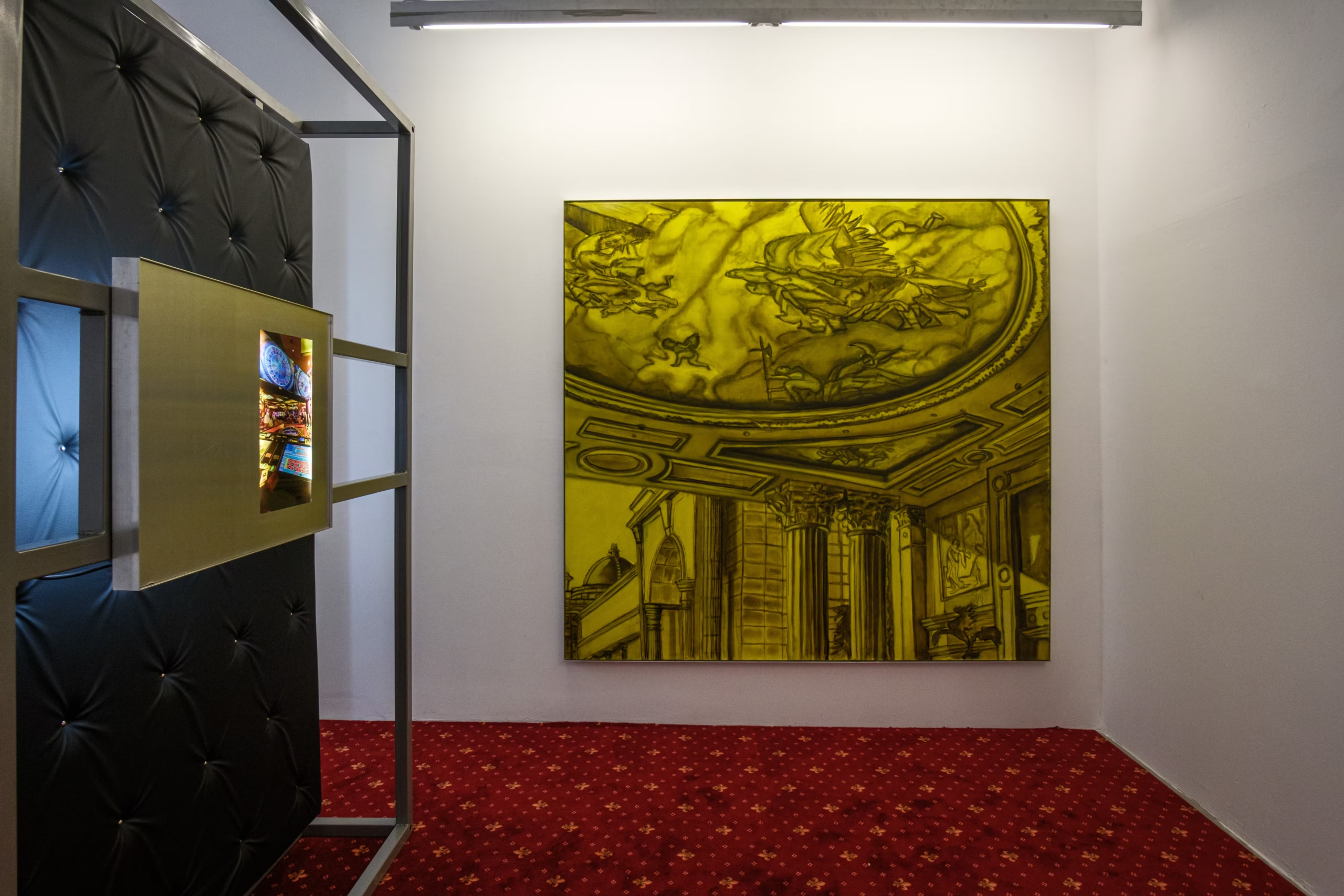
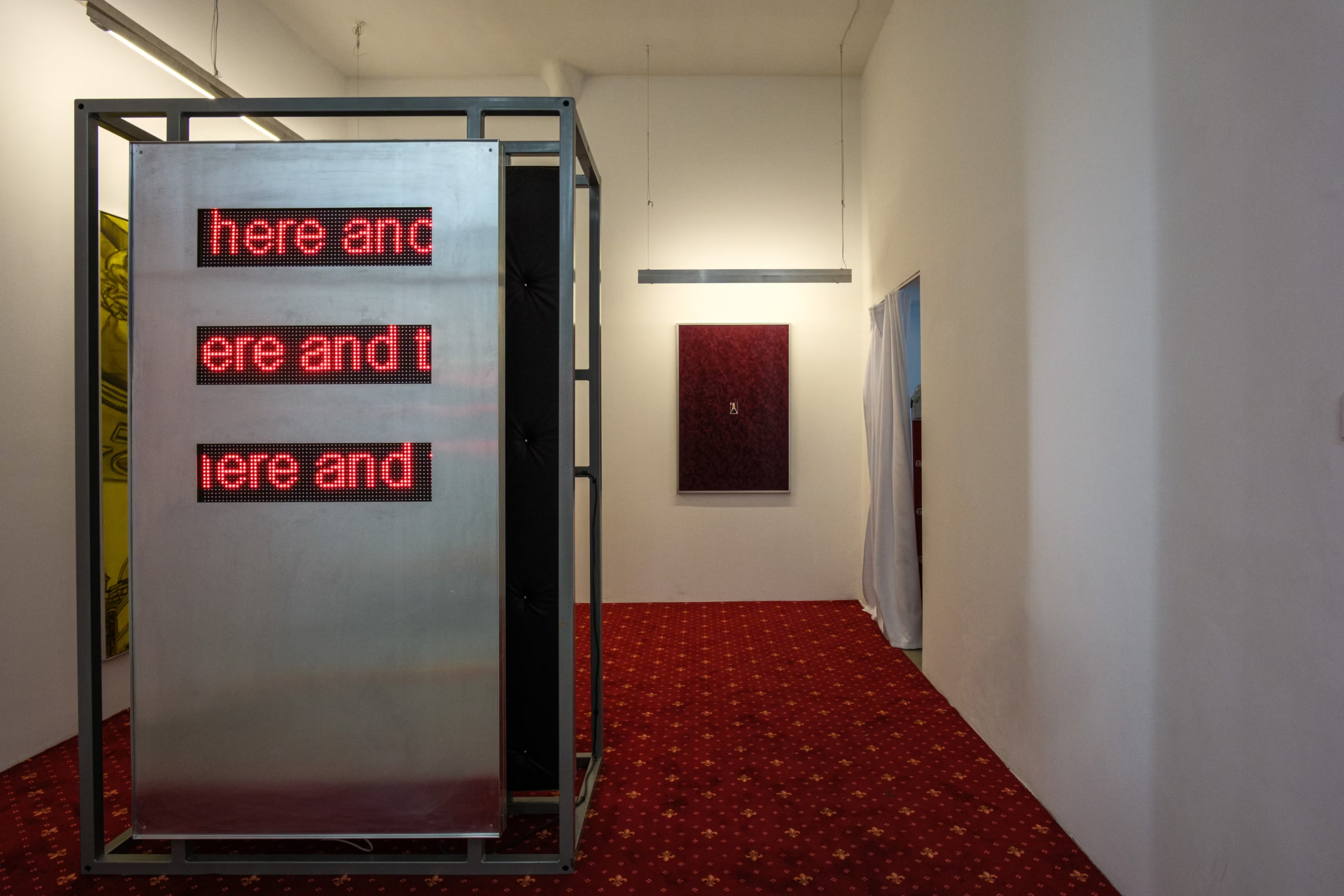
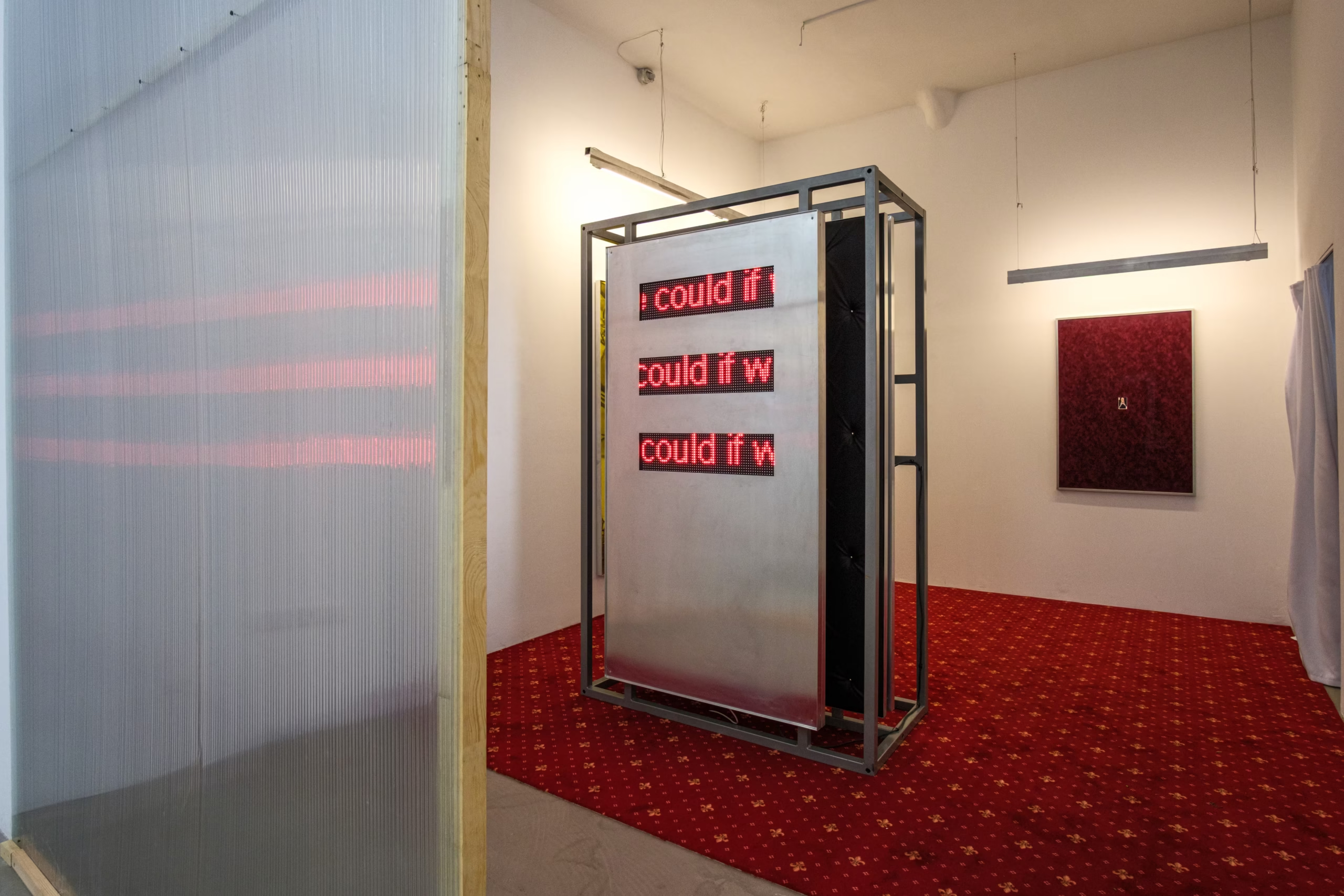
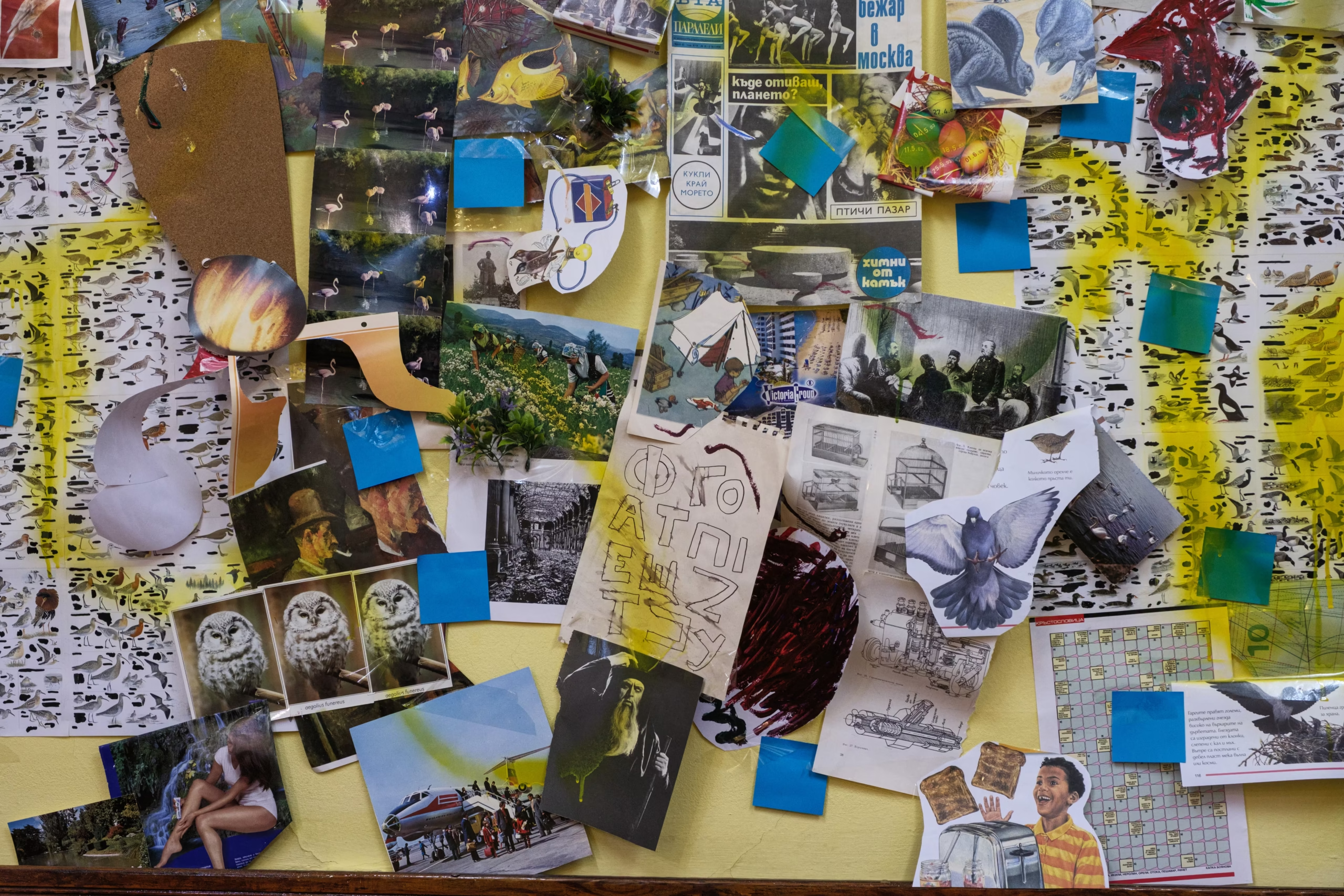
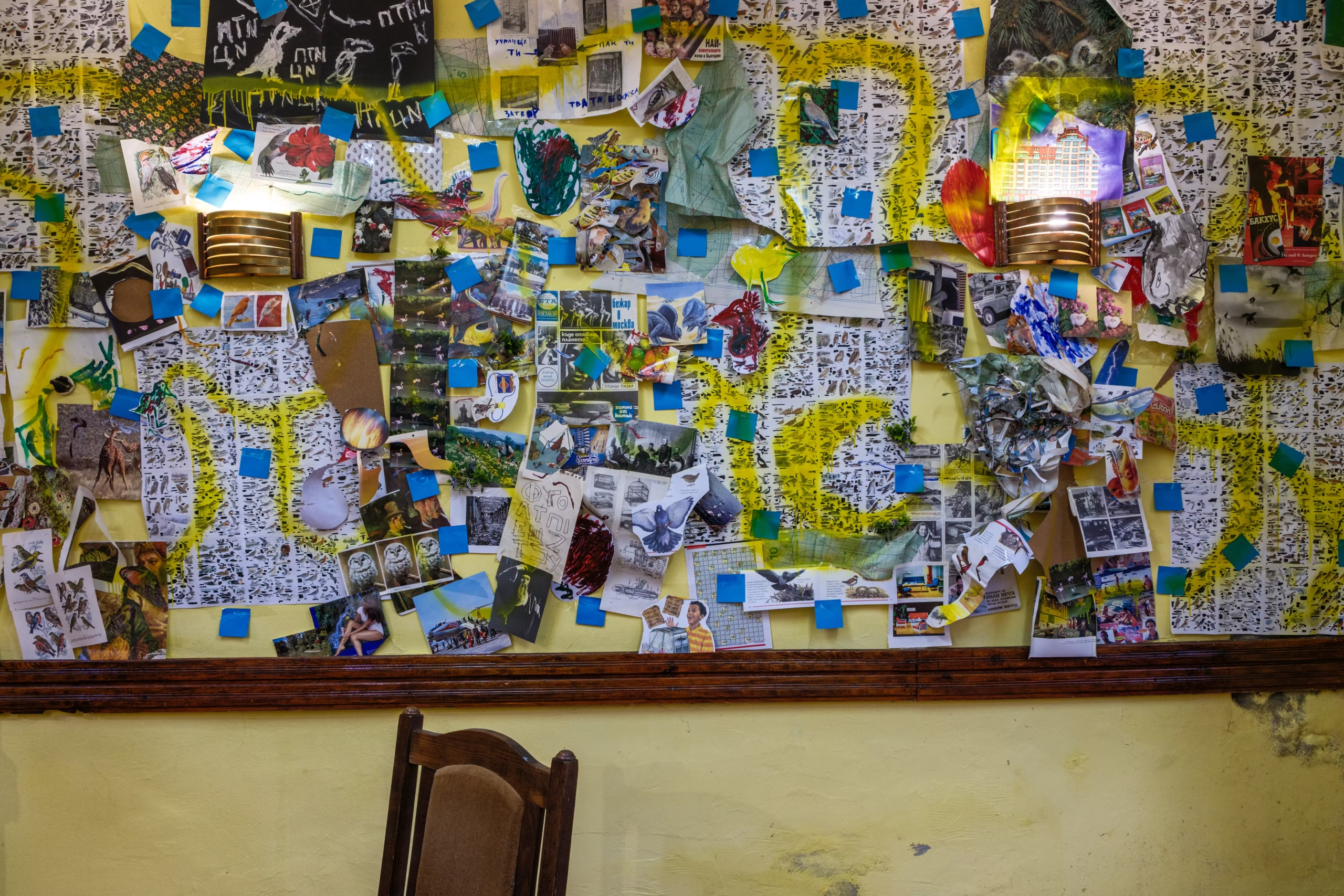
By experimenting with these spaces for commerce, their changing content and the way these changes reflect time – its needs, desires and tensions – the exhibition offers a speculative interpretation of the stories of the empty shops, bringing together past and present, real and imaginary. The project considers the shops and their displays as mechanisms for creating imagination, as spaces related to a town’s collective dreaming.
In February 2026, the exhibition is shown at the Women’s Market in Sofia at the PUNTA and Cable Depot galleries, as well as shops and cafés on Stefan Stambolov Blvd. It aims to discover points of contact between the contexts of the Women’s Market and the mountain town of Digne, while addressing the broader subject of the construction of our inner worlds through the market of desire, the pleasures of its consumption, but also the dangers this entails.
“I’m so glad this will be a gallery and not a seafood shop”, exclaimed Rosa, our neighbour in trade, during the renovations of the soon-to-be-opened PUNTA Gallery. And indeed, in the basement we found a few signs, saying “Fried Fish”, “Catch of the Day” and all sorts of inscriptions that helped us get an idea why she felt relief. Over the next couple of months, we gradually learned about the stages of transformation our space had gone through – until recently a thrift store, and once upon a time – a carding workshop. Businesses changed, so did society’s needs, but the place remained and seemed to aggregate the stories of its keepers. They lingered in the air like an invisible thread that we occasionally grasped and tried to analyse through our exhibition programme. Either way, the shops used to house something which was once desired, at least theoretically, until it wasn’t, or at least not enough, since it had left and gotten replaced by a new potential desire (or emptiness). Such was the case at the Women’s Market, such was the case at Digne-les-Bains too.
Our exhibition transposes the shops of Digne and the delicate human relations interwoven in their fabric to the historical centre of our capital. The amalgamation of these two realities raises the question of their potential coexistence.
Lignes de désir outlines several key propositions about the purpose of the market (in a wider sense) in the creation and navigation of our inner worlds. The closed small businesses in a town in Southern France serve as a starting point, while the reasons for their bankruptcy are very similar to the ones transforming the landscape of the Women’s Market in Sofia, such as the mass dissemination of supermarkets, the overproduction of cheap, low-quality goods by underpaid workers in poor countries, whose low price local traders simply cannot compete with. Such are the social and economic phenomena explored by the artists here. The exhibition engages with global processes, but instead of simply criticising capitalism and the neoliberal dystopia we live in – the commodification of the spiritual world into material goods that can be bought – I believe it also searches for something poetic in this material world of commodities and services and suggests unexpected interpretations and even thrilling subversive actions. With their stories and aura, the shops chosen for the occasion play a key part here alongside the artists and their works. They have agency – sometimes the space overcomes the work, cracking it open and remaking it anew. The work offers no resistance on its end; it complies – this gives rise to new commentary on the subjects that the artists have initially set forth in their works. In that sense, as we walk along Stefan Stambolov Blvd., we should attune our ways of seeing, awakening our imagination, filling in the empty spaces. We could bend time like an elastic band – what has been desired by the people who came before us? And what are we dreaming about?
-Boyana Dzhikova