

The city functions like an overloaded metabolic system. It pulsates with light and the movement of bodies entangled in the infrastructure. Its choreography is dictated by the rhythm of work and the circulation of capital.
The cells are exploited. The cells are exhausted. The cells are sick.
They do not heal evenly. Some become overgrown, while others die off only to be removed later. Progress comes at the expense of the bodies that sustain the entire system. More and more of them are functioning on the brink of exhaustion. More and more spaces are incorporated into the system, illuminated, heated, secured, monitored. The proliferation of walls and roofs does not, however, mean shelter. Access to light, heat, water, and silence is distributed unevenly. Some bodies can freely occupy space, while others are forced to function
pushed to the periphery, amid waste and dampness.
And yet, even within this overburdened organism, forms of coexistence emerge. Life constantly adapts. It finds its own outlets, its own ways of coping with everyday life.
But this is not enough. We need something more.
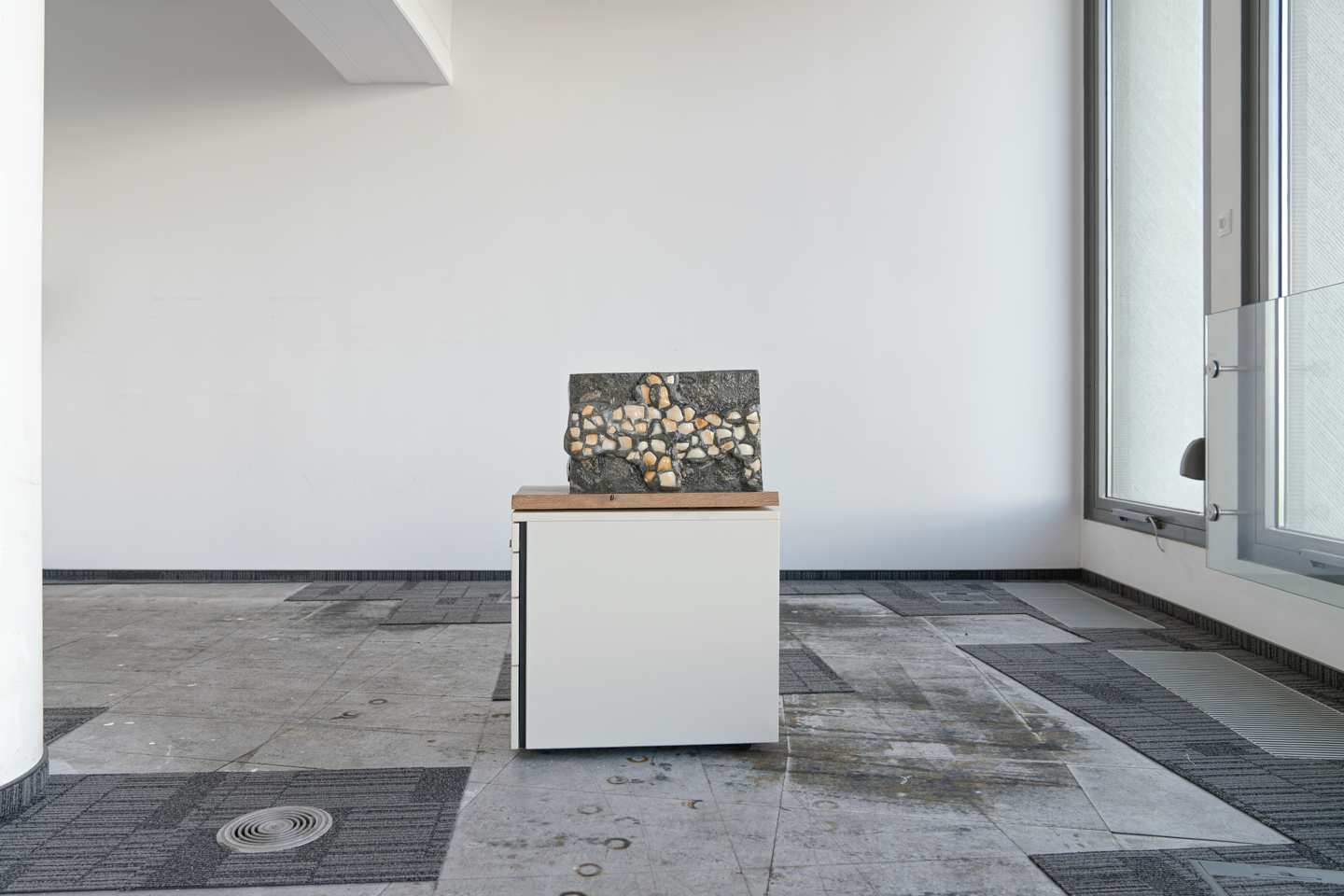
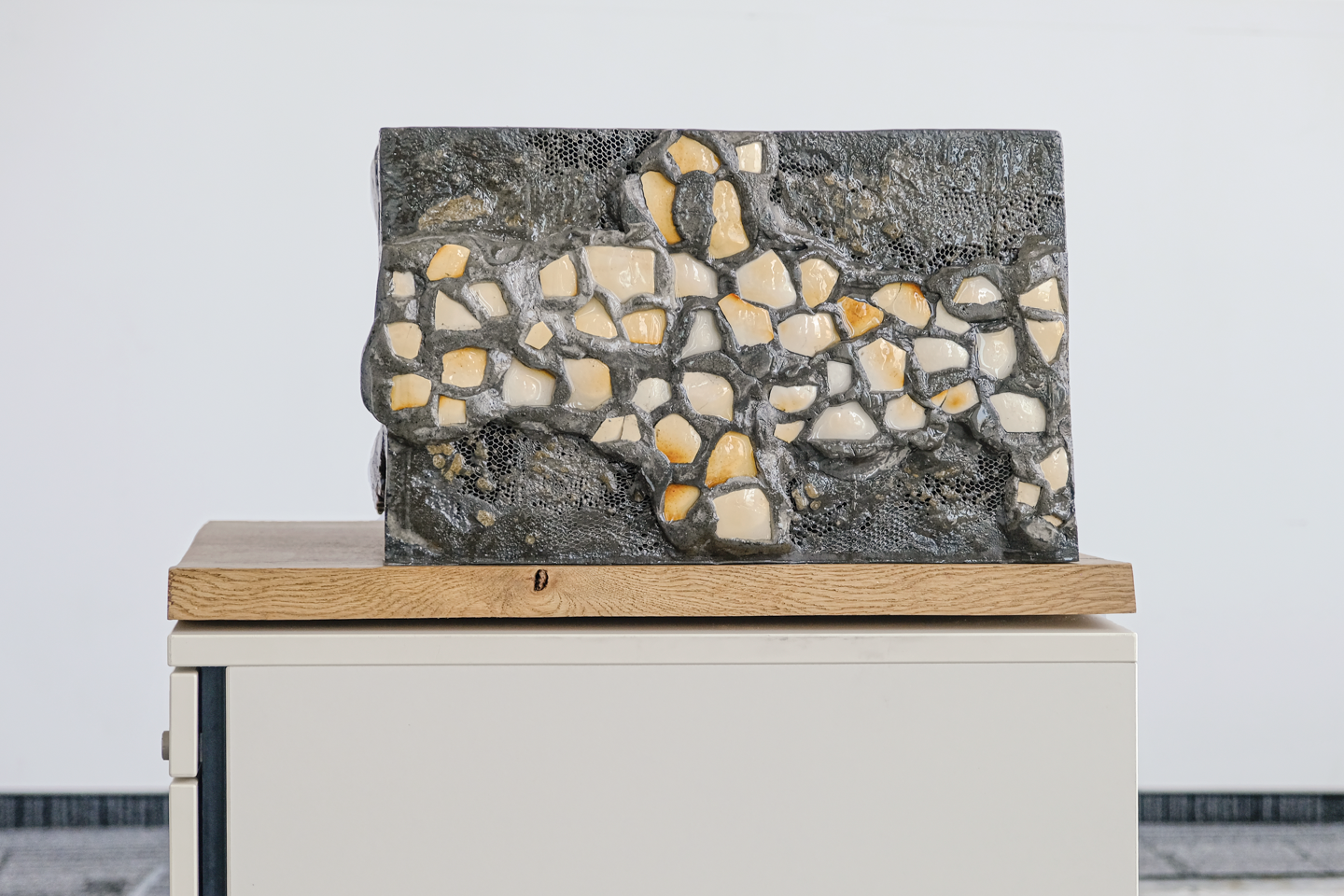
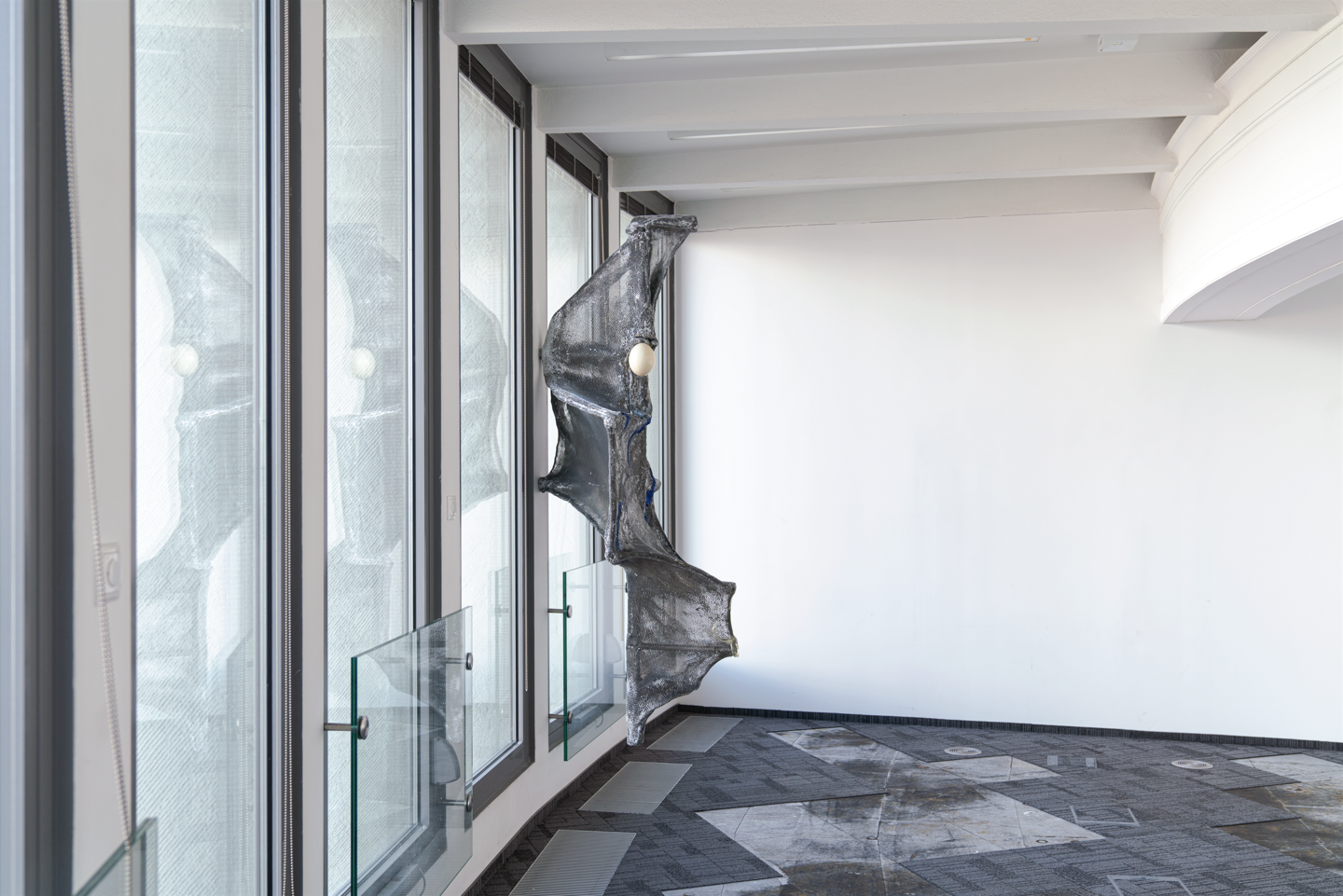
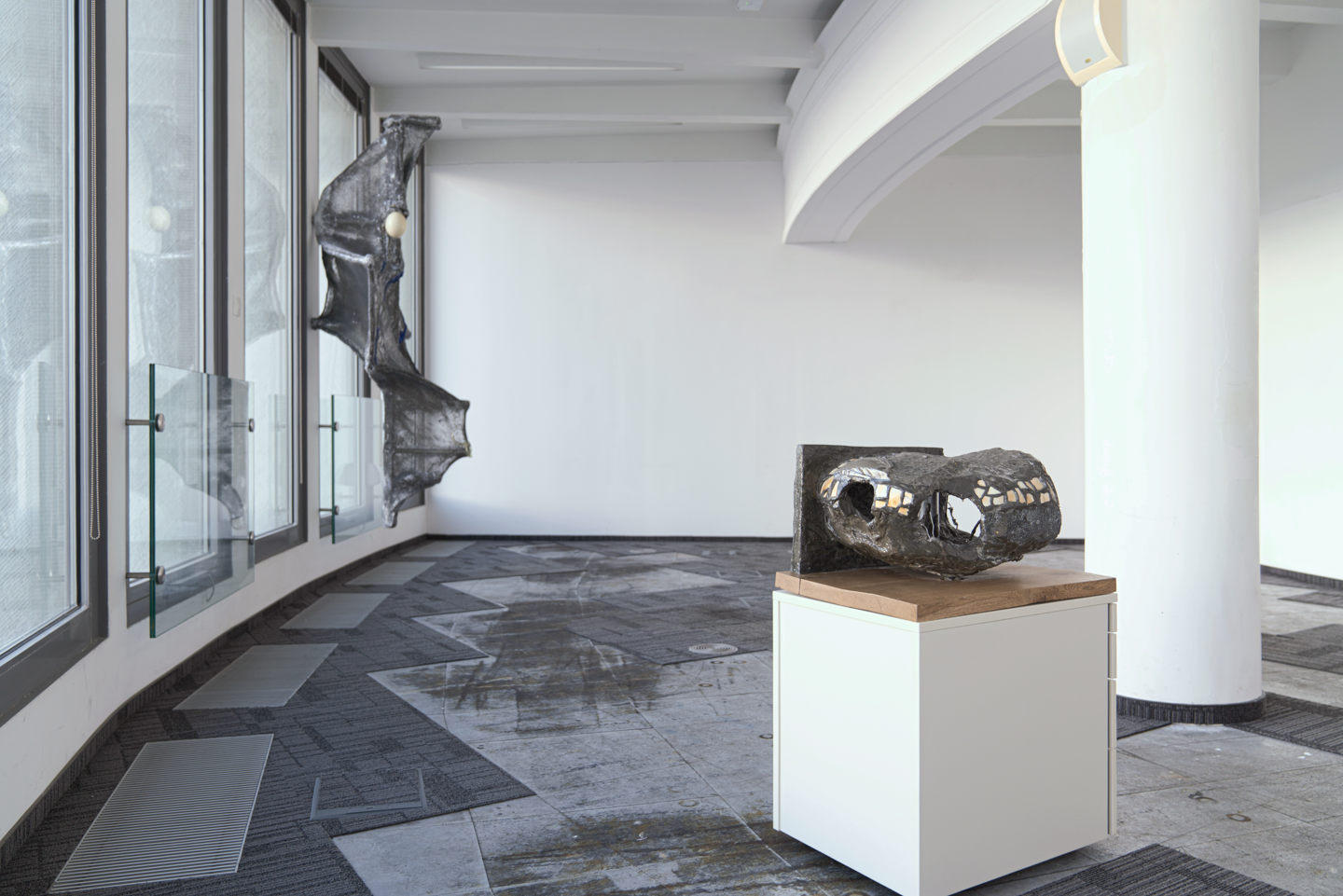
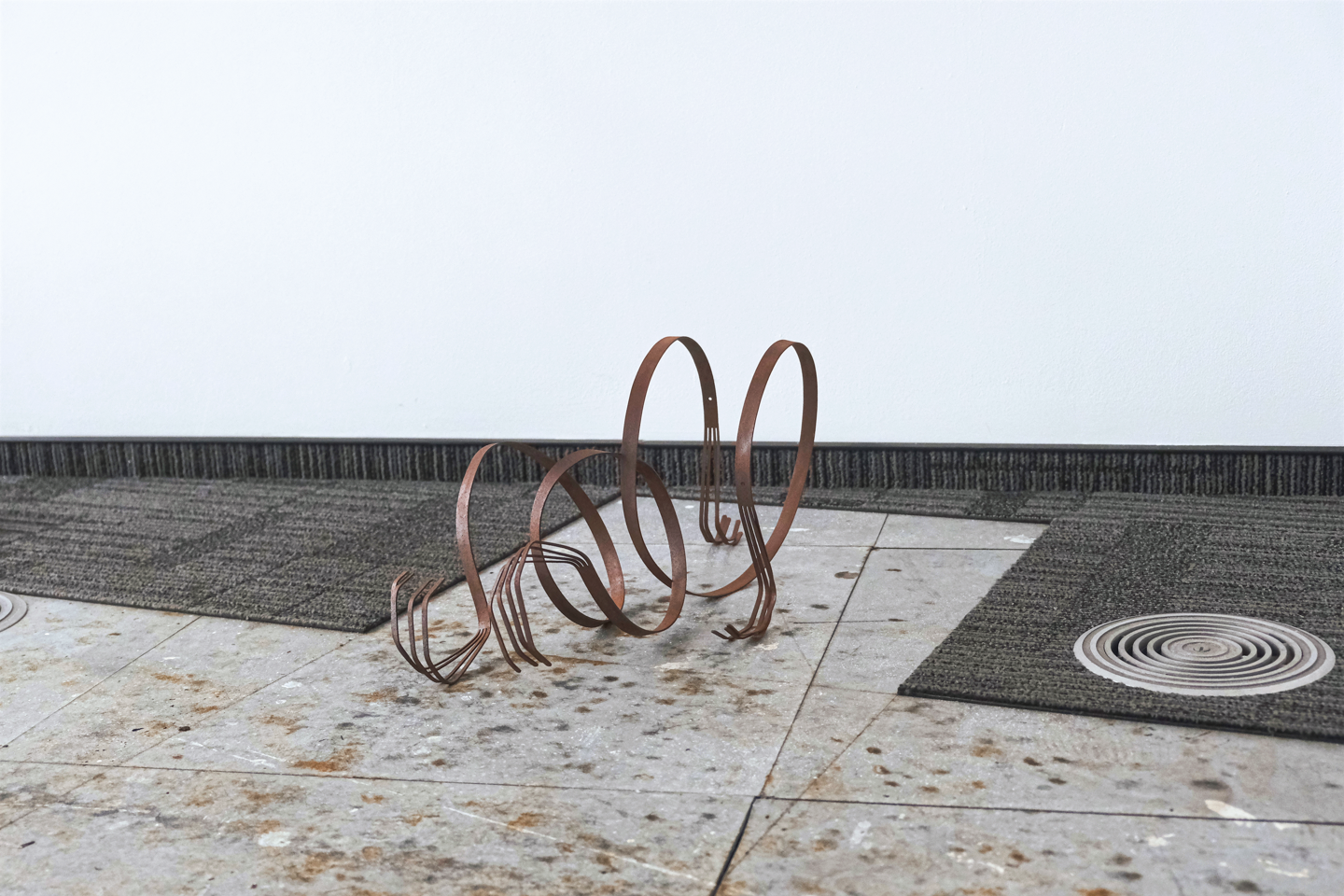
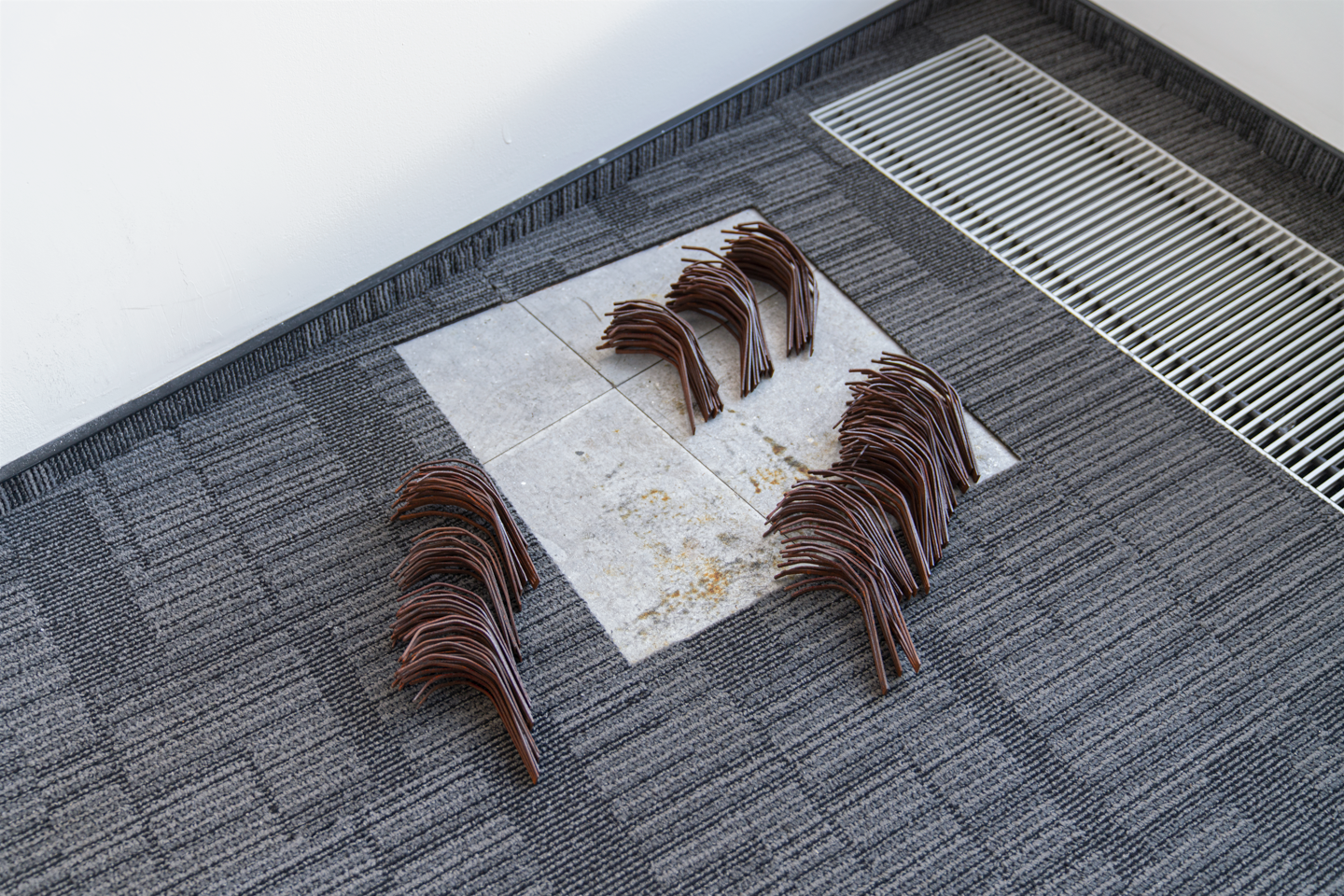
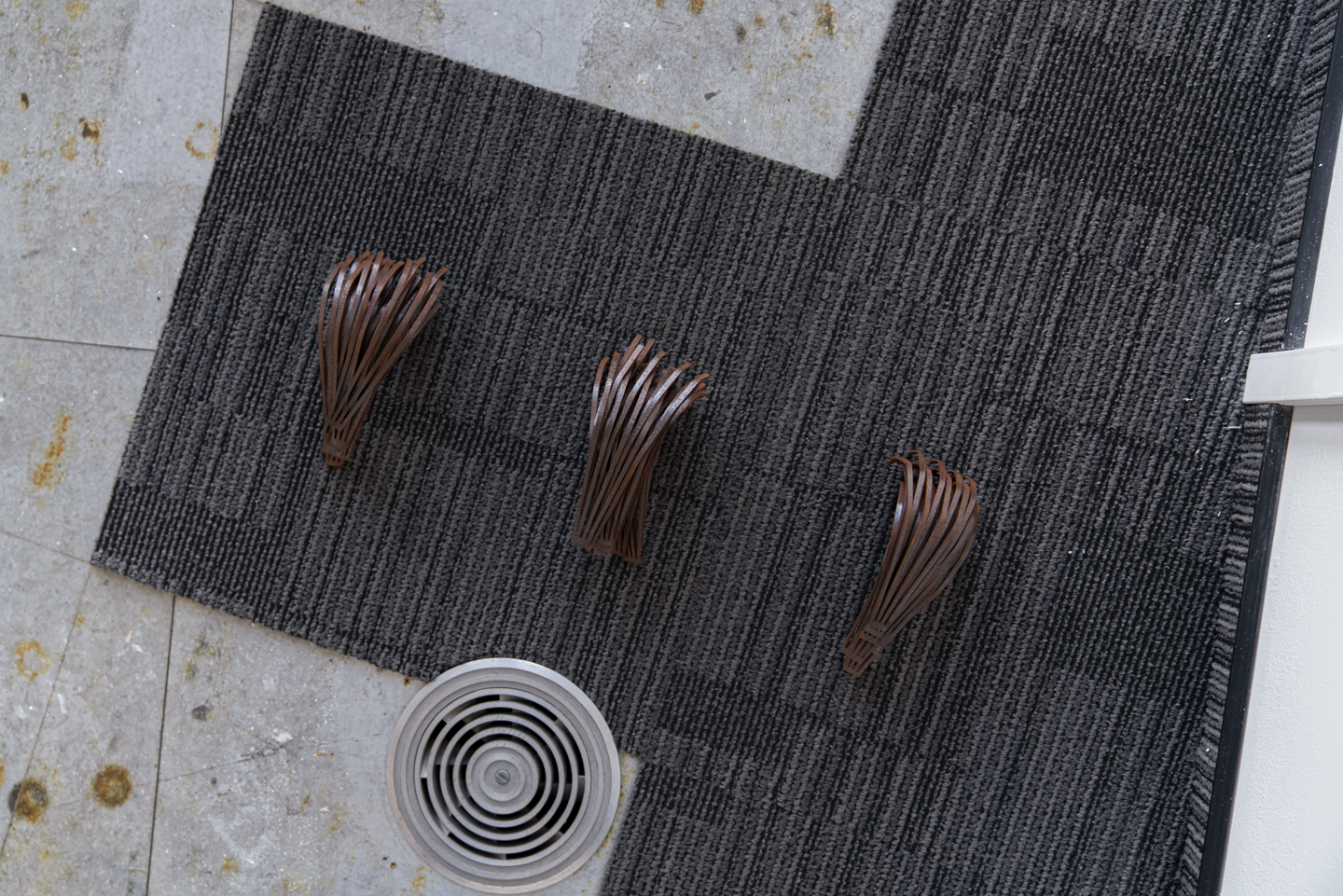
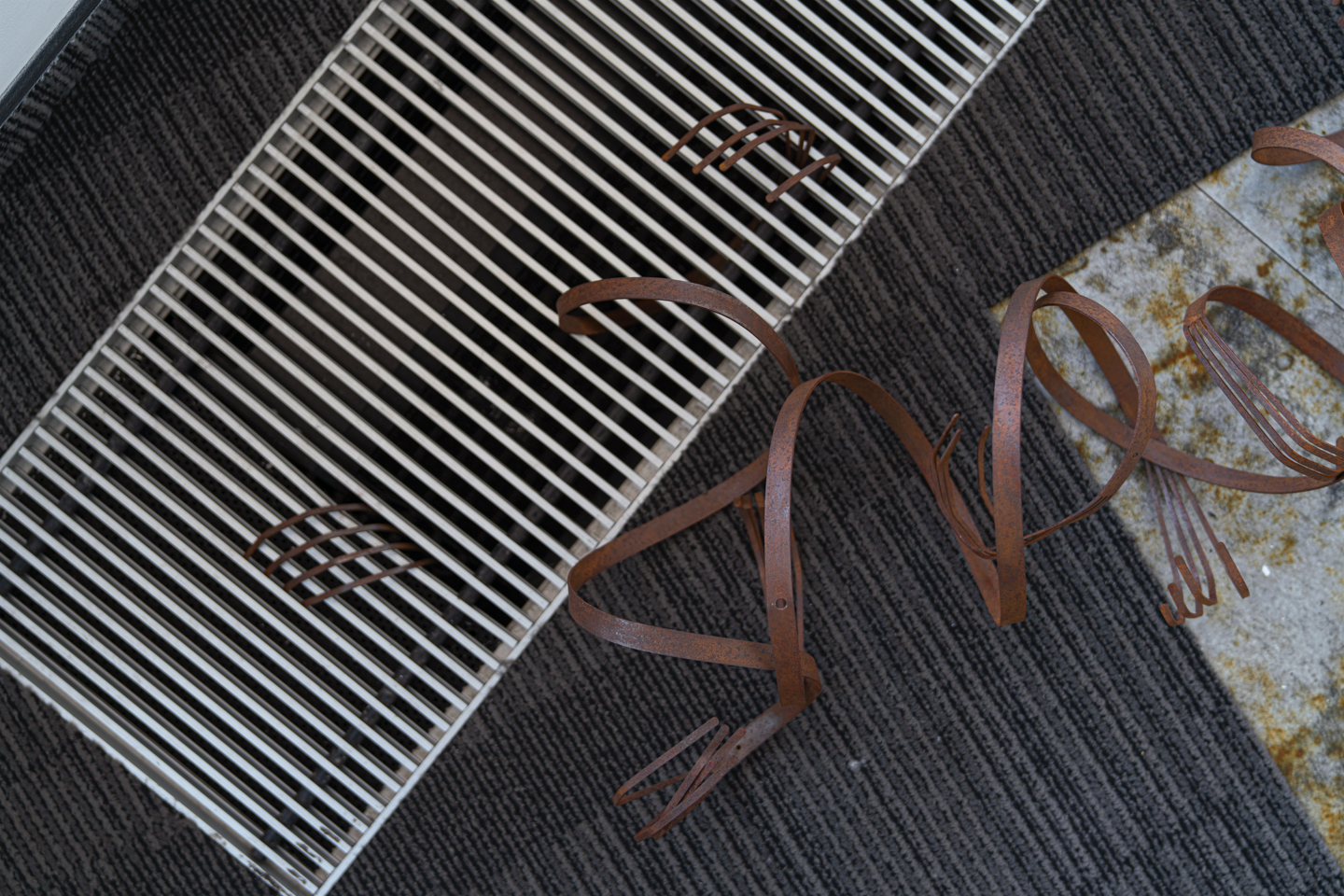
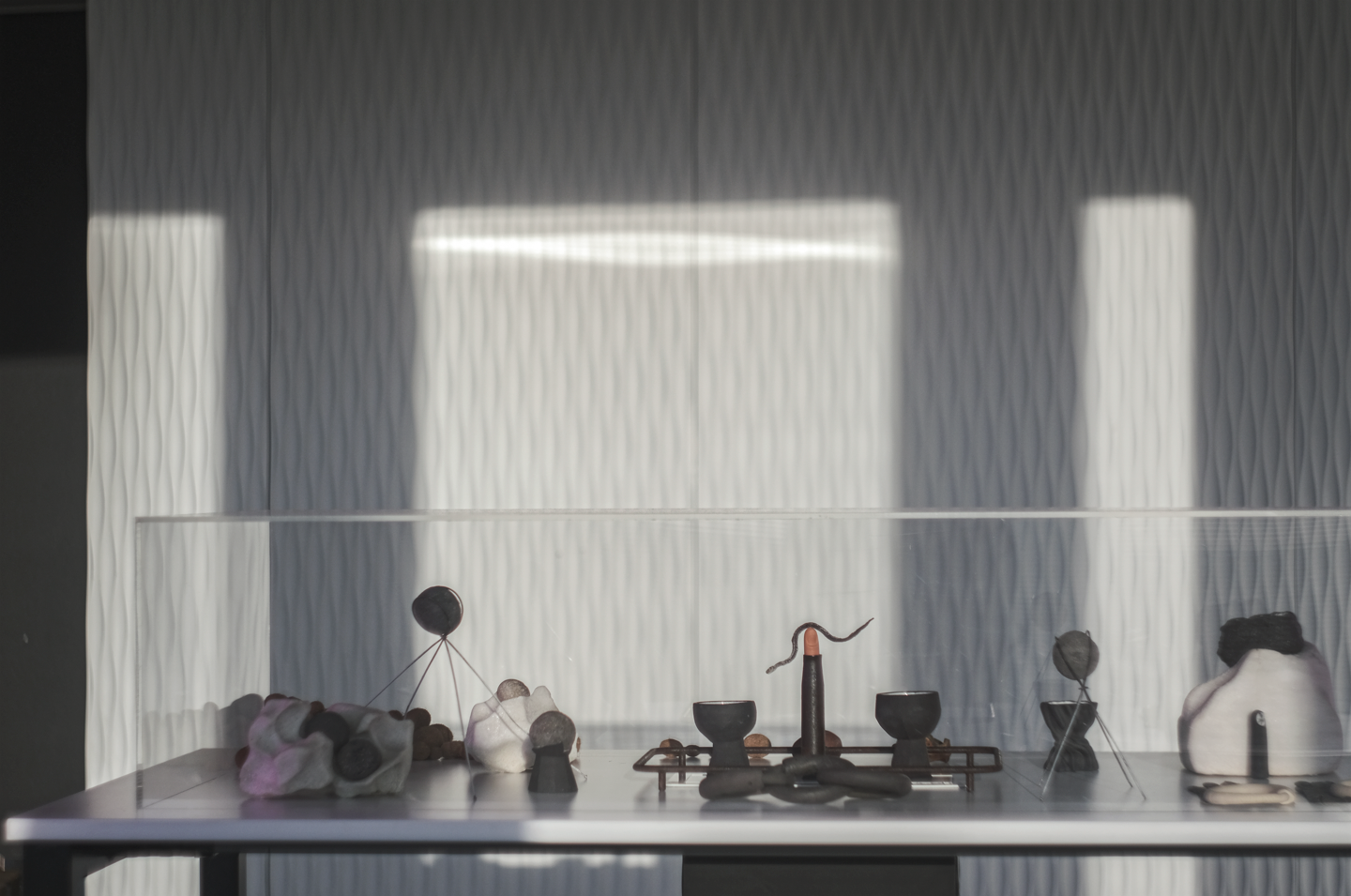
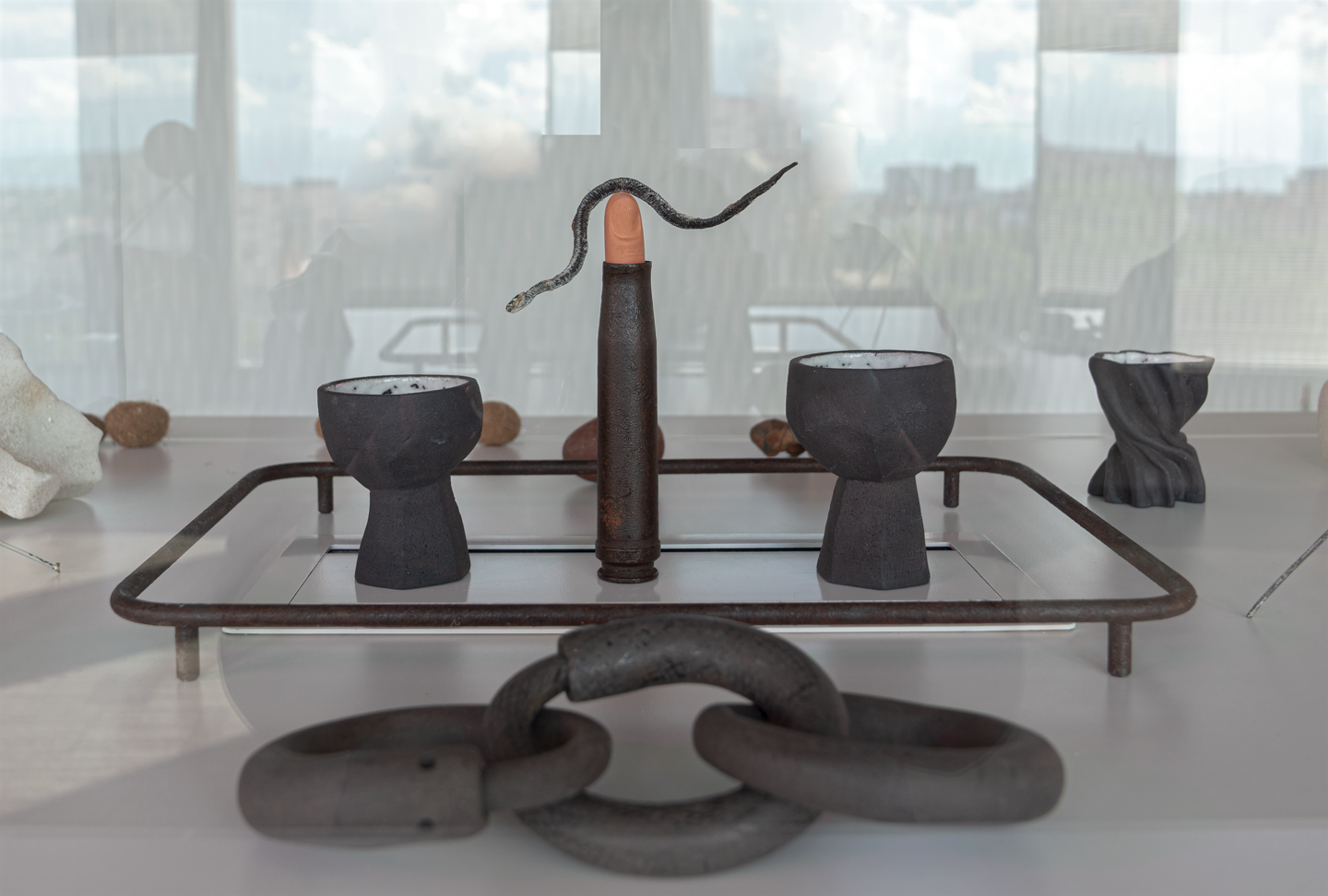
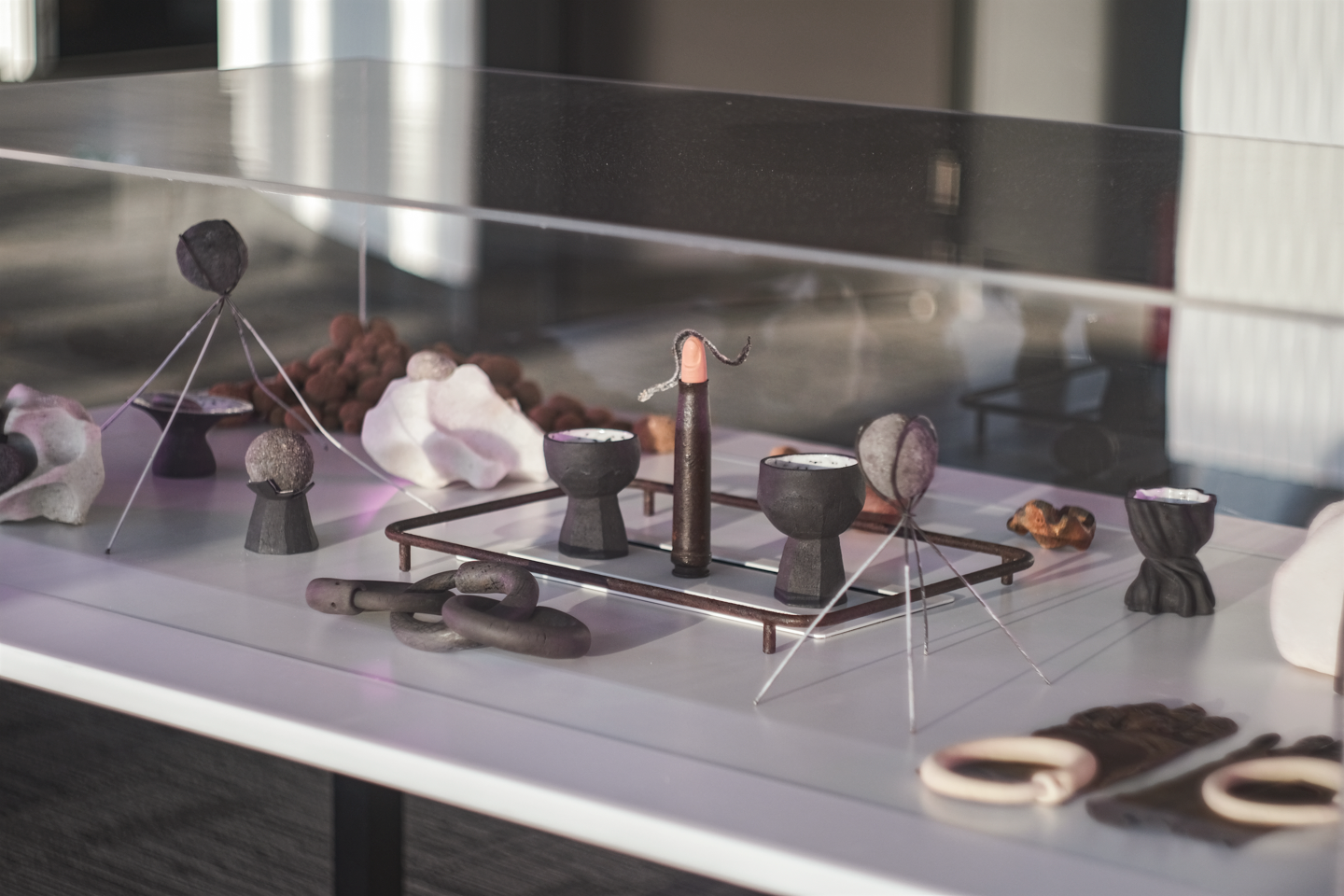
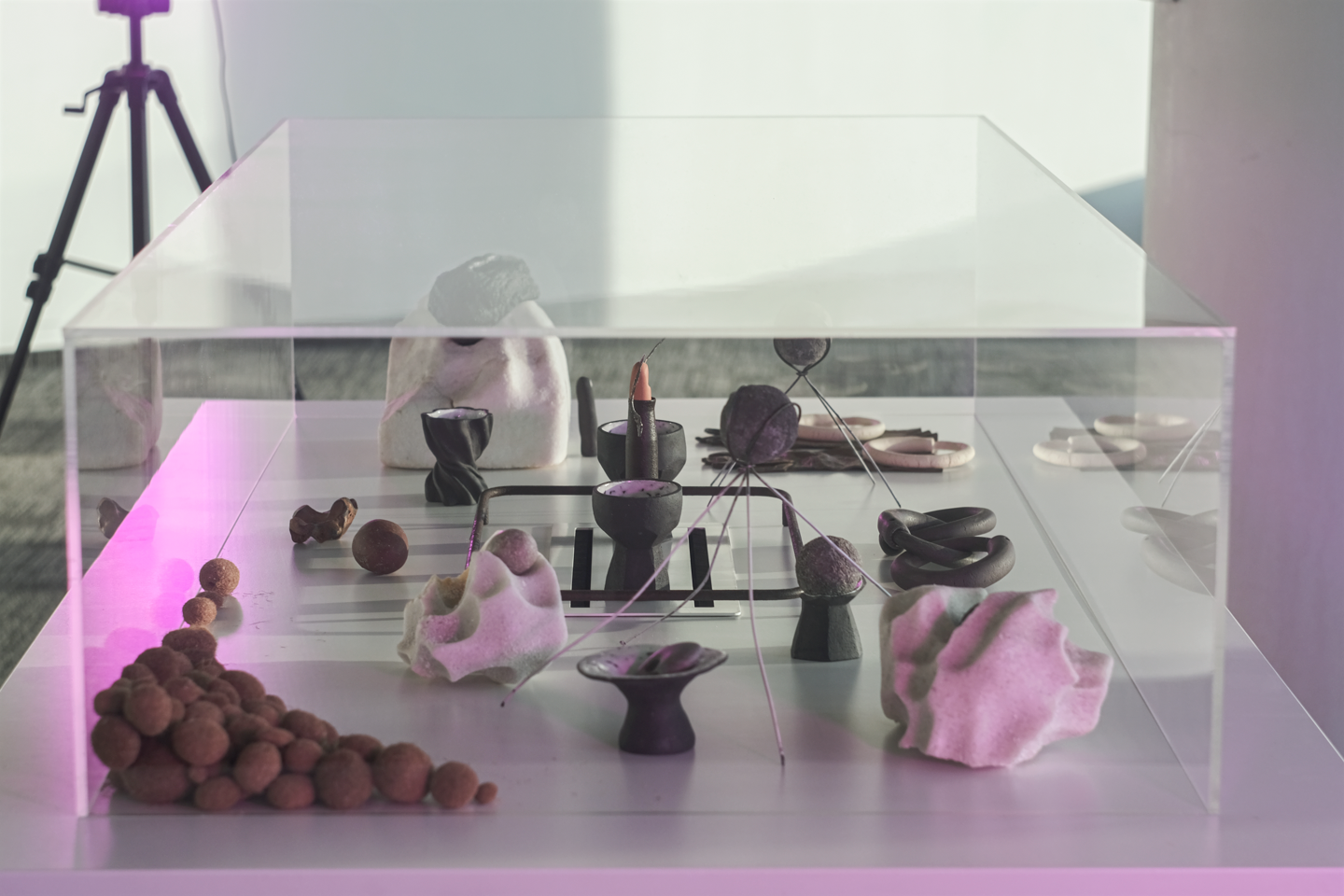
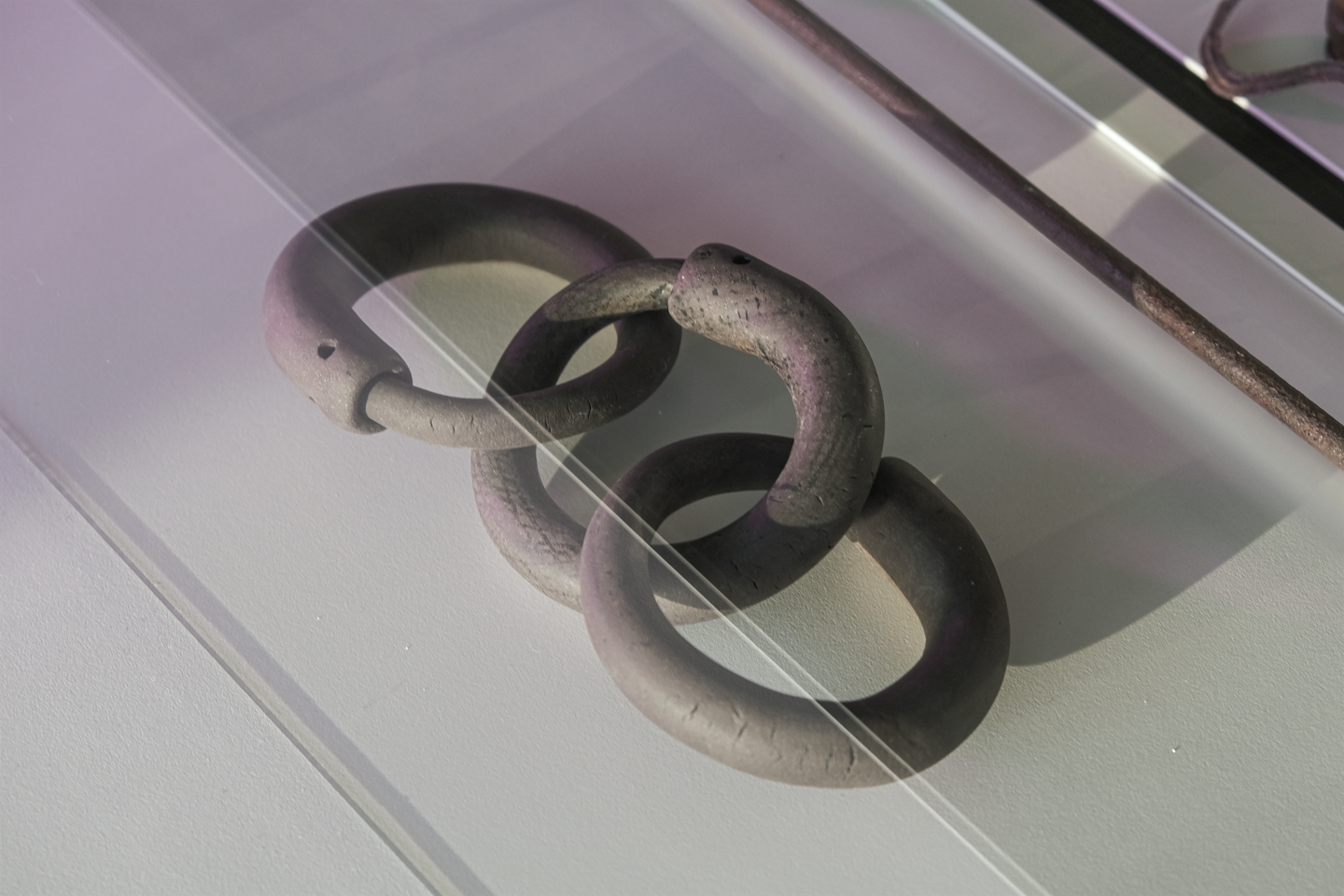
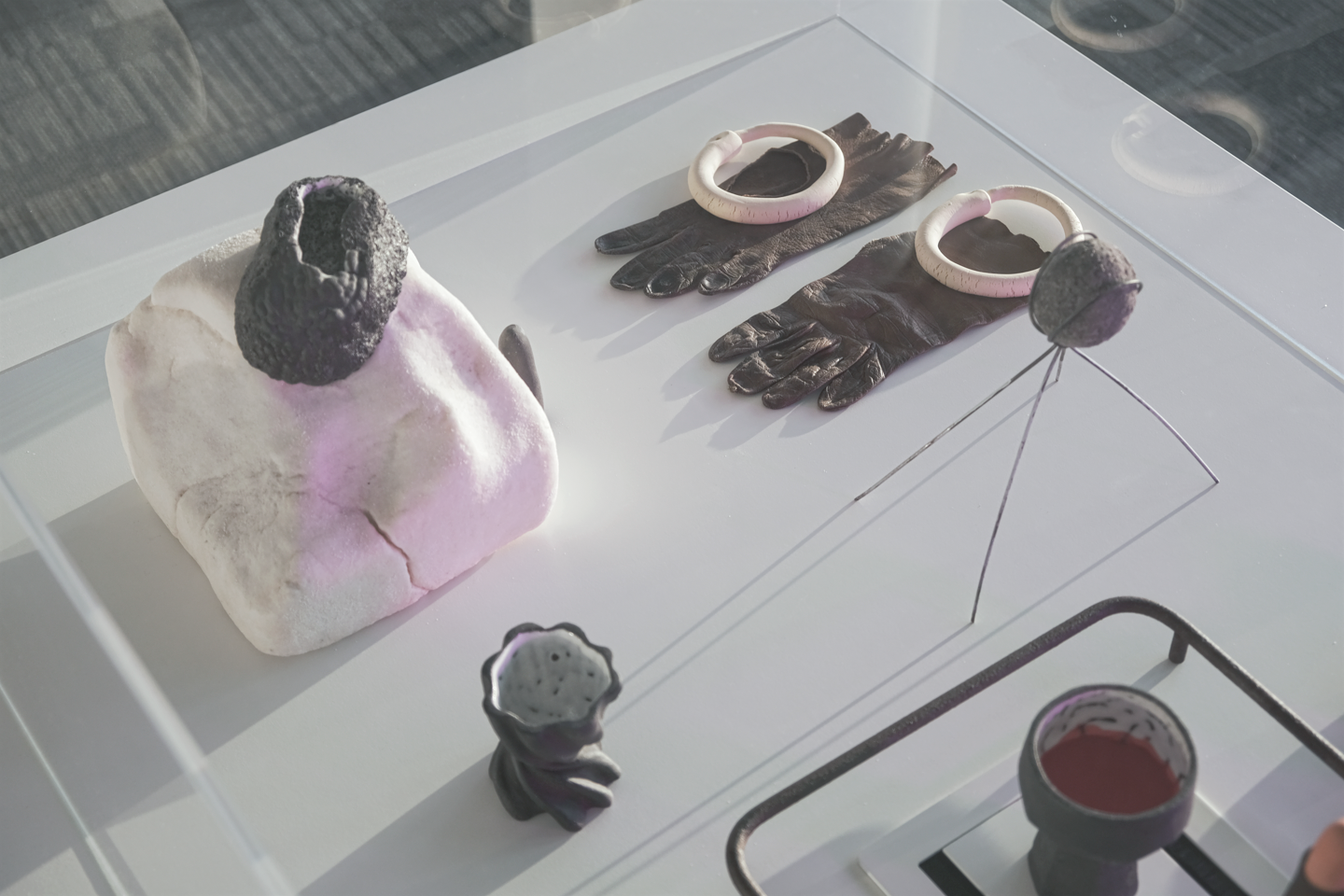
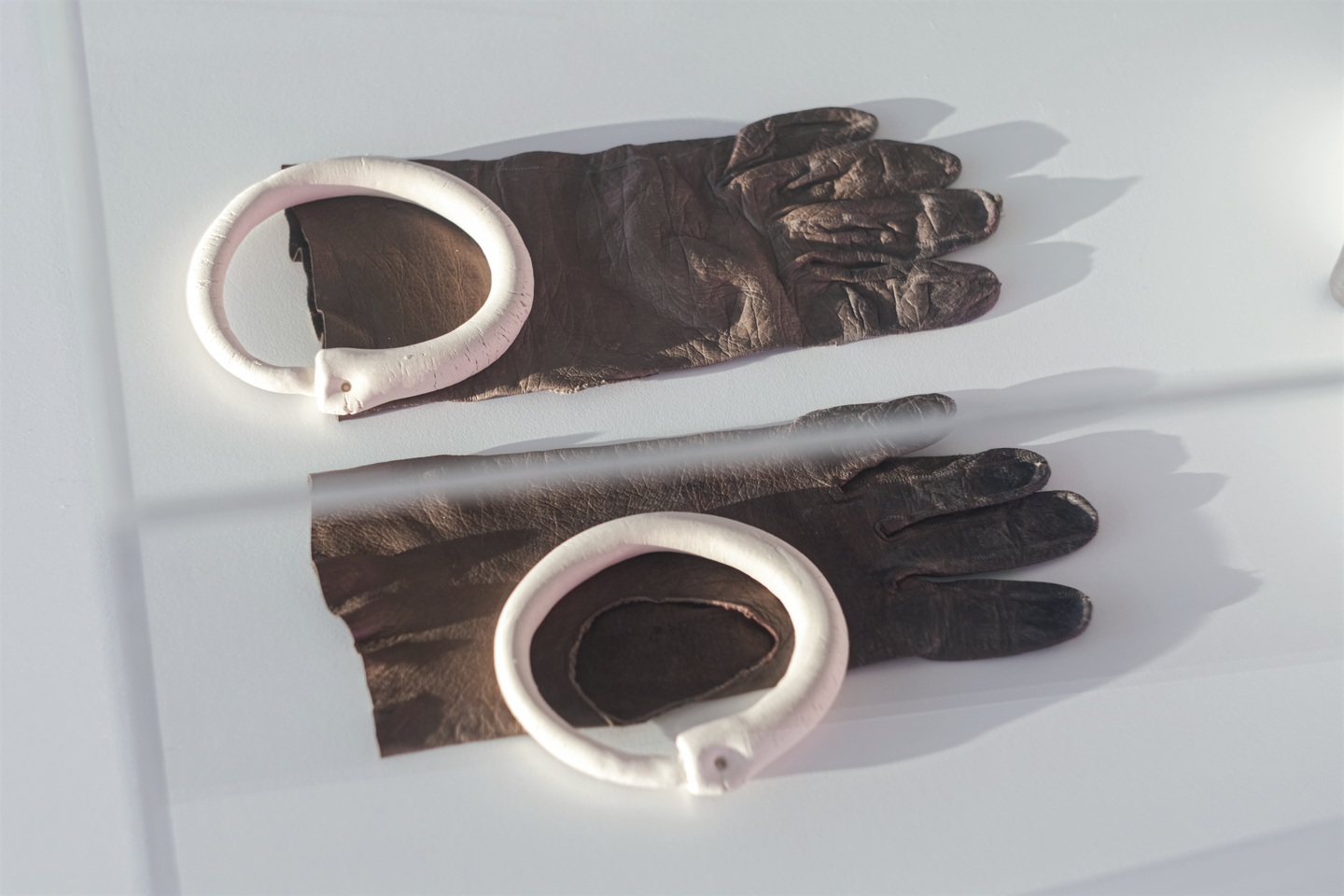
more-than-cities” is an ephemeral and symbolic materialization of a speculative model of the city, in which existing orders are suspended and other forms of coexistence are brought to life. The city functions like an overloaded metabolic system. It pulsates with light and the movement of bodies entangled in the infrastructure. Its choreography is dictated by the rhythm of work and the circulation of capital.
The cells are exploited. The cells are exhausted. The cells are sick.
They do not heal evenly. Some become overgrown, while others die off only to be removed later. Progress comes at the expense of the bodies that sustain the entire system. More and more of them are functioning on the brink of exhaustion. More and more spaces are incorporated into the system, illuminated, heated, secured, monitored. The proliferation of walls and roofs does not, however, mean shelter. Access to light, heat, water, and silence is distributed unevenly. Some bodies can freely occupy space, while others are forced to function
pushed to the periphery, amid waste and dampness.
And yet, even within this overburdened organism, forms of coexistence emerge. Life constantly adapts. It finds its own outlets, its own ways of coping with everyday life.
But this is not enough. We need something more.
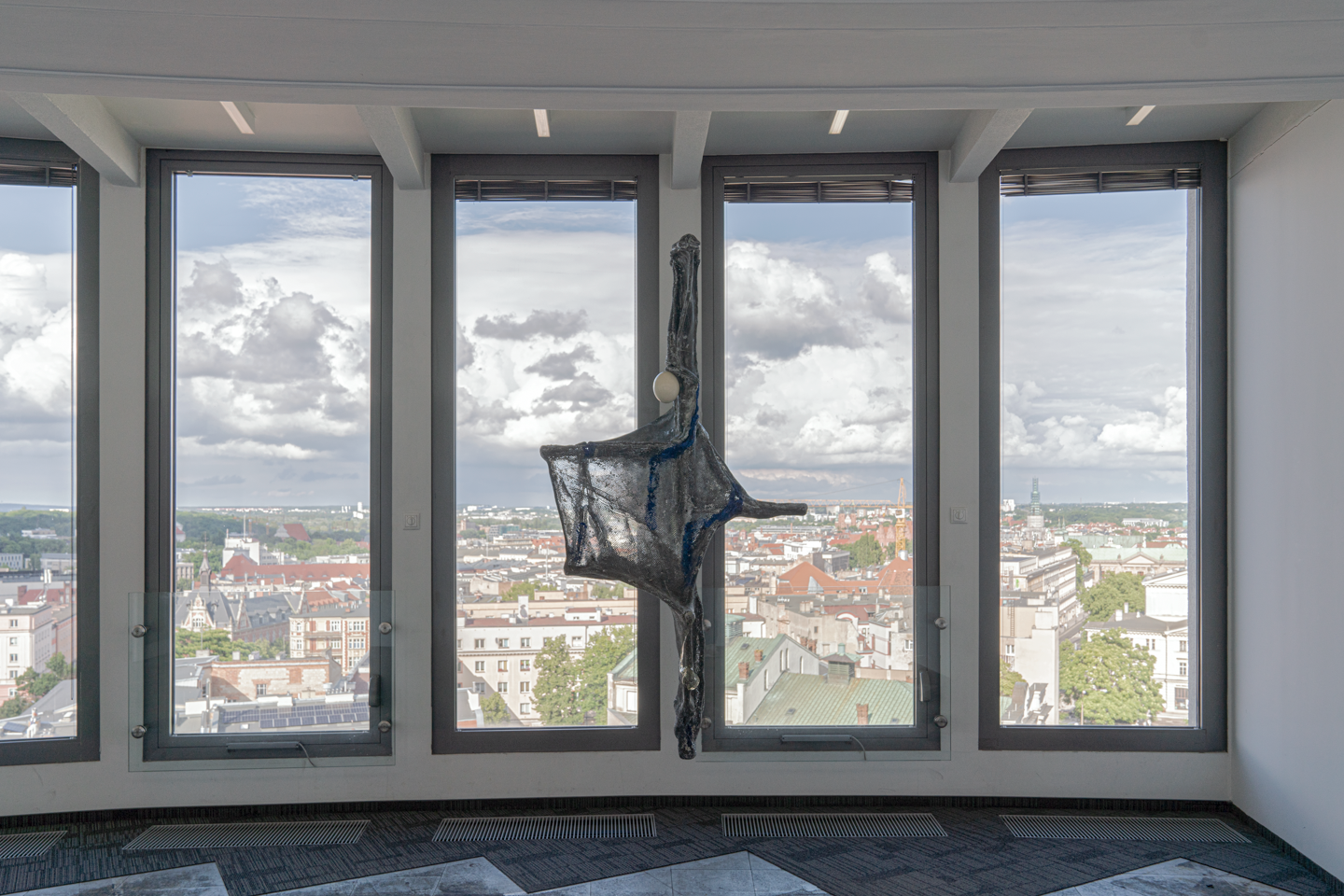
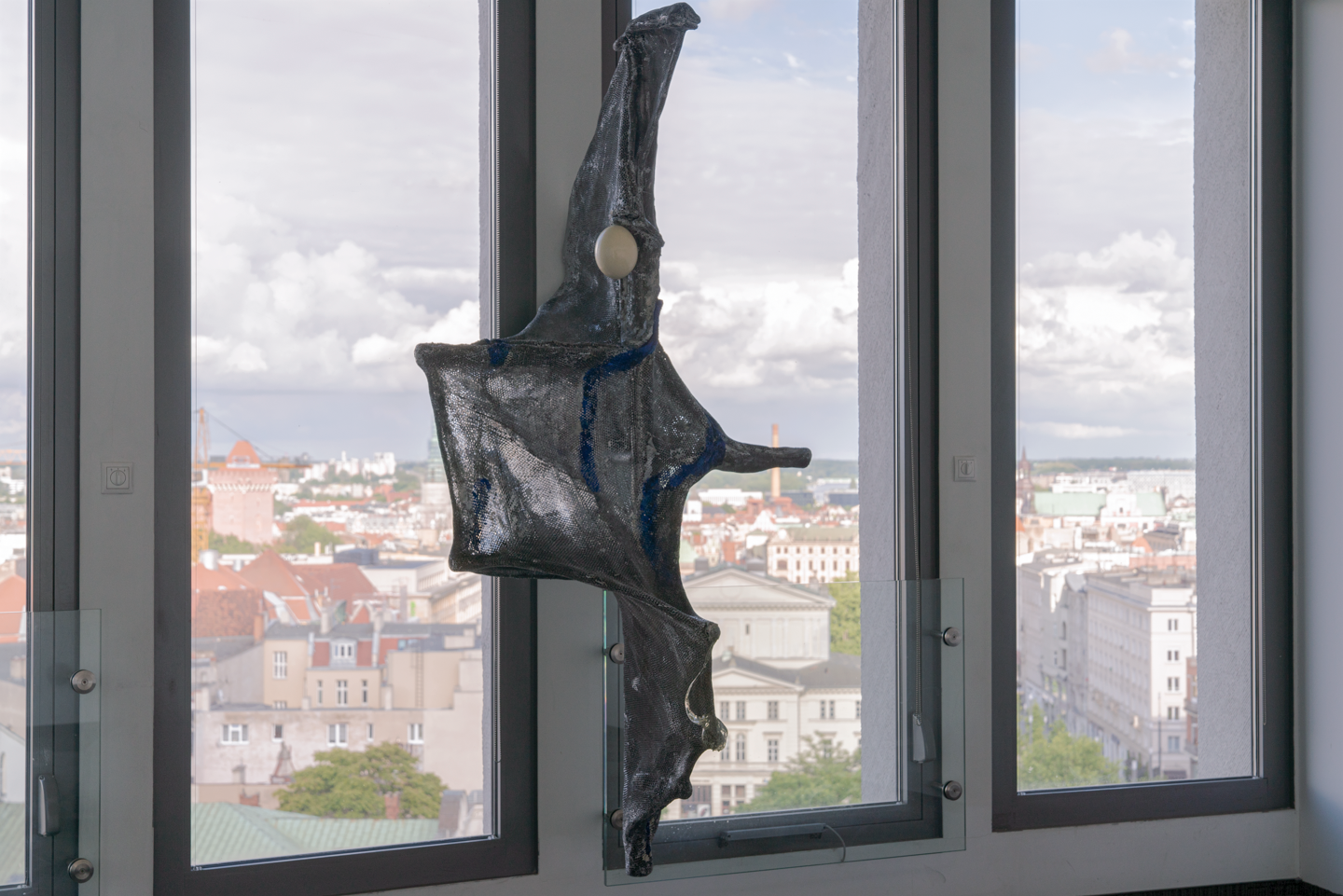
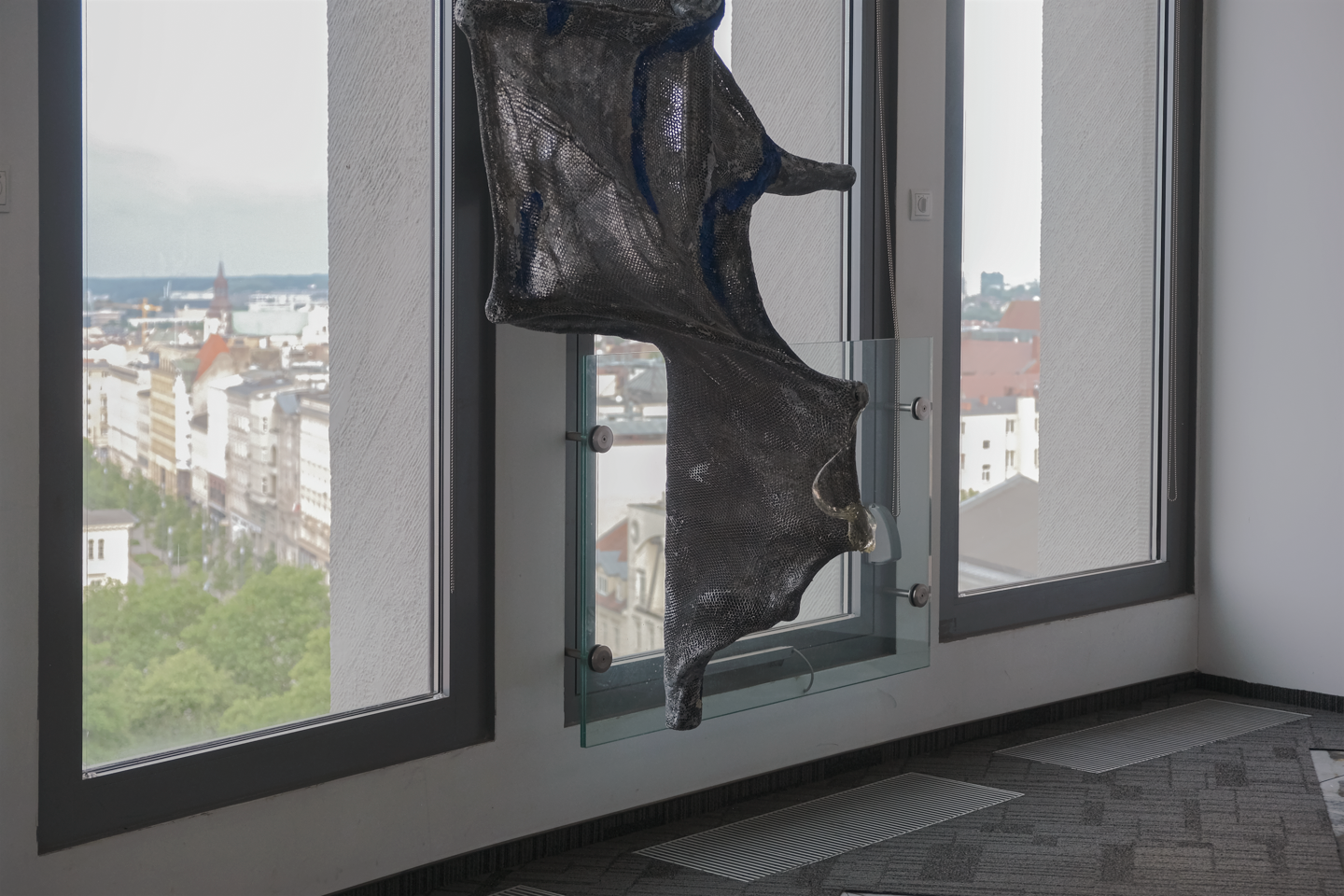
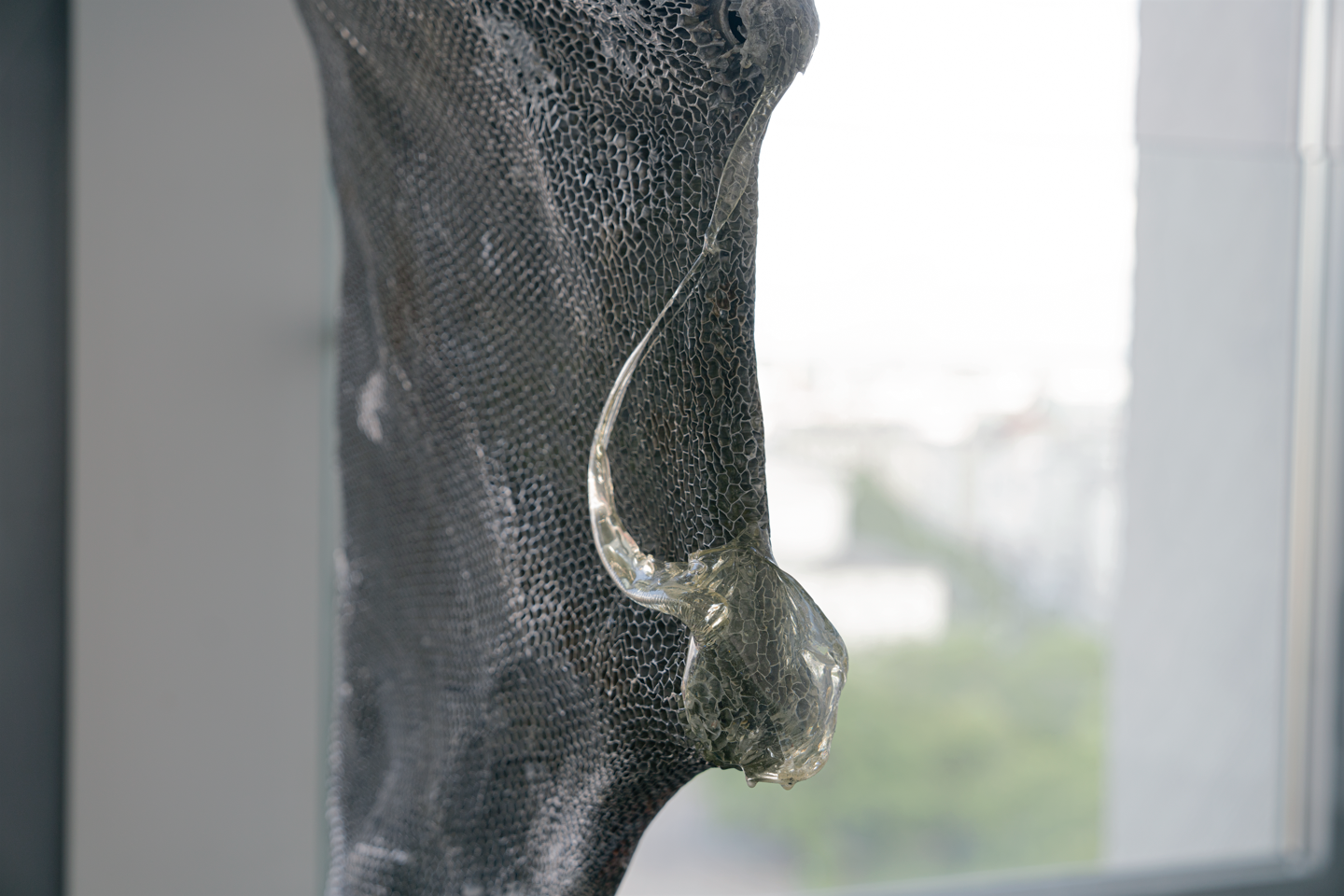
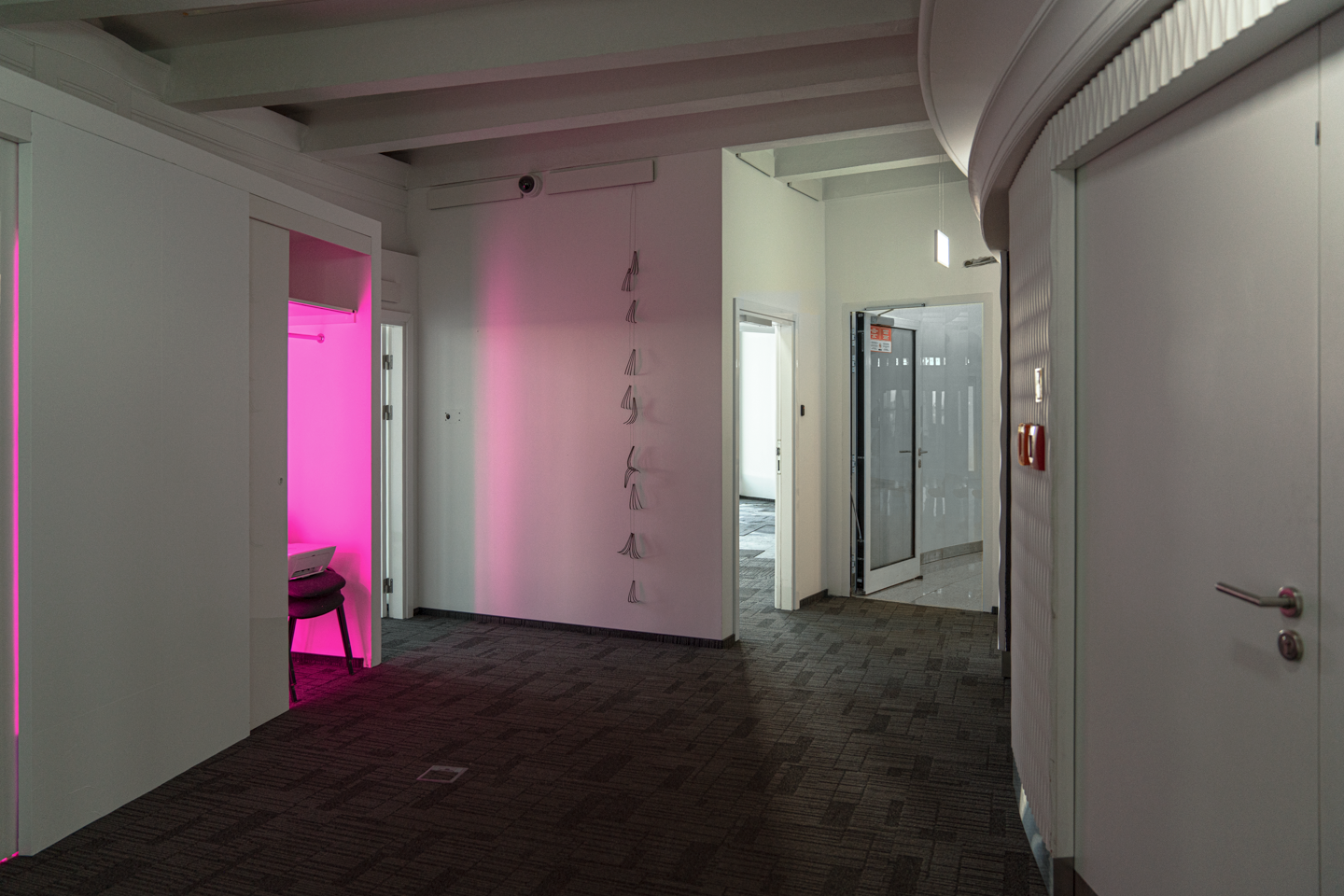
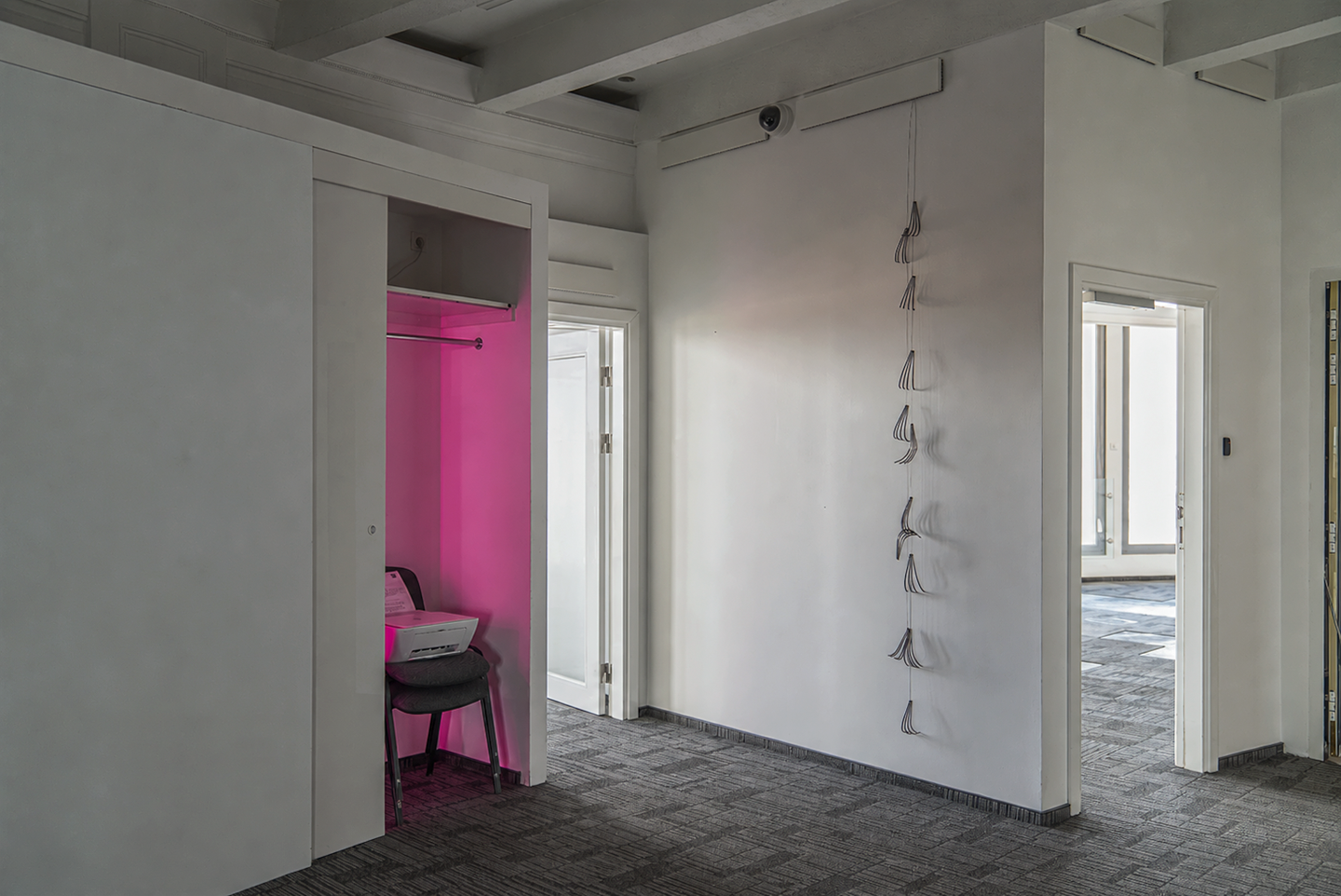
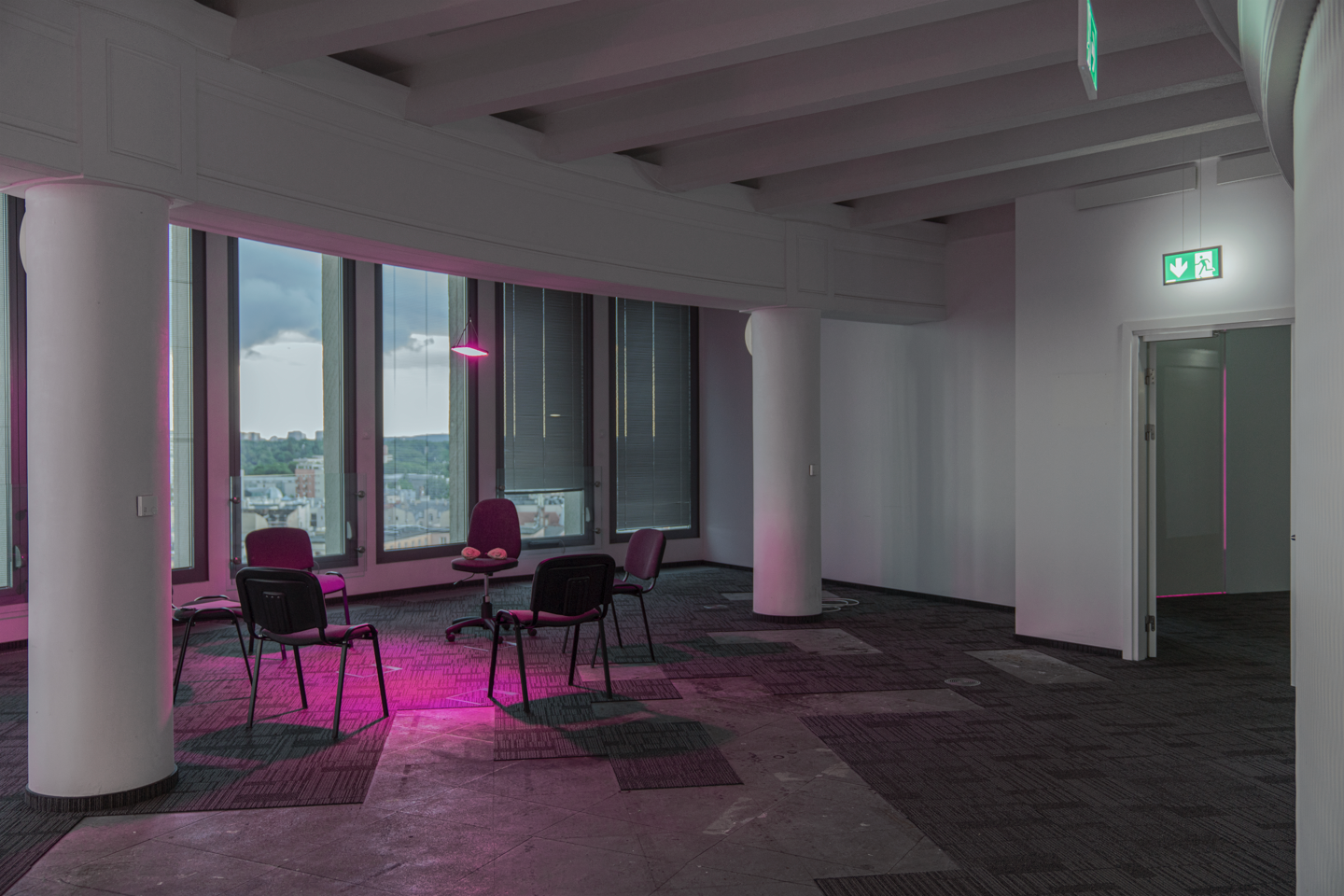
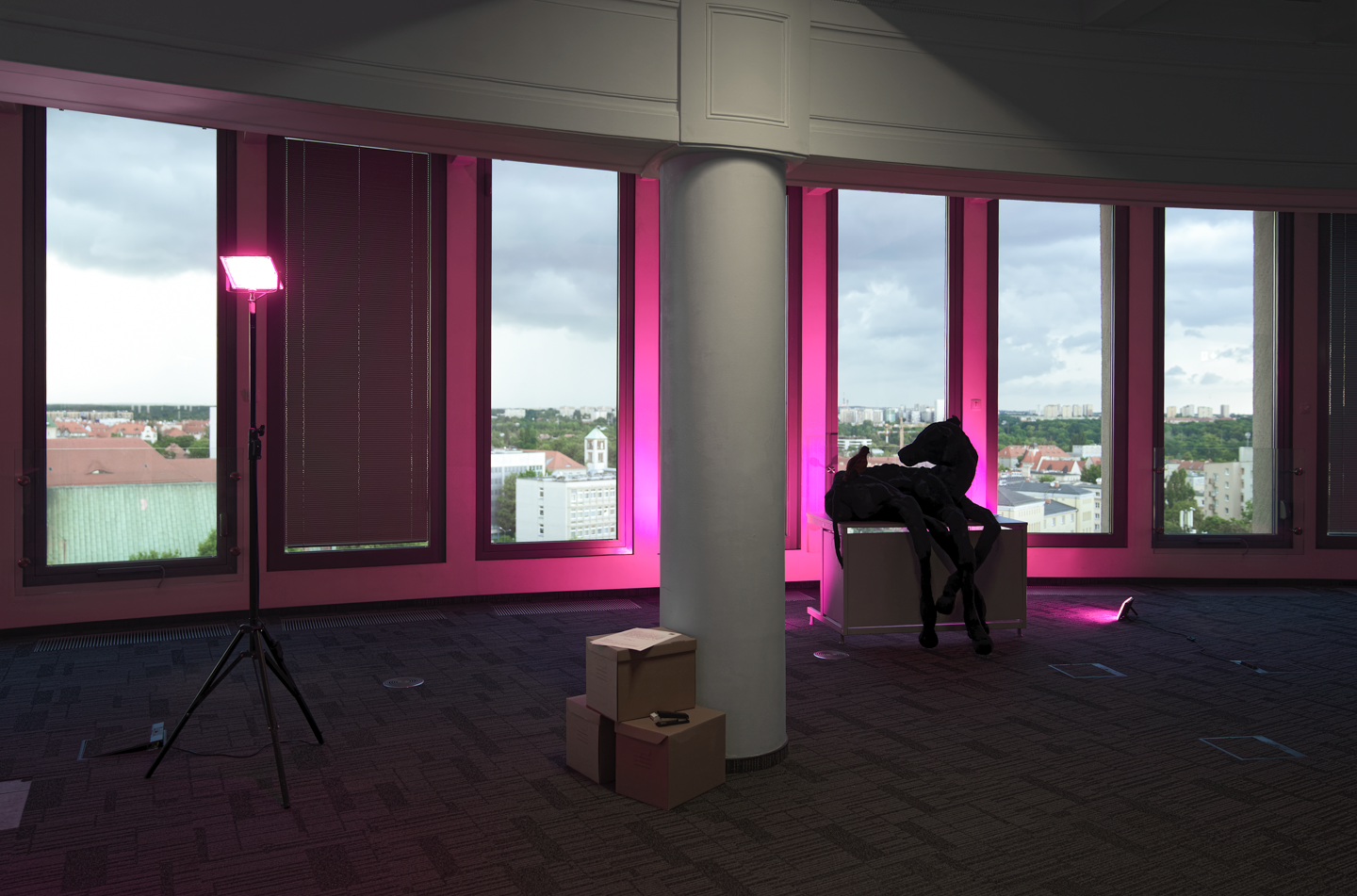
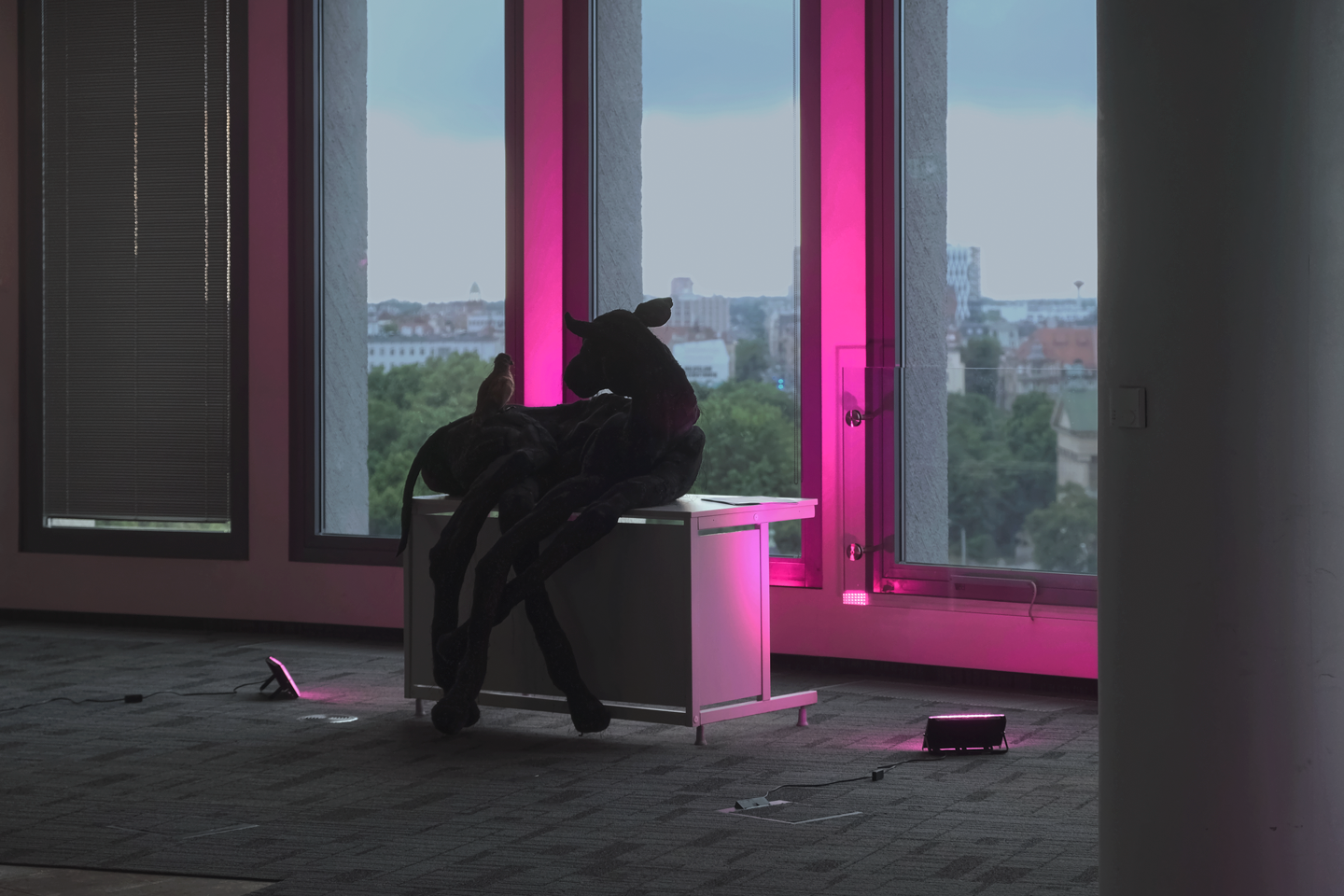
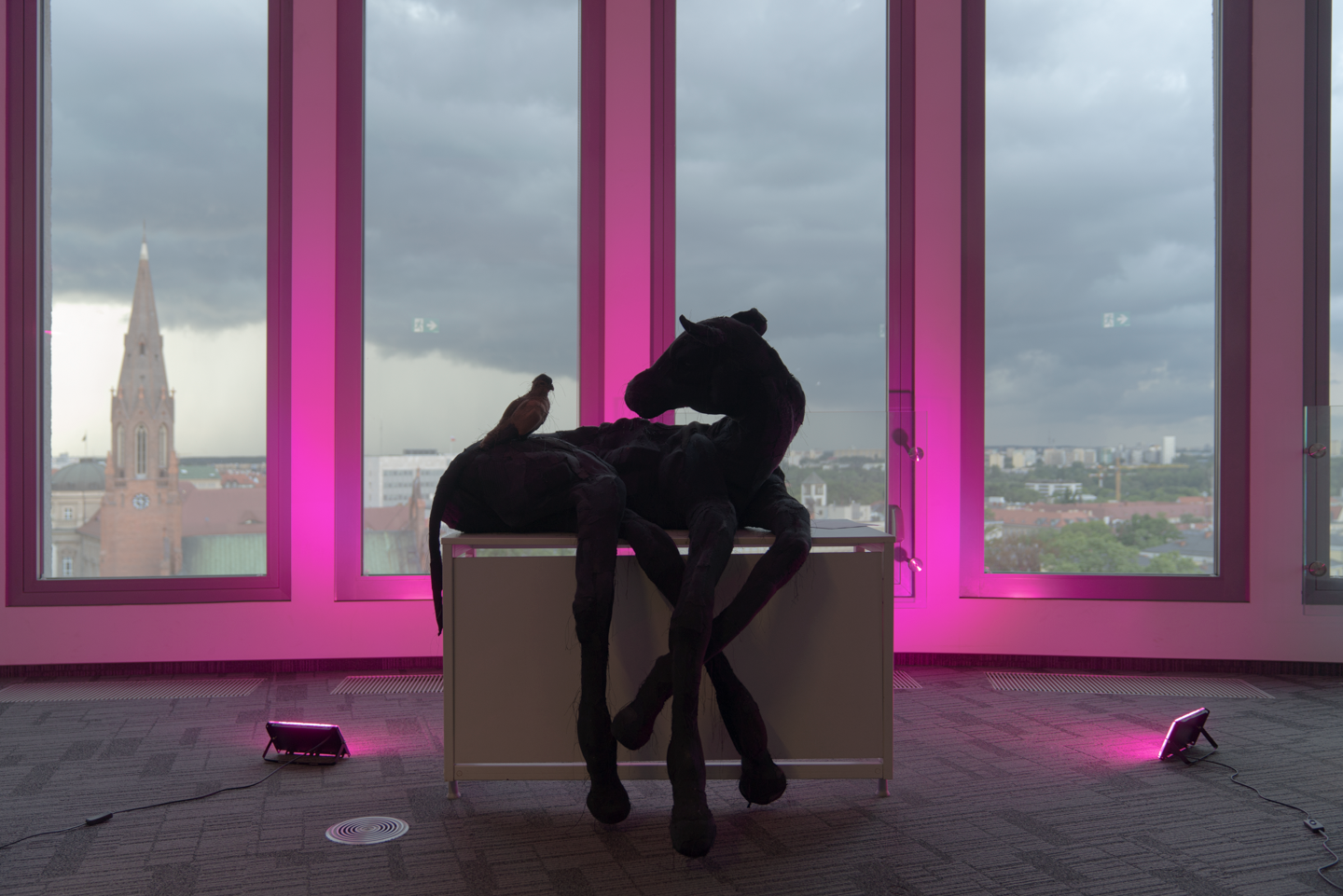
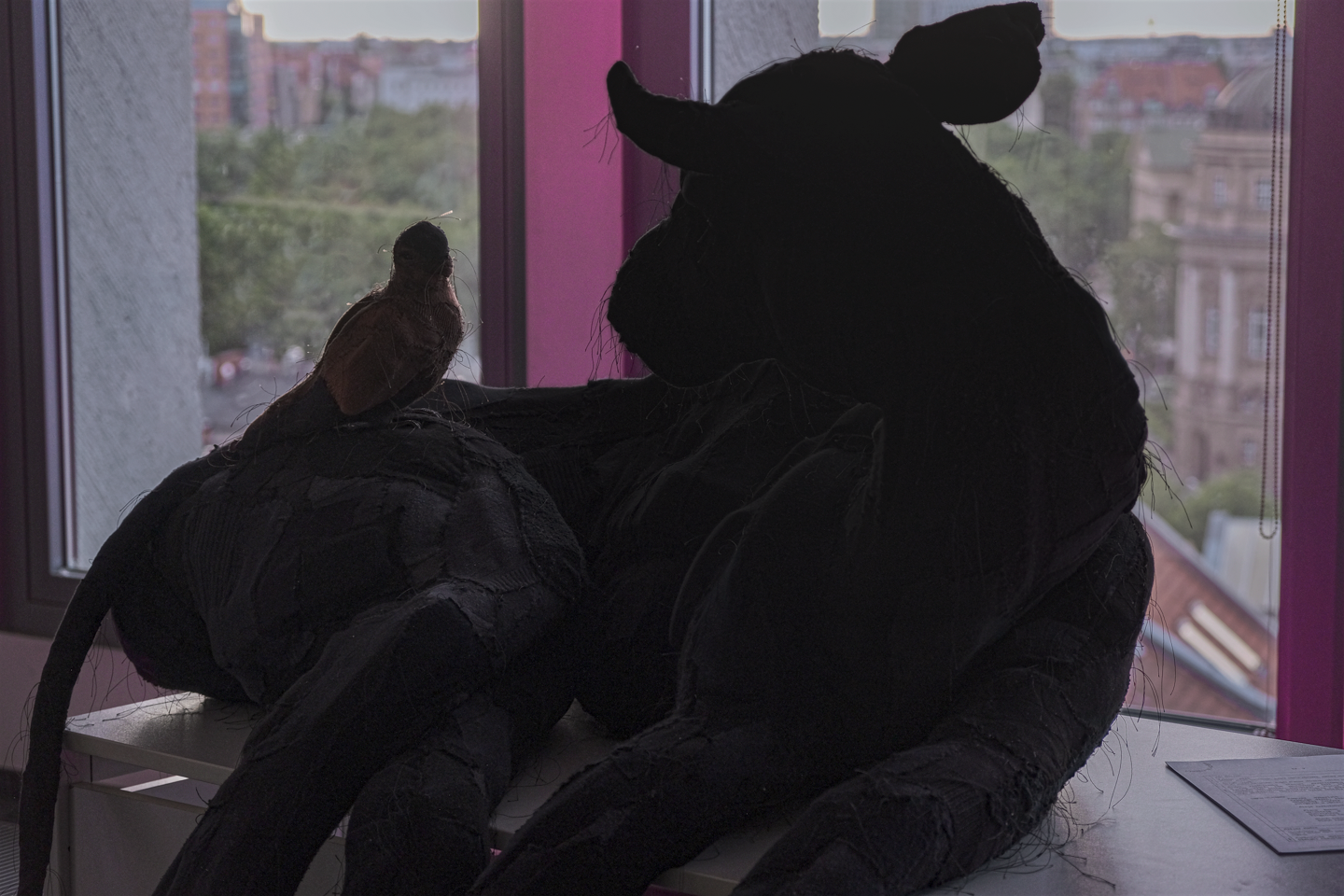
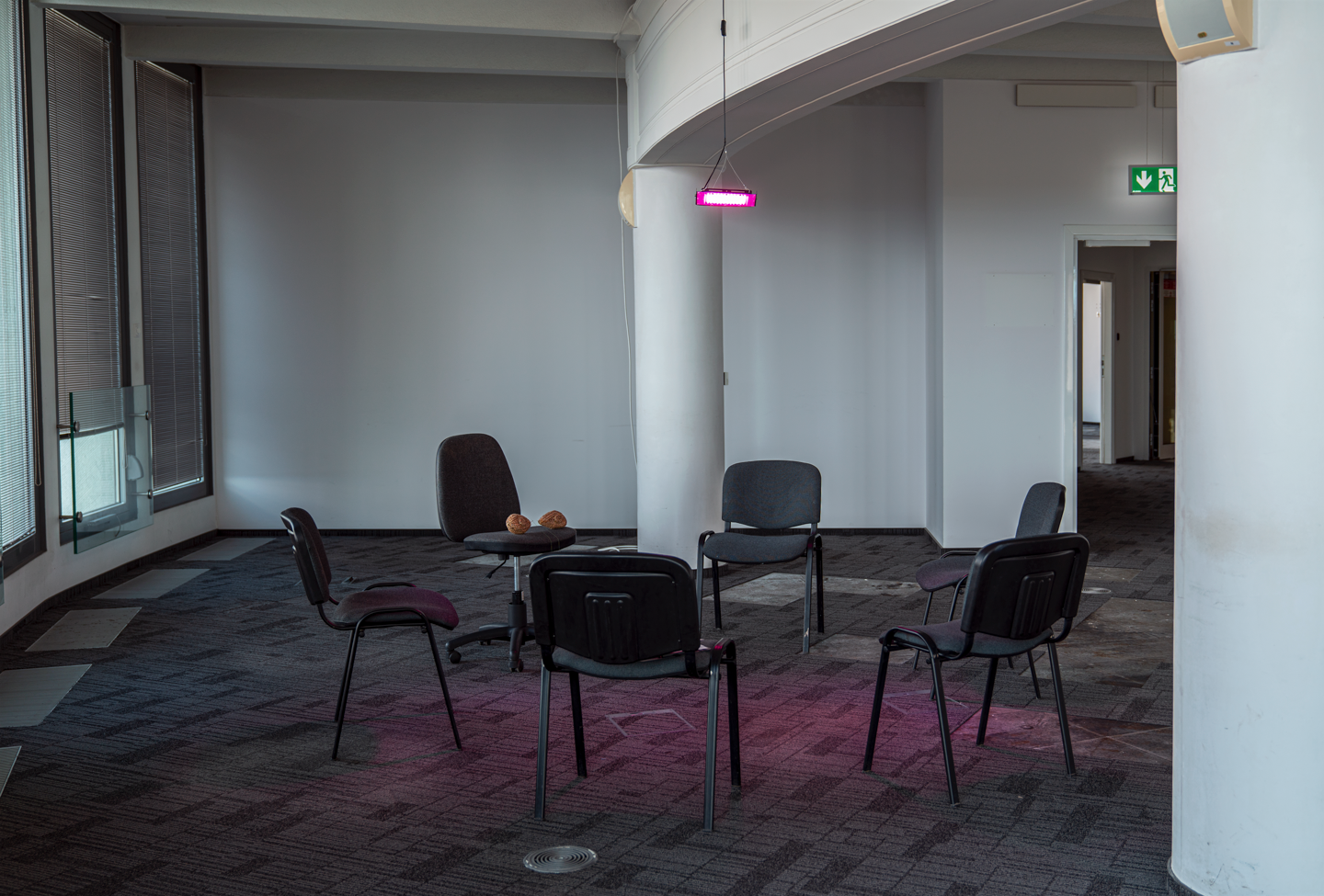
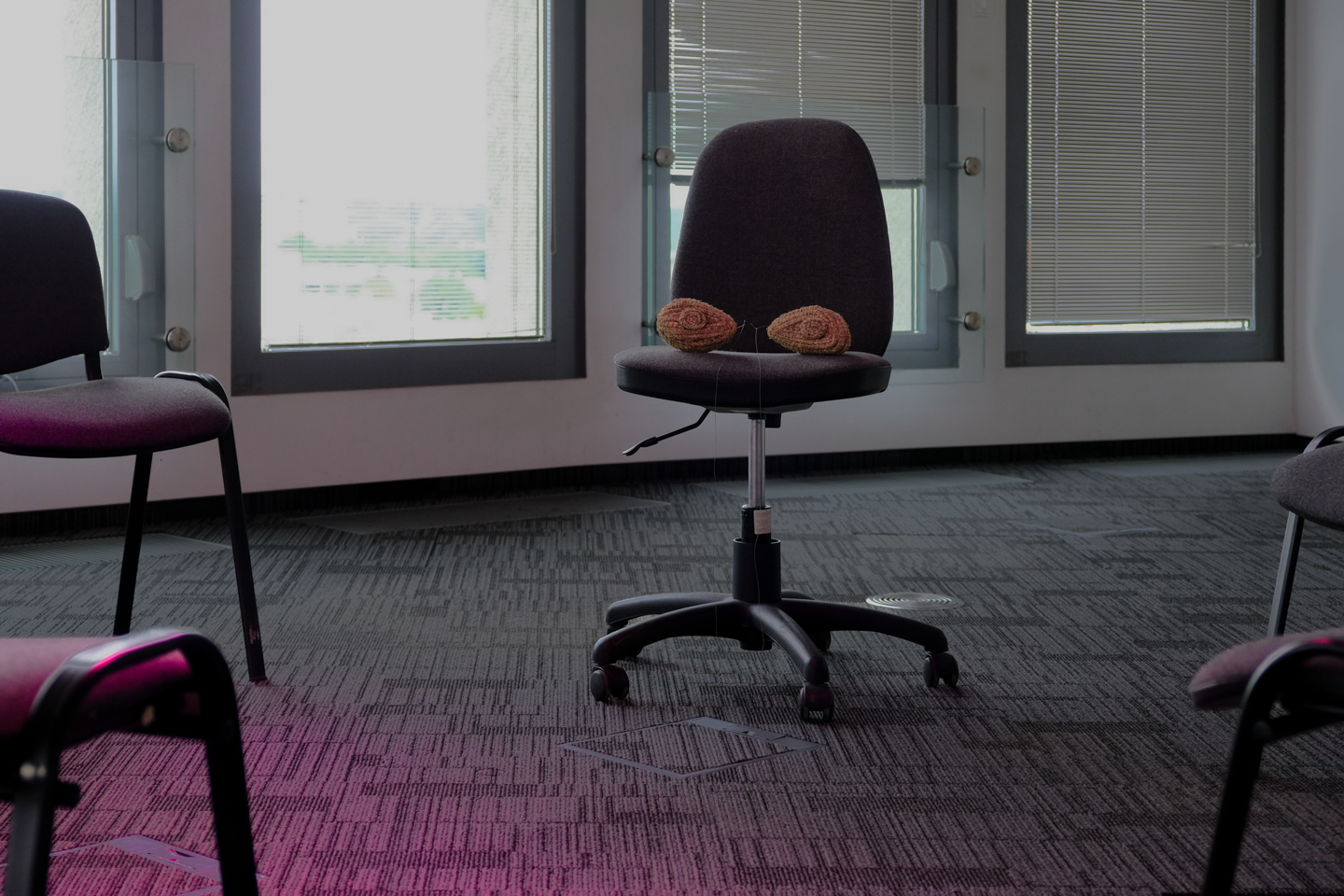
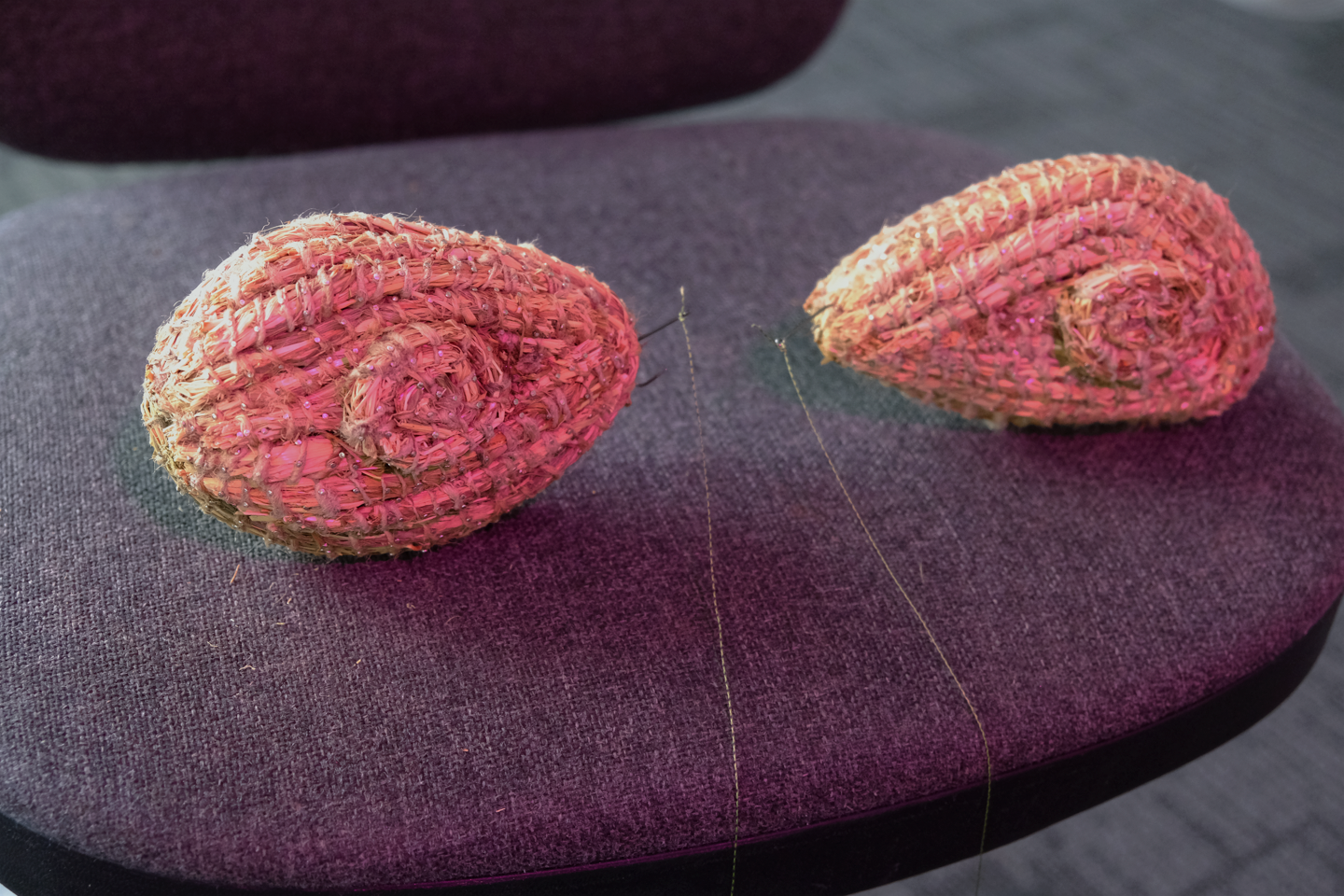
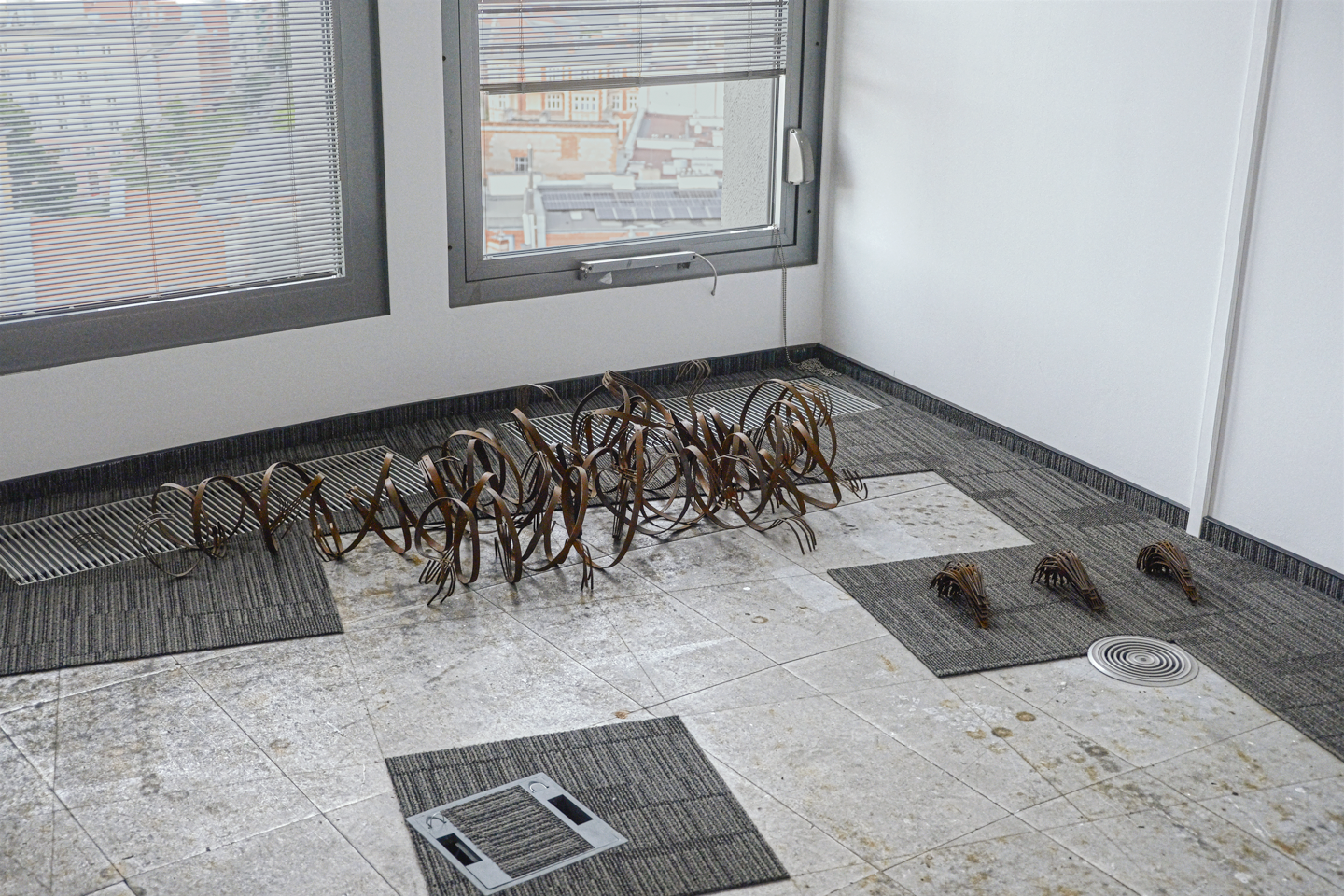
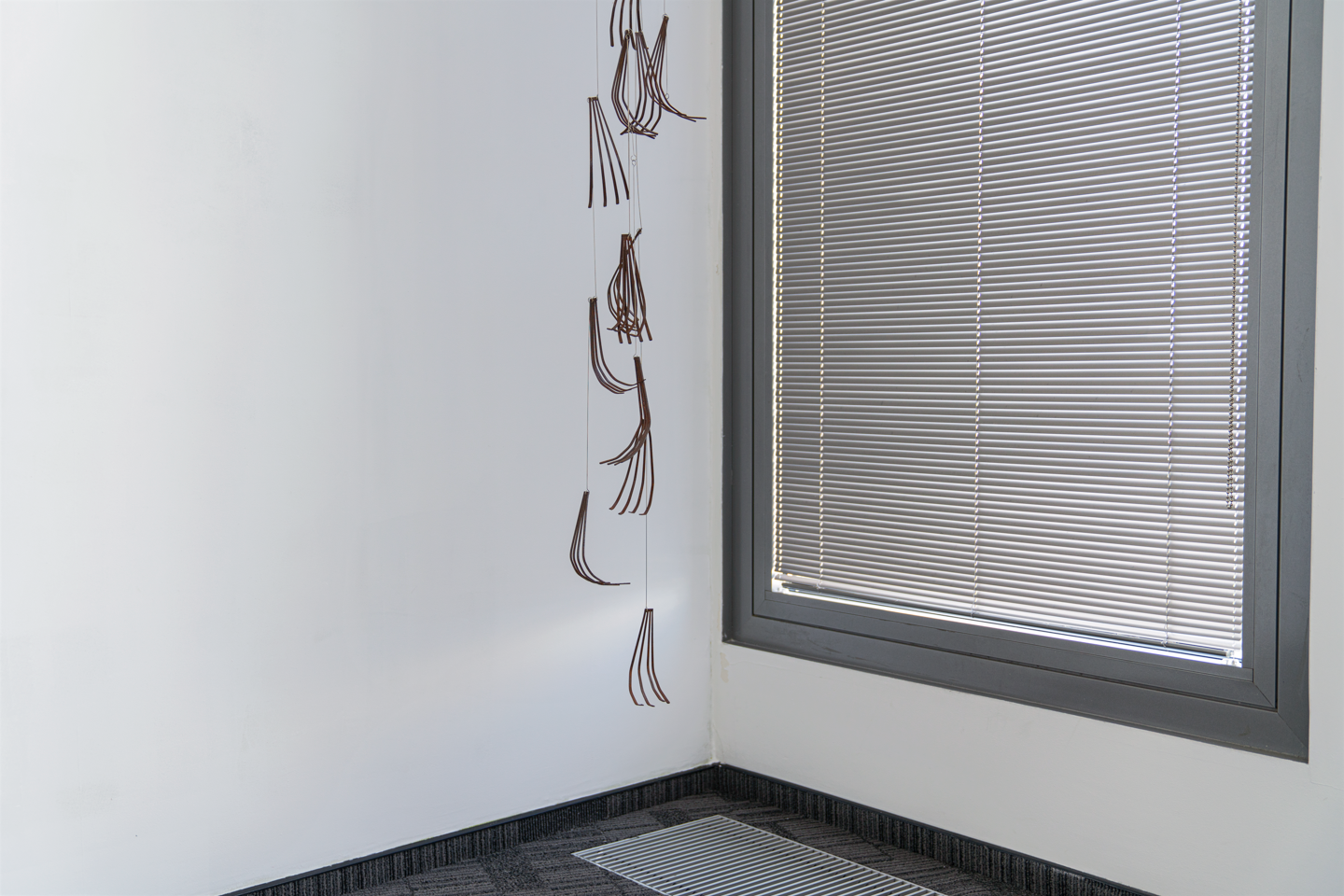
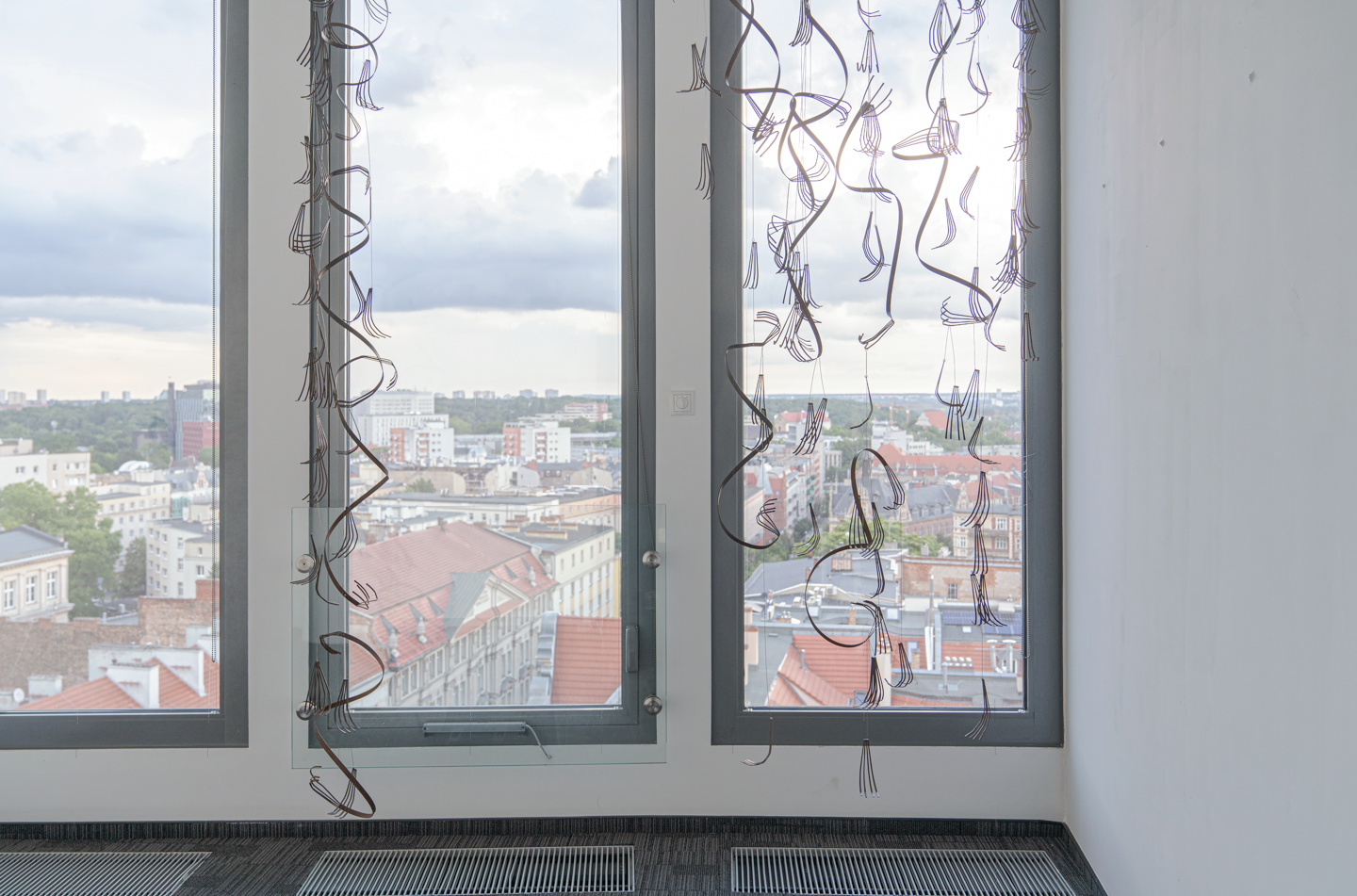
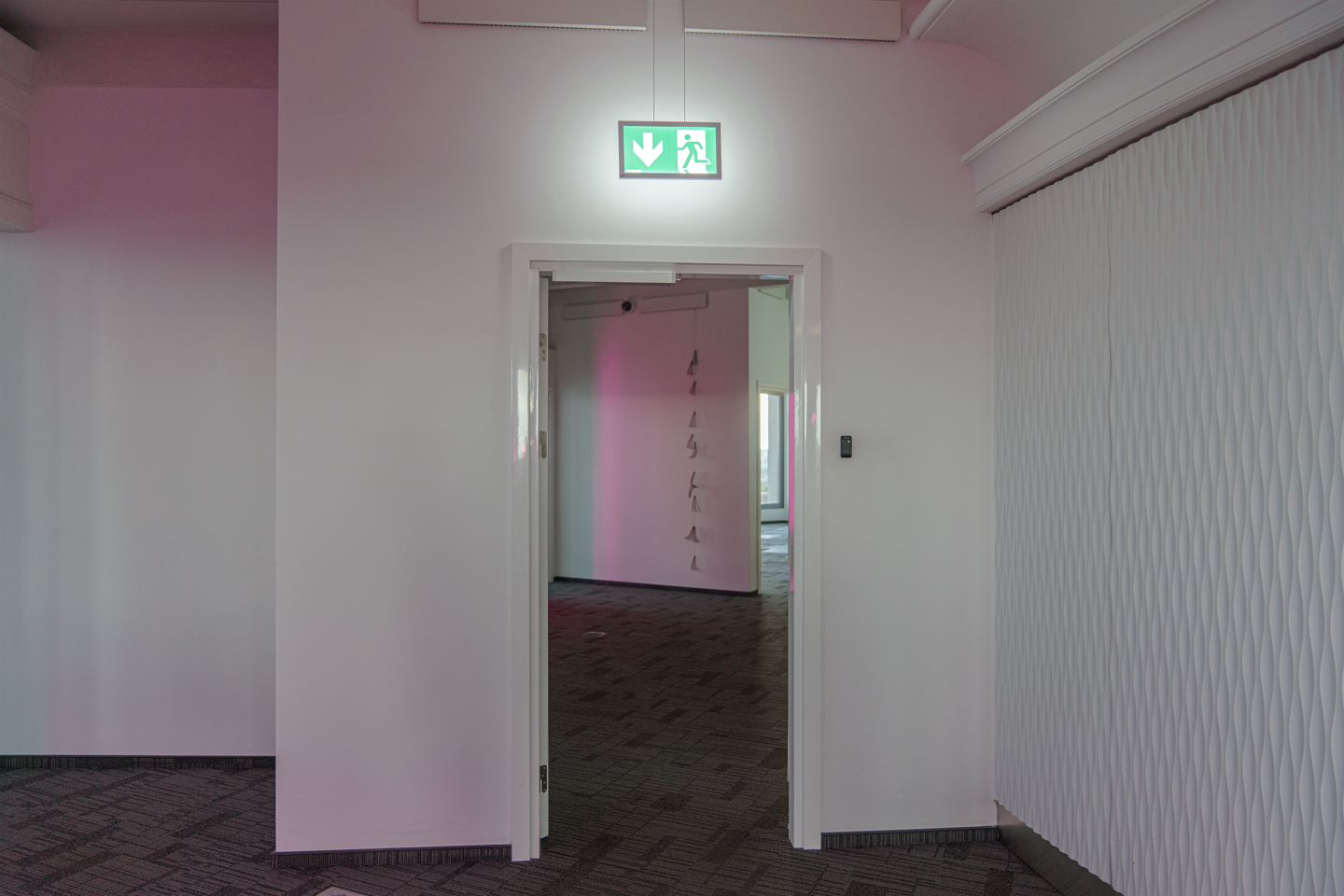
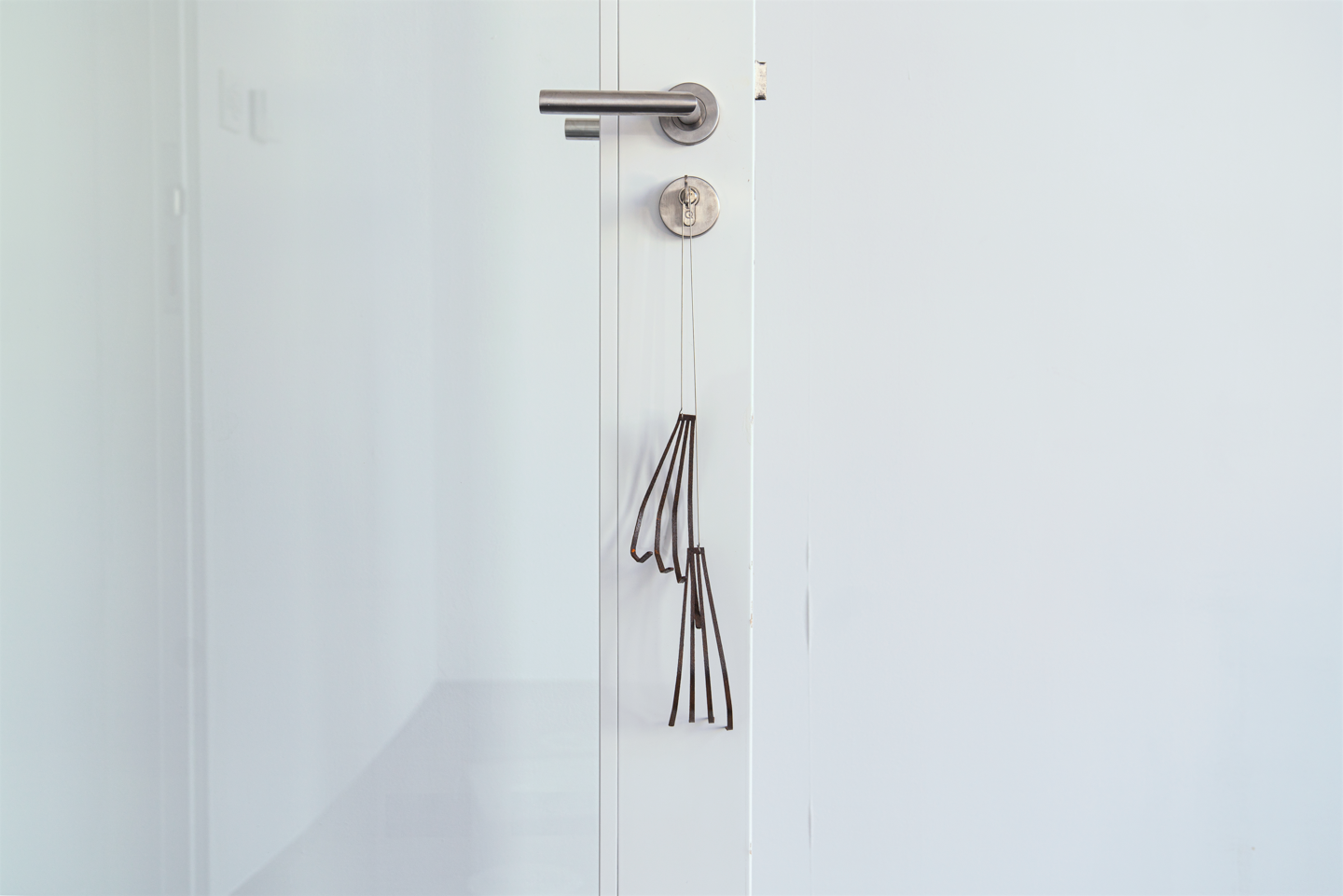
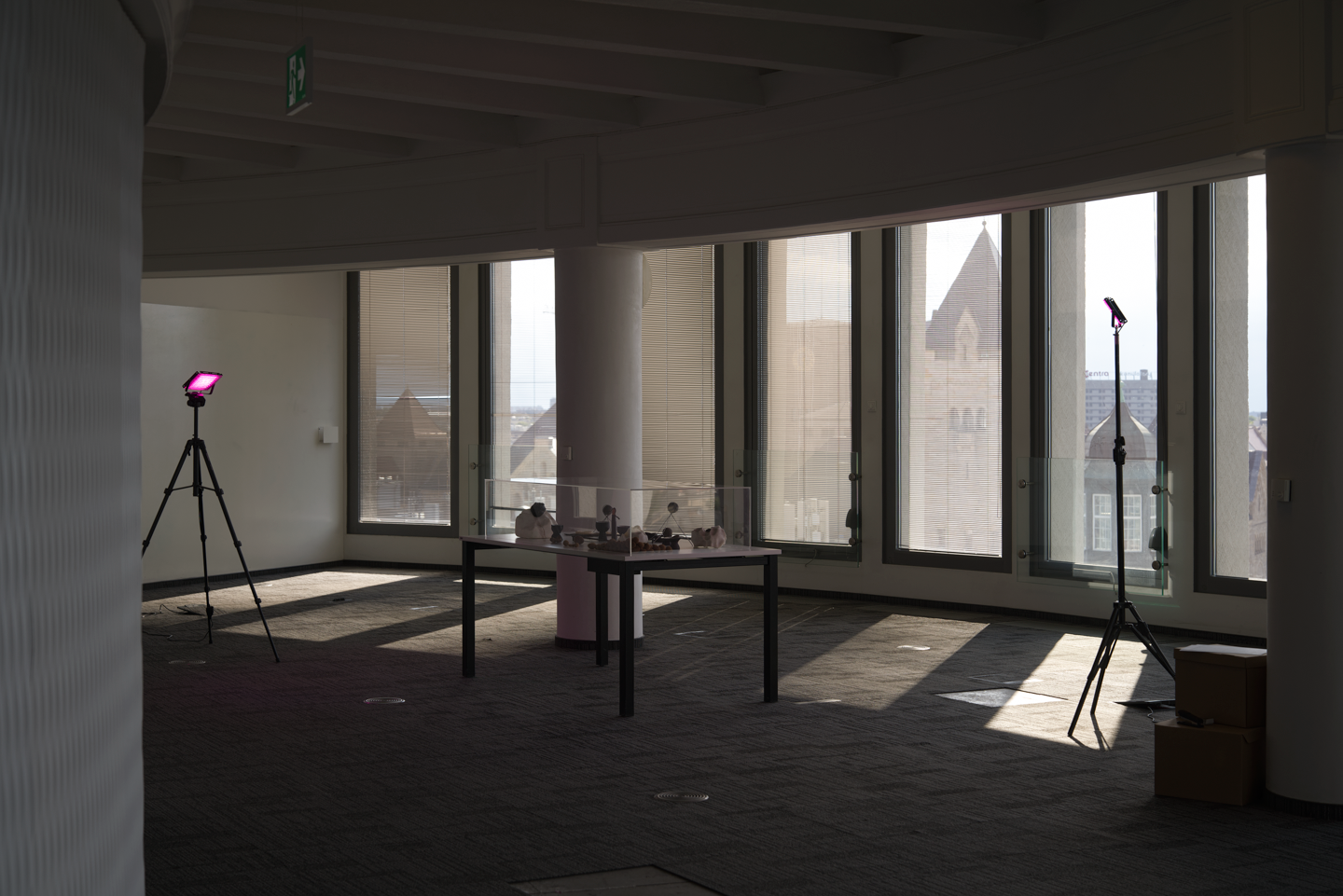
more-than-cities is an ephemeral and symbolic materialization of a speculative model of the city, in which existing orders are suspended and other forms of coexistence are brought to life. The function of office spaces is temporarily suspended, and the city skyline is disrupted
by the glow of something foreign to everyday rhythms. The project does not propose a ready-made vision of the future or an alternative urban plan. Rather, it is a moment of suspension, an attempt to materialize a longing for a model of settlement that could emerge from the ruin that is taking place.