


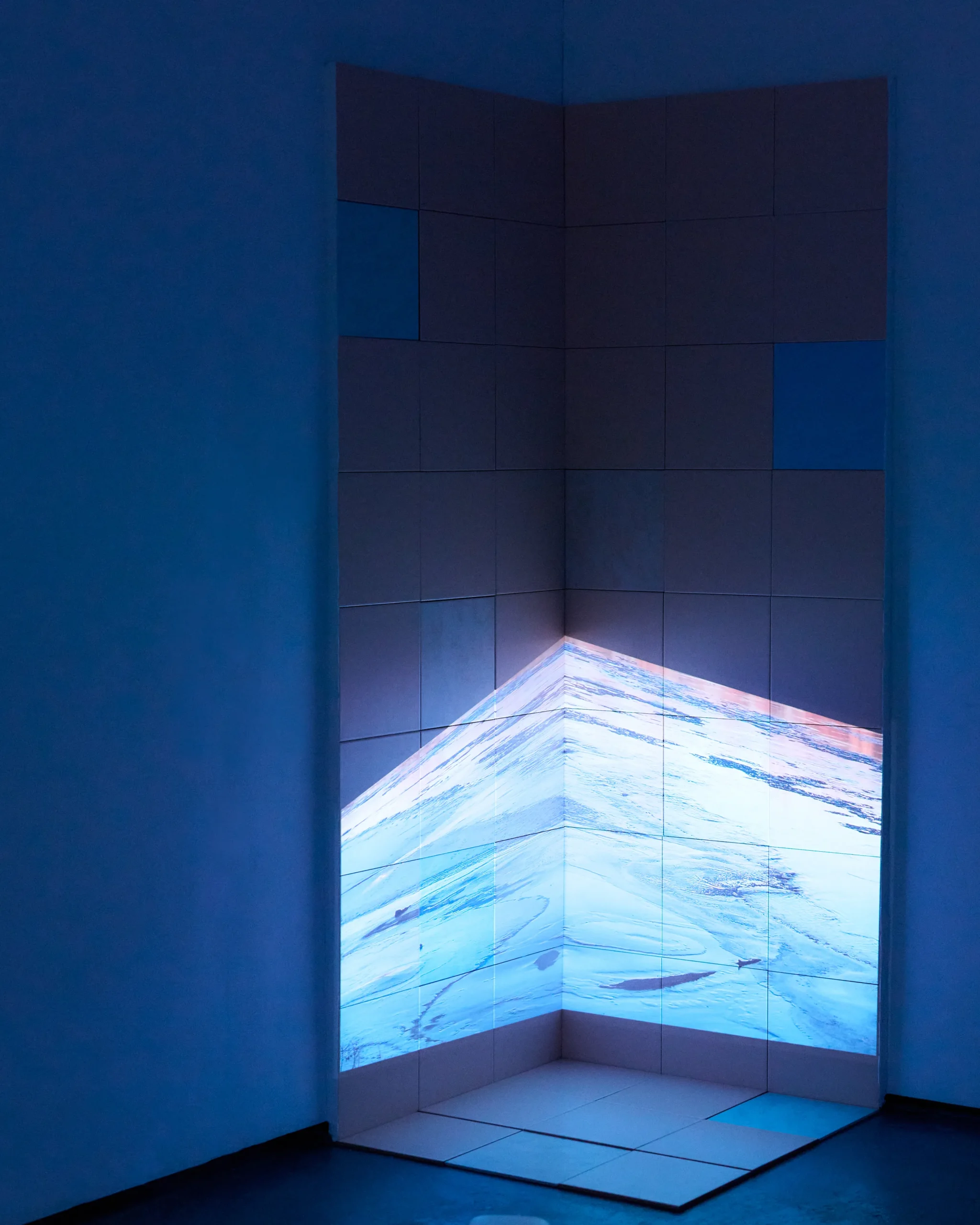
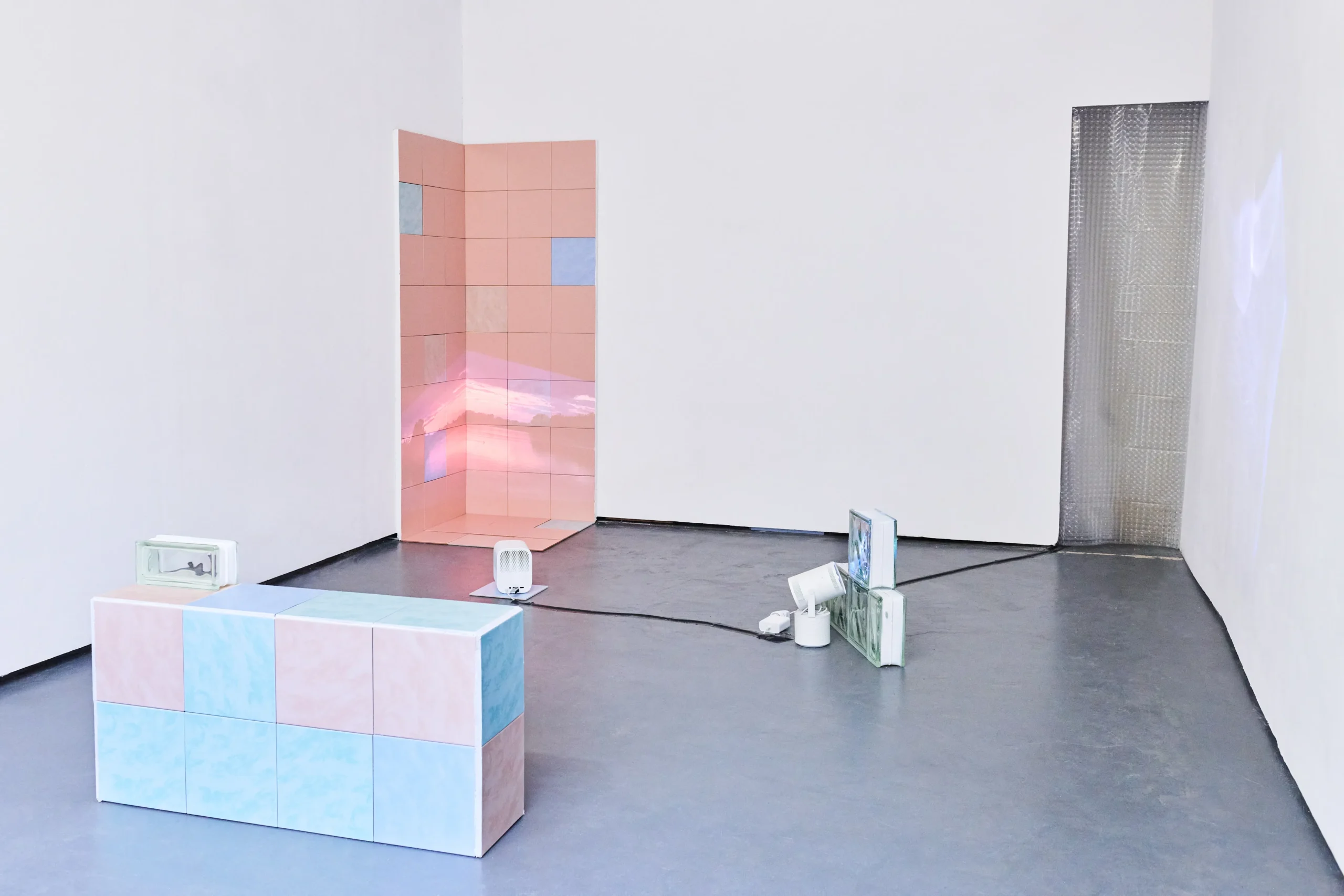
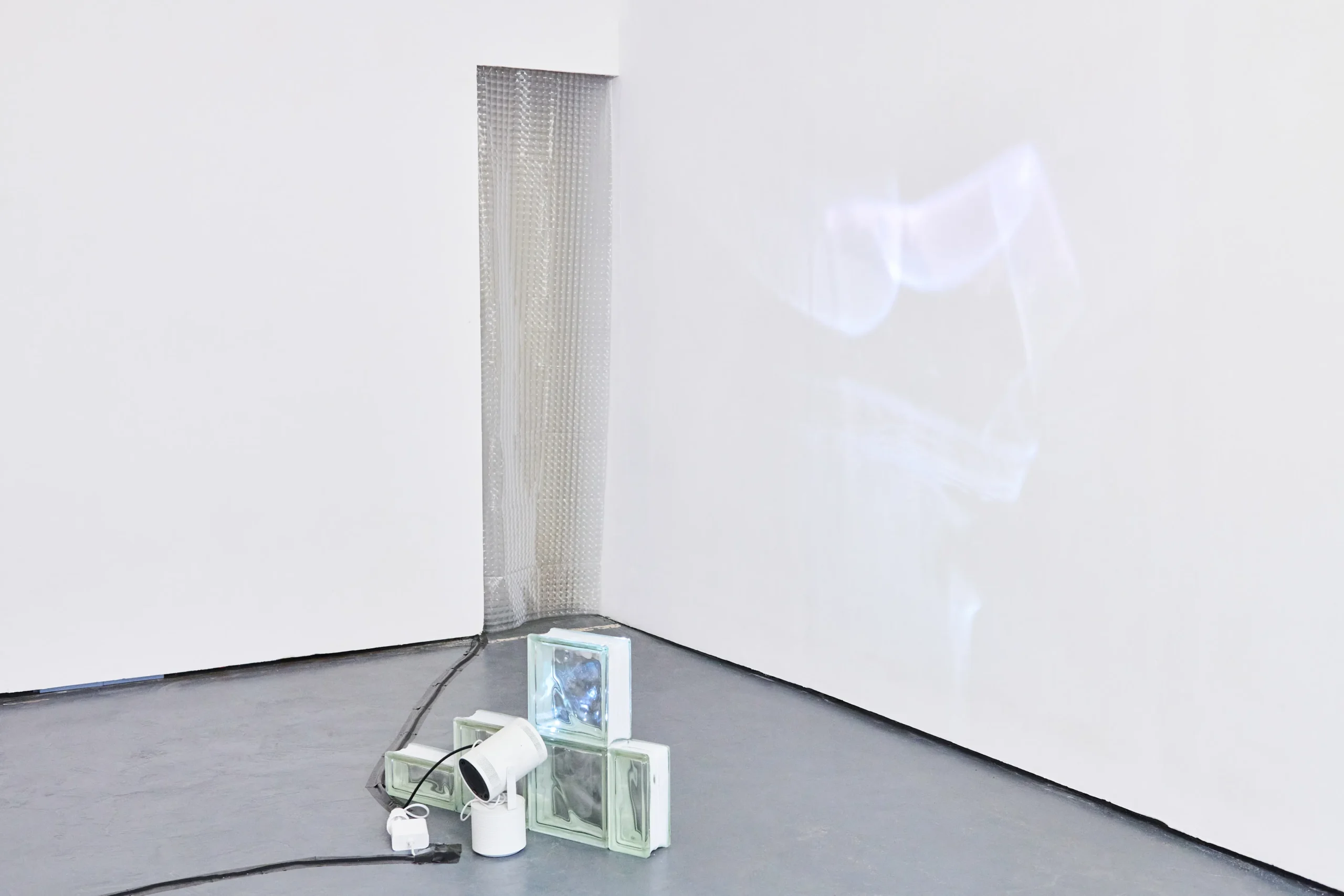
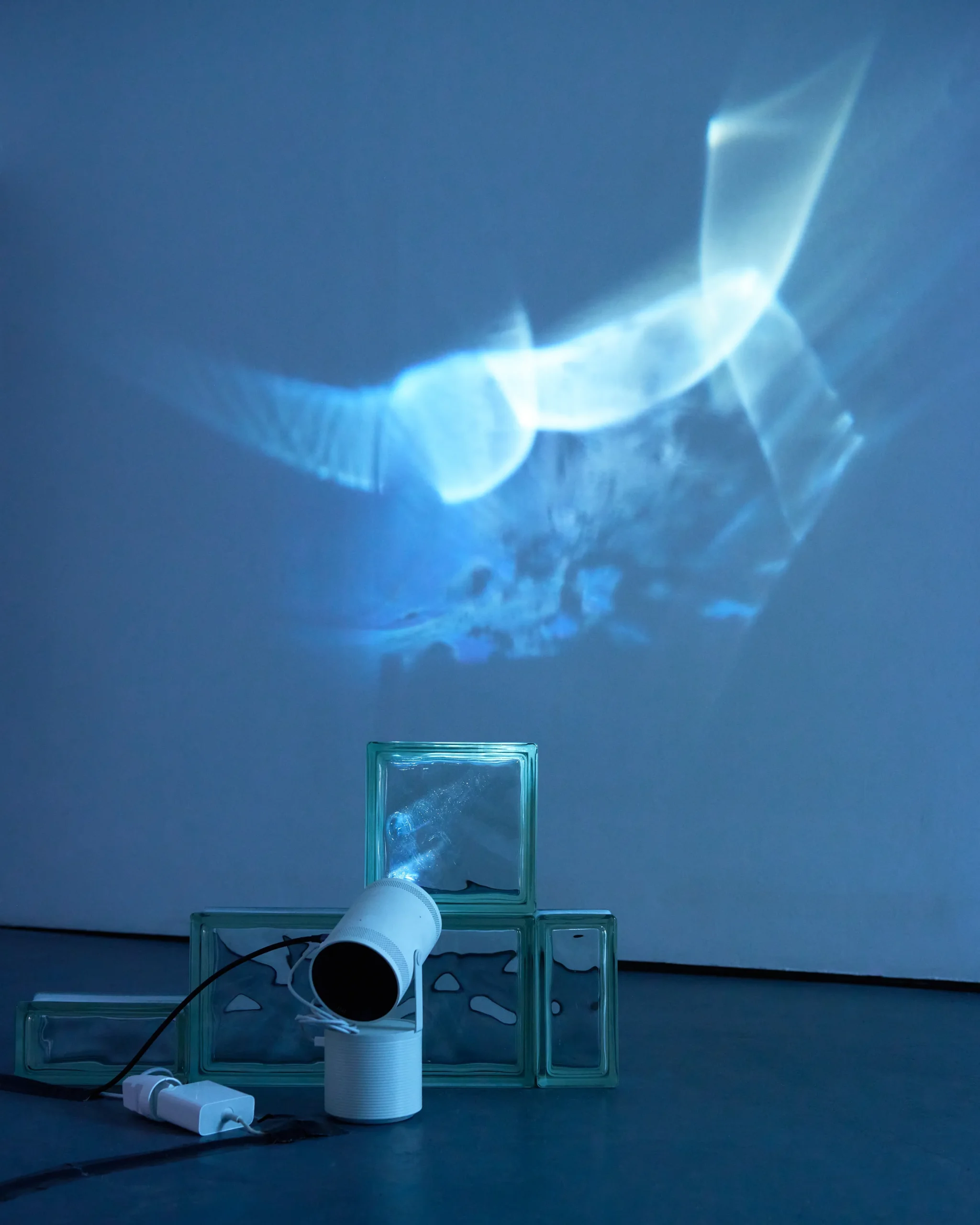
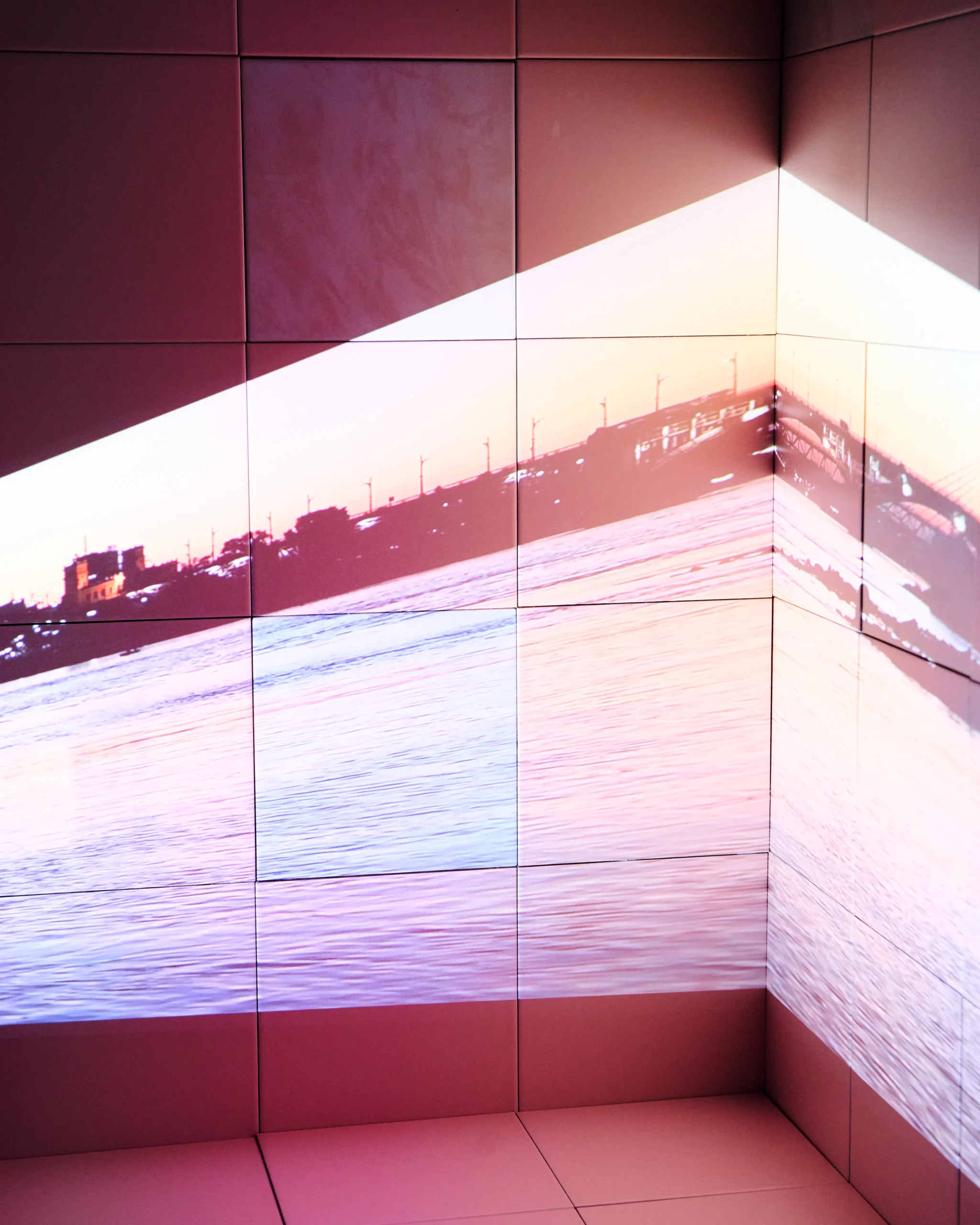
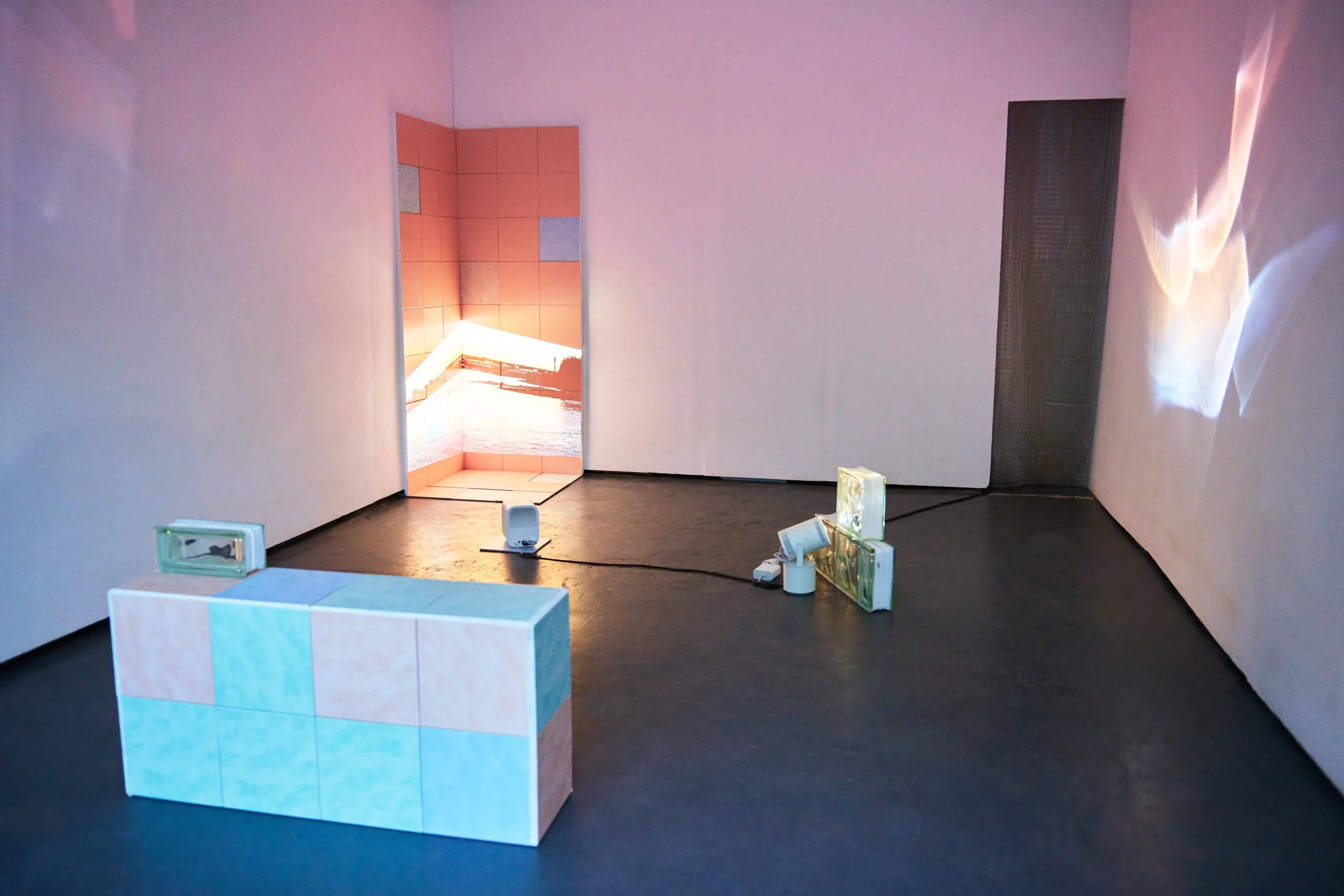
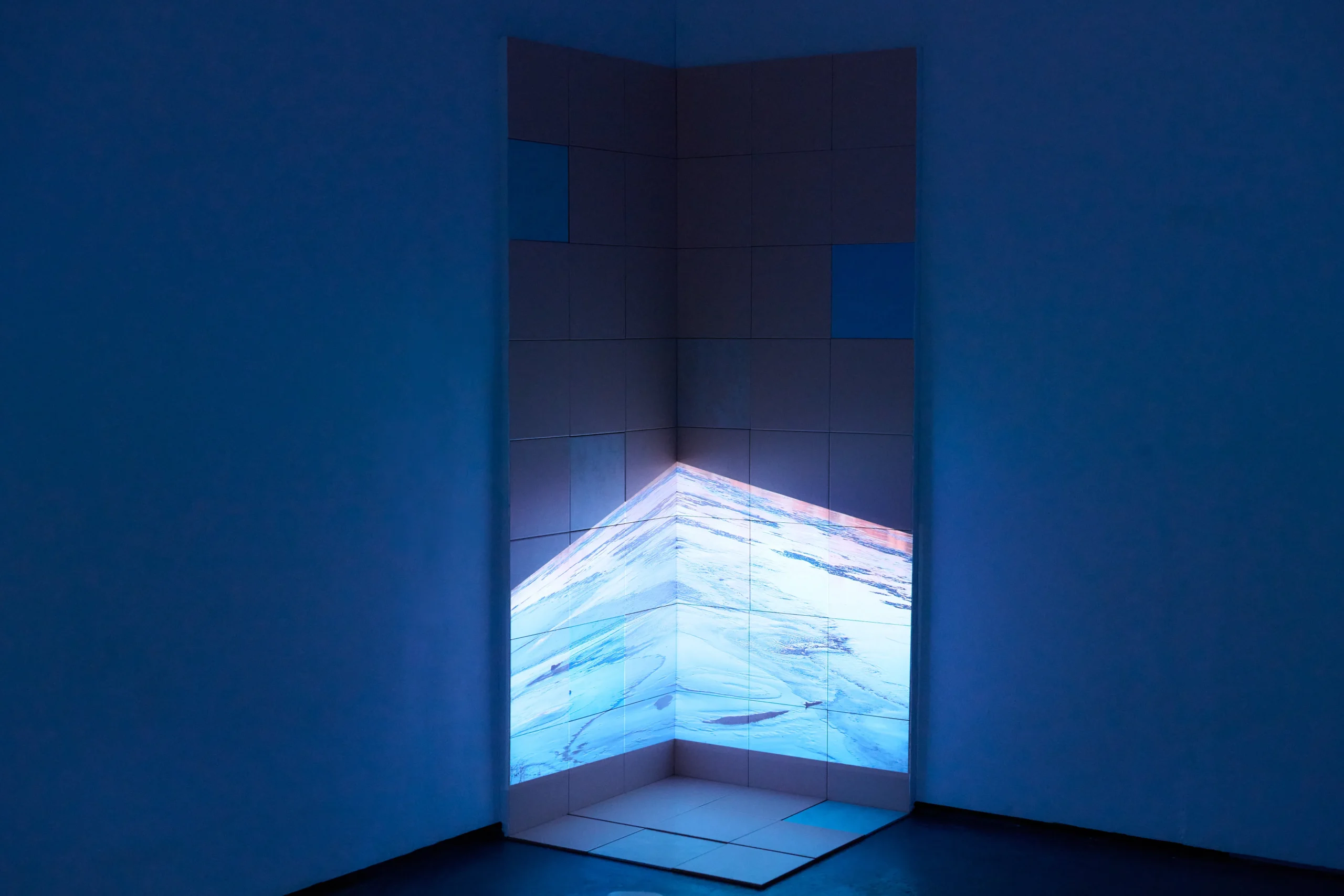
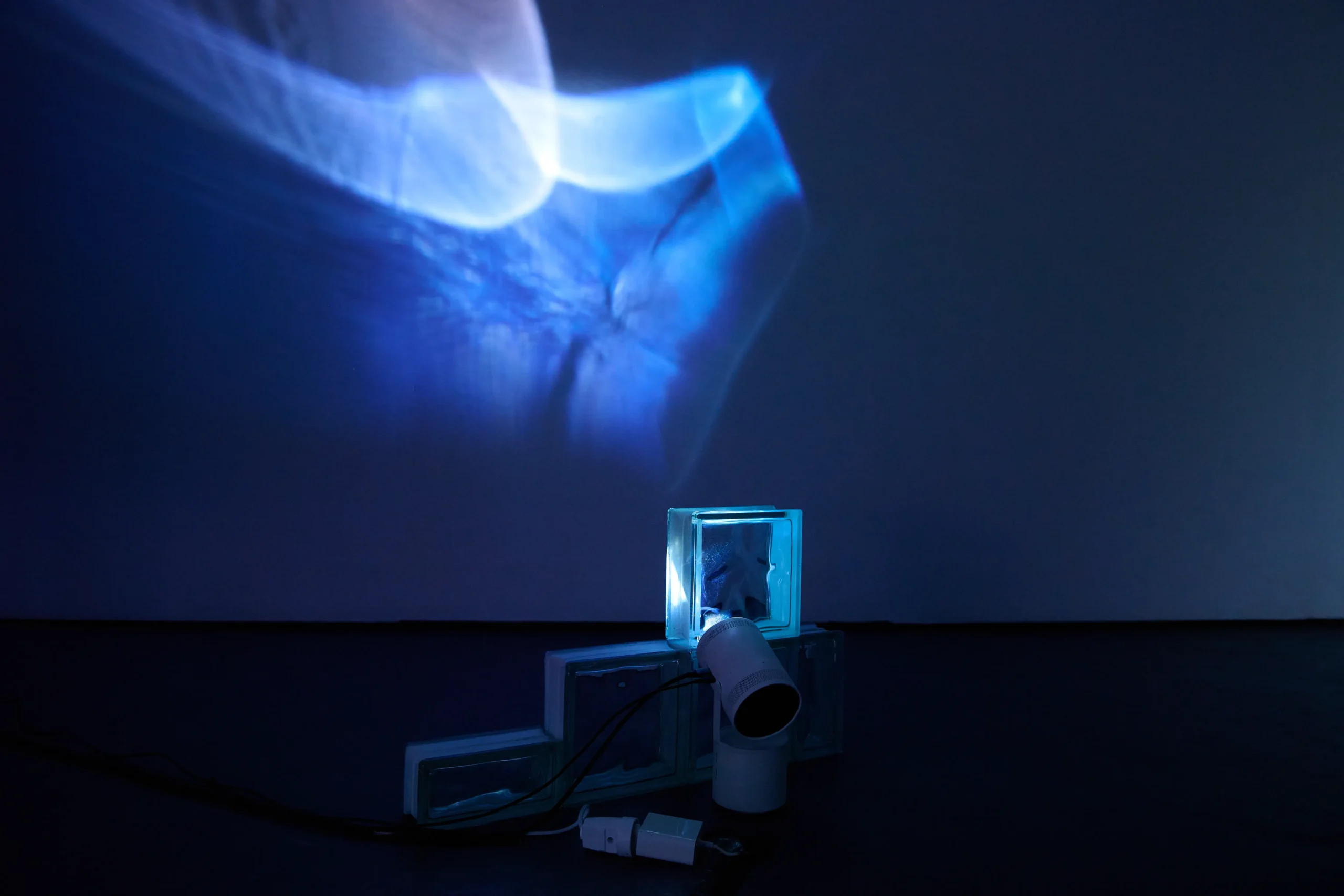
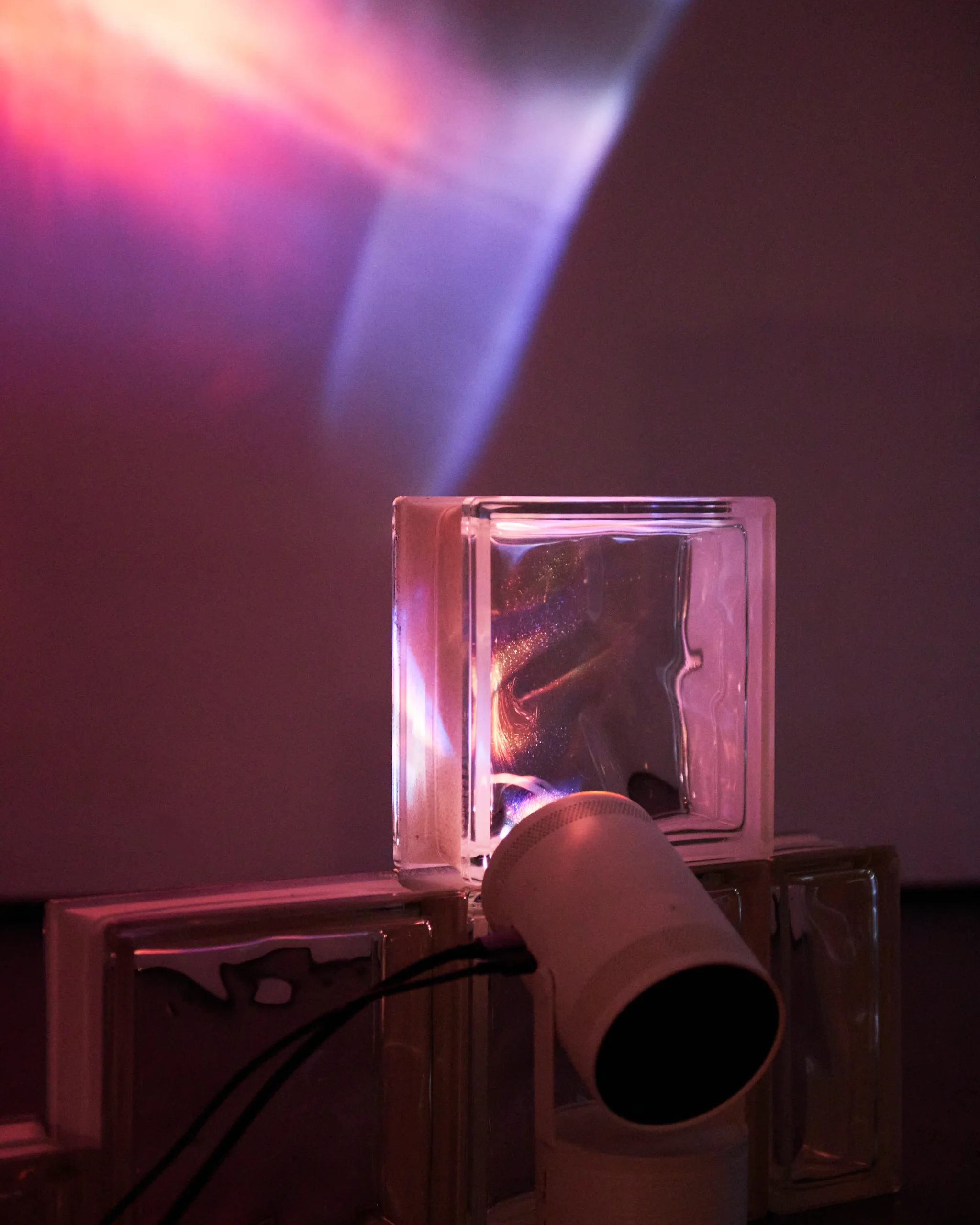
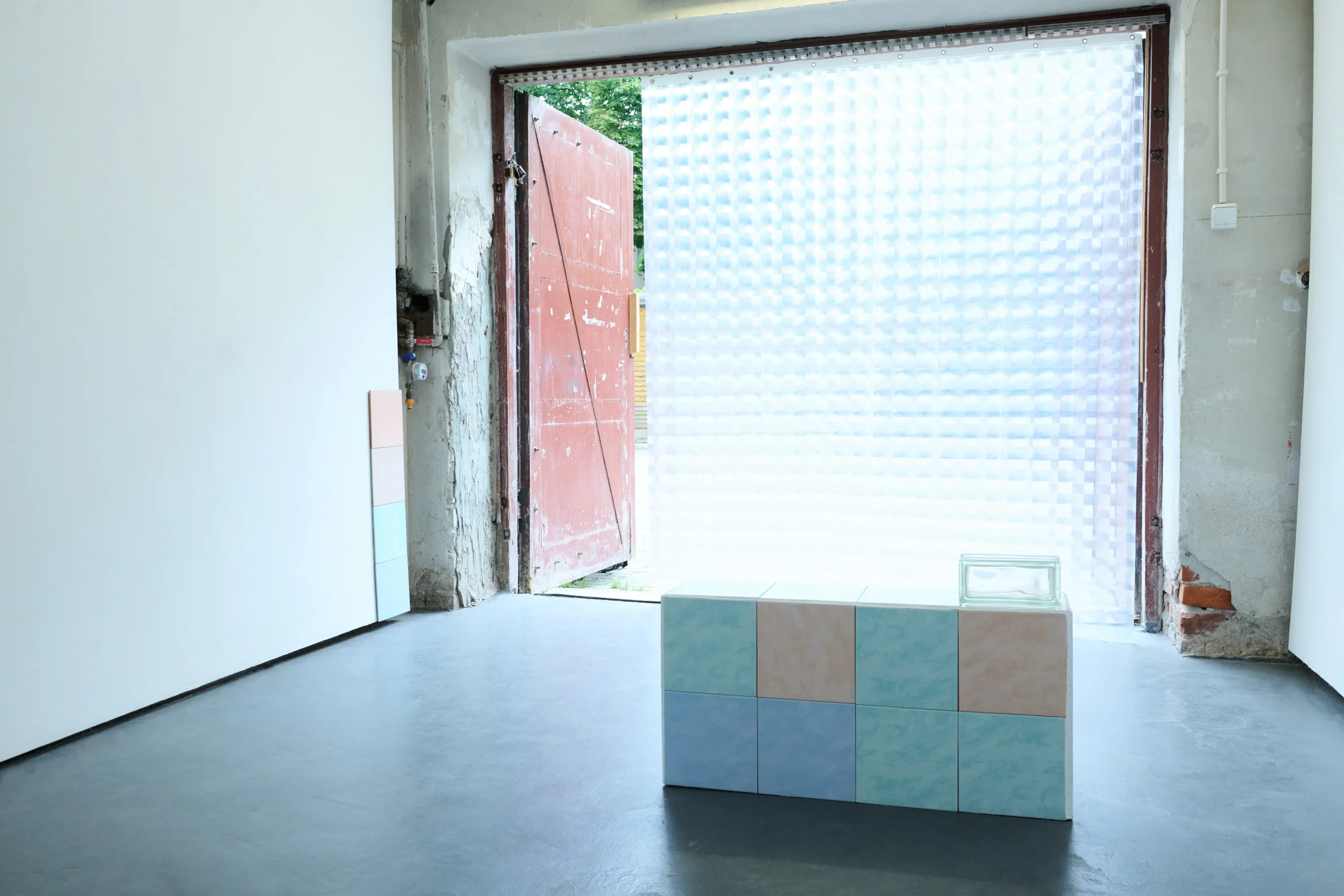
In the project Wisła felt lonely so I invited her inI explore the role of water within the domestic sphere, focusing specifically on the presence of the Vistula River (known in Polish as Wisła) in the bathroom. Most of the water running through Warsaw homes originates from her. Our most frequent daily contact with water occurs in the bathroom—a space that has inherited functions once performed by the river itself. Bathing, laundering clothes, and washing bedding were tasks historically carried out along her banks, predominantly by women. While modern urban housing aims to alienate us from nature, the bathroom remains its closest vestige within the home.
Viewed through Erving Goffman’s concept of the backstage, the bathroom serves as an isolated sanctuary where the individual is liberated from the demands of constant social performance. It offers a brief respite from the relentless gaze of the public. Conversely, the functional blueprint of the bathroom has remained virtually unchanged since the early 20th century. The layout and dimensions of fixtures—the sink, bathtub, shower, and toilet—are engineered to optimize the individual’s efficiency and productivity, strictly minimizing the time spent there. The bathroom’s design subtly choreographs the subject’s movements within their most private room. Thus, despite society’s lack of direct sightlines into this intimate zone, it still regulates the body through the standardization of prefabricated elements, exerting control over a space that, in theory, should be entirely inaccessible.
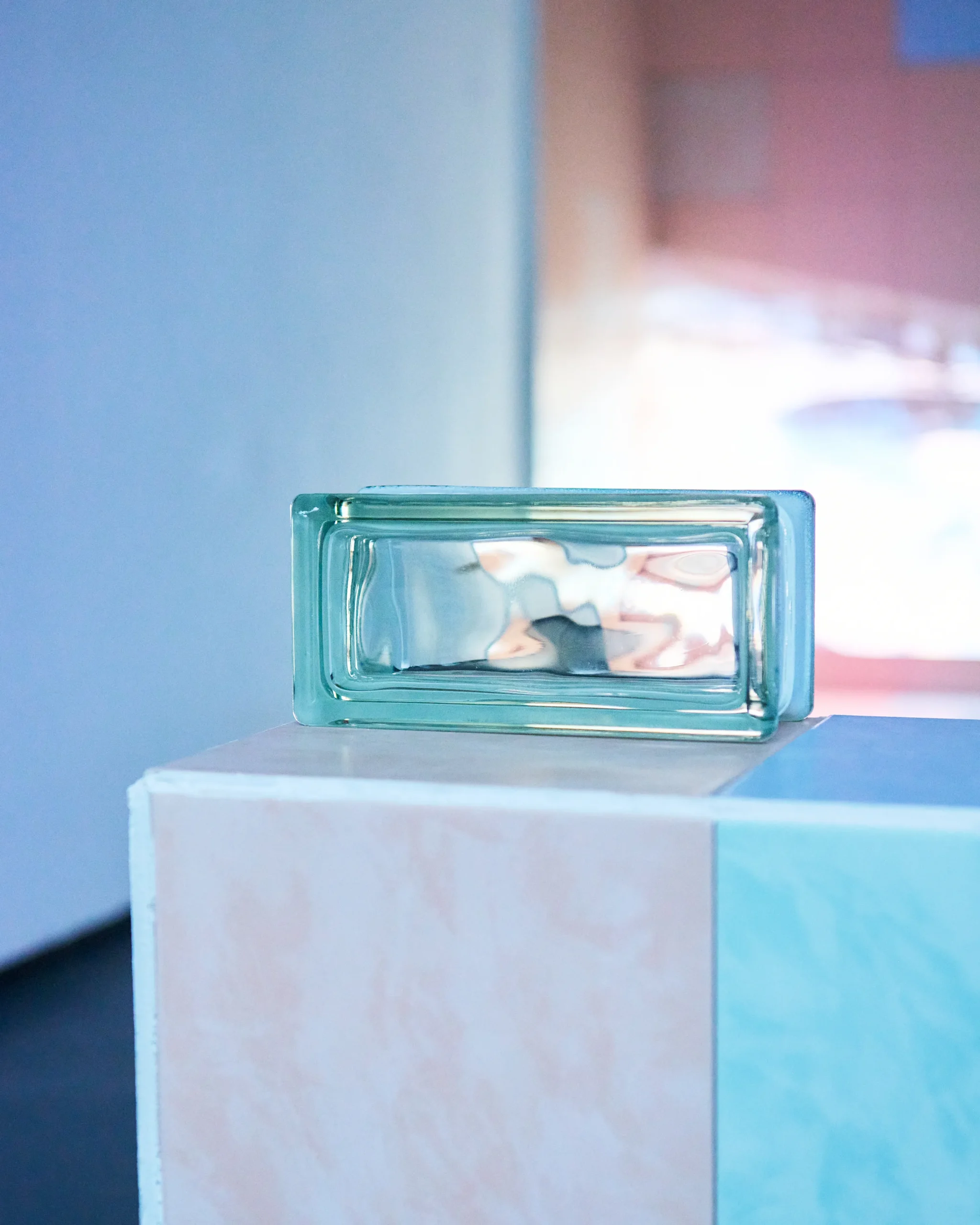
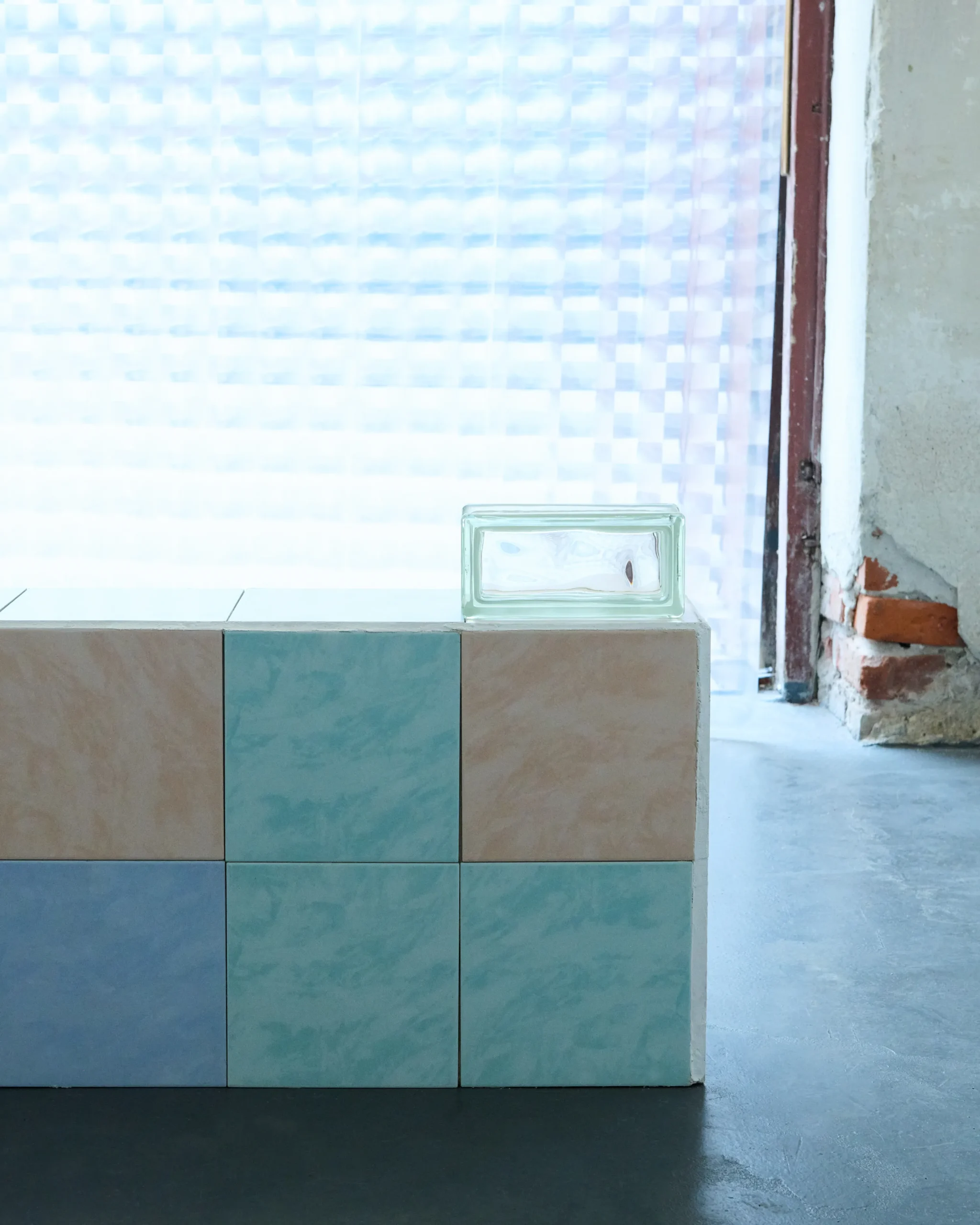
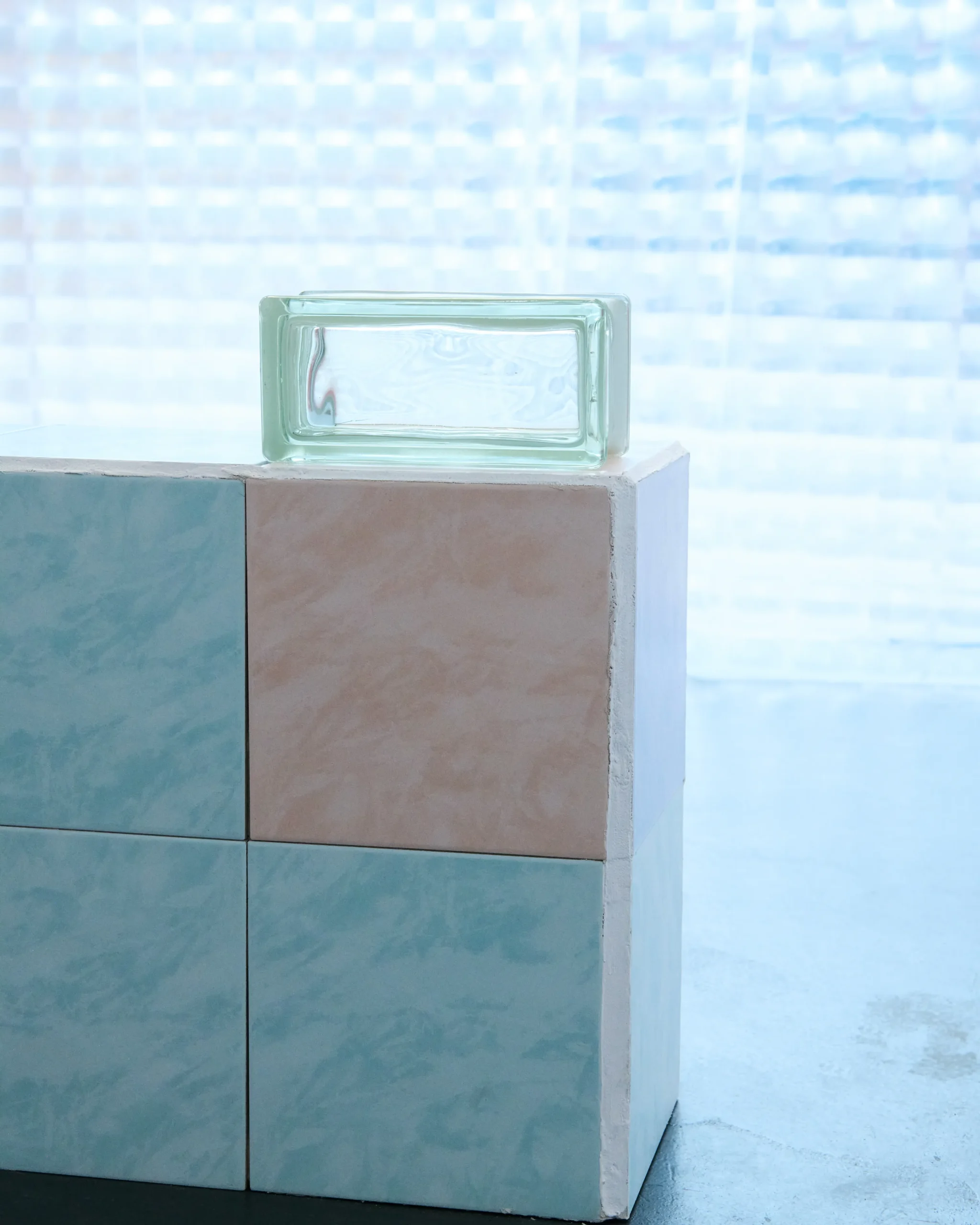
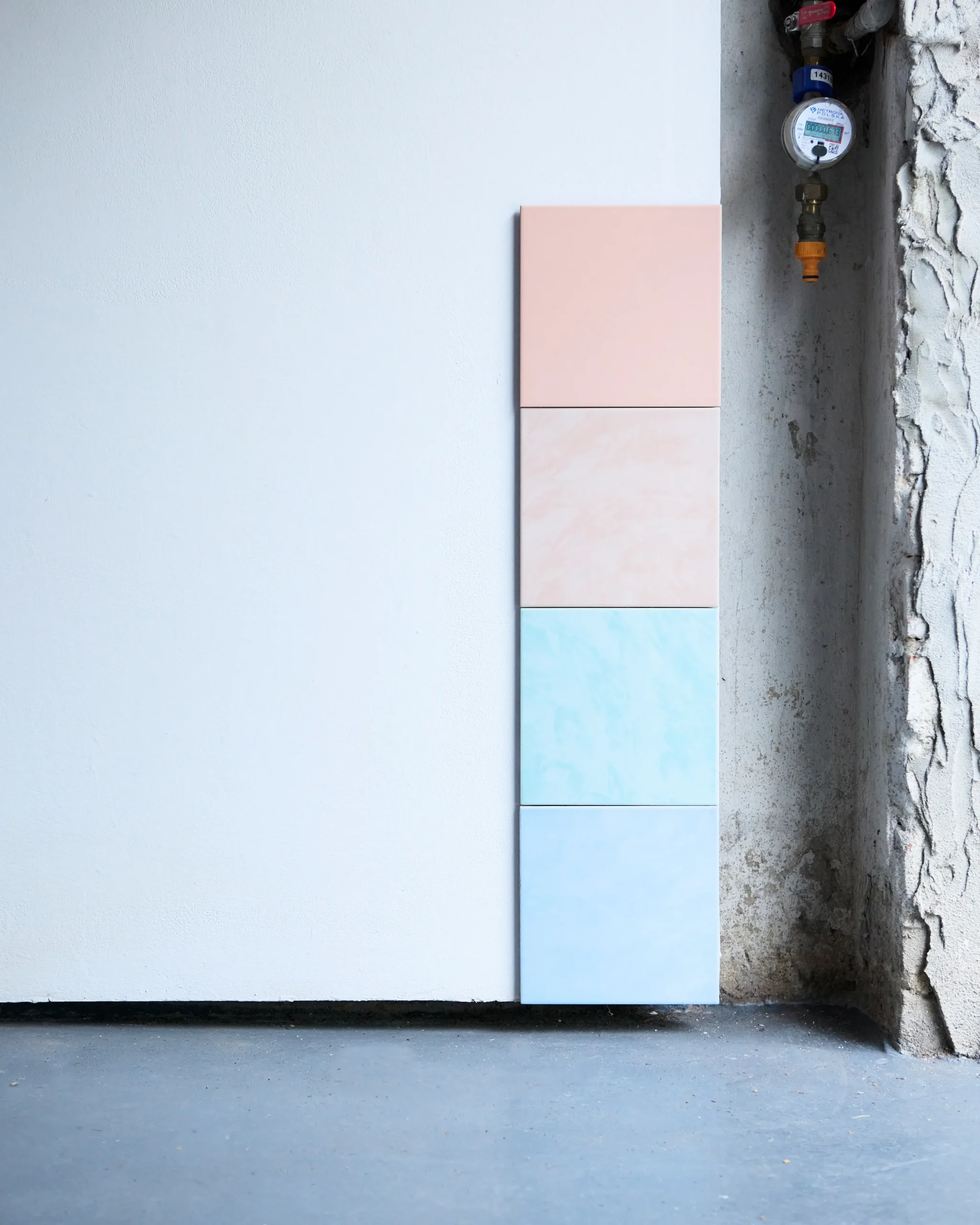
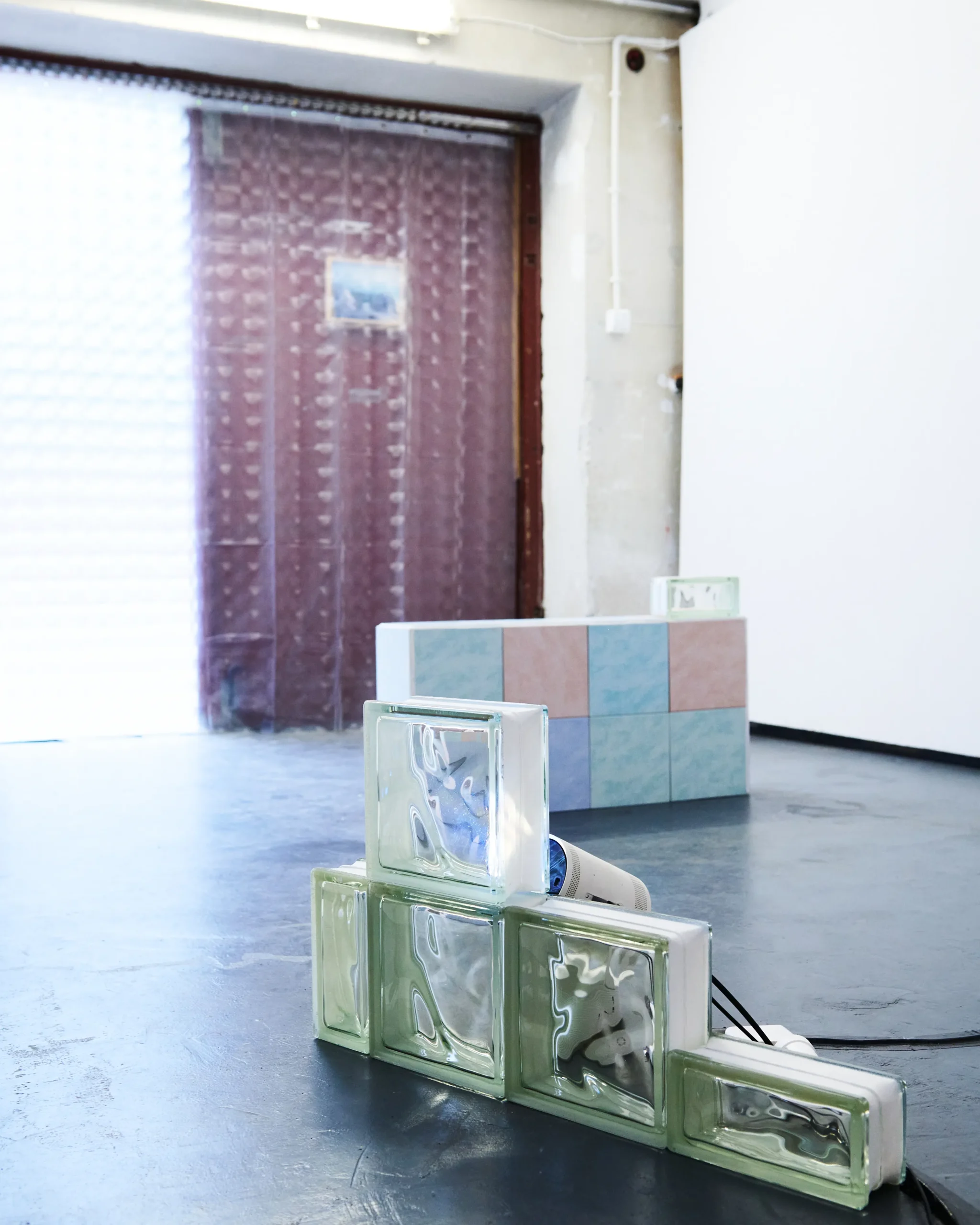
In my video installation, the bathroom tiles serve as a matrix for projections that capture the Vistula across shifting seasons and times of day. Drawing on Astrida Neimanis’s hydrofeminism, I approach the Vistula as a body of water that, much like my own, is entangled in a vast, multi-species network. Here, the Vistula emerges as a co-present subject: a roommate, a friend, or an acquaintance met along the riverbanks. By deconstructing the architectural elements of the bathroom, I invite the river into its crevices, allowing her waters and the domestic space to coexist on a horizontal plane. While our interaction with water in the bathroom is typically highly regimented—mediated by a tap we turn on and off at will—this work observes the river’s own agency as it alternately conforms to the rigid grid of the tiles or breaks free from it entirely.