


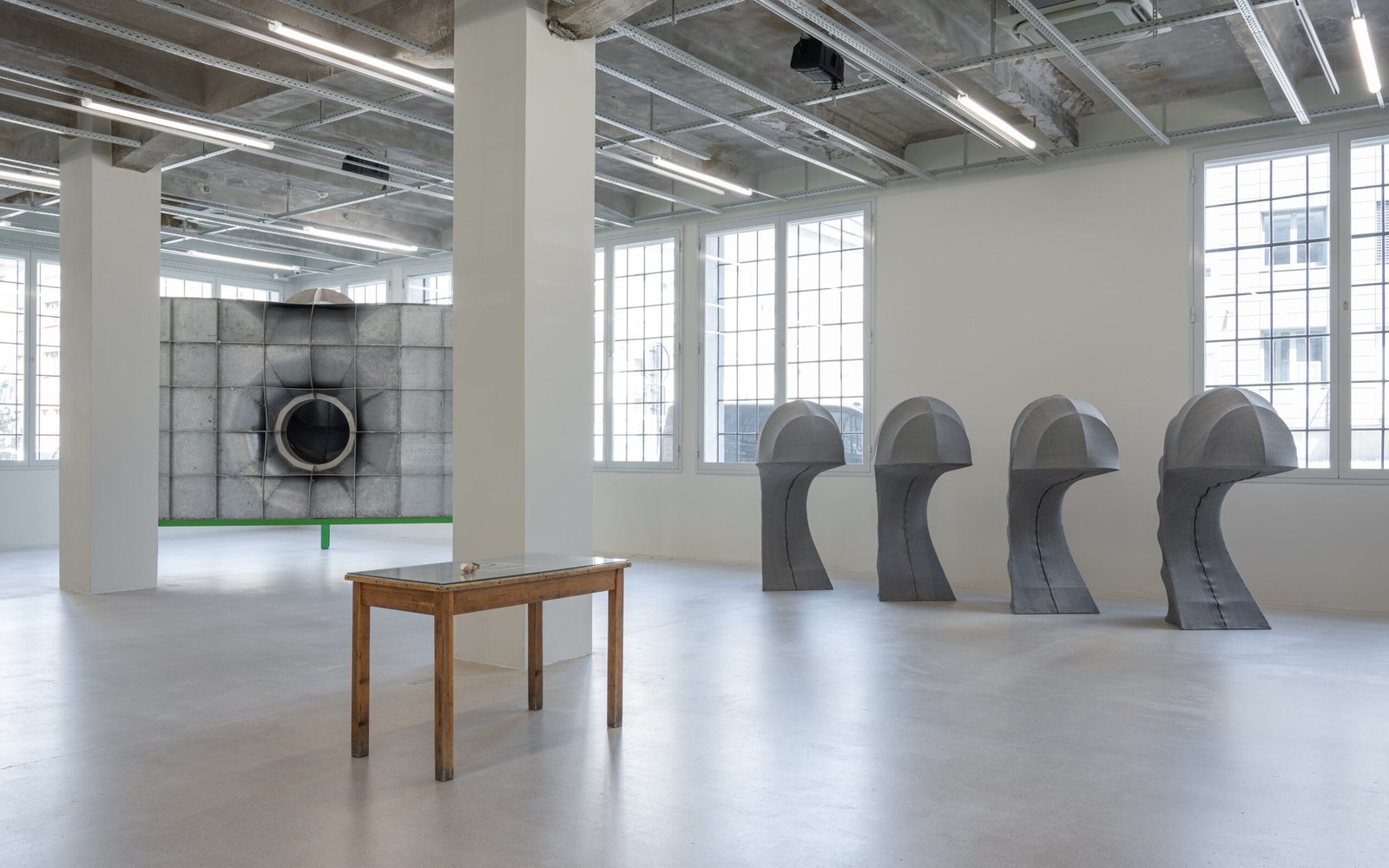
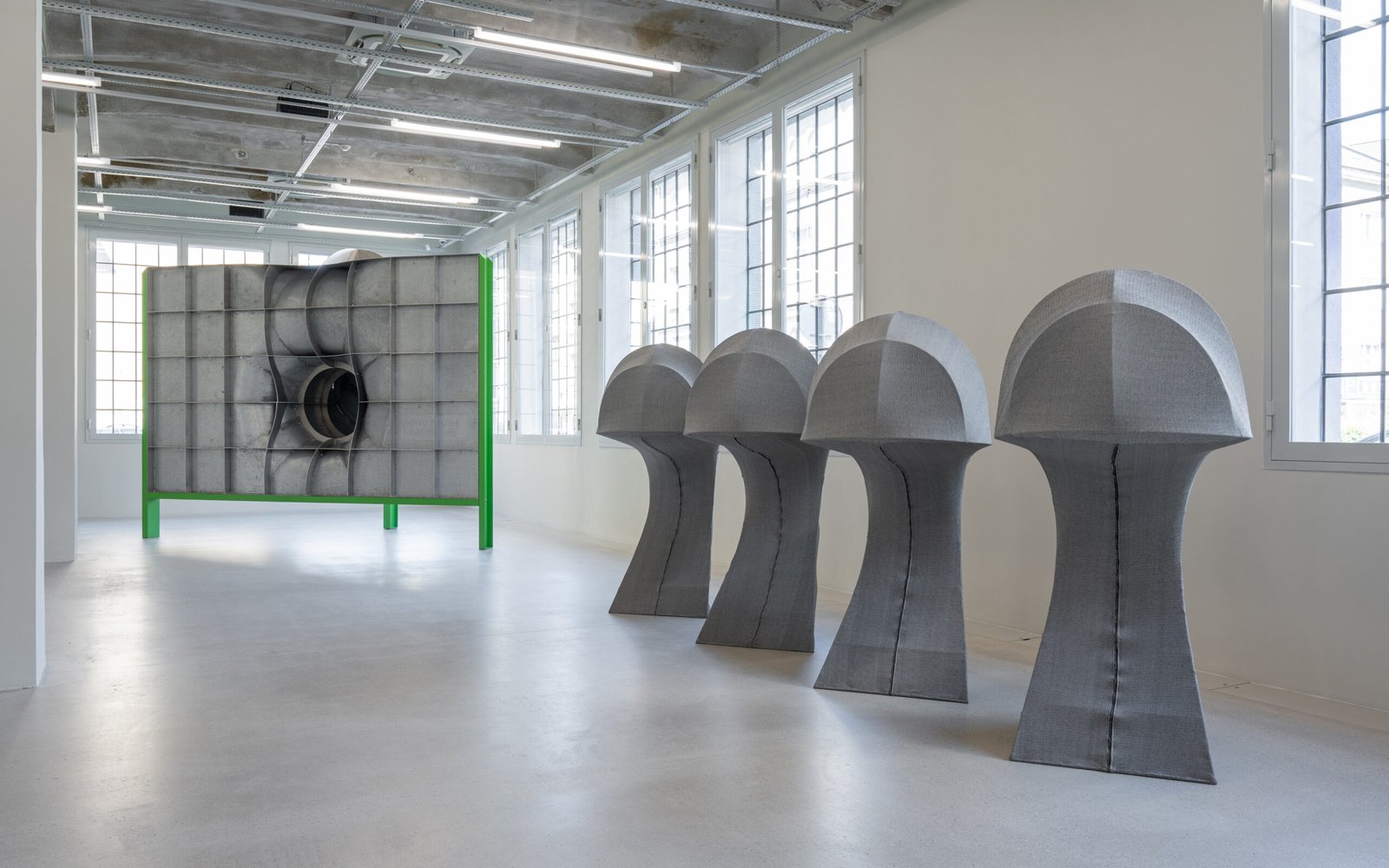
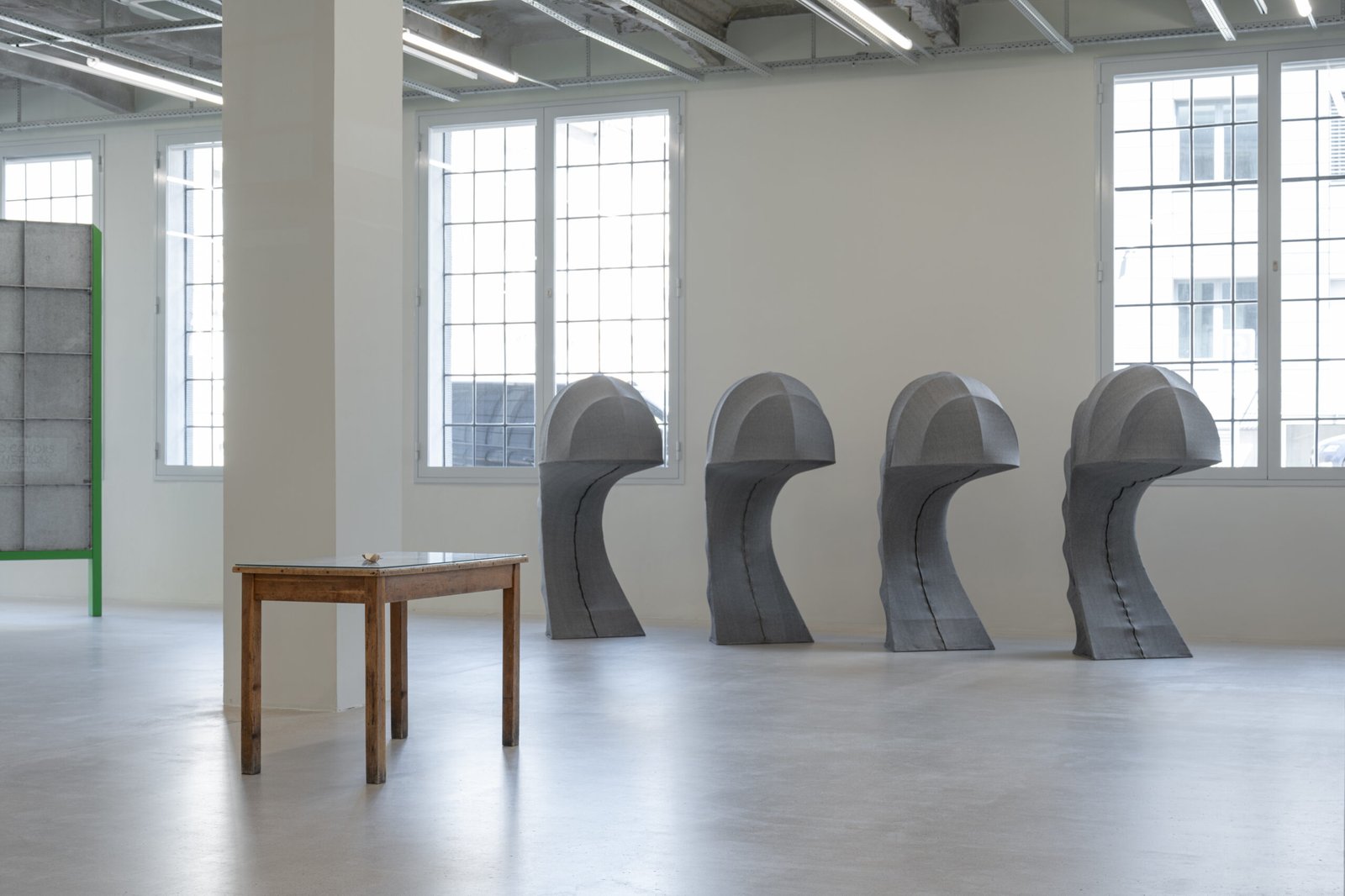
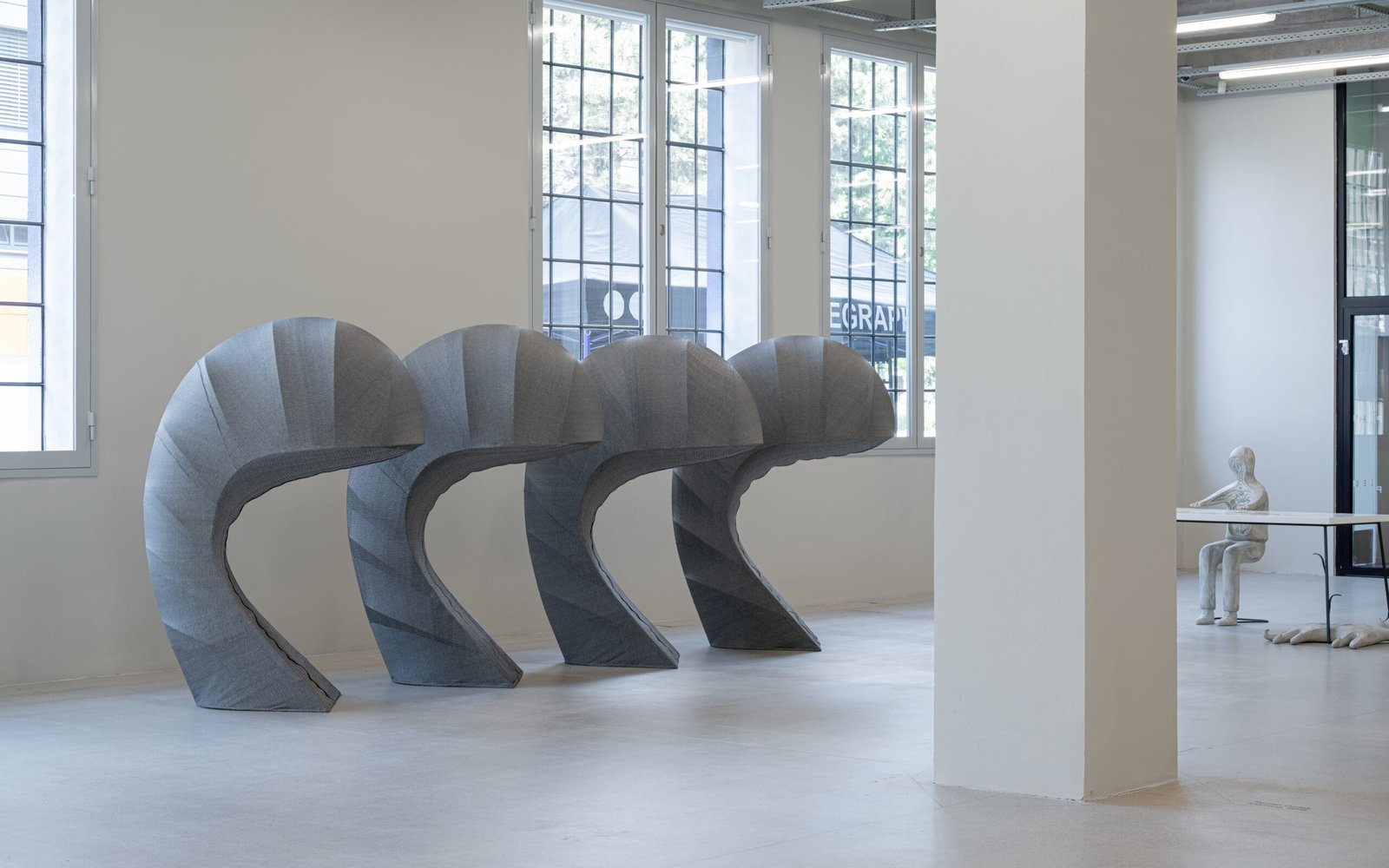
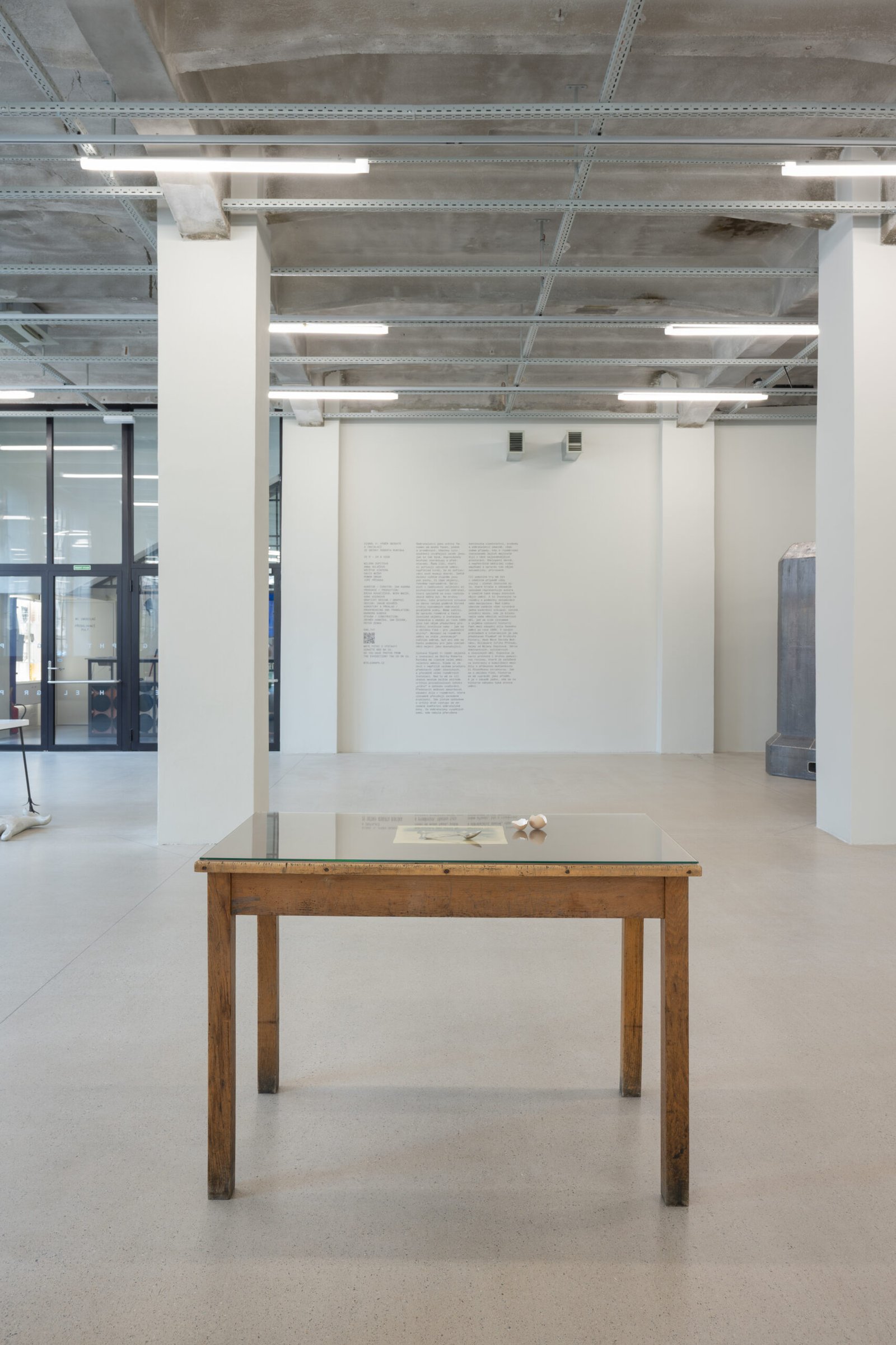
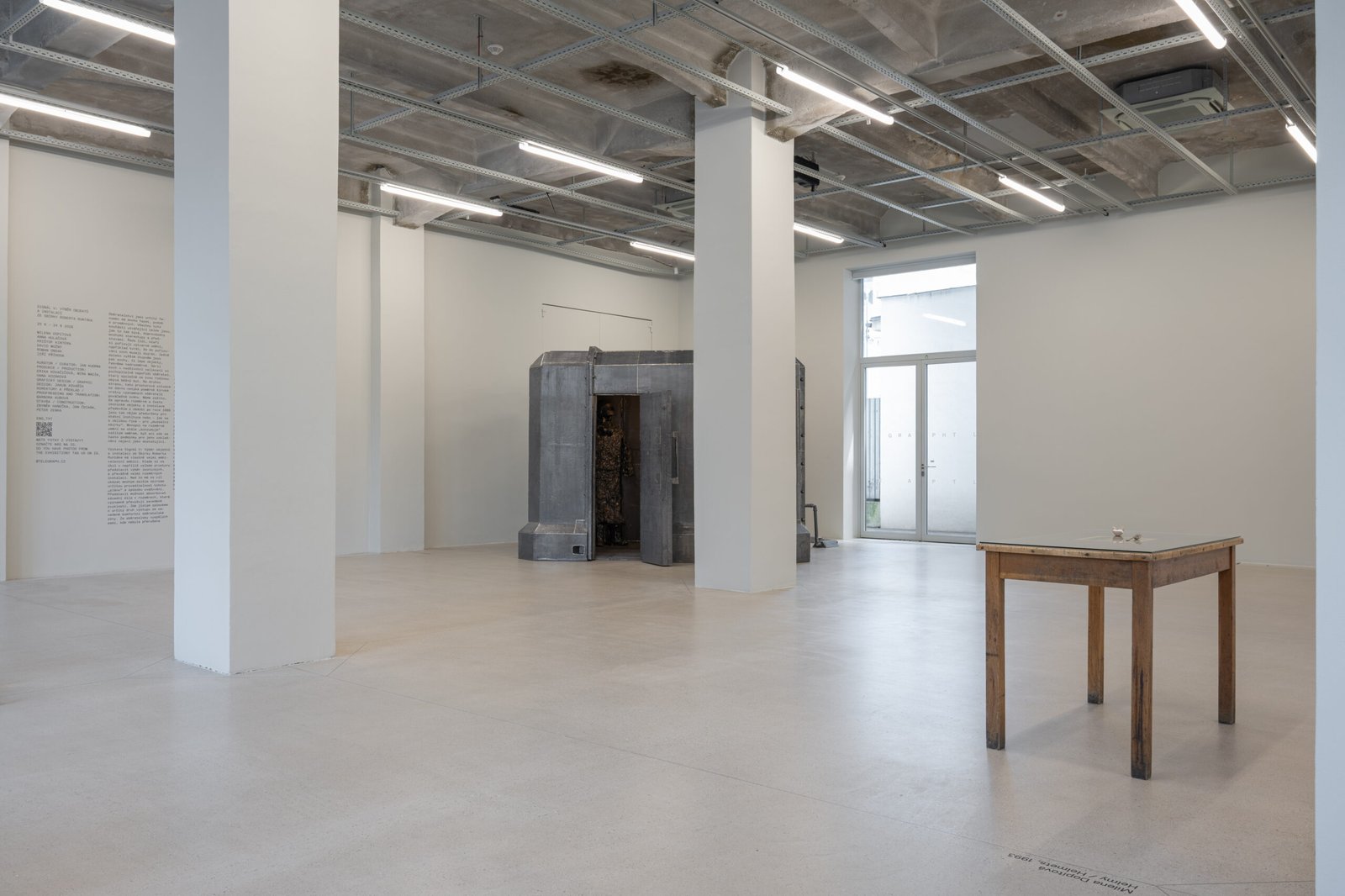
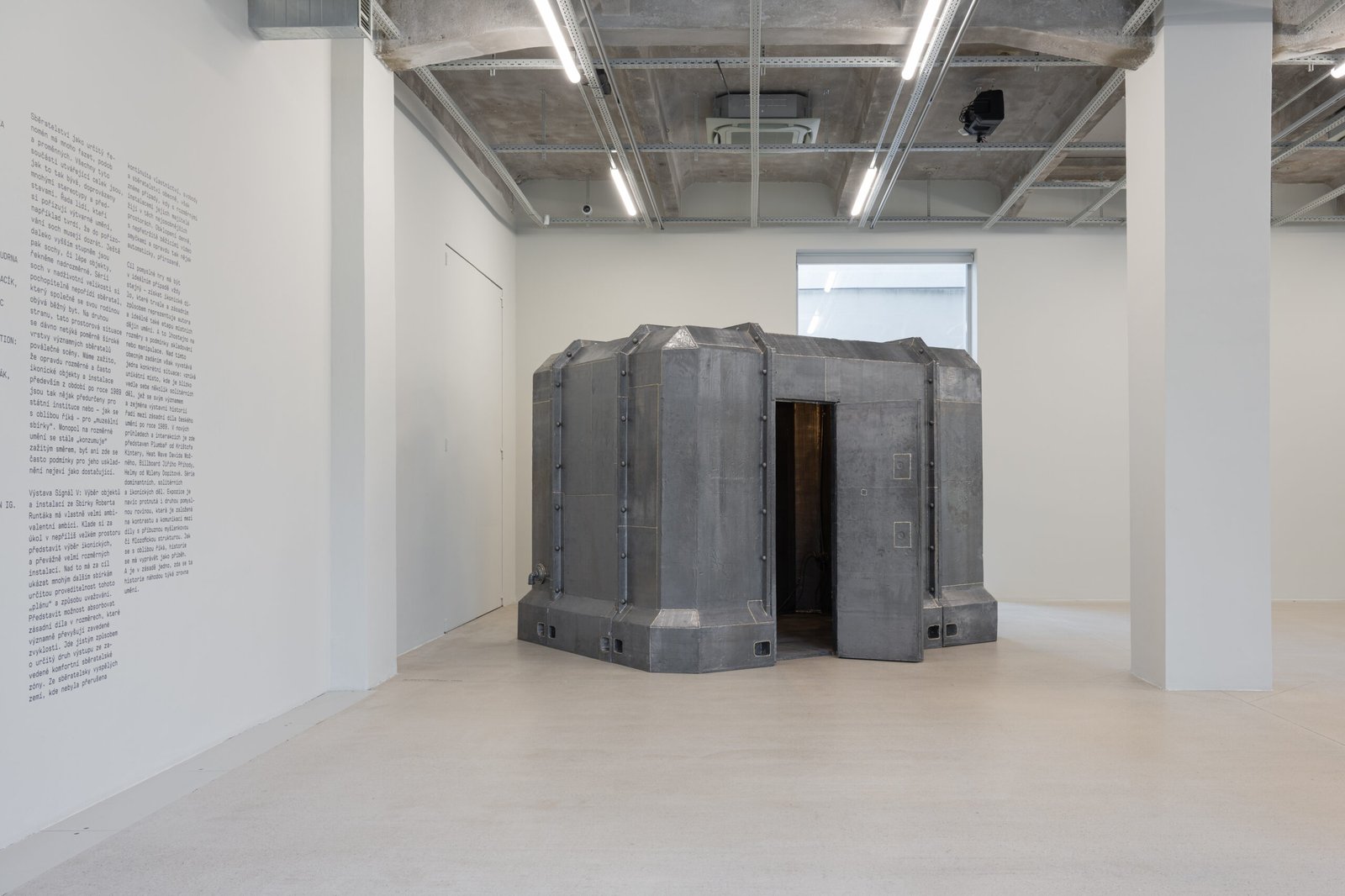
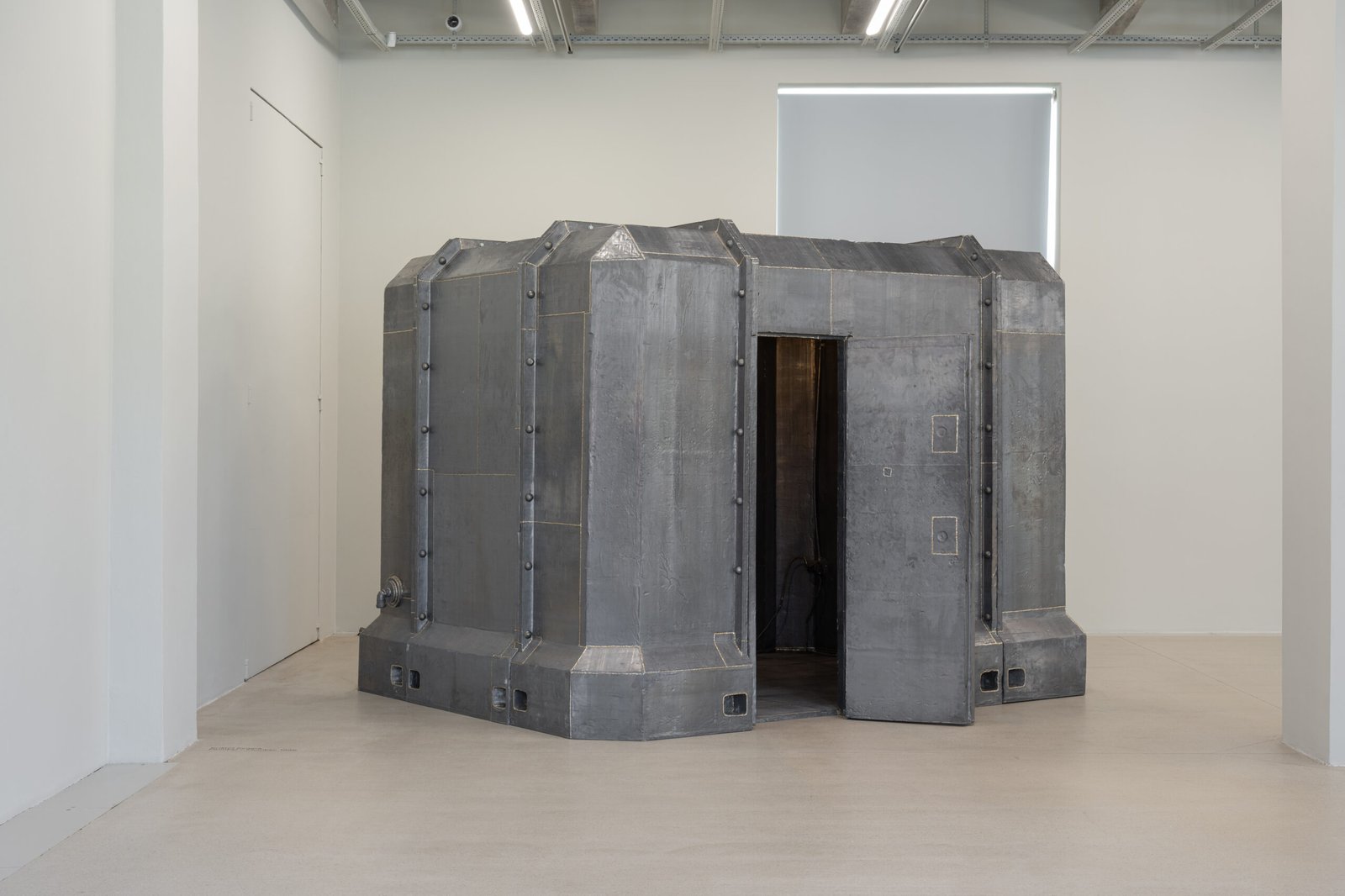
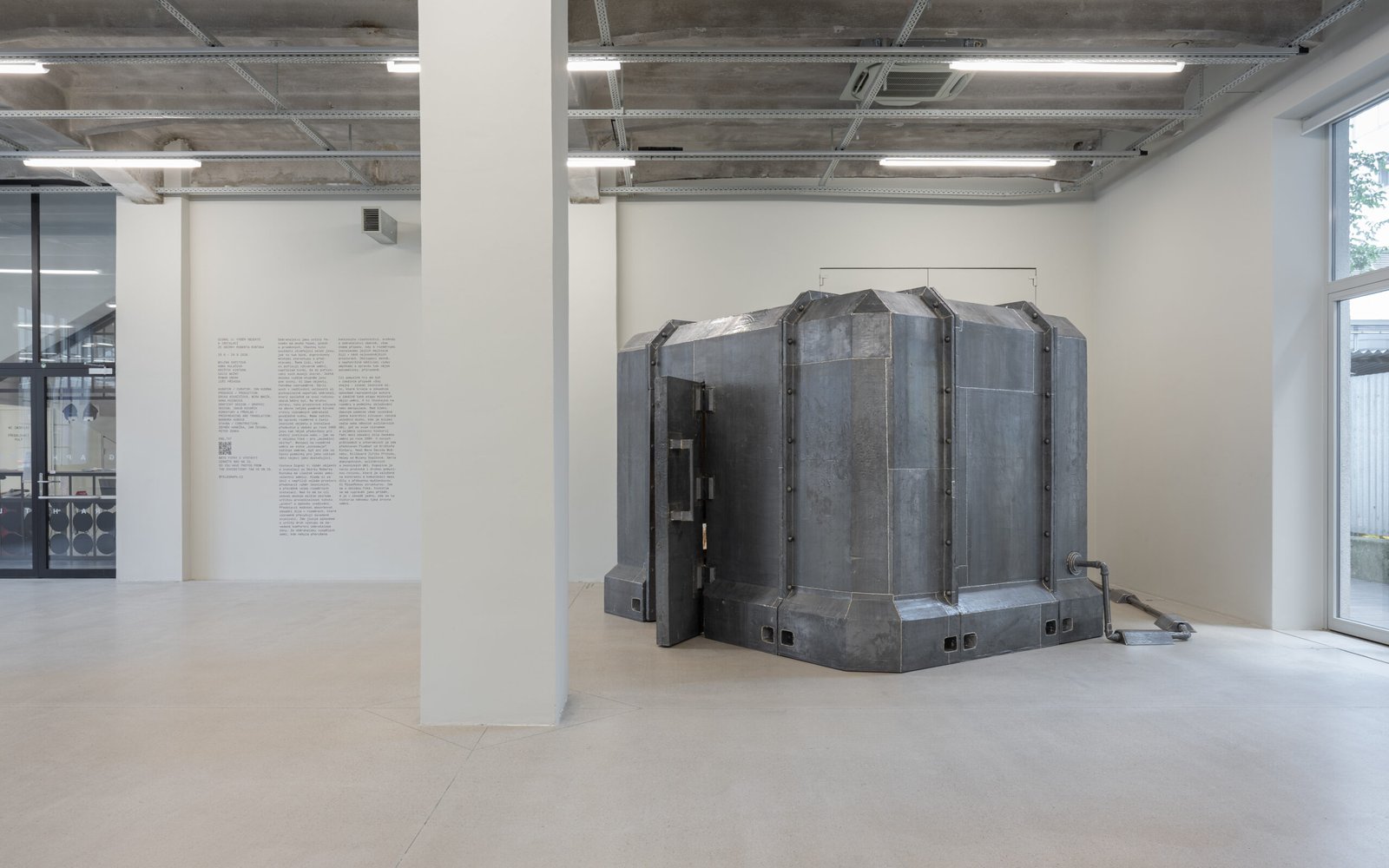

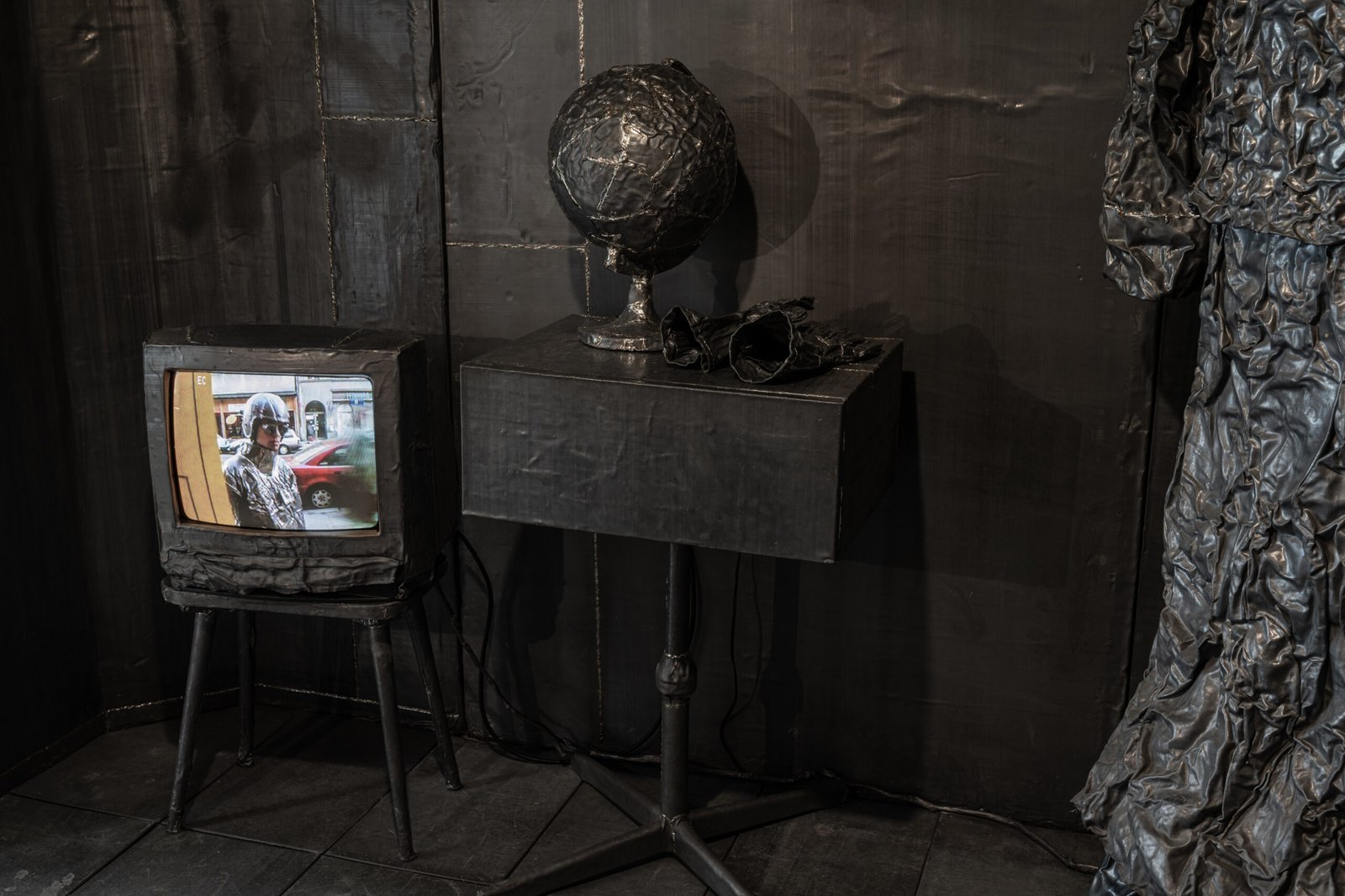
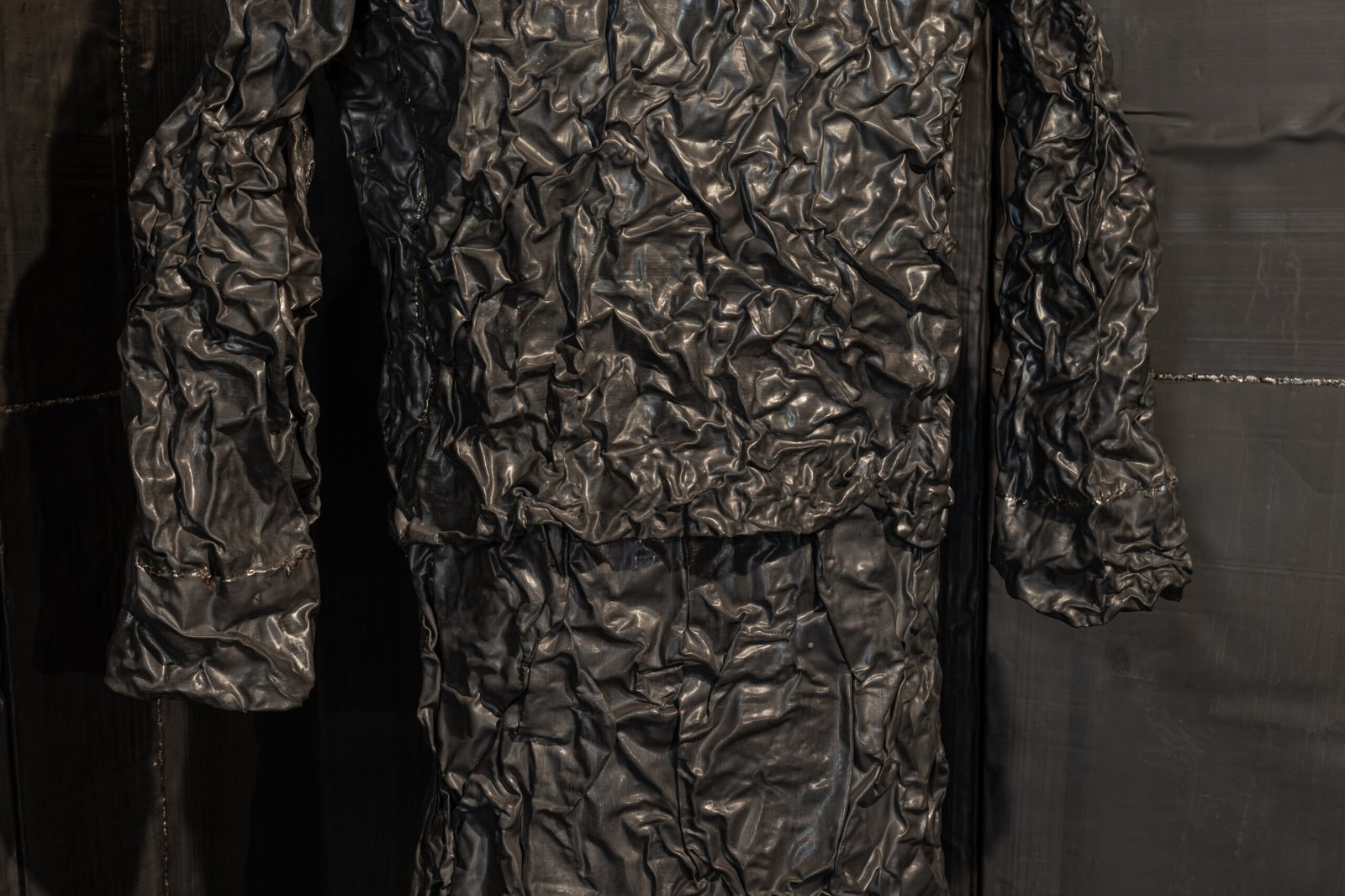
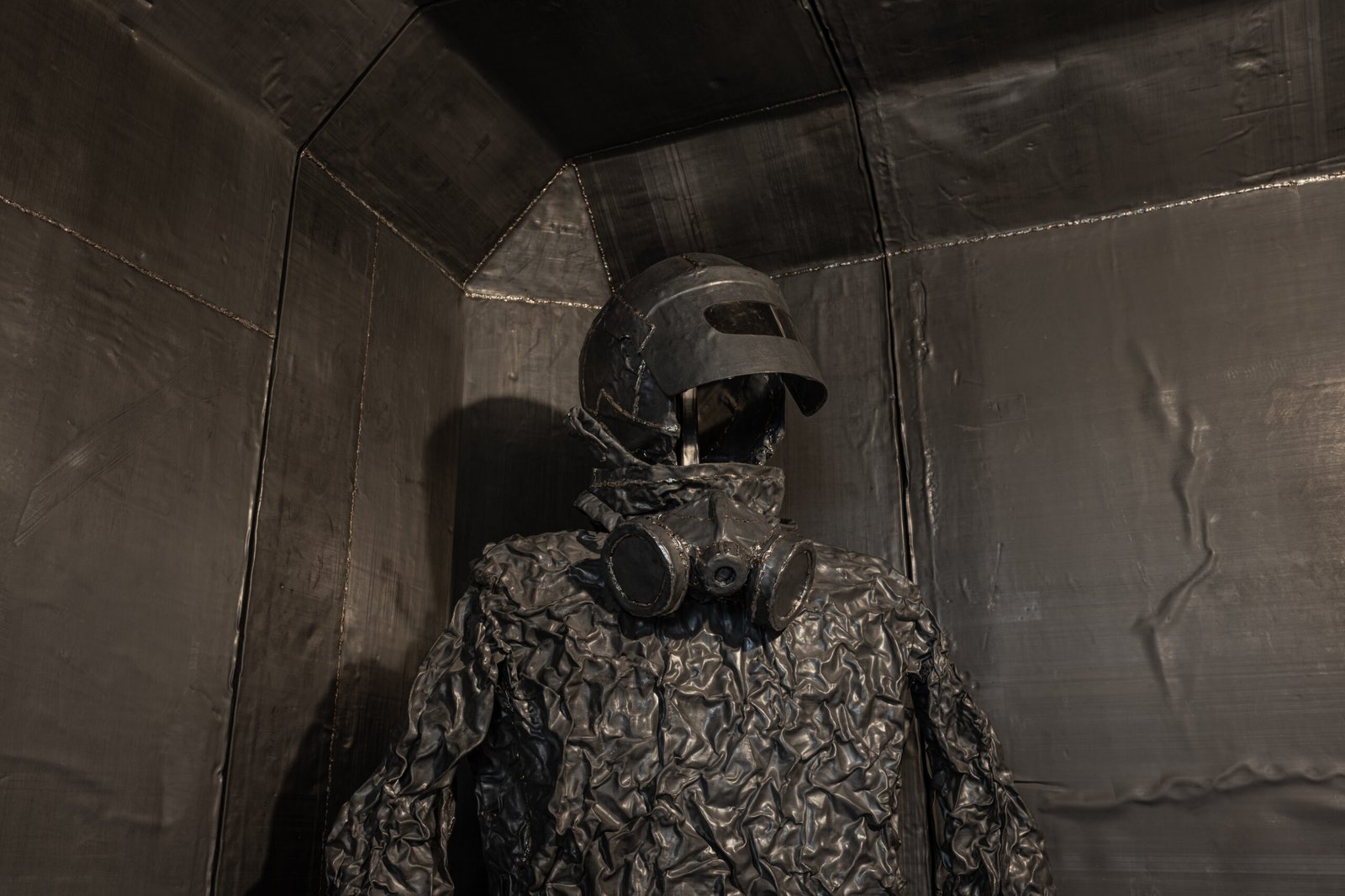
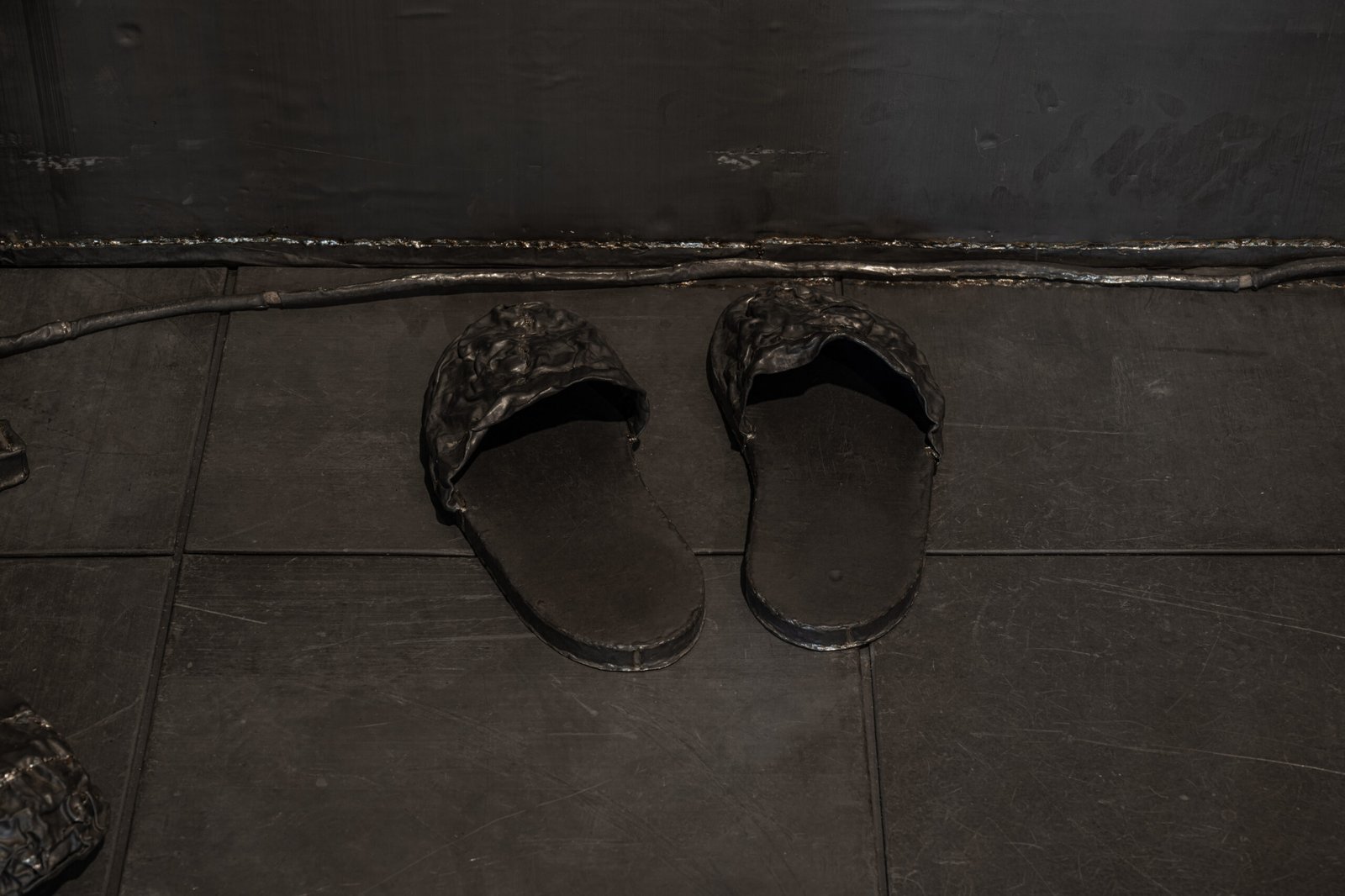

On 25 June 2026, Telegraph Gallery in Olomouc opened the exhibition project Signal V: A Selection of Objects and Installations from the Robert Runták Collection. Within the Czech context, the exhibition presents a unique selection of groundbreaking large-scale works whose size and significance often go beyond the scope of conventional private collecting. This is the fifth project in the Signal exhibition series, which showcases key works of contemporary art from recent decades.
Challenging Collecting Stereotypes
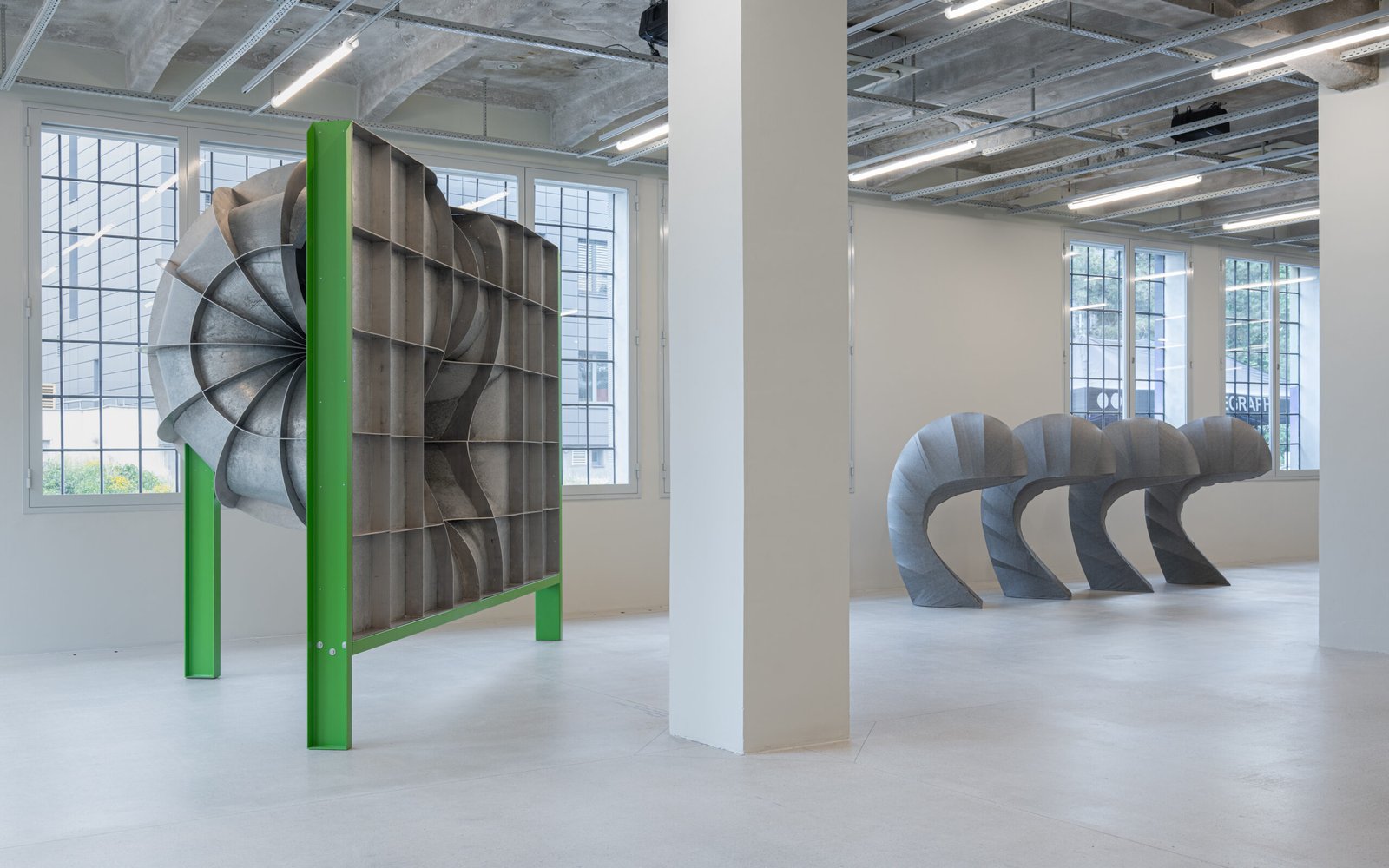
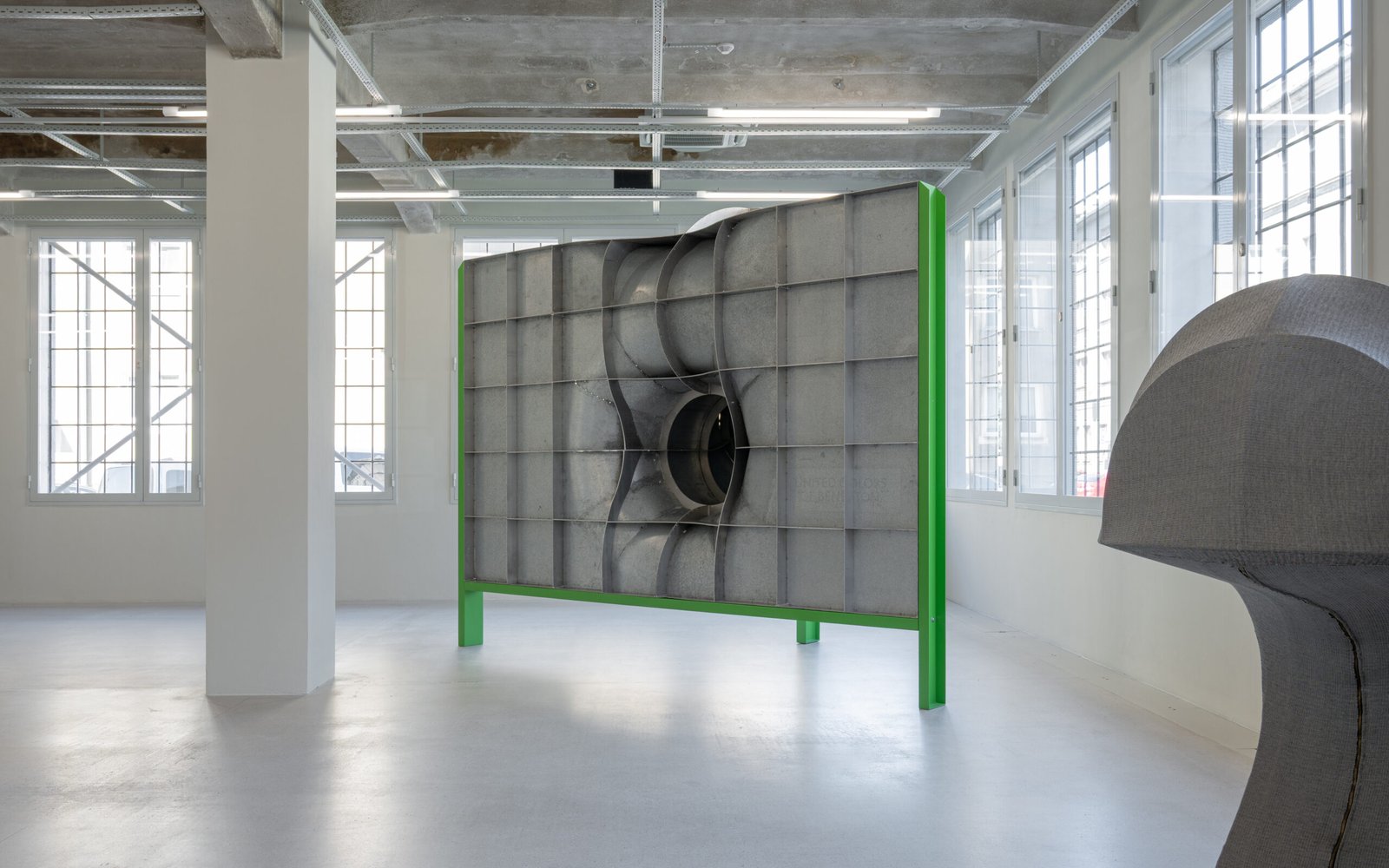
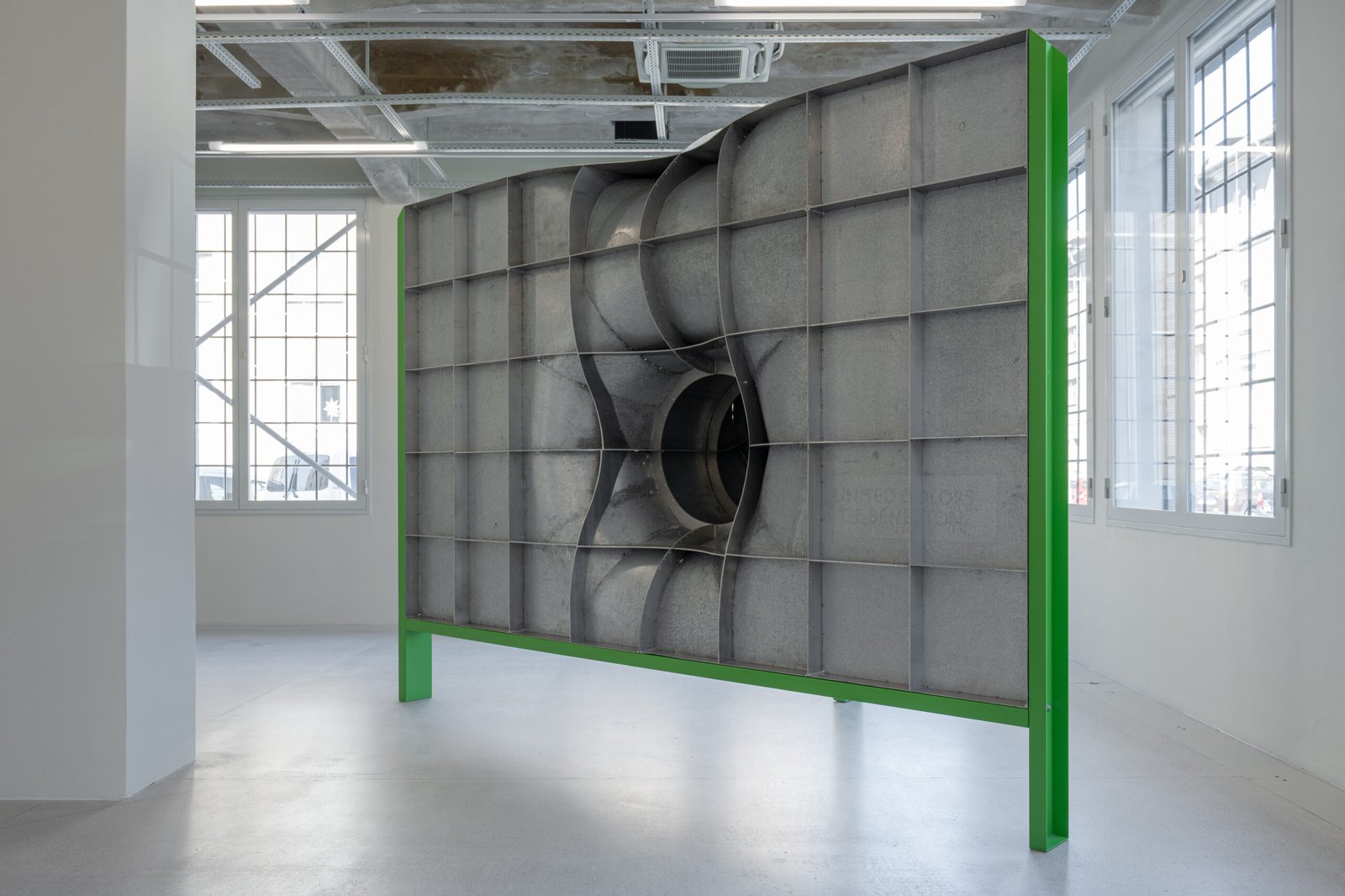
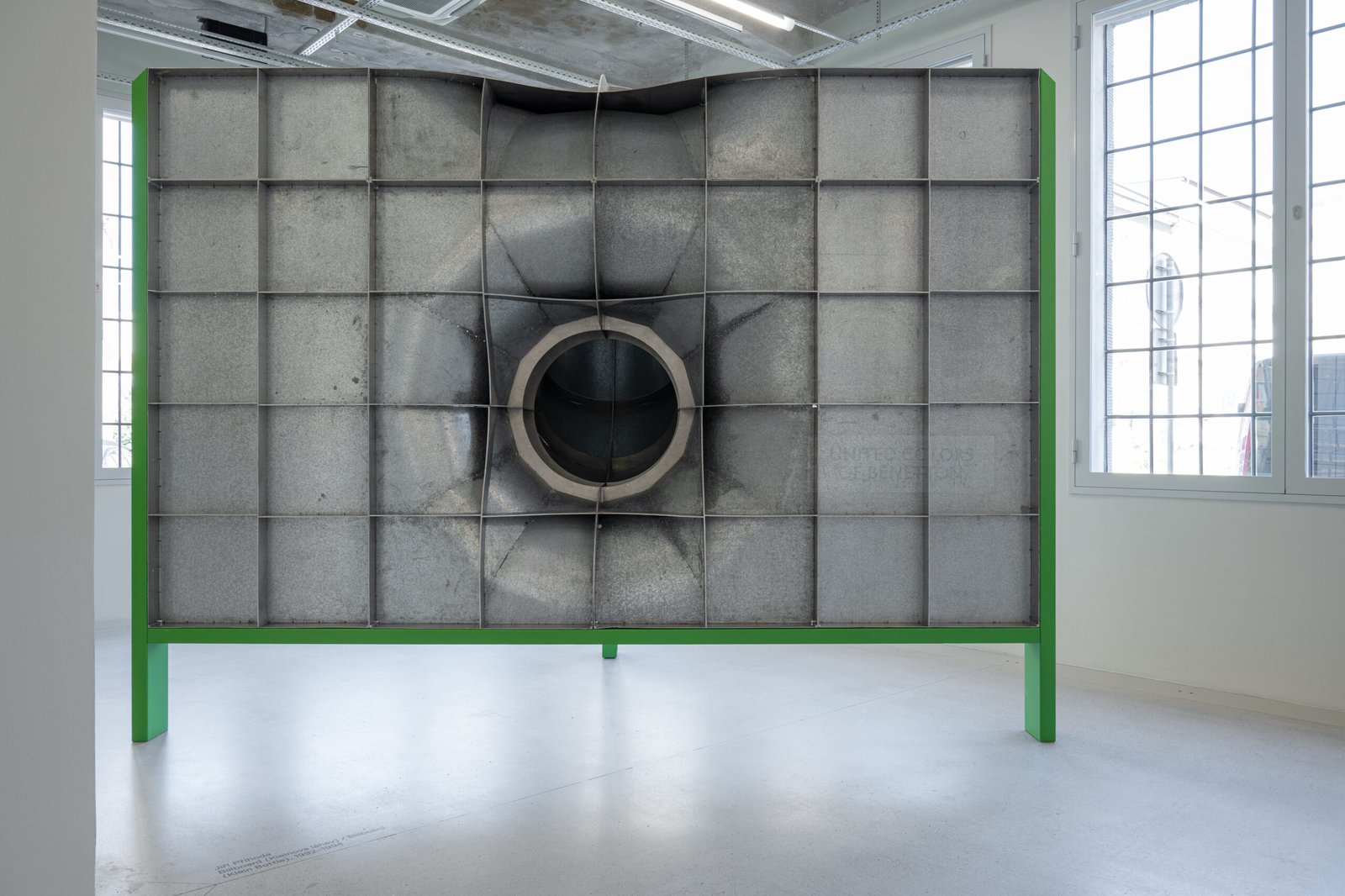
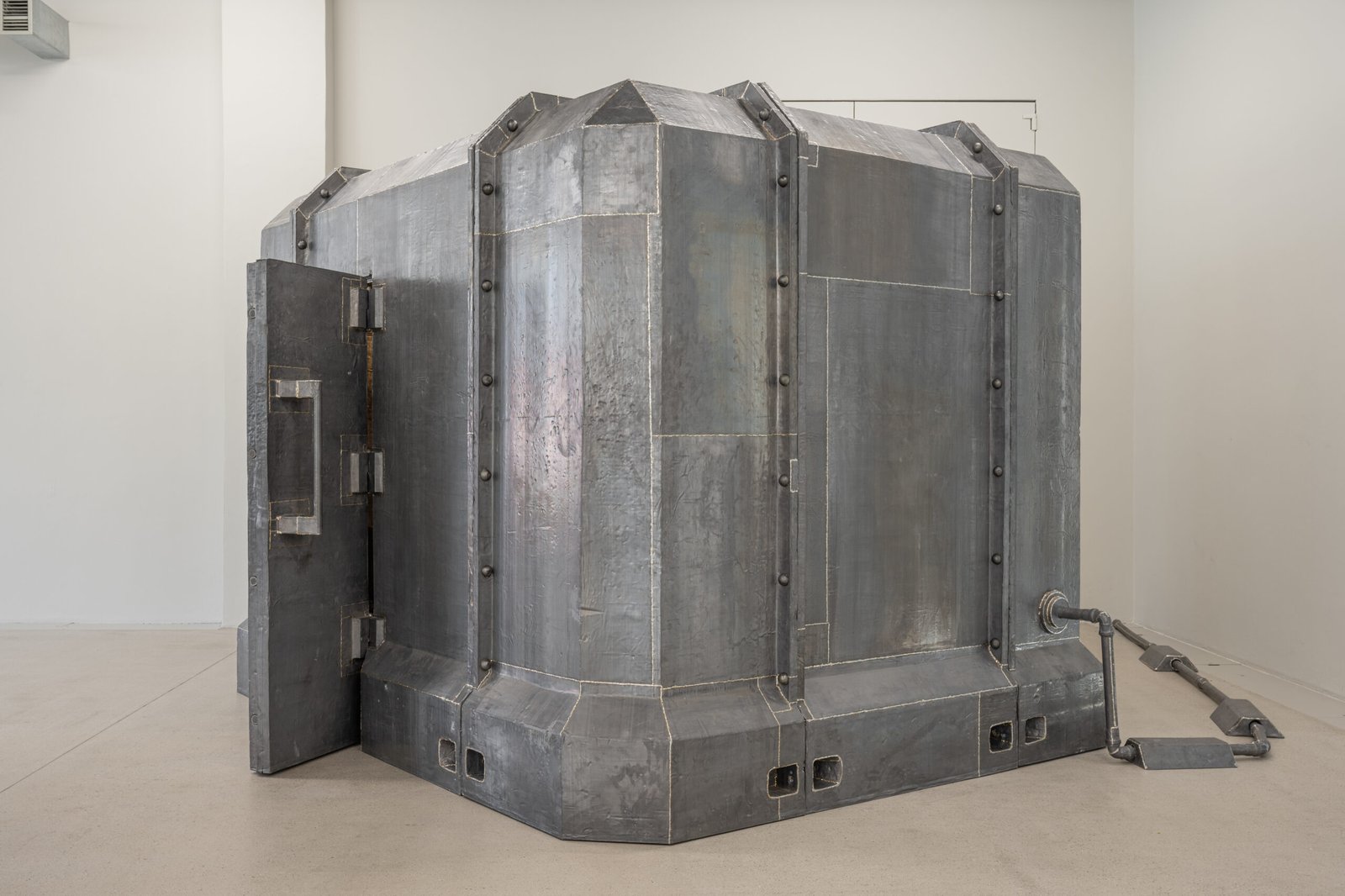
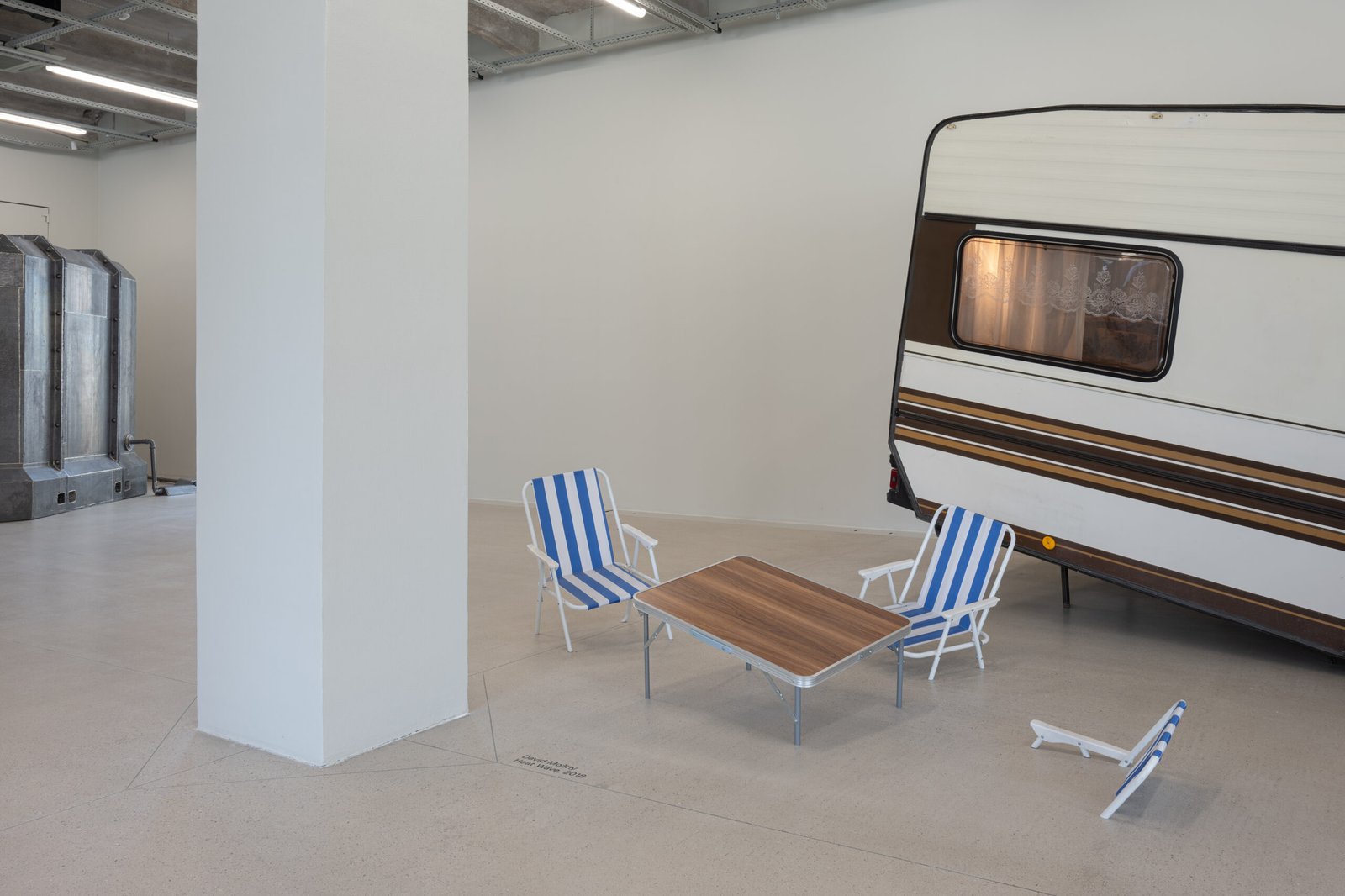
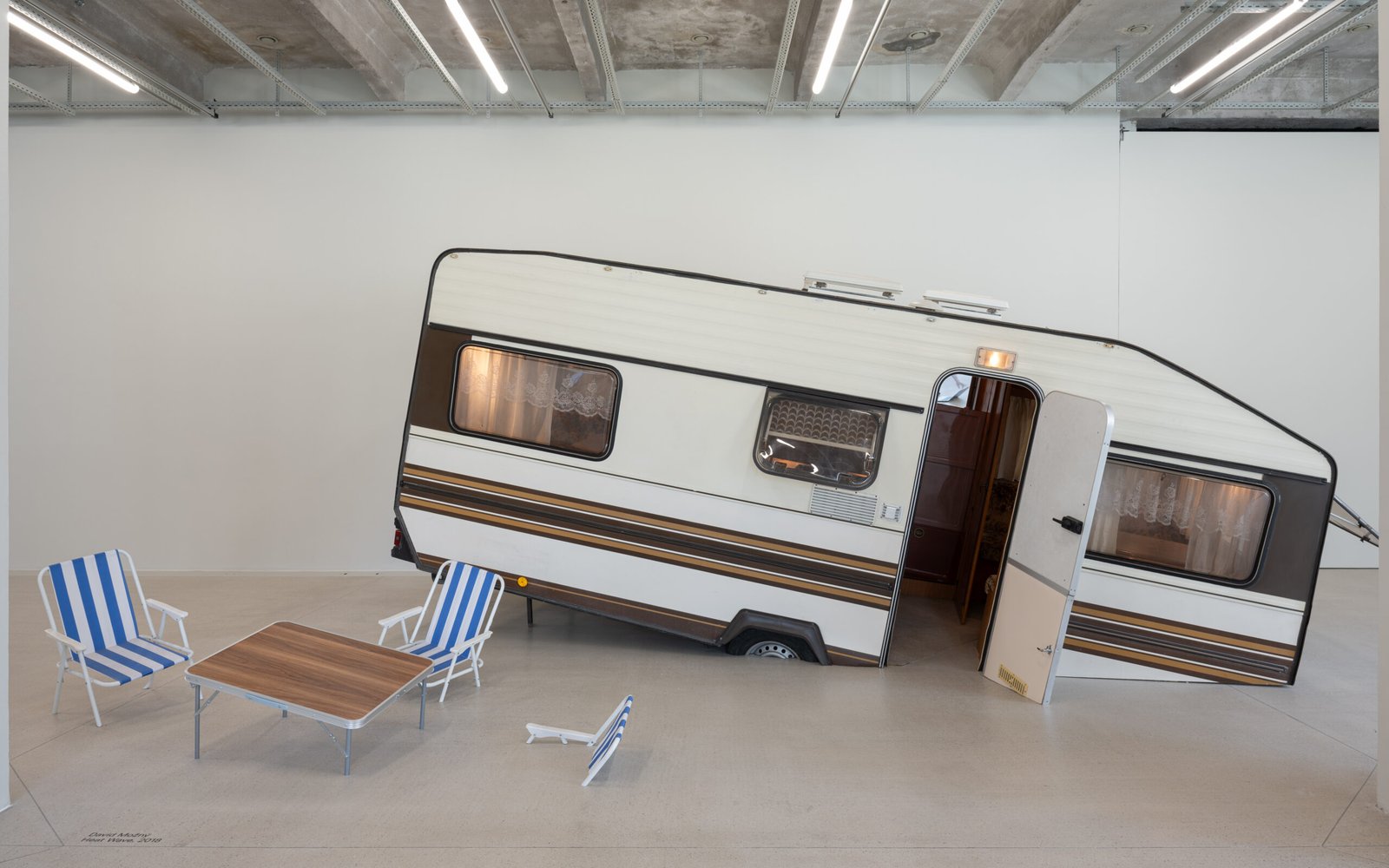
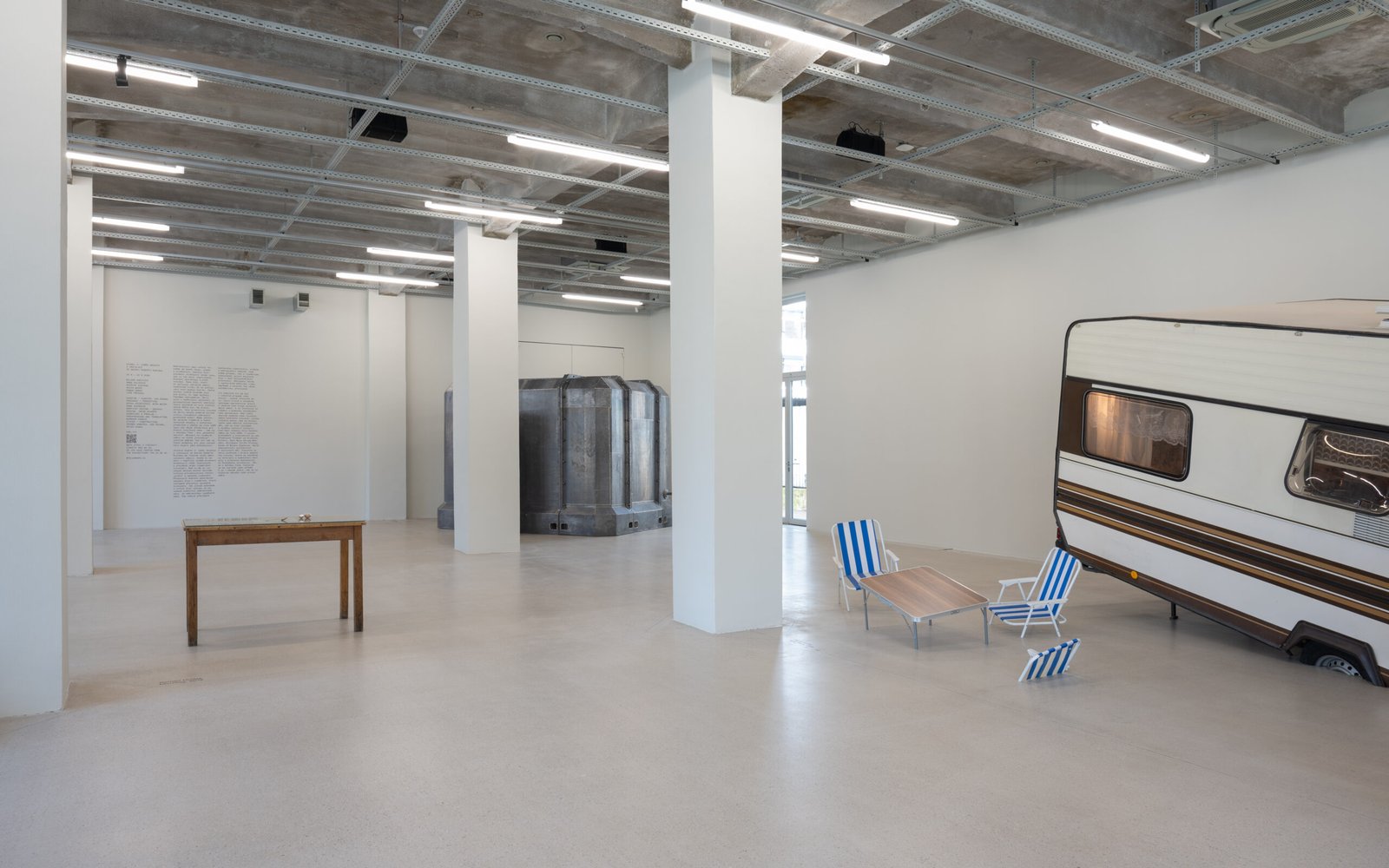
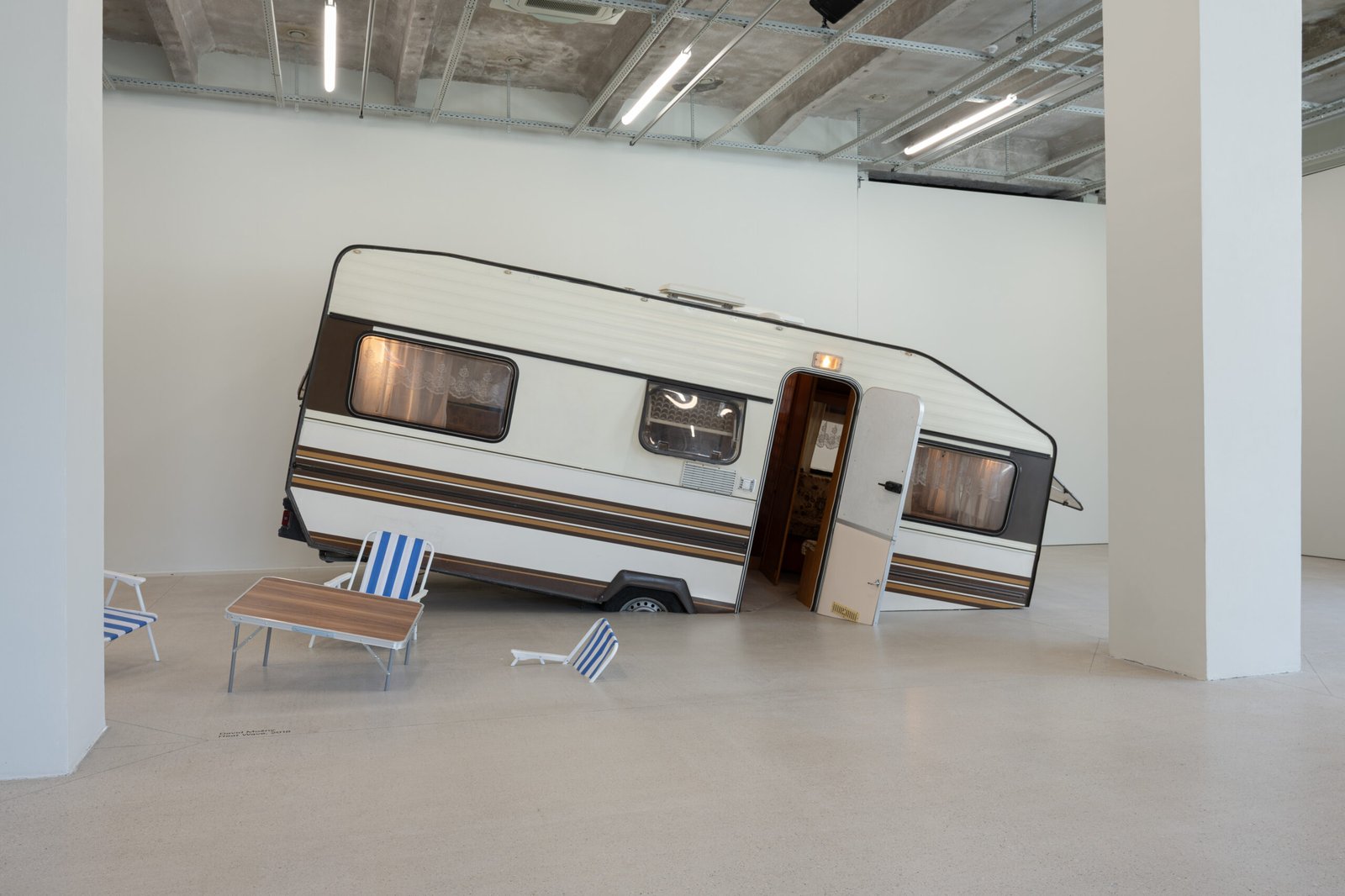
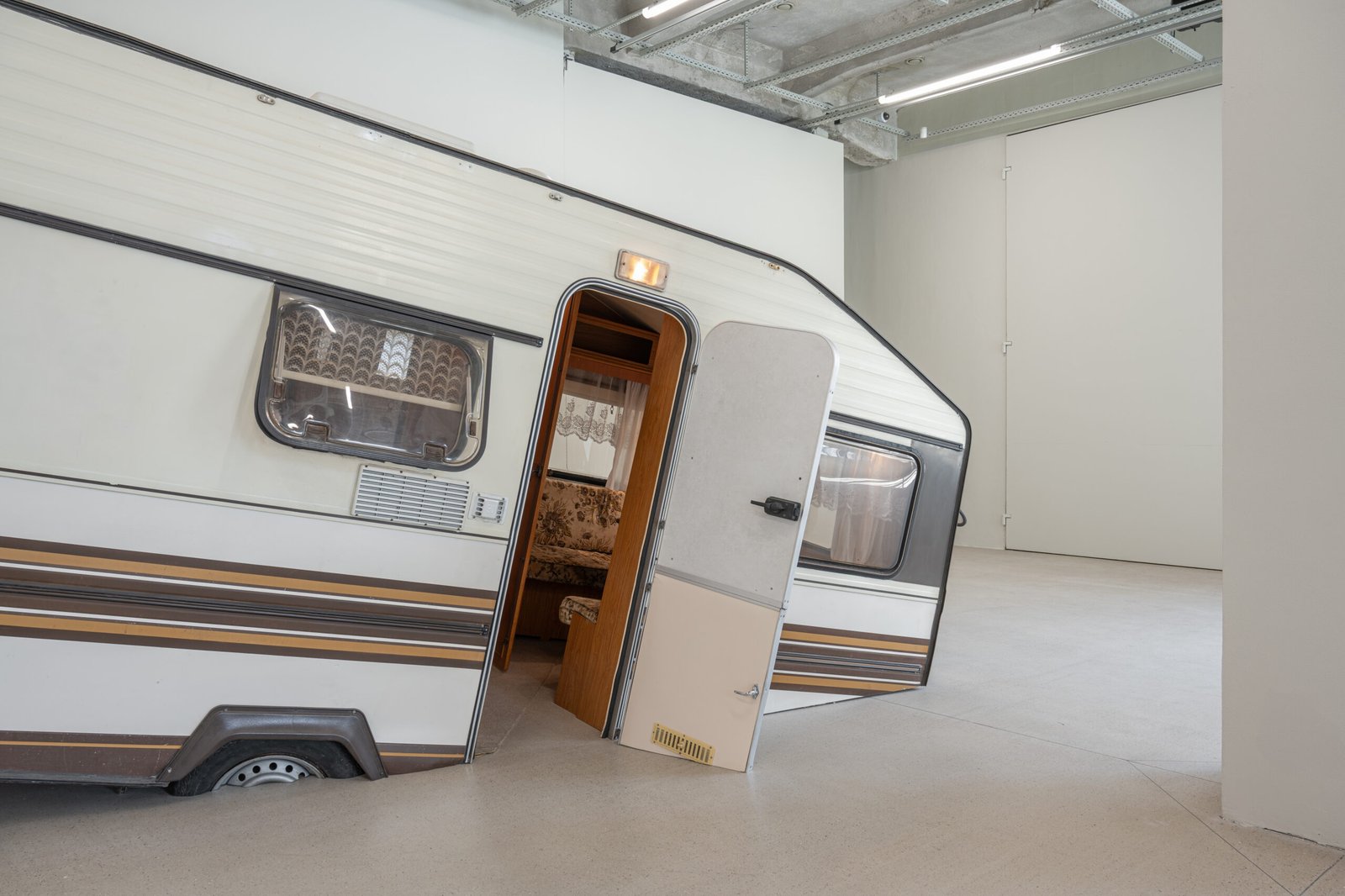
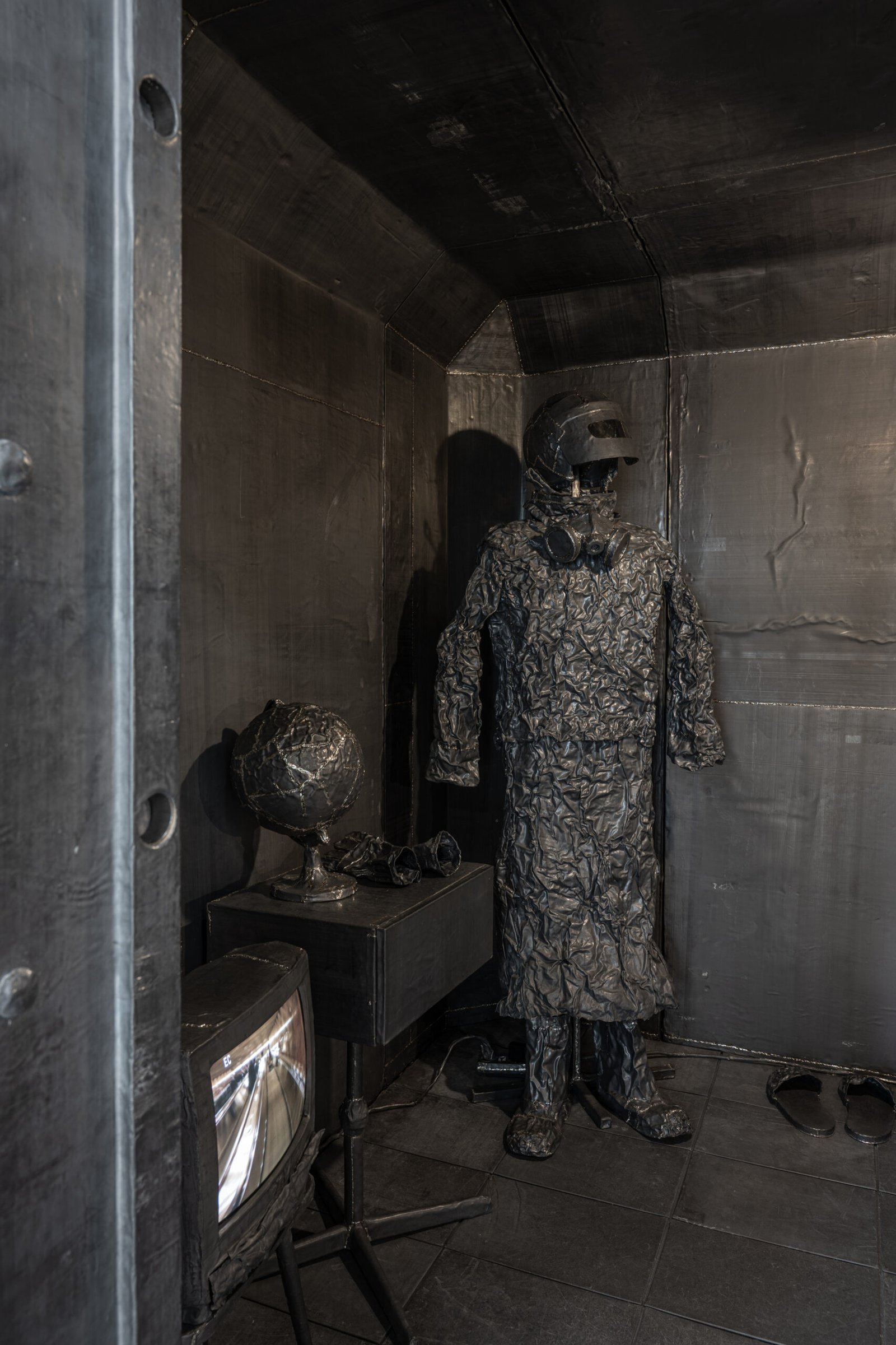
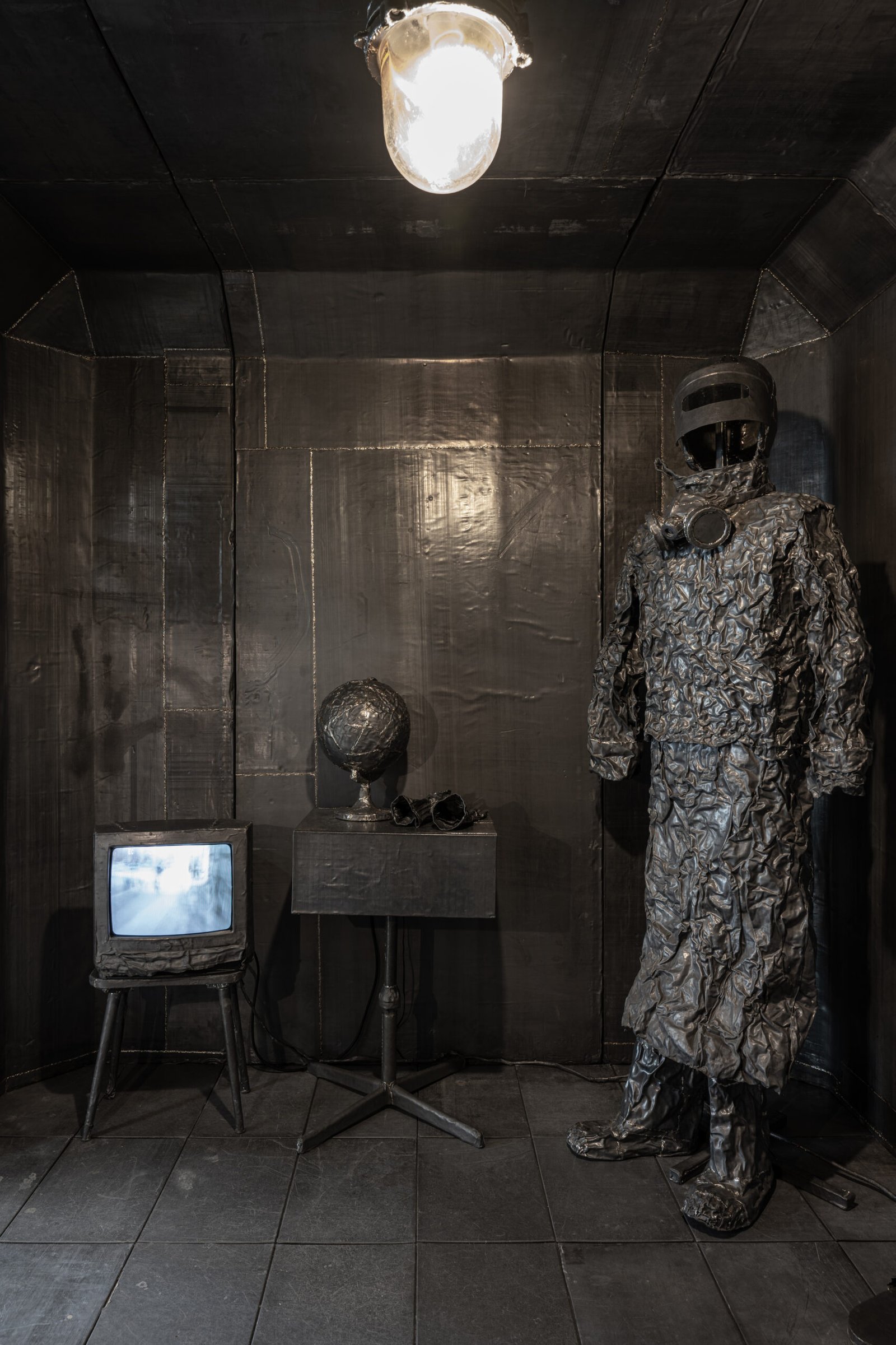
The exhibition Signal V challenges the established notion that large-scale objects belong exclusively in public institutions and demonstrates how such works can function within private collections. The exhibition will present a selection of significant installations and objects by artists of the post-1989 generation, including Krištof Kintera, Jiří Příhoda, Milena Dopitová, Roman Ondak, David Možný and Anna Hulačová. The exhibition reflects not only the physical scale of the works but also the collectors’ boldness and long-term vision. By placing these singular landmarks of Czech contemporary art within the distinctive industrial environment of Telegraph Gallery, their original context is deliberately disrupted, giving rise to new spatial relationships.
A Word from the Curator
“The Signal exhibition series has long presented curated selections aimed at demonstrating that contemporary art has no boundaries and that viewers should not be intimidated by any form of artistic expression. In the fifth instalment of the series, we deliberately remove monumental installations from their original, often cold museum setting and relocate them to the more intimate and immediate context of Telegraph Gallery. Here, artists from different generations and with diverse formal approaches come together, united by a deeper internal philosophical structure. Visitors will find themselves in close proximity to the works, allowing them to experience familiar objects through entirely new spatial relationships and perspectives. The exhibition offers an intense, almost physical experience that, within a private setting, encourages visitors to reconsider established stereotypes about the scale and the possibilities of contemporary art and collecting,” explains exhibition curator Jan Kudrna.
Key Works of the Czechoslovak Art Scene in an International Context
The featured artists are among the leading figures of contemporary Czech visual art, with significant international recognition.
Krištof Kintera will be represented by his technological object Plumbař. Jiří Příhoda, whose works operate at the intersection of sculpture and architecture and redefine spatial experience, will present his work Billboard at Telegraph Gallery.
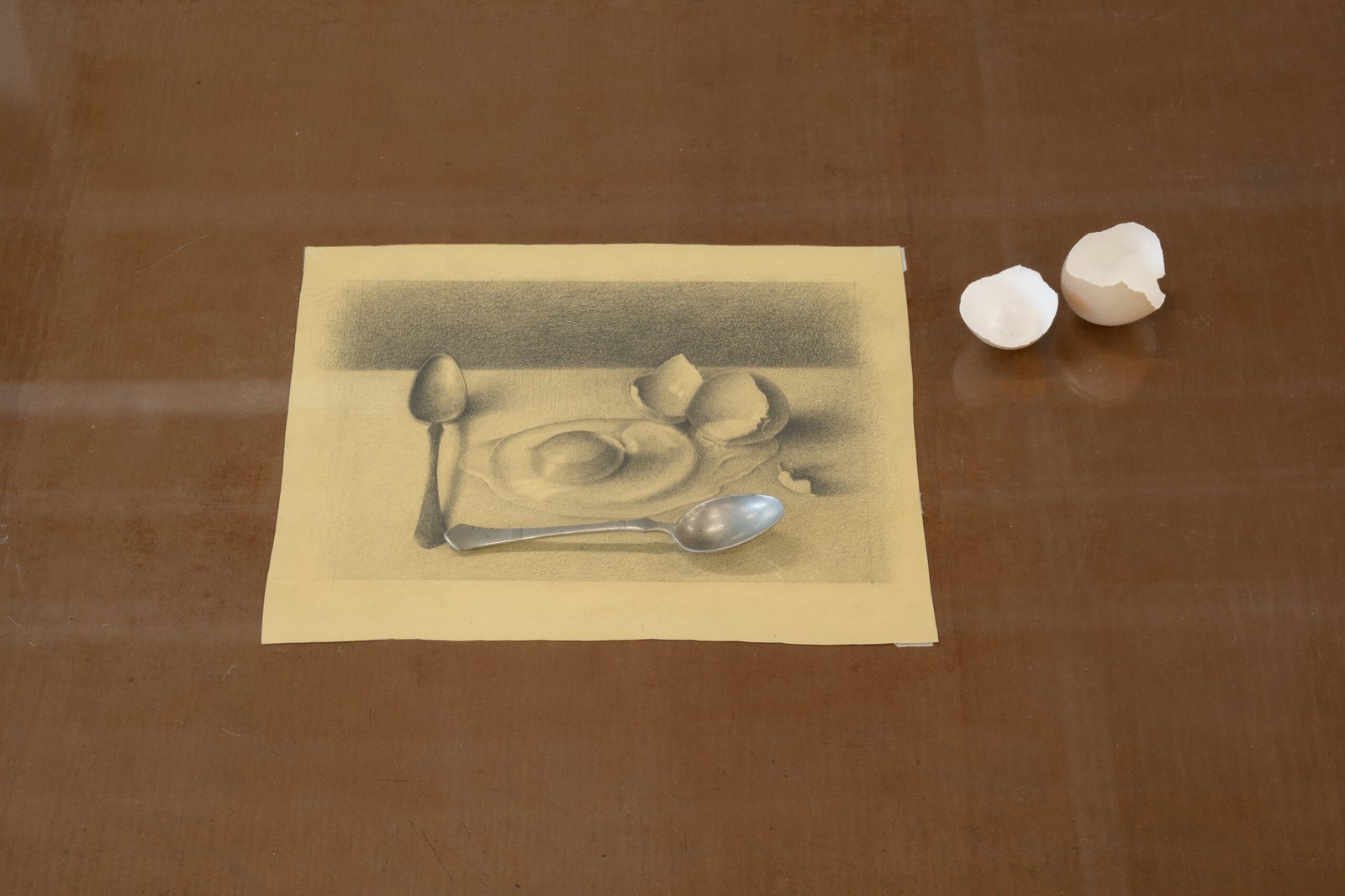
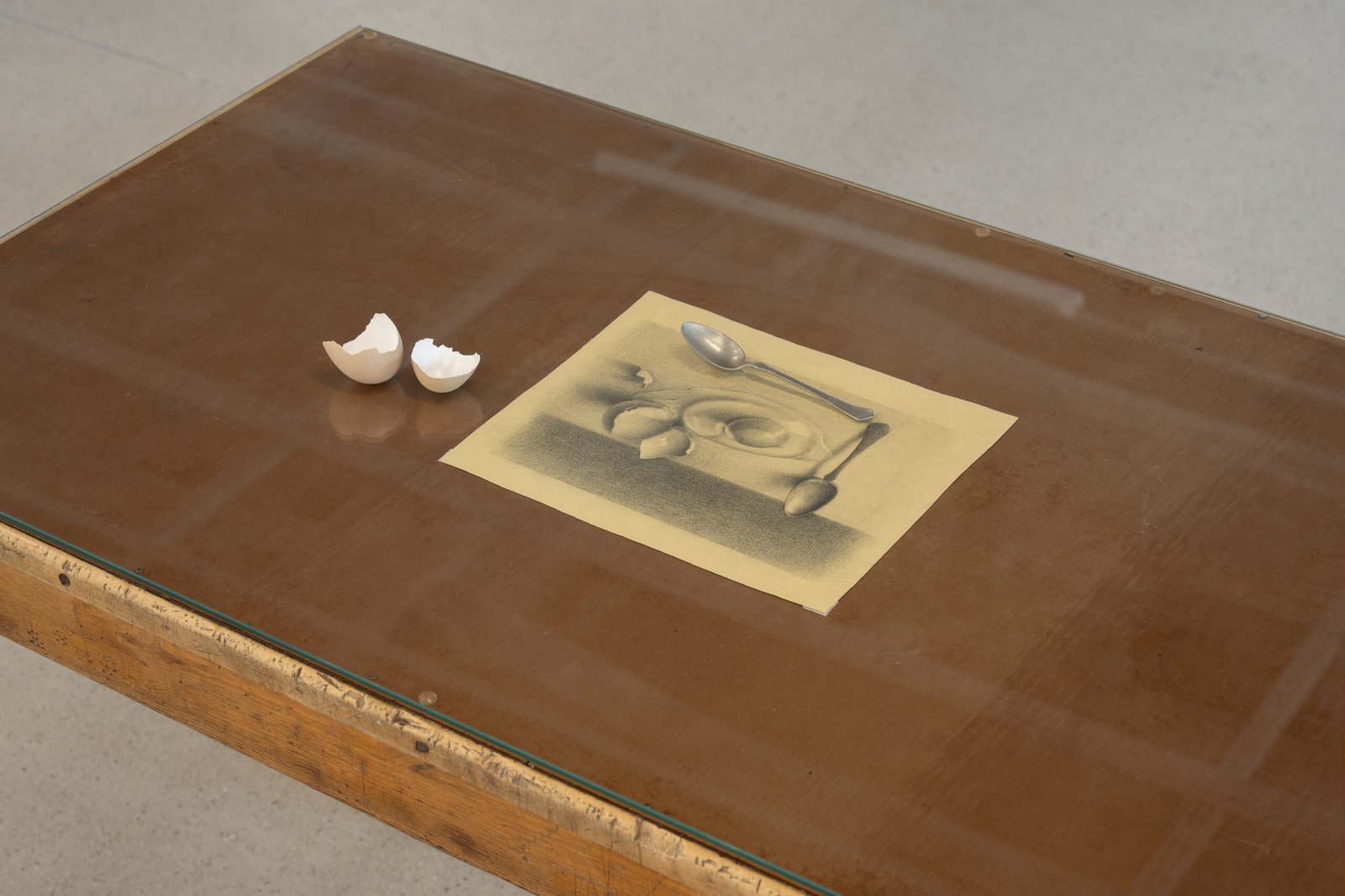
Slovak conceptual artist Roman Ondak is an established figure on the international art scene. He has represented his country twice at the Venice Biennale, and his works have been included in the collections of institutions such as Tate Modern in London and MoMA in New York. His practice frequently transforms everyday objects and explores the context of time, an approach represented in the exhibition by the work Morning.
Multimedia artist David Možný will be represented by the work Heat Wave. Milena Dopitová’s contribution is the object Four Helmets. This piece is part of her significant series from the first half of the 1990s, in which she explored themes of personal hygiene and social identity through objects referencing devices designed to enhance the human body.
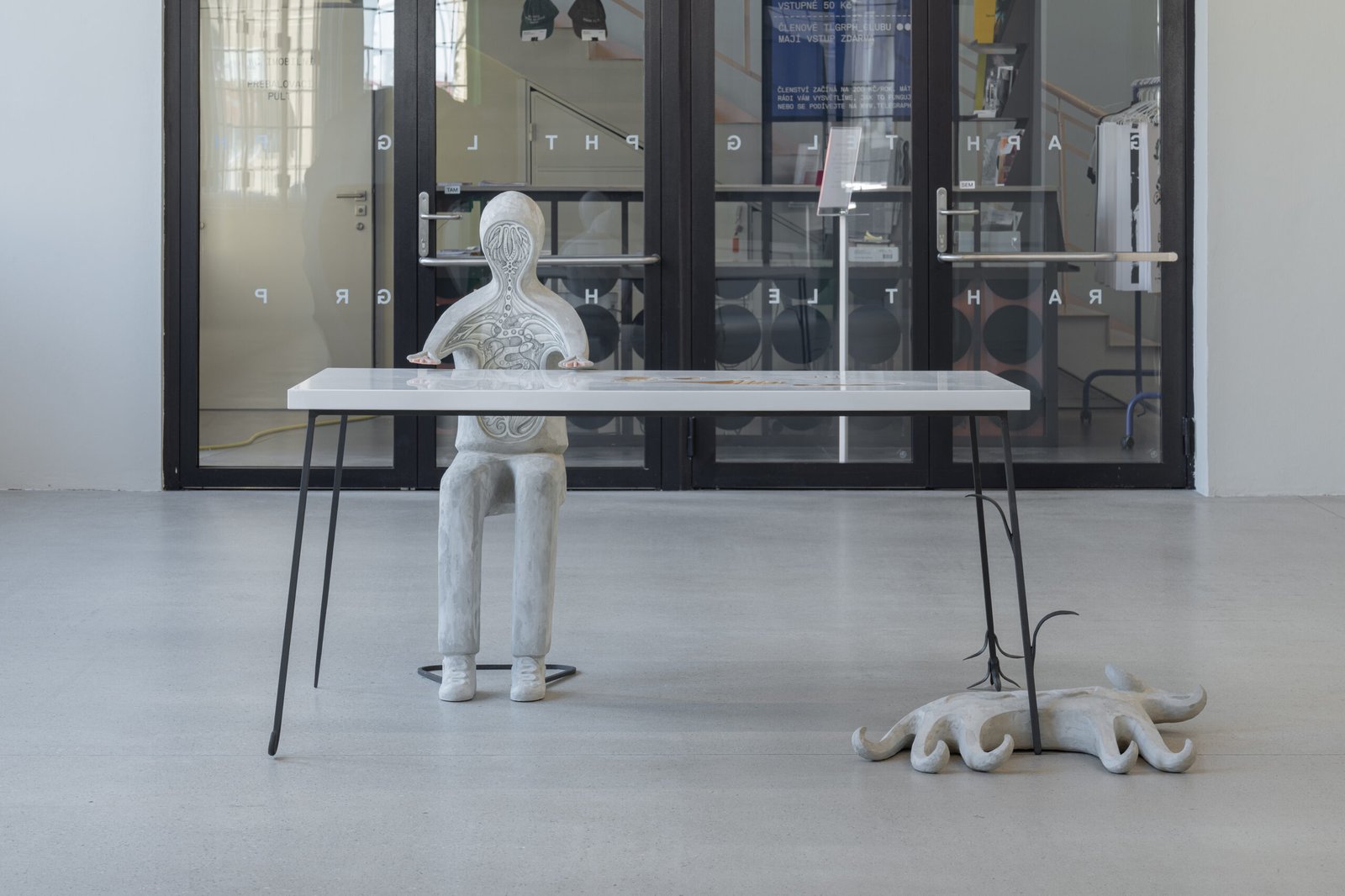
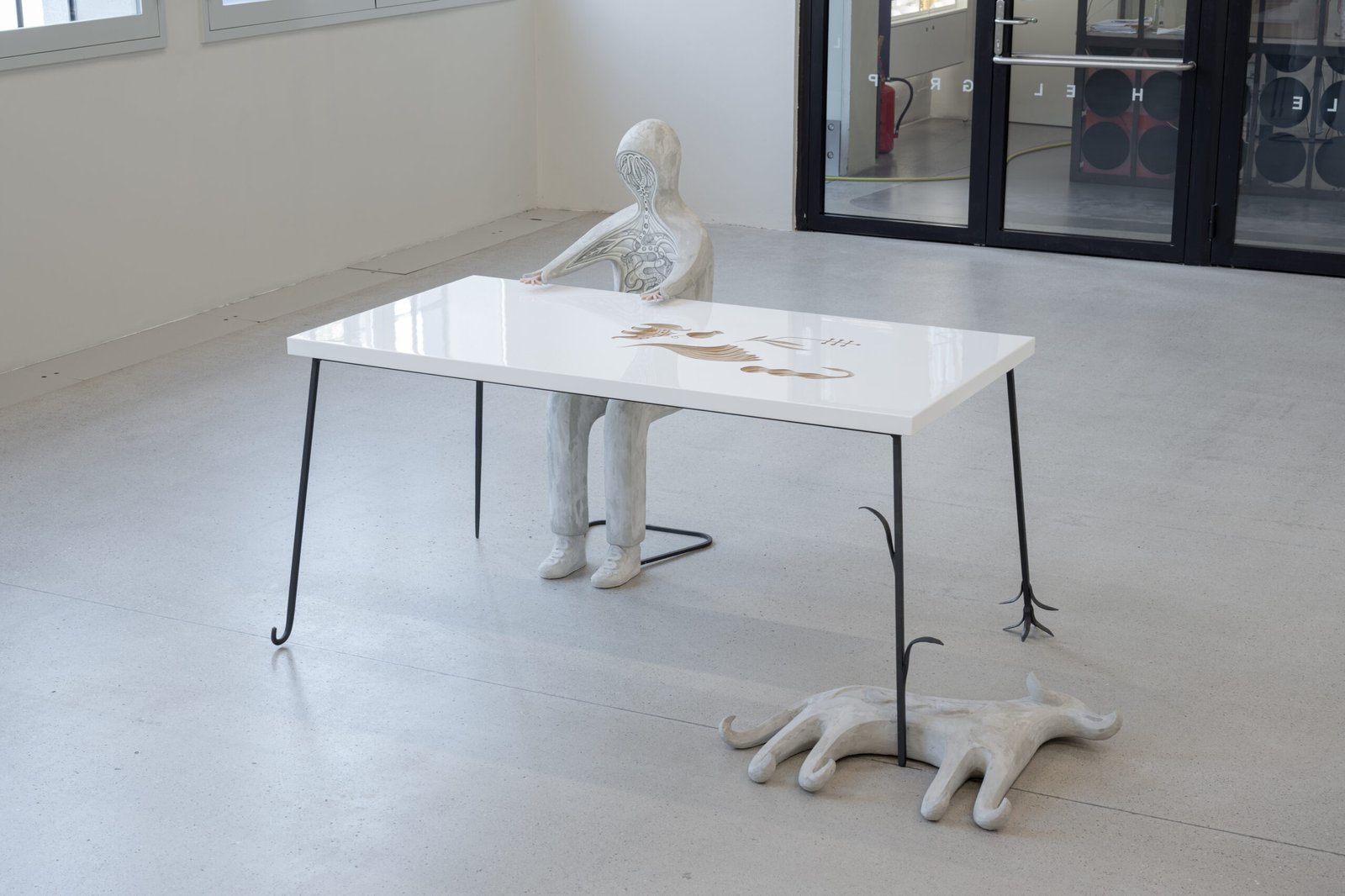
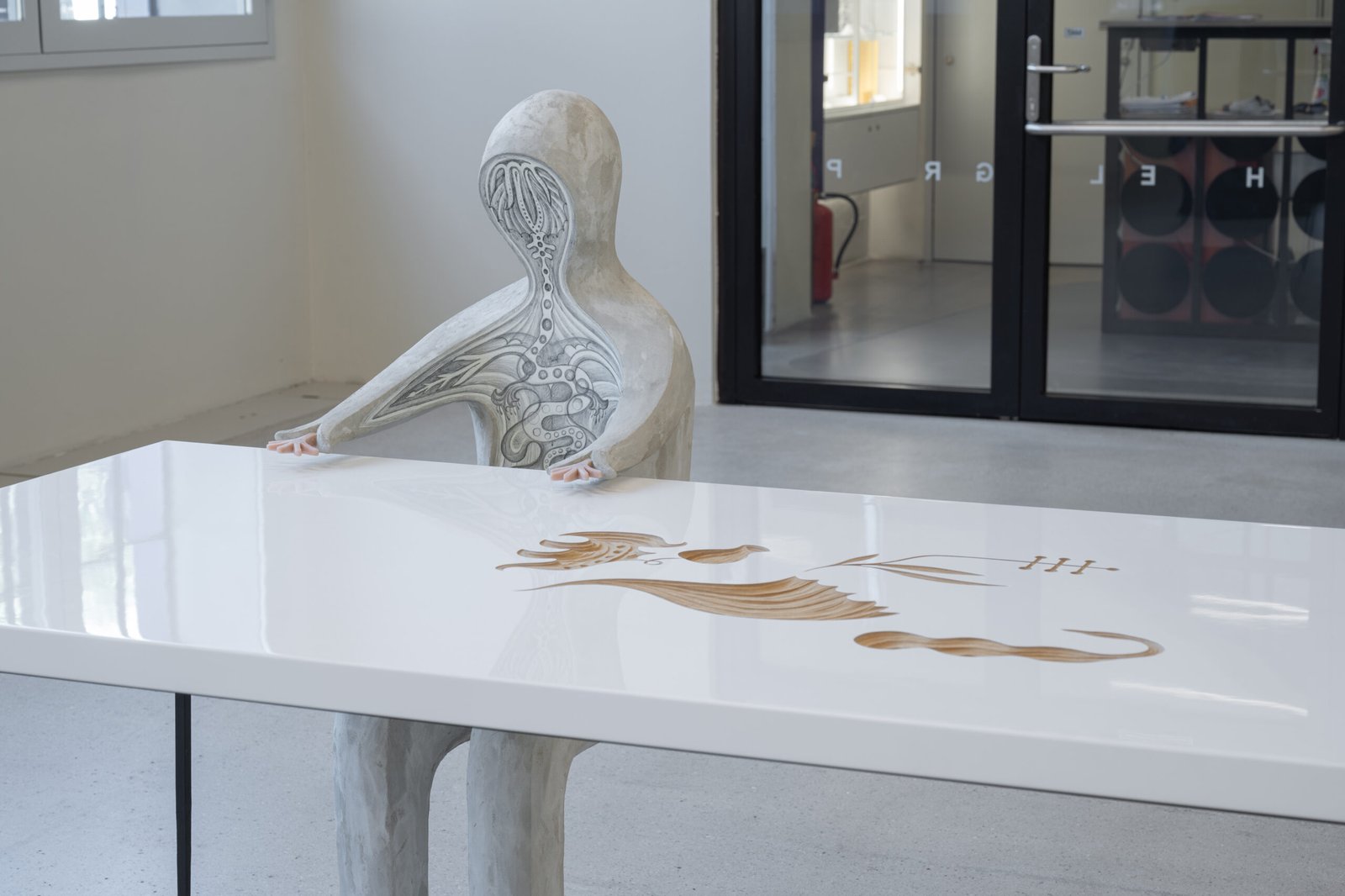
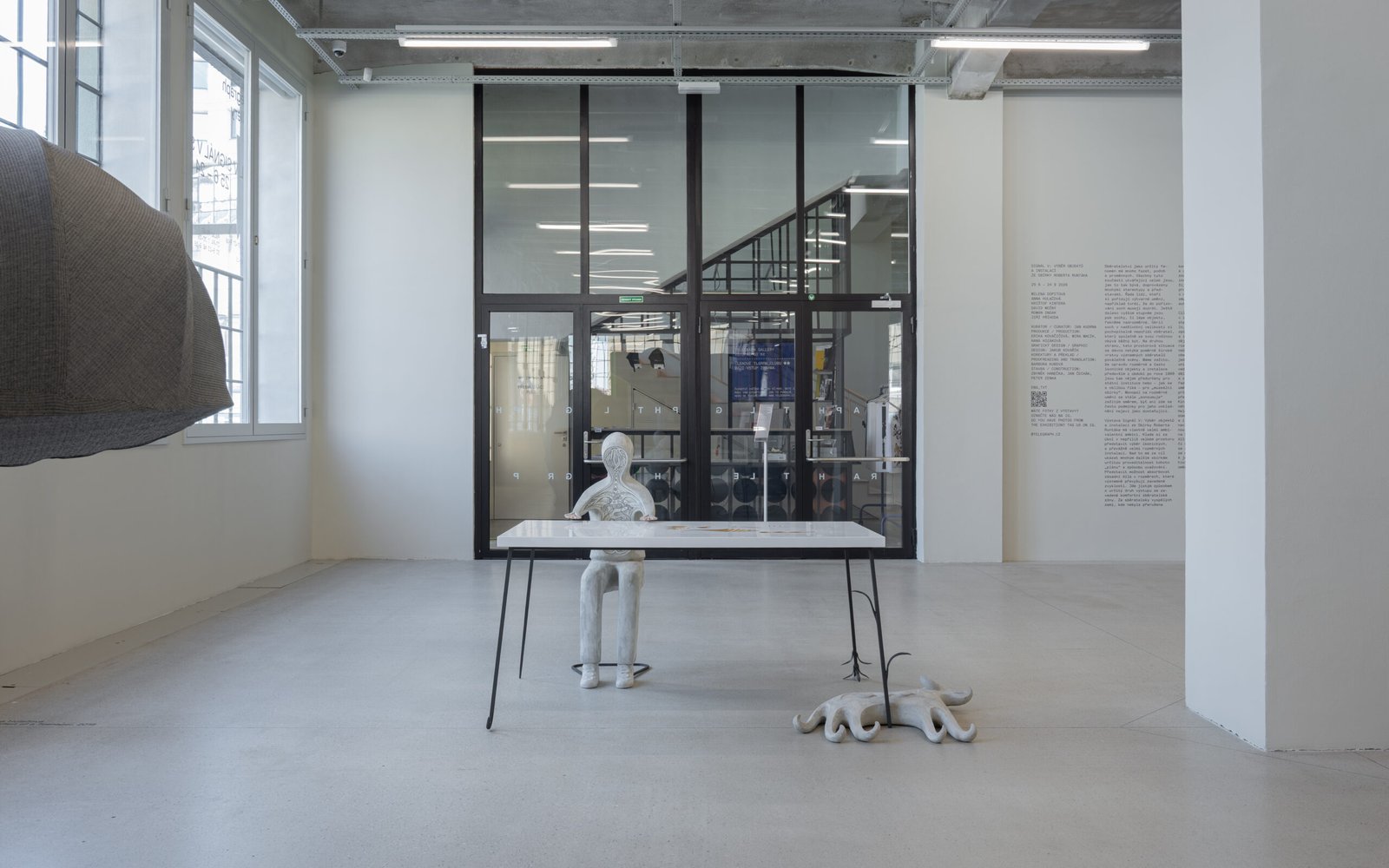
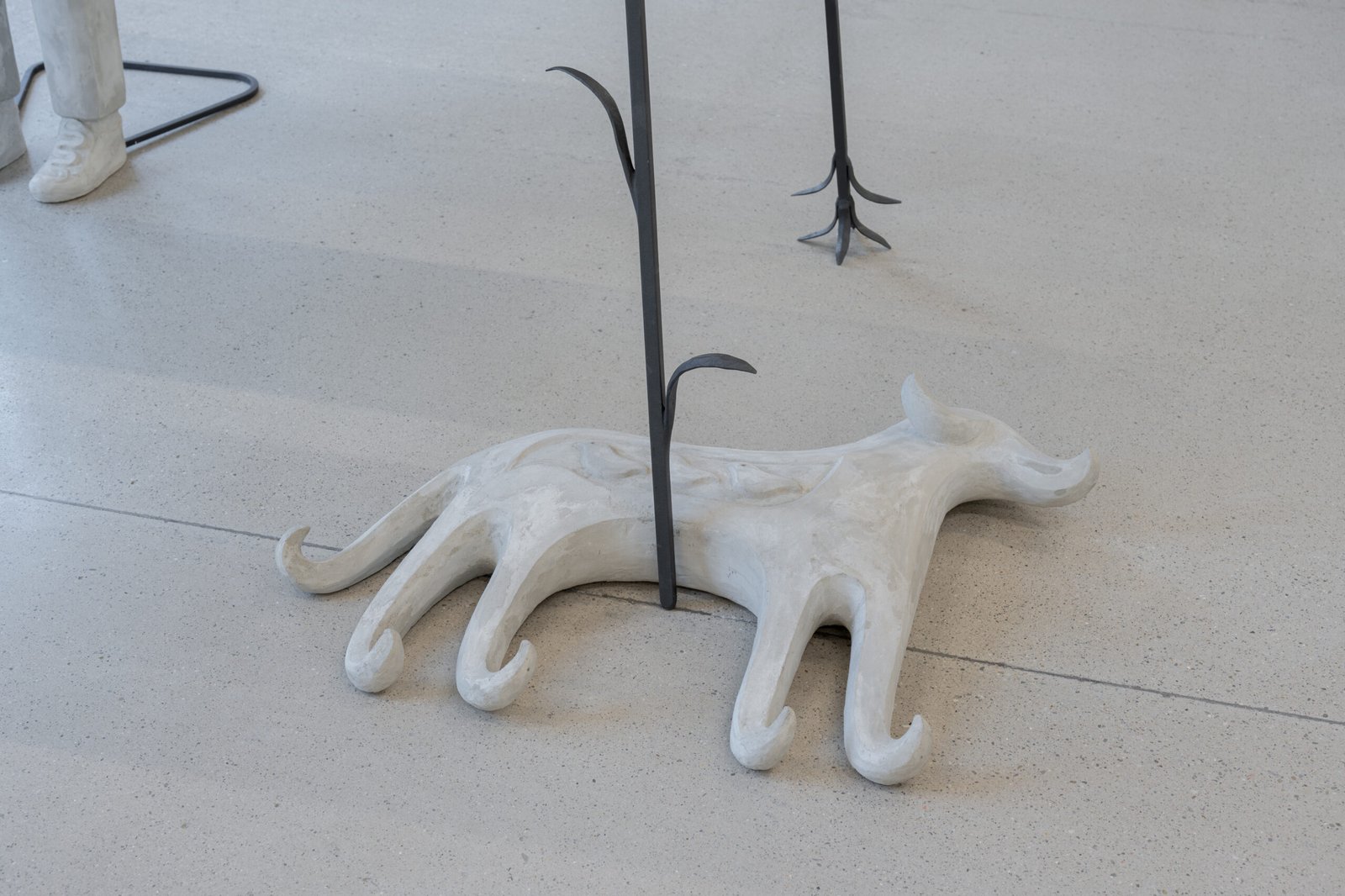
Sculptor Anna Hulačová uniquely combines Czech folk traditions, rural aesthetics and ritual practices with elements of science fiction, Art Brut and East Asian art. Her objects carry elements of mystery and a search for universal archetypes, represented in the exhibition by the work Breakfast with a Teenager.
Production and Technical Specifics of the Exhibition
Presenting large-scale objects places different demands on the gallery than, for example, traditional painting exhibitions. Whereas painting exhibitions require the production team to focus primarily on lighting, wall colours and architectural arrangements, preparing the Signal V project required a different organizational approach and technical intervention.
“Every exhibition at Telegraph brings entirely different technical challenges. In the case of projects featuring works from the Robert Runták Collection, we work with pieces that are already part of the collection’s storage facilities, so the production itself does not rely on extensive communication with galleries or lenders. However, the technical installation solution, coordination with the artists, and above all the handling of monumental works – which require specific spatial and logistical conditions – play a significant role here,” adds Mira Macík, Chief Curator of Telegraph Gallery.
The Signal Exhibition Series and the Robert Runták Collection
The current project will be the fifth exhibition in the Signal series, which Telegraph Gallery has developed through curated selections from the Robert Runták Collection. This private collection is among the largest in the Czech Republic and systematically maps both the domestic and international visual arts scene, with an emphasis on the period from post-war art to the present.
Alongside traditional media, the collection strategy also focuses on spatial works and installations by artists of the last three decades. Access to such a collection enables the gallery to present works that typically require institutional support and to present them within new spatial and contextual settings. Signal V will therefore document a distinctive segment of private collecting dedicated to the preservation and presentation of large-scale, freestanding spatial works.