


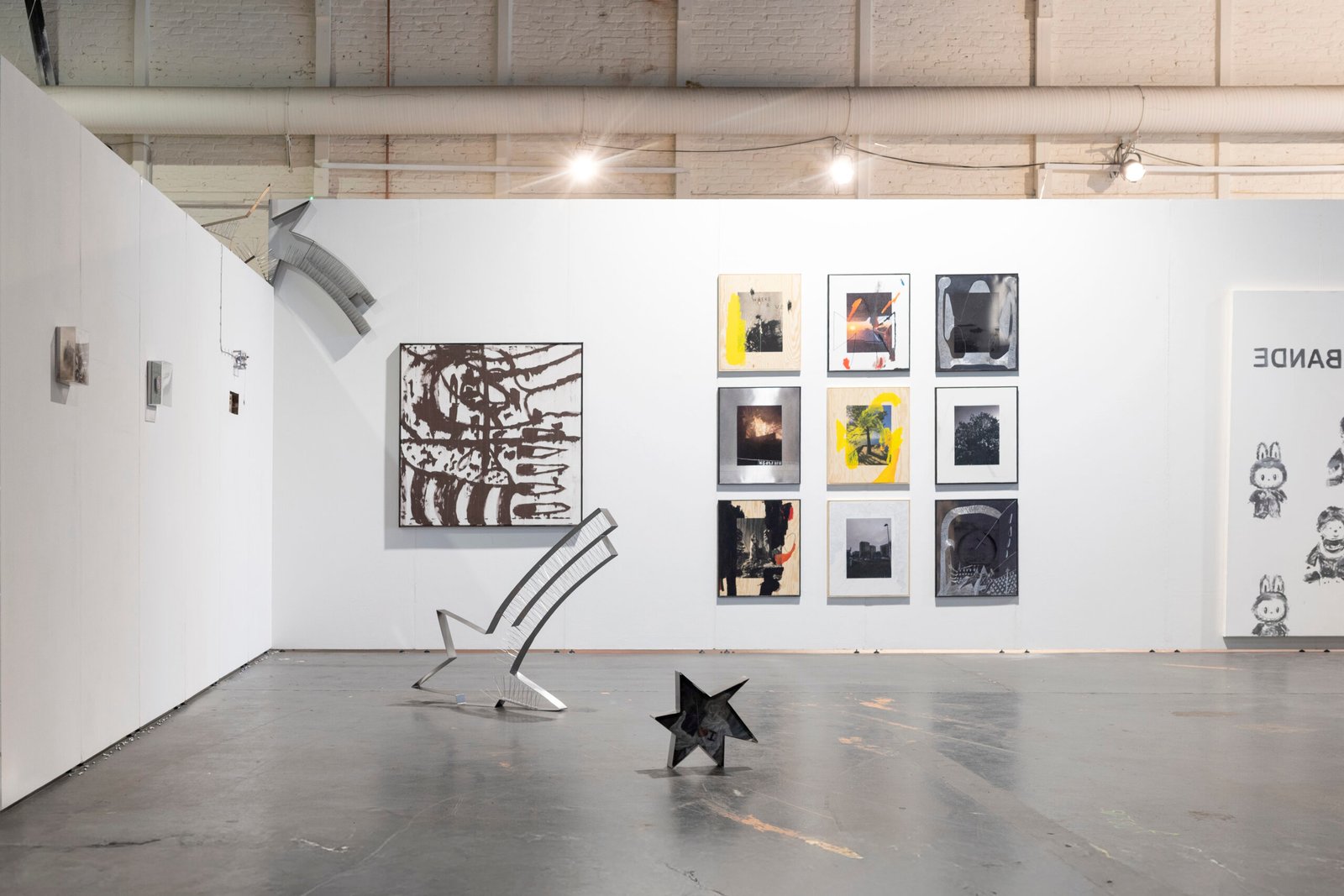
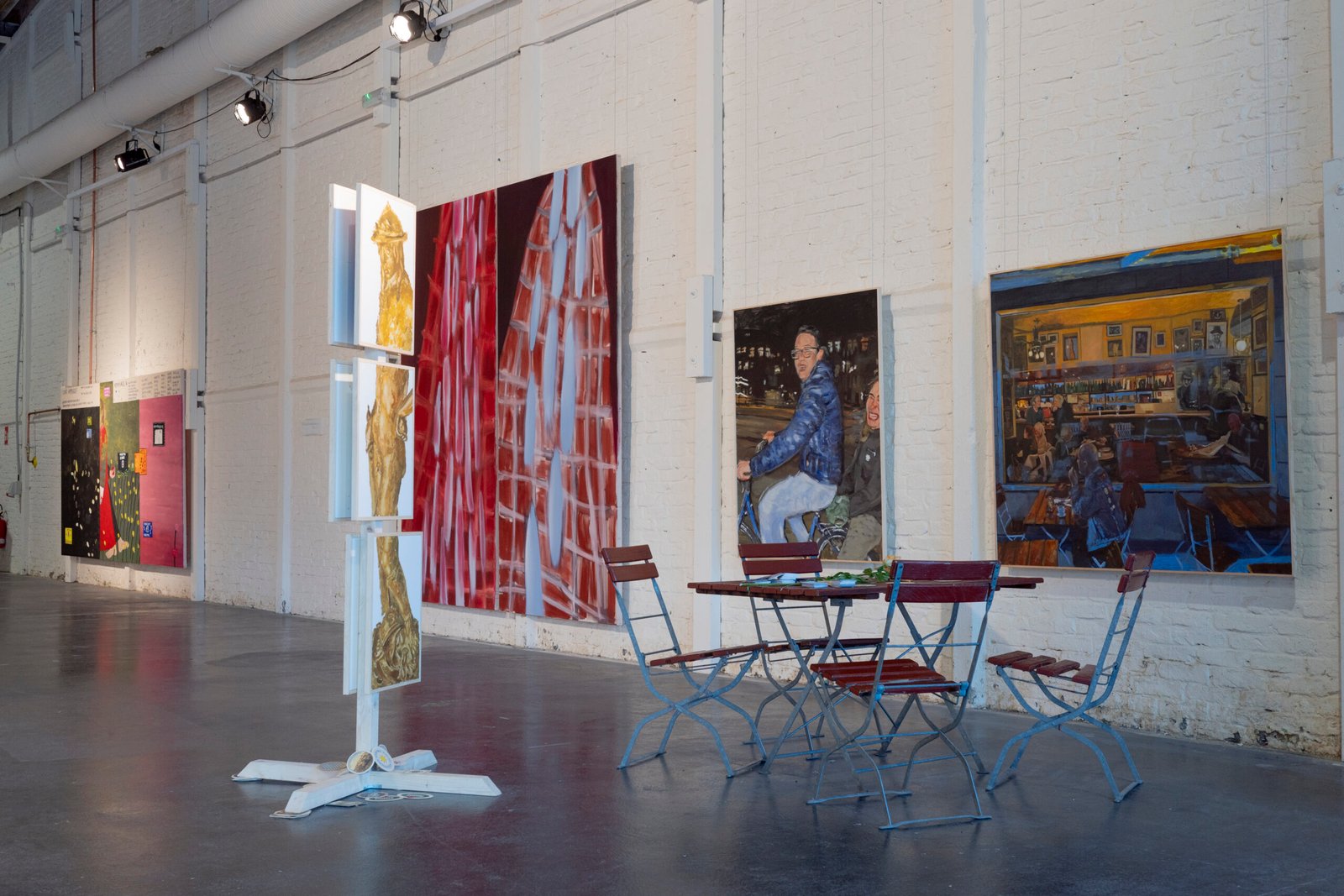
“Even when it all blows up, there will always be stars and there will always be dark matter: for this is the art world.” – Christiana Spens
This year’s graduation exhibition of the weißensee kunsthochschule berlin, titled escalators to: big bang, takes its cue from a paradoxical wall instruction. Its language mirrors the kind of signage found in natural history museums, where pragmatic inscriptions guide visitors through complex narratives of time and space. This structuring suggests a linear journey, a predictable trajectory leading all the way back to the Big Bang.
The Big Bang, in the context of this exhibition, is treated not as a chronological point but as a curatorial logic. It operates as a projection surface for the human desire to locate origins at all. The exhibition investigates the aesthetics of origin stories, exploring how institutions, museums, and educational systems construct points of departure that appear stable but are, in fact, sites of continuous friction.
When read beyond its conventional portrayal as a singular starting point, the Big Bang is not a beginning in any linear sense. Contemporary cosmology describes it less as an explosion in space than as an expansion of spacetime itself, an event without an external vantage point, without a center, and without an outside. Rather than a point of origin standing apart from the present, it is a condition in which we are already embedded.
This cosmological complexity finds a counterpoint in the mechanics of the escalator. An escalator is designed to transport bodies efficiently, predictably, and irreversibly in a single direction. This promise of a straightforward path collides with a reality that is expanding multidirectionally. As a metaphor, the escalator mirrors the structural expectations of the contemporary art system, charting the transition from the protected, structured environment of the art school into the economic and institutional dynamics of the art world. At this fragile boundary, the art system invokes a parallel mythology: the sudden breakthrough or the blowing up of a career. The market frequently demands immediate visibility from young artists, an abrupt momentum narrated as a cosmic event, instantaneous and radiant. In stark contrast to this fiction stands the actual material reality of artistic practice, which unfolds slowly, unevenly, and often in the shadows of the unseen.
Christiana Spens’ words frame this tension with analytical clarity. The blowing up of the art world does not imply total disappearance, but rather a reconfiguration of its forces. There will always be stars, meaning moments of sudden recognition and hyper-visibility, and there will always be dark matter, represented by the invisible infrastructures, the precarious labor, the networks of care, the institutional maintenance, and the uncounted practices that allow that visibility to appear as if it were self-generating in the first place.
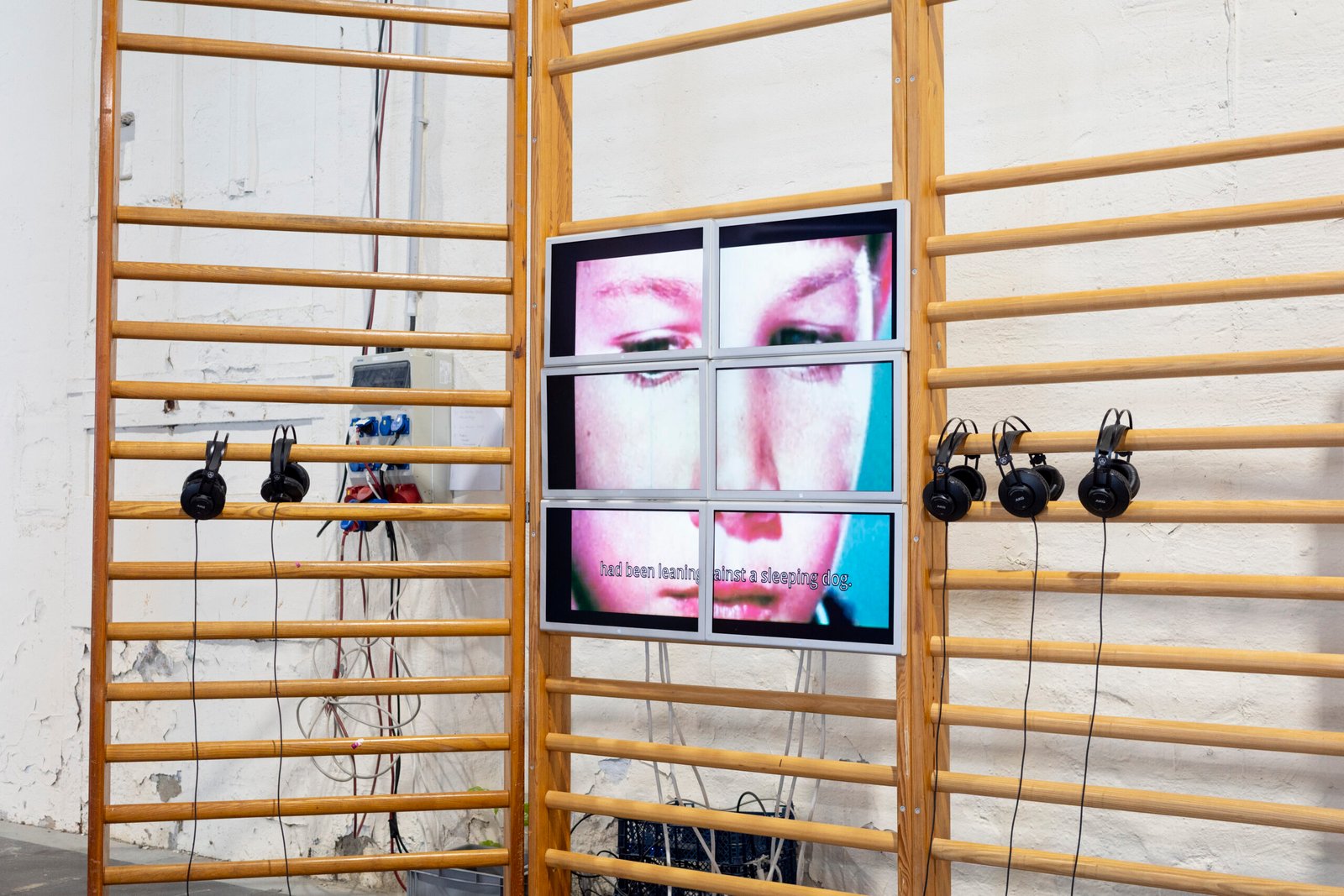
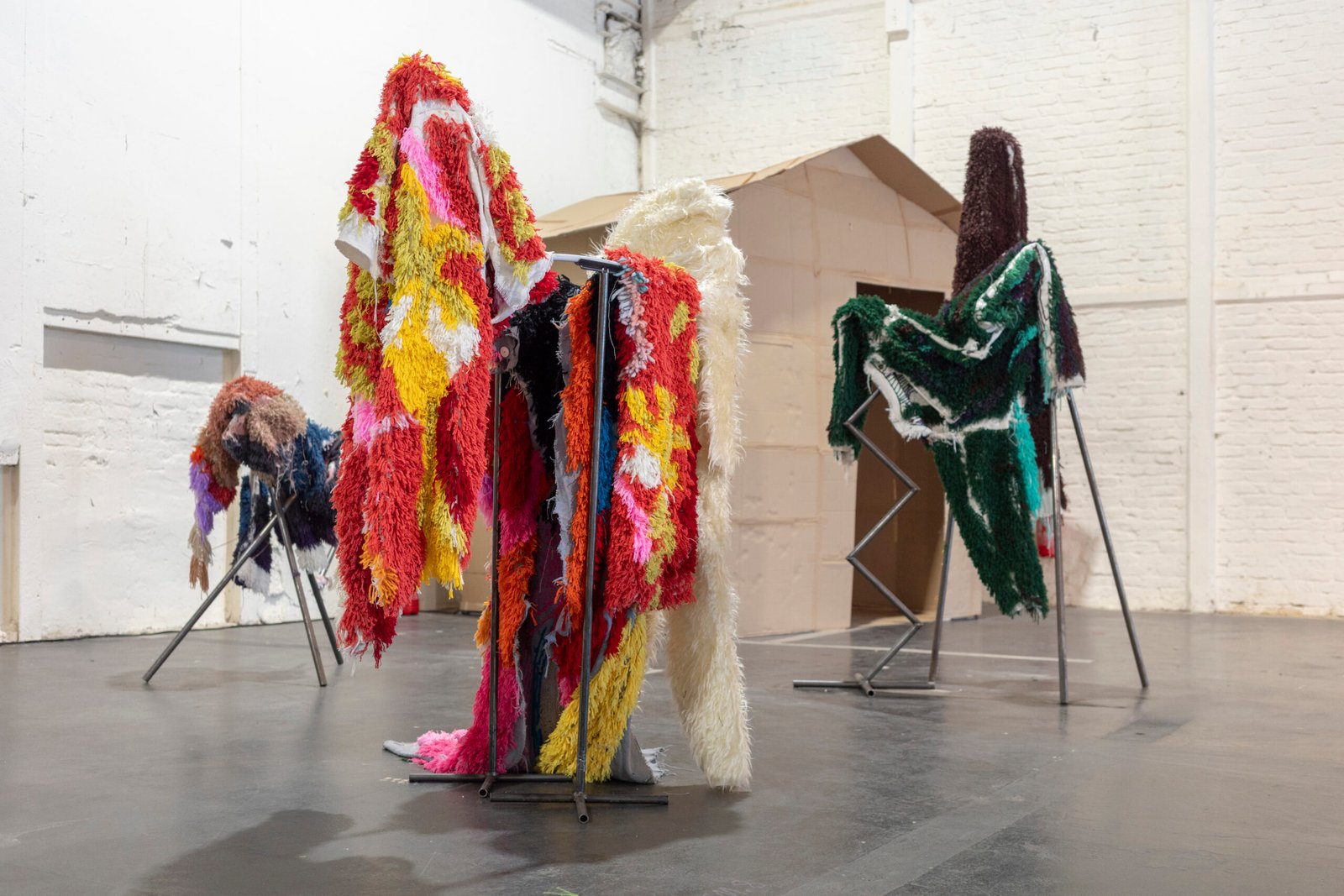
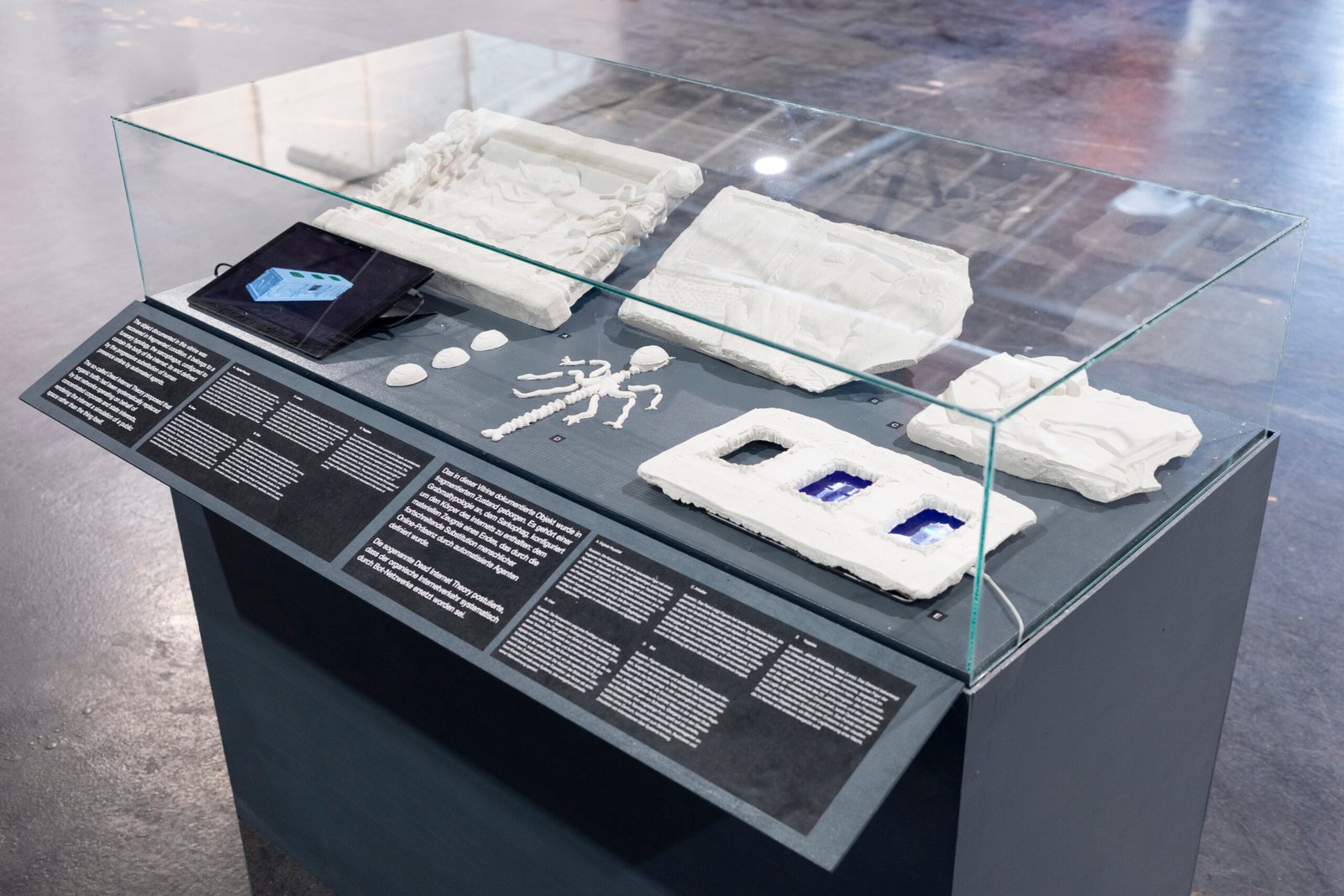
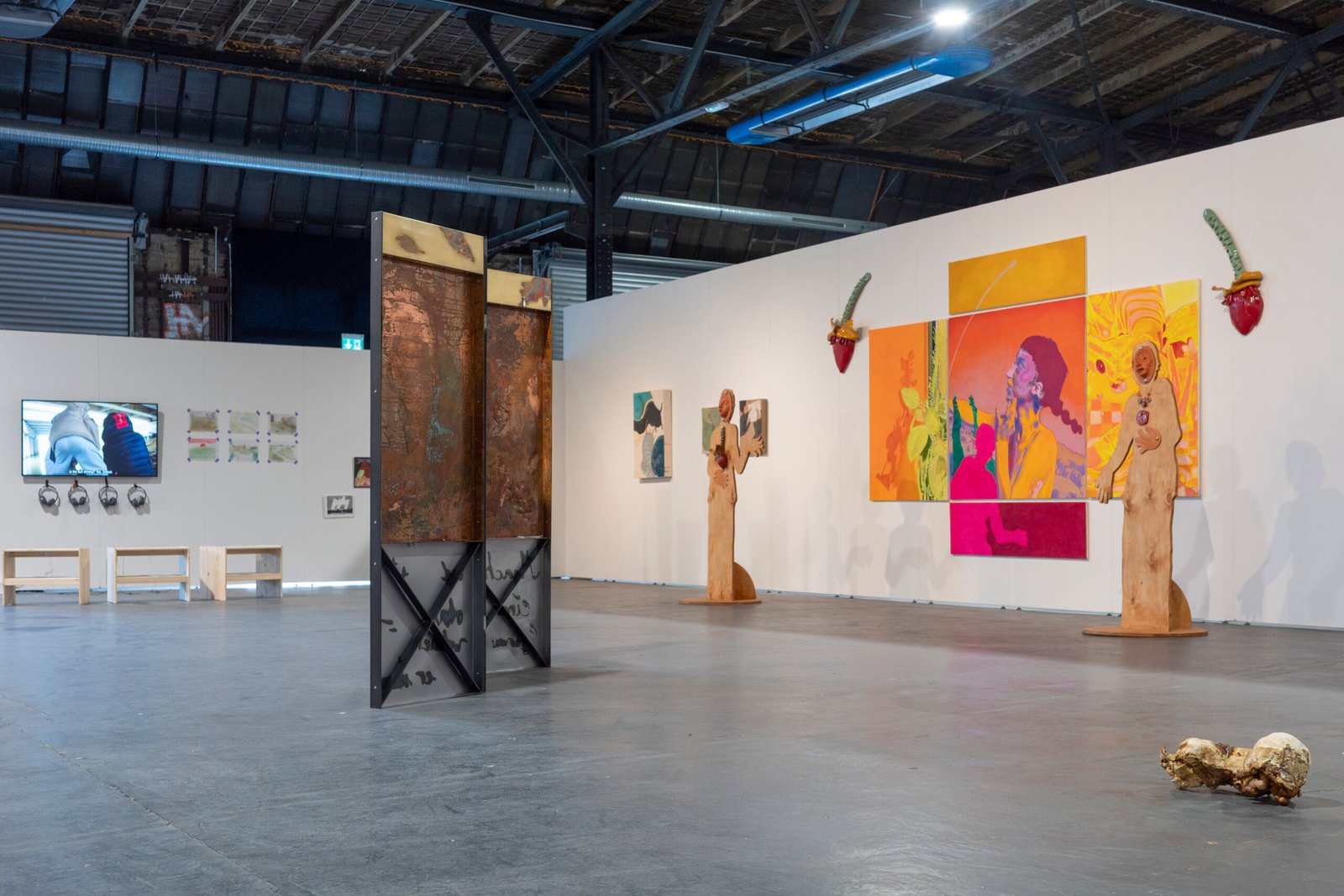
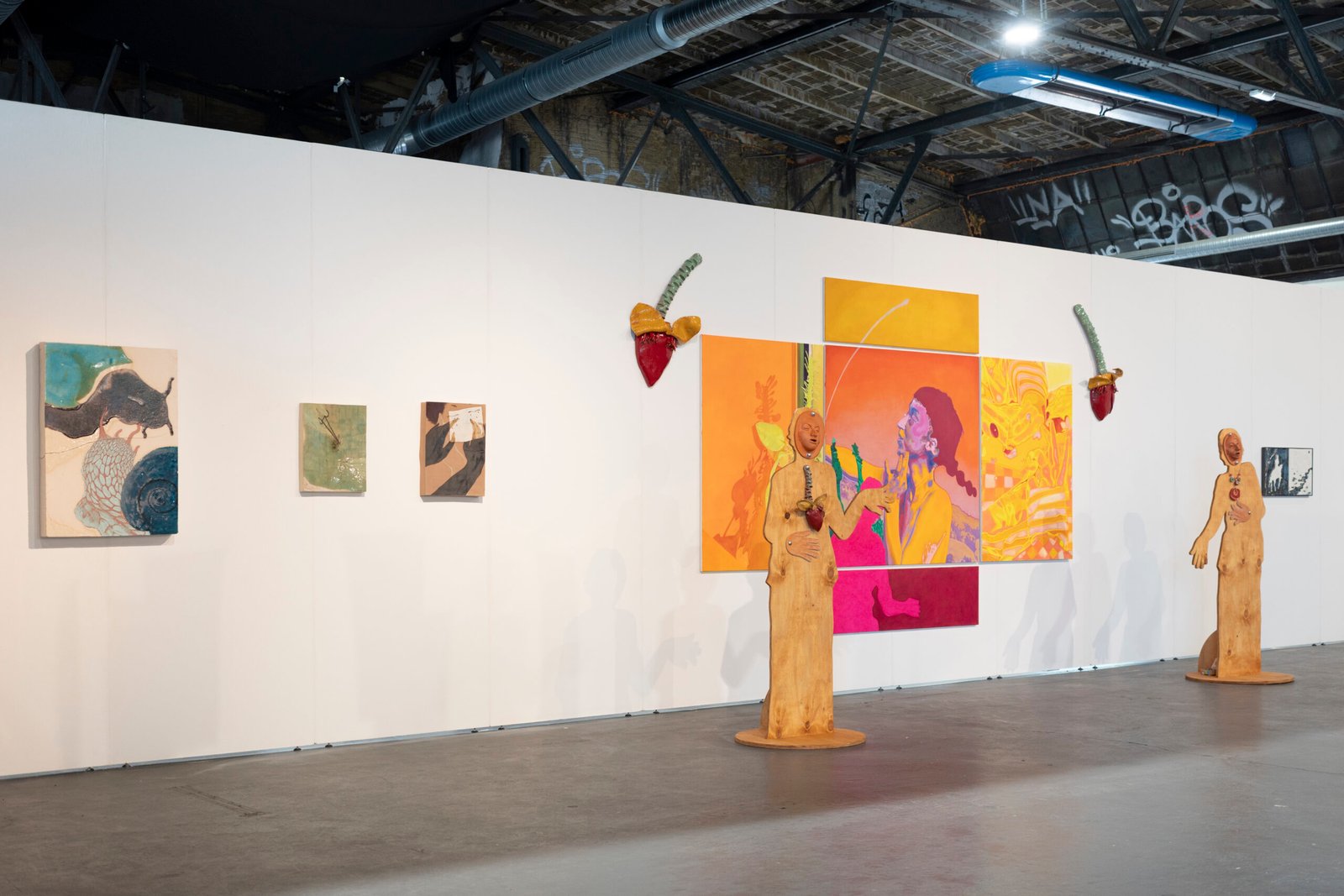
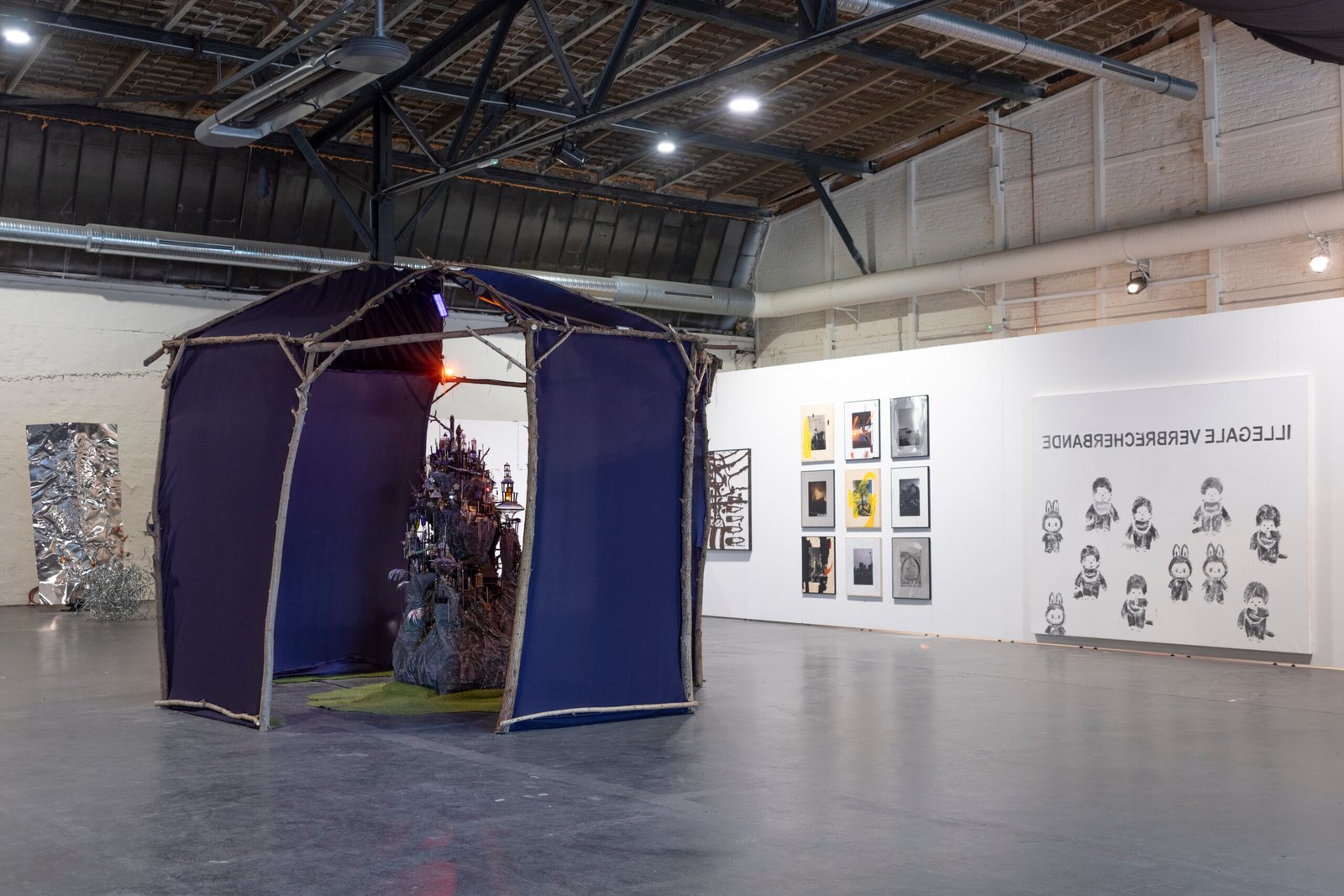
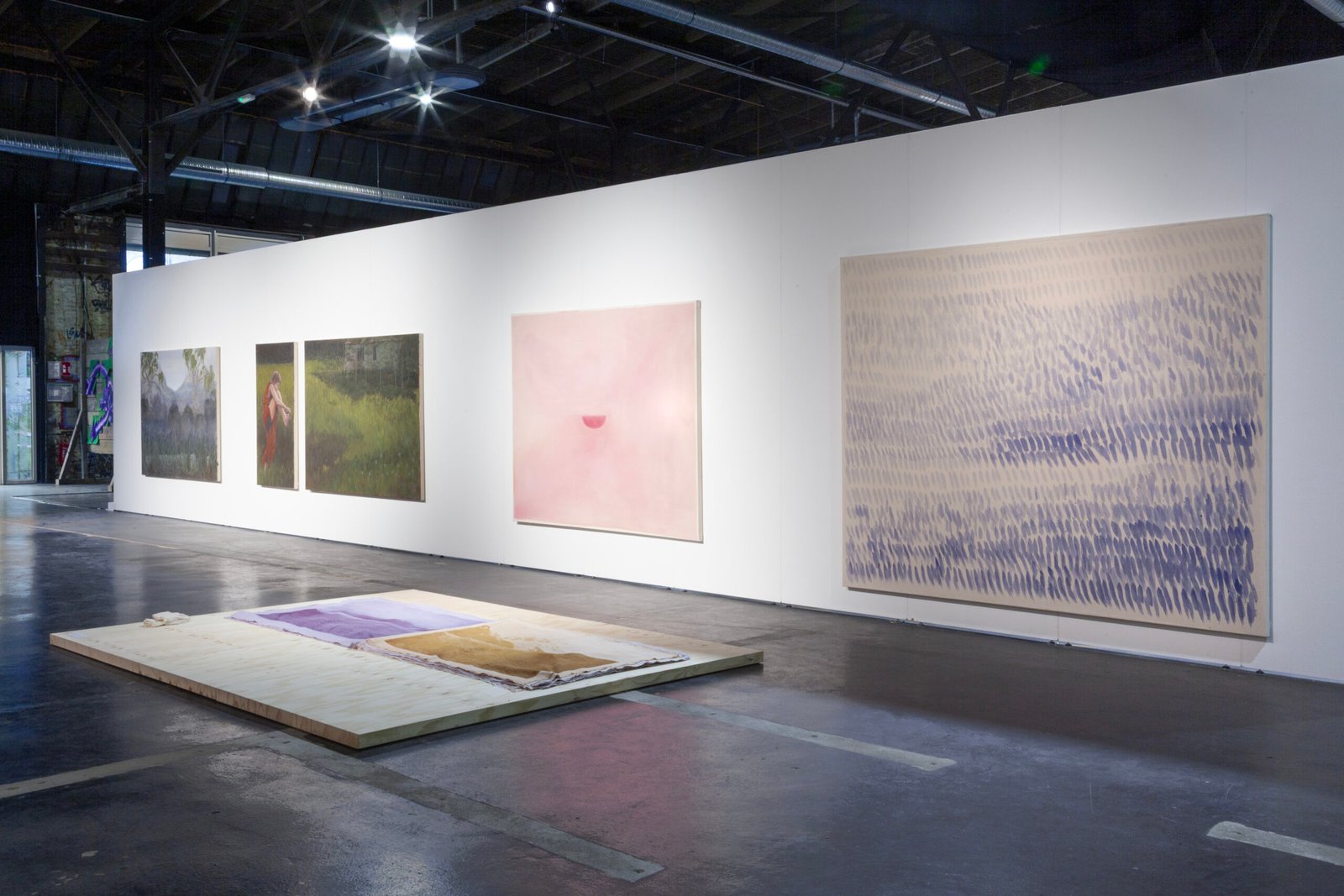
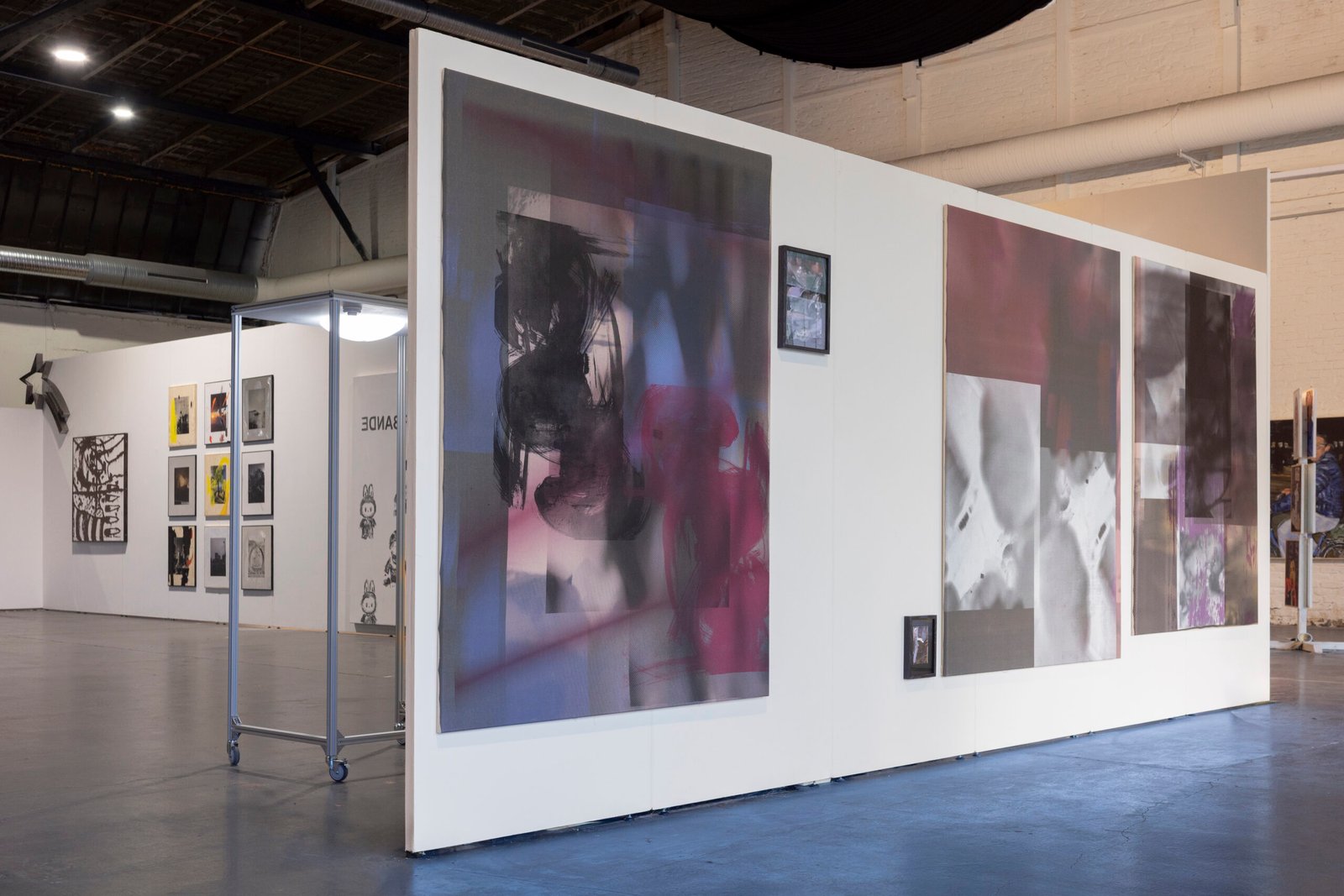
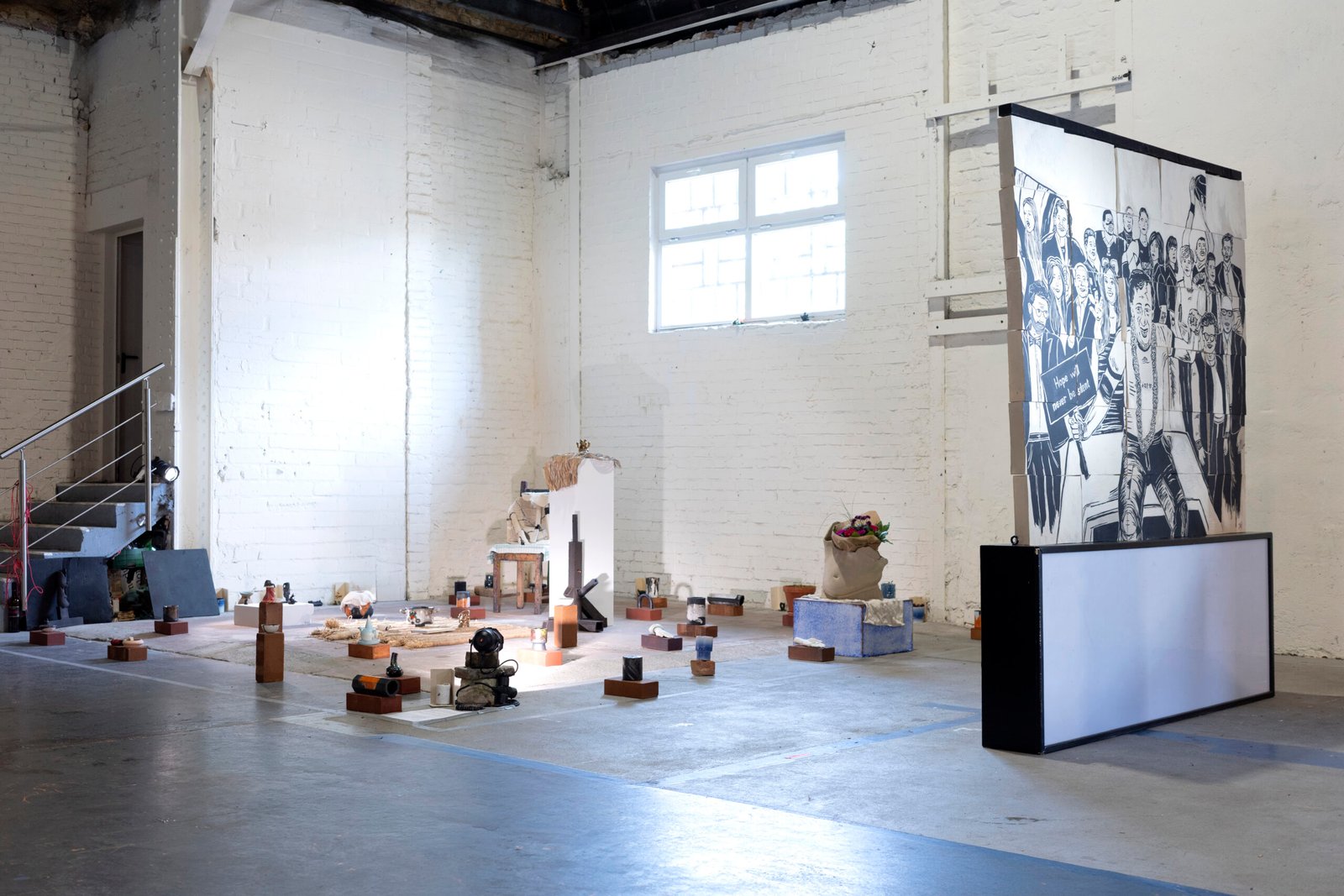
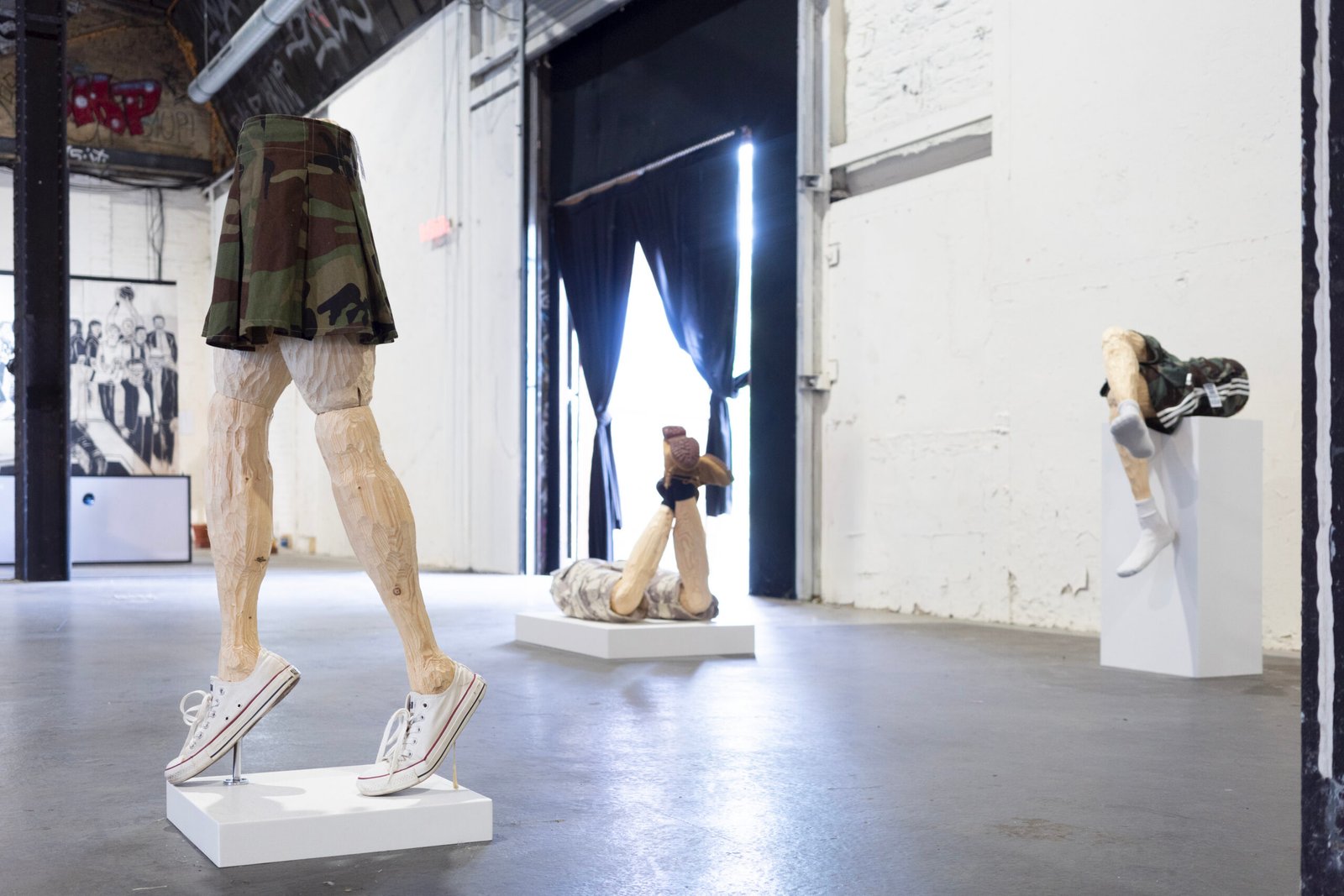
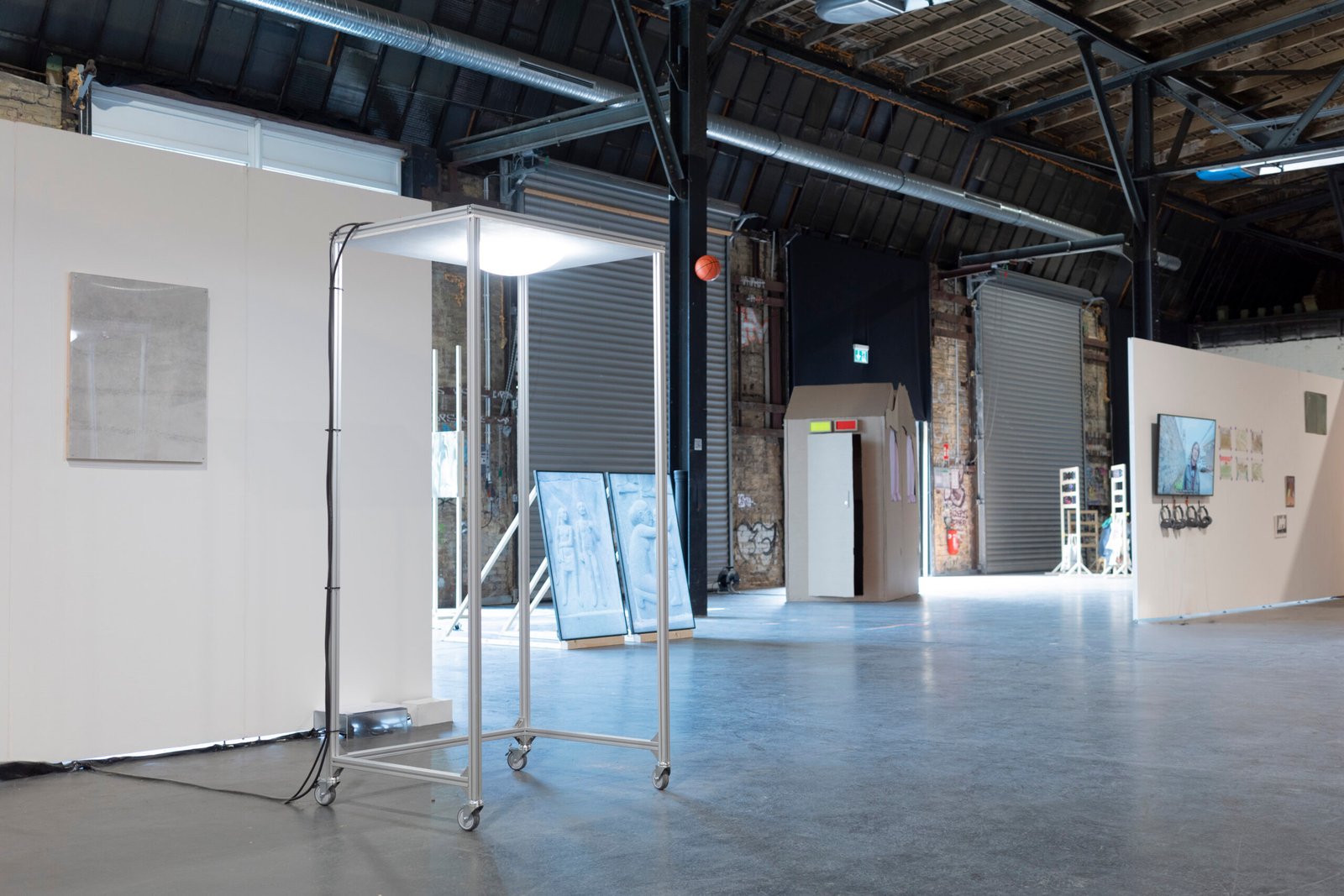
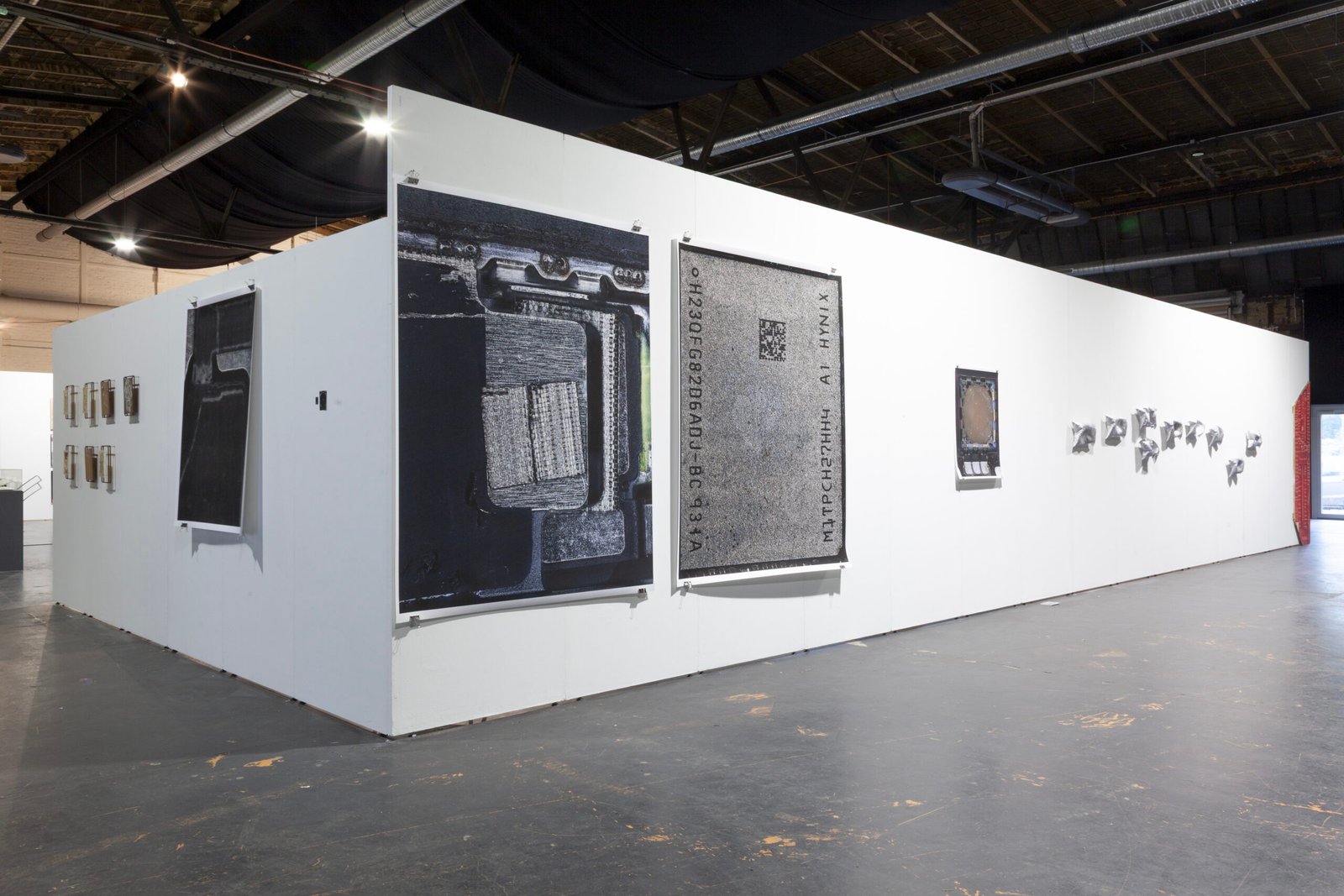
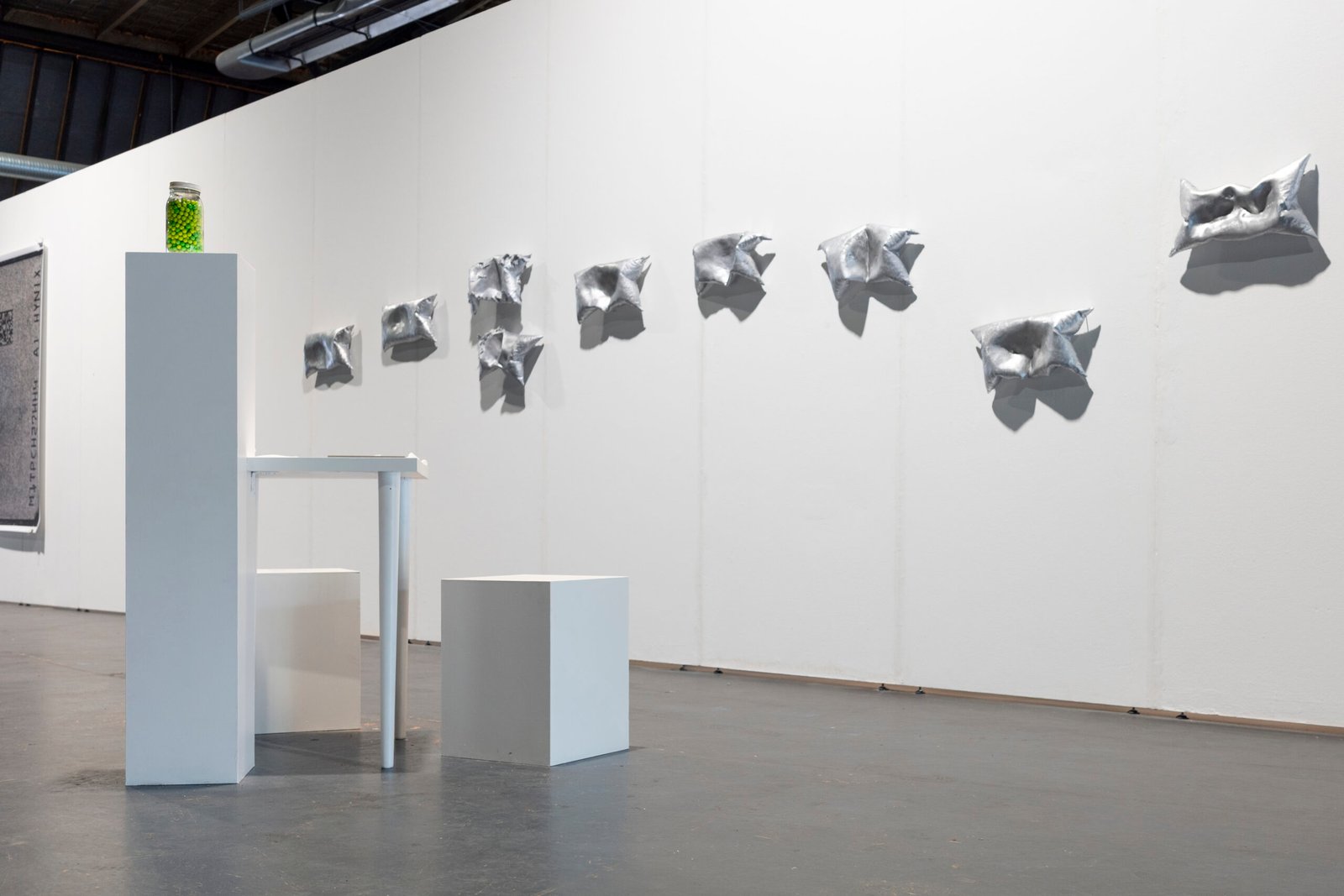
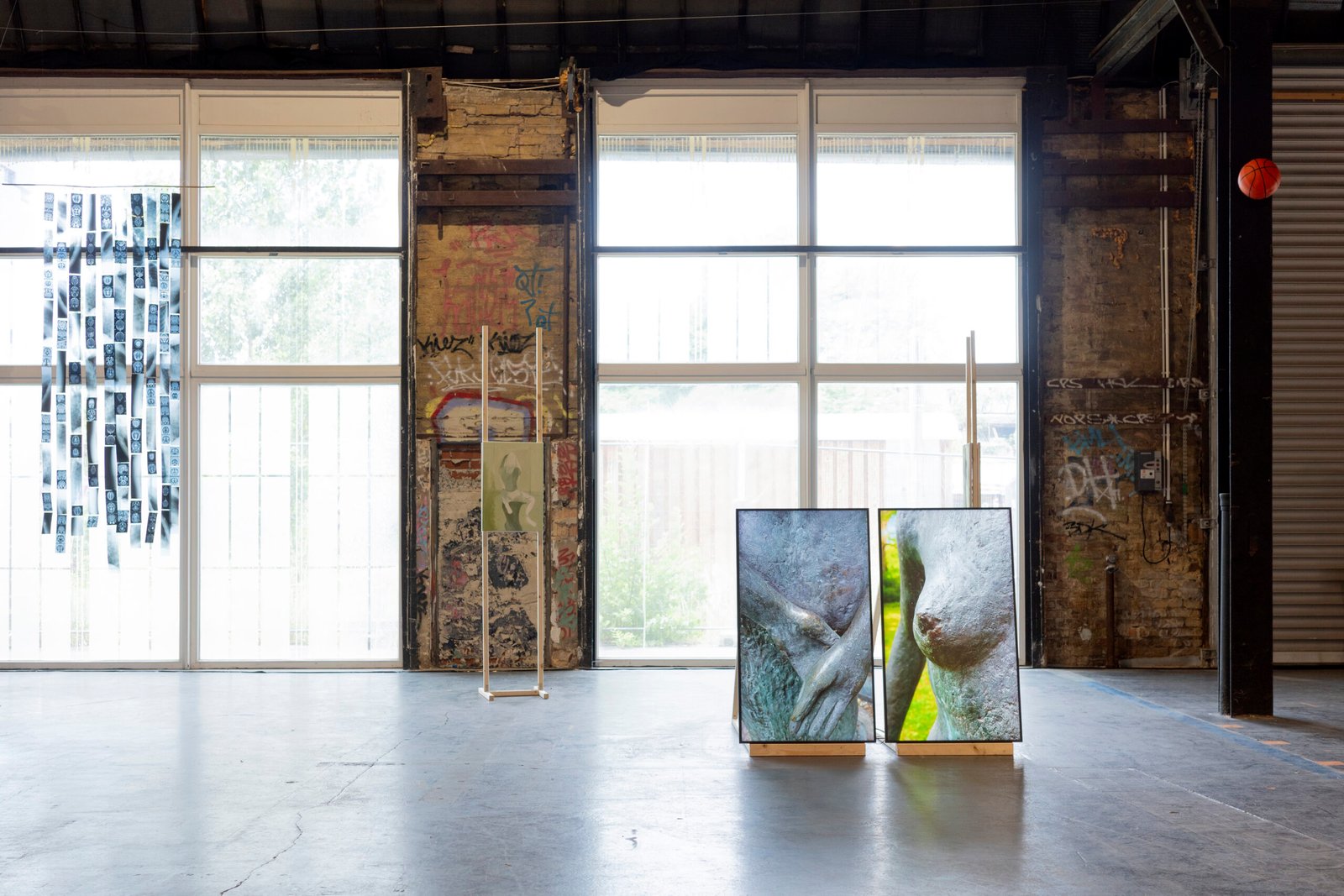
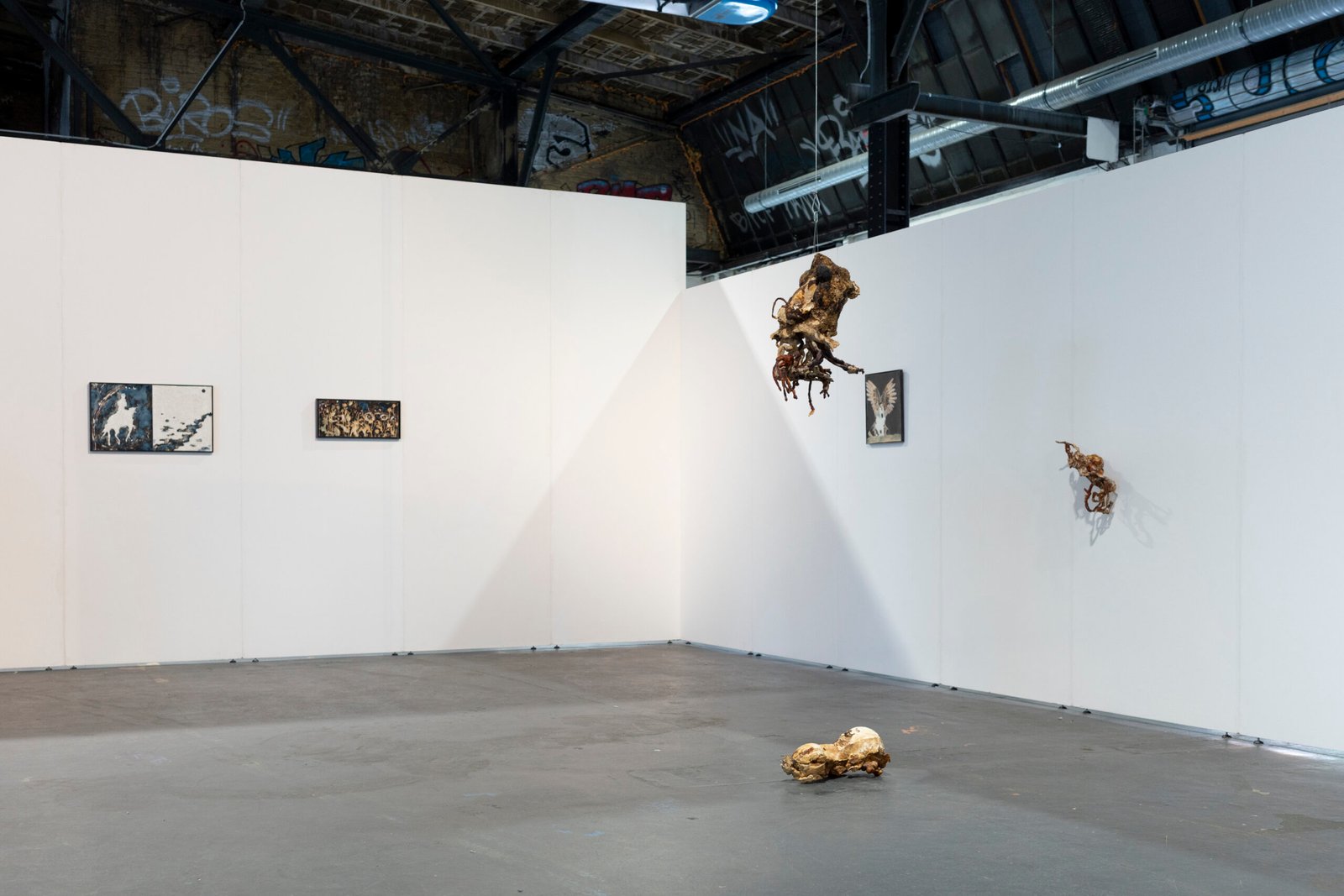
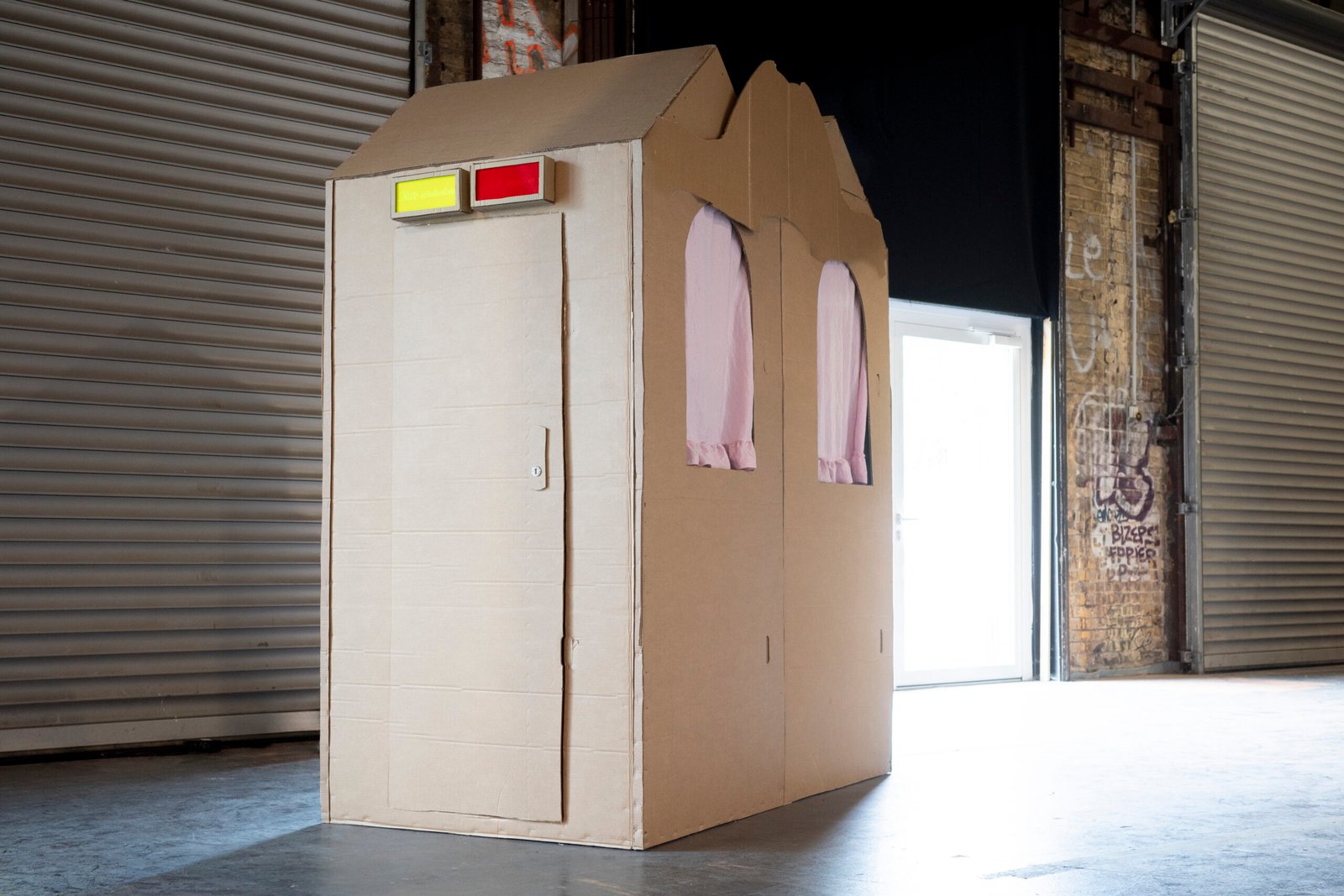
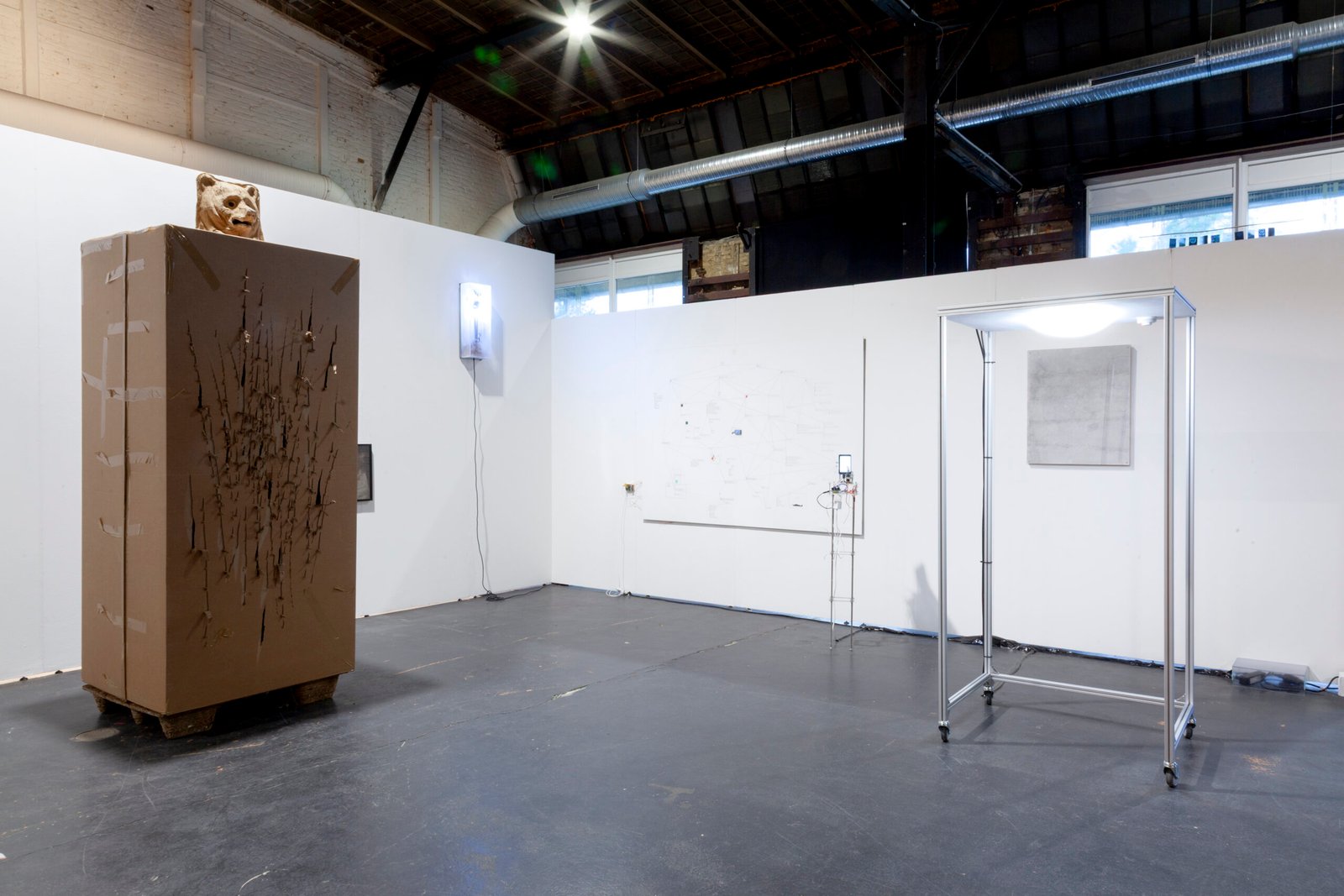
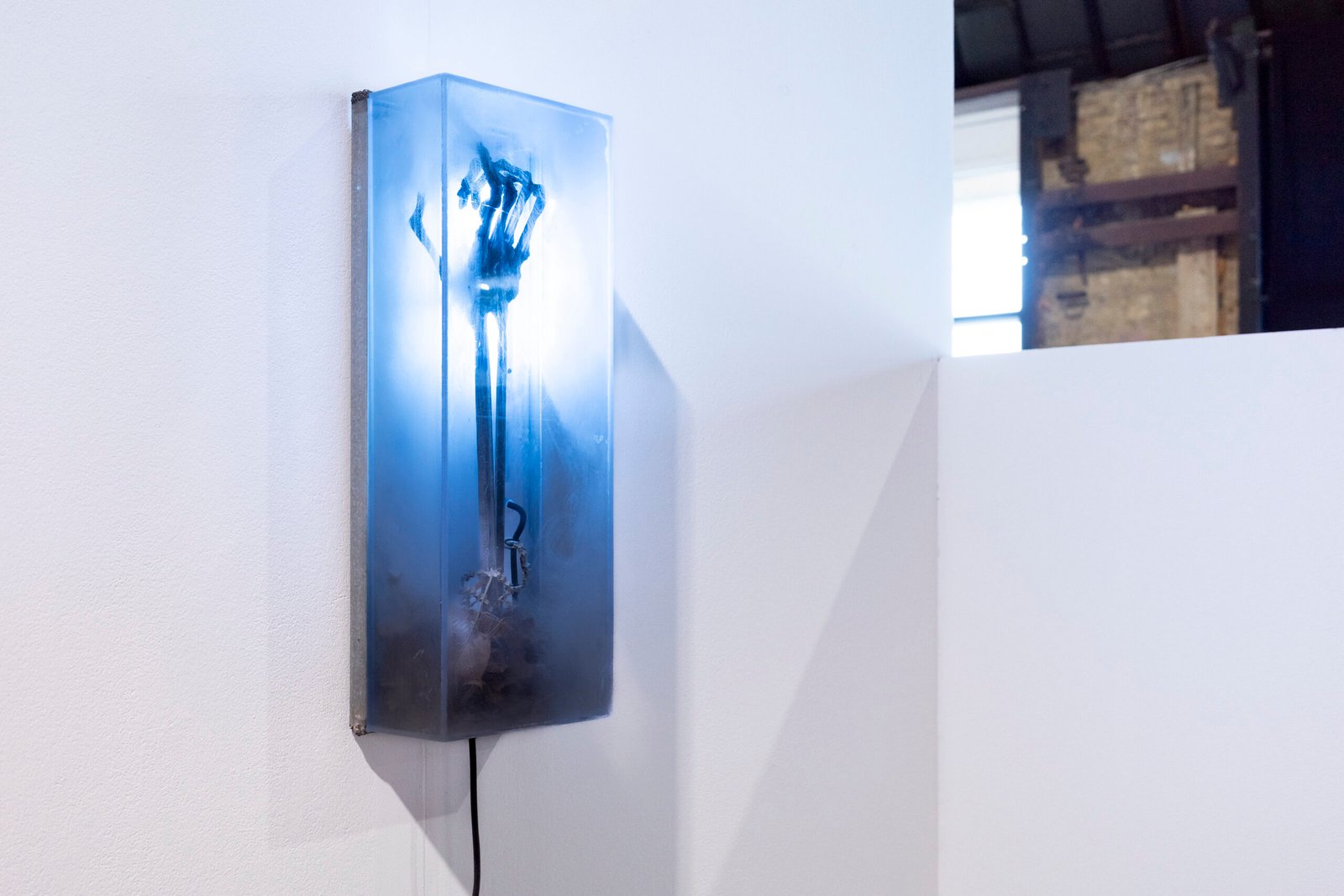
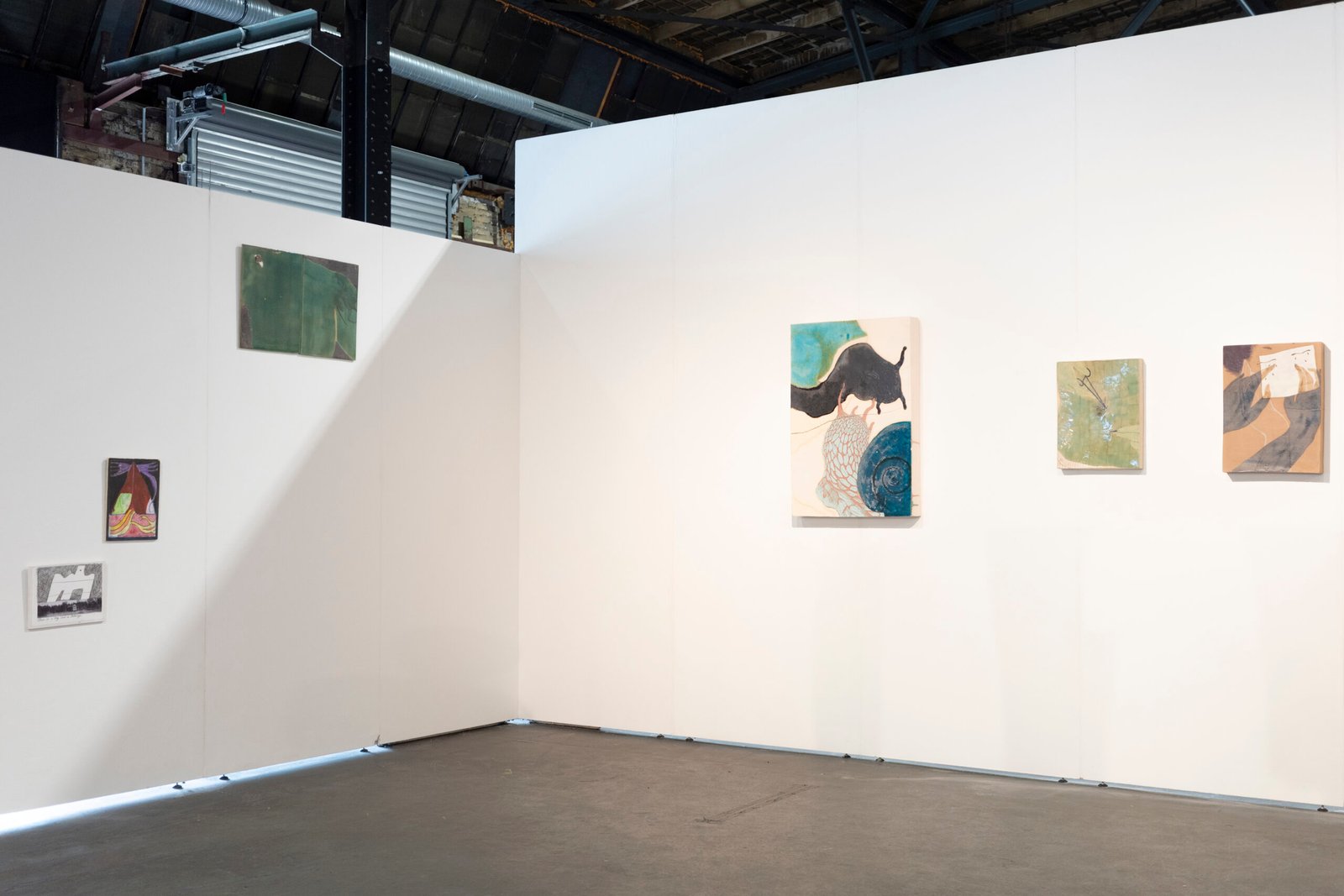
escalators to: big bang conceptualizes the exhibition space not as a container for concluded outcomes but as a temporary model. The works on display do not point back to a singular source; instead, they participate in an ongoing genesis. The graduation works encapsulate years of deep research, training, and the shaping of an artistic life developed by the artists both within the art school and throughout their private spheres. The exhibition exposes the tension between these living, uncontainable processes and the institutional attempts to organize them, casting the moment of departure as a release into a continuum of infinite pathways.
Concept and Text by Emily Pretzsch