


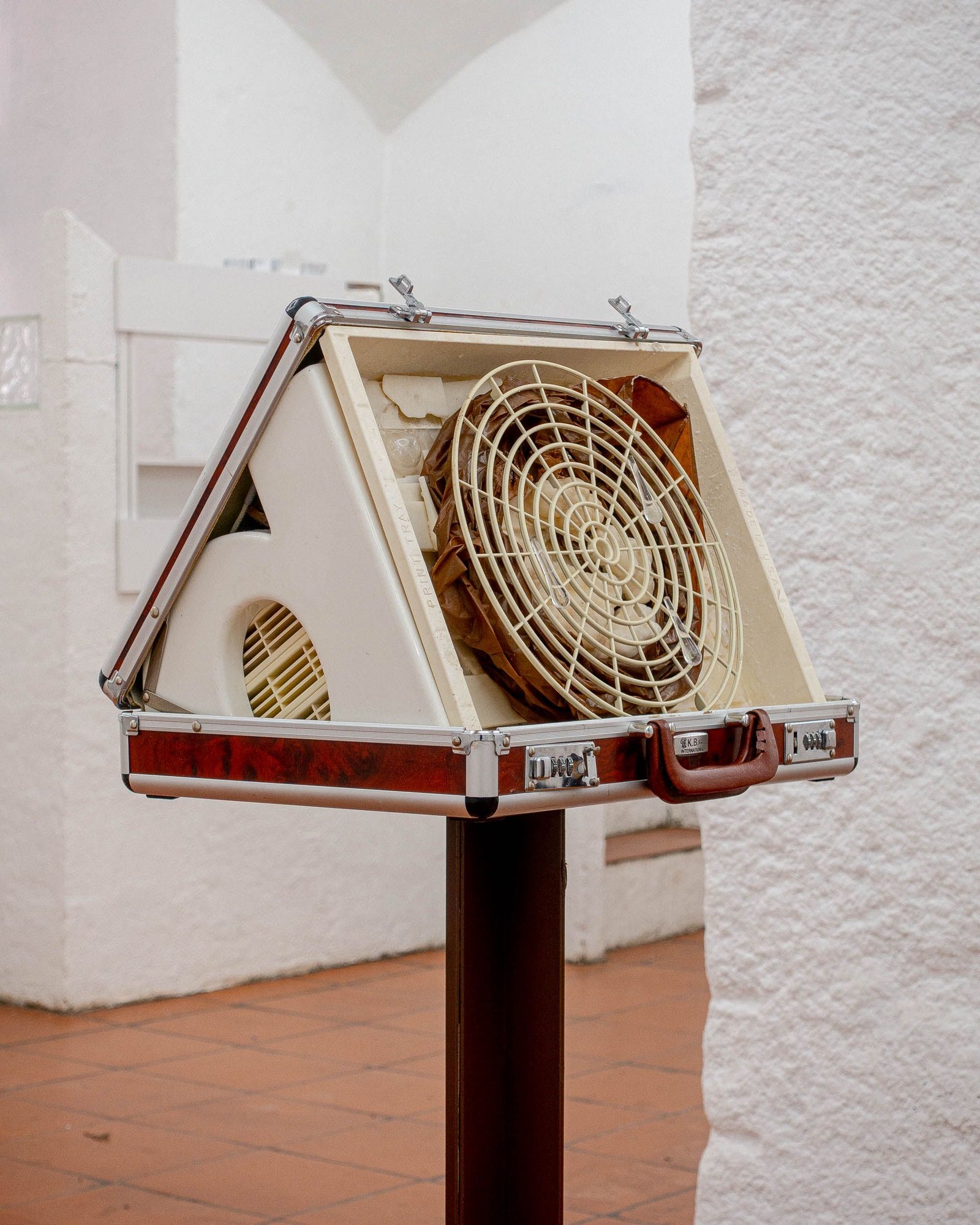
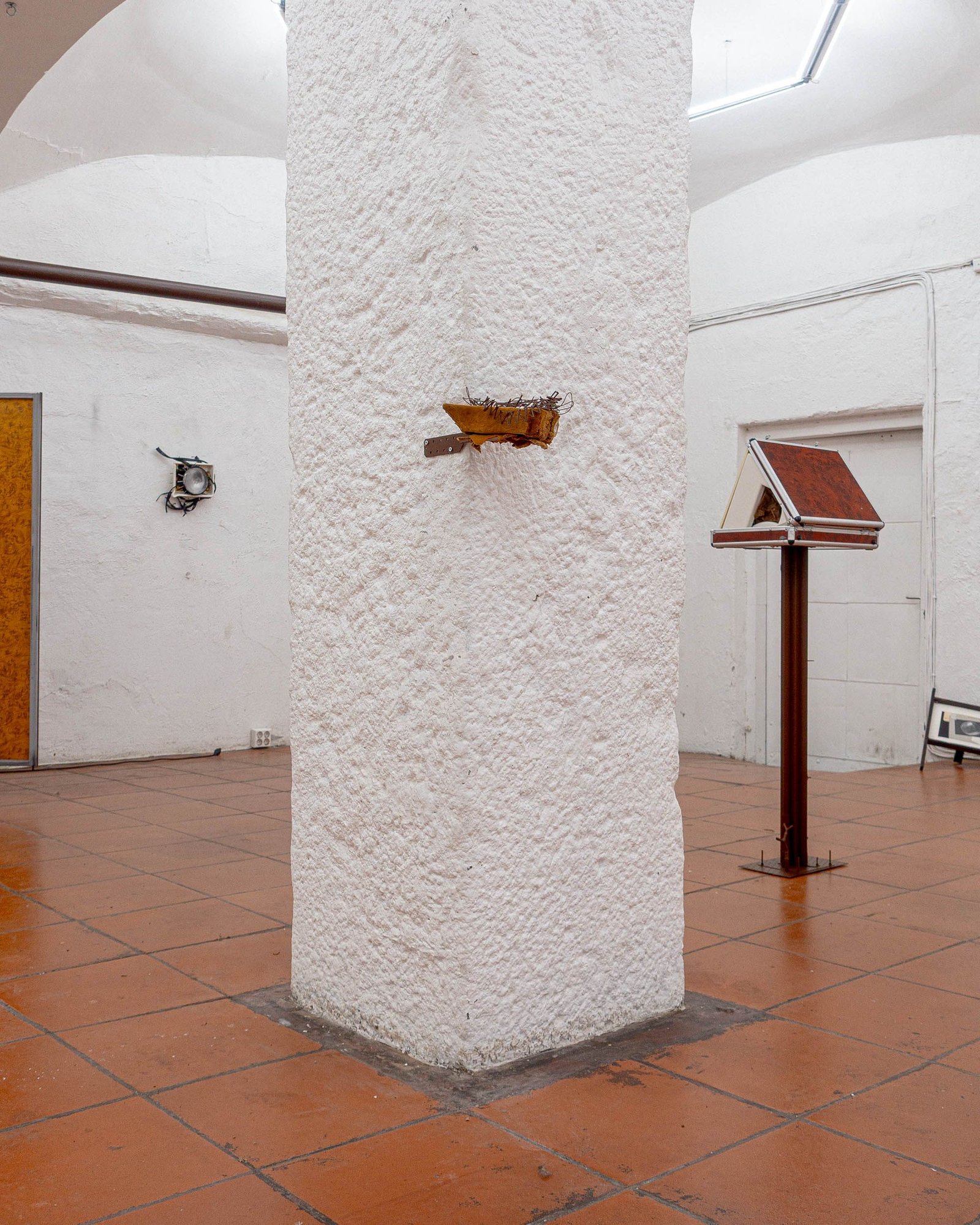
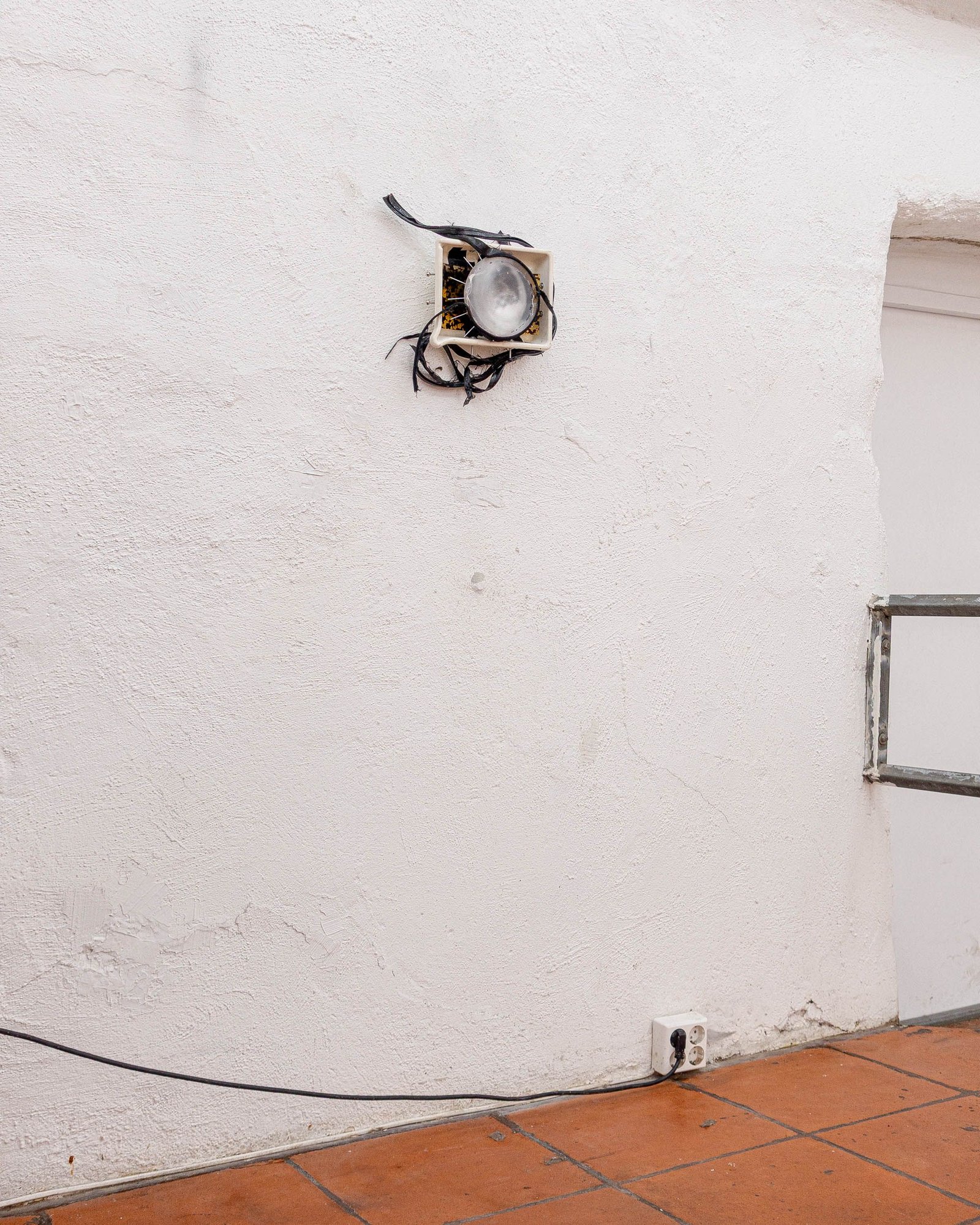
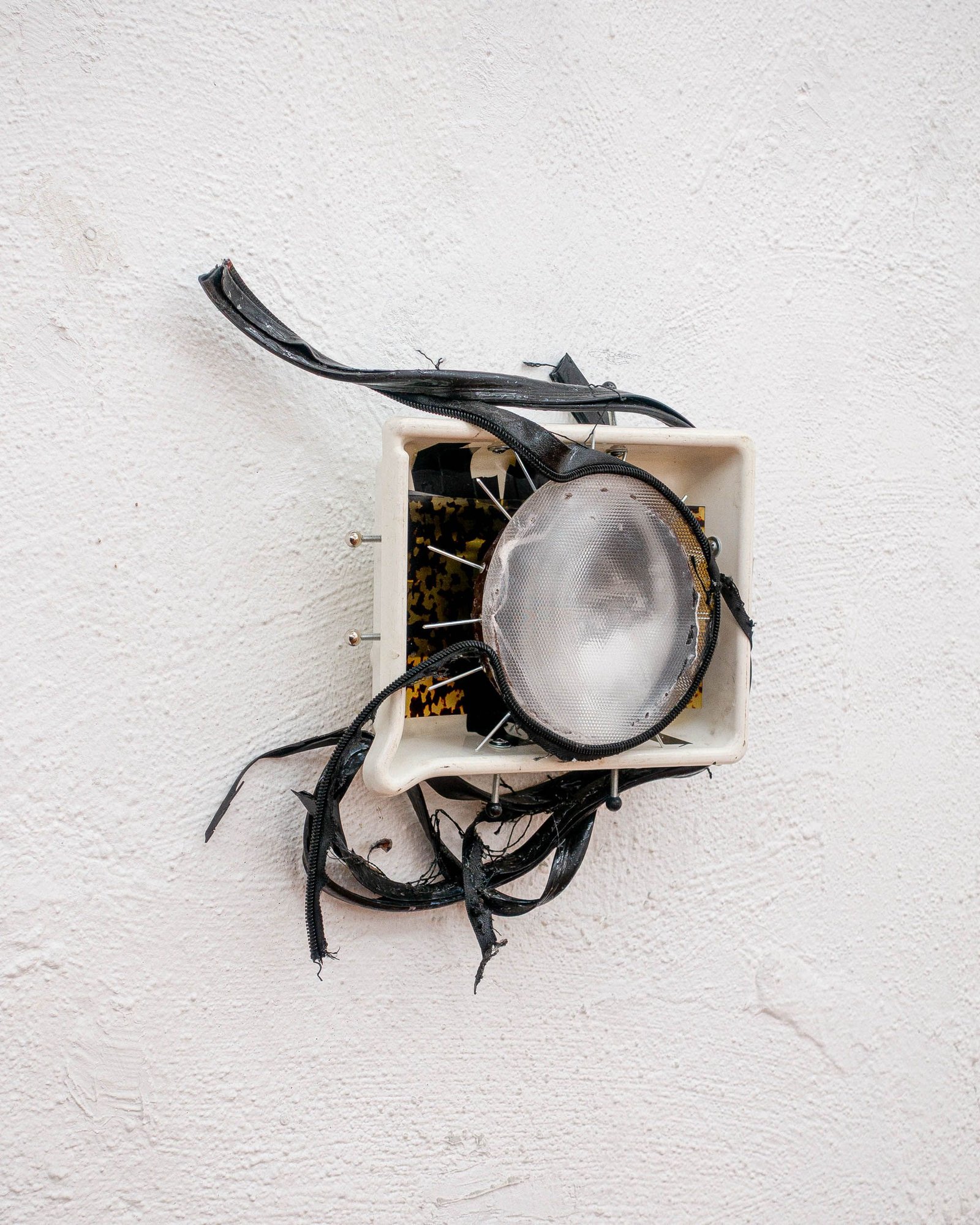

If you look at pictures tracing the evolution of Bugs Bunny, you’ll notice a considerable divergence between the late-1930s prototype and the modern rendering of 2010. Aesthetically, the previously short, pale and podgy rabbit with a pointed nose appears worlds apart from the tall and slender, silver-furred dandy with his crisp white chest and pointed tail. Yet the rabbit is the same, and we accept him as such.
In the episode Hare Conditioned from 1945, Bugs is working a job in a shop window display: a life-size diorama where he seemingly also lives. Paid in carrots, naturally, he demonstrates the newest products before mesmerised onlookers who watch the spectacle with wonder — as though observing a film, a theatre performance, or an animal in a zoo.
At the end of his shift, Bugs receives notice that he is being transferred to another department: Taxidermy. Seeing the pedestal on which he will be displayed, he bolts in horror, pursued by his armed manager. Throughout the chase he cycles through a succession of disguises and distractions, eventually producing a gun shooting only the words “bang bang bang,” to which his manager’s gun, in proper cartoon fashion, responds “ouch ouch ouch.” In a final gambit he disguises himself as a monster — terrifying not only the guard, but himself — and falls from the roof of the building. But, as we know, within cartoon logic, this is not the end for Bugs, who will return revived and unscathed in the following episode.
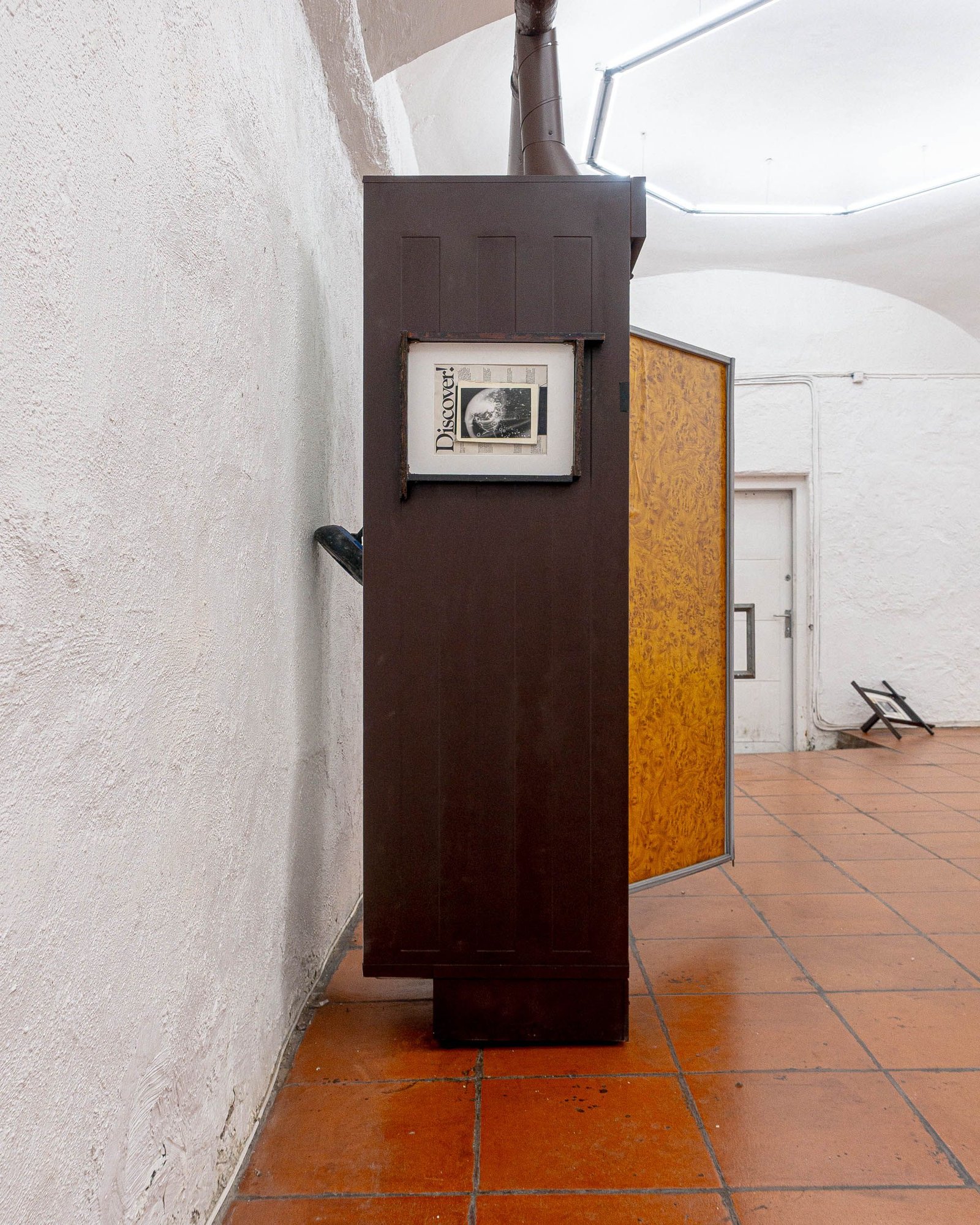
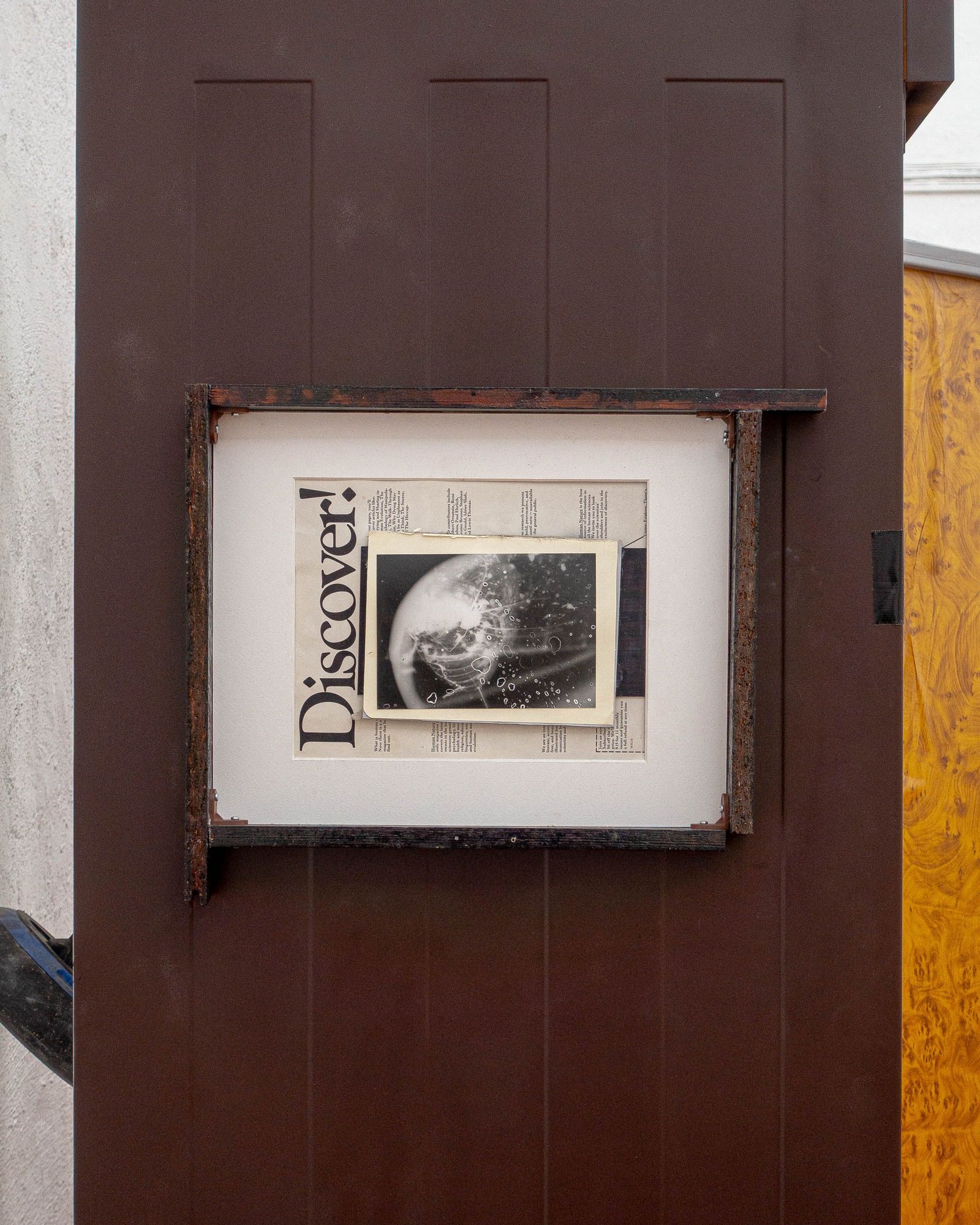
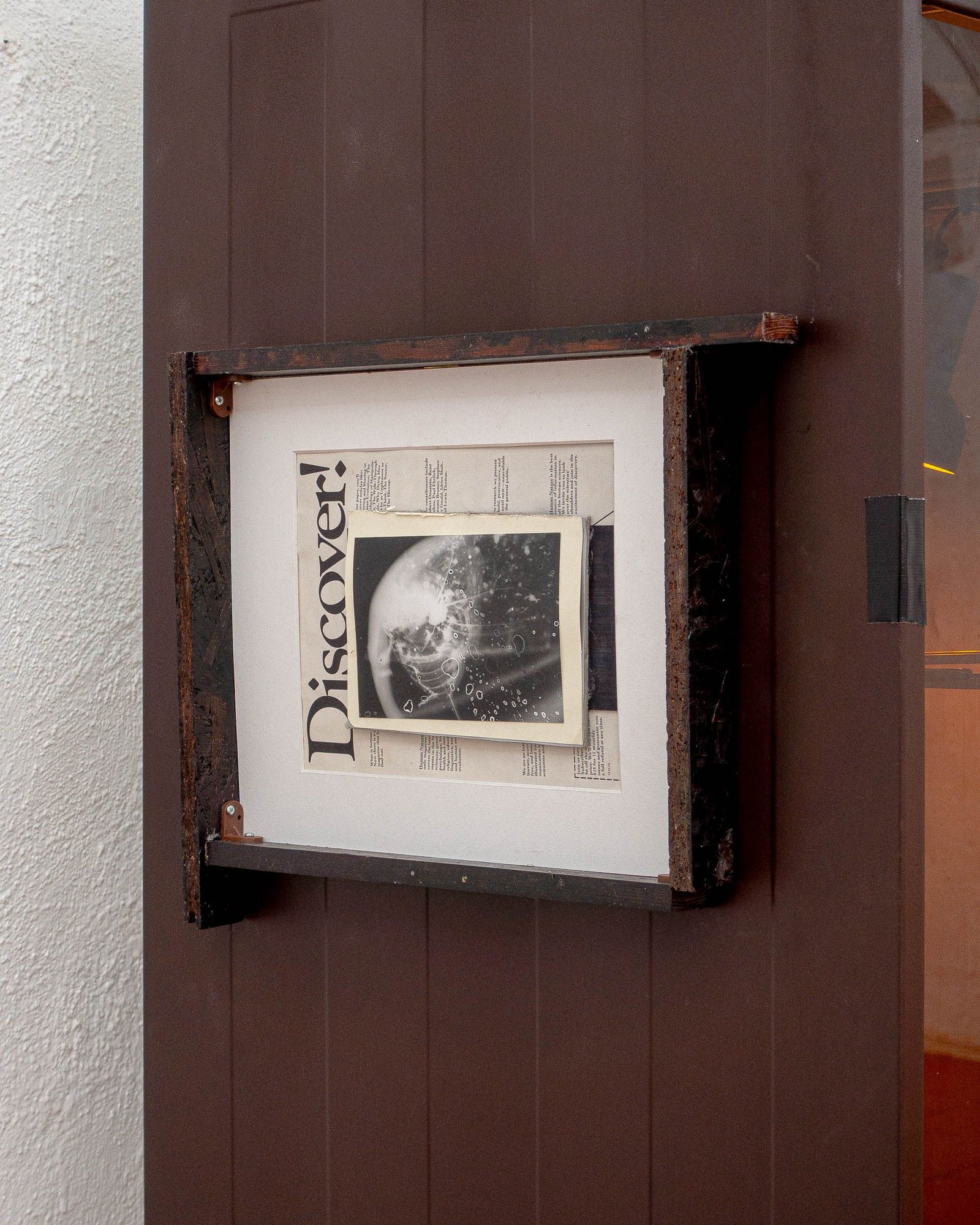
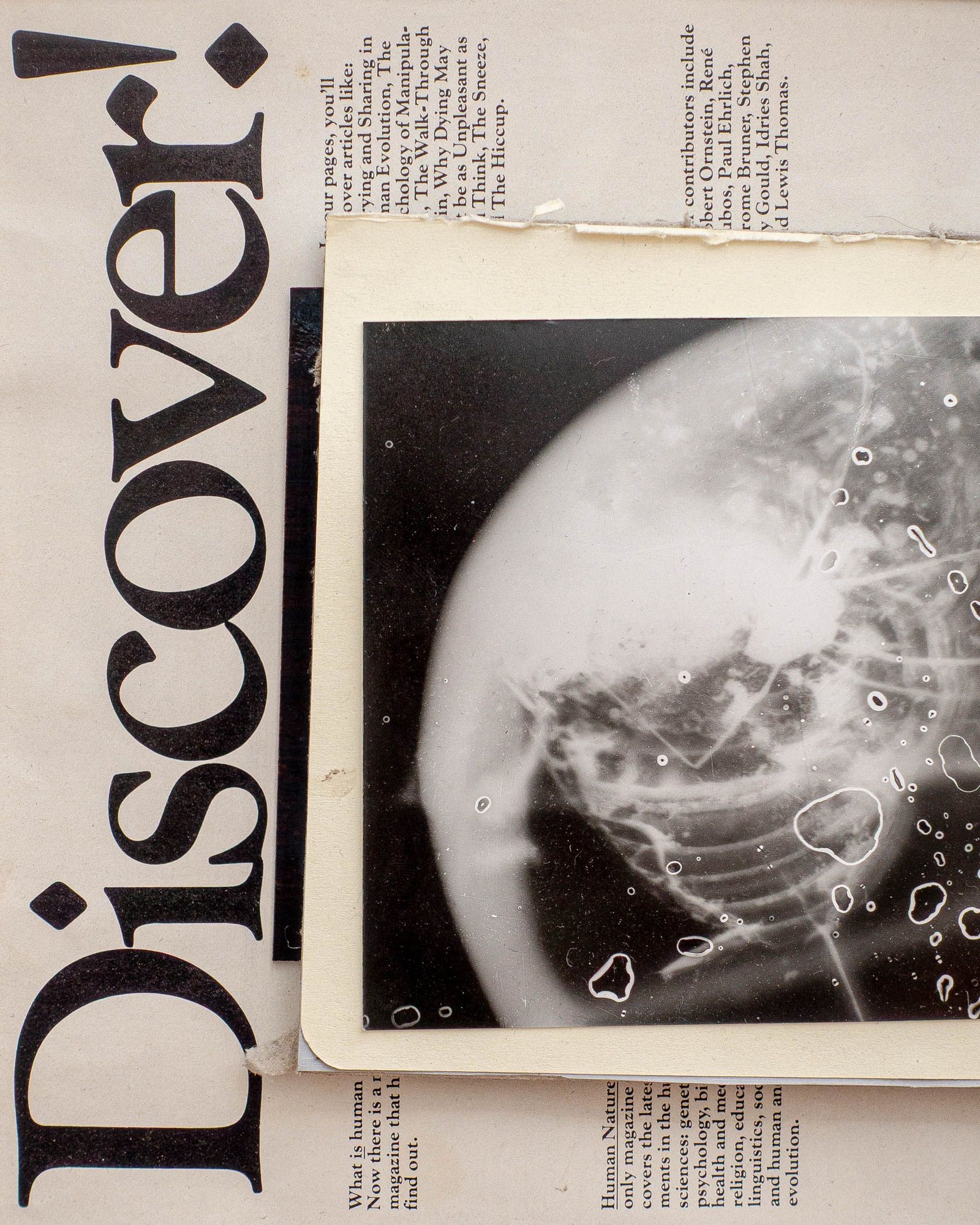
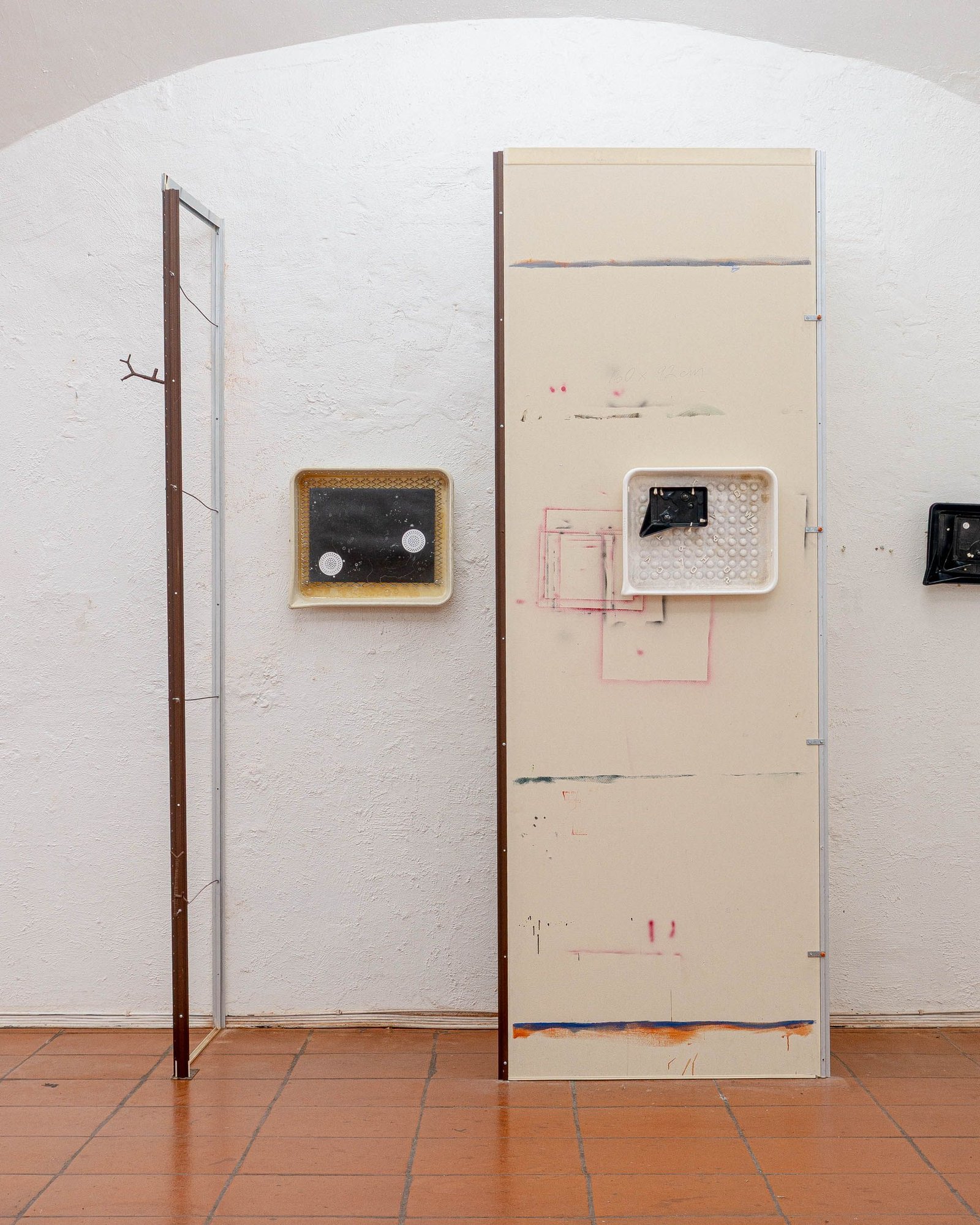
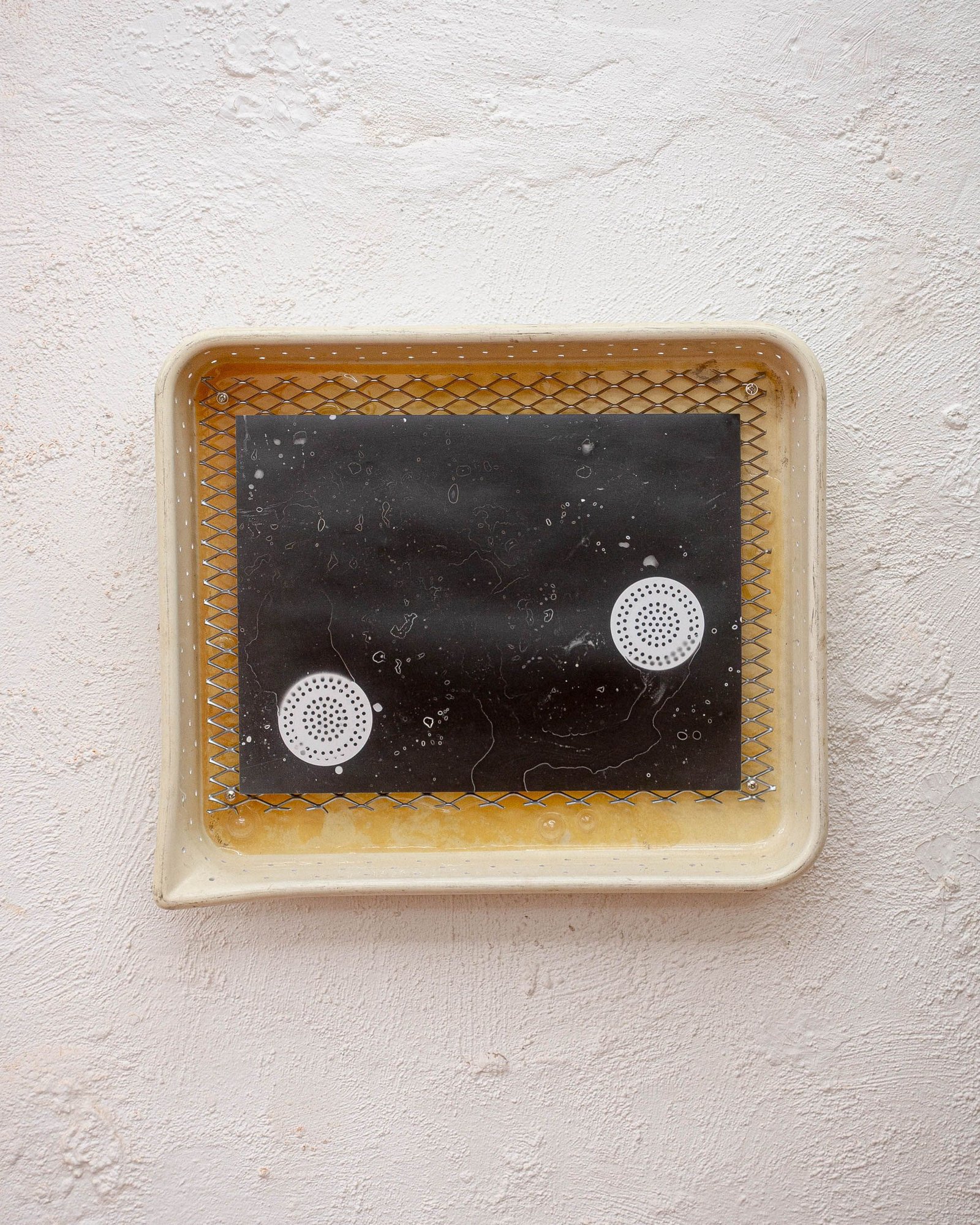
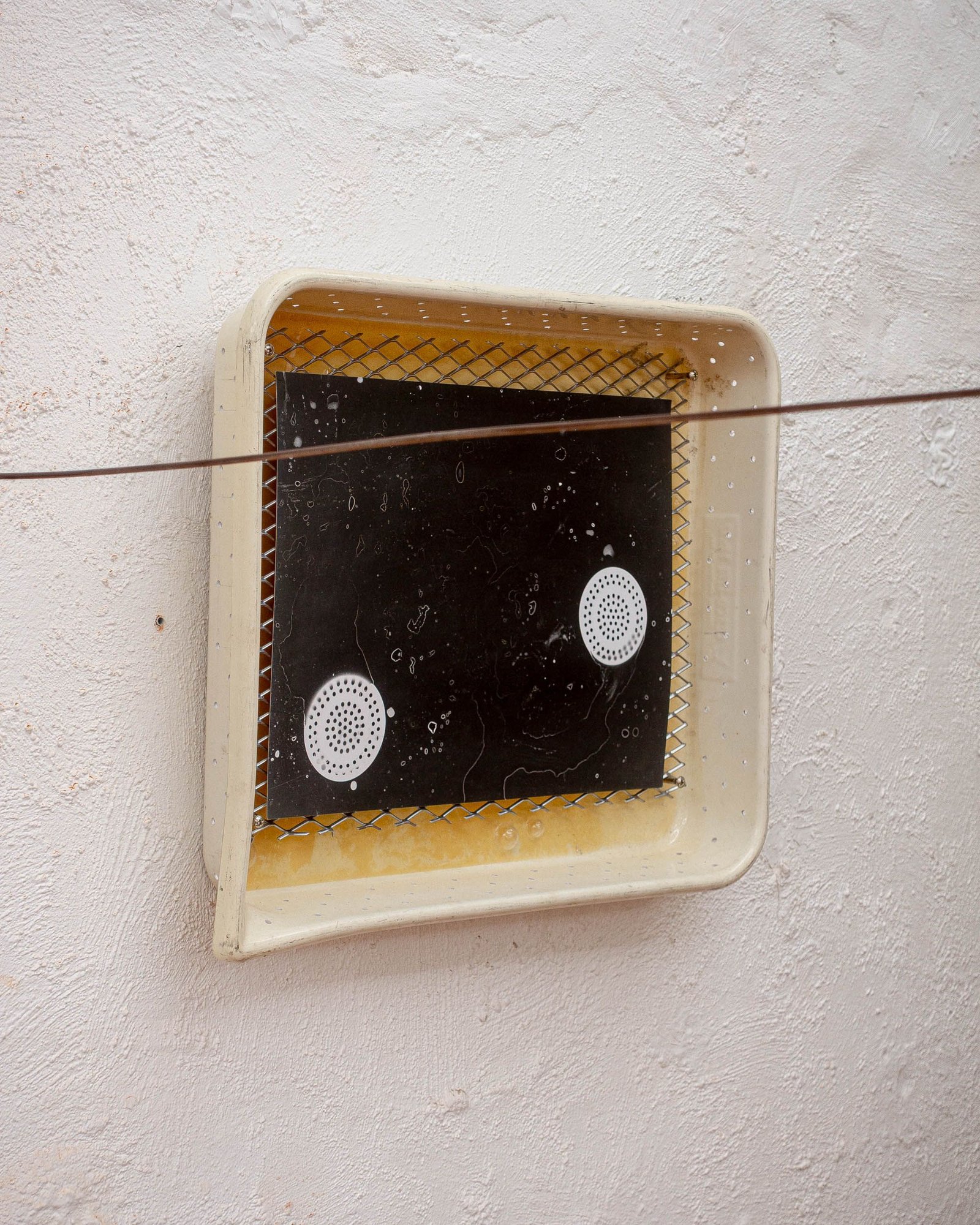
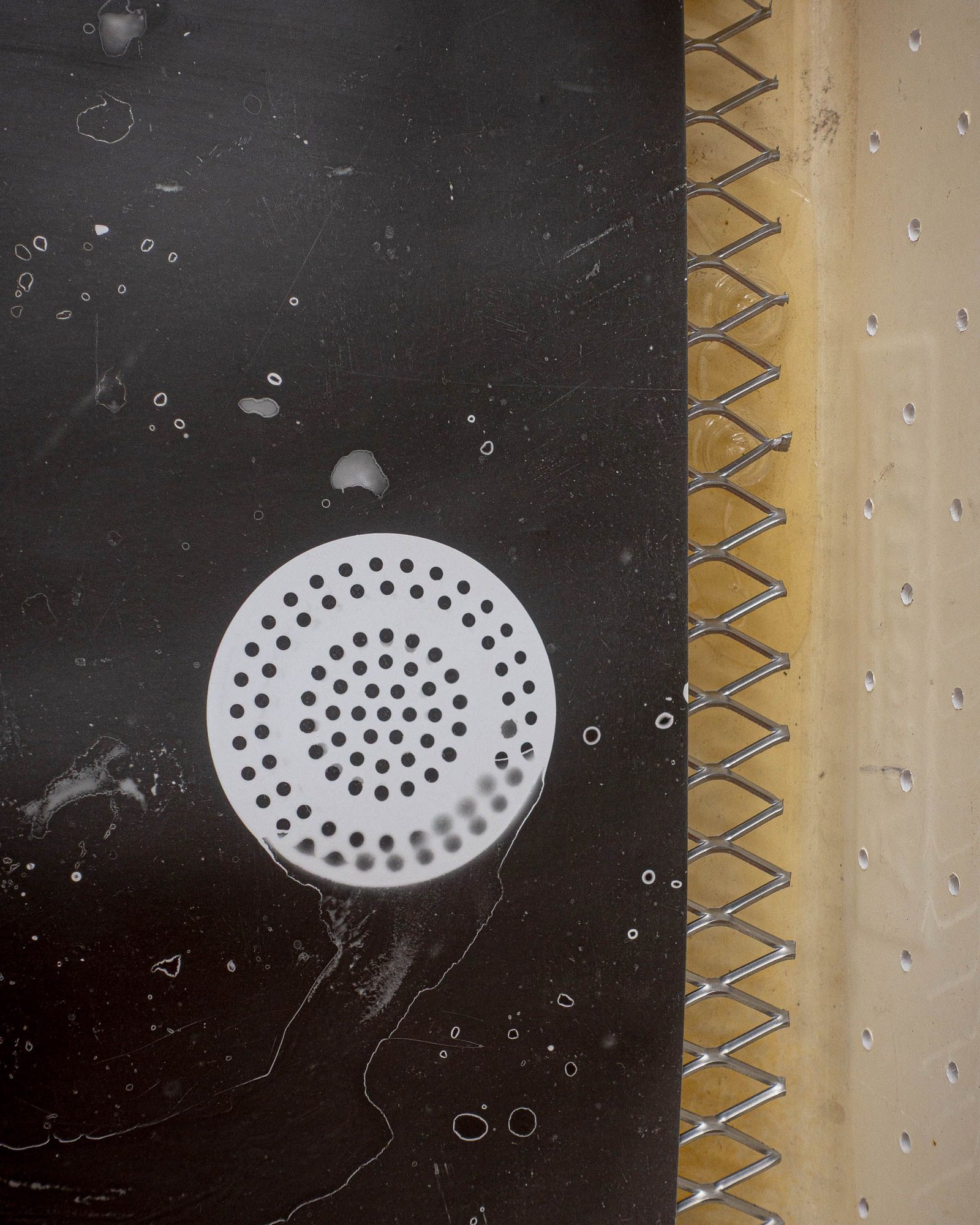
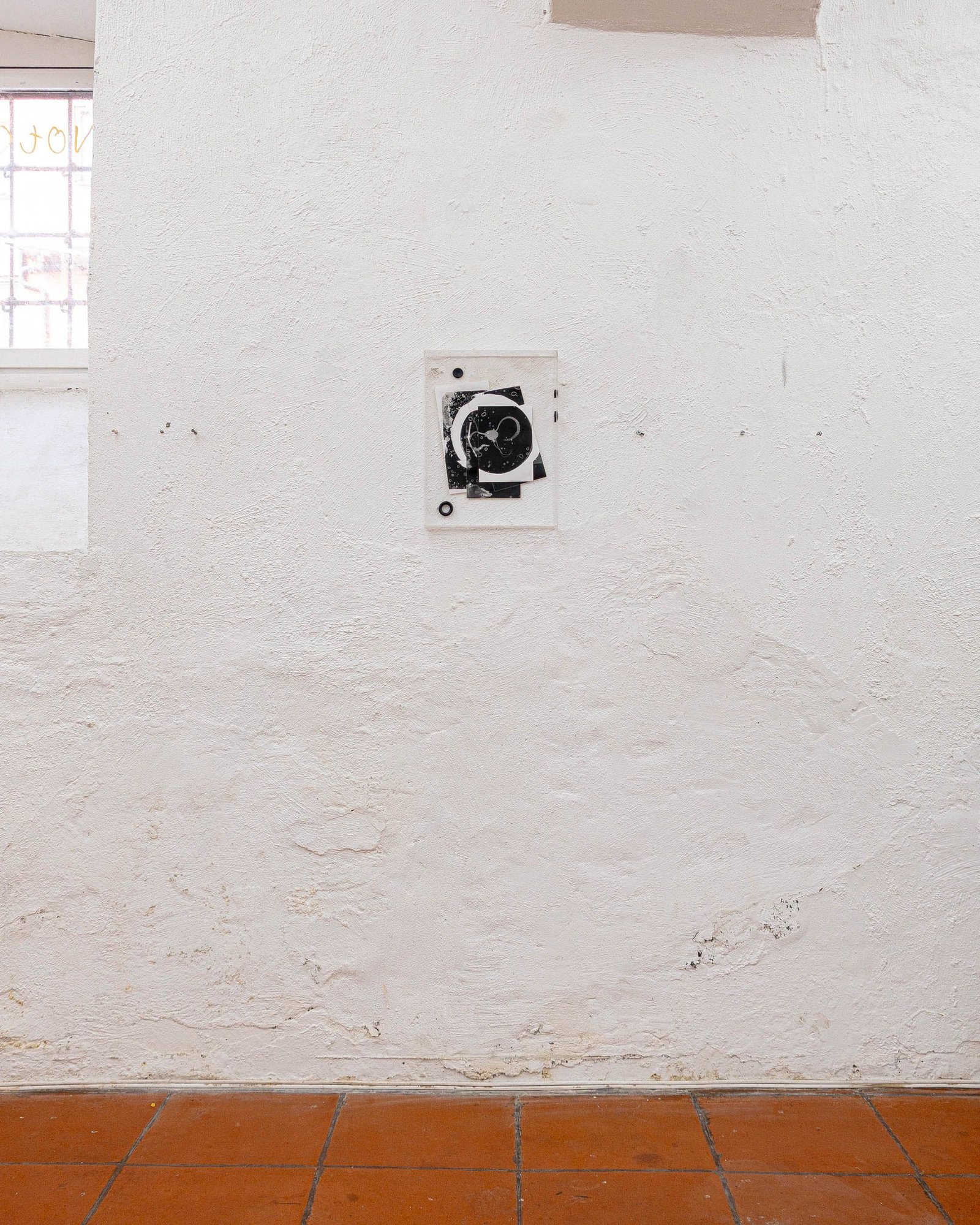
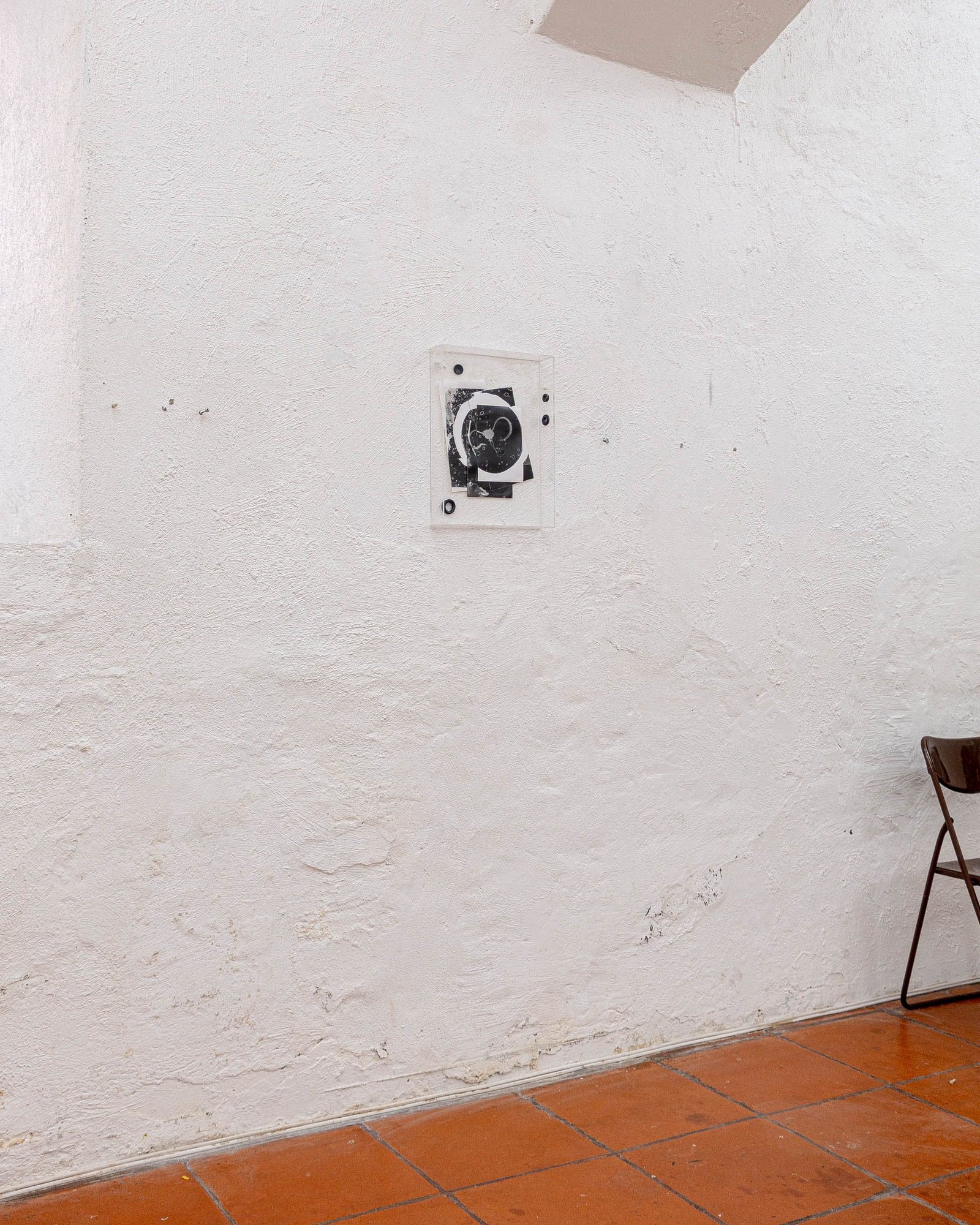
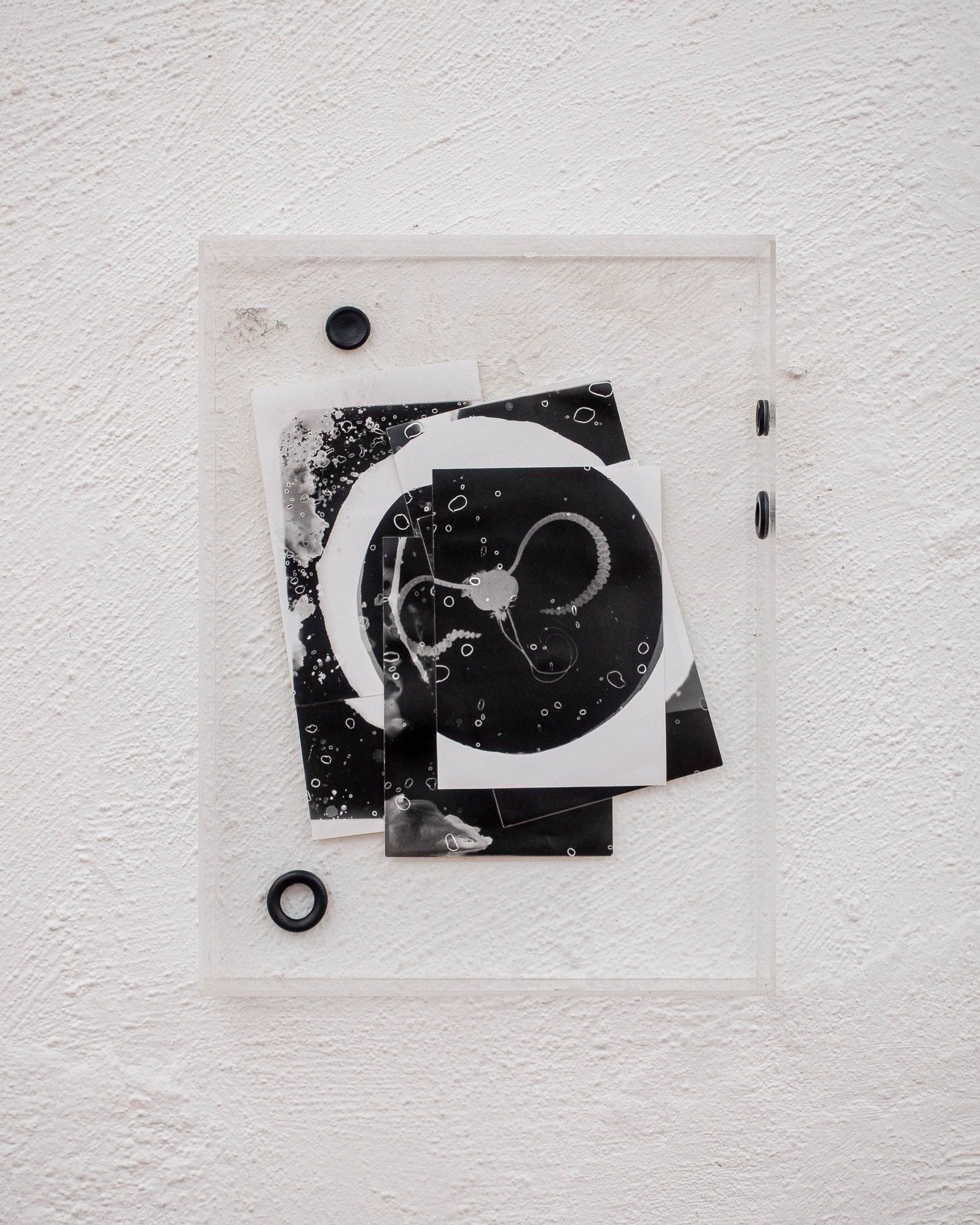
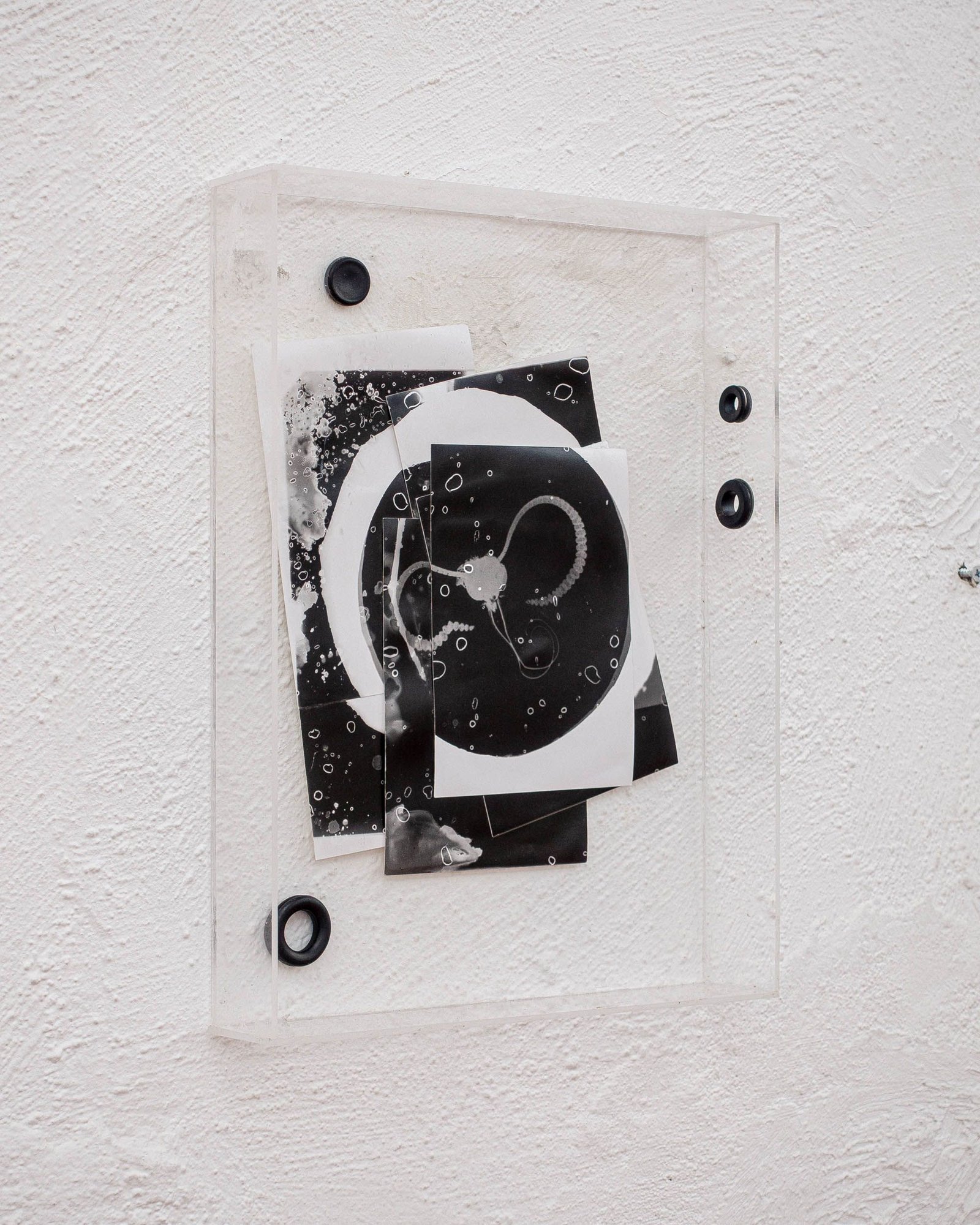
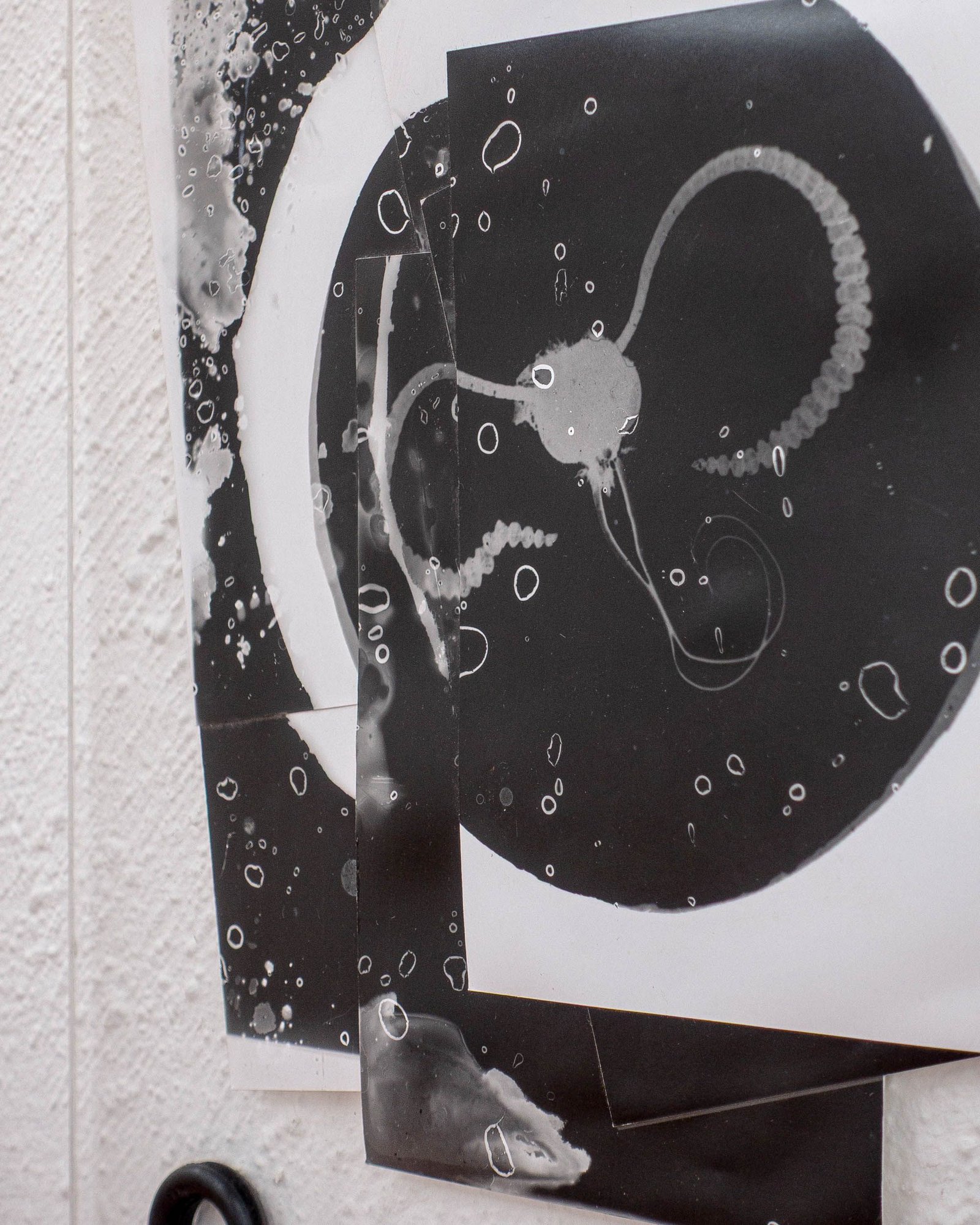
When Jules Étienne Marey shot the moving image Rabbit — Evolution of the Fall in 1894 as part of his studies of animal locomotion, he used his invention, the photographic gun, to capture the rabbit’s movements through chronophotography. Unlike the better-known motion studies of Eadweard Muybridge, Marey’s images were recorded on a single negative, compressing movement onto a single surface of egg whites and silver salts — collapsing time into image in a way that prefigured animation.
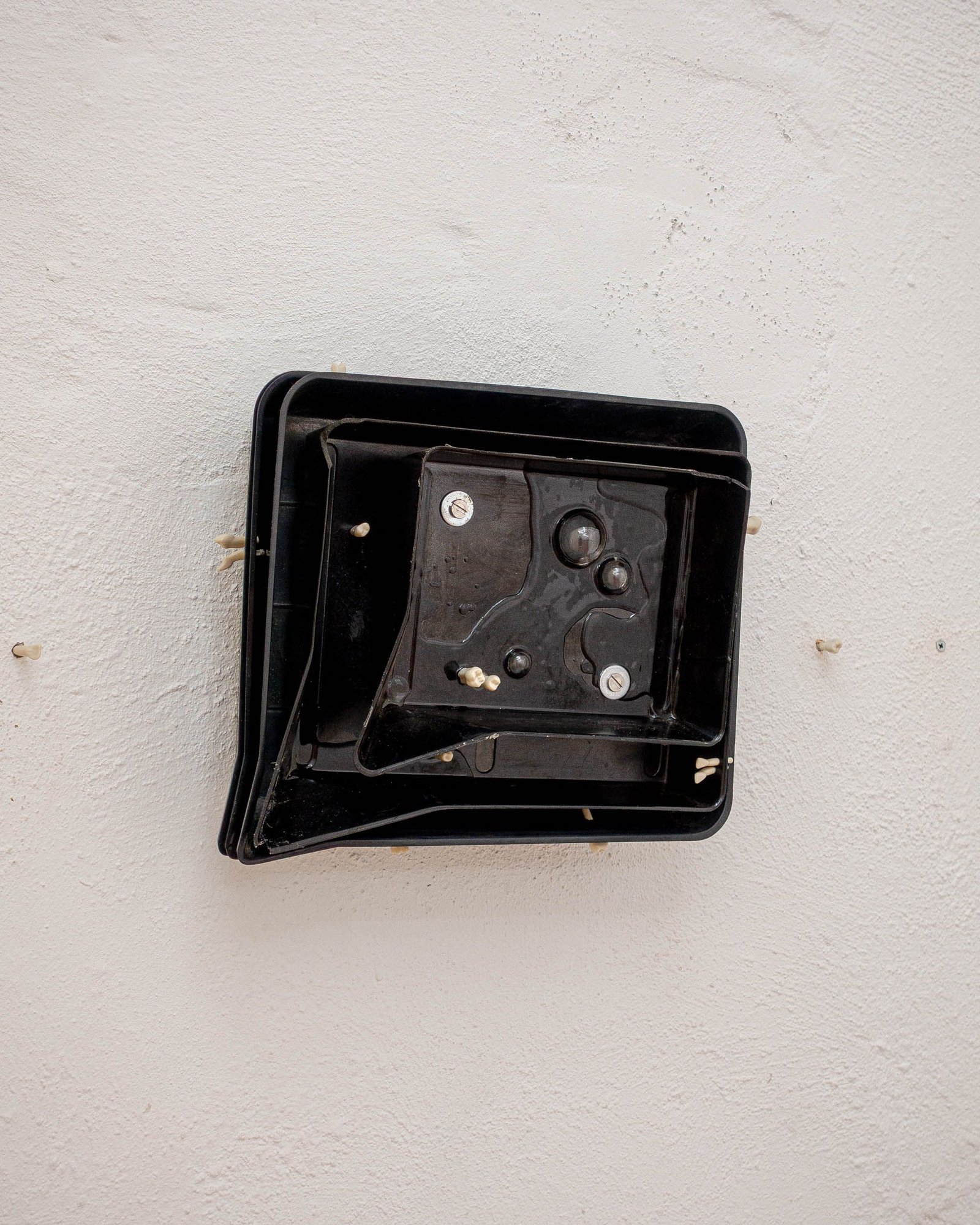
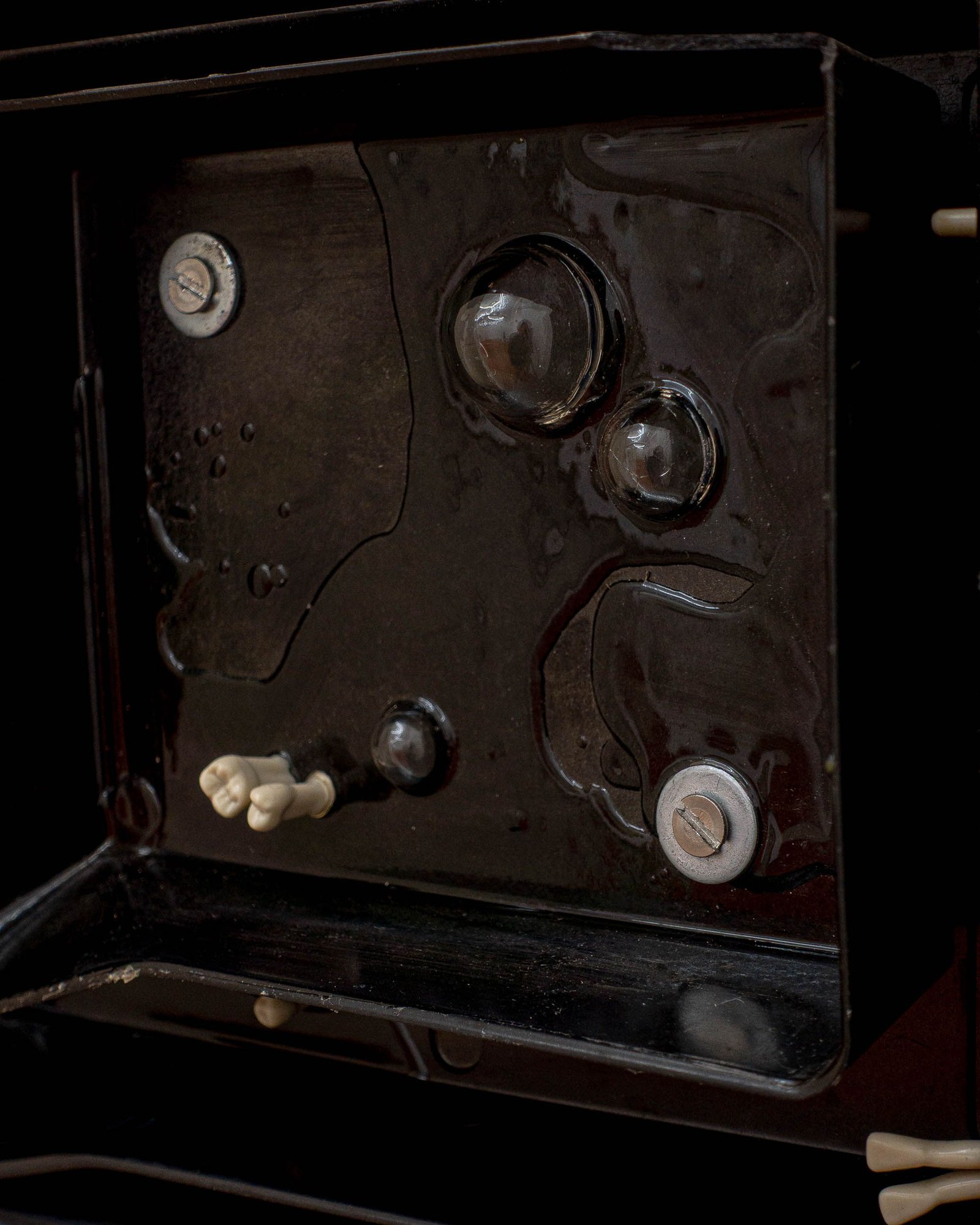
As Lisa Cartwright describes in Screening the Body, another bizarre invention was developed by anatomists Eliot and Eleanor Clark: cutting holes in rabbit ears, they installed an instrument they referred to as “the window.” Constructed from two metal frames with a thin sheet of celluloid stretched between them, the device relied on the rabbit ear’s regenerative capacities. Skin cells and blood vessels would grow into the transparent membrane where, under the microscope, animation unfolded in real time. Yet the cells also grew beyond the surface, breaking through the barrier of the porous film and escaping the image.
In surrealist painter Leonora Carrington’s short story White Rabbits, the narrator is studying the empty house across the road in Pest Street, when a woman appears with a bucket of bones. Curious to see what’s inside the house, she brings some meat as an excuse to visit. She finds it the home of a man and a woman with shimmering silvery skin and one hundred white rabbits who — despite being herbivores — eagerly devour her offering, no longer docile but monstrous.
Frightened by the horror in front of her, she makes up an excuse to leave, to which the lady of the house replies:
“Do you not want to stay and become like us?”
We like to see ourselves as separate from animals, and language is often seen as the defining border. The word ‘evolution’ itself derives from the act of unfolding a book, revealing an unknown story or picture – to make something visible and graspable. But as science has taught us, every new answer raises another question, sometimes: What am I doing here? and What is the point of it all? Perhaps, at times, it is better not to know – to resist the complete disenchantment of the world. Because at the end of it, what is life without a little mystery? – written by Simen Utsigt Stenberg