


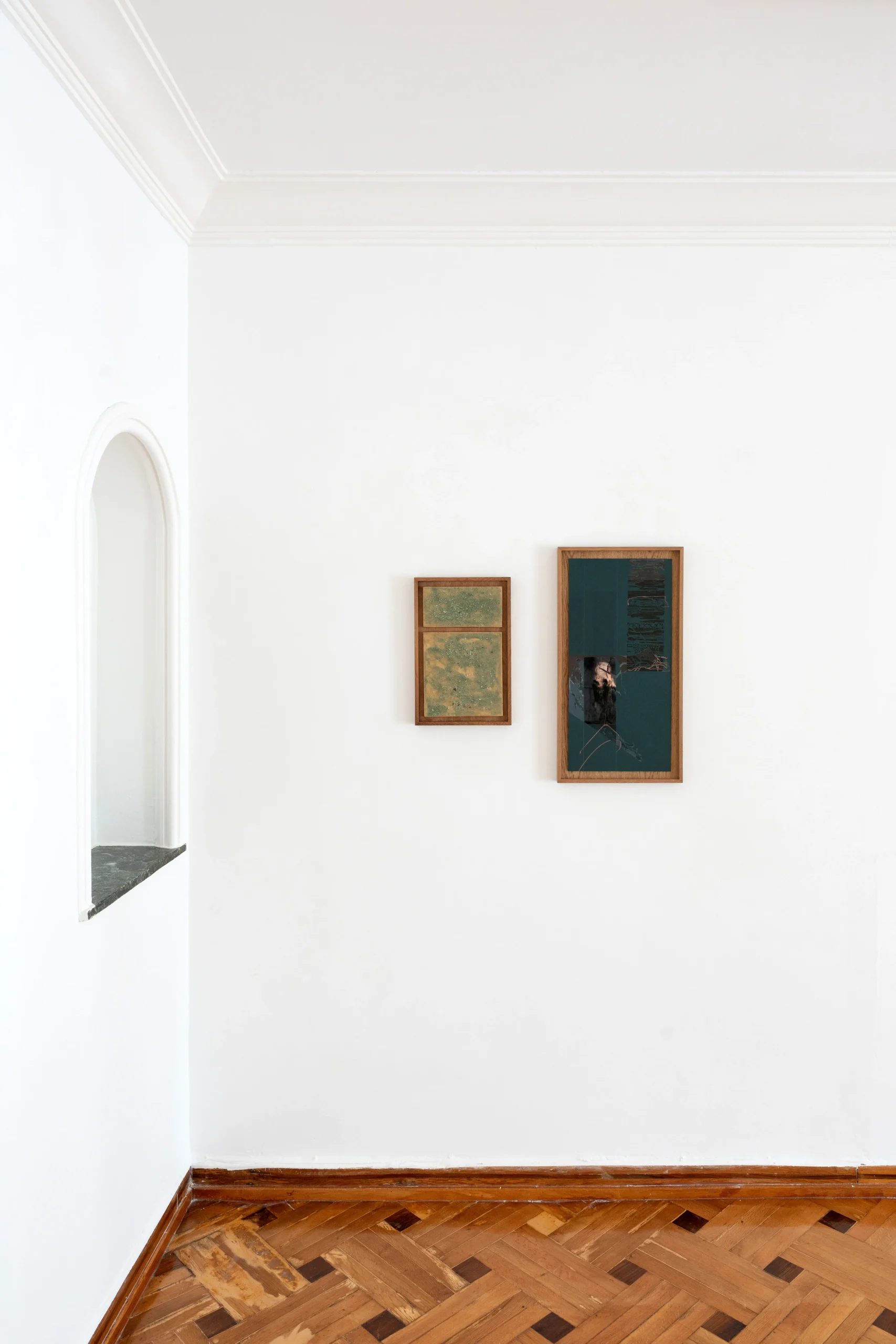
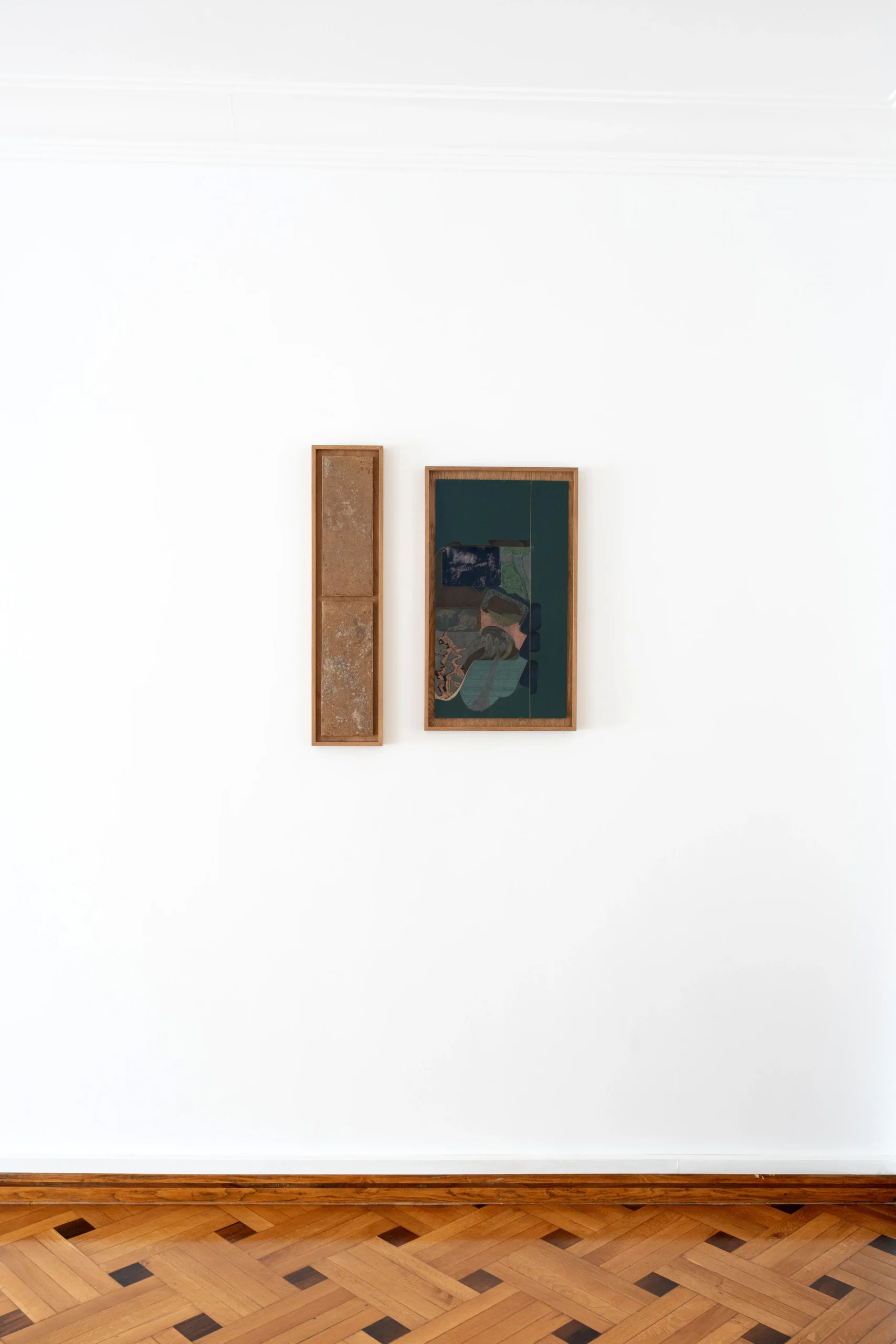
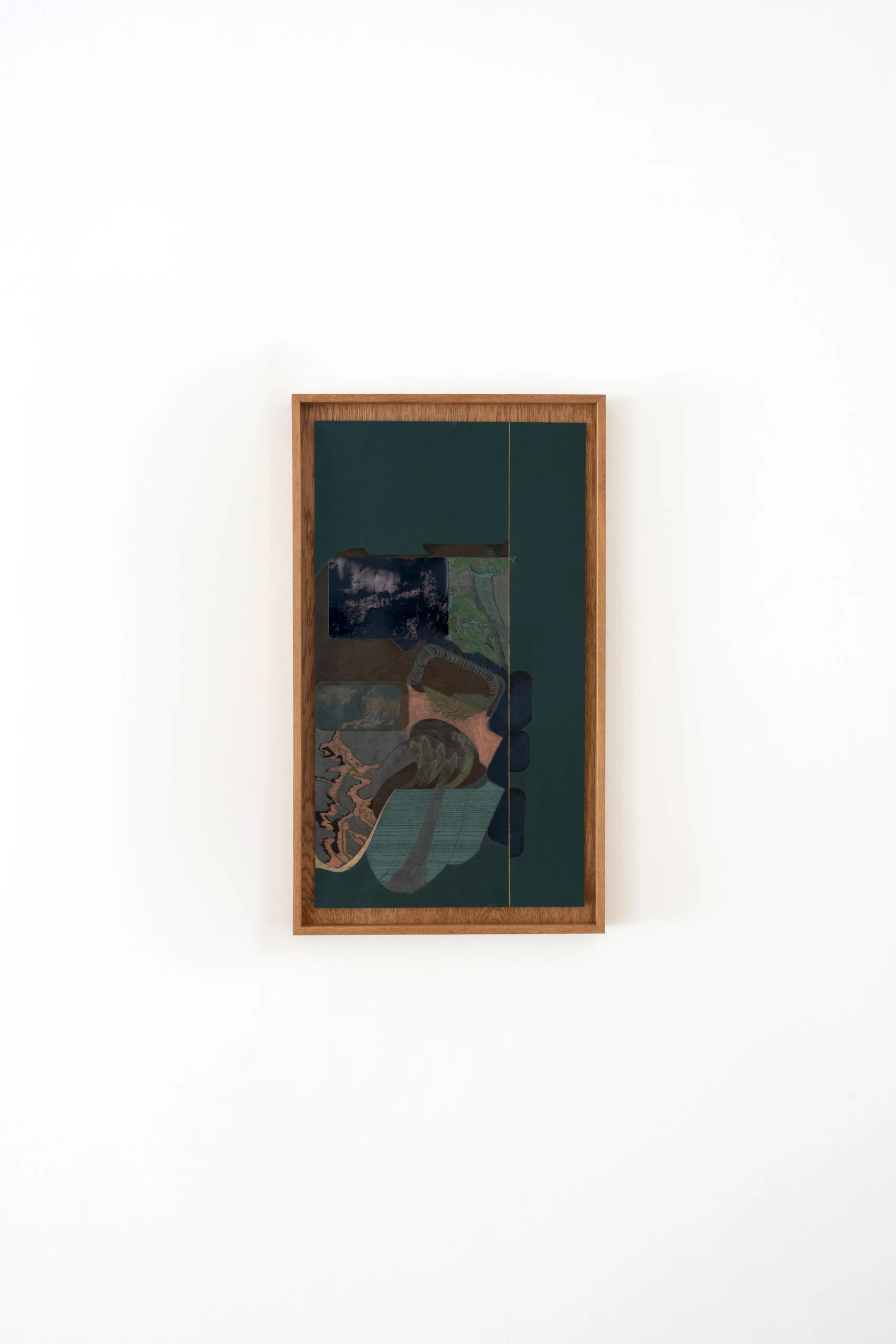
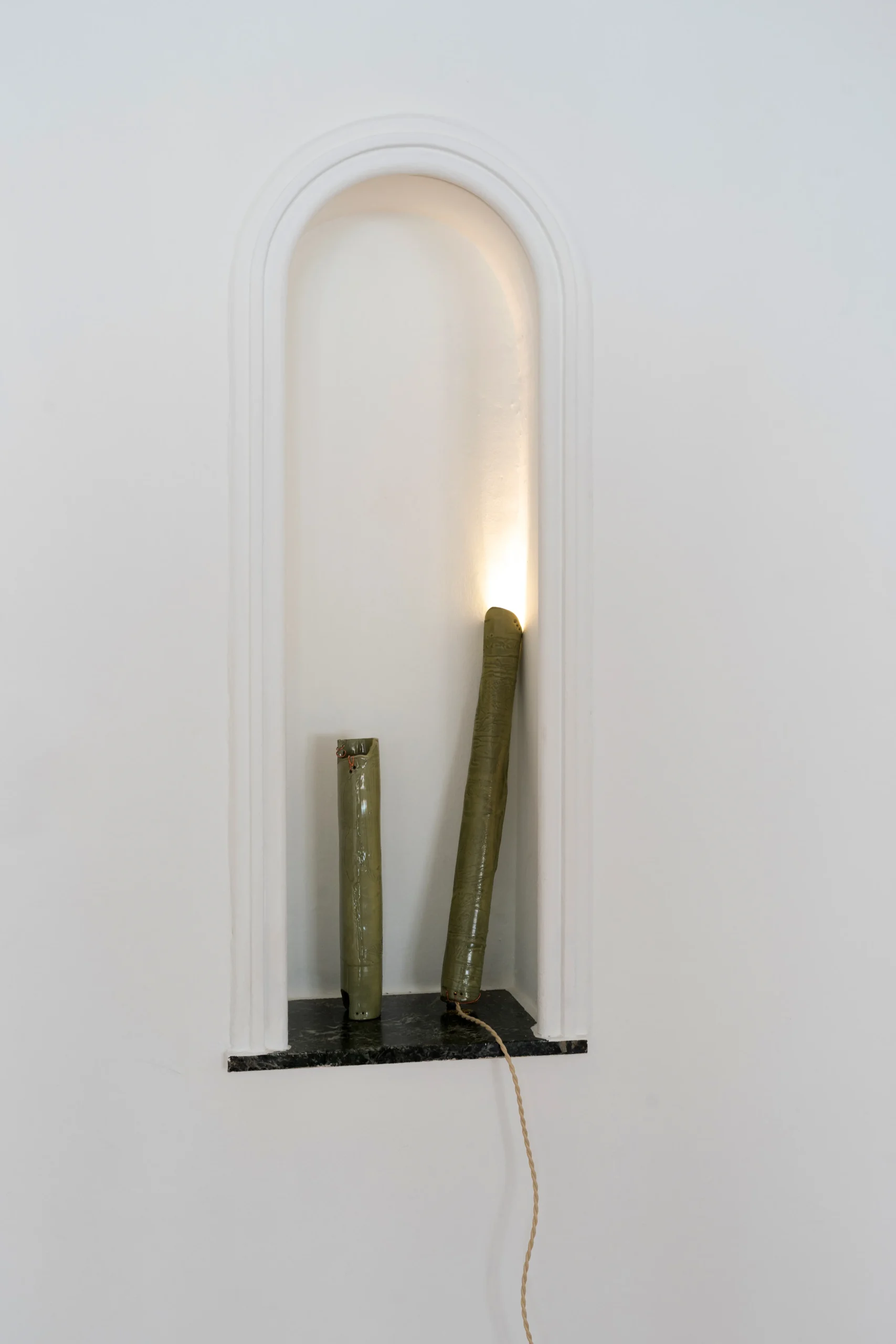

The Paddocks Gallery is pleased to present And Here I Bloom, For a Short Hour Unseen, a duo exhibition by Chryssa Kotoula and Katerina Moschou. The exhibition brings together a new body of collaborative work developed
between the two artists, stemming from Moschou’s residency at The Paddocks in spring 2025.
“I have a dream sometimes, not often. I dream that I am in a house, and discover a door I didn’t know was there. It opens into an unexpected garden, and for a weightless moment I find myself inhabiting new territory, flush with potential.”
– Olivia Laing, The Garden Against Time, 2024
In nature, when two trees come close to one another, they can bind their roots and organically merge. From the ancient orchards of Asia to contemporary gardens, through human intervention and skilled care, grafting has evolved into a widespread gardening and agricultural practice–one plant is joined to another allowing them to heal and grow as one. One part offers the trunk and roots, the other brings the capacity to transform. Bound together in close contact, they co-create a common entity capable of producing stems, flowers, and fruit. The exhibition And Here I Bloom, For a Short Hour explores grafting as a form of union through which new identities emerge. Used metaphorically, it serves as a point of departure for a creative dialogue between Kotoula and Moschou.
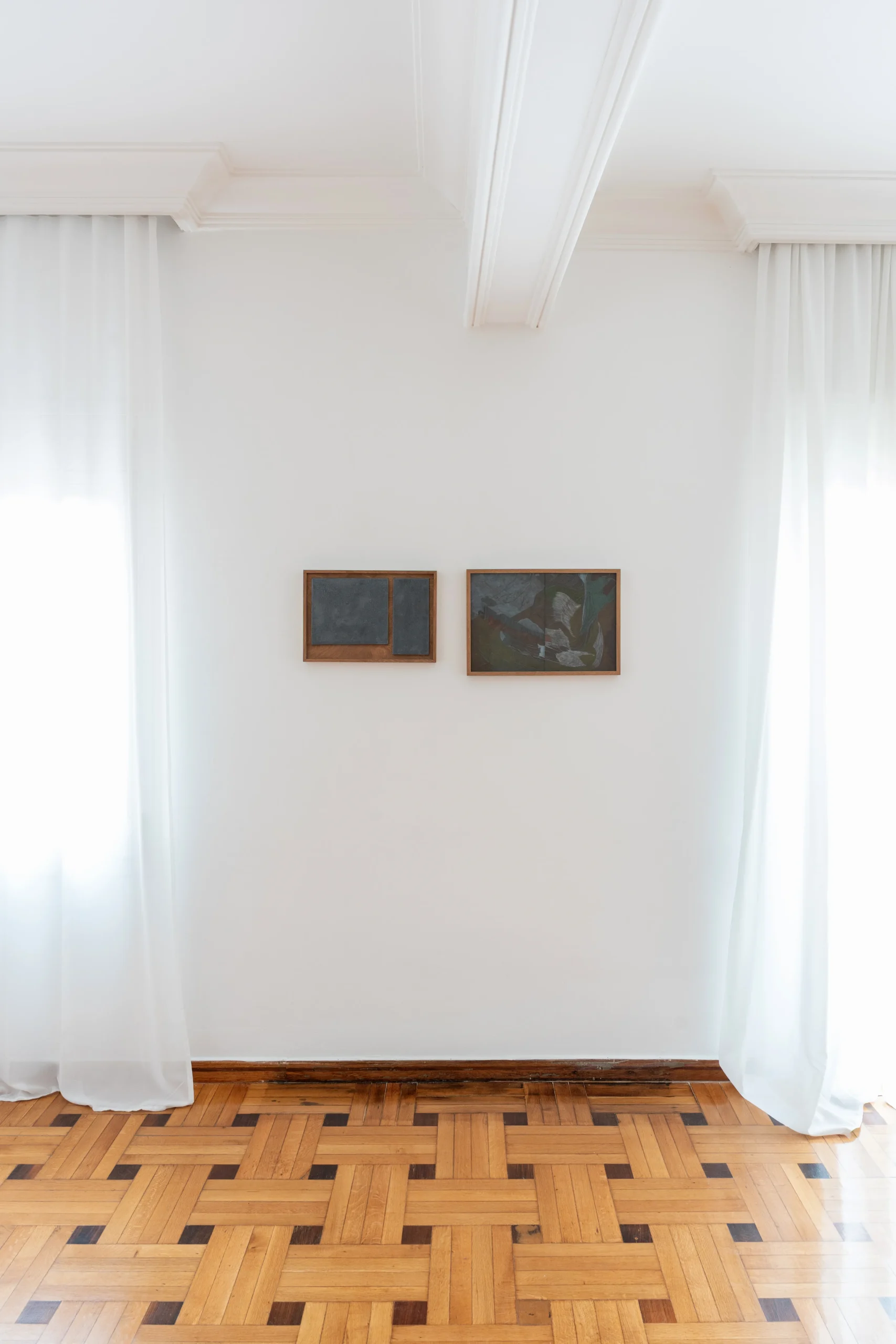
By merging their individual artistic practices—ceramics, engraving, drawing, photography, and sculpture—the artists employ the stages of grafting as a methodology: the preparation of the parts, the binding, the healing, the
union. Initially, plants get “wounded” at specific points or stripped of their surface, undergoing an intense biological stress that activates complex survival mechanisms. By binding the two parts tightly together, usually with a special grafting tape, they are held together in place until they heal. A pause; a state of“numbness” where cells of the different plants gradually intertwine until they entirely fill the gap between them.
Observing nature, time seems to expand. For grafting to succeed, time is required, an almost invisible time within which the union is gradually formed. In a similar manner, both in ceramics and engraving, pauses are essential for
the processes of materials and surfaces to realise. This “in-between” condition, the point in time at which something is in the process of being formed, runs throughout the exhibition. The unseen life of plants–the continuous processes that secretly take place while remaining fully exposed to their environment–offers the title to the exhibition. And Here I Bloom, For a Short Hour Unseen, an excerpt from a poem by the American naturalist writer, Henry David Thoreau, in which he reflects on the complexity and vulnerability of human existence. The verse speaks to decay as an inevitable condition, but also to the enduring search for meaning and the ability to transform. As in grafting, even after a part of a plant has been separated from its roots, so in the human condition, the possibility of flowering in new conditions remains.
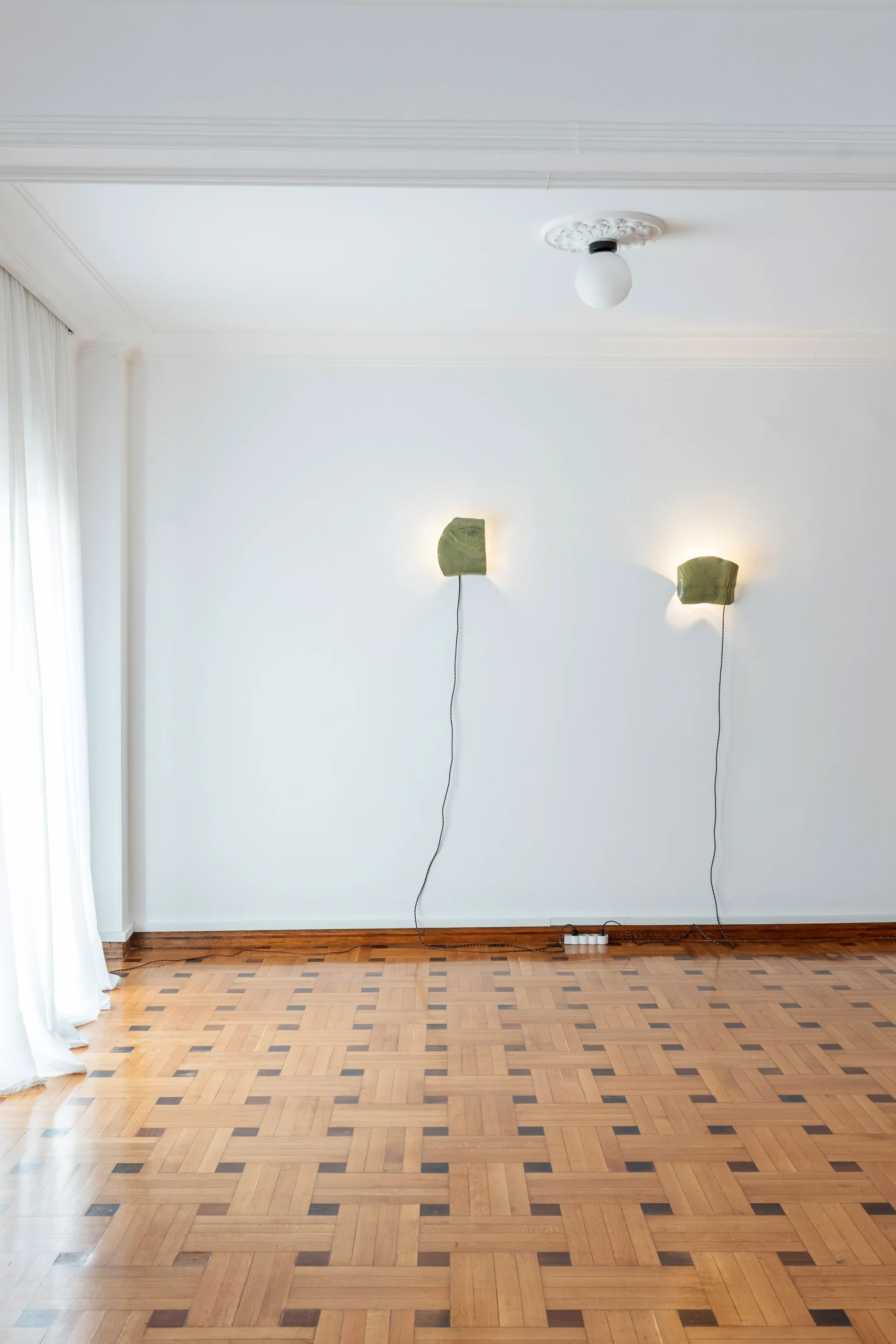
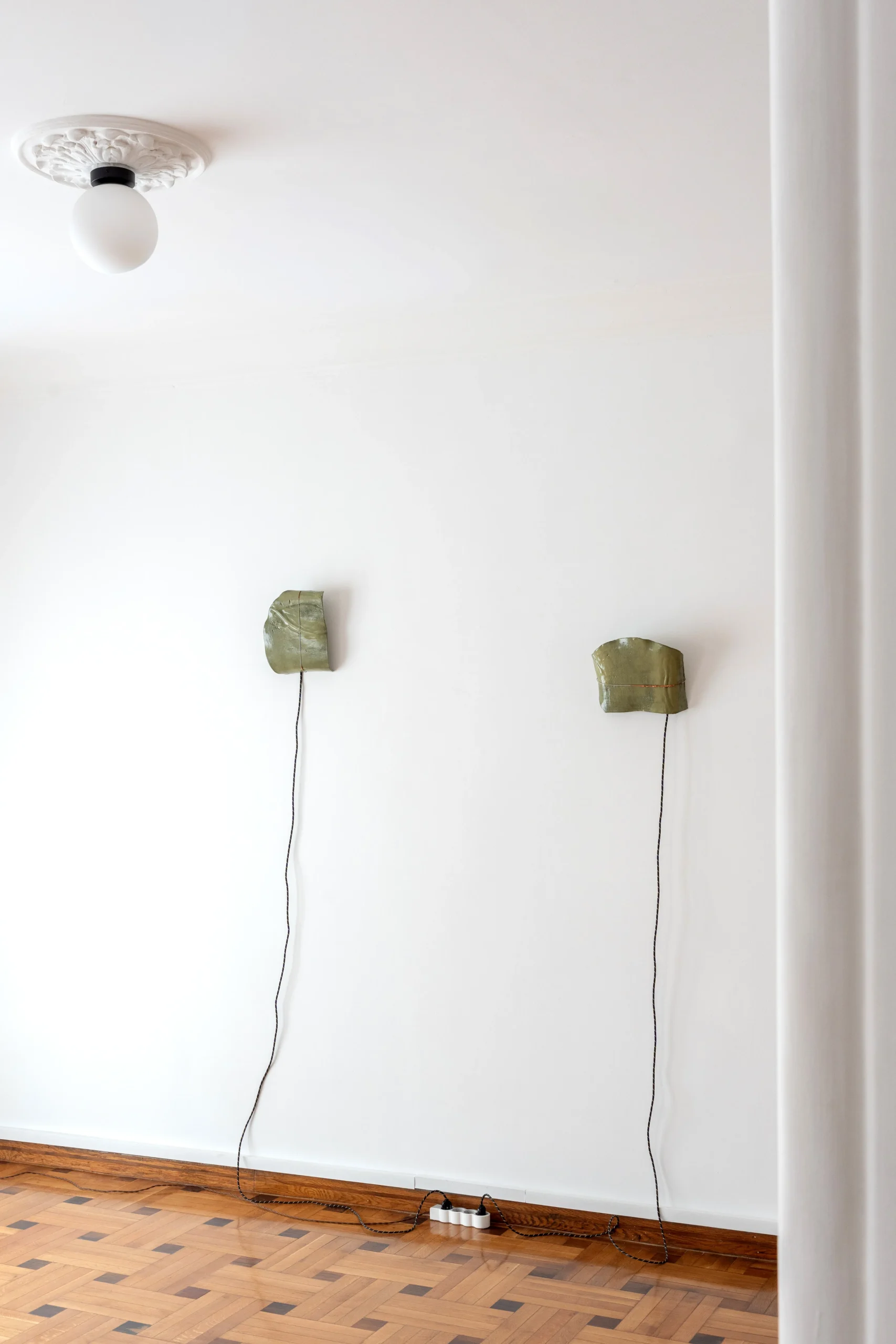
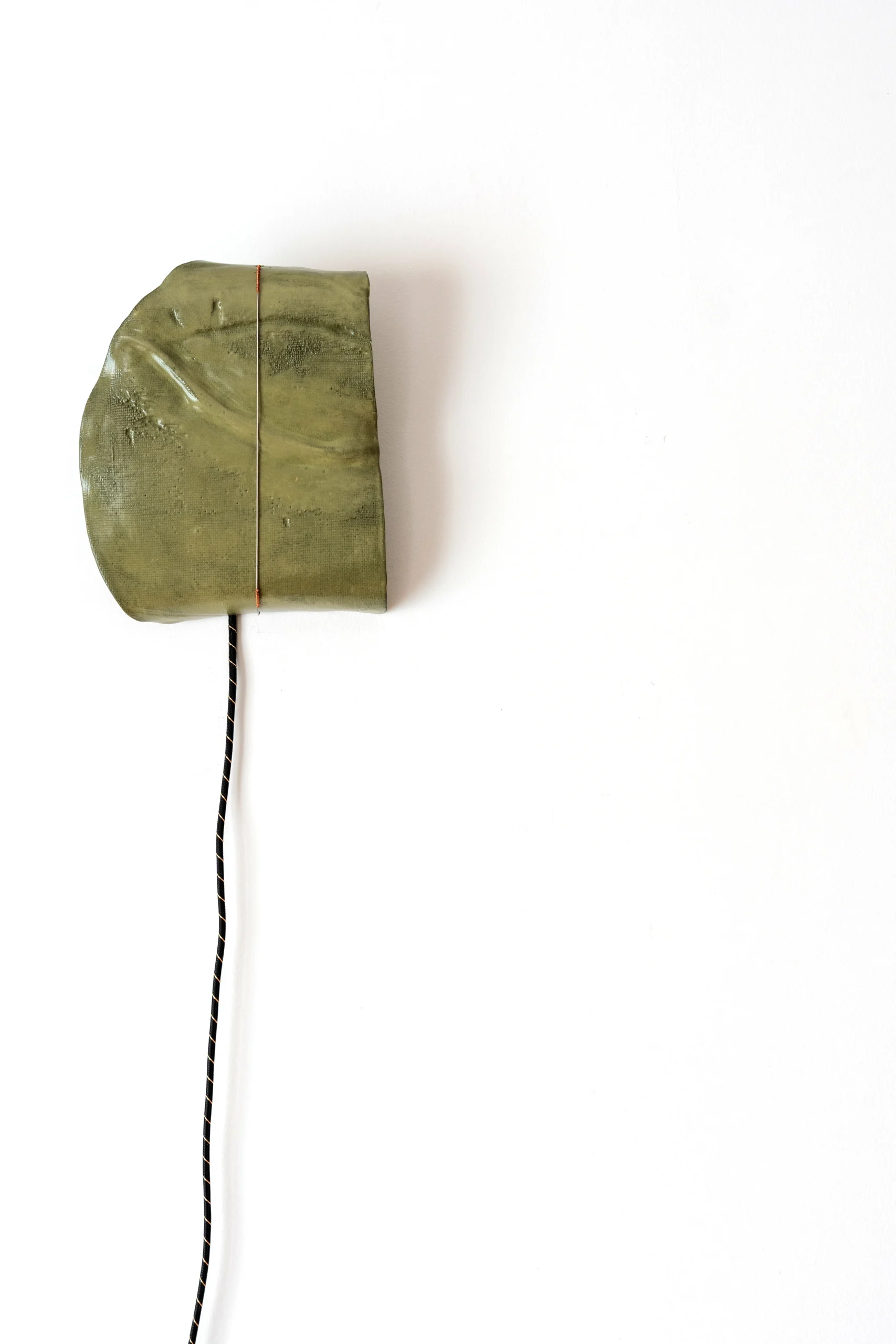
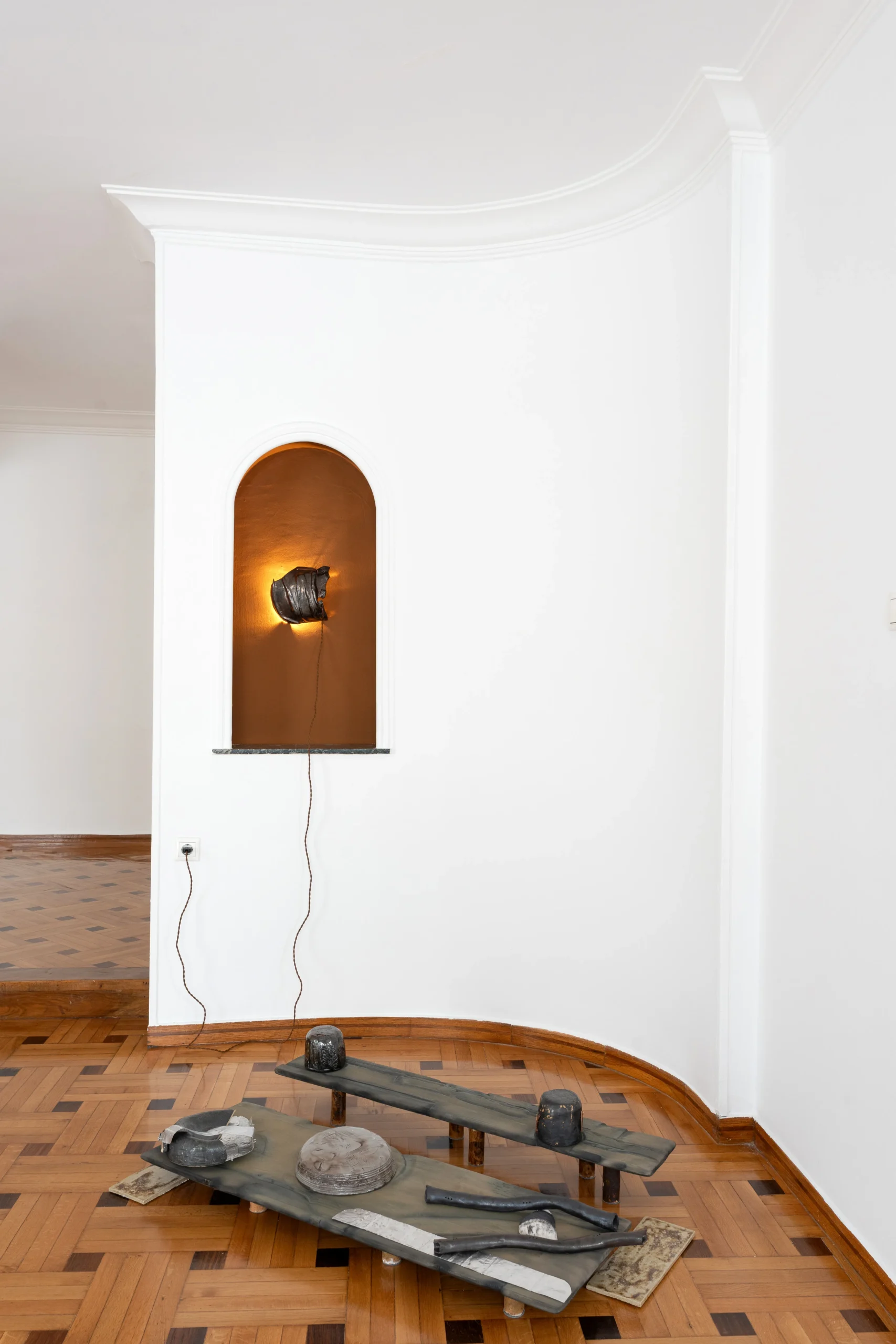
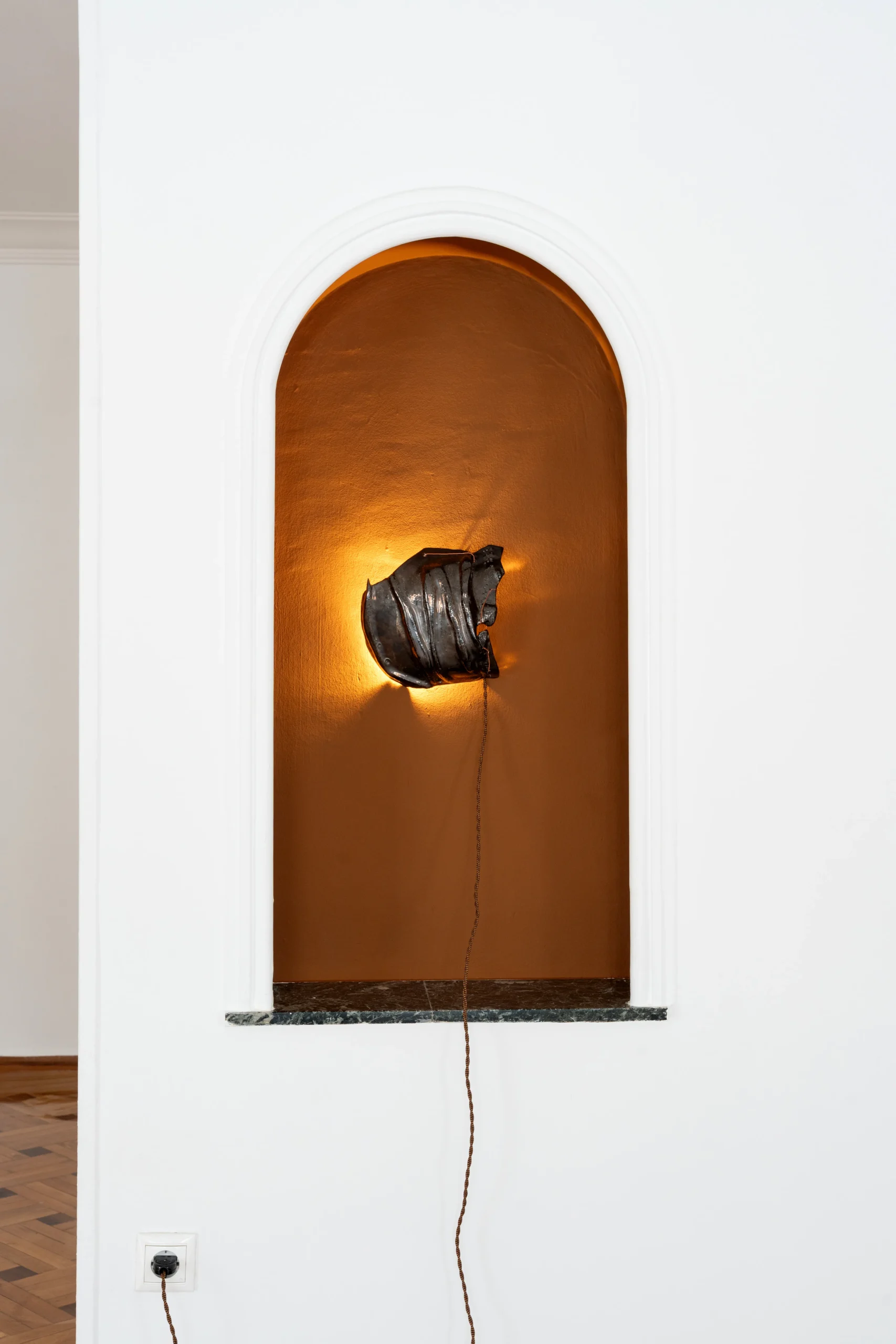
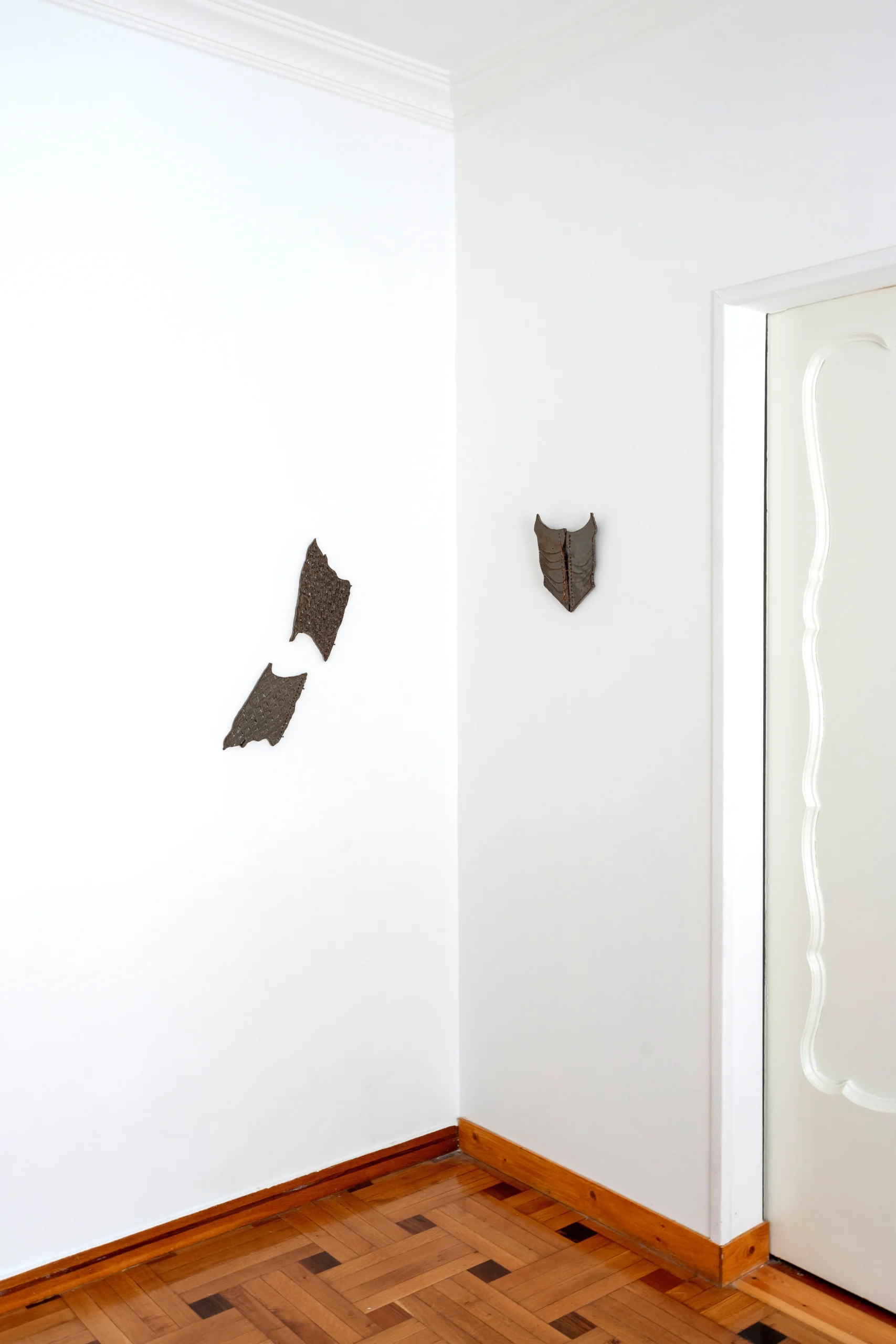
The life cycle of plants, as well as grafting, could not occur without one essential element: sunlight. Wall-mounted sconces made of clay and copper, porcelain and metal, evoke light as the force that activates plants and makes all their functions possible. Similarly, in the exhibition they operate as carriers of vitality, transforming the space throughout the different hours of the day. Grafting appears not only as a process, but also as a source of inspiration for the forms and materials of the works, where Kotoula’s ceramics connect with Moschou’s engraving, sculpture, and drawings. Just as a plant undergoes “stress” during its preparation for grafting, clay similarly loses moisture, contracts, expands until it stabilises as a ceramic object. While plants heal, an amorphous tissue is shaped, namely the callus, which never becomes entirely identical to a natural trunk but remains as a trace of transition. It is within this condition of connection and disconnection that the artists focus, approaching this transitional form in a schematic way.
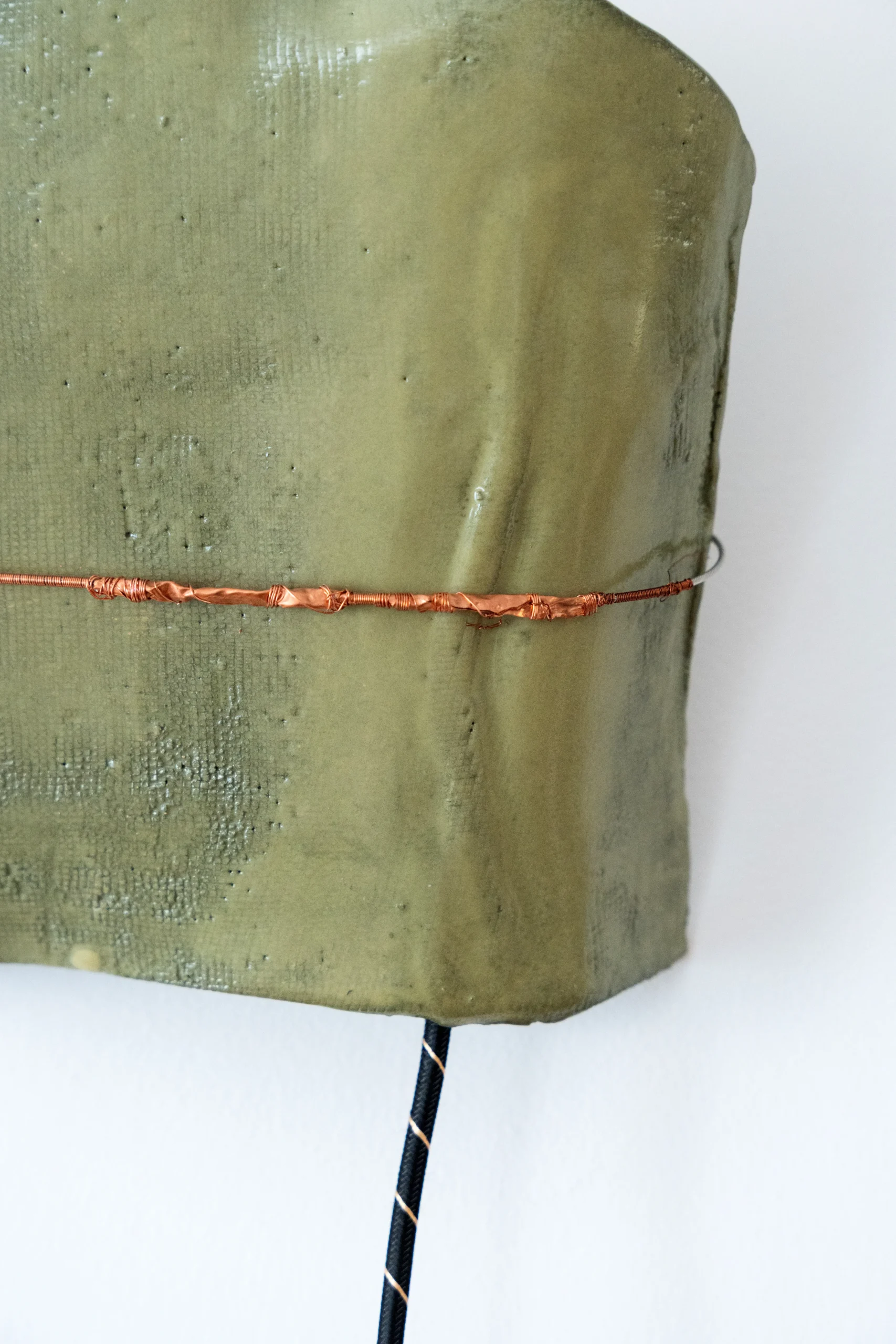
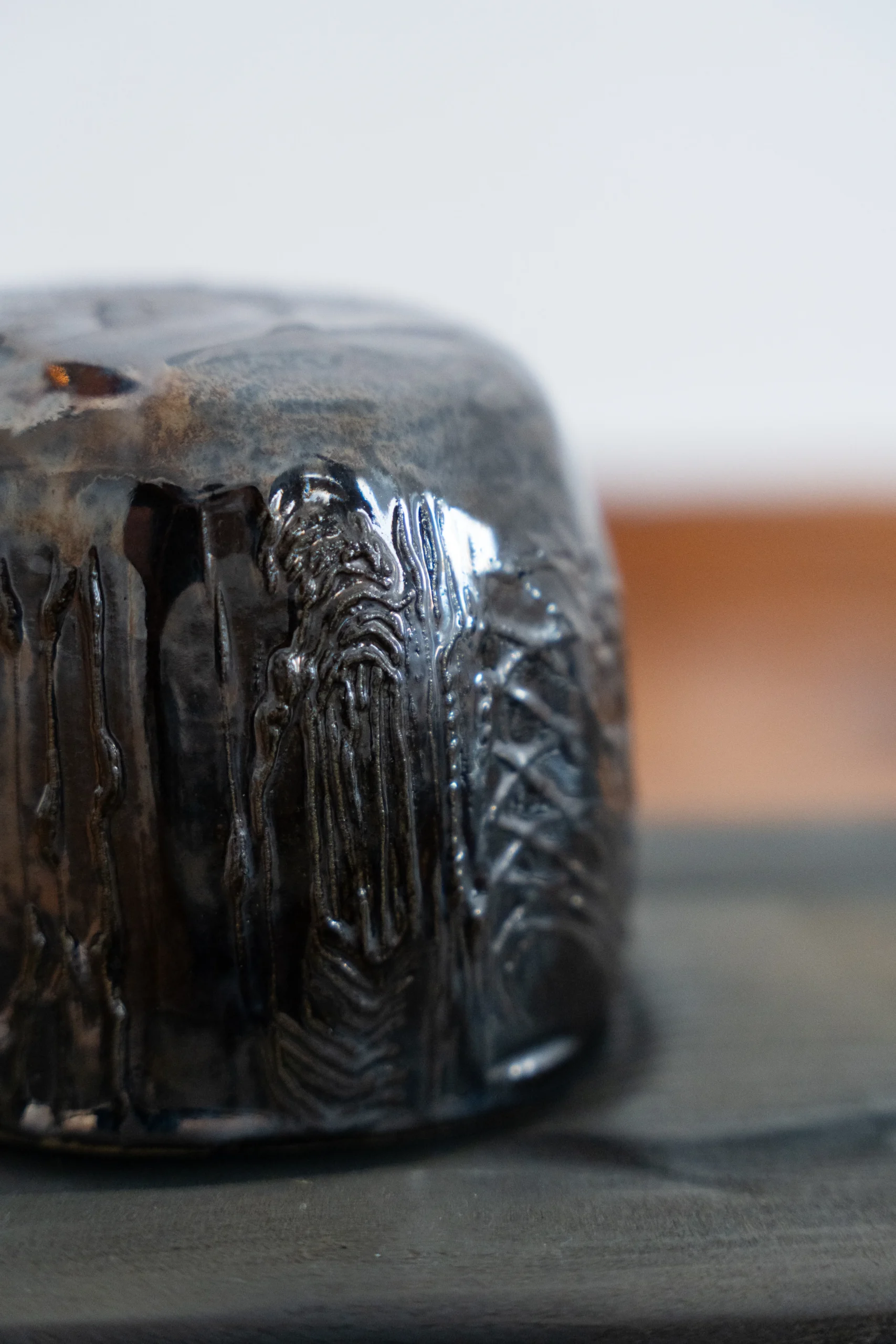
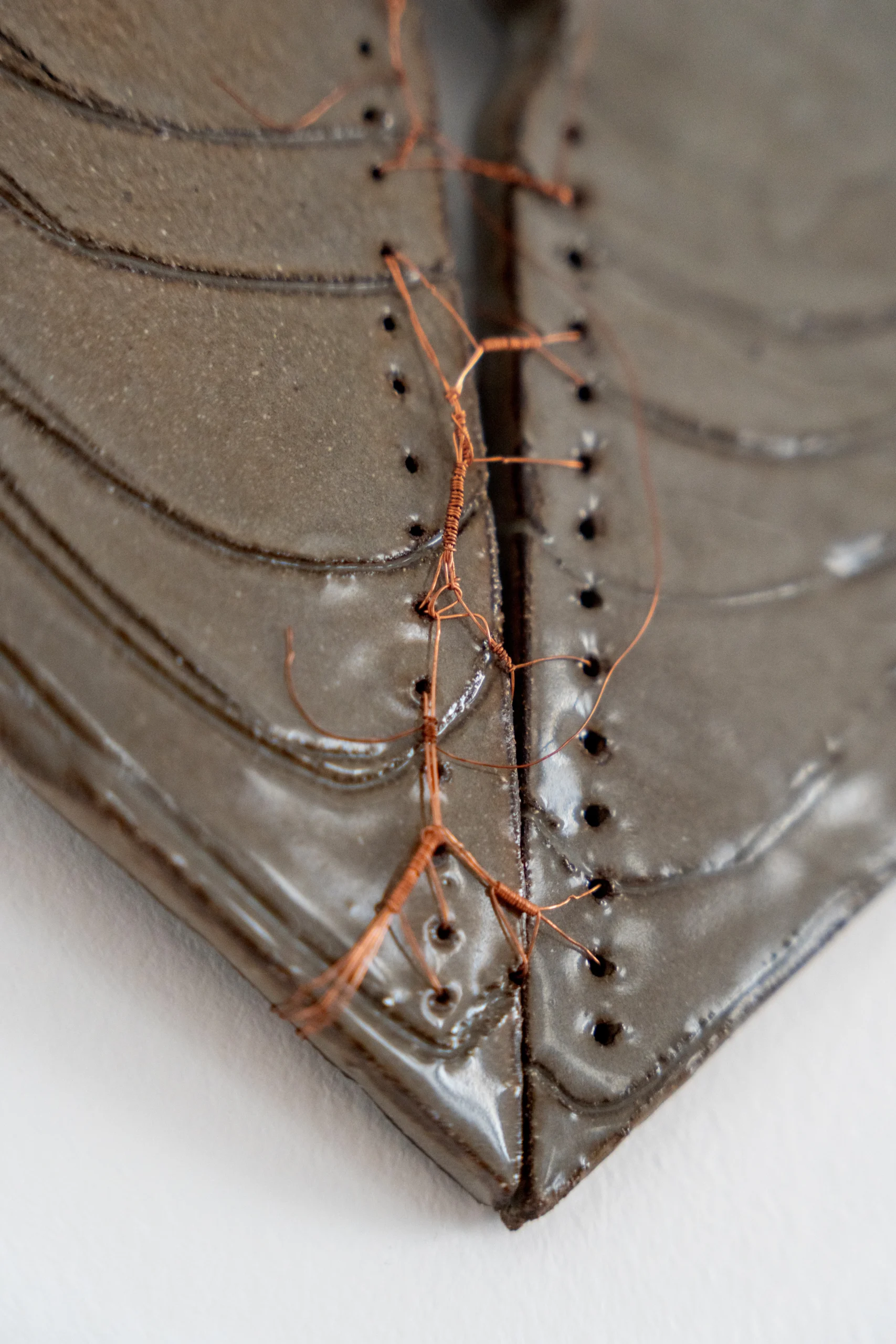
Copper, limestone, and ash are materials used for protection and reinforcement in plants, trees, and soil. In the exhibition, copper appears either as a key component of ceramic glazes, often creating green hues, or as wire repeatedly wrapped around the works, recalling grafting tape that binds parts together. Handcrafted limestone and ash from various trees and plants also appear in the works in the form of glazes, shaping surfaces that evoke both the colour spectrum of grafting stages–from deep greens to browns–and the textures of trunks, branches, and foliage. The same materials thus migrate from soil and plants into the works of the exhibition, alluding to processes of protection and regeneration.
The exhibition And Here I Bloom, For a Short Hour Unseen unfolds as a poetic gesture of union, in which artistic practices and materials do not merely coexist but are bound together, healed, and transformed into a new condition. By metaphorically approaching grafting as a union, Kotoula and Moschou underline these in-between moments, in which it is neither fully separated nor fully joined. In doing so, an unstable field between connection and disconnection emerges, where union is not yet a completed outcome, but an evolving state on the verge of flowering; “a weightless moment”.