


Every human being is involved in the great socio-historical processes that take place in their country; every person is, in a certain way, entangled in the transformations of the world and its conflicts occurring in the epoch in which they live. Every human being participates in the culture of their age and is subject to the intellectual and emotional reality produced by the knowledge of their time. And each is assigned a path of social and professional life, according to the plans of economic development and the social division of labour in their country. Every individual is, in a certain way, an element of larger wholes, and every “I” is always incorporated into various forms of “we.”
– Bogdan Suchodolski, The Shape of Life, 1979
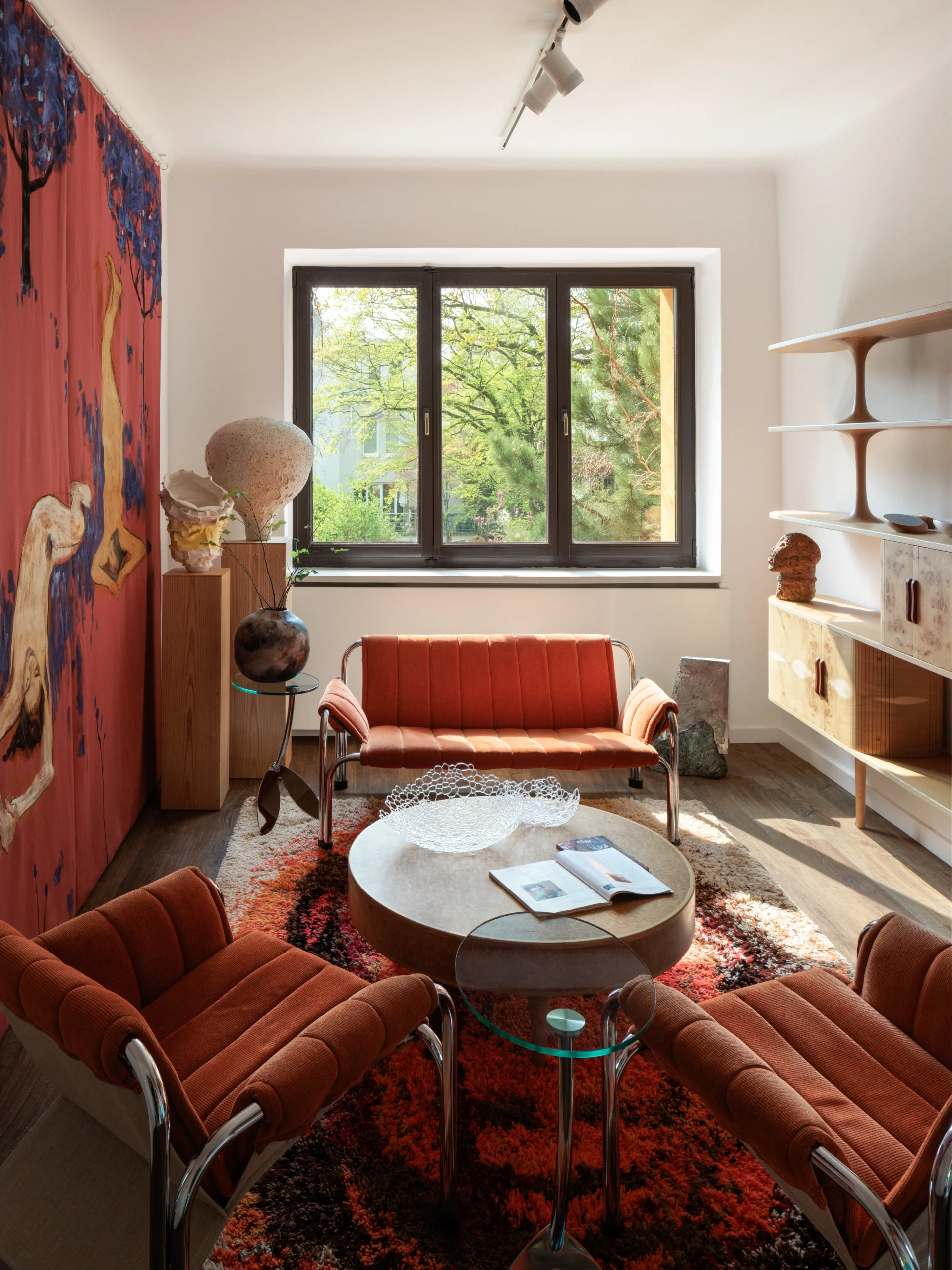
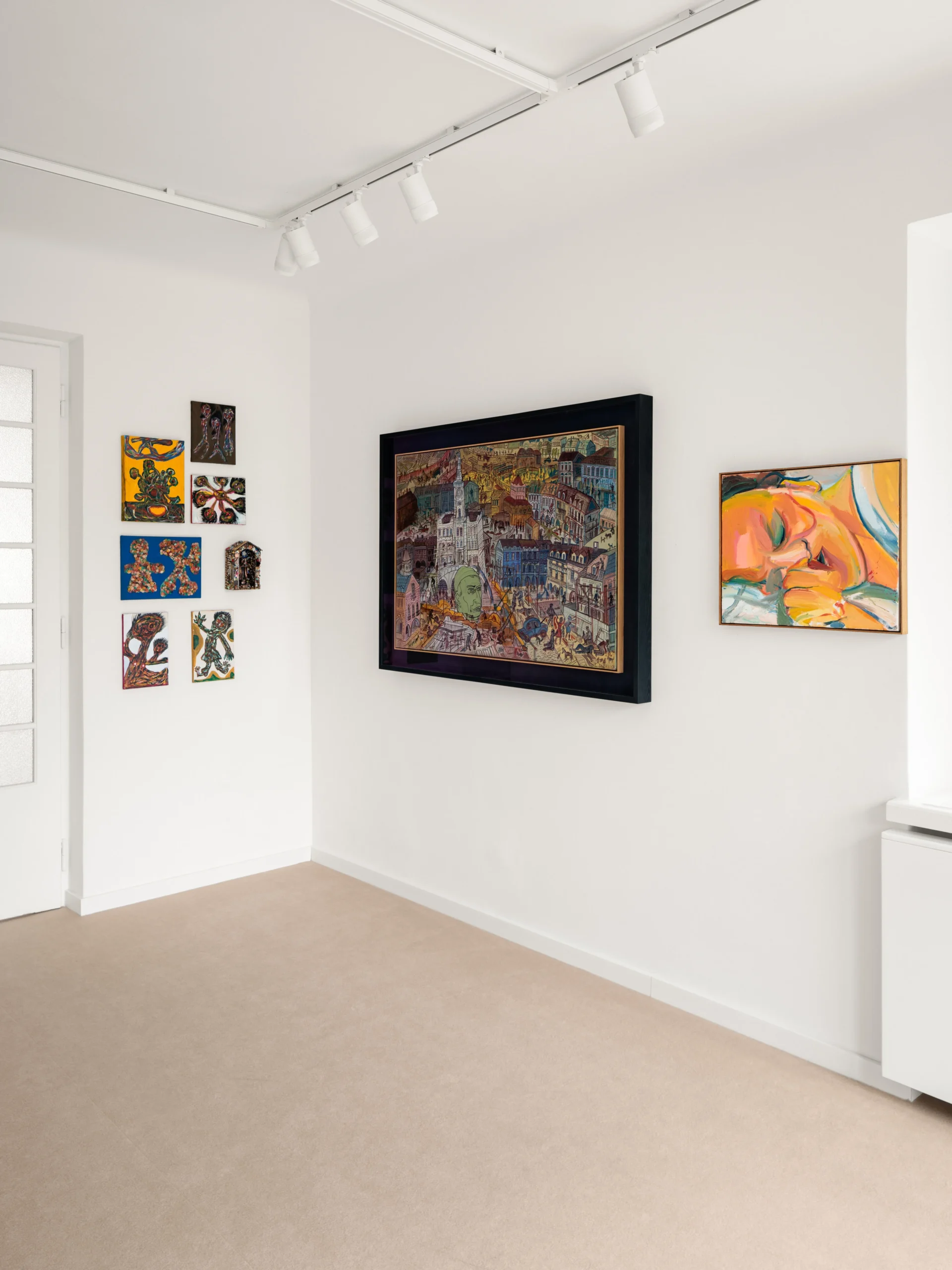
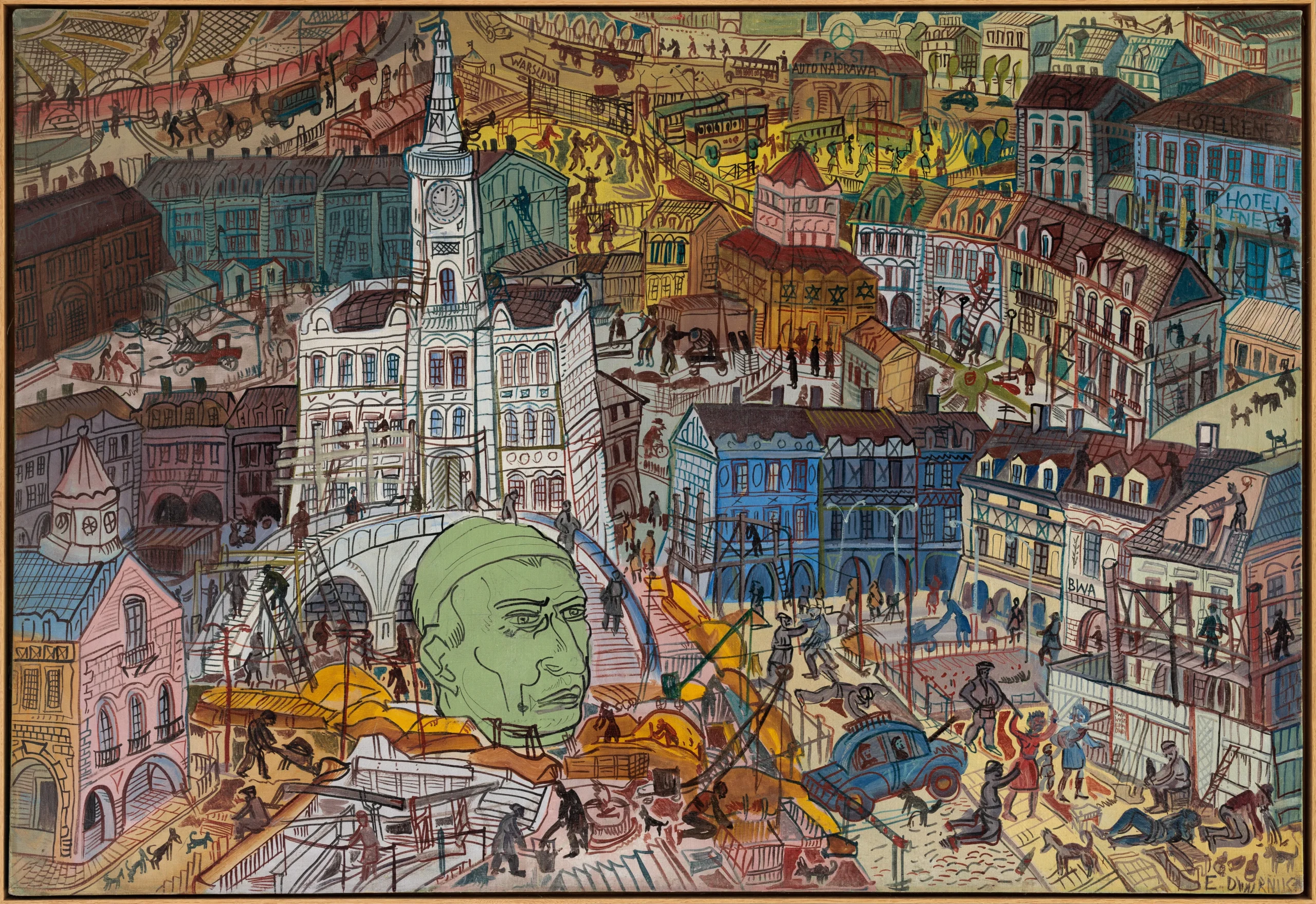
The title of the exhibition derives from a book I received in 2000 in Zamość from my neighbor, Wiesława Pokoca. Five years later, I encountered a painting by Edward Dwurnik. Do we have to live exactly as we do? I still recall this question from the opening chapter, returning at moments when I sought to understand the impulse to collect, to preserve, and to reconfigure the world. The collection emerges from a practice of attentive looking and deliberate choice. Each work carries an experience of time, the body, and memory. Together, they form a space in which life reveals its complexity and depth.
Building a collection is a process of recognizing and reactivating meaning. Art enriches life by translating the experience of the world from its external dimension into an internal one. It allows us to see more, and to see more deeply, while opening new registers of experience within ourselves. In encountering a work, one comes closer to oneself, more intensely and more fully, while undergoing a transformation that expands awareness. Images and objects become sites of encounter in which reality acquires a renewed dimension.
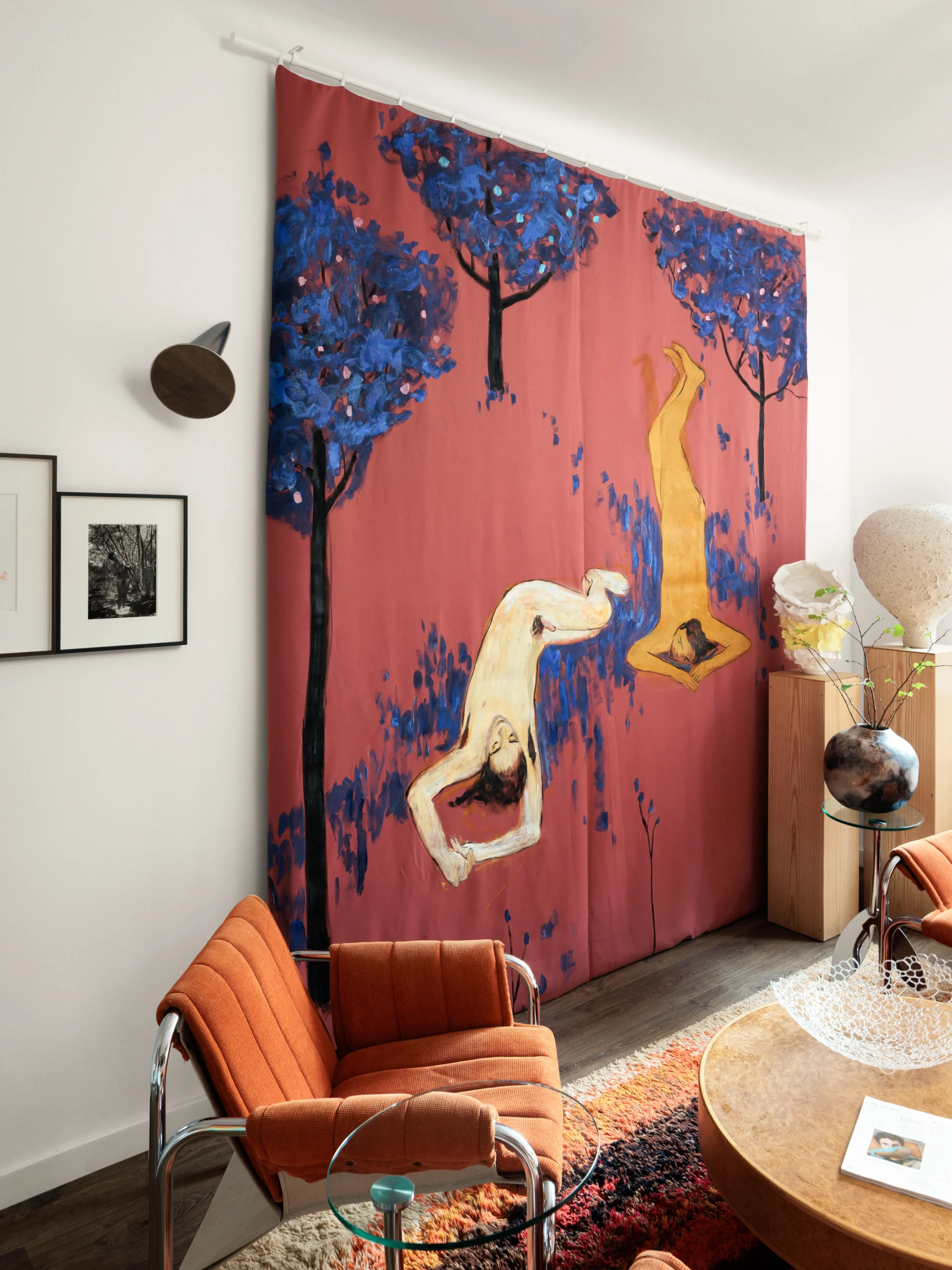
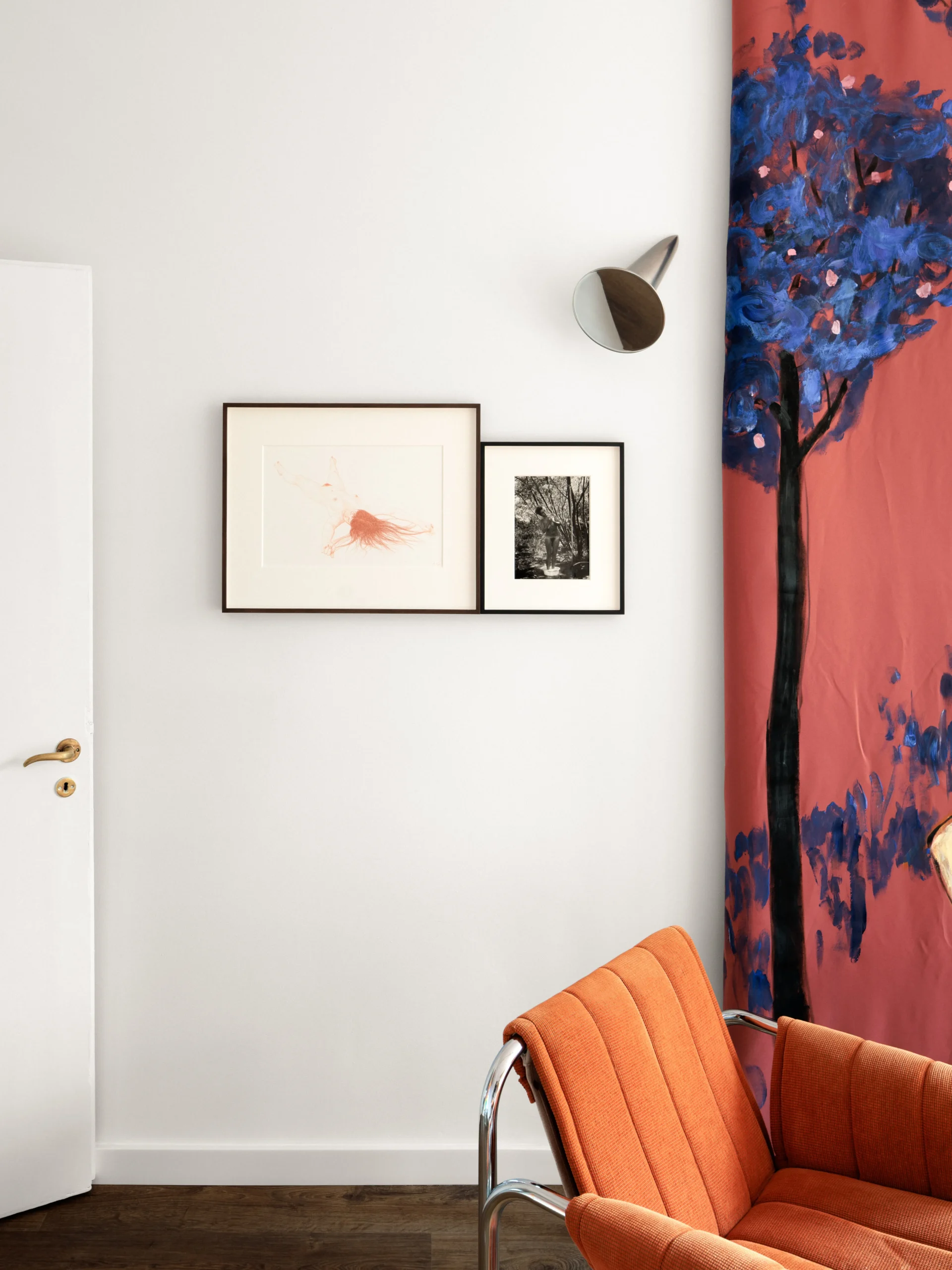
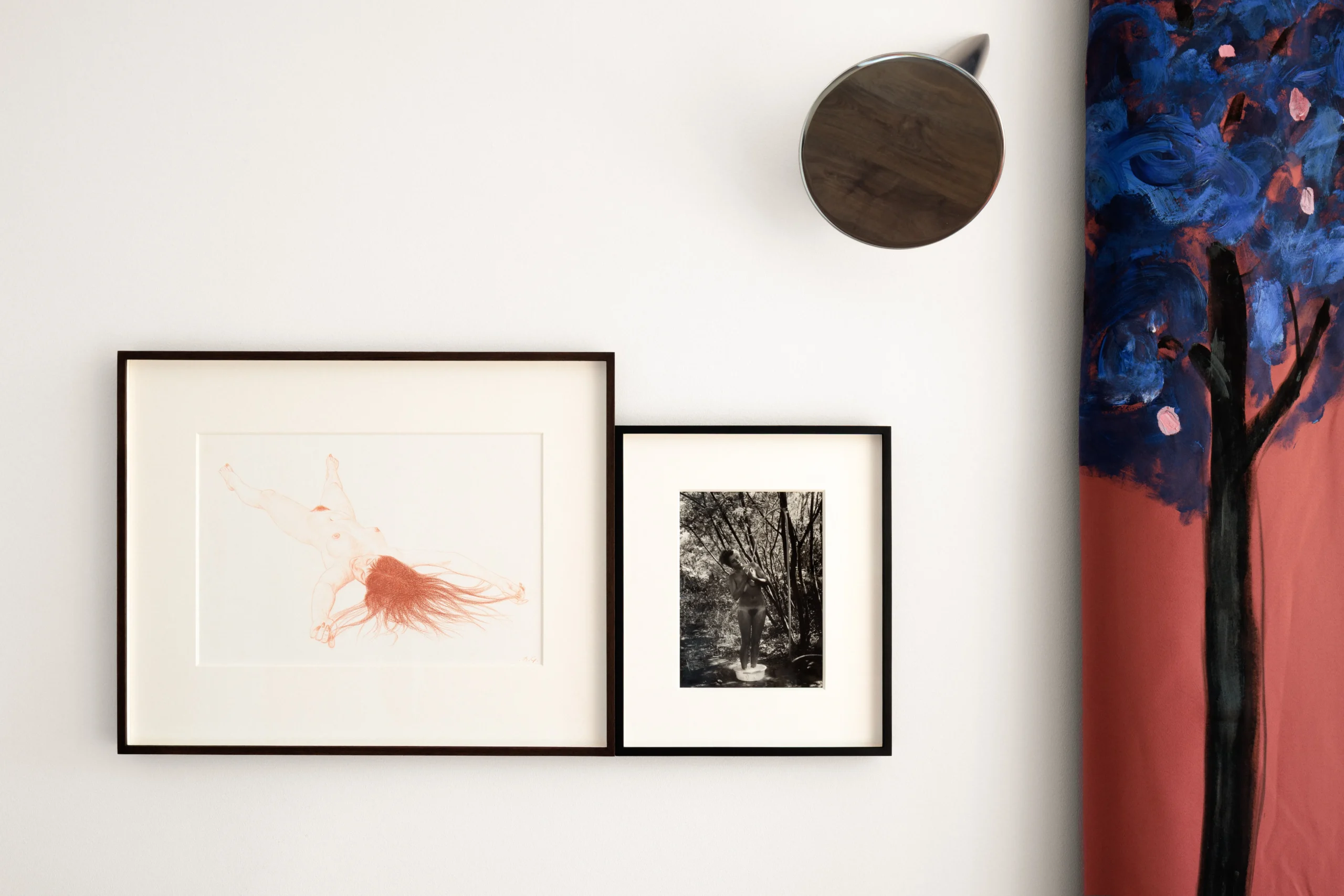
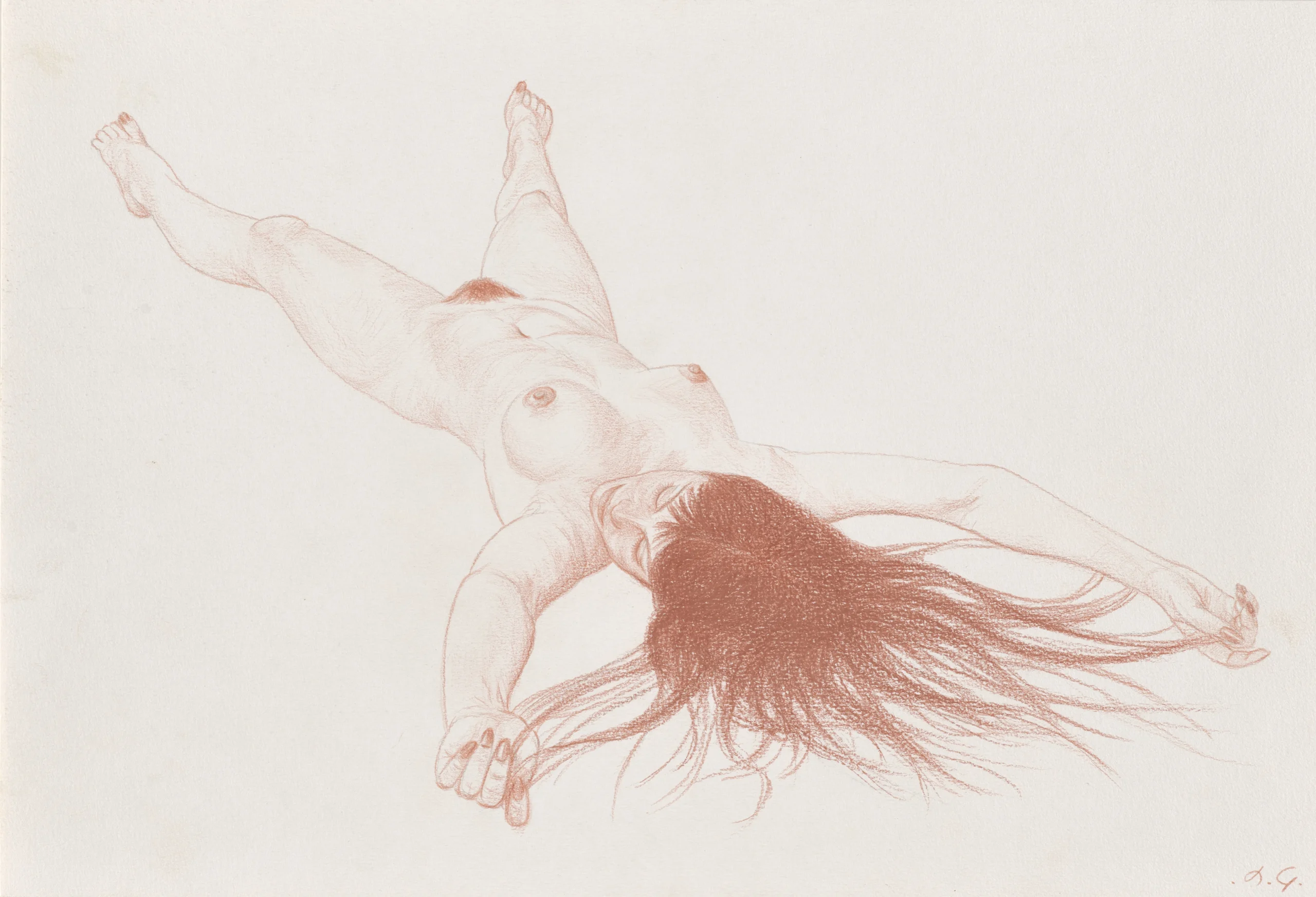
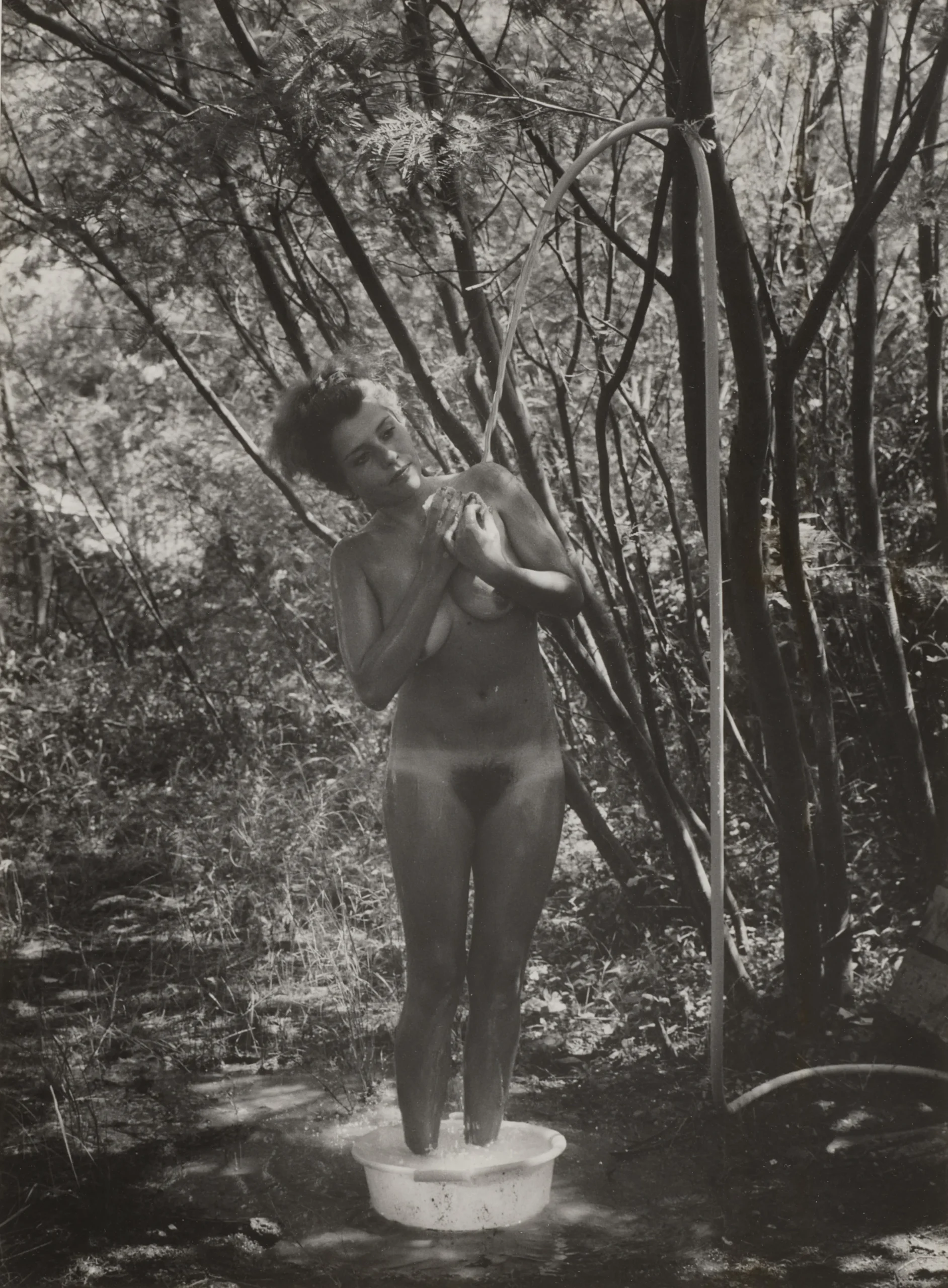
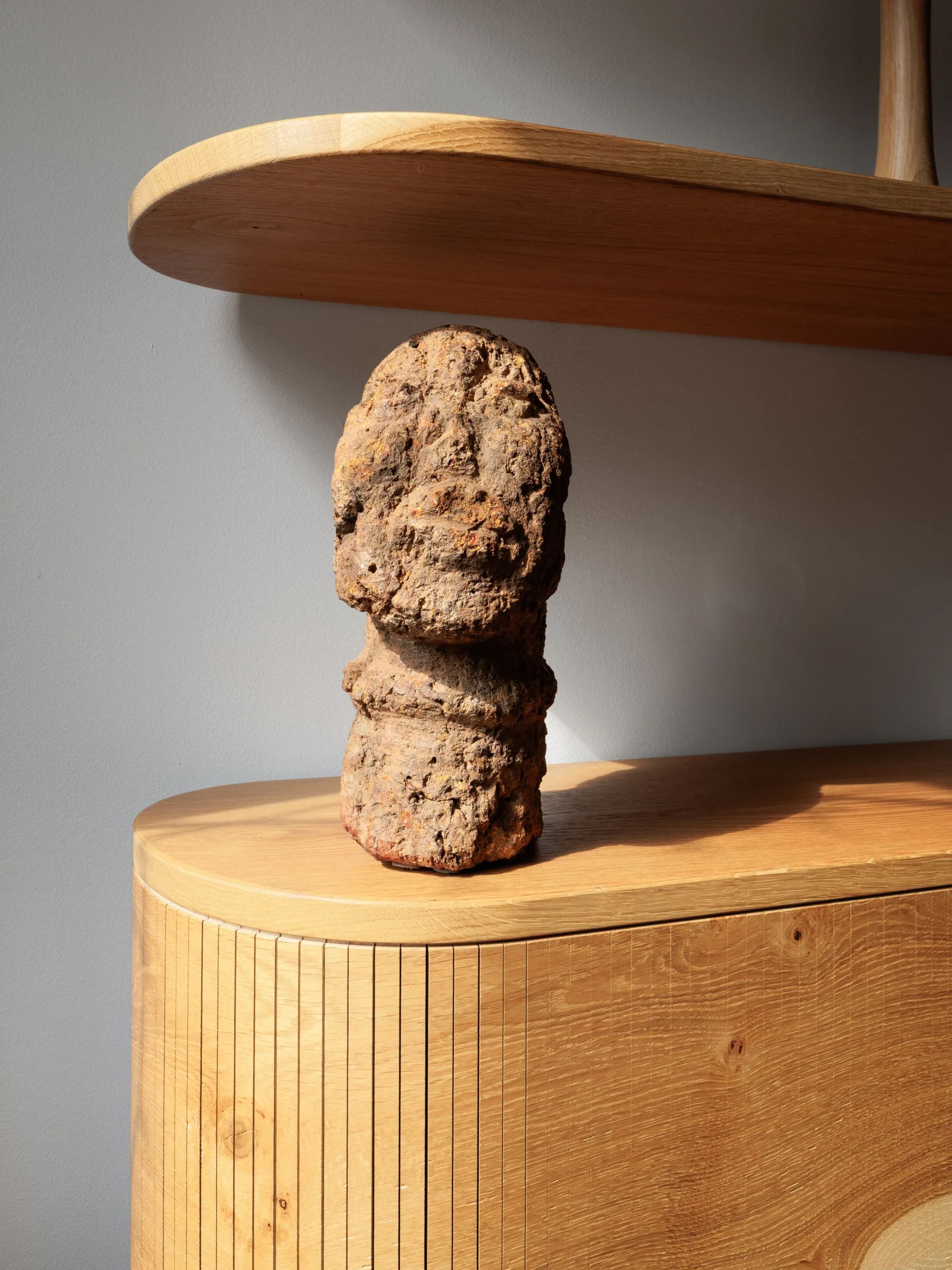
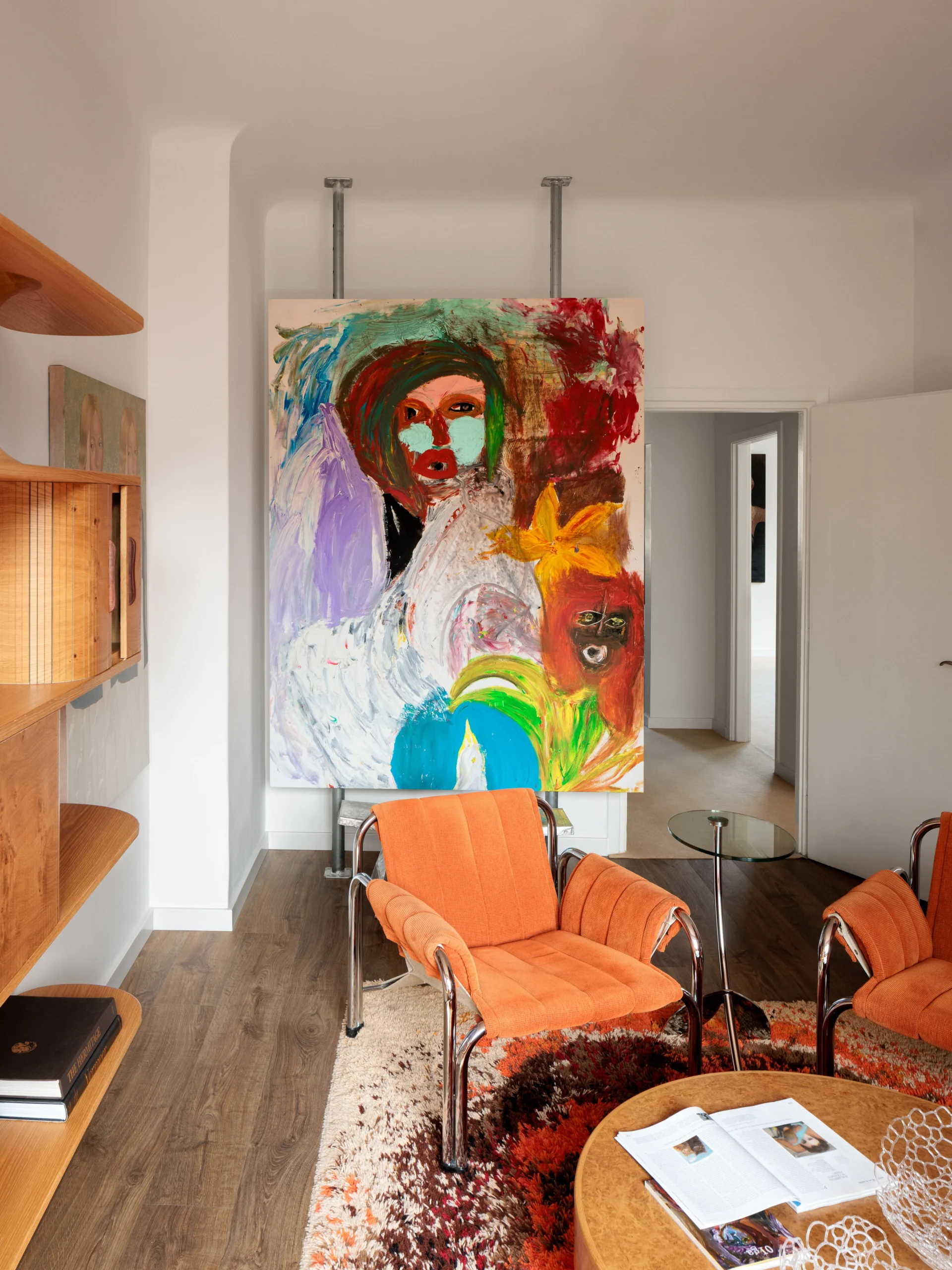
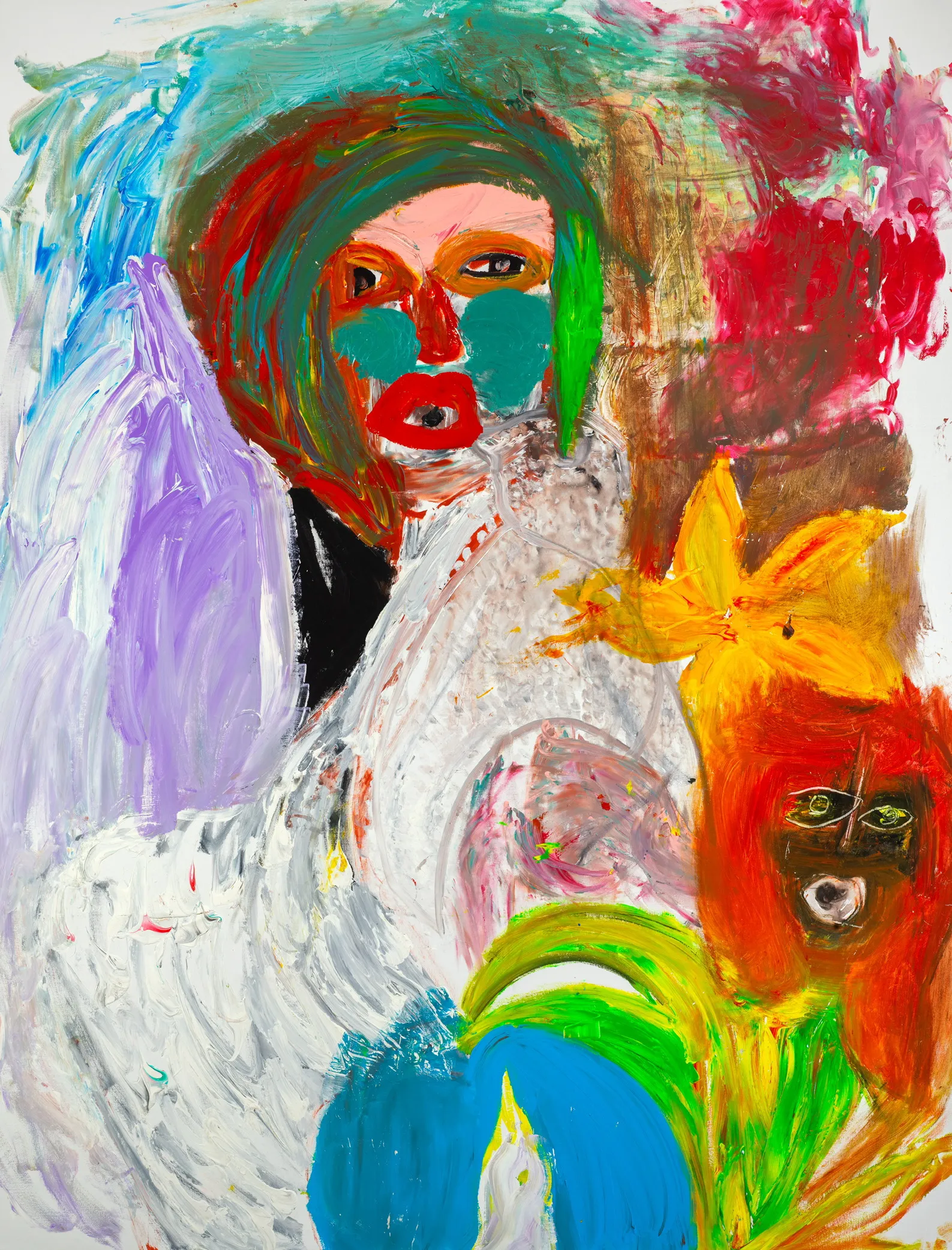
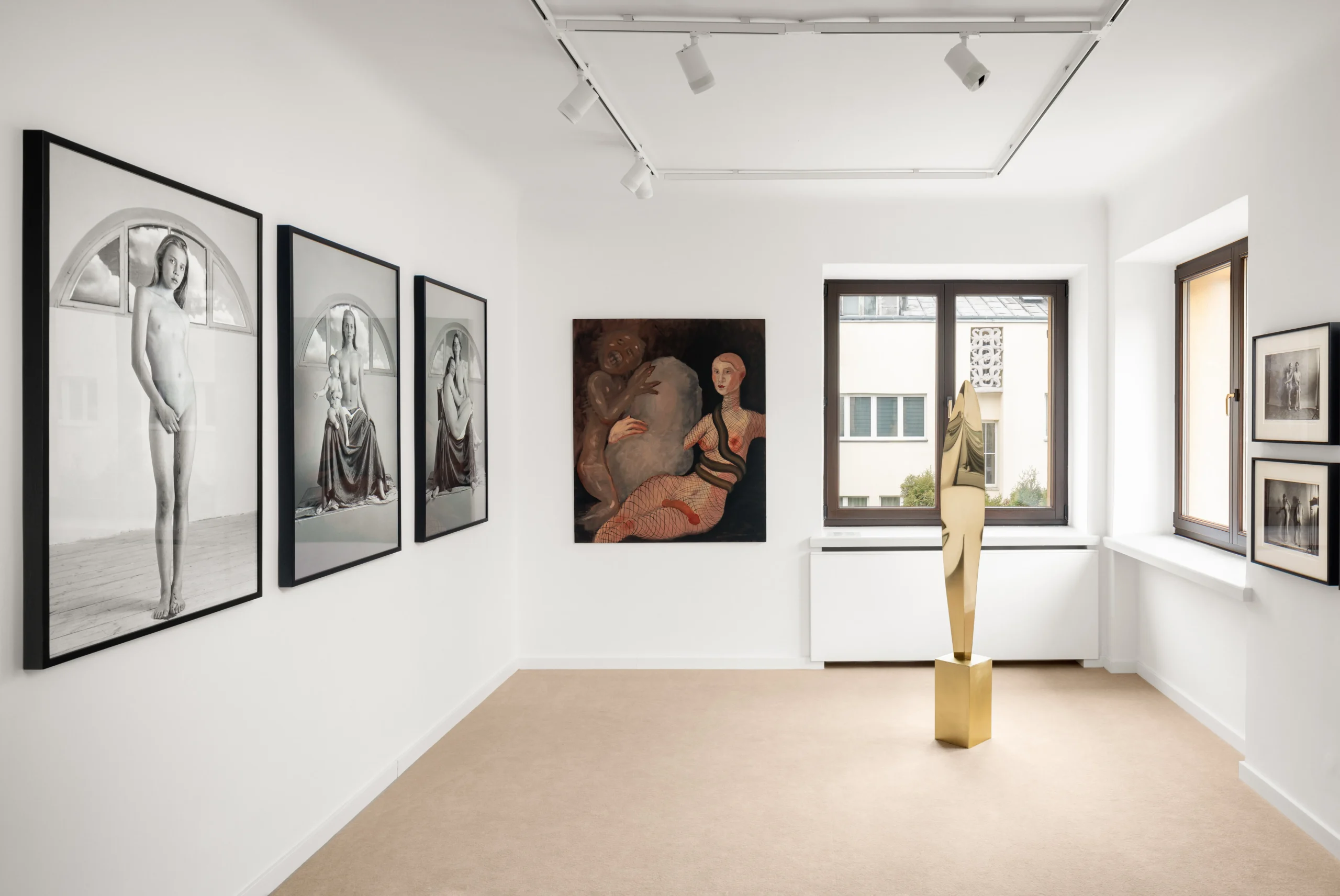
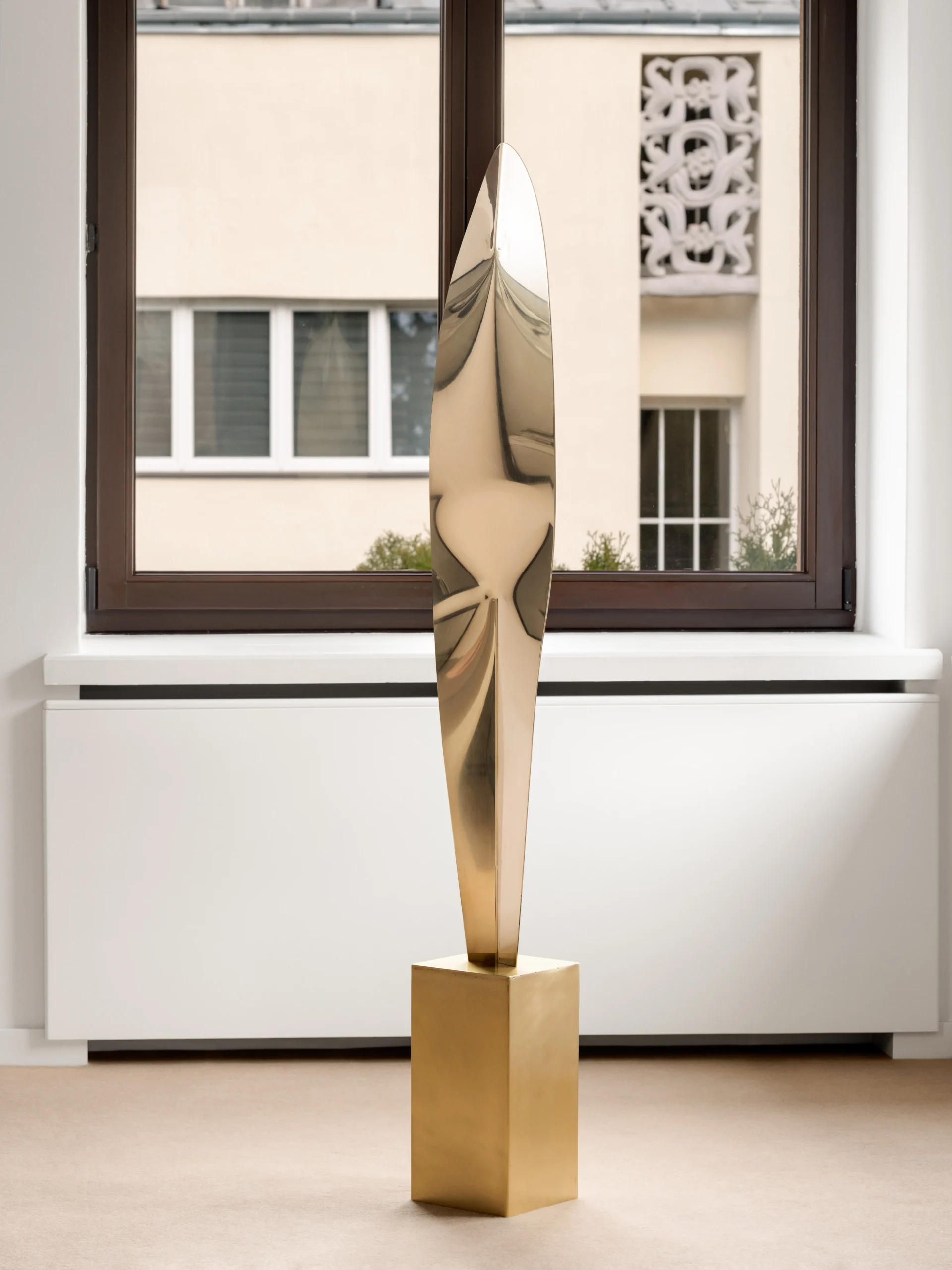
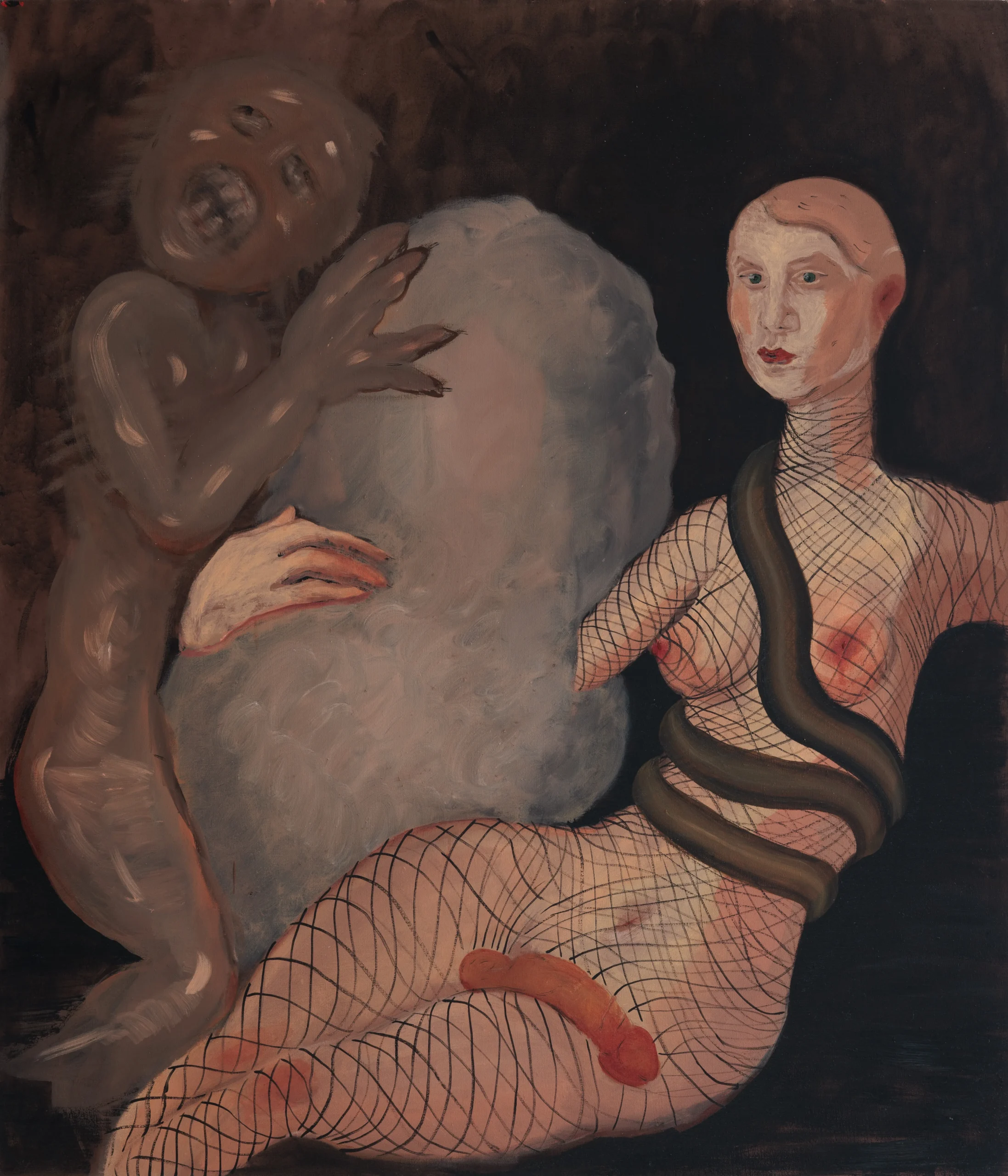
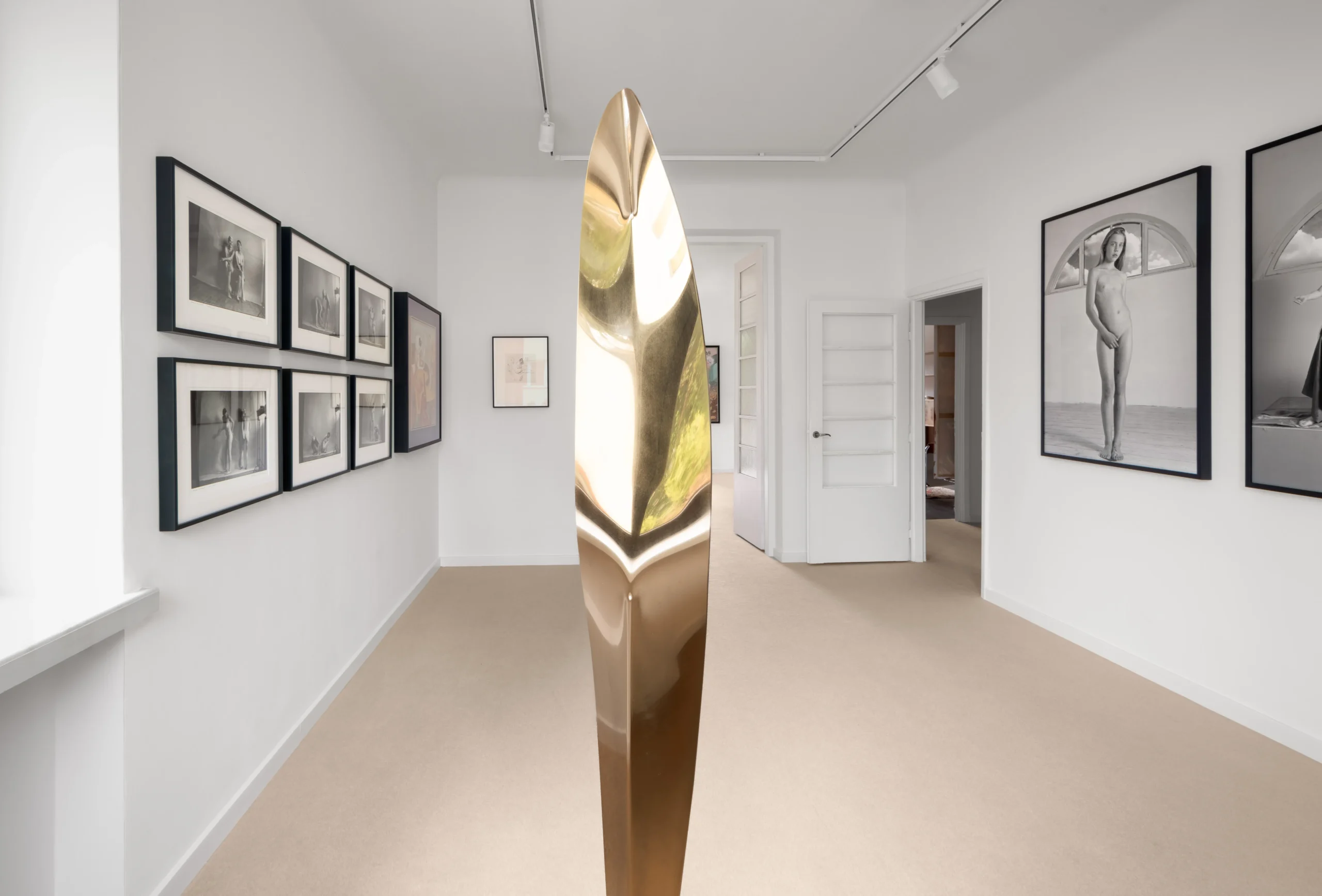
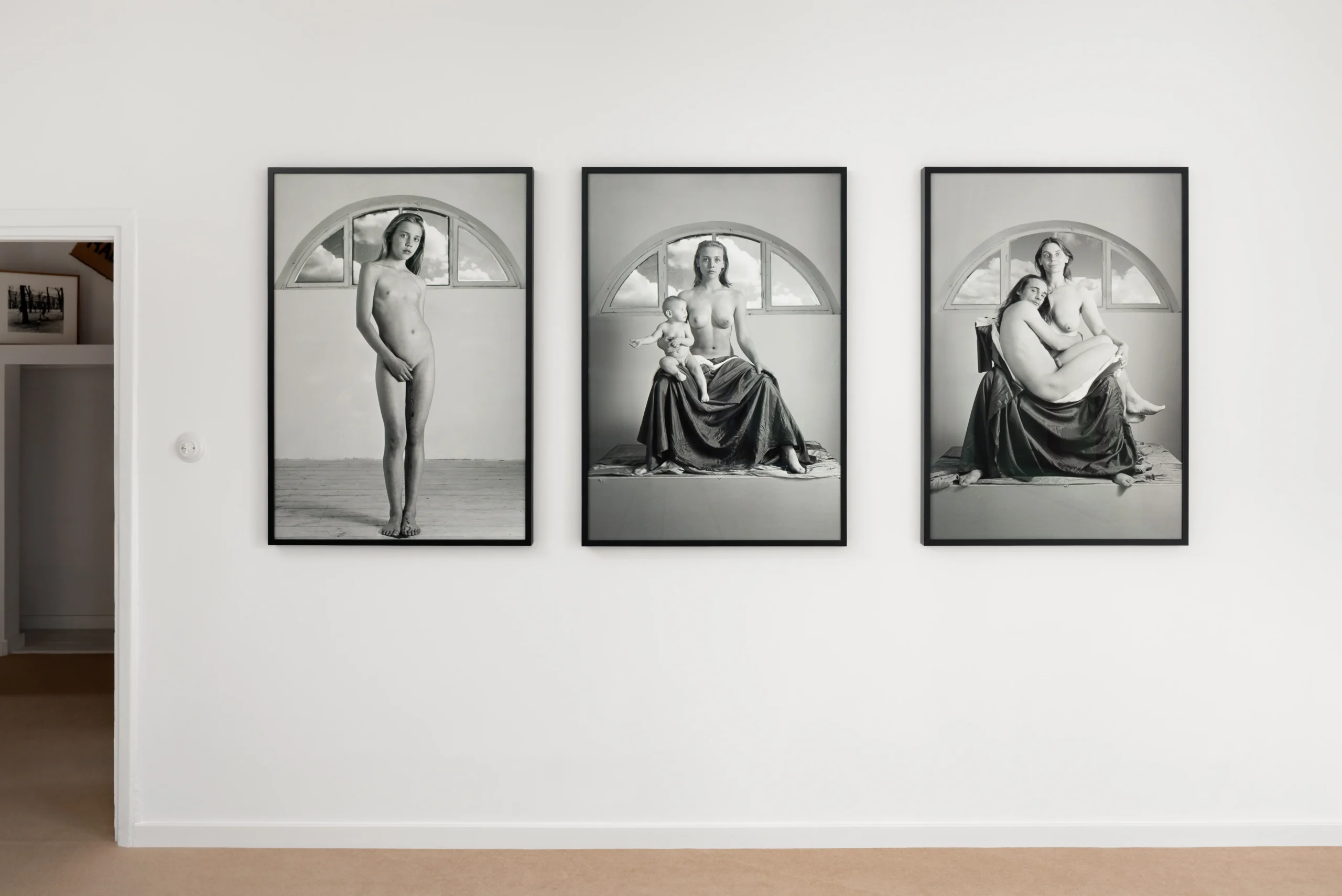
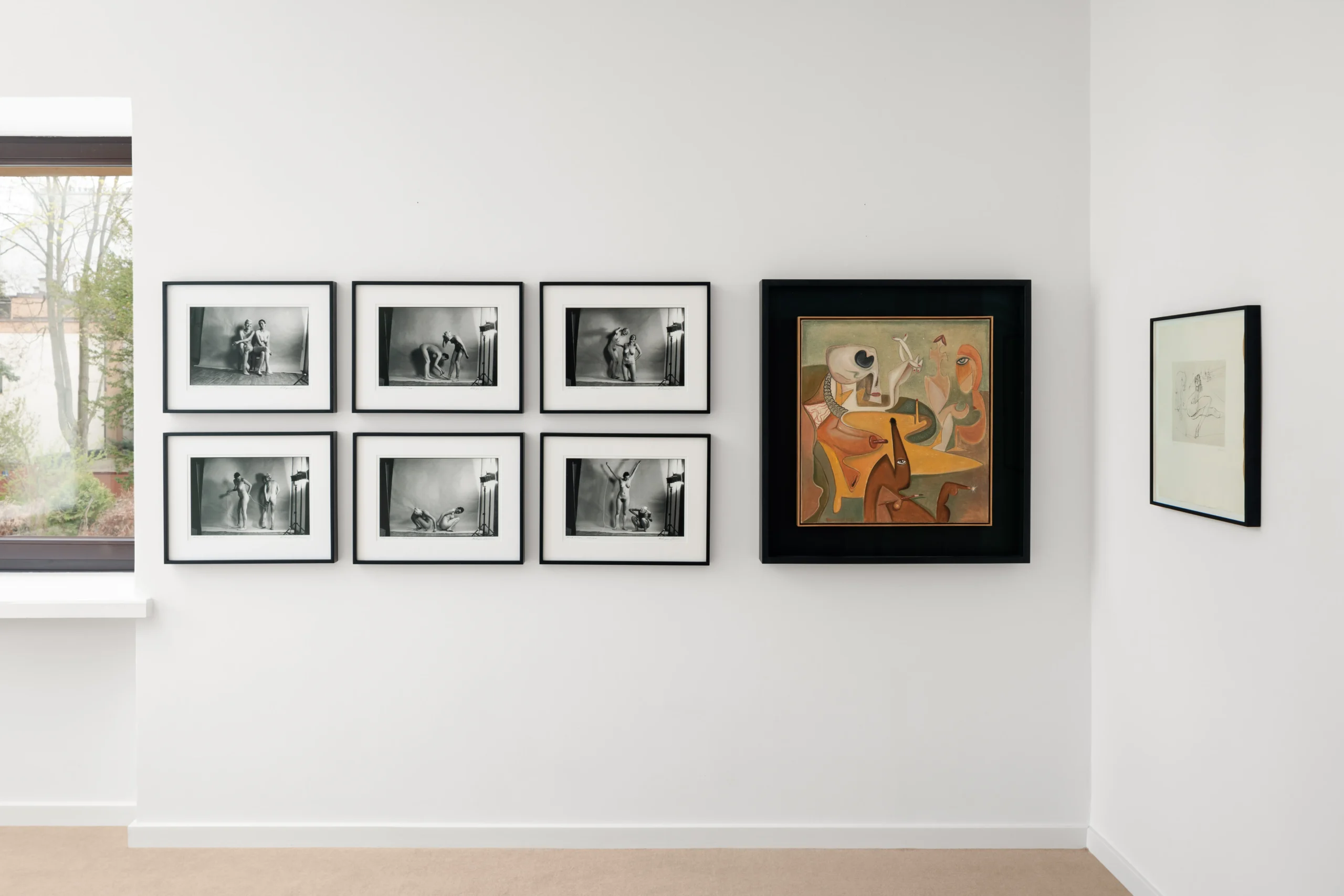
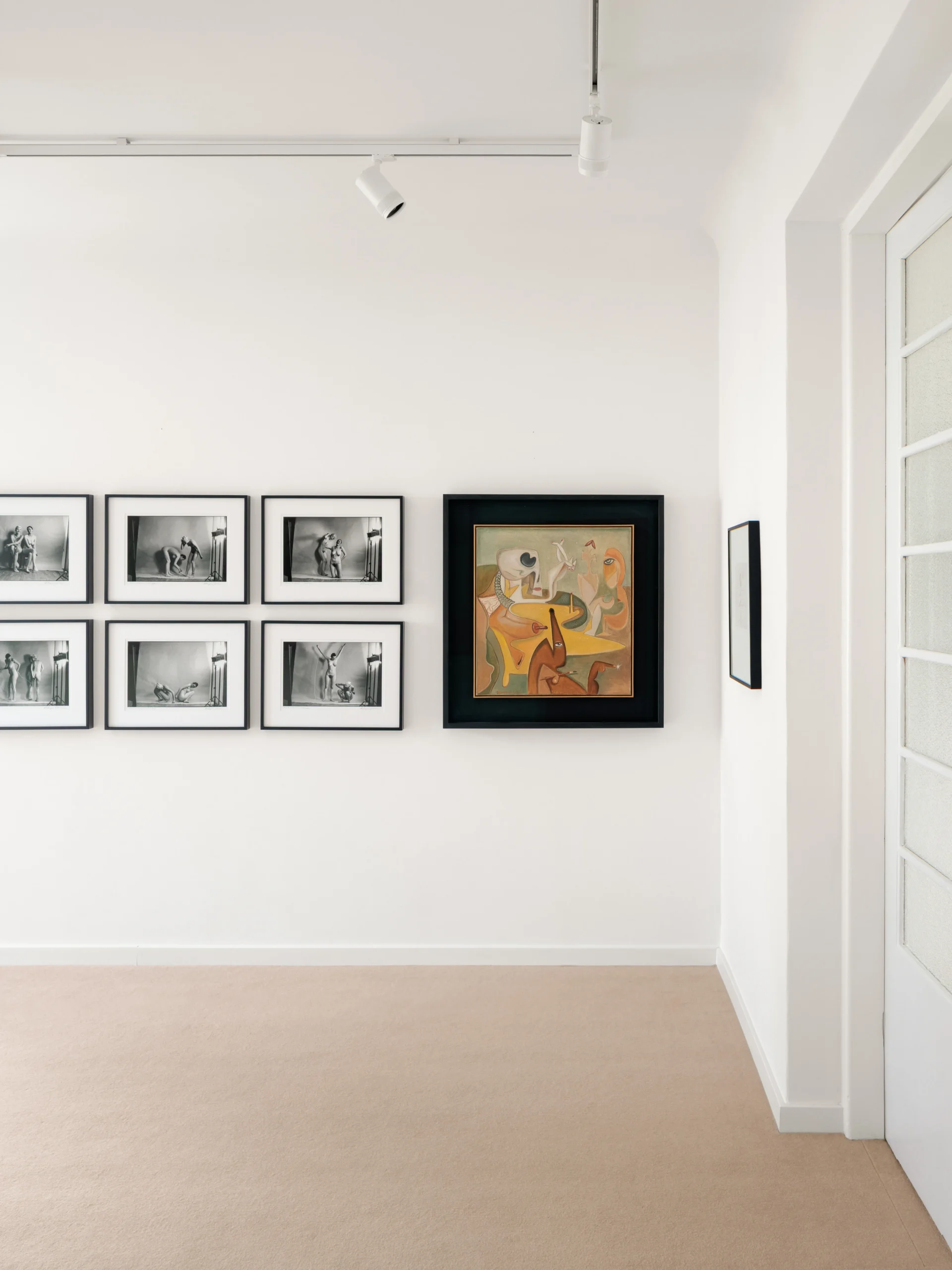
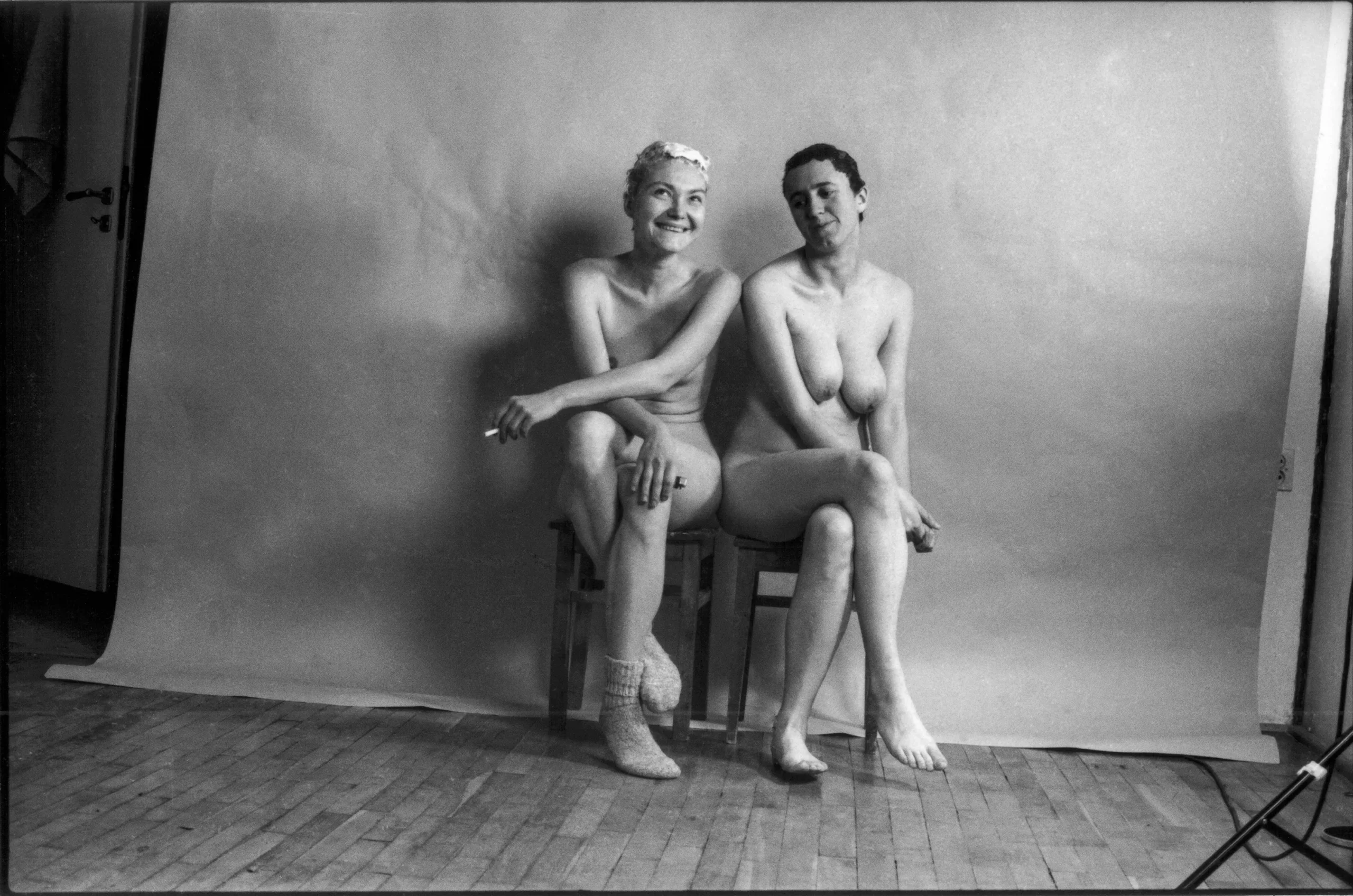
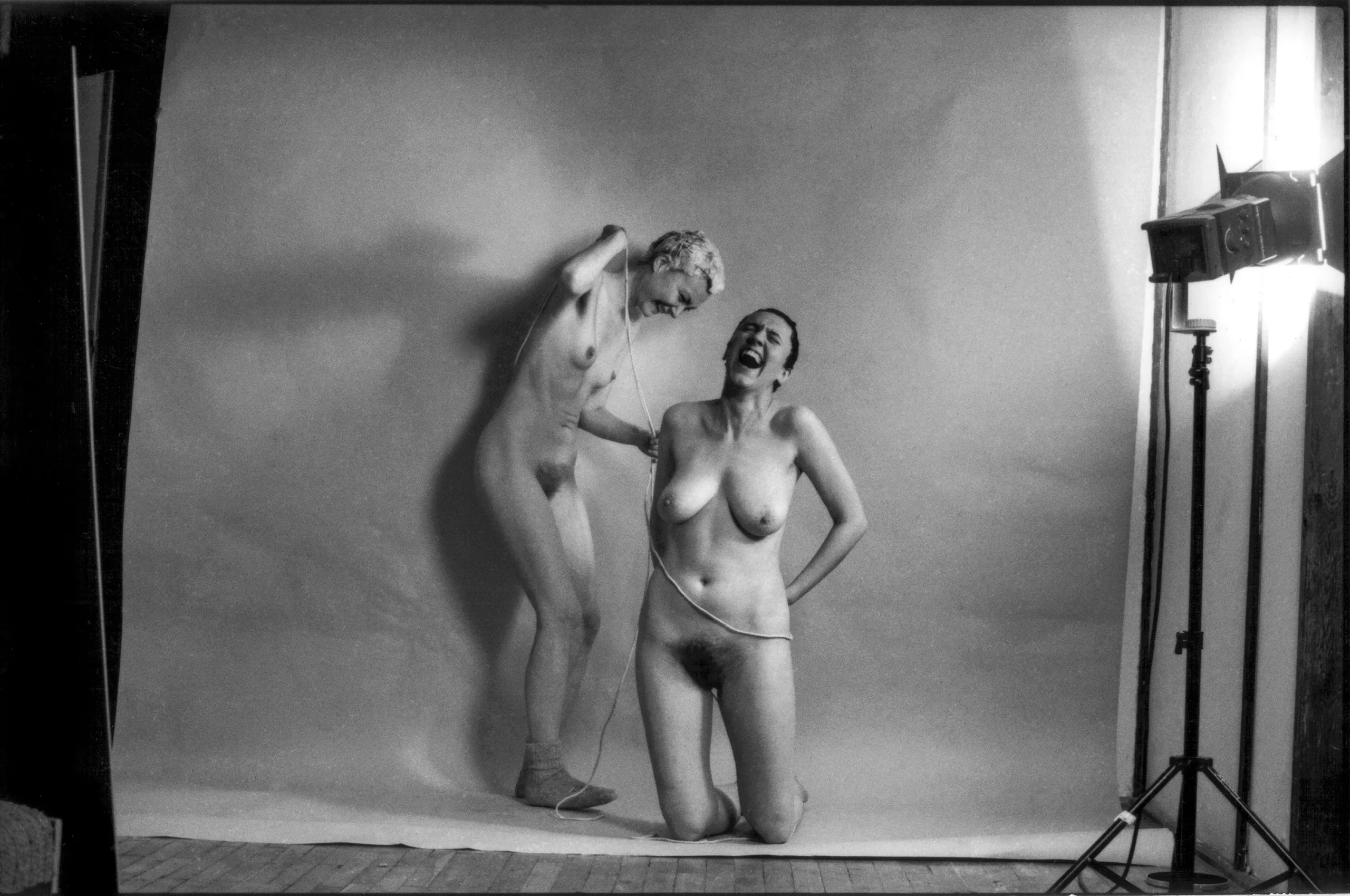
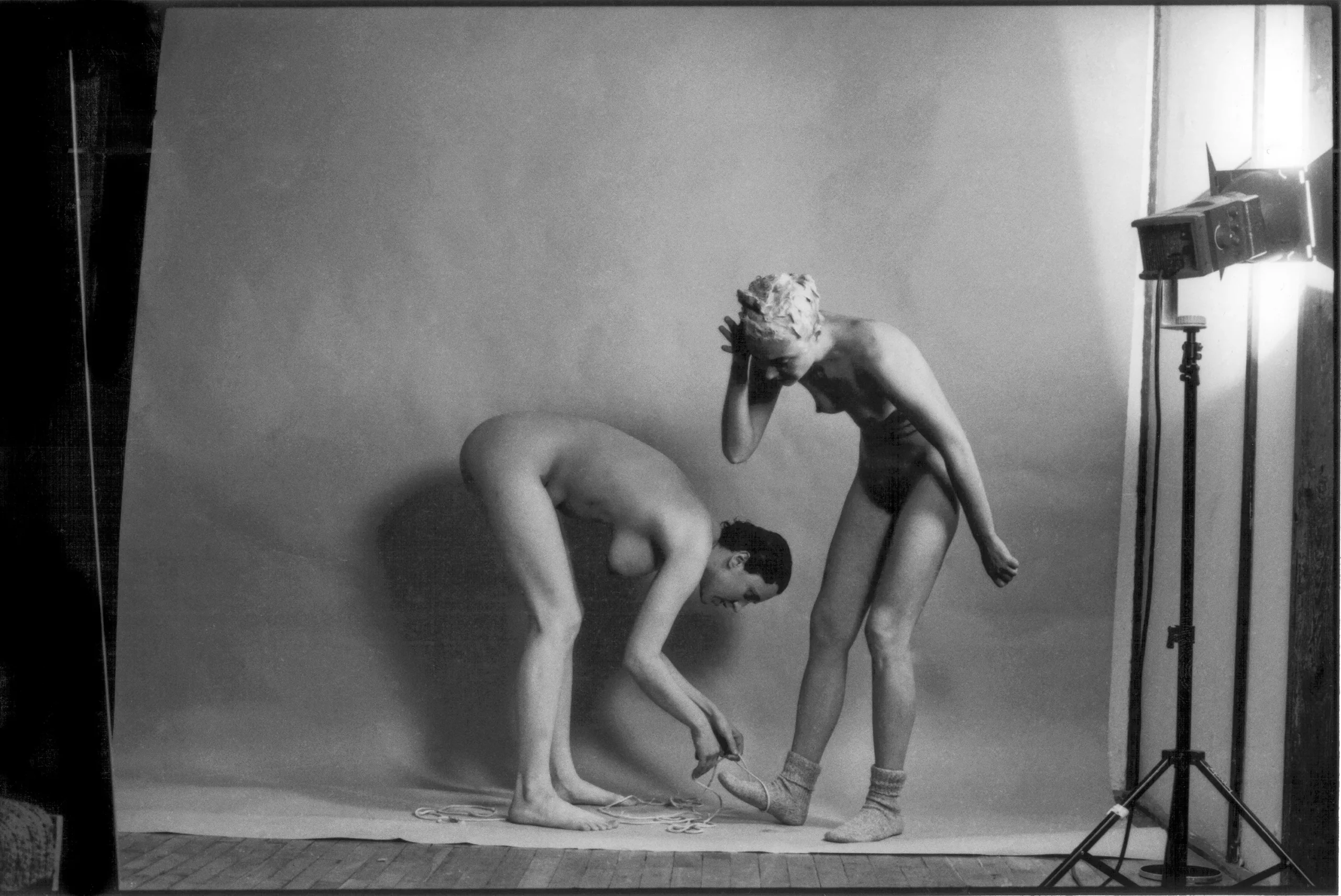
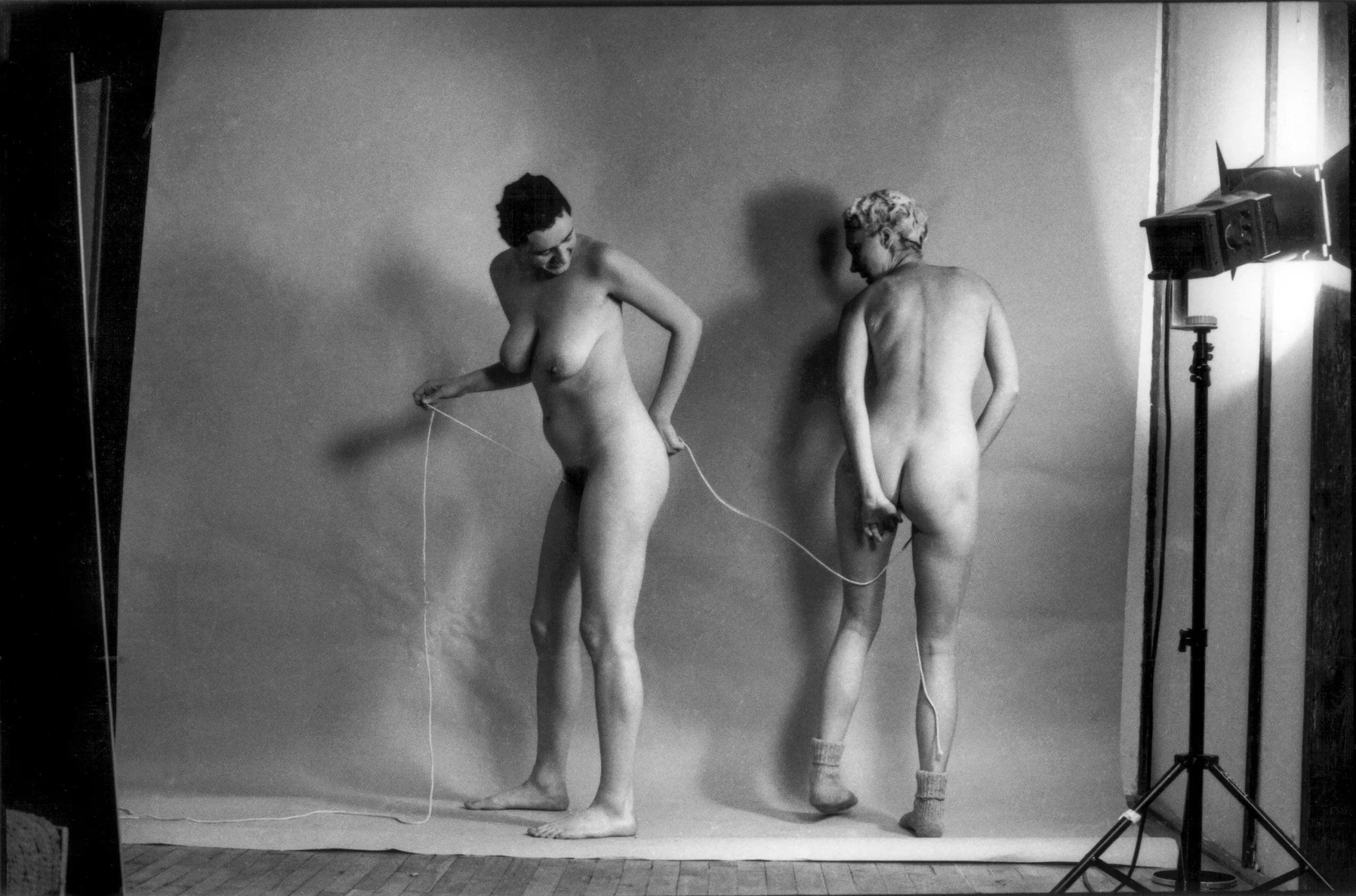
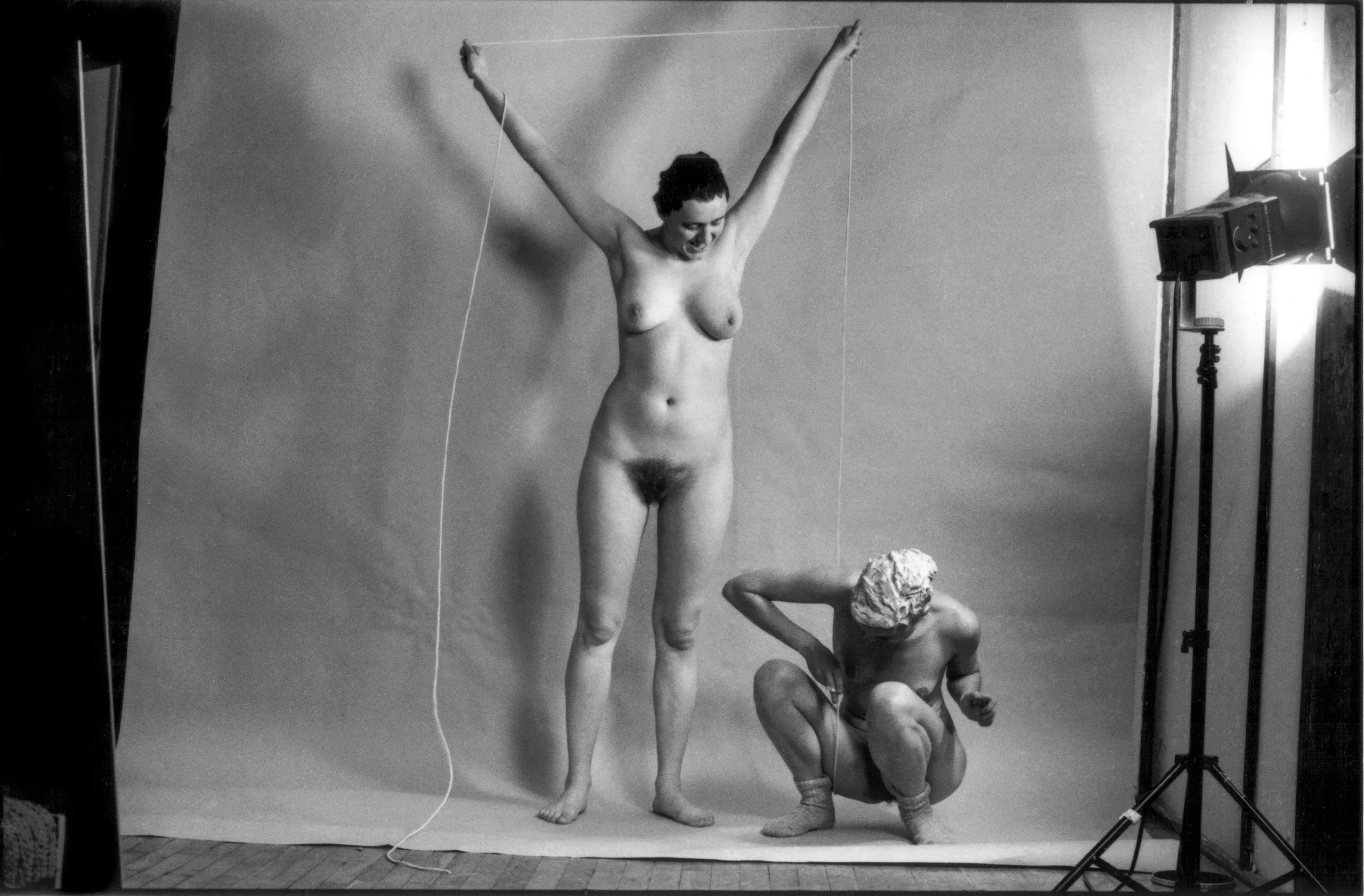
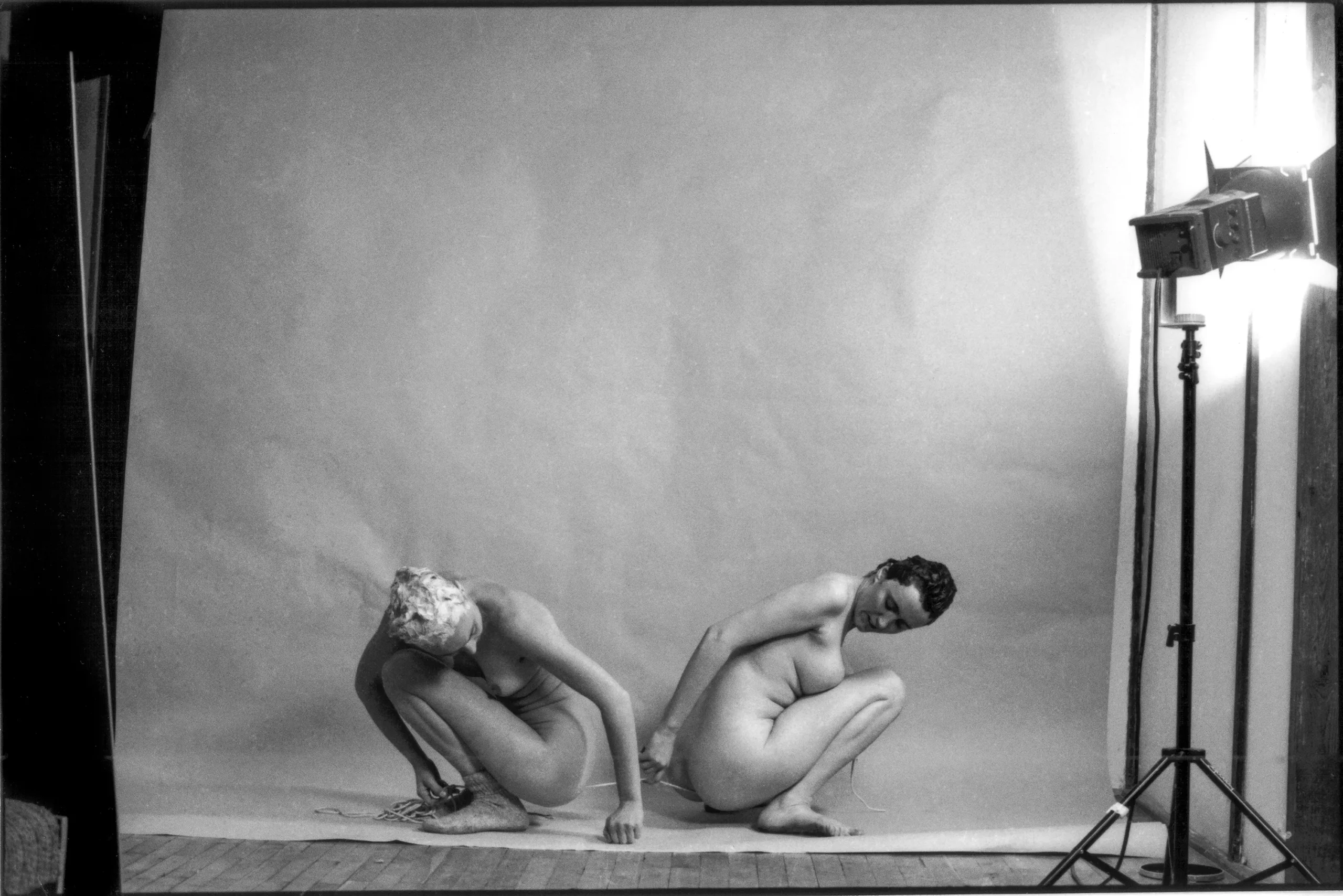
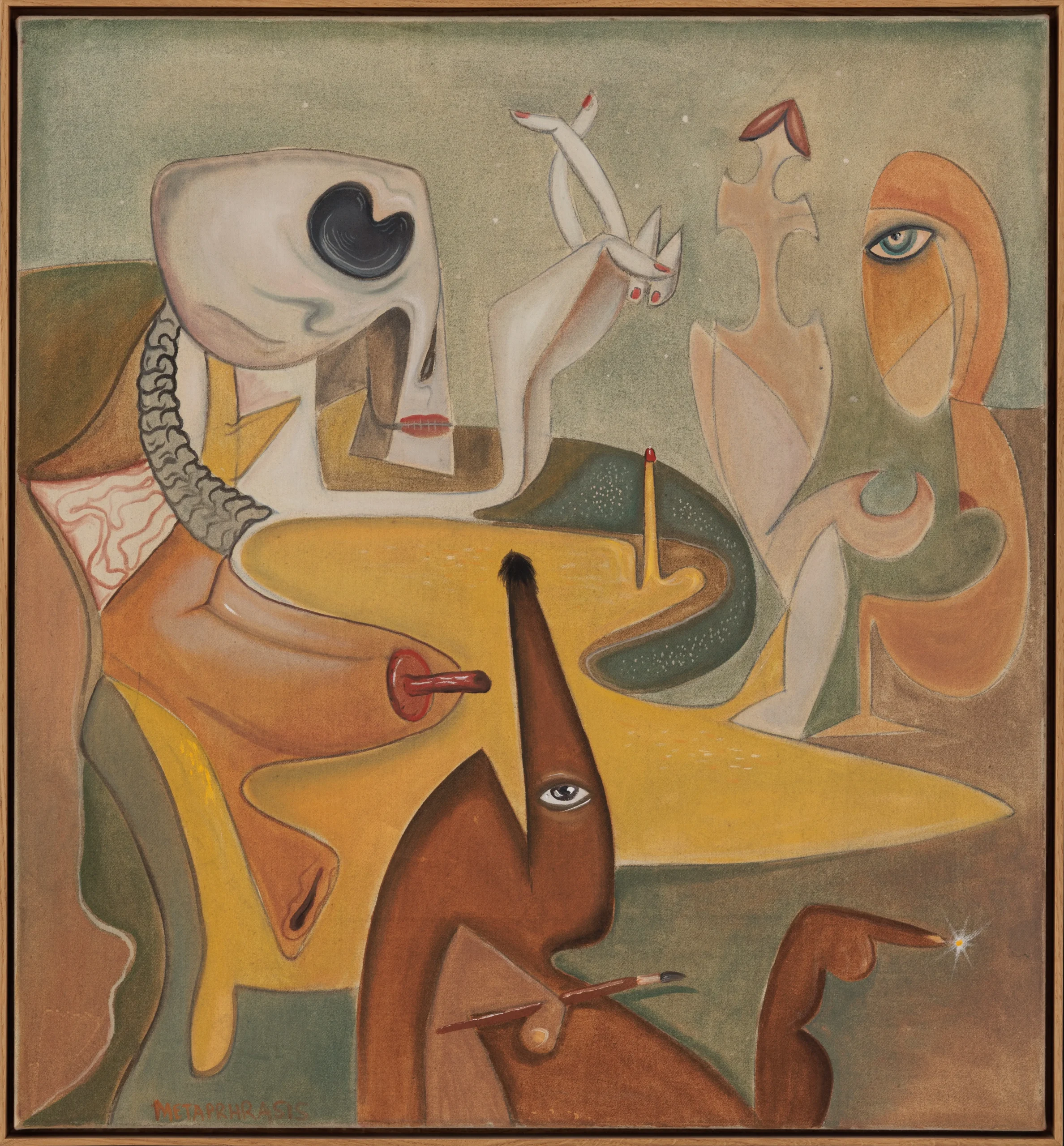
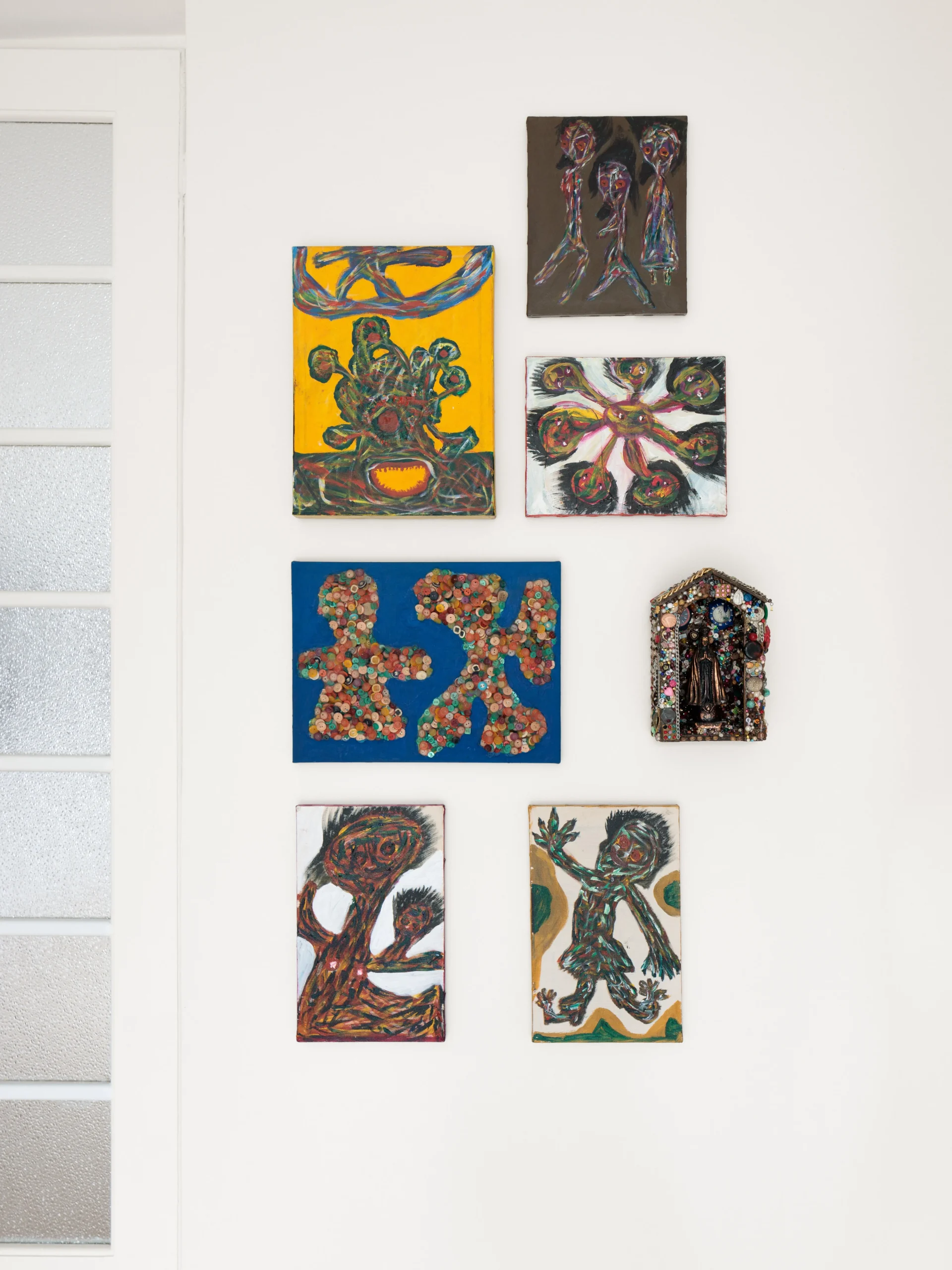
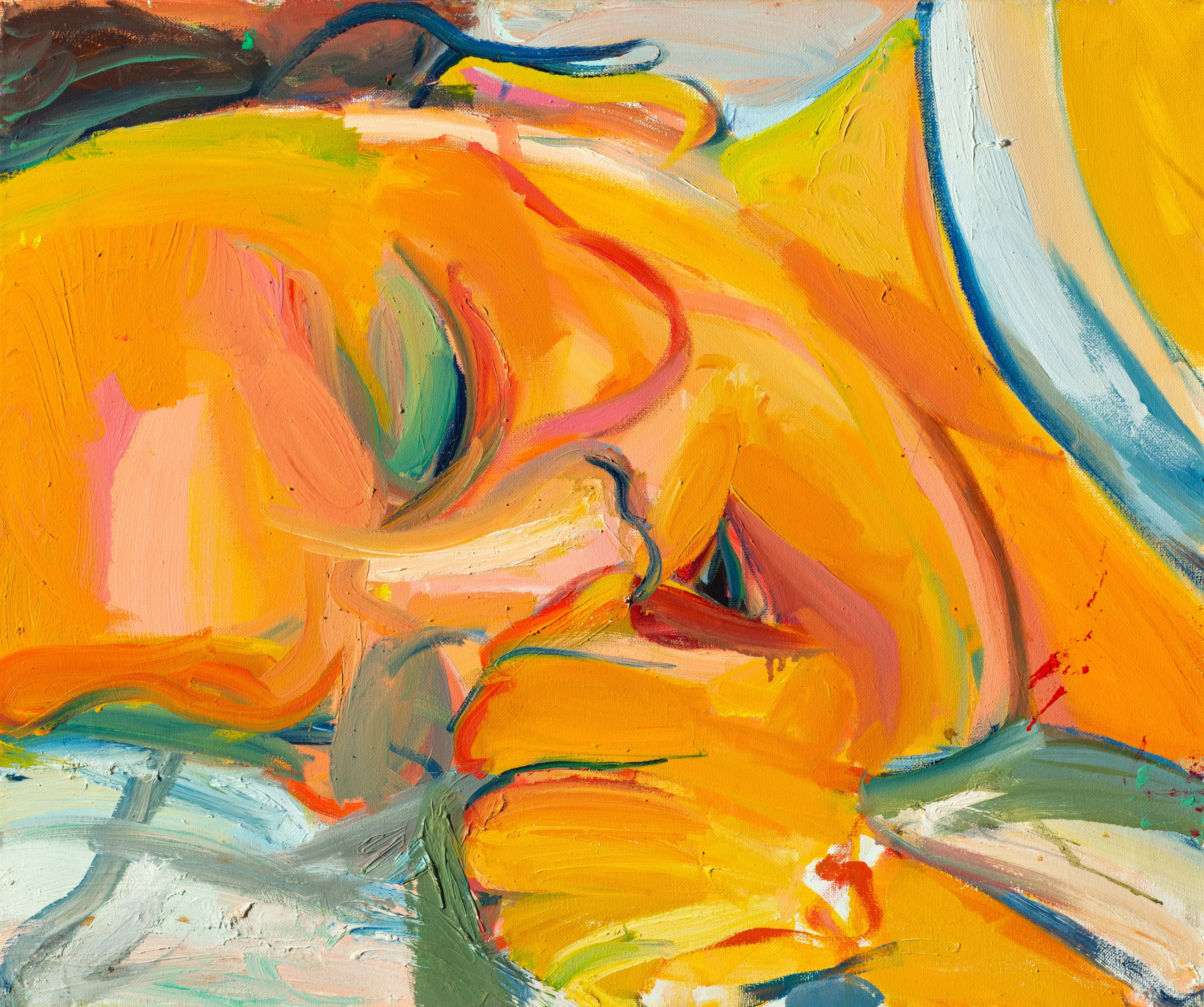
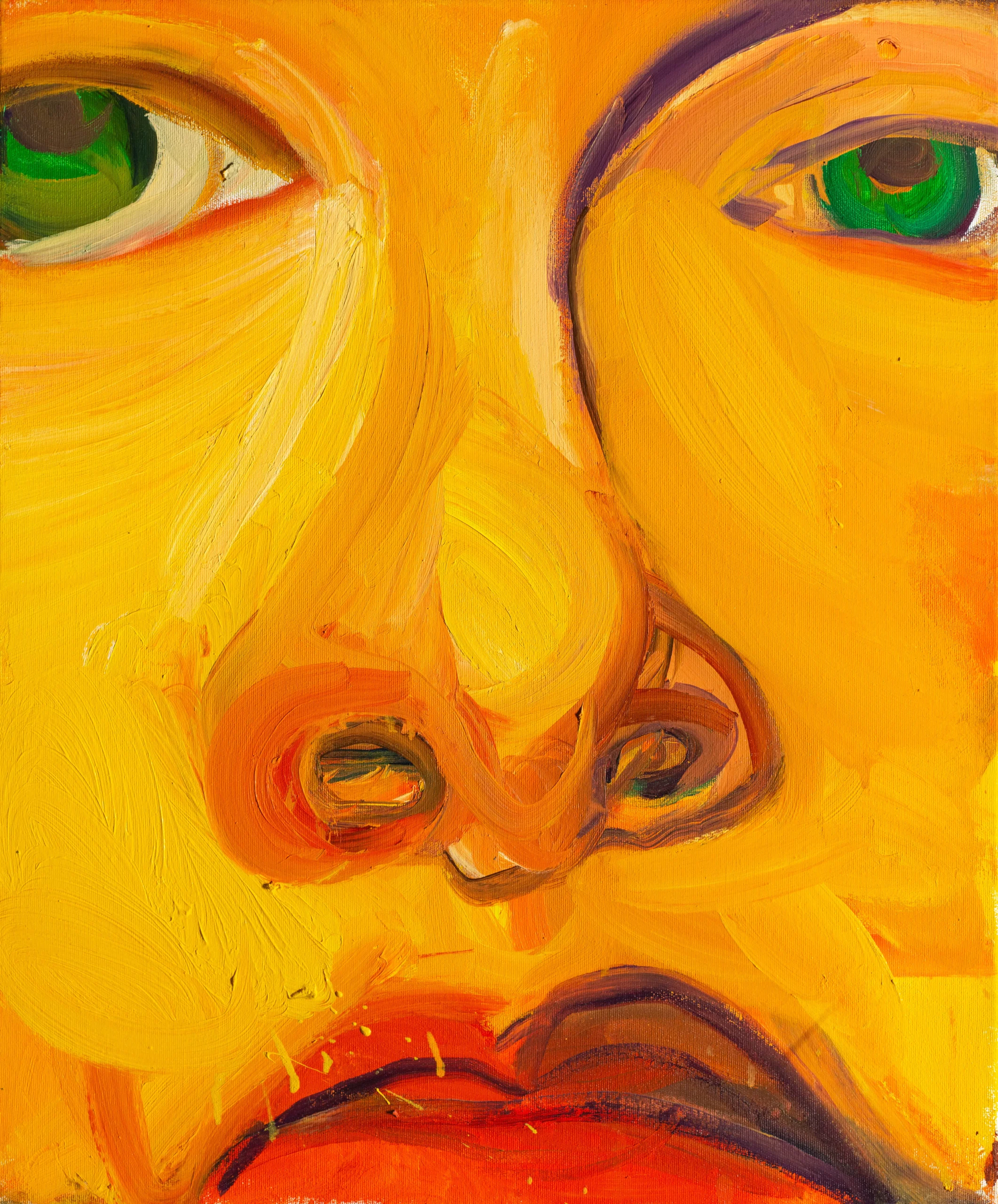
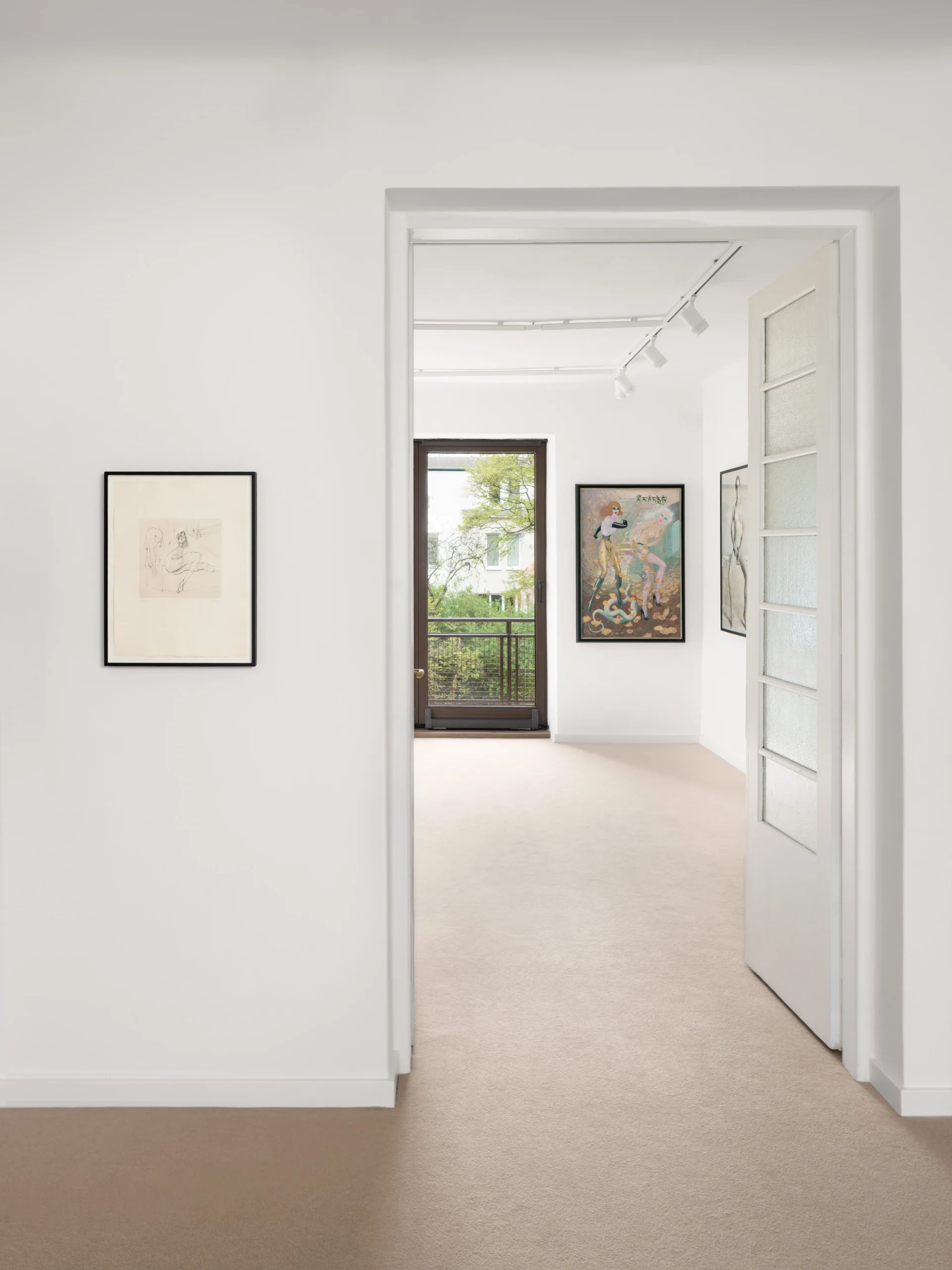
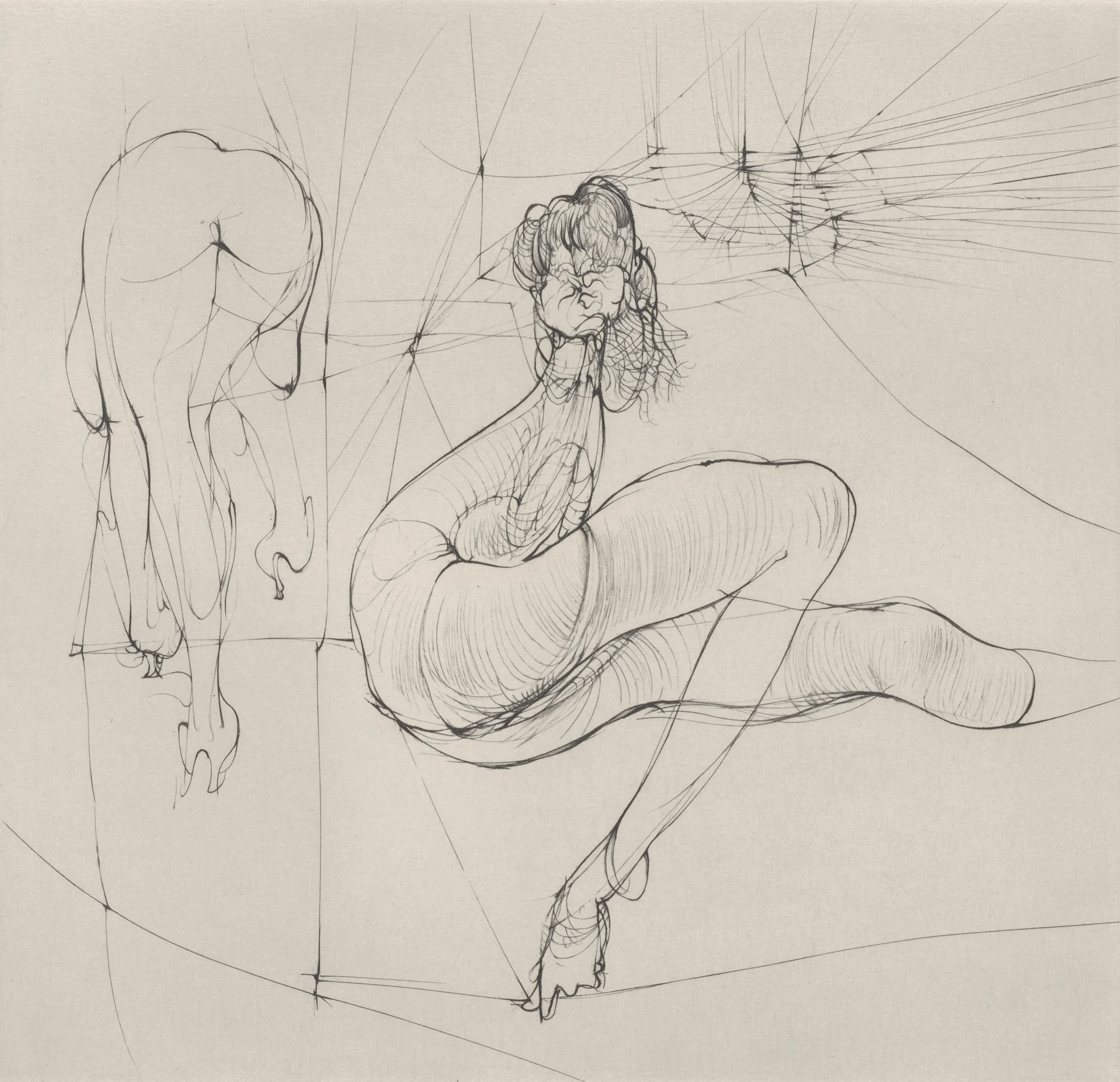
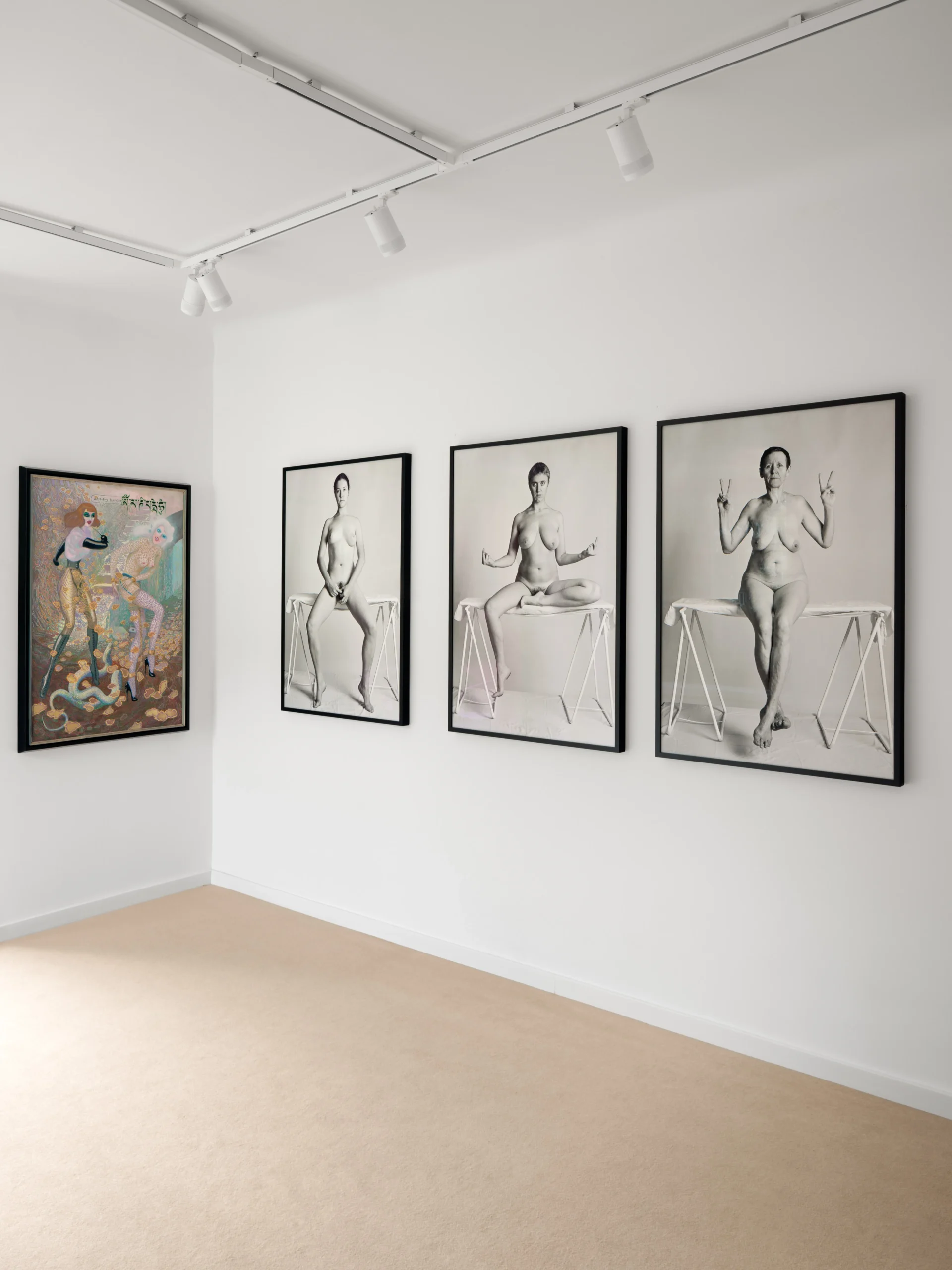
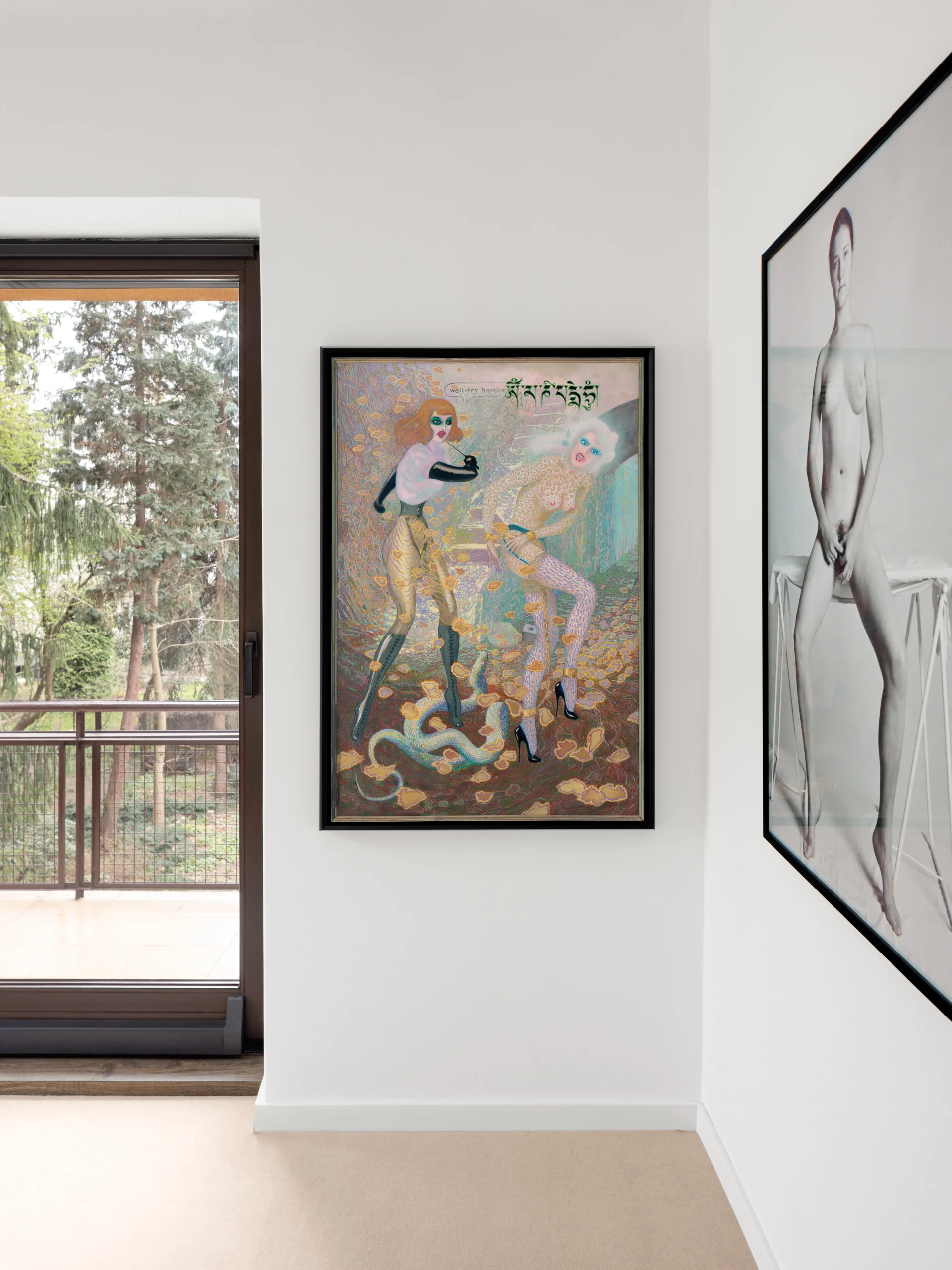
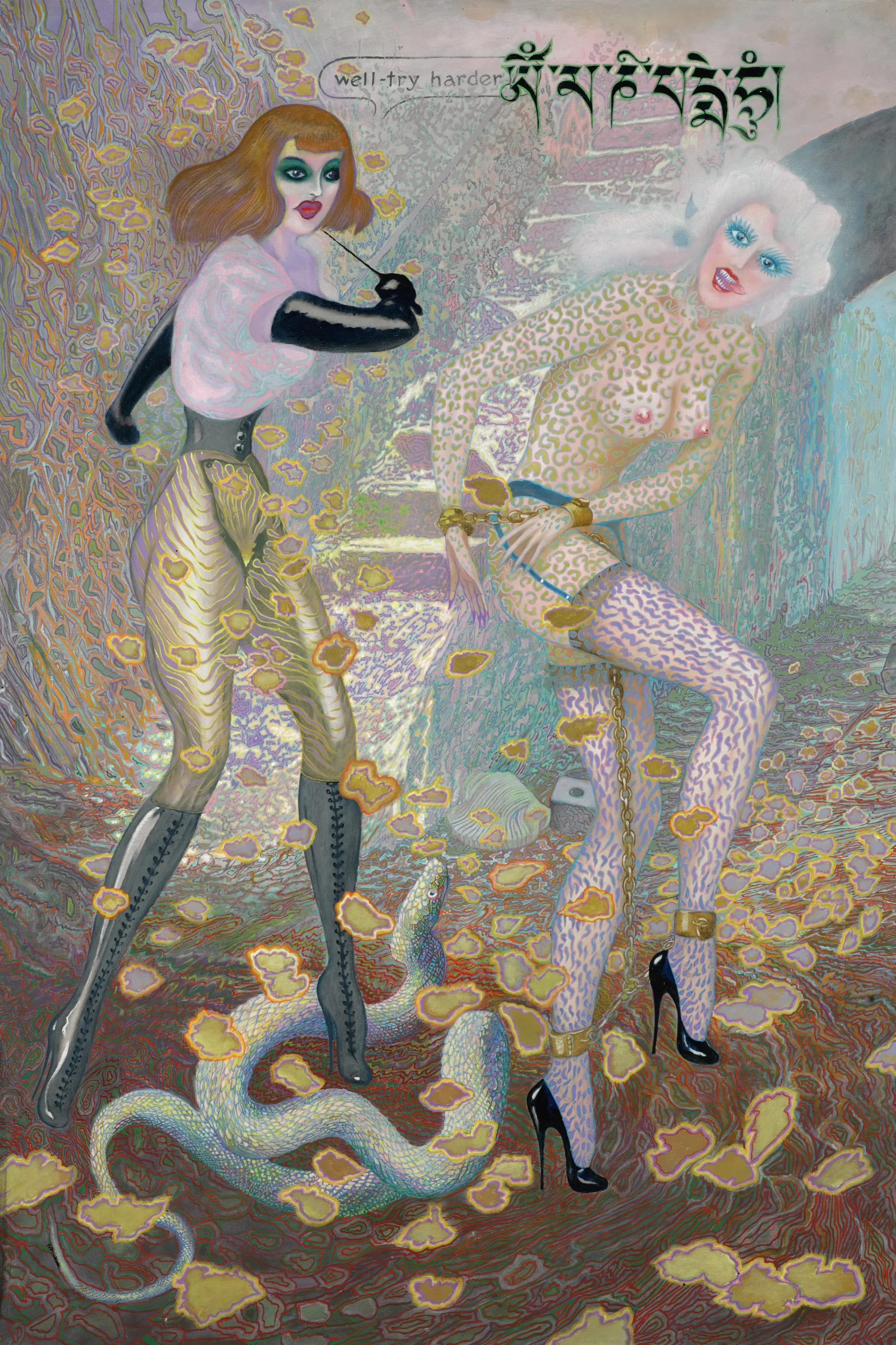
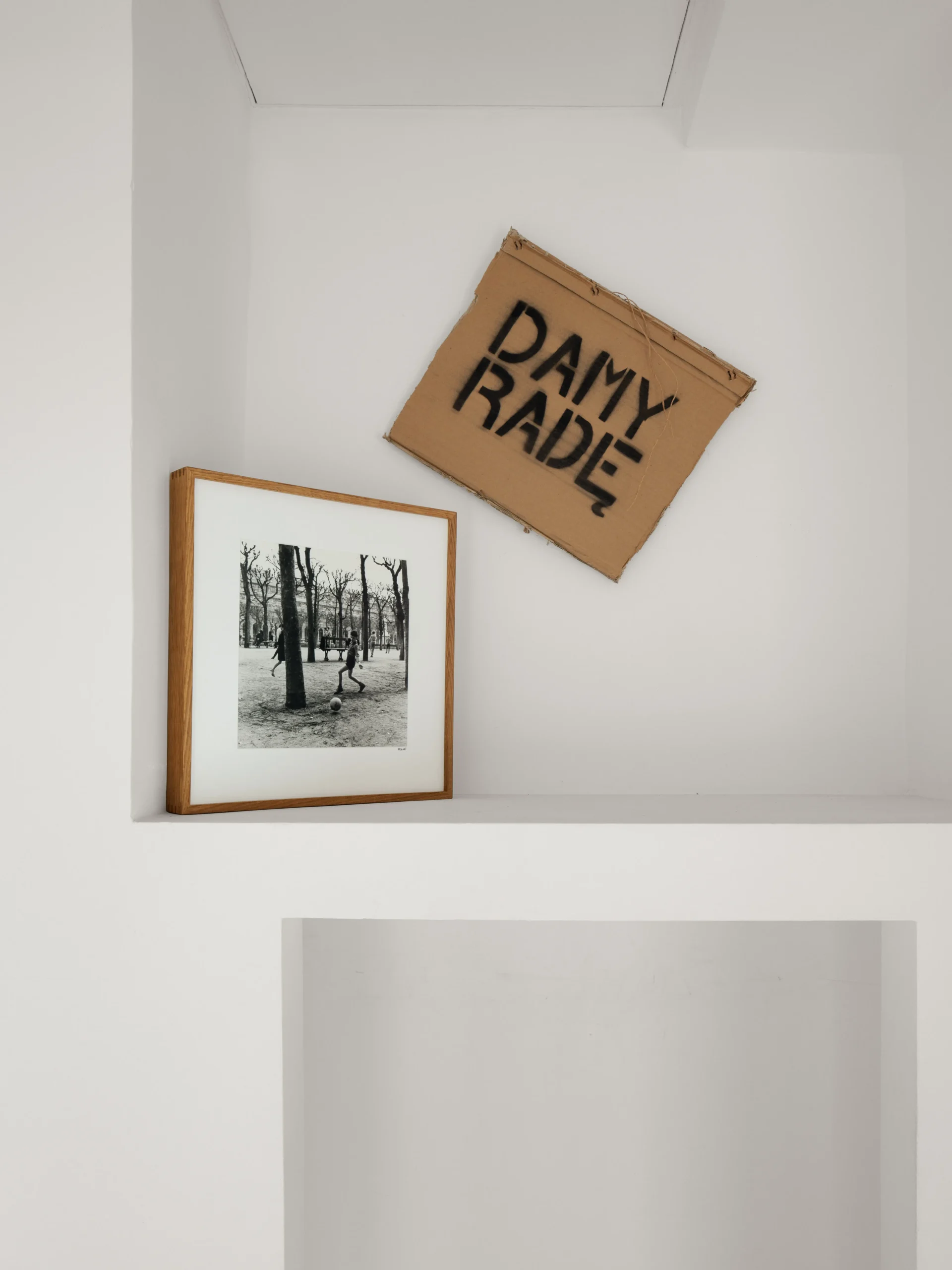
The works presented in the exhibition articulate life through the body, memory, perception, and imagination. In the works of Hans Bellmer and Andrzej Urbanowicz, the body becomes a site of tension, fragmentation, and projection, establishing a point of departure for further transformations. Katarzyna Górna and Katarzyna Kozyra shift this terrain toward questions of subjectivity and social violence, reclaiming a voice for lived experience. Agata Słowak, Monika Misztal, and Olga Dmowska extend this field through intensity, affect, and embodied presence. At the same time, Edward Dwurnik and Tadeusz Rolke anchor this narrative in everyday life, memory, and the concrete realities of social existence. Kateryna Lysovenko introduces the condition of war and the tension between violence and the imagination of freedom. Jakub Julian Ziółkowski and Paweł Żukowski open a space of imagination, dream, and transformation, in which reality is continuously reconfigured. Estevão da Silva Conceição brings an organic and existential dimension, constructing his world through material, labor, and lived experience. Together, these works form a polyphonic reflection on the human condition, in which the tension between the individual and the collective, between the visible and the imagined, reveals the shape of life.
Contemporary reality is marked by acceleration, excess, and intensifying tensions that increasingly translate into a lived sense of uncertainty. In this context, the ability to pause and to inhabit the present moment with awareness becomes essential. Art opens a space of concentration and depth in which it becomes possible to regain inner balance, but also to perceive others and acknowledge their experience. It creates a form of community grounded in presence, where encounters unfold through image, form, and imagination. Within this space, one remains oneself while learning to perceive oneself in relation to others.
The exhibition presents life as a process unfolding through forms, gestures, and relations. The collection becomes both a record of time and a way of understanding it. It arises from individual choices and personal experiences that gradually coalesce into a shared structure of meaning. What is singular gains clarity and remains legible in relation to the whole. Life emerges gradually, through decisions, encounters, and images that remain within us and return over time. It is precisely within this process, between the “I” and the “we,” that its shape becomes visible.
Michał Borowik