


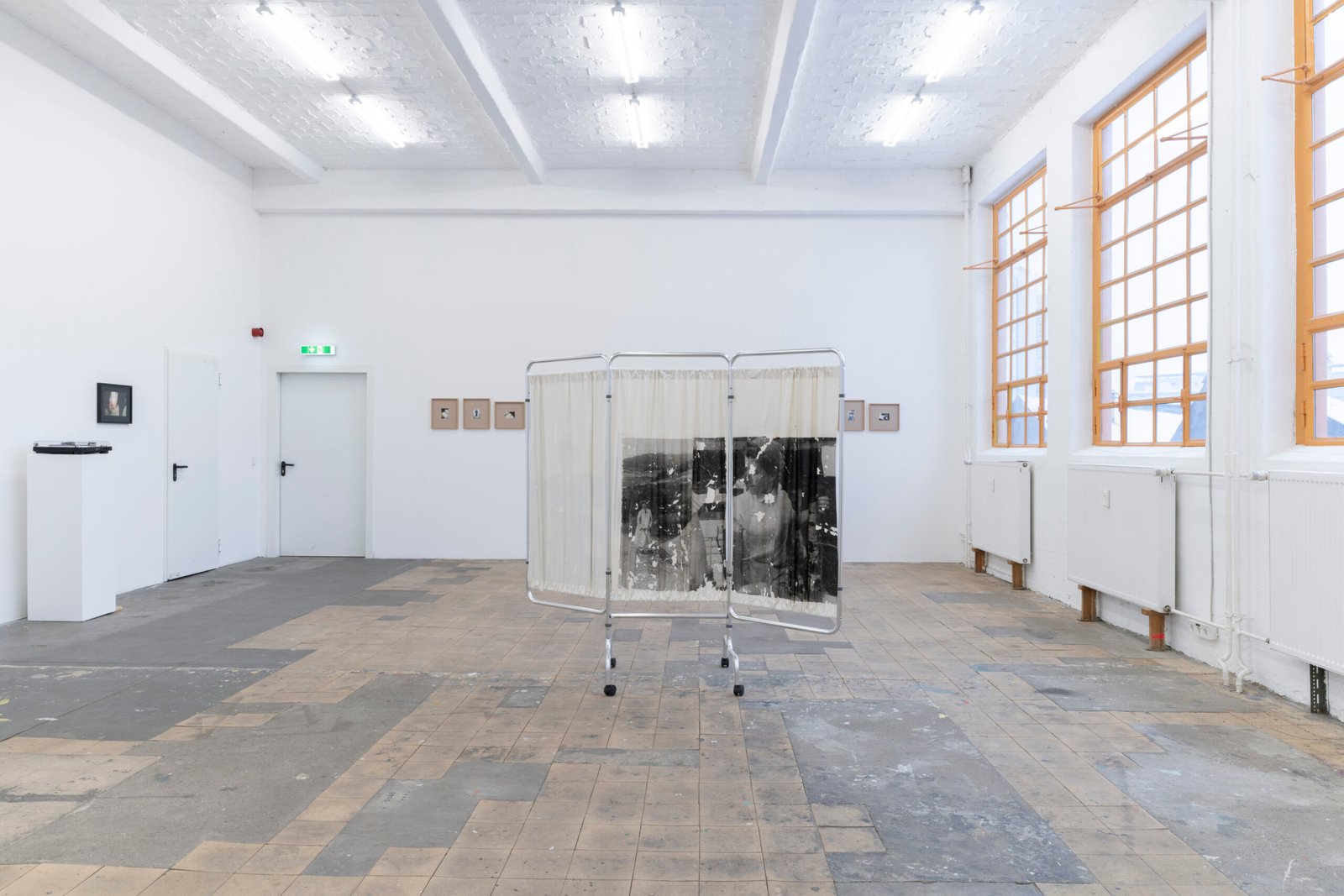
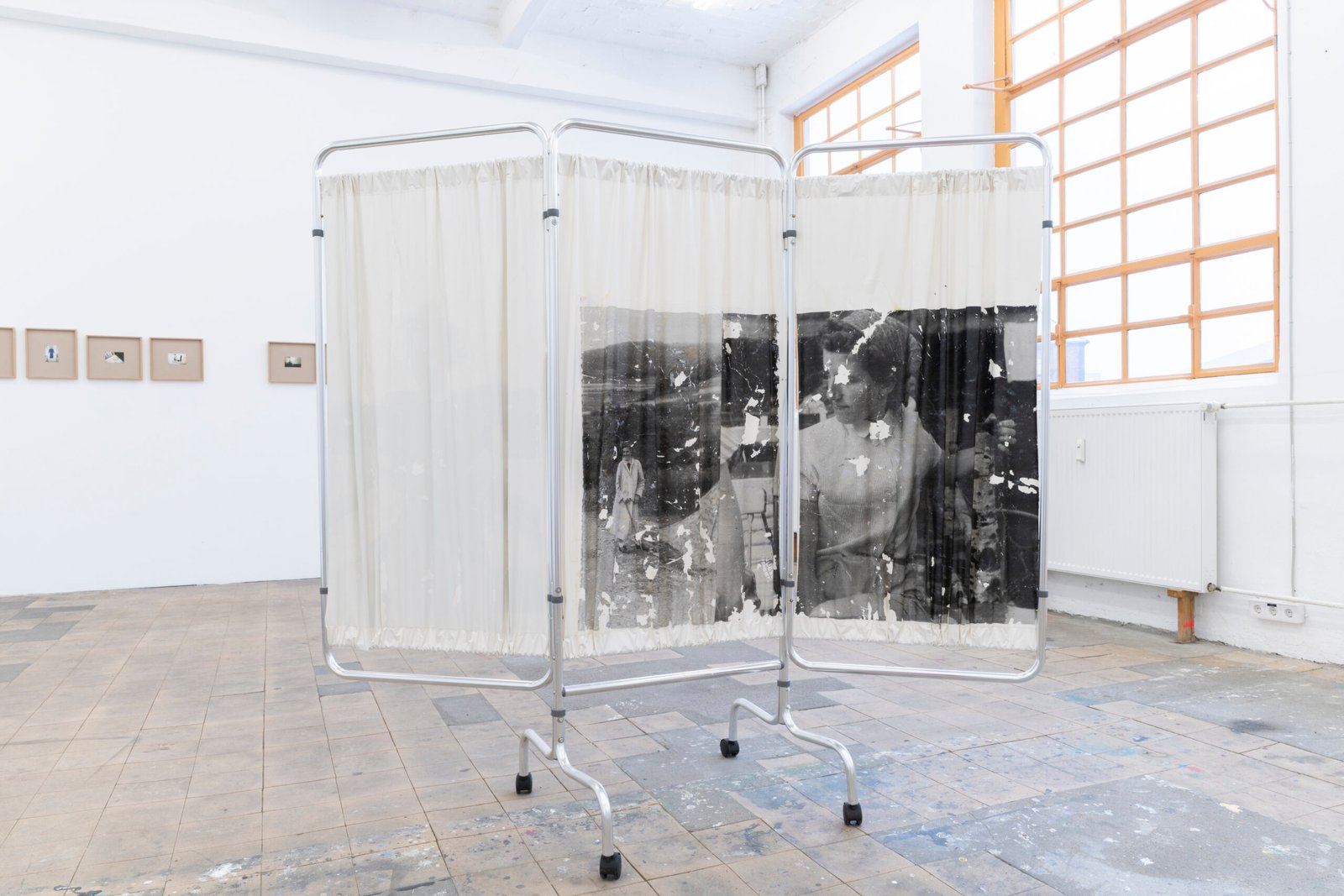
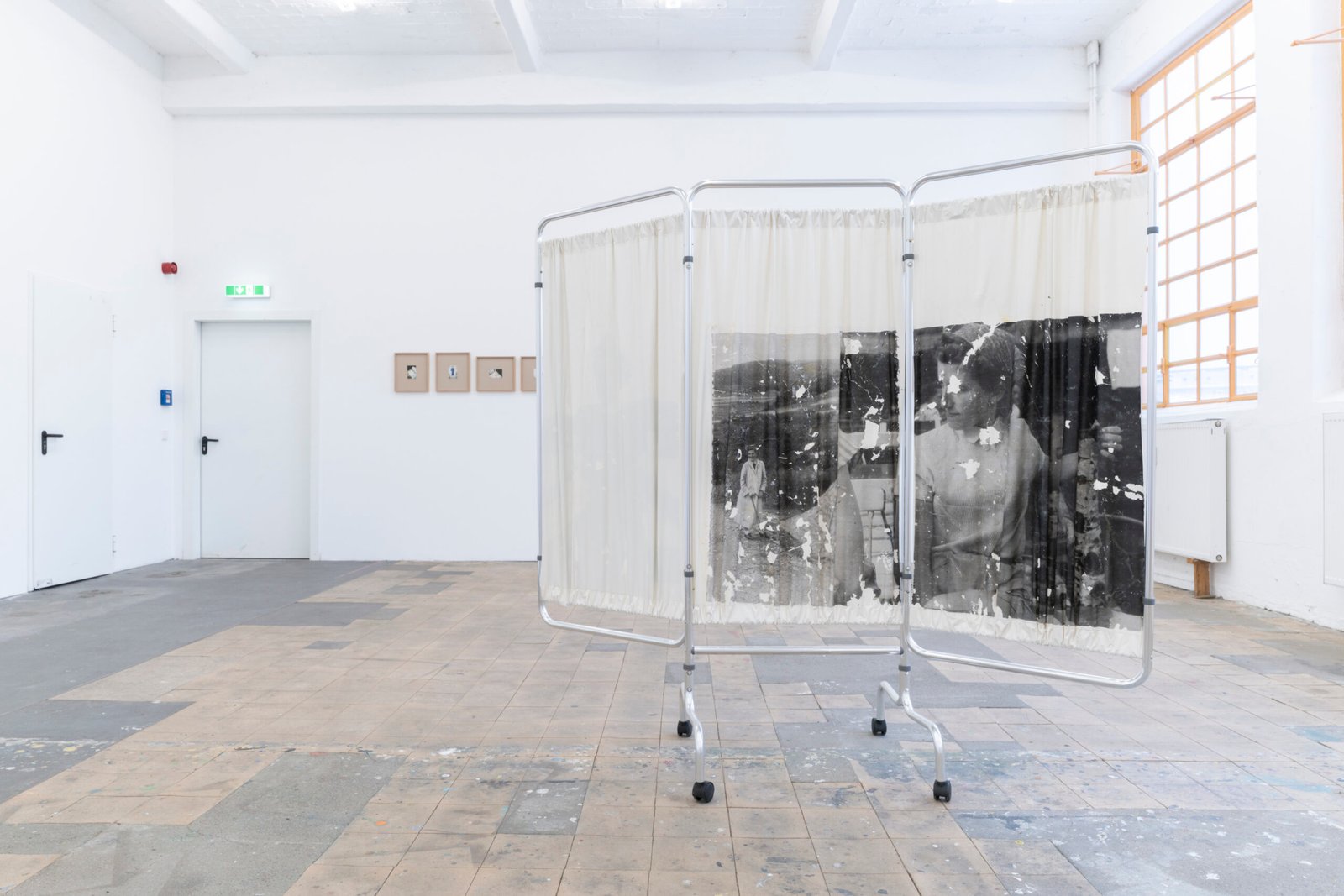
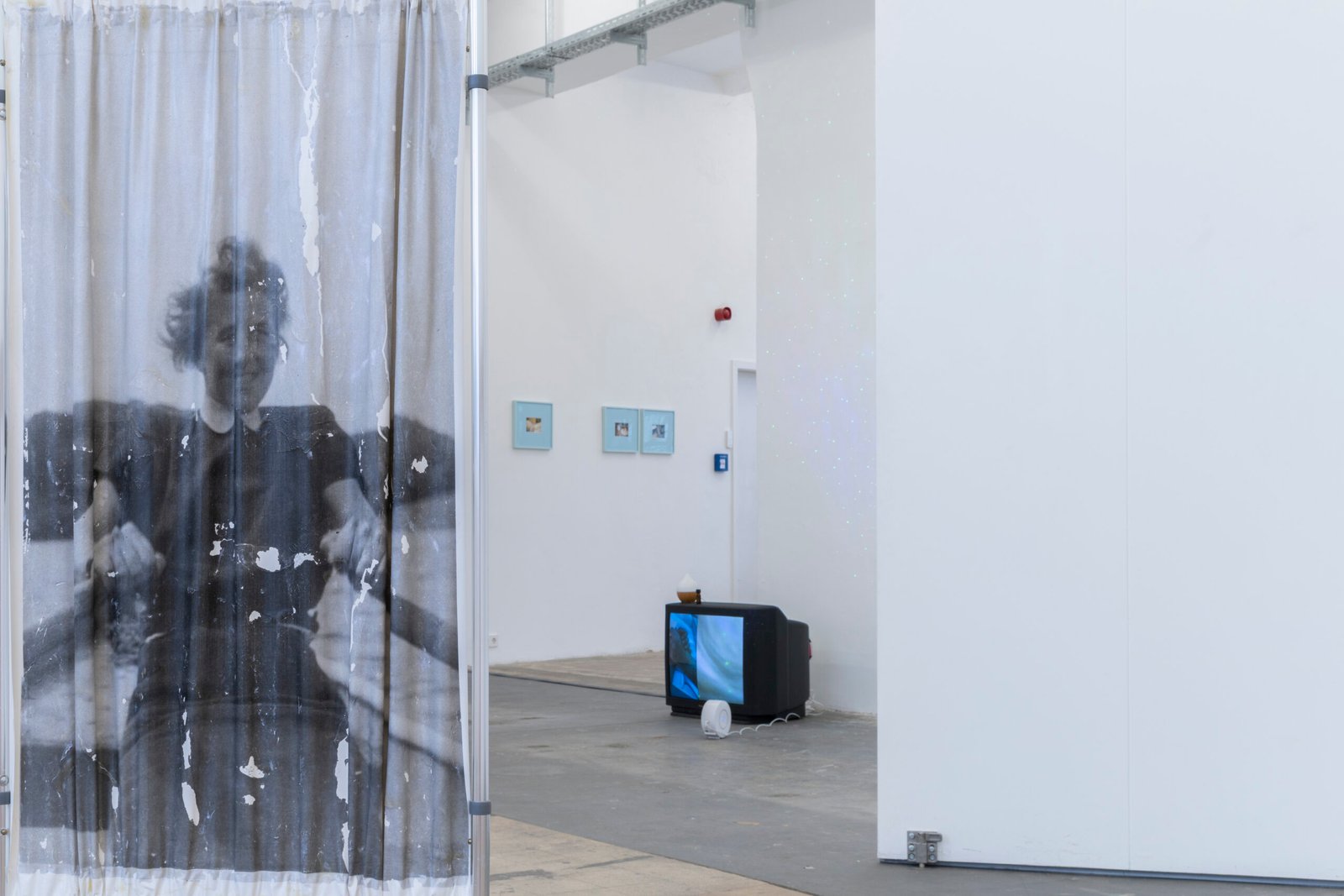
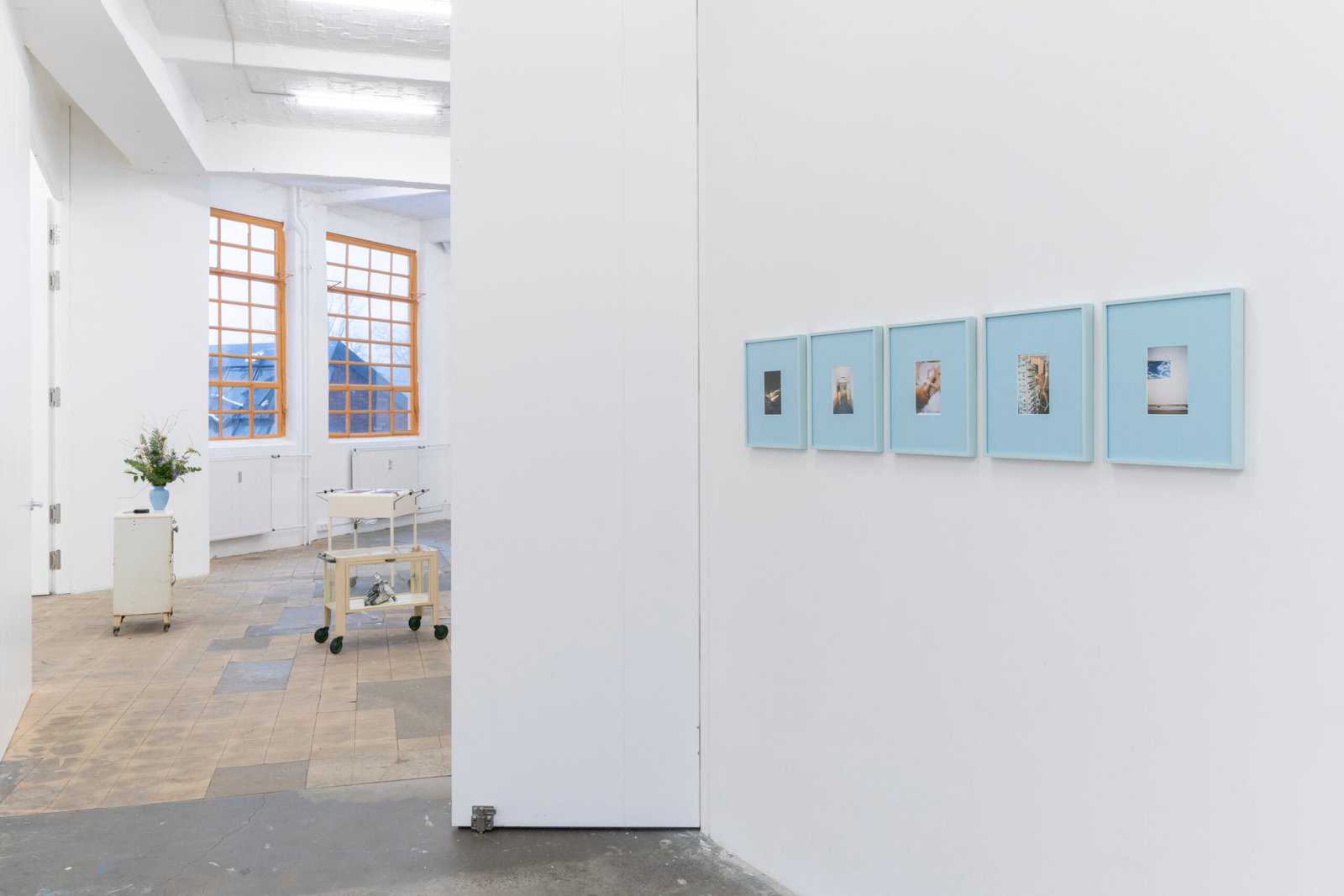

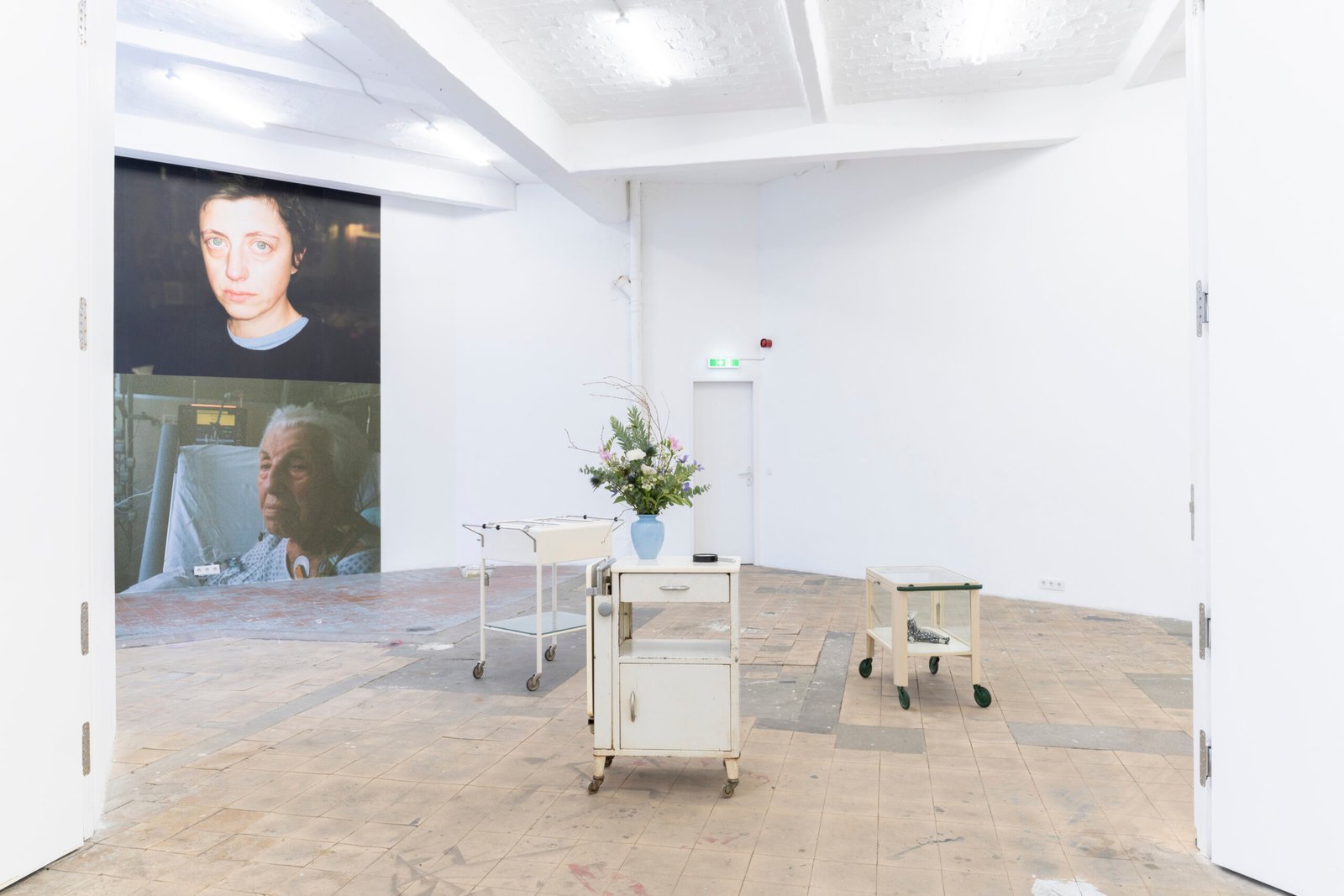
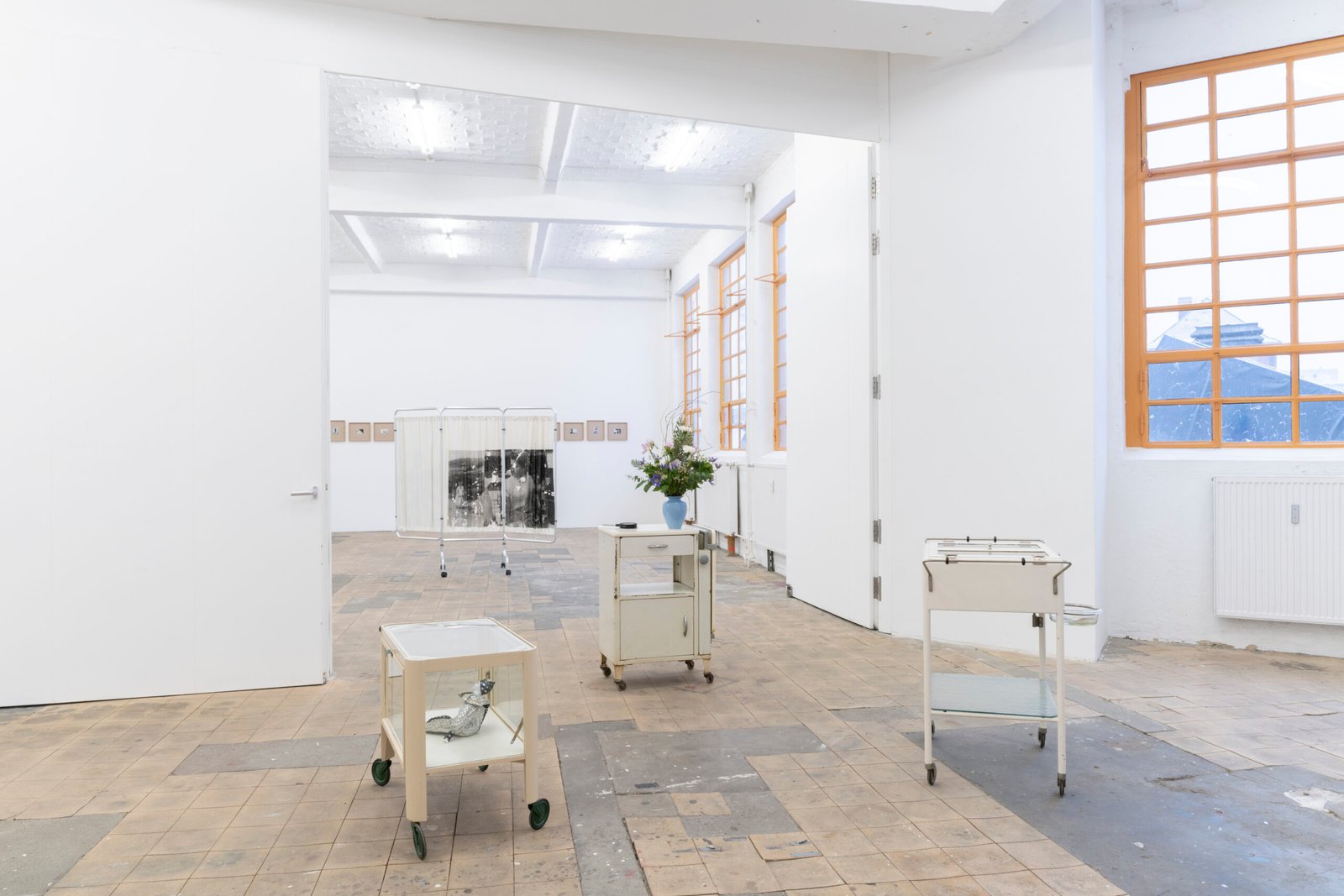
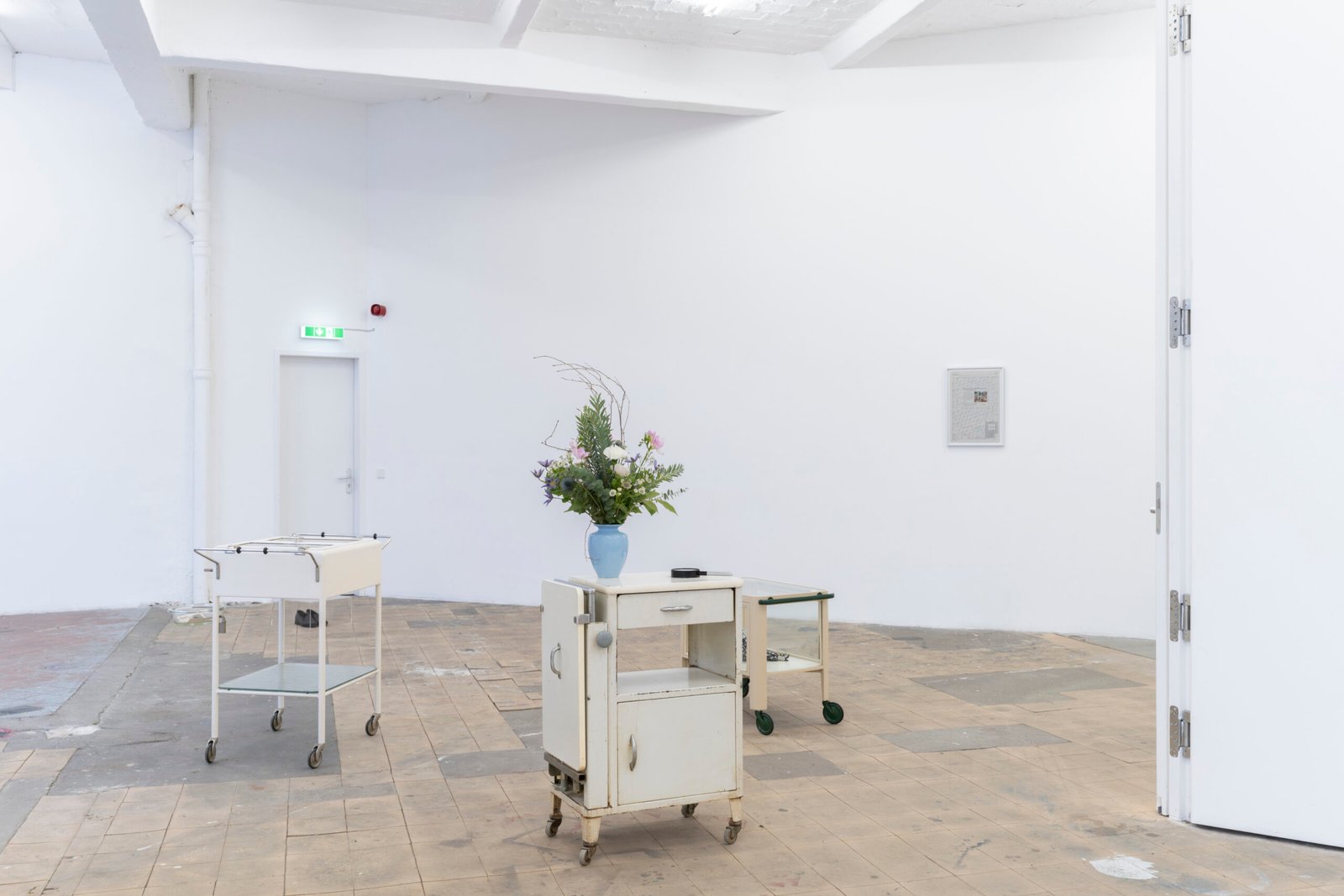
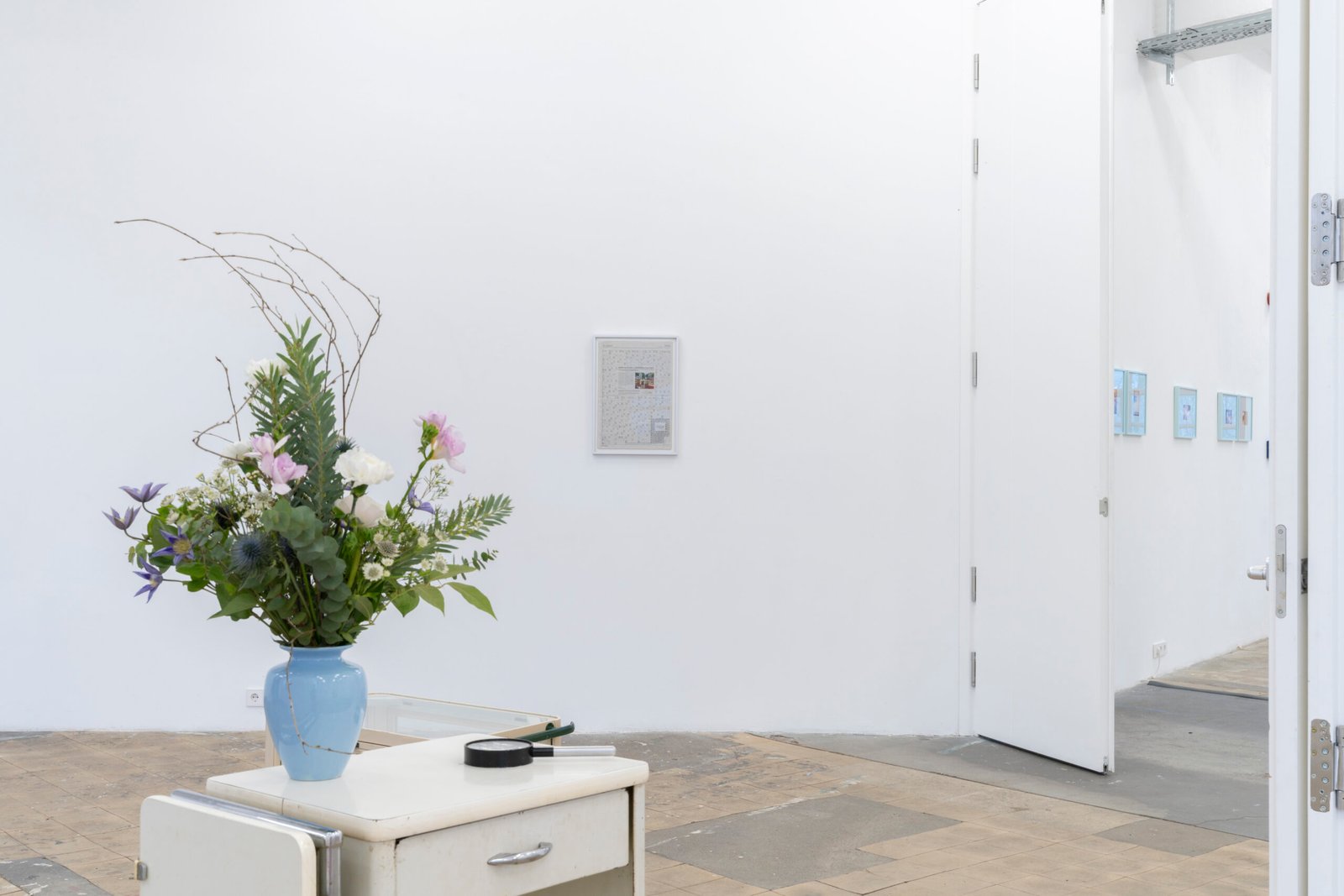
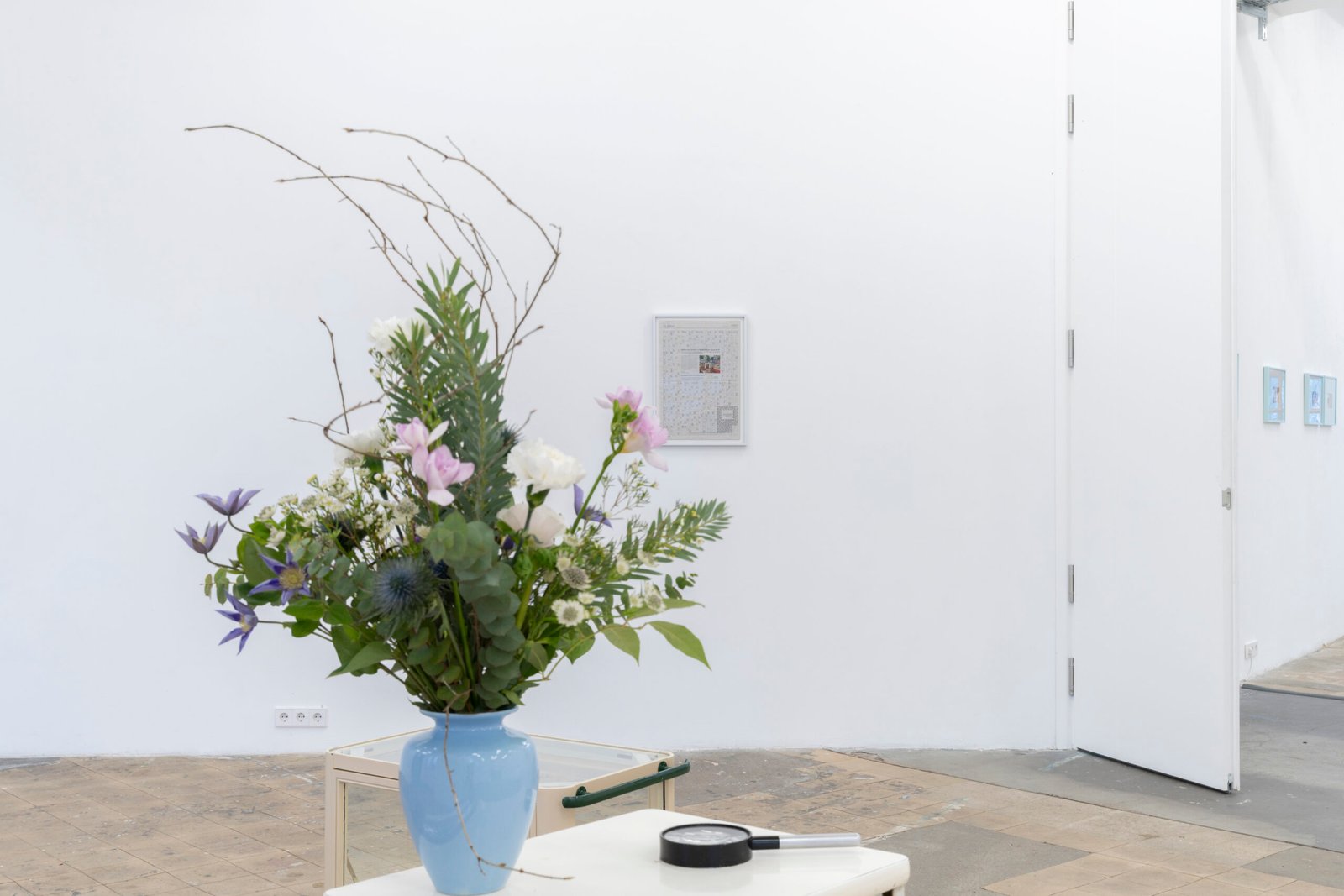
The morning after a loss is filled with a unique silence. It is a silence in
which rooms breathe differently, in which objects begin to speak and
light falls differently along the edge of a table. Your Empty Chair begins
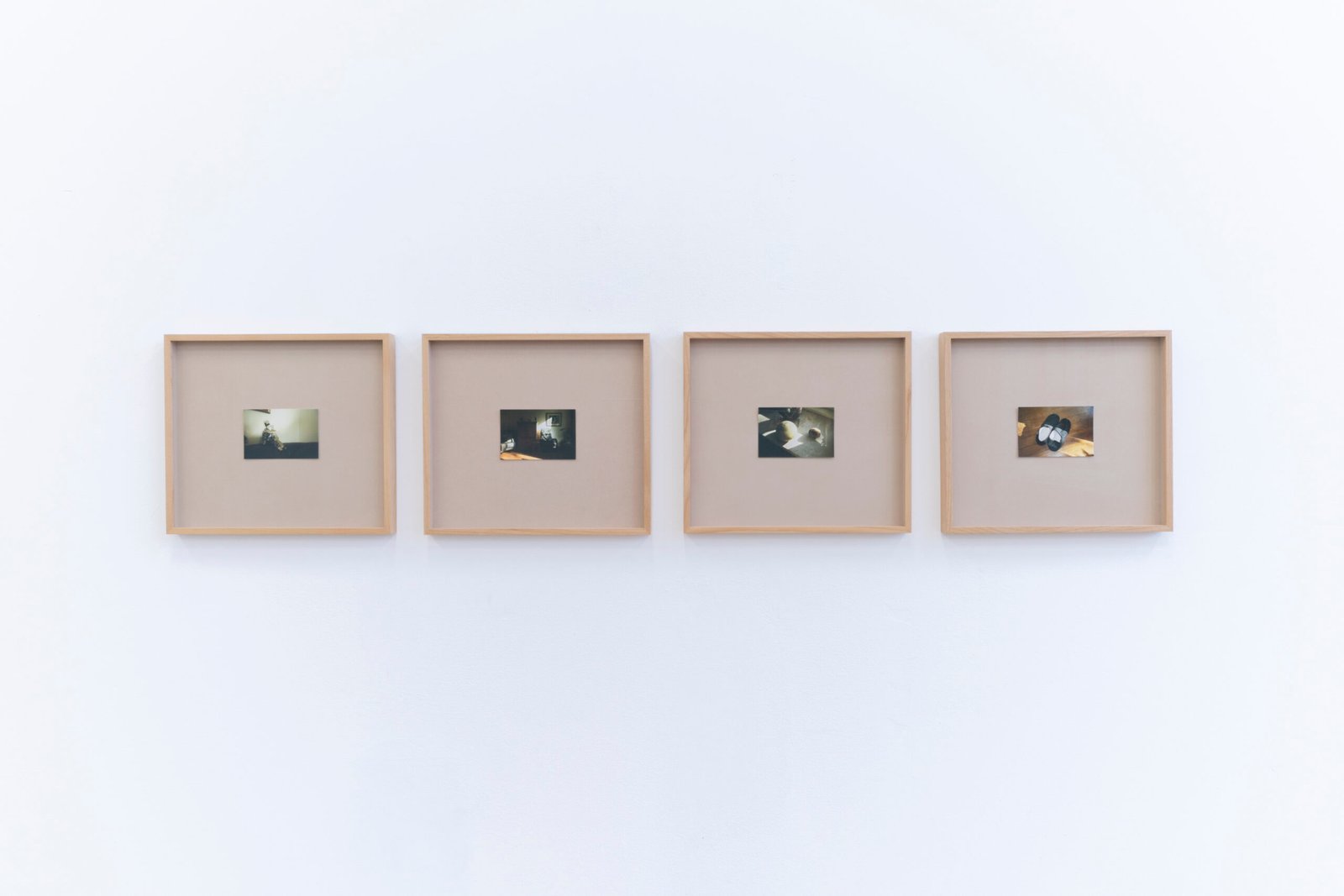
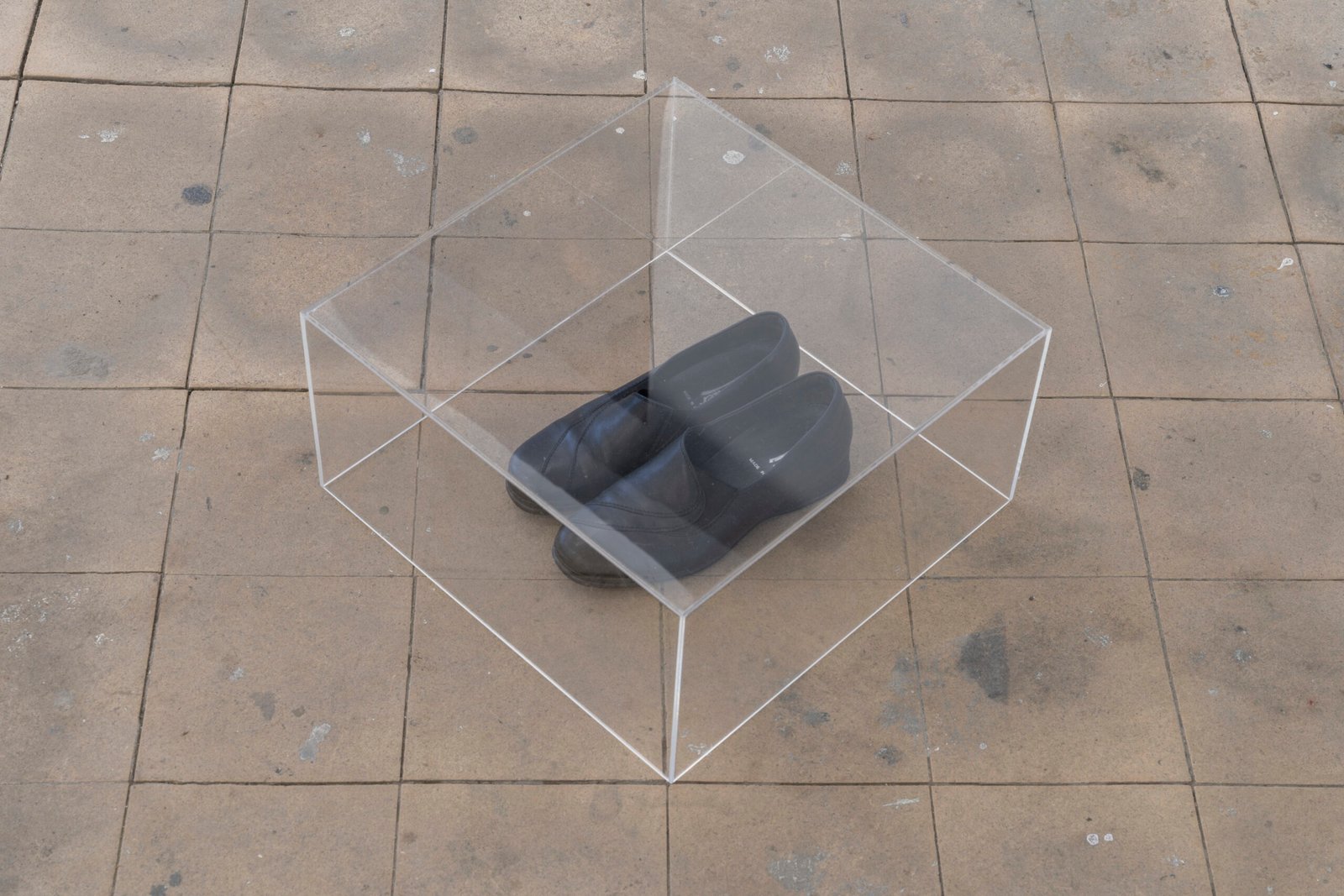
in this silence, in the moment when a life turns into traces: the crease
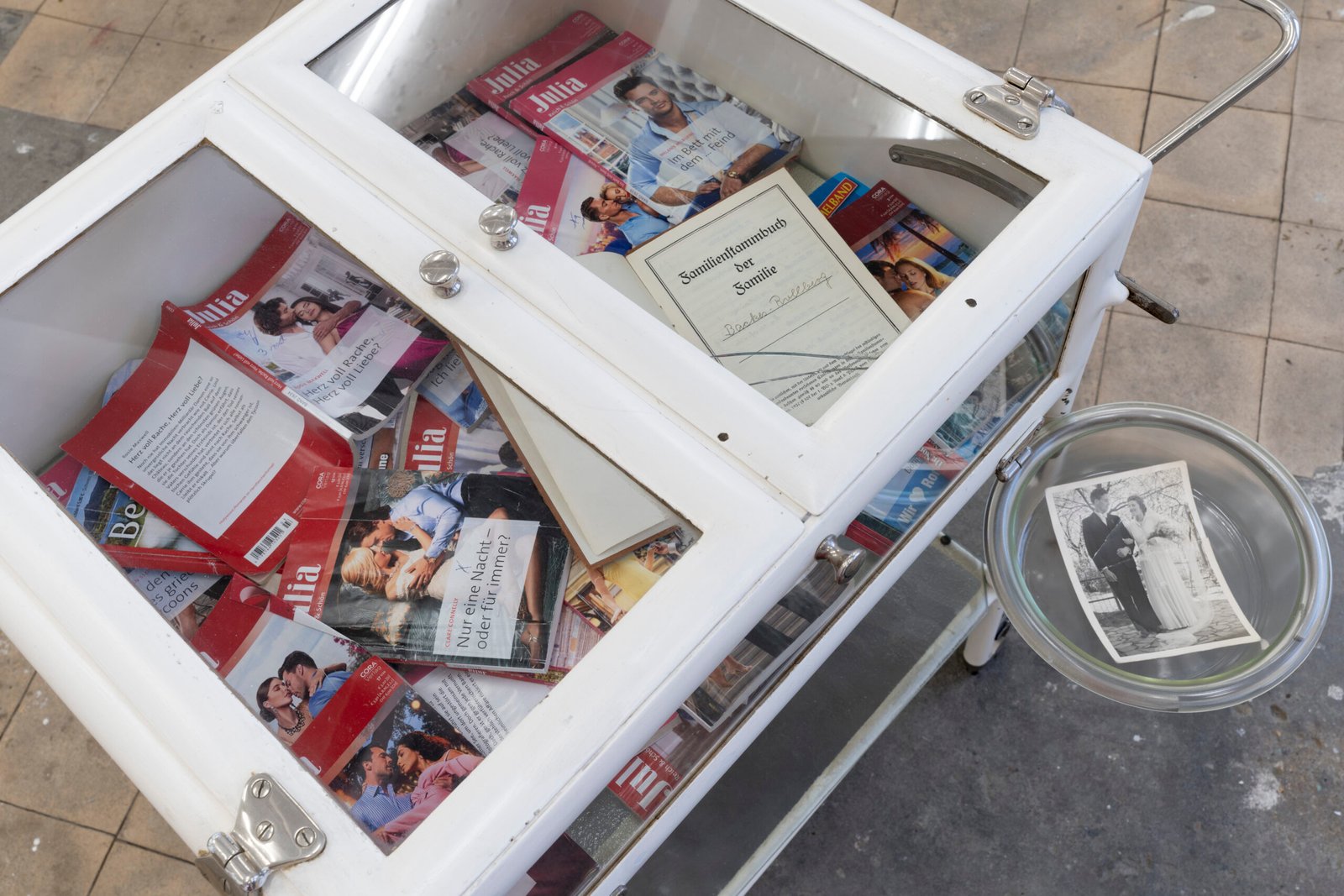
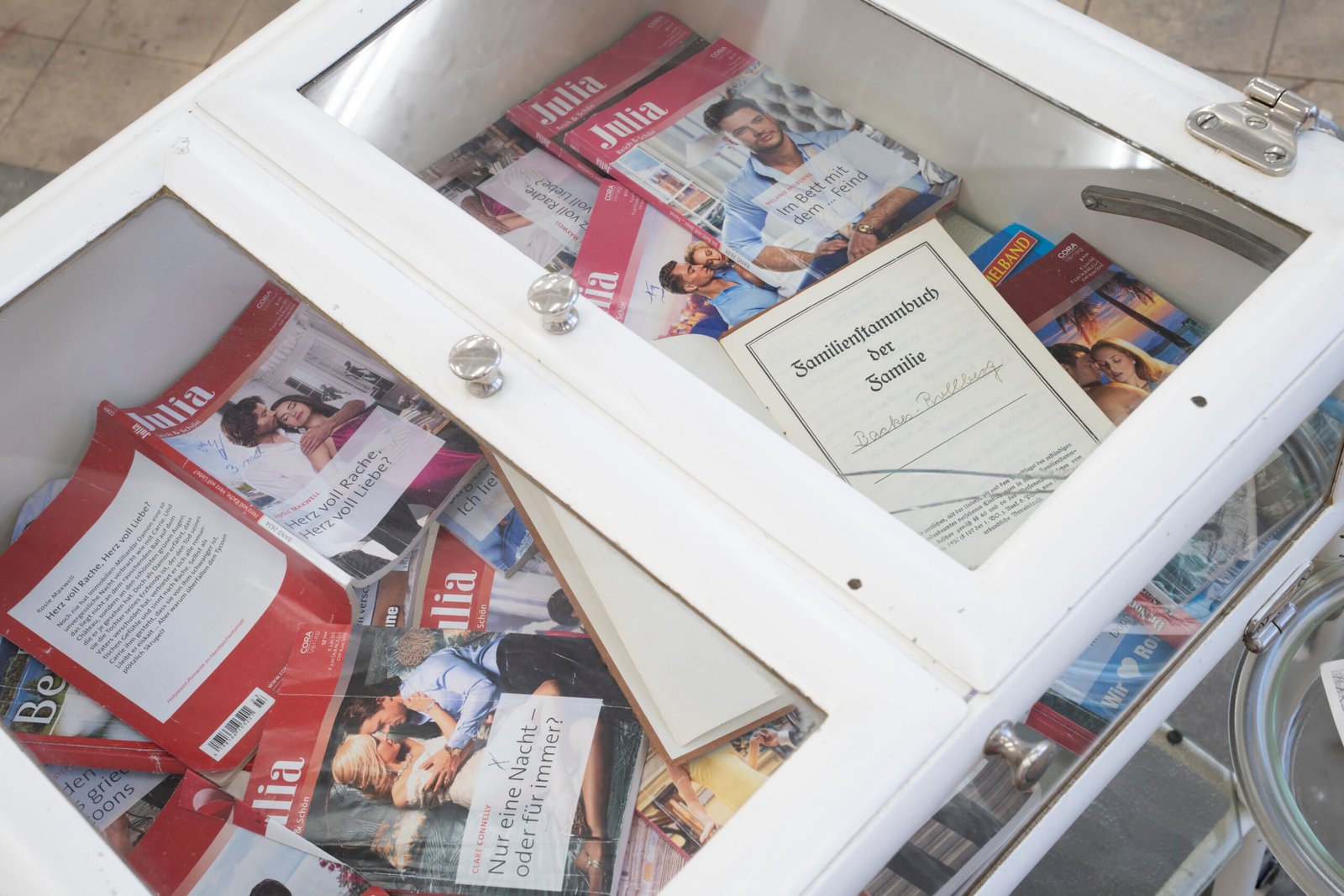
in a pillow, the imprint of a shoe, a cup on a tray, an armchair lacking
body warmth.
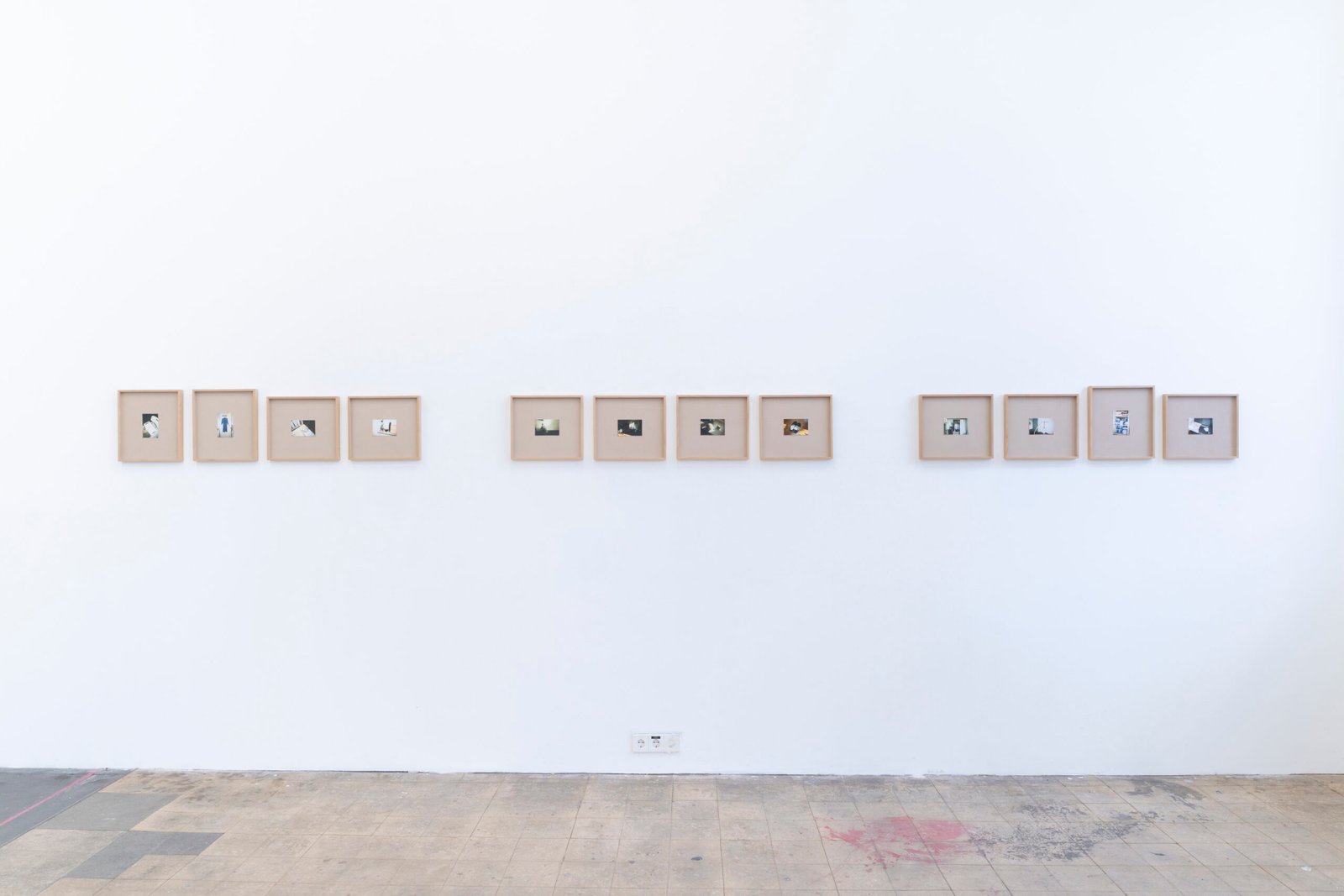
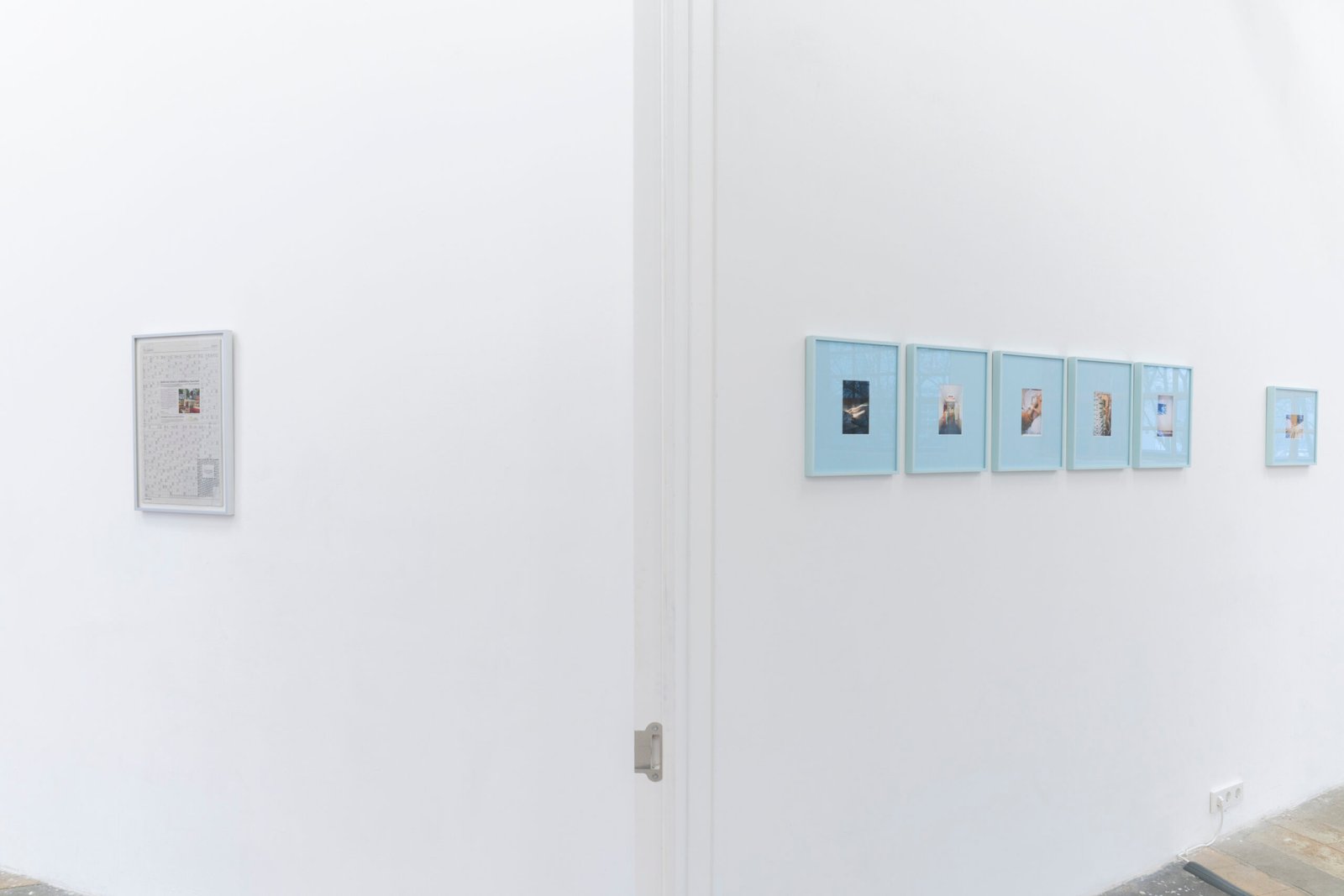
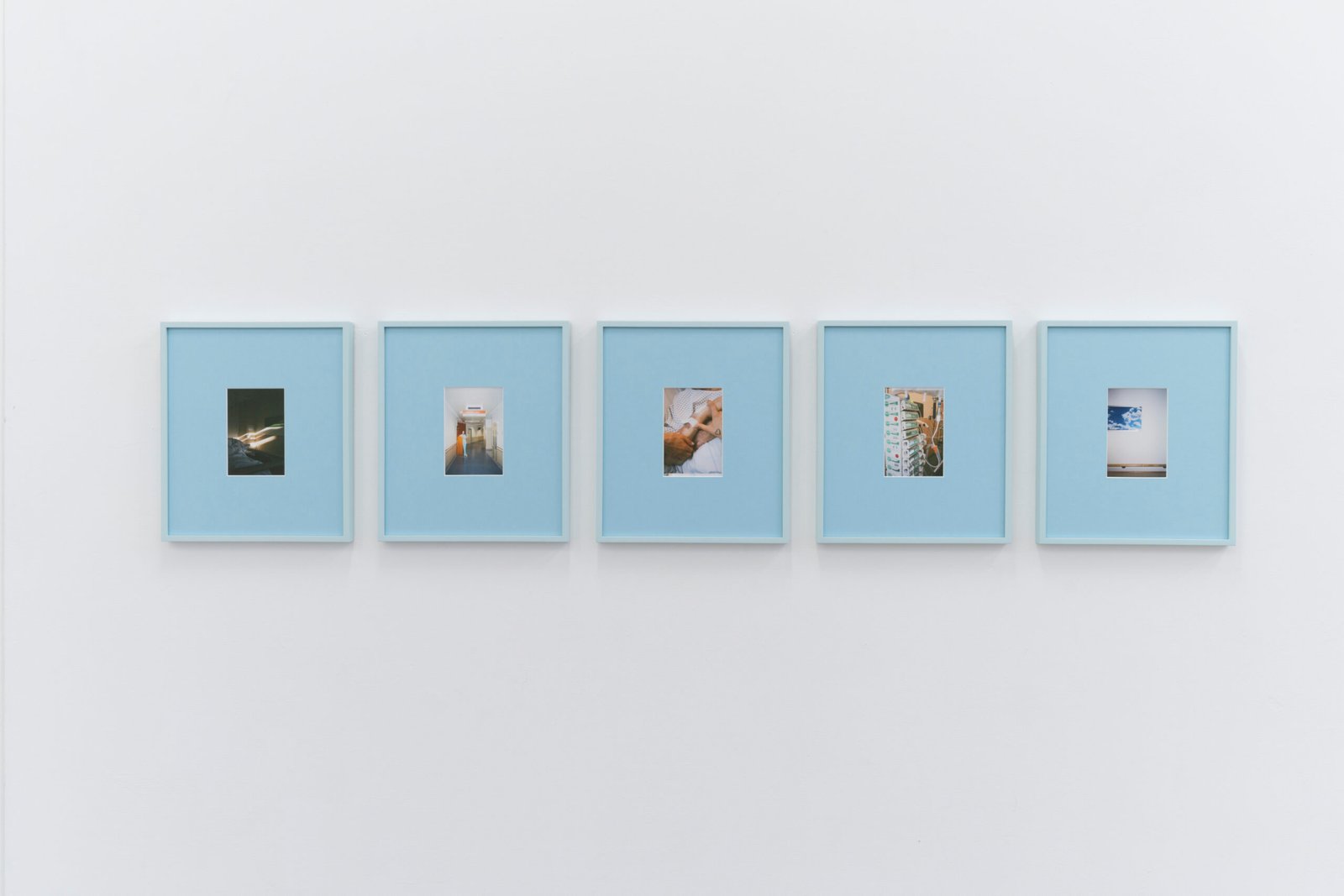
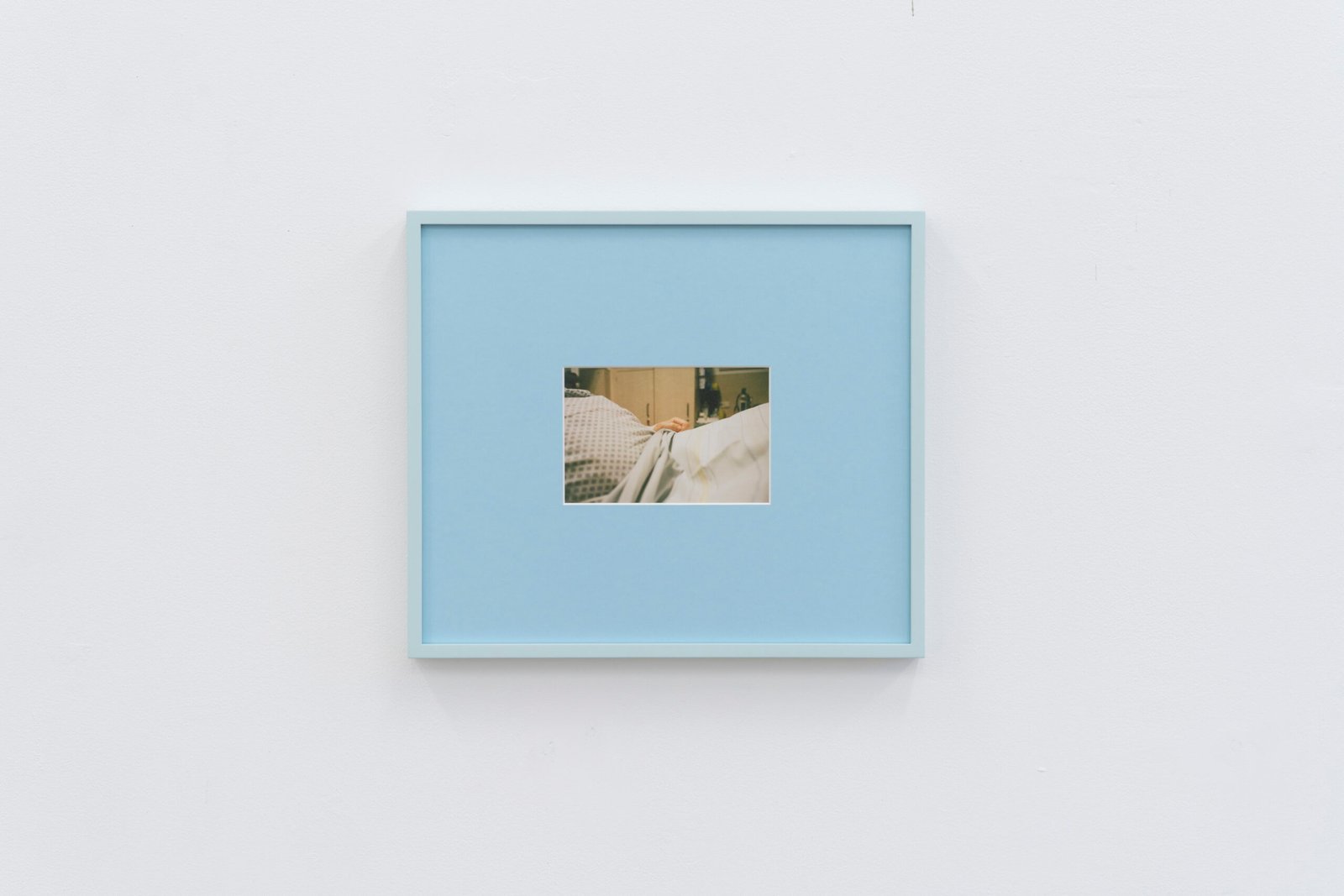
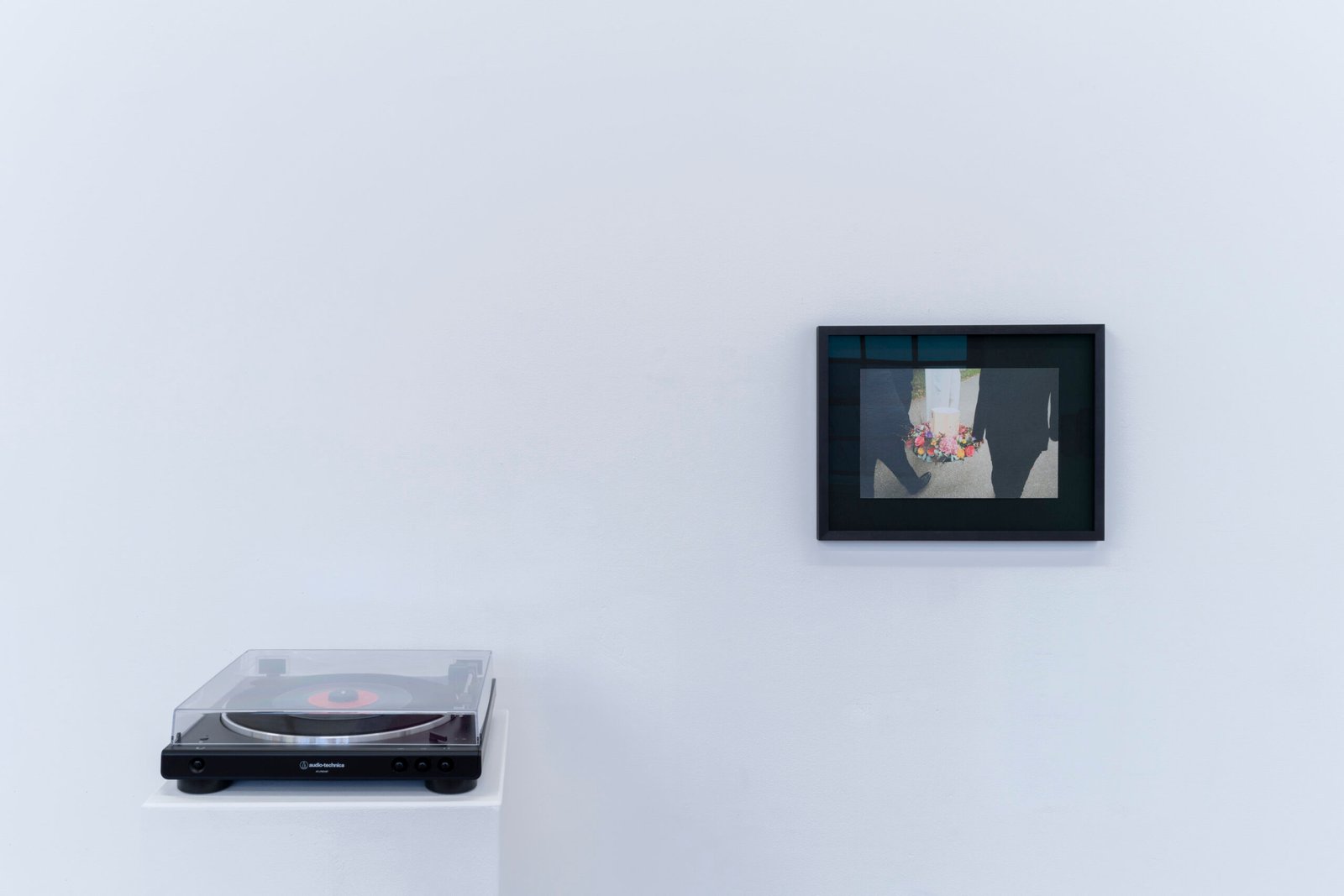
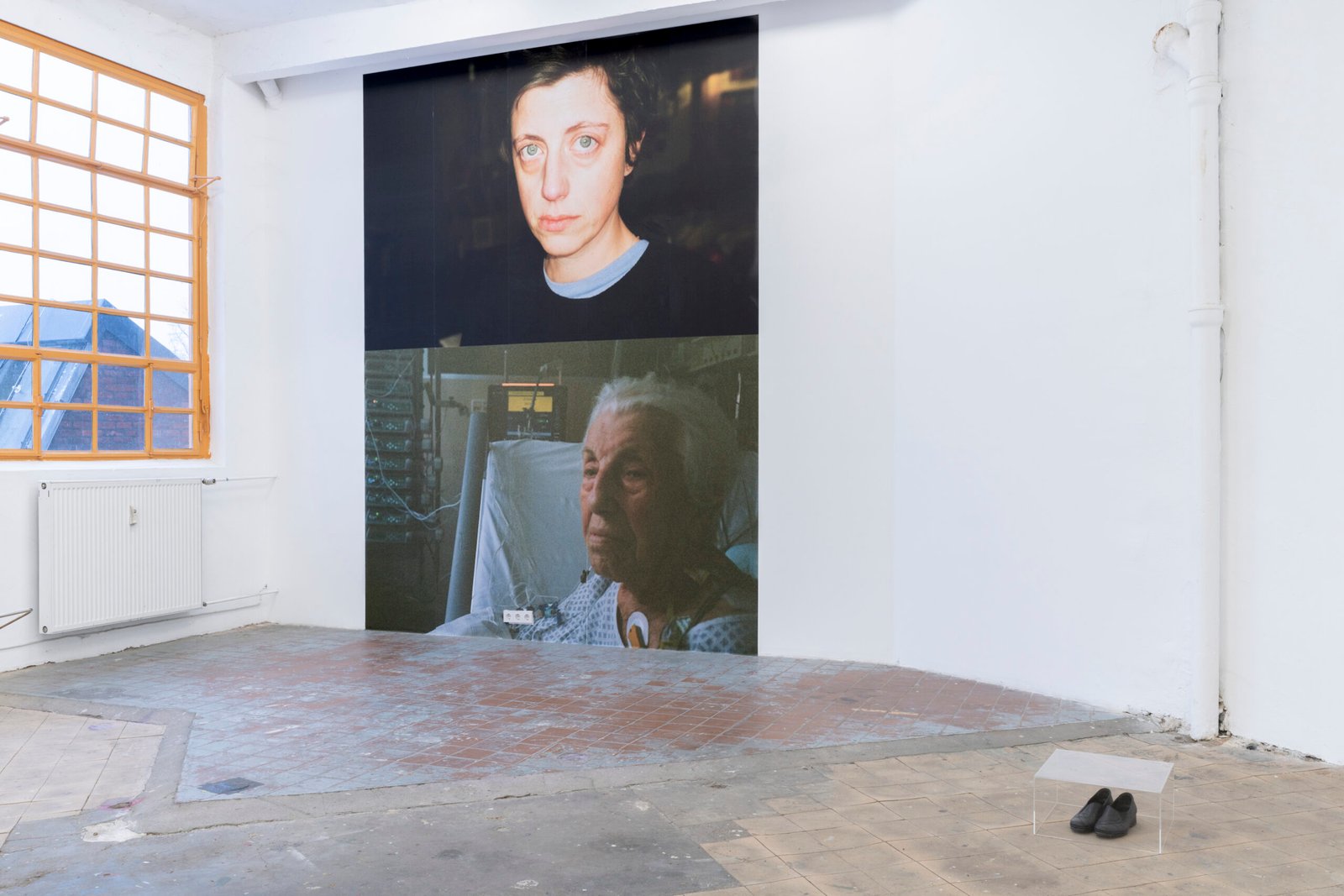
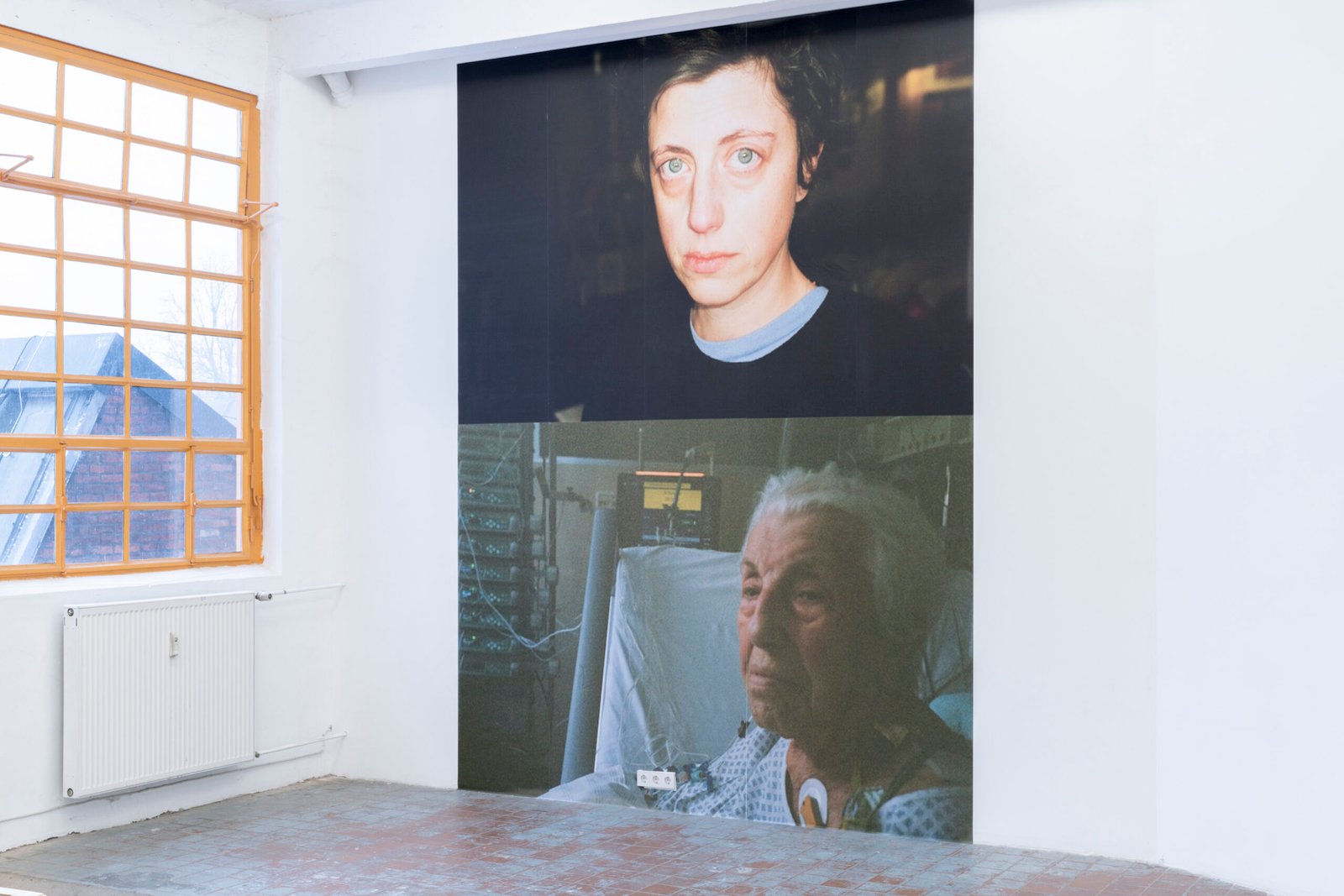
She approaches this void with careful precision. Her analogue photographs of the hospital
where her grandmother was cared for do not depict a farewell drama; rather, they offer a sustai-
ned observation of transition. They document the space where care and institutional coldness
are inextricably intertwined. These images are part of a historical tradition that extends from Jo
Spence‘s radical documentation of her breast cancer to Nan Goldin‘s exploration of loss through
photography, acknowledging that it can never be fully captured.
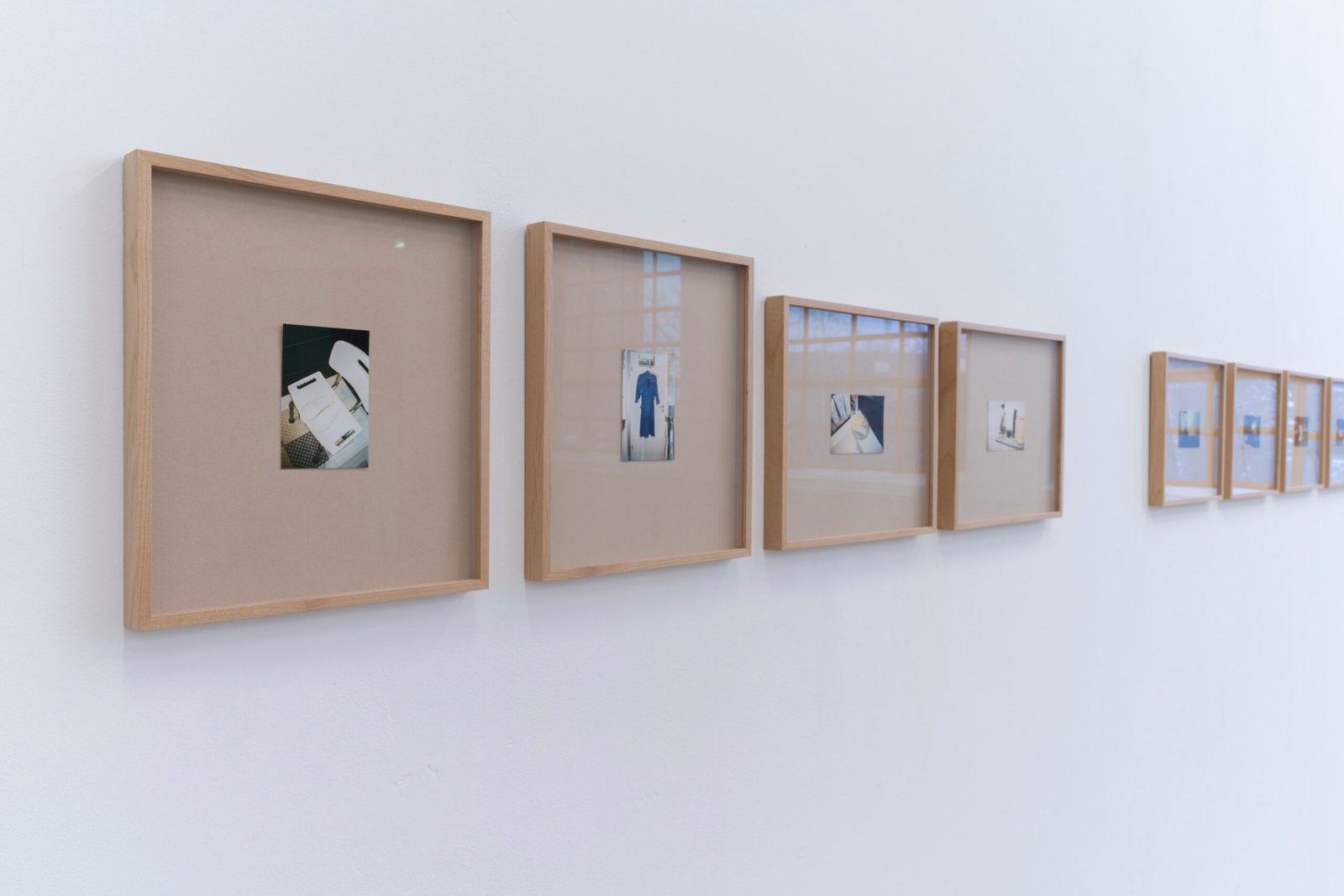
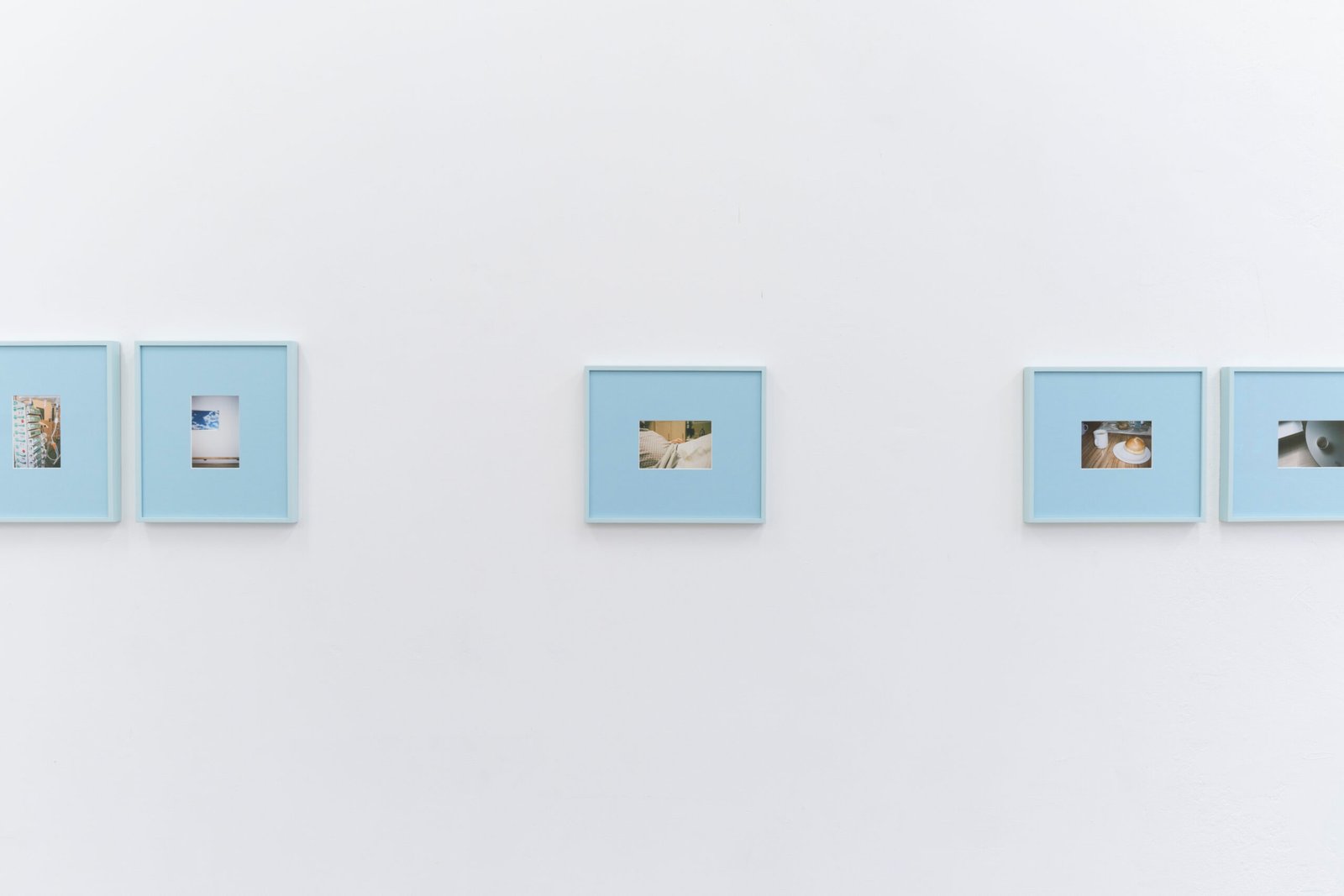
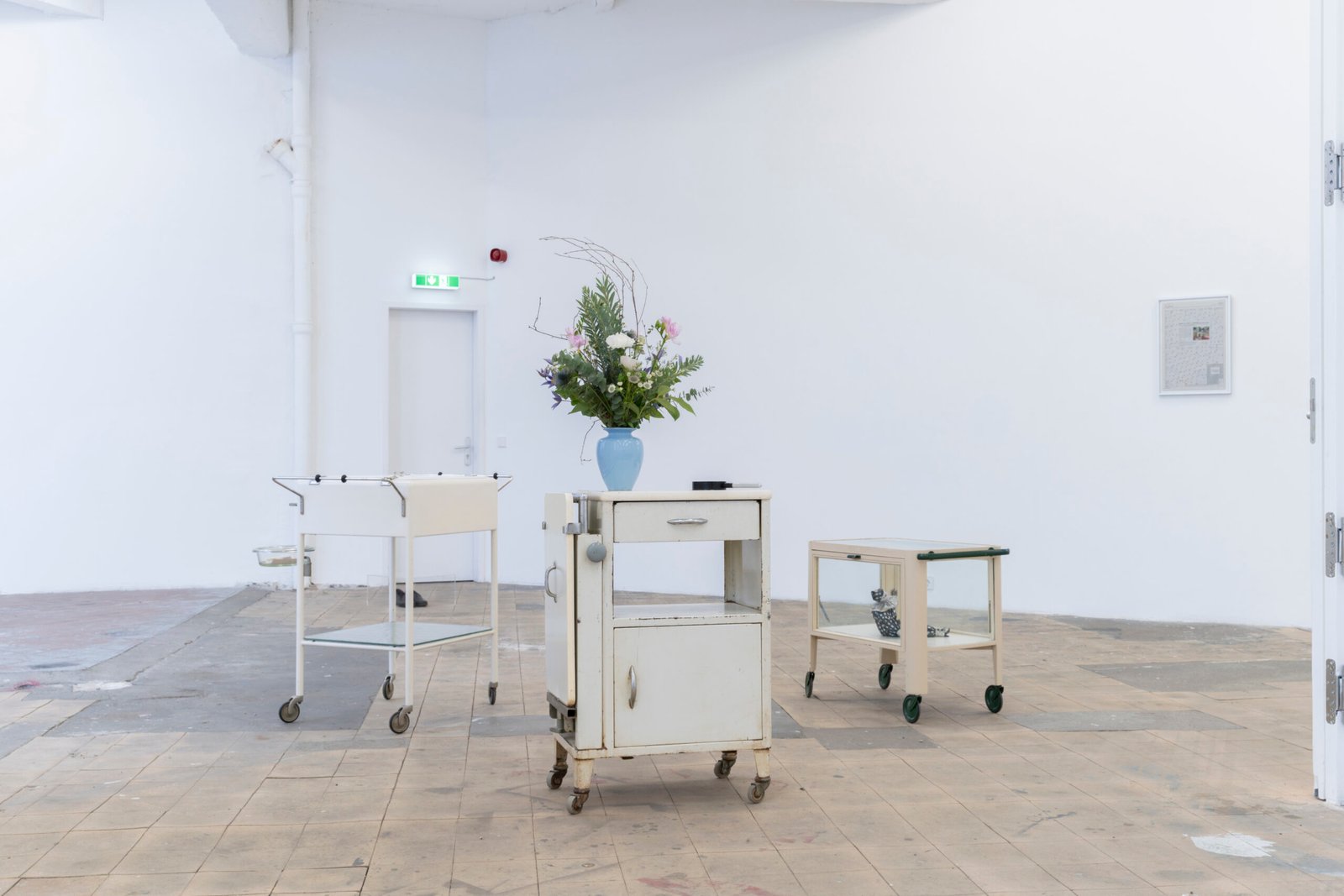
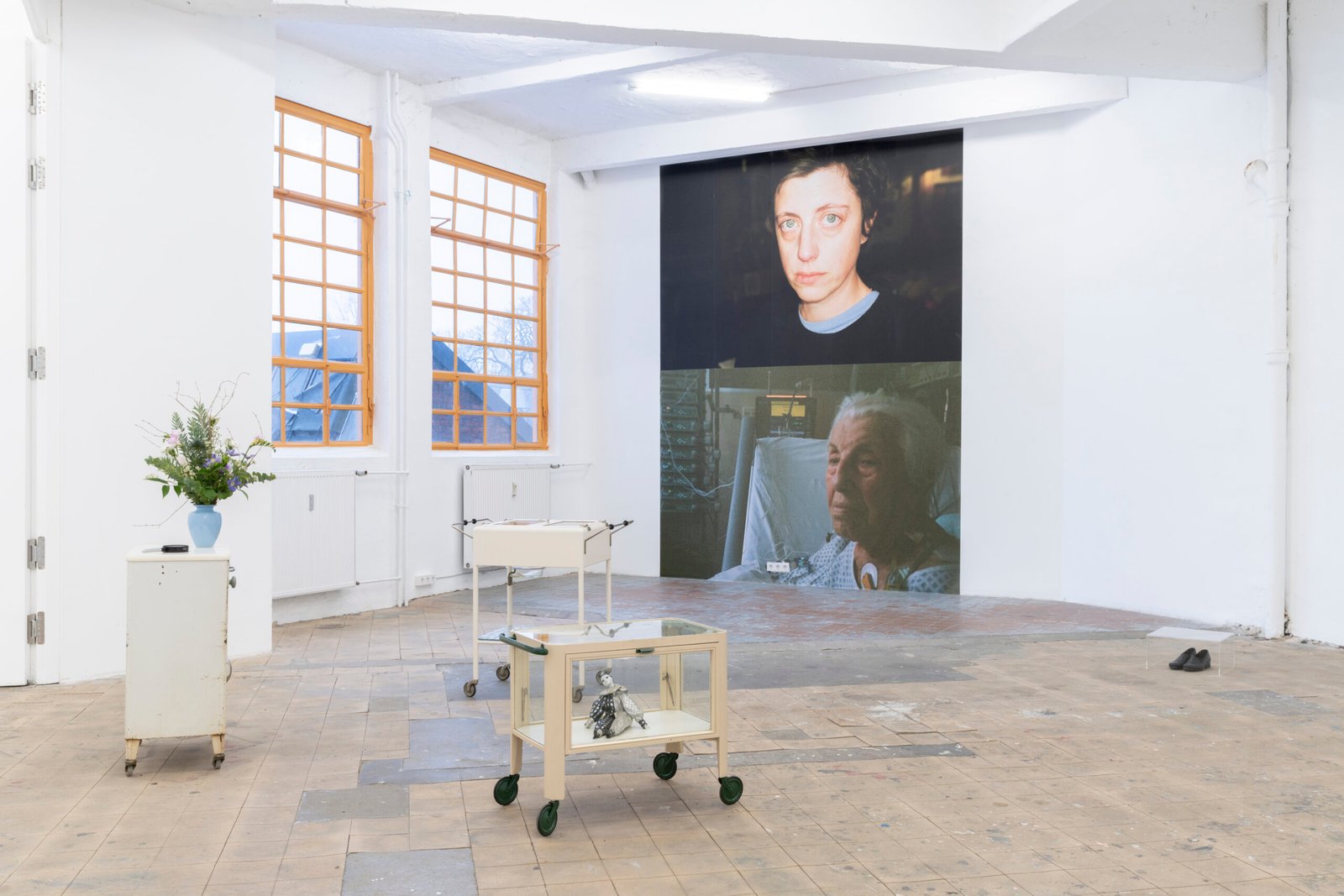
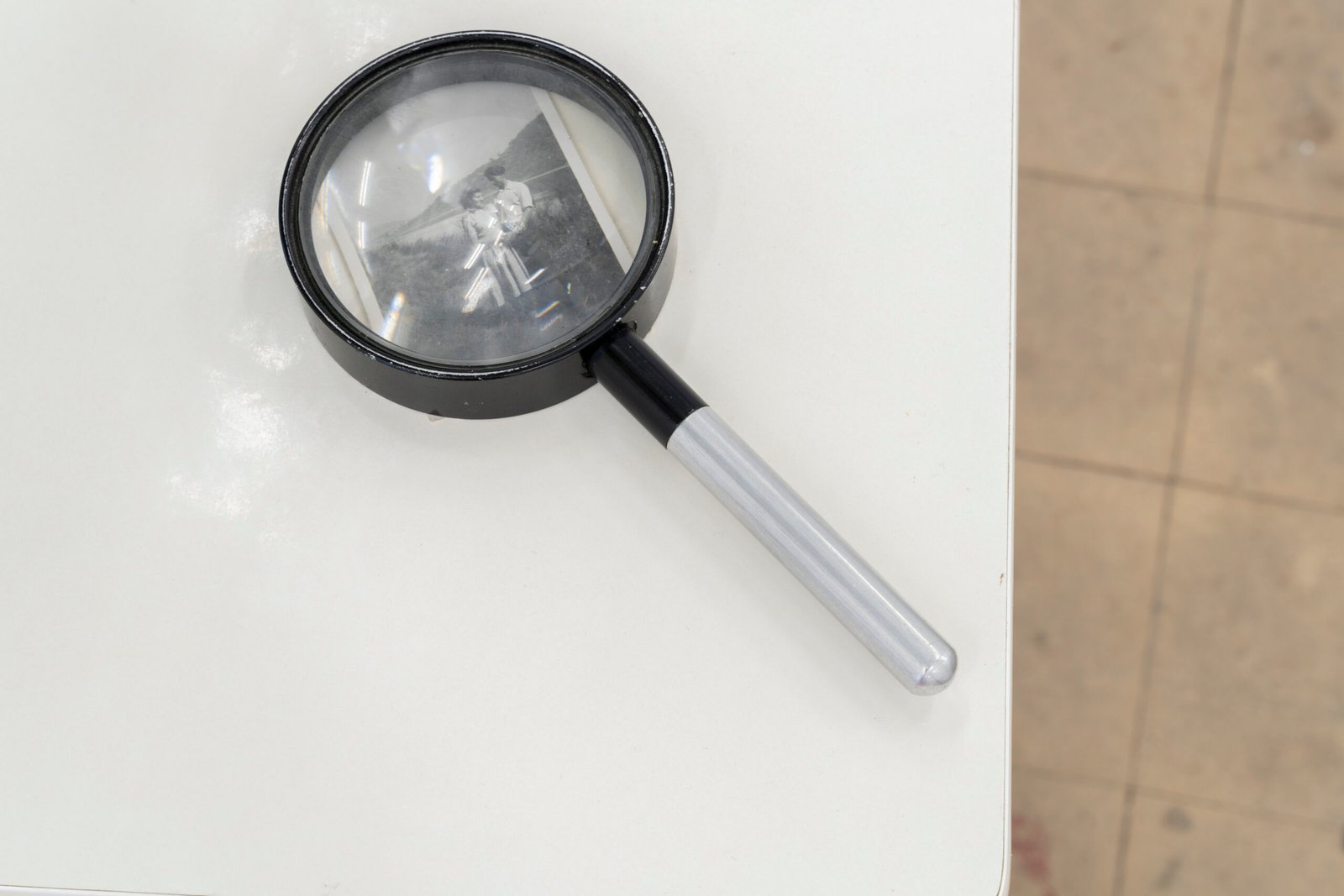
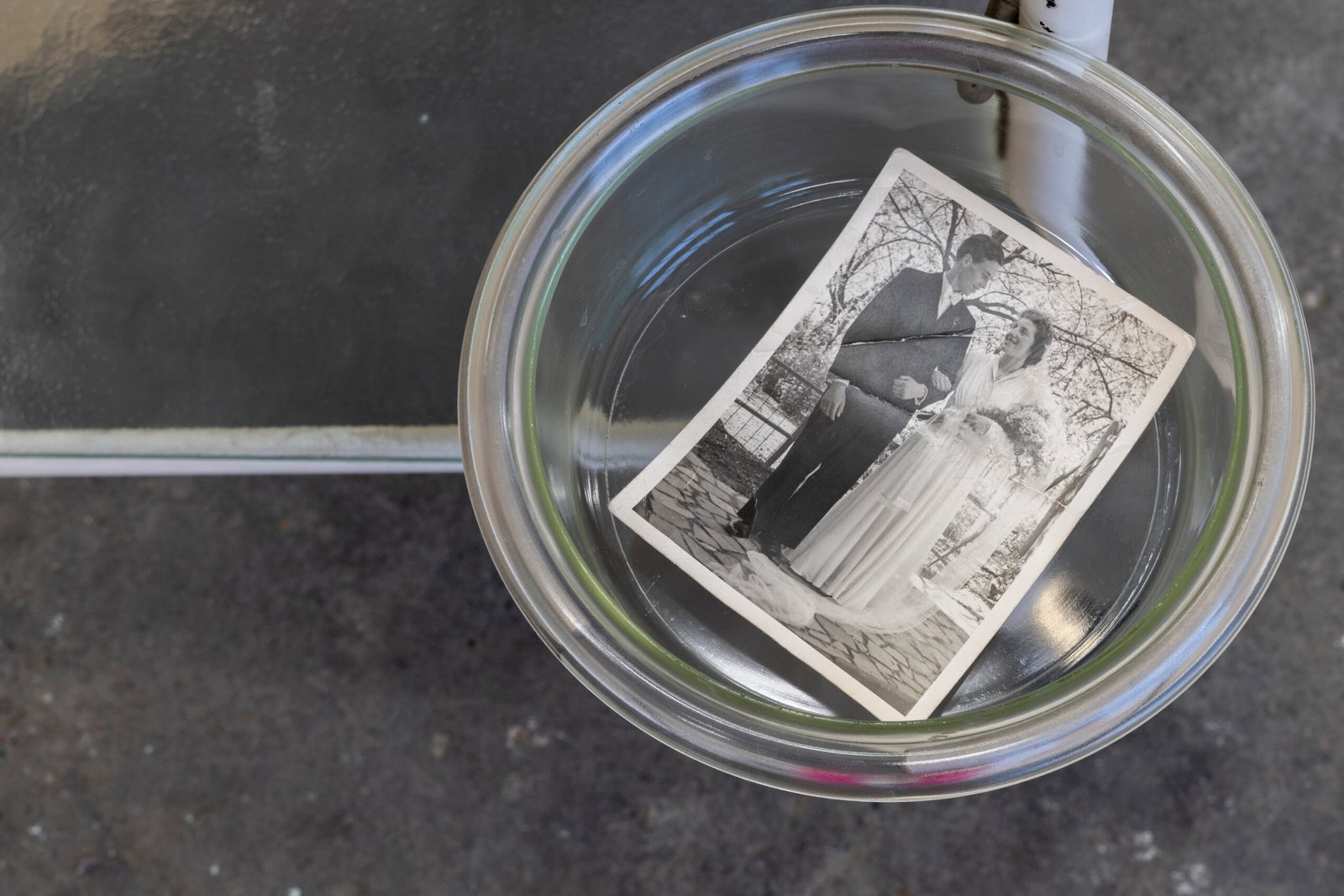
This exploration of traces continues in the photographs taken in the grandmother‘s apartment.
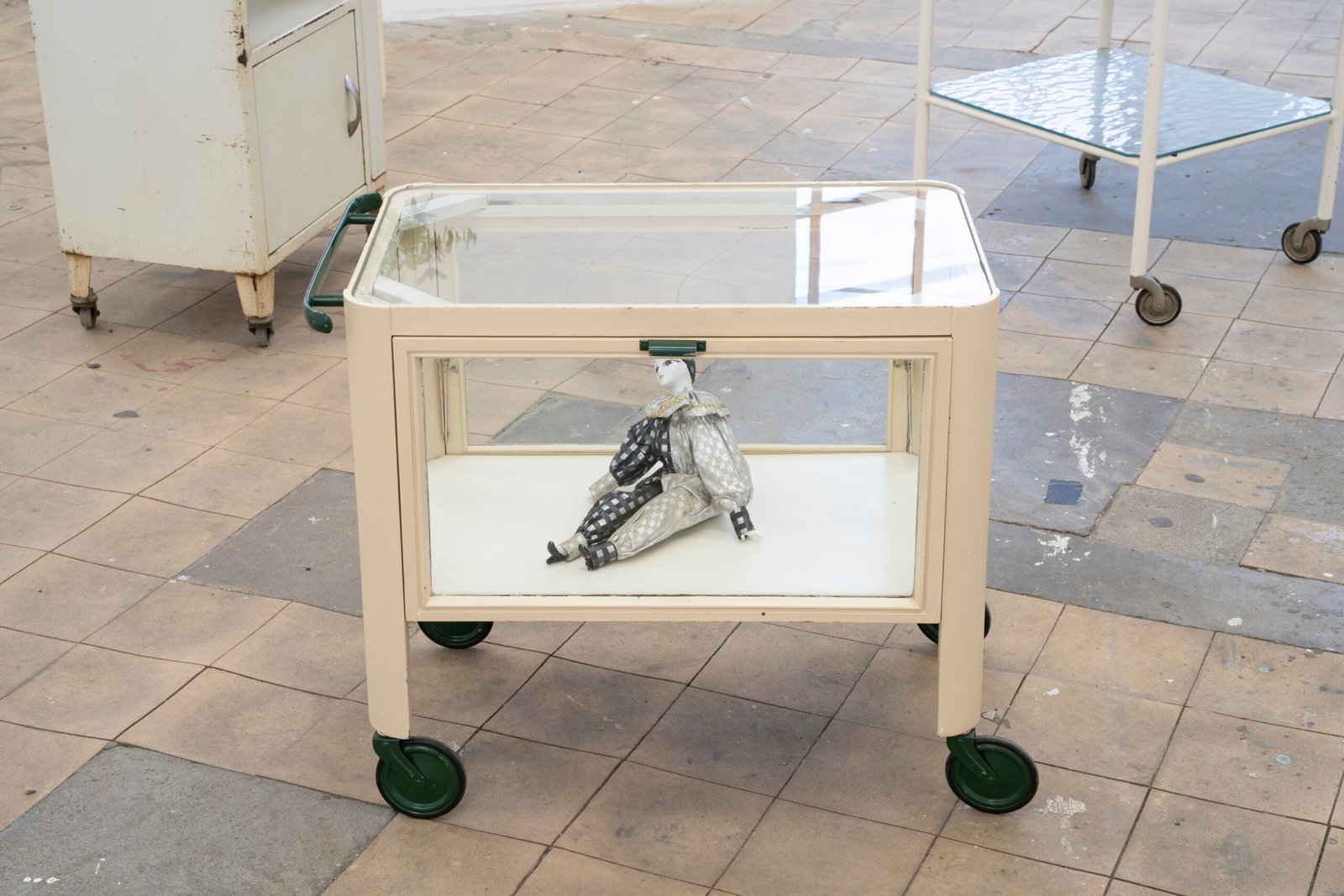
Here, Legouez presents objects as sedimented time: garments, care products, furniture and cos-
metic items. They are testimonies of a life inscribed into materials. The domestic space becomes
an archive — intimate yet pointing beyond itself. This mode of visibility situates Legouez within
a feminist tradition in which private experience is not treated as sentimental residue but as a
politically significant site where structural power relations become legible, and accordingly, the
political dimension of Your Empty Chair is clearly articulated.
The proposed abolition of Care Level 1 in Germany would affect around 860,000 people, highl-
ighting how quickly individuals who depend on care can be reduced to a cost. In this context,
Legouez draws on Joan Tronto’s theory of care, which views care work as the foundation of
society and an area where inequalities are particularly evident.
Legouez‘s earlier work, such as the artist‘s book The Cure, in which domestic violence is ana-
lysed as a structural issue through a collection of documents, photographs and notes, already
demonstrates her documentary-conceptual approach. This approach is evident again in Your
Empty Chair, where evidence, fragments of memory, and open wounds are interwoven. In Legou-
ez’s work, individuals become mirrors of social orders.
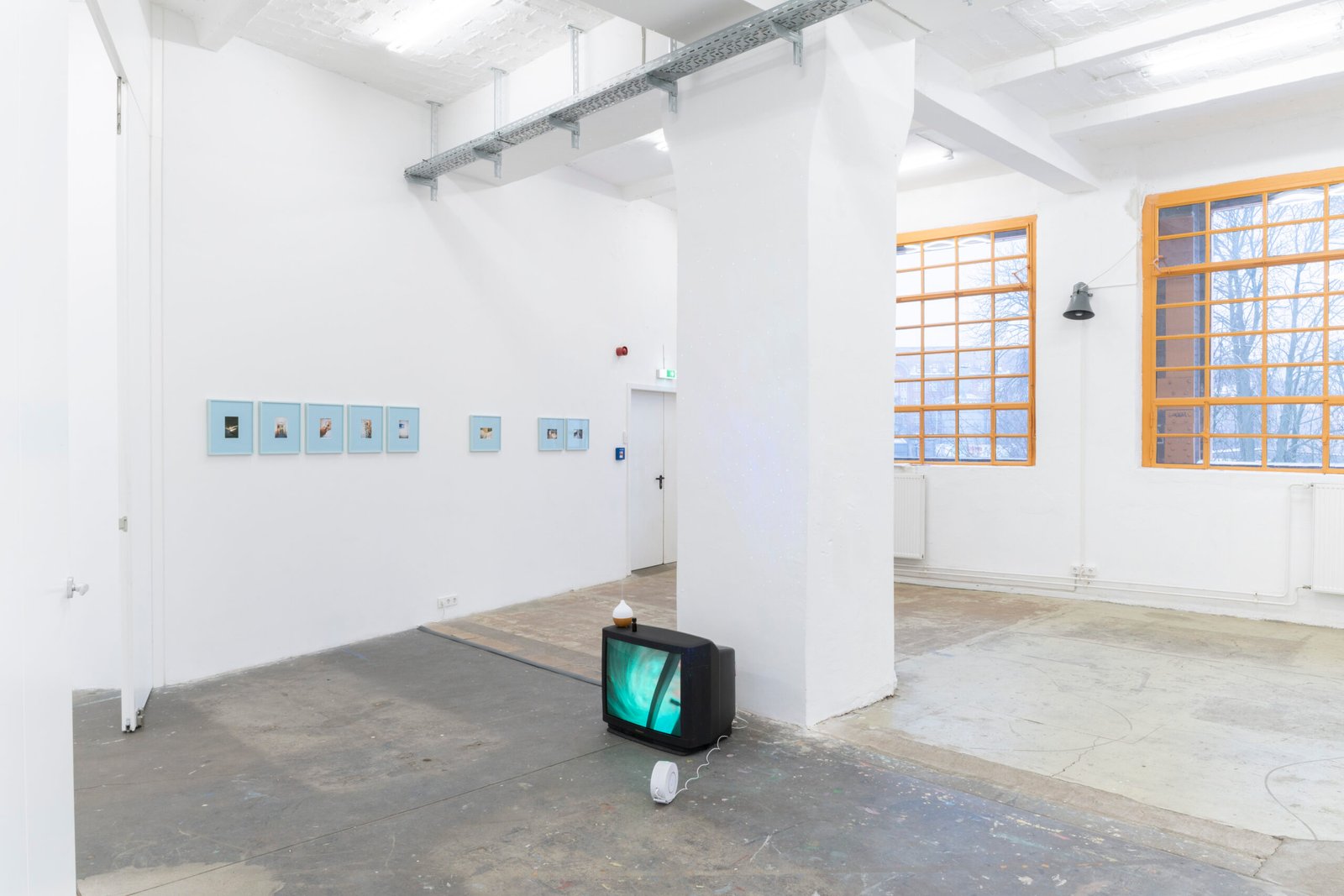
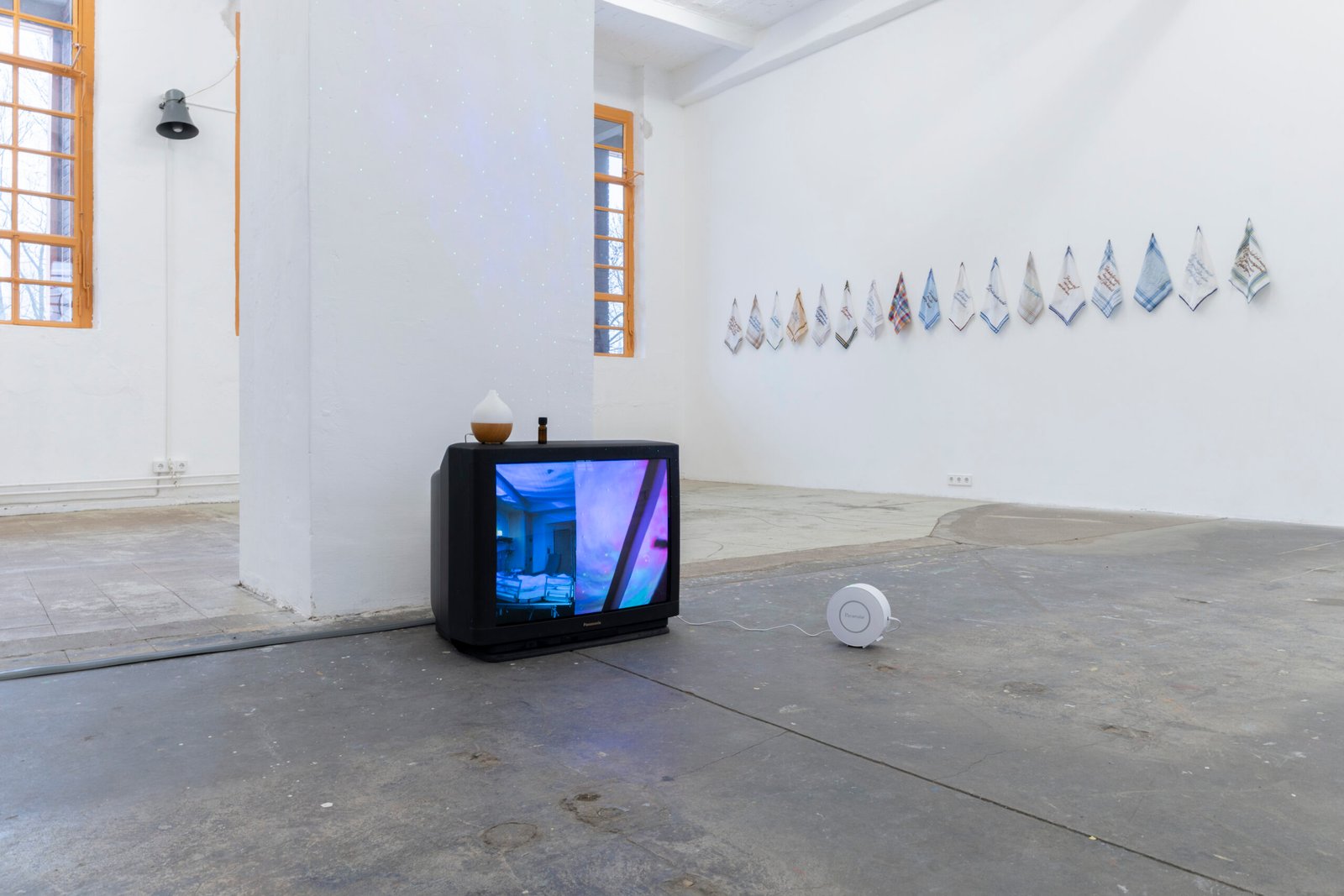
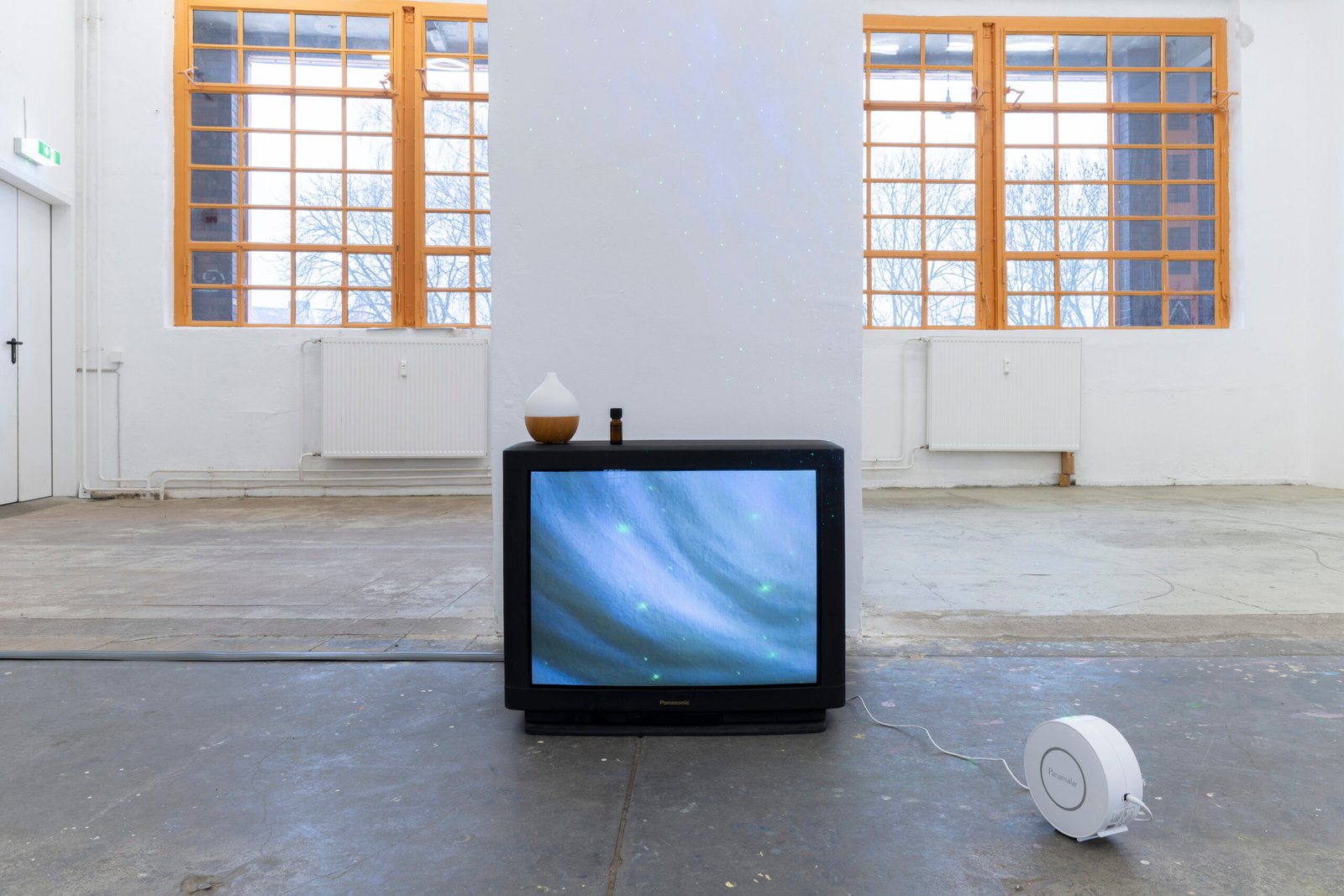
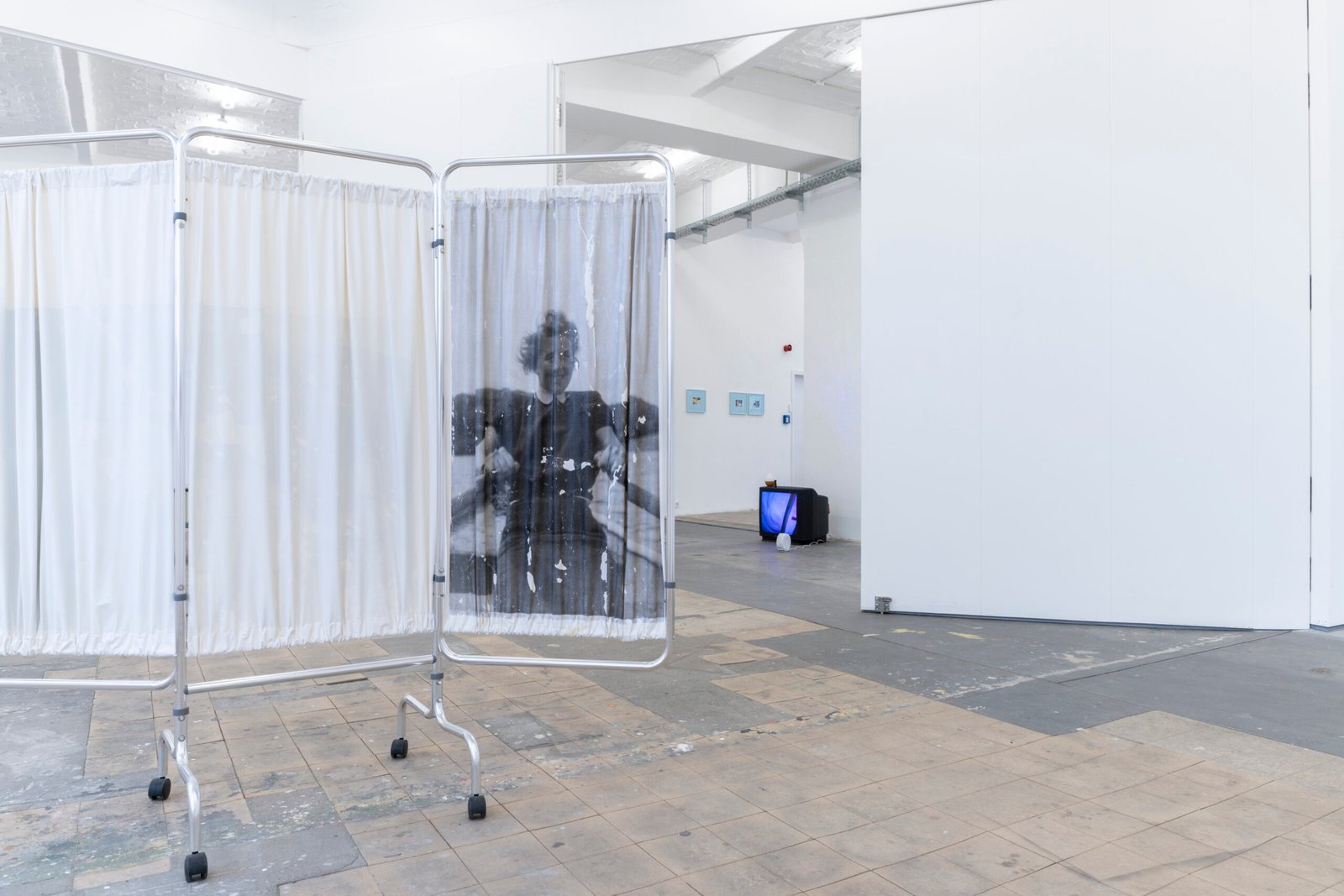
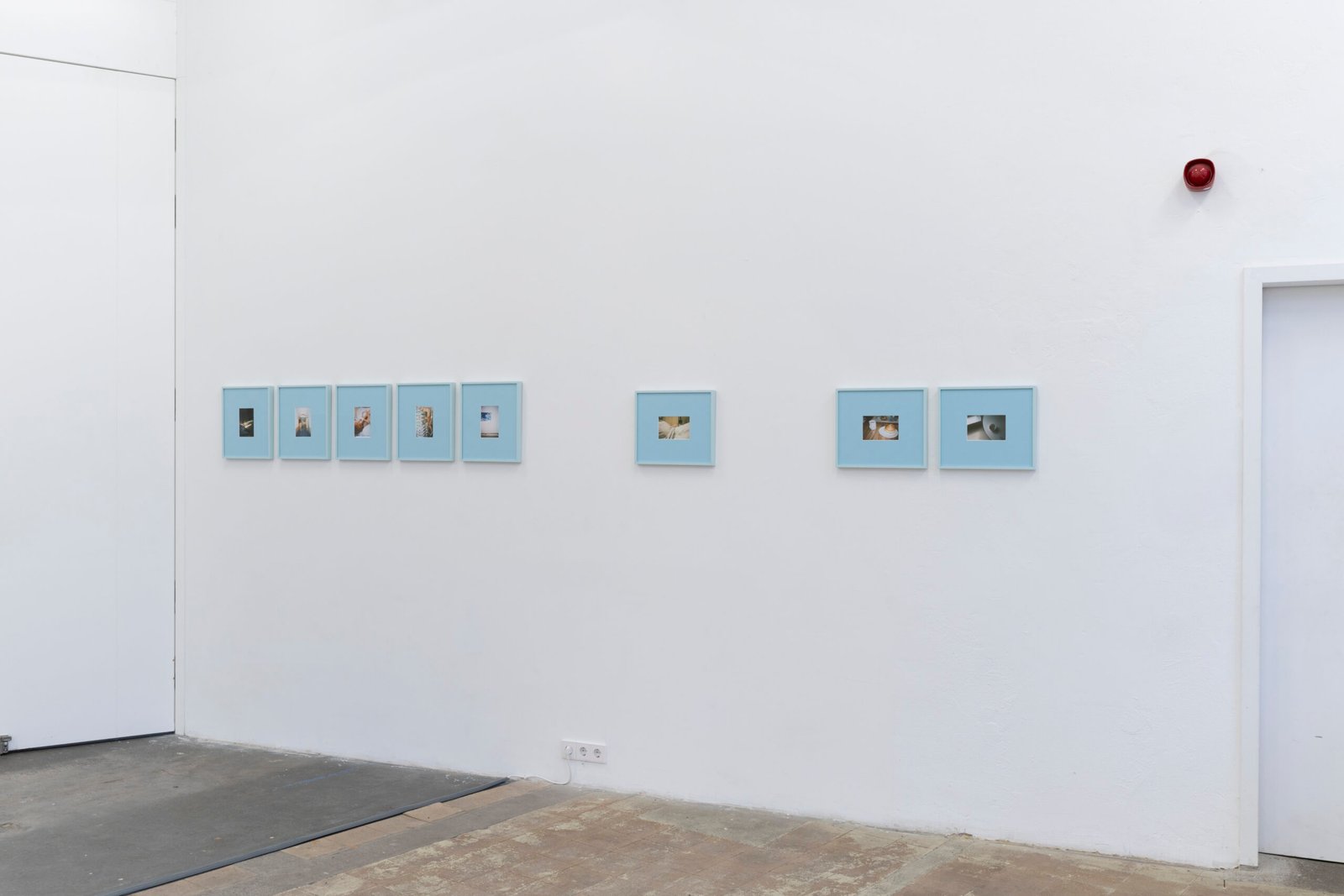
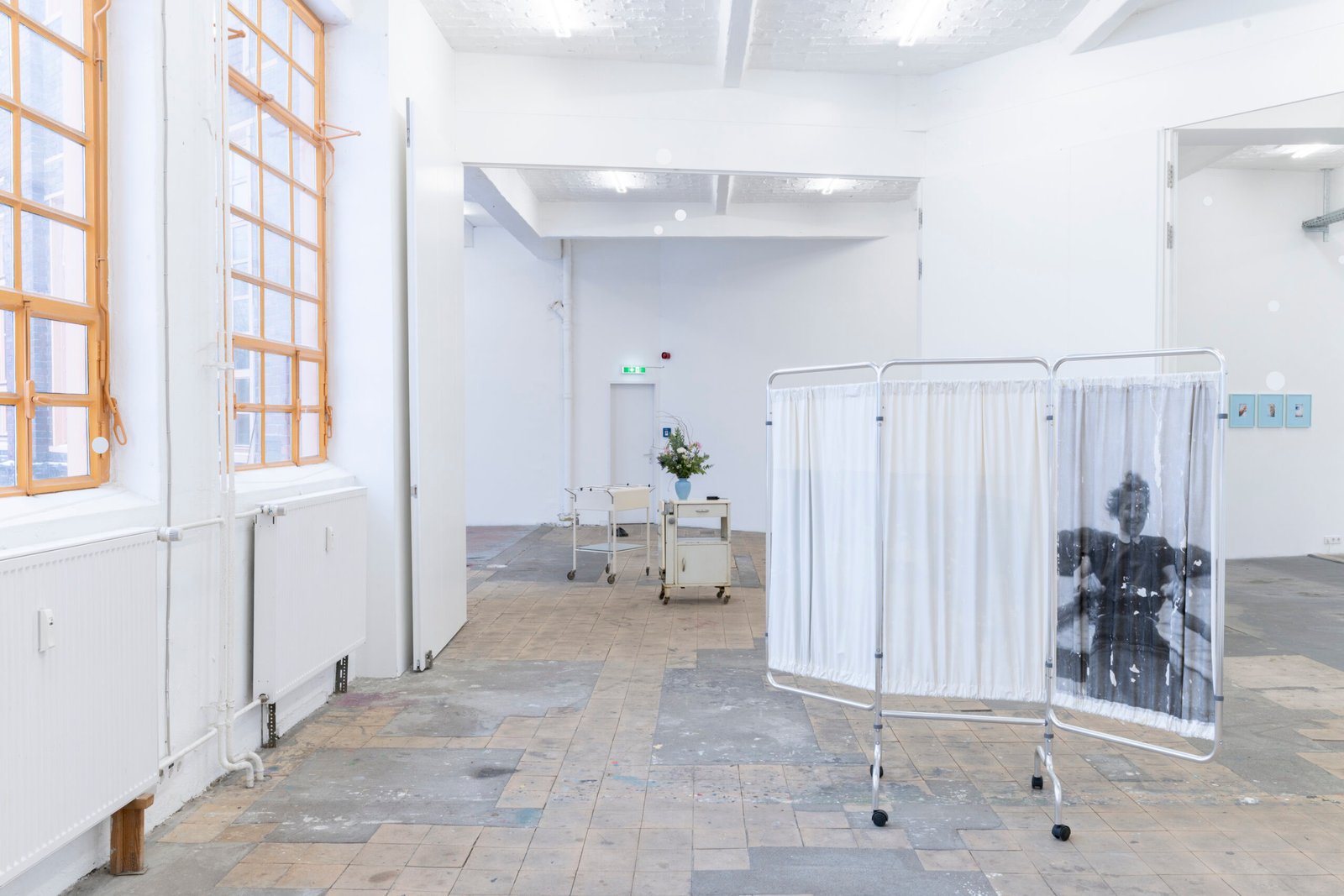
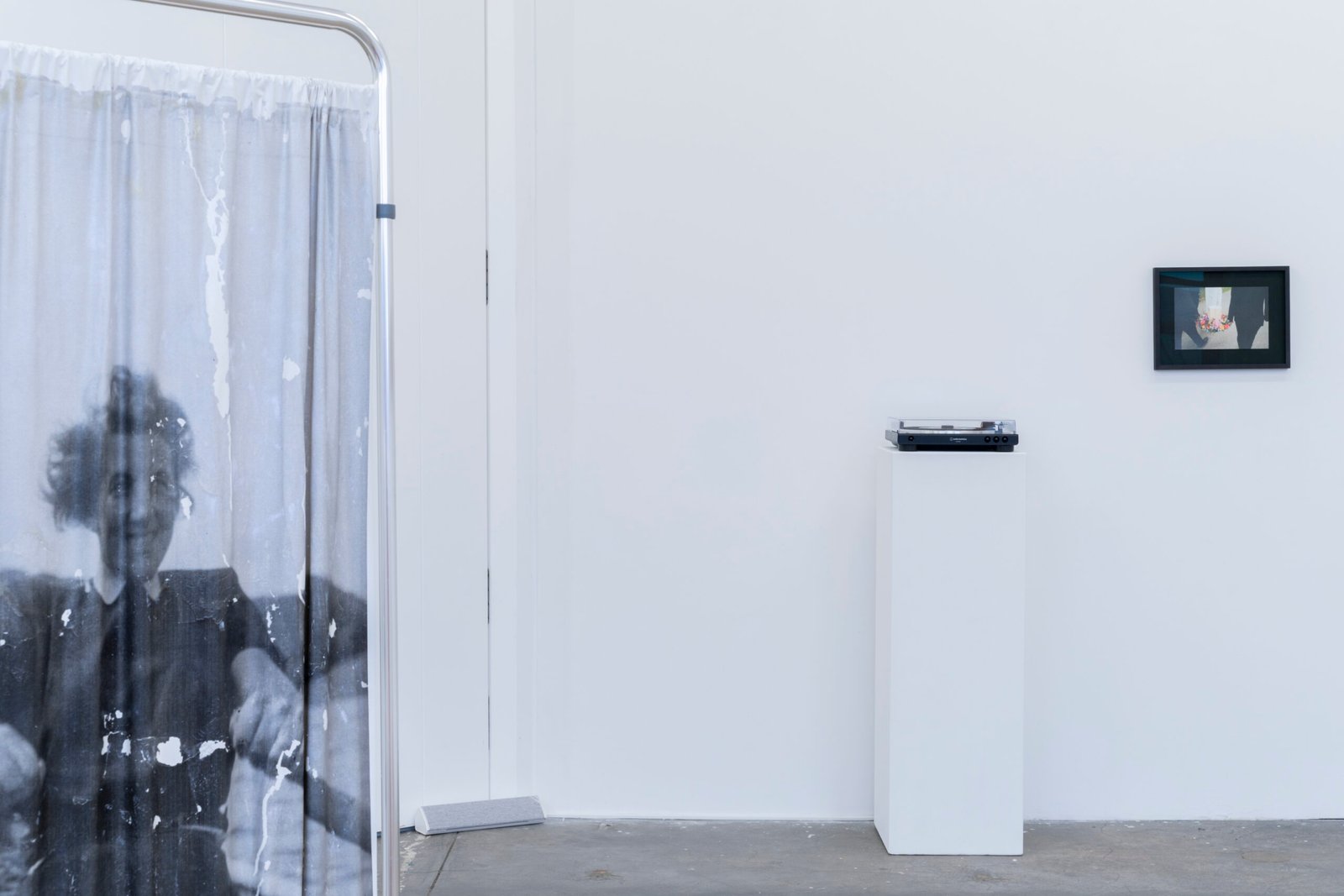
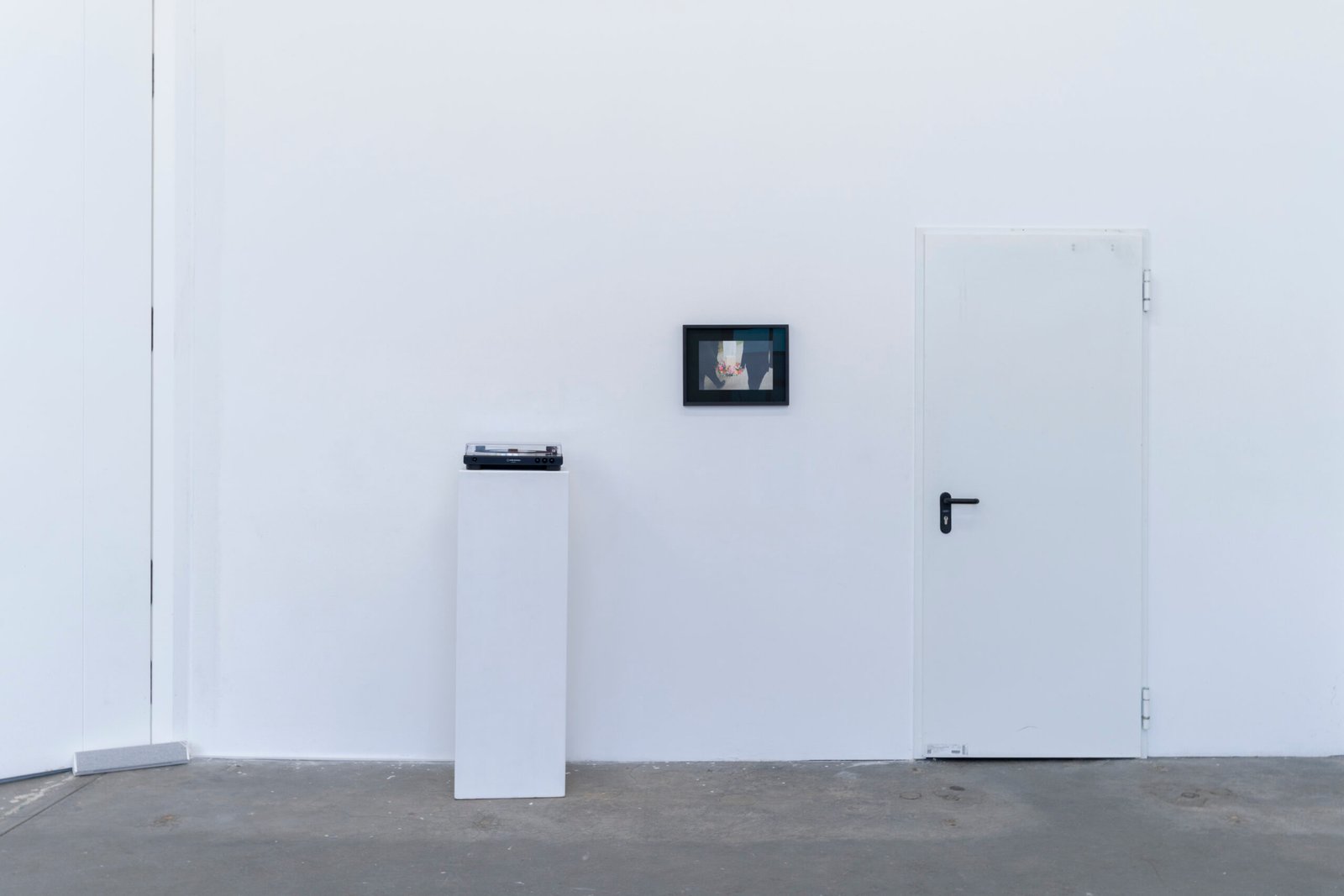
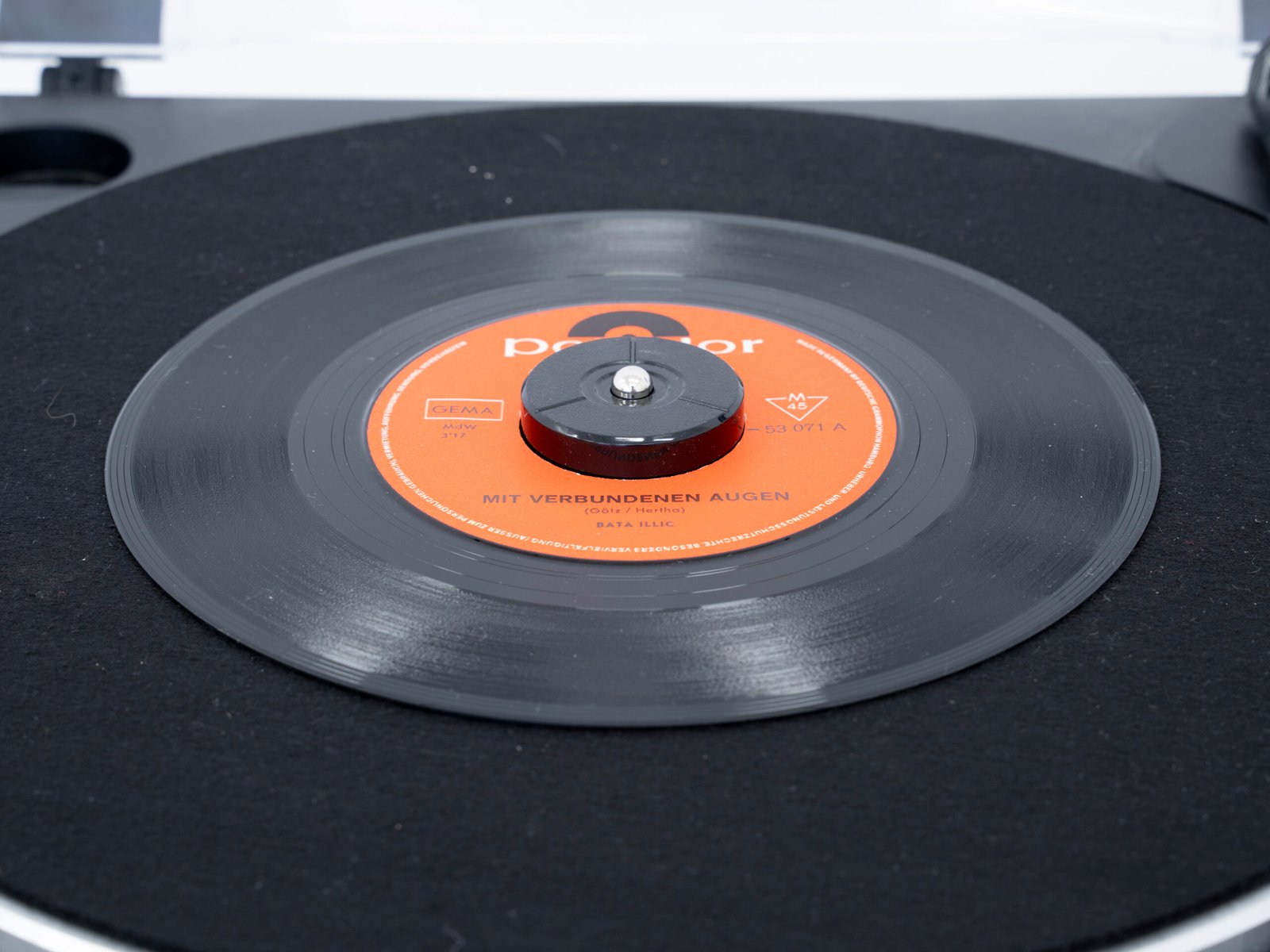
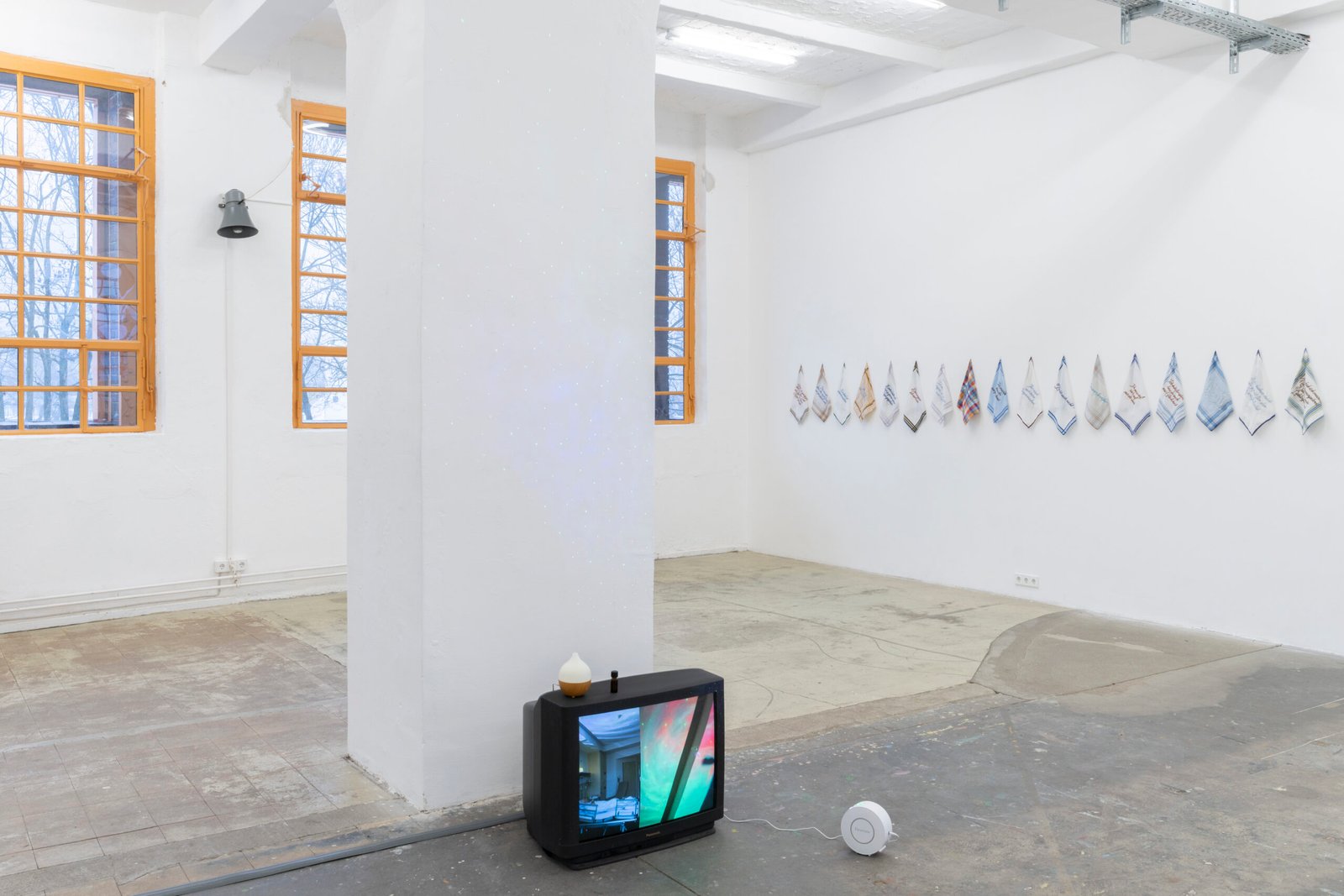
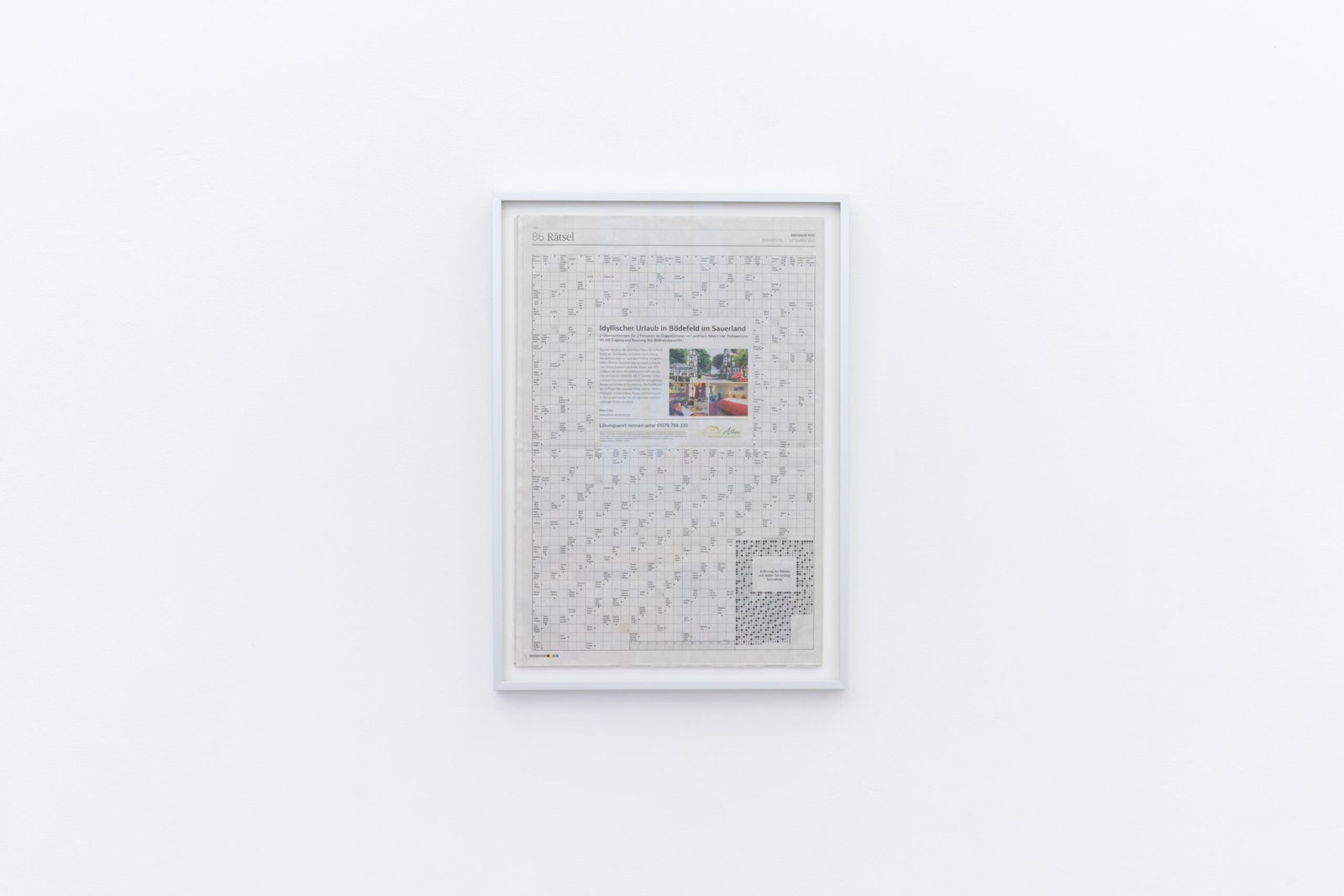
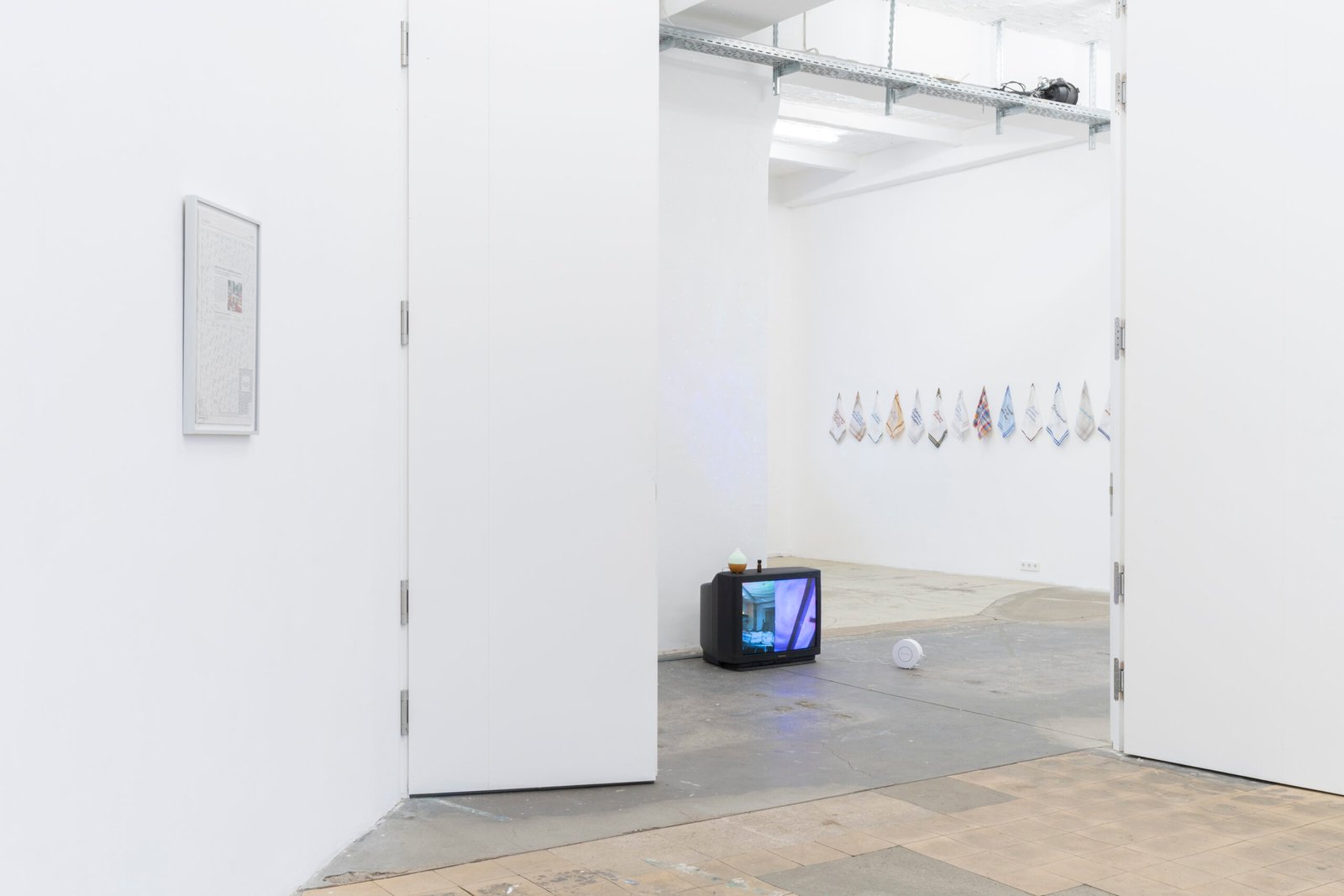
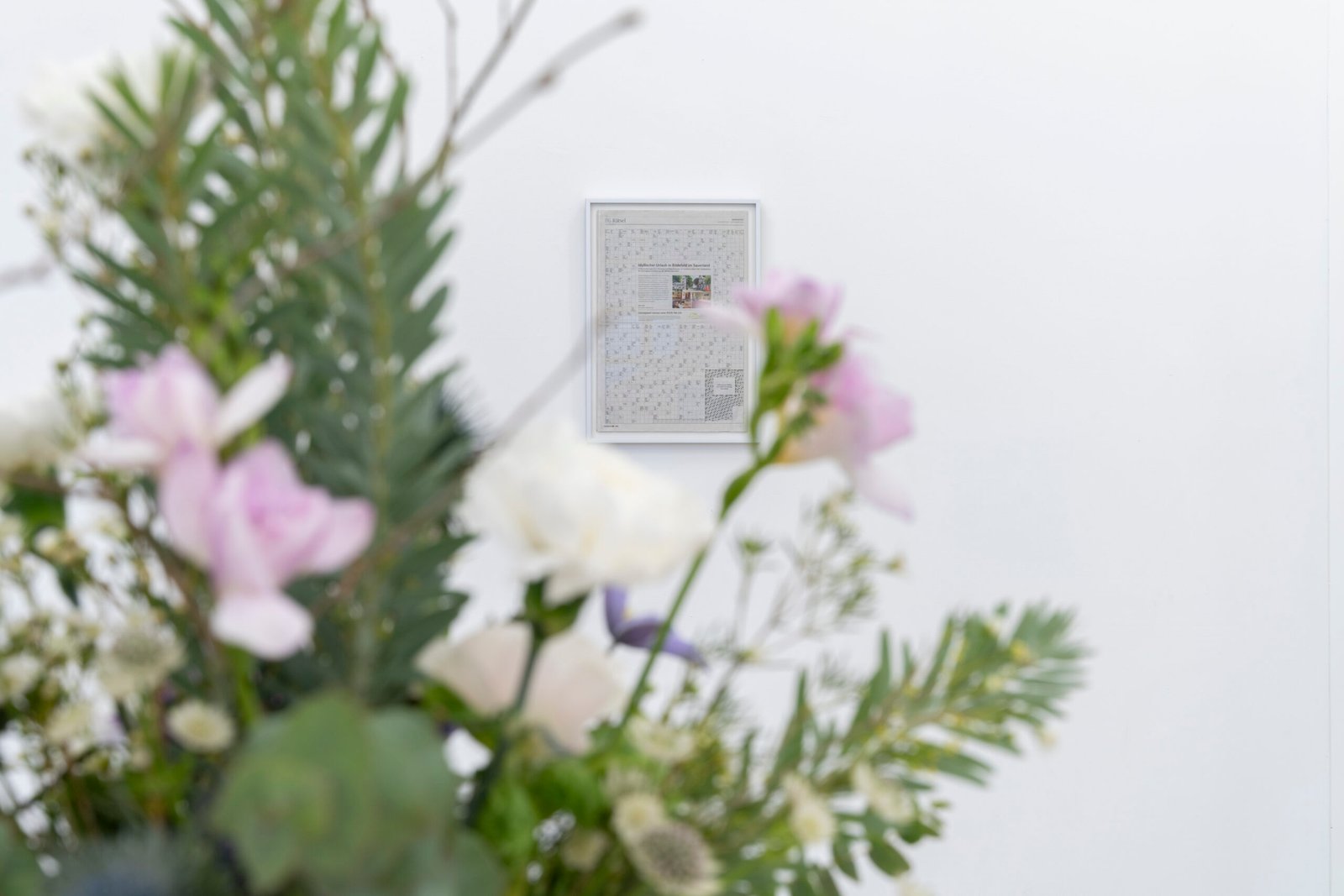
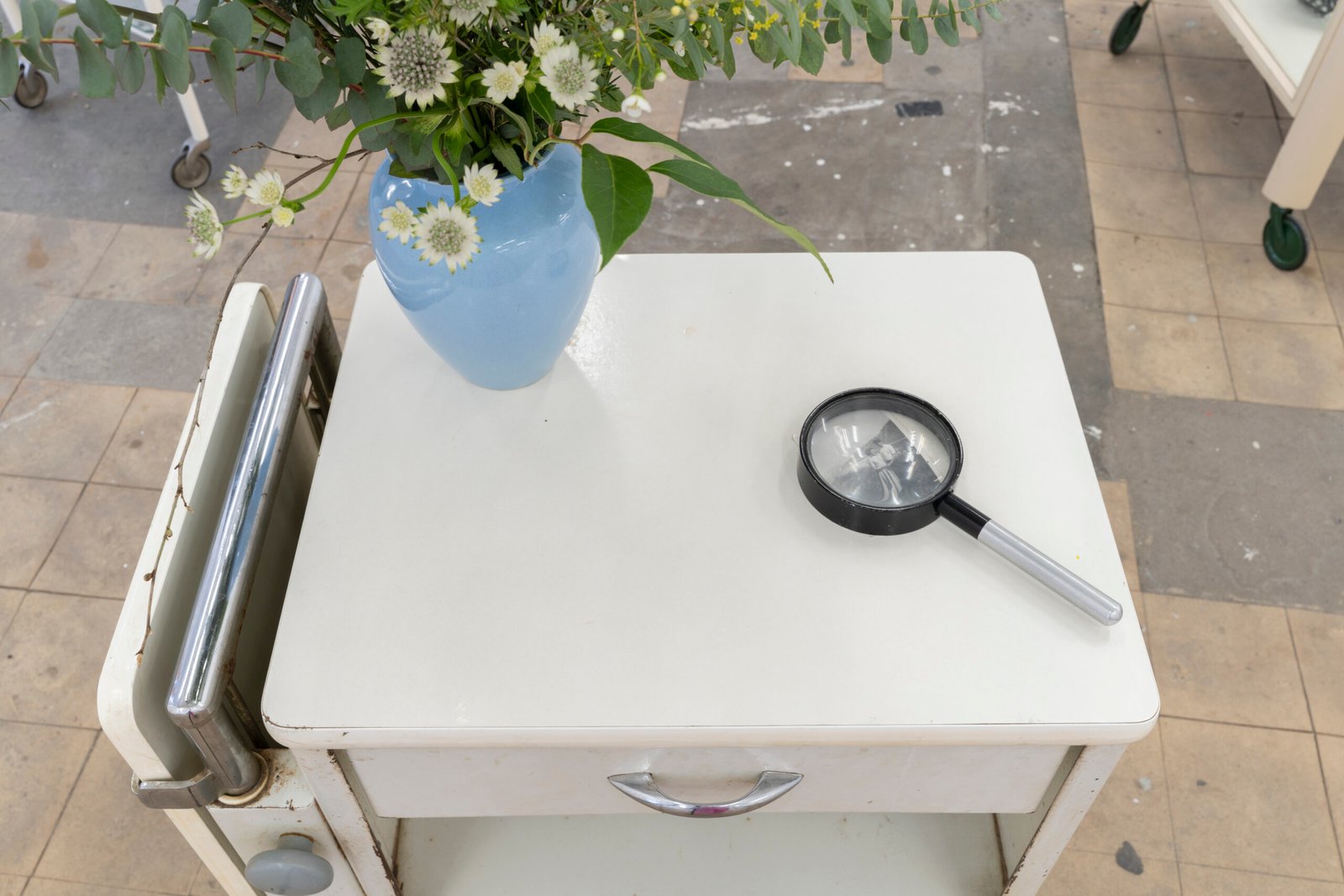
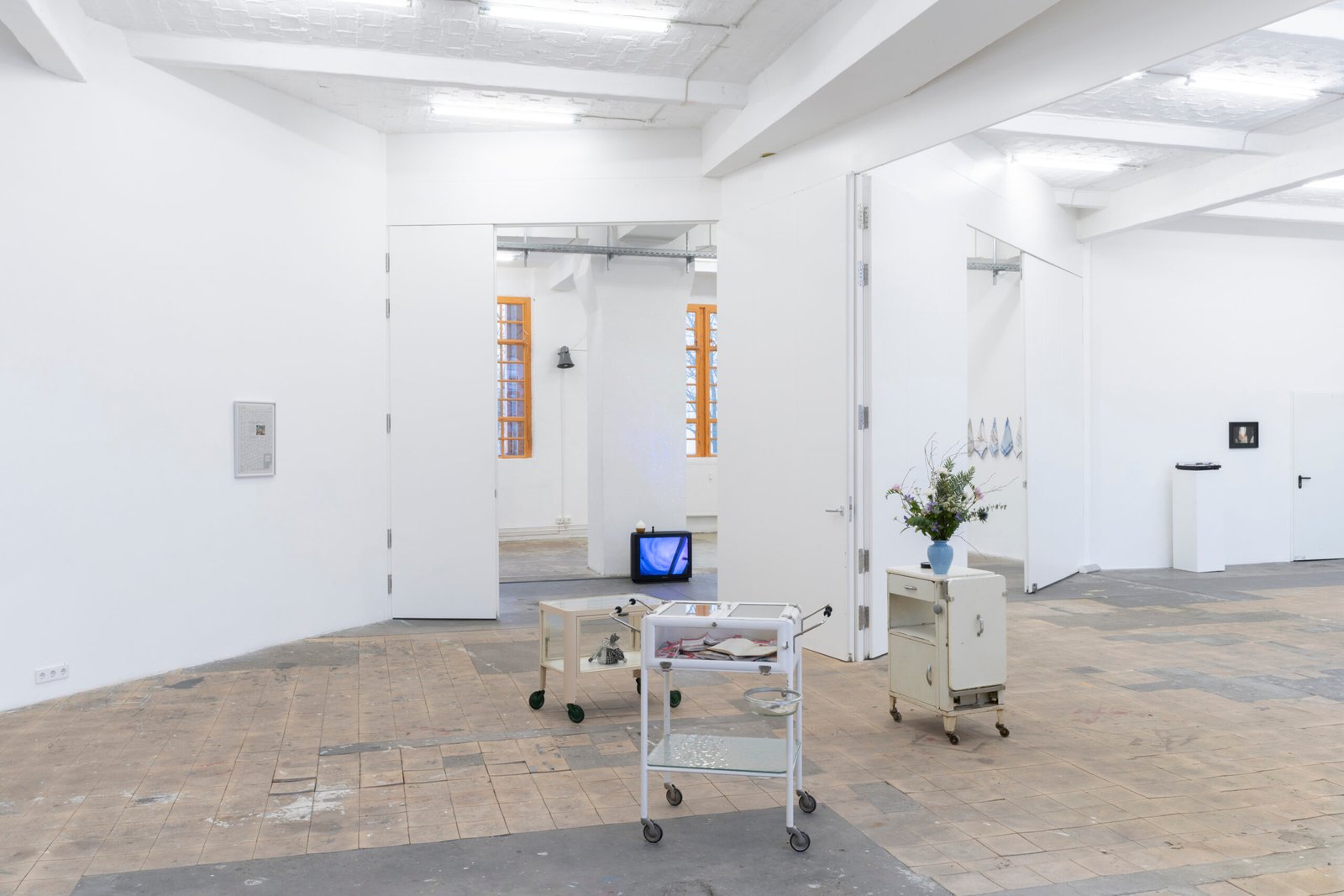
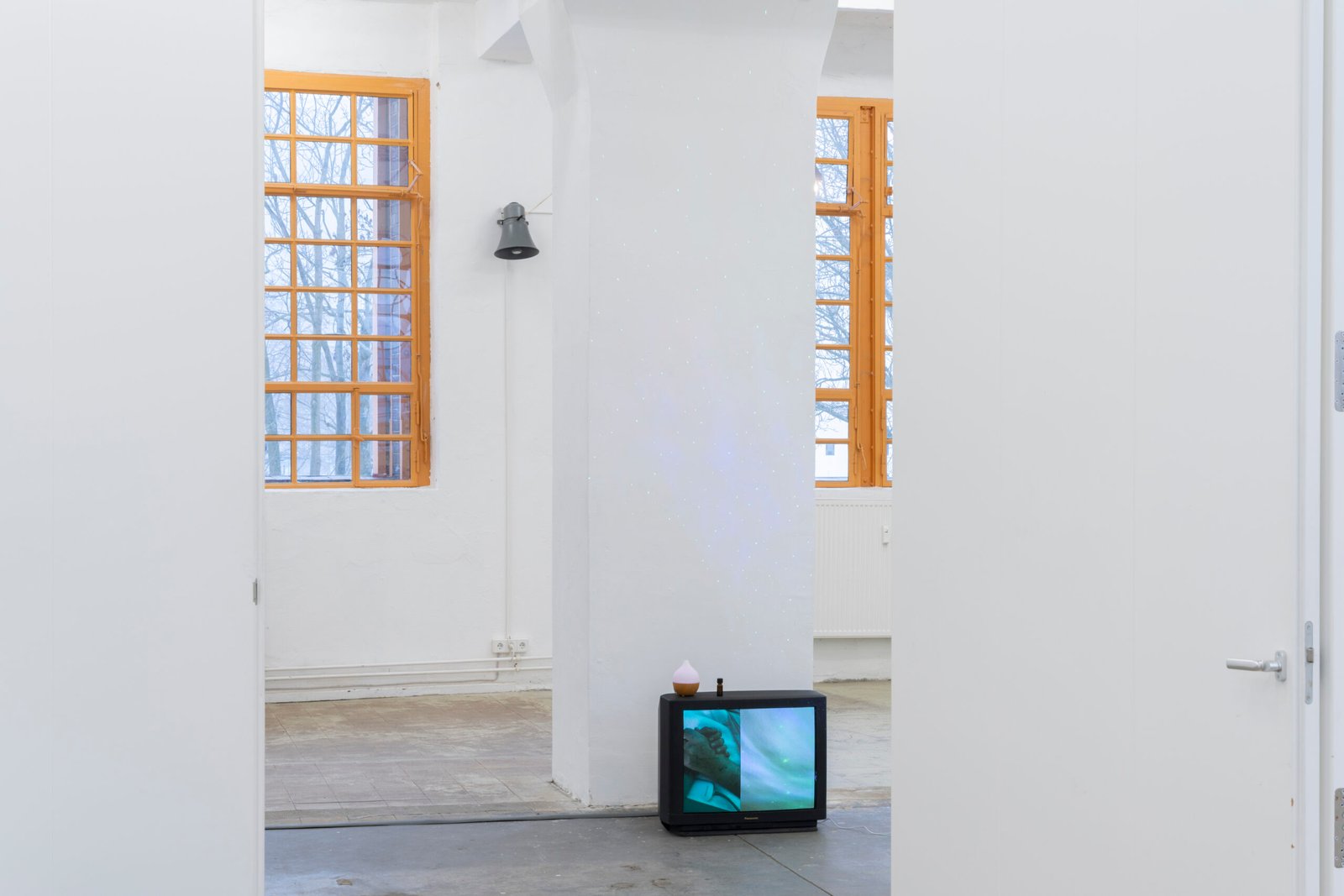
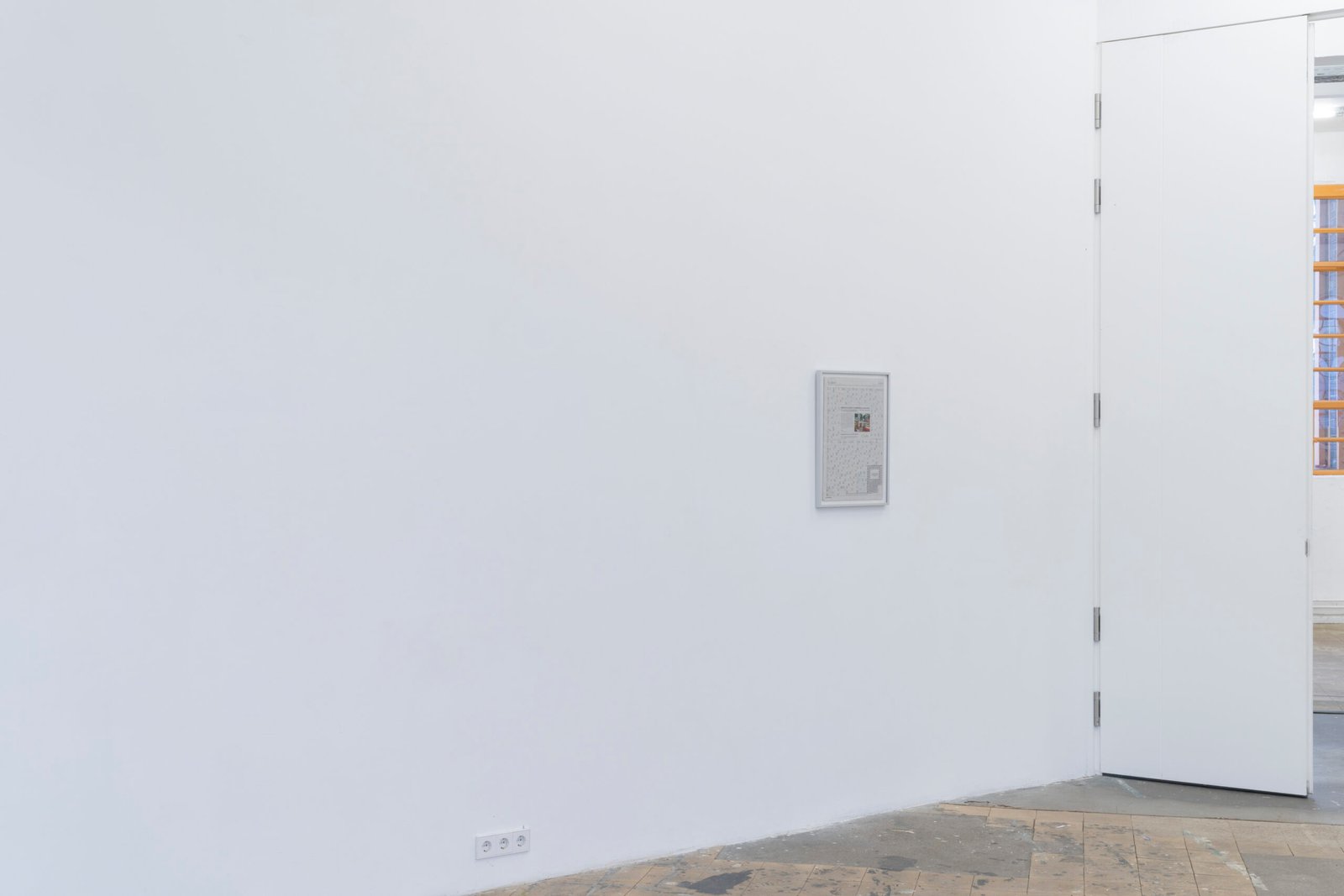
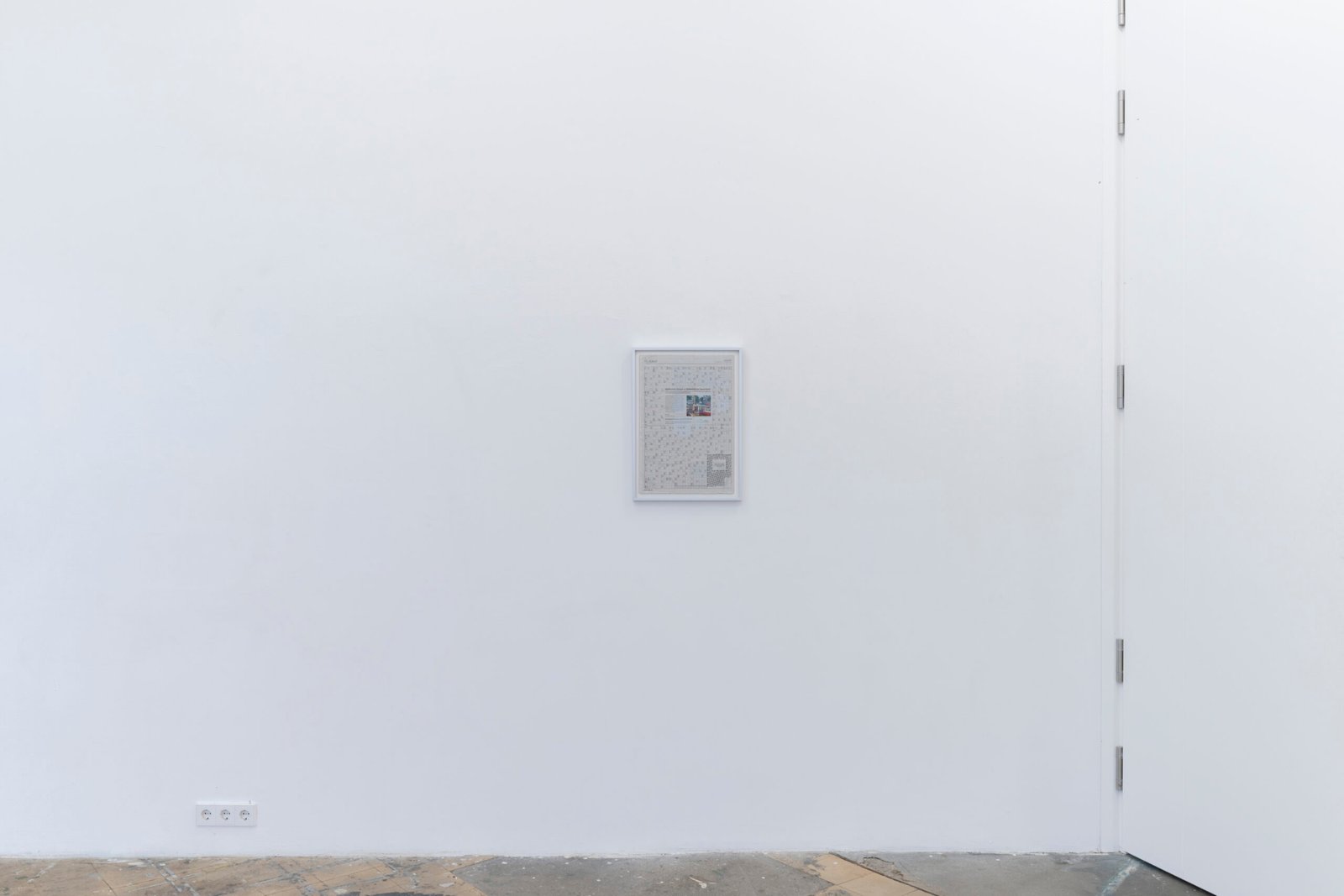
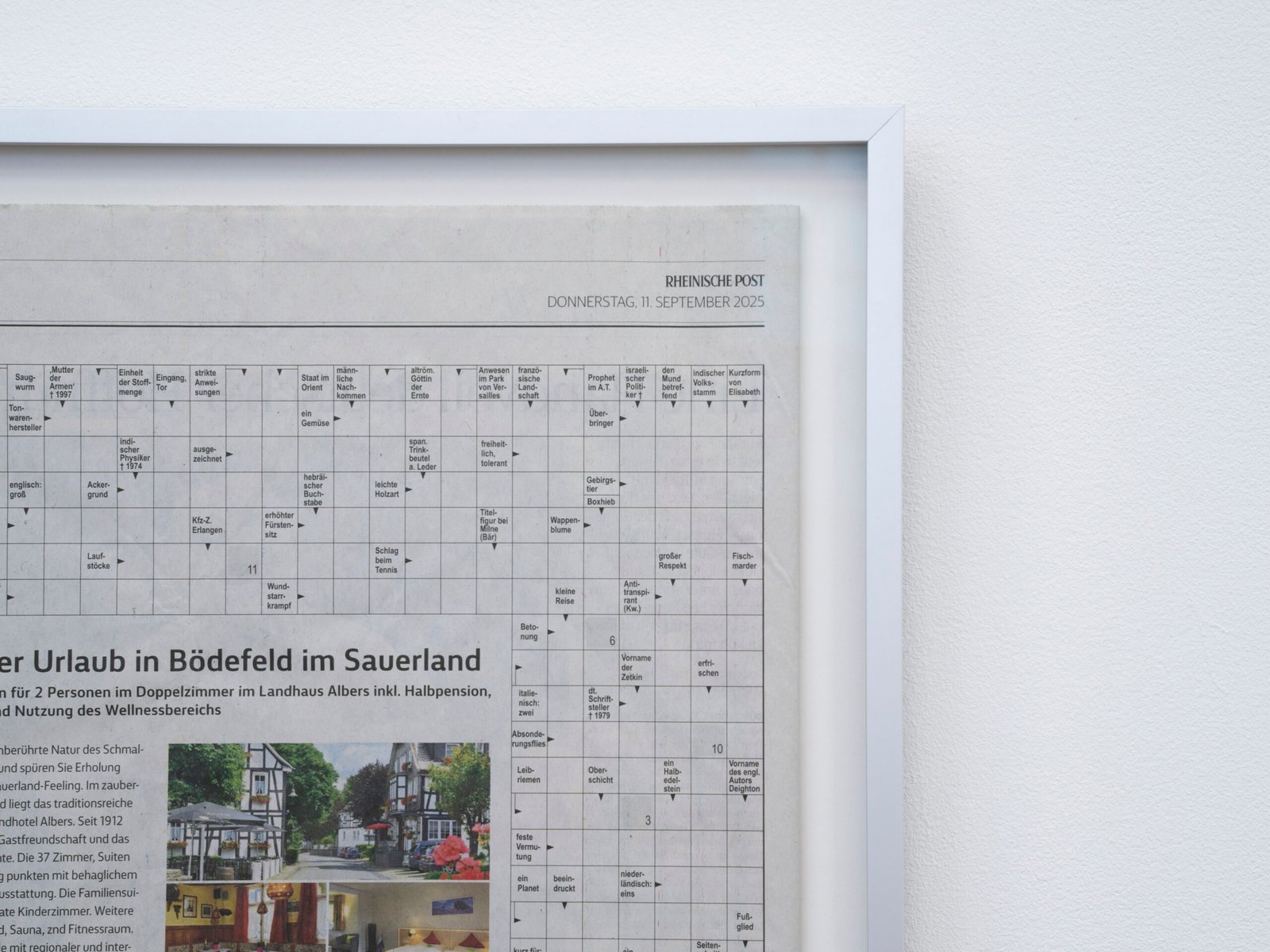
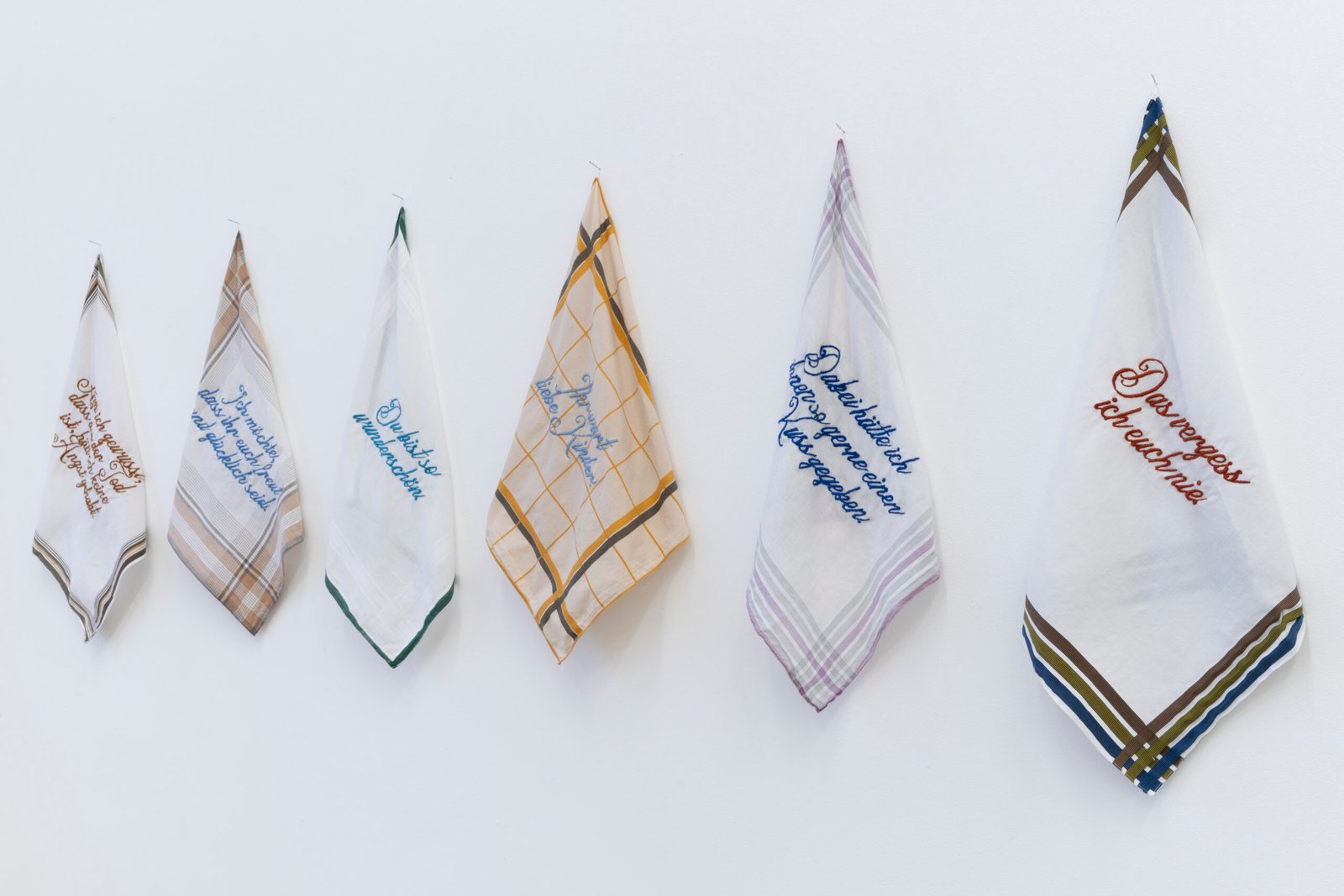
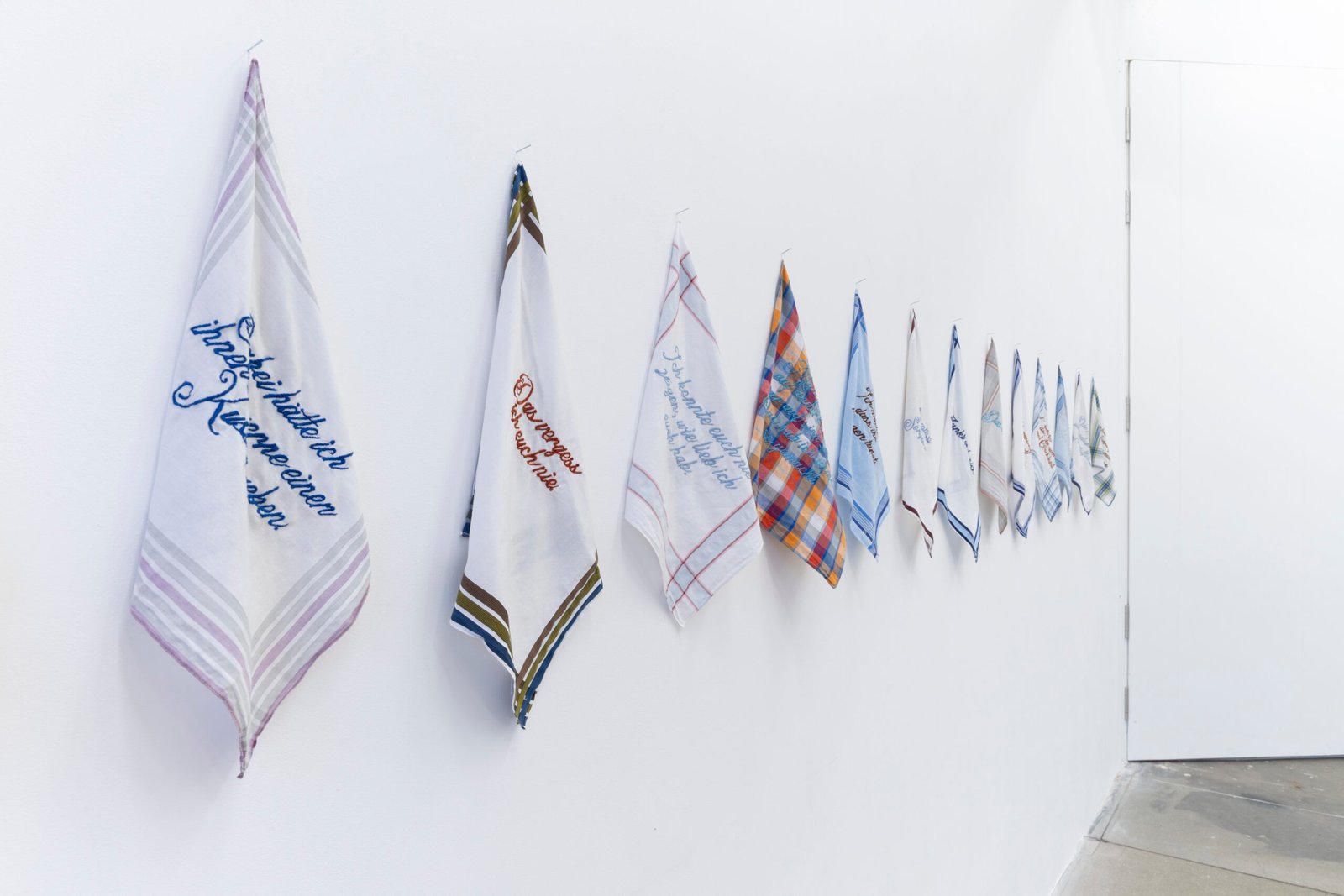
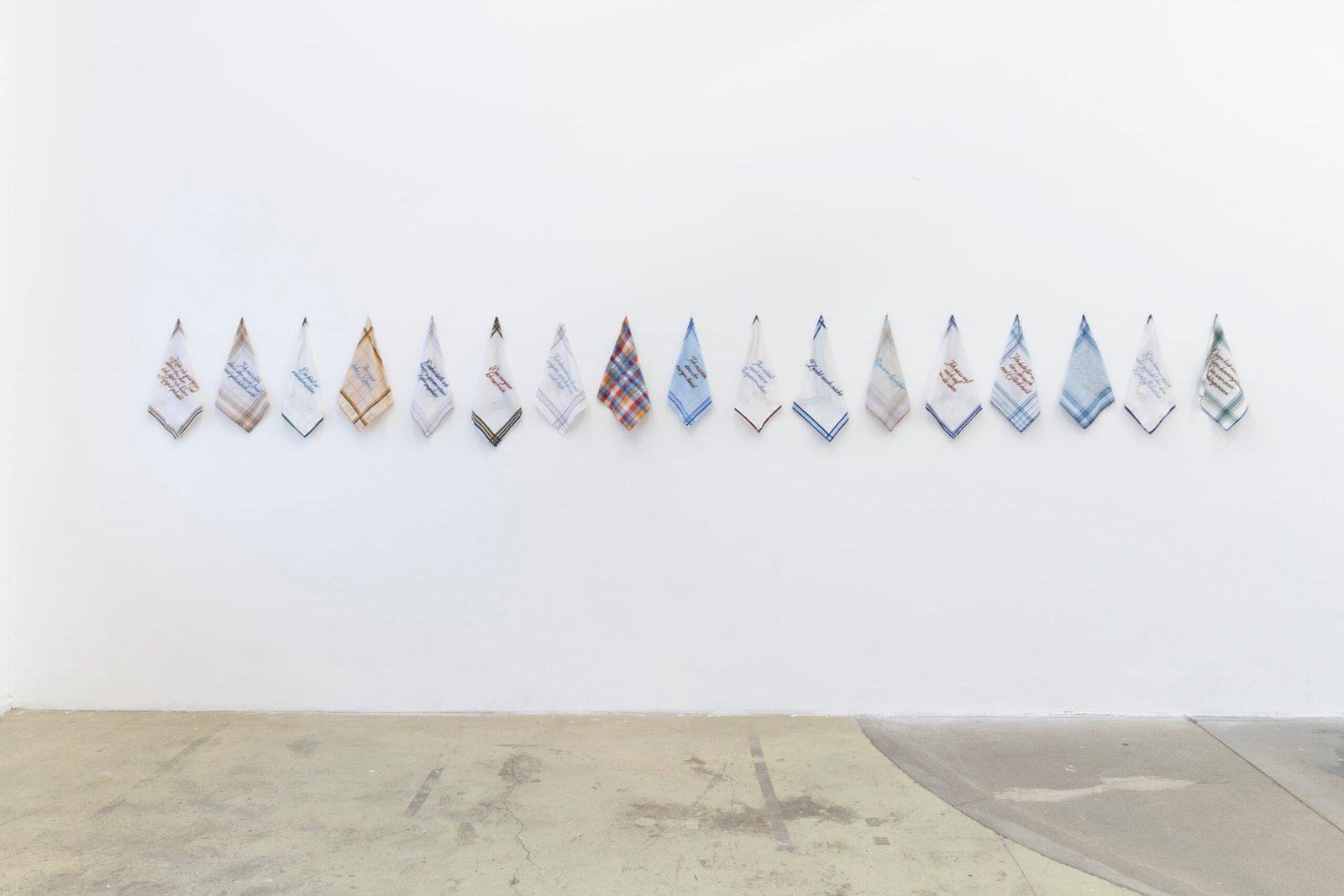
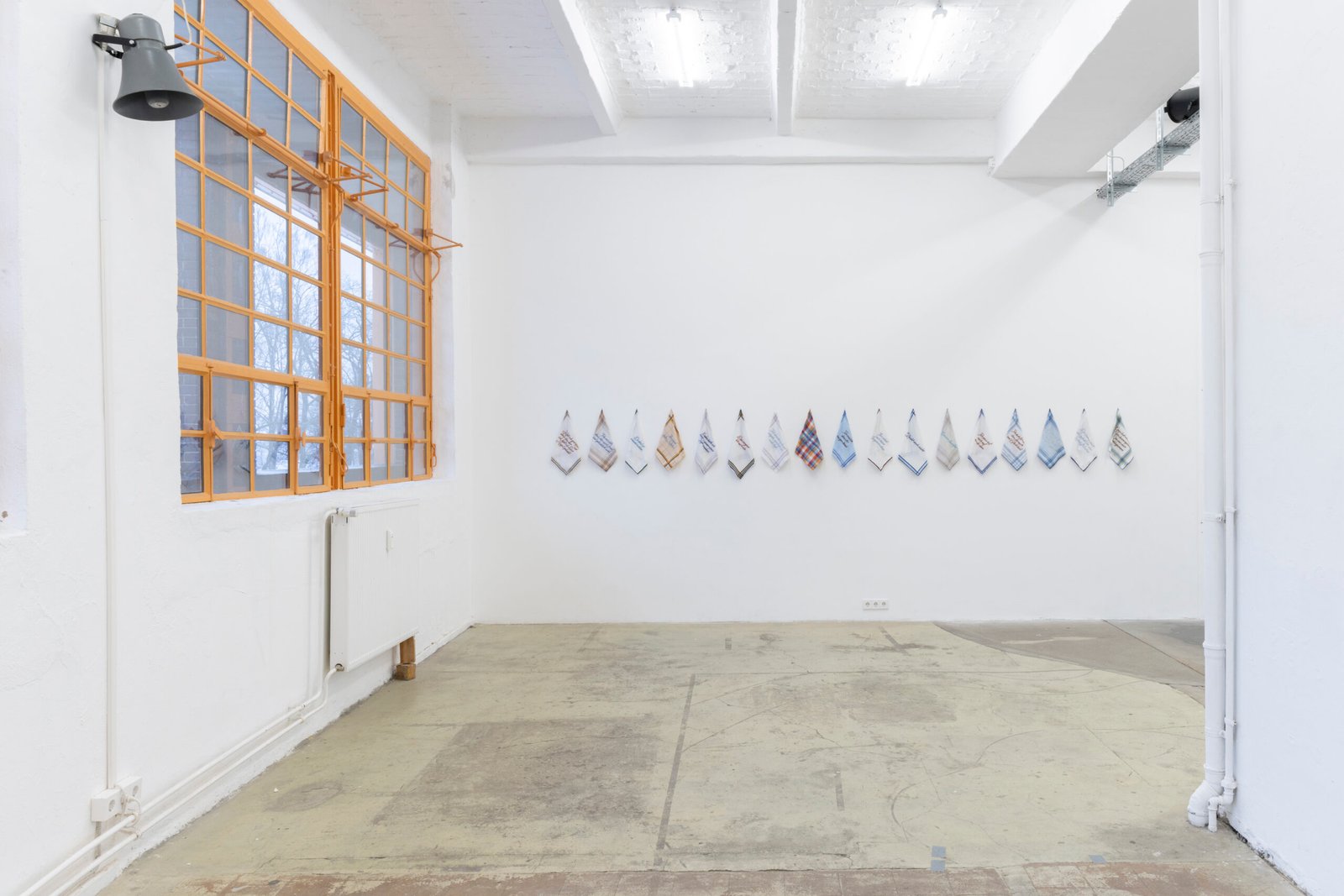
The exhibition presents photographs and objects that mark both farewell and transition. Taken
together, they do not form a closed narrative, but rather a constellation of traces. Positioned bet-
ween a hospital bed and a living room lamp, Legouez‘s work asserts that human life should not
be reduced to a calculation or relativised.
Ultimately, unanswerable questions remain: What remains when a person leaves, and what does
this say about those who remain? Above all: What do we owe to those whose chair has become
empty, yet not meaningless?
Pola van den Hövel