


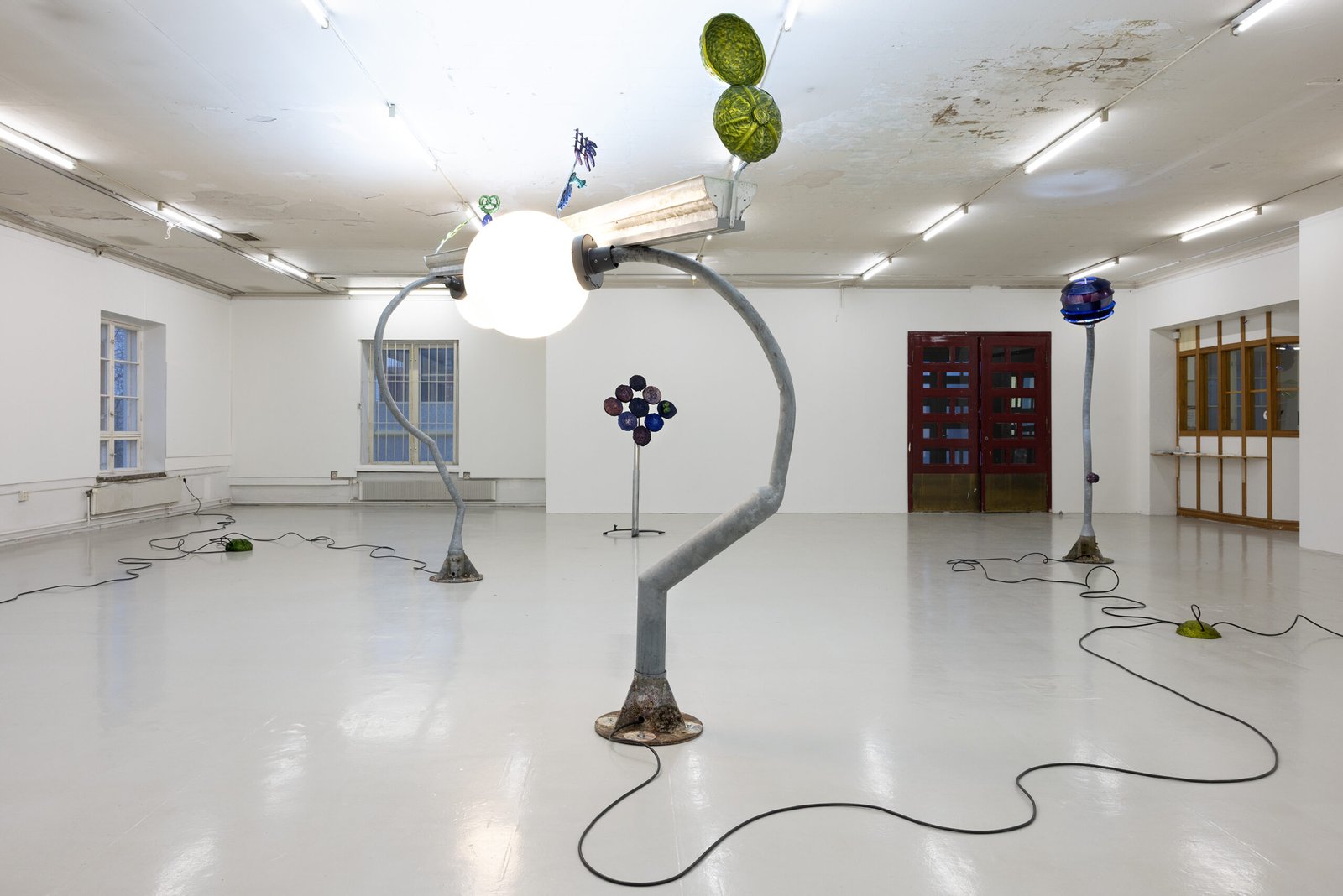
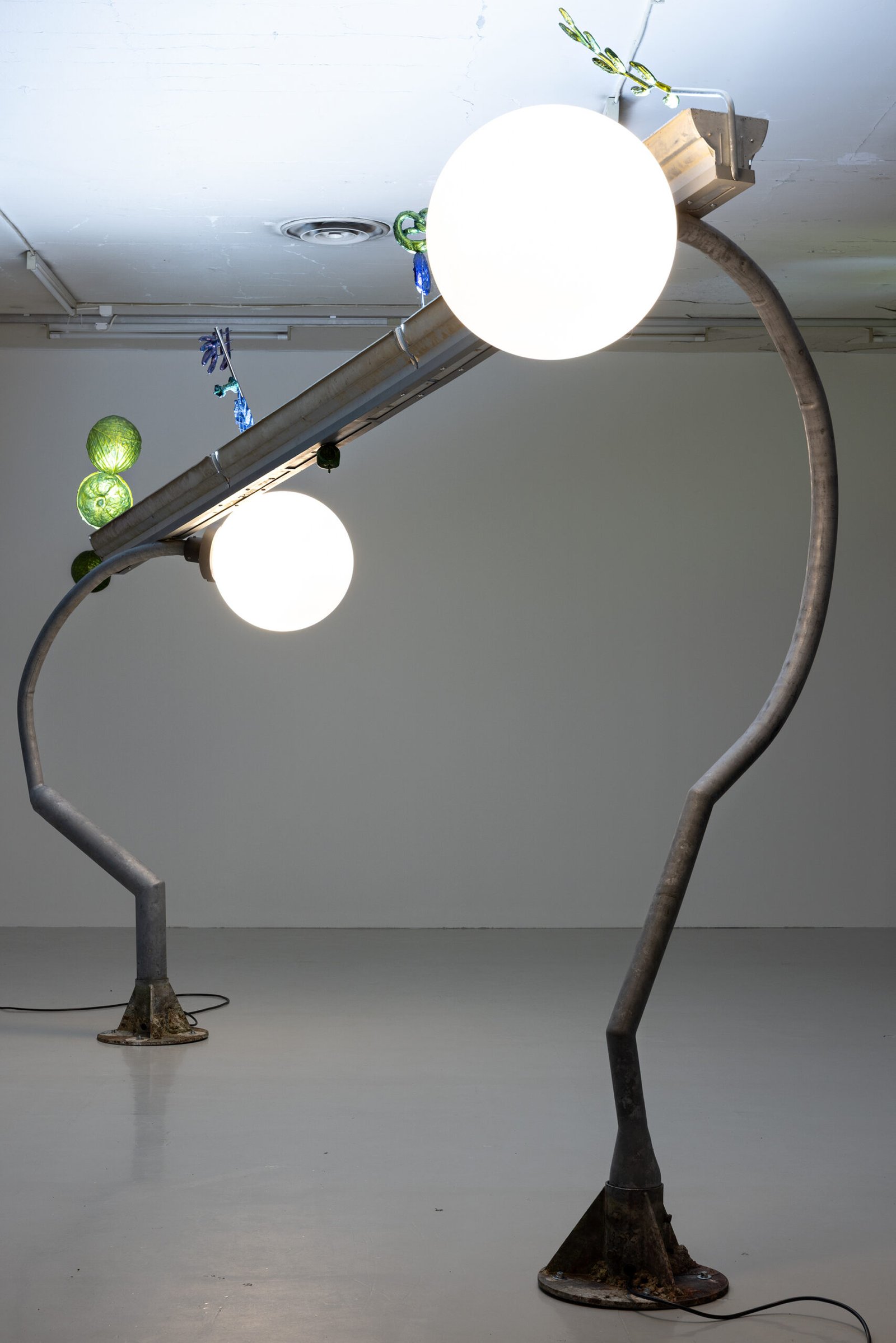
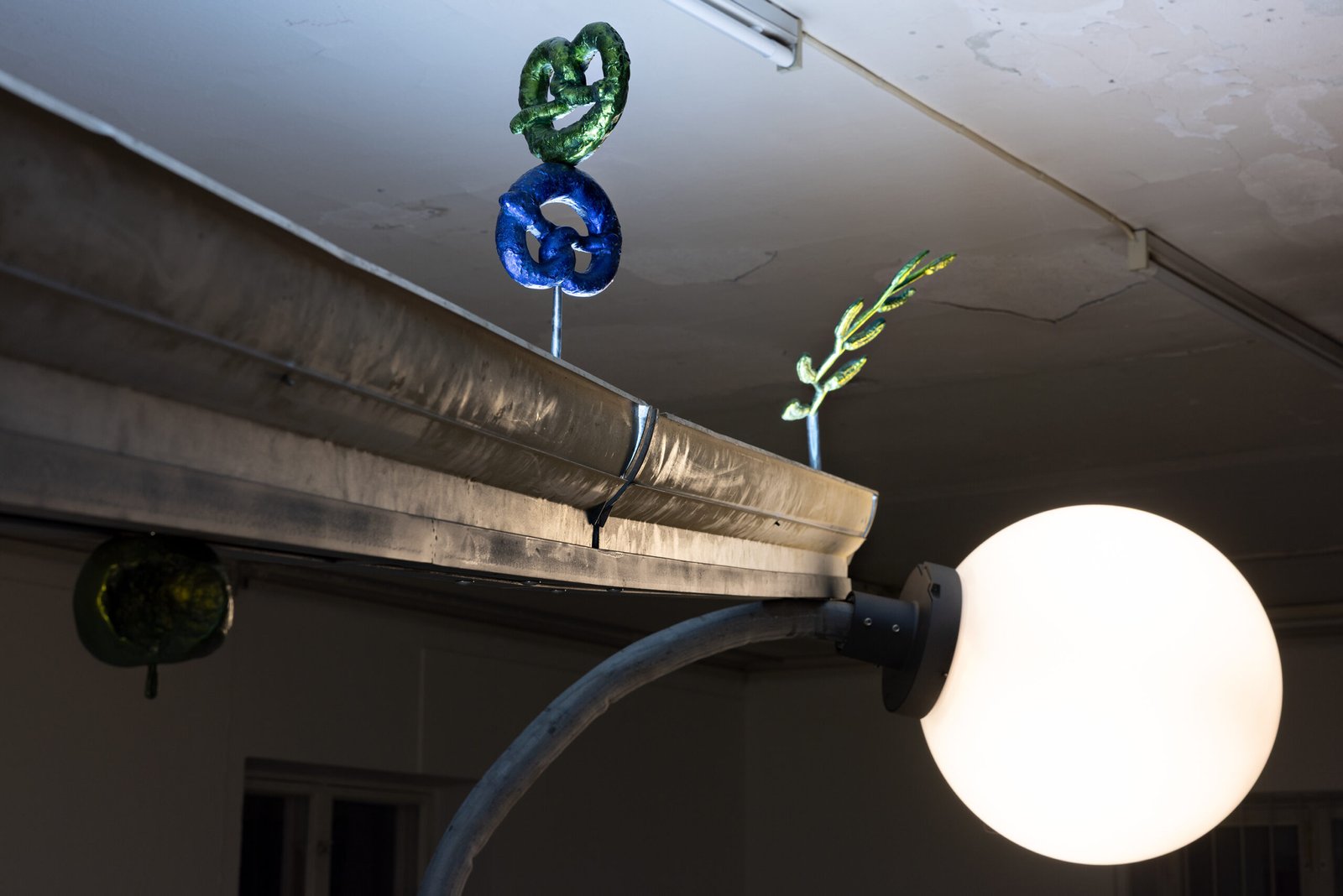
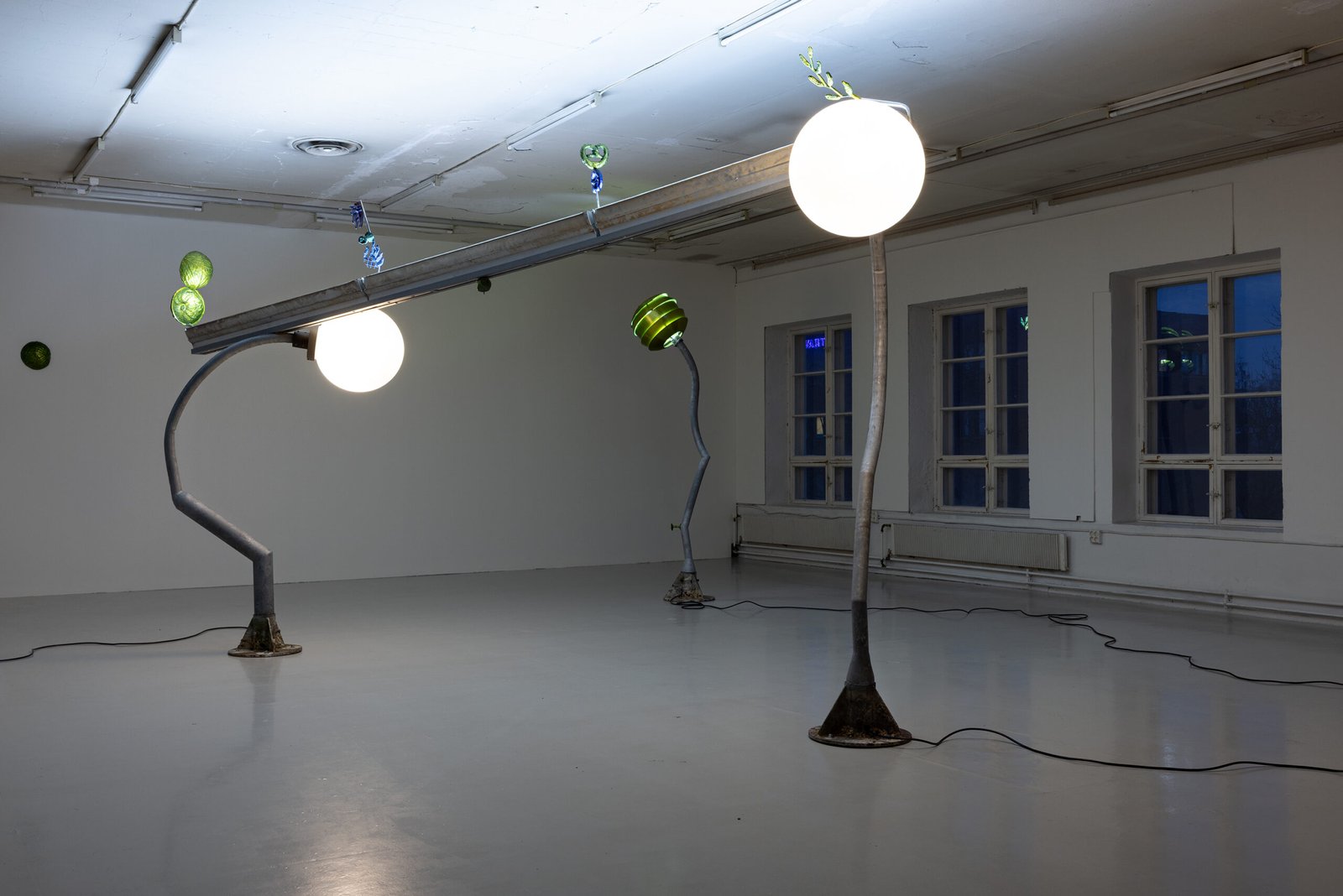
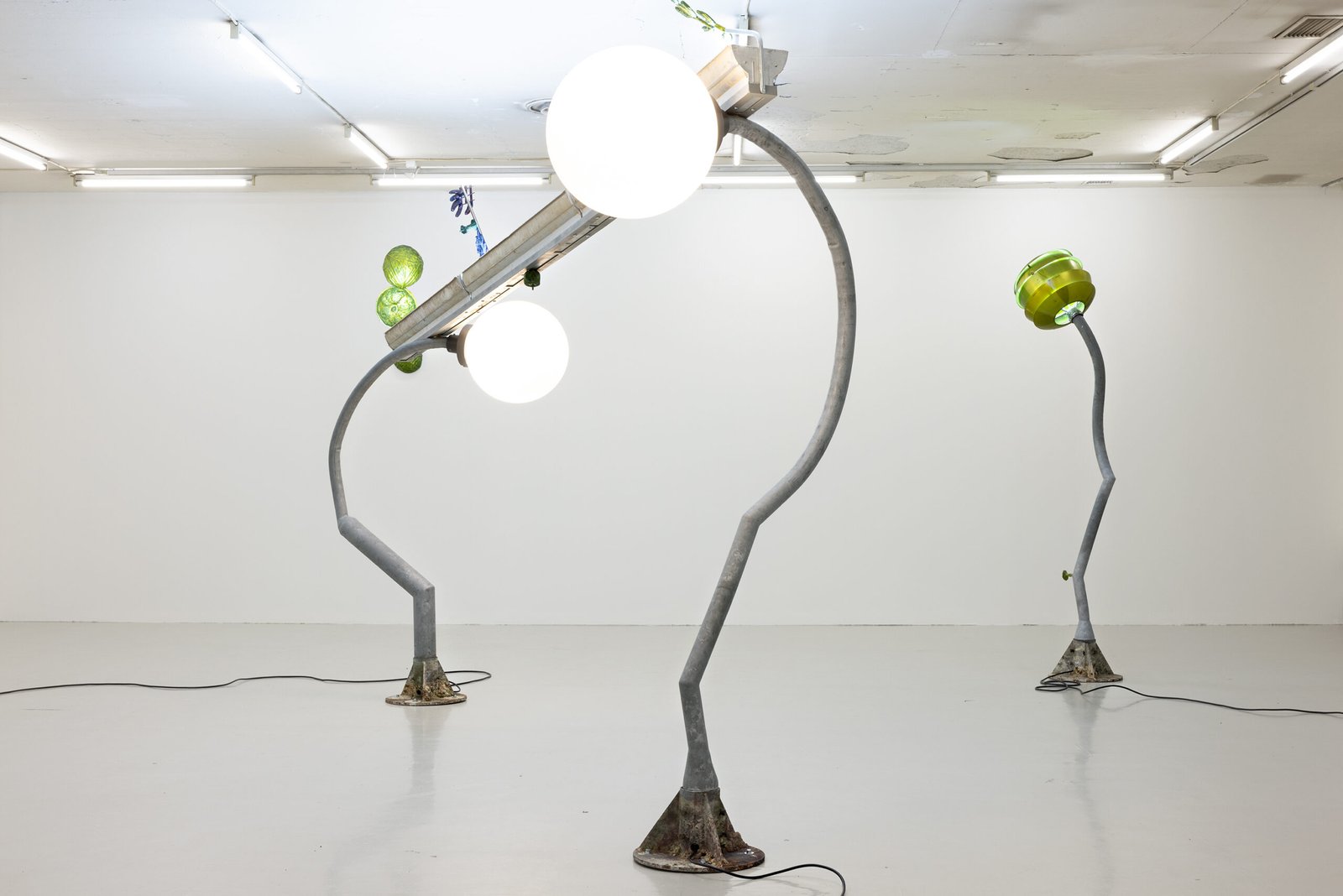
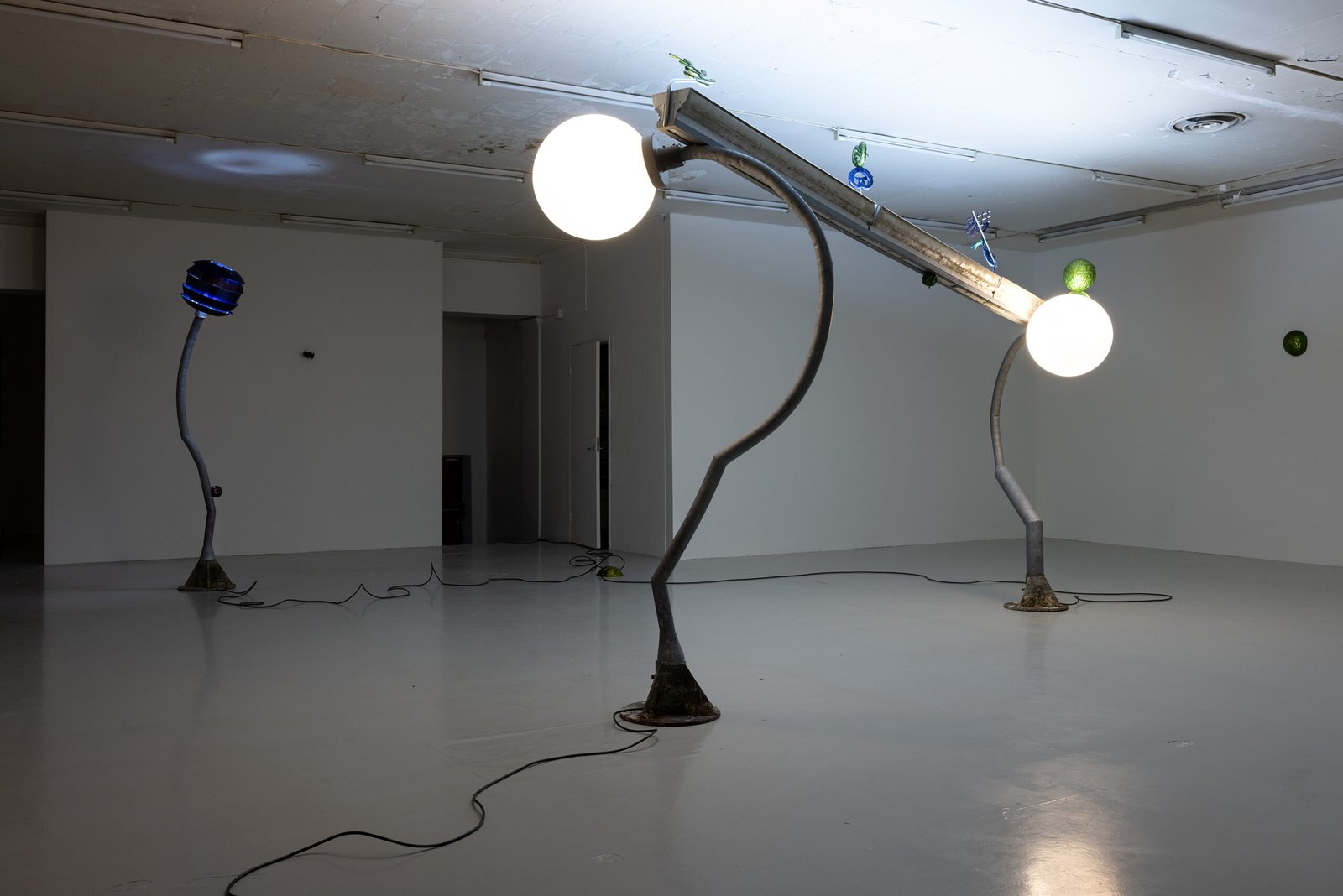
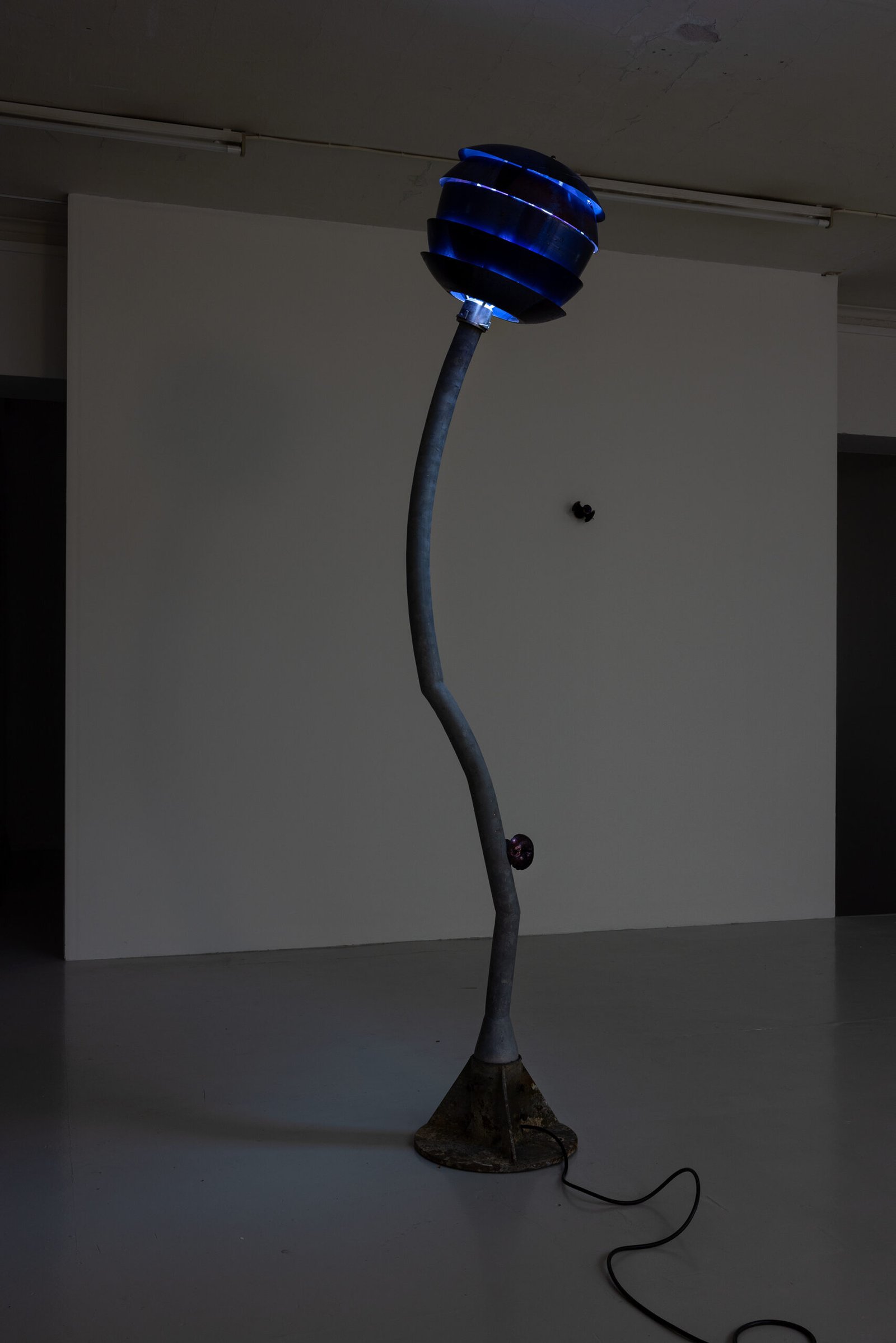
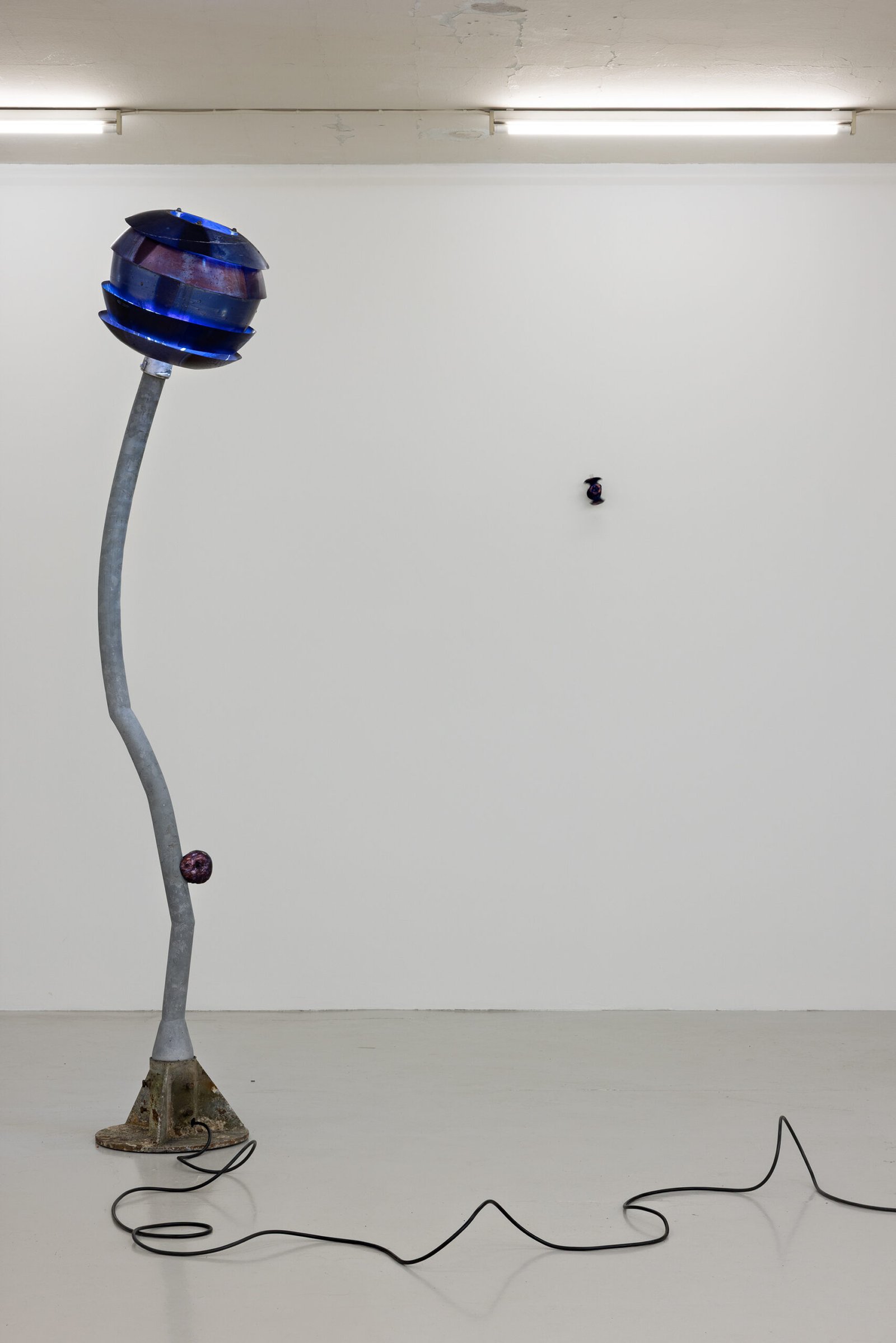
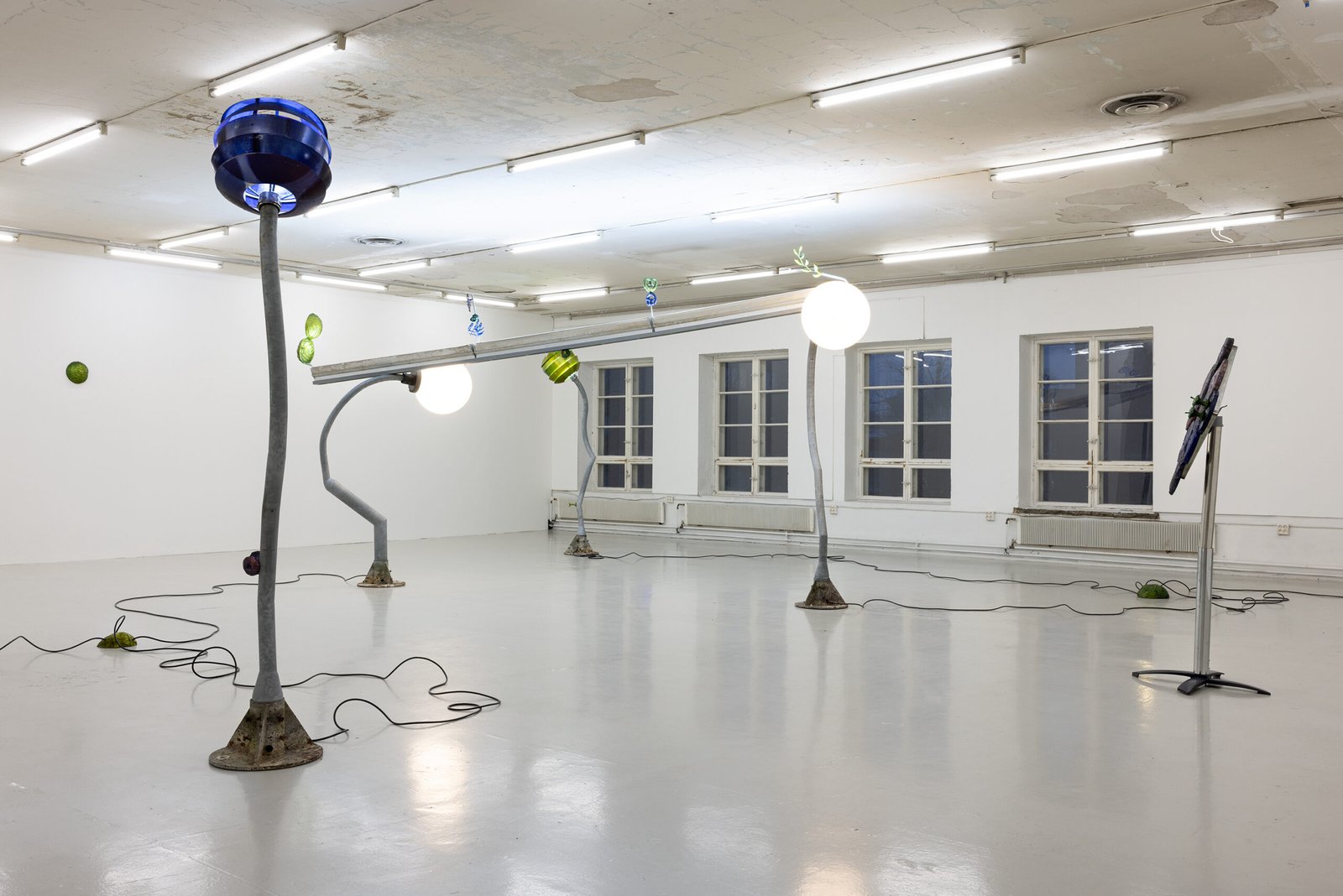
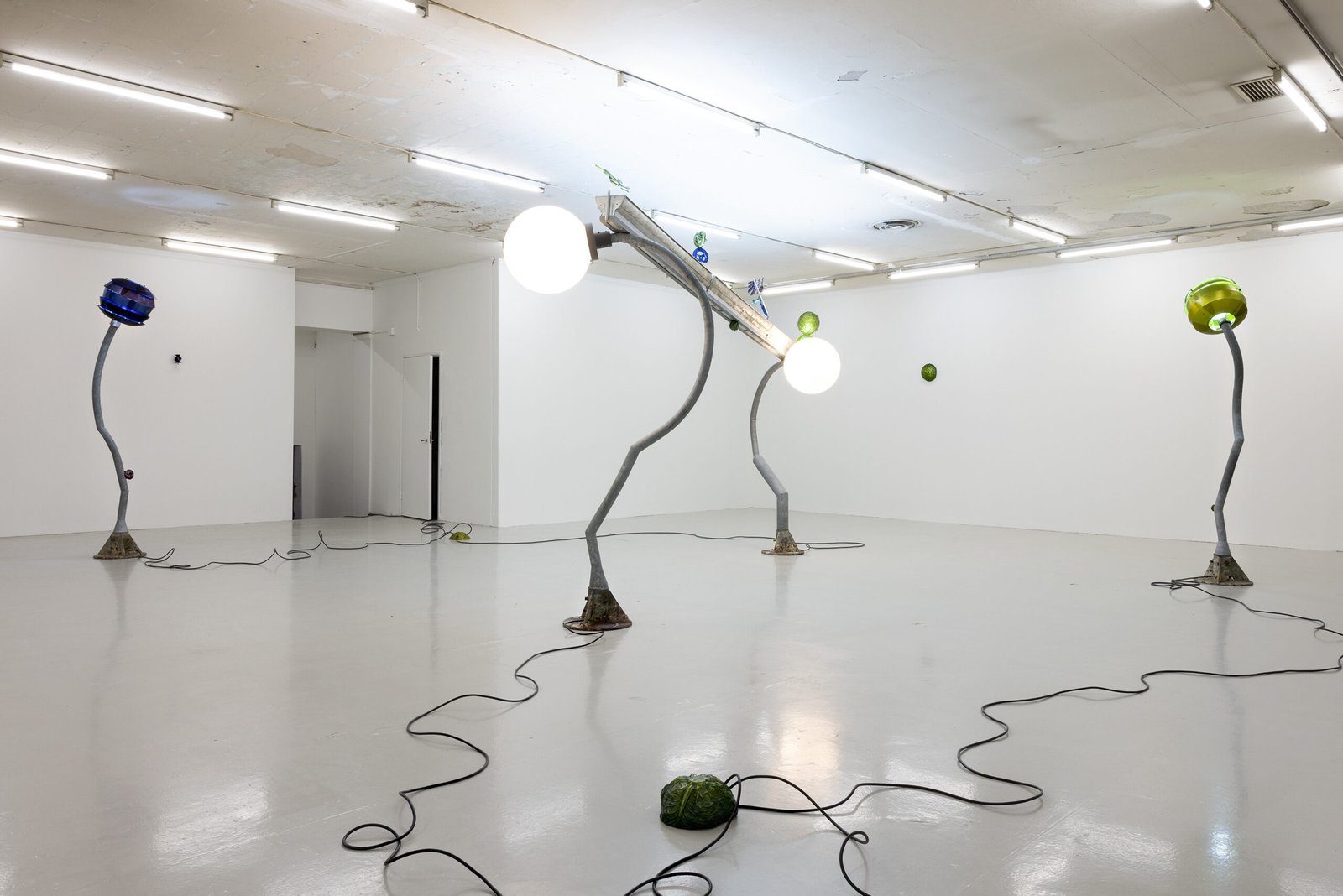
What a mess! The ears have crawled out of the gallery. Perhaps they could not bear to listen to the ever-echoing jargon of freelancers, artists, curators, and gallery visitors for one minute more. Inside the gallery, lighting oscillates like days between work and rest. Two lampposts are carrying their straw – fluorescent tubes coated with meagre provisions. Outside, the ears have taken on a new function. They are listening for the outcome of a social experiment; will they be allowed to remain hanging out for a month at the station in the suburb?
It is often argued that hunter-gatherer societies enjoyed more leisure than agrarian and later capitalist societies, working no more than two or three days per week. In Swedish folklore, it was important to hålla kväll—to “keep the evening”—to cease work before nightfall. The day belonged to humans; the night to the supernatural. To overstep this boundary was to disturb a cosmological order in which labor itself had limits. With the introduction of artificial lighting during the Industrial Revolution, work was severed from daylight. As agricultural workers became industrial laborers, the working day stretched to twelve or sixteen hours. Through workers’ struggles, hours were gradually reduced to the forty-hour week. At some point, some of the agricultural workers who turned into industrial laborers started working independently. Outside permanent employment structures, freelancers have been selling their labor as independent workers for centuries. However, freelancing accelerated in the late twentieth and twenty-first centuries due to new, flexible labor markets and gig economies.
Identity has long been bound to occupation; we are defined by what we do. Today, perhaps especially within the contemporary arts field, freelancing might as well be synonymous to being permanently unemployed. We move from workplace to workplace and spend our leisure chasing billable hours. Our identities might as well lay in a fiction of work and the worker; Frankenstein’s monster-like PDF-parchment(doom-)scrolls of CVs, portfolios, personal letters, application letters, short contracts, project descriptions, declarations of intent…
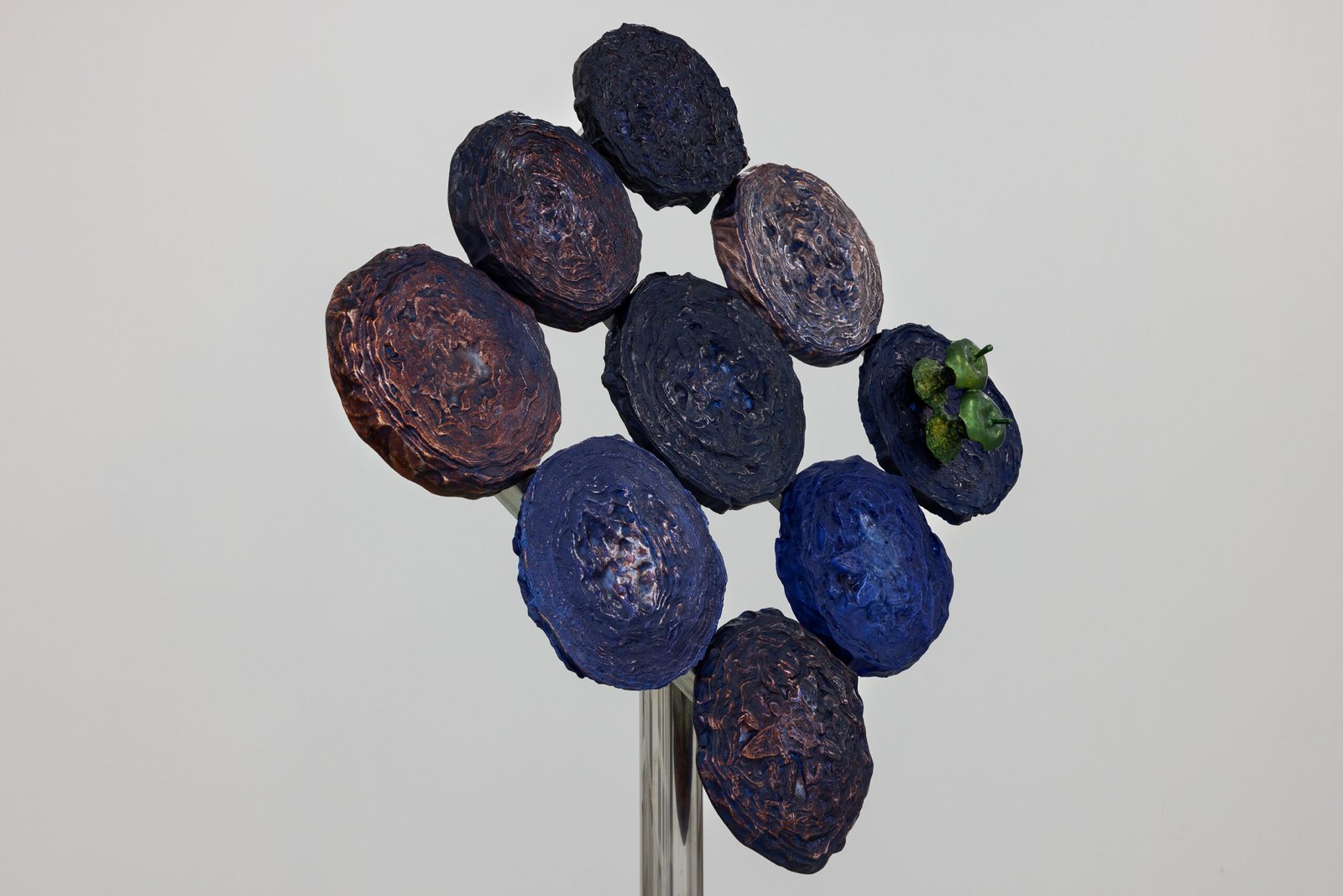
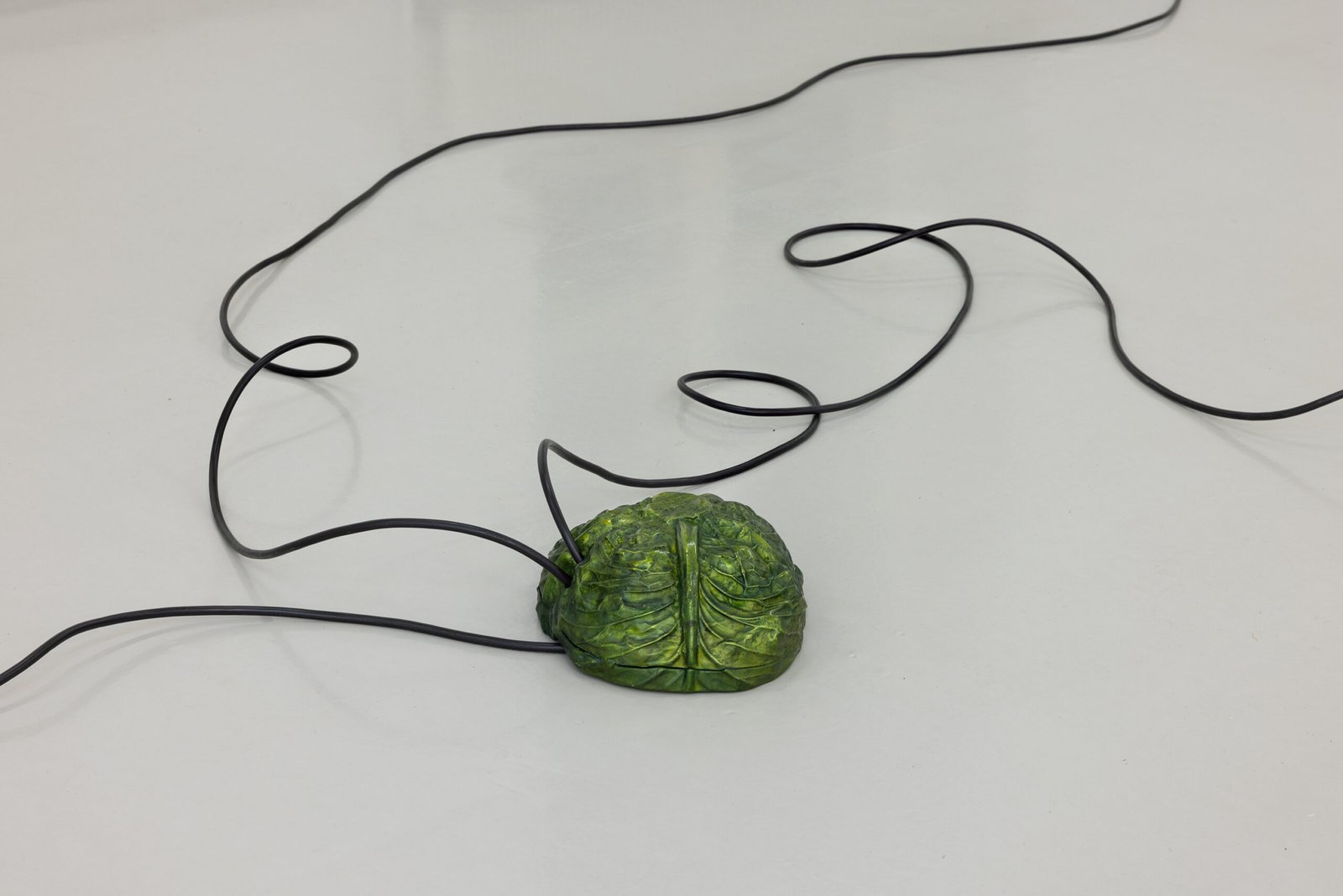
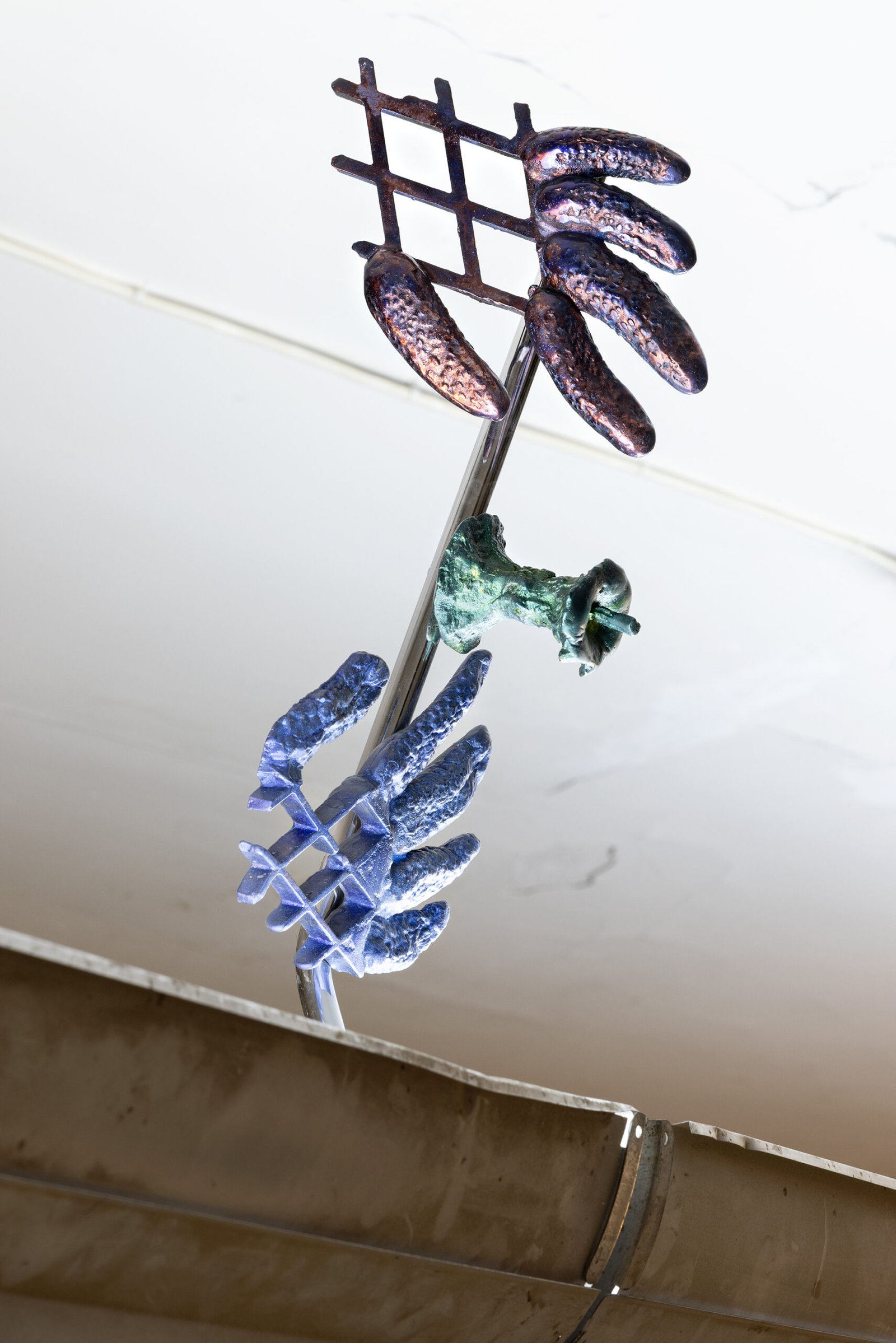
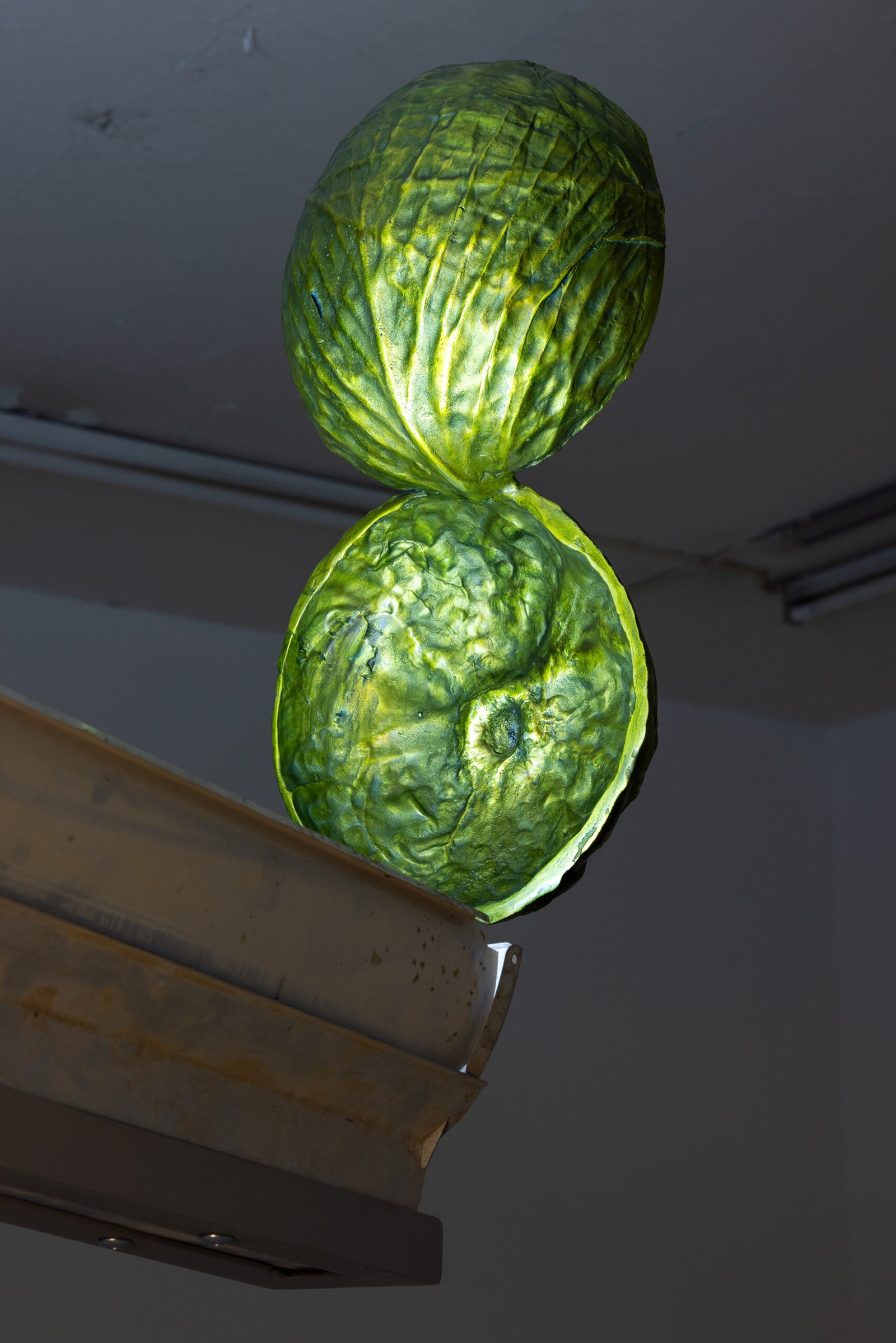
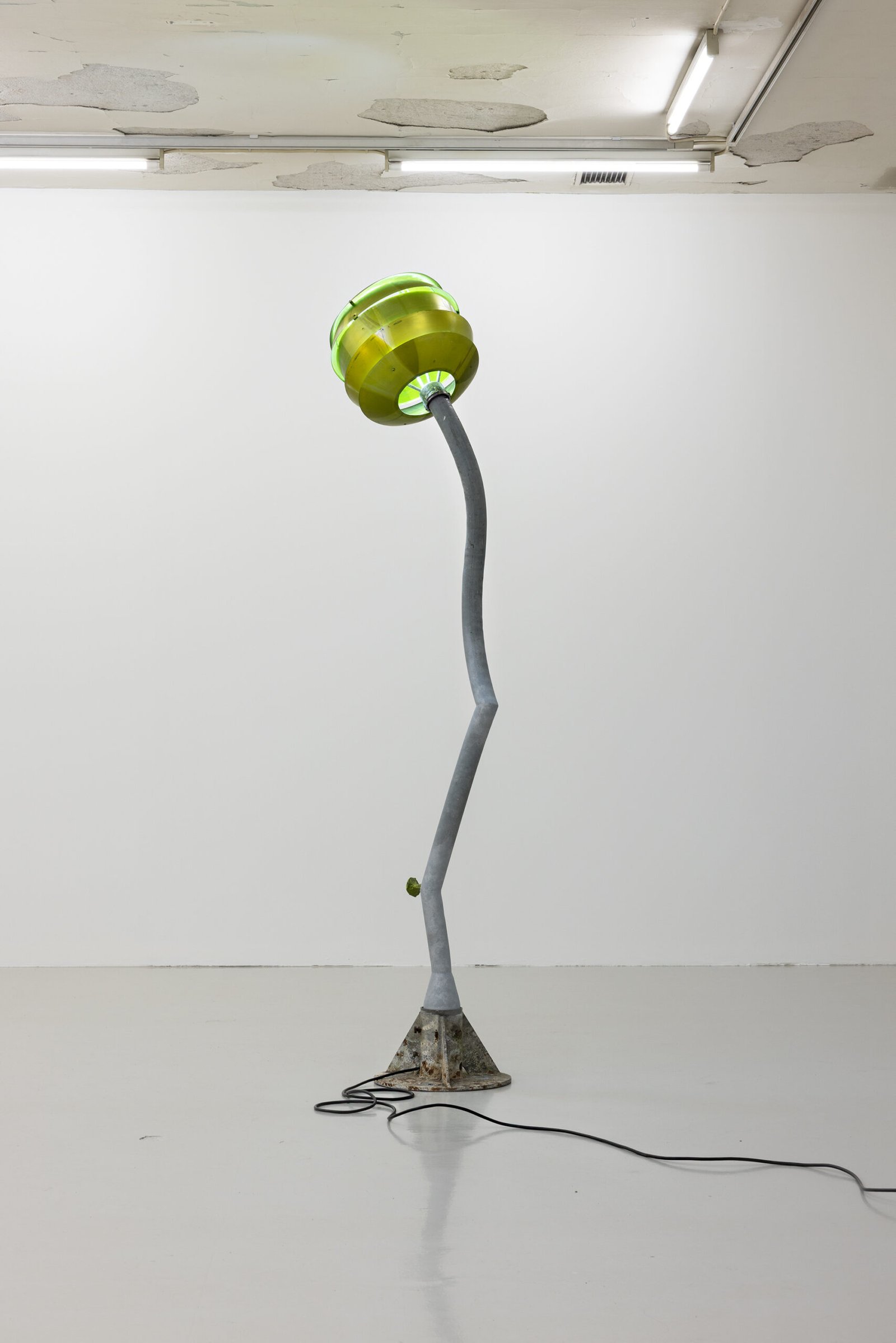
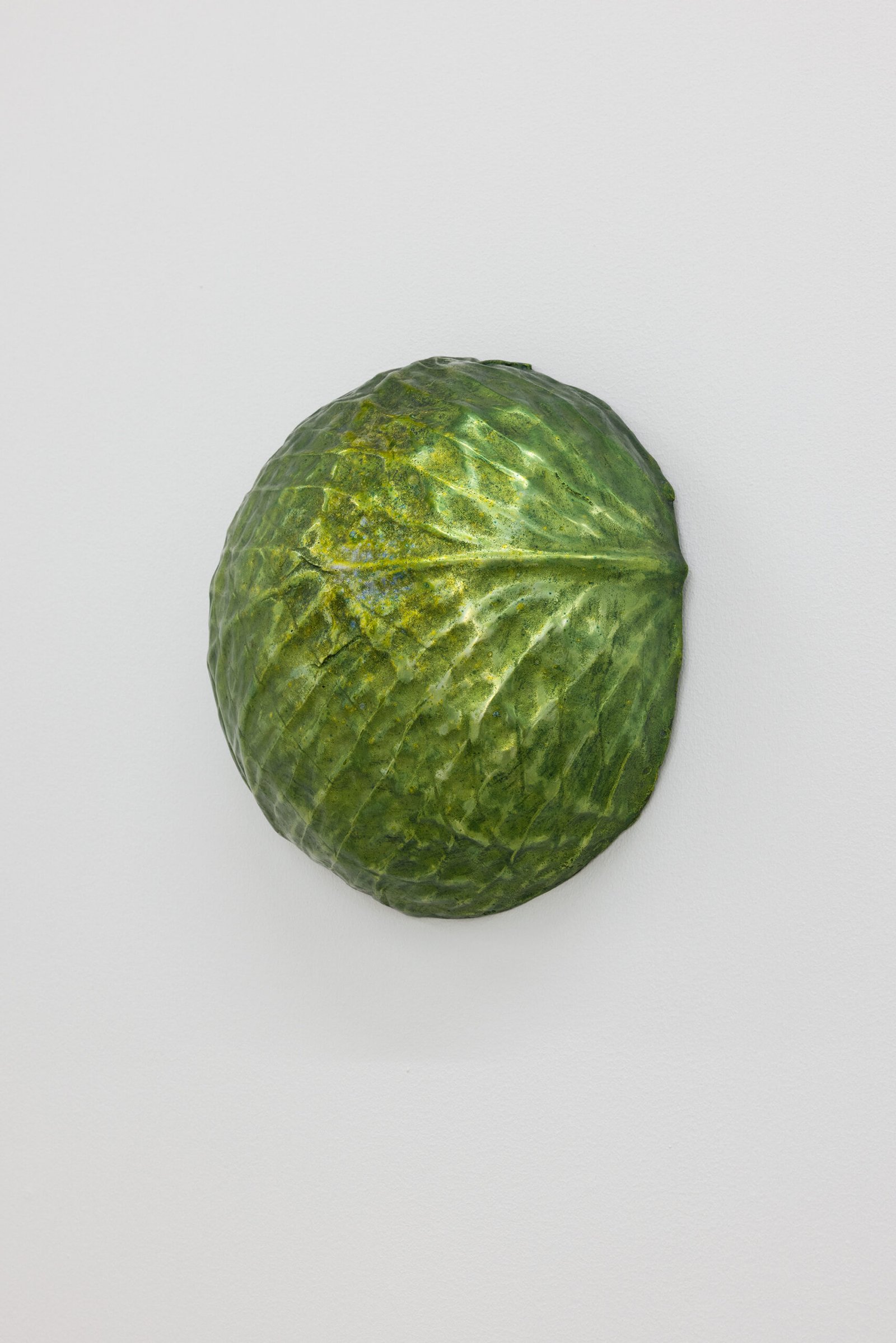
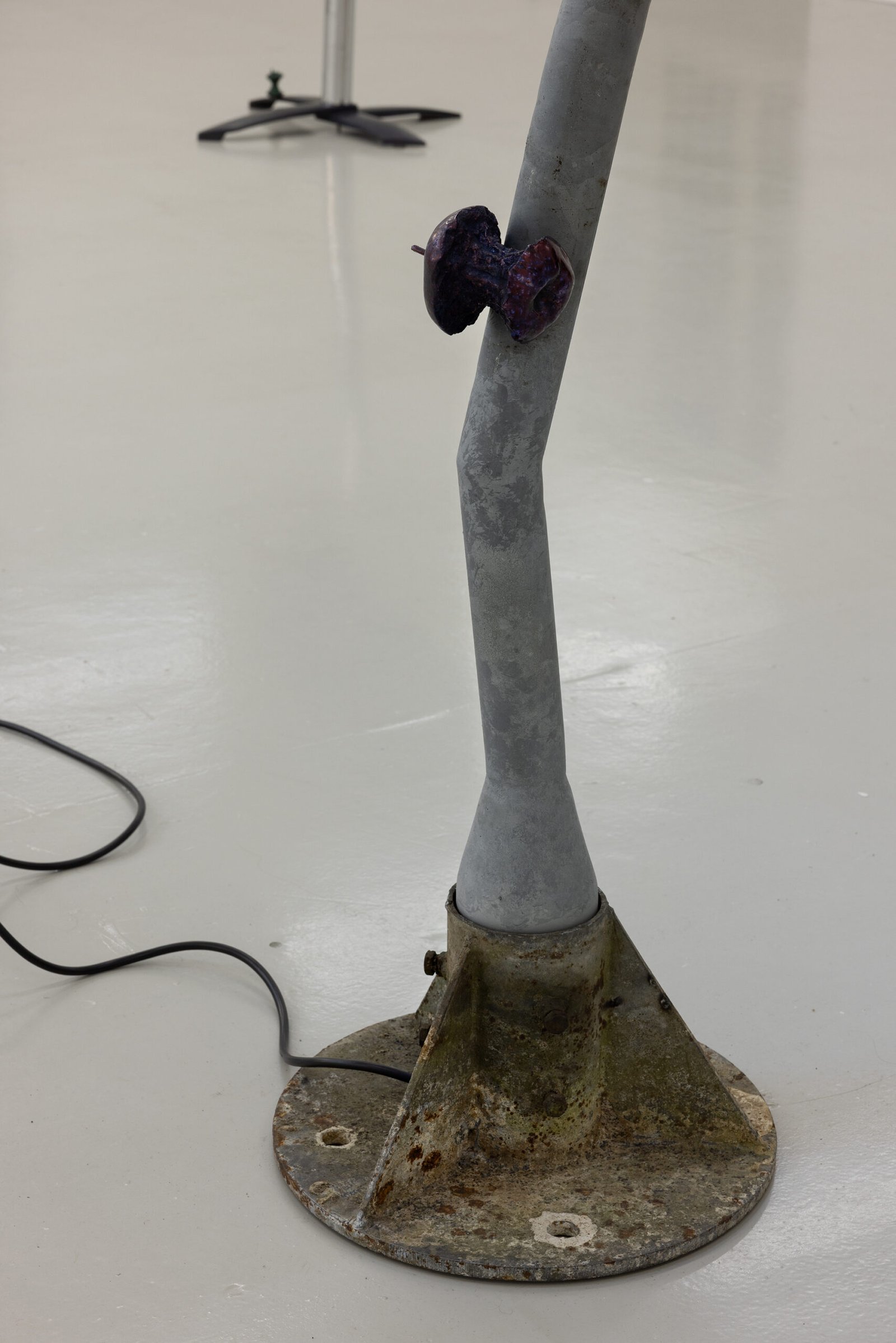
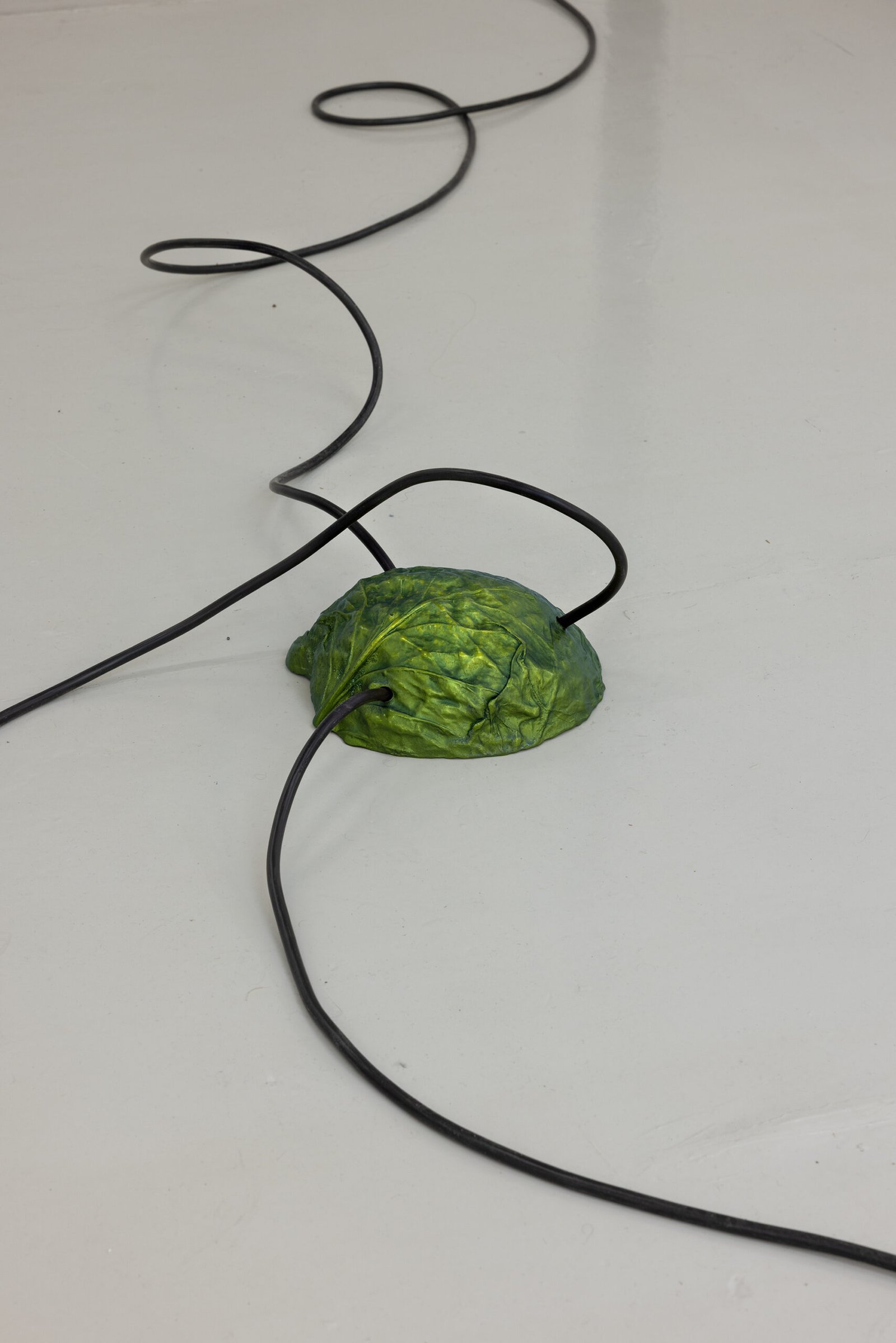
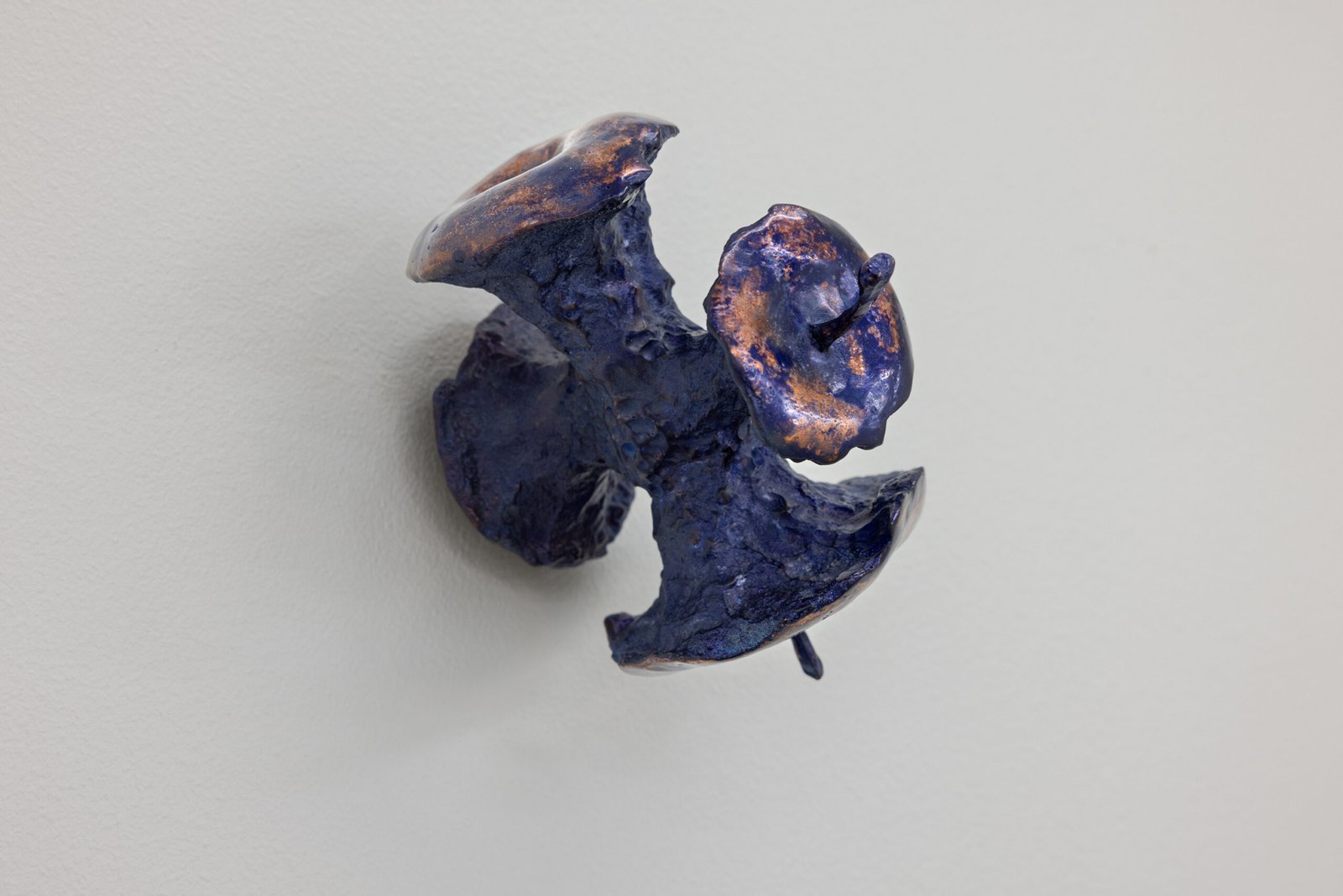
In the exhibition Worker Ant After Work, we encounter depressed, freelancing and unemployed lampposts, standing with their posture broken, hunchbacked through day and night. A cocktail table resembles solar panels made of cabbage. When sliced open, the cabbage evokes x-ray images of brains. Scattered throughout the exhibition space lie apple cores and hollowed cabbage heads, as if nonchalantly tossed over the shoulder, an everyday provocation. The bite marks on an apple are brutal and visceral, pulling the most classical and pure symbol into mundane reality.
Artist Matti Sumari works in a defunct ketchup factory on the outskirts of Malmö, a post-industrial landscape where materials are sourced from a landfill just below the studio. The materials gathered are most often, in their prior functions, already involuntary social sculptures. Sumari gathers, alters and reinforces their purpose through homemade versions of industrial processes. Found aluminium is cast into sculptures of everyday supplies, placed in an electrified acid bath and boiled in a vat, which have dyed them red and green. This resource-conscious refinement process recurs in multiple forms associated with Sumari’s practice: the fermented cucumber, the cabbage shredded into sauerkraut, the pretzel boiled in lye––somewhat dull, everyday symbols that reach beyond the present.
As for the ears… they have started moonlighting as freelance lampposts, clocking billable hours while debating the ethics of industrial anodizing with the apple cores.
Sophia Persson