
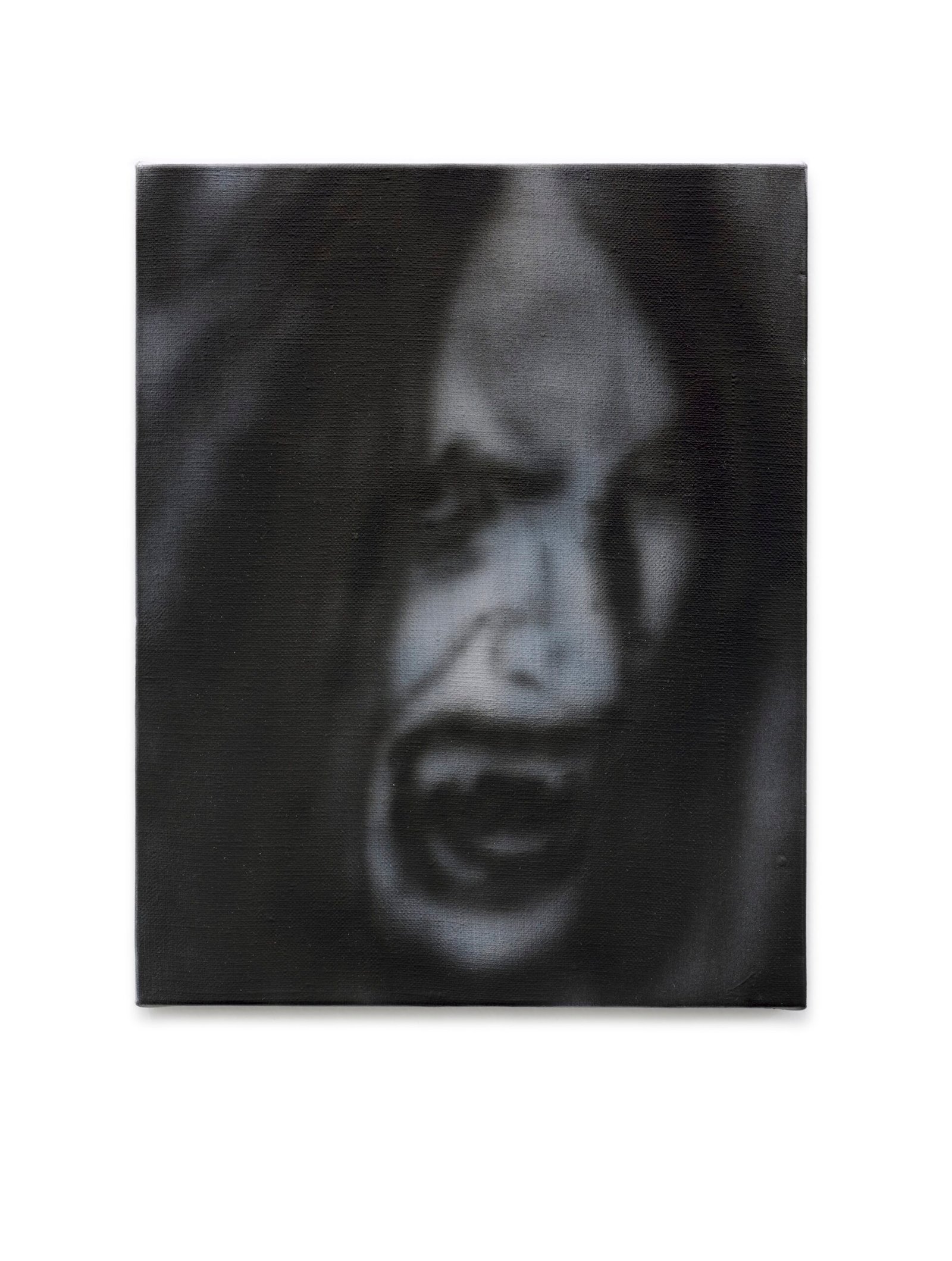
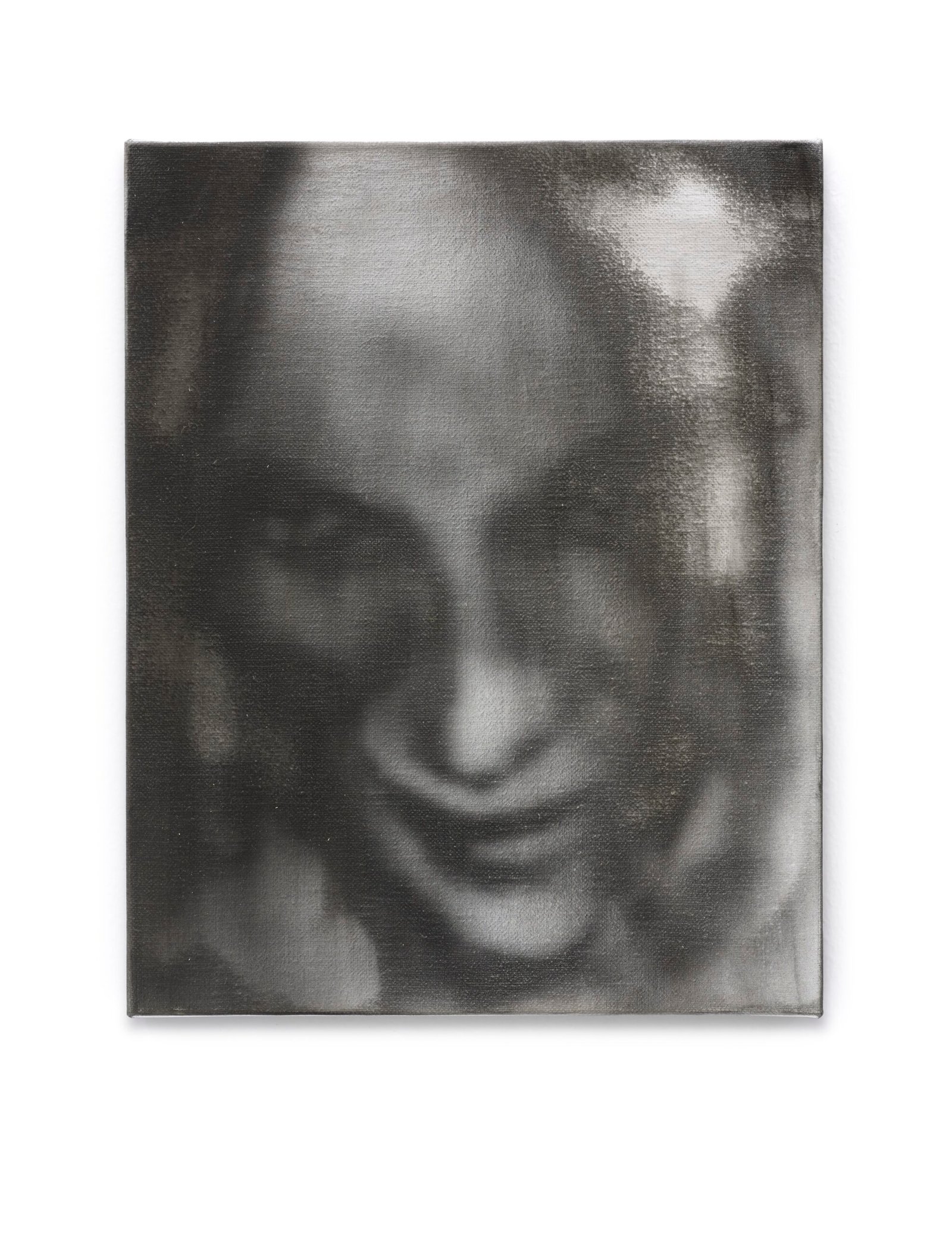
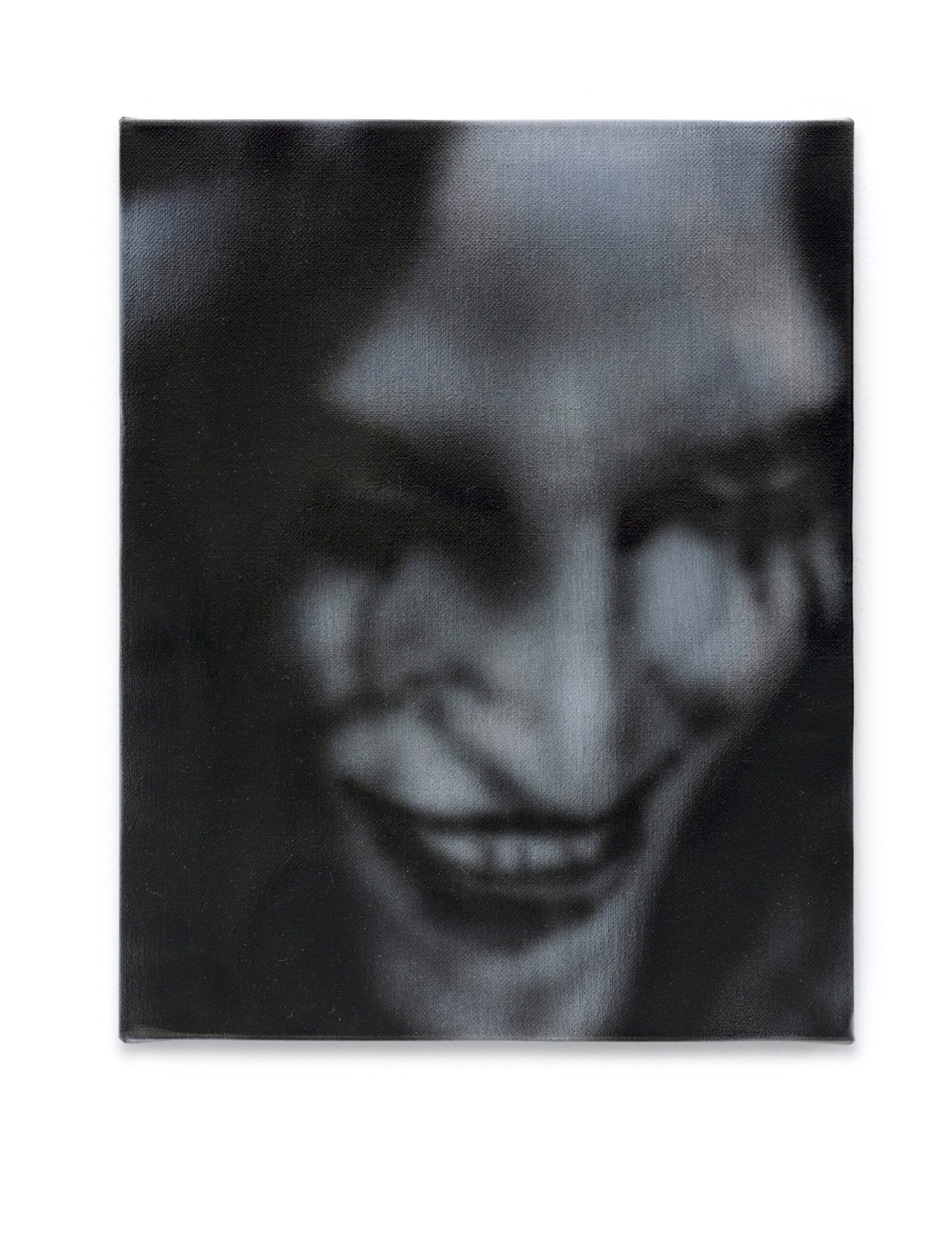
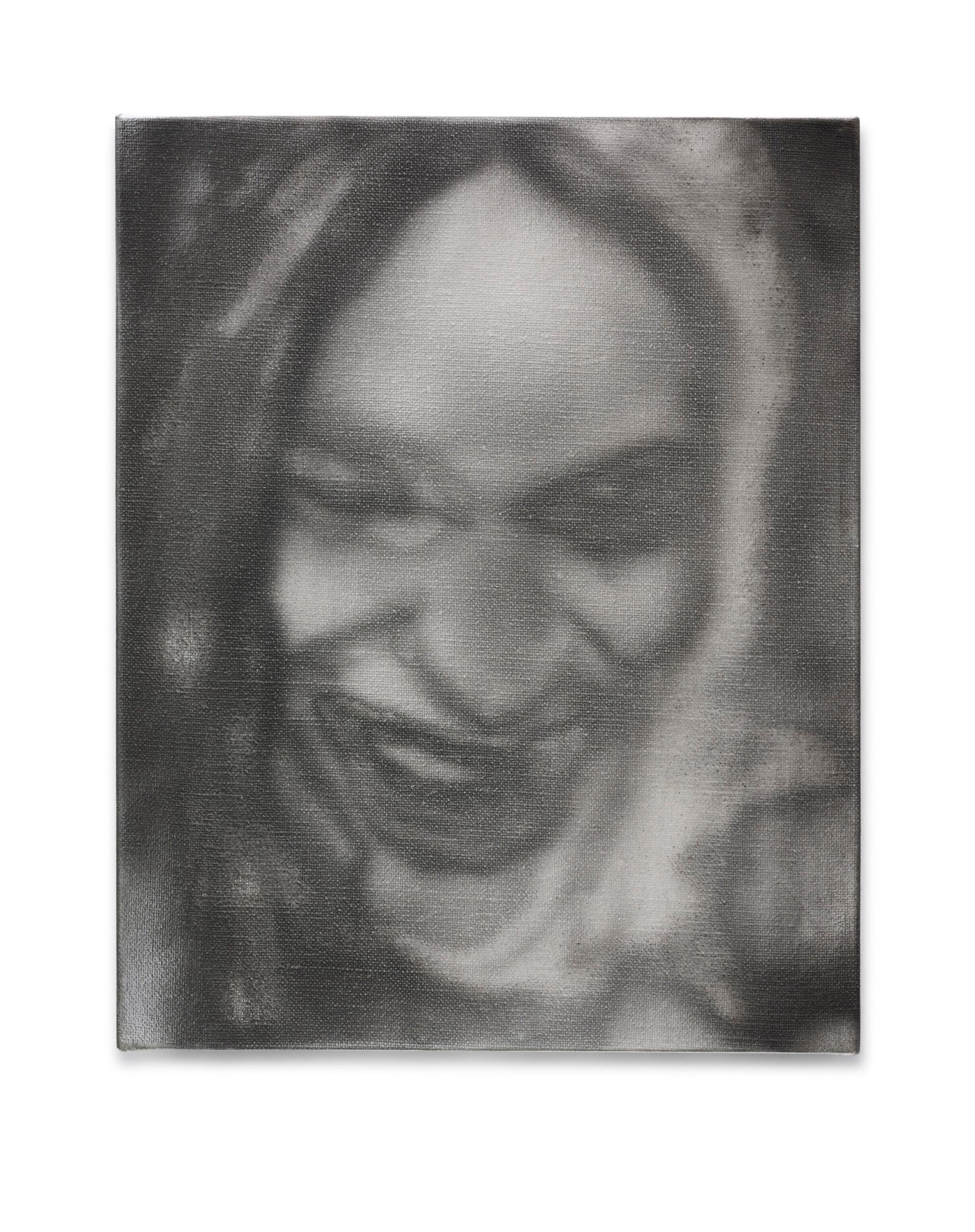
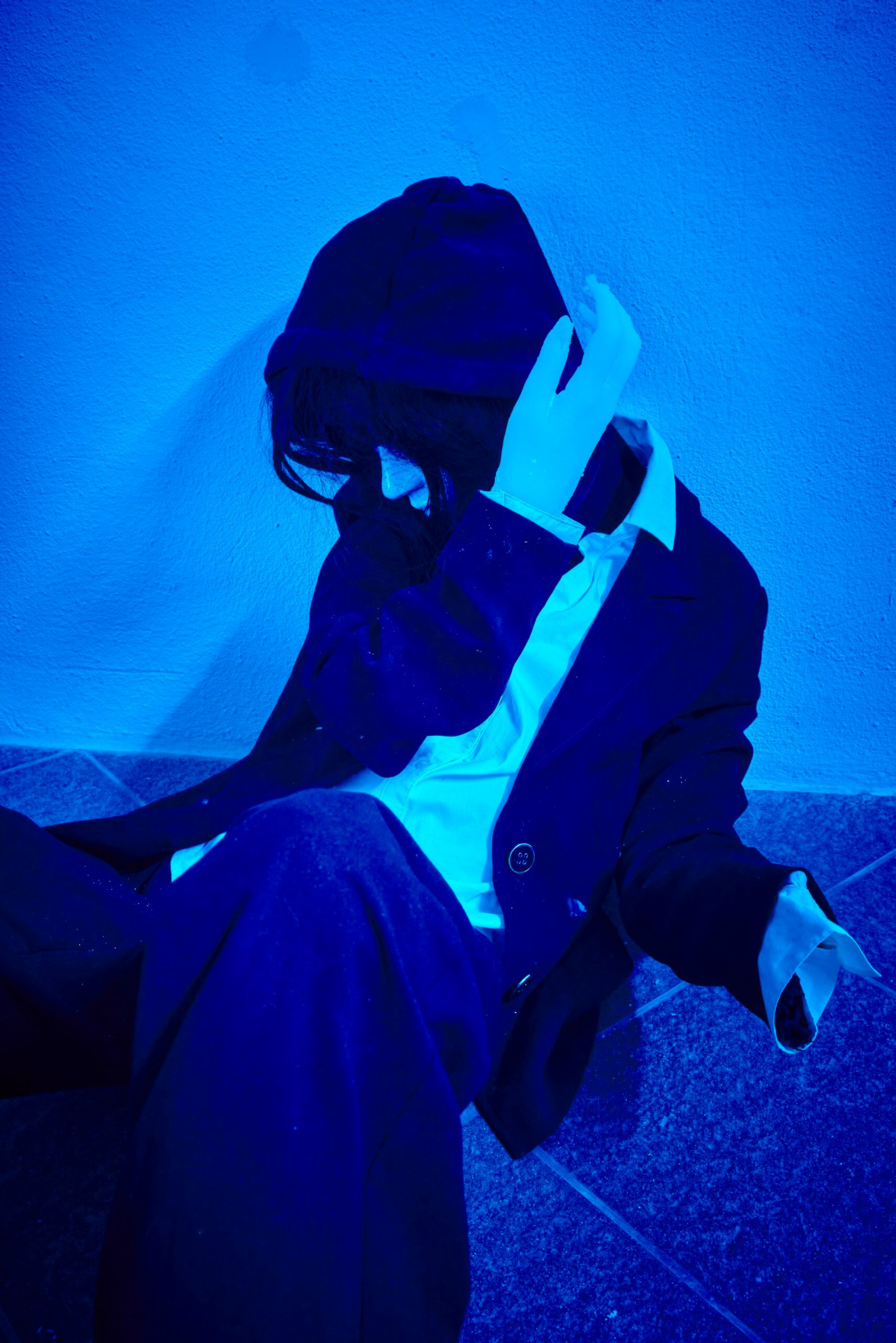
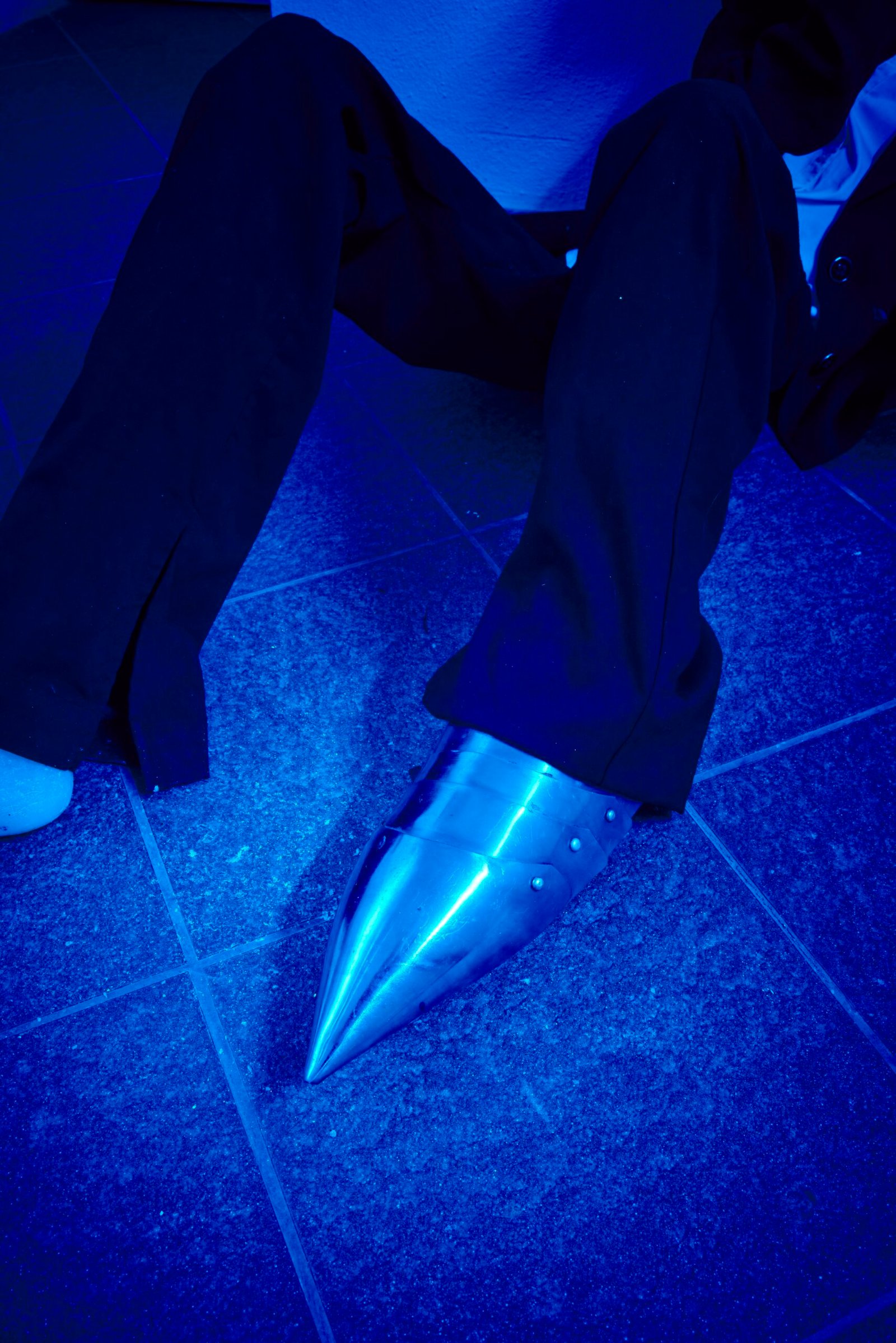
The present is hyperconnected and submerged in a constant rain of data. Technology is pervasive, radically intimate. It is no longer outside us, it lives beneath our skin. The post-internet condition is a broad dimension that bears witness to a system of cultural production and dissemination which James Bridle describes as overflow, an unregulated, overwhelming accumulation of data that directly interferes with our capacity to process its effects as they spill into everyday life. A bulimic flow that confronts each of us with a chaotic condition of information to be accumulated and systematic waste to be discarded.
Ultimately, the ability to describe the world is closely tied to the tools at our disposal, and this has led to the creation of a vast system for the circulation of information spanning the entire planet. The increasingly evident failure of such complex systems is manifested in phenomena such as the progressive disappearance of privacy, driven on the one hand by state surveillance, and on the other by the confusion generated by real-time information overload produced by an apparatus composed of millions of cameras dispersed throughout the urban fabric, and beyond, on a global scale. These devices collect data and feed archives of hypertrophic proportions, photographs and video recordings never subjected to the human gaze. Images produced by machines for machines, observed by synthetic eyes, analyzed by software, and processed by ever-evolving algorithms.
Despite the unsettling presence of a dense technological network, composed of tools serving politics and global surveillance, which evokes a sense of uncanny overwhelm, the pervasive manifestation of a non-human gaze also raises a series of reflections. By deconstructing centuries of anthropocentric perspectives, it offers the possibility of recontextualizing and understanding, through a series of relational dynamics, elements, both artificial and natural, usually considered marginal or overlooked. At the same time, the body itself, initially destined to give way to immaterial entities, persists as a space of resistance, as a device for exploring identity and its own boundaries.
The collapse of a context that demands the consumption of content of unknown origin, the archival accumulation and circulation of contagiously hybrid images, and the need to confront a horizon in which authorship and falsity are no longer objectively distinguishable, has made evident the urgency of a metalanguage capable of describing the fabric articulated by complex systems.
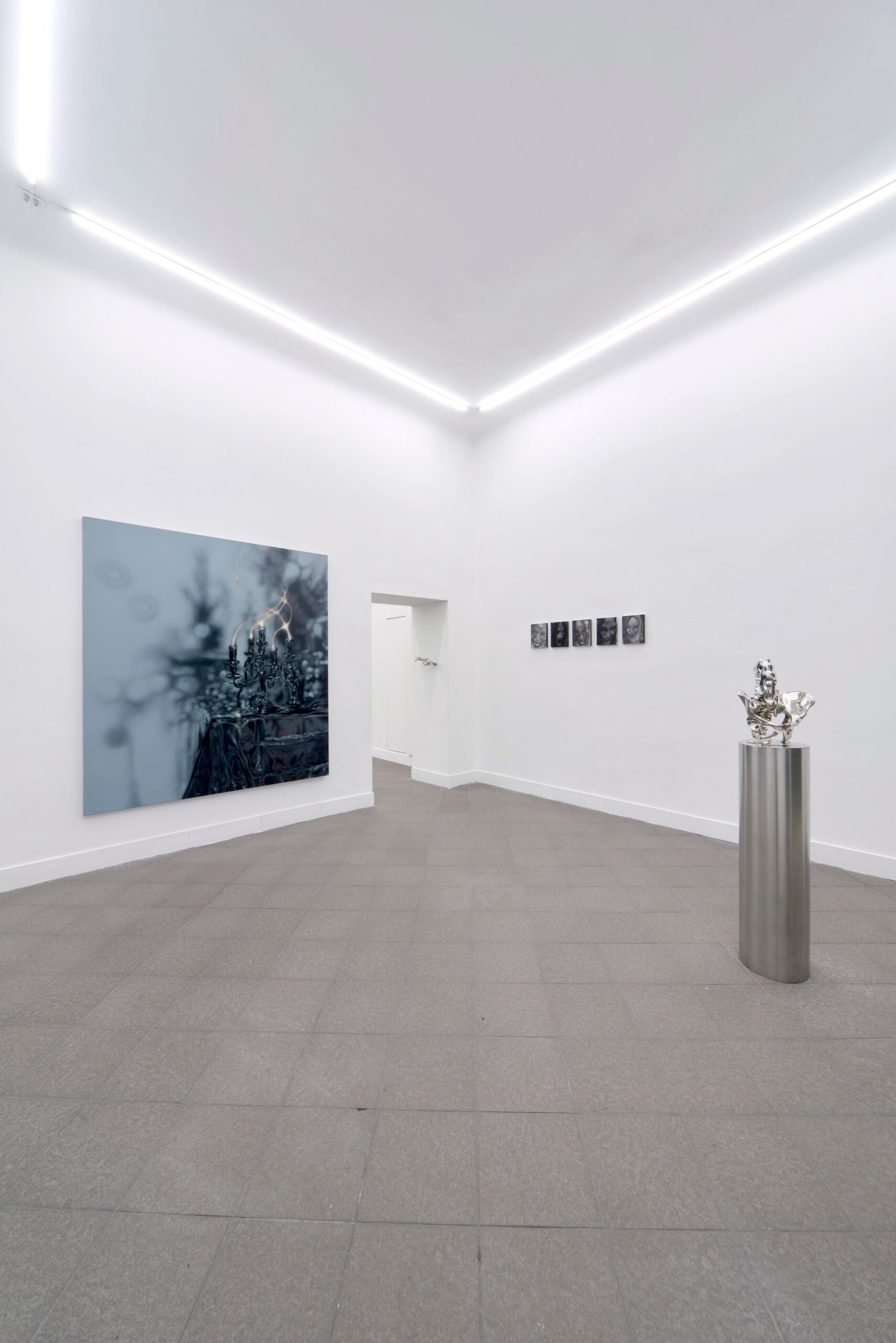
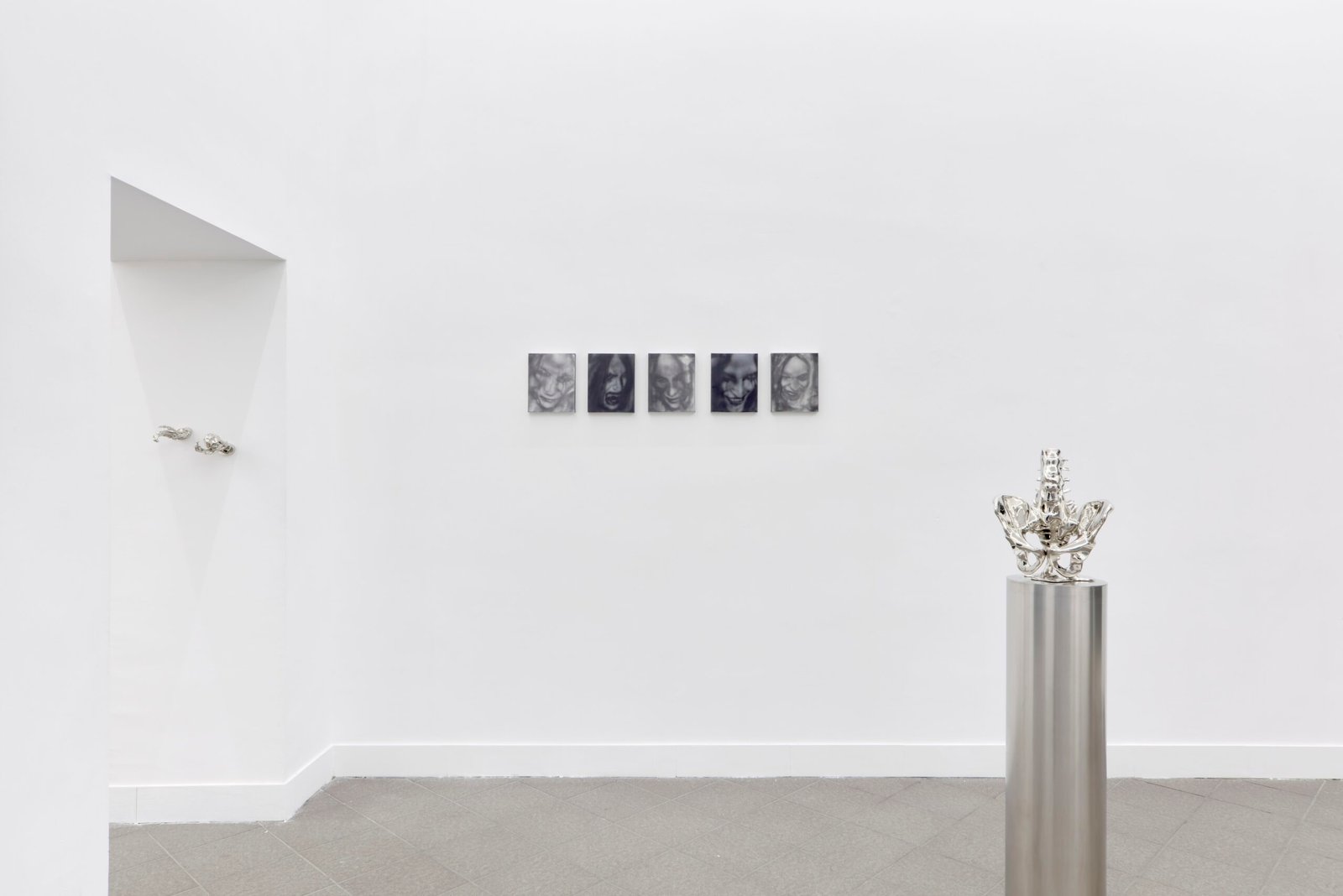
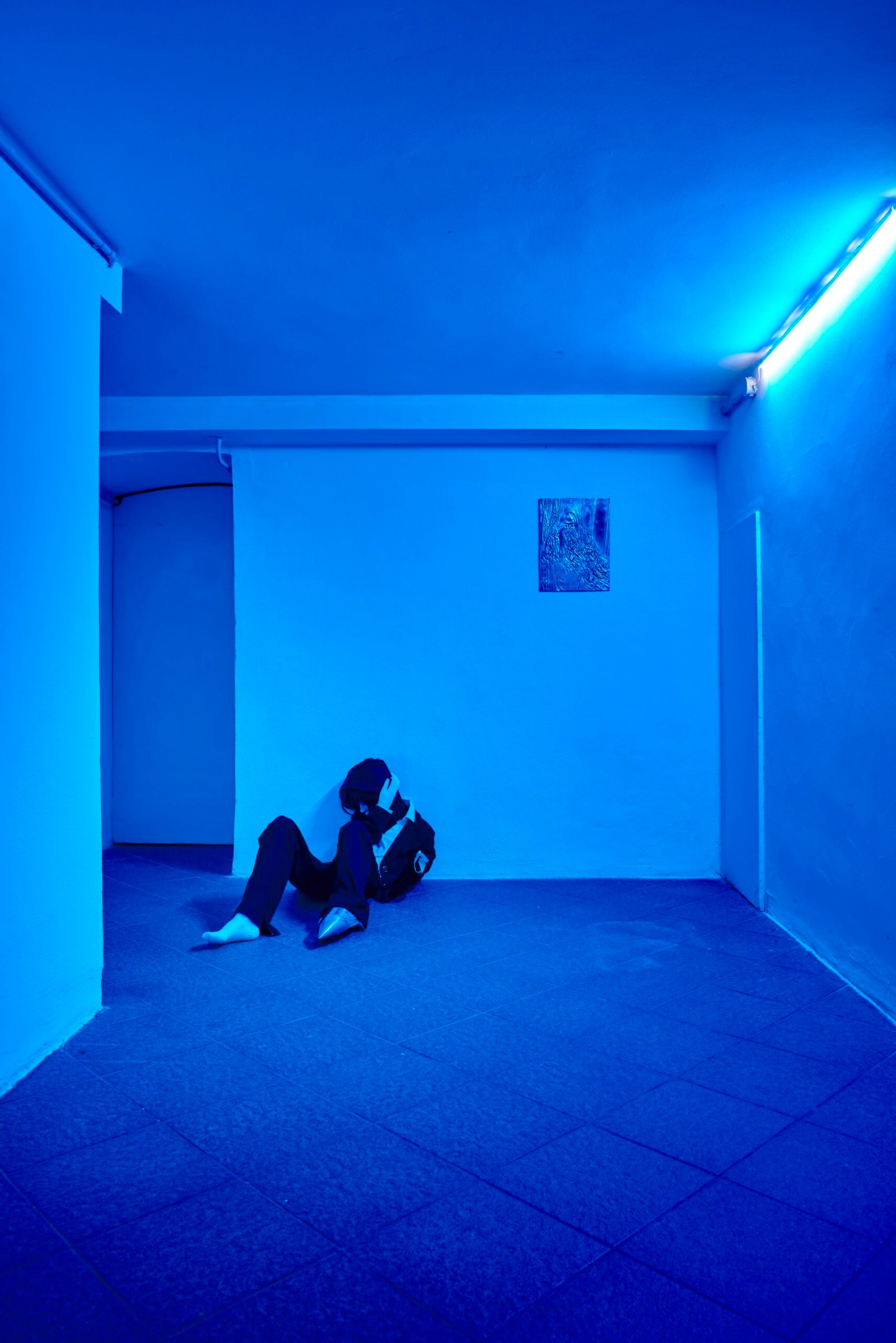
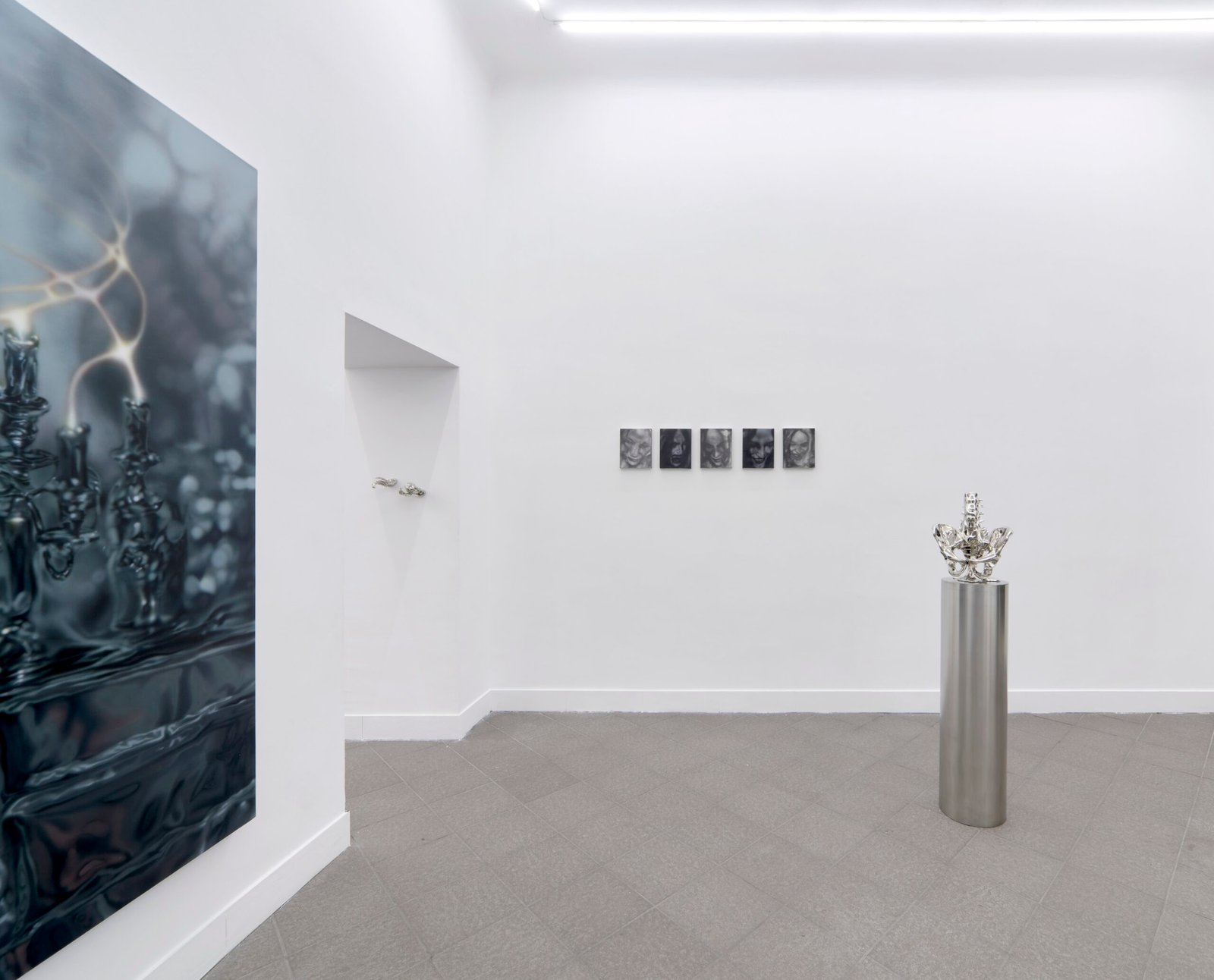
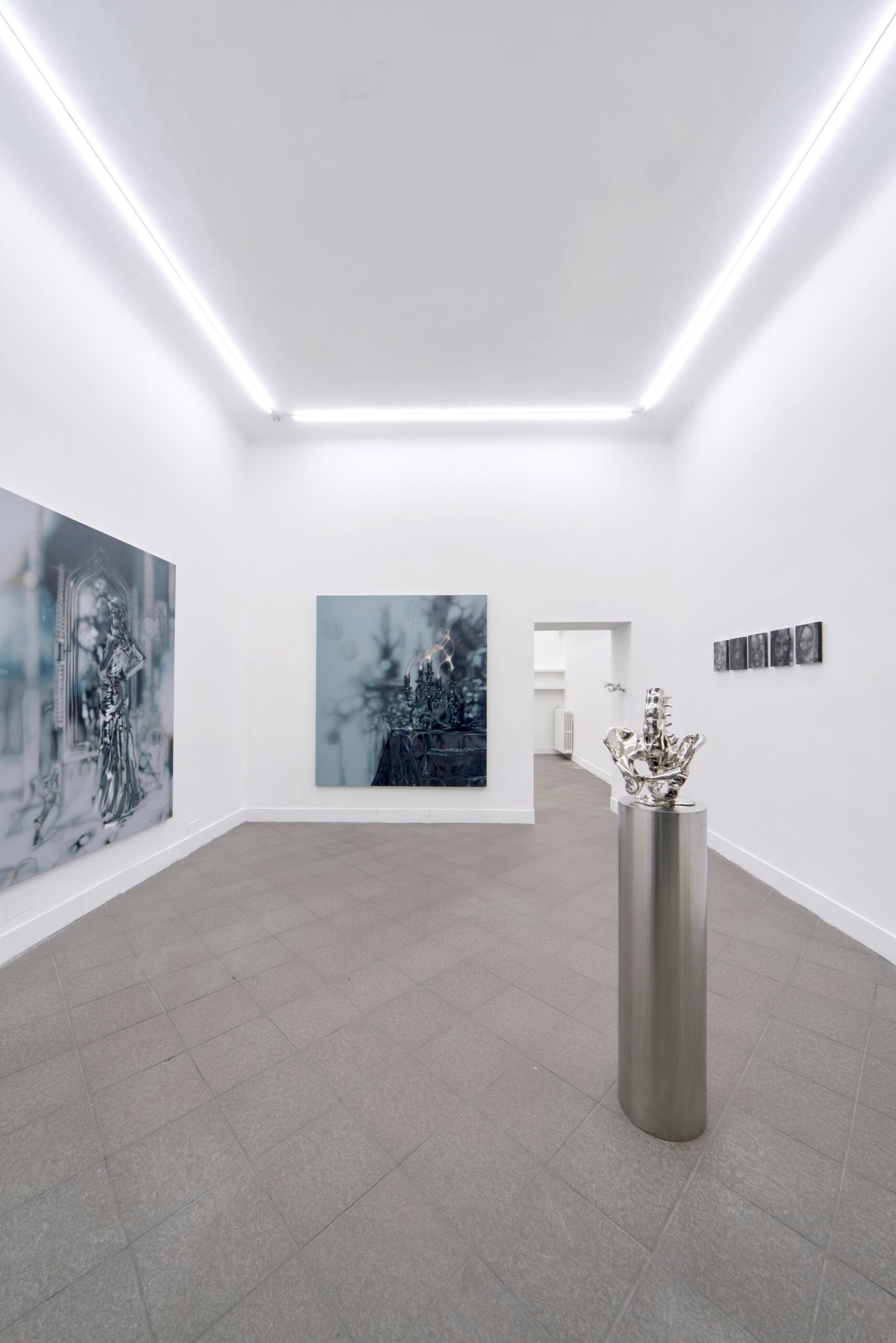
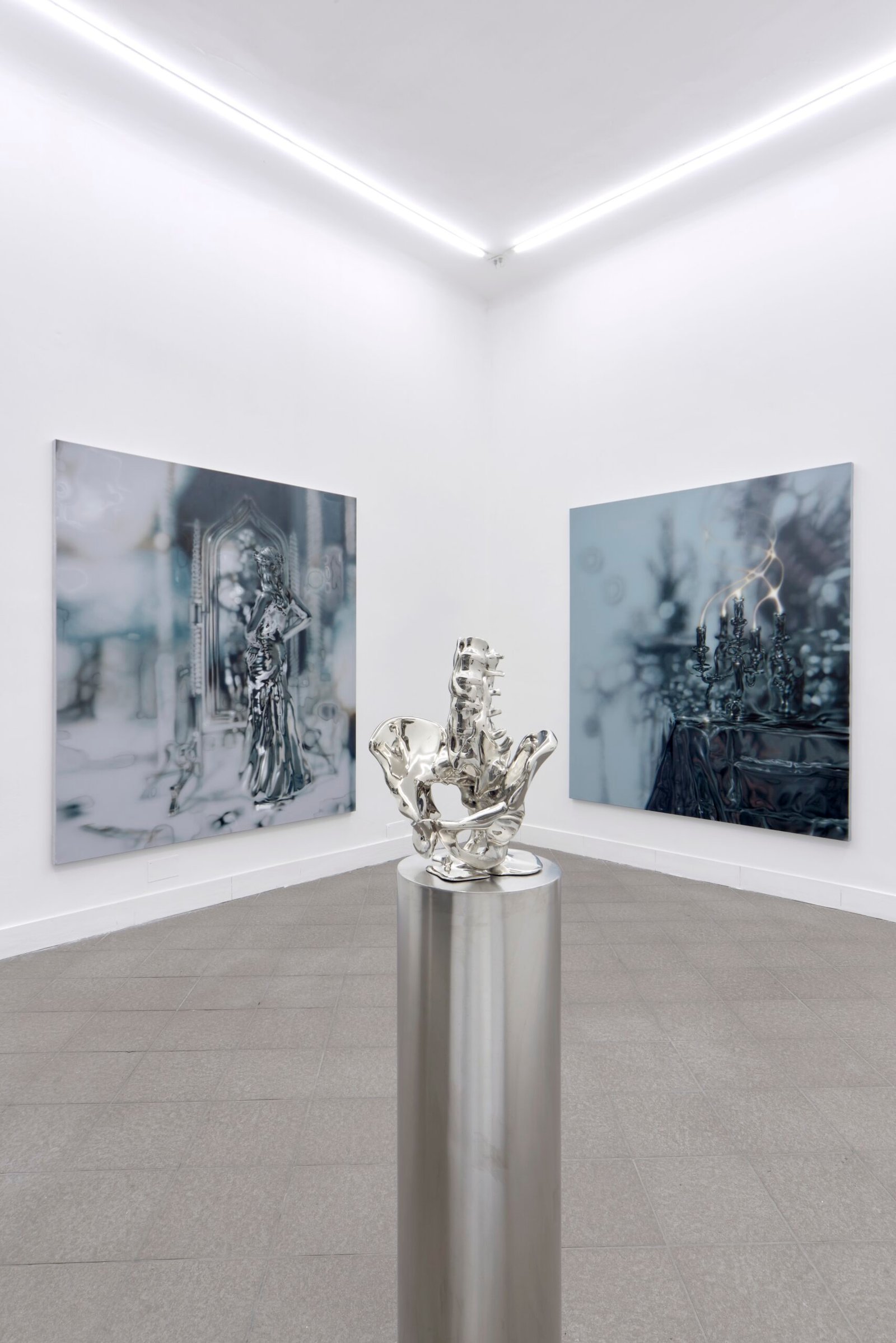
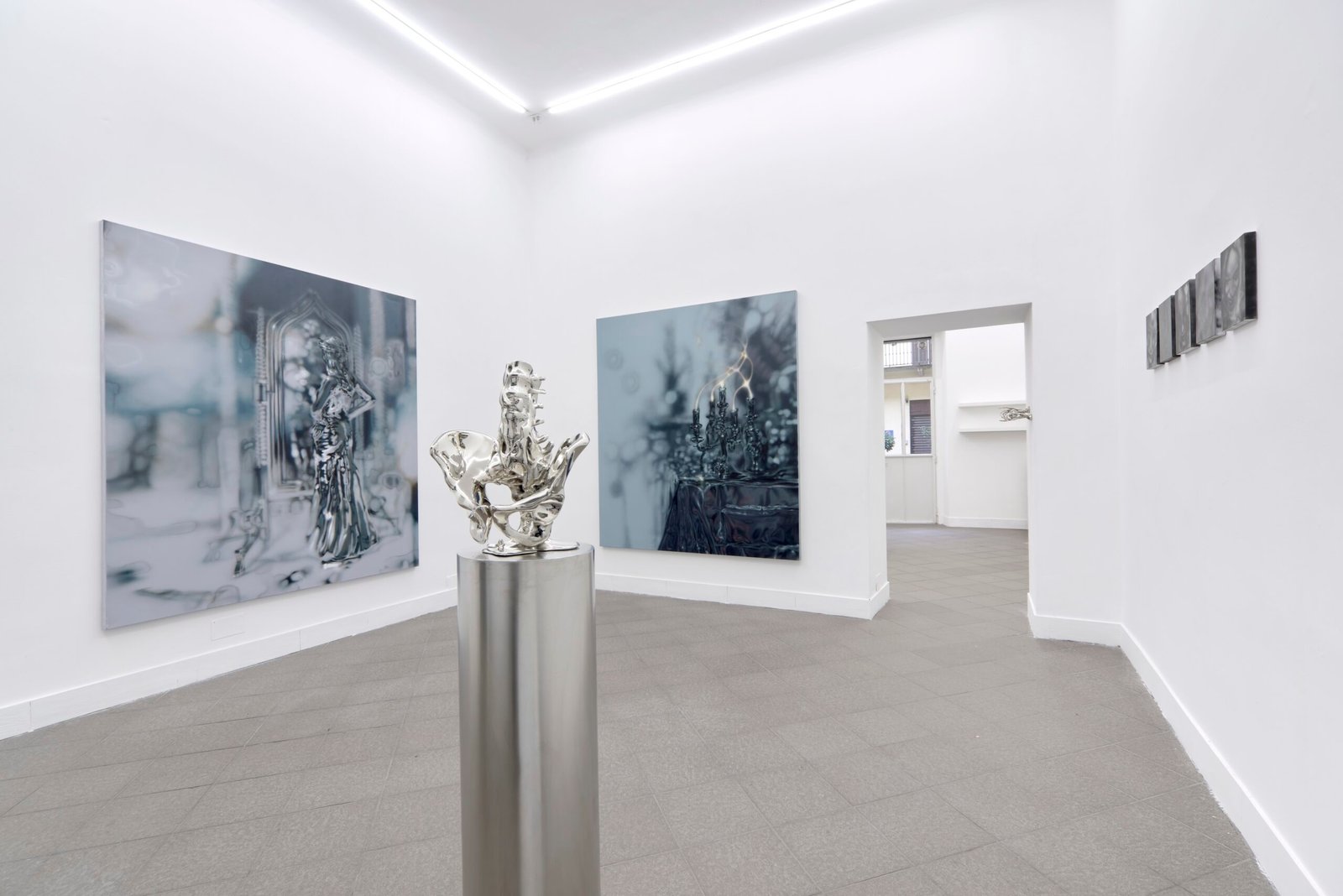
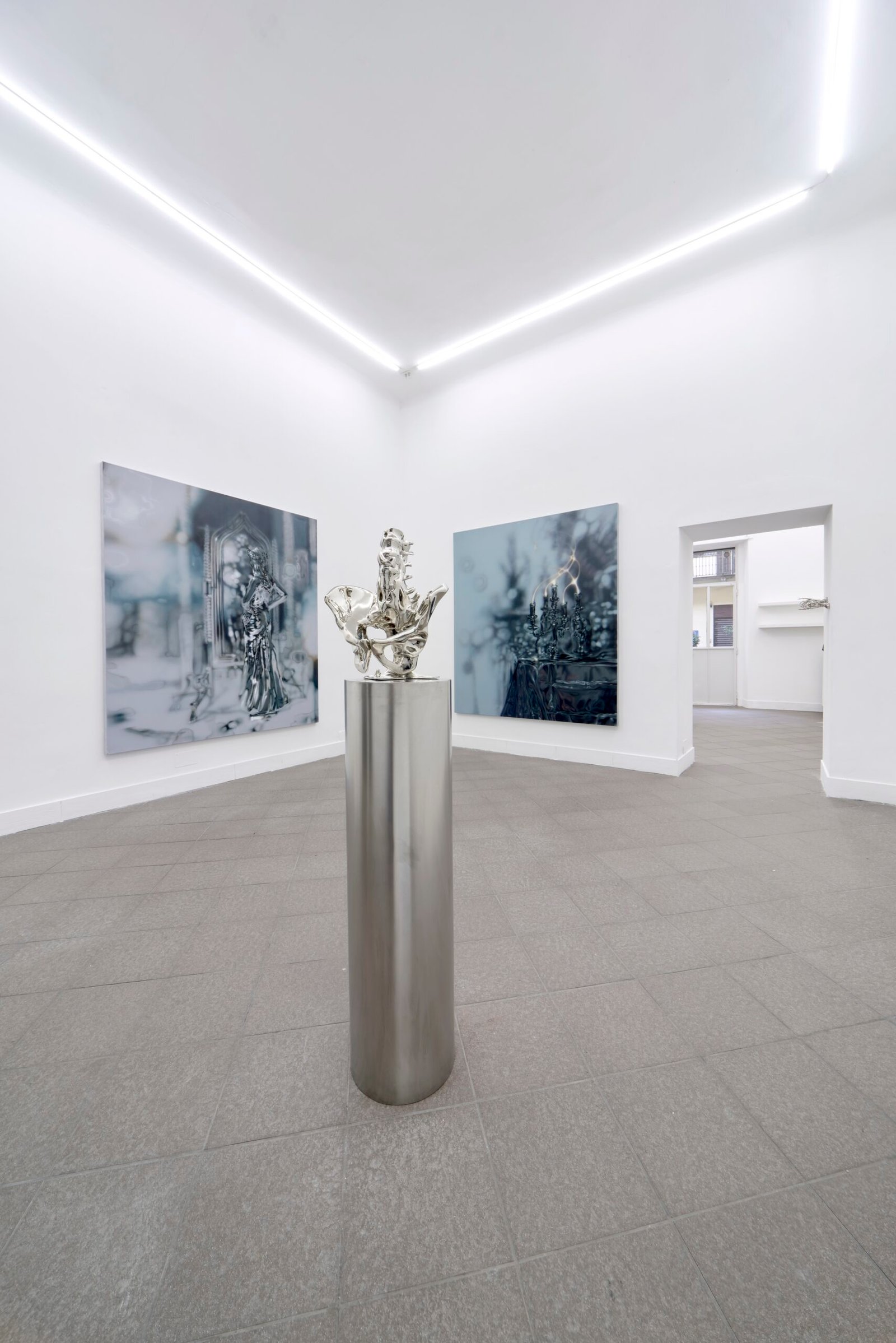
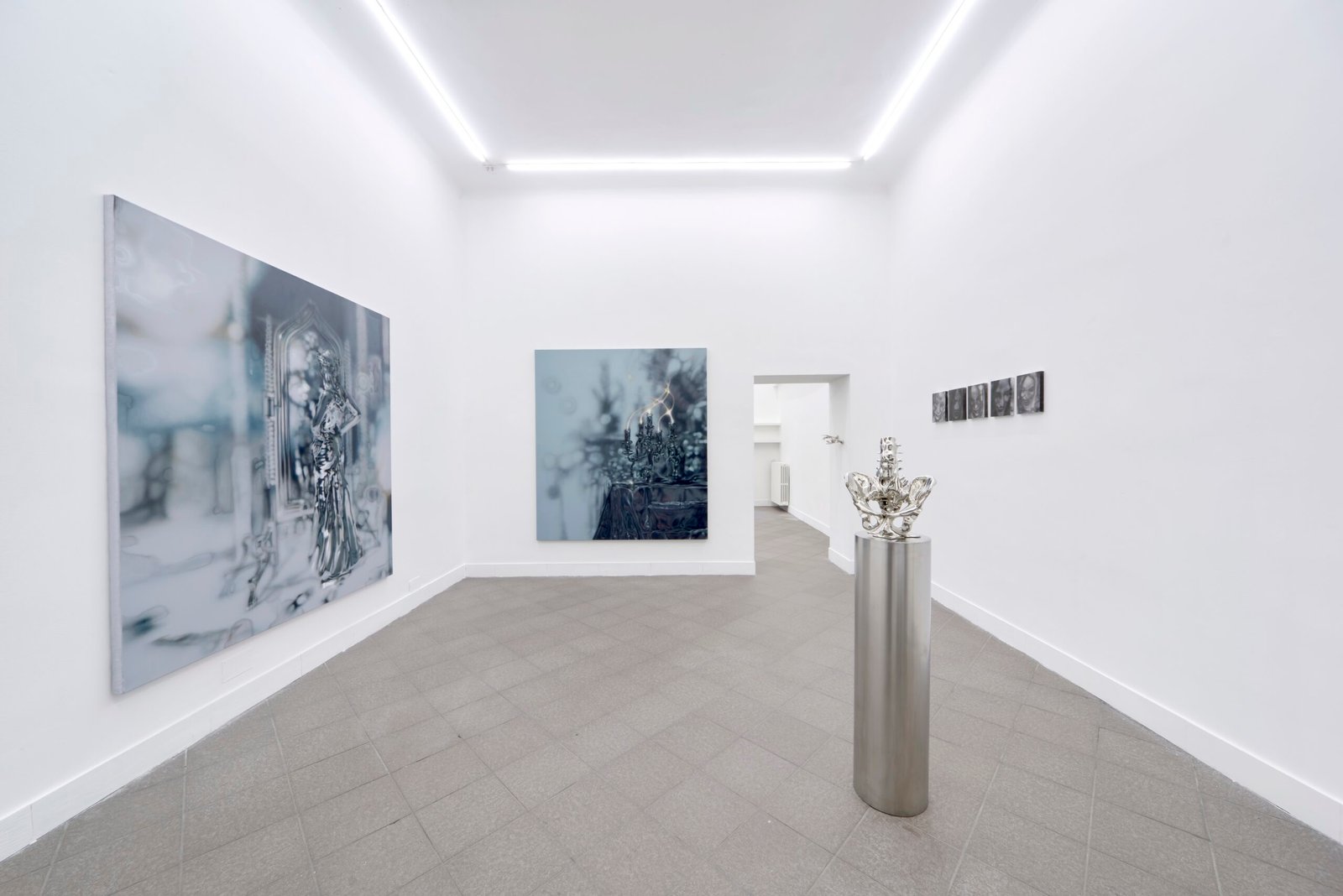
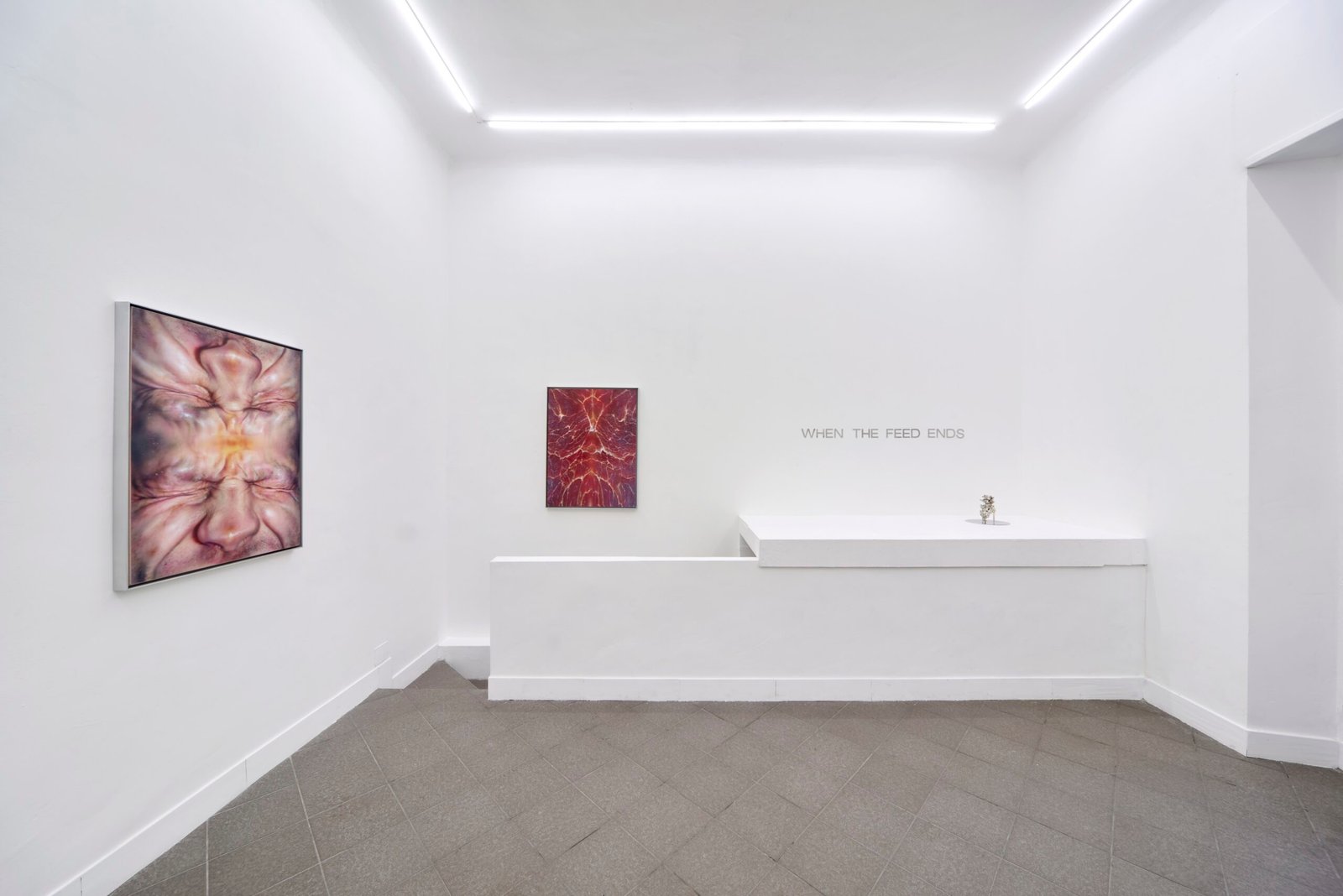
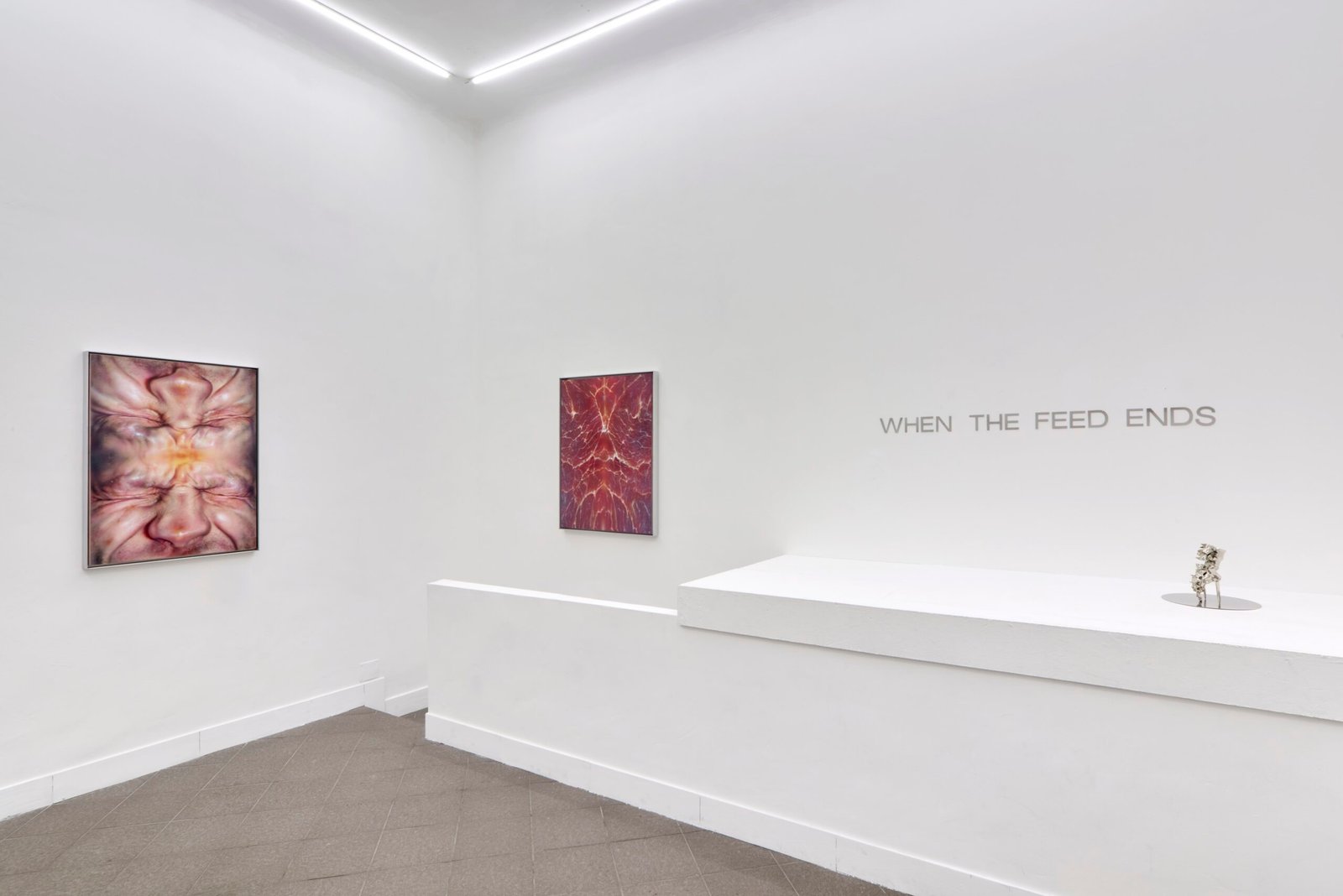
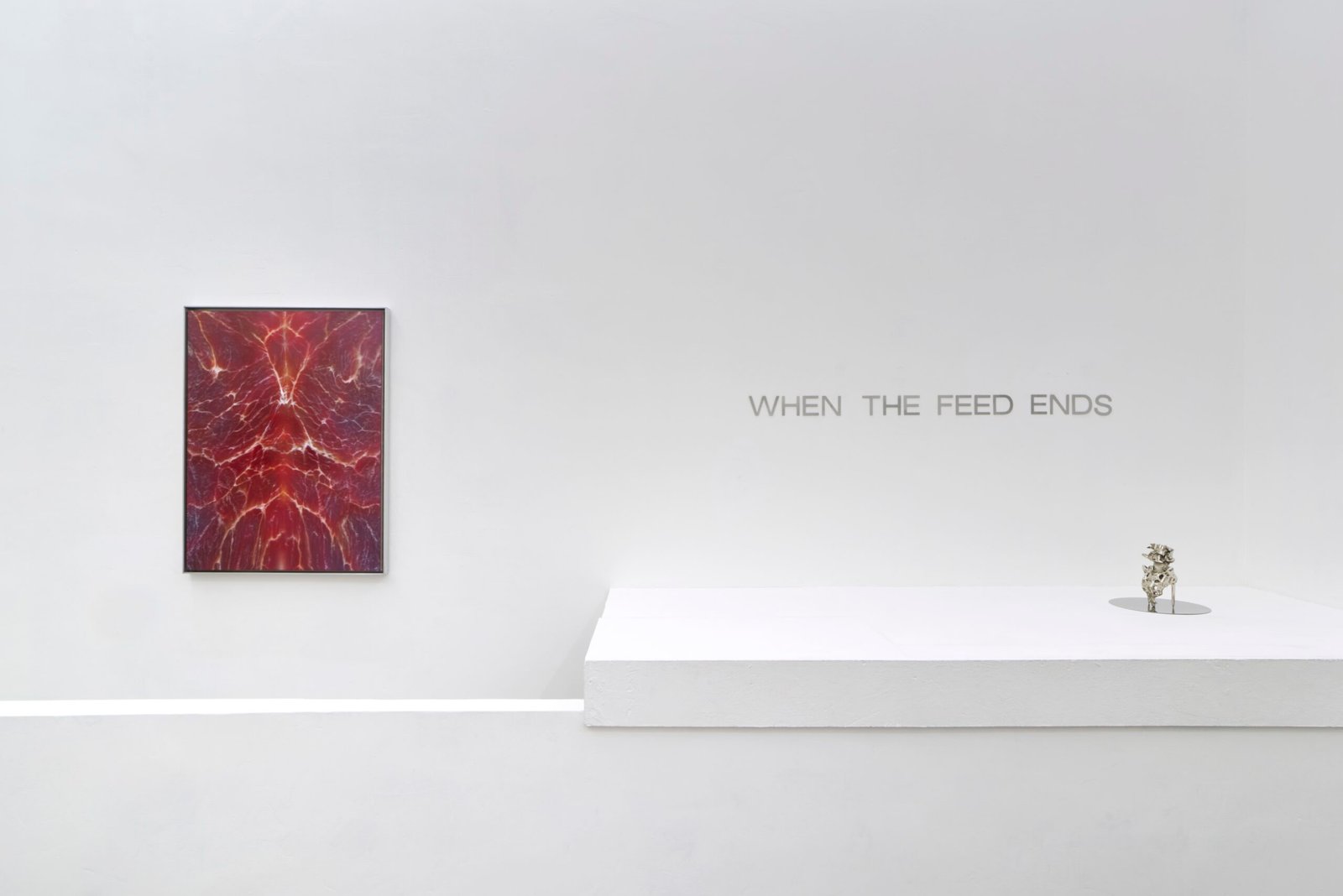
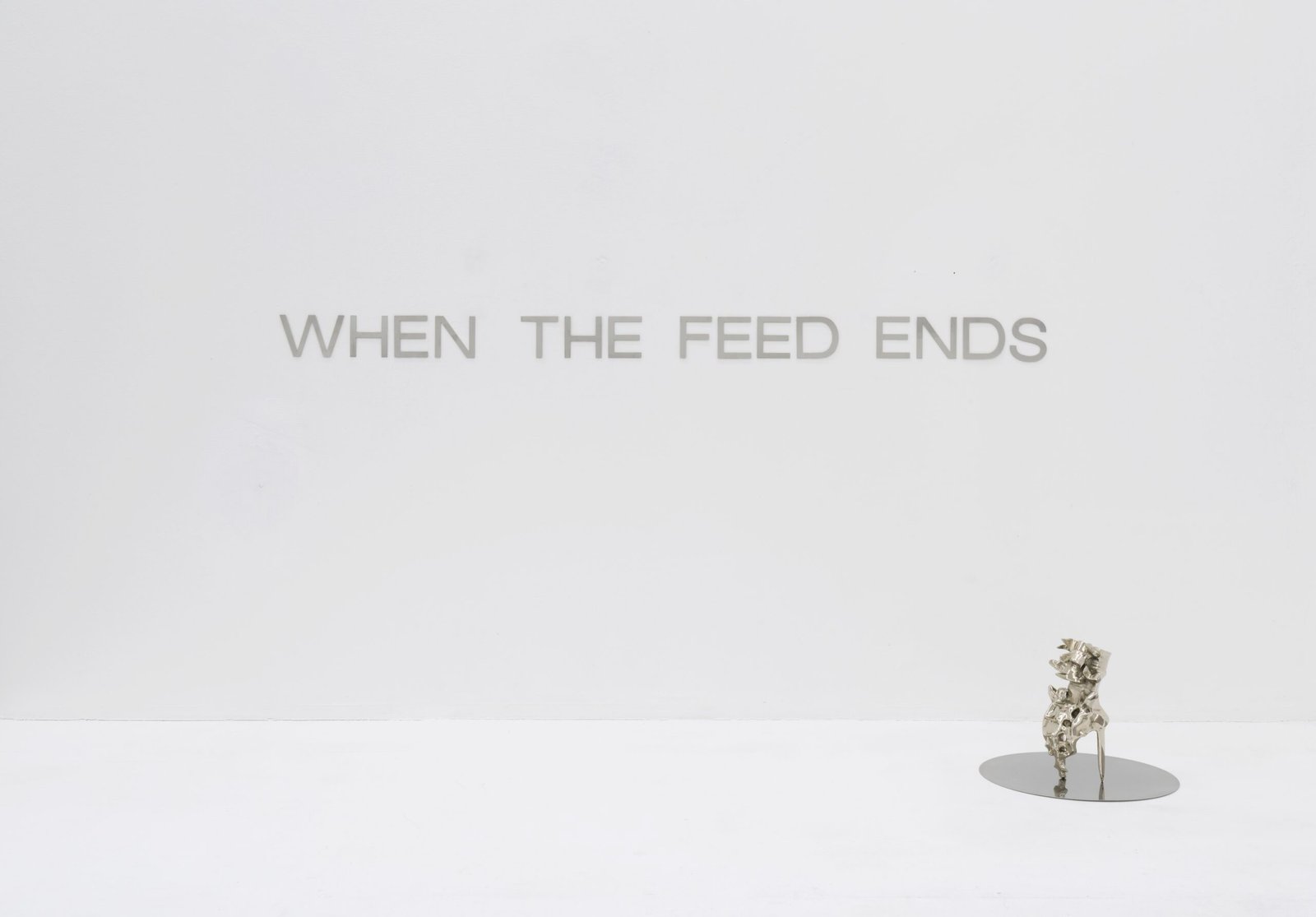
The exhibition project When the Feed Ends bears witness to the artists’ attempts to confront and negotiate dystopian imaginaries shaped by contemporary systems of mediation, thereby foregrounding the social tensions and power structures emerging from digital platforms, while simultaneously evoking speculative hypotheses of interruption or collapse of such flows.
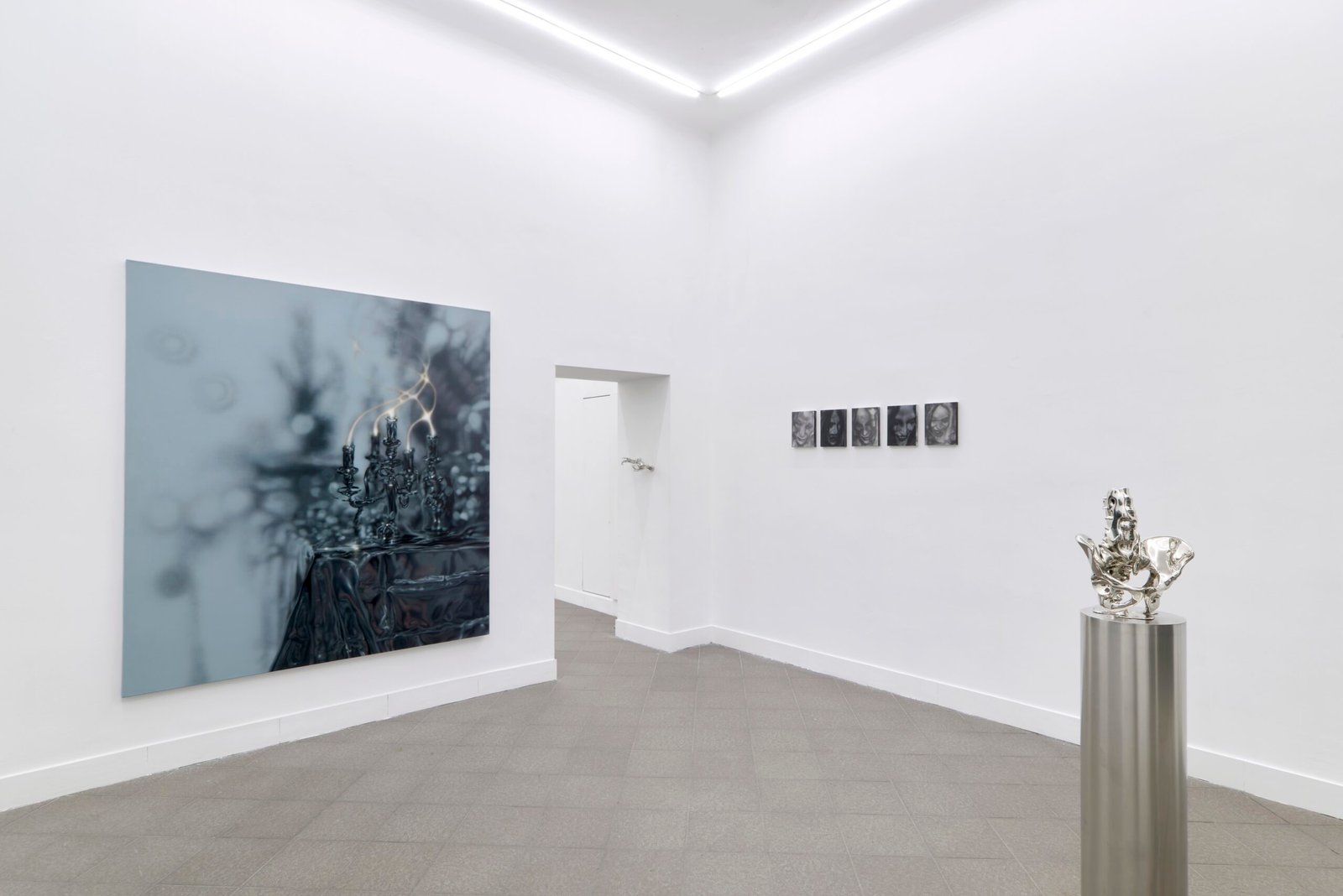
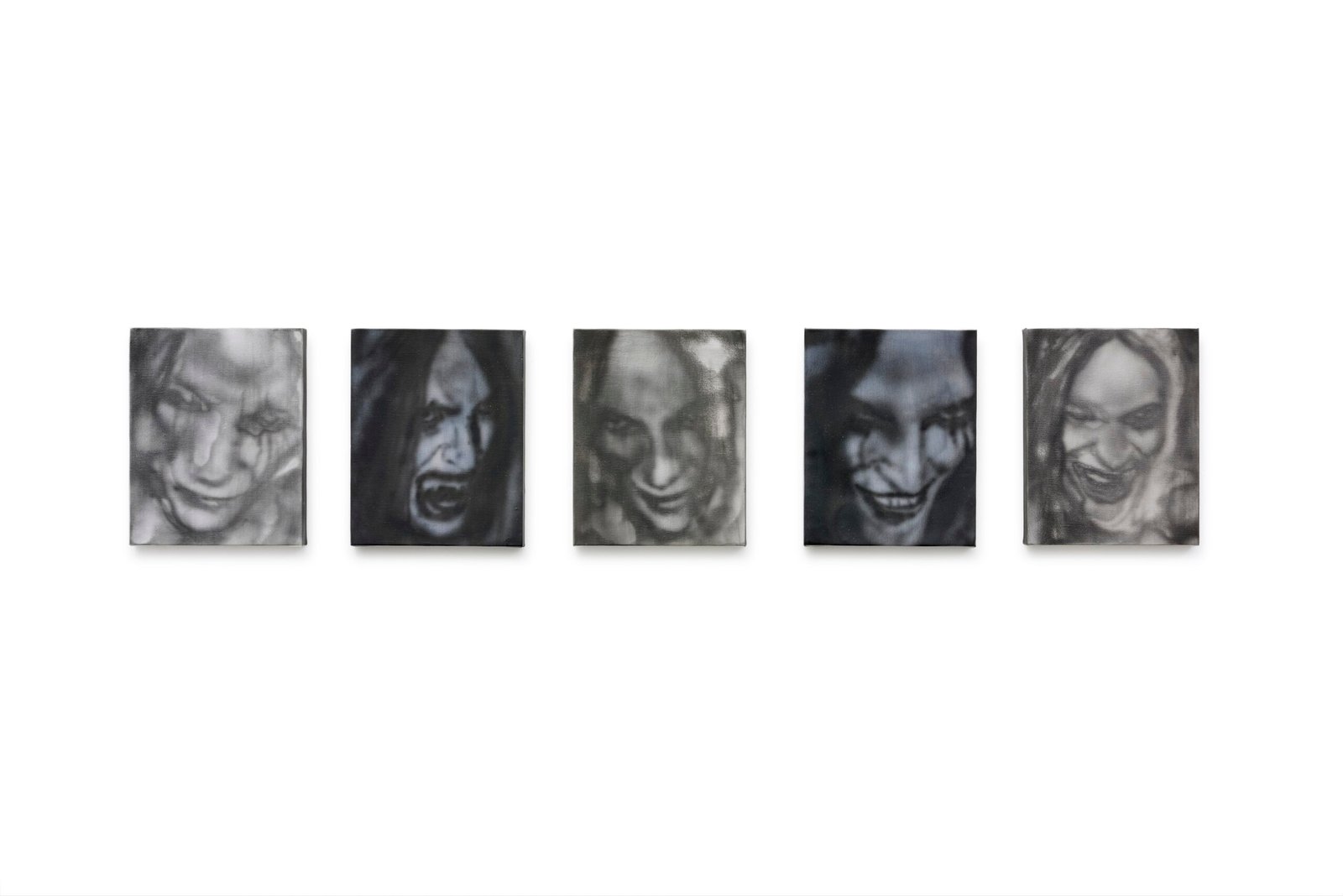
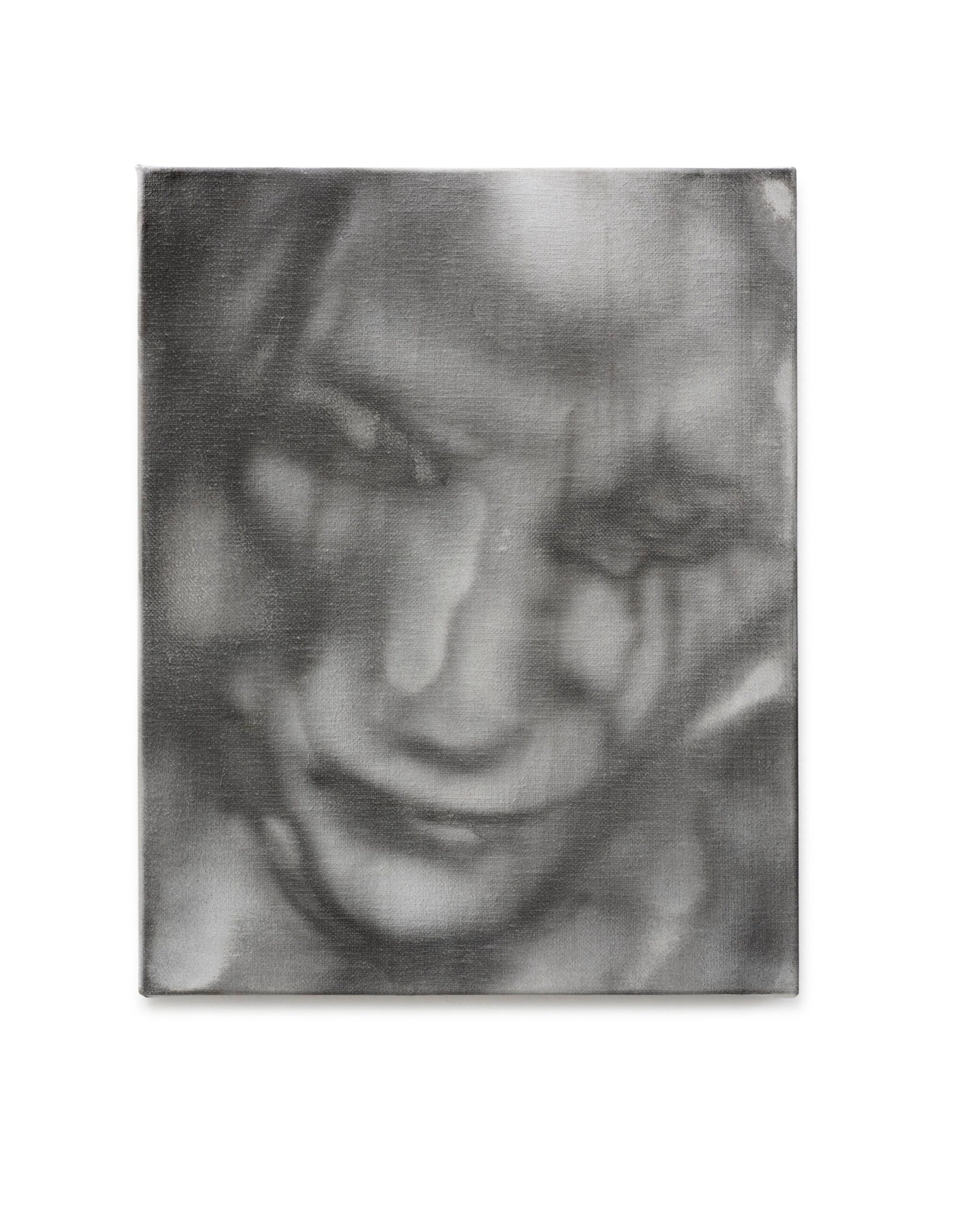
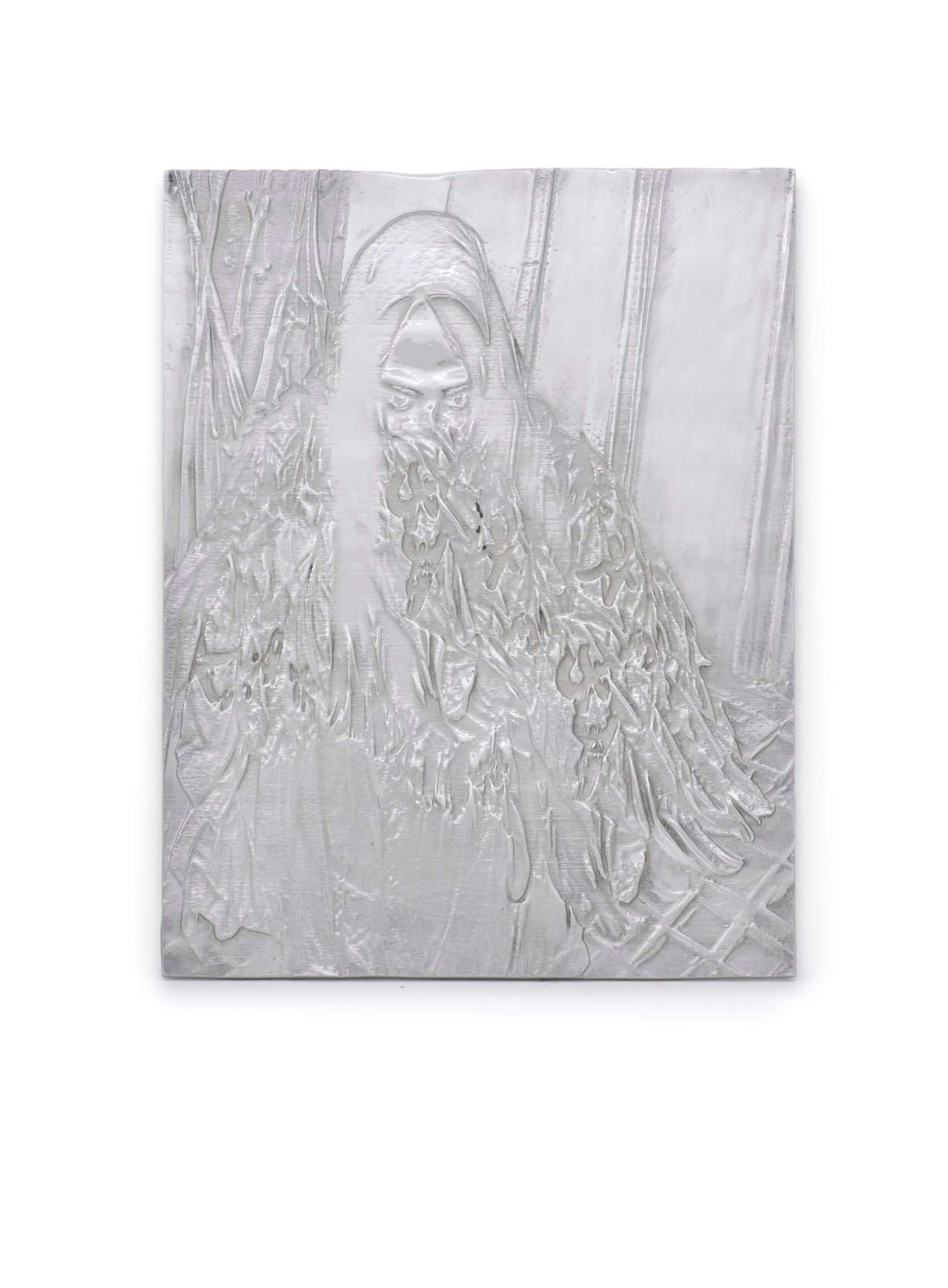
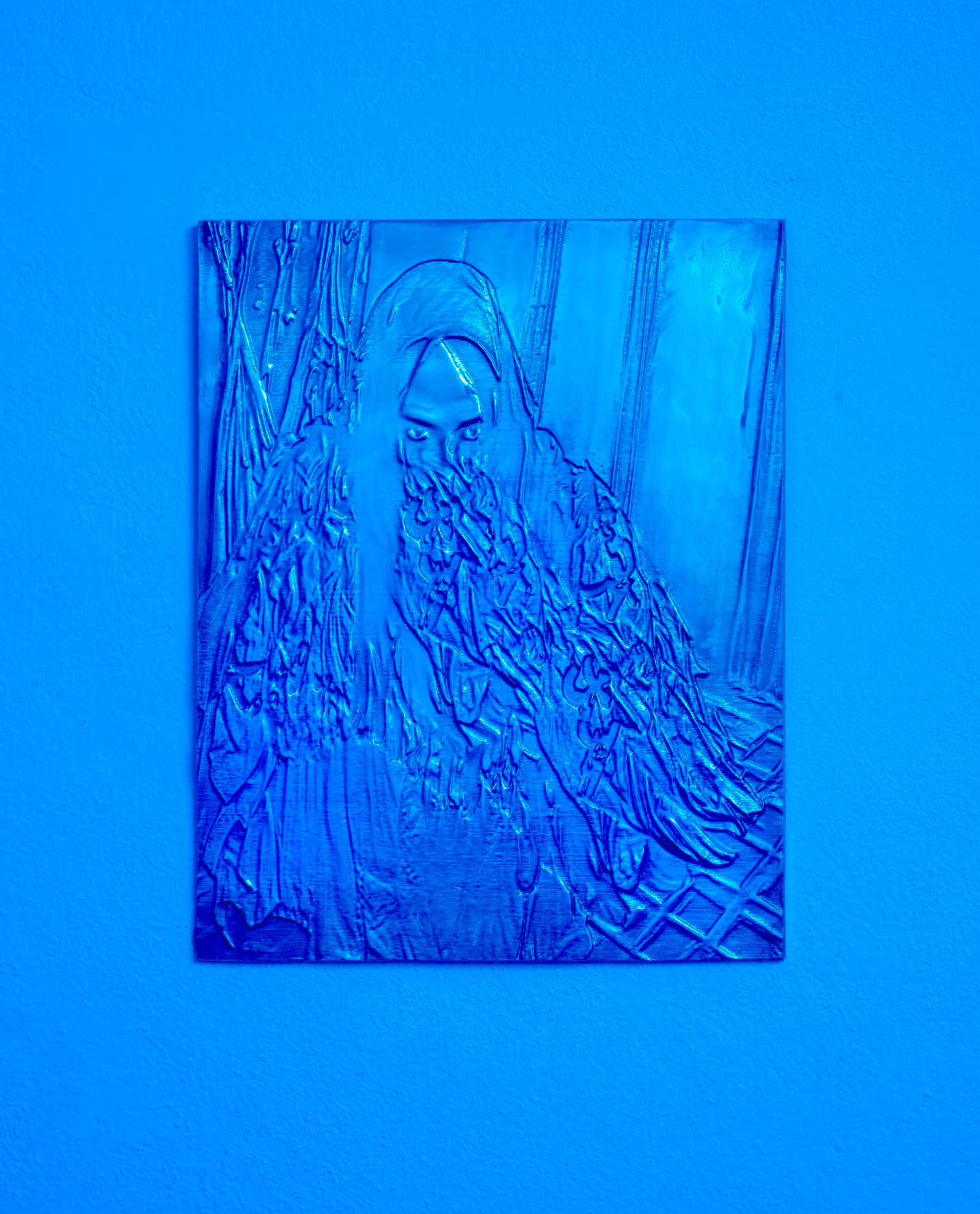
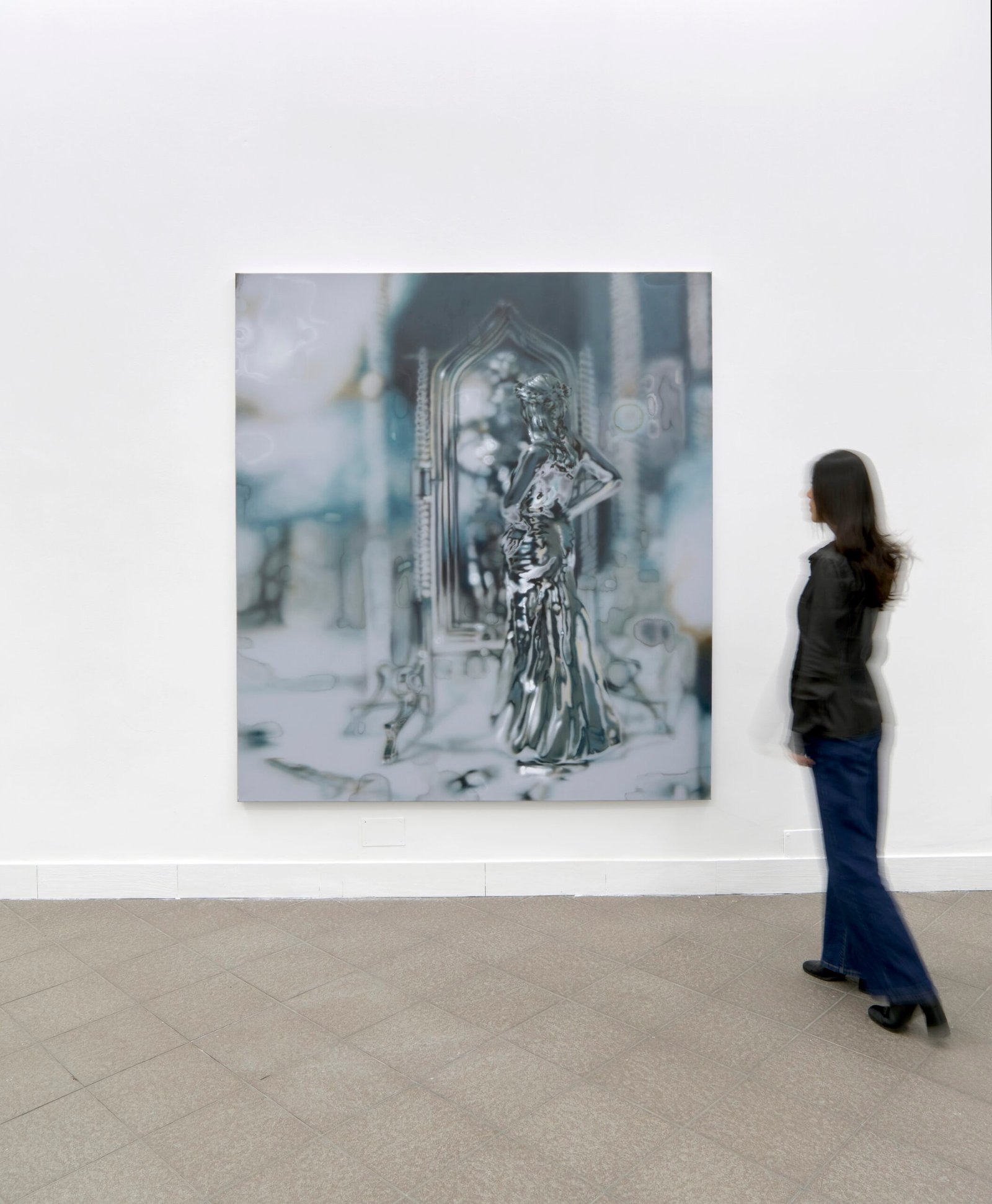
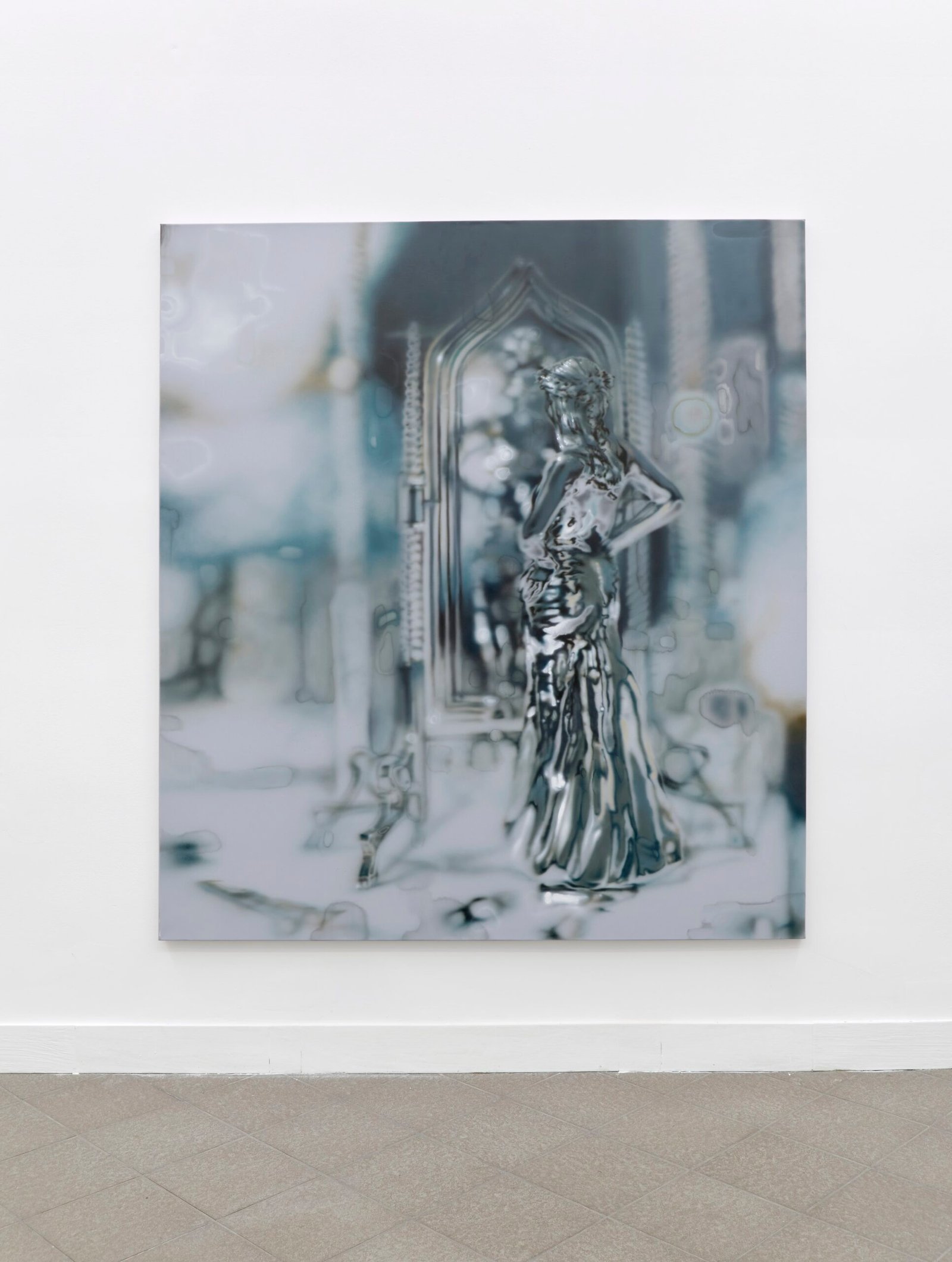
Anastasia Calinovici, through a post-human perspective, renders ephemeral entities hovering between the dreamlike and the spectral. Radically shaped by the technology they employ, they inhabit non-places, architectural hallucinations reminiscent of abandoned corporate environments, testifying to structural failure.
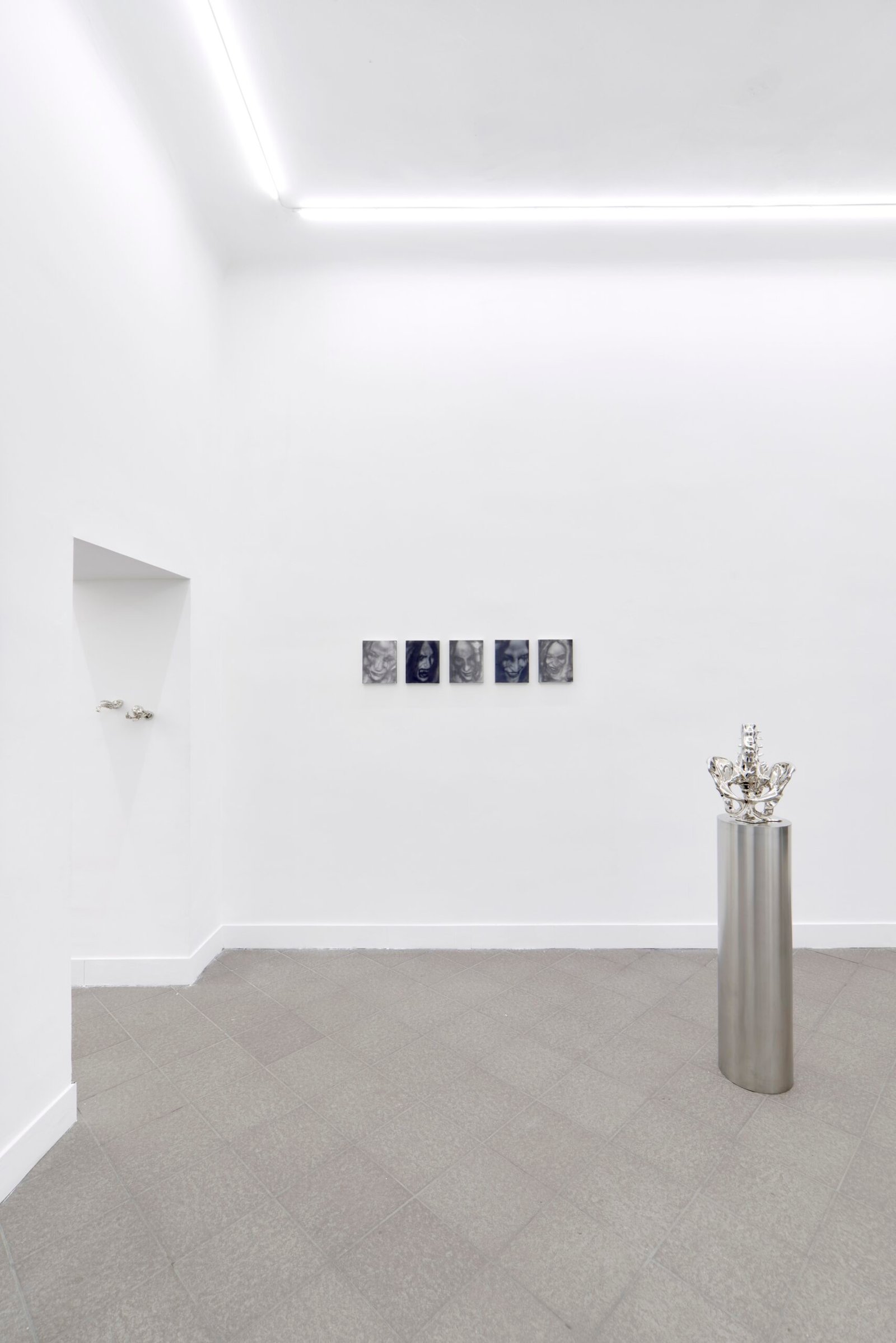
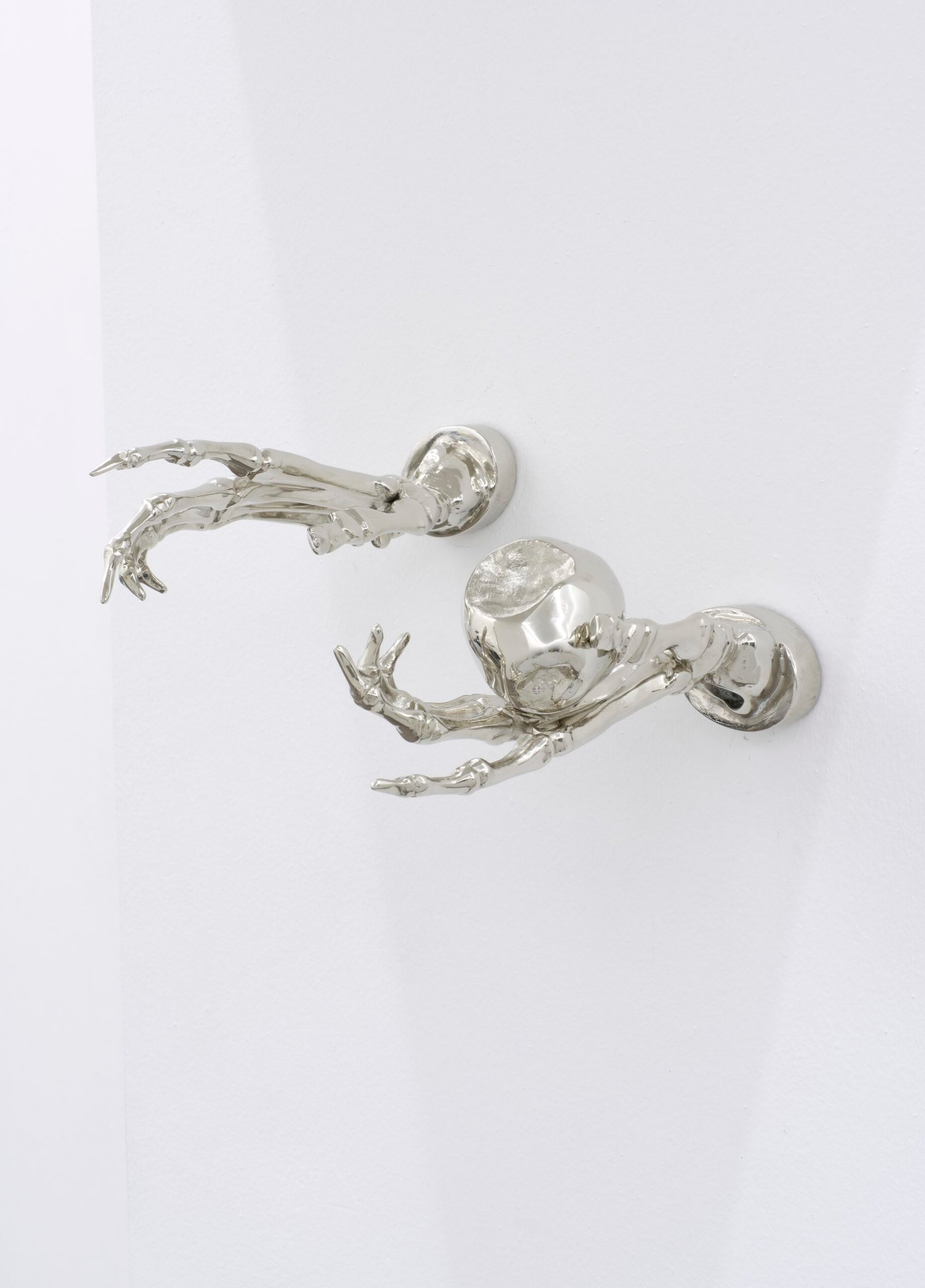
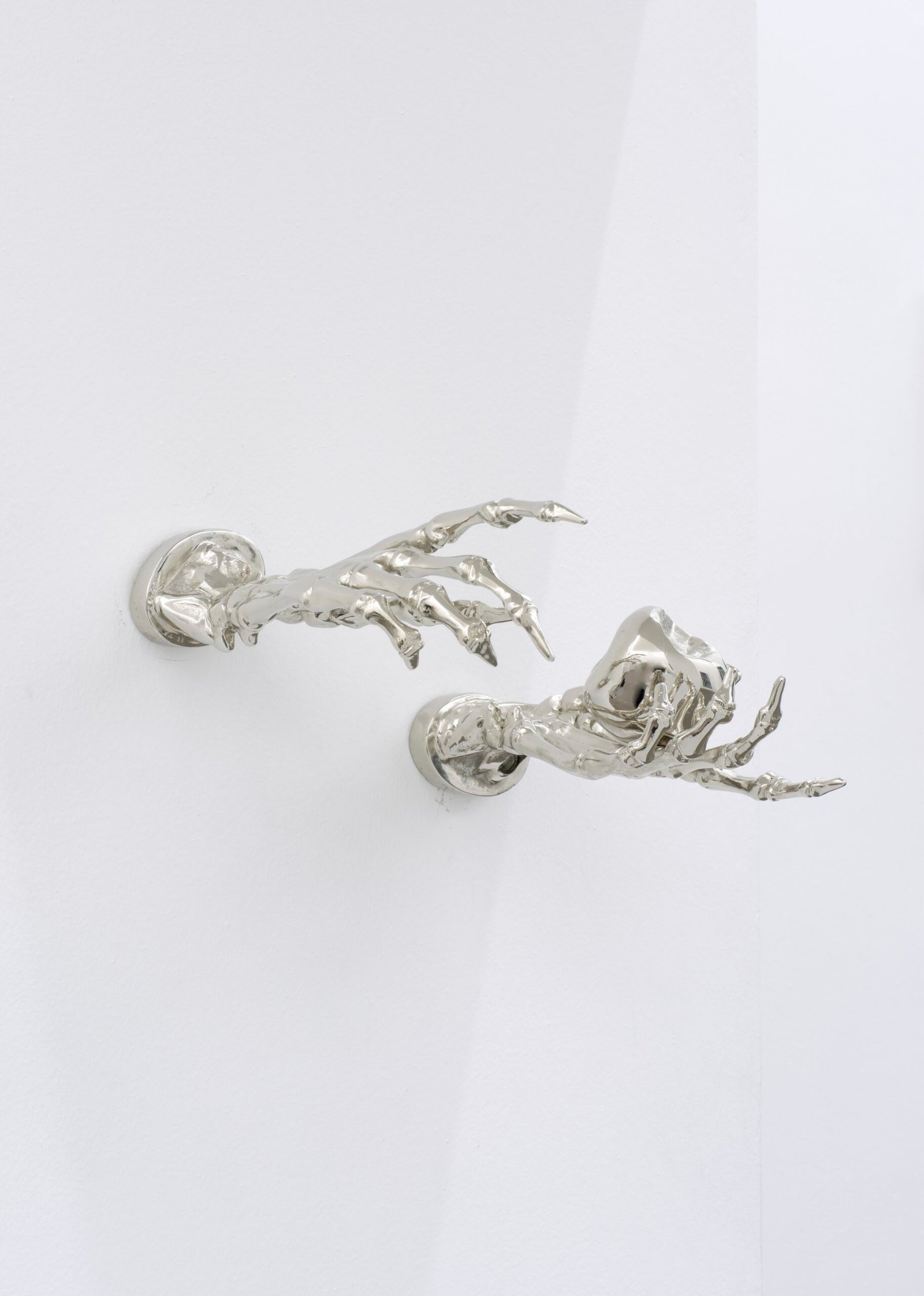
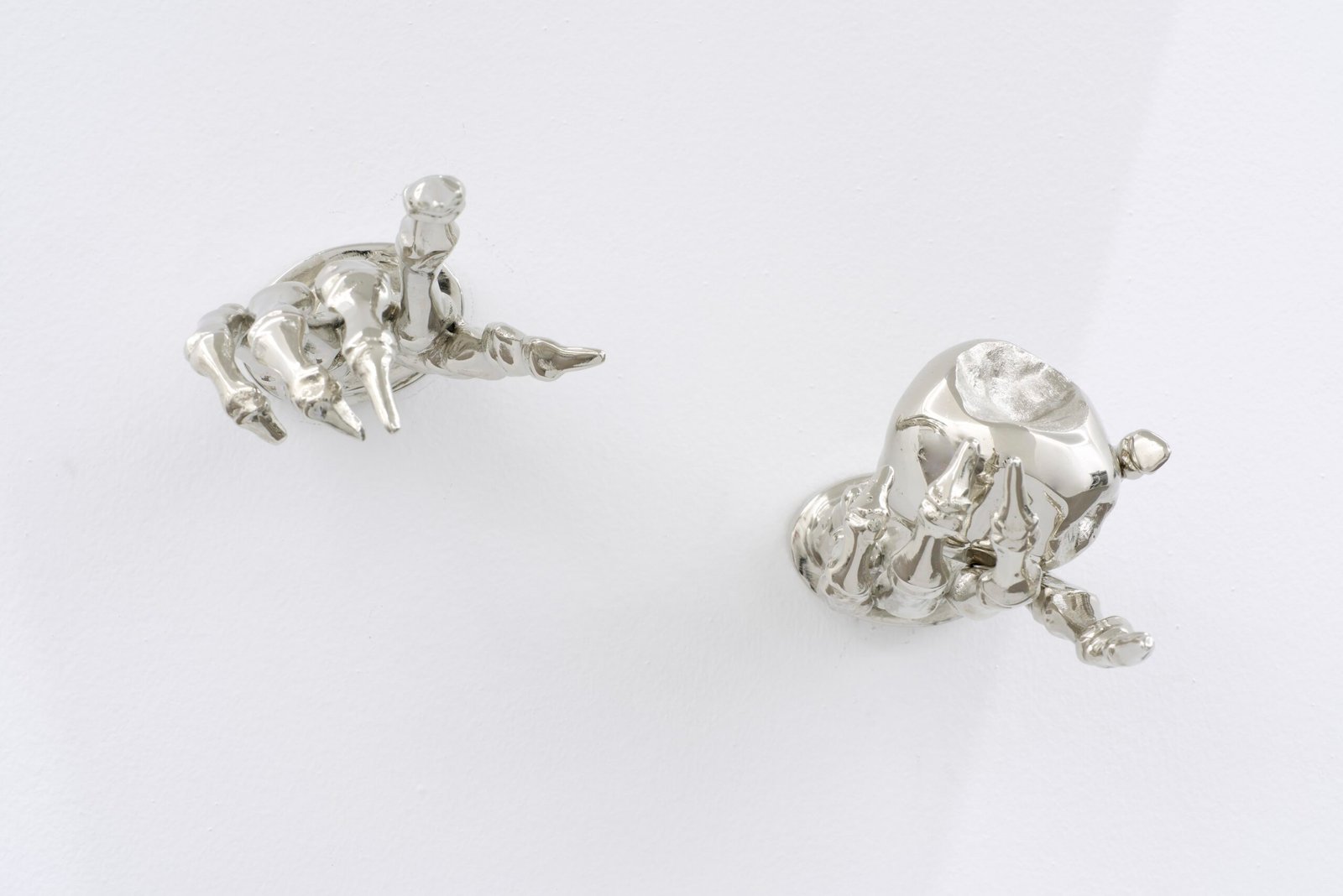
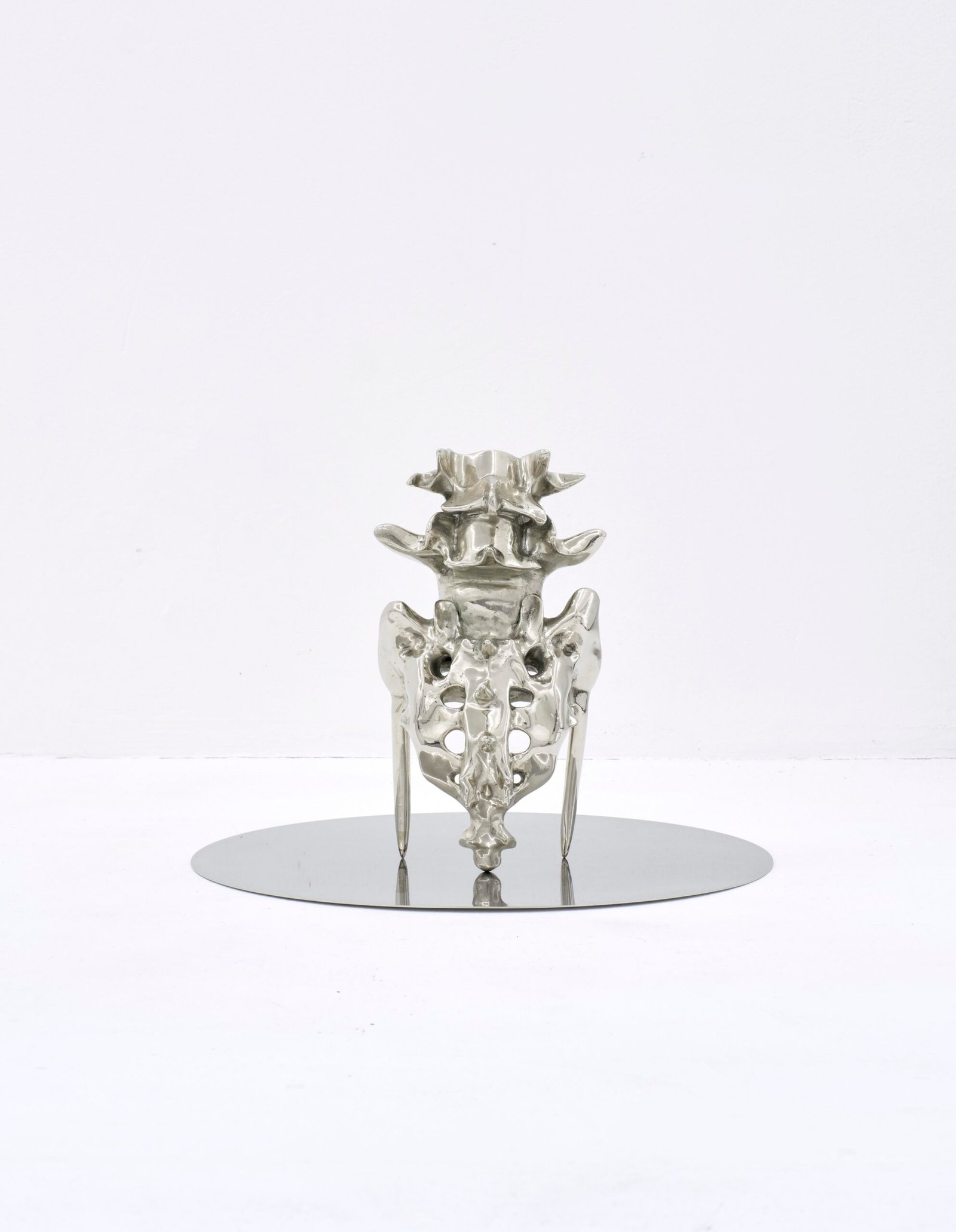
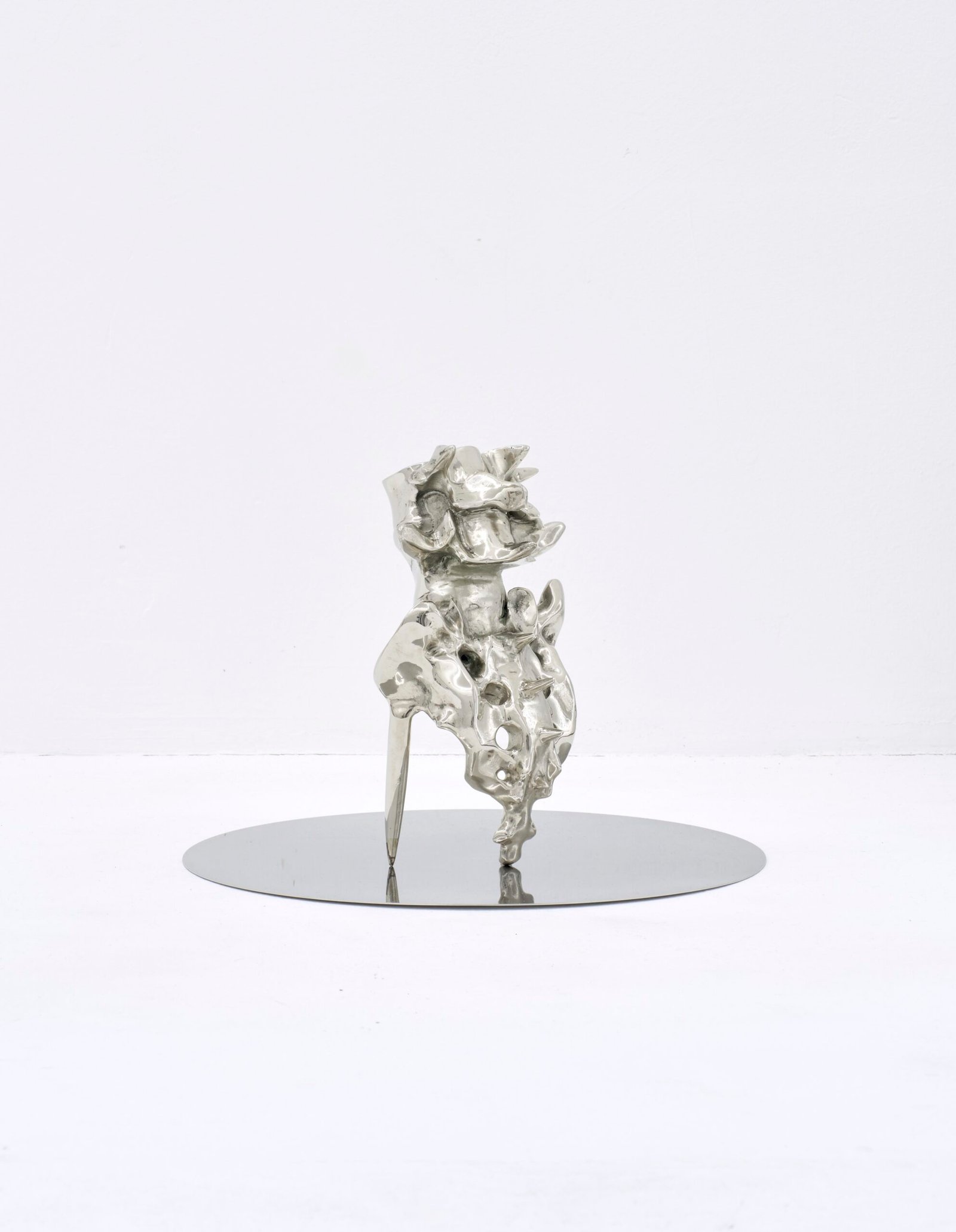
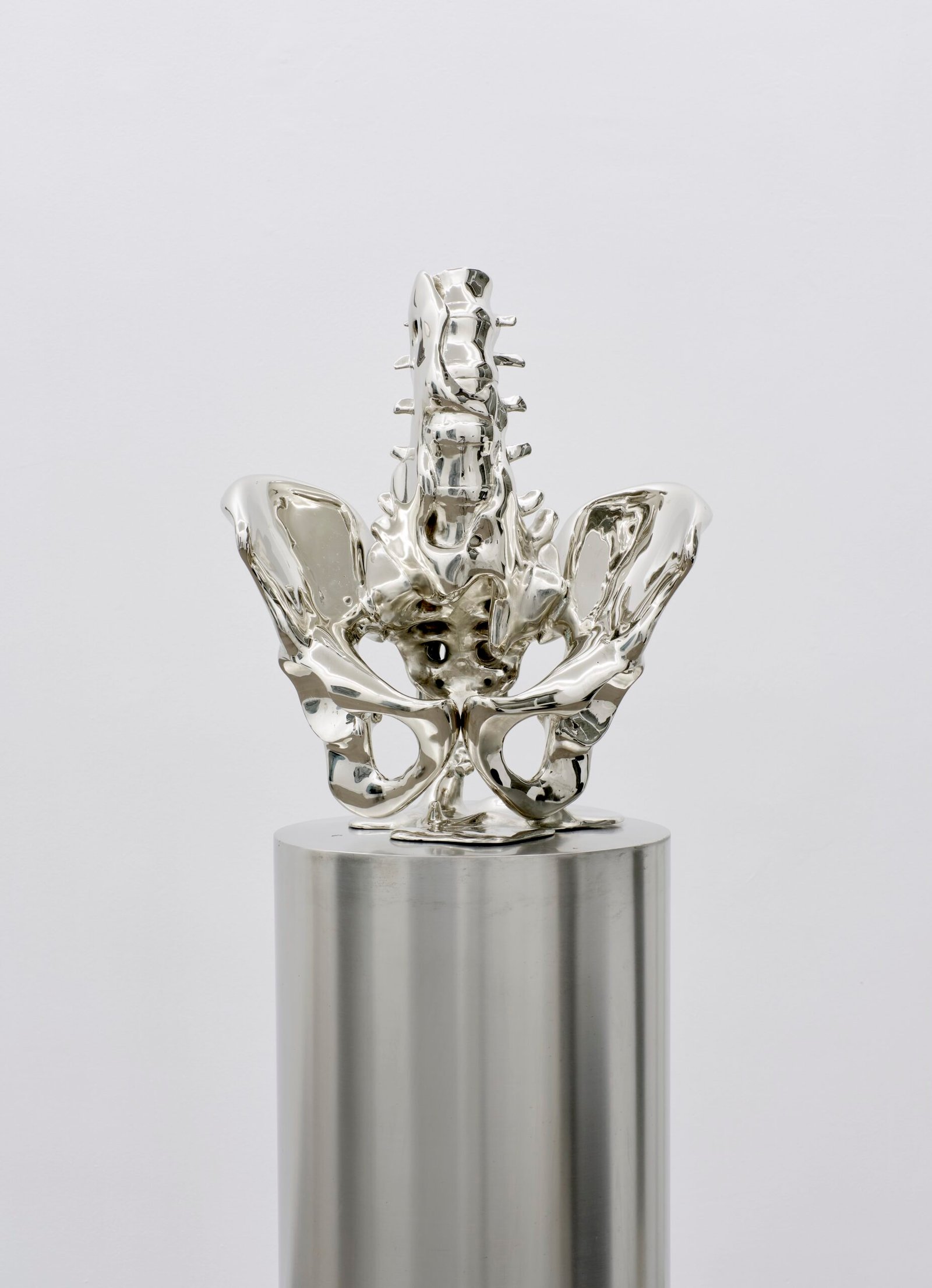
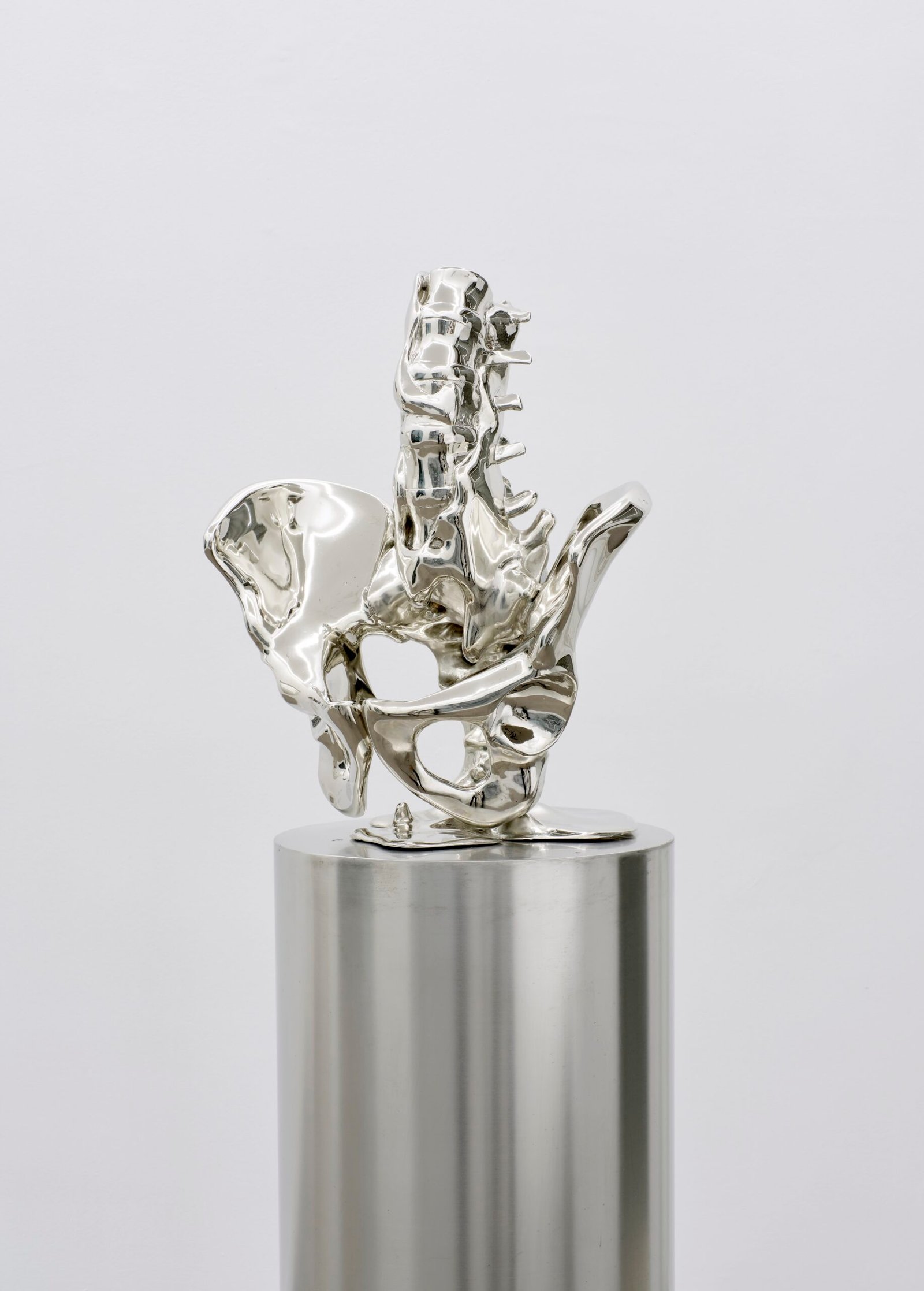
Marta Mattioli operates through both digital and physical processes of material manipulation. Through sculptures that alter the anatomical perception of the body, a universal element shared by all individuals, she explores a speculative dimension of utopian futures developed through the hybridization of organic and synthetic elements.
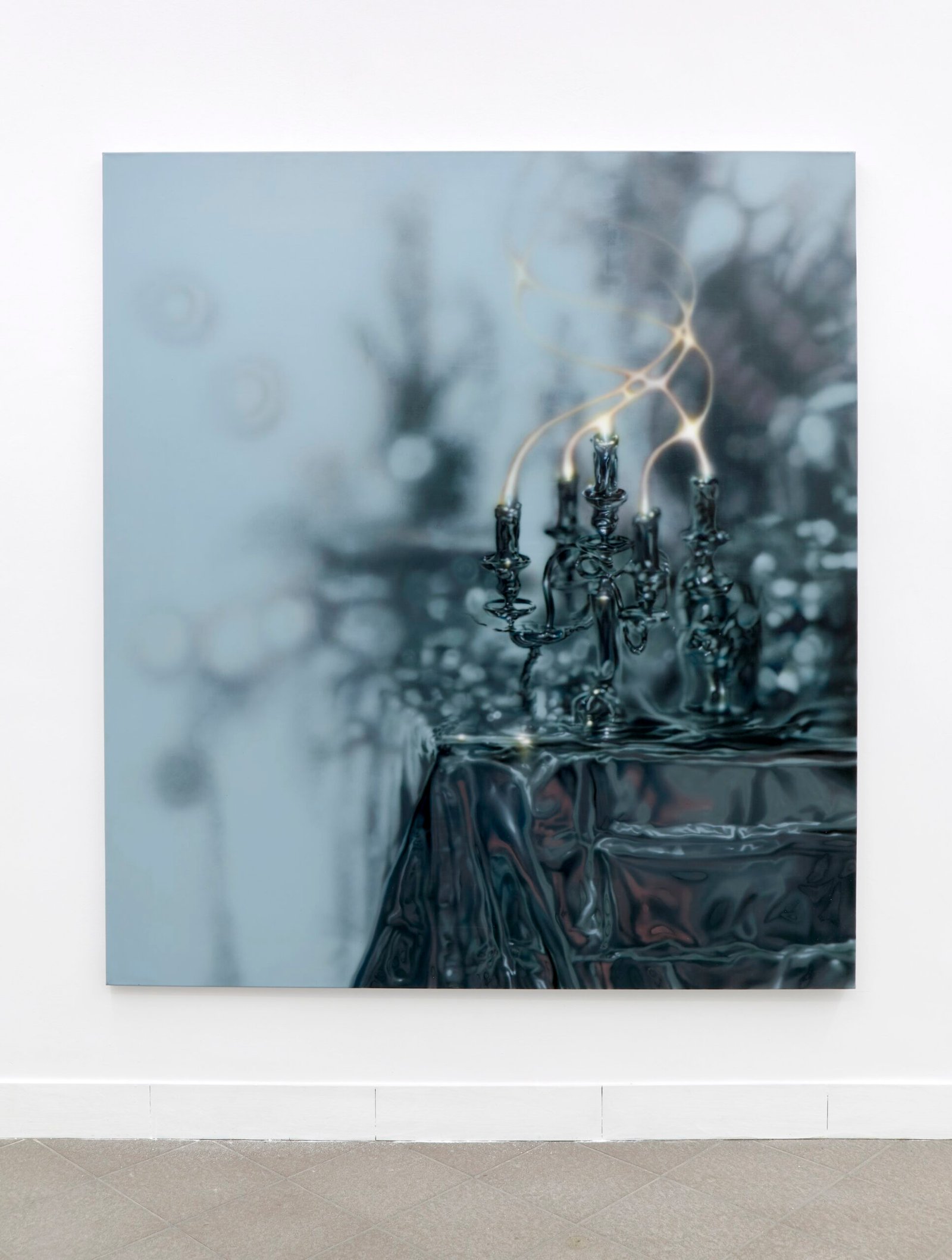
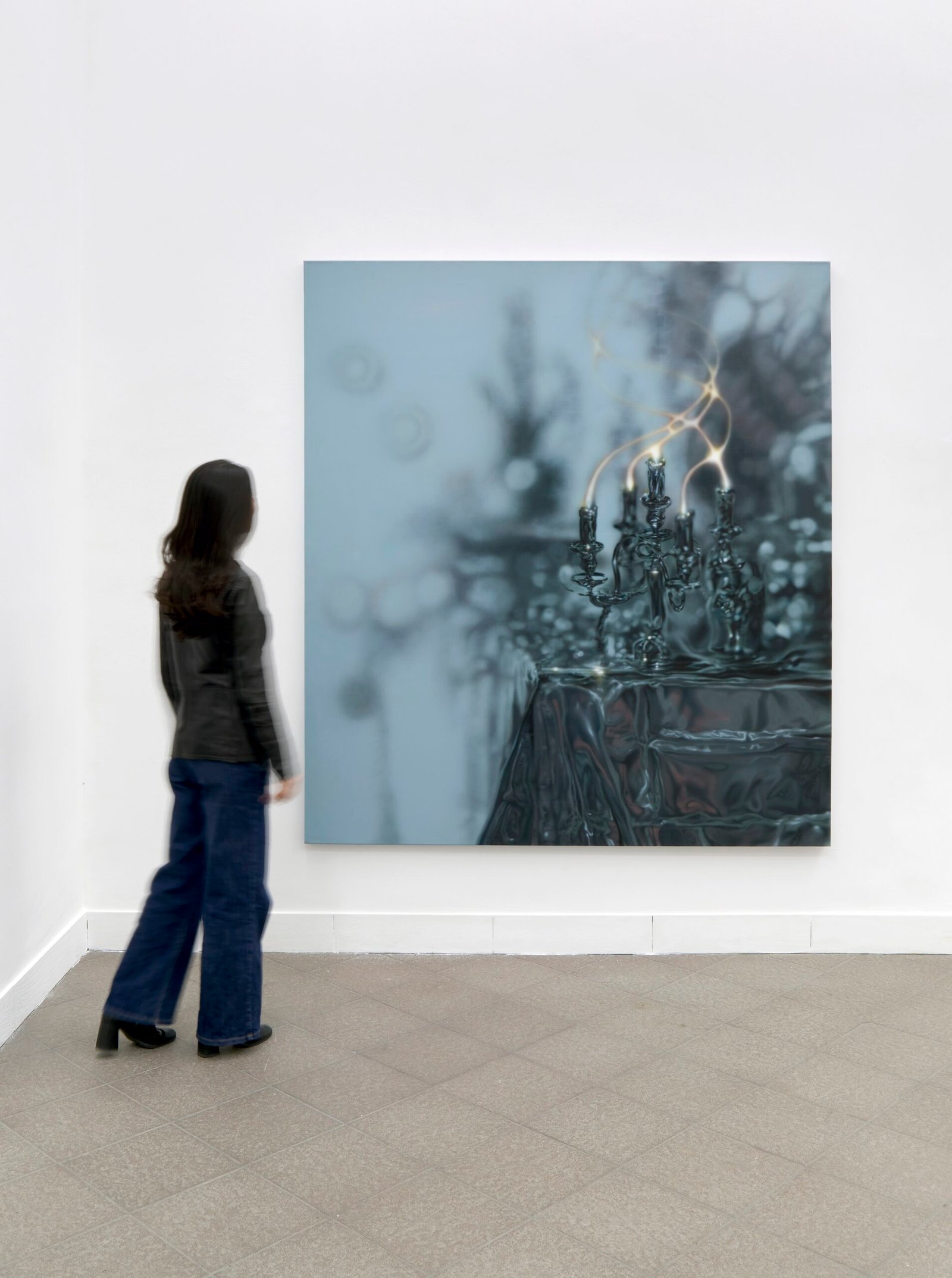
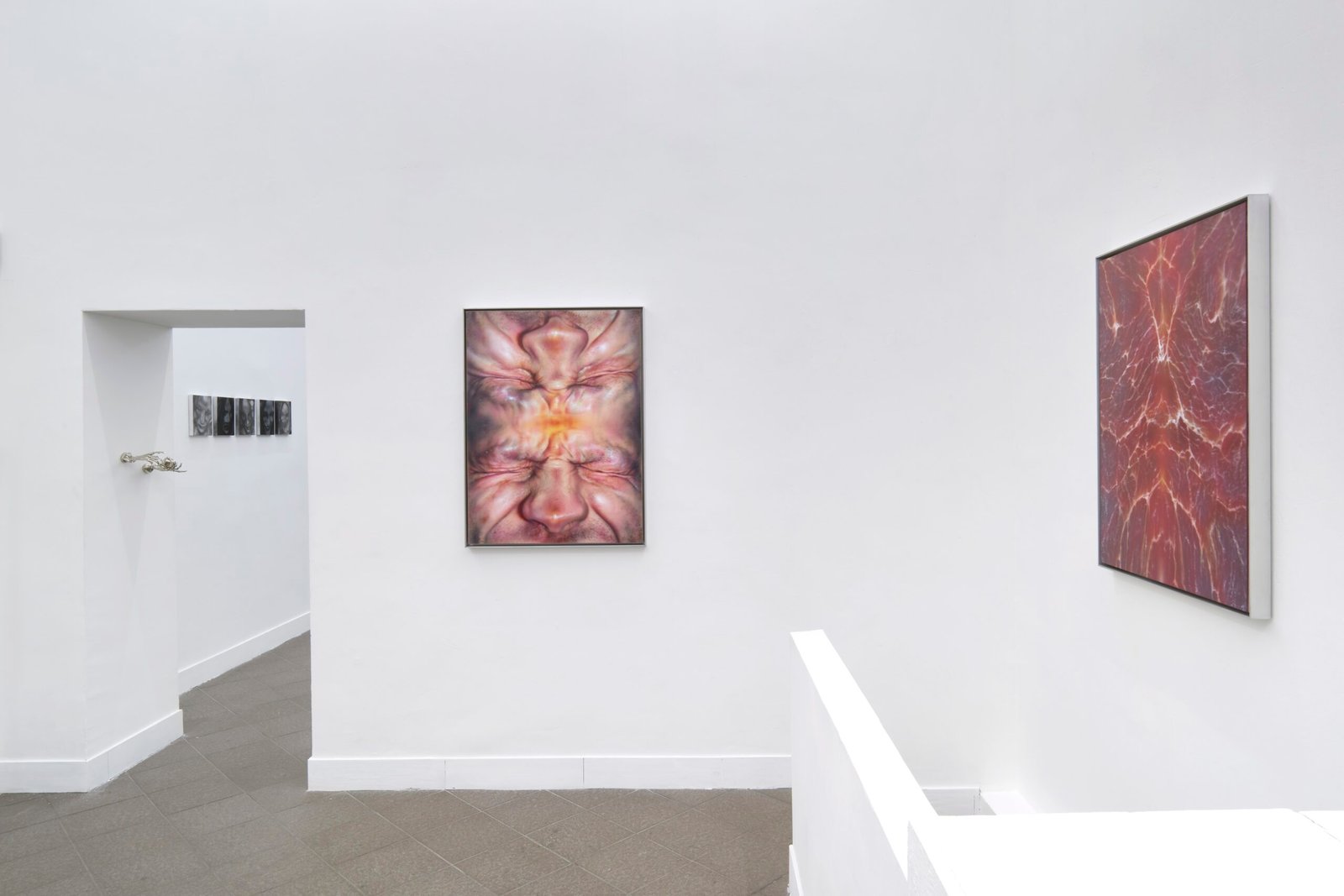
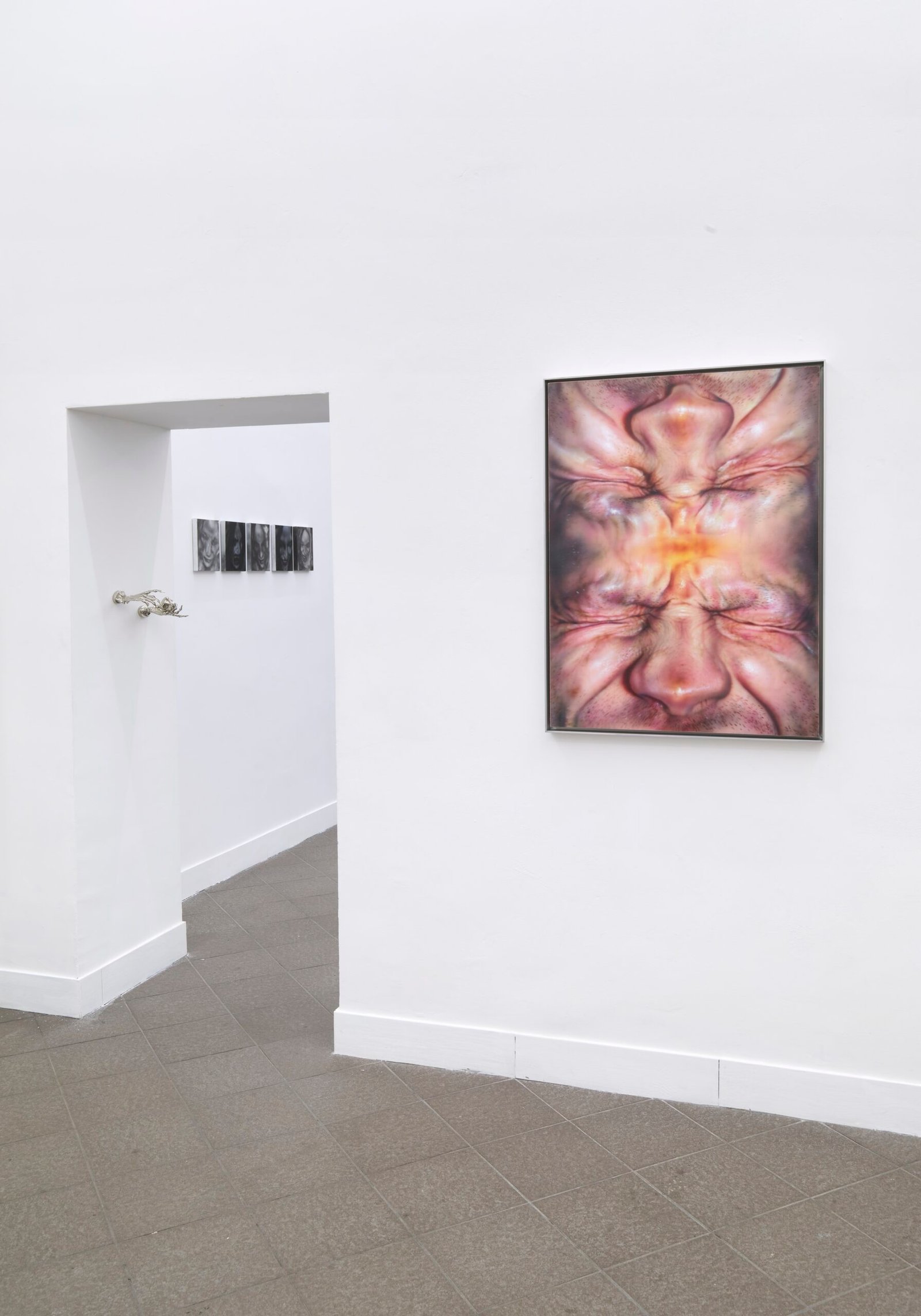
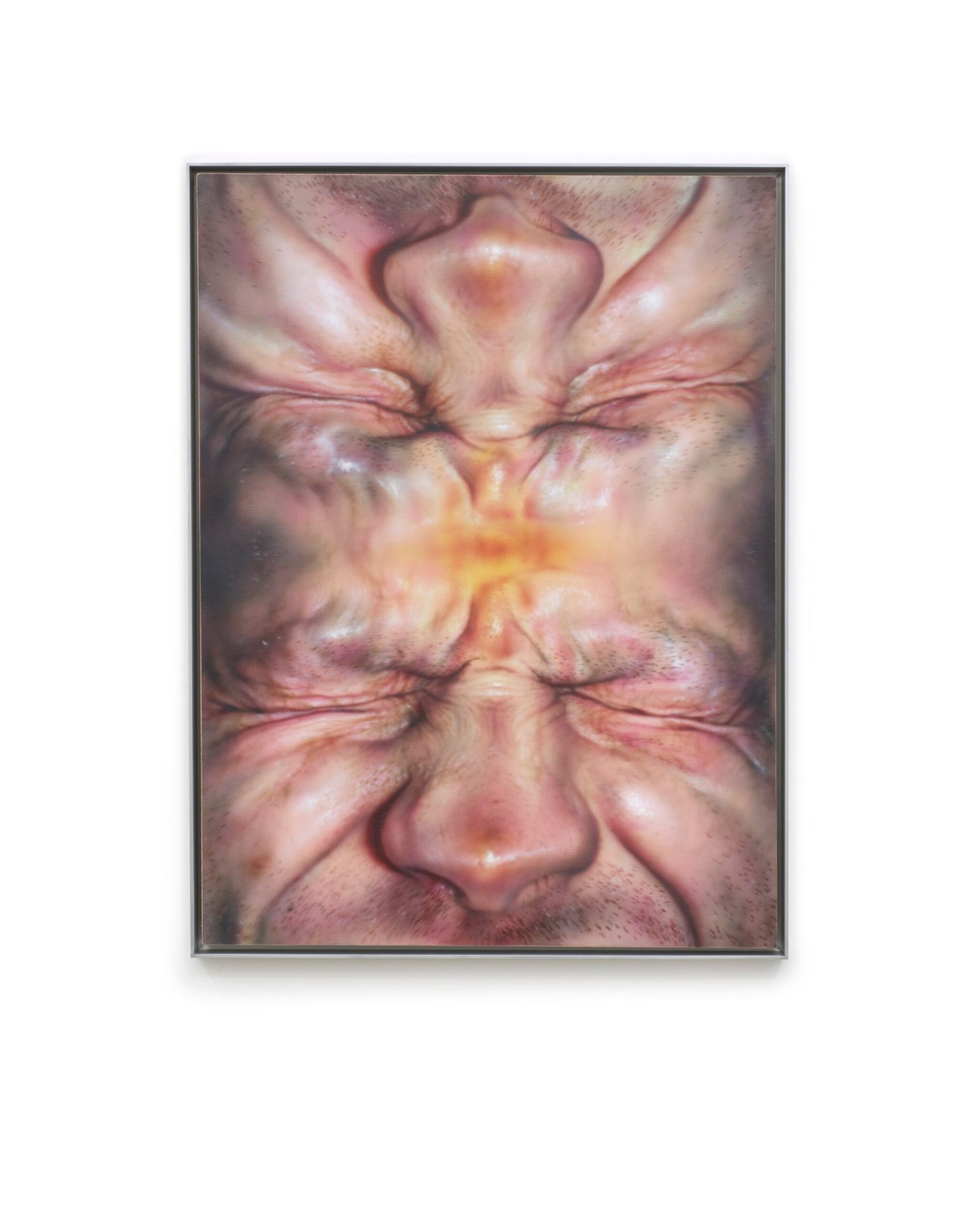
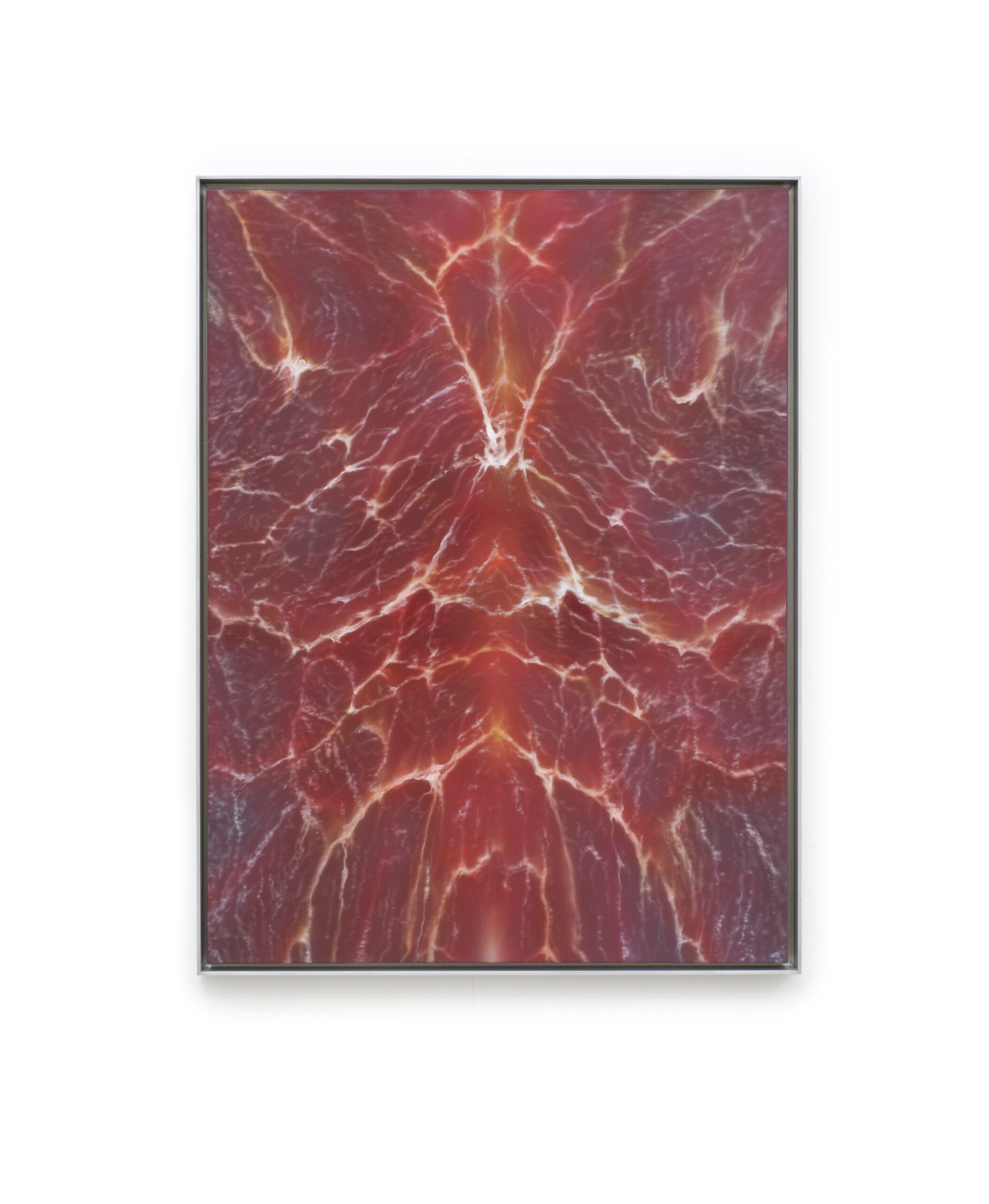
Radu Pandele outlines a painterly language that distorts the perception of reality, glitches within the laws of physics, artificial bodies, digital images that enter into dialogue with natural elements, generating a kind of parallel reality that overcomes the apparent paradox separating nature from technology.
The works on display highlight the overload of data, signs, and images that saturates the imaginary space and redefines the ways in which we interpret and inhabit the real. Artistic practices that, operating at the threshold between the artificial and the natural, configure themselves as devices capable of slowing down a flow that appears, at first sight, unstoppable, opening fractures within its apparent continuity. When the Feed Ends thus situates itself within a threshold space between immersion and resistance, a site through which to rethink our relationship with images and to question what remains, what is transformed, and what can still be subtracted from the logic of accumulation.