


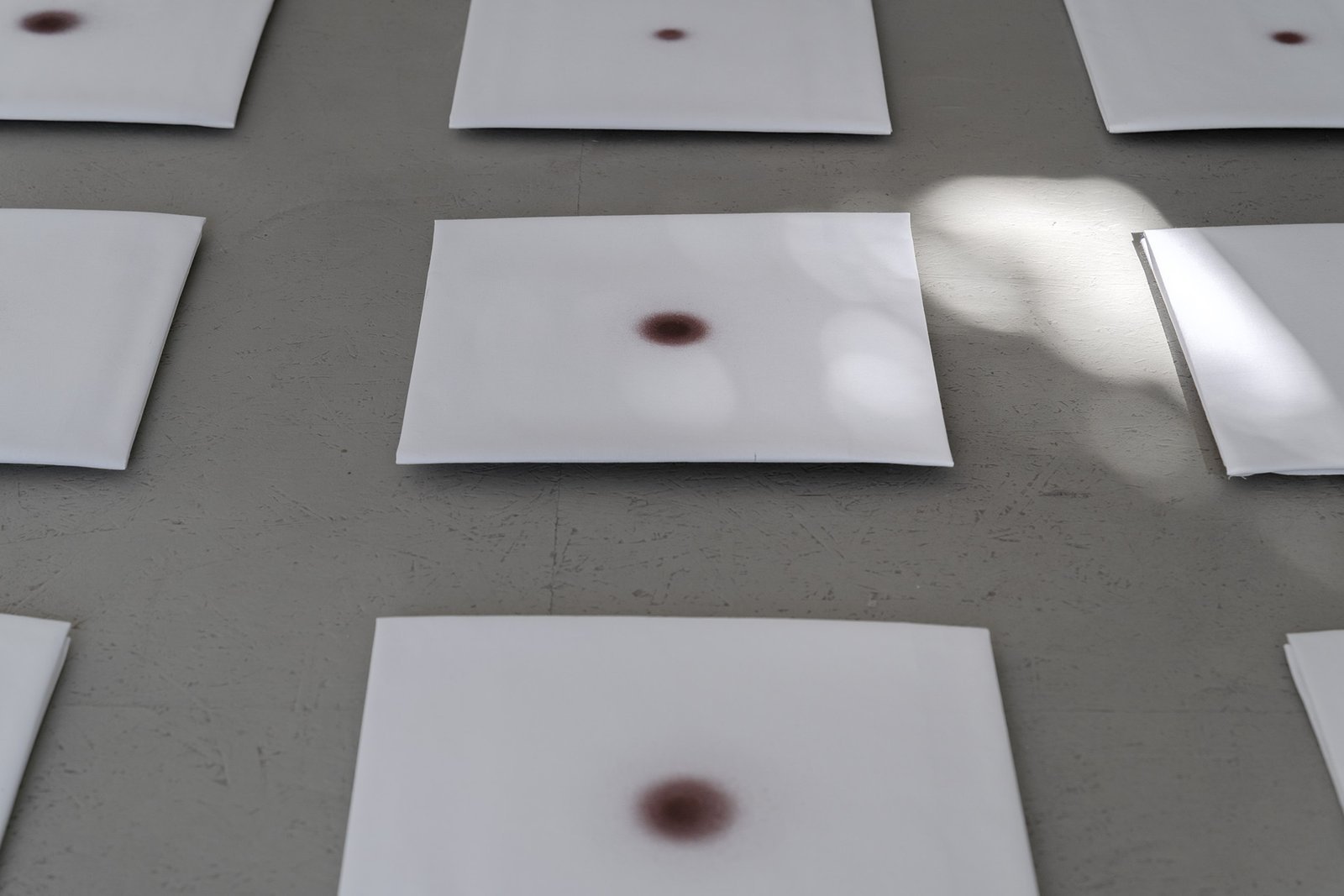
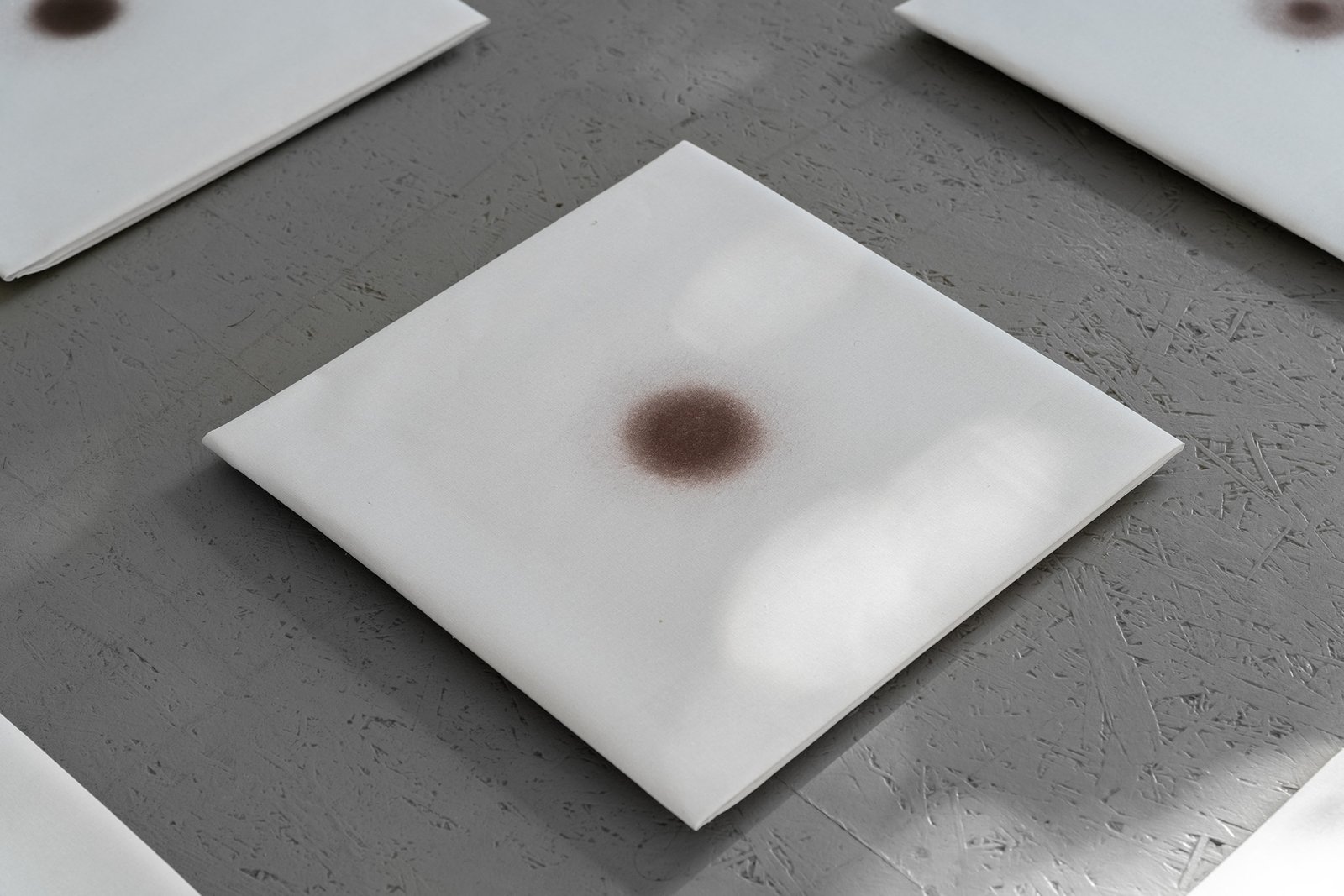
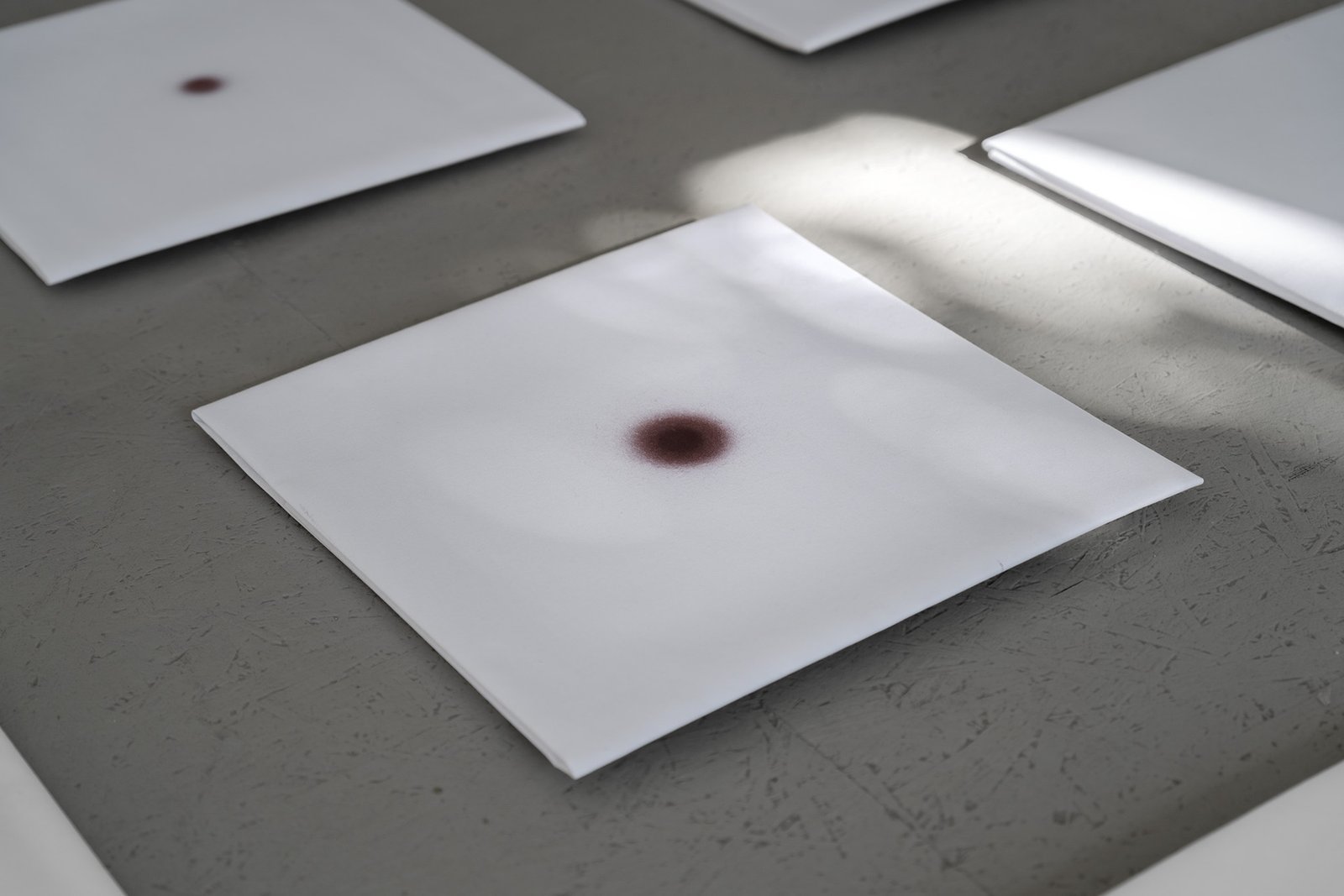
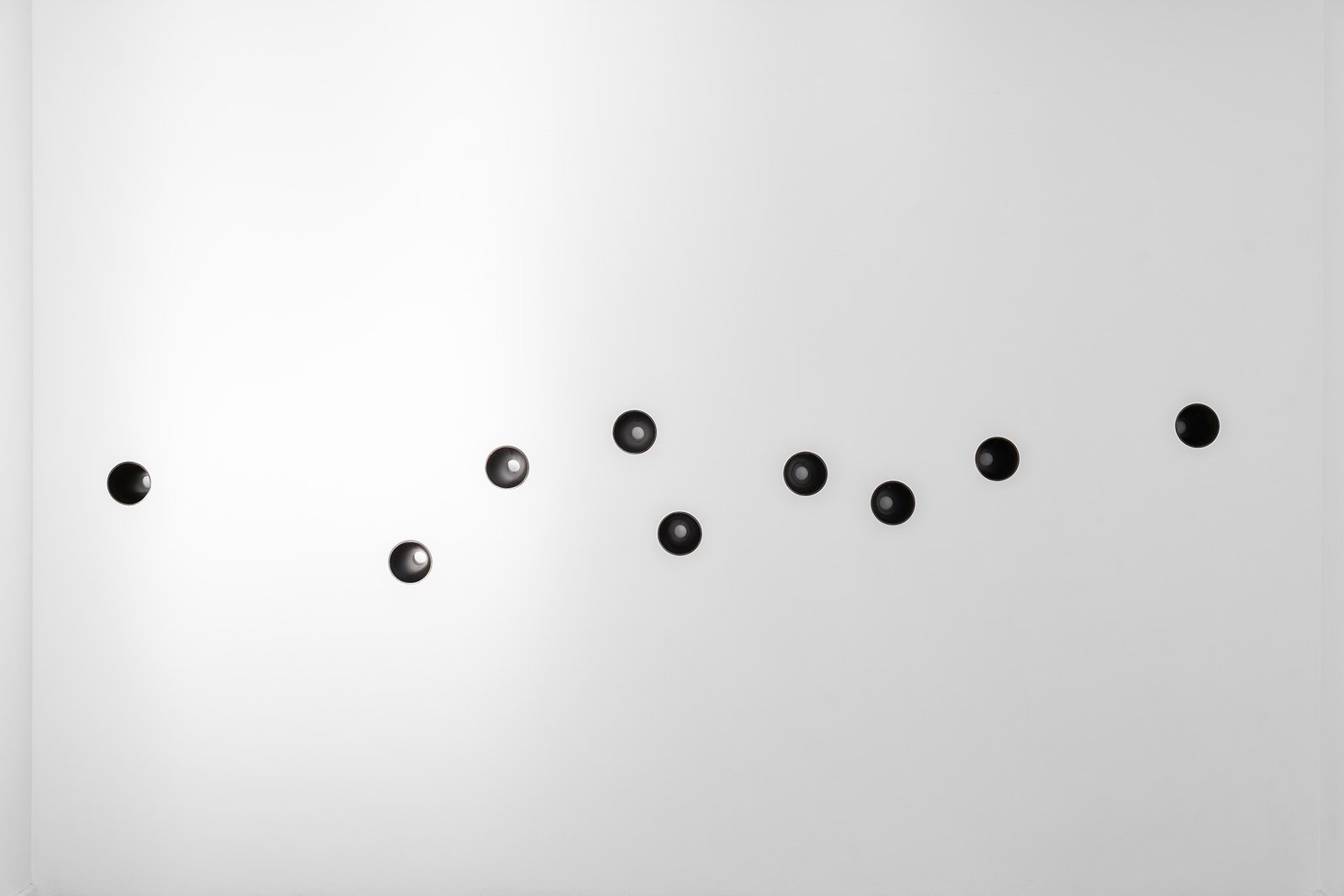
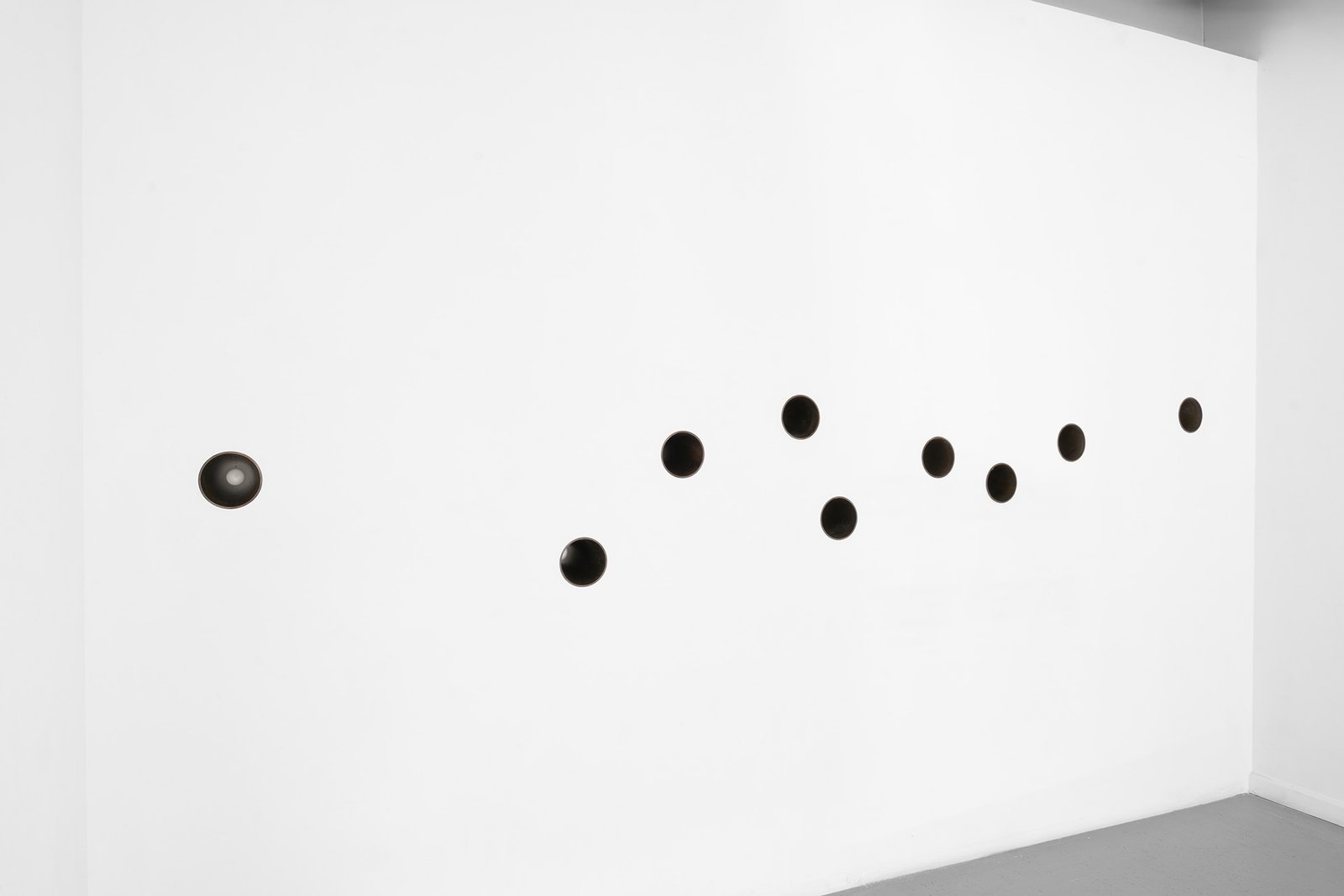

A colorful balloon holding violence, nudity, sex, flashing lights, murder, or suicide – disclaimers before a movie, a TV show, a warning printed on a theater ticket. Suddenly, someone pulls the trigger – the balloon bursts. The “trigger warning” detaches itself from screens and becomes an actual human condition, an everyday experience. Until recently, storylines with triggers seemed like mere fiction to this generation of Europeans. Now, when we turn on the TV, we see news coverage, for instance, from Bucha… Earlier images come to mind: Zaleszany, Srebrenica. All those genocides defined by the perpetrator-victim relationship, where the shooting of civilians breaks free from the chain of command. This cannot be explained away by “just following orders.” Here, evil is not banal – on the contrary: it is shocking, excessive, casting doubt on humanity as such. The oppressor shoots not because they must, but because they can, because they are venting their malice. Evil to the core, to the absolute limit.
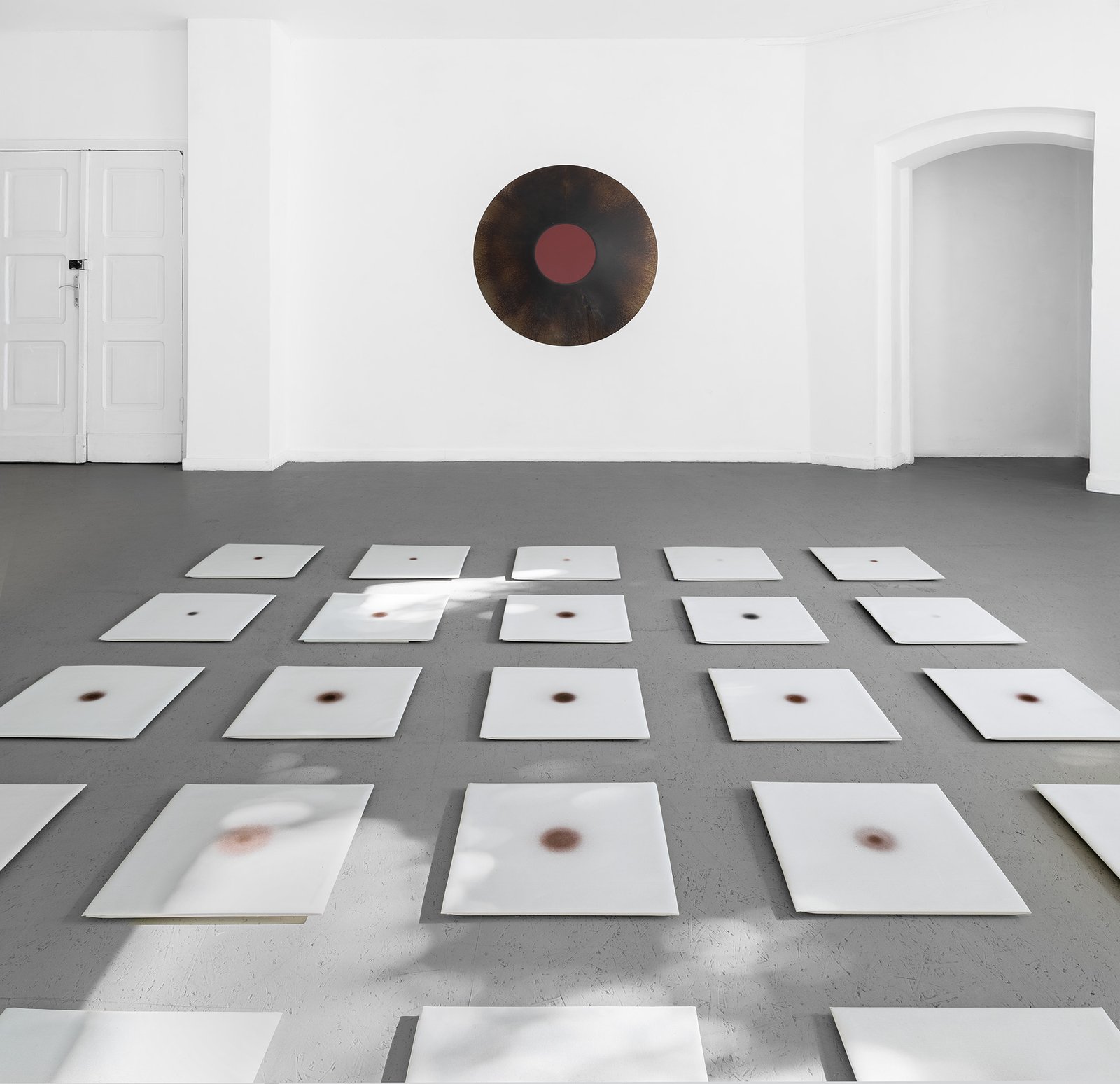
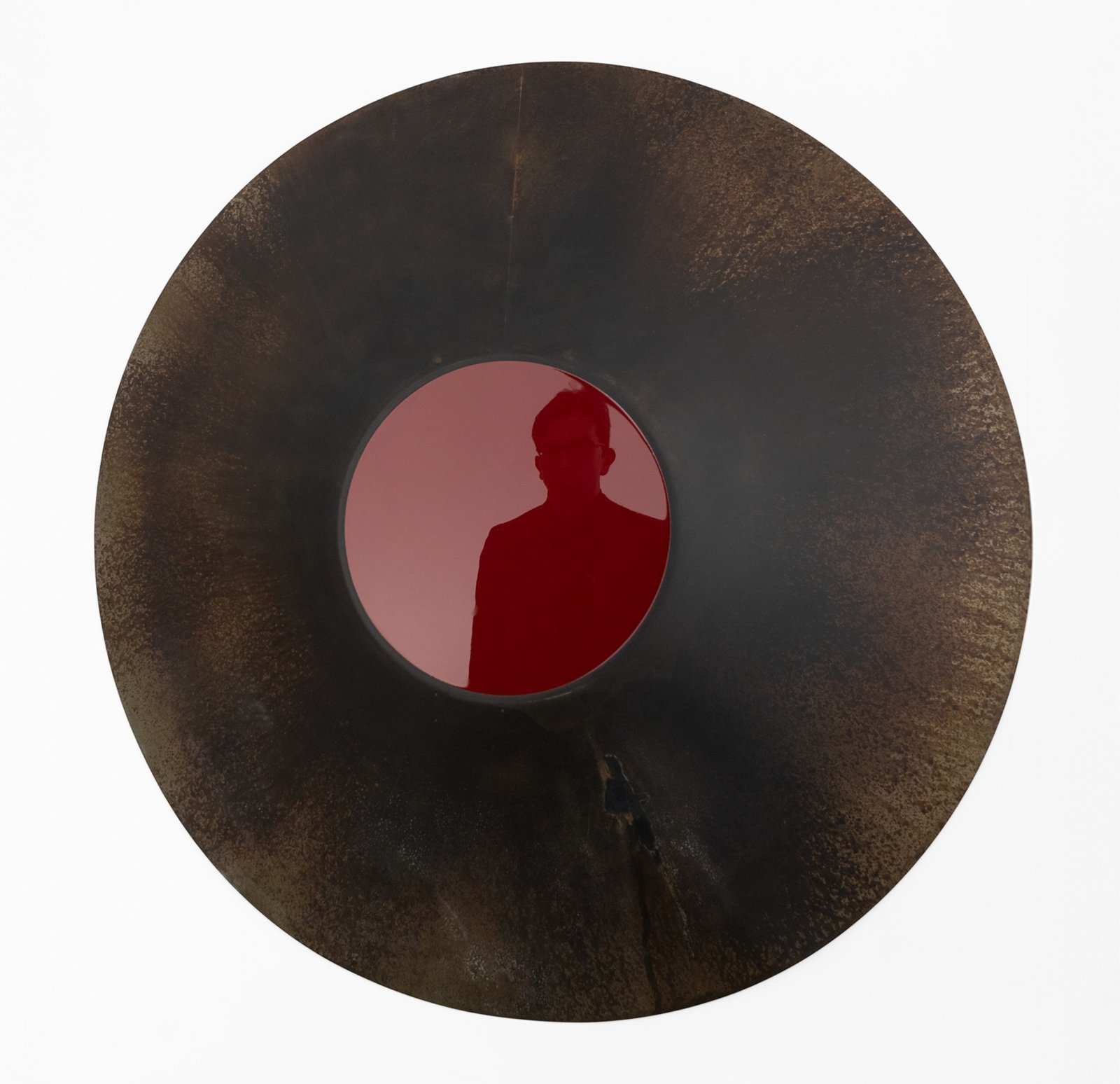
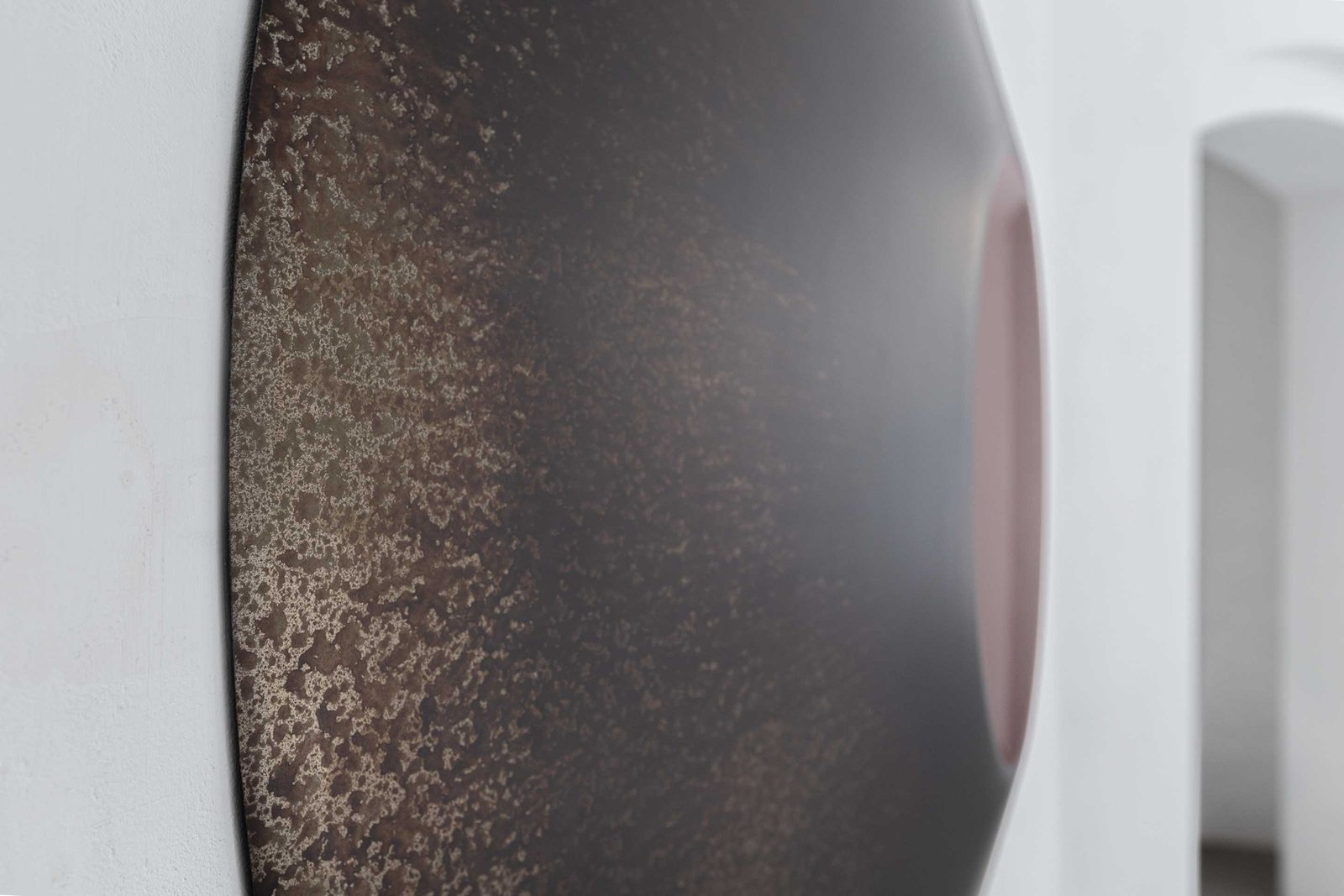
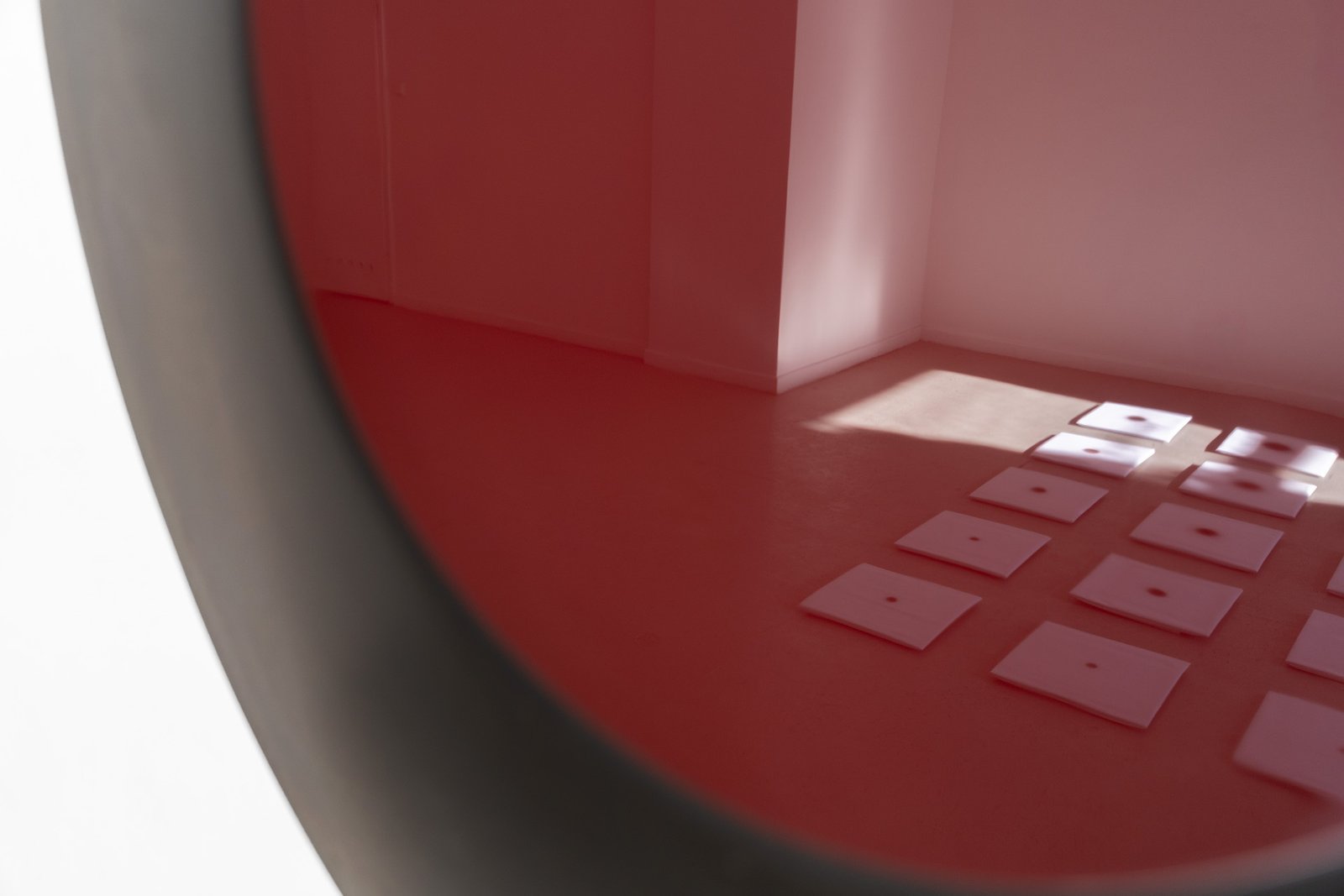
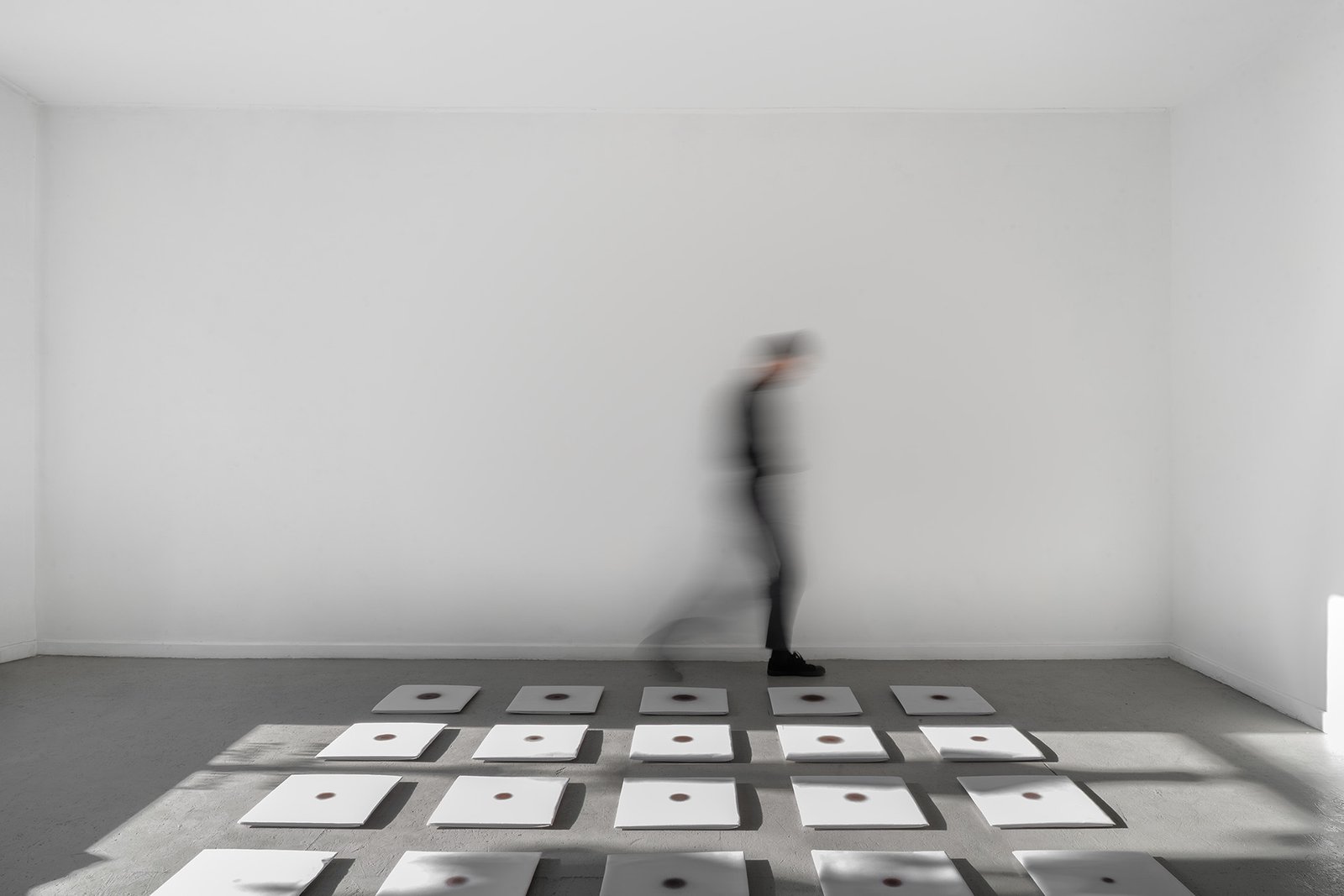
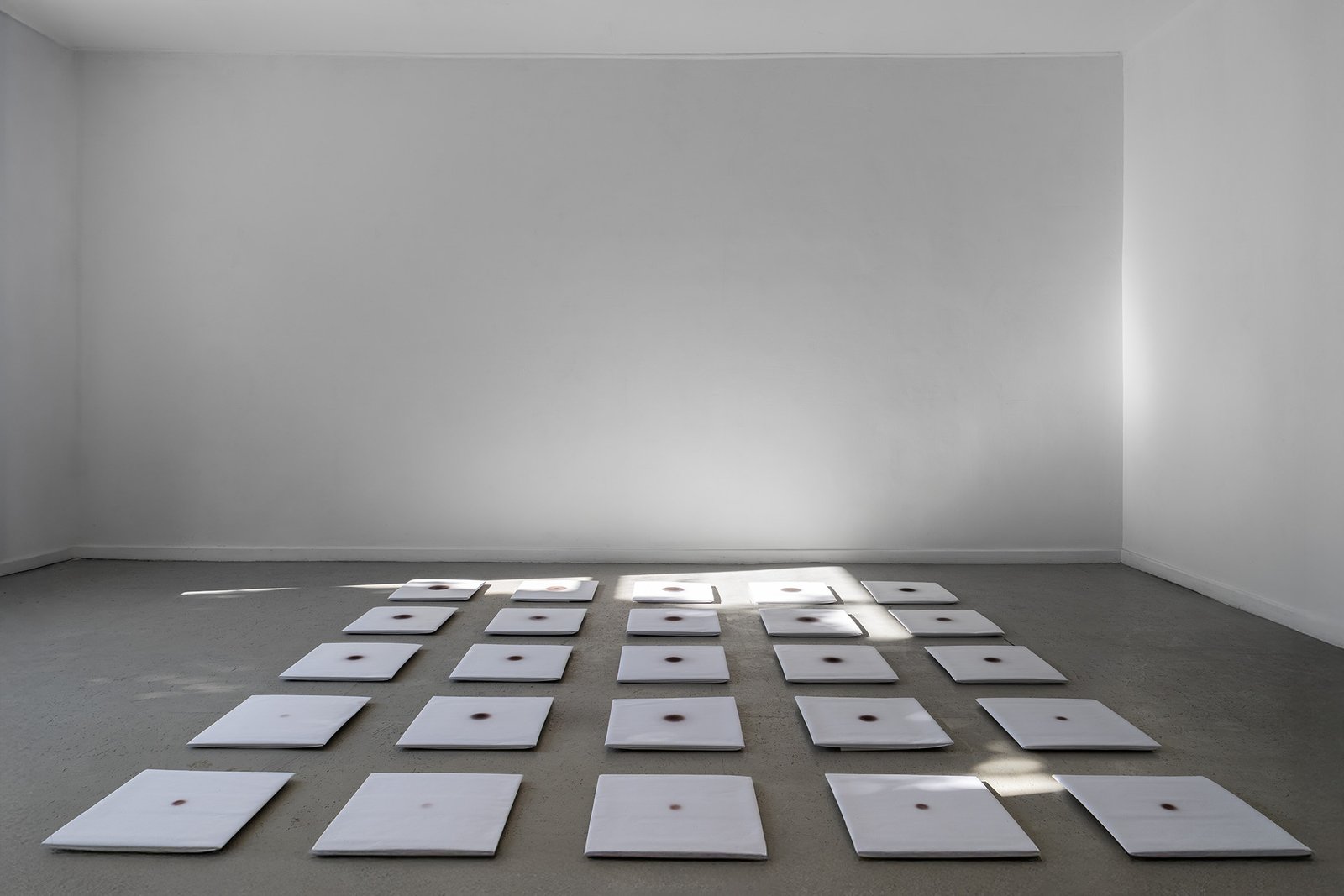
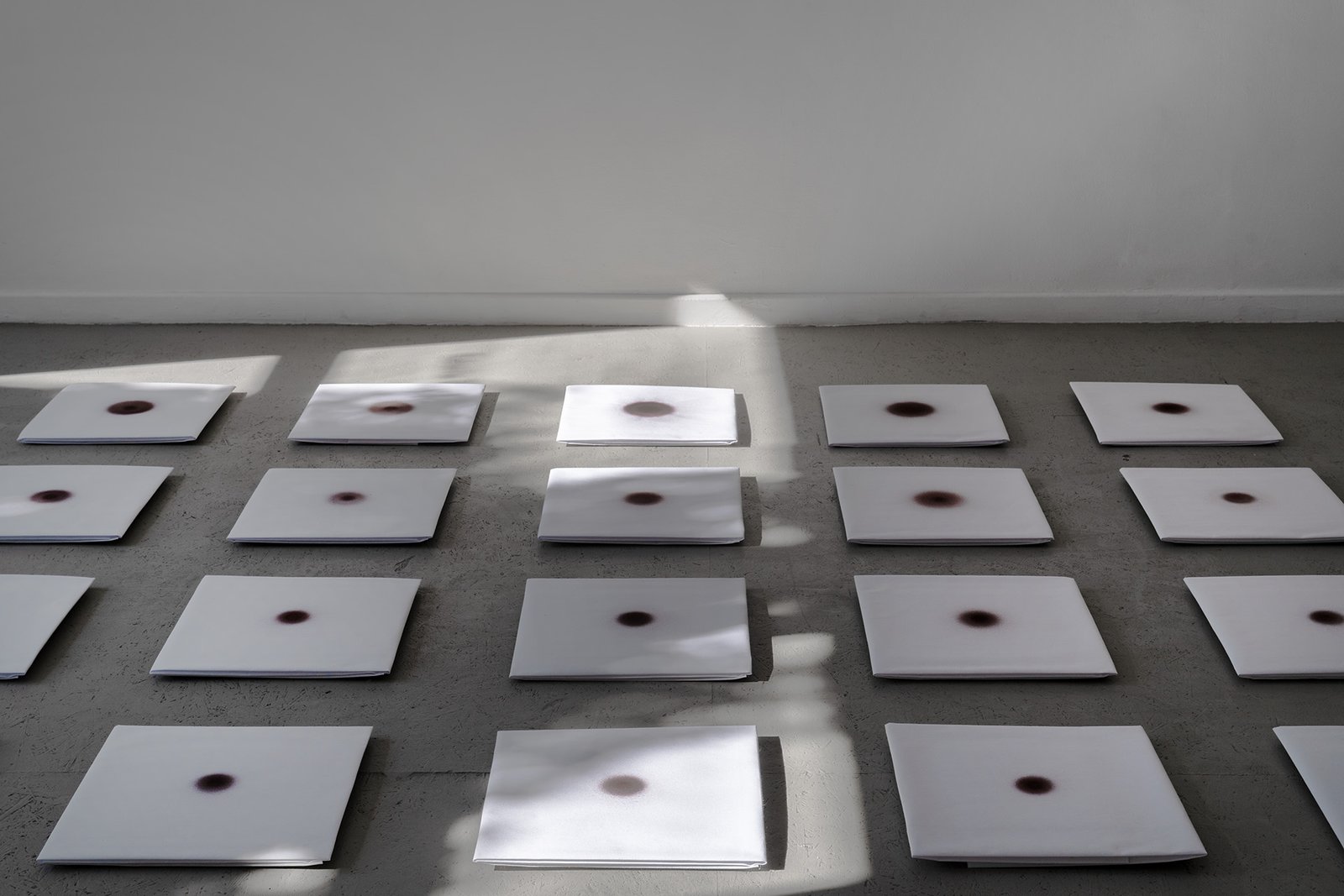
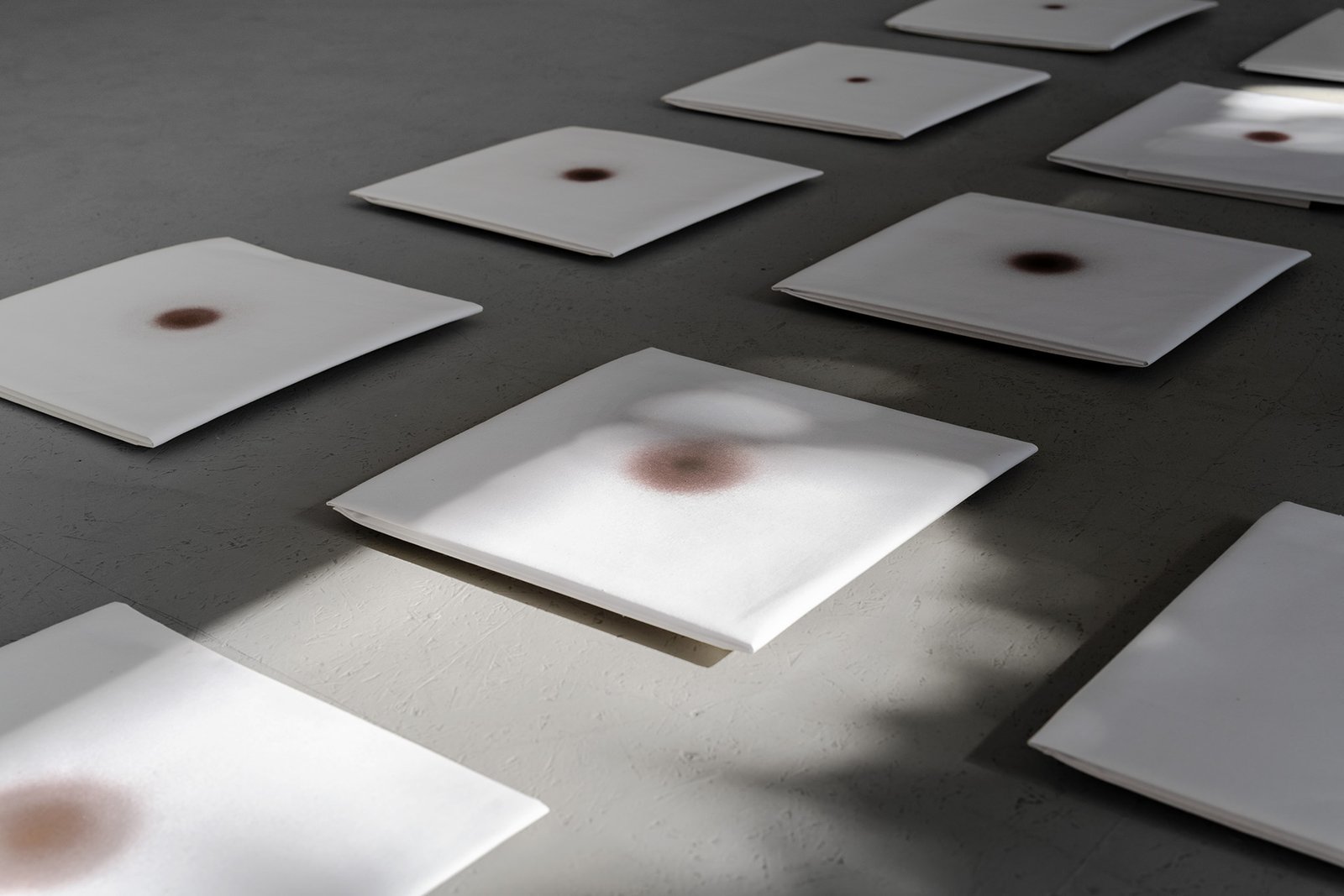
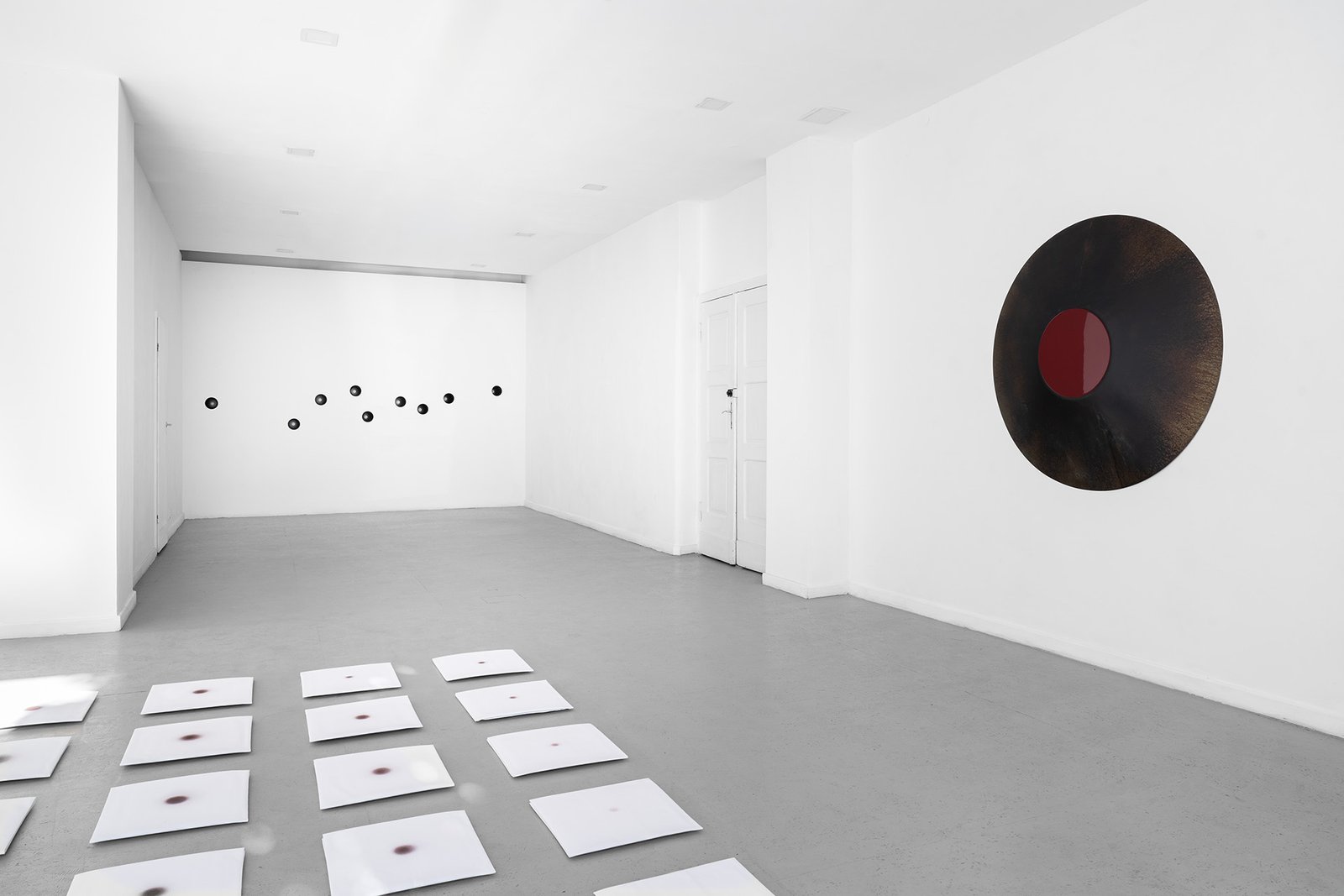
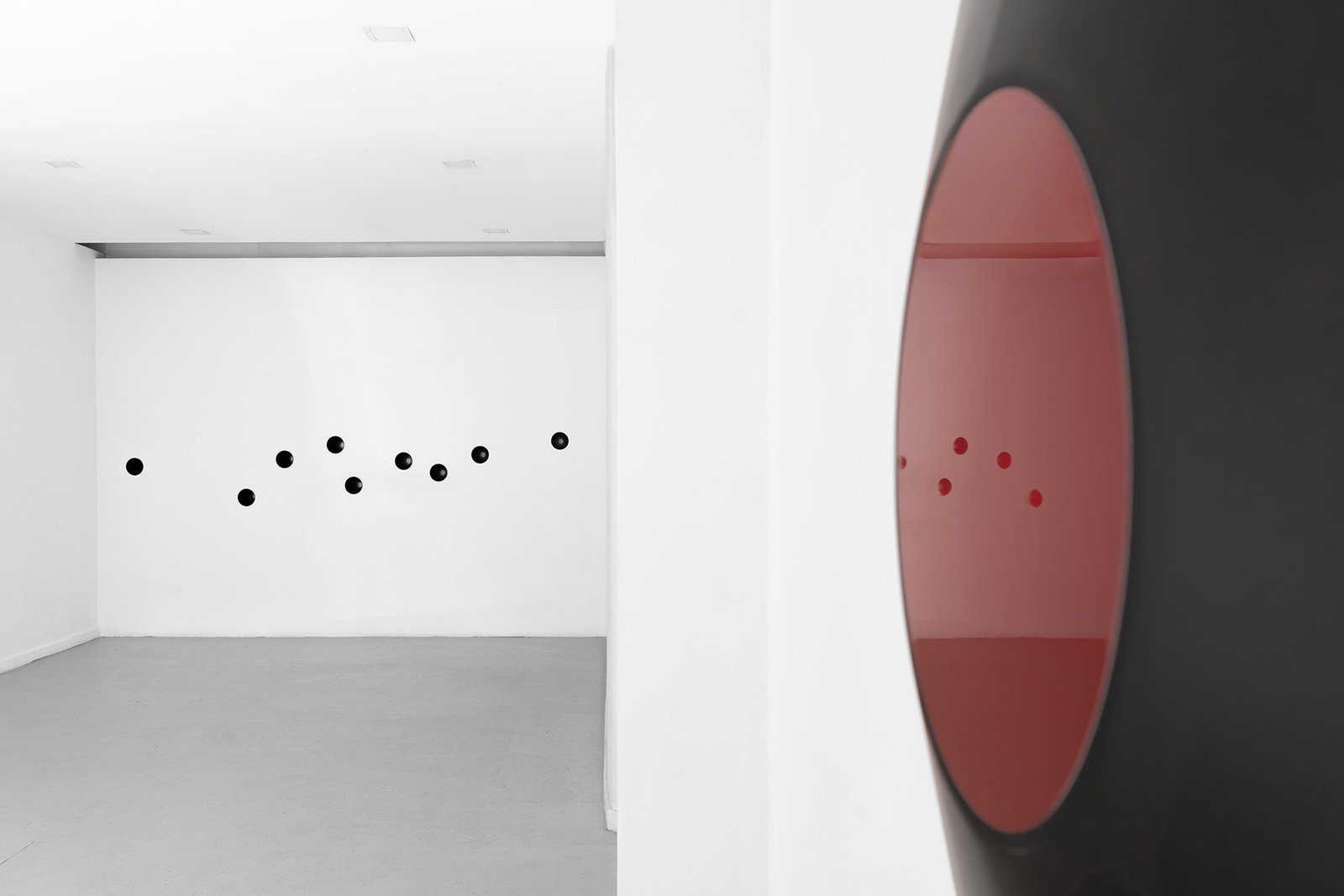
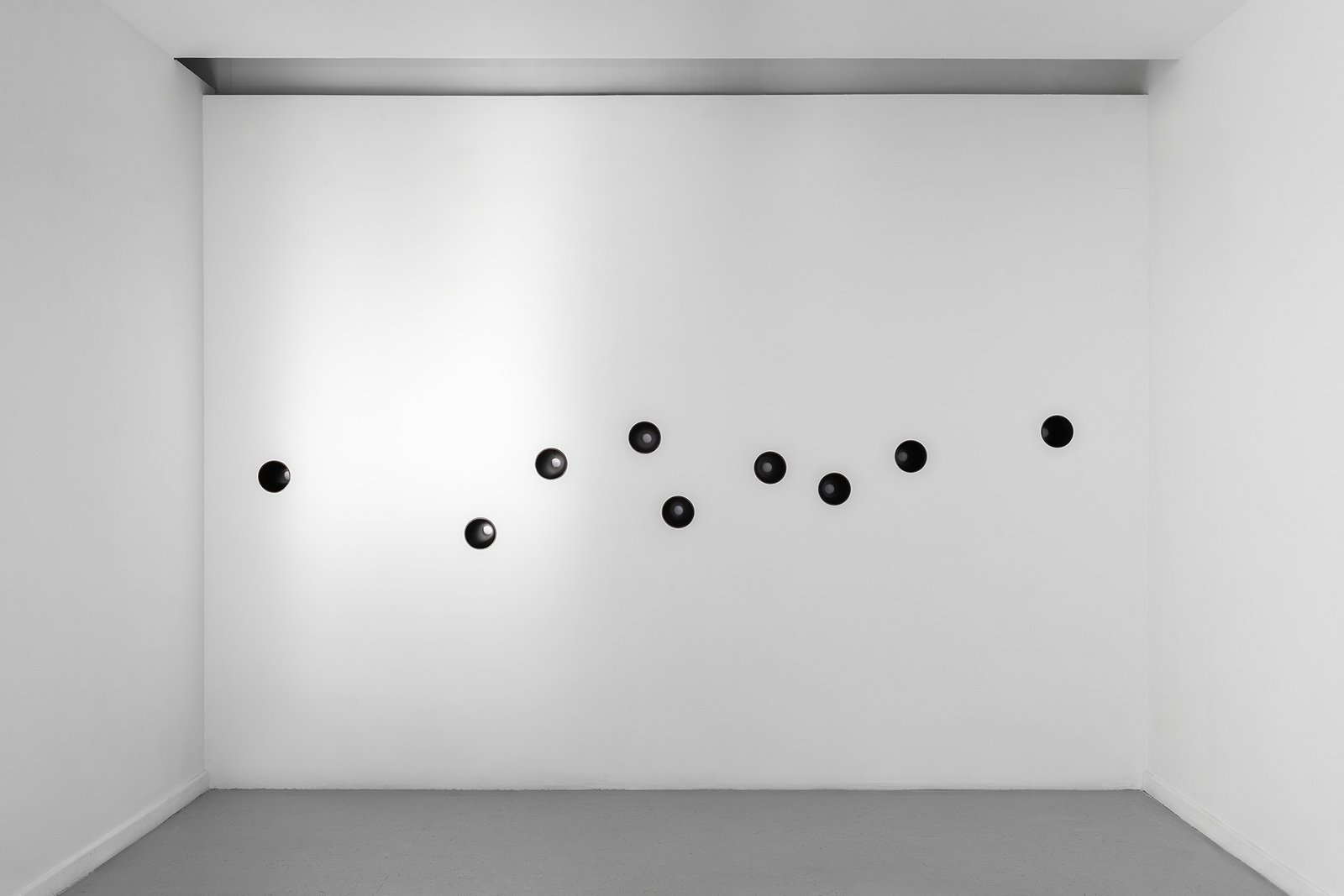
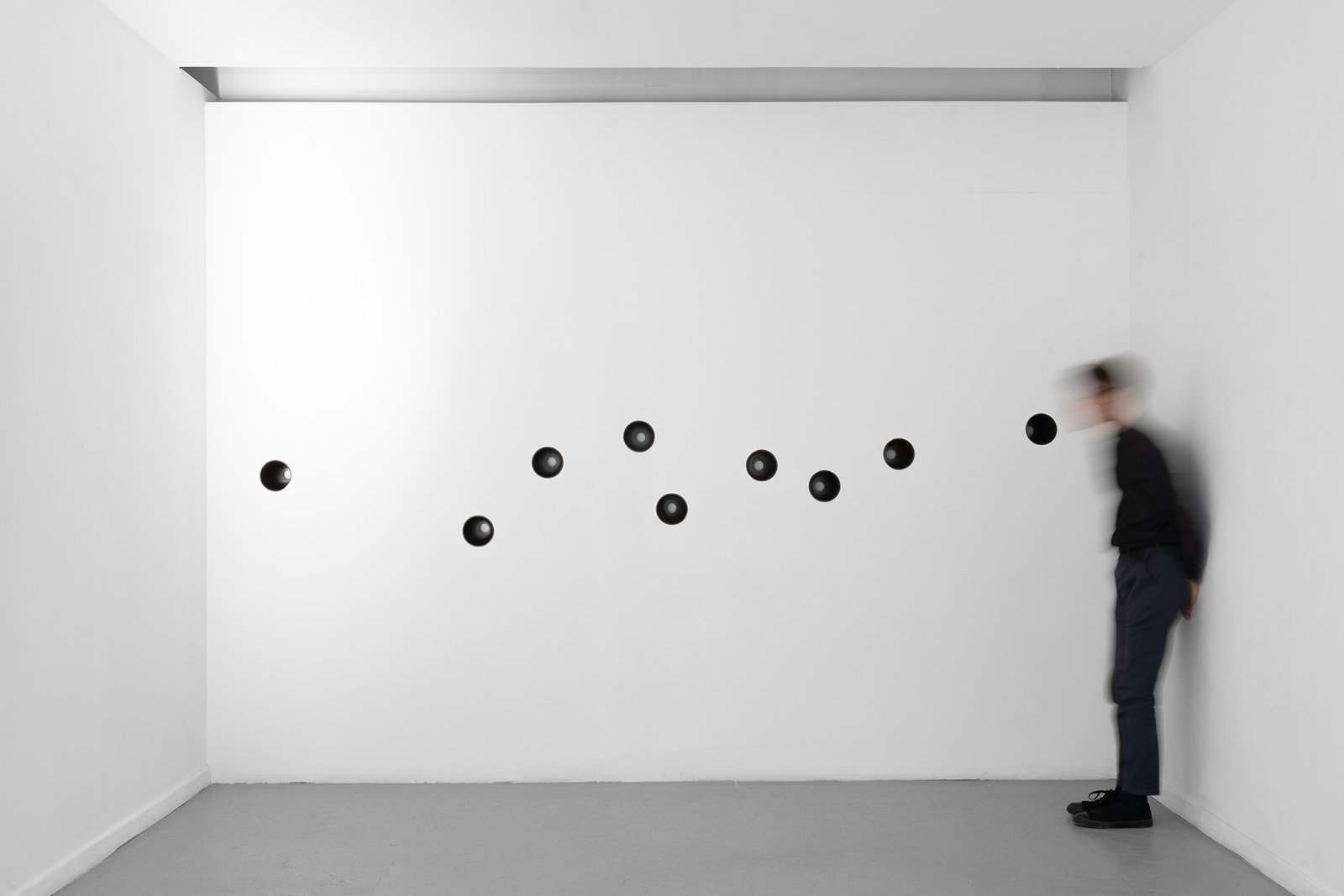
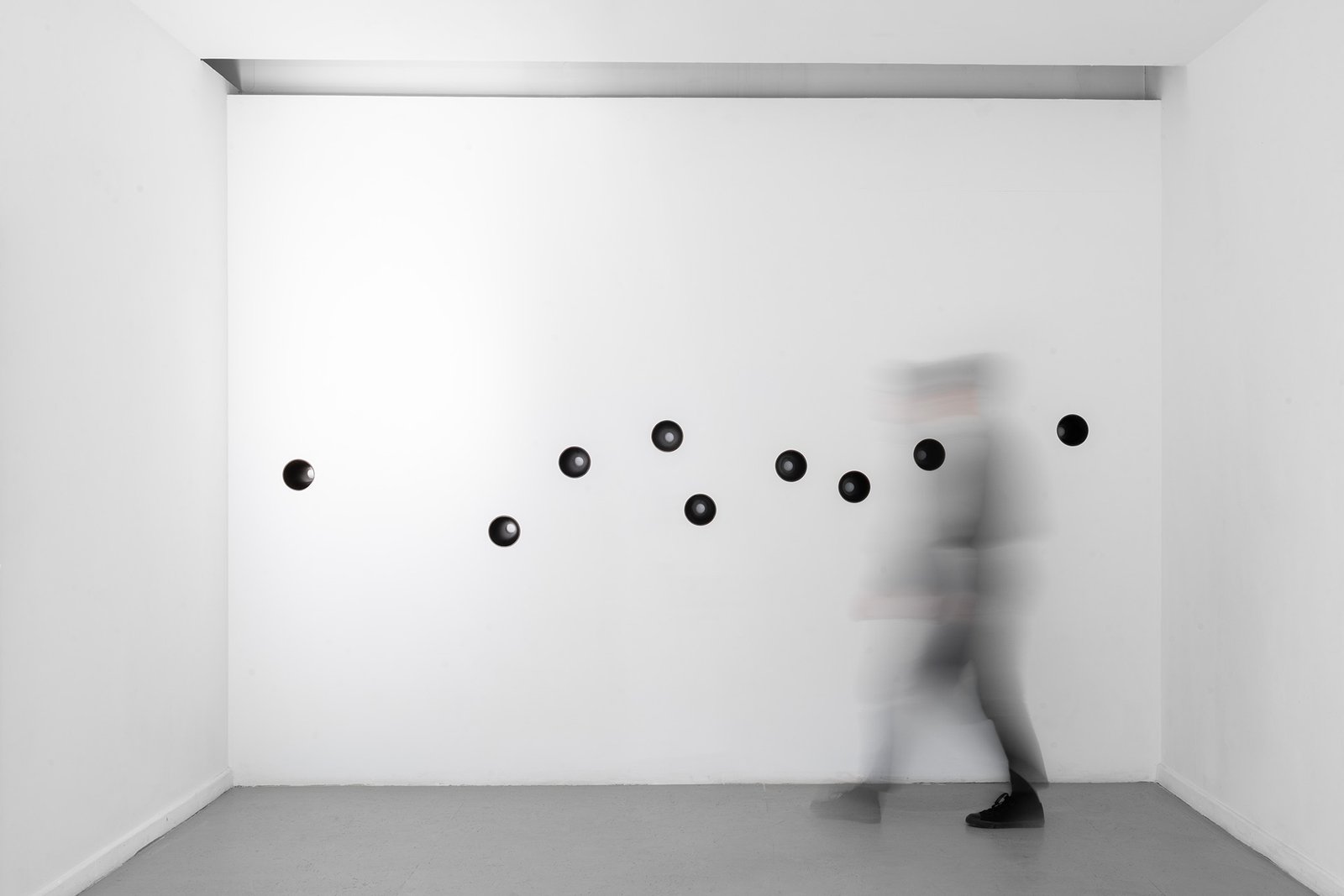
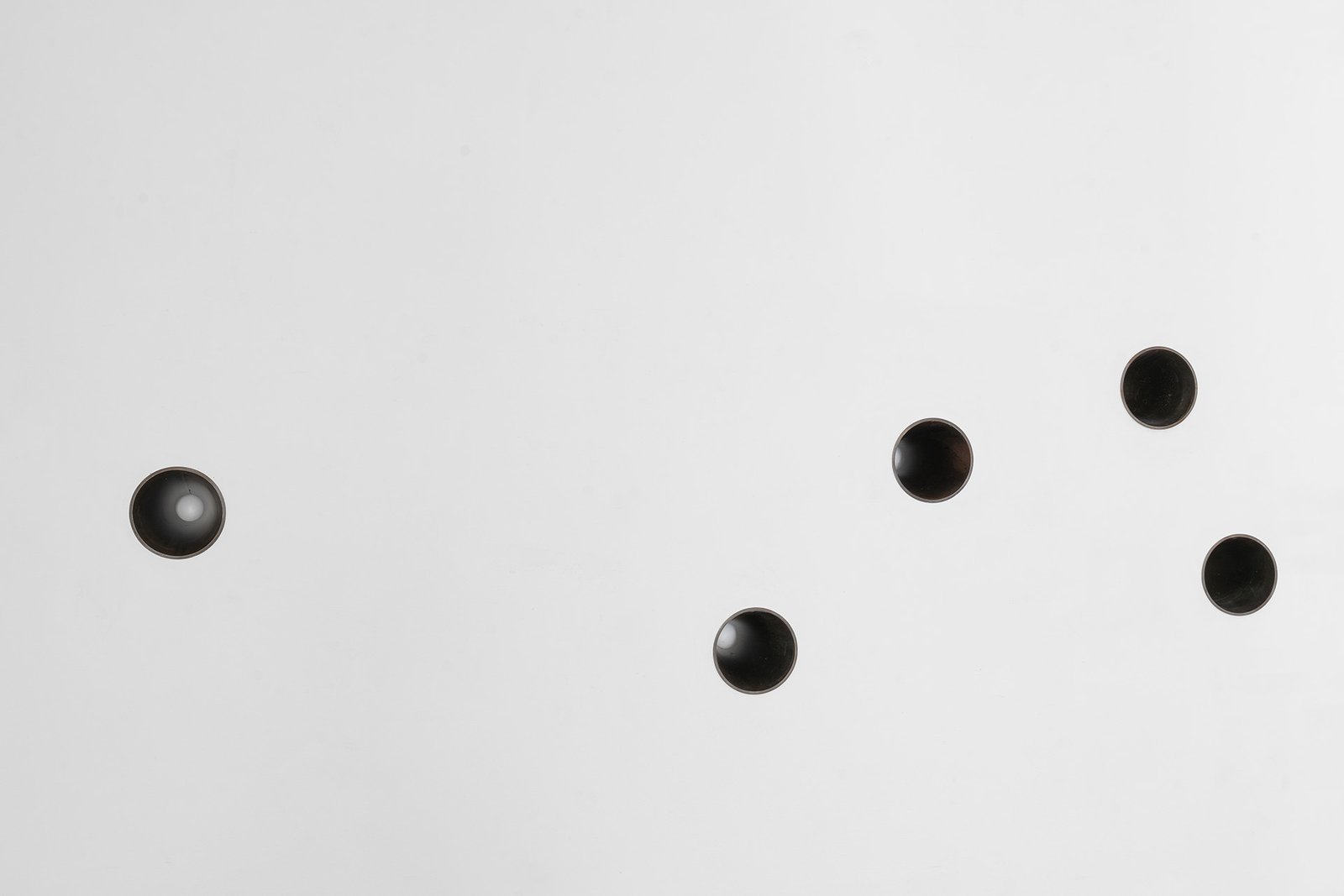
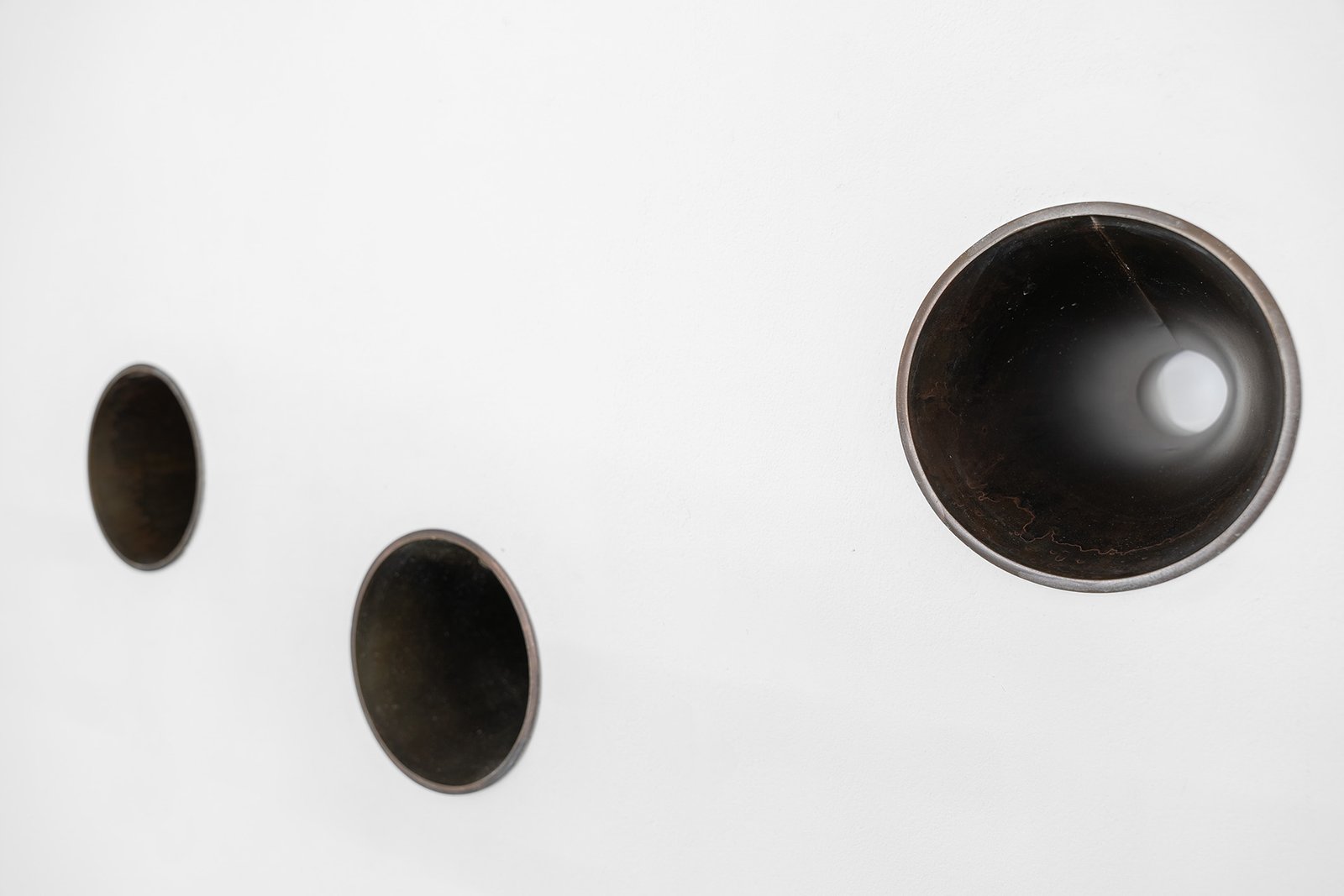
Trigger warning – a caution, but also a promise of something moving, something that shatters comfort. Violence ceases to be an aesthetic category, a movie marked with a yellow warning bar. Today, the yellow bar carries breaking news from the frontline. The boundary between “watching” and “experiencing” burst along with the balloon. At a time when we watch atrocities on TV, find civil defense manuals in our mailboxes, and buy fire starters at the local supermarket, questions arise about the role of art. These questions also resonate here, at Jerzy Muszyński’s exhibition. What we see here are not images that seek to seduce us. They are images that refuse us the comfort of looking away. When reality stops filtering violence, art loses its obligation to be beautiful. Here, a trigger warning is not a courtesy from the author. Nor is it an attempt to protect the viewer from discomfort. On the contrary – it is a statement of fact.
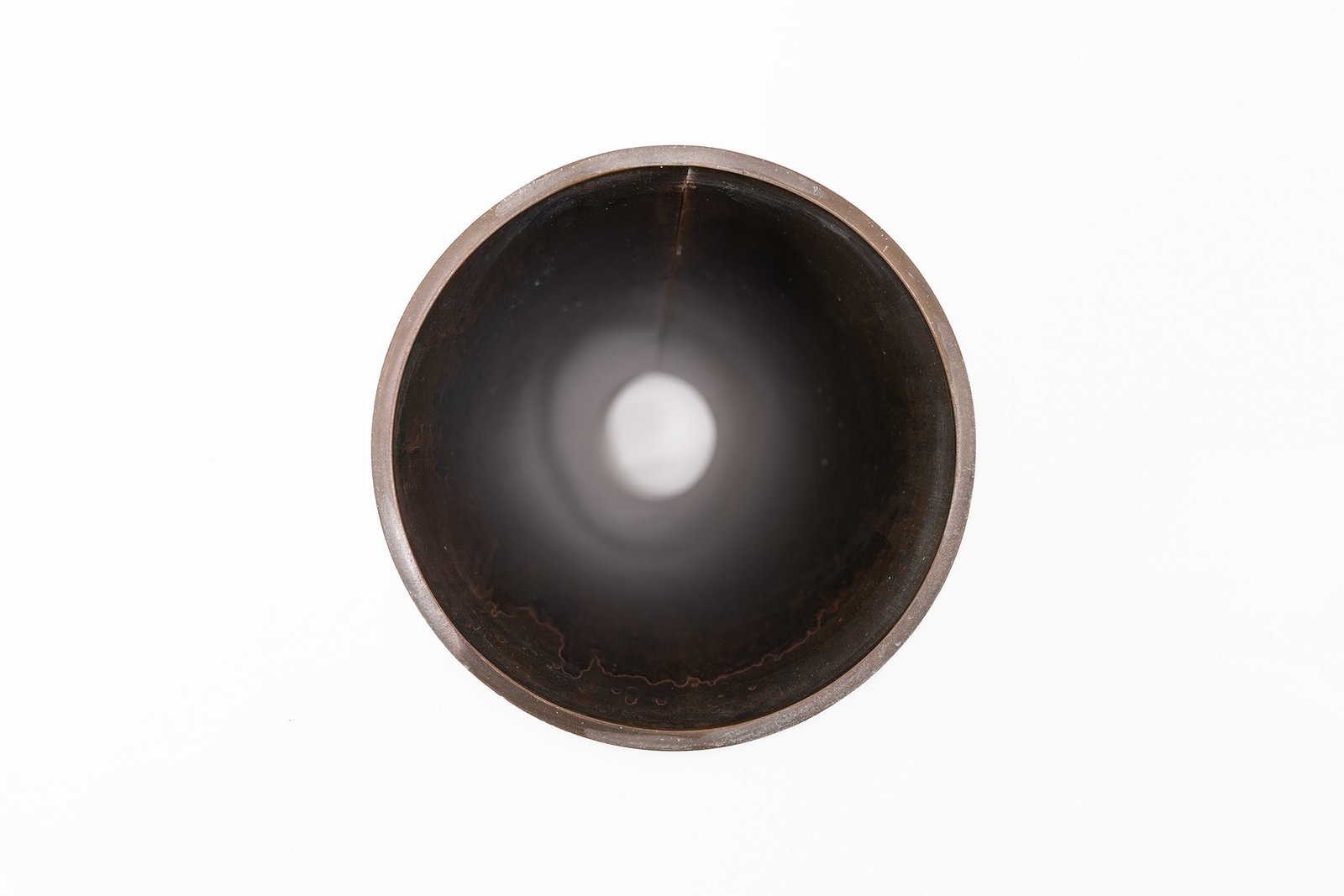
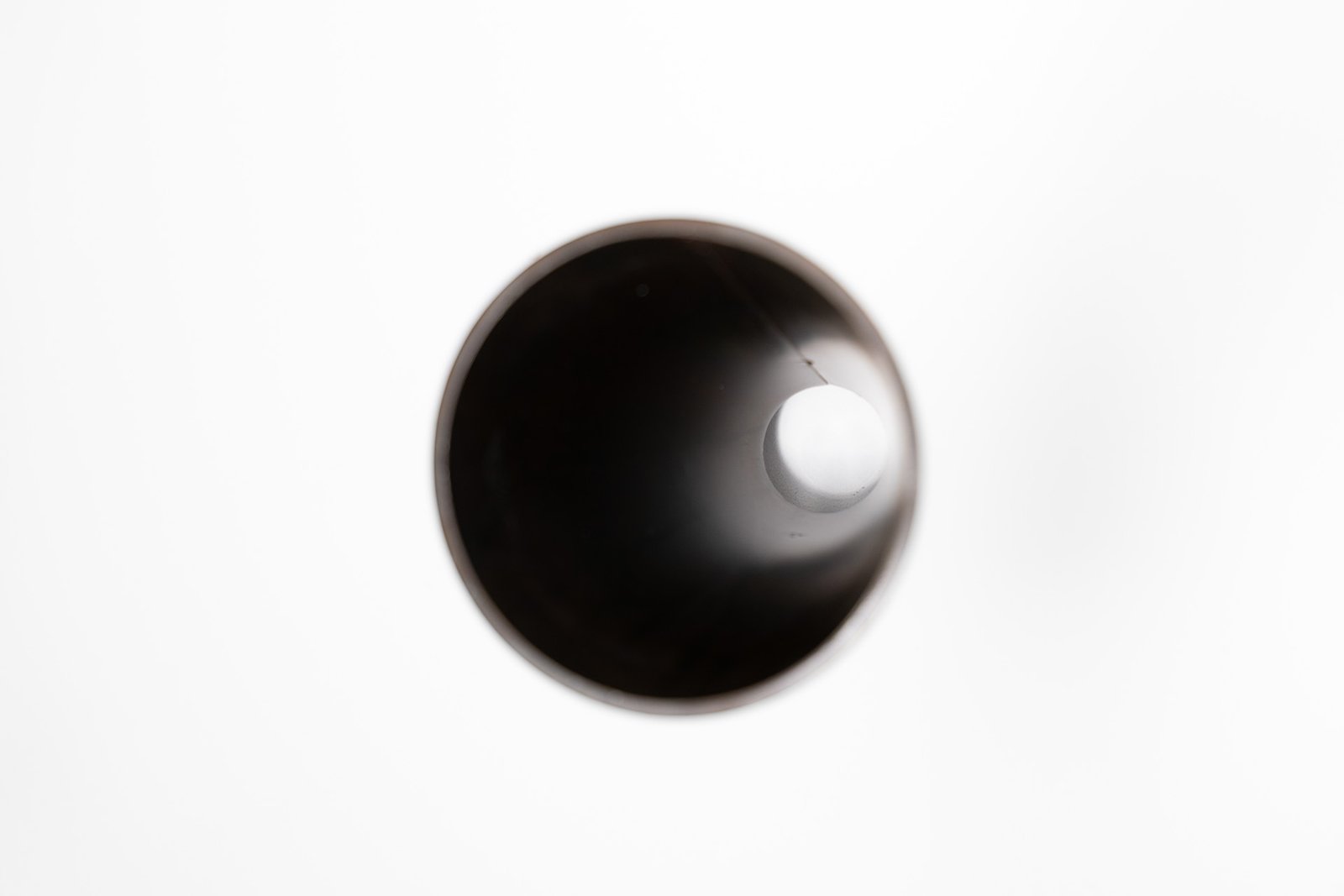
Jerzy Muszyński’s works do not look for metaphor where literalness is required. They do not aestheticize pain to make it easier to swallow. They record the moment of a rupture that is impossible to reconcile with. It is a story of loss, of the objectification of victims, of their erasure. It is a narrative about the reverse of creation – about ruthless destruction, senseless, unnecessary, irreversible. The artist’s deeply humanistic gaze is also an expression of helplessness in the face of events beyond our control, yet deeply terrifying, even though they concern places and people we have never known. As John Donne would say: “Any man’s death diminishes me, because I am involved in mankind; and therefore never send to know for whom the bell tolls; it tolls for thee.”
Alicja Nalewajko