


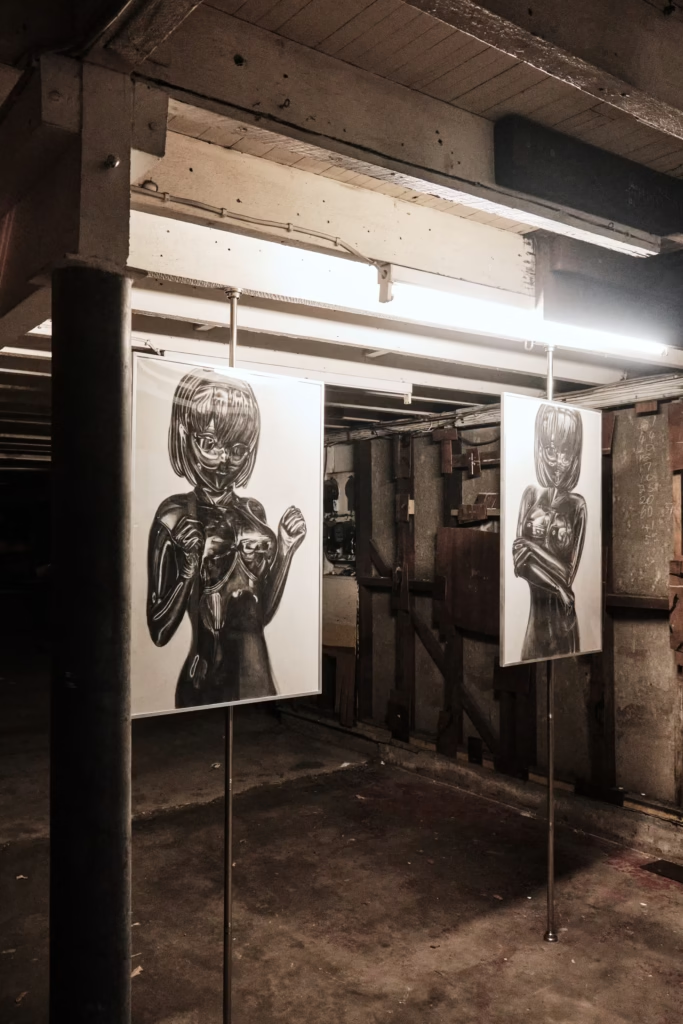
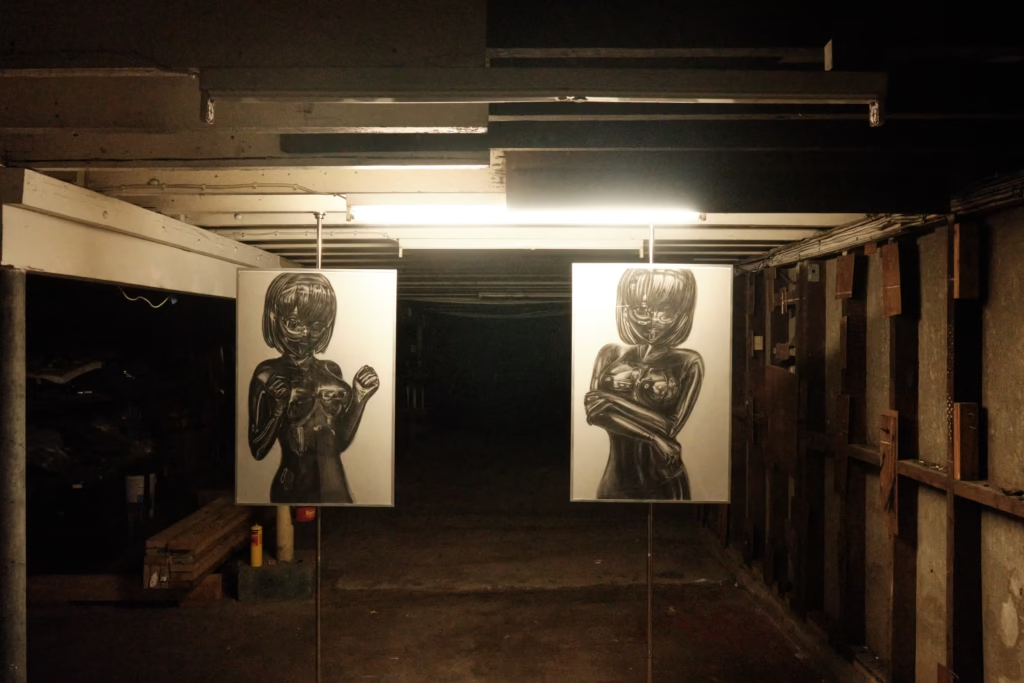
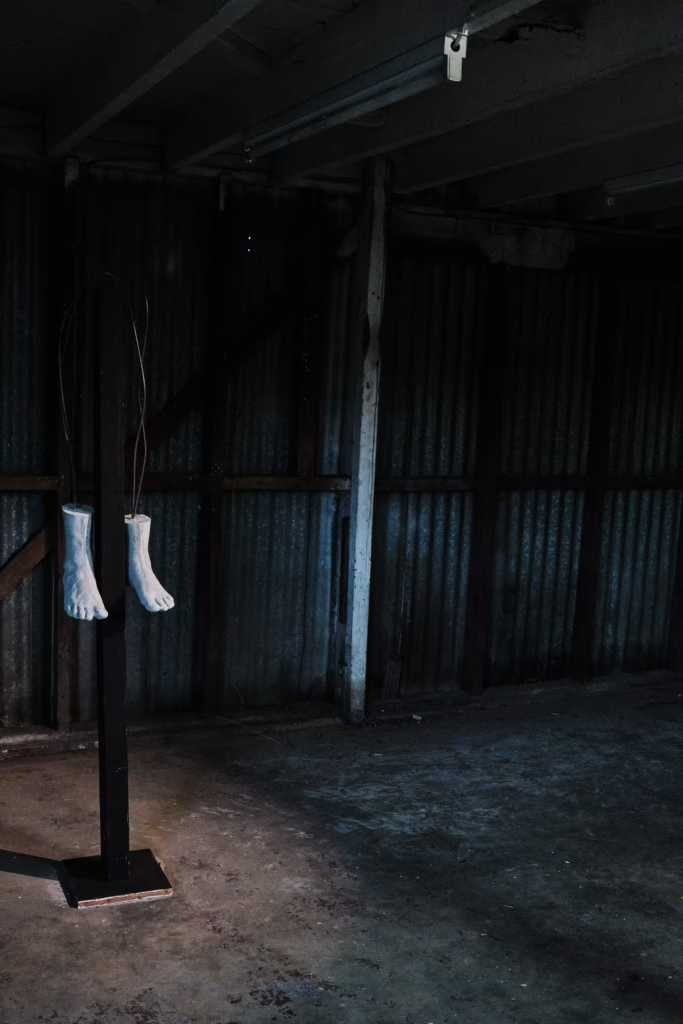
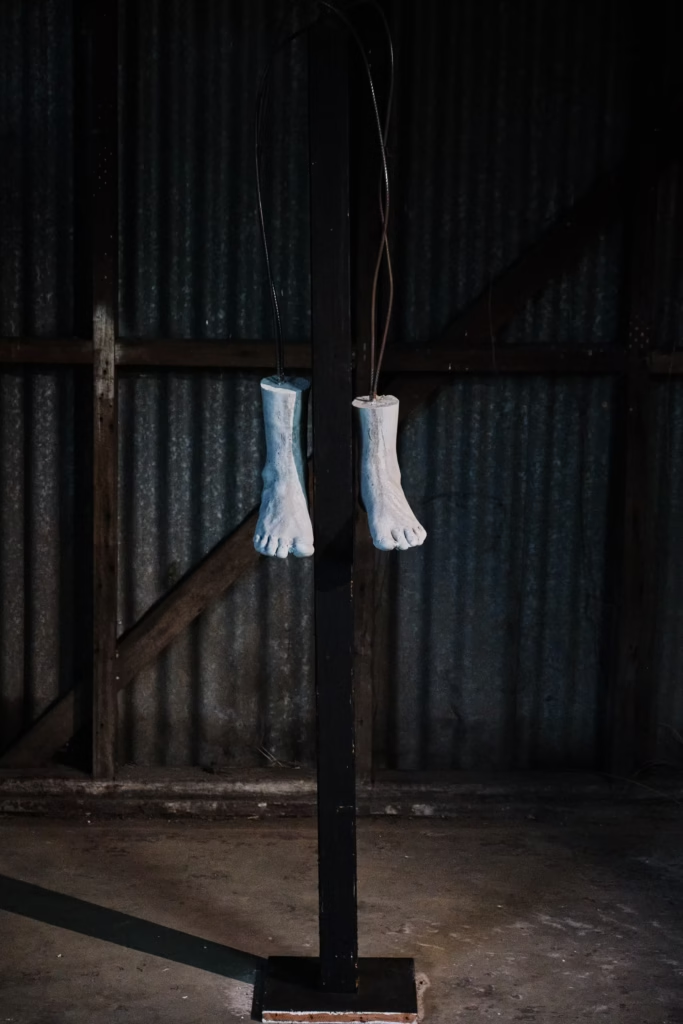
“This is how one pictures the angel of history. His face is turned toward the past. Where we perceive a chain of events, he sees one single catastrophe which keeps piling wreckage upon wreckage and hurls it in front of his feet. The angel would like to stay, awaken the dead, and make whole what has been smashed. But a storm is blowing from Paradise; it has got caught in his wings with such violence that the angel can no longer close them. The storm irresistibly propels him into the future to which his back is turned, while the pile of debris before him grows skyward. This storm is what we call progress”
– Walter Benjamin
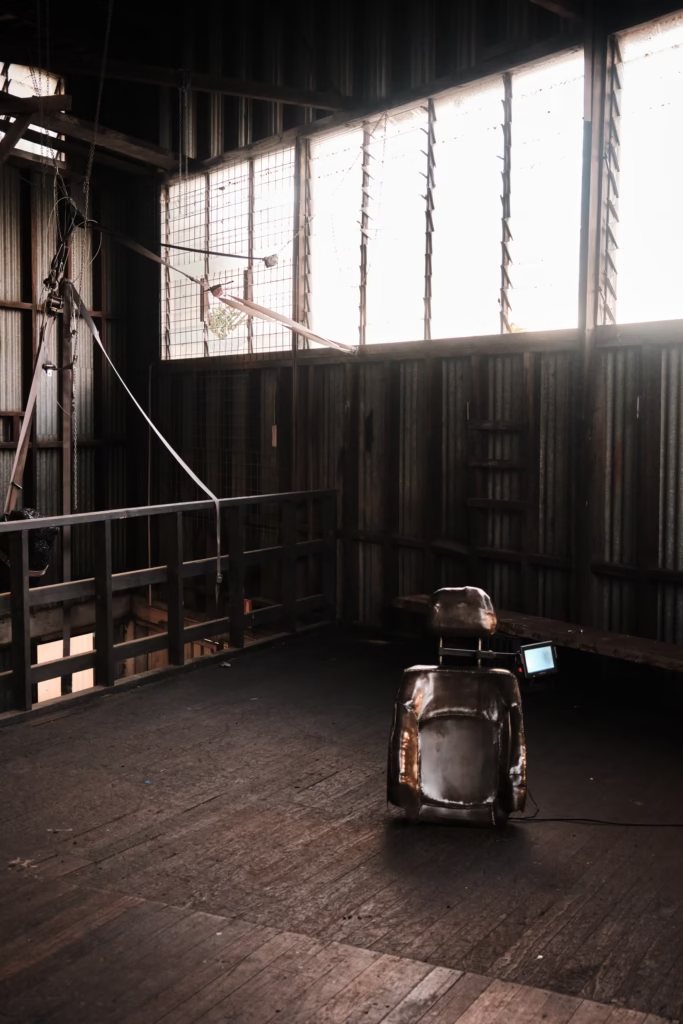
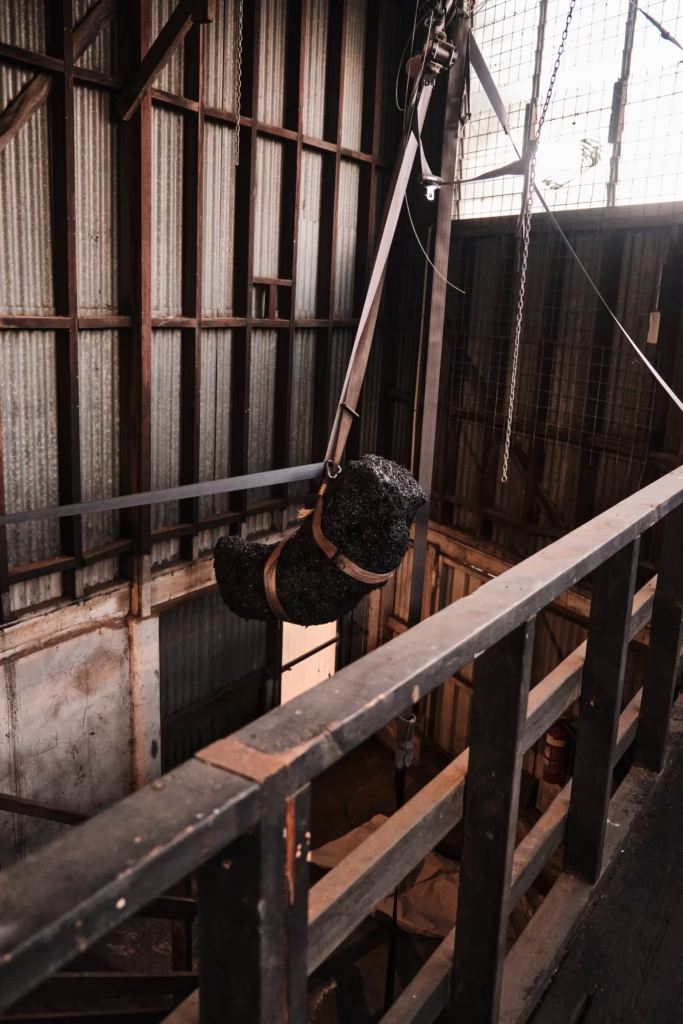
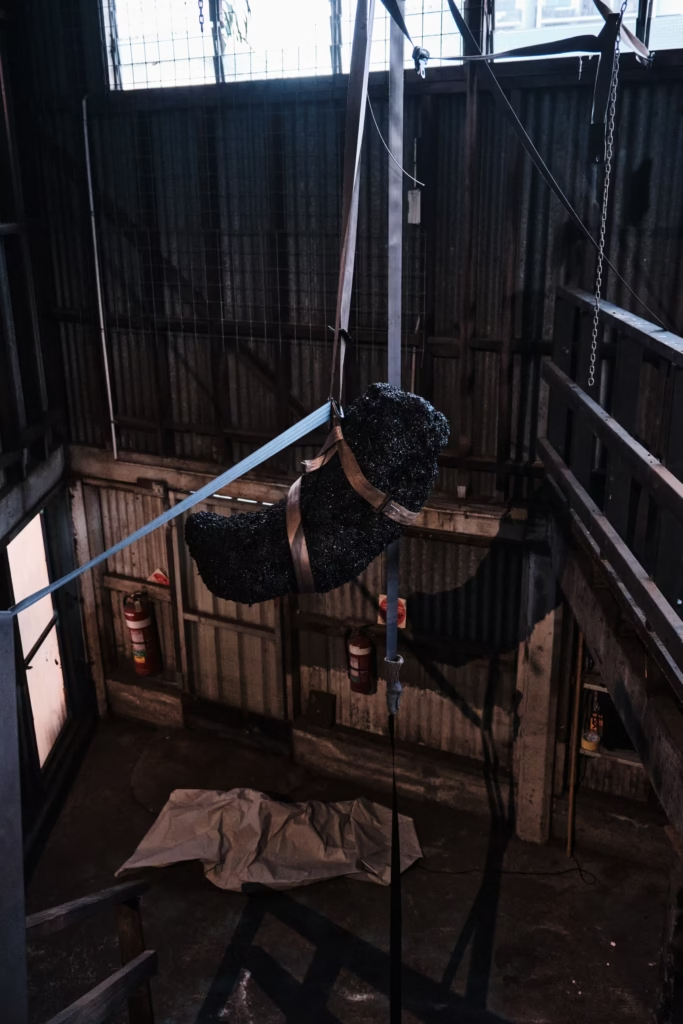
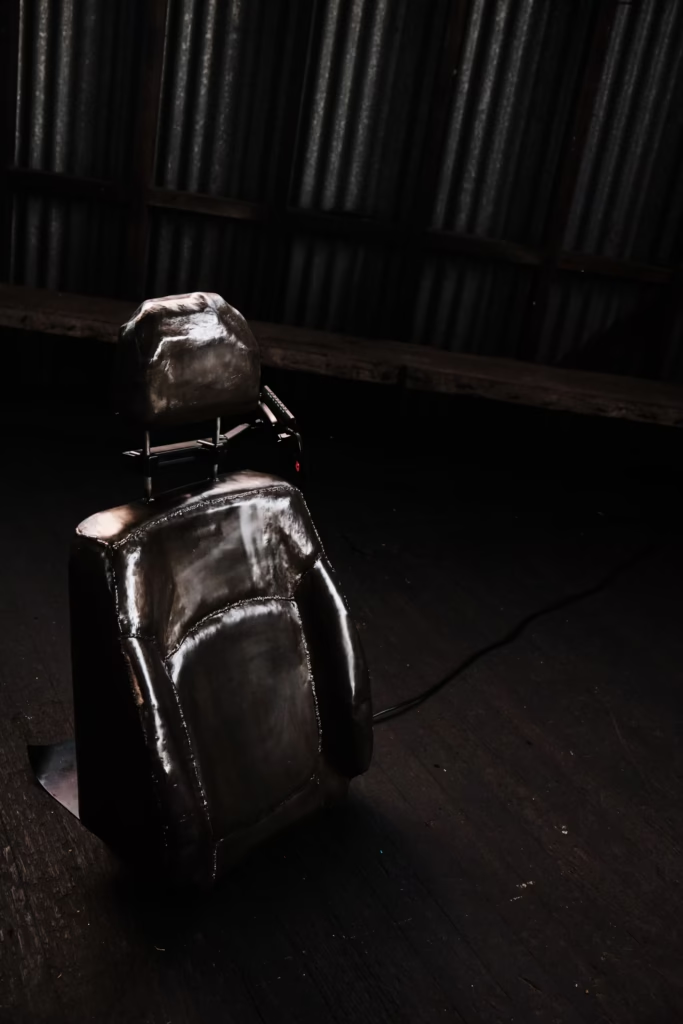
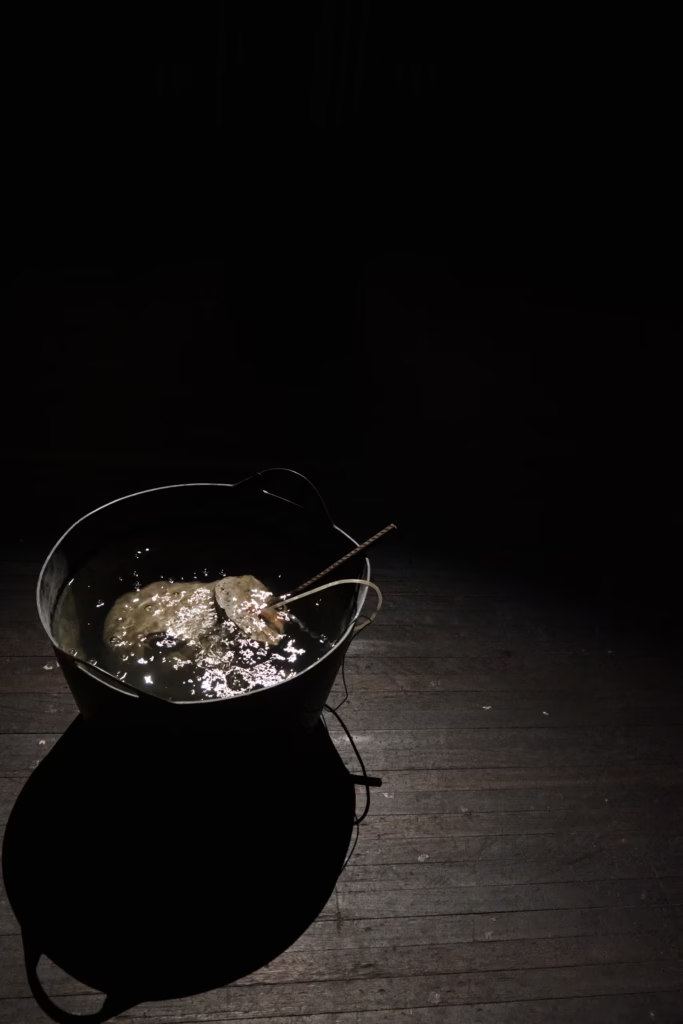
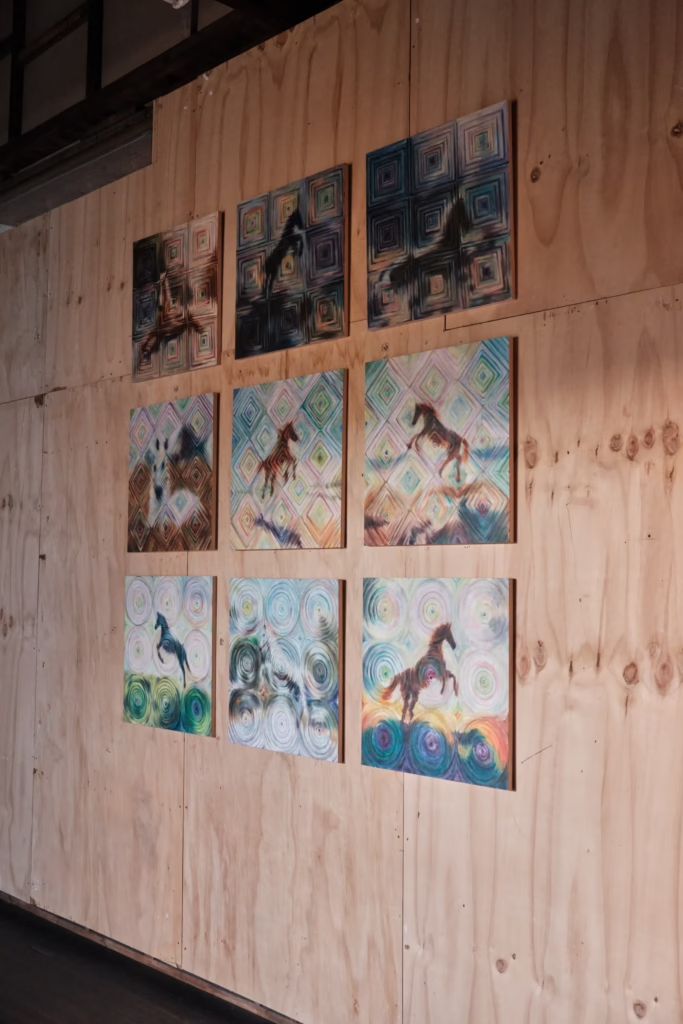
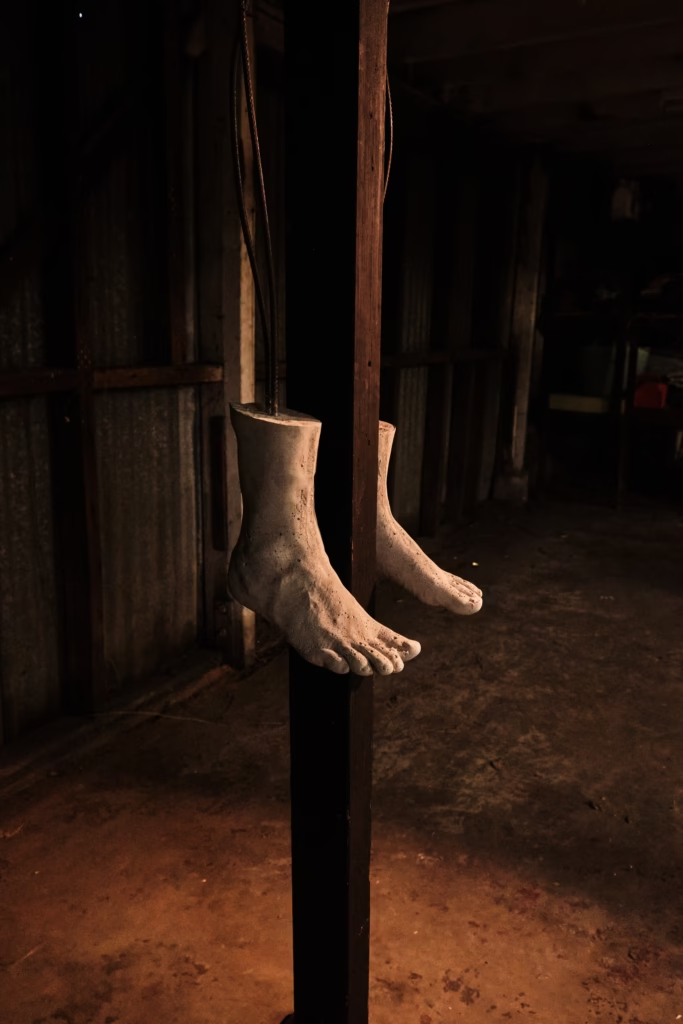
Total Loss borrows its title from the language of insurance: the point at which damage repair is declared unviable.
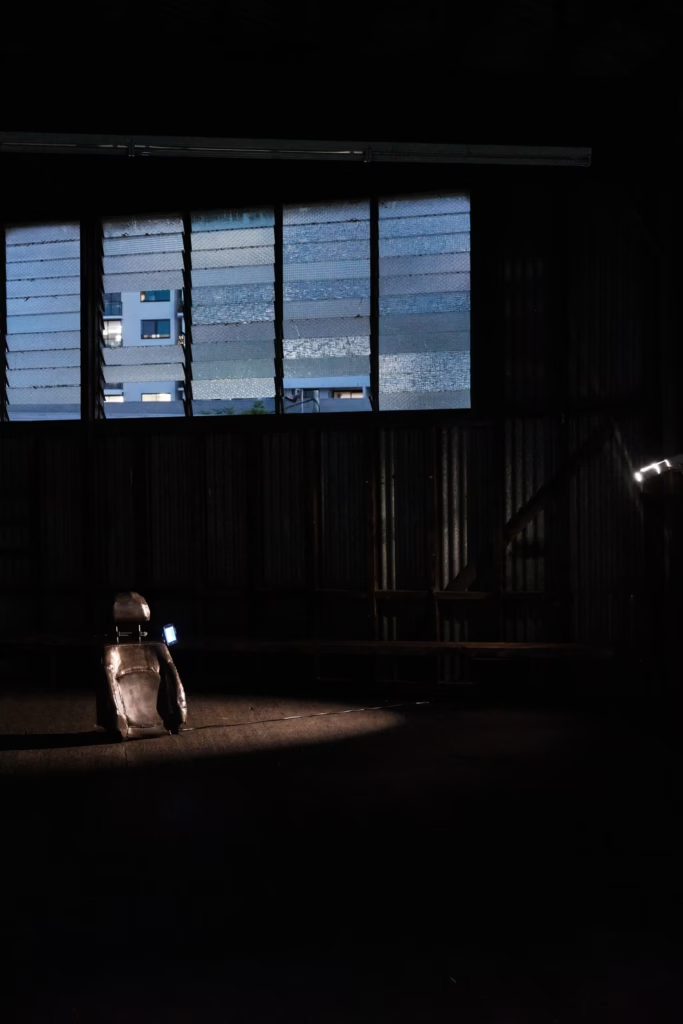
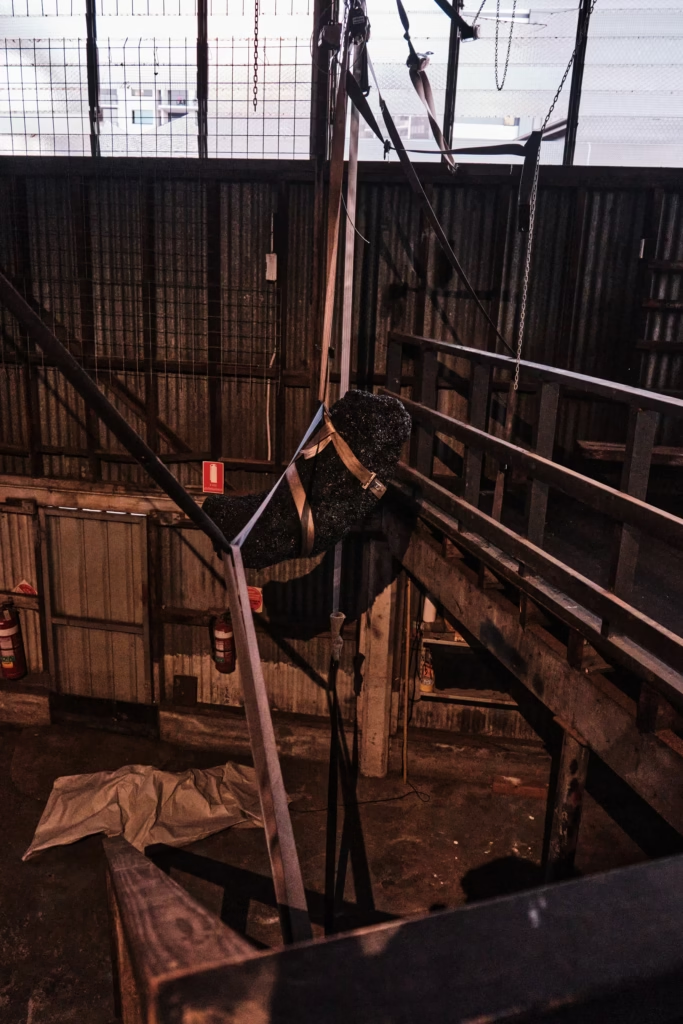
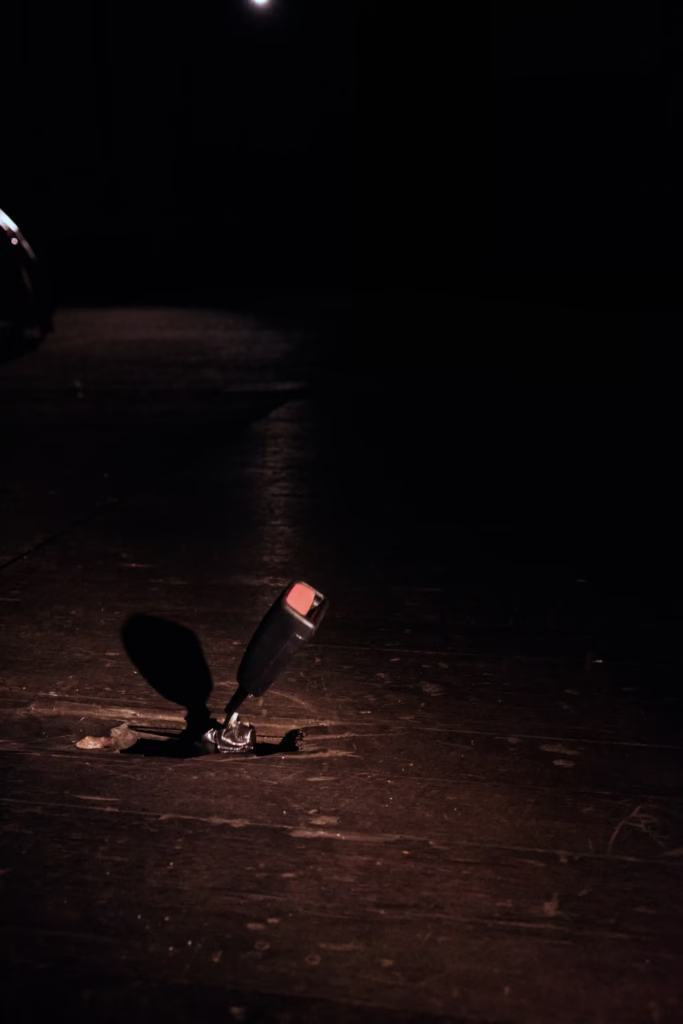
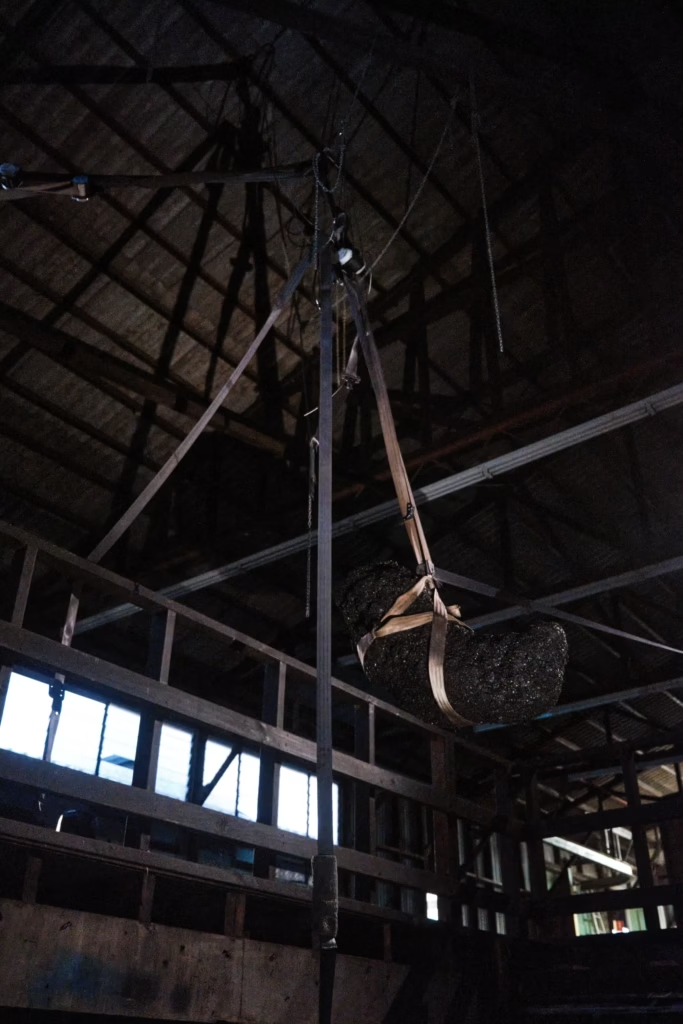
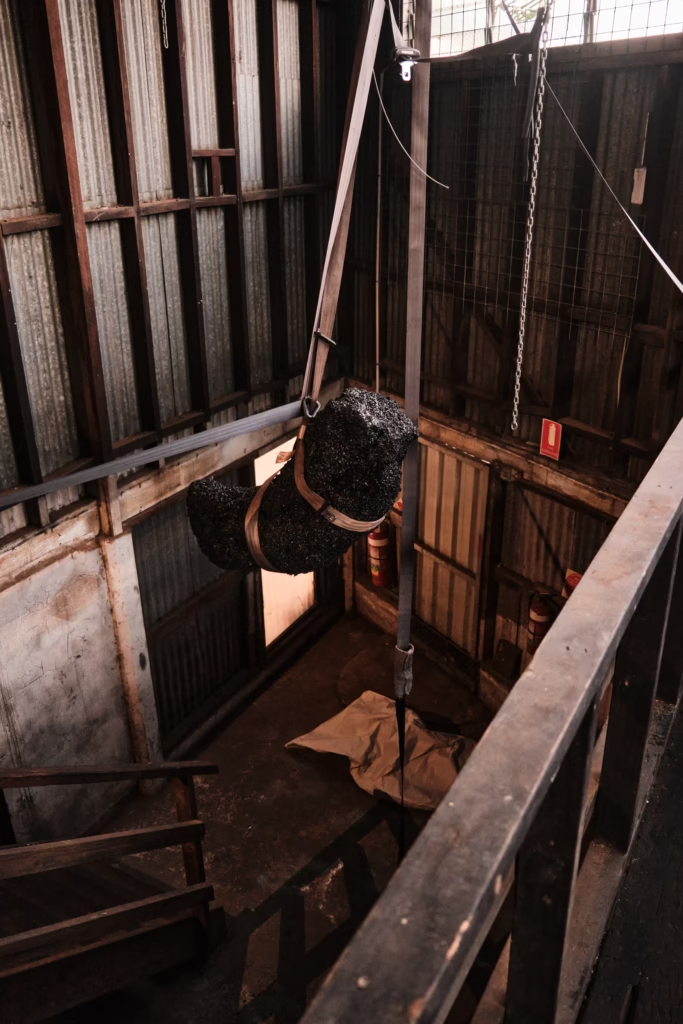
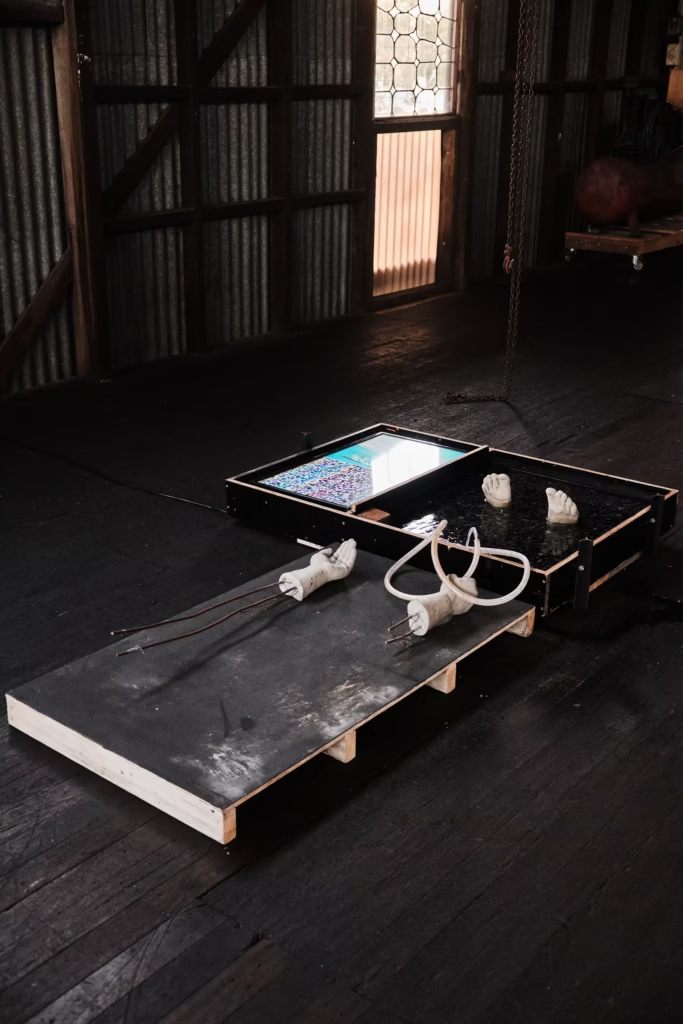
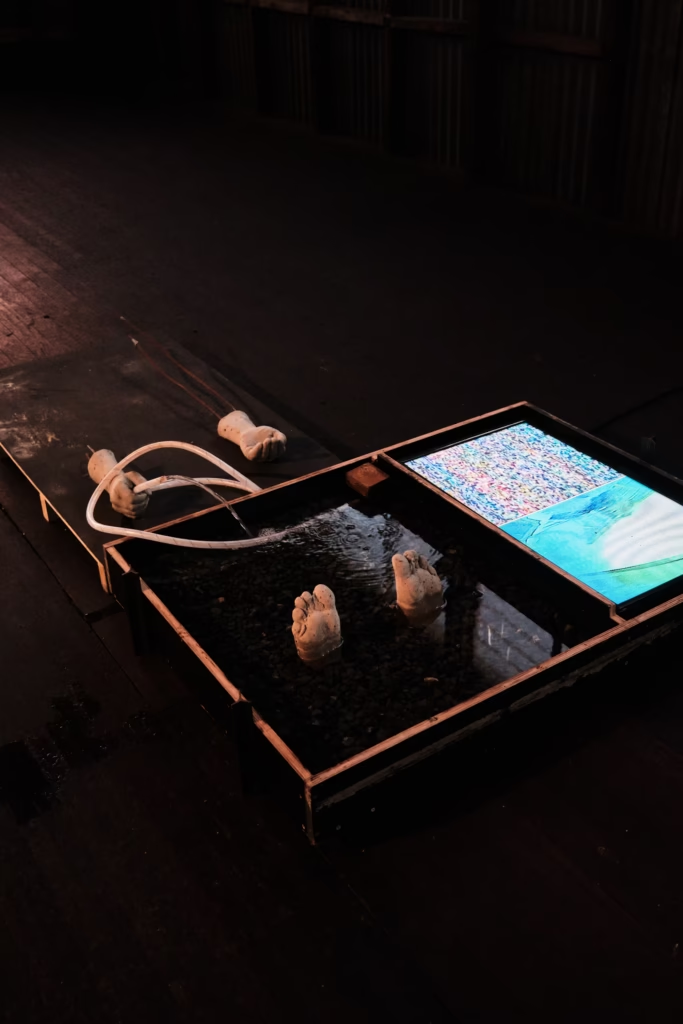
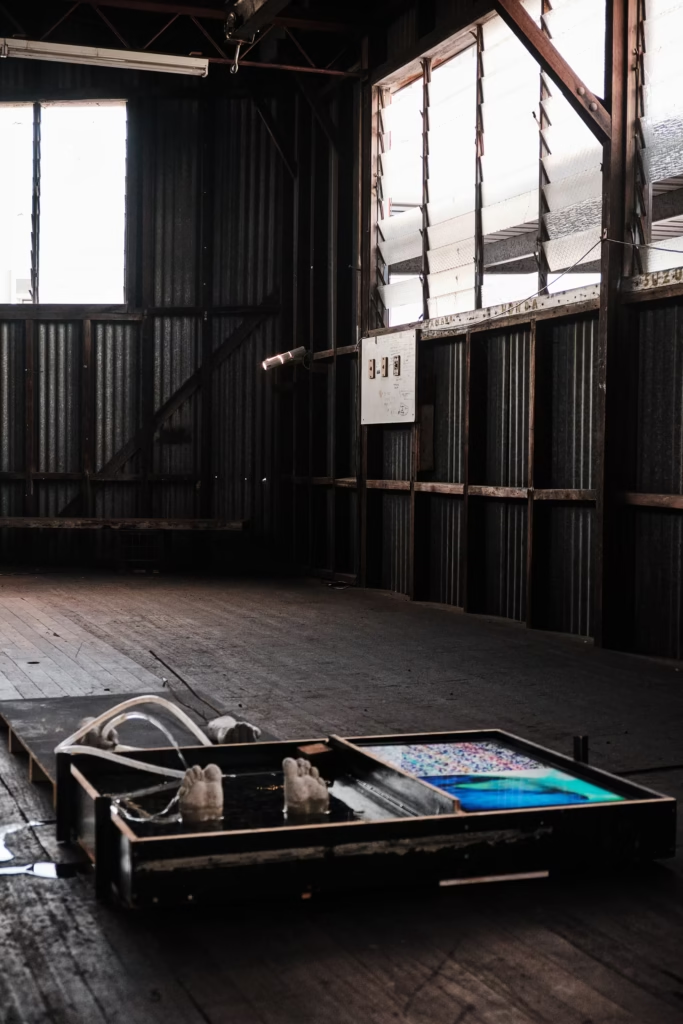
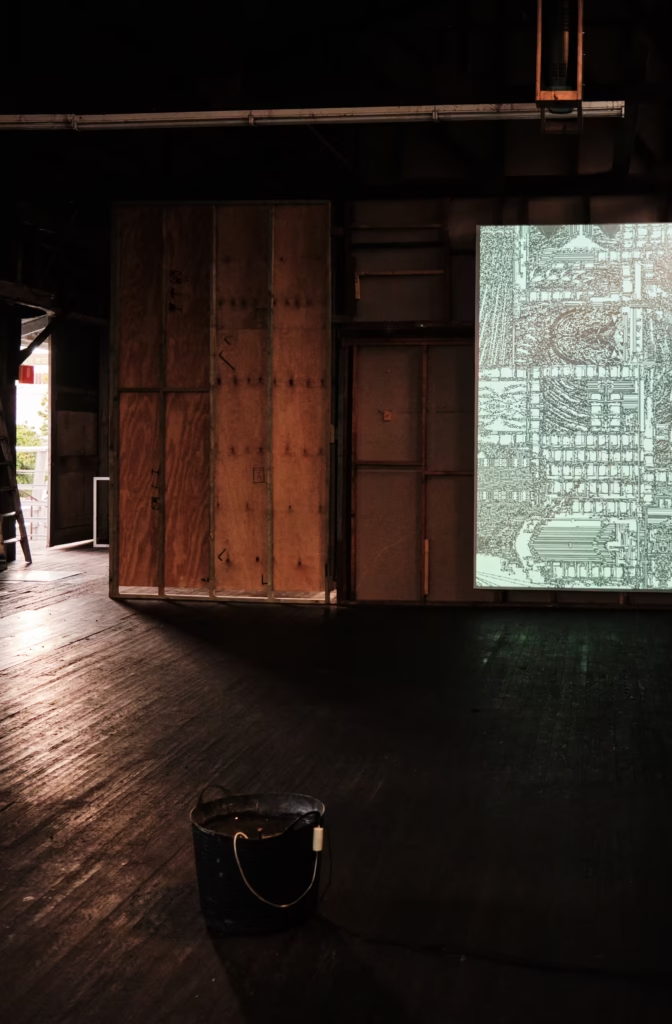
The 478 square metre Woolloongabba warehouse which hosts the exhibition once functioned, as its name suggests, as a motorcycle wreckers. This past persists in residues of Japanese brand names sharpied onto beams, or the pulley system upstairs. A scenery of collision, crushing, stripping, salvage and discard comes to mind.
I think of the moment before an incident unanticipated. There is a certain intuition that precedes disaster where the mind races ahead and doubles back at once, thickening time into brief suspension. You attempt to map and calculate what cannot be known. In this “pregnant” instant, Laocoón freezes at the apex of agony, eyes lifted to the heavens as his sons are propped up limply by the serpentine body that arrests him too (figure 1). The catastrophe has already begun, cause and consequence collapse into a single image. We inherit the privilege (and burden) of filling in the blanks.
Yet where we are trained to see history as a neat sequence of discrete happenings, Benjamin’s angel sees a single continuous catastrophe! “Wreckage upon wreckage.” He wishes to stop, to make whole what has been demolished. He cannot. This storm called progress propels him forth past the damage that linear temporality refuses to stop and attend to.
Written while fleeing fascism, Benjamin puts forth that to accept uncritically the narrative of progress is to consent to catastrophe as a permanent condition. Capitalism reframes destruction as collateral, loss as necessary. What cannot be fixed must be replaced. What cannot be replaced must be forgotten.
May we believe that contact and conflict can produce multiplications of misunderstandings? Let there be no illusory zone of safety, the violence of the past is crushed into each present moment.
To crush is to apply a downward force, to produce a folding in on oneself. Conversely, in a commonplace register ‘crush’ has come to connote an infatuation, perhaps an irrational, unrequited attachment. The etymological evolution to this meaning is difficult to trace and somewhat debated, so I take speculative liberty in this doubleness.
Perhaps it is the proximity, intensity, risk of catastrophe that draws us towards it. Lauren Berlant names it a “cruel optimism”; a condition wherein we remain attached to fantasises that actively harm us because we cannot imagine a life without them. Has crisis become the texture of the everyday? Are we camping out inside of a breakdown still hoping that it will deliver suffering somewhere else, just as Laocoón looks upwards in the midst of collapse, pleading for transcendence, while damage has already taken hold