

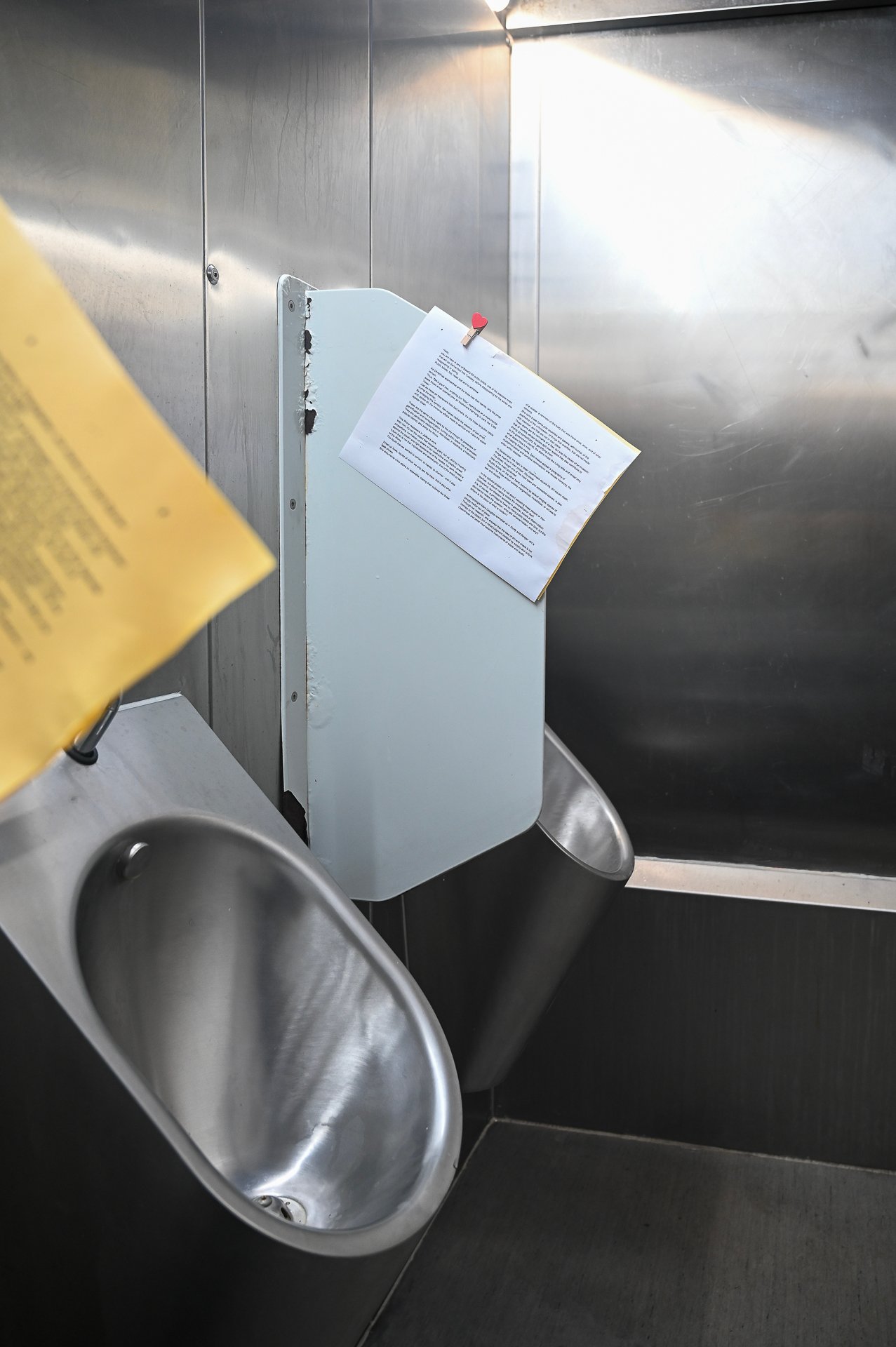
Hello,
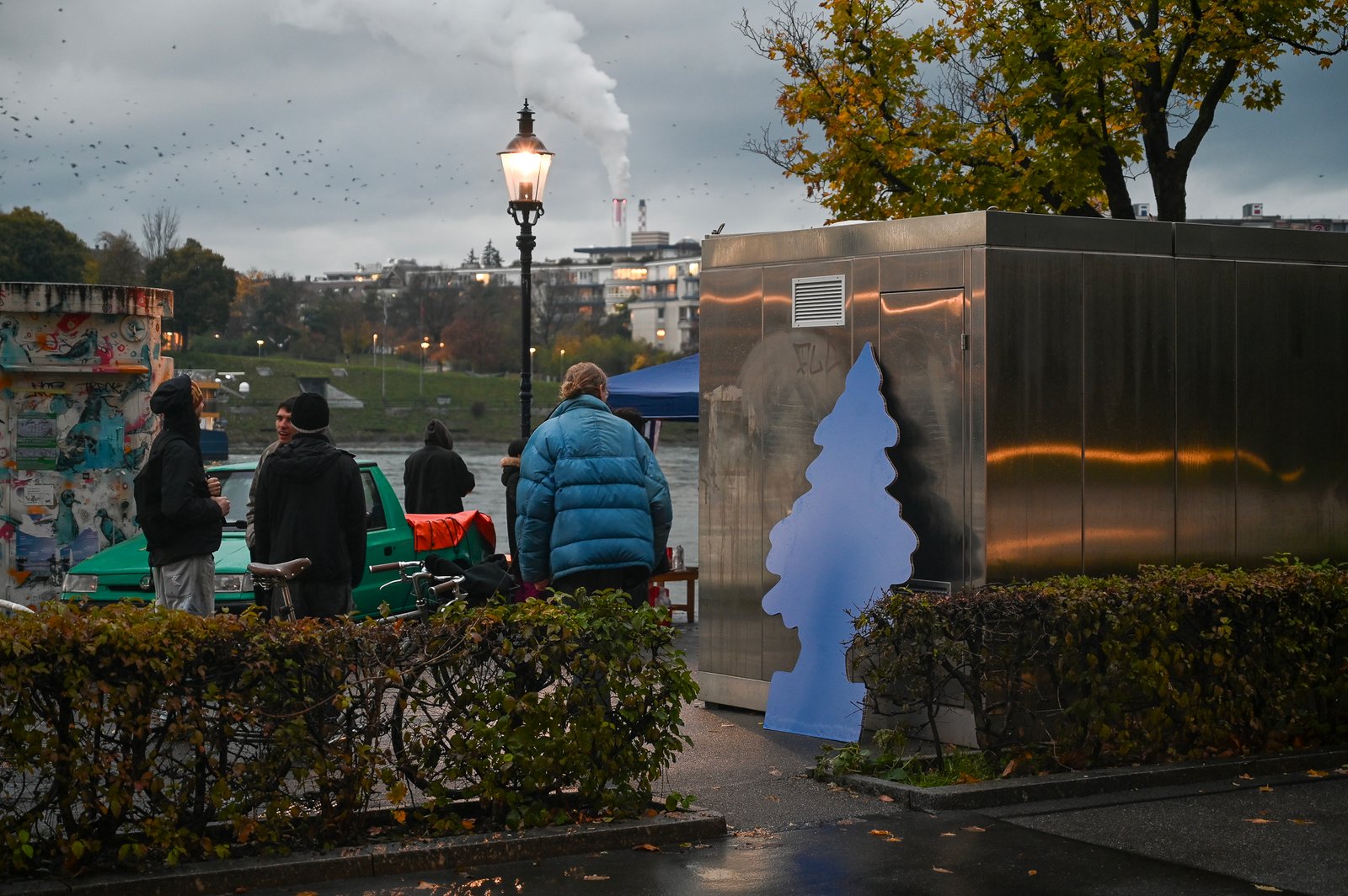
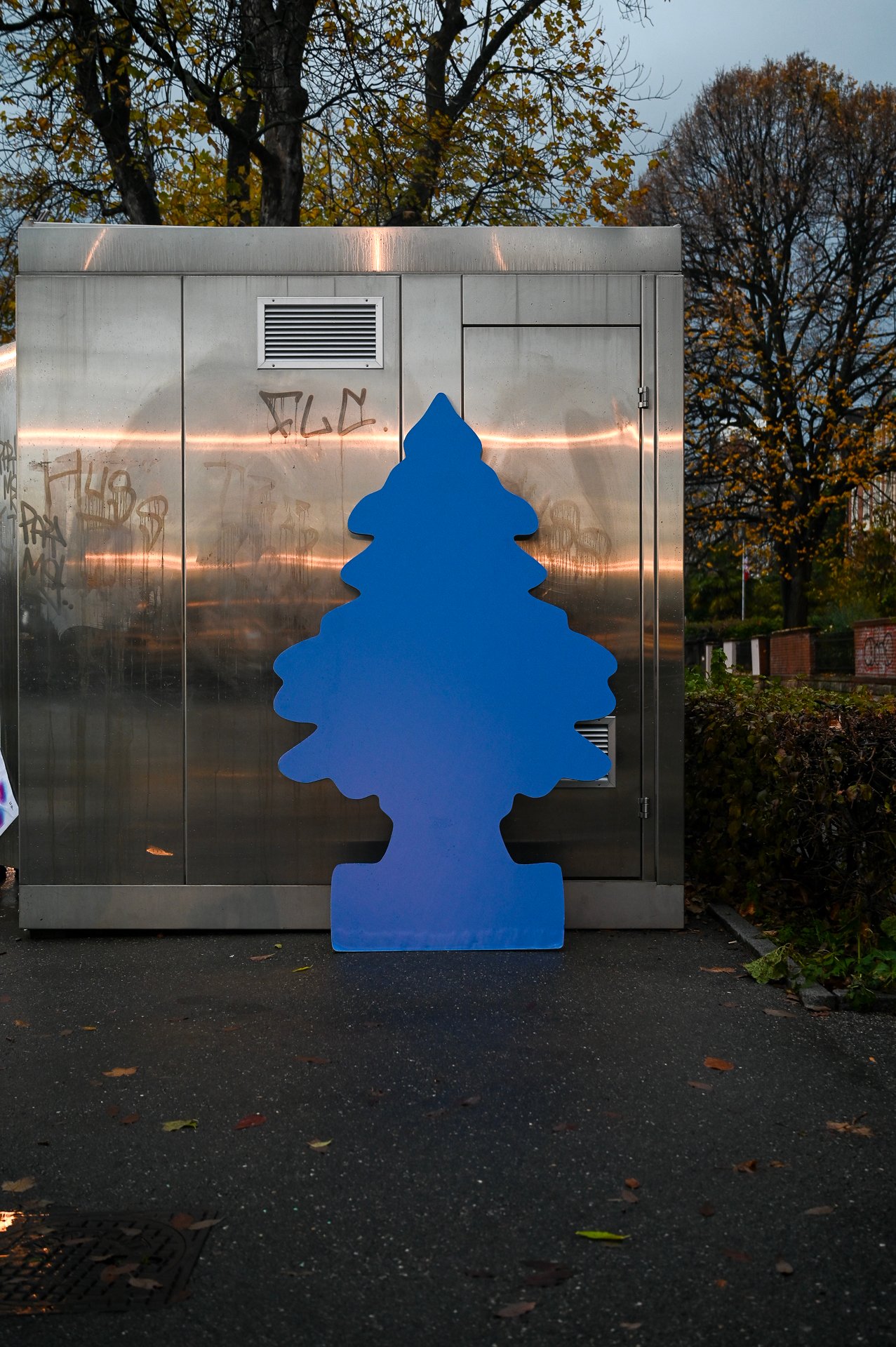
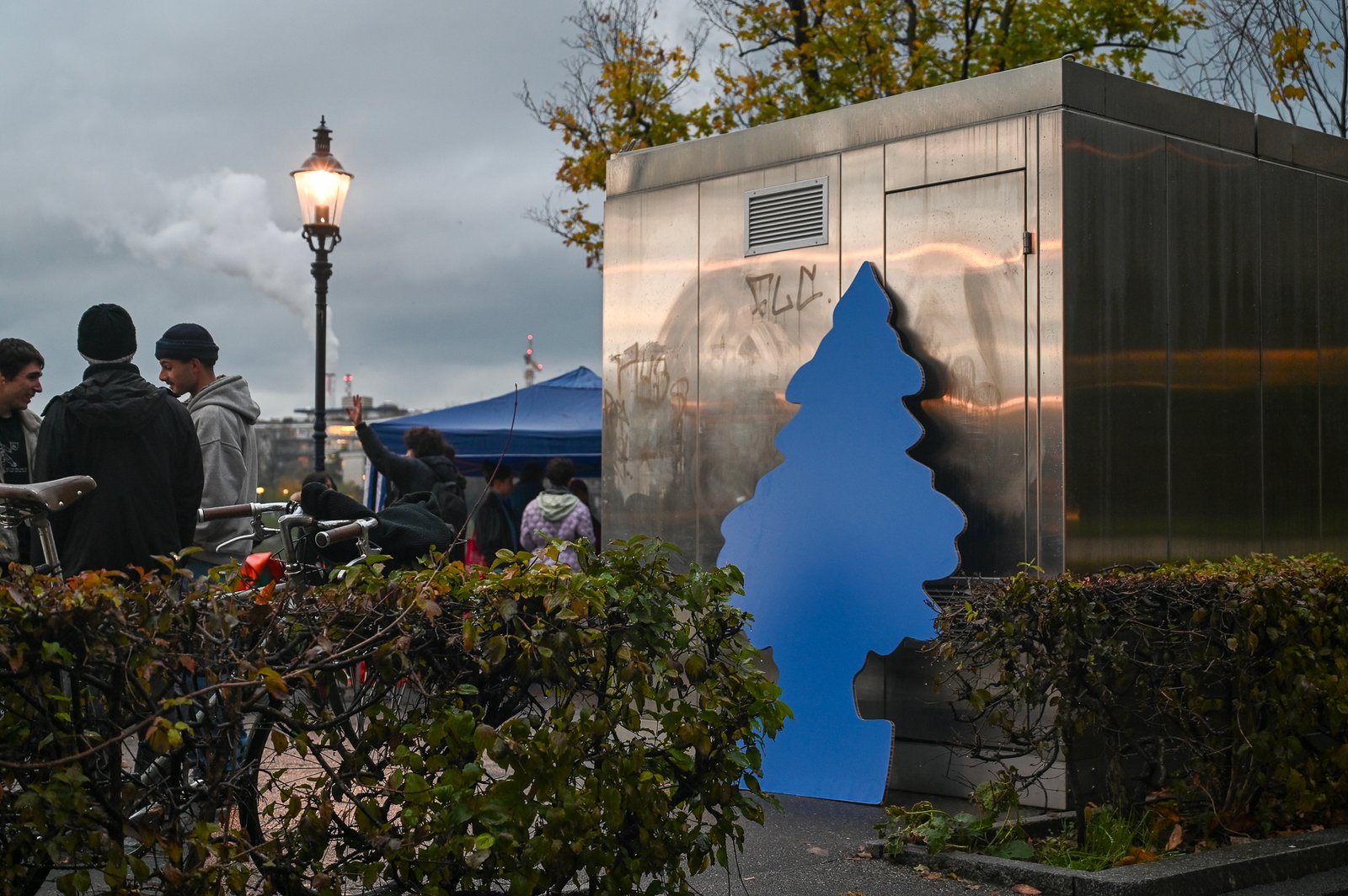
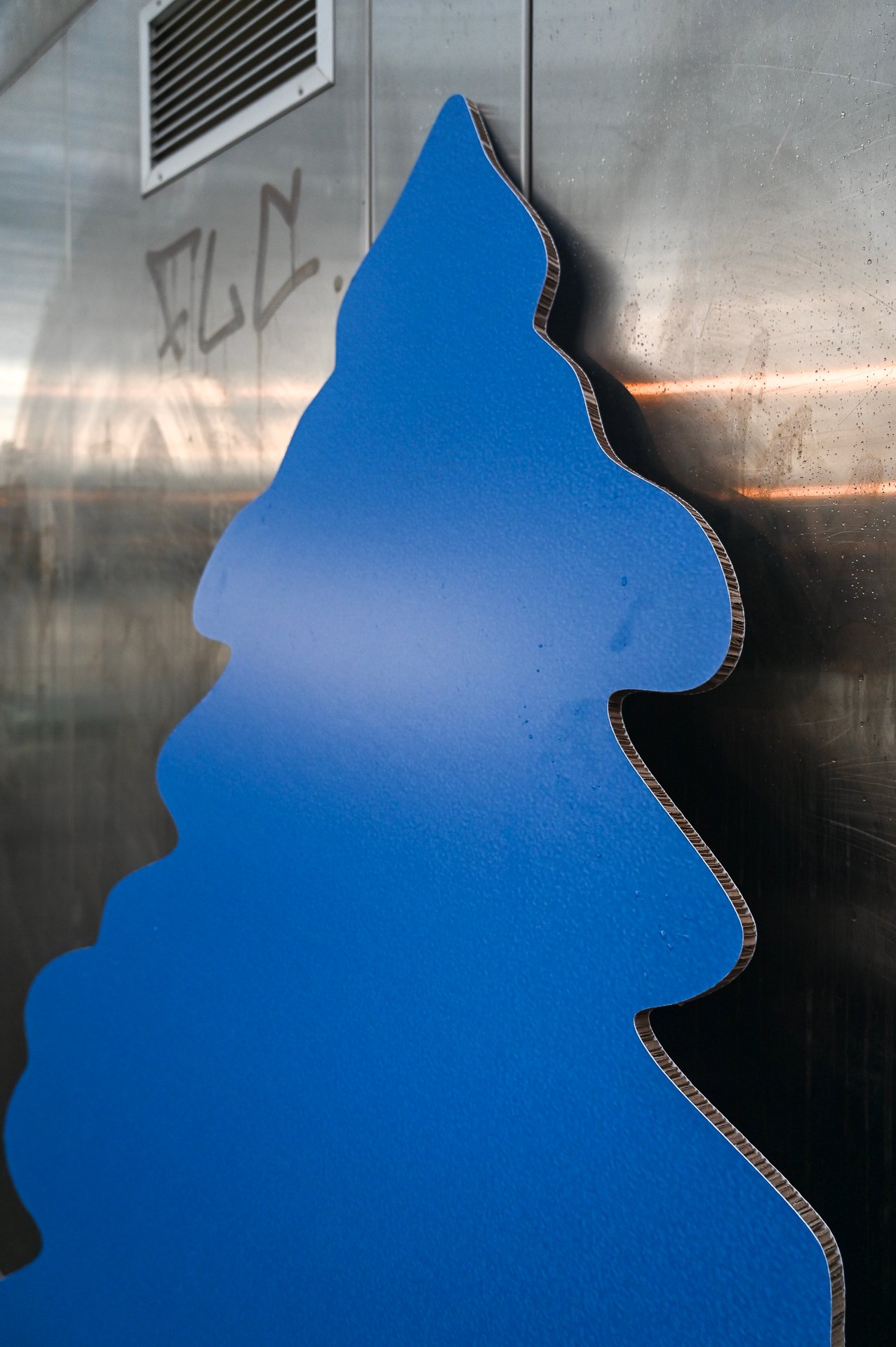
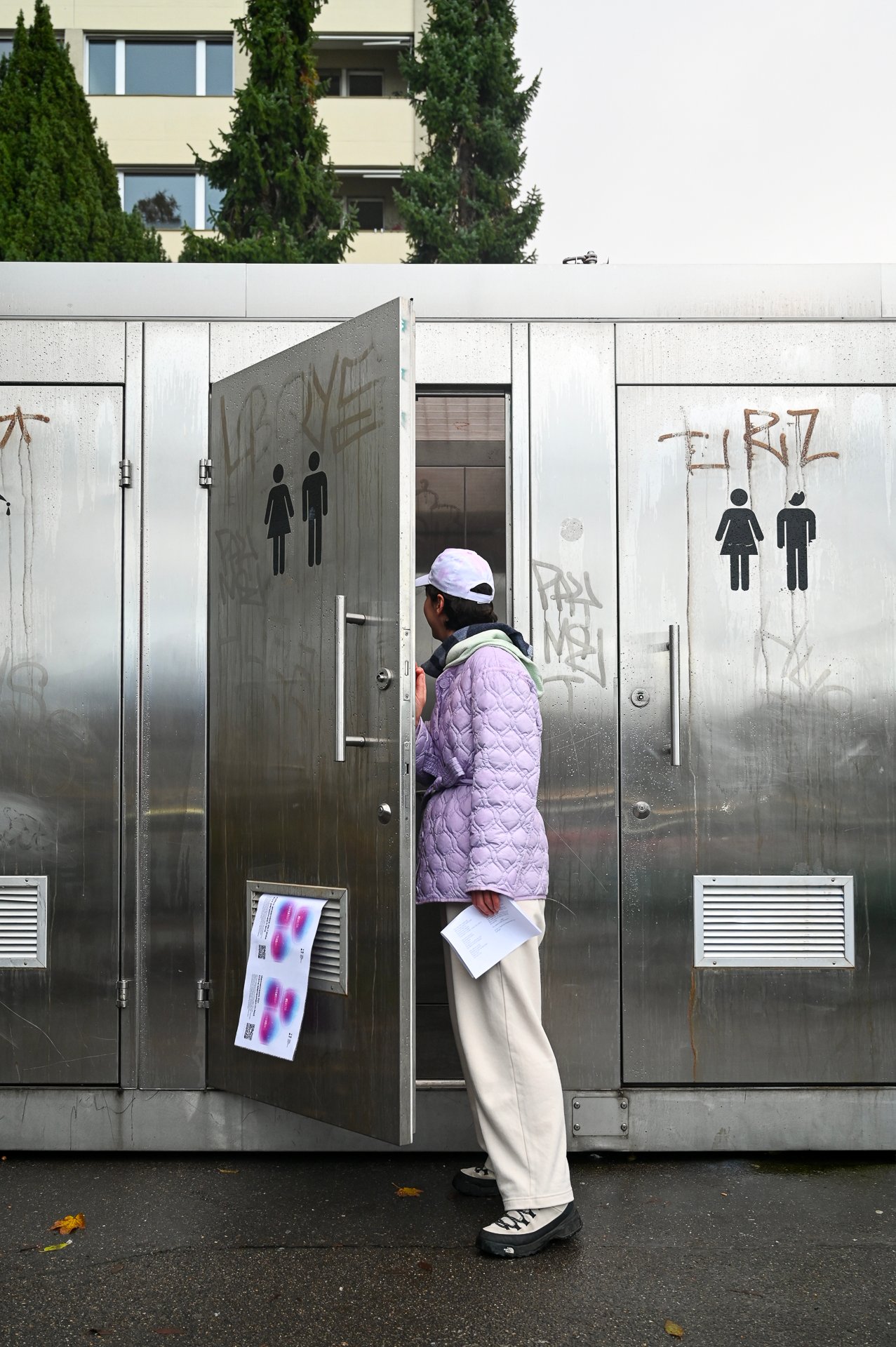
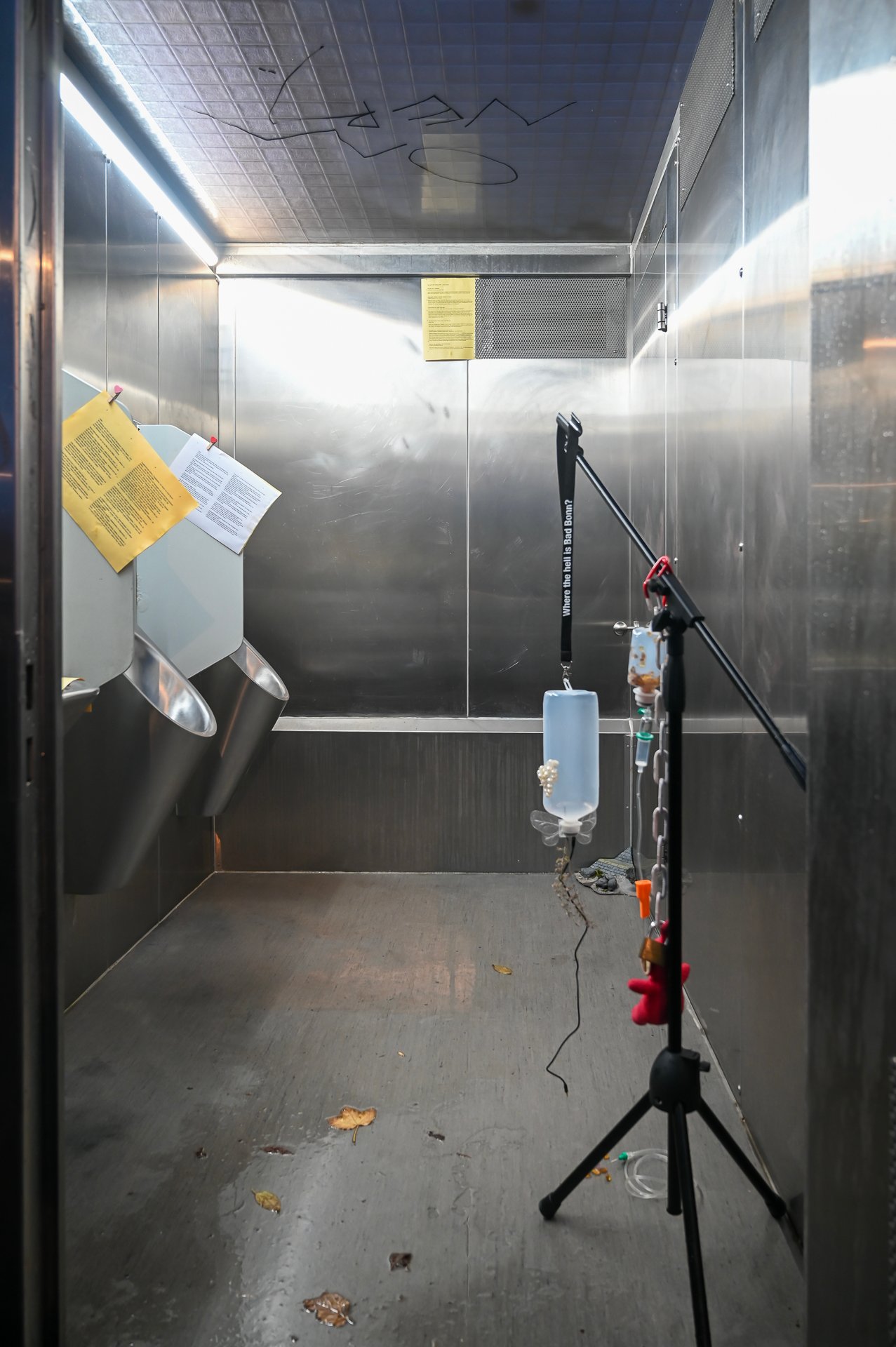
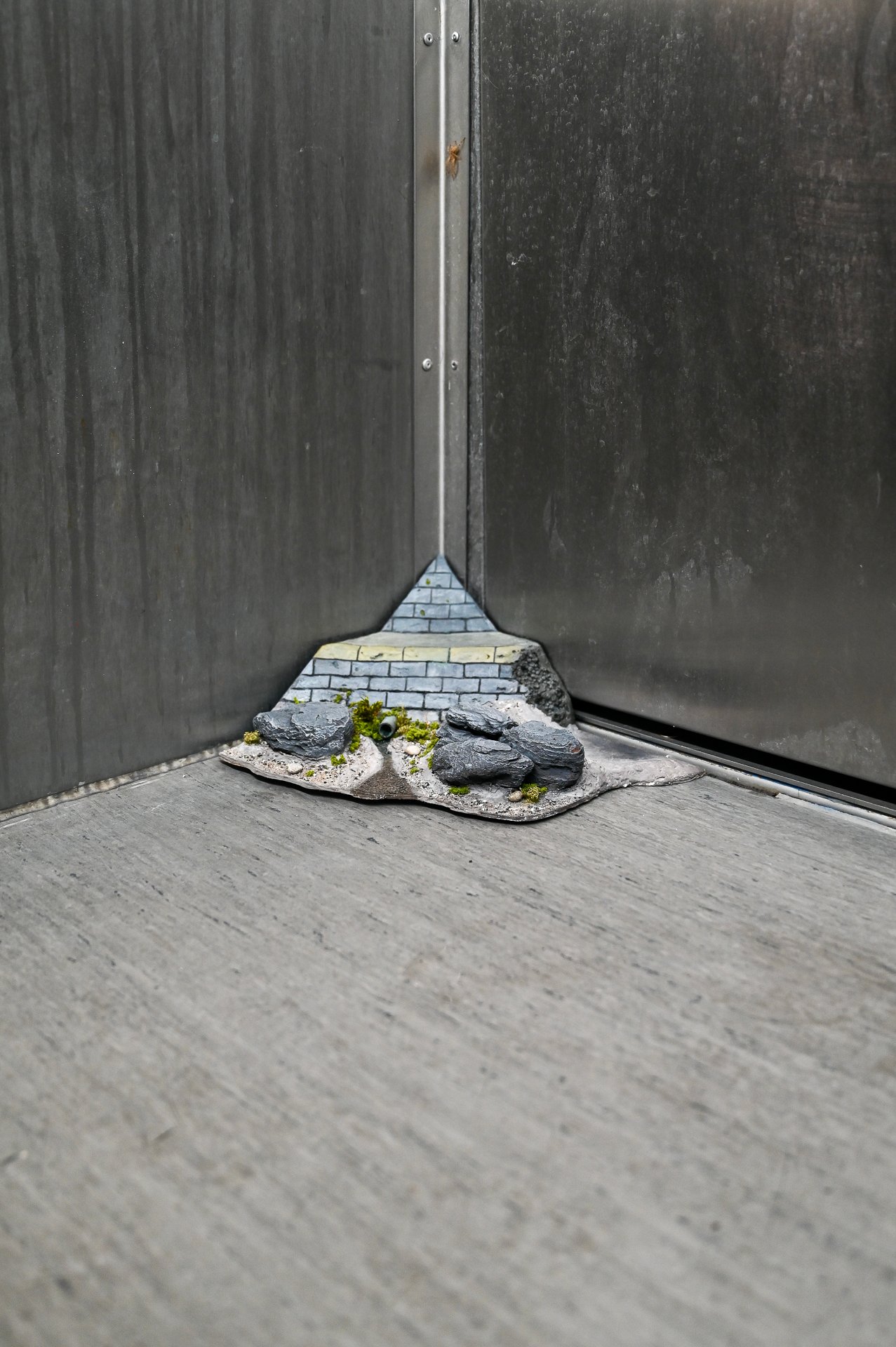
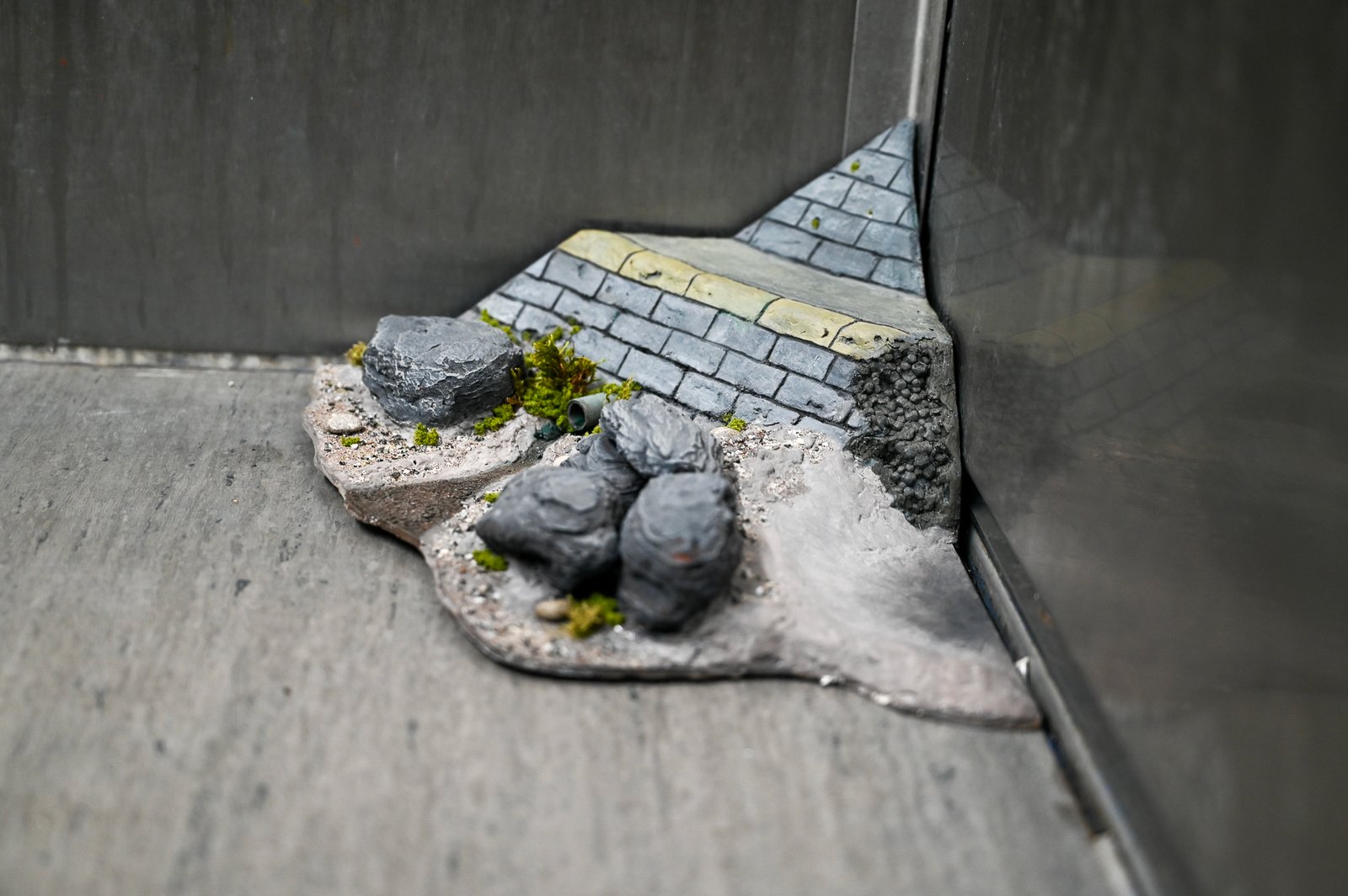
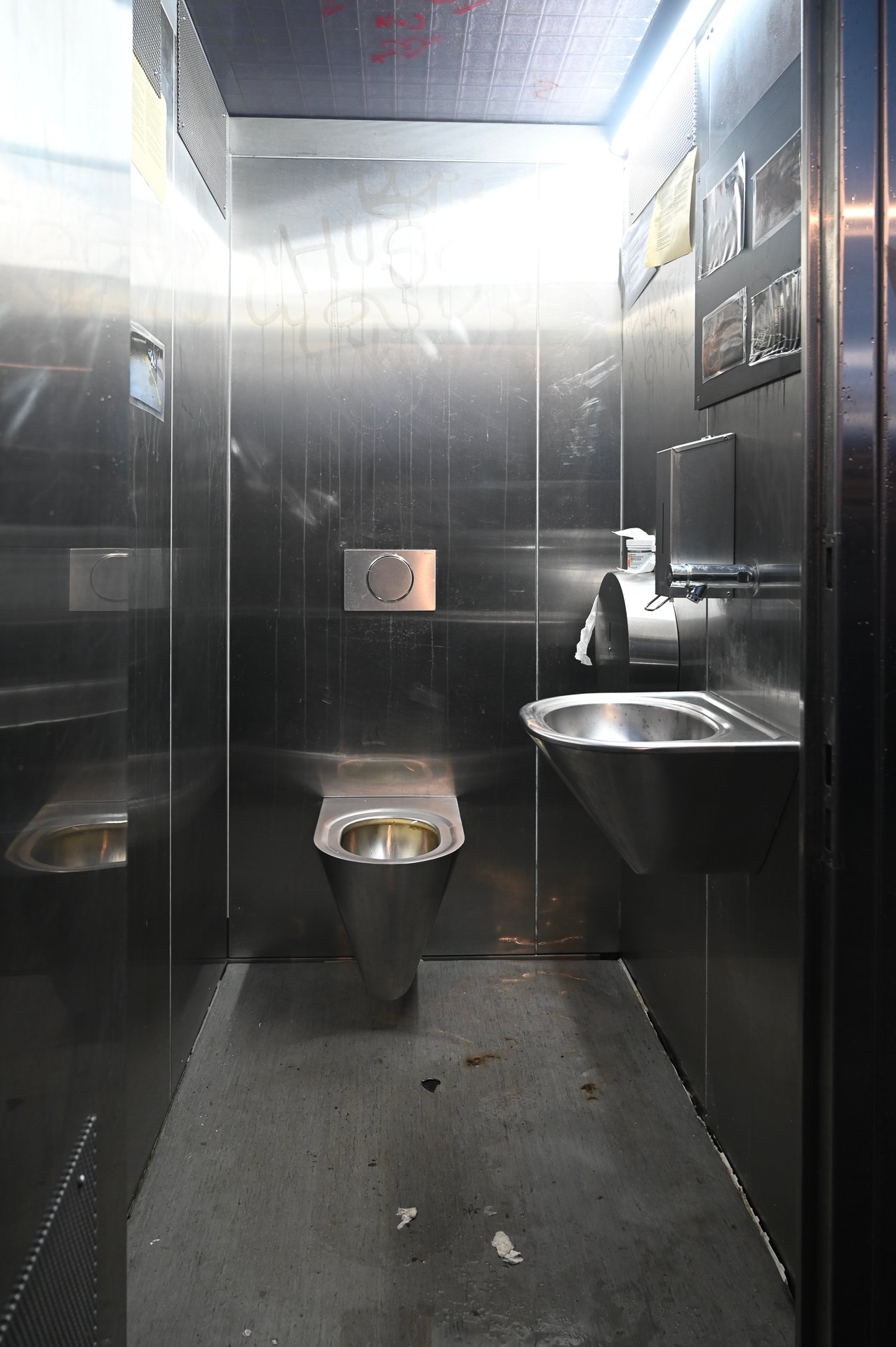
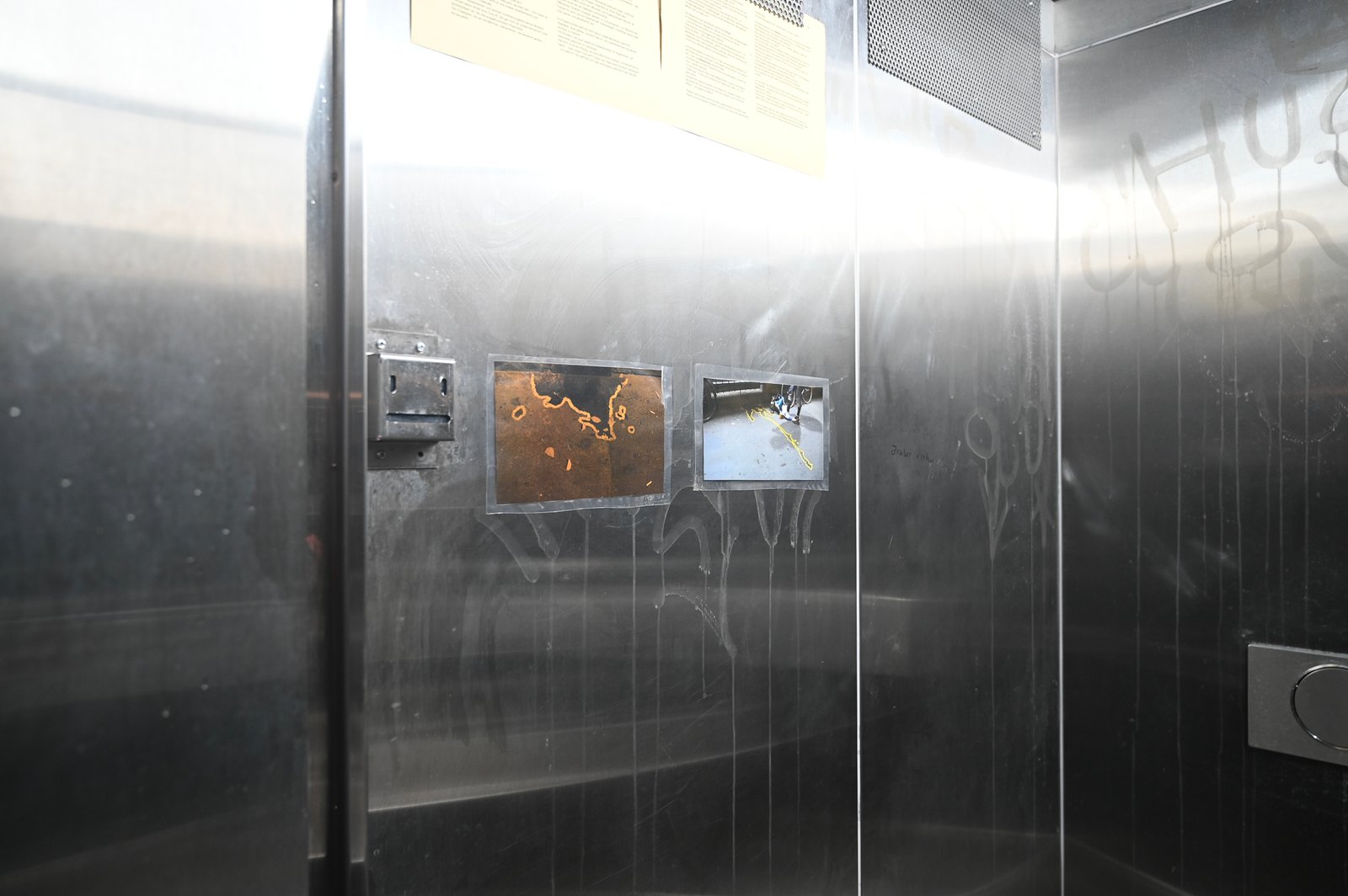
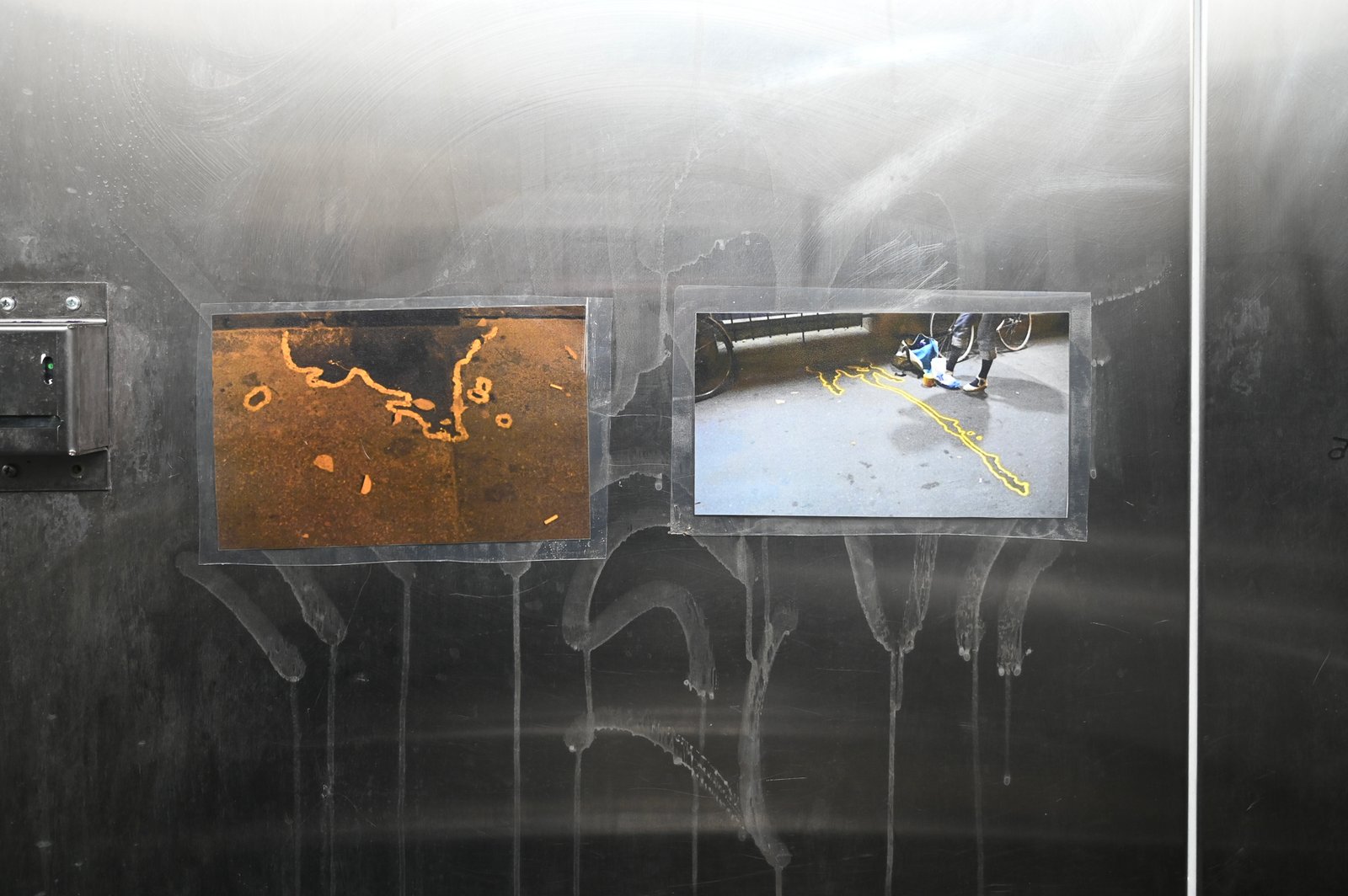
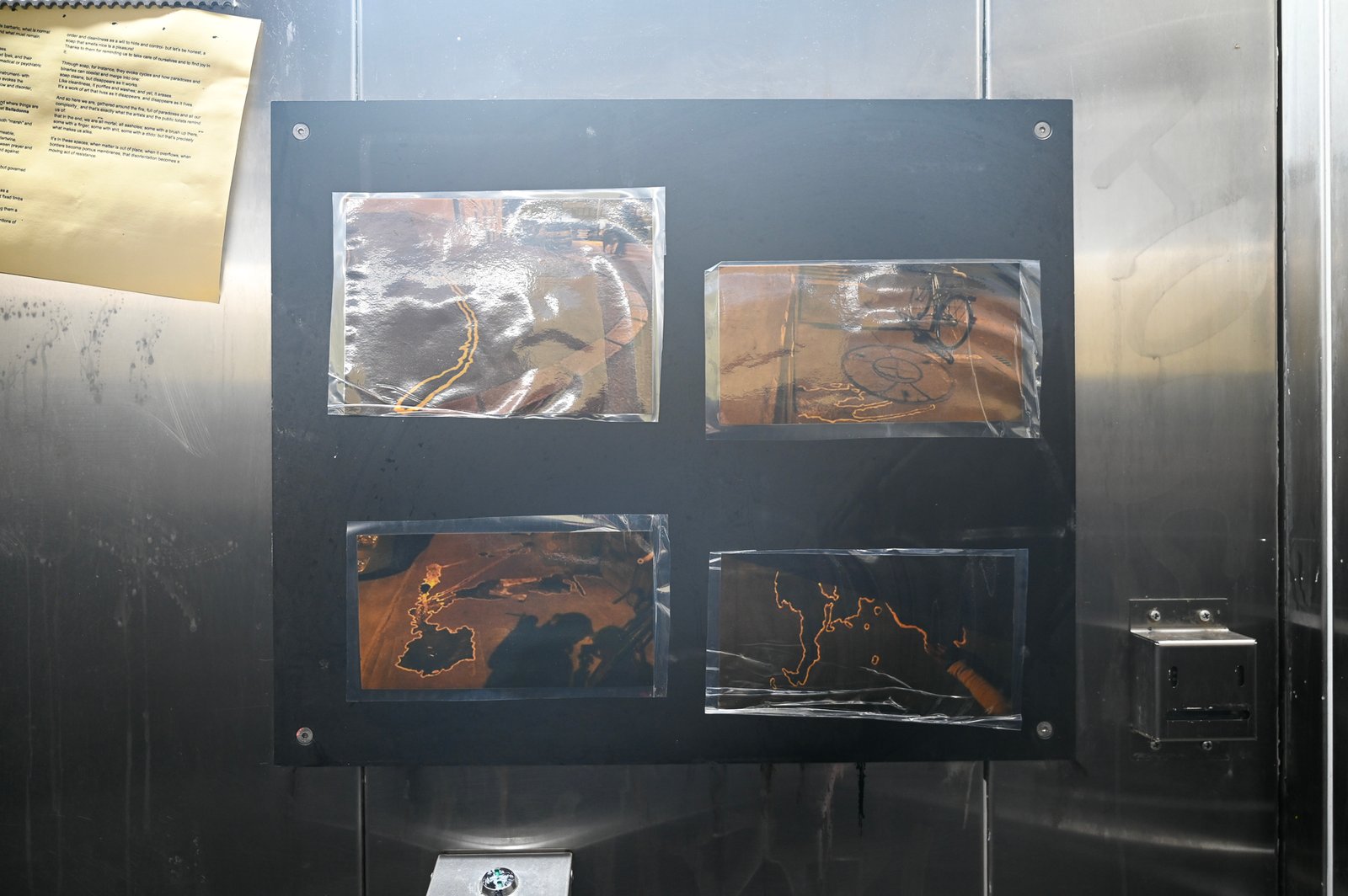
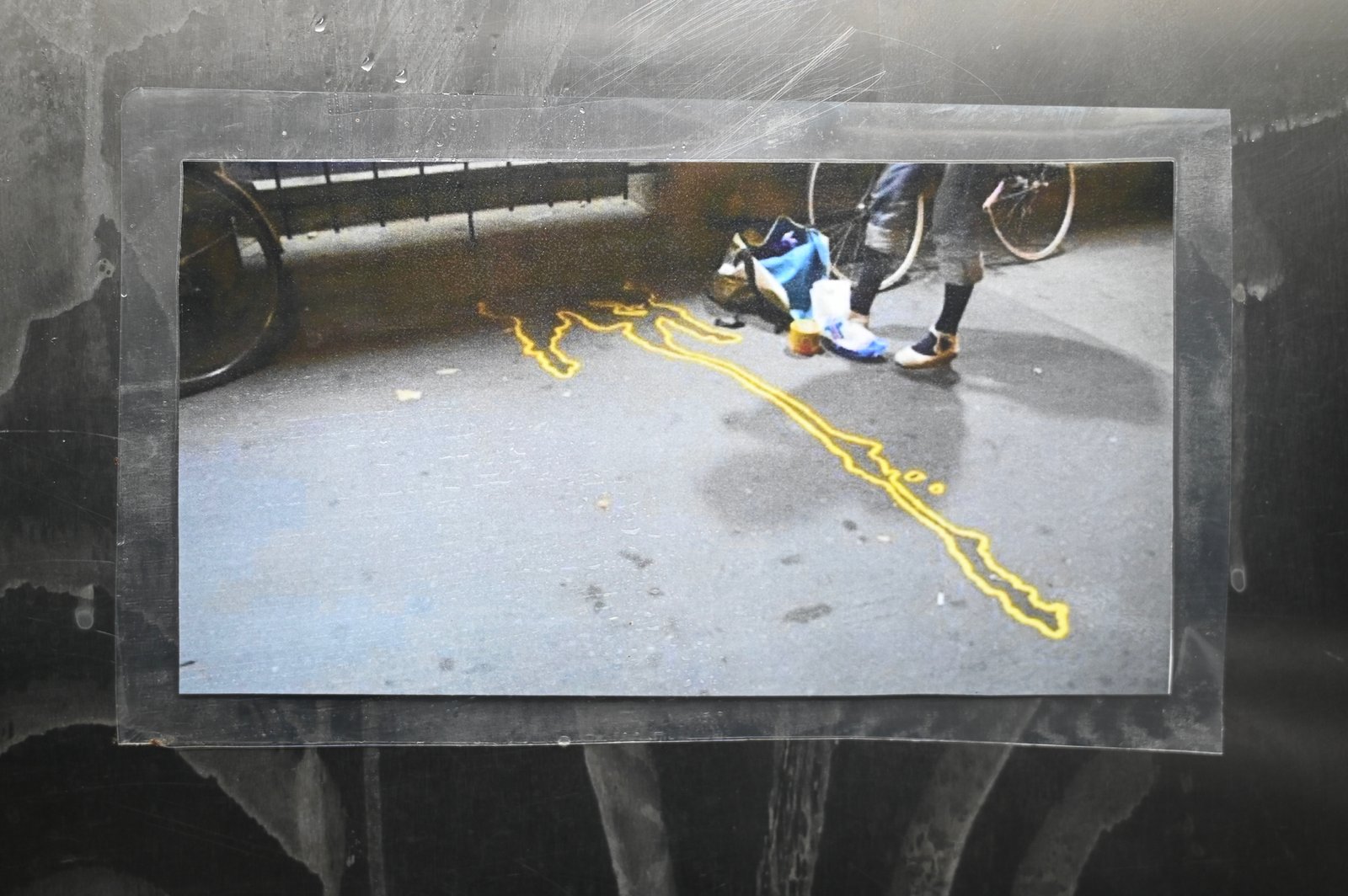
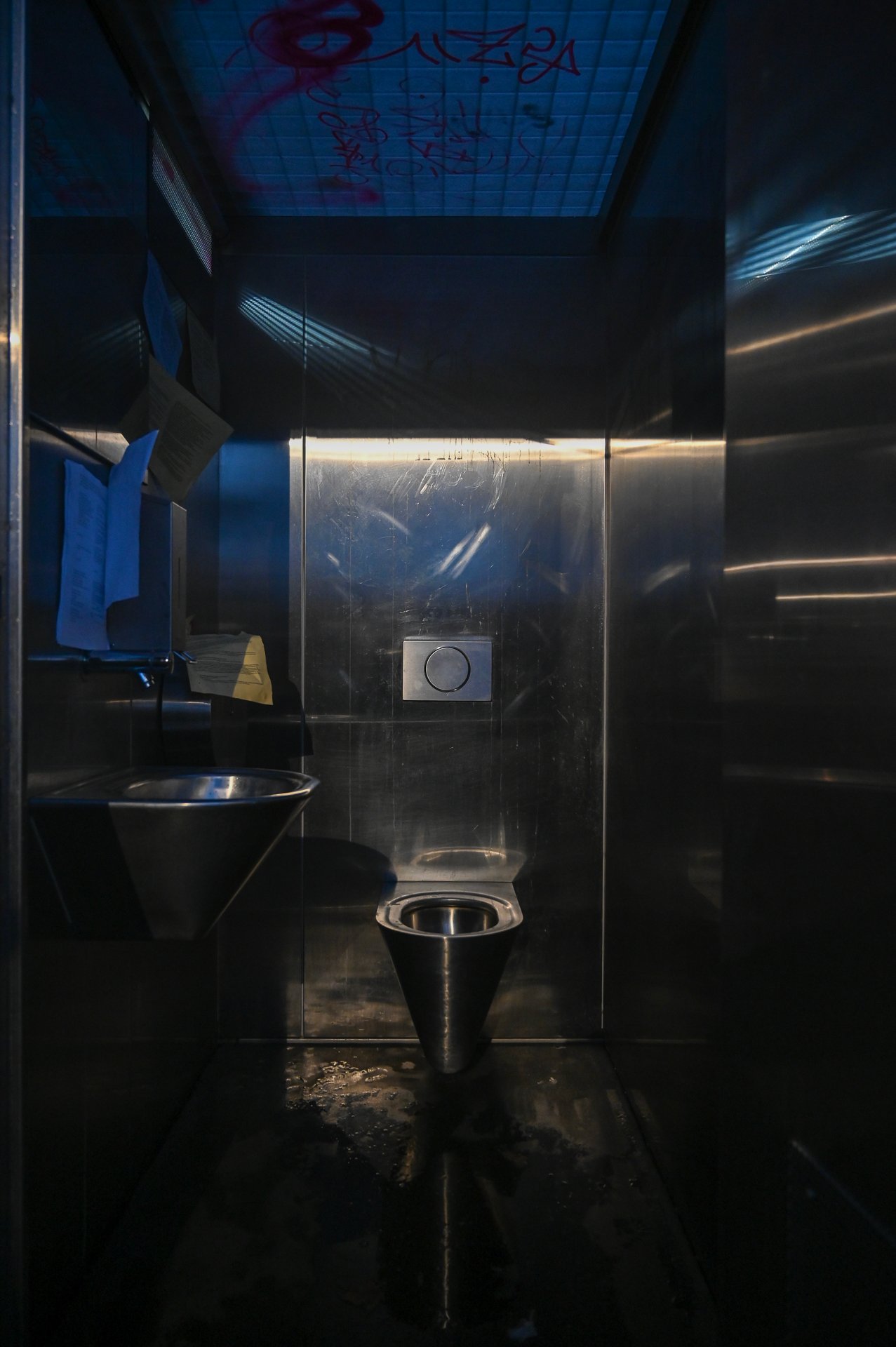
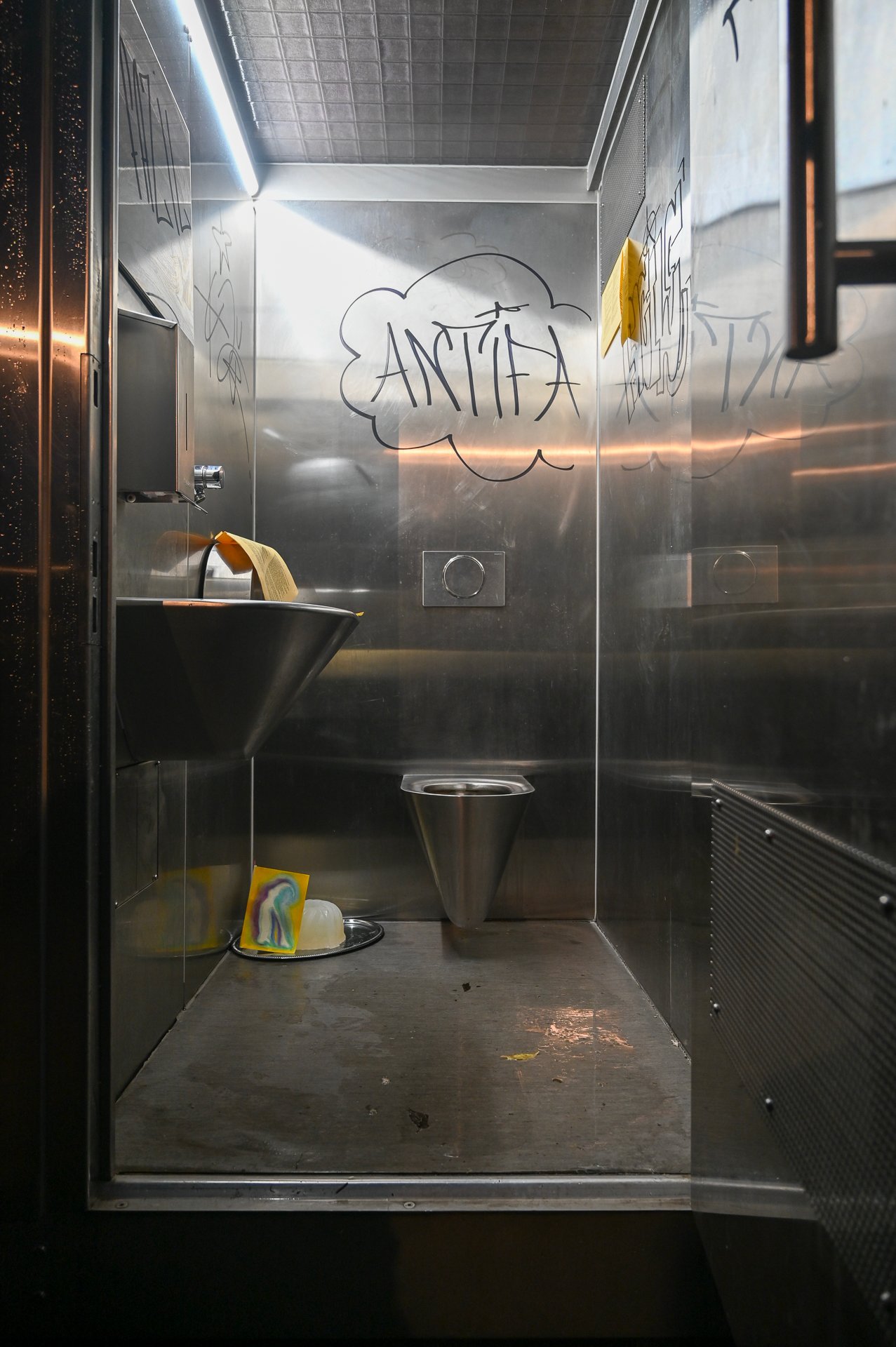
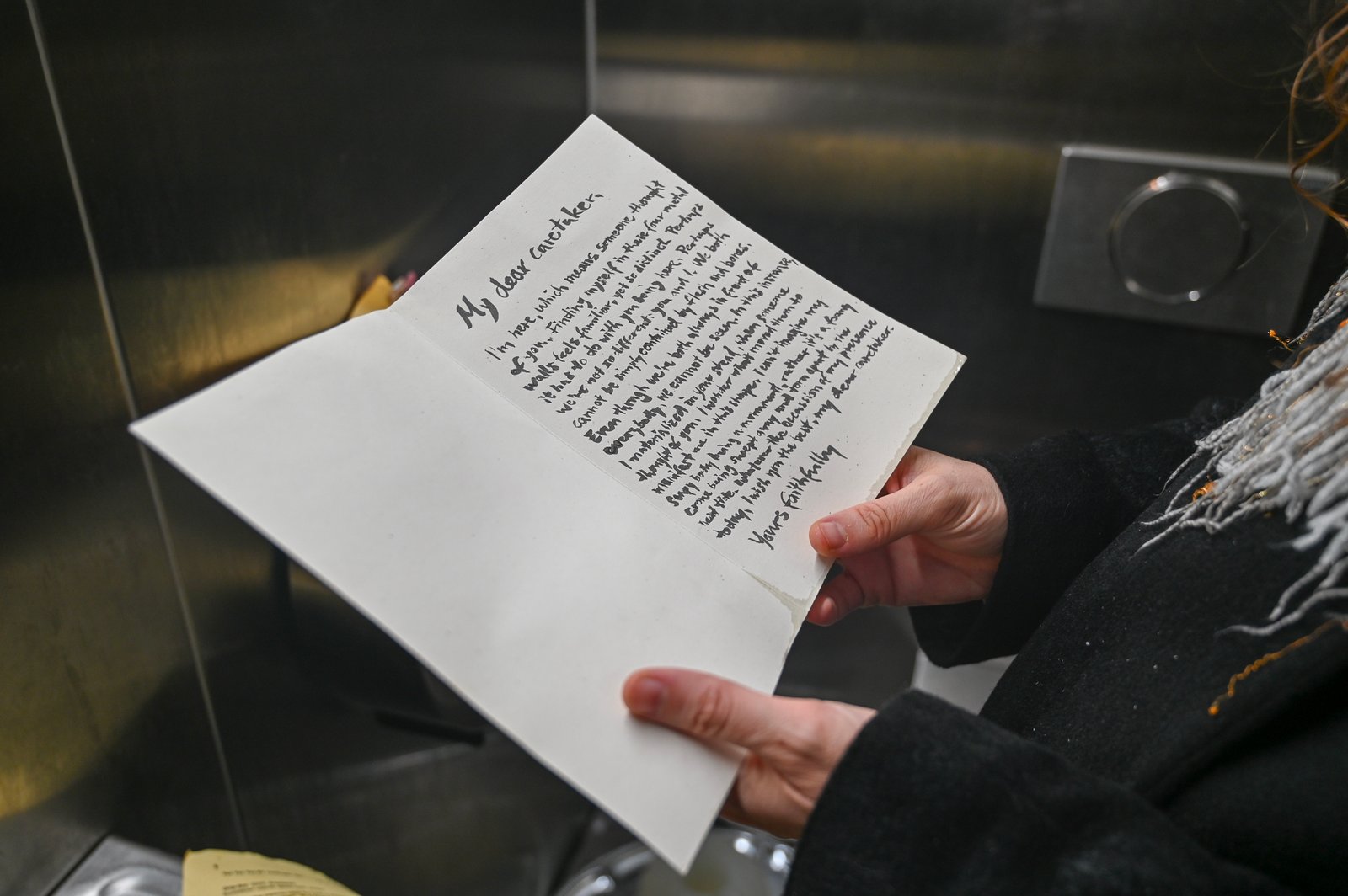
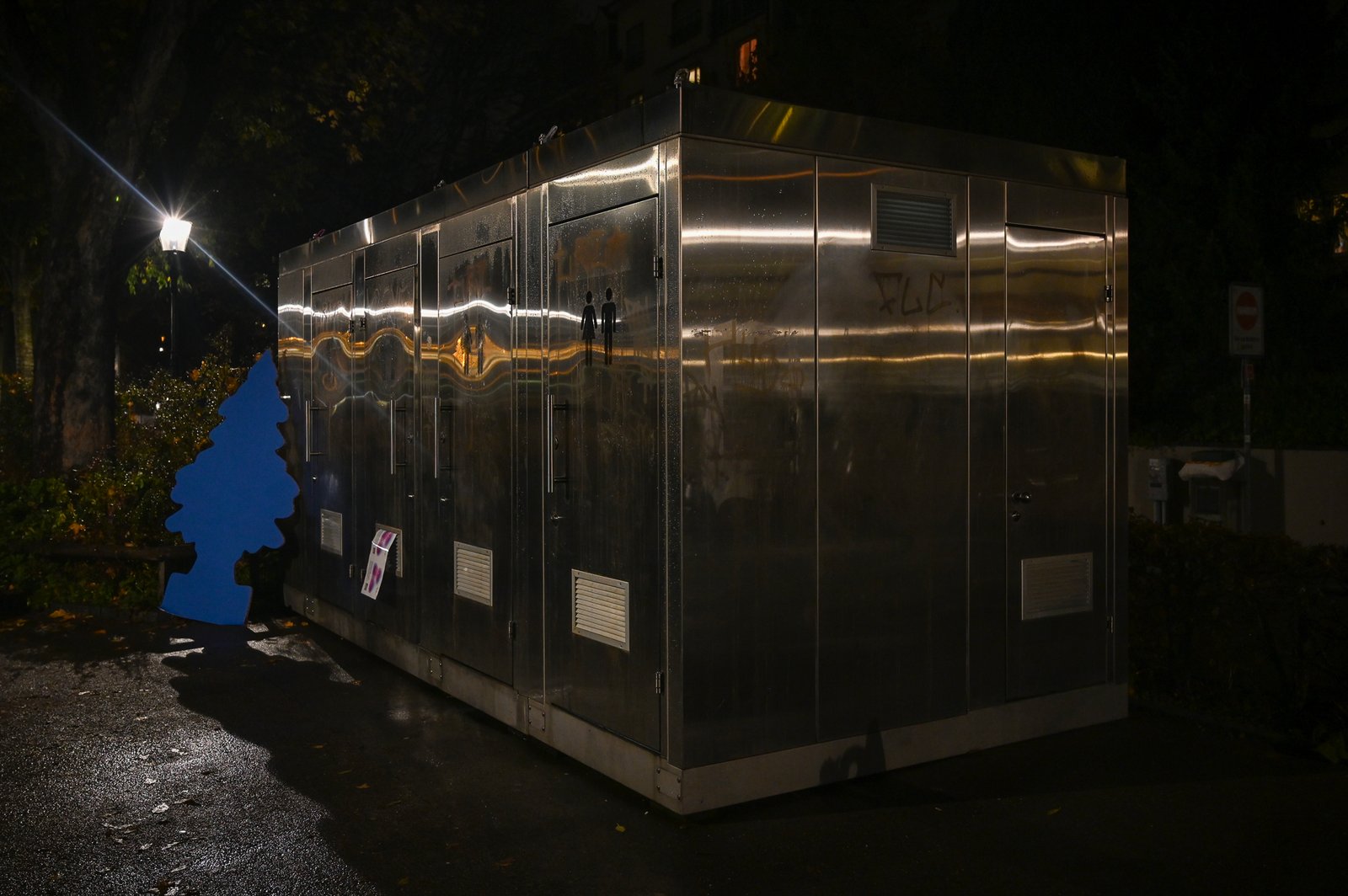
you are here in one of Basel’s 93 public toilets, one of the seasonal ones that will be dismantled this Tuesday, before disappearing for the winter and reappearing in spring. Public toilets, too, need rest and to withdraw. As Christmas approaches and the trees lose their leaves, only the pines remain. Thus, Tim’s giant tree, anything but “little”, reproduces on a monumental scale those small scented pine air fresheners that hang in cars, the “Little Trees.” Just as these air fresheners hide bad smells, the city hides its public toilets during the winter. By enlarging this symbol, Tim makes visible the absence of bad smell, and, above all, the immense efforts made to sanitize and make the space appear clean. These are the same efforts made by the city through its processes of gentrification and homogenization, turning public space into a showcase. They are particularly visible here in Kleinbasel, in Matthäus, a historically popular district, and along the Rhine. This Rhine reappears in Julius’s work. With him, it’s not the object that becomes giant, but us; and by inverting proportions, he makes us aware of our destructive and creative power. Behind the playful and light appearance of his models, his work reveals a future that is not that improbable and apocalyptic: that of the dried-up bed of the Rhine. The liquid that we wanted to contain, to master, to channel : until it dies. Dried-up flows, liquids of which we only see the trace, this is also what İpek shows. She documents urine stains on sidewalks, tracing their outlines like those
of a corpse- a reminder of the body that was there once, alive, and of what remains. She calls these forms piss countries and speaks, with humor, of the aesthetics of the unforeseen: of things that overflow, that are not made with intention, and that are not in their place. These stains are the remnants of a flow, but also the traces of an invasion: that of tourists, whose bodies spill over spaces they also contribute to drying up symbolically, by gentrifying them. In the government district, the stains mock the ruling elite and reveal only what space tries to hide. By mapping these marks, İpek makes appear a geography of multidimensional and complex dominations; she reveals hierarchy, the order within disorder. In Switzerland, the logic is clear: cleanliness equals life, dirt equals death; things must be in their proper, tidy place. The street, though one of the most open and accessible spaces, is also one of the most controlled. Public toilets, on the other hand, become by default refuges; spaces of freedom for those whom society marginalizes, invisibilizes, or refuses to see and accept. In the toitoitoi project, it is not about exposing these people or their realities, but about making visible the invisibilization itself. Switzerland, like Western societies in general, excels at dissimulation. It is, of course, a privilege to have so many public toilets and bins, but this abundance raises the question: what still remains hidden, and why? Where is the place of what is hidden? Anthropologist Mary Douglas reminded us in Purity and Danger: dirt is simply matter out of place. Through her research, she showed that the idea of dirt and chaos is not intrinsic to the object, but a value judgment dictated by society and culture. Cleanliness and order thus become instruments of social and bodily
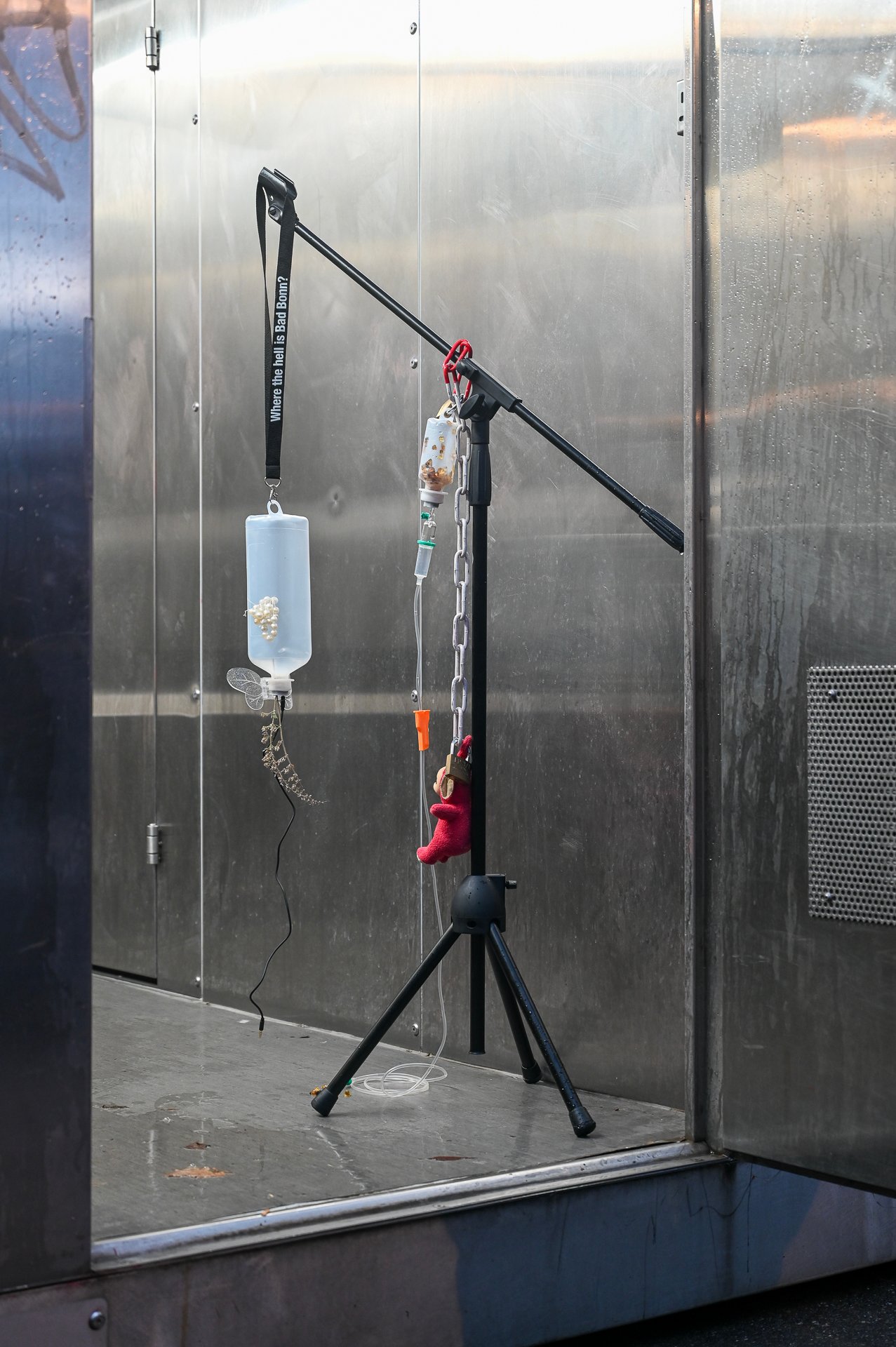
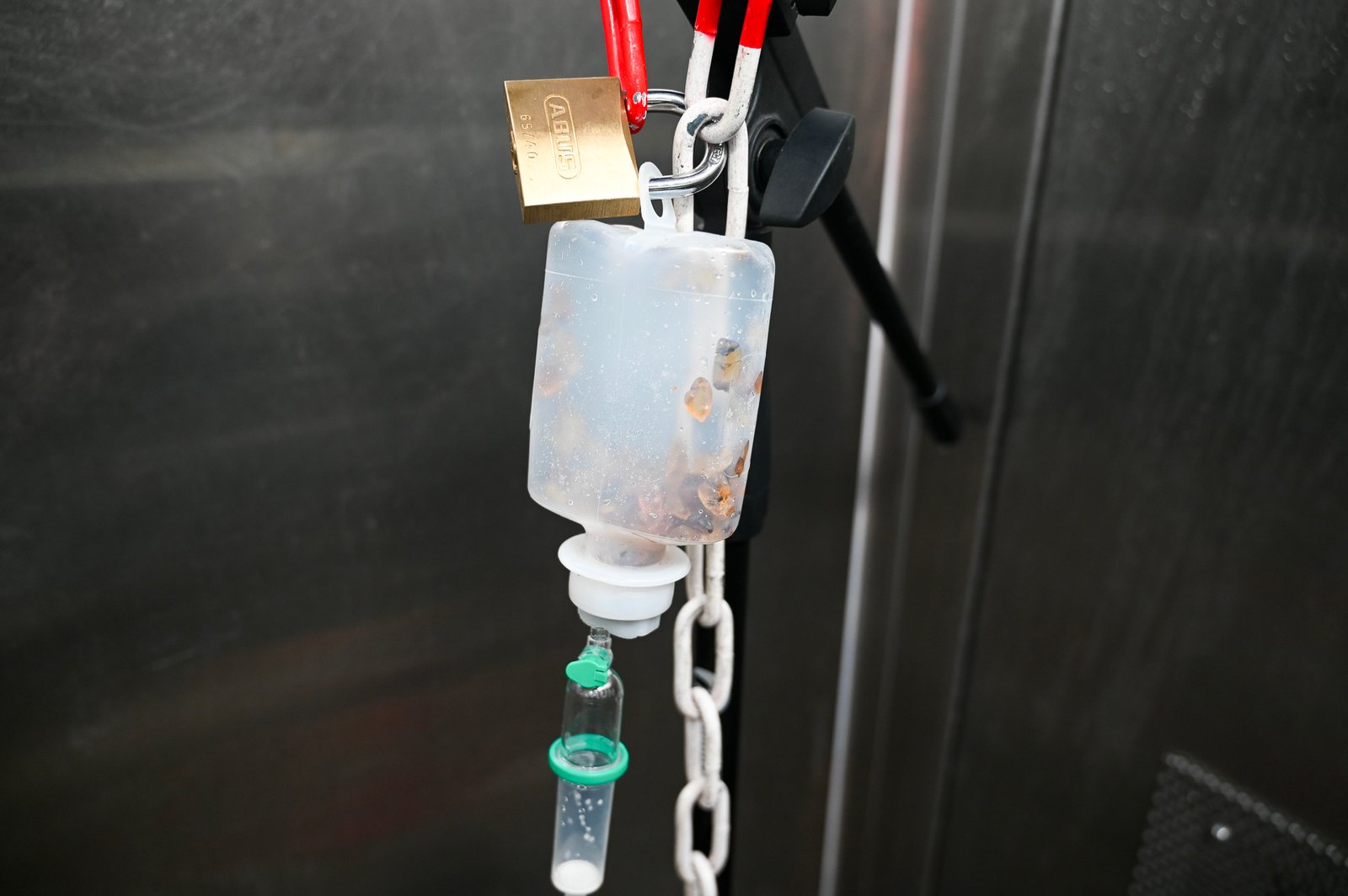
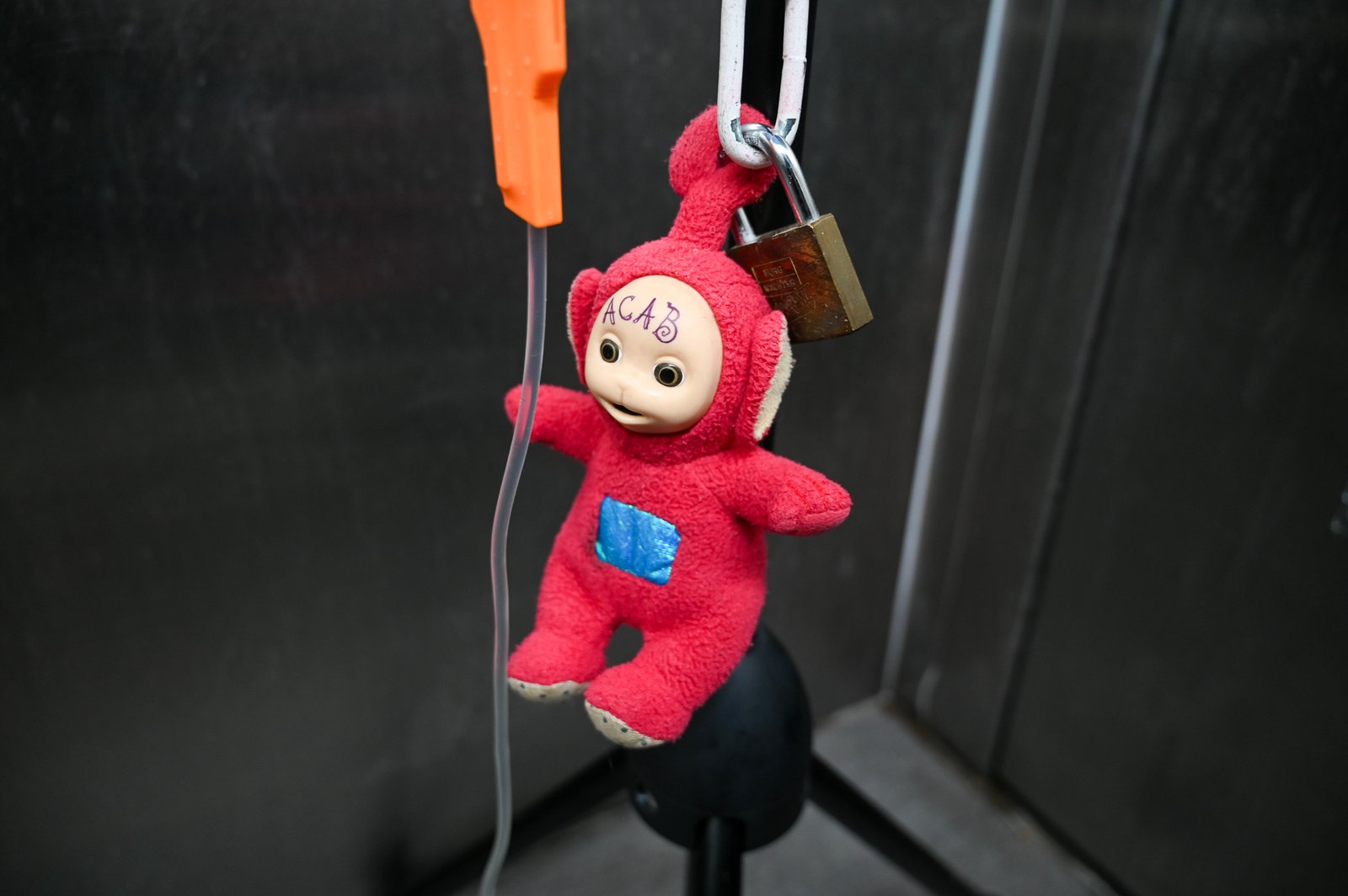
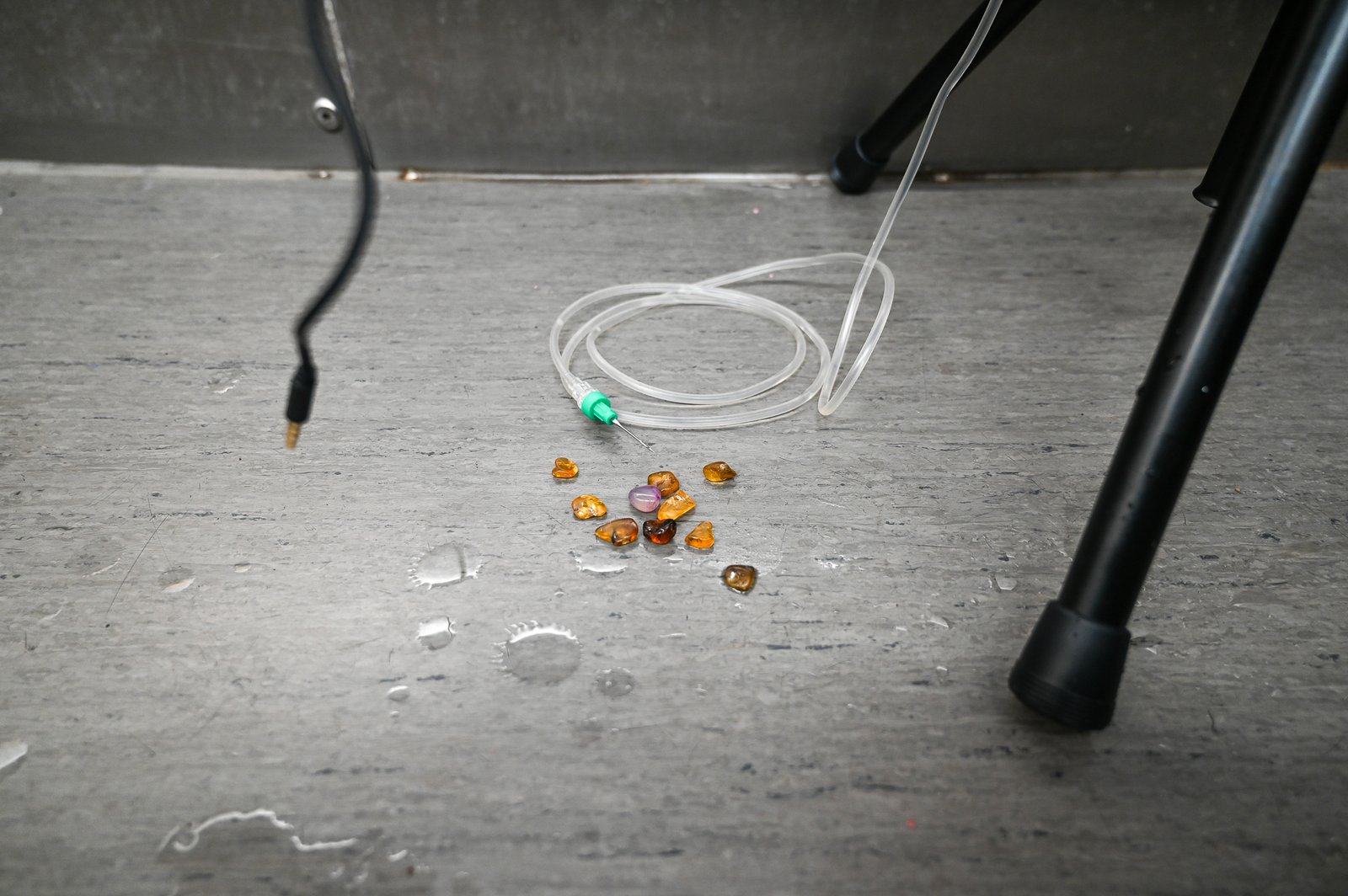
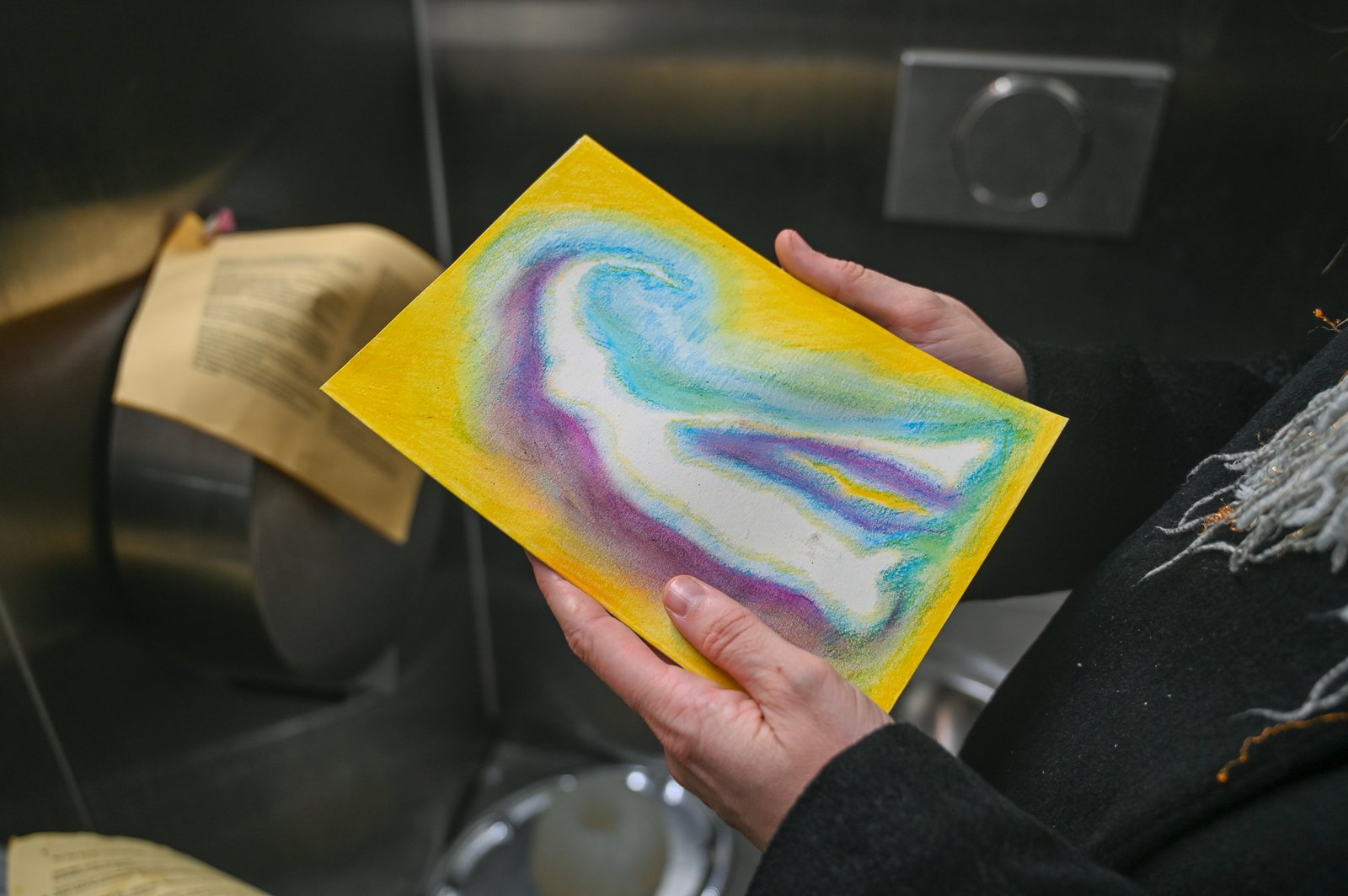
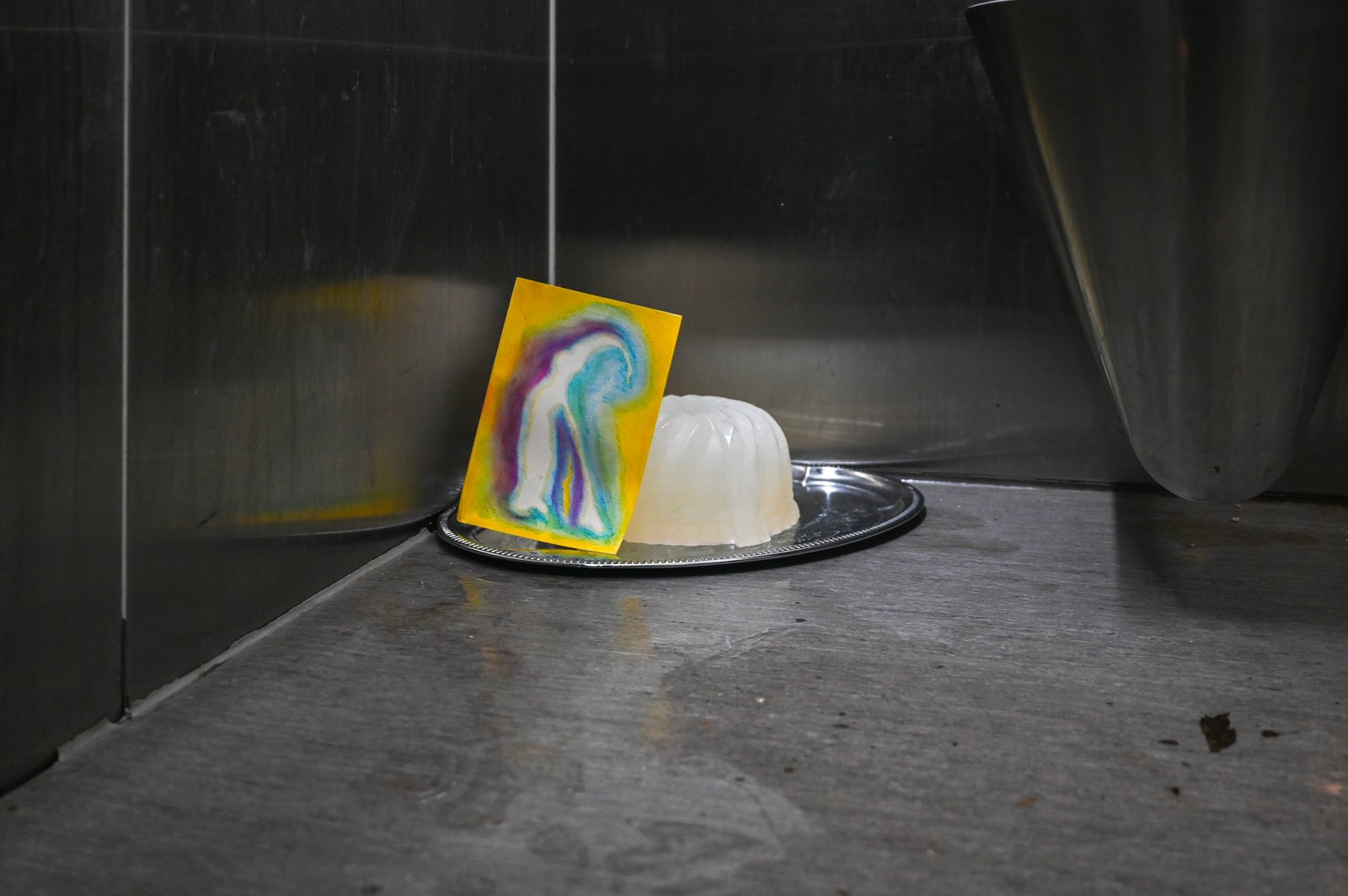
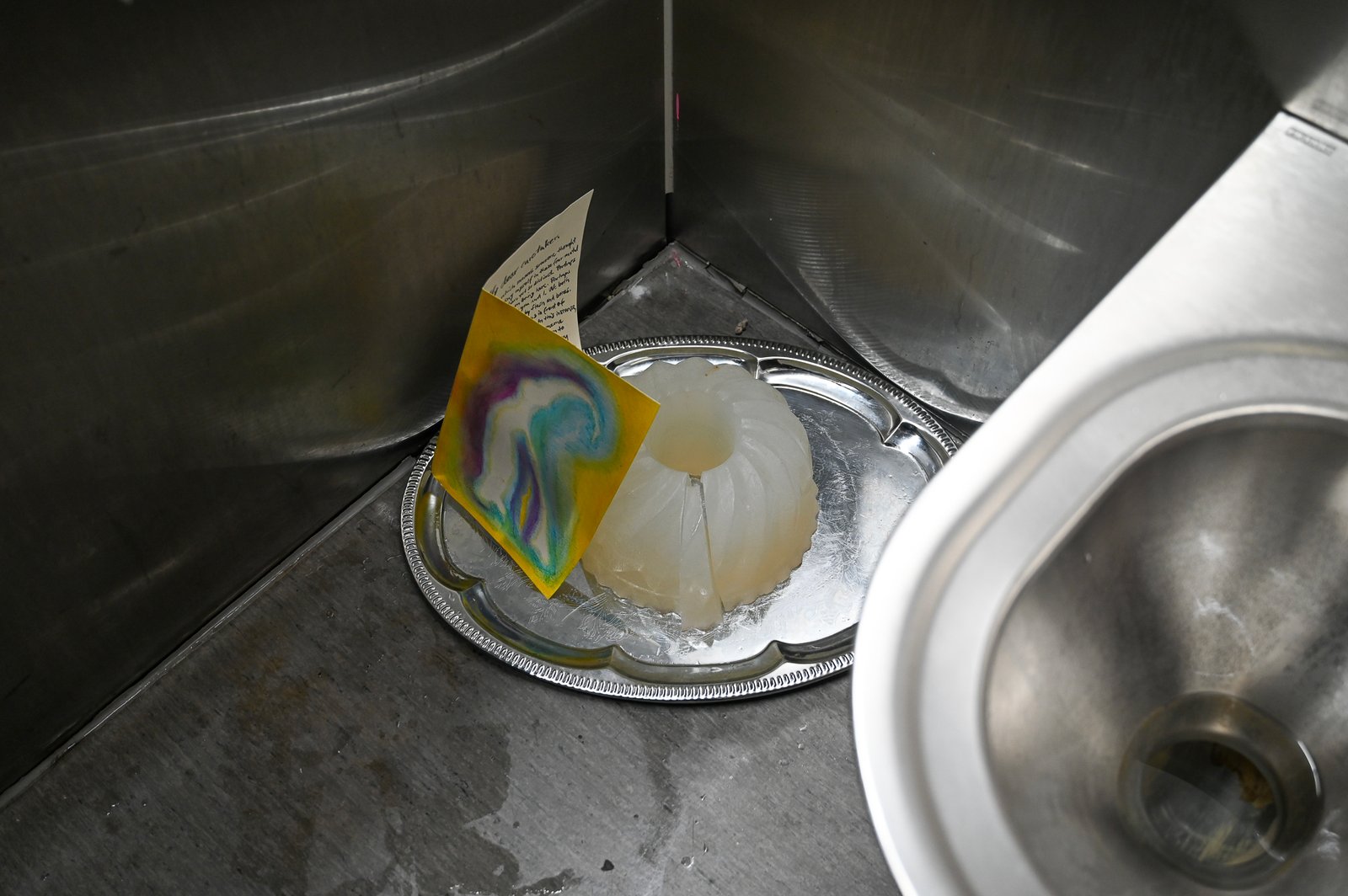
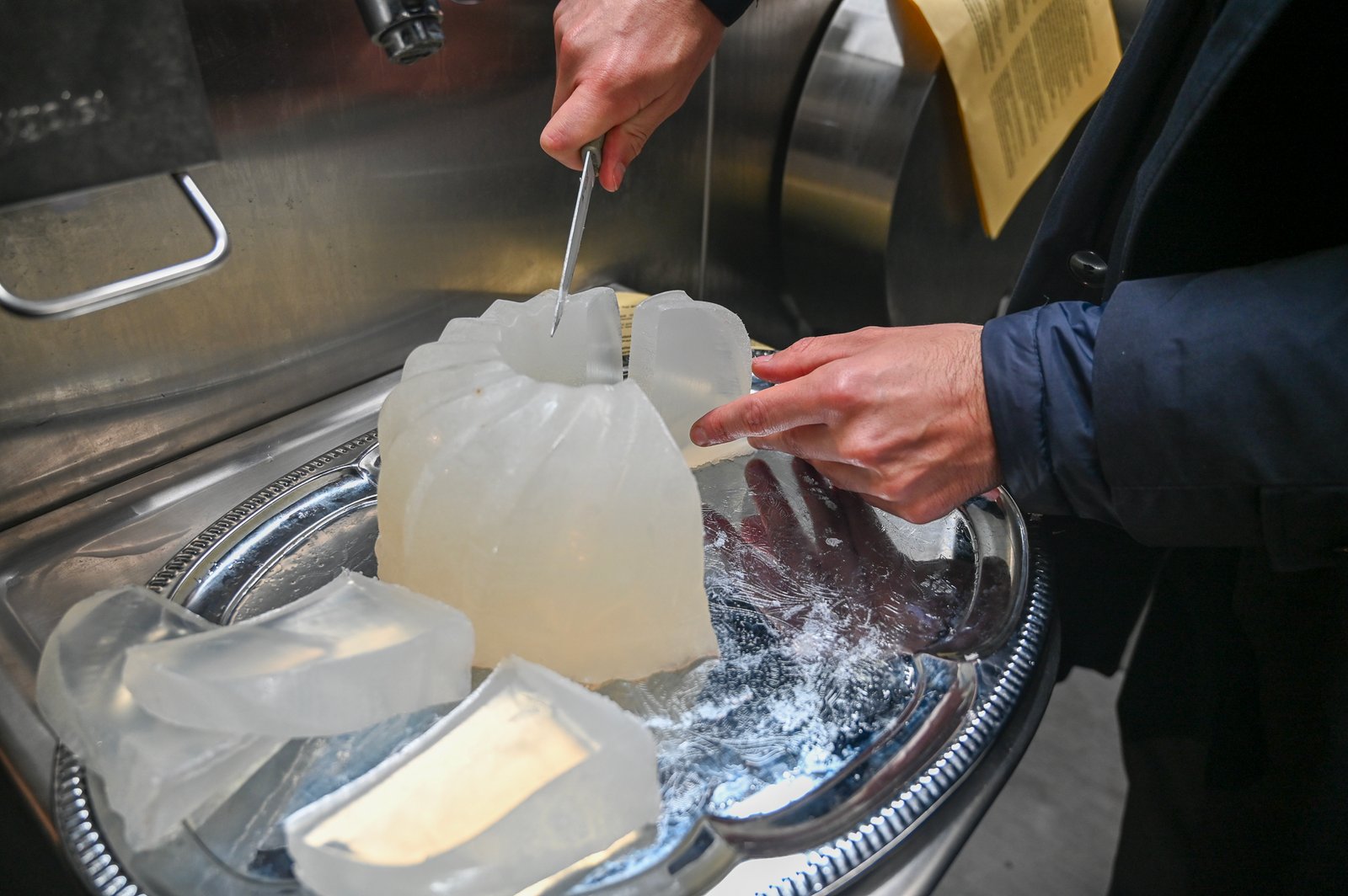
control -tools to define what is human and what is barbaric, what is normal and what is deviant, what deserves to be seen and what must remain hidden. It is this control of the body that Anya also addresses. In her work, liquids are contained, as with Julius and İpek, and their boundaries clash with their own limits and those of medical or psychiatric systems. Through her work-half medical device, half musical instrument- with microphones and infusion bags filled with amber, she evokes the (dys)functional, disabled body, caught between overflow and disorder, between agony and the essence of life. And there is indeed one space where all this merges and where things are no longer binary: it is in this in-between, hybrid place that Belladonna immerses us. Her work plays on the English word bog, which means both “marsh” and “toilet.” For her, the bog is a space of all possibilities, humid, permeable, untamable , where beauty and ugliness, life and death, intertwine. She celebrates the bog as a queer and sacred space, between prayer and sexual act, a love song to the dirty, non-normative body, and against power. Toilets, like bogs, are fluid places: localizable within society, but governed by their own rules, different from those of the social order. Spaces of resistance, transformation, and freedom. Finally, RBDW also explores a fluid form, defining themselves as a rehearsing body- a body in repetition, in transformation, without fixed limbs or search for perfection. They too celebrate the comfort objects specific to toilets by giving them a visual form. Because yes, we have talked about the negative effects and intentions of
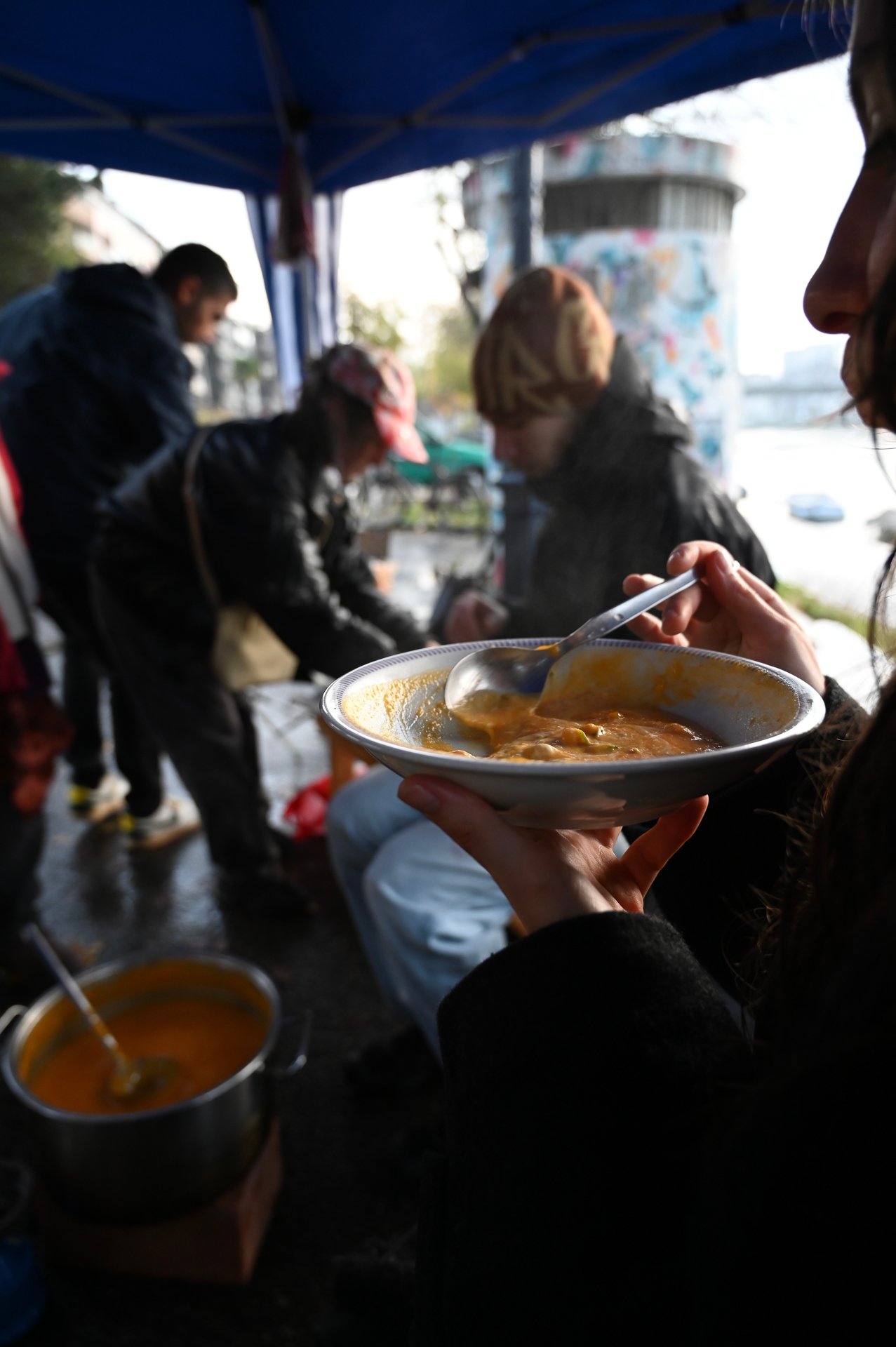
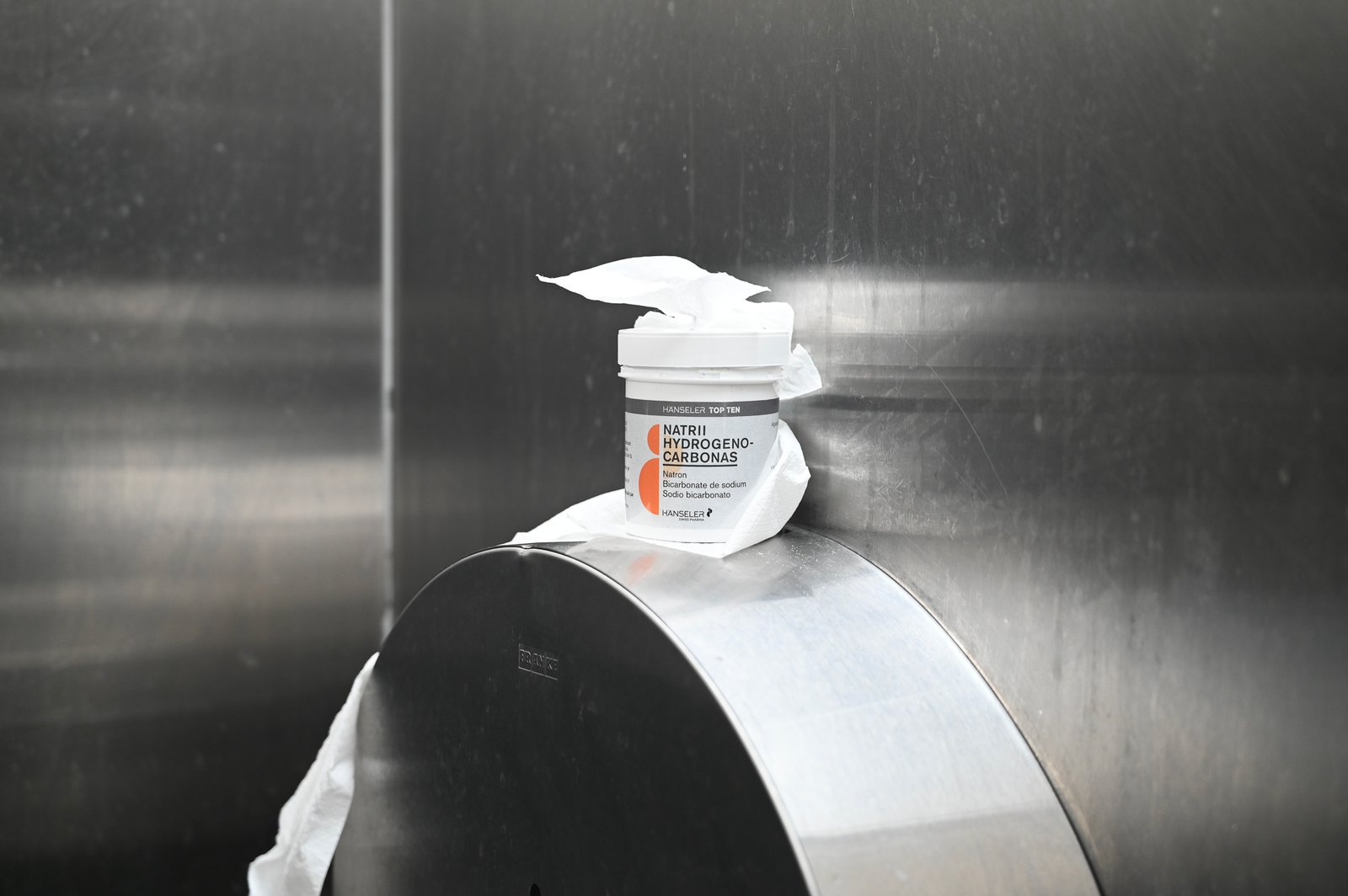
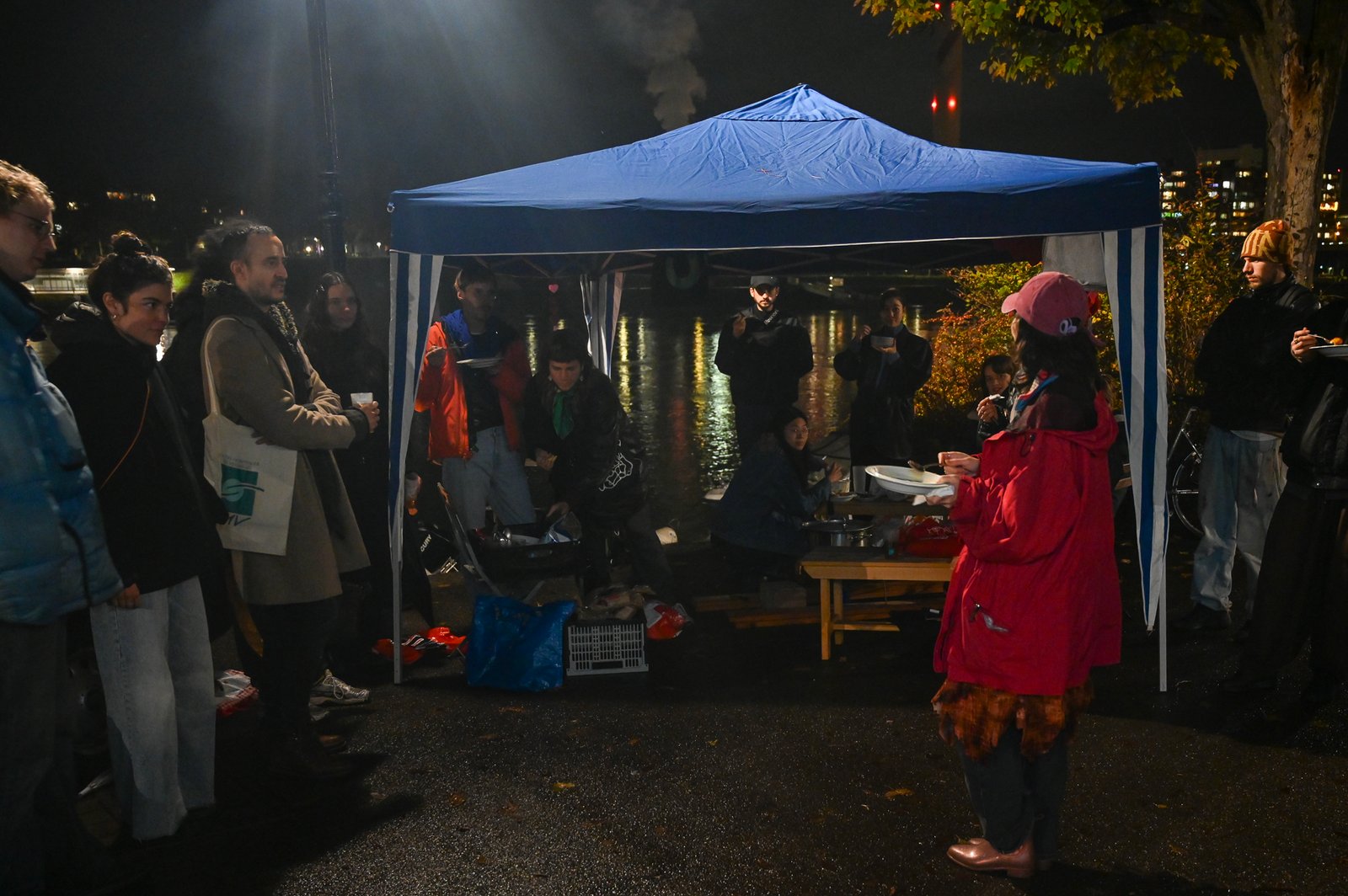
order and cleanliness as a will to hide and control- but let’s be honest, a soap that smells nice is a pleasure! Thanks to them for reminding us to take care of ourselves and to find joy in it. Through soap, for instance, they evoke cycles and how paradoxes and binaries can coexist and merge into one: soap cleans, but disappears as it works. Like cleanliness, it purifies and washes; and yet, it erases. It’s a work of art that lives as it disappears, and disappears as it lives. And so here we are, gathered around the fire, full of paradoxes and all our complexity_ and that’s exactly what the artists and the public toilets remind us of: that in the end, we are all mortal, all assholes; some with a brush up there, some with a finger, some with shit, some with a dildo: but that’s precisely what makes us alike. It’s in these spaces, when matter is out of place, when it overflows, when borders become porous membranes, that disorientation becomes a moving act of resistance.