







I look at the strange surface of the shiny, porous skin and squeeze the flesh. The juice sticks to my fingers and drips onto its white, spongy flesh — the albedo. It immediately takes on layers of meaning. It smells like Christmas Eve and summer vacations in the south. I spit out the seed. The orange is disgustingly sweet, and its gears are starting to break down.
On an August evening in 1925, a still-young Louis Aragon was strolling through Paris with André Breton and Marcel Noll, searching for a new definition of reality. The pioneers of Surrealism found themselves at Buttes-Chaumont, an artificial park built on the site of former quarries and a landfill. The dark alleys were filled with rocks held together by mortar, modern gas lamps, artificial waterfalls, and grottoes. Nature designed and tamed by man. Objects abandoned in the darkness — a playground for adults. Aragon developed this intuition further, describing the world a year later in *The Parisian Peasant* (1926) as a cosmic bazaar and a vast assembly table upon which God tosses random things side by side — an orange and a rope, a wall and a glance.
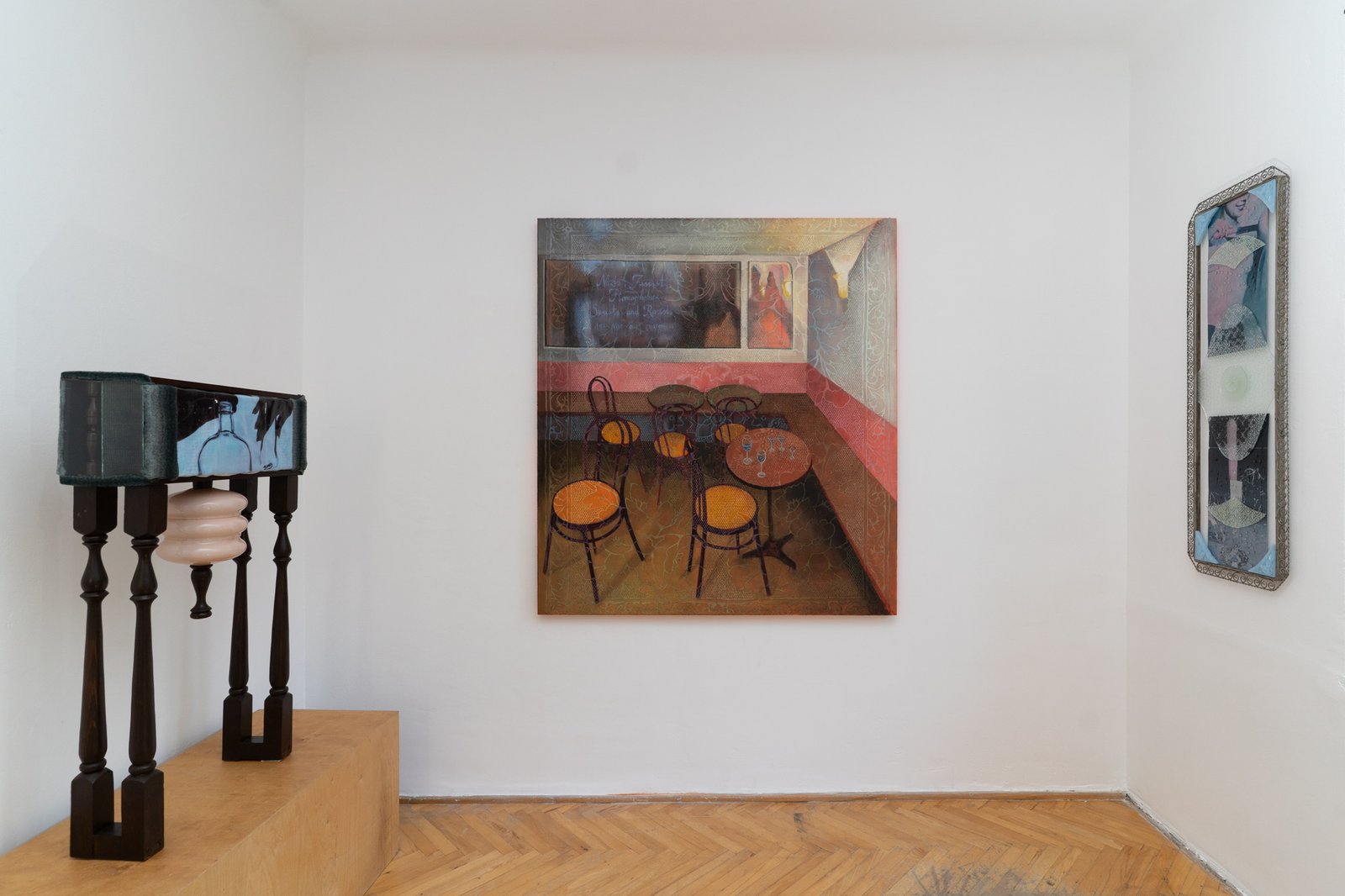
The orange and the rope don’t need any supernatural intervention. Despite their rich symbolism, they remain exactly what they are. Material and concrete, they function in a reality that is strange and fragmented enough, where time is a raw material that freely shapes perception. It transforms, collides, and interacts. It causes familiar elements to evoke states bordering on hallucination. In the works presented at the exhibition, it marks transitions between states of existence, but also becomes entangled in repetition and compulsion. The artists allow it to coexist in a state of limbo between the physical body, a quasi-object, and its reflection. They treat the course of events as raw material — they rearrange elements, add possibilities from the past, and arrange “found” fragments into ever-new configurations.
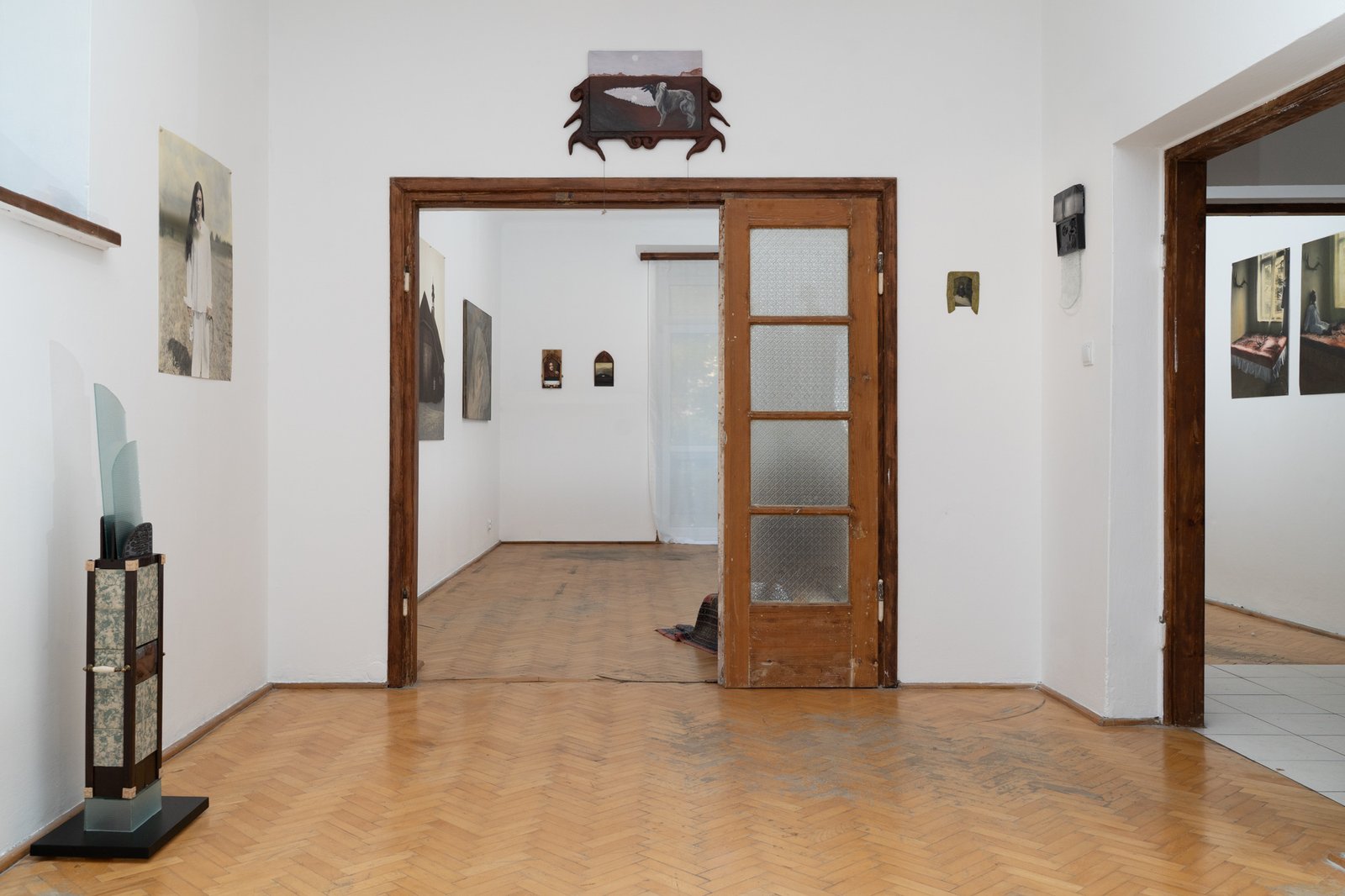
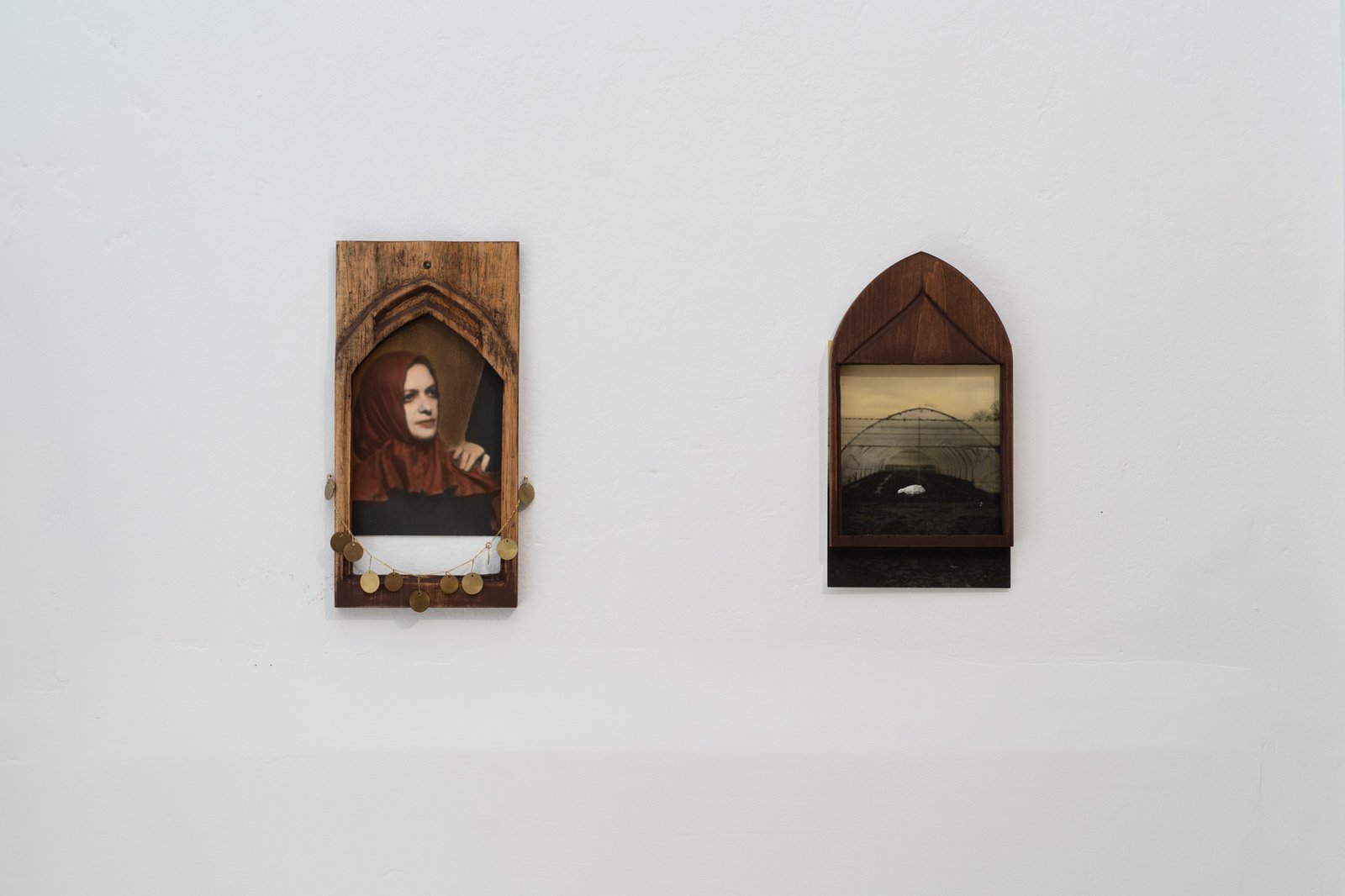
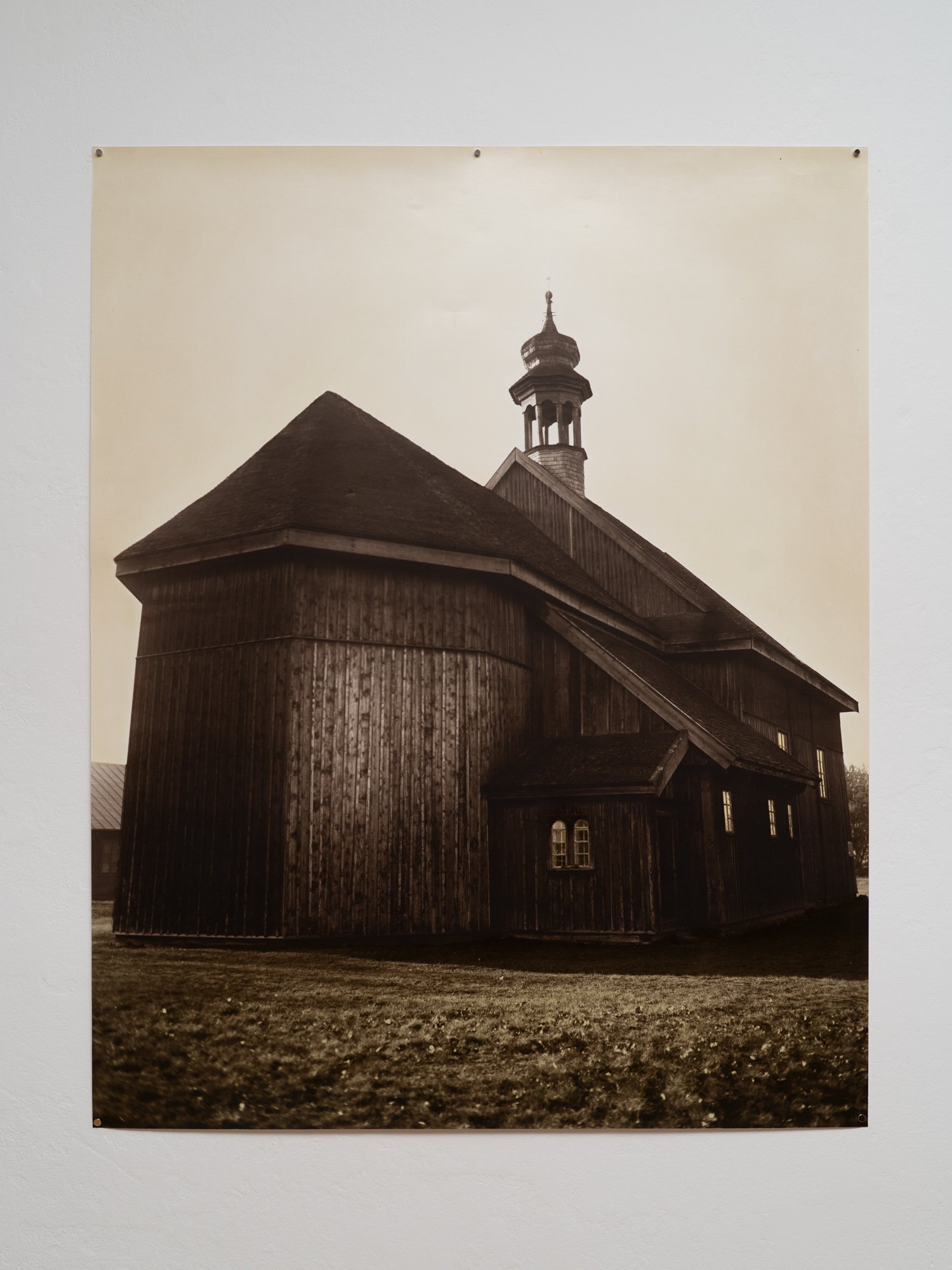
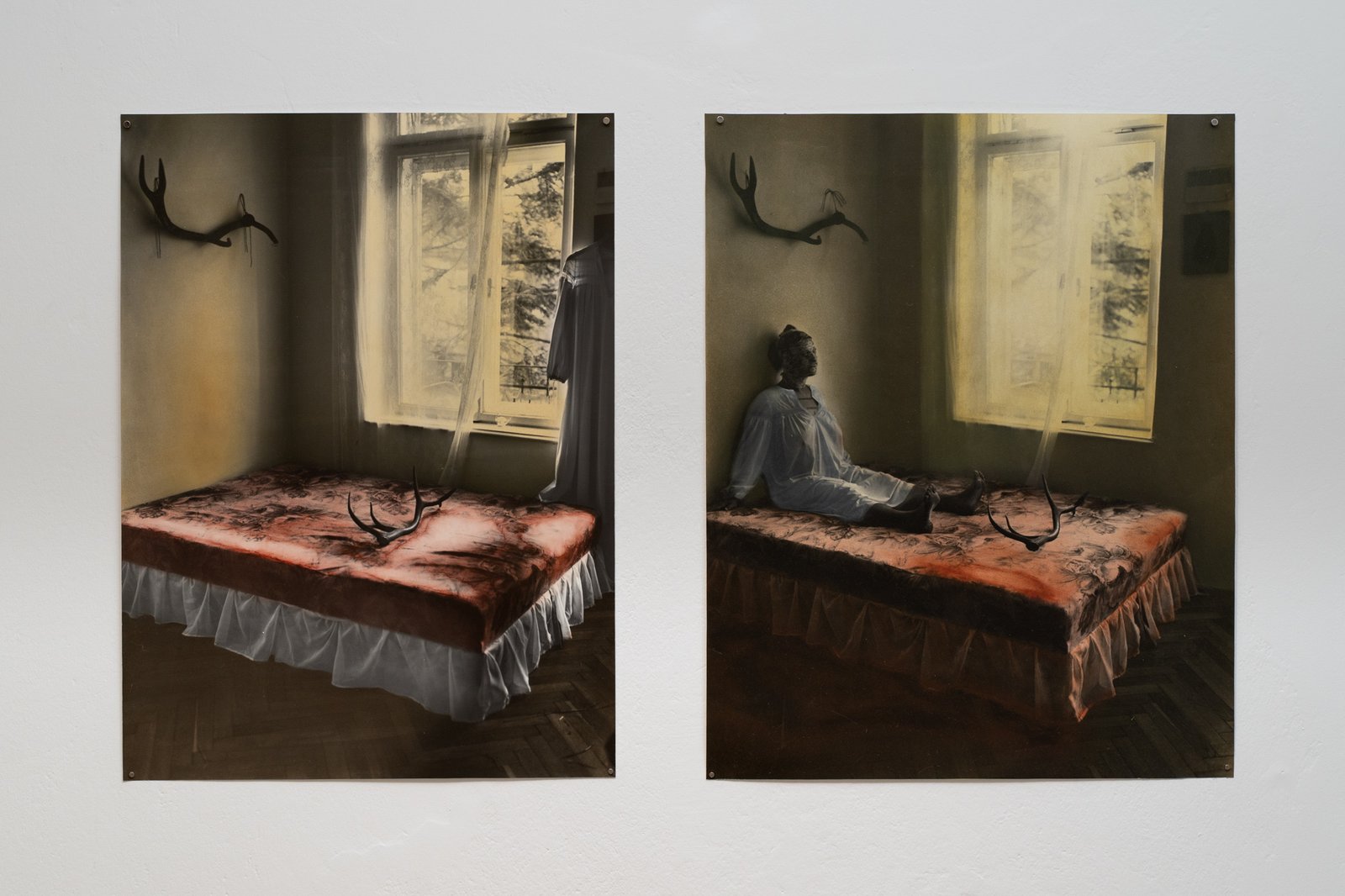
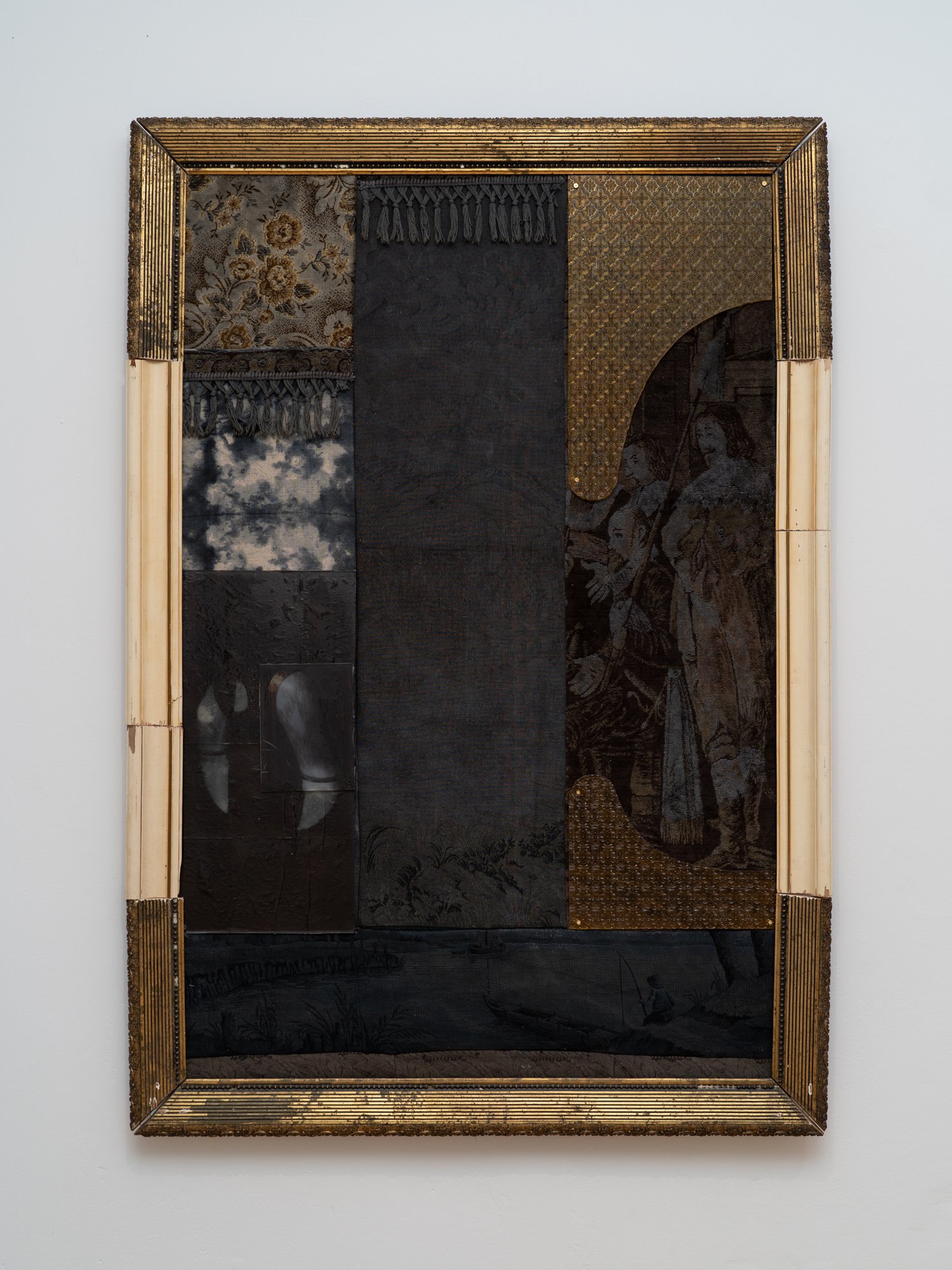
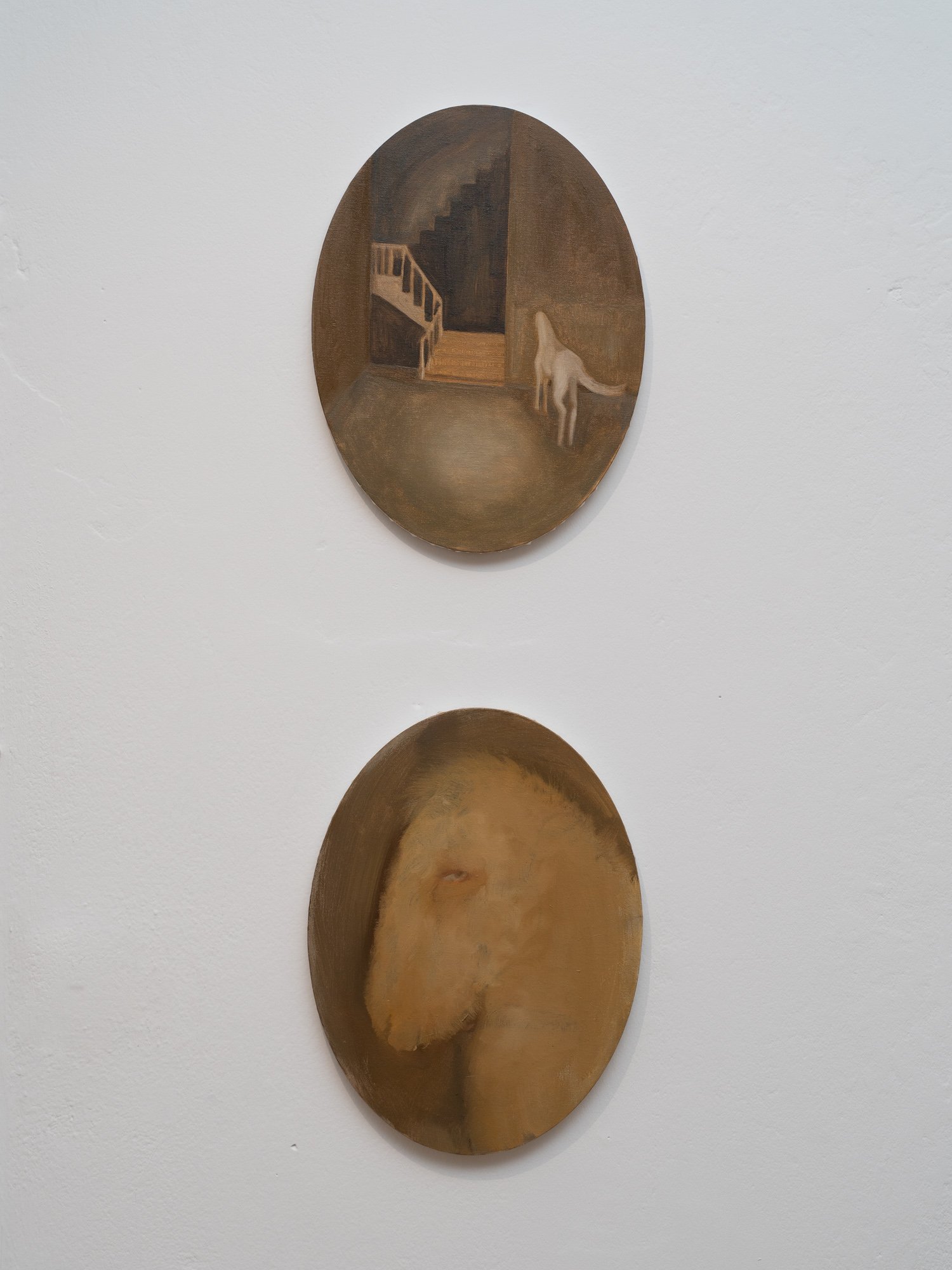
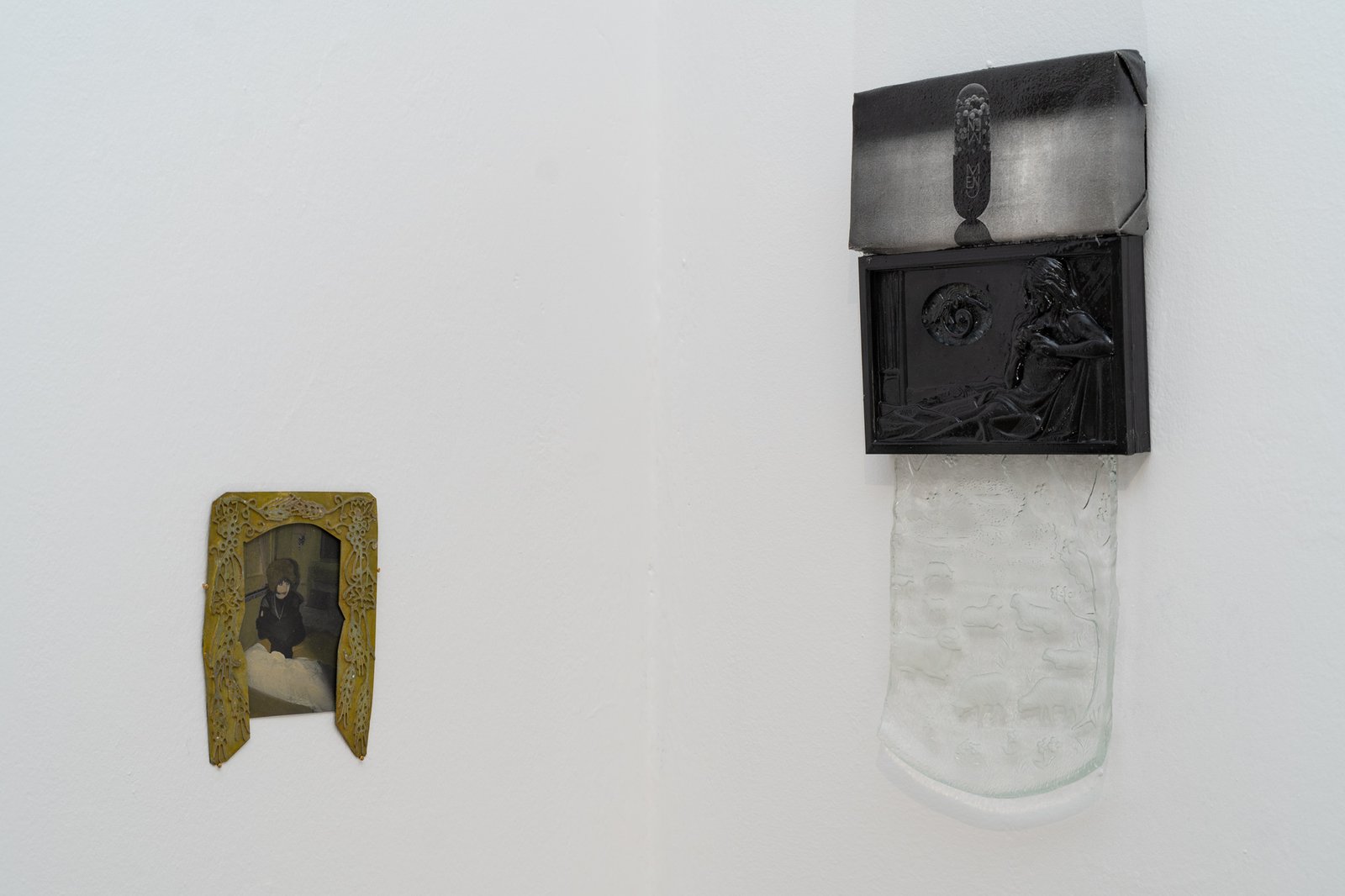
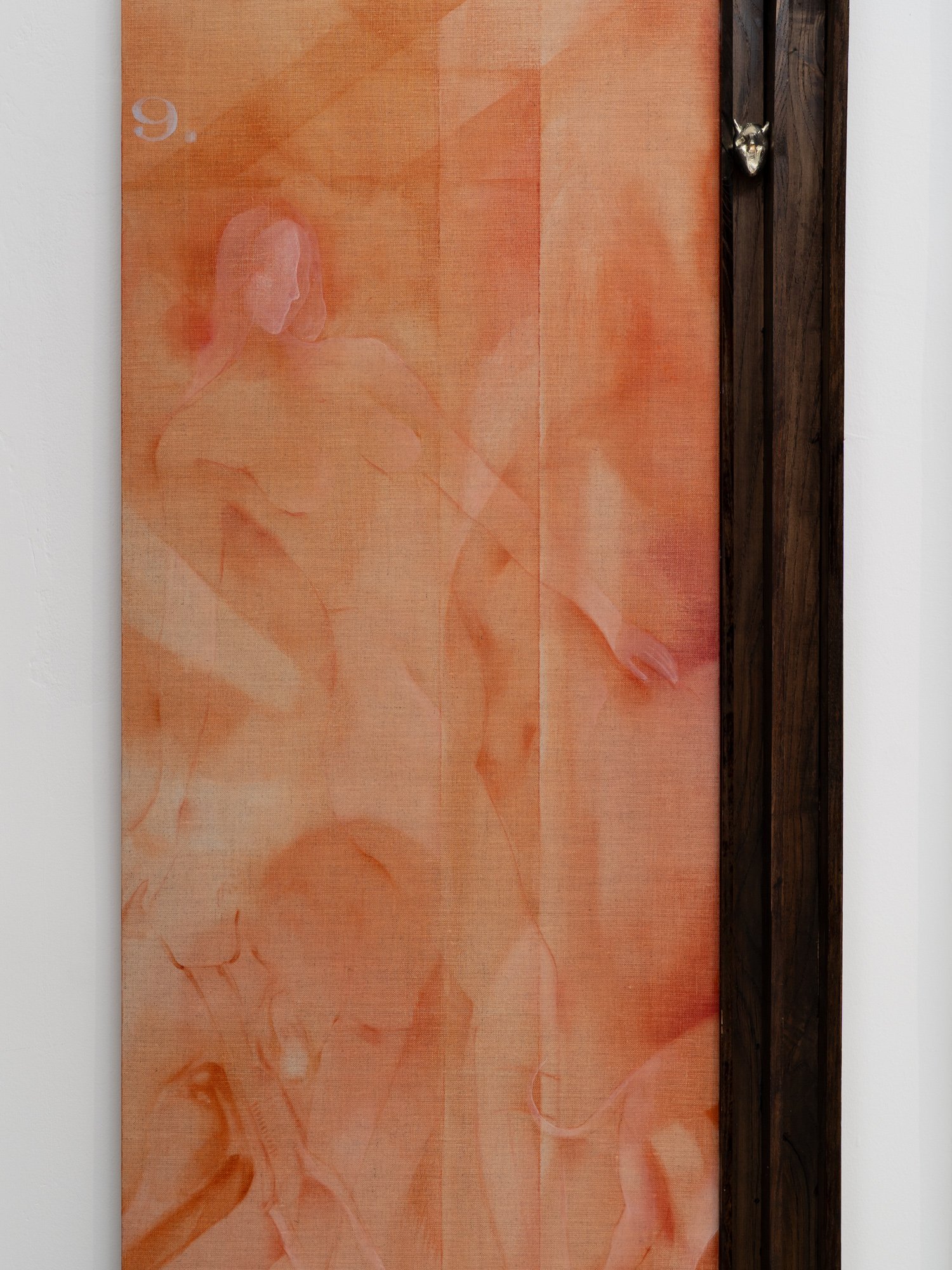
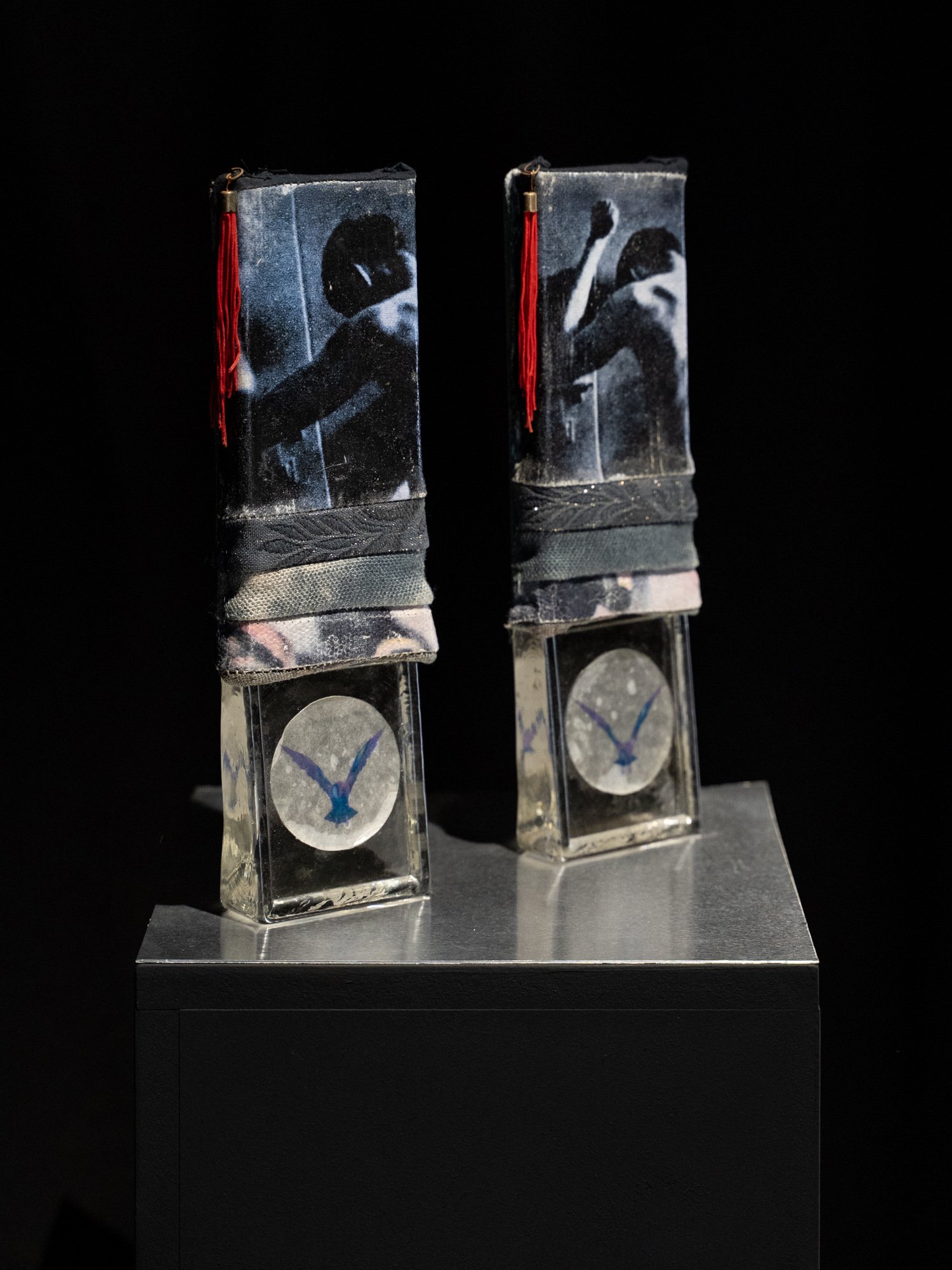
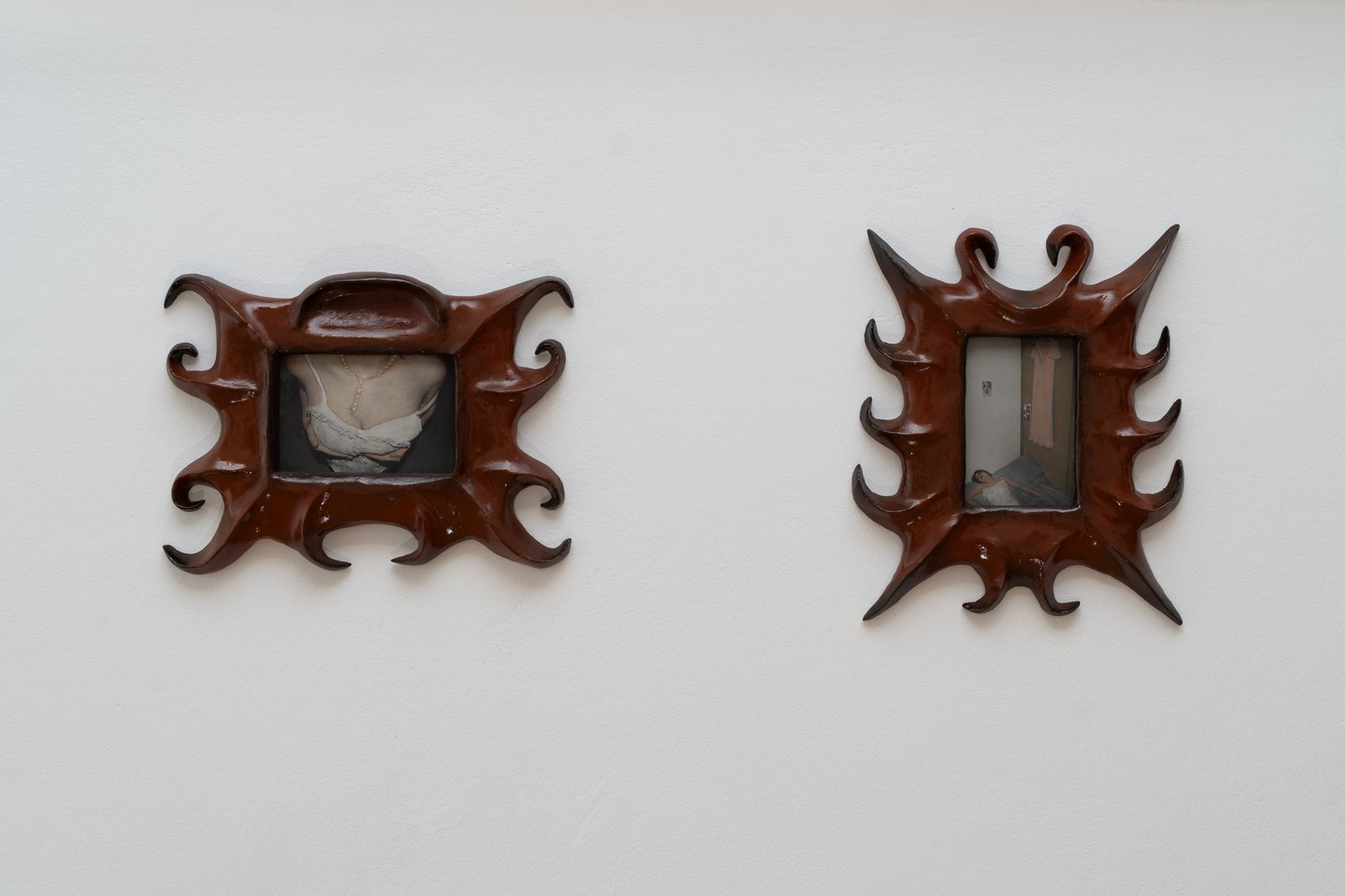
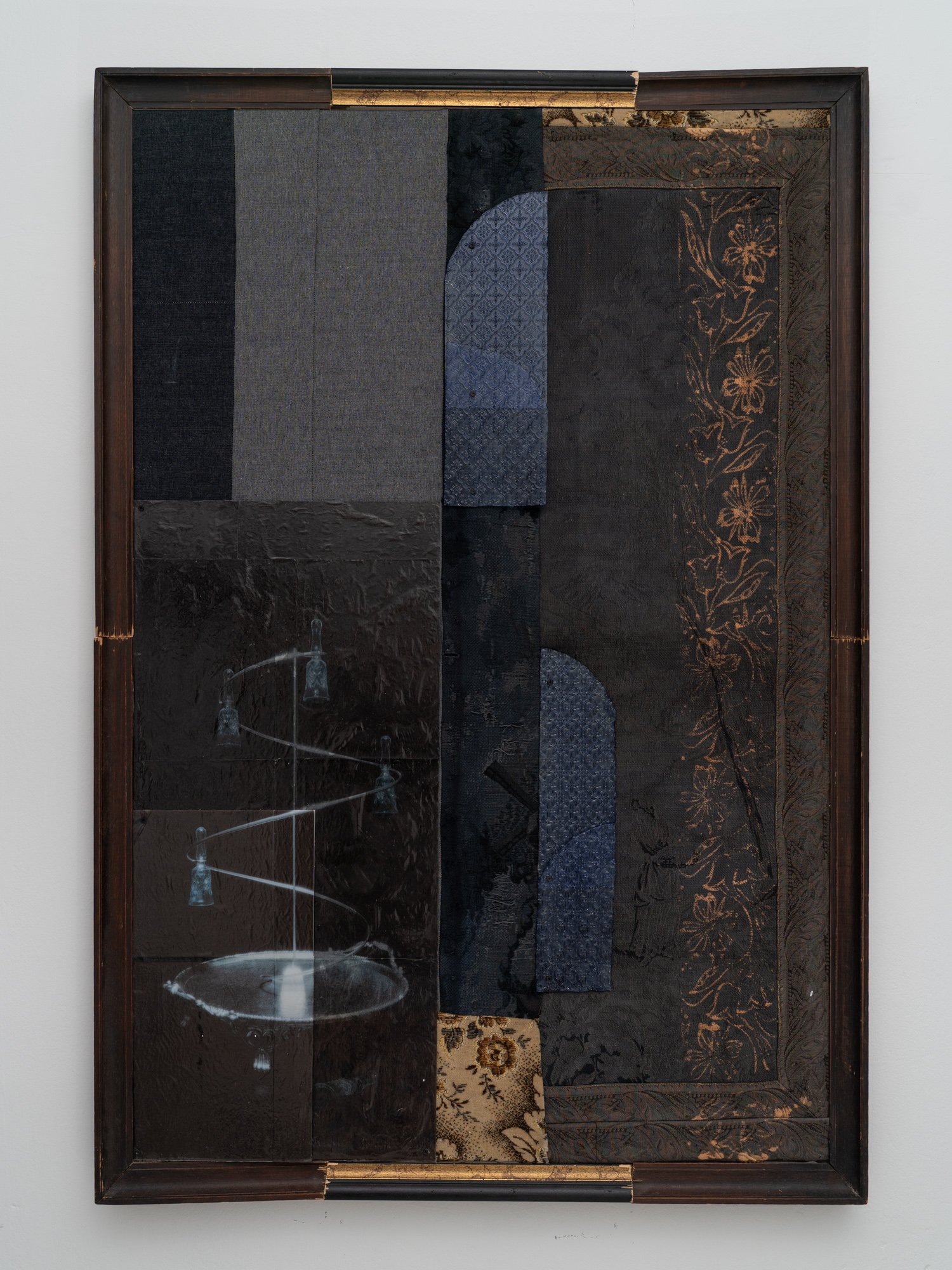
In Paulina Gutkowska’s practice, temporality is defined by transitions between states of existence, and a sense of intimacy and tranquility seamlessly gives way to dread and strangeness. Drawing on the poetics of dreamlike suspension and forgotten customs, the artist examines ominous landscapes and empty spaces. In a painting created on a reused towel, reality is overlaid with a delirious filter of structural patterns and textile motifs, while the oil-on-canvas works depict a private vision of purgatory — the space between death and birth, where the body becomes the boundary between two states of existence. In the photographic series *My Little Soul Has Flown Away*, Gutkowska explores the tension between the transience of human life and the material persistence of memory. Analog photography and hand-coloring with oil paints transform the document into an intimate record of transience, in which contemporary sensibility meets local folklore and traces of ancient traditions.
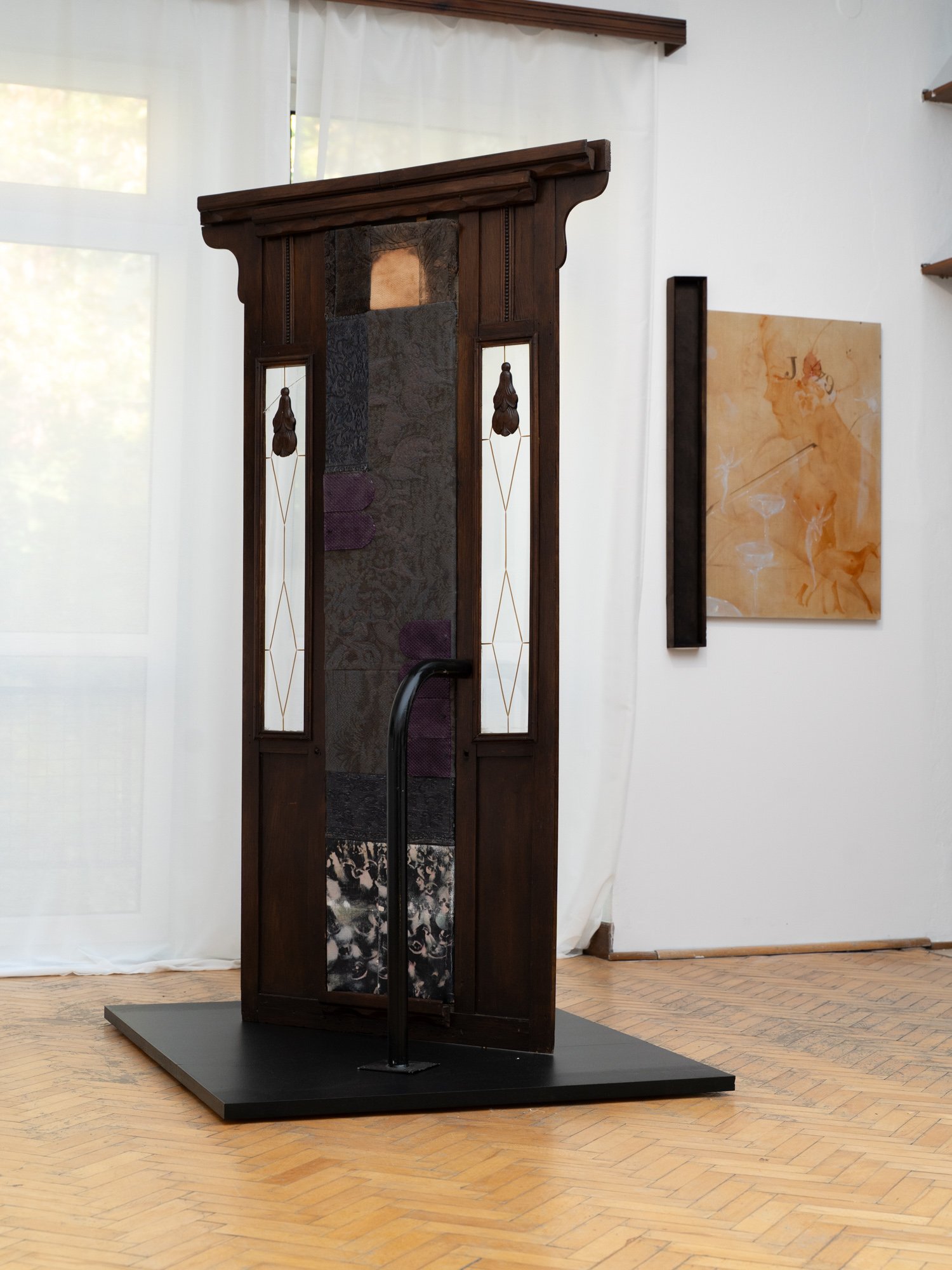
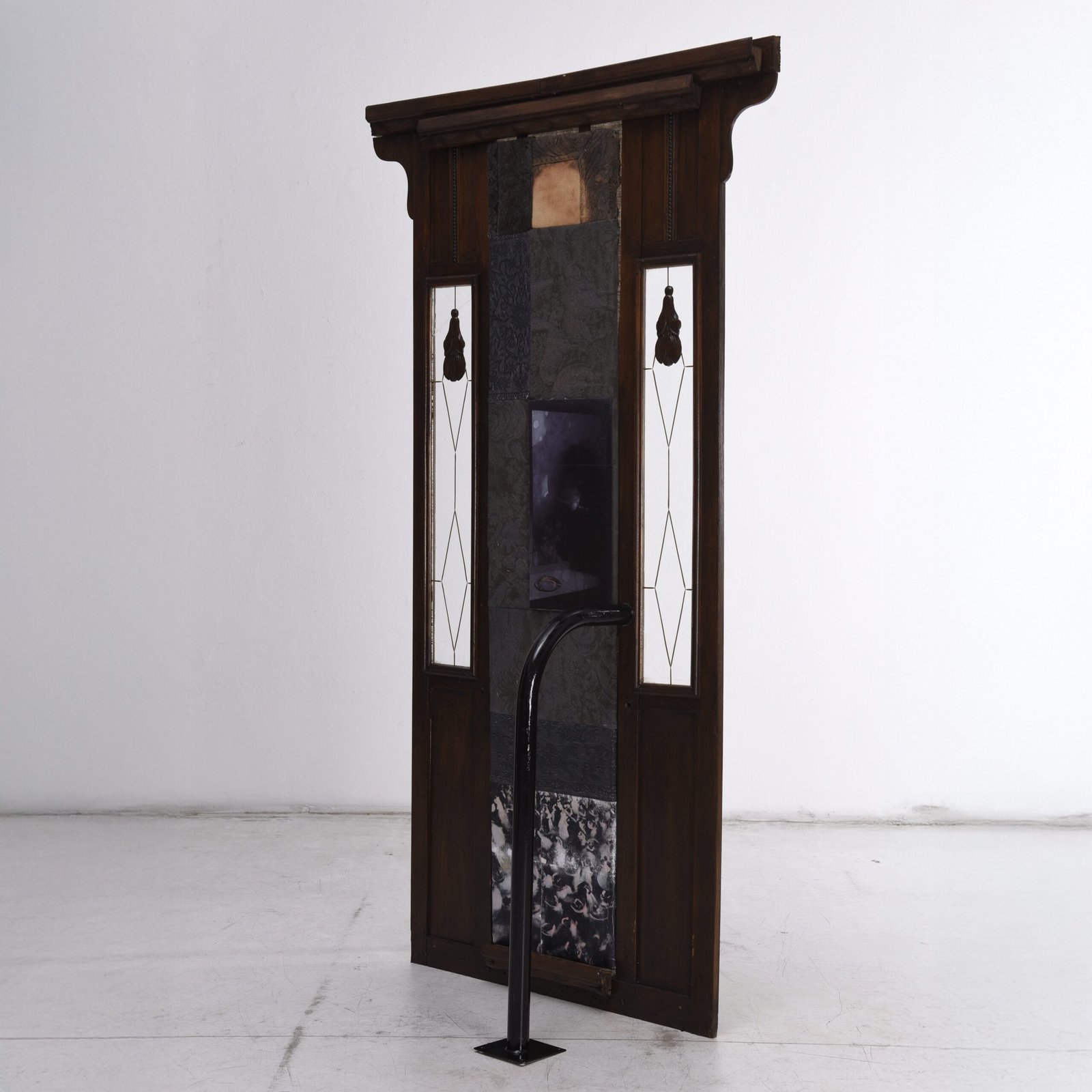
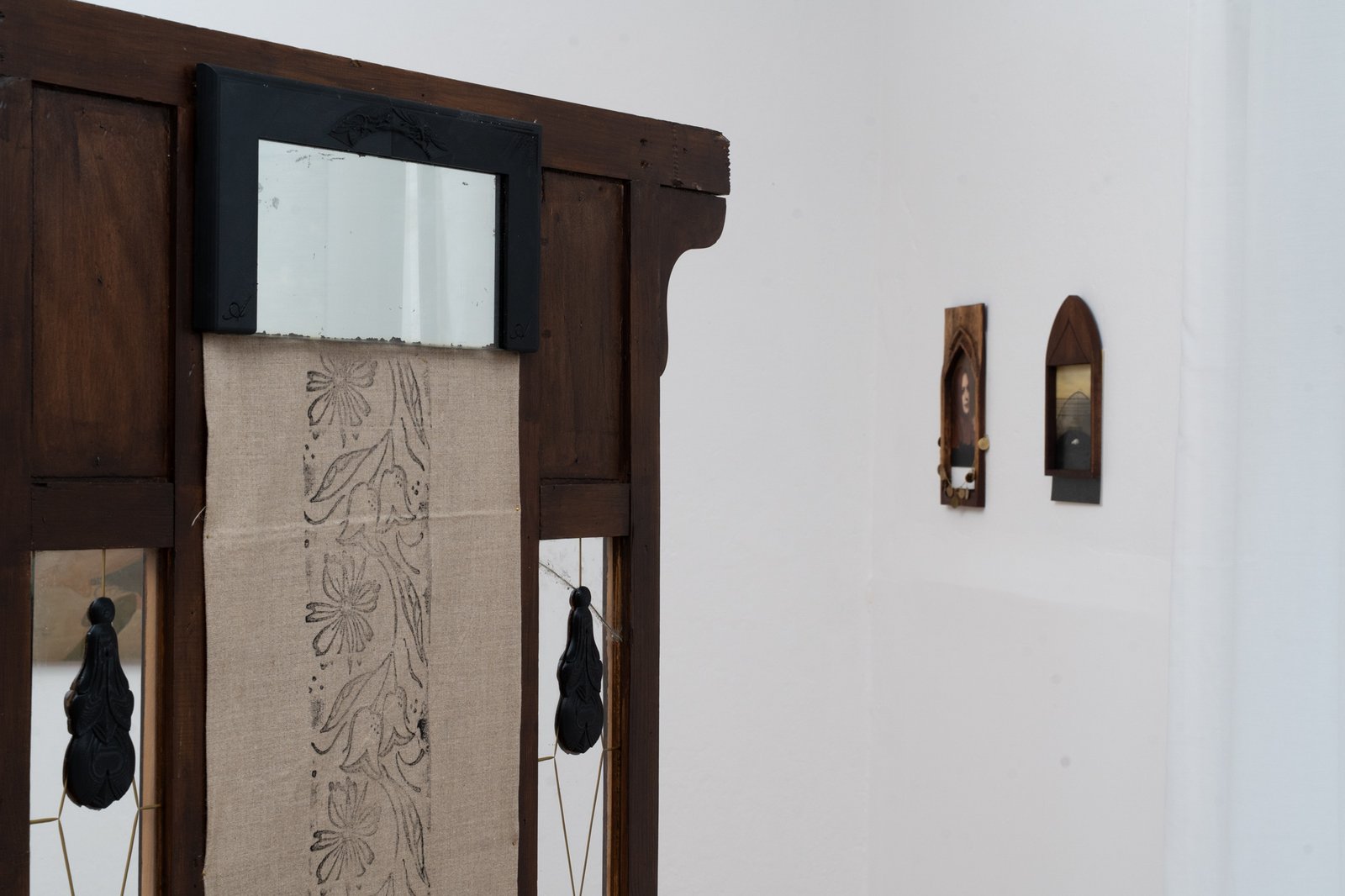
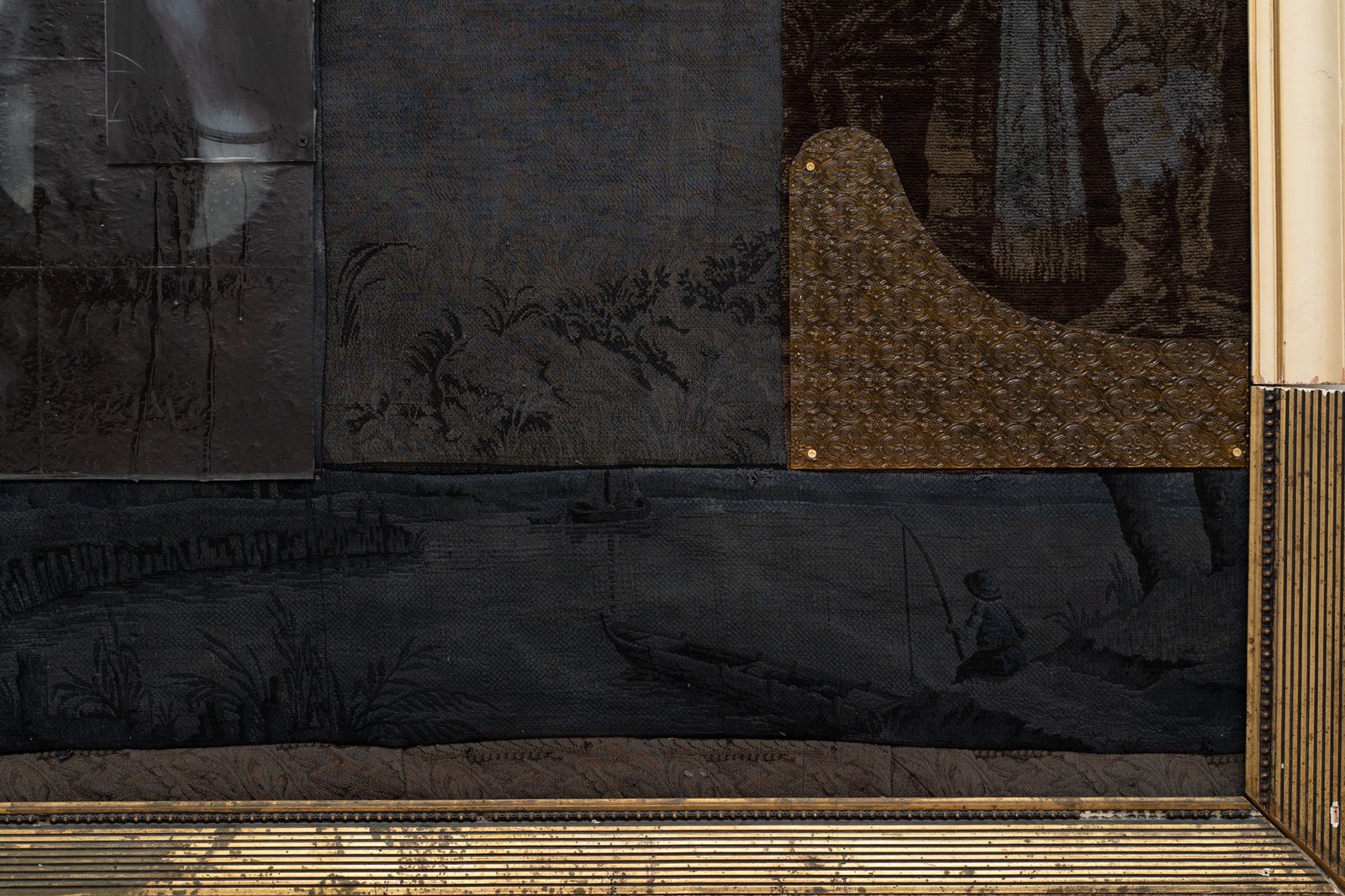
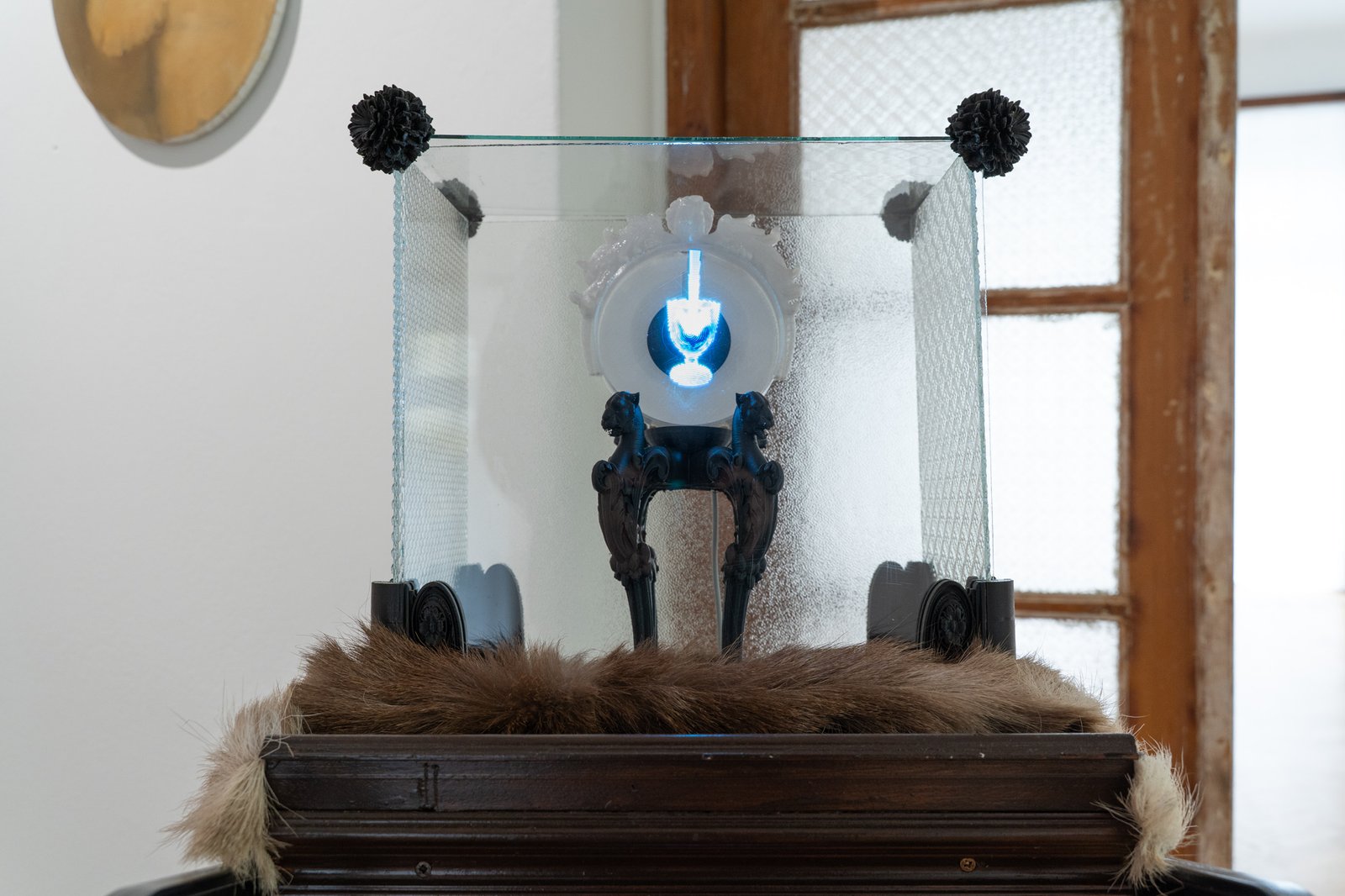
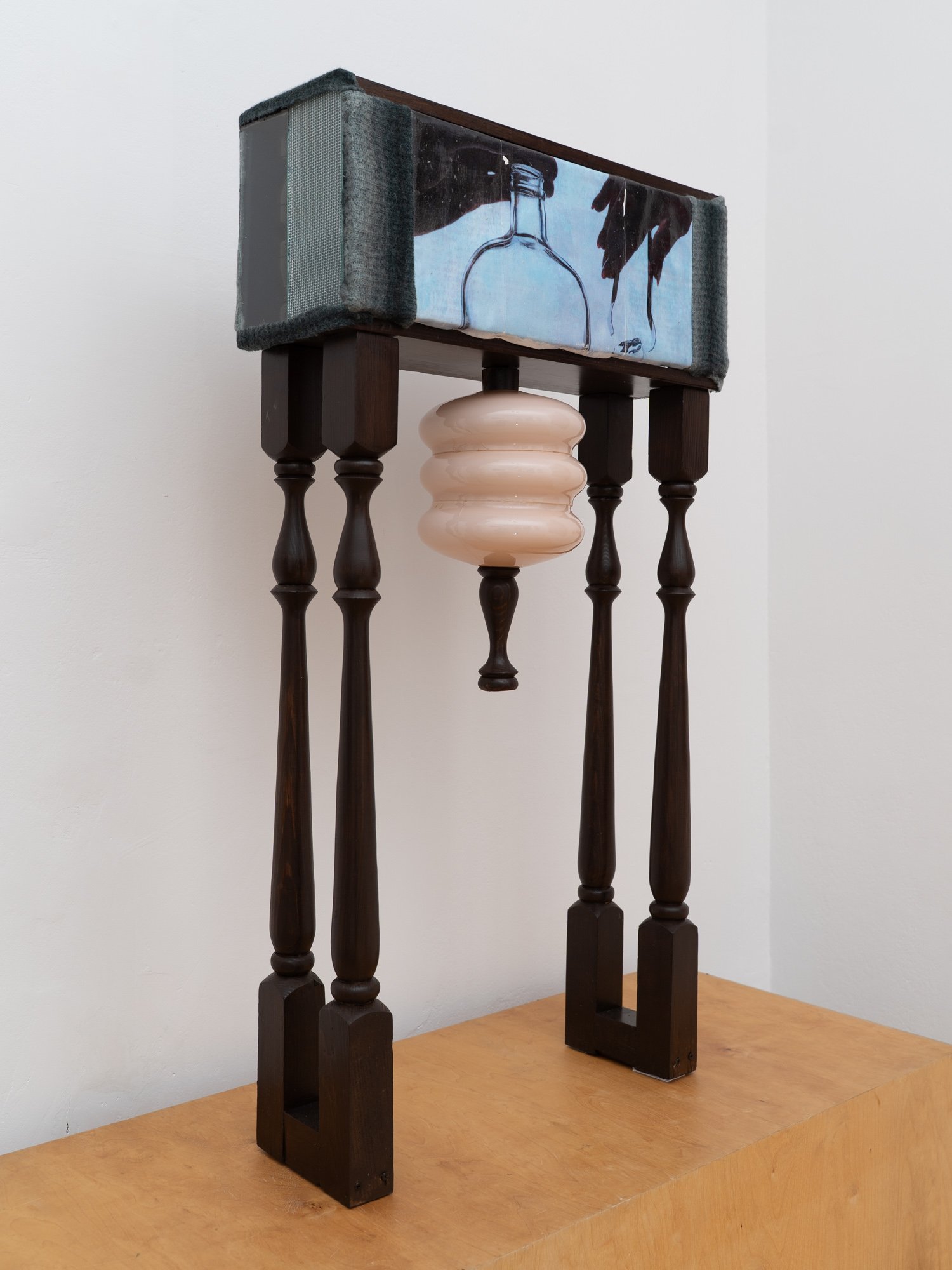
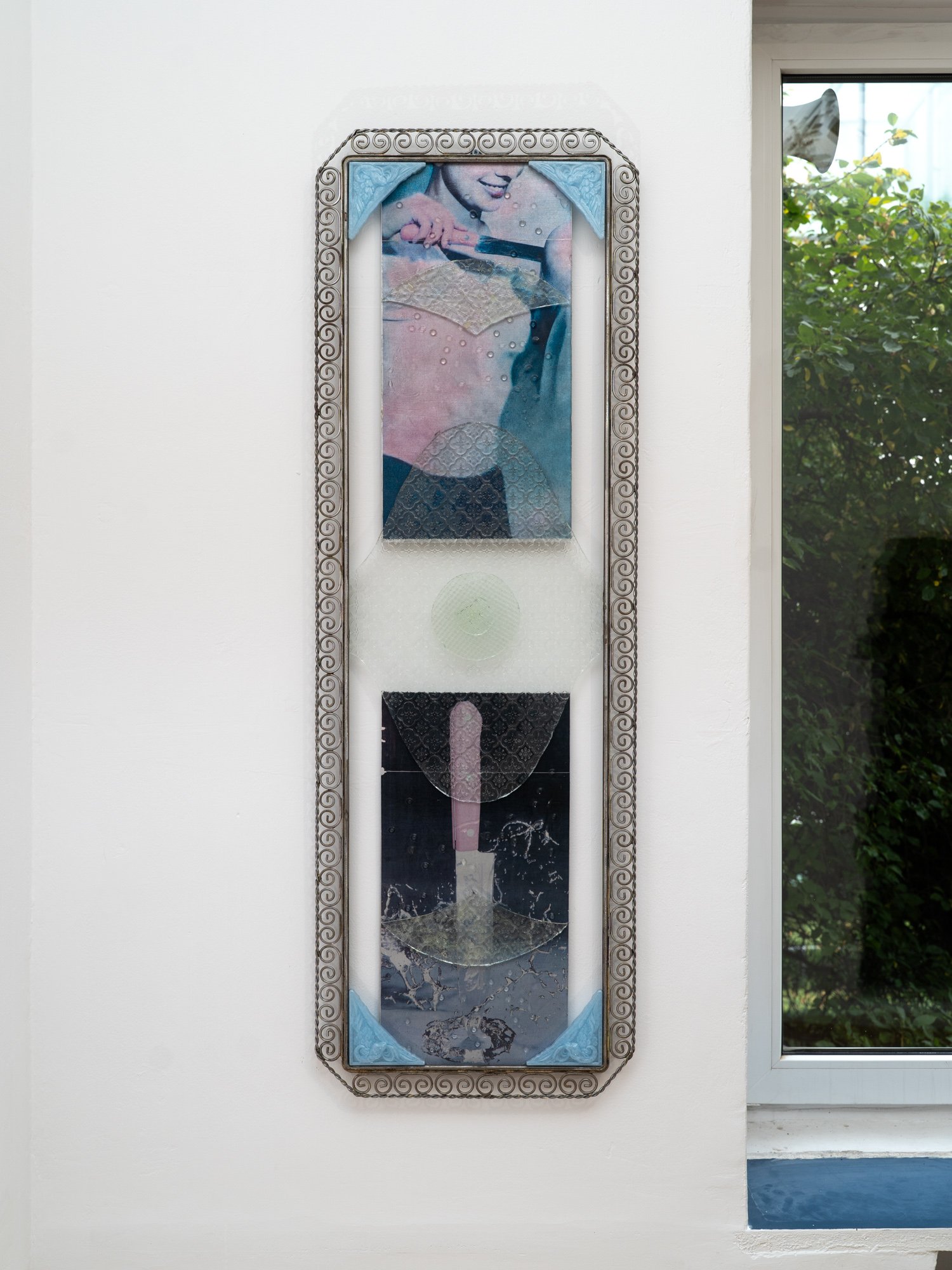
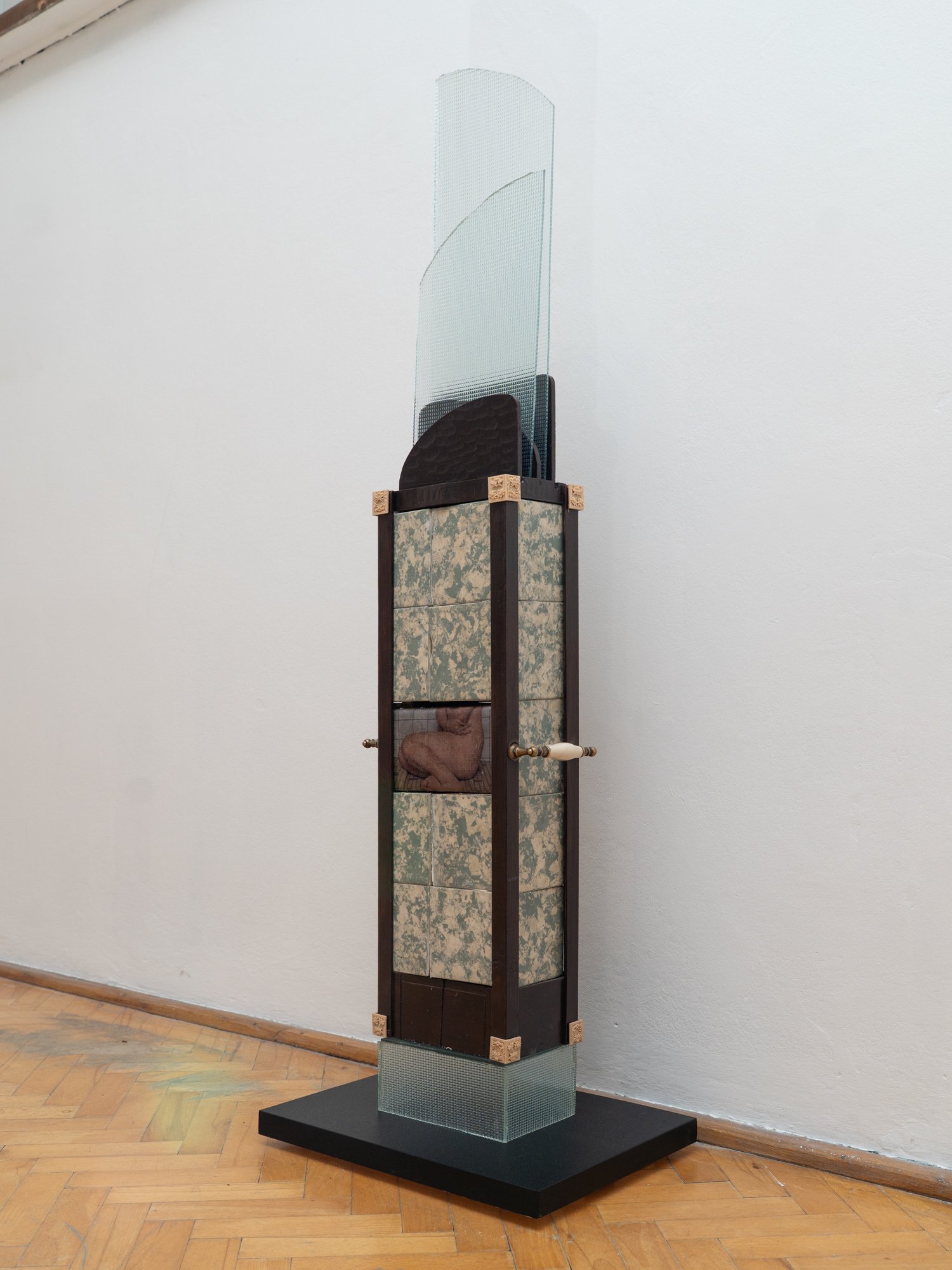
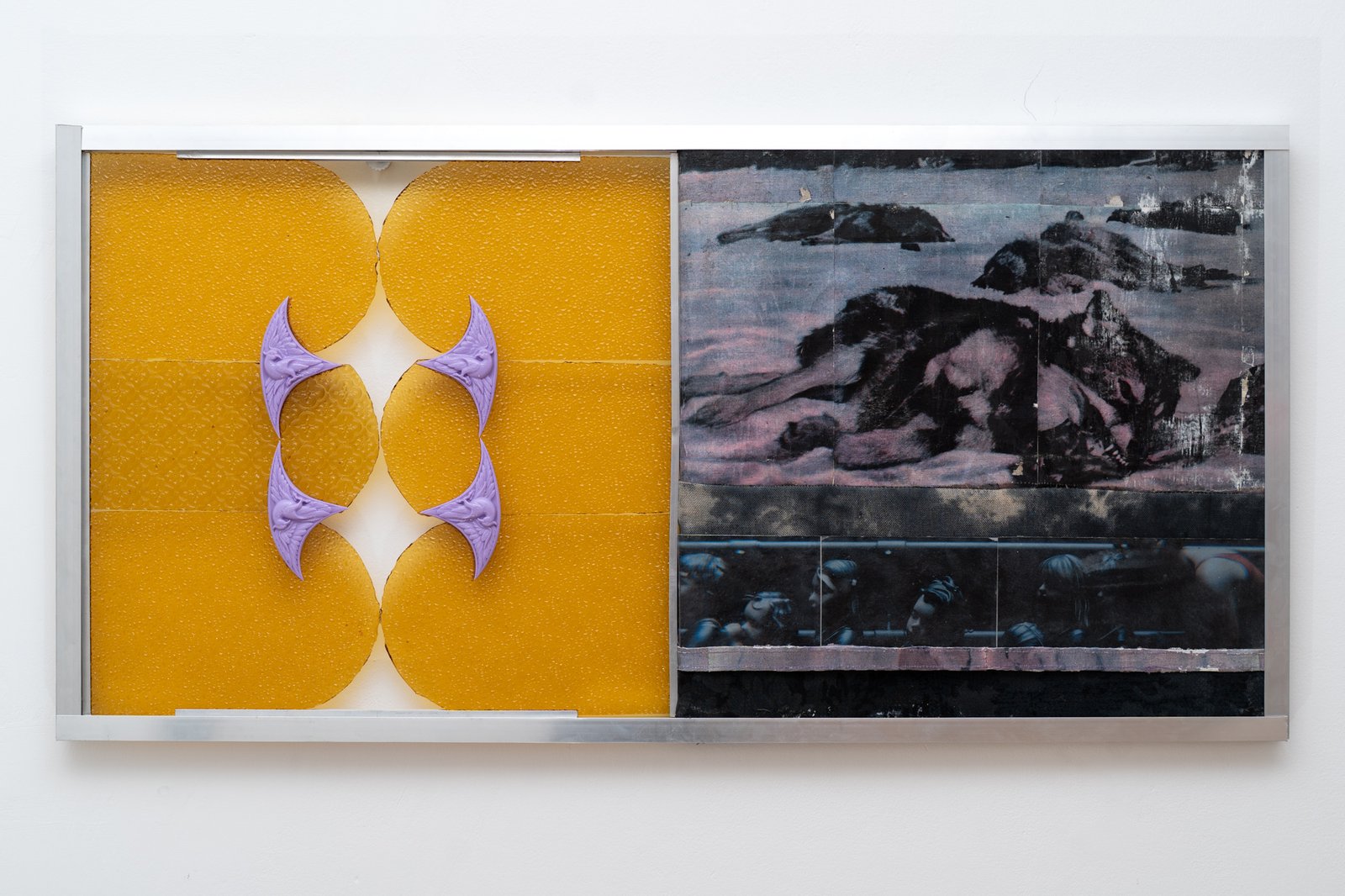
Cypis Szablak spends time through repetition. In his works, he loses direction and adopts a compulsive structure — a return to the same gestures, objects, and actions that trap experience in a loop. The artist uses trauma and entanglement as a starting point for introspective expression, in which personal experience overlaps with a broader social diagnosis. Sculptural objects, installations made of found objects, and digital 3D models shatter social myths and mechanisms of entanglement, while the surreal monotony and repetitive deformations materialize the painful anatomy of addiction. Fragile glass, historical objects, and industrial forms become vessels of silence, codependency, and repetitive powerlessness— that which is swept under the rug of the hearth and pushed to the margins of social consciousness.
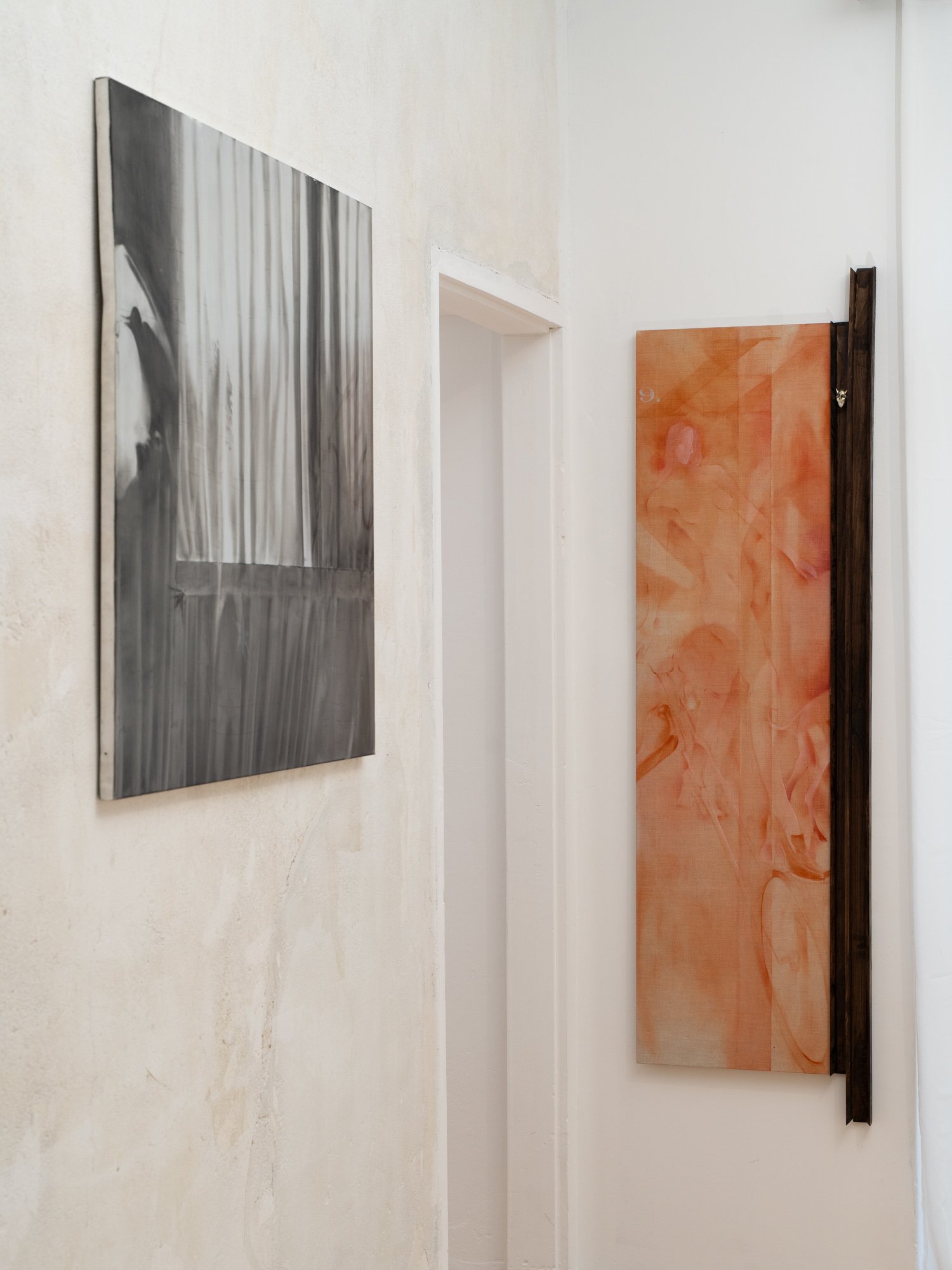
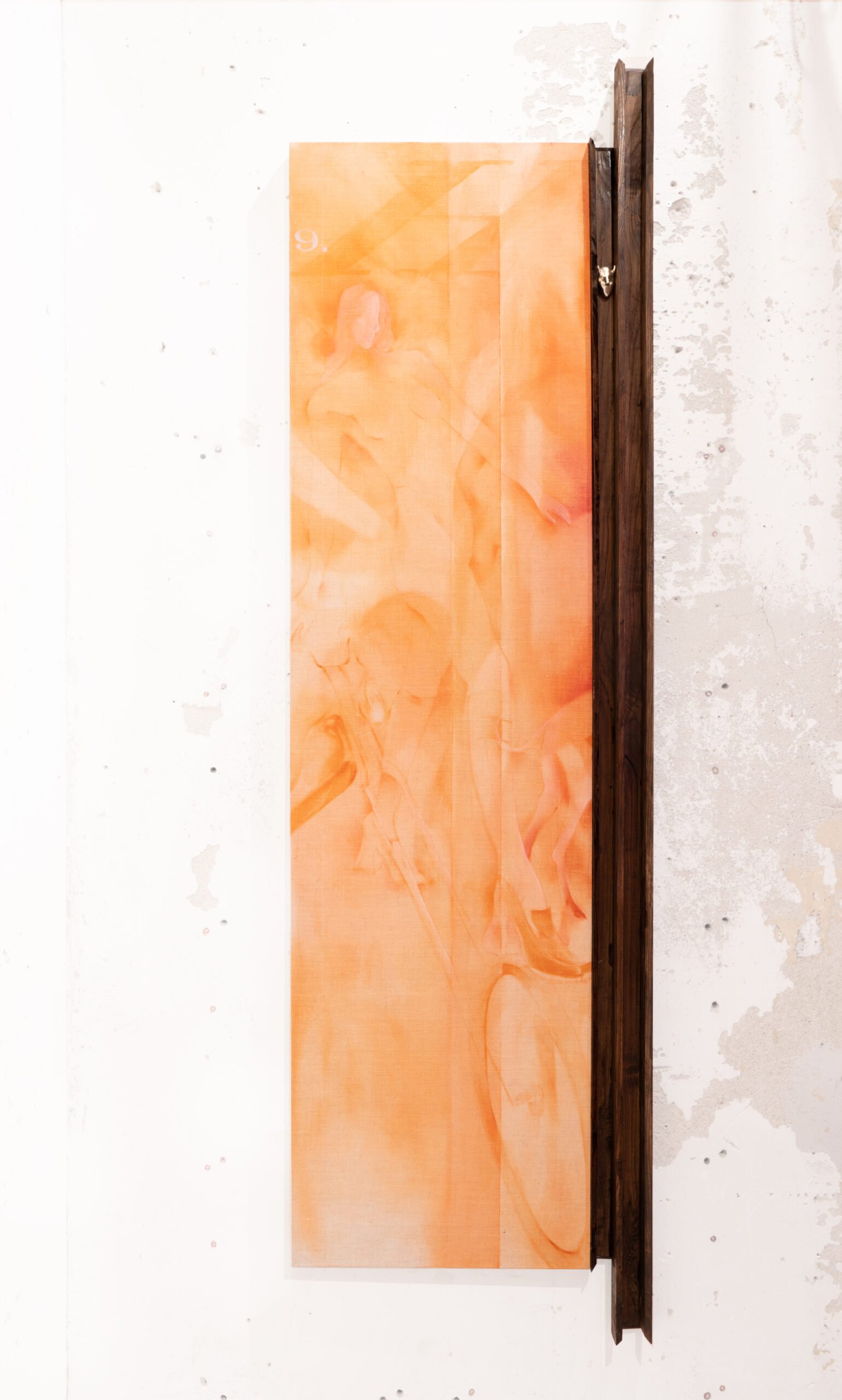
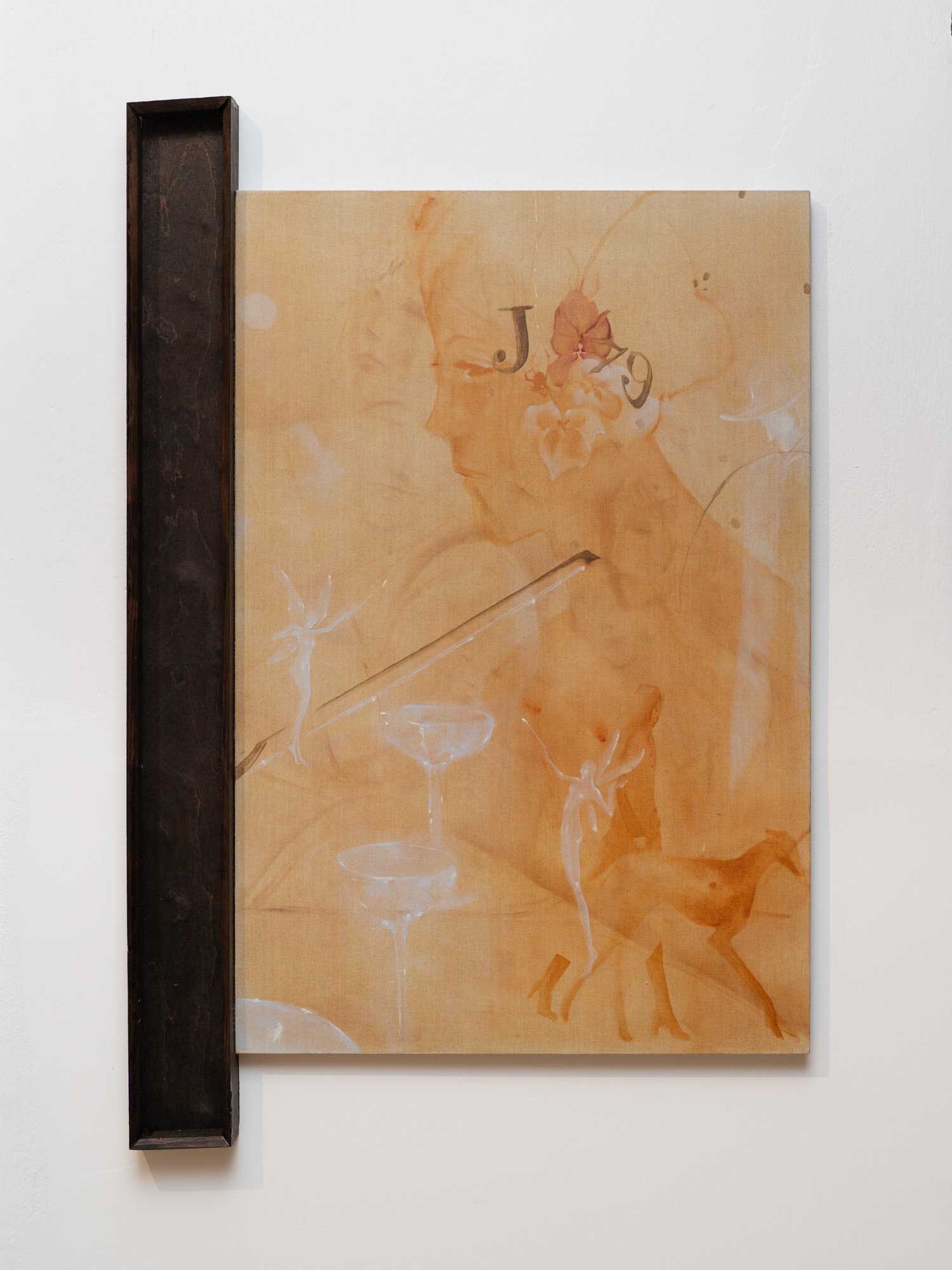
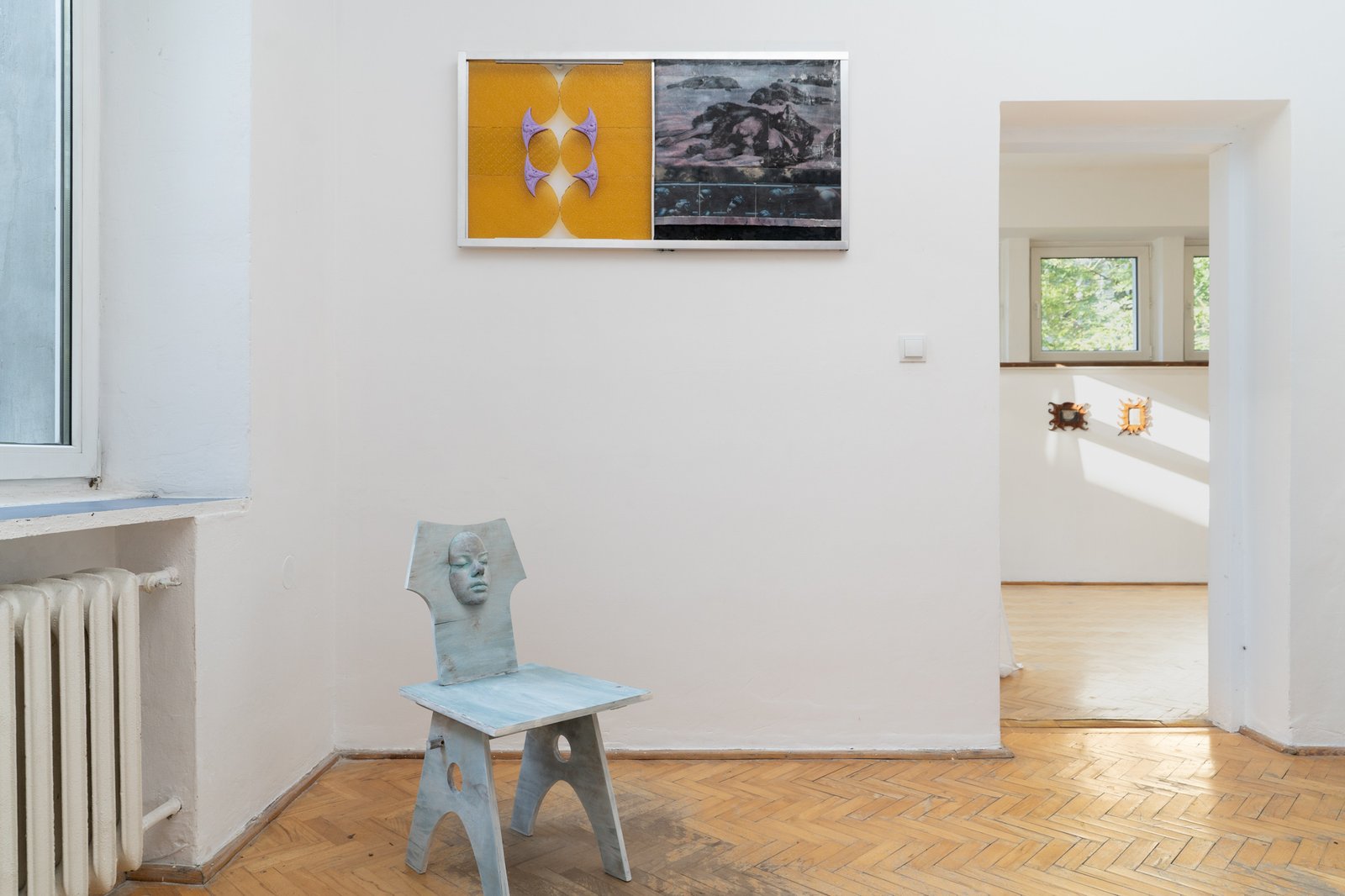
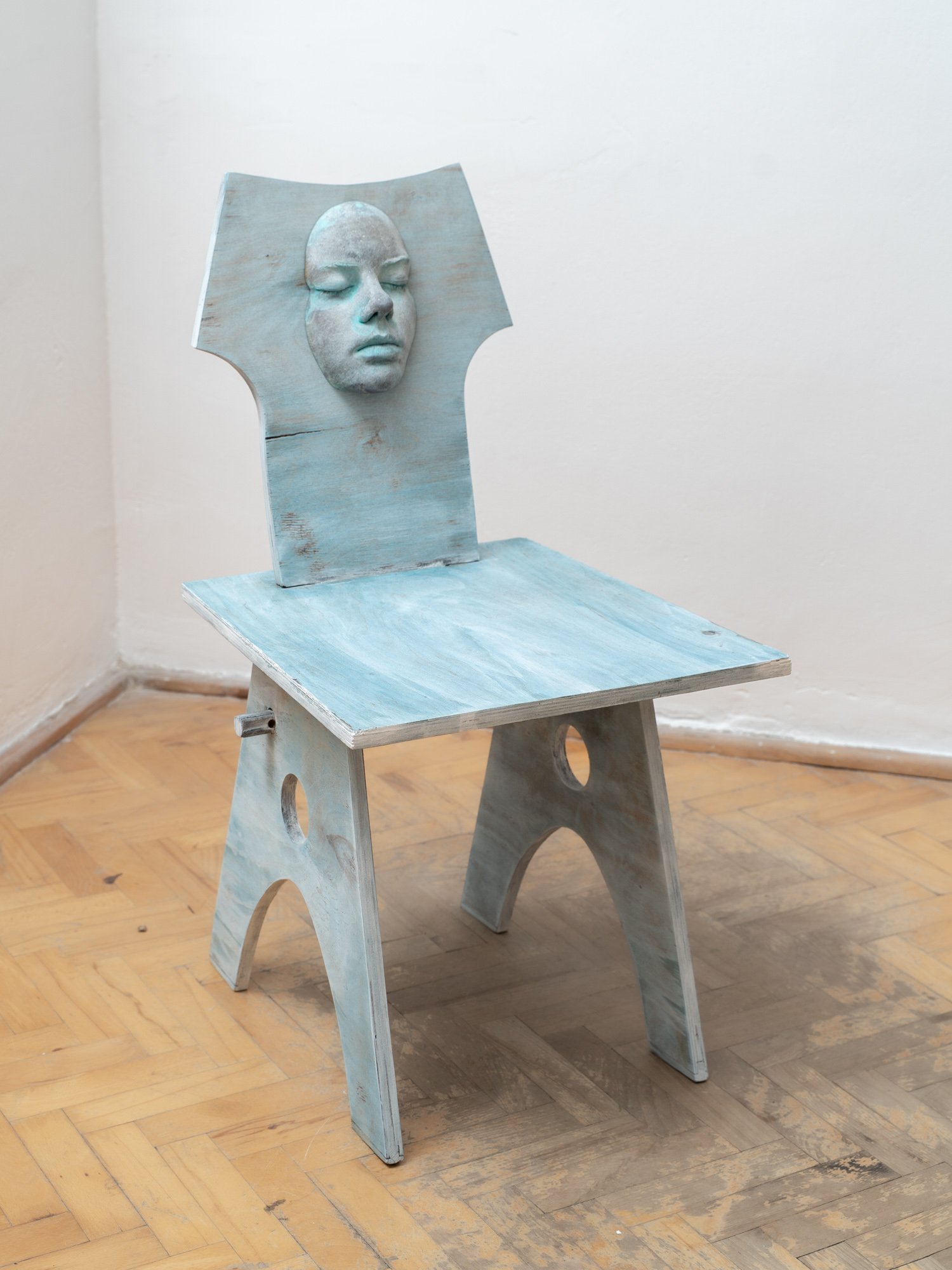
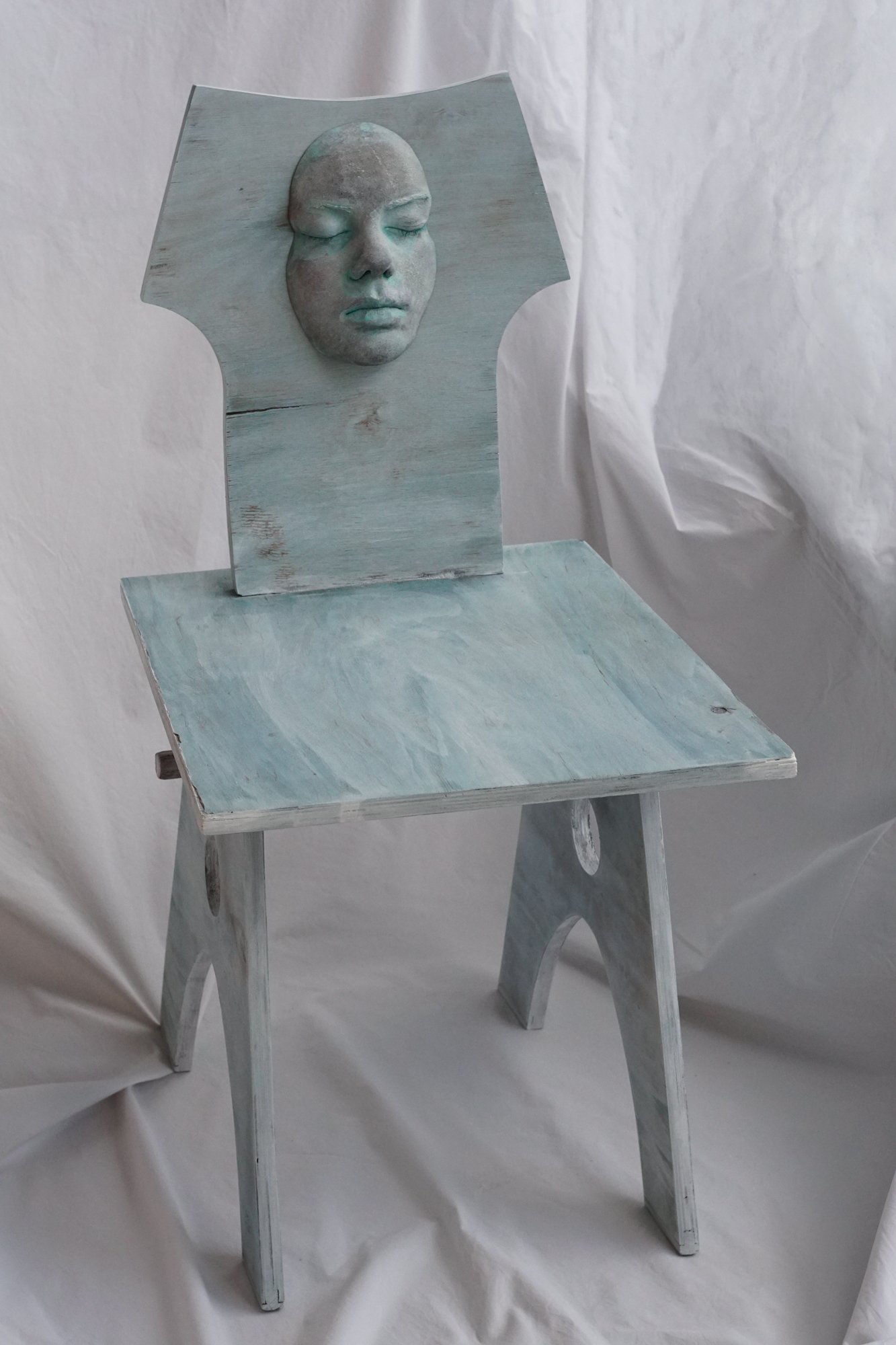
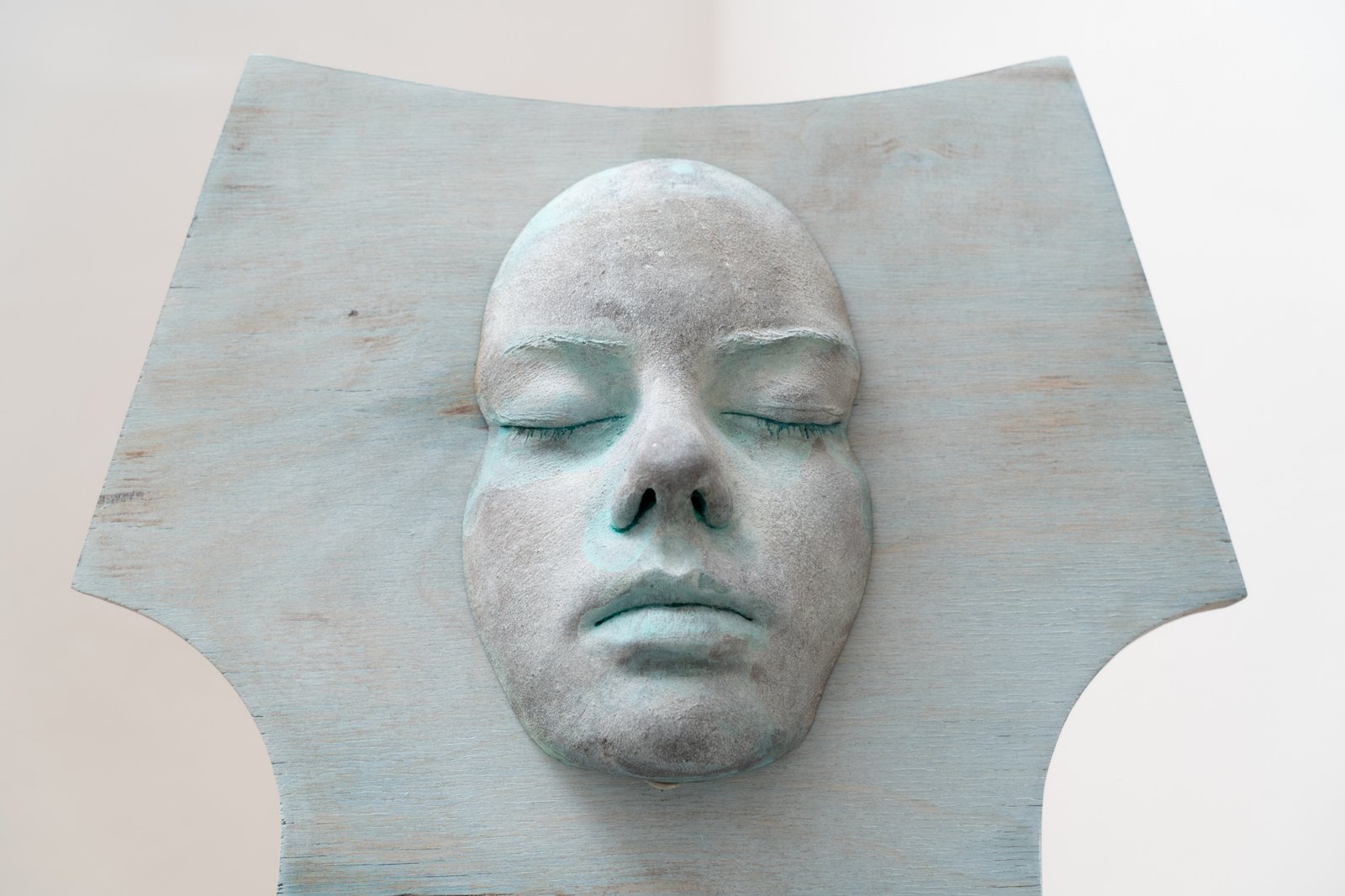
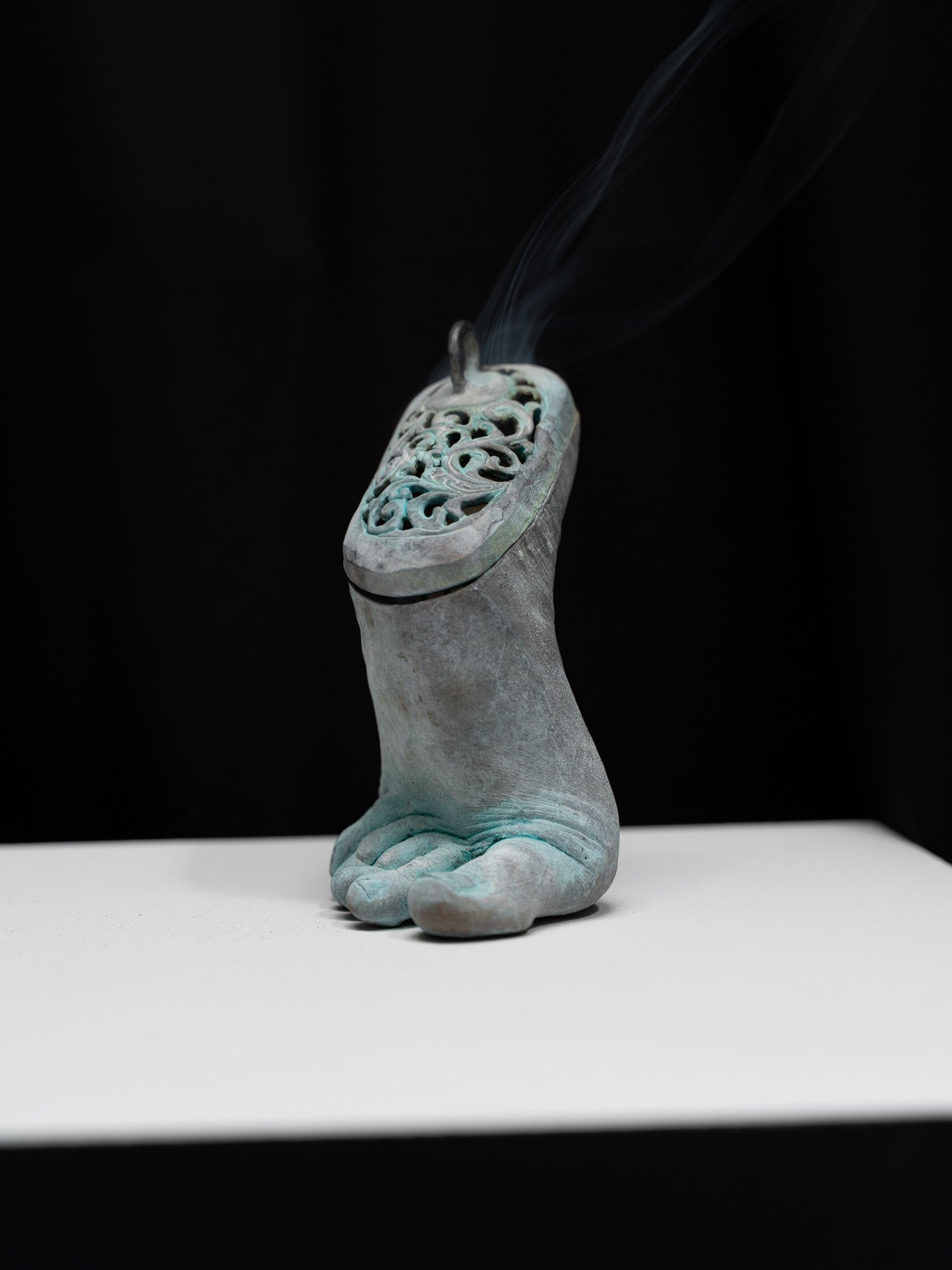
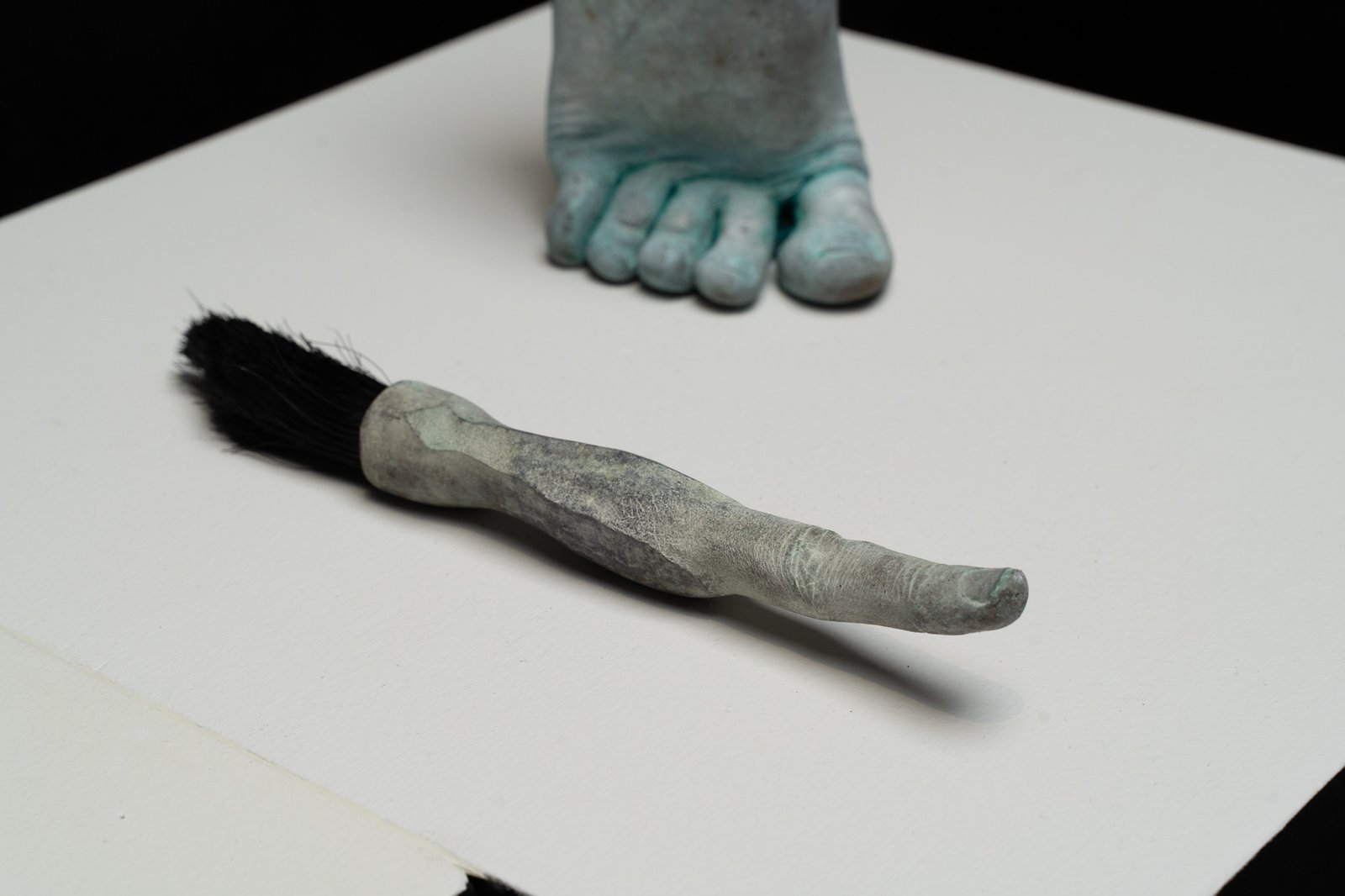
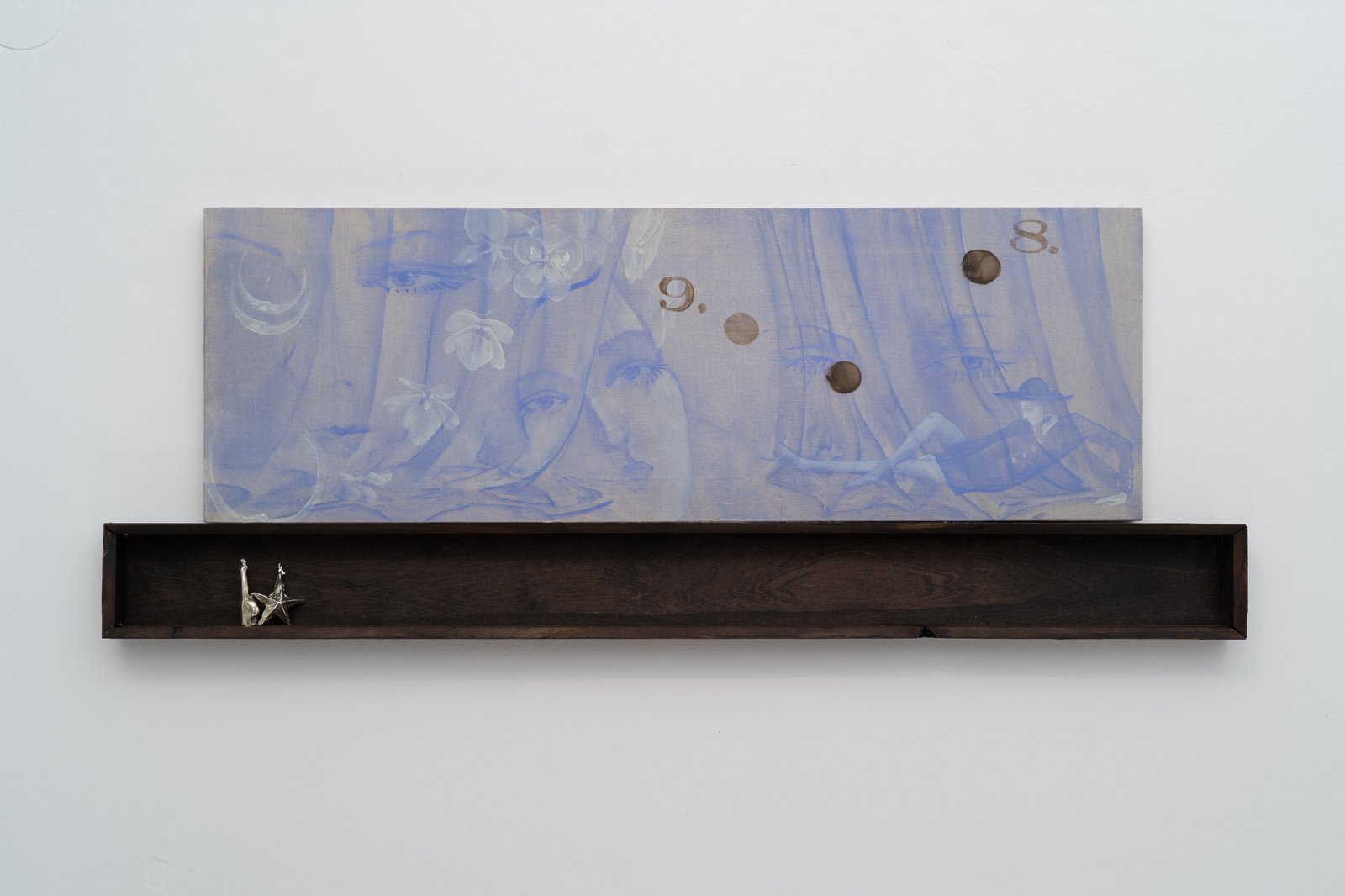
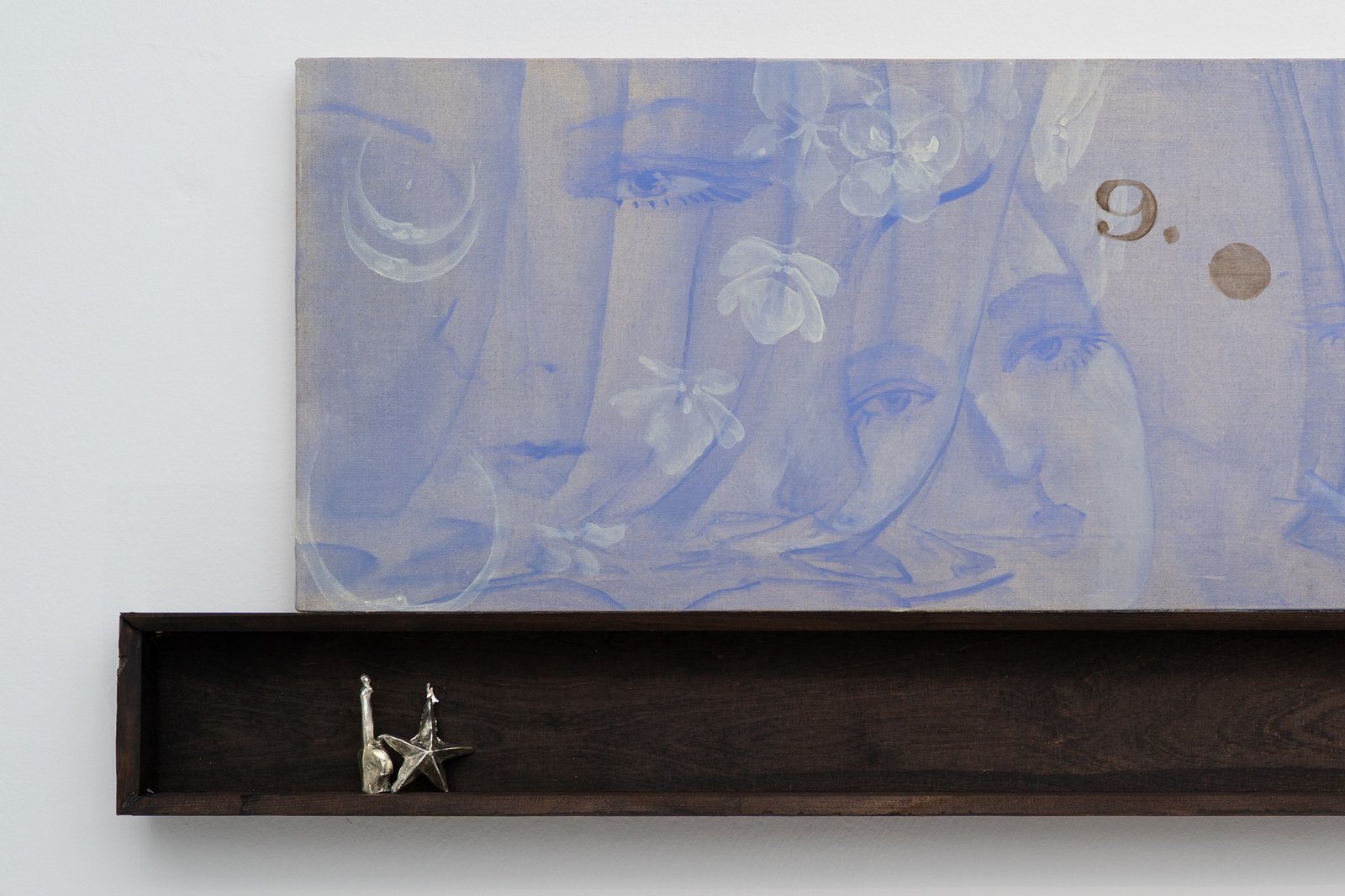
In Ała Wierzbicka’s work, psychedelia manifests itself through the simultaneity of states and the instability of boundaries. The body becomes a field of transmutation in which subjectivity blends with objectivity, and a single form can function simultaneously as a fragment of a person, a utilitarian object, and a trace. Drawing on the Buddhist practice of Chöd and the ambiguous relationships between the human and the non-human present in Yan Ge’s *Chronicles of Strange Beasts*, the artist casts fragments of her own body in bronze, incorporating them into everyday objects. This is a unique form of lending oneself to objects, further emphasized by the lost-wax process, in which the original form disappears, leaving behind a permanent cast. We find a similar ambiguity in the painting *Without a Shadow There Is No Being, Without a Being There Is No Shadow*: the two heads belong to a single being, and the boundary between body, shadow, and reflection remains fluid. Different orders do not follow one another here, but exist simultaneously.
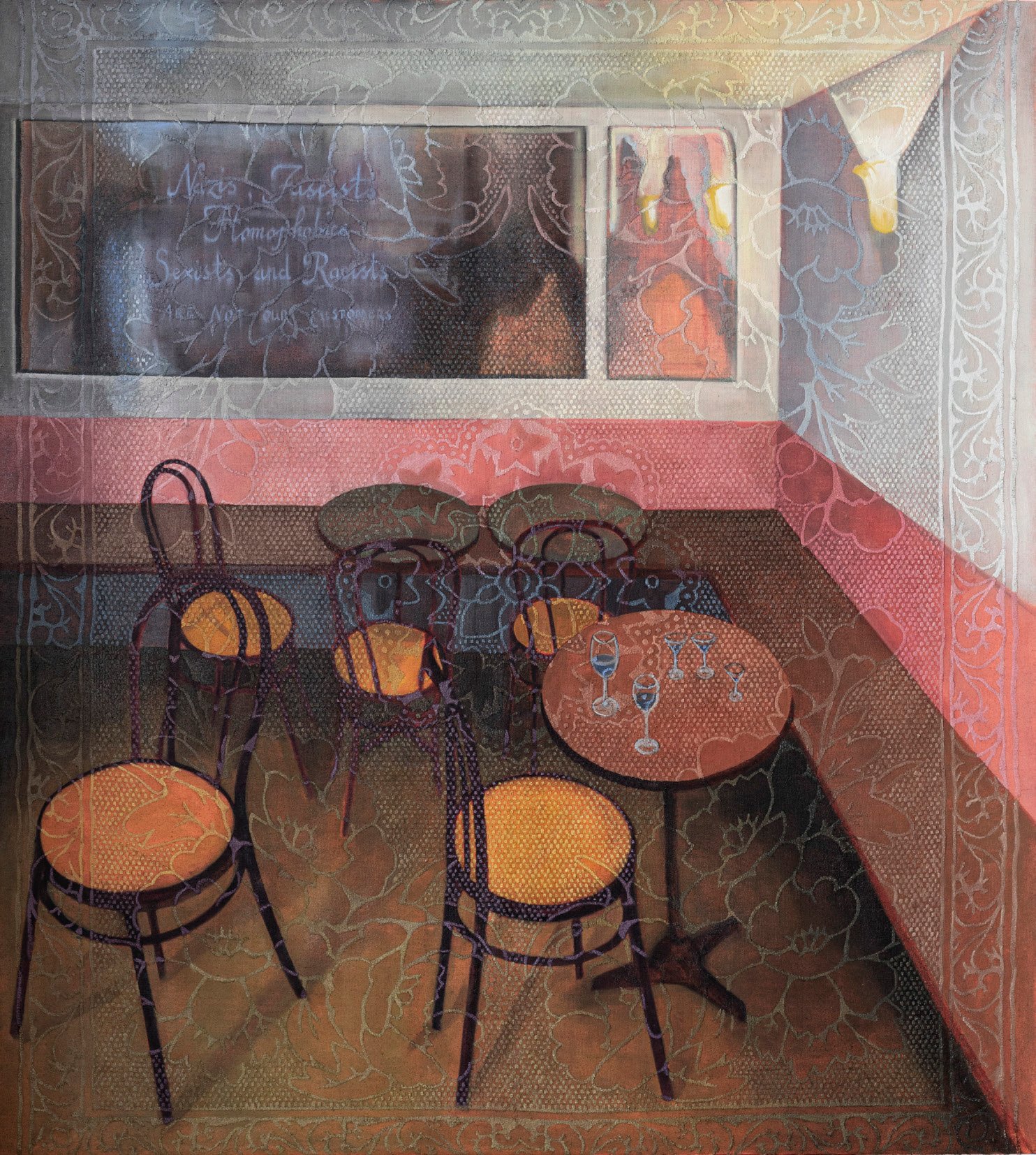
Amelia Woroszył views reality as an intuitive composition in which objects, symbols, and figures freely shift their meanings. In her black-and-white nocturnes on aluminum, curtains, windows, and fragments of space reappear — sometimes viewed from the outside, almost from behind the scenes, and other times from the inside, through a gaze directed into the night. The softness of the depictions contrasts with the cool surface of the metal, and familiar objects take on a slightly alien quality in the twilight. His latest, colorful works emerge from “found” images, intuitive associations, and absurd roles. In *Sleepover at Christina’s*, Woroszył takes on the role of Wanda and adds a memory from her youth that may never have happened, while in *Barely There or Barely Working*, stagnation meets humor and the deliberate performance of buffoonery.
Time, like identity, becomes a malleable medium here, and absurdity and comedy allow the weight of experience to be revealed without resorting to pathos. All these orders converge on a single editing table. All it takes is a slight shift, the wrong sequence, or an object encountered outside the chronology. In this encounter, the orange and the rope belong to the same world, but it is strangely alien.