


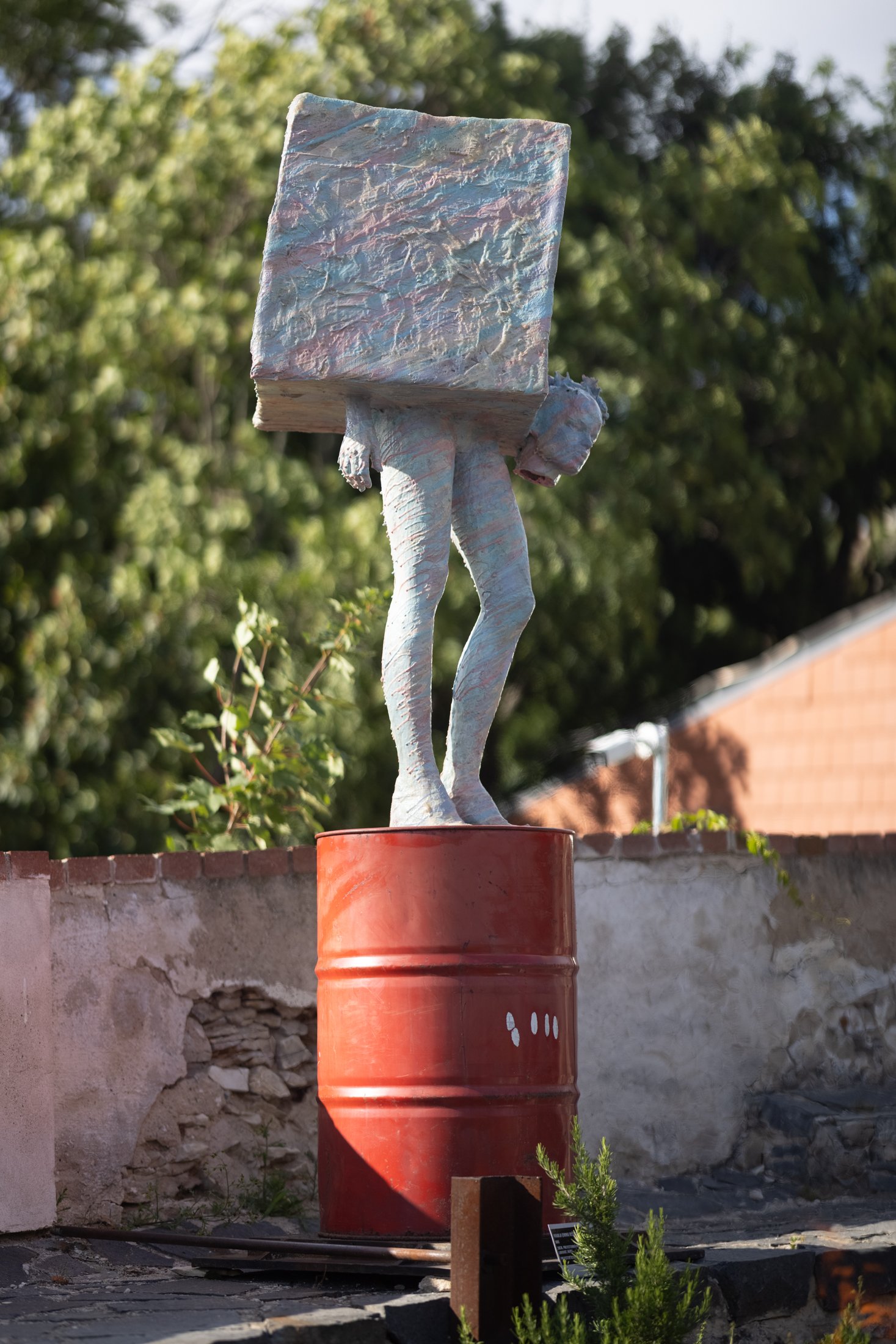
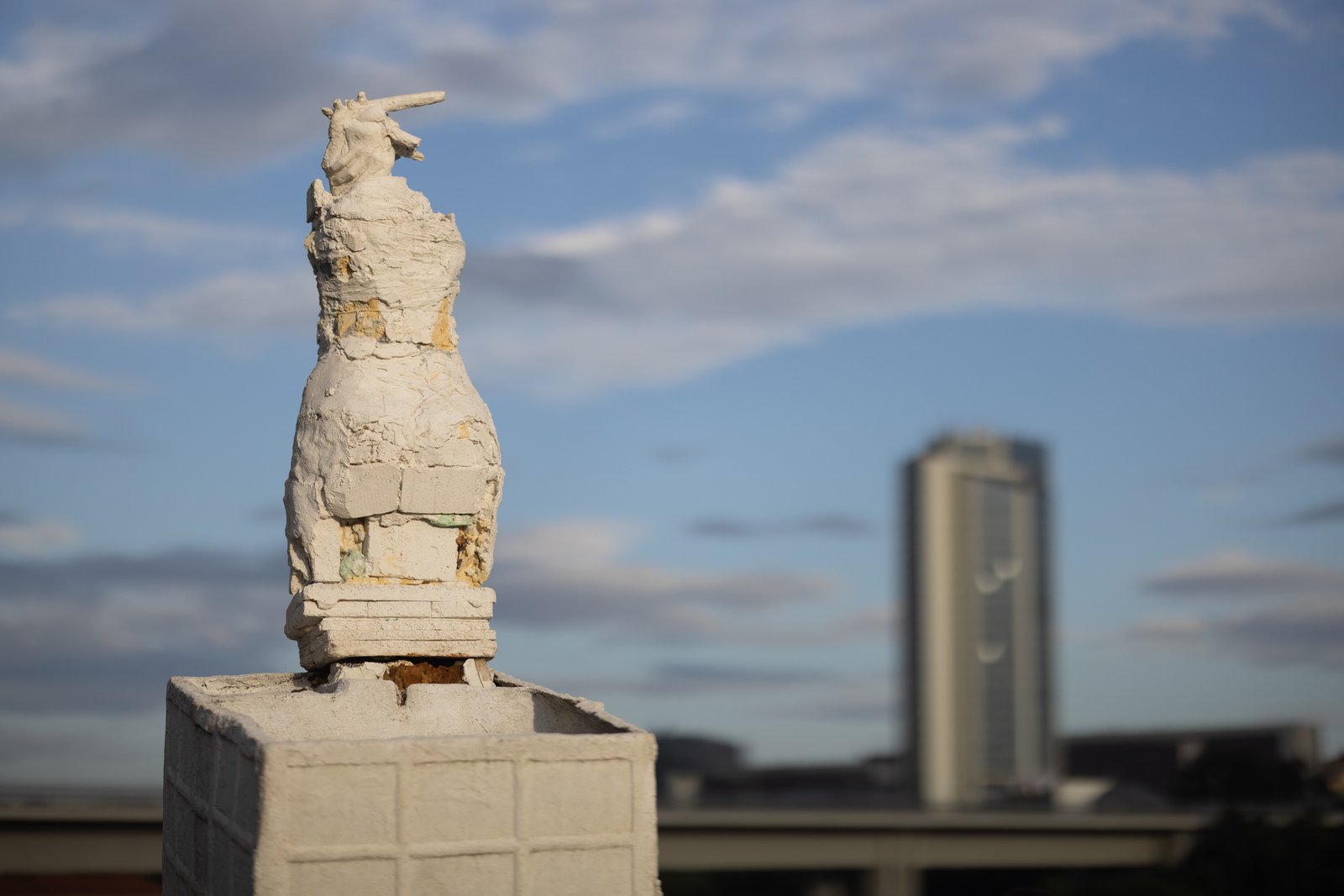
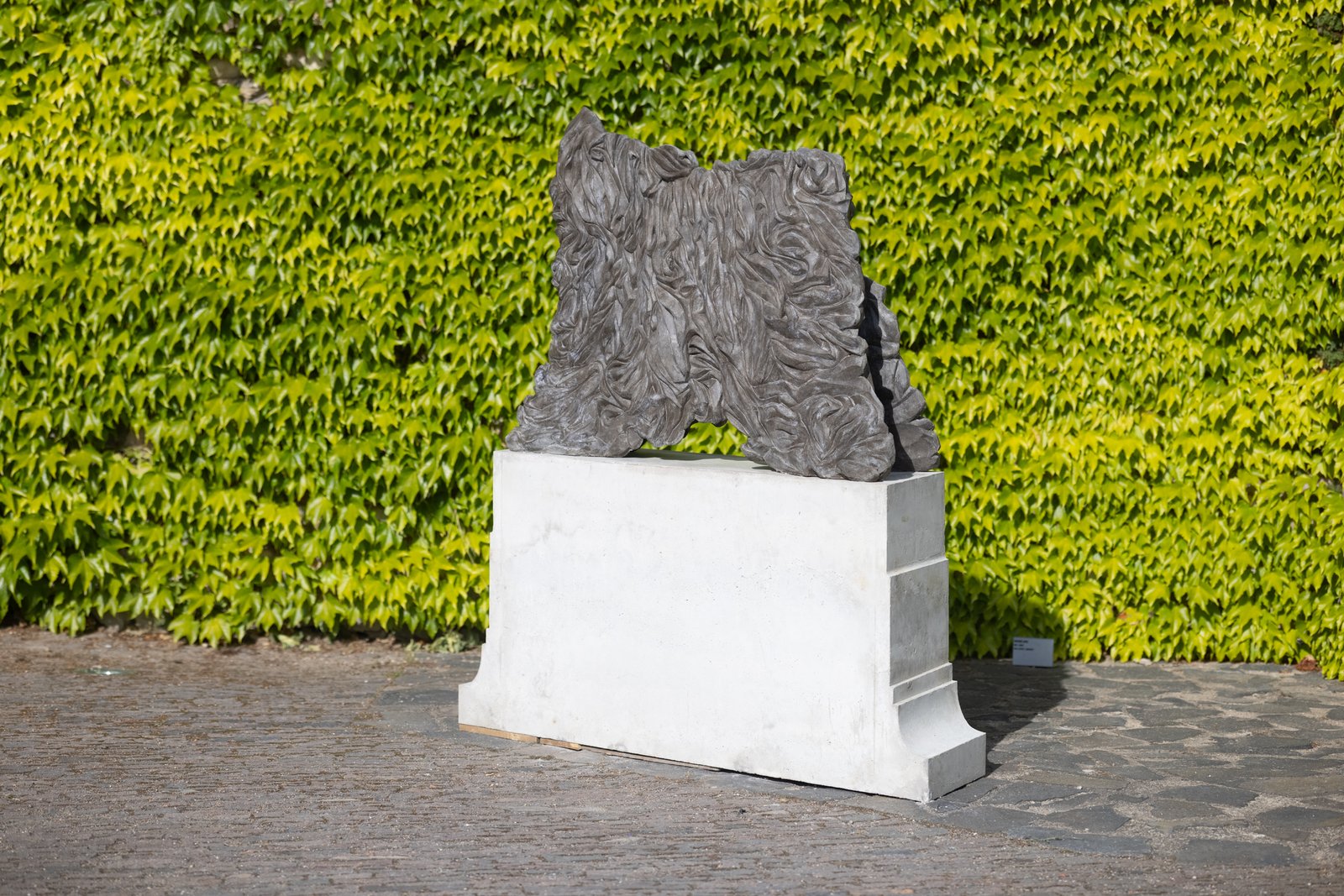
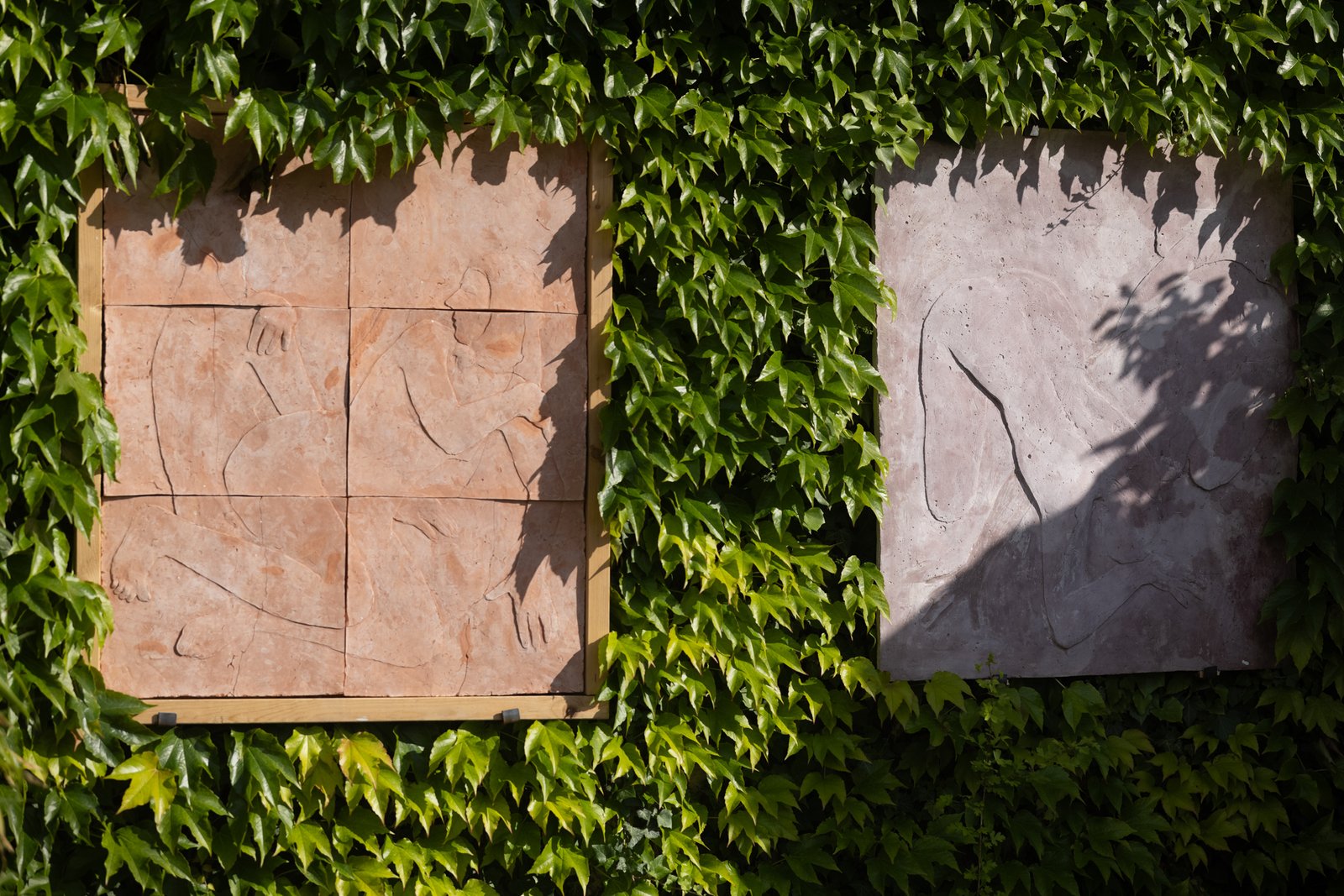
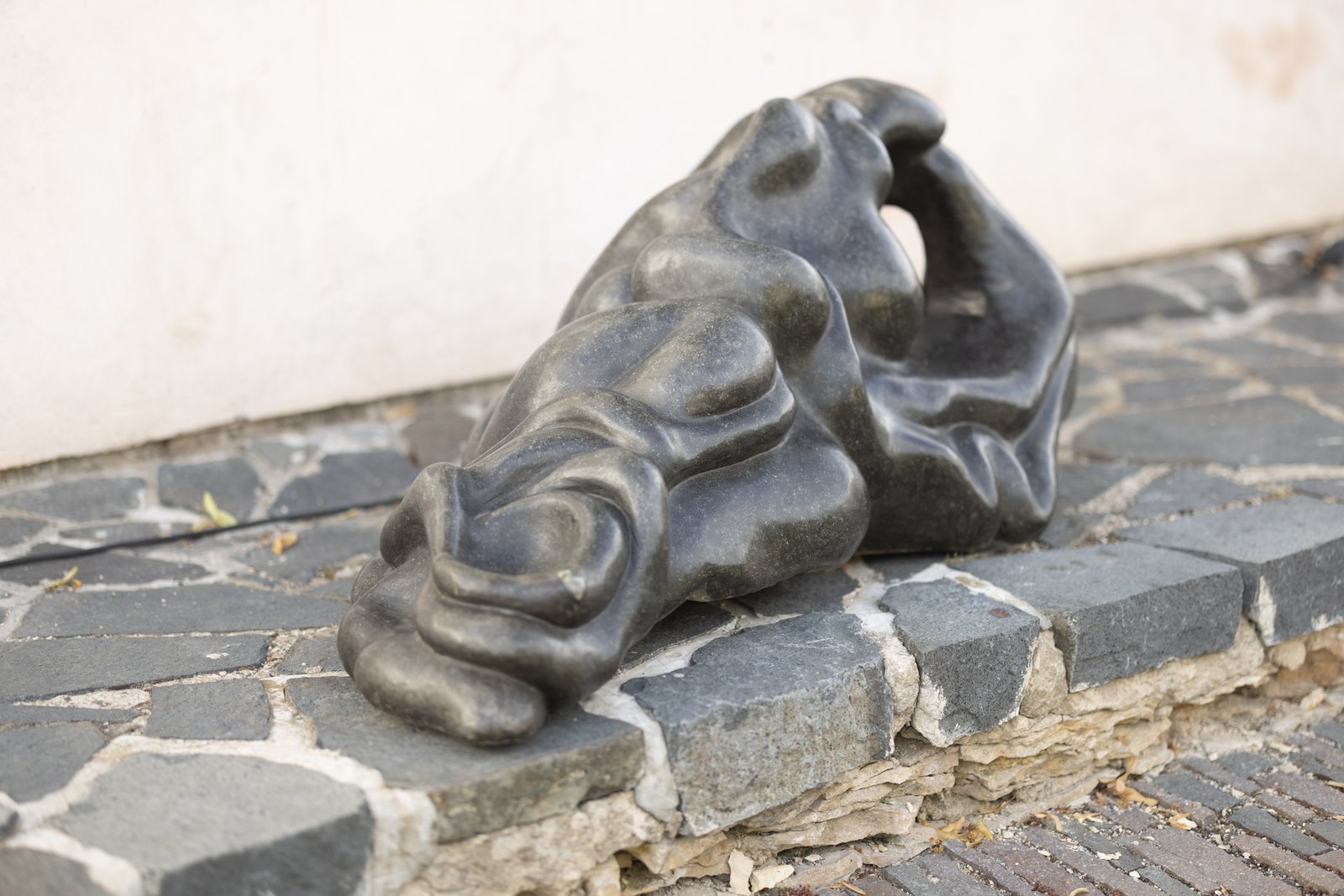
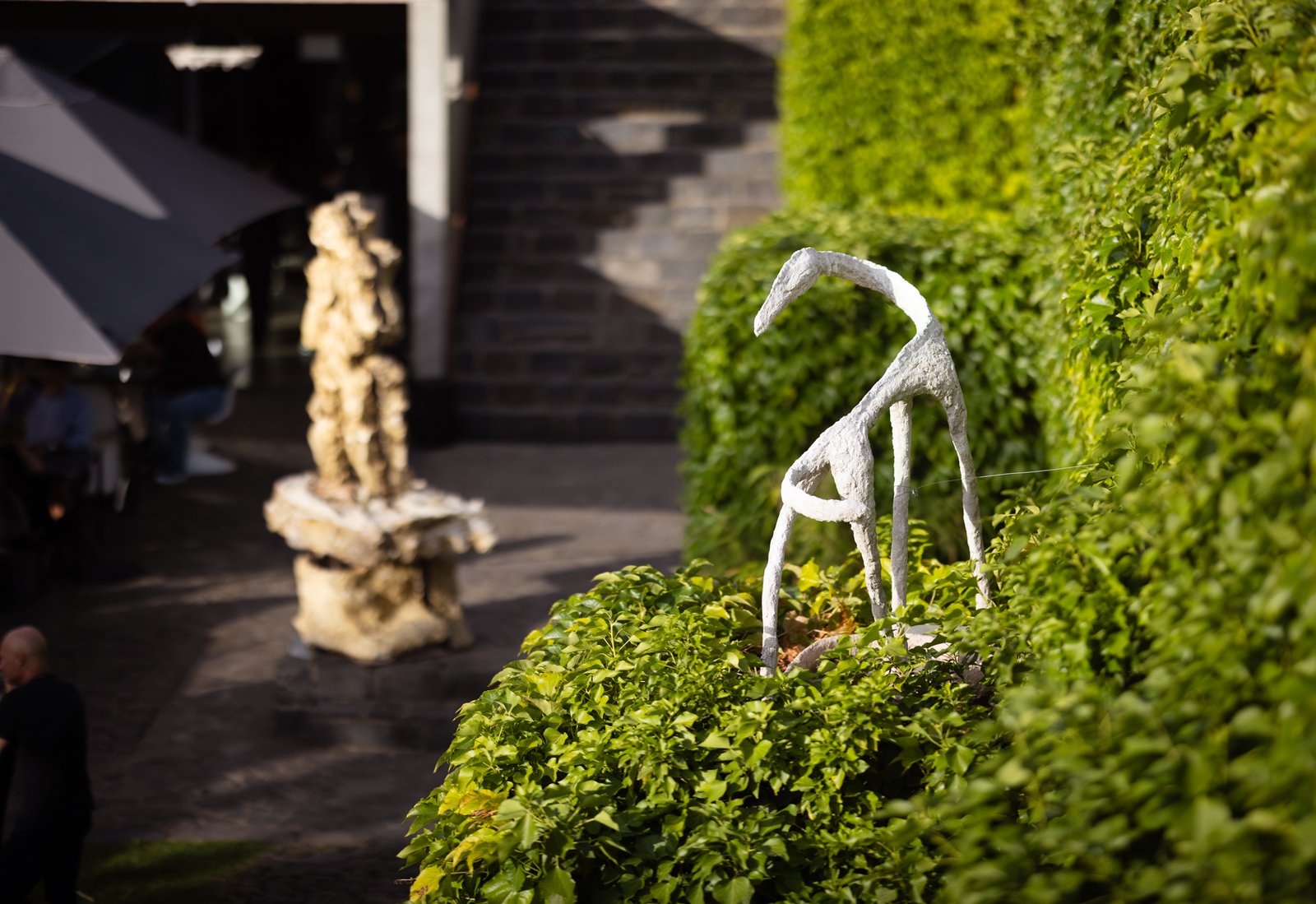
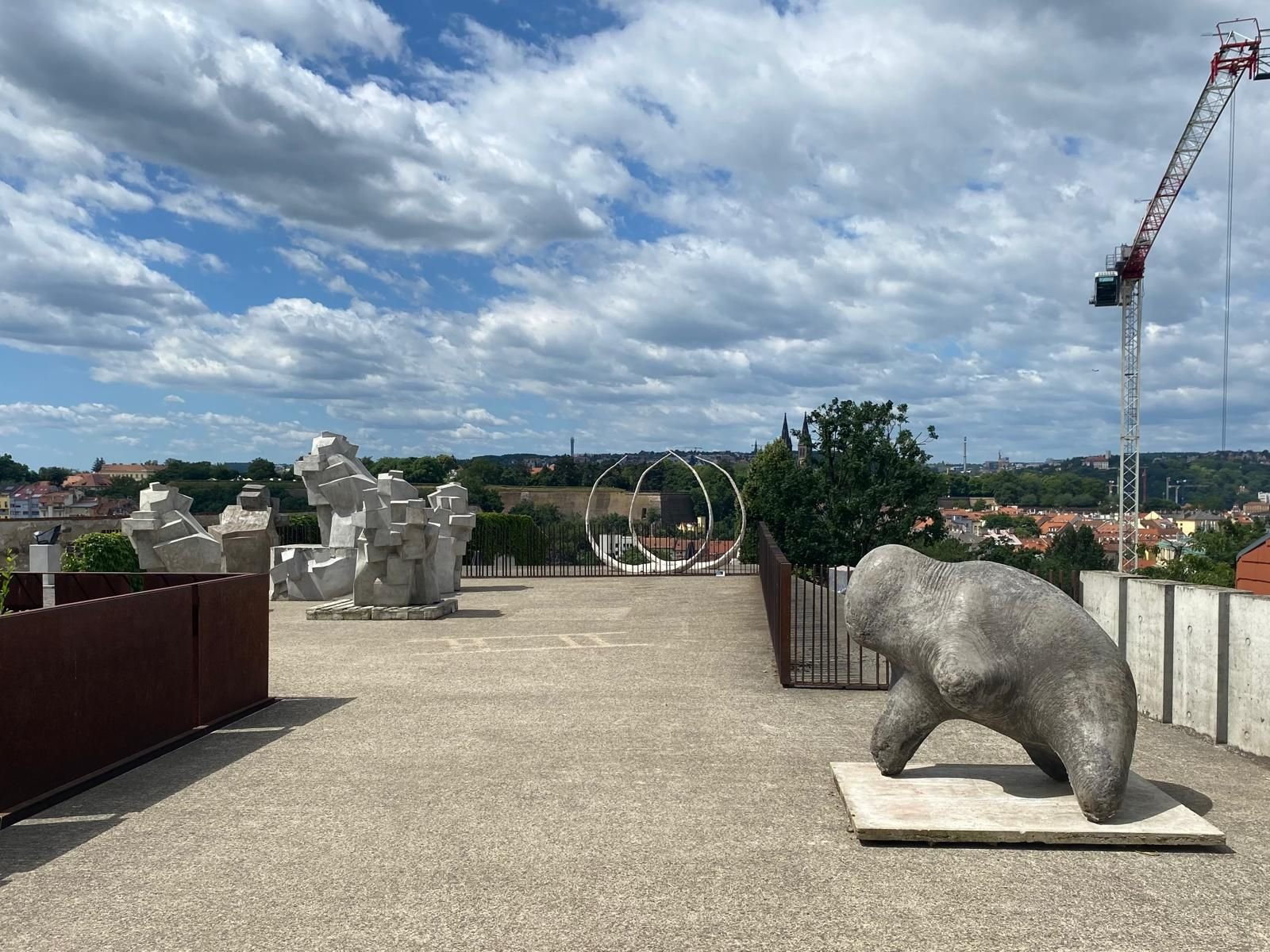
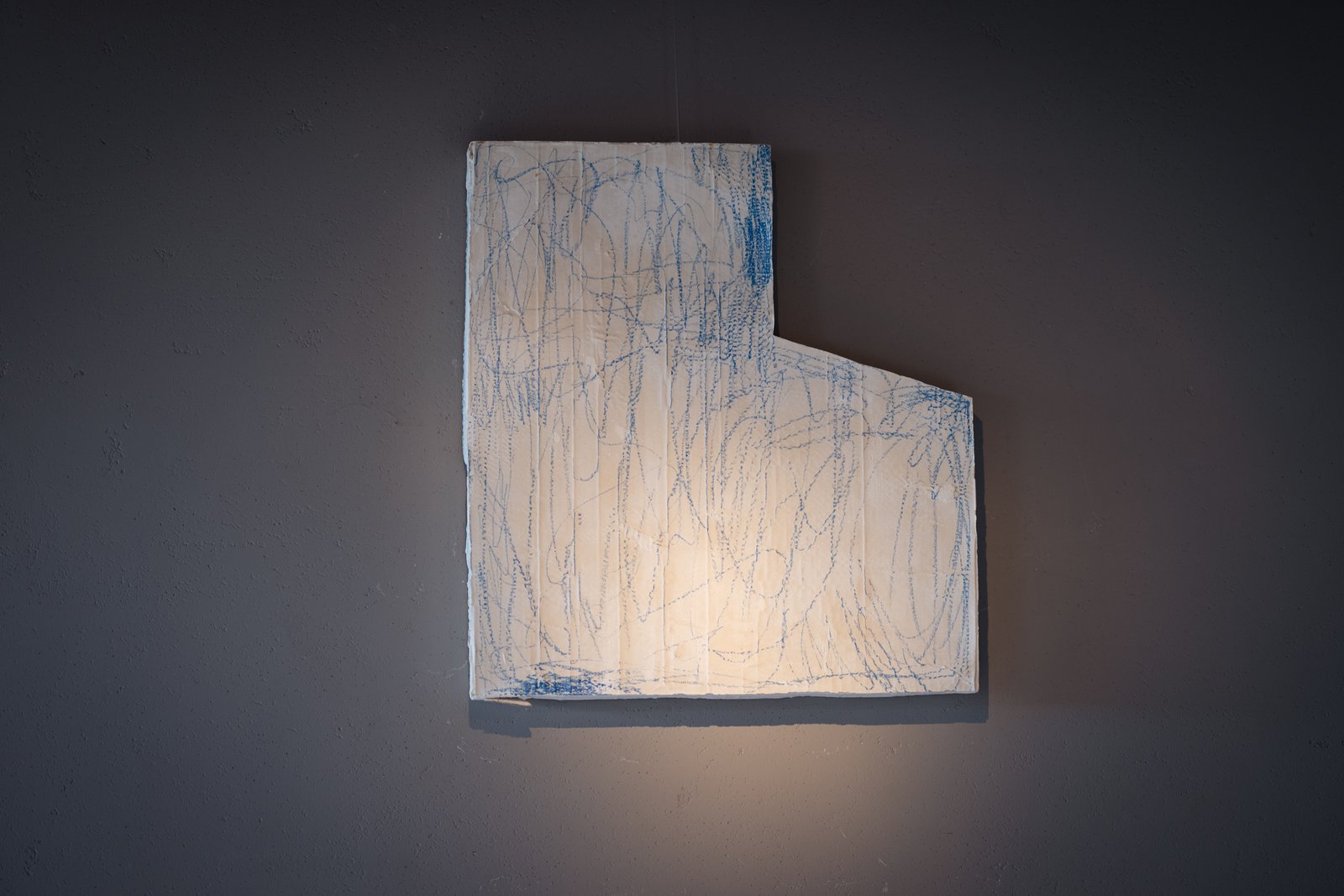
The exhibition of the sculpture studios at the Academy of Fine Arts in Prague is inspired by the book of the same name by architect and theorist Juhani Pallasmaa, which explores the perception of space in relation to our physicality. A return to physicality and sensory perception in all its breadth is one of the most timely and, at the same time, most natural ways to begin reorienting ourselves in the space of the contemporary world. The absolute dominance of visuality, which over the centuries has completely subjugated Western culture at the expense of the other senses, has disrupted our relationship with the world in which we live. Our minds are almost constantly immersed in illusory virtual worlds dominated by marketing strategies with superficial slogans, whose aggressively attractive visuals are designed precisely to be irresistible. The flood of endless visual stimuli demands our full attention and pulls us so deeply in that we cease to perceive the sounds and smells around us, or the humidity and flow of air. Yet the loss of our comprehensive sensitivity to the world around us has far-reaching consequences not only for our perception of our own identity and relationships with other beings, but also for the entire ecosystem of which we are an inherent part.
Sculpture stubbornly resists the accelerated pace of the present, bringing us back to matter, the body, and spatial relationships, without losing its ability to reflect on current events. Creating a sculpture takes a long time and, in addition to specific sensitivity and knowledge of craft techniques and technological principles, requires the direct mental and physical participation of the artist, who kneads, carves, chisels, casts, assembles, or otherwise defines the form. According to Pallasmaa, it is precisely tactility and unfocused vision—with the multitude of peripheral stimuli that surround us in space—that are essential for understanding the world. All our contact with the world naturally takes place through our body, or rather through the skin as one of the most sensitive organs. Pallasmaa regards all the senses, including sight, as a certain extension of touch, since they evolved as specializations of the skin, through which we “feel” the world around us in various ways.
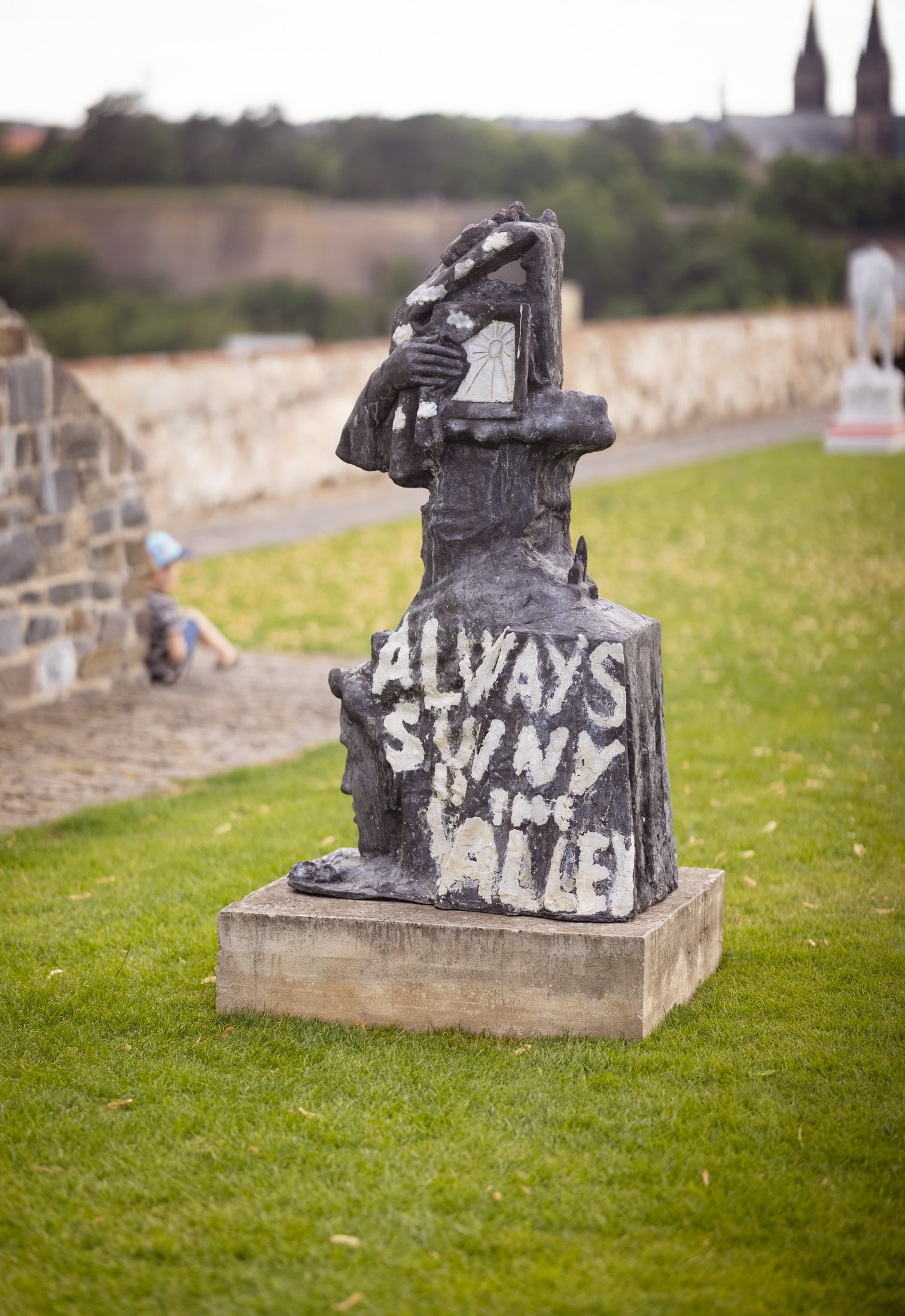
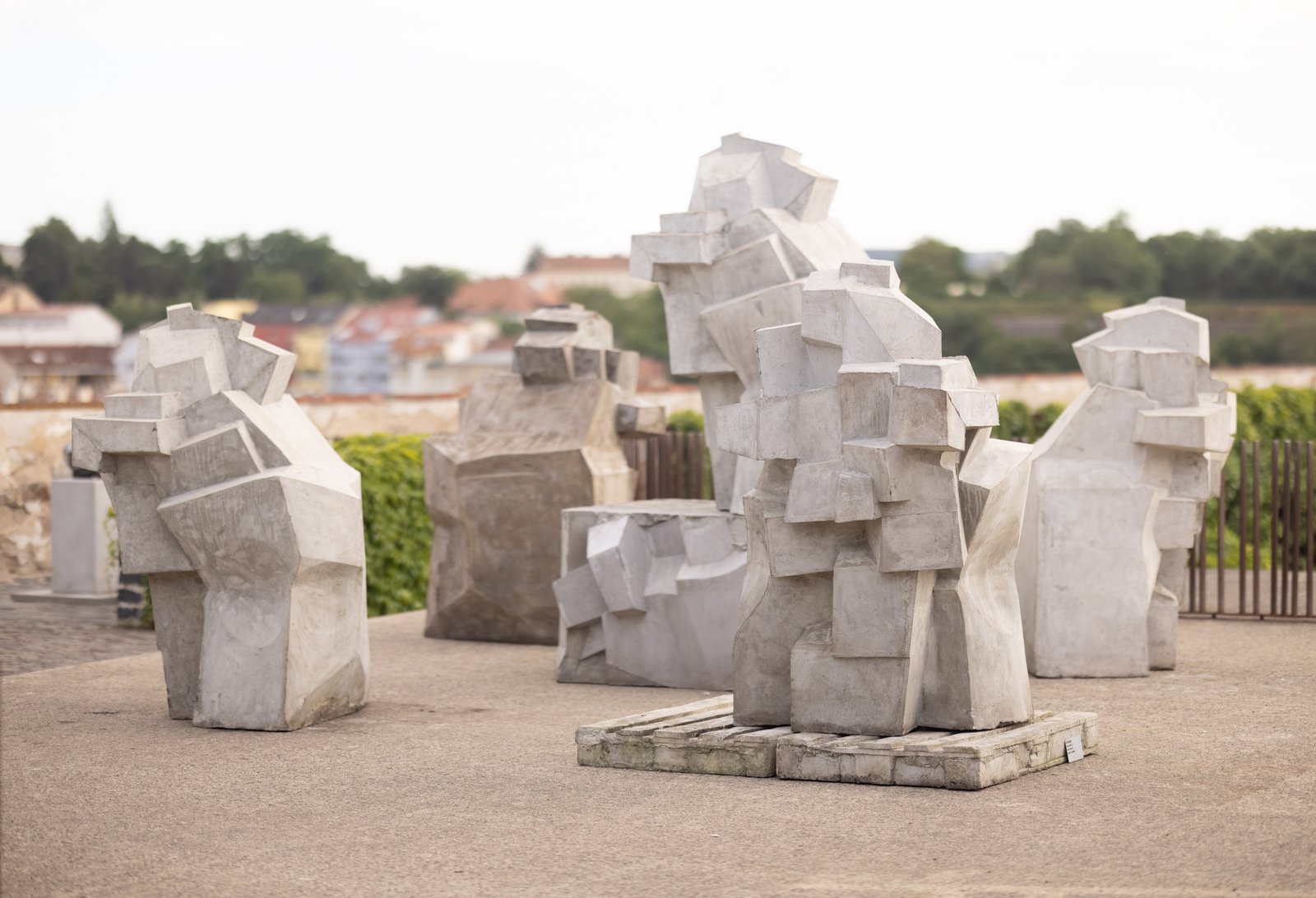
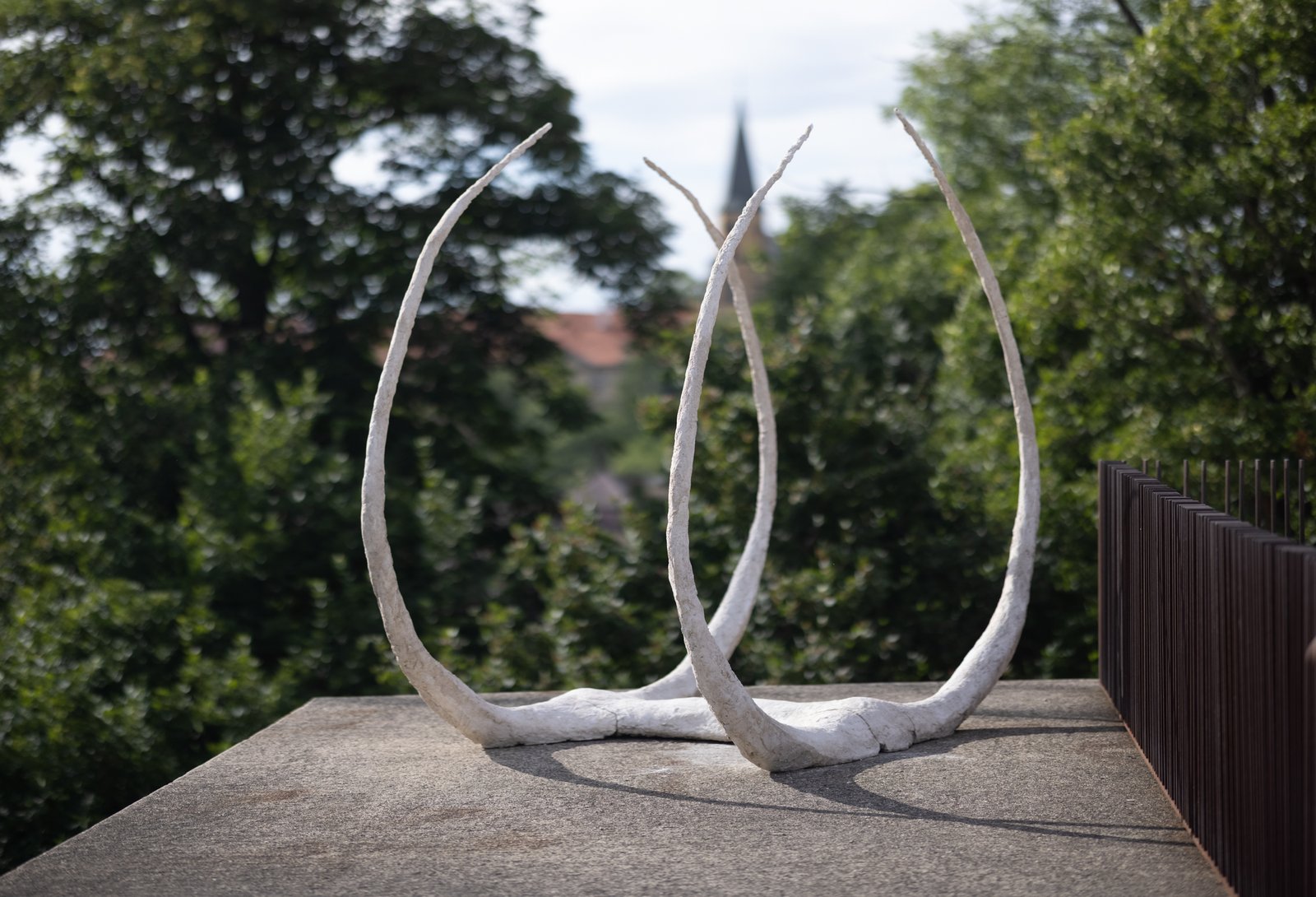
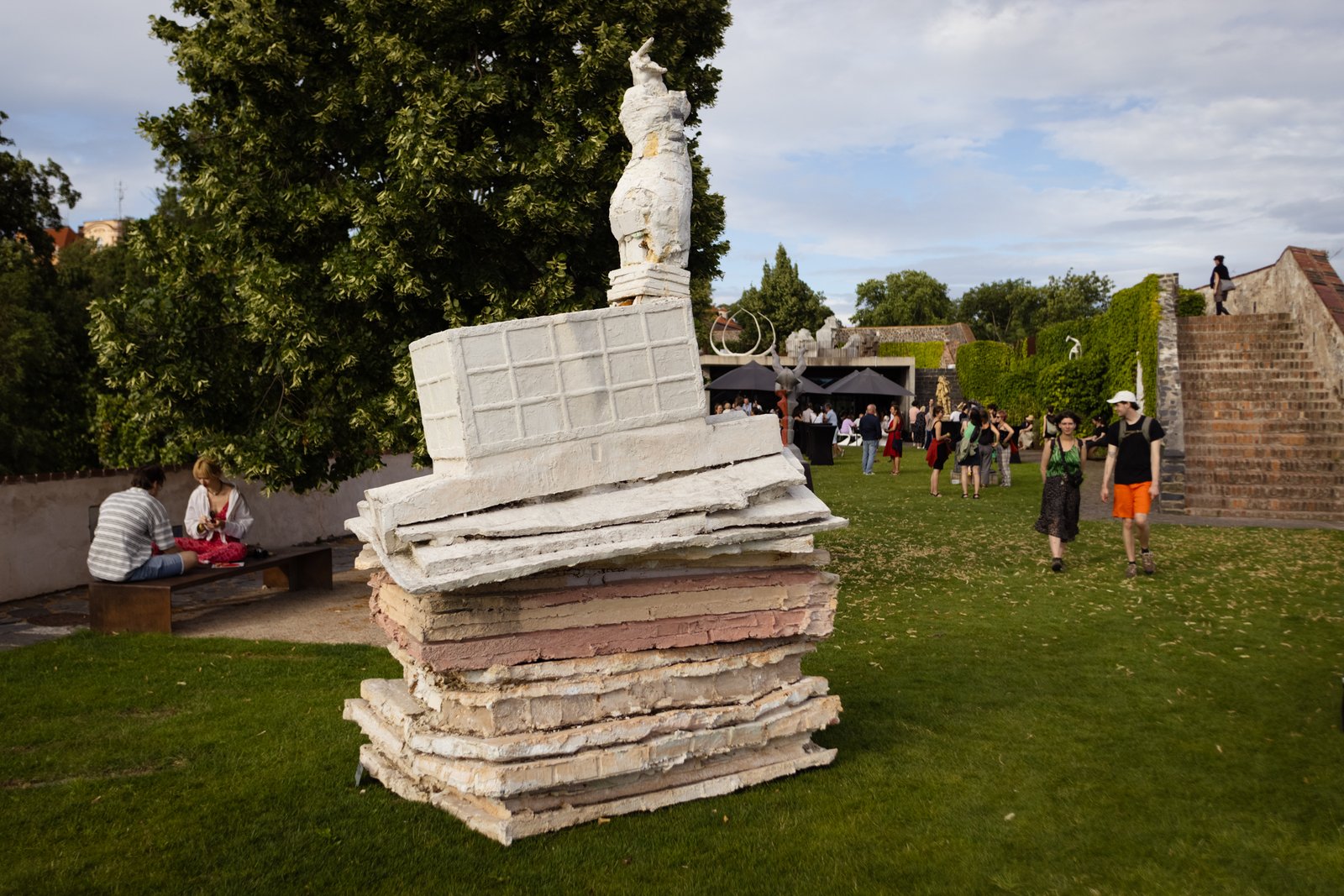
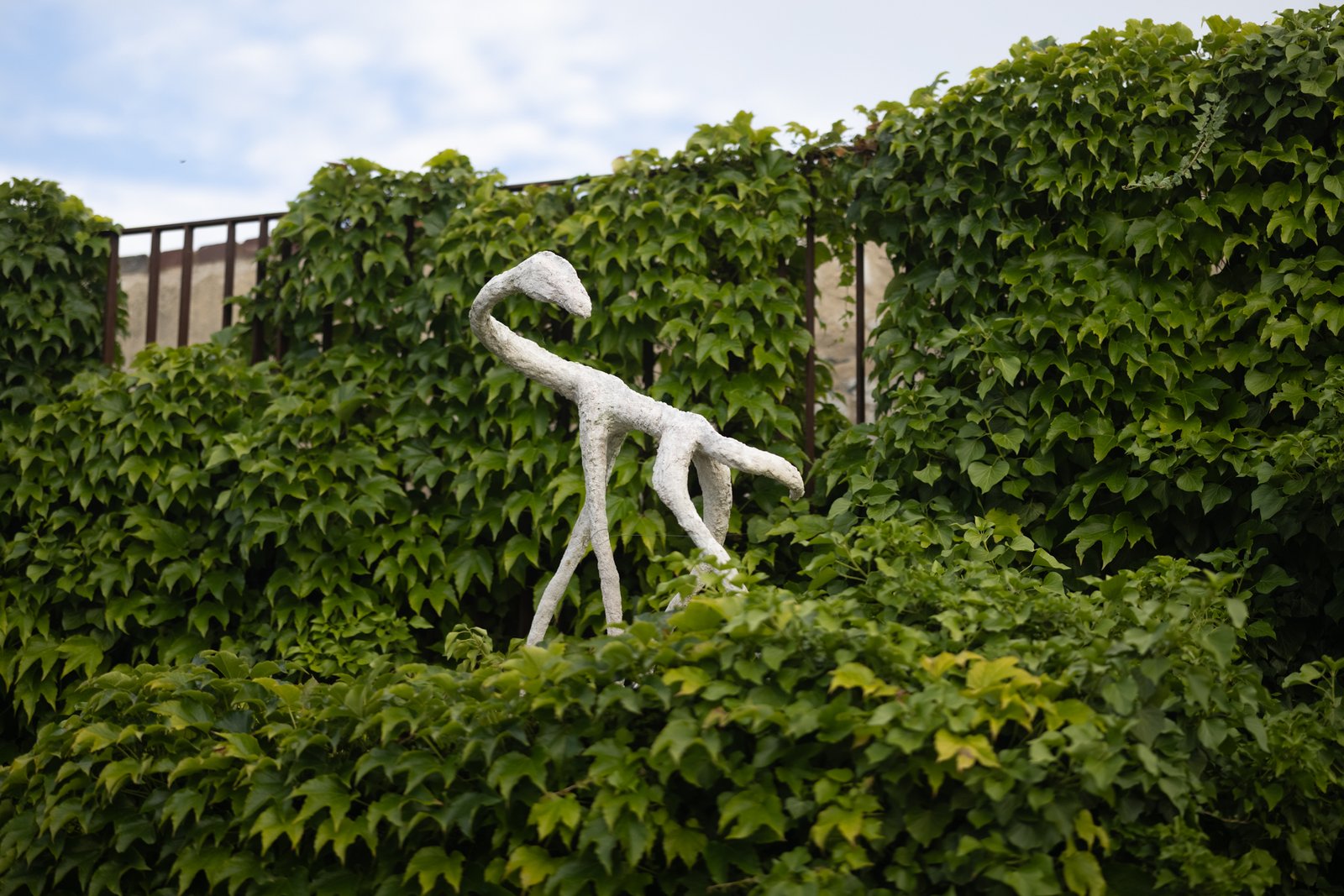
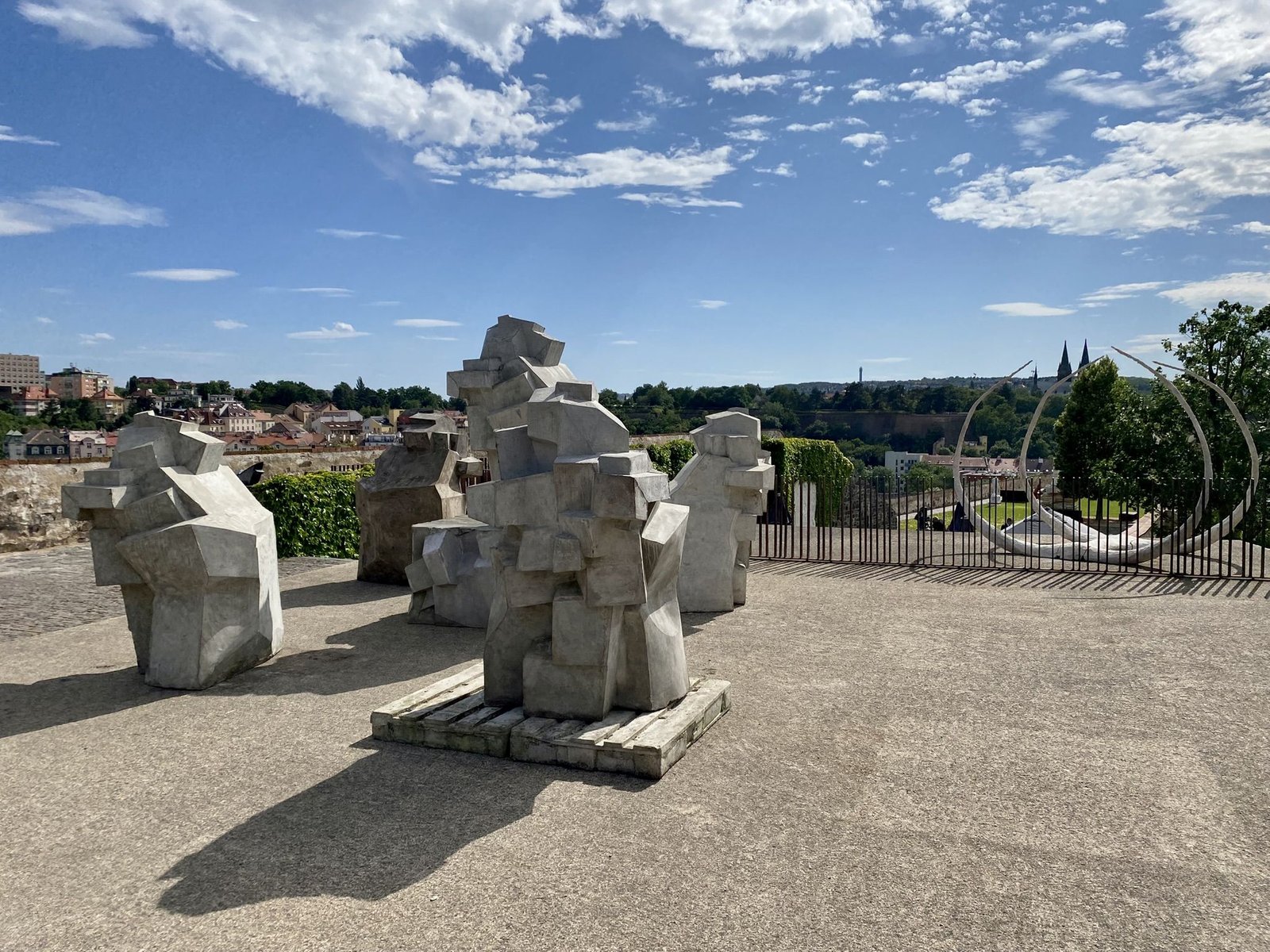
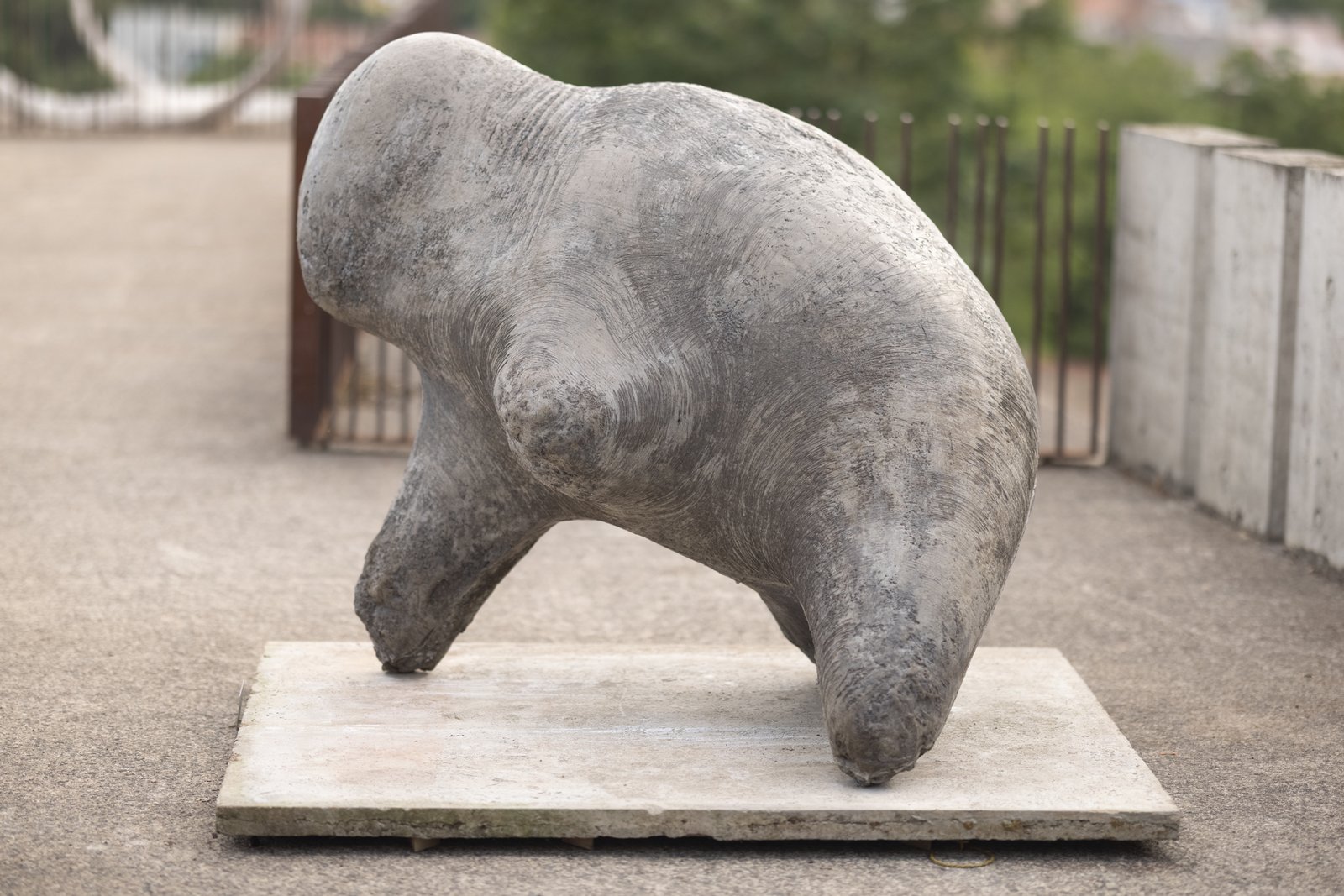
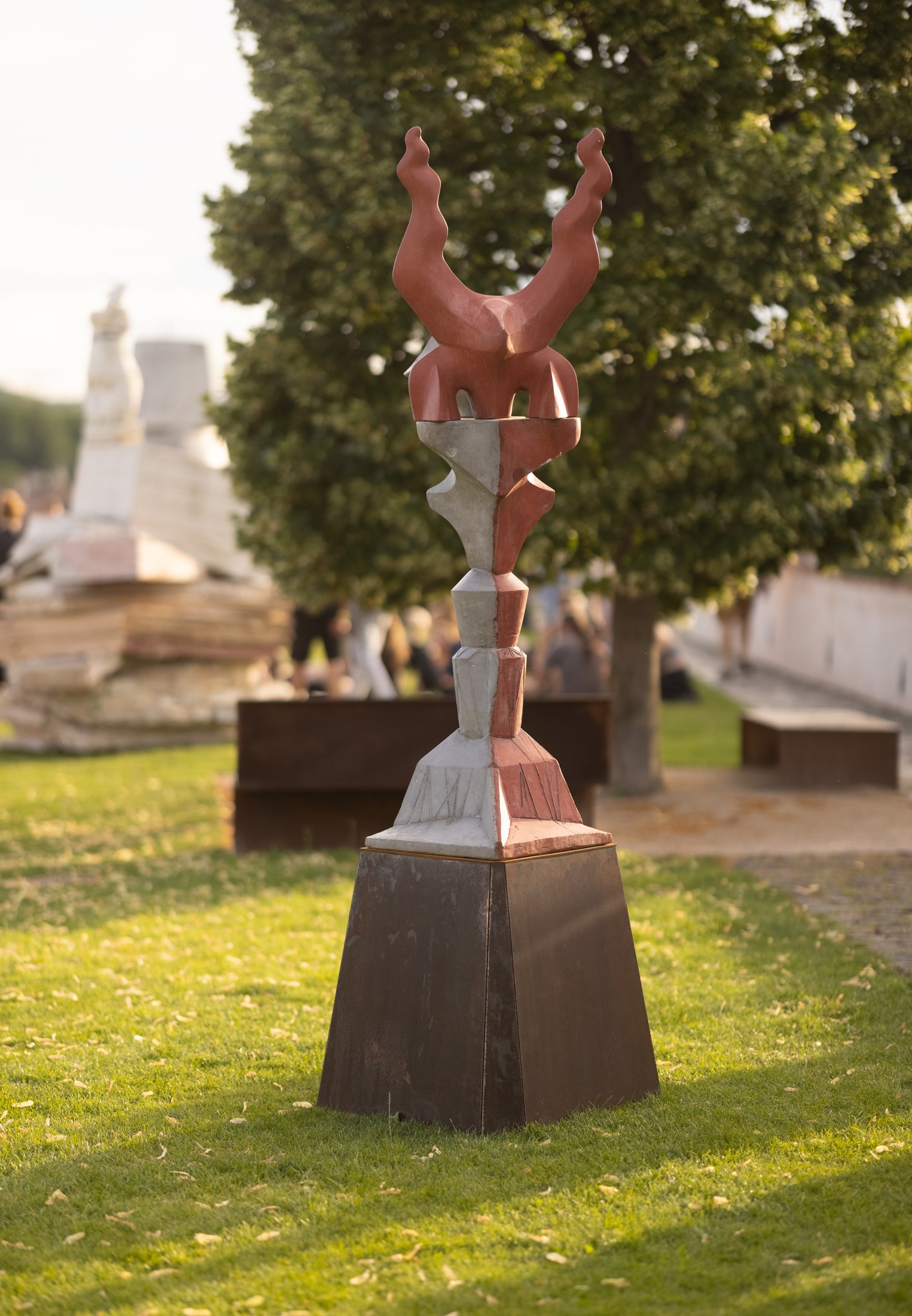
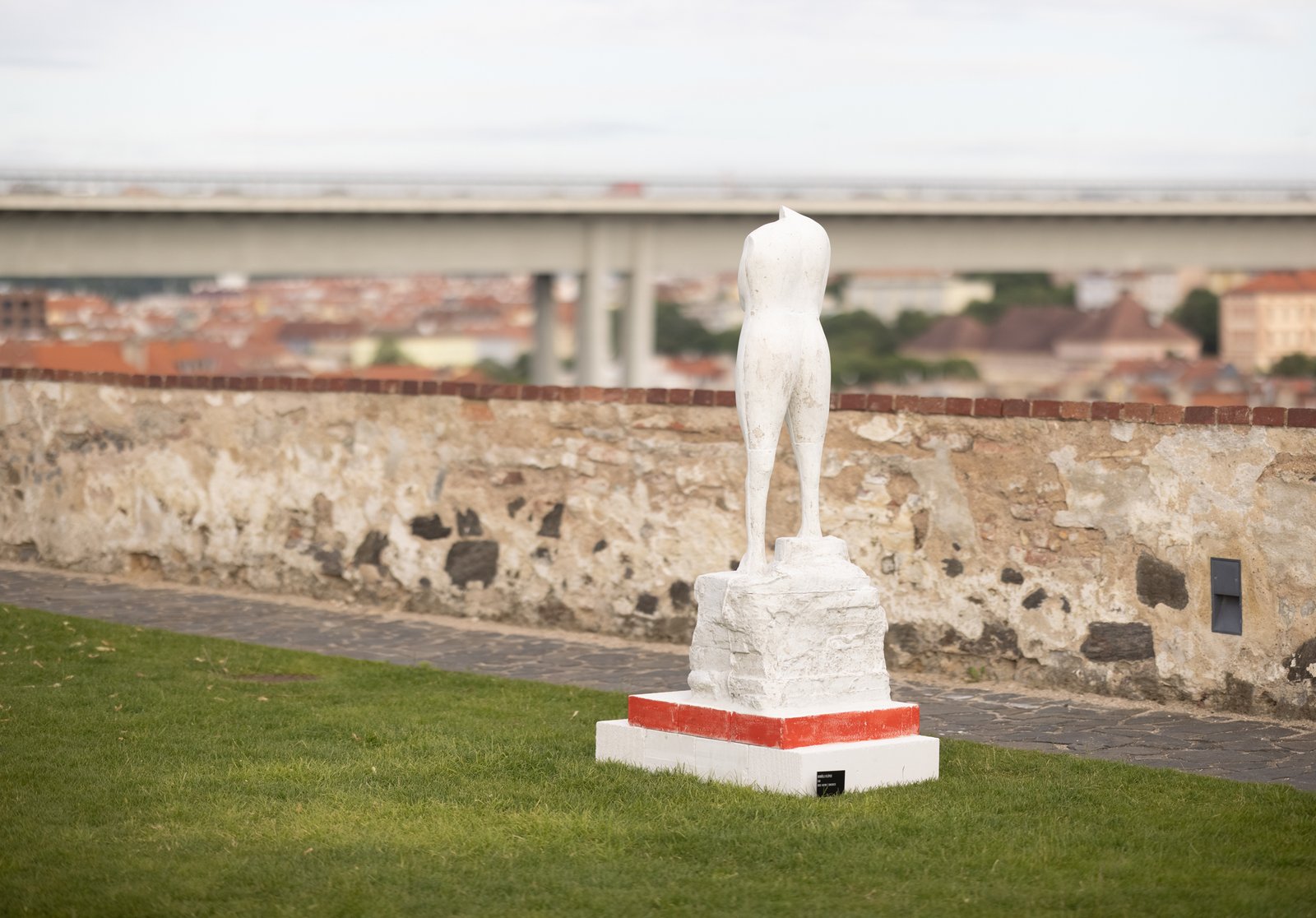
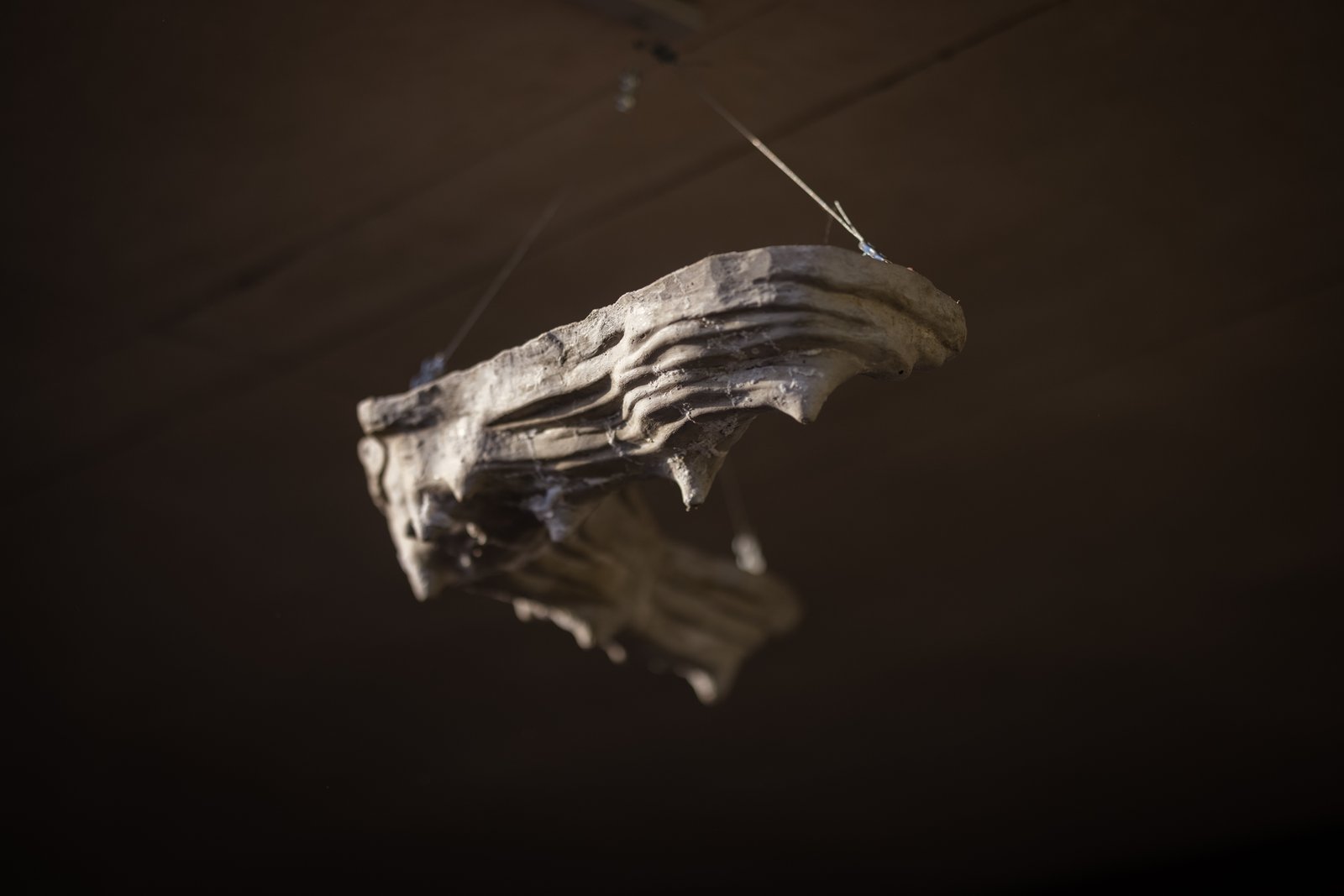
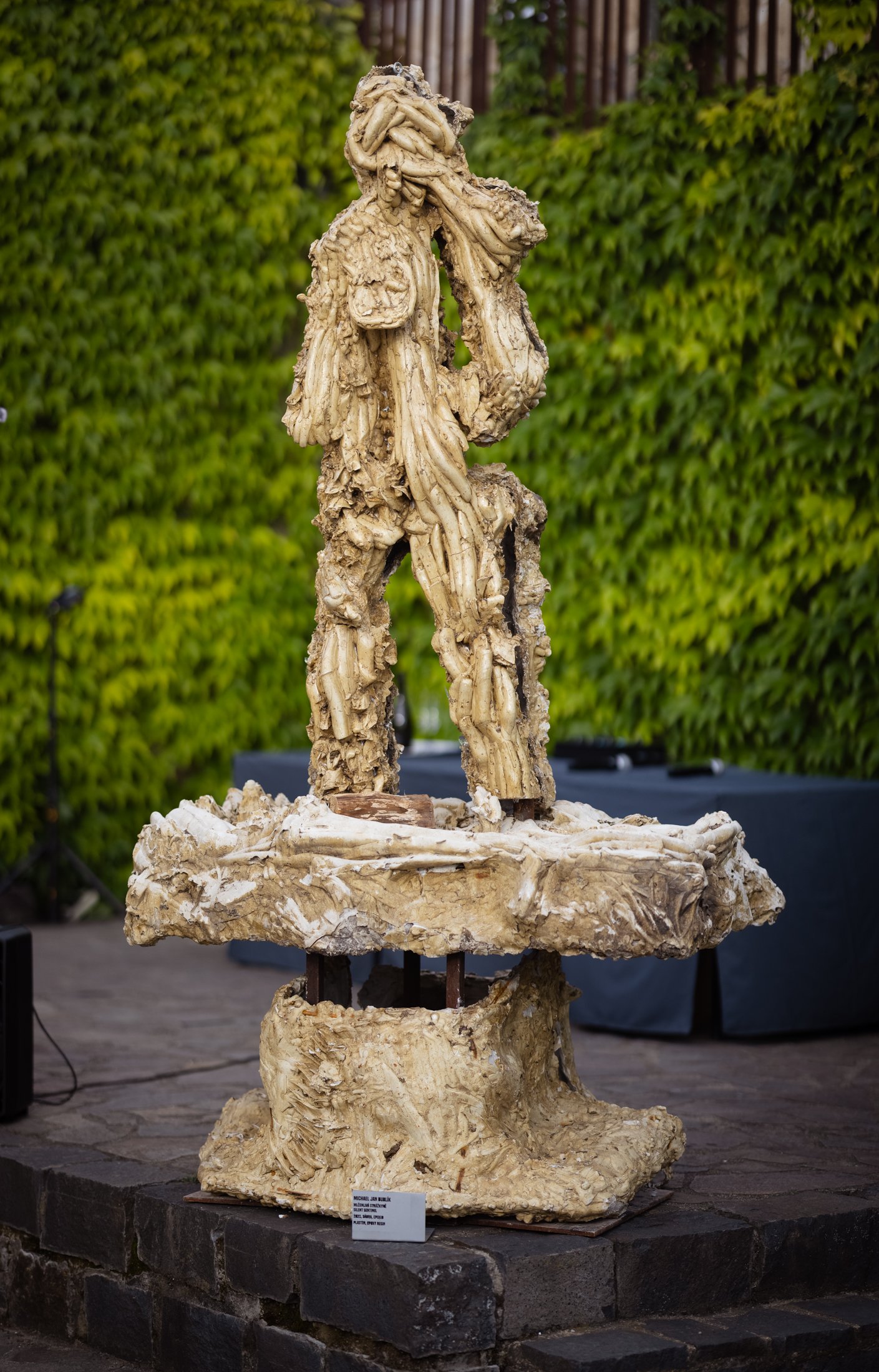
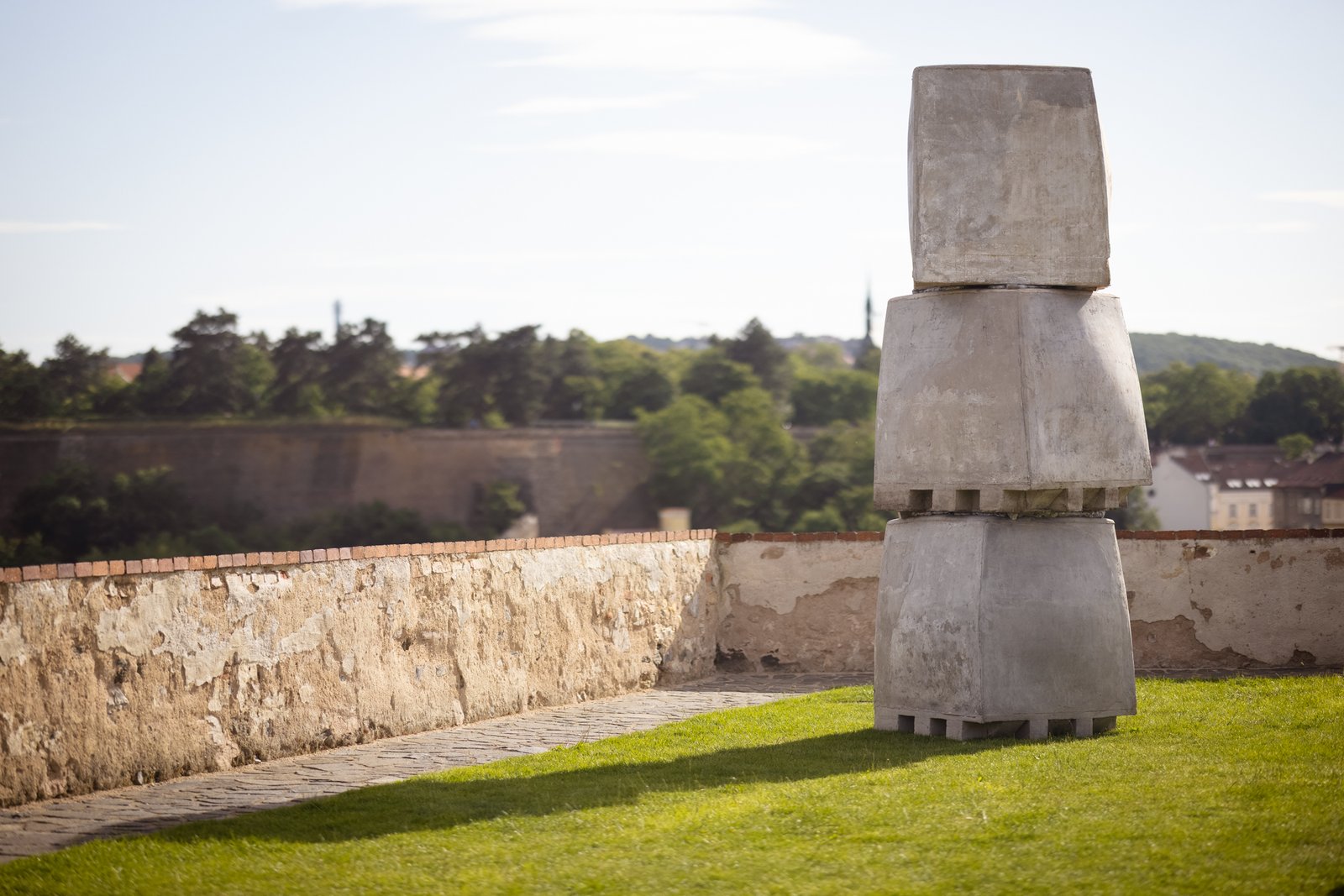
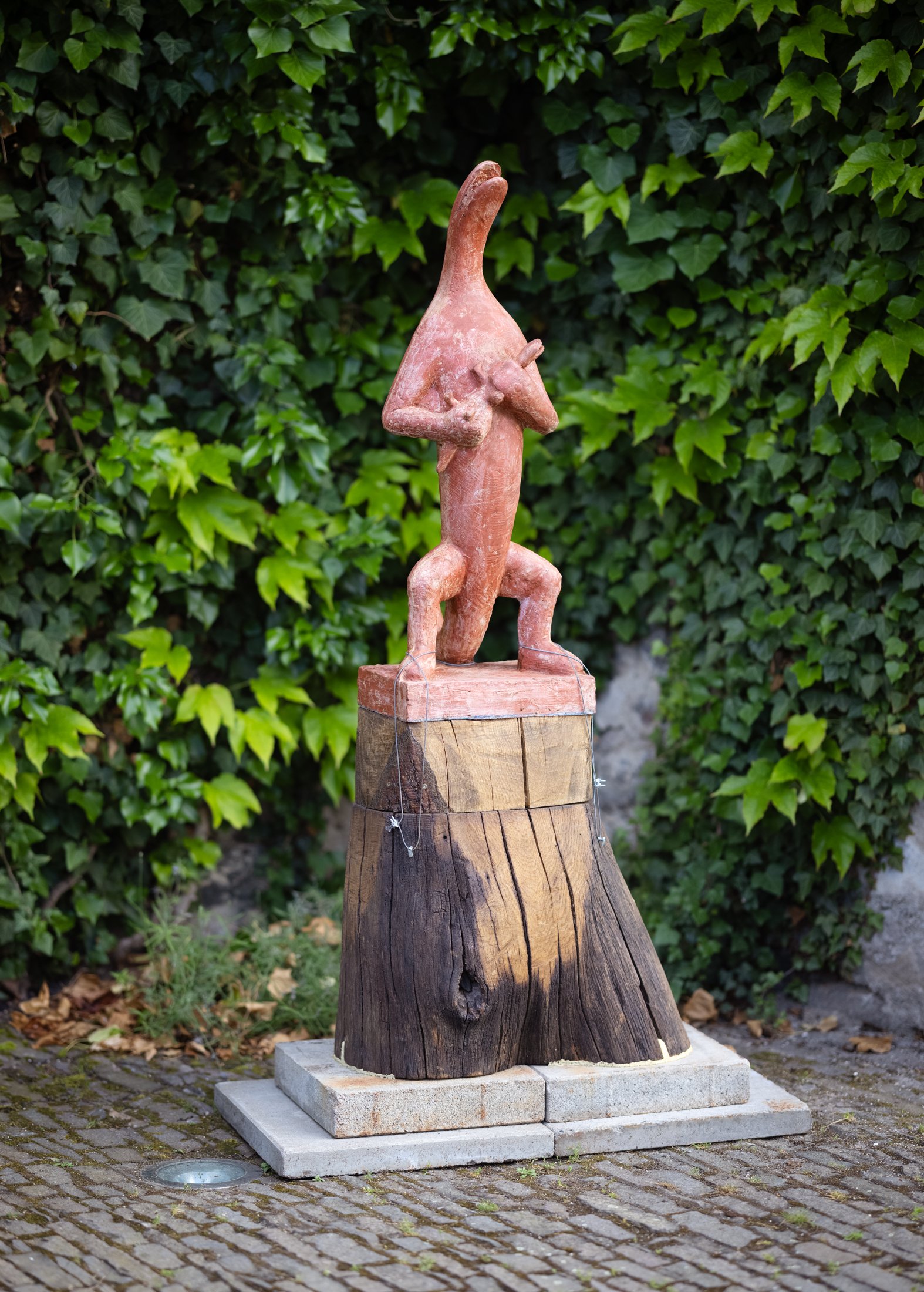
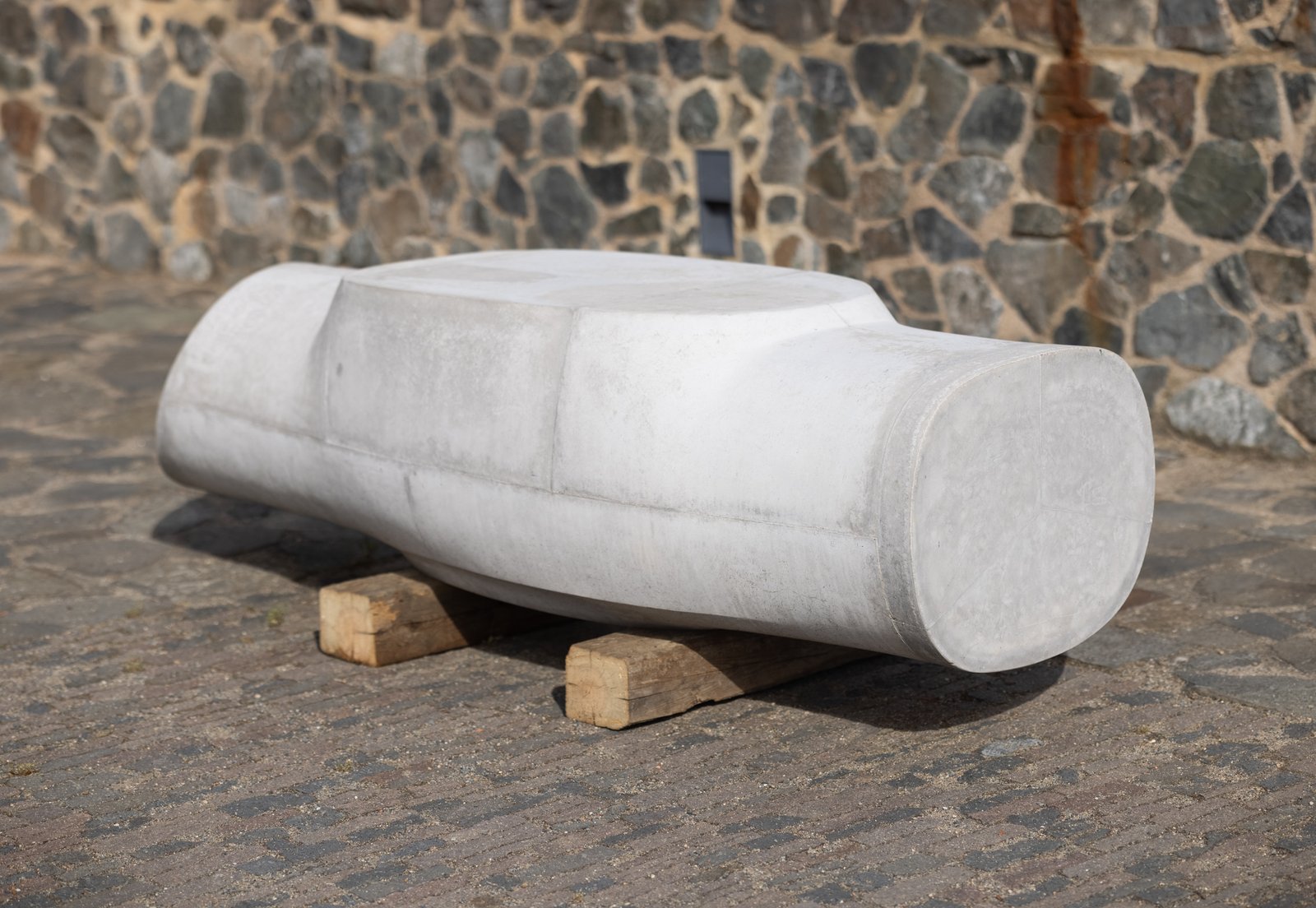
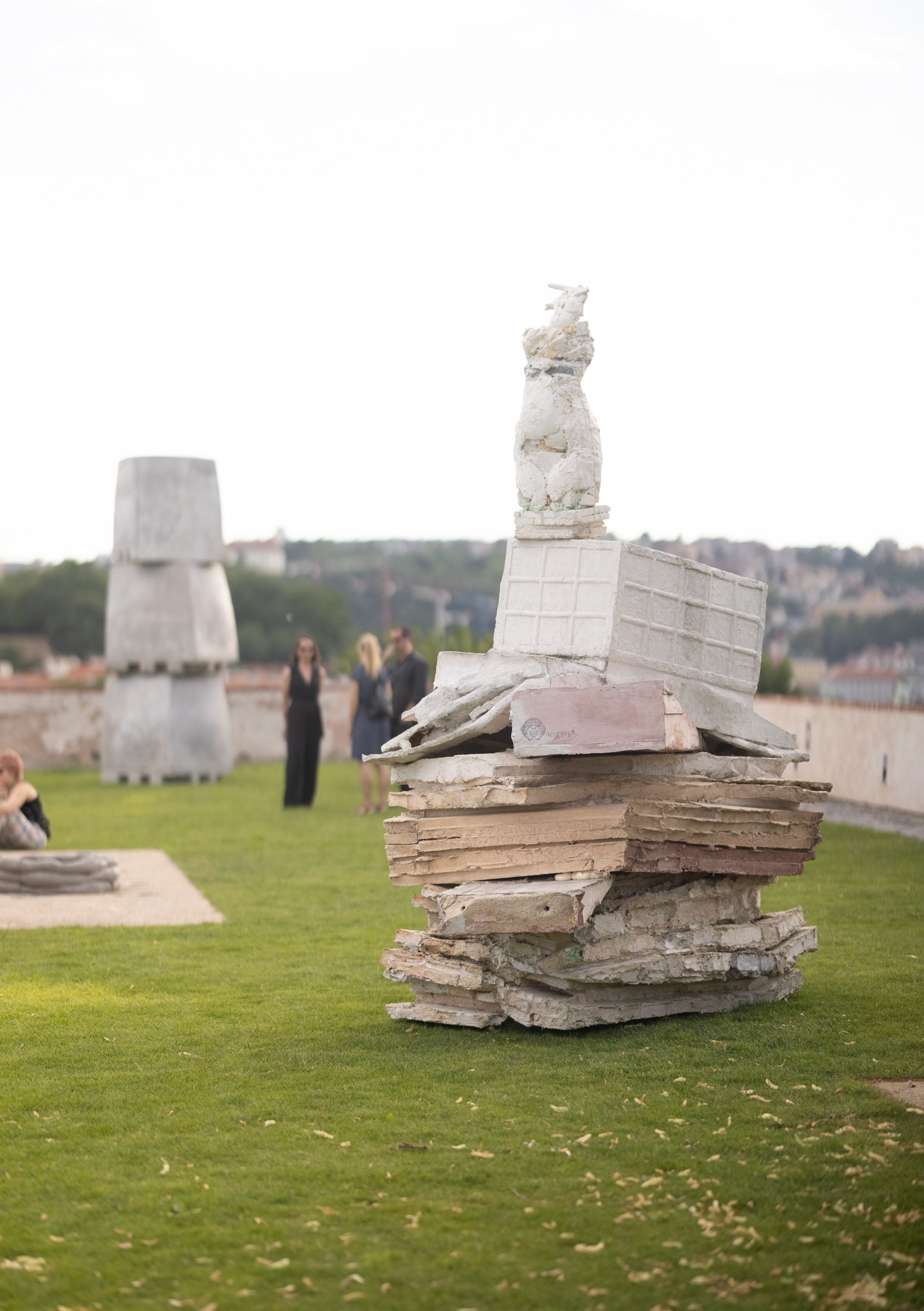
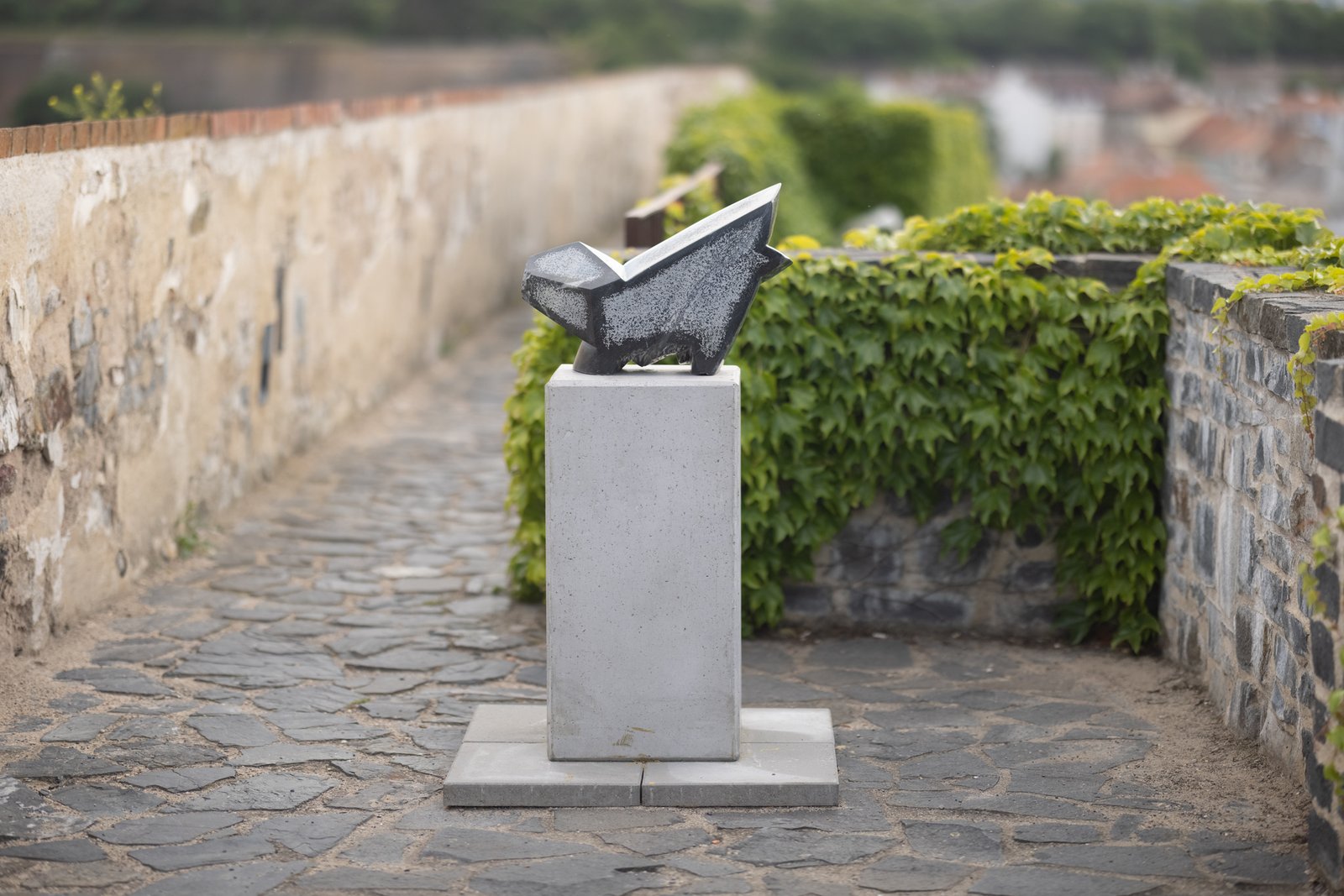
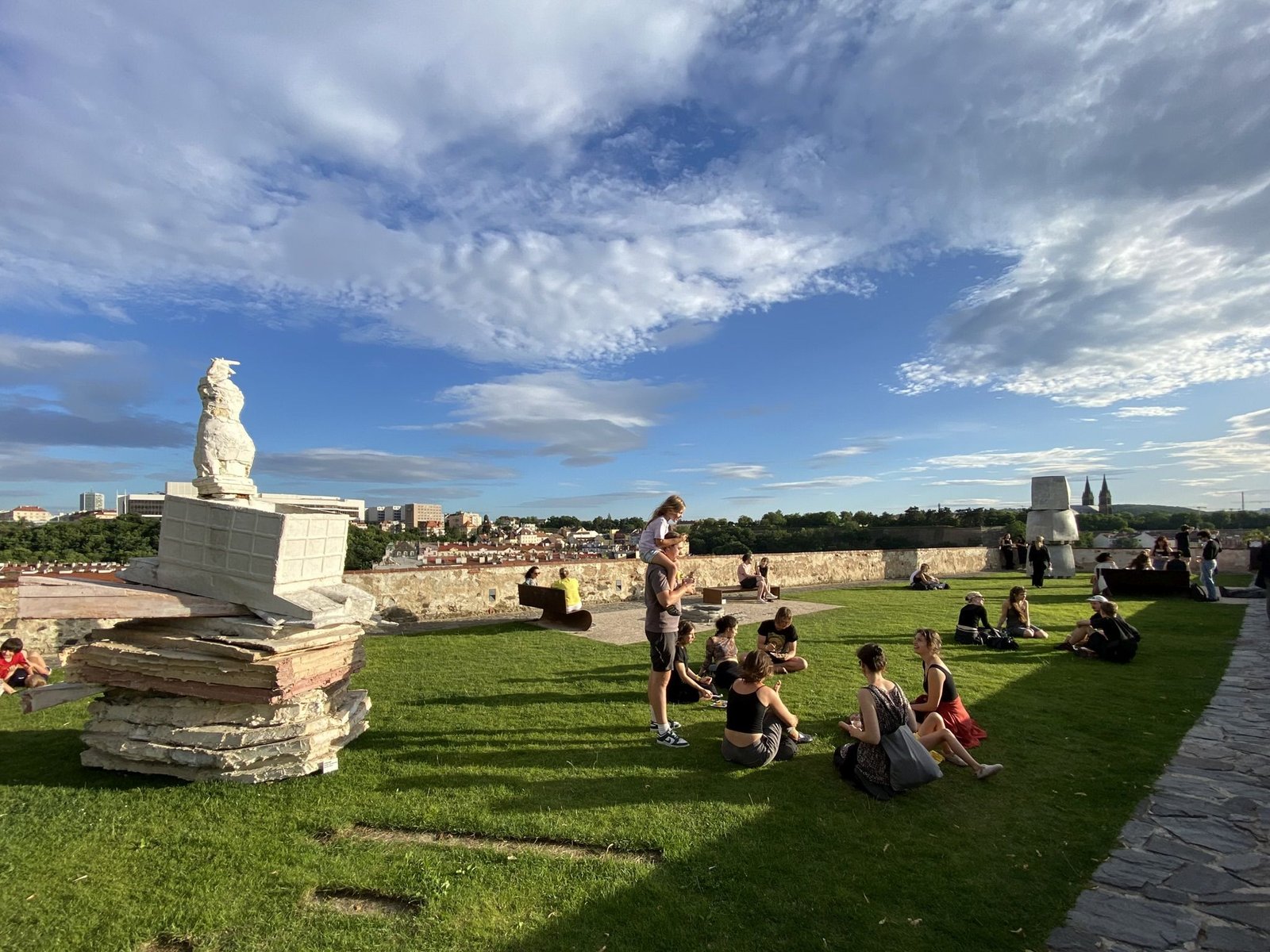
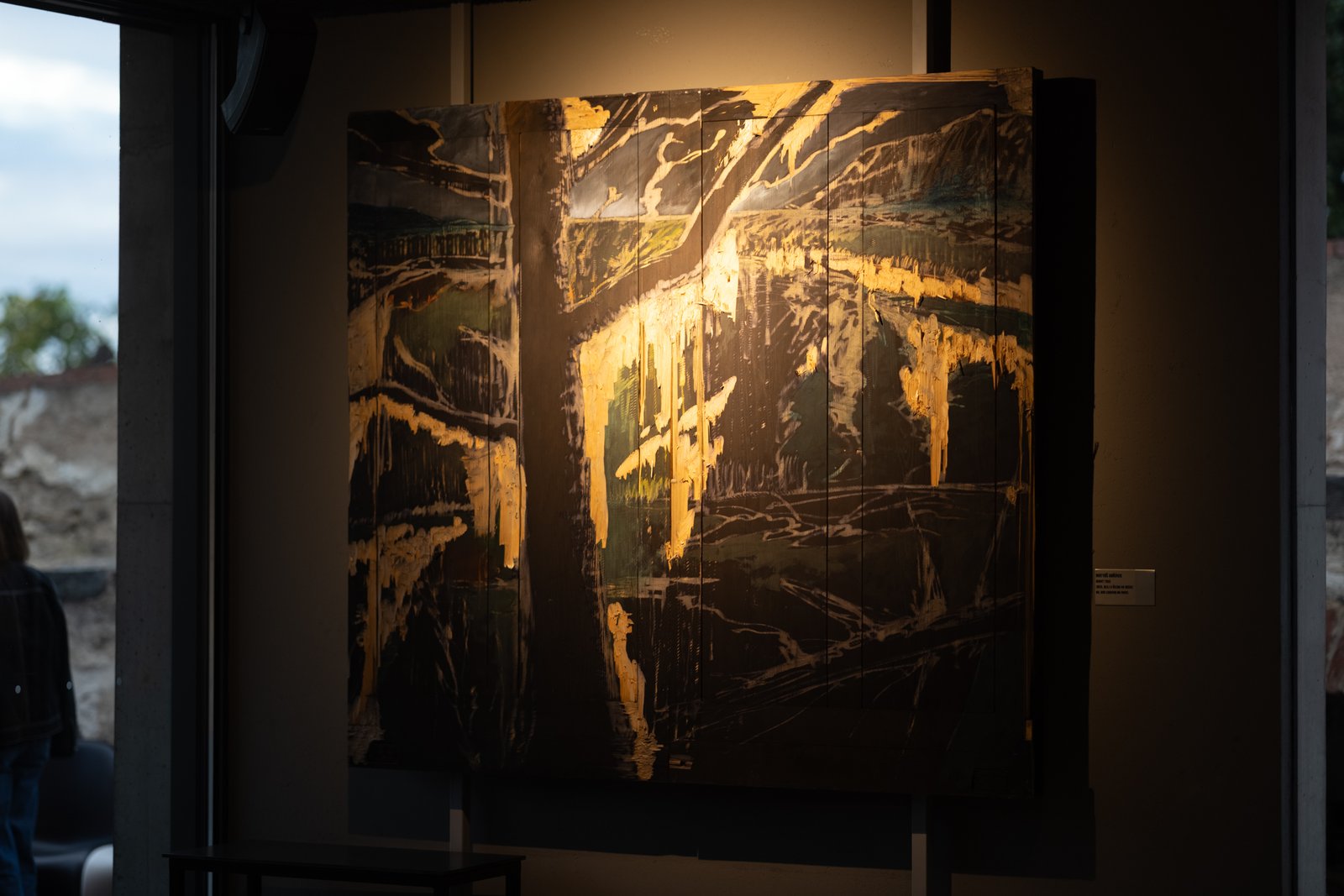
A focus on physicality and sensuality unites the work of contemporary artists across generations and sculpture studios at the Academy of Fine Arts in Prague, expressed through a wide range of individual styles. Works were selected for the impressive space of the bastion, with its open horizon overlooking the Nusle Valley, that relate to physicality not only through the figure but also through plasticity, proportional relationships, sensitivity to material, and the organic nature of the transformation of matter. Thus, several narratives unfold on the terraces of the bastion, touching upon existential, social, and environmental themes. The semantic layers of individual works—dealing with memory, fictional history, personal mythology, archetypes, and symbols—take on a special intensity and gravity in the historically charged environment of the bastion, renewing a sense of rootedness in the continuity of time and space.