


Jouissance emerges in the fissures of language, in experiences that transcend the boundaries of what can be articulated. It is a sensation born from excess, intensity, and at times, suffering – an inseparable aspect of human desire.
– Inspired by Jacques Lacan’s theory of jouissance
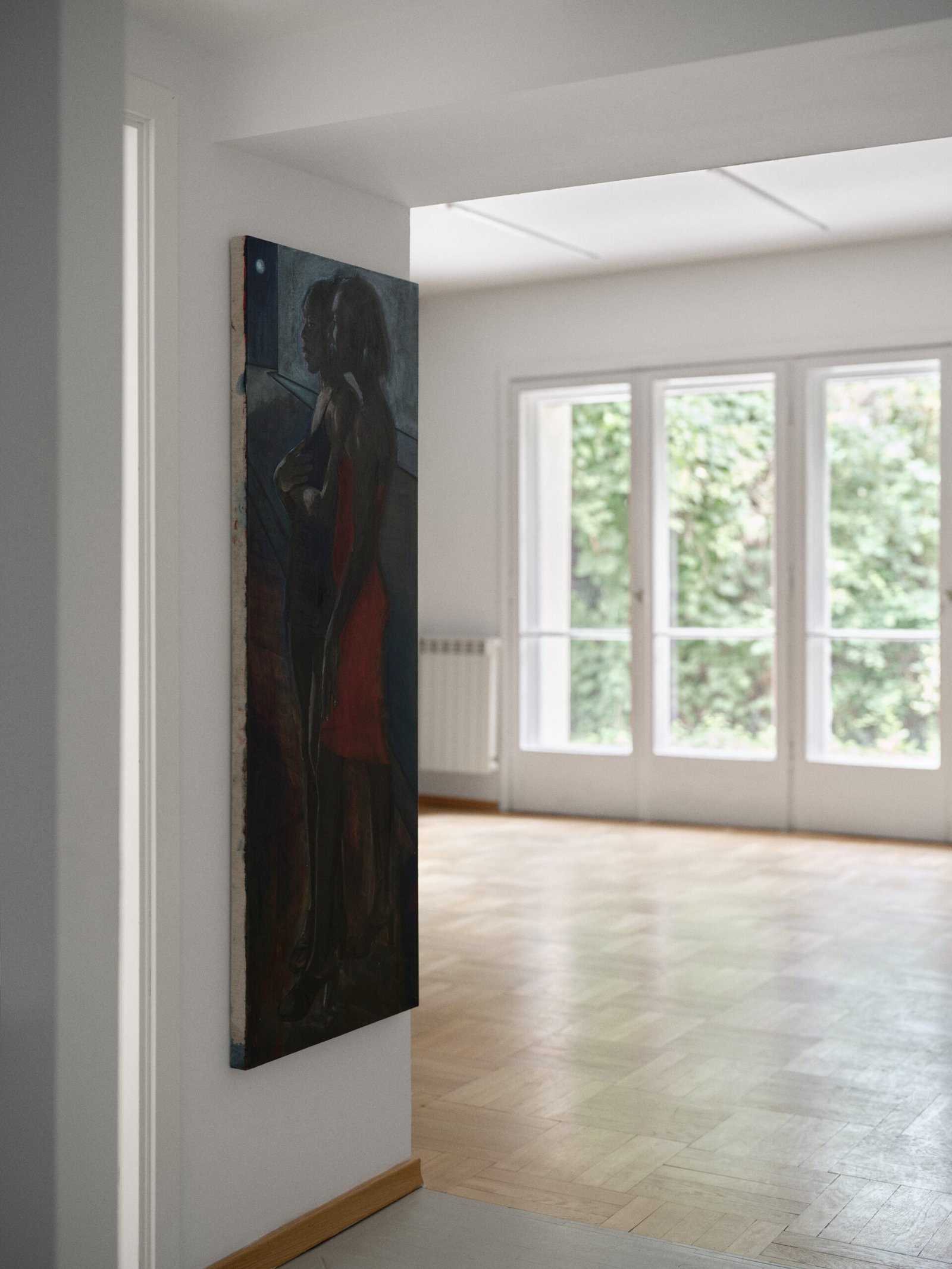
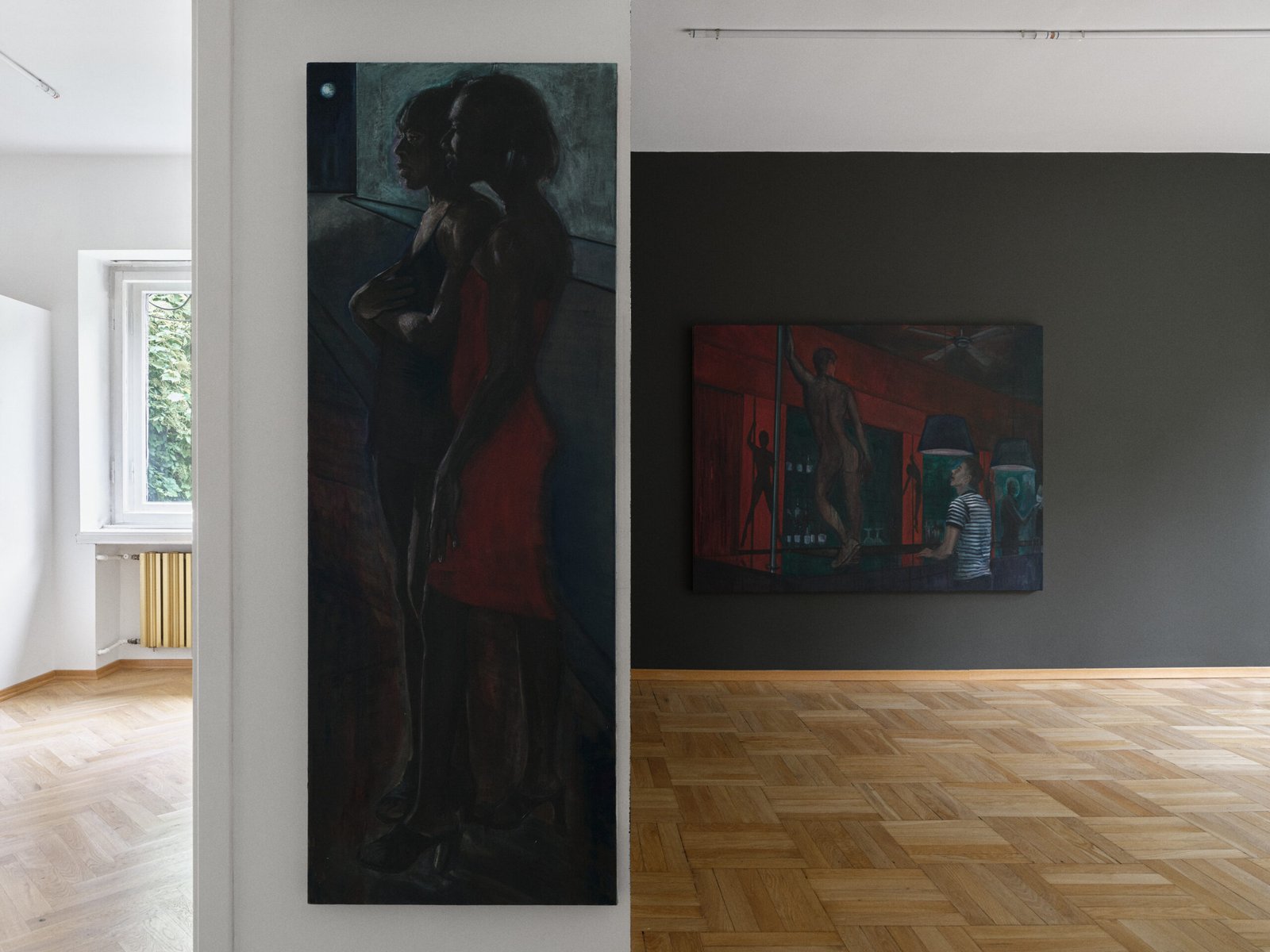
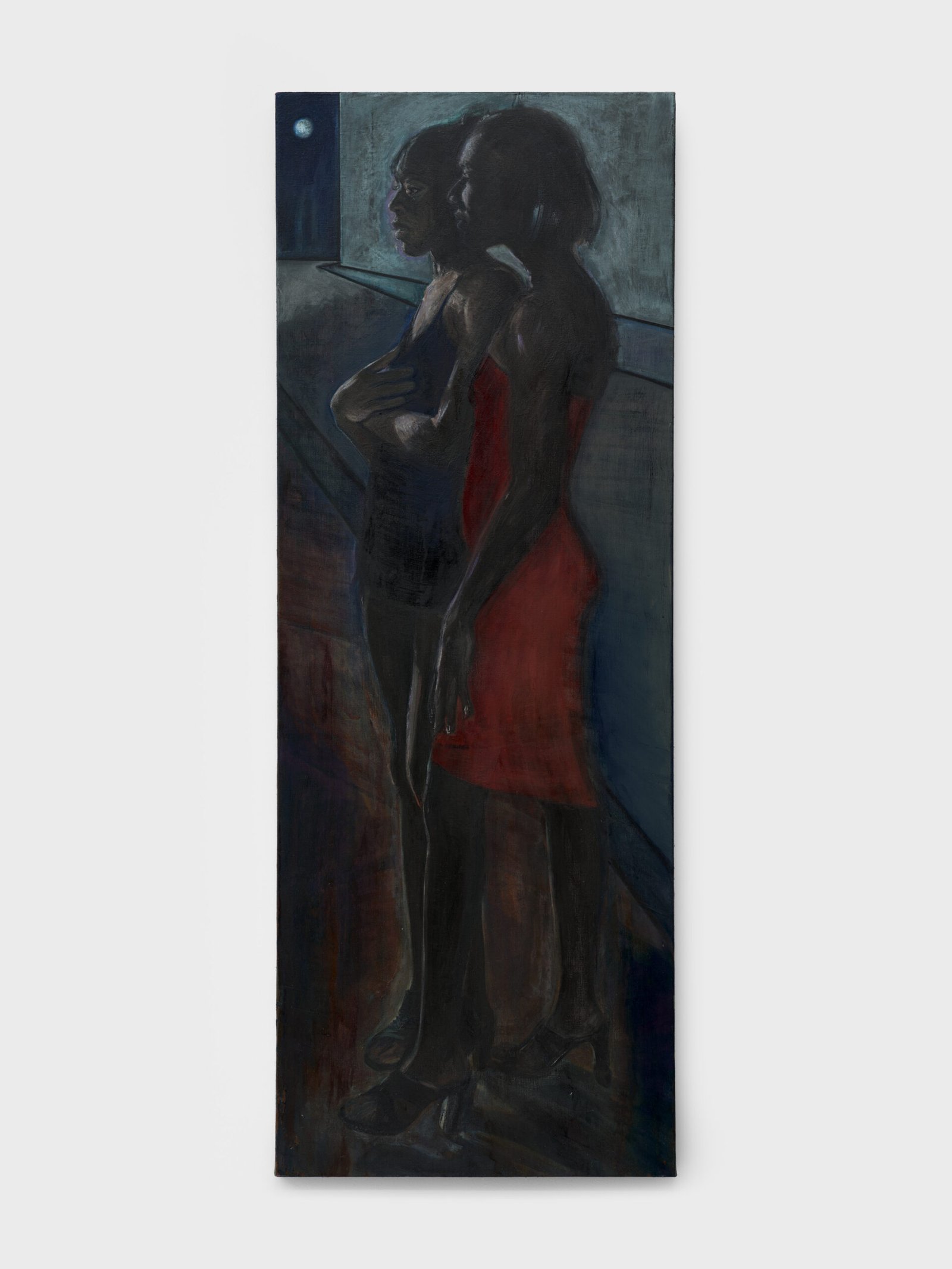
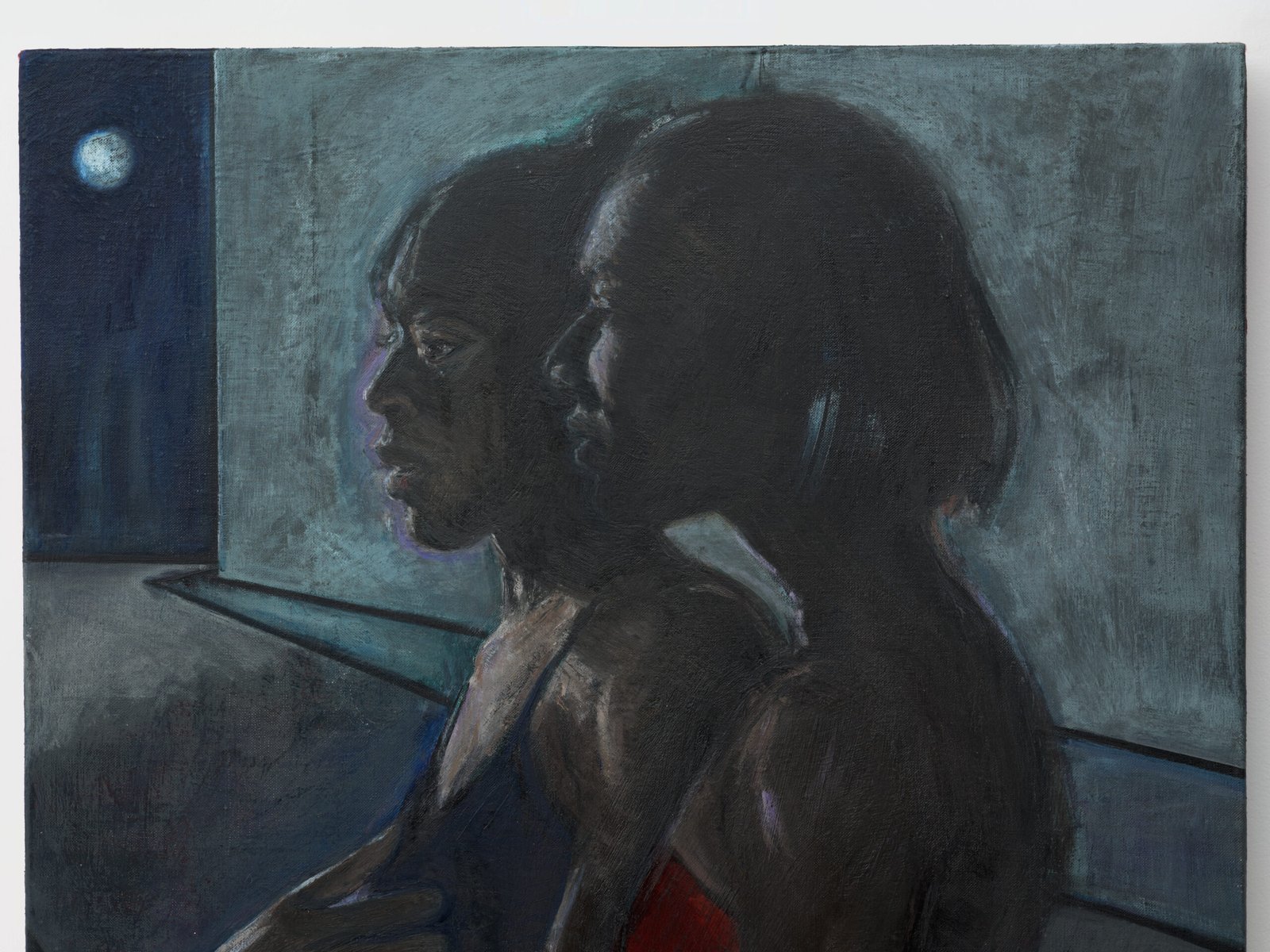
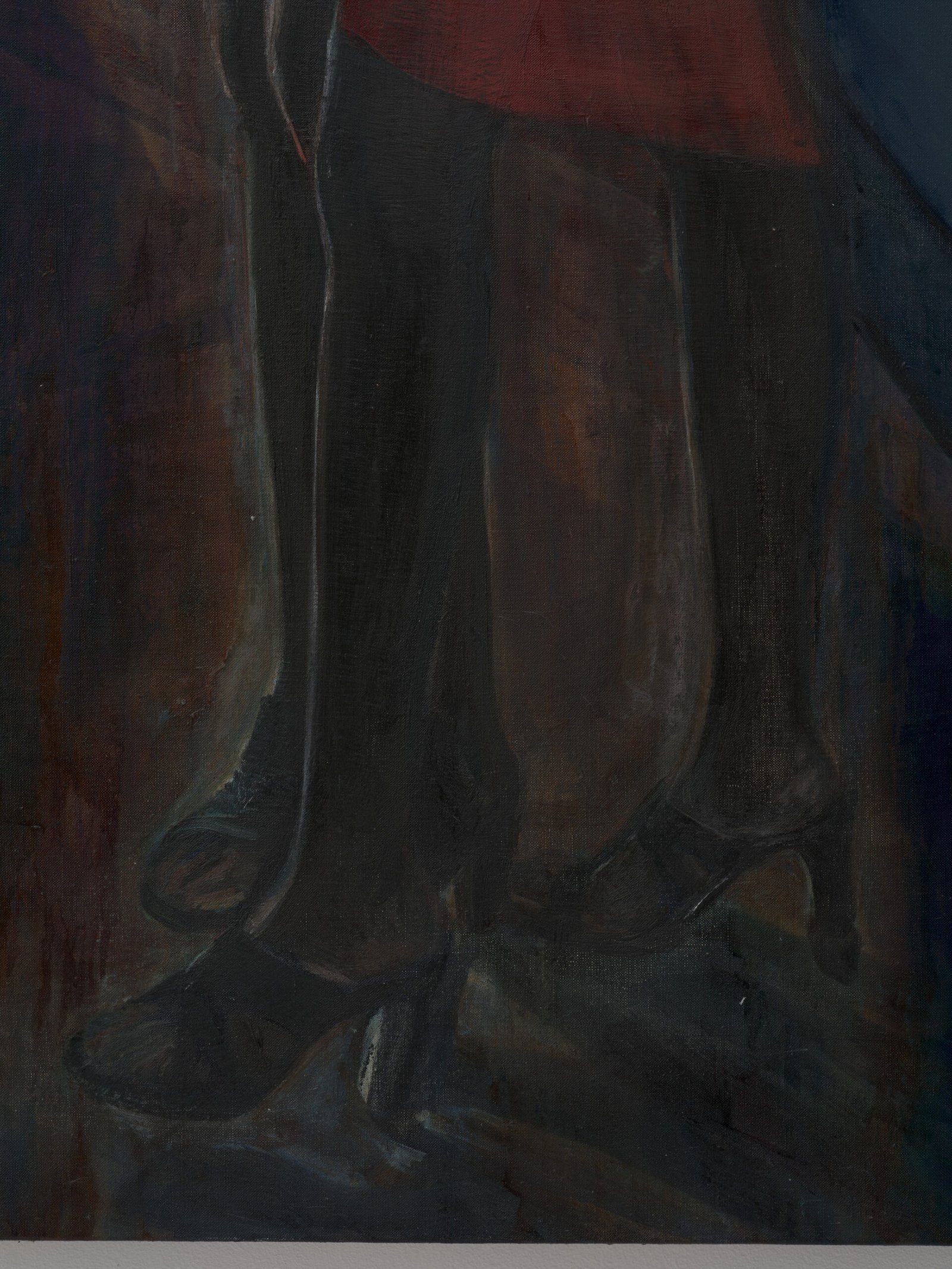
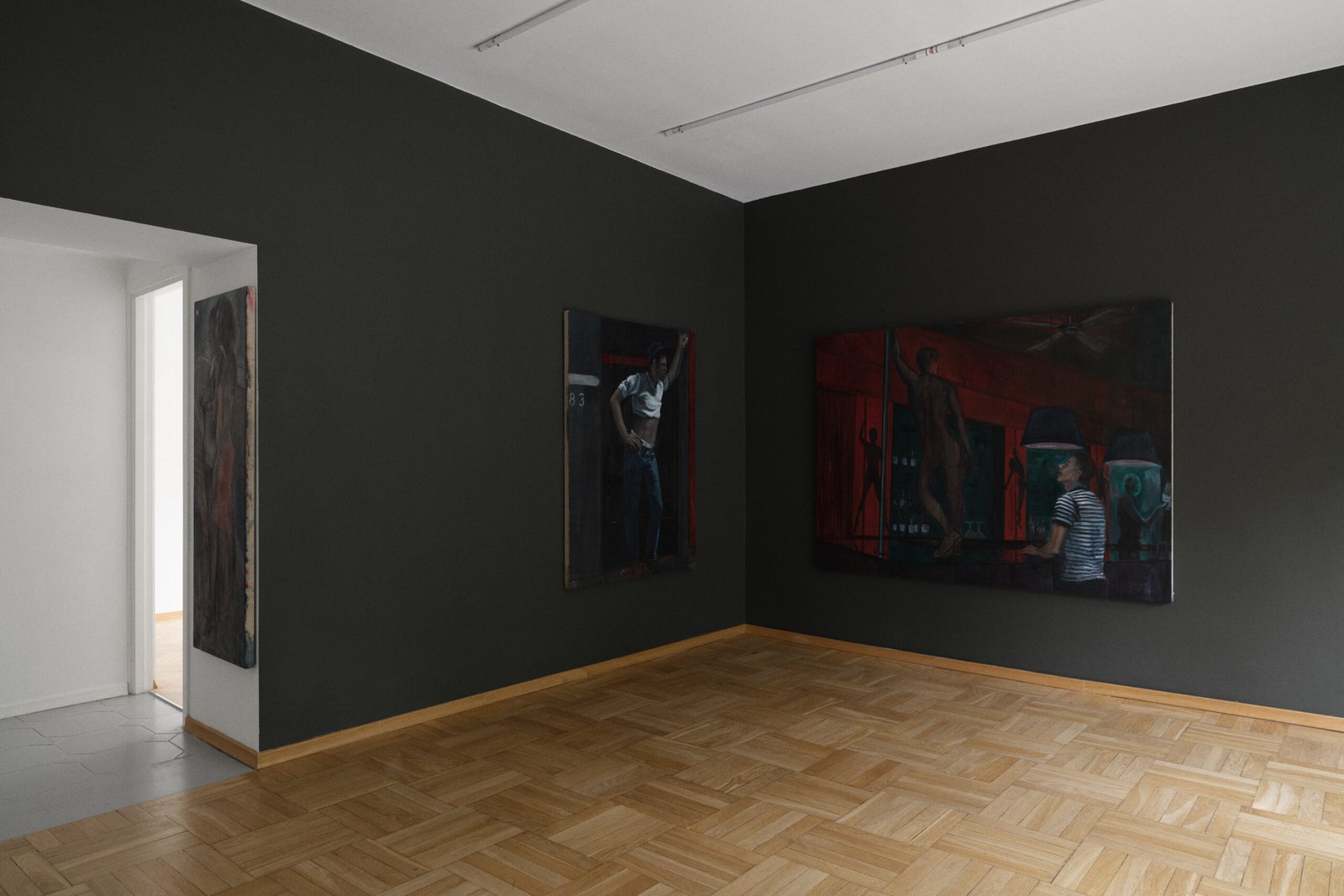
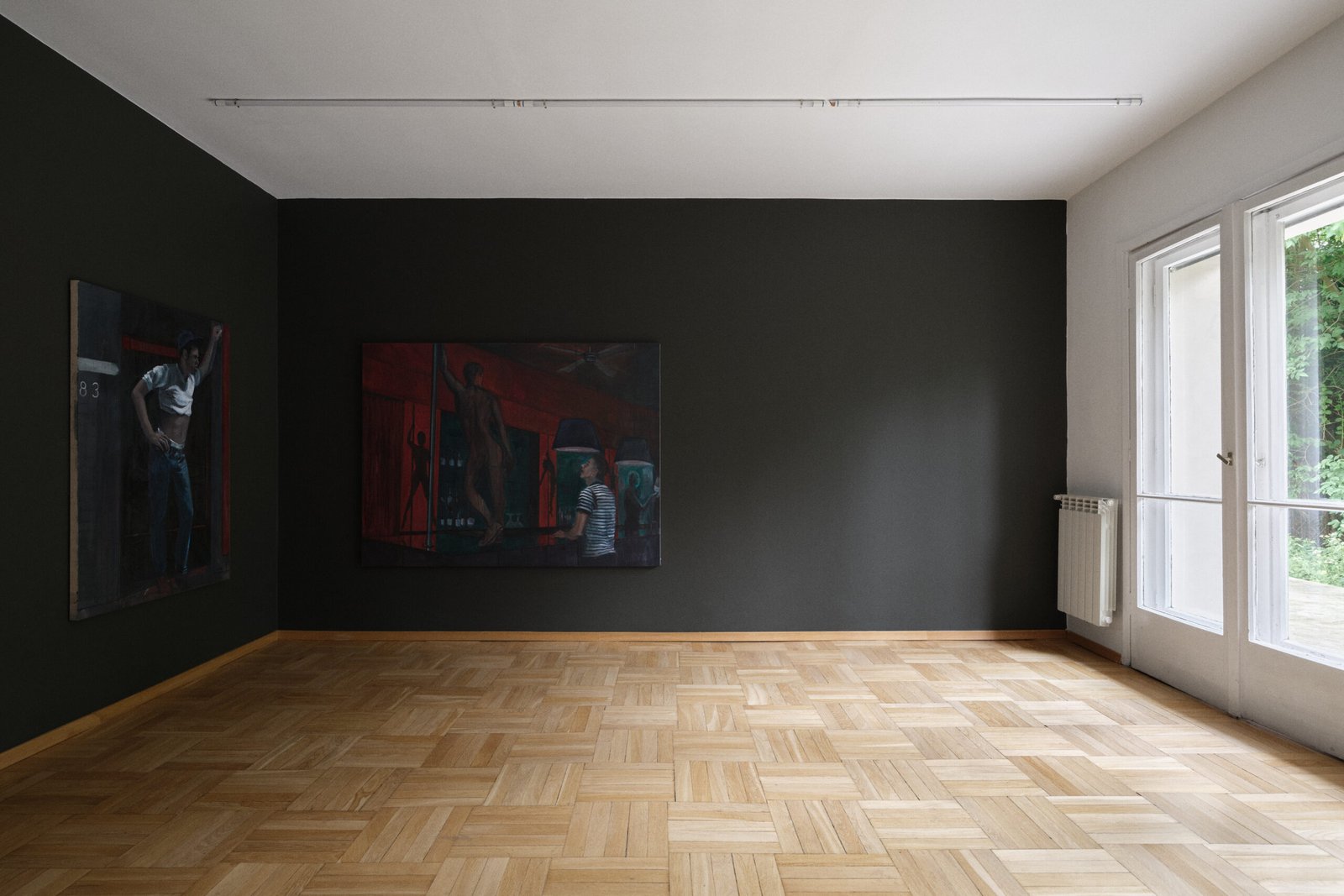
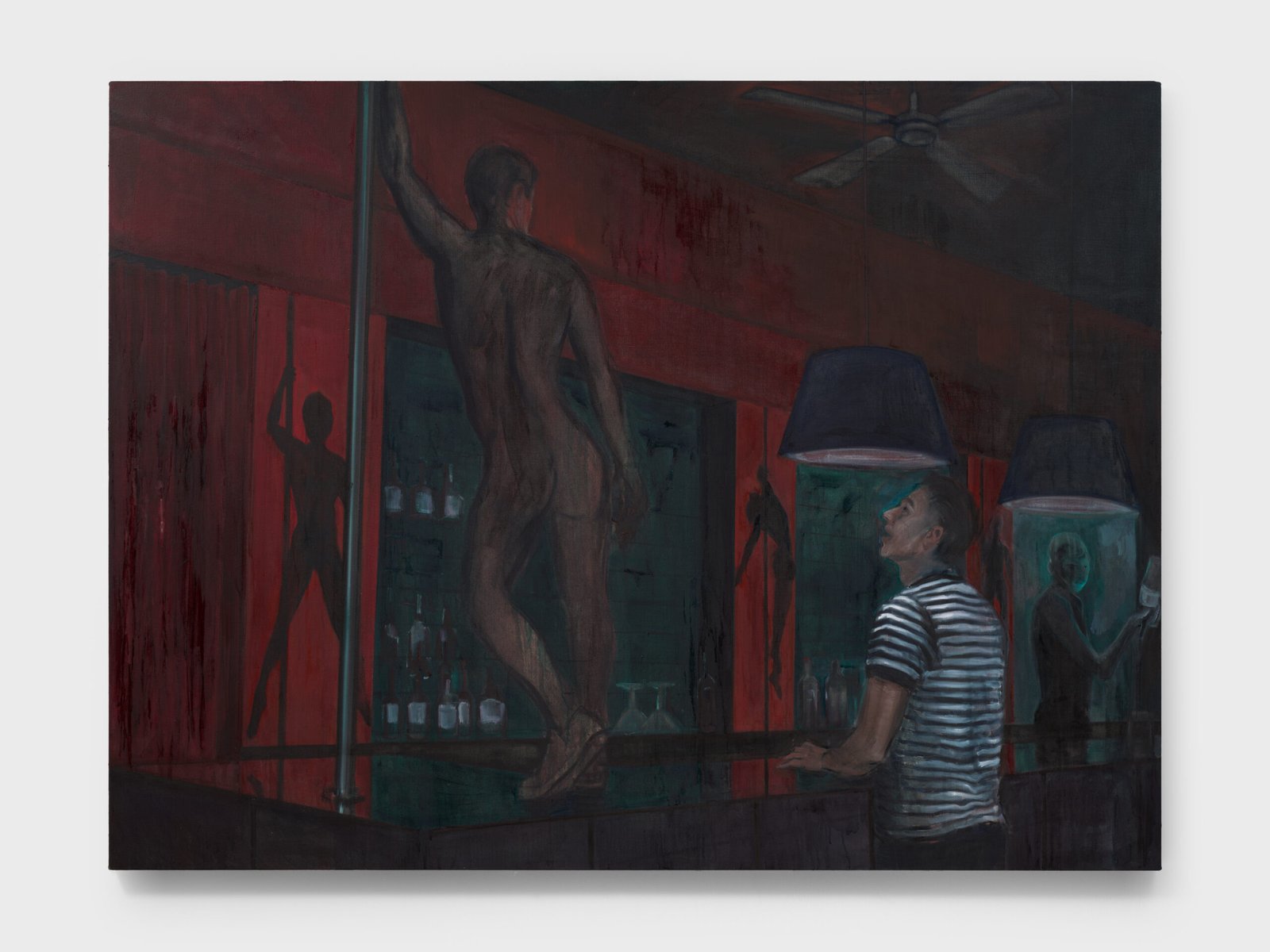
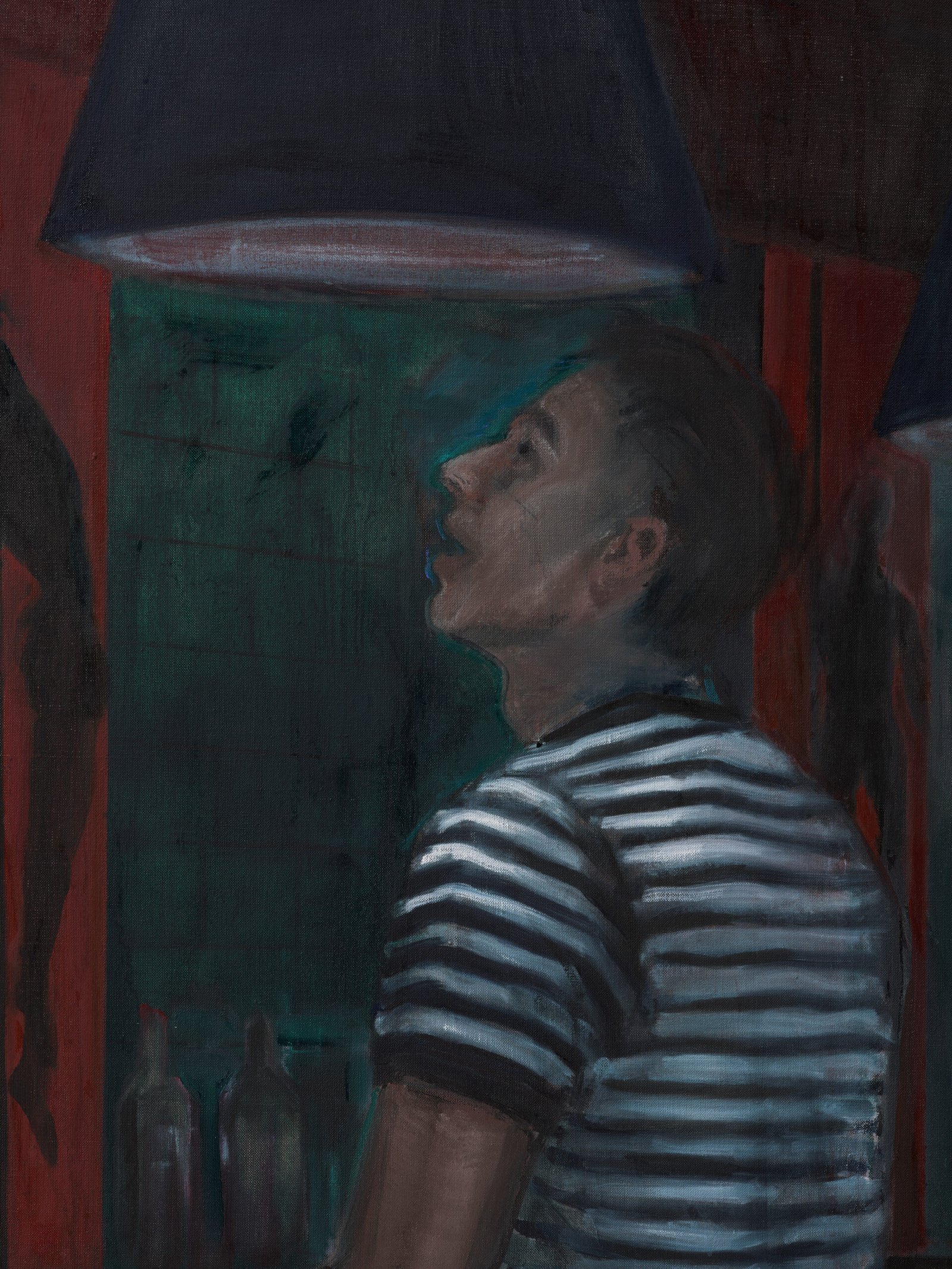
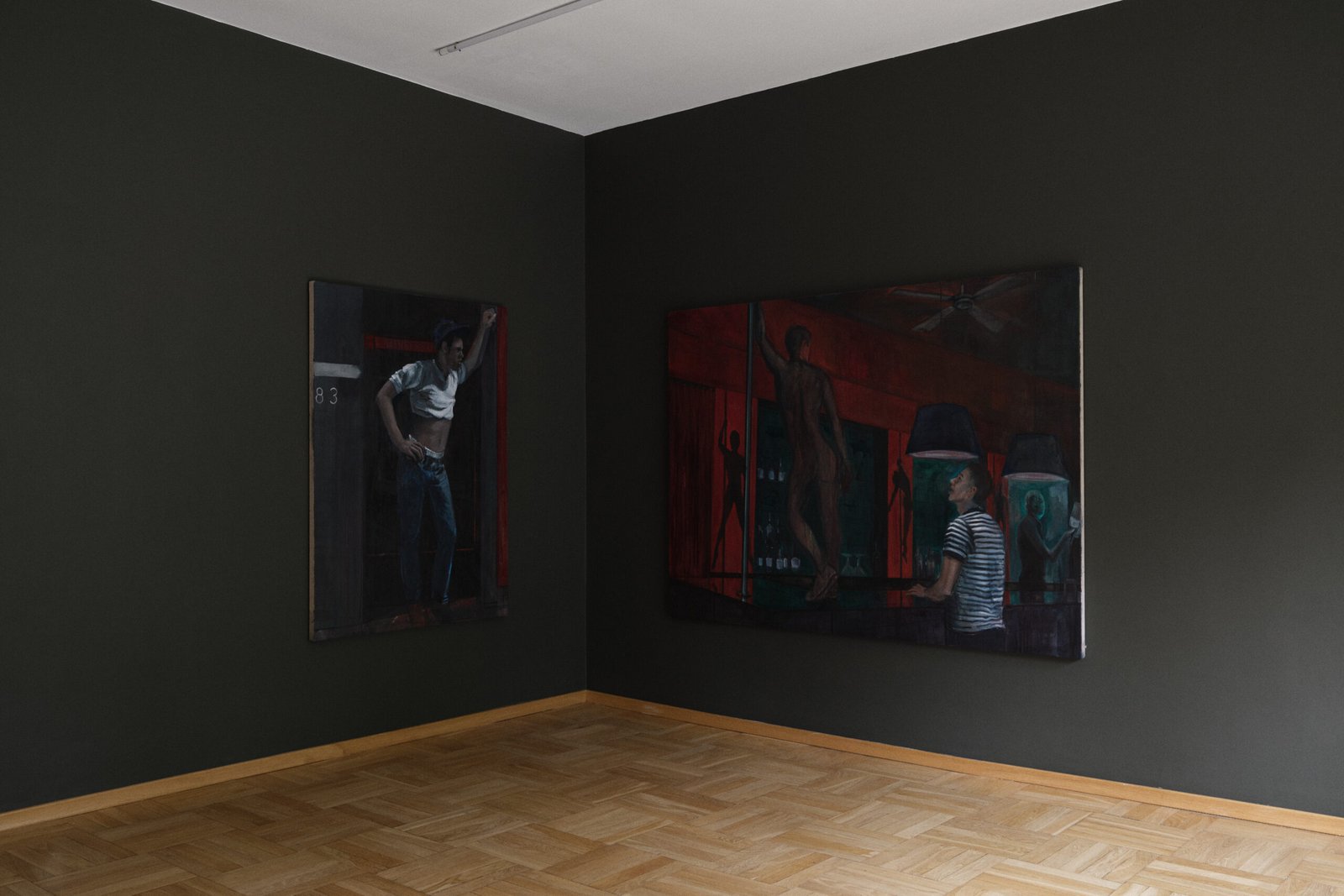
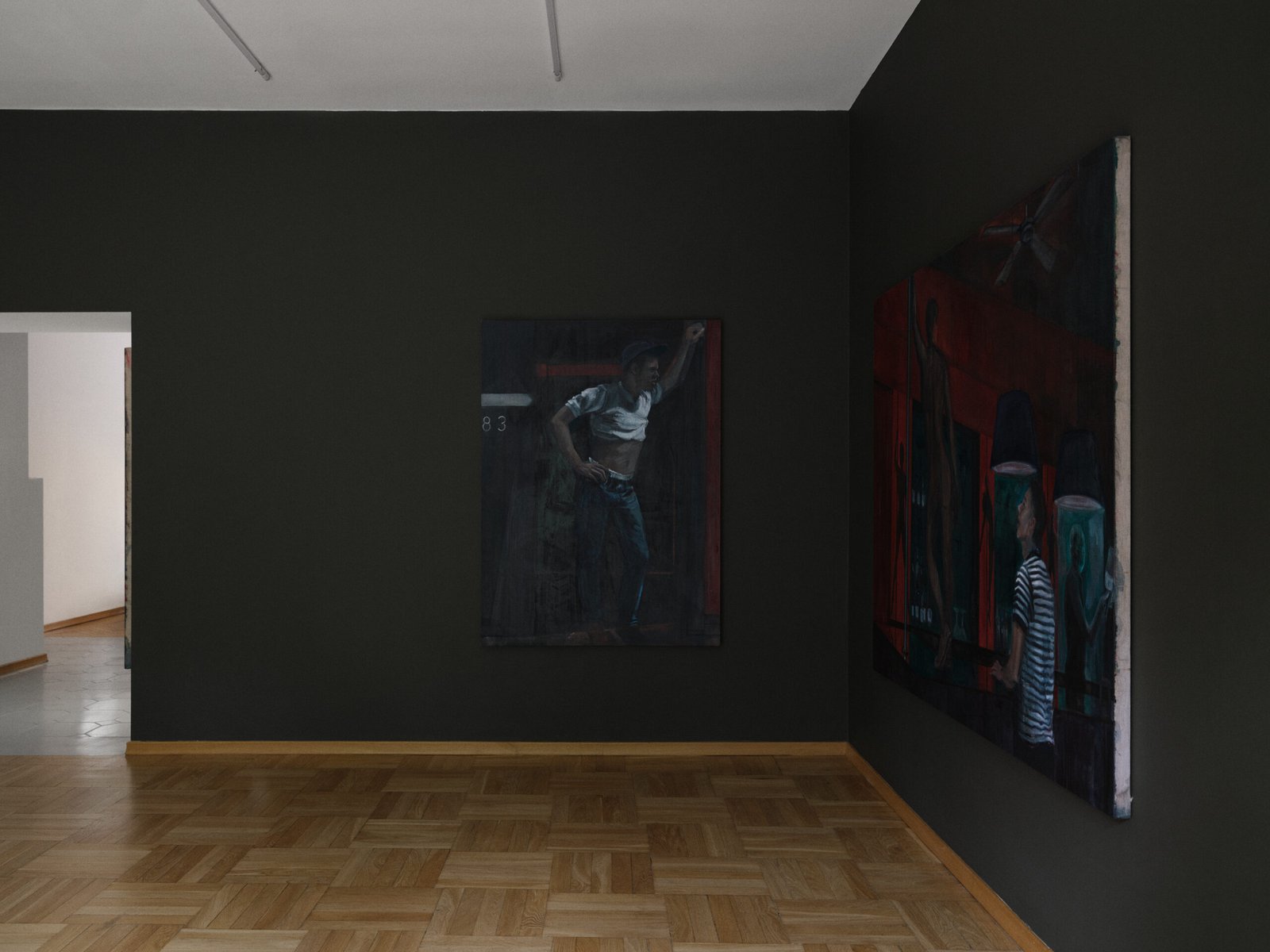
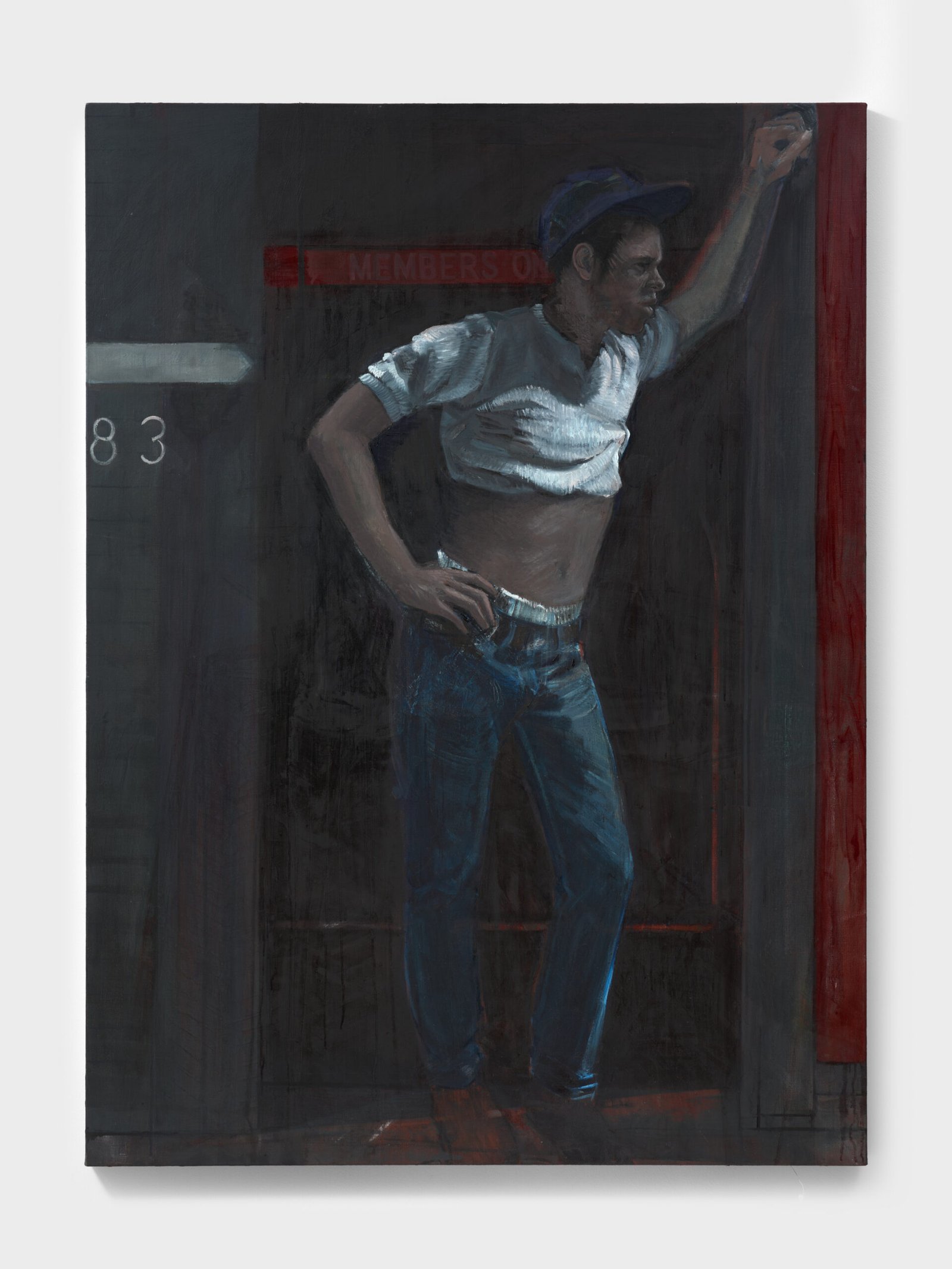
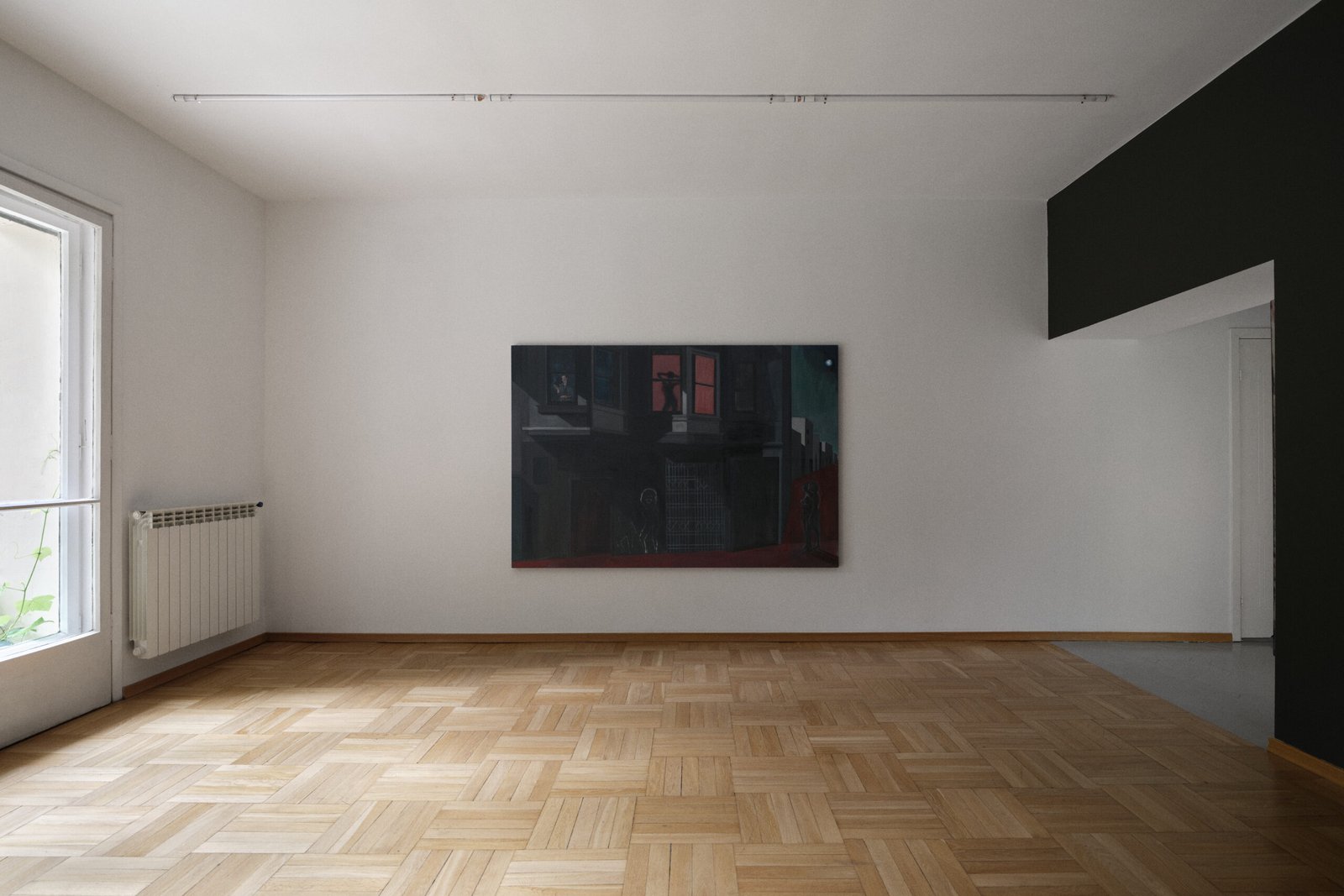
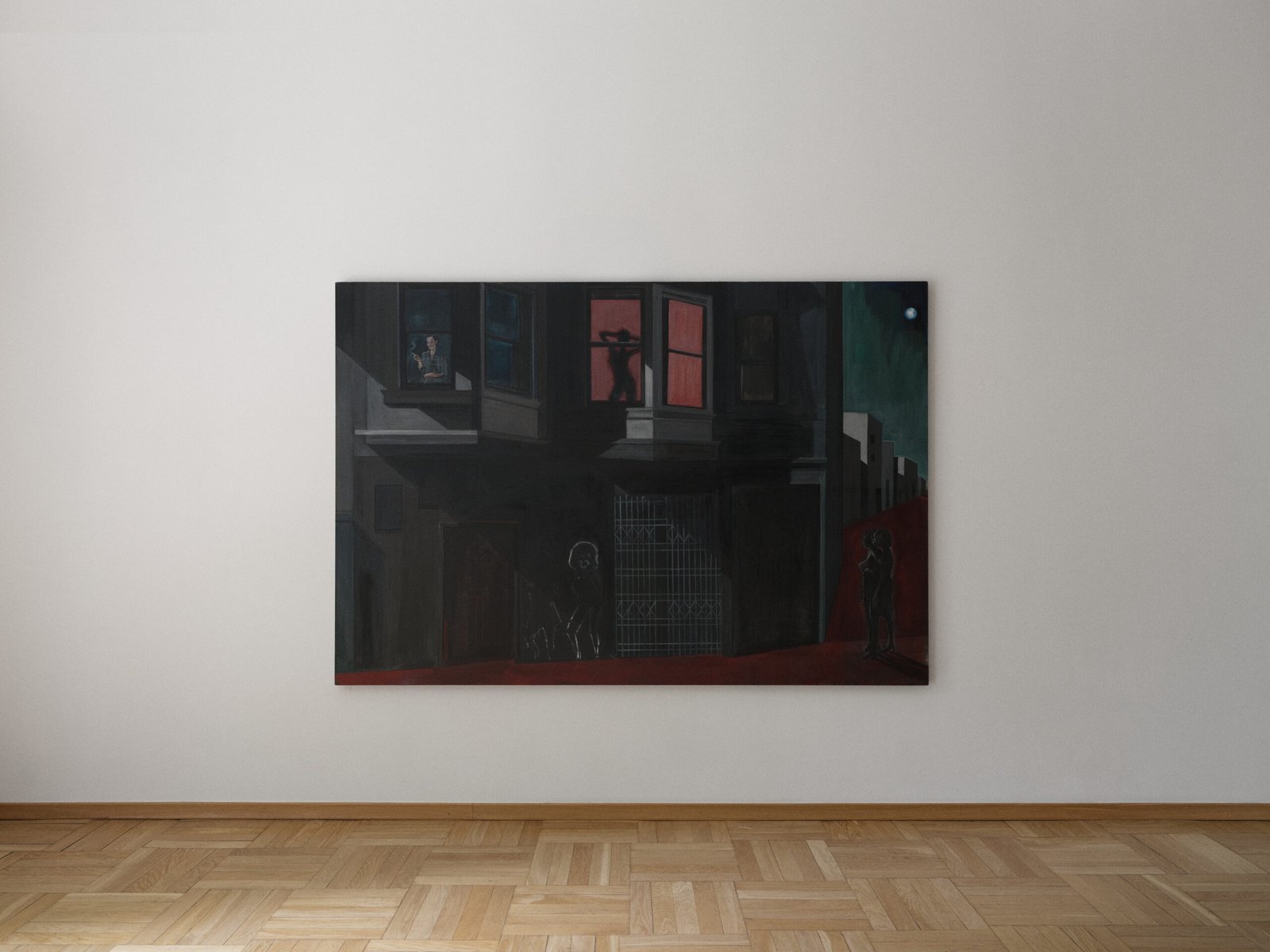
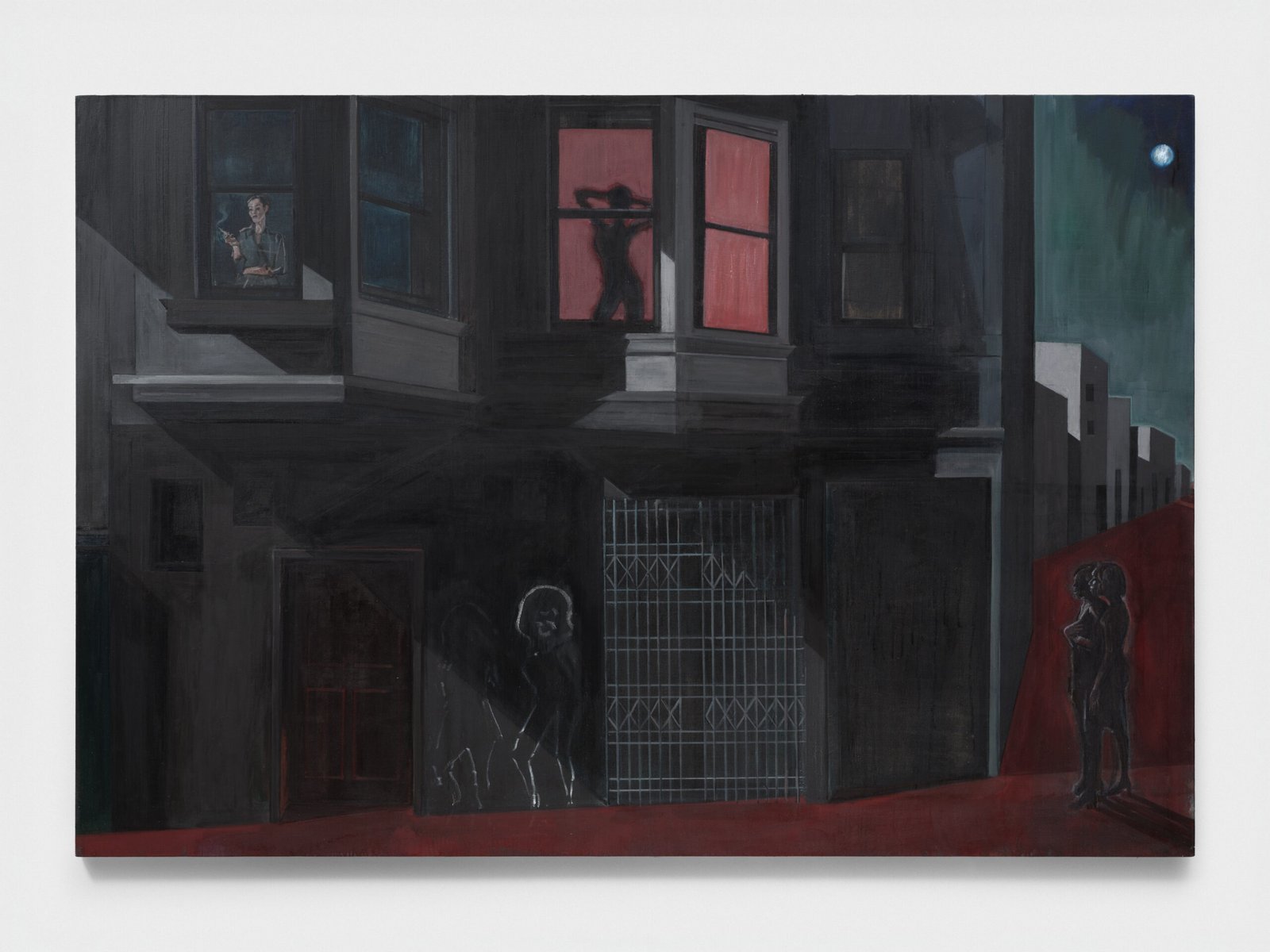
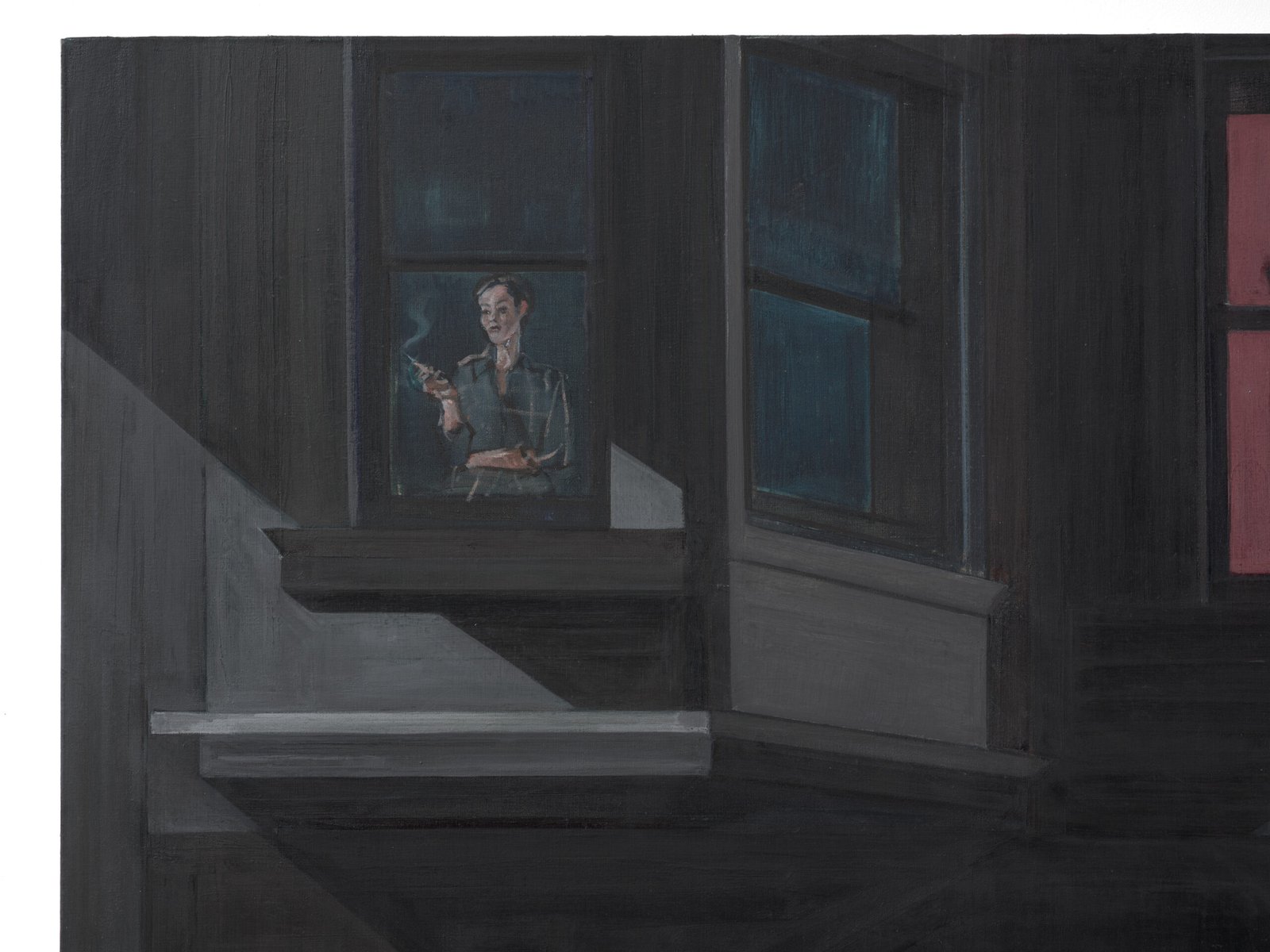
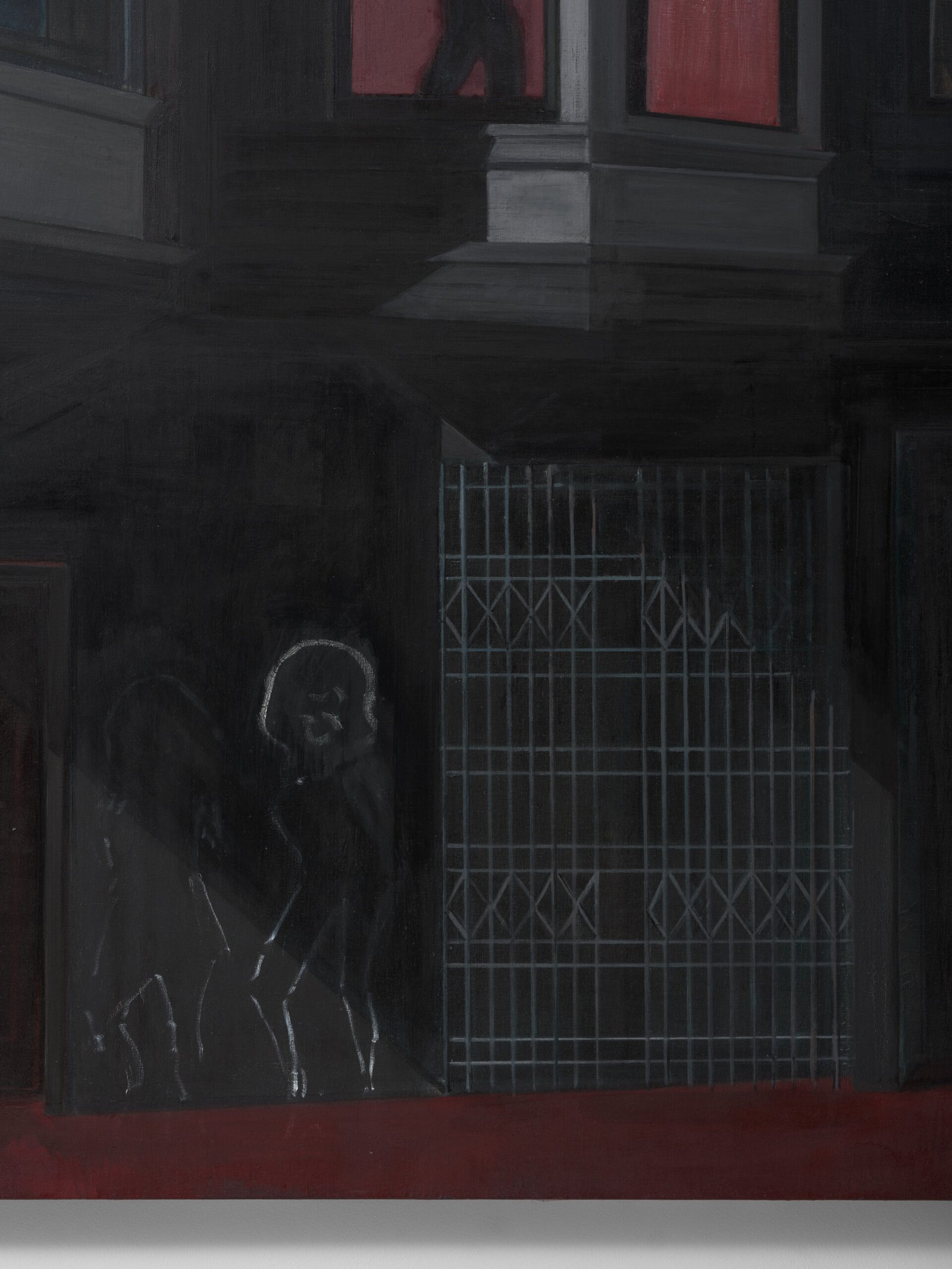
The exhibition Sinthome by Laurie Smith at Galeria Wschód presents artist’s latest paintings, which delve into the complexities of queer presence and subjectivity in the contemporary metropolis. The project takes the form of a site-specific painting installation, where individual works function as fragments of a single nocturnal narrative, constructing a layered intimacy of fleeting encounters. Smith continues his research into the visual and social strategies of
constructing queer life within the social imagination. The works engage with the psychoanalytic concept of jouissance – a state of intensity in which pleasure and pain are inseparable, and the categories of trauma and celebration converge.
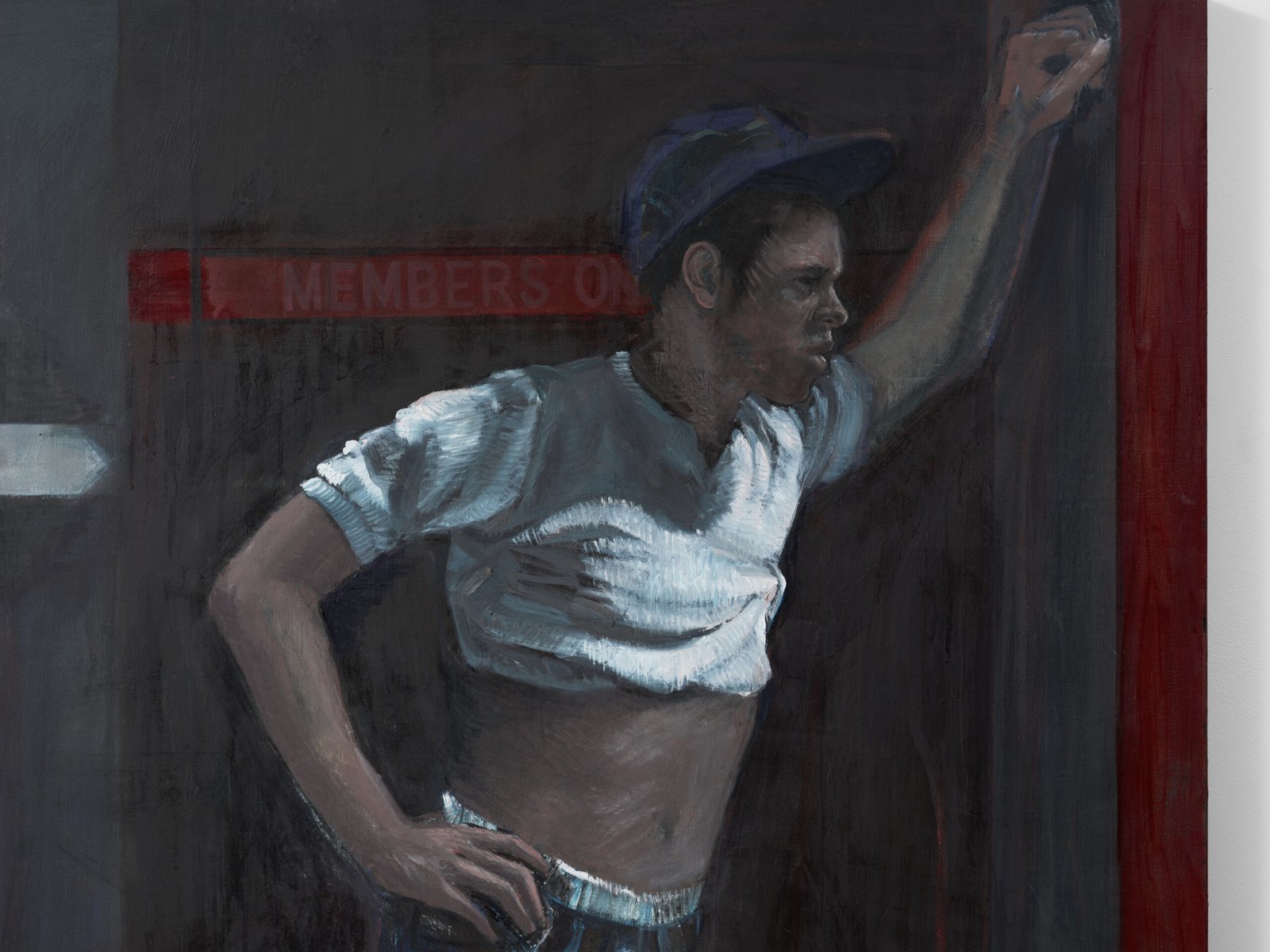
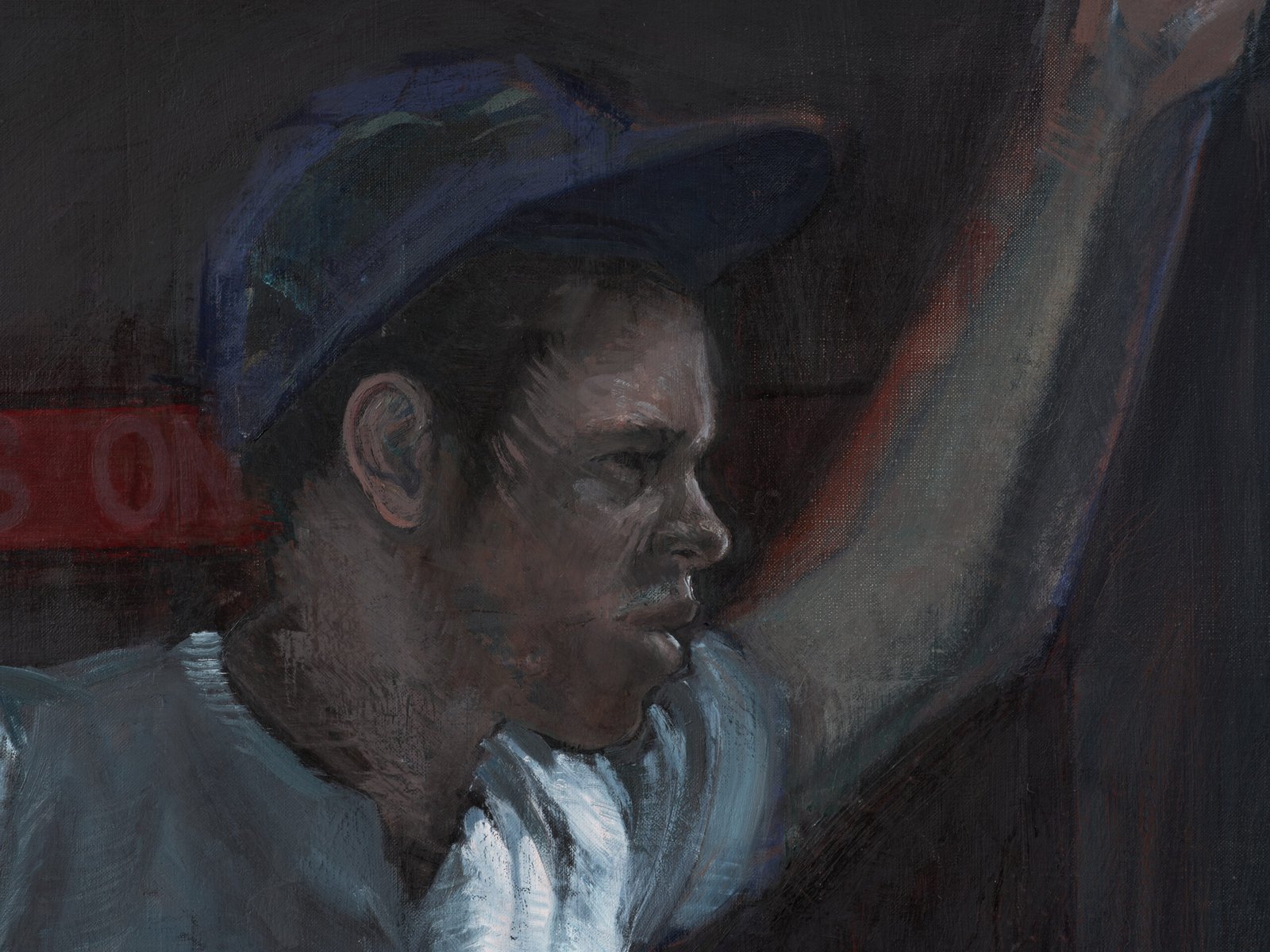
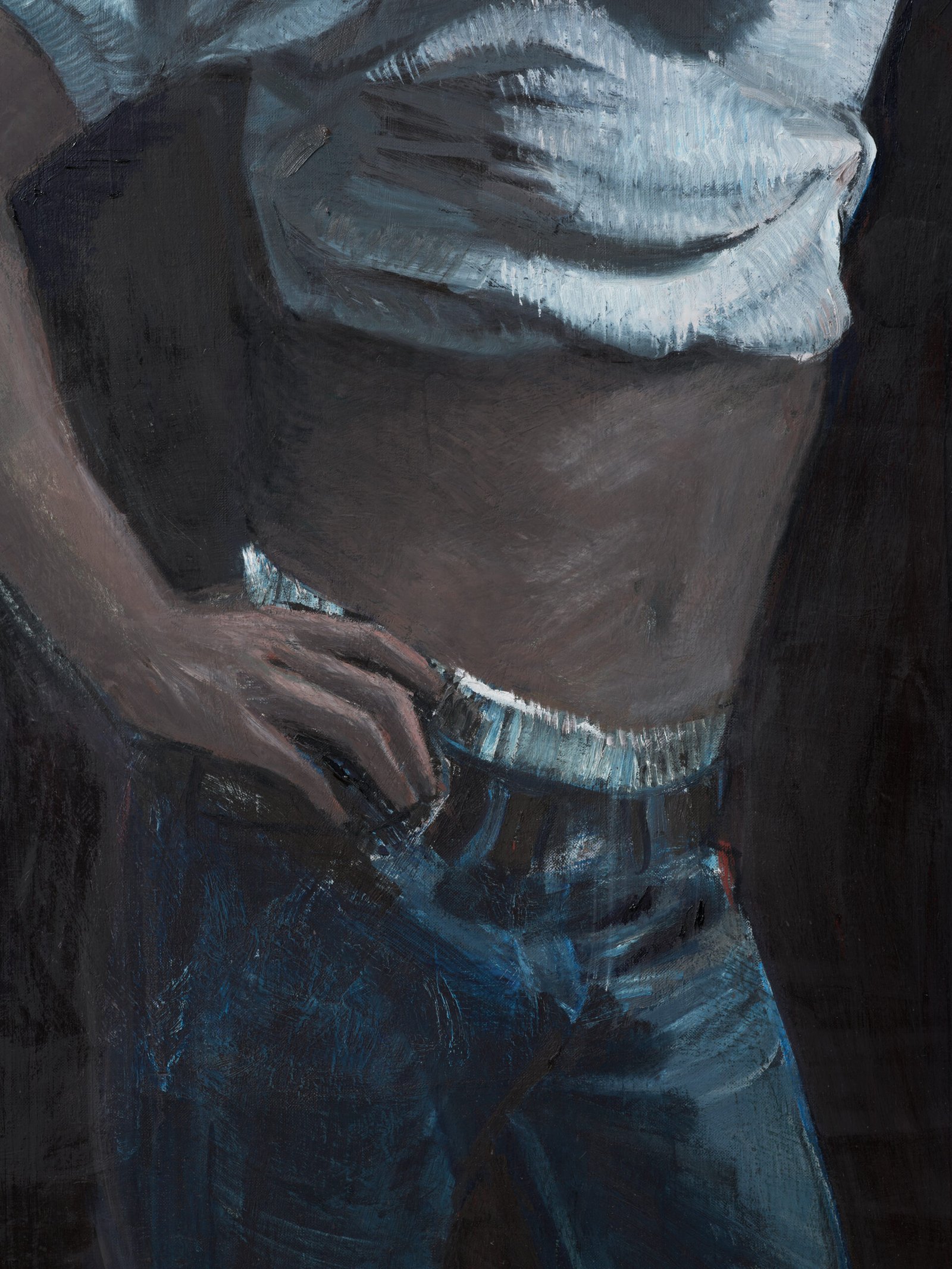
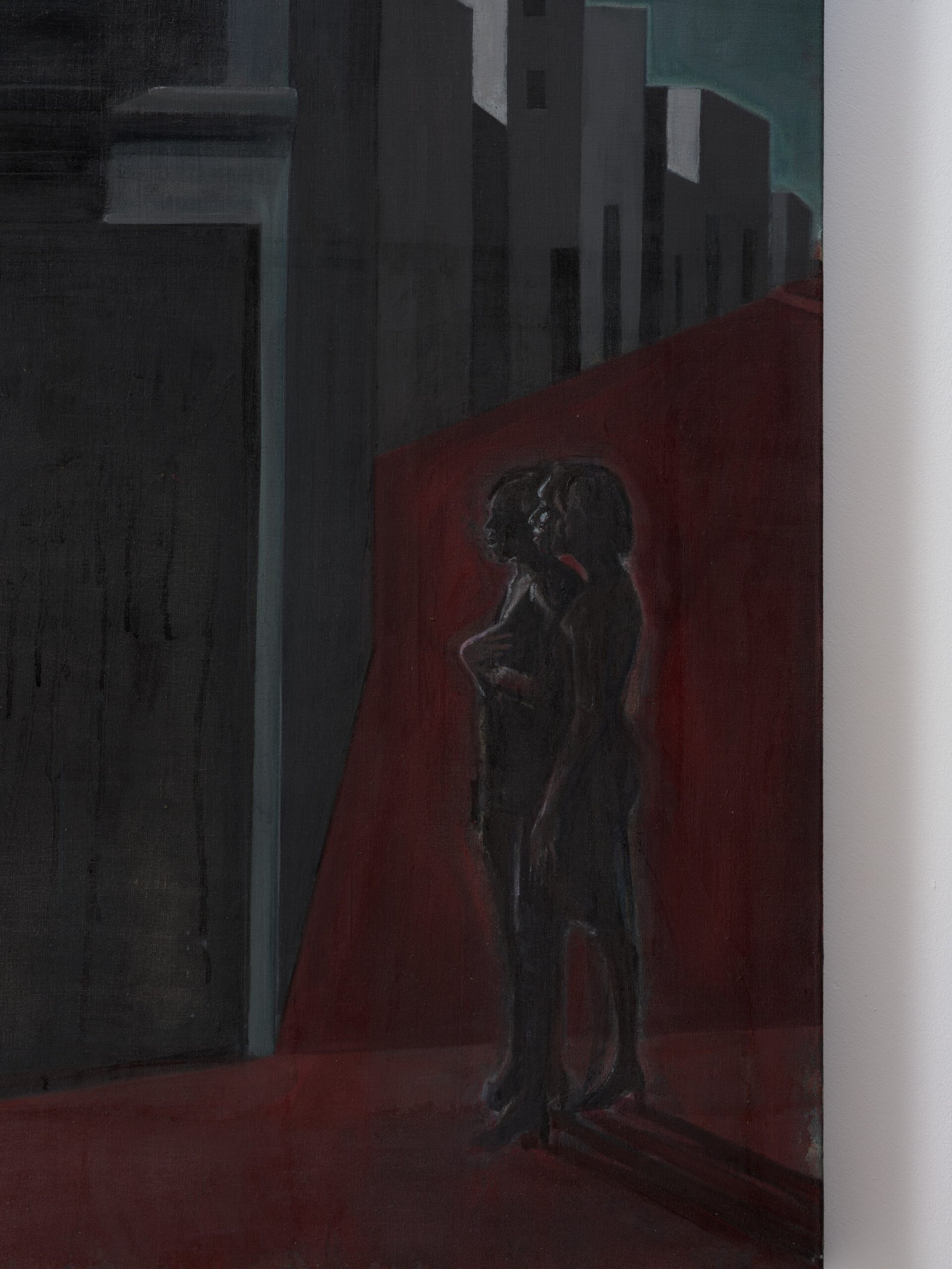
Smith draws from art history exploring a vast compositional strategies to construct scenes of cruising, performance, and nocturnal gatherings. On one hand, the works reference the history of twentieth-century painting – particularly the tensions present in Balthus’ work or the spatial distortions and decorative flatness associated with Henri Matisse – while on the other hand, they are firmly rooted in the nighttime London of queer communities.
The figures operate at the intersection of the private and the public, suspended mid-gesture in moments where their significance remains unresolved. The compositions draw on histories of the regulation of queer life in public spaces, where laws governing the assembly of same-sex individuals shaped their visibility, comfort and basic freedom. The relationships between the figures is ambiguous and performative. Recurring motifs of a nightlife operate as cultural
codes related to identity and desire, creating a space that offers a refuge.
Smith is interested in the everyday life and emotional atmosphere of queer spaces that are disappearing under the pressures of gentrification, surveillance, and social change. He treats them as social codes through which marginalized communities recognize one another. The exhibition repeatedly returns to the feeling of suspension between safe environment and control. Interiors reminiscent of basement bars with sticky floors and clandestine members’ clubs, which become sanctuaries shaped by desire and vulnerability.