


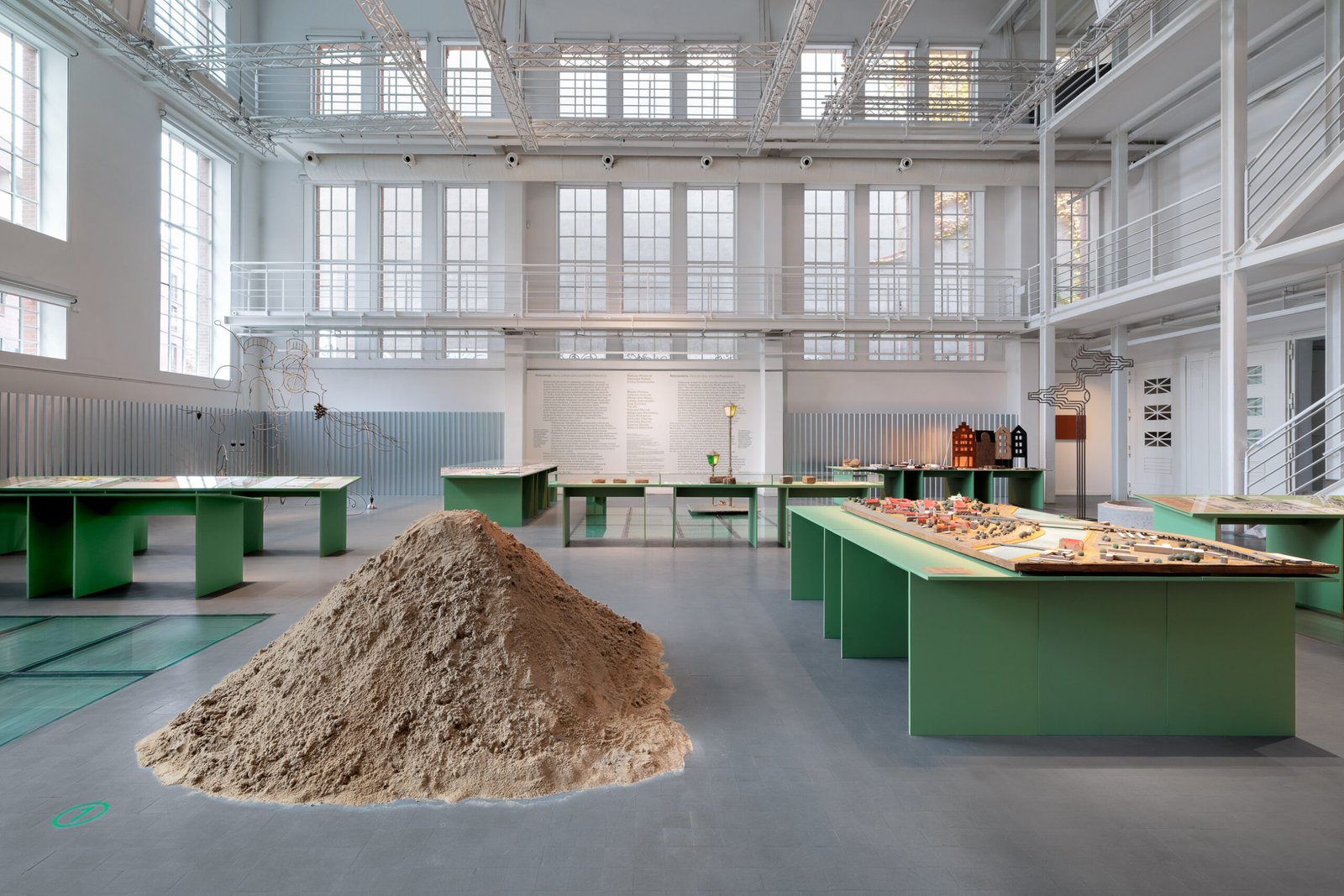
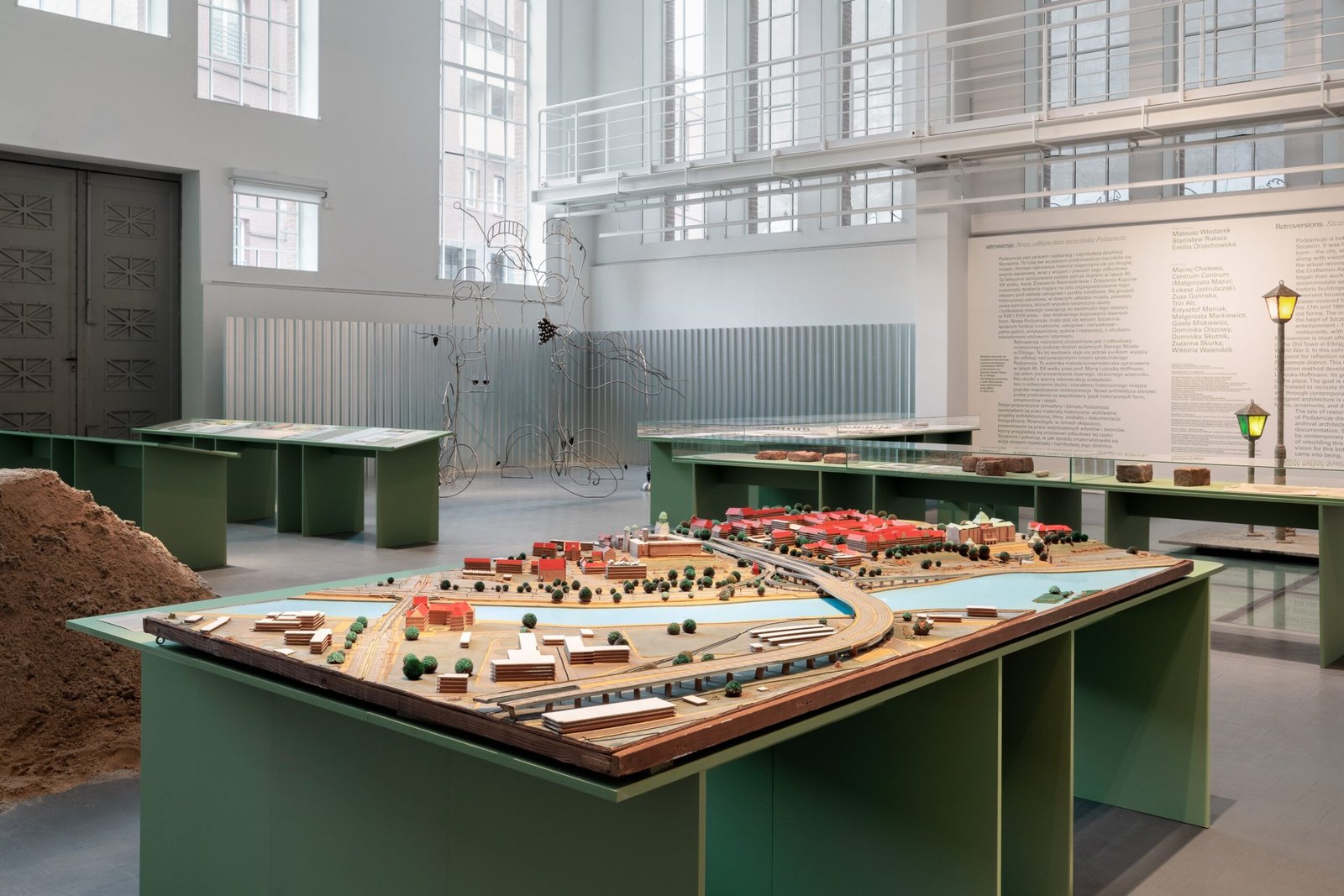
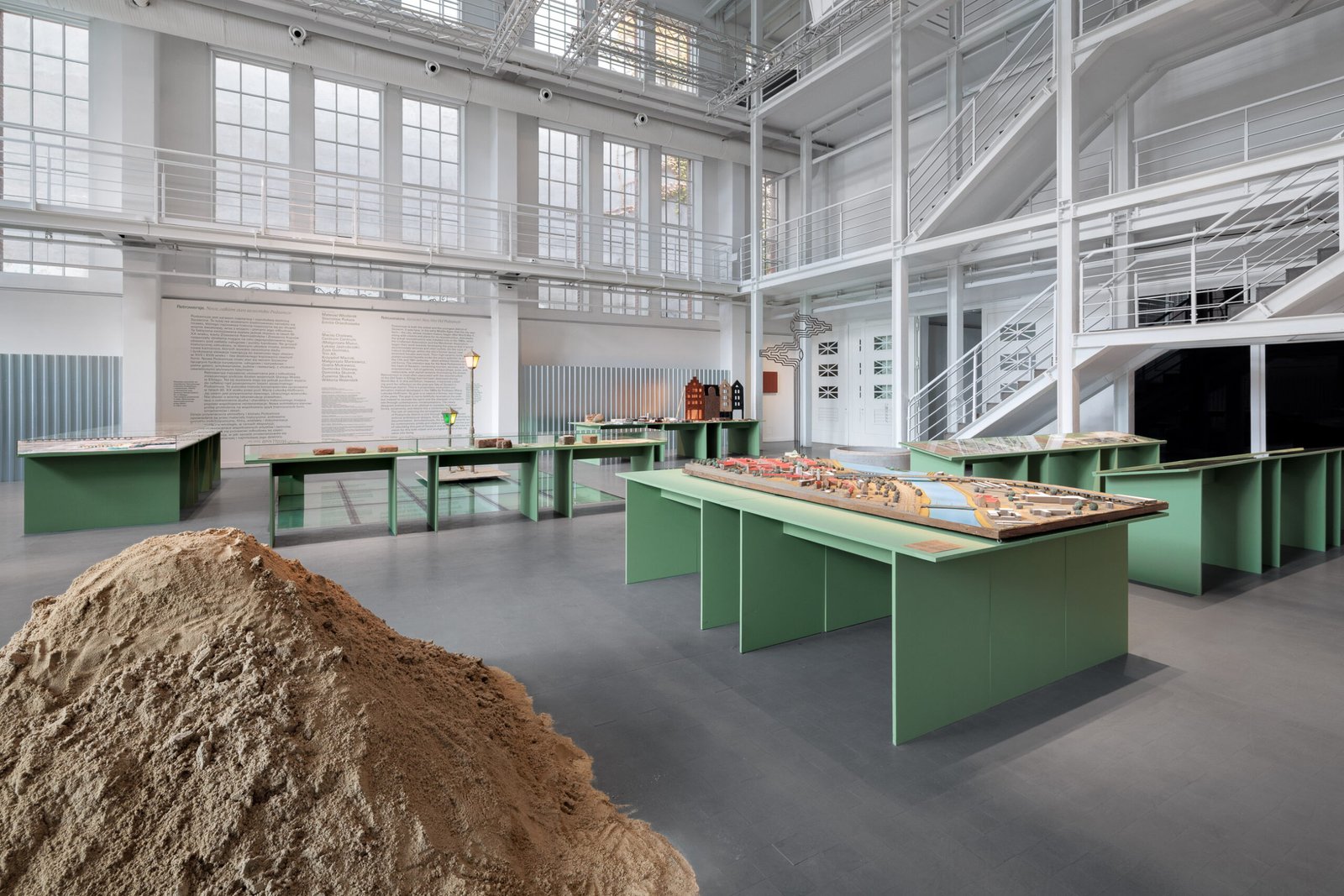
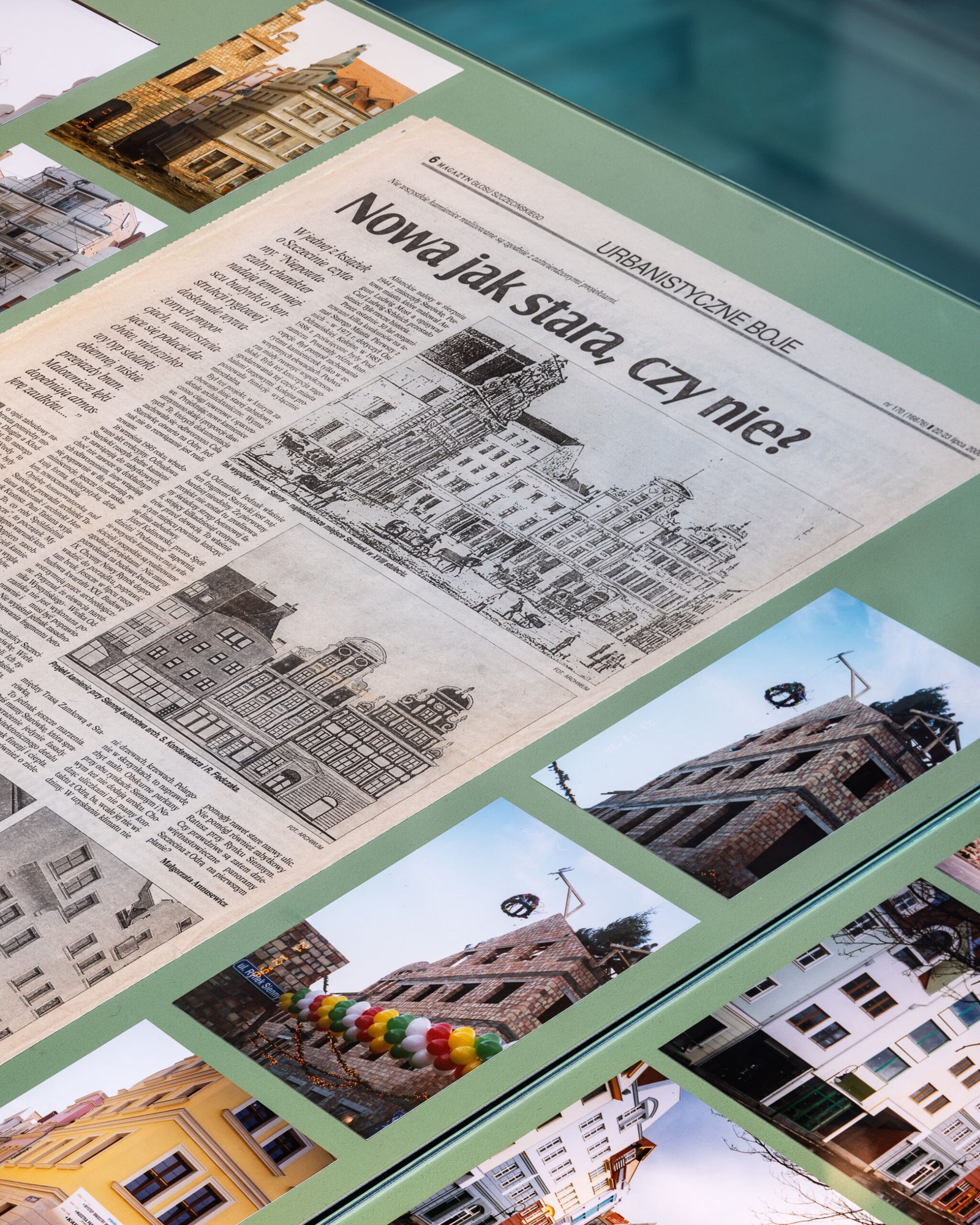
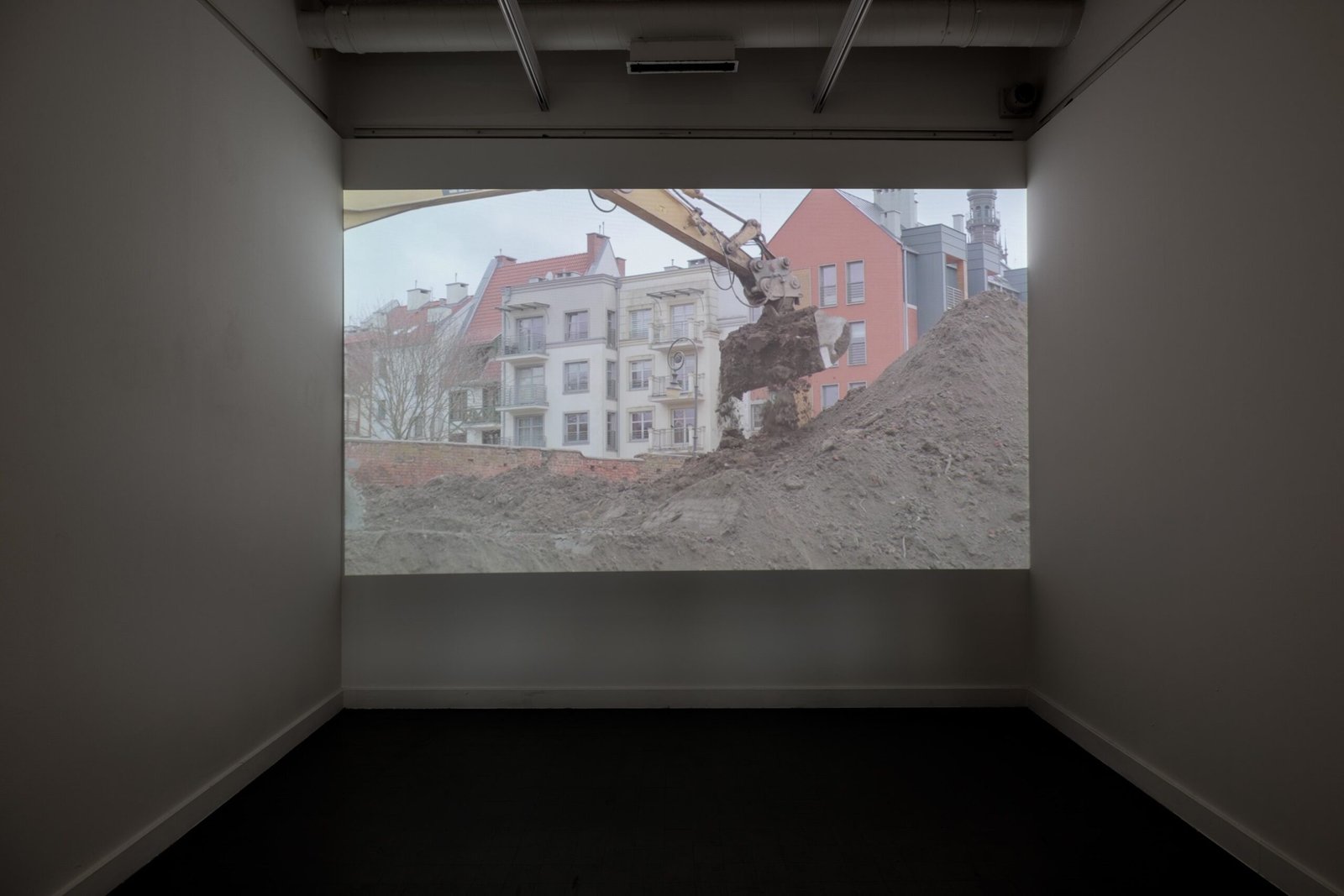
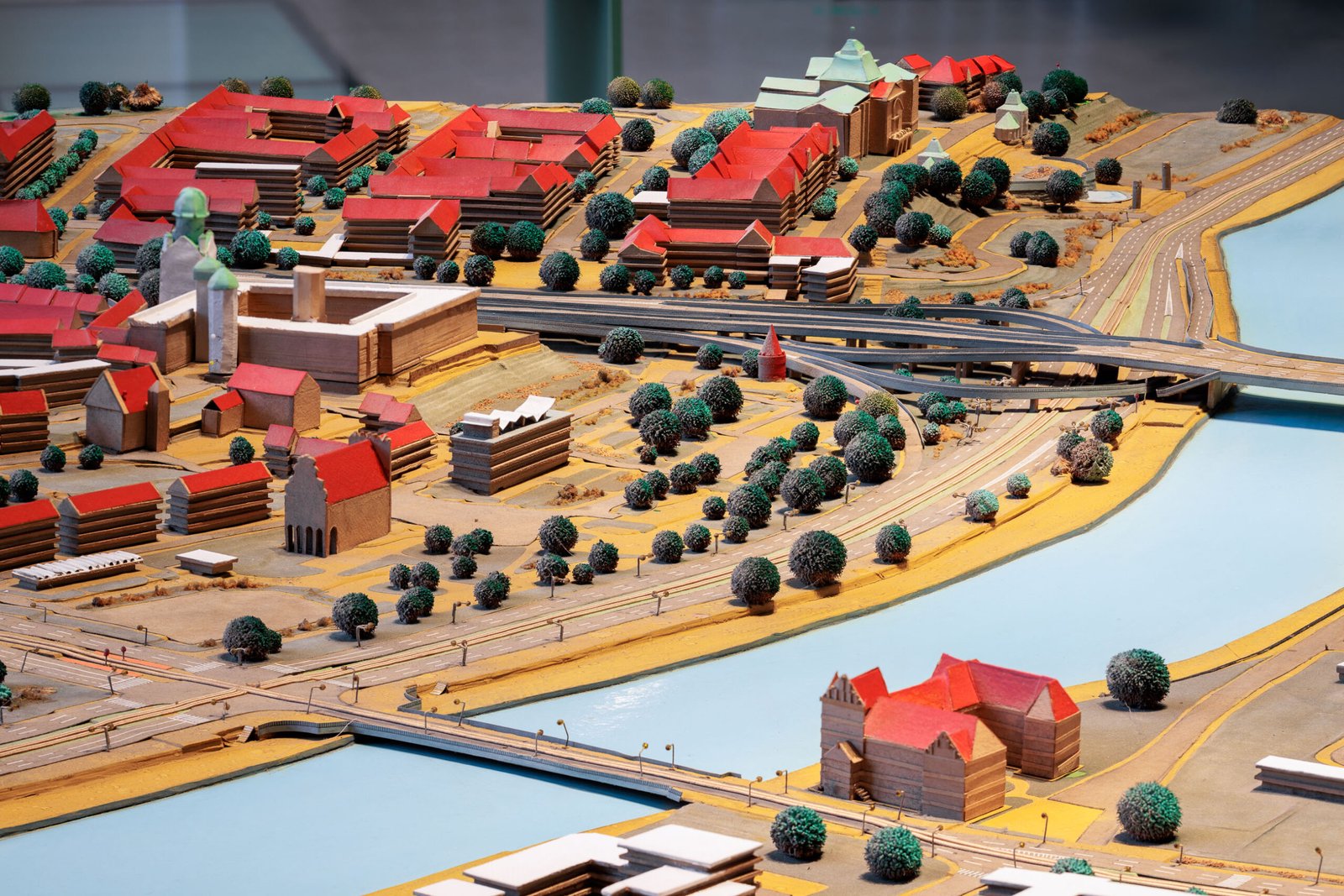
Podzamcze (Castle Boroughs) is both the oldest and the youngest district of Szczecin. It was here, in the early Middle Ages, that the city was born. And yet, the modern history of the city of Szczecin began only after World War II, along with visions and plans for its reconstruction. The actual rebuilding of Podzamcze area was initiated fairly late – in the 1980s, when the Craftsmen’s Association and the Merchants’ Association began efforts to develop the district for service and retail establishments. New tenement houses were erected, literally, on the ruins of historic buildings, within the city’s original layout. Without actually copying historical forms, the high ceramic roofs and plaster-covered façades that we see today evoke the area’s former heyday: the 17th- and 18th-century splendor.
Retroversion is a proprietary conservation method developed in the 1980s by Professor Maria Lubocka-Hoffmann. The idea behind it is to restore the former, forgotten image of the city. Significantly, though, retroversion’s goal is not to faithfully reconstruct the past, but rather to recreate the spirit and character of a historic place through contemporary architectural reinterpretations. The newly designed architecture attempts to translate historical forms, ornaments, and details into a more contemporary language. In this case, buildings rooted in tradition and history were erected on post-war ruins – they are resting on the original foundations, designed in accordance with the historic urban layout, maintaining the historical scale and silhouette. Their form, grounded in postmodernism, does not reconstruct the past directly. Instead, it constitutes a reinterpretation of sorts.
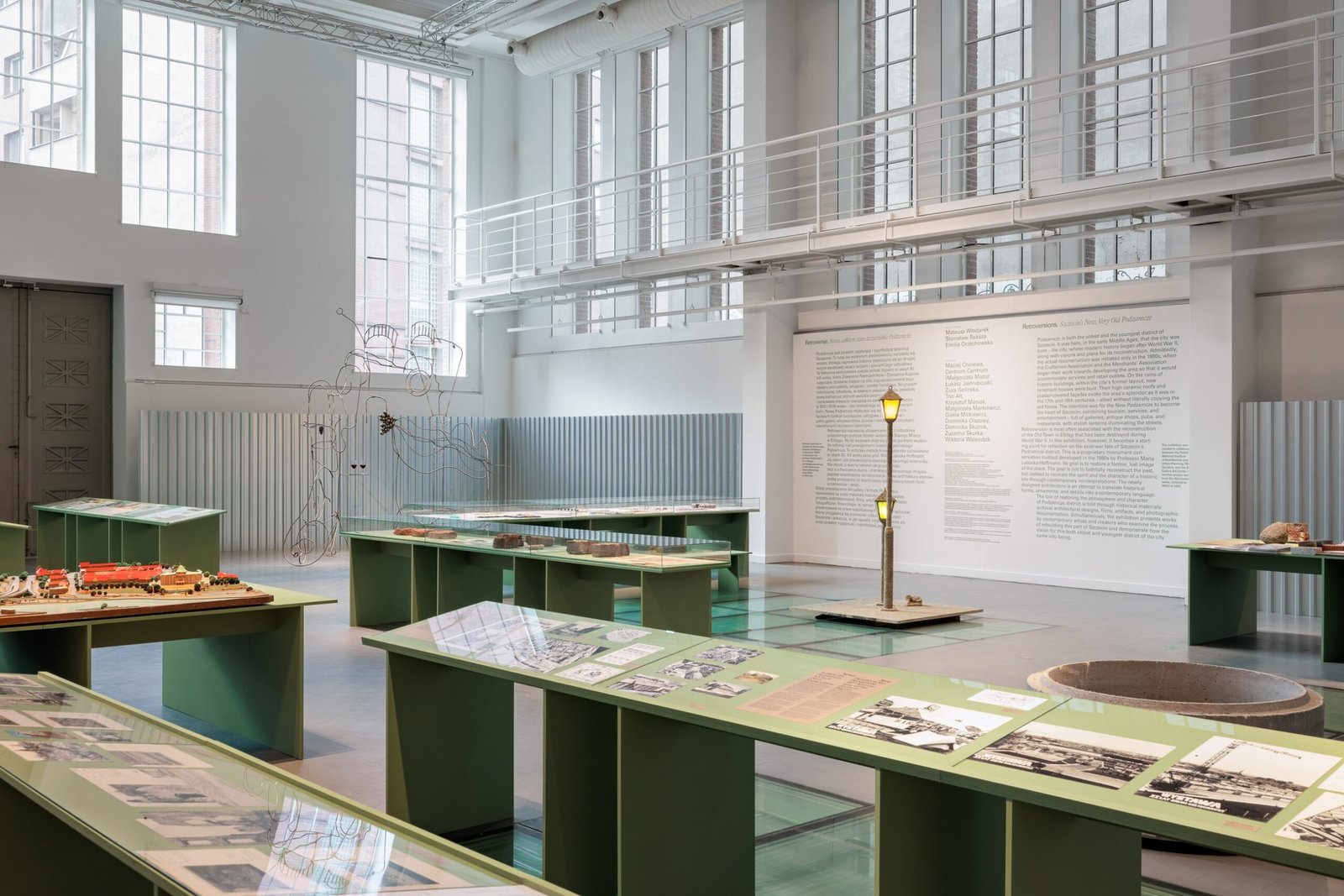
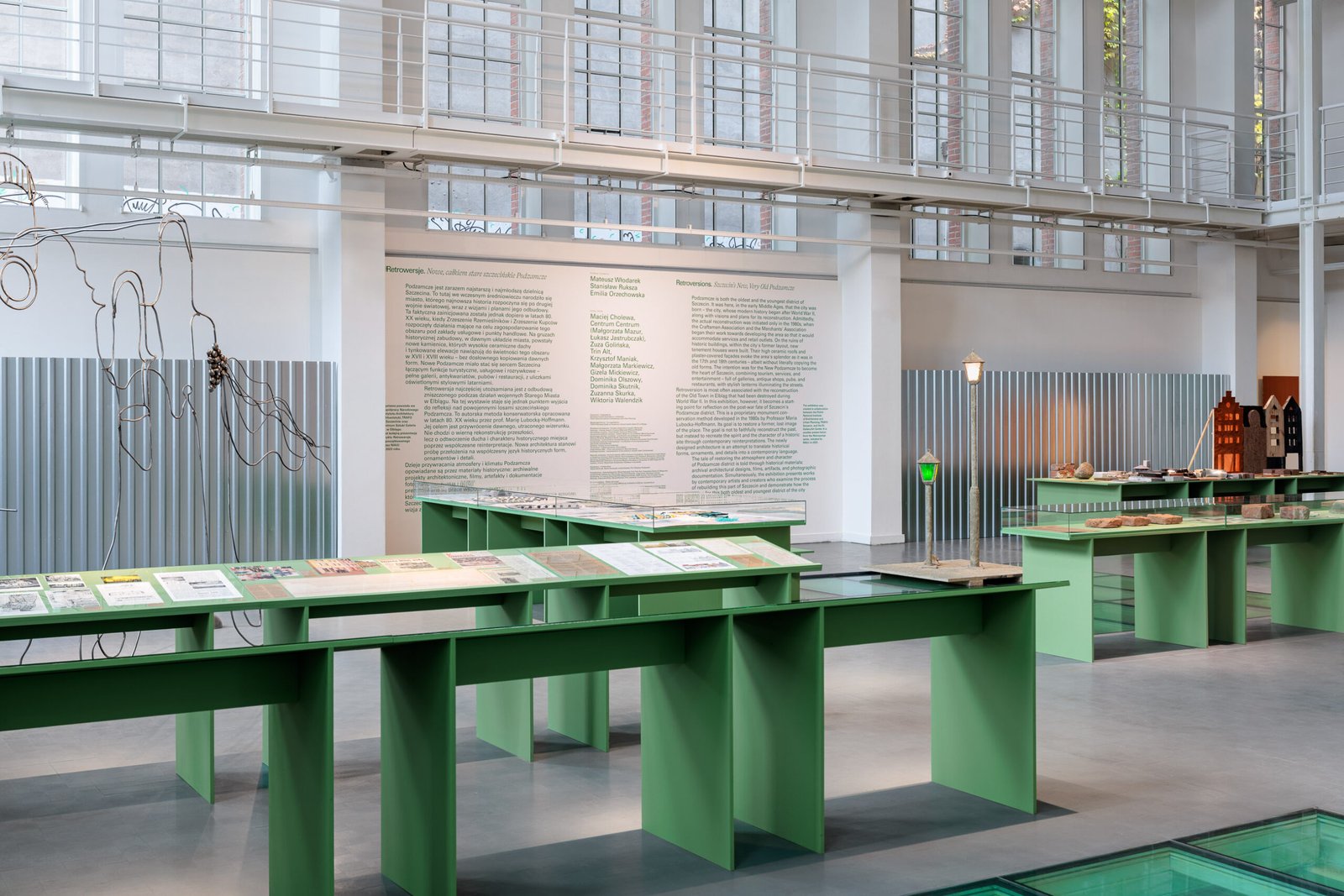
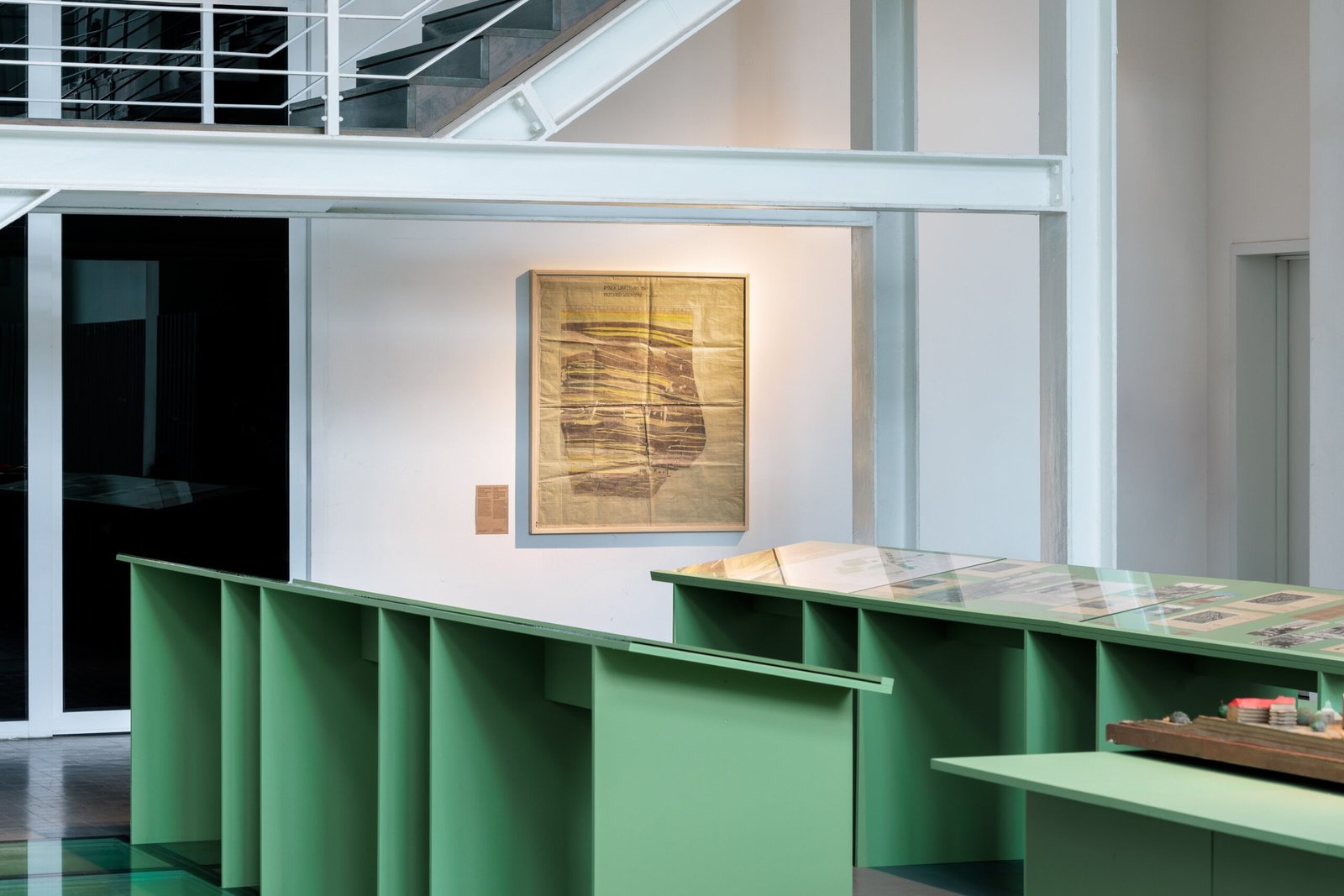
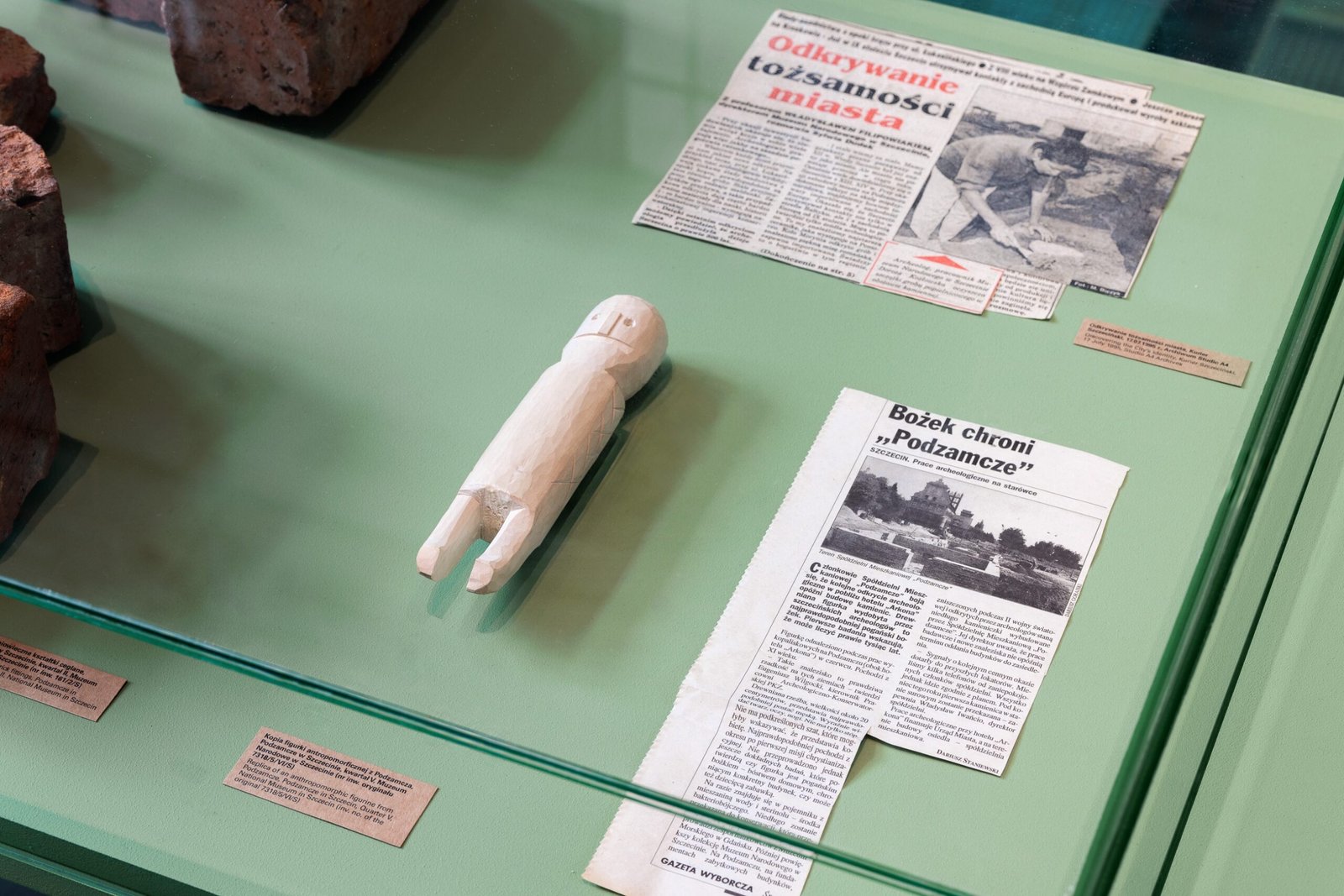
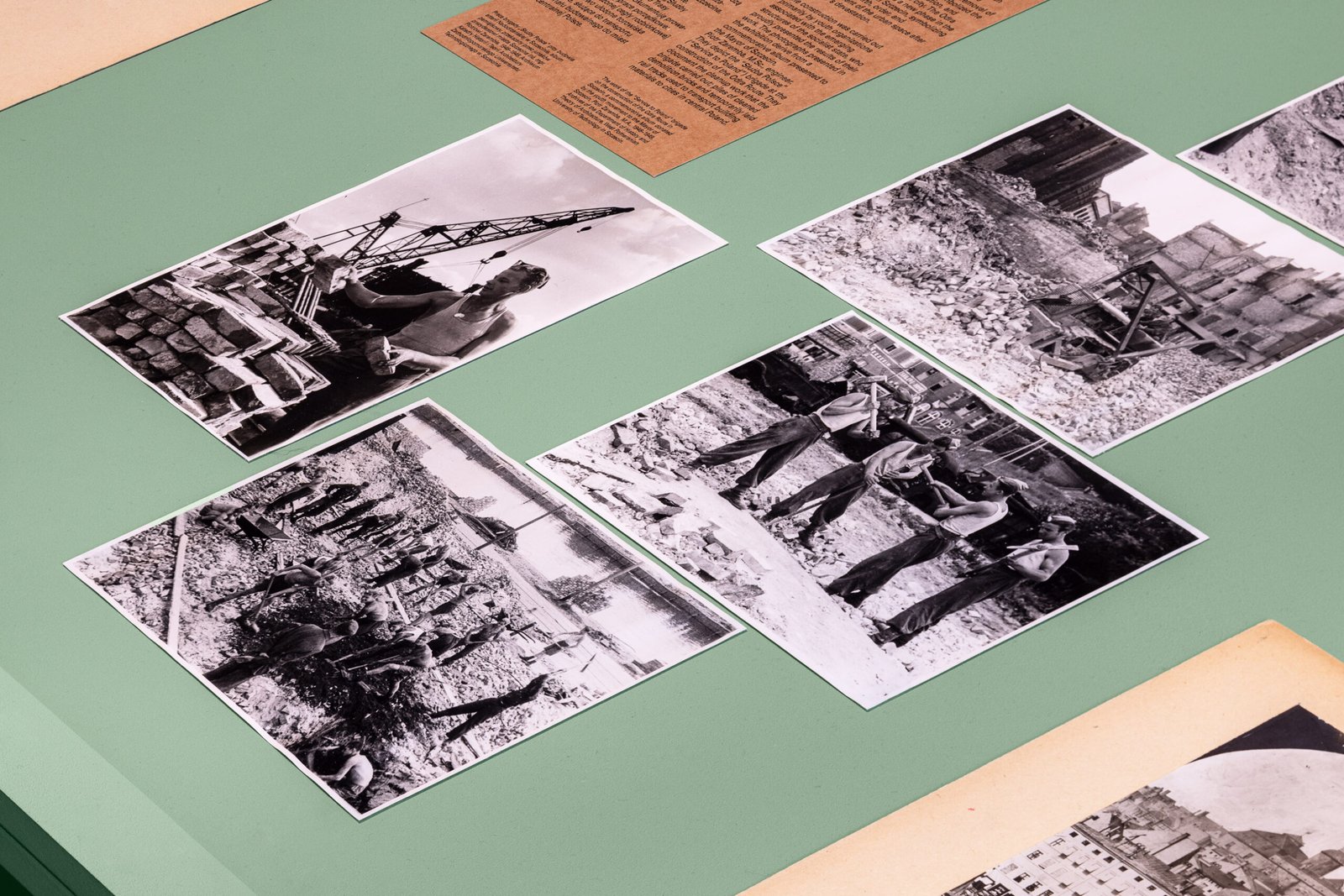
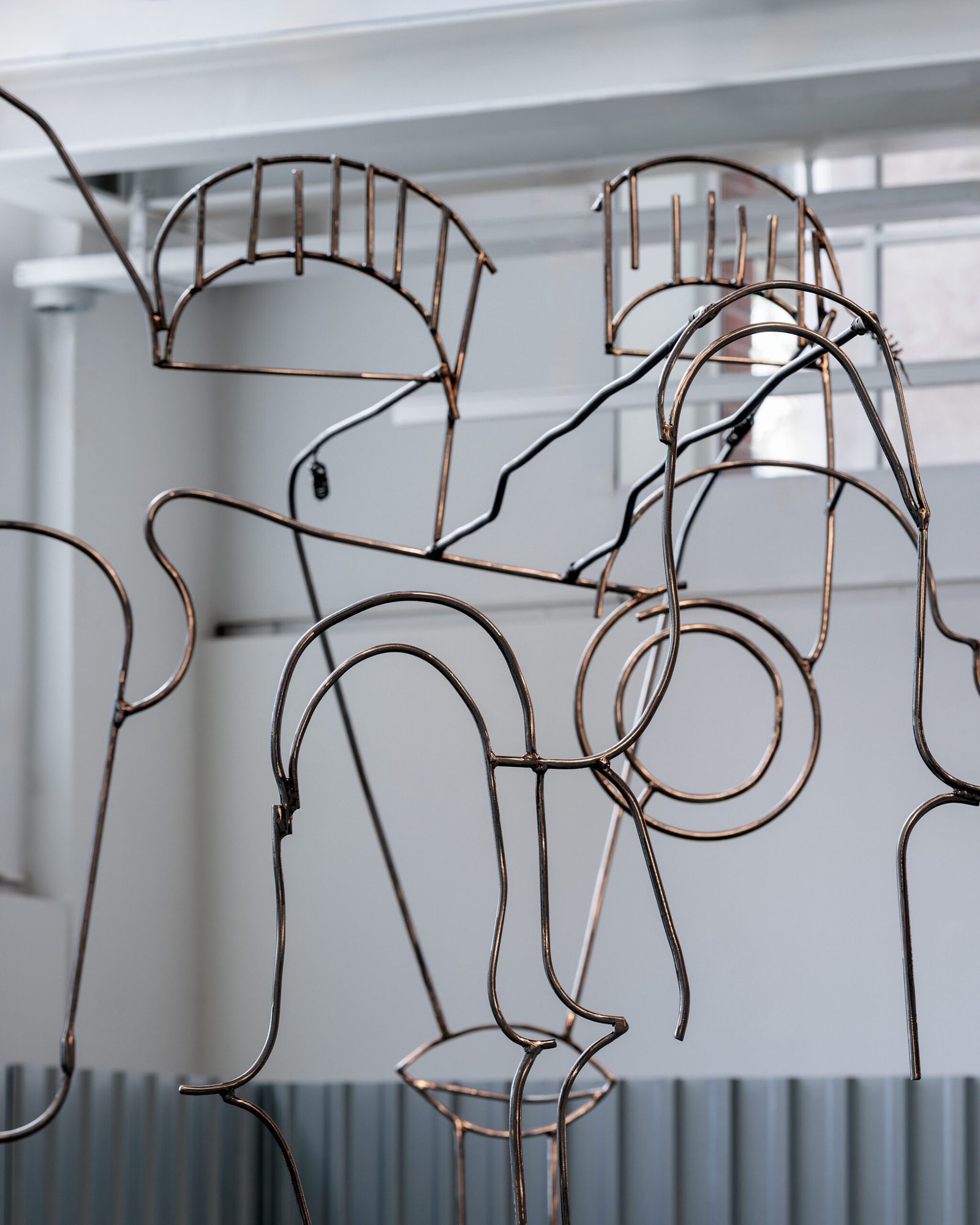
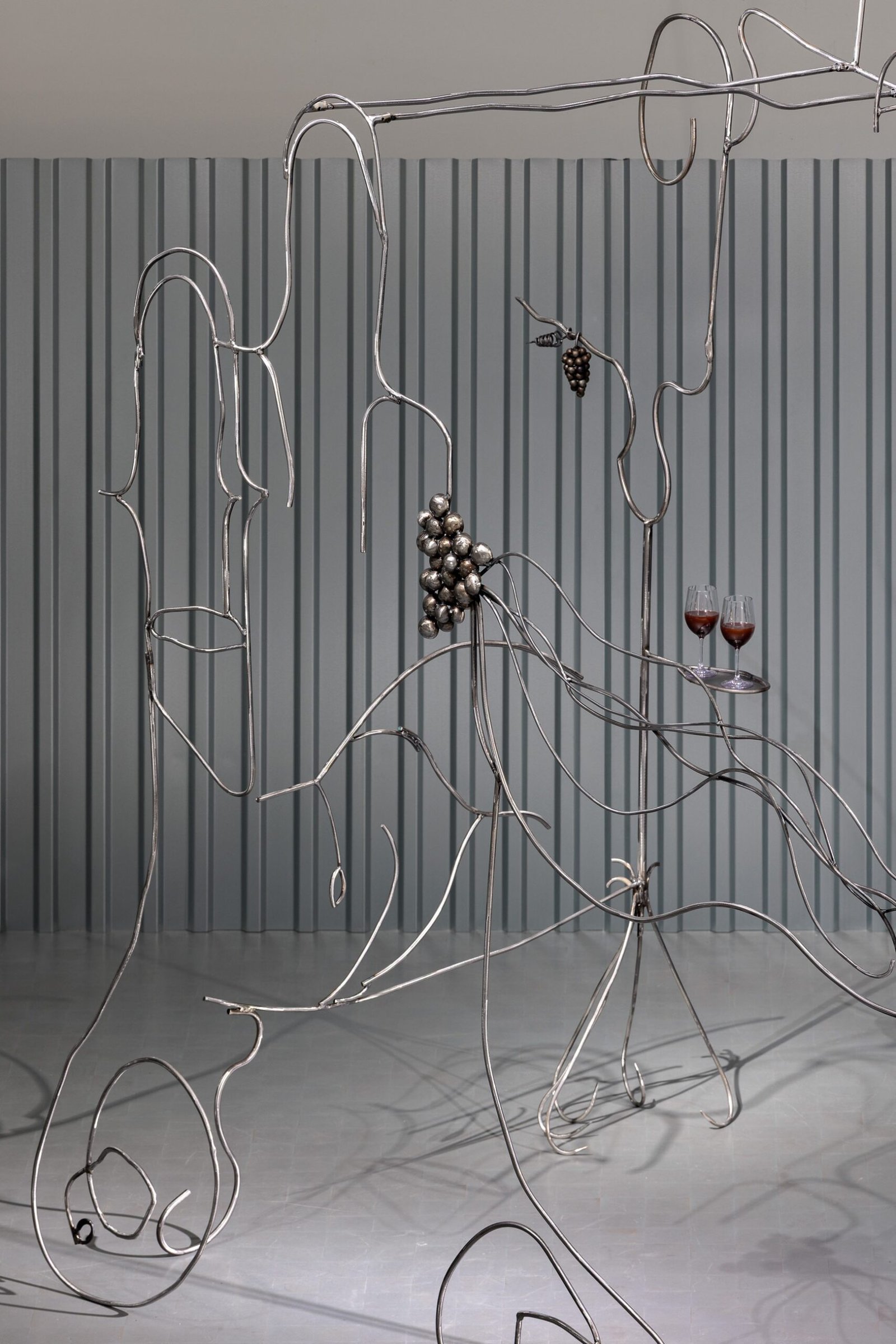
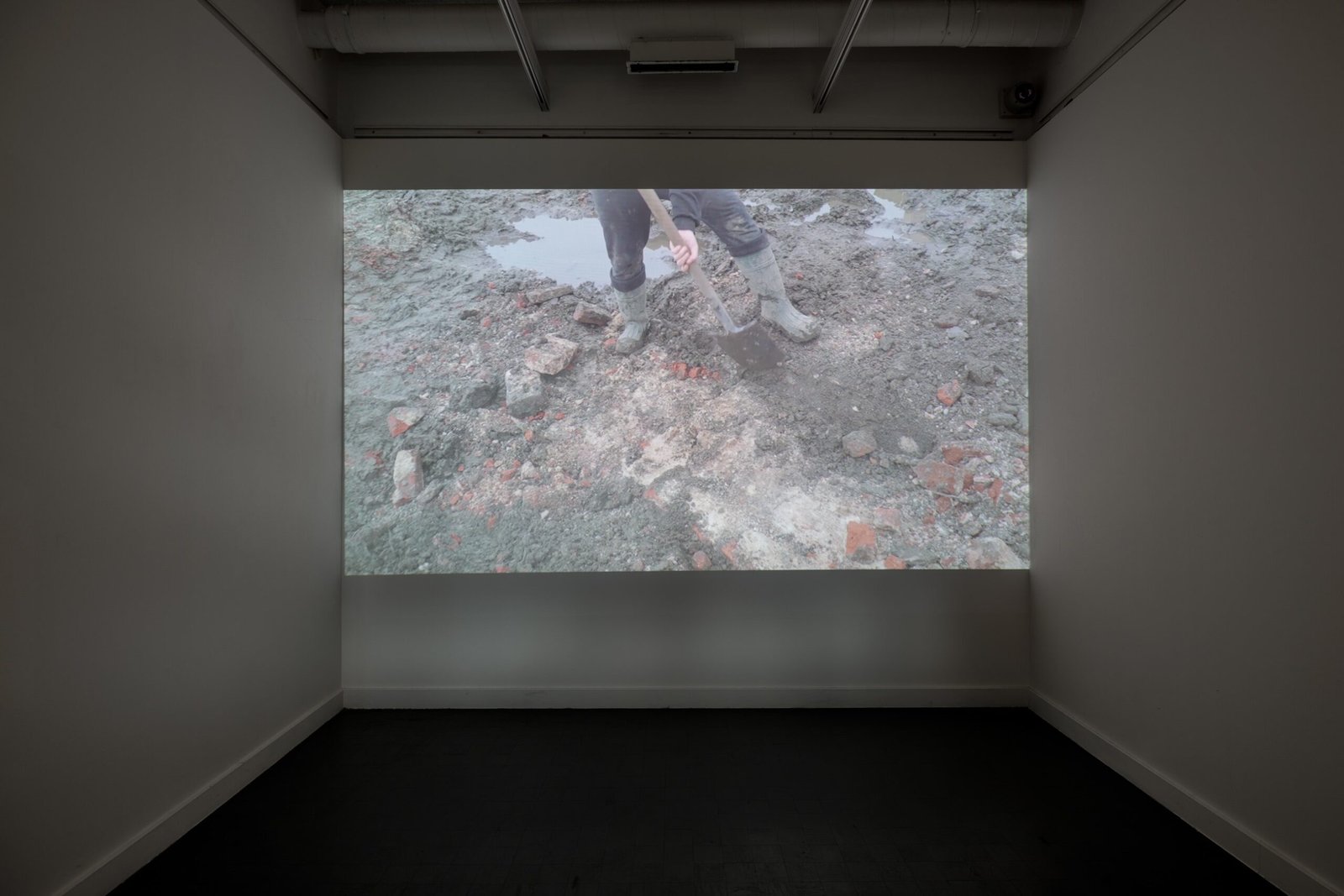
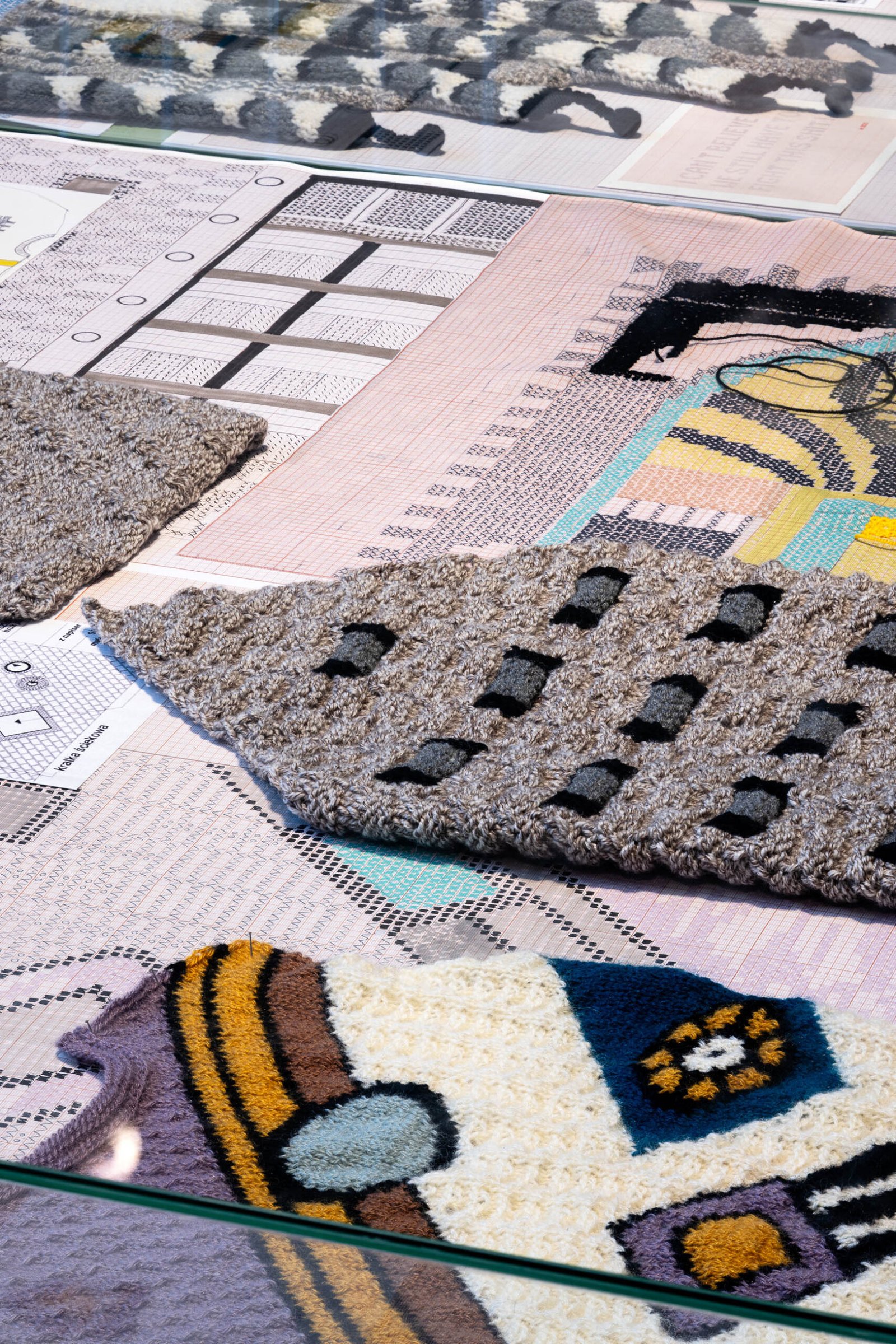
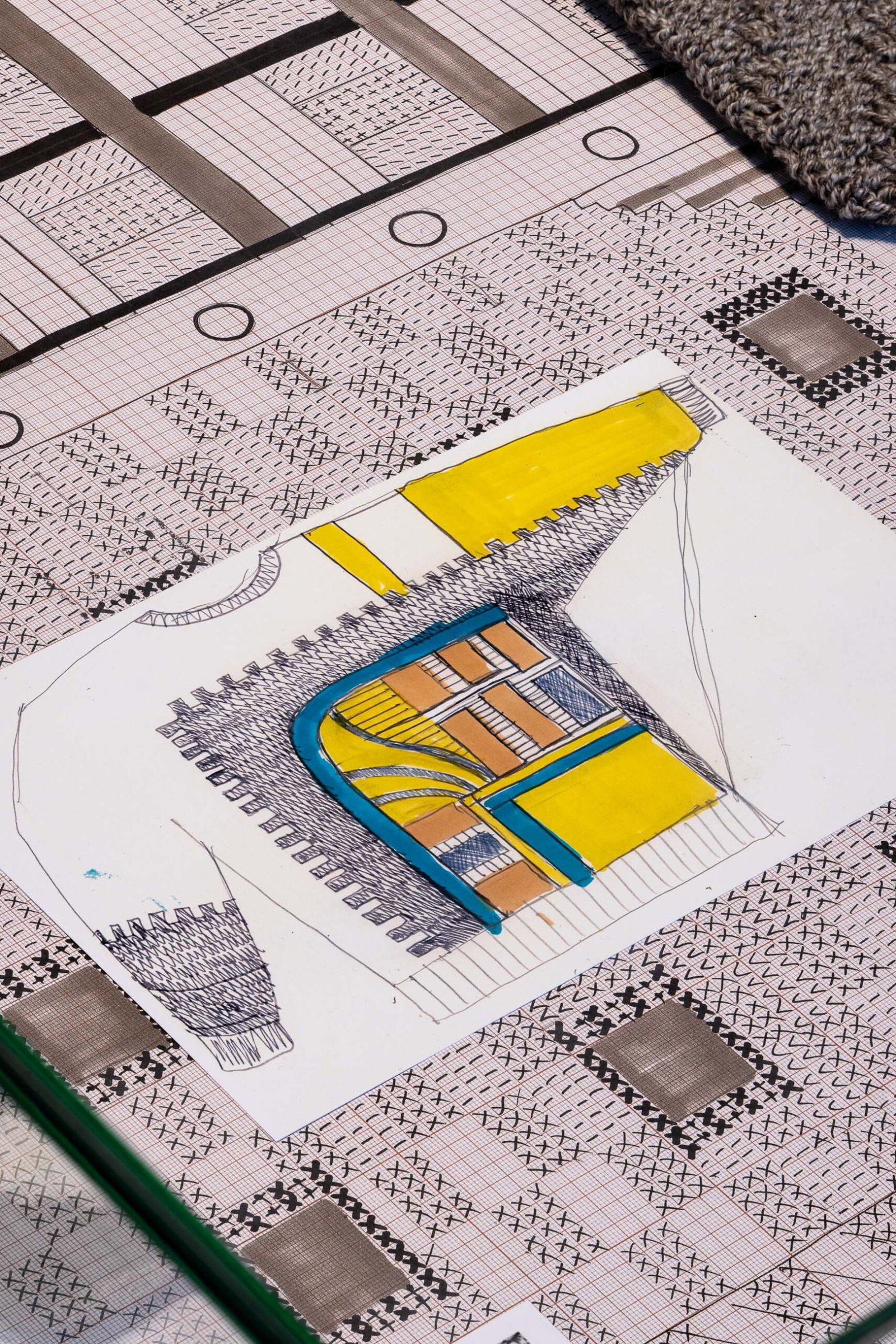
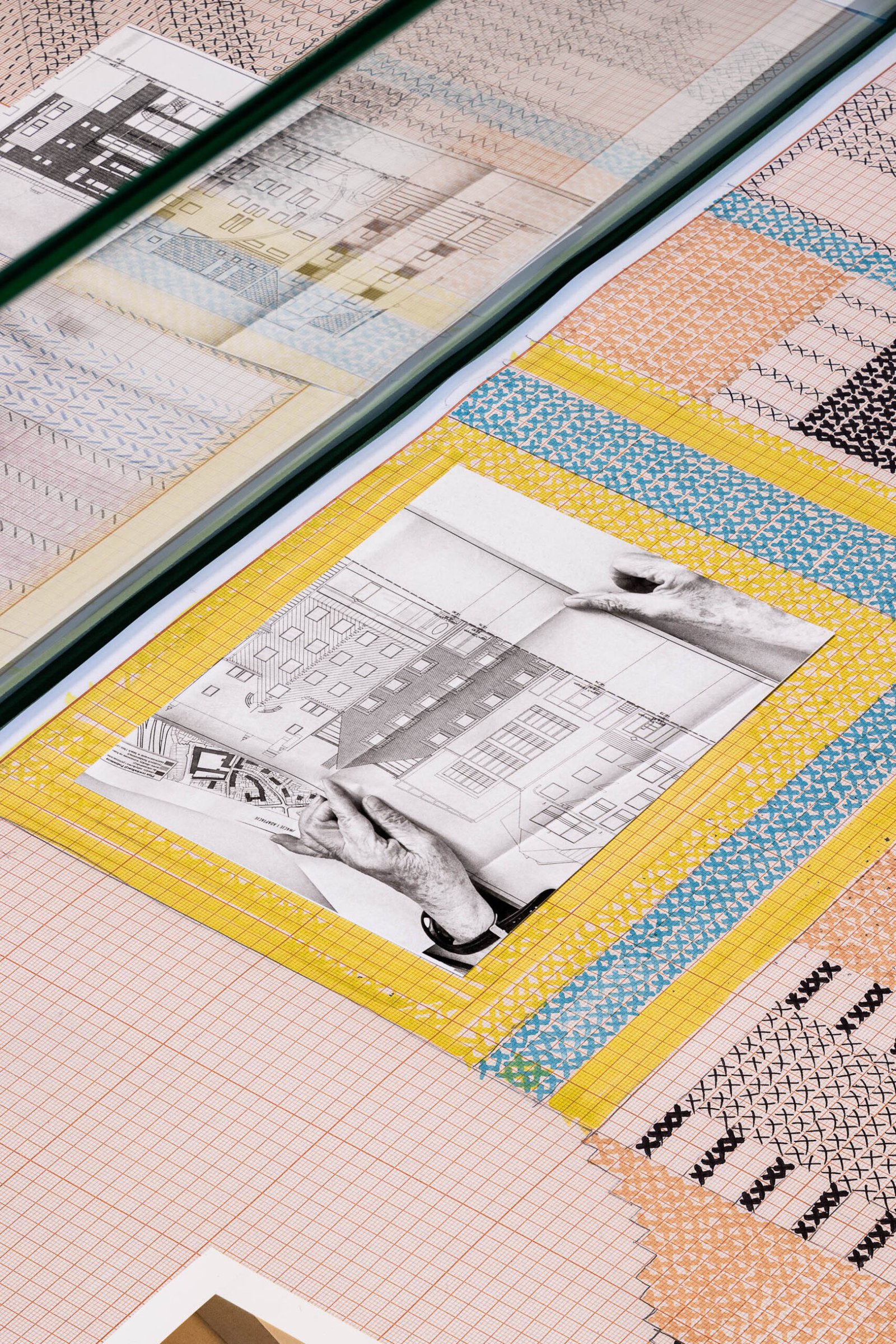
The exhibition tells the story – that is, the process of restoring the atmosphere and character of Podzamcze – through archival architectural designs, films, artifacts, and photographic documentation, which are juxtaposed against original works by contemporary artists. In other words, it combines historical materials with contemporary interpretations, in a dialogue between past and present. The featured artworks demonstrate different ways of engaging with a place whose new architecture emerges at the intersection of memory, materiality, and design.
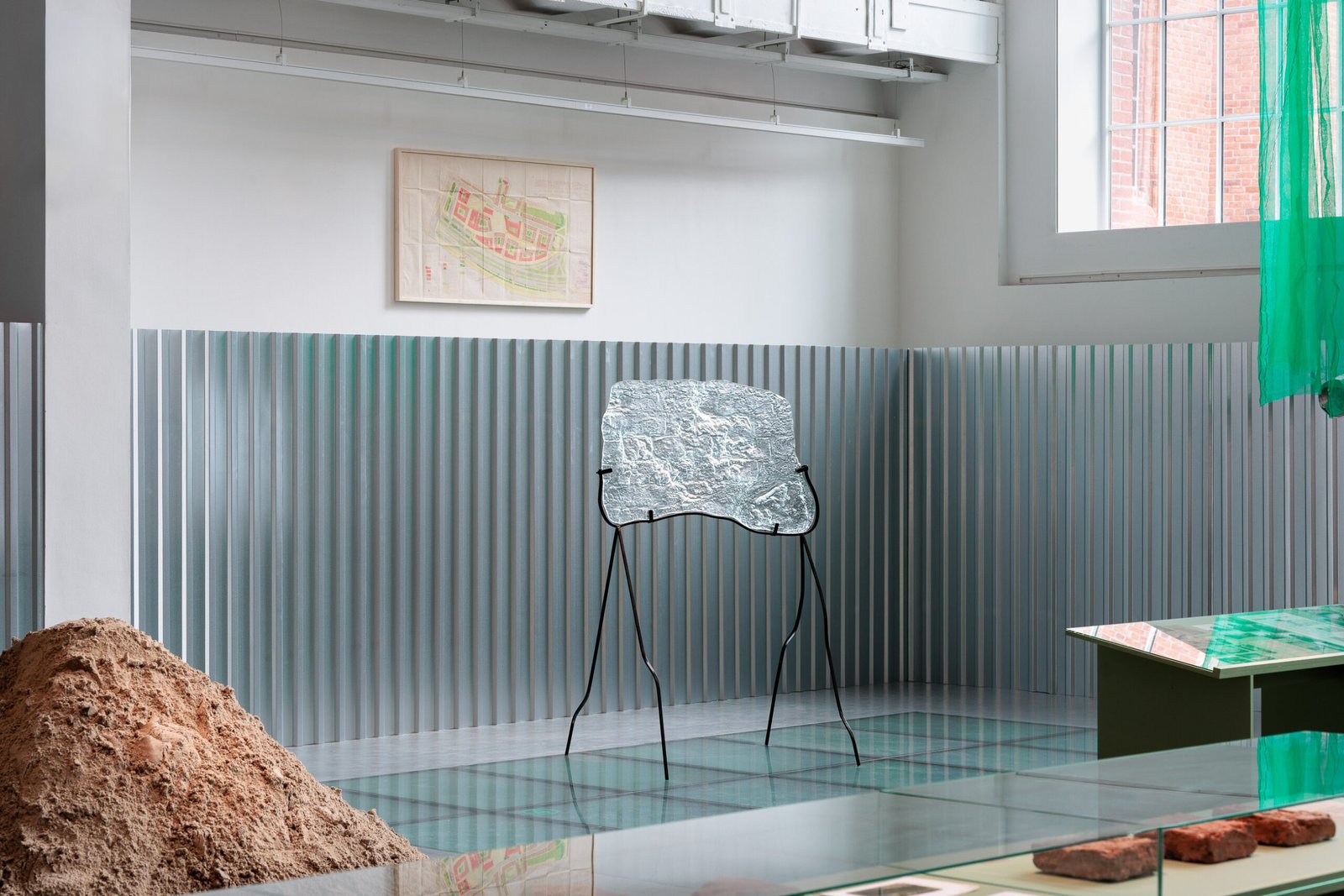
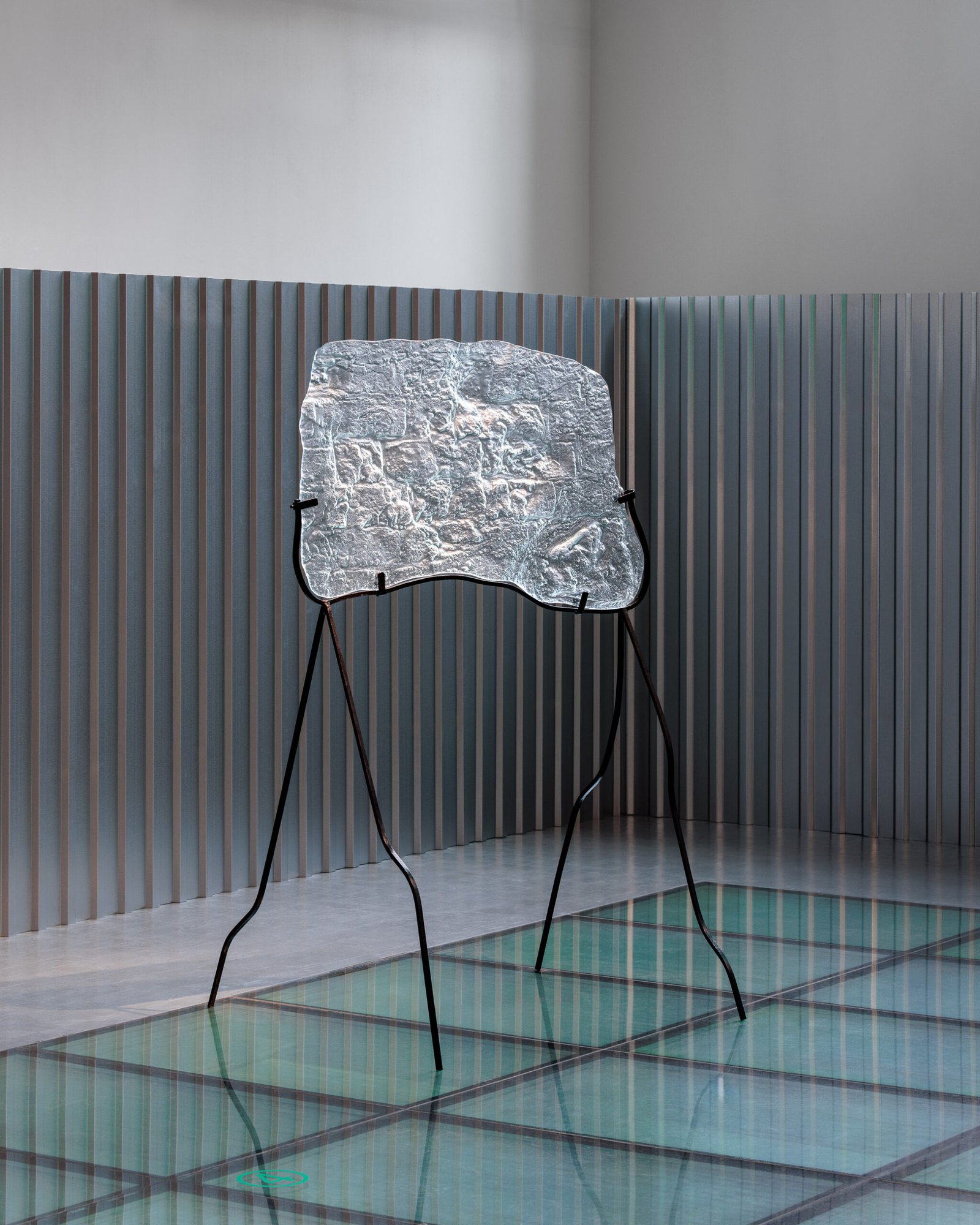
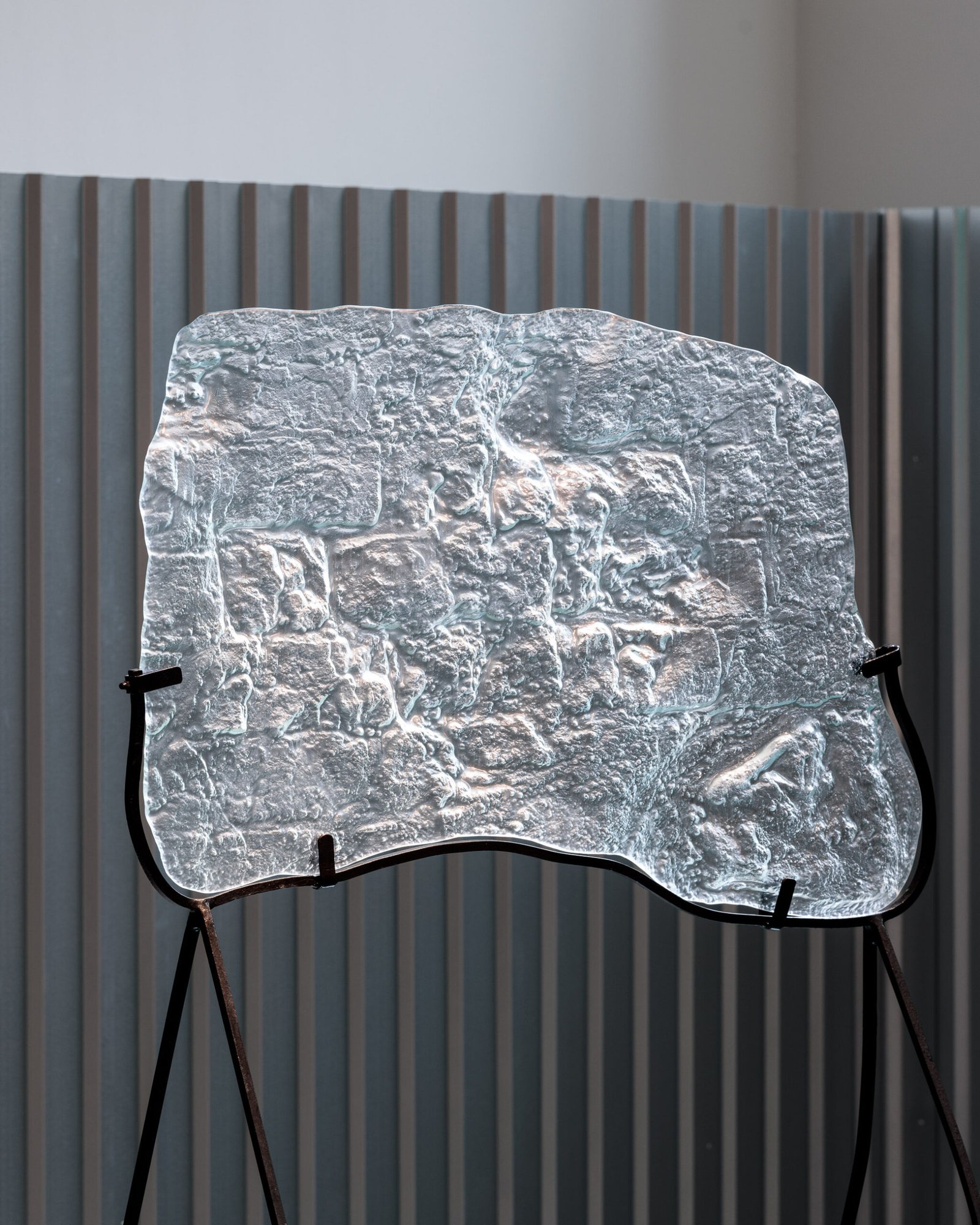
Gizela Mickiewicz, in her sculpture A Place with a View of Time, uses a silicone impression taken from a fragment of a historic wall, later cast in glass. The final form – much like the tenement houses of Podzamcze – derives from a real fragment but is not its literal reproduction. The glass cast does not reconstruct the past but evokes it as a trace, a spectral shell. It reveals a process of reconstruction based on conventional principles and a partially free interpretation of the preserved traces of the past.
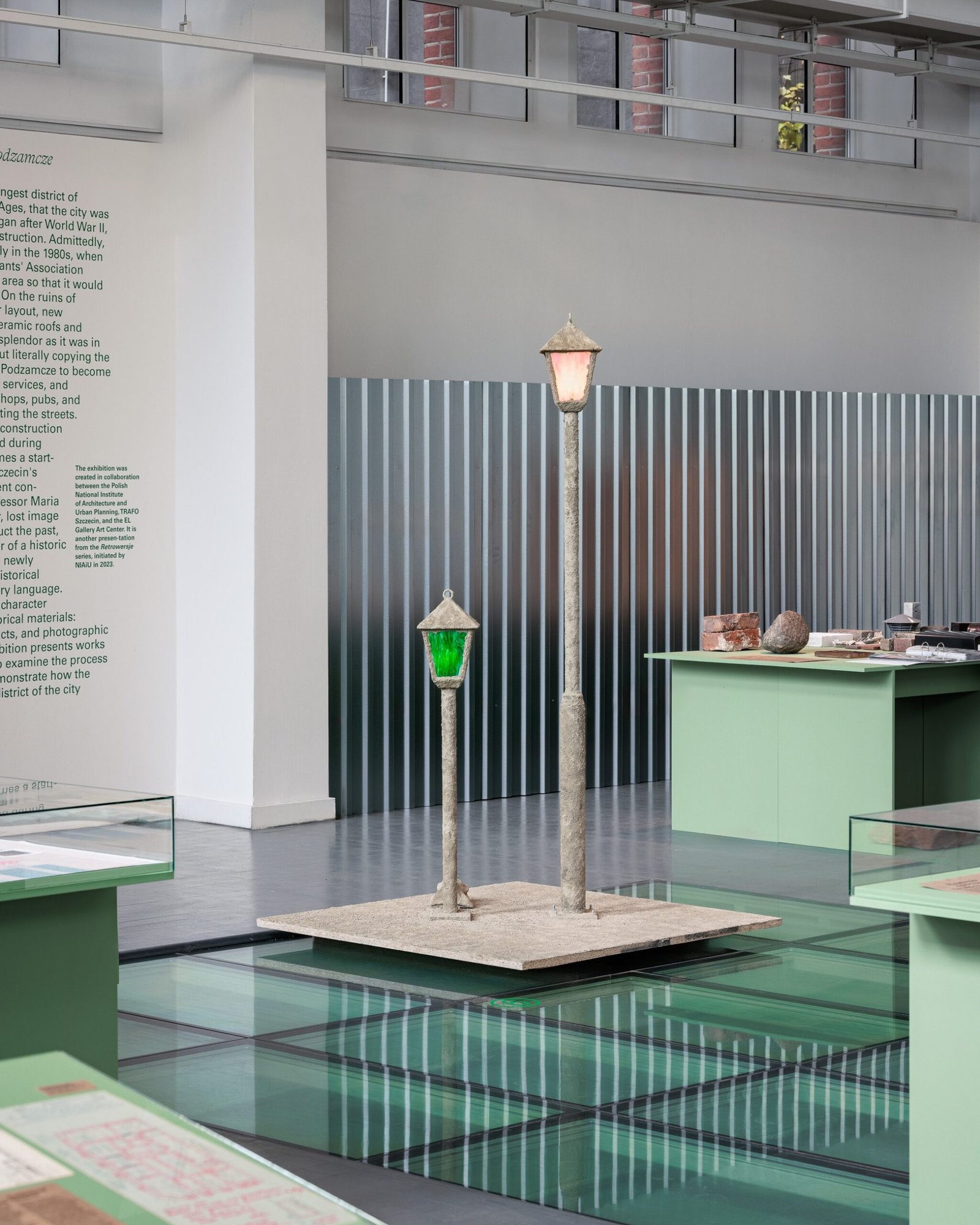
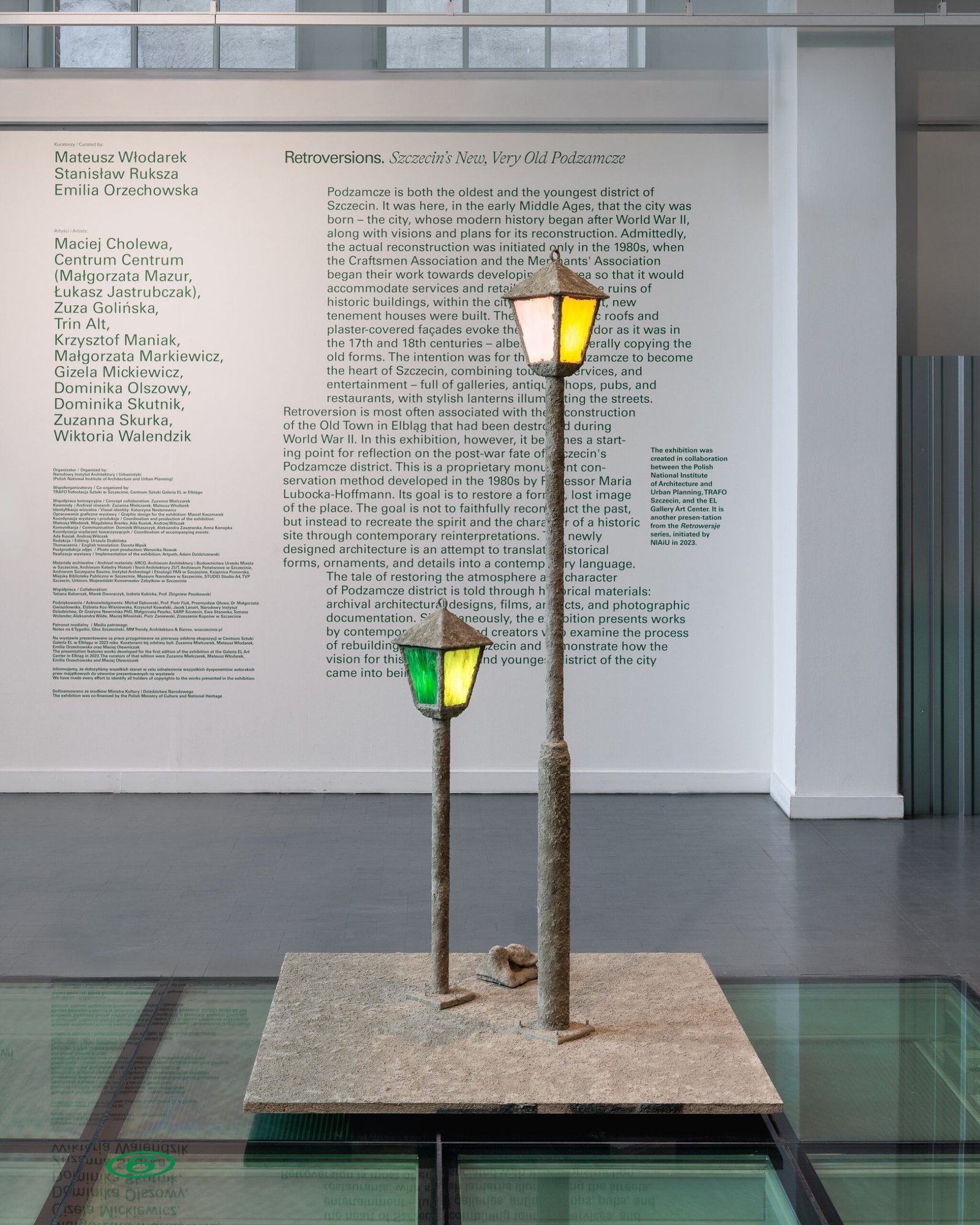
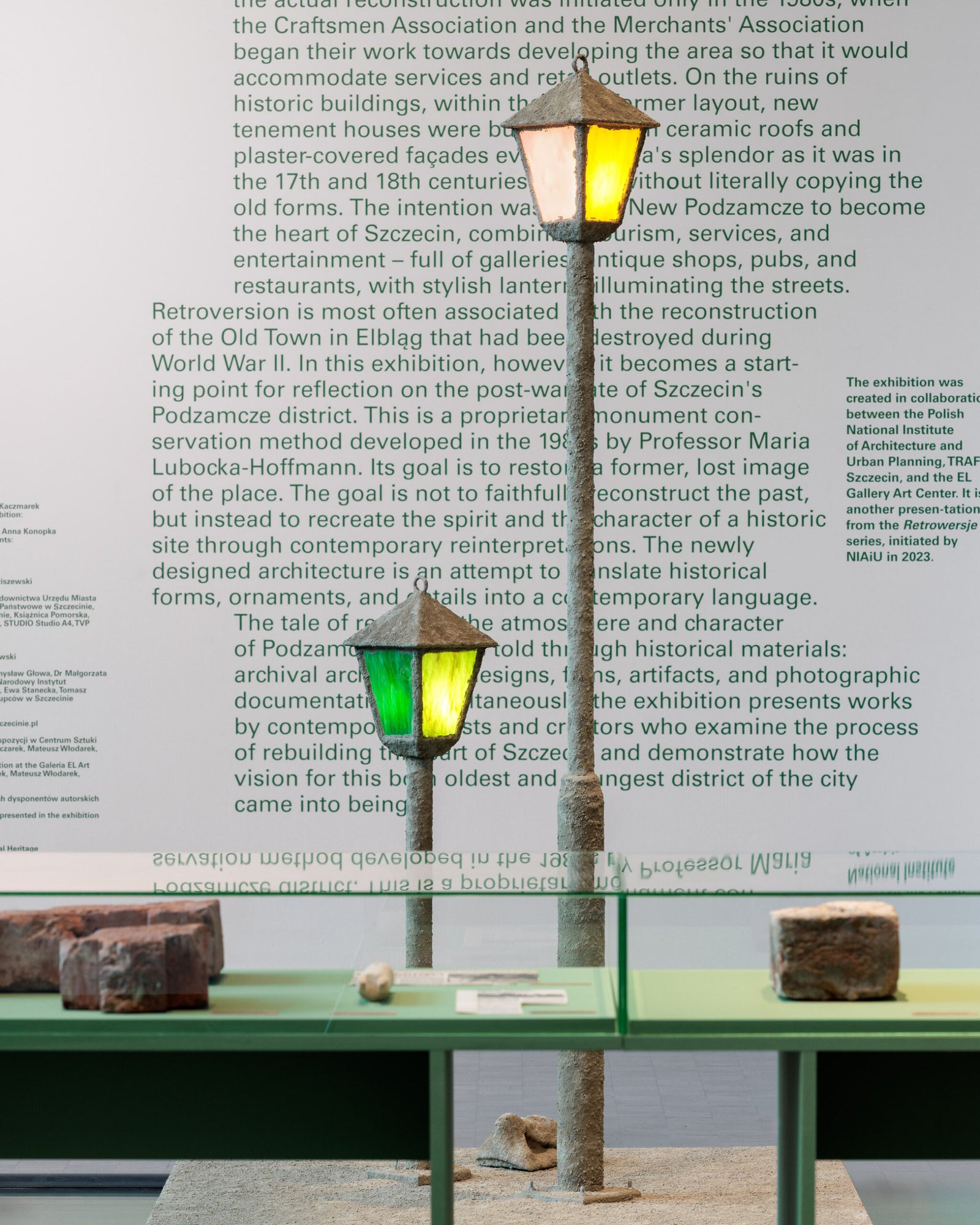
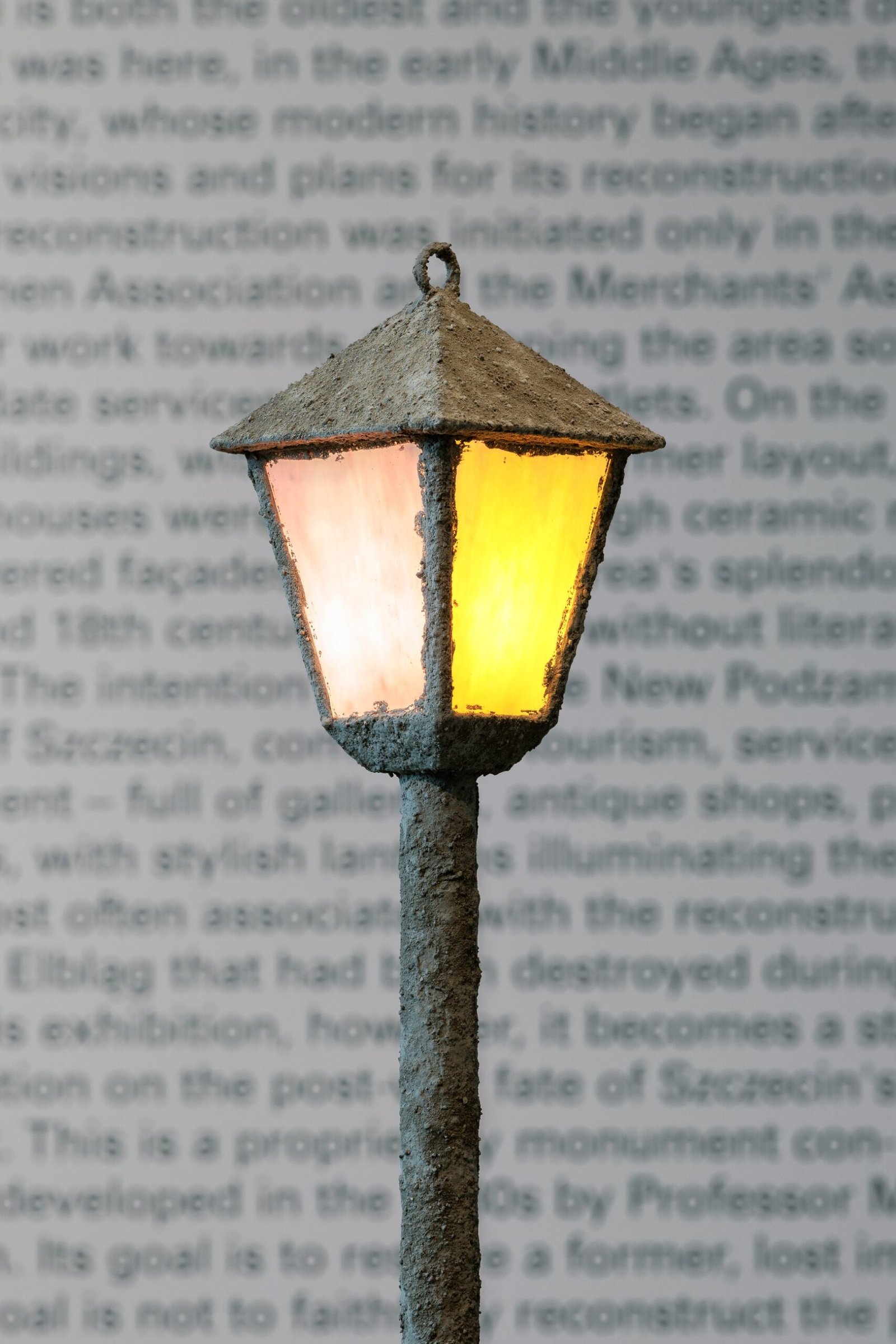
Dominika Olszowy, in her installation A Lamp with a Soul, transforms a piece of urban infrastructure into a vessel of memory. Olszowy covered the lamp with a thin layer of dust, as if pulling it from its basement foundations and trying to save it from oblivion, while simultaneously dousing it with concrete from a nearby construction site. This renovation costume tells a story about layers of history and urban reconstruction.
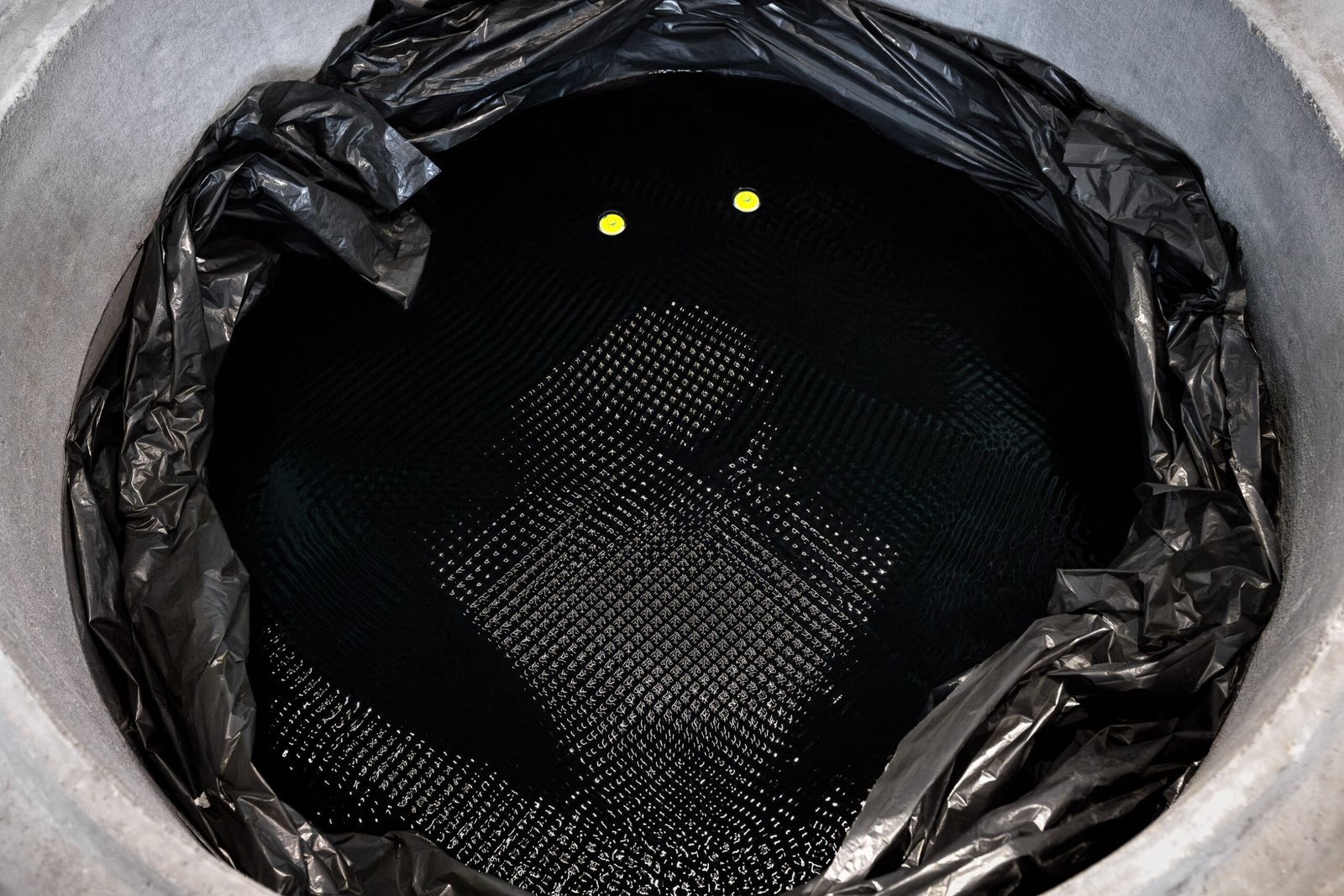
The installation by Centrum Centrum (Małgorzata Mazur and Łukasz Jastrubczak) consists of three narrators: sand, water, and construction mesh. Their voices intersect like static – echoes of administrative decisions, residents’ testimonies, investor loans, and fragments of newspaper sentences. The conversation breaks, loops, and disperses in space like dust. The installation listens for voices, capturing the tensions between matter and memory, between building and forgetting.
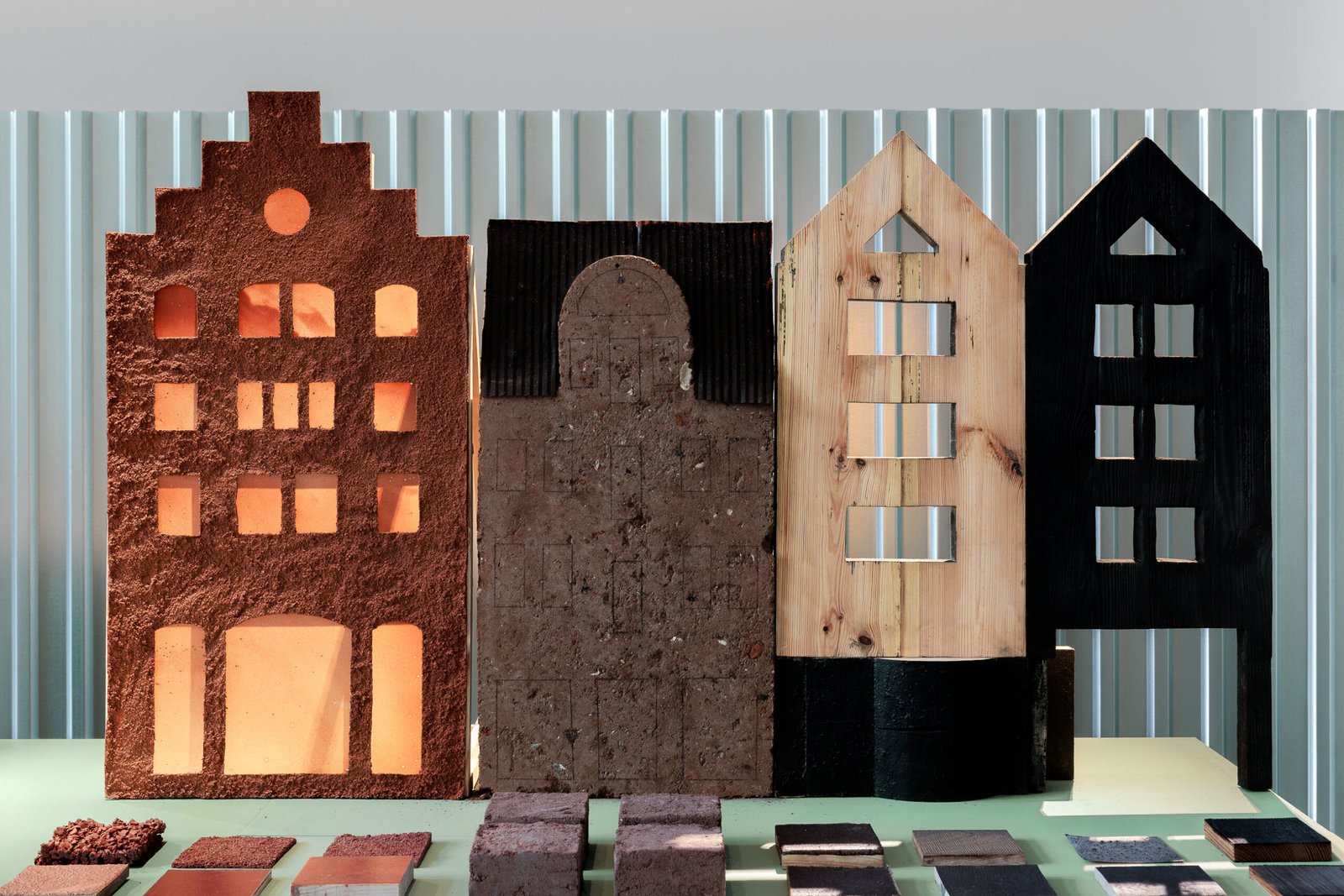
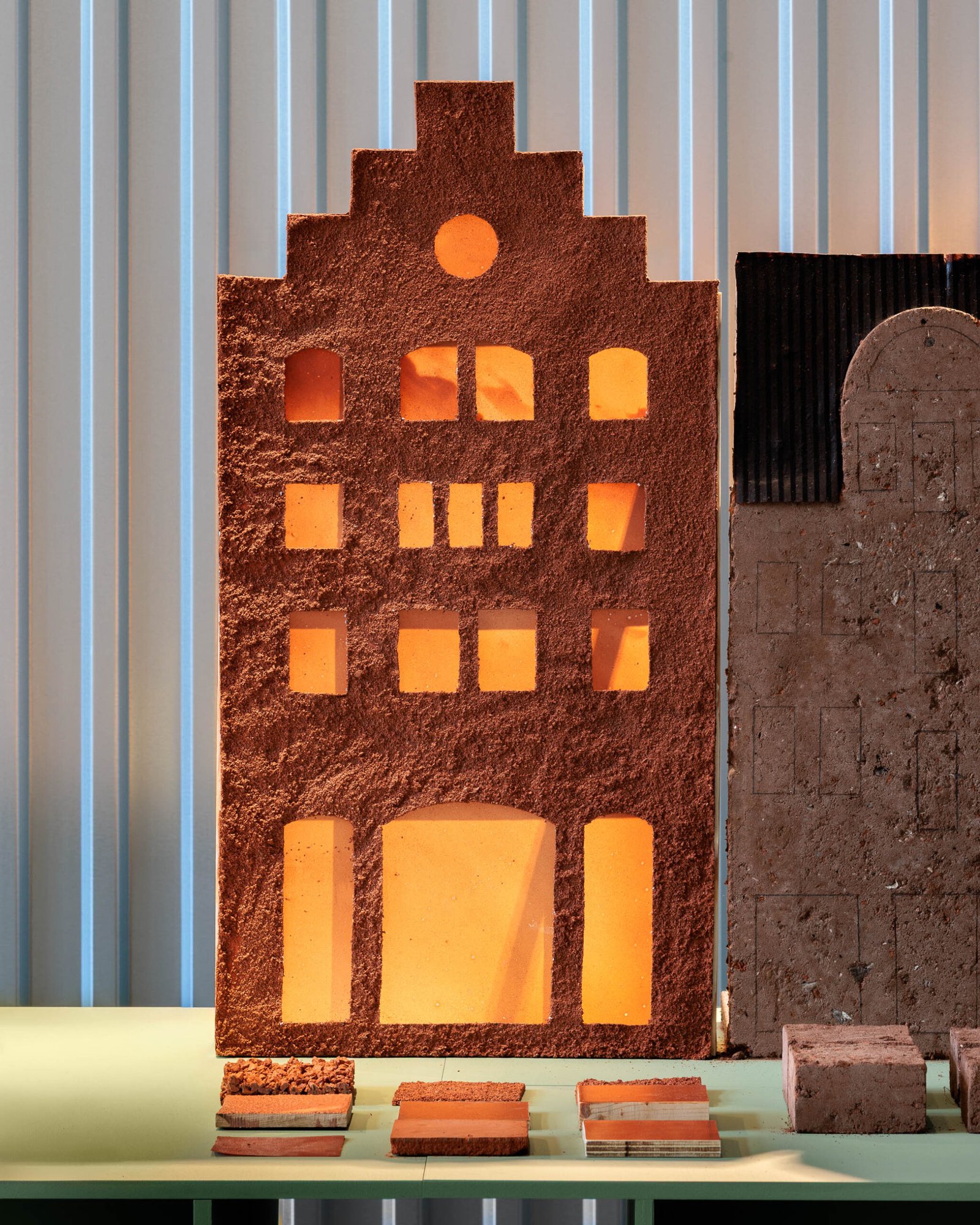
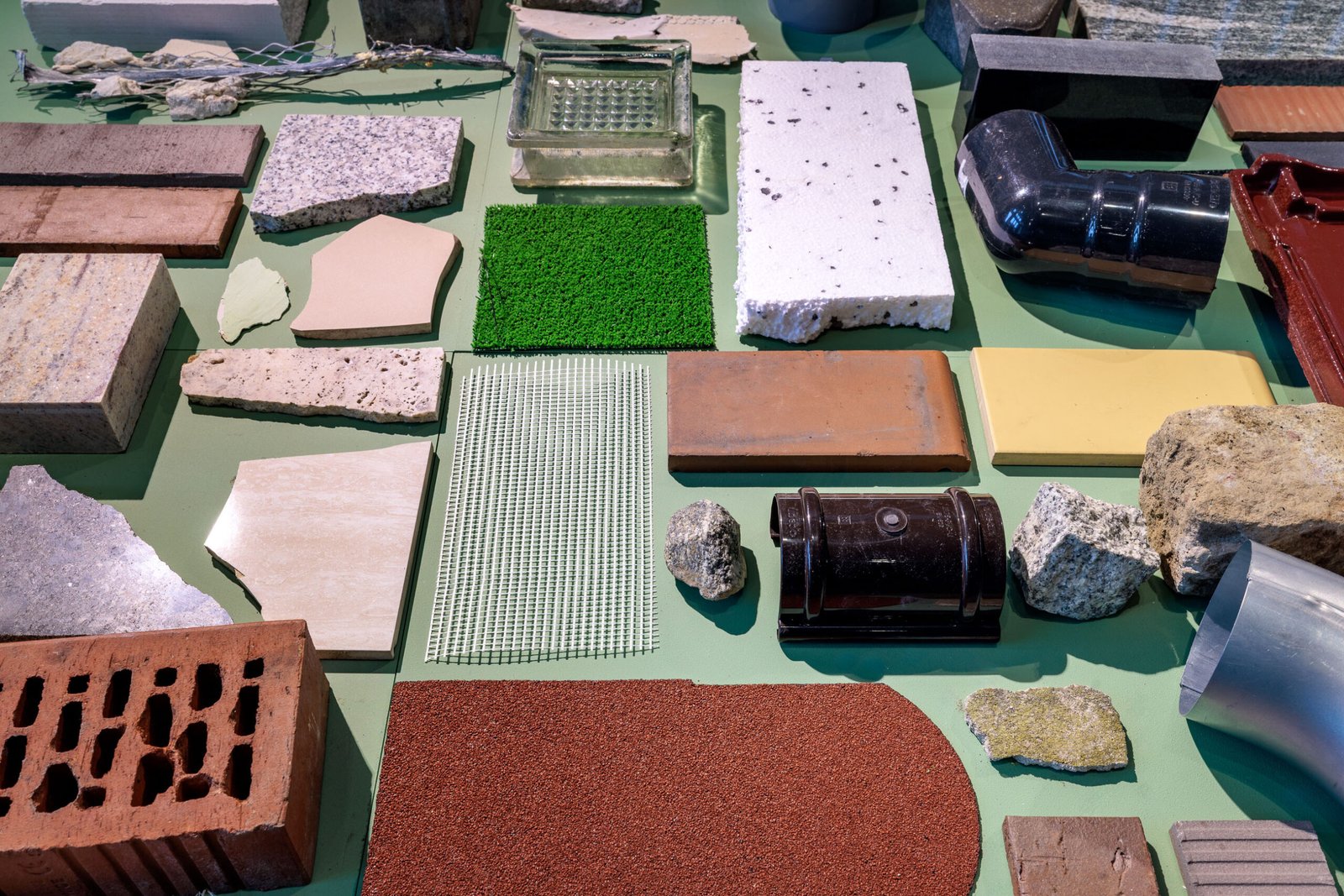
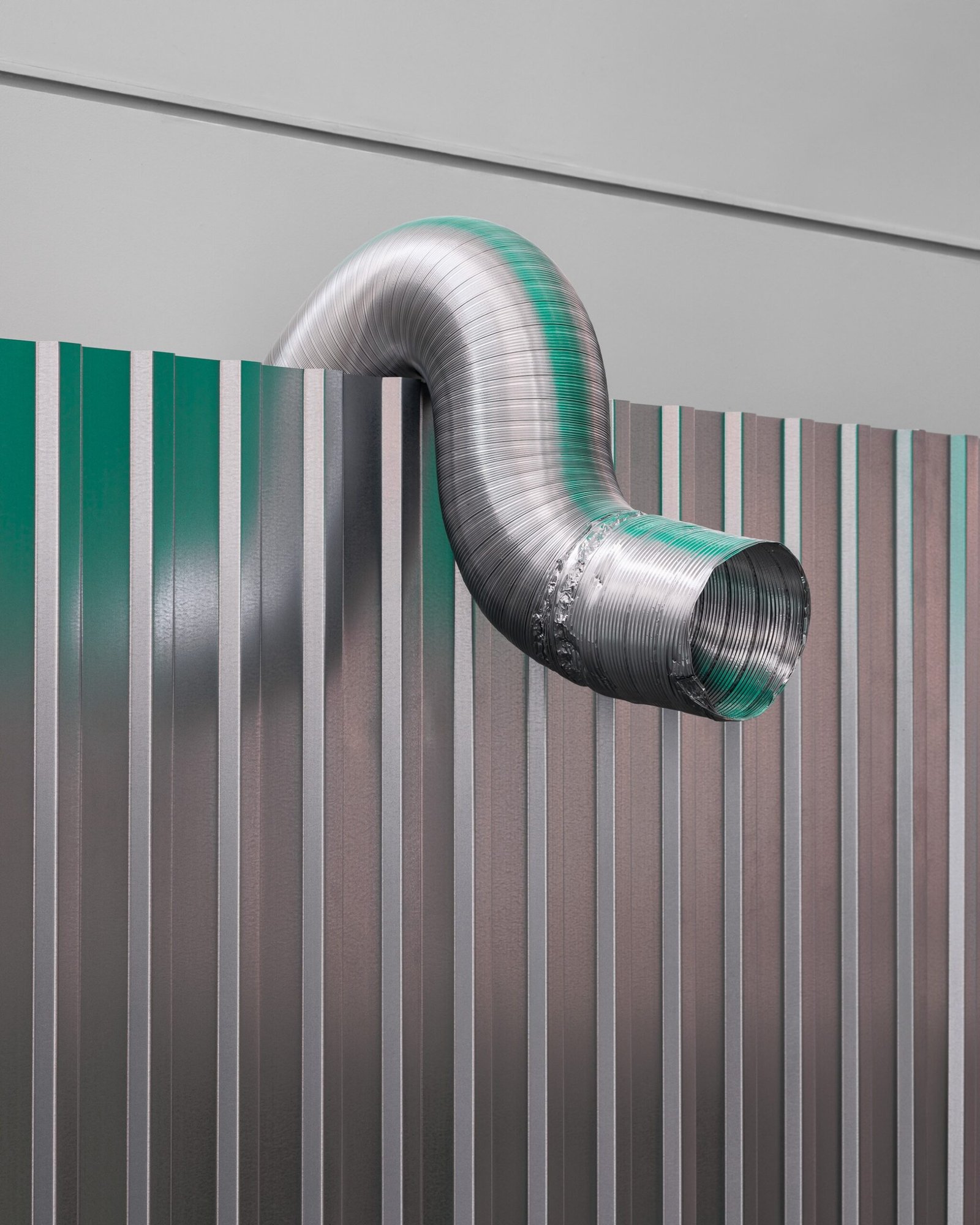
The exhibition space was designed by Zuza Golińska in collaboration with Trin Alt. The artists organize the space as a construction site – referencing archival photographs and the contemporary landscape of Podzamcze, they engage the viewer in the process of recreating the atmosphere of the former town. The space is built from trapezoidal sheet metal, a typical material used to fence off construction sites. The sheet metal frames the exhibition and directs the gaze inward – toward the ways in which old architecture is recreated and reinterpreted. The second material, green MDF, resistant to moisture and usually hidden within walls, is used here to construct slanted display tables reminiscent of drafting furniture. Their arrangement evokes the structure of the streets and squares of Podzamcze, creating a spatial rhythm and organizing the viewer’s movement. In this way, Golińska and Alt create an exhibition environment that is not a neutral backdrop but actively emphasizes the process and fragmentary nature of reconstruction.
The exhibition was created in collaboration between the National Institute of Architecture and Urban Planning, the TRAFO Center for Contemporary Art in Szczecin, and the EL Gallery Art Center in Elbląg.
text: Mateusz Włodarek