


Autumn again, after all. So much for the recent heatwaves and the sunlight flooding the streets with such intensity that you could’ve believed summer had seared itself permanently into the stucco of the tenement houses, helping us pretend that the overpriced, over-diluted Aperol ordered at Betel was actually being sipped in Bergamo.
Fine. We’re back to the factory settings of the Polish landscape. If we chose the bleakest stretch of November for our Independence Day, when Mariah hasn’t yet started telling us in shopping malls that all she wants for Christmas is you, but the orange garlands of pumpkins and bats have already come down, then perhaps we simply like things grey. Neither black nor white. Which is why it’s actually quite nice that Halloween has somehow caught on in Poland – another excuse for a party before St Nicholas’ Day rolls around. Especially since we’re not entirely hopeless at celebrating death either: All Souls’ Day, Forefathers’ Eve. Though the forefathers seem to return in a rather shabbier guise: plastic wreaths, discounted candles, “just look what Aunt Janina turned up wearing,” and Operation Candle – the annual All Saints’ Day road-safety campaign – because bodies have a way of piling up on Polish roads. A live-action gore film somewhere near Gorlice. Despite the hazards of Operation Candle and towns like Gorlice, in his novel Siódemka (Seven) Ziemowit Szczerek sends the hungover Paweł on a phantasmagorical journey along the eponymous National Road No. 7 from Kraków to Warsaw. Along the way, reality – clouded by alcohol and drugs – gradually disintegrates, cracks and crumbles. From its fissures emerges everything most quintessentially Polish: all manner of historical and contemporary spectres, at once
alluring and shameful – from valiant but dead kings and zombified national bards in fits of inspiration to gangs of “Springerites” bent on destroying everything ugly about roadside Poland, so that the paradise of Hansen’s modernism might finally reign supreme.
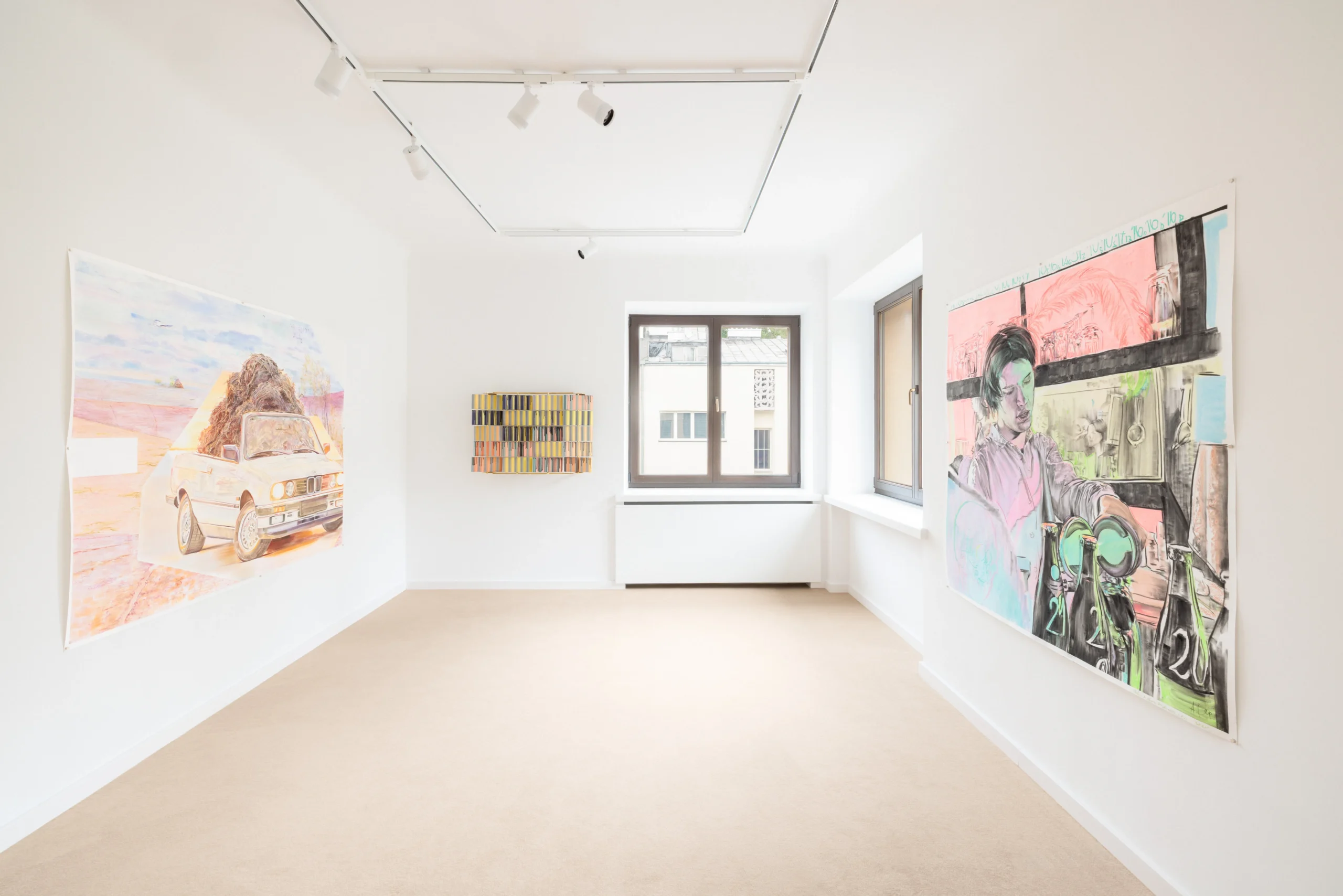
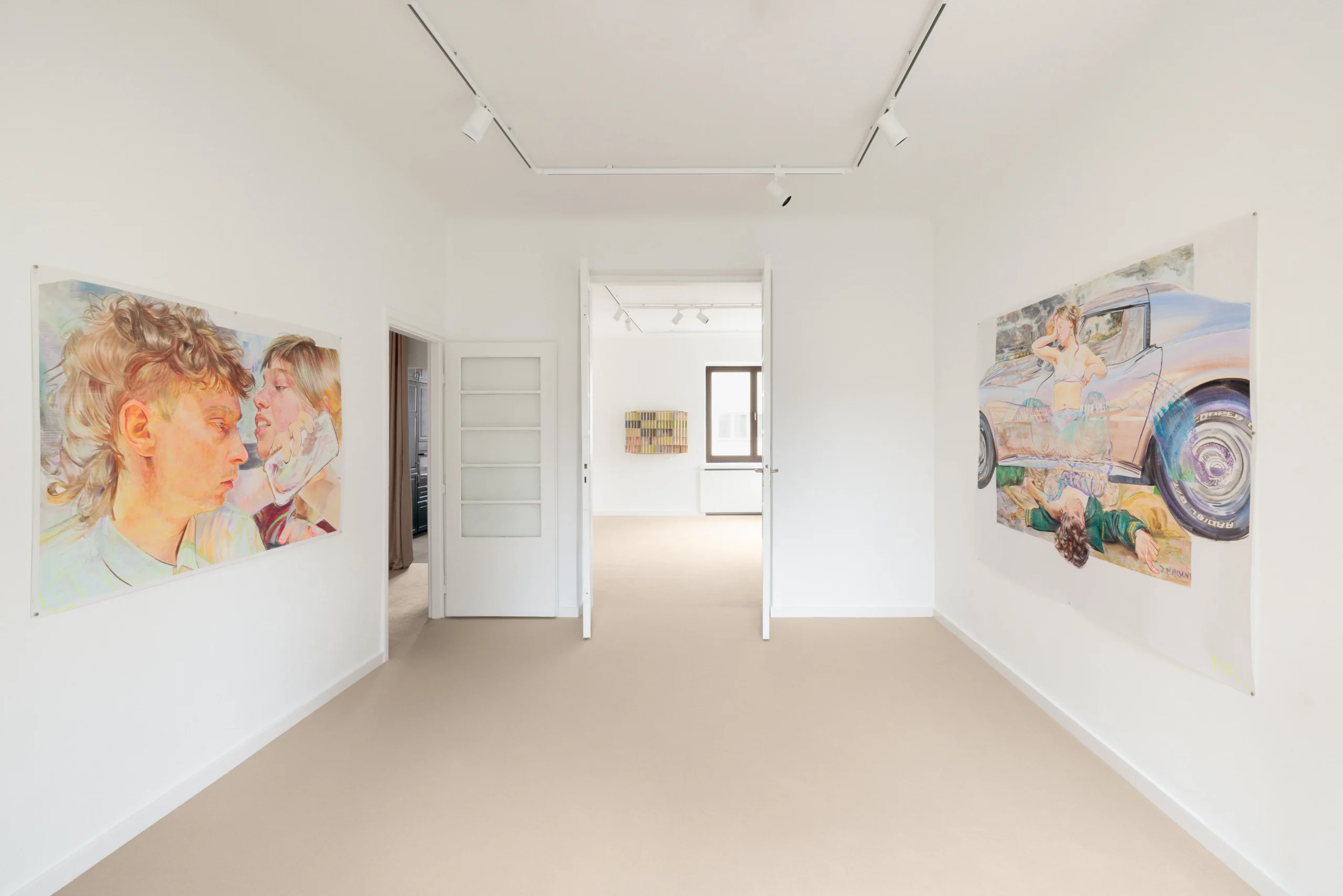
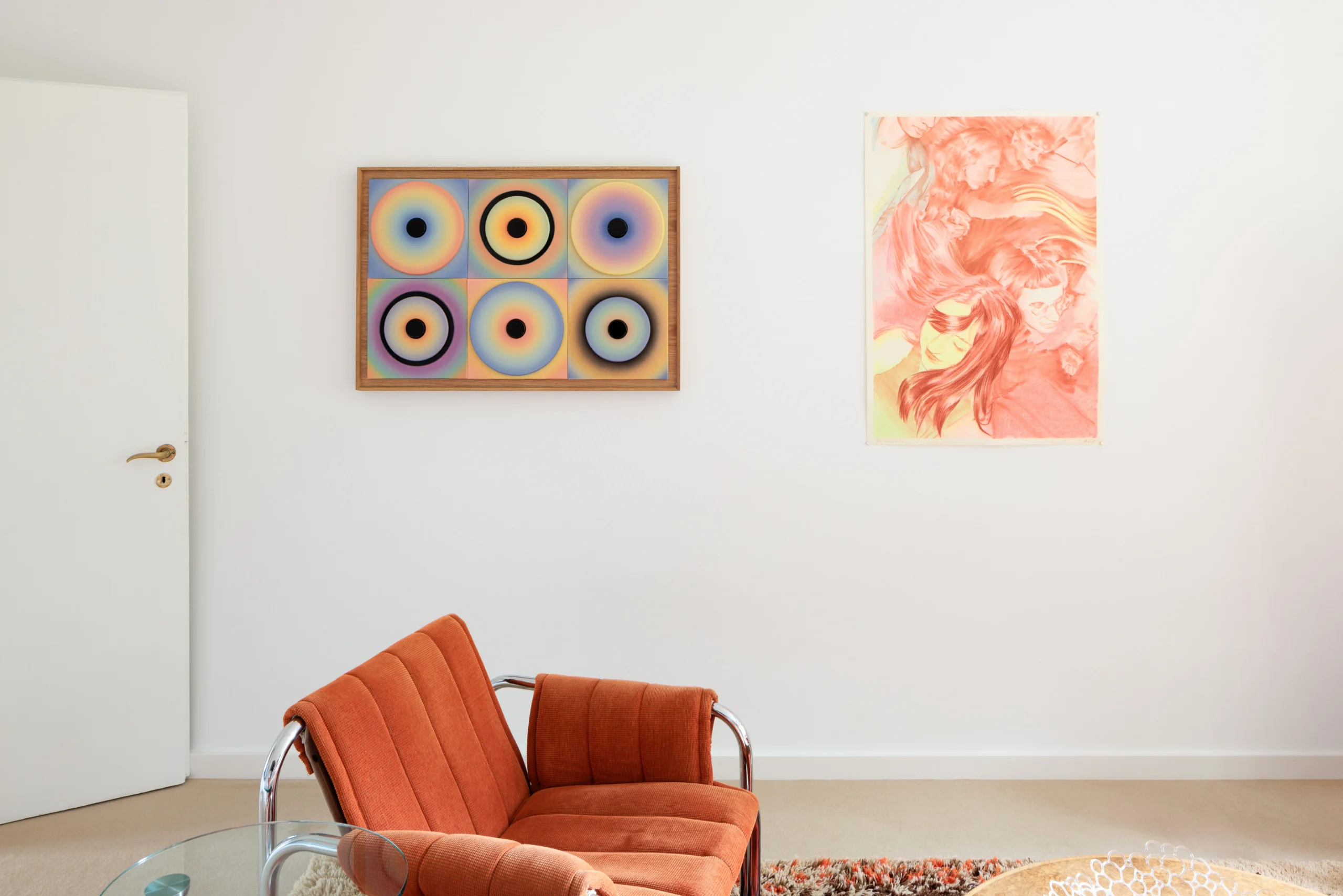
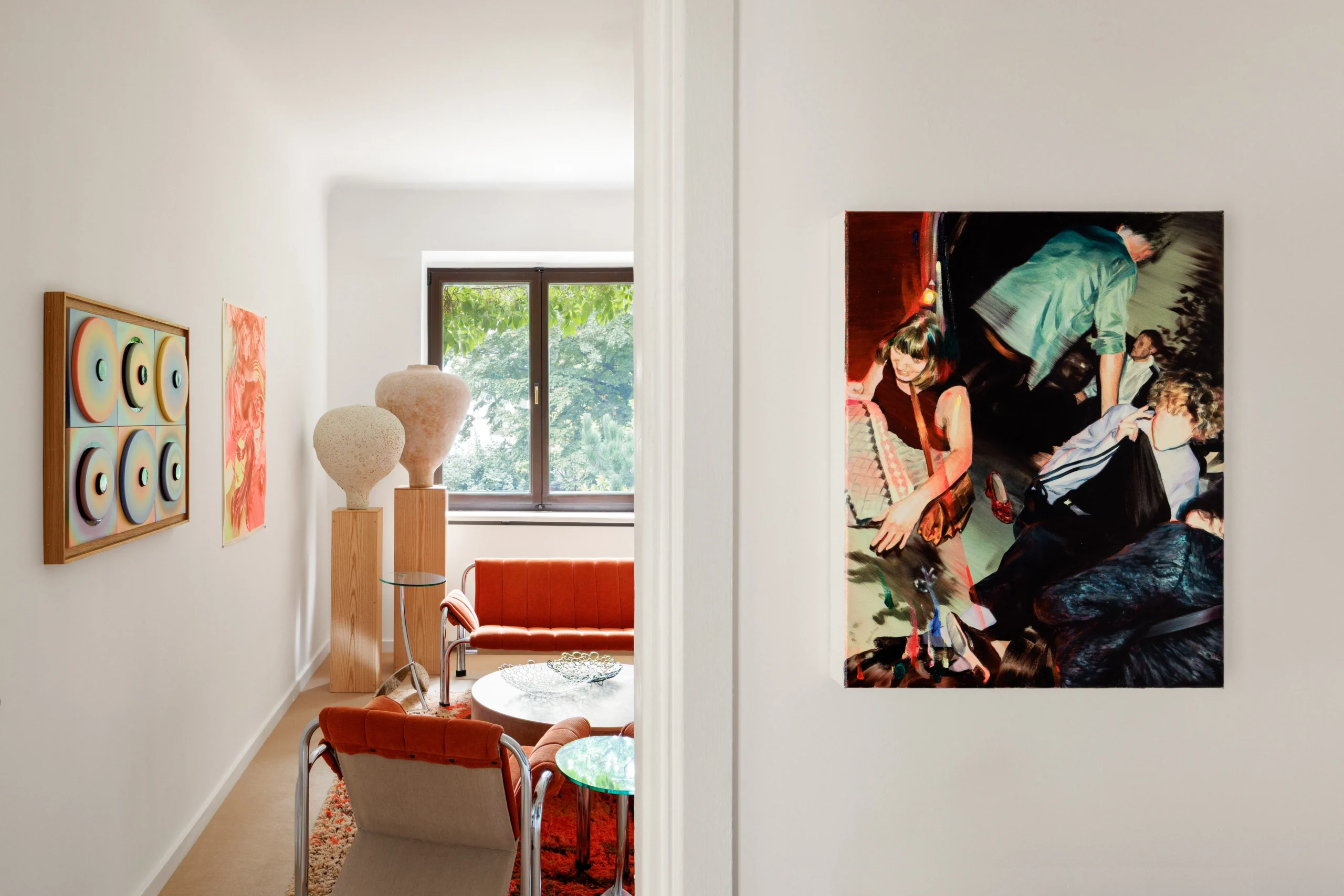
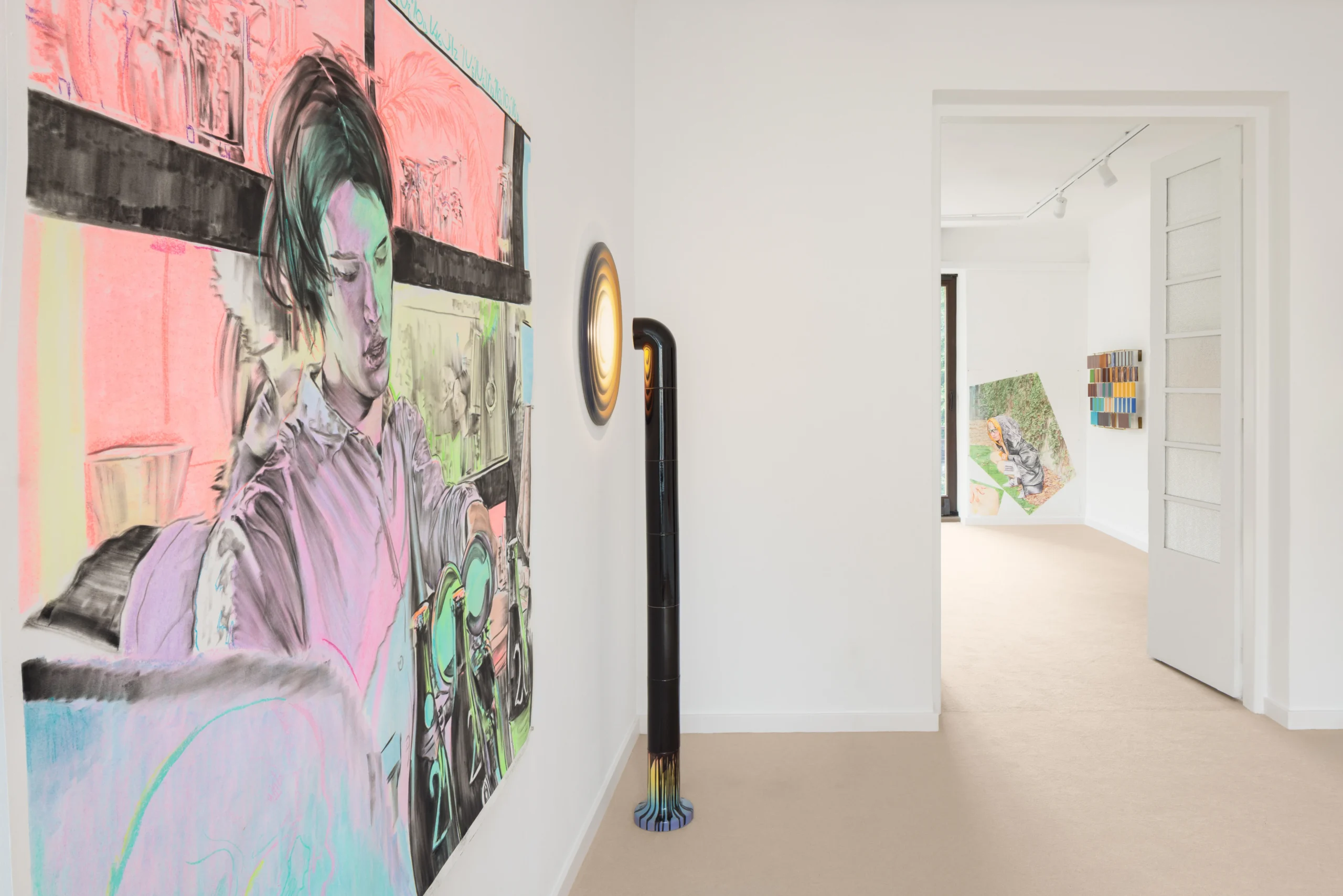
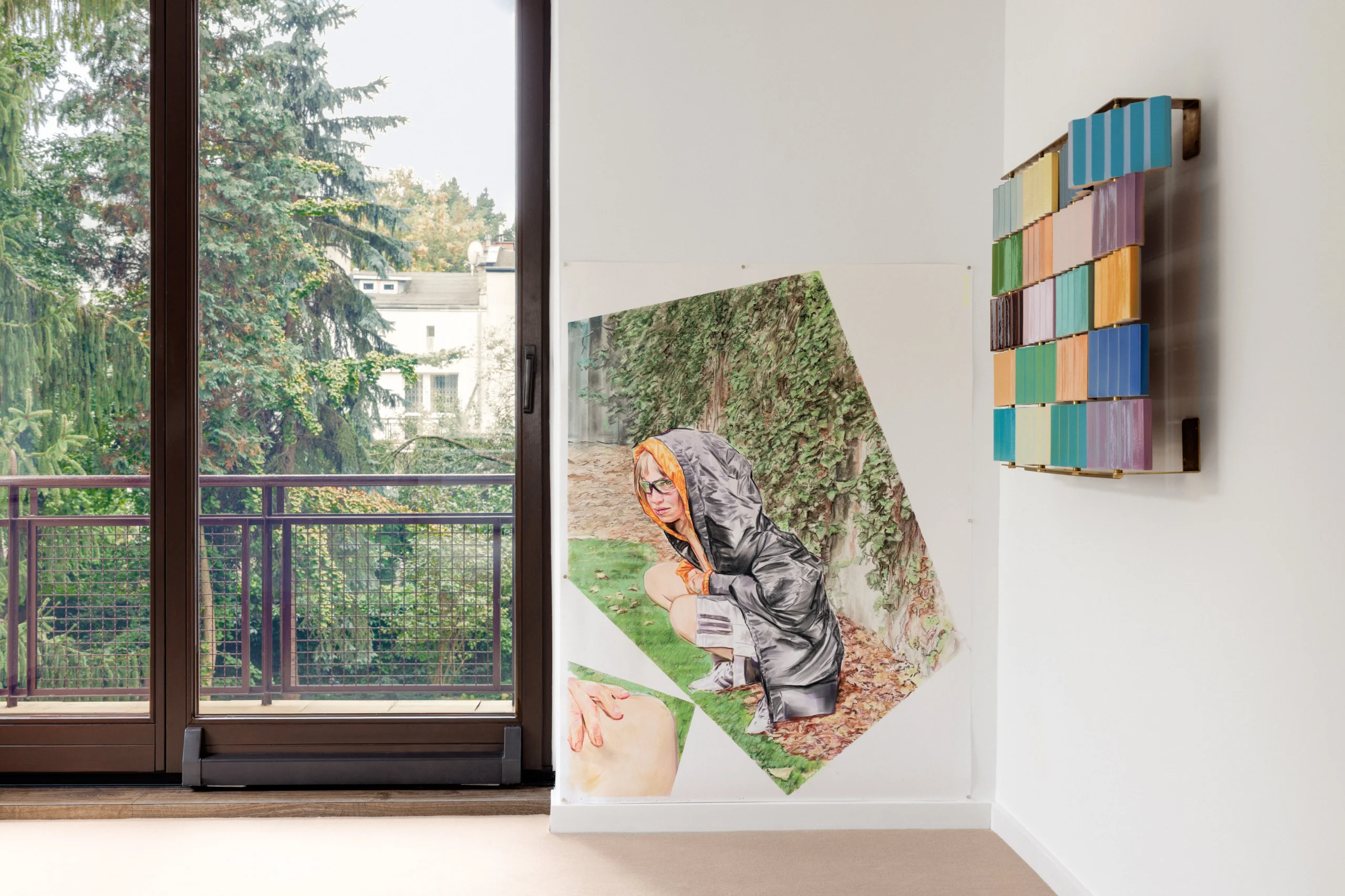
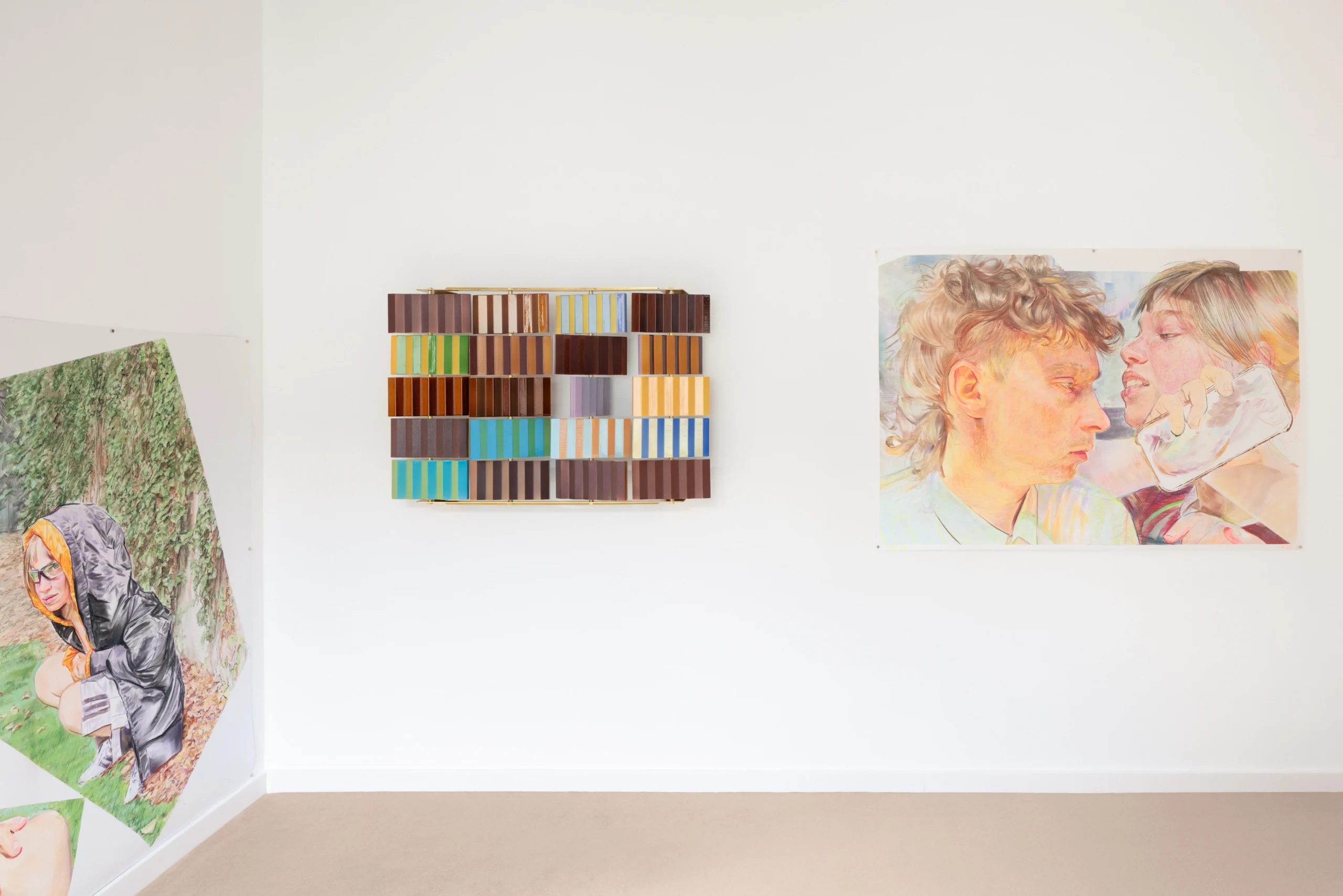
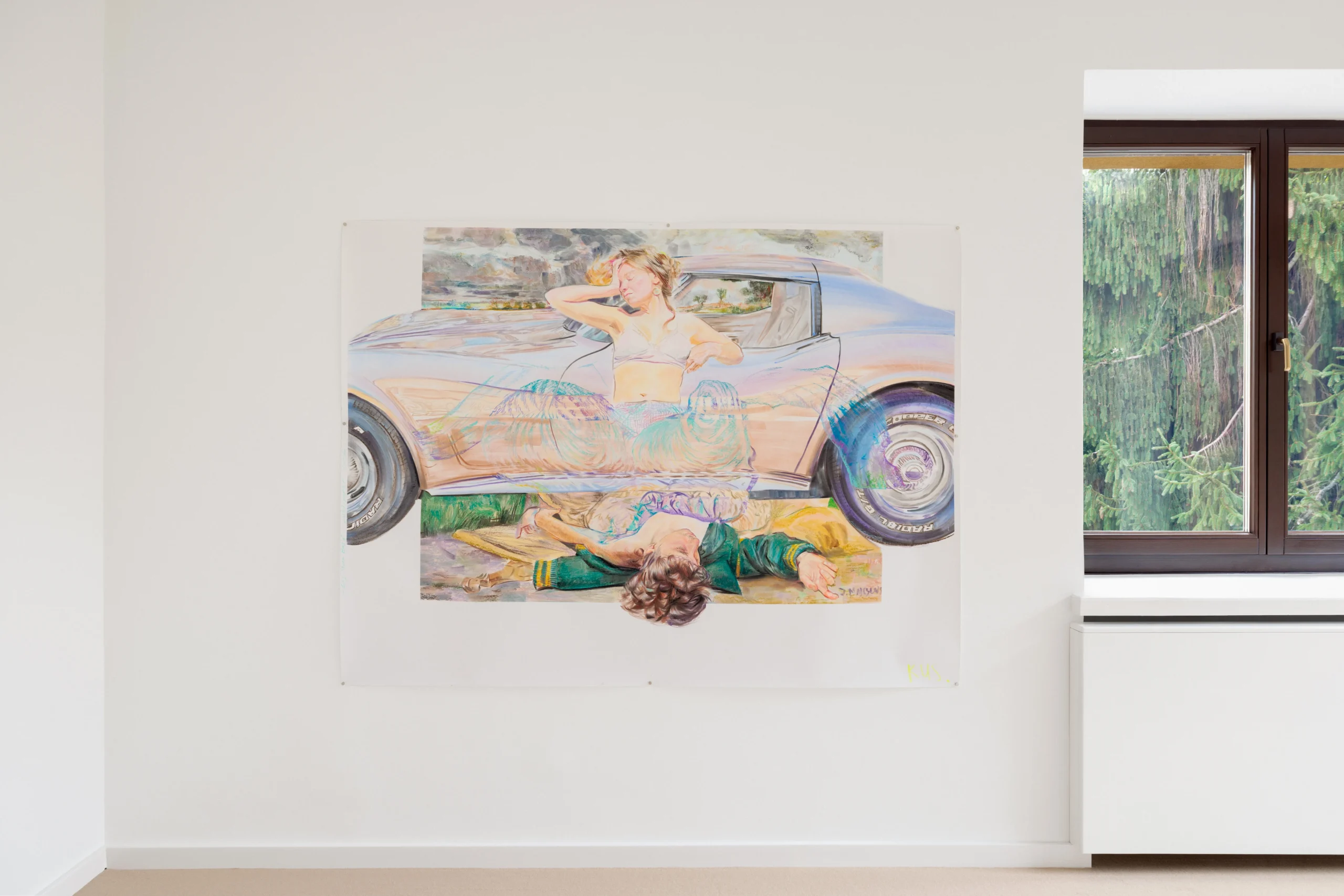
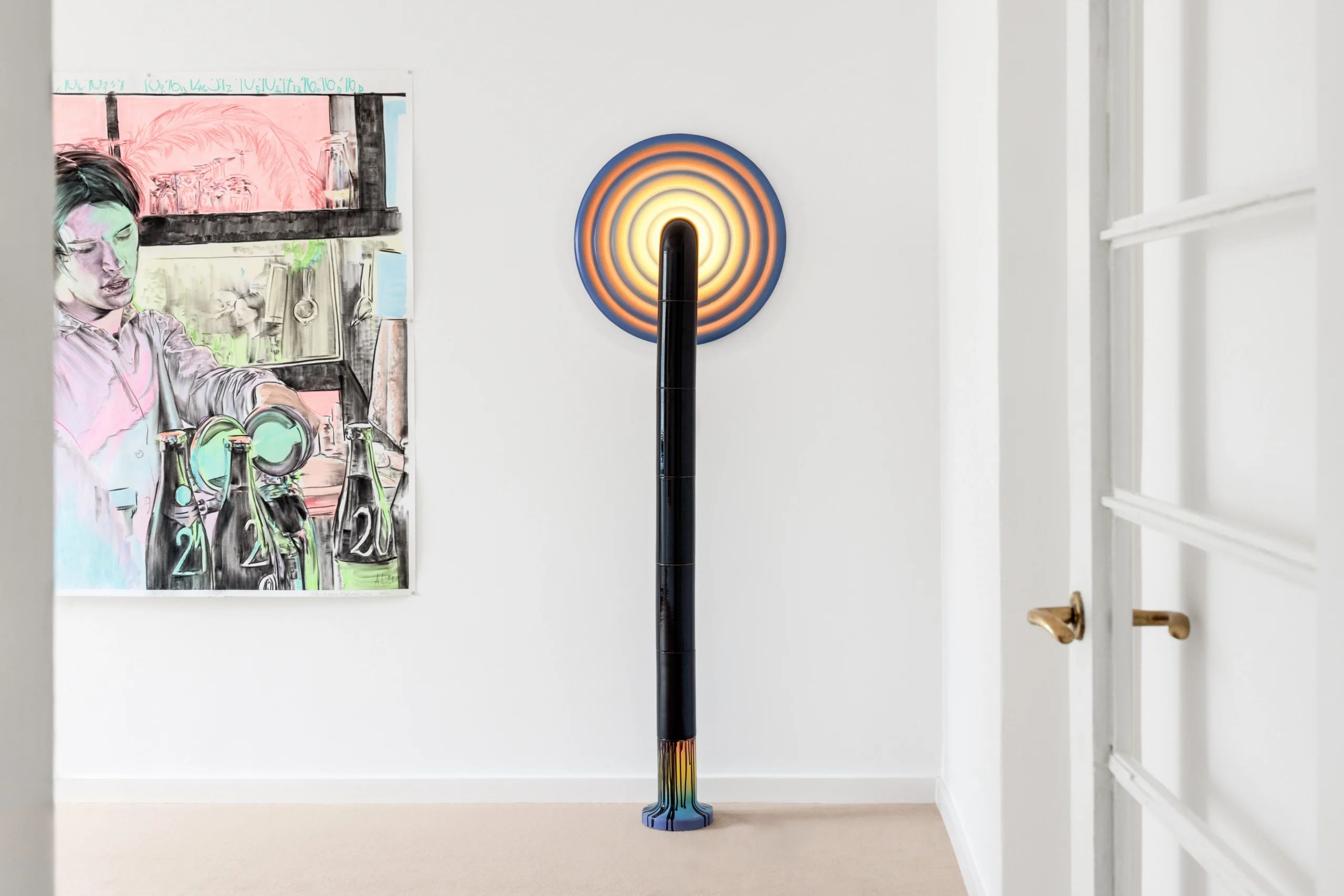
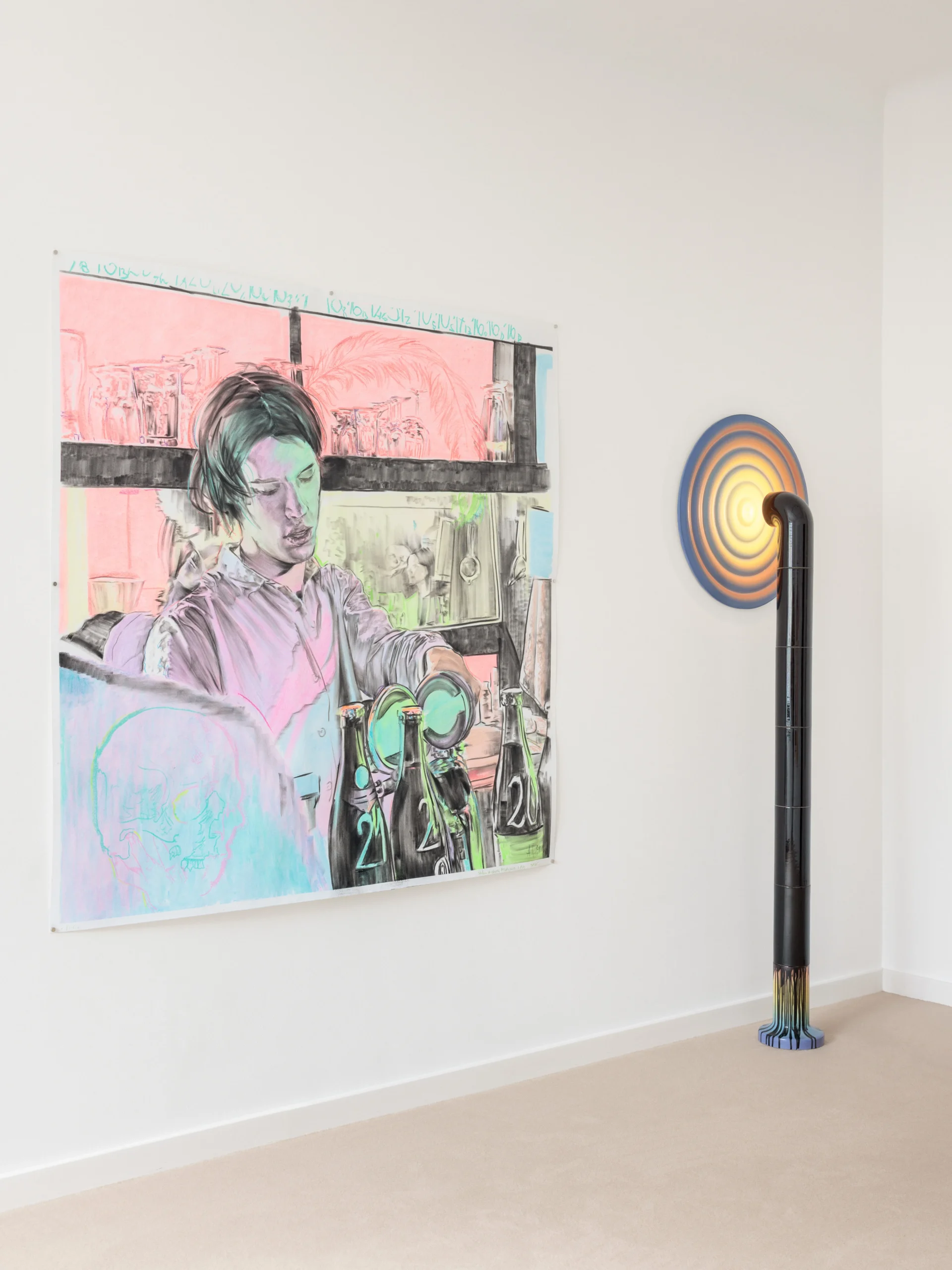
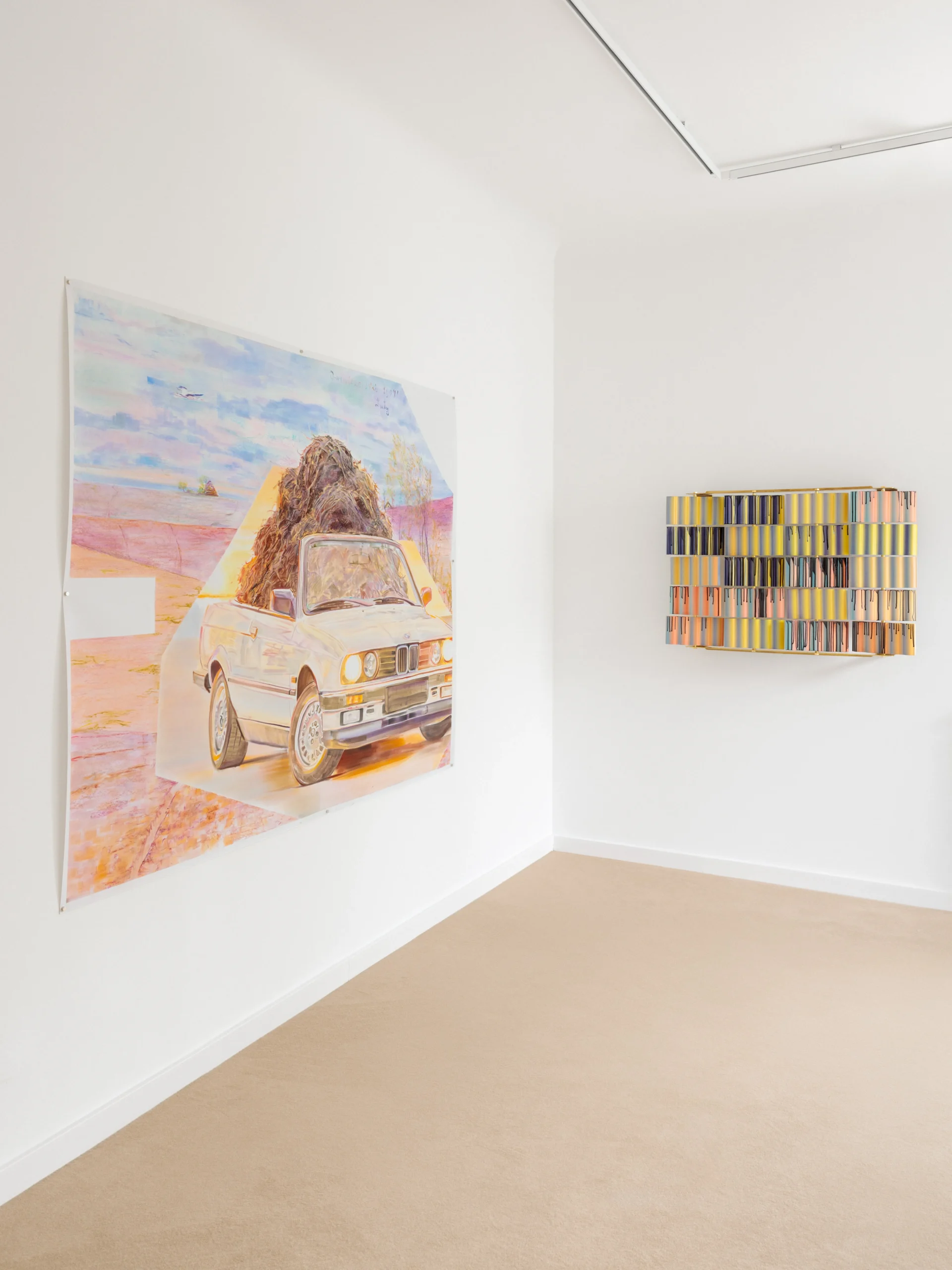
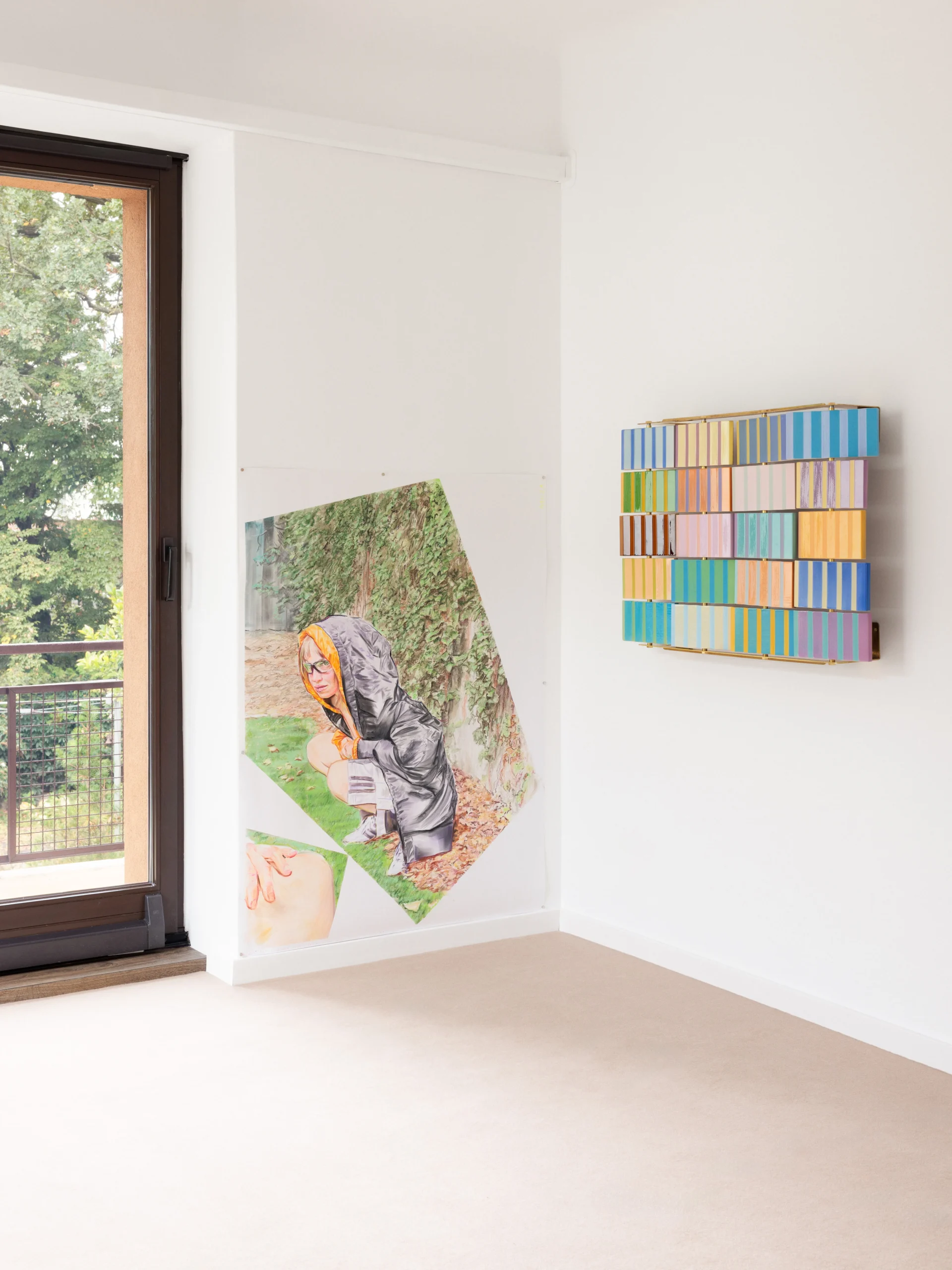
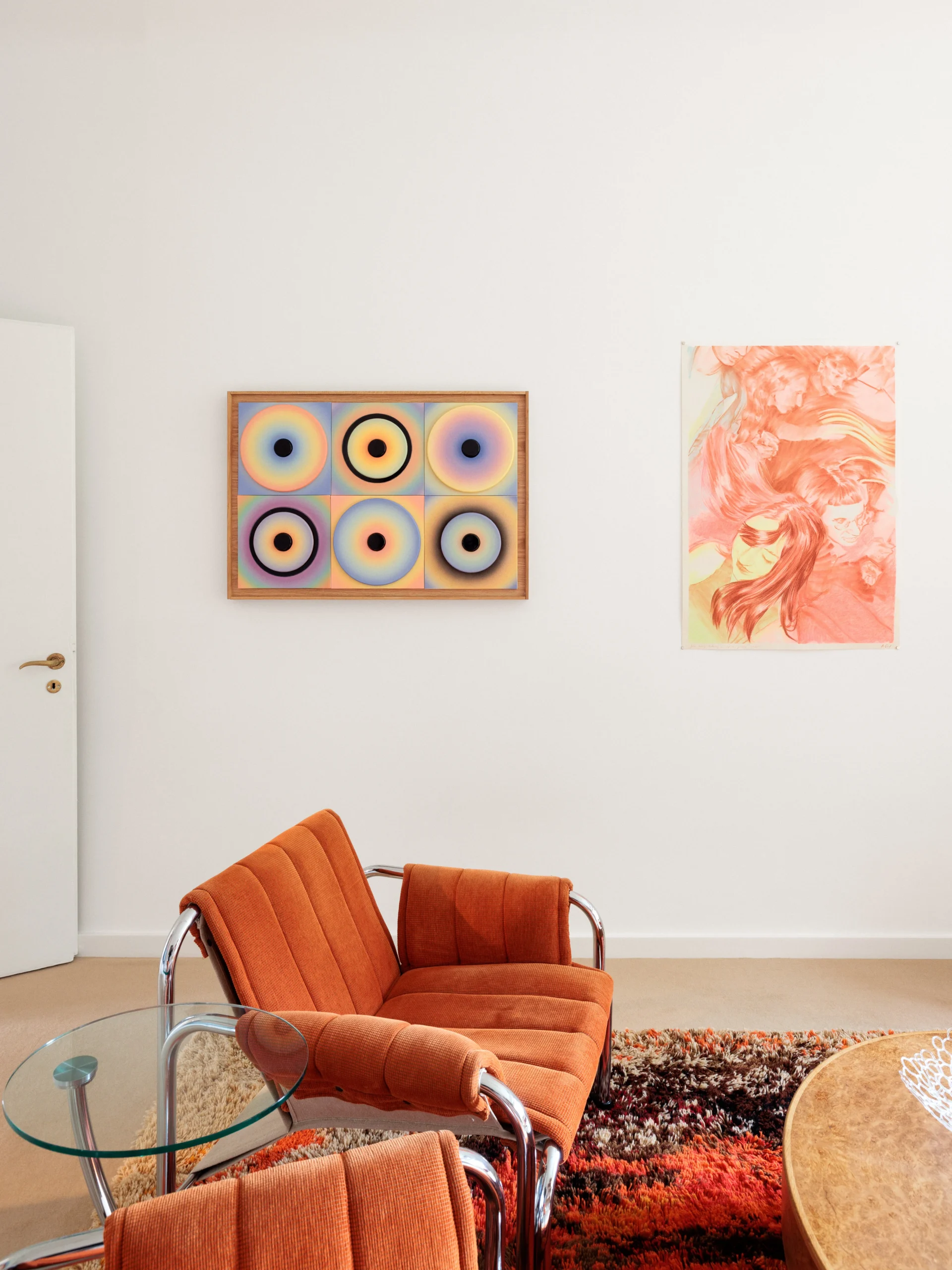
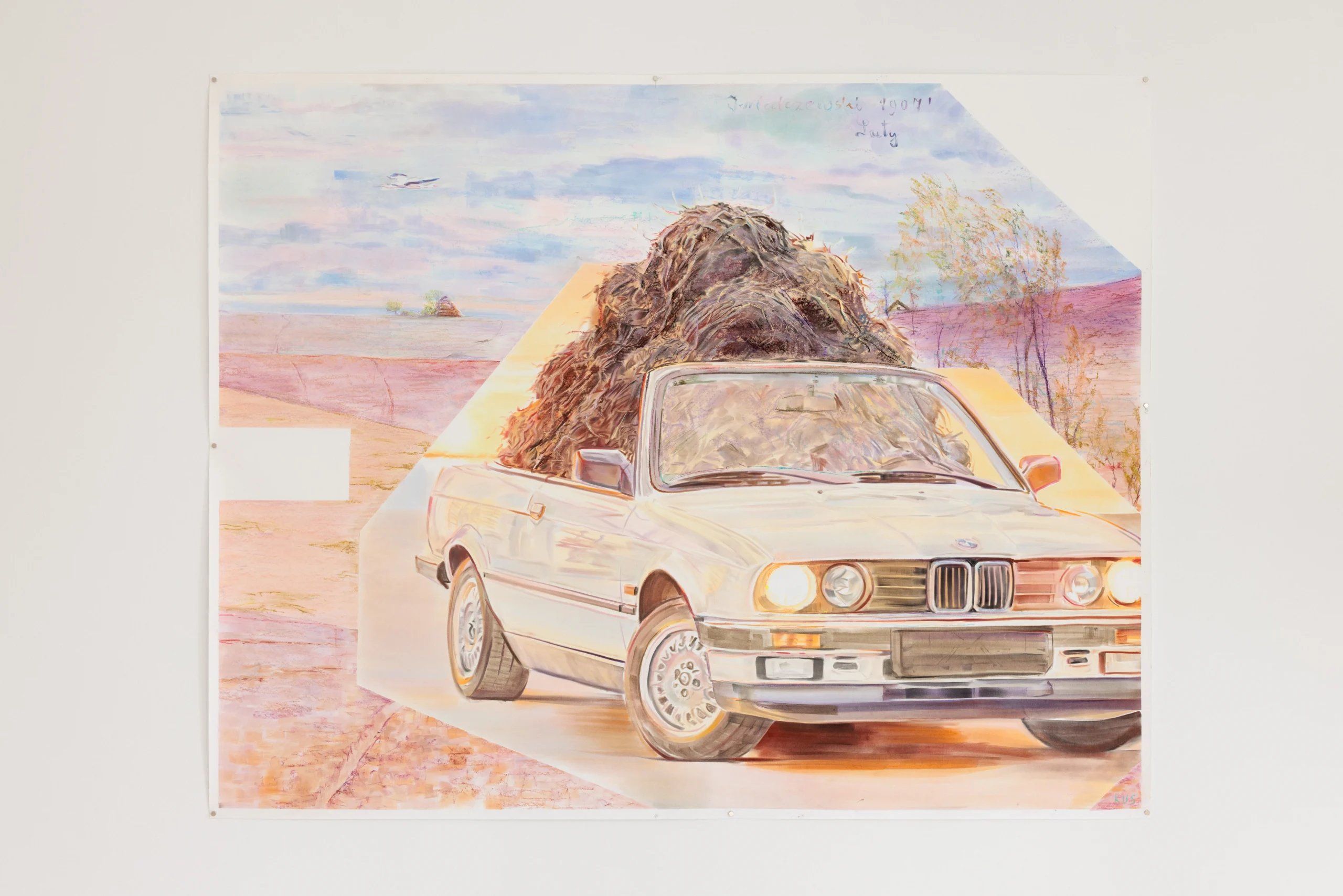
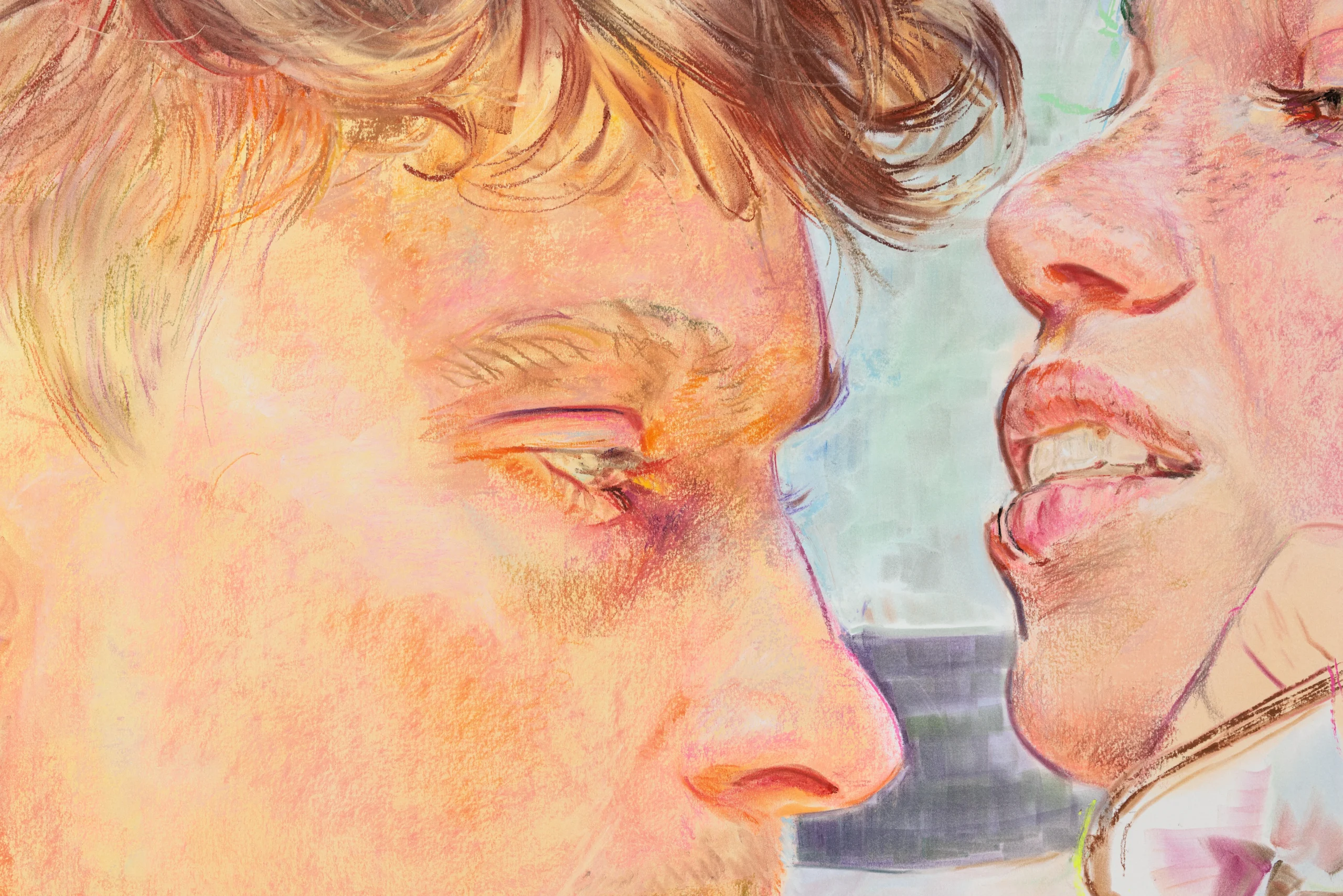
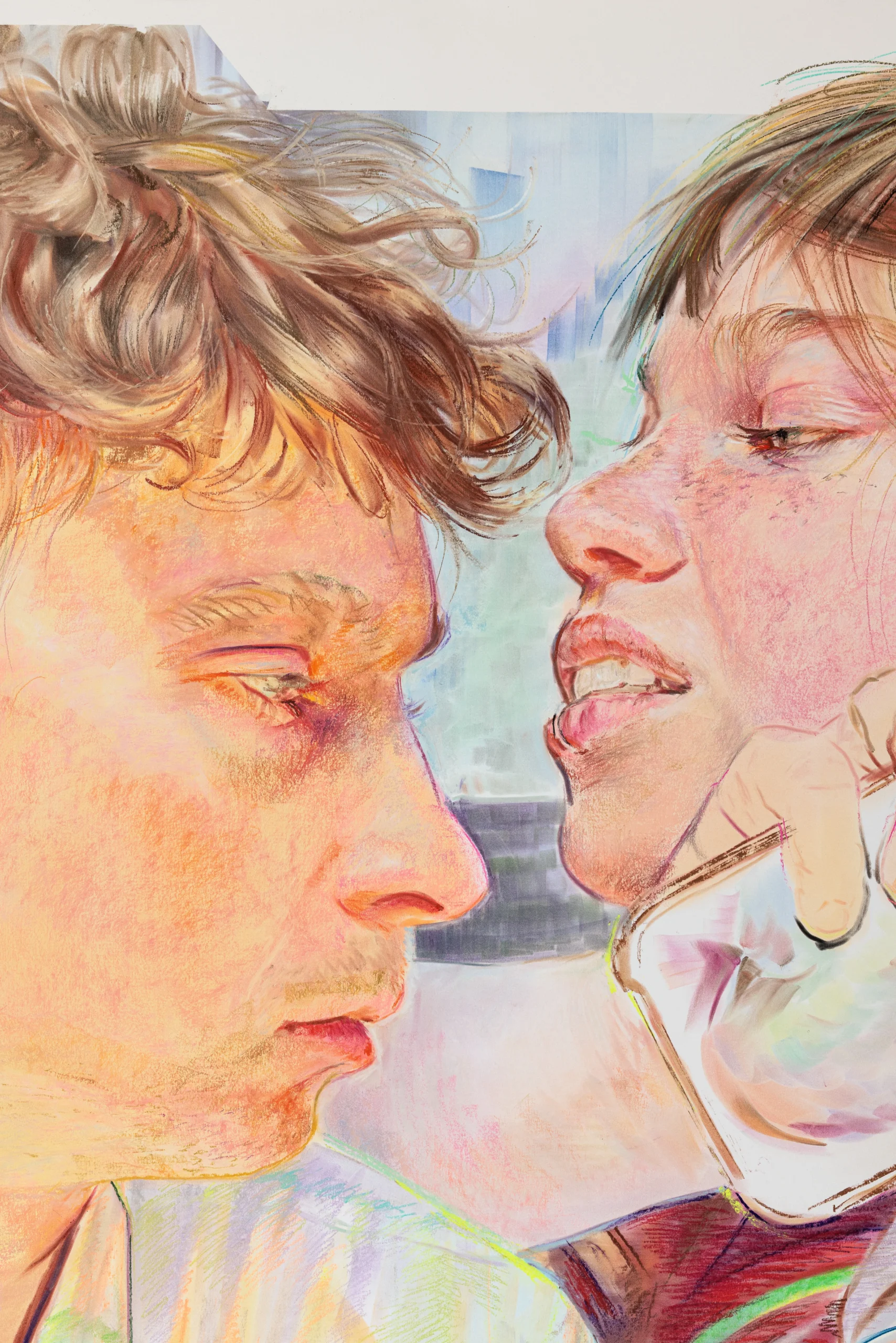
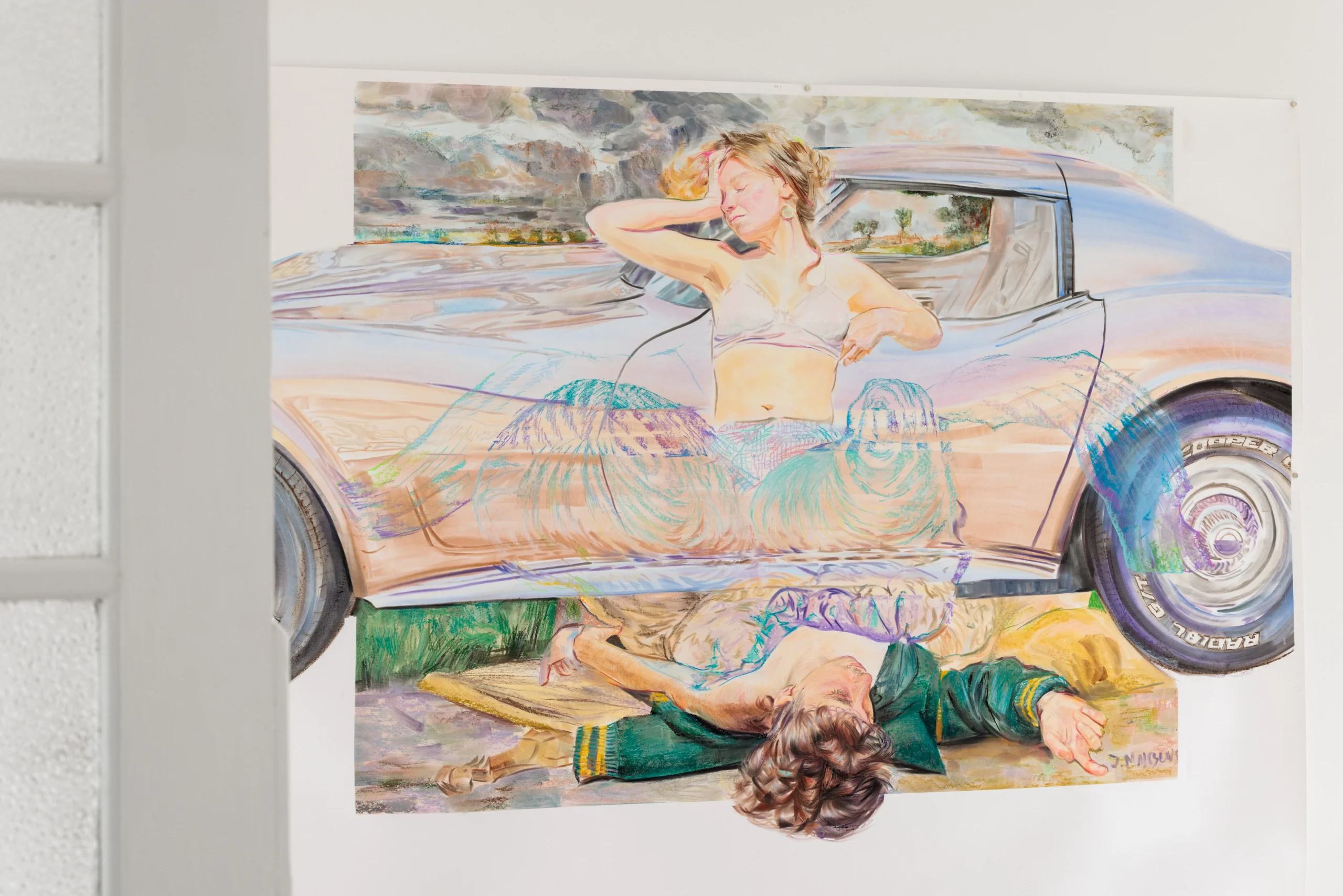
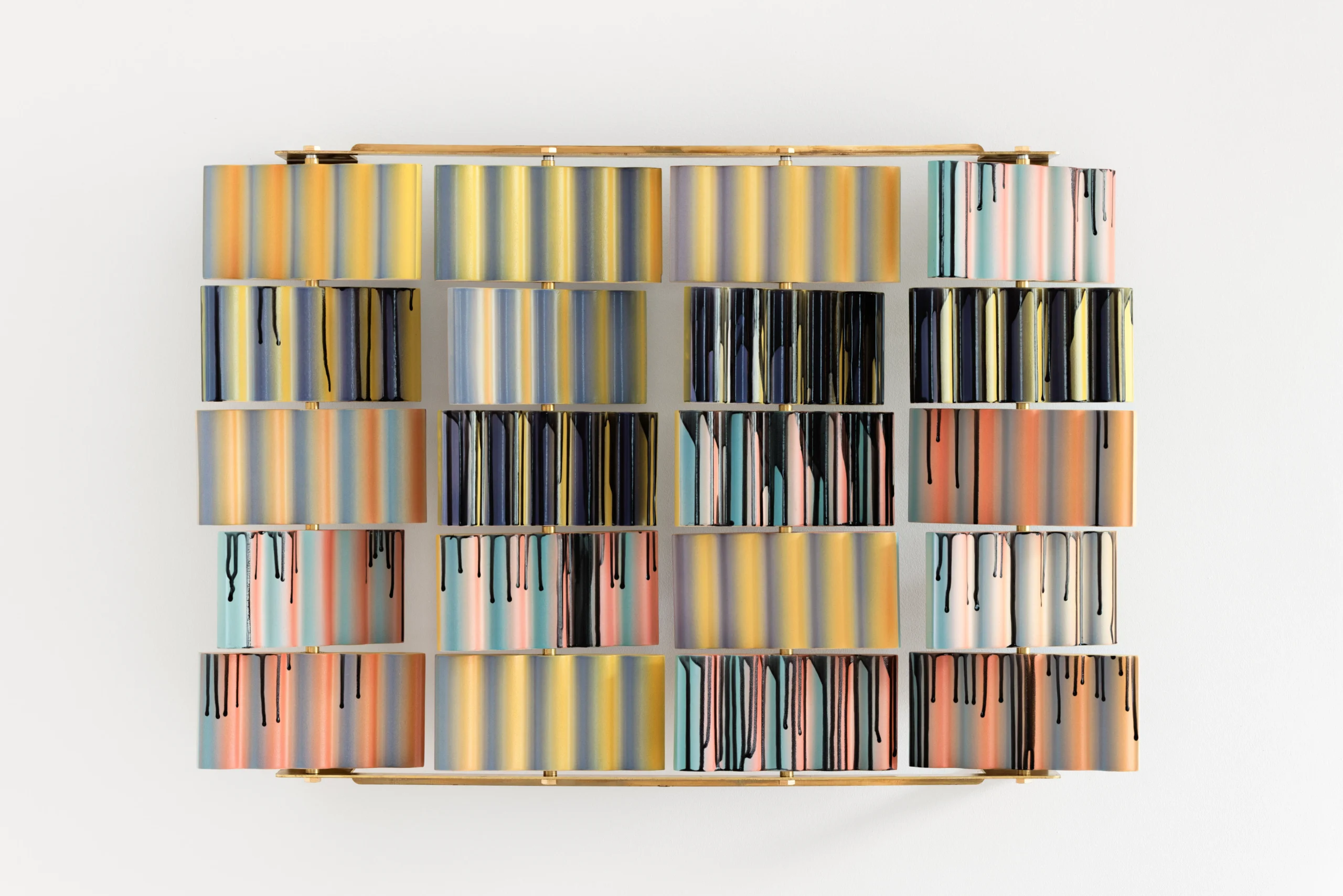
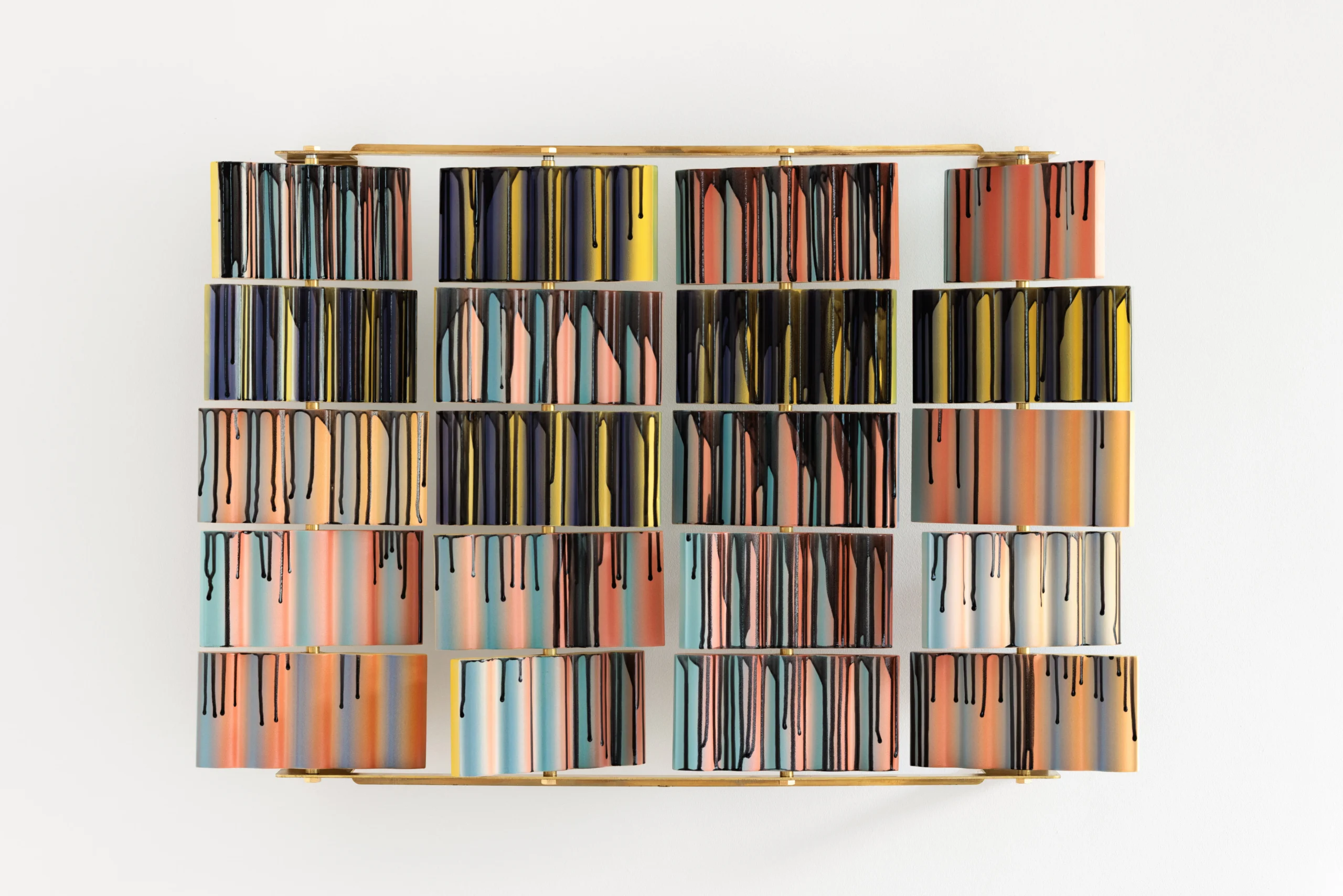
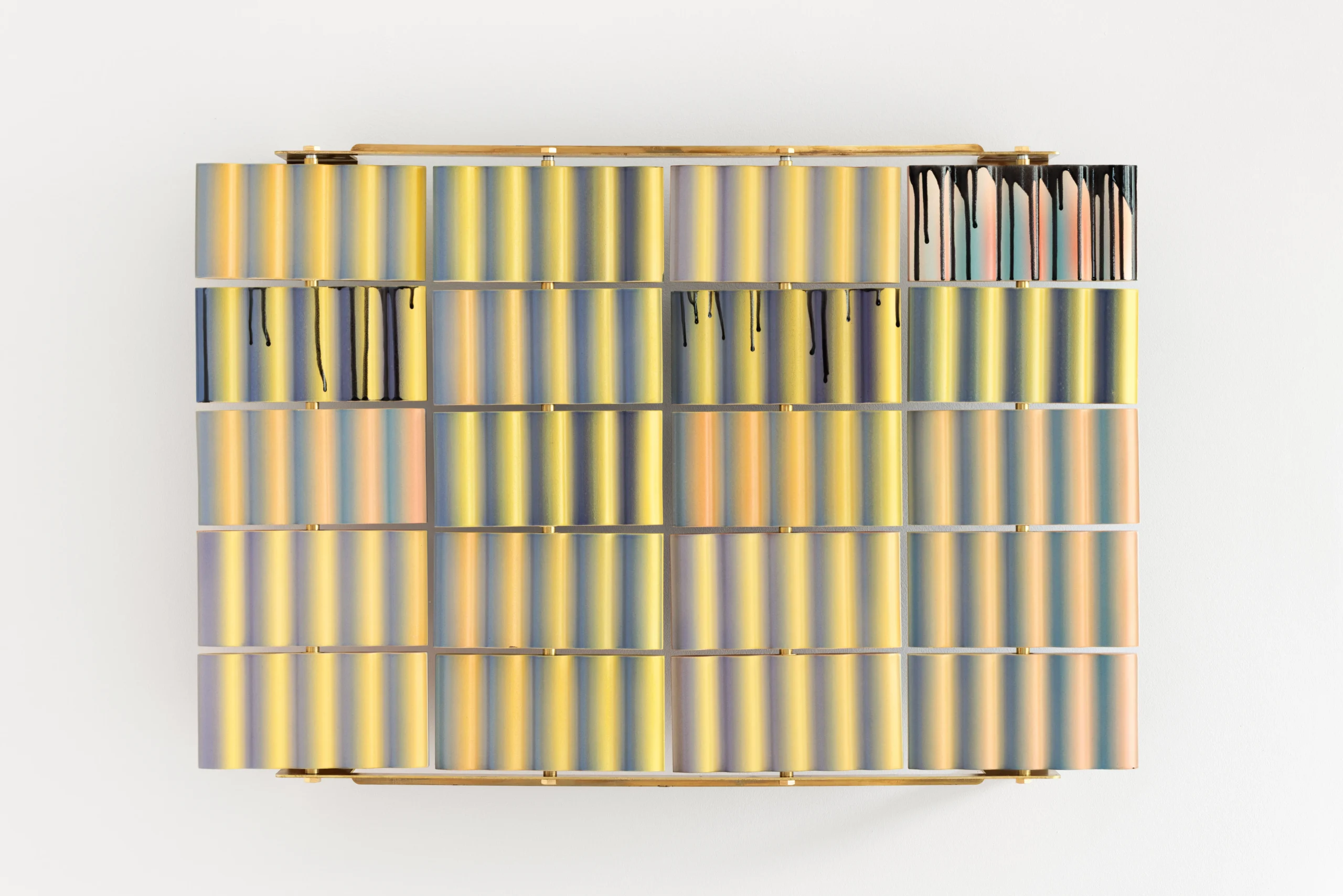
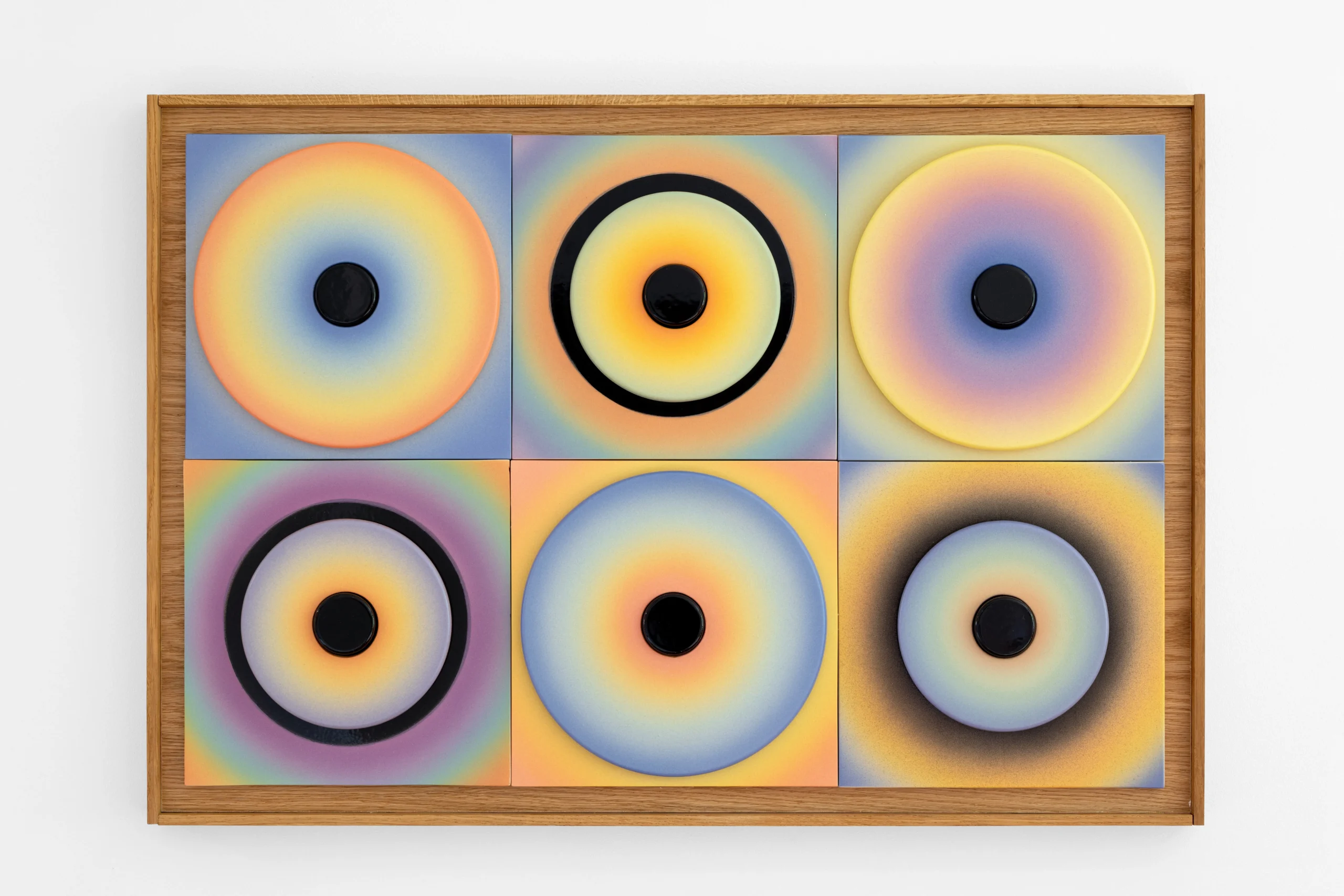
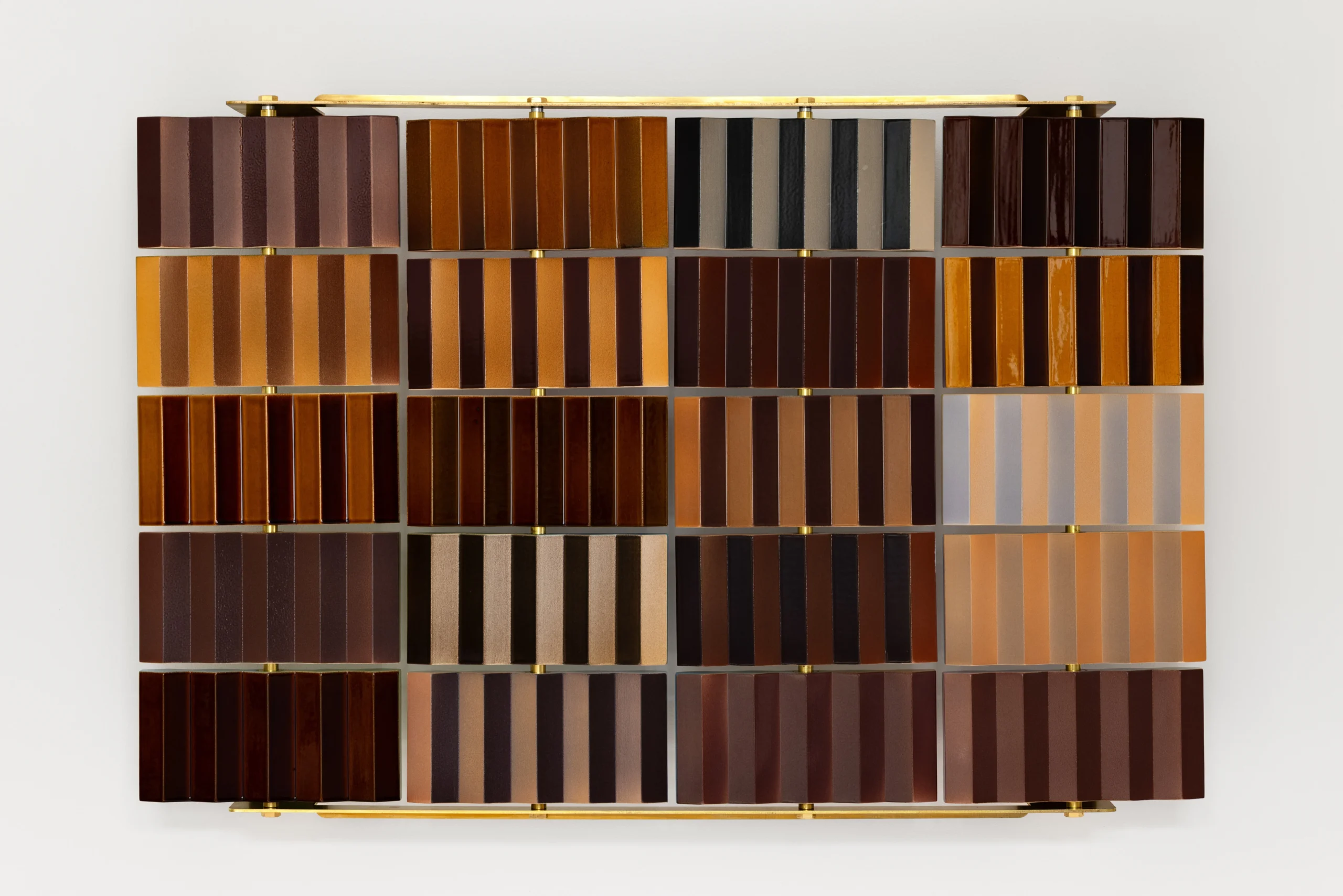
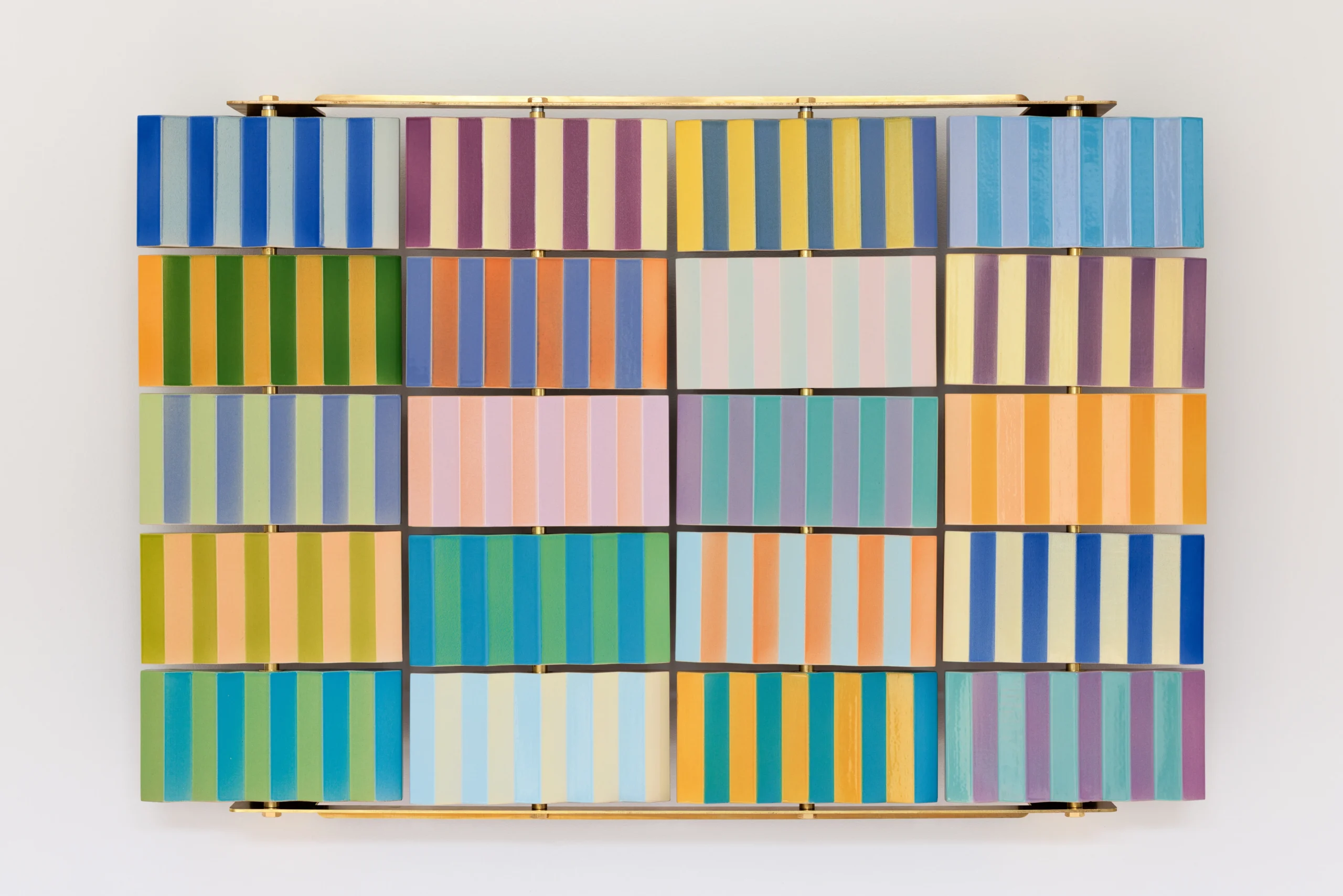
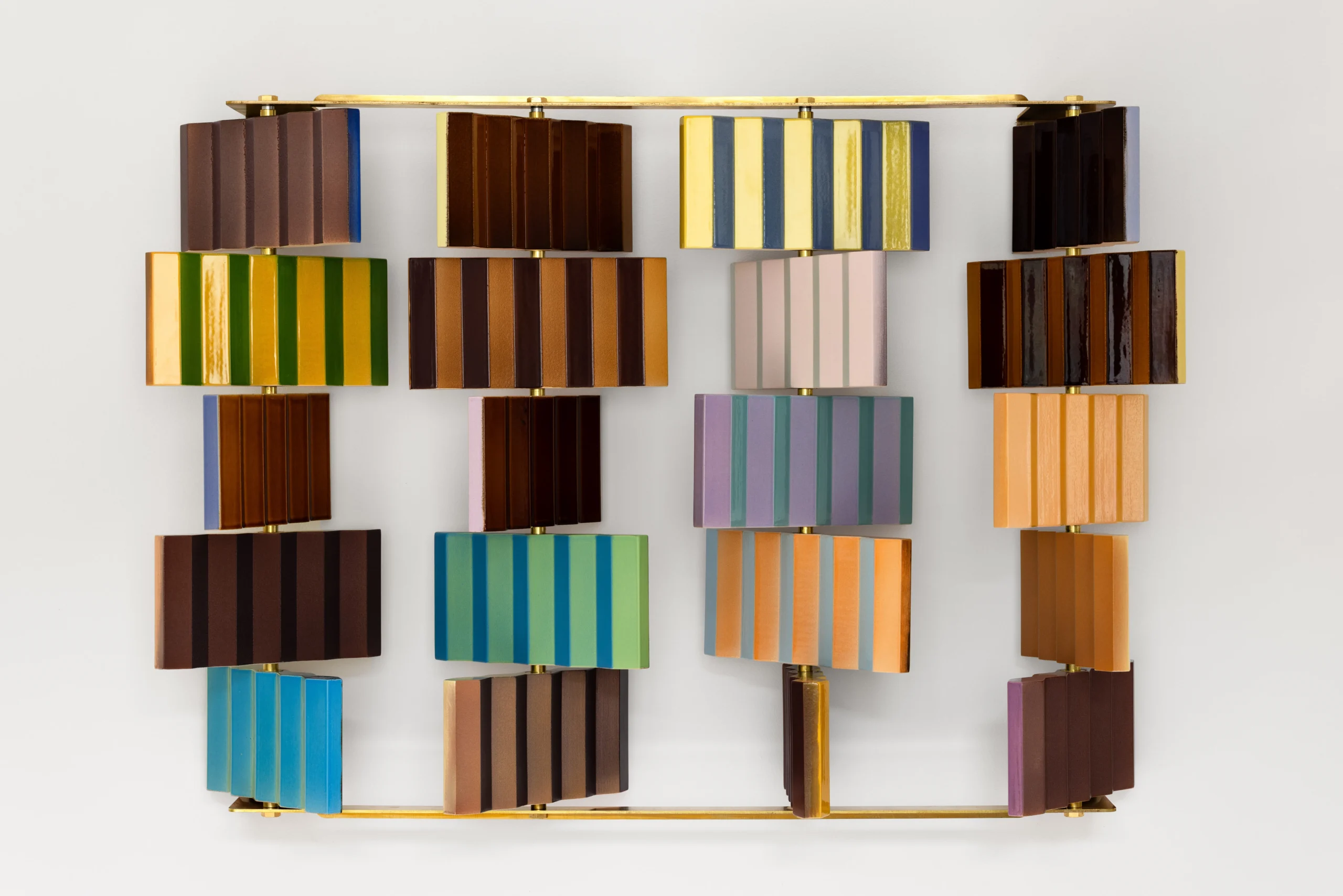
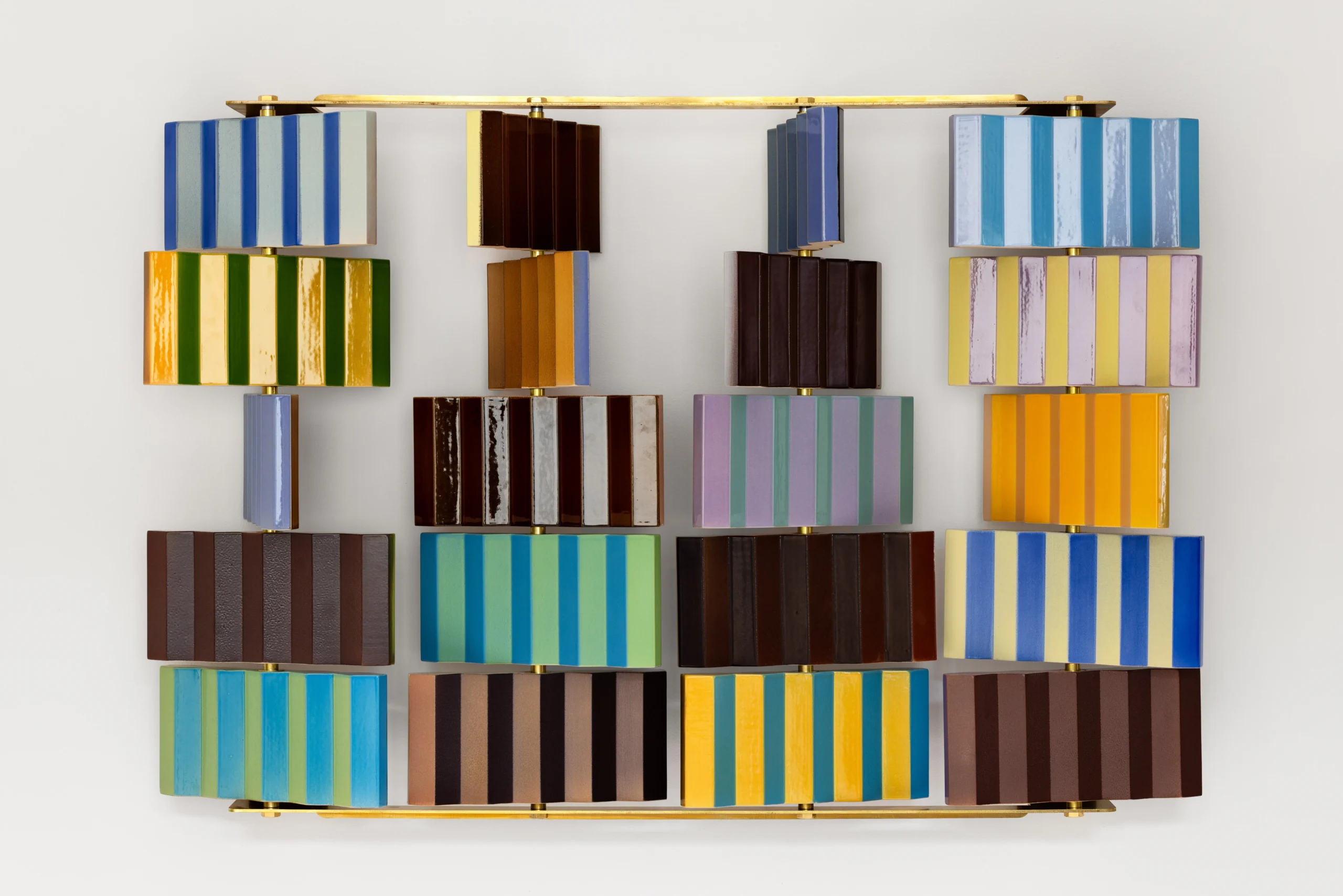
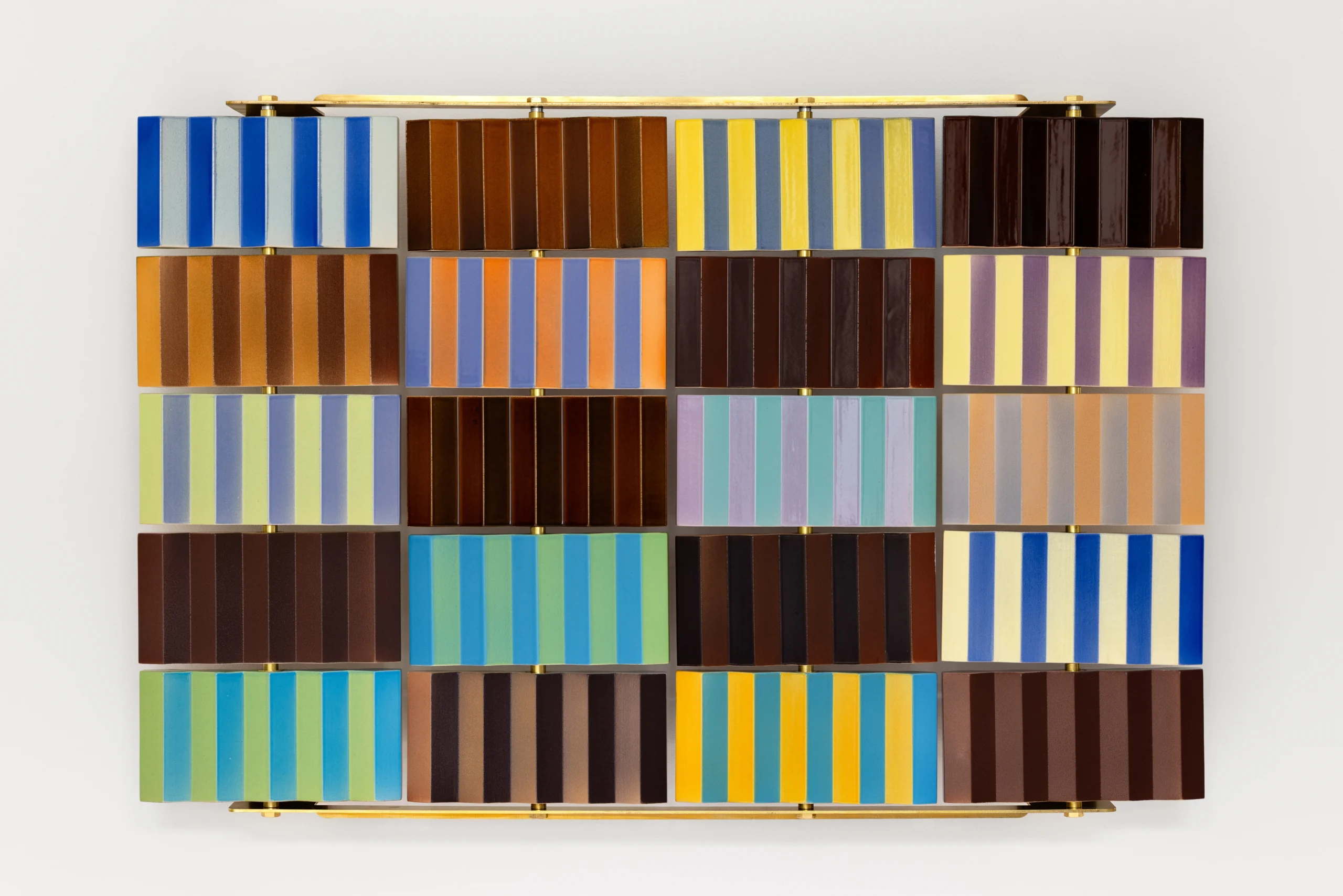
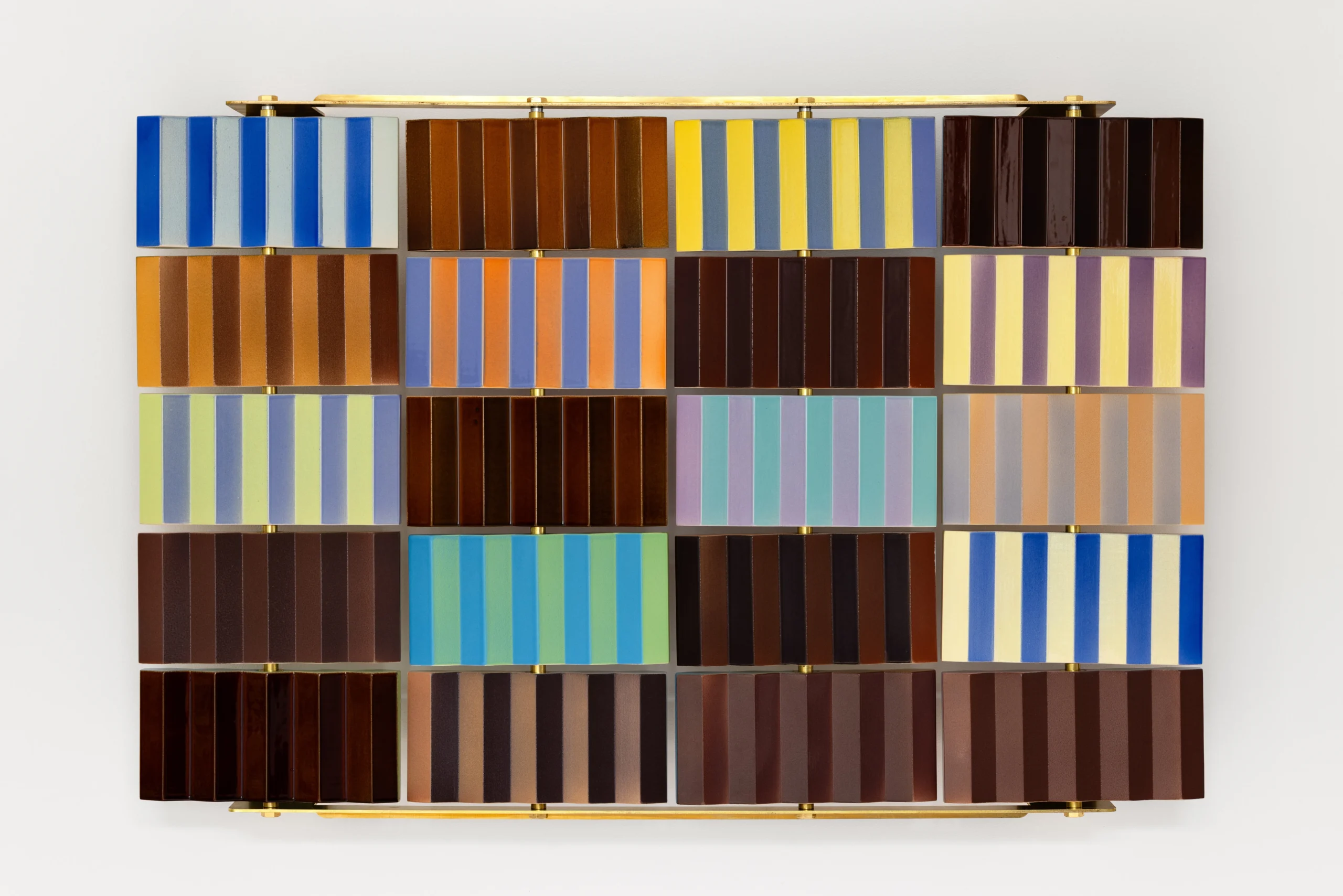
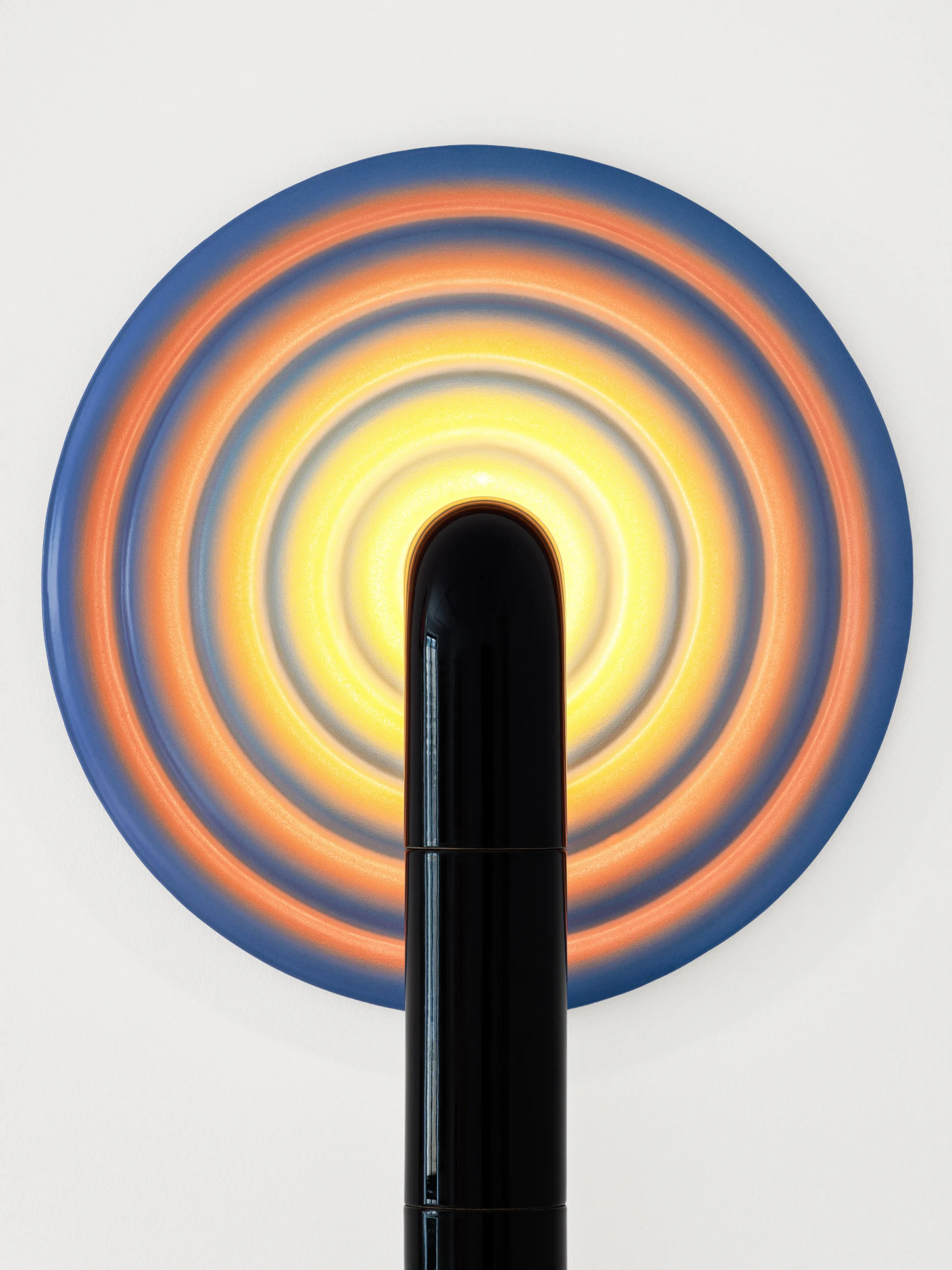
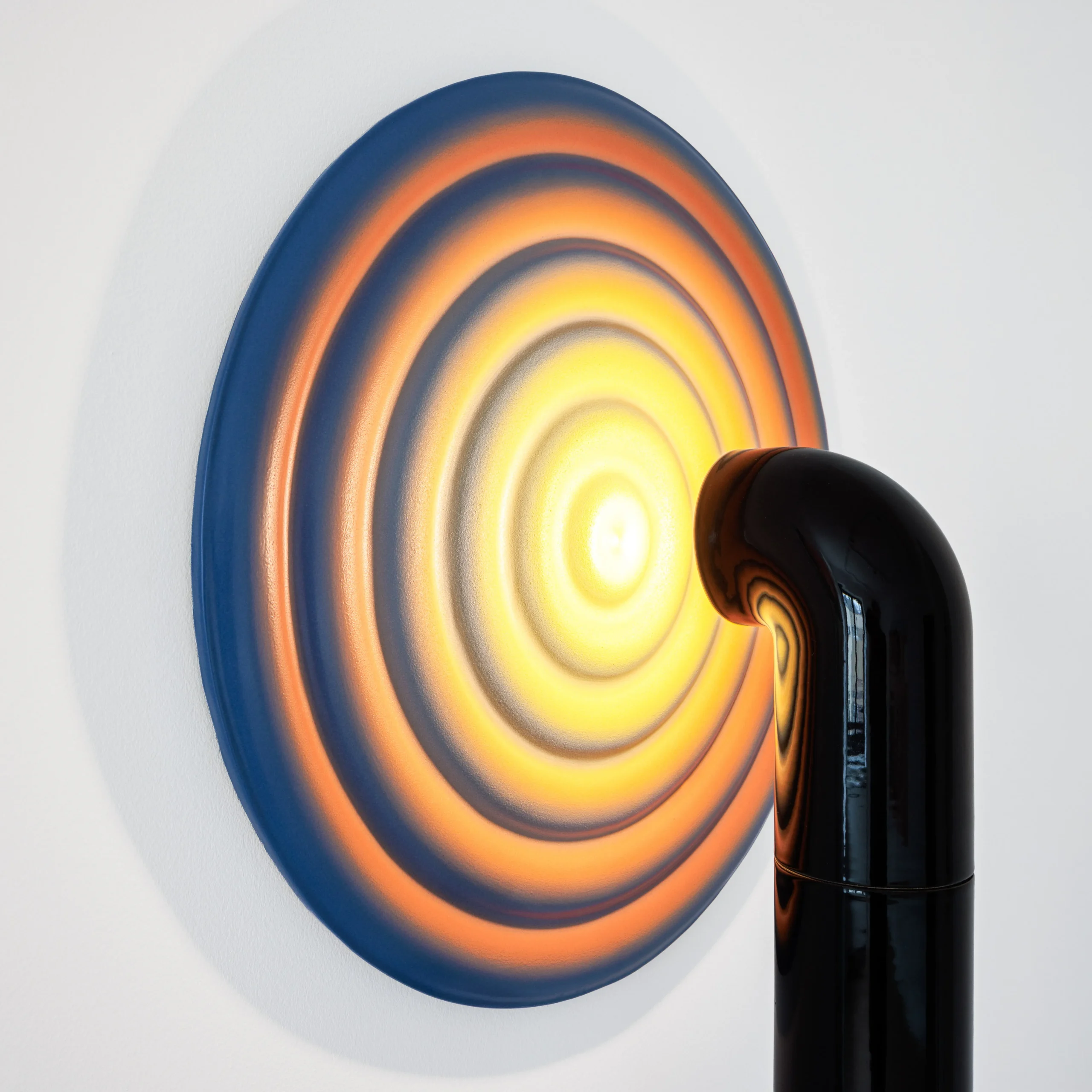
Agata Kus practises a similar kind of gonzo demonology in her series of large-format pastels on paper, in which the past assumes contemporary masks, blurring the boundary between what is gone and what is still here. On her route from the Wawel Dragon to the bull outside the stock exchange, she is accompanied by nocturnal dreams, young men, muses, old fairy tales, Tobias and Cinderella. And, of course, the landscape. During a stop in Grójec, the menagerie is joined by Magda Jurek, whose ceramic installations herald a rise – whether of Europe or of the sun – as well as transformation. Thus, in the practice of these two artists, figuration meets transmutation. The exhibition Polish Ashes is the product of this chemical reaction. Despite their choice of seemingly radically different media – pastel on paper and ceramics – the two artists share, on the one hand, a painterly sensibility and, on the other, a keen attentiveness to material and tool. This is “the medium is the message” embodied in matter. Pigments and clay, after all, are both minerals: the salt of the earth. Of this earth. Kus chooses a medium radically outside the mainstream, yet one that is intensely corporeal, responsive to touch and capable of retaining a trace. Her recourse to pastel is not merely an attempt to prise open the codified language of painting and bring back into its orbit something associated with sketches and inconsequential subjects. Her works readily reveal afterimages of Malczewski, who, faced with the non-existence of the Polish state, sought to capture the spirit of the nation instead. Kus returns to these motifs fully aware that they remain very much alive. This time they haunt bar patrons and sports cars. She arrests them in almost photographic frames. A reminder: even though the party goes on – whether it’s a Friday-night drinking session or Poland taking its seat at a G20 meeting – the dark stuff is still inside us, unprocessed and swampy. And it may return.
This psychedelia is amplified by Magda Jurek’s works – a Polish Memphis, one is tempted to say, although the artist herself recalls the discovery of Mexico in Grójec. Perhaps because the colours of her works seem ready to burst the place in which they are made. Off to one side, beyond the turnoff from the main road, where Poland reveals the aesthetic wonkiness of a country scarred by every wound of the twentieth century. Nobody here thinks about the G20; even a 3G signal can be hard to catch. This is “the East,” Jurek says; this is a place after the “Transformation” and even more emphatically, still before it. And while Kus reminds us of pastel, Jurek works through pastelosis – the garish pastelization of the built environment – as a symbol of generational trauma. Above all, however, both artists hark back to the traditions of Polish modernisms of the early and mid-twentieth century, when pastel served as a means of speaking about the topical and the political, while ceramics helped shape public space. It was in pastel that Wyspiański conjured into being the Straw Men dancing on Kraków’s Planty, and the artists remind us that they are still baltering away, needing no drug more potent than Polishness itself.