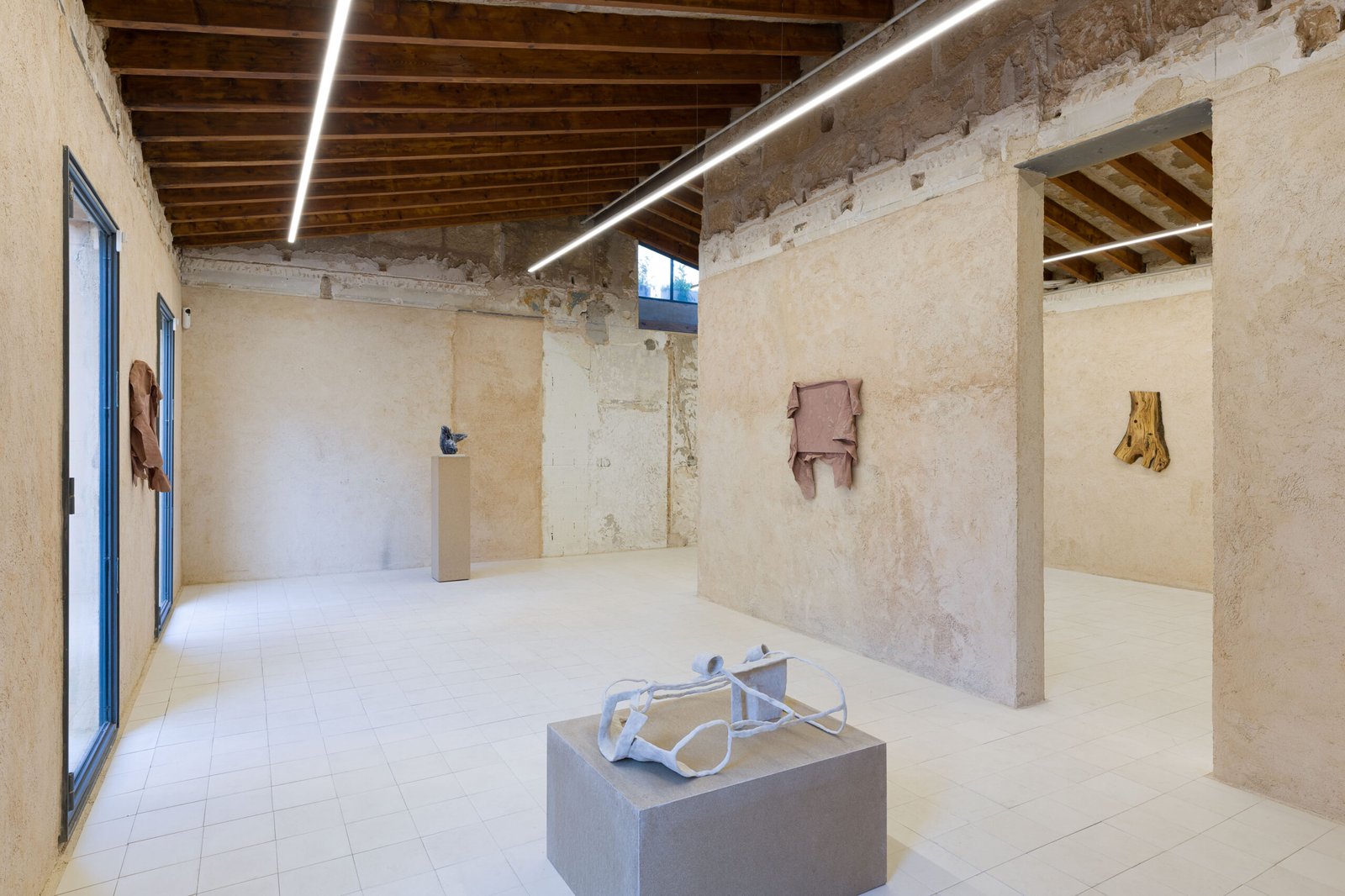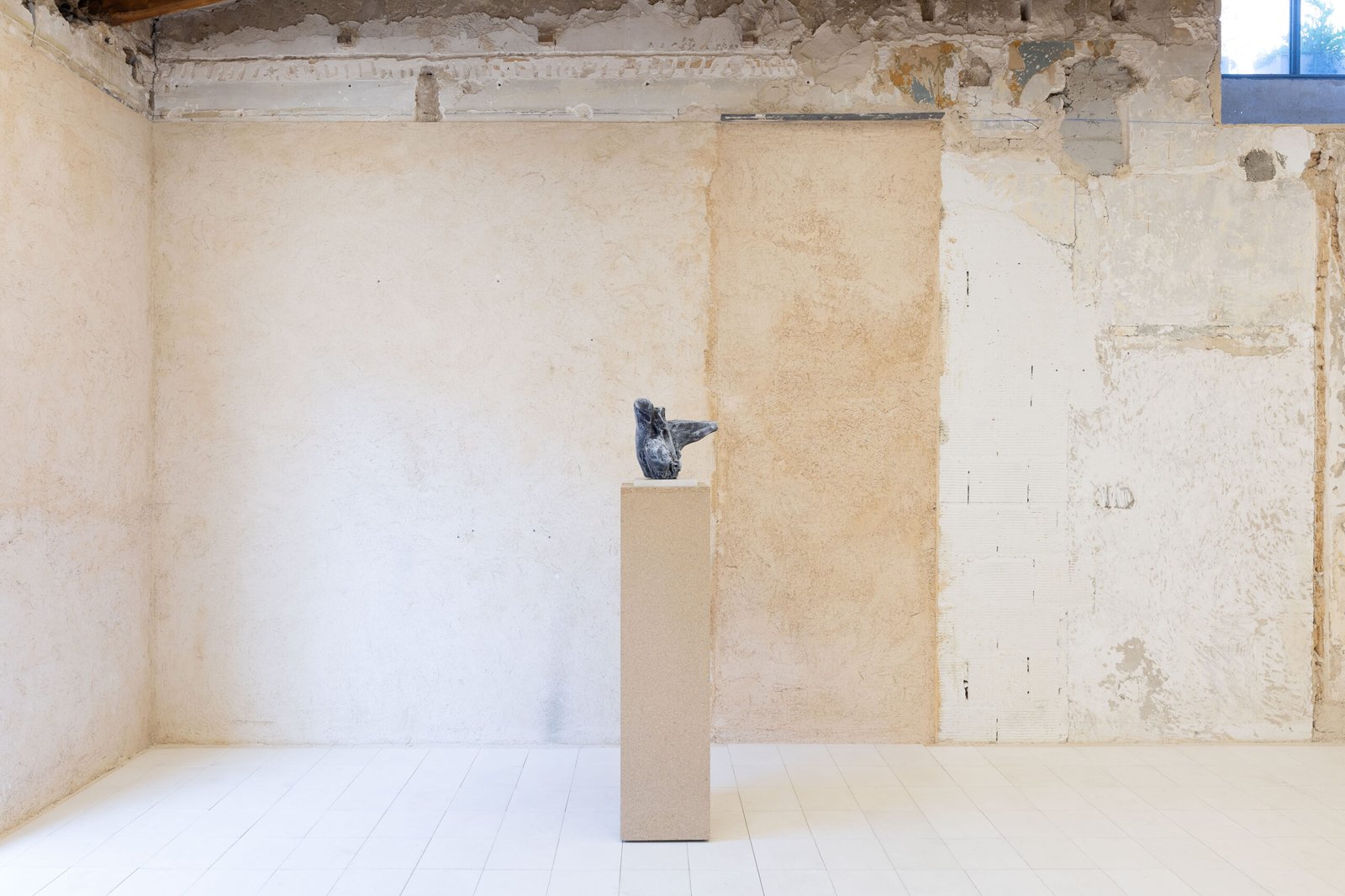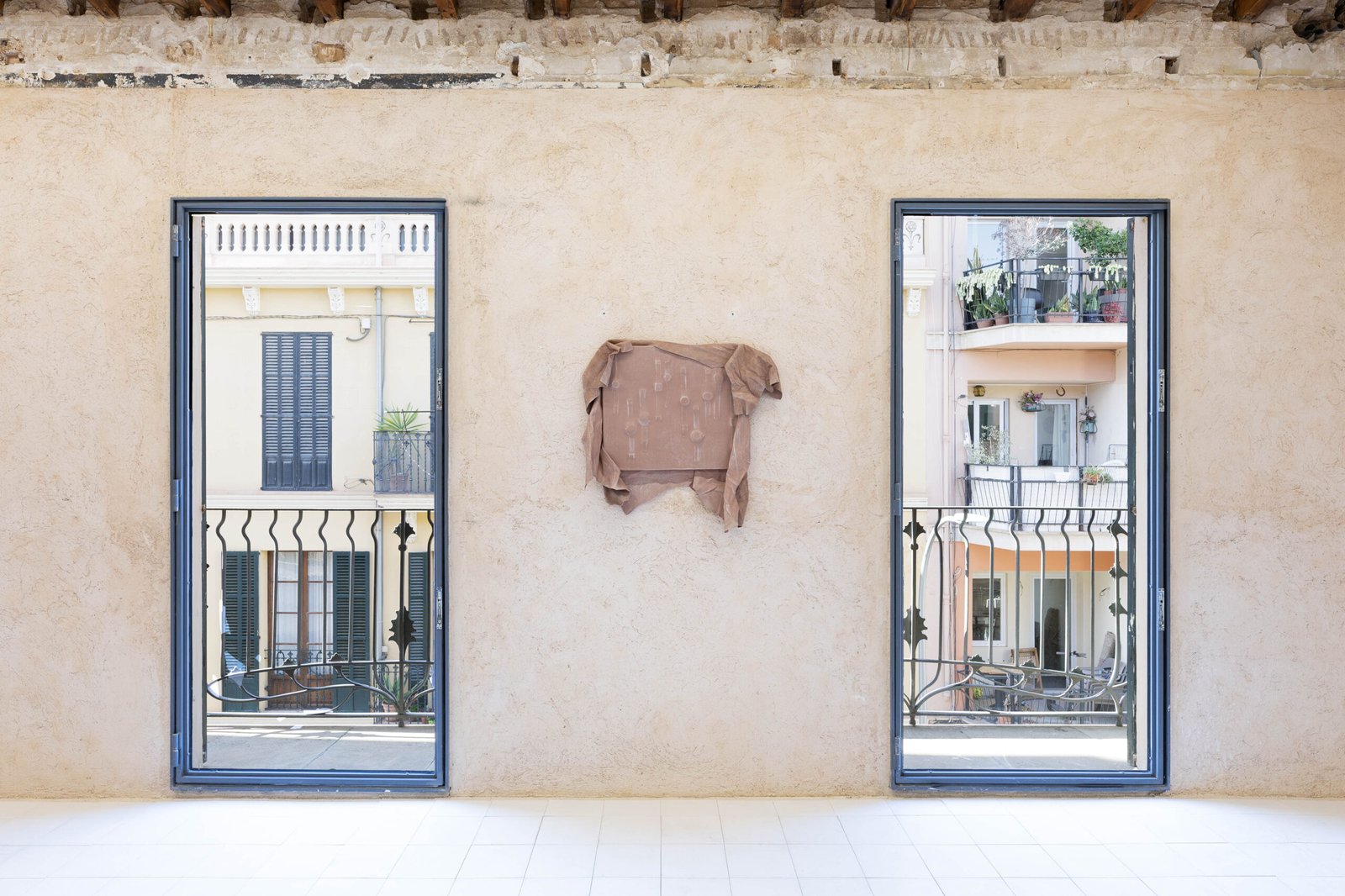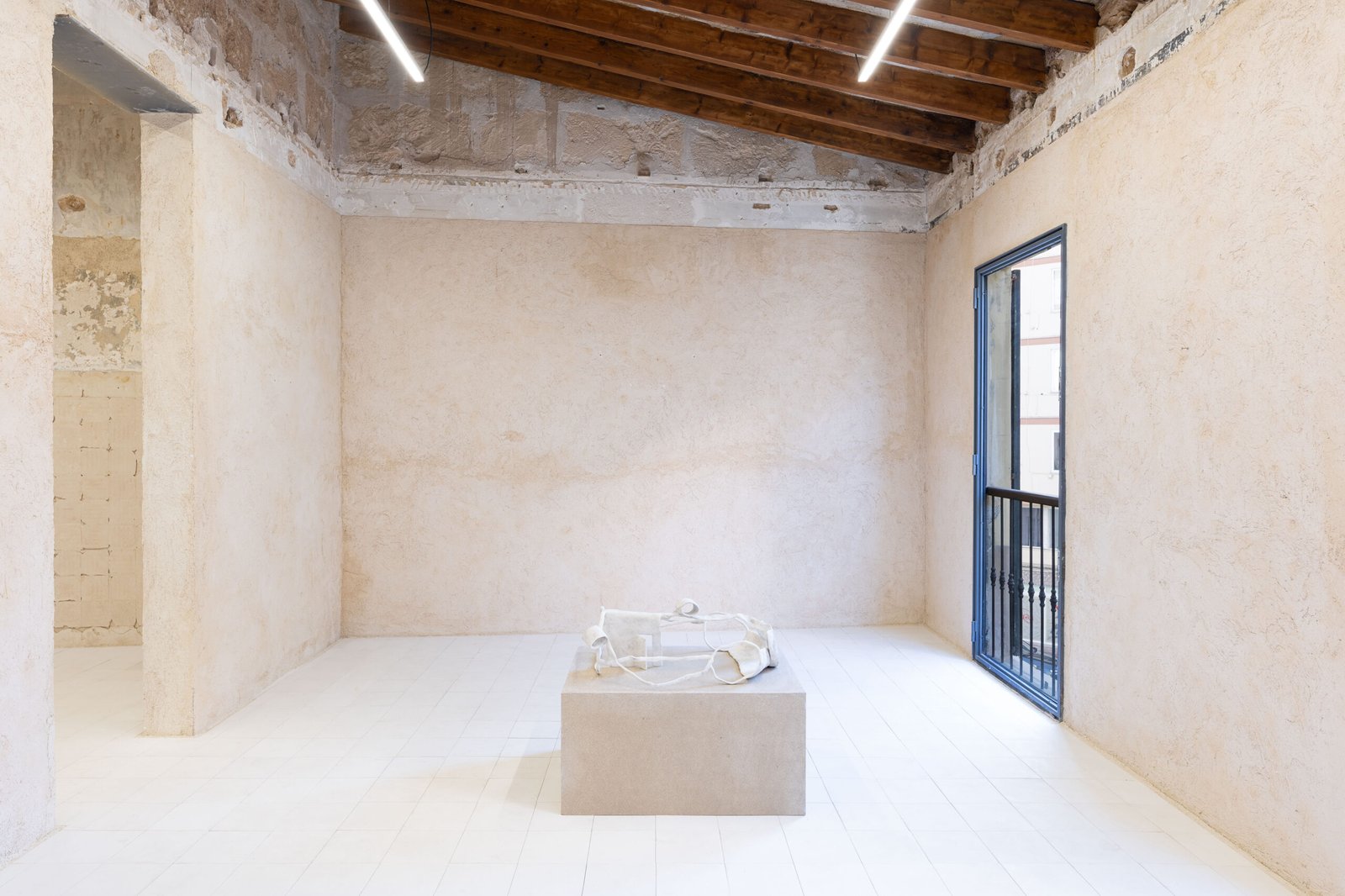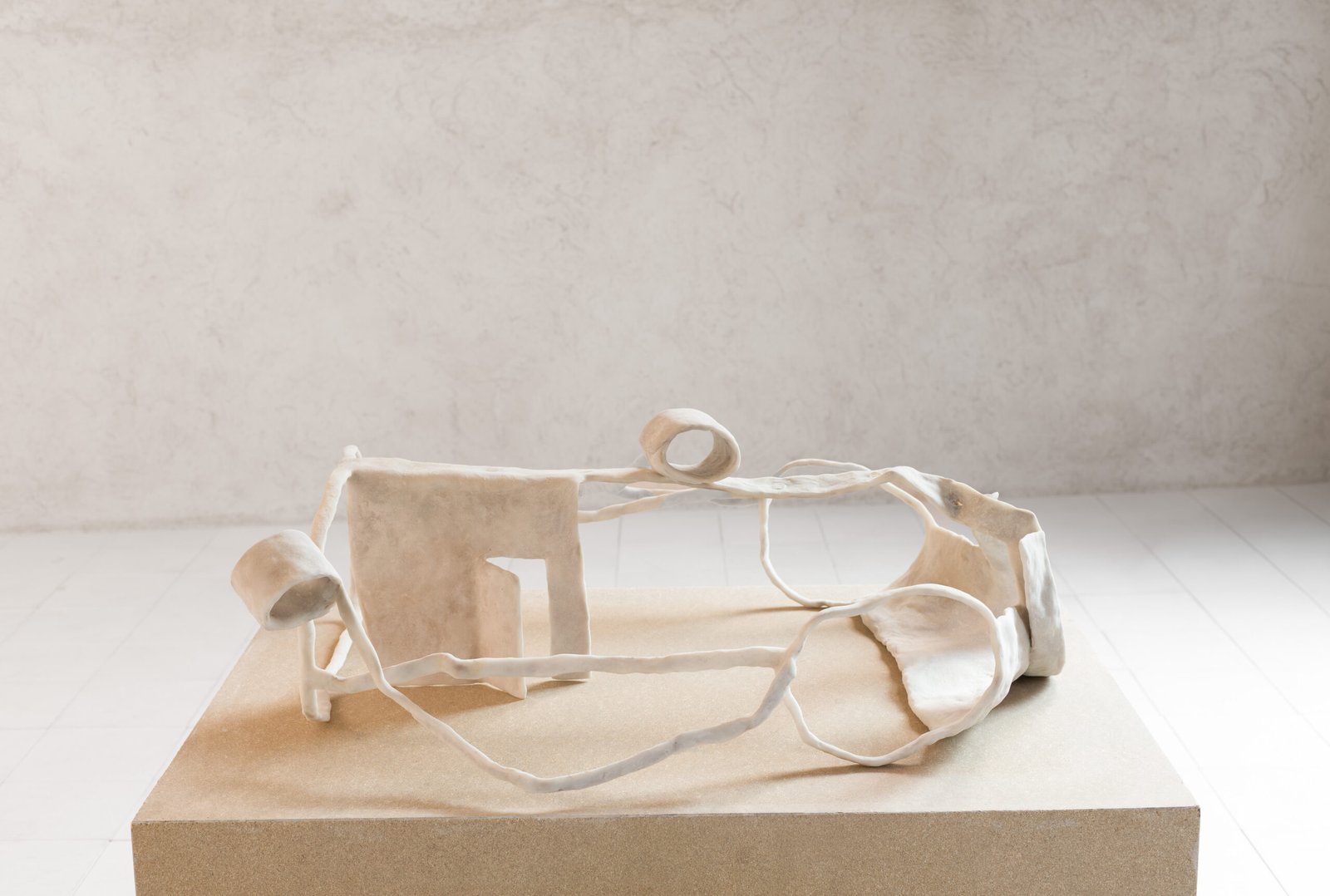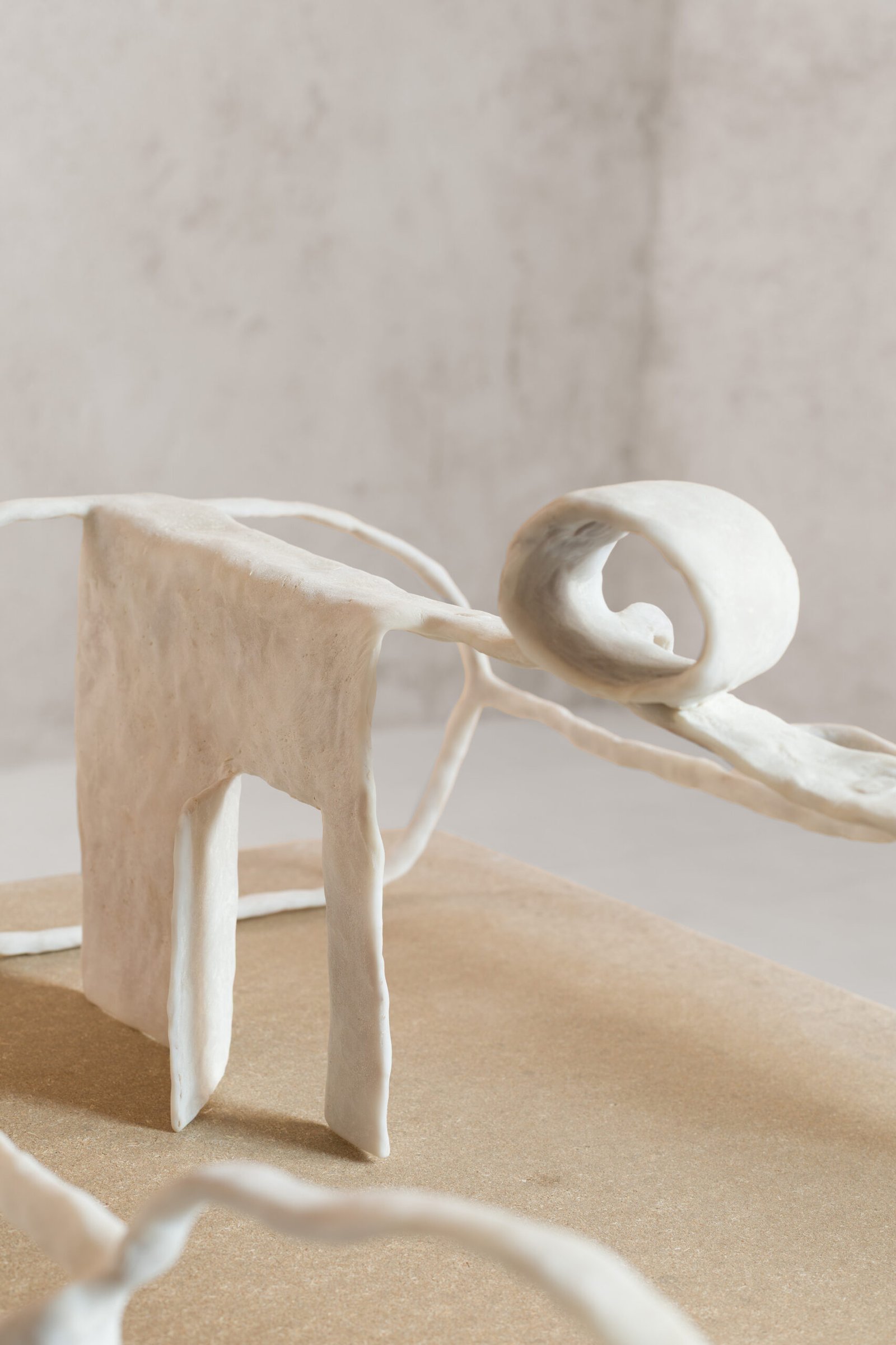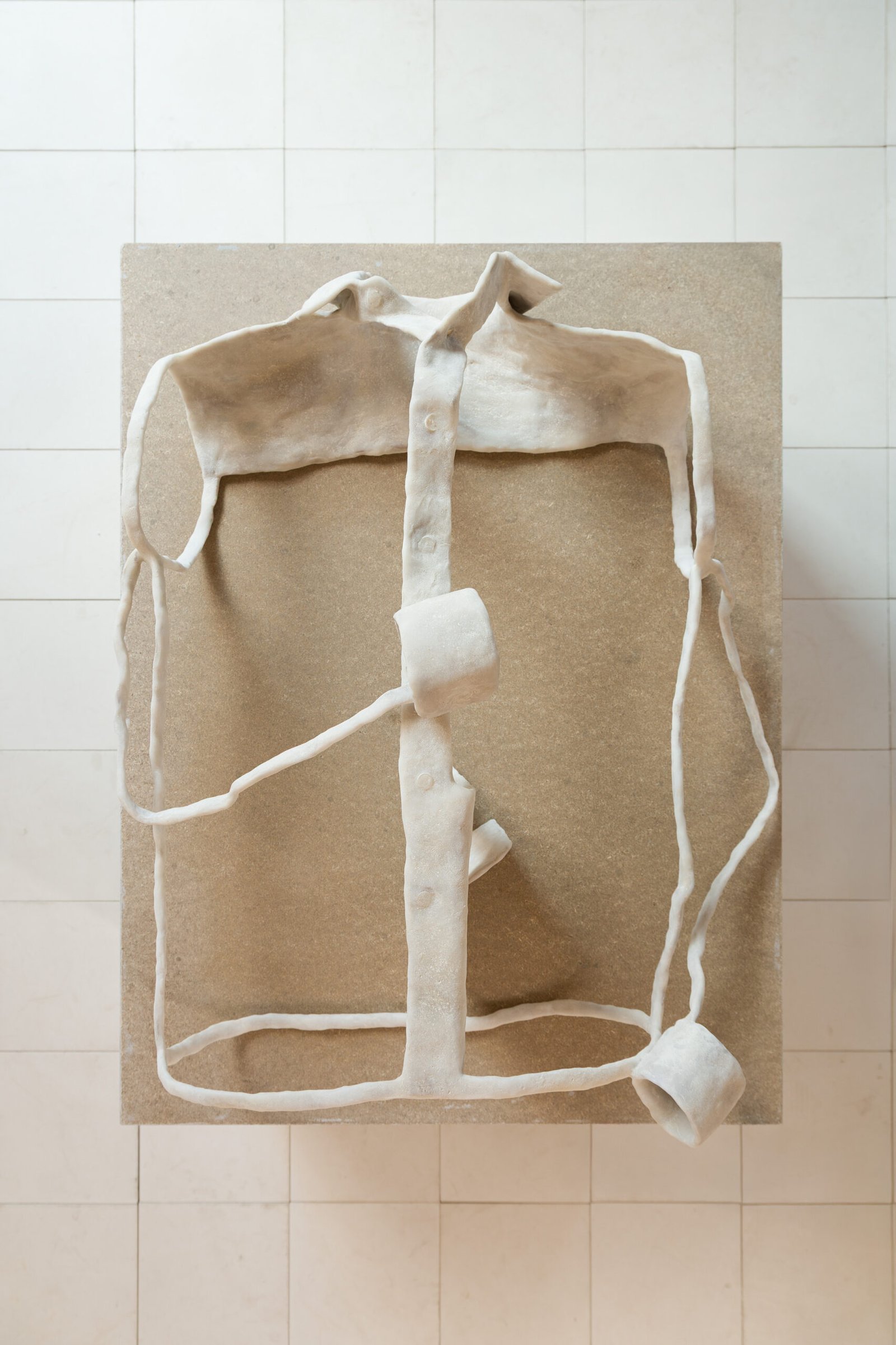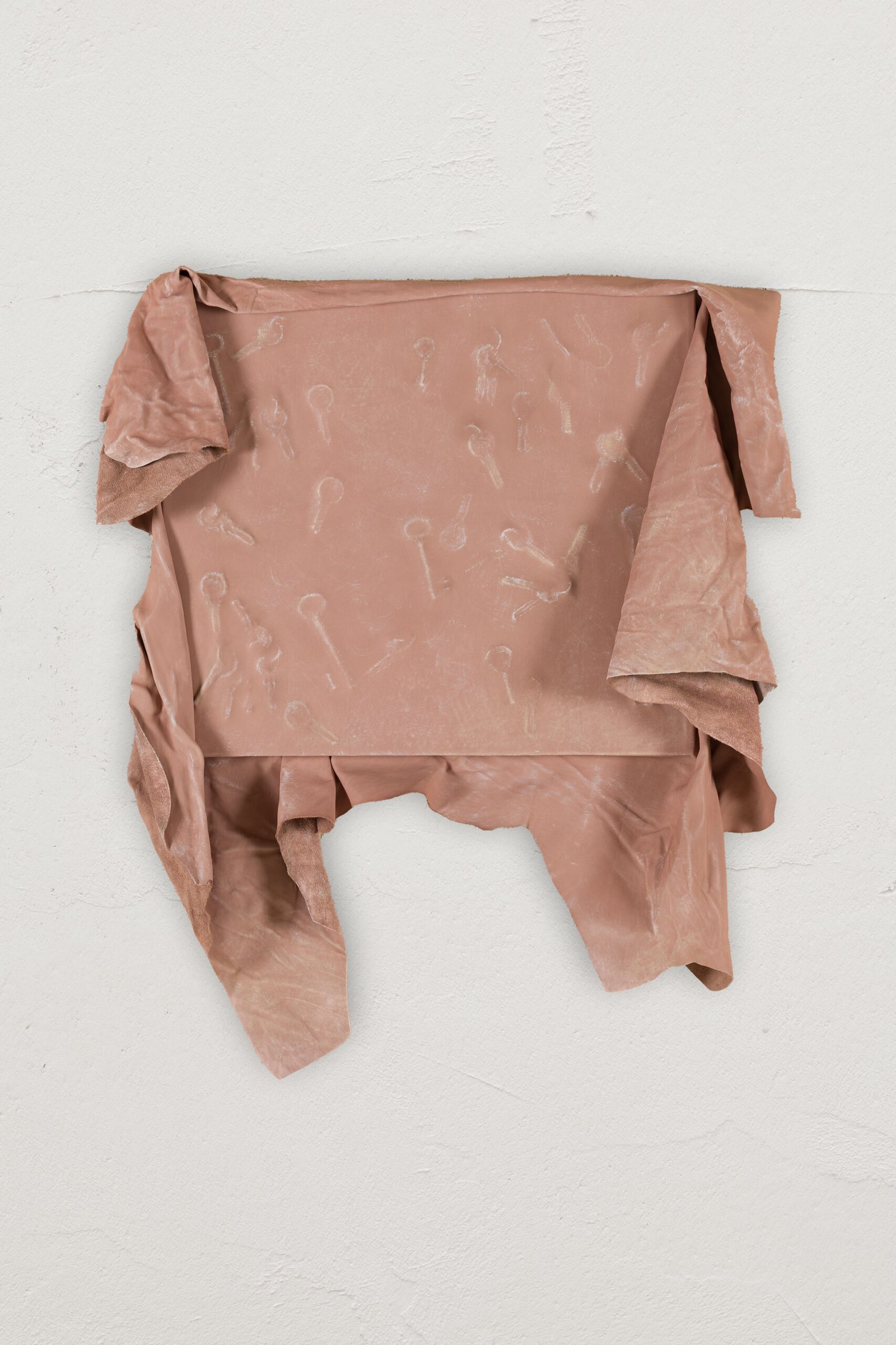


Gizela Mickiewicz’s practice unfolds around the idea of home as mutable and fragile: not simply a fixed location, but a condition shaped by memory and attachment. Through sculpture and relief, she develops a material vocabulary closely tied to the body, domestic architecture and landscape, understood as emotional extensions.
The project is articulated around three axes: phases, places and faces. Through this framework, home is approached as a process rather than a stable entity.
Phases refer to states of transition: moments of loss, displacement and return. Home changes form over time, continuing to exist through remnants, habits and mental images. In I am still walking around flats I no longer live in, inhabiting persists beyond physical space, suggesting a mental and bodily continuation of places no longer accessible.
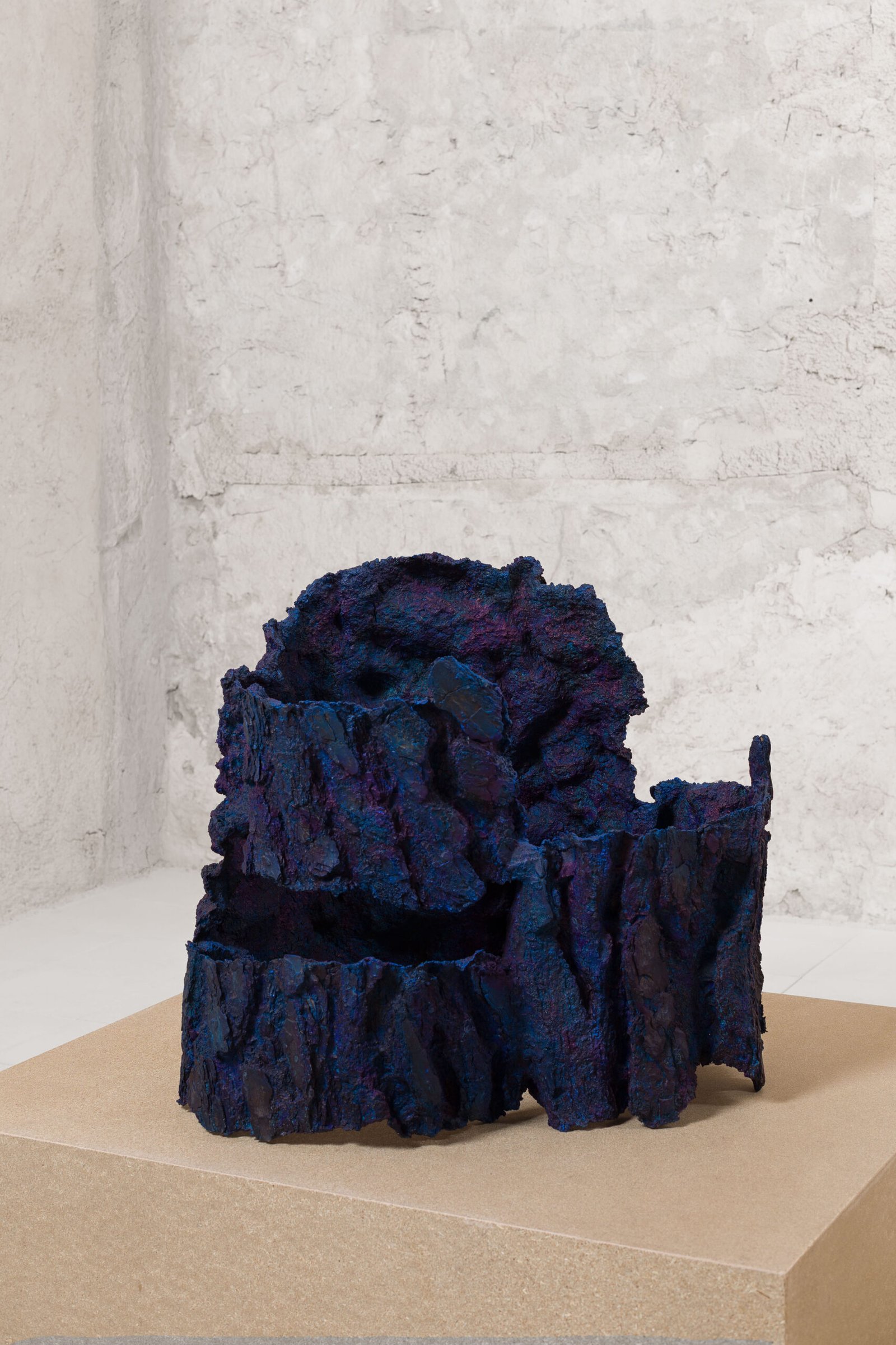
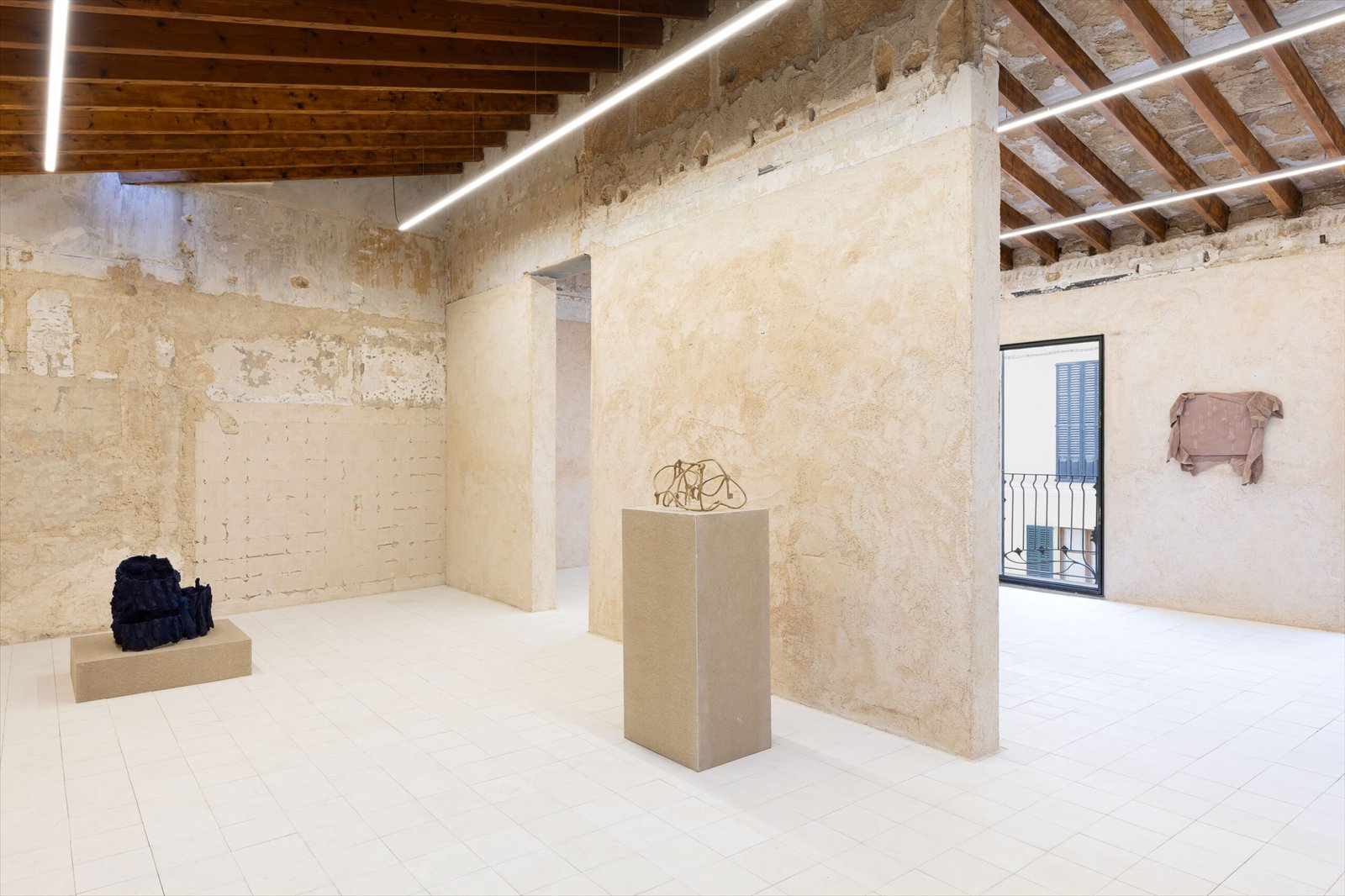
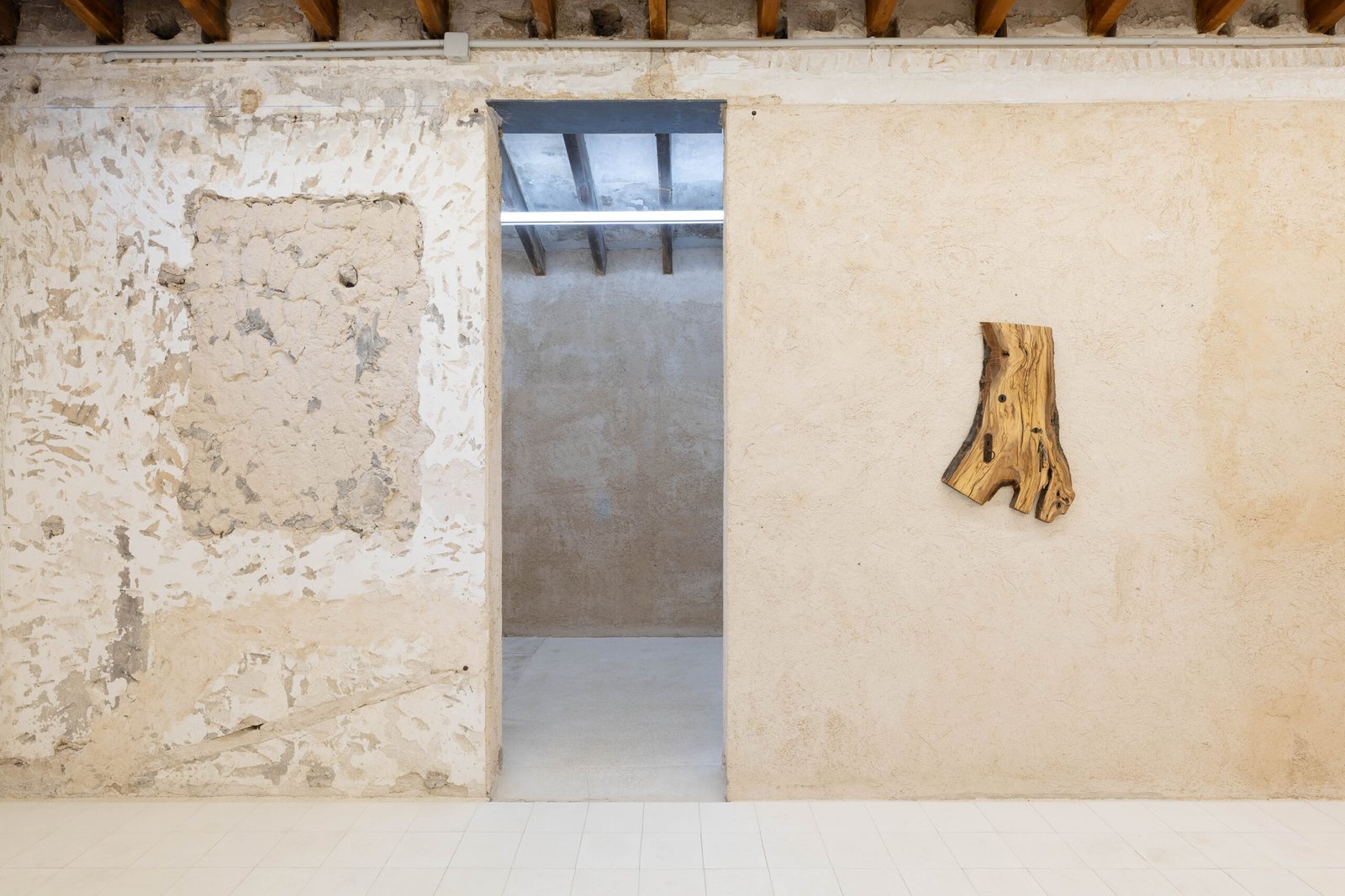
Places appear not as backgrounds, but as agents. Forests or former flats are treated as sites that actively shape inner life. In The Place That Follows Me, a fragment of tree bark is meticulously reproduced, resulting in what appears as an abstract form but is in fact a precise portrait of a specific place. Landscape here is not symbolic but concrete, carried along.
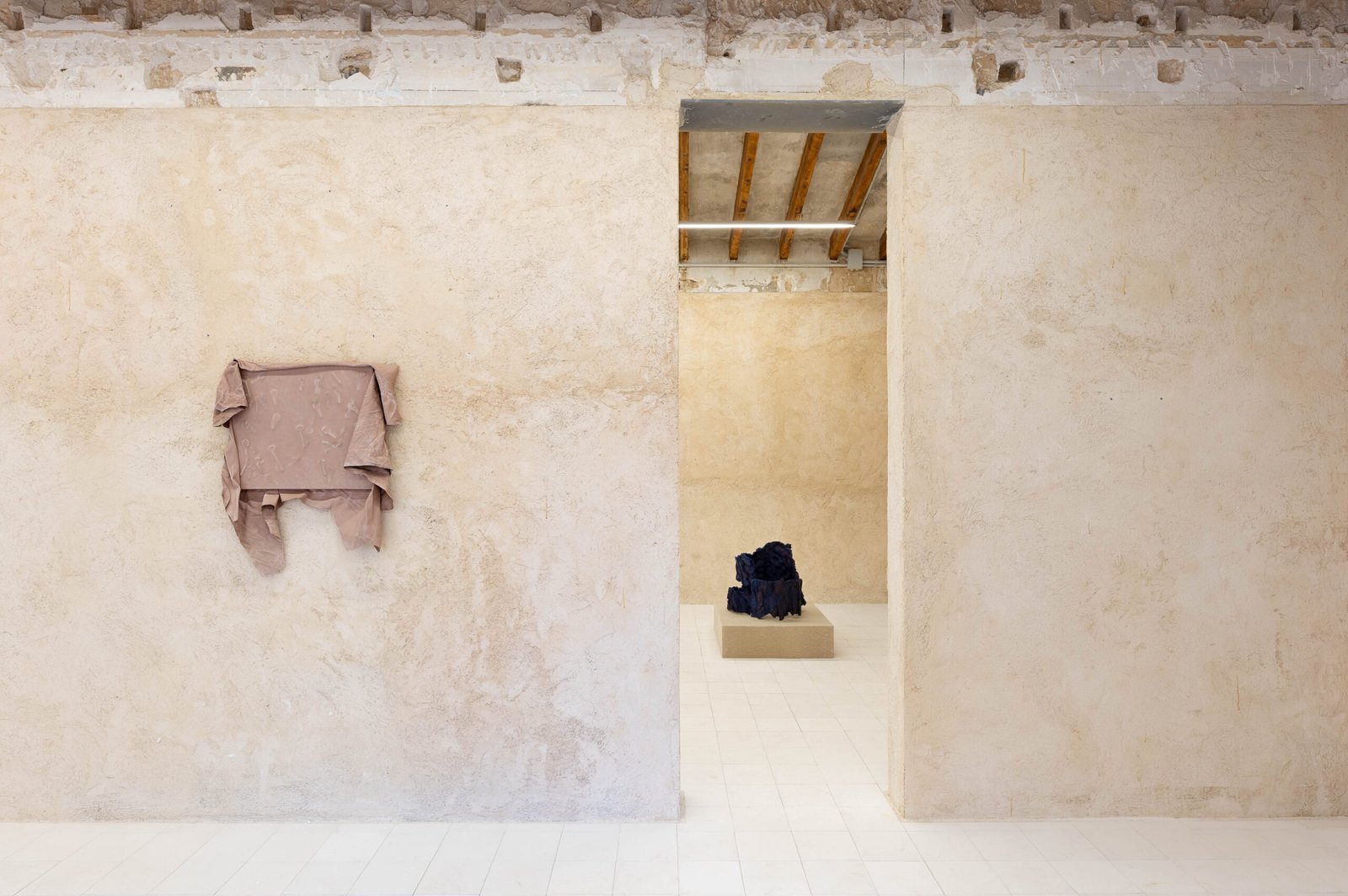
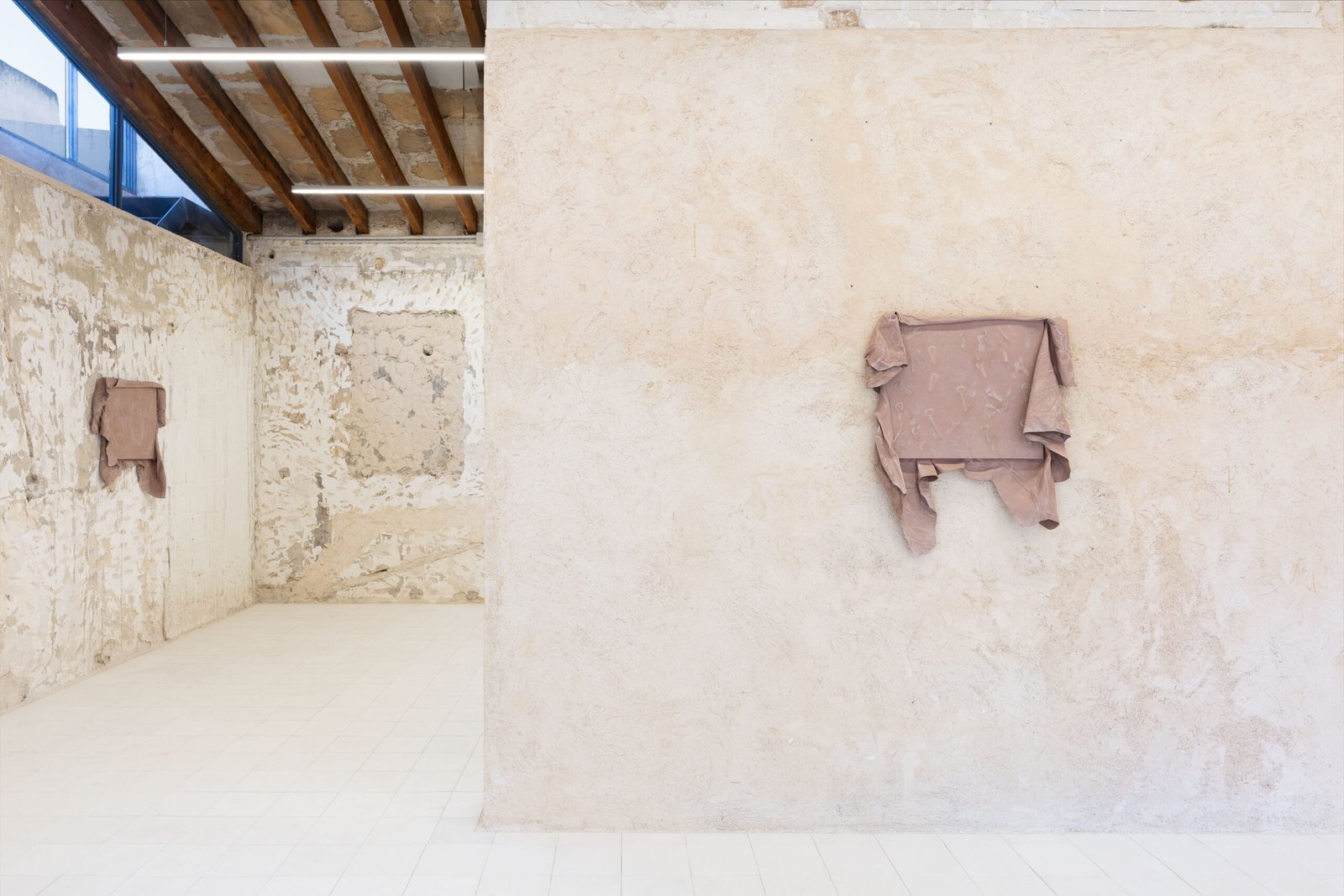
Faces can be understood not as literal portraits, but as ways of invoking people through relationships and absence. Through these figures, home is found in relation to another person rather than in its architectural form. Father’s Room frames home as a bond grounded in proximity and lived relation. The vacuum-formed leather reliefs approach this differently: functioning as skins, they register contact with hands, wrists and everyday personal objects, while pointing to the body through its absence. Body and house are treated alike, both understood as envelopes that hold trace and define a threshold between inside and outside.
Taken together, the works suggest home as a shifting territory, composed of fragments drawn from memory, physical places and relationships.