


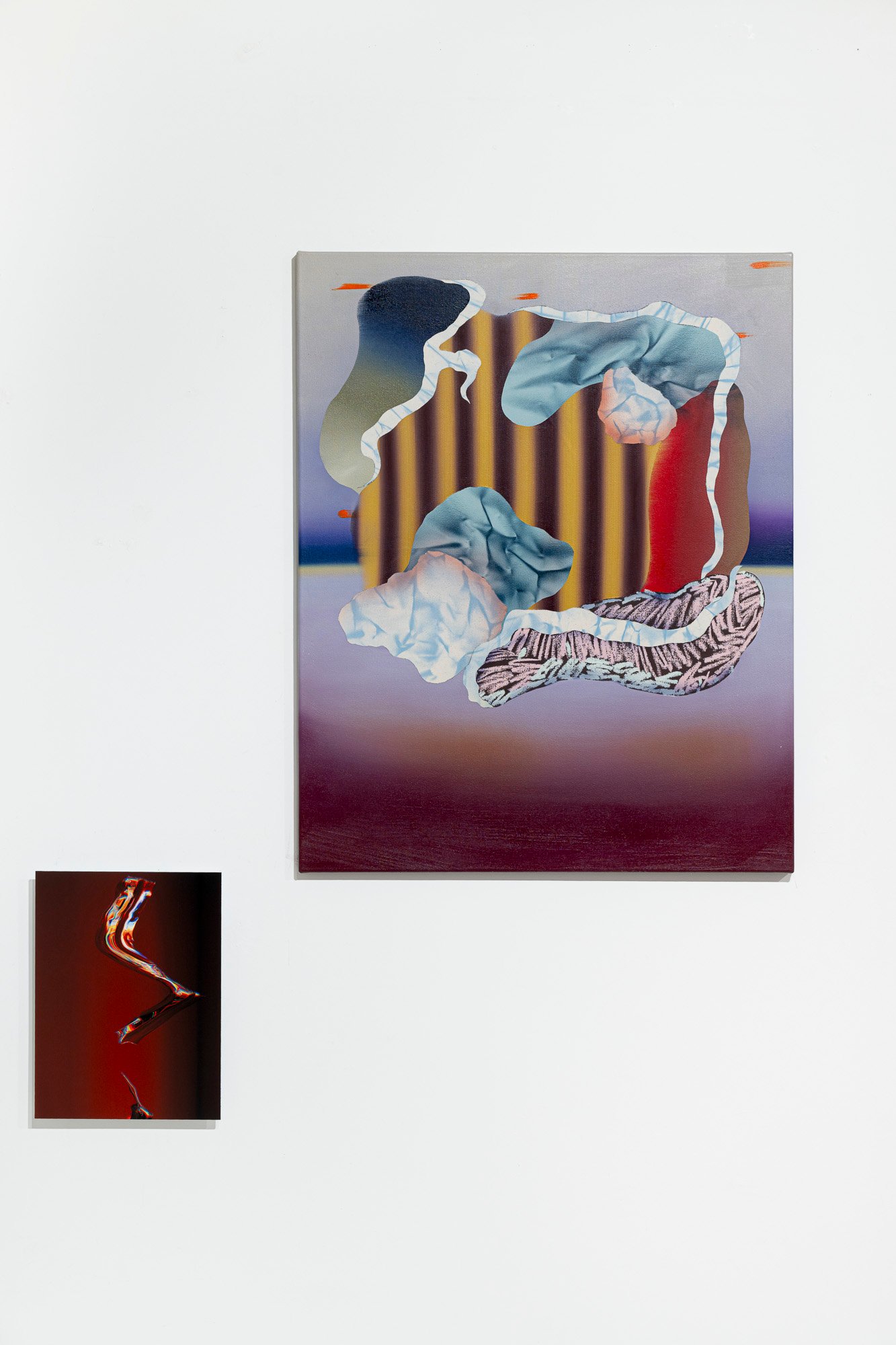
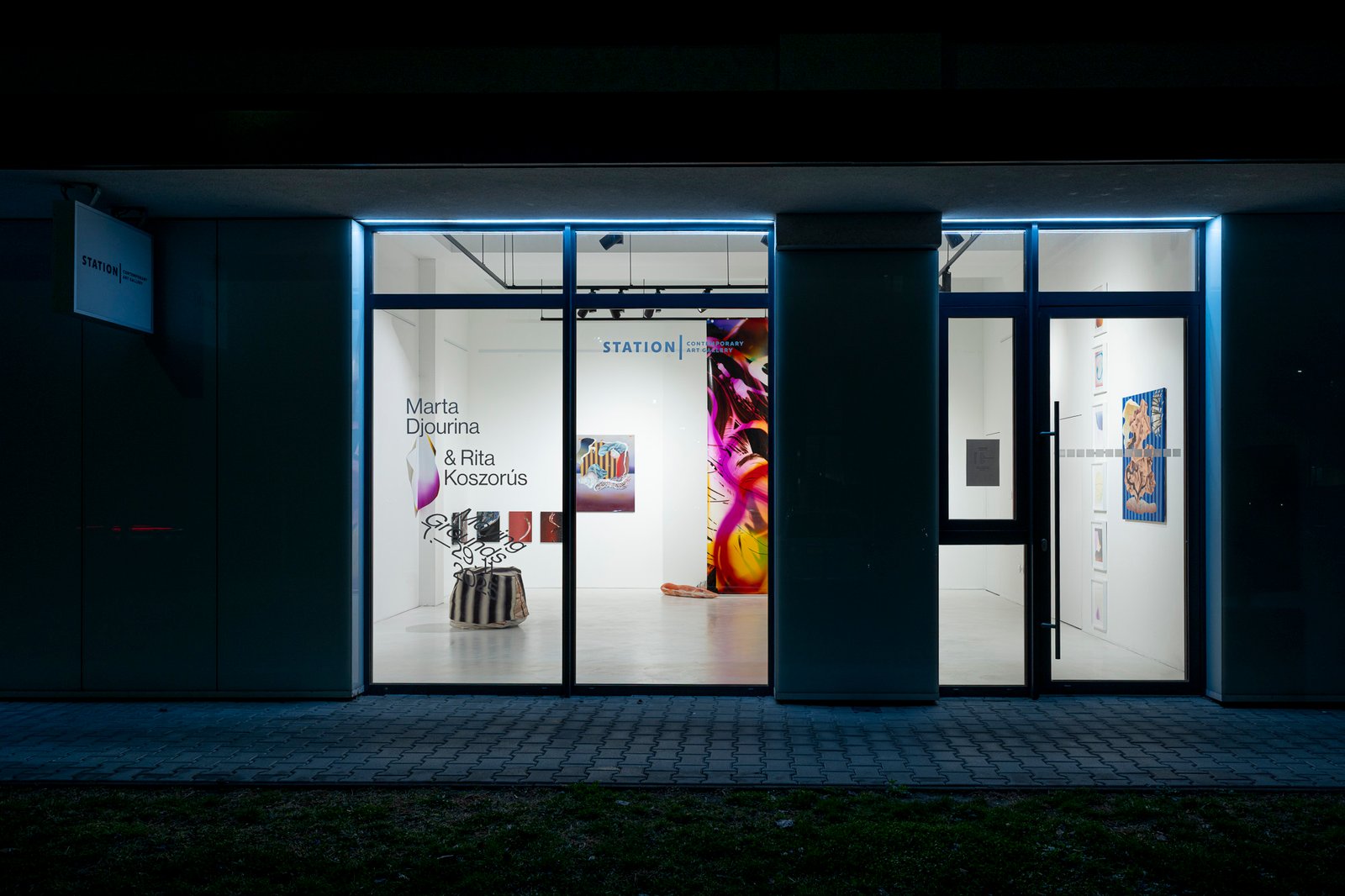
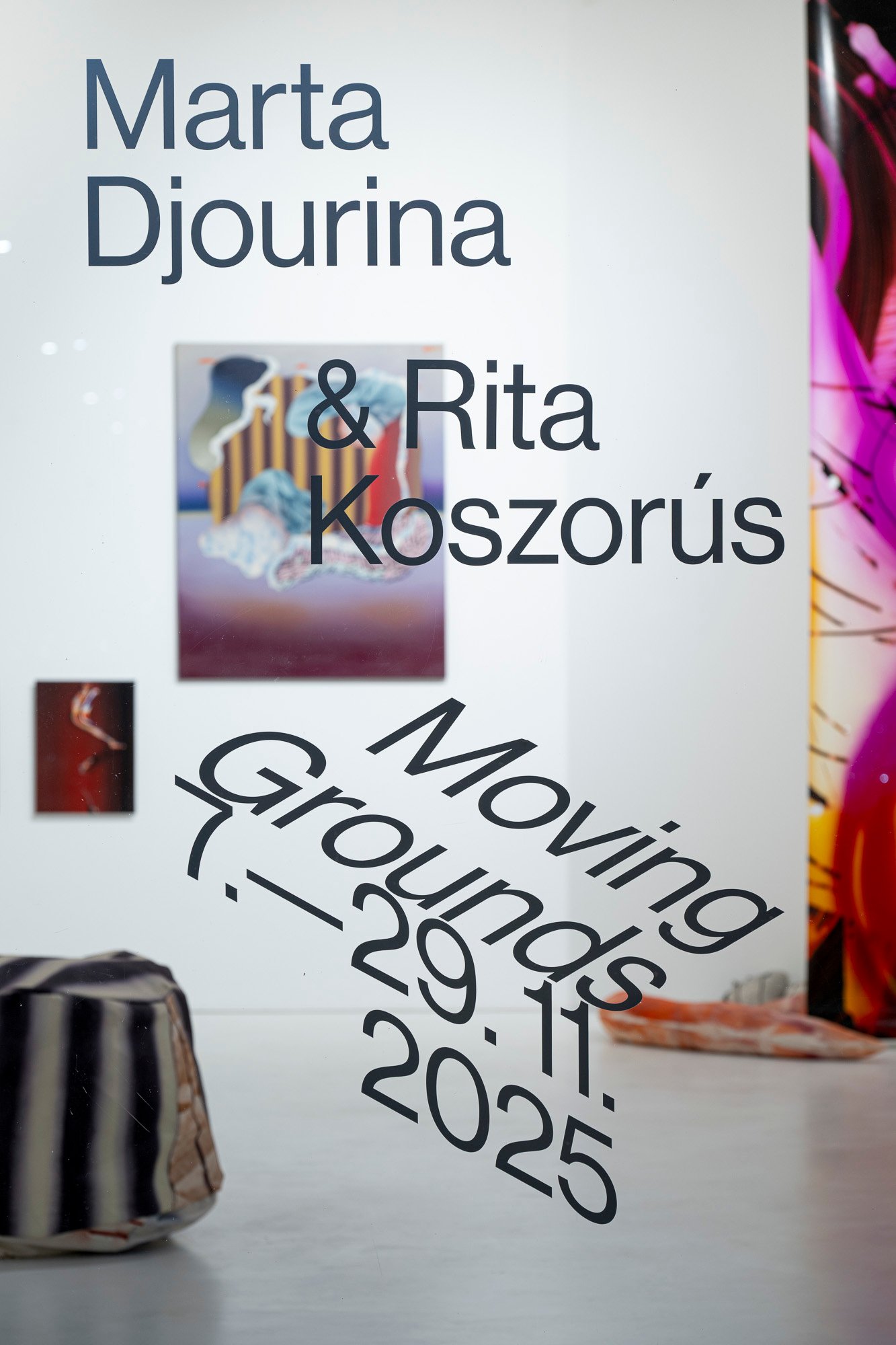
The exhibition Moving Grounds presents a collaborative project by visual artists Marta Djourina and
Rita Koszorús. Both artists are connected by their exploration of the mutability of environments and
places in which they live, as well as by a need for travel and the ability—at once a necessity and a
determination—to adapt to new and unstable conditions. Their practices also engage with more
intimate themes: the search for personal identity and home, and a corresponding sensitivity to change
and external influence shaped by the differing social contexts of the countries of their origin and
activity (Bulgaria, Germany, Hungary, Slovakia, and the Czech Republic).
These uncertain and constantly shifting layers—fluid zones of reality—together with the need to reflect
on the perspectives of artists emerging from contexts shaped by the transformations of Central and
Eastern Europe and identifying with the so-called emigration syndrome associated with post-socialist
societies, form the conceptual foundation of the exhibition.
The dialogue between the artists connects their shared sense of unanchored existence, their lifelong
curiosity for discovery and openness to the new, their crossing of comfort zones, and their
commitment to testing and continually enriching their artistic language through new challenges. These
aspects can also be read within the broader tendencies and personal narratives of a generation that
grew up in the enchanted post-socialist context of the 1990s—a period when, particularly within the
territories of the former Eastern Bloc, the possibilities of free travel opened up and ambitions
intensified to endlessly “catch up” with the ideals of the foreign, consumer-driven society.
To what extent did this confrontation with the paradoxical beauty—but also the uncertainty—of the
“new,” along with the accumulating determination to meet ever-growing expectations, shape the
experiences, sensitivities, and artistic practices of those who still balance between the desire to know
and to succeed—in contrast to the passage of years marked by transformation and a collectively as
well as personally acknowledged sobering?
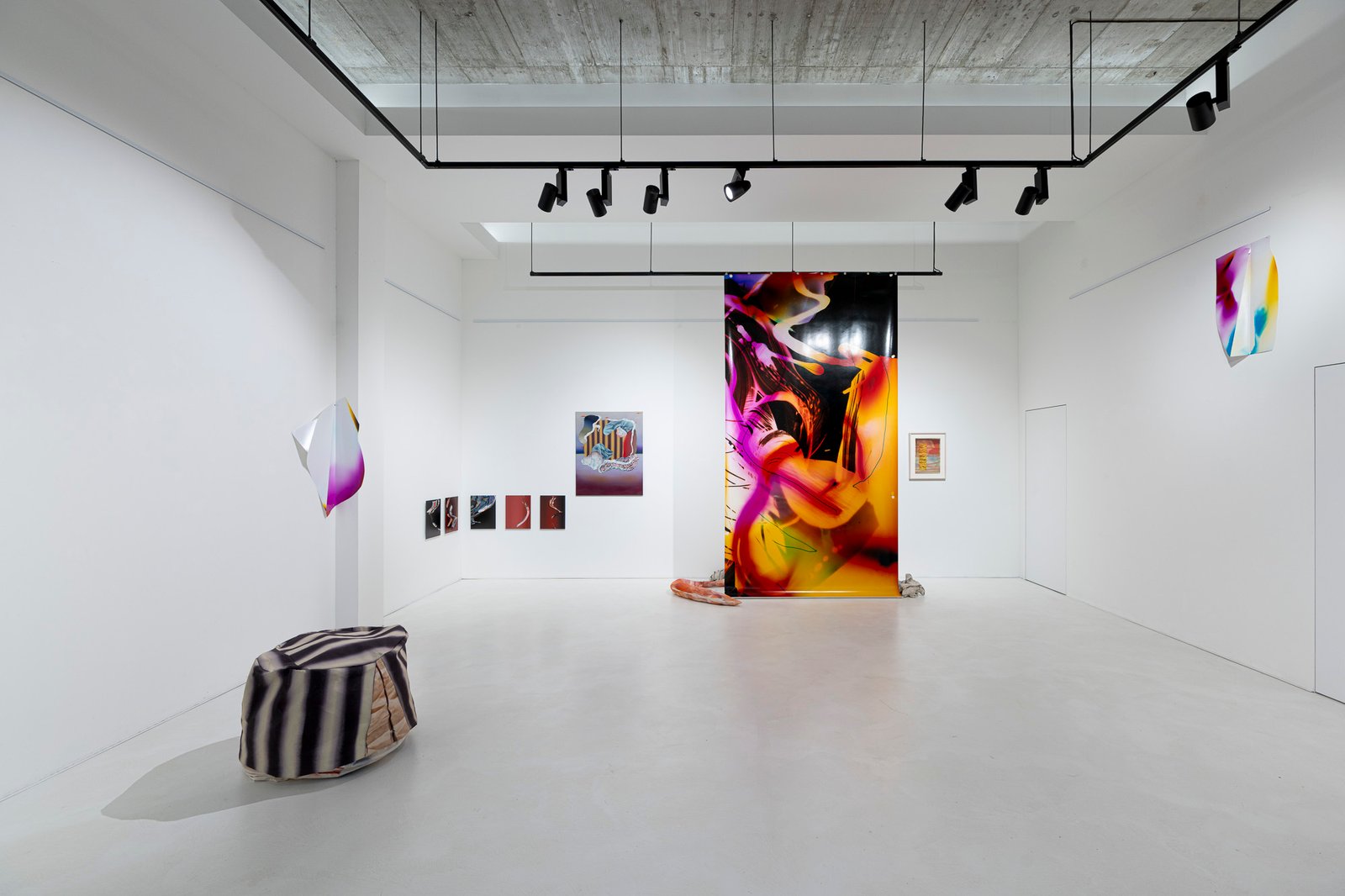
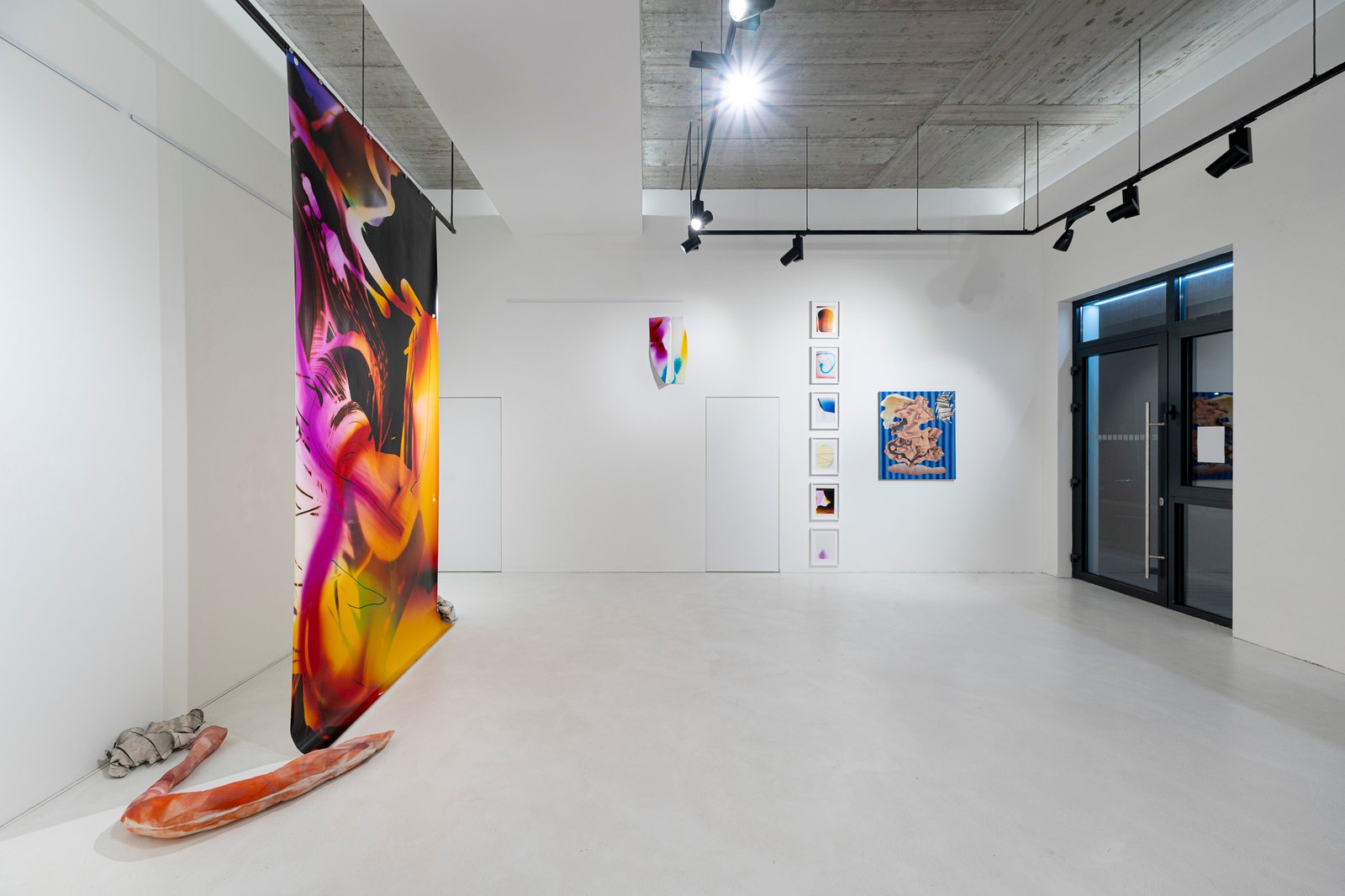
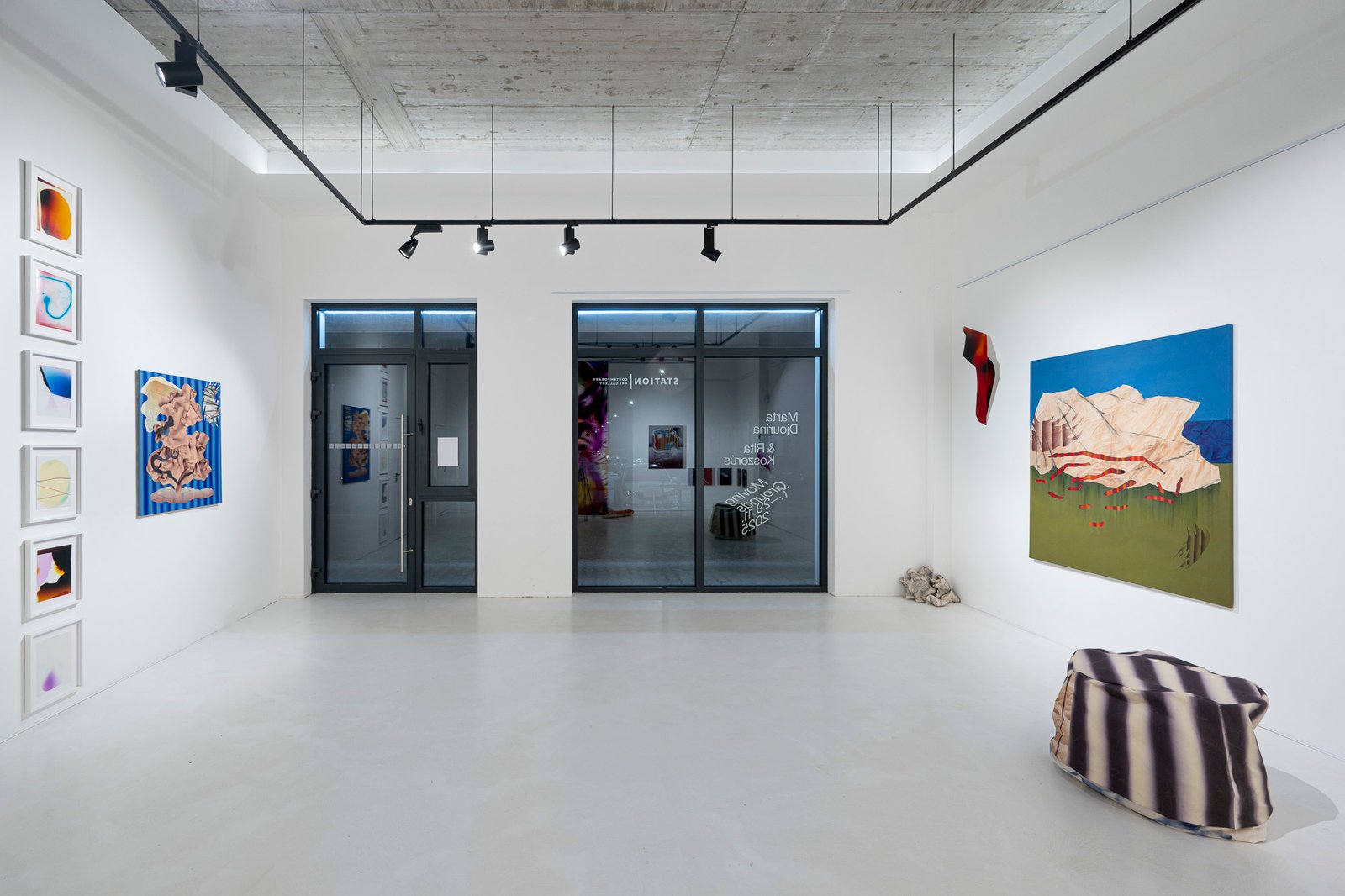
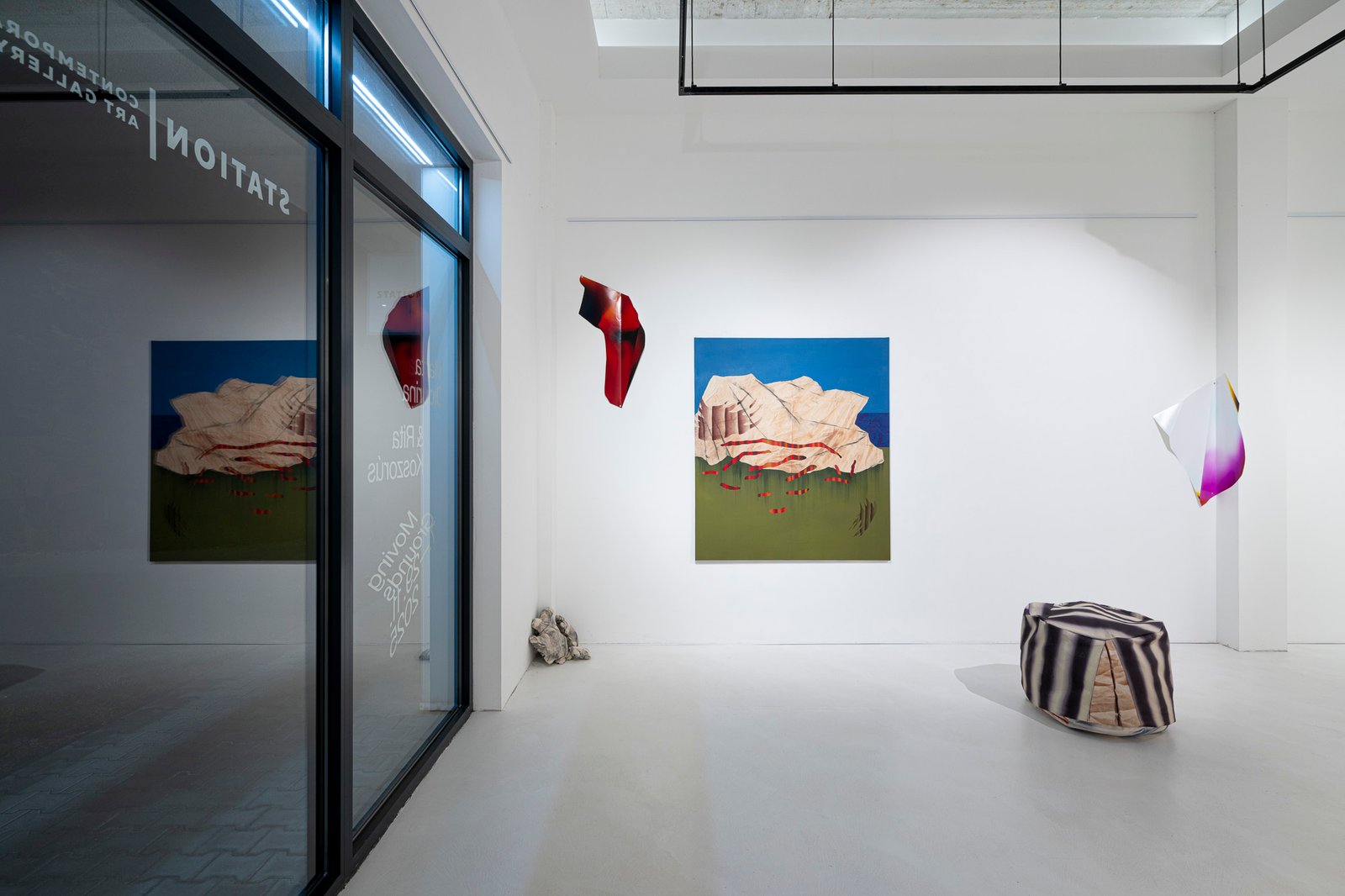
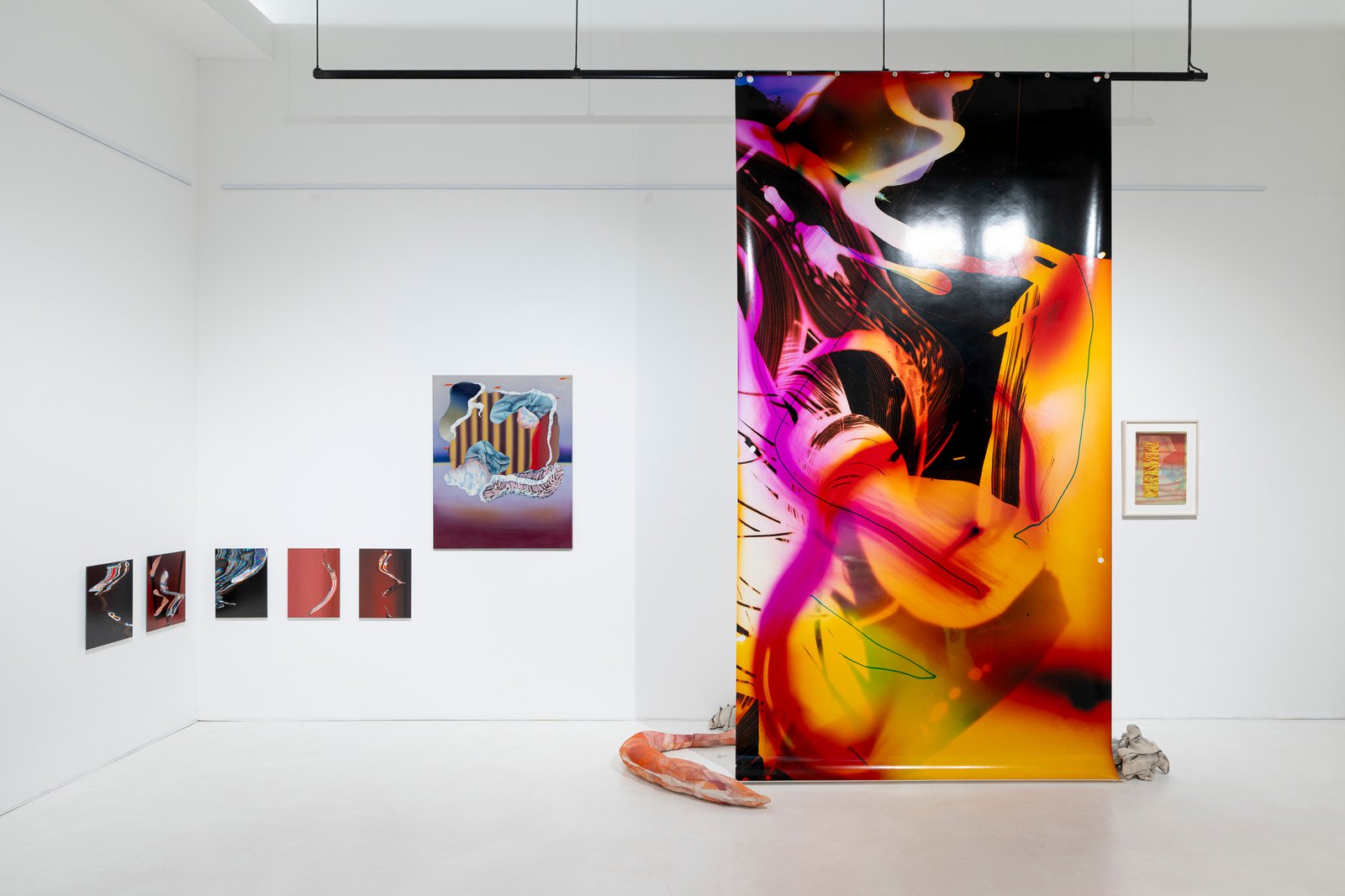
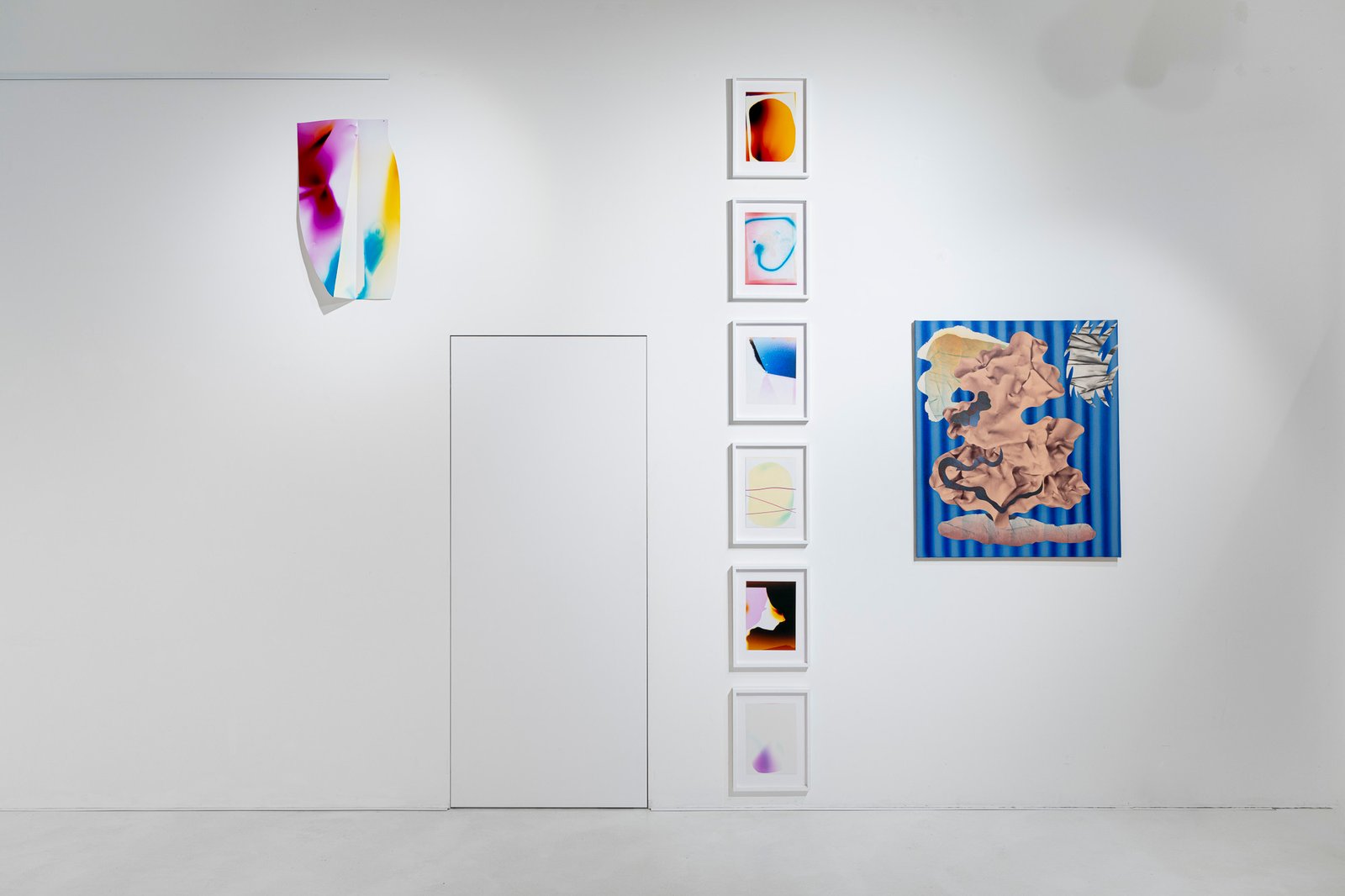
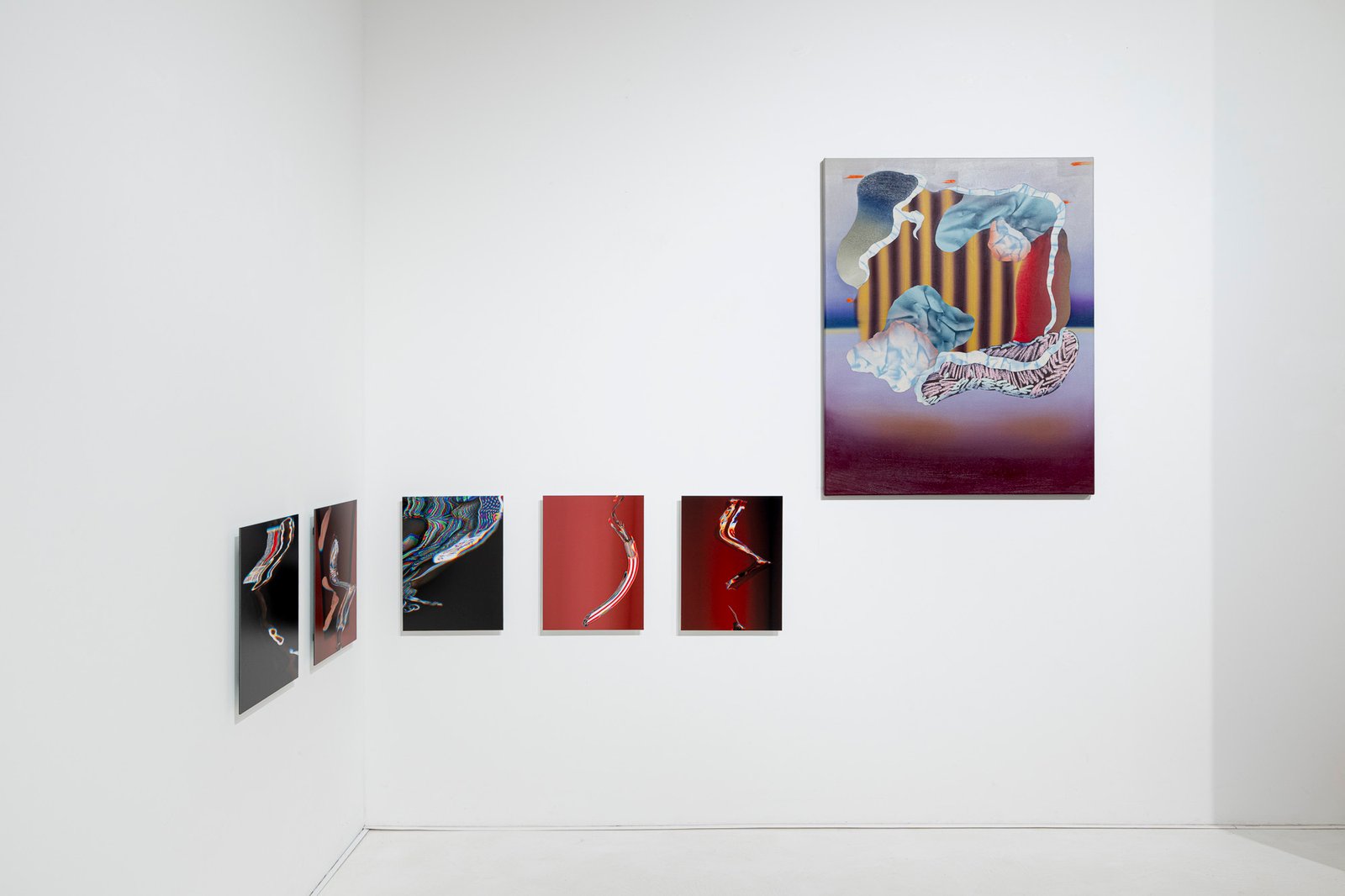
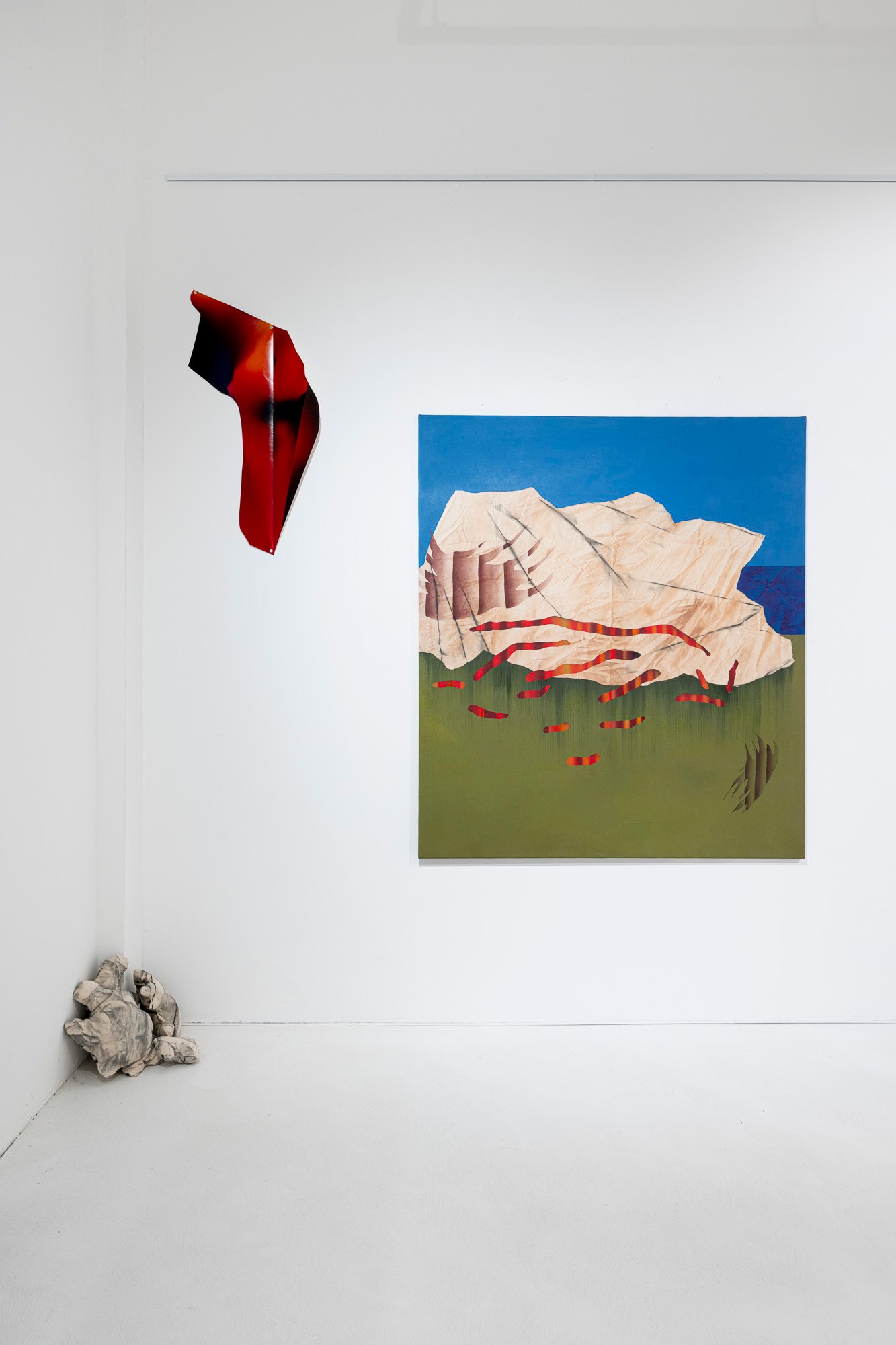
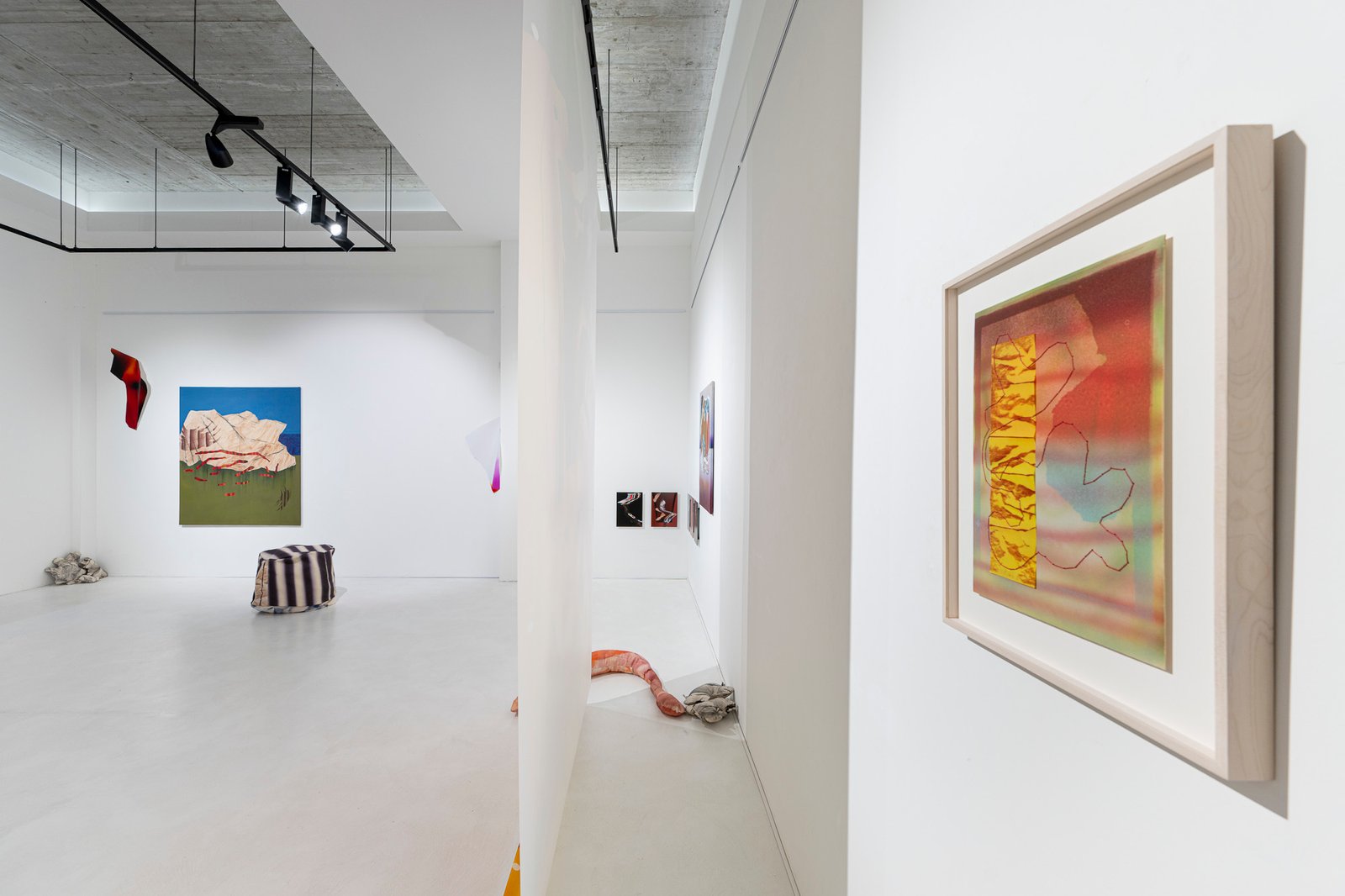
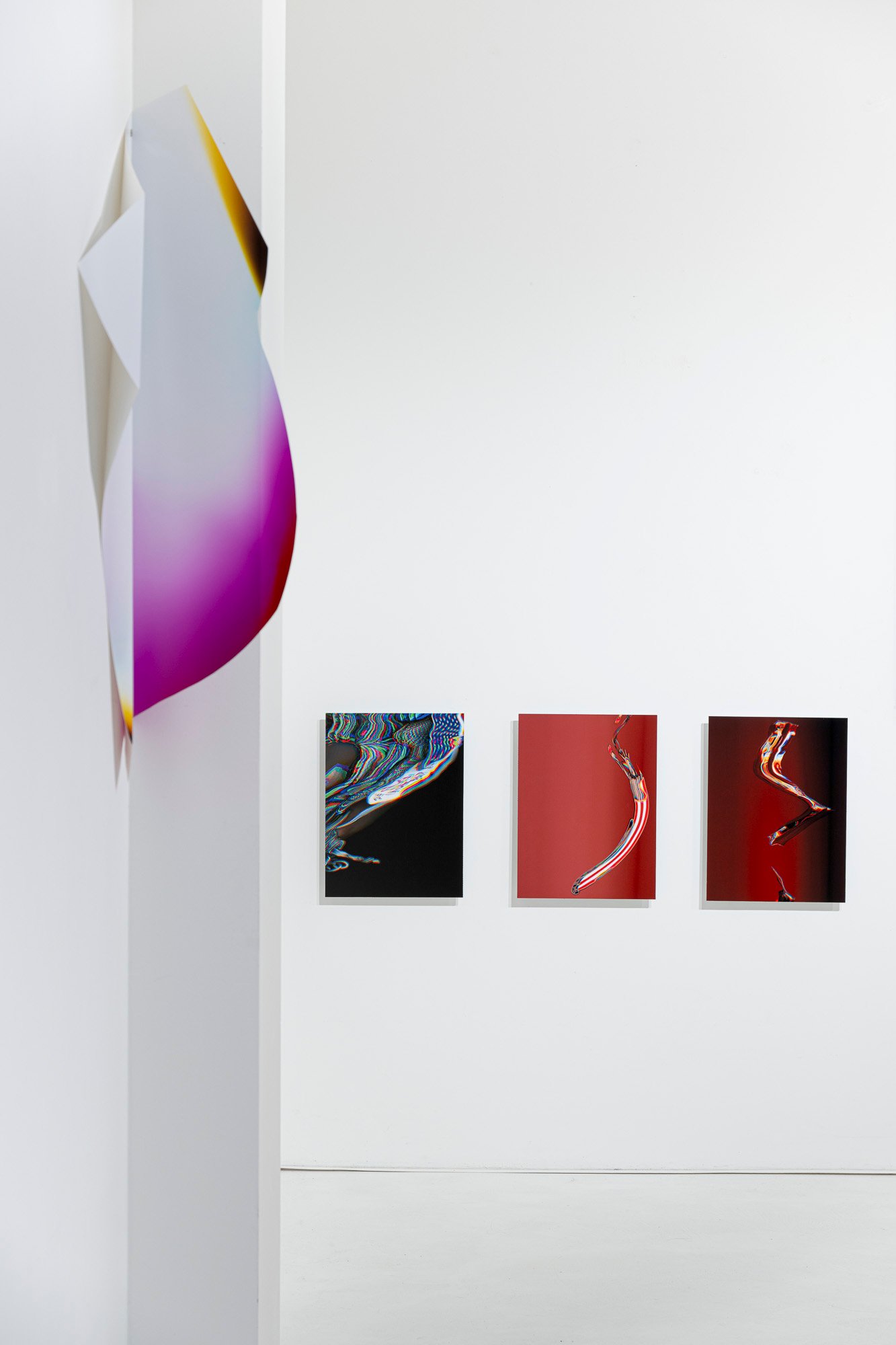
The artists approach these themes through a combination of media, presenting both existing works
and new pieces created specifically for the exhibition. The project takes the form of a spatial
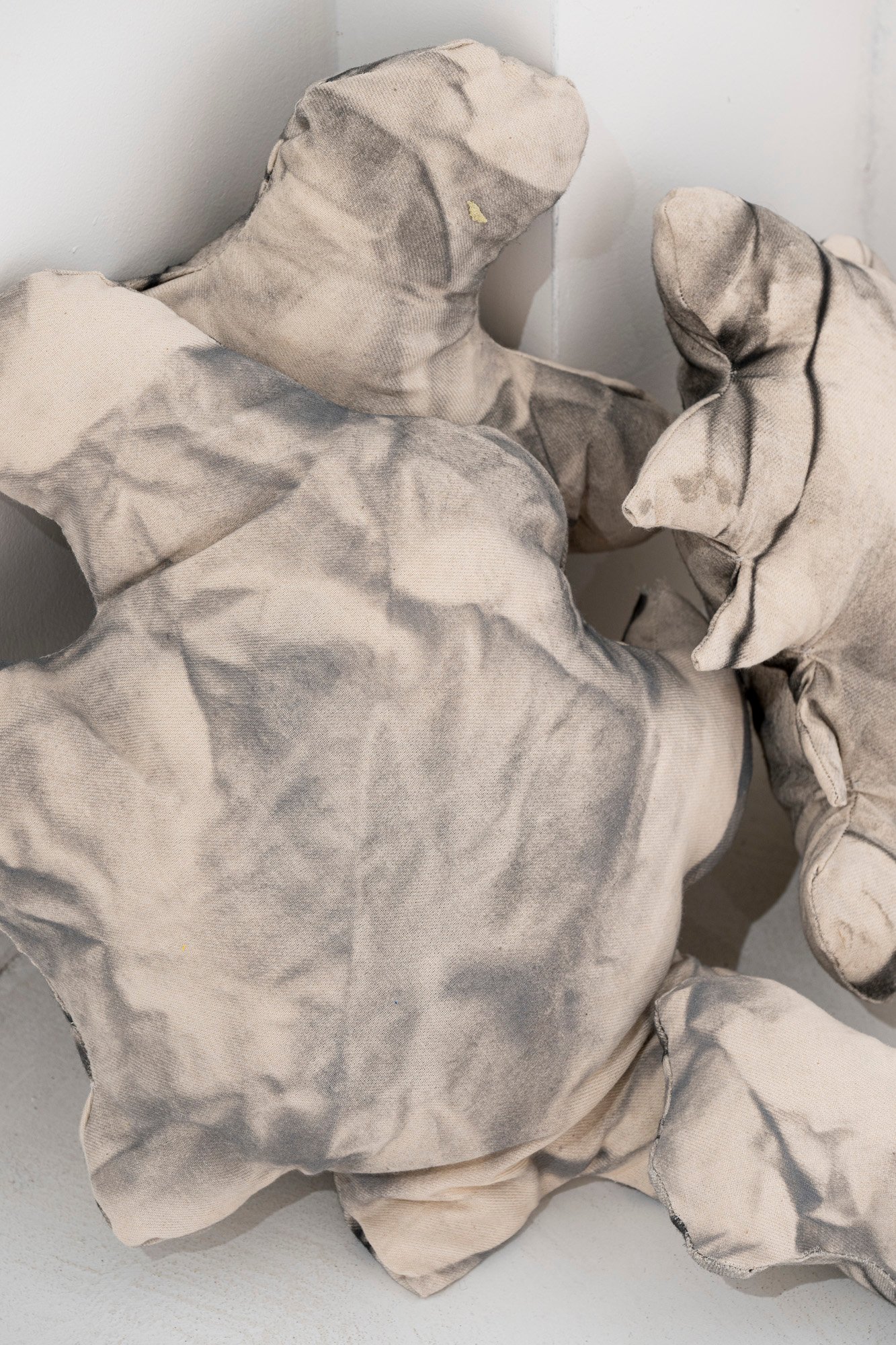
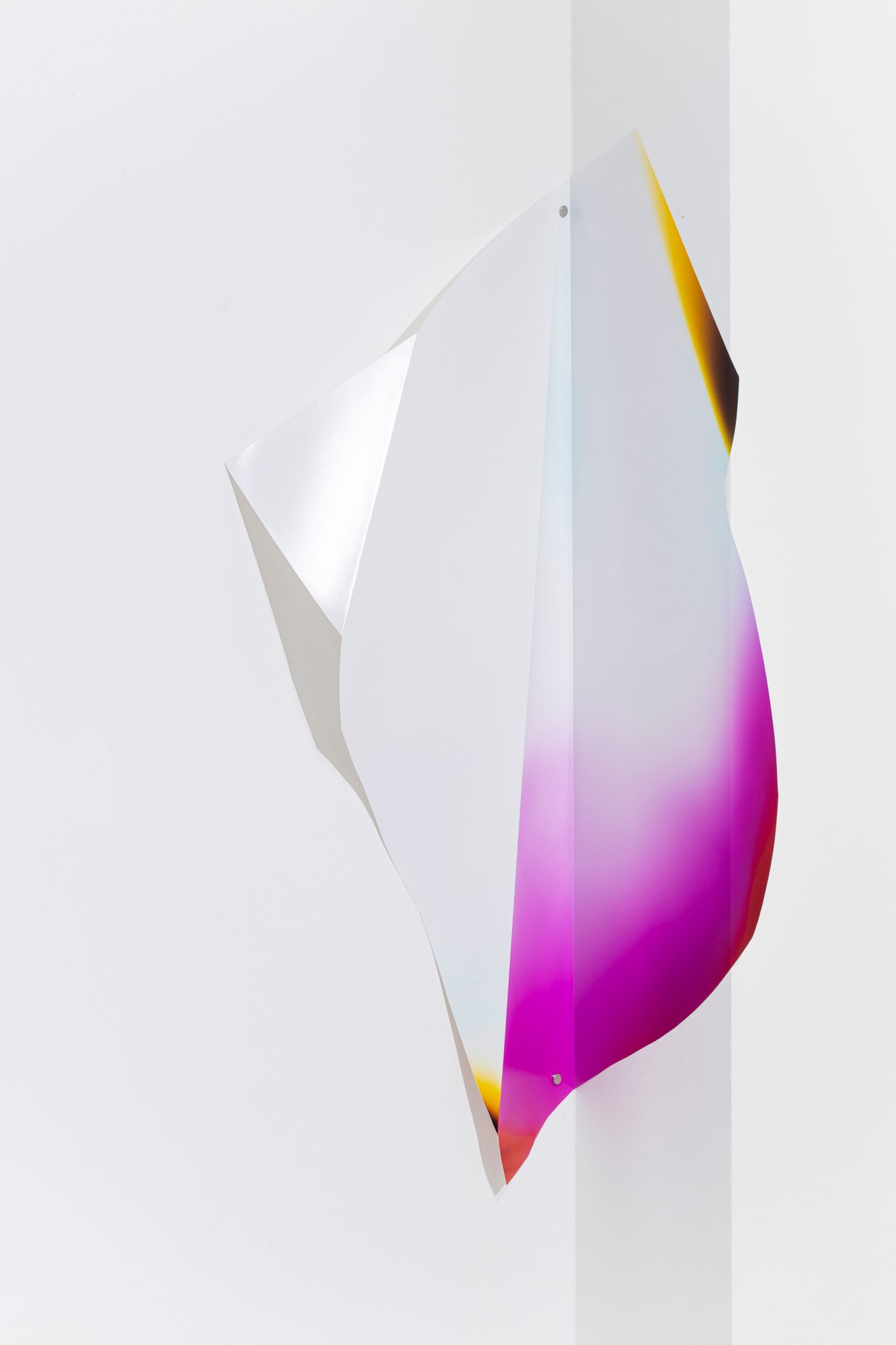
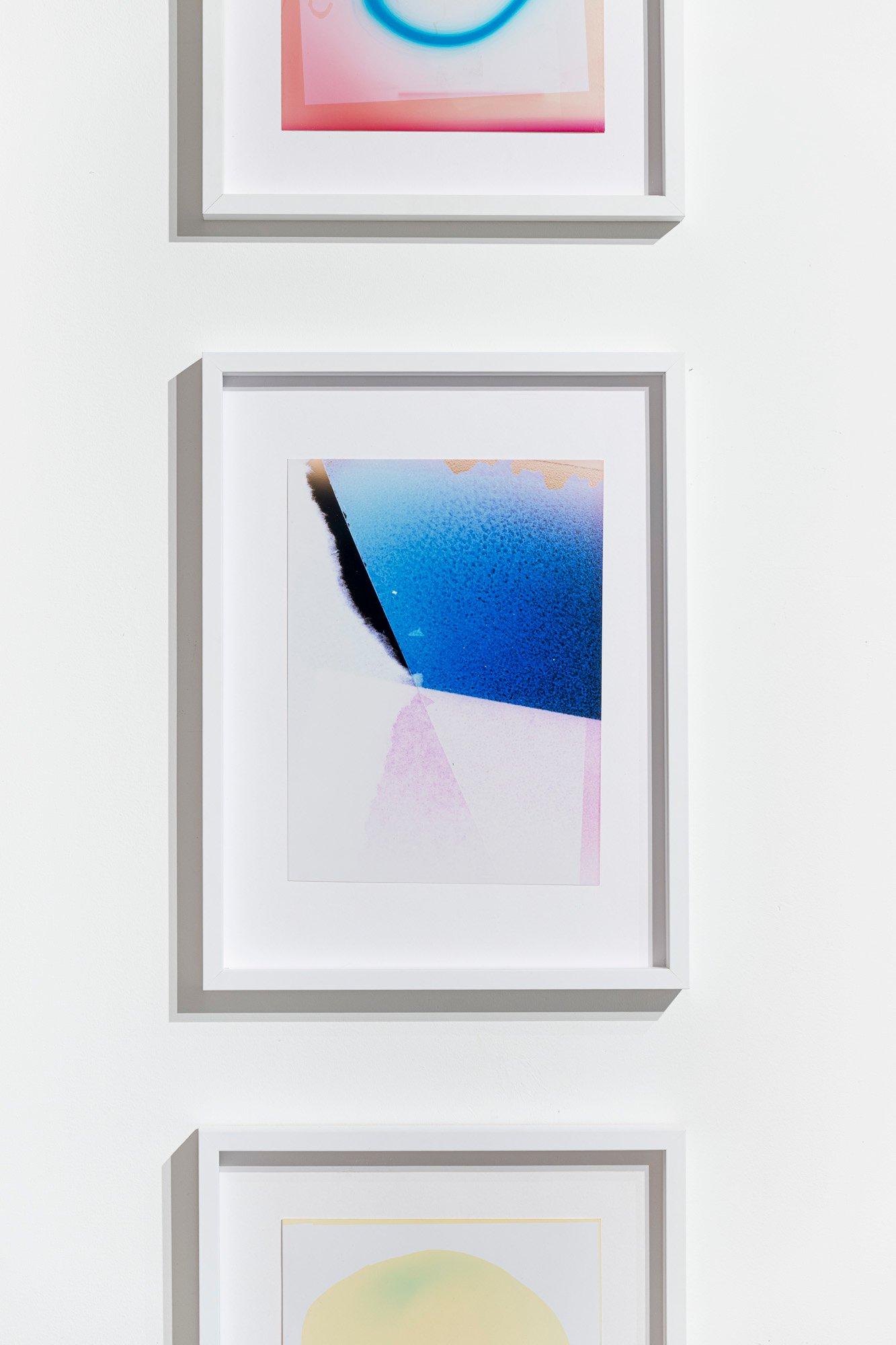
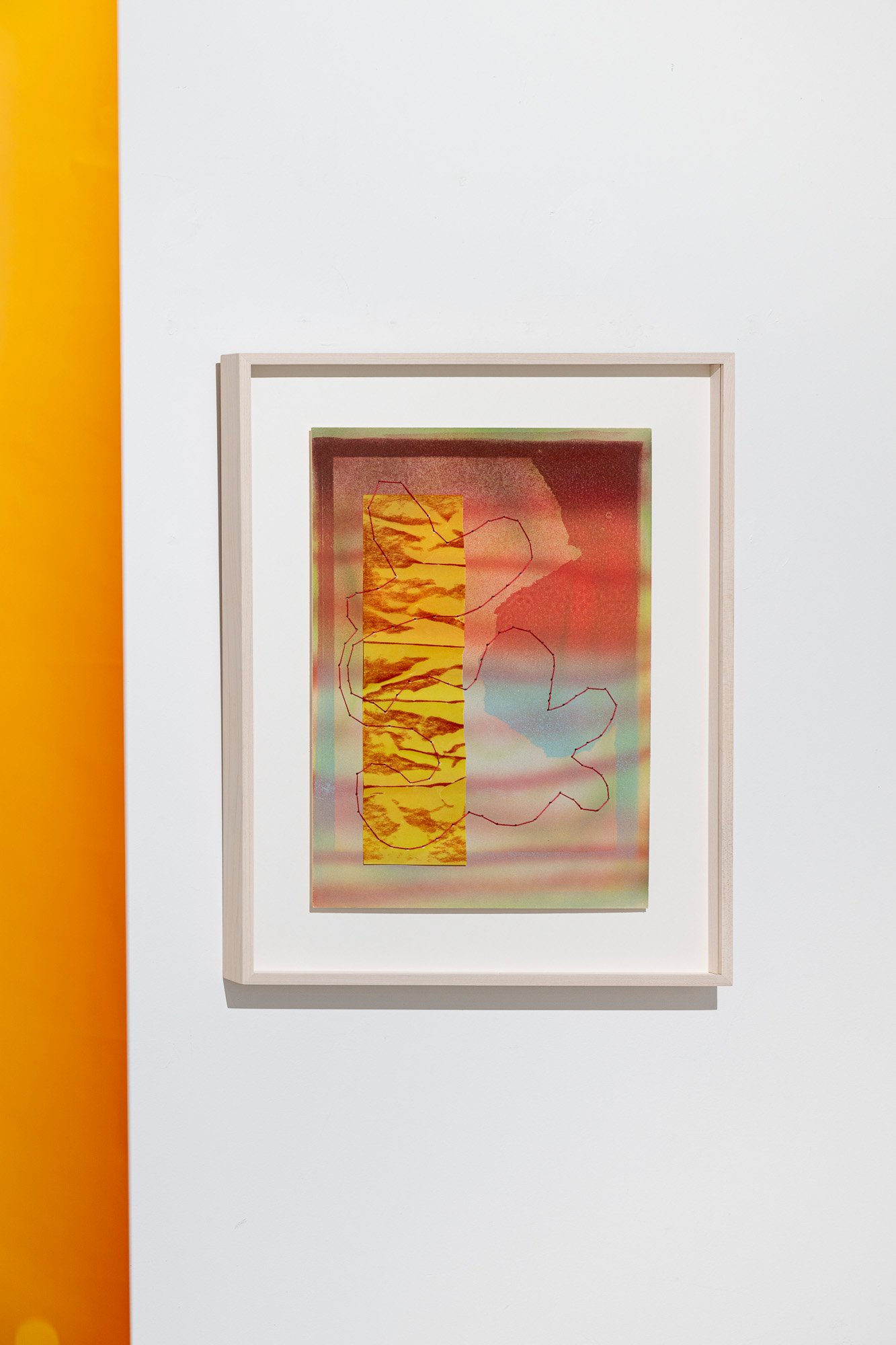
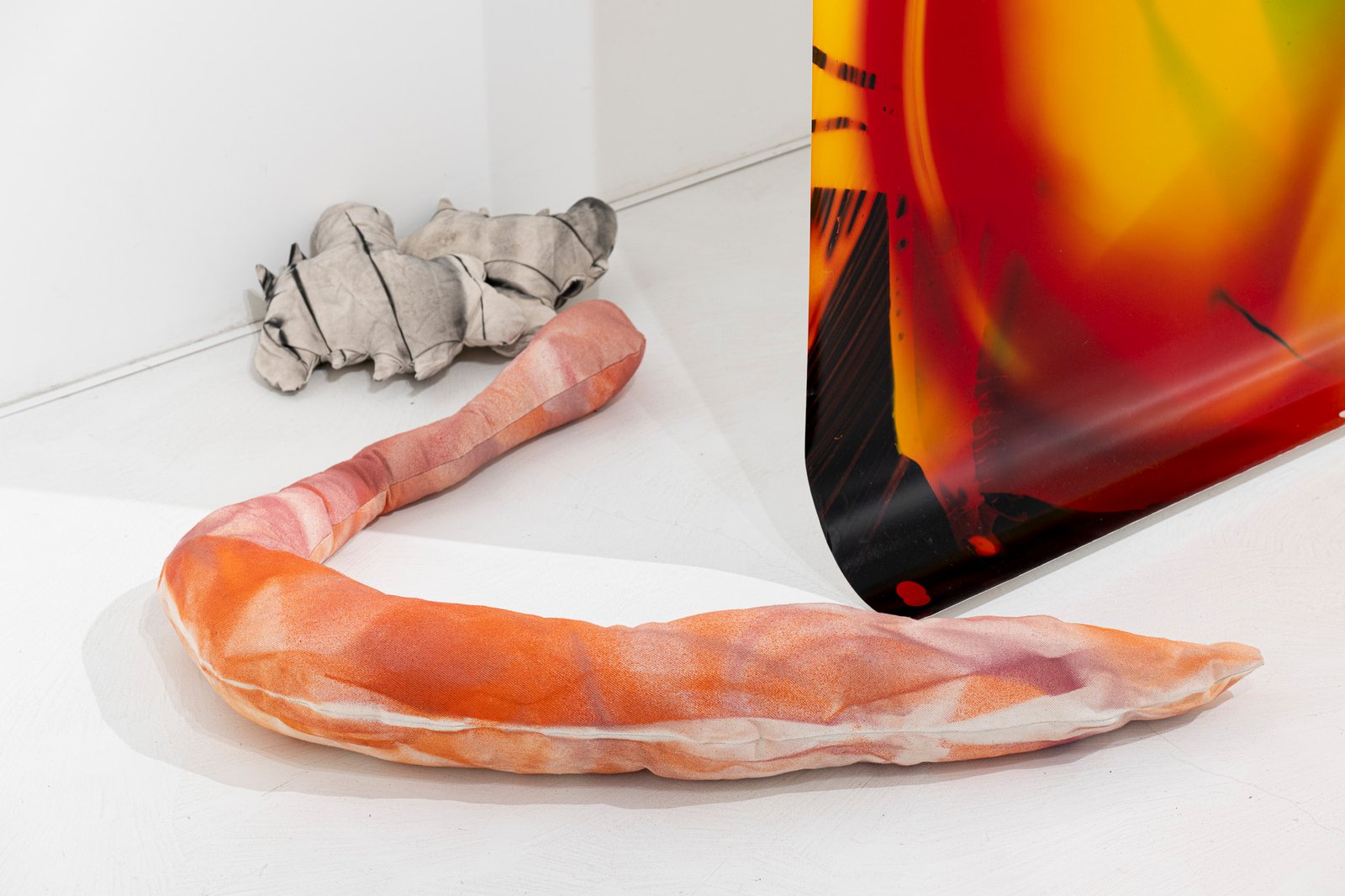
installation—combining and confronting Rita Koszorús’s paintings, collages, and textile objects with
Marta Djourina’s distinctive camera-less analog photographic exposures. Within these layered and
often expressive juxtapositions and dialogues, the exhibition unfolds as a metaphor for places of
continual transit—for movement and readiness embodied by the station hall: a condensation of new
expectations, fleeting moments, frozen time, nervousness, and determination toward change.
Stations—public spaces of transfer that Marc Augé, like airports, highways, or hotels, describes as
non-places 1 —are built upon an architecture of temporality, adapted to movement and perpetual
transformation. They stand in contrast to permanence and the sense of stability designed for long-term
dwelling. Individual identity dissolves there in the anonymity of waiting, haste, or delay, reduced to a
status defined by a ticket number or digitized personal data. Such places can symbolize freedom and
escape, but also emptiness and solitude—liminal “in-between” zones that shift depending on the
number of travelers, the visual language of graphic design, and the information systems of a given
time and region. These factors allow station or airport halls to be at least partially captured and
historically classified within an otherwise continuously flowing time and dissolved present.
Beyond its references to spaces of travel 2 , the installation also works with fluid aspects of organic
elements that appear in both artists’ practices. Visually striking components reflect their shared ability to abstract concrete forms, memories, and sensitivities, through which they construct hybrid
environments—ecosystems of color and media. The works liberate themselves from the constraints of
fixed shapes, blur the boundaries of clearly defined media, and expand into the physical space. They
become part of the architecture of the exhibition—a spatio-temporal field of transit, search, and
reflection on the artists’ subjective experiences.
Through their images and objects, the artists articulate a shared need for discovery and a willingness
to embrace unstable conditions associated with the absence of a permanent base. Yet their mobile
everyday existence is also accompanied by a gradual awareness of the value of intimacy and
belonging, and by an acceptance of a disenchanted contemporary reality—a process that, in contrast
to the constant desire cultivated by cultural and social systems, requires ever greater courage,
balance, and resistance.