

Melting Ice – ESP
Melting
(thinking together)
“No hay un afuera donde colocarse para observar el mundo; solo estamos dentro, implicados en él, respirando el mismo aire que las cosas que tratamos de entender.”
— Bruno Latour, ¿Dónde estoy?
Bruno Latour se hacía la pregunta ¿dónde estoy? después de toda una vida dedicada a pensar el mundo. Creo que es significativo. Es una pregunta que nunca se agota porque el mundo tampoco deja de cambiar. ¿Dónde estoy? ¿Cómo puedo habitar este mundo? ¿Y cómo puedo encontrarme con los demás en él? En este sentido, no se trata de ubicarse en un punto del mapa, sino de reconocer la red de relaciones que hace posible cualquier lugar. Latour nos recuerda que estar en el mundo no es estar sobre algo, sino dentro de algo: un entramado que se transforma, se disuelve y se rehace colectivamente.
Melting Ice se sitúa precisamente en ese intersticio.
No es una exposición sobre el hielo, ni sobre el deshielo, sino sobre la condición de deshacerse. Reúne prácticas que asumen la temporalidad, la fragilidad y la transformación como materia de trabajo y reflexión estética. El hielo es aquí una metáfora del material en tránsito: sólido y líquido a la vez, visible y efímero, capaz de contener y de liberarse. Pero también, desde una perspectiva filosófica, se aborda la descomposición como método y la fragilidad como forma de conocimiento abierta a lo vulnerable.
Las artistas participantes proponen una serie de prácticas que ensayan un estado de transición. No es un lamento por la pérdida, sino un ejercicio de atención: observar cómo las formas, los cuerpos, las relaciones o los significados se transforman mientras intentamos habitarlos. La exposición también dialoga con gestos históricos que entendieron el arte como proceso efímero y comunitario. En el happening Fluids (1967), Allan Kaprow convocó a un grupo de personas a construir estructuras de hielo destinadas a desaparecer. El sentido no estaba en la permanencia, sino en la experiencia compartida de su desaparición. El esfuerzo por realizar colectivamente cosas que parecen inútiles es algo que reivindicar en nuestro presente. Esa conciencia del tiempo, y de su finitud, atraviesa las obras reunidas aquí.
Habitar un mundo en transformación implica aceptar que el suelo mismo se mueve bajo nuestros pies. Que nada es seguro y no hay certezas ontológicas. En este contexto, quizá las prácticas artísticas pueden ofrecer modos de orientación: maneras de preguntar de nuevo dónde estoy, y su devenir plural, dónde estamos. Esa pregunta, lejos de ser abstracta, se vuelve urgente en el ámbito del pensamiento y la sensibilidad: una actitud perceptiva, una conciencia de la interdependencia, de la fragilidad de los límites, del diálogo entre lo que se derrite y lo que permanece, pero, sobre todo, de cómo devenir conjuntamente en ese proceso.
Ice
(coming together)
En 1967 un grupo de personas se reunió para construir una arquitectura de hielo y dejar que se derritiera poco a poco. Últimamente, vuelvo de forma obsesiva a esos bloques de hielo deshaciéndose. En parte lo hago porque creo que hacer exposiciones tiene mucho que ver con esa condición efímera y colectiva. En la sala de exposiciones se genera una comunidad circunstancial: un conjunto de personas, intuiciones, gestos y materiales que se reúnen y luego se dispersan, casi como si también se derritieran.
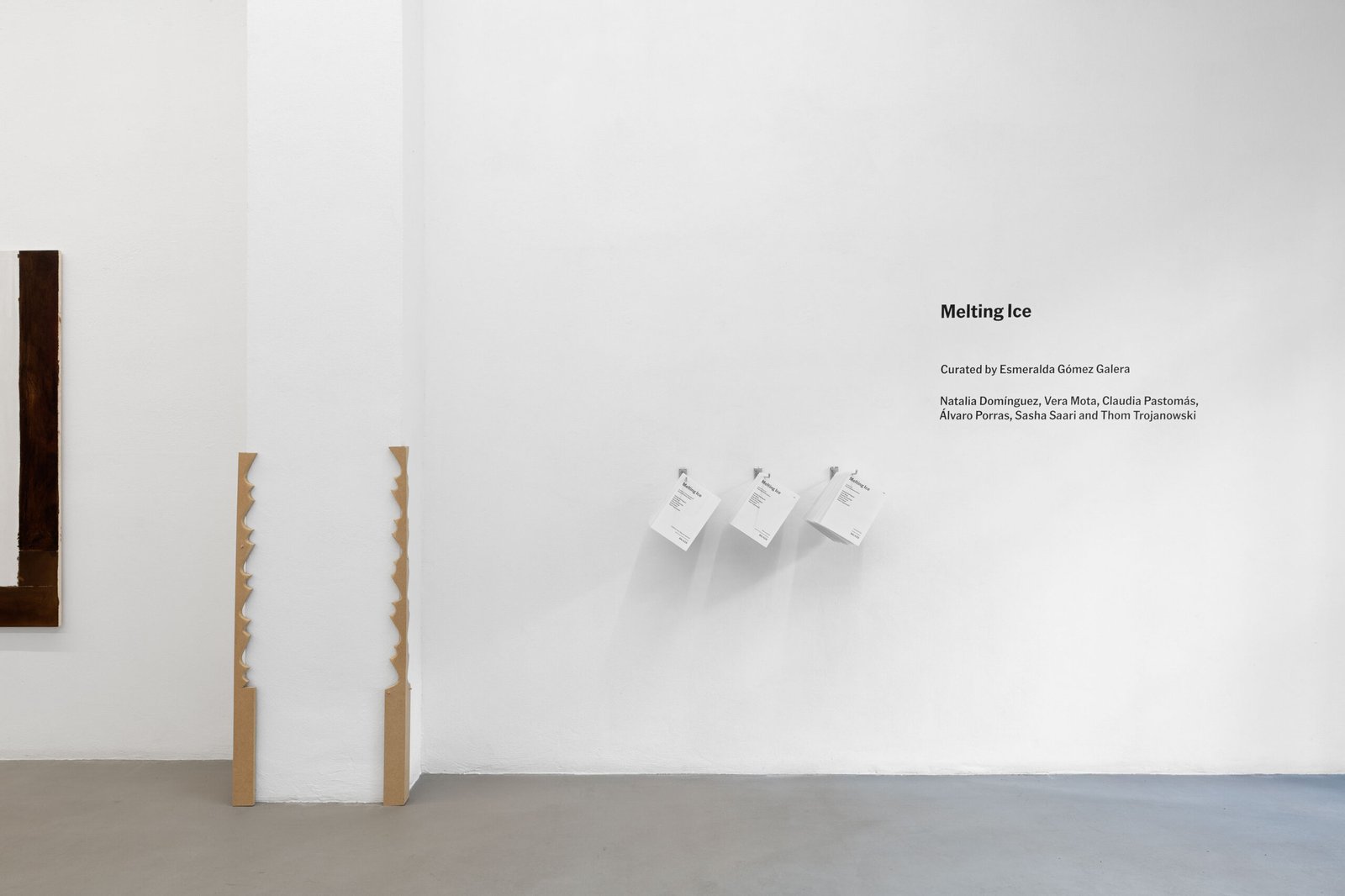
Melting Ice es un proyecto curatorial que nace de estas reflexiones y reúne el trabajo de Natalia Domínguez, Vera Mota, Claudia Pastomás, Álvaro Porras, Sasha Saari y Thom Trojanowski.
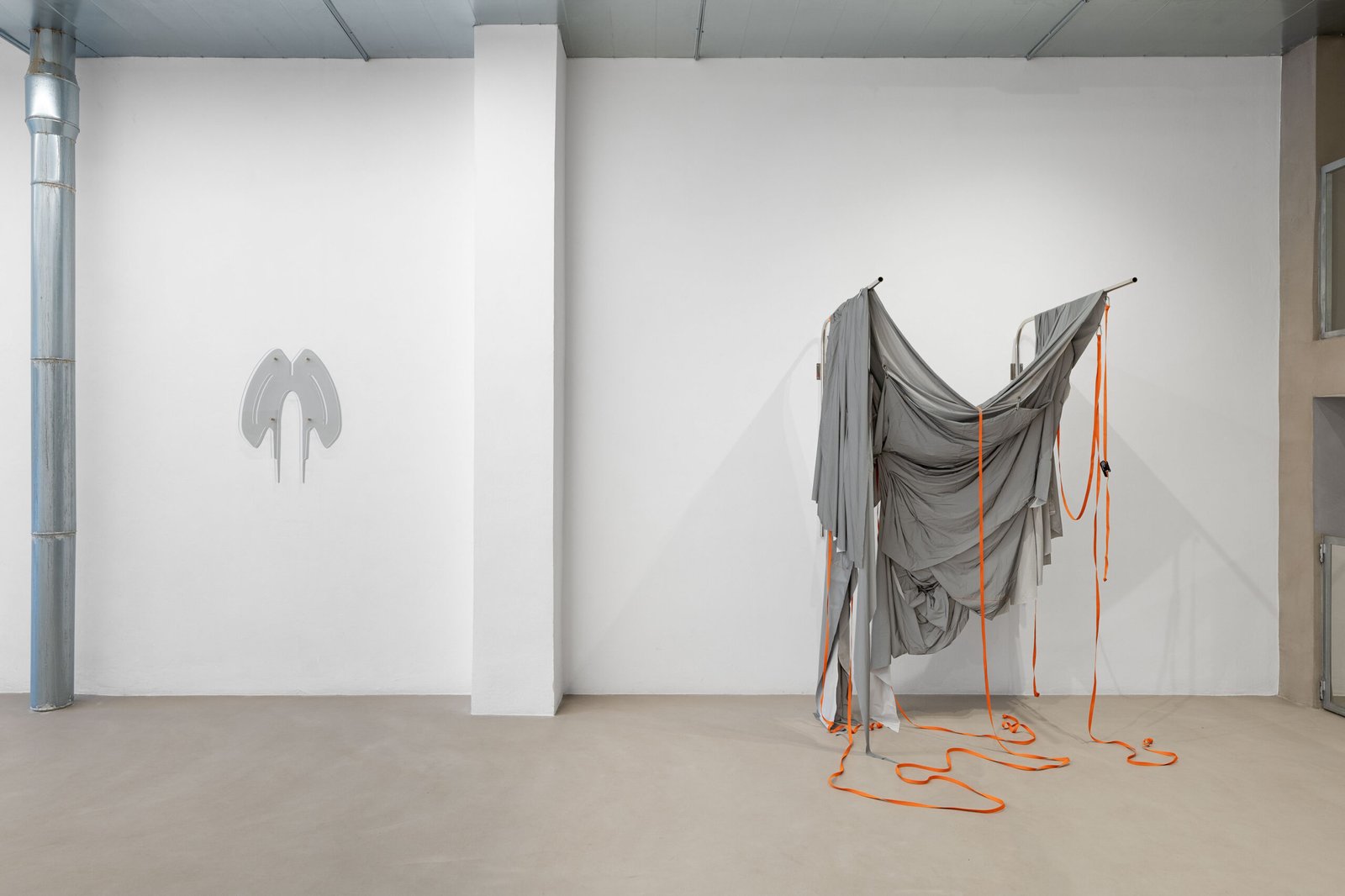
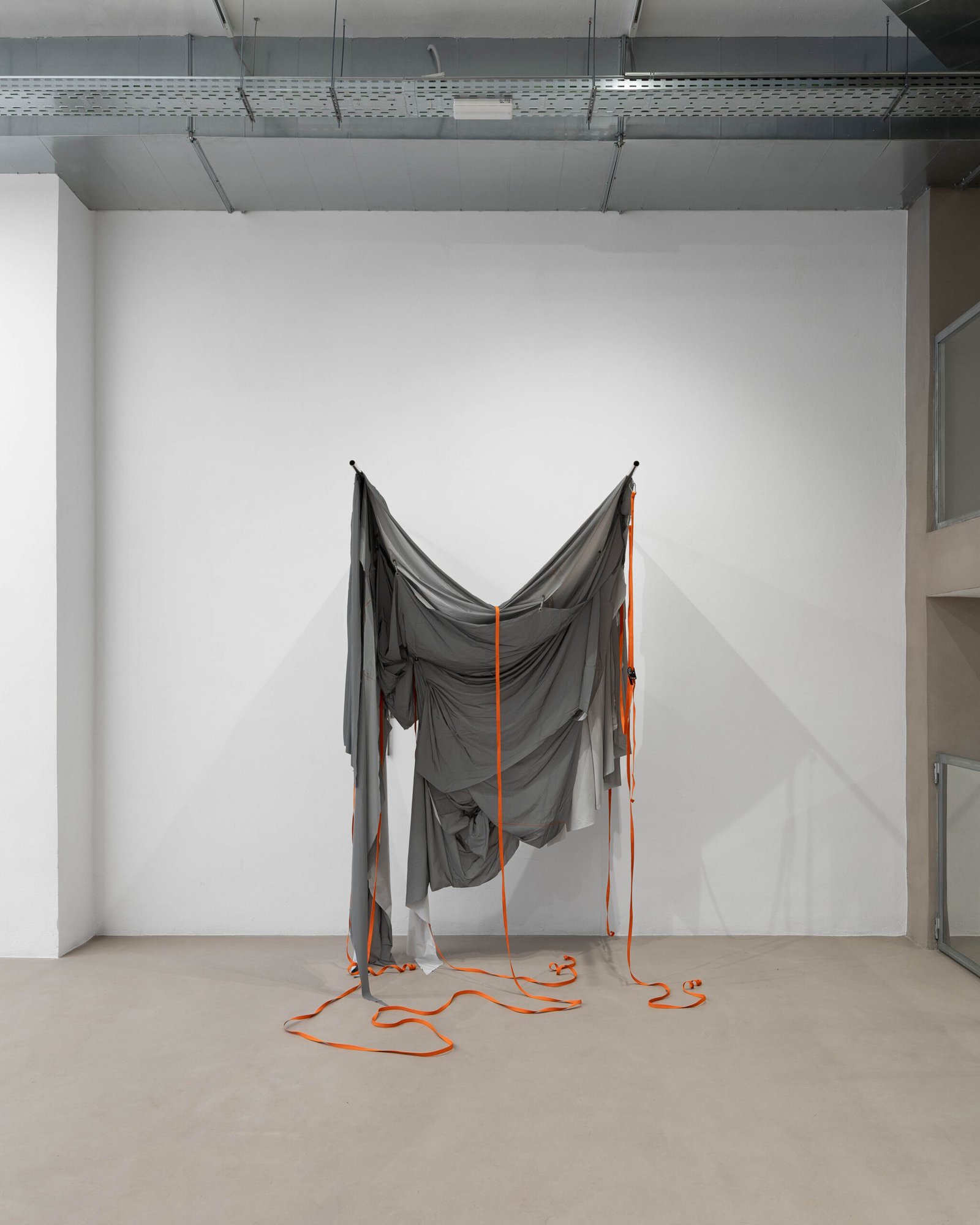
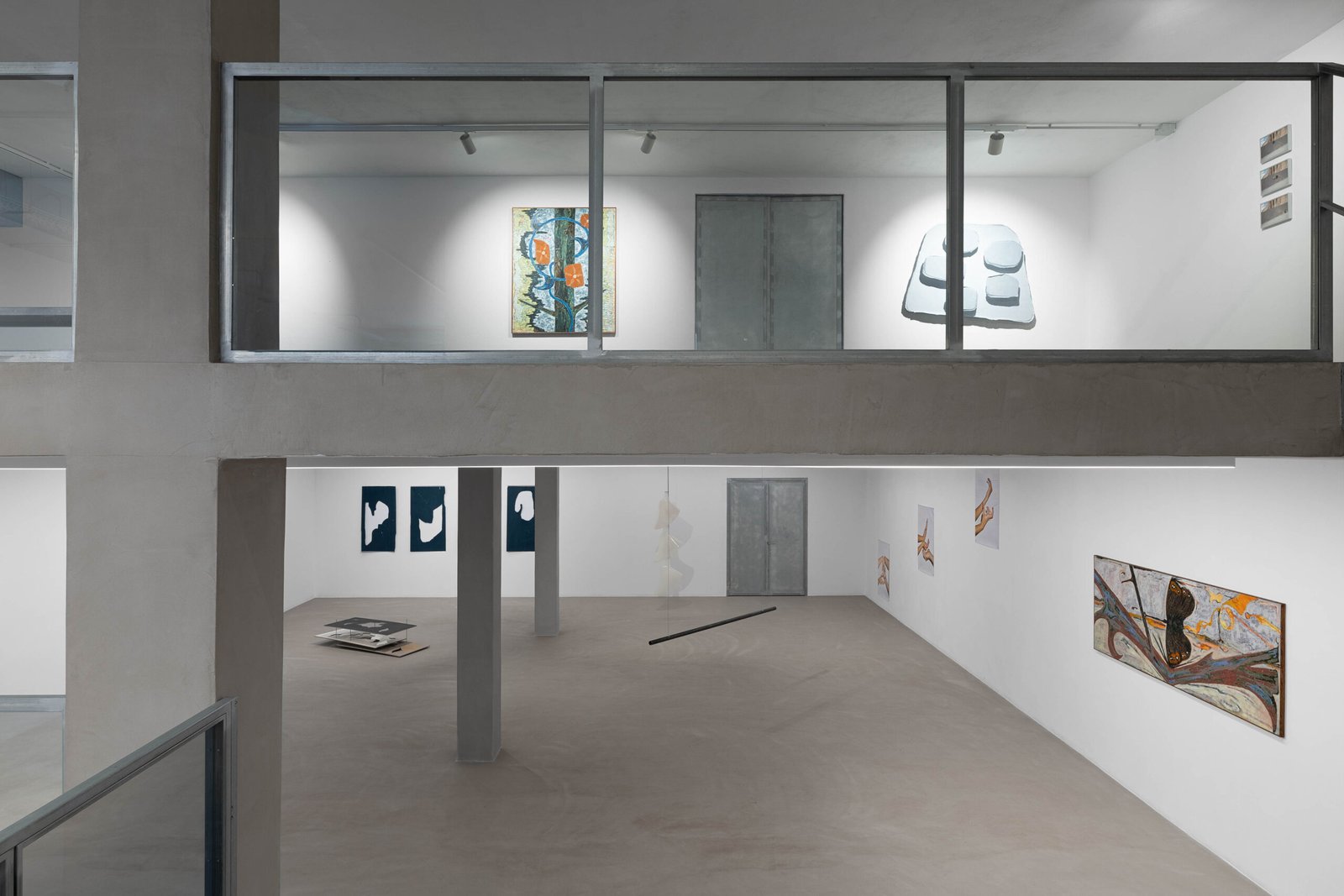
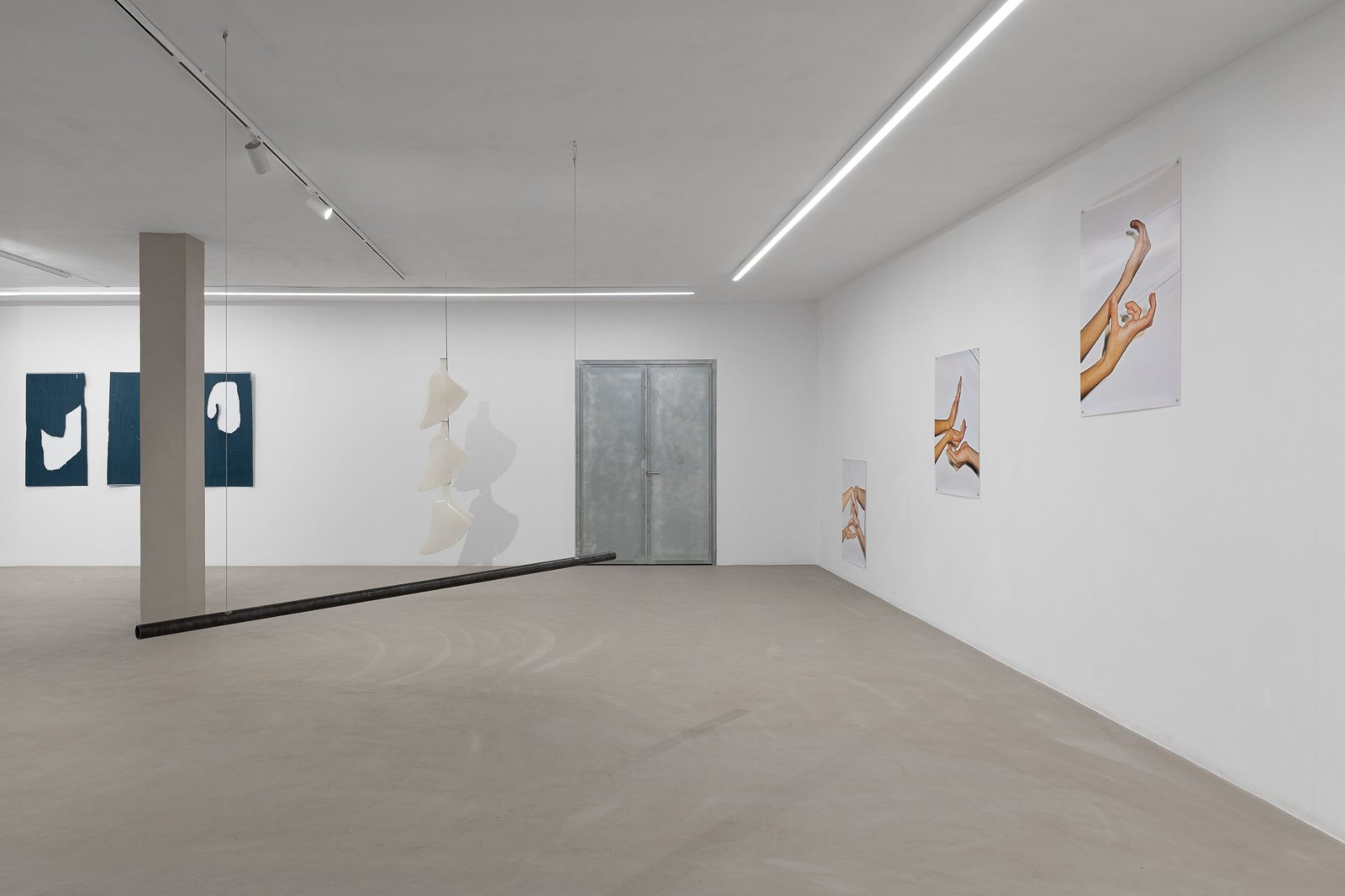
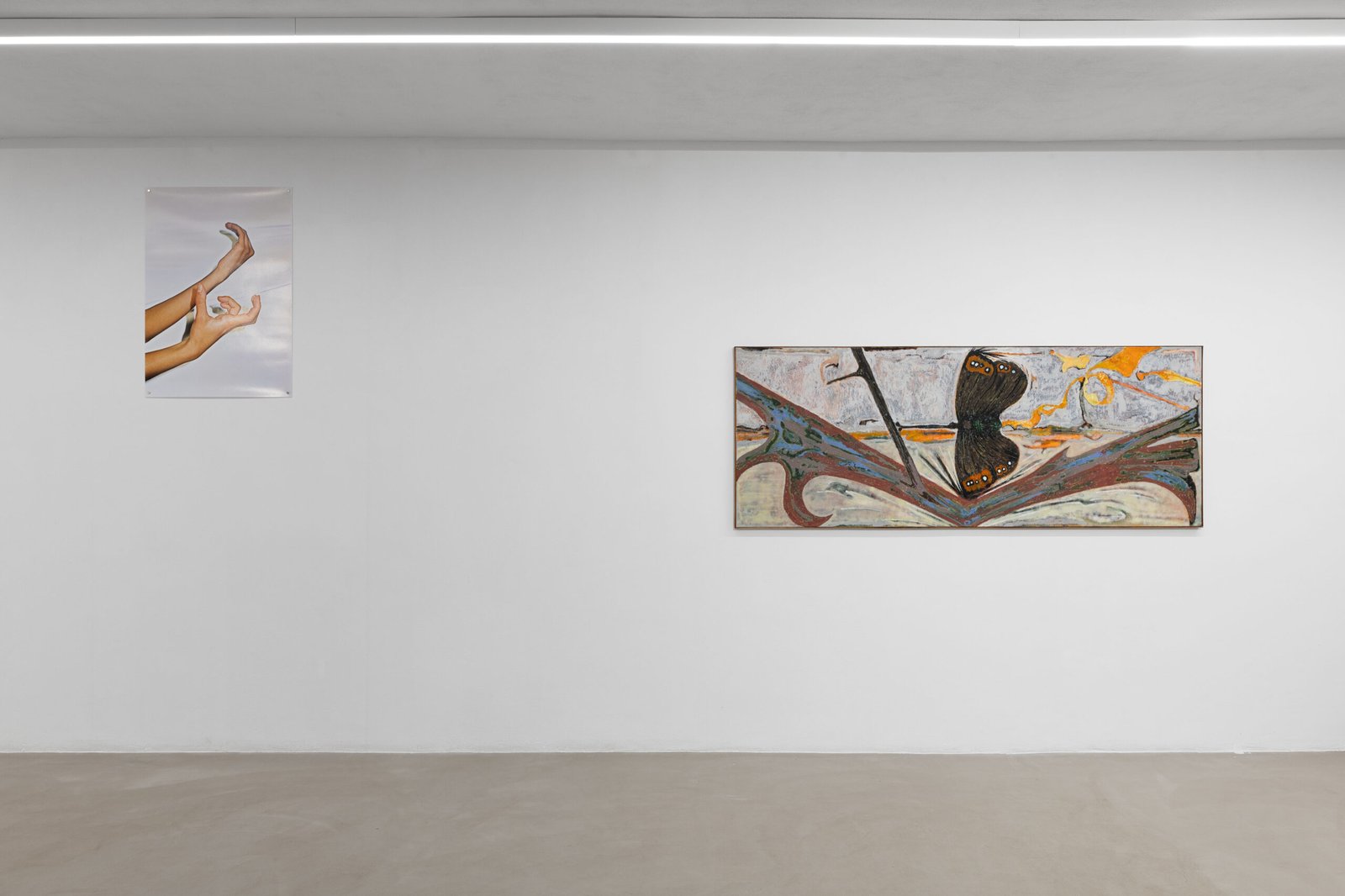
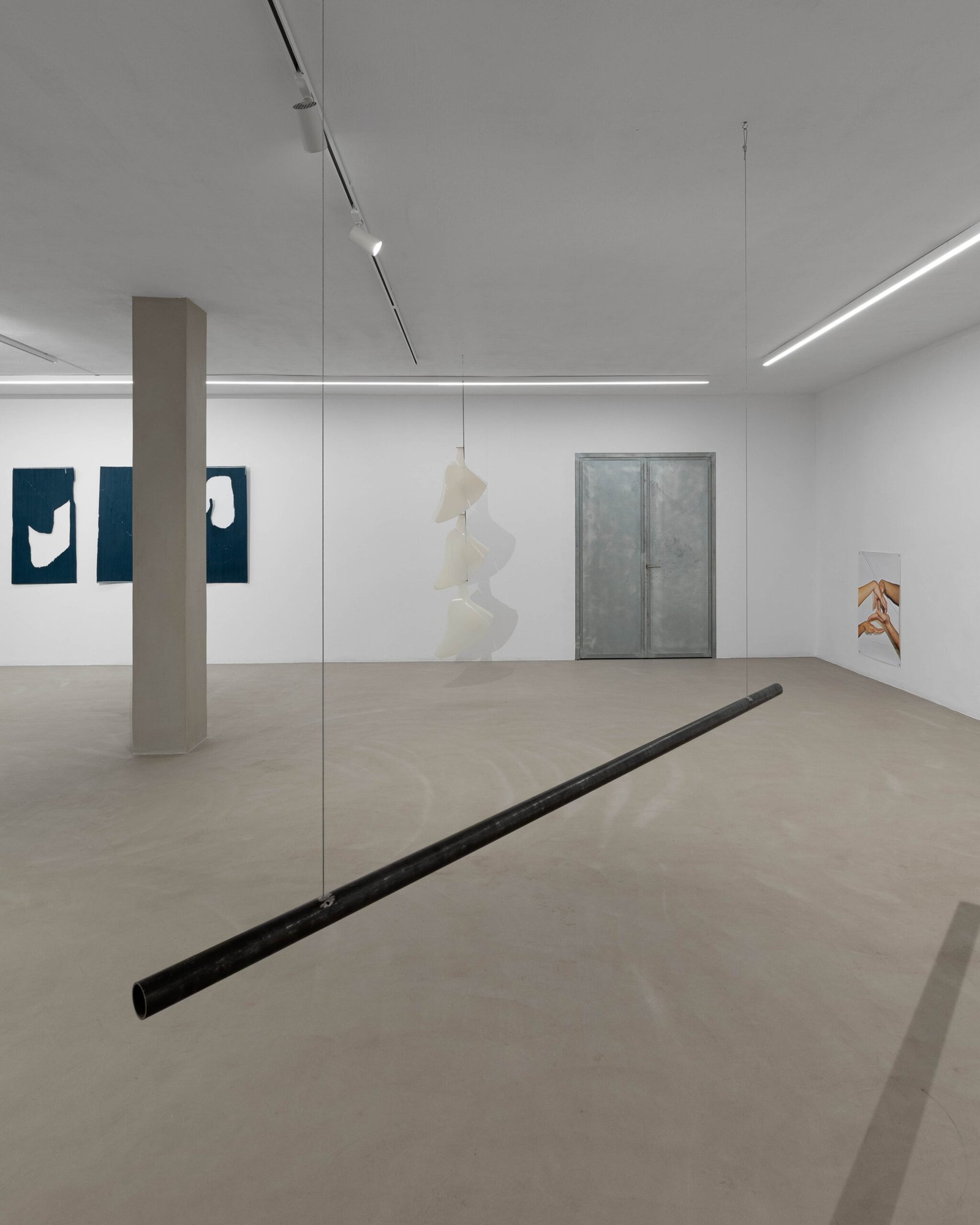
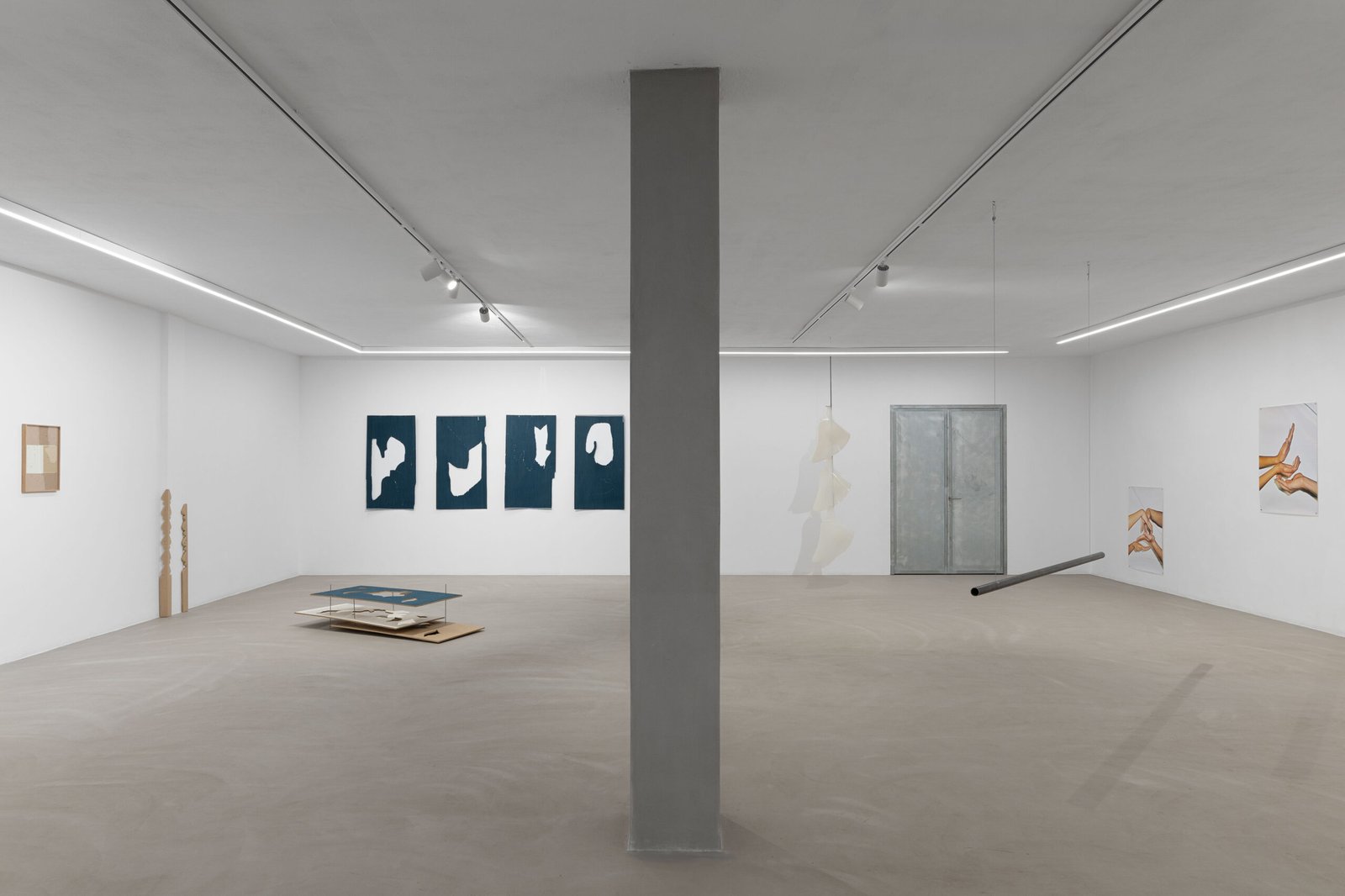
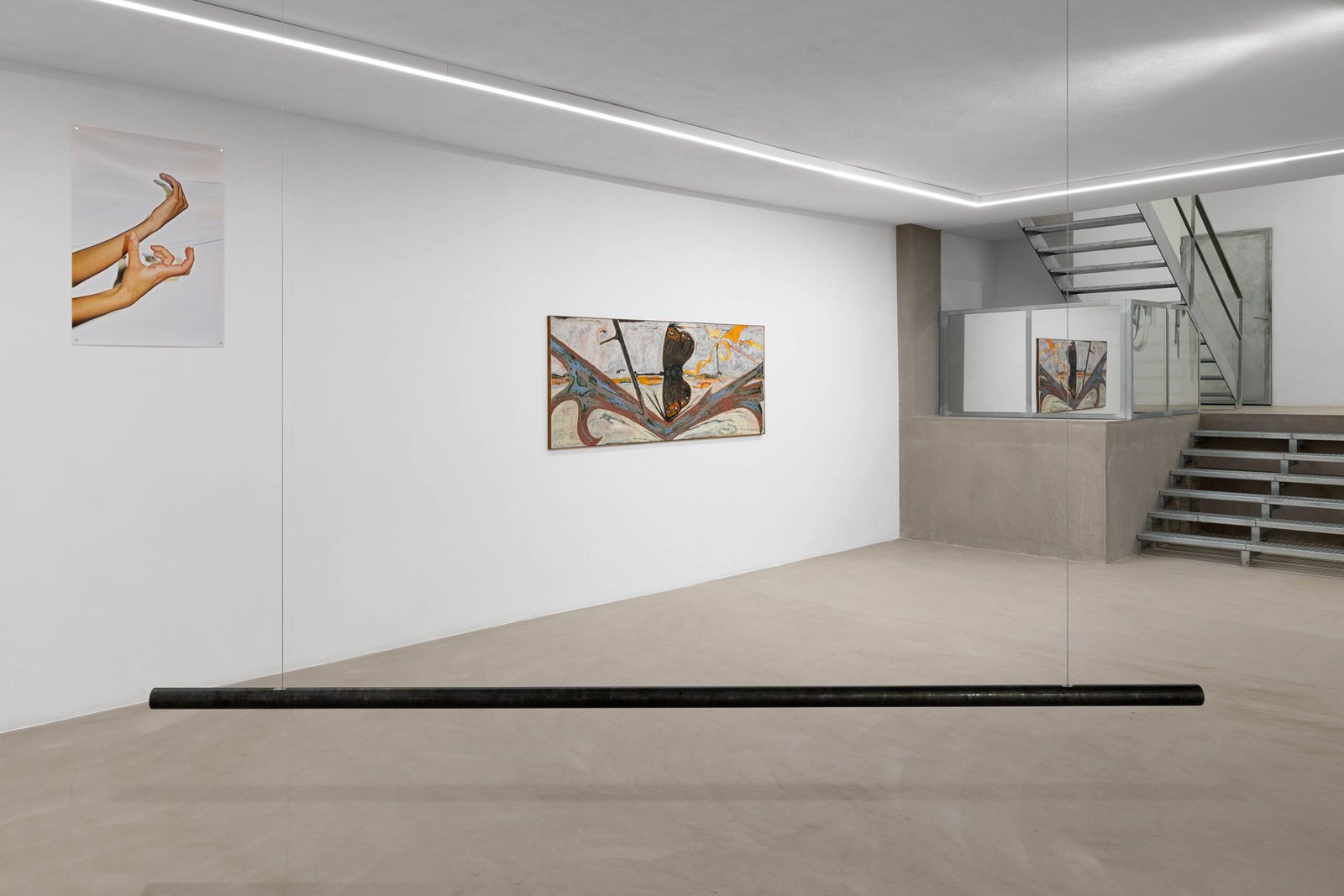
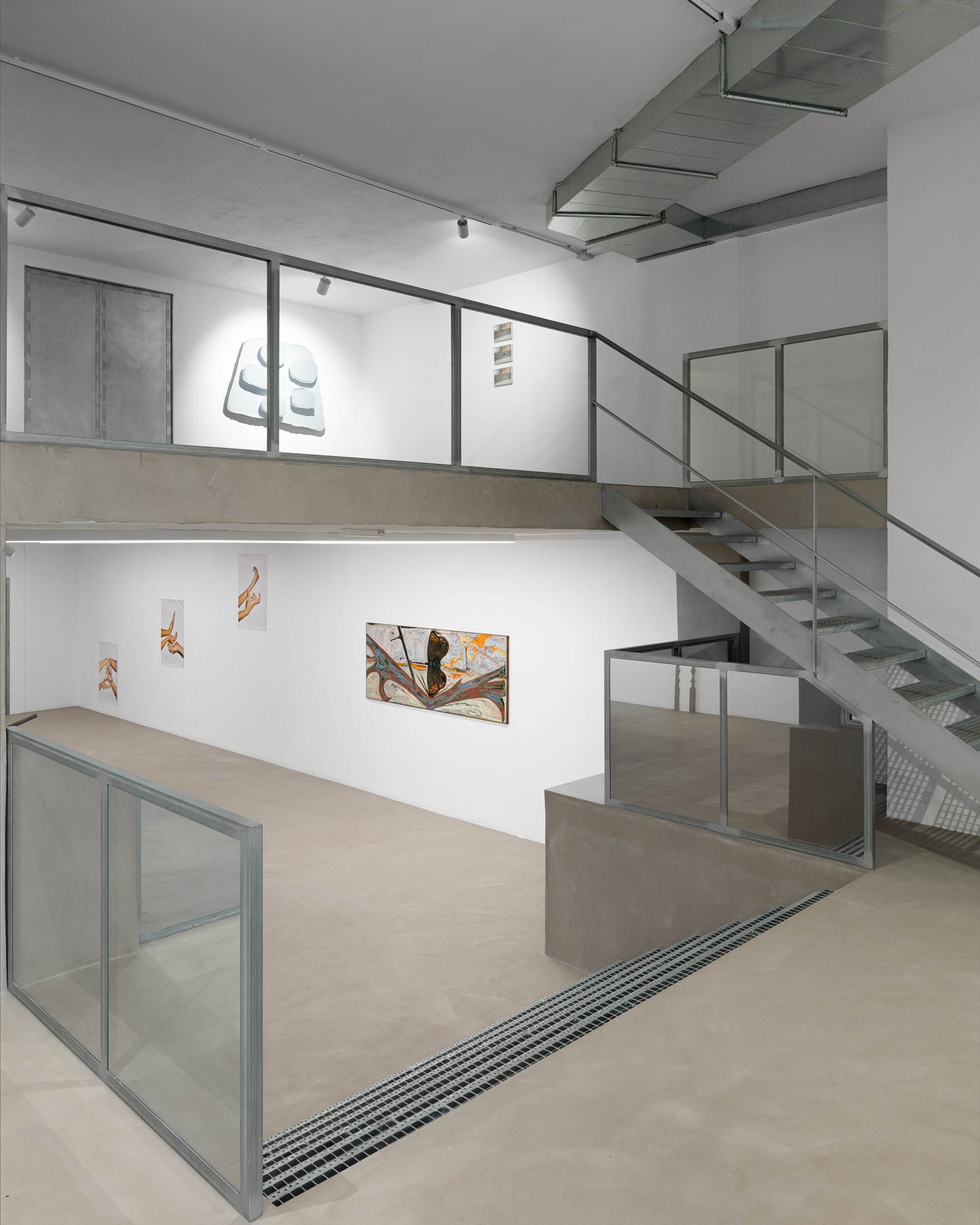
Las obras de Natalia Domínguez parten de la nube como un elemento imposible de atrapar o controlar. Sus paracaídas congelan visualmente el gesto de algo que se precipita, pero también funcionan como una metáfora de los estados transitorios. Por su parte, las fotografías de su Guía de observación de las nubes (2022) muestran las relaciones porosas con nuestro entorno a través del cuerpo. Las manos reproducen el lenguaje de las nubes mediante una nomenclatura creada en el siglo XIX y que describe su altura, forma y densidad.
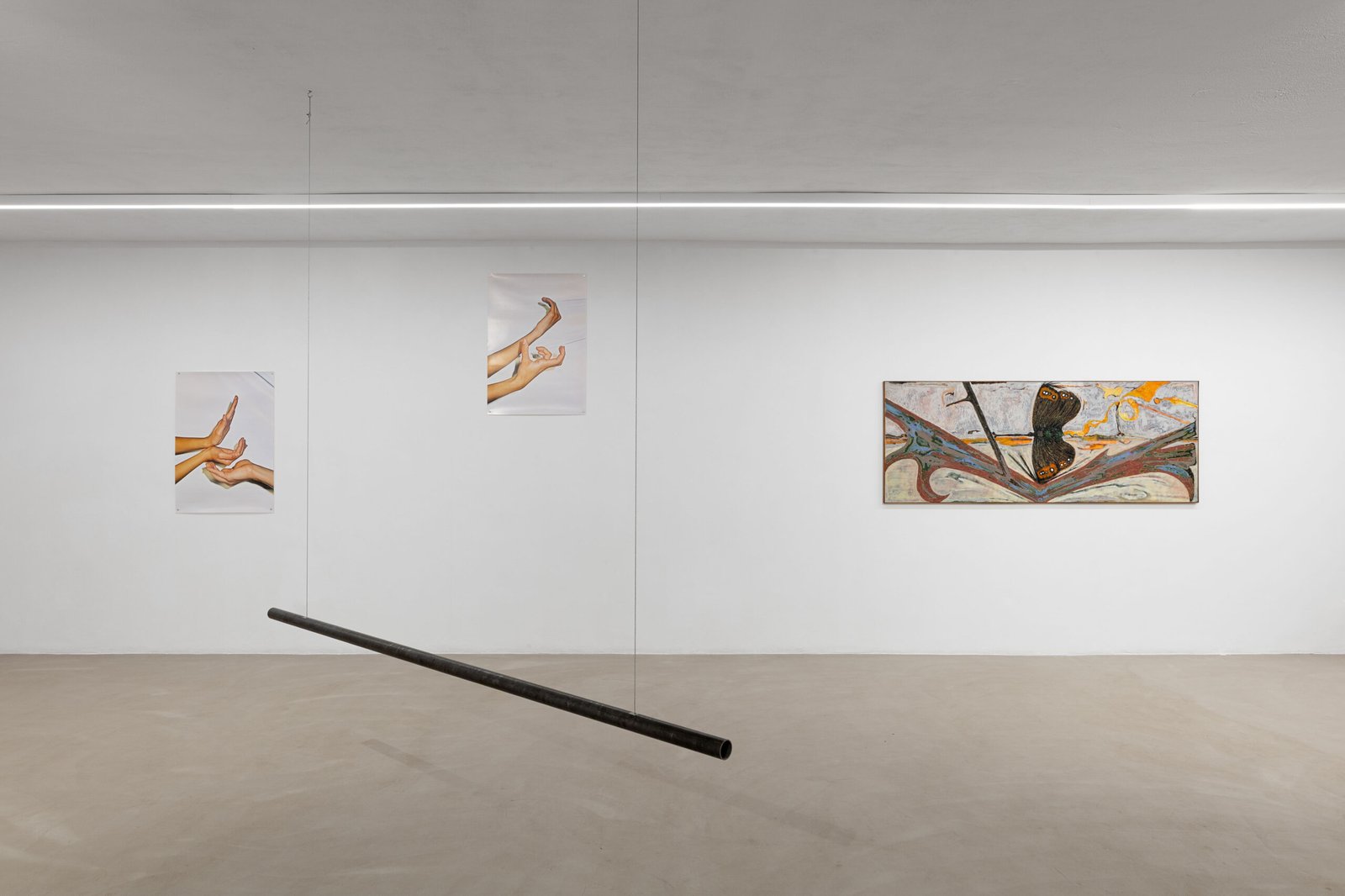
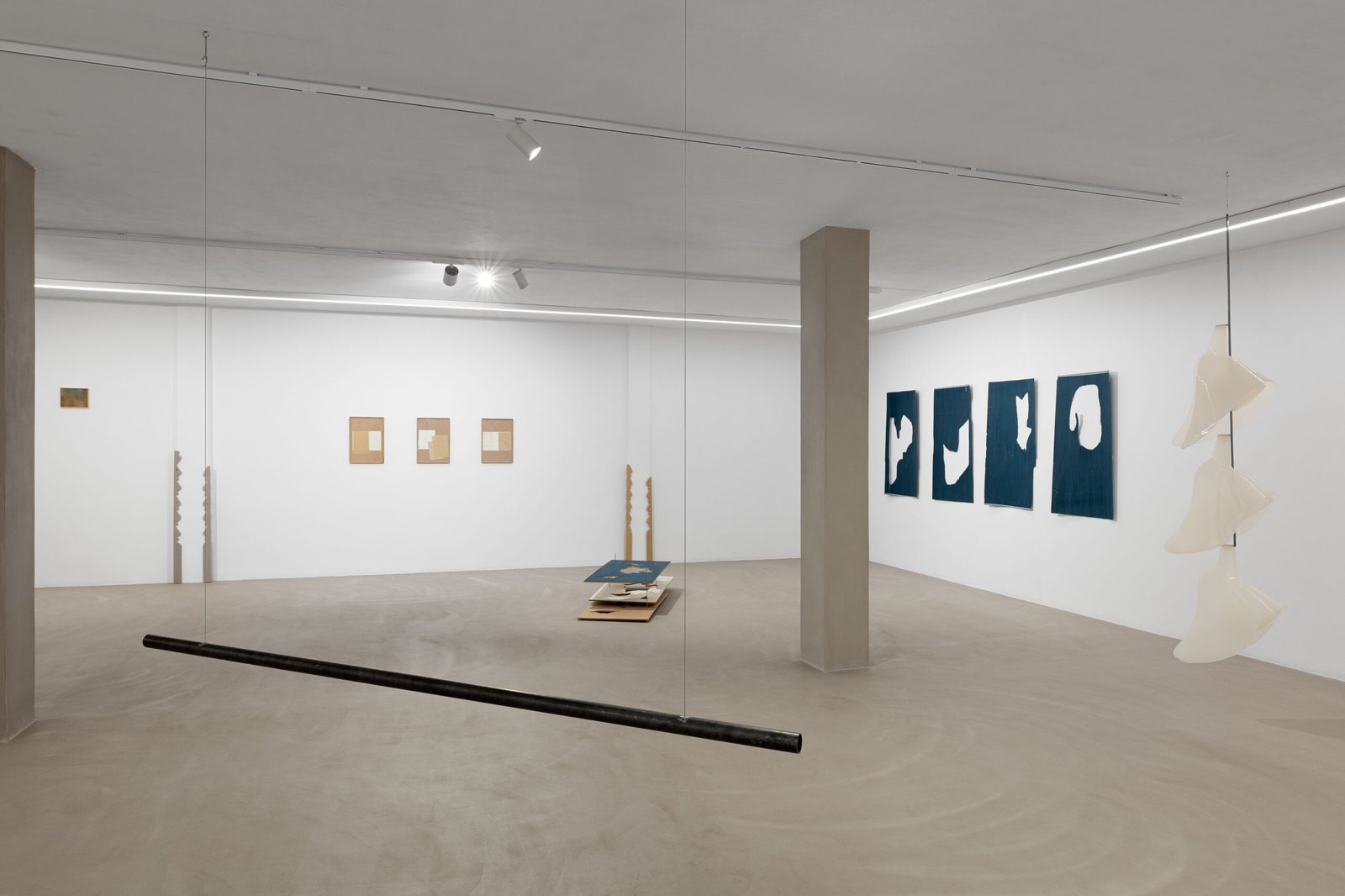
La densidad, la fatiga y la gravedad también están presentes en el trabajo de la artista portuguesa Vera Mota. A través de sus propuestas escultóricas y acciones, explora el comportamiento de los materiales y su tendencia a transitar entre estados. En Performing Matters (2024), la caída lenta de la silicona desde una barra de metal suspendida del techo activa una tensión entre control y abandono, mientras una nueva escultura colgante permite activaciones sonoras en el espacio.
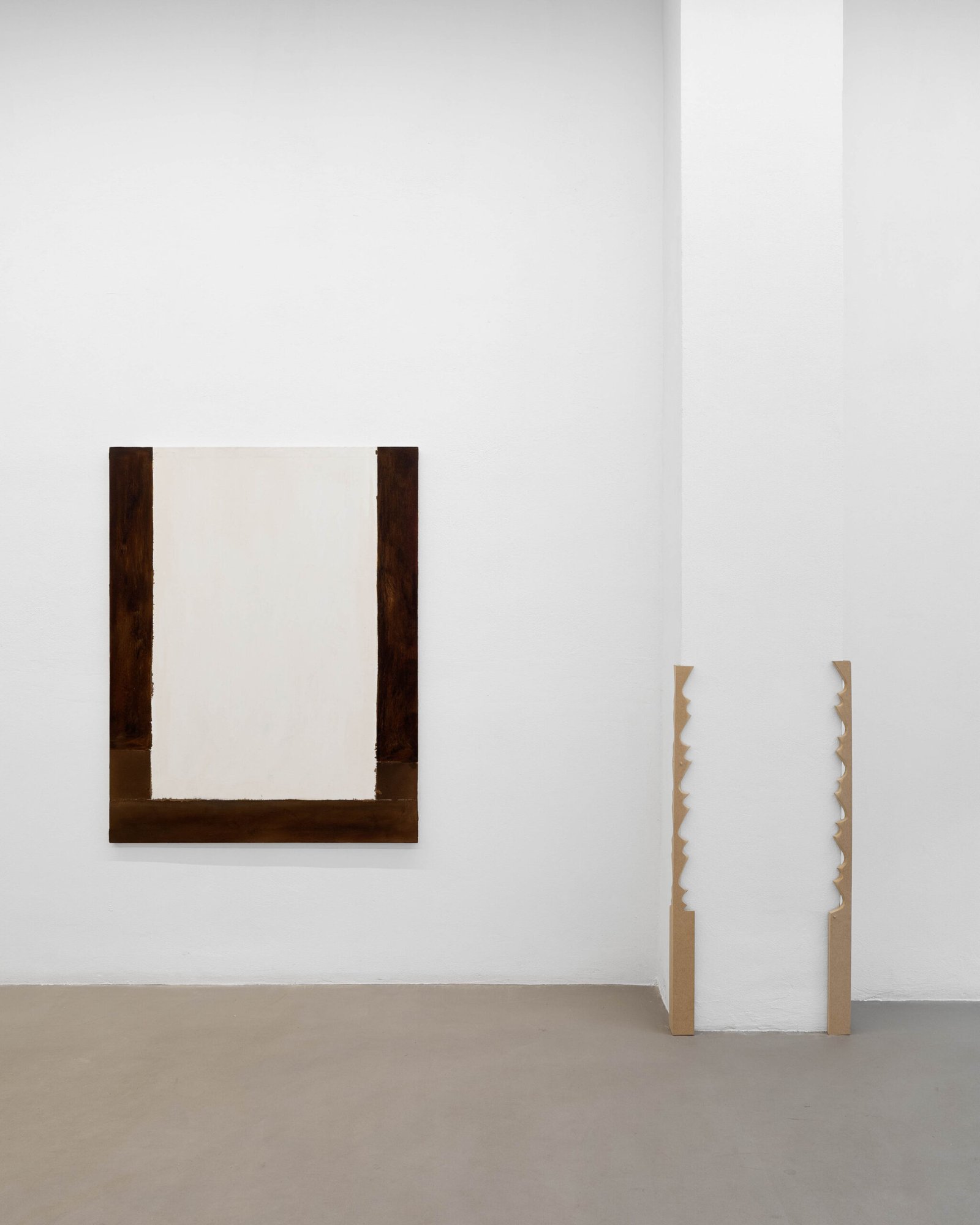
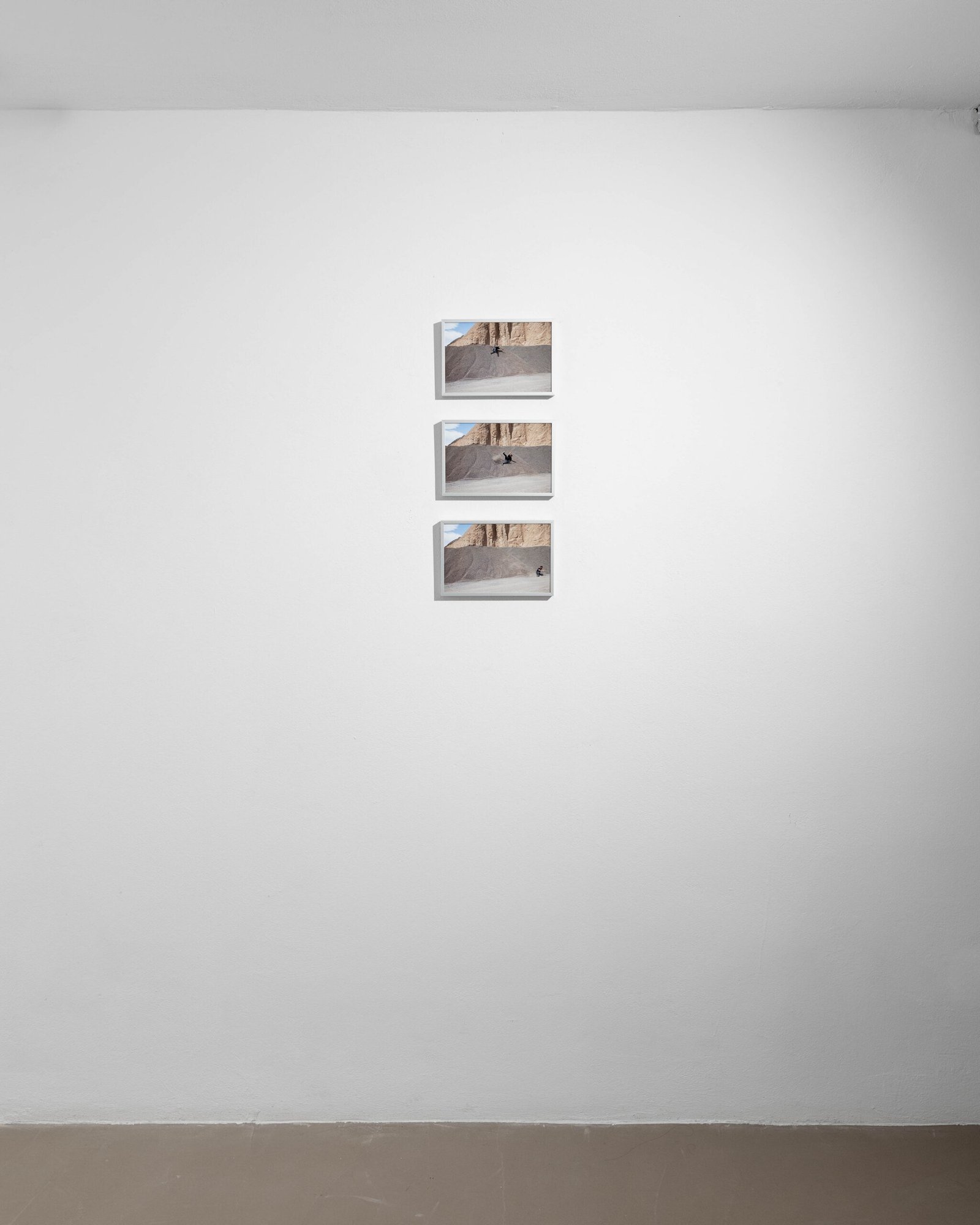
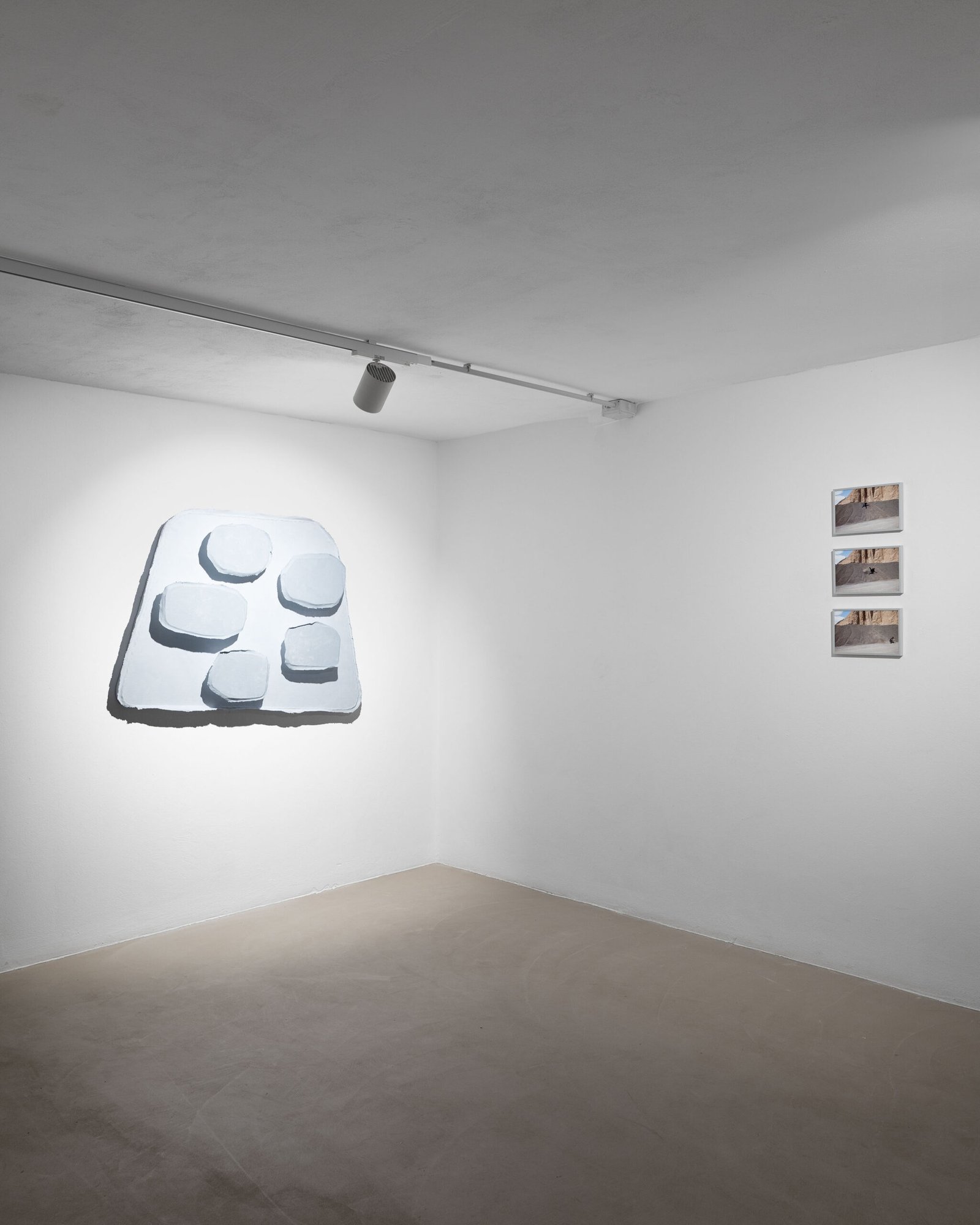
La caída también aparece en el trabajo de Álvaro Porras, que se deja caer por una ladera empedrada en Opera (2025). Esta acción en tres actos recoge ecos de artistas como Bas Jan Ader o Giovanni Anselmo, inscribiéndose en una genealogía de gestos mínimos. Frente a esta dimensión performativa, sus pinturas presentan una rotundidad matérica que abraza el vacío al tiempo que plantea una interrogación constante sobre los límites del paisaje.
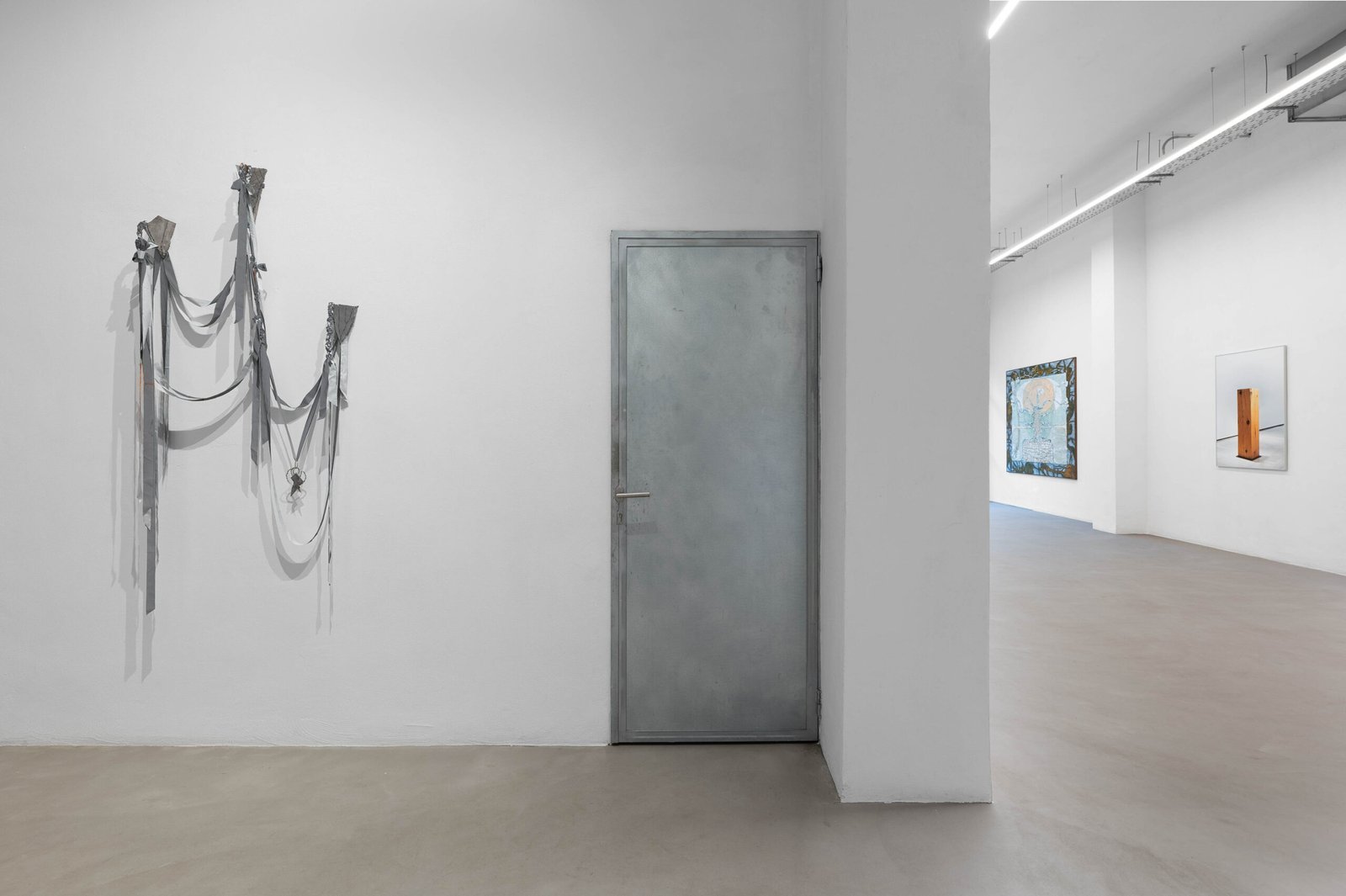
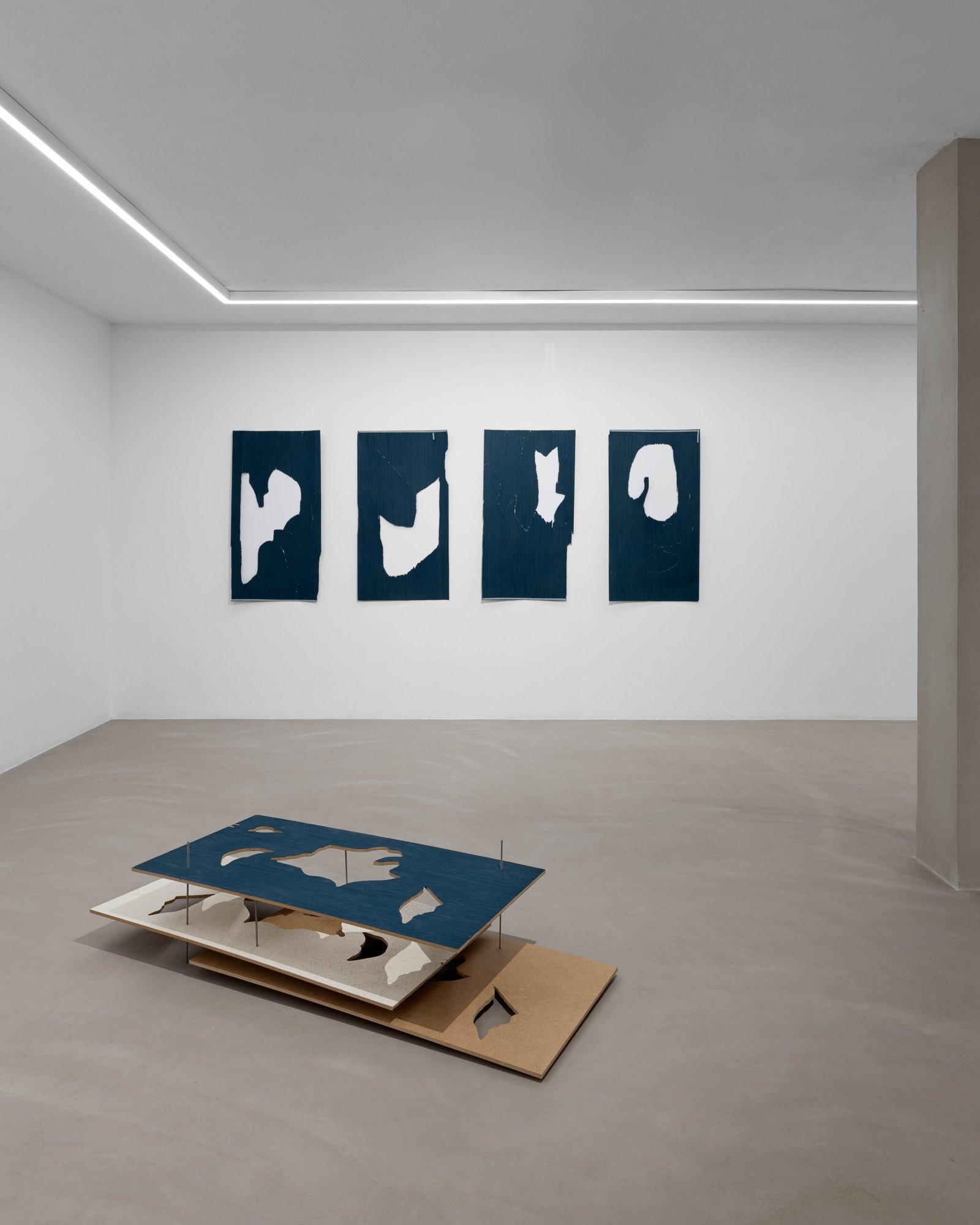
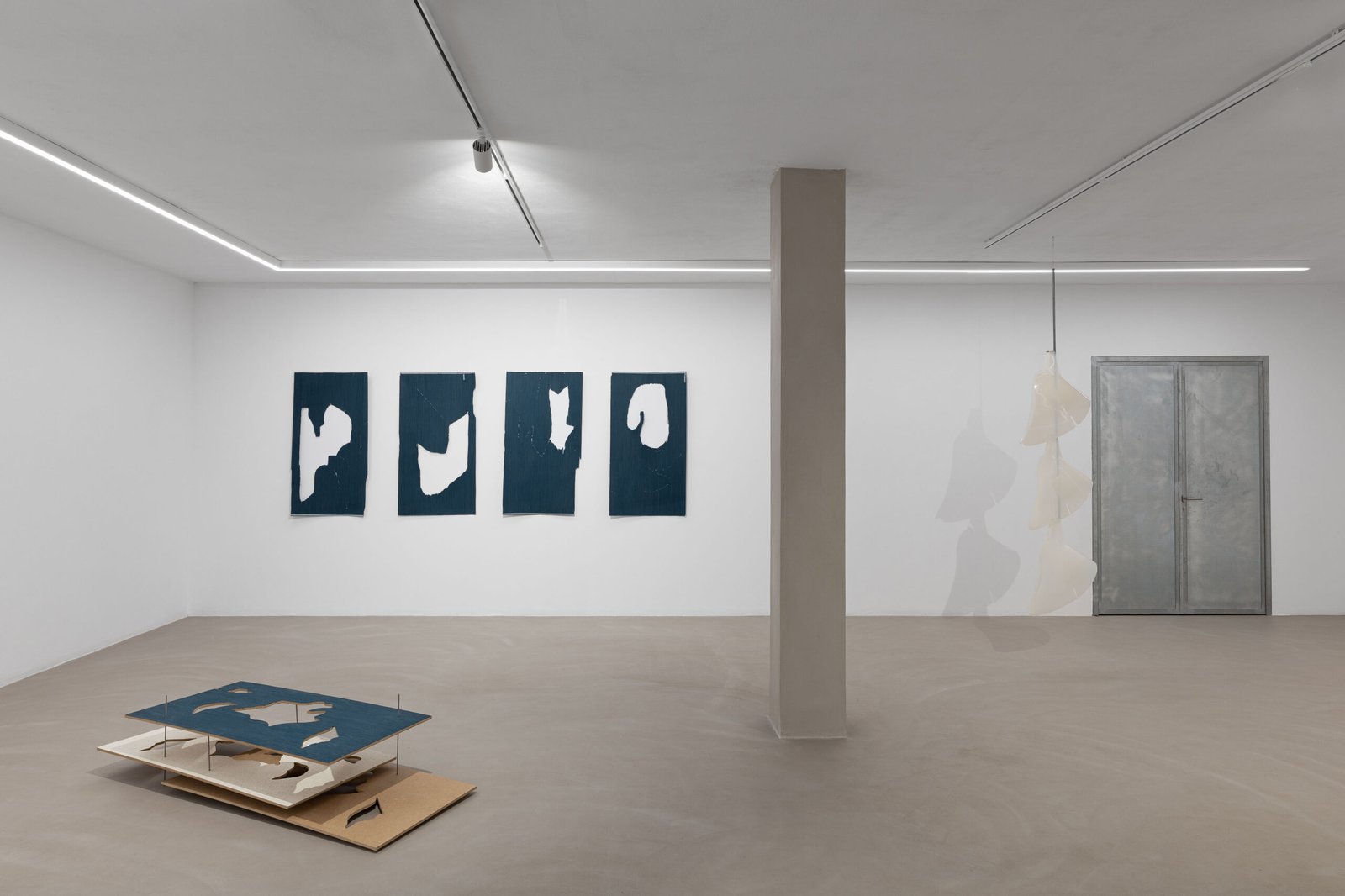
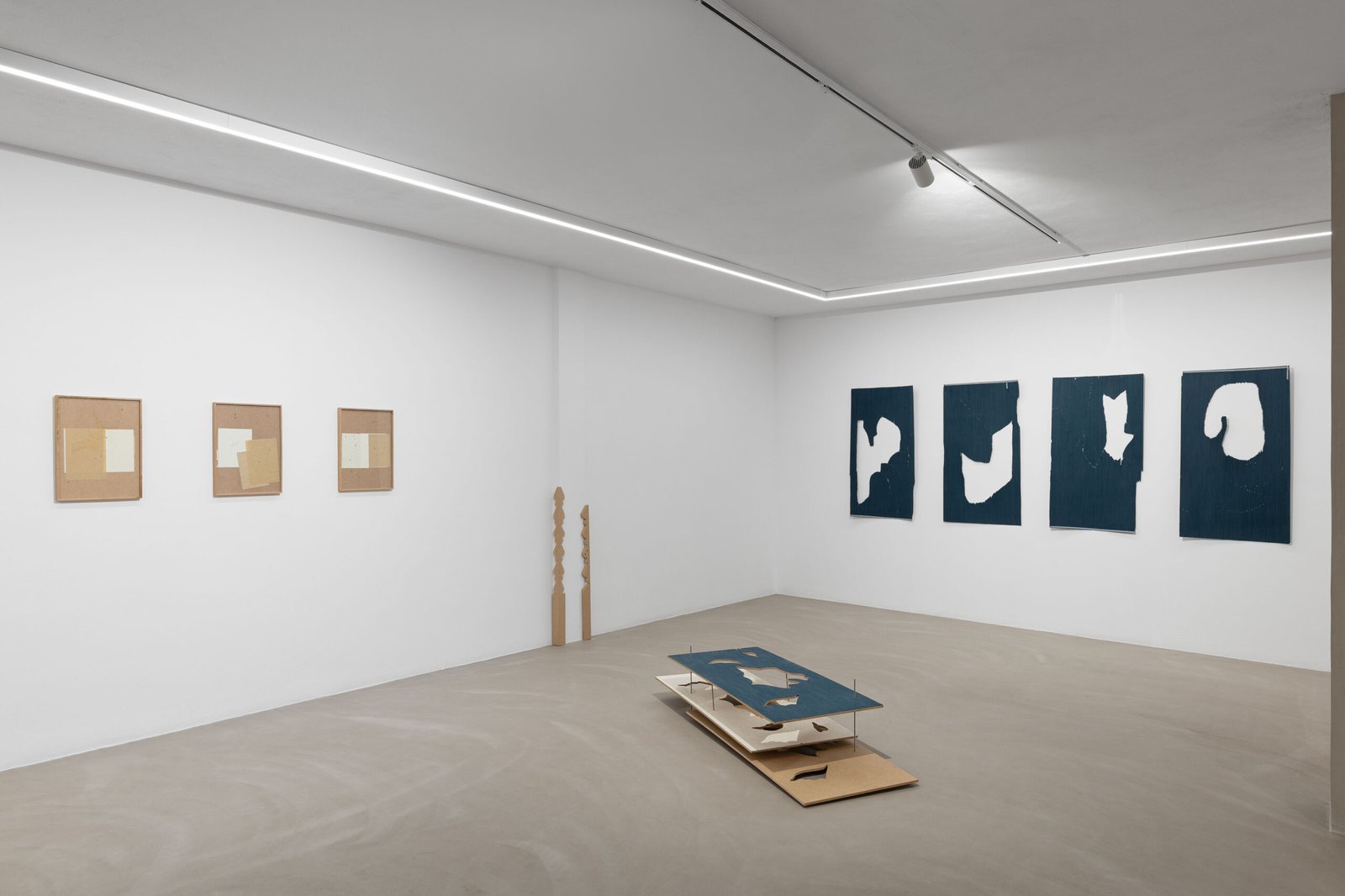
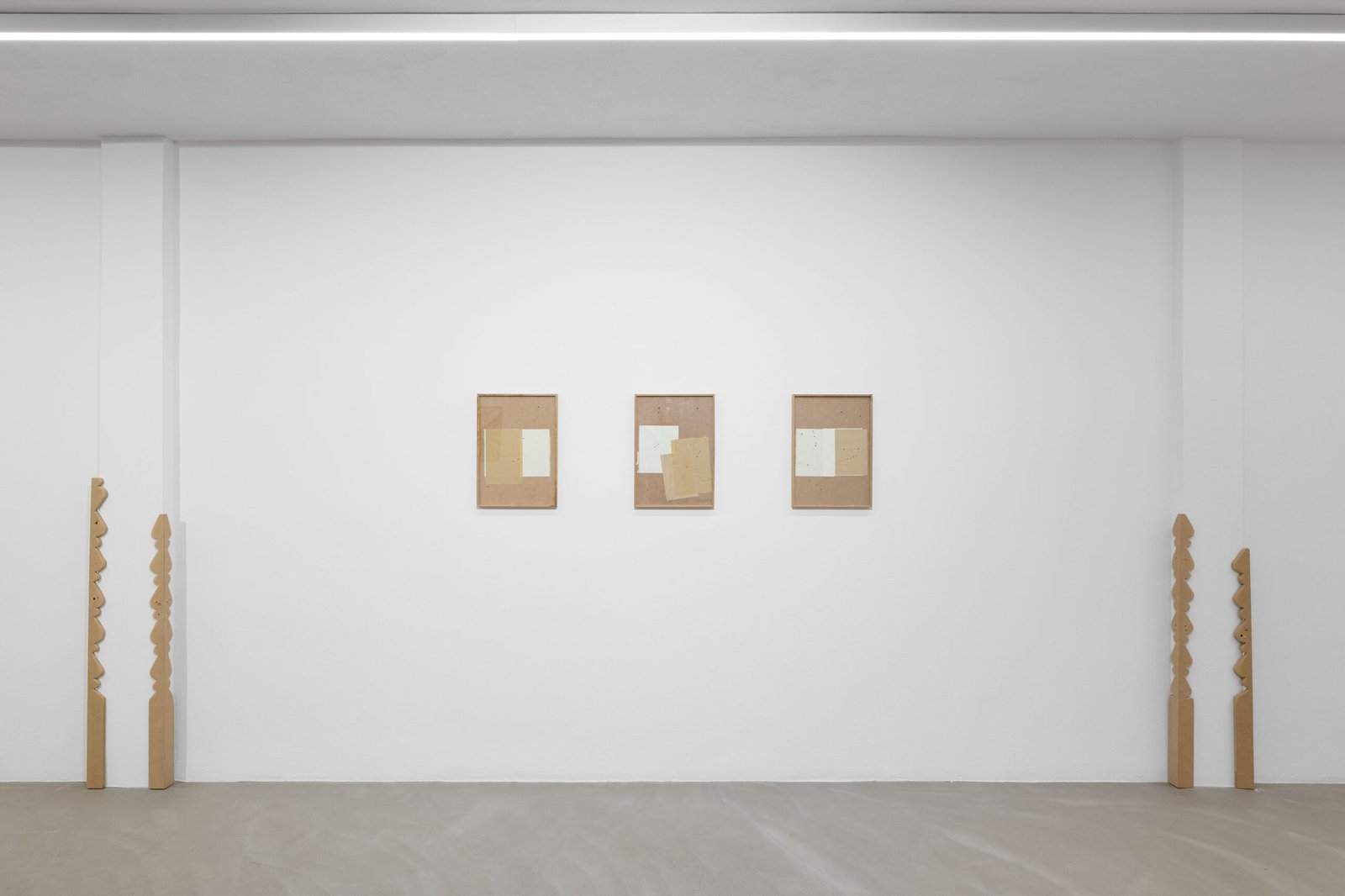
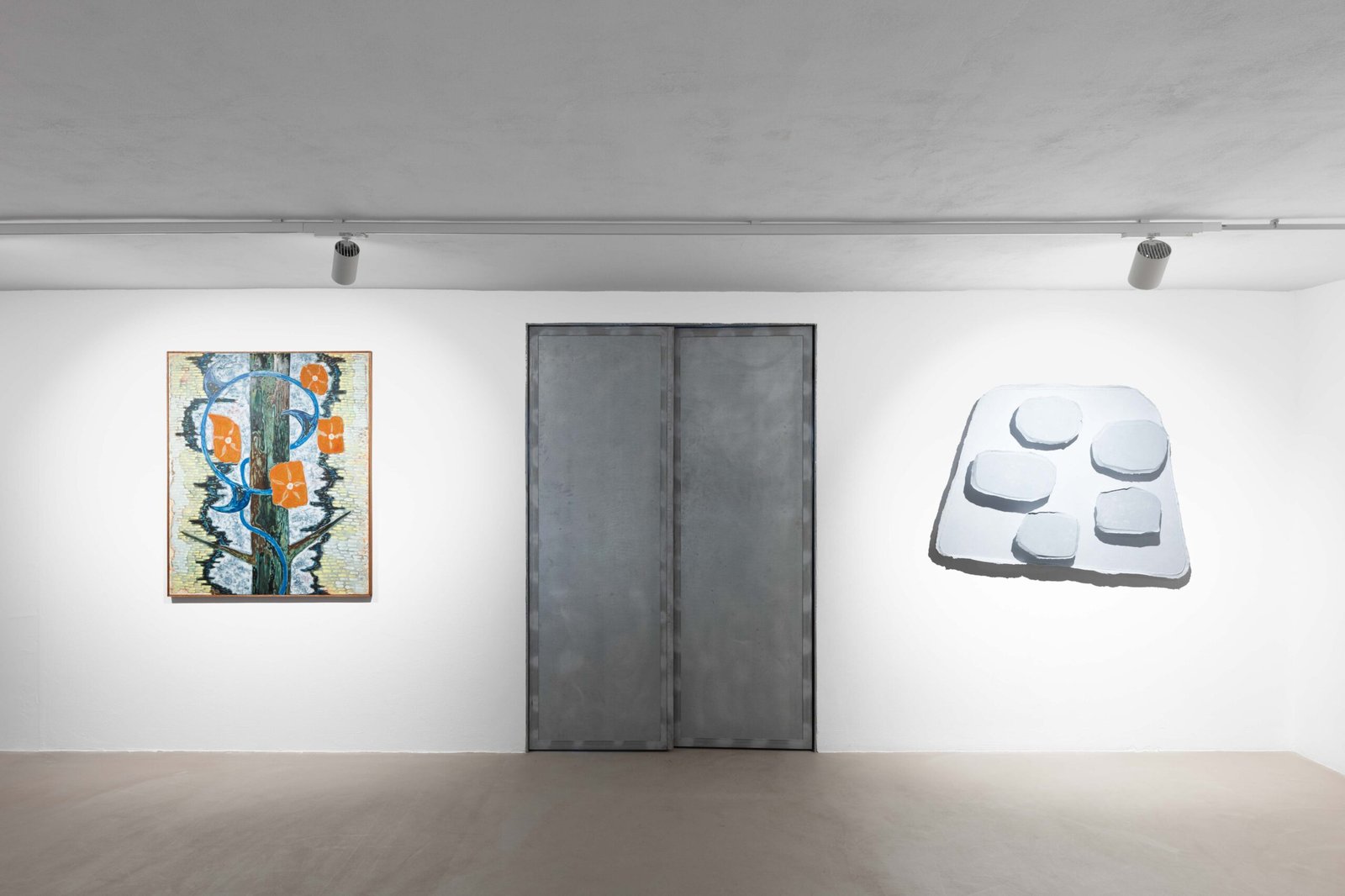
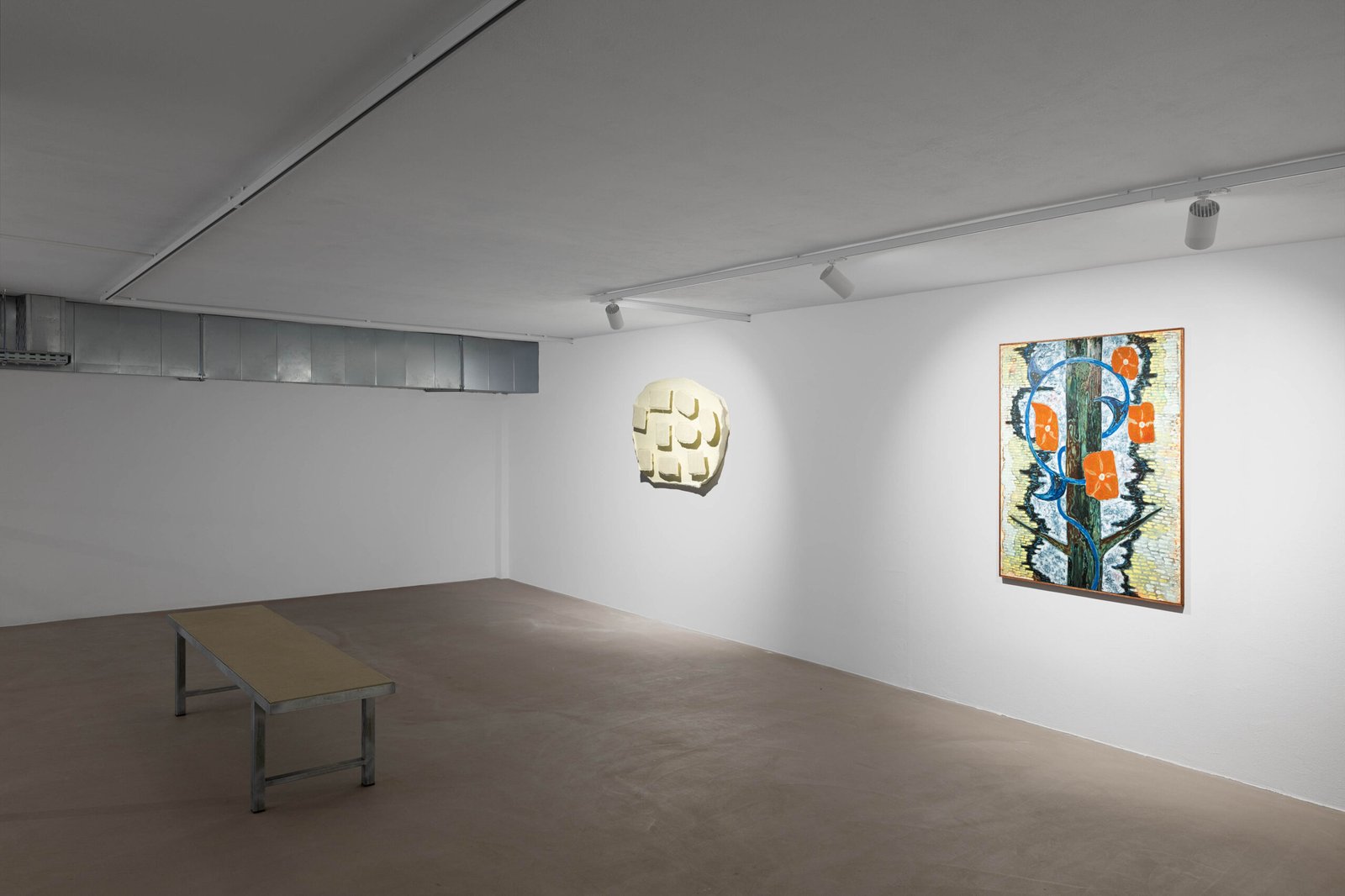
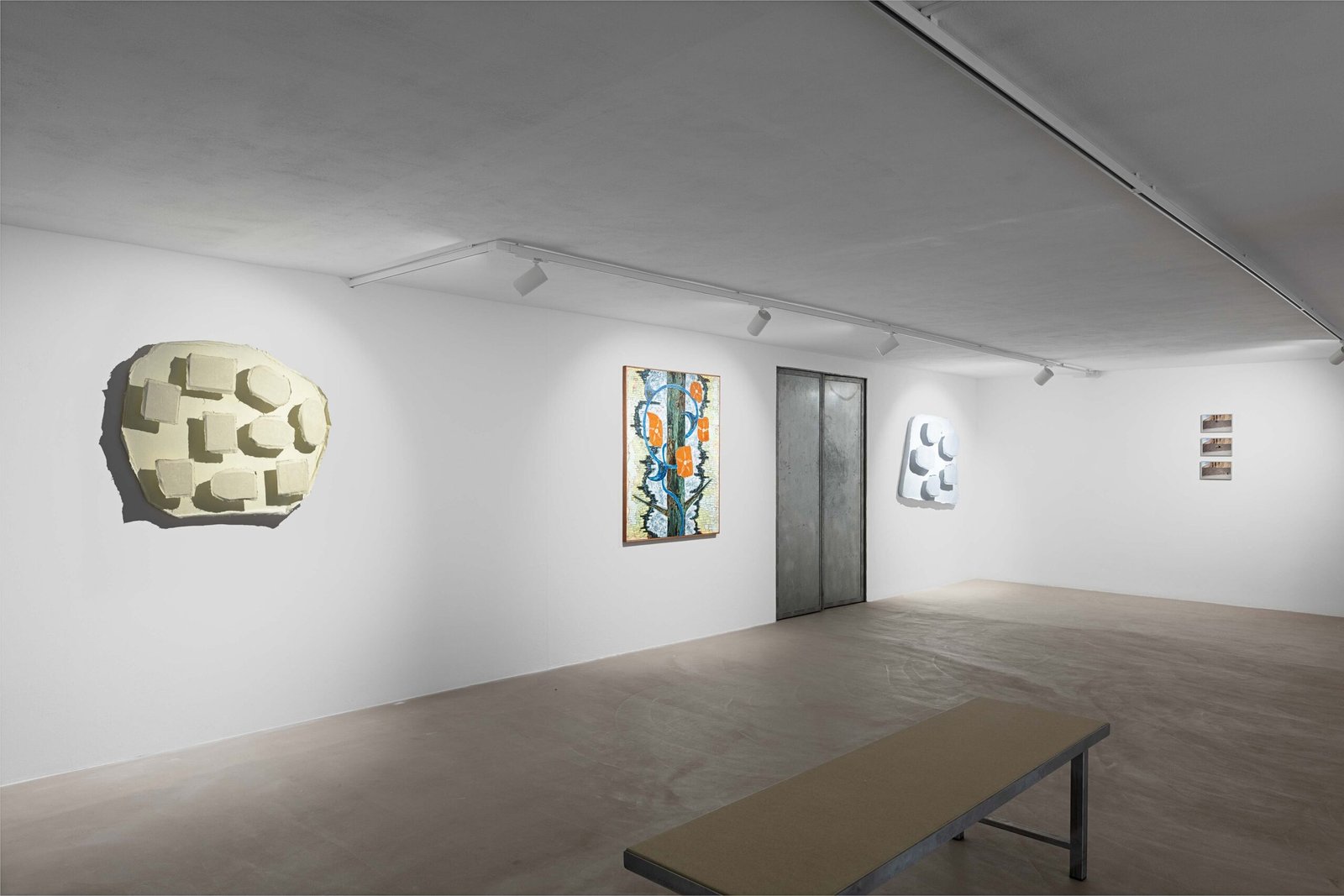
Por su parte, Sasha Saari expande la pintura haciendo que cambie de estado, interrogue su propio lenguaje y se proyecte hacia el espacio. La pintura se convierte así en una construcción casi arquitectónica que, sin embargo, se muestra frágil y vulnerable, como si fuera un estadio transitorio más que una condición definitiva. ¿Algo lo es? Su serie de acuarelas y collages muestra un paisaje azulado de superposiciones que parece deshacerse lentamente…
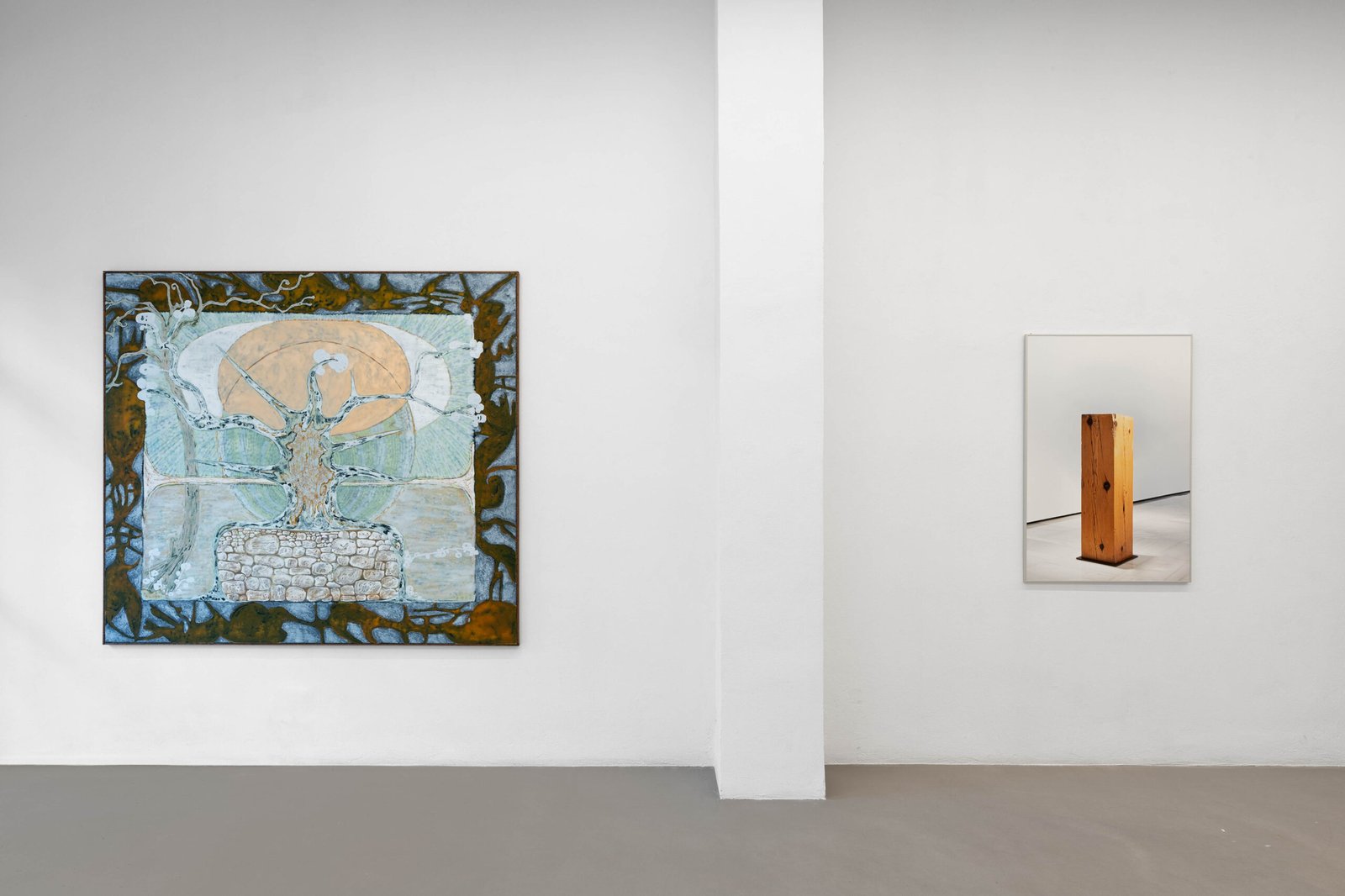
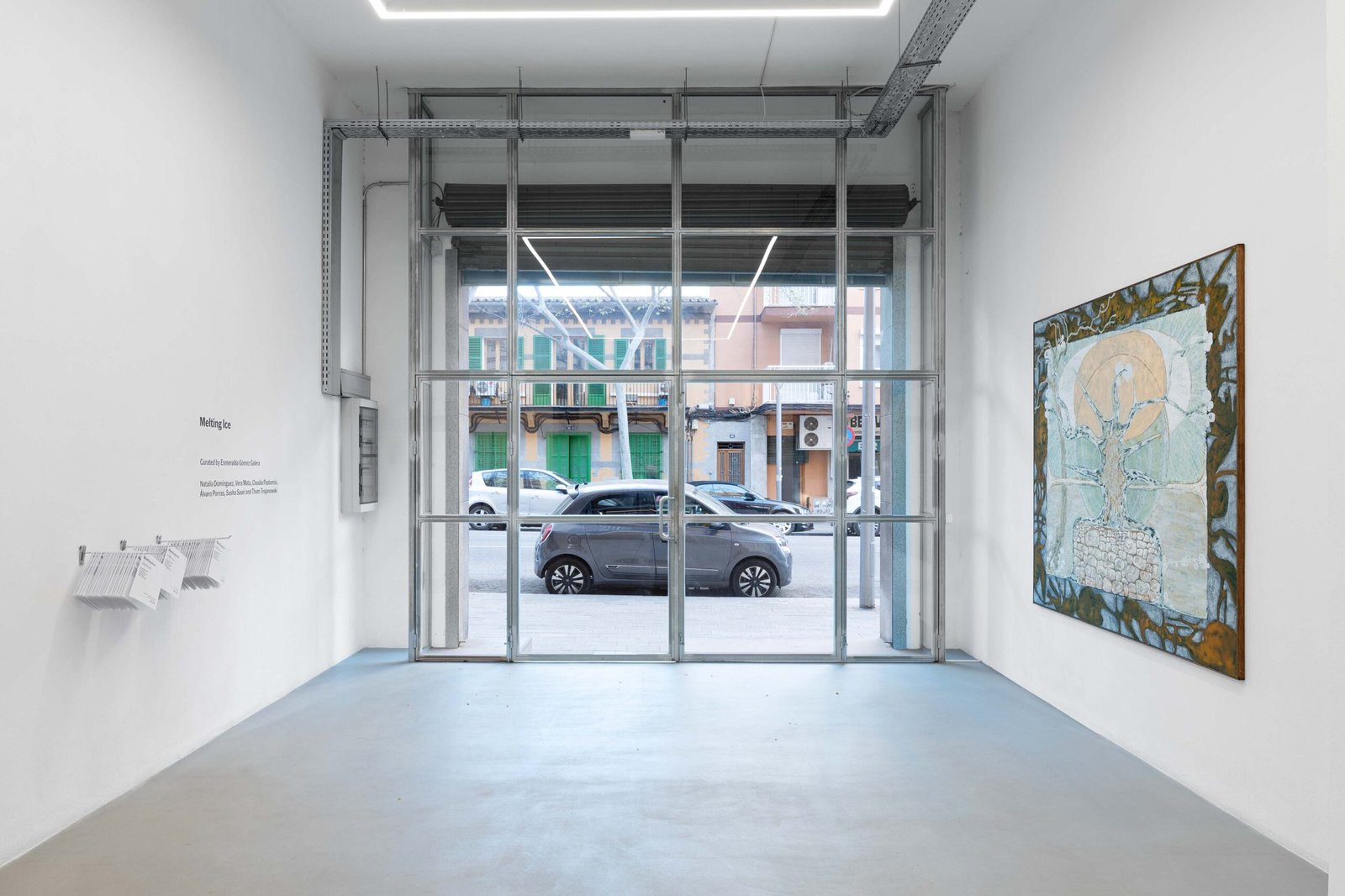
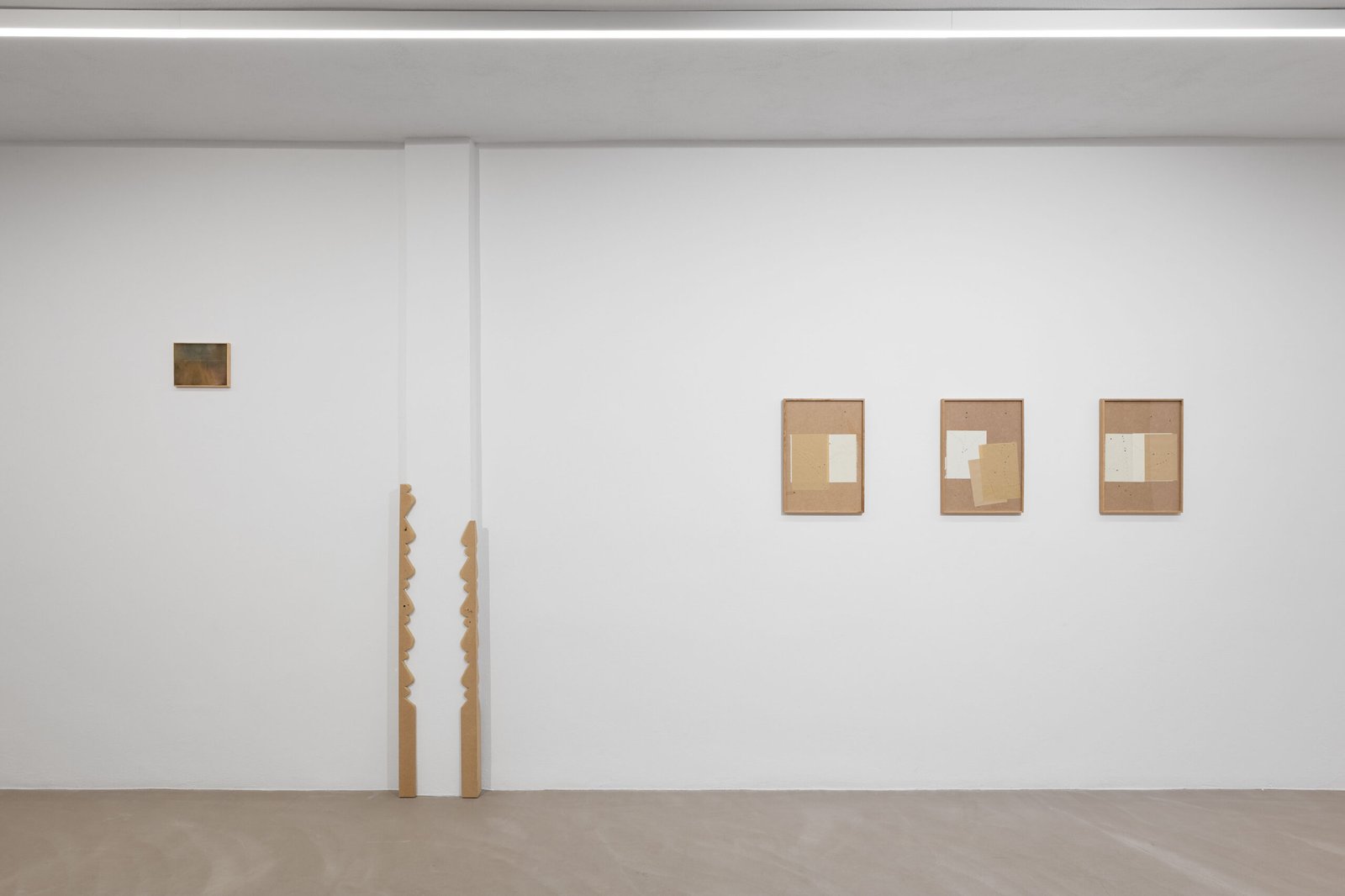
De deshacerse a fundirse, el trabajo pictórico de Thom Trojanowski genera un lenguaje propio lleno de texturas que revela una relación simbiótica y autobiográfica con la naturaleza. No se trata de romantizarla siguiendo ciertas tradiciones pictóricas ligadas al paseo y la contemplación, sino de pensarla a través de la pintura como un espacio de responsabilidad. En este sentido, Critical Moment (2025) presenta un punto de fractura, cambio y transitoriedad: el tronco de un árbol quebrado bajo el vuelo fugaz de una mariposa.
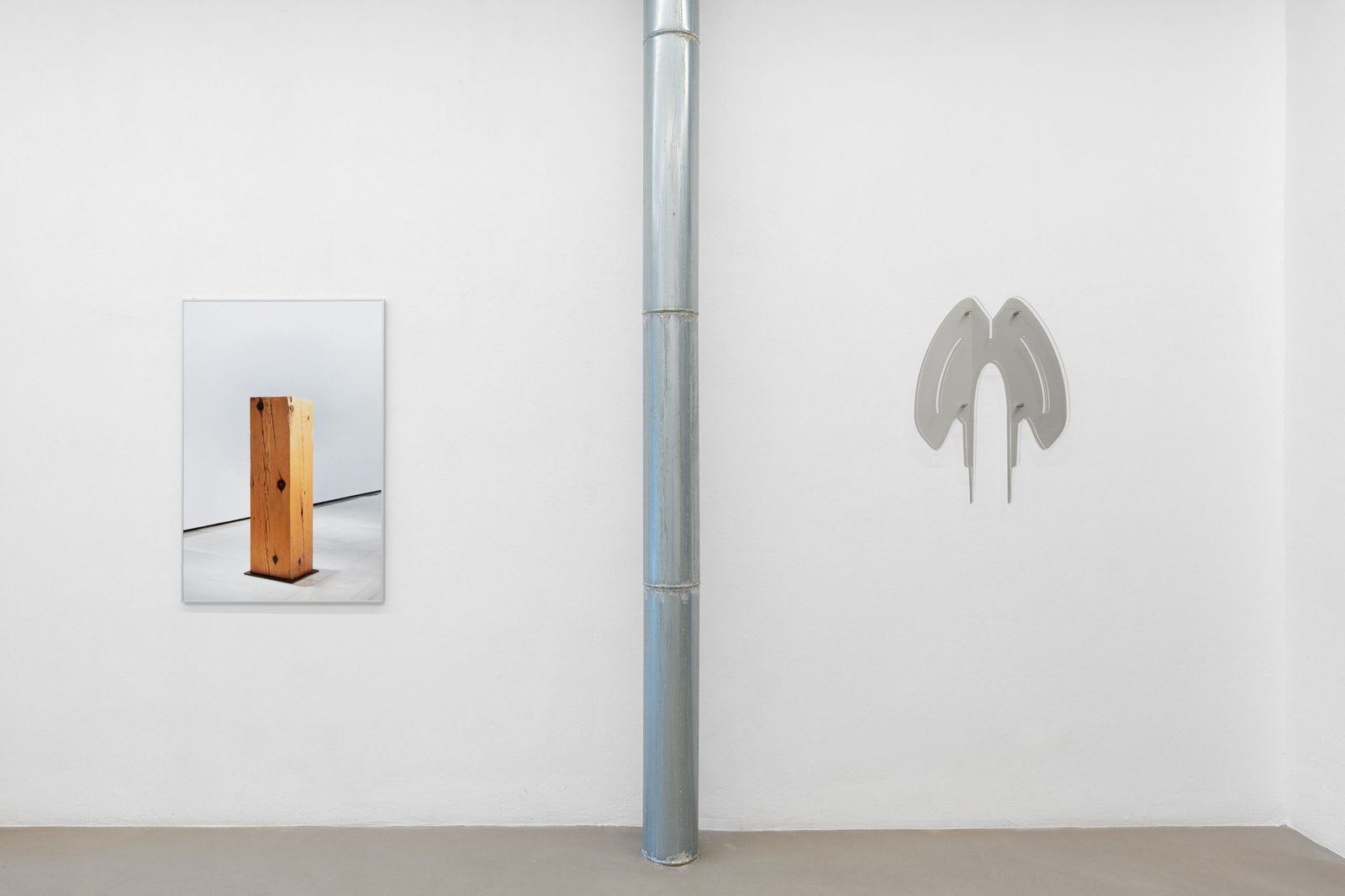
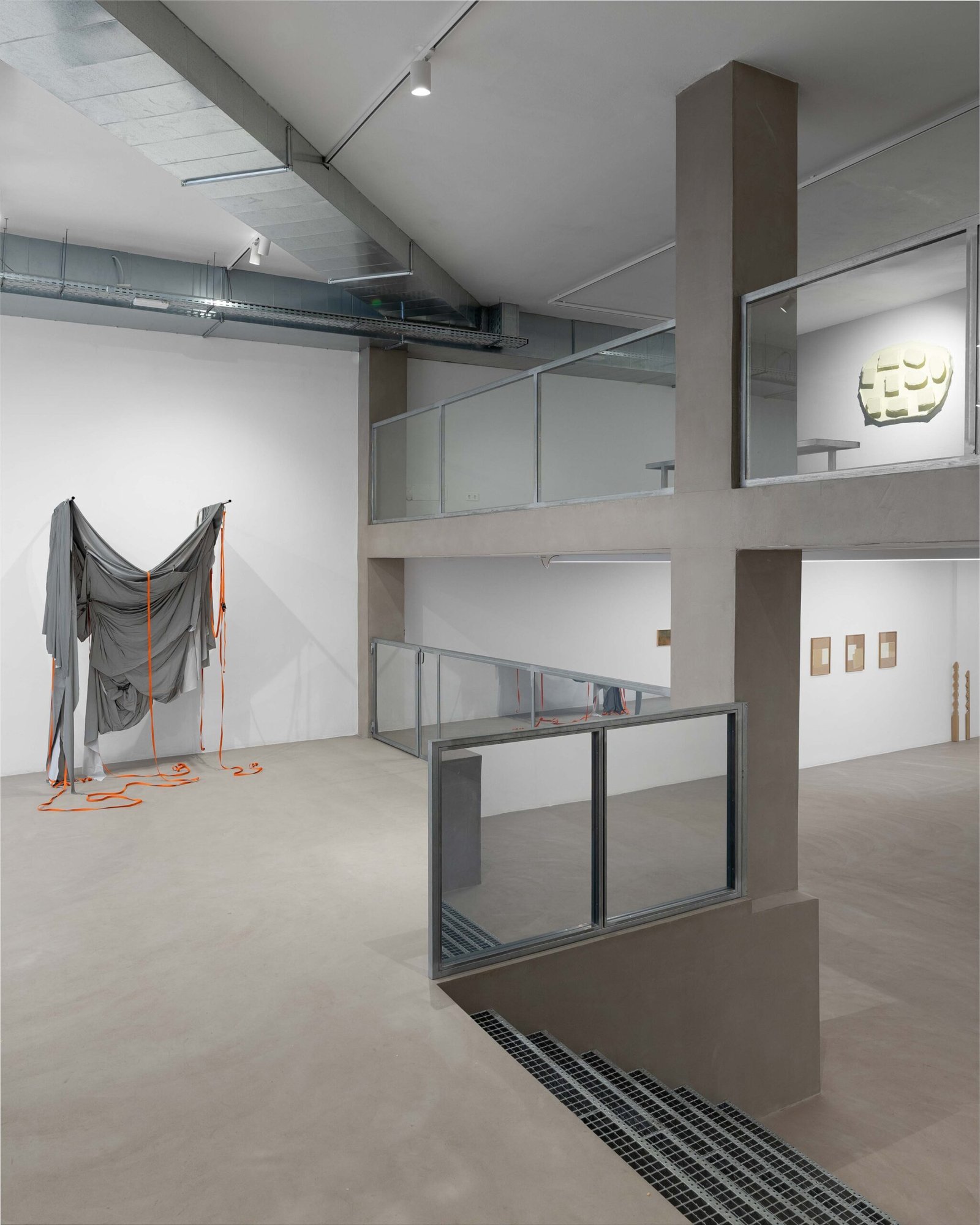
Por último, Claudia Pastomás ensaya gestos de cuidado y protección trabajando con materiales frágiles y privilegiando lo procesual por encima del objeto acabado. Explora los límites de los materiales con los que trabaja buscando ese punto crítico, pero no para cruzarlo, sino para habitarlo desplegando desde ahí formas de atención y cuidado. Su instalación site-specific toma la columna como elemento característico del espacio para abrazarla y suavizar sus esquinas.
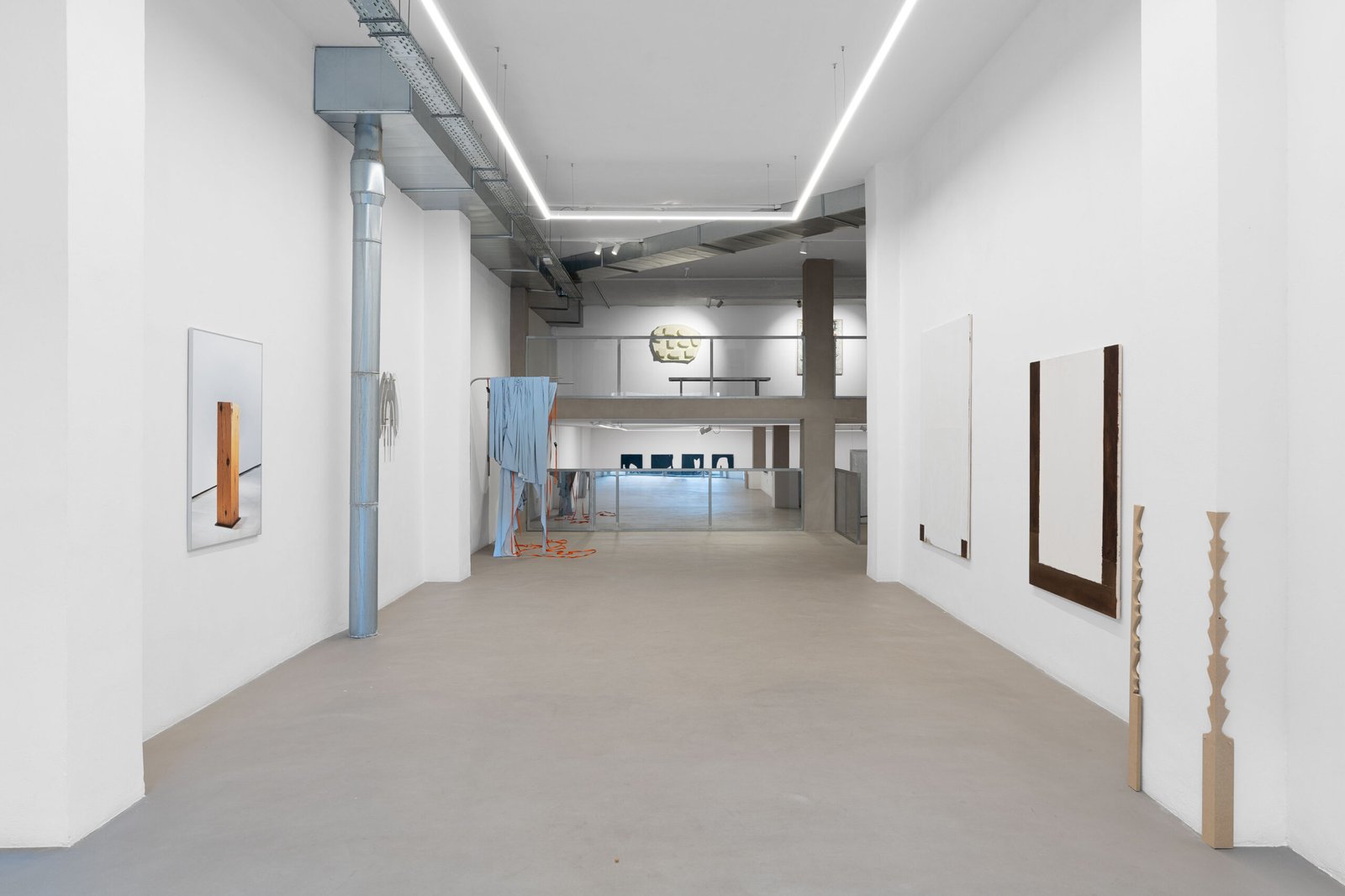
Las obras componen así un paisaje de lo transitorio y lo fugaz, de aquello que cambia mientras intenta comprenderse en ese proceso. Un conjunto de gestos, materiales y cuerpos que ensayan distintas formas de caída, transformación o cuidado. La exposición se convierte así en un espacio de encuentro provisional, una arquitectura frágil hecha de preguntas que se reúnen por un momento para, inevitablemente, dispersarse después. Después de todo, seguimos construyendo estructuras de hielo destinadas, tarde o temprano, a desaparecer.
Esmeralda Gómez Galera
Palma, 2026
Melting Ice – ENG
Melting
(thinking together)
“There is no outside from which to observe the world; we are always already inside it, implicated in it, breathing the same air as the things we try to understand.”
— Bruno Latour, Where Am I?
After a lifetime devoted to thinking about the world, Bruno Latour asked himself the question: where am I? I find this significant. It is a question that never exhausts itself, because the world itself never stops changing. Where am I? How can I inhabit this world? And how can I encounter others within it?
In this sense, the question is not about locating oneself on a map, but about recognizing the network of relationships that makes any place possible. Latour reminds us that being in the world does not mean standing on something, but rather being within something: a web that continually transforms, dissolves, and is collectively remade.
Melting Ice situates itself precisely in that interstice.
It is not an exhibition about ice, nor about melting, but about the condition of condition of dissolution. The project brings together practices that take temporality, fragility and transformation as both material and aesthetic inquiry. Ice functions here as a metaphor for matter in transition: solid and liquid at once, visible and ephemeral, capable of both containing and releasing. From a philosophical perspective, decomposition also appears as a method, and fragility as a form of knowledge open to vulnerability.
The participating artists propose a series of practices that explore states of transition. This is not a lament for loss, but an exercise in attention: observing how forms, bodies, relationships and meanings transform while we attempt to inhabit them. The exhibition also resonates with historical gestures that understood art as both an ephemeral and collective process. In the happening Fluids (1967), Allan Kaprow invited a group of people to construct structures made of ice destined to disappear. The meaning did not lie in permanence, but in the shared experience of their disappearance. The effort to collectively produce things that may appear useless is something worth reclaiming today. That awareness of time—and of its finitude—runs through the works gathered here.
To inhabit a world in transformation implies accepting that the ground itself moves beneath our feet. That nothing is entirely secure, and that there are no ontological certainties. In this context, artistic practices may offer modes of orientation: ways of asking again where am I?—and, in its plural becoming, where are we?
Far from being abstract, this question becomes urgent within the realm of thought and sensibility: a perceptual attitude, an awareness of interdependence, of the fragility of boundaries, of the dialogue between what melts and what remains—but above all, of how we might become together within that process.
II. Ice
(coming together)
In 1967 a group of people gathered to build an architecture of ice and let it melt slowly. Recently I have found myself returning obsessively to those dissolving blocks of ice. In part because exhibition-making seems closely related to that same ephemeral and collective condition. Within the exhibition space a temporary community takes shape: a constellation of people, intuitions, gestures and materials that come together and later disperse, almost as if they too were melting.
Melting Ice is a curatorial project that emerges from these reflections and brings together the work of Natalia Domínguez, Vera Mota, Claudia Pastomás, Álvaro Porras, Sasha Saari and Thom Trojanowski.
Natalia Domínguez’s works begin with the cloud as something impossible to capture or control. Her parachute series visually freeze the gesture of something falling, while also functioning as a metaphor for transitional states. Meanwhile, the photographs from her Cloud Observation Guide (2022) reveal porous relationships with our environment through the body. Hands reproduce the language of clouds through a nomenclature developed in the nineteenth century to describe their altitude, form and density.
Density, fatigue and gravity also appear in the work of Portuguese artist Vera Mota. Through sculptural proposals and actions she explores the behavior of materials and their tendency to move between states. In Performing Matters (2024), the slow descent of silicone from a metal bar suspended from the ceiling produces a tension between control and surrender, while a new hanging structure enables sonic activations within the space.
Falling also appears in the work of Álvaro Porras, who lets himself roll down a cobbled hillside in Opera (2025). This three-act action echoes artists such as Bas Jan Ader and Giovanni Anselmo, situating itself within a lineage of minimal gestures. In contrast to this performative dimension, his paintings present a dense material presence that embraces emptiness while continuously questioning the limits of landscape.
Sasha Saari expands painting by allowing it to shift state, interrogate its own language, and extend into space. Painting becomes an almost architectural construction that nonetheless appears fragile and vulnerable—as if it were a transitional stage rather than a definitive condition. Is anything ever definitive? Her series of watercolours and collages presents a layered blue landscape that slowly seems to dissolve.
From dissolving to merging, the paintings of Thom Trojanowski generate a language rich in textures that suggests a symbiotic and autobiographical relationship with nature. Rather than romanticizing it within certain pictorial traditions associated with walking and contemplation, his work approaches nature through painting as a space of responsibility. In this sense, Critical Moment (2025) presents a point of fracture, change and transition: the broken trunk of a tree beneath the fleeting flight of a butterfly.
Finally, Claudia Pastomás rehearses gestures of care and protection by working with fragile materials and privileging process over the finished object. She explores the limits of the materials she works with, approaching a critical point not to cross it but to inhabit it, unfolding gestures of attention and care from within that threshold. Her site-specific installation engages with the column as a defining feature of the space, embracing it and softening its edges.
Together the works compose a landscape of the transient and the fleeting, of things that change while attempting to understand themselves within that process. A constellation of gestures, materials and bodies that rehearse different forms of falling, transformation and care. The exhibition becomes a provisional meeting point, a fragile architecture of questions that gather for a moment only to inevitably disperse again.
After all, we continue building structures of ice that are destined, sooner or later, to disappear.
Esmeralda Gómez Galera
Palma, 2026