

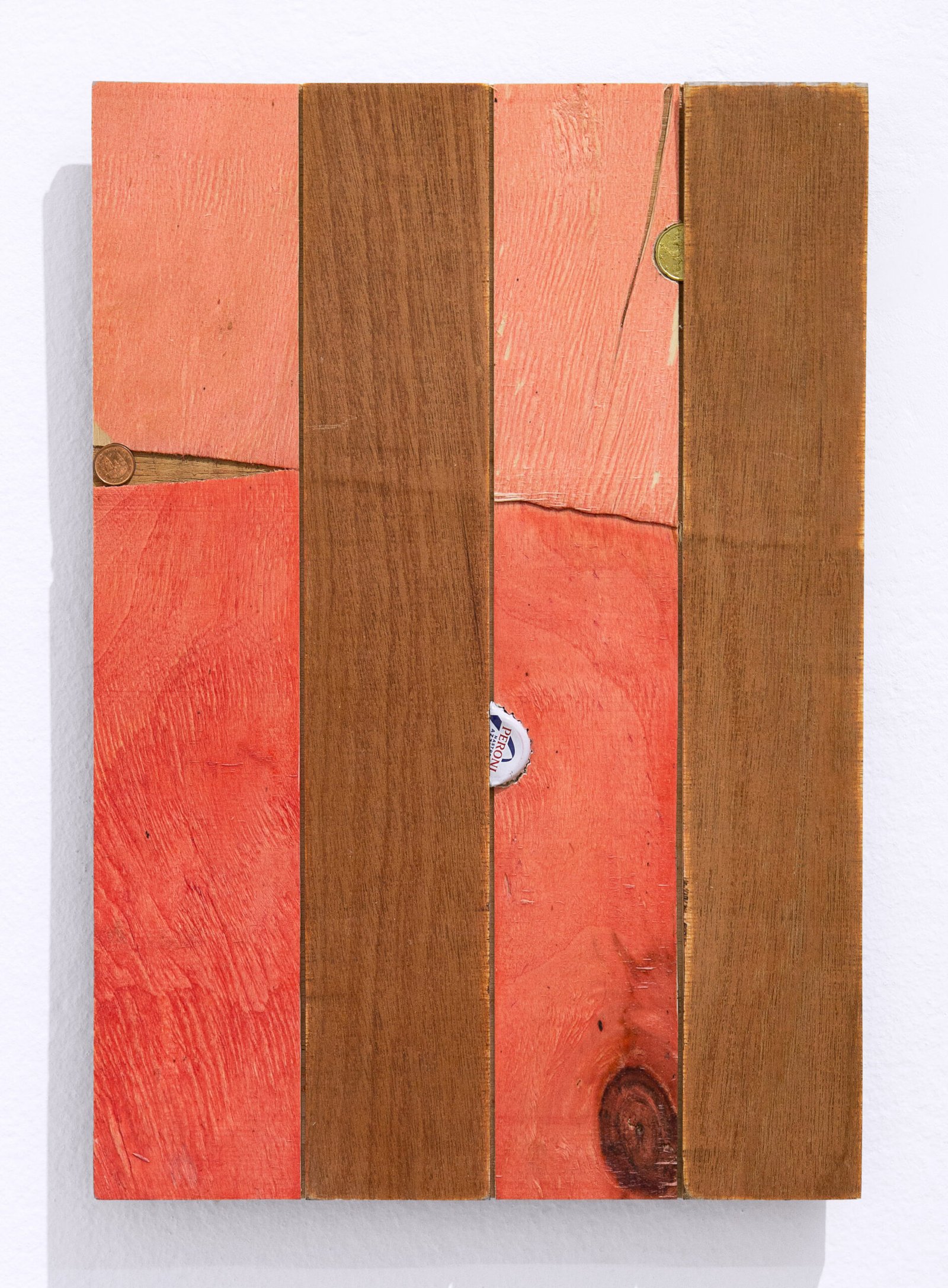
Más existe lo que no aparece
Juan Gugger at Galería Satélite curated by Mercedes López Moreyra.
“(…) I can more or less understand—or imagine—the fatigue of materials: atoms loosening, electrons running out of battery, some dying and leaving gaps where others’ orbits bend, the void filling with fine dust, masses cracking with age… But forms? They too could be affected, it is true, by the fatigue of the materials that support them. That was not the case here. I could verify it by touch: the wood, plastic, and metal of the fragments of deceased clips remained firm, showing no sign of disintegration. One had to surrender to the evidence: there existed a fatigue of forms, not yet diagnosed by science, and I had witnessed its first manifestation.”
(excerpt from Los broches, by César Aira)
Things revolve with the planet.
They continue to accumulate on the earth. Objects remain on the surface—streets, corners, parks, riverbanks. They are traces that have lost their reason for being and persist within the layers of urban reality, attaching themselves to one another, piling up in libraries and storage spaces, camouflaged within nature. Today they respond to an aesthetic of the fragment, to a mode of consumption that registers neither form nor function, only the disposable necessity of having something for an instant.
Things gravitate in Juan’s studio in Paris.
Juan devotes time to elements he gathers in his studio in the Parisian neighborhood of Aubervilliers. He extracts them from the landscape of forgetting, from their condition as remnants of the contemporary era. He grants them pause, observation, thought. He discovers a form of beauty that negotiates with the circulation of ideas, with the limits of the materials themselves, with the contingencies of their composition and the speculations generated through intervention.
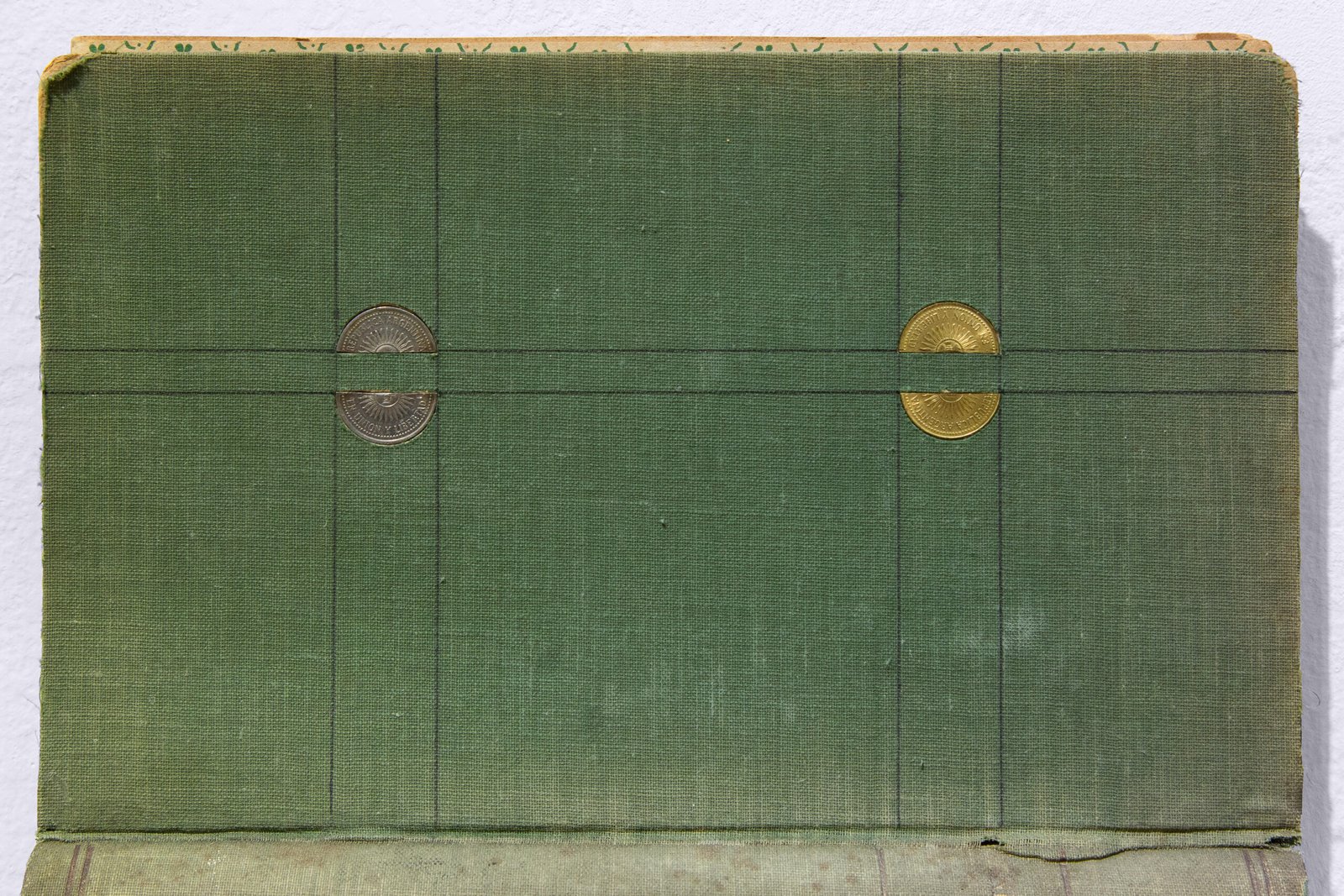
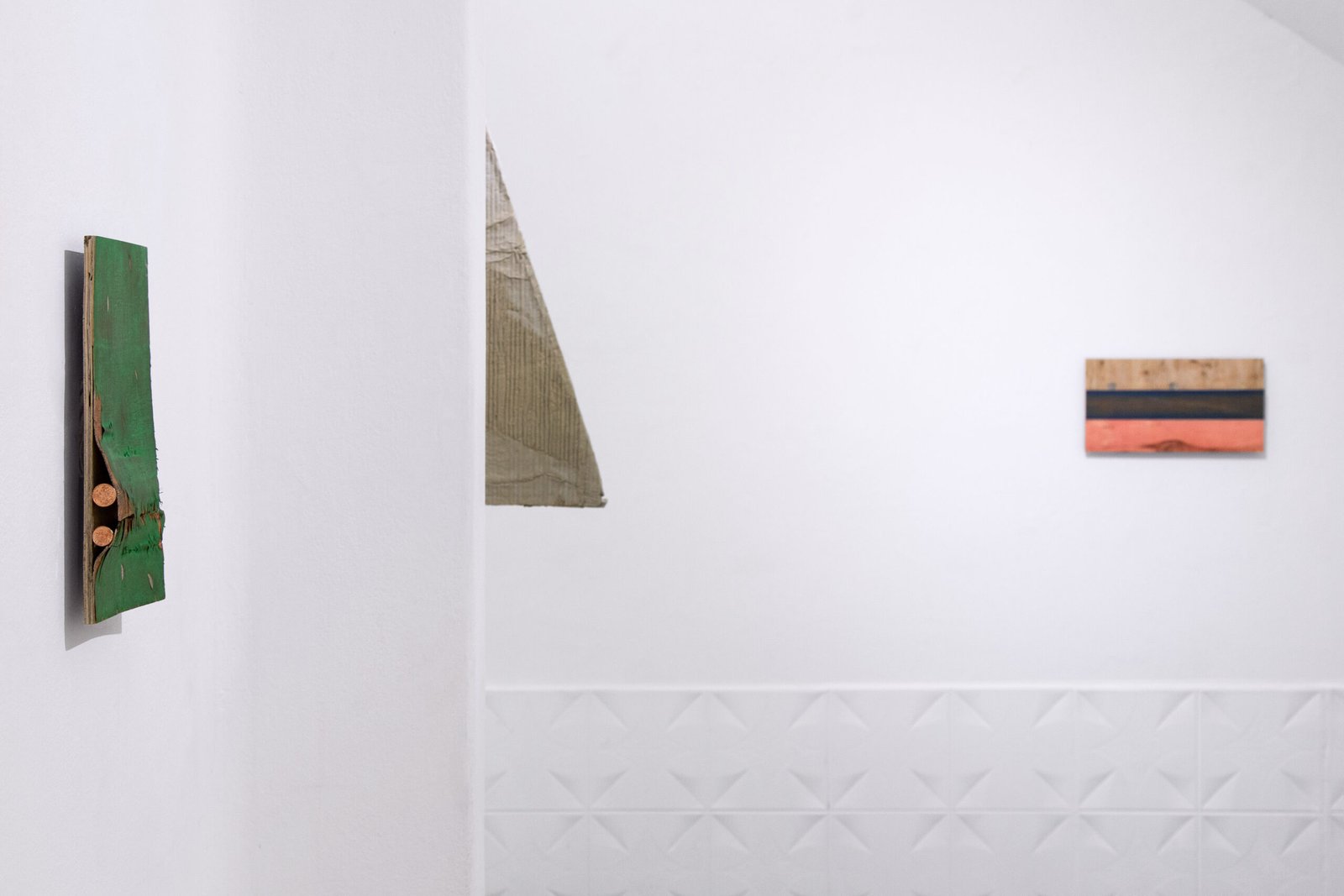
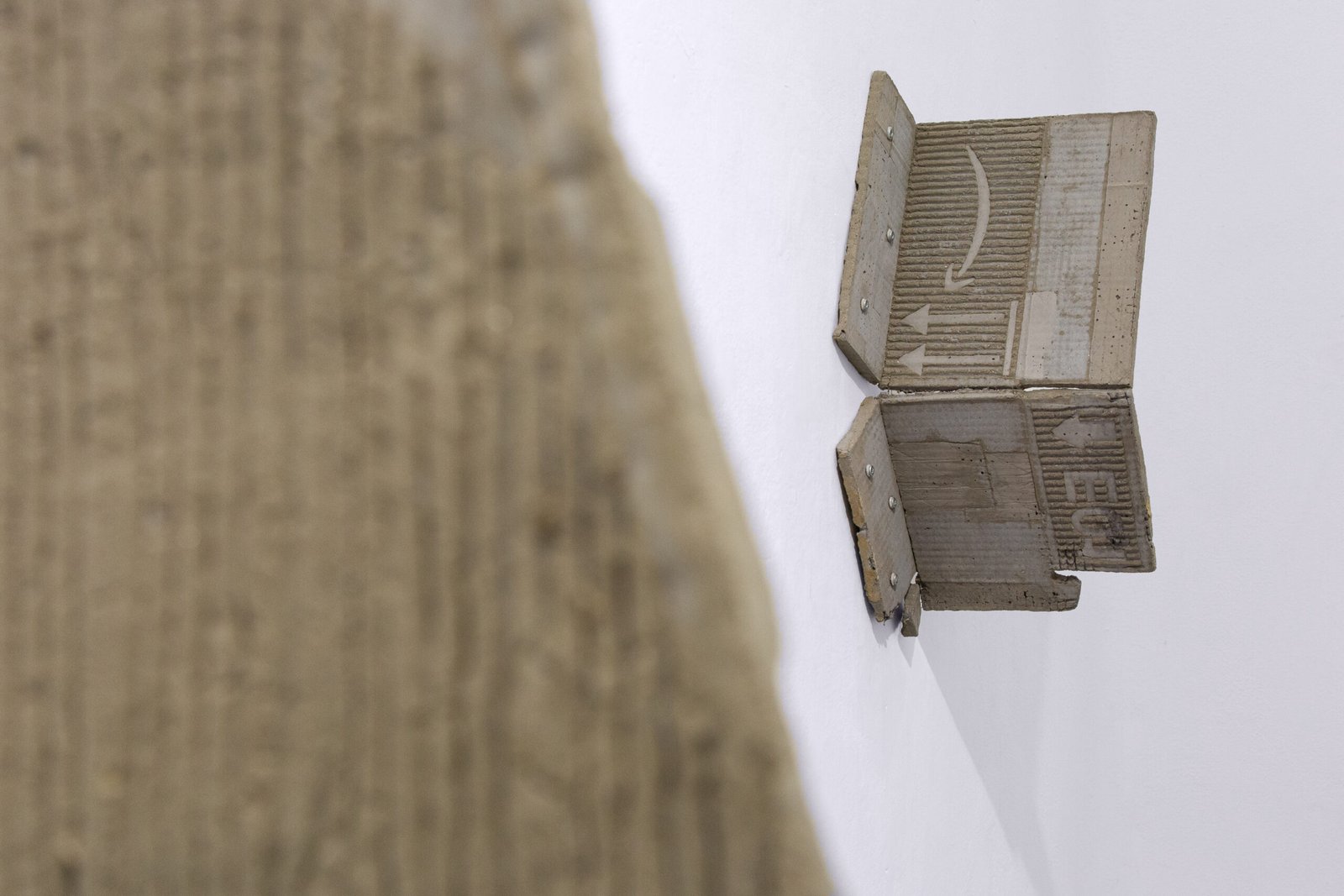
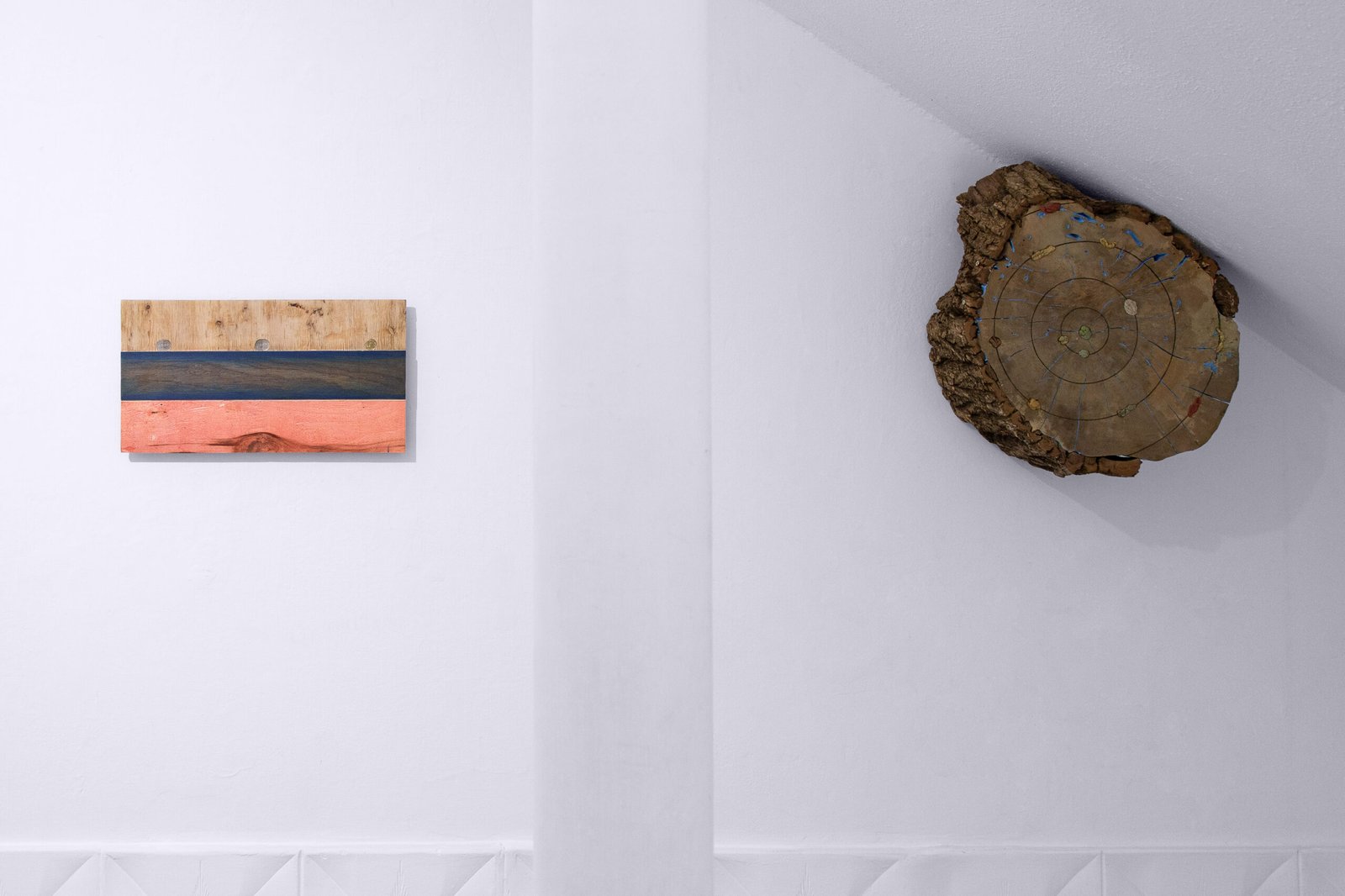
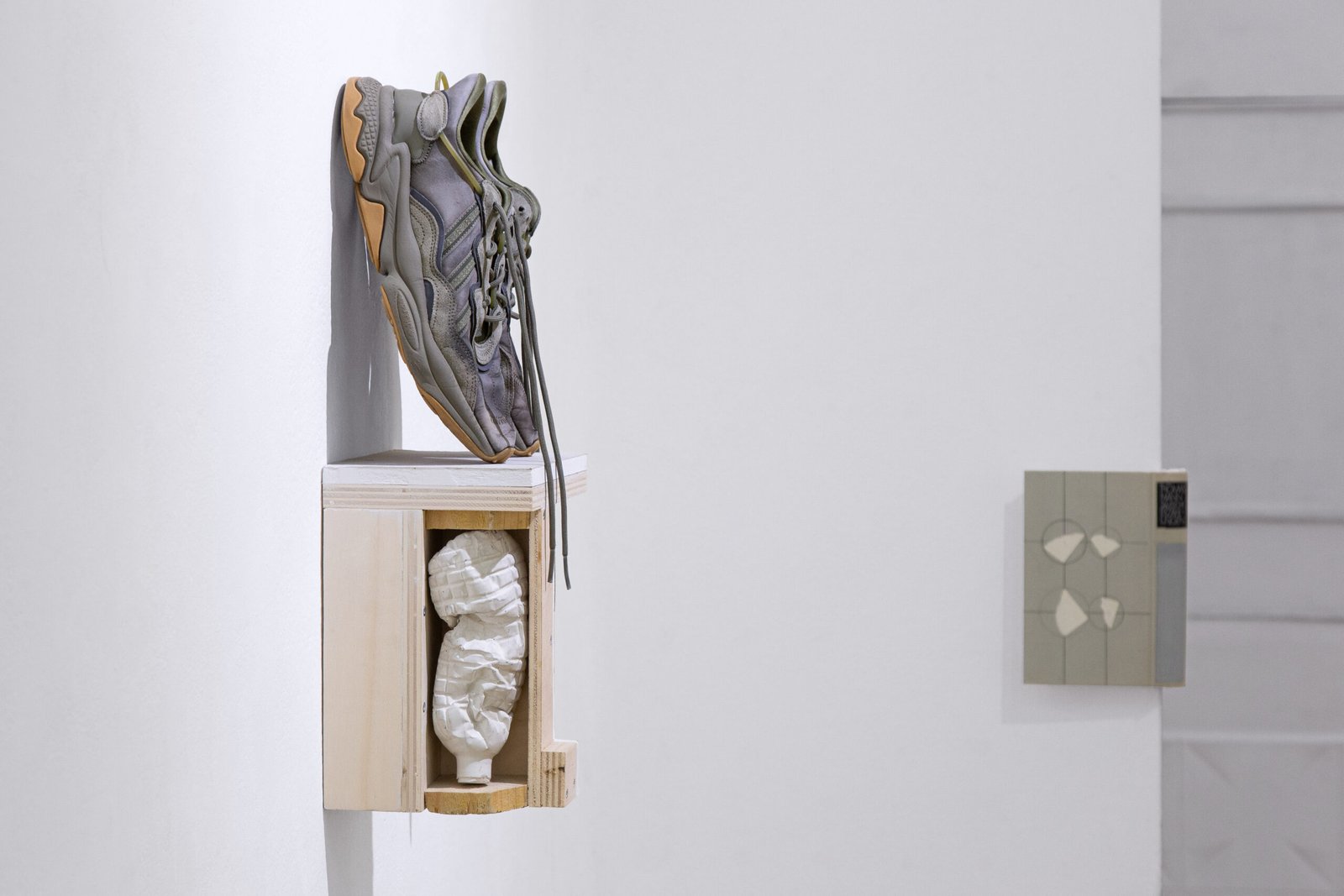
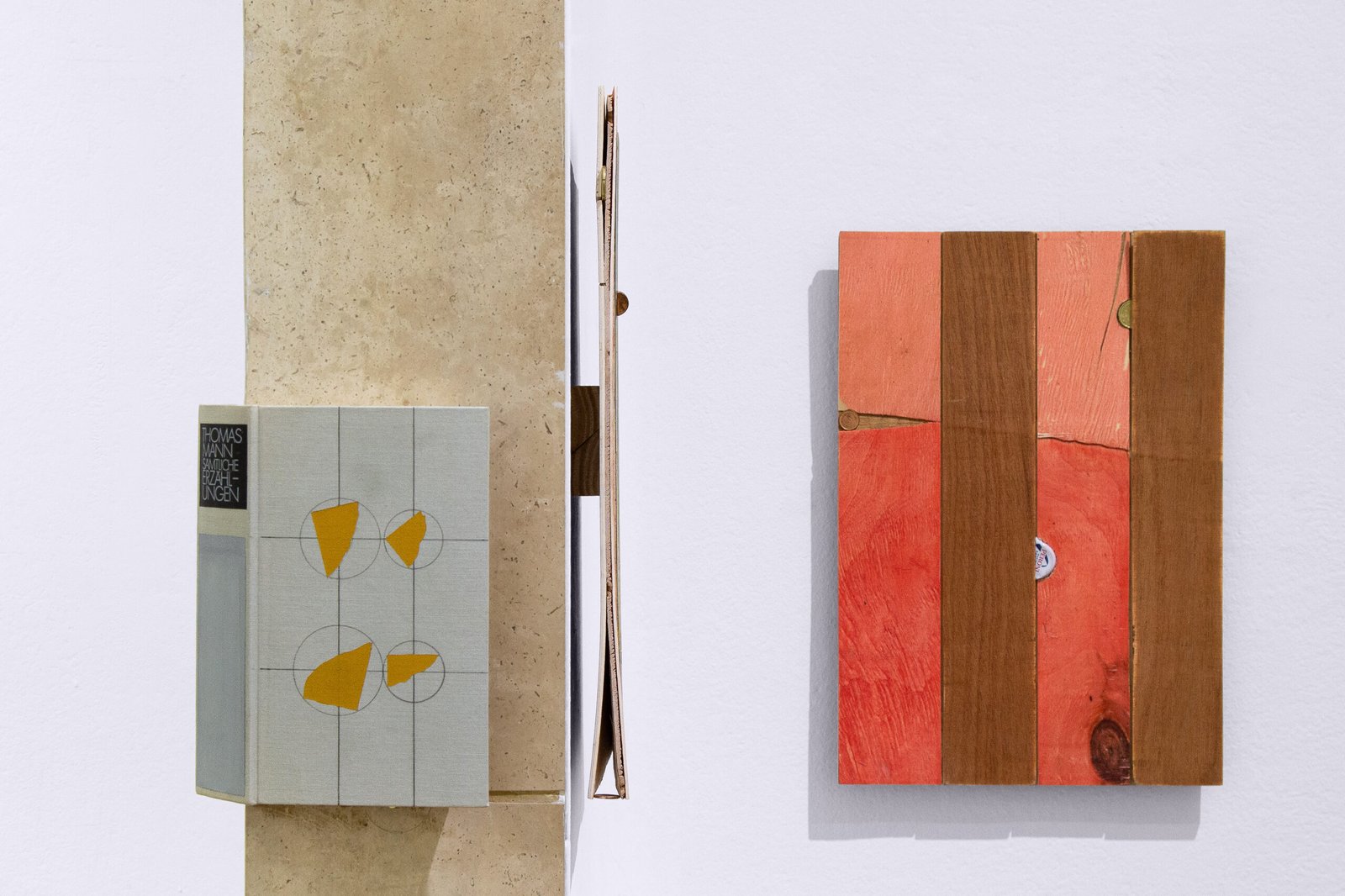
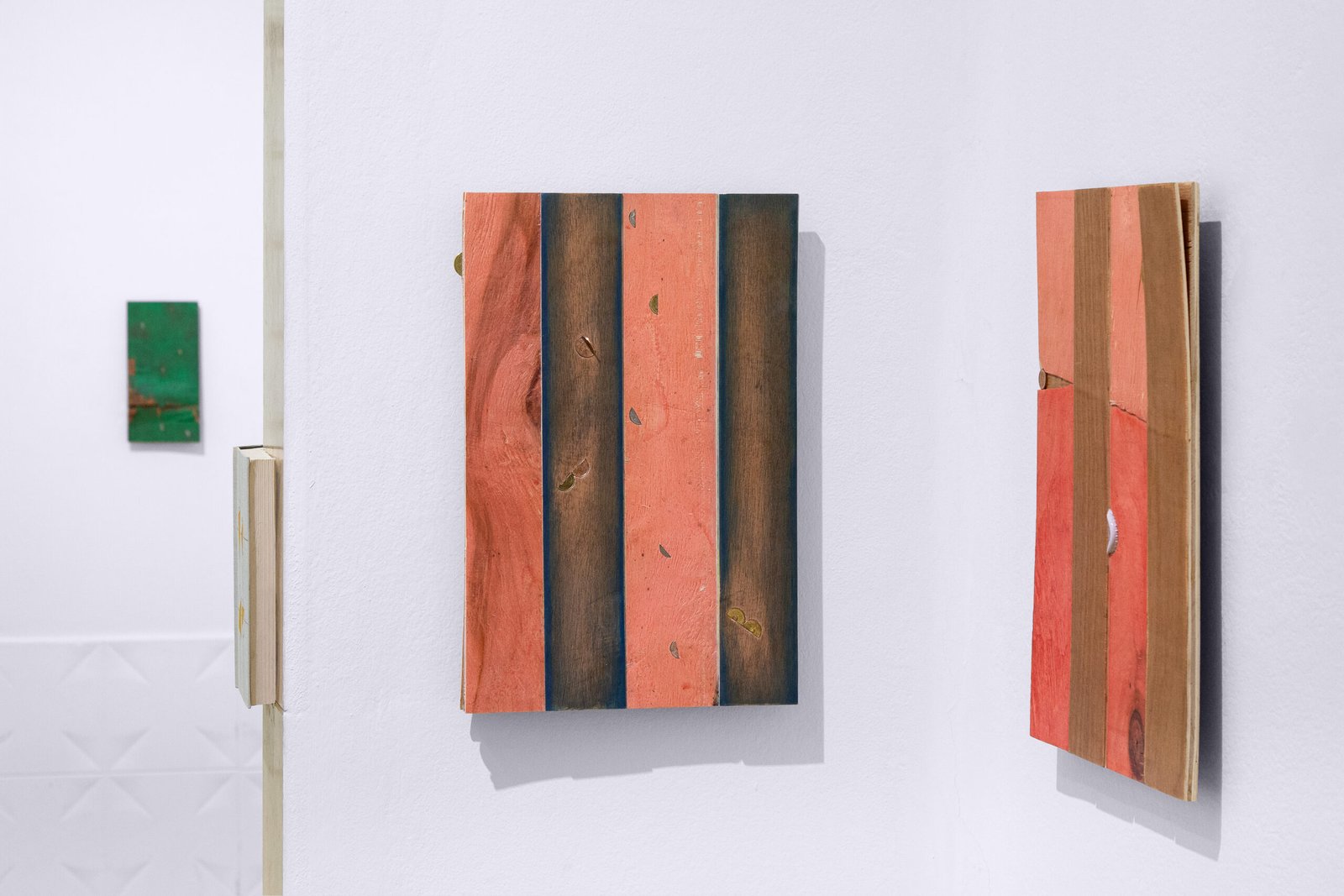
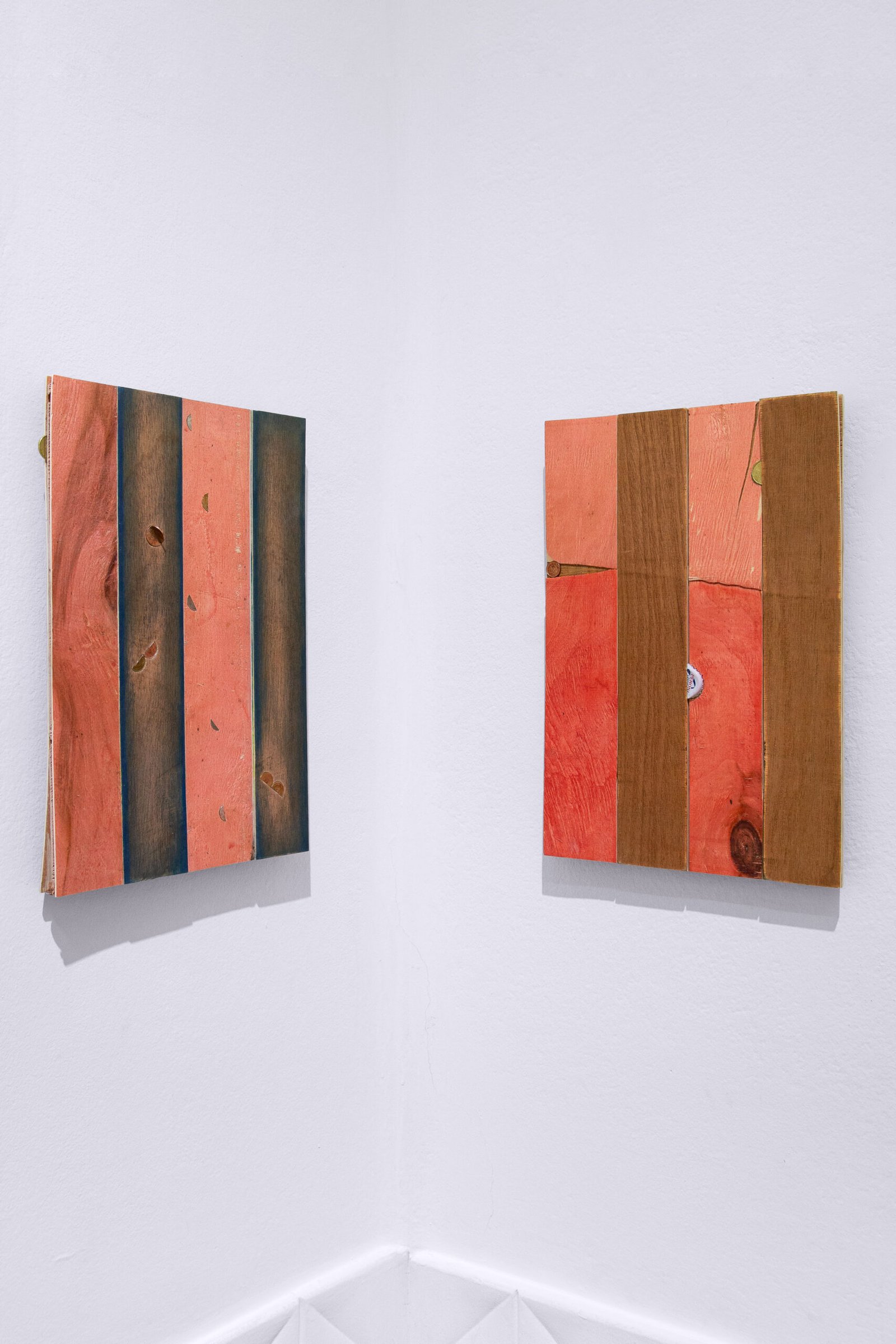
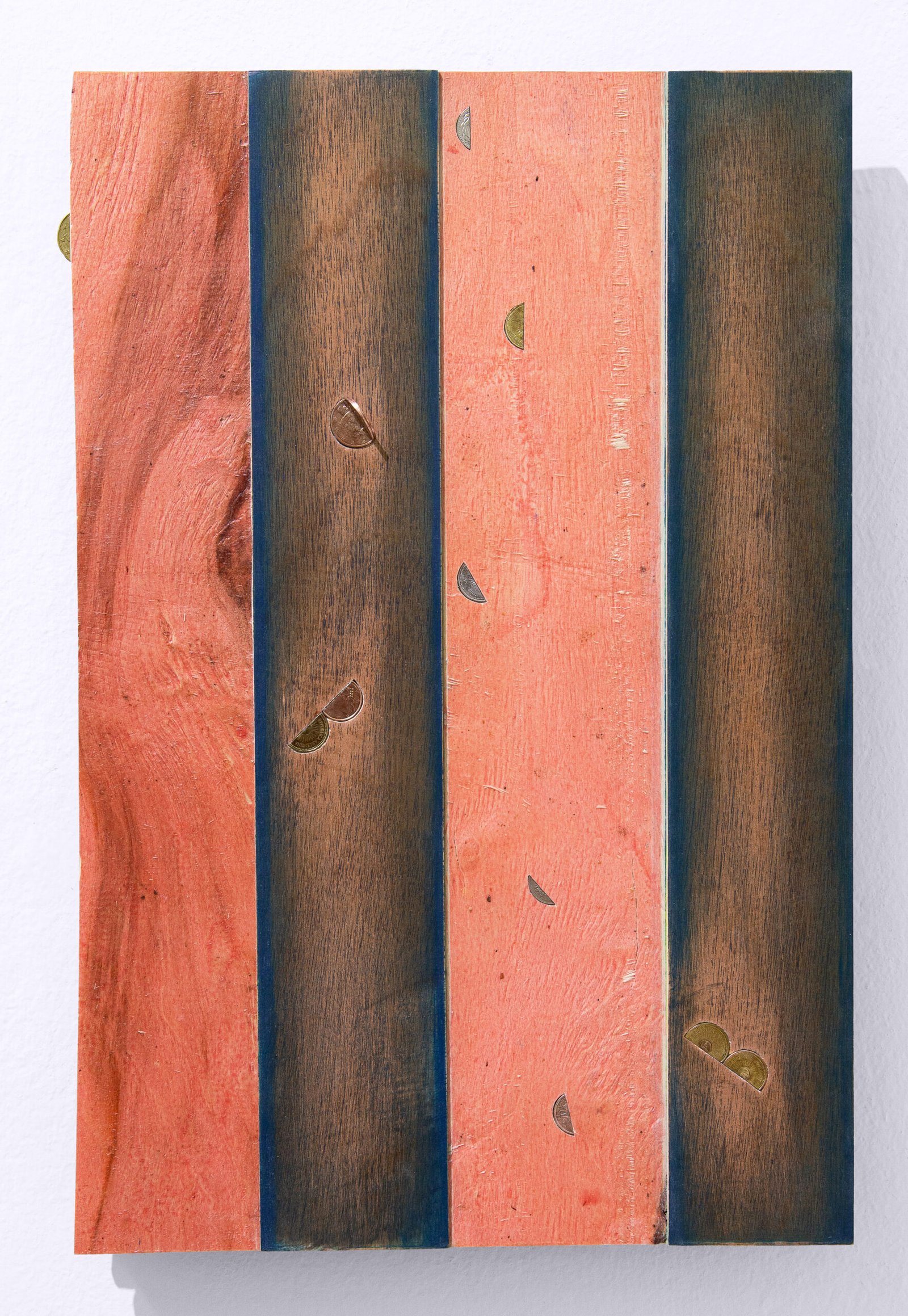
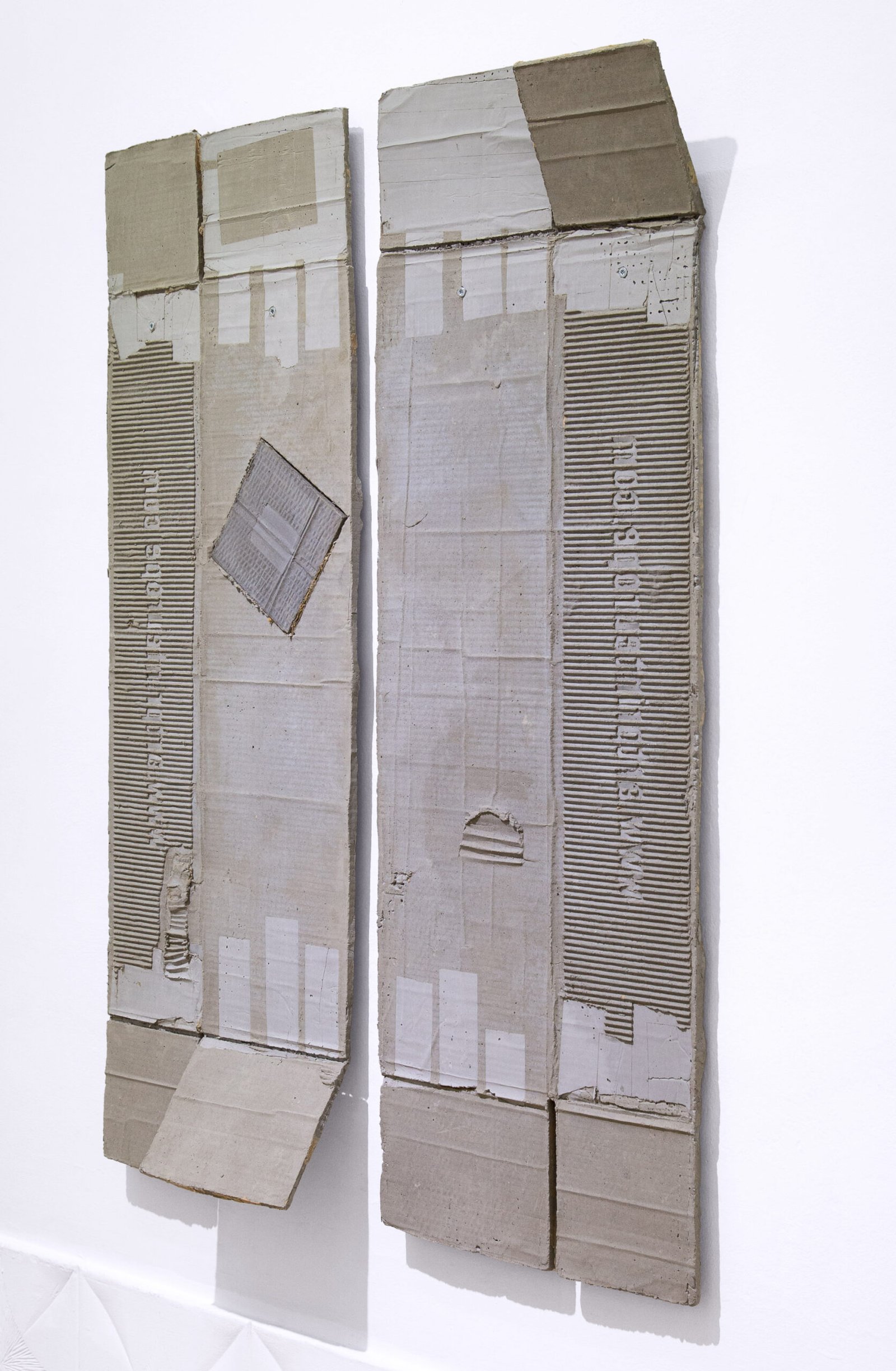
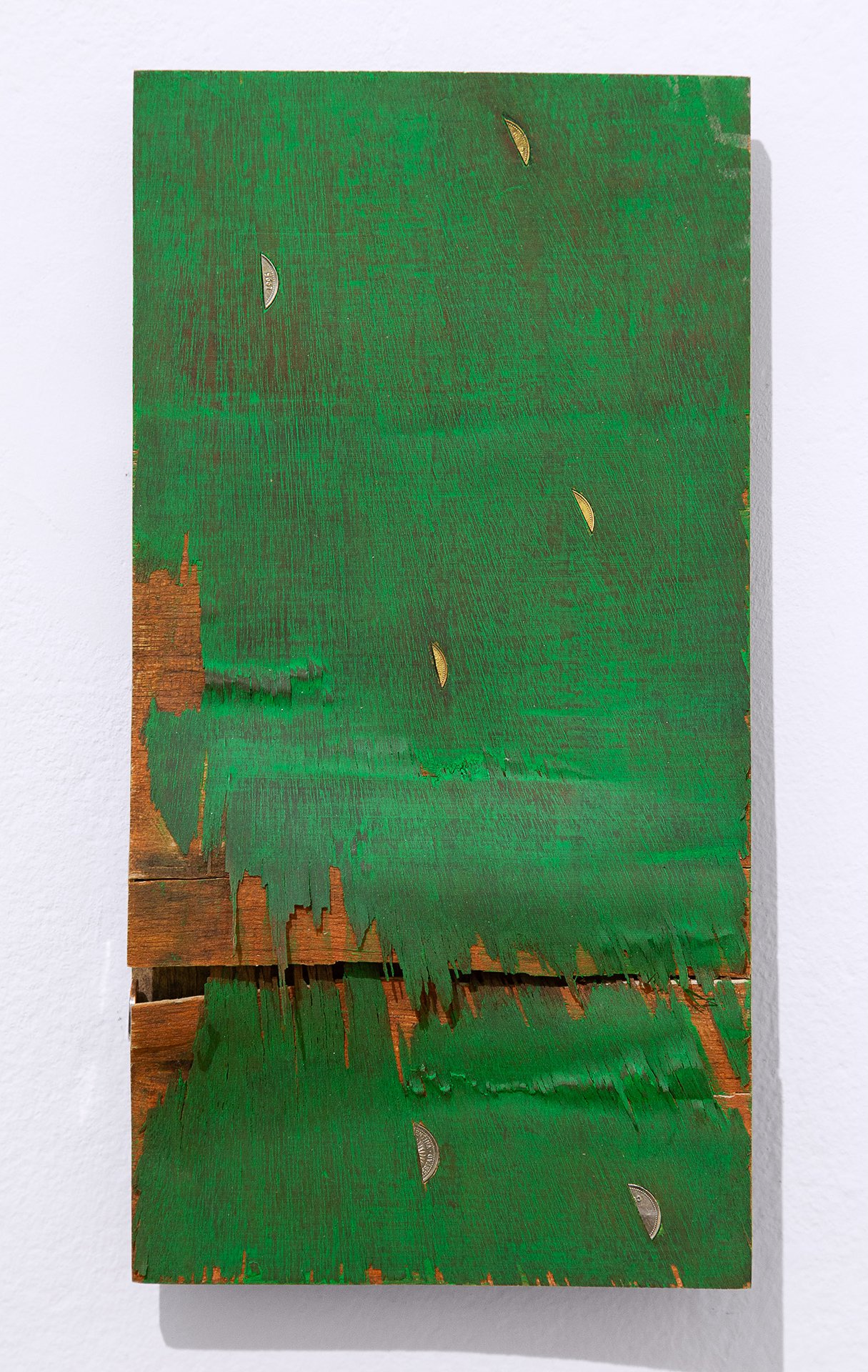
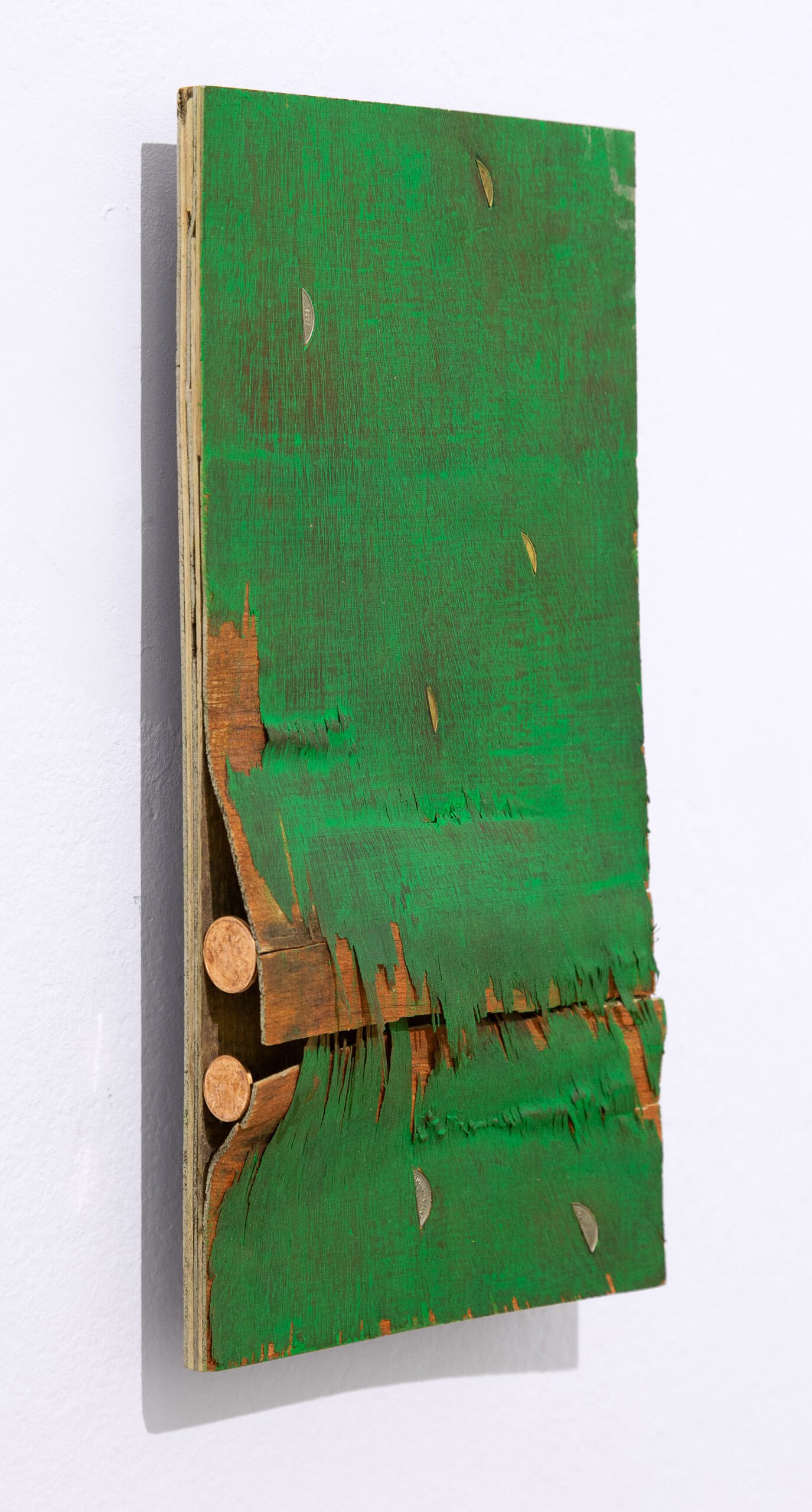
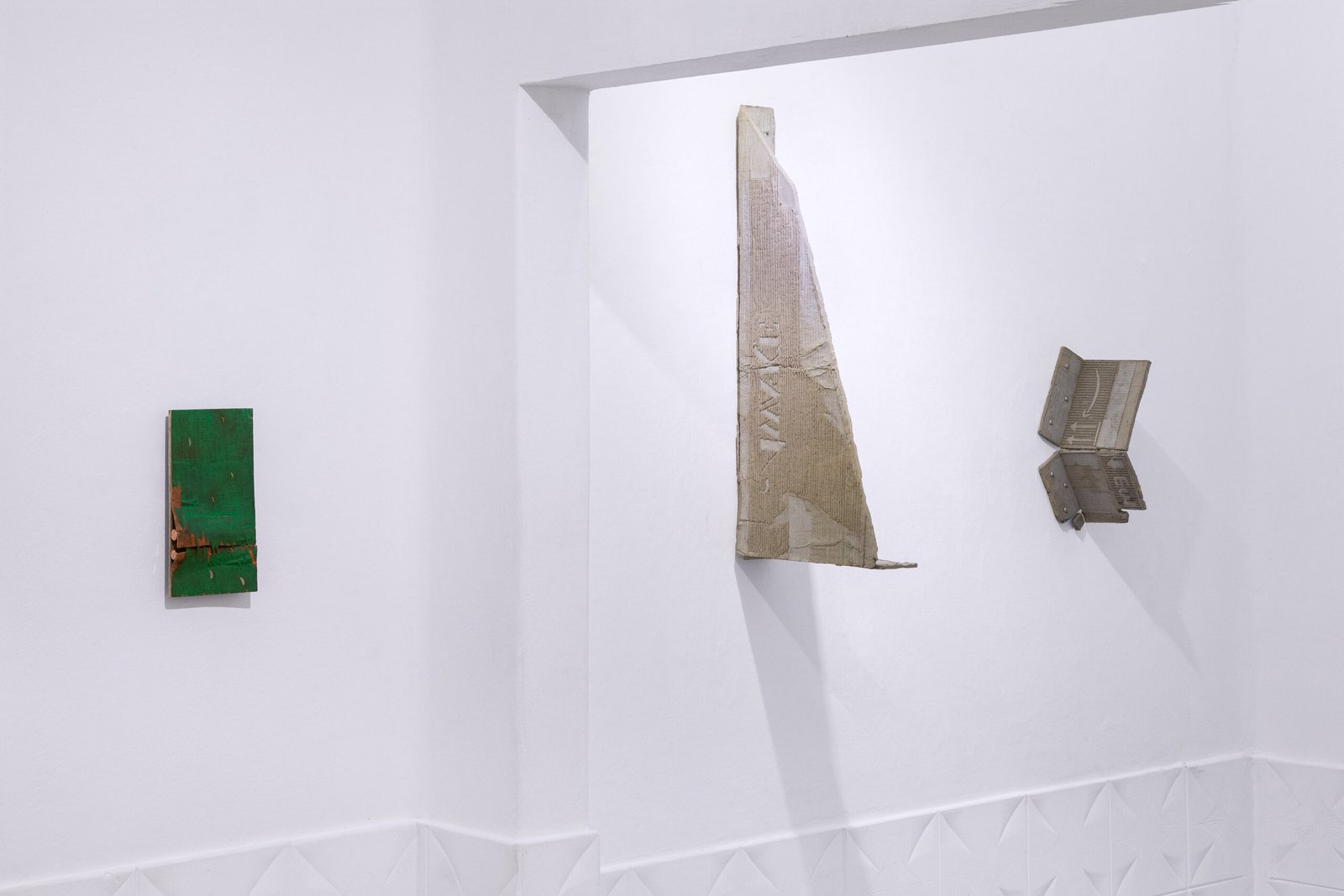
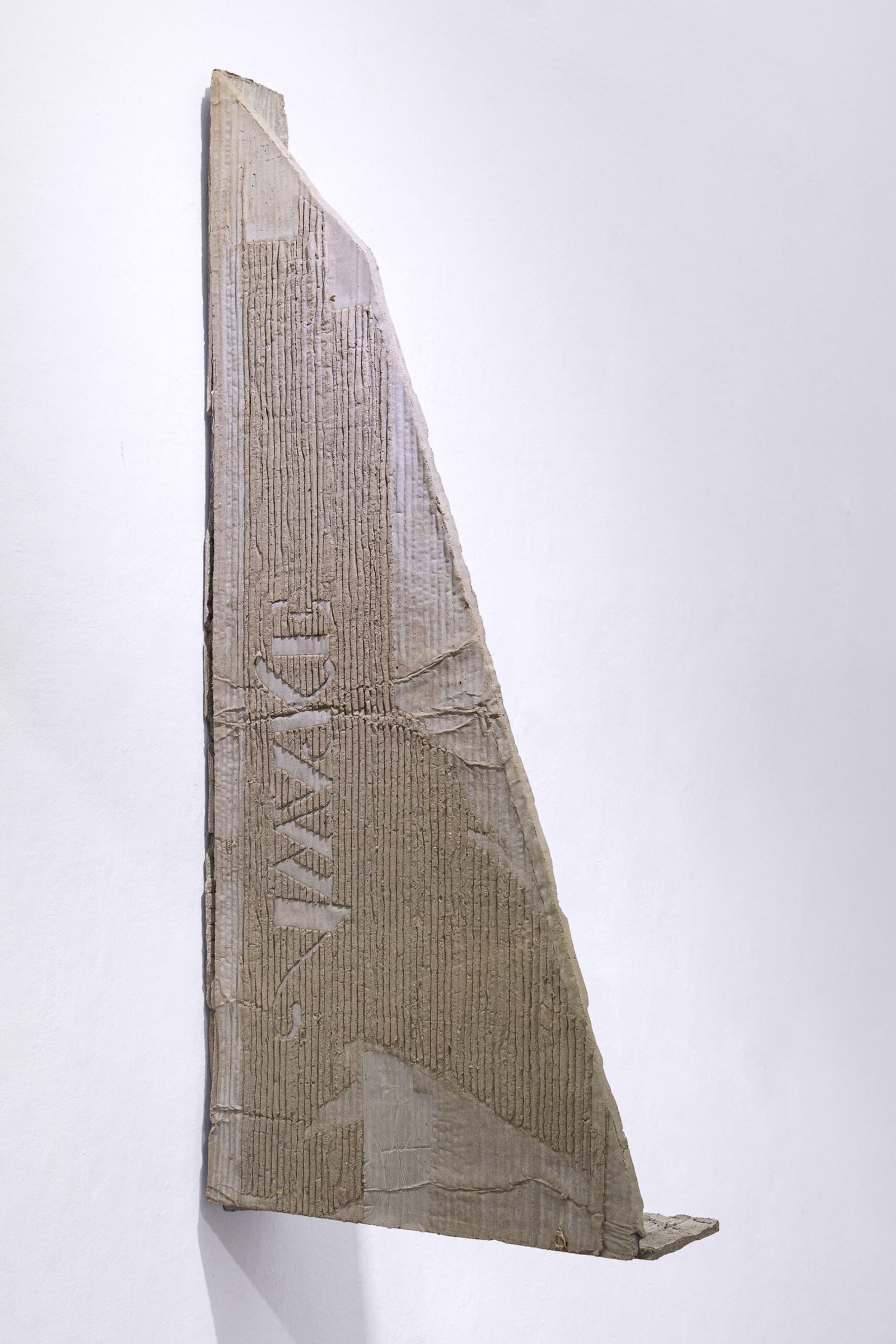
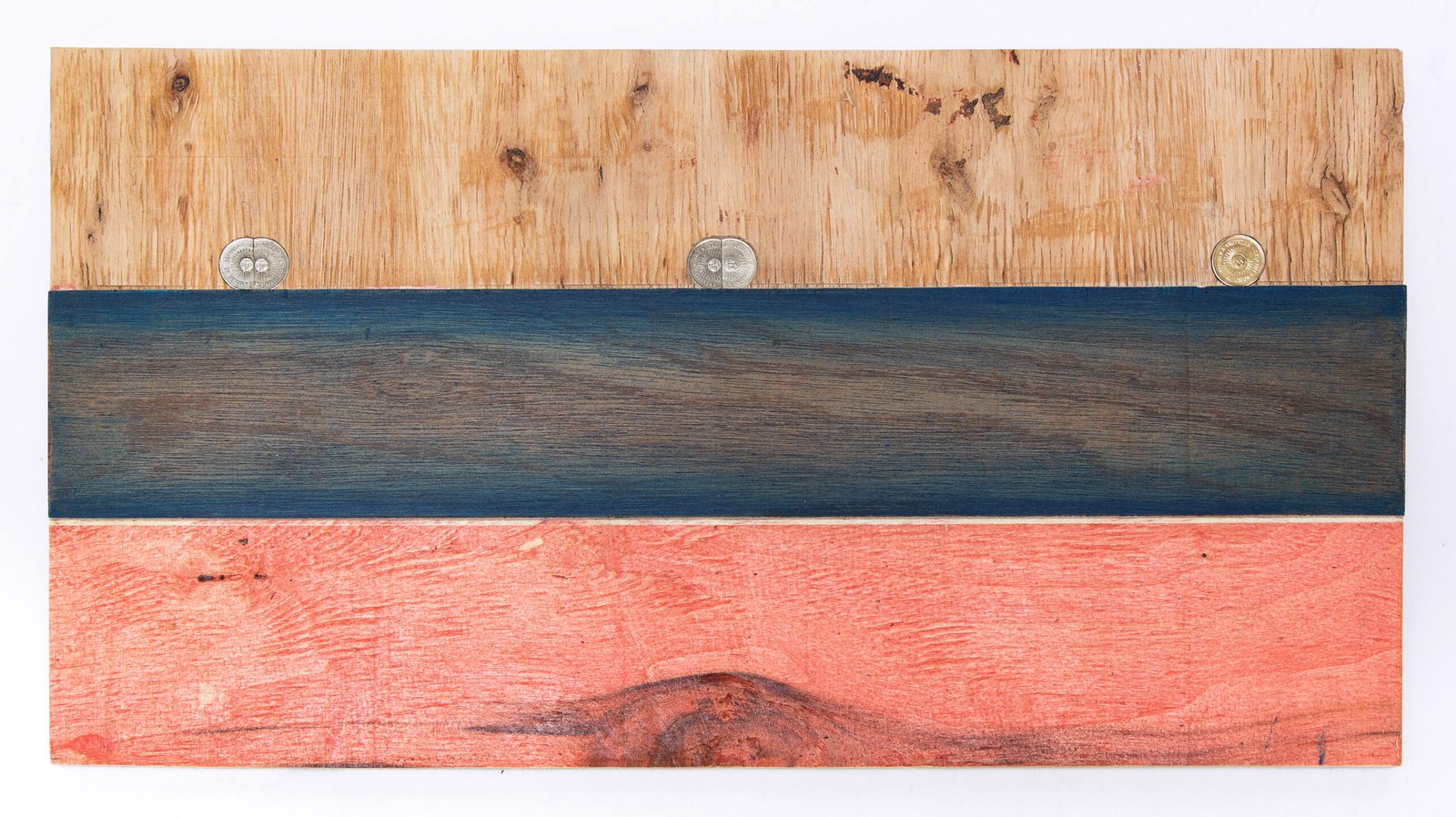
Within his studio orbit the dilemmas of planned obsolescence and the paradigms of conservation, alongside the artist’s own personal trajectory in a foreign city. He applies formulas and operations to produce a stable materiality of permanence from disposable artifacts such as cardboard. He explores the interstices of different supports—plywood, plastic, textiles—endowing them with air, body, and hidden spaces. He discovers fissures, opens cracks, and inserts findings that correspond to his own poetic code, his own force of material attraction.
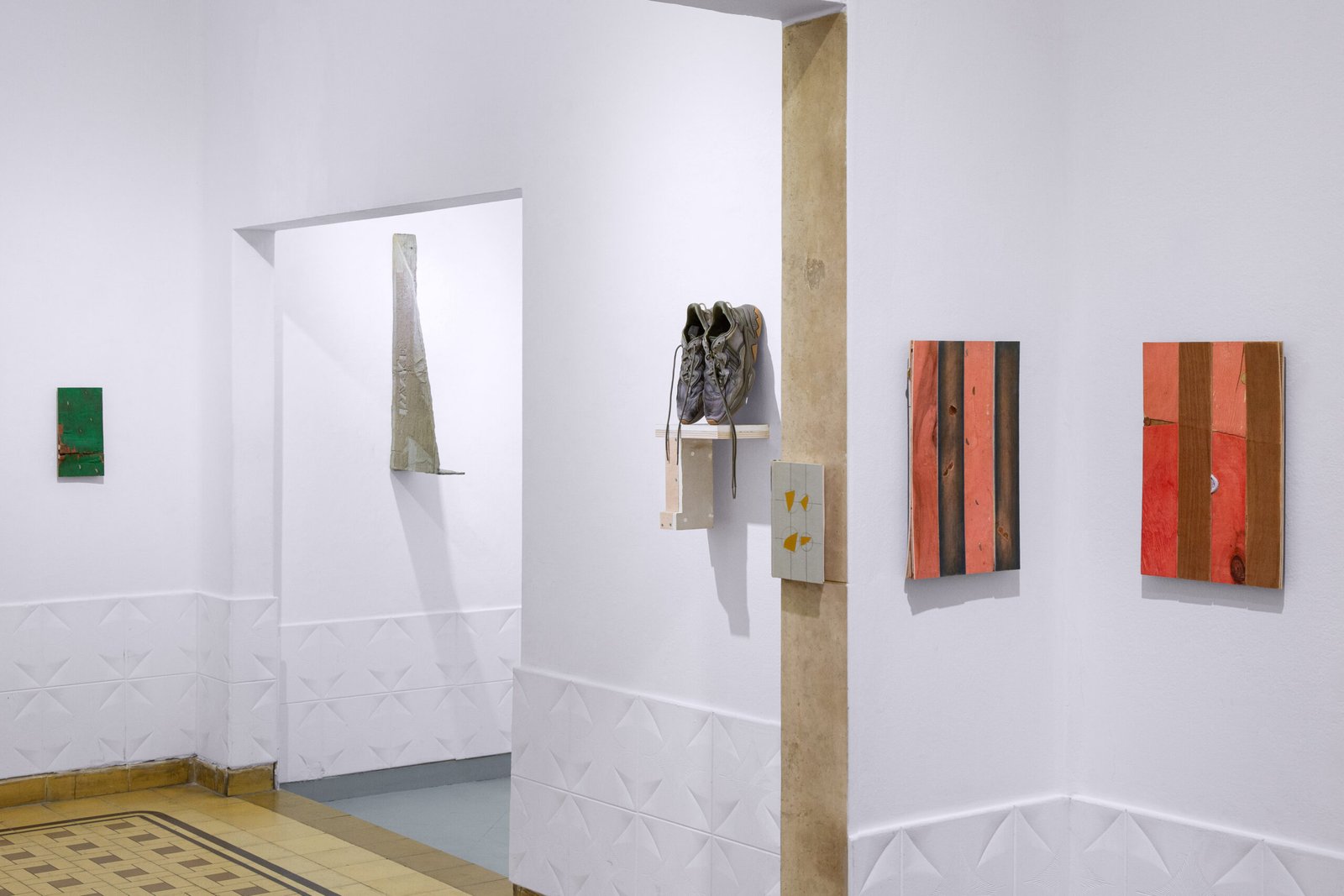
Juan’s things orbit at Satélite Gallery.
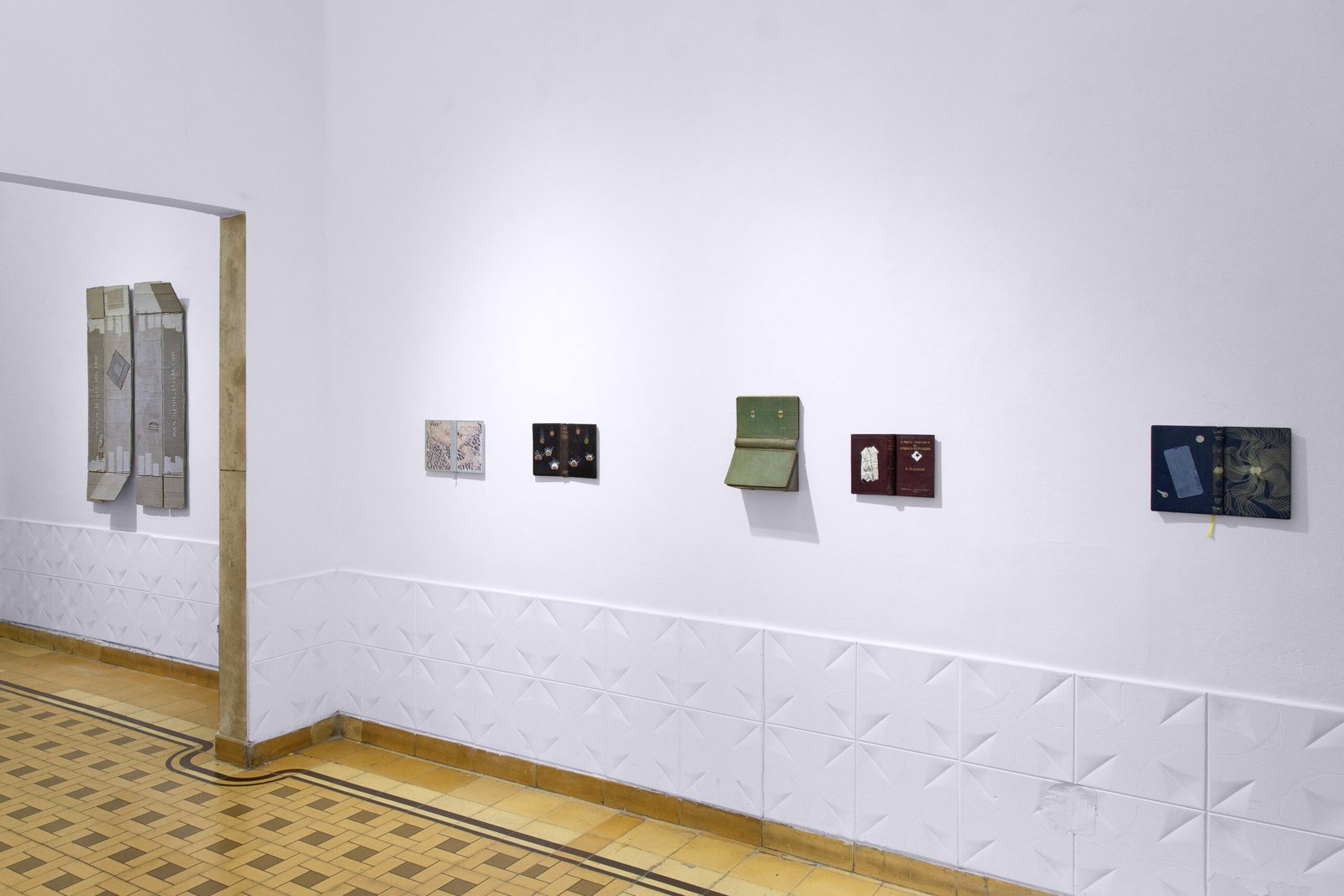
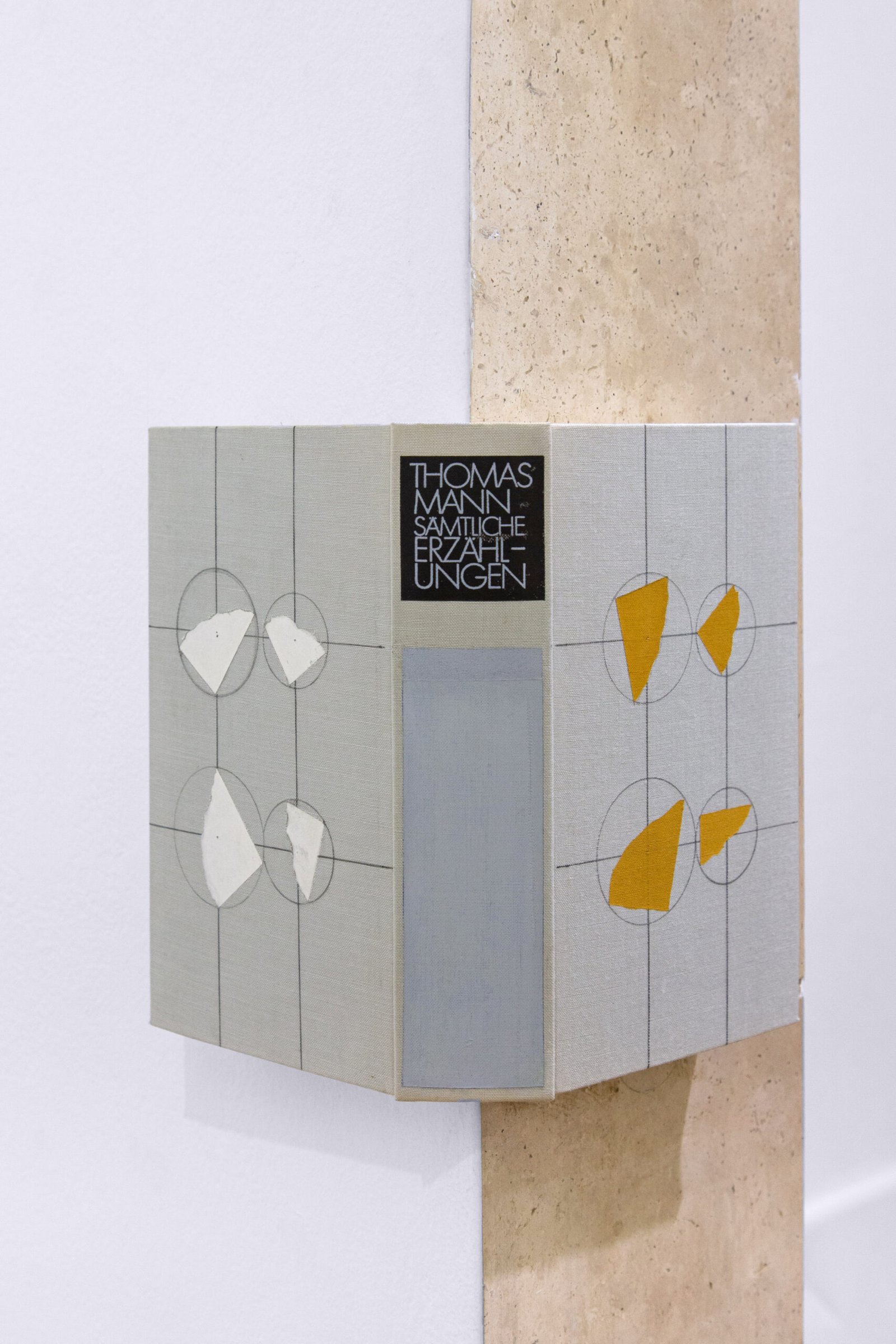
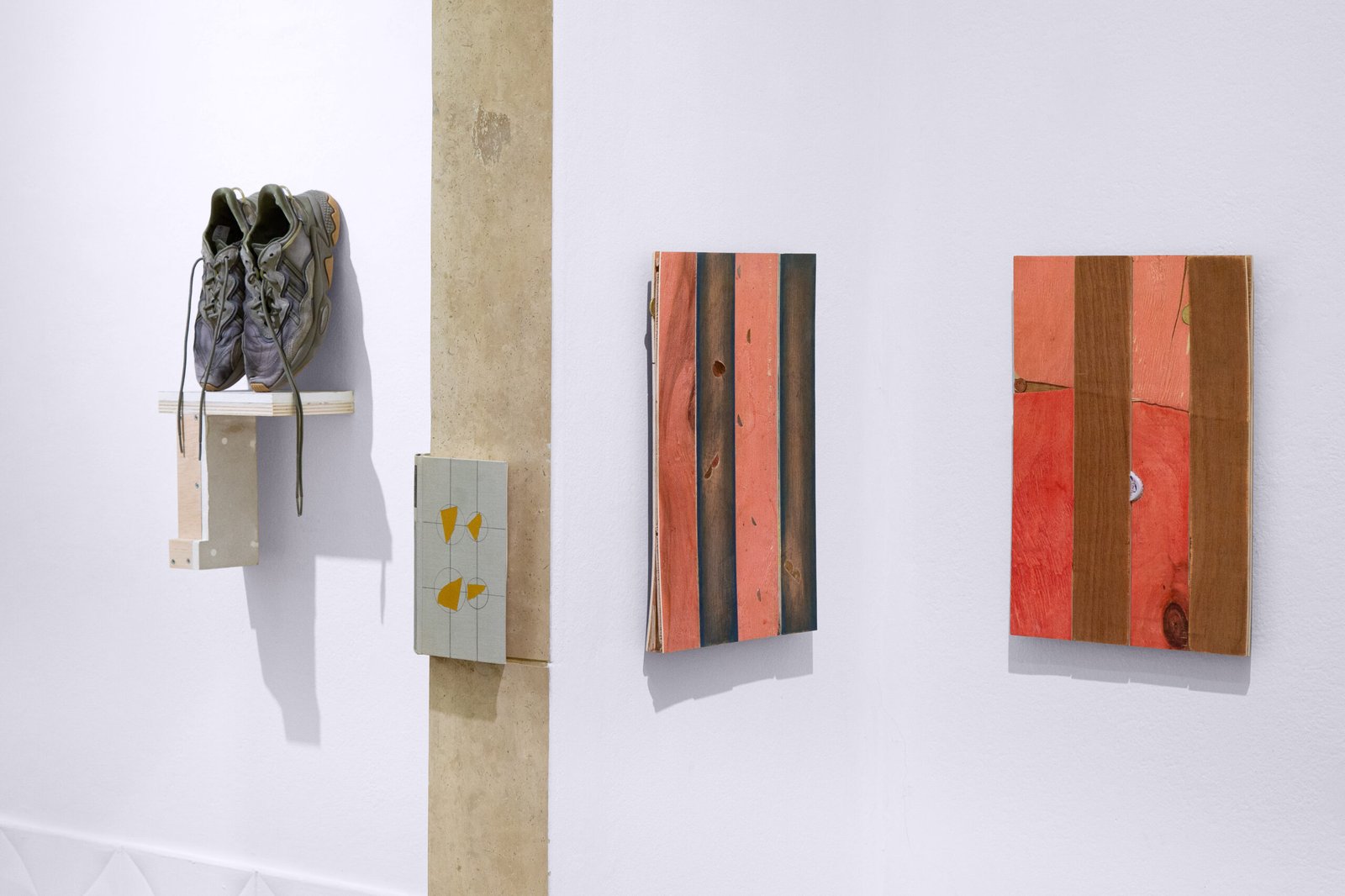
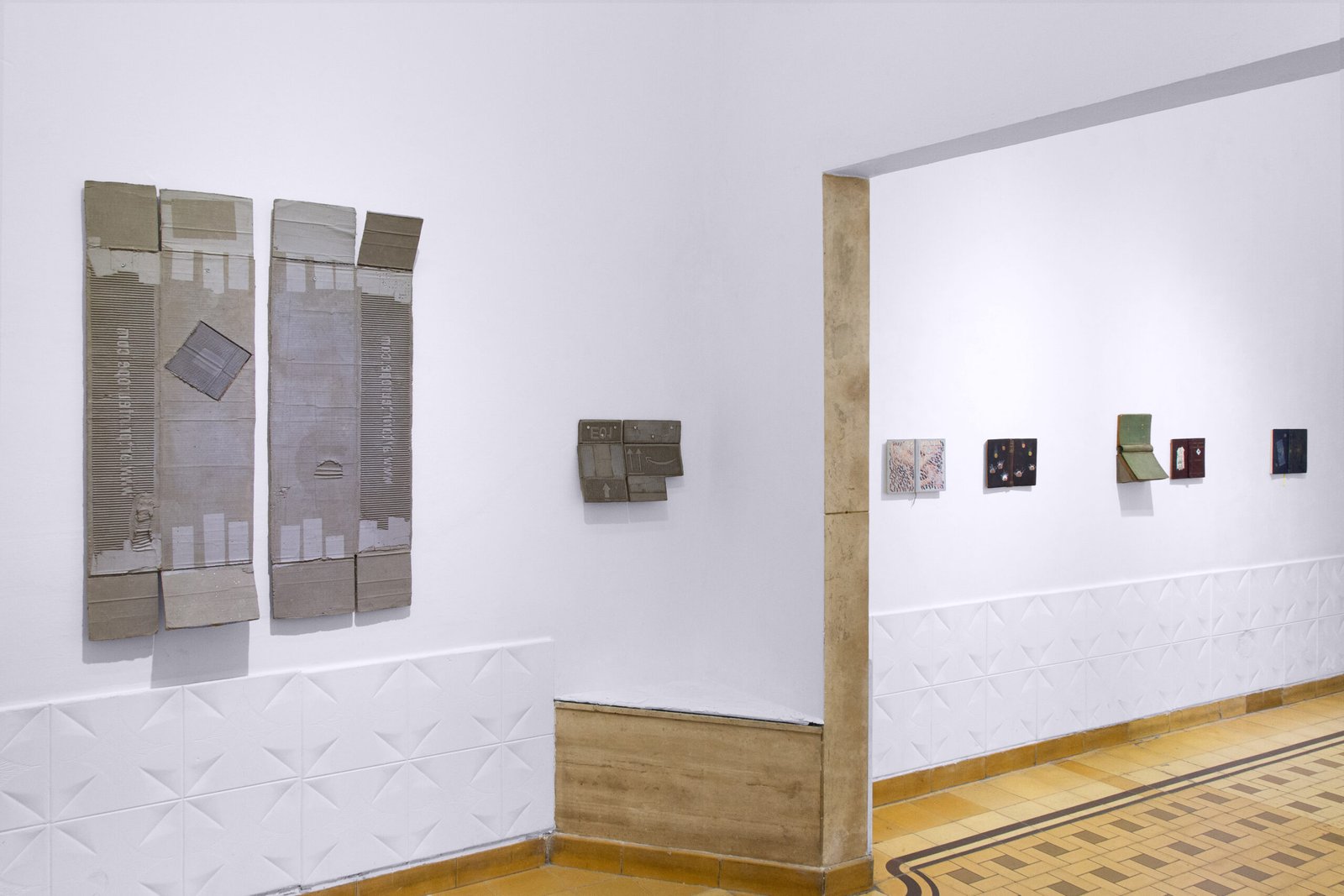
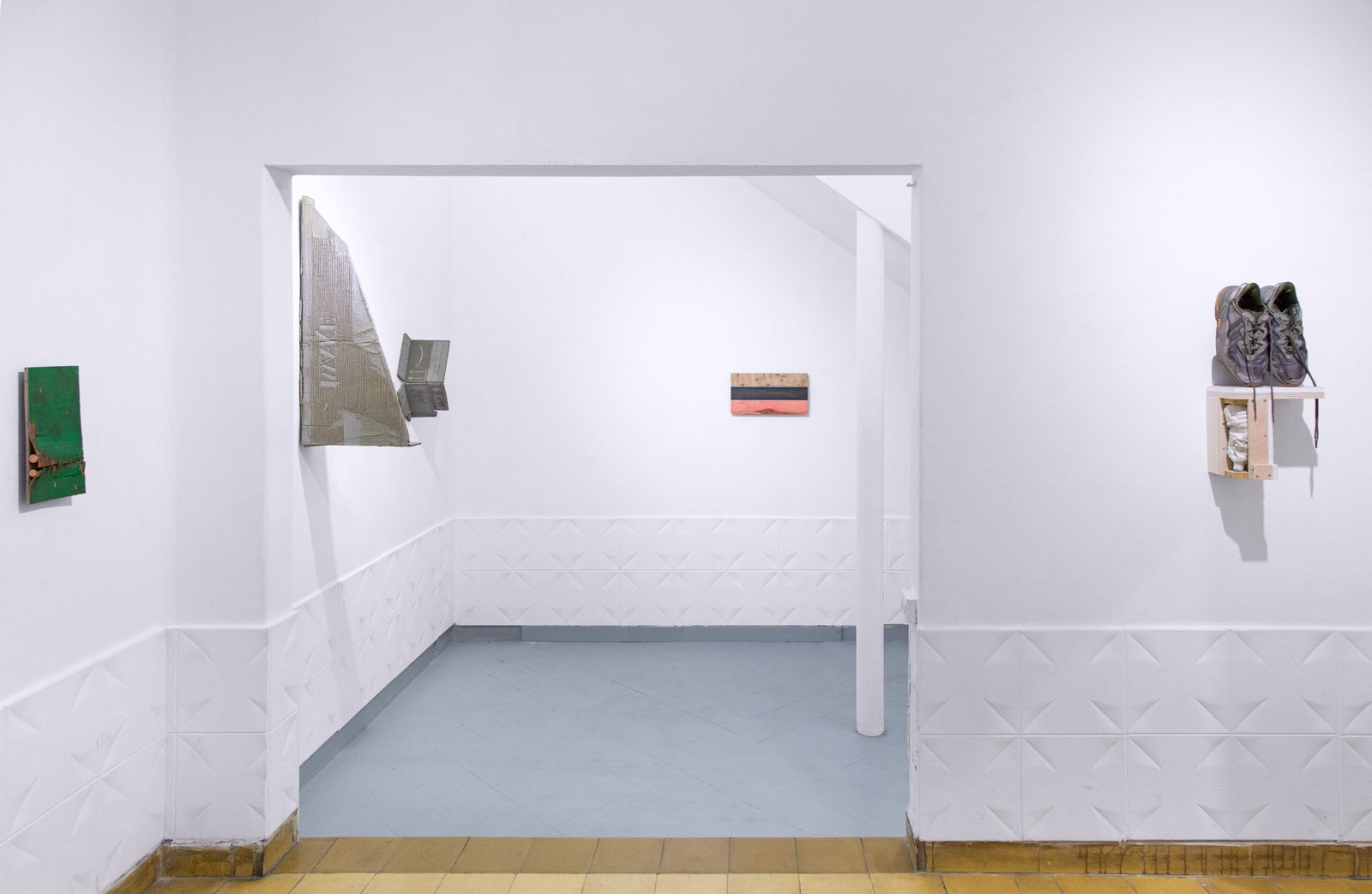
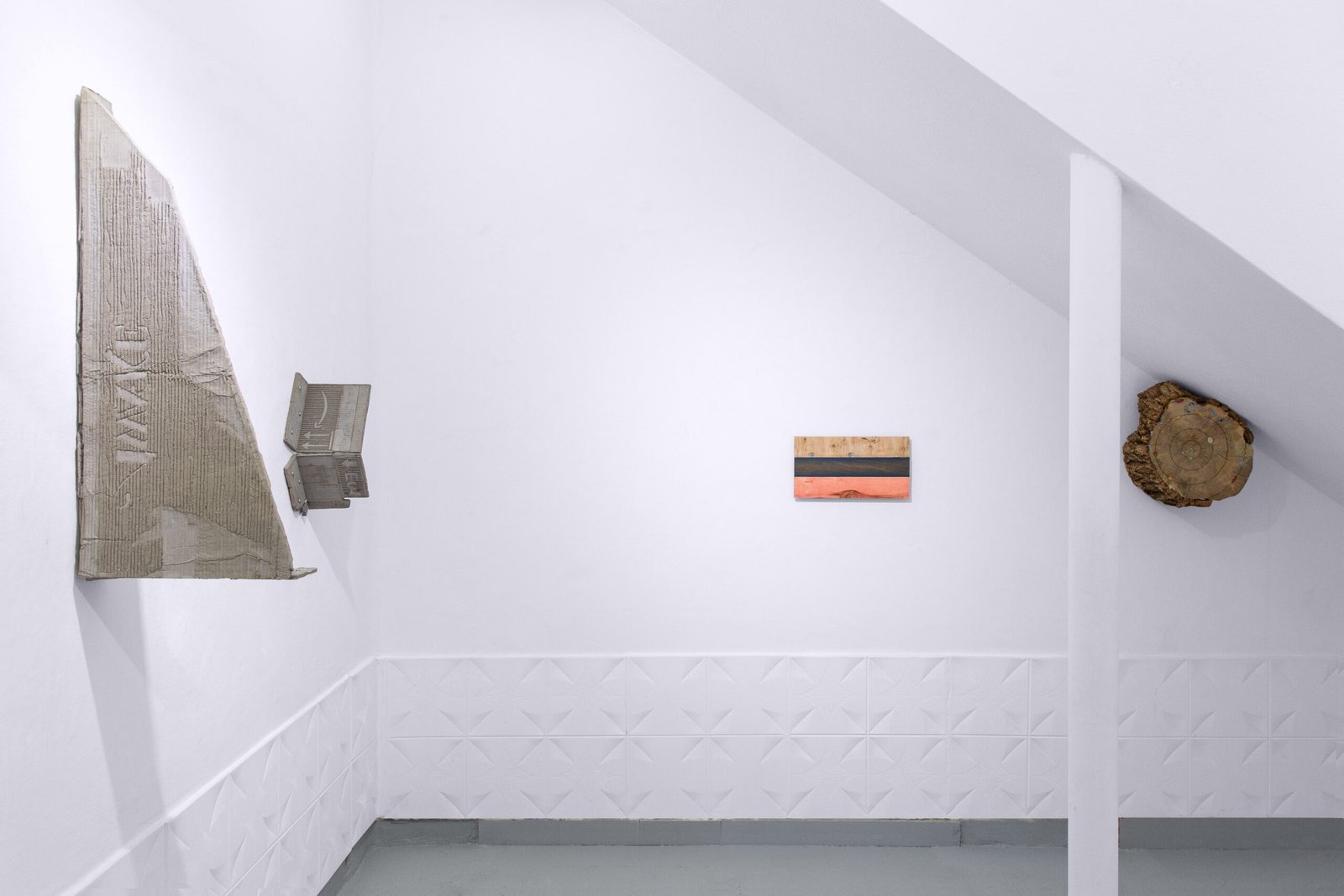
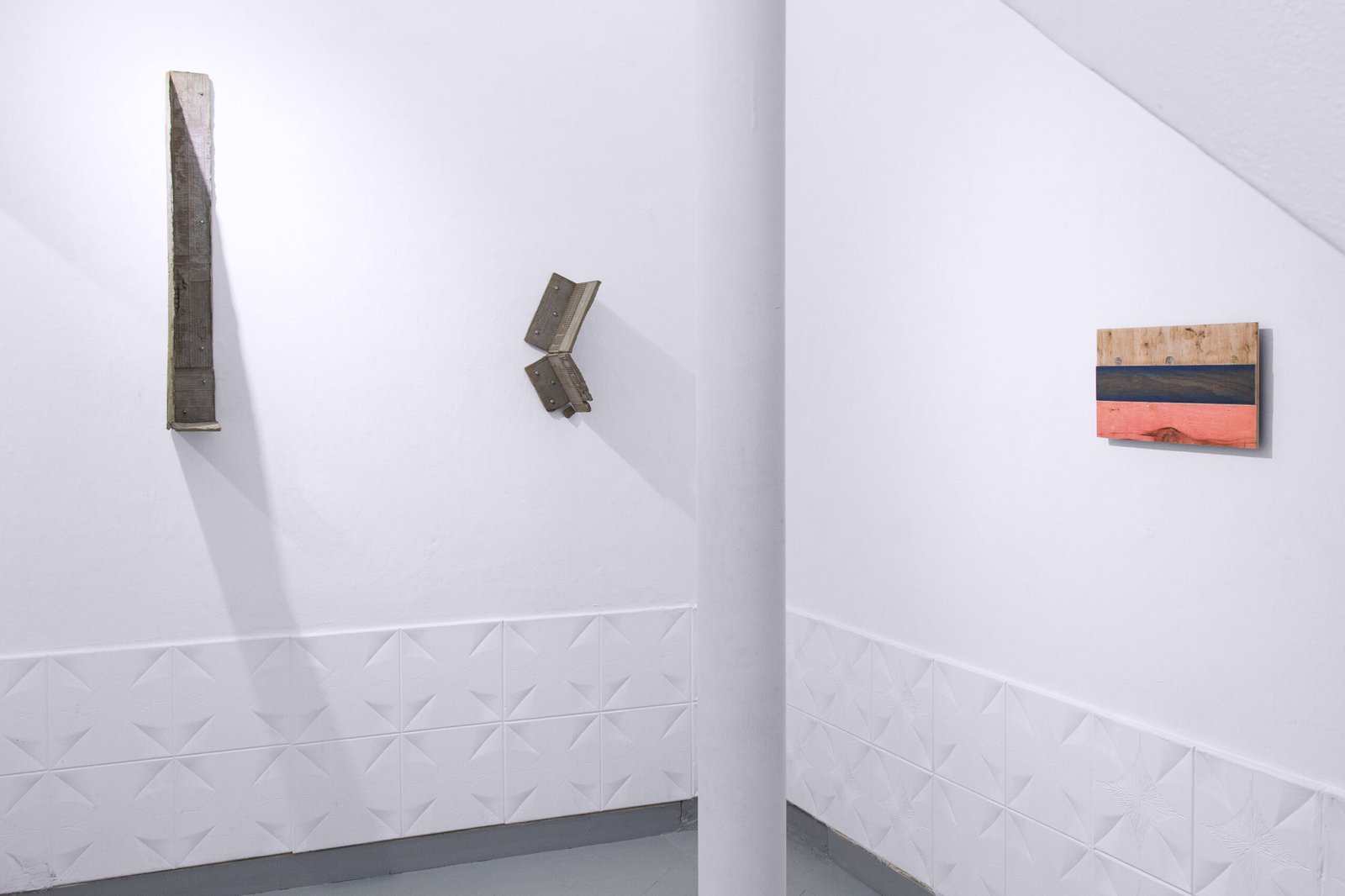
The exhibition at Satélite Gallery situates the works within a shared orbit. Close encounters with each piece reveal their past time, making it possible to perceive material memory: the trace of weathering in textures, former functions suggested by labels and graphic codes, or the intangible weight of words contained within a literary volume.
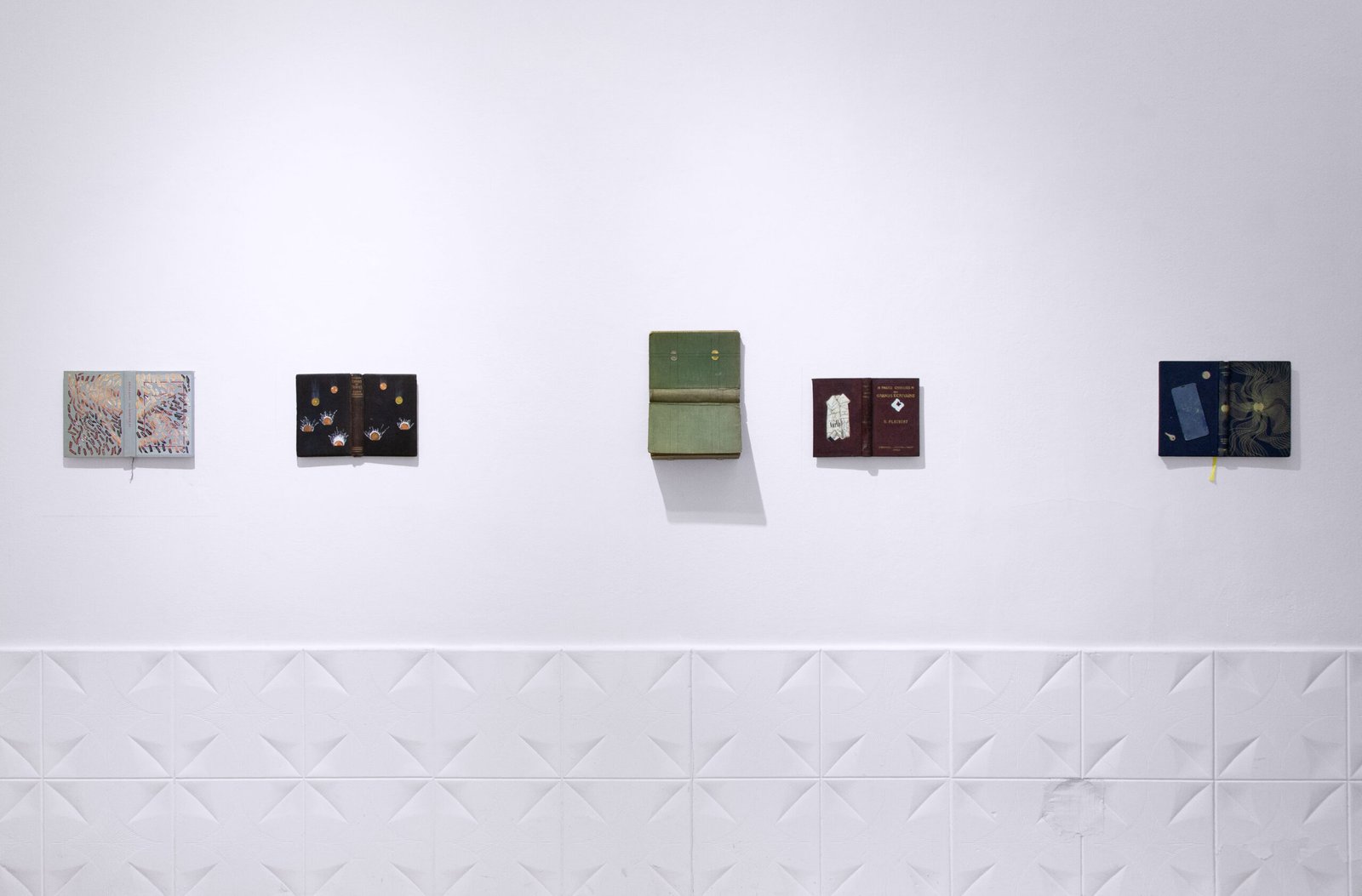
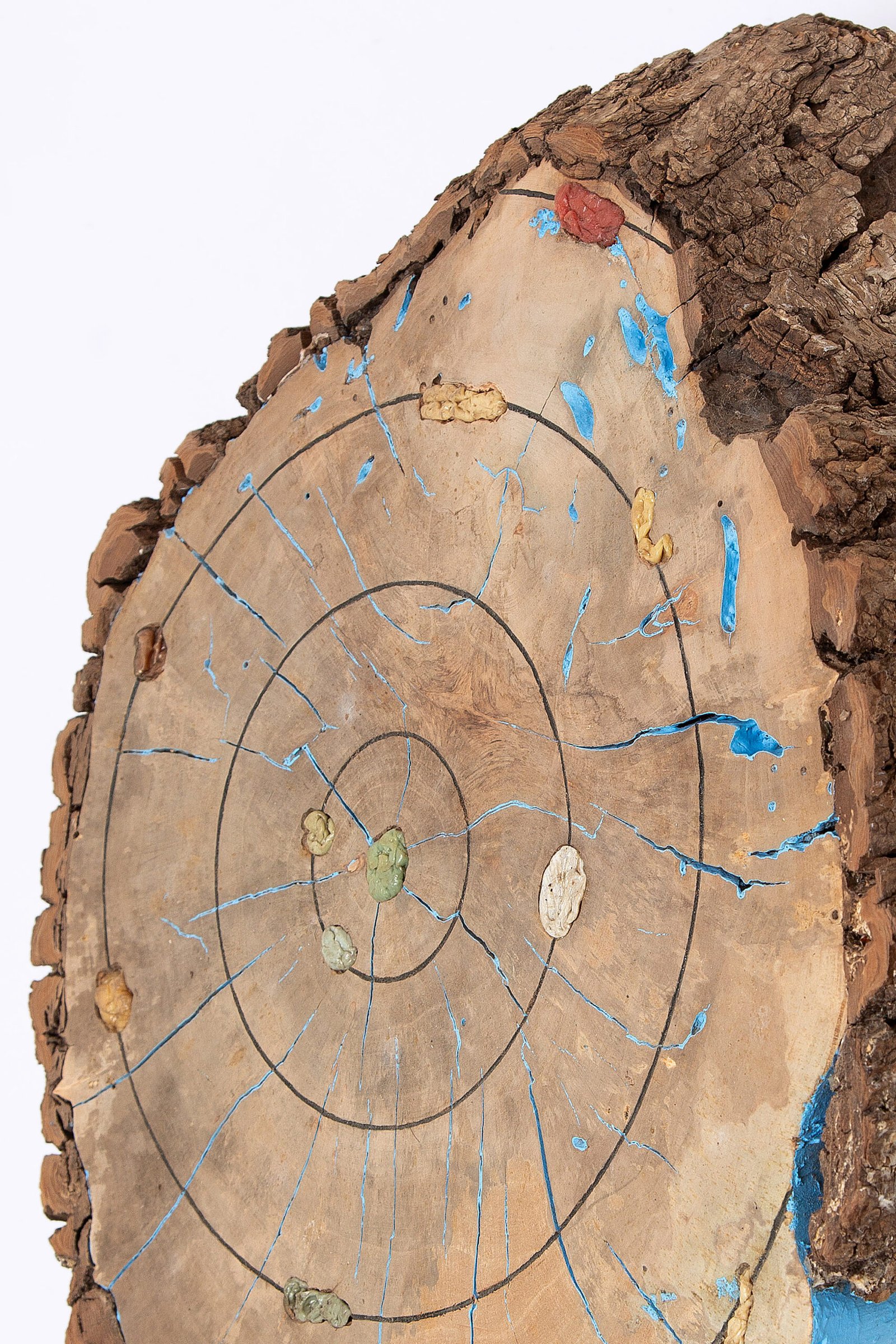
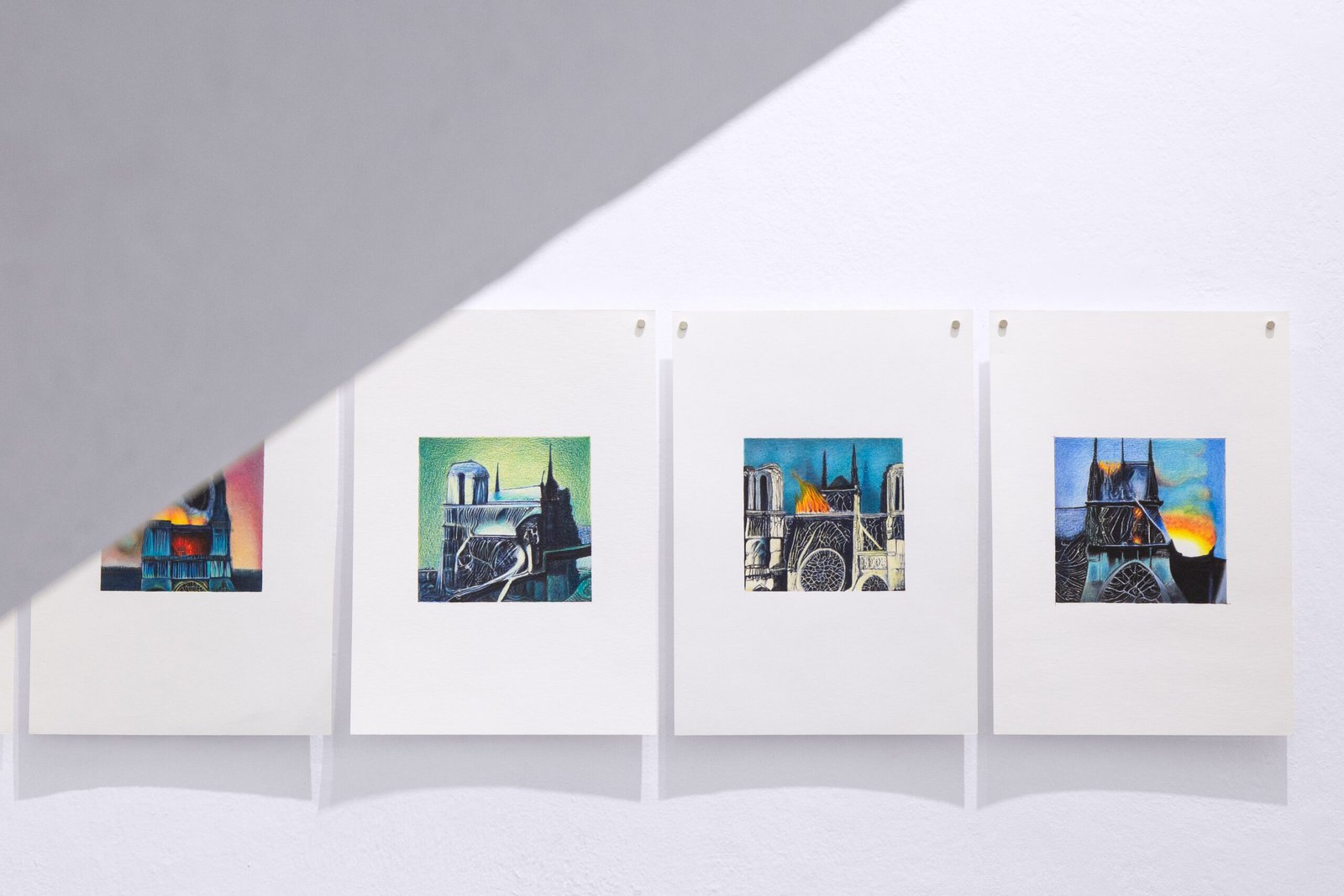
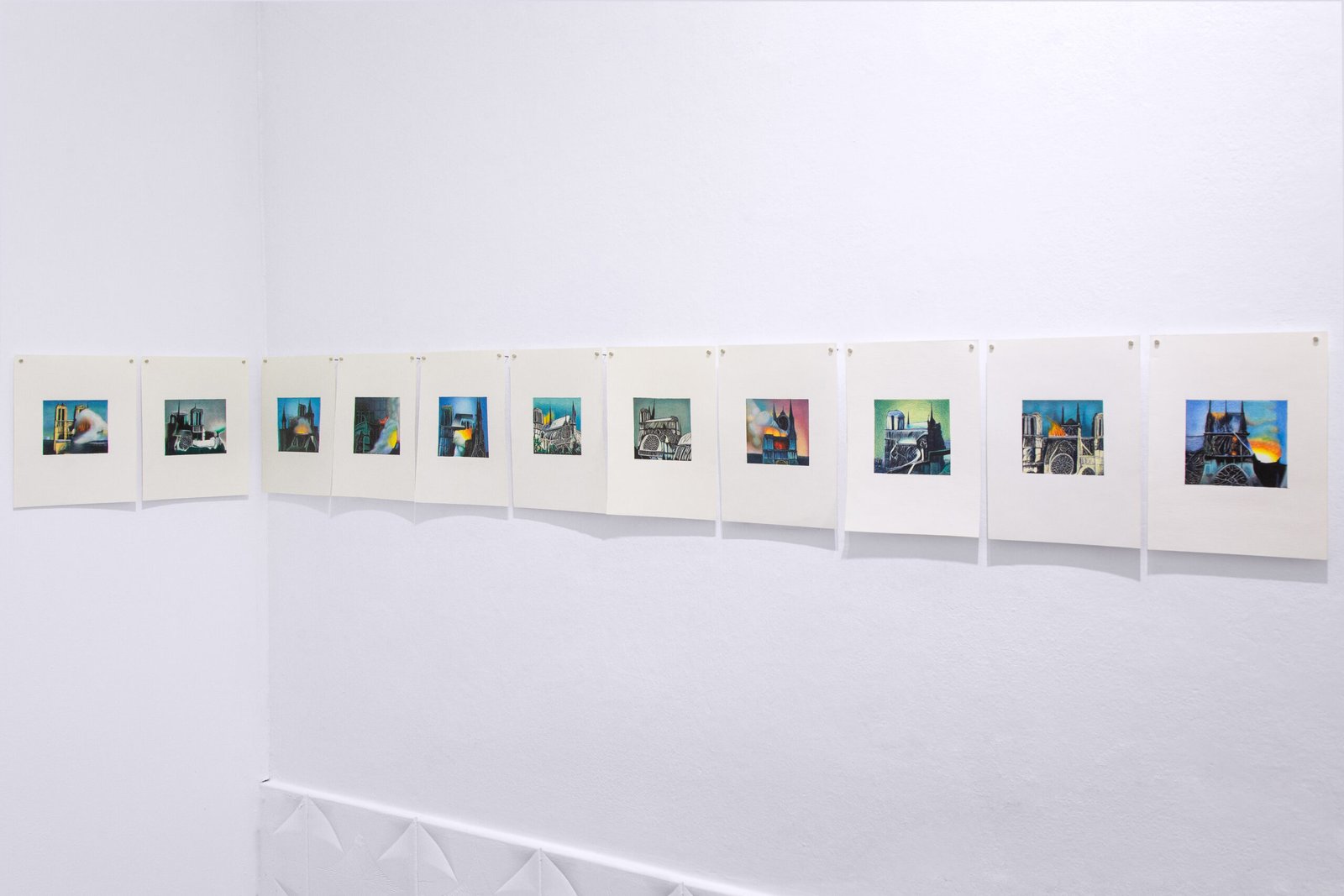
There are concrete casts of mass-distribution cardboard boxes; alterations to the covers of antique books by R. Louis Stevenson, Gustave Flaubert, and Thomas Mann; coins, bottle caps, and plastics assembled into various devices; a tree trunk embedded with chewing gum; and colored-pencil drawings that glimpse an enigmatic Notre Dame in flames, capturing the moment of transition between ruin and ash. Taken together, these works—drawn from different series—occupy the threshold of wear or material disintegration, a point that in this exhibition acquires a restrained and enduring dimension.
What exists more is what does not appear brings to light subtle forms of information that are revealed through attention, through the capacity to slow down and to explore the other data that unfold within what we believe we already recognize.
Mercedes López Moreyra, December 2025