


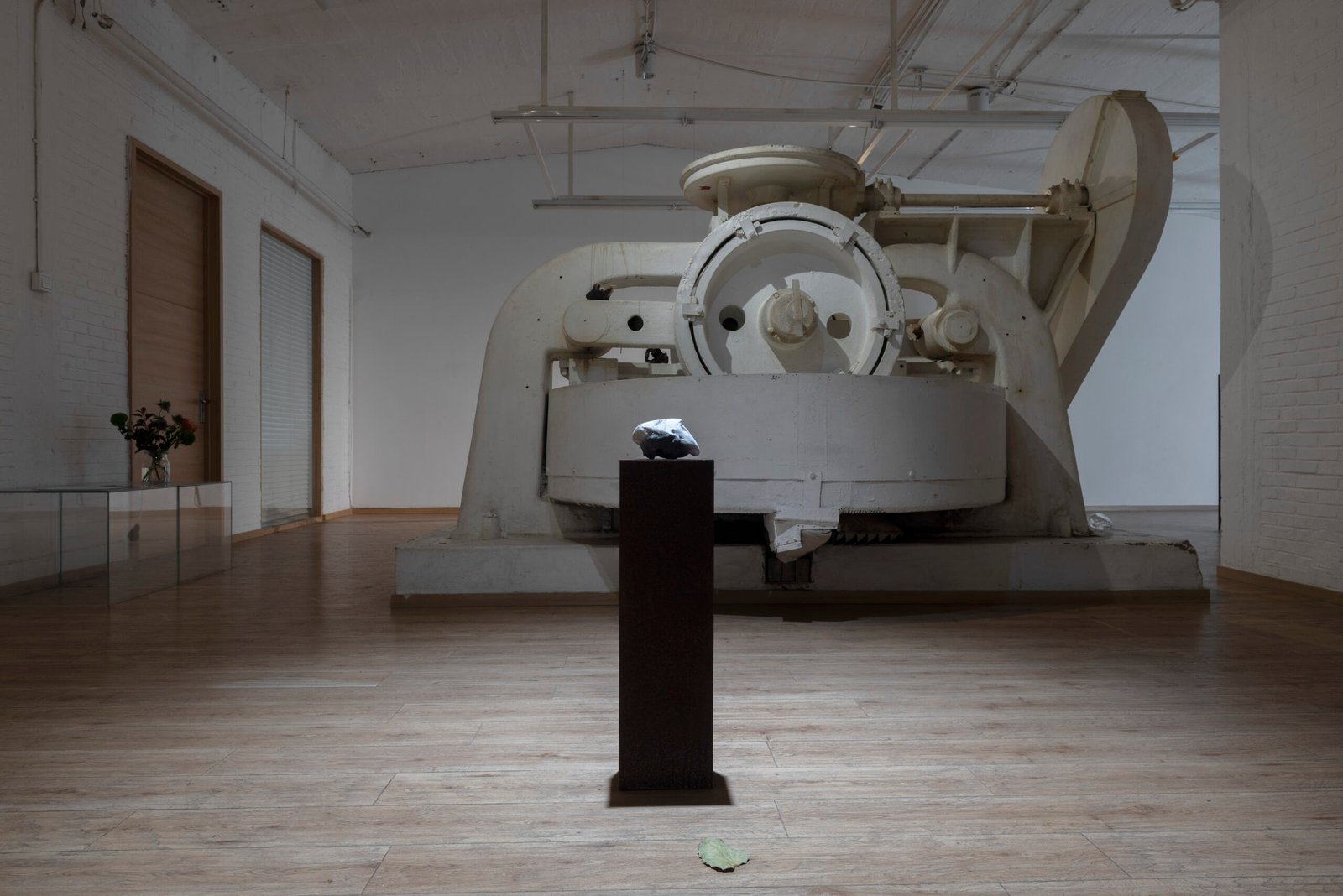
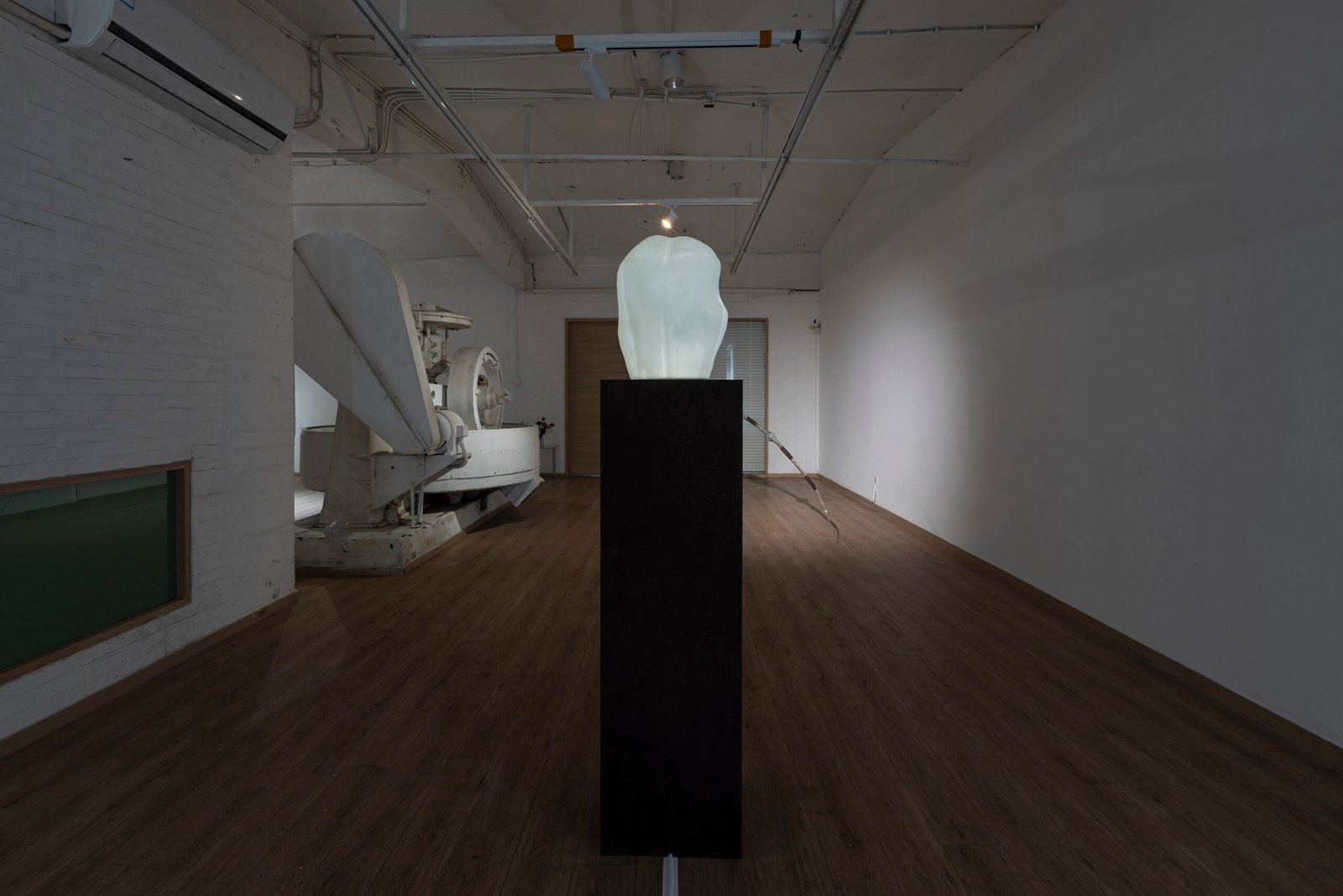
A body without organs, drifting in the cycles of industrialization.
Patterns of the everyday hovers in vacancy, occasionally interrupted by gentle fissures
— a moment of love, flicker of sensation, traces of scent, breath, and memory.
Whilst resisting full articulation,
Drifts quietly into silence.
Edie Xu
In this exhibition, Edie Xu attempts to explore the memories and emotions released through the activation of multiple senses. Through a delicate control of the forms and states of objects, she asks: Can a tunnel be built between the tangible and the intangible, between physical matter and the spiritual world?
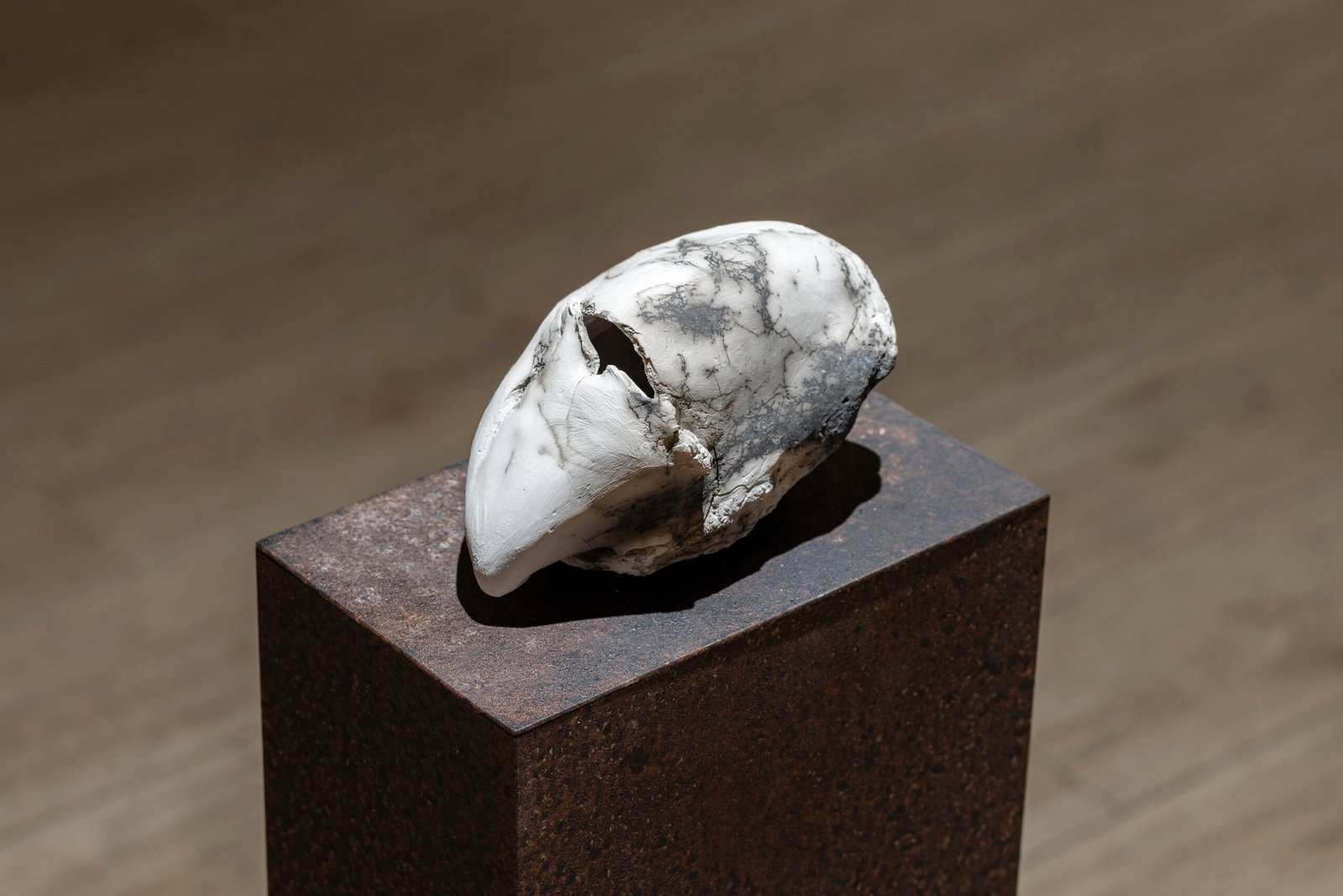
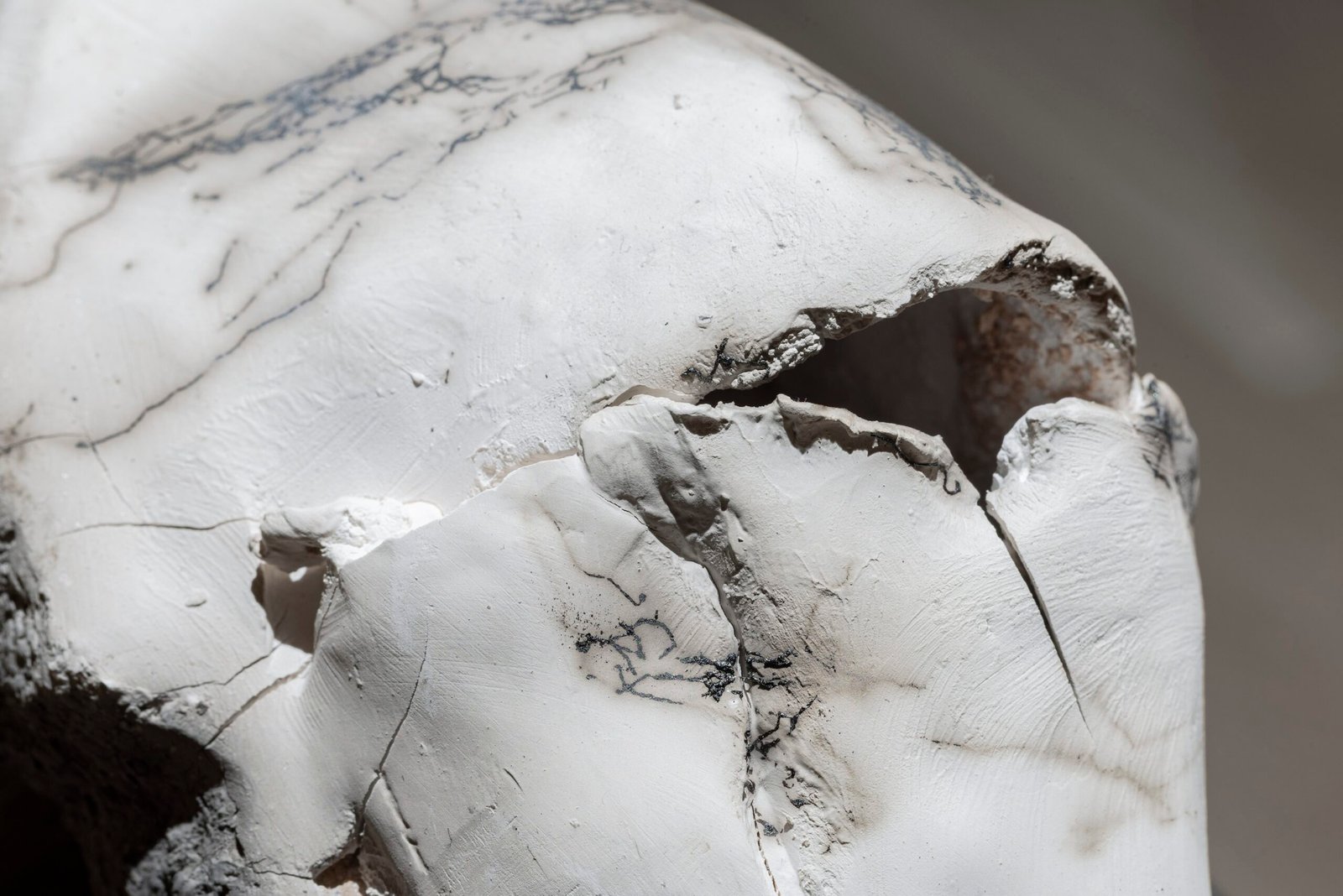
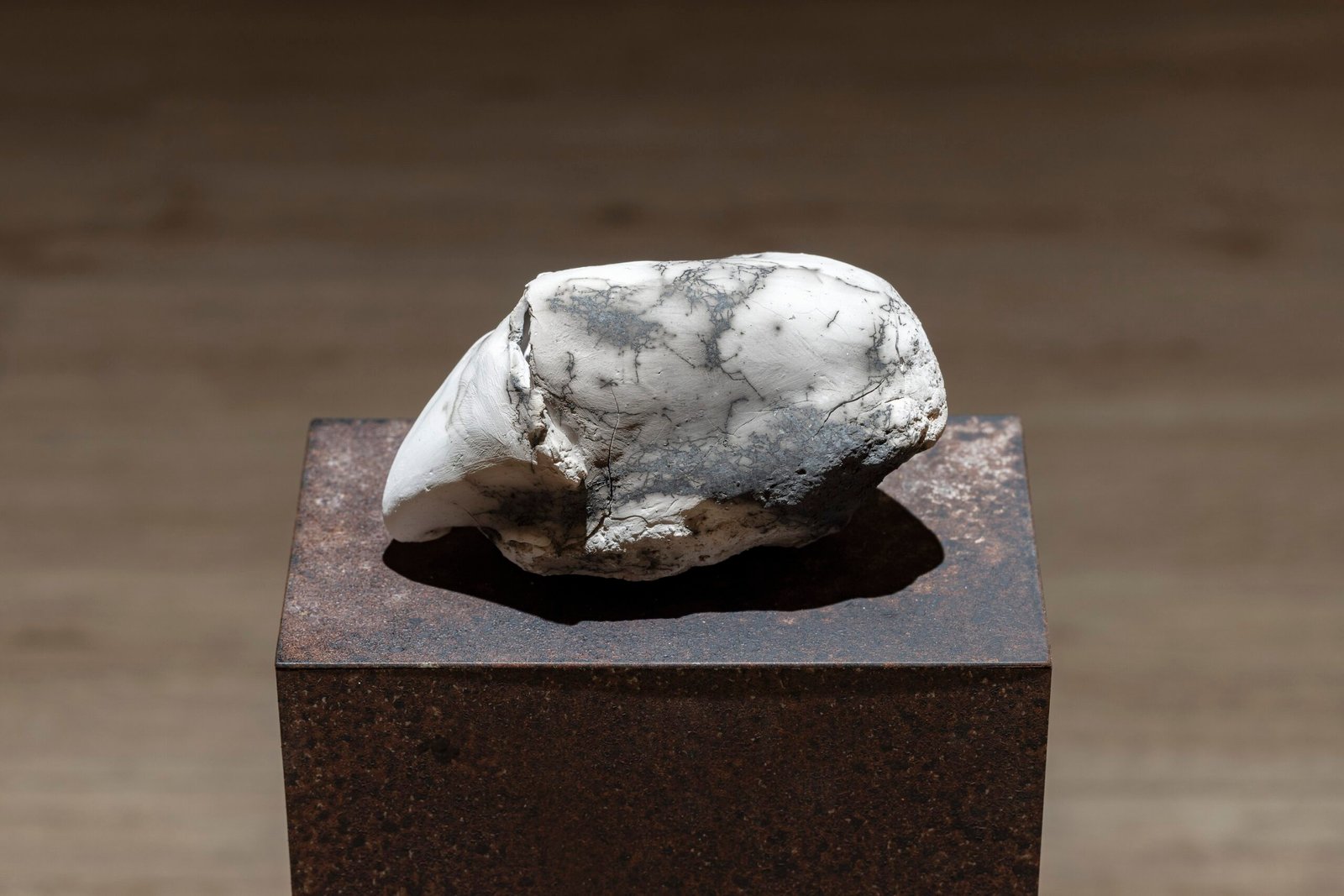
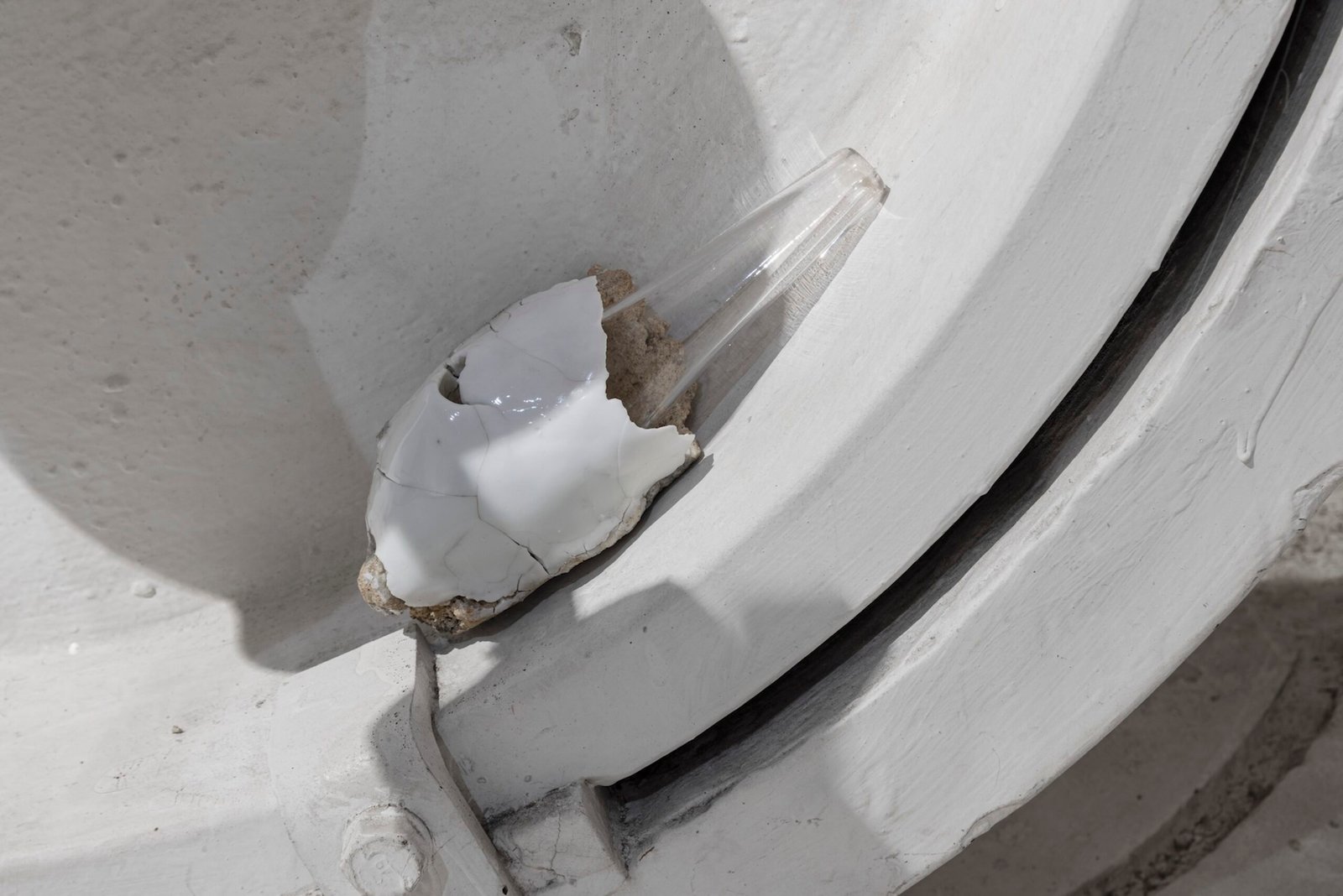
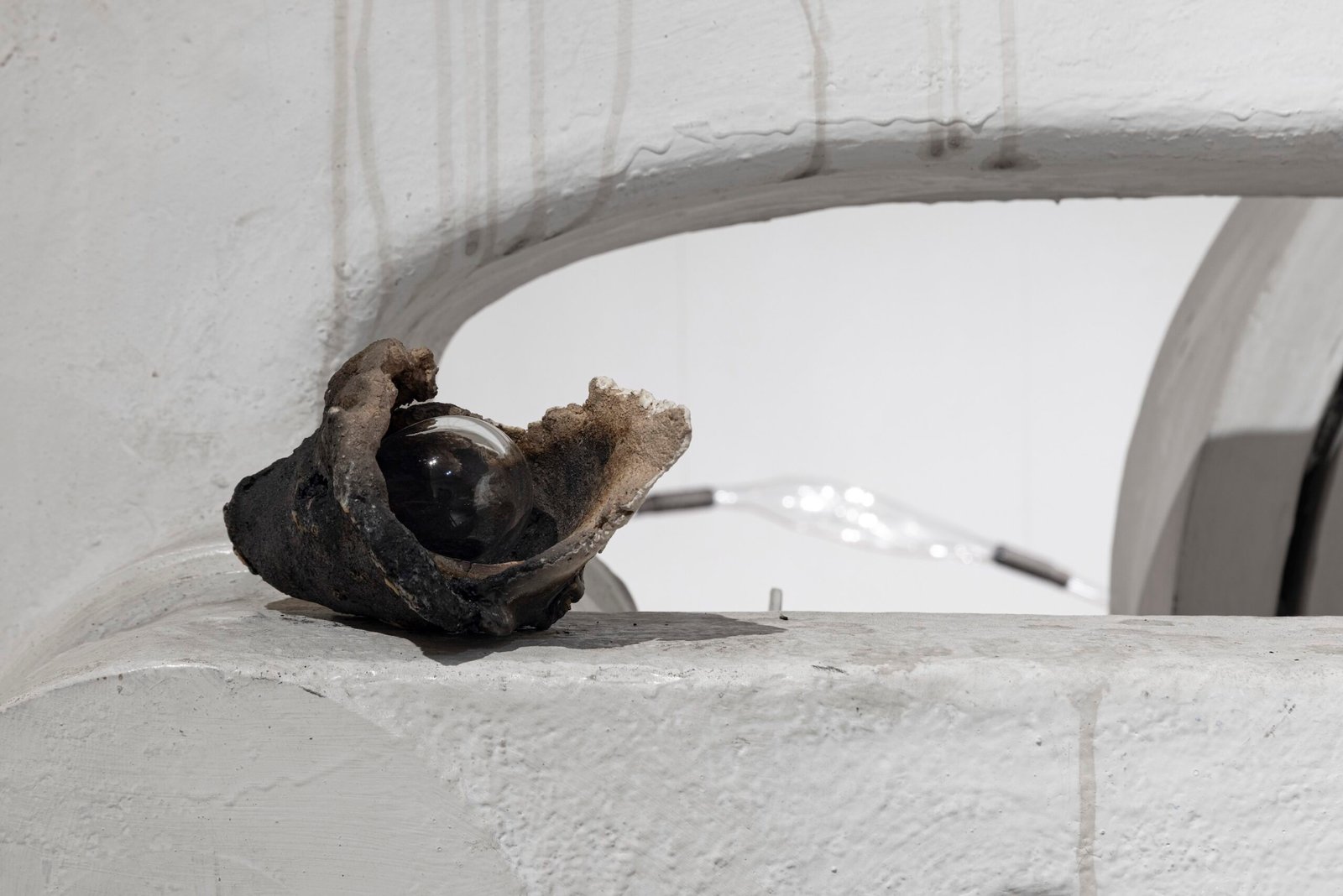
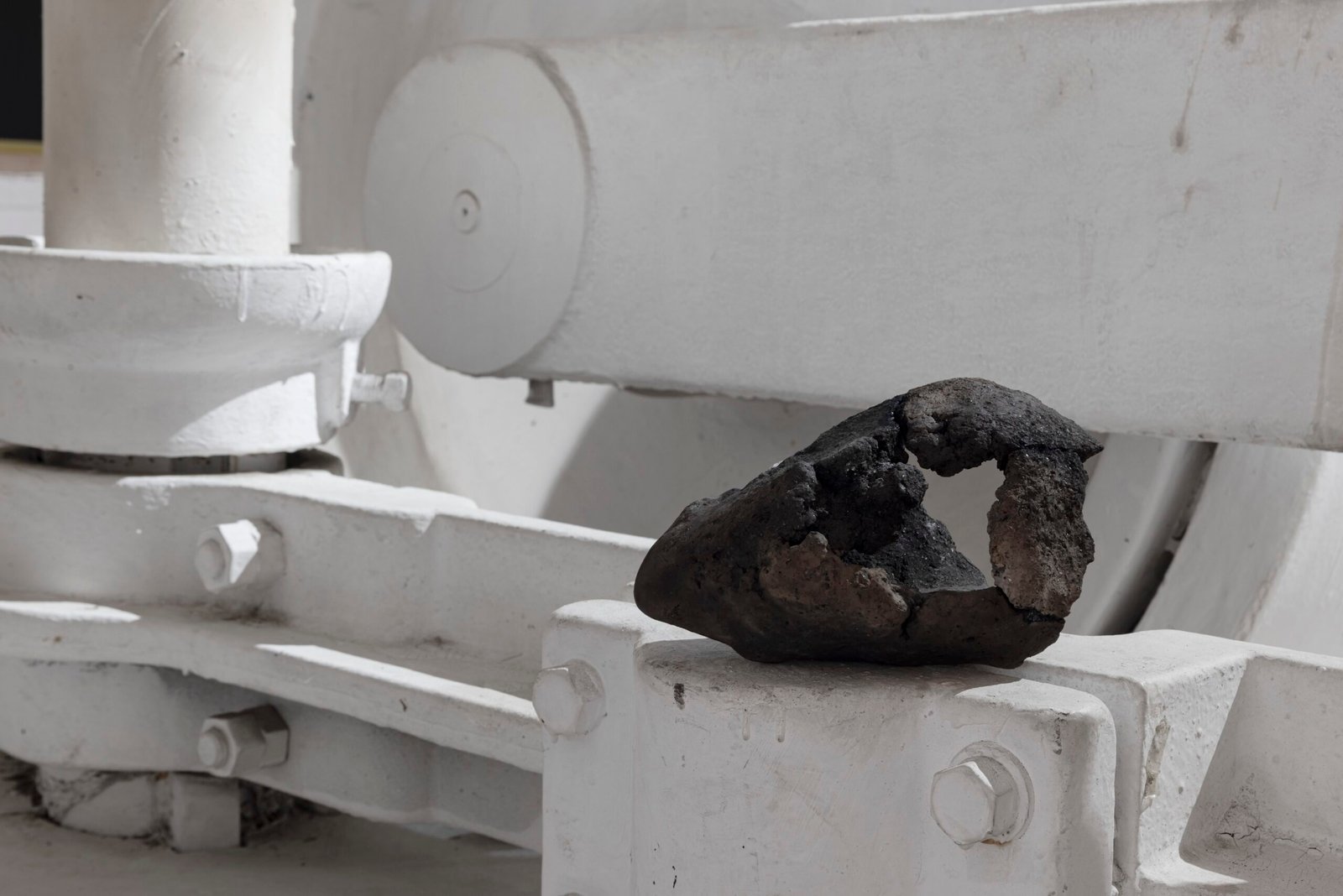
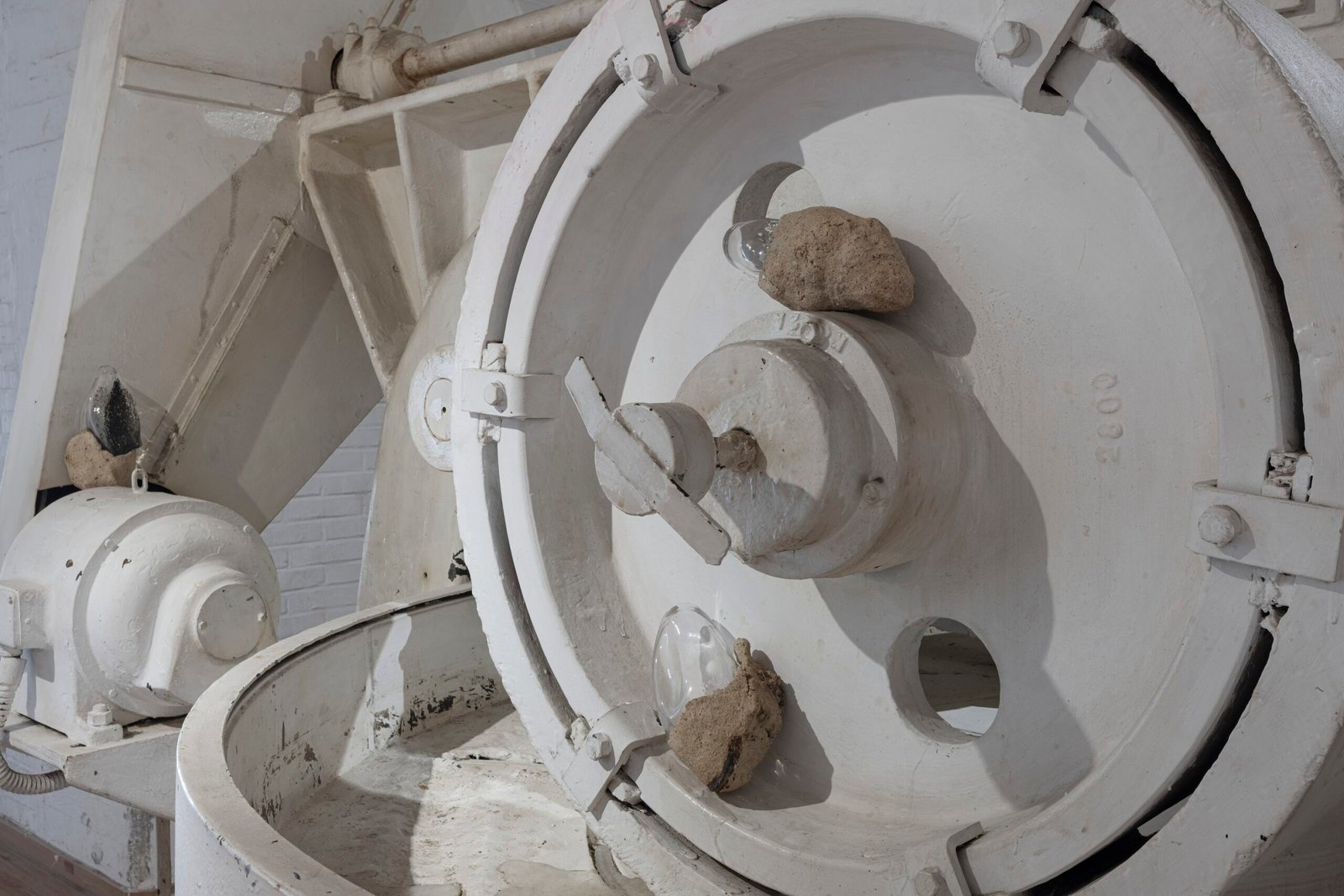
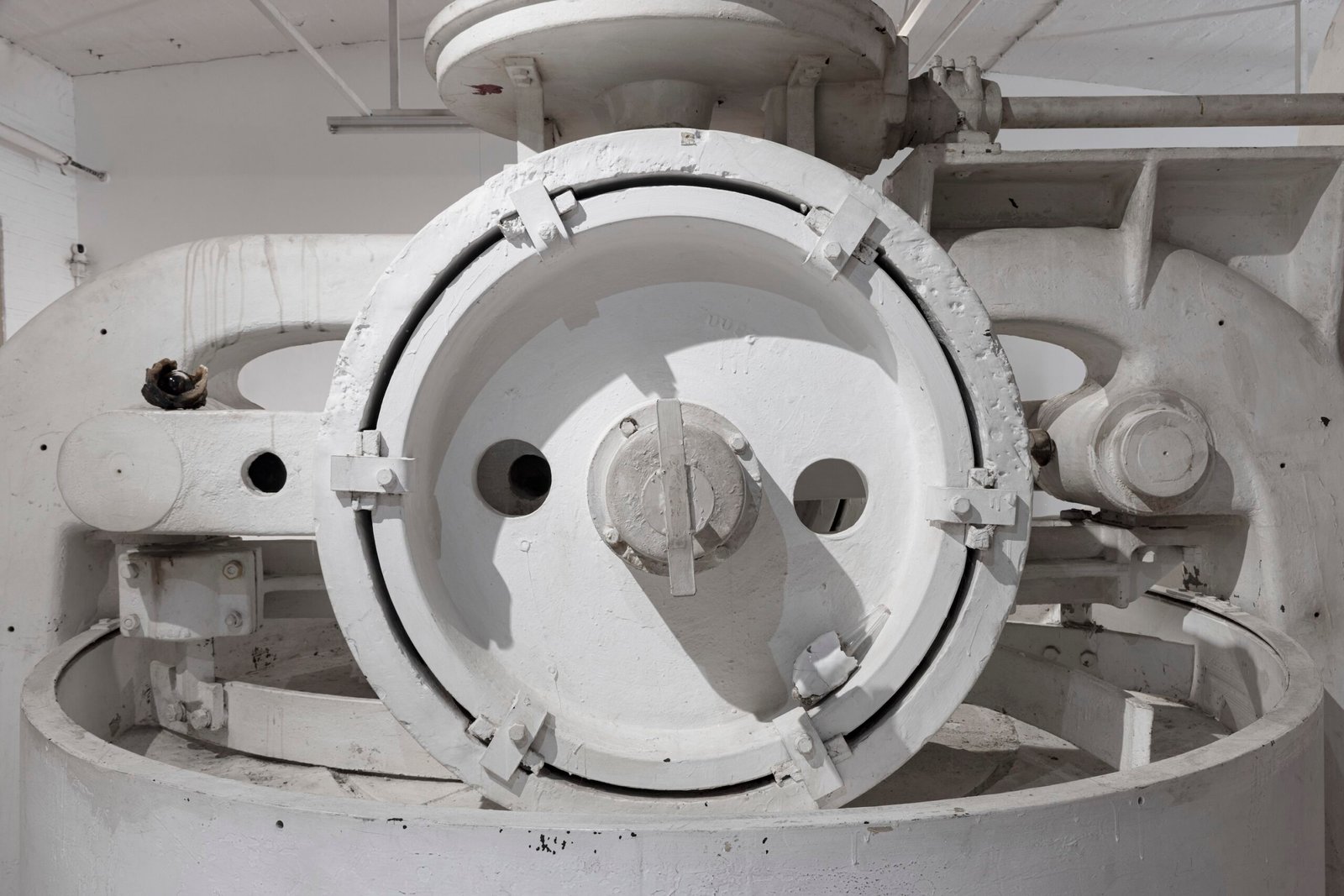
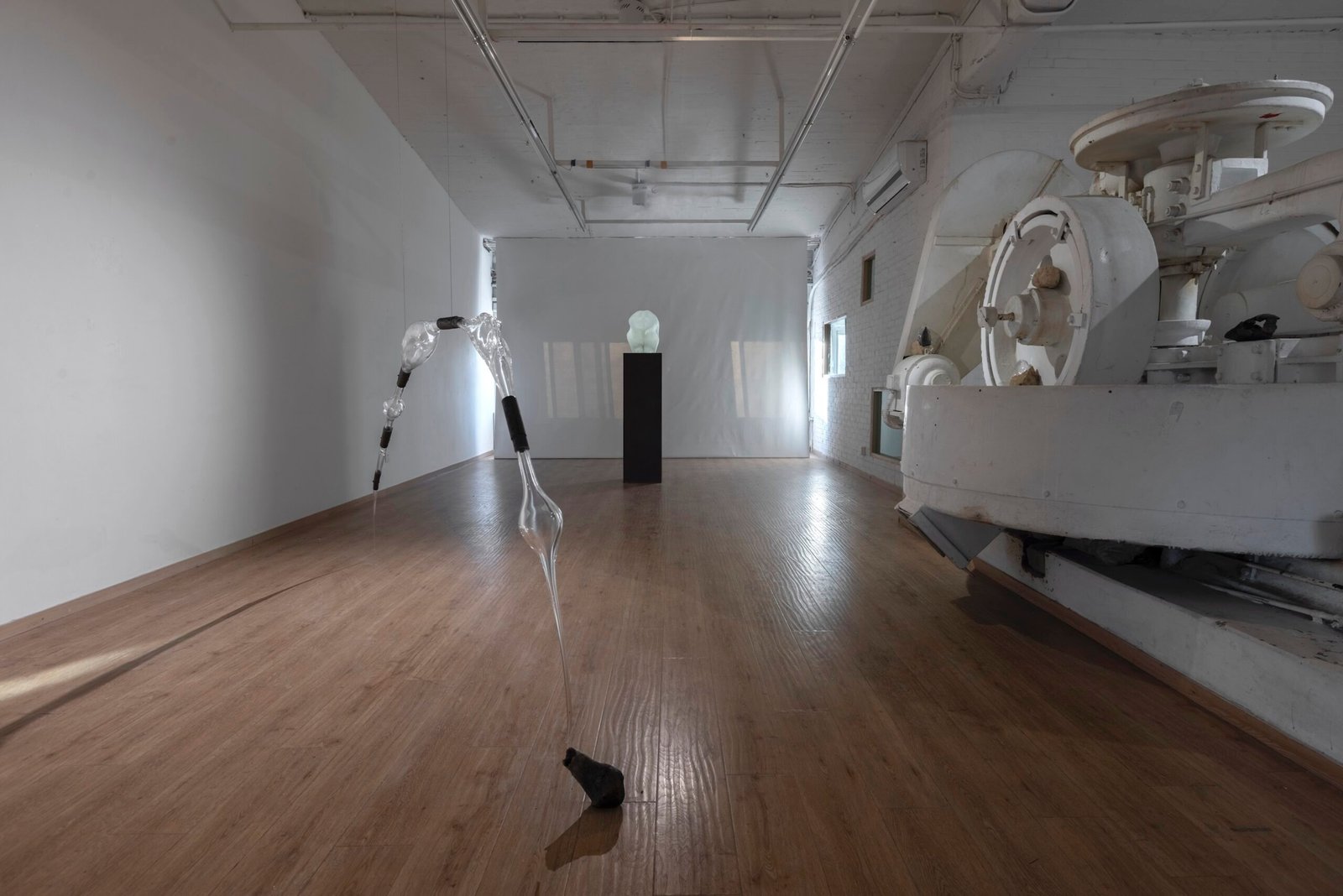
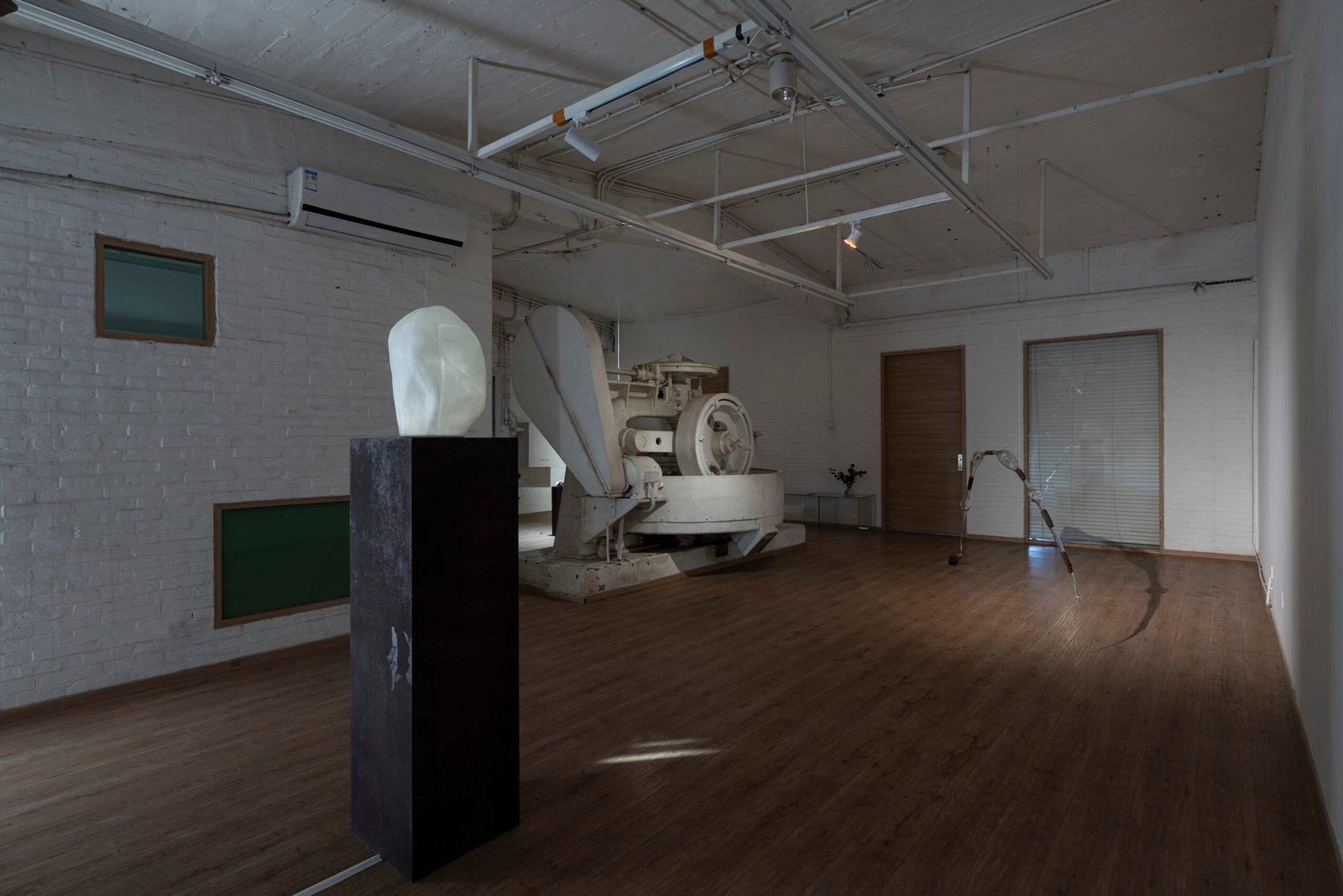
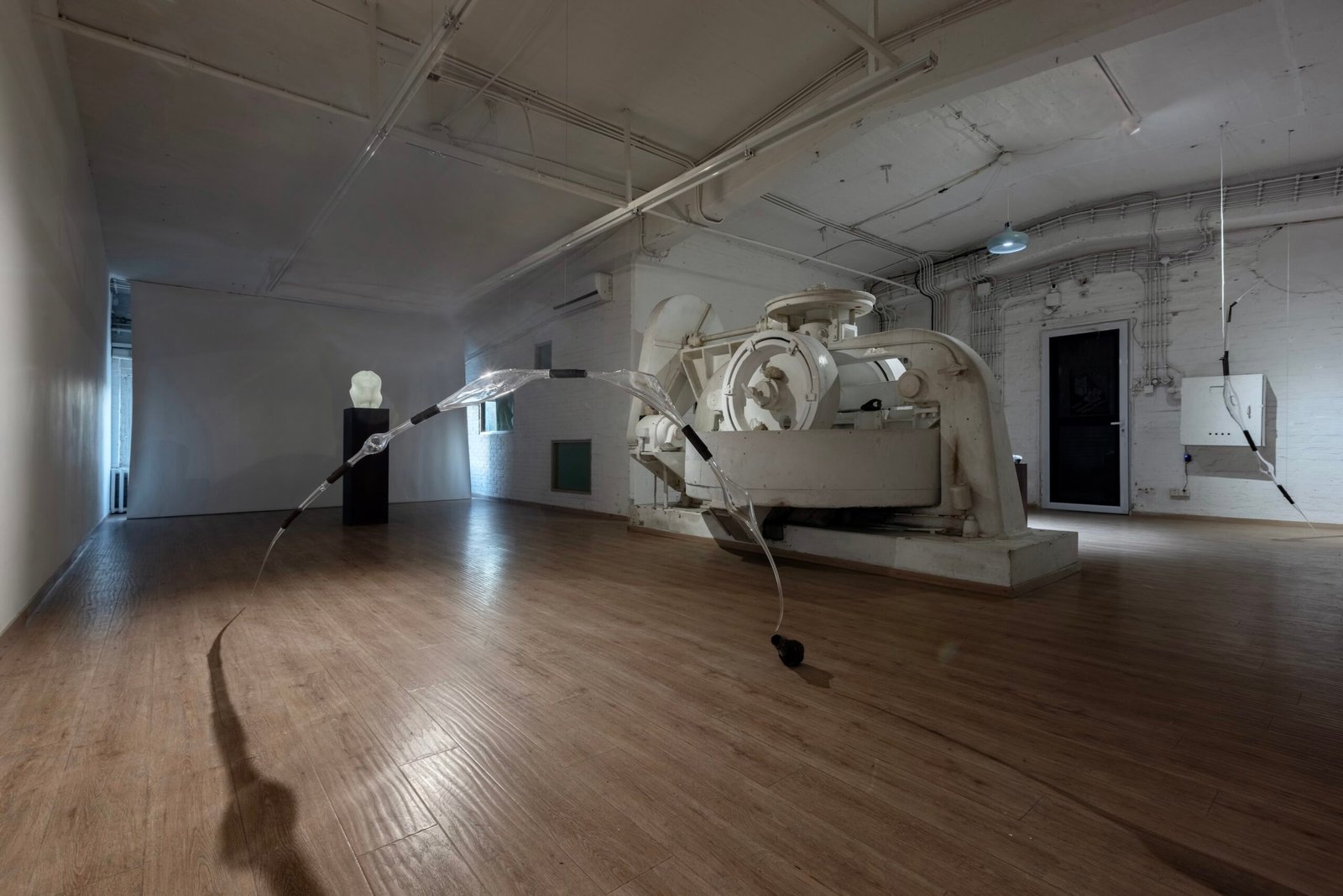
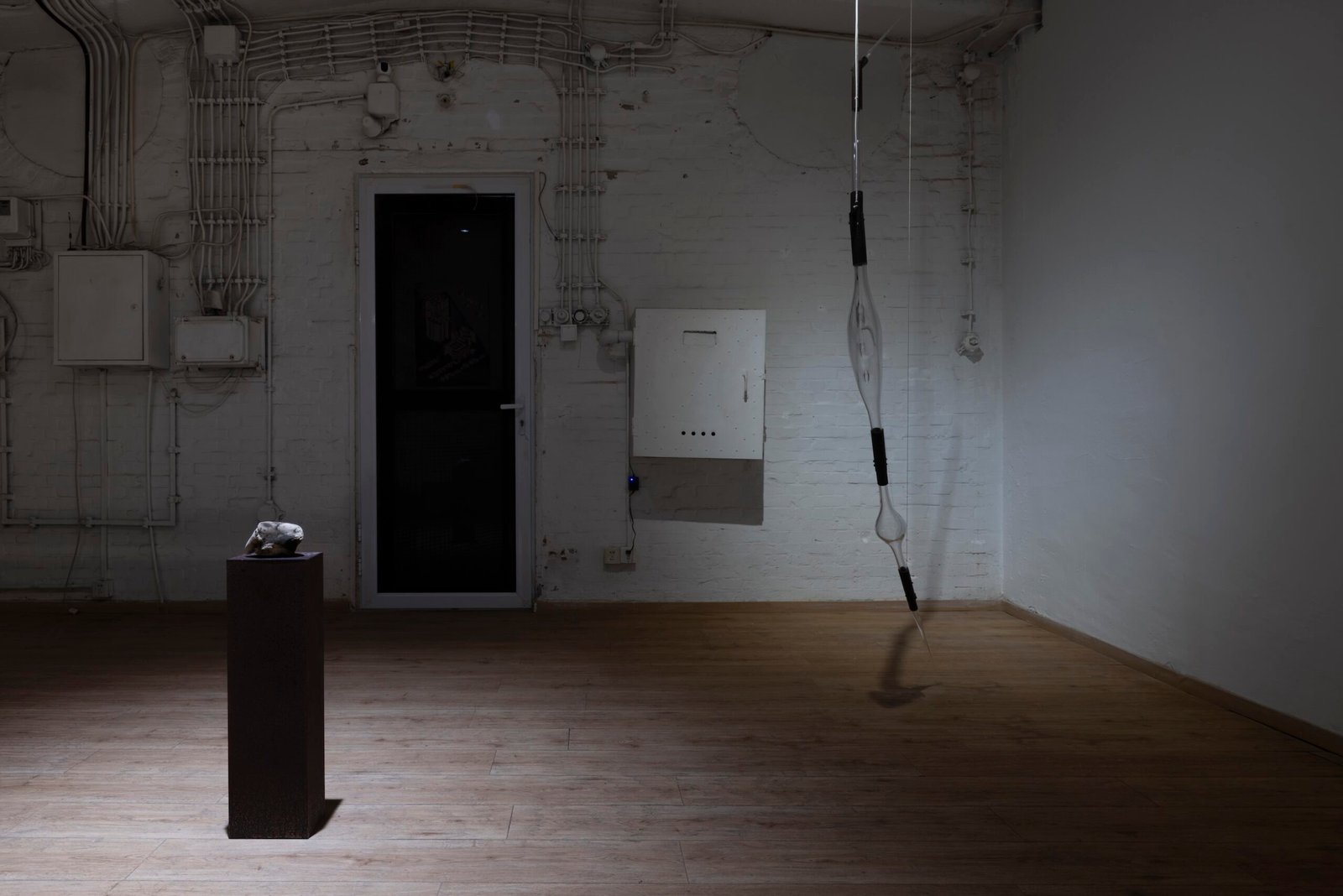
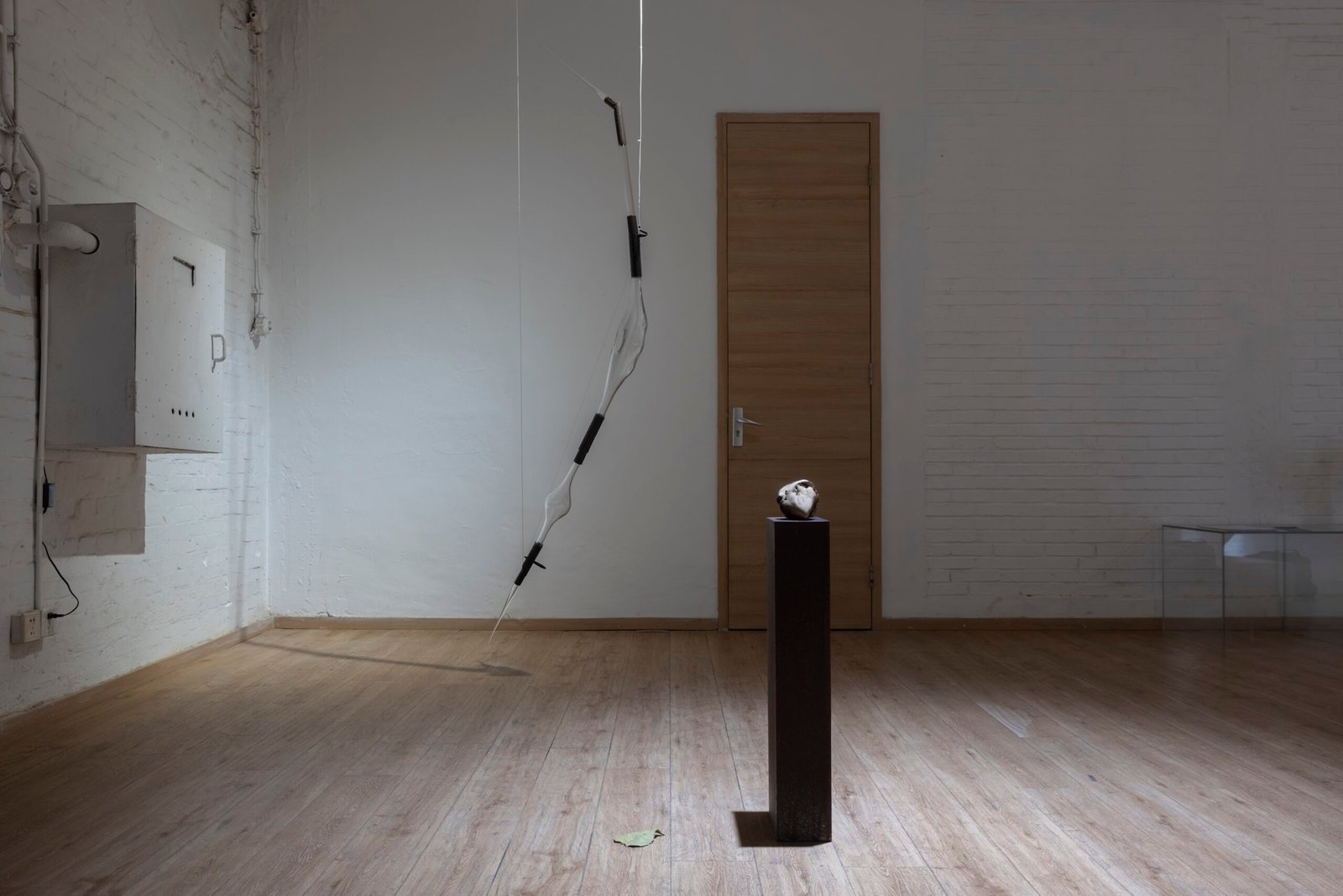
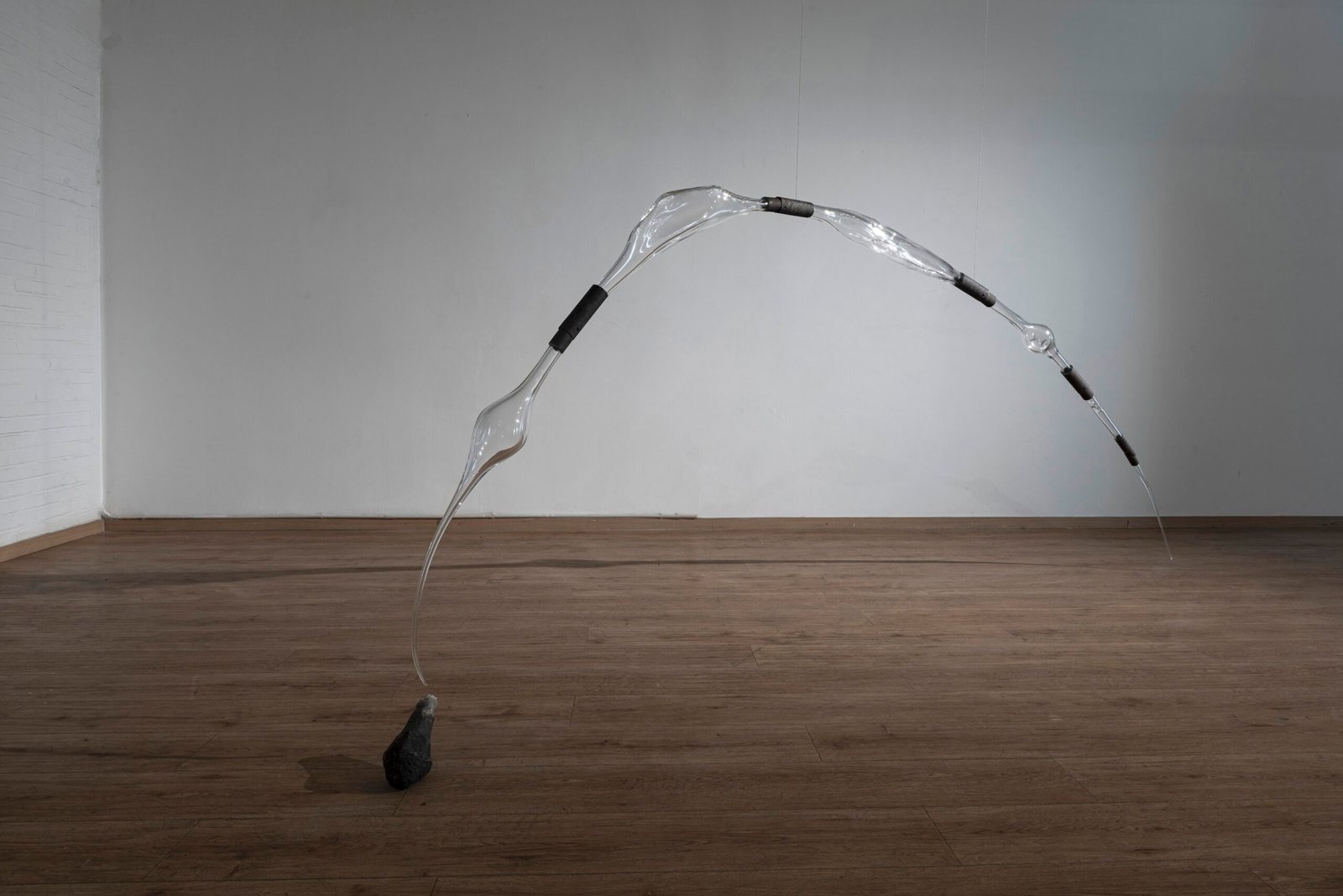
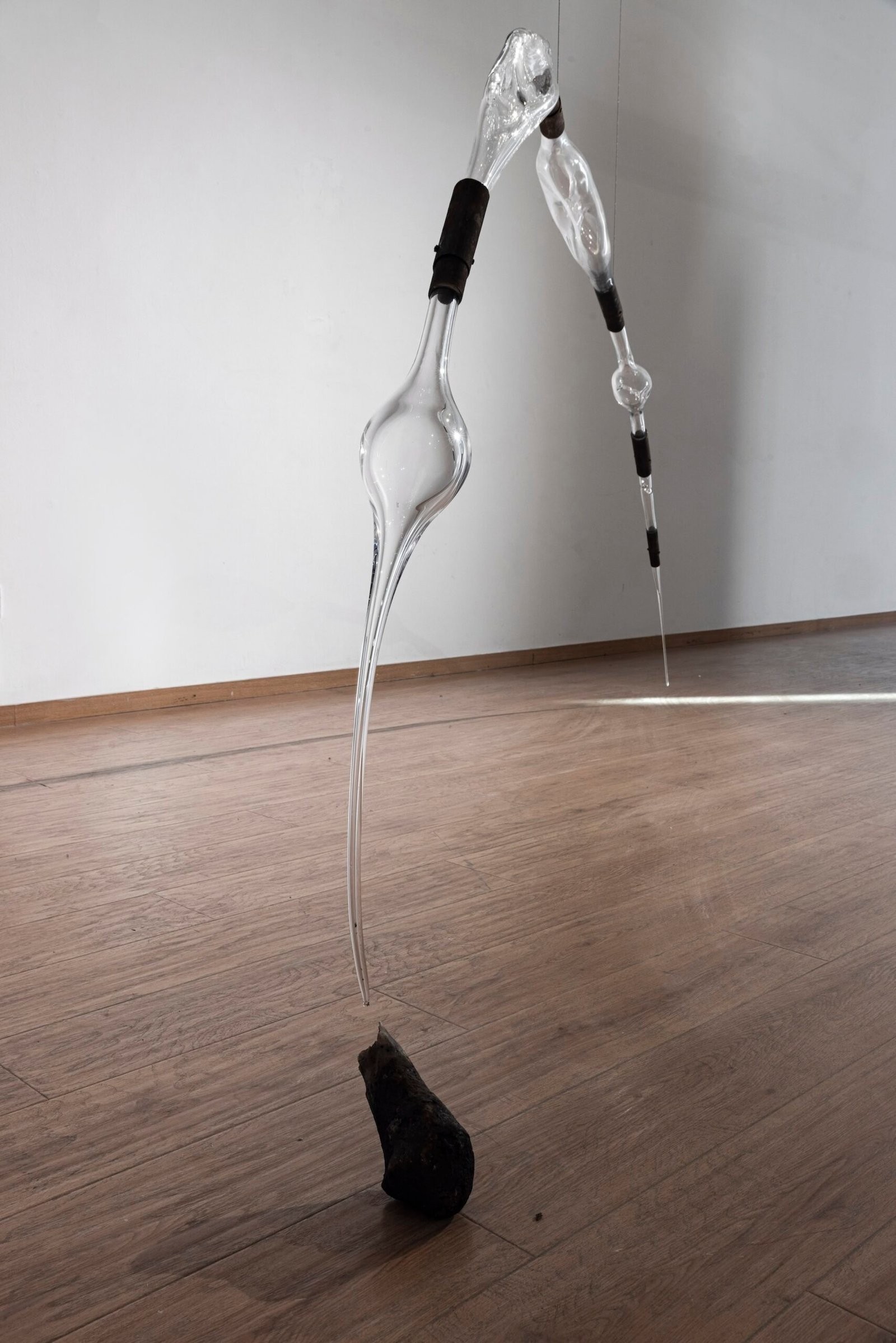
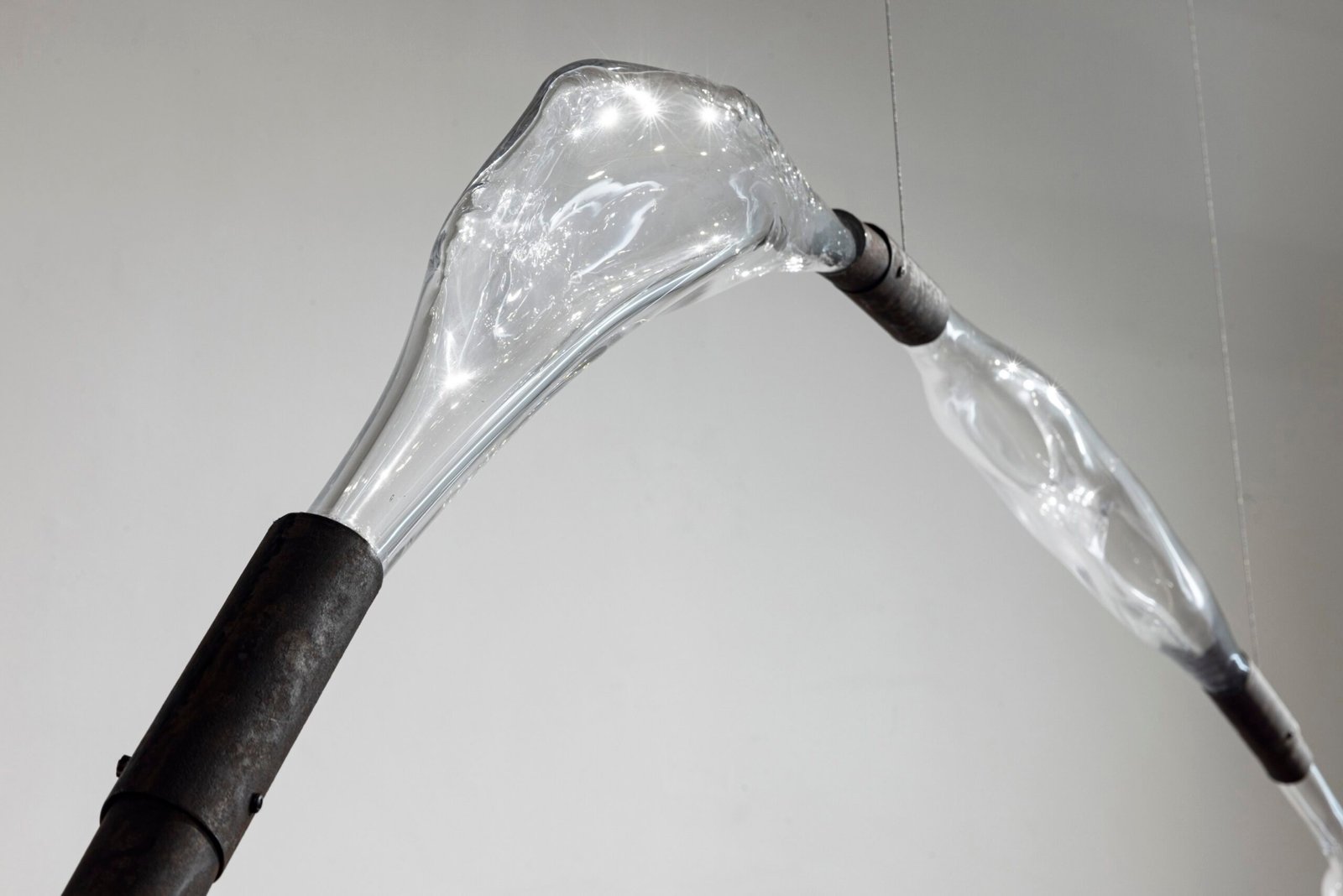
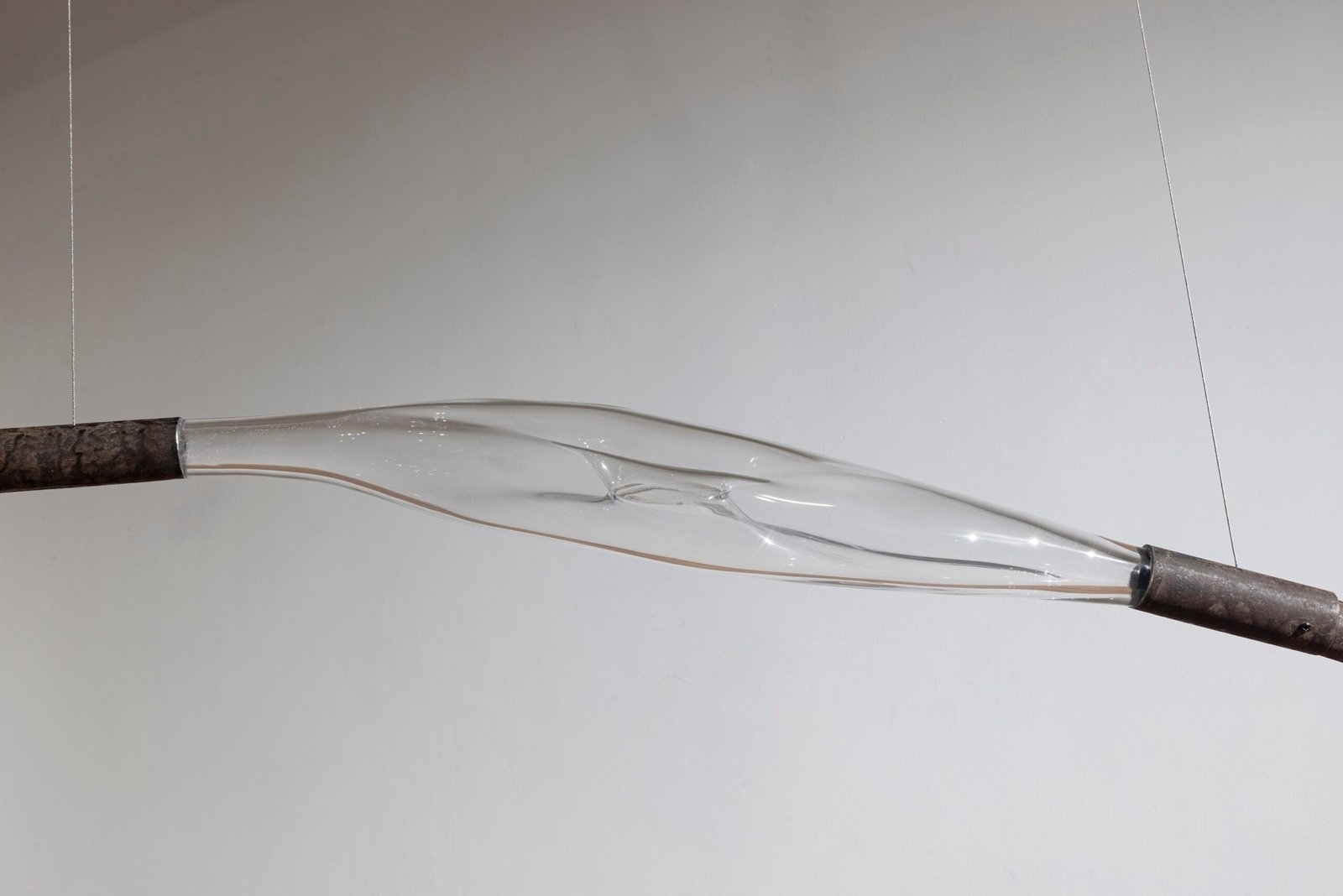
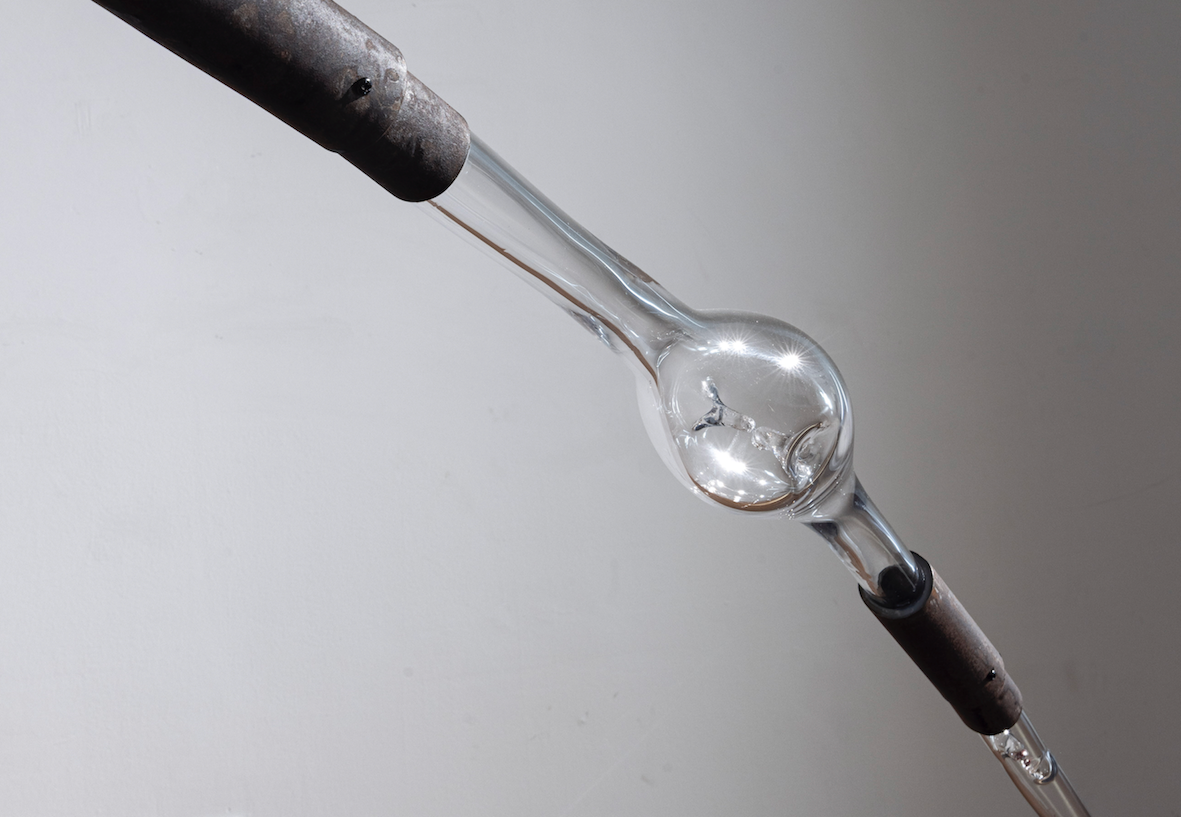
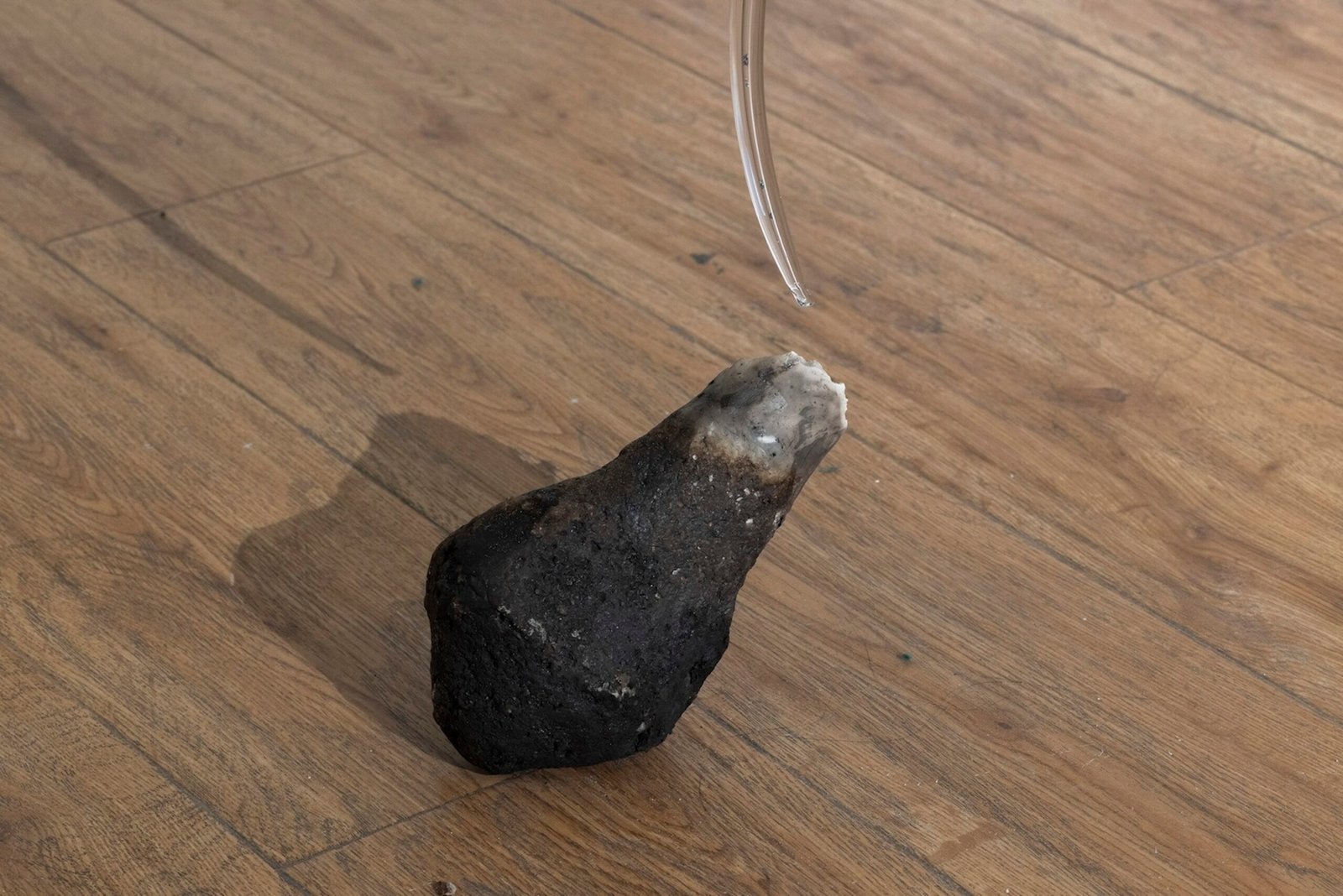
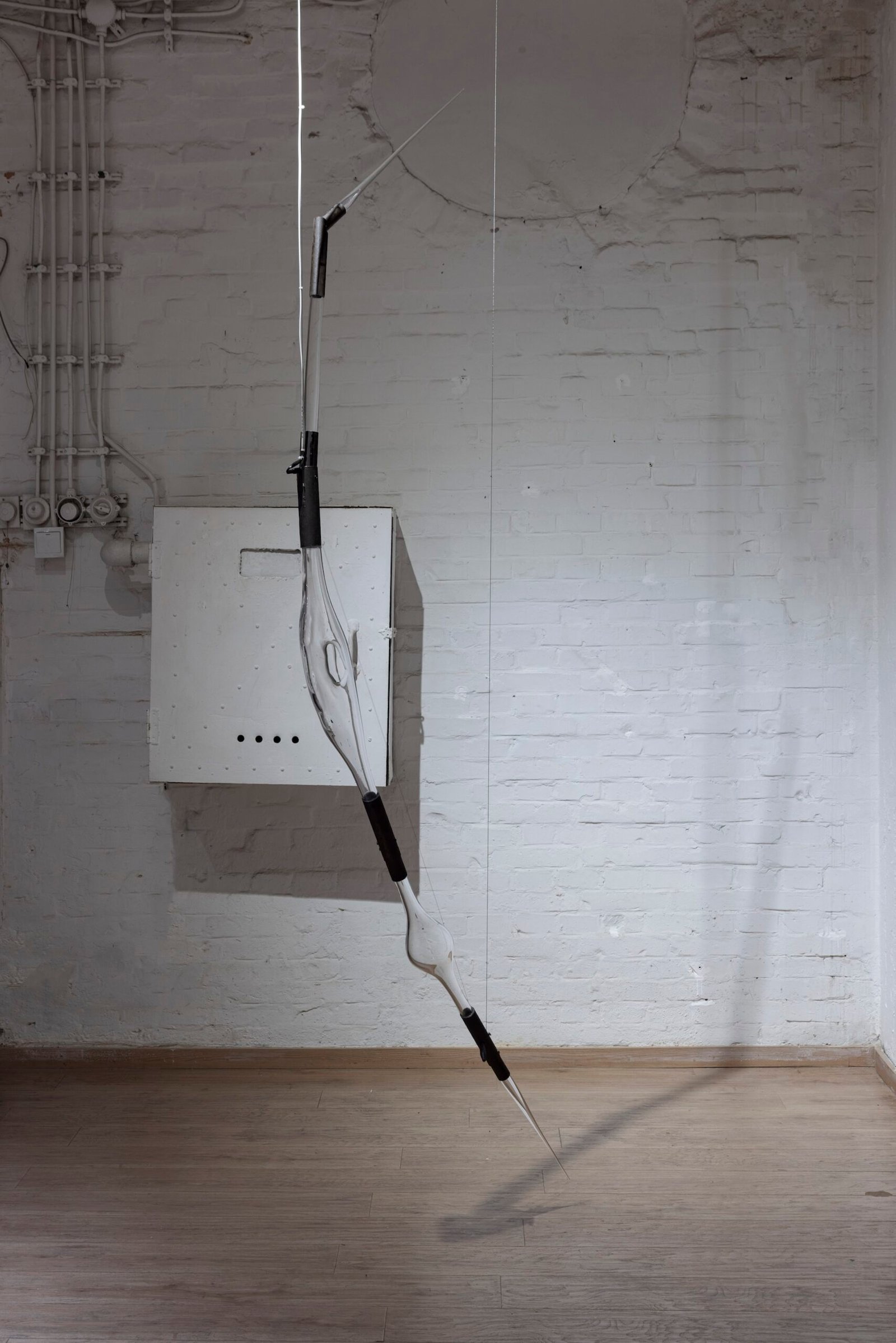
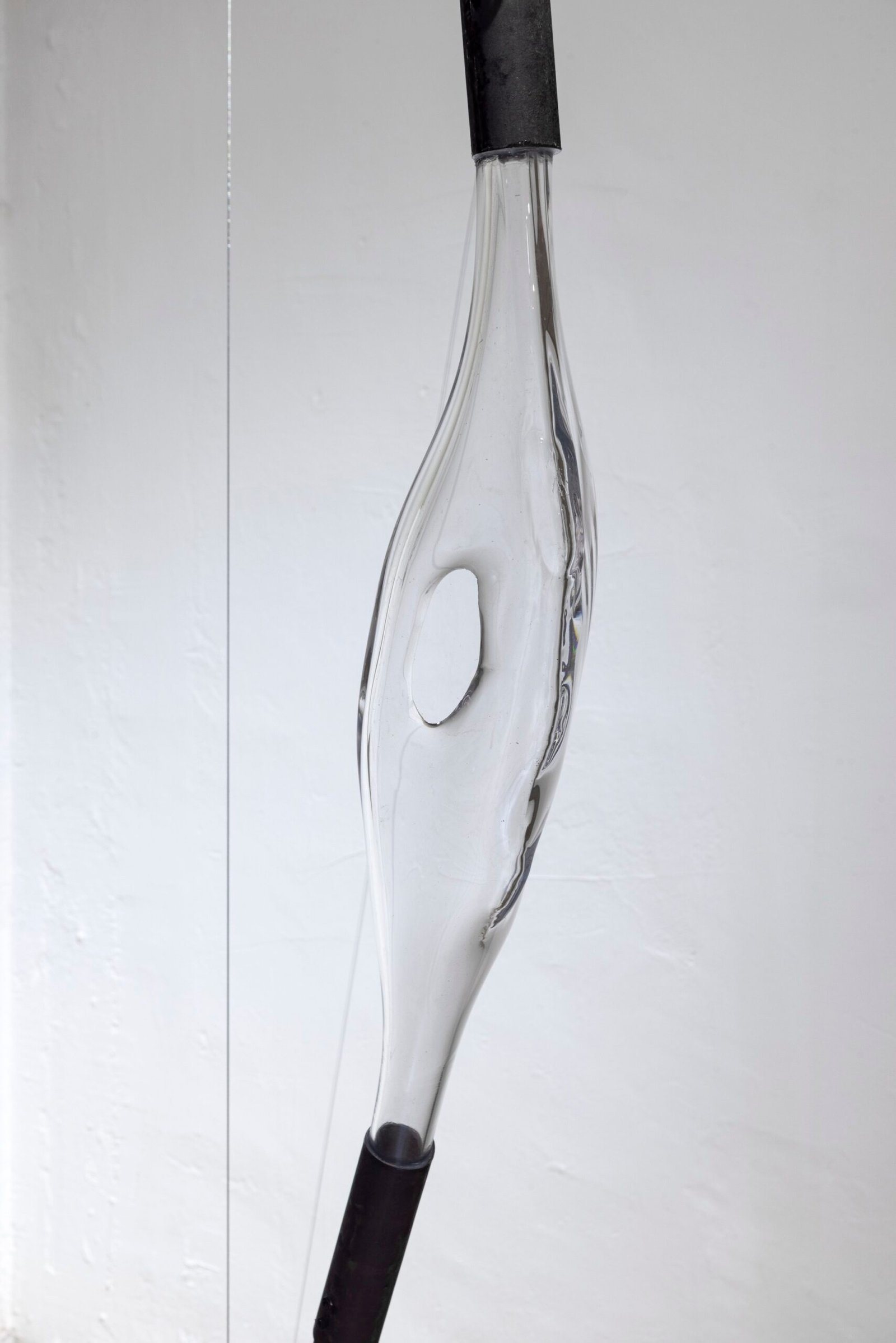
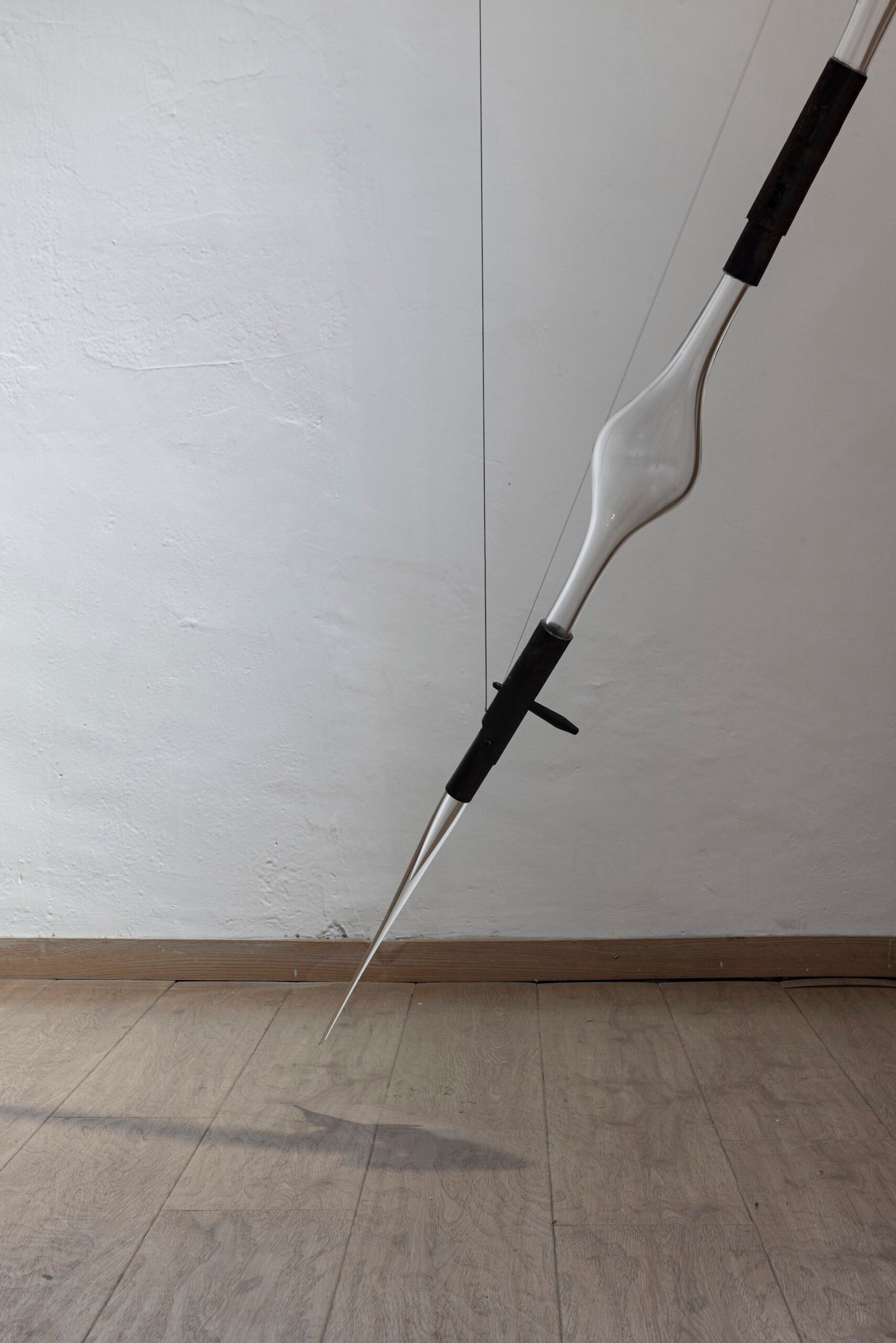
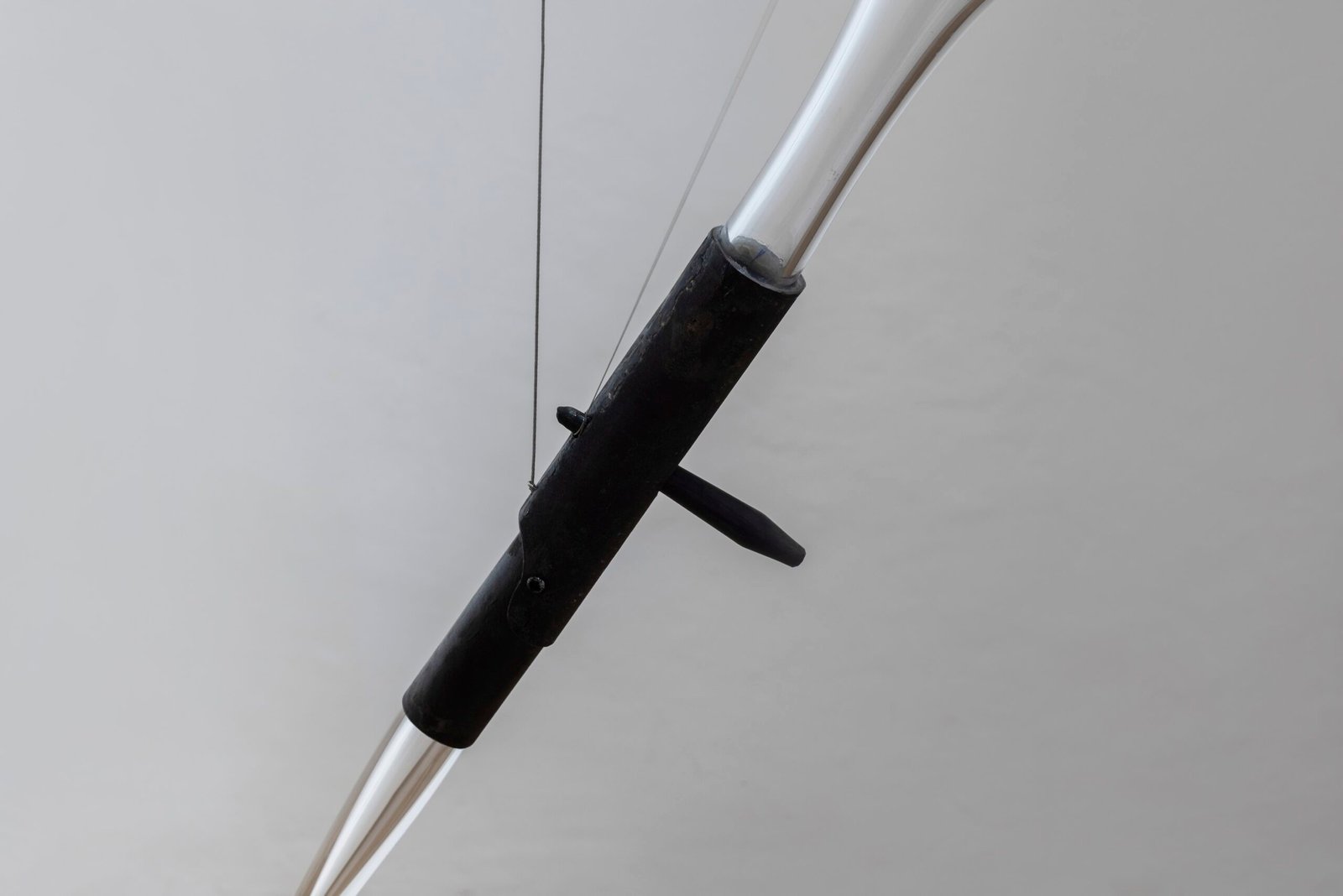
In the environment she constructs, the visible is only one part. Slender, sharp glass tubes are linked together, emitting faint murmurs. Scattered ceramic pieces, cracks, and subtle scents dispersed in the air demand careful attention. Xu draws from the recollections of middle-aged people who grew up in the 798 Art District, retrieving the “flesh” of the old factory that no longer exists—rubber and iron, slightly damp, invading the nostrils. Here, vision is intentionally dampened, woven together on more equal footing with hearing and smell.
This inevitably recalls Proust’s In Search of Lost Time, where a bite of tea-soaked madeleine instantly draws Marcel back into the memory scape of his childhood village. The sensory mechanism behind this—where scent and taste simultaneously stimulate the amygdala (the emotional center) and the hippocampus (the memory center)—is echoed here. Sound similarly tugs at and disperses our visual attention; the soundscape becomes another tunnel leading inward, its shifting vibrations cueing spatial memories. This poetic activation of multiple senses allows thought to exist in a drifting state—dissolving and then slowly gathering again after a deliberate softening of focus.
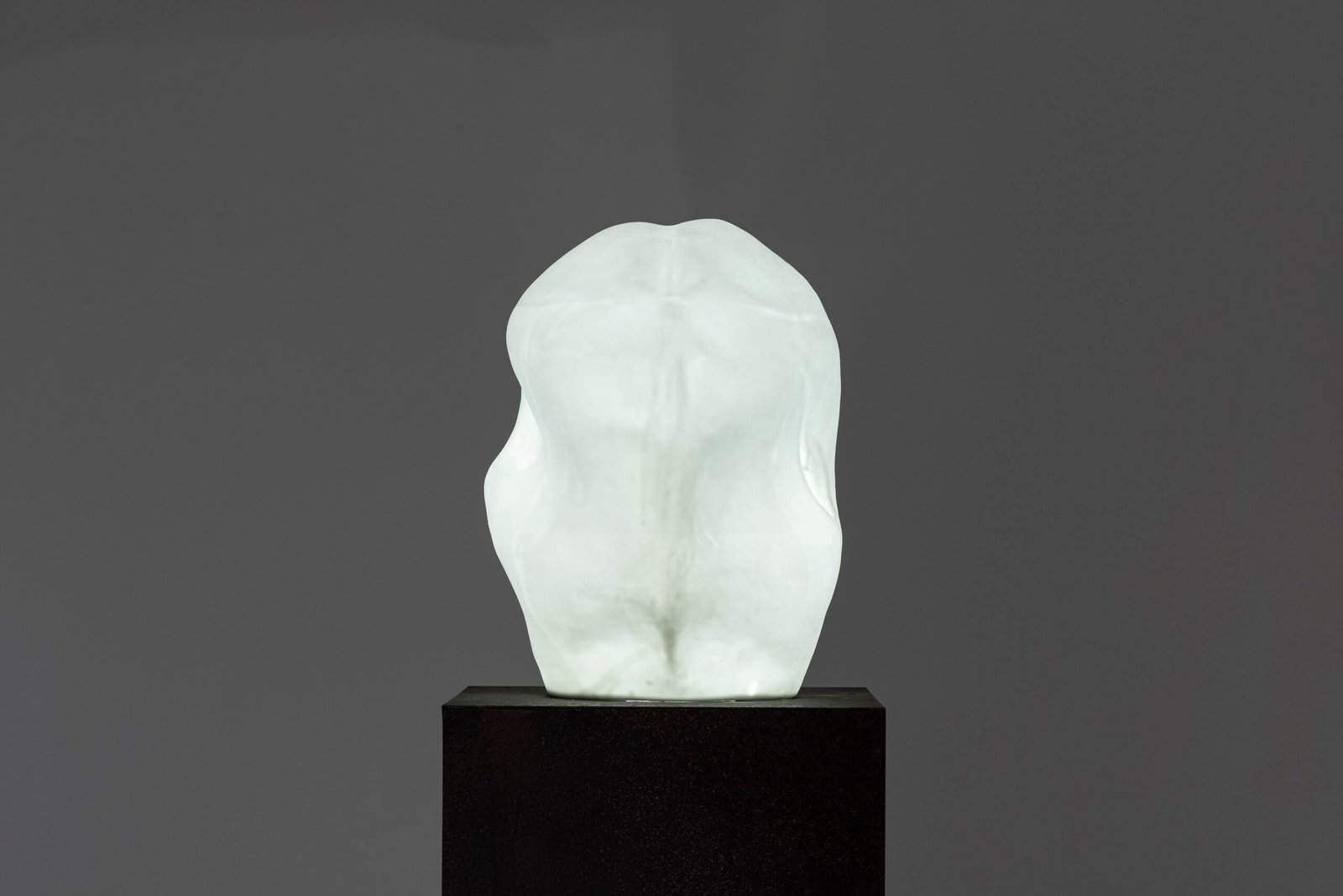
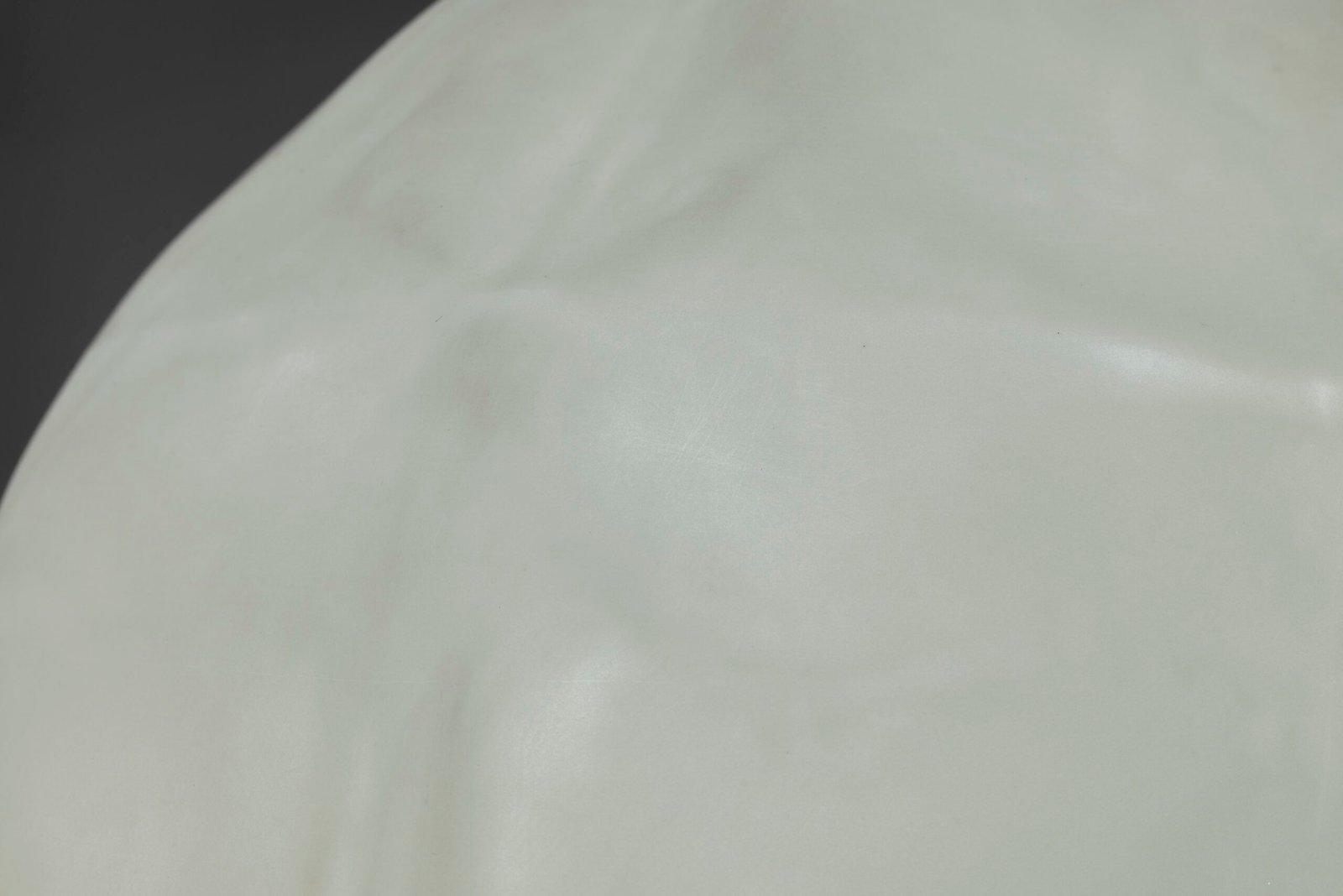
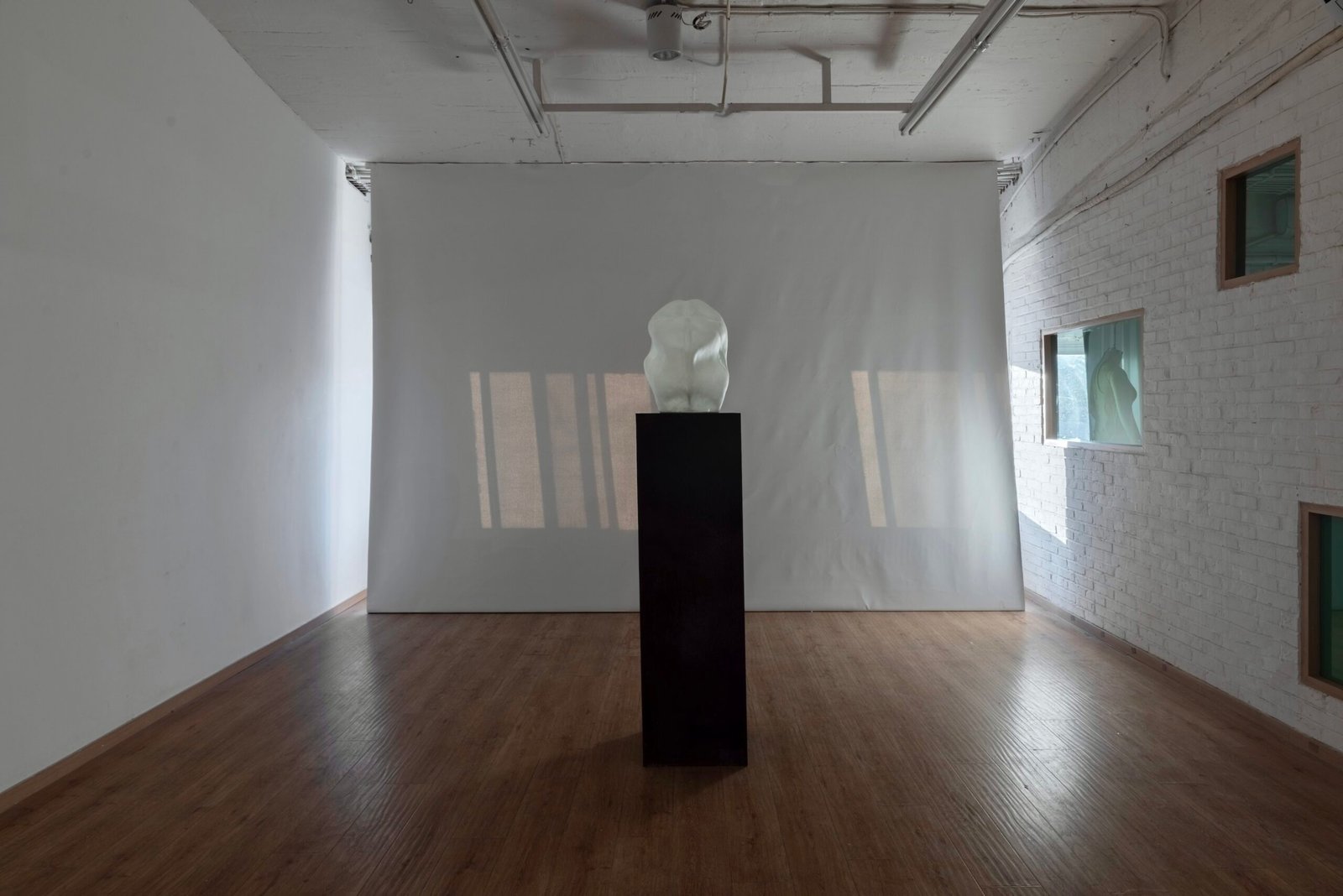
Within such an atmosphere, the presence of tangible objects—and the logic of their forms—can finally be felt. These are the various “vessels” the artist has created: transparent, fractured, suspended between clarity and disappearance. Their visual presence is “lowered” into a register not unlike that of scent or sound, a faint signal on the edge of perception. This aligns with Xu’s long-standing approach to sensory cognition: her works do not proclaim themselves loudly, but instead turn like subtle wheels of time, releasing a gentle glimmer. Such perception requires both the quiet attentiveness of the viewer and the artist’s precise attunement to trace-like forms of existence—those fleeting points where they brush against human memory.
— Text by / Yao Siqing