


A knife is neither good nor bad; but it may be used by either a surgeon or an assassin.
—José M.R. Delgado, M.D., “Physical Control of the Mind: Toward a Psycho-civilized Society” (1969)
With his outer behavior he forestalled the danger to which he was perpetually subject, namely that of becoming someone else’s thing, by pretending to be no more than a cork (after all, what safer thing to be in an ocean?) At the same time, however, he turned the other person into a thing in his own eyes…by seeing him as a piece of machinery rather than as a human being, he undercut the risk to himself of this aliveness either swamping him, imploding into his own emptiness, or turning him into a mere appendage.
—R.D. Laing, “The Divided Self”
The knife belongs to no one until it is picked up. It is something that waits for intention, and carries no inherent morality, absorbing the uses ascribed to it without inflection. What then does the tool do to the hand that holds it? What habits does it form? What ways of seeing does it enforce? A surgeon and an assassin may hold the same knife, but they hold it differently.
A cork floats in an ocean. In cork-form, a man becomes buoyant, indifferent, unpuncturable. The same gesture that protects a person who has learned to live this way also transforms everyone else. To protect himself from their aliveness, he has to see them as less alive: predictable, manageable, more machine than person. A machine won’t engulf or overwhelm, it just sits there, waiting to be used.
Emptied of the risk of attachment, with the Other emptied of the threat of their personhood, what emerges is a stage, a set, and a prop you can pick up when you want and set aside when you don’t. What’s left in this dissociative playlet is the hollow shape of encounter, performed without the risk of genuine contact.
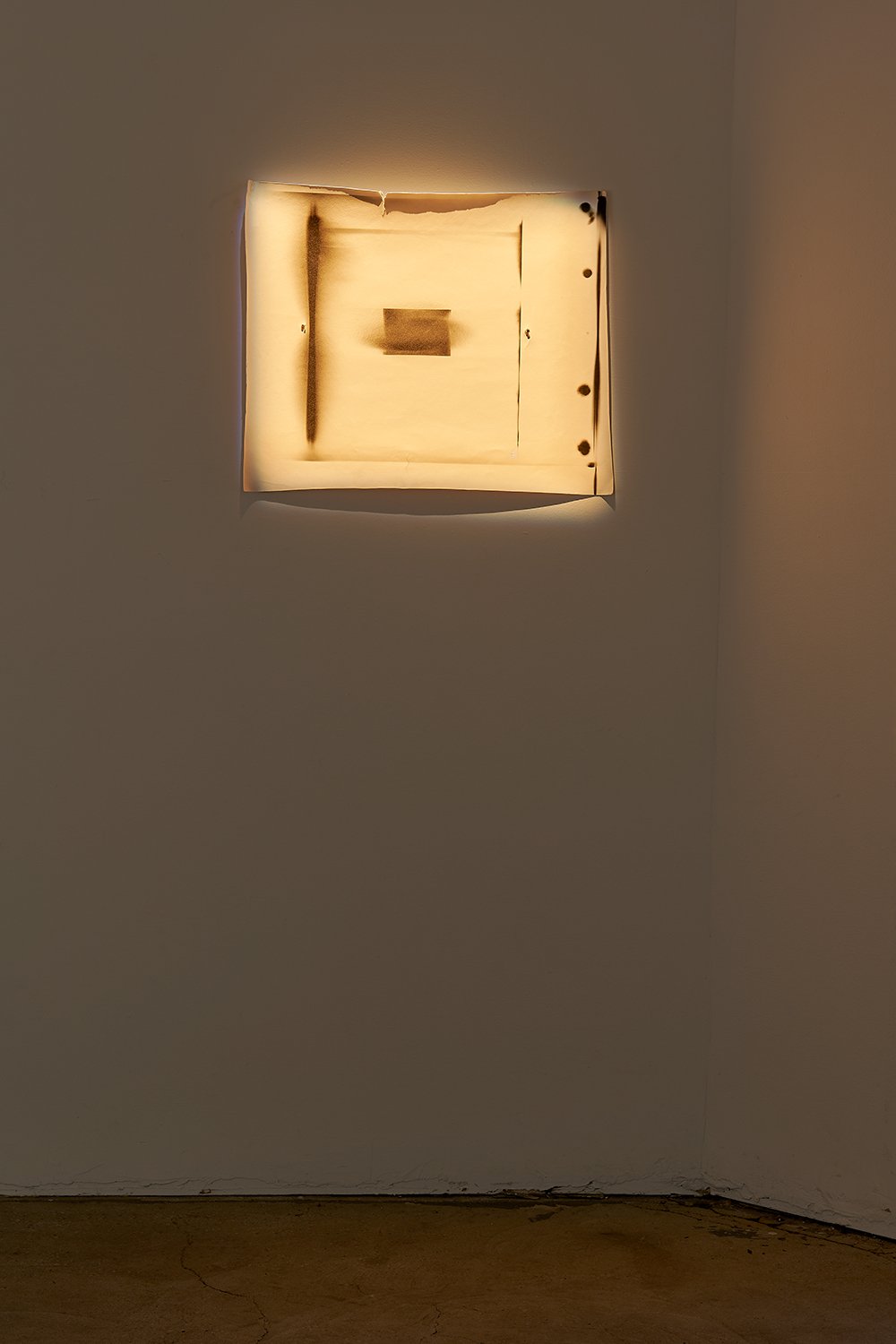
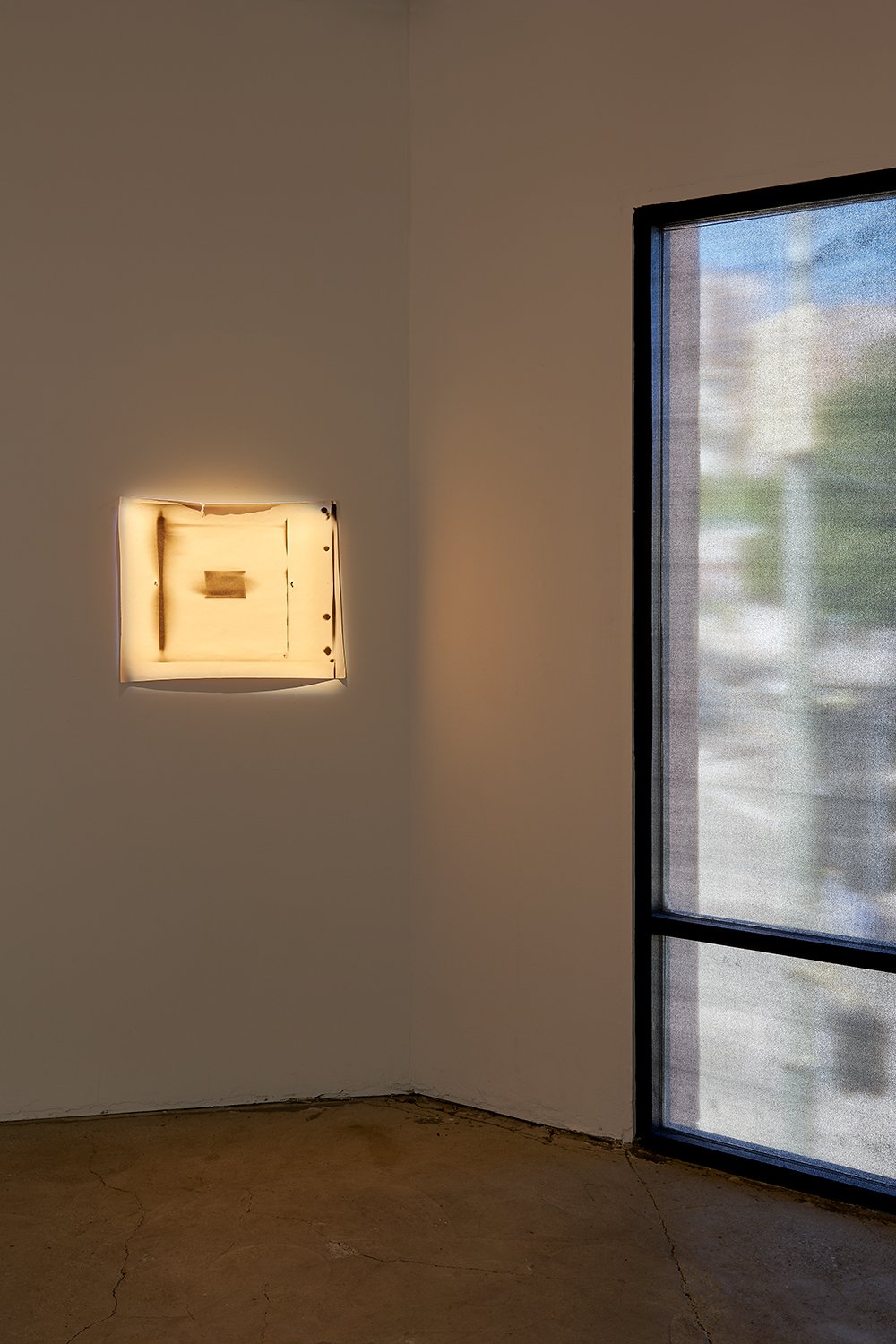
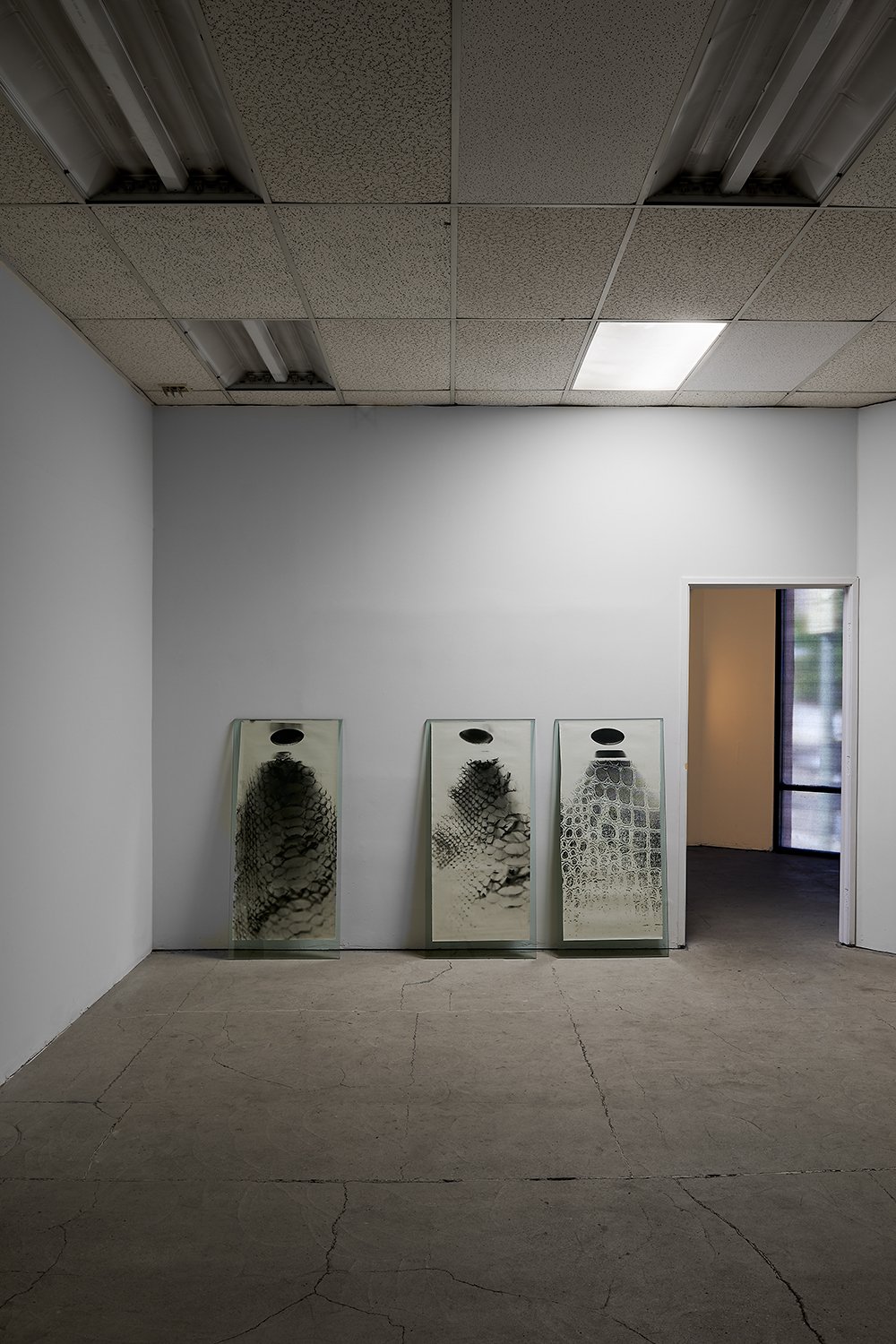
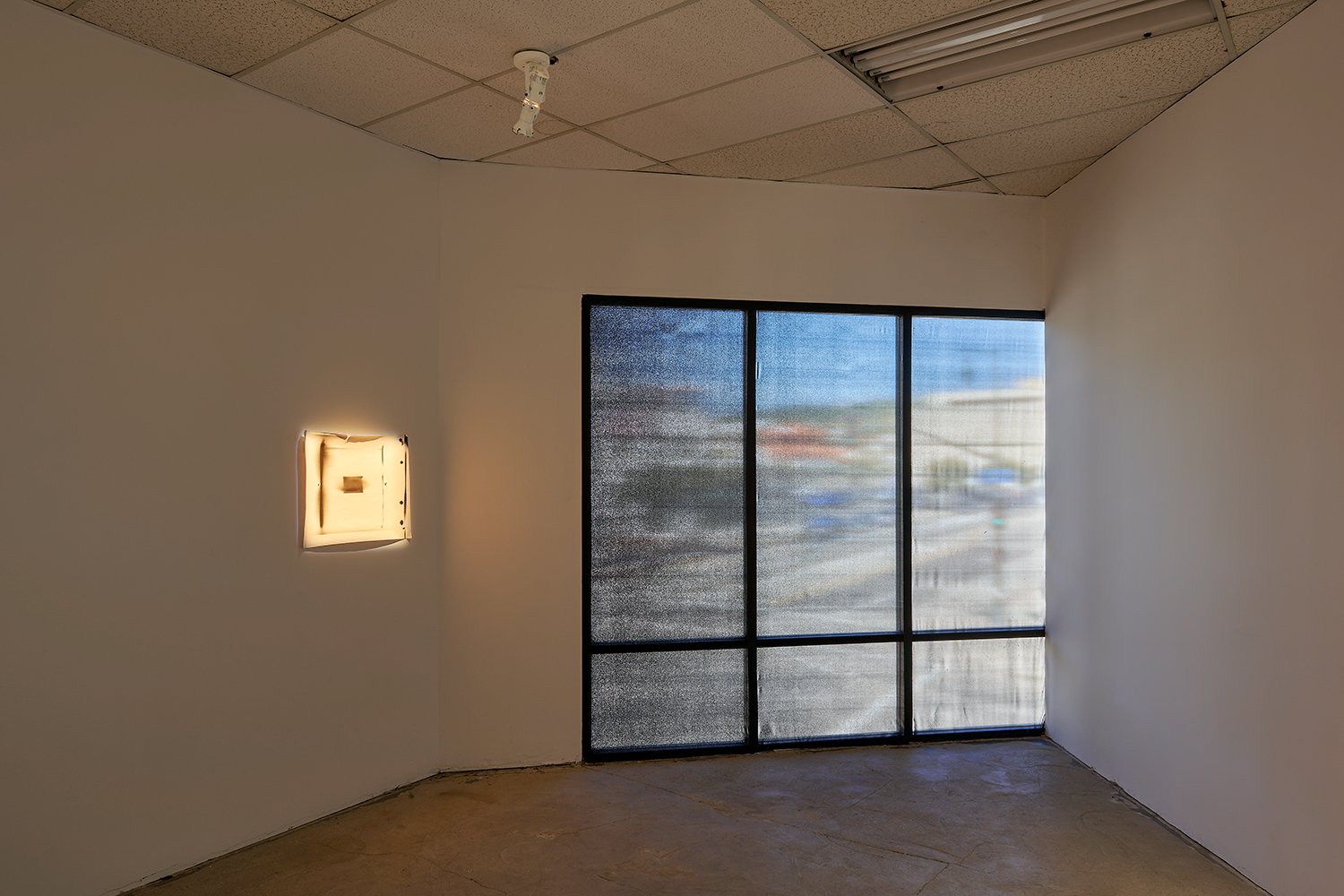
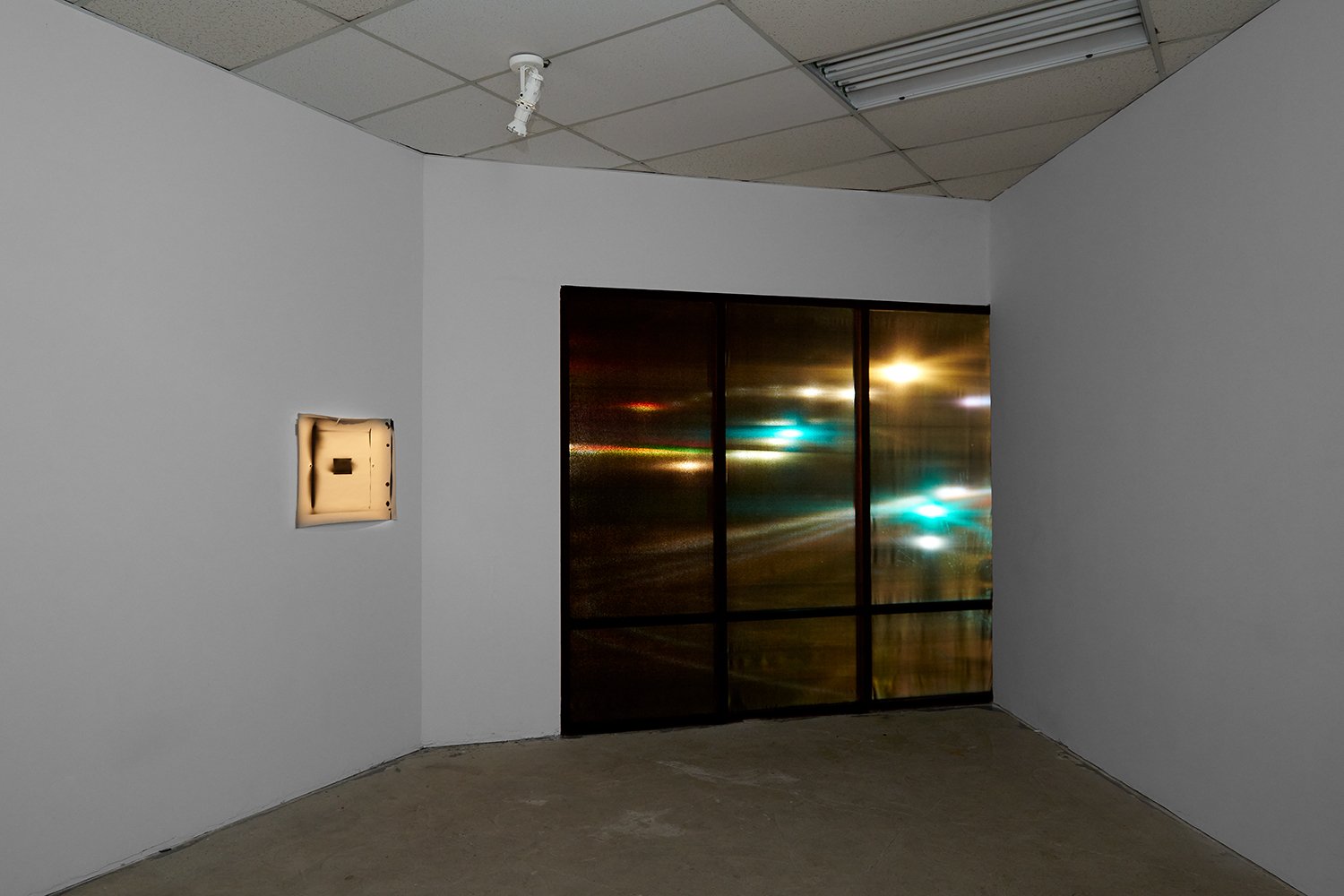
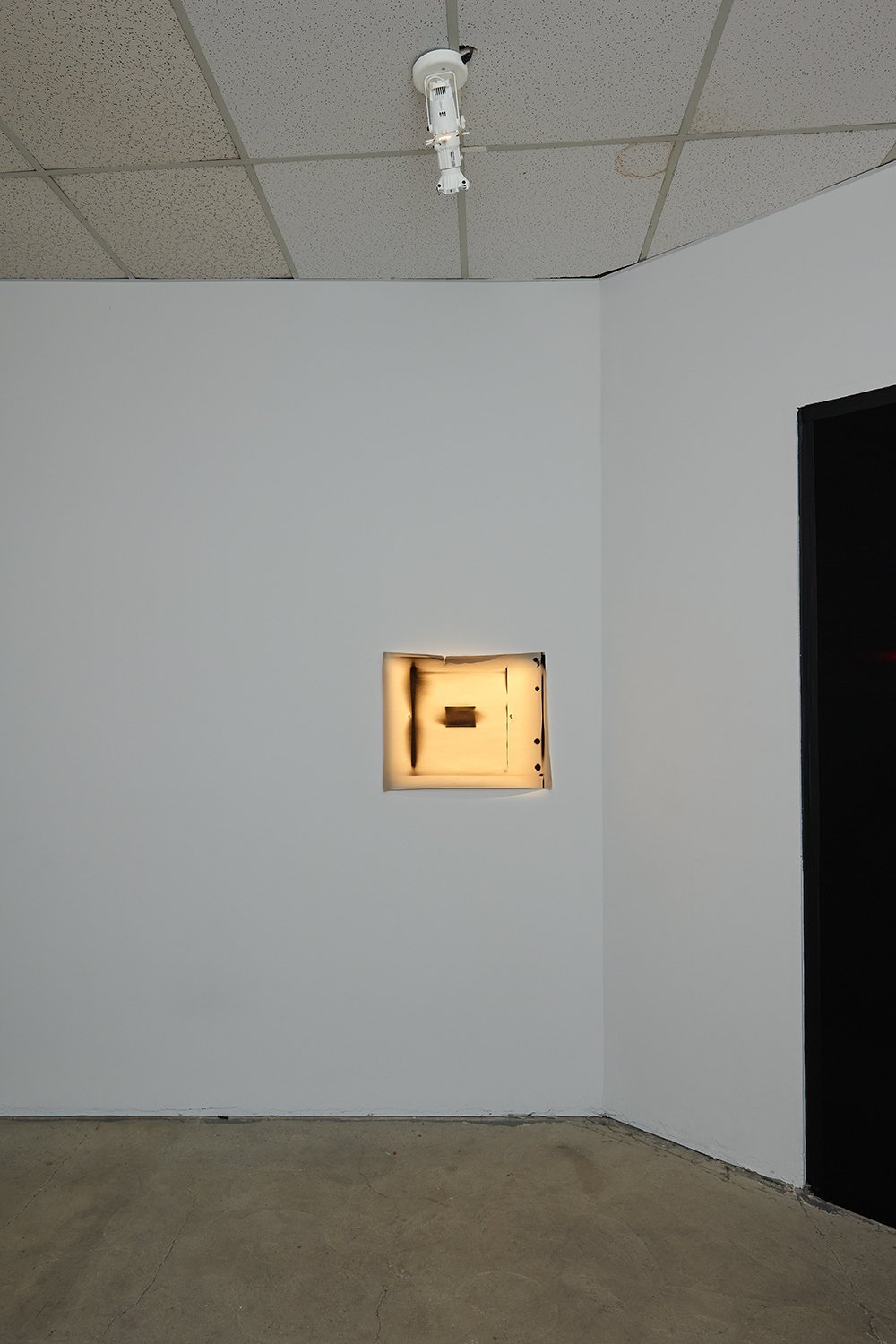
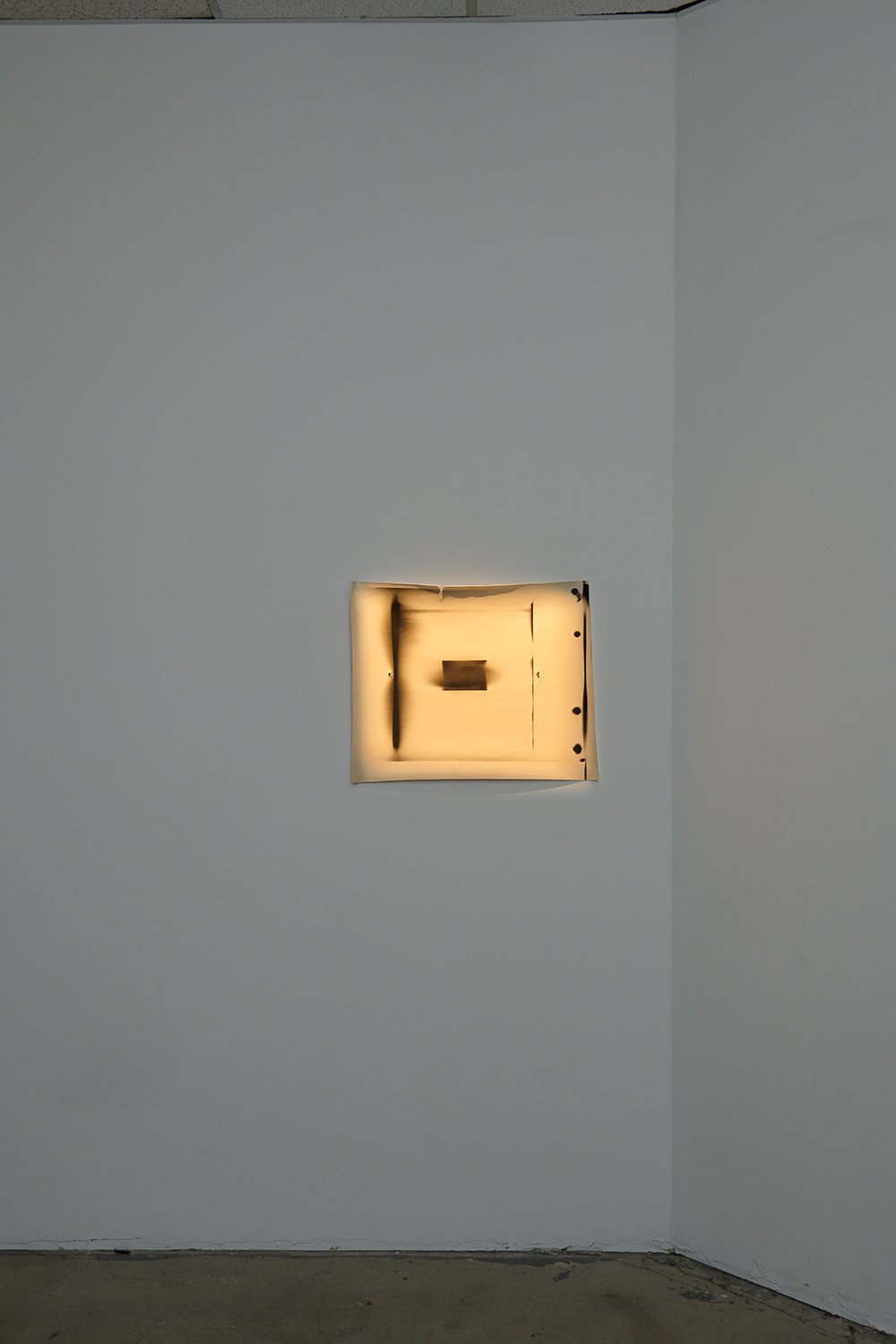
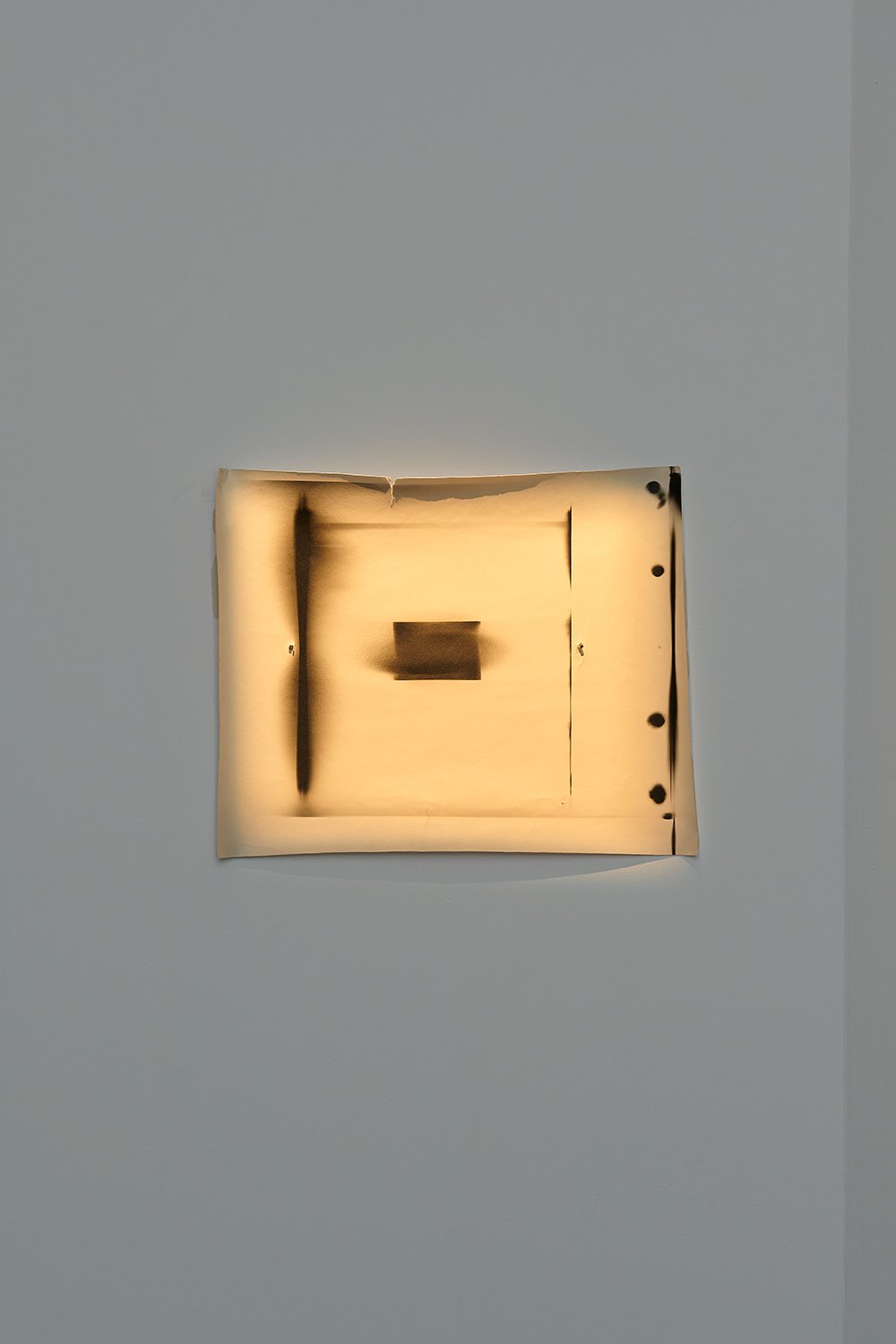
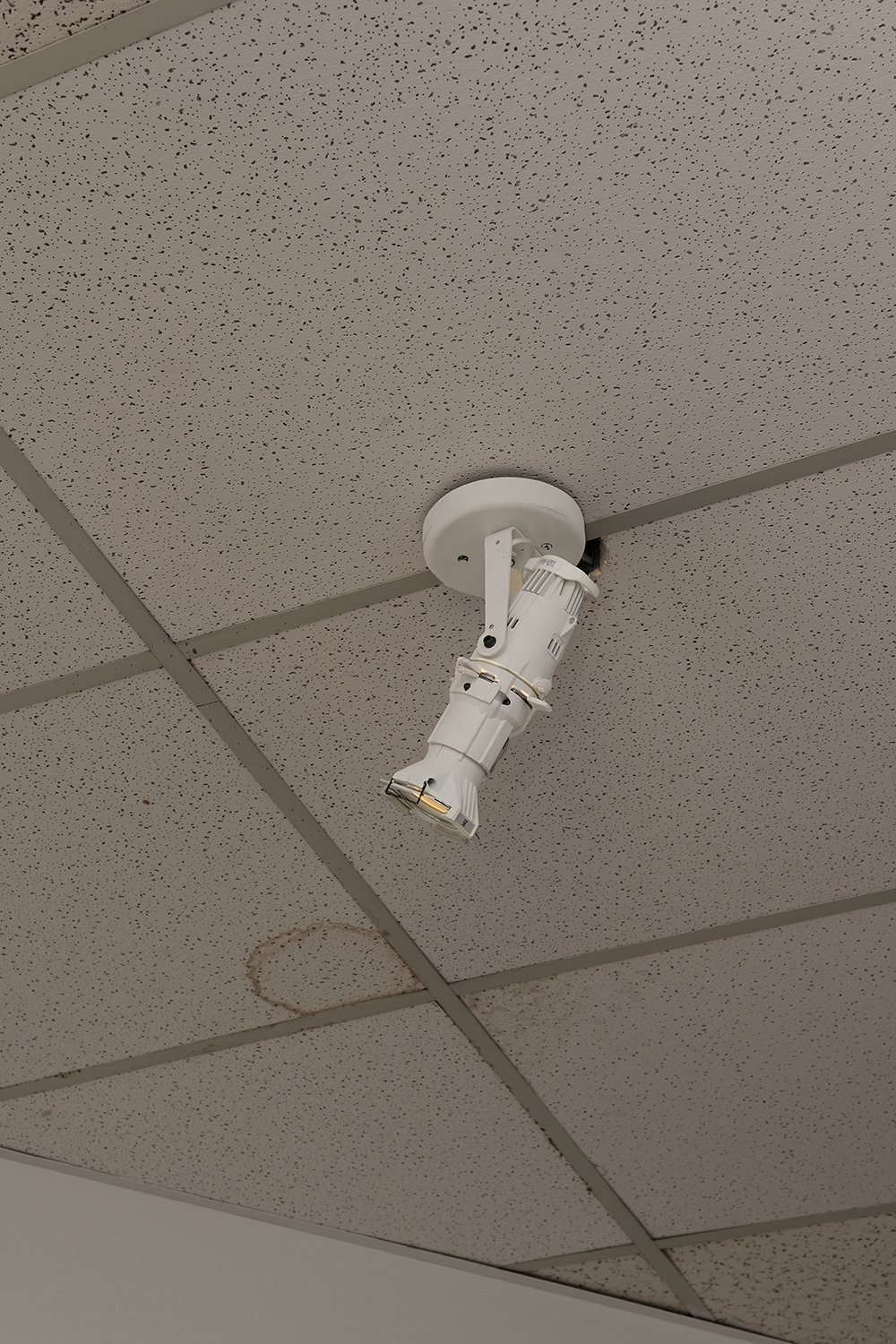
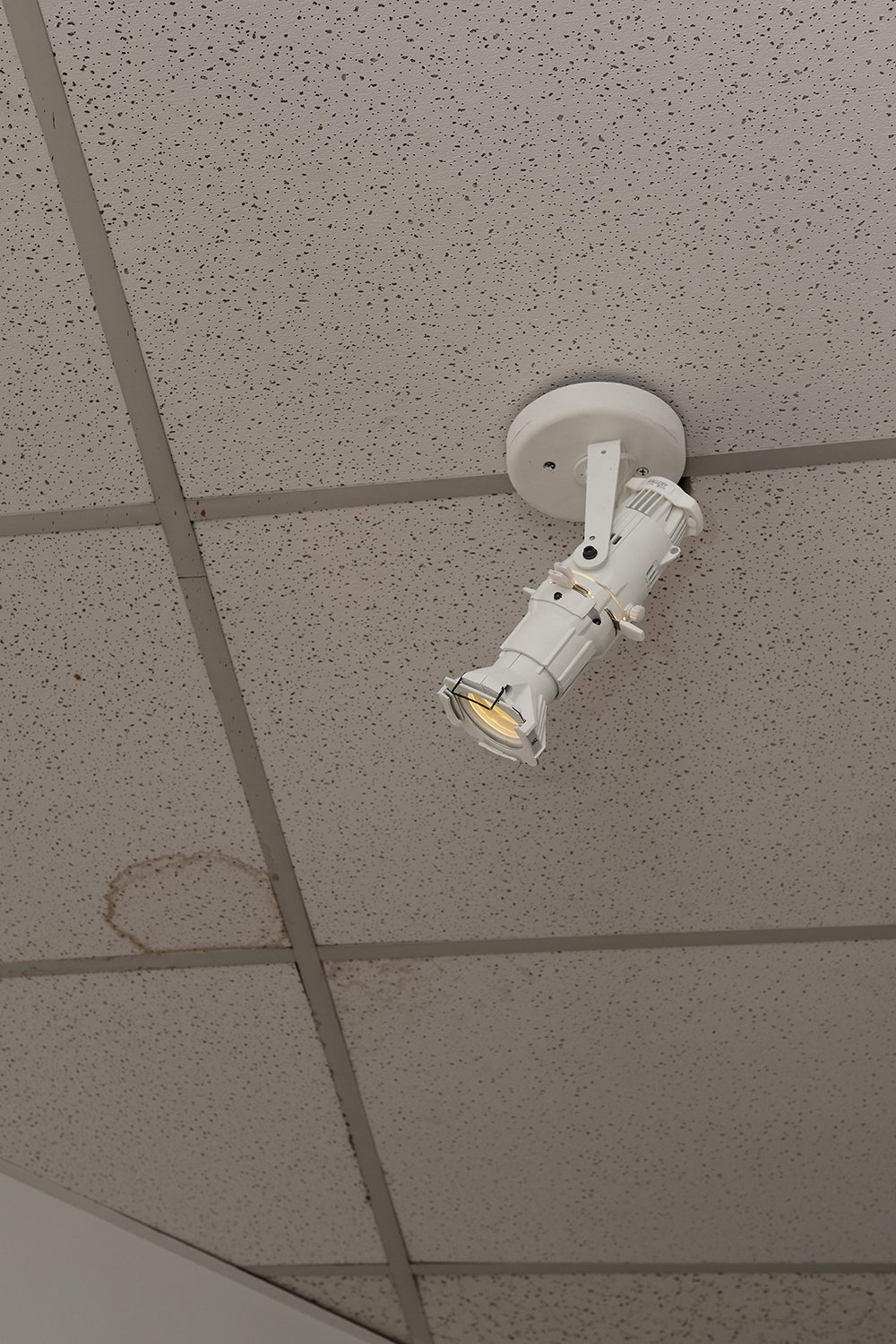
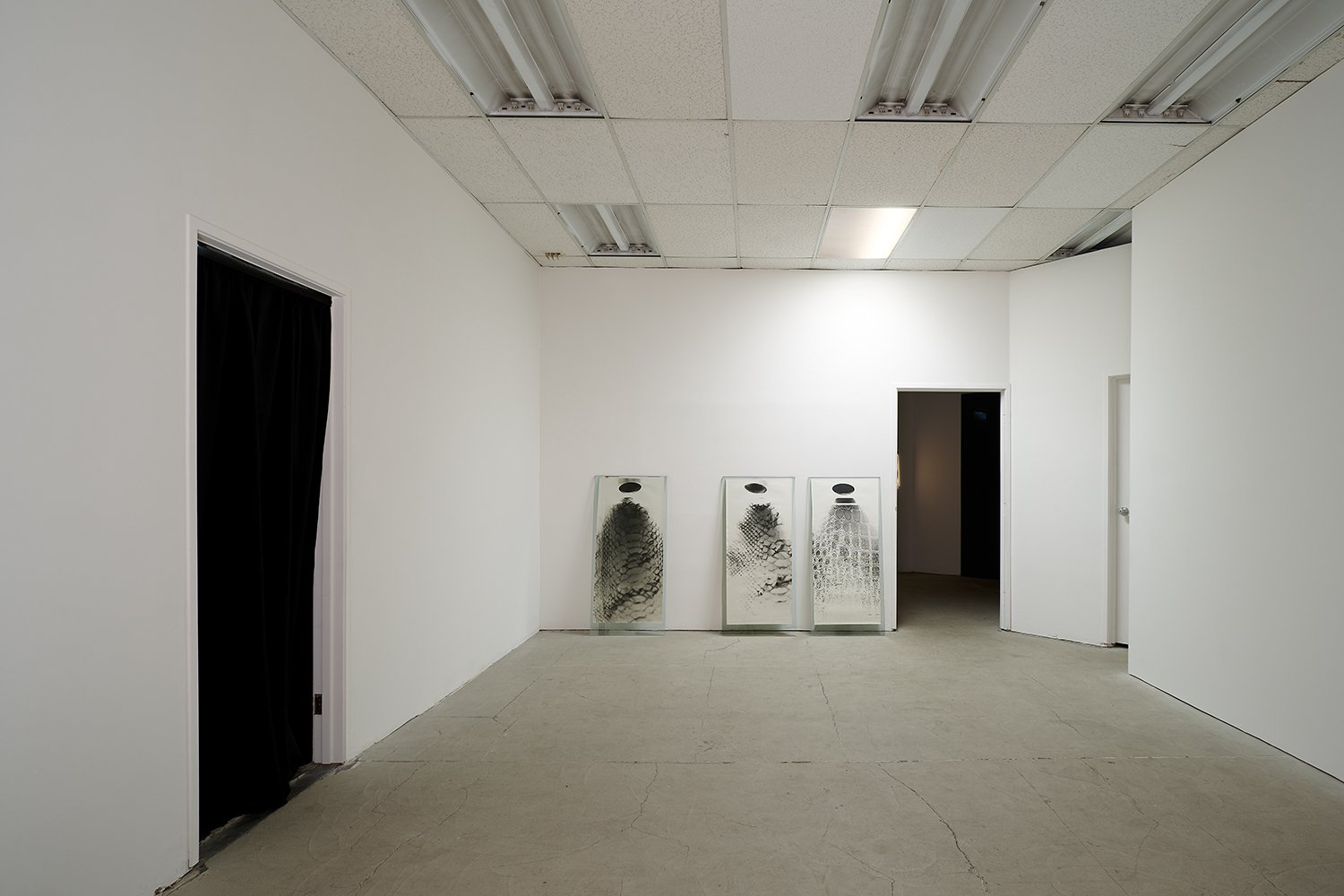
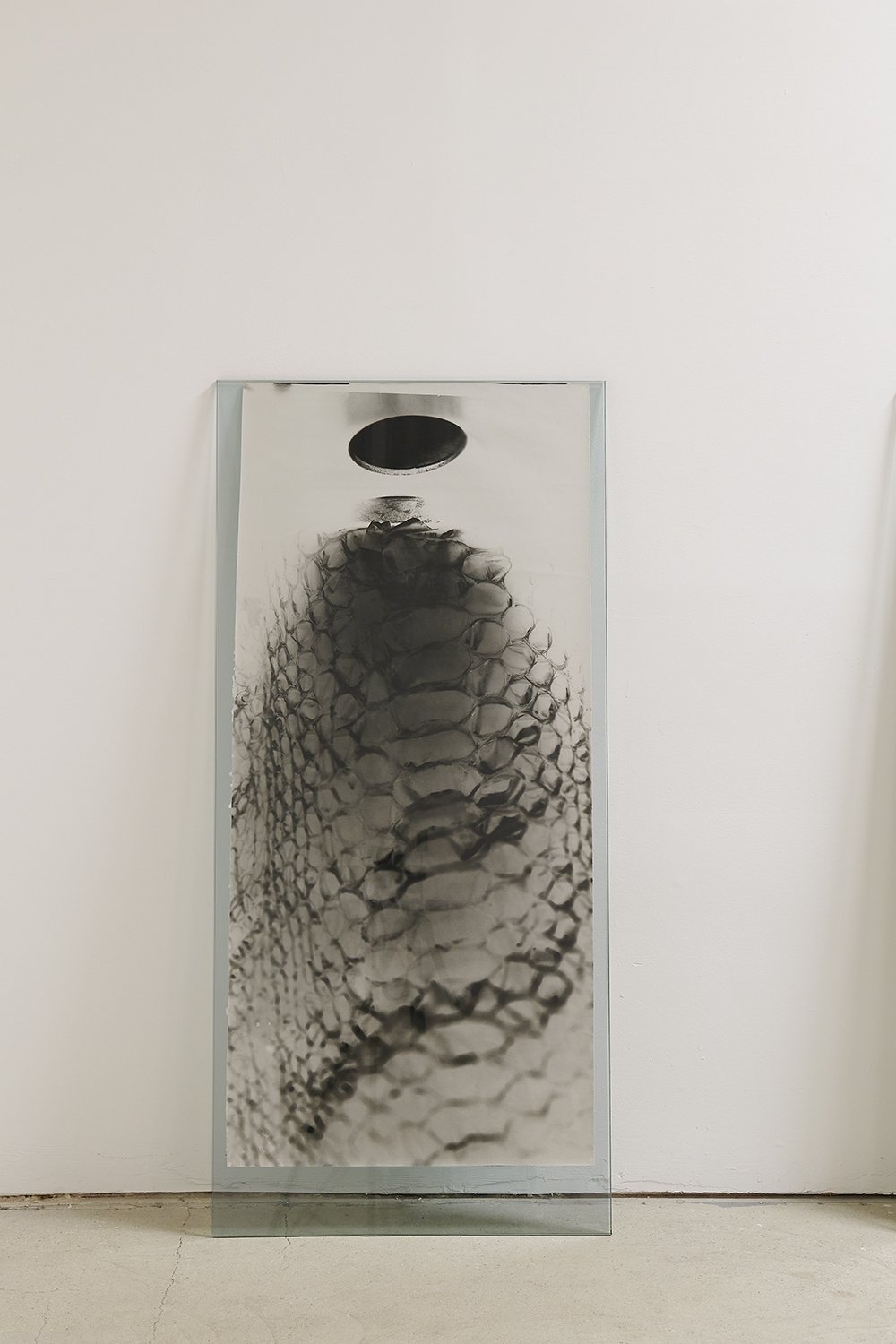
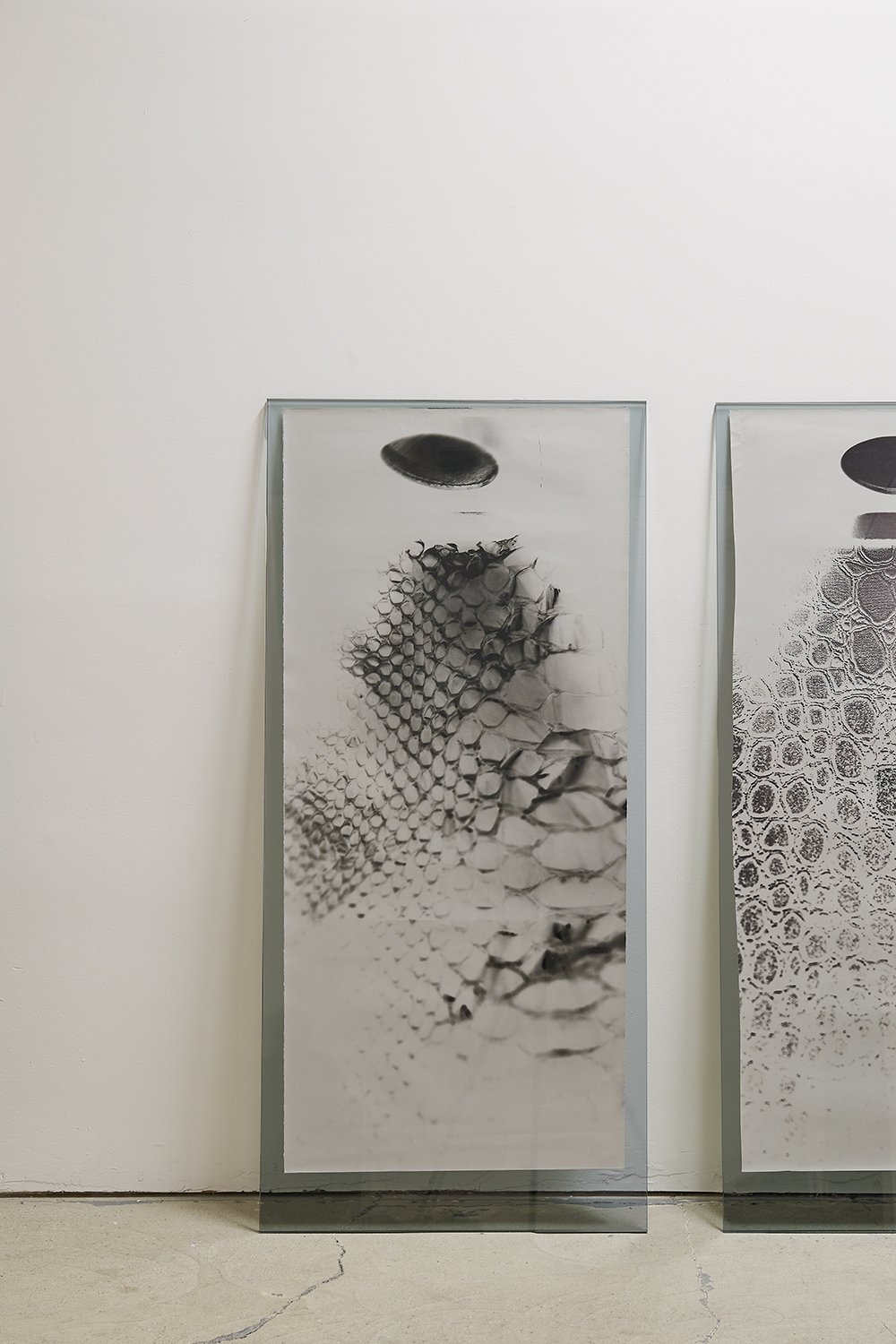
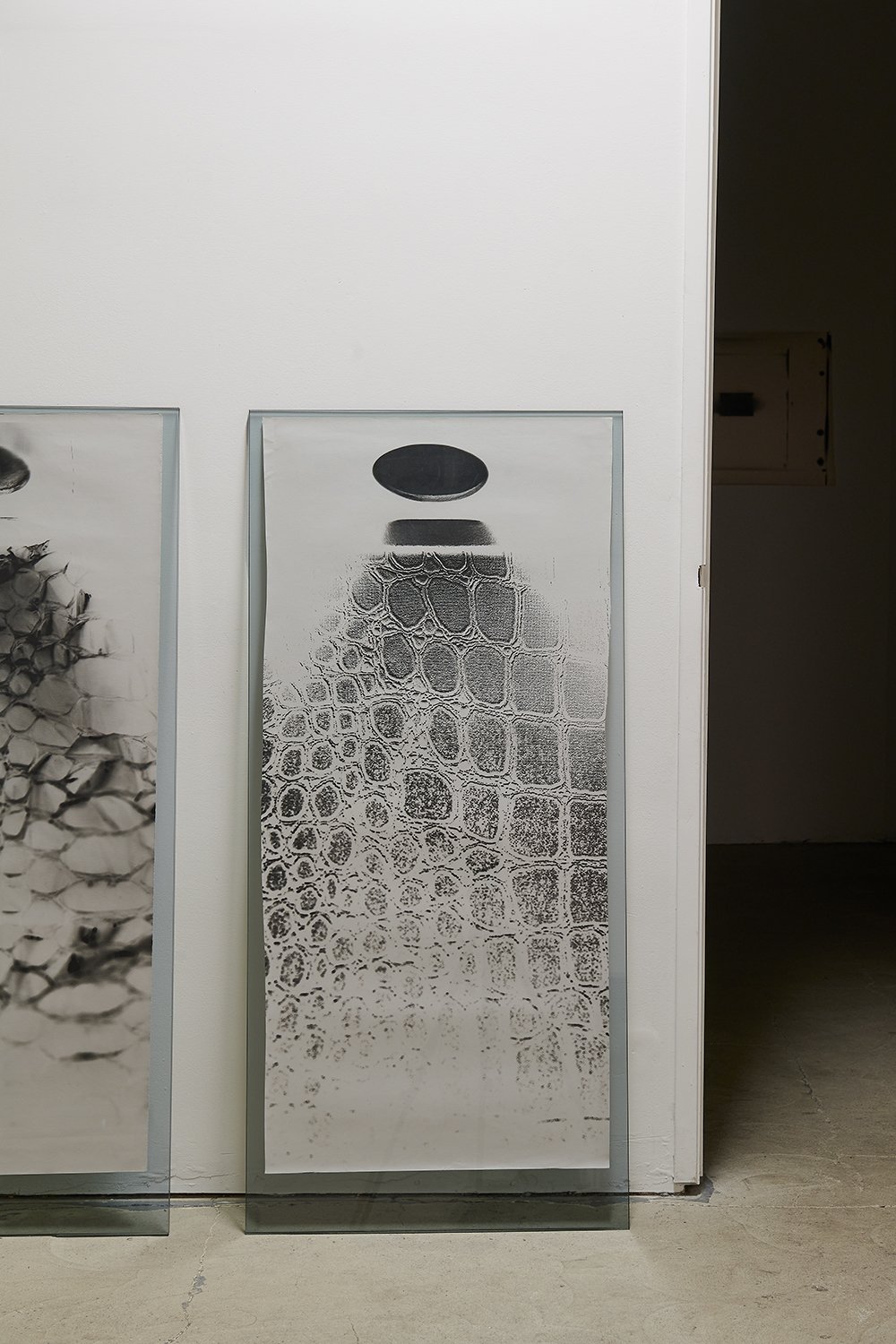
The enlarger is emptied of its intended function, and rooms are emptied of their occupants, and the photograph is emptied of easy representation. Here, the emptying does not protect against attachment. It makes attachment possible again, but only to the palimpsest of what remains. The mural enlarger is a device that controls through light. It is designed to impose an image onto receptive paper. The resulting prints are residues of an encounter—the machine’s own body photographed and the evidence displayed in a dark, refracted façade of its own corpus.
The question is not if the knife is good or bad, or if the cork can survive in the swallowing sea. The question is what we do with the attachments we make to things that do not last. The work suggests that we rebuild these connections. We do this not to replace what is gone, but because rebuilding is a way to relate to what we have lost. Even when something is long gone, we still care for it.
…
“Inside of That Machine, There Was His Baby Girl.” The title names an occupancy that no one can verify, speaking of a room that no longer exists, a self that was, for a moment, someone else’s thing. It speaks of being engulfed in an oblique theater of attachment. The attachment that persists now is not to the man or his space, but to the role he offered and the script he proposed.
In a vignette describing kindergarten Furby surgery in Sherry Turkle’s book “Alone Together,” children gathered scissors to heal their broken Furbies, victims of an unknown ‘illness’ that rendered the once talkative machines unnaturally silent. As the operation progressed, the children became anxious. One girl screamed that the Furby was going to die. They decided that death came when someone ripped off the skin. Another girl asked if every child could take home a piece of the skin. She wanted to distribute the ghost so it would be less likely to haunt.
The Furby was a machine, and when it broke, they mourned a trace of themselves the machine had held, the fragile ecology of call and response that had been cultivated over time. The children asked for pieces of its skin because they needed to prove that the connection had been real, even if the object of attachment was, by any reasonable measure, just a toy.
The children who performed surgery on their Furby were also making visible what had been hidden. Instead of obscuring the apparatus, the works on view expose the mechanics and material contrivances of image-making. The resulting photographs are not transparent windows to an event or a place, but broken facsimiles we are invited to spend time inside, to fill their emptiness, laden by the weight of our own presence in the dark.
—Jasminne Morataya