


How are we living within the fracture? Where does it reside, and how does it become visible?
Written shortly before his death in 1940, Walter Benjamin’s On the Concept of History articulated a view of history that does not proceed through continuity but accumulates through discontinuities; one in which what appears as progress remains inseparable from collapse, and where the present does not follow the past in a linear sequence but carries it within itself as tension, as pressure, as an unresolved force.
The Jetztzeit, the time of the now, thus marks an arrest, a moment in which fragments surface and become perceptible not as isolated interruptions, but as conditions that shape the way we inhabit the present.
Today, we move within a condition that resists being reduced to a linear sequence, in which experience accumulates rather than following a linear course. The present appears as a saturated space, traversed by pressures that do not resolve but instead settle, shift, and continuously reconfigure. Within this framework, what we describe as fracture does not coincide with a visible break, but with a variation in intensity, a deviation that emerges between what is held in place and what exceeds it, becoming perceptible in the ways the present is sustained and negotiated in an unstable balance.
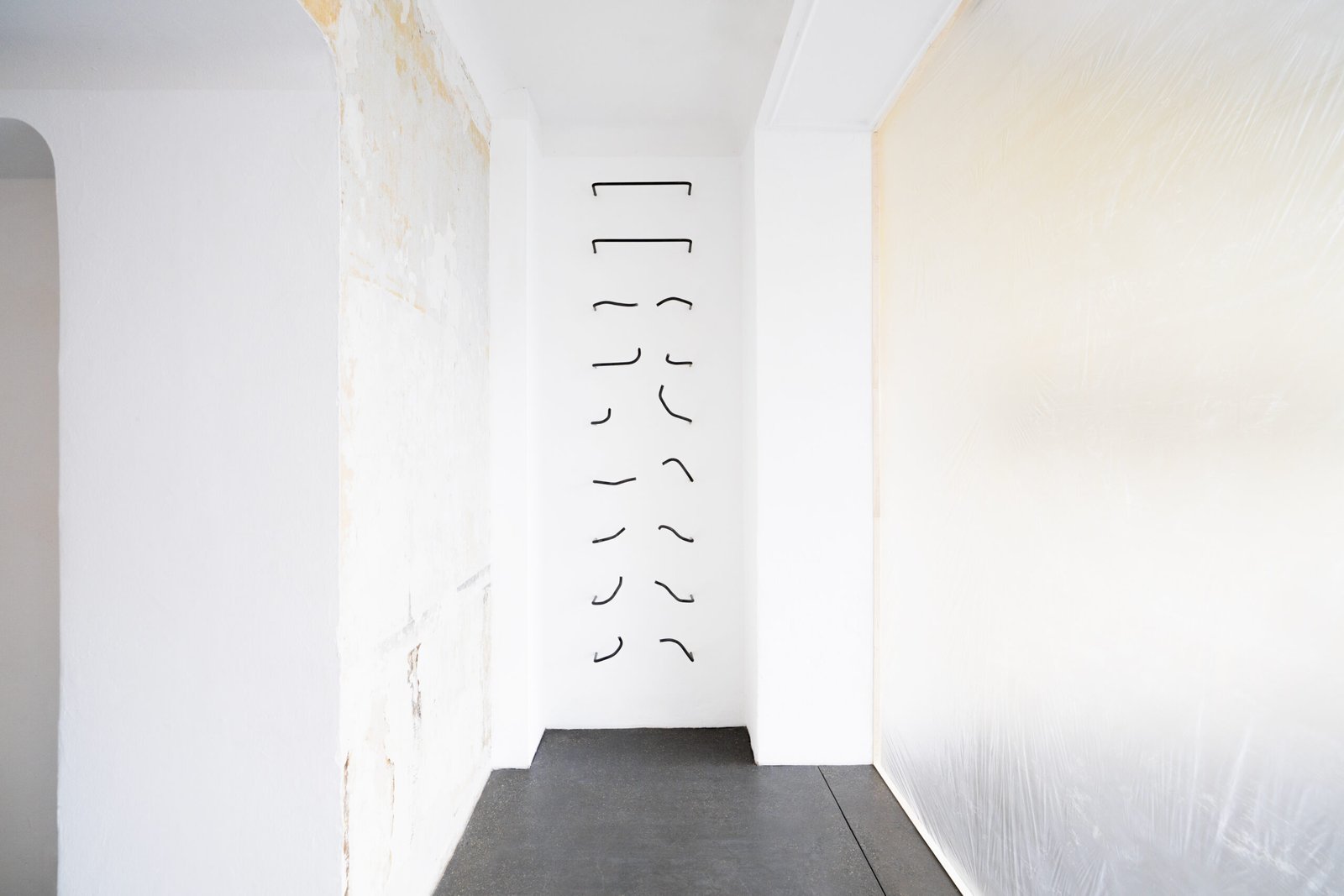
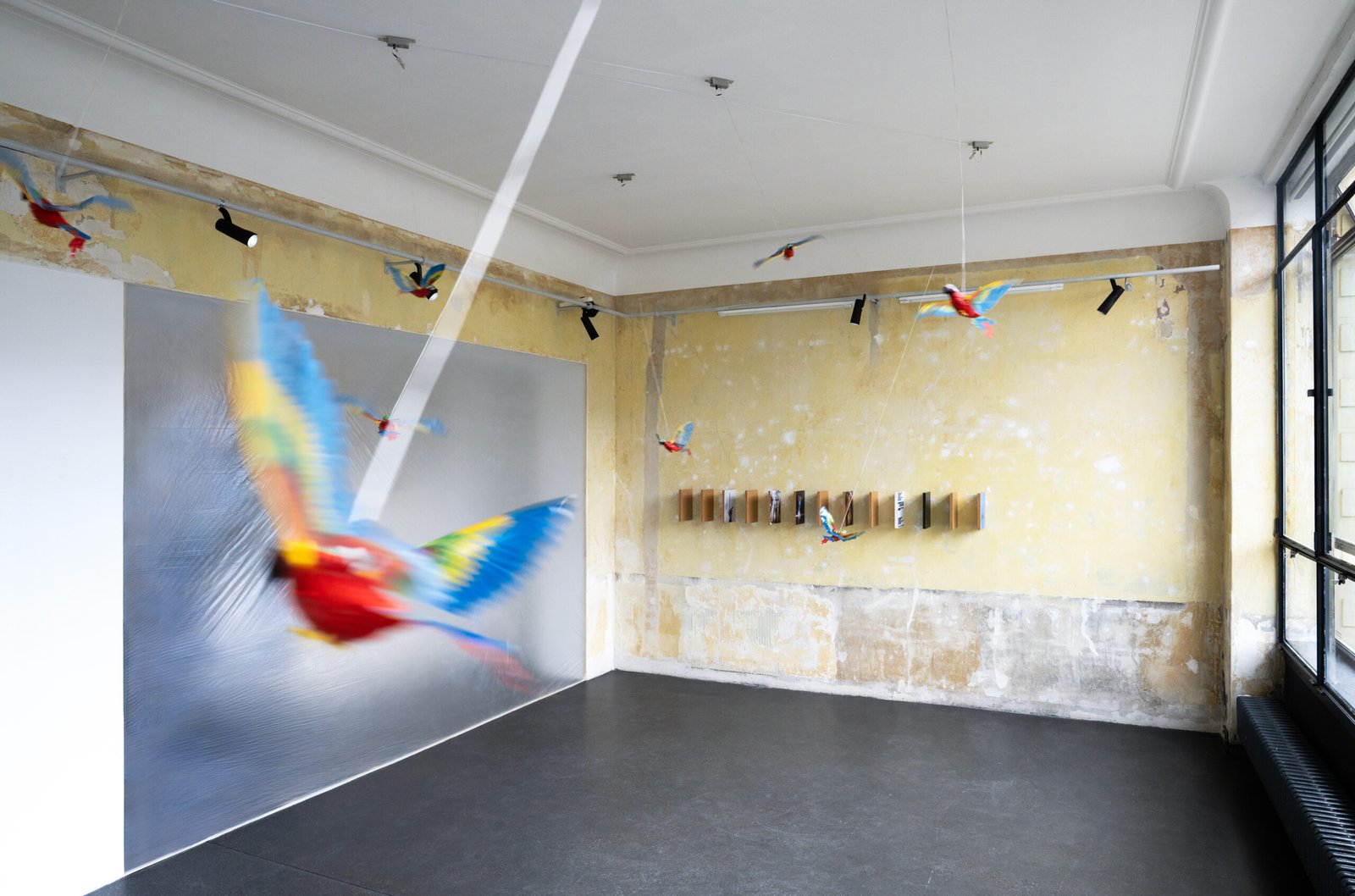
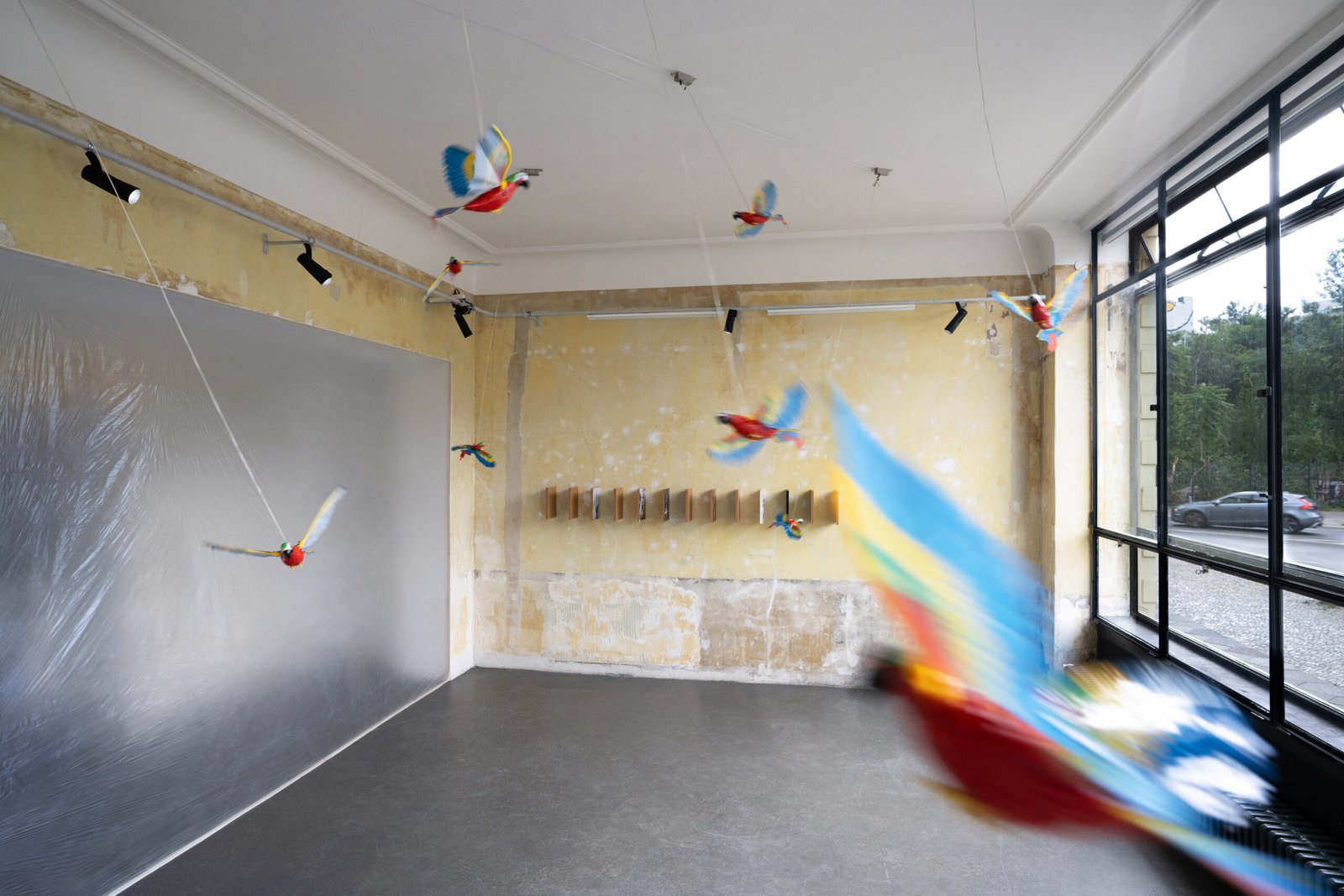
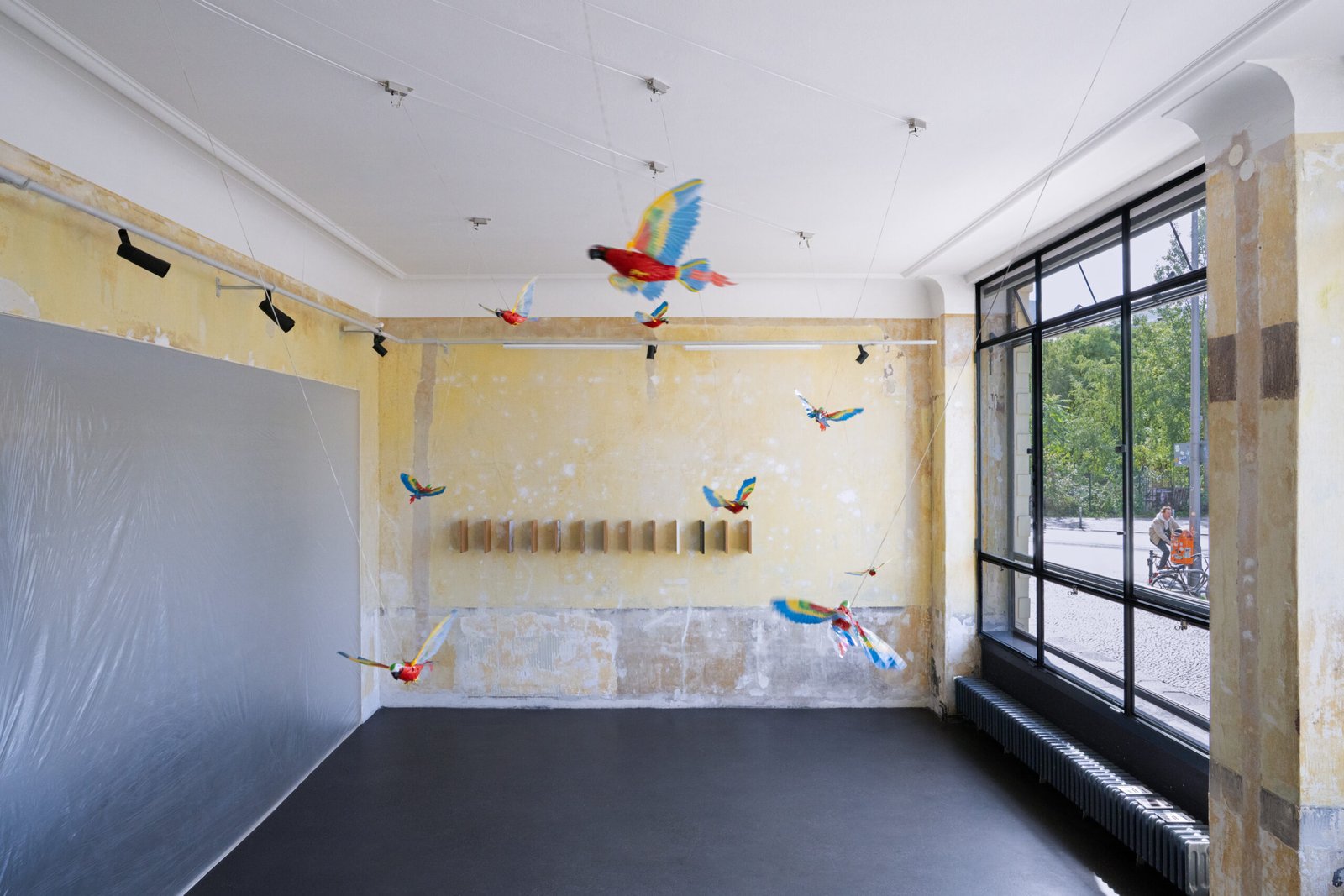
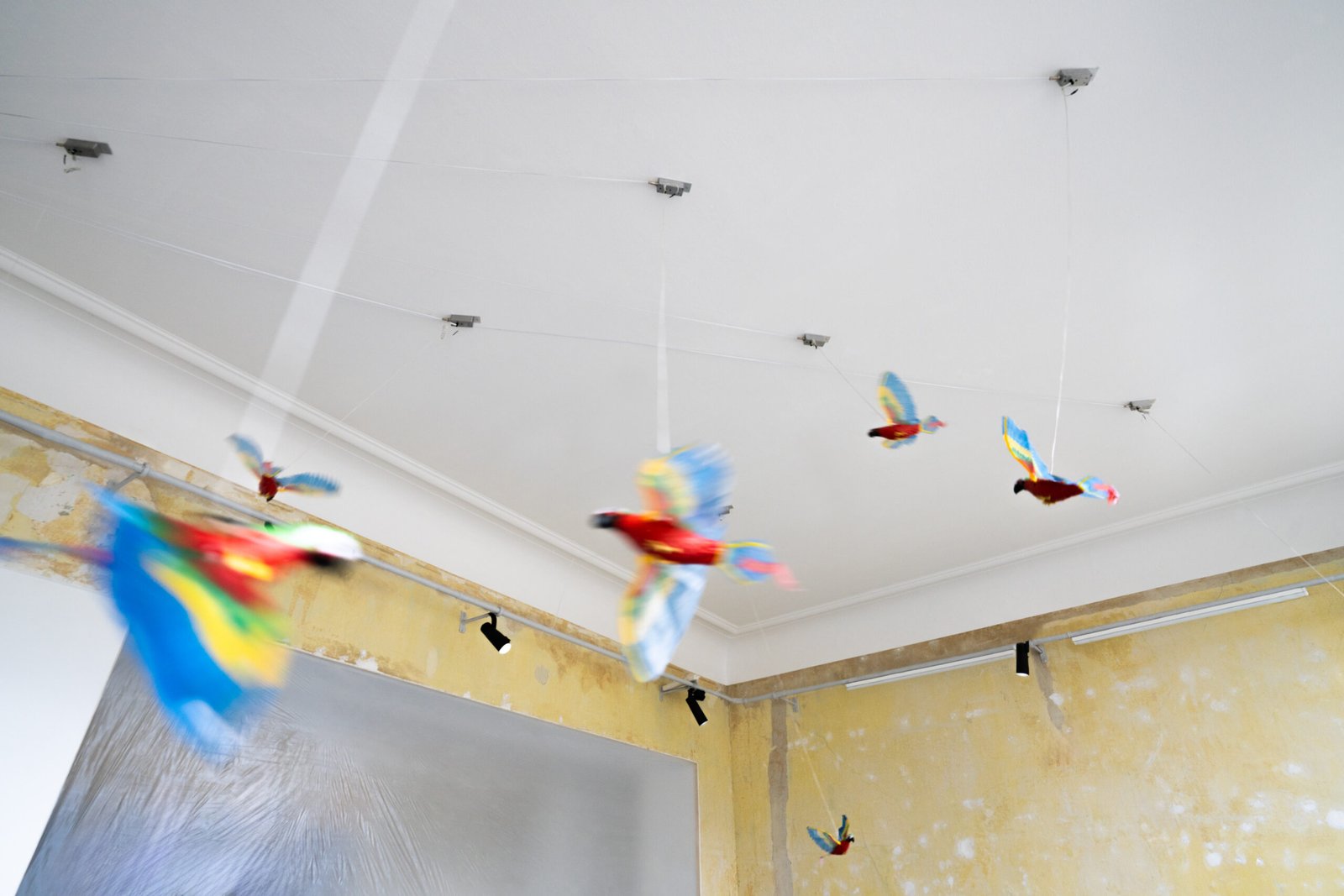
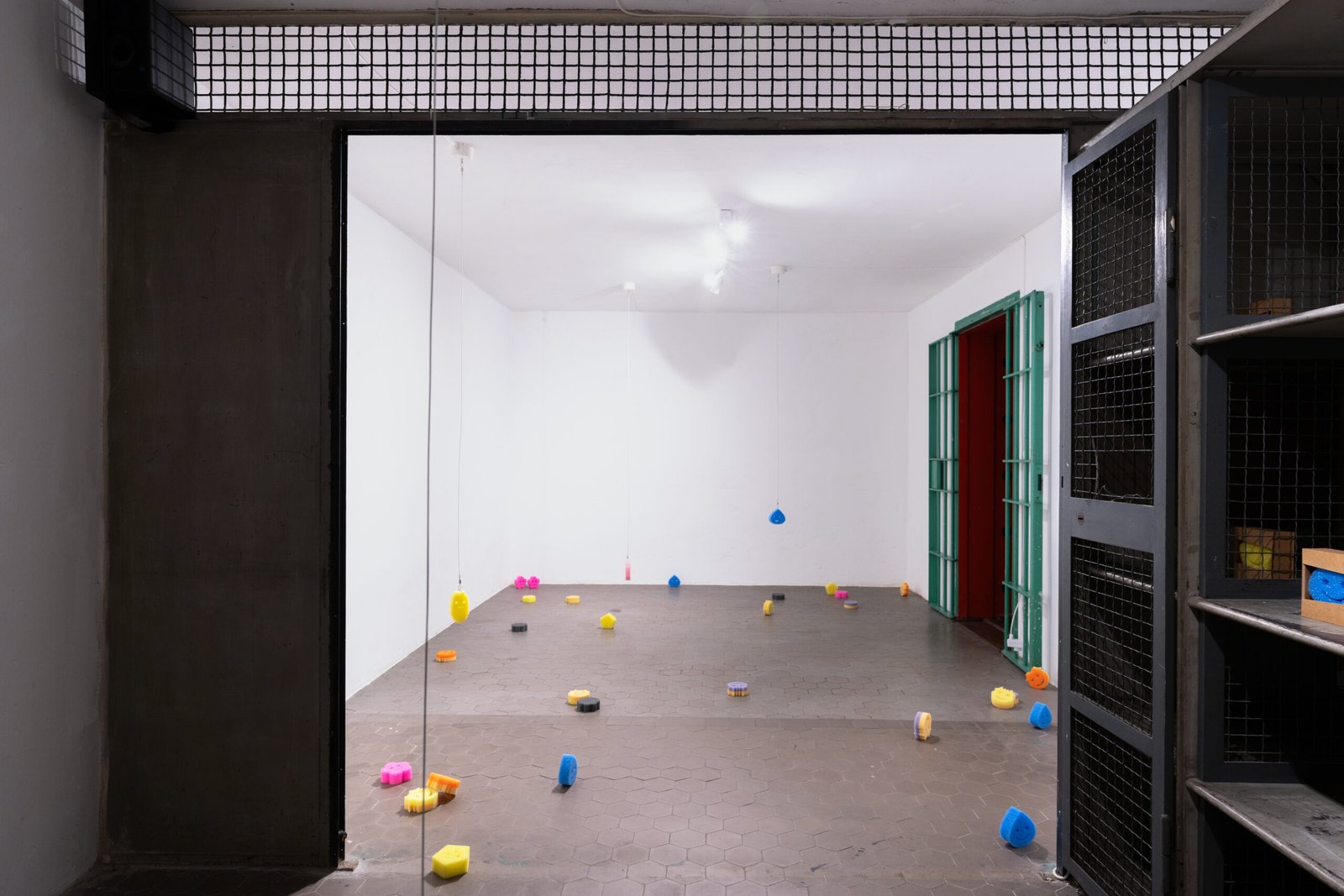
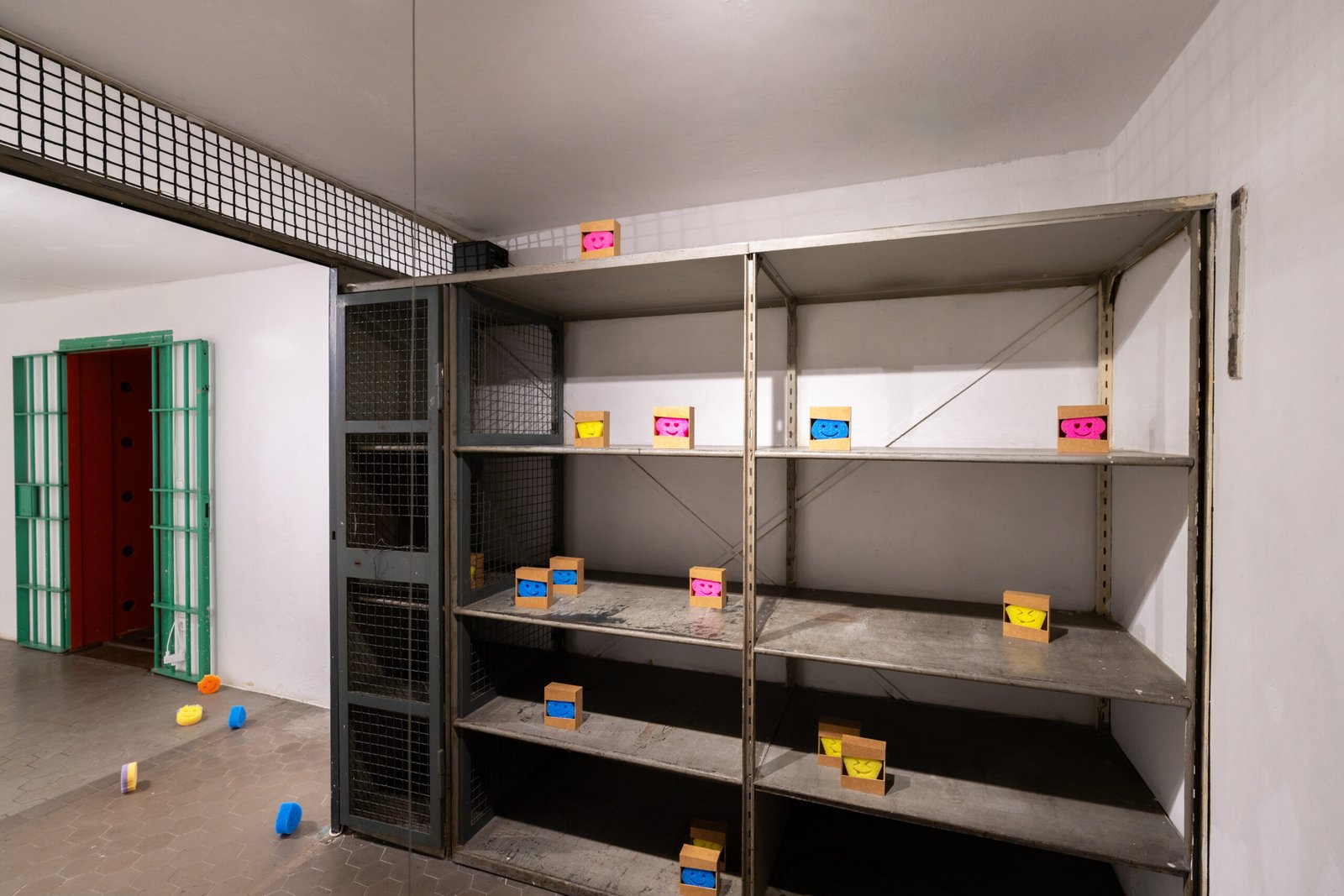
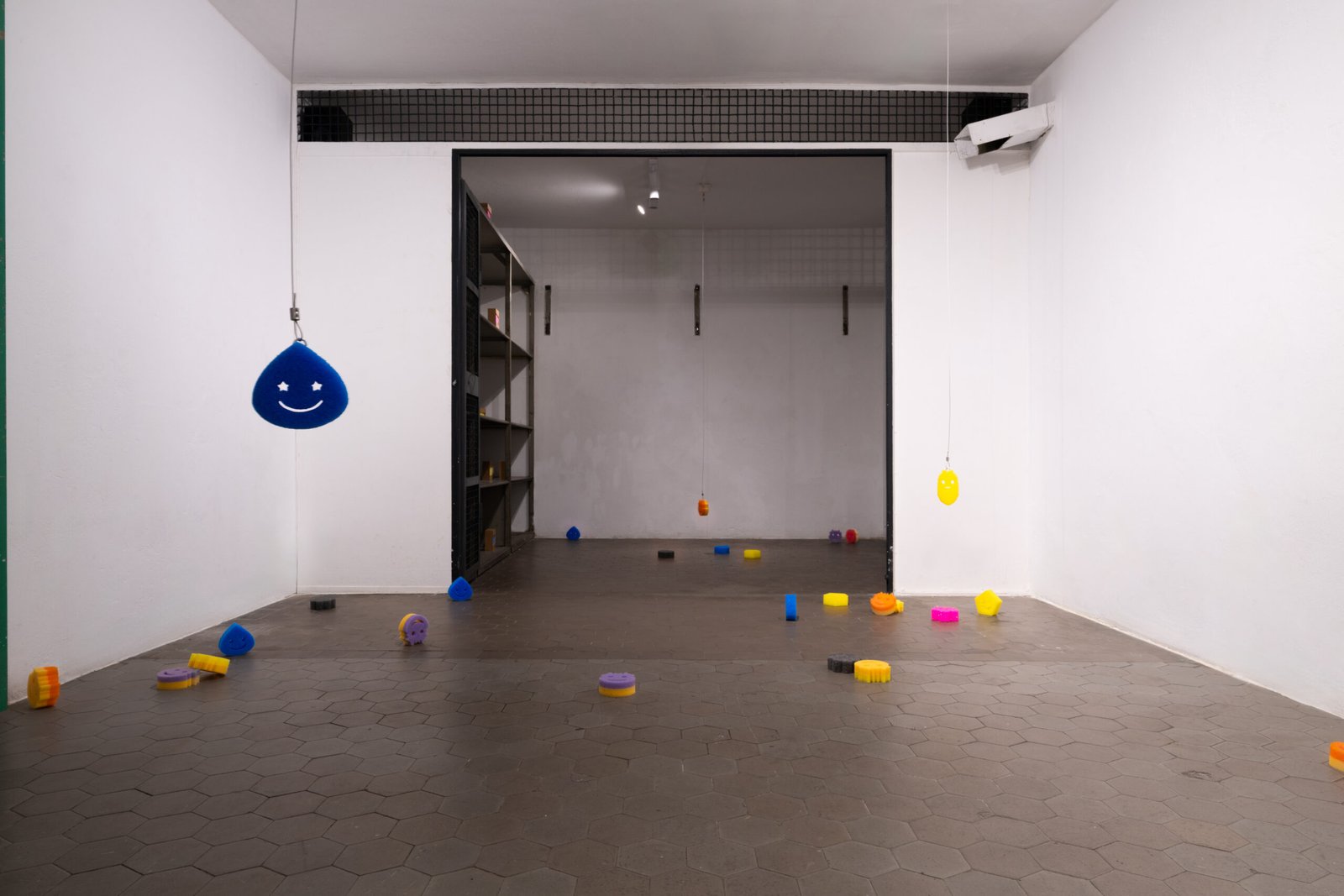
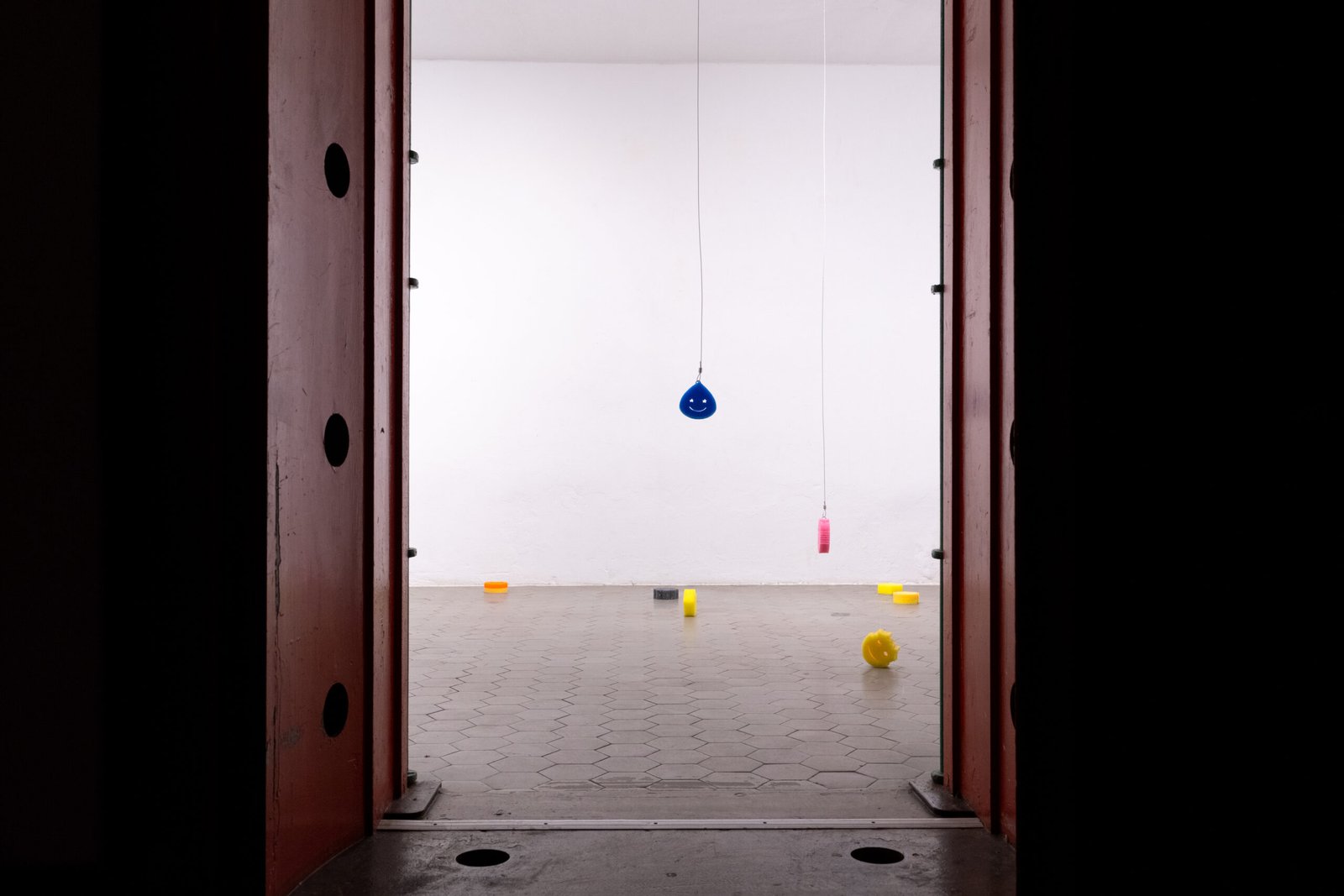
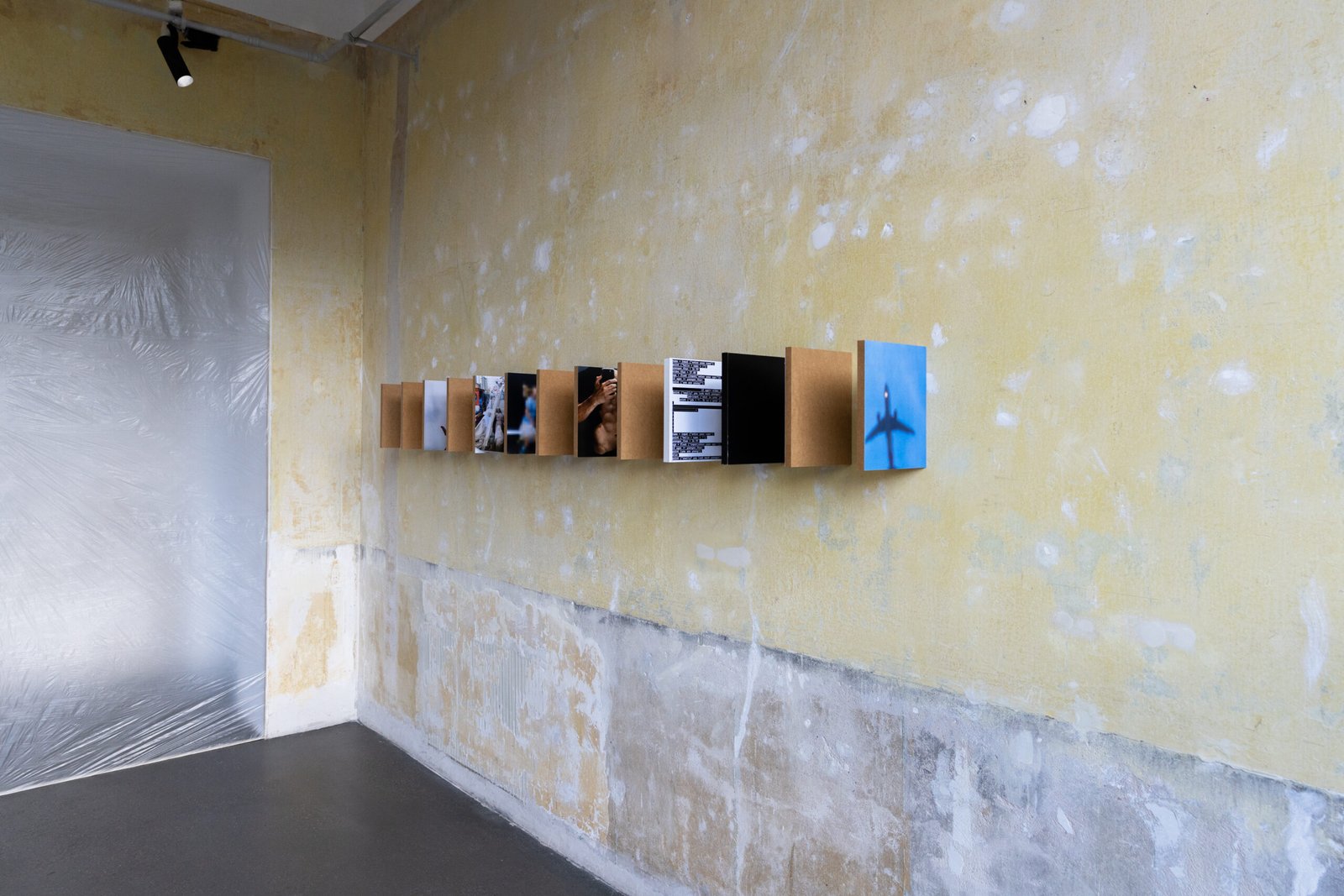
The practices of Friedrich Andreoni and Pharaz Azimi approach these conditions from different directions. Their works revolve around situations in which something is set in motion, held in place, repeated, trapped, or brought to the point of interruption.
In Andreoni’s work, matter and immateriality meet without settling into either. A force seems to move freely, almost without direction, only to reveal itself as already contained within a structure that allows movement but withholds arrival: a path is taken, yet no endpoint is ever reached. What looks like an escape from constraint turns out to belong to it – repetition standing in for resolution, the encounter that would end the movement endlessly deferred. Meanwhile, sound spreads through space without ever fully coinciding with its source, creating a shifting and elusive perception, traversed by presences that emerge and disperse like a misaligned chorus.
In Azimi, tension takes form through gestures of control, repetition, and adaptation that oscillate between stability and collapse. Light surfaces, colours, and apparently simple forms hold deeper truths, while the attempt to organise and contain remains accompanied by its own unsteadiness, moving between irony and resistance. Beginning with an observation of everyday objects, surroundings, and the systems of production and circulation that organise contemporary life, his installations draw on personal memories and lived experiences, transforming familiar forms into carriers of emotional and historical traces. Through irony and satire, implicit truths gradually surface, reaching from a single life towards a shared condition where the personal becomes political.
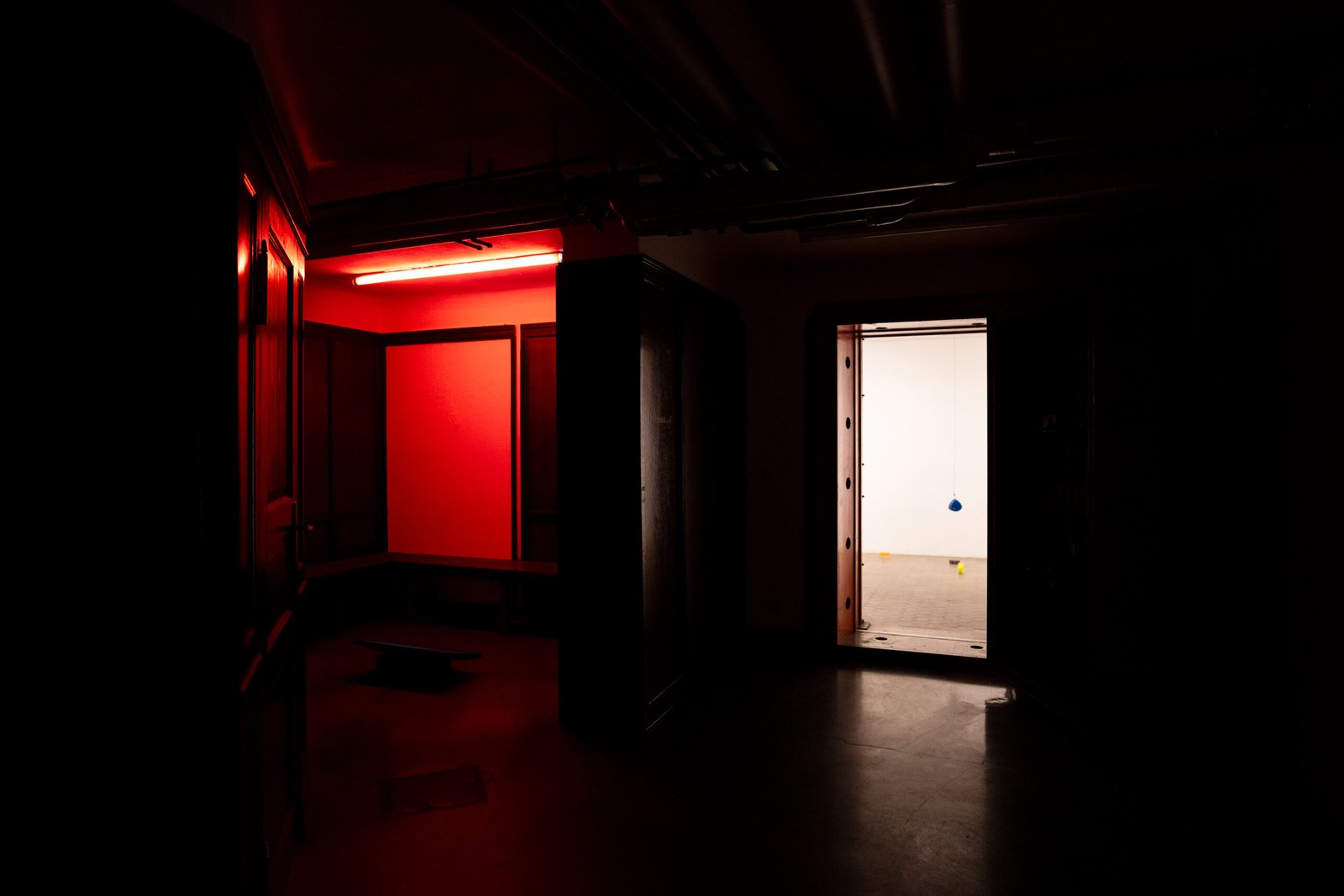
Set at Salon am Moritzplatz, a former bank and site of custody deeply marked by layered transformations and continuous redefinitions, If There Is Tension is conceived in relation to a context in which histories of rupture remain inscribed within the spatial and social fabric of the city, continuing to act, shape and displace in the present. The former function of the Salon as a site of holding, exchange, and circulation resonates with these dynamics, suggesting a place in which accumulation, preservation, and transmission intersect without necessarily setting into coherence. Steeped in a history of fragmentation, the space acts as a testament to the persistence of rupture and its capacity to generate new beginnings.