


I’ve been thinking a lot about consumption lately. Here, in the United States, we consume far too much processed food. We consume far too much persuasive news. We consume far too much bullshit and other shit. We don’t consume enough impressive, investigative, and instigative culture.
Joshua Abelow has built a cultish reputation as a top-dawg fine purveyor of some of the most esoteric, engrossing visual artists of the past hundred-plus years. He doesn’t know how to code; he doesn’t know how to hack; he doesn’t know how to use Adobe Creative Suite; he’s never mined the deep, dark web; he is not a Net or a Post-Net artist. Yet, he created one of the most influential art blogs ever, his work has gone viral many times over, and he understands the dissemination (and consumption) of information better than (perhaps almost) any other artist I know.
In my adult lifetime, when people think or talk about living with and within technology, I notice they often reference the 1999 film, The Matrix. You’re most likely aware that, in that film, humans are unwittingly trapped inside a simulated reality created by (a form of) basically what we now know to be artificial intelligence. A computer programmer/hacker named Neo (“new”), played by the beautifully stoic Keanu Reeves, is determined to be the Jesus-like figure who is the only person who can destroy the devilish machines that are engineering the deterioration of society as we know it. In retrospect, The Matrix is a fun, but flawed film; it is not always cohesive or coherent, but it is most certainly entertaining and exciting.
In The Matrix, there are routine glitches. In our contemporary society, technology was intended to, and (in many ways) does help make things easier for us. How nice is it to be able to have anything arrive at your door whenever you want? But also, how horrible is it that a major portion of the rainforest has to be wiped away in order to make that happen? Is that a glitch in the matrix?
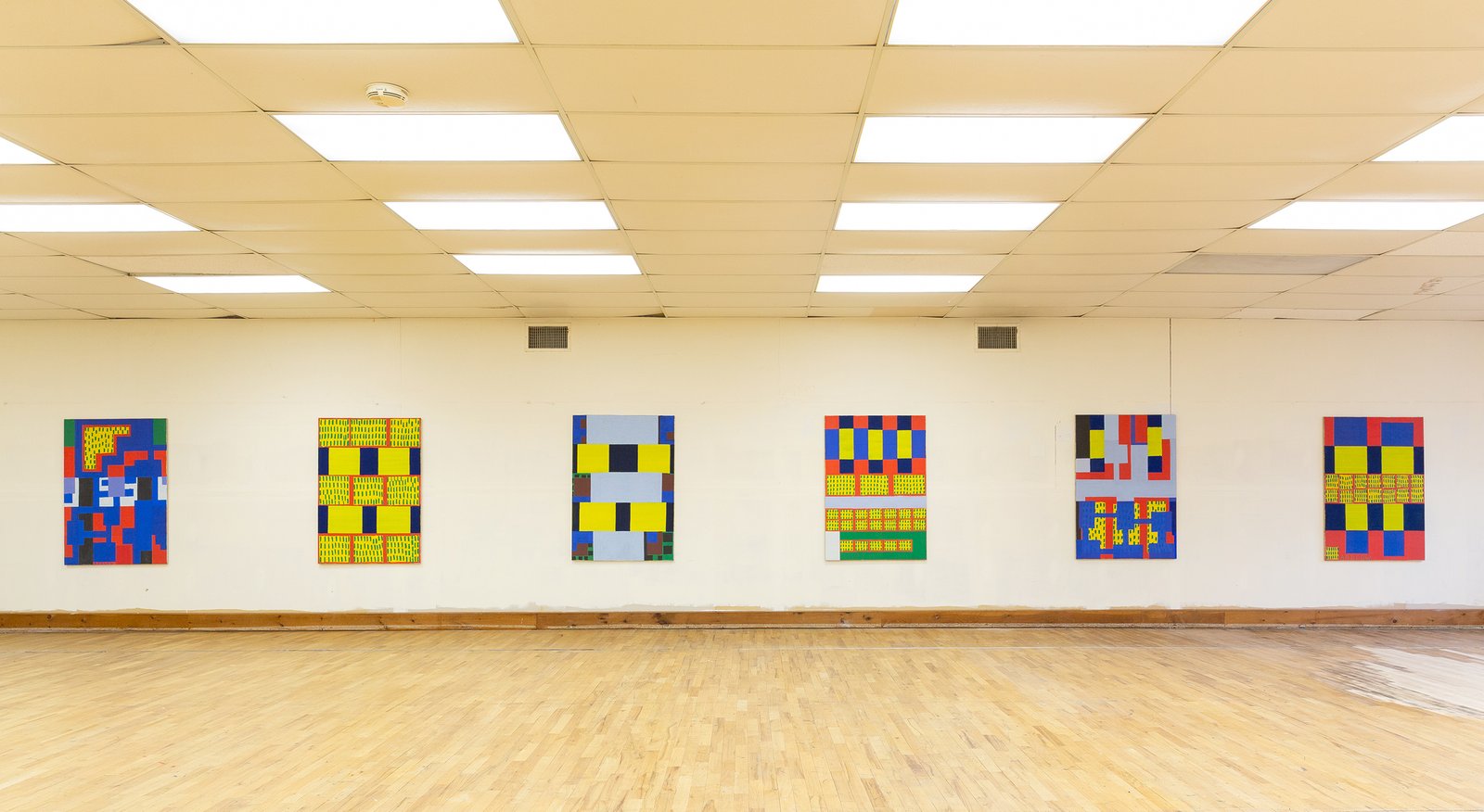
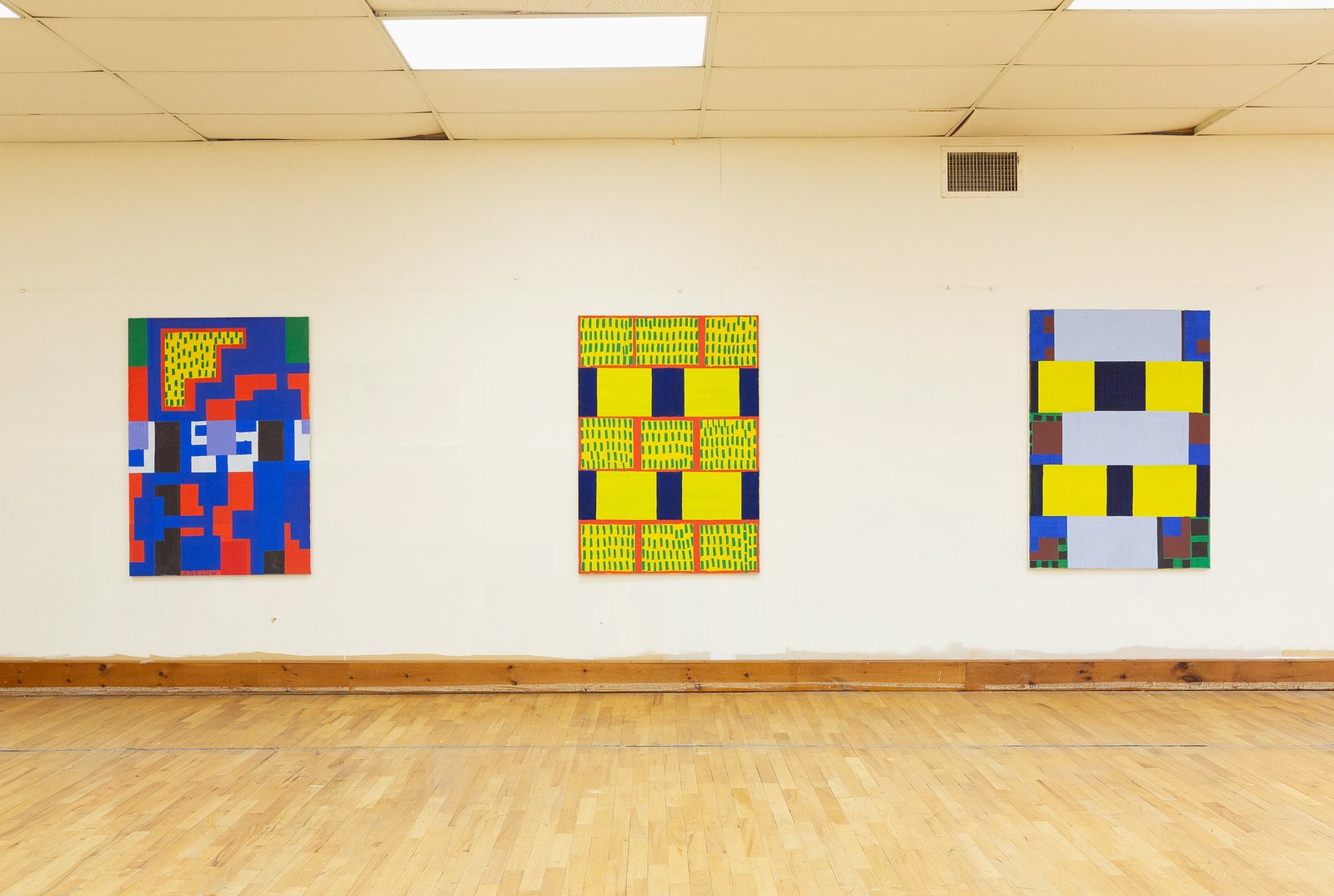
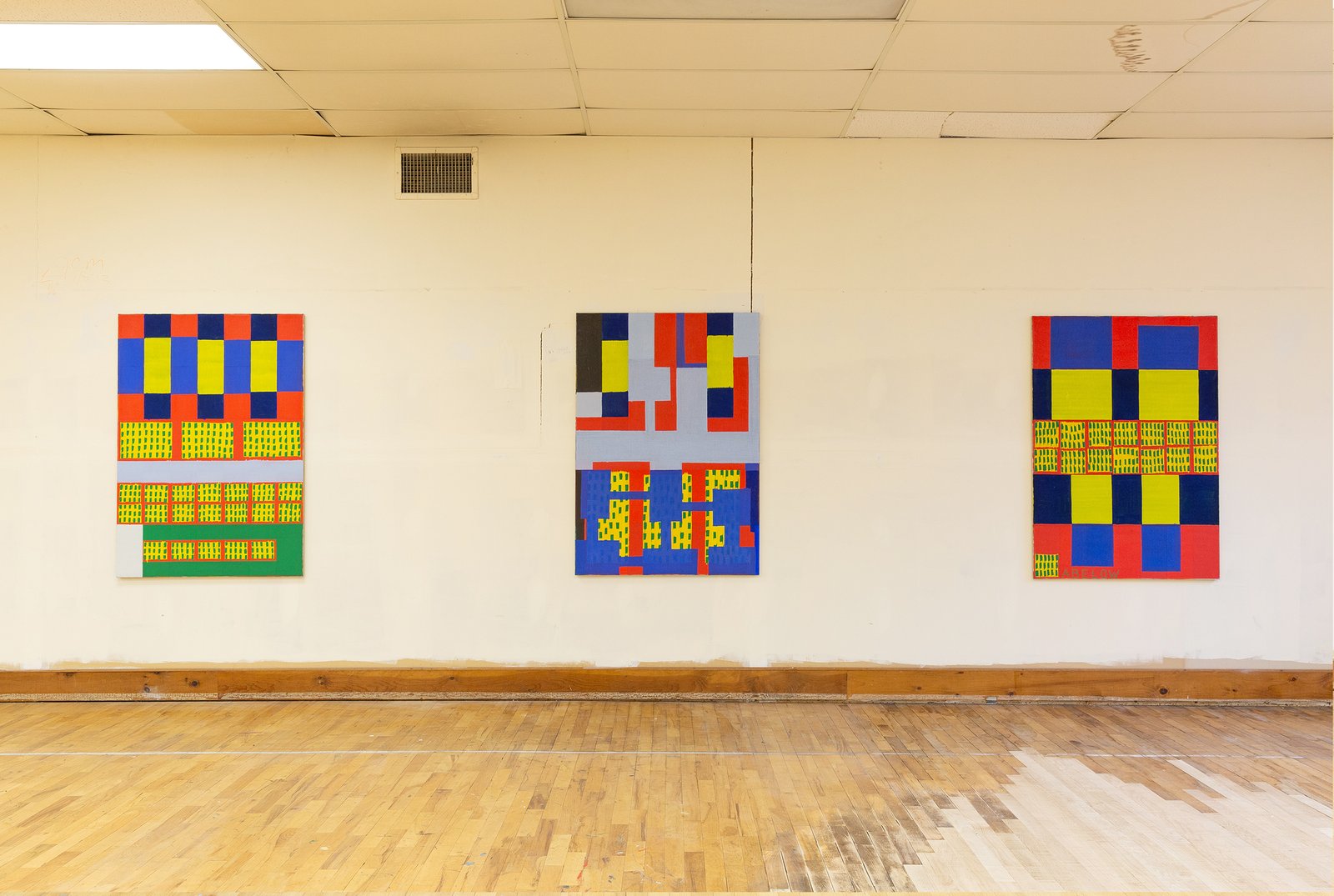
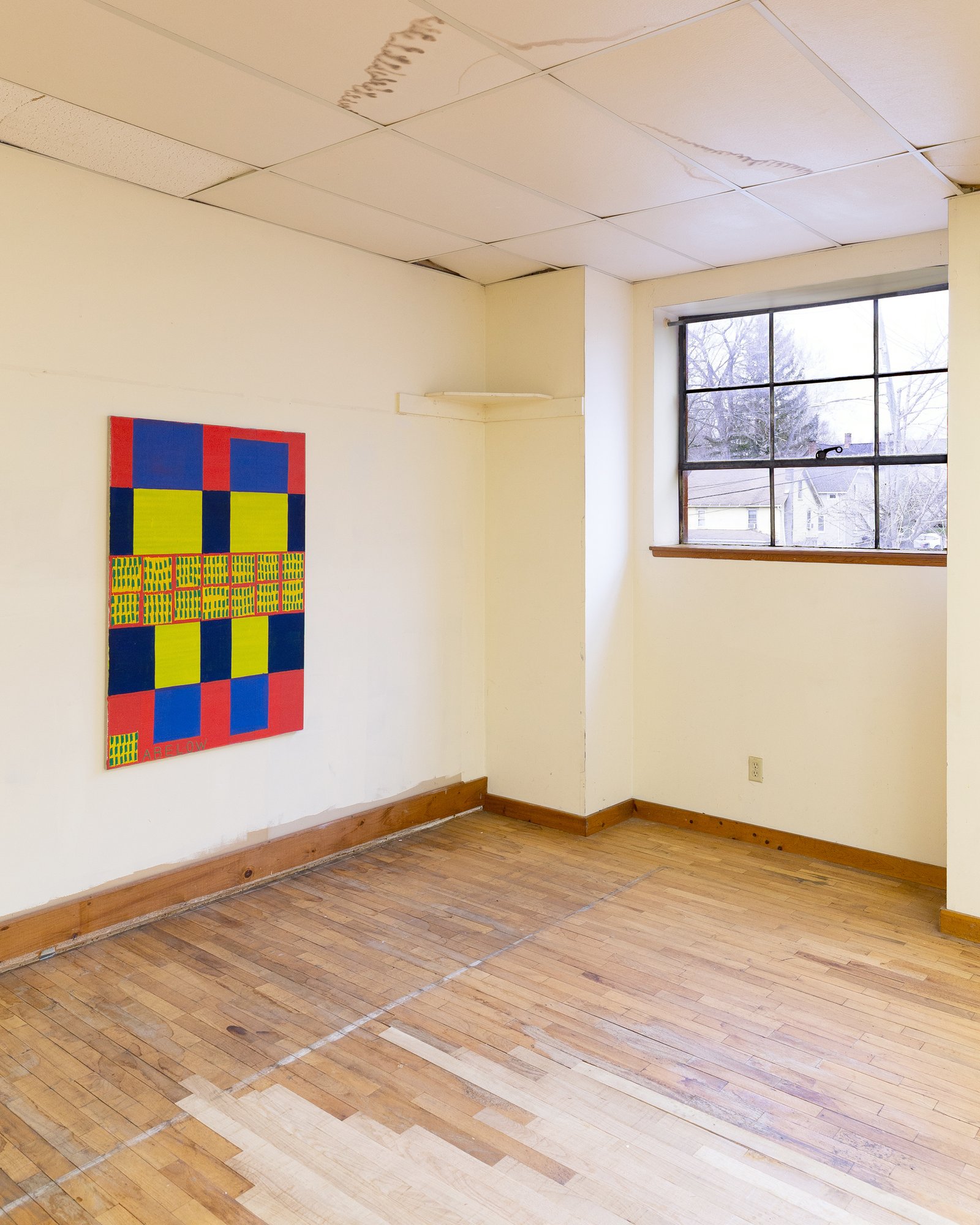
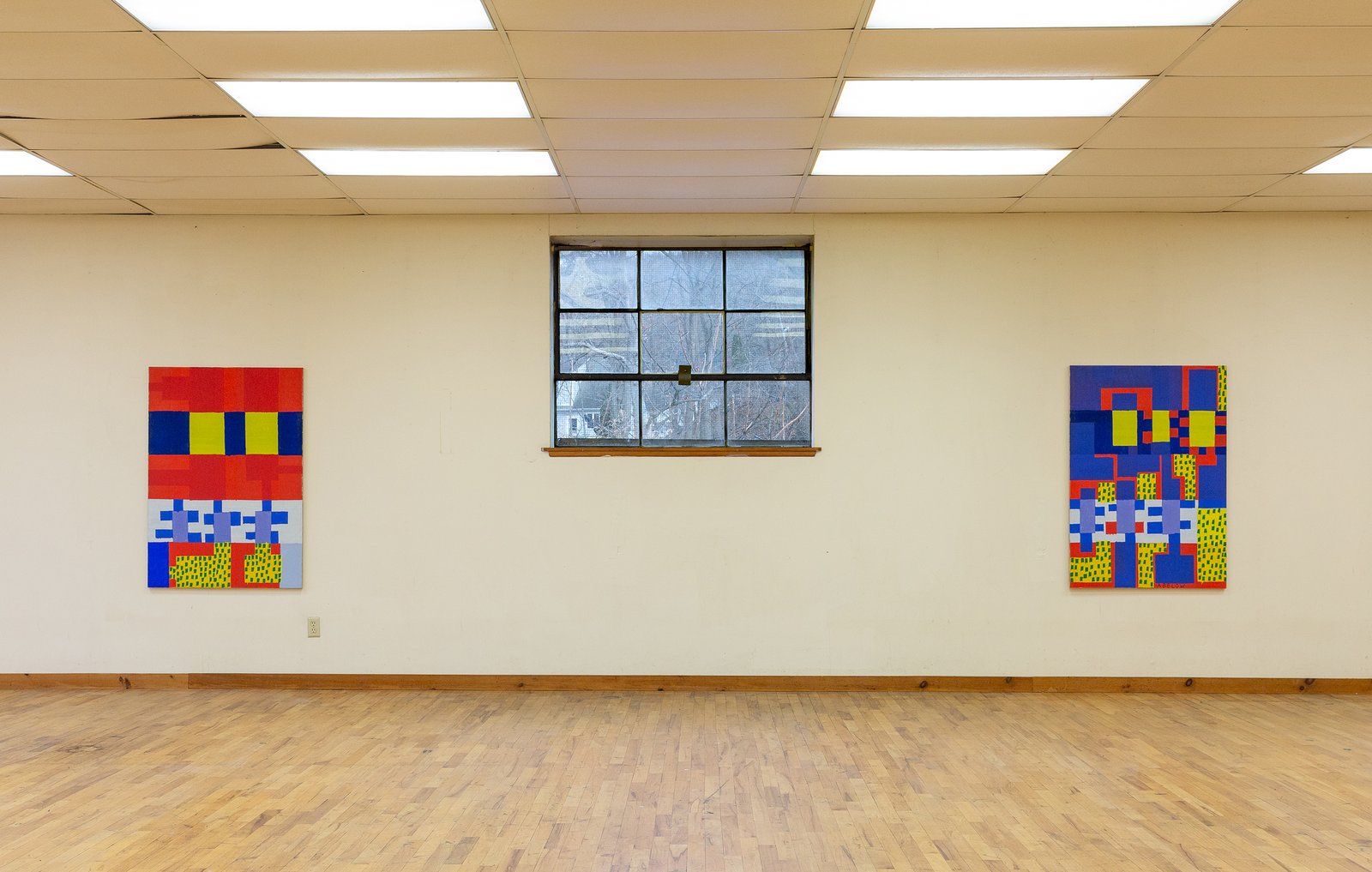
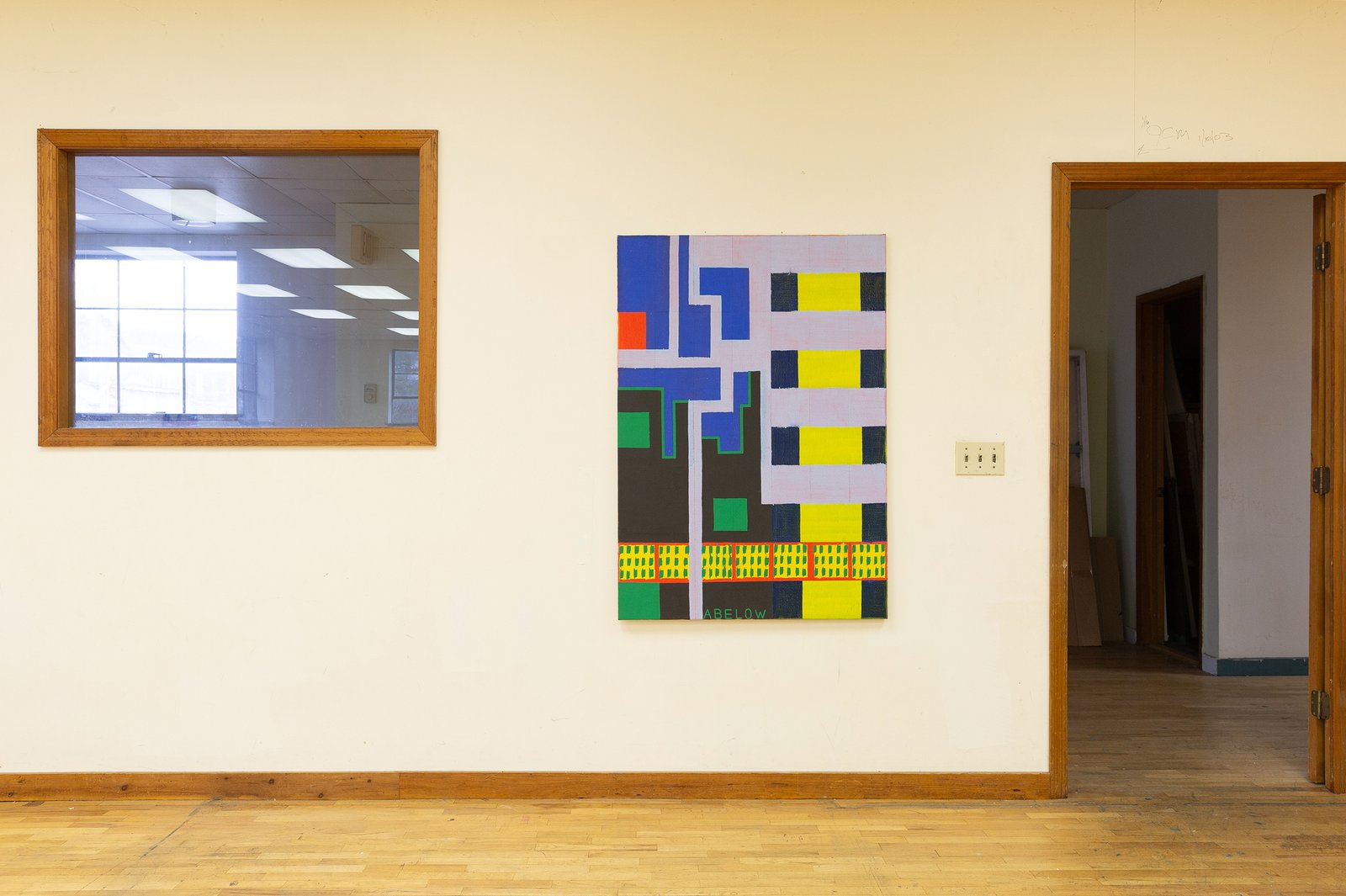
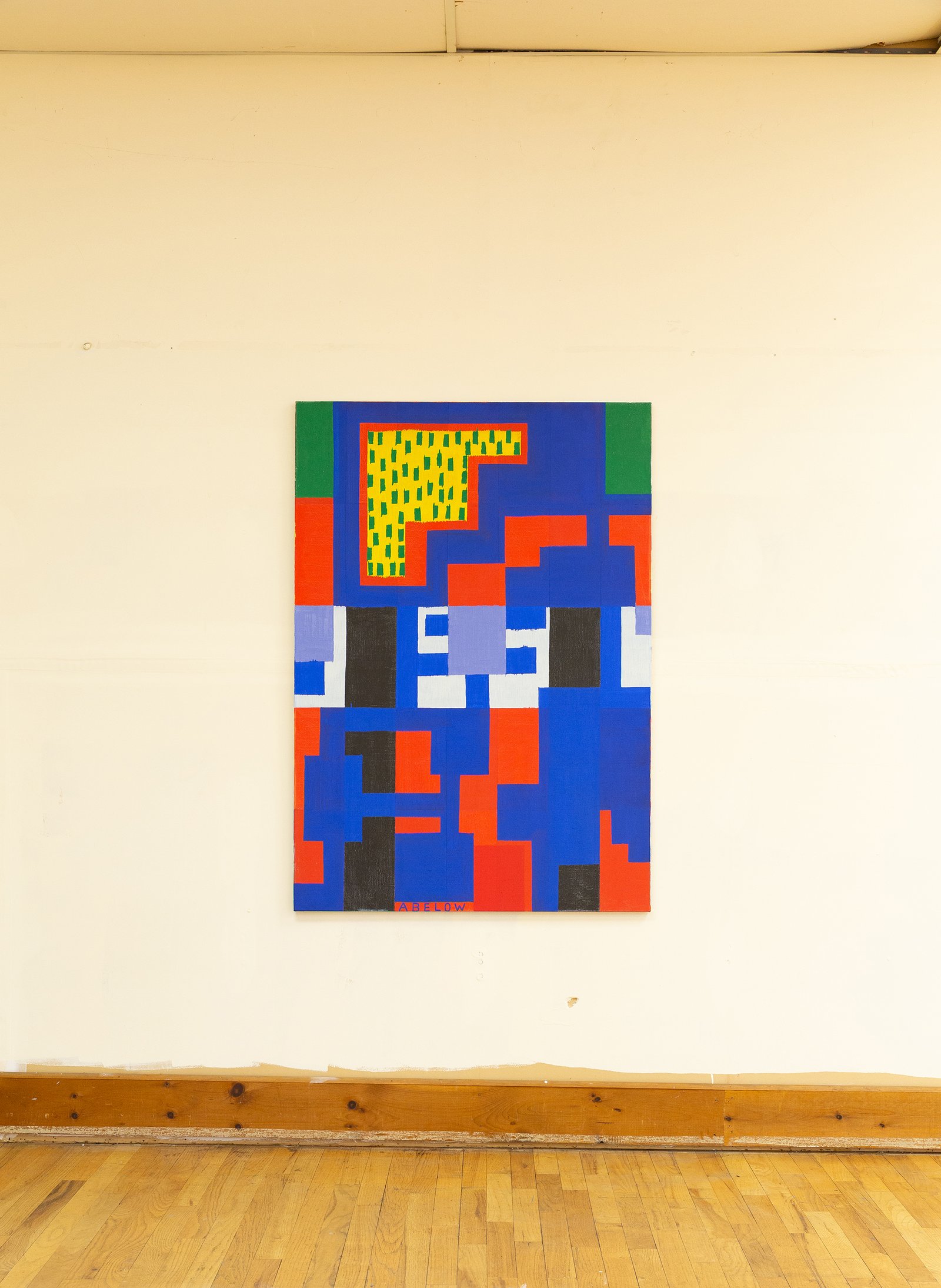
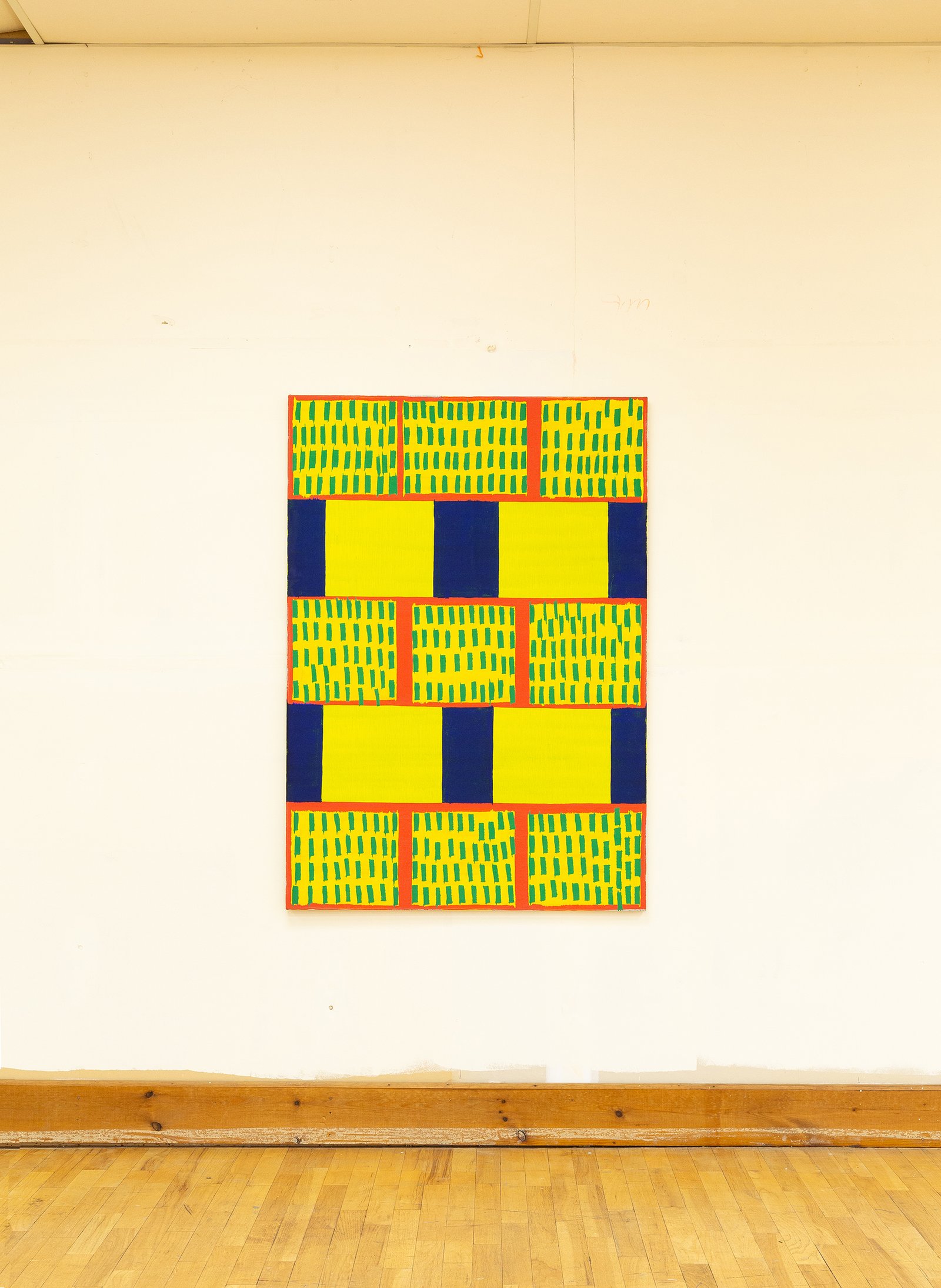
According to Merriam-Webster, the primary definition of a matrix is something within or from which something else originates, develops, or takes form. I wonder — how do we stay somewhat as connected as we have been lately, while also taking something resembling a break? Is it even possible? I’d love to create a new matrix. I’d love to create anything within or from which something else originates, develops, or takes form. And I know Abelow has been striving to do the same for at least as long as I’ve known him, and I’ve known him now for twenty-two years. He’s not part of some glitch. He’s part of the real deal. No, he is the real deal. These paintings are a commentary on the contemporary; they are a prelude to something we still do not understand. And that is always the point or the place that is perhaps the most enthralling, enjoyable, and unpredictable to be. The glitch is the get, or (can be) the get-to.
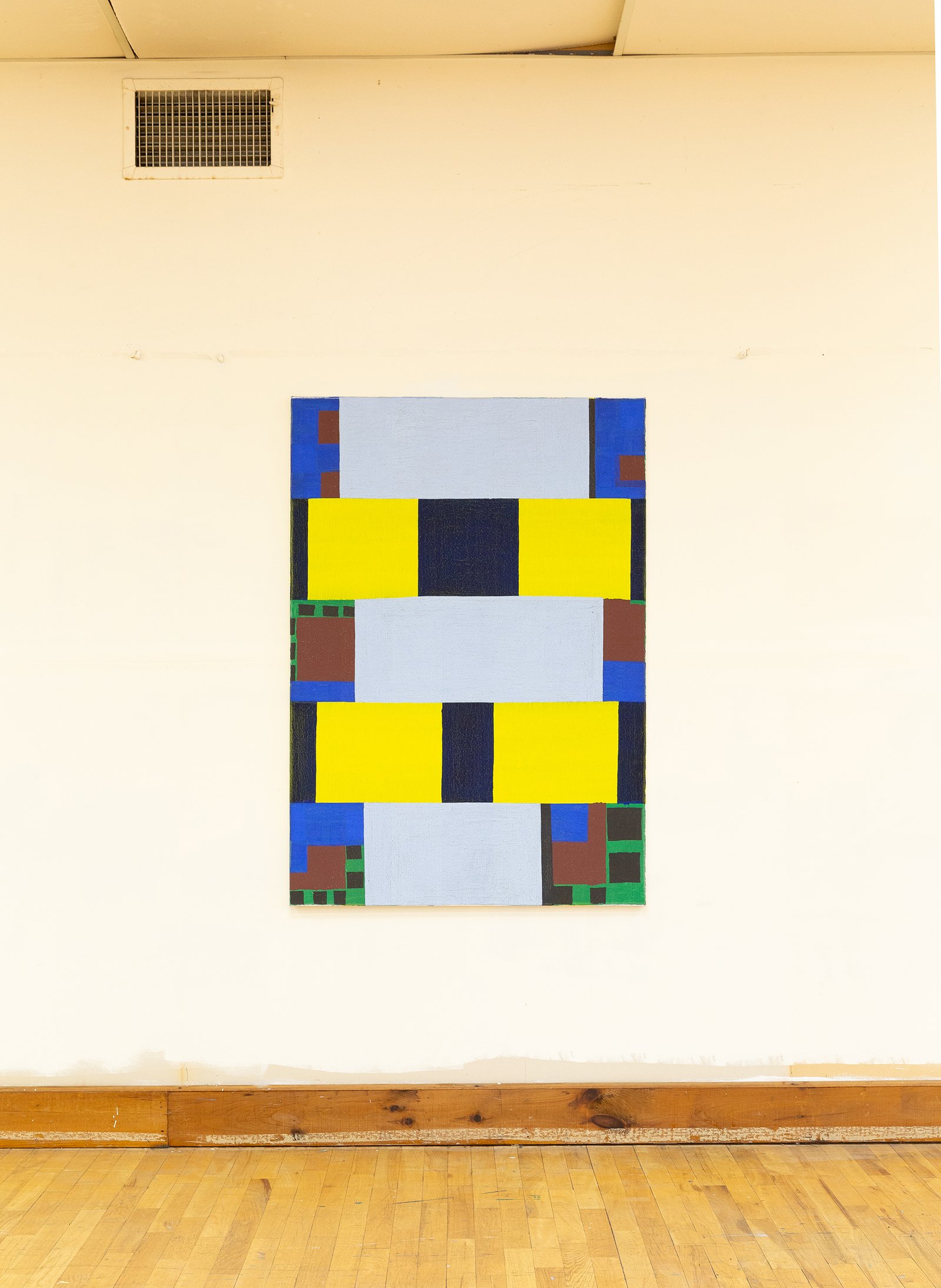
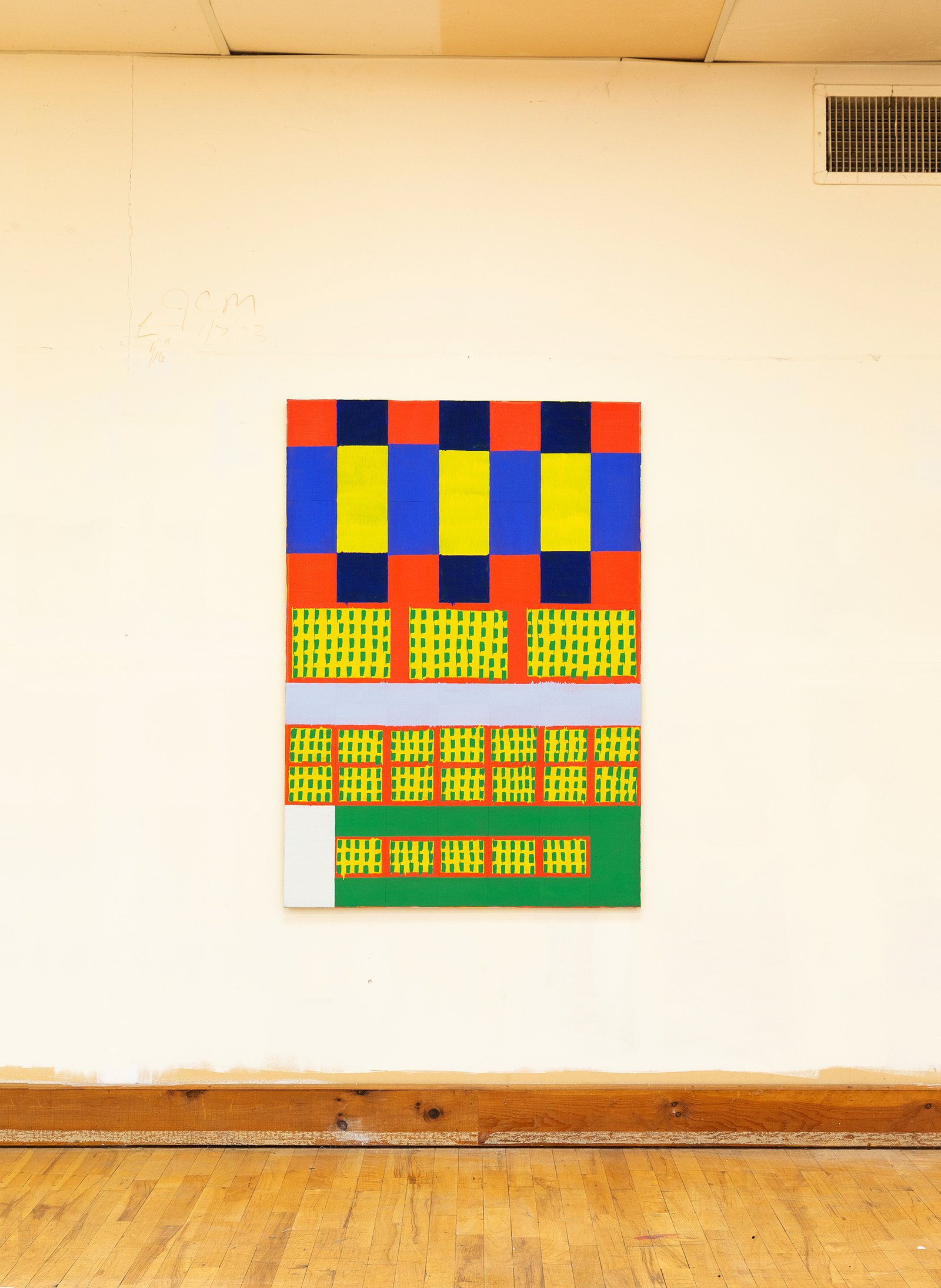
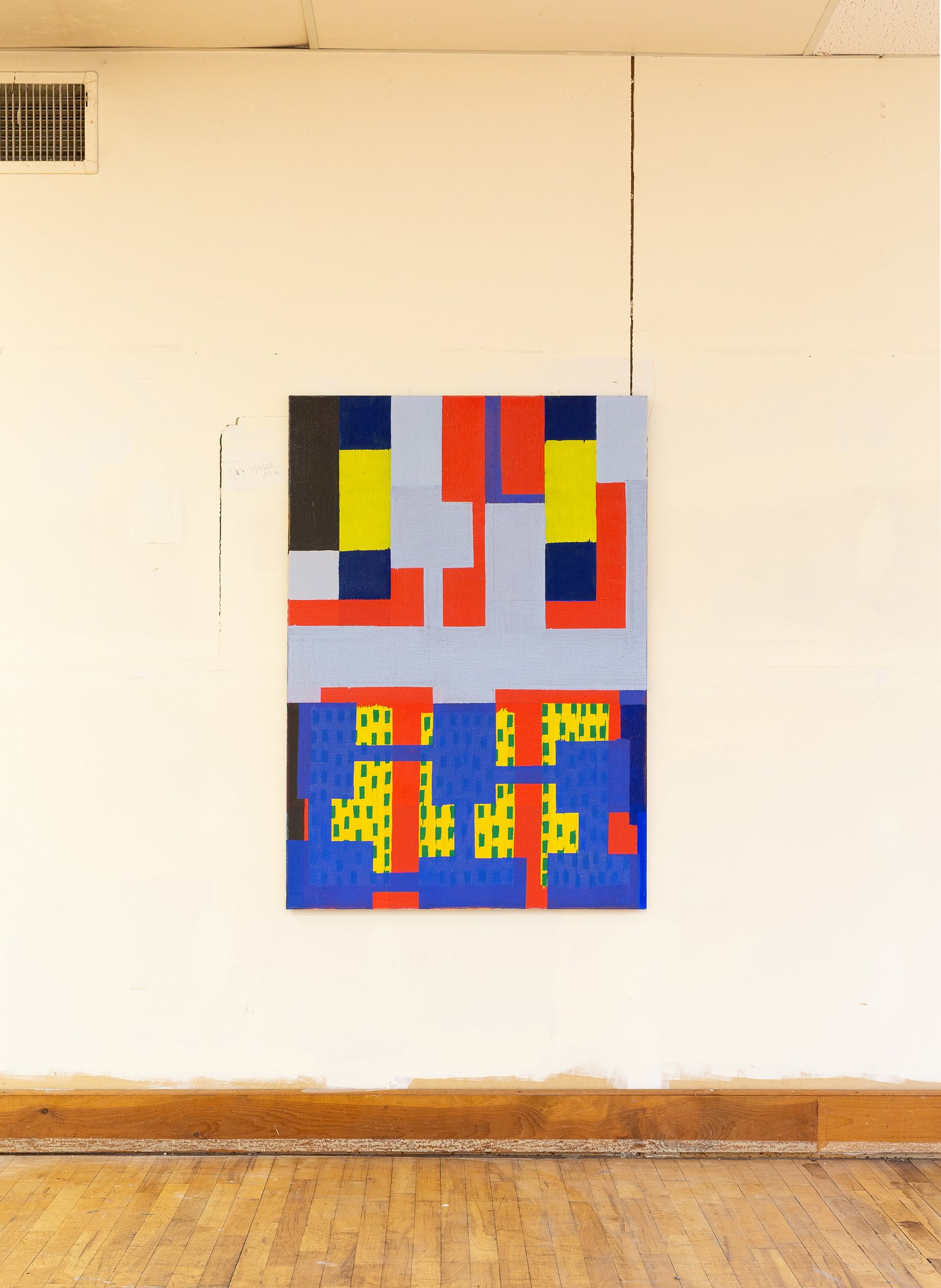
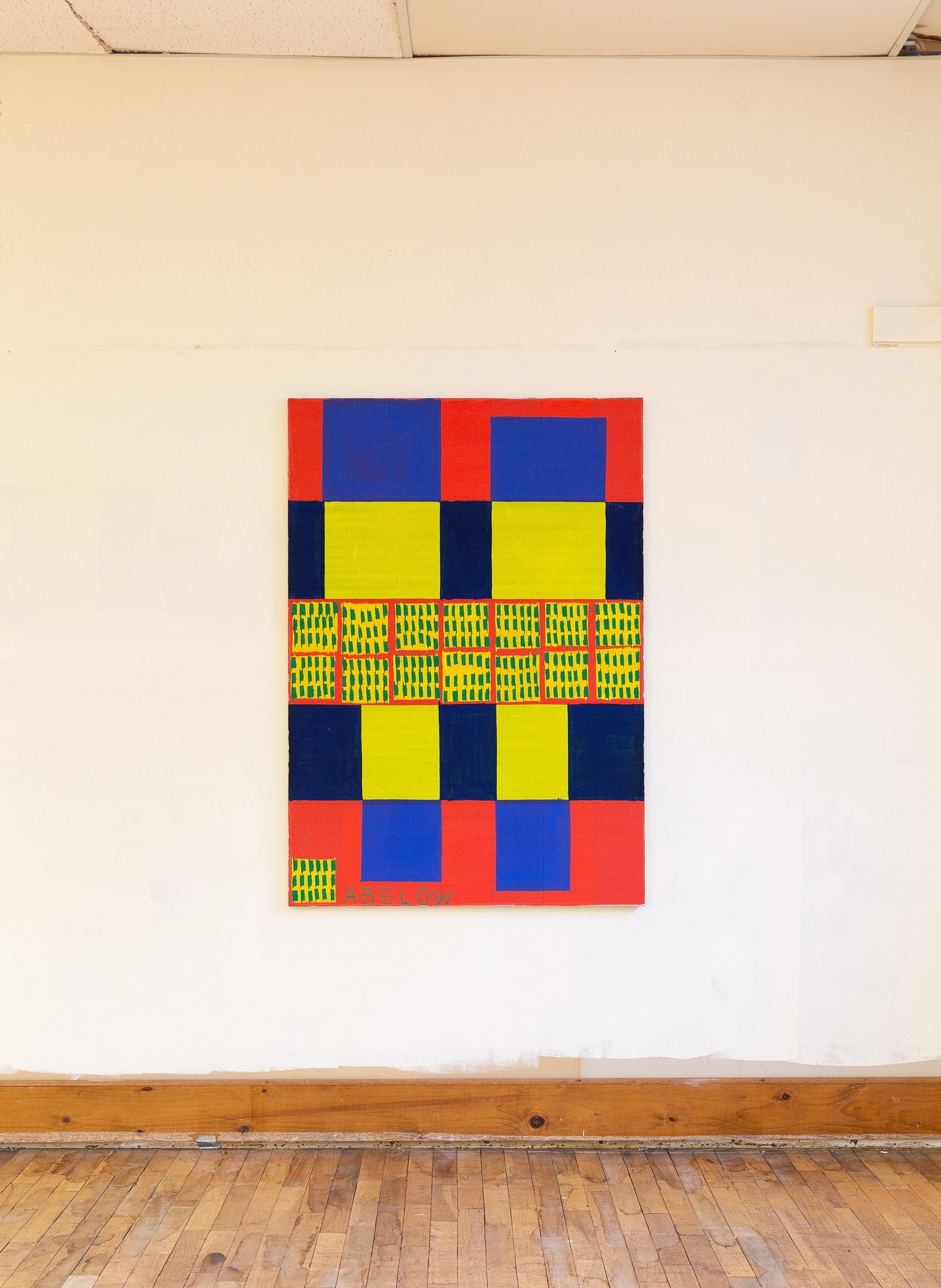
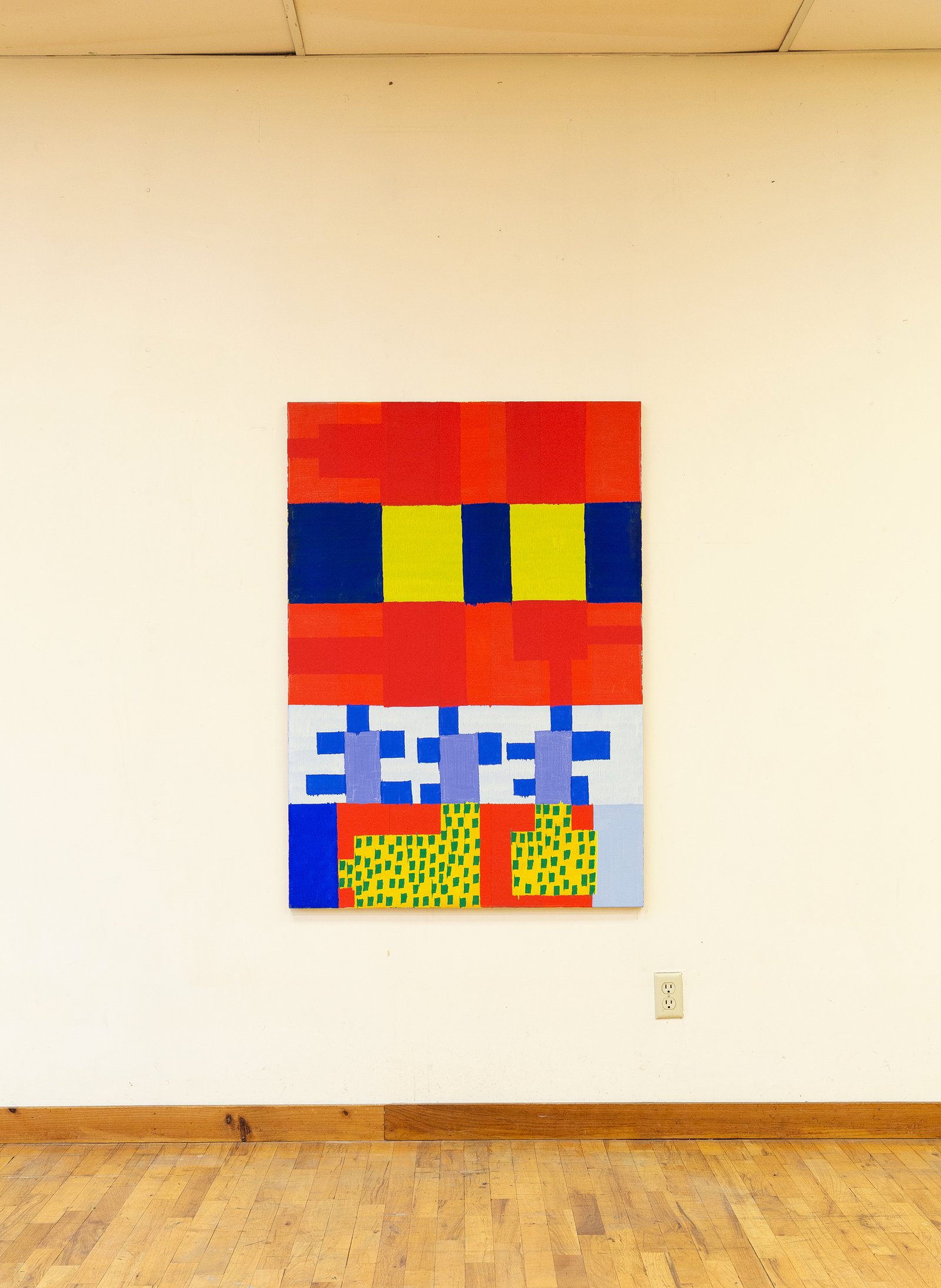
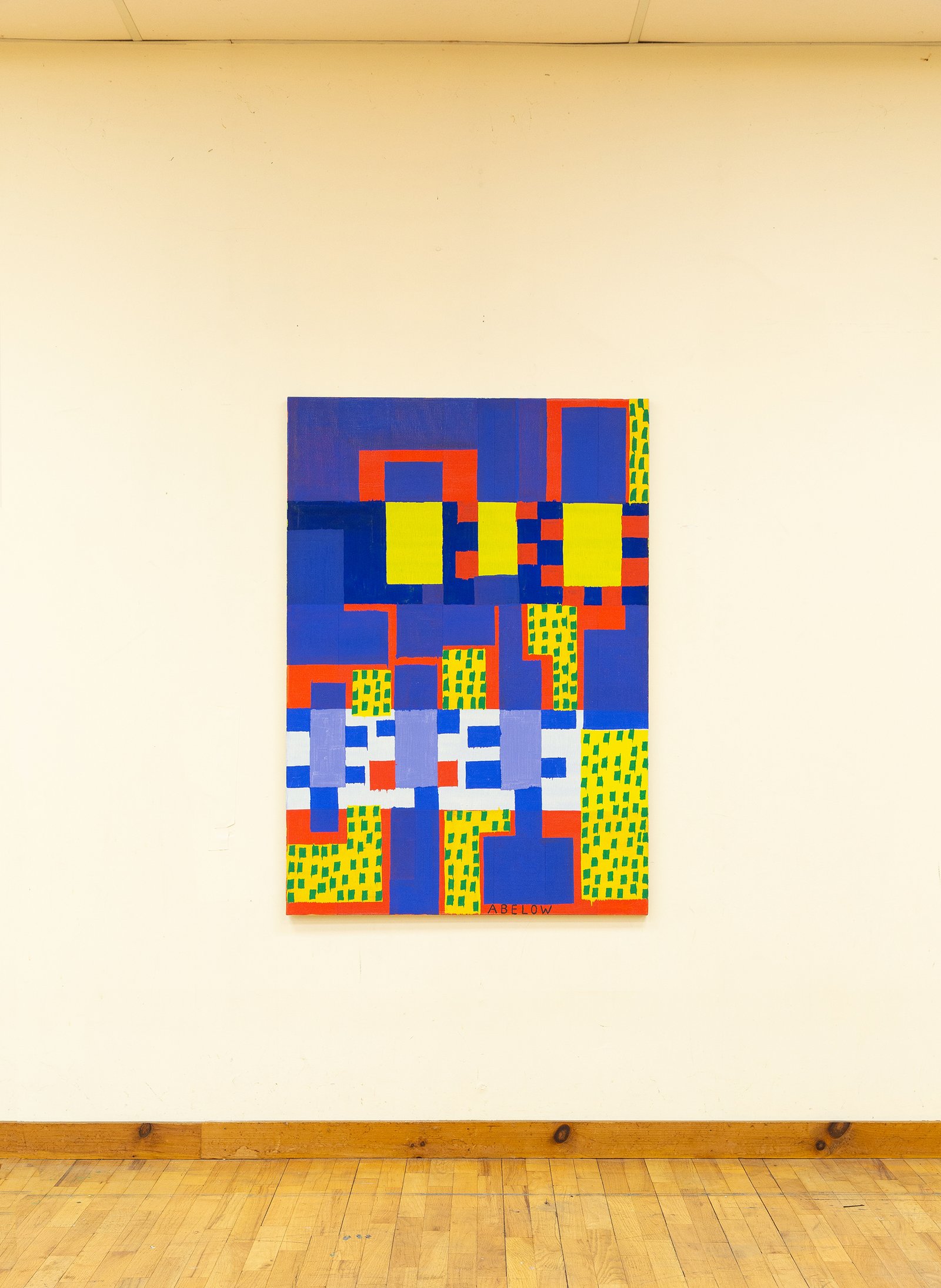
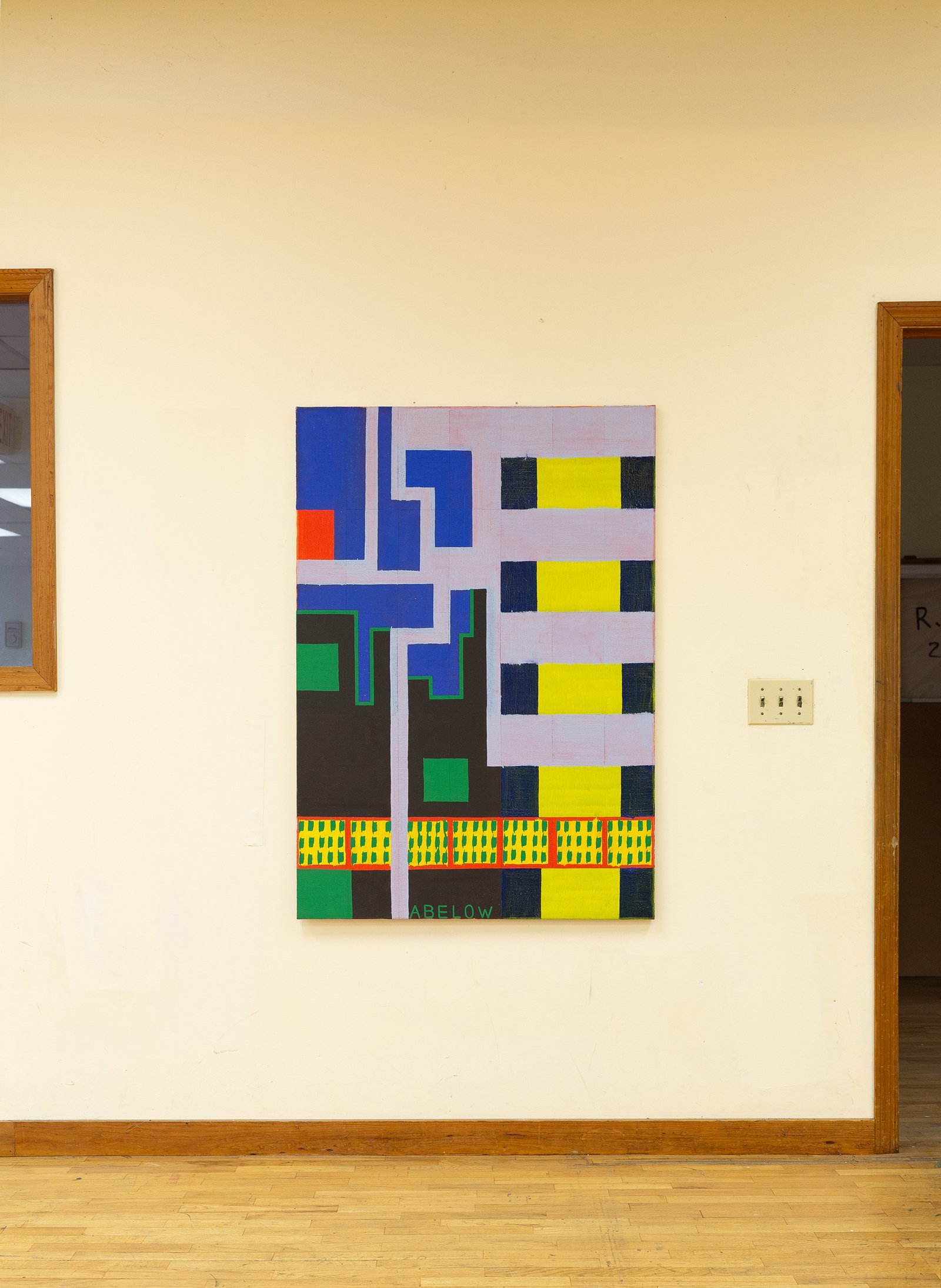
These Leaky Abstractions are representative of a glitch, though. Other works from the same series were initially presented consecutively, as a two-part series, at Magenta Plains in Manhattan back in 2021. The term ‘leaky abstraction’ was first popularized by the software engineer, Joel Spolsky, to describe a design flaw, in which an ‘abstraction’ — something in software that makes a computer program more accessible while hiding any details that may make things more difficult for the end user — becomes exposed and the underlying complexity of a system is revealed to users, often forcing them to have to troubleshoot the issue(s) and essentially become fast-learning, entry-level computer nerds themselves. Abelow applied this notion to painting — the process of making, exhibiting, consuming, digesting, and discussing it. He did so in response to the COVID pandemic — a major glitch in our real-life matrix, for sure.
It should be noted that nearly two decades prior to making his Leaky Abstractions, Abelow made a series of paintings that he called Leaks. These were in direct response to the 9/11 attacks — one of the other major glitches of the 21st century up to this point. At that time, his studio was mere blocks from the Twin Towers. These Leak paintings were composed of imagery that included oil/gas leaks, broken highways, abstracted structures, flags, monitors, and Avian silhouettes that he appropriated from Alfred Hitchcock.
It is more than evident that Abelow has spent most of his adult life wrapped up in and responding to the world in extraordinarily complicated and poignant ways. His daily painting practice allows him to explore both his most objective preferences and his most subjective impulses. His approach is simultaneously clinical and diaristic, influenced by and emblematic of artistic luminaries as wide- ranging as his former boss, Ross Bleckner, and the ever-elusive On Kawara. Abelow has an astute understanding of the always-acute present moment, and this is on full display with each exhibition he presents, including — and especially — this one.
– Keith J. Varadi, December 2025