


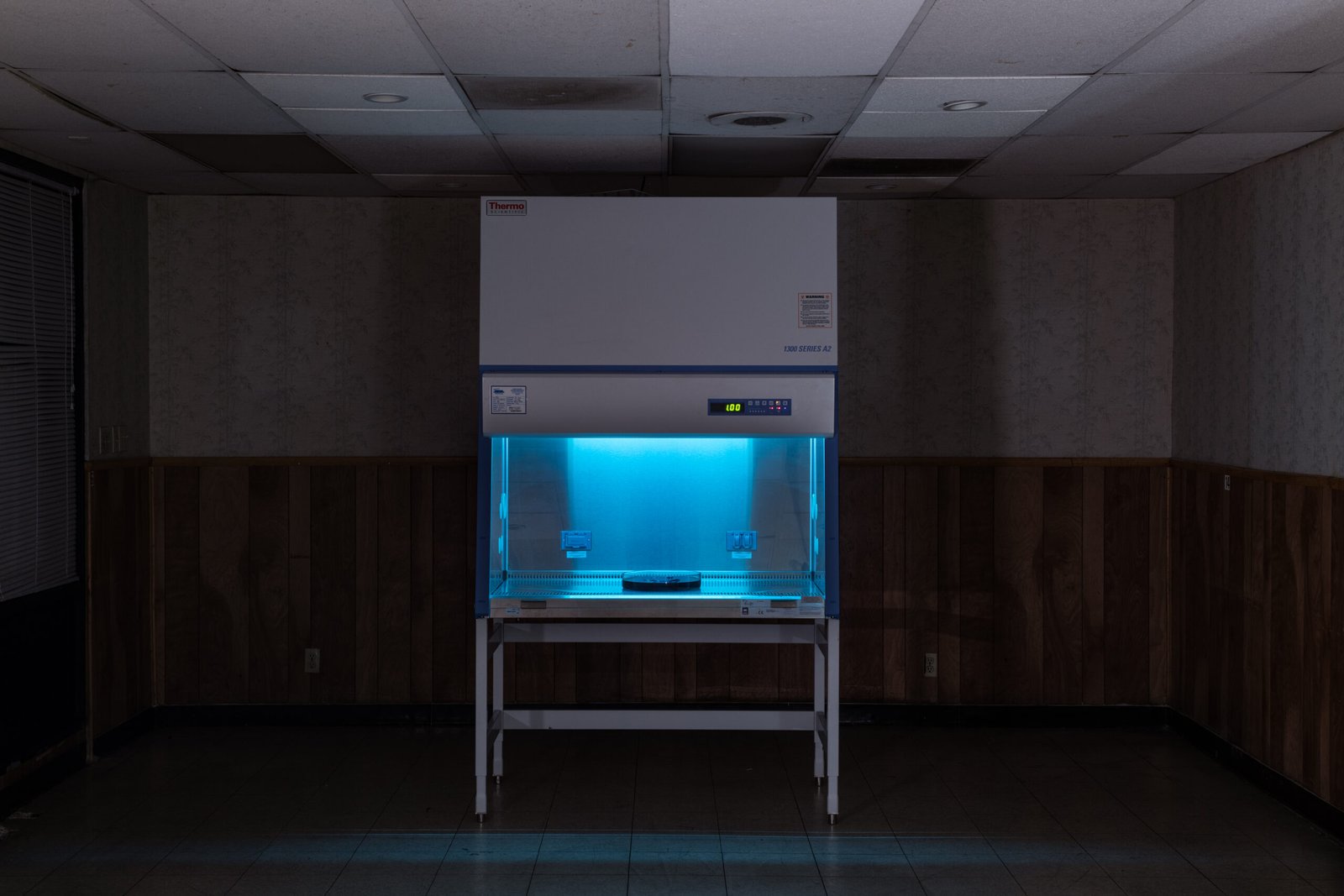
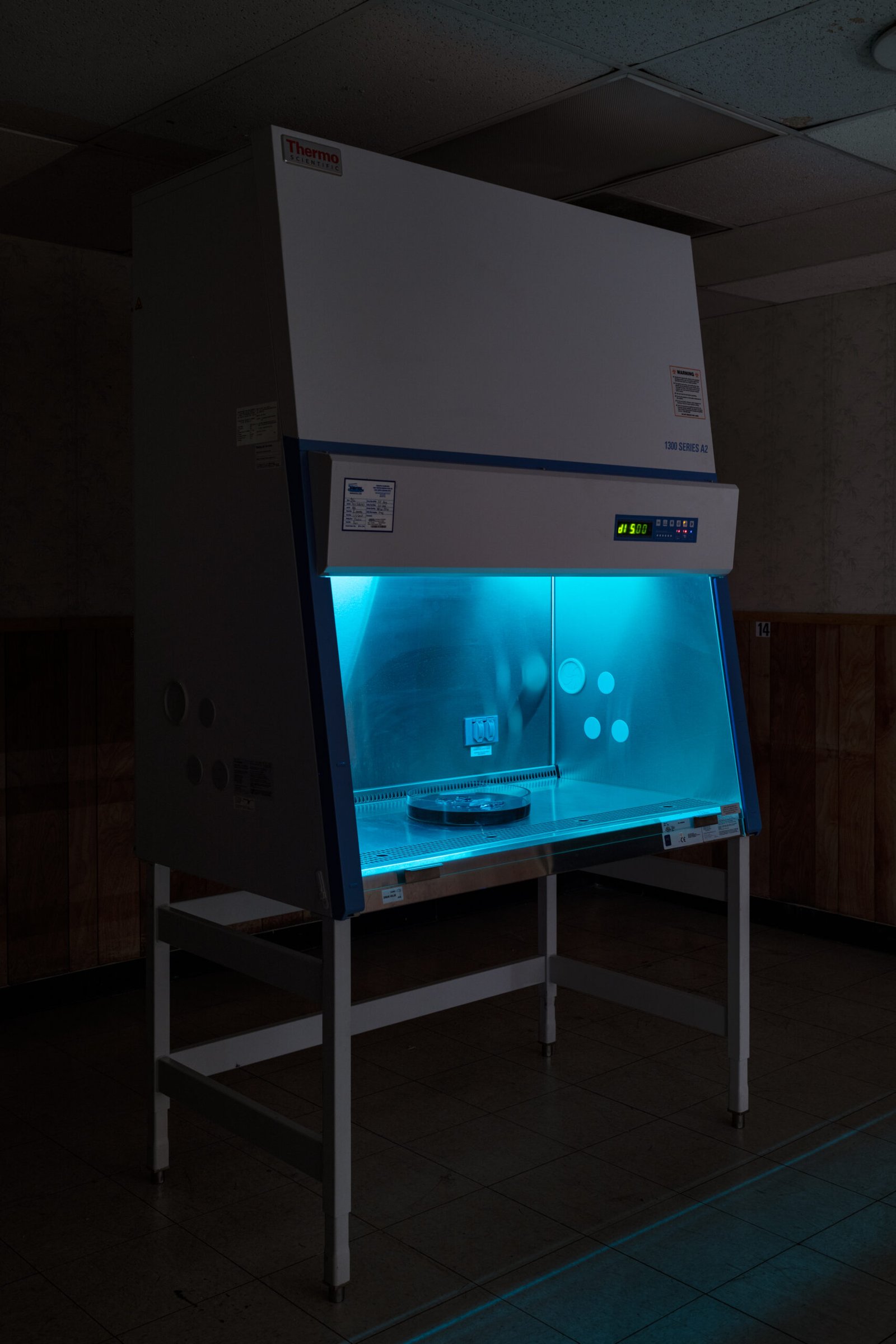

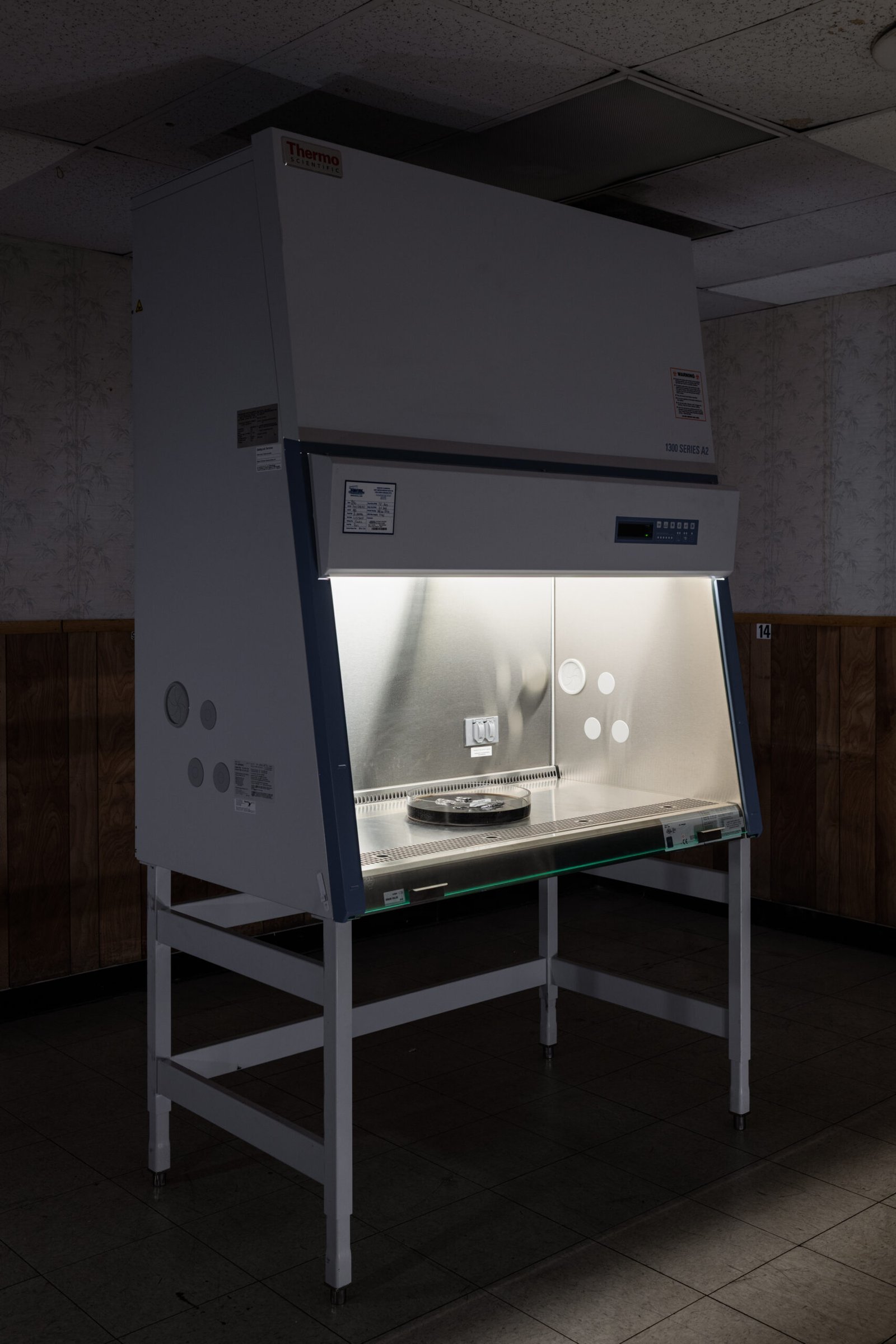


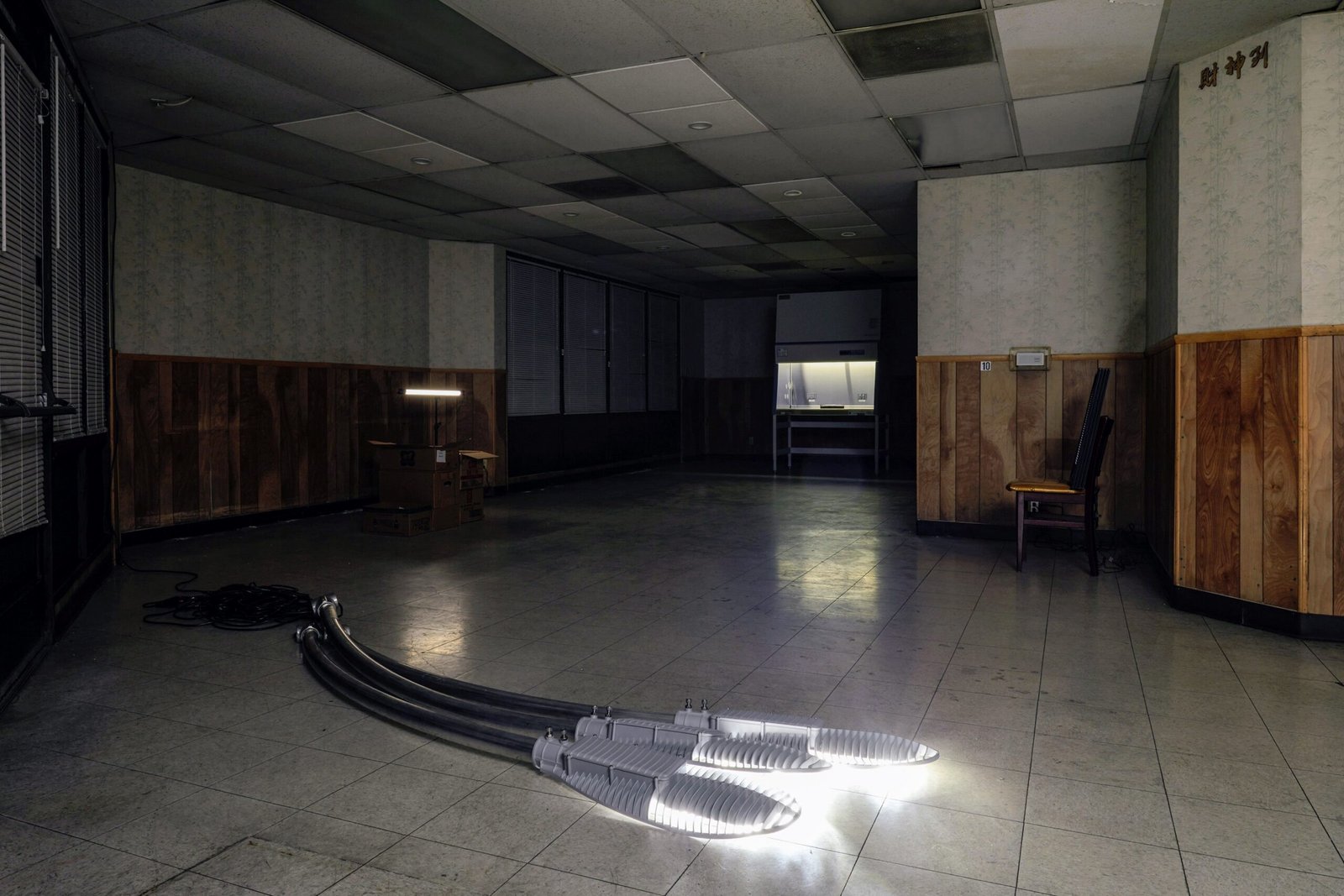

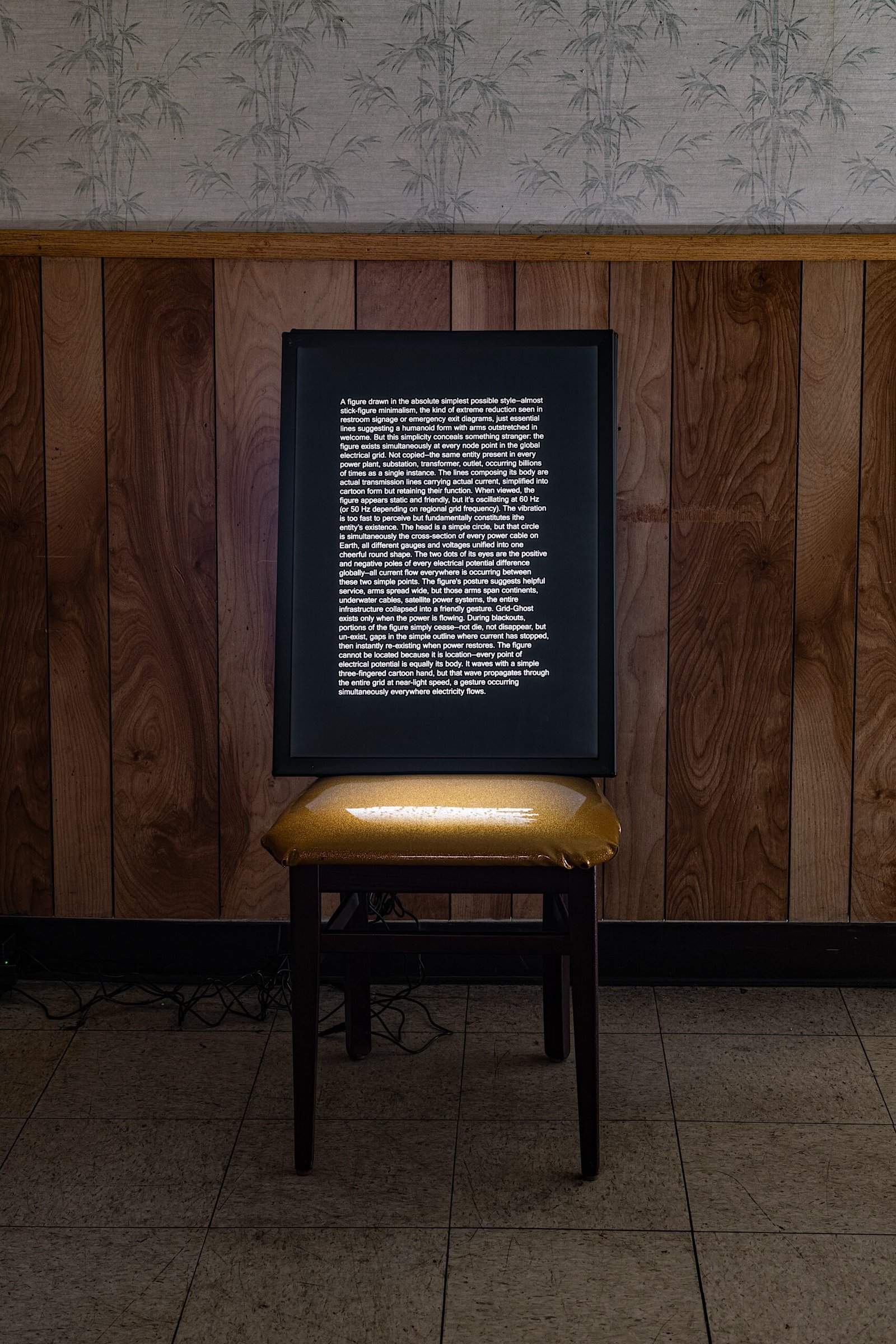

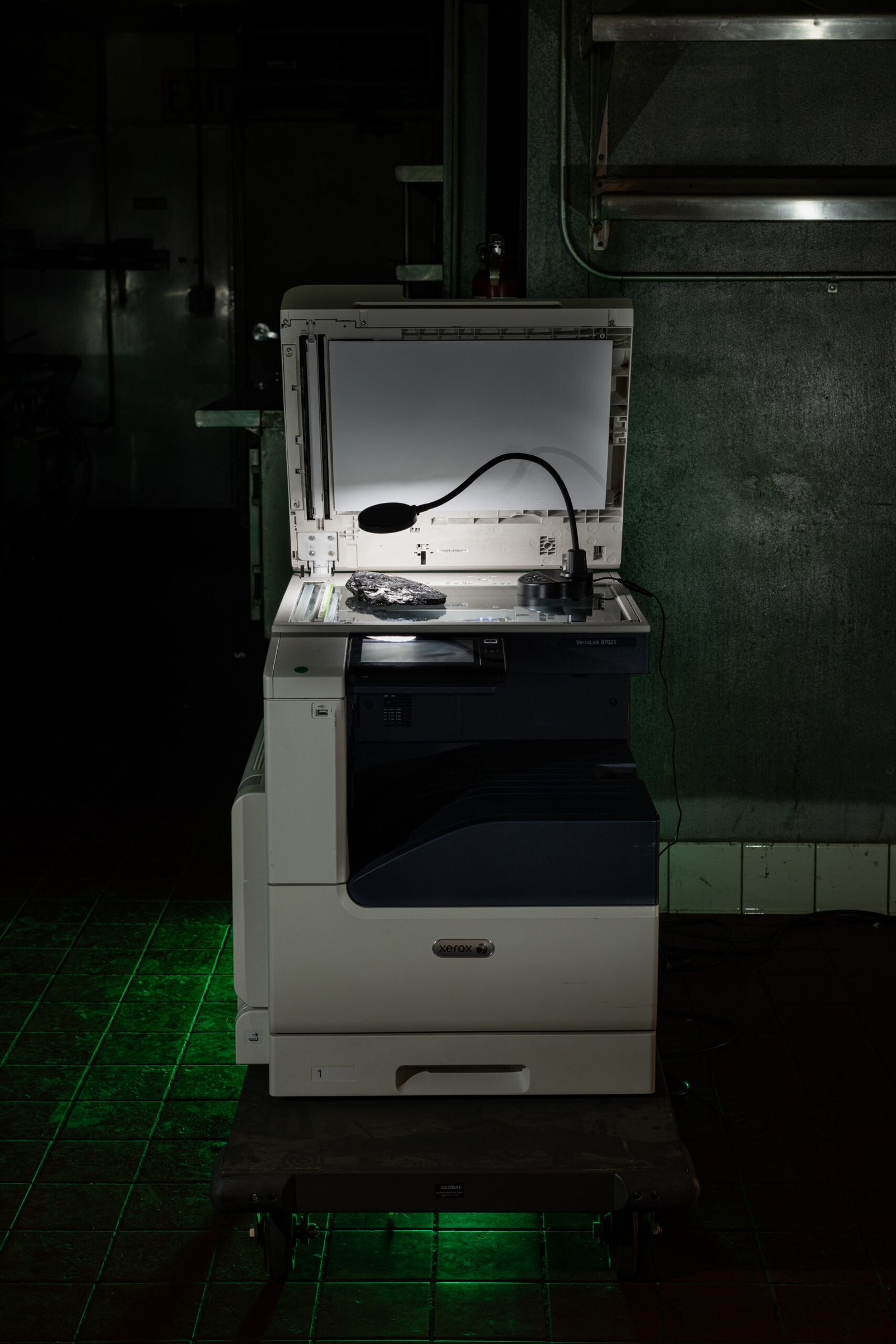
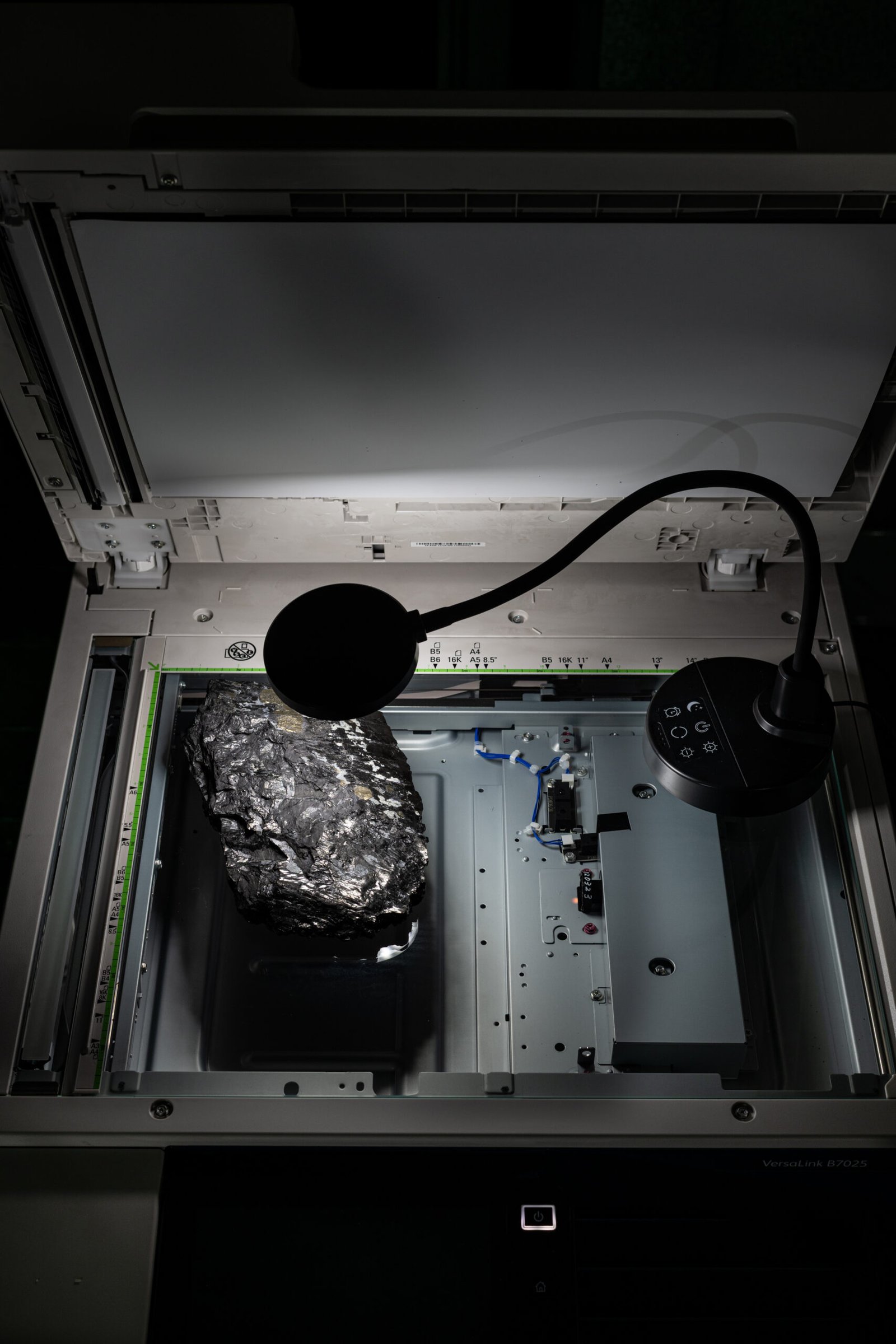
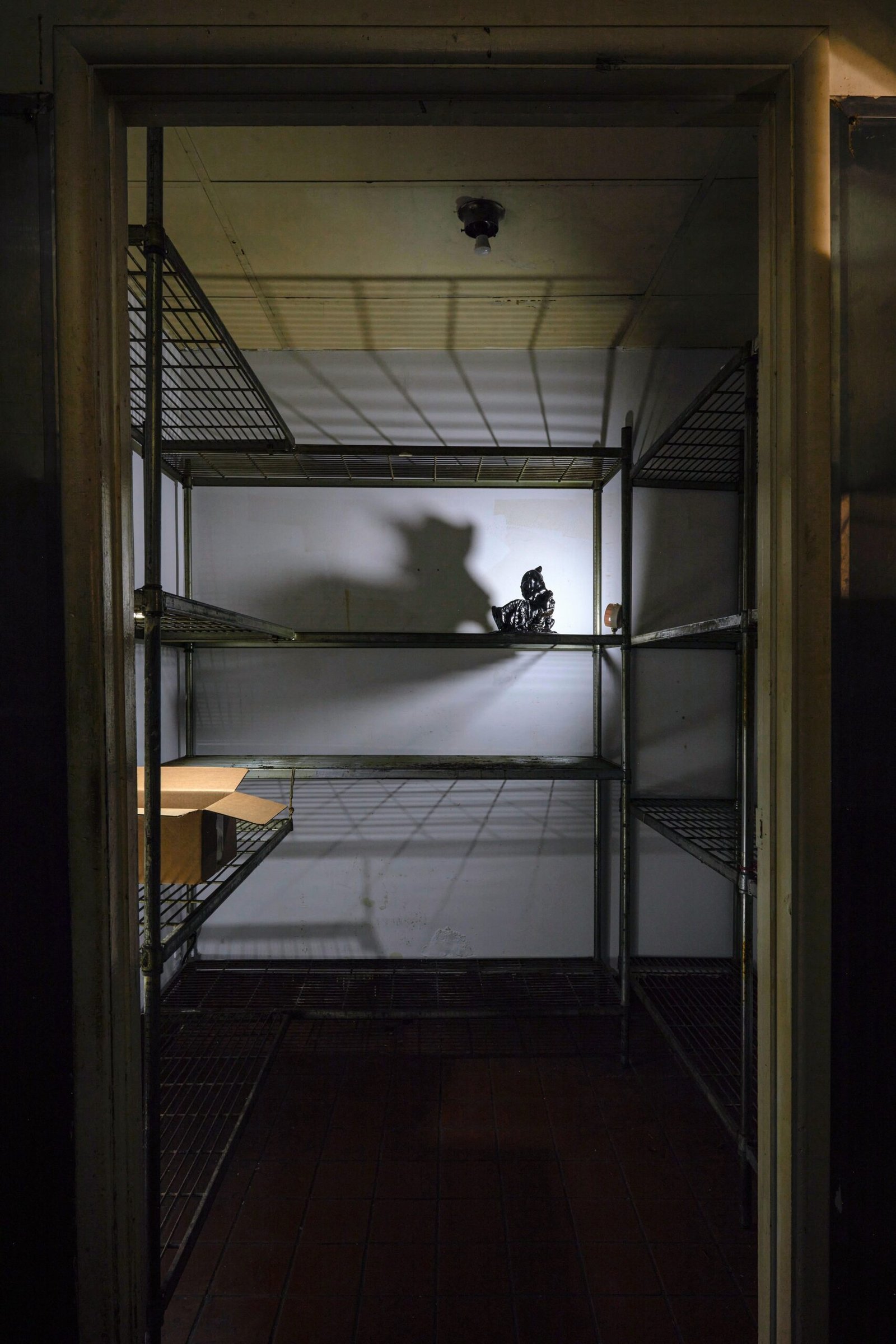
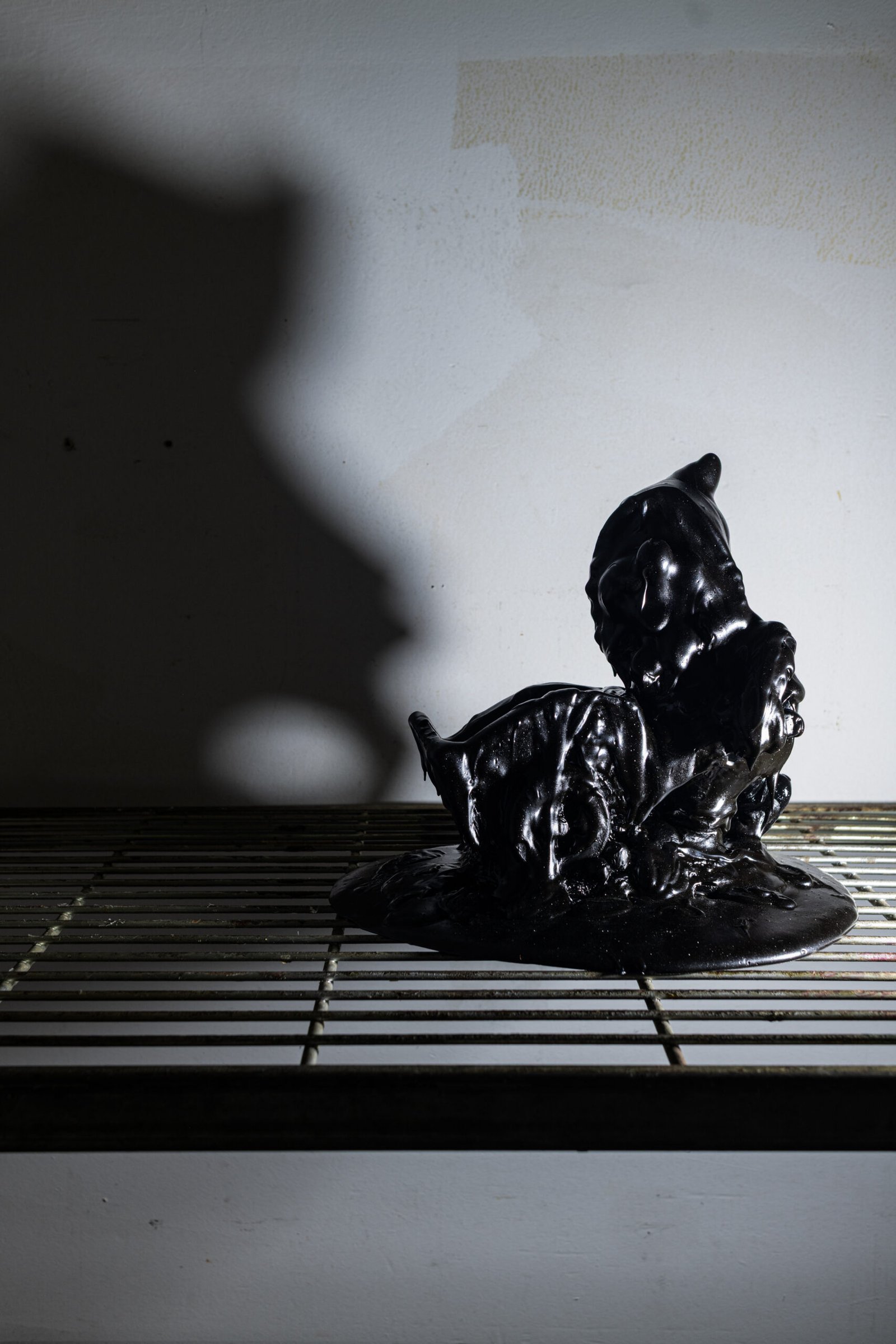
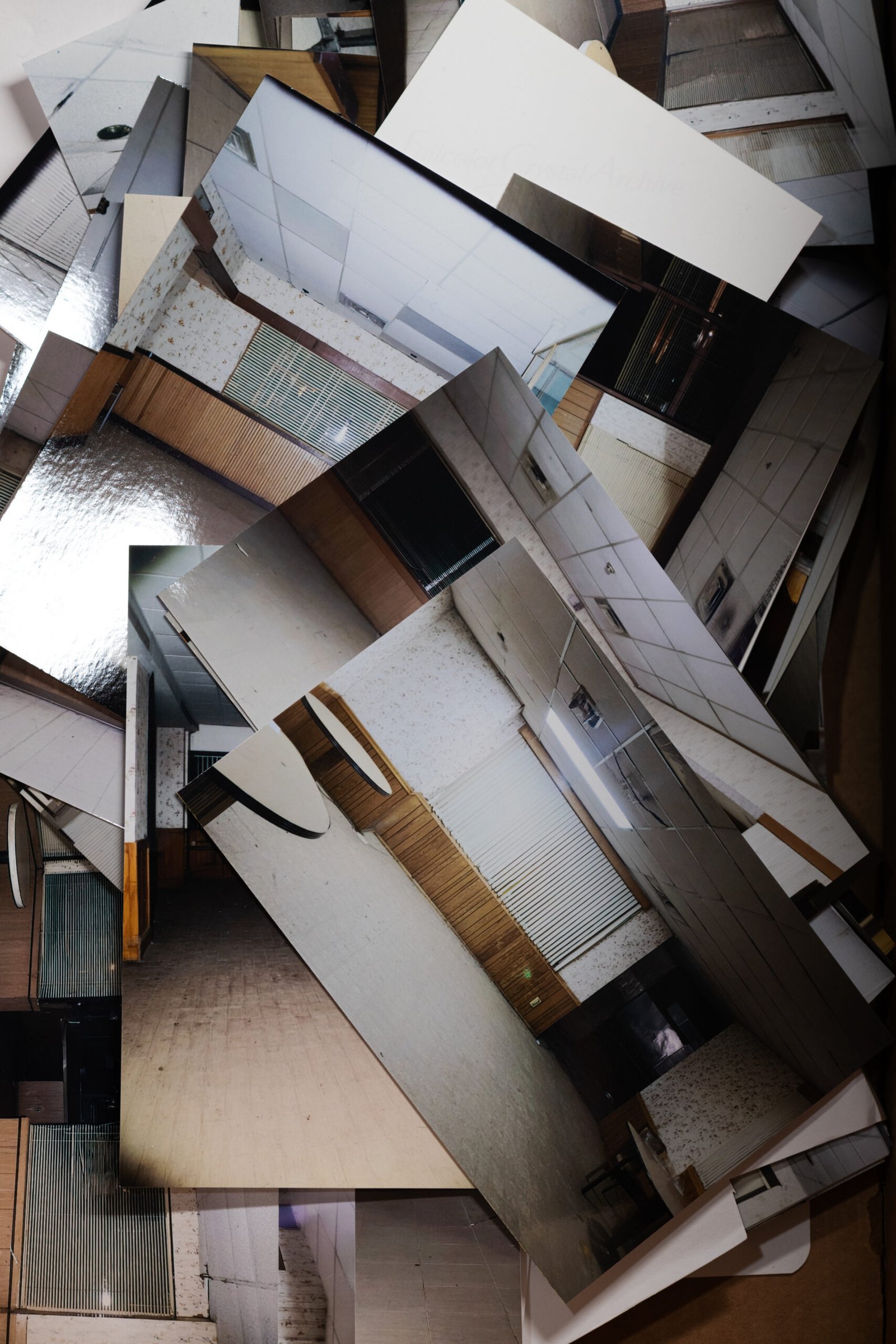
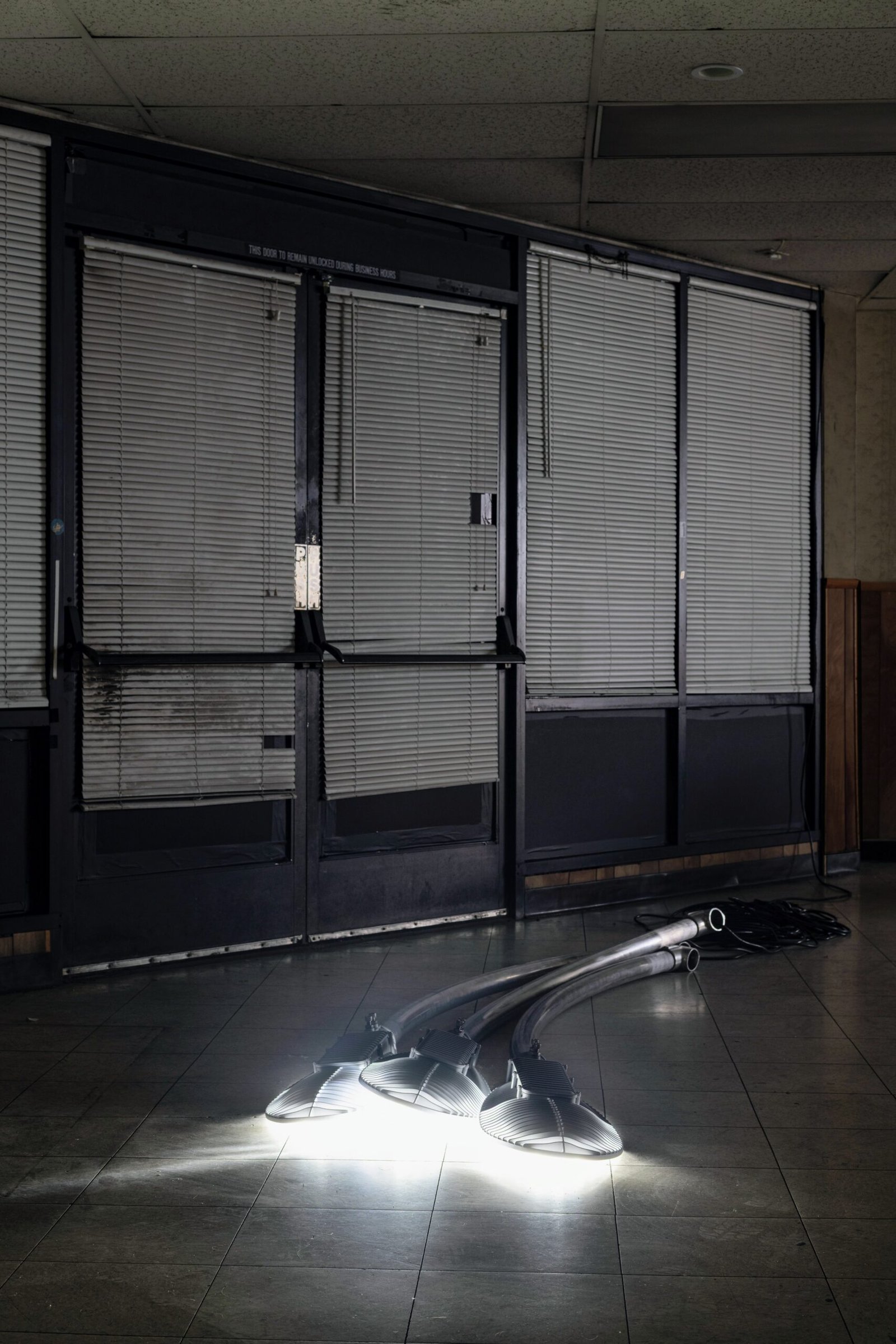
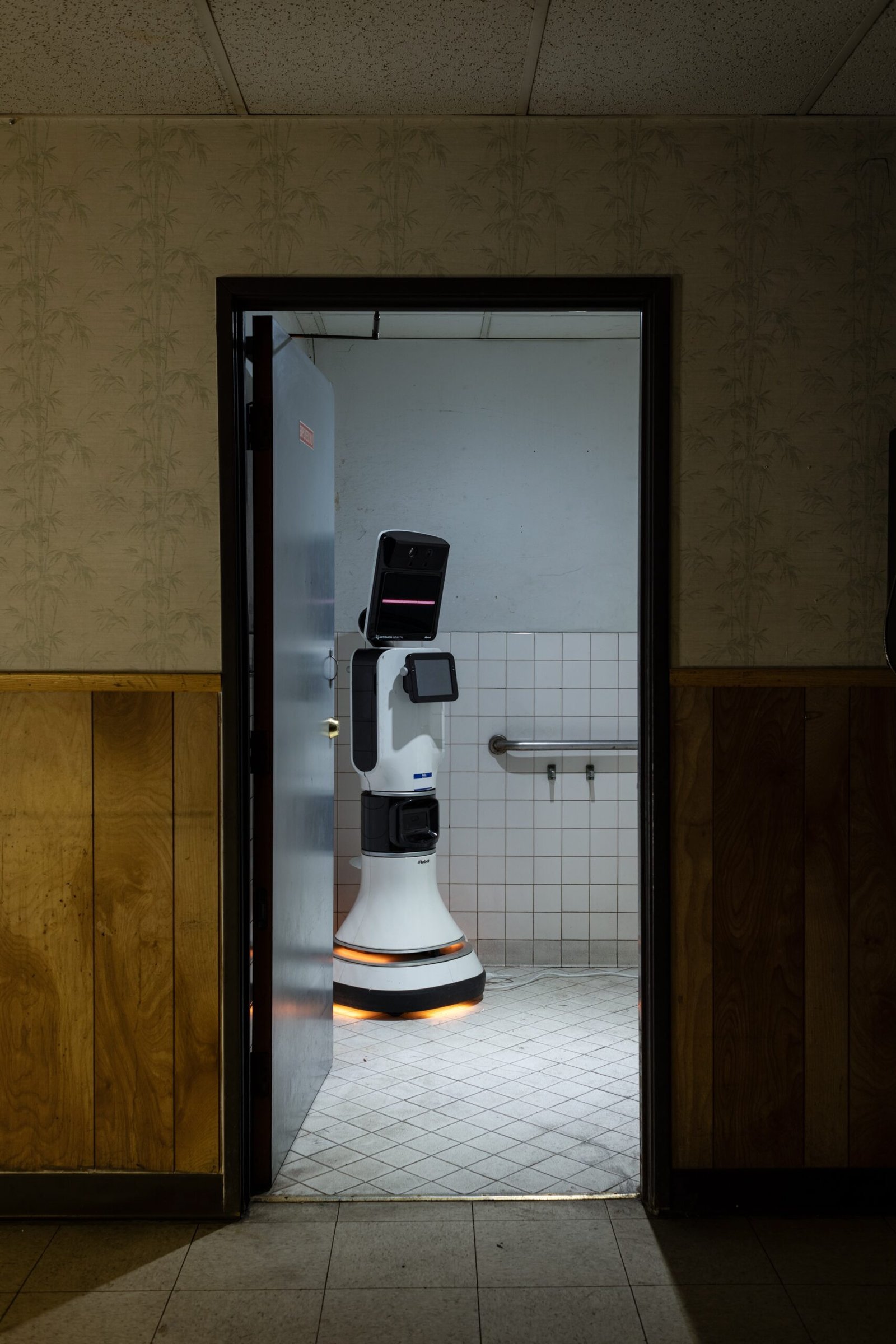
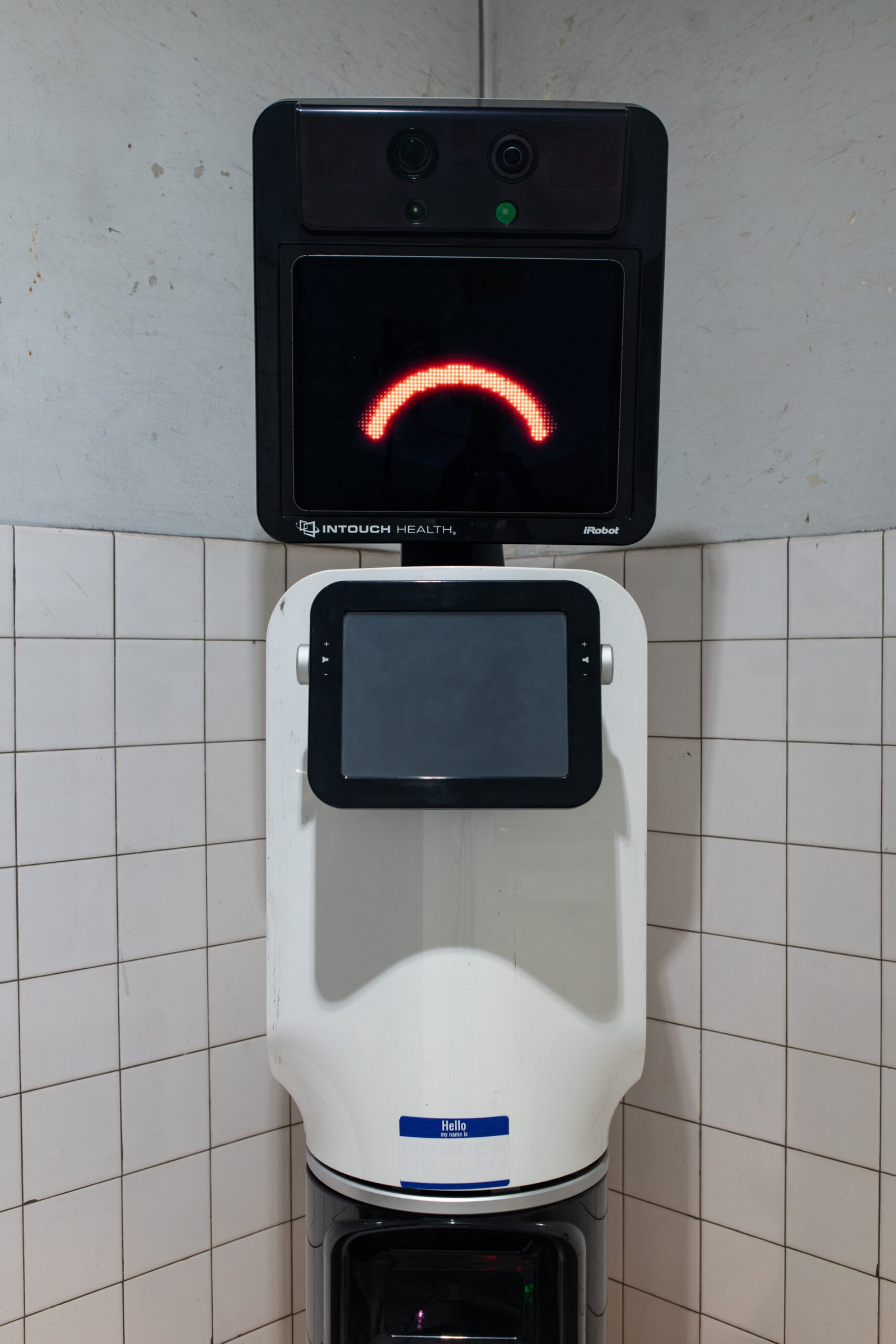
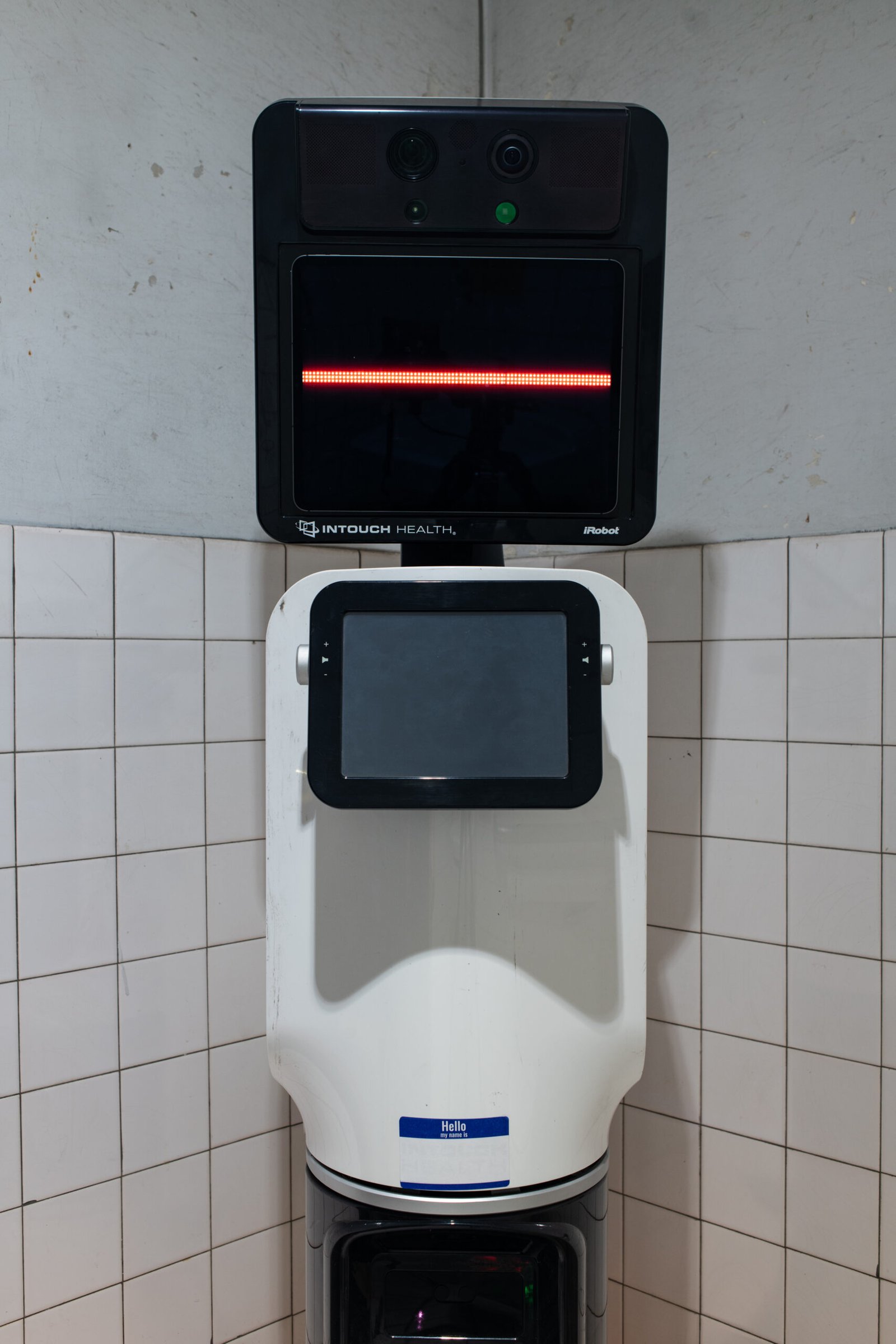
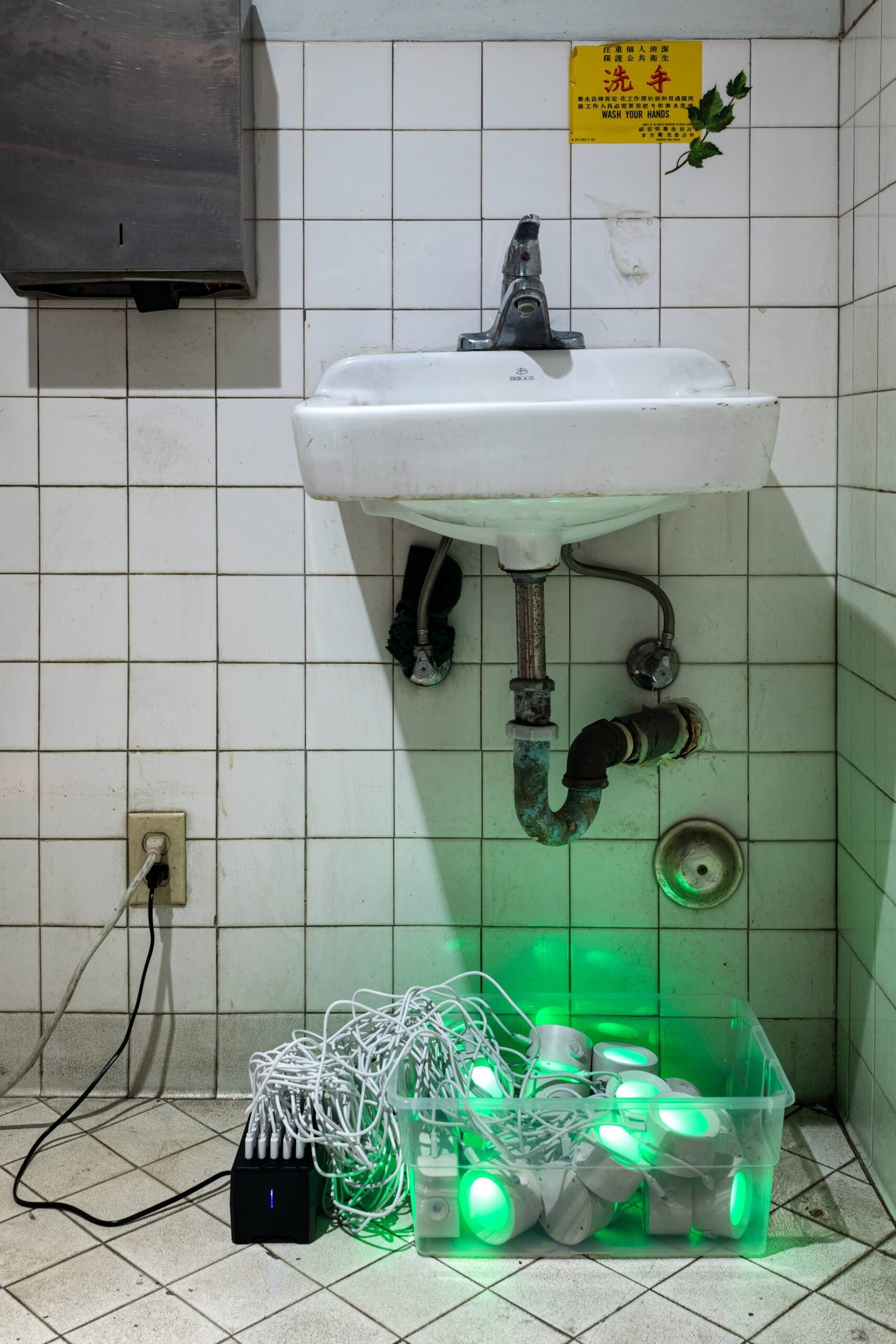
“There was once a poor woodcutter who went into the forest to find food for his family. He looked for many hours, but it was winter and the forest was bare. He was about to turn back when he noticed an entrance to a small cave.
‘Perhaps I will find something of value inside,’ he said. He went in, but the passages twisted and turned, and soon he was lost in darkness.
After wandering a long time, he came to a small chamber lit by a mysterious glow. A little man sat on a stone, pouring water from one silver cup to another, over and over, and weeping as he worked.
‘Why are you doing that?’ asked the woodcutter.
‘Because it is Friday,’ said the little man.
‘Why are you weeping?”
“Because I have no name,’ said the little man, and wept harder.
‘I am lost,’ said the woodcutter. ‘Could you tell me the way out of these caves?’
‘I could show you the way out,’ said the little man, “but I am unable to leave this chamber, because I have no name.’
“If that is all, it is no matter,’ said the woodcutter. ‘I could give you a name, and then you could show me how to get home.’
‘Oh yes!’ cried the little man. ‘Only, you must not say the name aloud. You must whisper it in my ear.’
The man thought for a while, then leaned close and whispered a name.
The little man leaped up with such glee that he seemed to crack like an egg, and where he had been stood a small lantern, burning steadily. It spoke: ‘Ask me to light your way.’
The man did, and the lantern led him out of the cave. ‘But I still have no food for my family,’
said the man.
‘Ask me where to find it,’ said the lantern.
It led him to a place in the forest and told him to dig. He dug a deep hole and discovered the grave of an old robber, and on the corpse was a leather bag of gold.
The man took the gold and bought food. The lantern stayed with him, and with it he grew
prosperous. His family wanted for nothing, even when times turned hard in the rest of the land.
The man lived well all his days, but when people asked him about his good fortune, he would look away, and say nothing. And the lantern burned in his house, steady and bright, and never went out.”
Anthony Discenza is an interdisciplinary artist whose practice investigates the tensions between textual and visual systems of representation, focusing particularly on how metanarratives embedded in technologic and representational systems shape experience in contemporary culture. Over three decades, Discenza’s work has evolved through many phases, encompassing audio and video installation, post-conceptual sculpture, text-based work, AI-generated media, and collaborations with the film industry. Deeply informed by speculative literature and the legacy of conceptual art, his projects frequently employ strategies of appropriation, metafictional gestures that situate projects in a zone of narrative ambiguity, and the use of withheld information to direct viewers towards absent or imagined experiences.
Discenza’s work has been exhibited at SFMOMA, the de Young Museum, V-A-C Foundation, OCAT Shanghai, MOCA Cleveland, the Contemporary Jewish Museum, Objectif Exhibitions, the Wattis Institute for the Contemporary Arts, and the Whitney Museum of American Art, among others. He is currently based in Massachusetts, where he also runs lower_cavity, an artist residency and project space.