

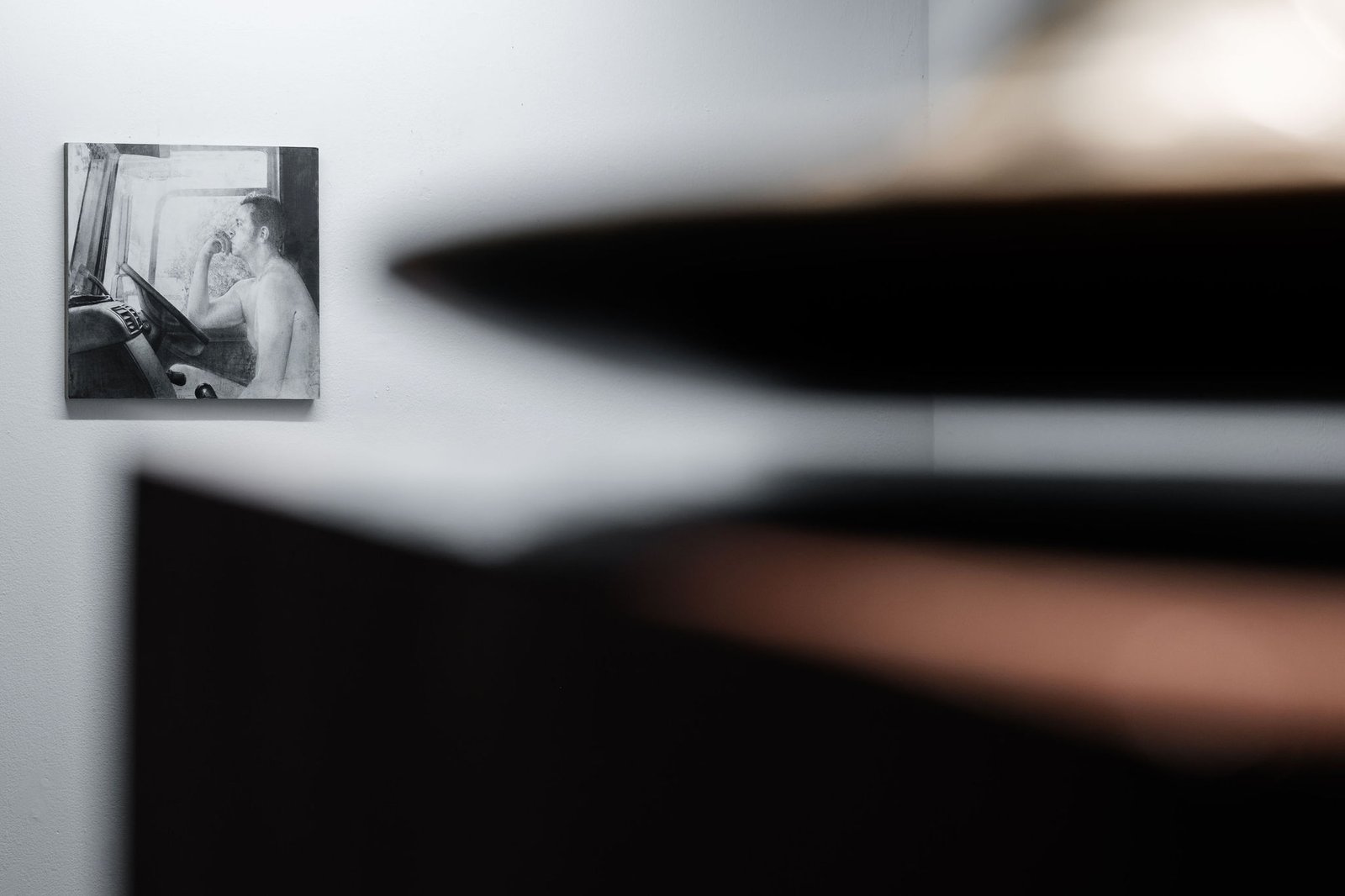
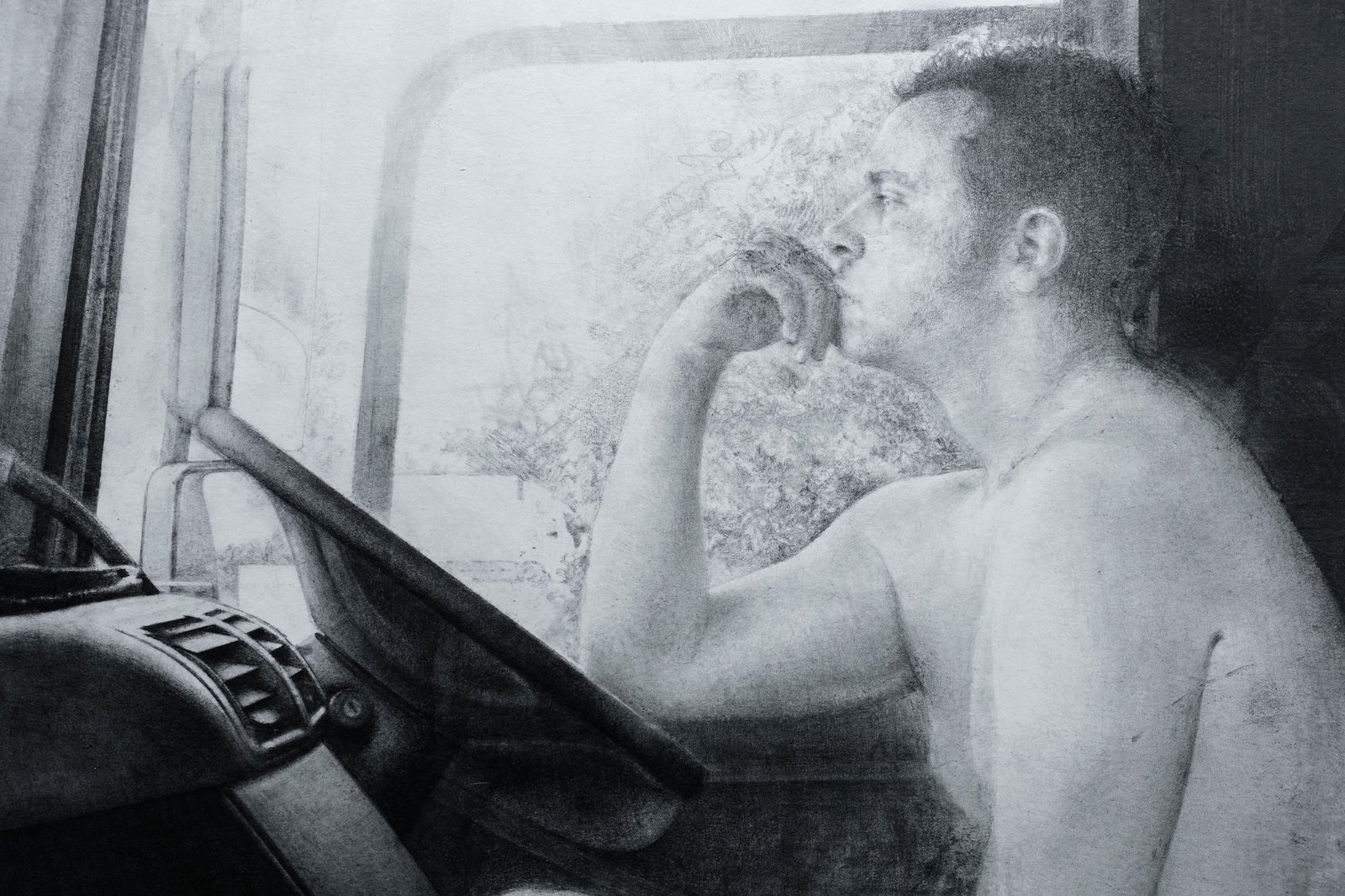
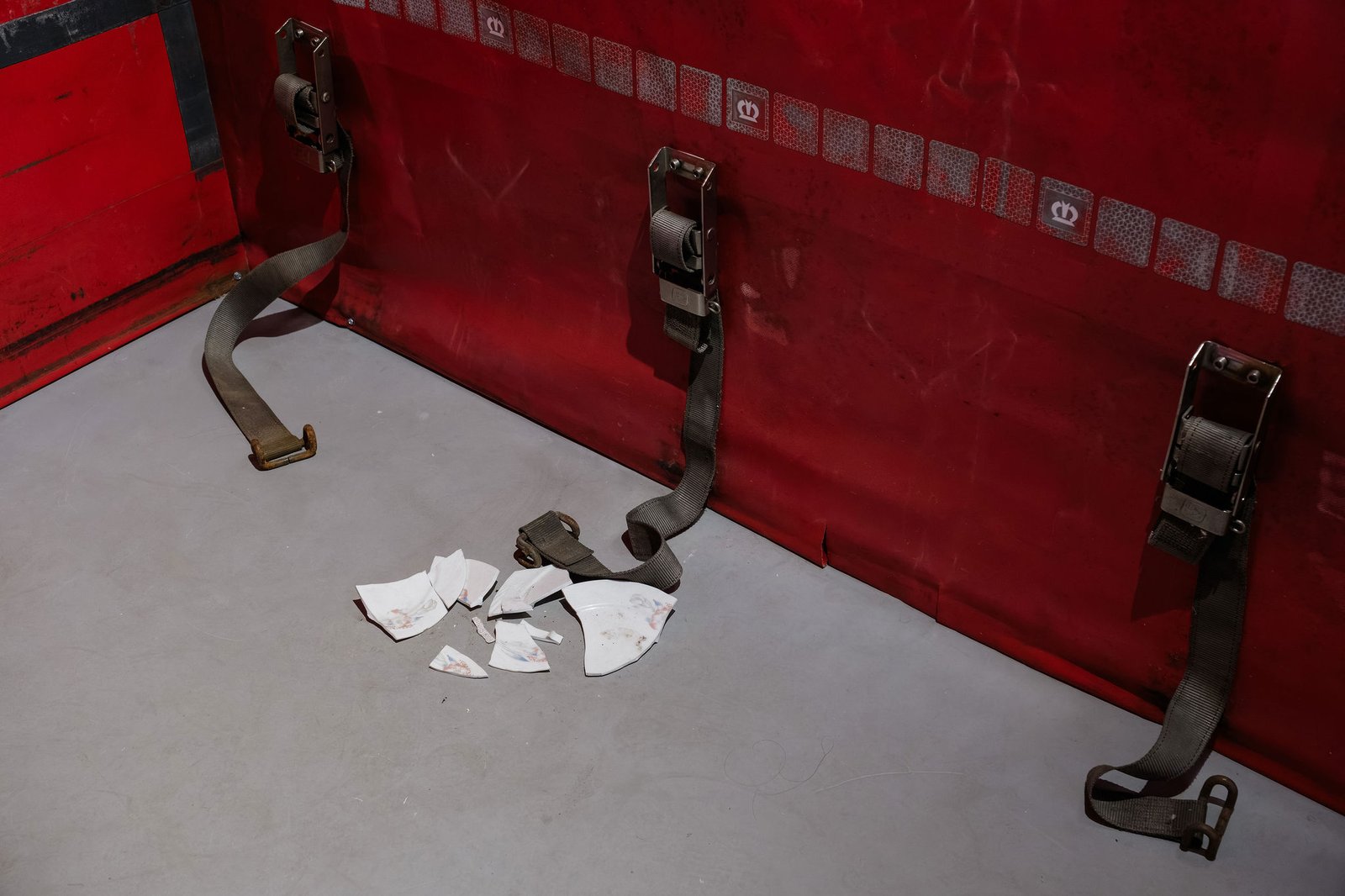
It’s a new day, and even though it’s early, the asphalt sticks gently to the rolling wheels, as sticky as the dried jam left on the spoon he left on the cardboard plate on the chair next to him. Staring into the blank but familiar horizon, he is going to cross 600 km today. Sometimes there are long, silent distances where nothing seems to happen, especially on the highway.
~~~~~ kilometer markers, trees, other cars, other trucks, motorcycles, police cars, road markings, guardrails, four tunnels, two railroads, three restaurants, fields of solar panels, people changing a wheel, an accident, a mill house on the hill, wind turbines, seven abandoned factories, four construction sites, six gas stations, billboards, houses, bridges, toll stations, a border, two motels, a water tower, a river, two orchards, a cemetery, a farm, industrial warehouses, hay bales, a flock of sheep, five dogs, a football field, electricity pylons, a billboard with a faded advertisement ~~~~~ This is everything he consciously witnessed through the window that day.
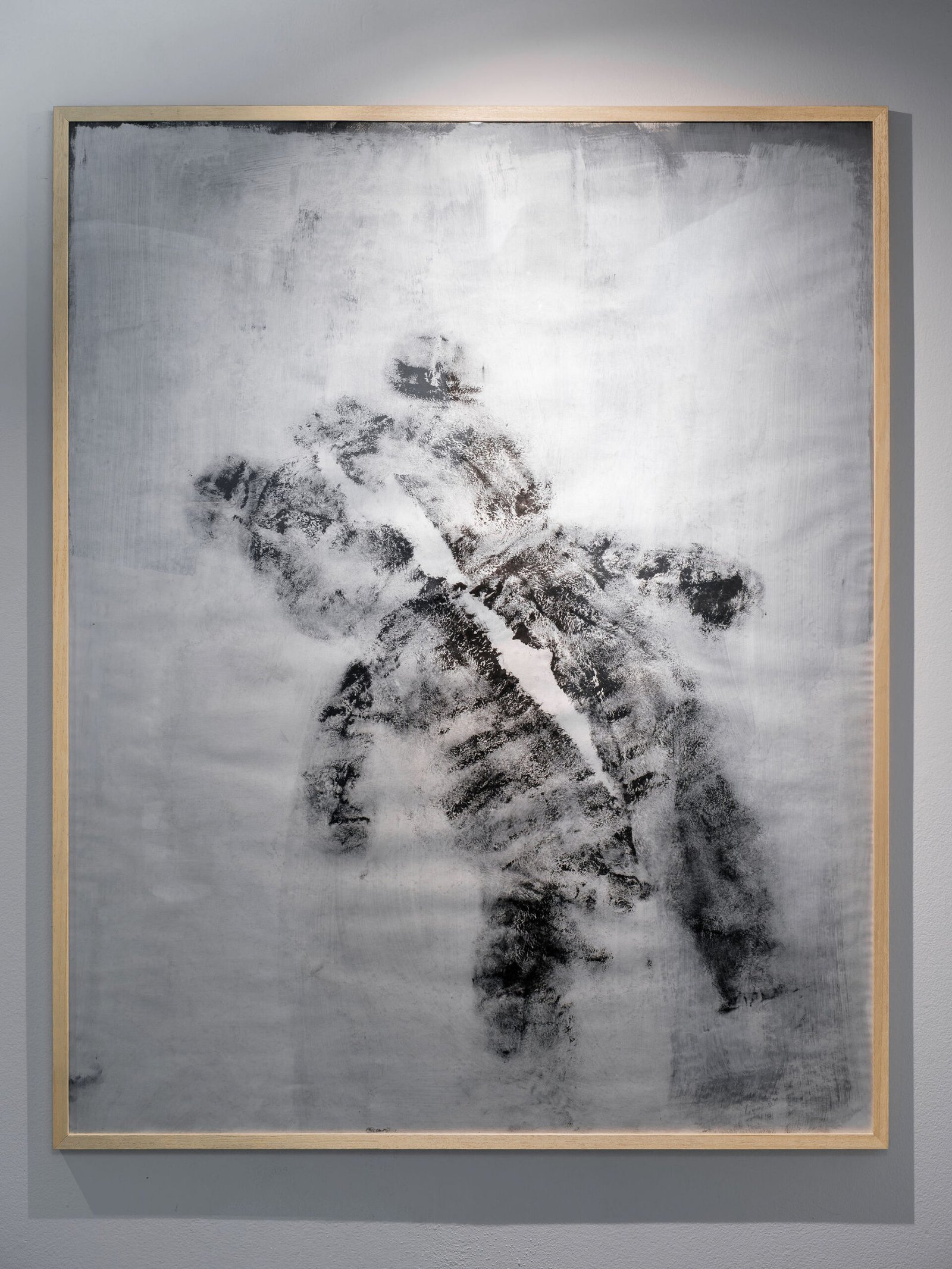
EREMOS* questions human vulnerability and isolation under the pressures of seeking better living conditions. There is a thin edge between compromise and danger, more or less consciously crossed in order for one to go on, to deliver a better life. It is hard to draw a line between personal choice and social condition, while structures of power dictate a laborious commitment in order to survive.
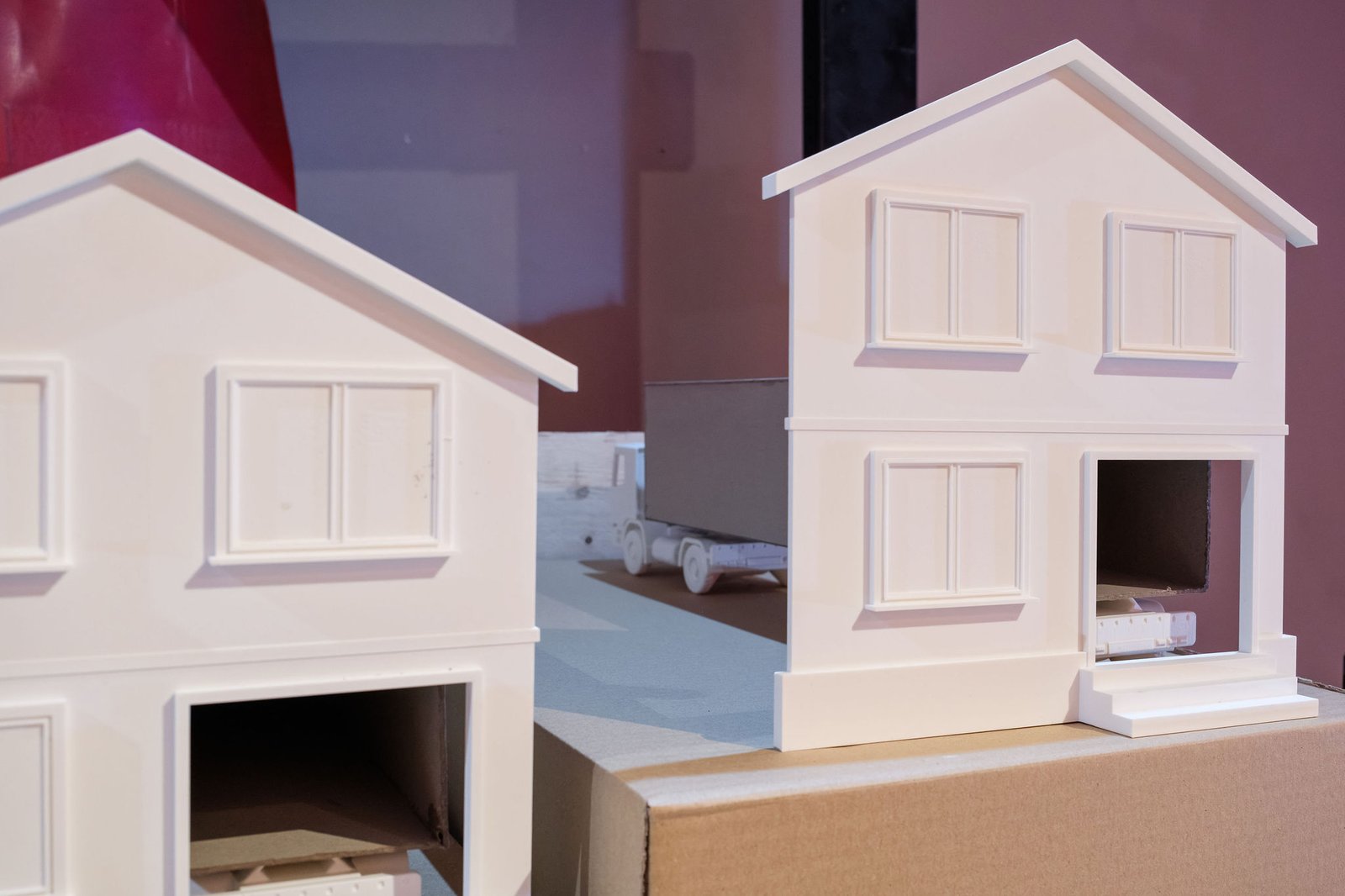
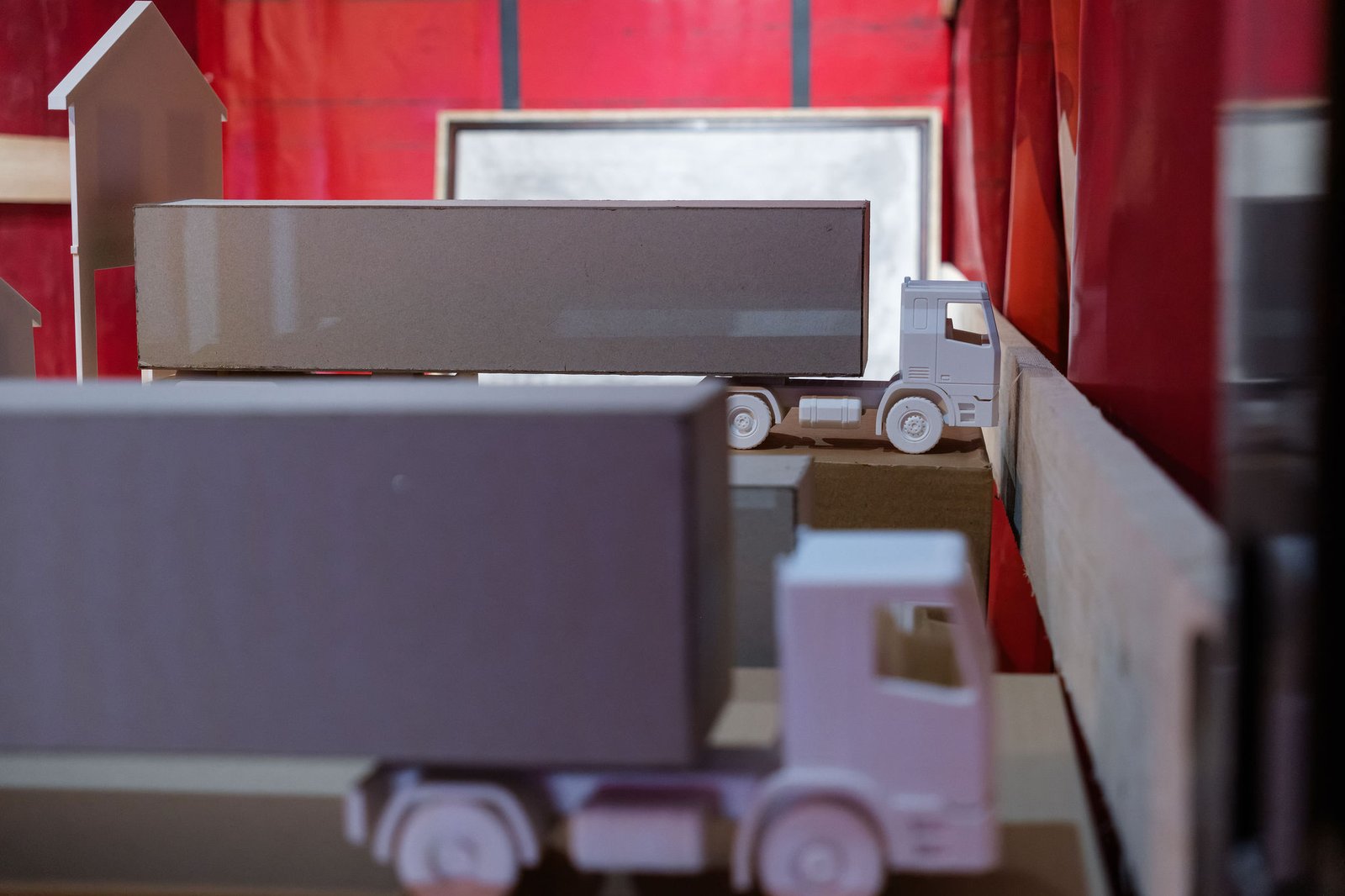
The dialogue between the artists is set around the story that opens our annual project Close to The Dead Man’s Curve/ Aproape de Curba Morții. This is a concrete geographical point on Calea Turzii, where, over the years, several serious accidents have taken place. In the past, multiple heavy-duty vehicles crashed into the house located next to MATCA artspace. The memory of the site becomes the starting point for a broader exploration of how we experience the idea of safety and the anxiety surrounding temporal limits and finitude. At this location, named as such by locals and those living in the area, several fatal accidents occurred during the 1980s.
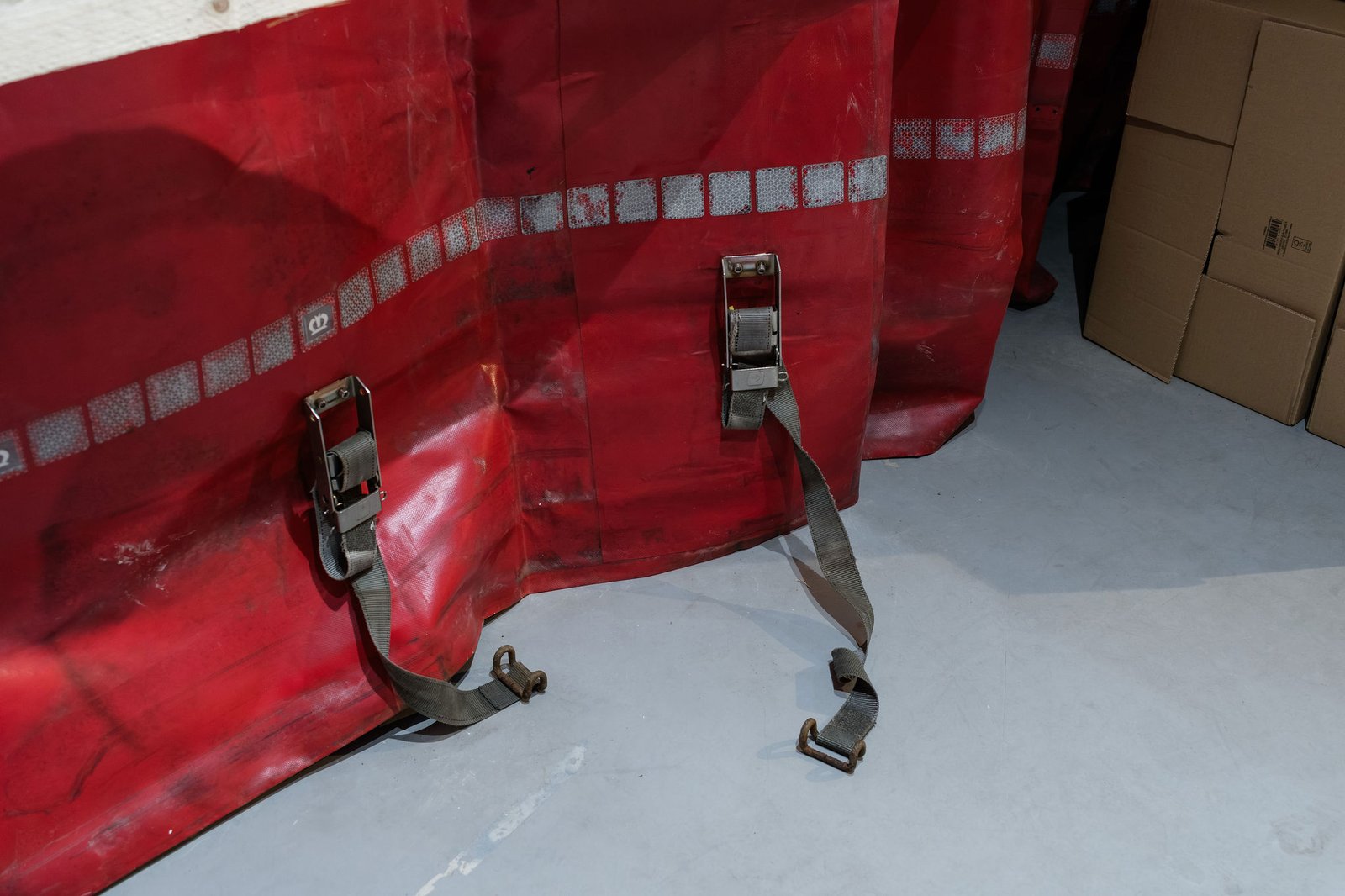
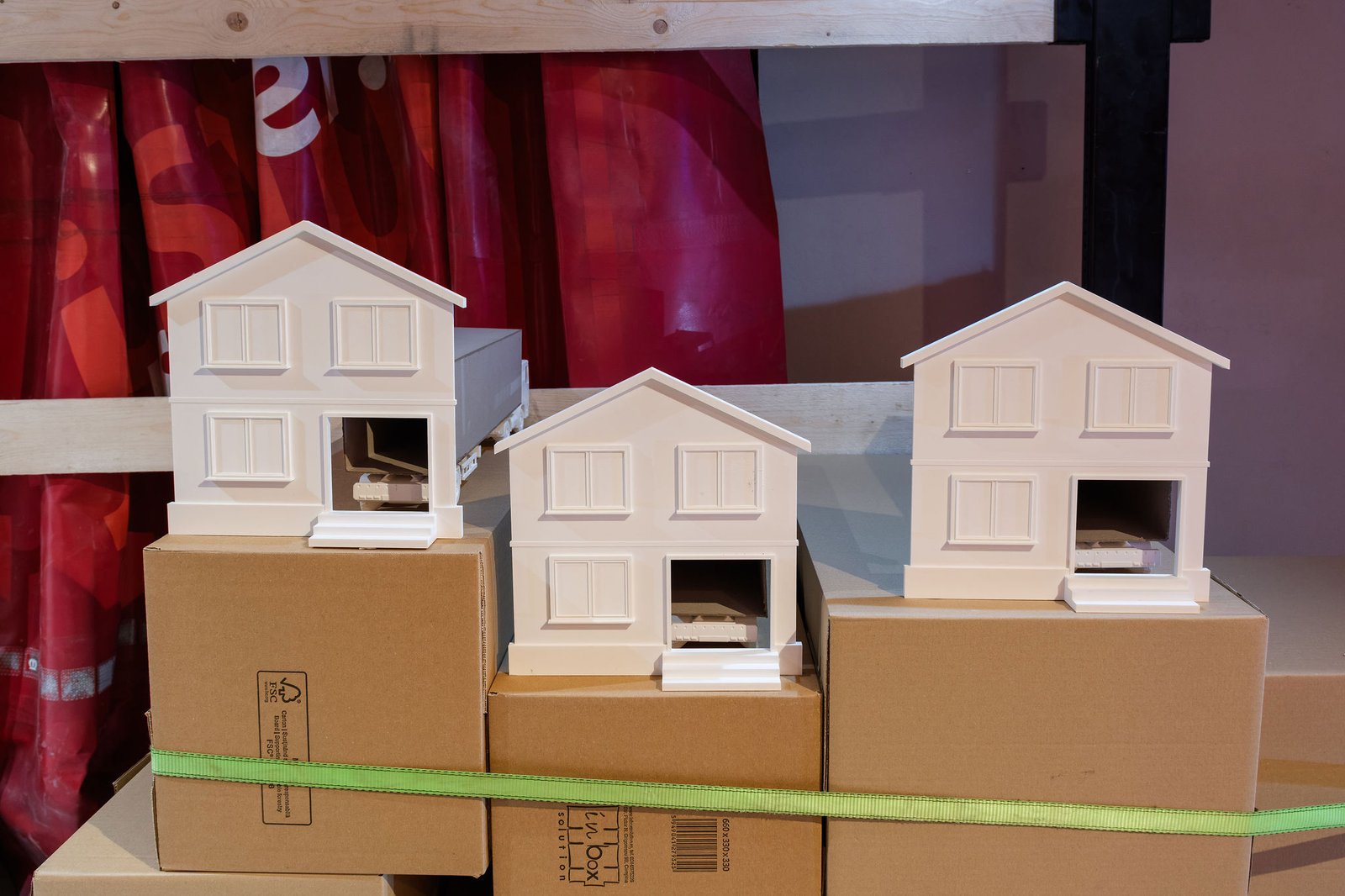
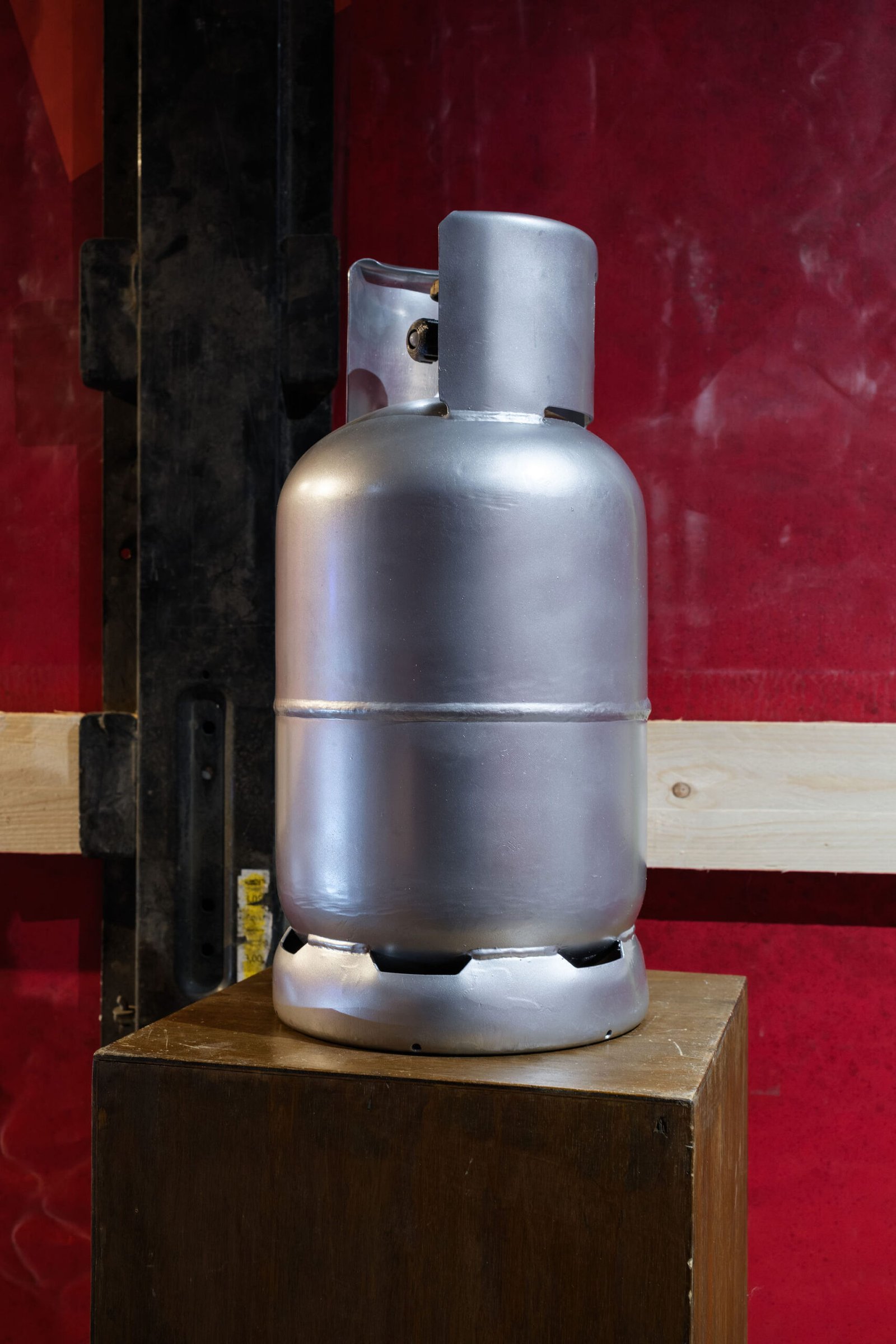
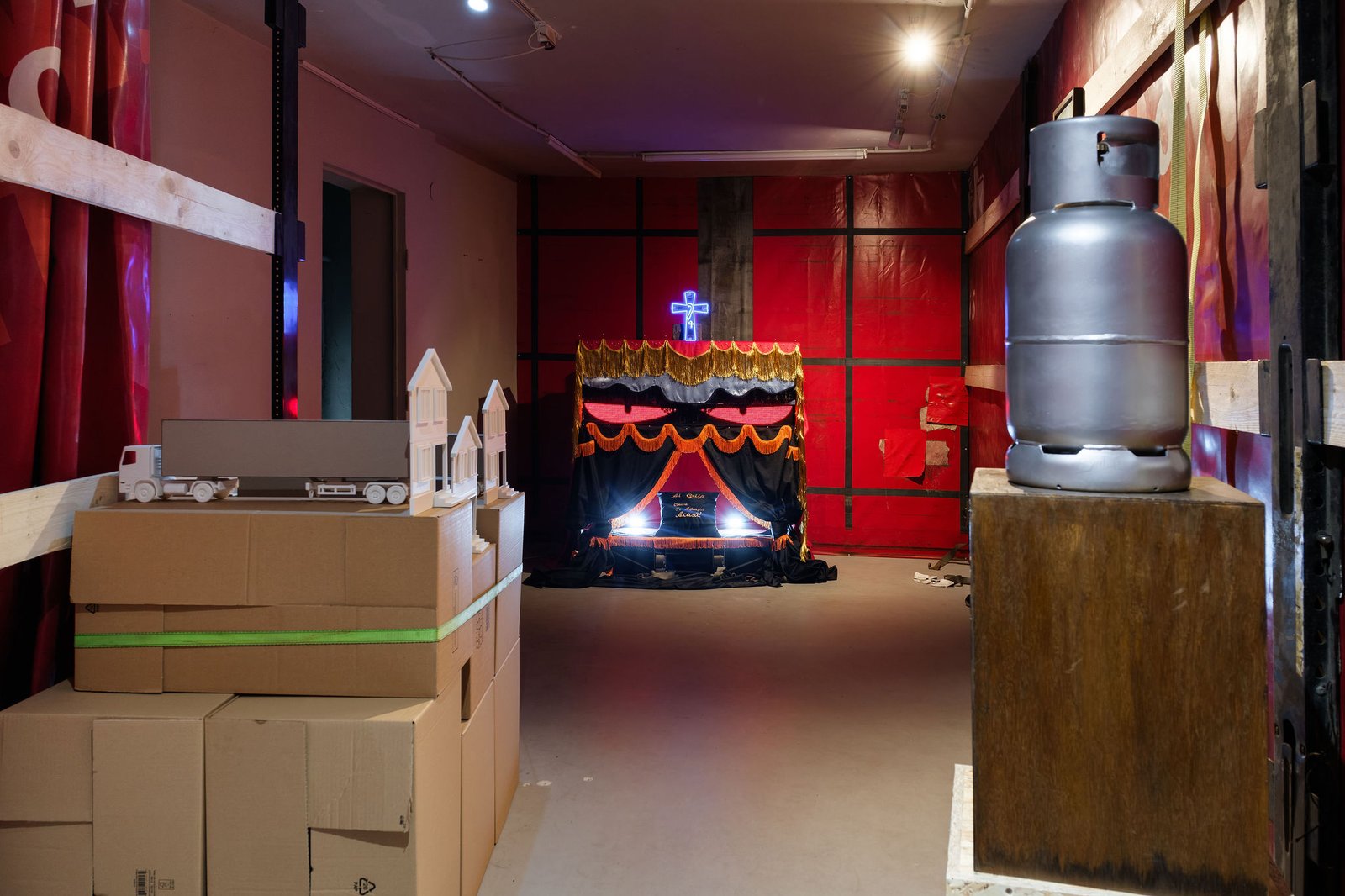
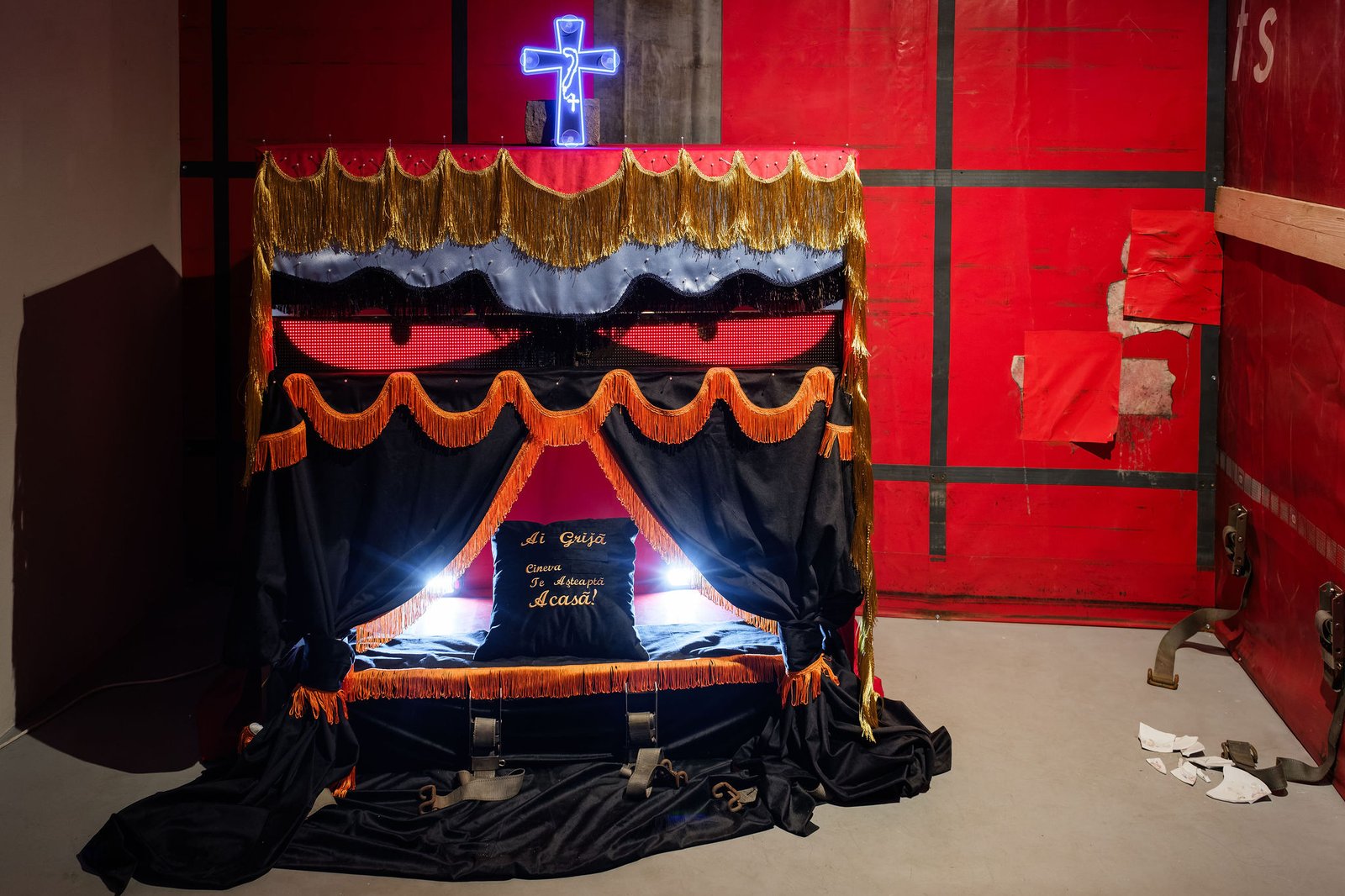
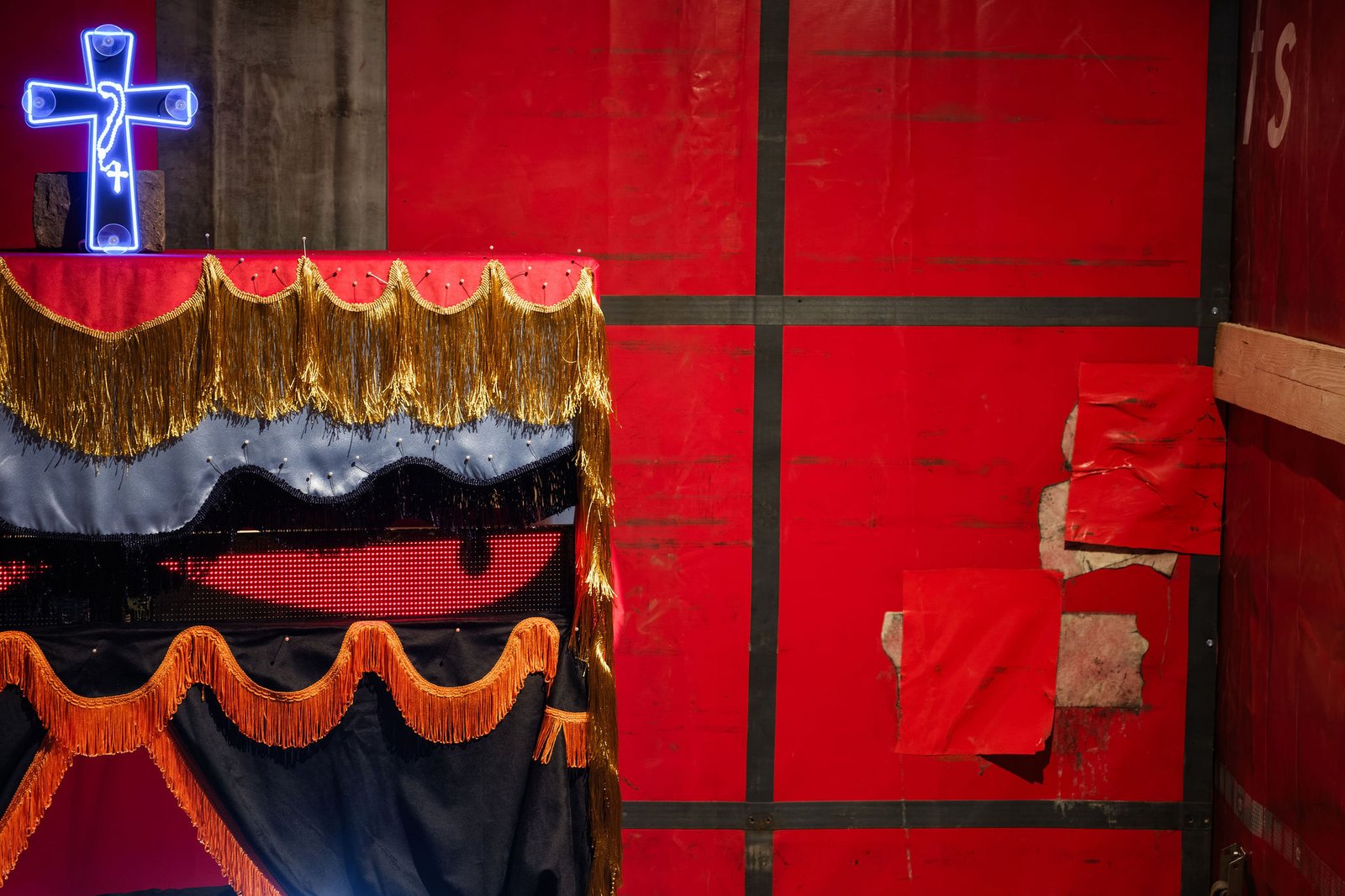
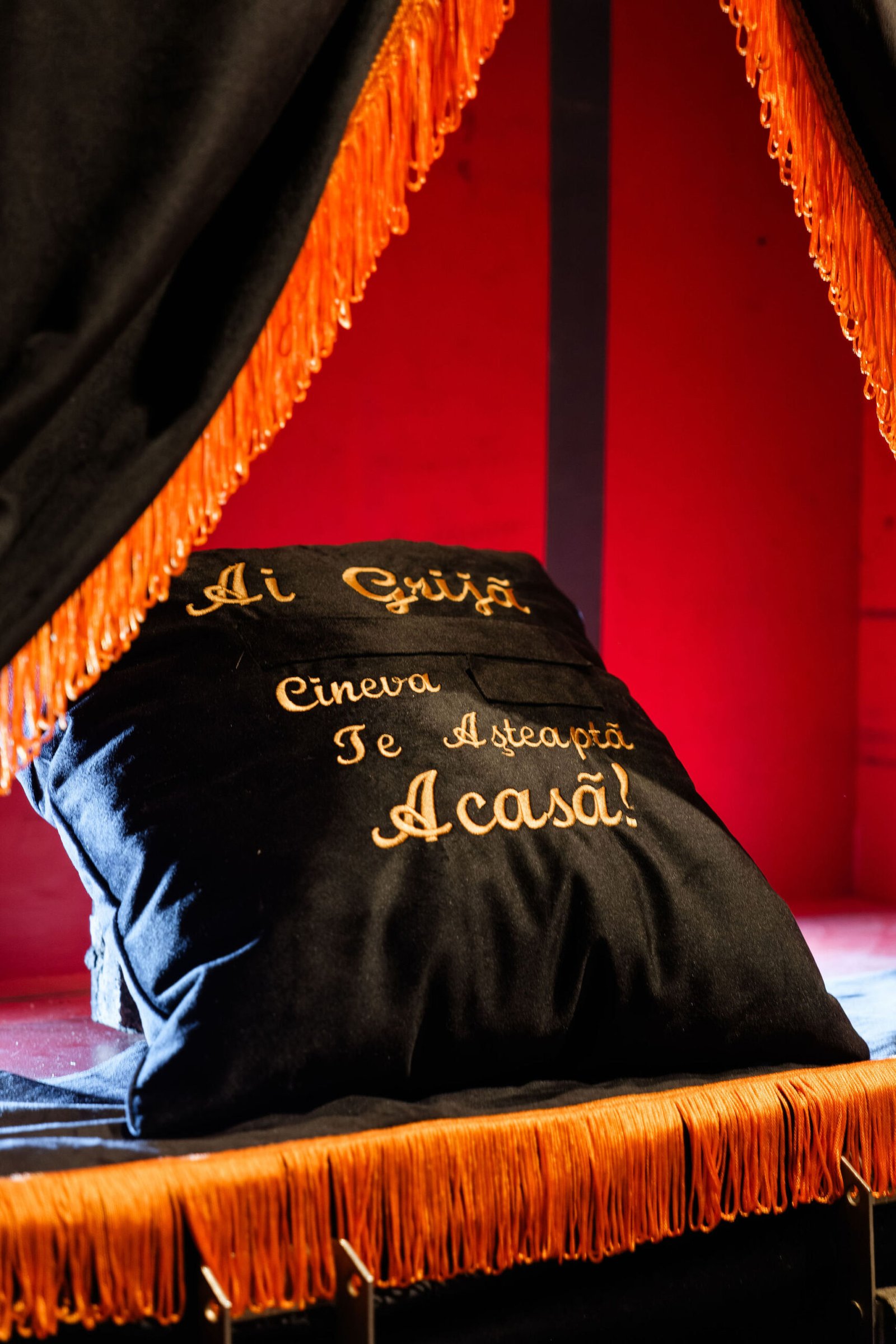
In continuous movement, the attention and intention of the works speculate metaphorically on the condition of being trapped in a work system that demands constant engagement, while offering little real sense of security or control. Dan Beudean reconstructs the familiar immediate environment of someone being on the road, seeking to bring an uncomfortable perspective on the narrowed spaces where a working day takes place, or where moments of leisure and physical reconstruction take their time. His works also revolve around the tensions of movement and displacement, questioning migration and isolation, as well as how this lifestyle ultimately serves the accumulation of capital and the gains of others.
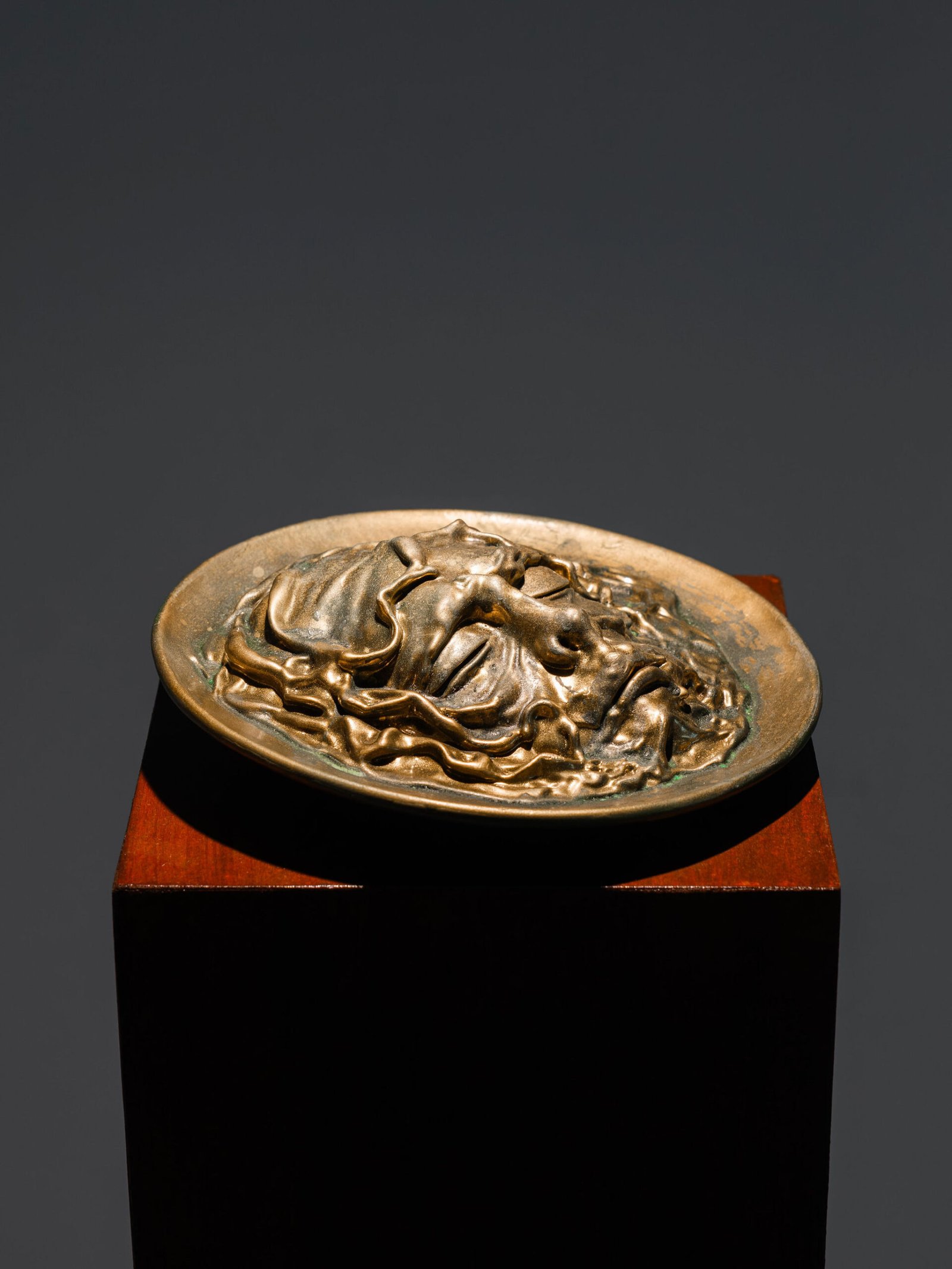
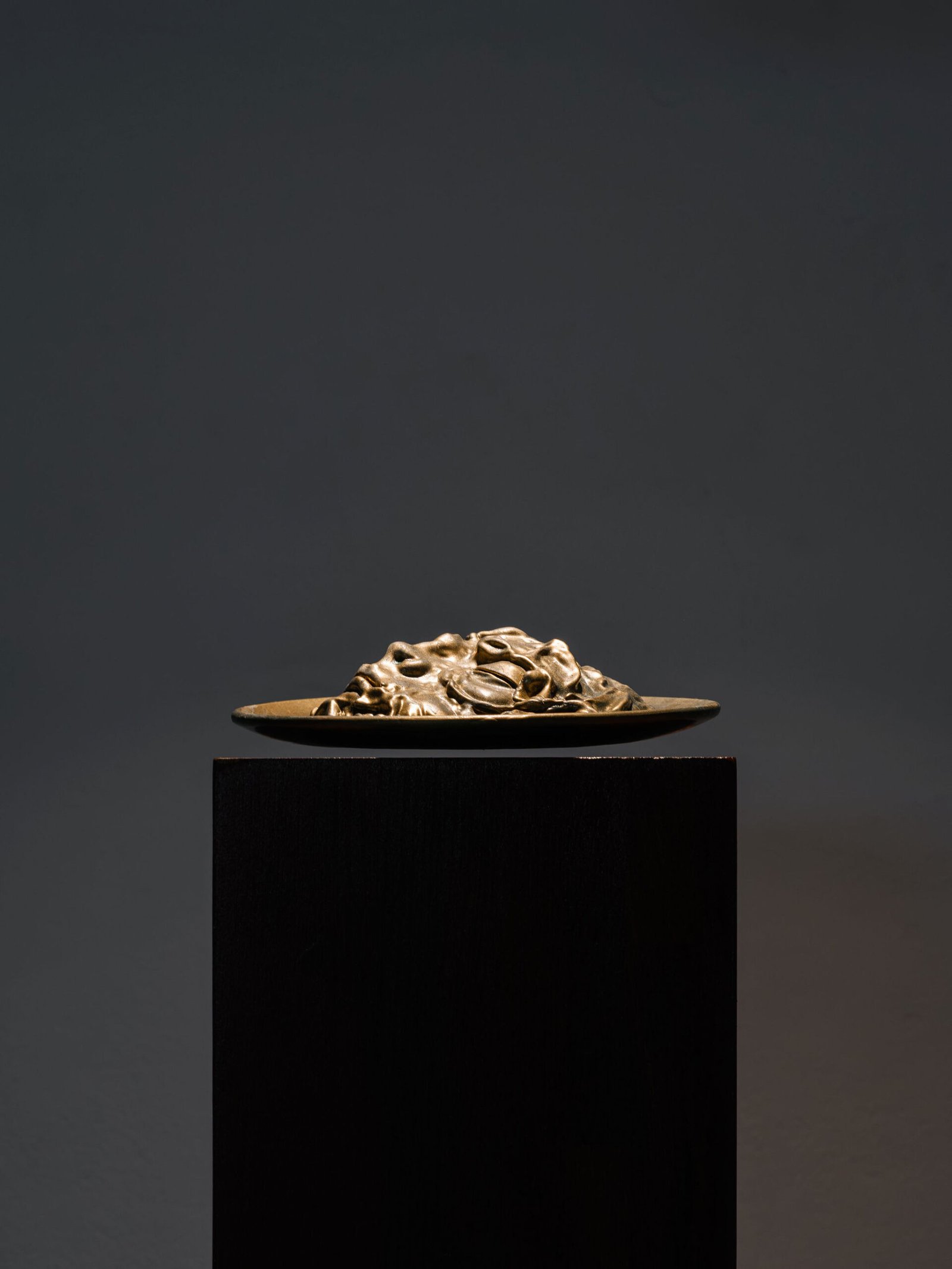
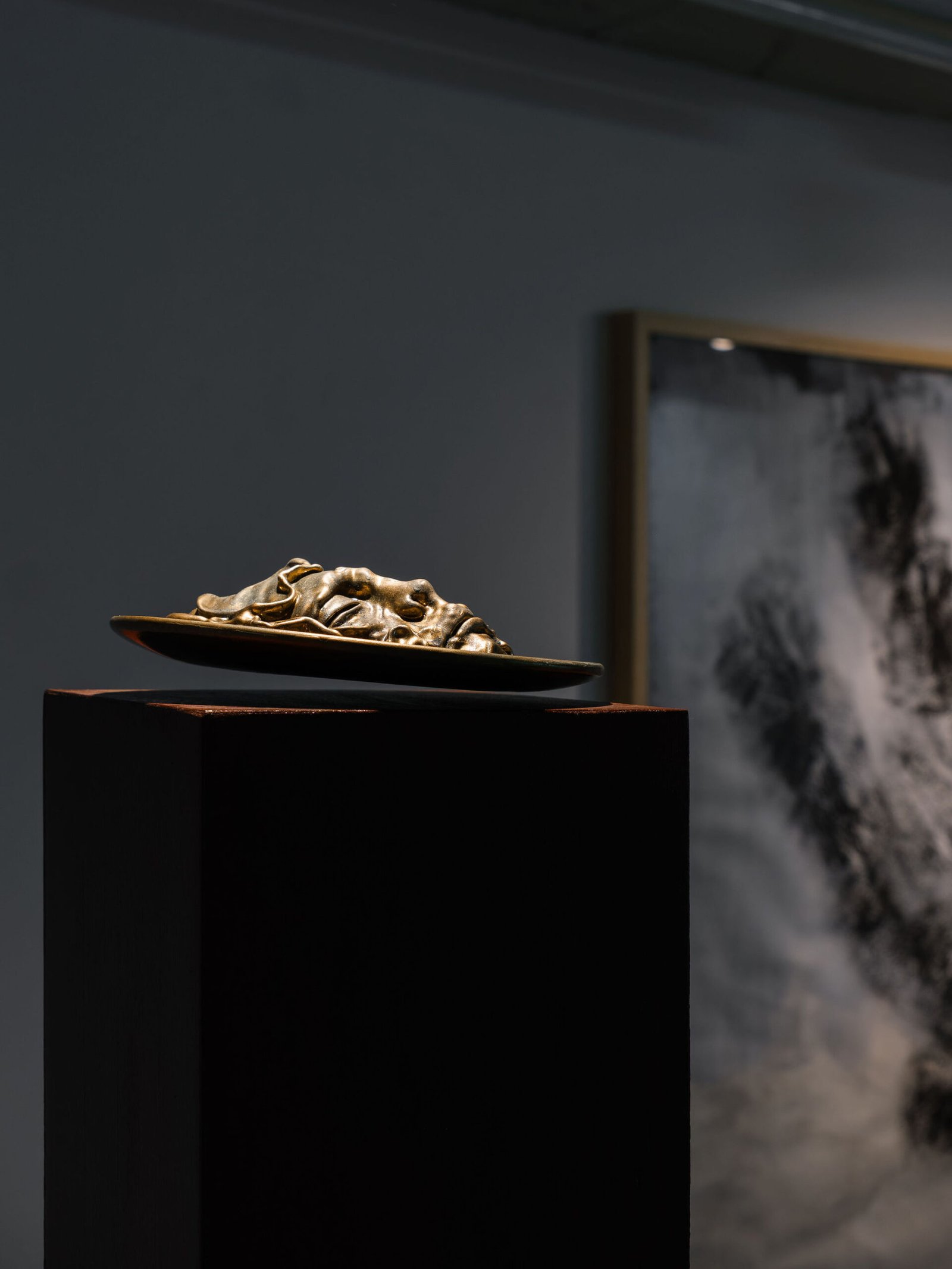
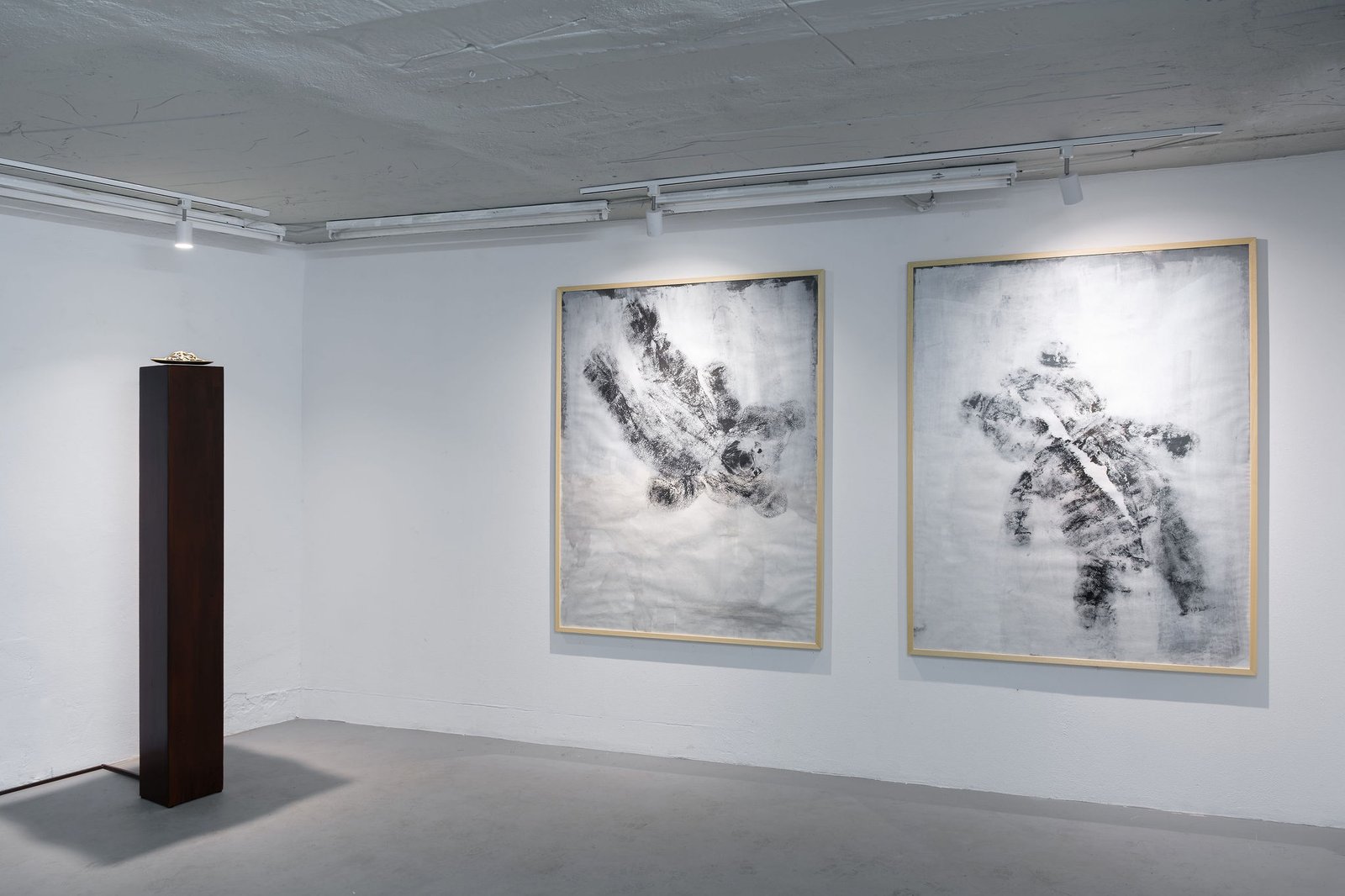
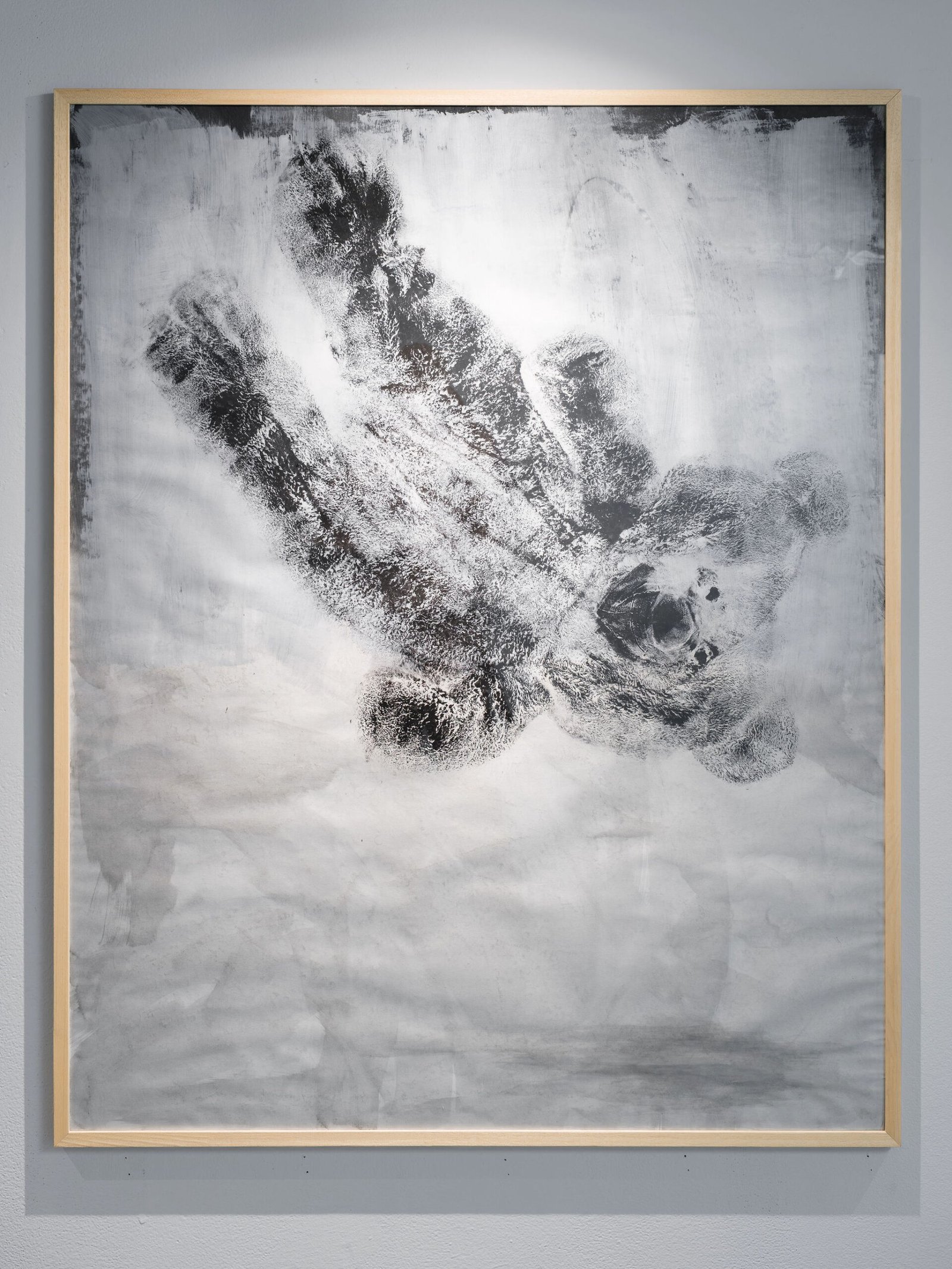
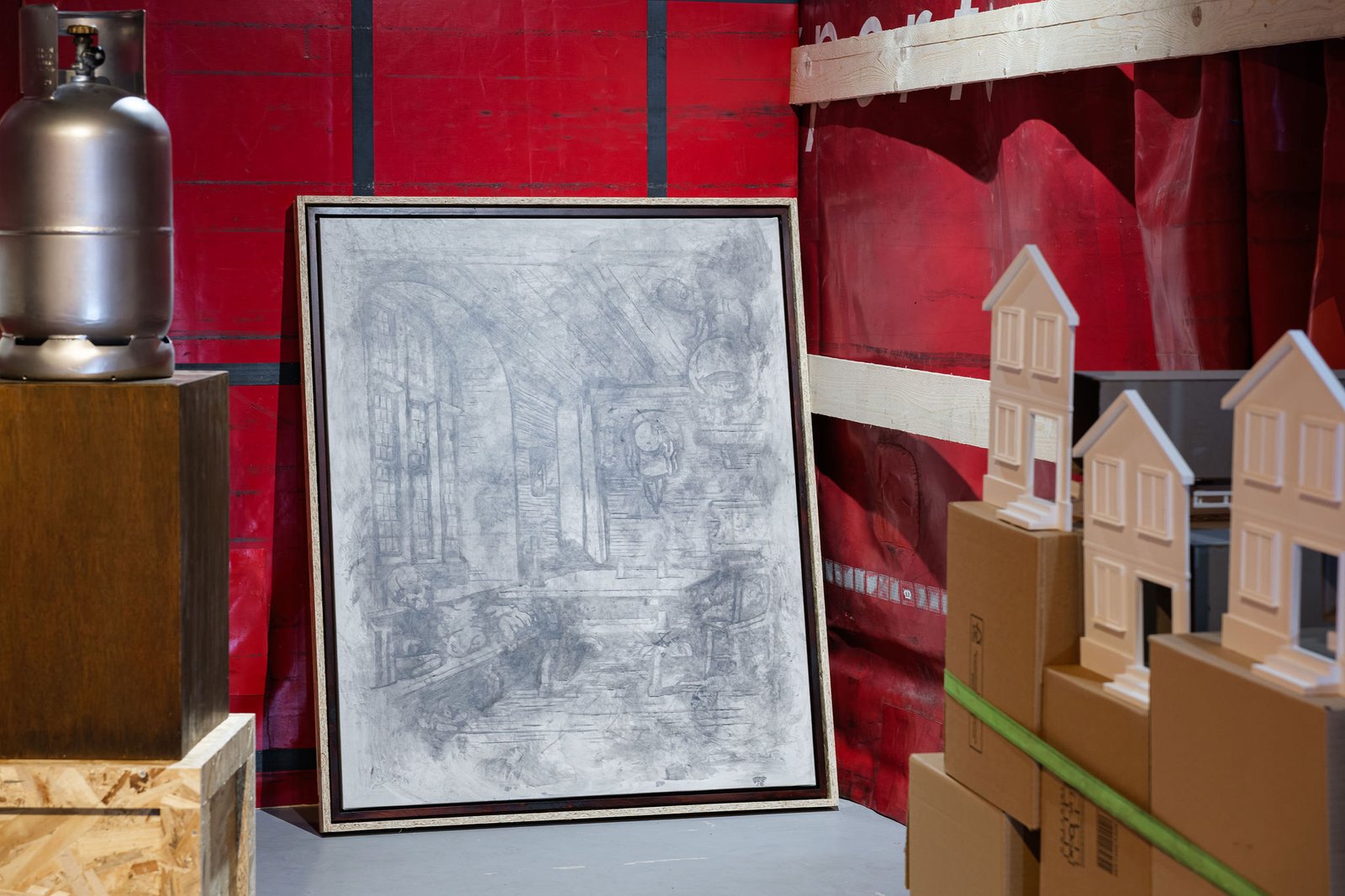
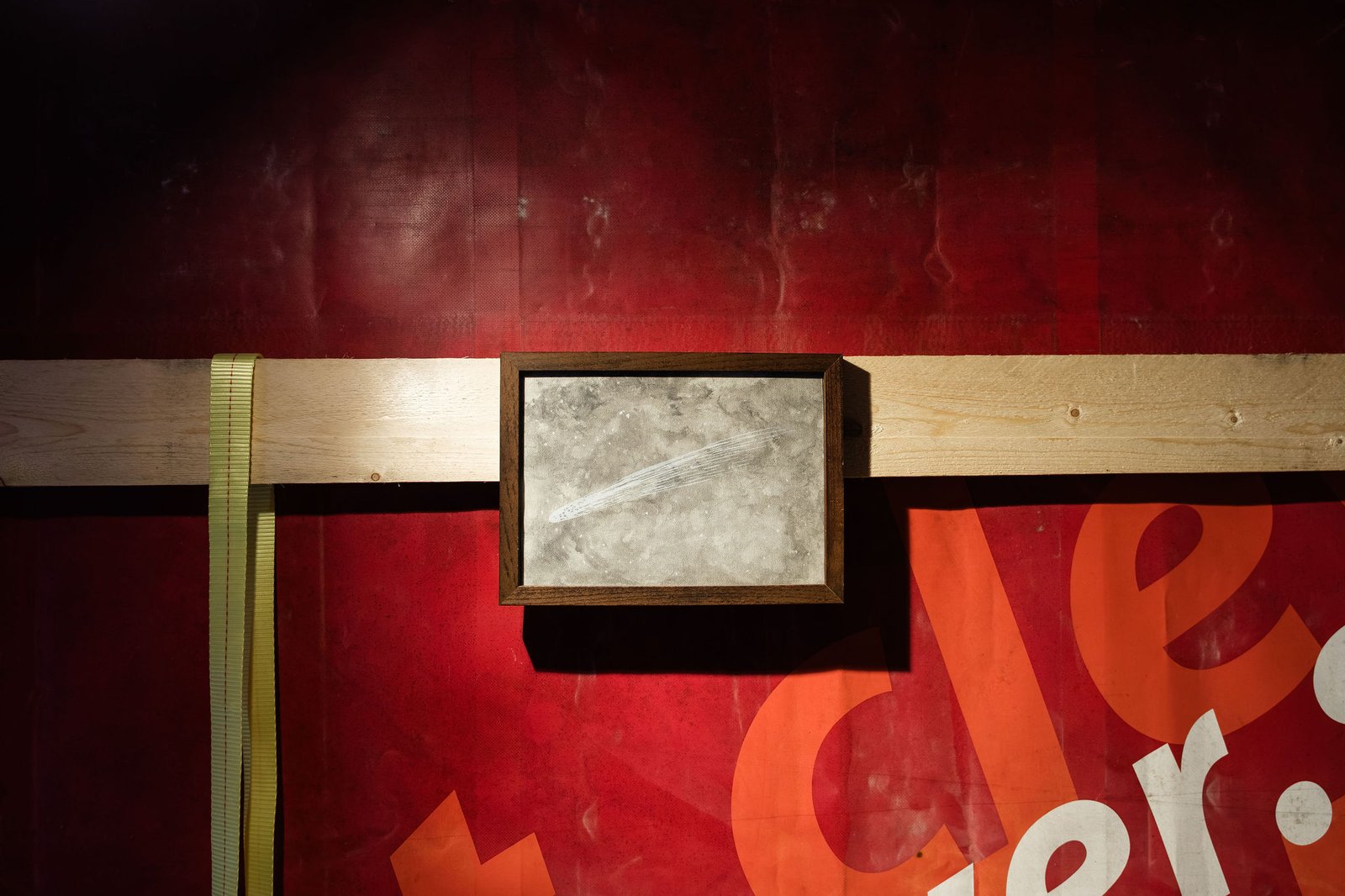
While Dan Beudean focuses more directly on recognizable elements and situations from the lives of people who work on the road for transport companies, Tudor Ciurescu explores the unseen, as well as the tensions that come with being away most of the time and constantly exposed to danger. Emptiness, balance and presence are central components of his presented works, with presence often explored through the possibility of absence. A key example is the work Sfântul Ieronim a plecat (2026), where he revisits Albrecht Dürer’s Saint Jerome in His Study, leaving outstide the frame Saint Jerome himself. The room remains, but the figure around whom it was organised is gone, with the title offering a tongue-in-cheek explanation: he has simply left.
*Eremos (Greek: ἔρημος) is an ancient Greek adjective and noun meaning solitary, lonely, desolate, or uninhabited. It frequently translates to desert or wilderness in English
Tudor Ciurescu (b. 1996, Romania) is a visual artist currently living between Lausanne, Switzerland and Milano, Italy after graduating from Ecole Cantonale d’Art Lausanne. Image and object making stand at the core of his practice. With interest in different narratives such as art history, future paradigms and the collective subconscious. From the intricacies of artificial intelligence to the timeless craft of etching, Ciurescu’s oeuvre transcends traditional boundaries, offering a captivating journey through the evolving language of the younger generation. The academic background in graphics, photography and sculpture is seen in the variety of works and media. His art becomes a vibrant tapestry that weaves together threads of tradition and modernity, forming an engaging narrative that resonates with the dynamic interplay between the analog and the digital. He has participated in group exhibitions at the Museum of Recent Art in Bucharest, the Museum of Contemporary Art Bucharest, the Musee d’Art Romain Lausanne and in various galleries in Lausanne, Bucharest, Amsterdam, Paris, Bratislava or Basel.
Dan Beudean (b. 1980) lives and works in Cluj-Napoca. His works range between historical anomalies and the mundane, manifesting a particular dedication to drawing, a medium that is in some cases incorporated into his installations and interventions. In his working process, he sometimes switches between being the artist and the protagonist of his works, mostly formulating what he is drawing by consuming and turning upside-down his everyday surroundings: a compact universe through which Dan is able to express the whole world, ironically staging collective behaviours. Selected solo shows: Doctor OuchItHurts opens a hospital that cures any sickness from any animal (2024, Zina Gallery, Cluj-Napoca), God Luck and Good Speed (2018, Cluj-Napoca Art Museum), Magellan’s Cabin (2017, Lateral Art Space), What We Do Is Secret (2016, Zorzini Gallery). Selected group shows: La Bine și La Rău, (Contemporar Space, Cluj Napoca, 2025), Ziua Crește (Contemporar Space, Cluj Napoca, 2025), Vitamin D2 – New Perspectives in Drawing (Phaidon, 2013). Walking the Line 6, (2015, Galerie Martin Kudlek, Cologne, Germany), The Stolen Bird (2014, Vanessa Quang Gallery, Paris, France)
–
Part of „Aproape de Curba Morții”. Cultural project co-financed by the Administration of the National Cultural Fund. The project does not necessarily represent the position of the Administration of the National Cultural Fund. AFCN is not responsible for the content of the project or for how its results may be used. These are entirely the responsibility of the funding recipient.
Event organized with the support of the City Hall and Local Council of Cluj-Napoca. Partners: Empower Artists, Cărturești, Arte Vezi, Asociația La Pătrat, Contemporary Art Today, ArtCrawl Cluj