


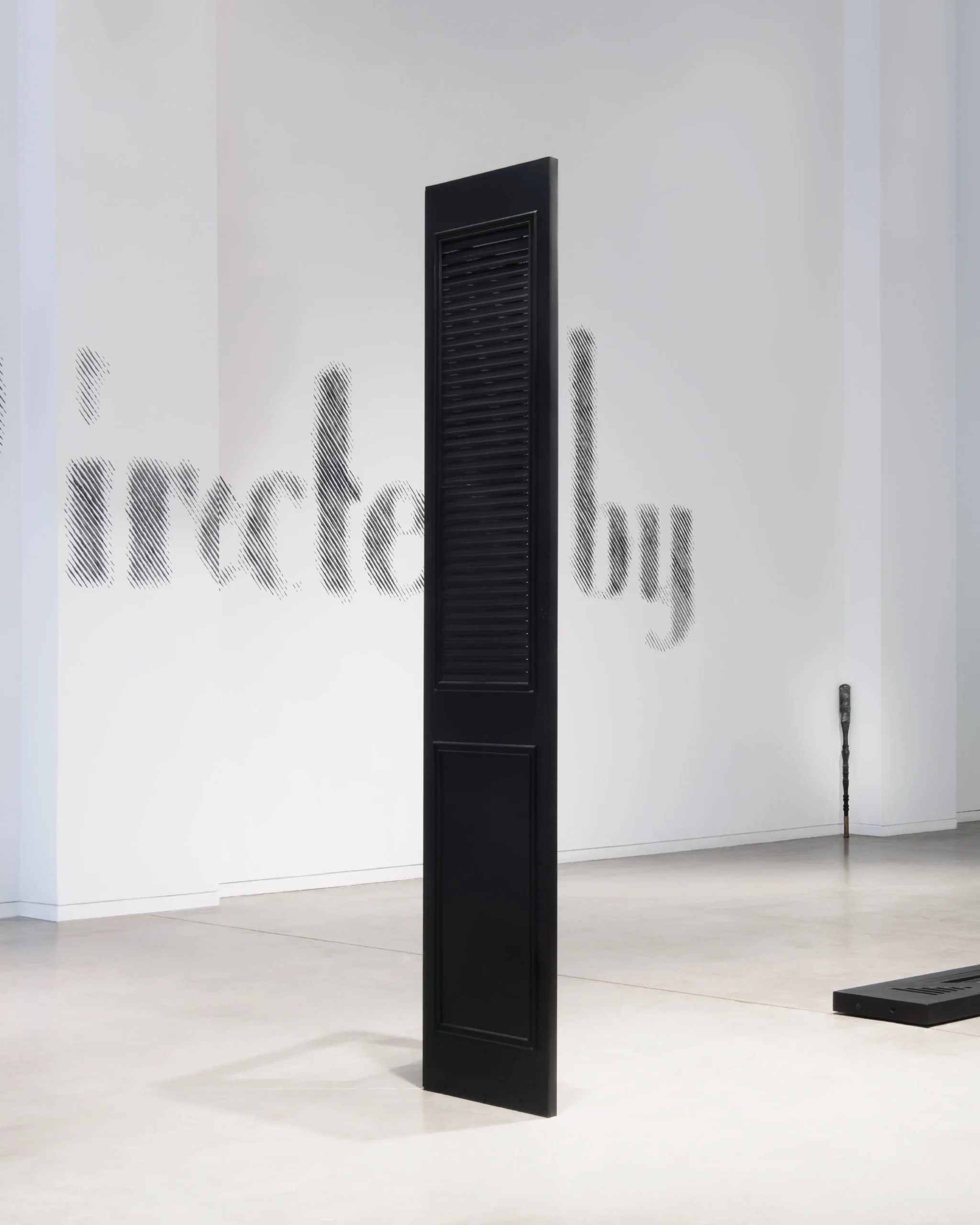
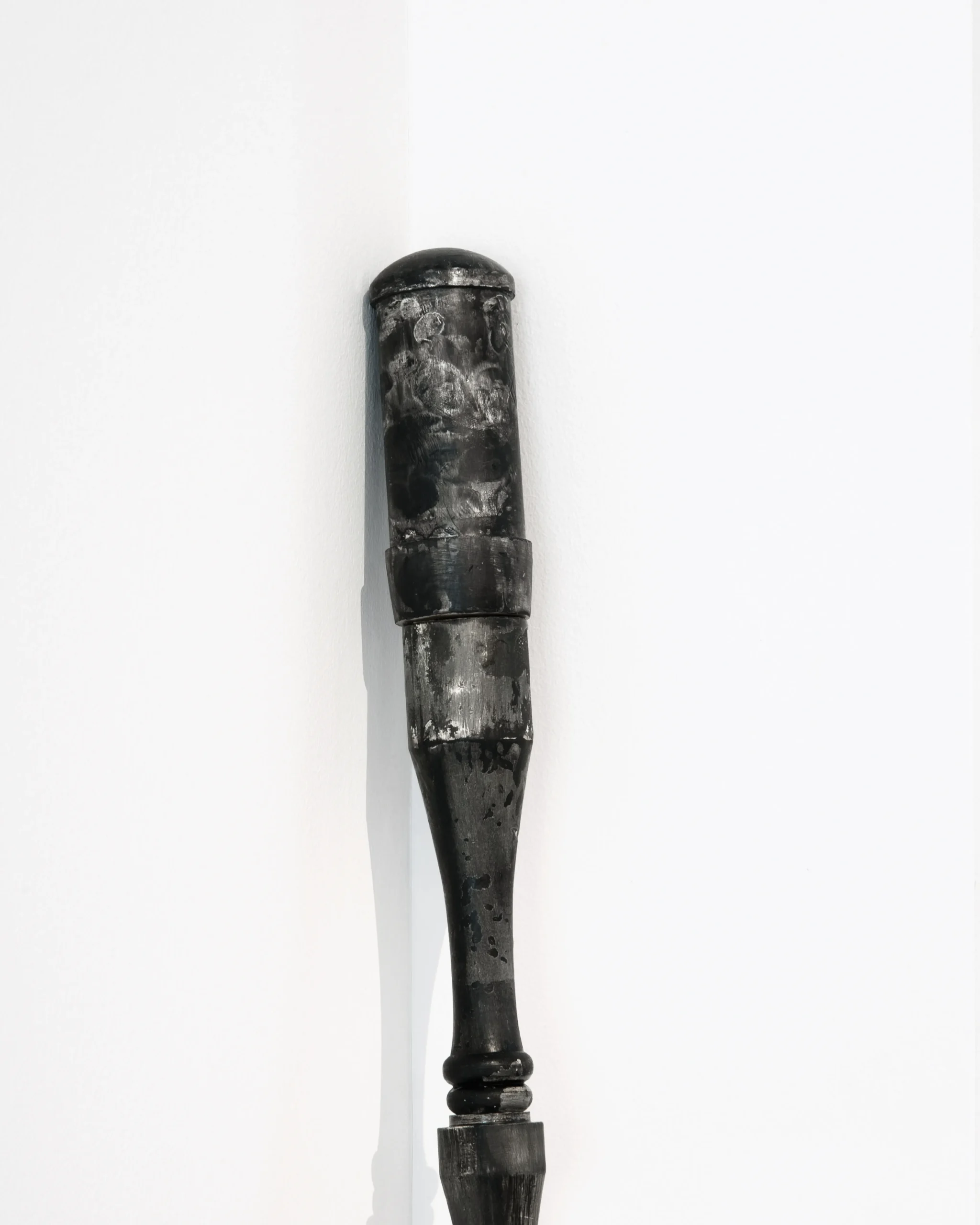
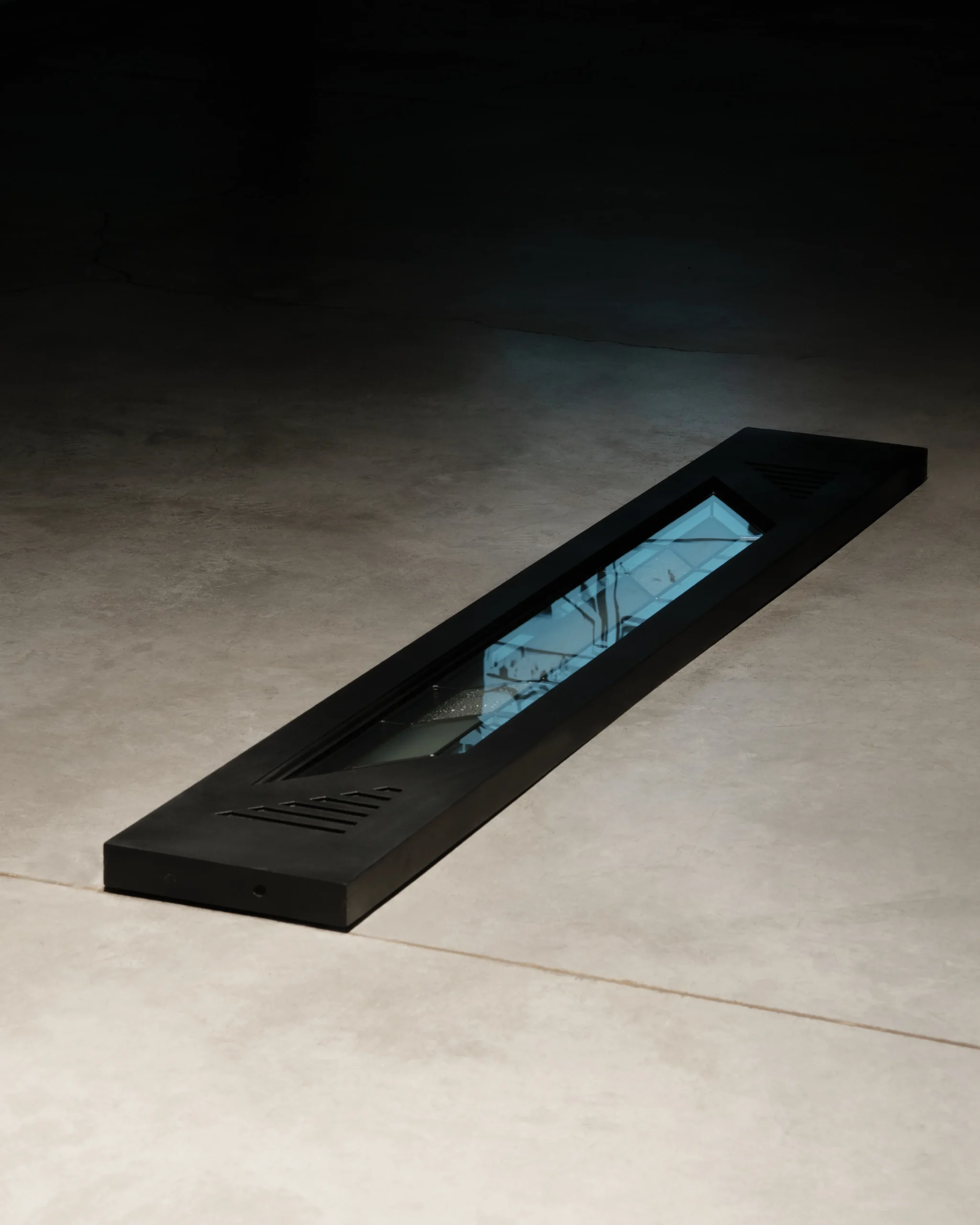
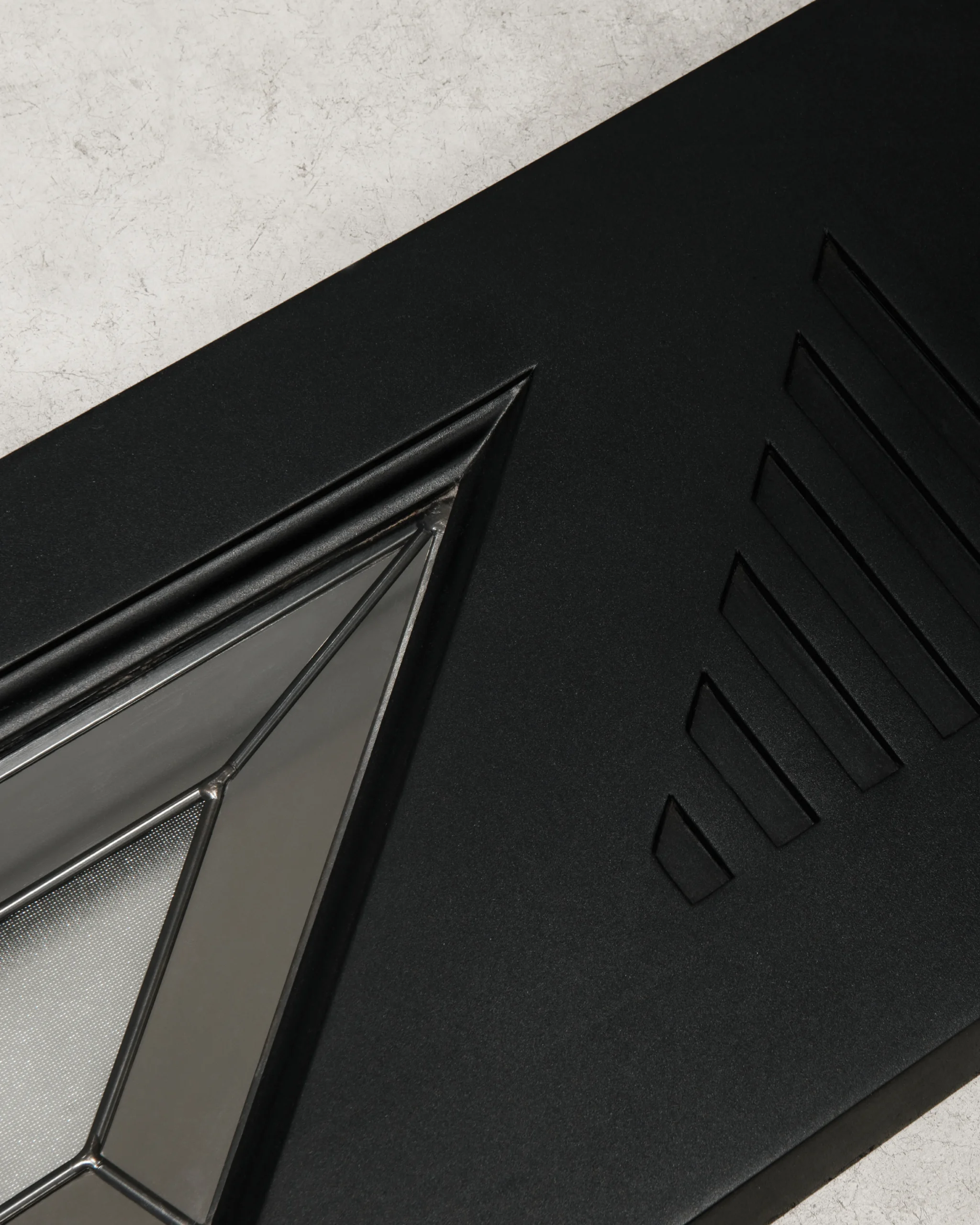
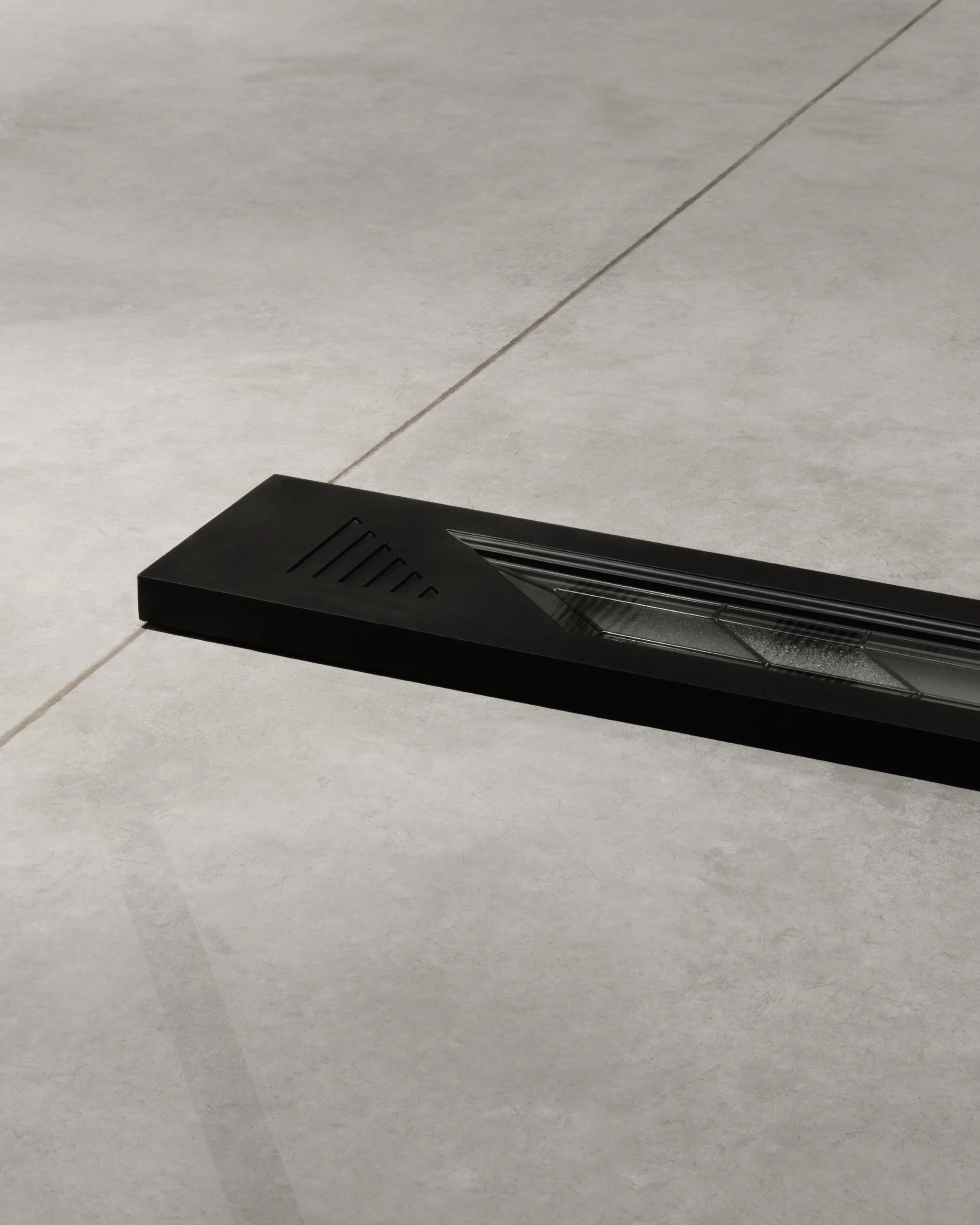
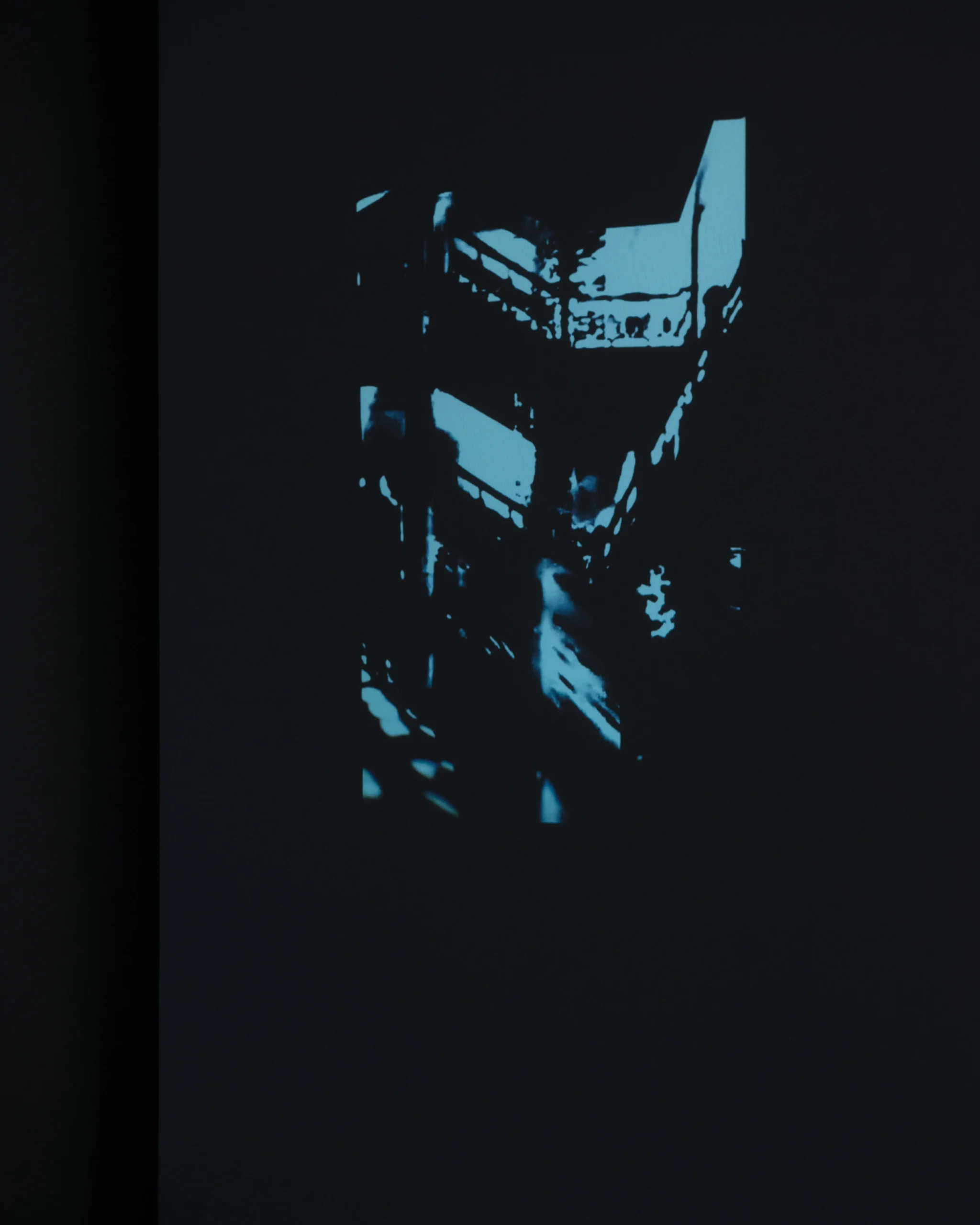
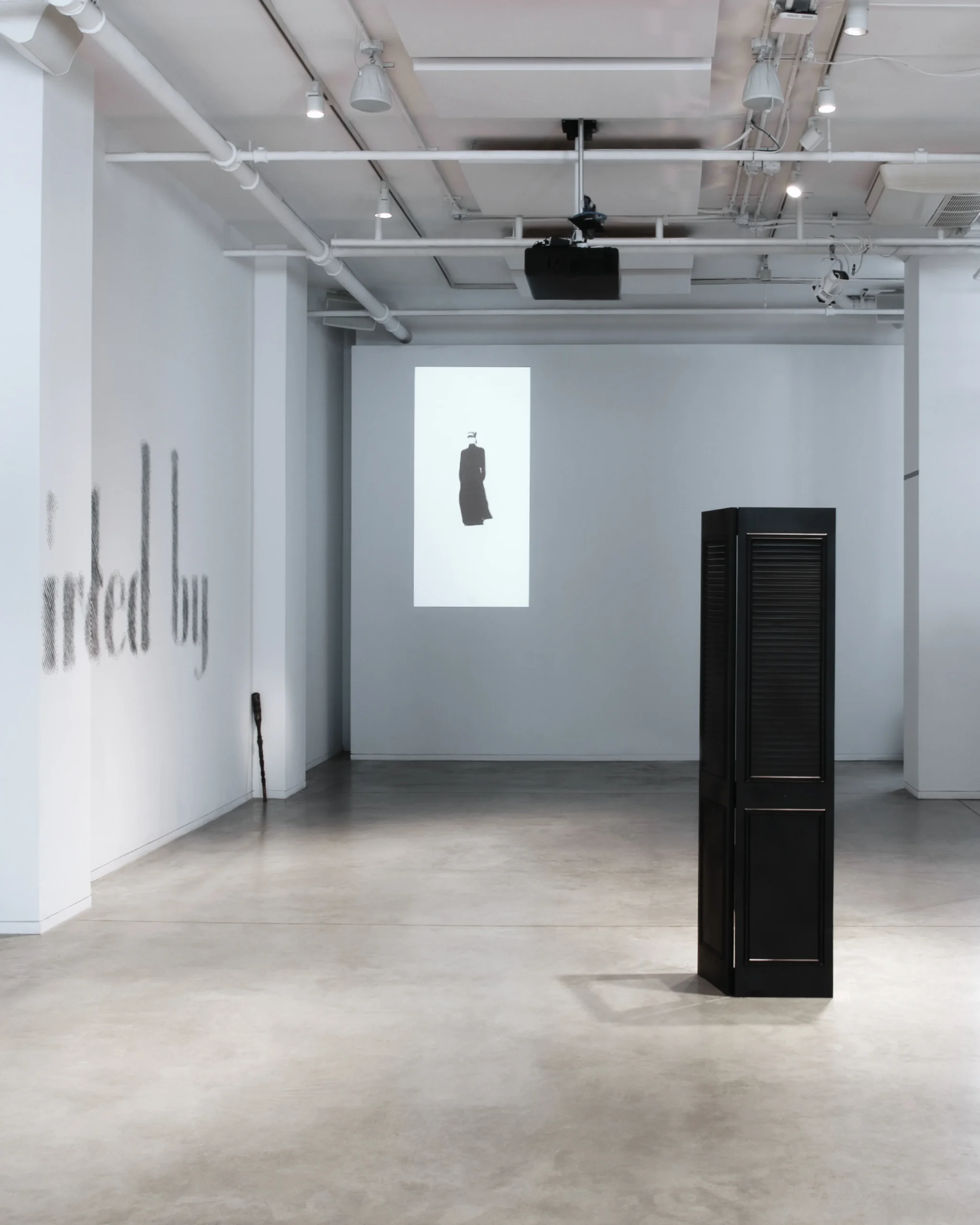
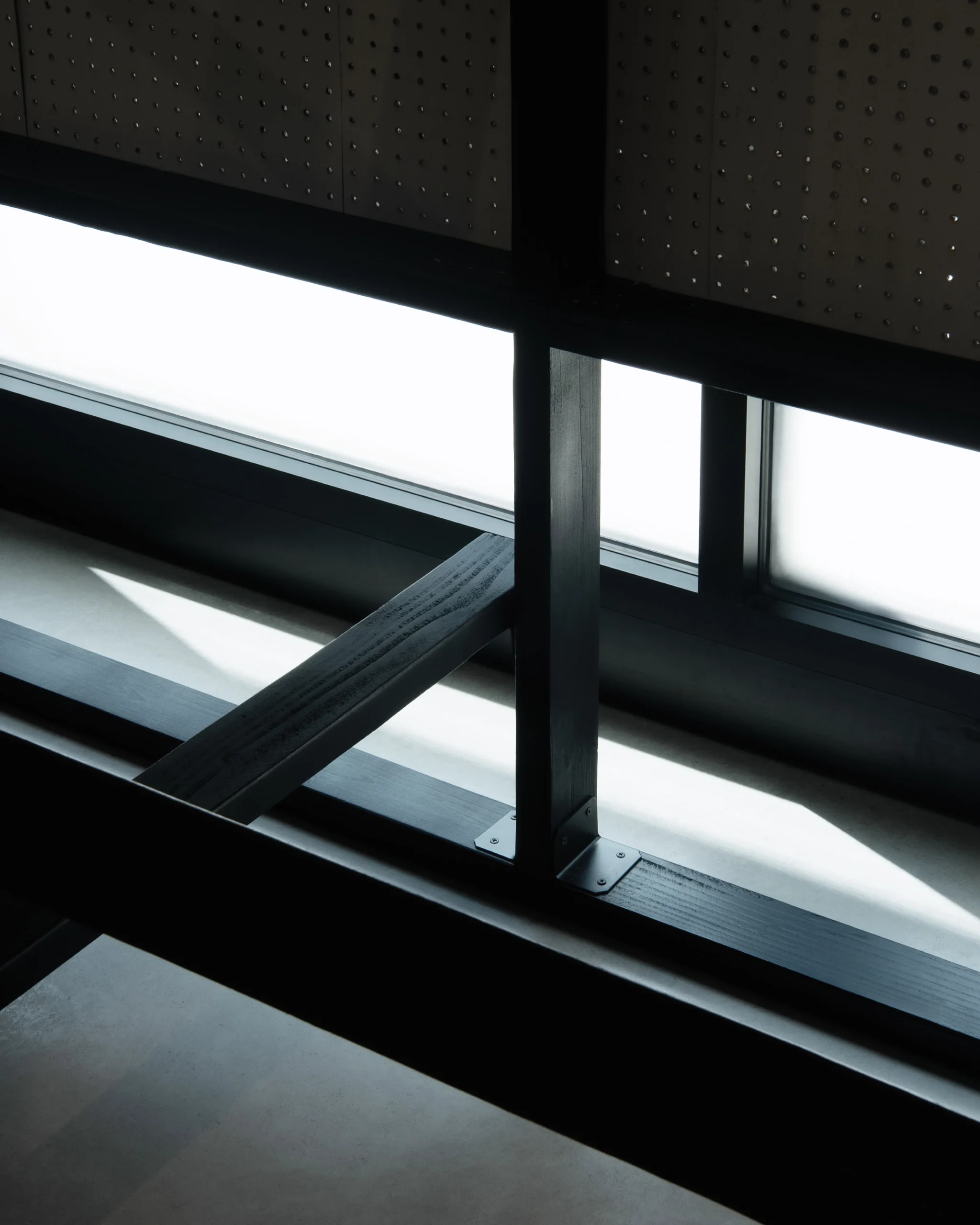
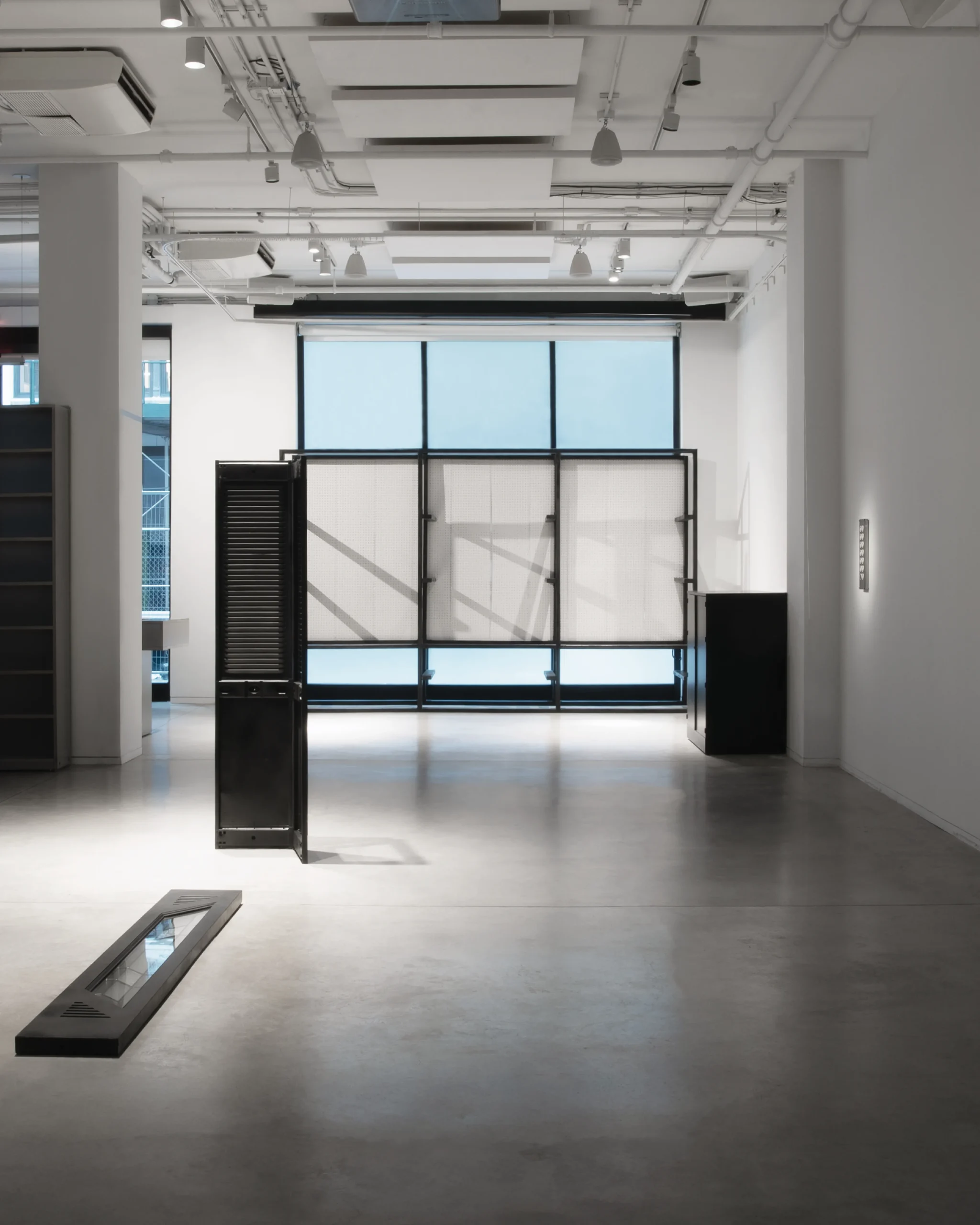
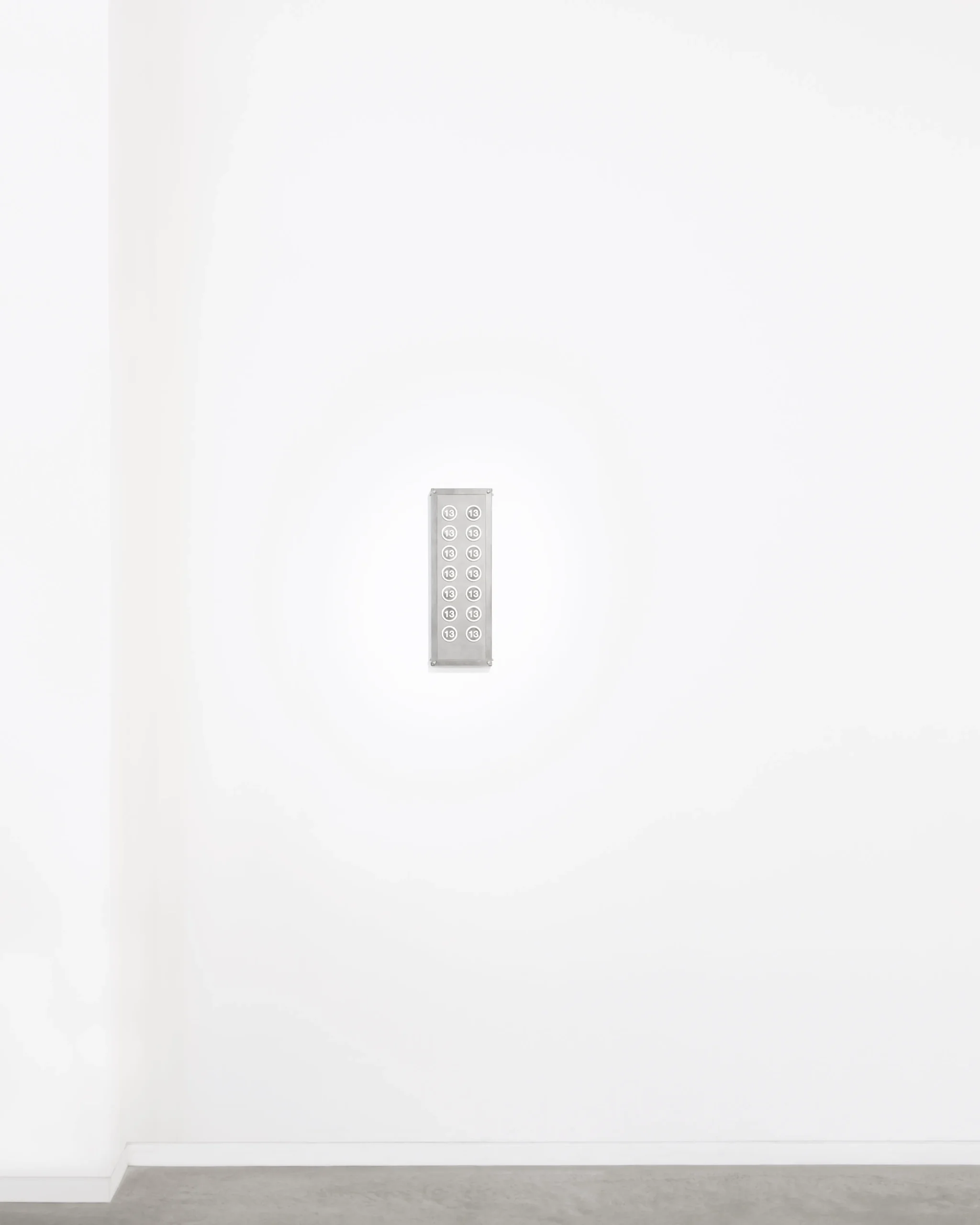
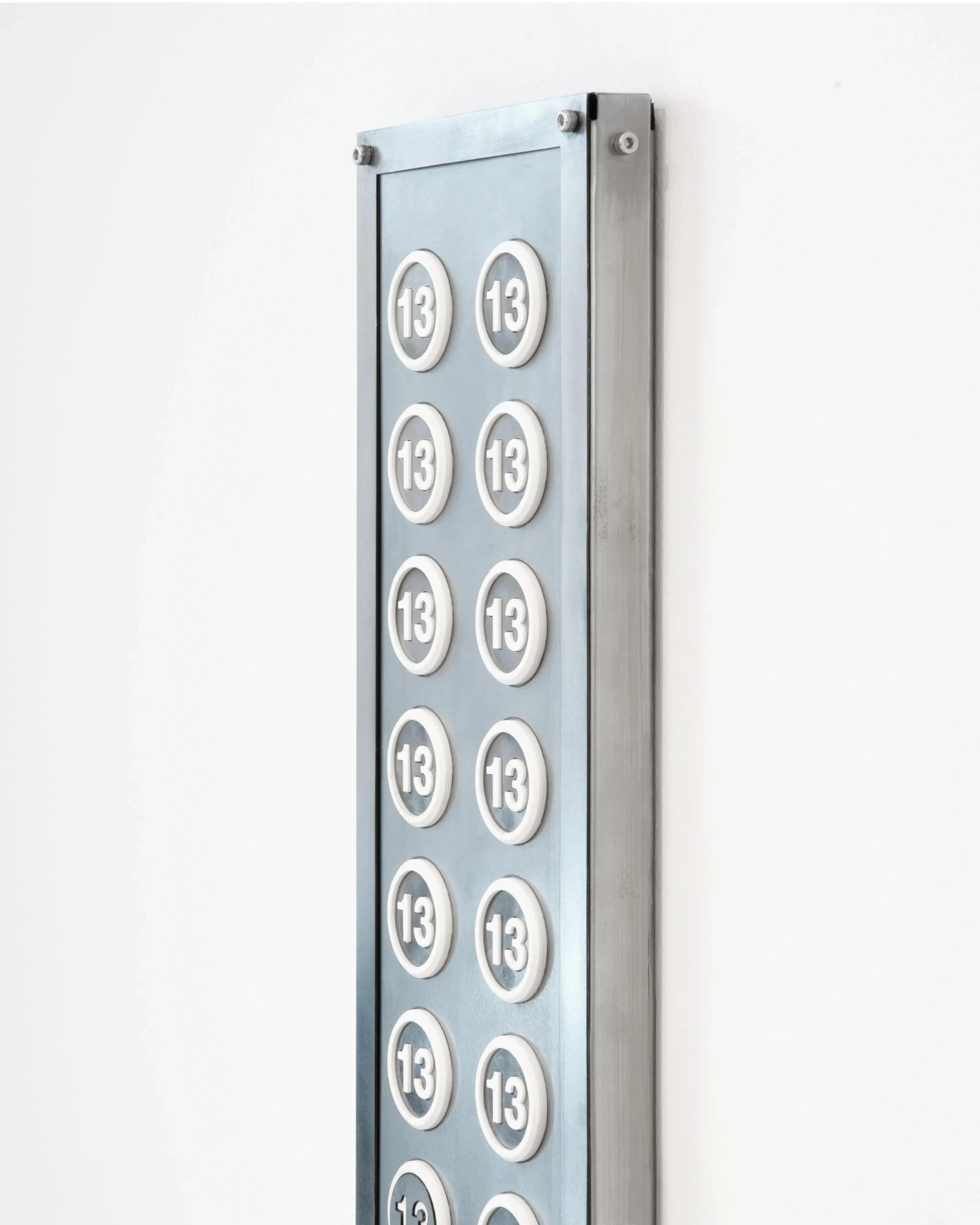
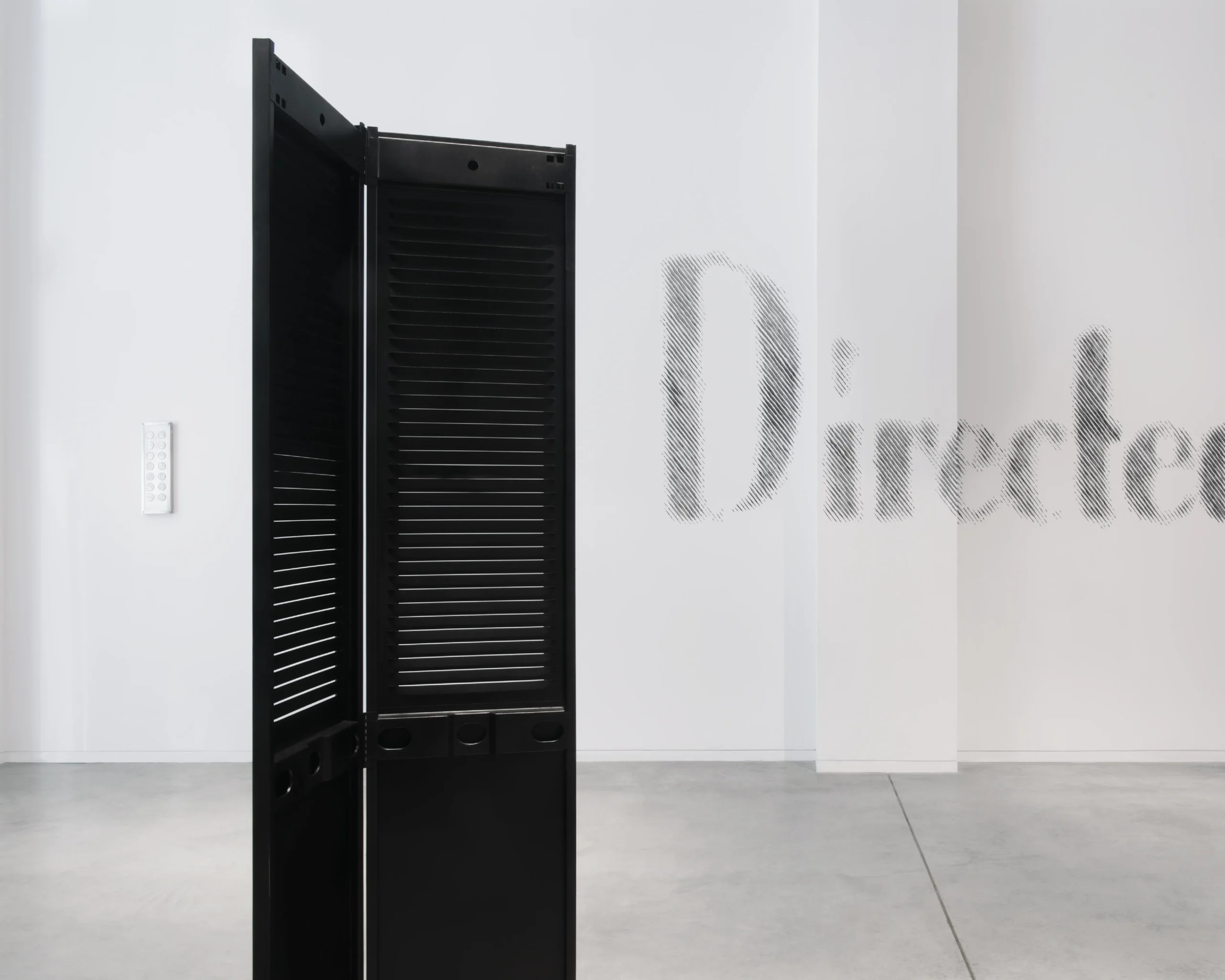
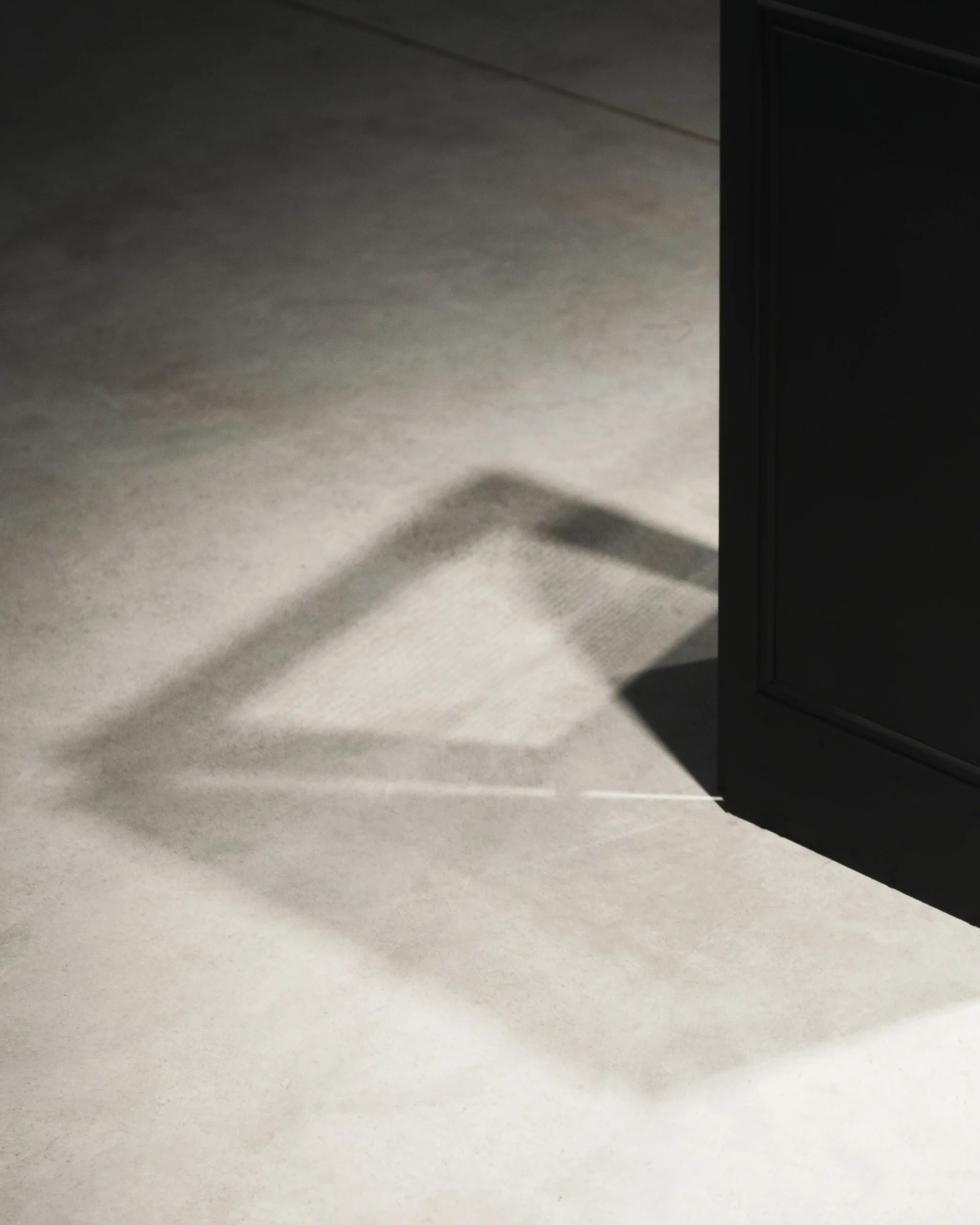
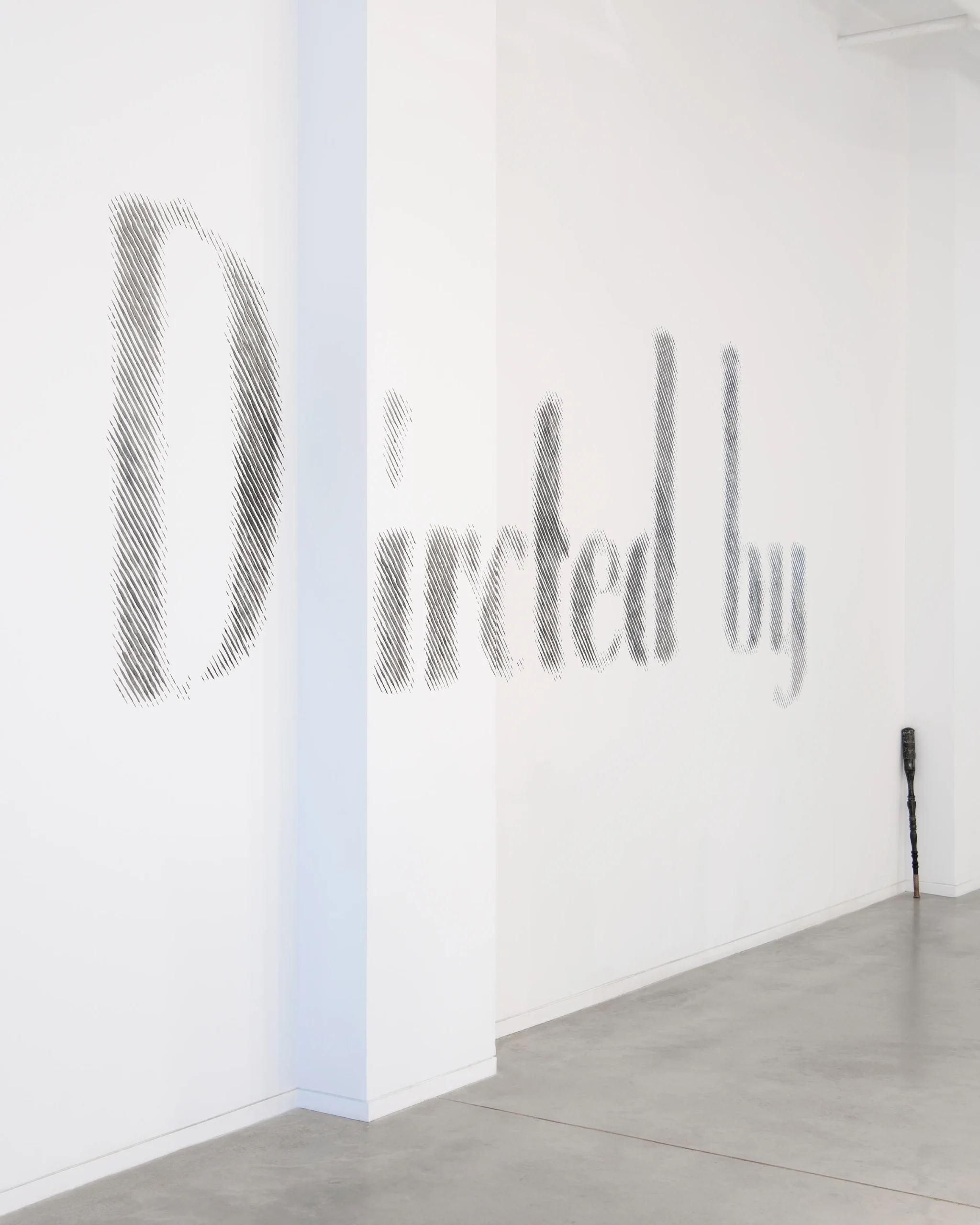
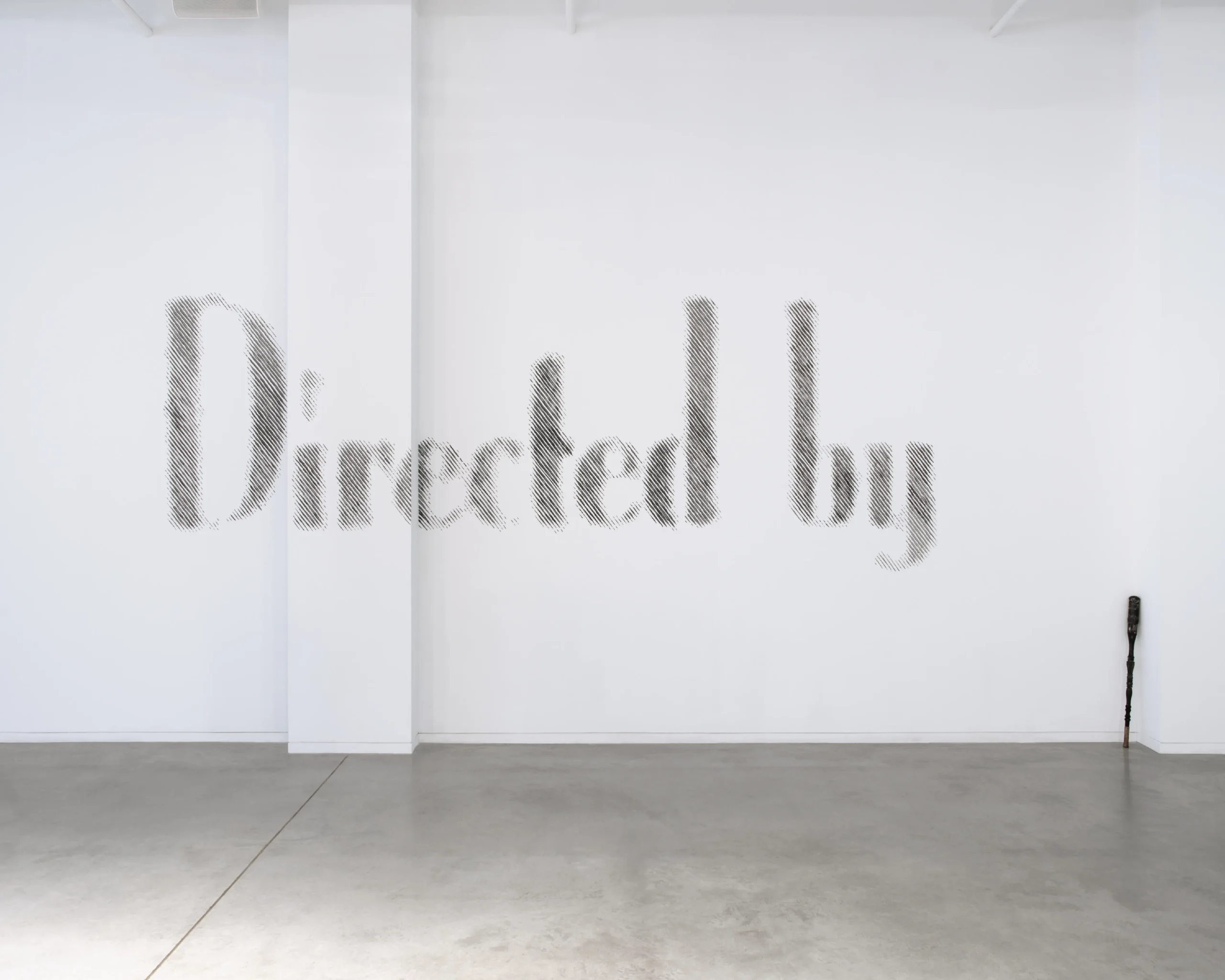
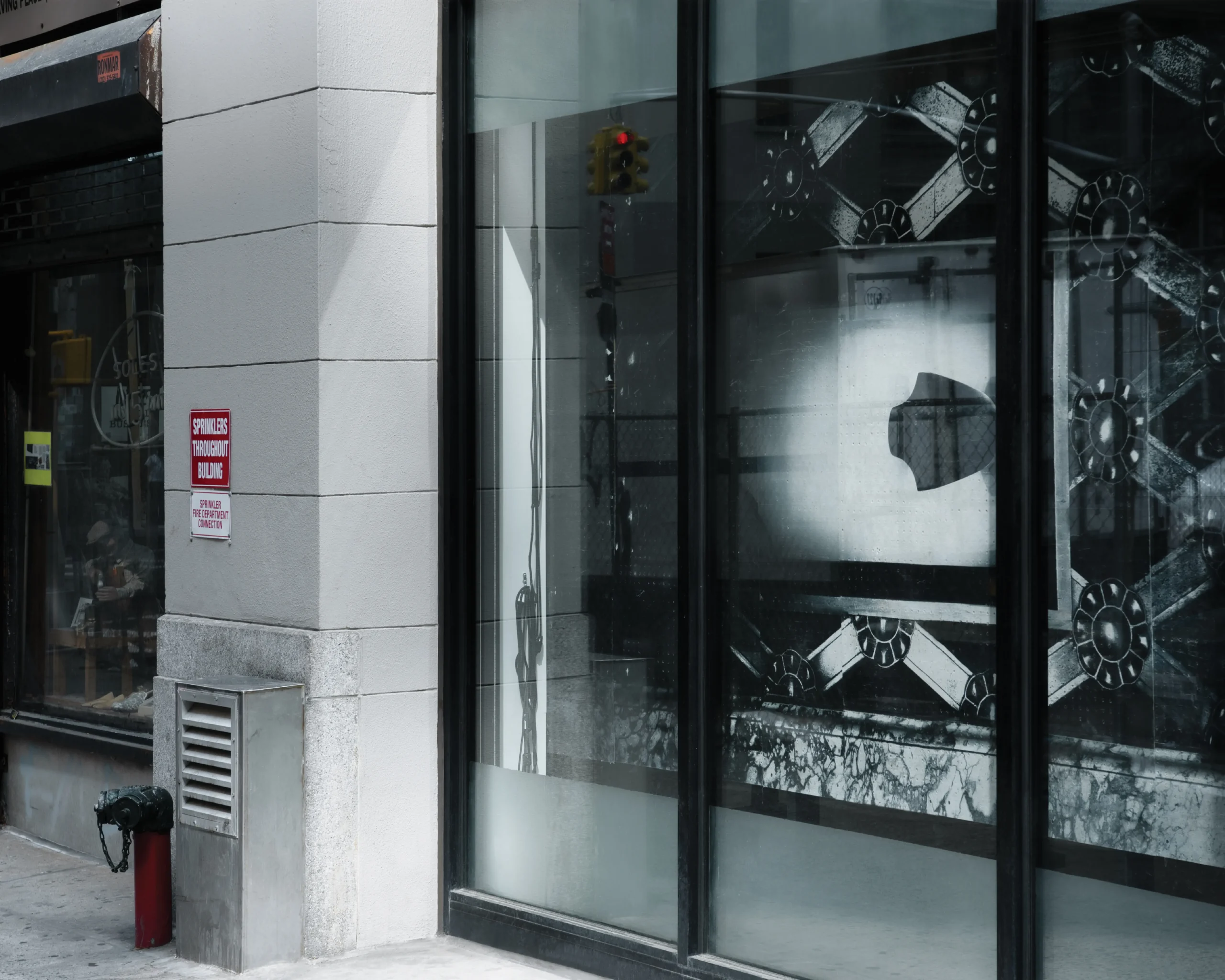
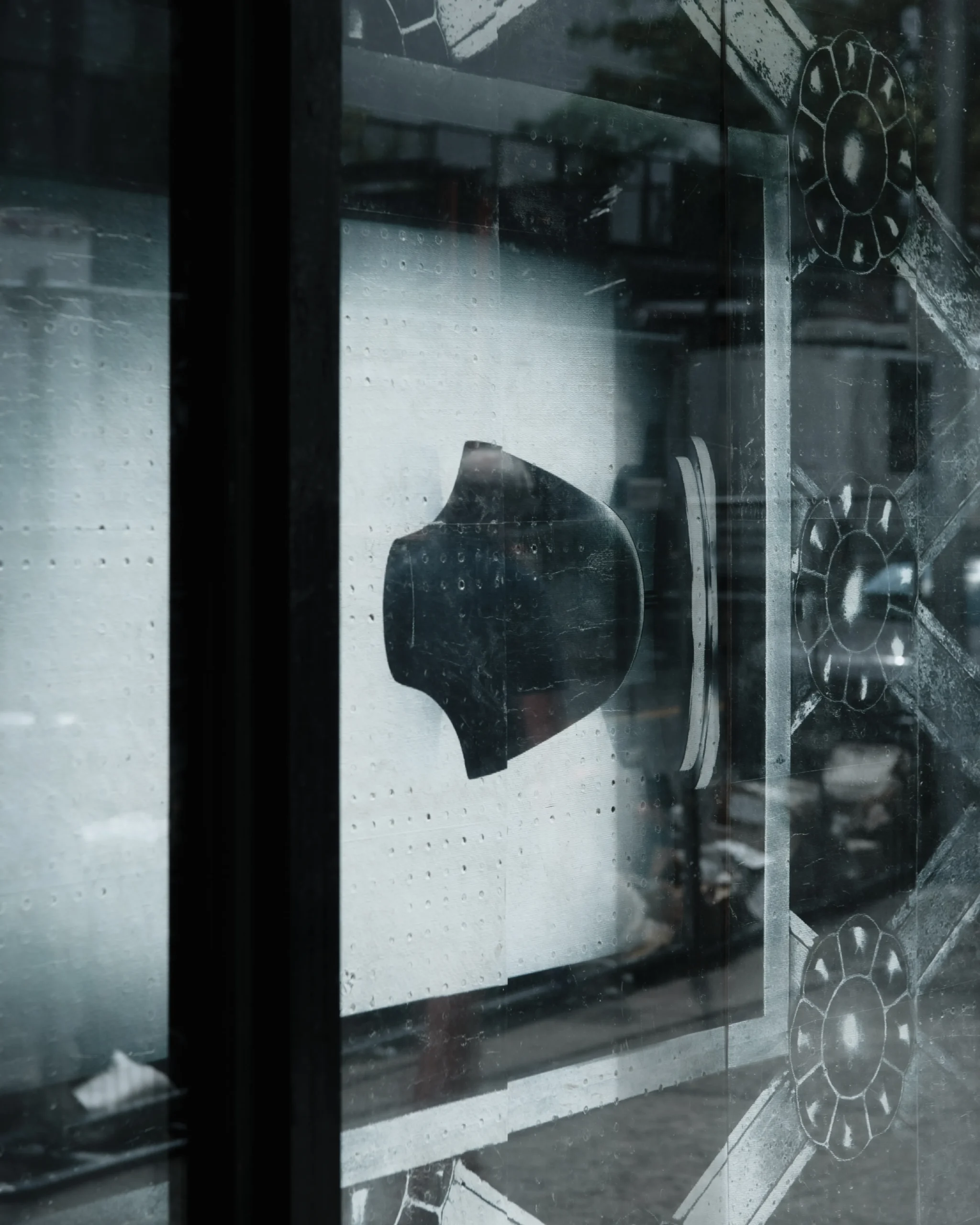
“And then she was asleep, with silver tears running down her cheeks. Hall switched the car to auto-guide and put his arm around the girl. They purred softly up a hill, into tunknown countryside. Then, a blast of icy terror tore at Hall. He hit the braking stud — The road ended a hundred feet away! On each side of the strip the very earth itself dropped off into impenetrable, stygian blackness — … ONLY THE NOTHINGNESS WITHIN NOTHINGNESS THAT MIGHT BE FOUND BEHIND THE DARKEST INFINITY …” — Daniel F. Galouye, Simulacron-3 (1964) In ERASE / REWIND, artist Jonathan Joosten interrogates the ontological instability of the object, mapping the processes through which presence is synthesized via repetition and symbolic projection. What appears present and stable is in fact produced within cultural and visual systems that usually remain unseen. Once these systems are disrupted, their underlying instabilities and the absences they conceal, come into view. Working at the convergence of (cinematic) simulation and consumer display, the artist examines how film, architecture, and exhibition formats organize perception—directing attention, constructing presence, and simultaneously obscuring what is missing. The exhibition unfolds in sequences through which these mechanisms reveal themselves. The concept began to take shape in a period of transition between New York and Berlin. Its conceptual point of departure lies in the film The Thirteenth Floor (dir. Josef Rusnak, 1999), itself a remake of Welt am Draht (dir. Rainer Werner Fassbinder, 1973), both deriving from Daniel F. Galouye’s 1964 novel Simulacron-3, and brought into dialogue with excerpts from Kim Jones’s Dior AW25 Menswear show. Across these works, simulated realities are articulated in which immediacy and presence can no longer be separated from construction. This logic resonates with the staging of the Dior show, where lightly blindfolded models move through a futurist, opera-like set, circulating objects of desire that remain structurally withheld. Within these configurations, visibility is produced through restriction, and what appears as an encounter is already mediated by systems of selection and control. This articulation of constructedness intensifies in the end credits of Rusnak‘s film, underscored by the song Erase/Rewind (The Cardigans, 1998), where repetition and erasure suggest a reality that is not fixed but can be edited, undone, and replayed. Within the logic of systems and simulation that inspired ERASE / REWIND, superstition can be understood as a protocol we use to protect ourselves from the possibility of bad luck, condensed in the figure of the number 13. It produces behavioral scripts as we avoid flying on Friday the 13th or refuse to live on the 13th floor, as if following these codes could stabilize an otherwise uncertain reality. Often traced back to Judas’ betrayal as the thirteenth guest at the Last Supper, its force does not lie in this origin, but in its continuous repetition. Superstition operates as a collective agreement that produces absence while simultaneously making it operative: The “13” is excluded, and precisely through this exclusion it begins to structure behavior. This logic of produced absence appears in the urban situations Joosten encountered in New York. Illuminated but empty shop windows and the missing “13” button in American elevators are not incidental details, they come to assume the form of coded, ghostly markers of a collective anxiety. They operate through the same mechanism, generating continuity by omission: The shop window performs visibility without content, the elevator suggests completeness despite a missing level. In both cases, absence is not simply a lack, but an active component of the system, disappearing from view while still organizing perception. In this sense, ERASE / REWIND displaces the possibility of a stable position from which to observe, instead situating the viewer within a regime of permanent uncertainty in an all-encompassing relationalism. What appears is never fully present, what is absent never entirely gone. Meaning wavers between these conditions, contingent and continuously deferred, requiring a constant repositioning in relation to shifting coordinates. The exhibition thus enforces a mode of attention that is at once analytical and in a constant process of reorientation, implicating the viewer in the very systems they seek to grasp. Joosten does not resolve this instability; he situates it. He allows us to linger at the road’s end, suggesting that the nothingness within nothingness is not a terminal silence, but infinity. A suspended space where, in the absence of it all, we are free to navigate.