


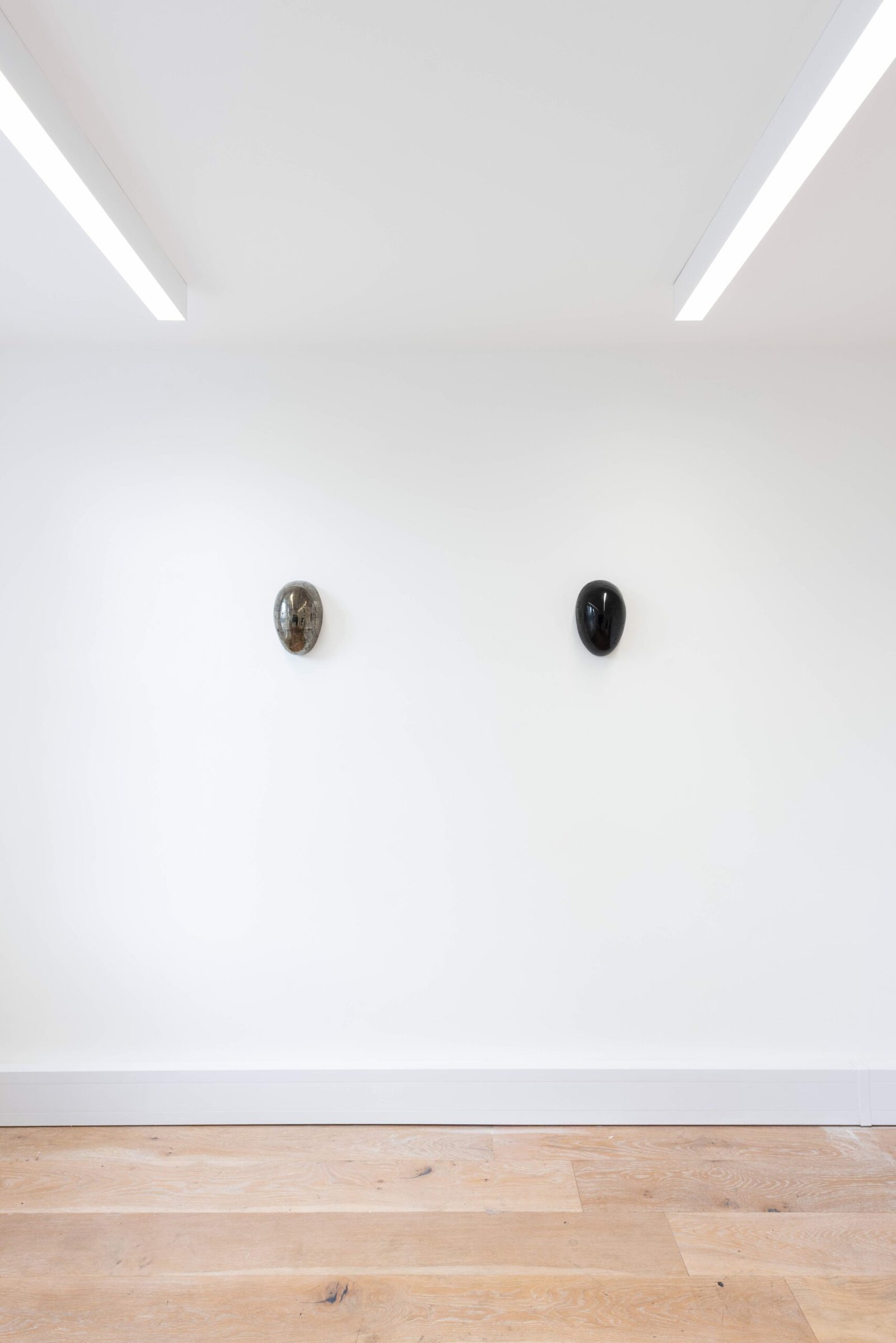
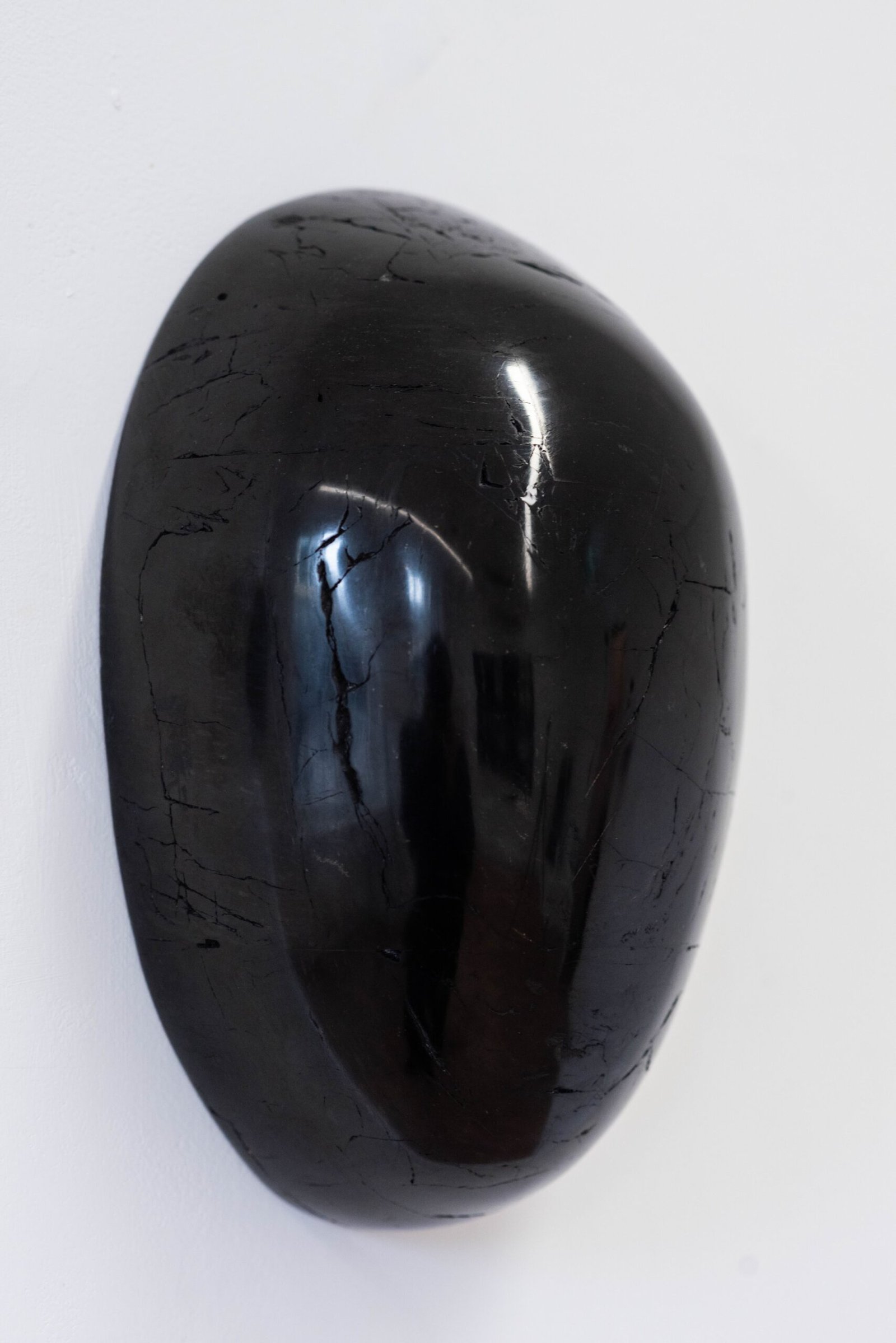
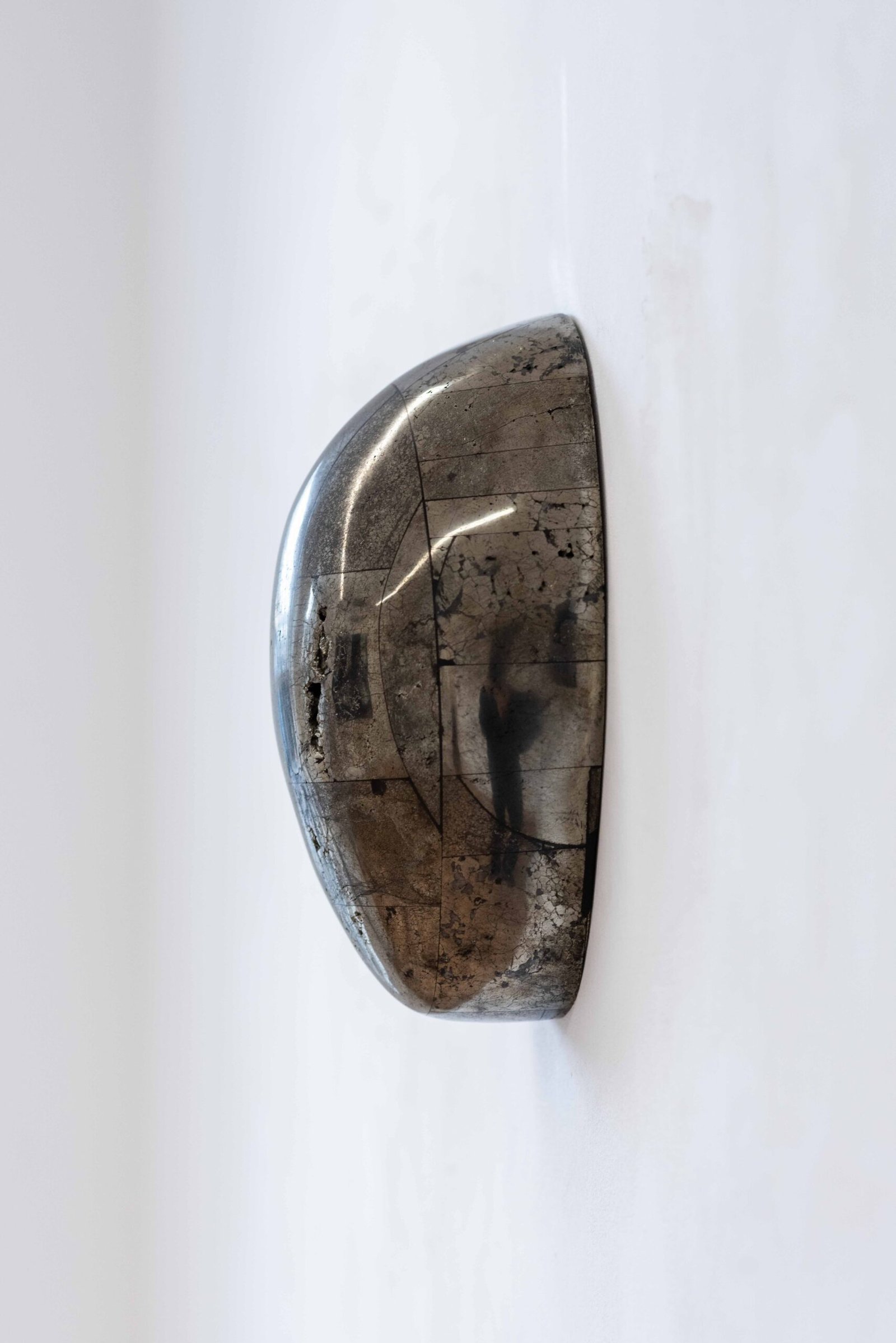
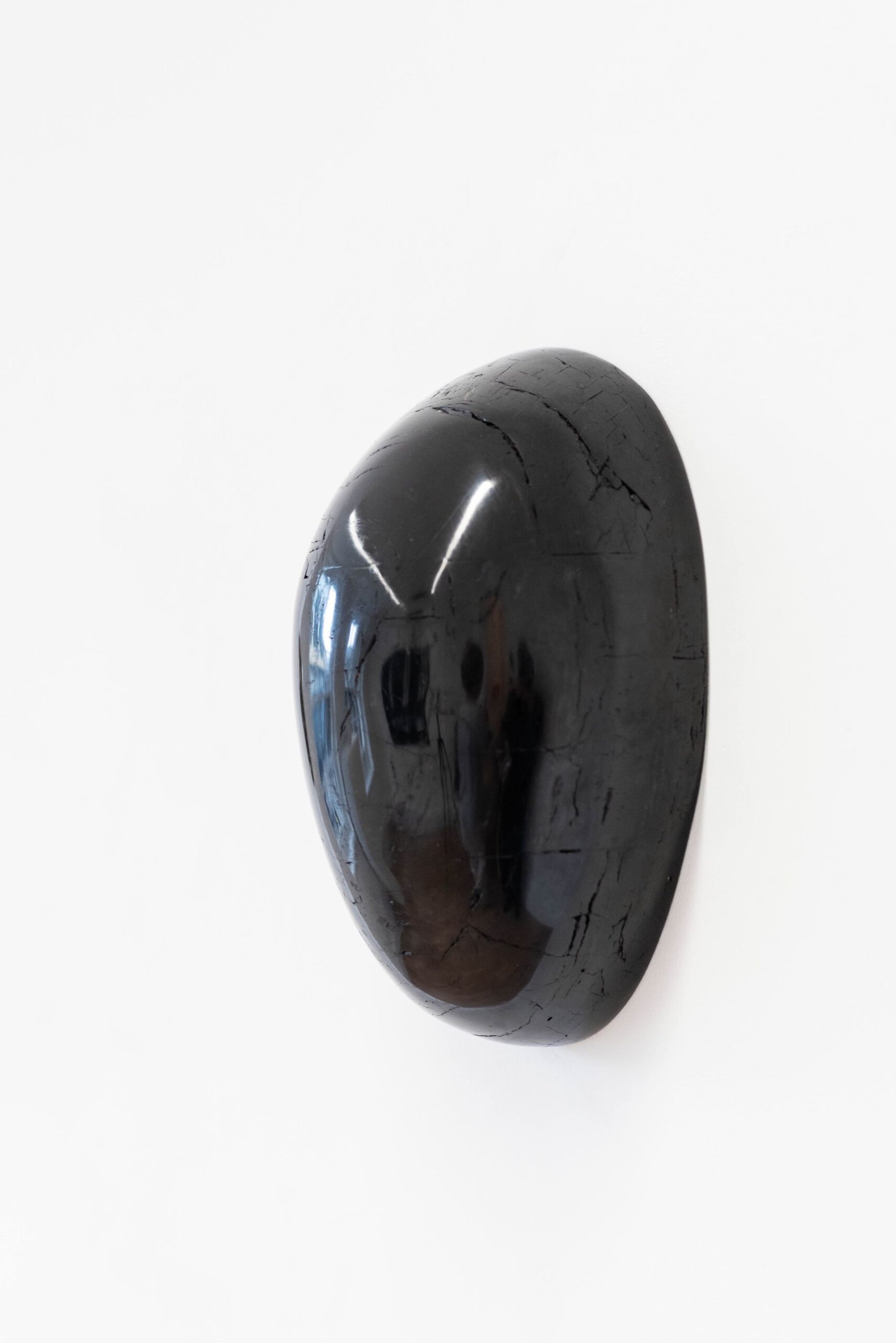
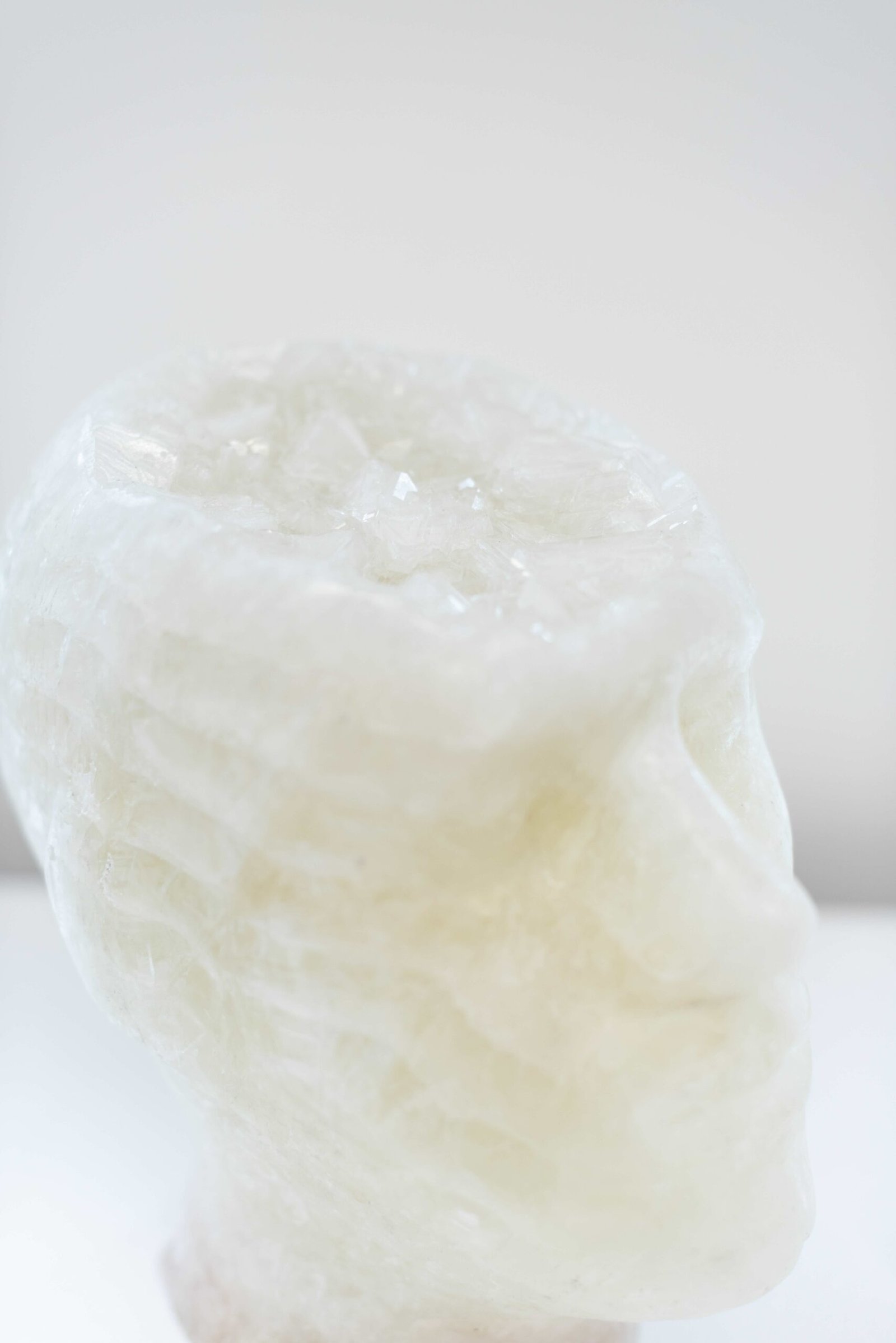
The exhibition presents new work by renowned Chilean artist Alejandra Prieto, marking her first solo exhibition in the UK. Titled Dust, the exhibition brings together works engaging with materials central to Prieto’s practice, including lithium, carbon and pyrite, alongside painting.
Prieto approaches minerals not simply as natural substances or commodities, but as materials that construct geopolitical realities, social structures and psychological states. Their significance emerges through the systems in which they circulate: from extraction and industrial production to medicine, technology and the human body.
Lithium, for example, is extracted from specific regions of the earth and has become one of the most sought-after commodities of our time, essential to the batteries that power contemporary technologies and electric vehicles. Its extraction and distribution are deeply political. At the same time, lithium has long been used in the treatment of bipolar disorder, where it acts upon and regulates processes in the brain. Prieto’s video Litio explores this duality, tracing the mineral across seemingly distinct territories, from the geological and economic to the psychological and bodily.
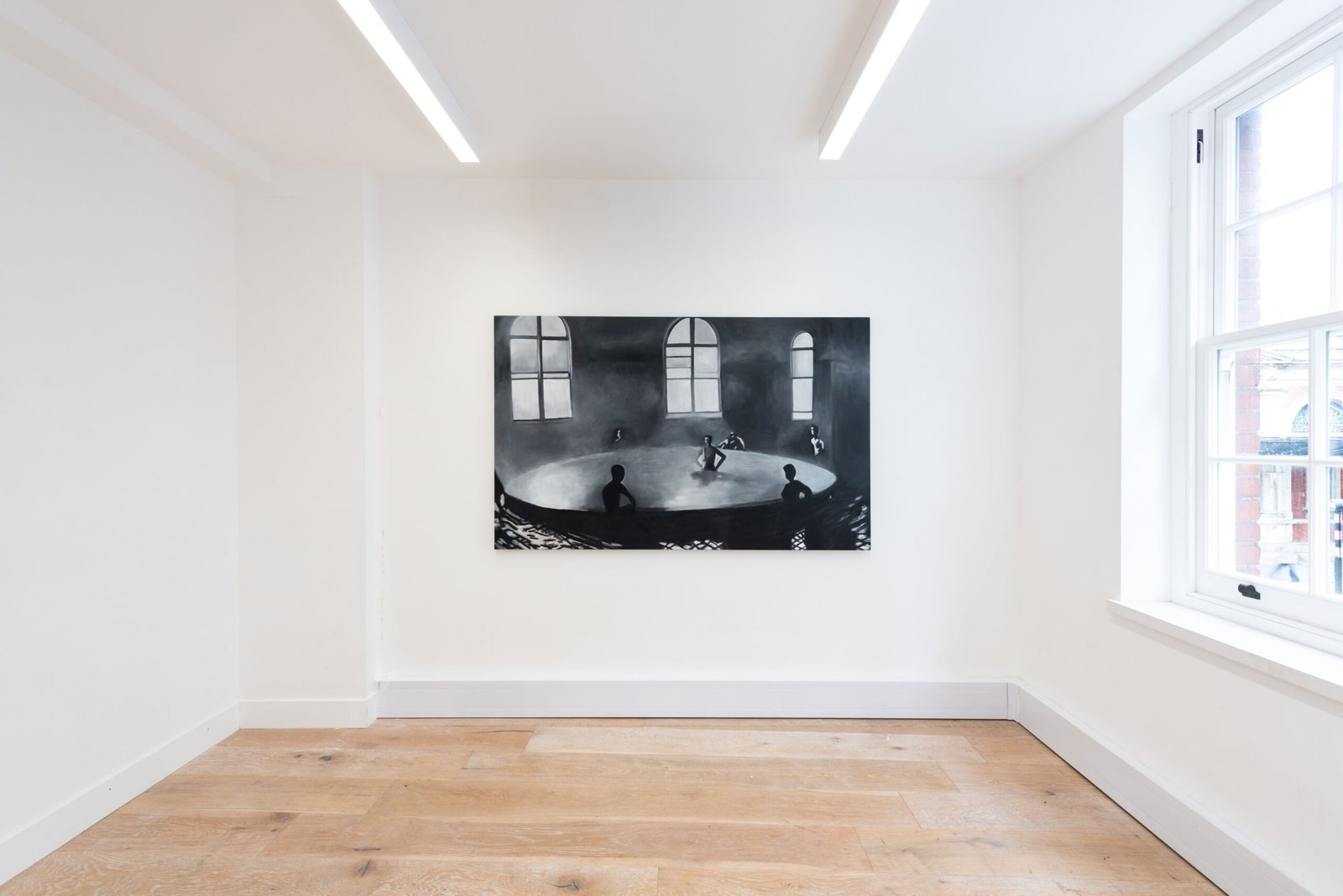
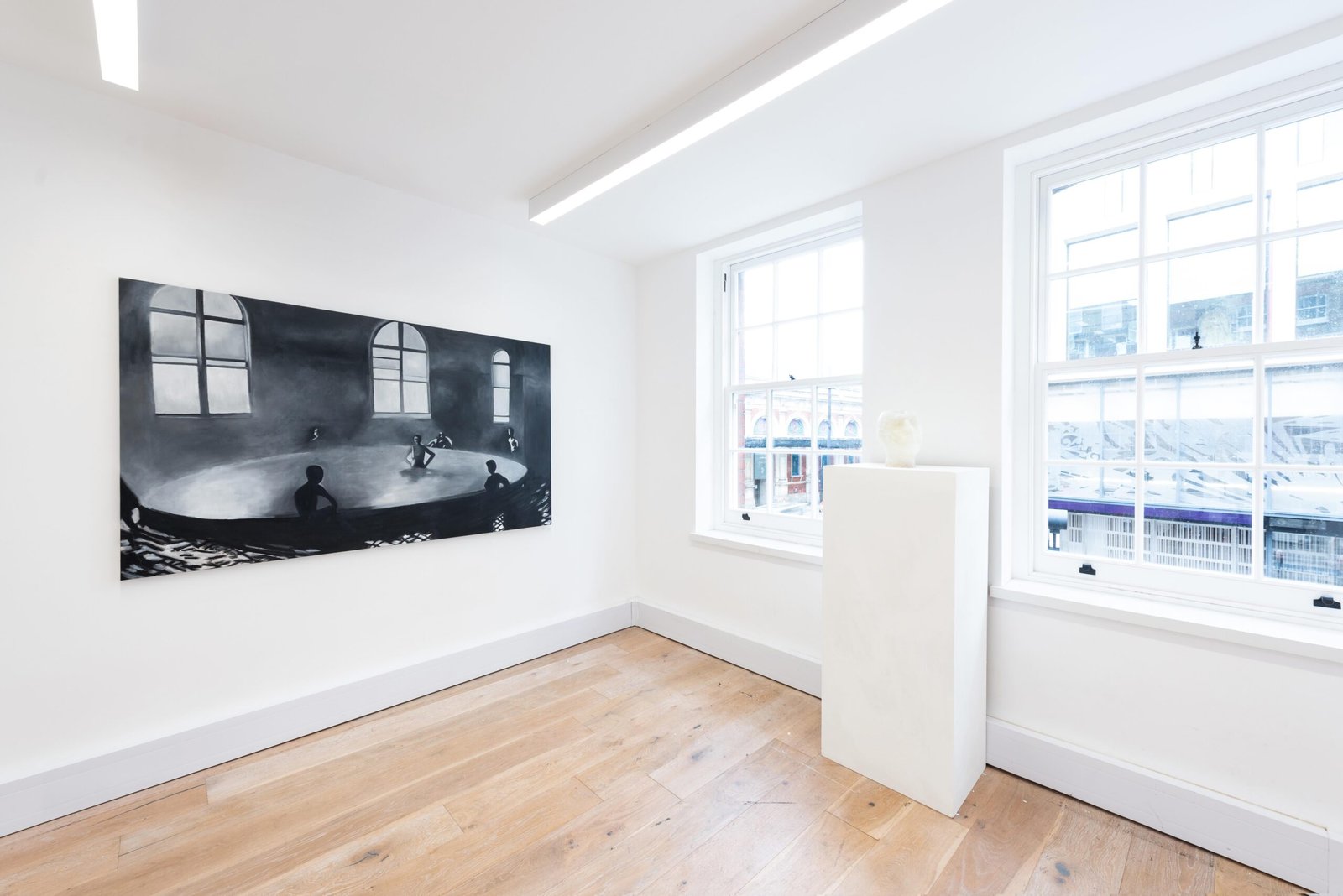
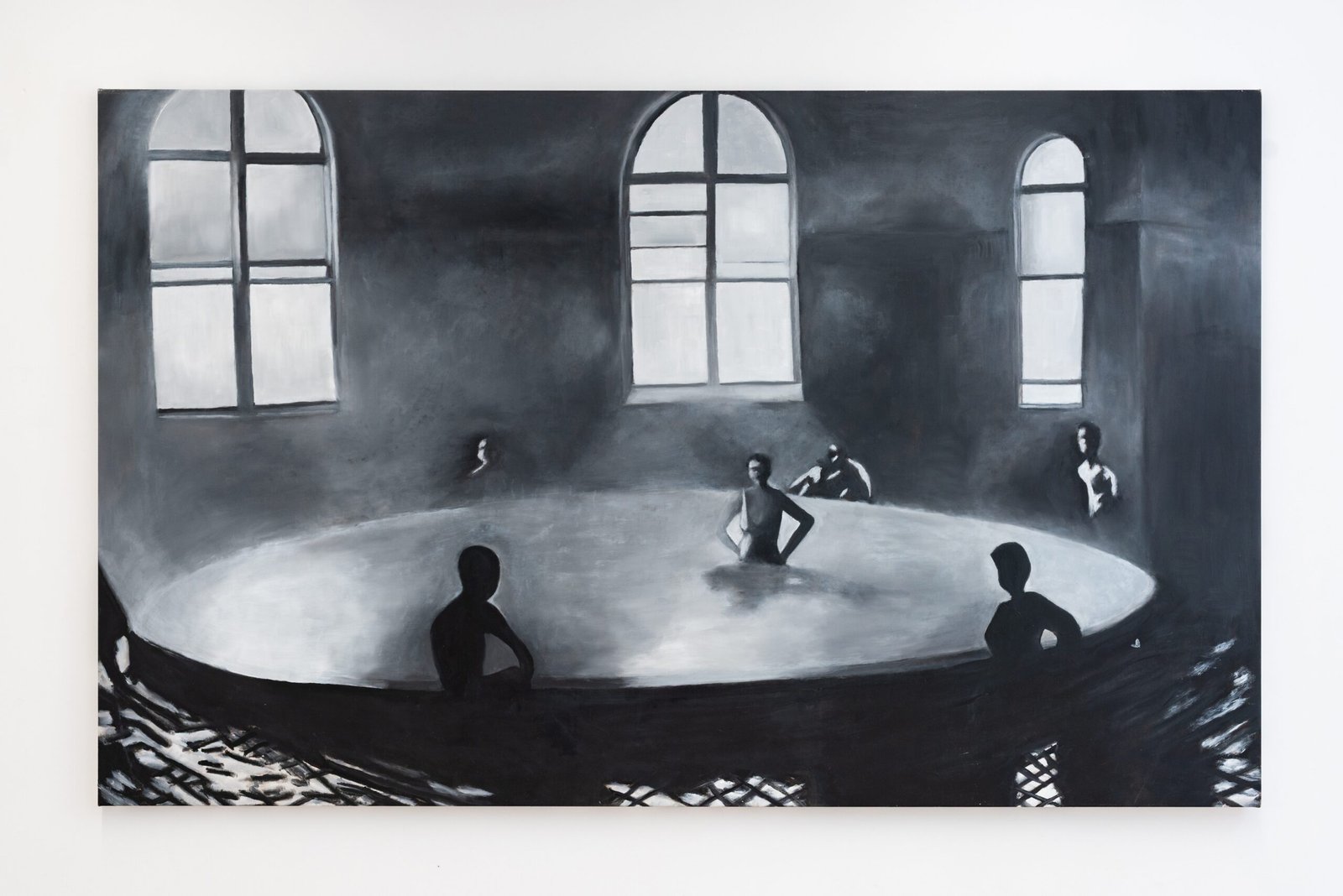
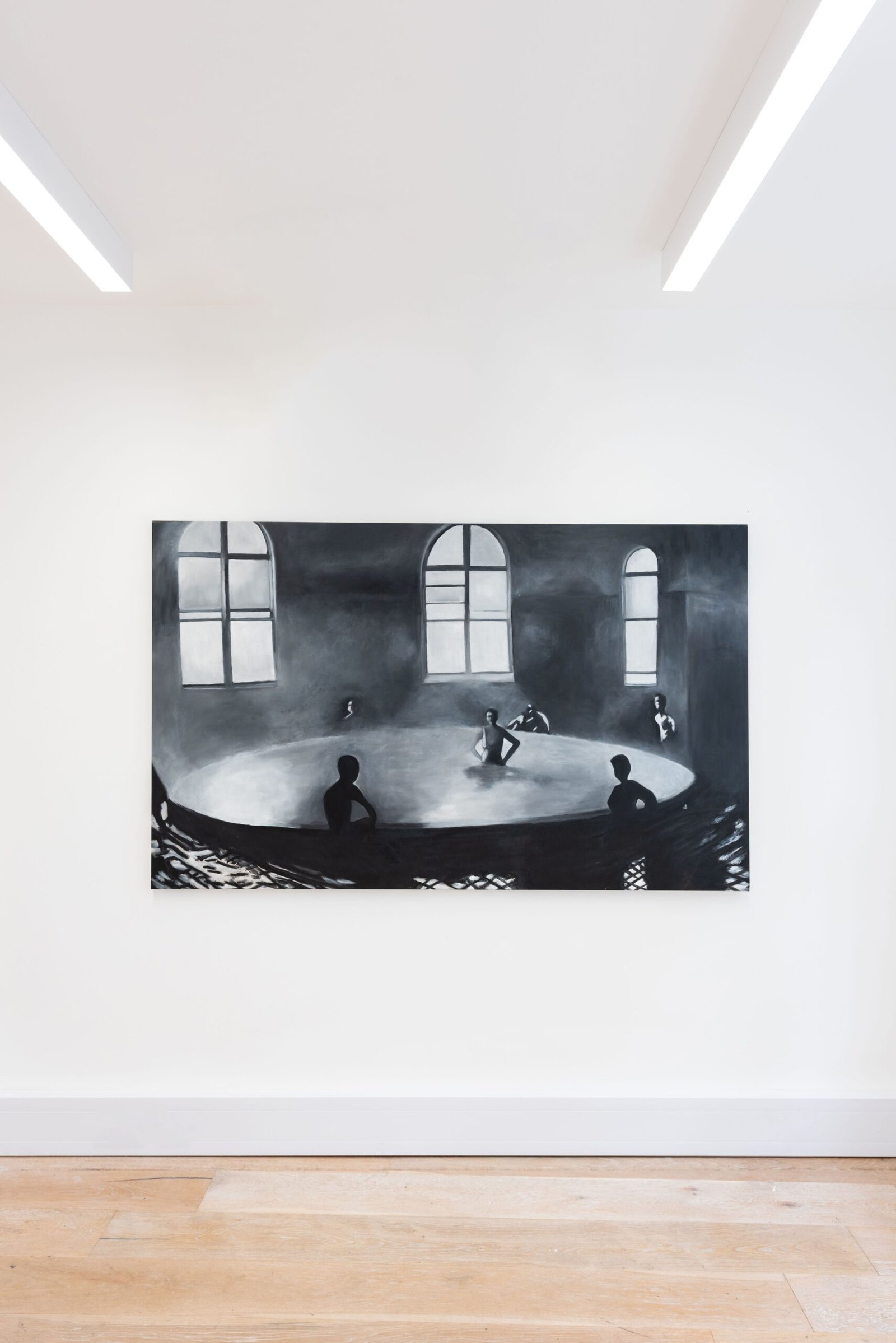
A large-scale painting in the exhibition depicts a lithium bath, referring to the history of mineral baths once promoted as treatments for a wide range of illnesses. Although such baths are no longer understood as medical treatments, the infrastructures built around them speak to a longer history of wellness and to the changing beliefs and values attached to minerals.
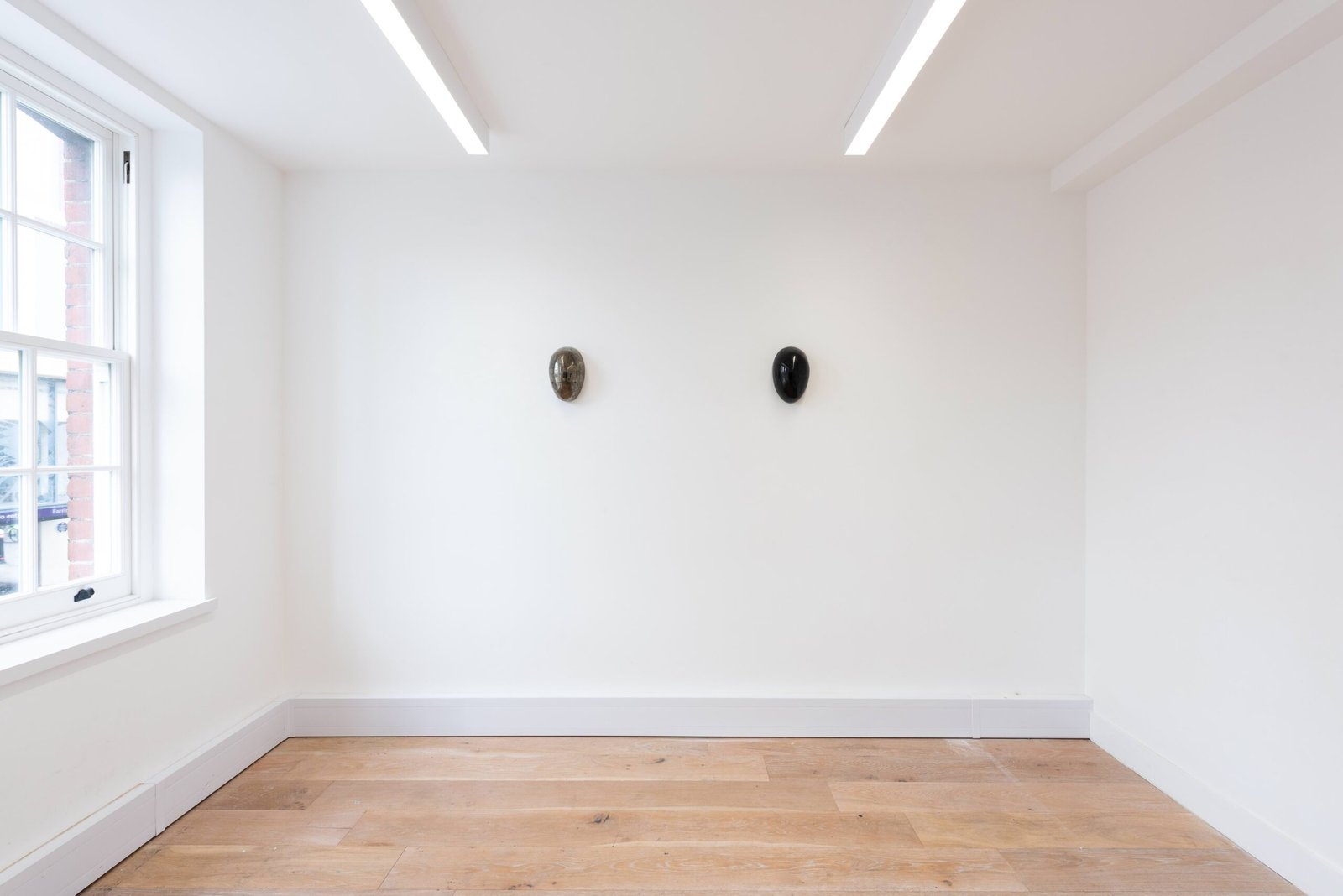
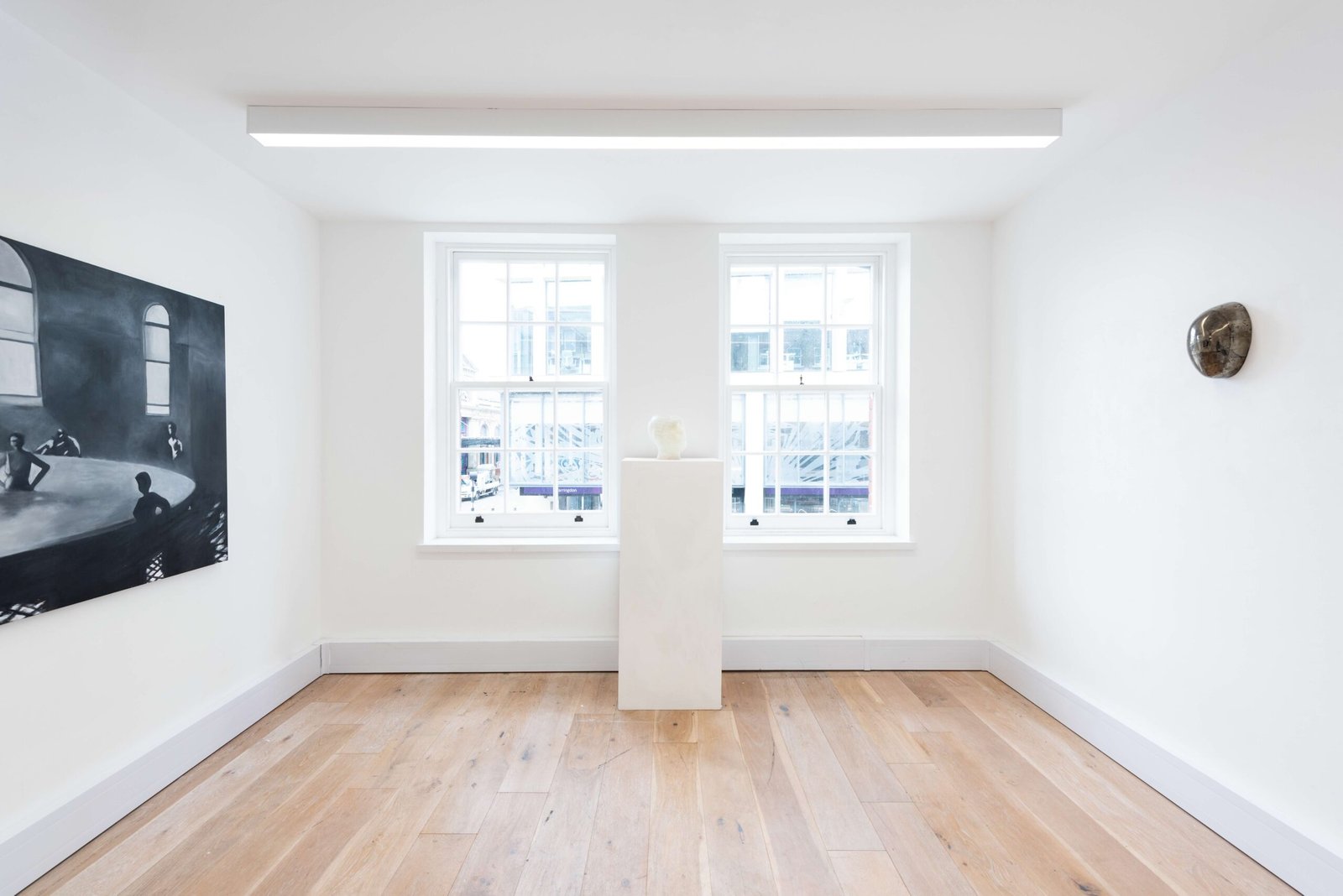
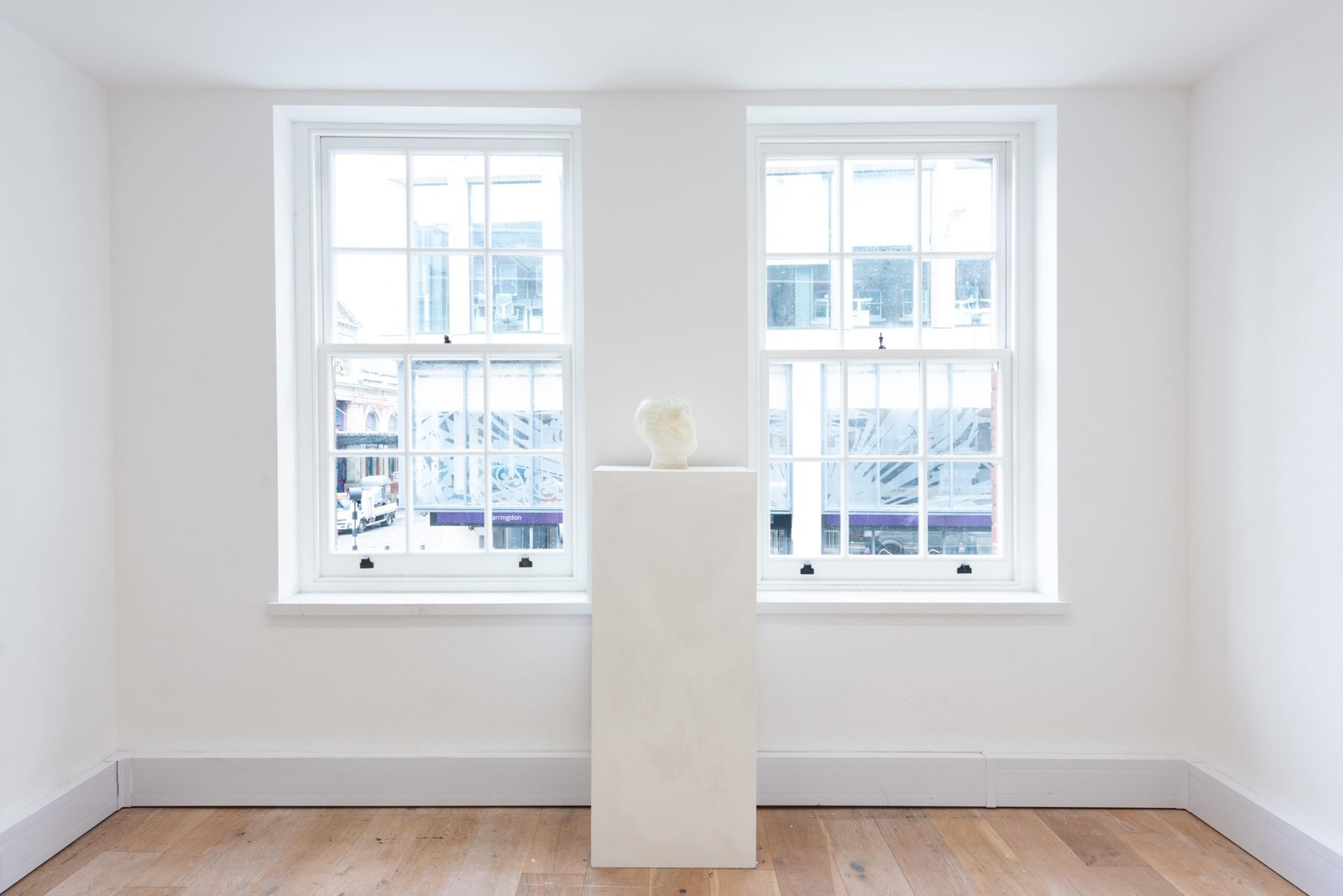
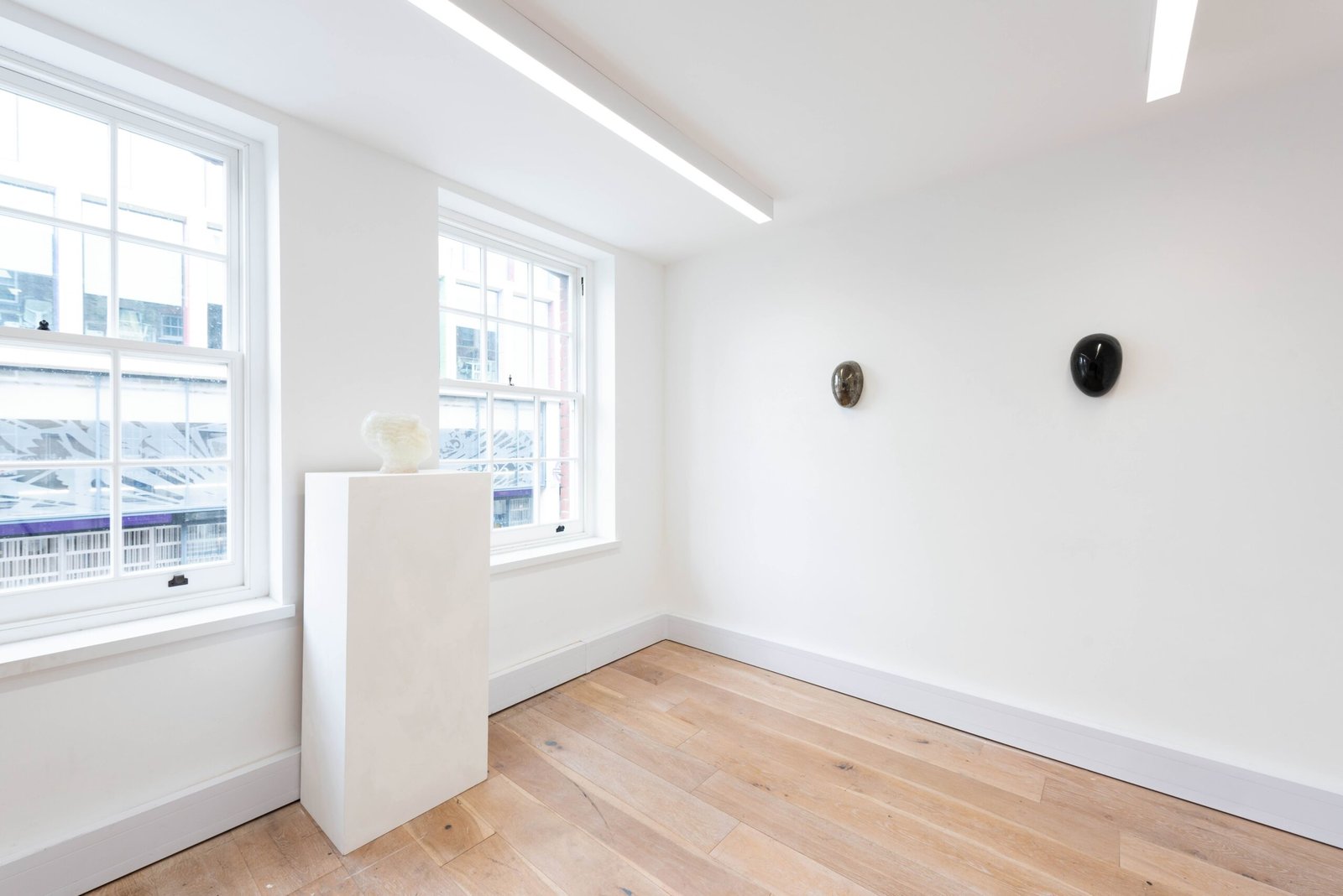
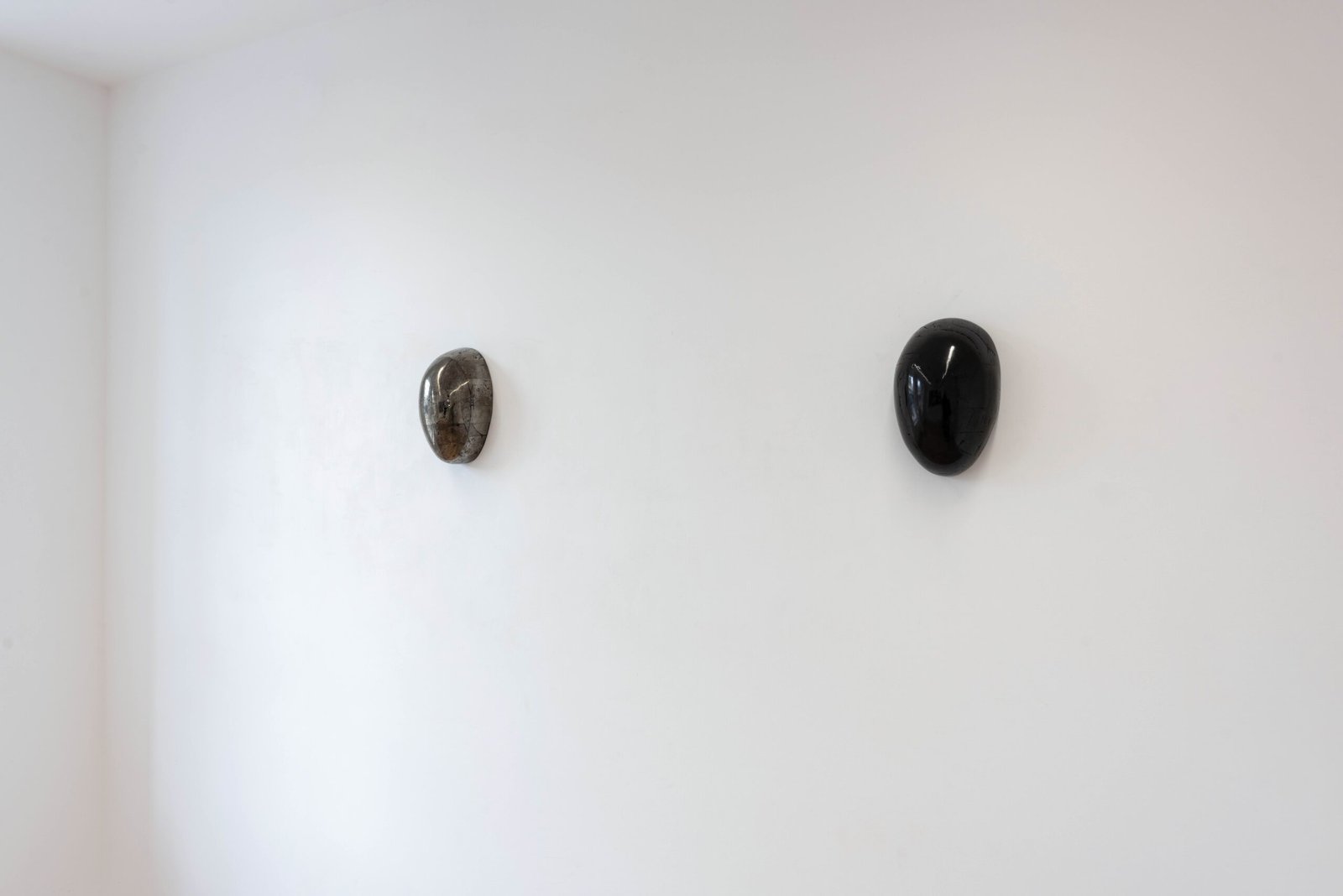
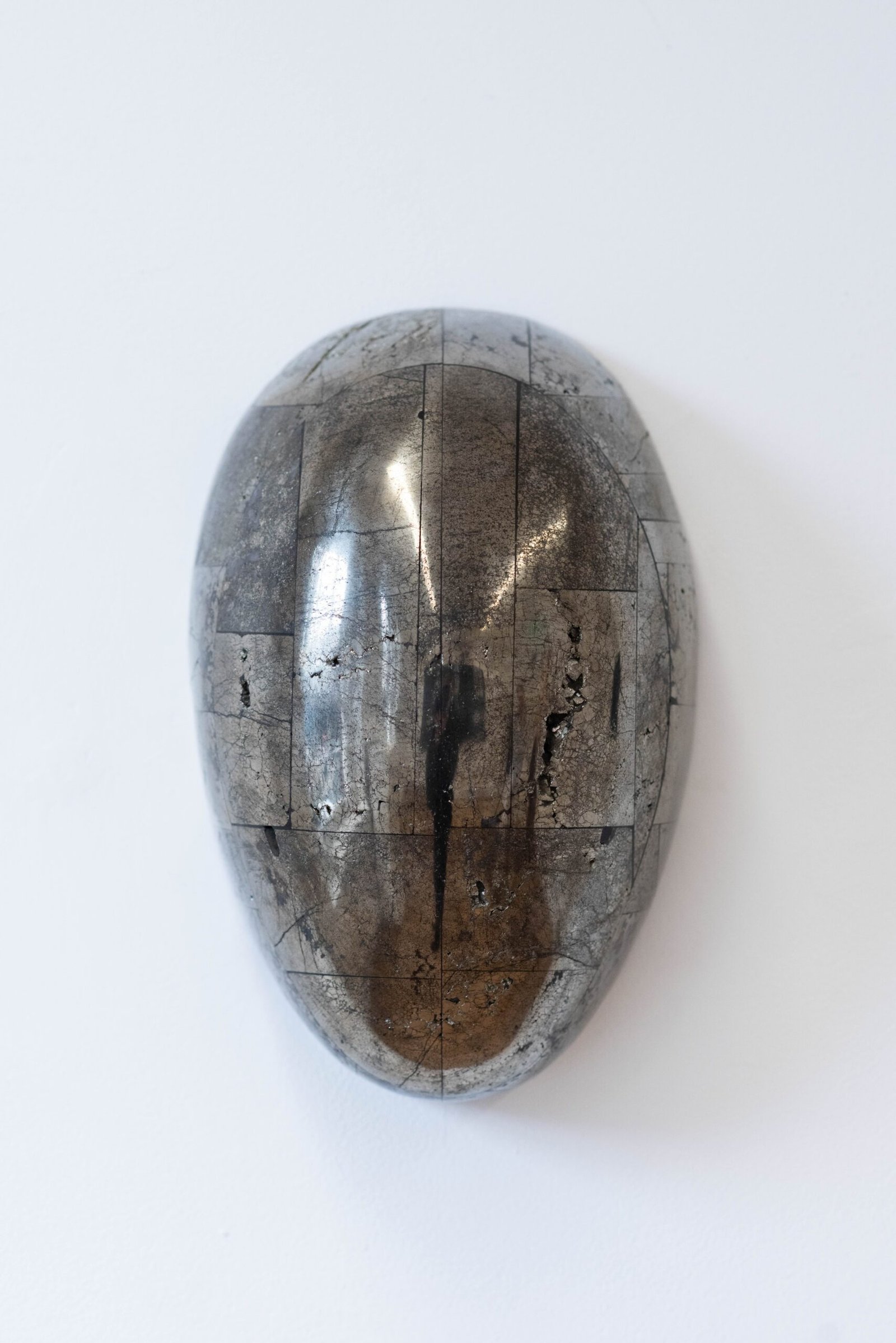
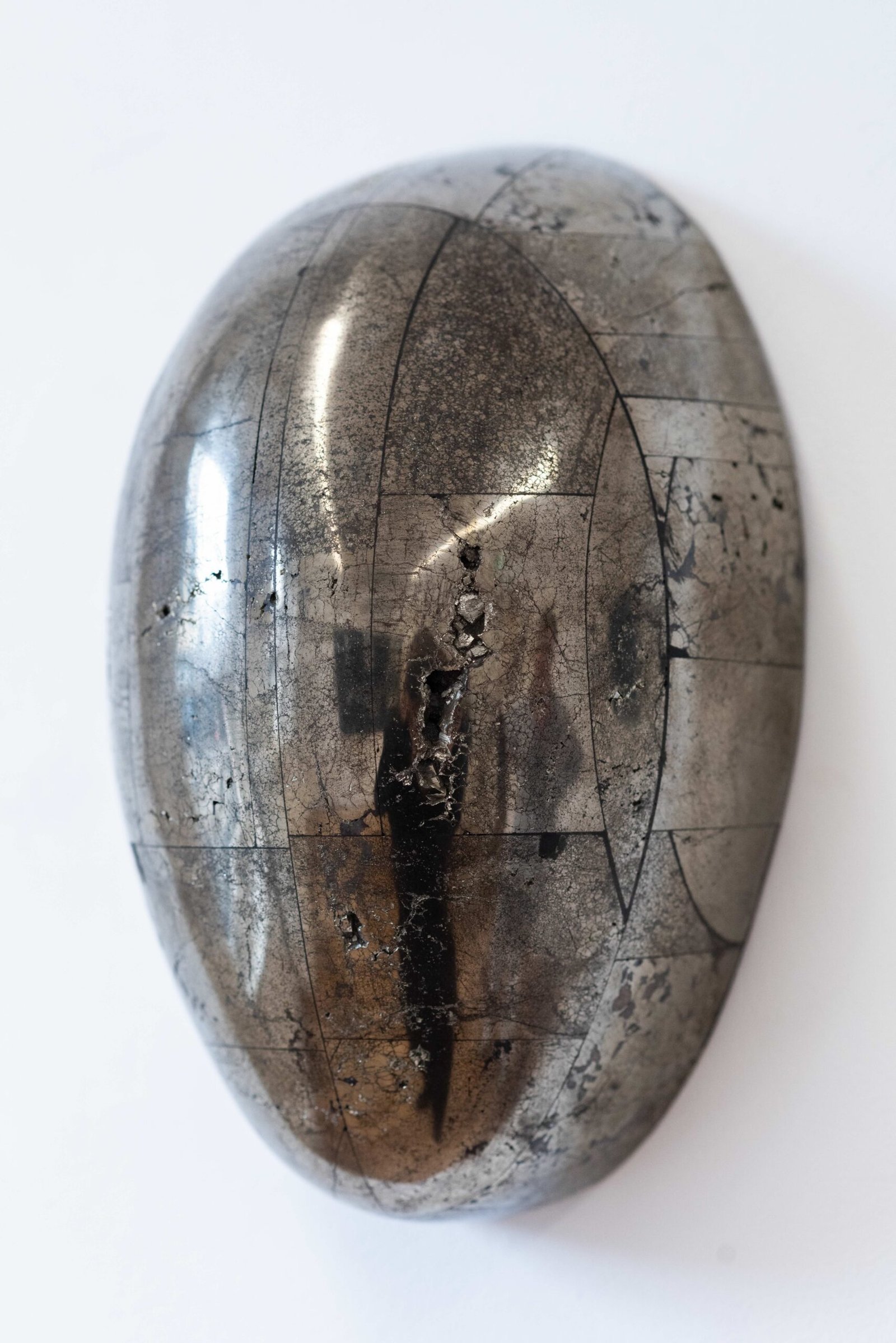
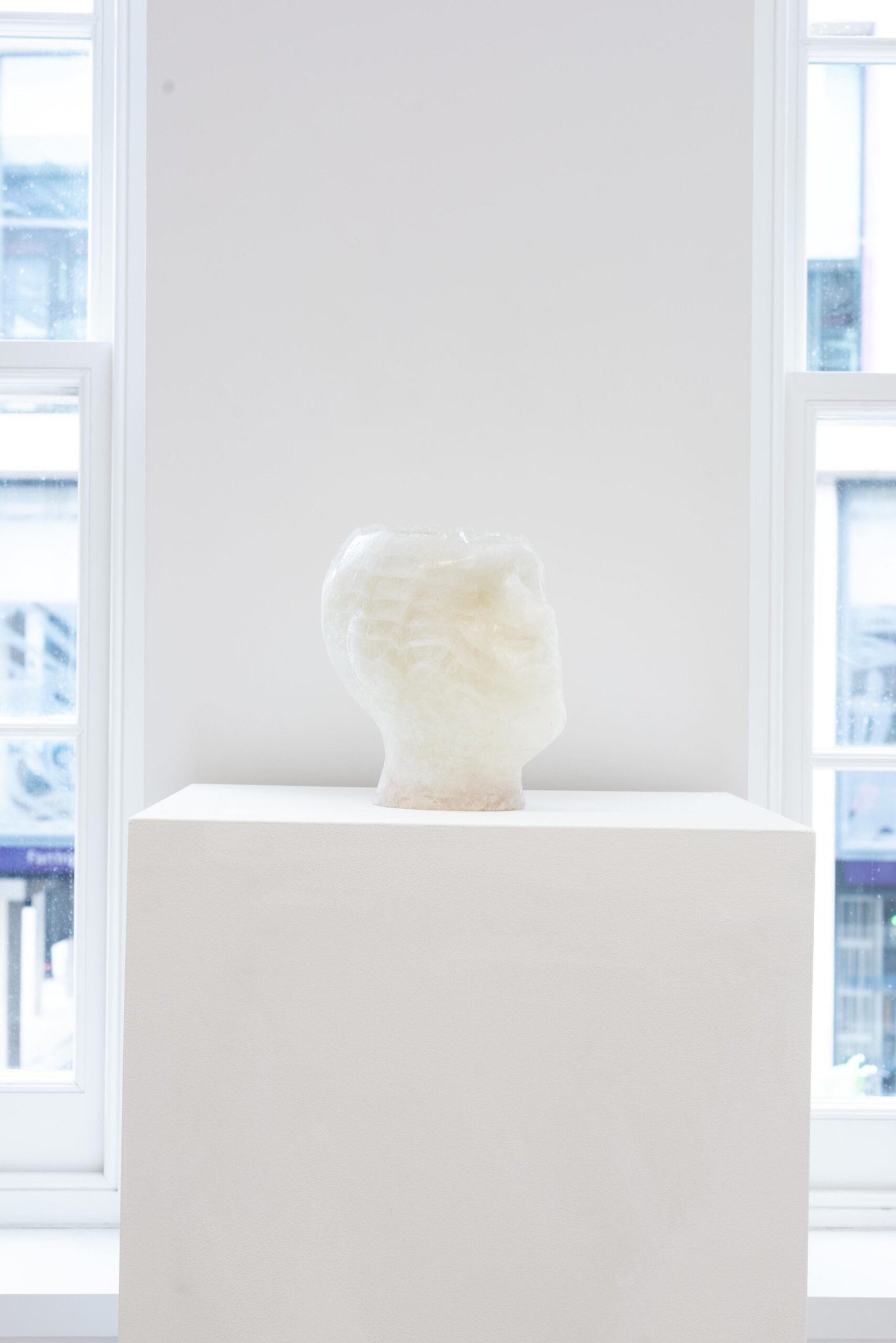
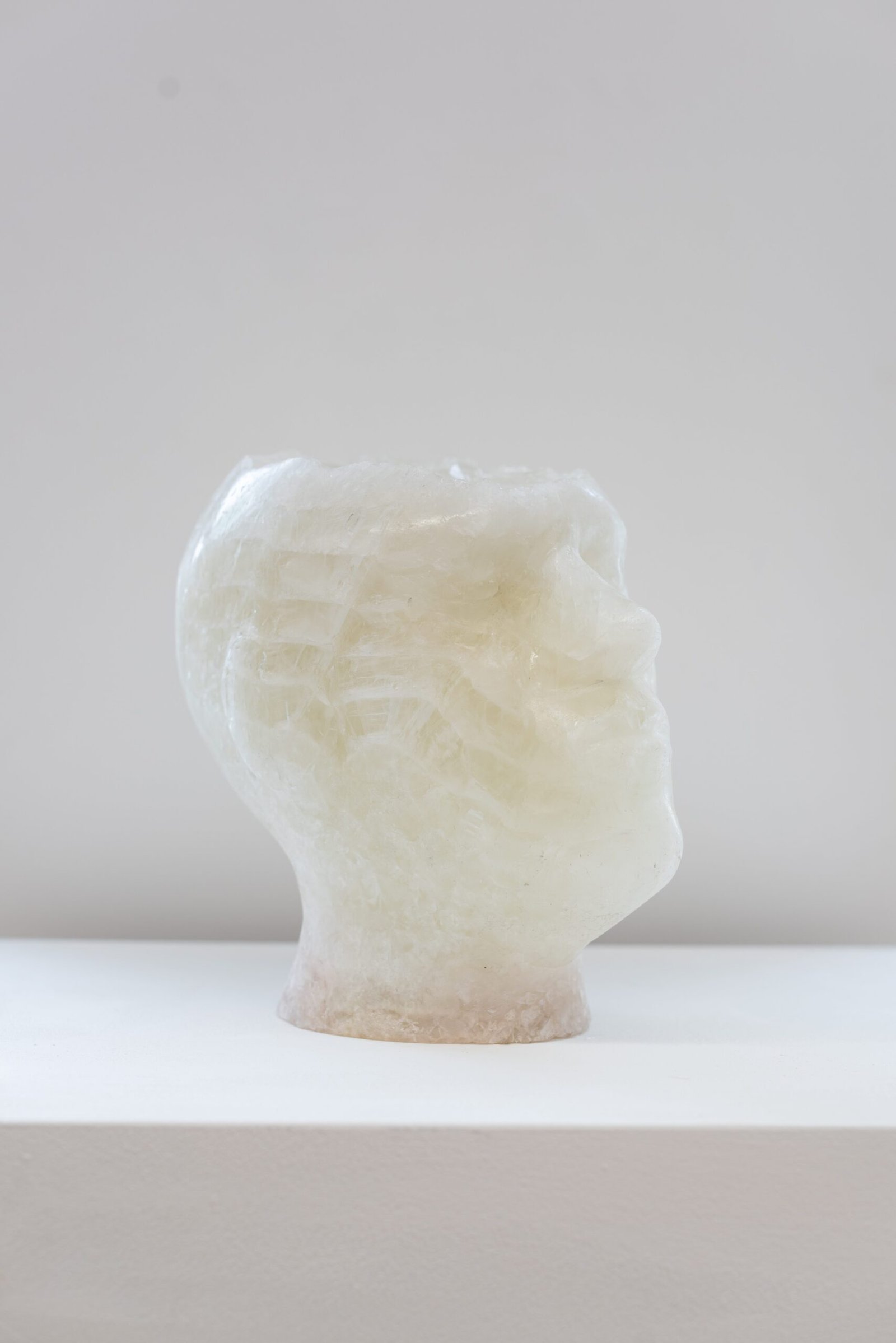
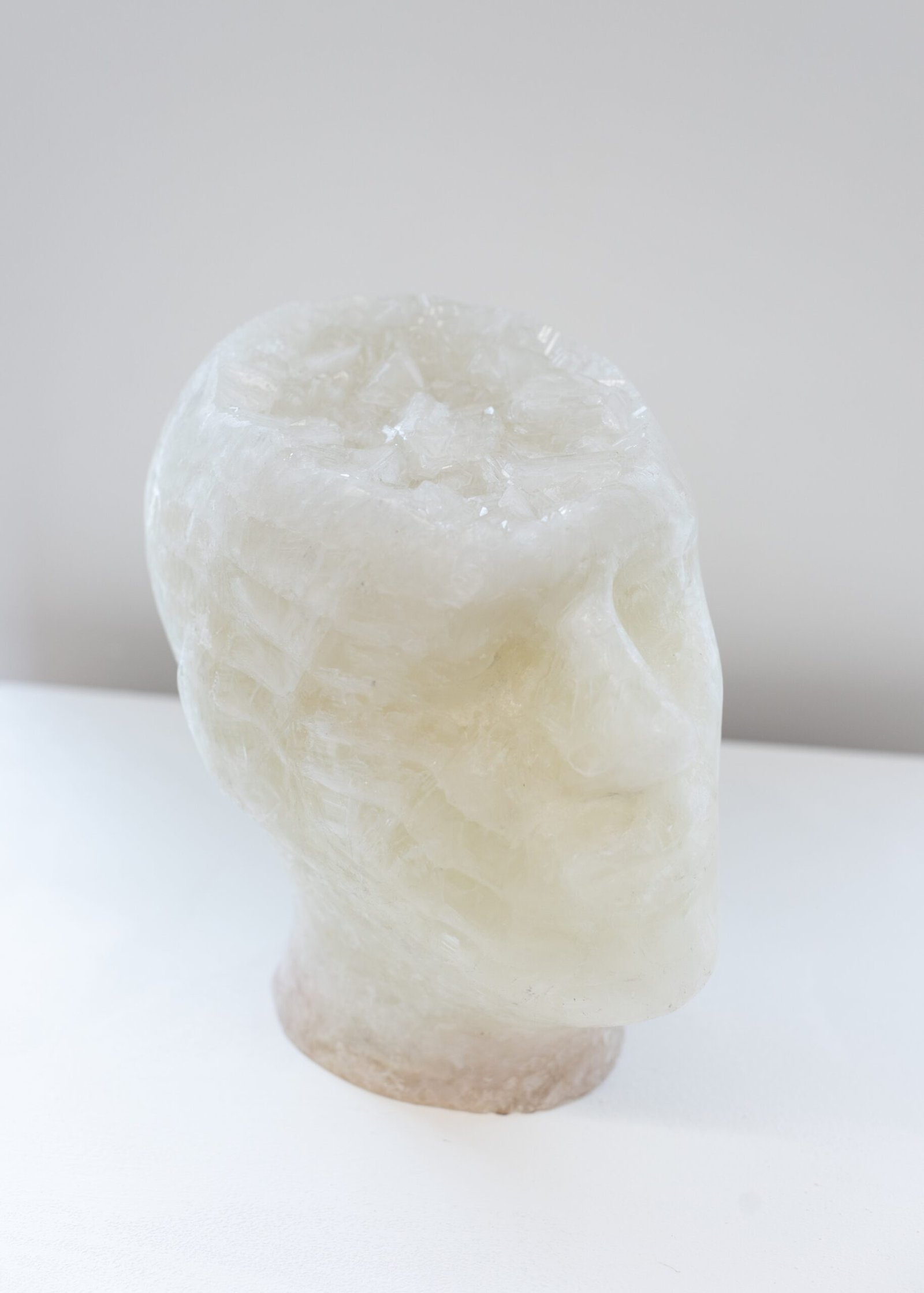
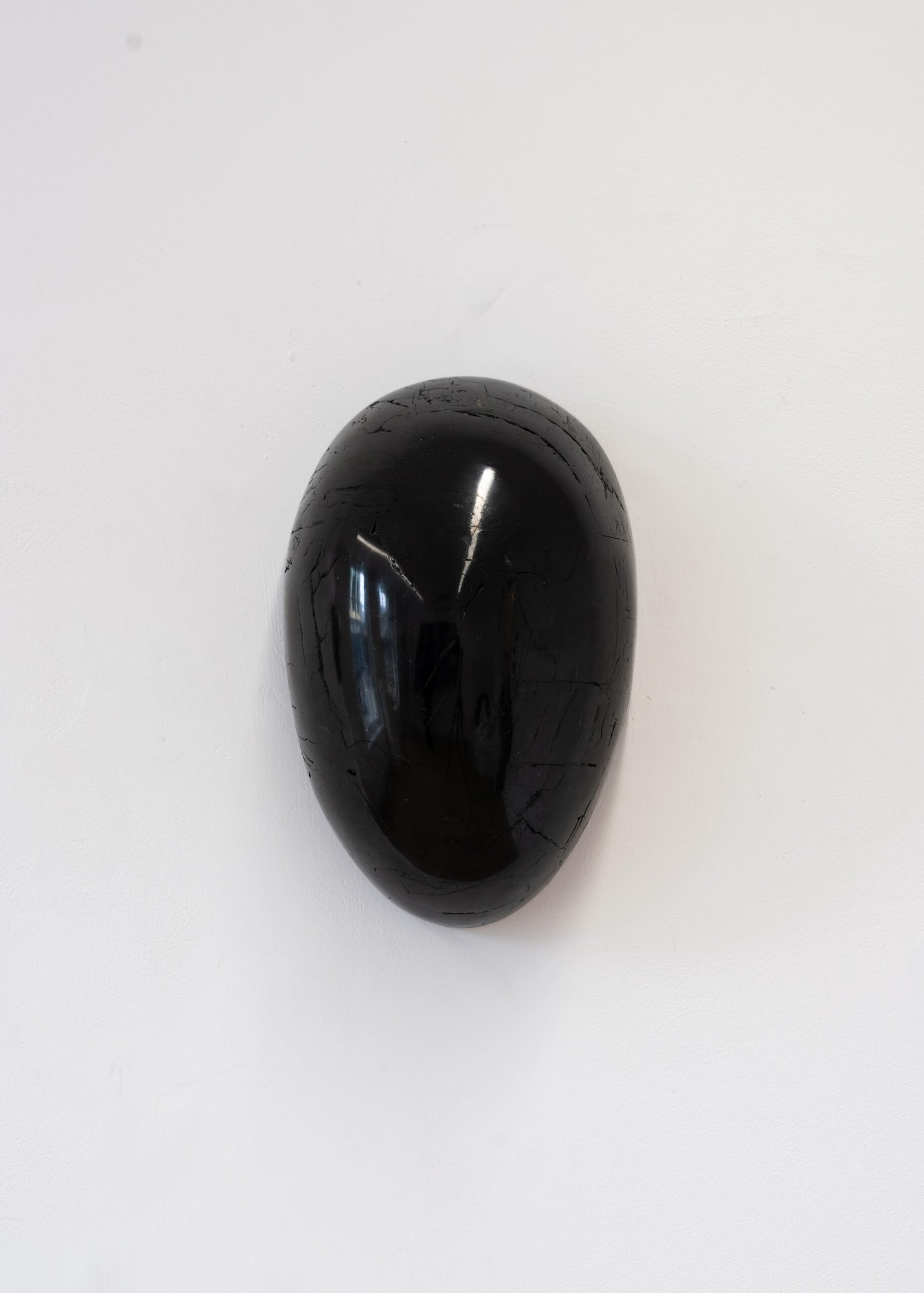
Prieto considers minerals as living matter, connecting bodies, economies and systems of production through their extraction, circulation and use. In Dust, these concerns converge around the human head: a sculptural head made from lithium brings together the mineral’s geological and psychological associations, while the mineral masks made from carbon and pyrite, cast around the face, evoke protective surfaces whose endurance echoes that of rock itself.
Across the exhibition, Prieto demonstrates a distinctive approach to sculpture in which material is never merely a means of representation. Her meticulous craftsmanship allows figures and substances to retain their physical specificity while opening onto wider histories and systems. Rather than illustrating these relationships directly, Prieto allows the materials themselves to reveal the complex connections between geology, technology, economies and human experience.