

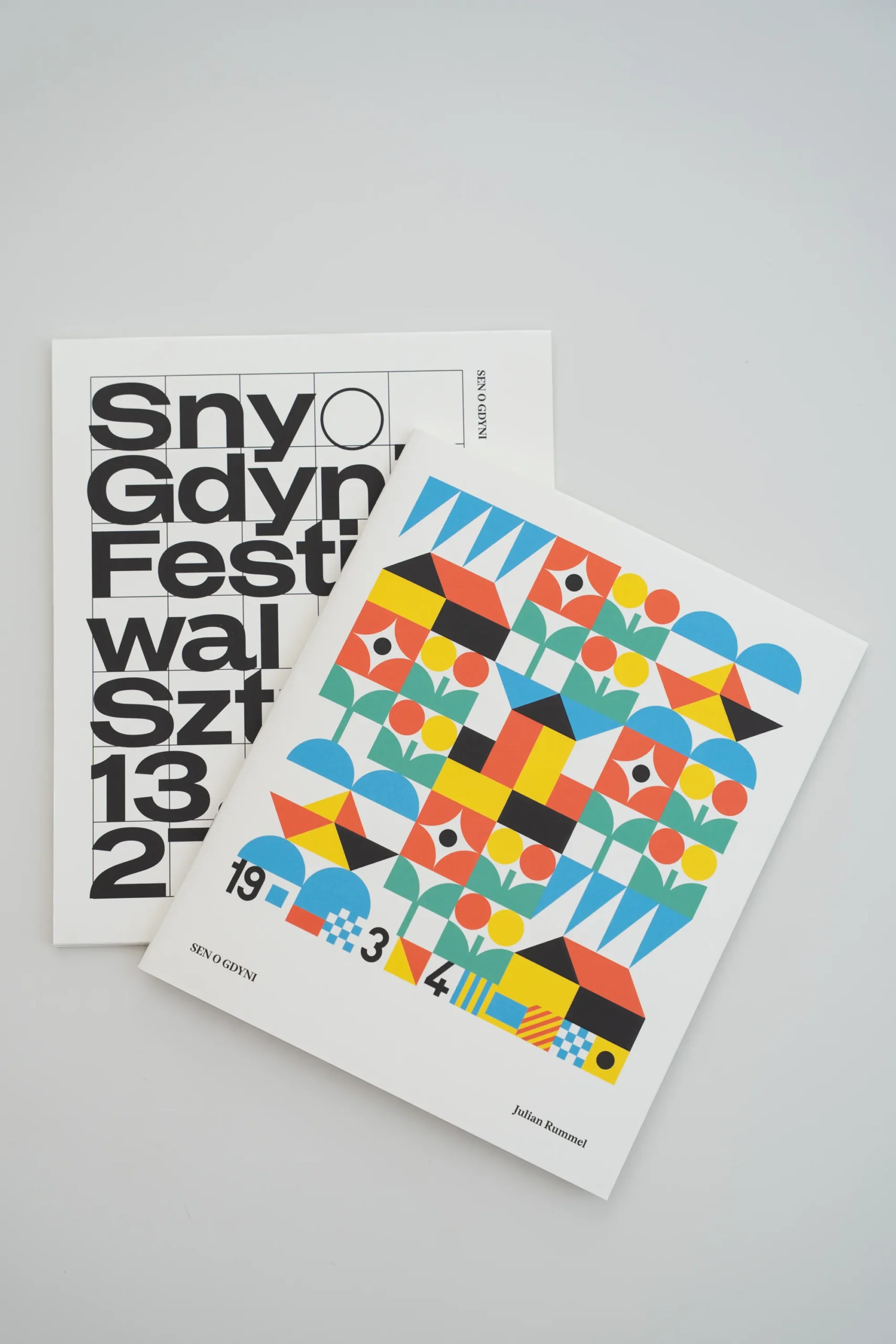
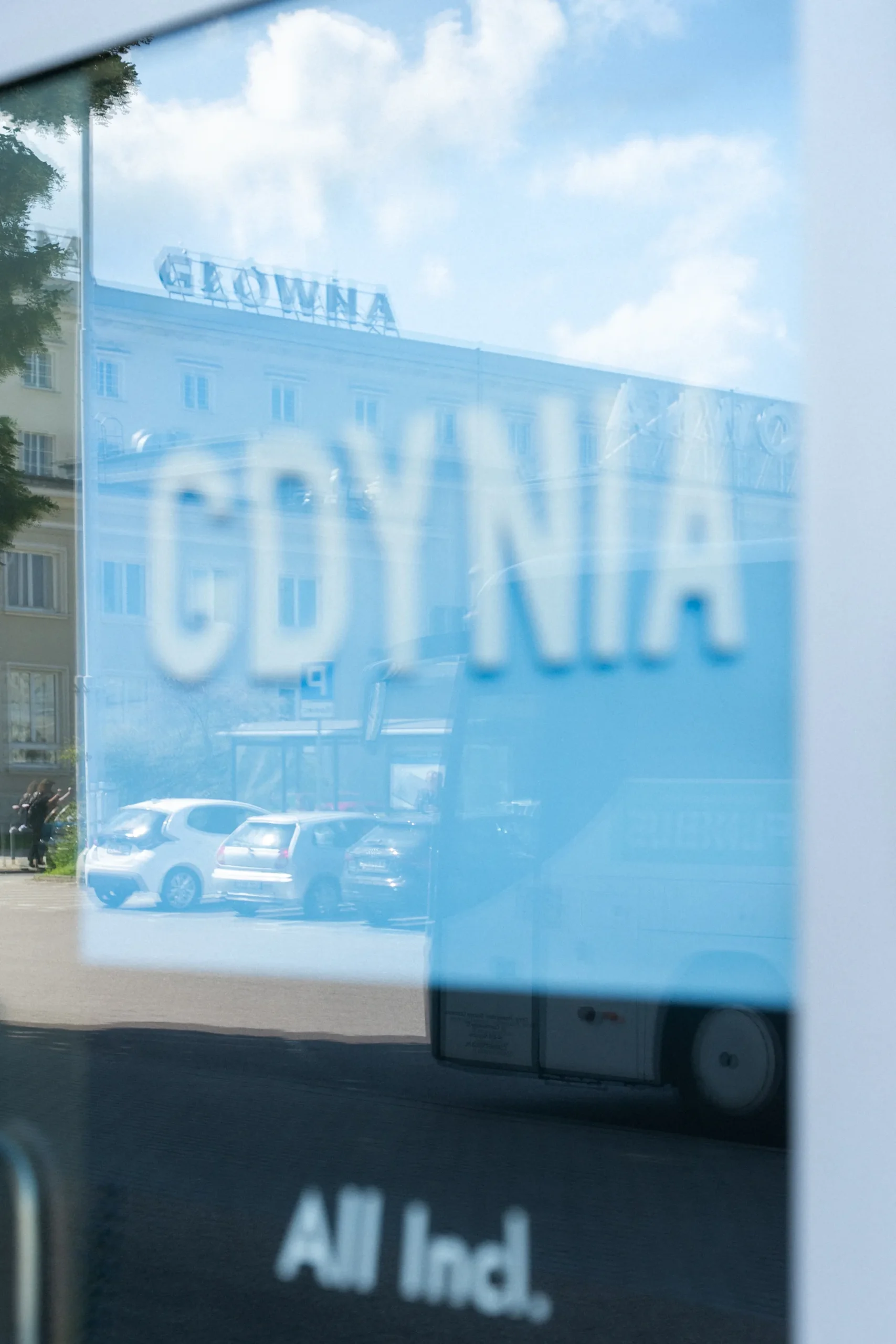
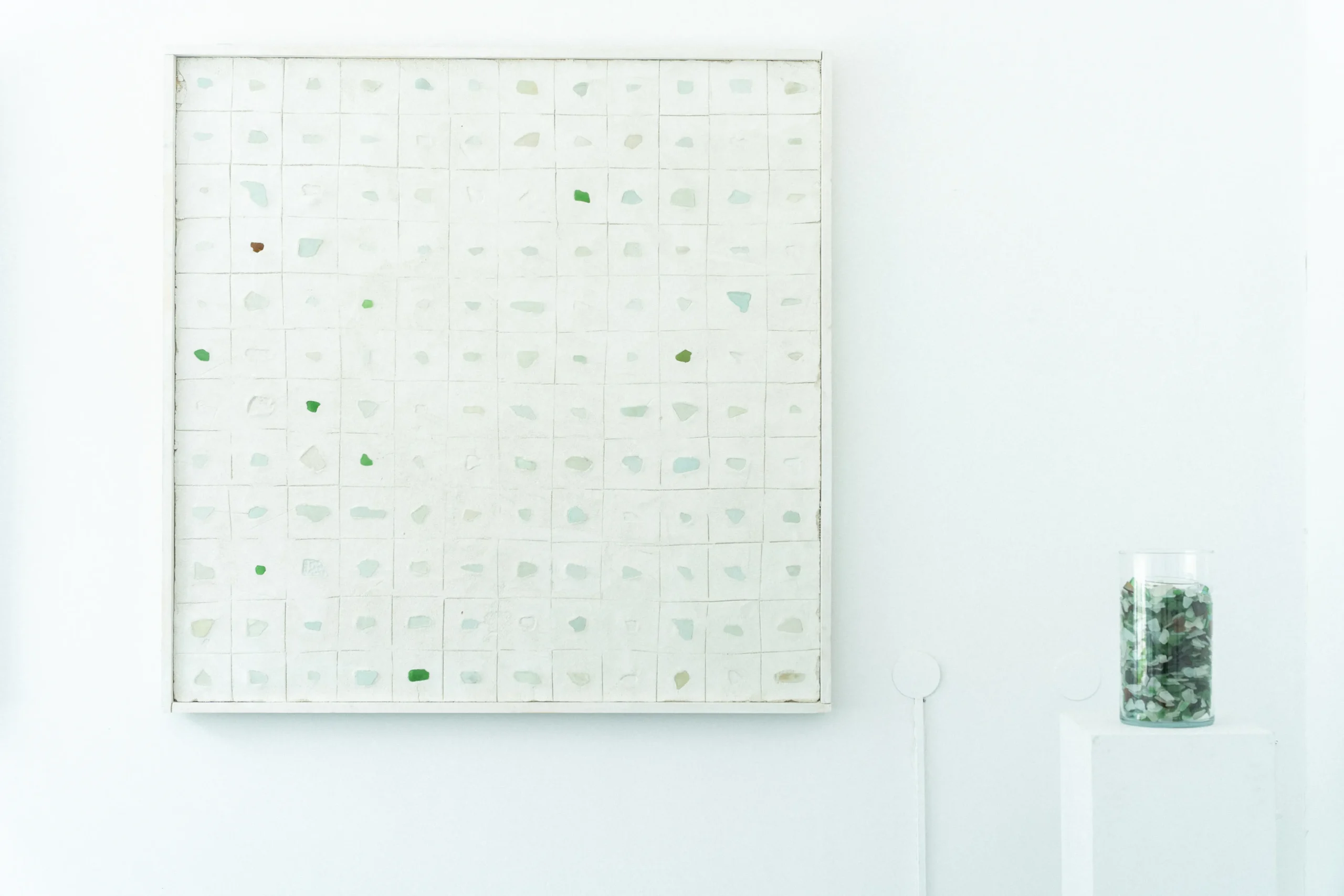
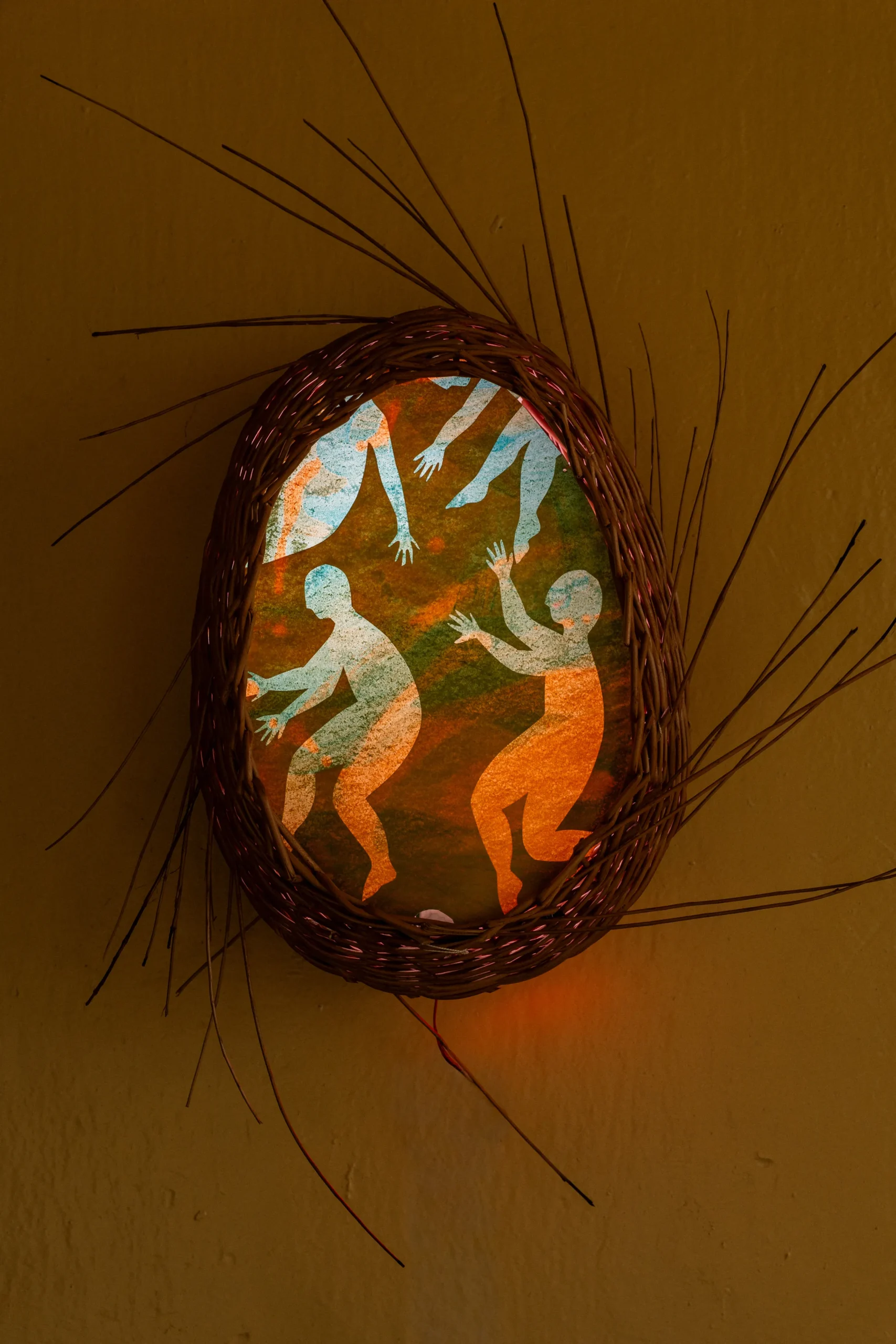
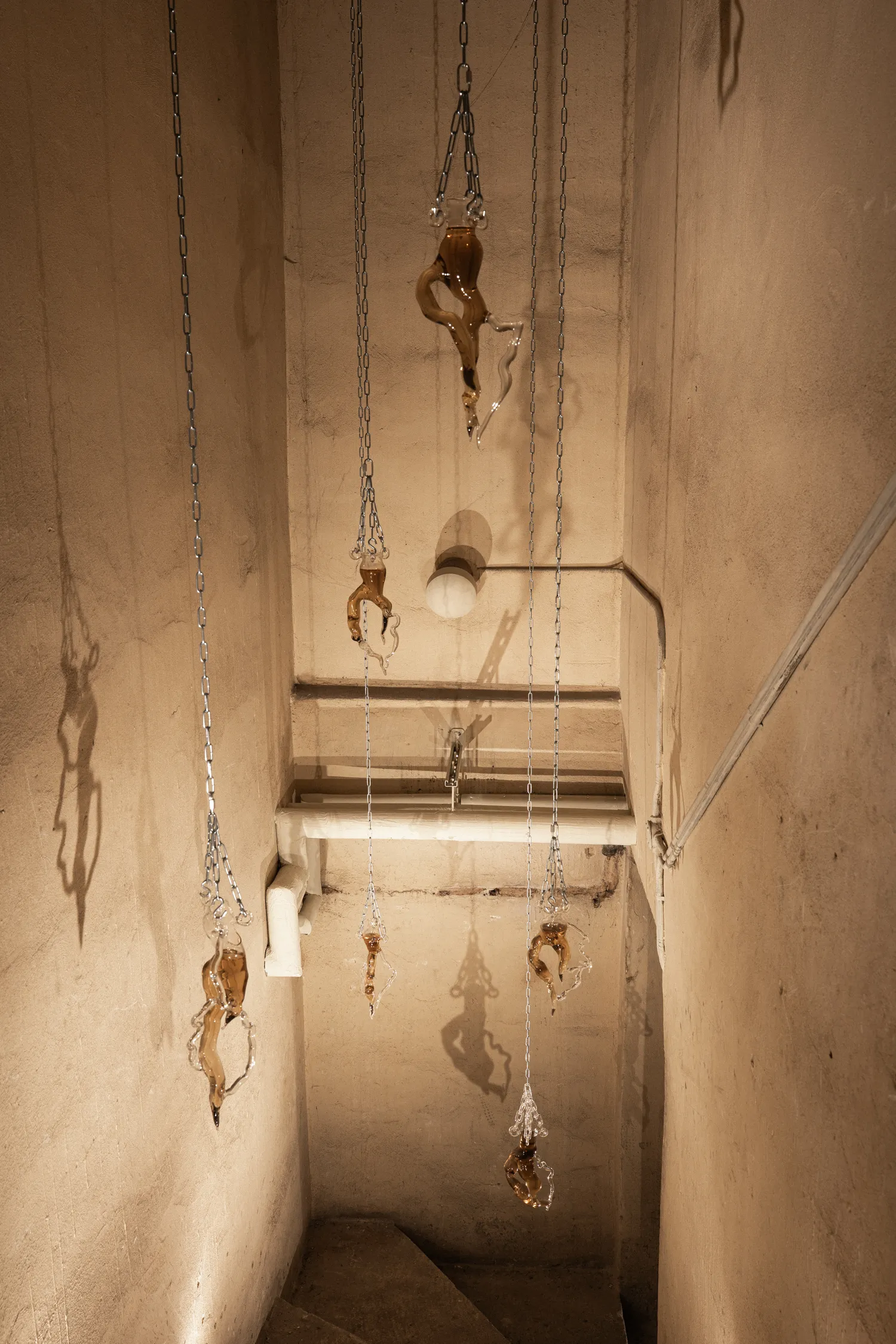
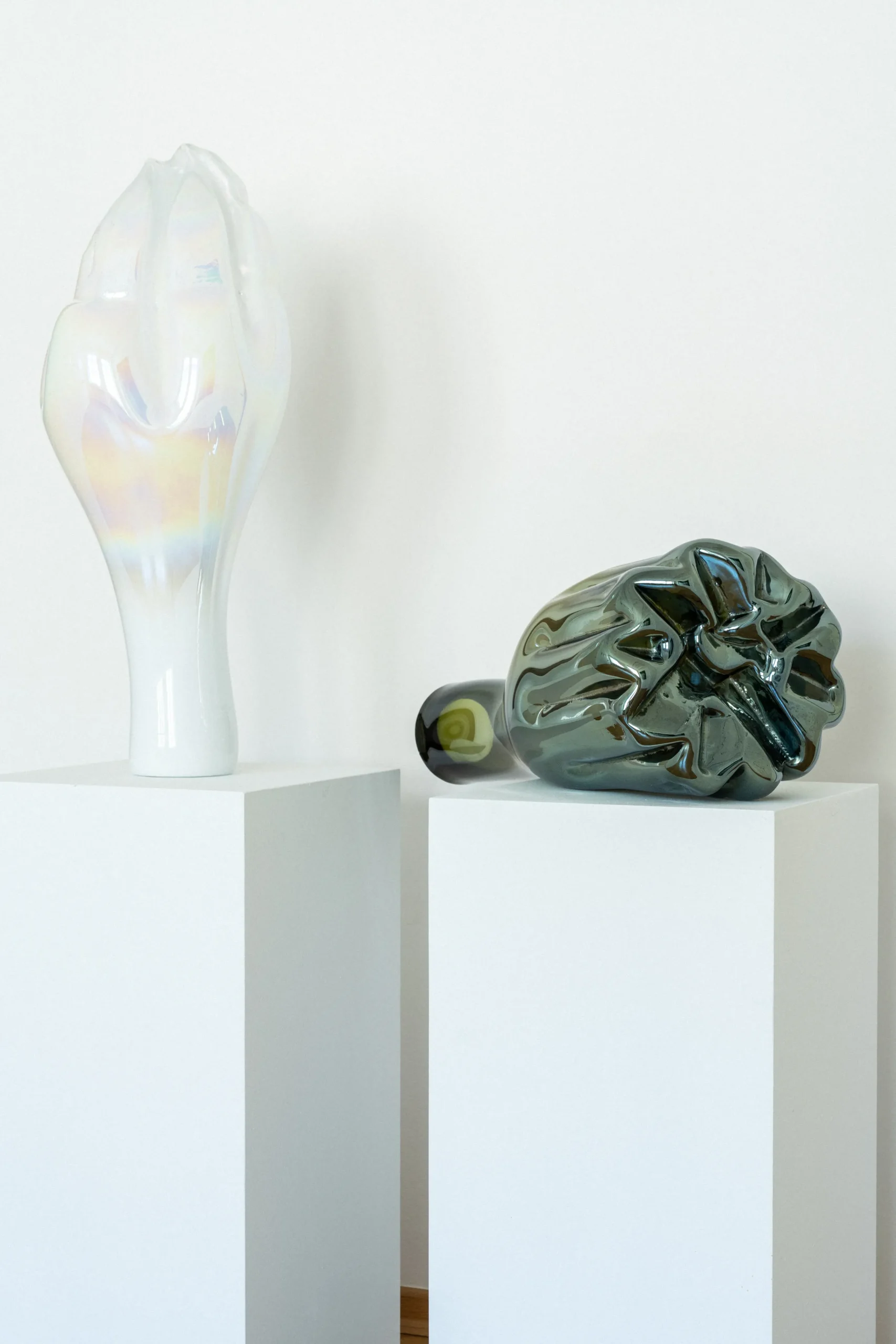
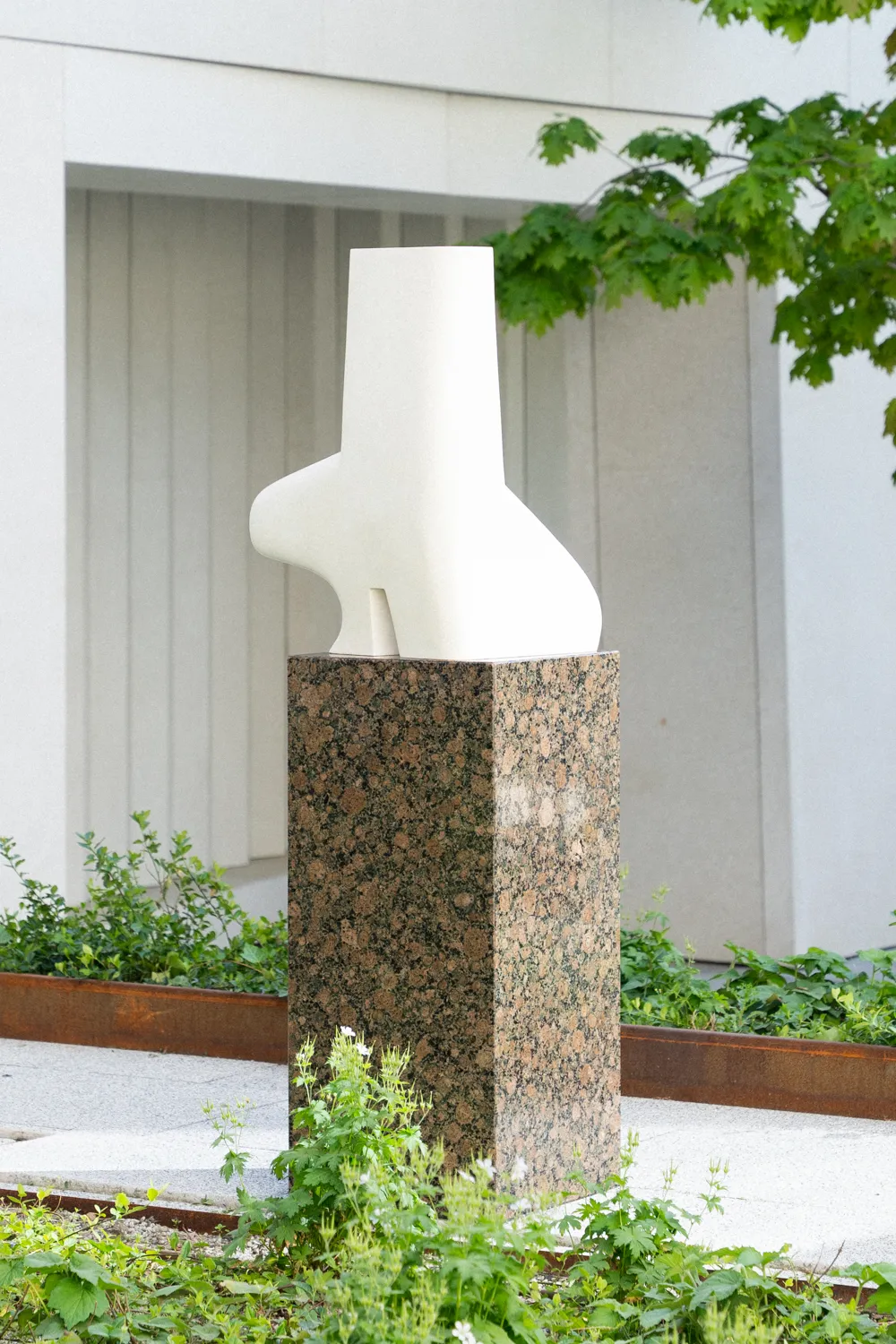
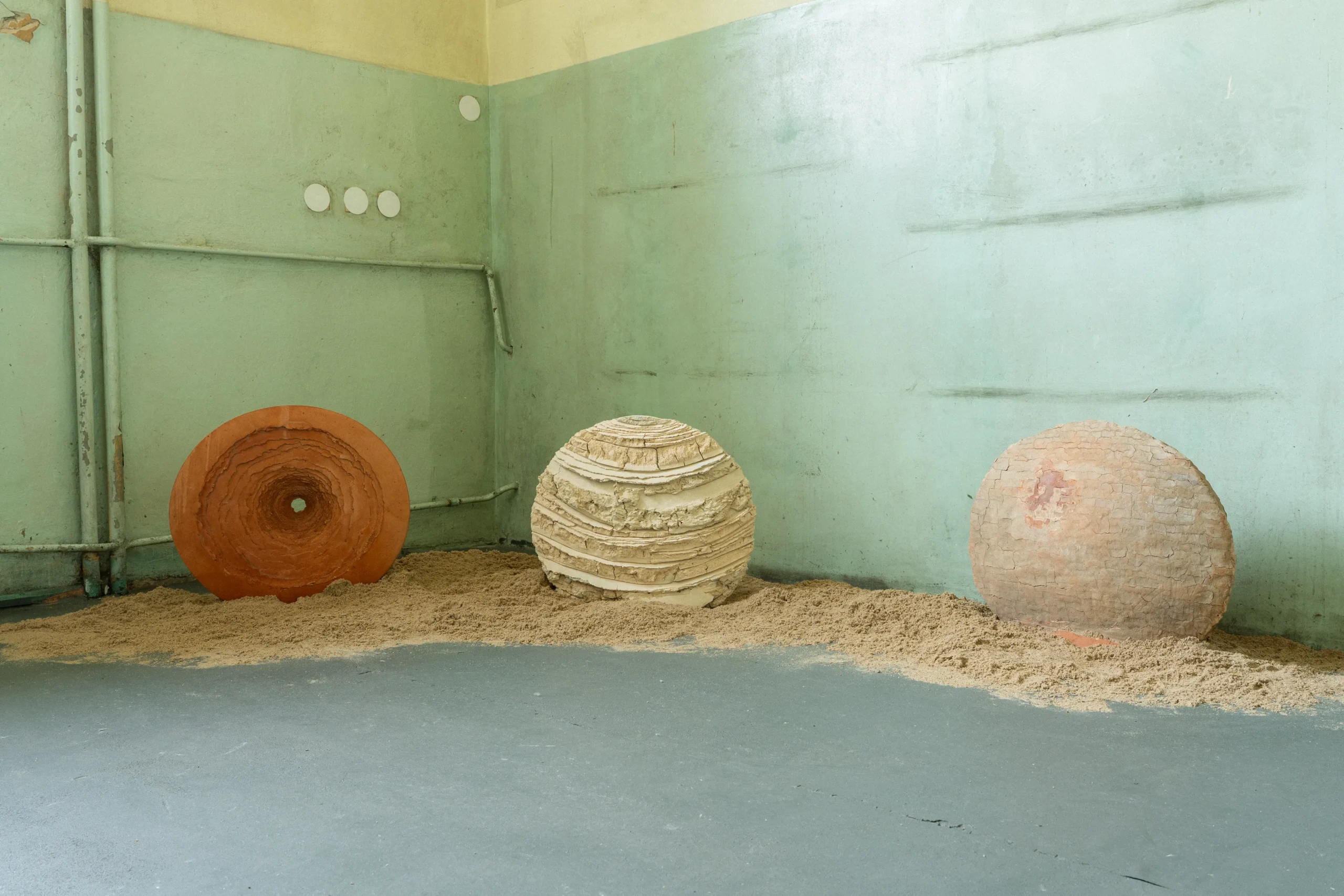
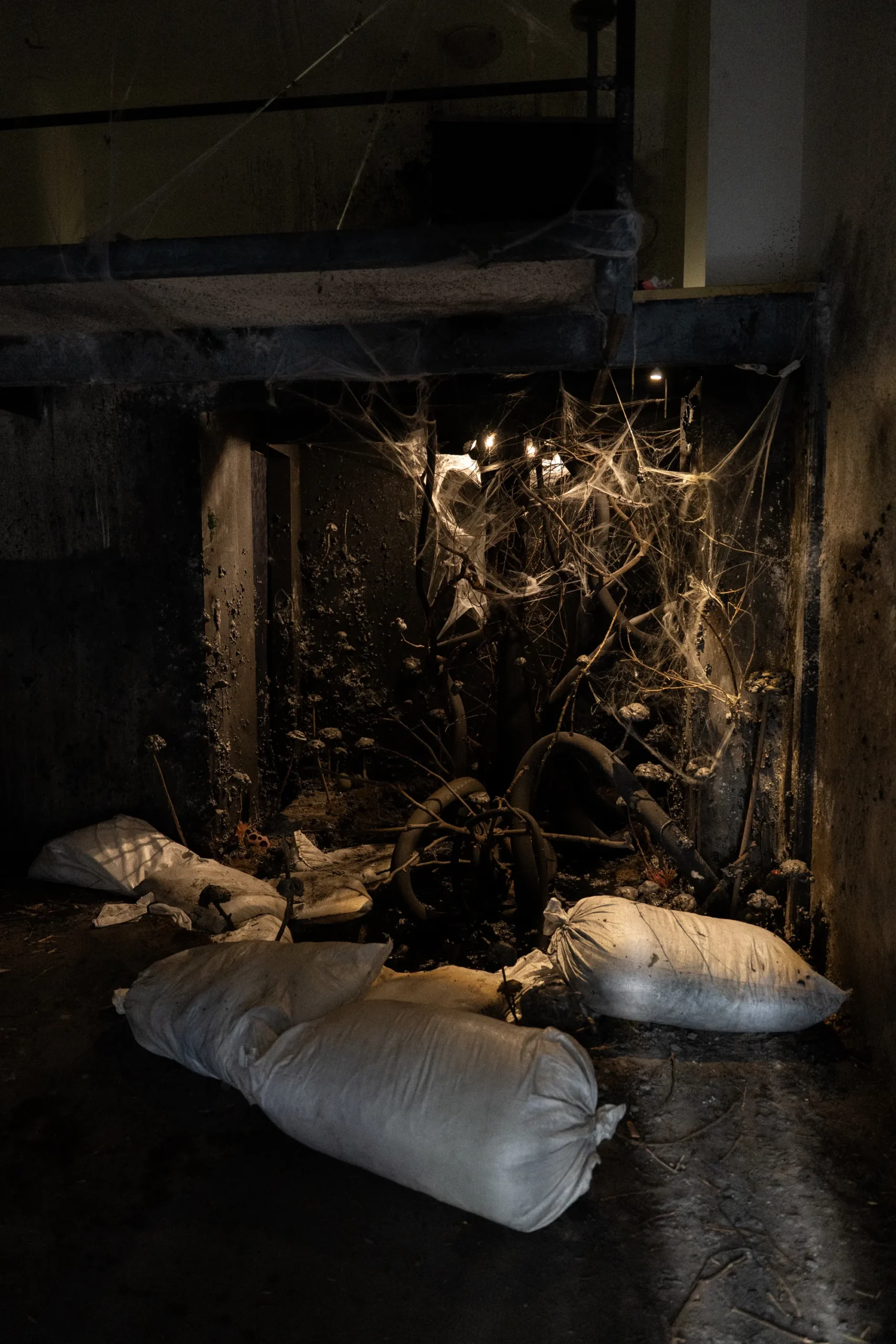
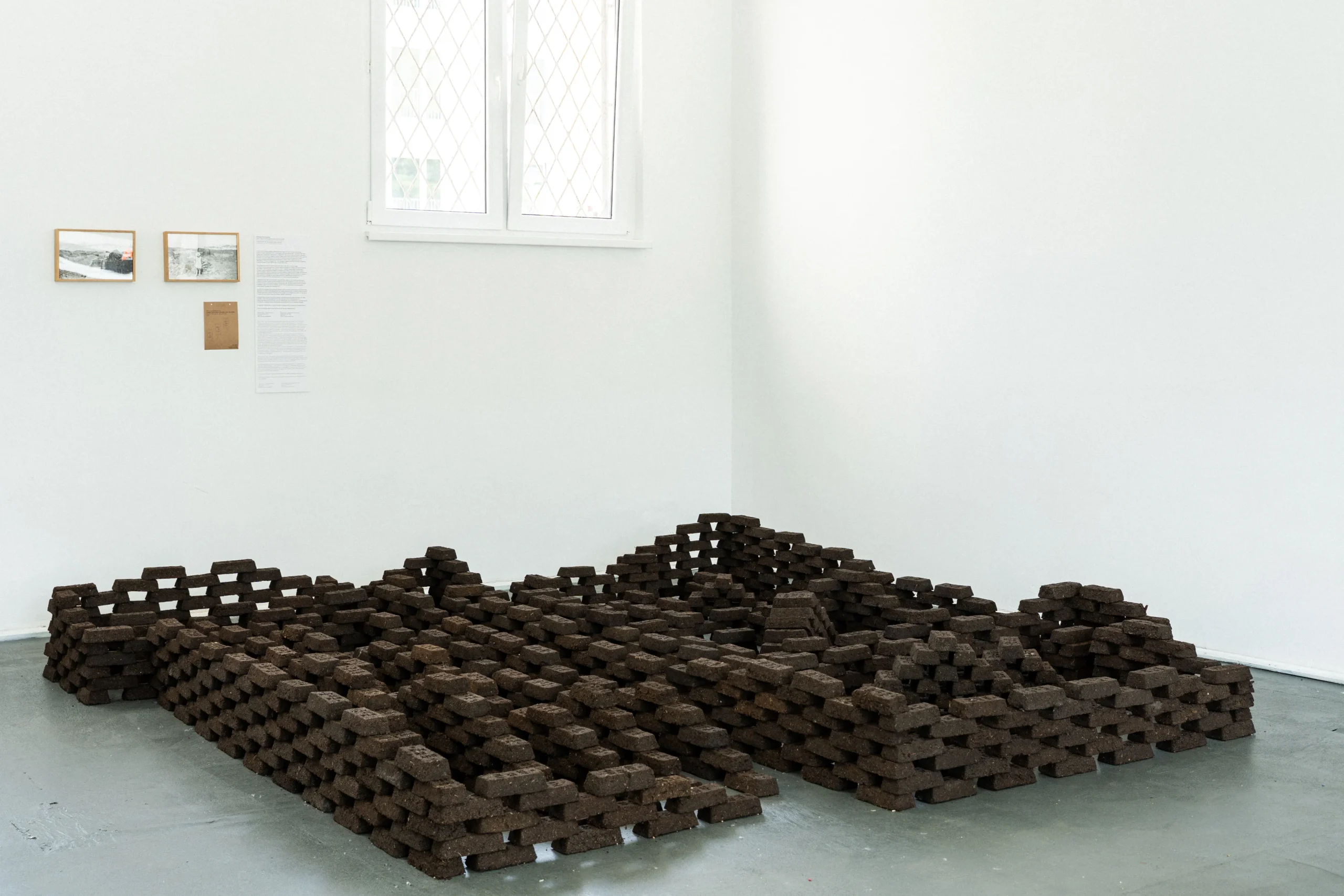
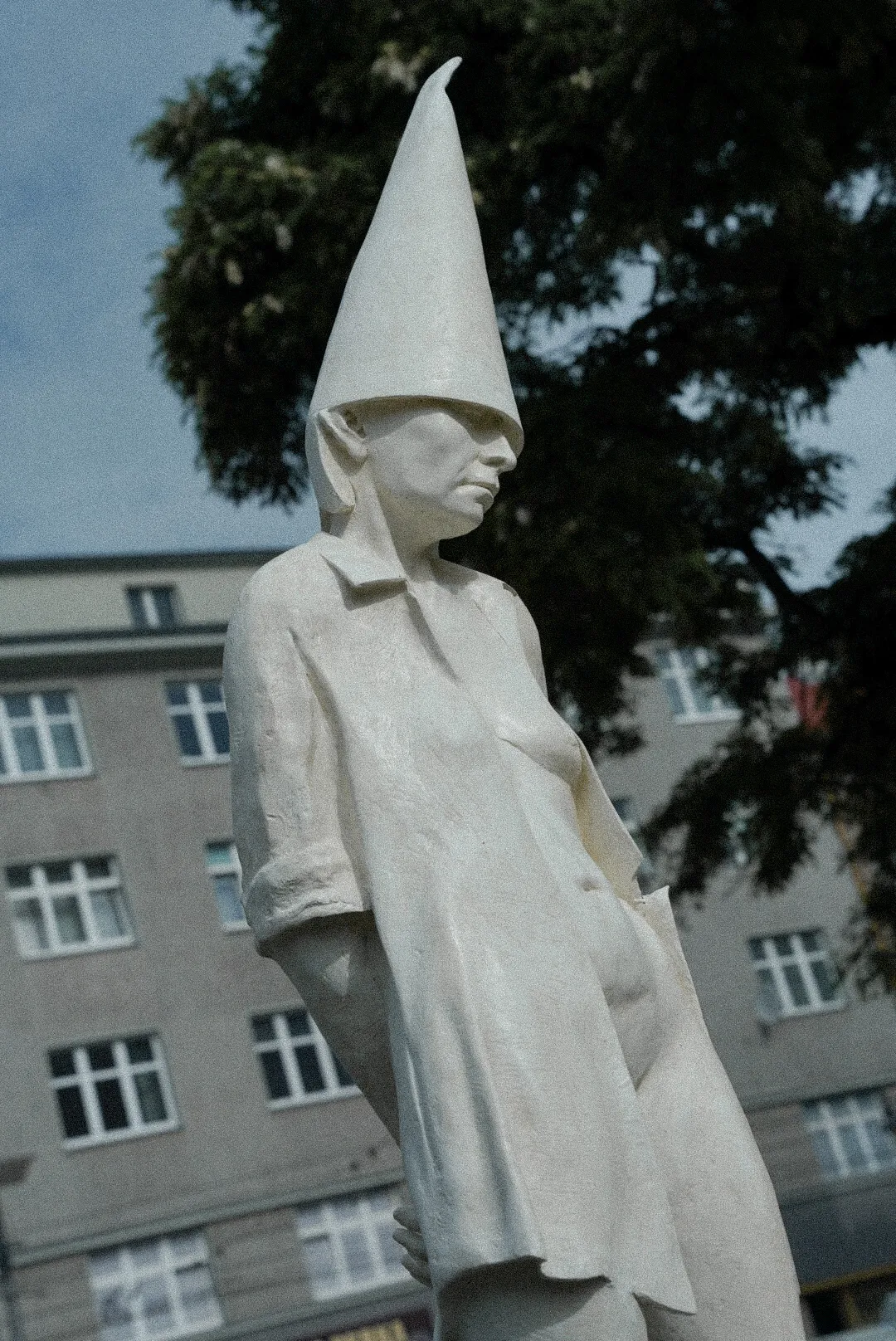
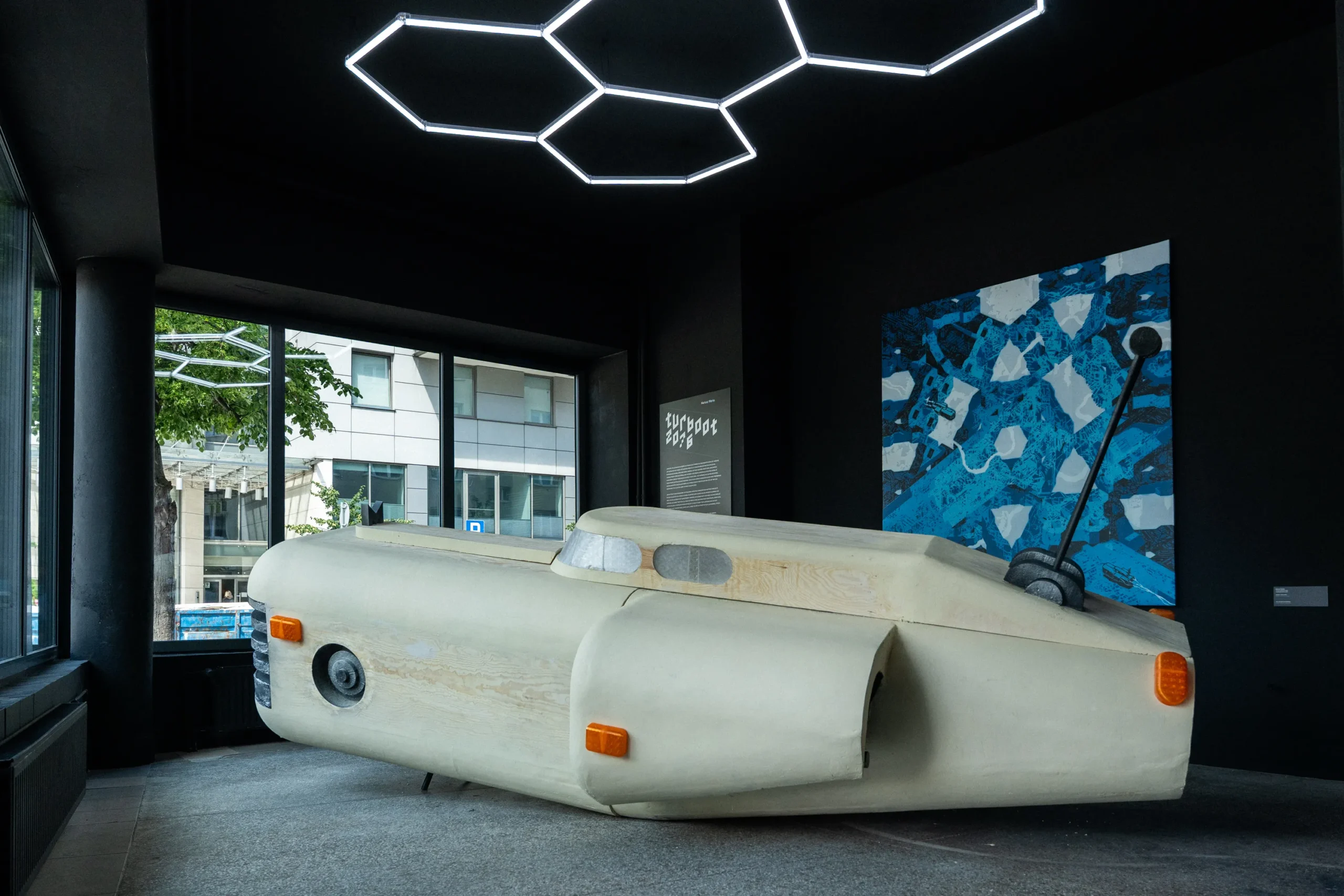
“Dreams of Gdynia” grows out of imagination – the kind that, a hundred years ago, made it possible to build a city from scratch, and the kind that helps us think about its future. The starting point is Julian Rummel’s 1934 vision: utopian, bold, projecting Gdynia as a modern, open, and livable place.
We return to it on the city’s hundredth birthday to ask: what Gdynia do we dream of today?
Art becomes a space for experimentation here – somewhere different scenarios can be tested, where what does not yet exist can be imagined, and what is already changing can be observed. It offers no ready-made answers, but opens up room for thinking, doubt, and conversation.
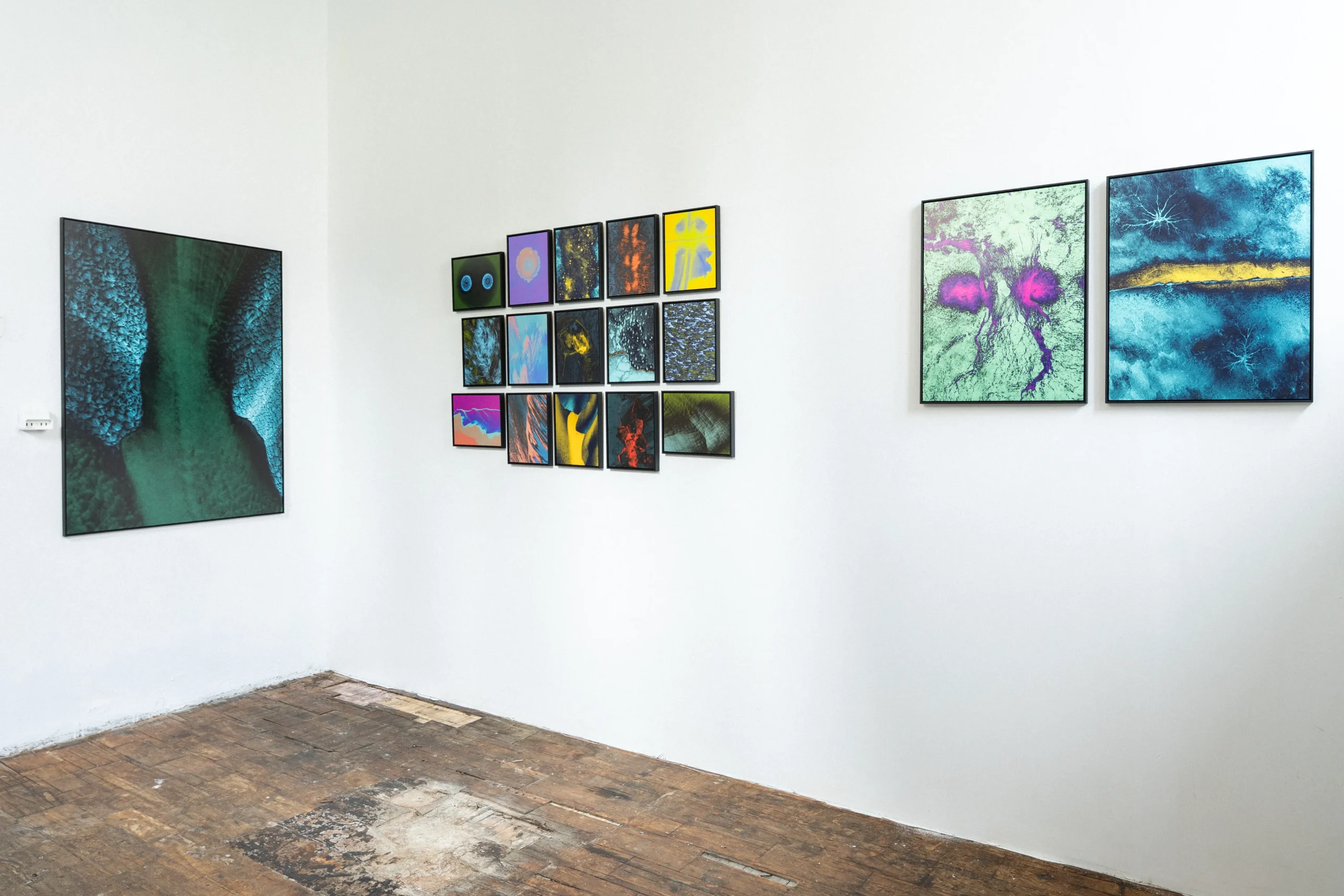
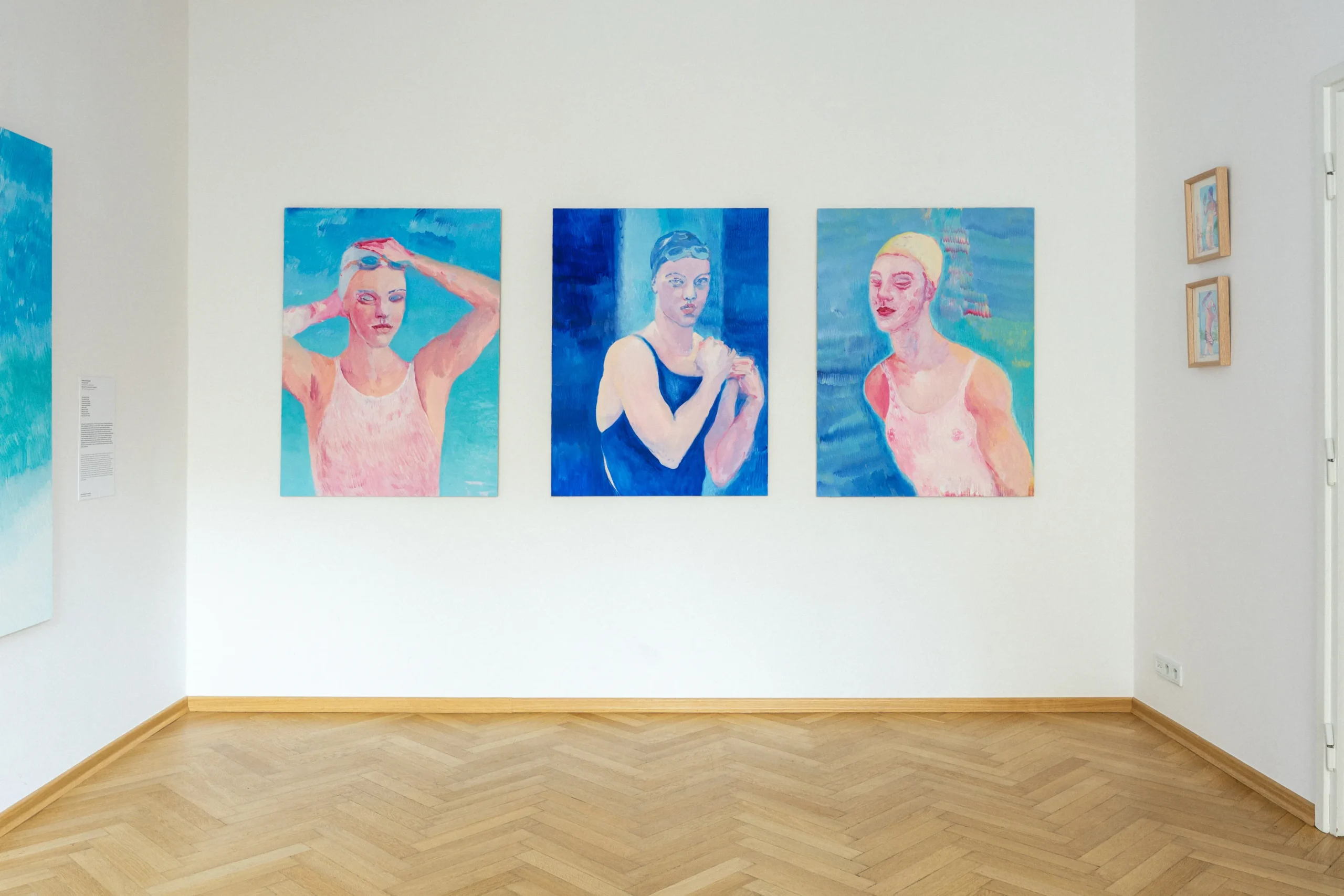
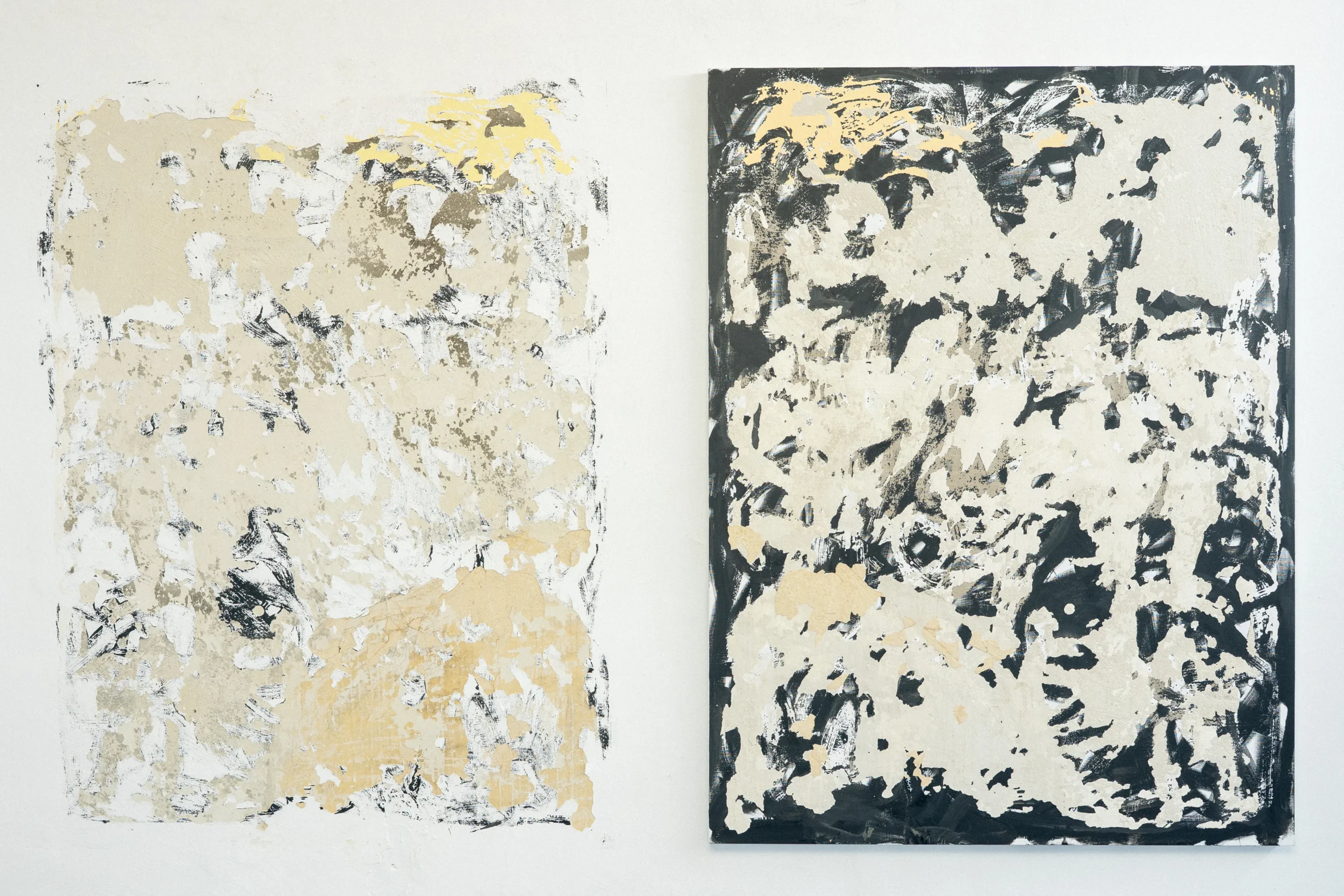
“Dreams of Gdynia” brings together works by more than thirty artists – most made specially for this exhibition. Their sensibility operates here like a seismograph, picking up the tensions, shifts, and less obvious processes that shape the city today.
Alongside artists connected to Gdynia and the broader Tri-City area, the exhibition also features voices from outside the region. These two perspectives – rooted and distanced – come together to form a polyphonic account of a city seen both from within and from without.
Dispersed across the city center, the exhibition moves through different threads: from the challenges of the present, through the city’s relationship with nature, to its histories, myths, and possible futures. Each perspective tries to capture what isn’t immediately visible – the anxieties, desires, and imaginings that lie beneath the surface.
The project extends beyond the exhibition itself. Educational events, walks, workshops, and debates become tools for thinking together – a way to pause and ask how we want to live, and what kind of Gdynia we want to help build.
It is also an attempt to examine the images that have shaped how we think about the city over the years – the stories, myths, and narratives we keep returning to. They offer a shared point of reference, but they can also limit our imagination.
“Dreams of Gdynia” proposes a shift – not by rejecting the past, but by looking at it from a new angle. Perhaps it is precisely in those moments – when we briefly stop repeating what we already know – that space opens up for something else.
“Dreams of Gdynia” is not a single story. It is a collection of reflections, questions, and possible versions of the future. Gdynia appears here as a process – something constantly changing, something we can still shape. Perhaps to reinvent a city, we must first stop believing we already know it well.