



1#
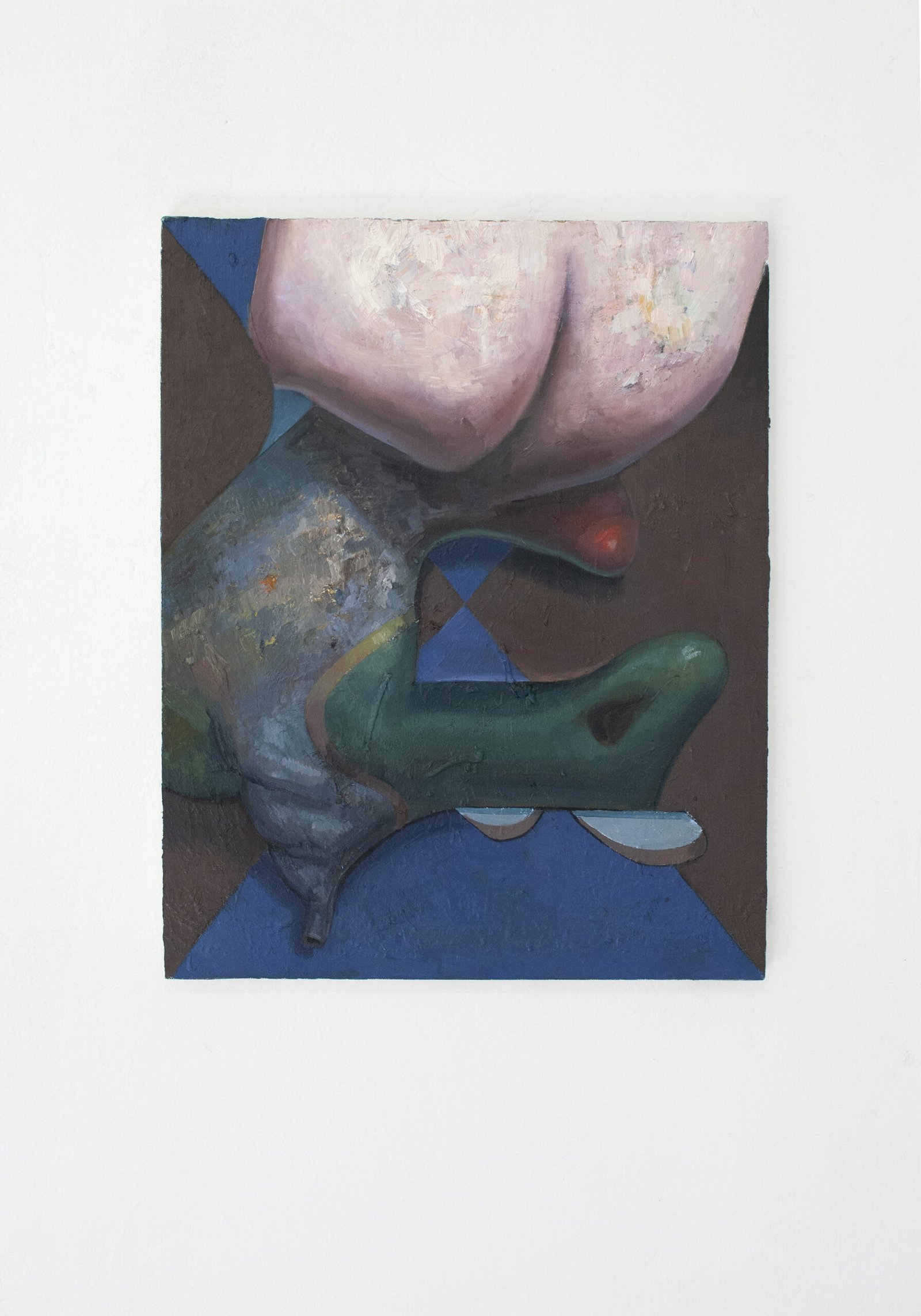
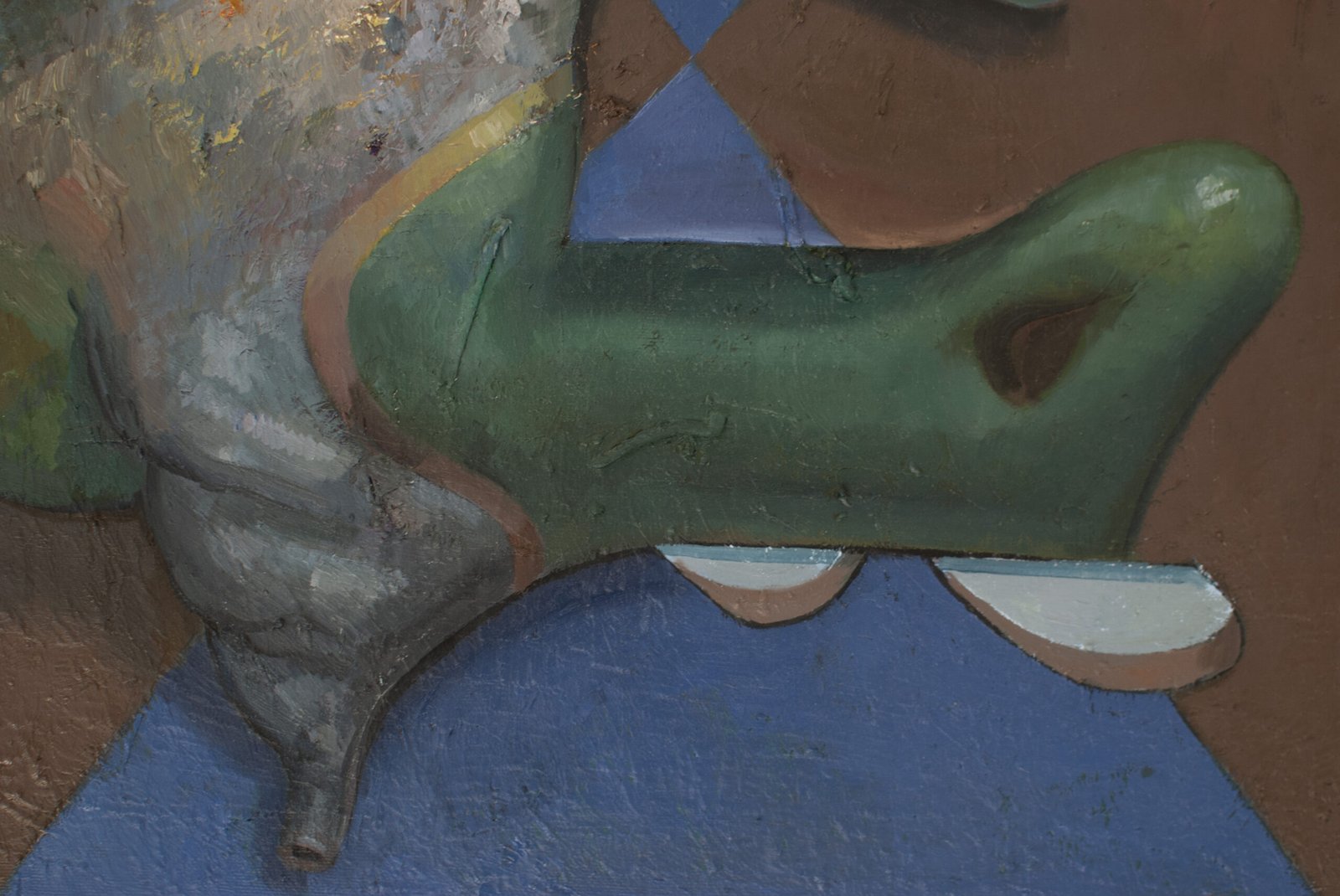
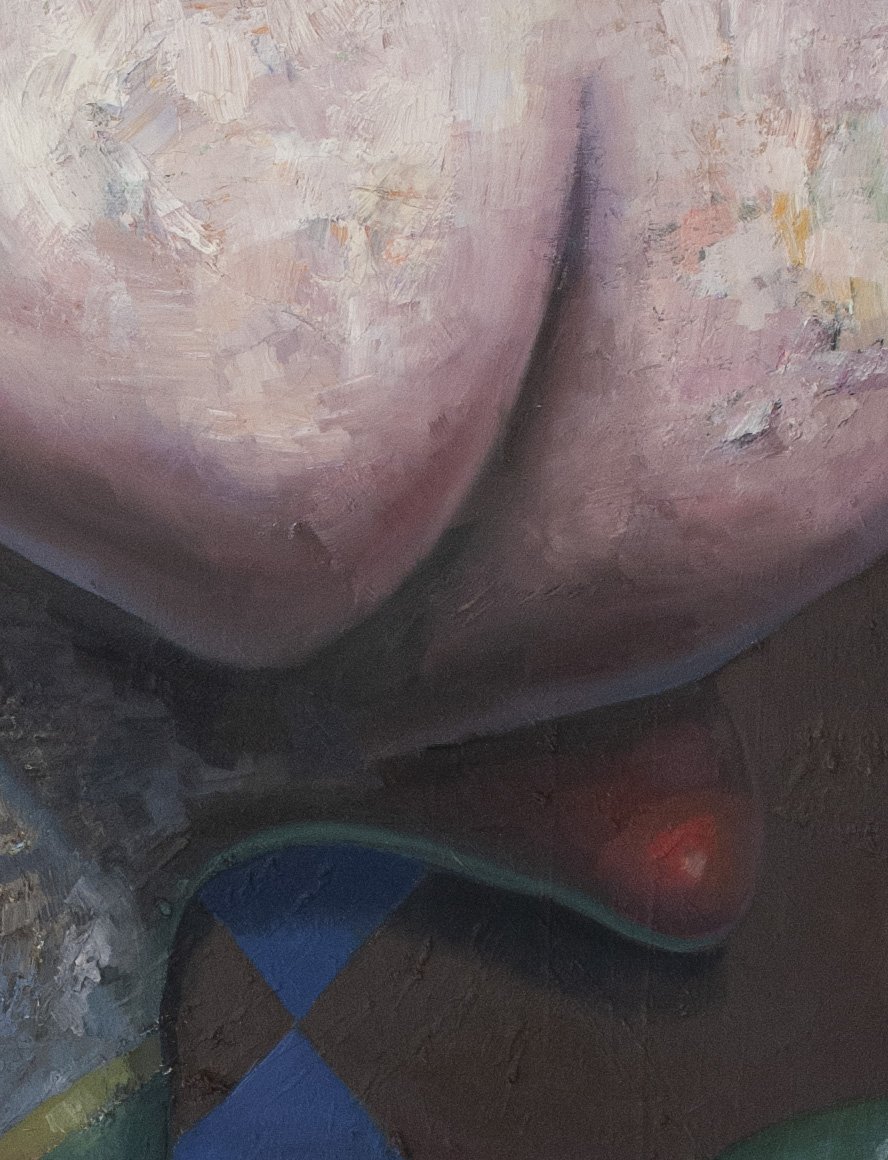
To moon is to stage the body as a site of refusal. If the humoresque is laughter steeped in sadness, then mooning is its perfect choreography: a brief lifting of the weight of the world, trousers down, gravity winning, absurdity revealed. The mooning body is not only mocking power but mocking itself, knowing that revolt may fail, that history keeps marching on regardless of how many backsides it encounters. It is exposure as both resistance and surrender, a small theater of flesh interrupting seriousness for a fleeting moment of collective laughter. absurdity becomes a kind of epistemology: a way of knowing the world by refusing to bow to its logic, the clumsy poetics of refusal.
2#
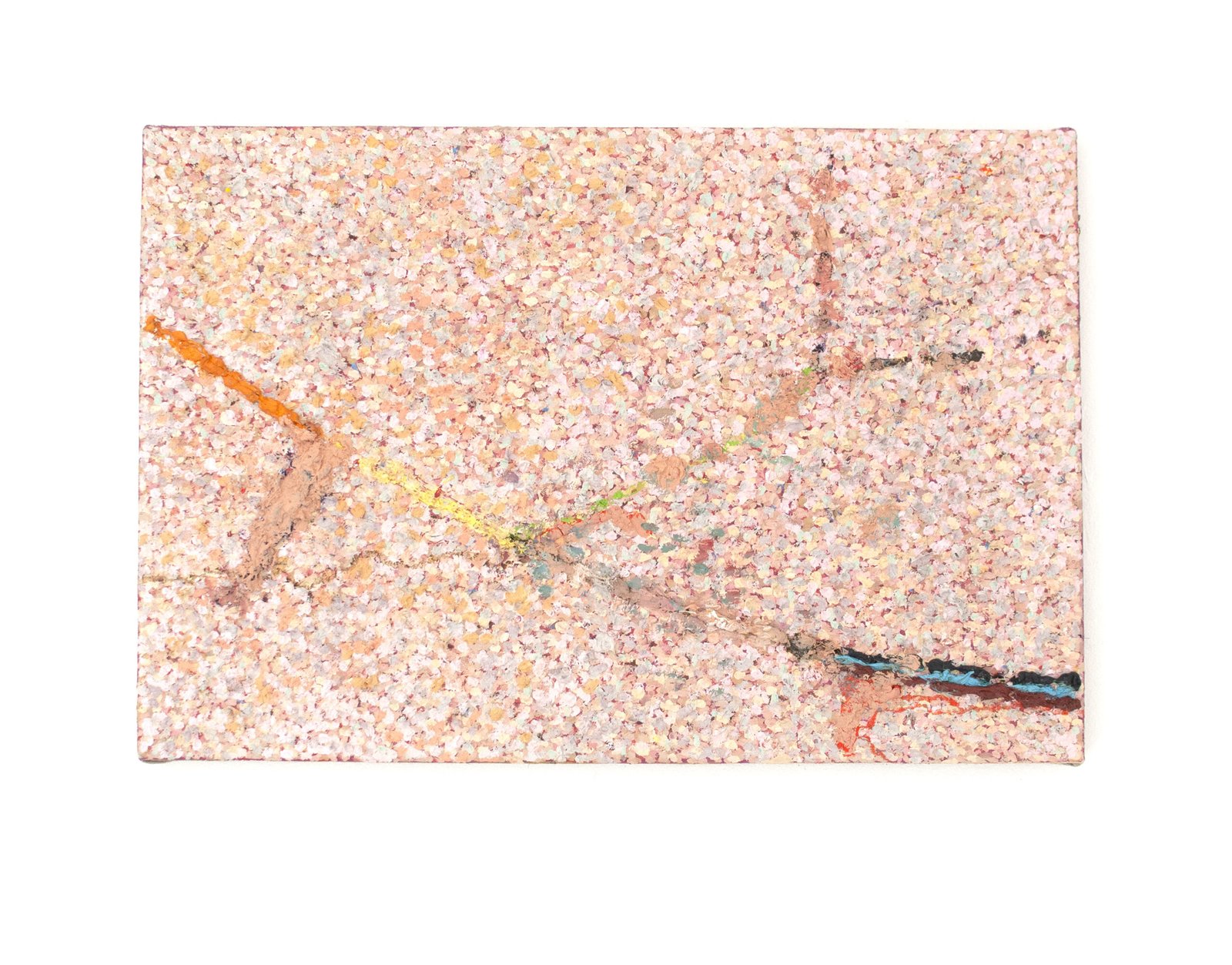
In this landscape, everyday communication collapses into its barest form: the question how are things growing—a phrase devoid of expectation or judgment. It carries no opinion; it is a weather report, an acknowledgment that growth is something outside our control. In that simplicity lies a paradox: language as both presence and absence, speech as sediment where meaning is both buried and preserved. Like myths, such simple phrases hold a kind of collective unconscious logic, embedding cultural attitudes toward time, change, and expectation without explicit explanation.