


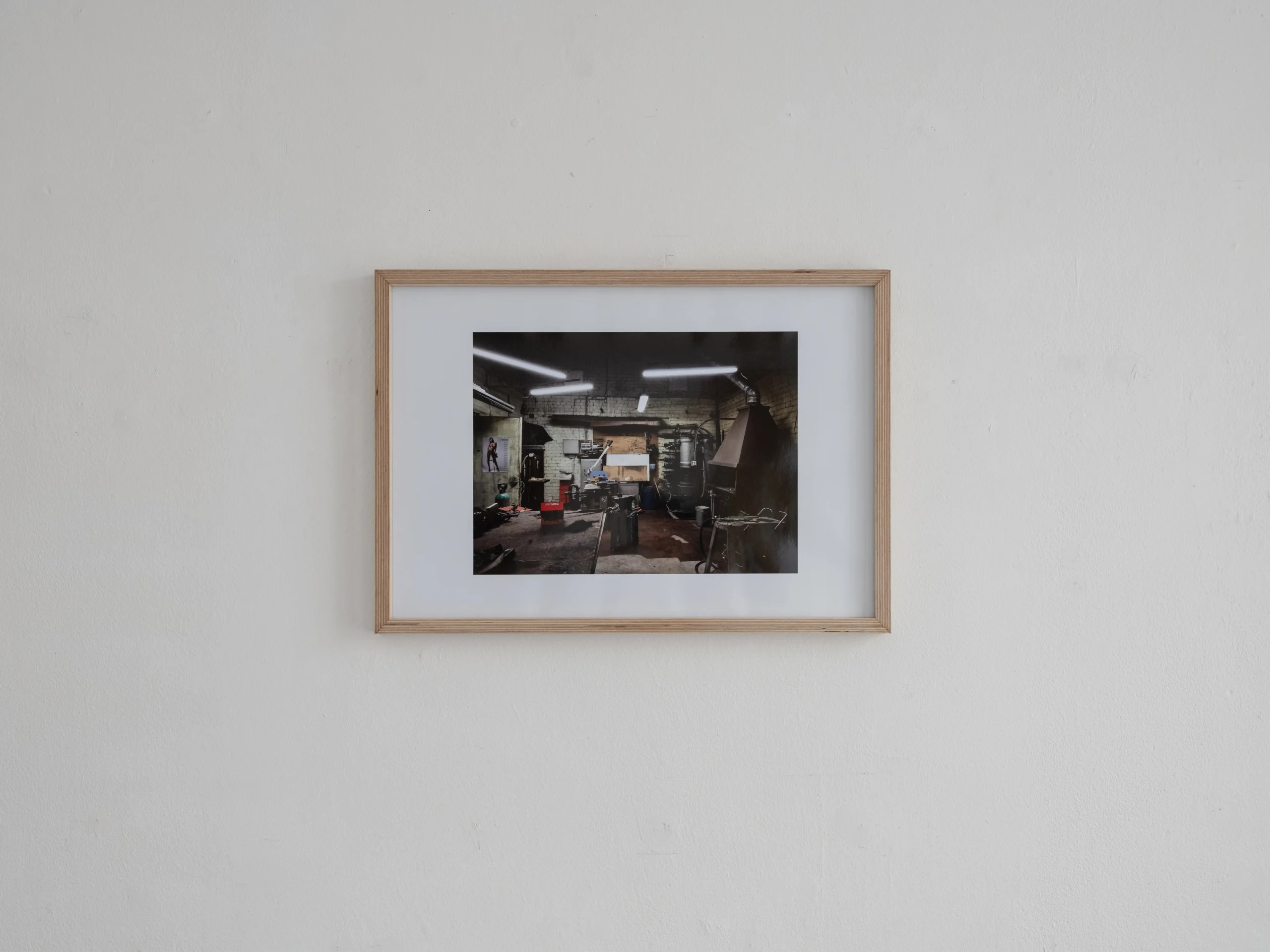
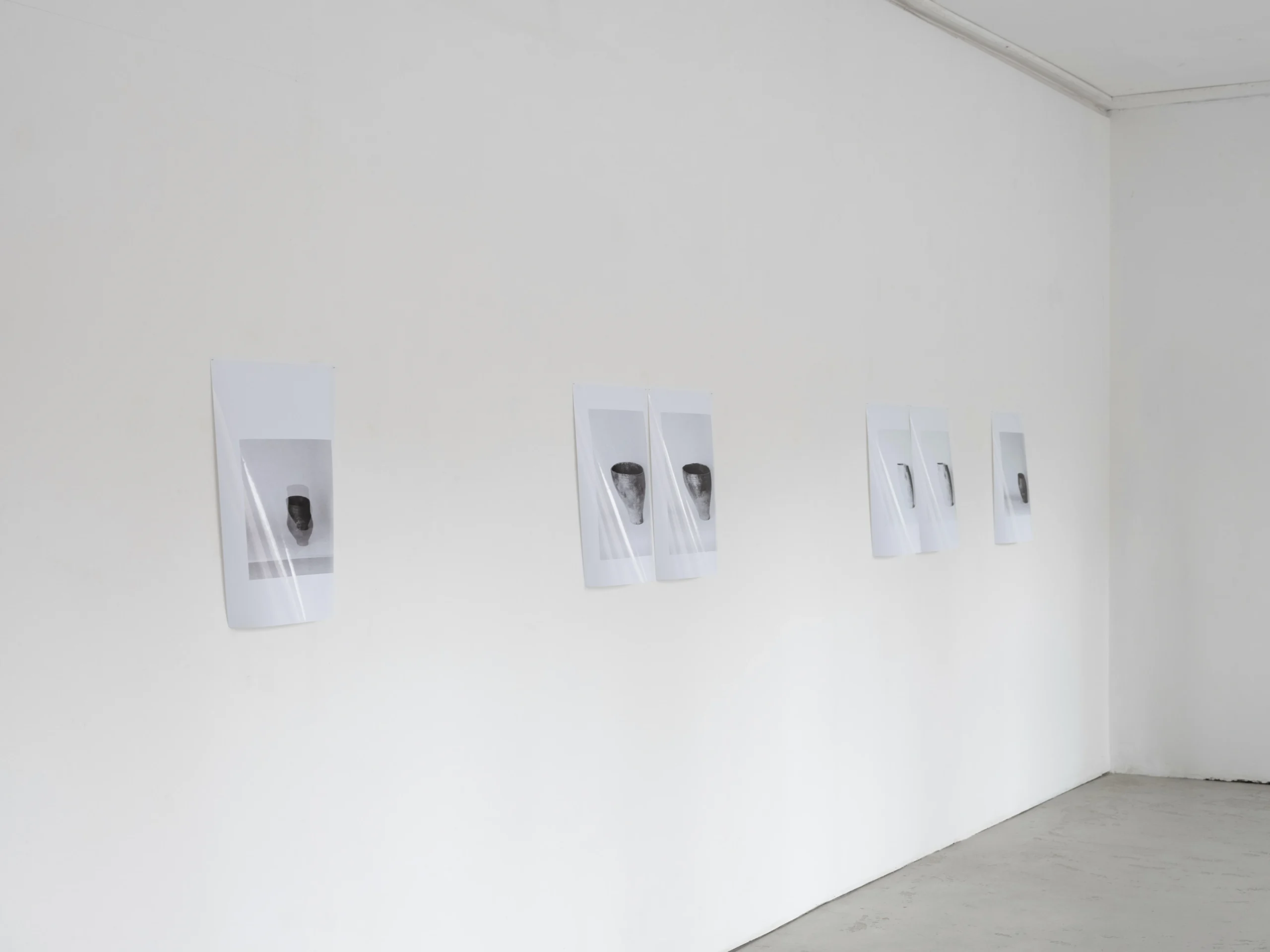
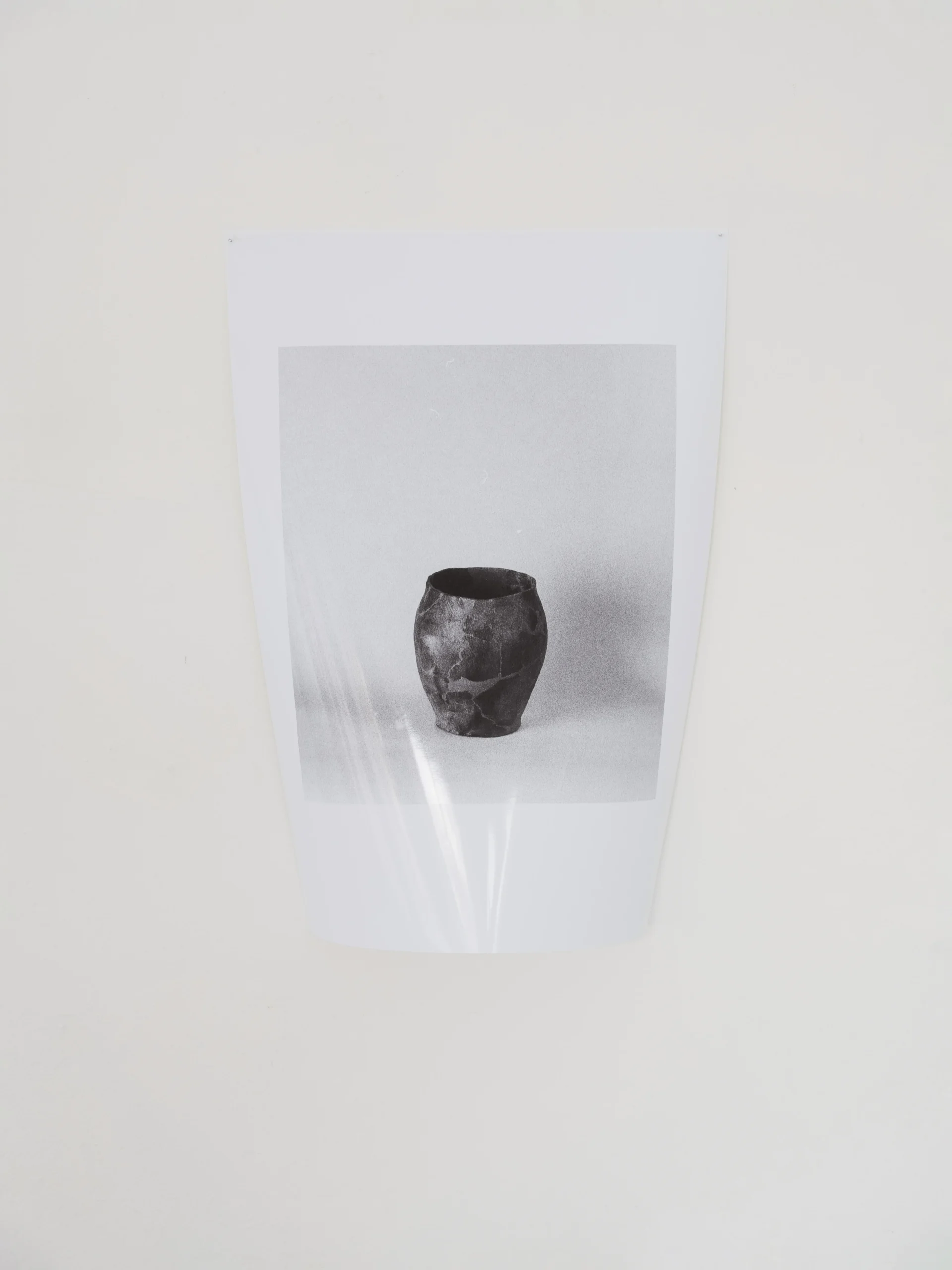
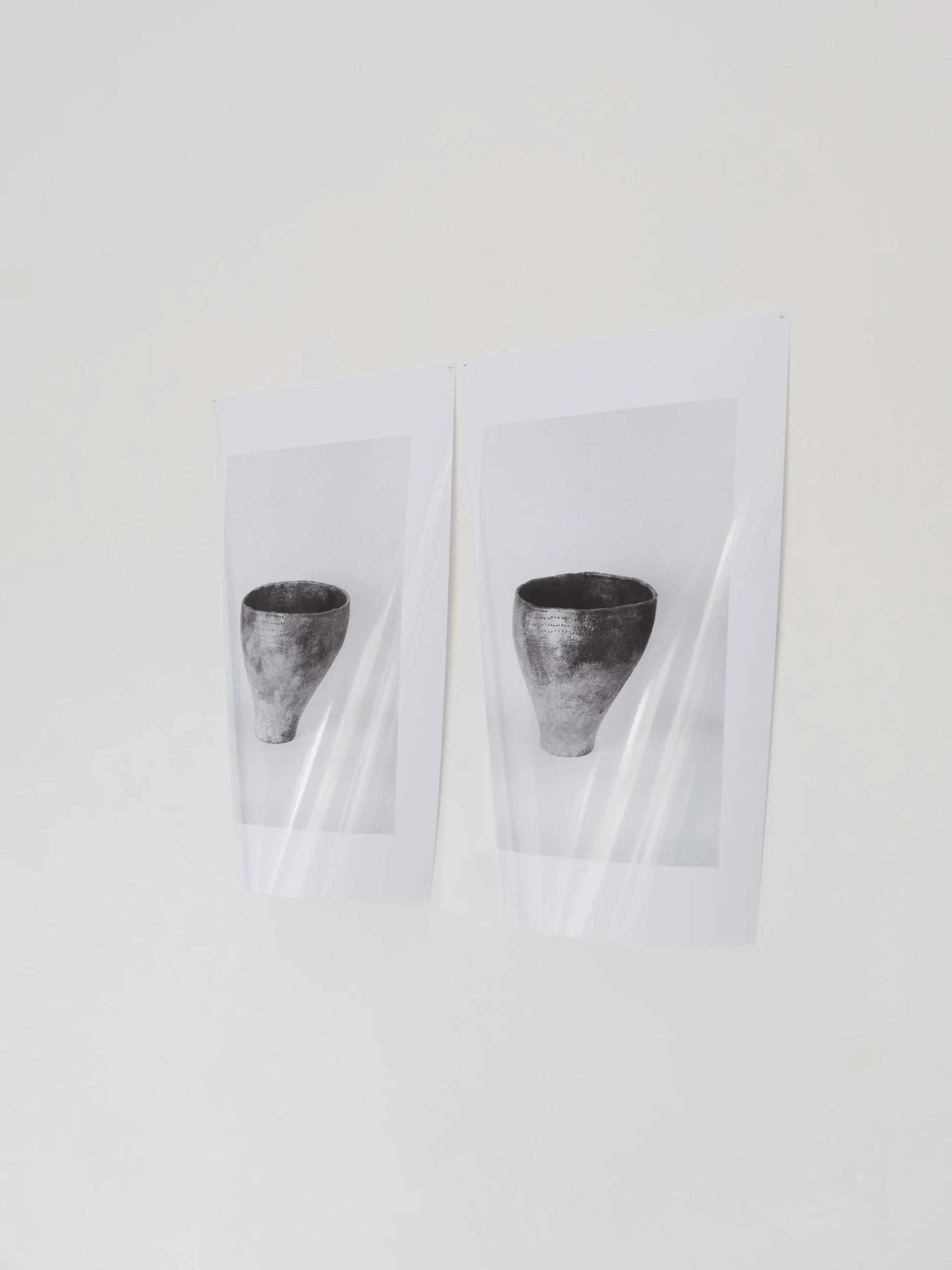
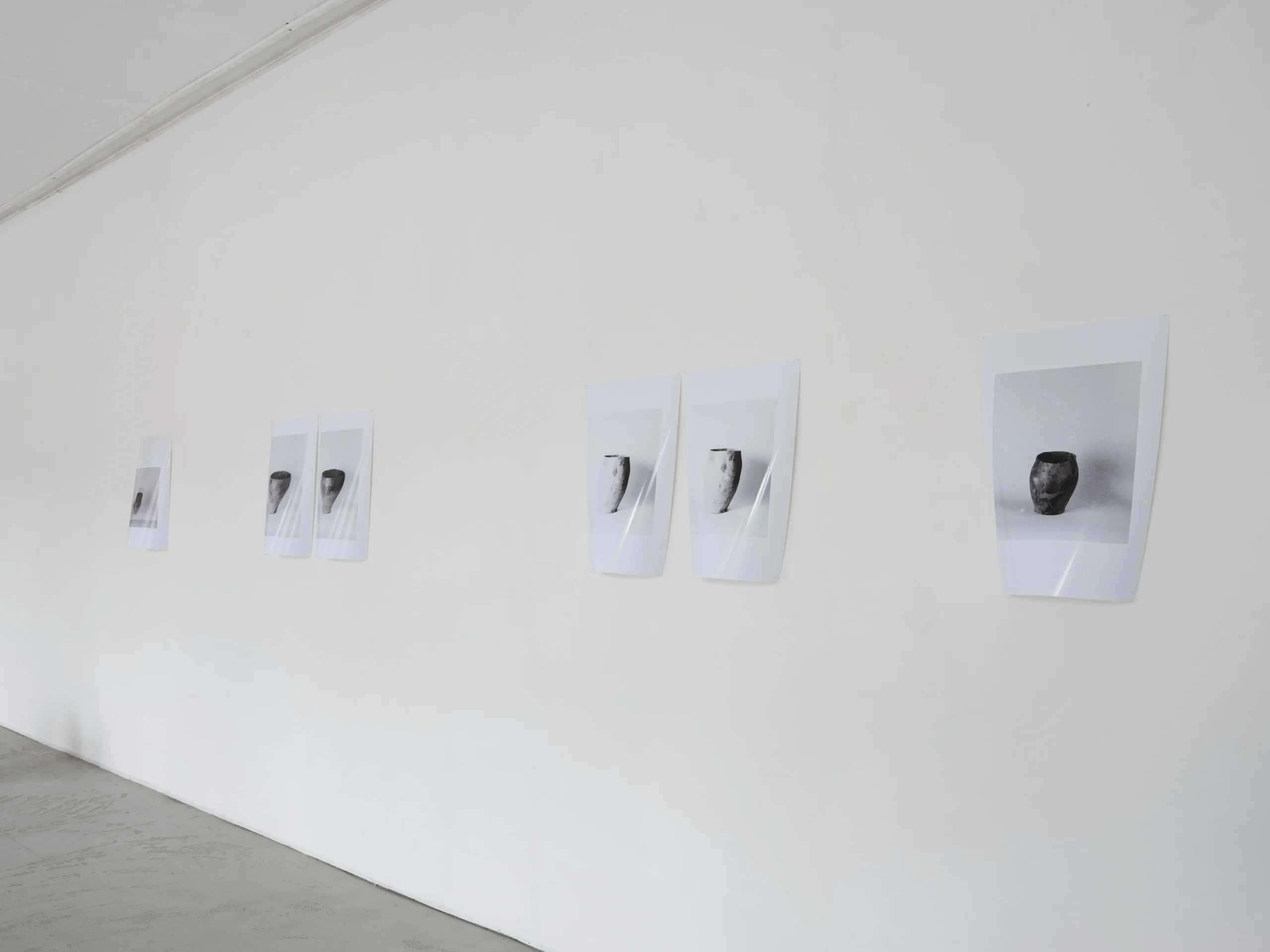
“Upon entering the archaeology exhibition at the Lithuanian National Museum, I leave my fur coat in the cloakroom. I am interested in Stone Age vessels, which I want to photograph with my old Liubitel camera. I meet archaeologist Dalia Ostrauskienė, who has promised to introduce me to Stone Age artefacts. First, she leads me to the ‘most beautiful’ vessel, where a human figure drawn in lines can be seen. This stick-like figure is the oldest example of figurative art in Lithuania. Dalia explains that Rimutė Rimantienė, often referred to as the mother of Lithuanian archaeology, interprets these drawings as symbols of a man and a woman — here a man with his arms lowered, and here only a heart-shaped shard remains, depicting a woman with her arms raised. Everything seems to align; I have read about this in The Da Vinci Code. But why do I doubt that this is true? What did the creator of these vessels actually depict?
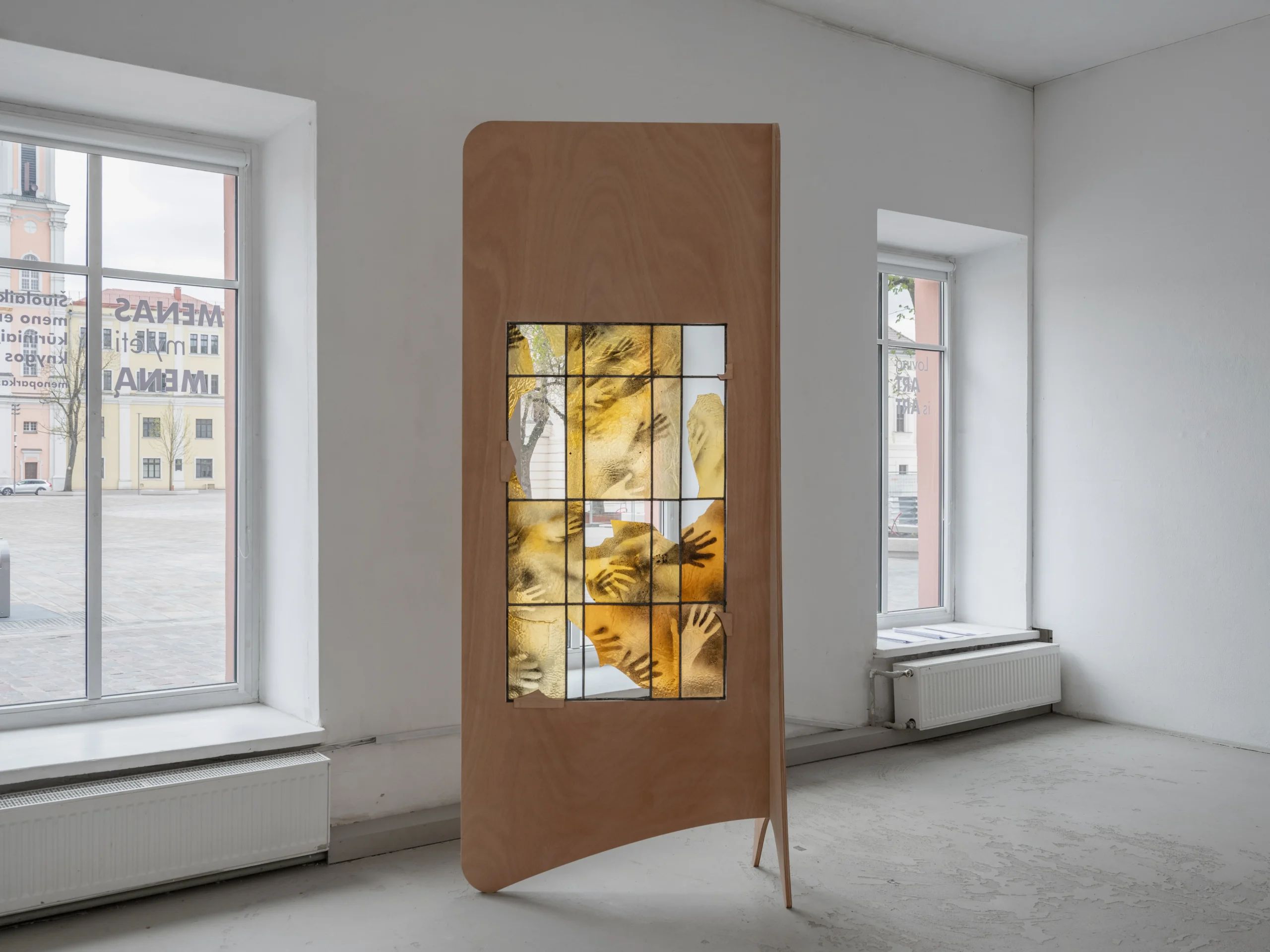
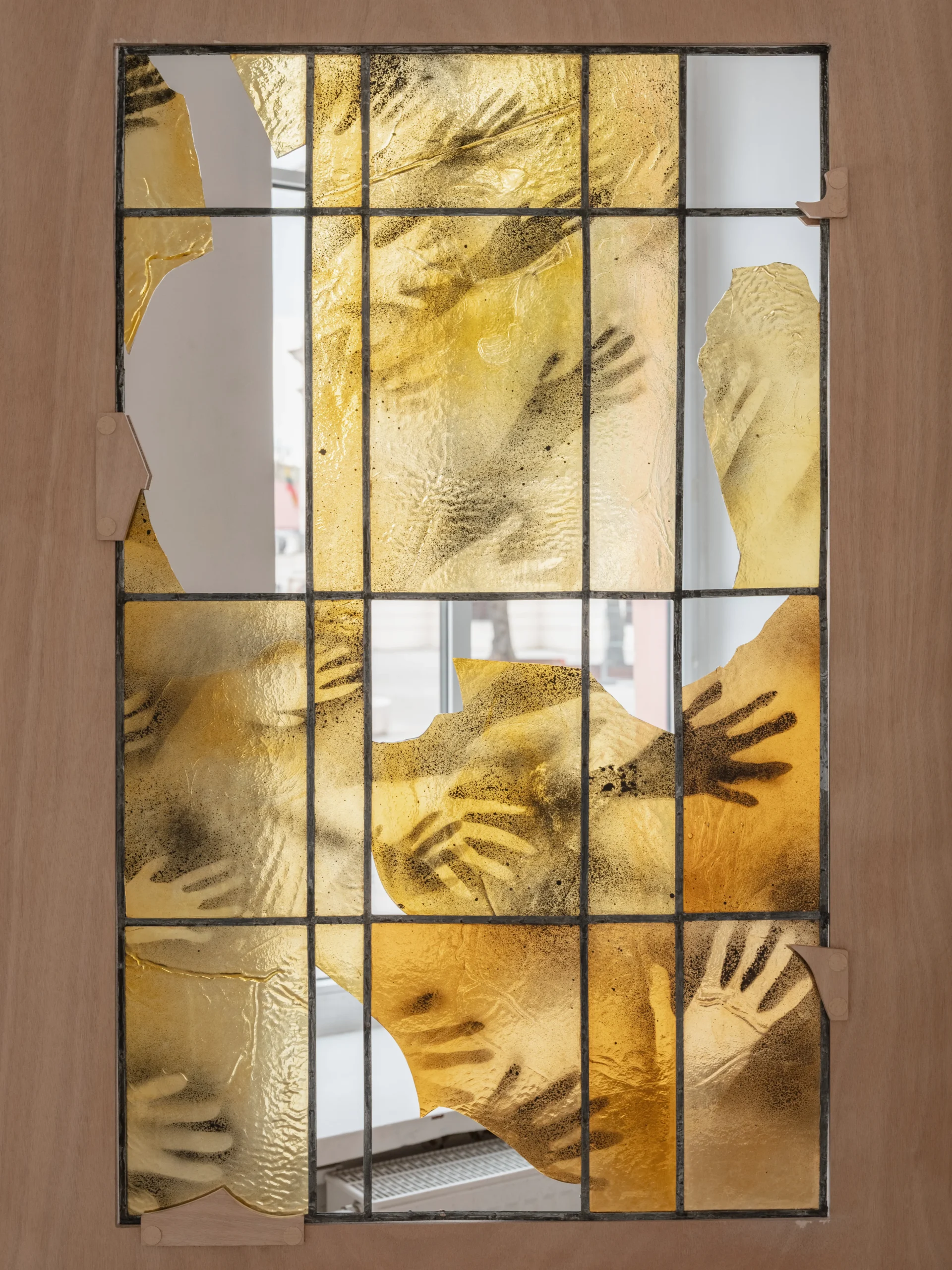
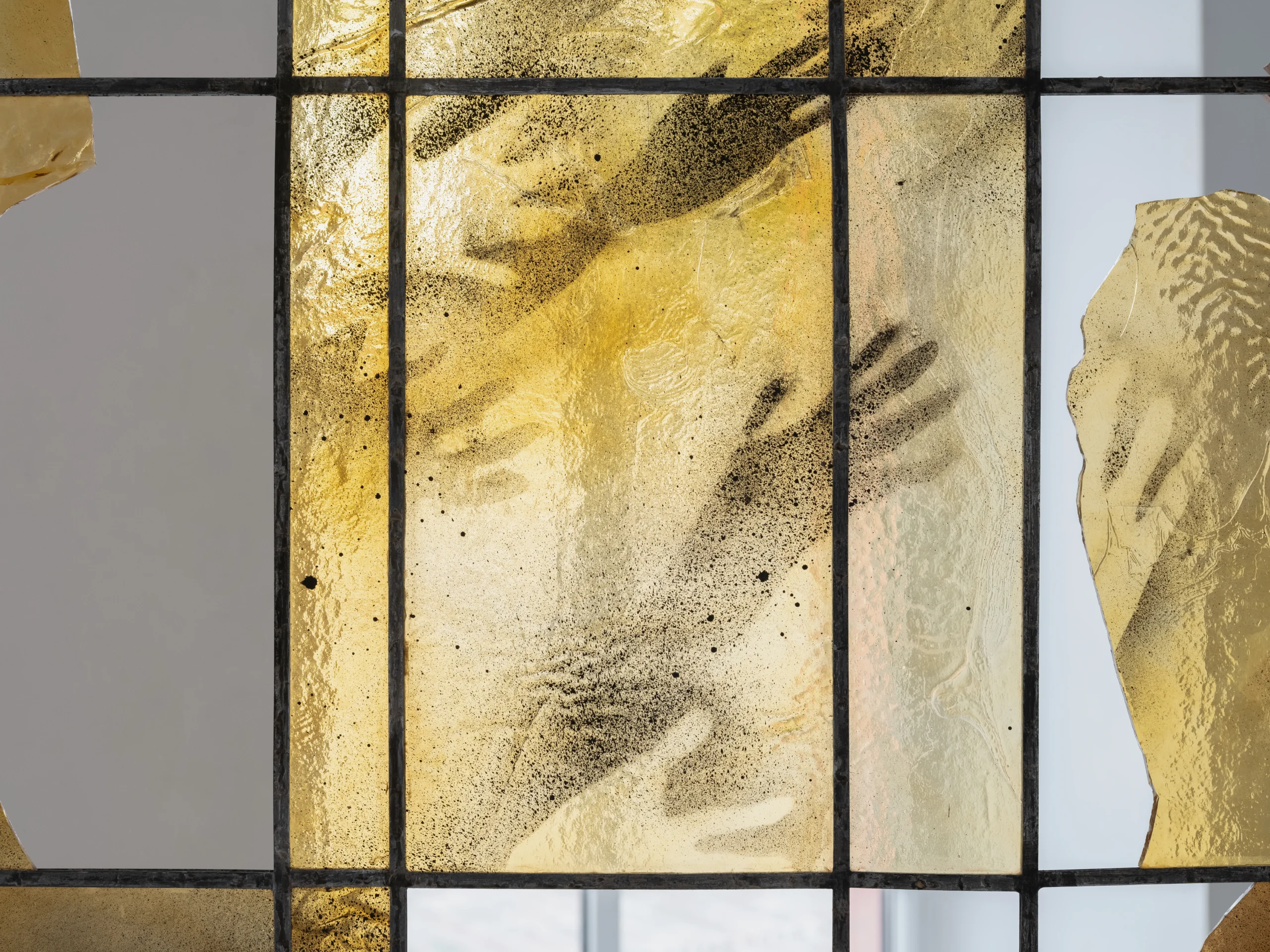
Dalia then shows me reconstructions of Bronze Age vessels. “They are no longer as impressive,” she emphasizes. With the emergence of metal, this new material replaced clay, and ceramic art declined. Despite what the archaeologist describes as their aesthetic insufficiency, I find them very interesting — they are precisely why I came here. In the process of restoration, the black authentic shards, of which only a small portion remains compared to the whole vessel, are joined with grey clay, creating a strong contrast. That reconstructed vessel, those few fragments restored to full size, reveal something difficult to name – this reconstruction conveys effort. This particular Bronze Age vessel tells me nothing about the person of the past, except that they shaped it; the shards themselves are not distinctive. Yet the vessel speaks about being human in general. These reconstructions, made from a few authentic fragments and fresh clay, reflect on their surface something that is not formulated in museum labels or object descriptions. Truth reveals itself on surfaces; surfaces express what words cannot.”
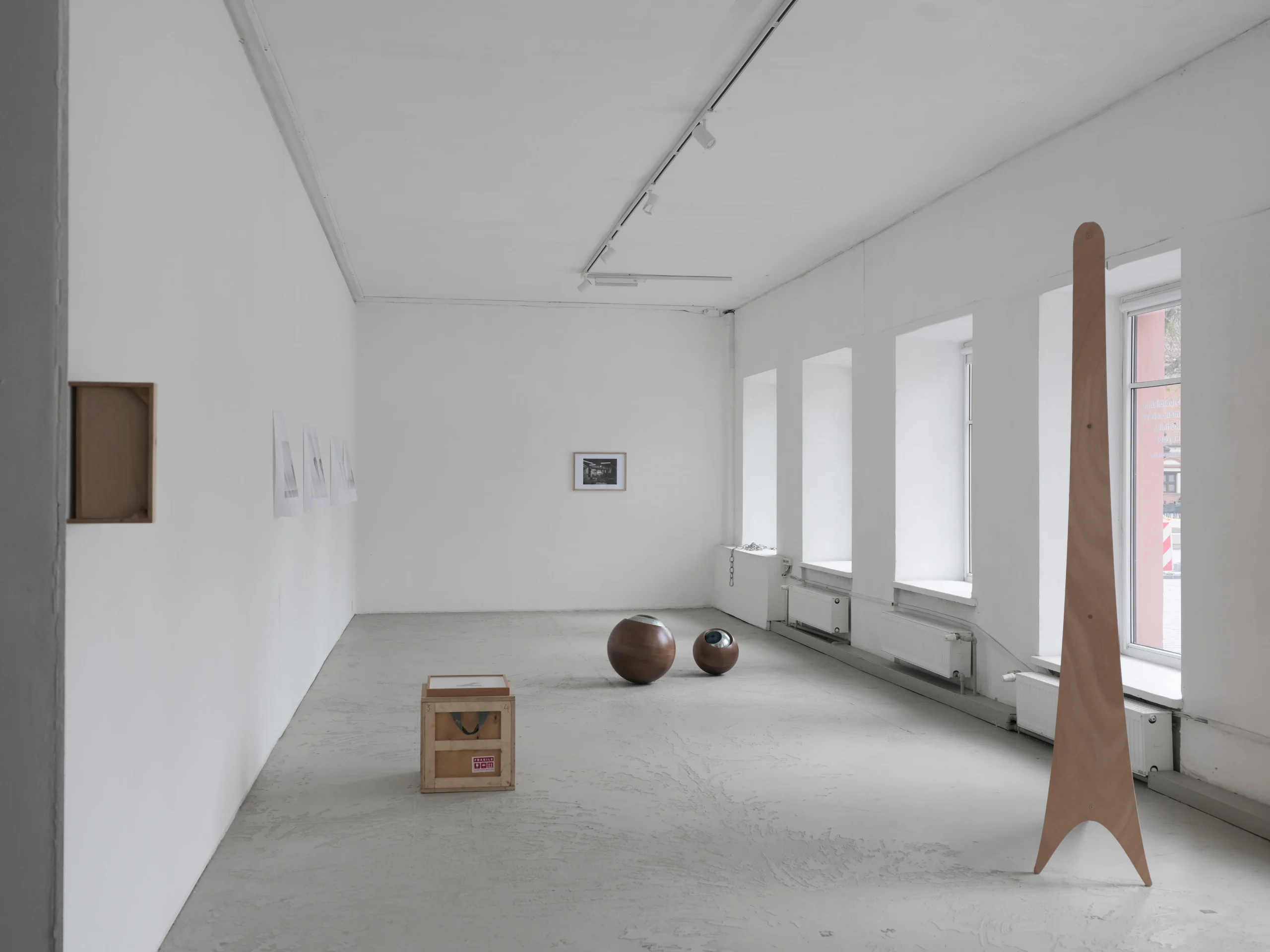
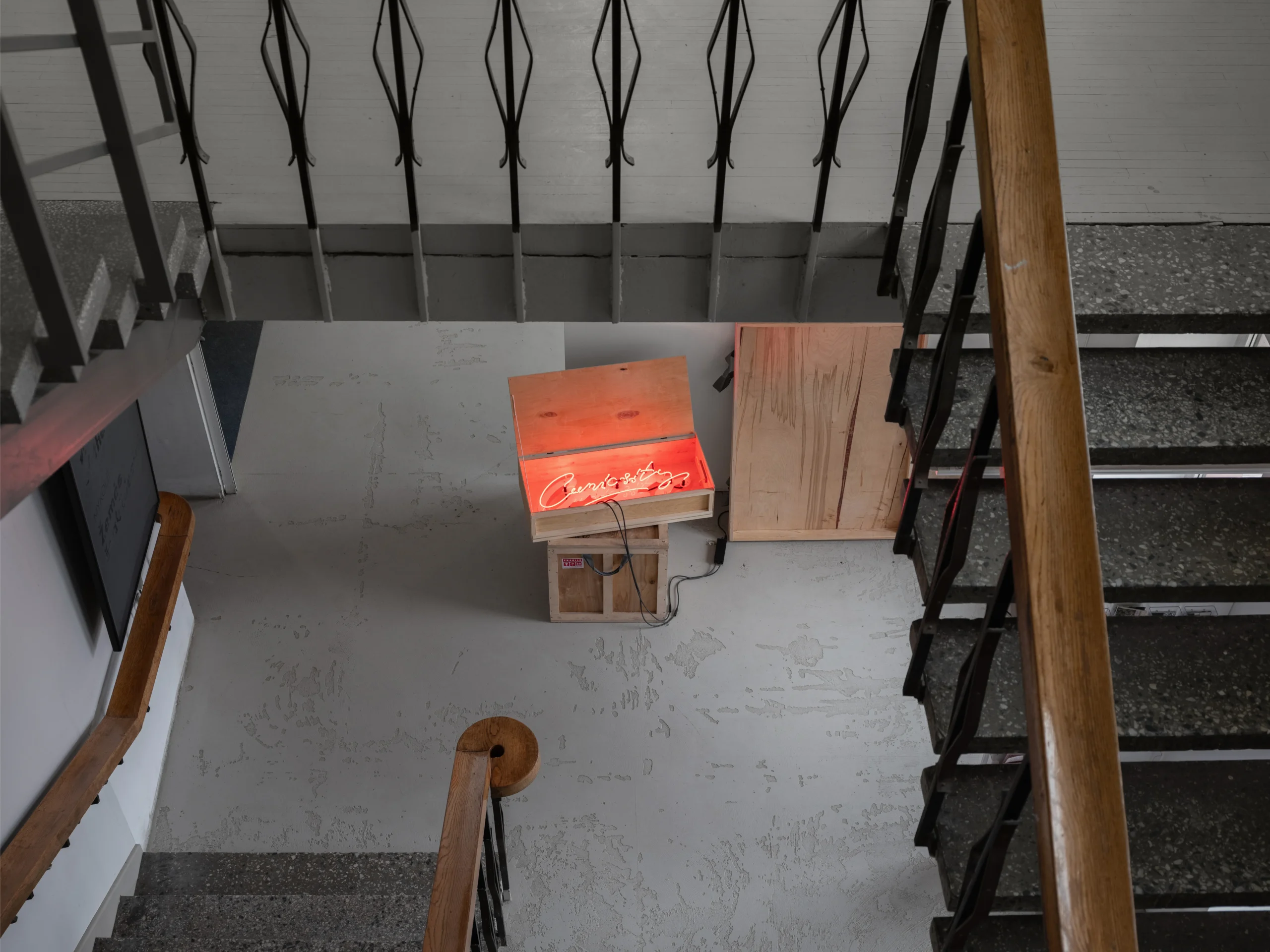
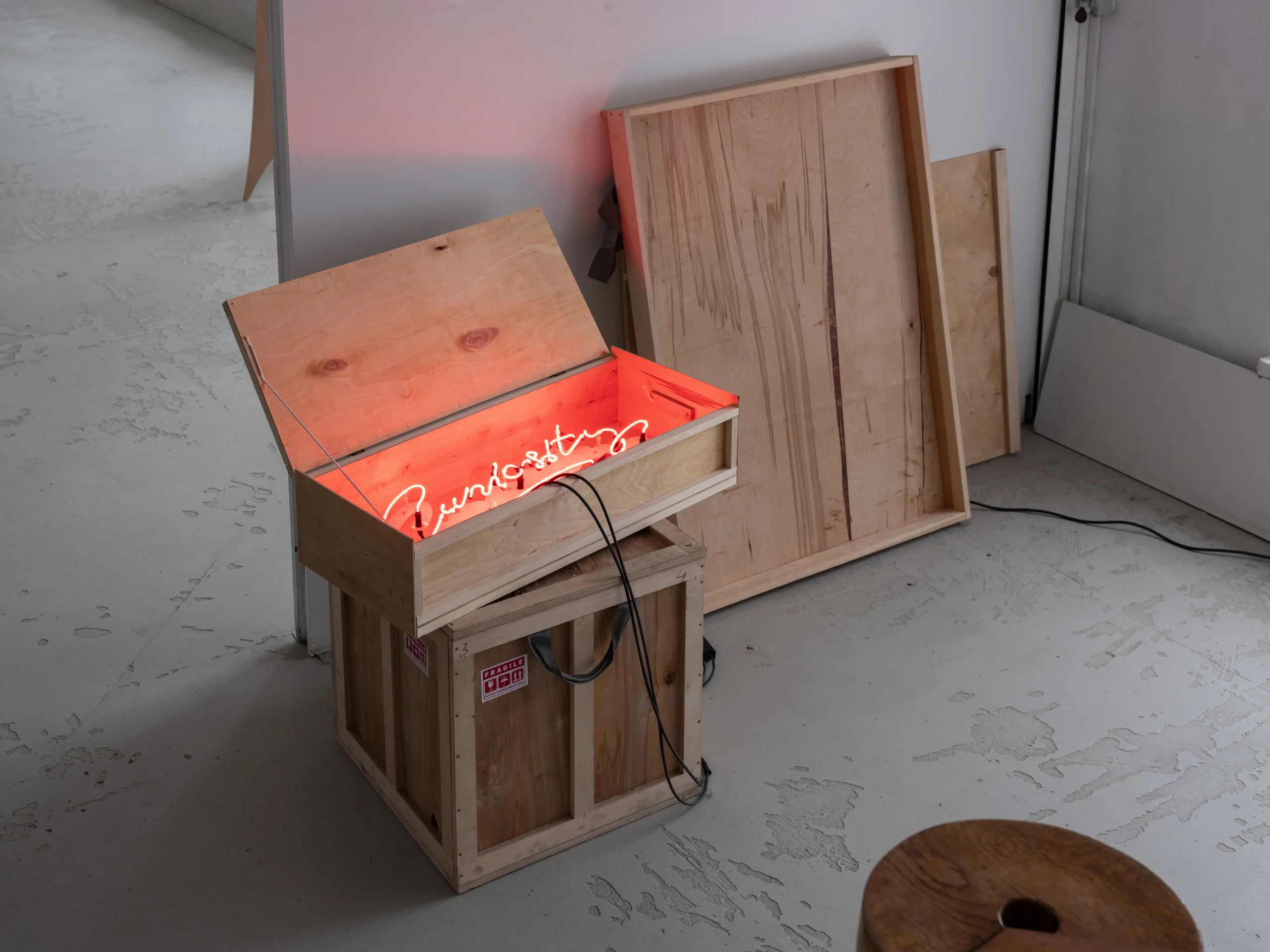
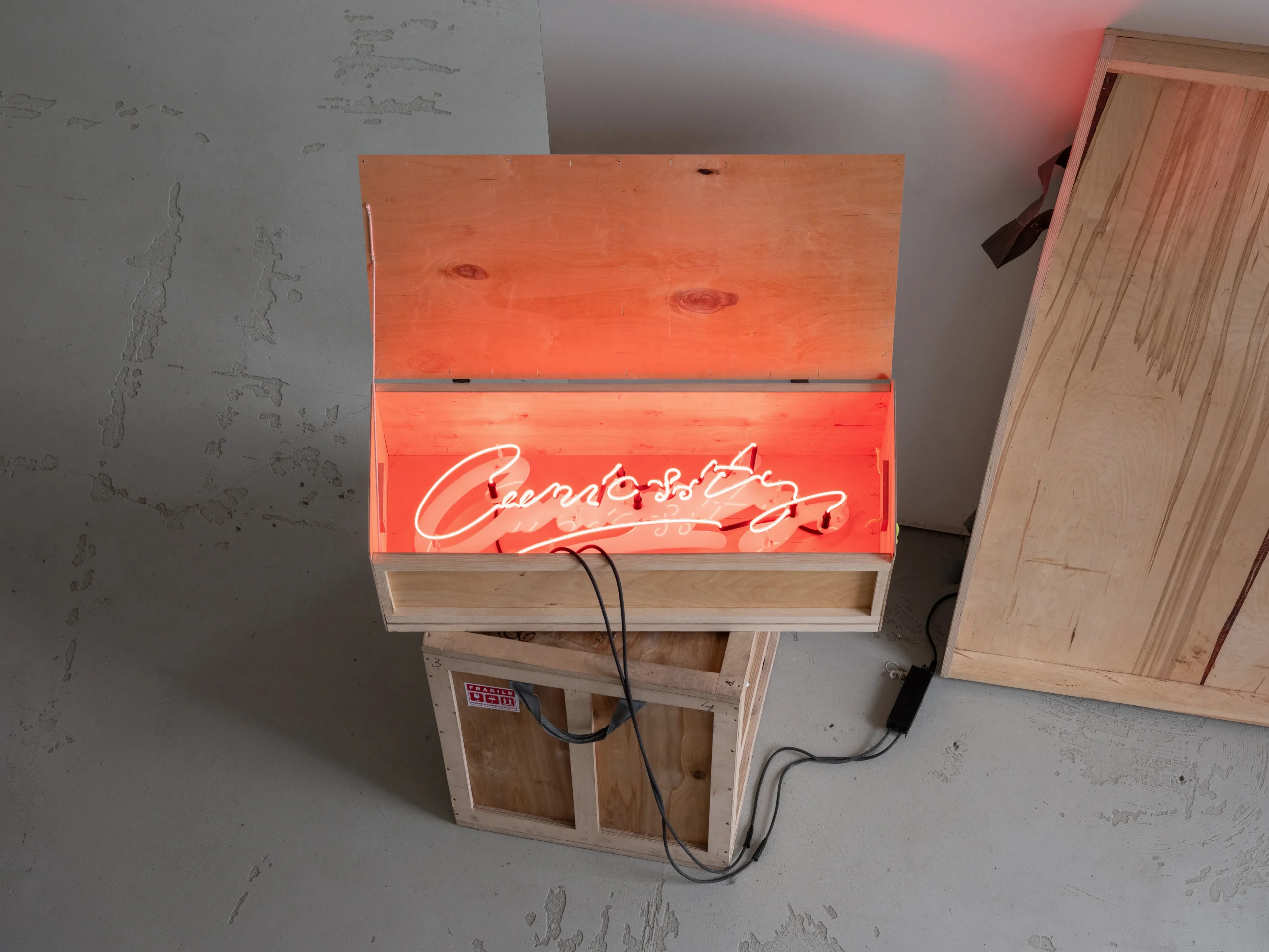
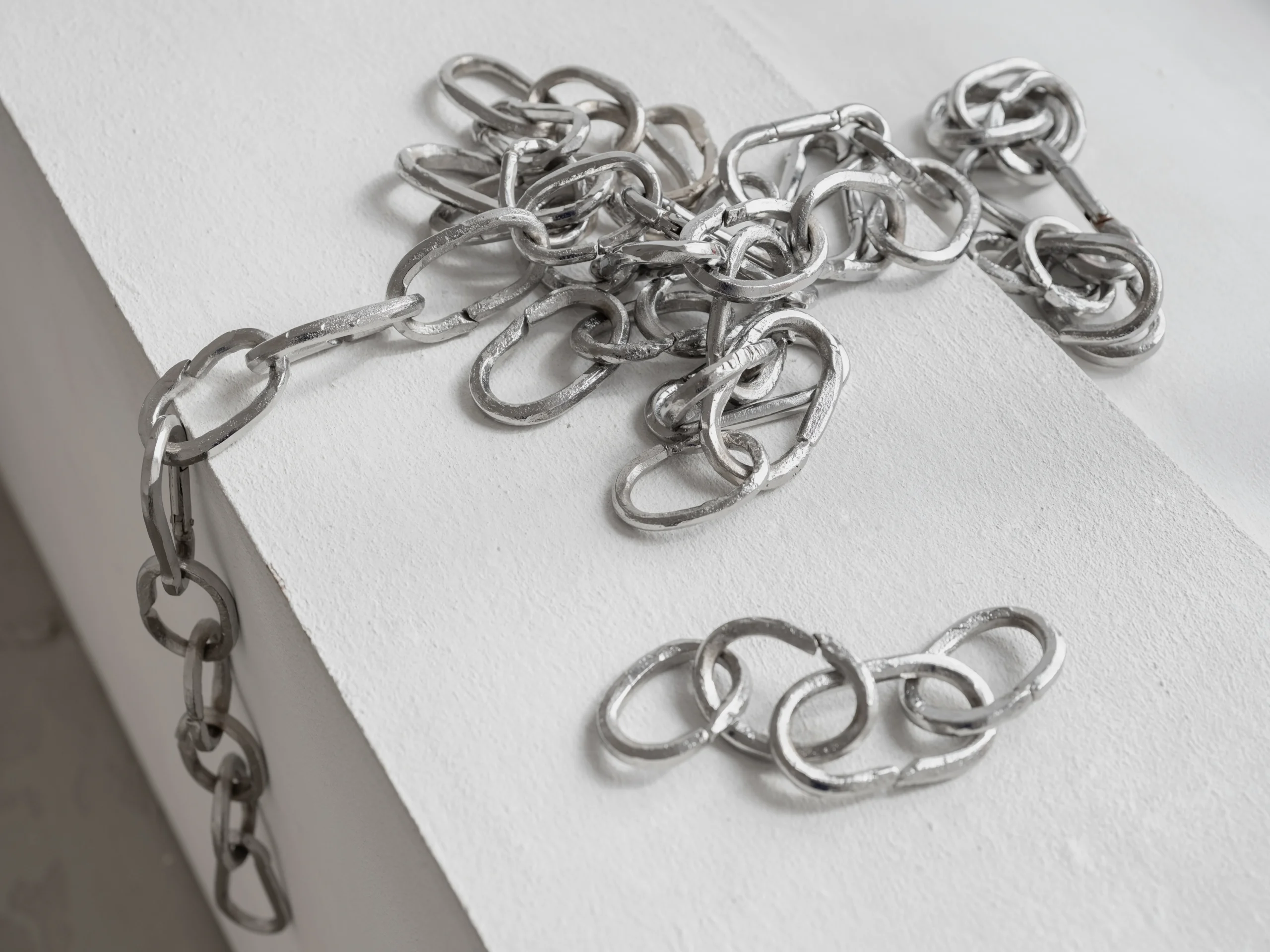
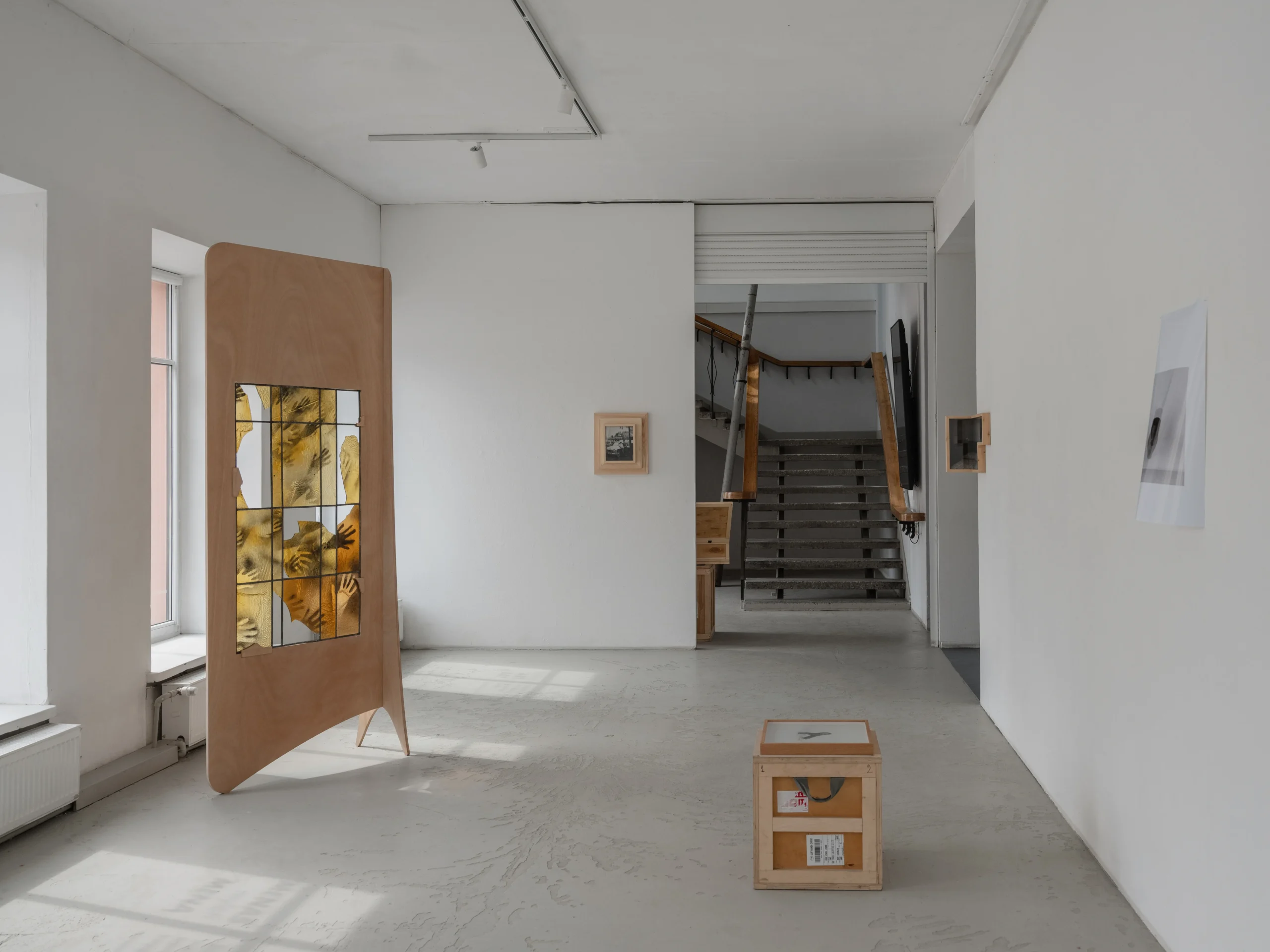
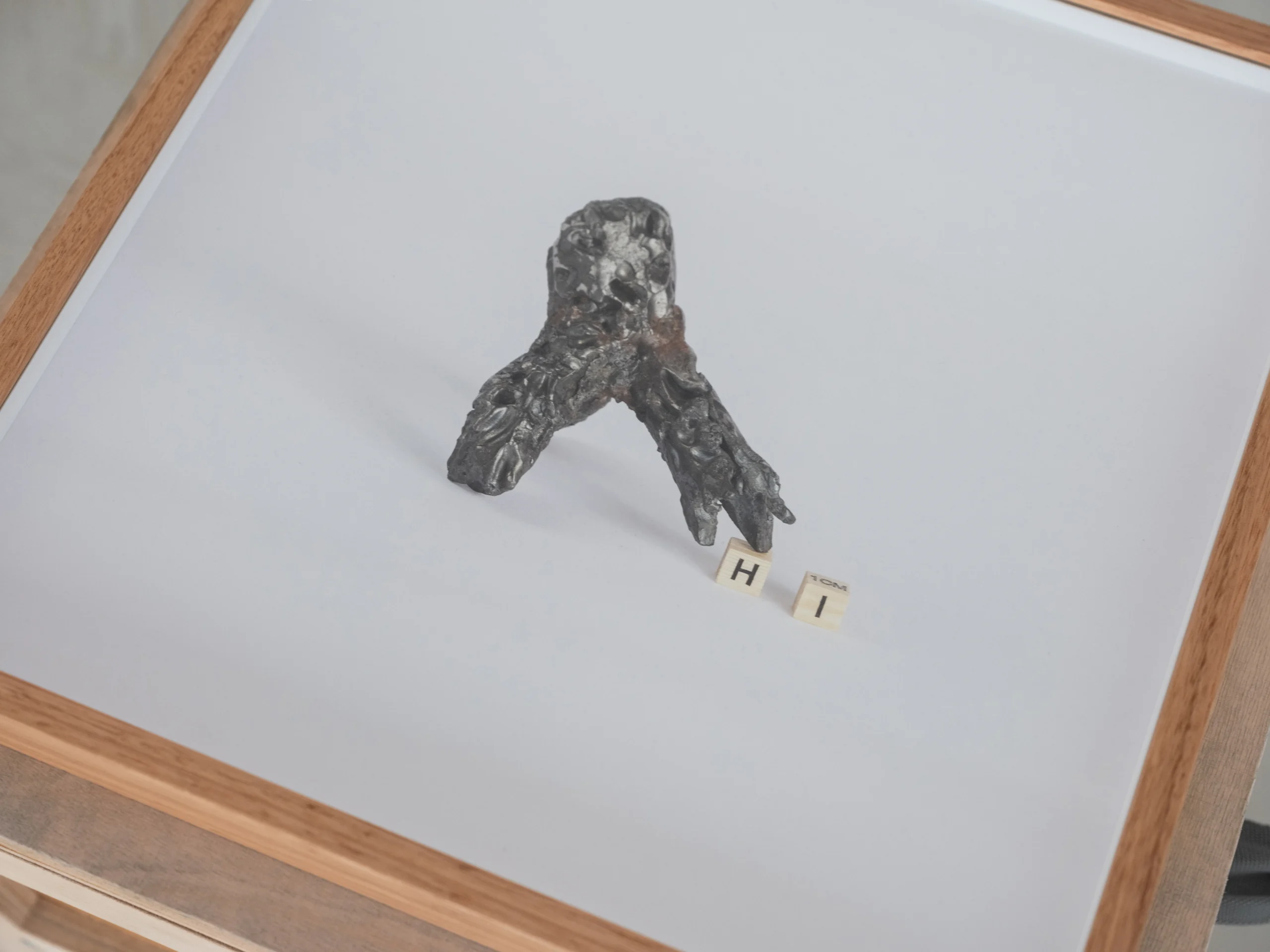
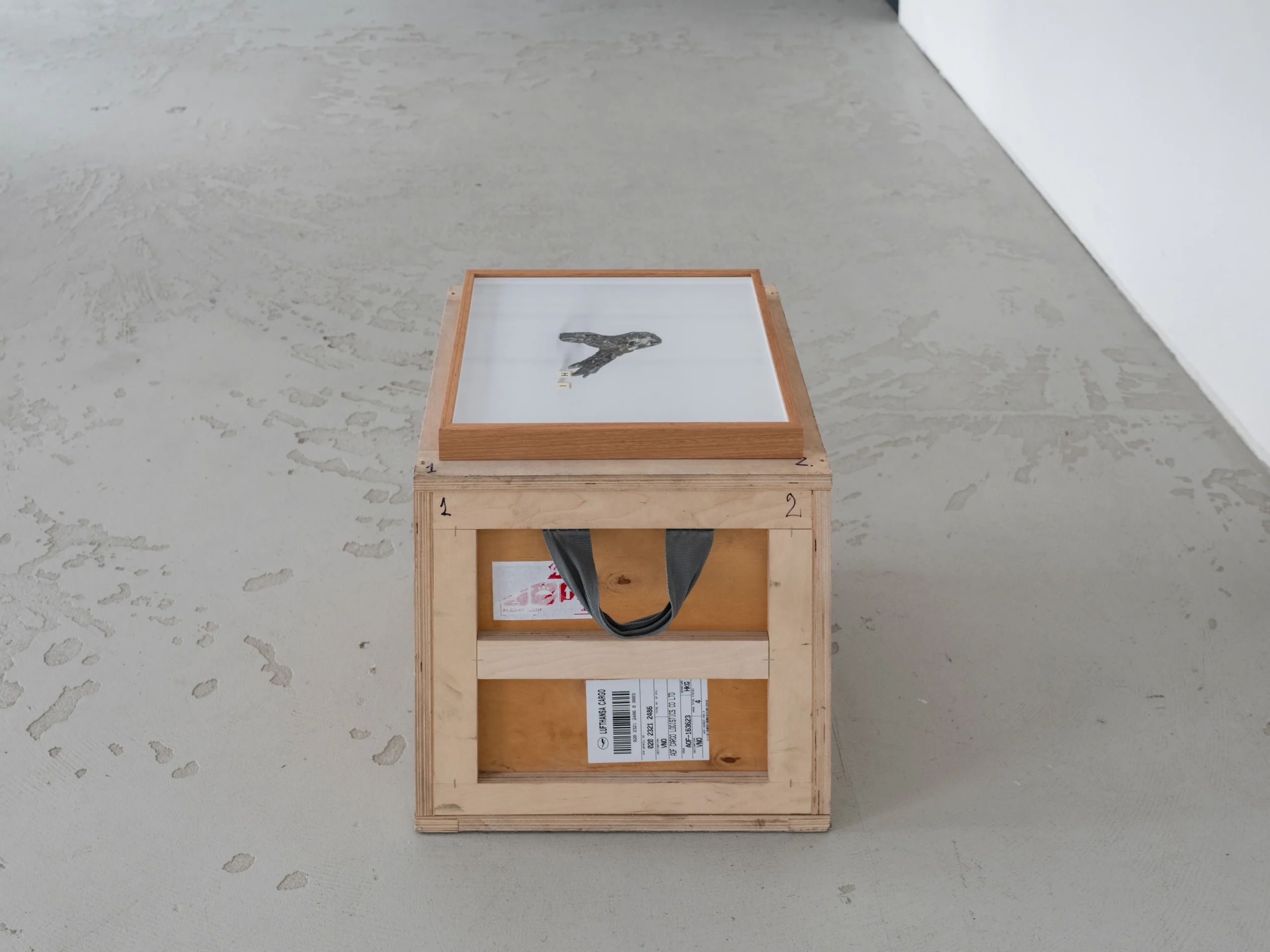
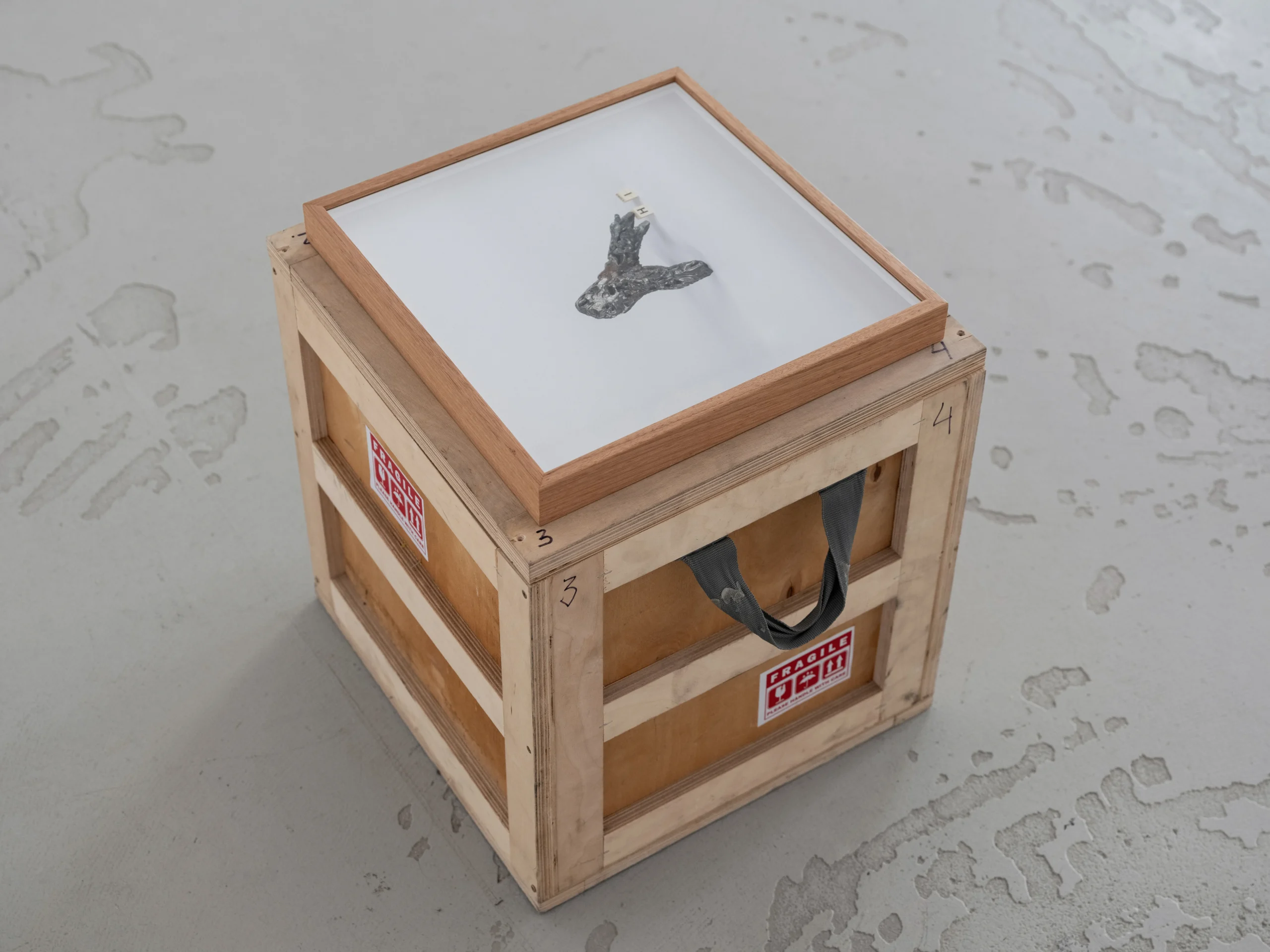
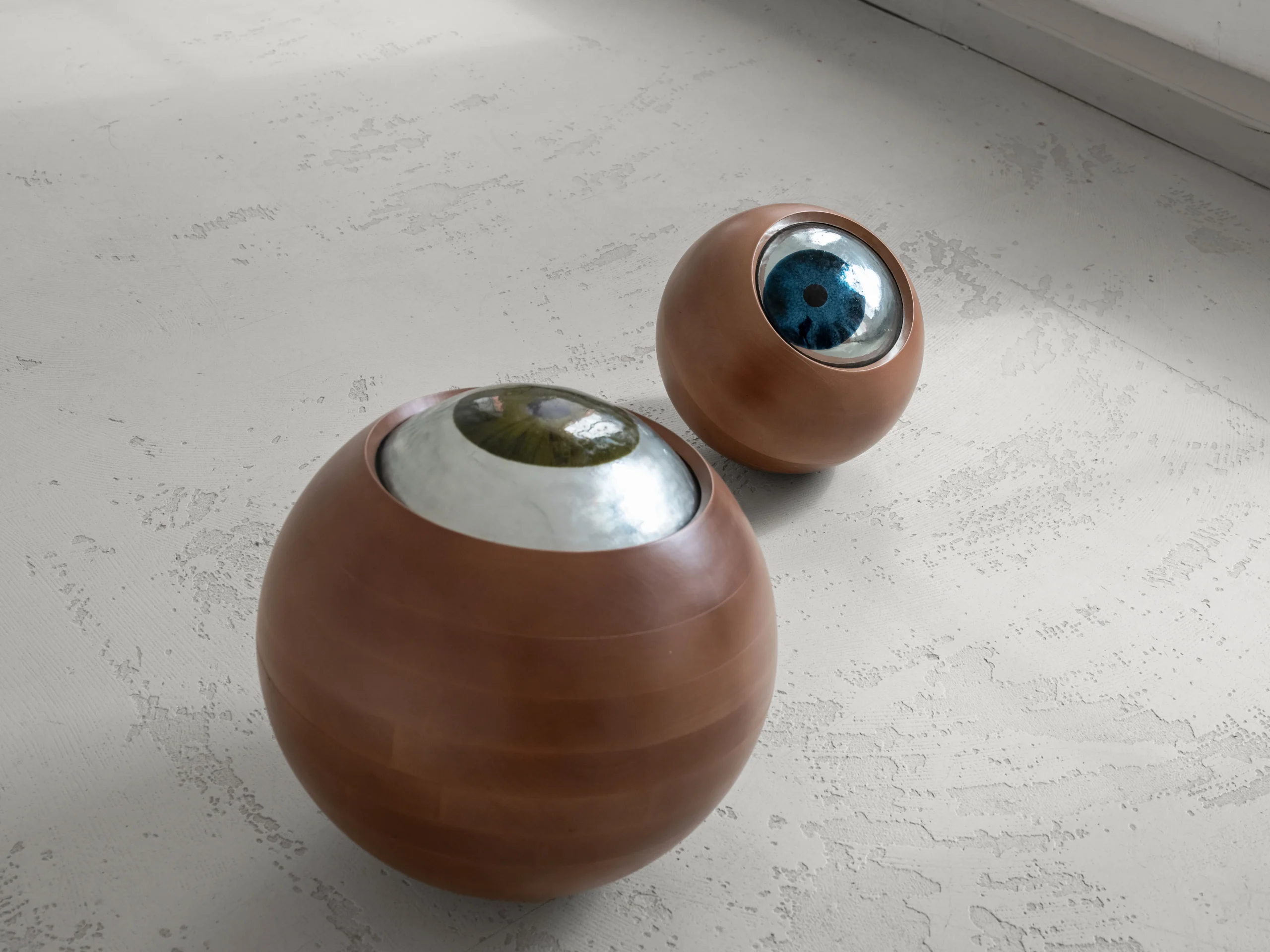
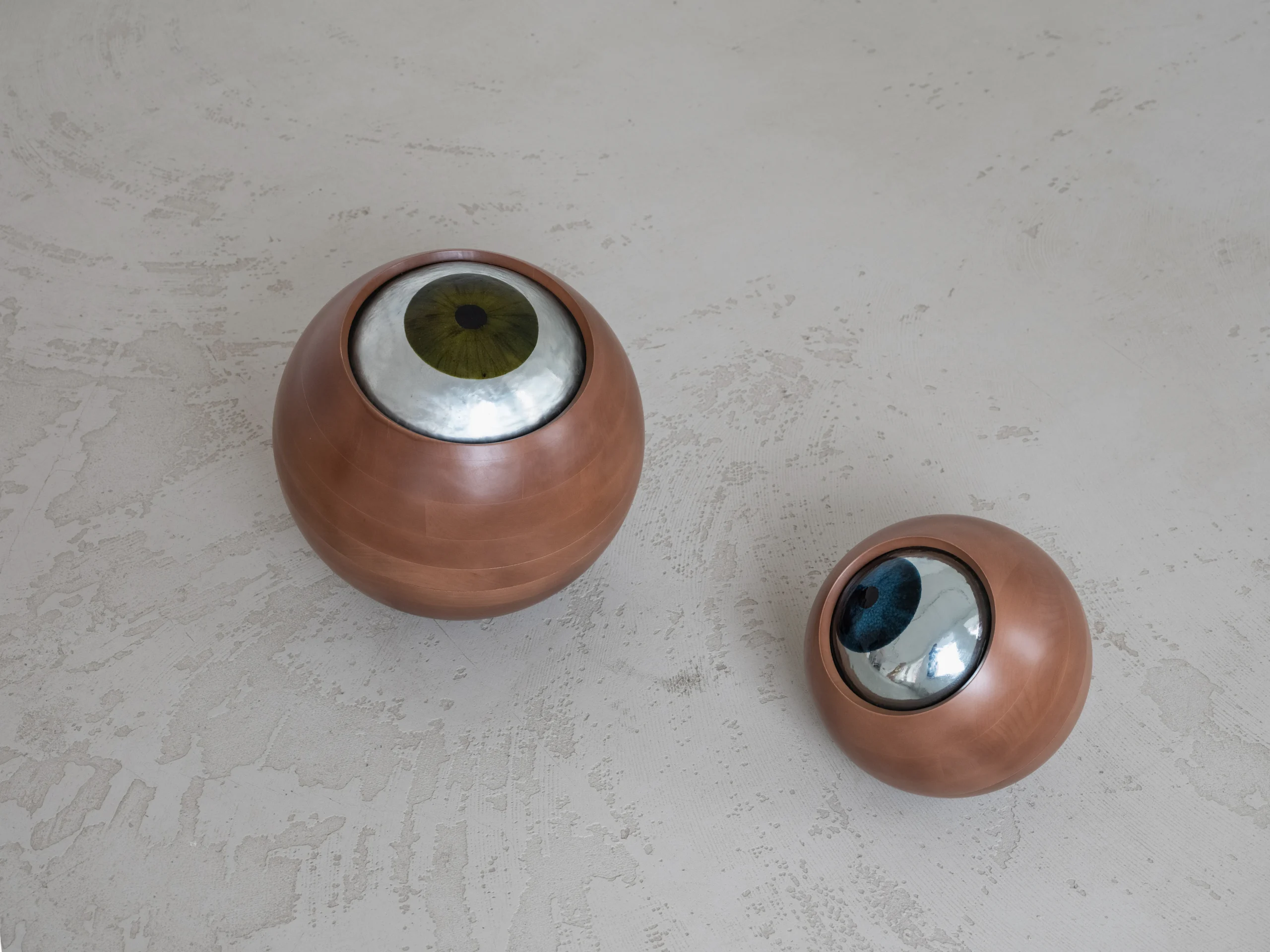
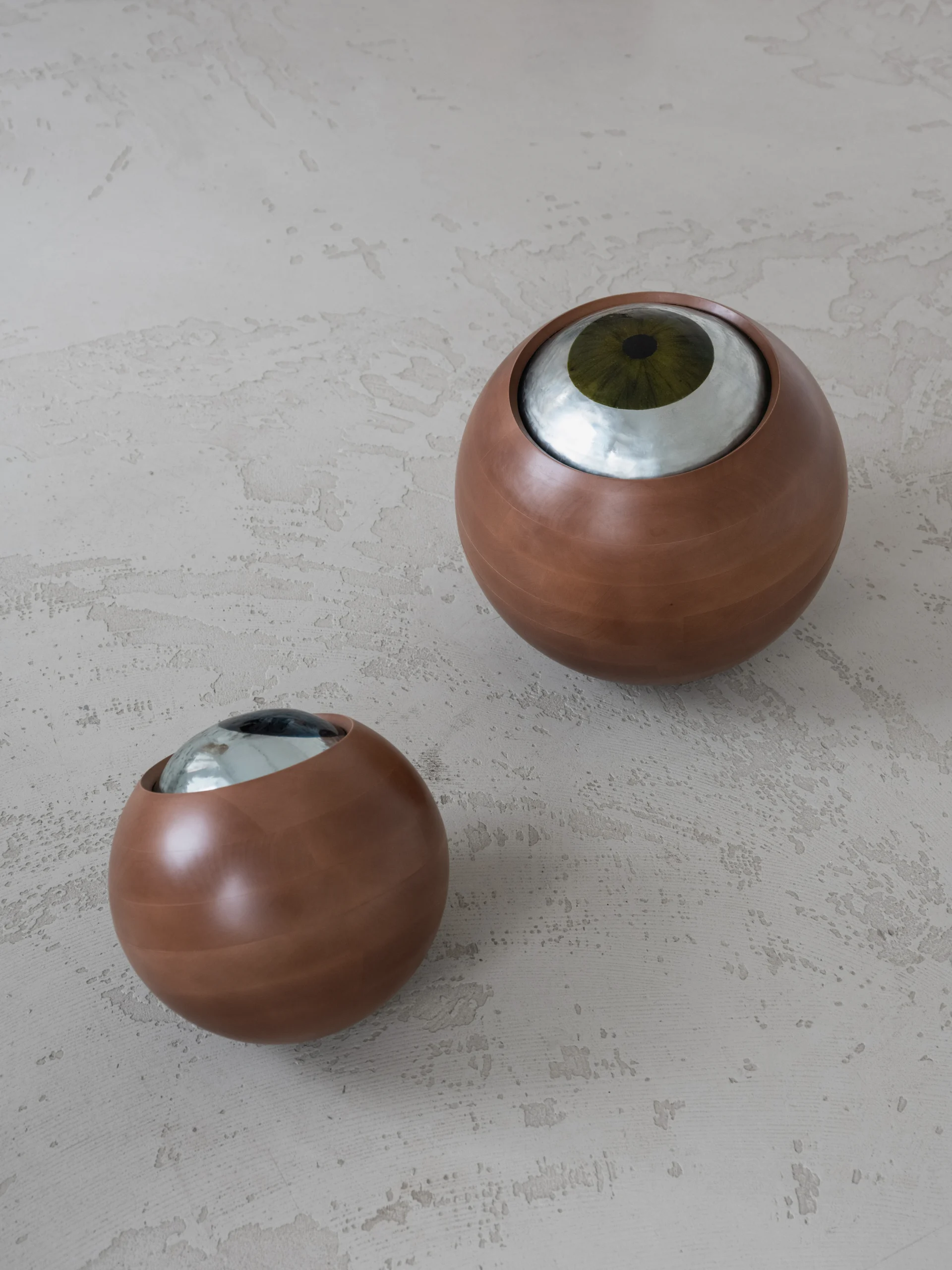
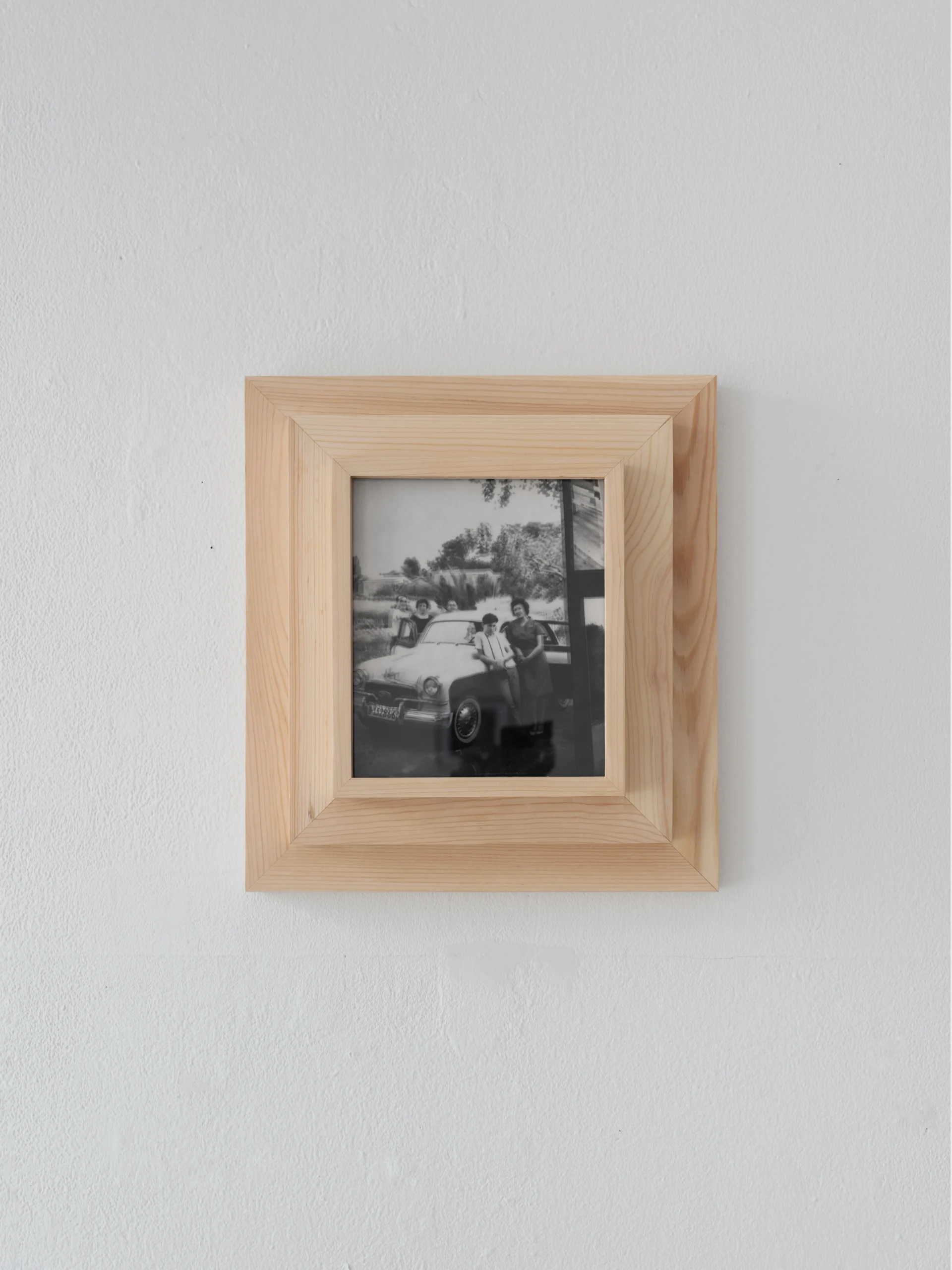
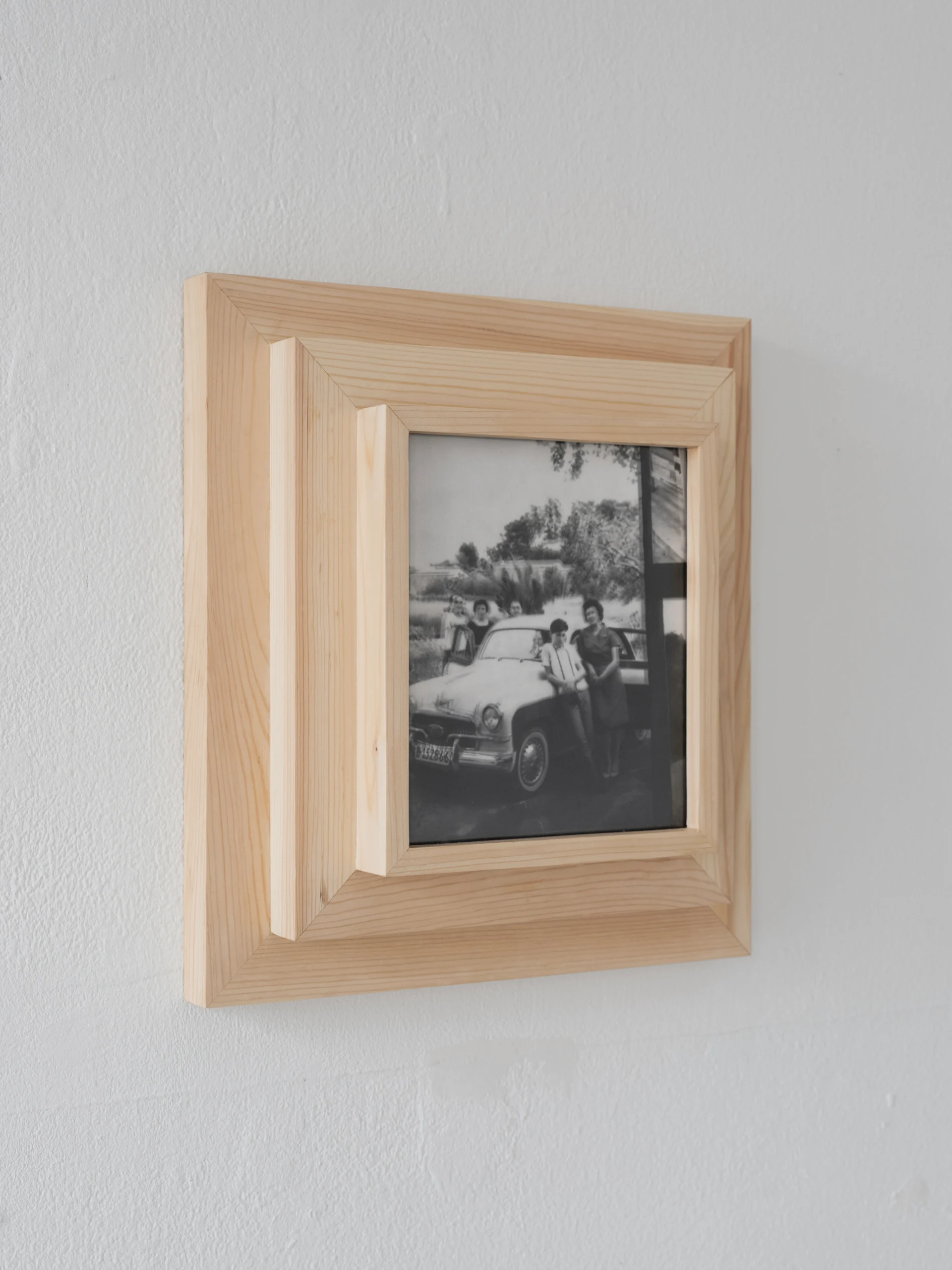
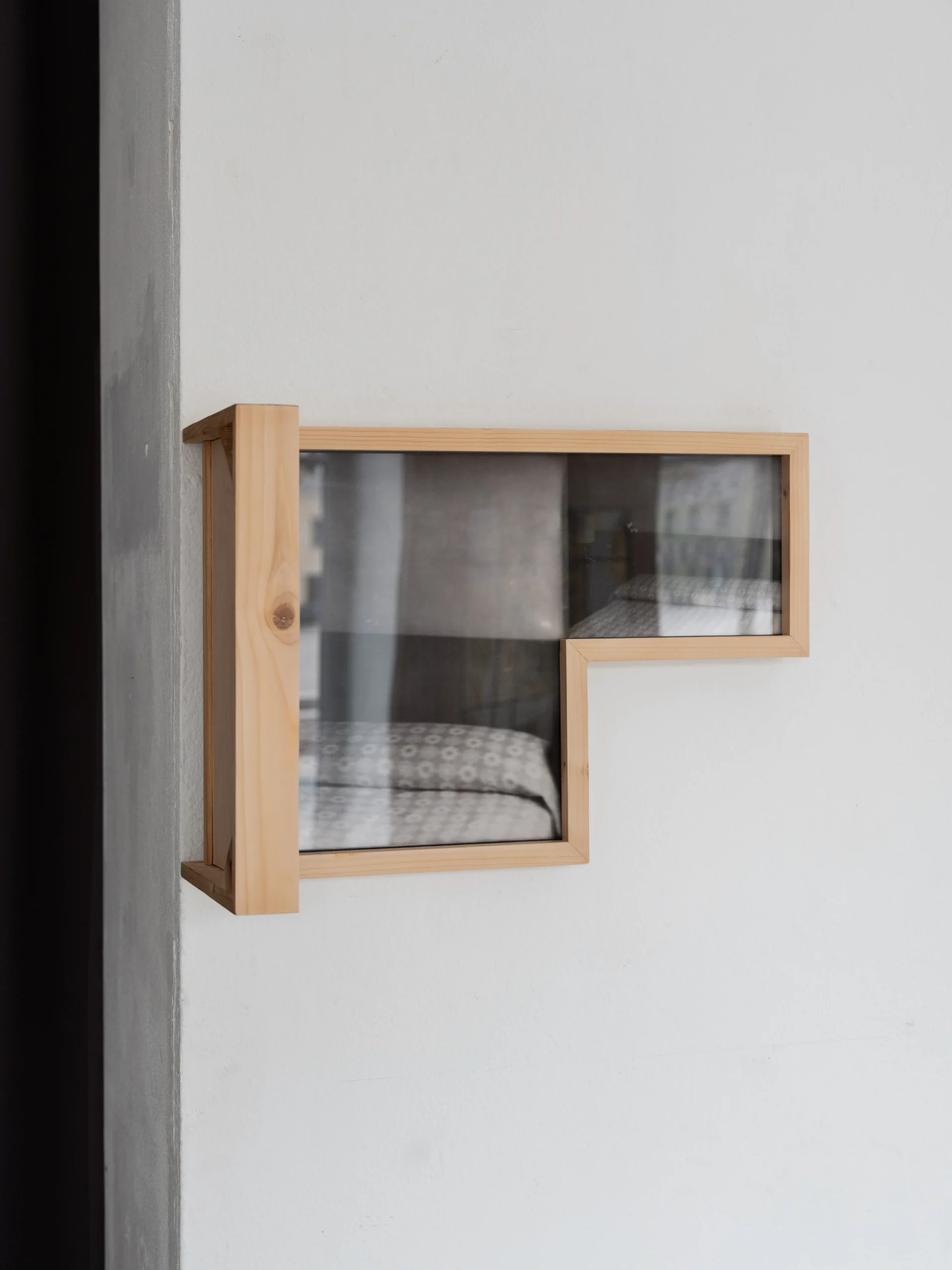
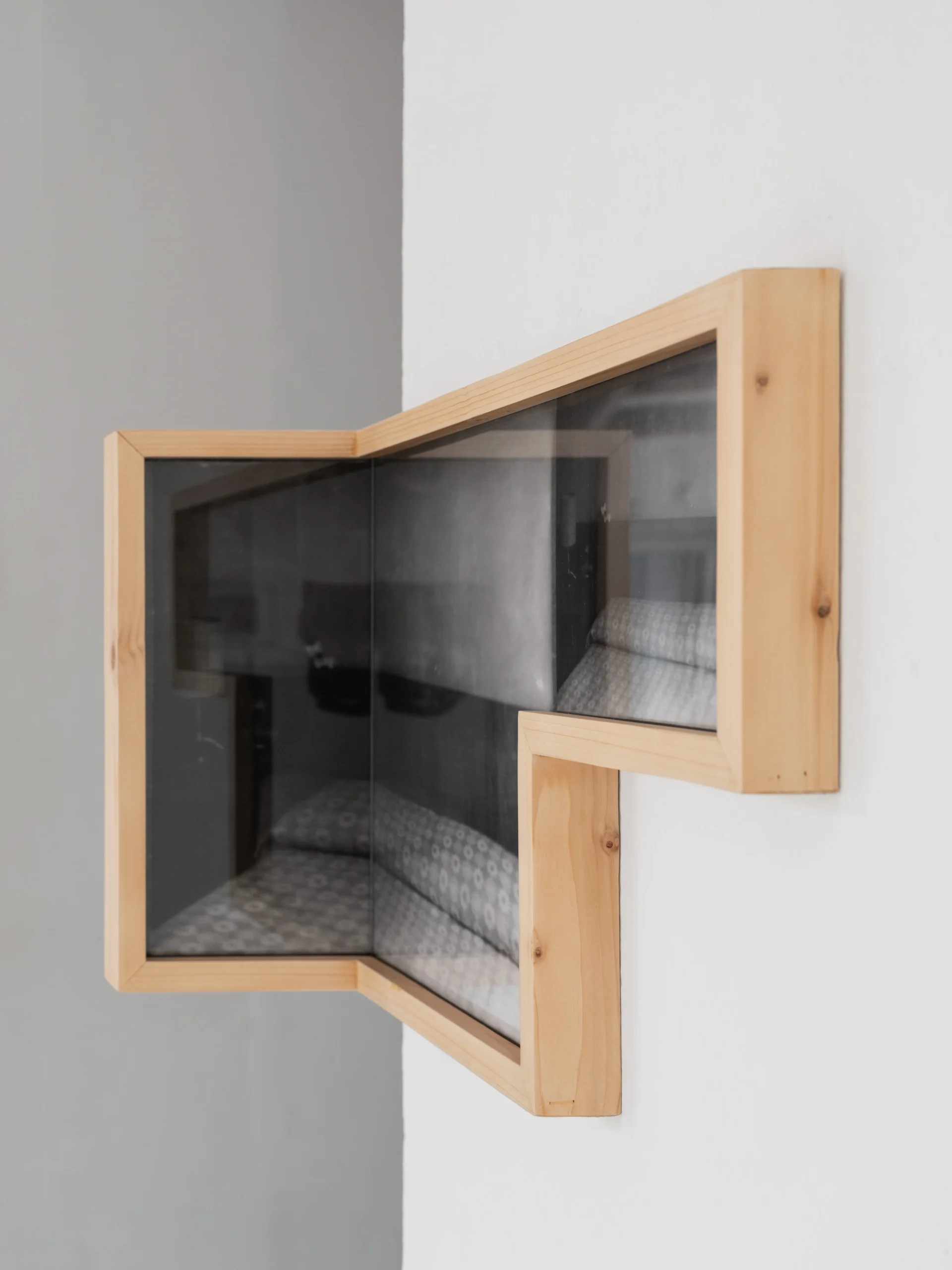
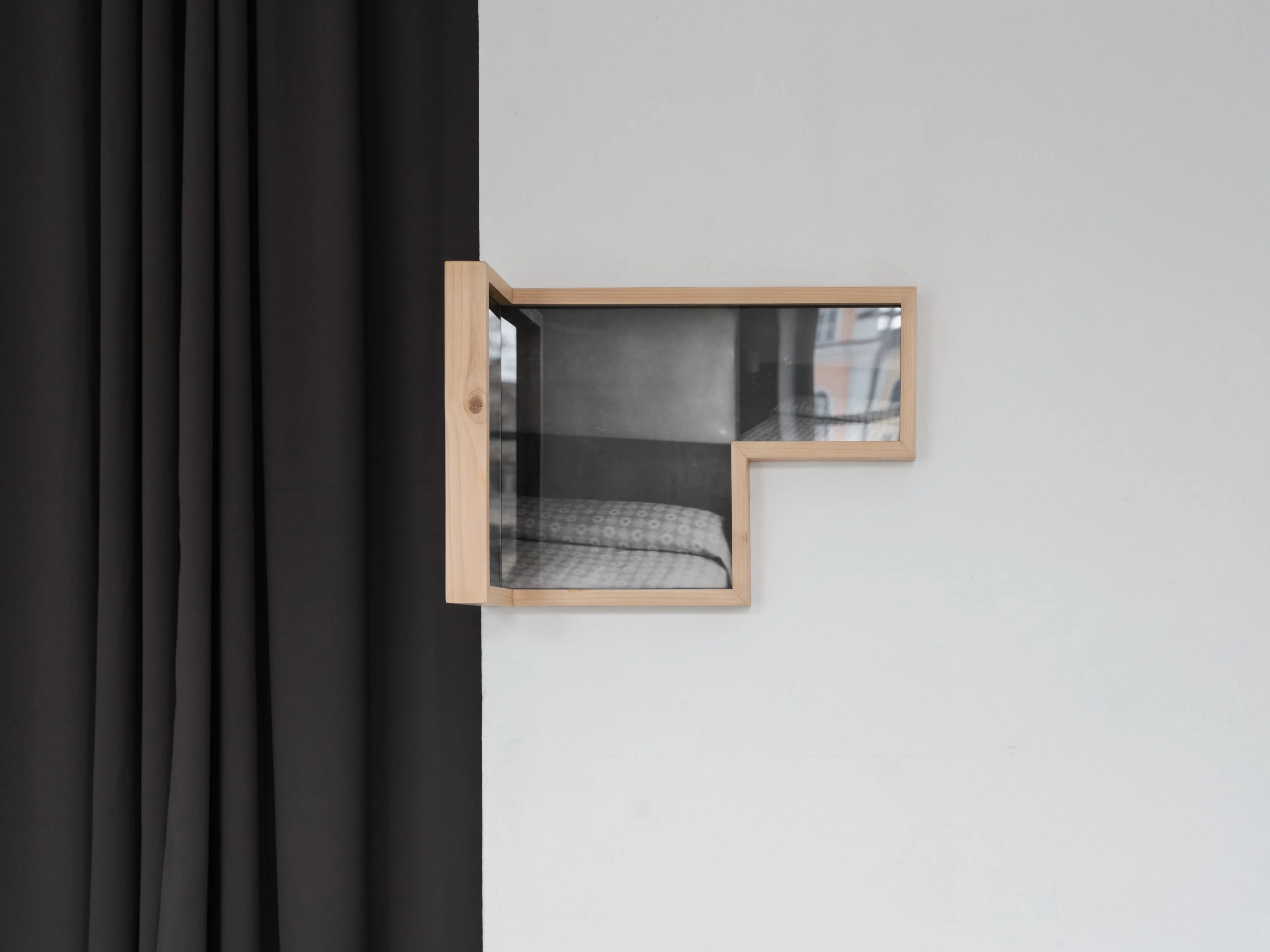
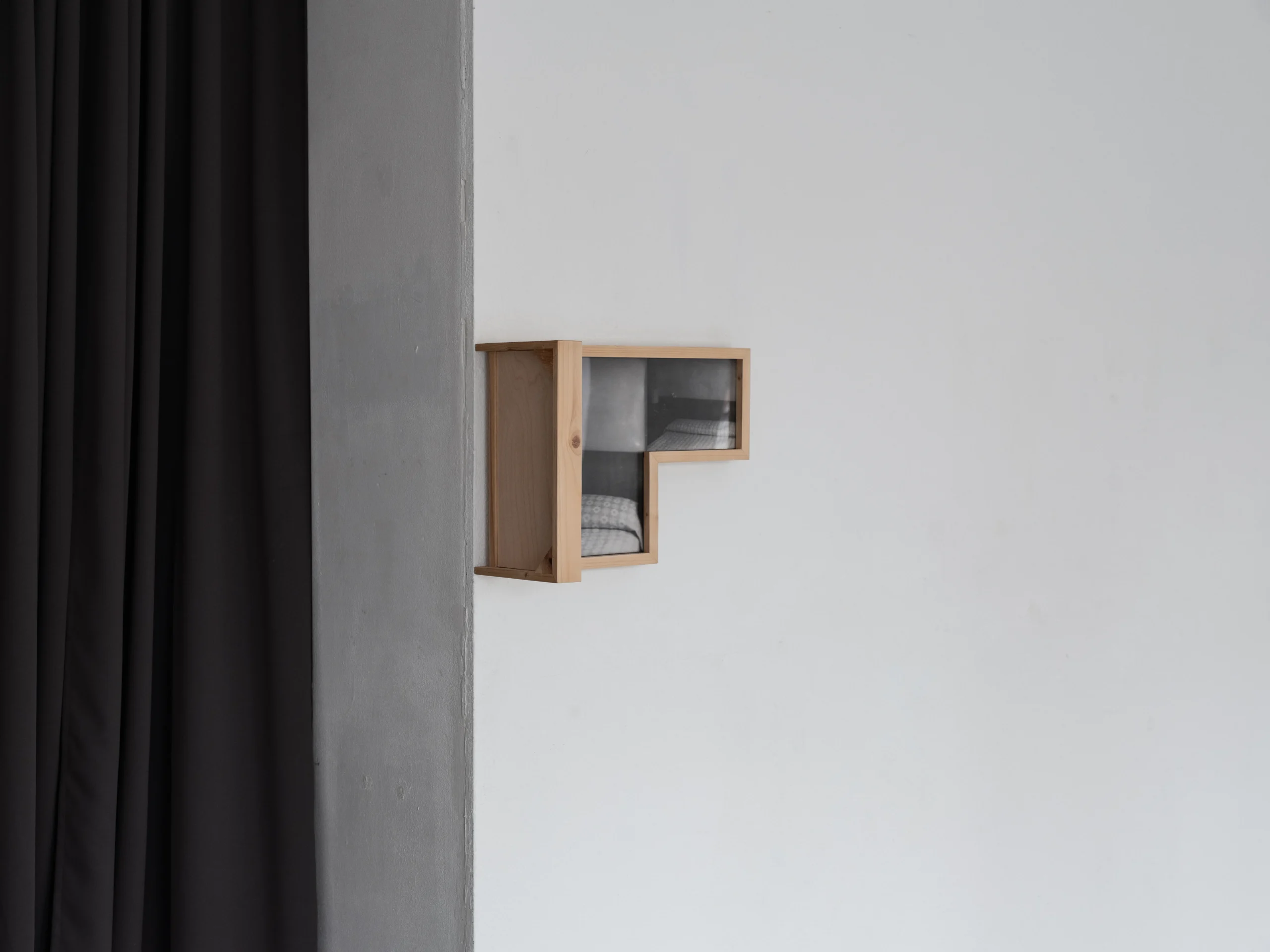
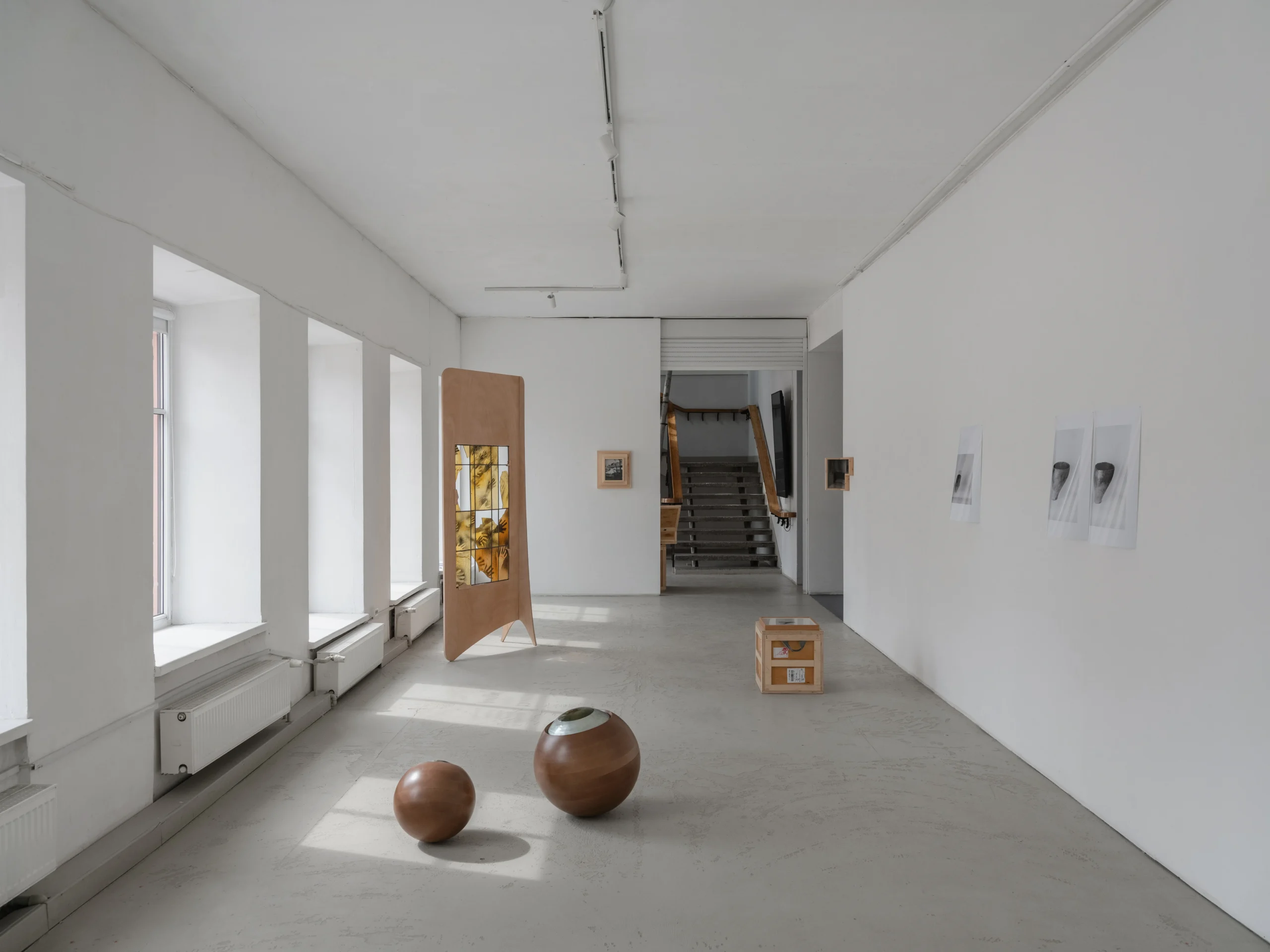
Marta Frėjutė’s exhibition Civilization Series presents both newly created works and pieces developed in various projects in previous years. Why do objects, especially older ones, carry such weight for us? Why do we not simply discard a broken ceramic vase from the seventeenth century? The research examines what accompanies the human being within processes of civilization, what remains unarticulated beneath its representational forms, what sustains its structures, and how culture and art are perceived alongside feelings such as excitement, pride, anxiety, and curiosity. What defines the relationship between the individual and the ongoing processes that structure our conceptual world – processes described through terms such as “science,” “culture,” “progress,” or “monetary economy” – processes within which the individual exists and which they continue to produce and reproduce?”
The exhibition is part of Meno Parkas Gallery‘s project „fracture“. The project is financed by the Lithuanian Council for Culture.