


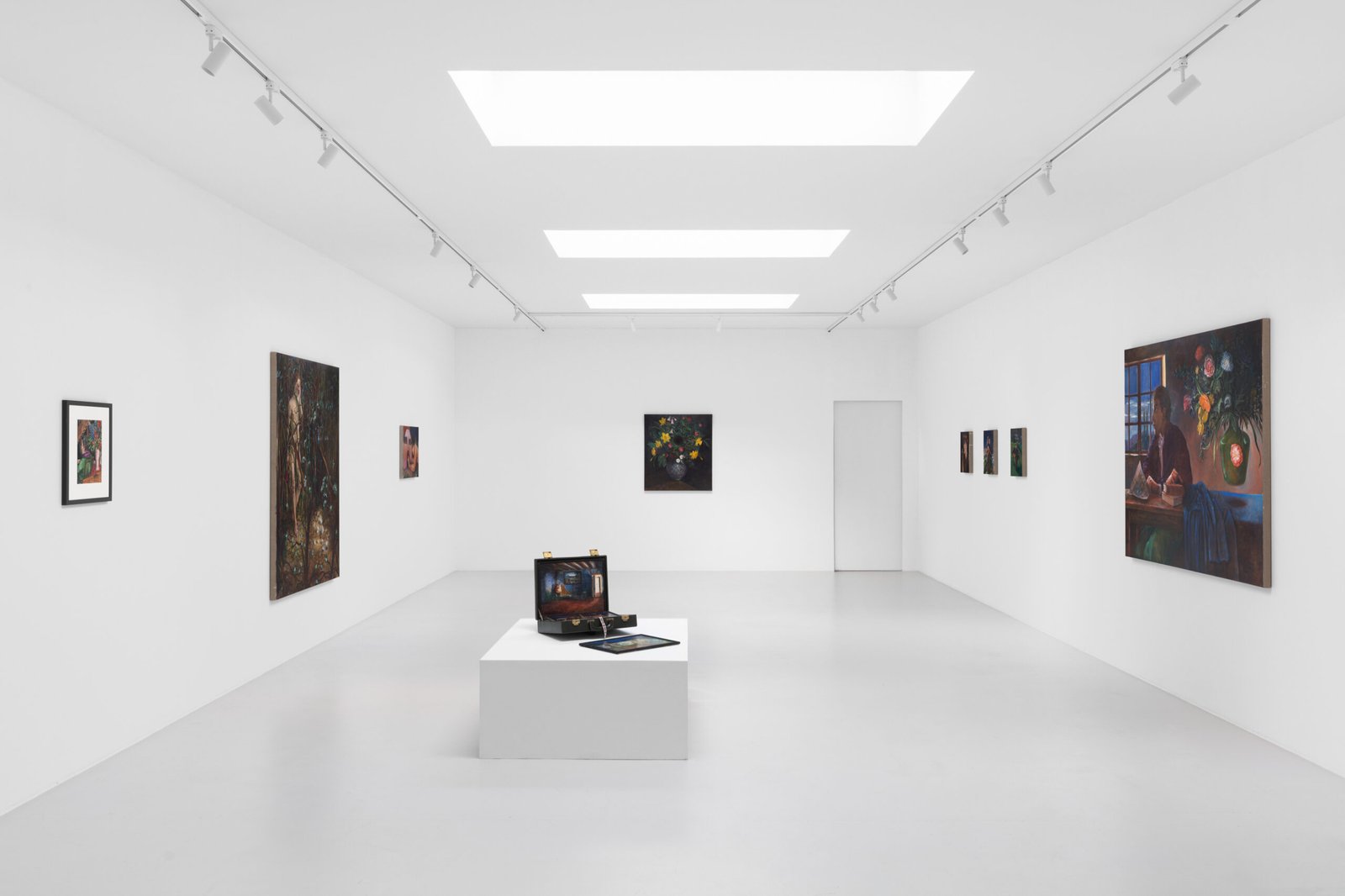
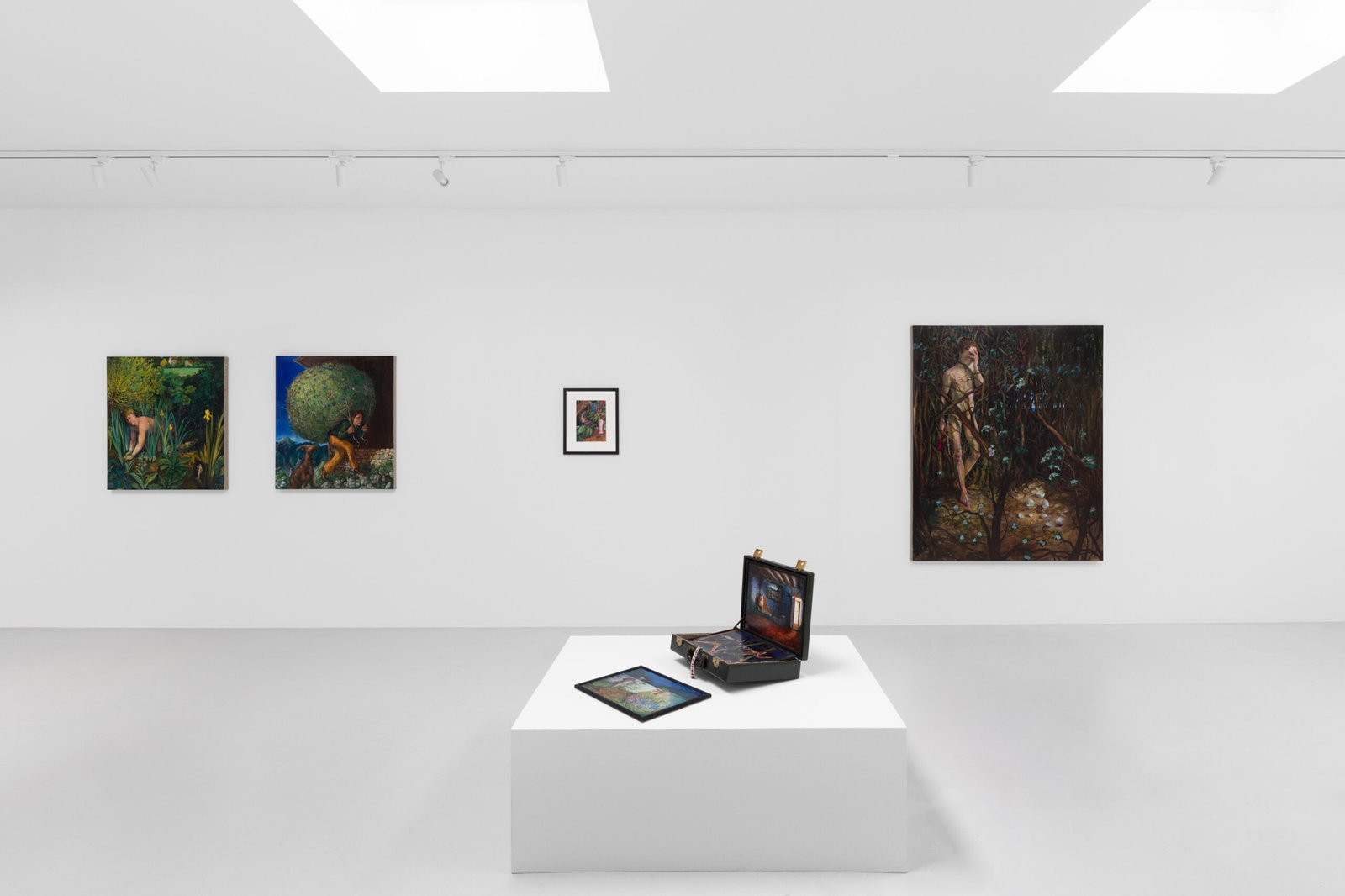
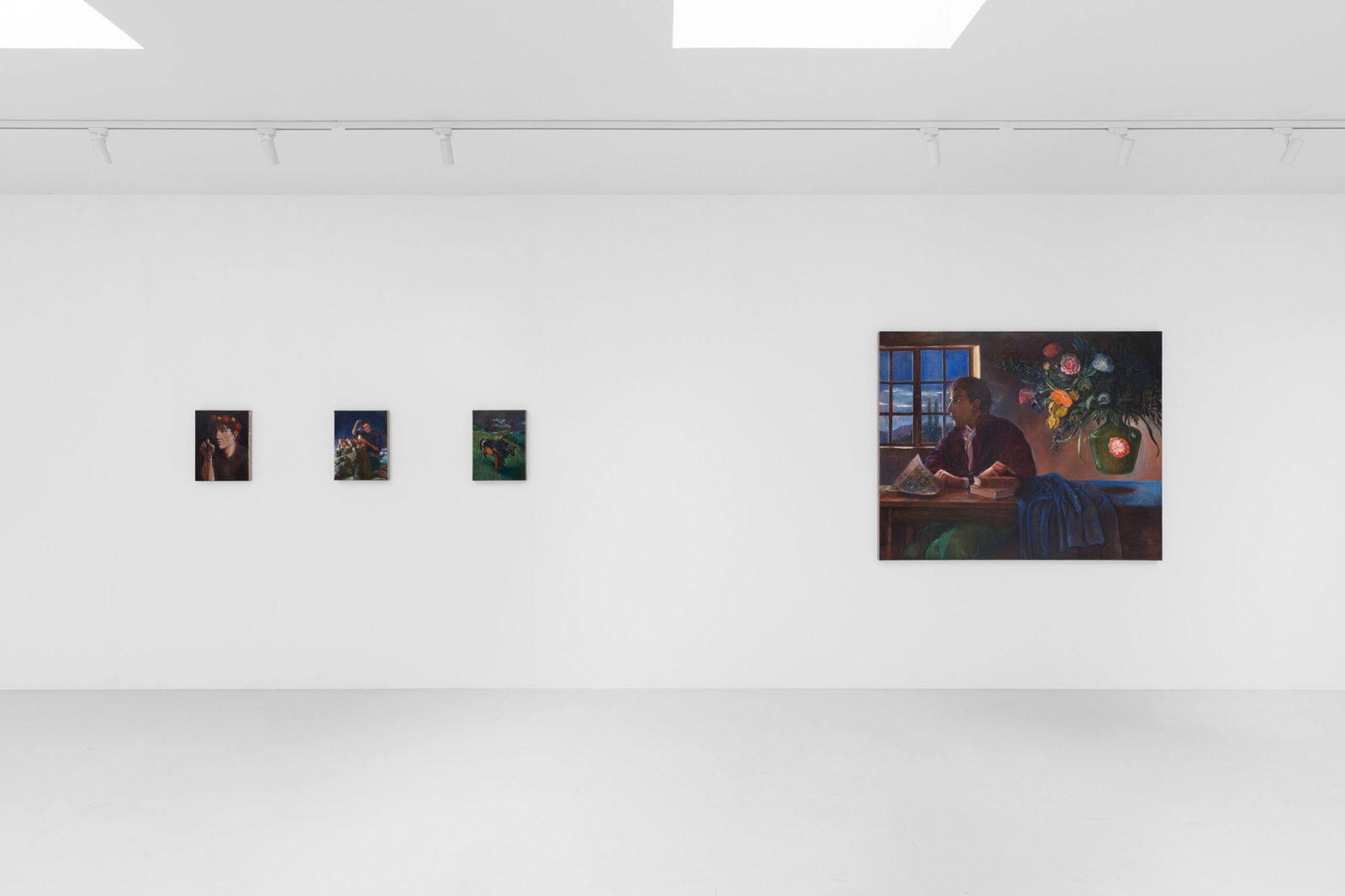
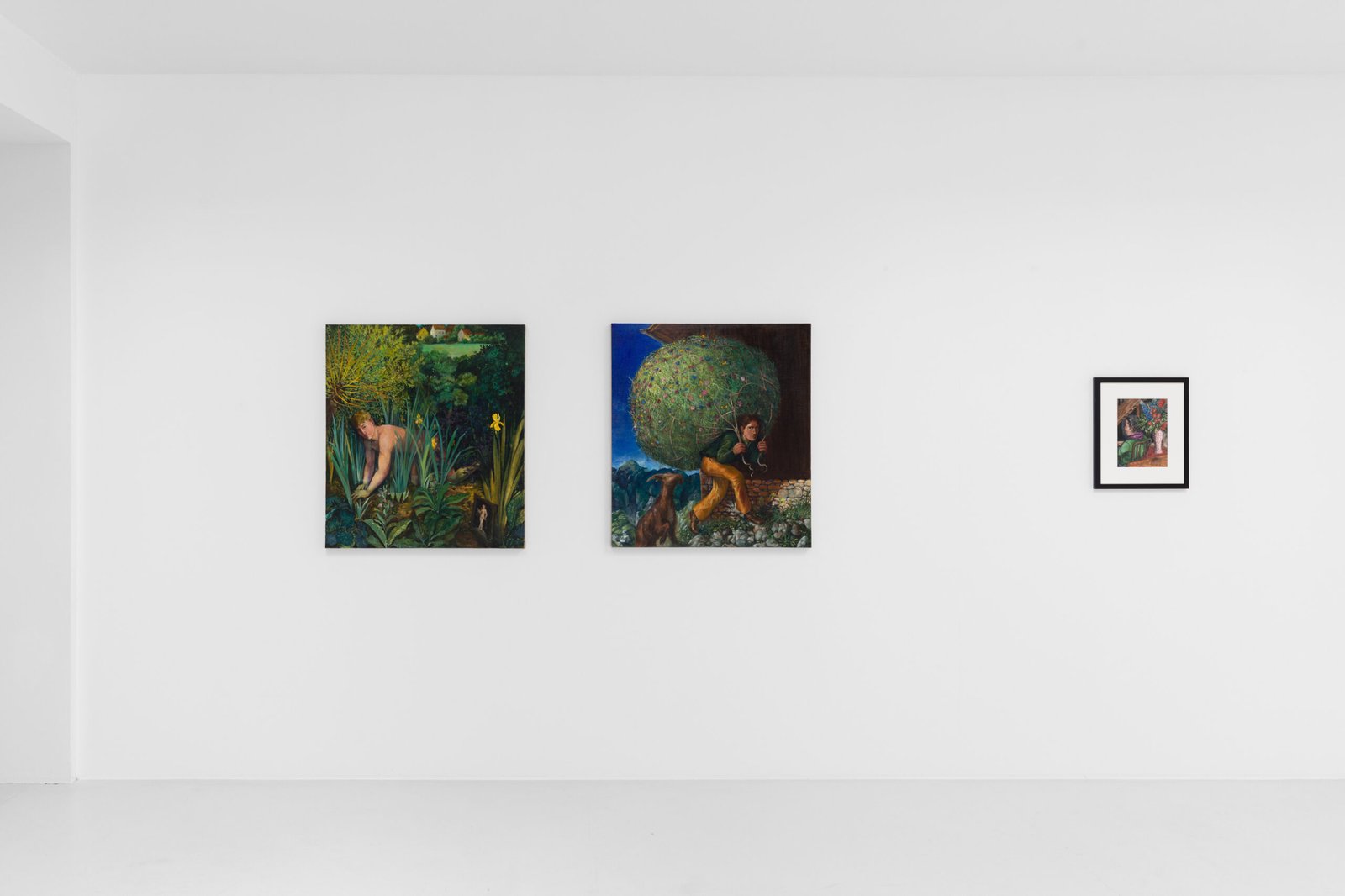
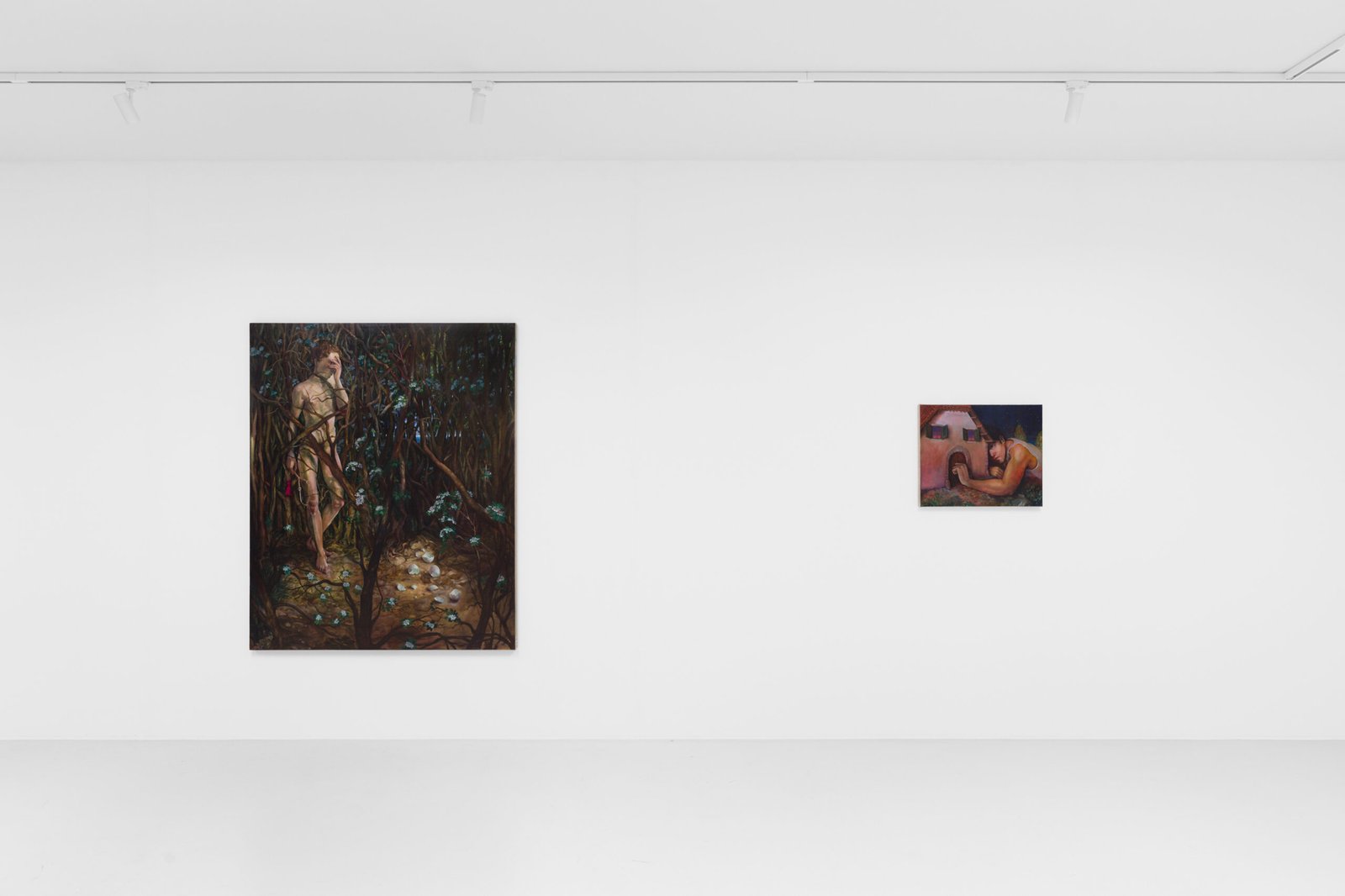
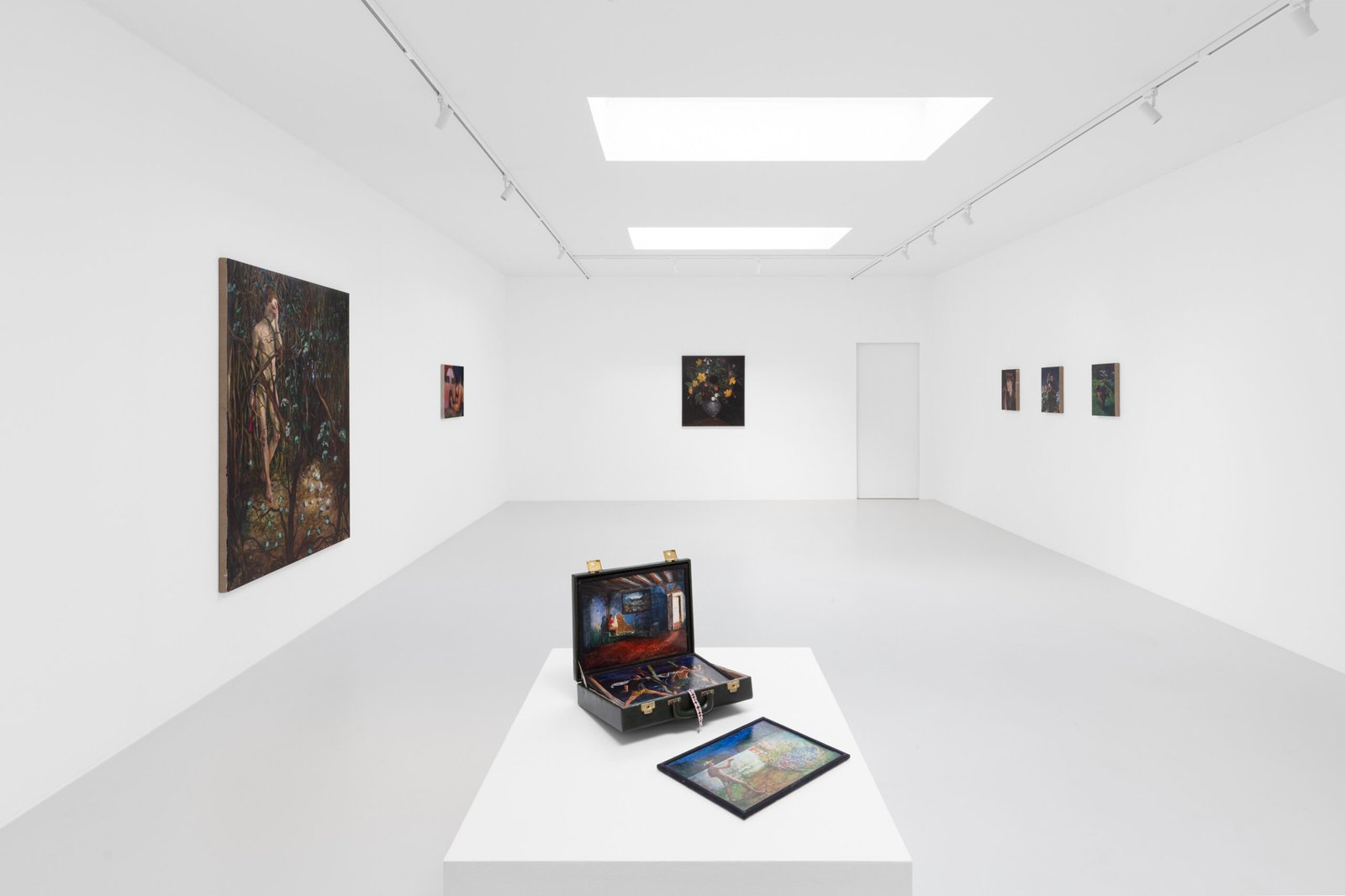
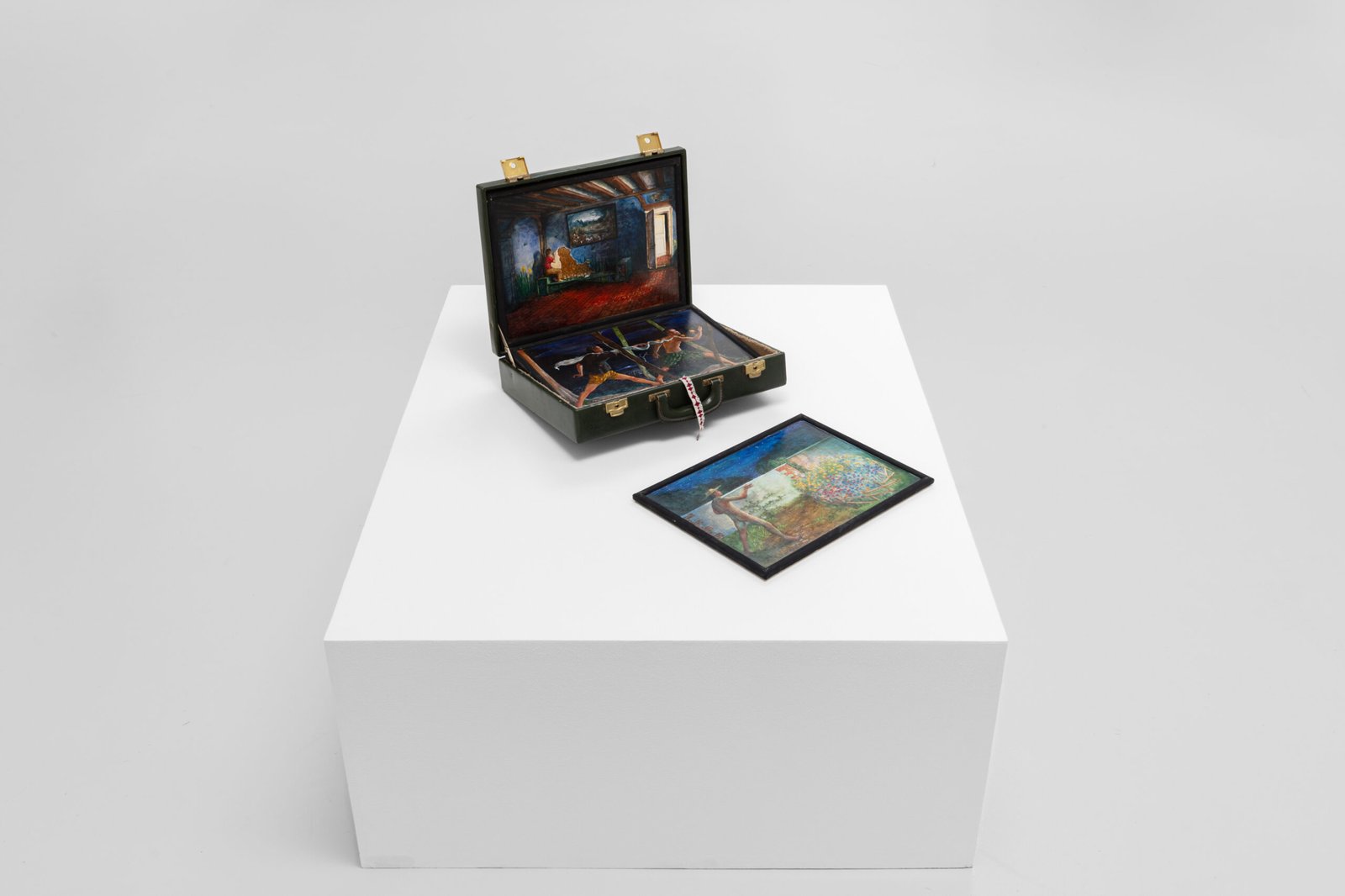
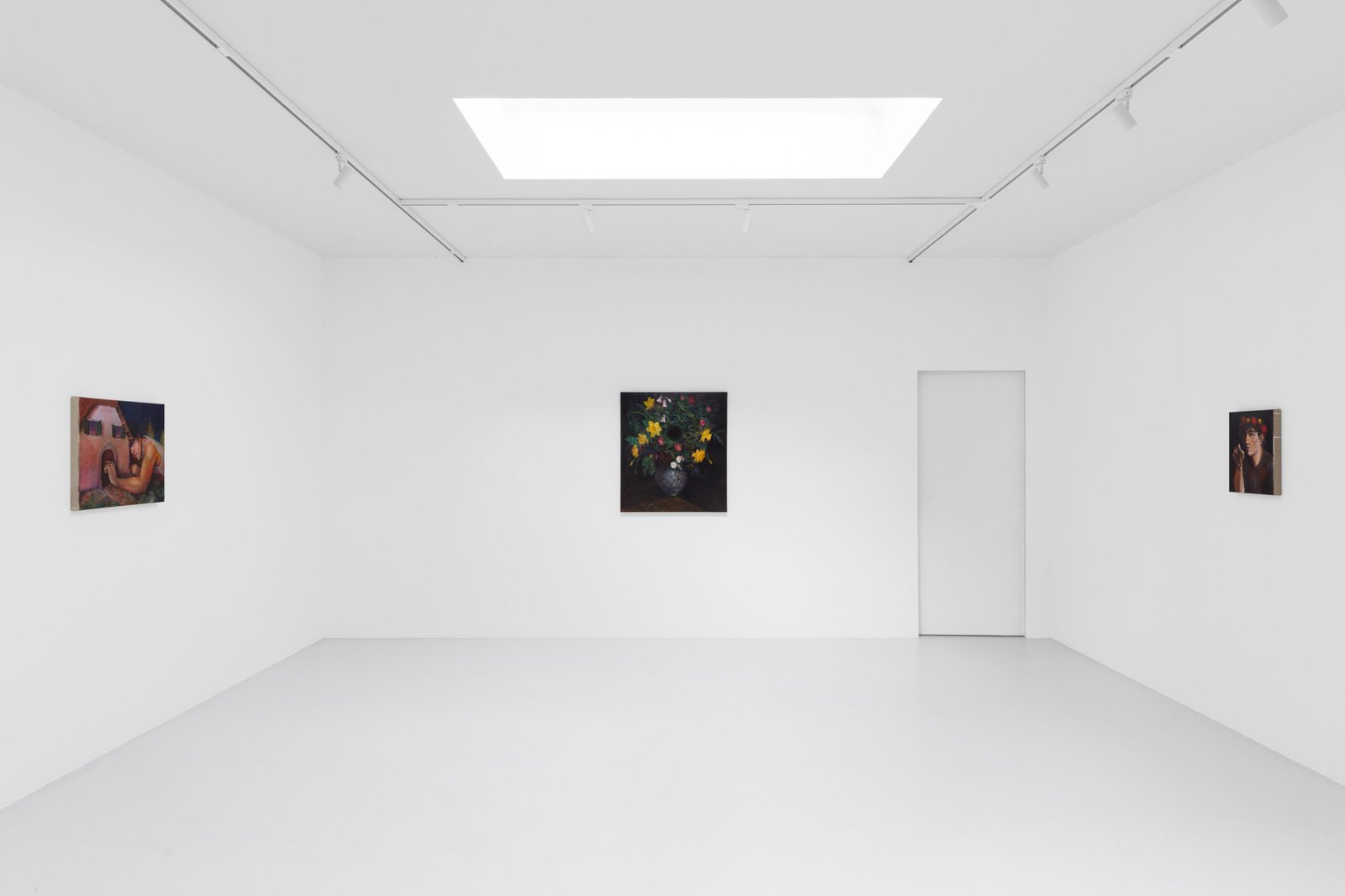
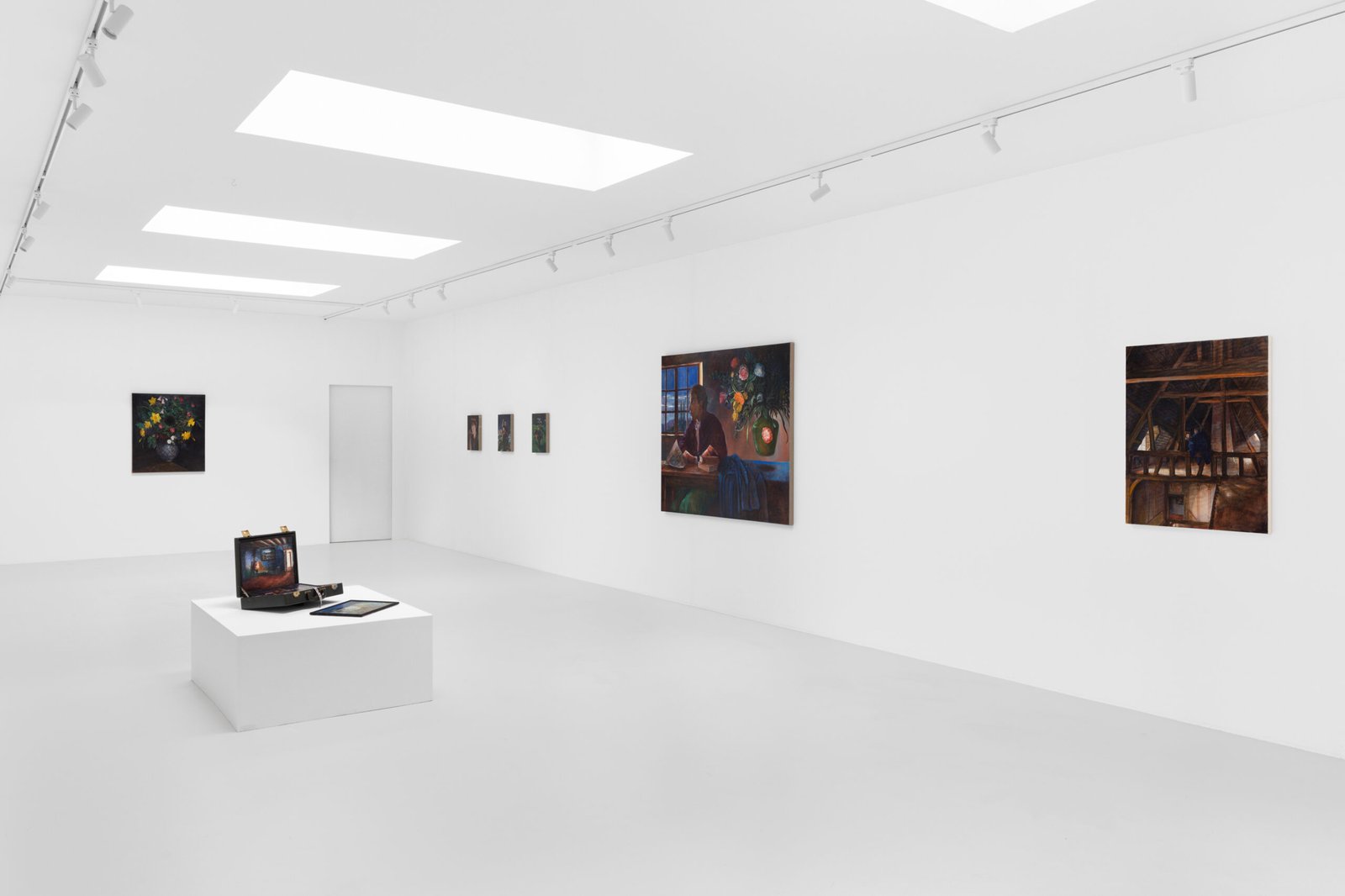
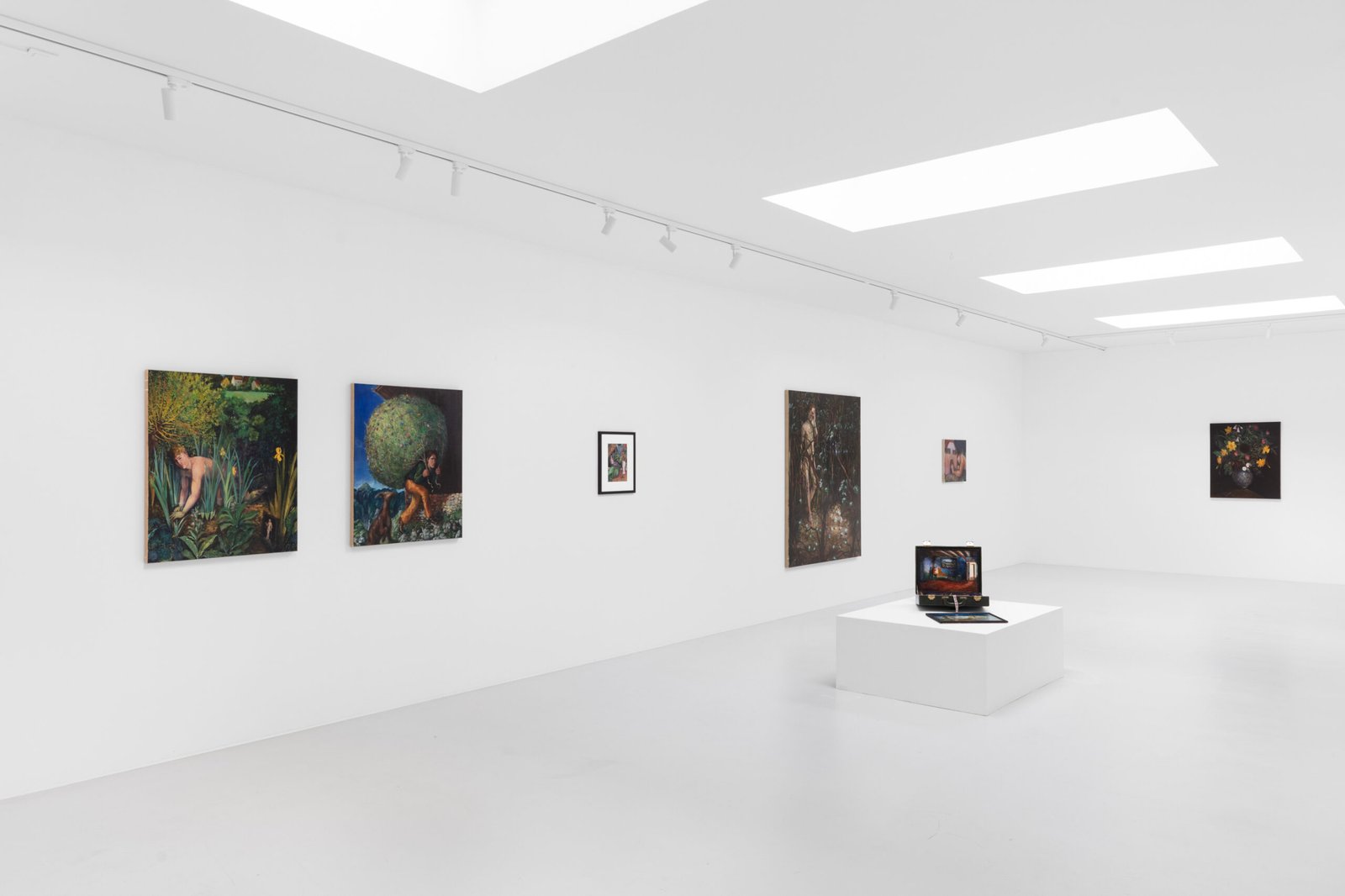
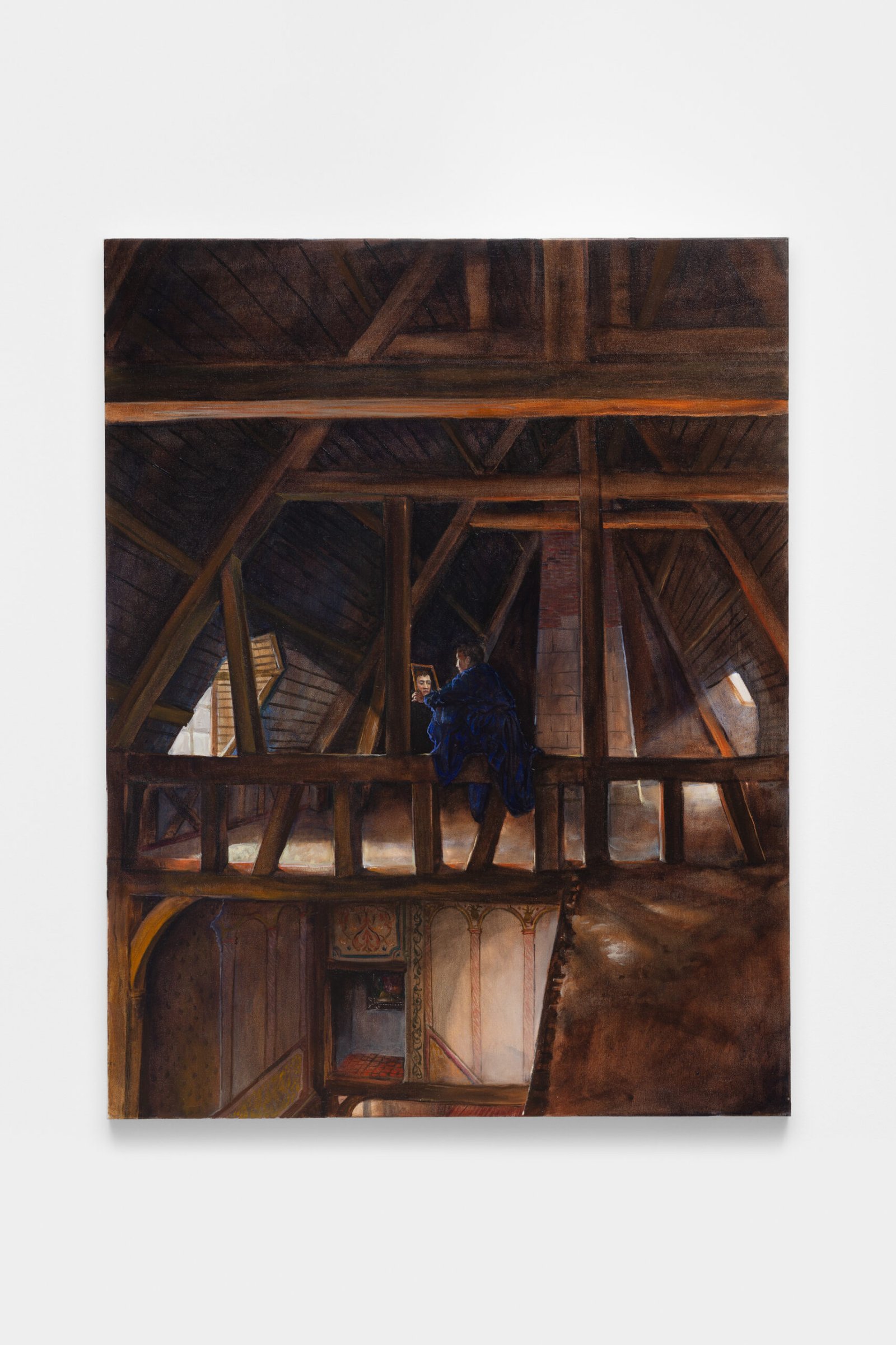
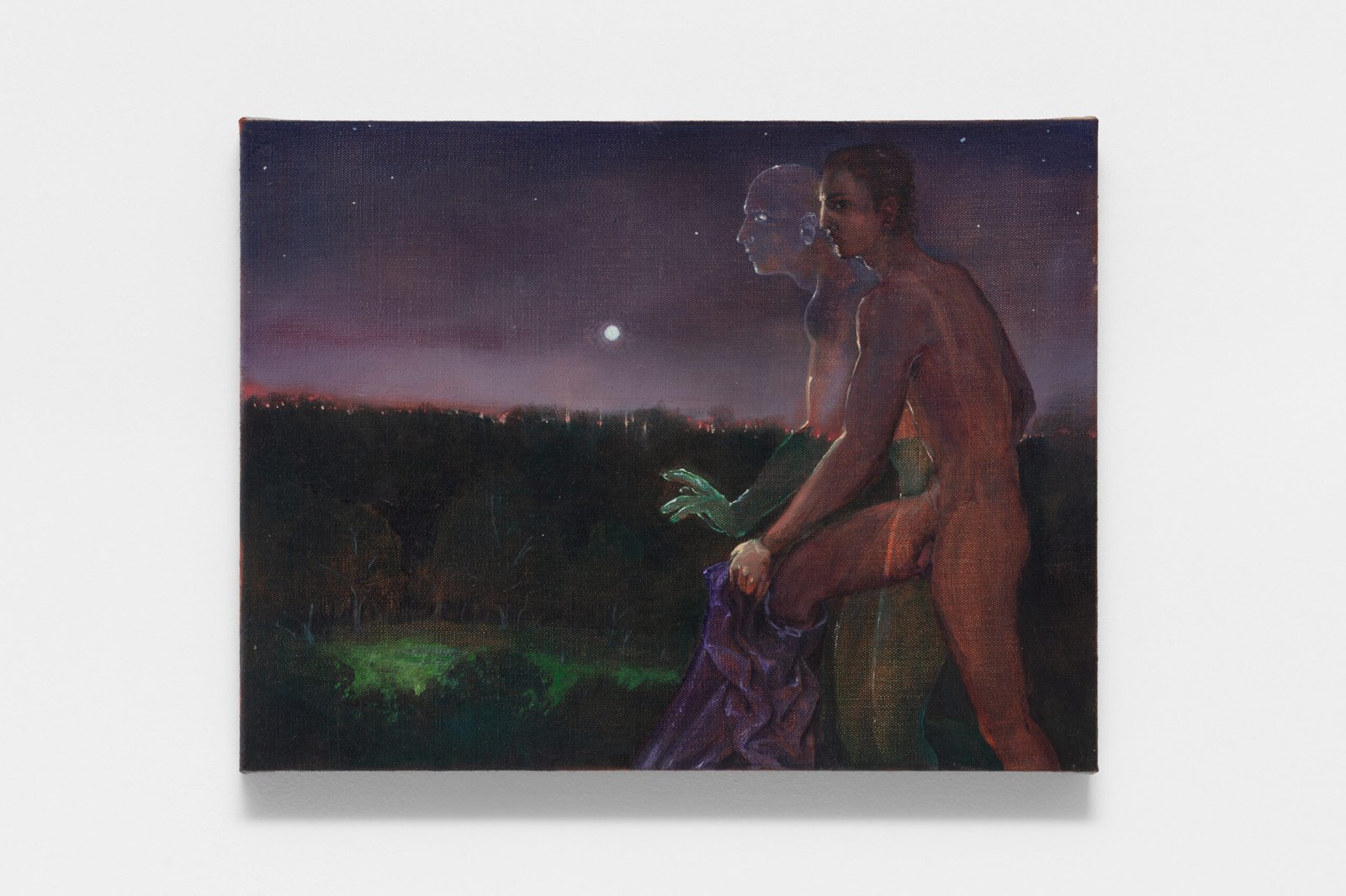
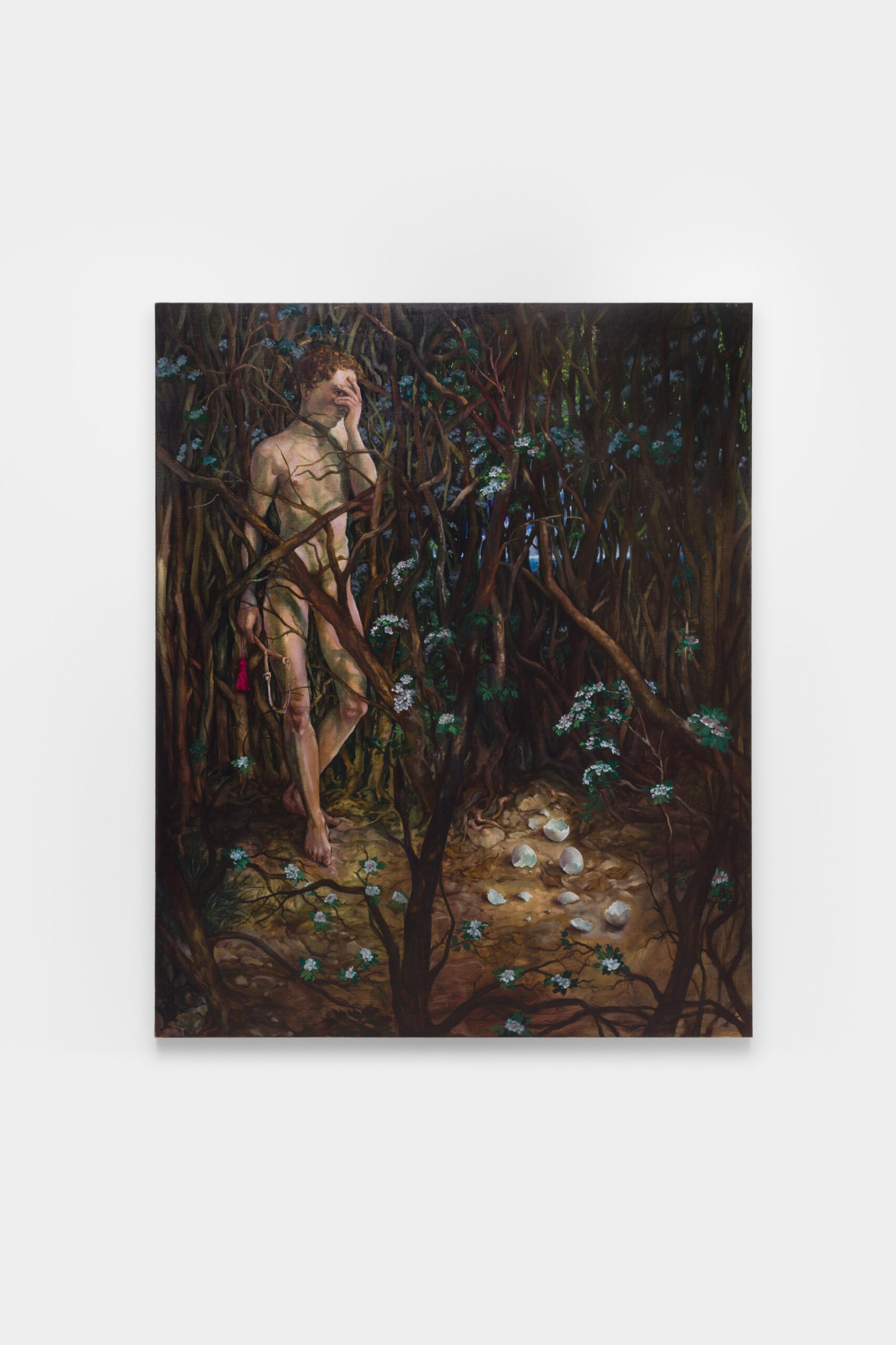
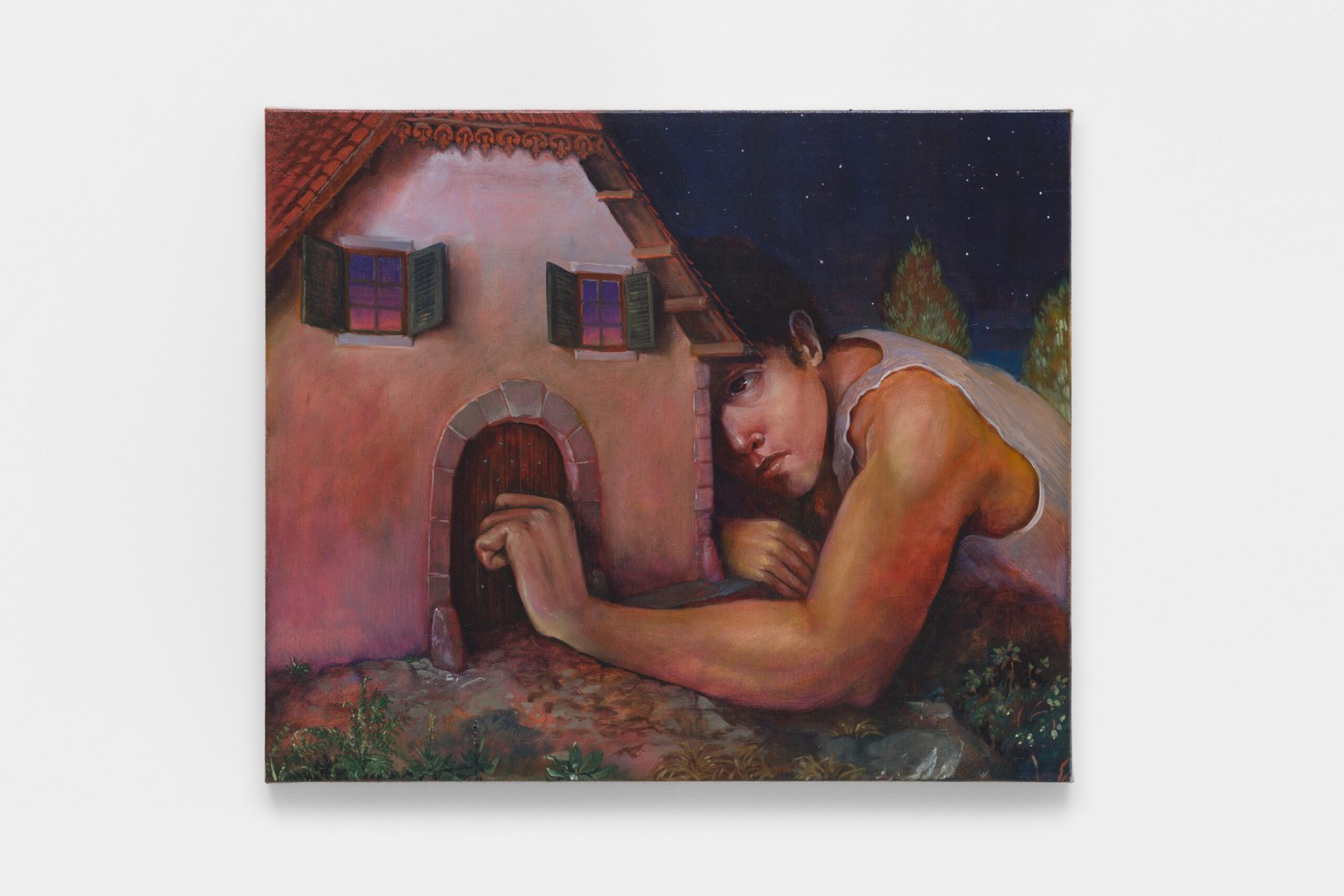
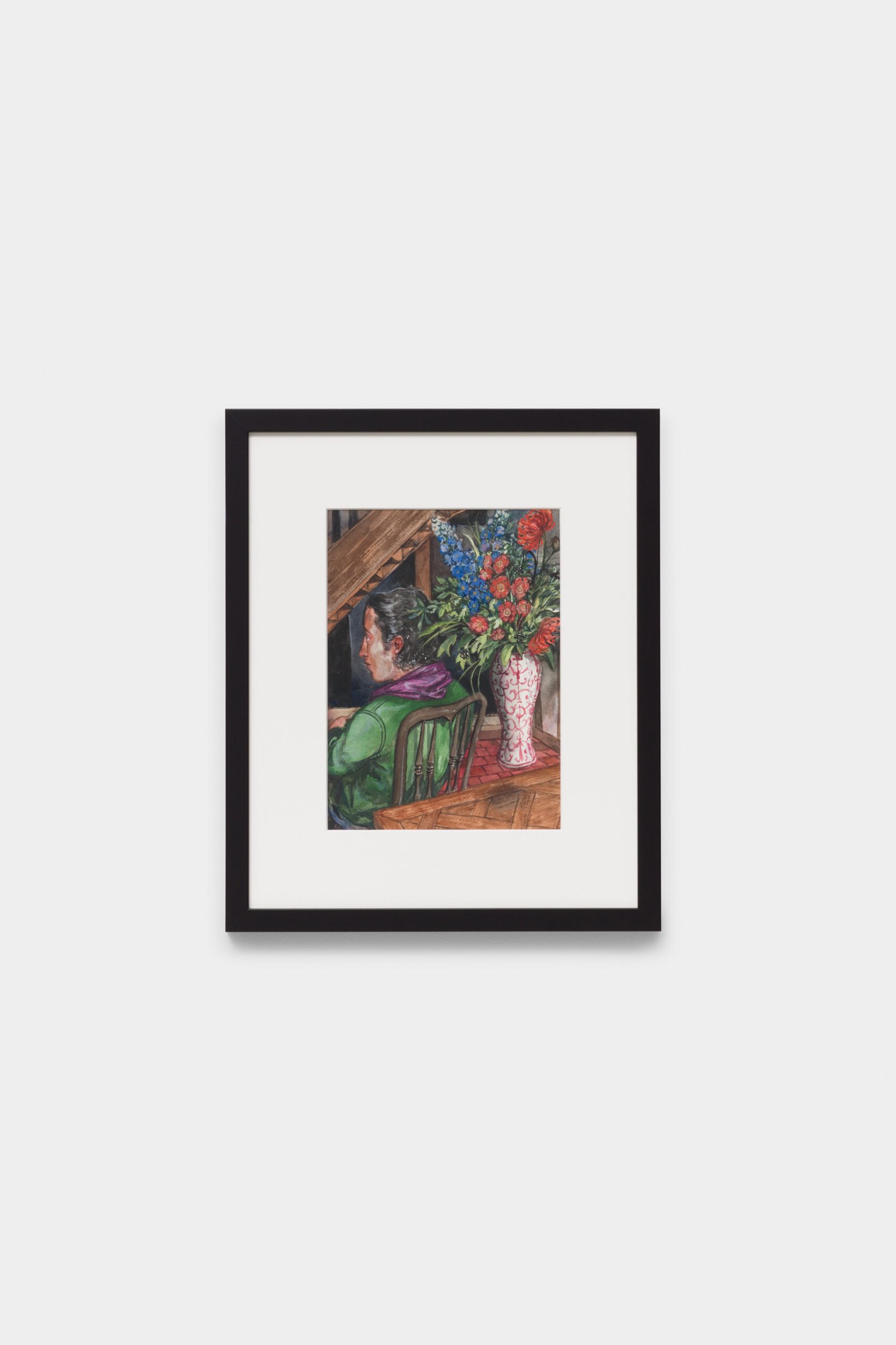
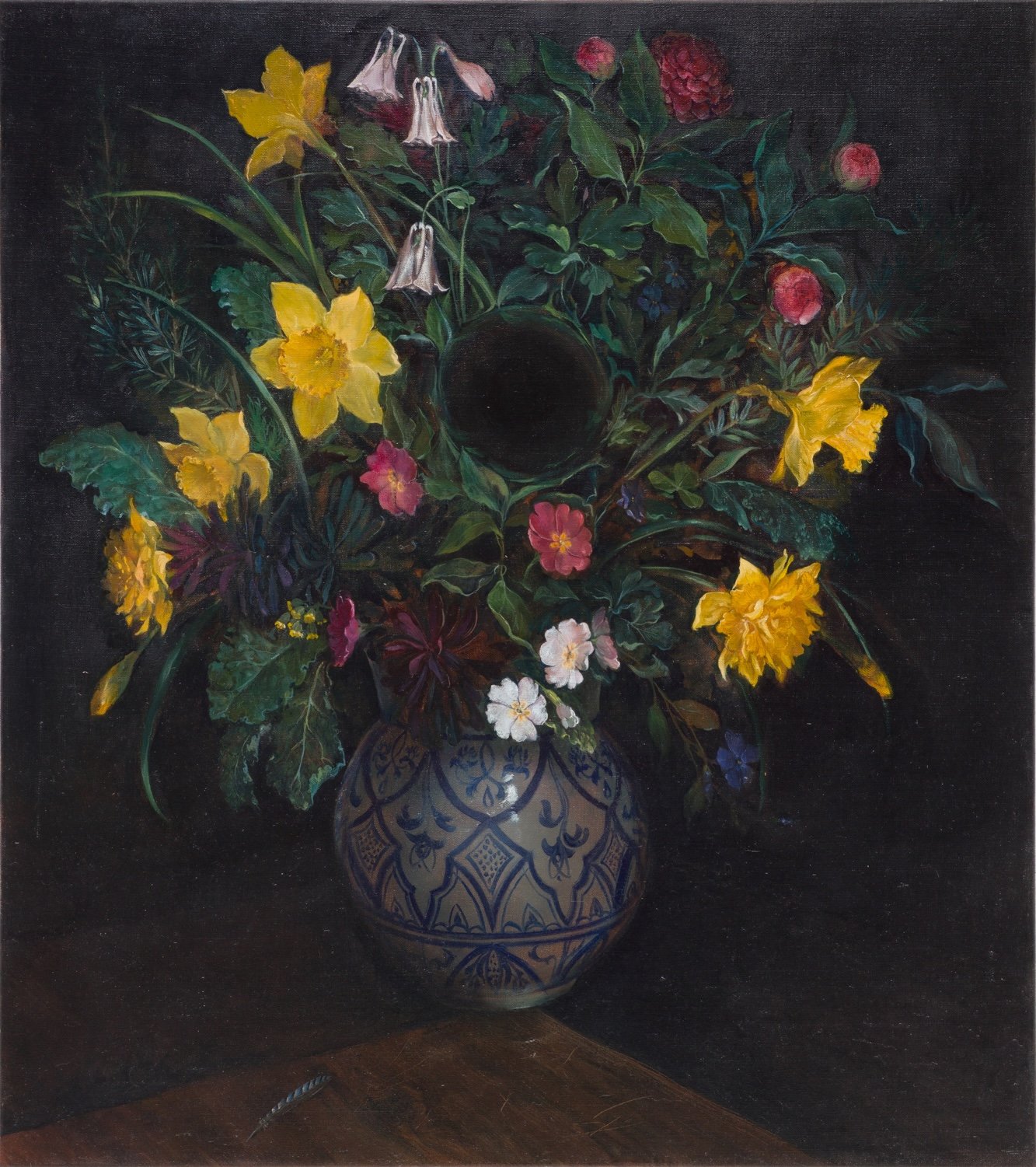
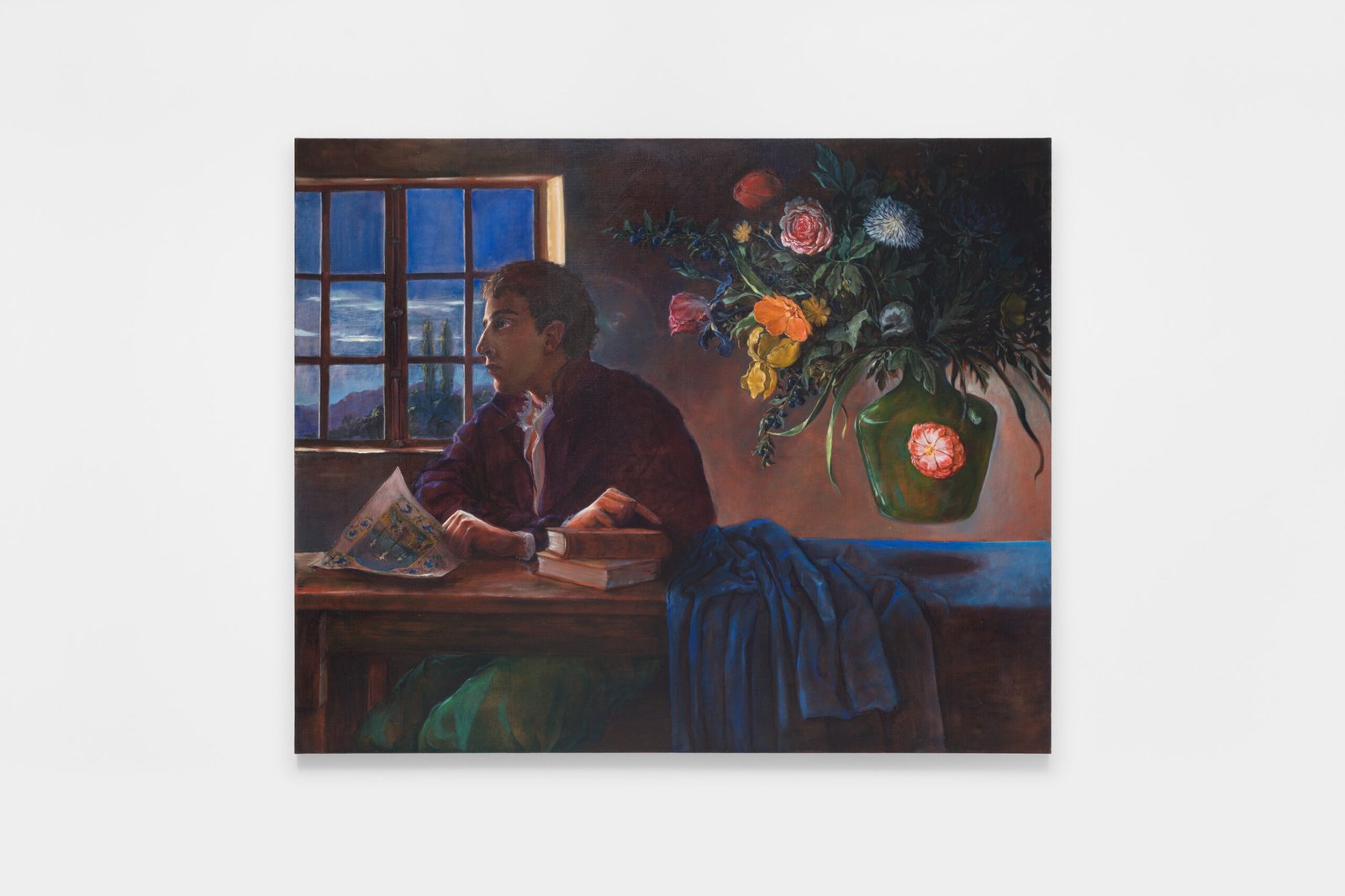
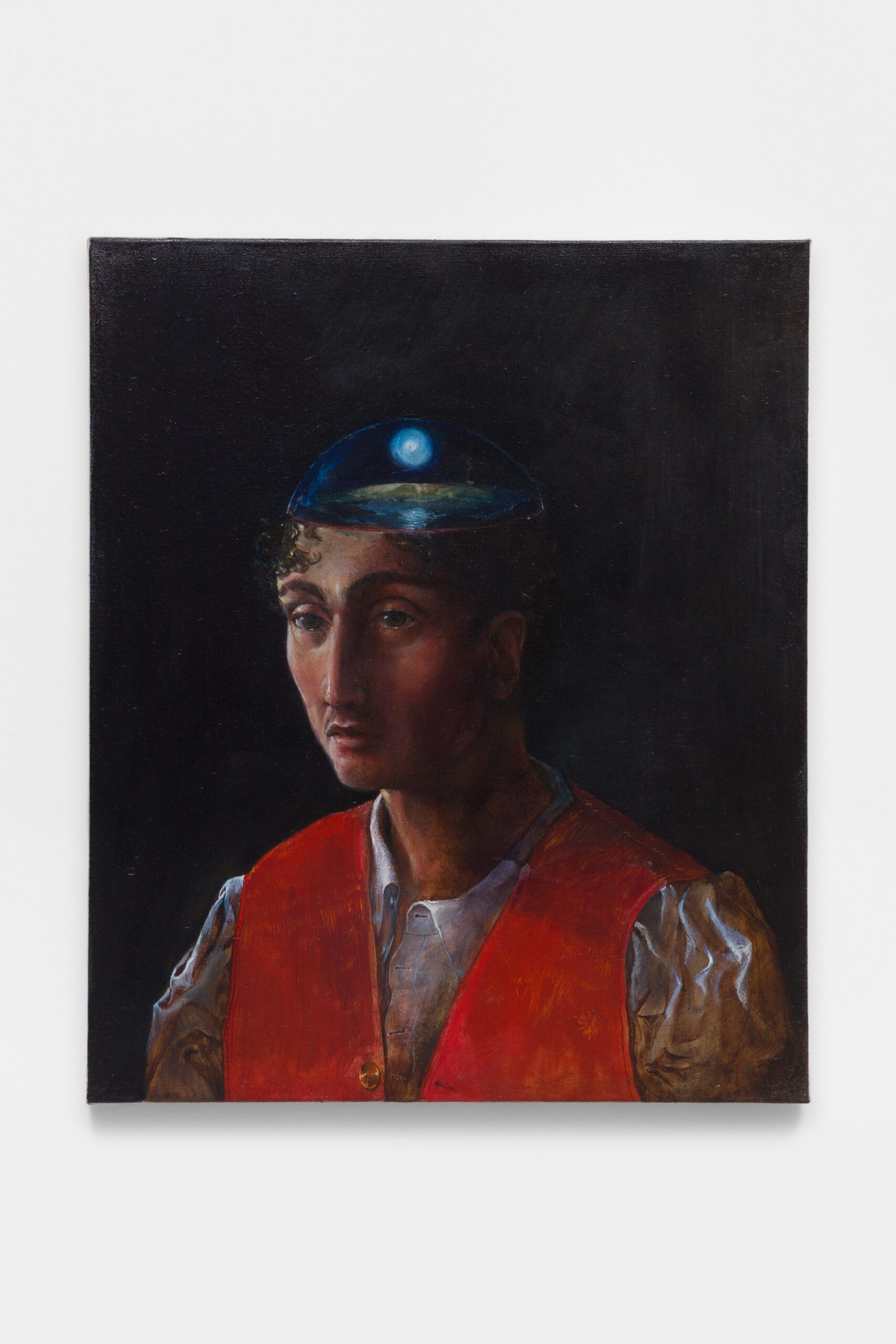
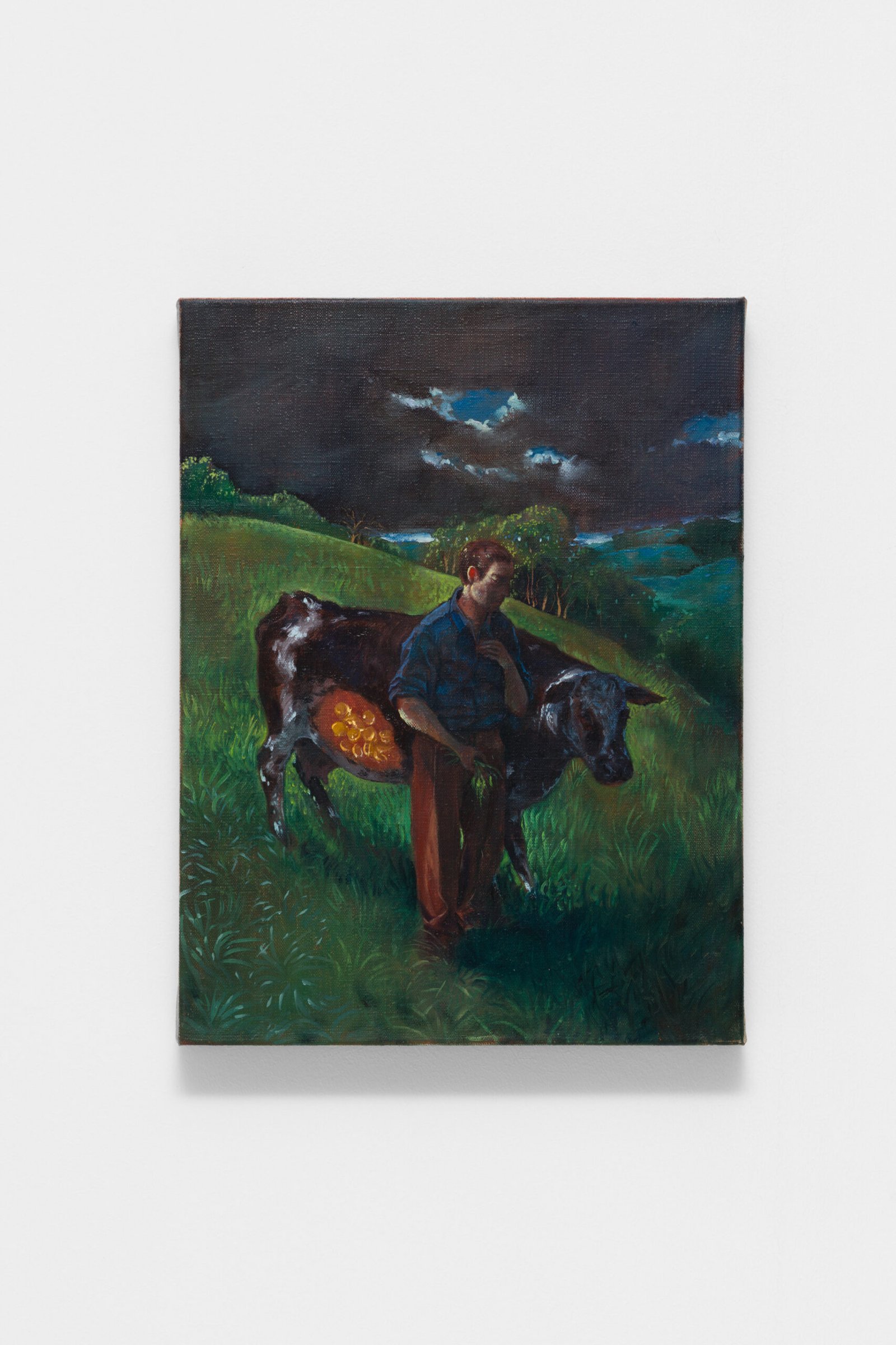
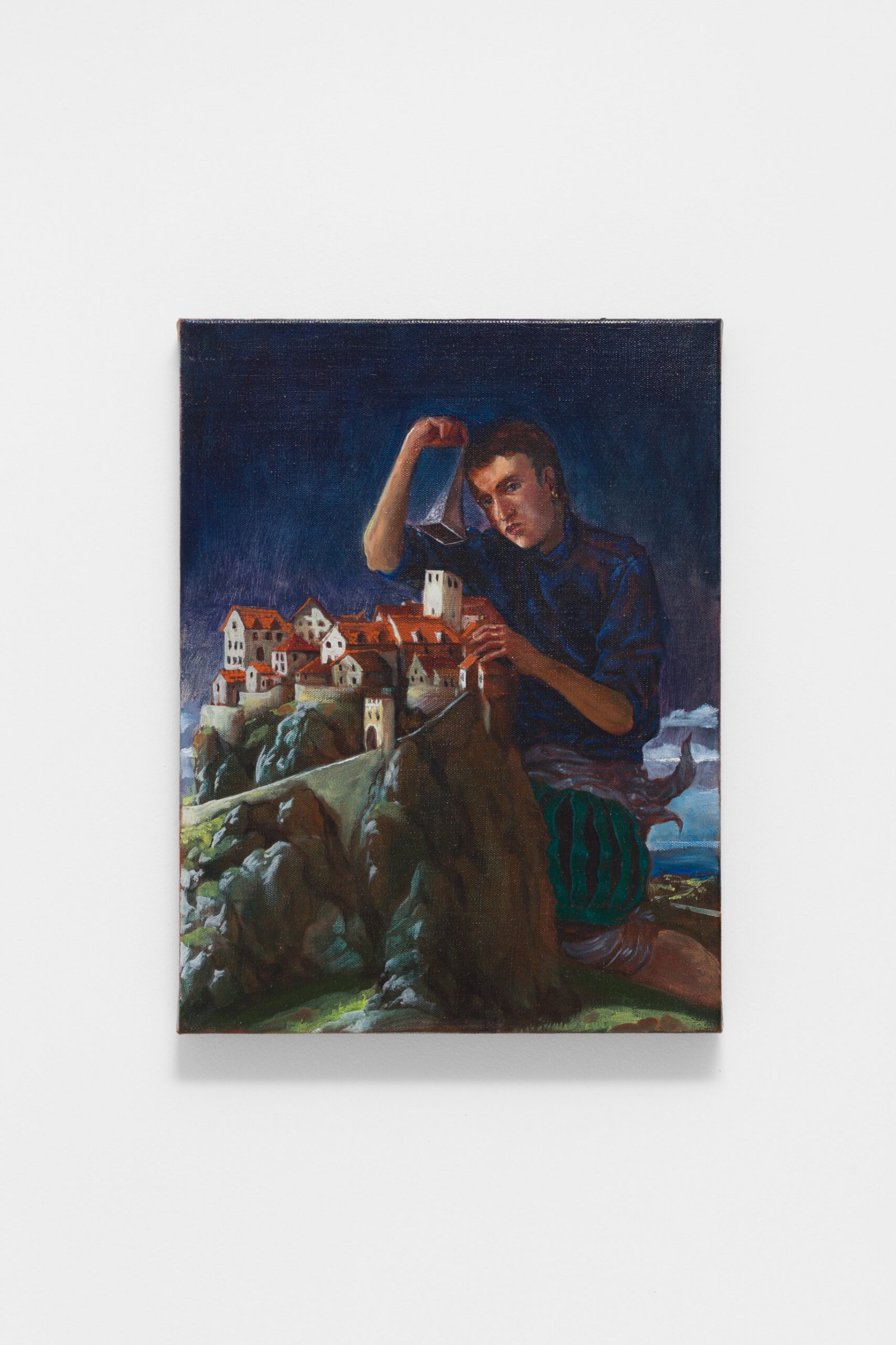
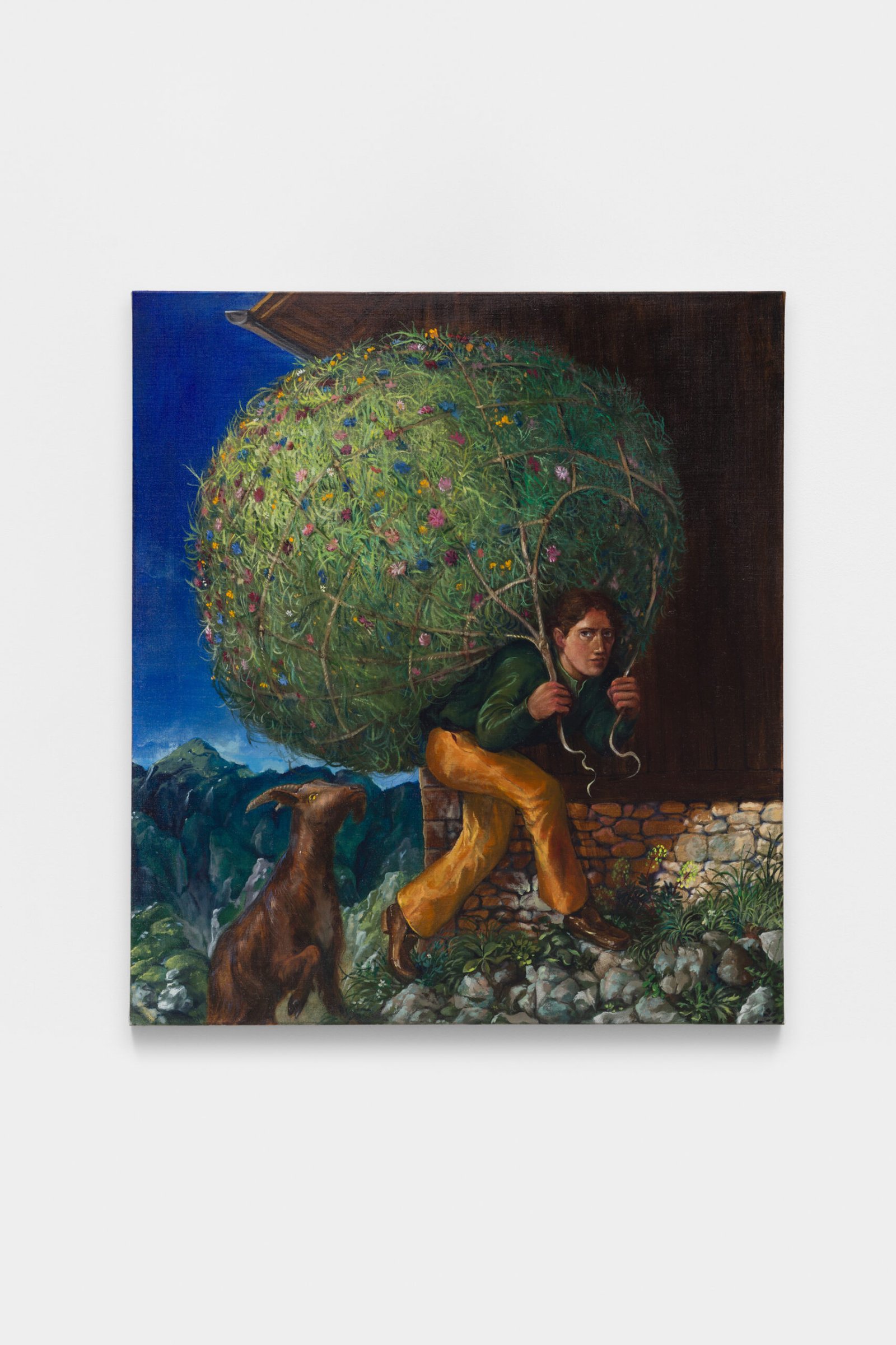
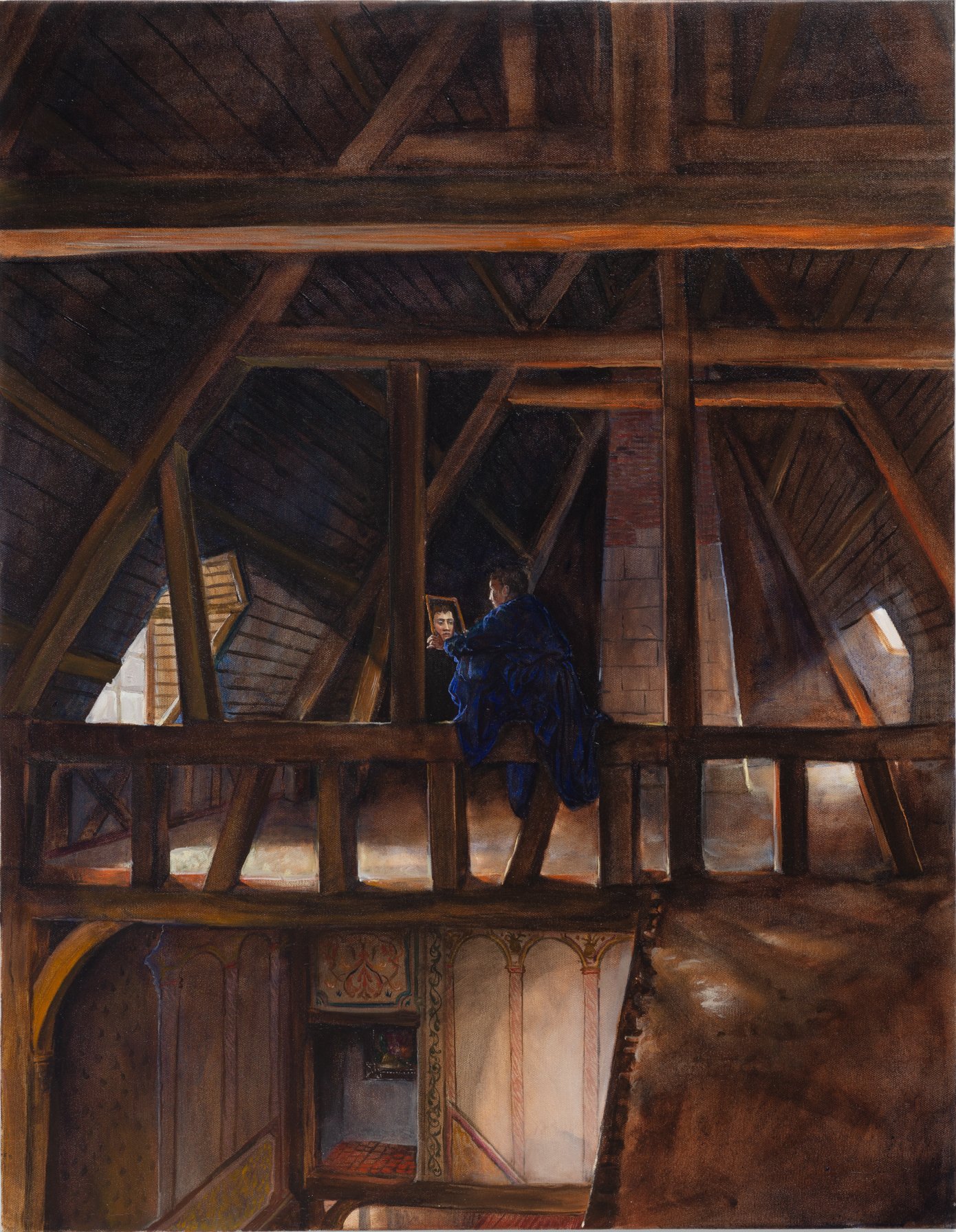
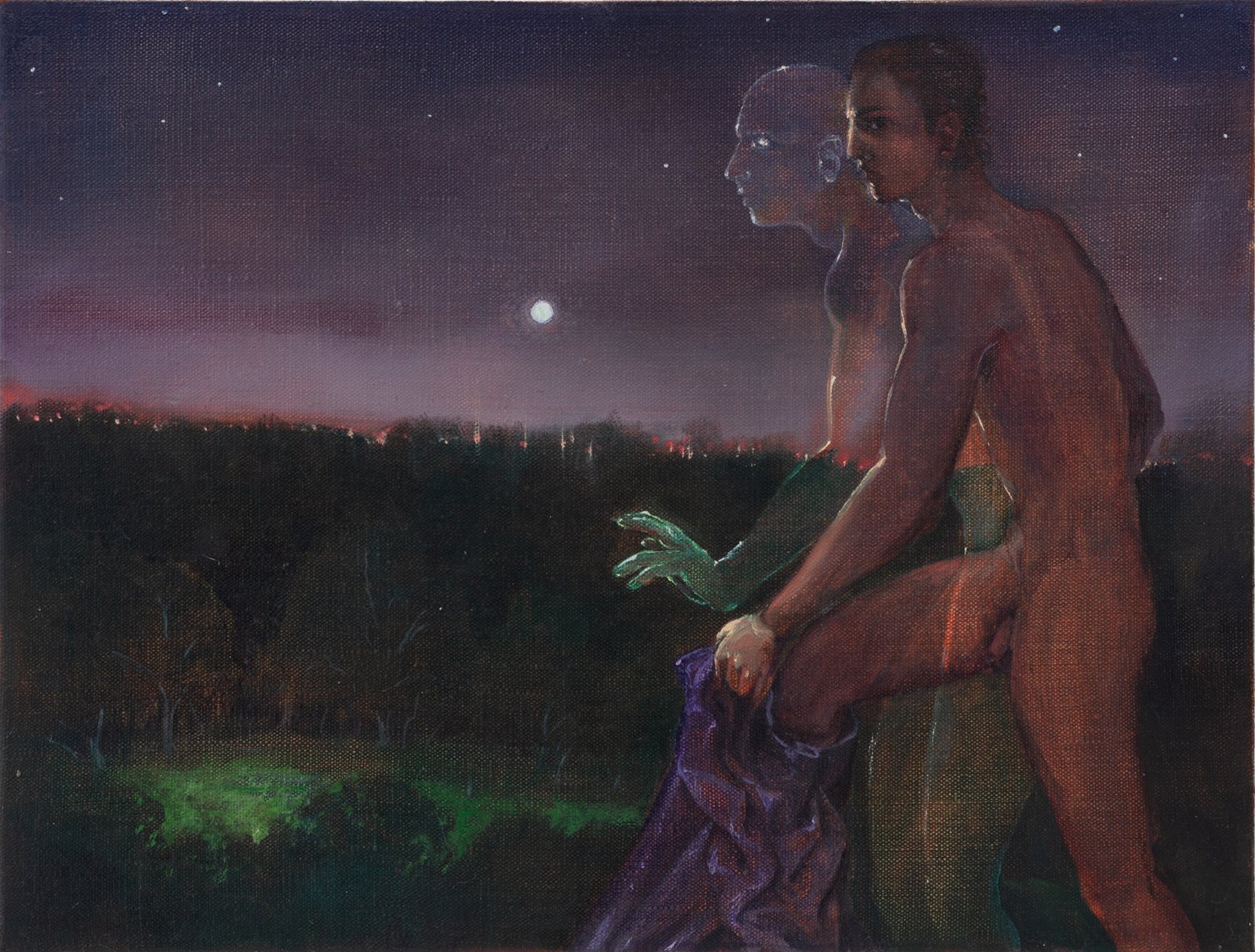
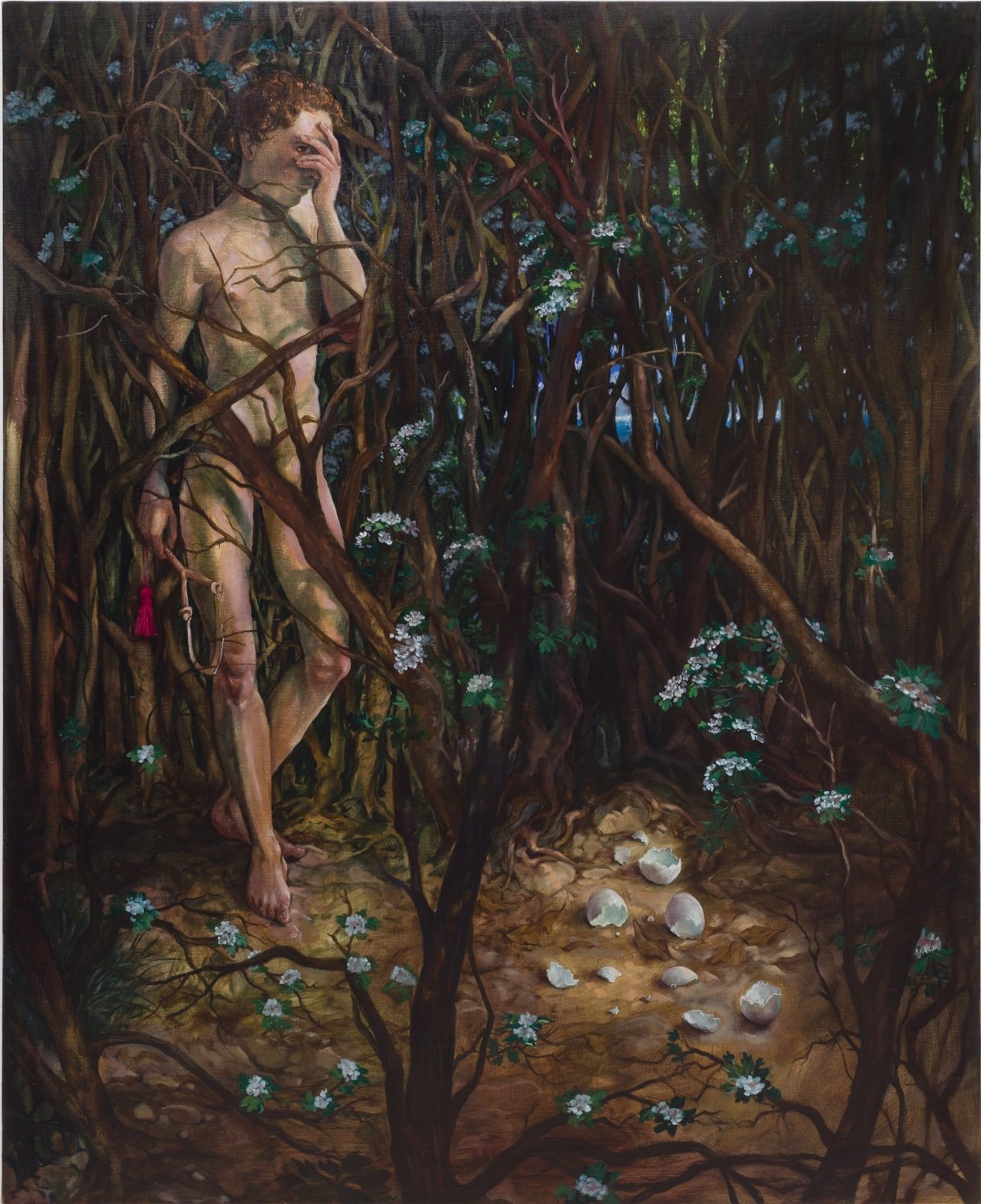
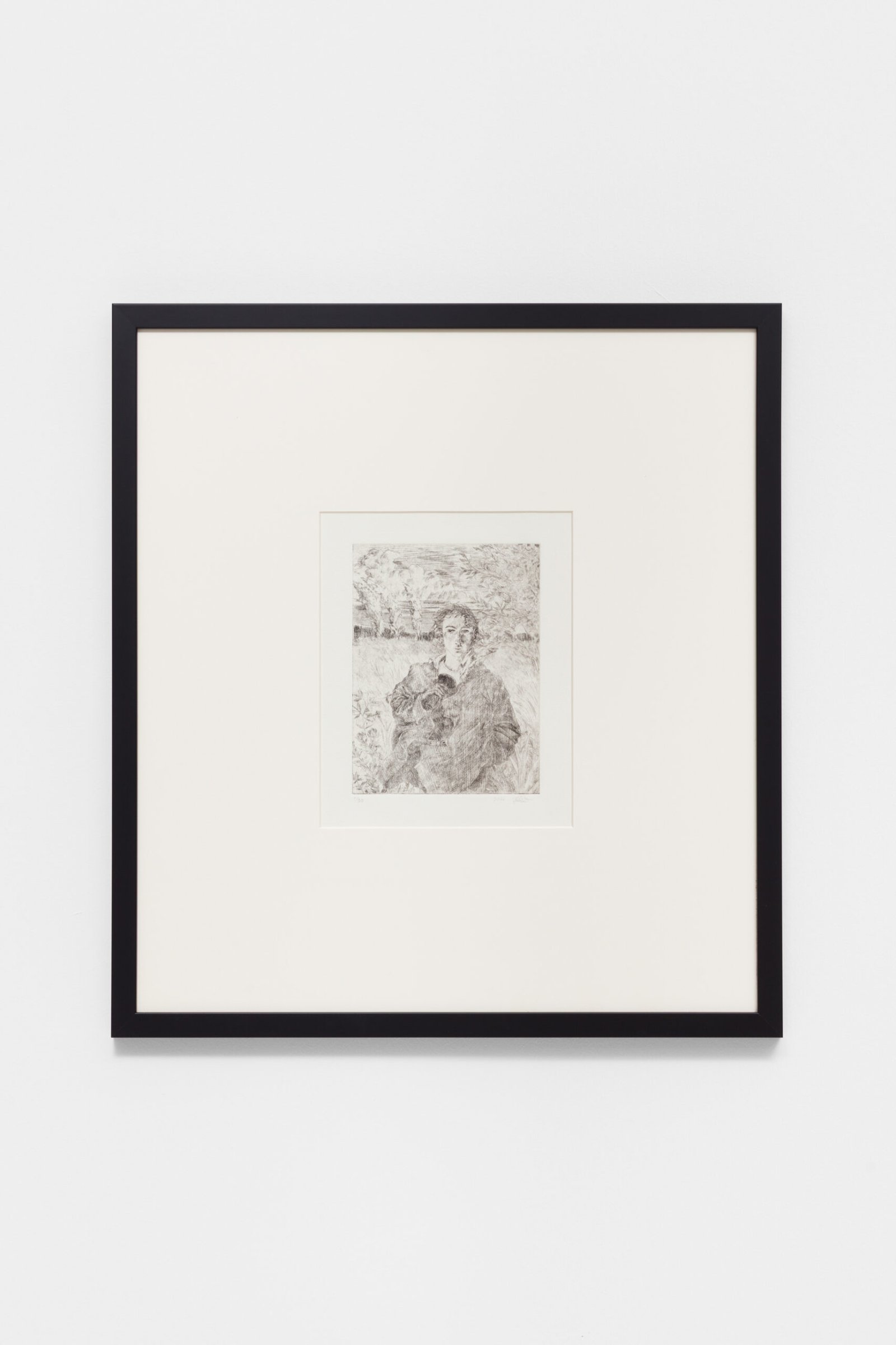
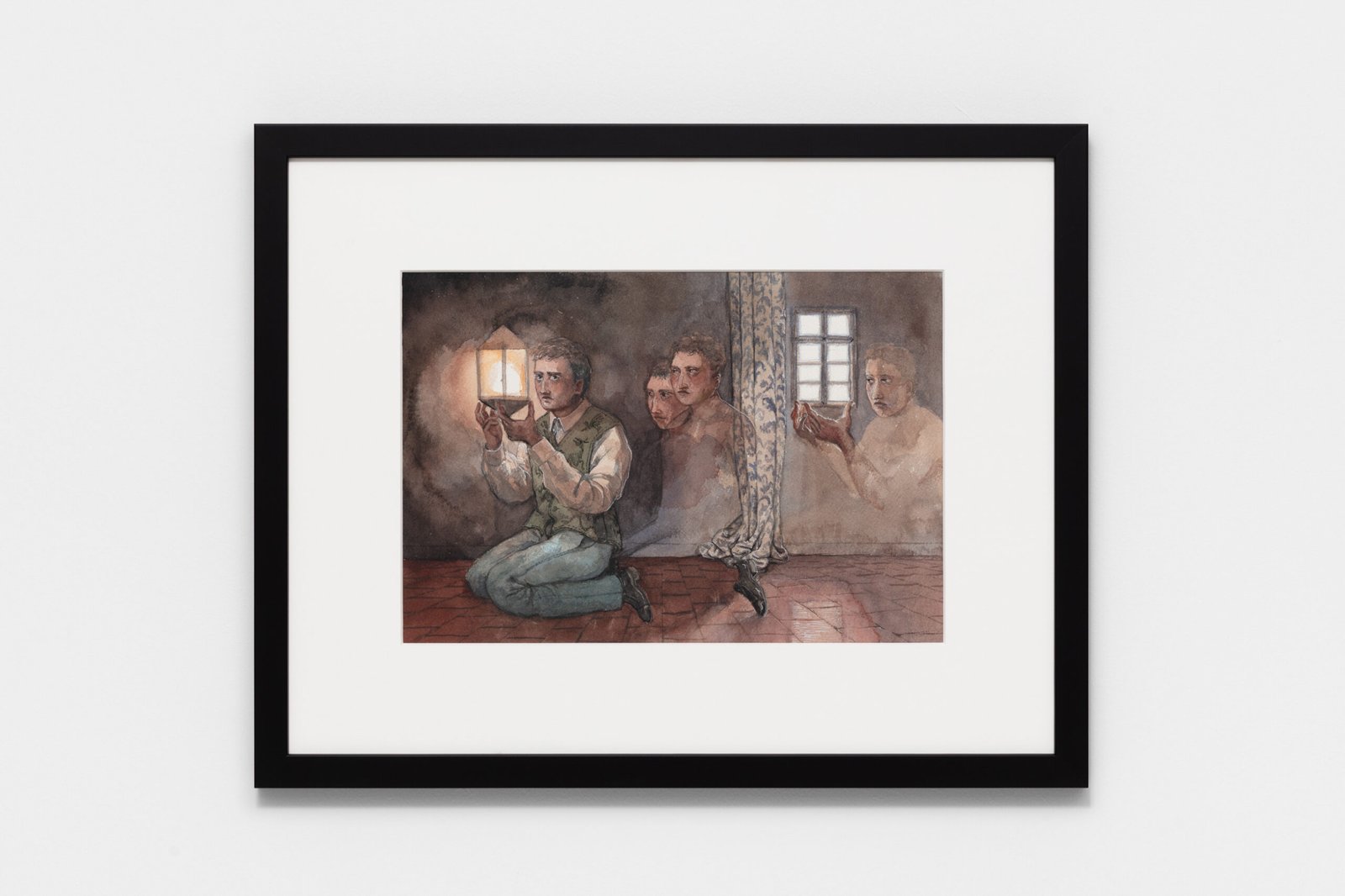
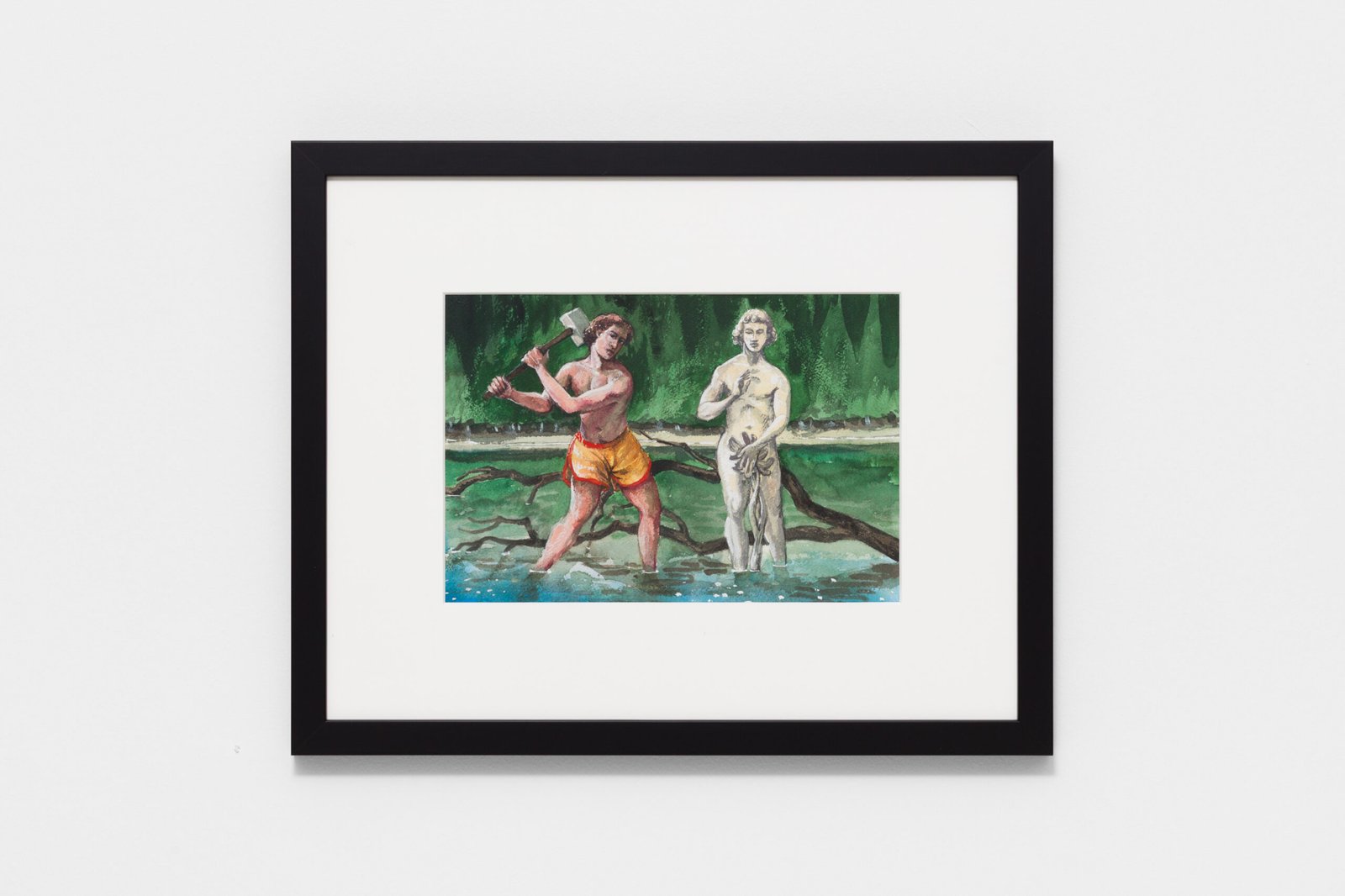
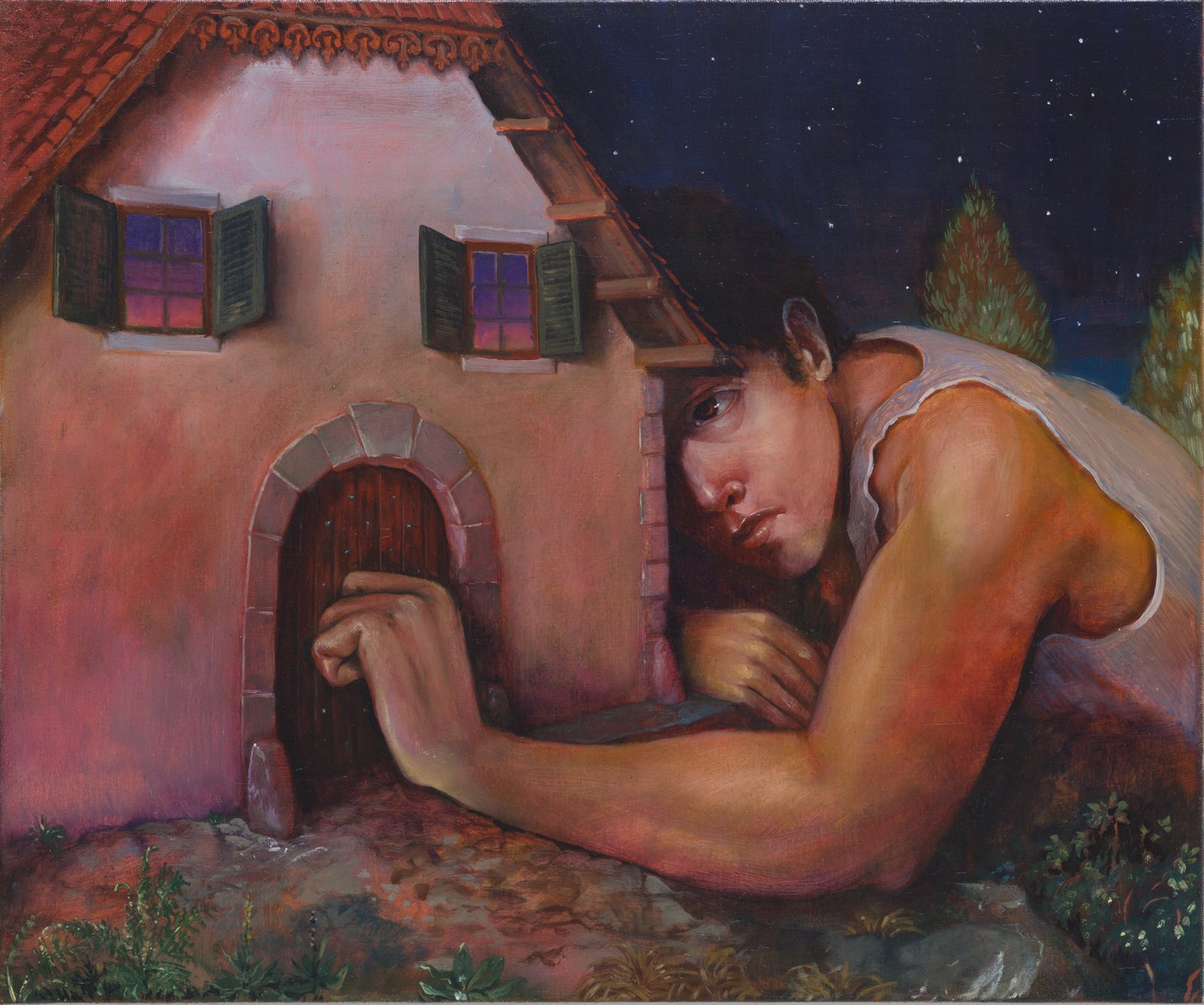
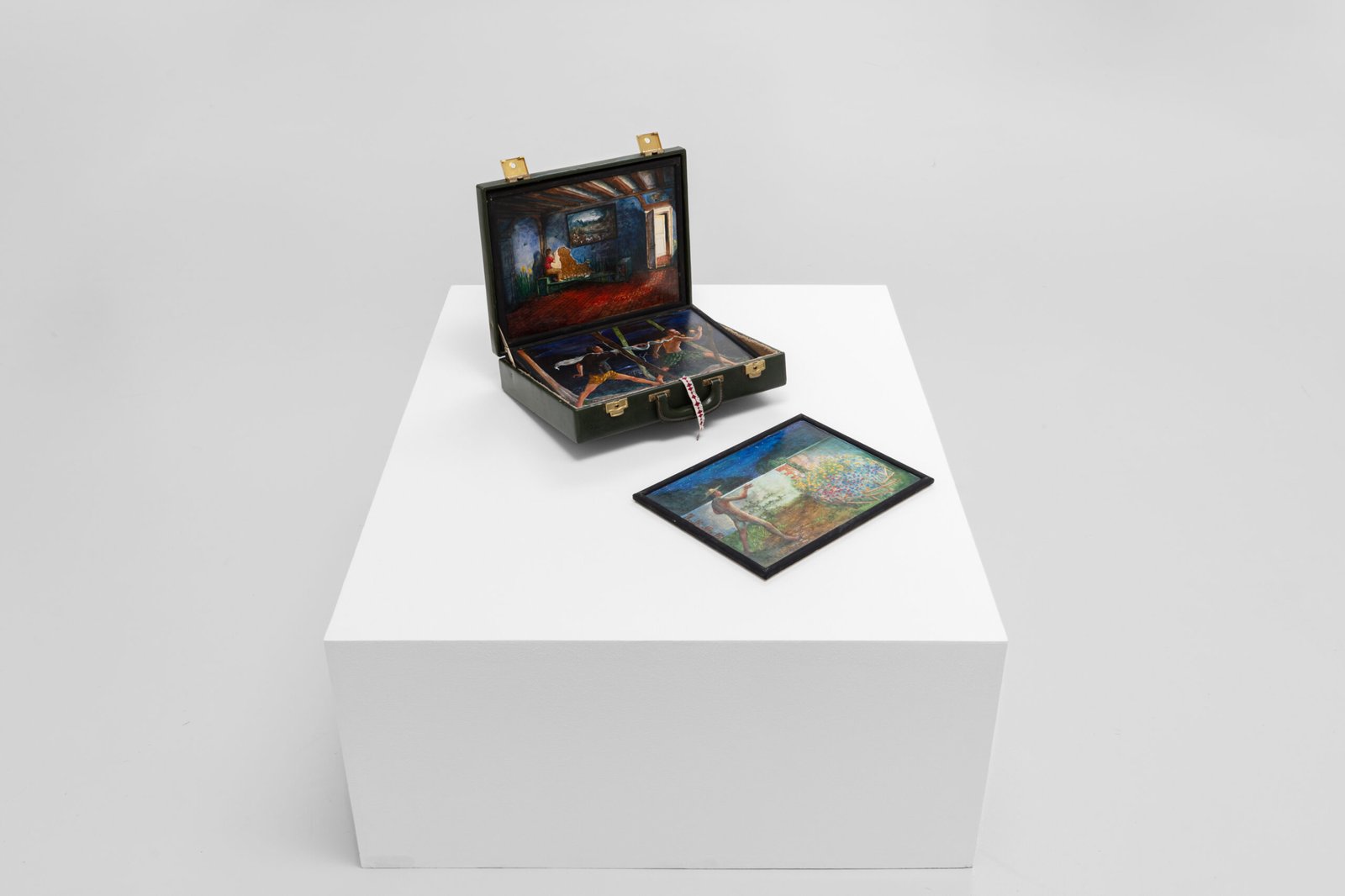
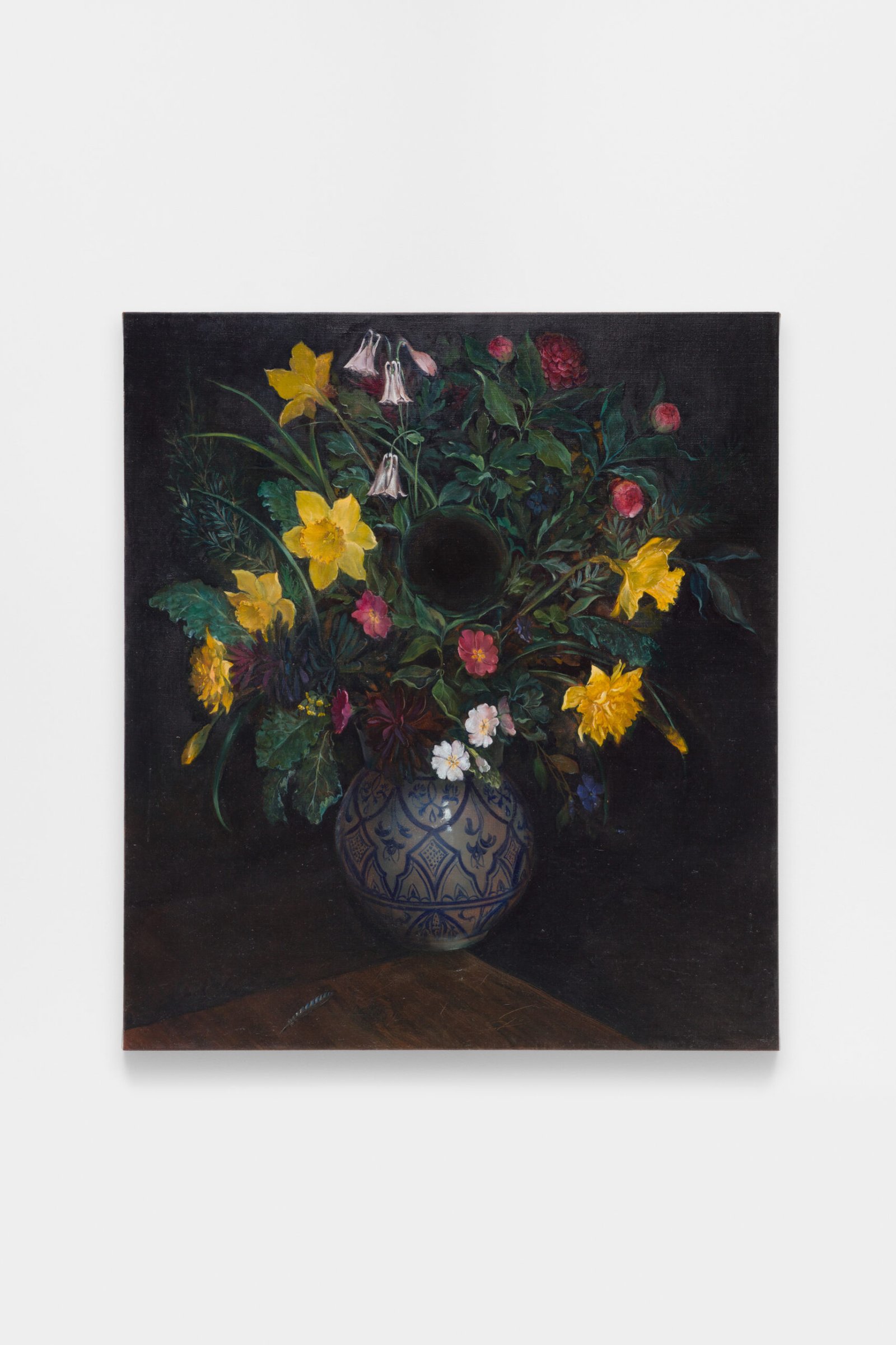
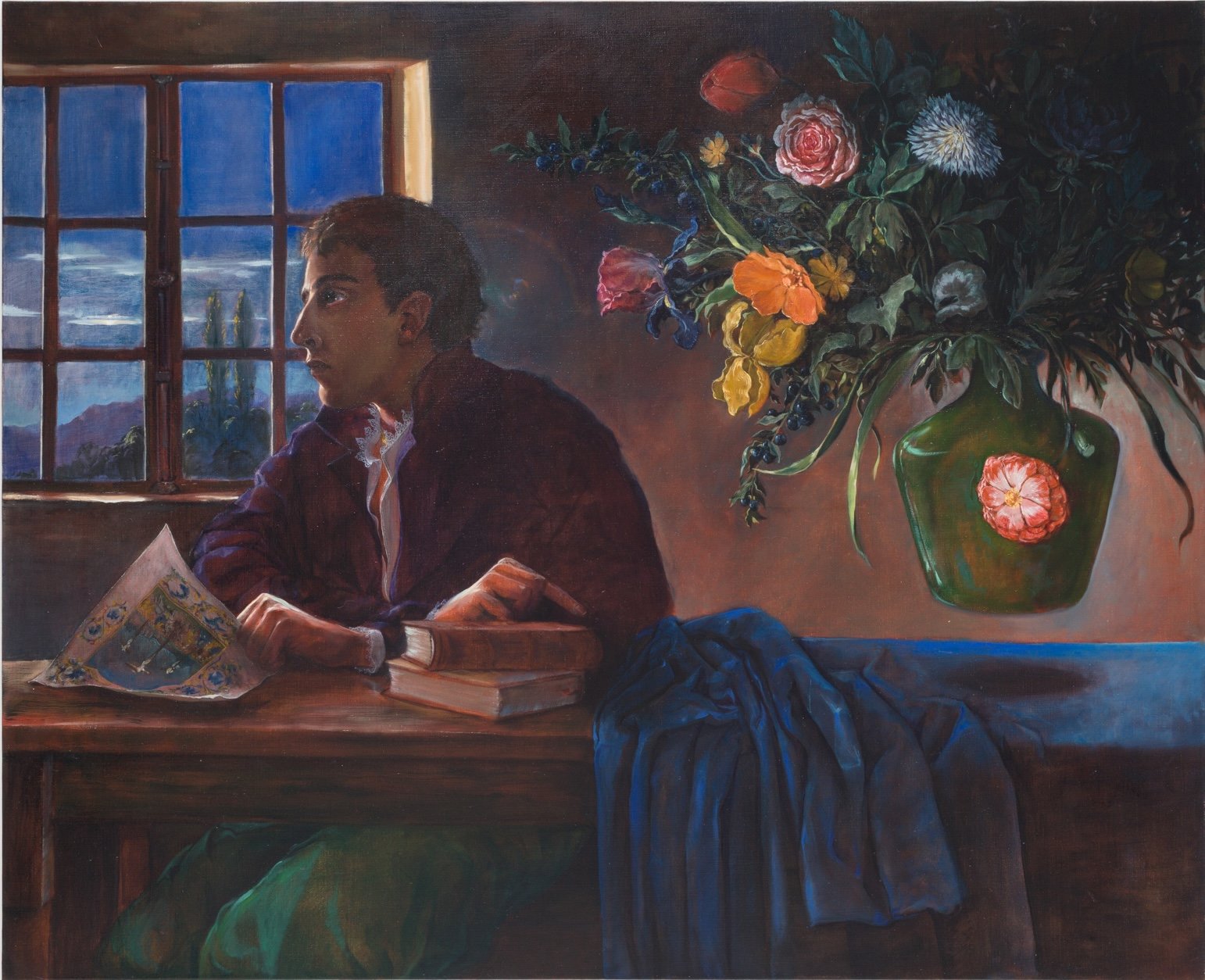
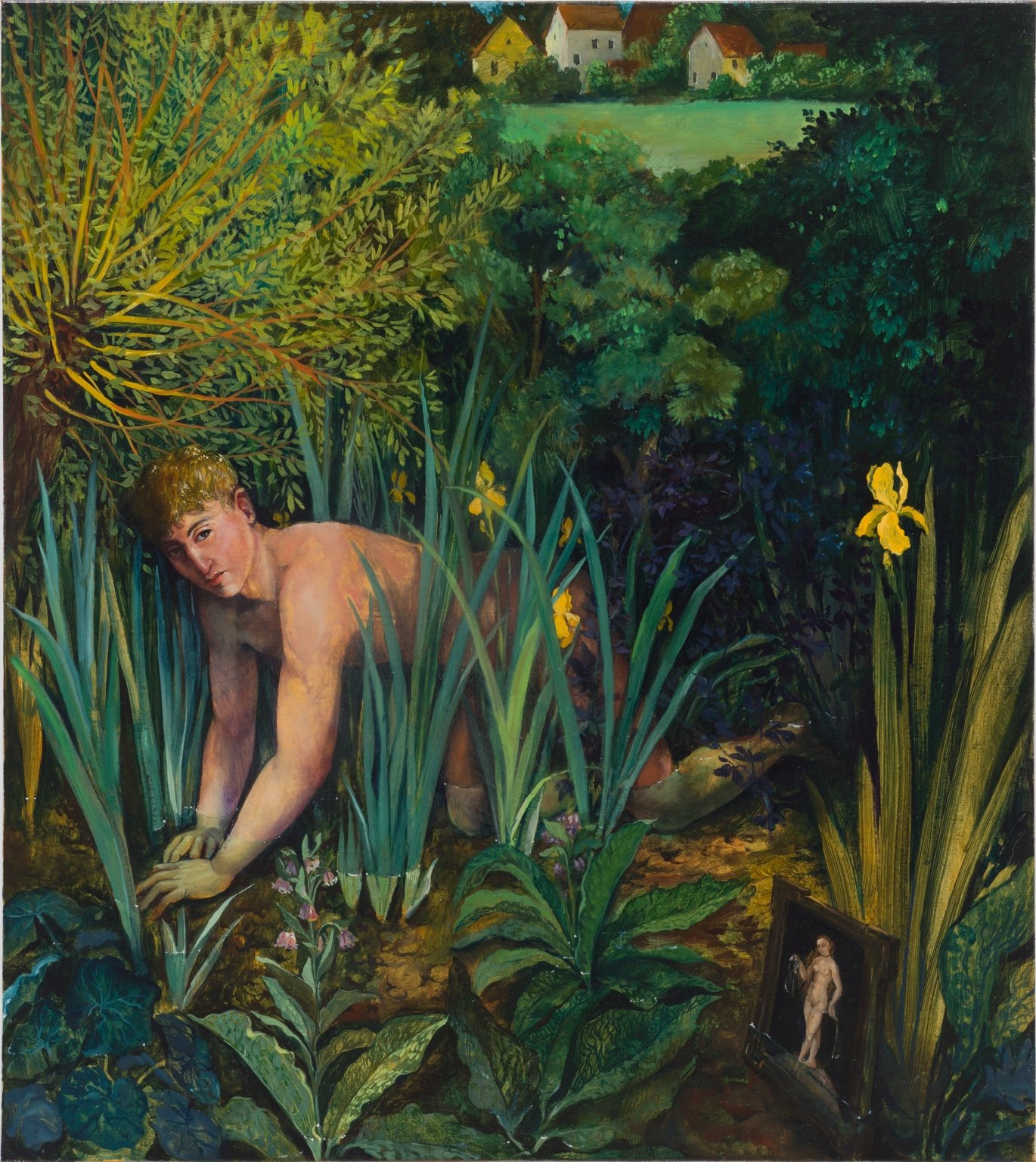
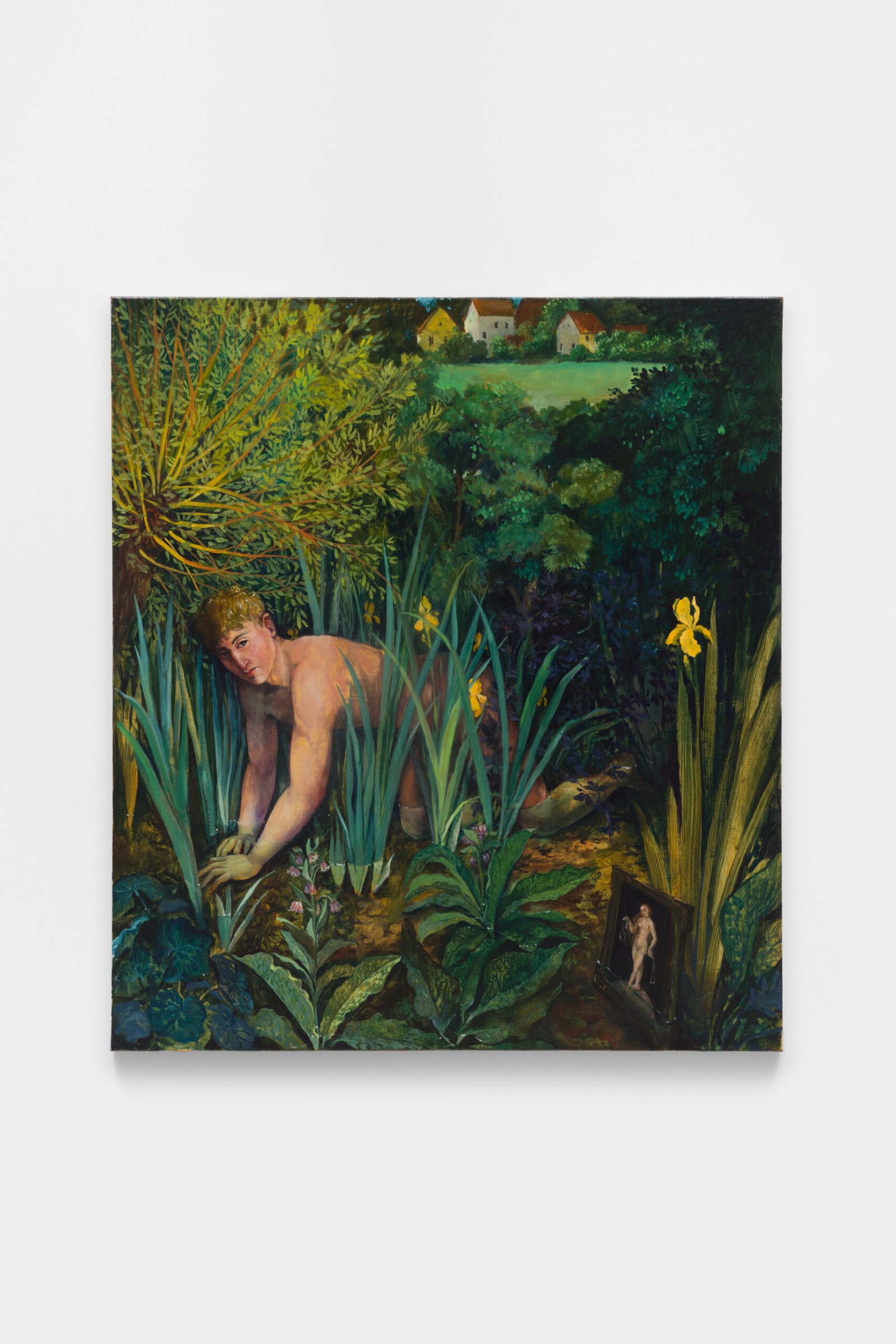
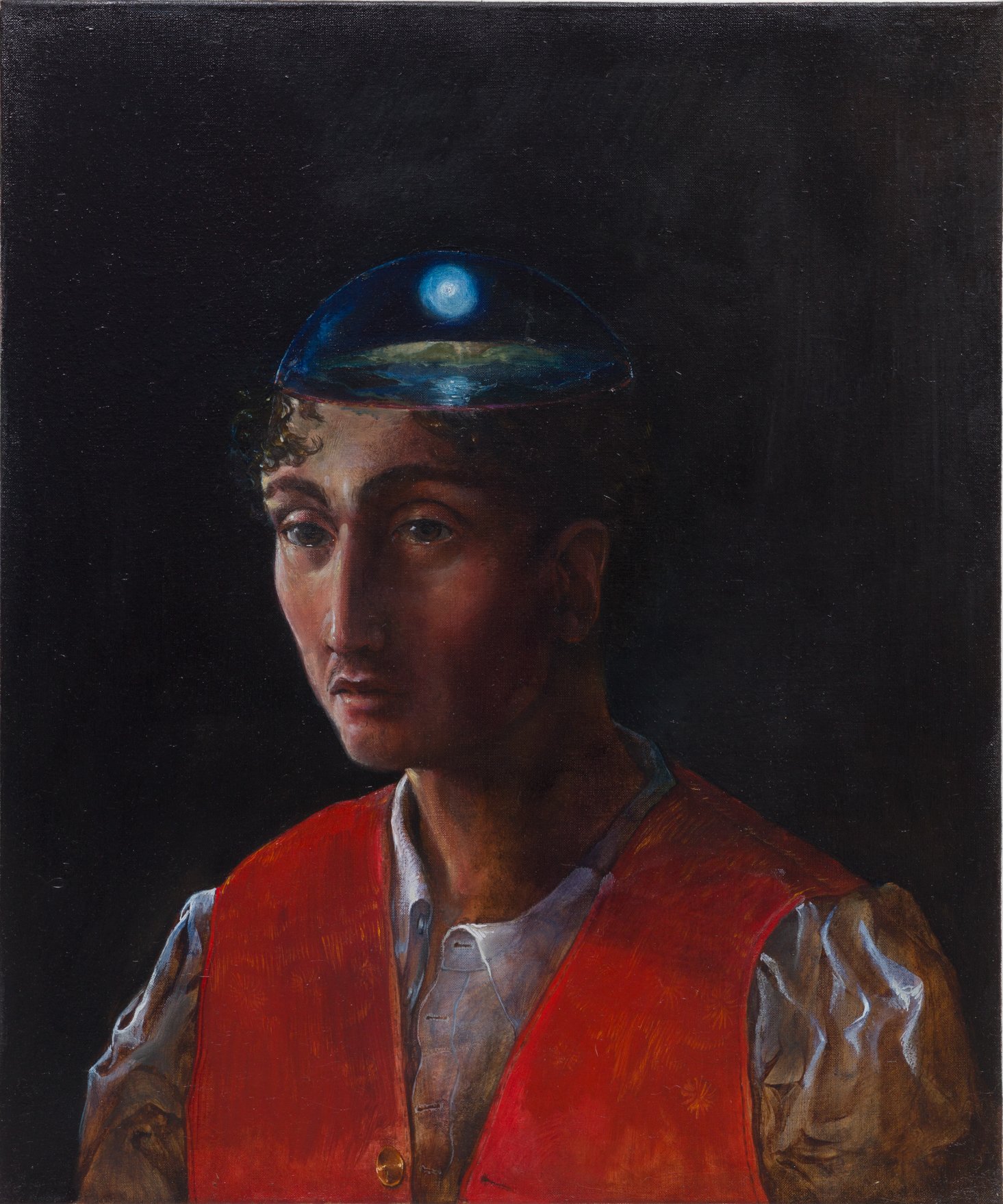
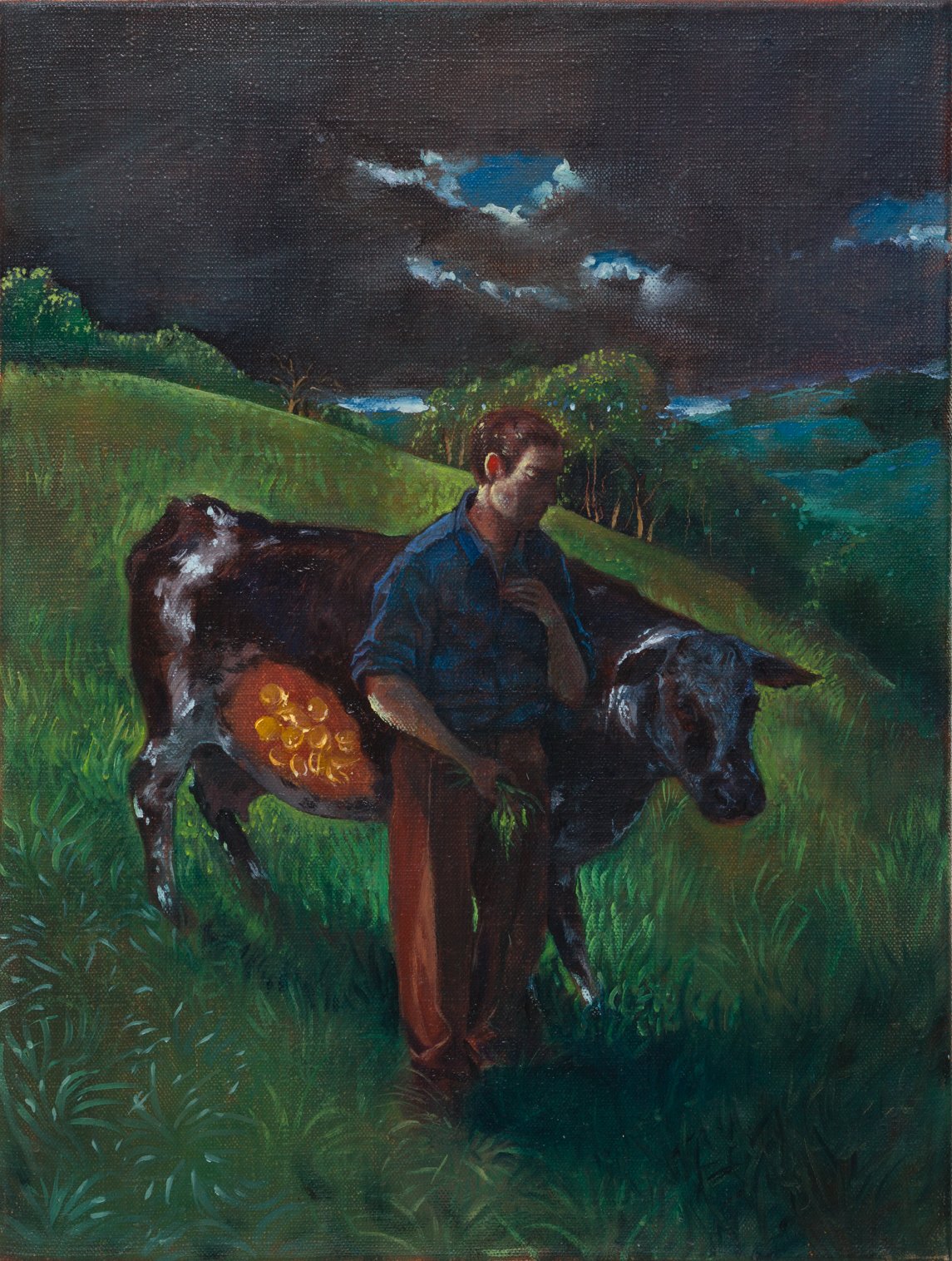
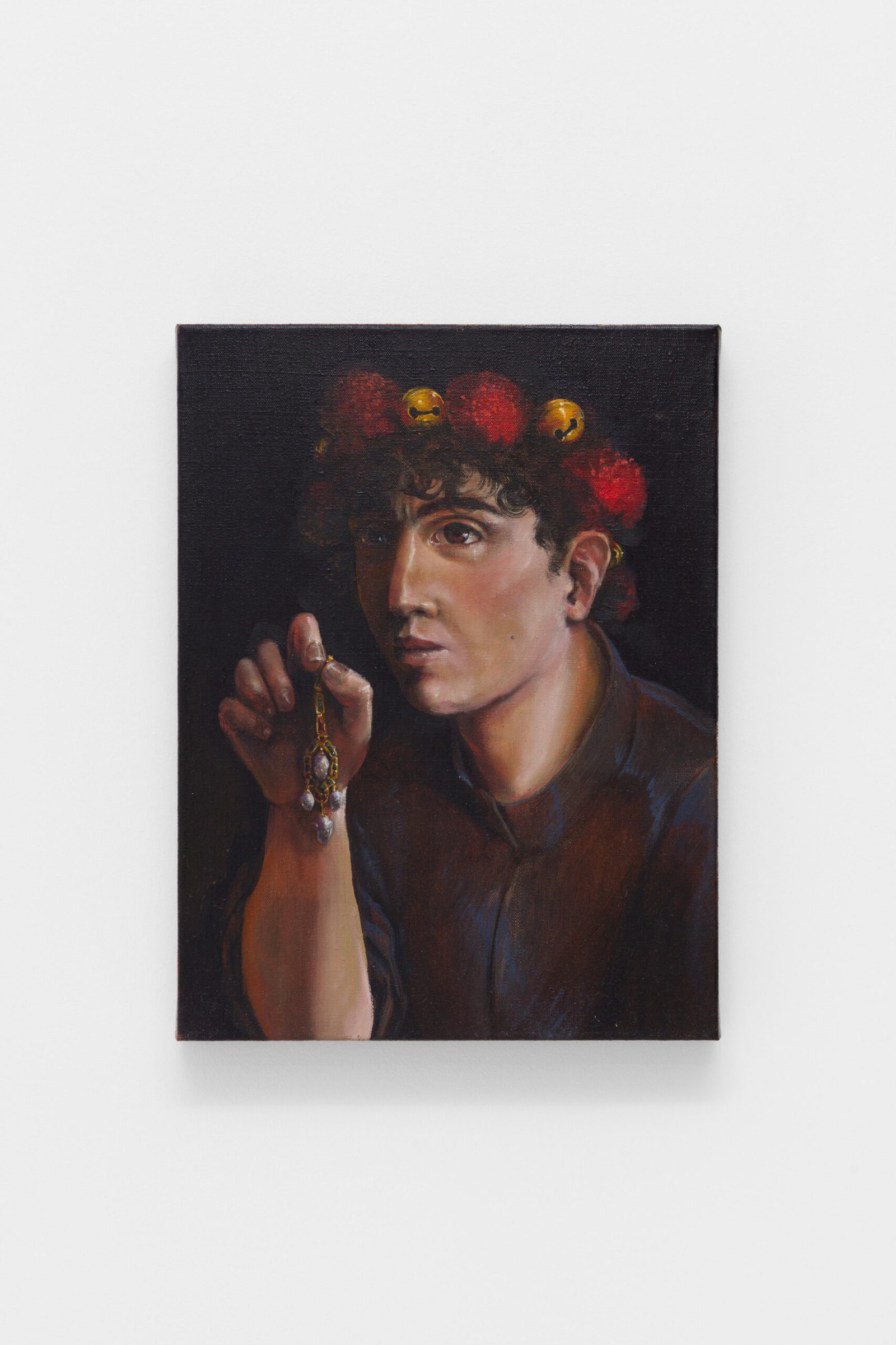
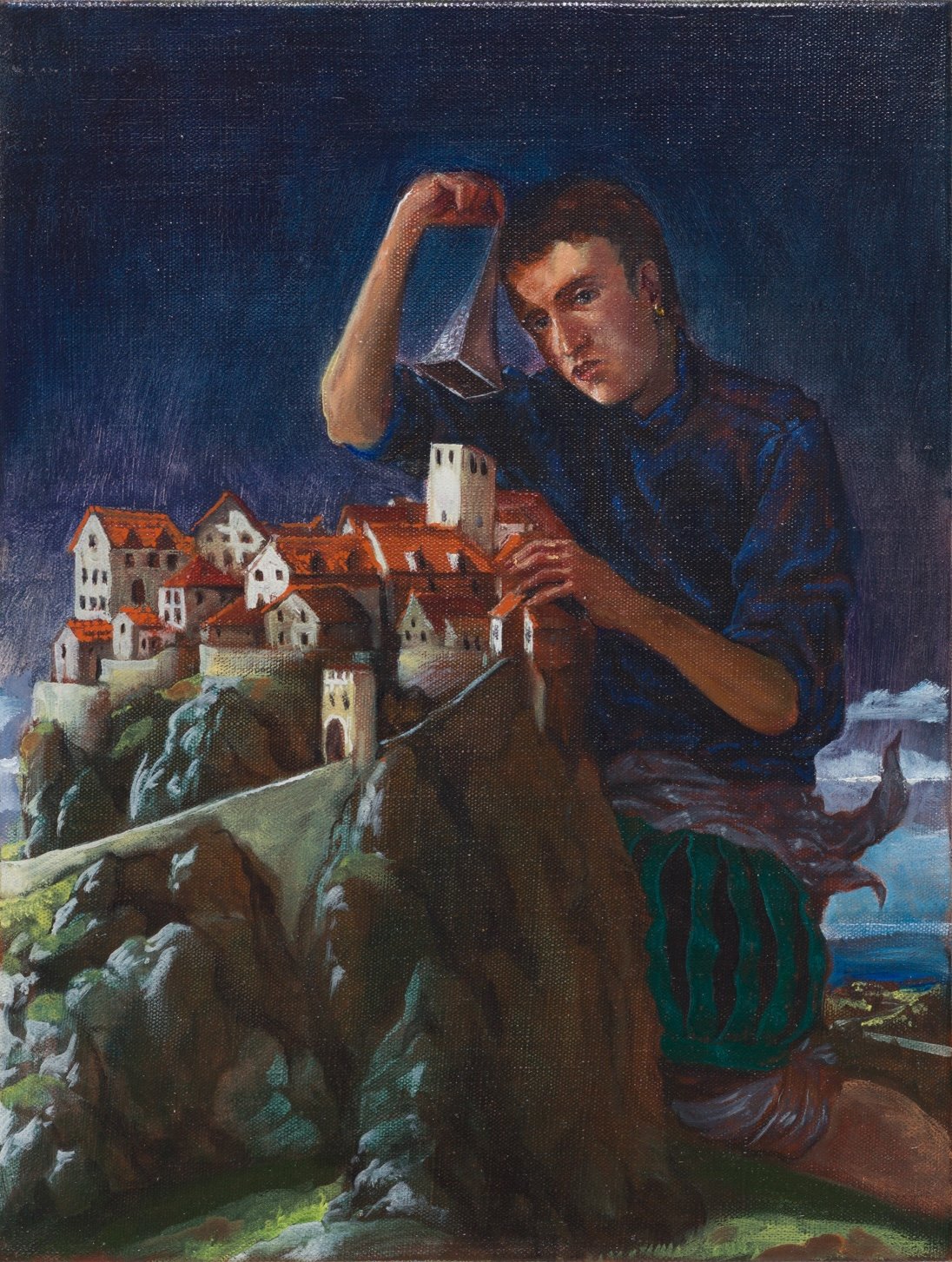
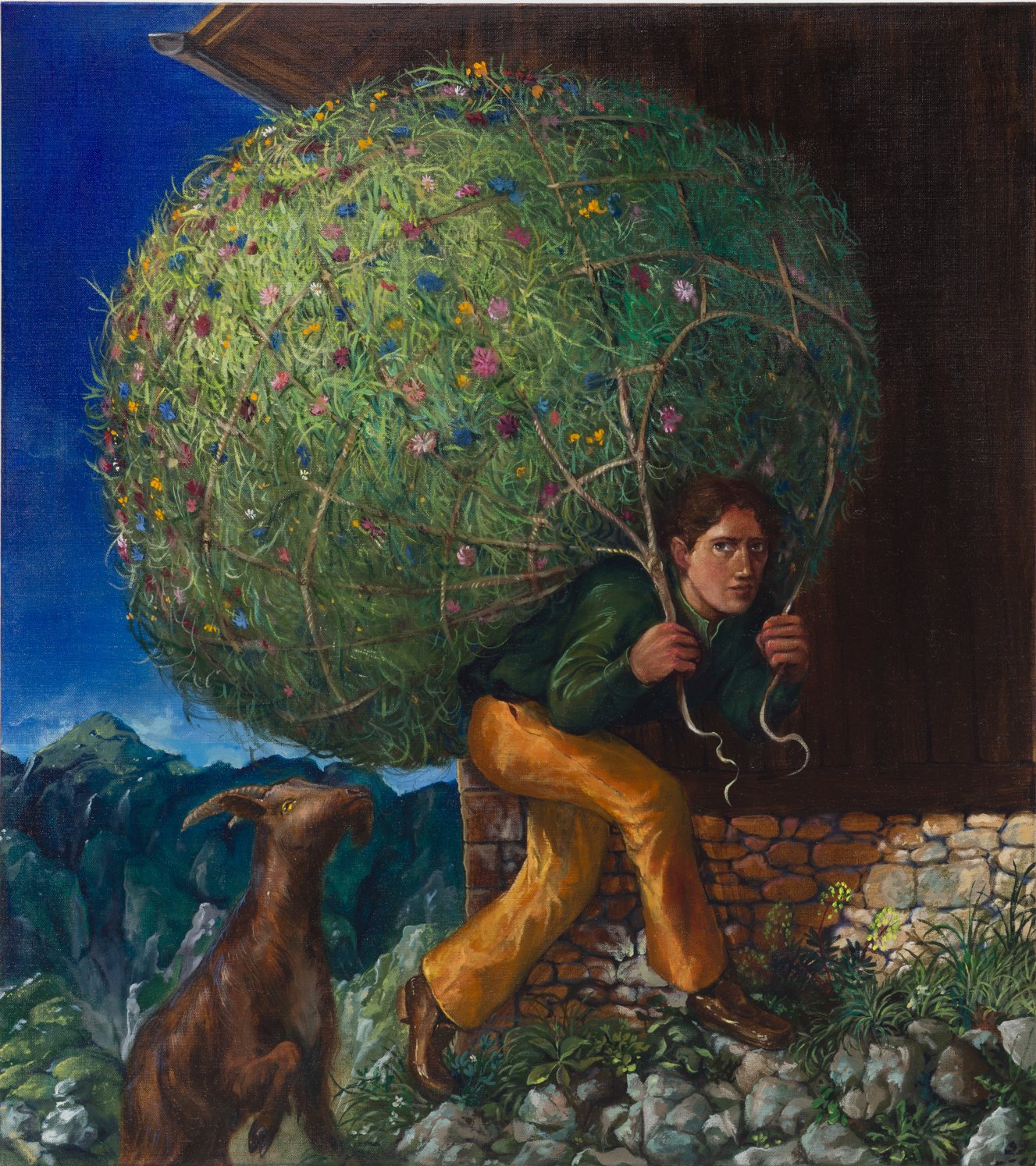
We are delighted to present Adrian Geller’s new solo exhibition C’est vous que ce village là-bas attend pour s’éveiller à l’existence, now on view at the gallery, till October 17, 2026
In symbols, beliefs, myths and cultures, as well as in natural phenomena, artist Adrian Geller seeks to find beauty, spirituality or ever faith.
This is not a matter of opinions or power, but rather of encounters, of a space between two worlds in which each of us may glimpse our own reflection. Adrian’s works are as much metaphors as they are stories waiting to be rewritten.
Here, the value of things is not what matters most. Forget possession, forget vanity: what remains are imagined worlds shaped by sensations, unfolding within a fragile space held in balance, where each person may reconnect with their inner self.
Among the ruins, shelters emerge. Enclosed and empty, these spaces make room for thought and for the present moment, even as time itself seems suspended. The emptiness gradually fills, allowing new forms of existence to unfold.
“« You who still believe in miracles, oh ! if only you would seek out this lost village! Remember: the
farmhouse and the arch of its barn bridge, the hedge beneath the lamp, the tall church. The inn’s staircase
has a double banister, and beneath the windows stand two of those iron gates where dragons tie their
horses on Sunday afternoons. »1
If these words by Gustave Roud resonate so deeply with me, it is surely because of the inverted mysticism
that animates it, the hope sustained by a promise of faith. A lost village, almost inaccessible, that seems to
wait to be rediscovered in order to return to existence. A reality that demands not only to be seen, but to
be inhabited by the gaze. I often find myself standing before the easel like a monk without doctrine, ready
to offer prayers without words, without gods, without belief. Seeking in the phenomena of nature for what
is sublime, beautiful, and eternal. Painting then becomes an attempt to recover a form of verticality in a
world where the old spiritual structures have collapsed. A painted bouquet no longer appears as a vanitas,
a memento mori, but rather as a form of infinity with no beyond. I listen to the world around me in search
of fragments, which take on so many forms when they emerge from our intangible inheritance. Forms that
still bear the traces of a world in which everything seemed connected to a meaning greater than itself. Yet, I
struggled to take these symbols seriously. Their metaphor dissolved, the moment I moved closer to look. The
discomfort of trying to express myself through symbols in which I no longer believed, and which crumbled
both in language and in paint, made art itself feel like a masquerade. It took me some time to understand that
this came from the absence of the divine within me, from the absence of faith. My paintings were neither
nostalgic witnesses of a vanished world, nor propositions for adapting to a new one. I found myself on the
ridge between the two. Things remain, but their place seems to have shifted. Empty houses, unoccupied
shells, abandoned envelopes. That’s how flowers, beauty, ornament, and the aesthetic phenomena of life
sometimes appear to us. Stripped of their symbolic meaning given by beliefs, unexplained events, faith, and
collapsed cultures, they still stand before us, sustained only by humanity’s nostalgia.
In a world of faith, everything exists through that faith. It possesses its symbolism, its place, its value in our
eyes. Each objects takes part in an invisible architecture that links the world. But when belief disappears,
hierarchies collapse, and a world devoid of meanings imposed upon us like chaos without bearings. Then,
a question emerges: what is the backbone of the world that surrounds us? What still connects things to one
another once the beliefs that gave them weight have vanished? The figures in the paintings bear witness to
the possibility of lingering, observing, and admiring the world even if it is devoid of meaning. It is as though
a world without faith no longer has a center, but still retains traces of a constant forms of verticality: beauty,
cycles, care, painting itself. This is why I paint. It is kind of a consolation, free of any promise to paint a flower
with attentive care. It will not need to say anything, will remain silent, because that is enough, but yet its
silence will also bears witness to what its significance once was.
Emptiness and infinity are like the serpent devouring its own tail. Doesn’t a faithless world present itself
to us as a universe whose beauty is sufficient for itself? Perhaps the absence of meaning doesn’t signify the
absence of value. On the contrary, perhaps freed from their symbolic function, things can finally appear in
their simplest presence. Empty houses, unoccupied shells, abandoned envelopes.
Yet an empty shell is not merely an absence. It is also the trace of a former presence, the possibility of a
new inhabitant. What interests me is not only what has disappeared, but what remains after disappearance
itself. The forms that continue to stand after the beliefs that sustained them have collapsed. Science, the
thirst for knowledge, as well as economics and the desire to possess have separated us from the experience
of the unattainable and therefore from mystery. Once we possess the thing, or possess the knowledge, our
fascination begins to fade. It is curiosity that carries us into fascination and admiration. Maintaining this
balance between possession and discovery is difficult for humans. How can we keep our distance?
How can we avoid coming too close, revealing everything, stripping objects of their secrets? For not knowing,
and instead imagining rather than explaining, that is where fantasy, culture, and art reveal their true power.
Their once abundant, imaginative, and creative richness has gradually given way to an art of documentation
and scientific certainty. Reason, and above all truth, have come to prevail, they fill every void with facts and,
sometimes, even dispelling all mythology and belief.
But just as faith could never explain everything, reason cannot fill every void. Between complete ignorance
and absolute knowledge lies a fragile space where imagination, emotion, and the desire to persist in looking
are born. Maintaining the balance between not knowing and discovering is difficult. And yet, perhaps it is
precisely within this in-between space that objects recover their depth. Not because they necessarily conceal
some forgotten meaning, but because they remain open to our gaze. Translating these ideas into paintings
gives birth to porous compositions. The forms of emptiness that I construct are meant to be crossed, explored,
contemplated, inhabiting the space once occupied by the spiritual. They do not seek to rebuild a lost temple,
but to create a place where something may still appear. Just as an architect designs for those who will inhabit
a building, a musician imagines the dancer, or a writer writes the hero, the painter must create such a space.
A painting is not merely an object to be looked at, but a place awaiting a presence.
Perhaps this is what draws me to T. S. Eliot’s The Hollow Men2. The hollow men, forms emptied of their
substance, voices still searching for a language after the disappearance of former certainties. Yet where Eliot
portrays a world suspended in anticipation of redemption, I am perhaps searching for something else: not
the return of a lost meaning, but the possibility of inhabiting its absence.
The transition between an old world and a modern one, whose completion we believed too hastily
accomplished, is not yet over. For the first time, an era is defined more by the future than by the past. After the
fall, before solace. We continue to live among the invisible ruins of what once gave objects their significance.
But perhaps this loss compels us to look differently. To recognize that meaning no longer resides within
objects themselves, but is instead forged through the relationship we cultivate with them.
I want neither to believe nor to deconstruct. I want to inhabit loss with intention and emotion.
And perhaps it is you that this village over there is waiting for, so that it may finally awaken into existence.”
Adrian Geller