

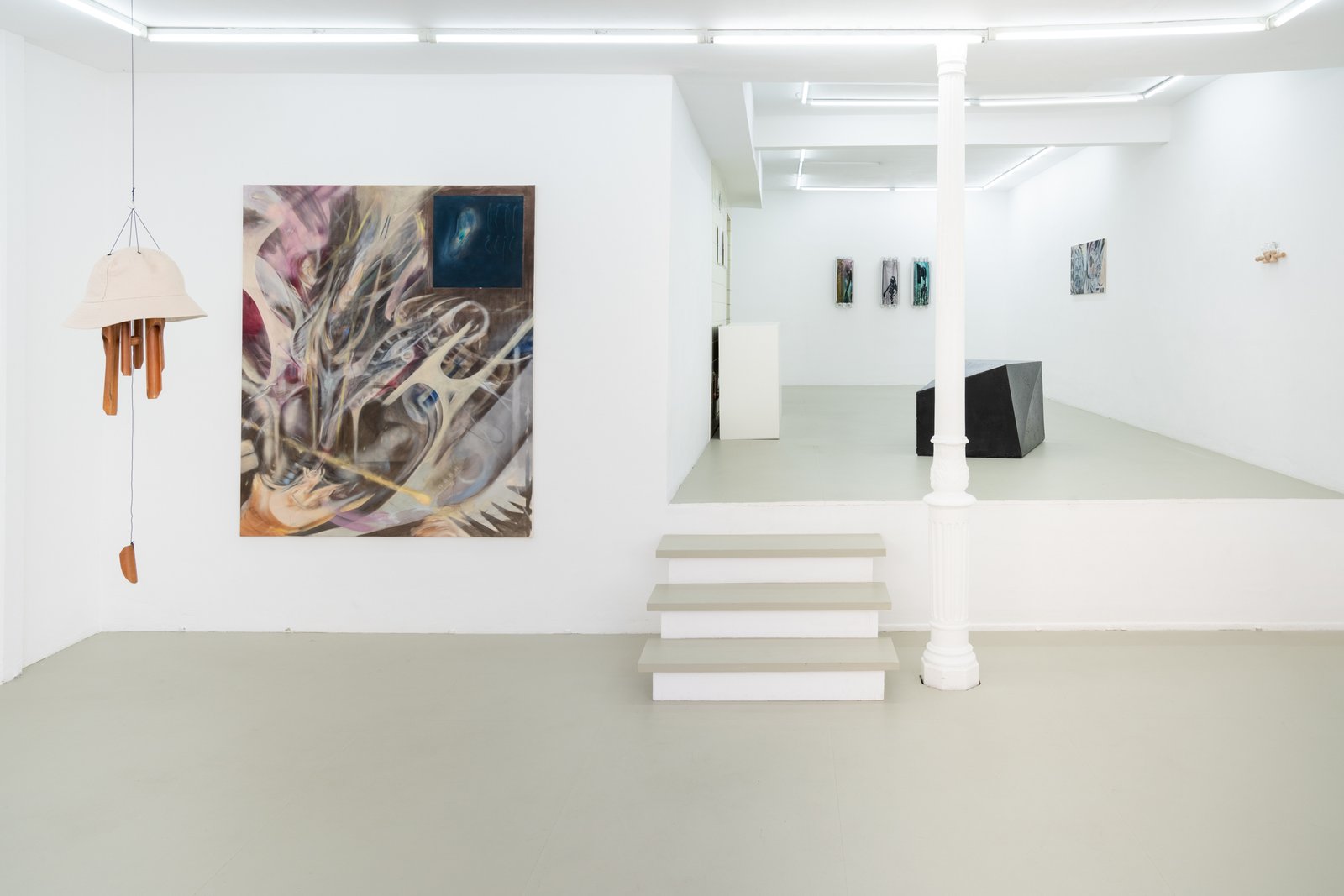
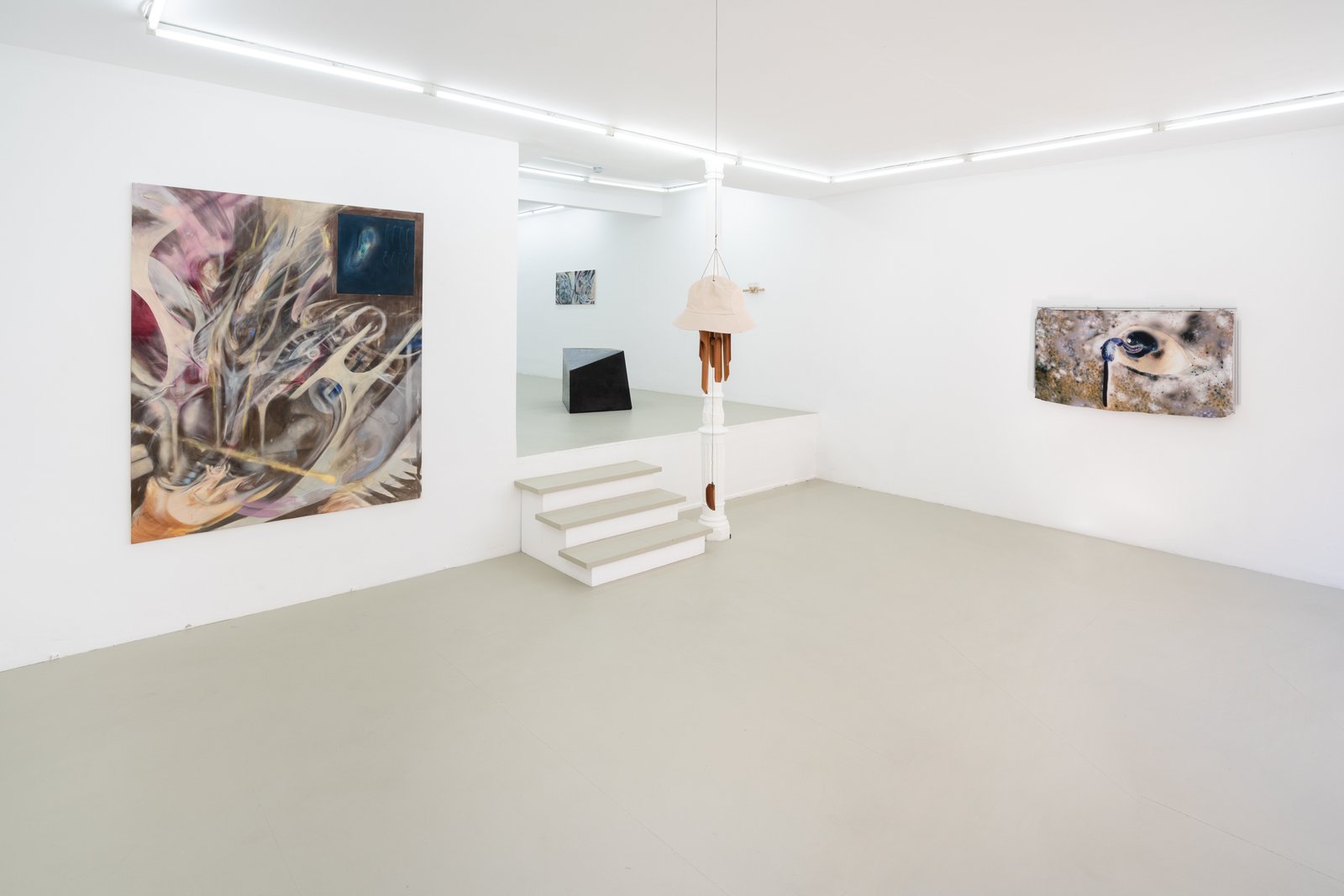
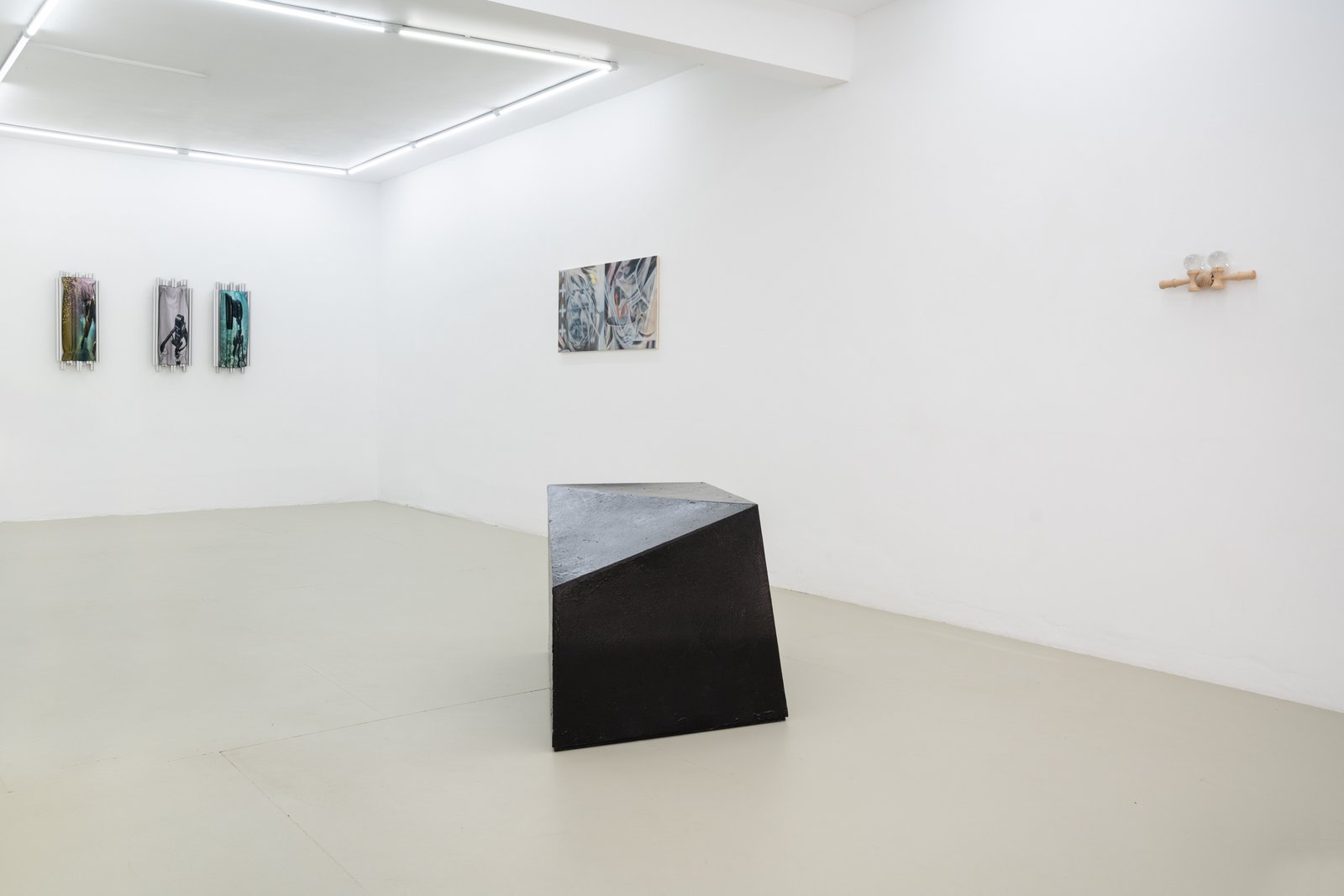
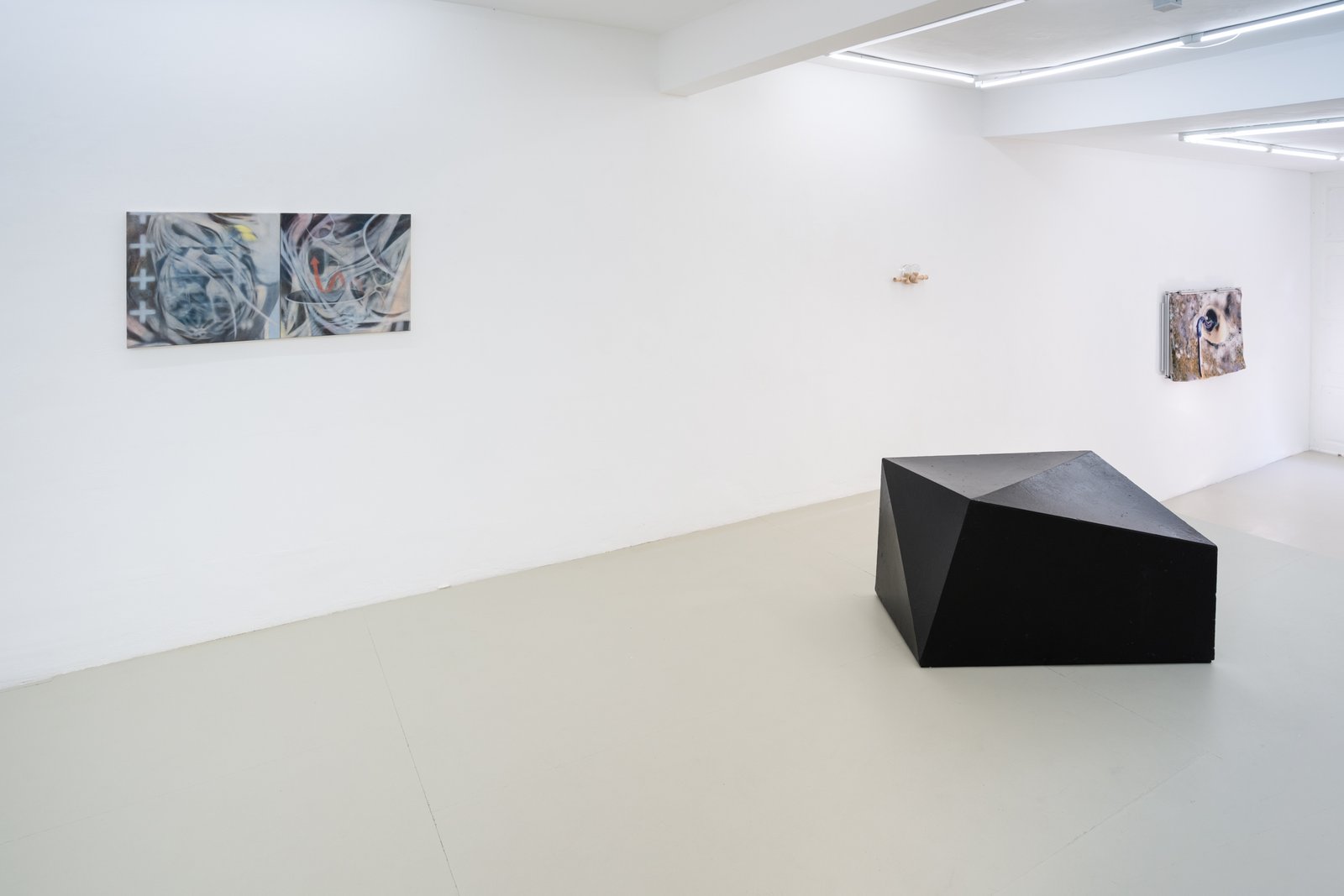
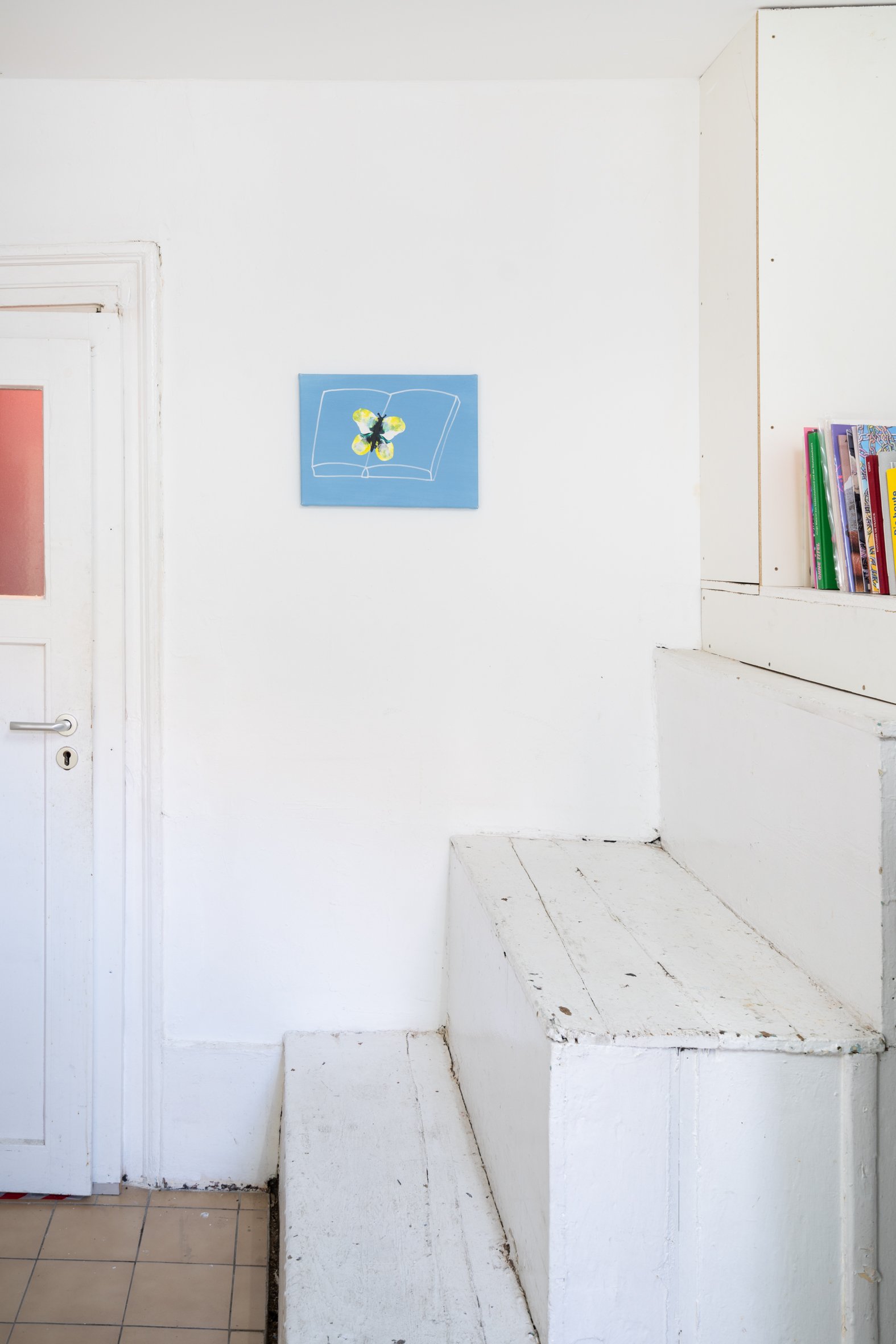
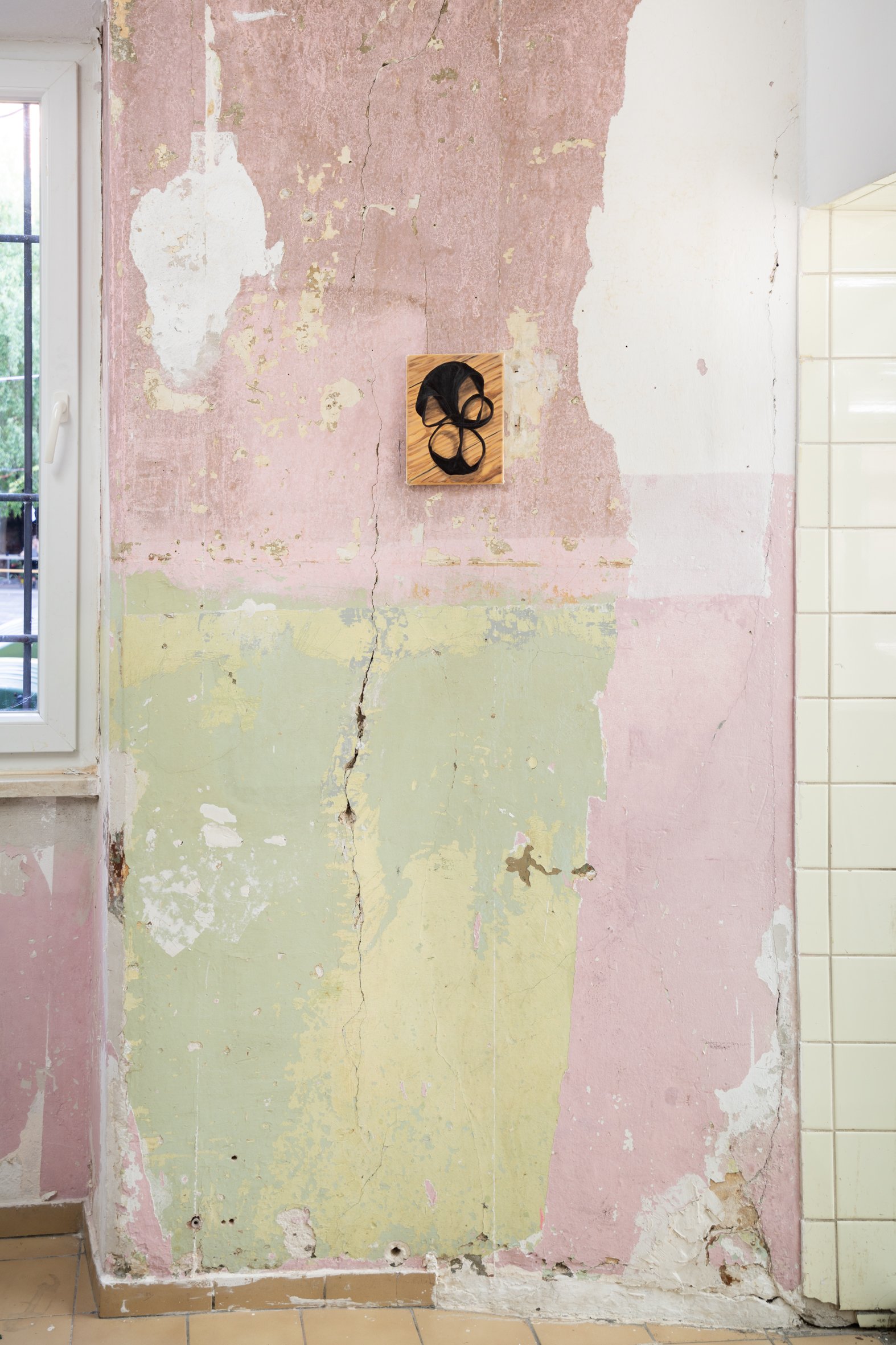
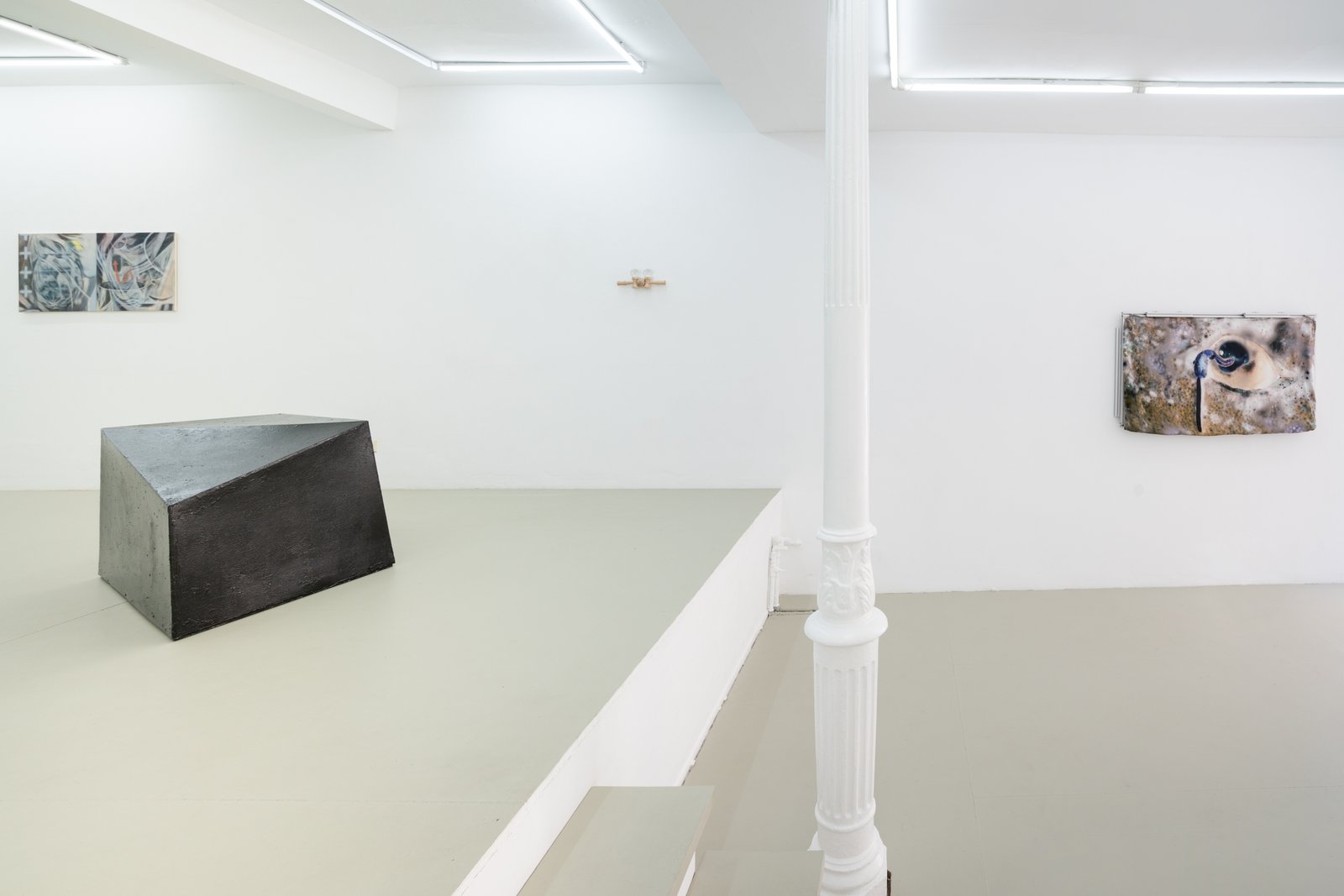
A cave is a place of superimpositions. It contains traces – smoke stains, carvings, shells, shards of glass – and reveals stories, both visible and invisible. The cave has space for all kinds of things: within it, objects lie side by side that do not really belong together, yet through their proximity create new layers of meaning. The gallery transforms into such a contemporary cave, in which fragments speak at once of past, present, and future.
The space opens itself to the works of Béla Feldberg, Tatjana Vall, Matthew Muir and Kolja Kärtner Sainz, which resist a linear narrative and only through juxtaposition generate new readings: fragile and organic materials encounter industrial remnants, seemingly random assemblages face contemporary architectural observations. All the works are marked by a dynamic in which opposites generate friction. The cave may be a place of self-knowledge and inner transformation, but also a counter-world where the laws of everyday life are suspended.
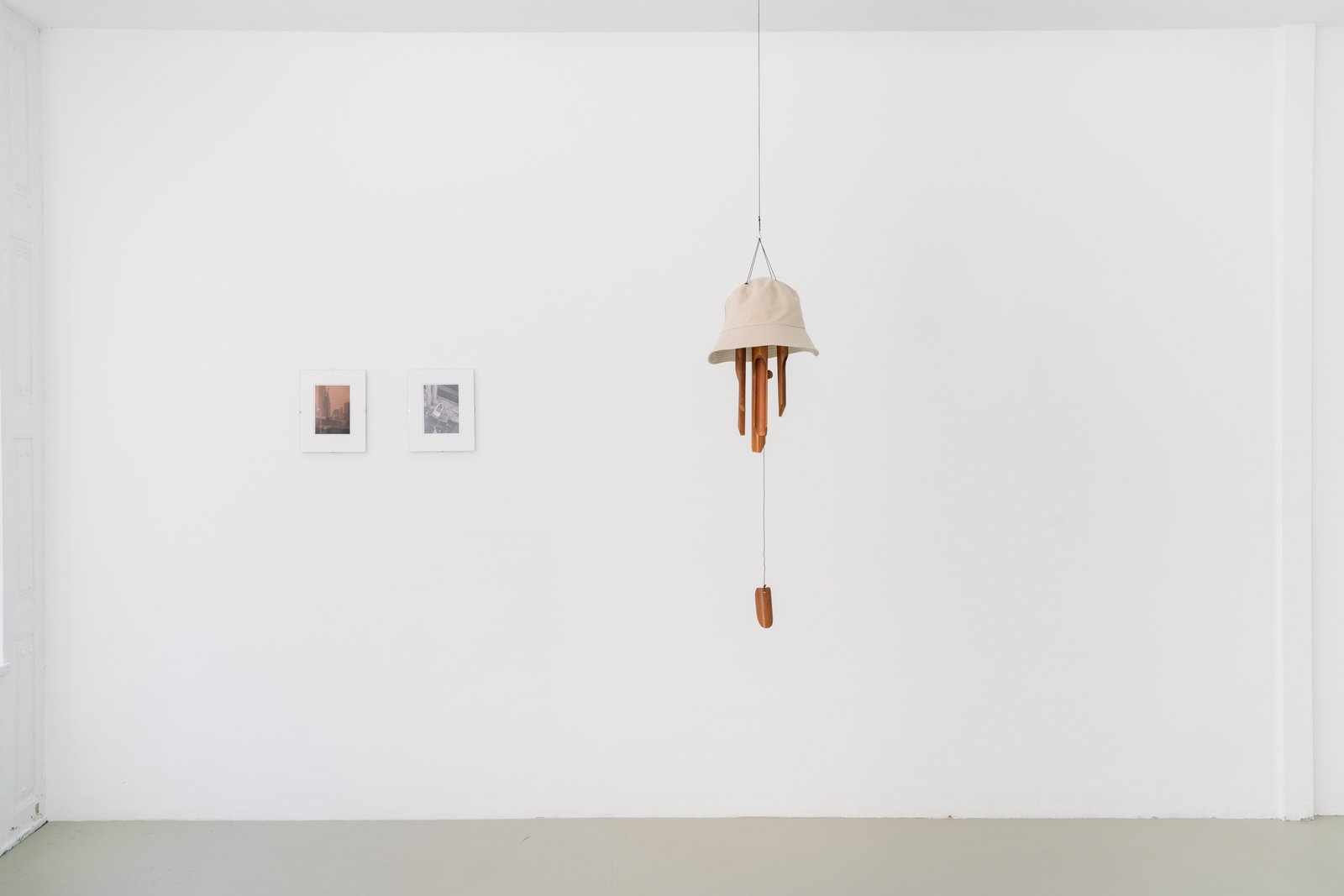
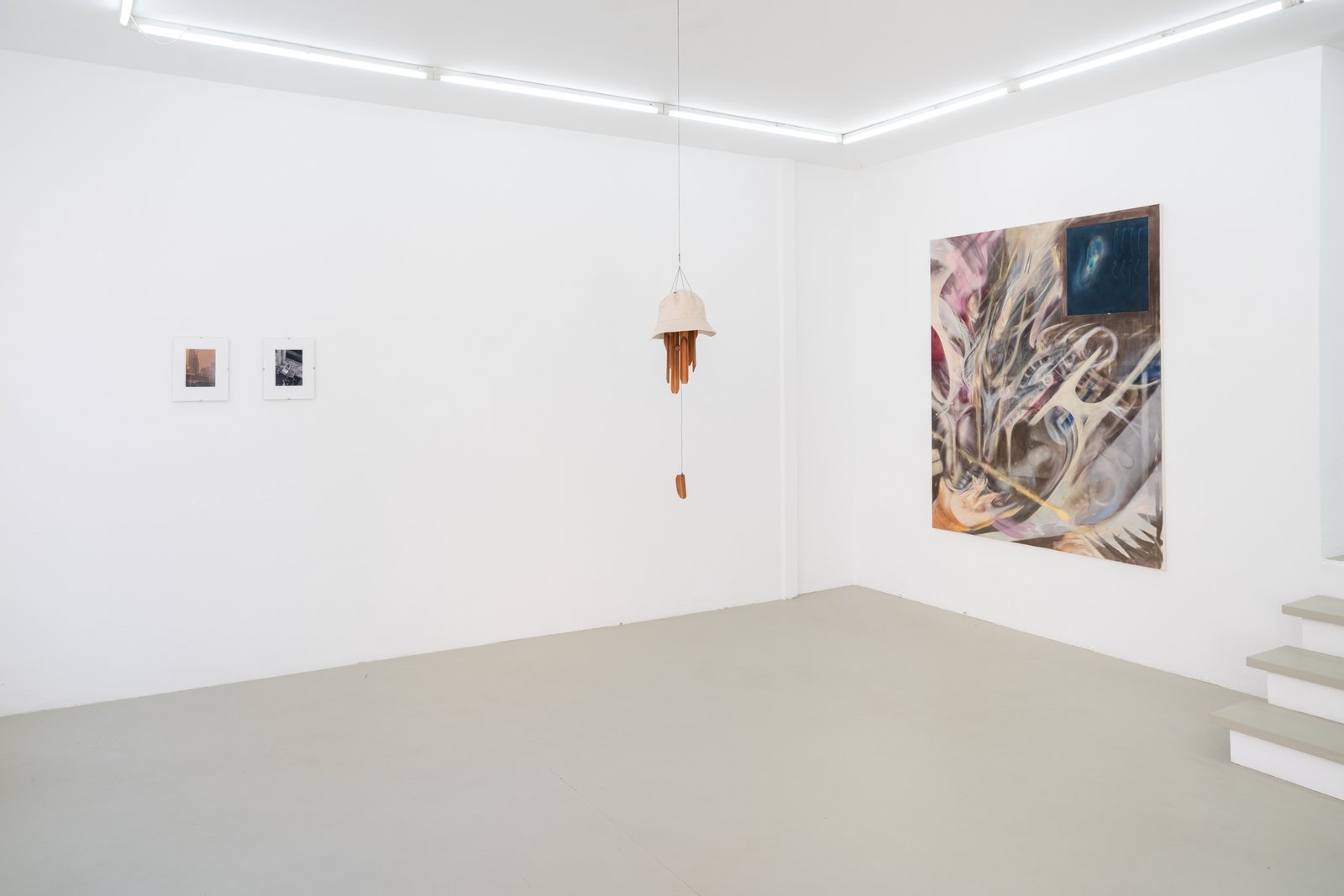
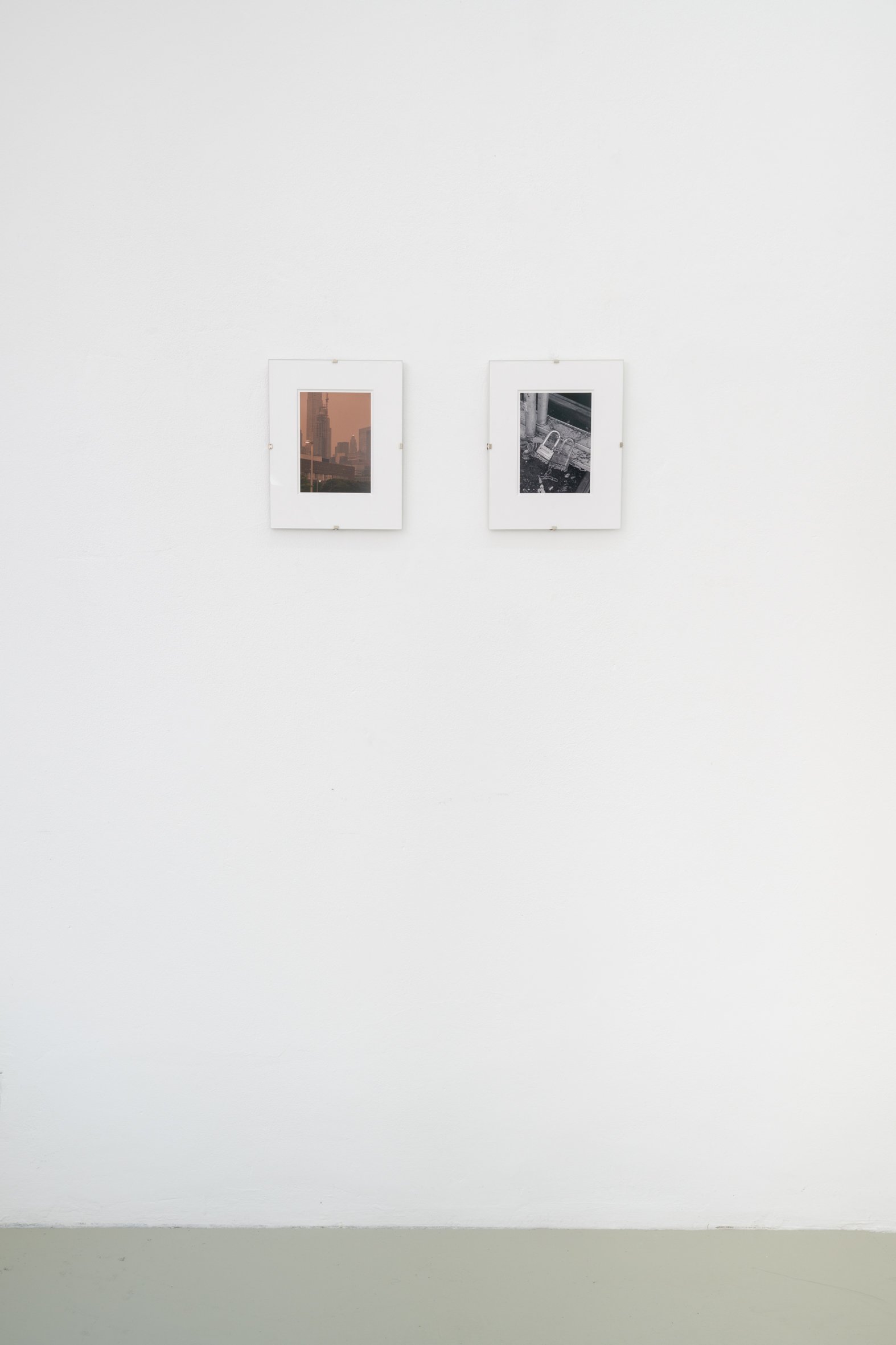
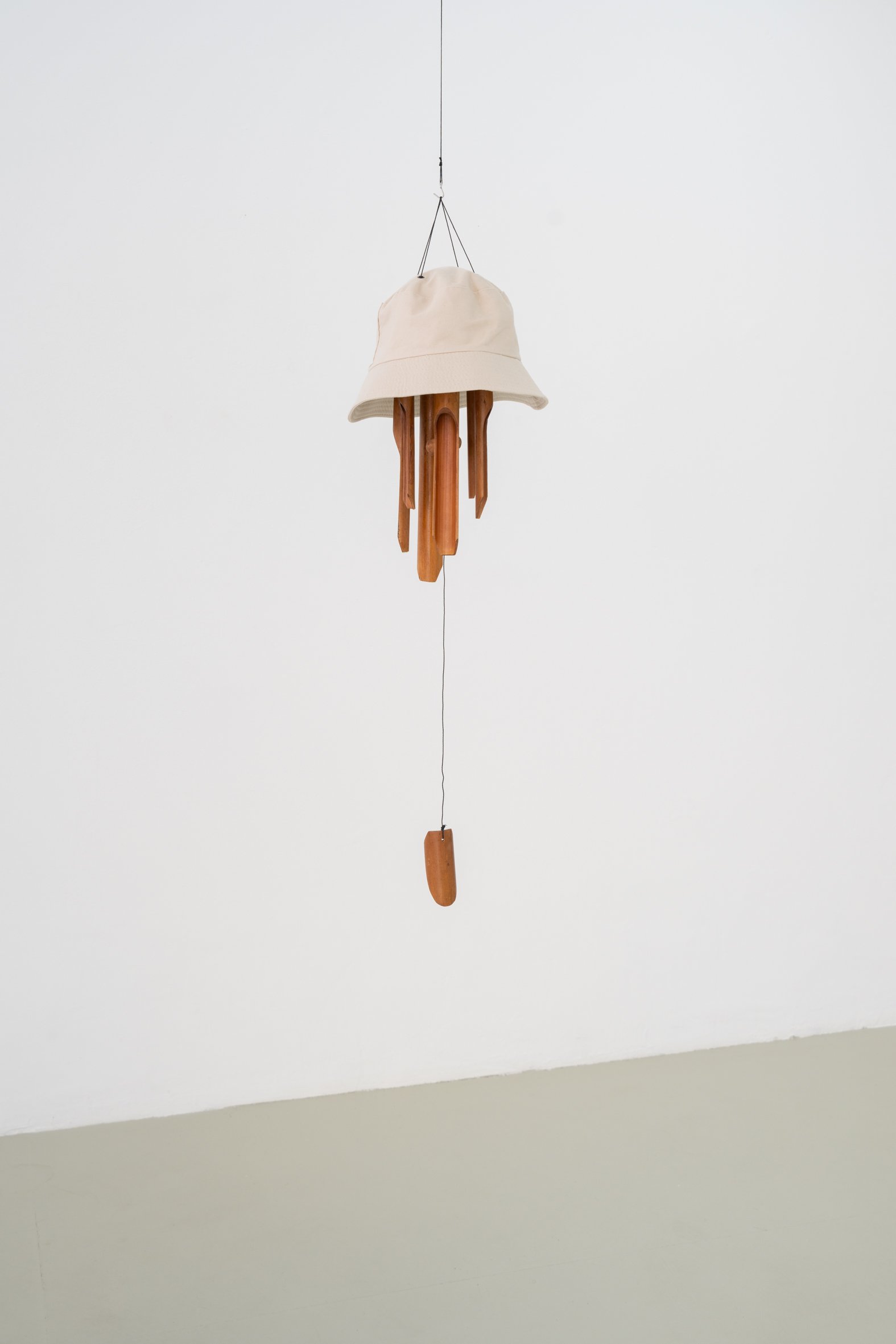
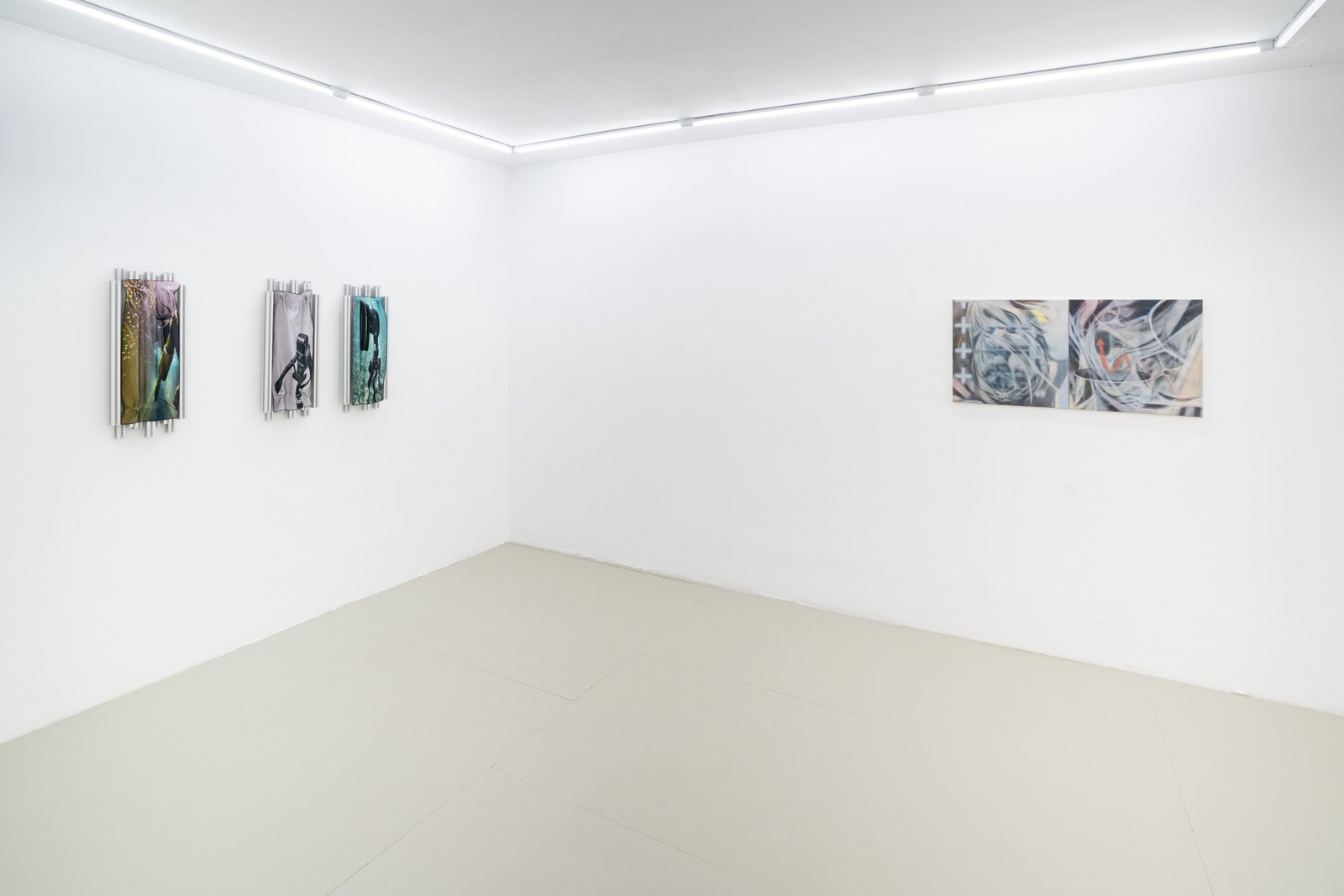
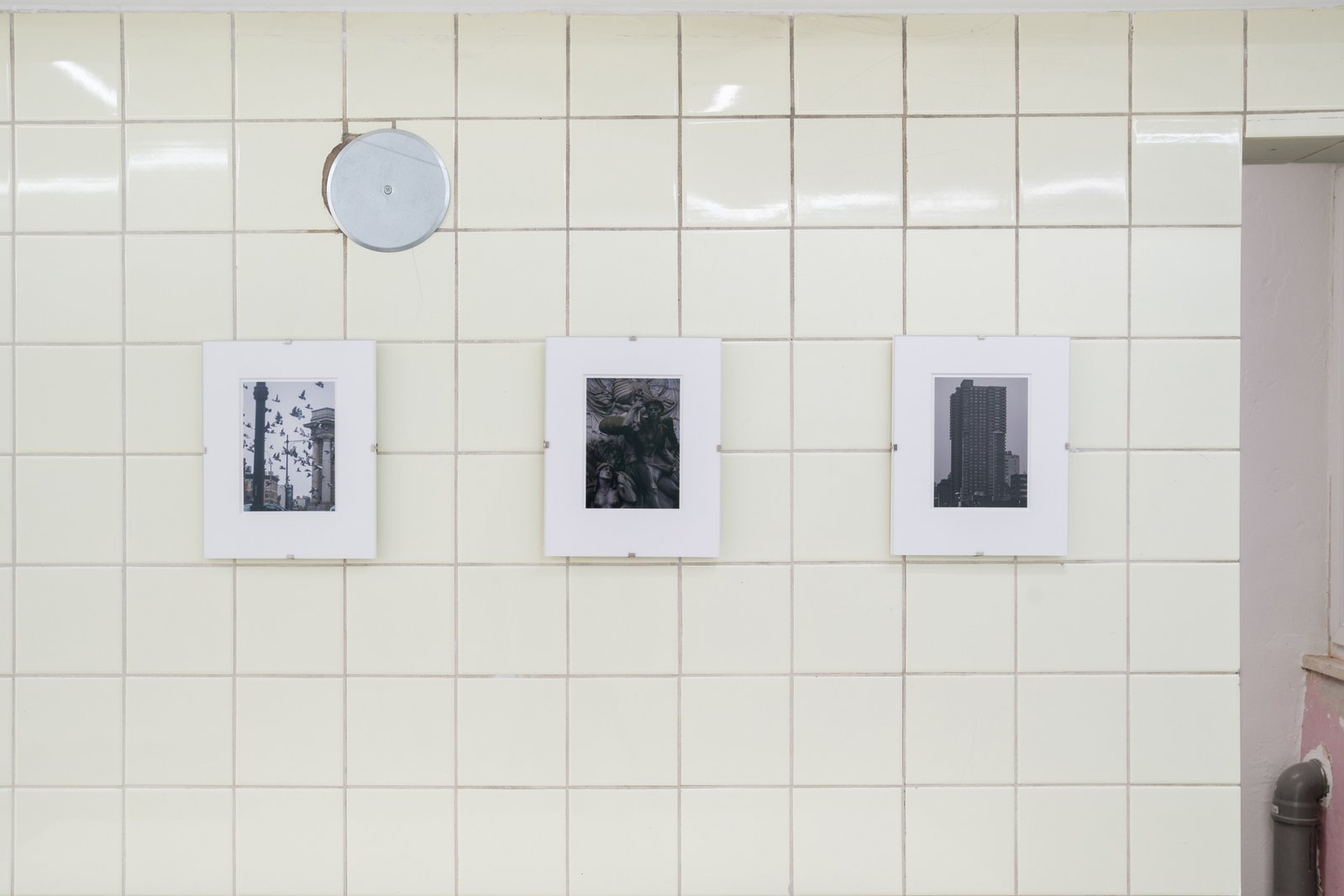
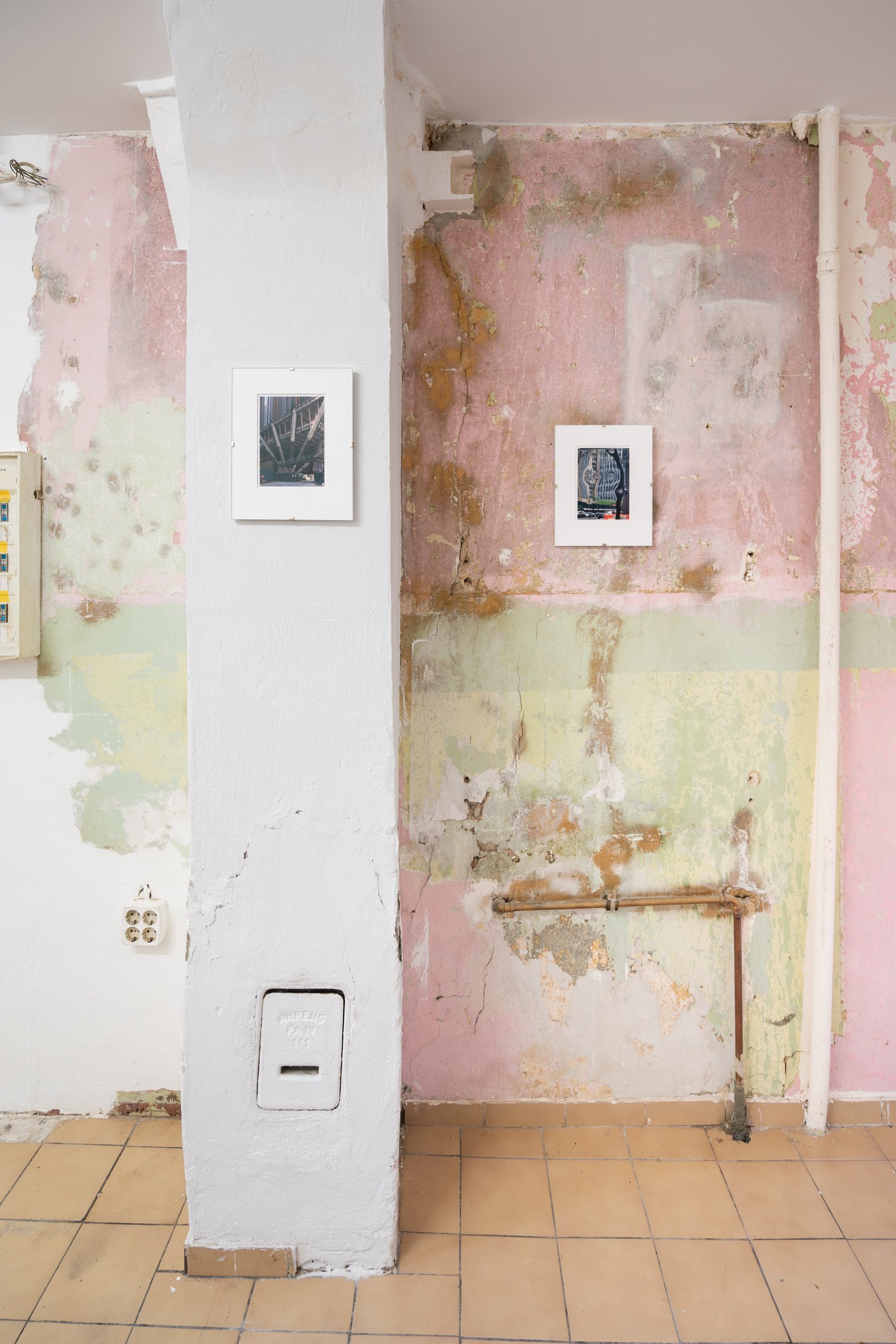
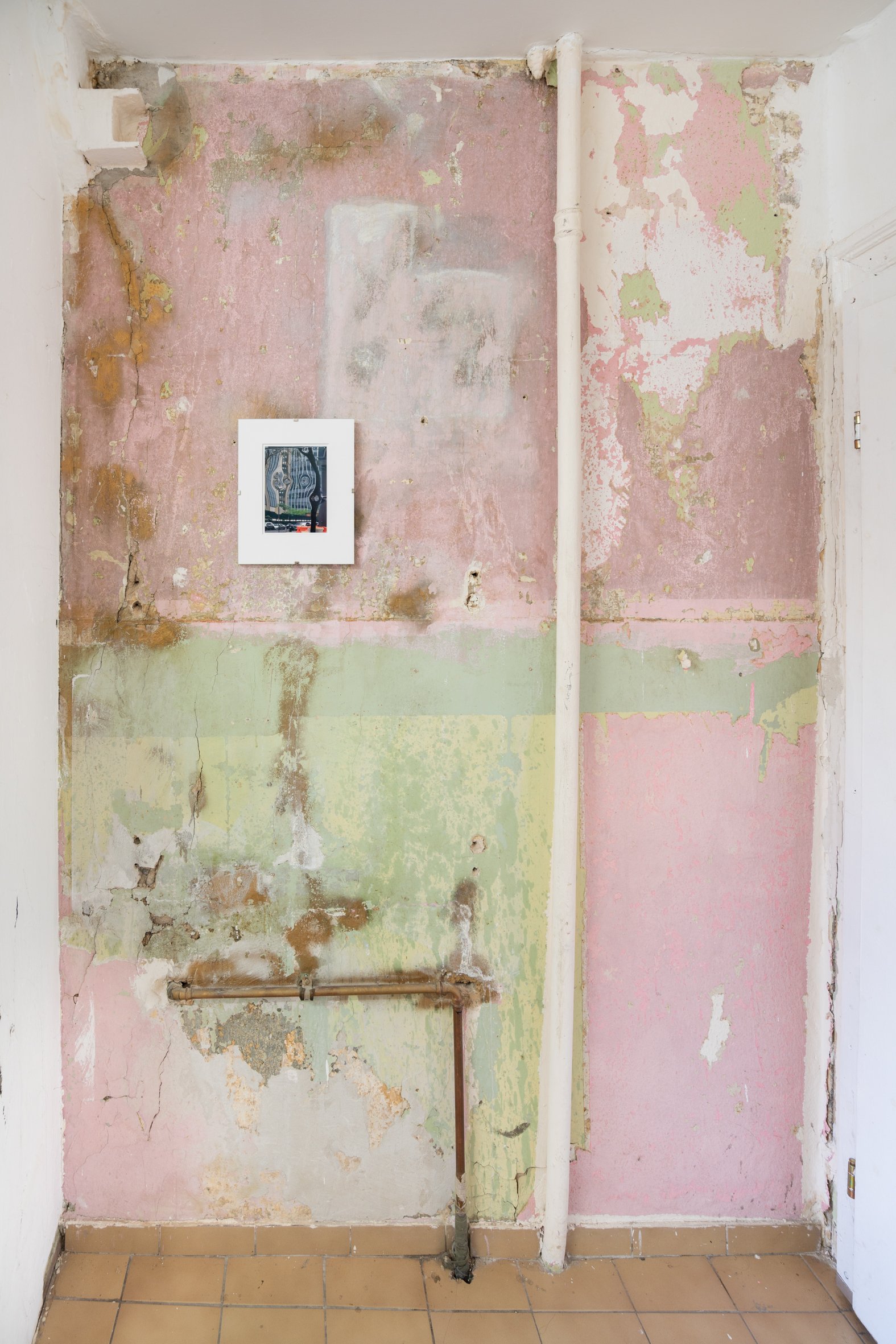
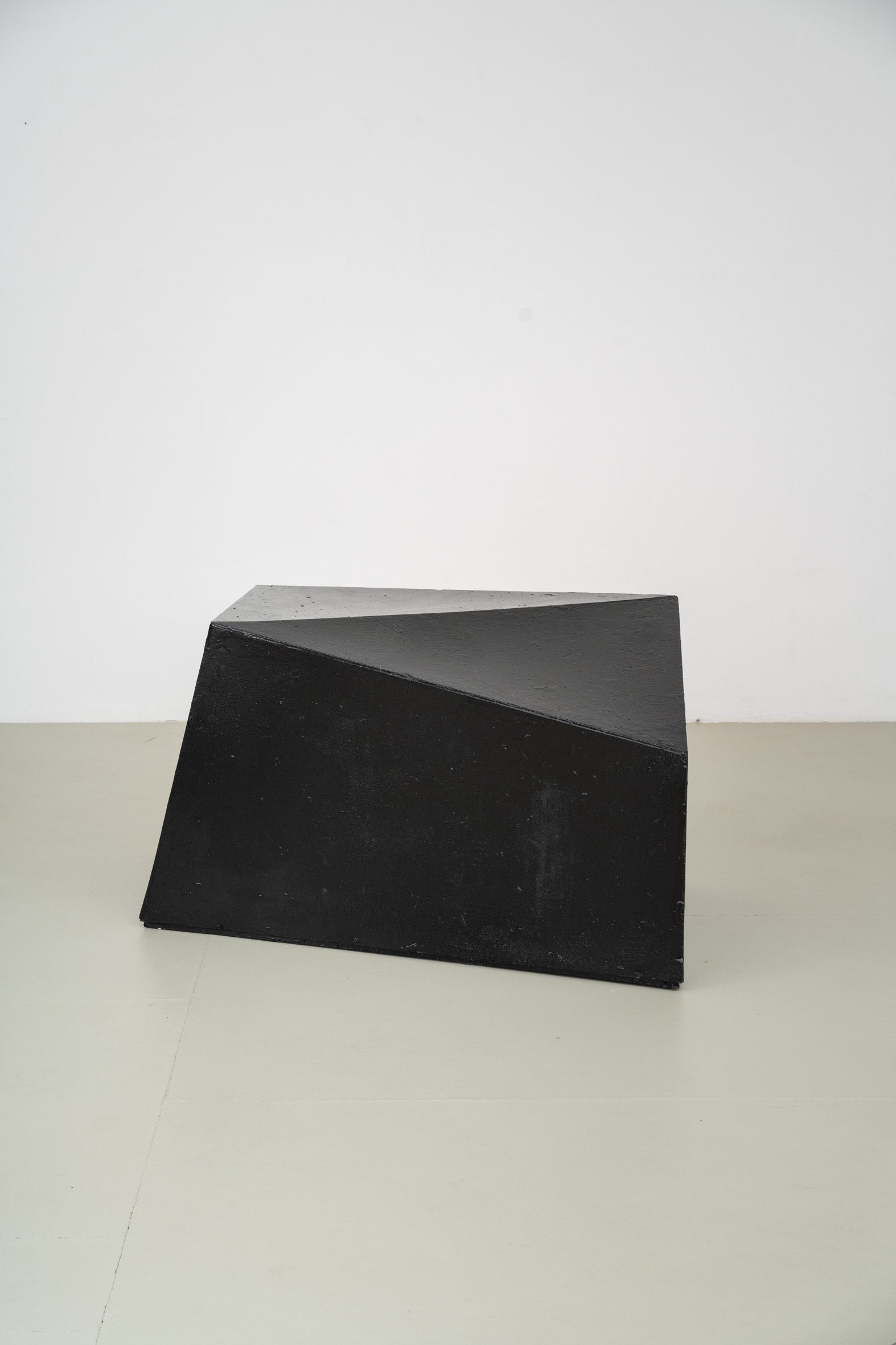
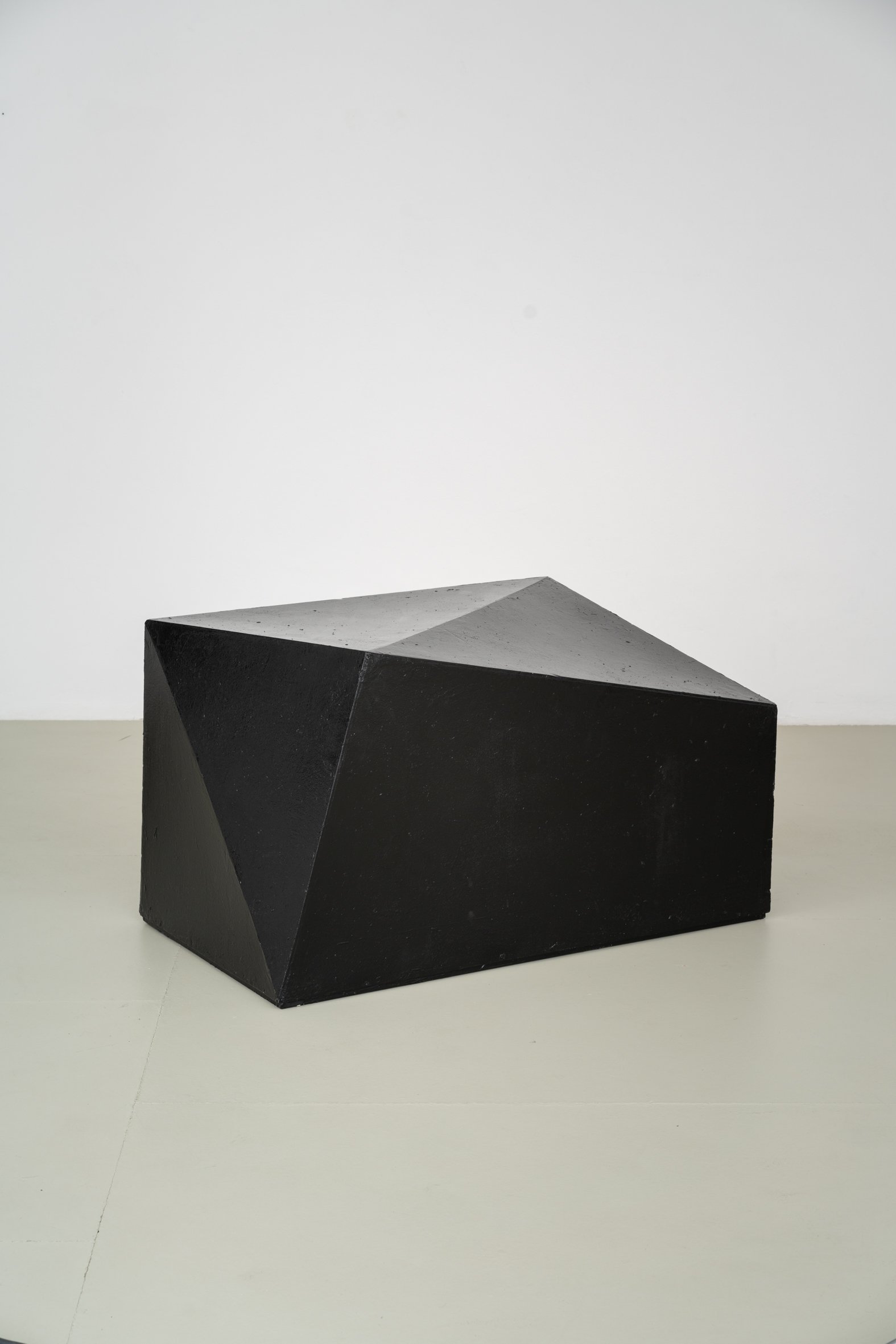
Béla Feldberg’s works are observations of urban spaces: Liberty/Nassau cites a sculpture in downtown New York. Here one repeatedly encounters hostile architectural elements, aimed especially against the homeless. This sculpture too is minimal and sterile, yet defensive and aggressive. Through its uneven surfaces it serves no practical function. With protec- tive coating, blemishes are constantly painted over; the first traces of wear are hidden behind an allegedly perfect façade. His photographic images of downtown New York, however, are notes that he abstracts, trans- lating them into a personal perspective on the present. Any expectation of harmony is disrupted. Matthew Muir’s sculptures follow a similar strategy, bringing together objects in seemingly random combinations. In Windplay, a bucket hat and a wind chime merge into a jellyfish-like form – both famil- iar and estranging. Found objects that seemingly refuse to fit together nonetheless form a coherent shape. We are left unsettled, unable to draw any logical conclusion. Muir ironically exposes the standardized patterns by which art is usually viewed and interpreted. For him, the cave becomes a space of exchange and questioning. Institutions, including galleries, are places of ritualized routines and perspectives often trapped within themselves. Muir’s absurd combinations are invitations to constantly renegotiate the boundaries between deception and illusion.
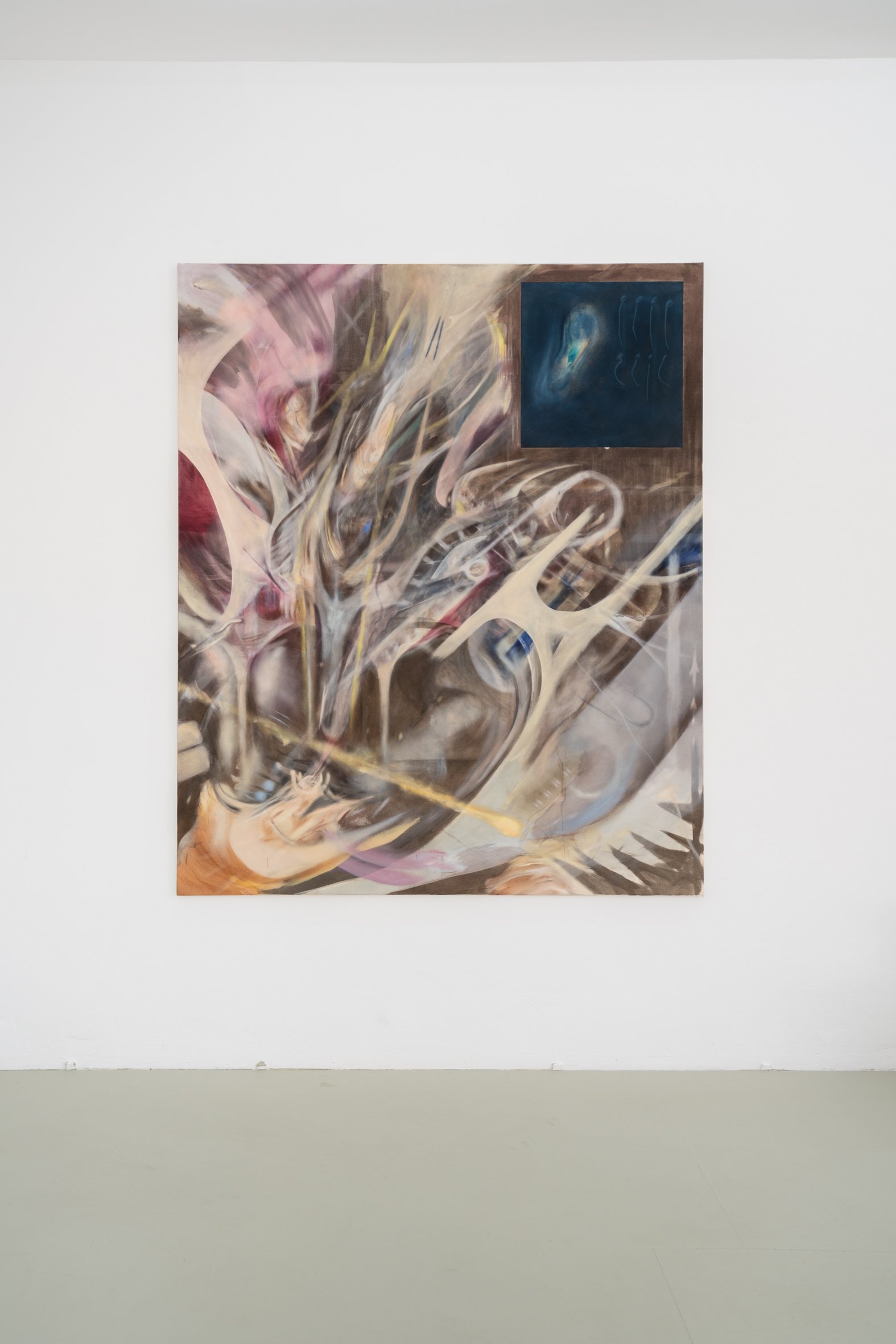
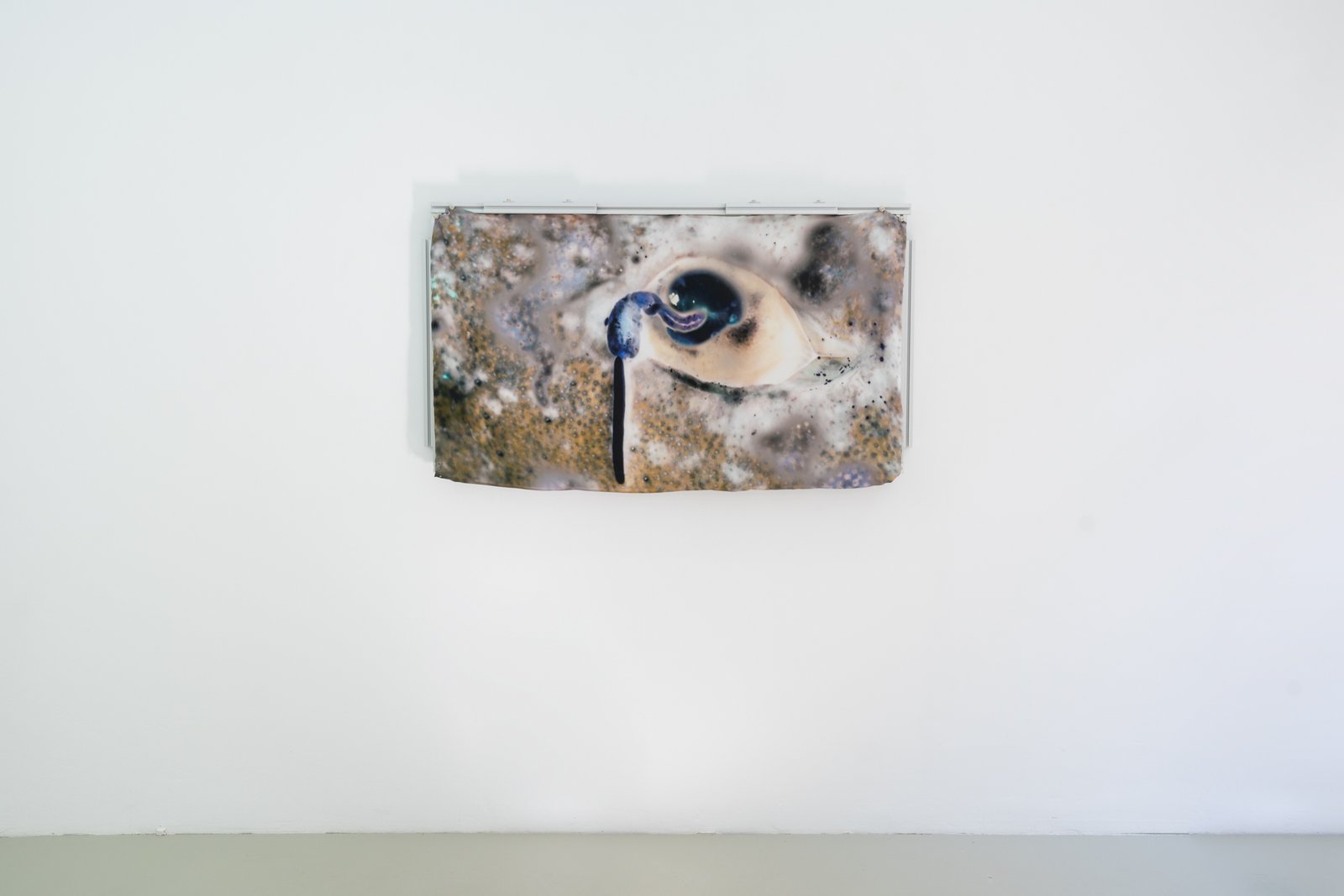
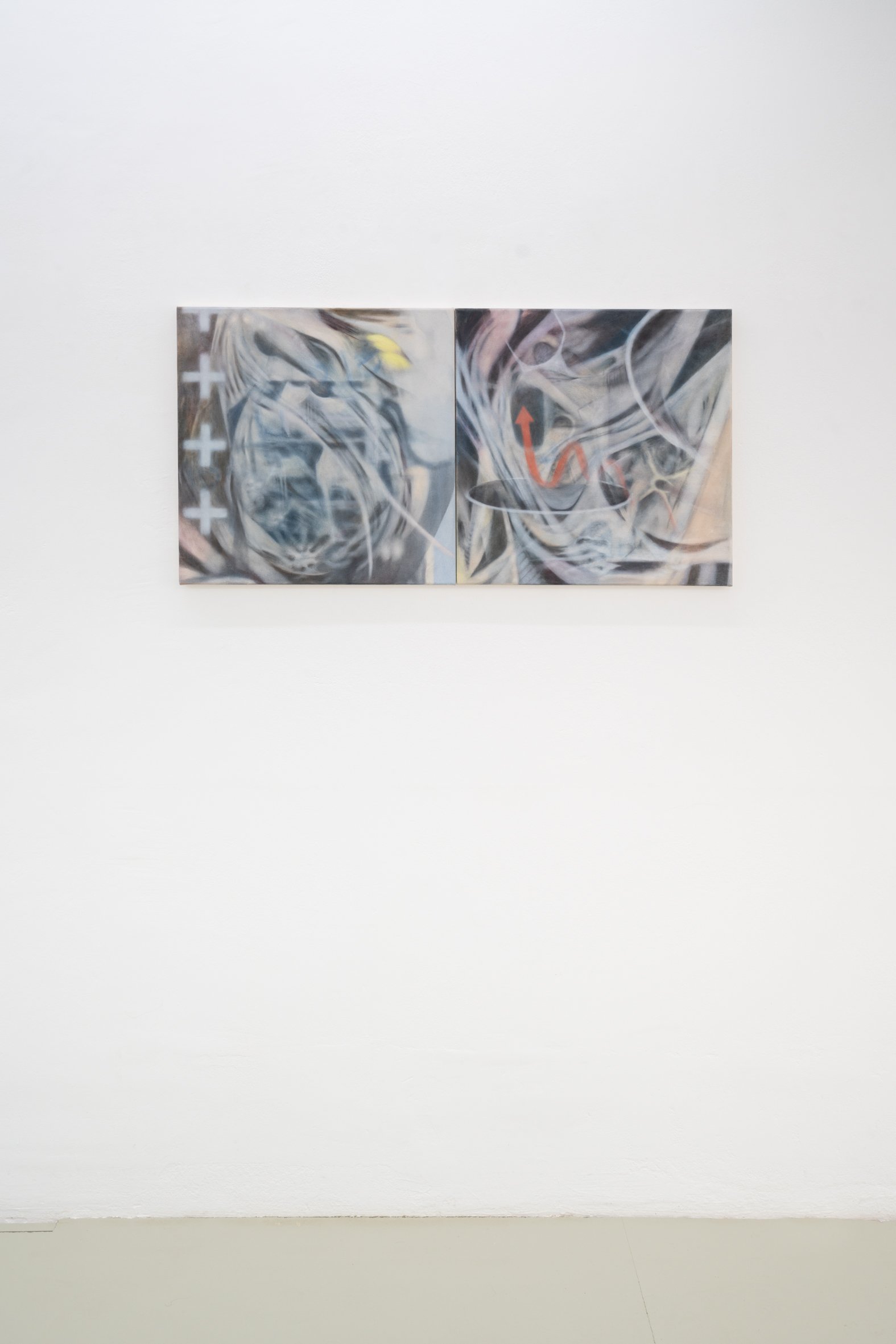
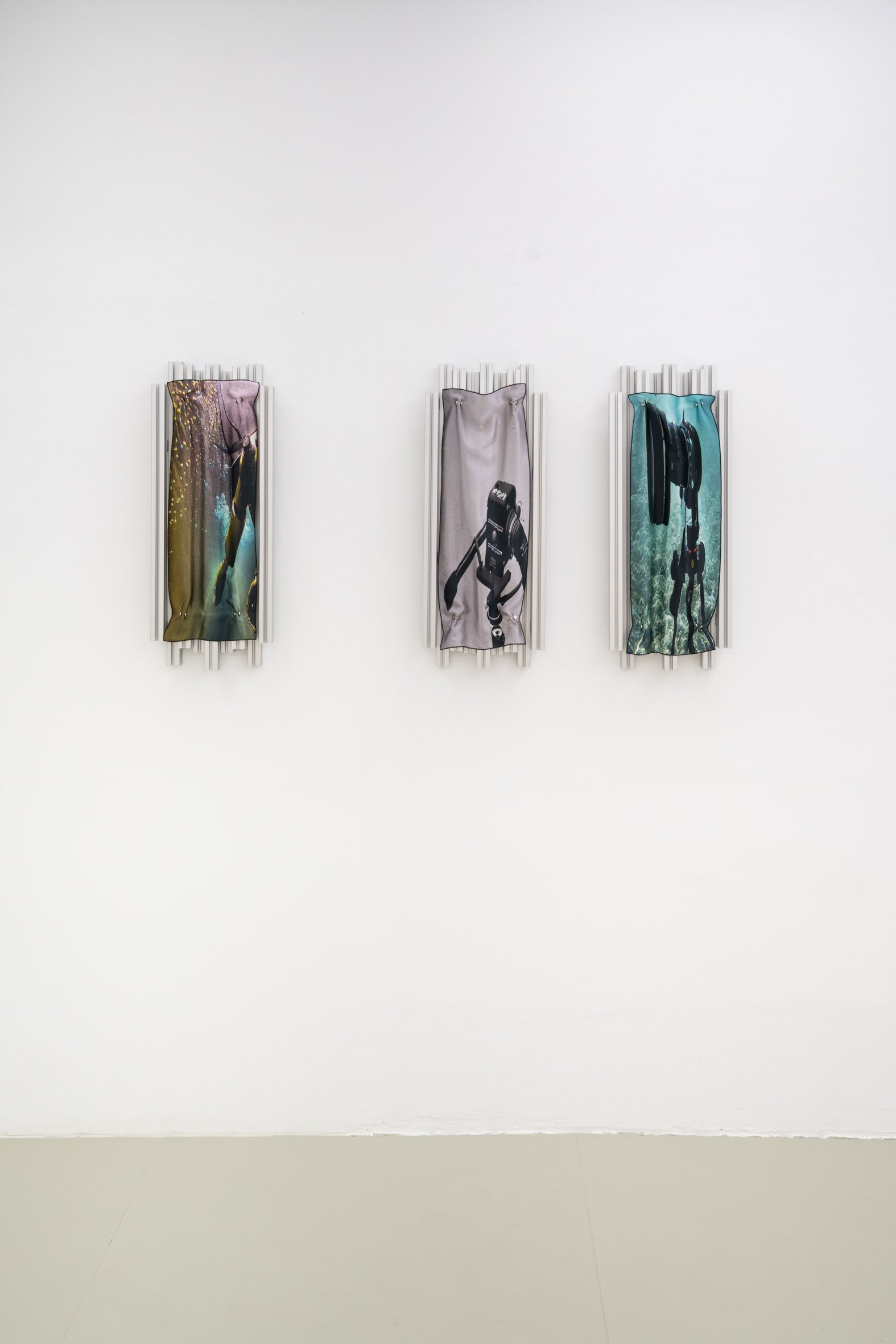
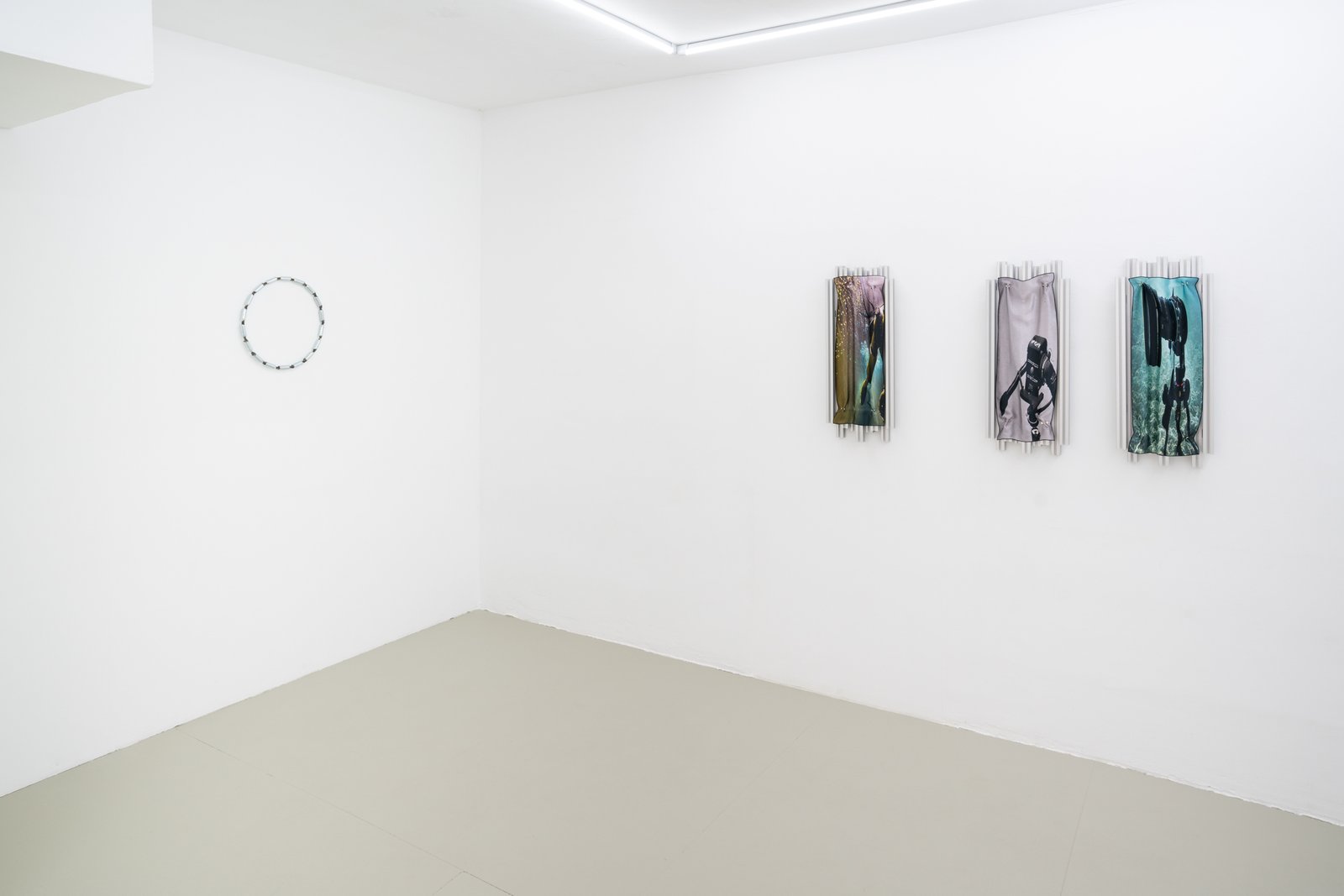
Tatjana Vall’s wall objects deal with traces and with different temporal layers that connect and interact with one another. Cloudy Vision combines silk, a material with millennia of history, with aluminum, discovered only in the 19th century. Here, organic and inorganic meet, while time itself is bridged: expectations of the past towards the future are called into question. The stains on the silk, reminiscent of skin, are like signs of aging inscribed into the cave wall’s very surface. What appears abstract, however, is in fact the eye of a parasite-infested shark – a photograph Vall found in a scientific journal and altered in color. In the Weight series, industrial underwater pipes and measuring instruments appear. Again, these are motifs not usually found on delicate silk. As with Feldberg and Muir, expectations of aesthetics and artistic representation are subverted. A comparable tension also marks Kolja Kärtner Sainz’s paintings, which resemble tectonic superimpositions, uniting primeval and futuristic imagery. In Heart in a Cage (Replica), a dynamic process of layering is revealed. The image could depict human muscle tissue as much as mechanical or technical structures. Clear readability is withheld. Instead, Sainz develops pictorial worlds in which abstraction and figura- tion flow into one another, generating fictional ecosystems. Like the cave itself, traces are gathered, transitions made visible, and new realms of possibility opened. For both Kärtner Sainz and Vall, initial observations and found images are transformed into abstract hybrids. Their works oscillate between nature and technology, envisioning a future that seems dystopian.
Together, all four positions invite reflection on perception, knowledge, and truth. In this constellation, the gallery itself becomes a cave: an open archive collecting traces without ordering them; a shelter enabling exchange; a place where the boundaries between nature and technology, past and future blur. Here, the works encounter each other not as isolated positions but as part of a shared narrative: a cave story that continues to be written.
Text: Dorotea Lorenz