


Bougies de berger
Dear Rosario,
I’d like to share some thoughts with you about the exhibition I’d like to stage in your gallery. I felt the need for a conceptual framework that would resonate deeply with the space, and I believe I’ve found the starting point.
Bougies de berger. I chose this French title for its ancestral musicality and its deeply poetic core. Literally translated, it means “The shepherds’ candles”. I came across this evocative term in Sicilian vernacular. “I cannili di picurari” was the name given to fireflies. Shepherds, walking along the dark paths back to the sheepfold, would light straw torches to find their way; from a distance, people mistook those flashes of fire for fireflies. I have long harboured a desire to dedicate an exhibition to fireflies, and I have finally managed to evoke their profound essence without naming them directly in the title!
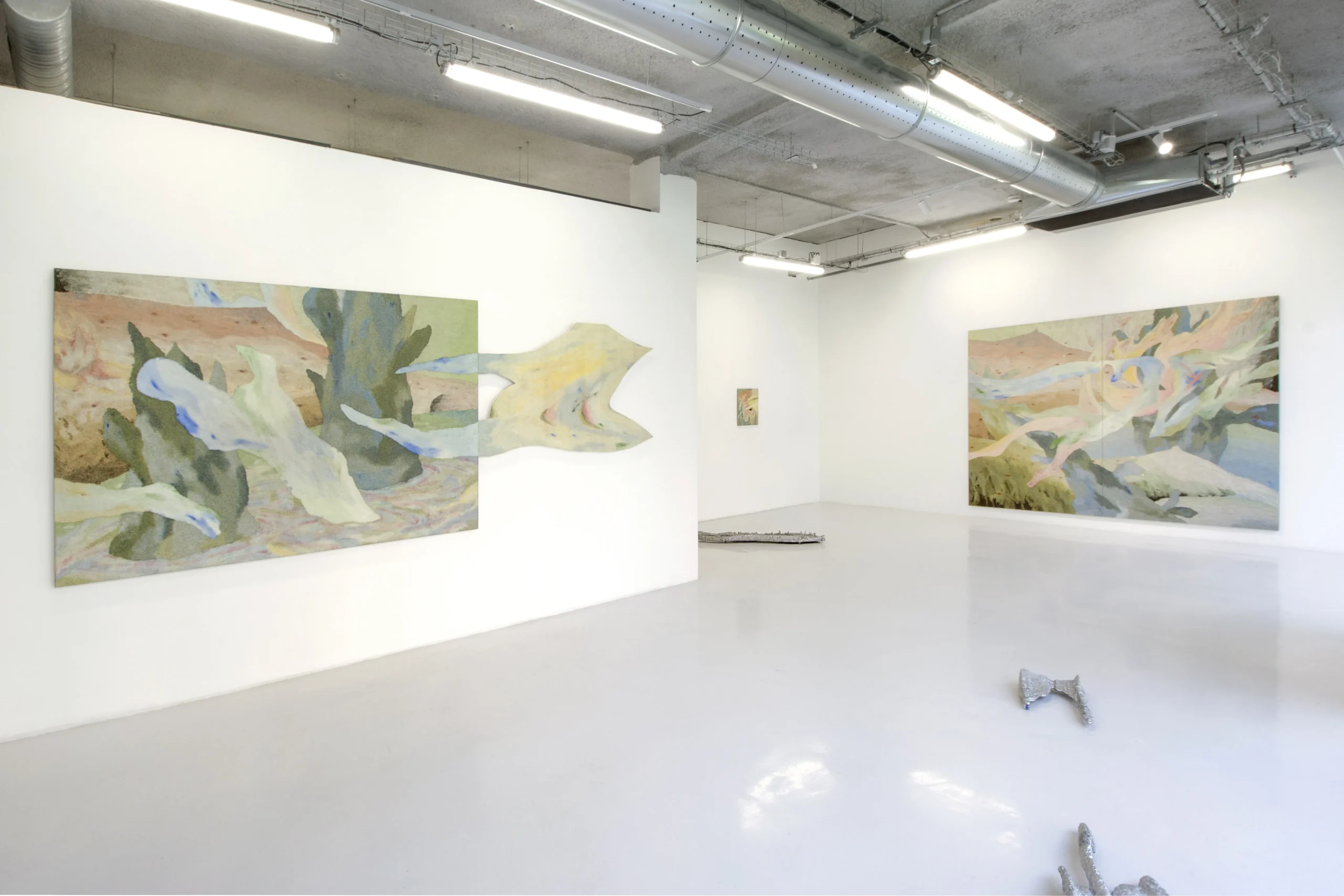
I imagine the gallery as a topography of natural vistas, a secret landscape of streams and horizons where one can listen out, in search of these luminous apparitions. Paris is, par excellence, the “Ville Lumière“, but the light of fireflies is the antithesis of the monumental light of the modern city. It is not the light of power, advertising or show; it is a flickering, vulnerable, almost invisible light. It is a very contemporary reflection in a city swept up in mass tourism, major events and constant media exposure – the same applies to Rome.
In this discussion, I was guided by my reading of Like Fireflies by Georges Didi-Huberman, a text written in response to Pier Paolo Pasolini’s famous, despairing thesis on the “disappearance of fireflies” as a metaphor for anthropological and cultural degradation. Didi-Huberman, however, rejects the idea that everything has been definitively swallowed up by the Spectacle. He teaches us that, even where power seems to occupy every centimeter of the visible world, minor images, minute gestures and flashes of intermittent light survive.
In the era of algorithms and constant attention, the firefly becomes an embodiment of resistance: it does not produce continuous streams, nor does it compete for the primacy of the gaze; it appears, disappears, and withdraws. The exhibition does not cultivate nostalgia for the past, but seeks evidence of a fragile presence, of a desire that refuses to be tamed.
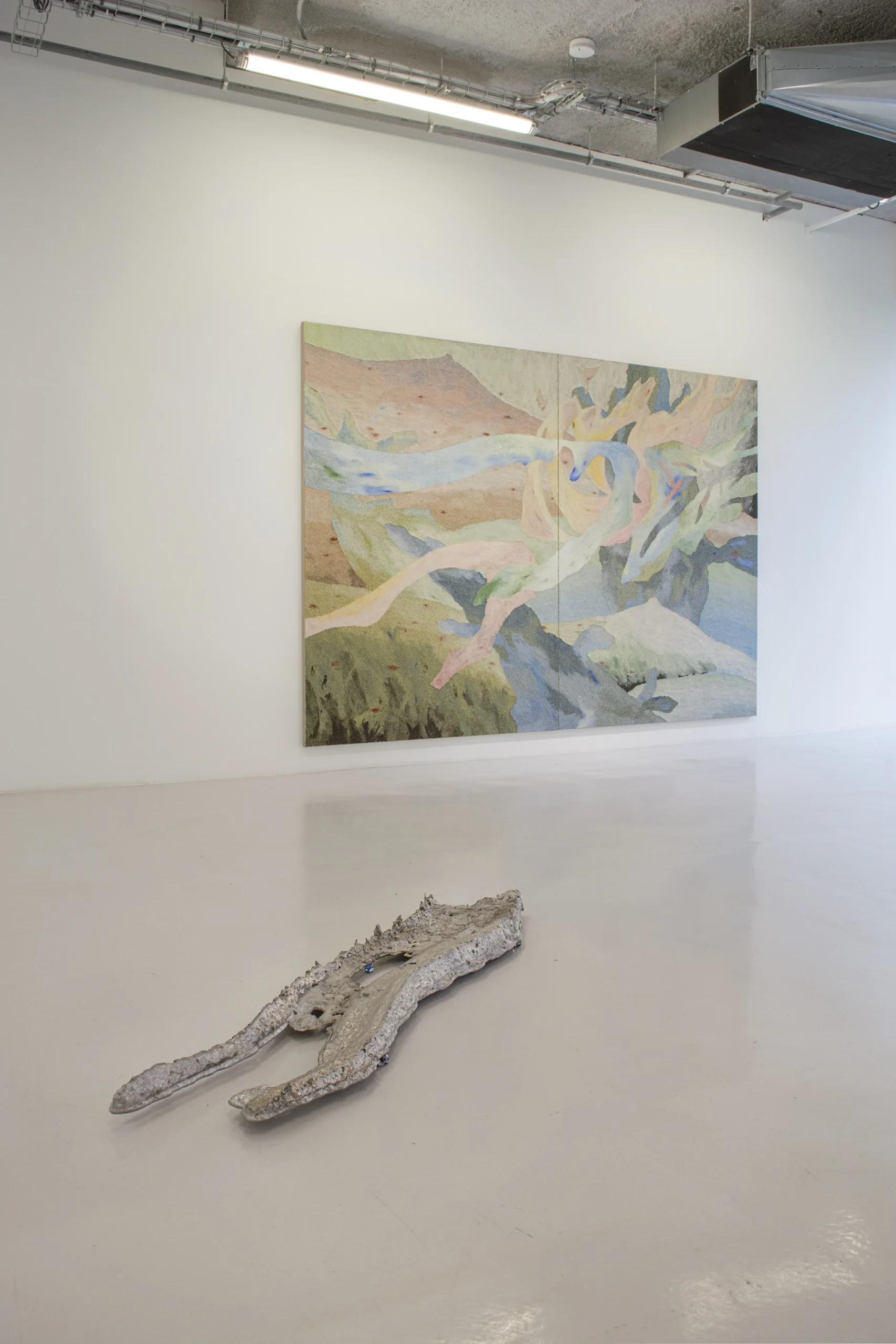
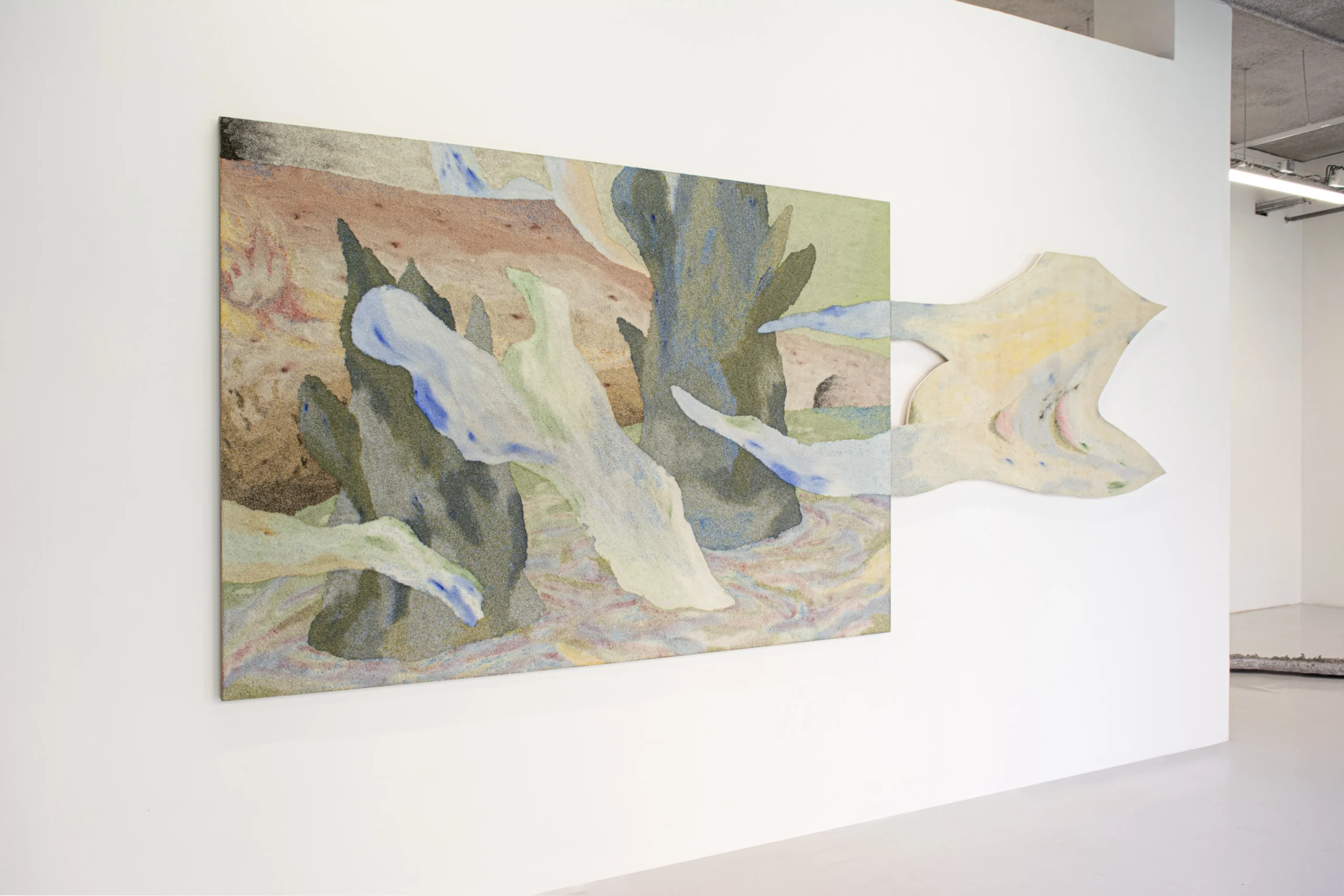
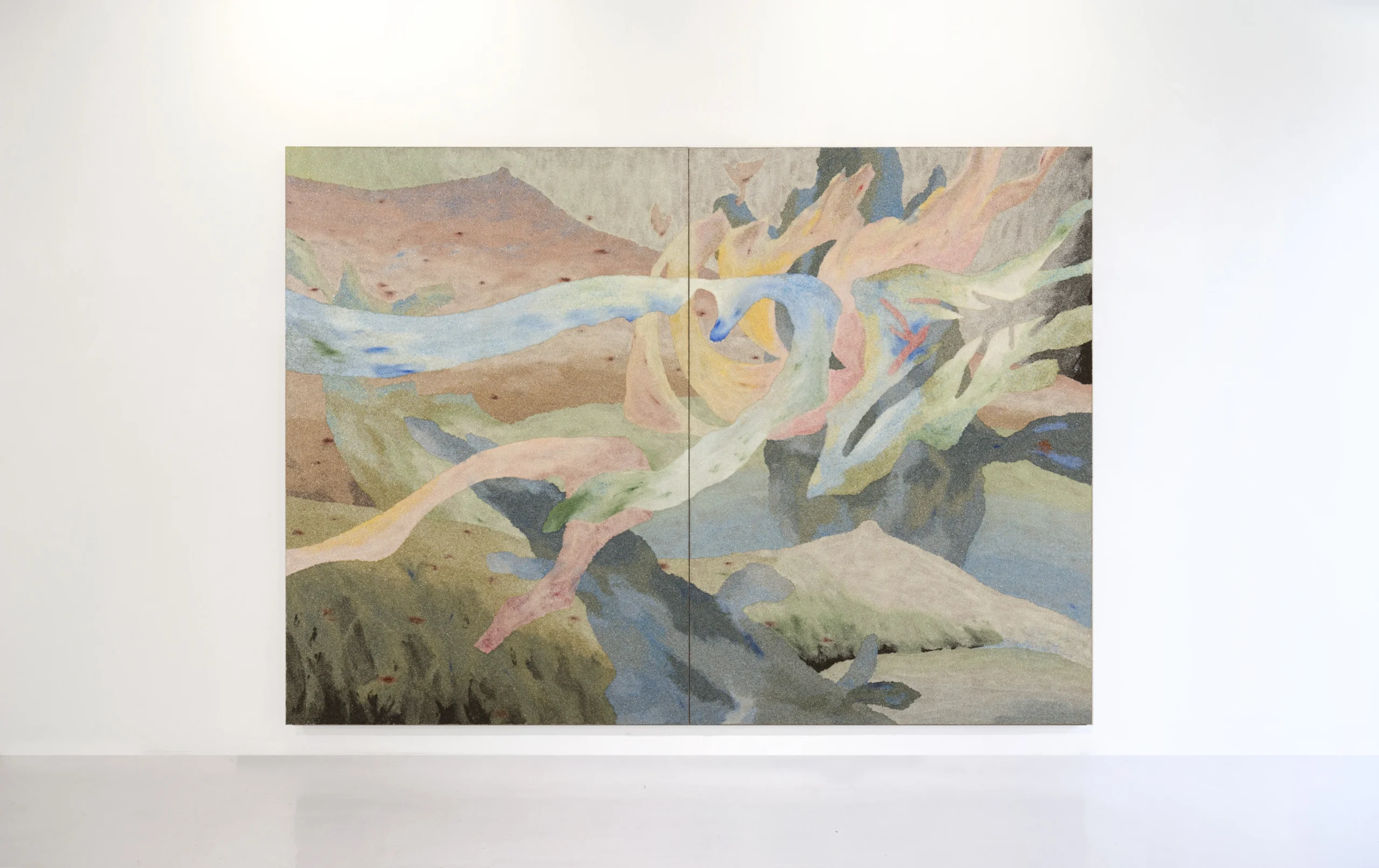
There still exist fragile and marvelous forms of presence, desire and resistance. On the two largest walls of the gallery are two major works from the ISO series.
One is rectangular (3 x 2.15 m), and the other is irregularly shaped (3.65 x 1.5 m). Two landscapes in which I shall bring forth some timid fireflies: infinitesimal smudges of colour held in place by animal glue, as if to cast a further conceptual light on what is already my attempt to shed a “different” light on the canvas using glass powder.
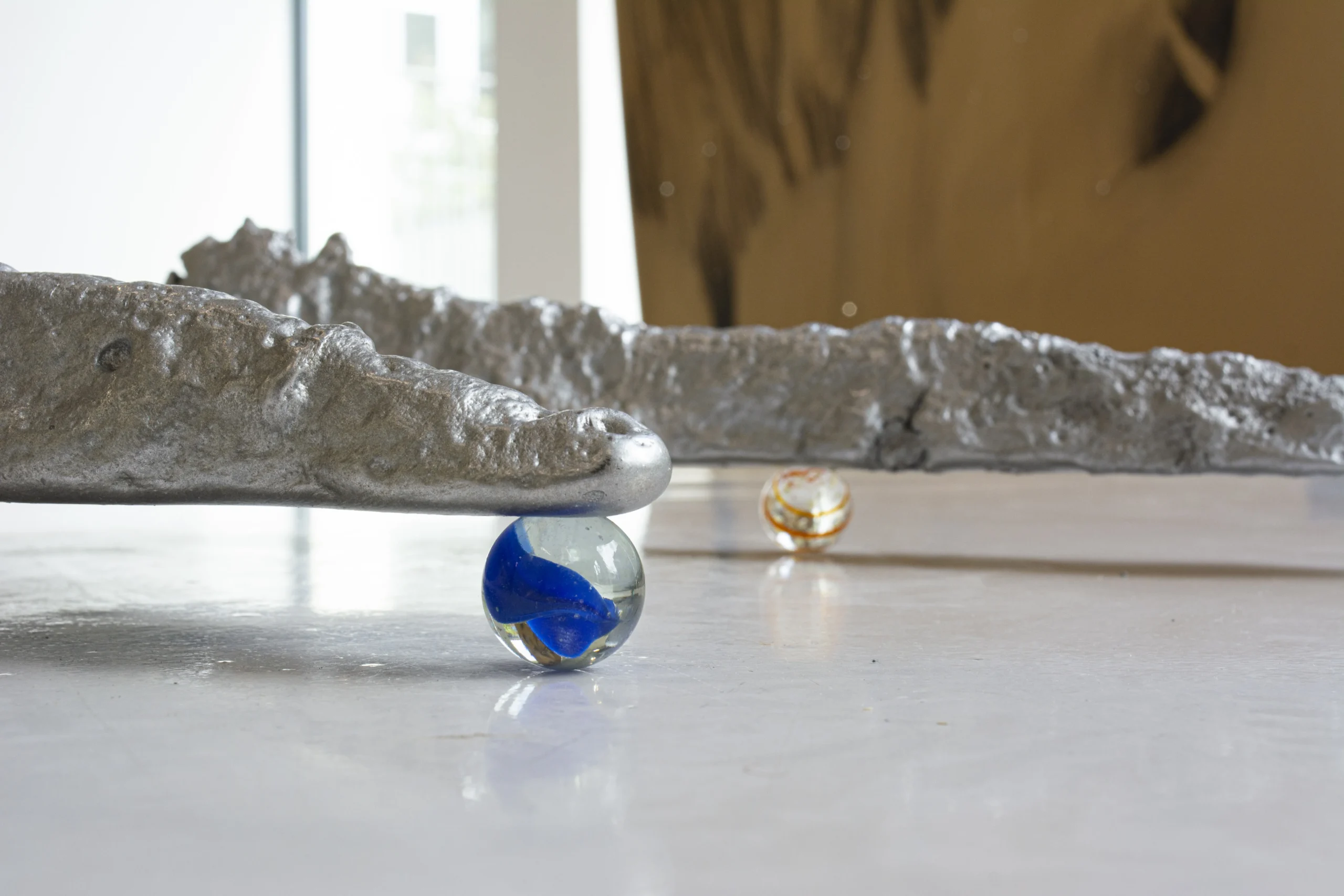
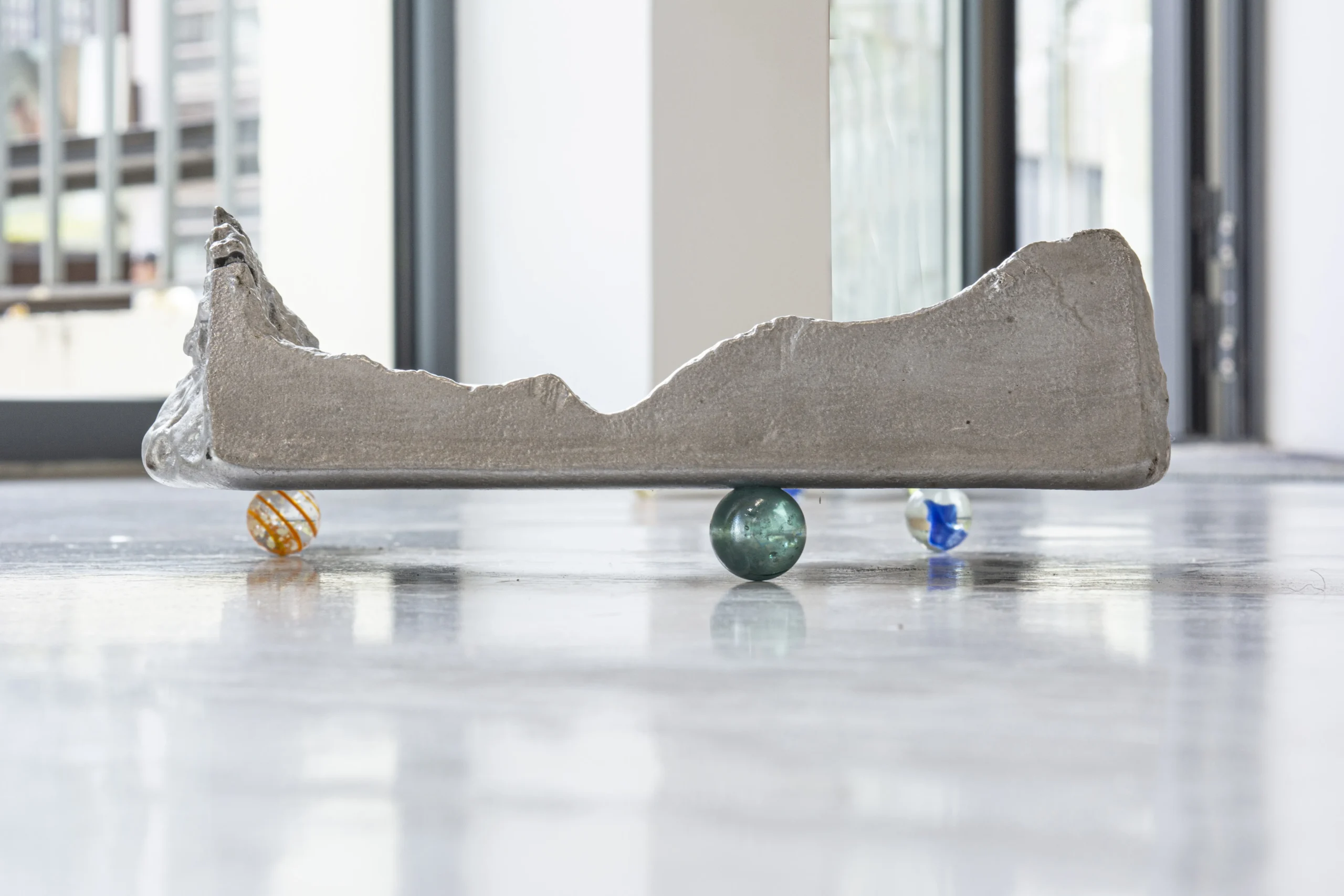
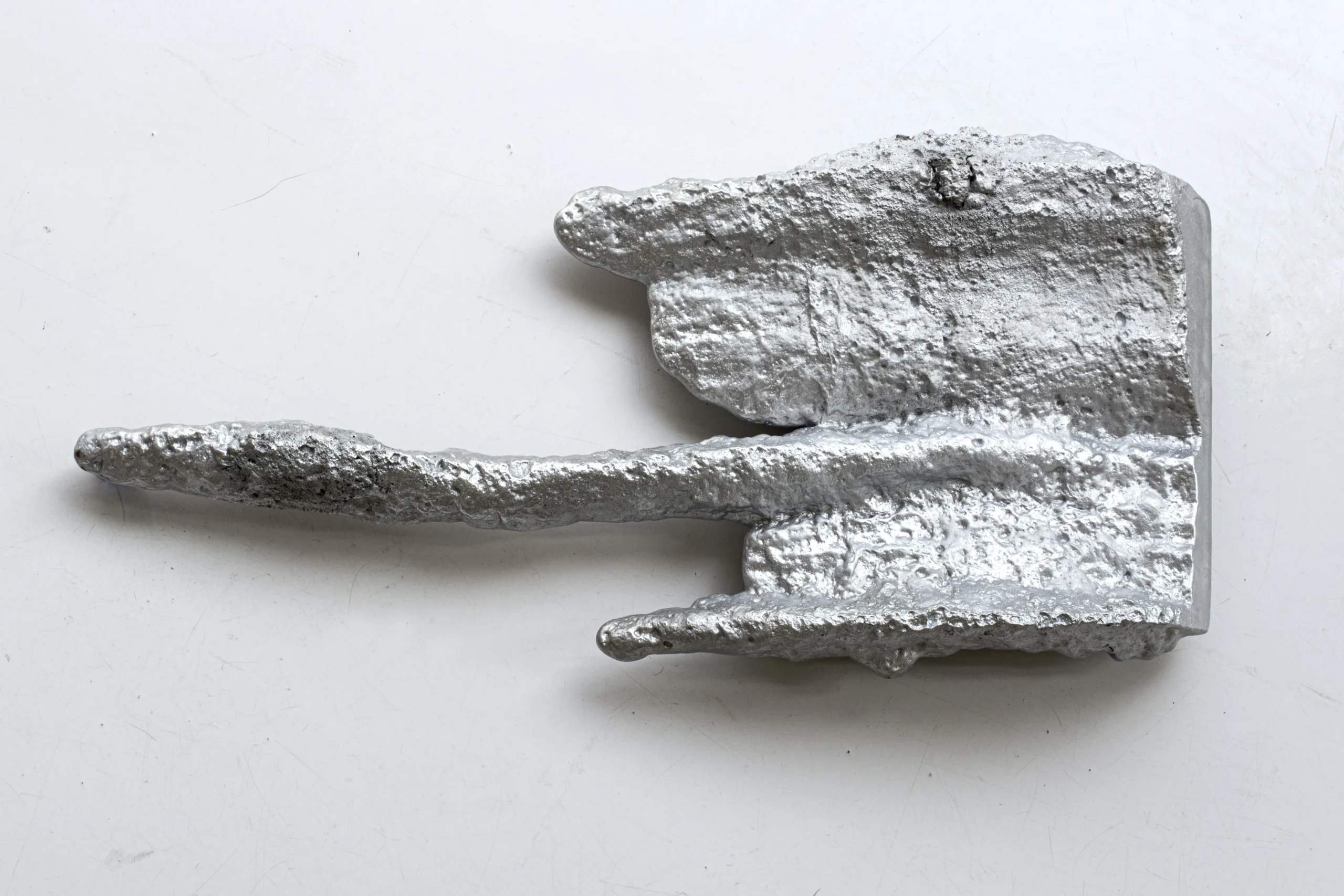
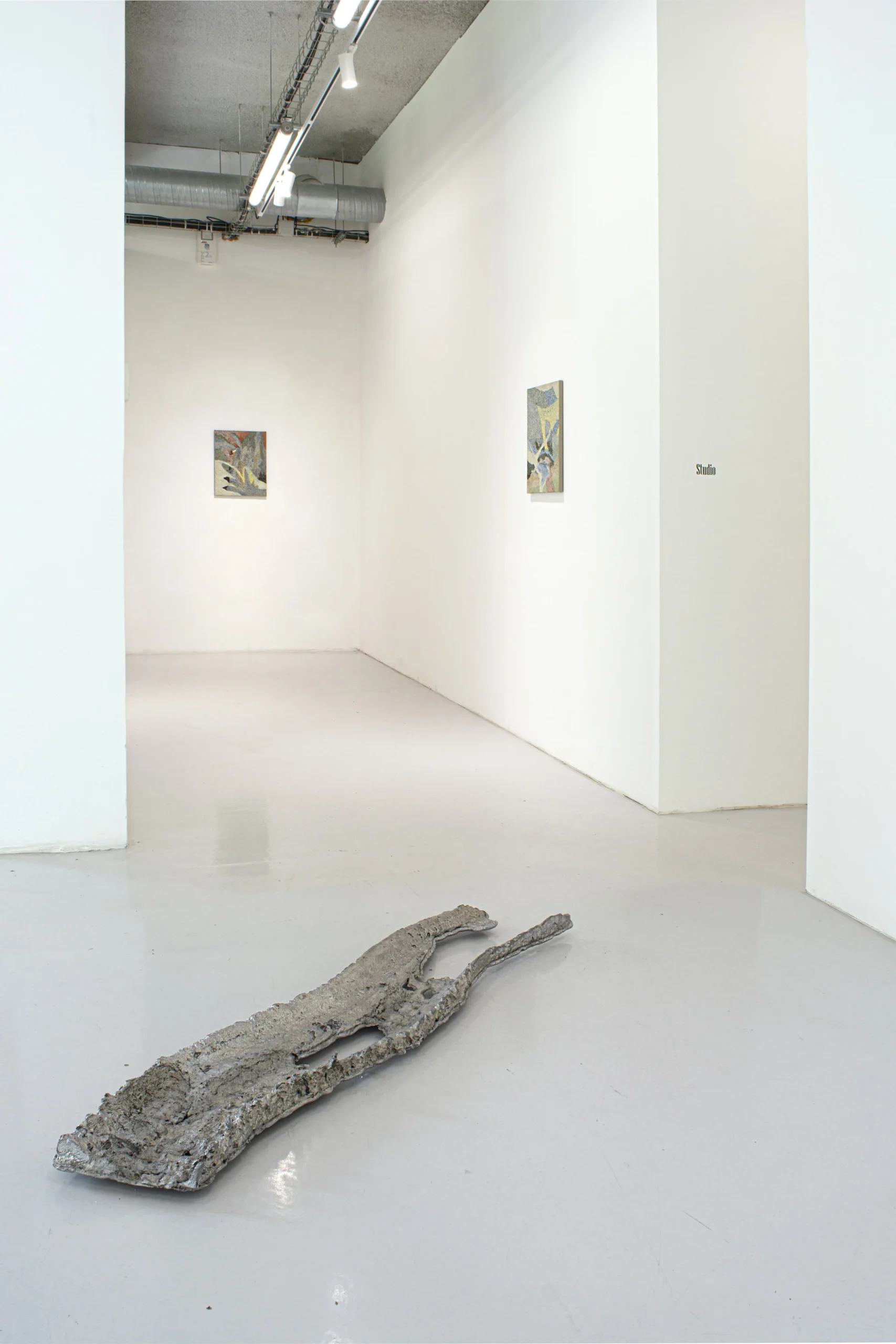
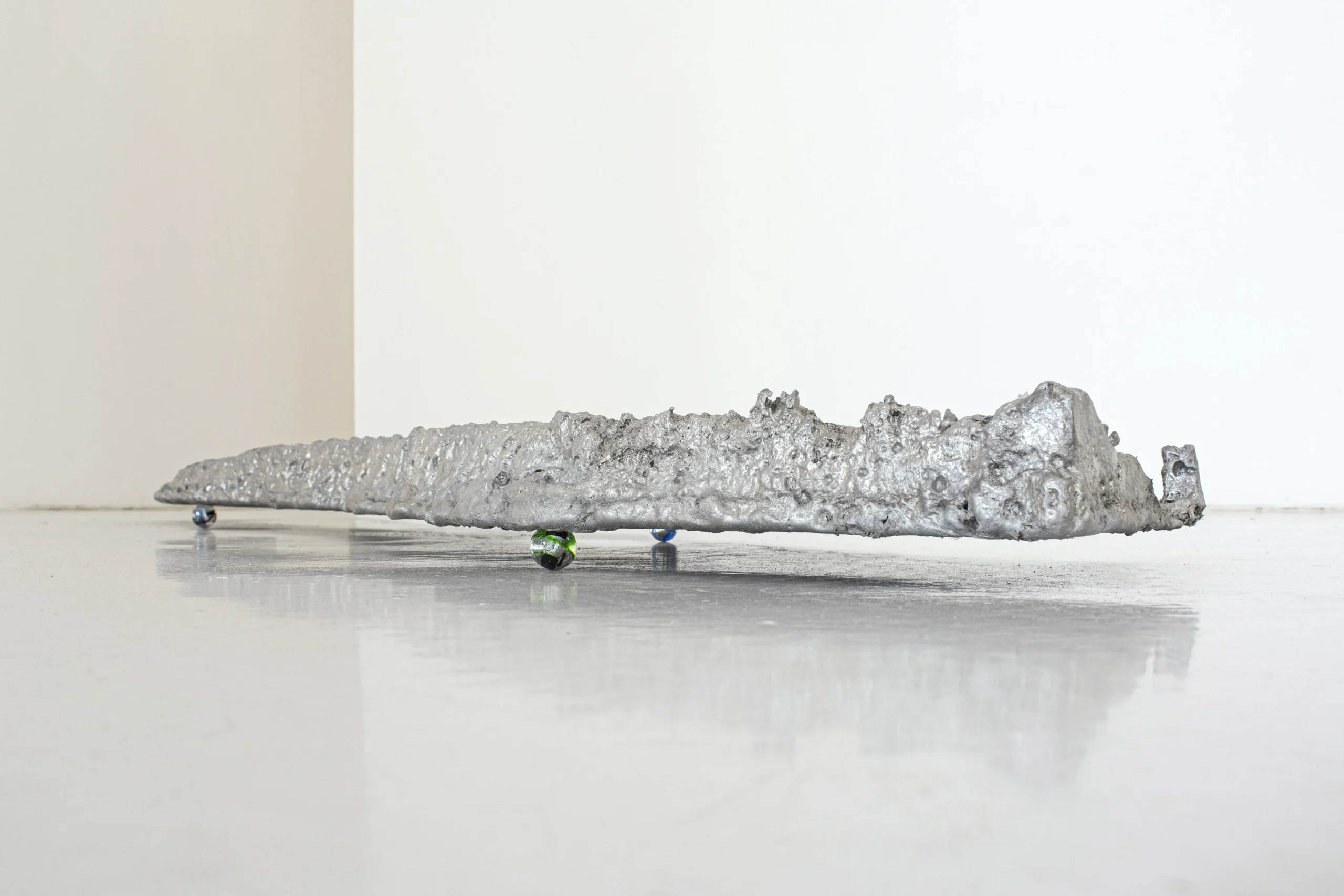
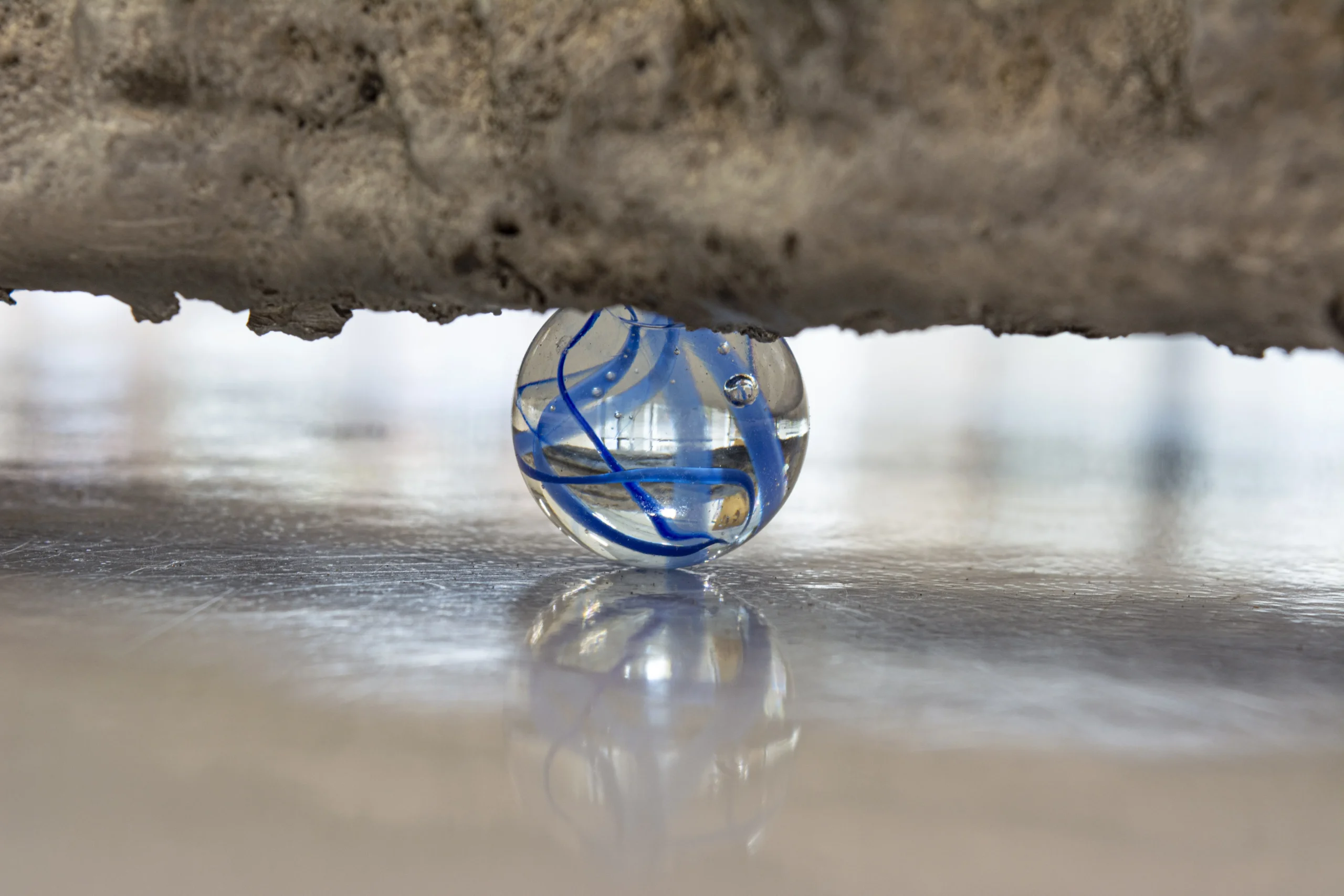
These two naturalistic views contain a meditation on how the landscape is often nothing more than an anthropocentric construct, a staging of the self. It is the age-old relationship between humankind and the pretensions of architecture that generates the fiction of the landscape. The purest of elements, such as plants and stones, become building materials; even the sea, as Giorgio Caproni’s desperate lucidity reminded us, becomes material, the cornerstone and cement of the intellect. This is why, within these two works, multitudes of silhouettes scurry about and disrupt the pure contemplation of the horizon. Minimal, everyday elements — lemons, moons, small fires and rosemary bushes — overlap to instill a deep doubt that our connection with space is tainted by an underlying dishonesty. We are gods capable of building and deconstructing, yet approaching the world and looking upon it once more with fresh eyes remains a complicated matter. An aluminium sculpture will be placed on the floor. A stream, a tribute to Amelia Rosselli. Born in Paris whilst in anti-fascist exile, Amelia Rosselli lived through the twentieth century as a wandering figure, moving between languages and countries. Her voice, fragile yet radical, survives the catastrophes that gave her birth. Like a firefly, her poetry does not illuminate the world from above: it flickers in the night, intermittent, stubborn, essential.
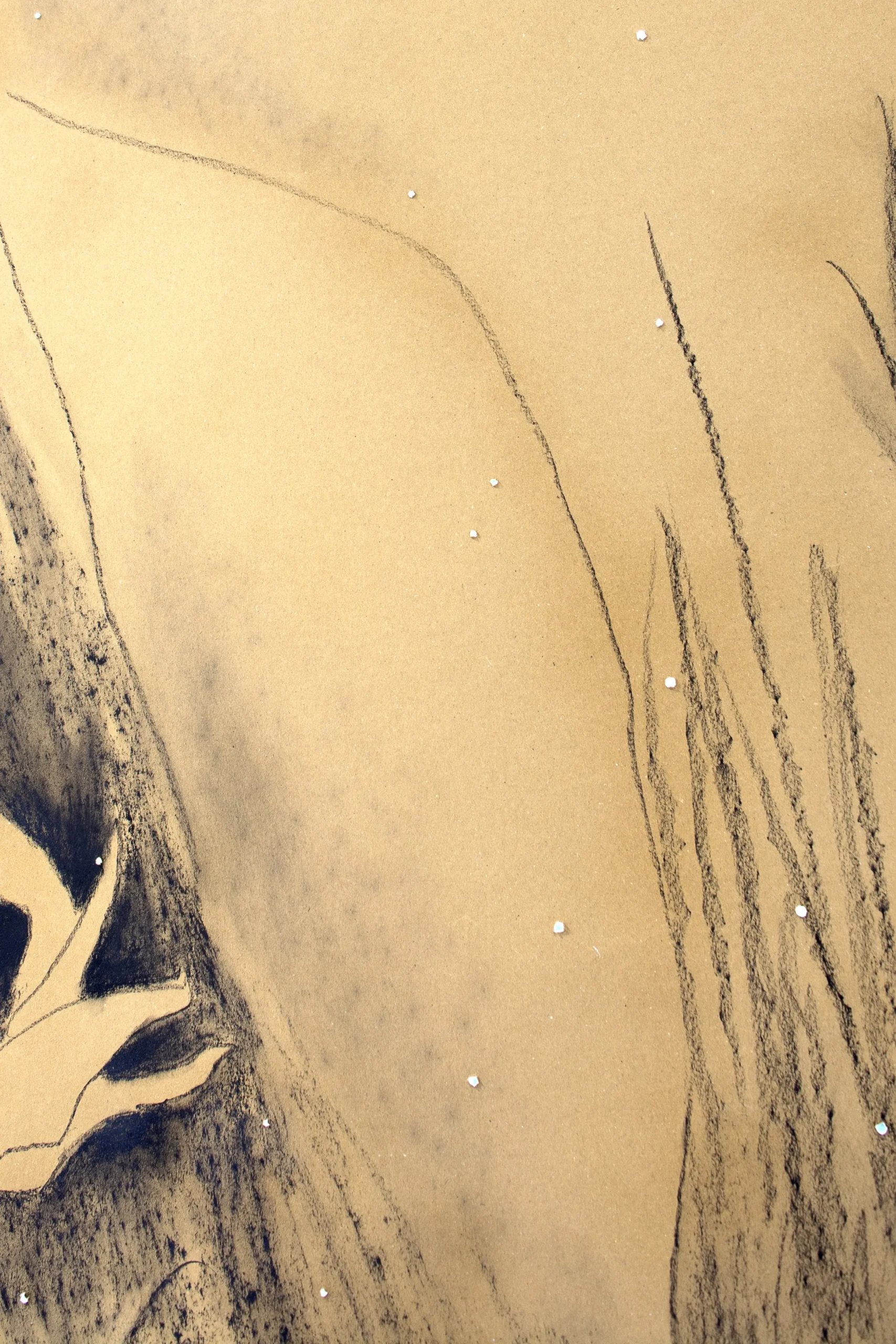
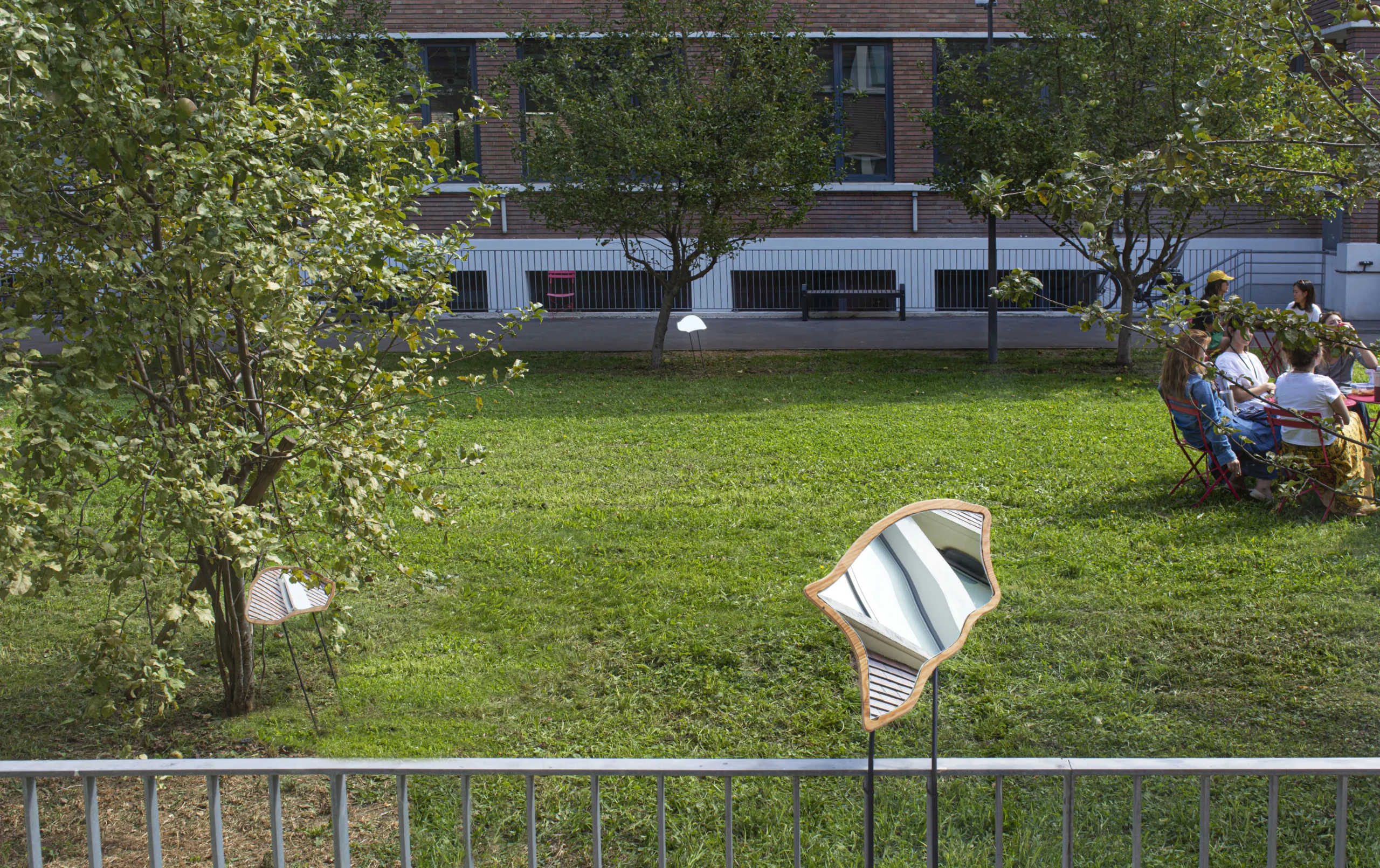
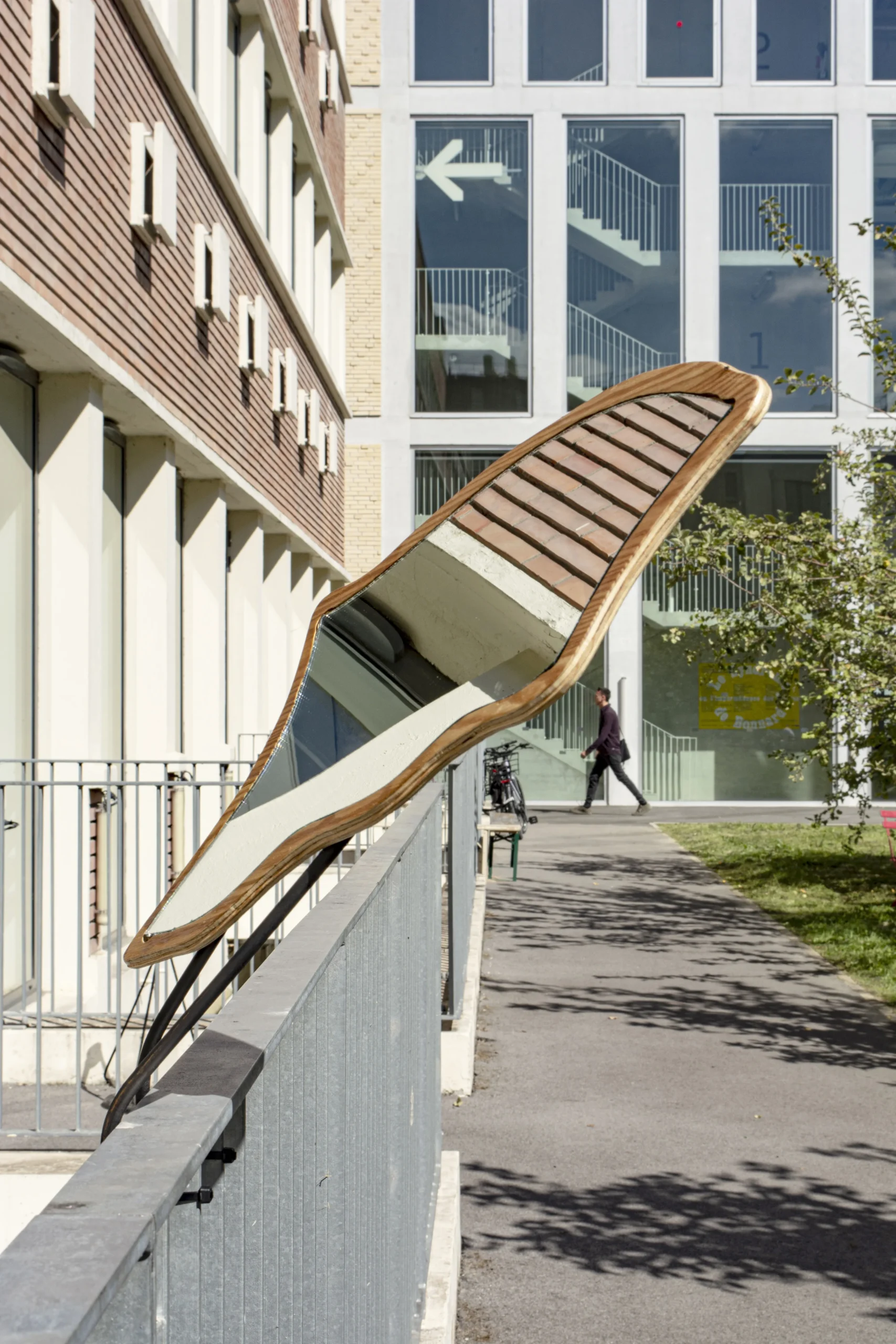
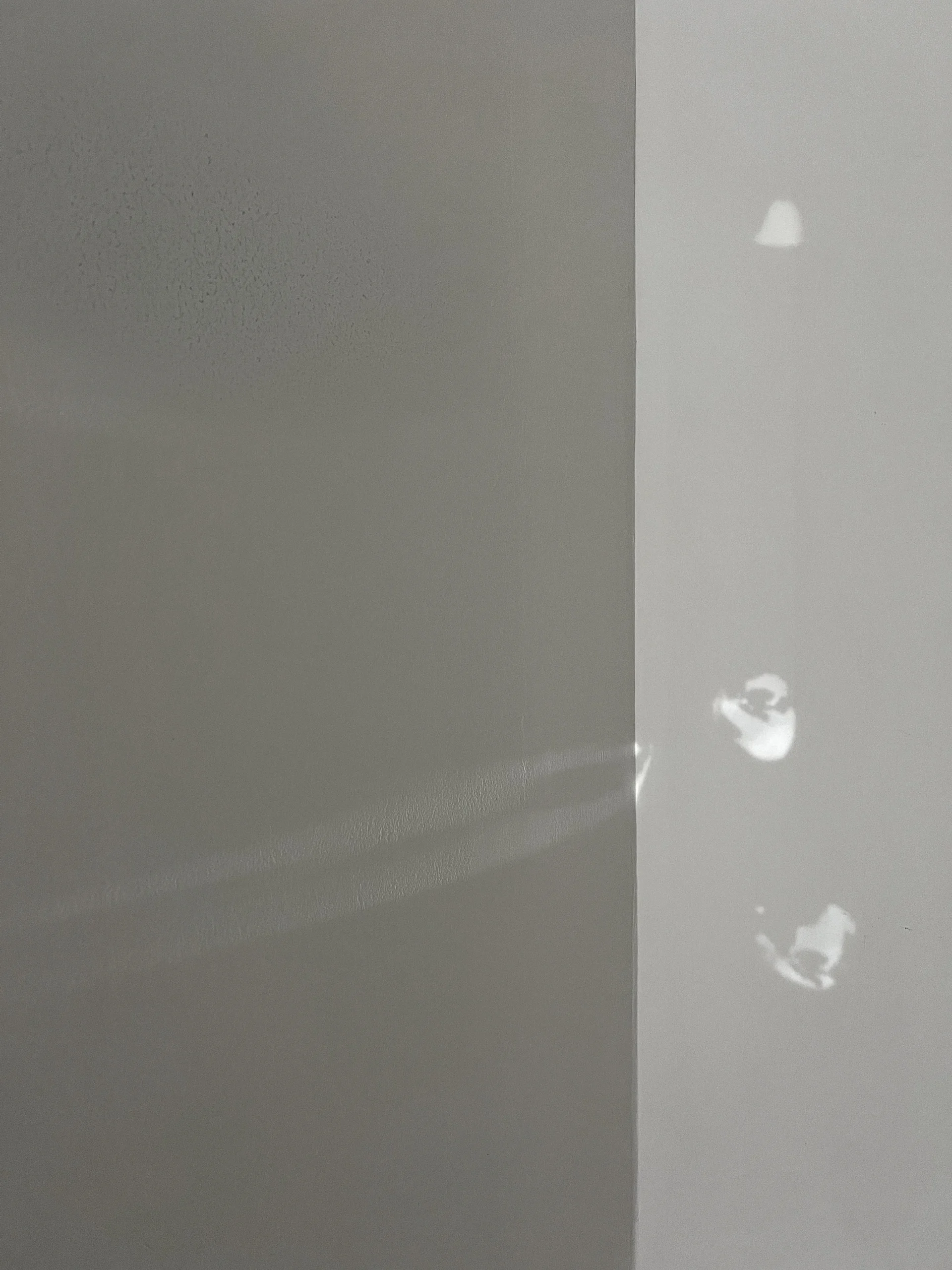
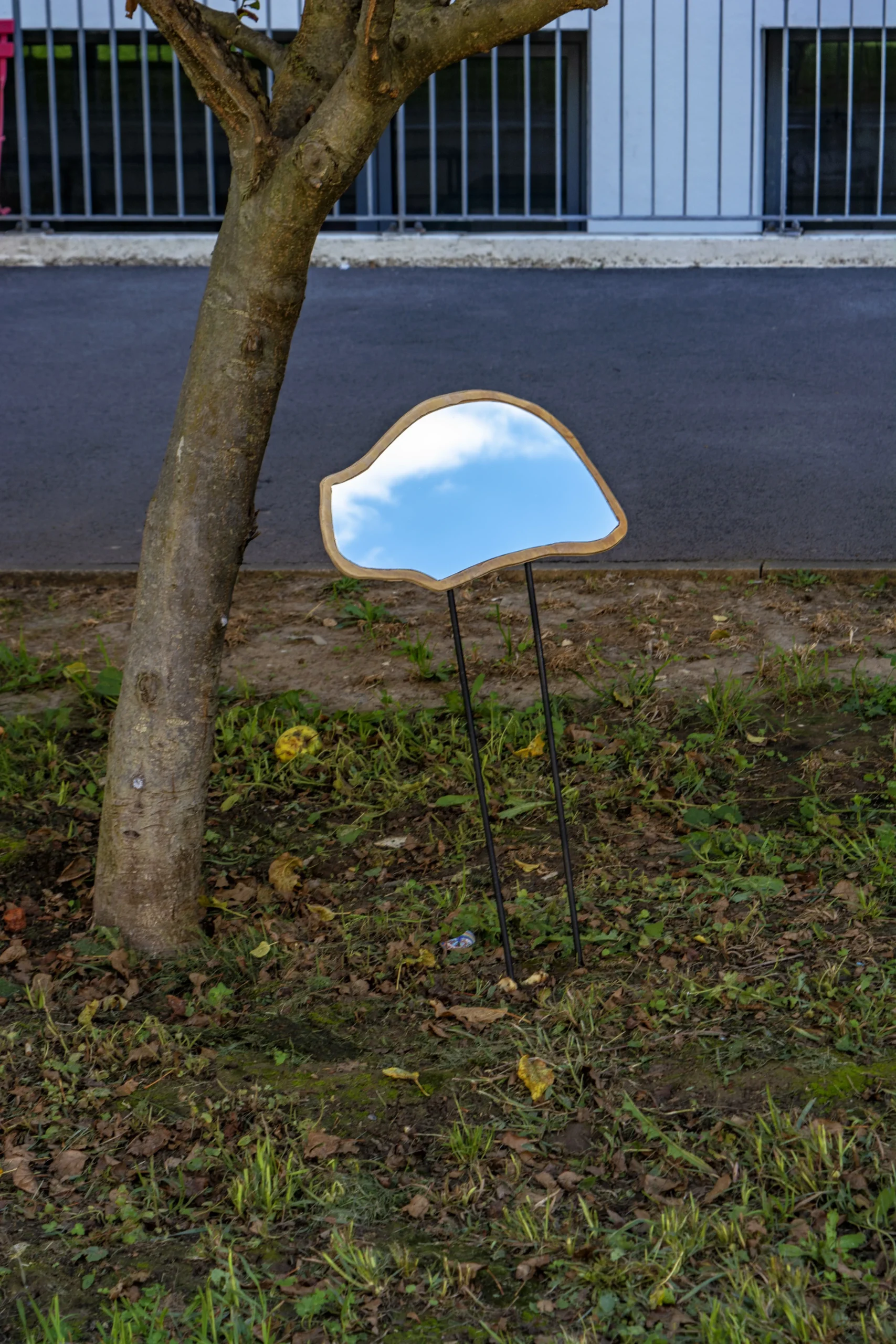
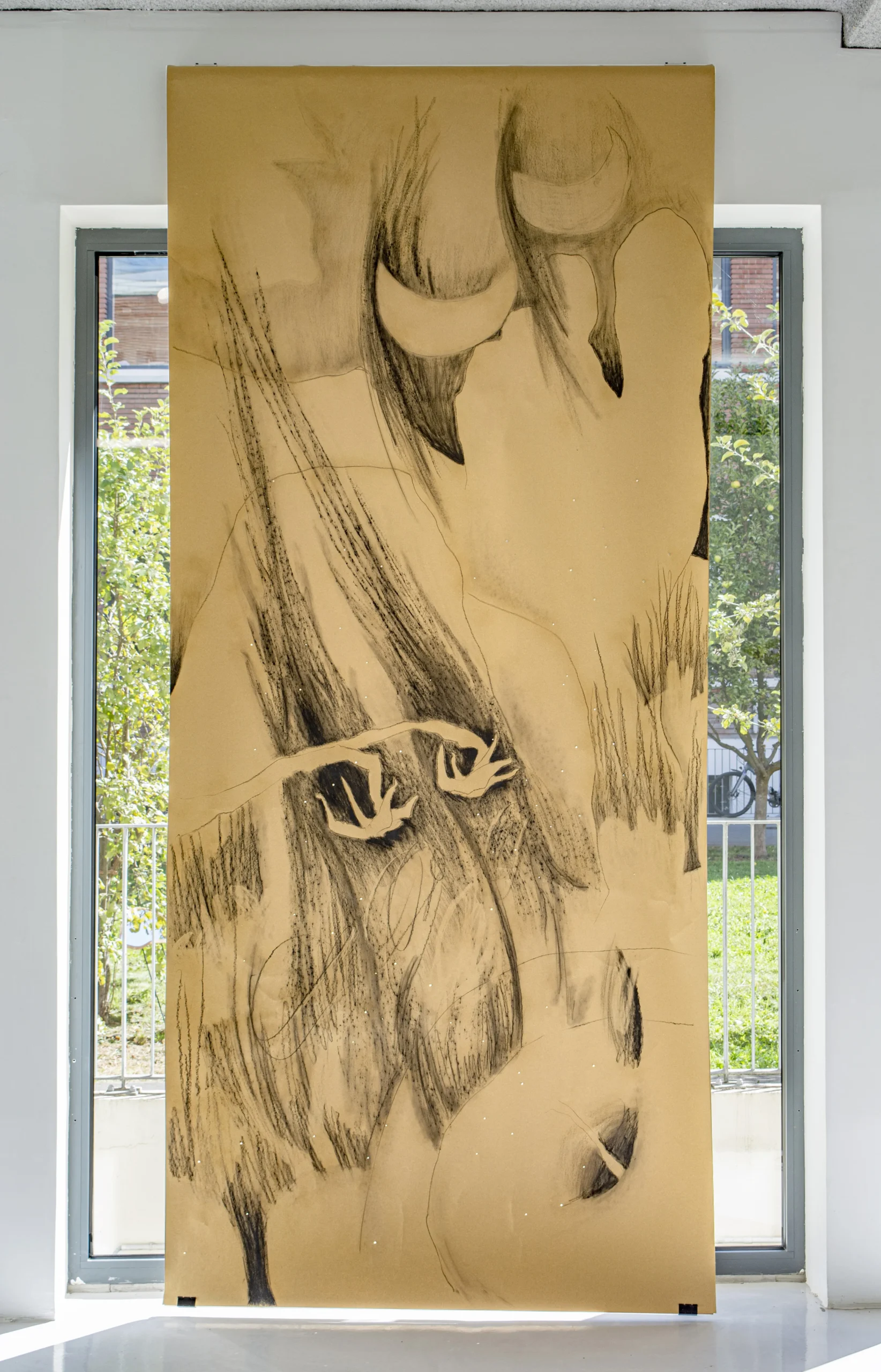
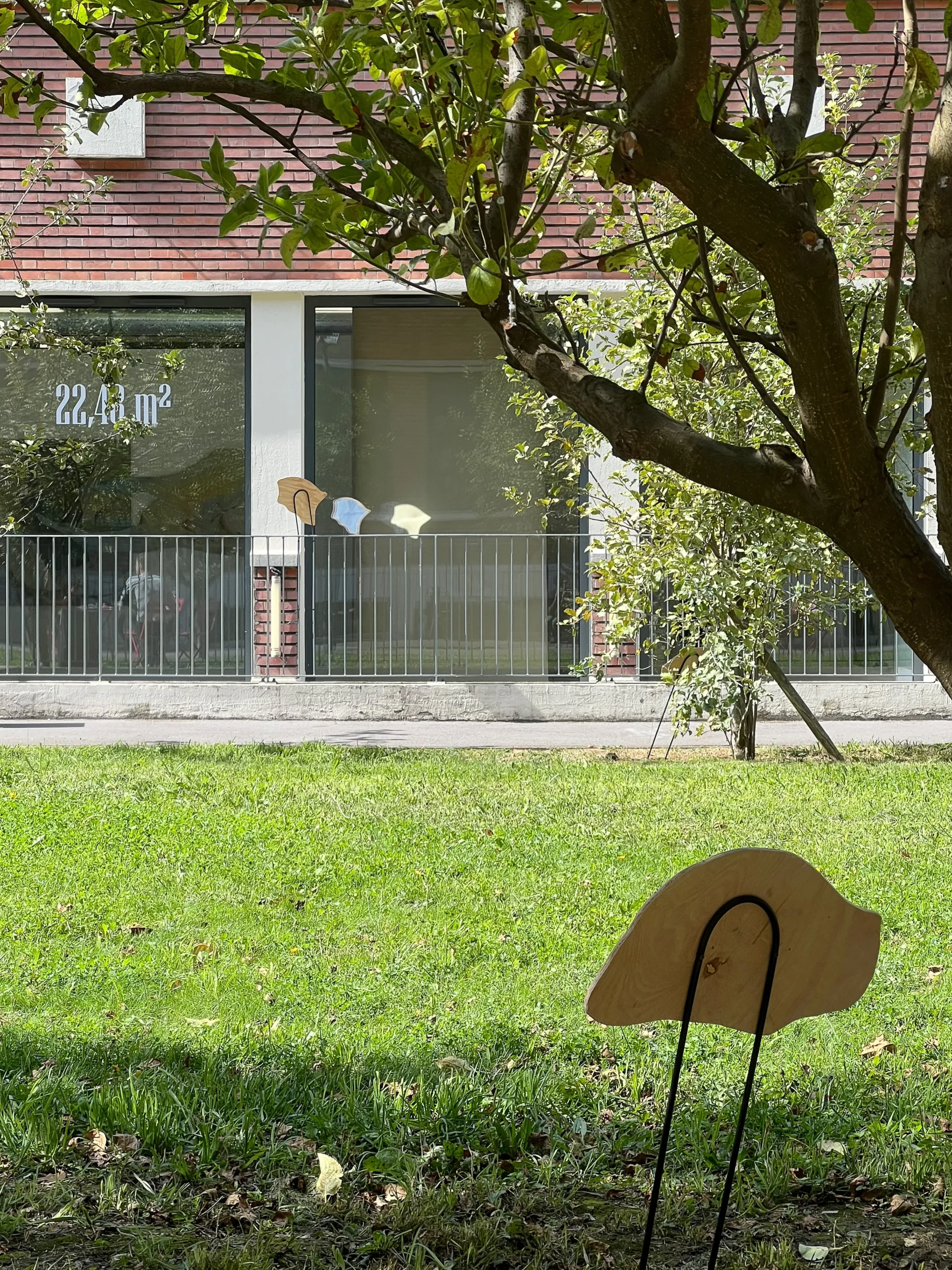
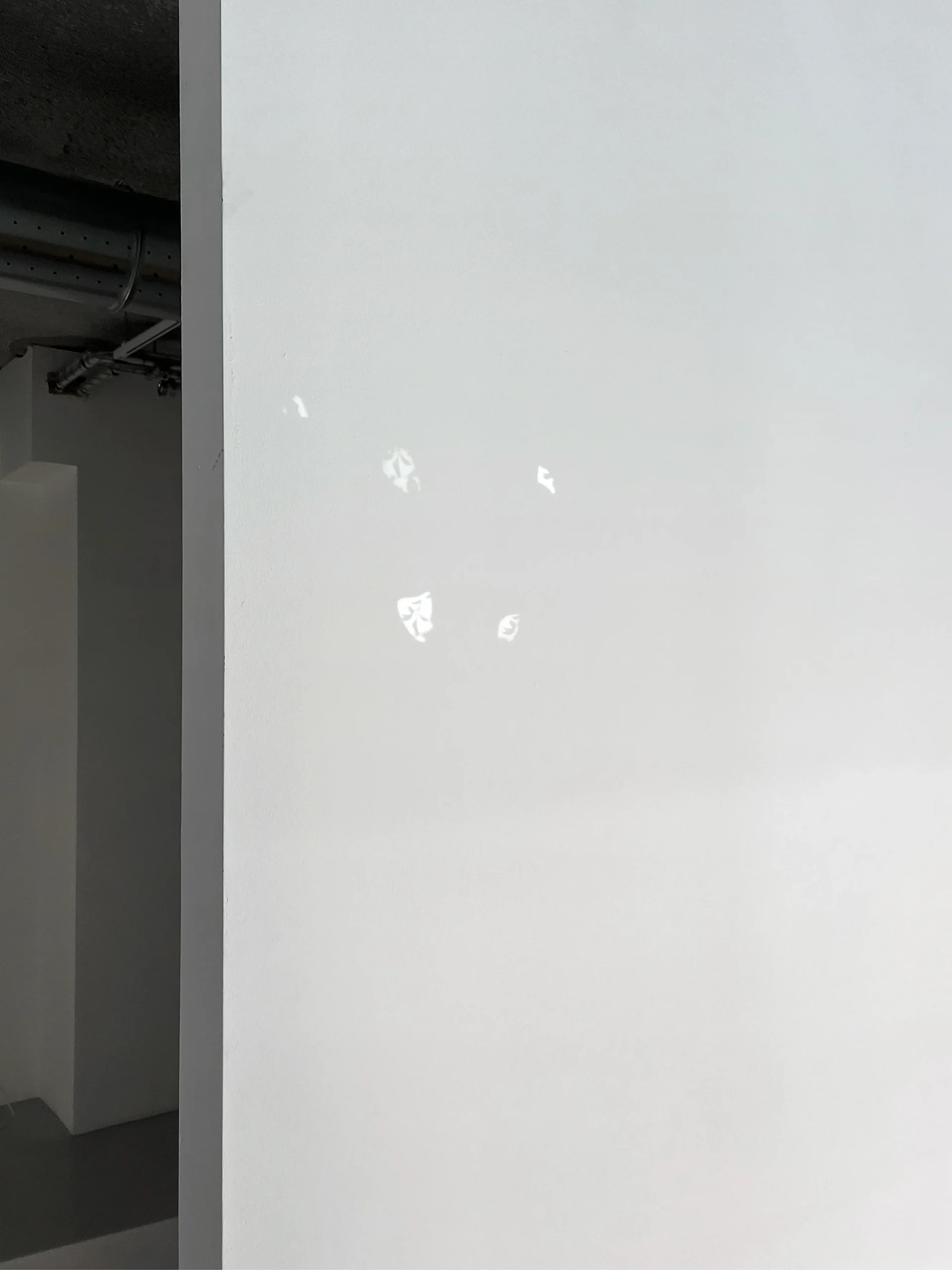
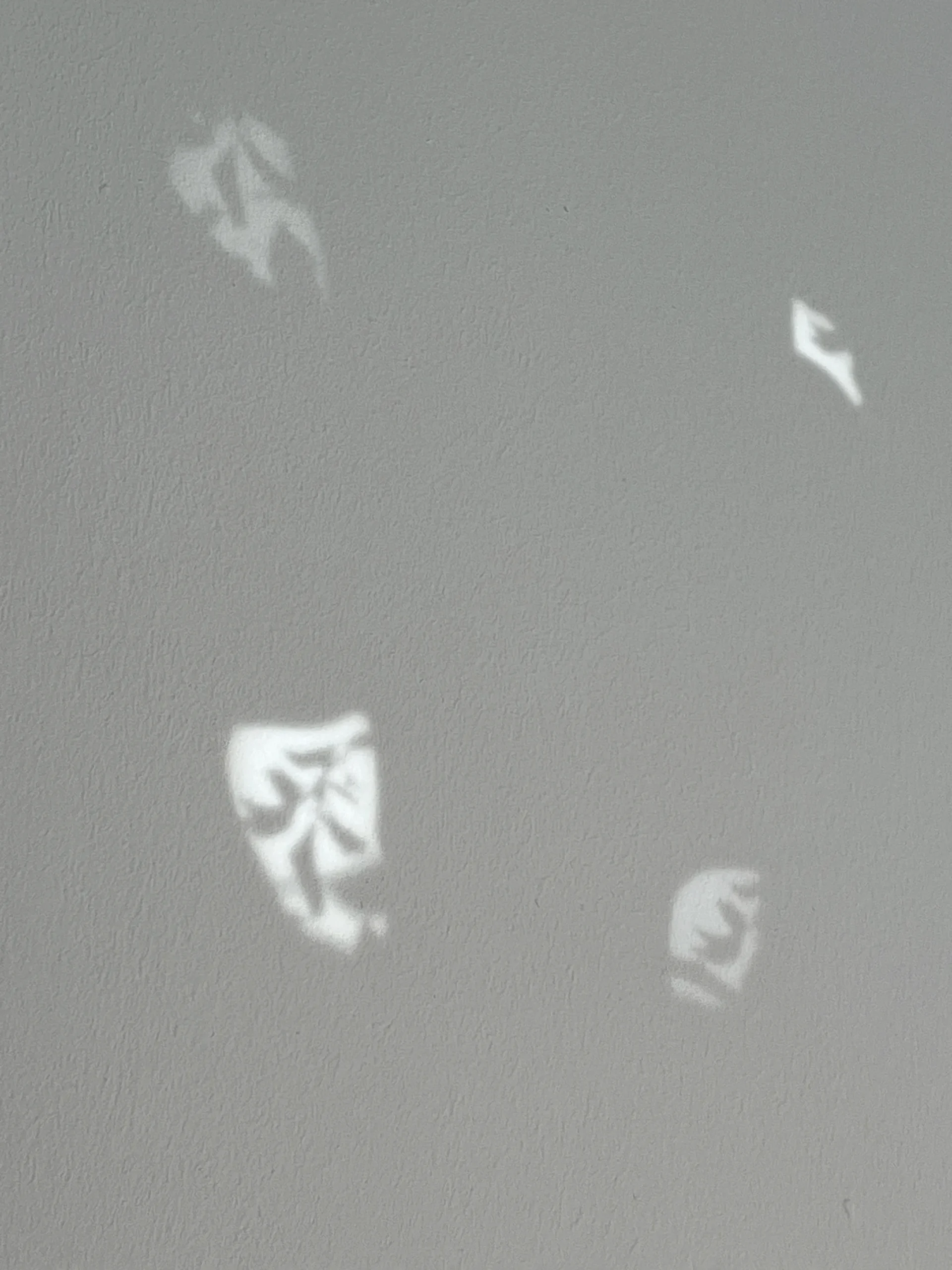
When light penetrates the window and illuminates the sculpture, it casts the poet’s silhouette onto the floor; then the shadow falls, and what remains is a creek, or a marble run, etched into the metallic landscape of the installation. In front of one of the gallery’s windows, I am presenting a new in- situ work. A pinhole drawing, a large vertical format measuring 1.5 x 3.4 m, created using the pinhole technique on paper. A landscape literally riddled with dozens of tiny holes. Through a system of mirrors positioned on the external, sunlight will strike the sheet at certain times of day, projecting intermittent constellations of ‘fireflies’ onto the floor and walls, intersecting the landscapes of the ISO series and breathing new life into the space.
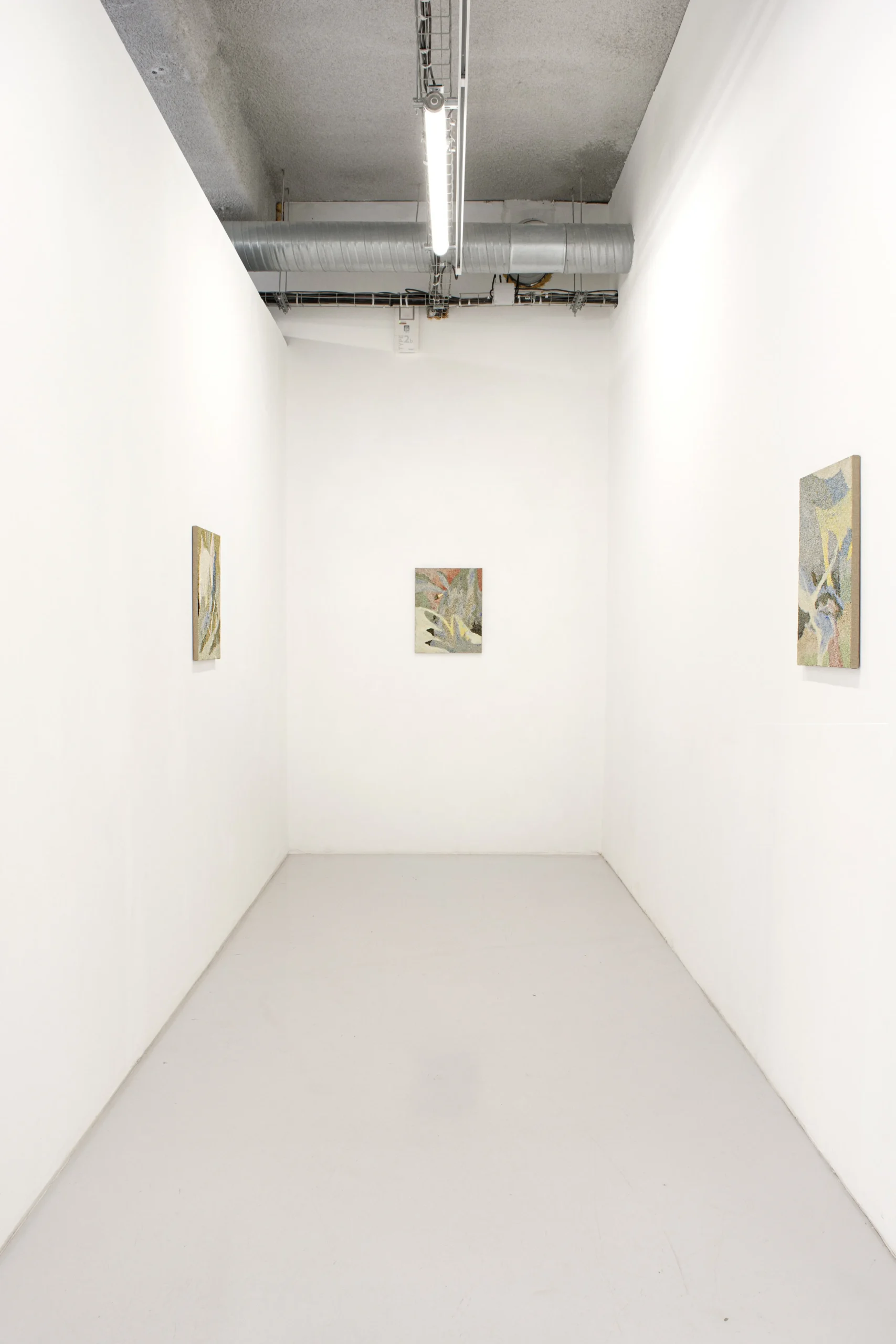
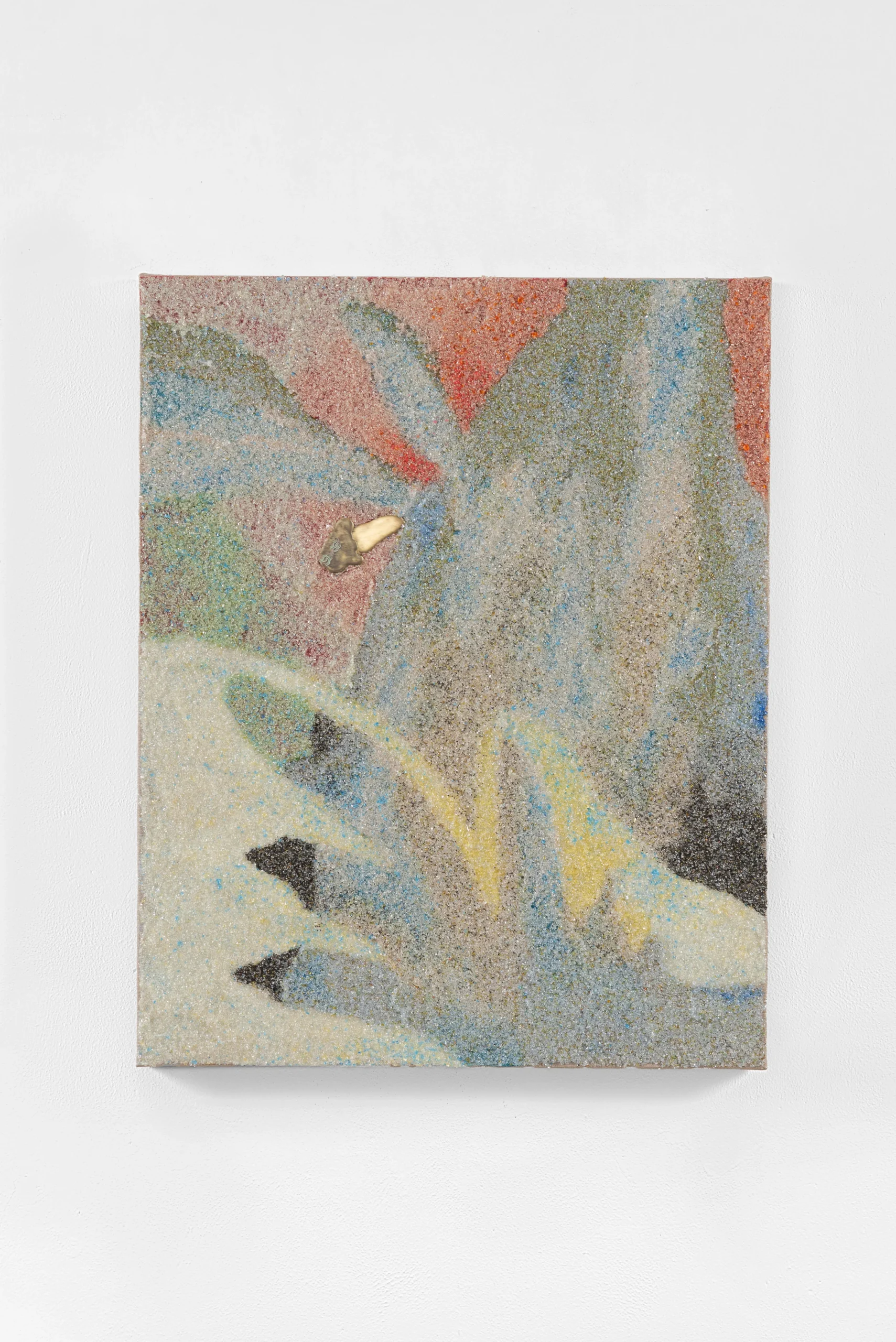
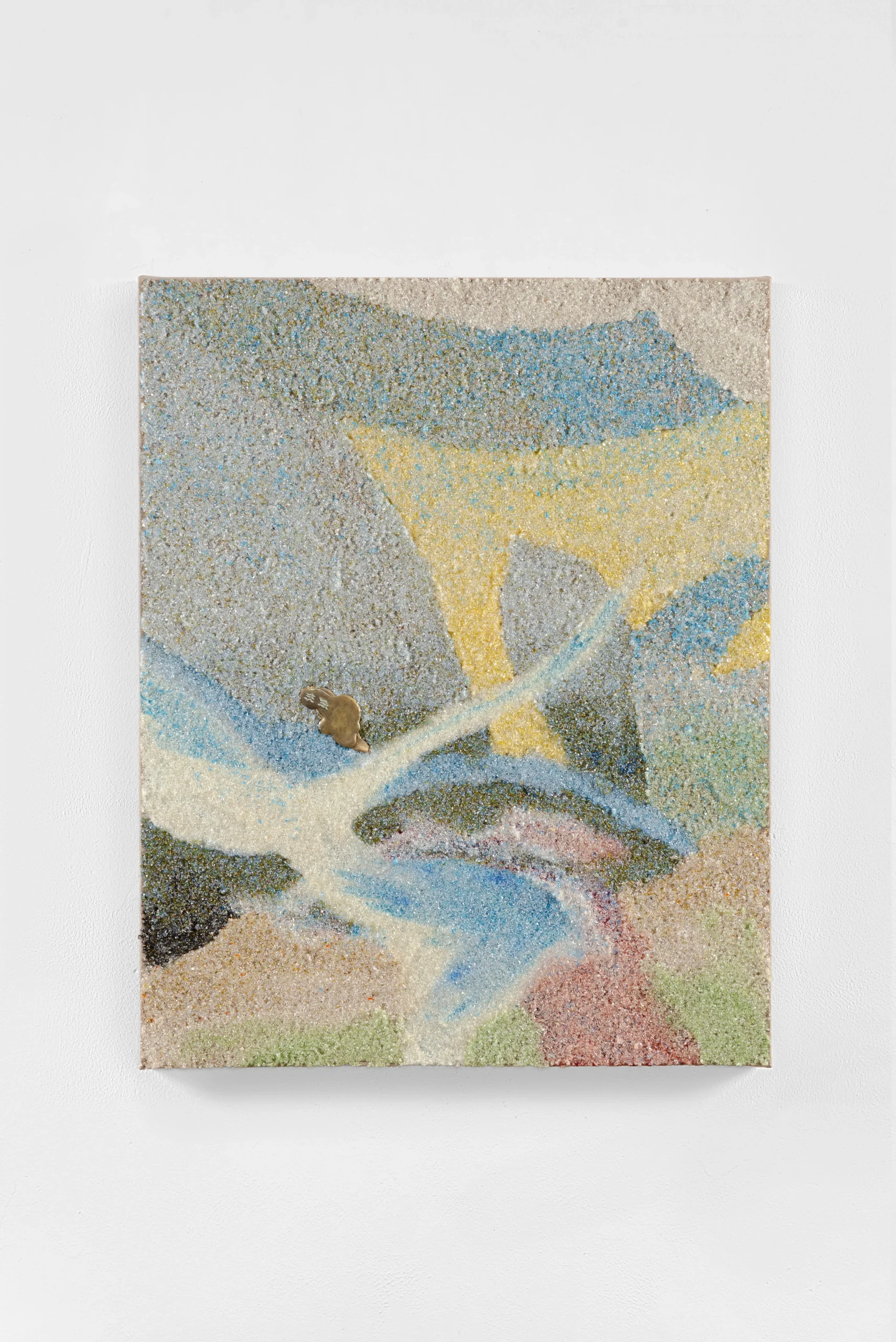
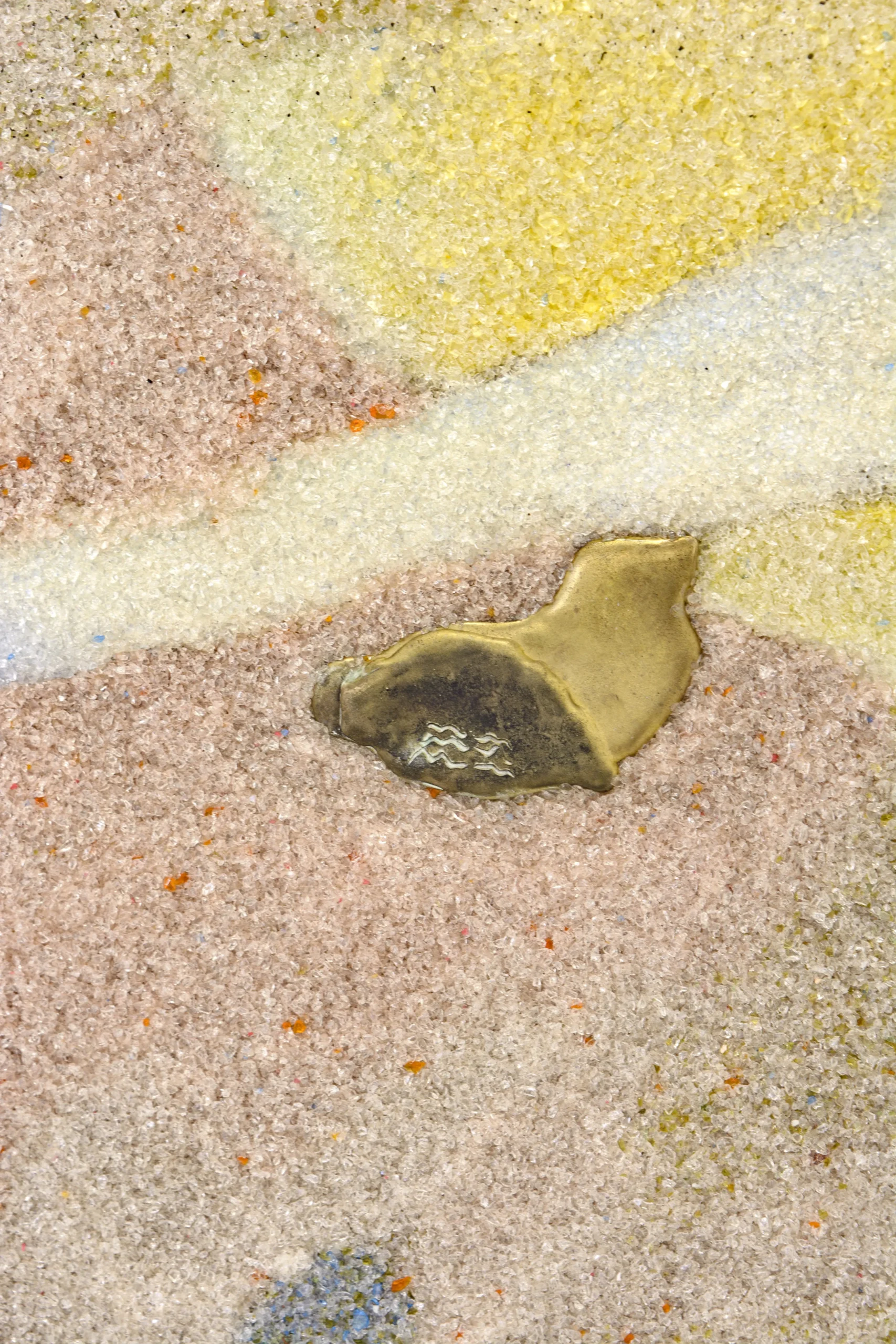
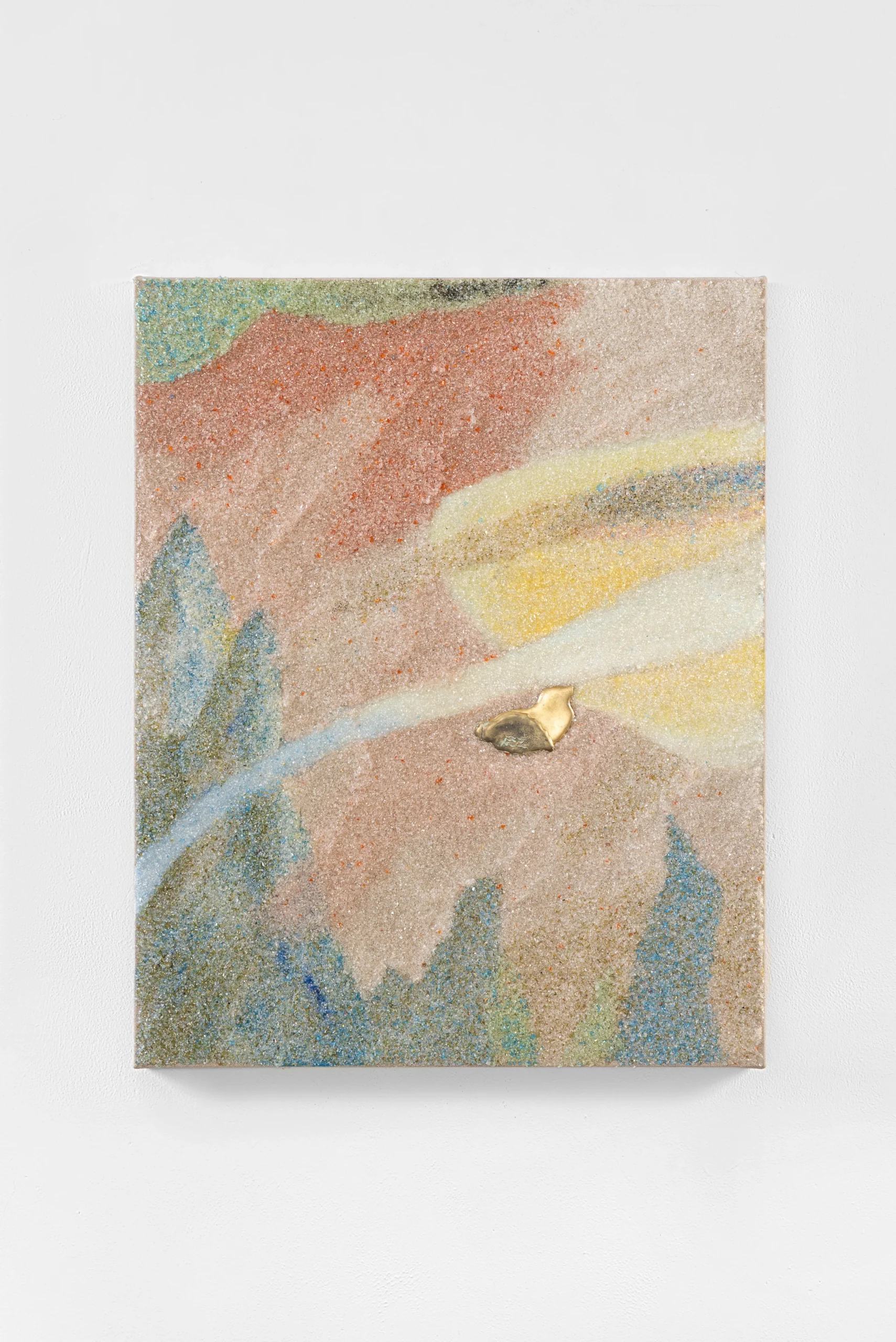
At the far end of the gallery, within the corridor, hangs a sequence of more modestly sized canvases from the ISO series. Amidst the glass dust, this time, I have embedded small bronze castings: amorphous patches, almost like fossils, polished only at certain strategic points. These too, in the darkness of the material, are fireflies.
I hope I’ve dazzled you with this blaze of lights.
Best
Marco
June 2026