


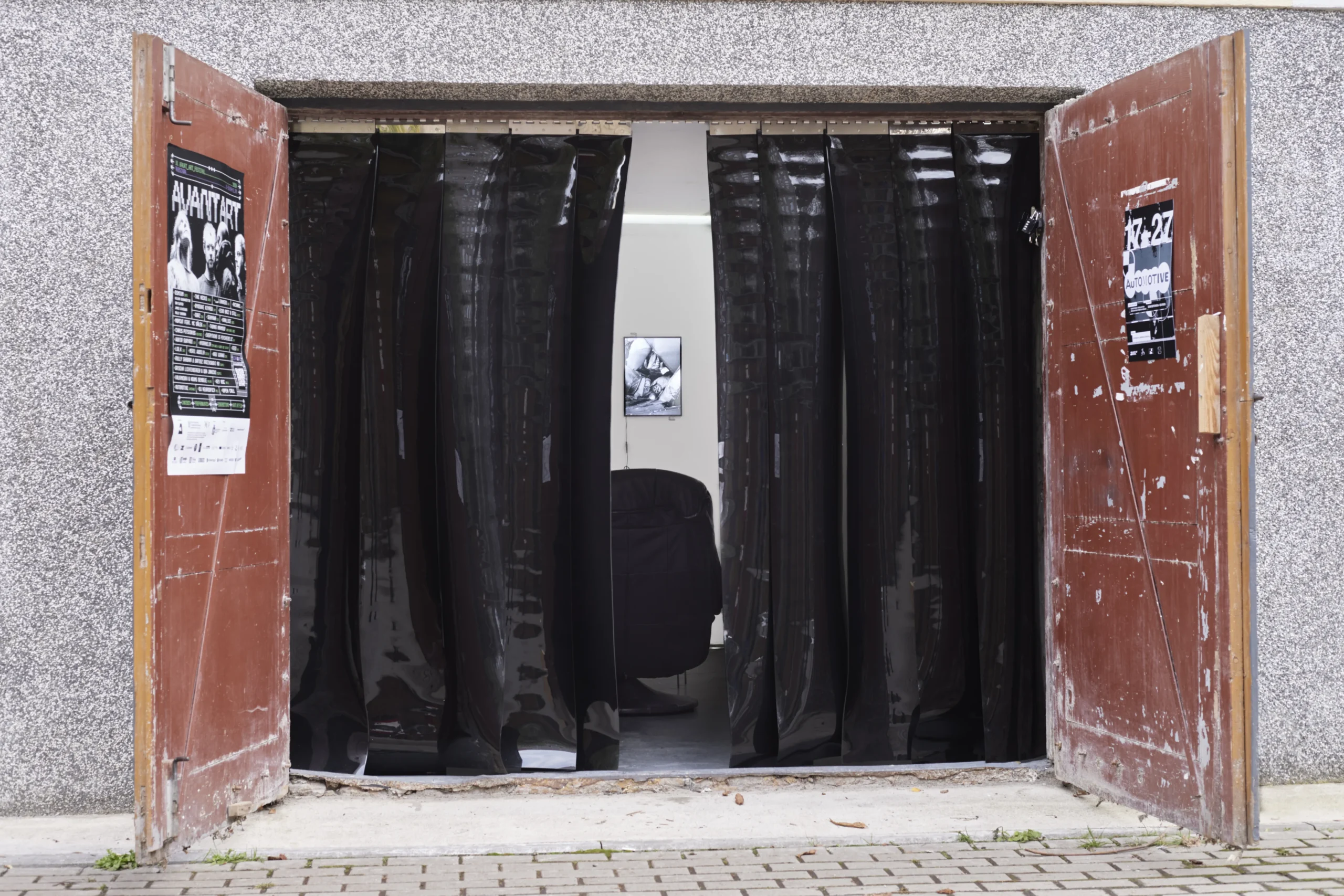

Automotive is sexy. The speed pressing the body into the seat, the sound of a heated engine, the smell of burning fuel. The sensuality of being in contact with a machine. The ergonomic seat brings human skin into contact with the skin of the upholstery. Stuck together, they form folds and wrinkles with every turn. The movement of the hand and the pressure of the foot are translated into the work of the systems. The twitching of tendons and joints is answered by the mechanisms hidden beneath the bodywork. The vibrations of the engine accelerate the heartbeat, while the pulsing of the sexual organs falls into the same rhythm. Blood and engine oil flow through the connected bodies, while grease and bodily fluids leak through hydraulic openings. A total fusion of viscera and mechanical components, fused, grown together, disappearing. One body without organs. Libido mixed with gasoline spills over without restraint. It heats up and bubbles with technological desire. Everything merges, extends, improves, and offers the freedom of boundless infinity. A climax brought about by the synthesis of human and machine.
The automobile is a symbol of status and rank. Saturated with symbolic capital that provides a sense of prestige and confirms social position. The automotive industry, like other branches of industry, reinforces the sign value of the product through its aestheticization and marketing mechanisms, thereby intensifying the process of its fetishization. The aura constructed around it also accumulates technosexual desire.
The starting point for the exhibition “Automotive” is J. G. Ballard’s novel Crash. The author presents a vision that we read as taking the mechanism of fetishization of the automobile as a commodity to its extreme form, creating a fantasy of the erotic union of human and technology. Ballard employs biological and technical terminology in pornographic descriptions of organic systems intertwined with synthetic ones, revealing how the properties of the human body can be translated into a narrative governed by technological logic.
Contemporary commodities are increasingly loaded with technology. Microchips are already embedded in almost every type of object, from cookers and watches to vacuum cleaners and toys. The narrative surrounding the body is likewise constructed according to a machinic logic. What to eat, which micronutrients to take, at what intervals to run in order to achieve the desired results; what proportions muscle mass should have in relation to body fat. The body becomes a system of parameters that can be measured and optimized.
Technology promises freedom based on transcending human limitations, almost erasing the traces of human fragility in the process. The fetishization of the machine becomes a transhumanist fantasy infused with dystopian alienation.
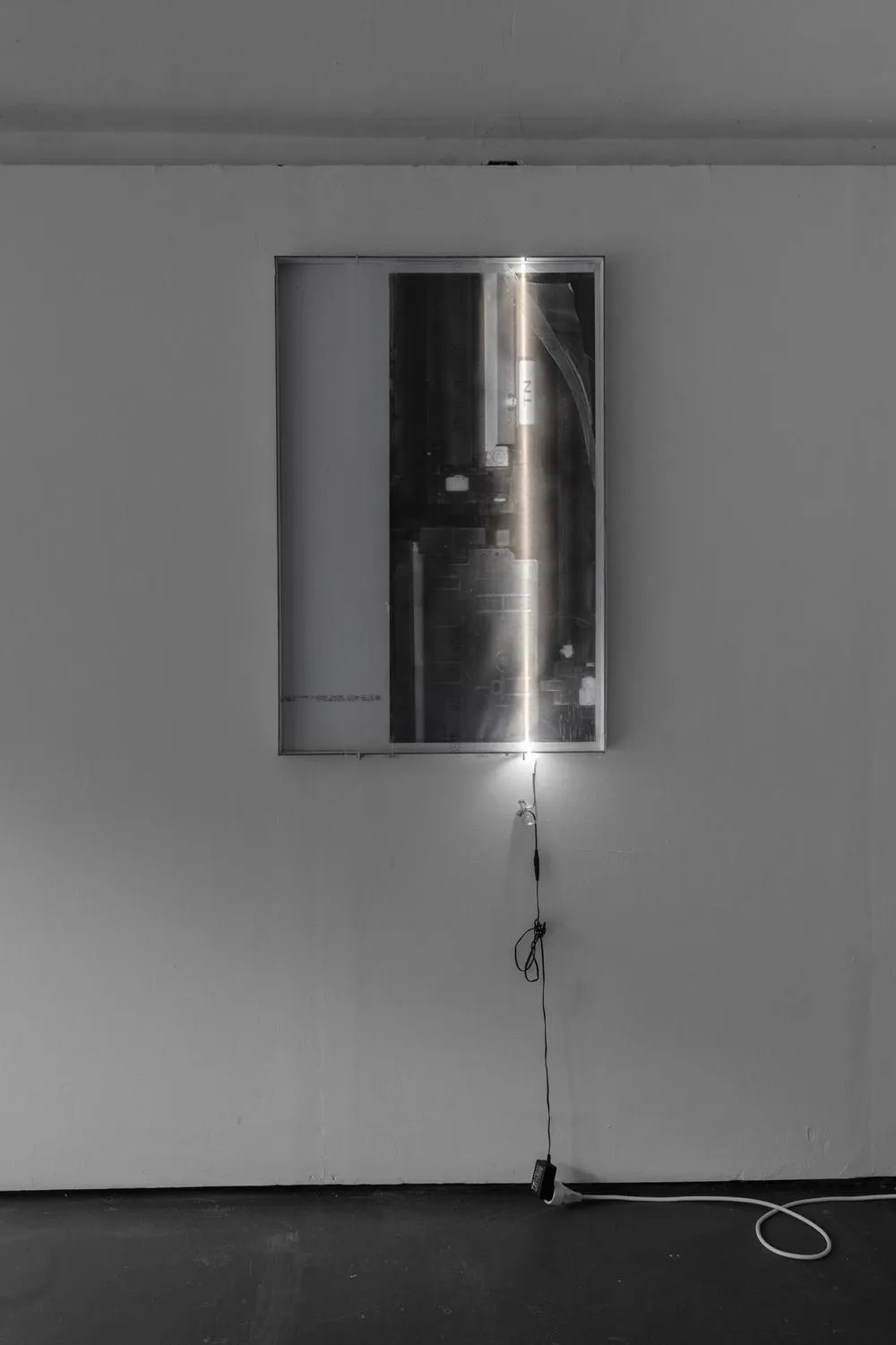
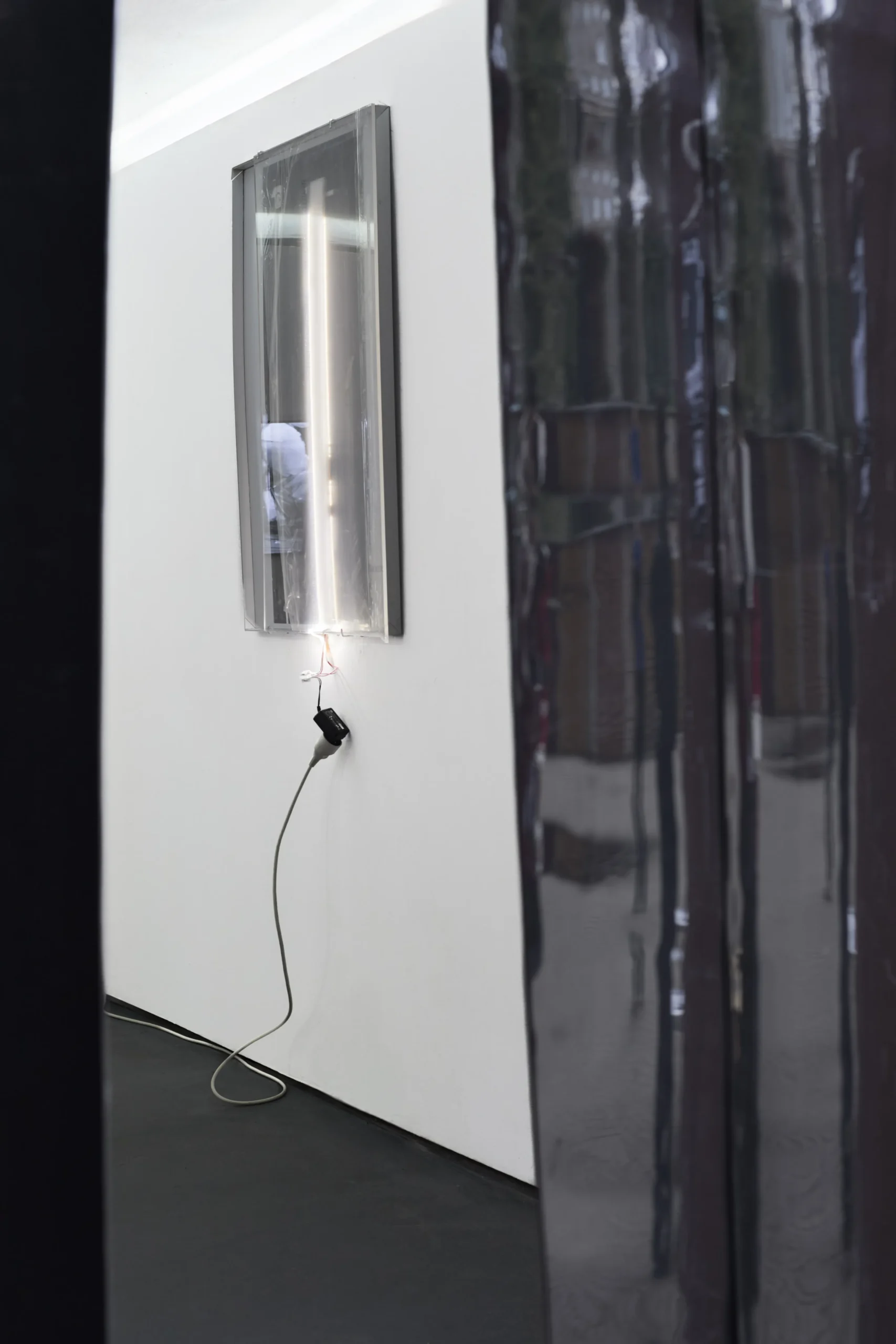
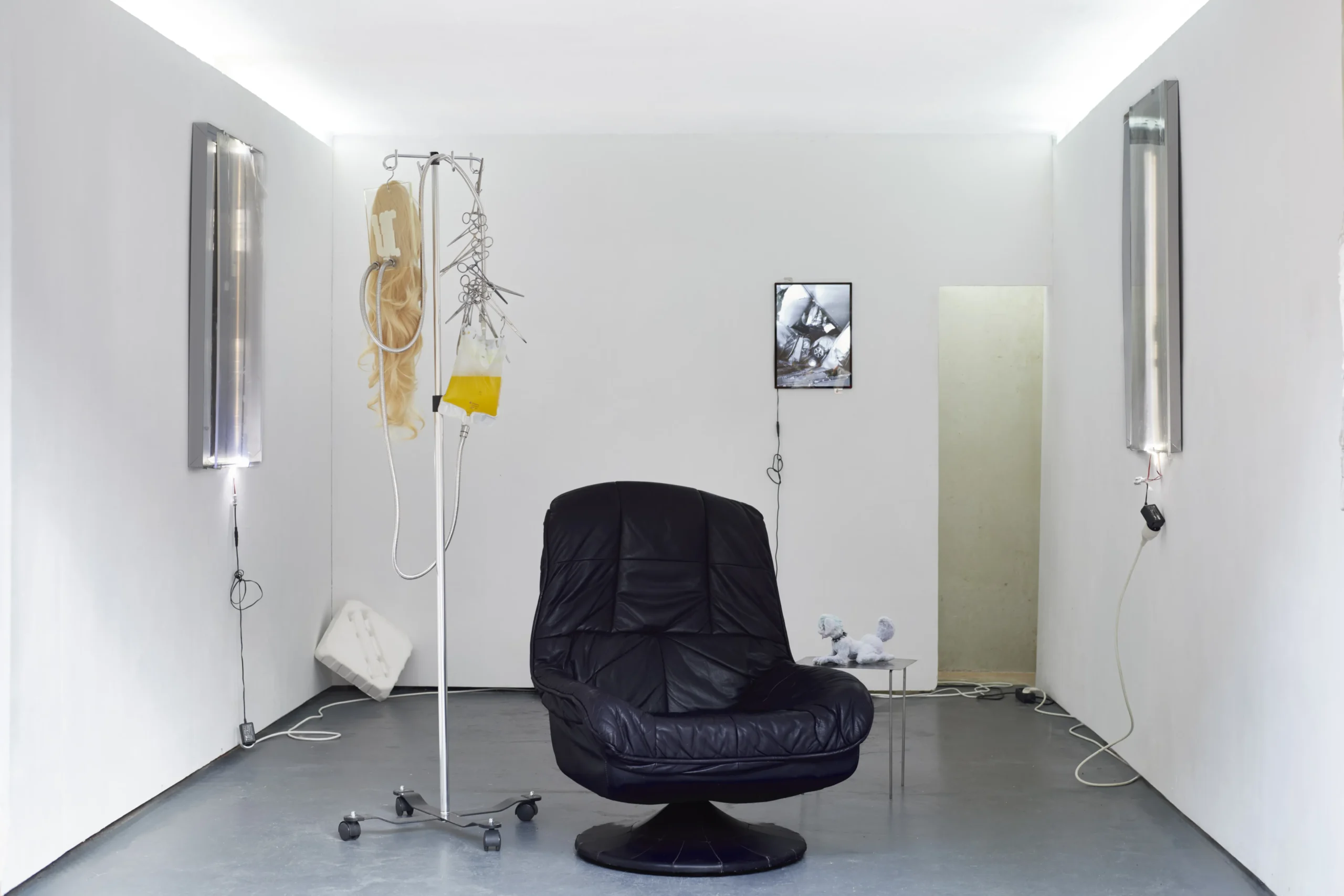
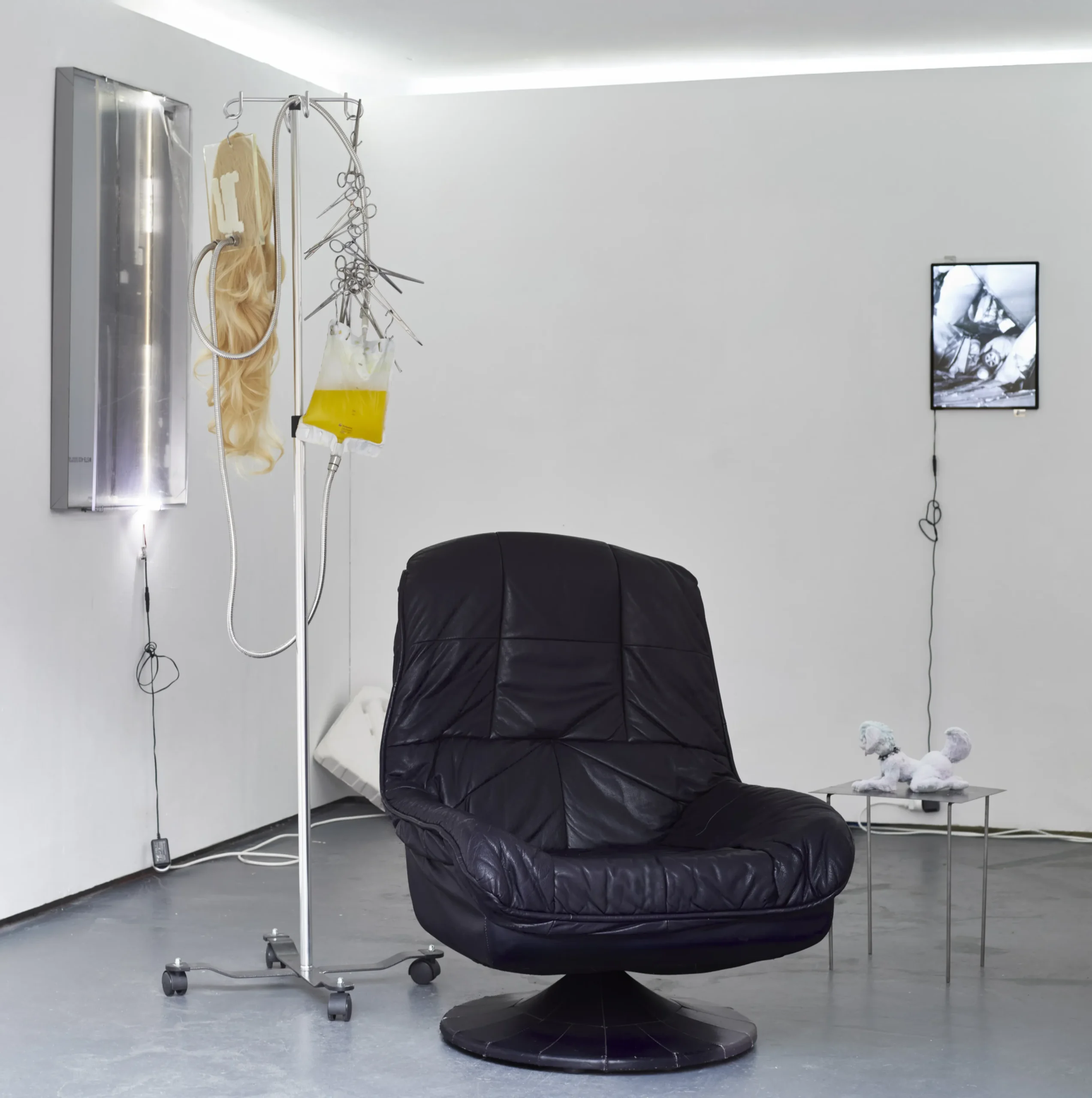
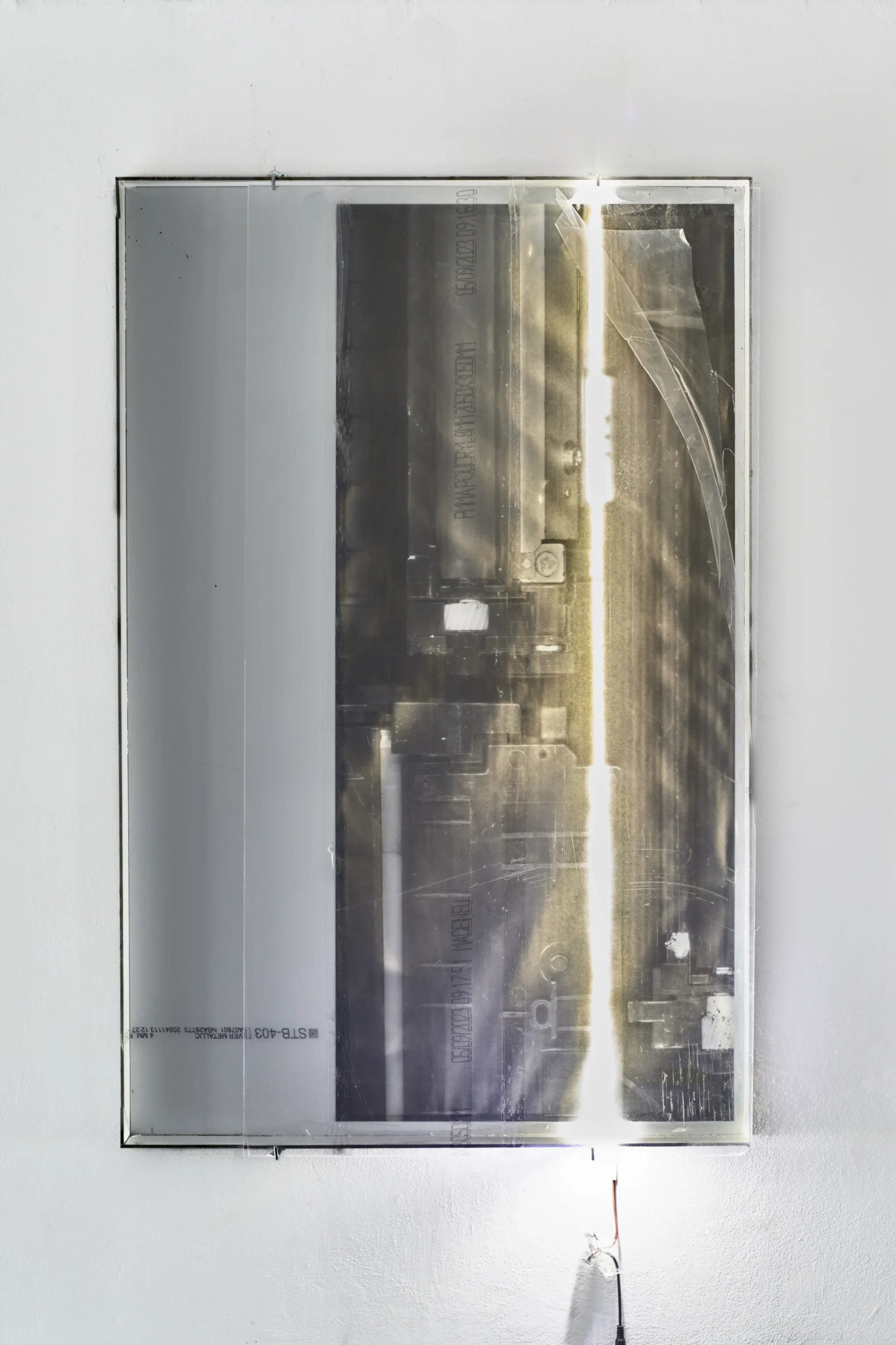
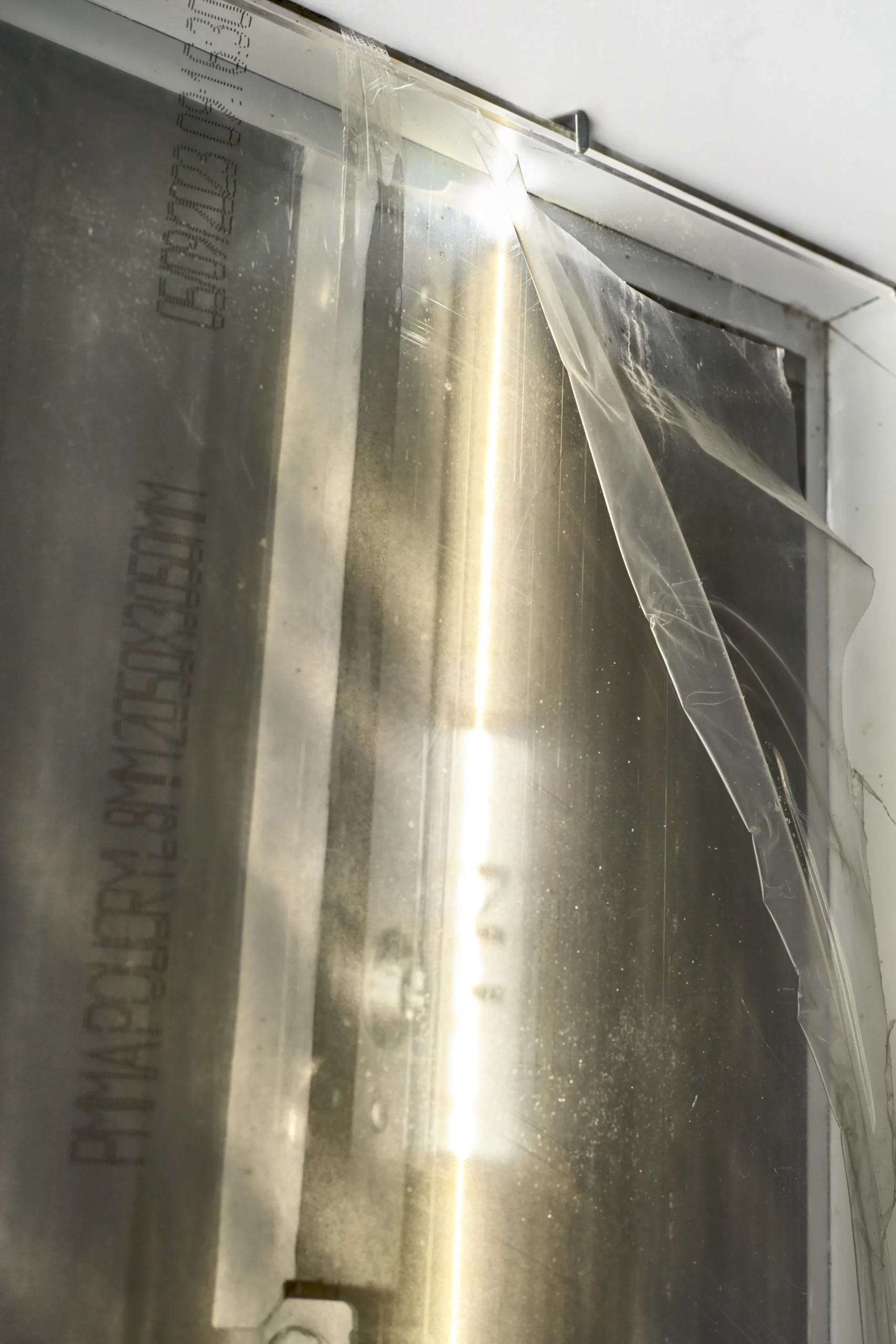
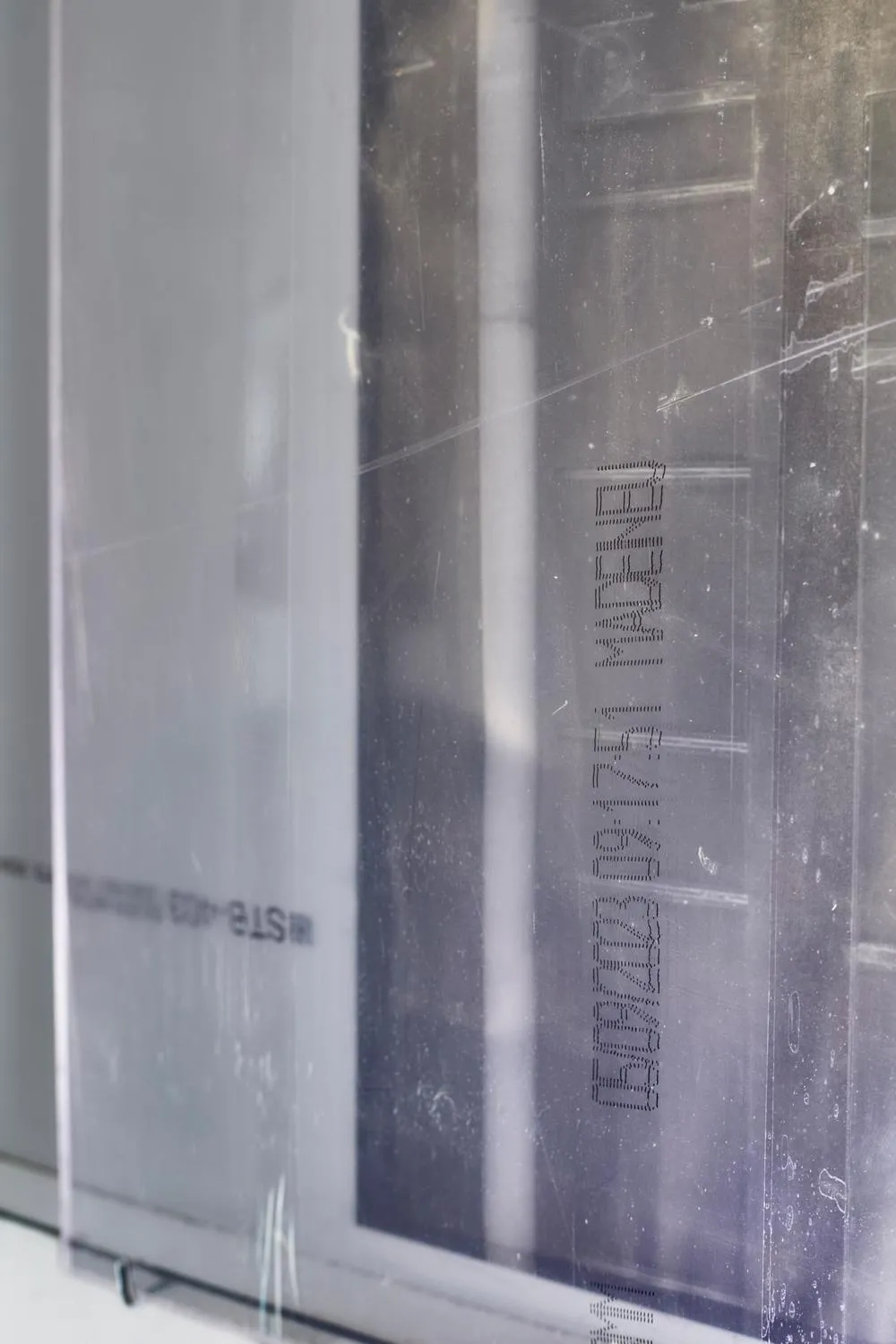
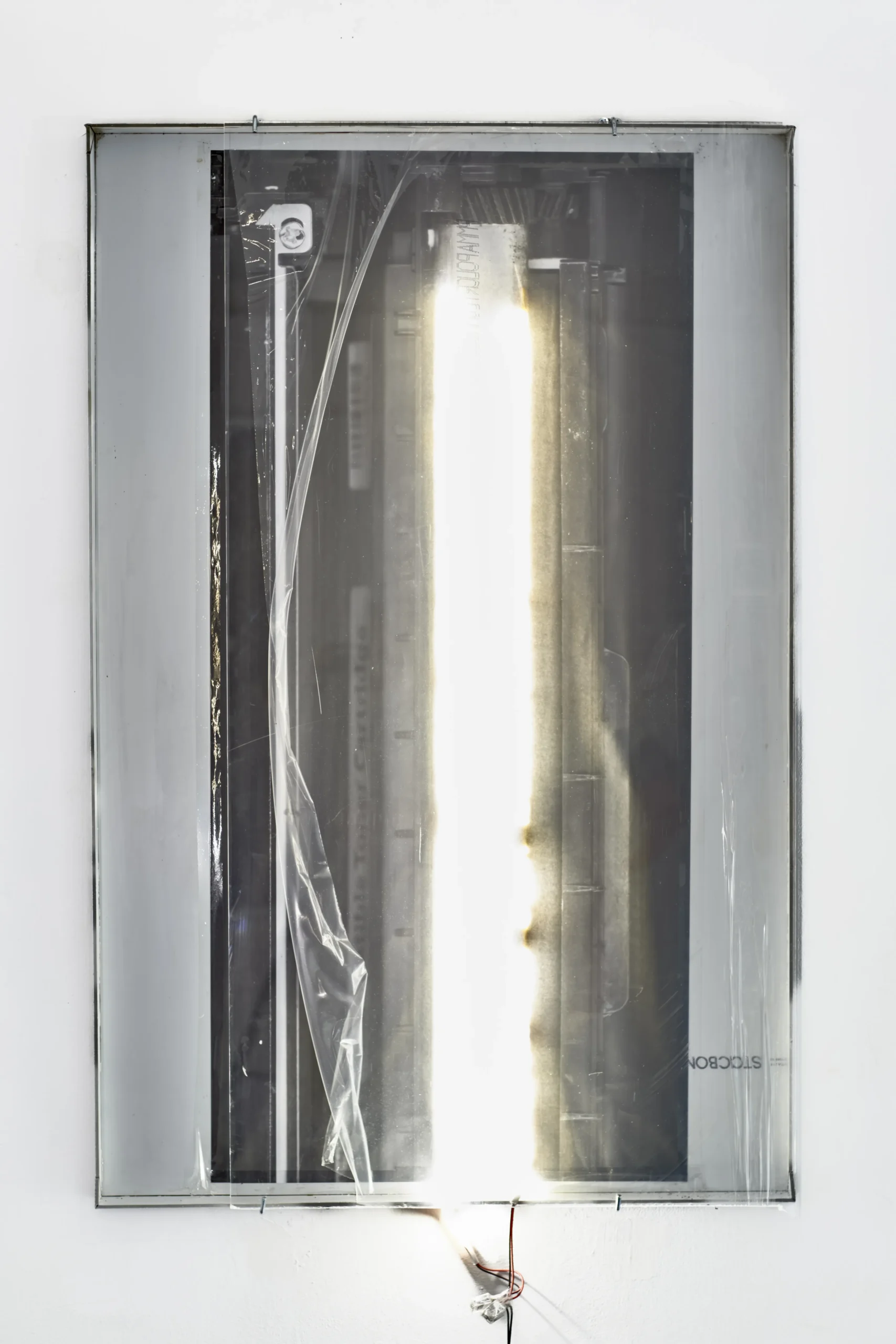
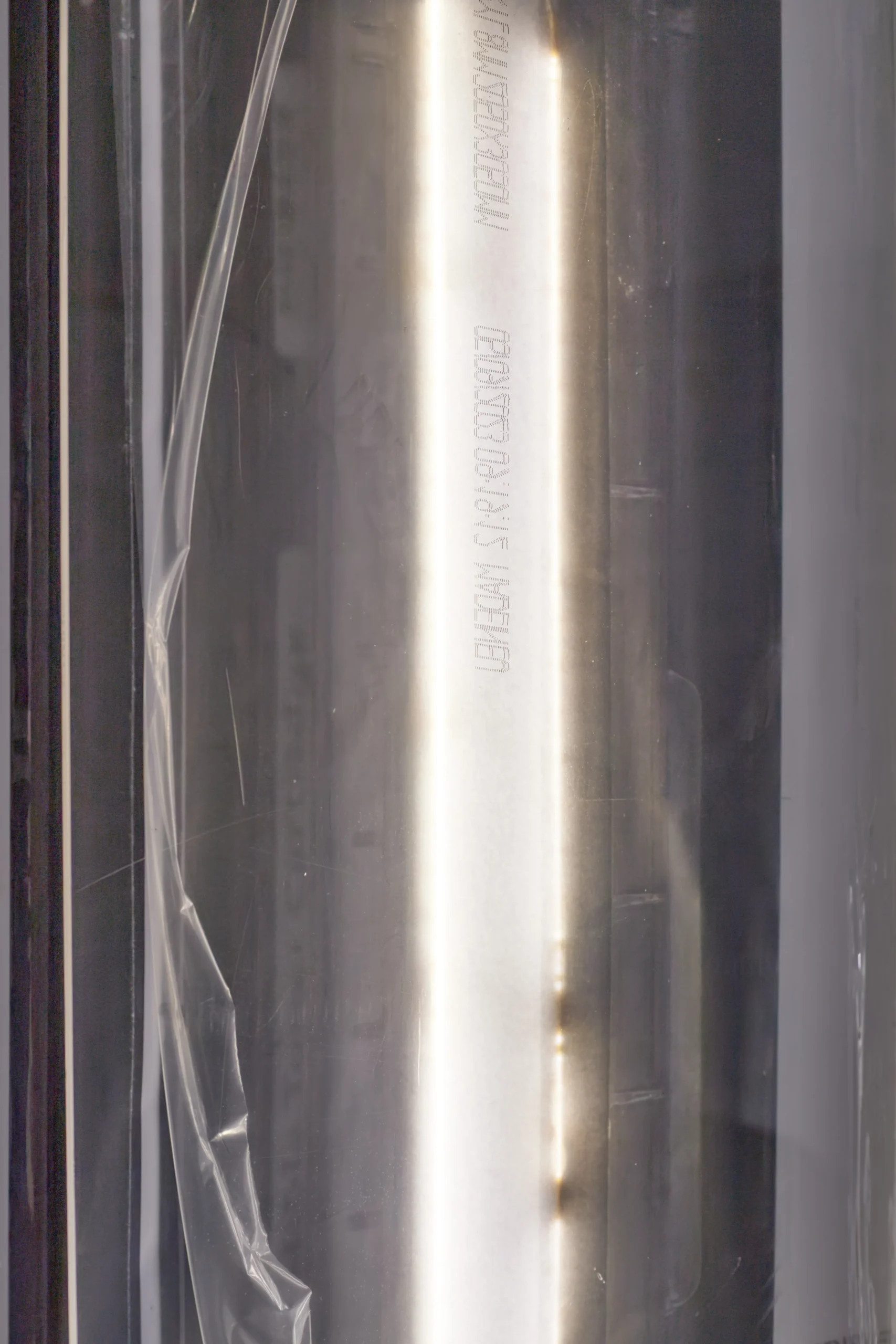
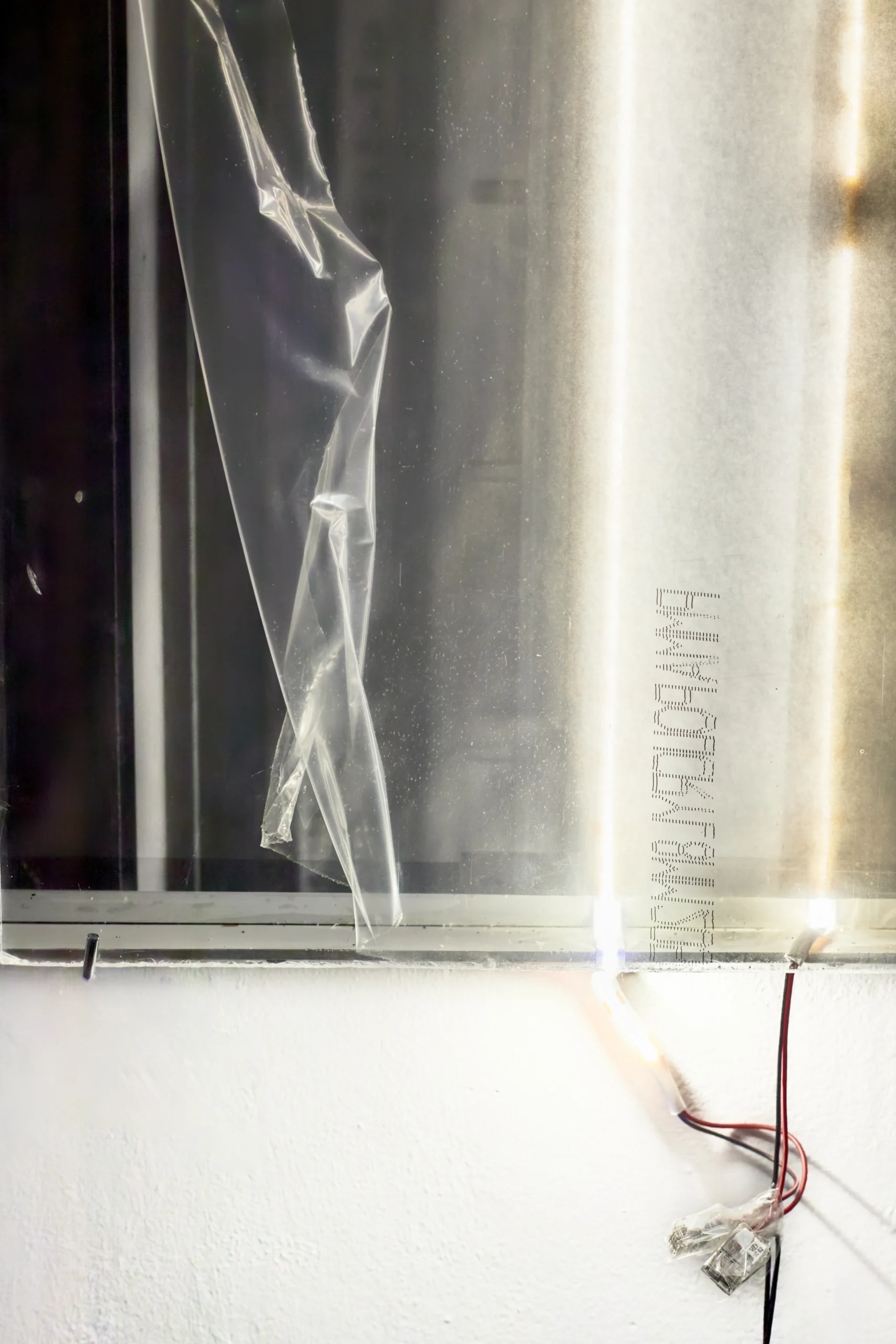
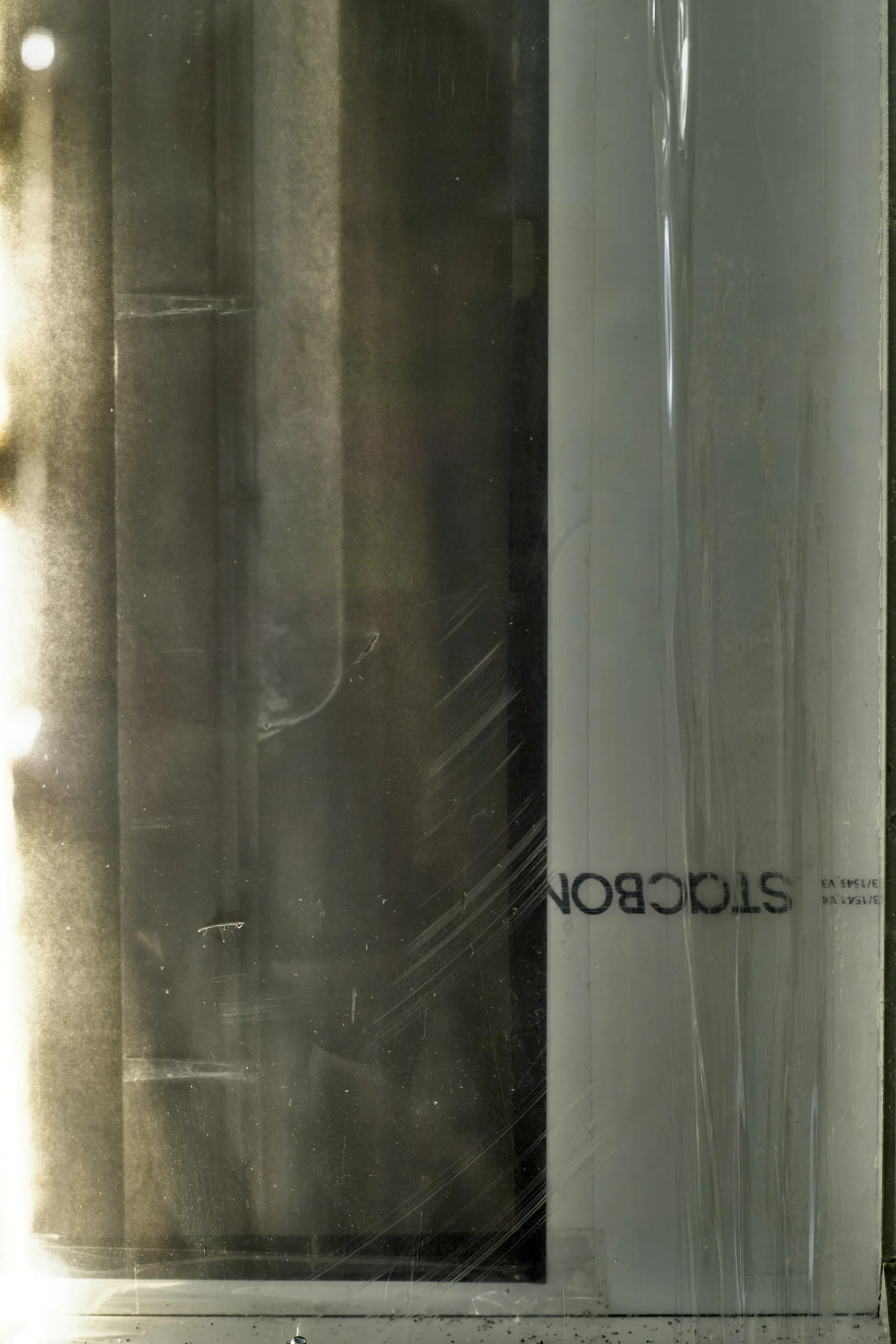
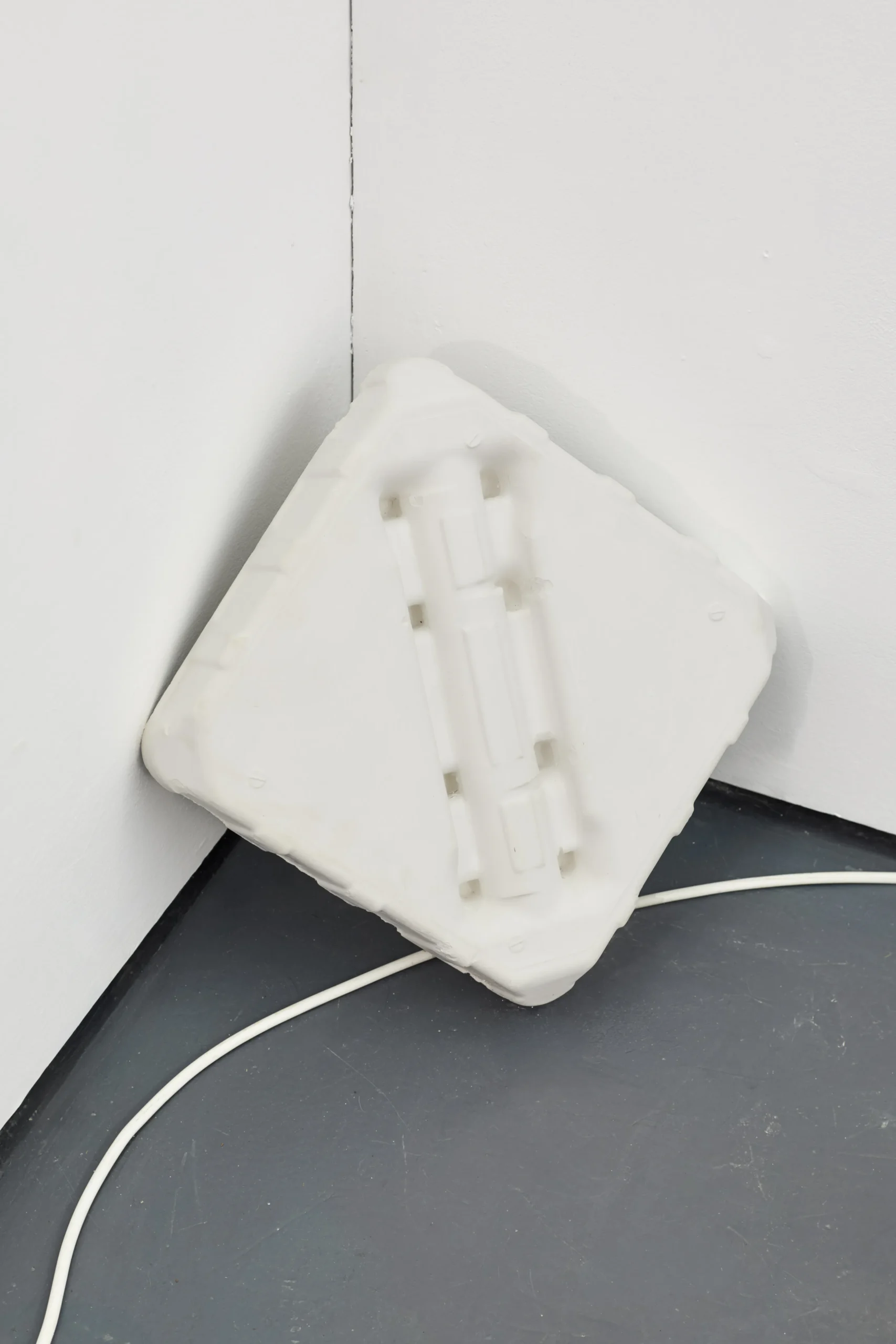
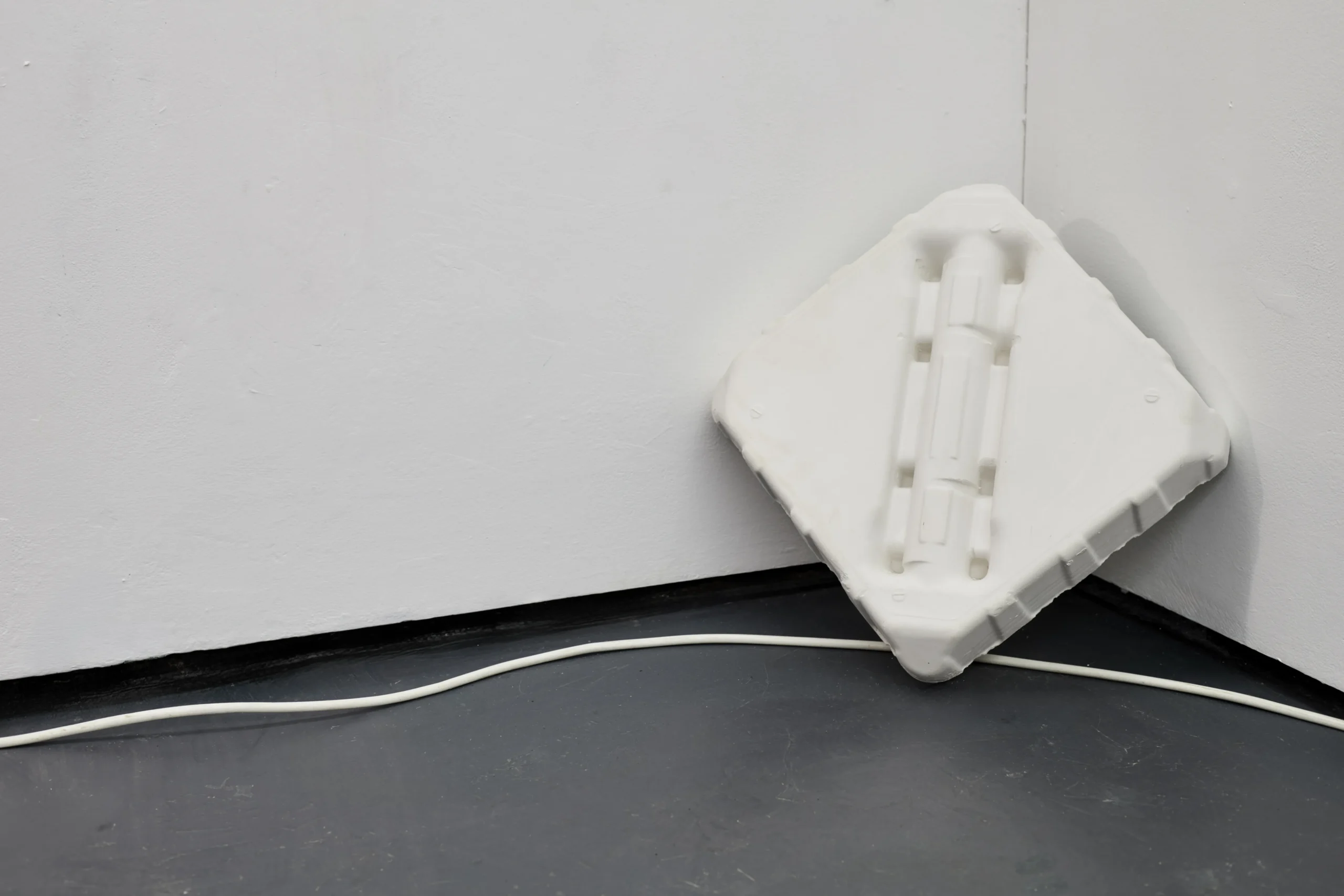
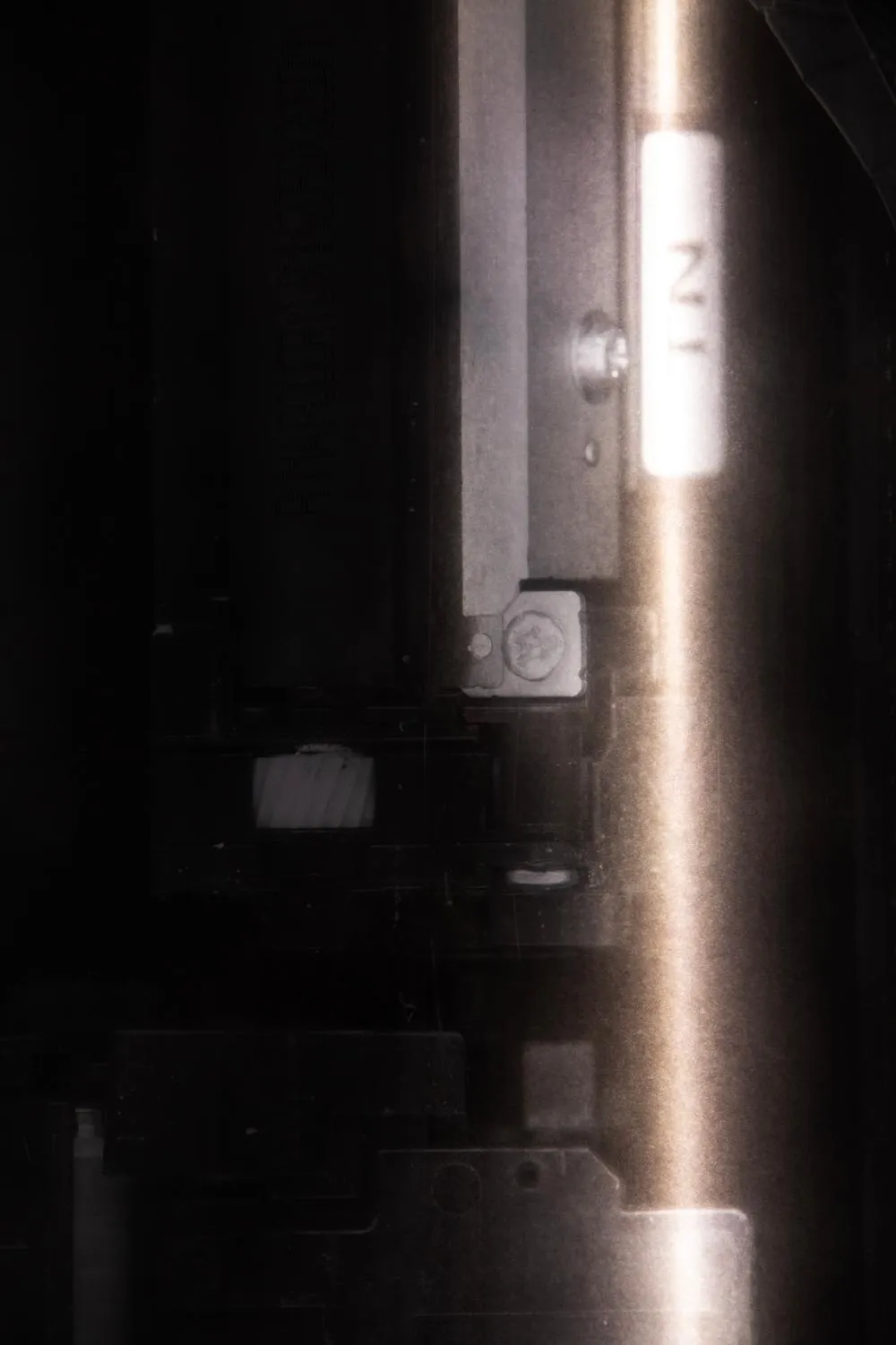
Fetishization of automobiles is an emblematic example of the fetishization of the product, yet this mechanism also applies to other commodities. The exhibition features works by Michał Matejko, who uses elements of advertising infrastructure, such as lightboxes, foils, plexiglass and LEDs, incorporating into them xerox copies of scans of printer cartridges. All parts of the work are scratched, scuffed and worn, while the xerox itself is a cheap print devoid of quality, in contrast to the aesthetic standards characteristic of advertising. All of these materials originally serve to create the magic of the product and construct a narrative around the commodity. What once served to build the product’s aura and sign value ultimately becomes rubbish and an unwanted object.
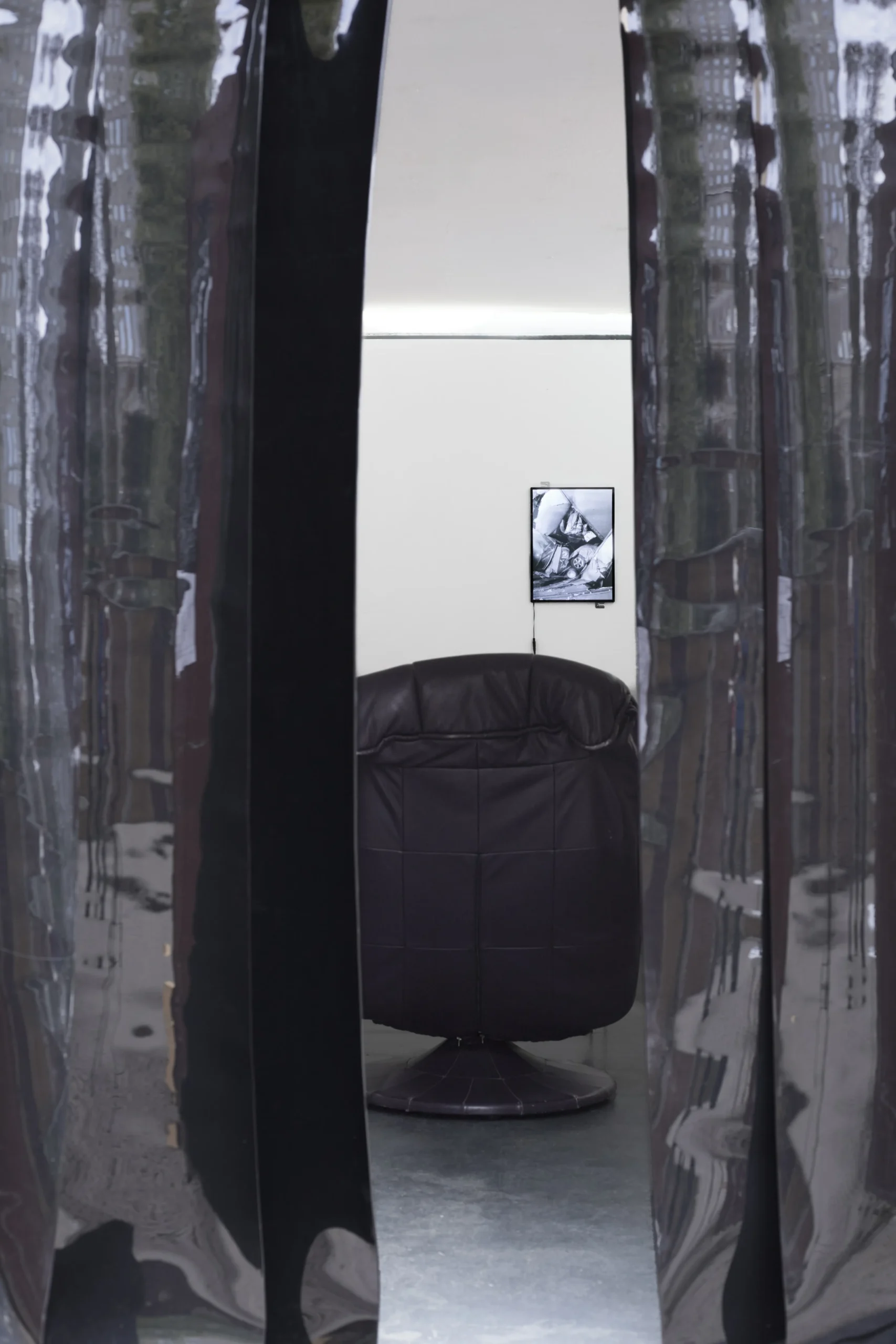
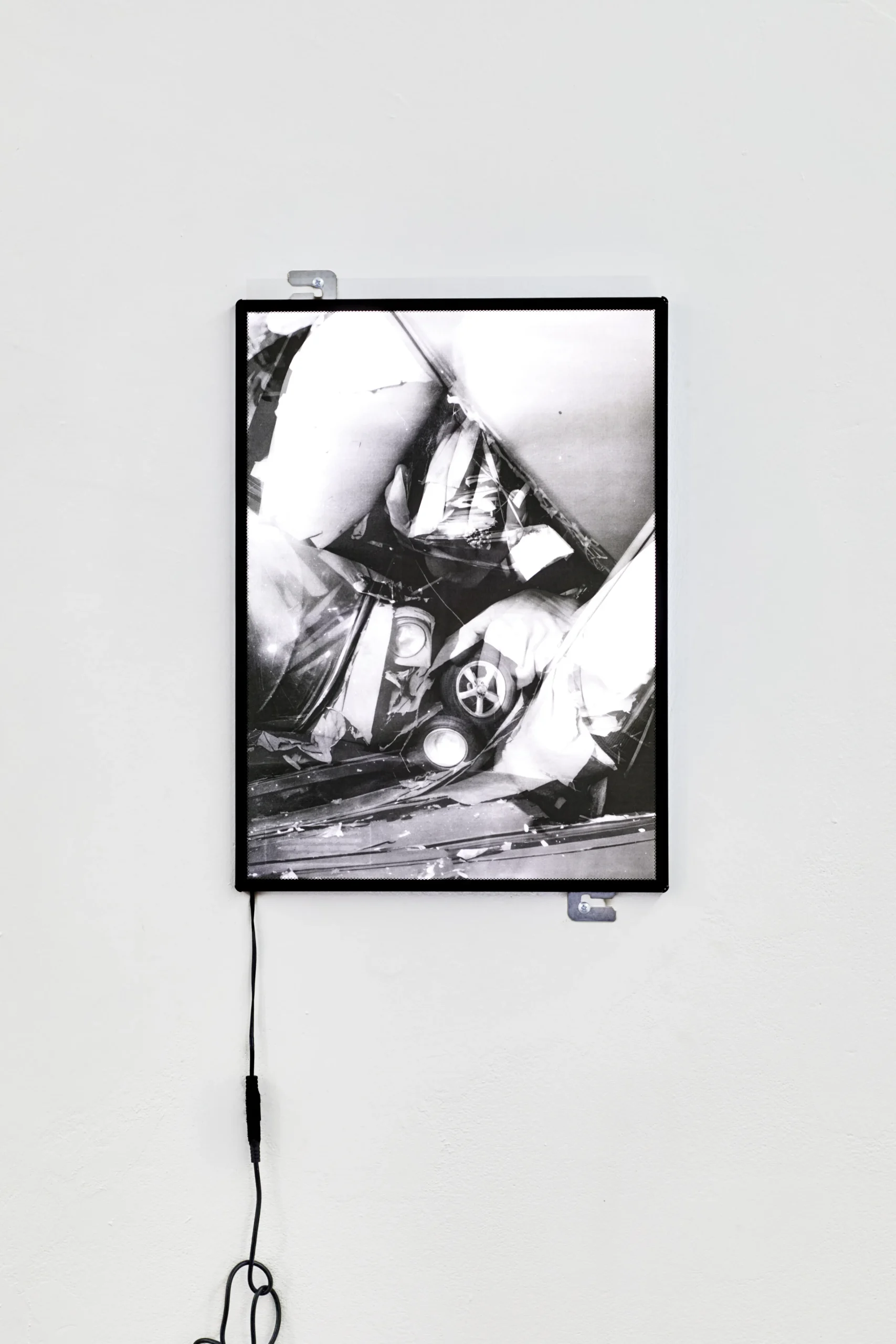
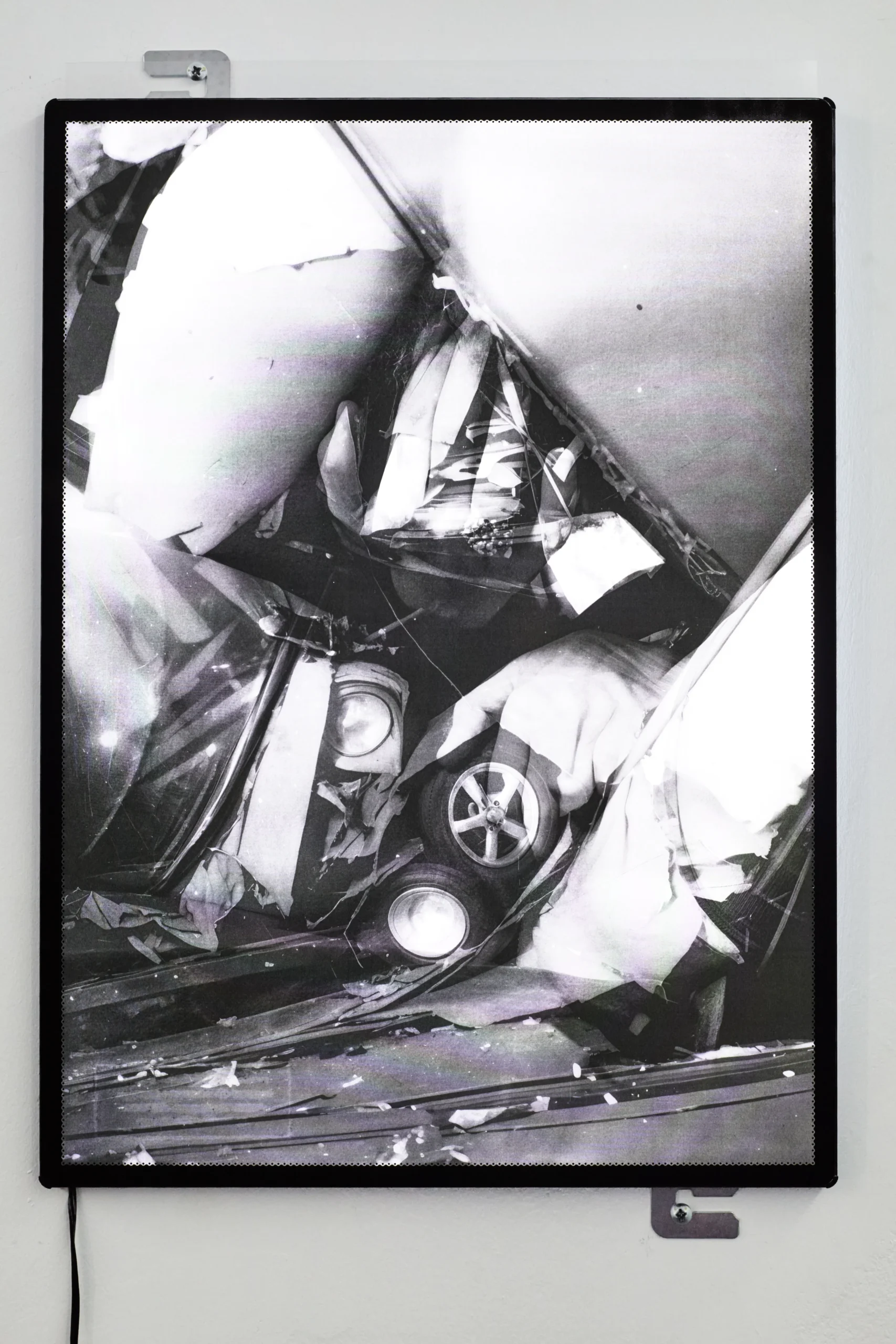
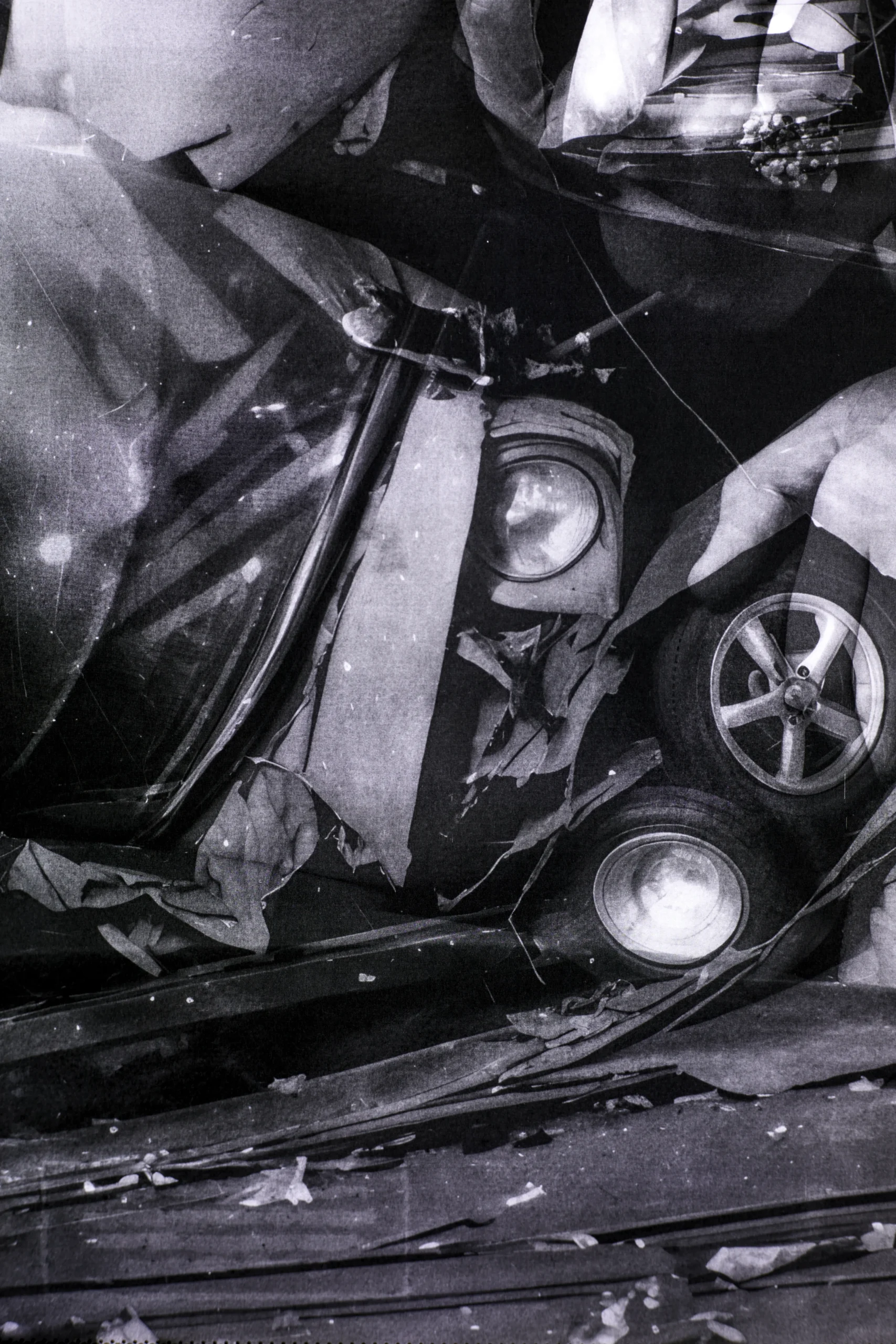
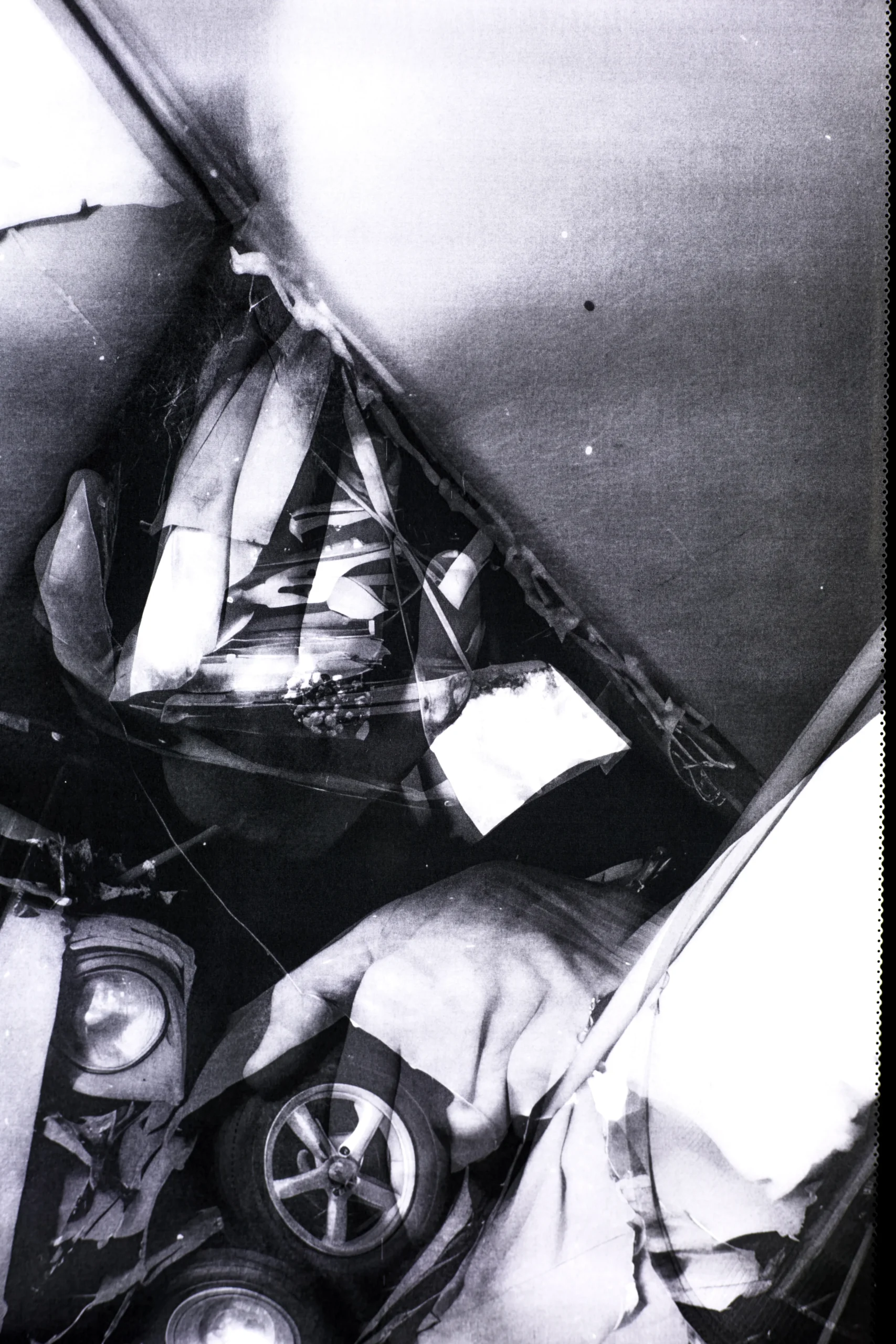
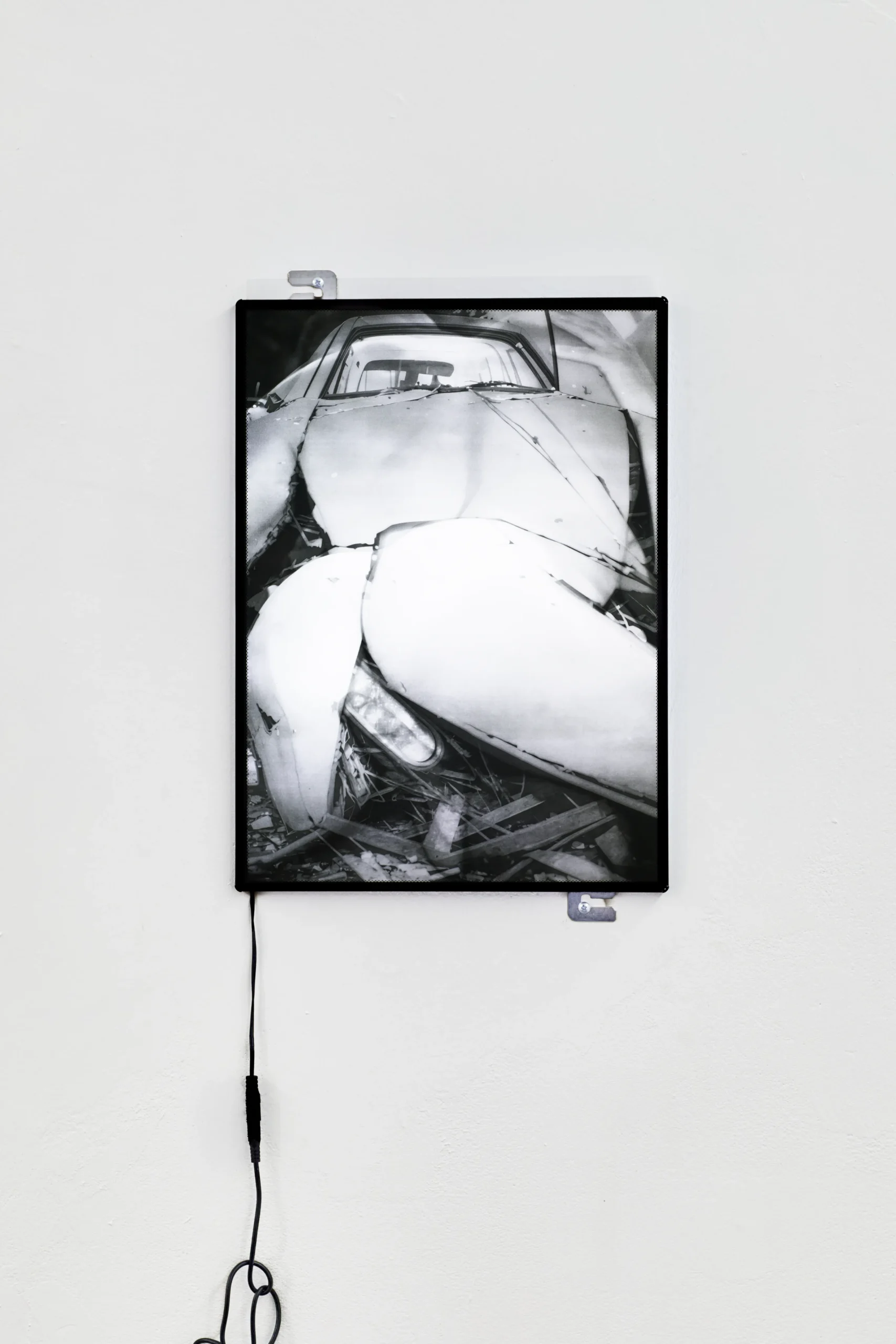
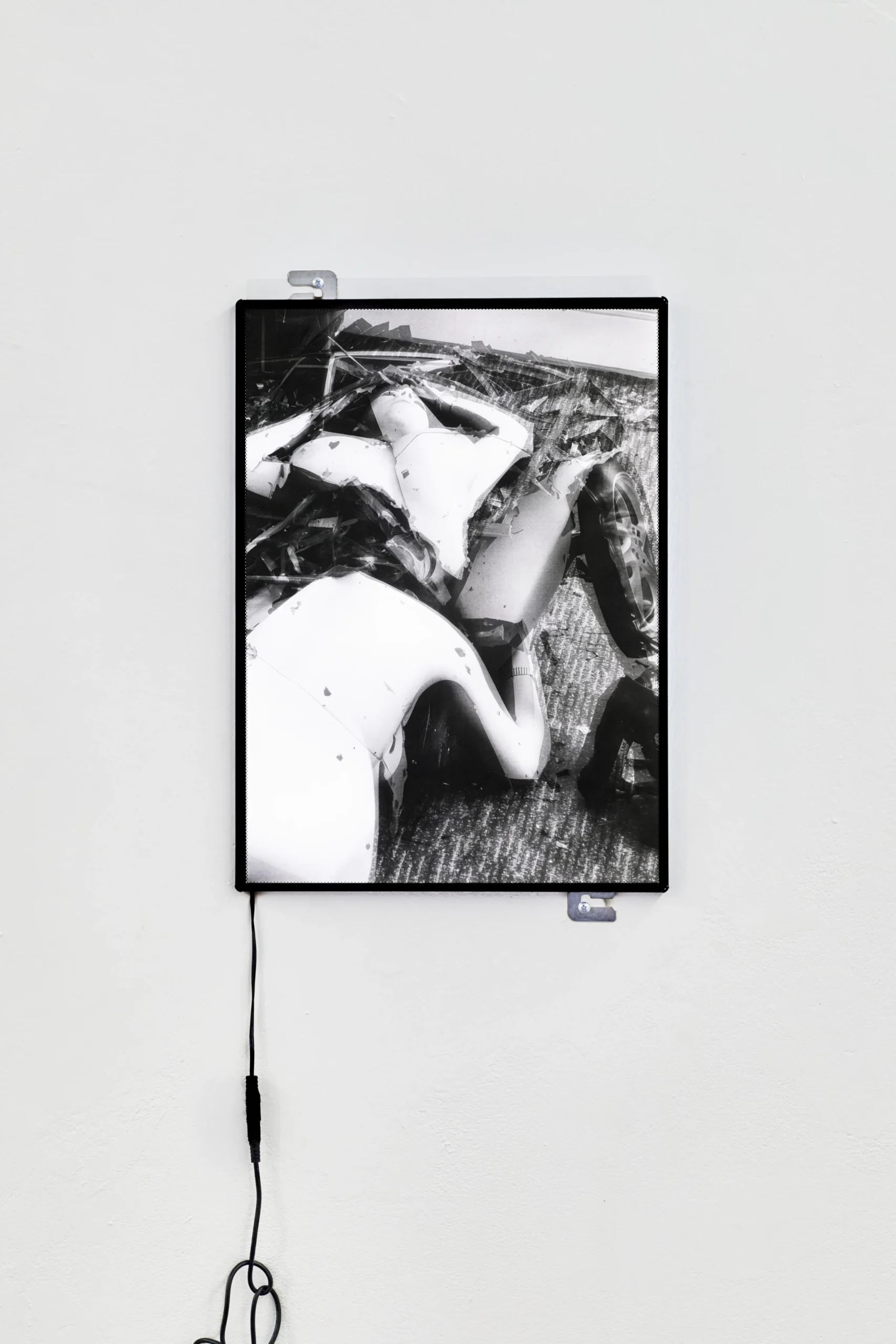
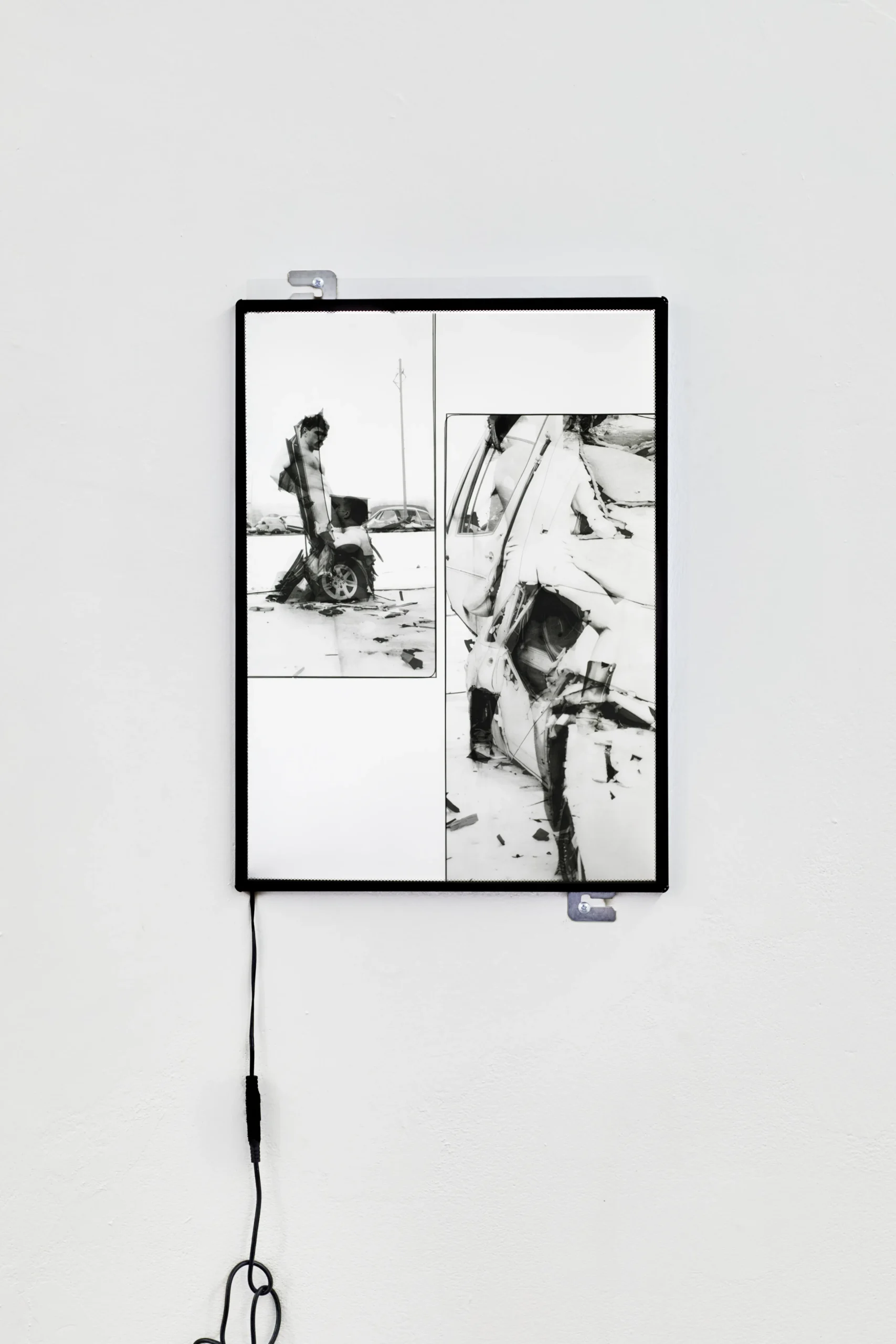
Domi Depowska directly refers to Ballard’s text. In her works, she combines archival pornographic photographs with corresponding generated images depicting crashed automobiles. The juxtaposition of the sexual act with images of destruction creates a fusion of desire and death. A non-heteronormative gaze reveals a shared mechanism of voyeurism here, the pleasure of looking at the body and at catastrophe, as a way of coming to terms with mortality through the aestheticization of destruction.
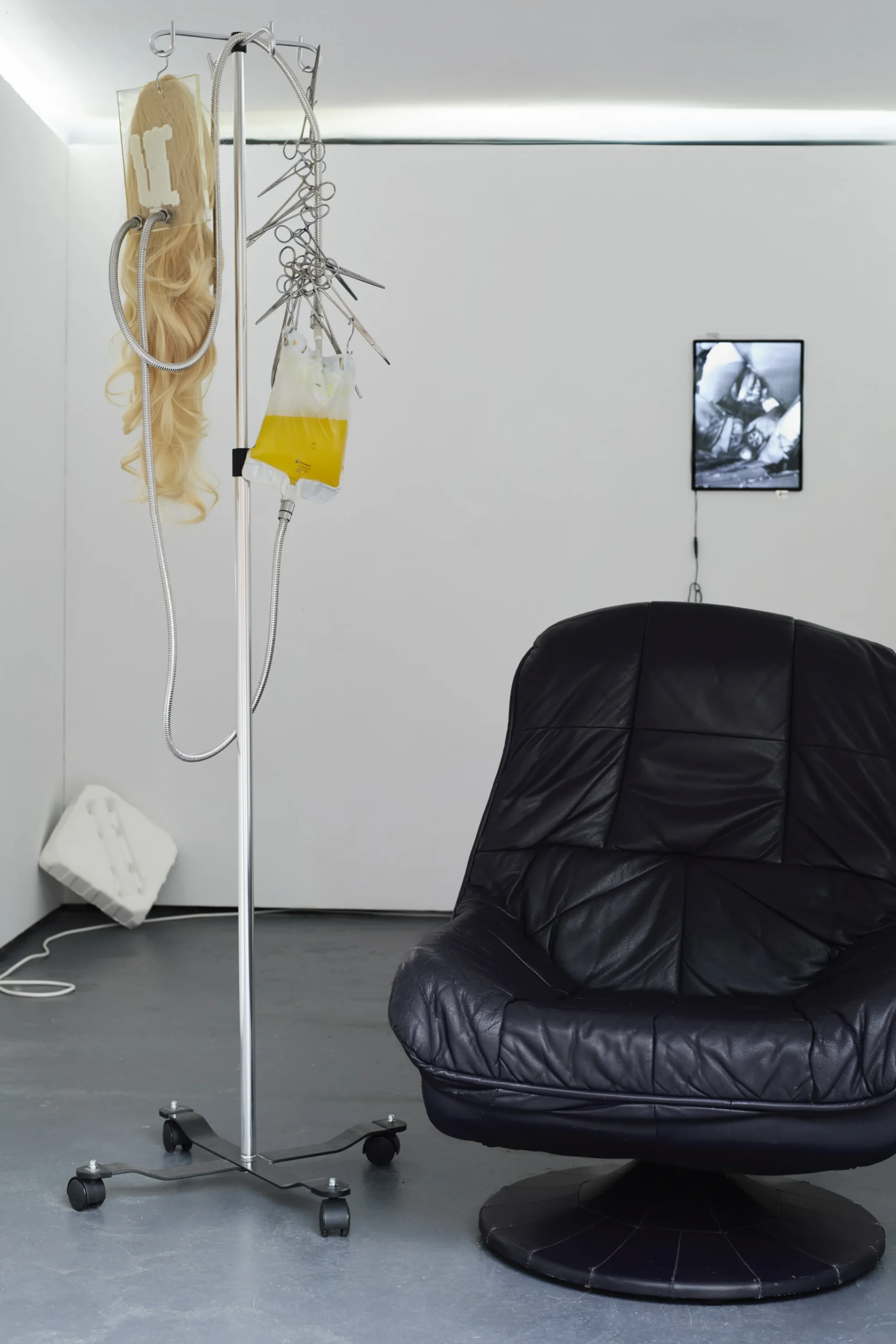
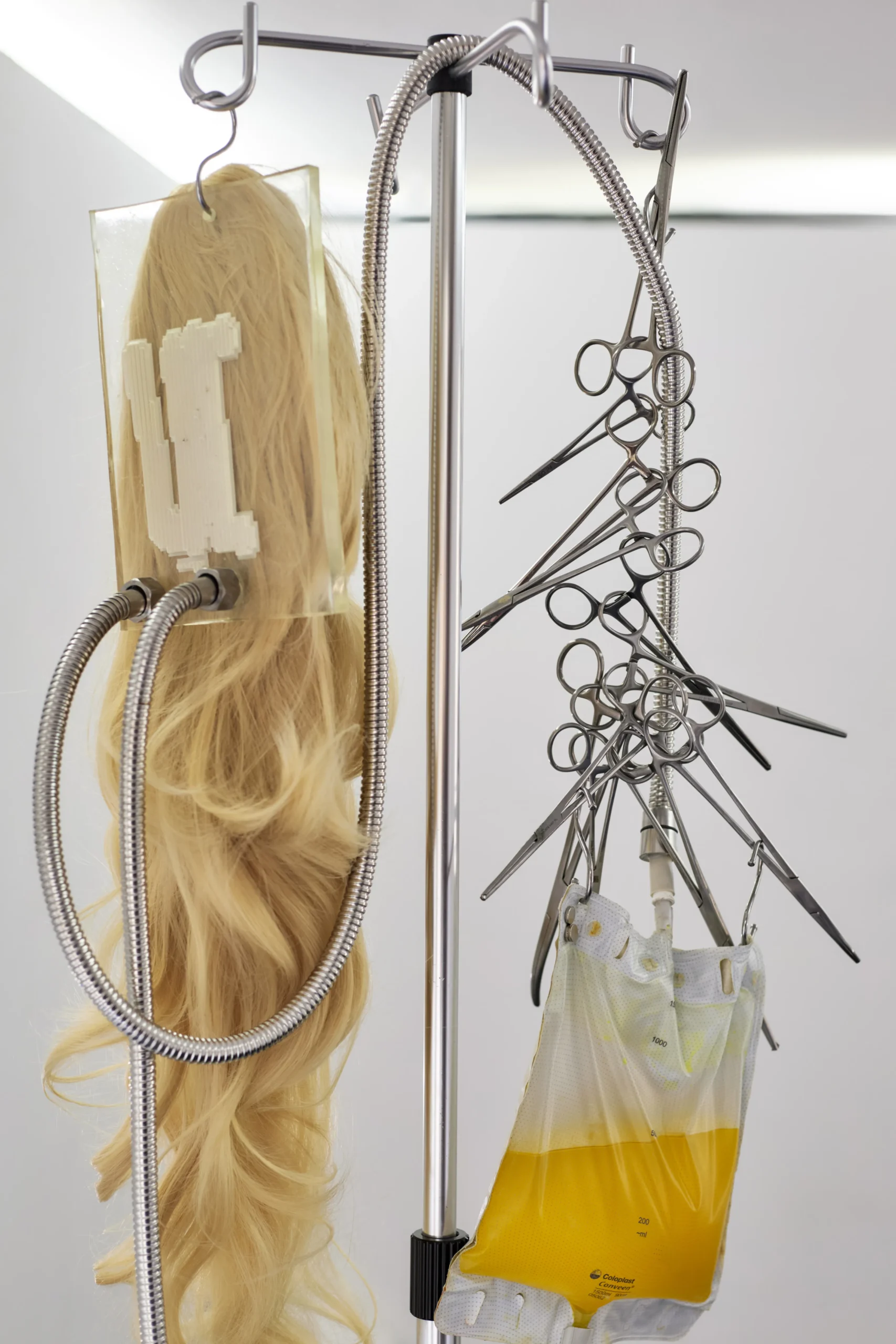
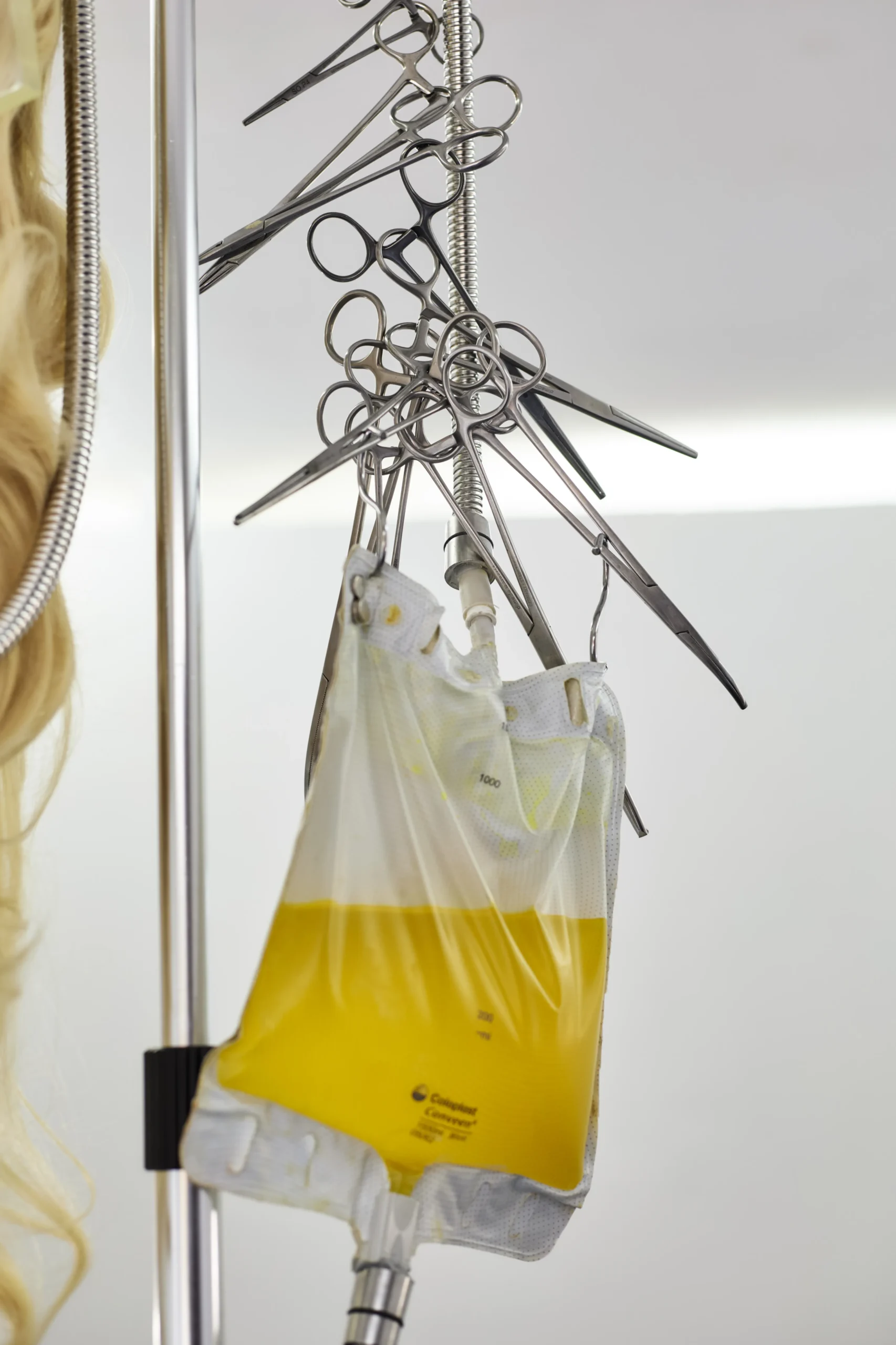
In her work, Natalia Kaftan explores toxicity within the human body, making its machinic nature visible. The organism is a machine that uses its own hydraulics to dispose of unwanted substances. It receives fuel, processes it into energy, and then expels unnecessary components. When individual organs malfunction, the organism finds alternative ways of storing toxins, including in the hair. Technological fantasies cease to seem distant when we recognize the mechanical nature of our bodies.
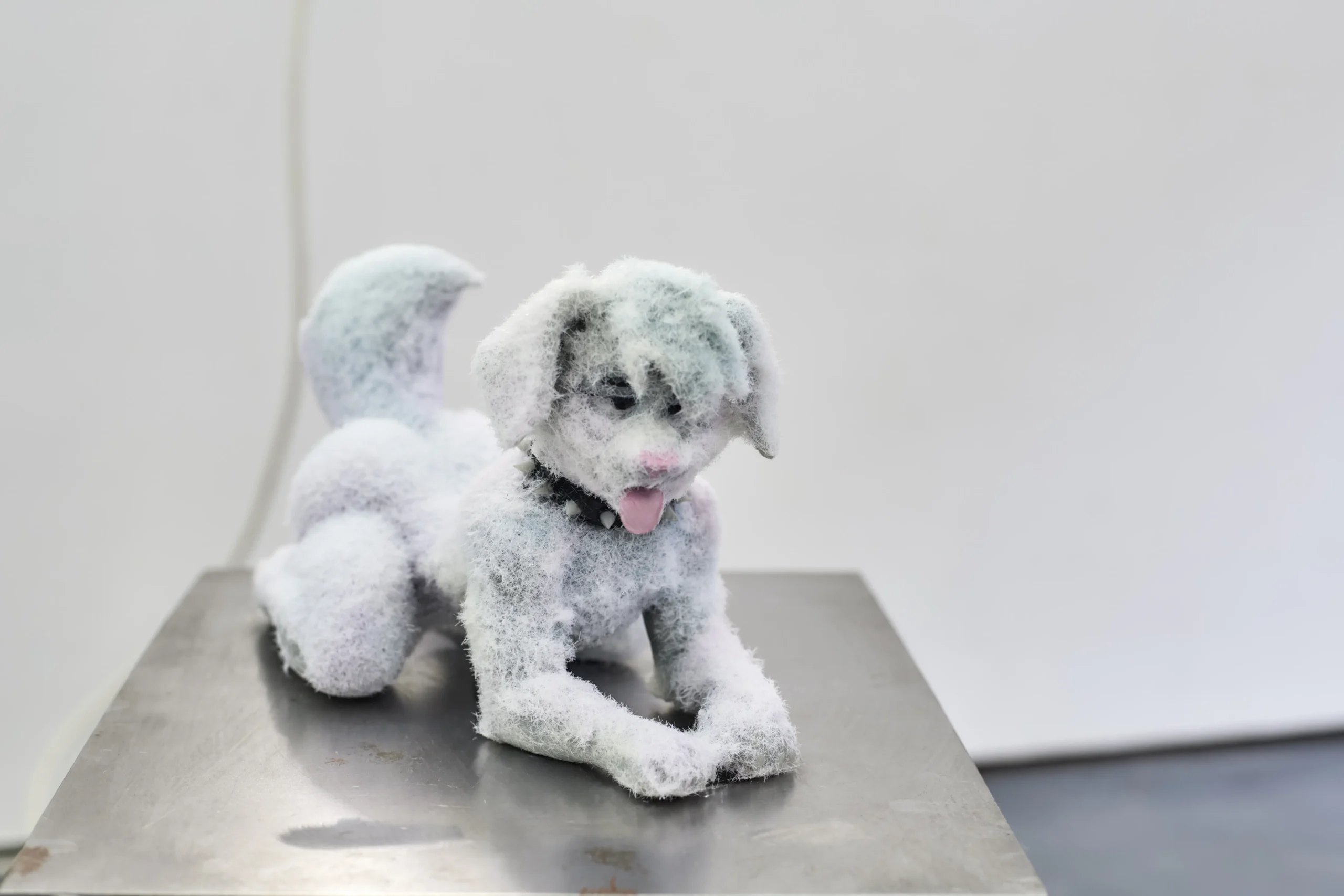
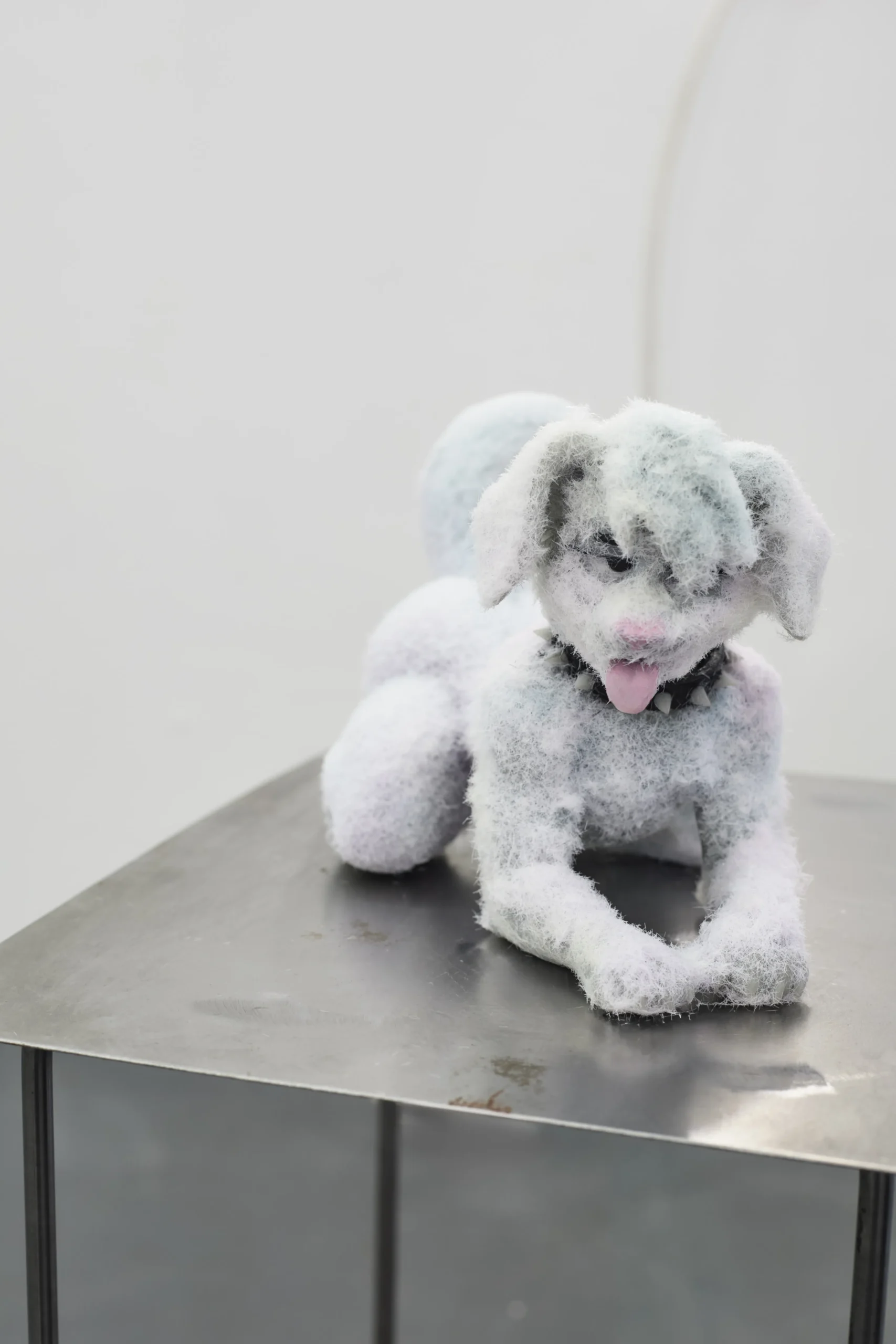
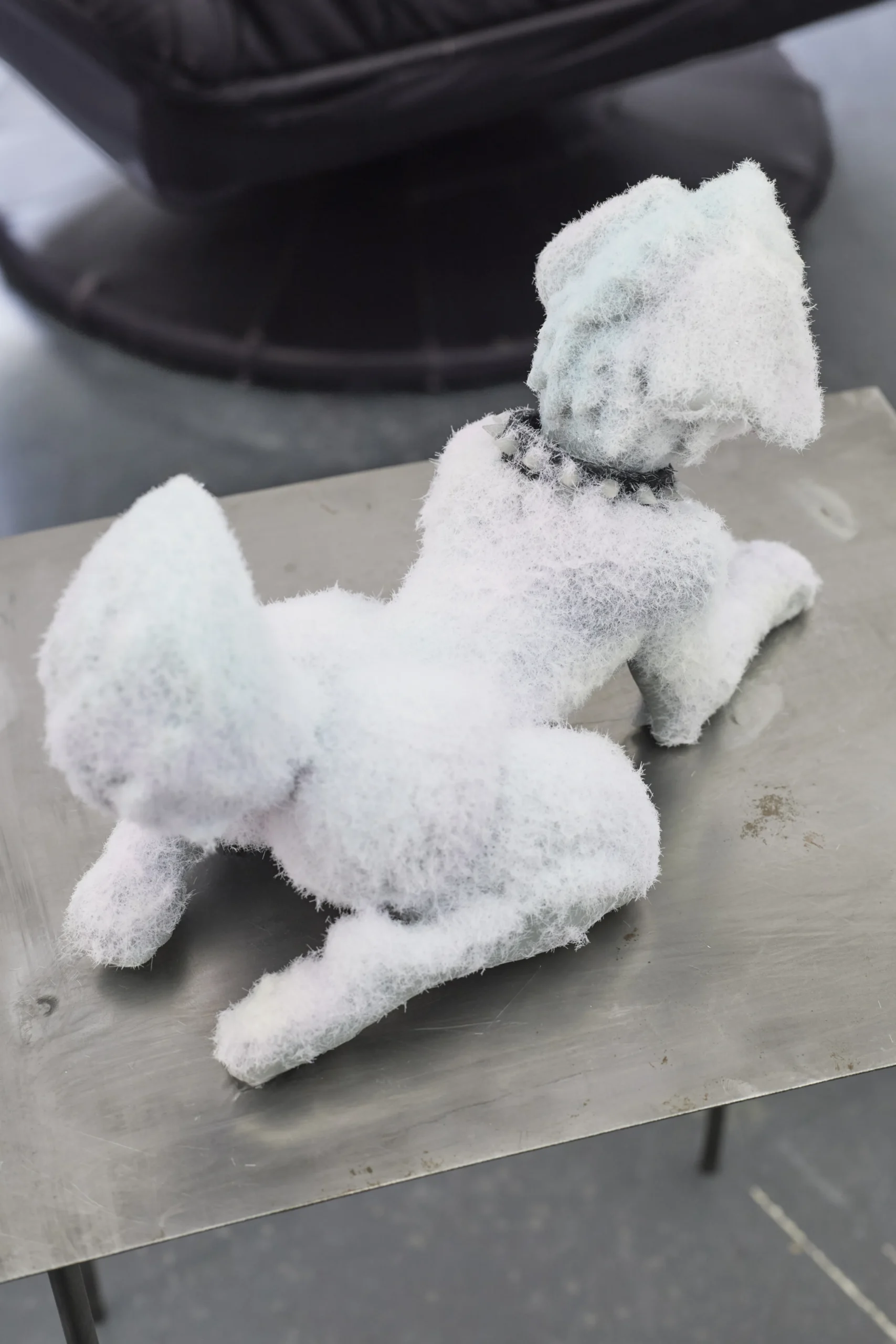
Sebulec uses the iconic bobblehead dog figurines typically placed on car dashboards. By eroticizing them, he winks at the viewer and exposes the mechanism of product fetishization, giving a sexual dimension to an ostensibly innocent object.