


Asprigna io sono e rido un poco acerba is a group exhibition featuring works by Virginia Ariu, Elisa Barrera,
Isabella Costabile, Hélène Fauquet, Emiliano Furia, Claudia Lemke, Mickael Marman, Bjarne Melgaard,
Rosa Nitzsche, Carol Rama, Kaare Ruud, Calle Segelberg, Alina Vergnano and Alison Yip.
Varied in technique and expression, the works and the practices share an independent attitude that speaks
to the underground, outsider-like character of Torino, which, through time, has kept a mysterious, autonomous
and eccentric dimension derived from, and answering to, the city’s royal and industrial heritage. The
title is taken from a poem by the Turinese poet Amalia Guglielminetti, whose texts scandalized the conservative
Italian bourgeoisie, and which playfully states: ‘I am somewhat sour, and my laugh has a sharp
edge’, then continues, ‘I prefer to bite rather than caress, (…) like the March wind, I grant no peace.’ The
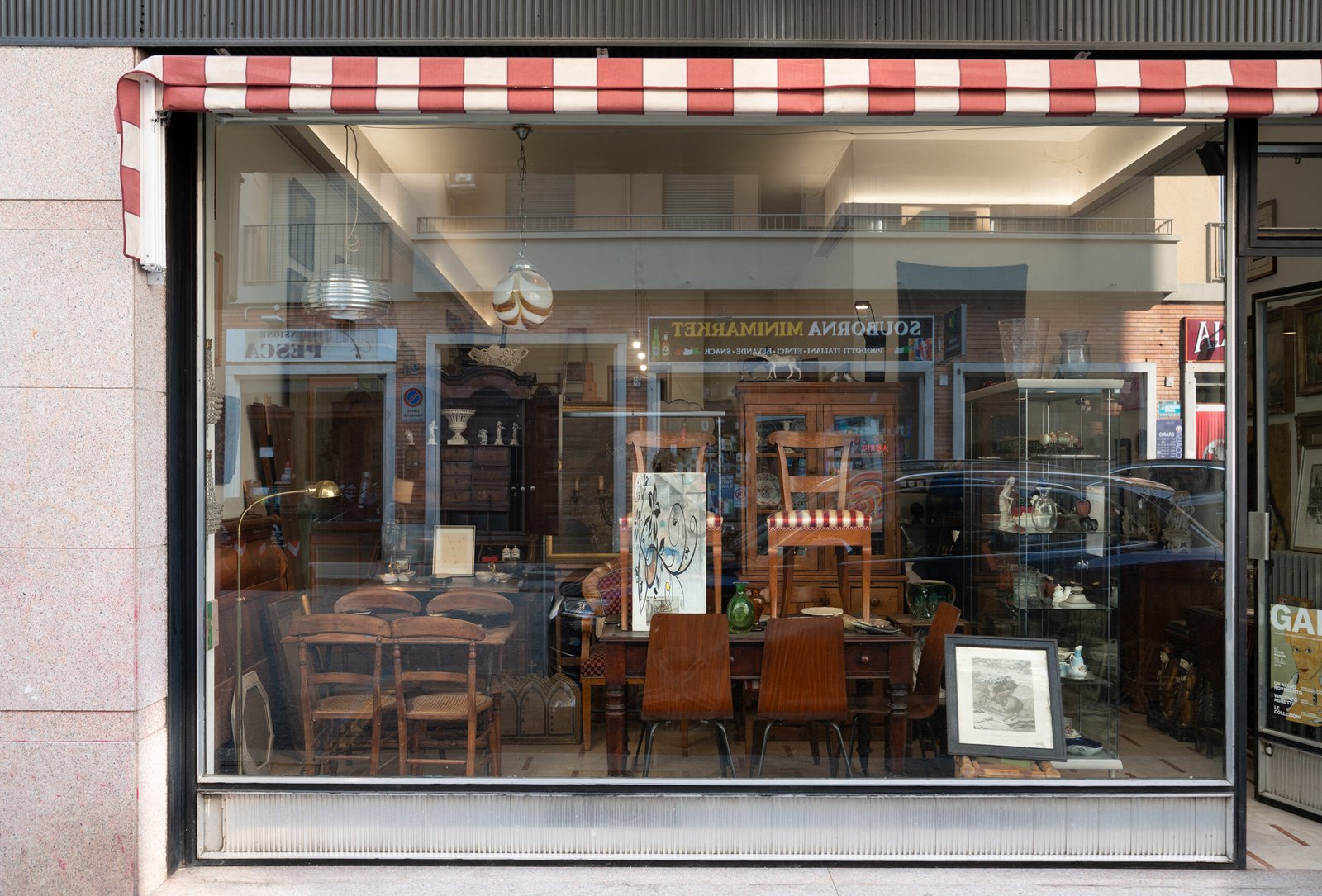
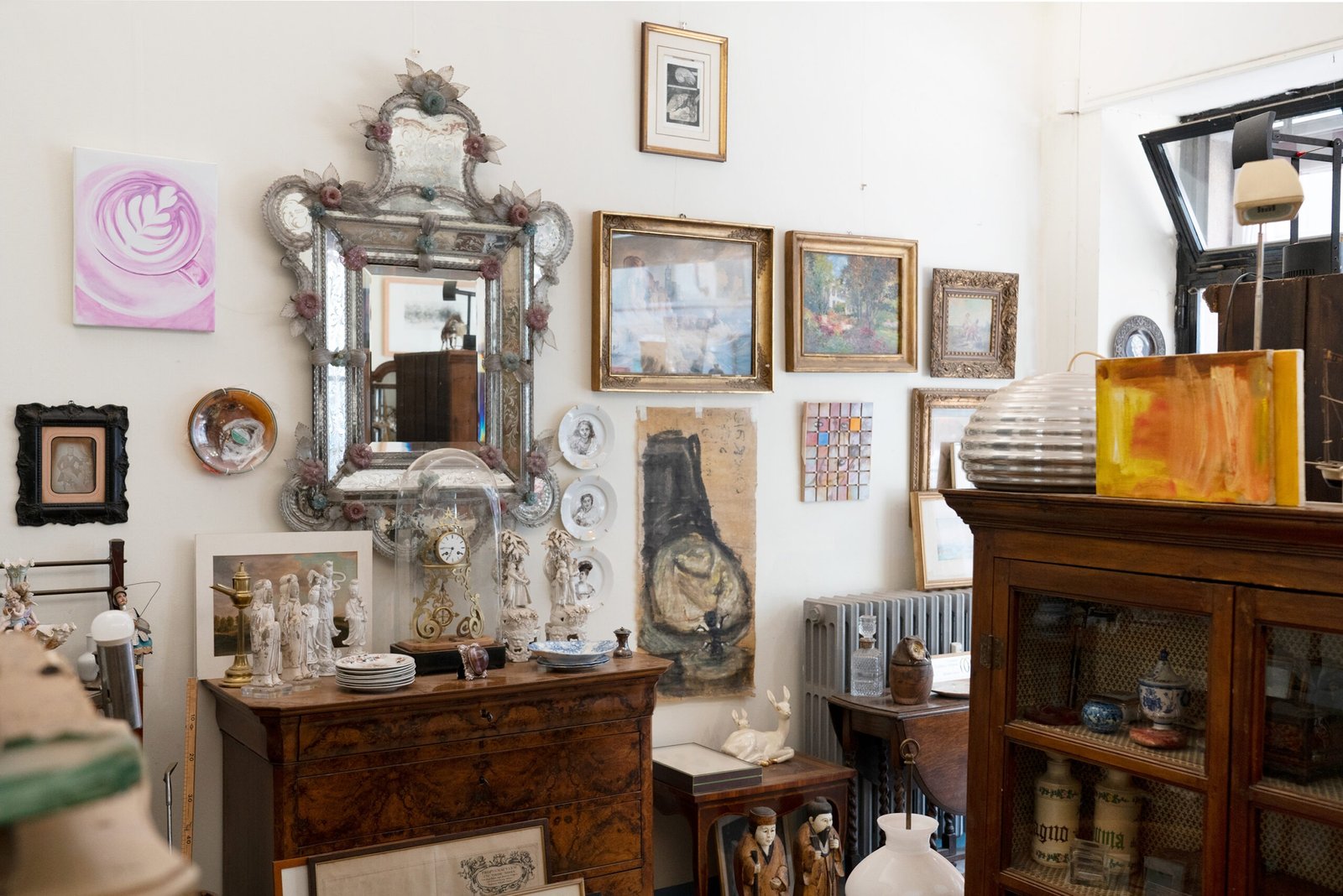
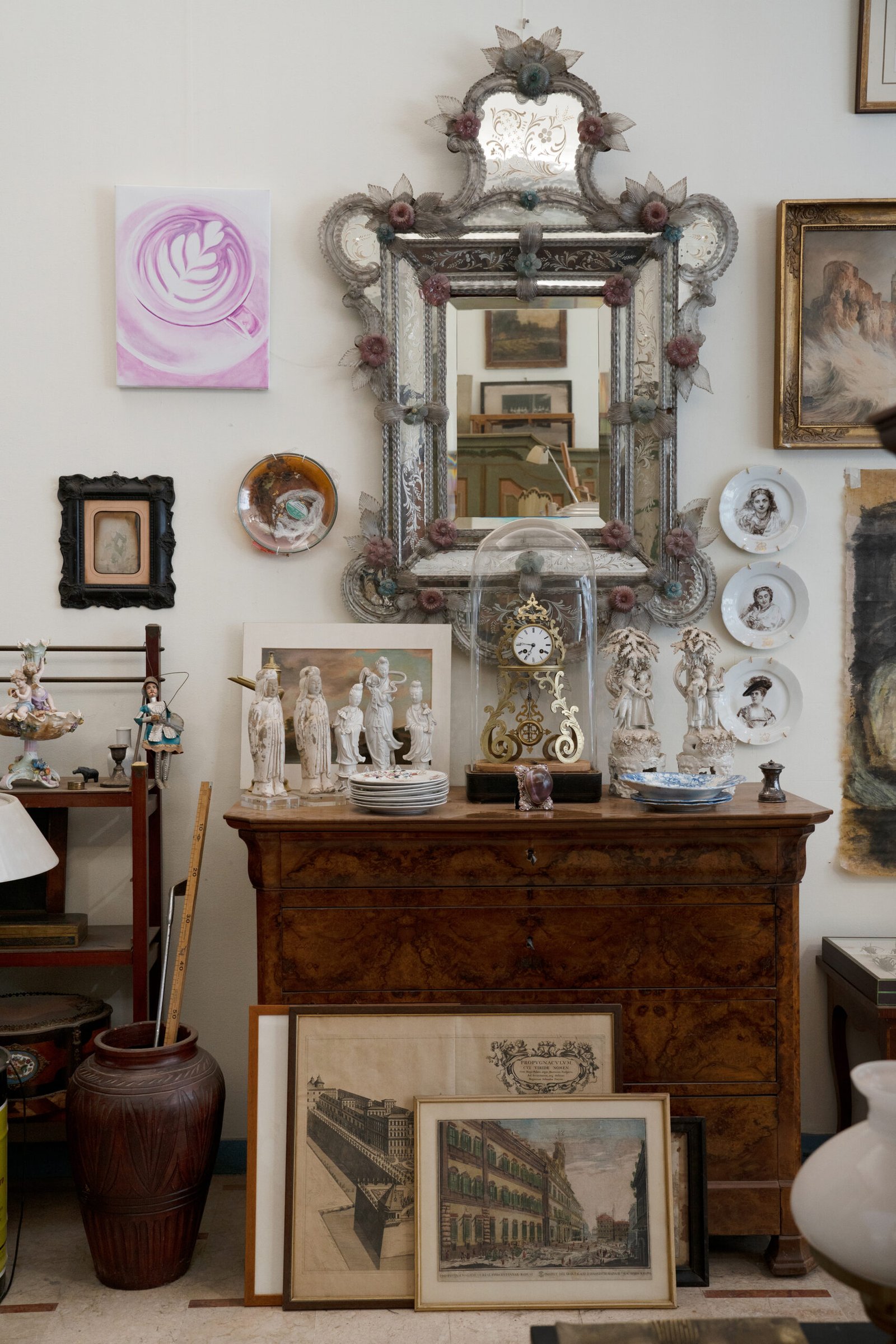
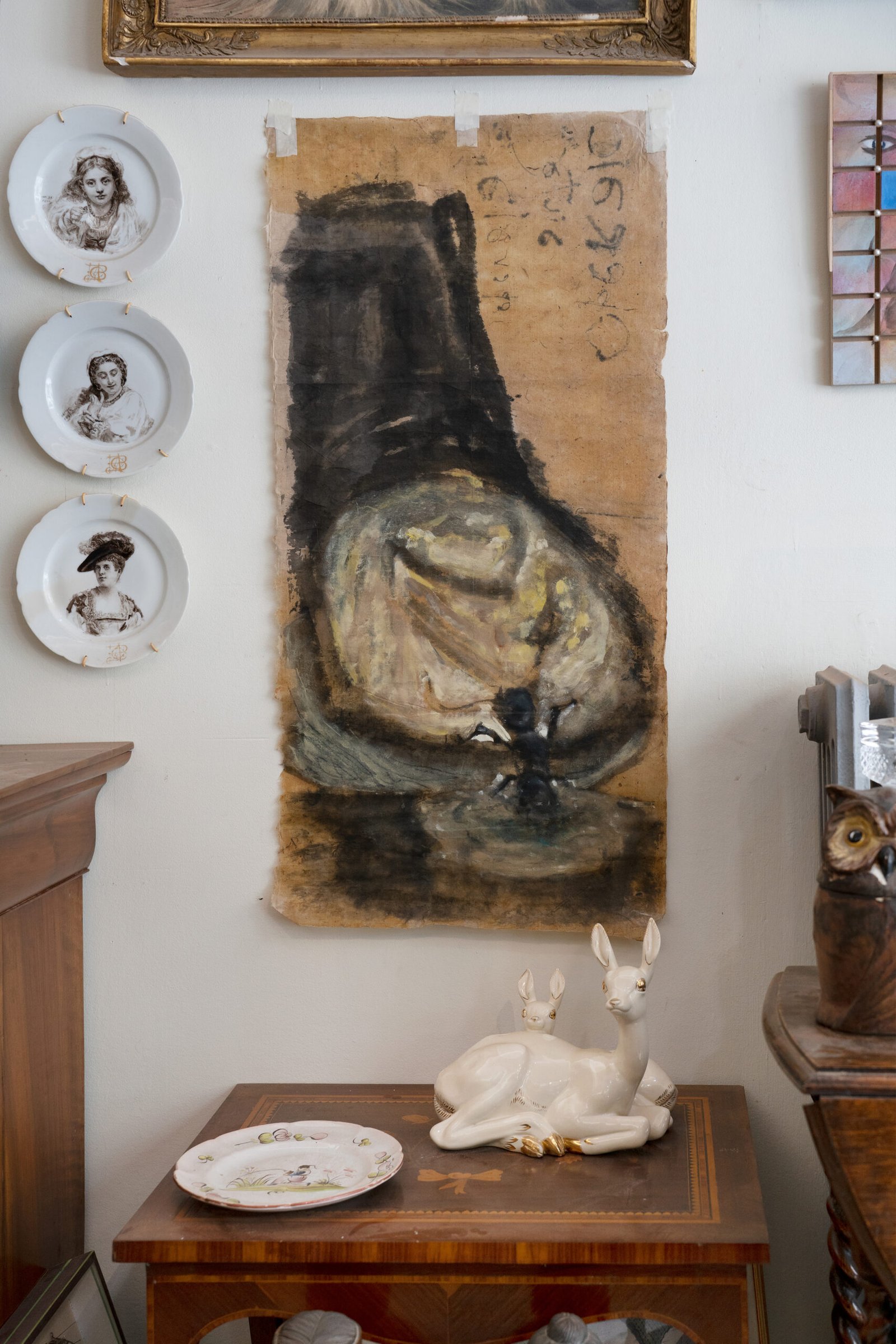
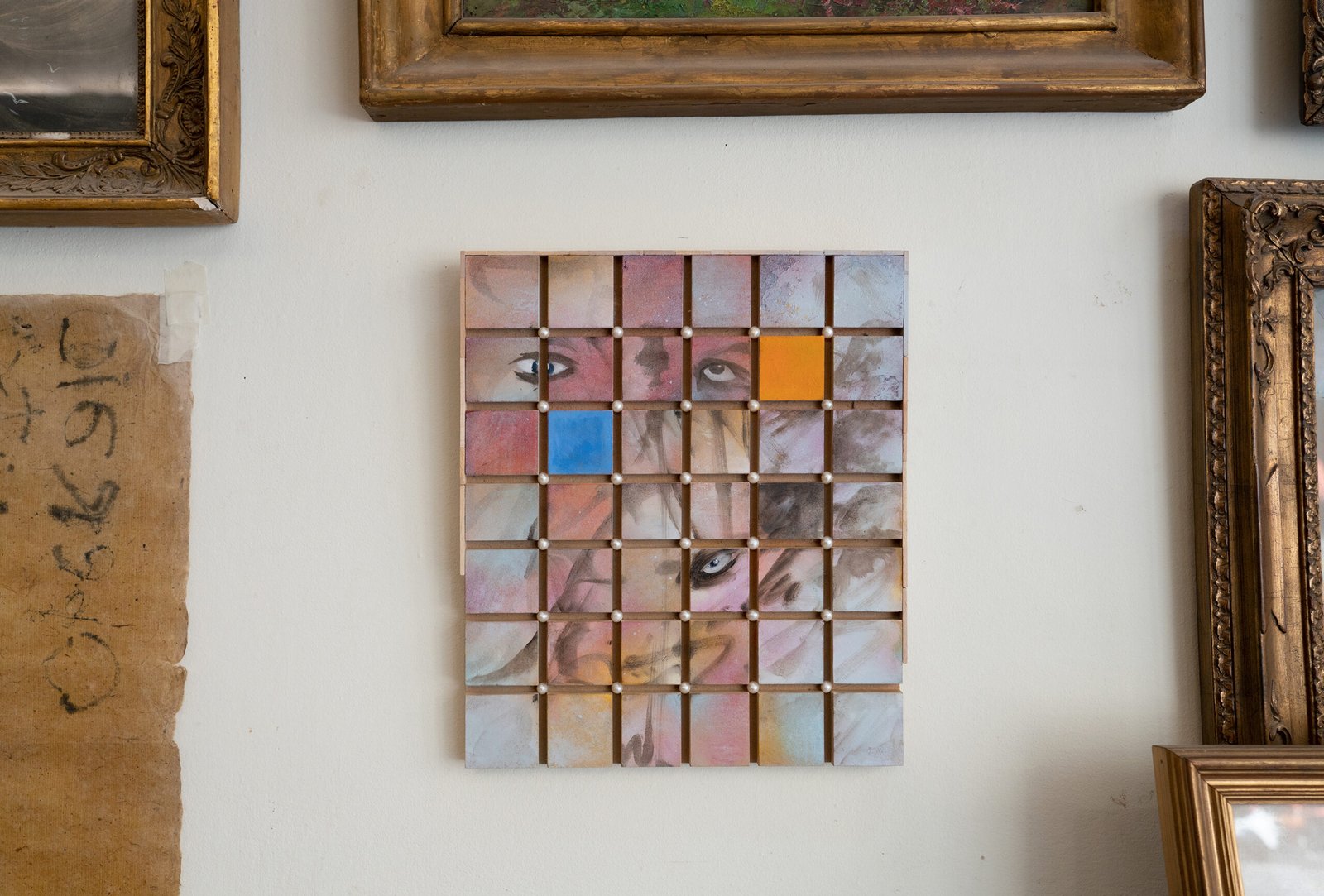
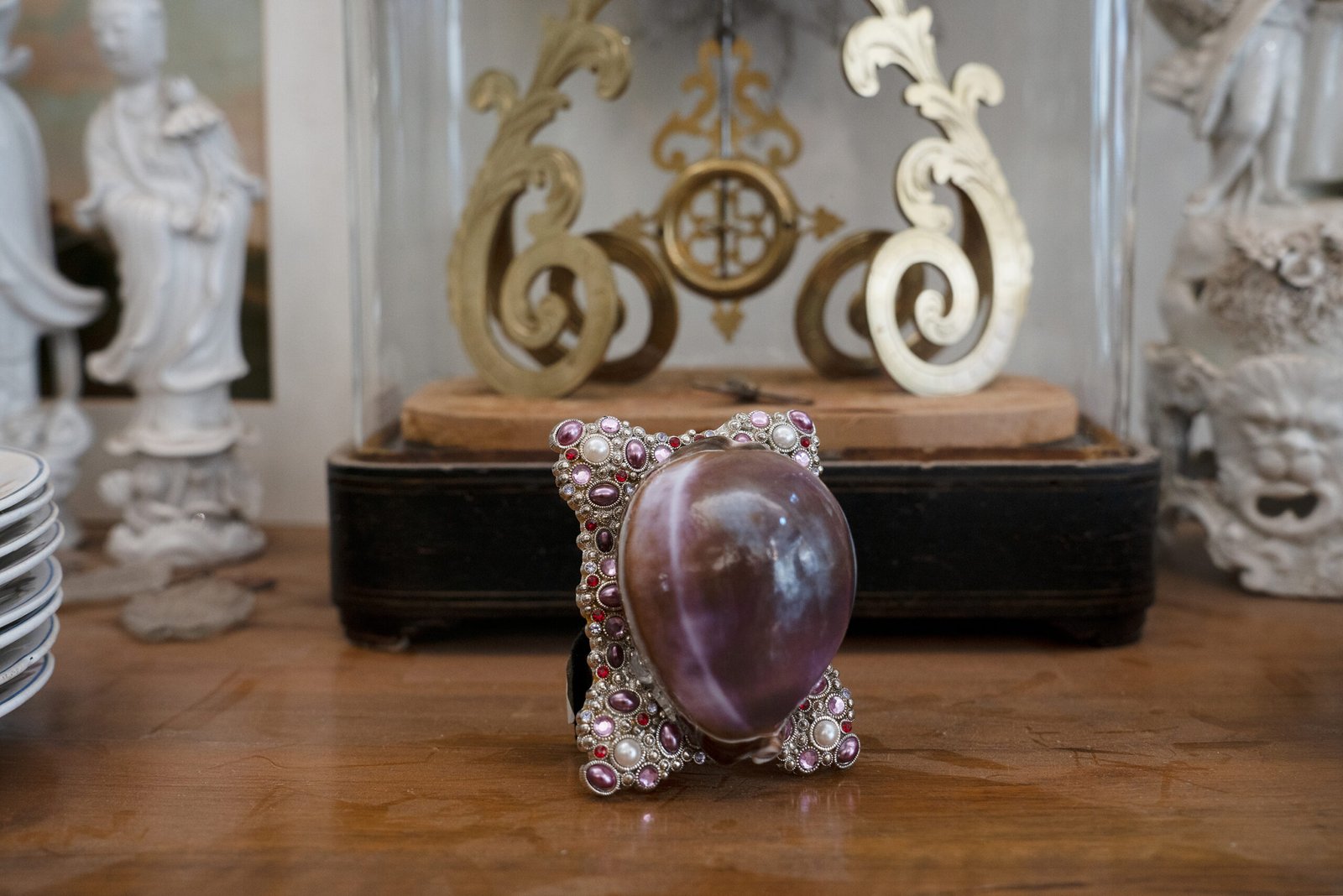
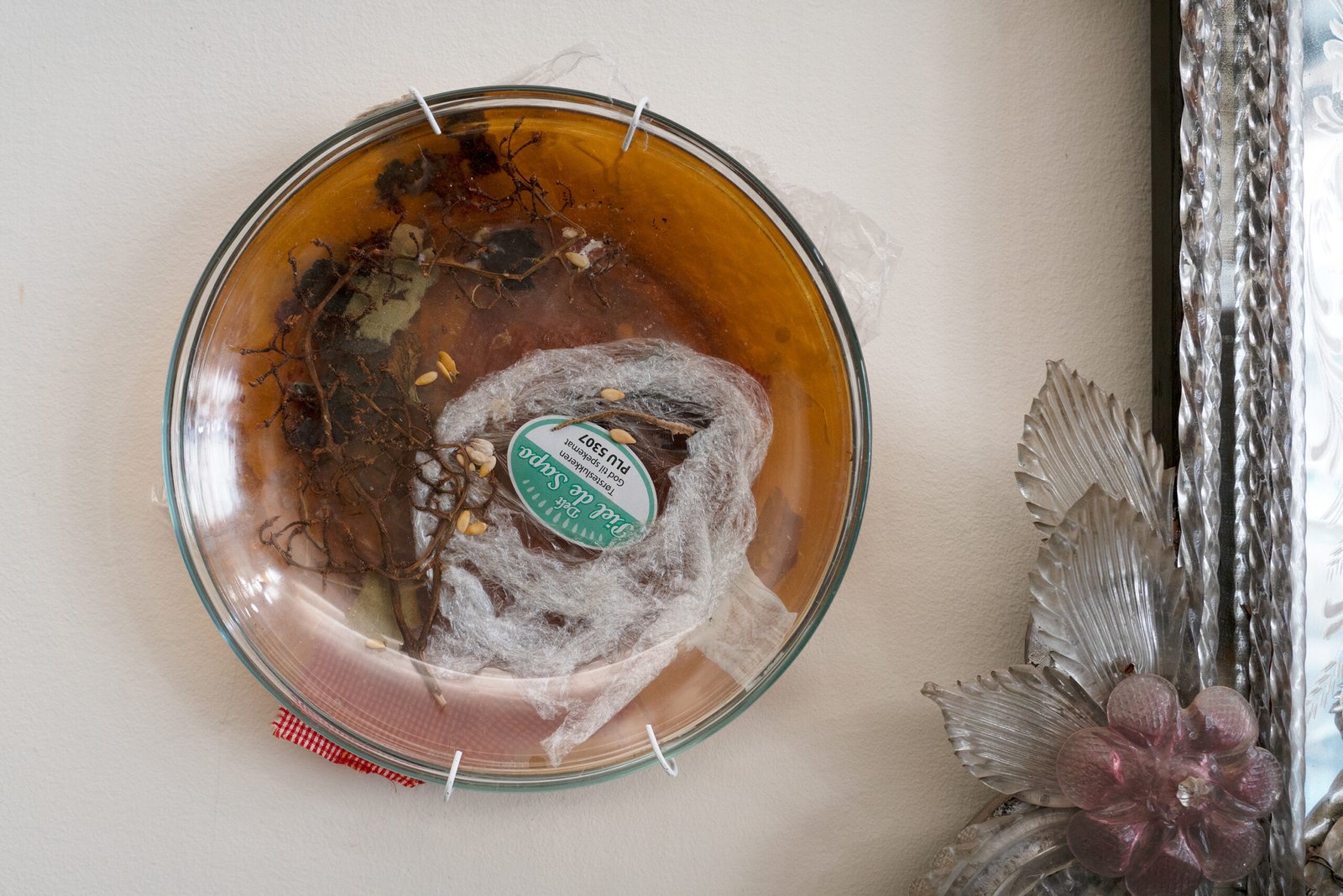
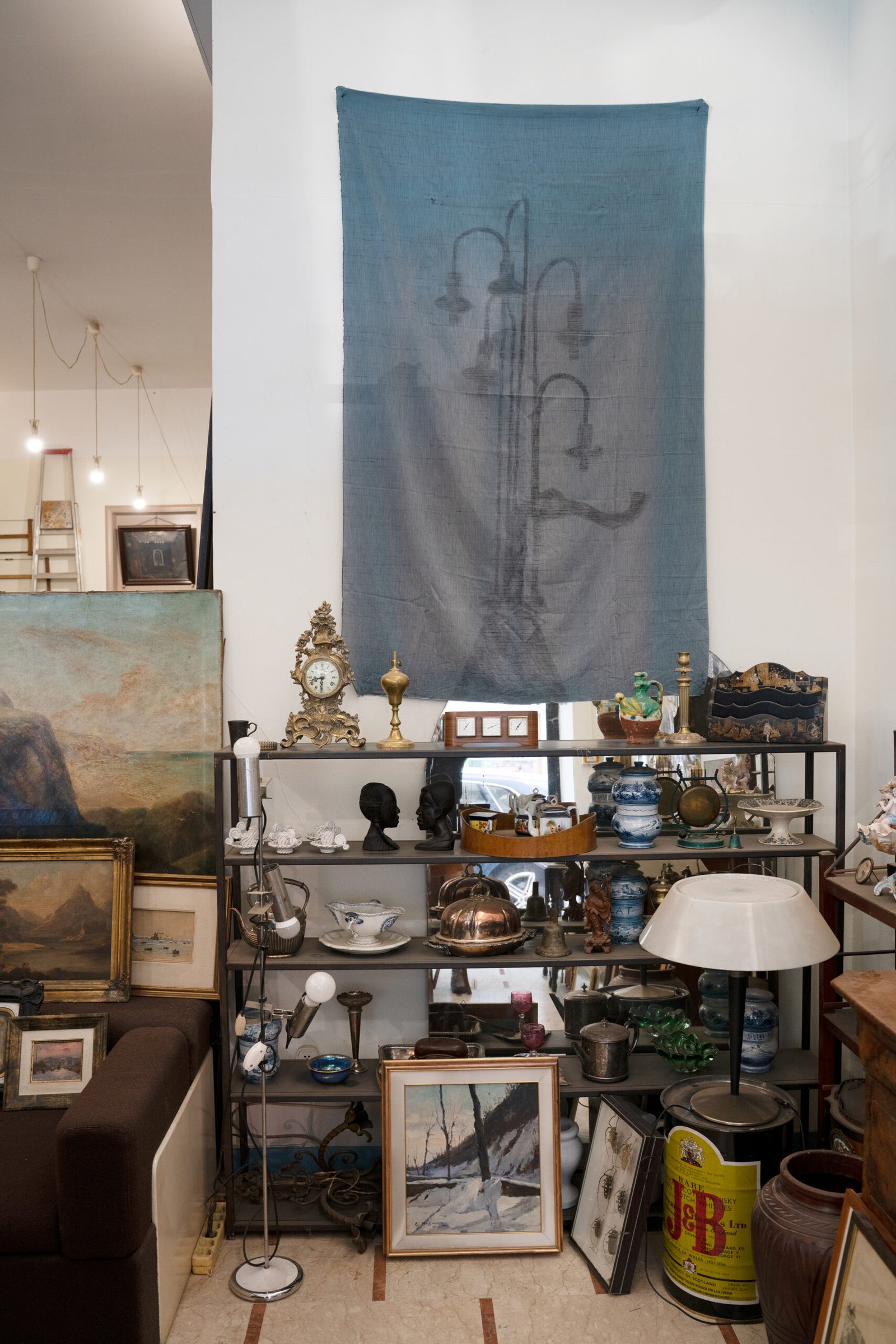
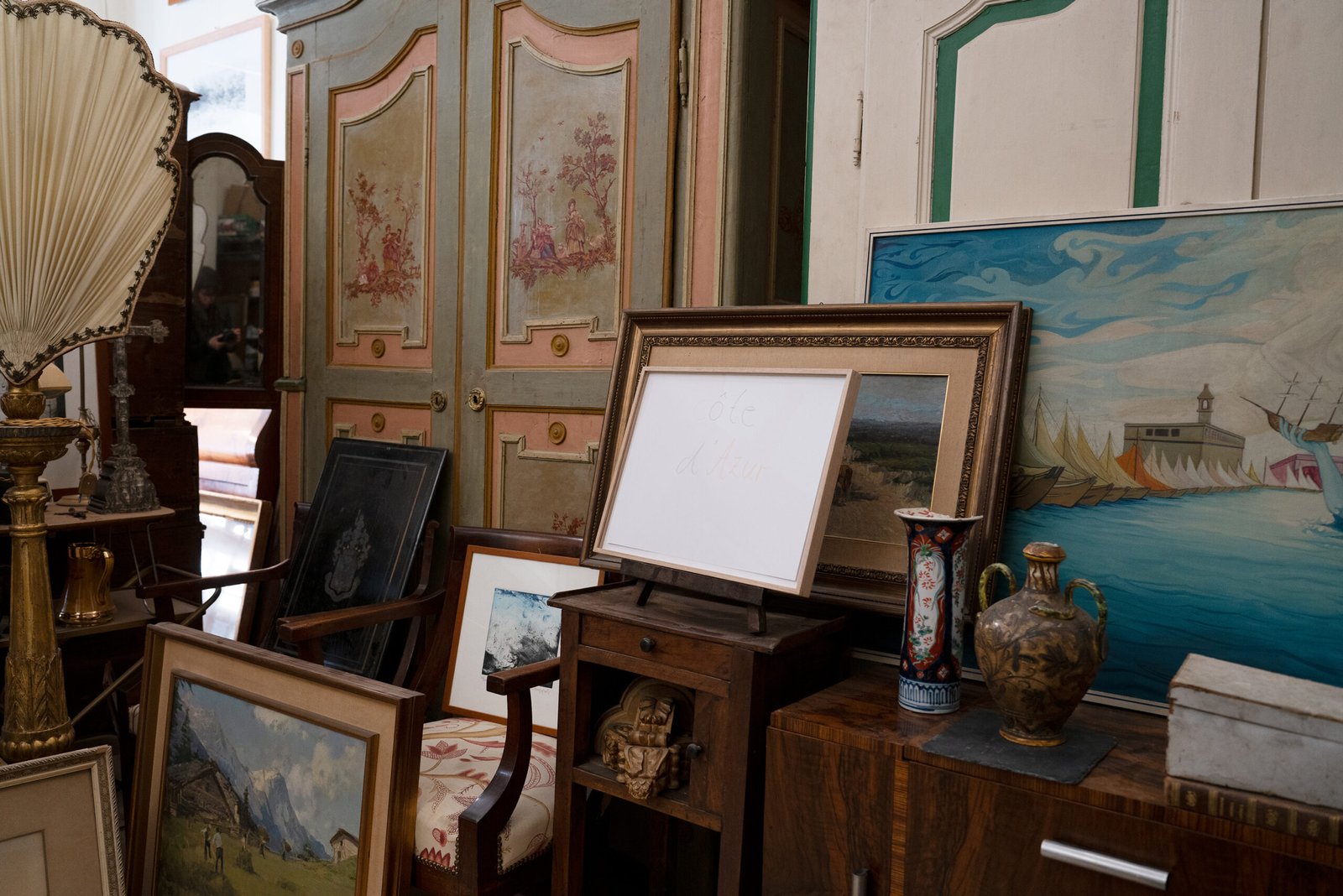
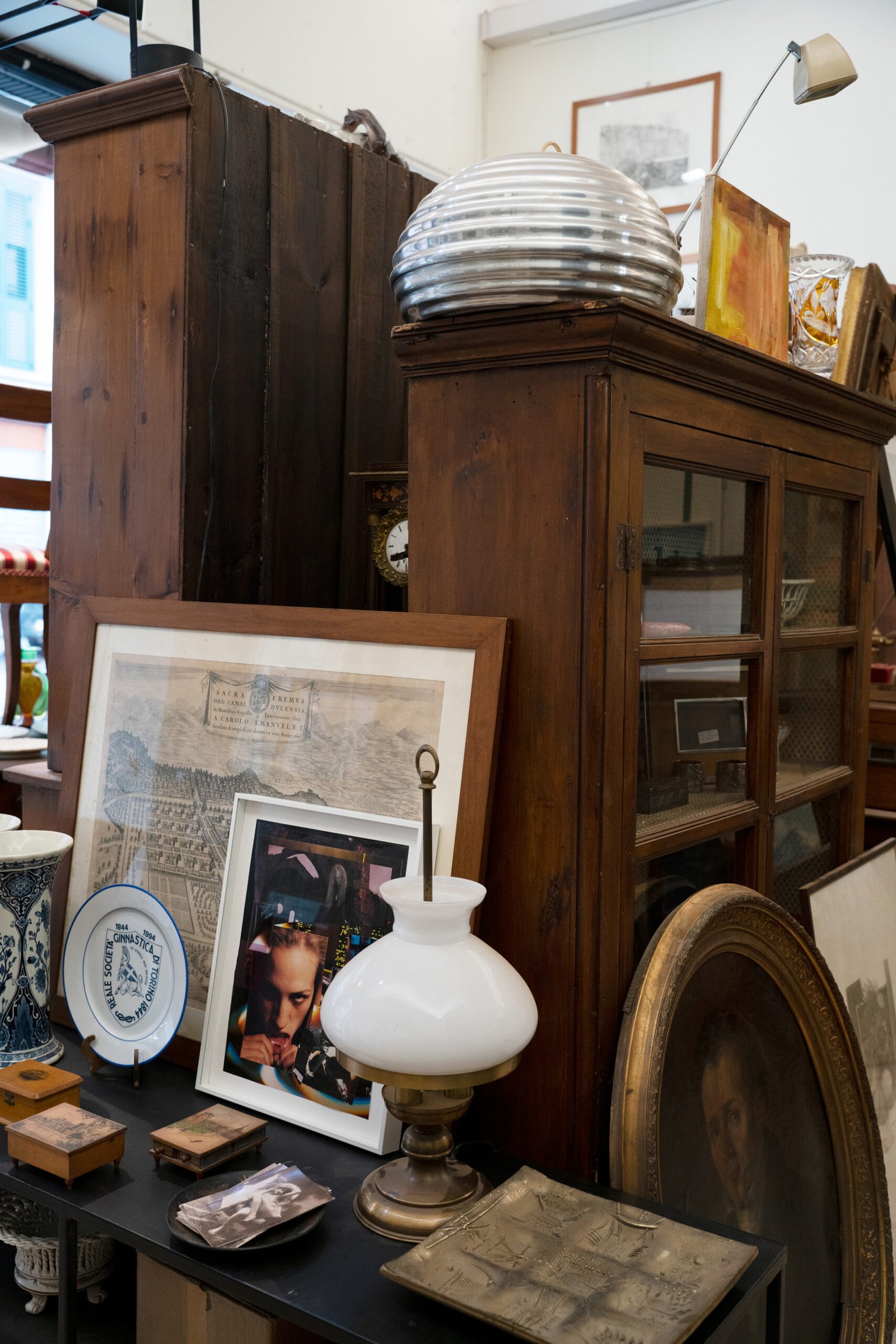
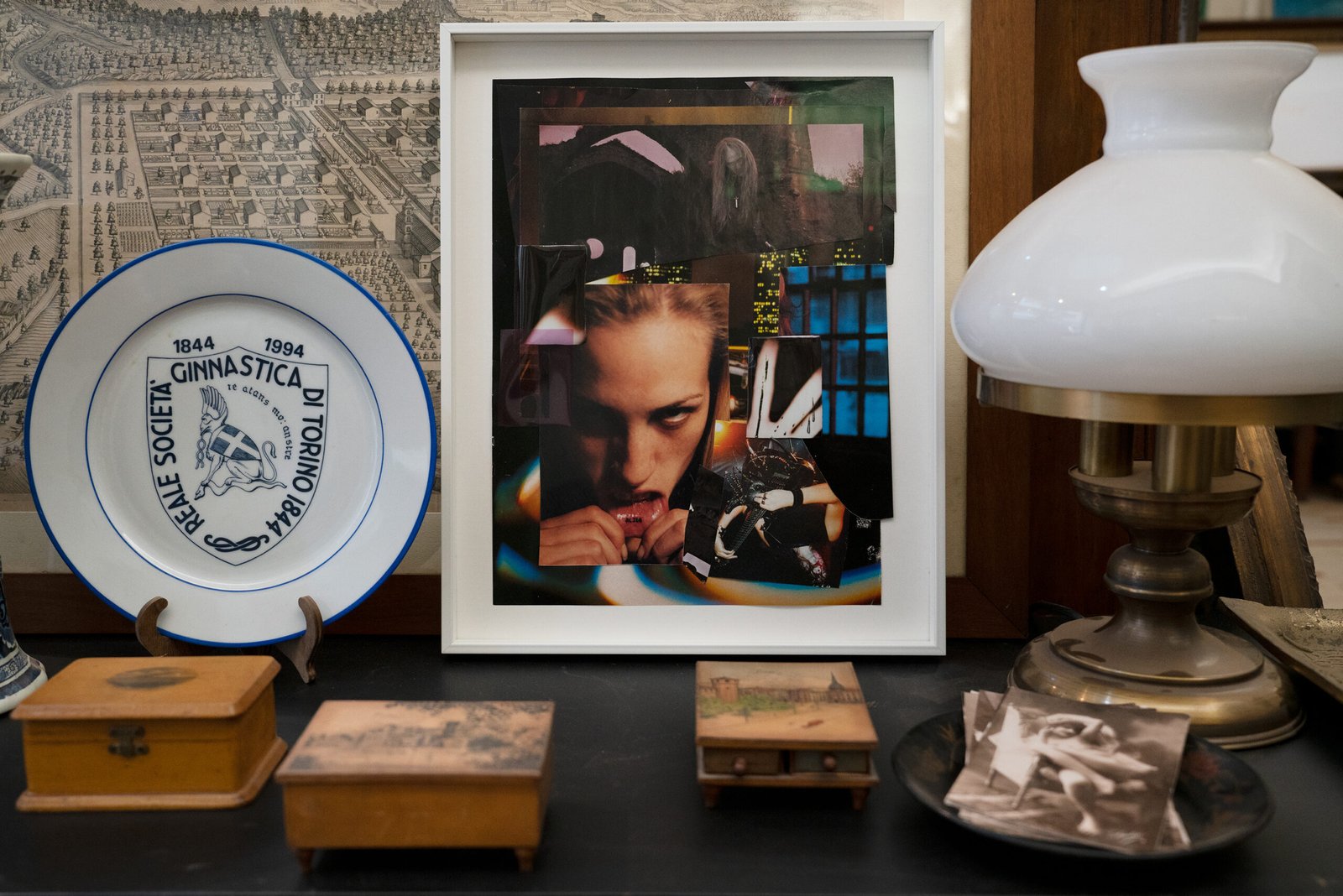
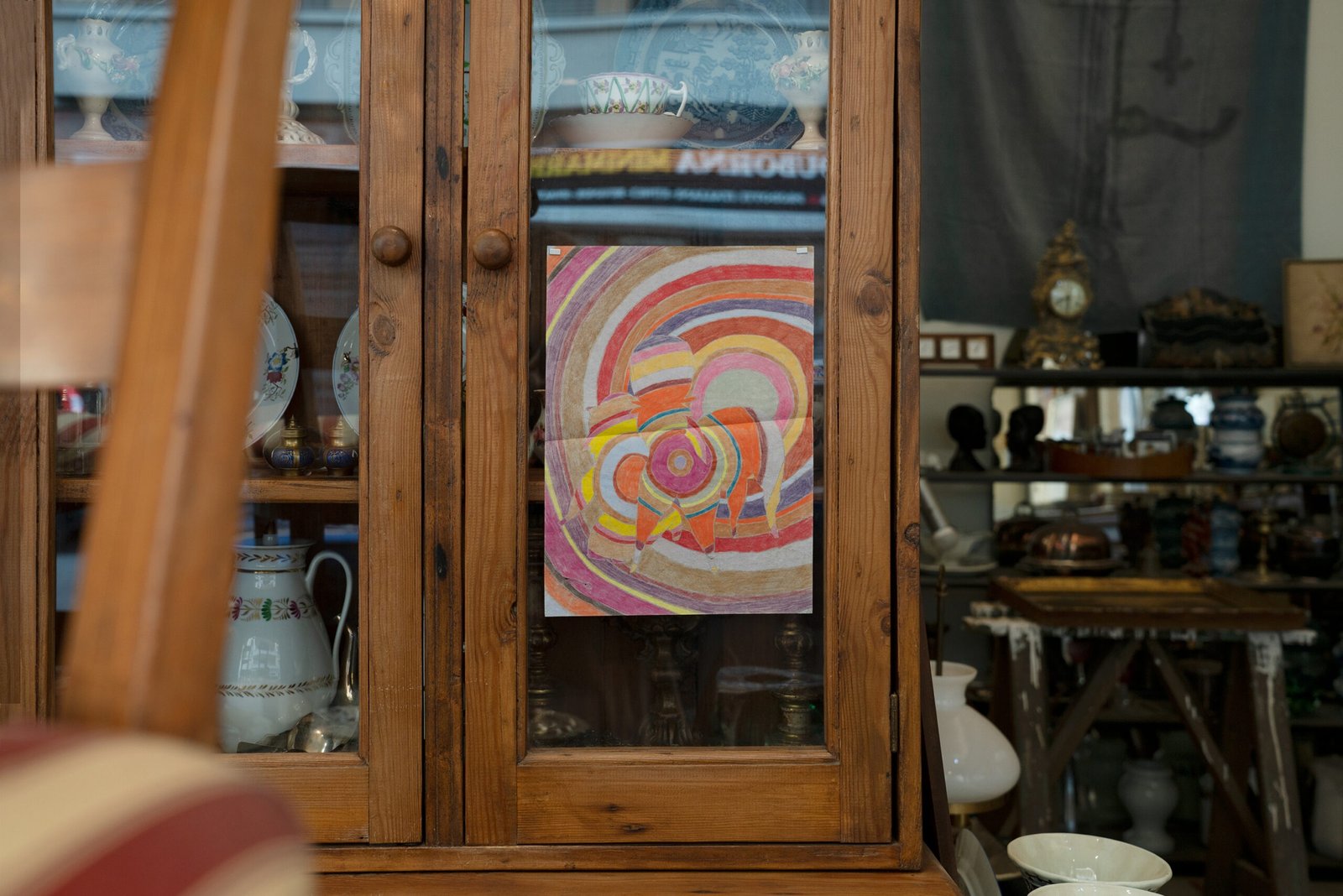
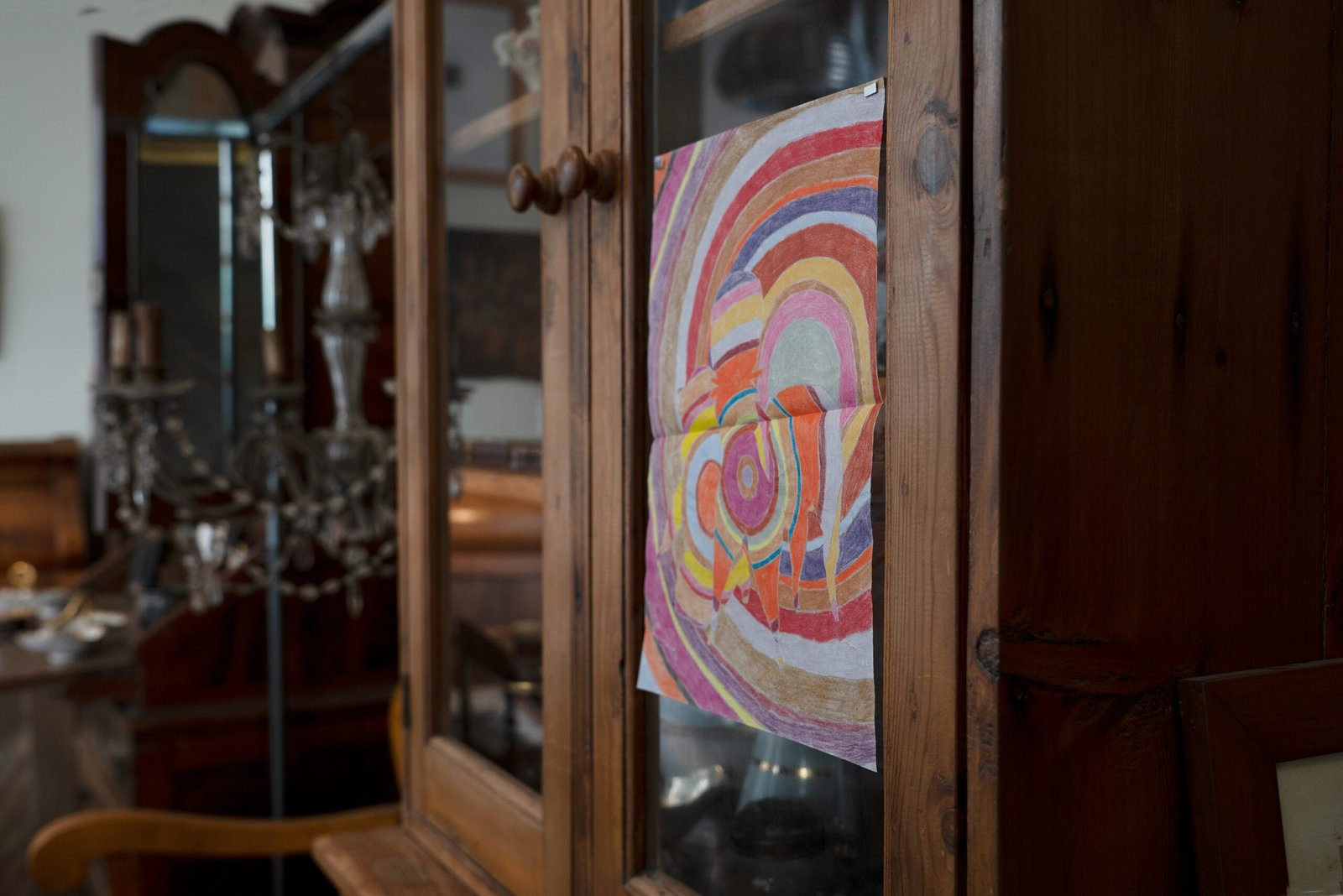
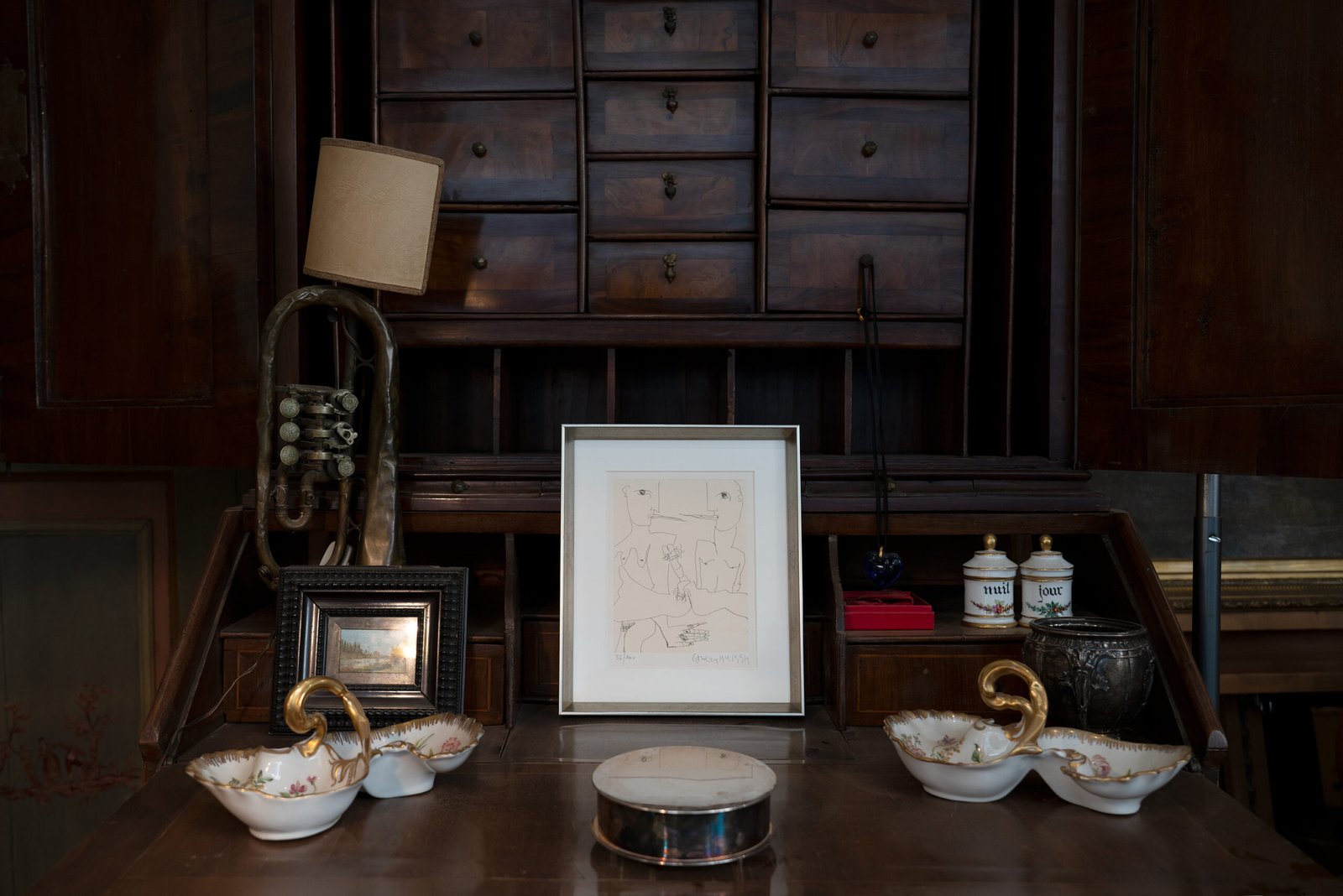
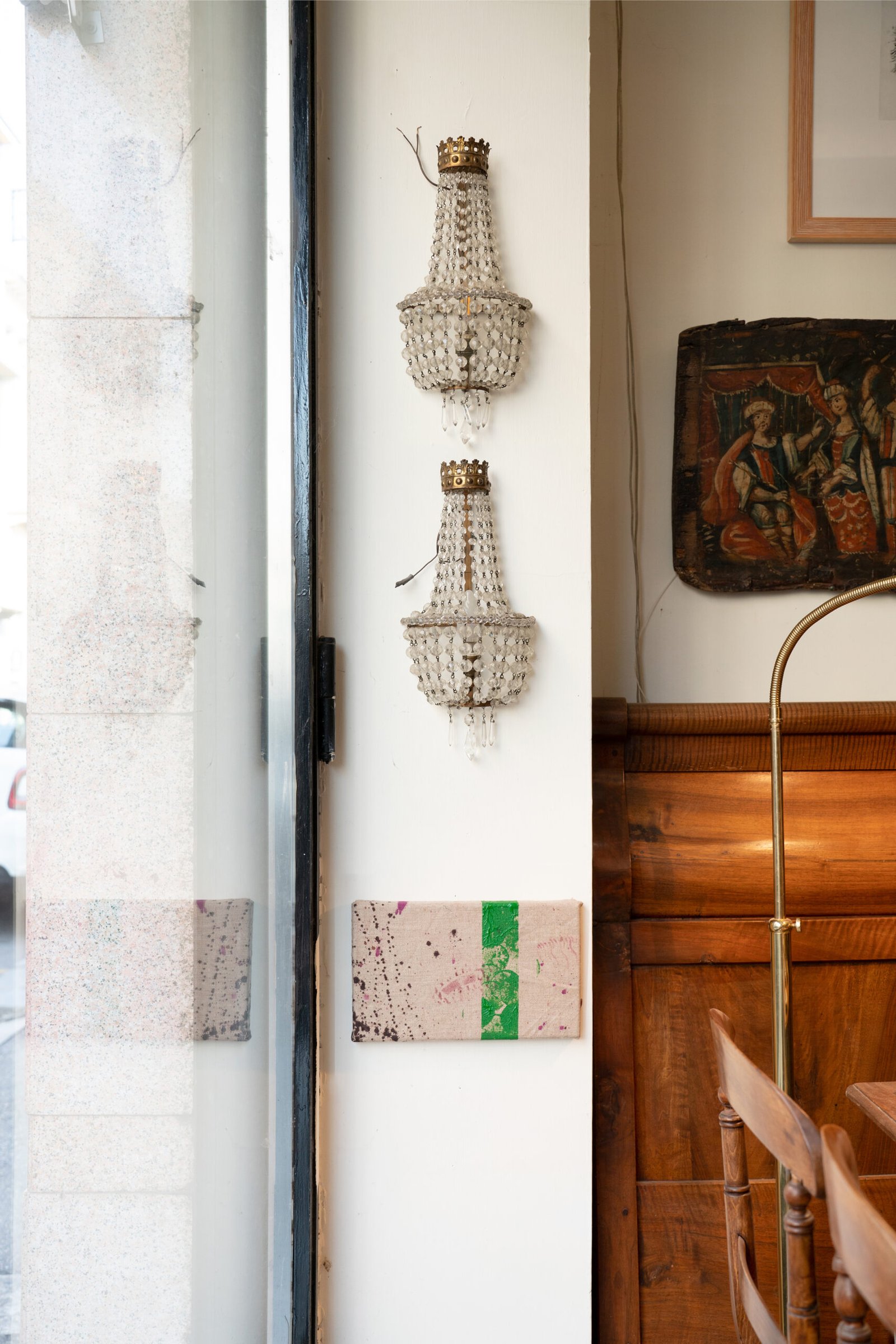
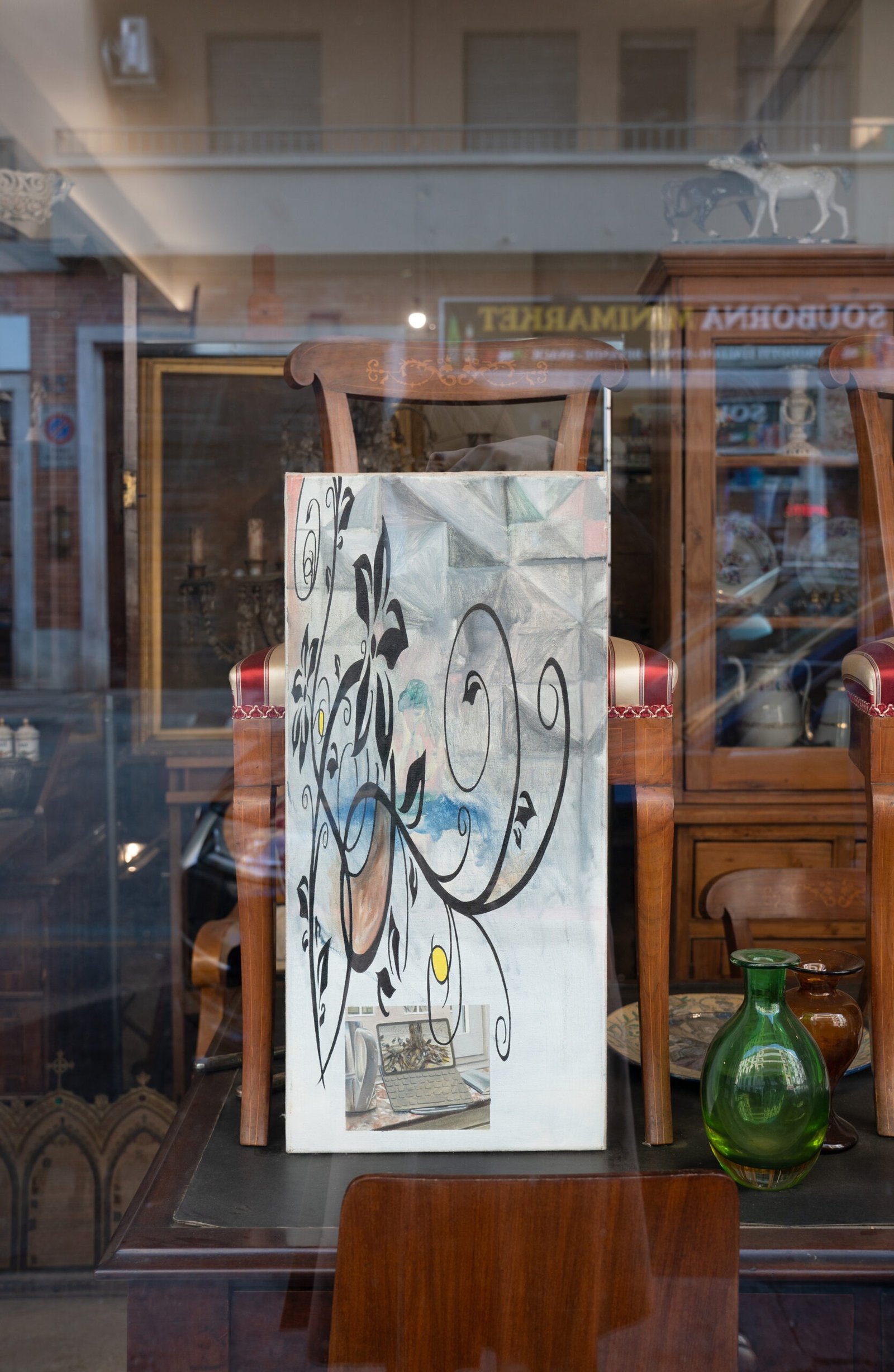
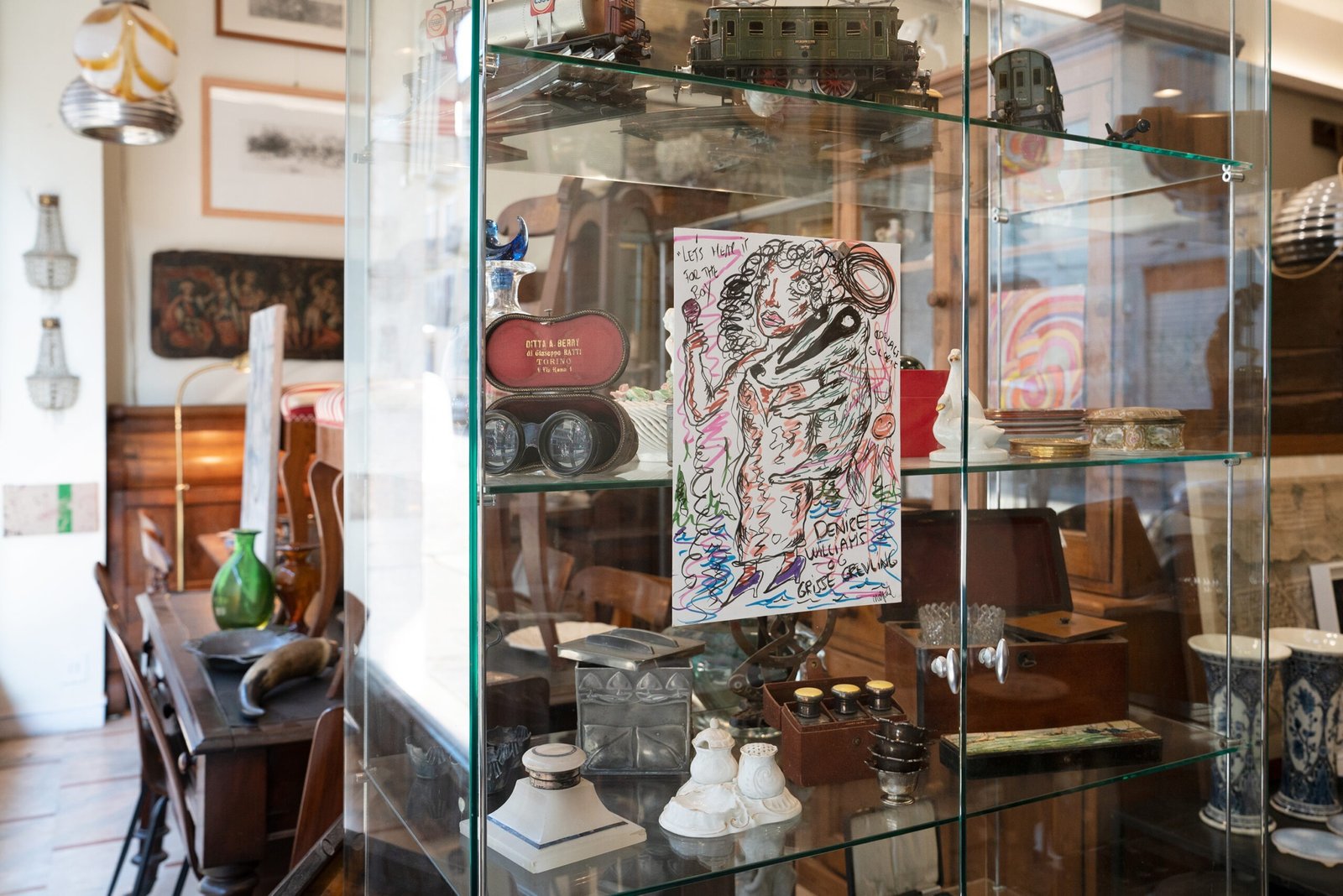
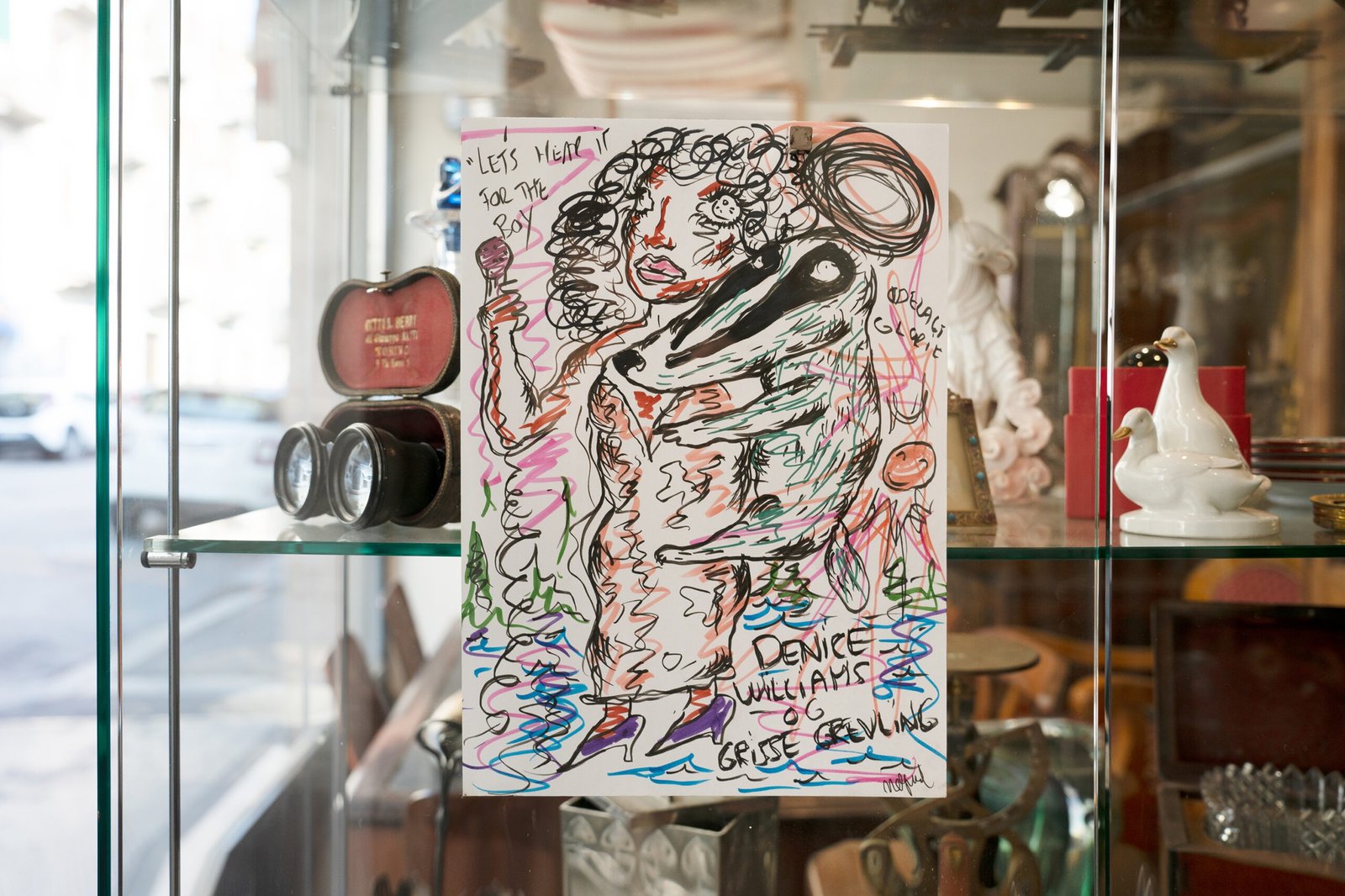
exhibition takes place in a shop trading modern antiques, where timeless furniture, decorative objects, and
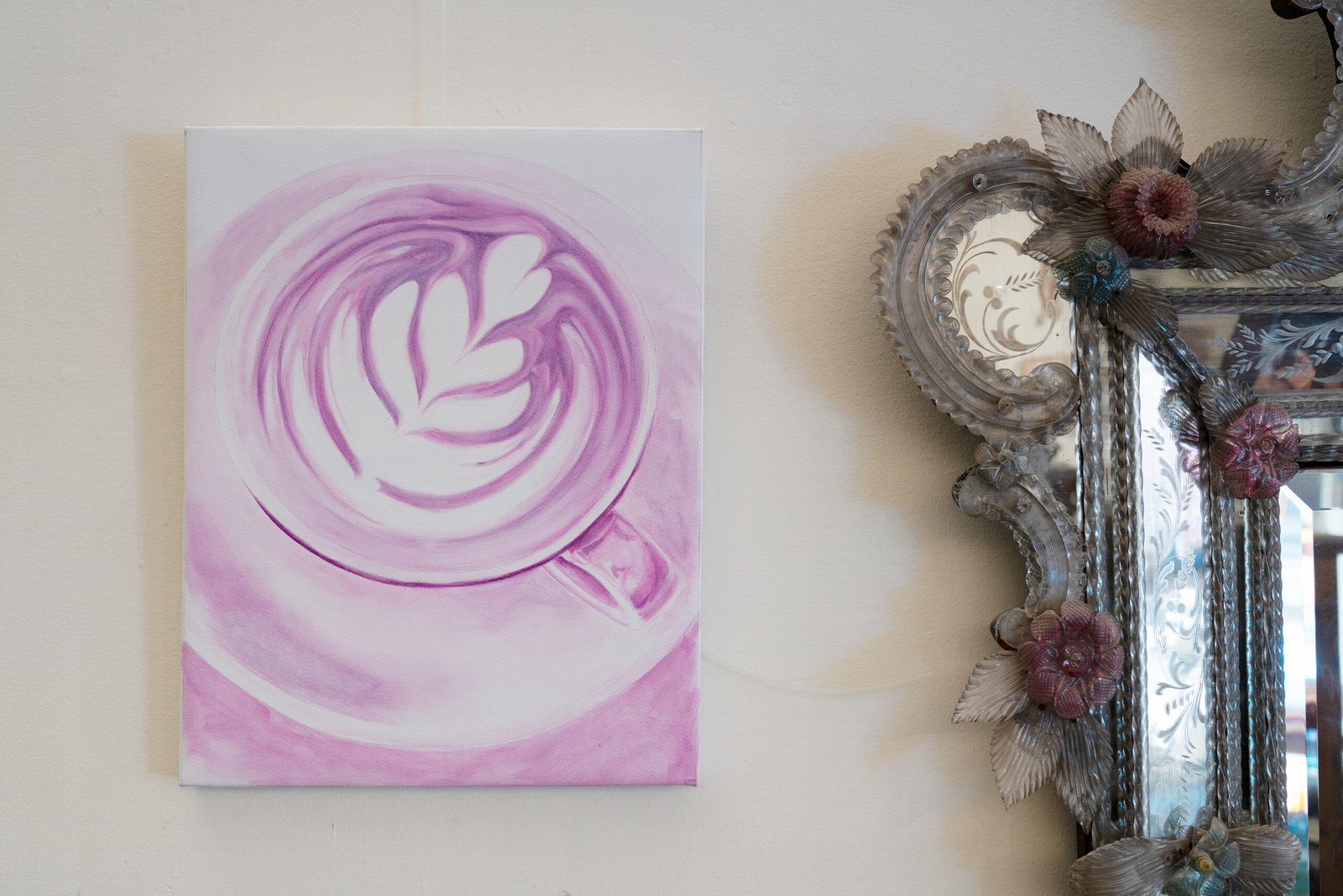
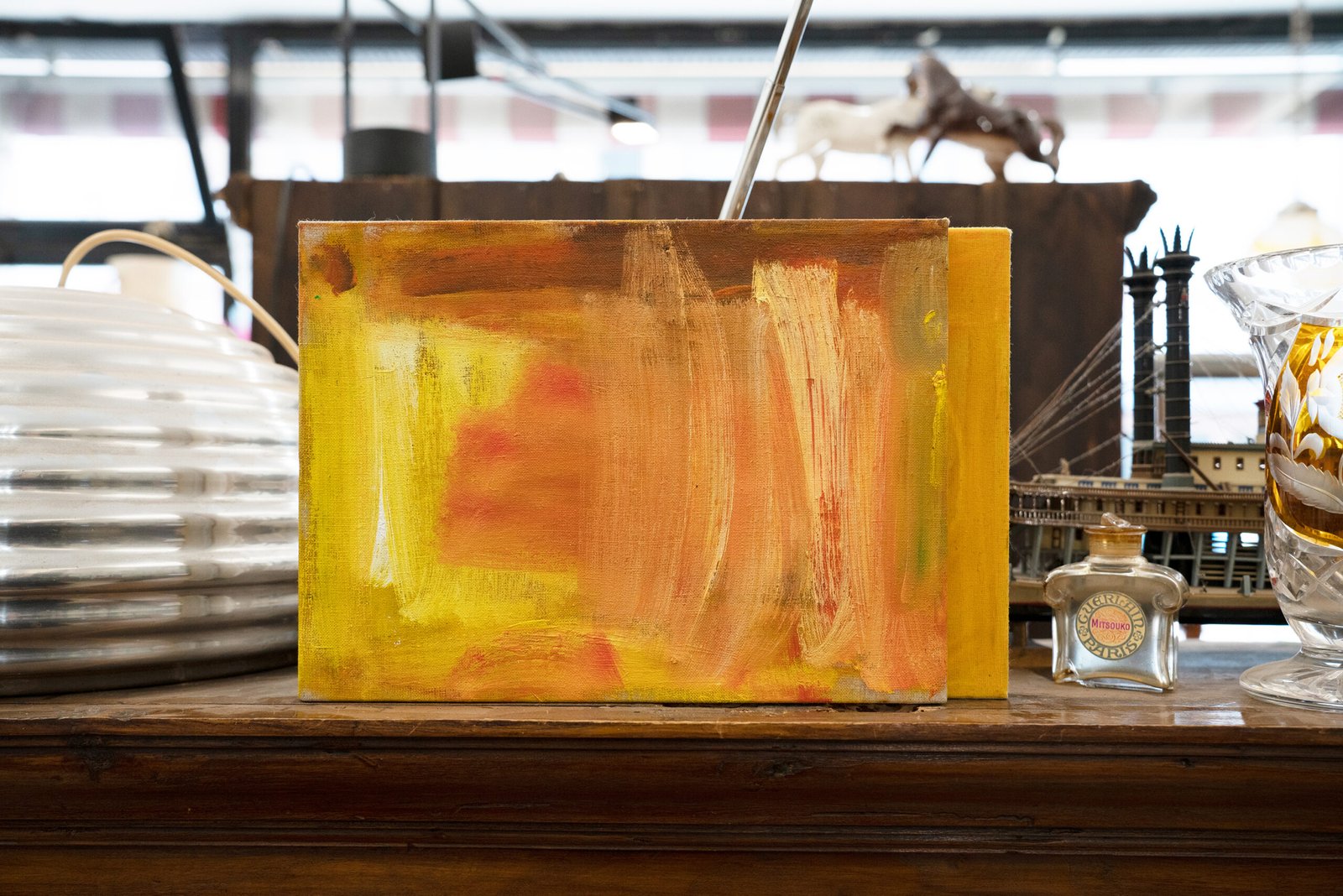
bizarre items are stored and arranged in a scattered and unpredictable way. The artworks find their place
amongst the objects, creating a poetic, ironic, and at times romantic dialogue with the space.
The show is accompanied by a text by Iacopo Prinetti
___________________________
Beloved, elegant, preserved
Iacopo Prinetti
Recently, I’ve devoted myself to a complete rewatch of the early-2000s hit show Desperate Housewives,
which follows four women living in beloved homes in a generic American suburb.
Among the four protagonists, Bree Van de Kamp is written as a sort of agentic housewife, perfect at every
household chore and obsessed with her antiques, whether chinas, old chairs, decorated cupboards, or
champagne flutes. Bree focuses on preserving these furnishings, keeping them clean, reupholstering them,
revarnishing them, and doing everything she can to keep her house in perfect order. This attitude extends
to her family, which has to be the most perfect in the neighborhood. Needless to say, this aim will go south.
My grandmother would have loved this TV show. Specifically, she would have resonated with this obsession
with keeping every piece of furniture, whether in use or stored in the house’s cellar. In my grandma’s vision,
everything needed to be preserved, since anything might be useful again someday.
Her furniture was reused indeed, just not as she planned.
As soon as I started setting up my own apartment, I went to my grandparents’ cellar and tore apart a carefully
preserved cupboard from the Thirties, which became two big cabinets that now hang in my home. My grandmother
would have been devastated if she knew, not because she loved the furniture, but because, in its
preservation, she saw a continuity in the family’s traditions and unity that was torn apart, like her cupboards
were when they were transported from Milan to Turin, where I currently live.
In their idealization of the household, whether my grandmother or Bree Van De Kamp would see their utmost
success; by contrast, they would never accept the dismembering of their cupboards, seeing it as a metaphor
of the family’s detriment and their personal failure as keepers of traditions and memories passed down like
heirlooms. I strongly disagree with both Bree and my grandmother. The parts of our original household we
carry as we grow up bridge memories and traditions with what we build as we navigate new life experiences.
These antiques move with us, and as we do, they mutate: they get chipped or adapted to a different spatial
disposition, moving beyond the idea of a household that stays the same through time, along with its rules.
Instead, they become part of an evolution in which these traditions are shattered and rebuilt through specific
fragments that adapt to the selves we build outside these native memories.
The antiques dealer you are reading this text in is an explicit vitrine of this idea. The furniture here is not
preserved as a relic; it is passed on, transformed, and pieced together to inhabit new lives in whatever form
they take. Dinnerware sets are divided and sold as individual items; those who buy it reinterpret bourgeois
monolithic furniture and make it part of their homes, usually far from the symbolic traditionalism they were
expected to carry. My grandmother’s expectation of infinite coherence in the nuclear family, with objects as its
talisman, crashes into a reality that is far more complex and varied than this conservative conception.
In this workshop of fragmentation, the artworks seamlessly become part of a larger narration of evolution,
built on scattered elements, residues, and waste; they speak of a mosaic of lives through which the artists
redefined themselves and their traditions. Each work becomes an anti-talisman to the preservation complex
of the perfect housewife, testifying instead to a centrifugal movement that pulls the self far from its original
household and traditions, transforming the context in which we were grown into something to tear apart and
rebuild through our specific life experience. While Bree Van de Kamp would have a nervous breakdown at
seeing the perfected architecture of the nuclear family and its traditions fall apart, the show Asprigna Io Sono
e Rido un Poco Acerba tells a different story, in which a new voice emerges when we question what we have
known our whole lives.
Consider the fragment. Each piece is a unitarian memory, shattered, creating an occasion to rebuild a new
dimension and life through these furnishings. The artworks that radiate into this antiques dealer shop convert
the leftover into a new sense, giving new meaning to a once-unified story. The refusal of bourgeois perfection
is imperative here, escaping the society my grandmother and Bree conceived, where nothing can change,
with interior design as the golden cage in which to trap humanity in favor of appearance.
“Behind every picture-perfect home of Wisteria Lane are friendships, marriages, affairs, betrayals and secrets
that can change everything.” – Desperate Housewives