


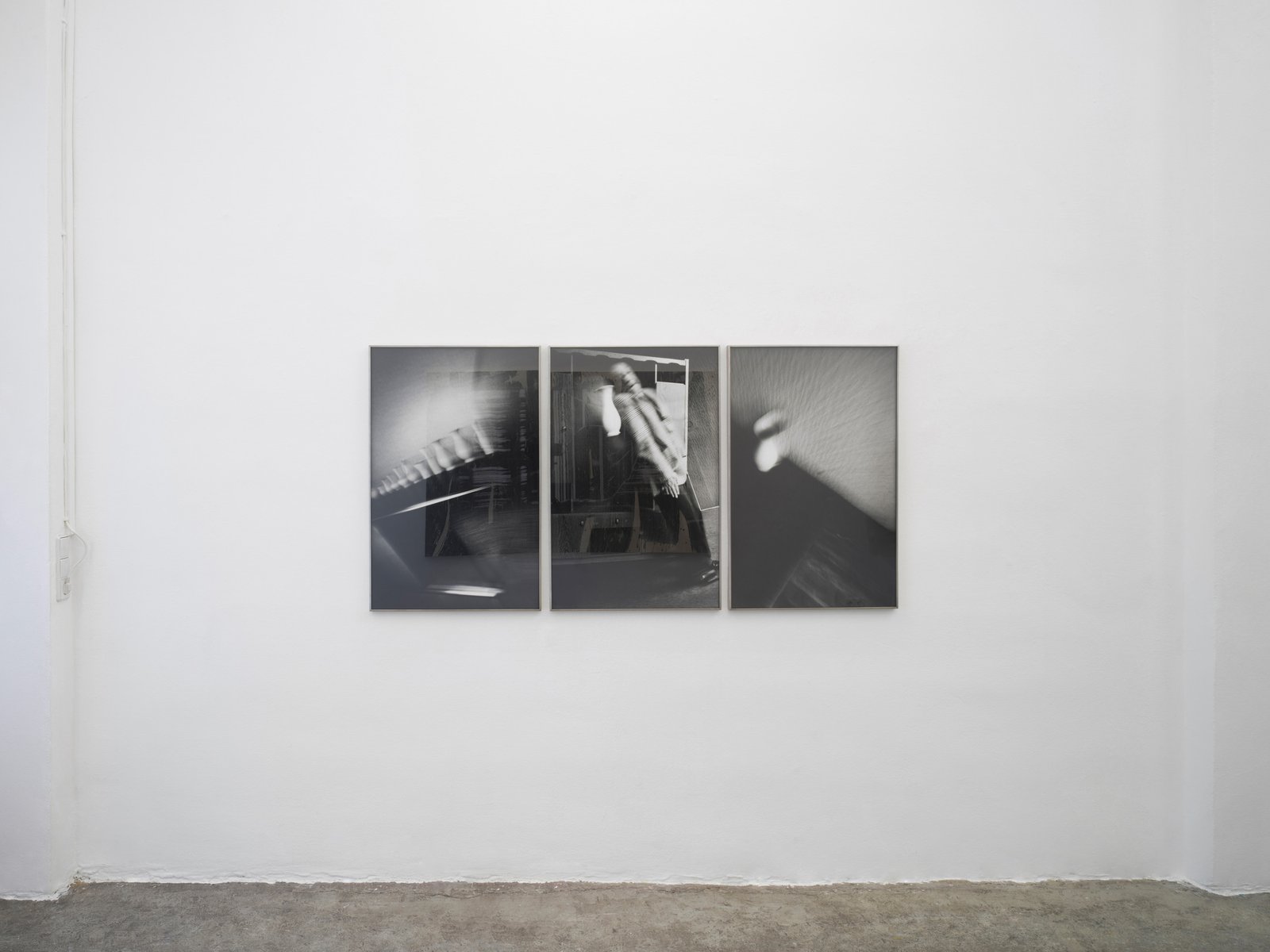
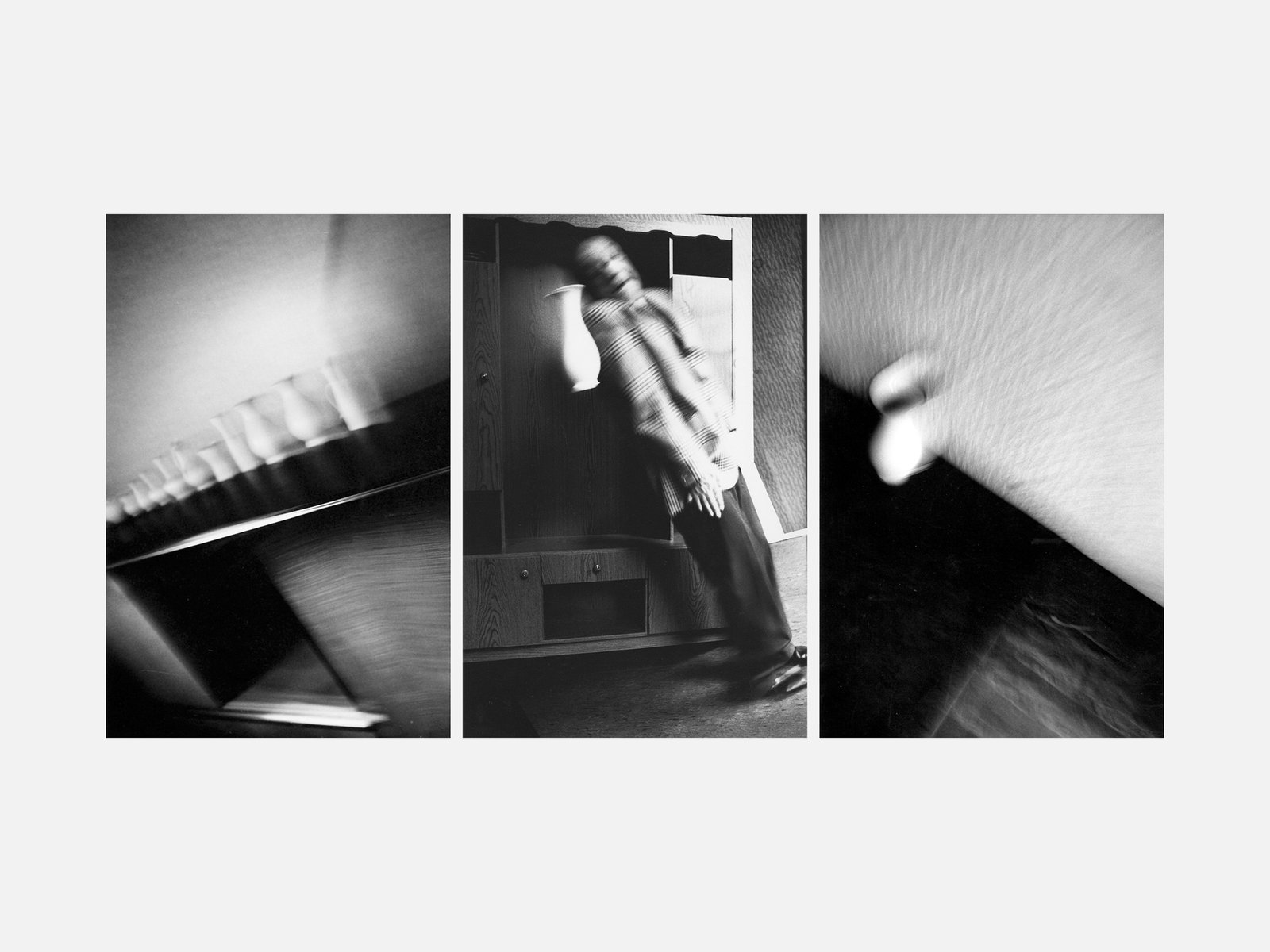
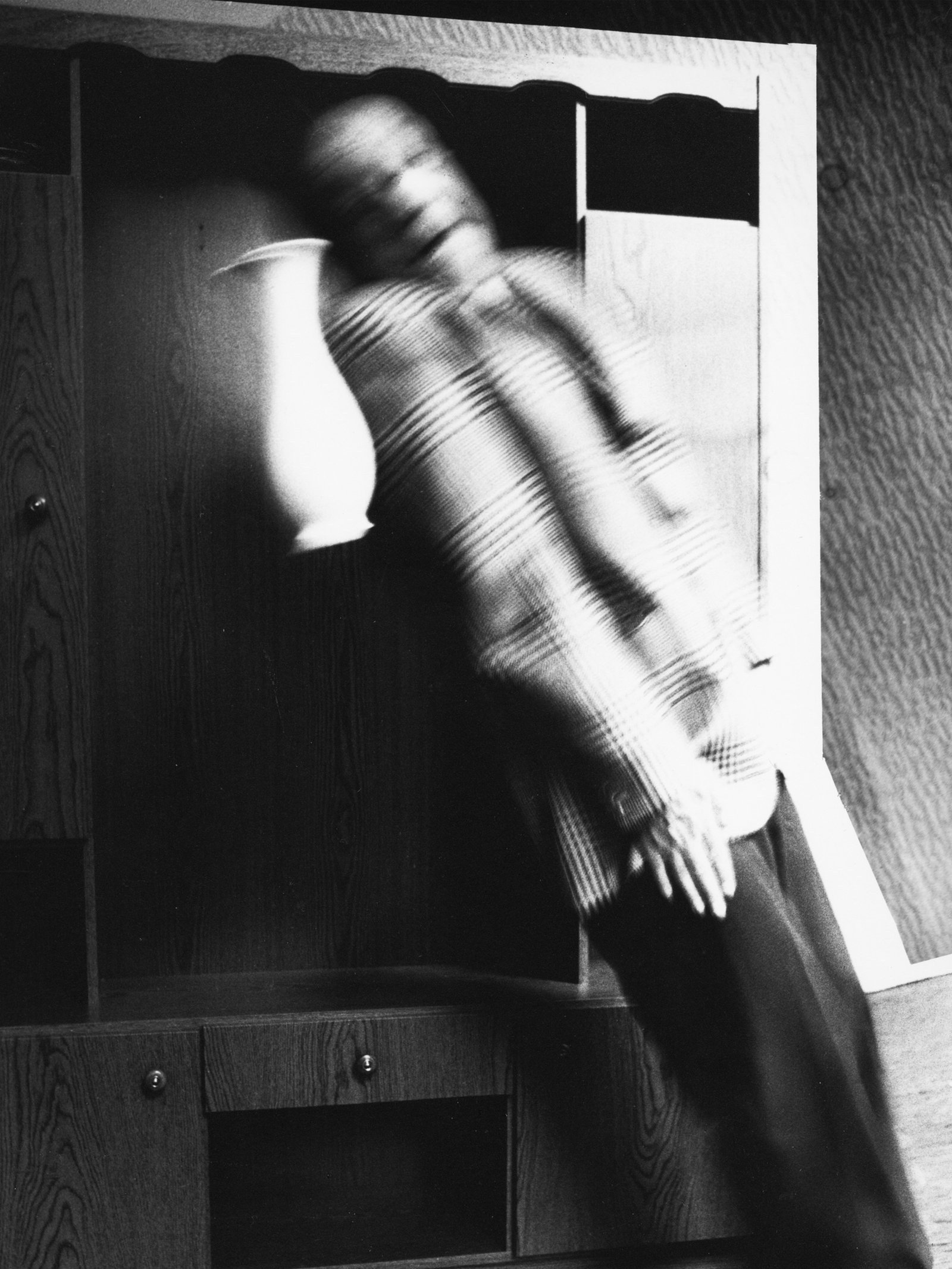
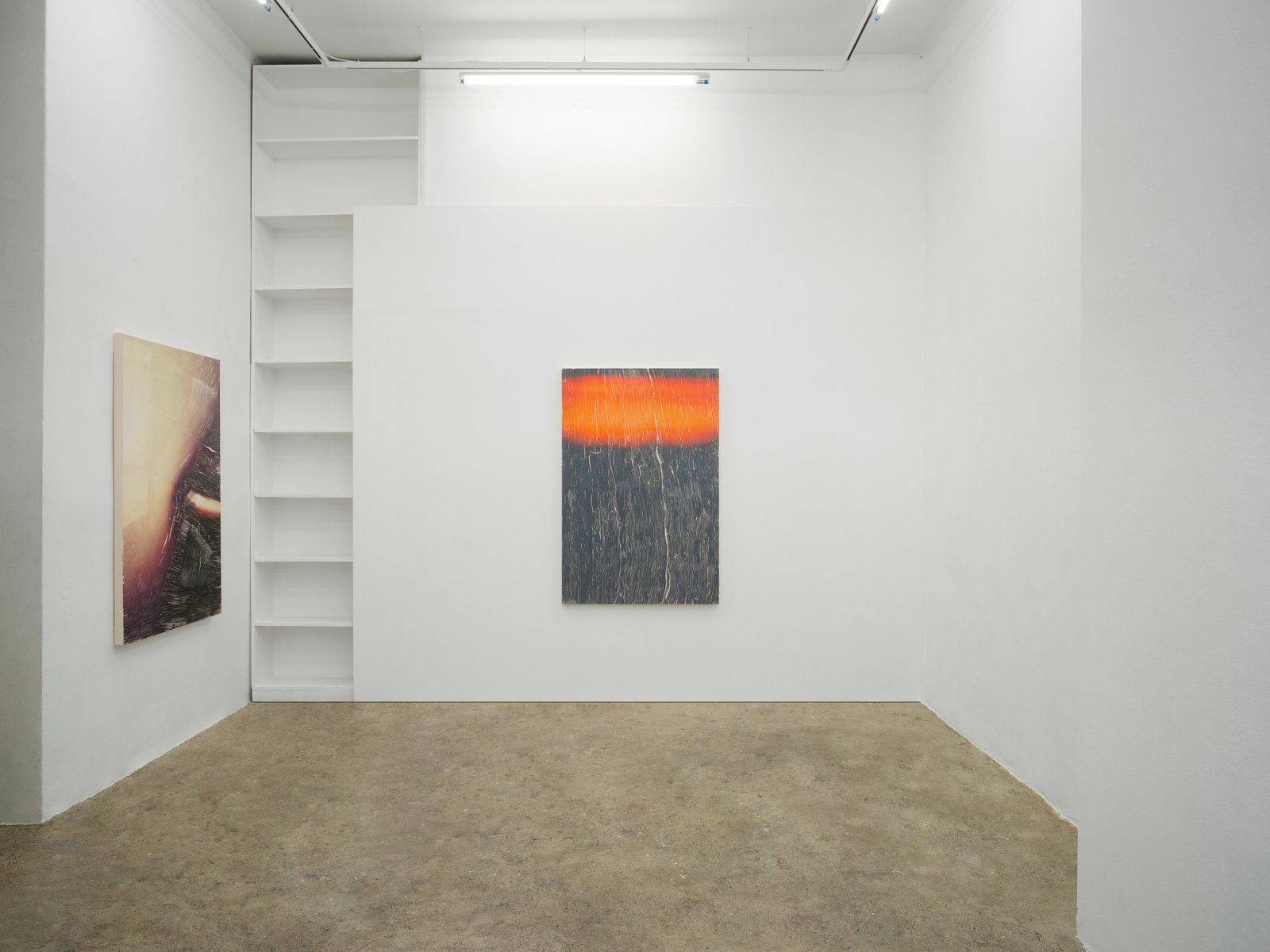
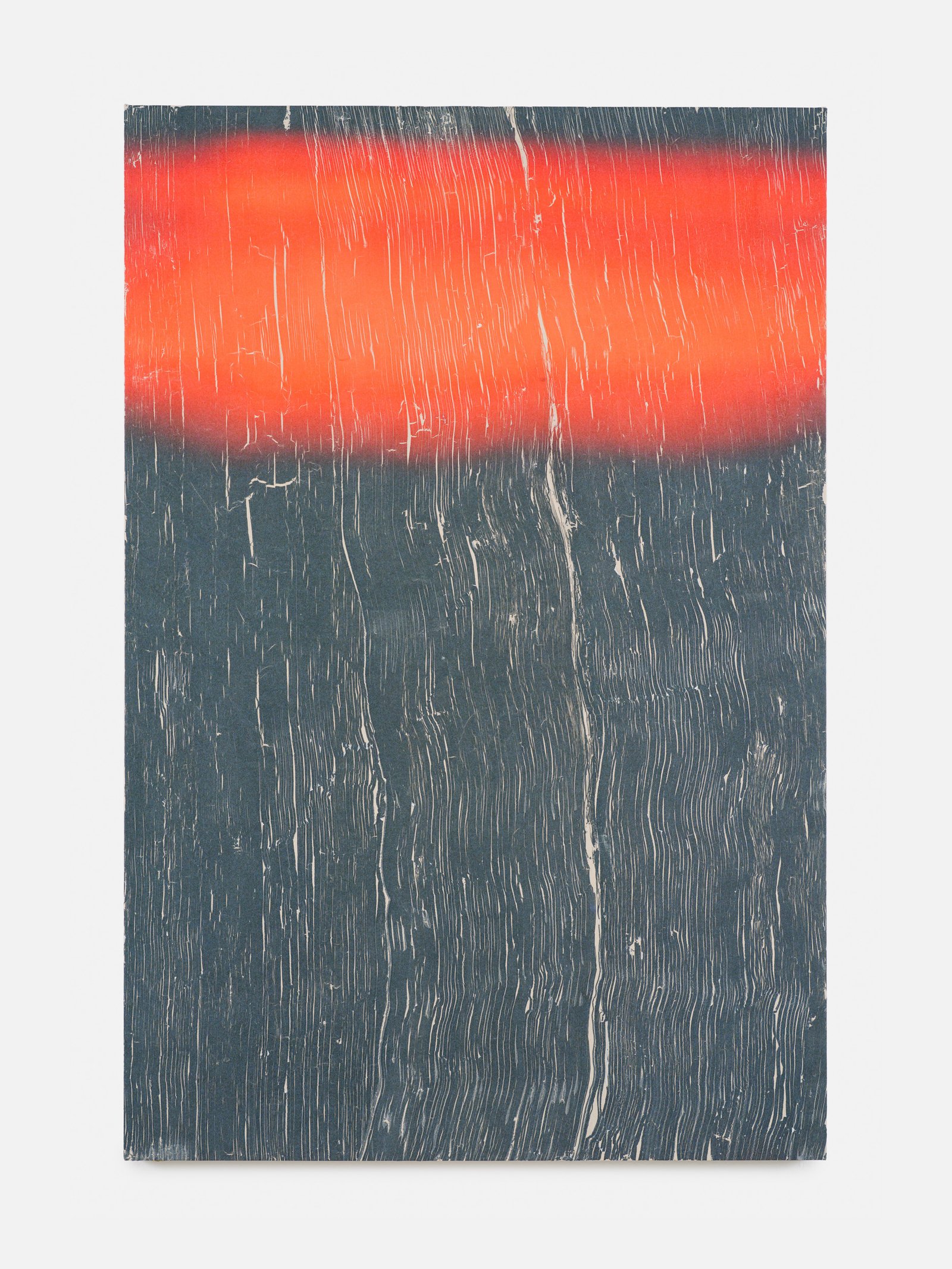
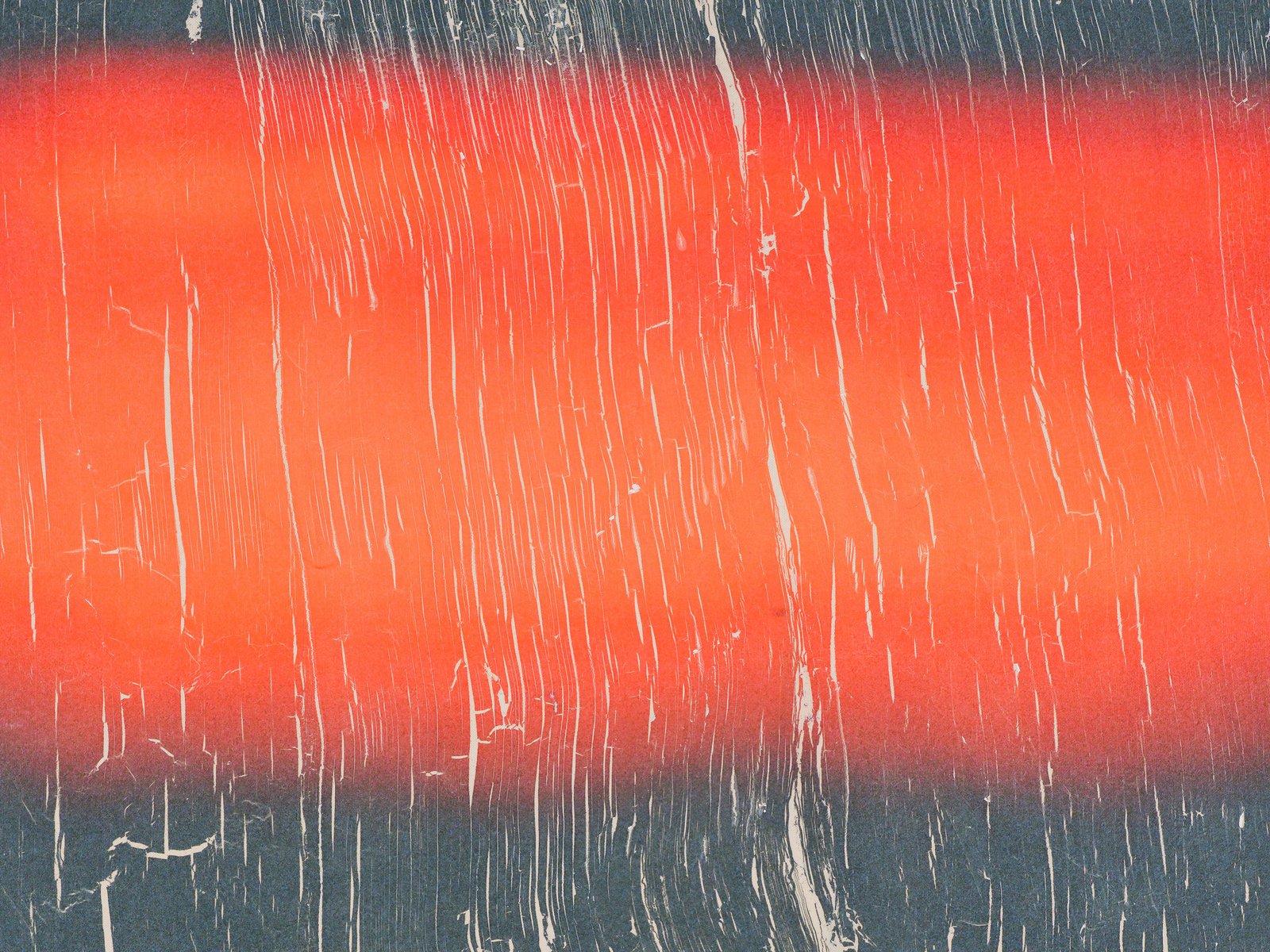
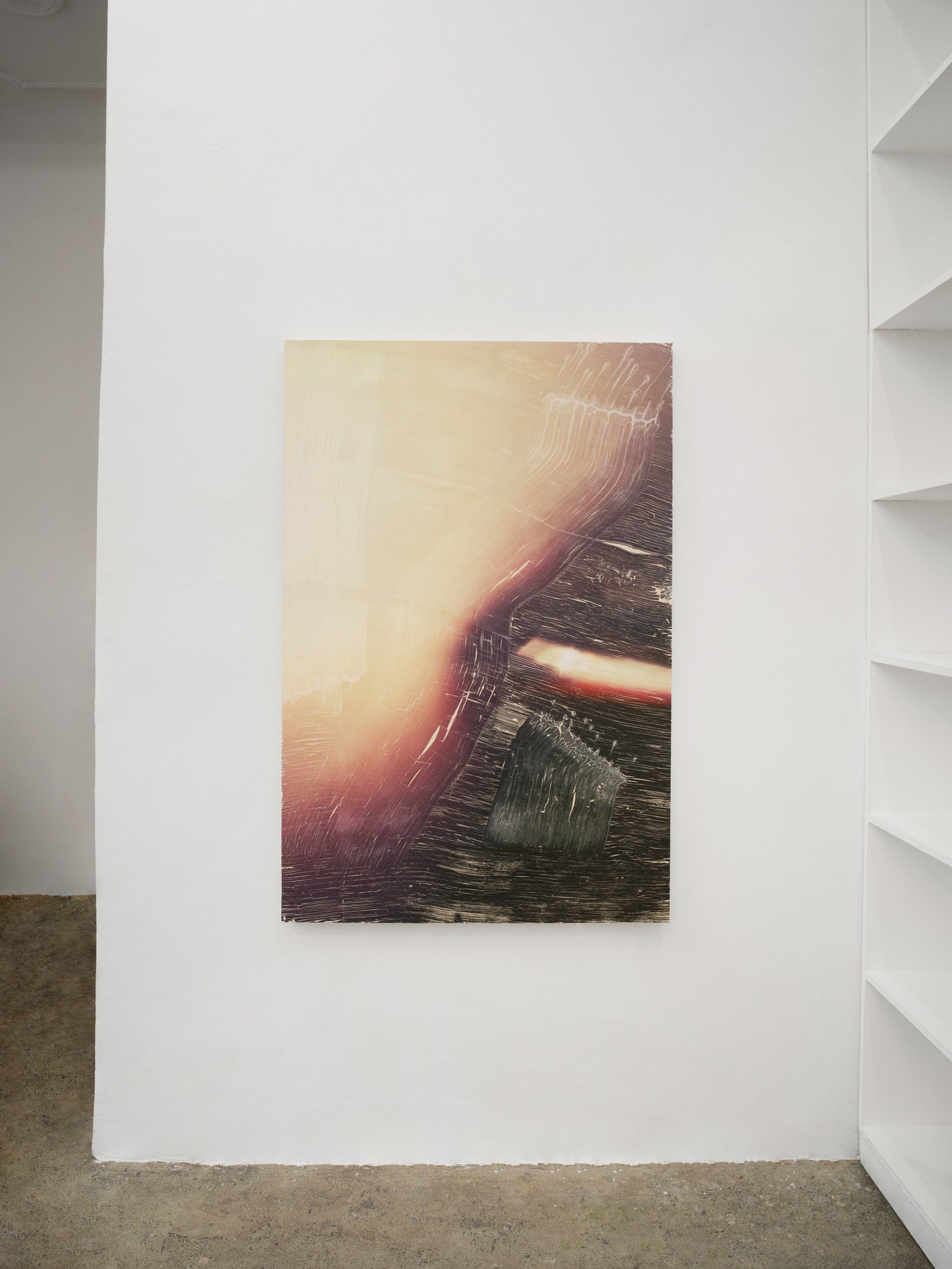
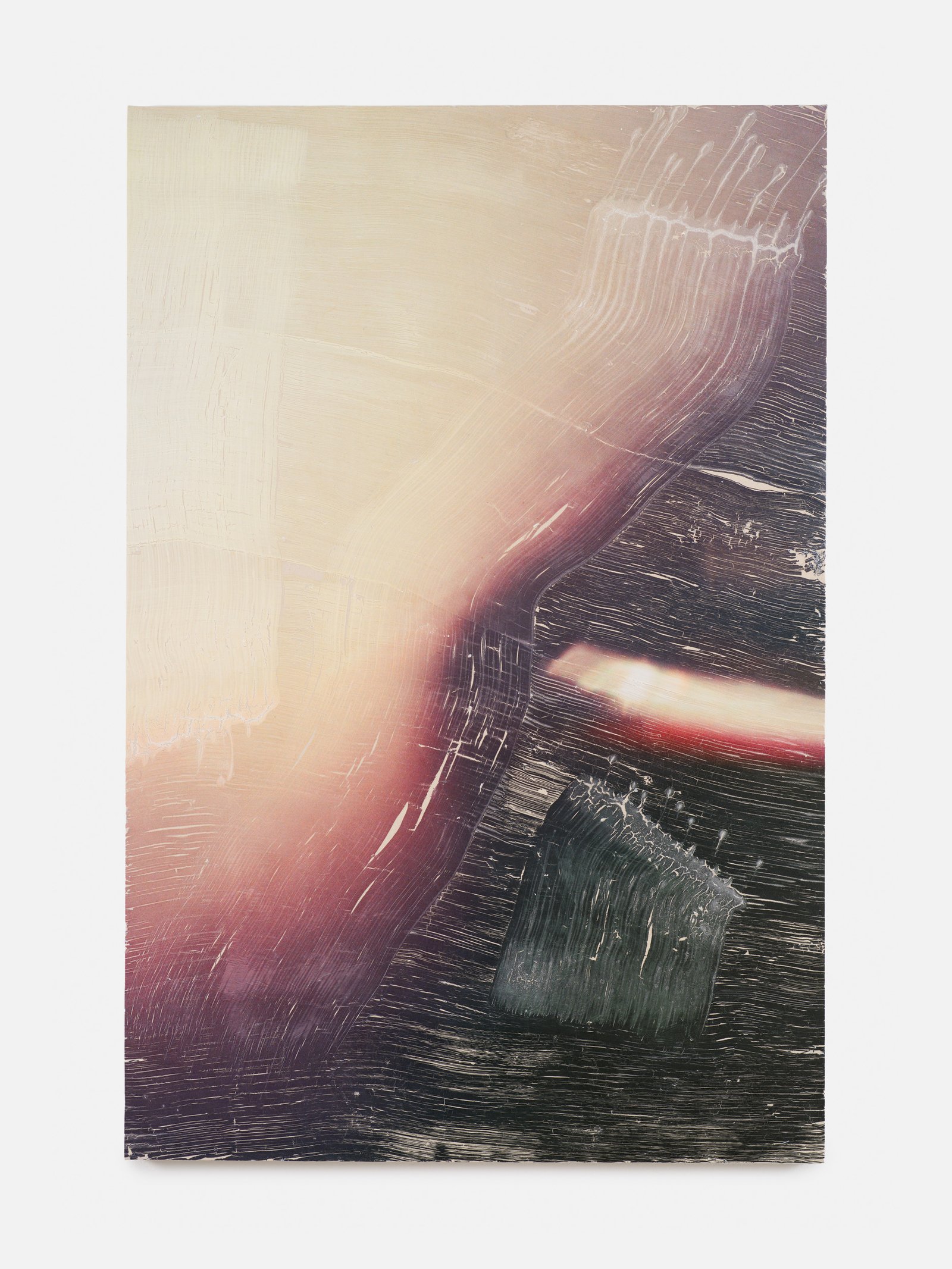
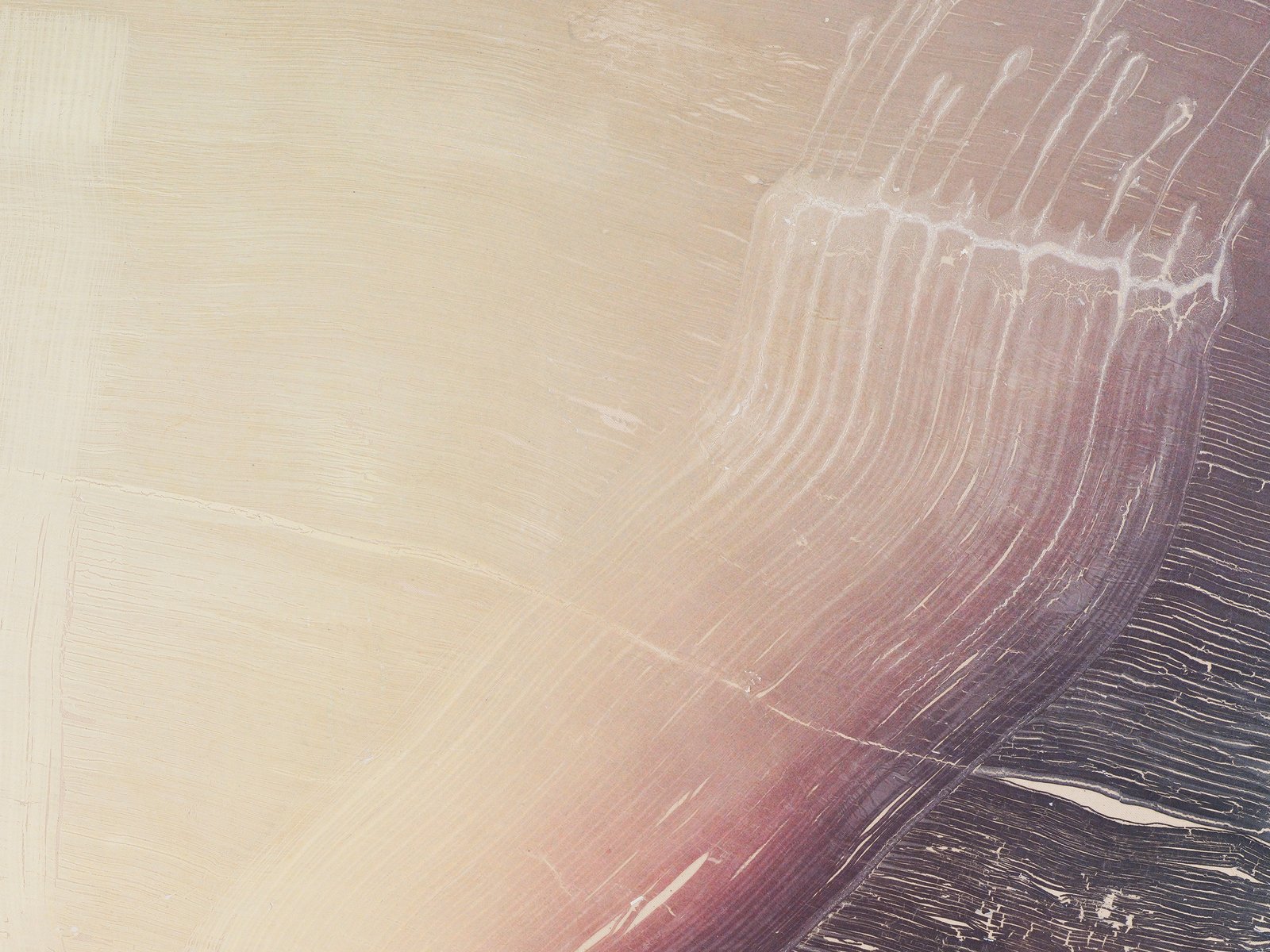
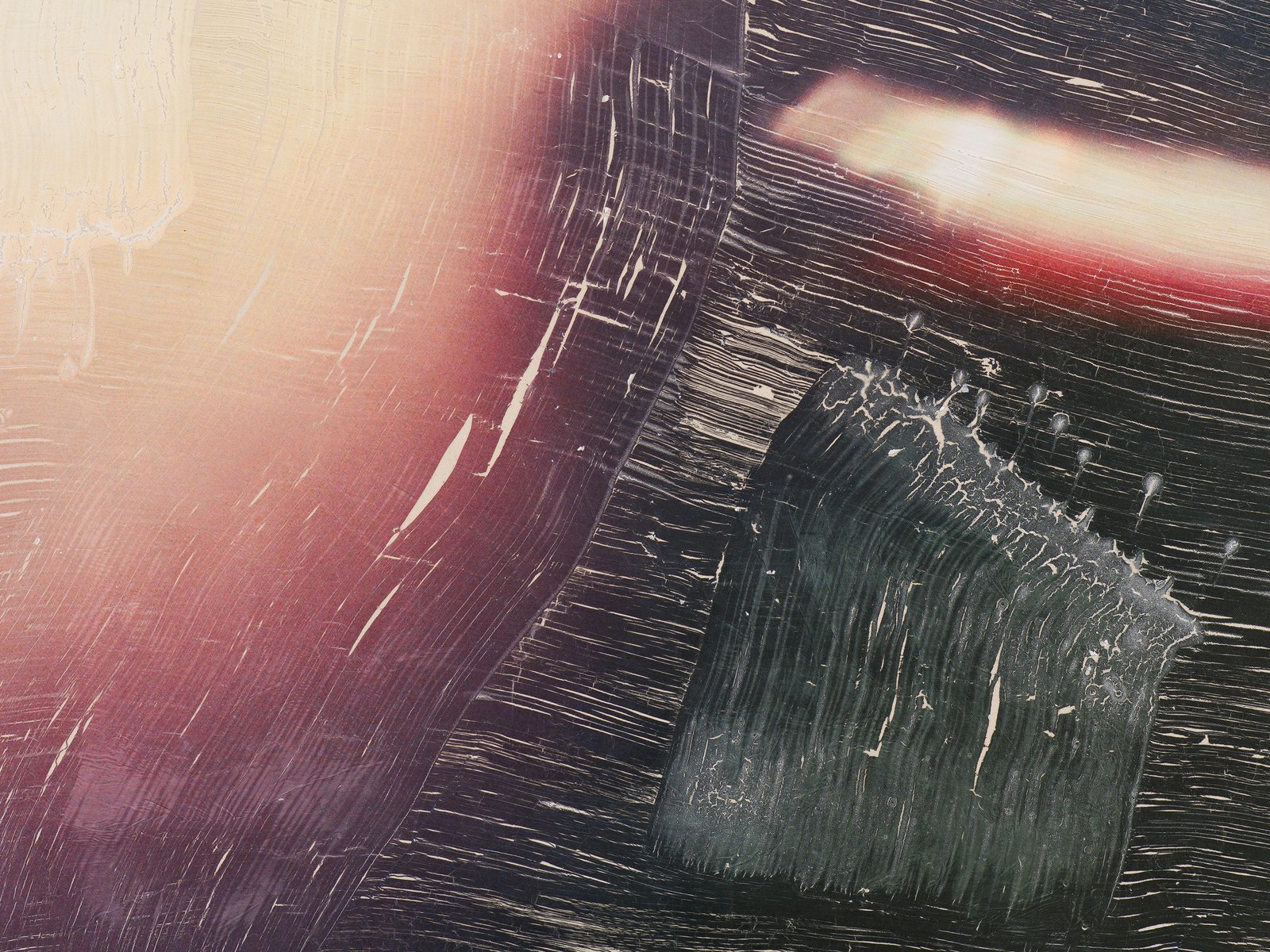
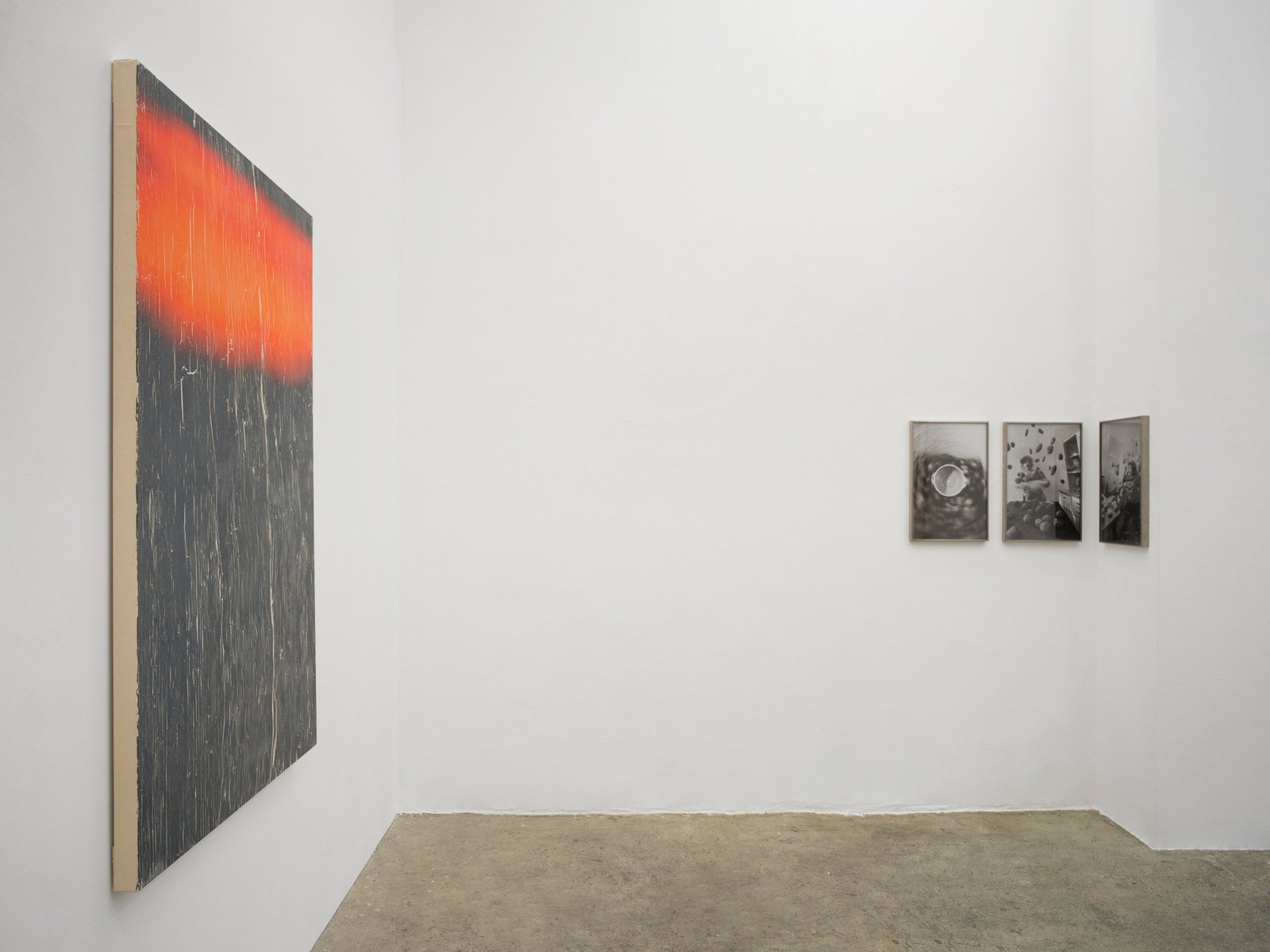
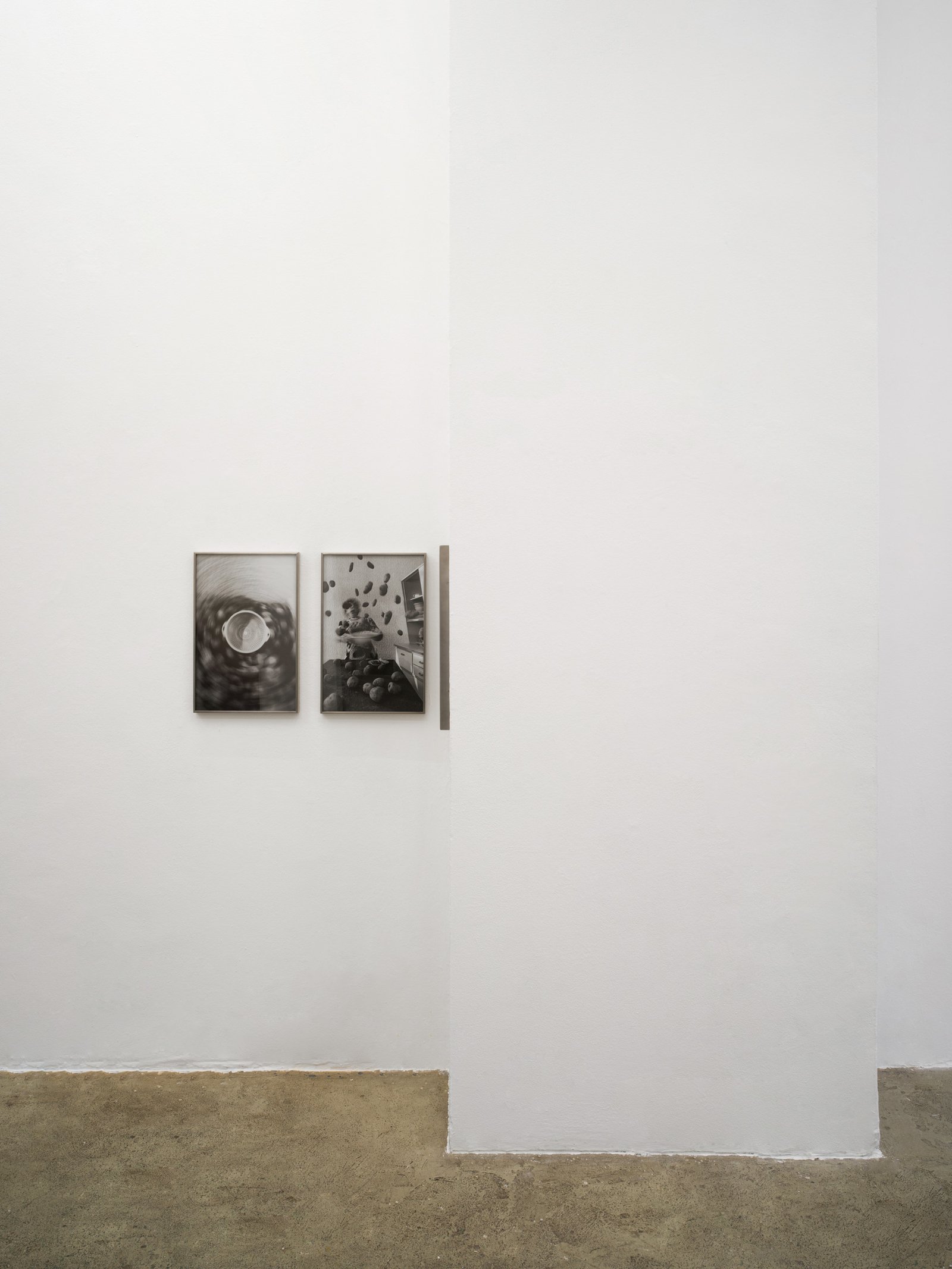
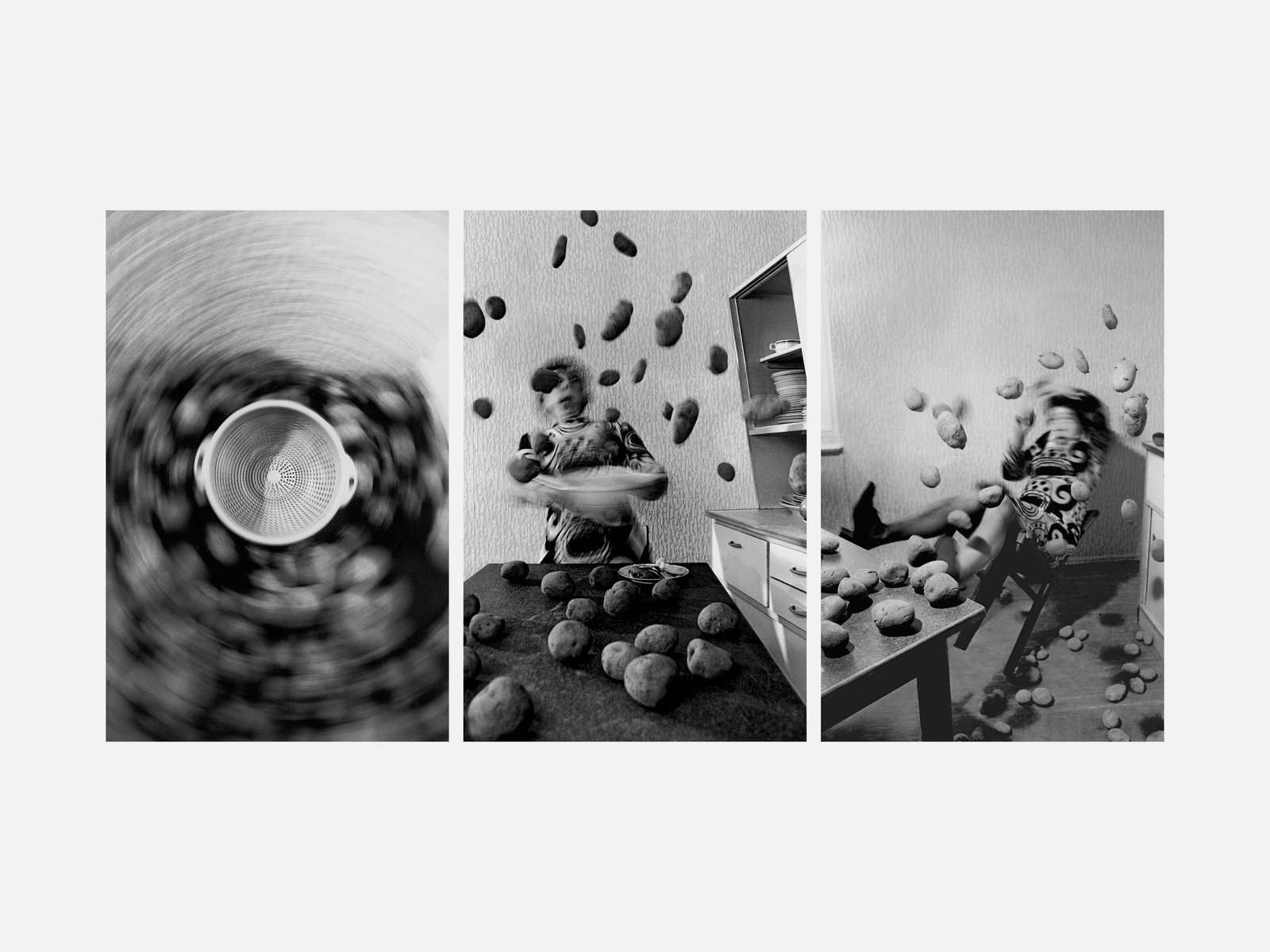
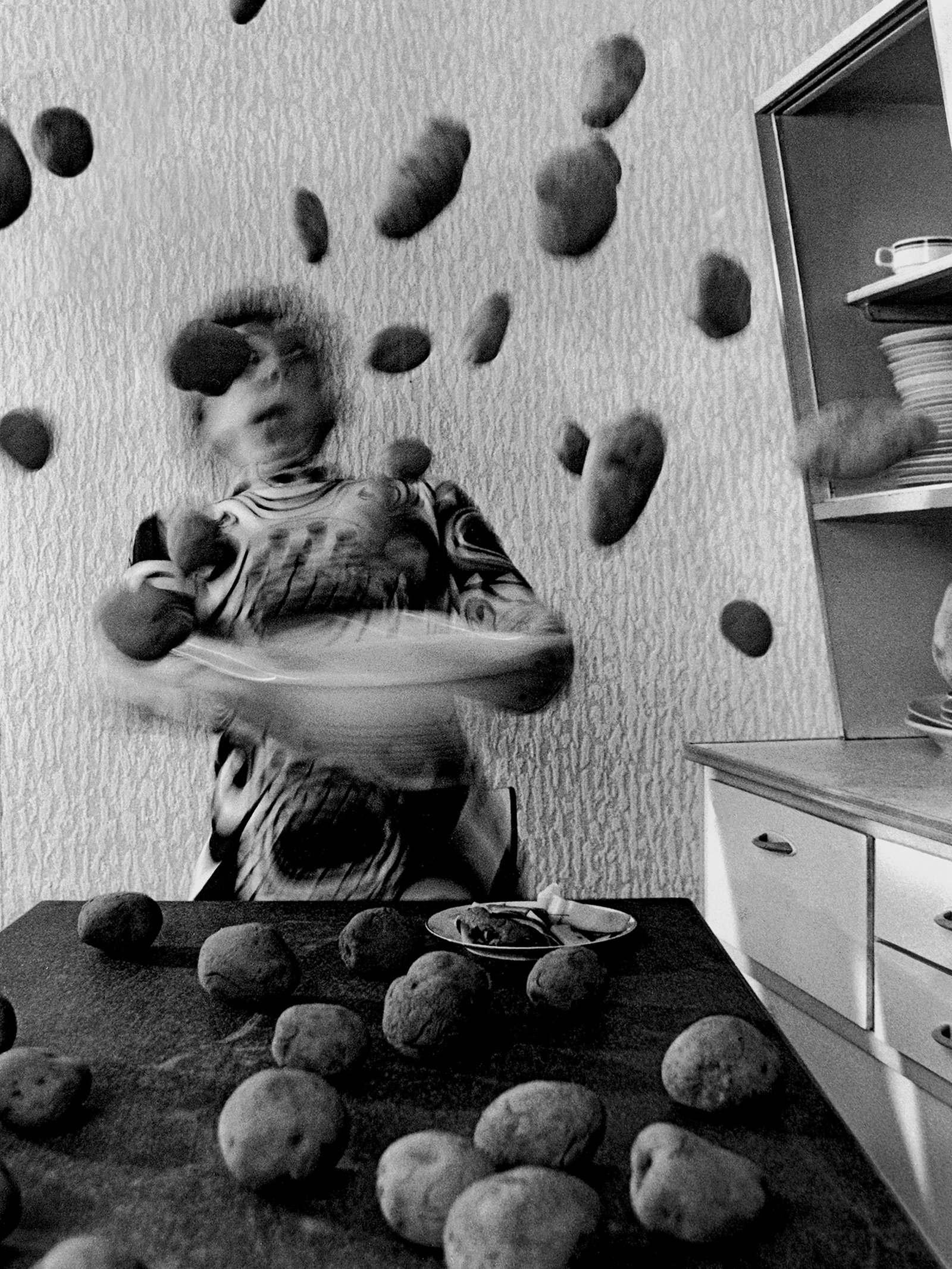
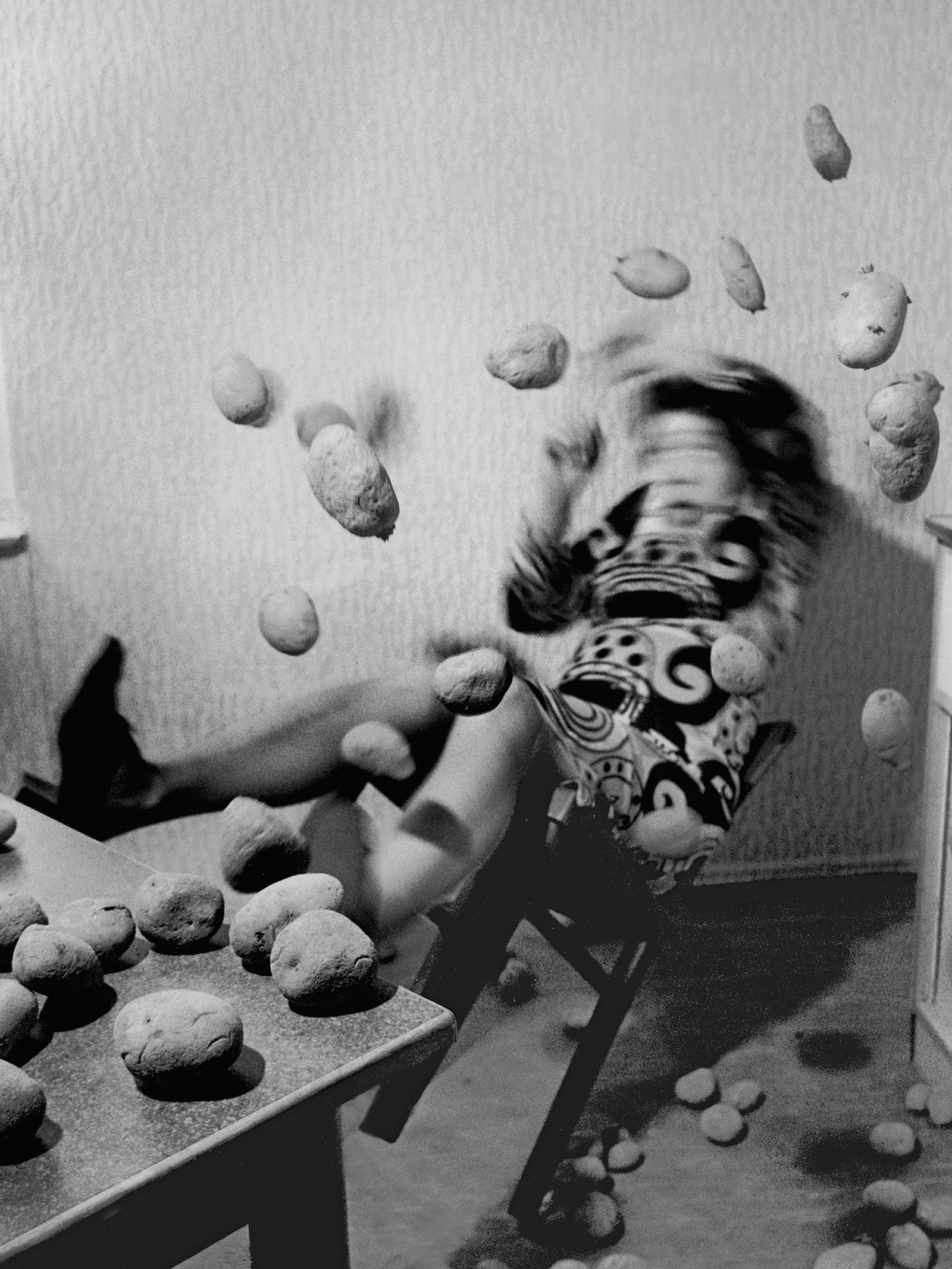
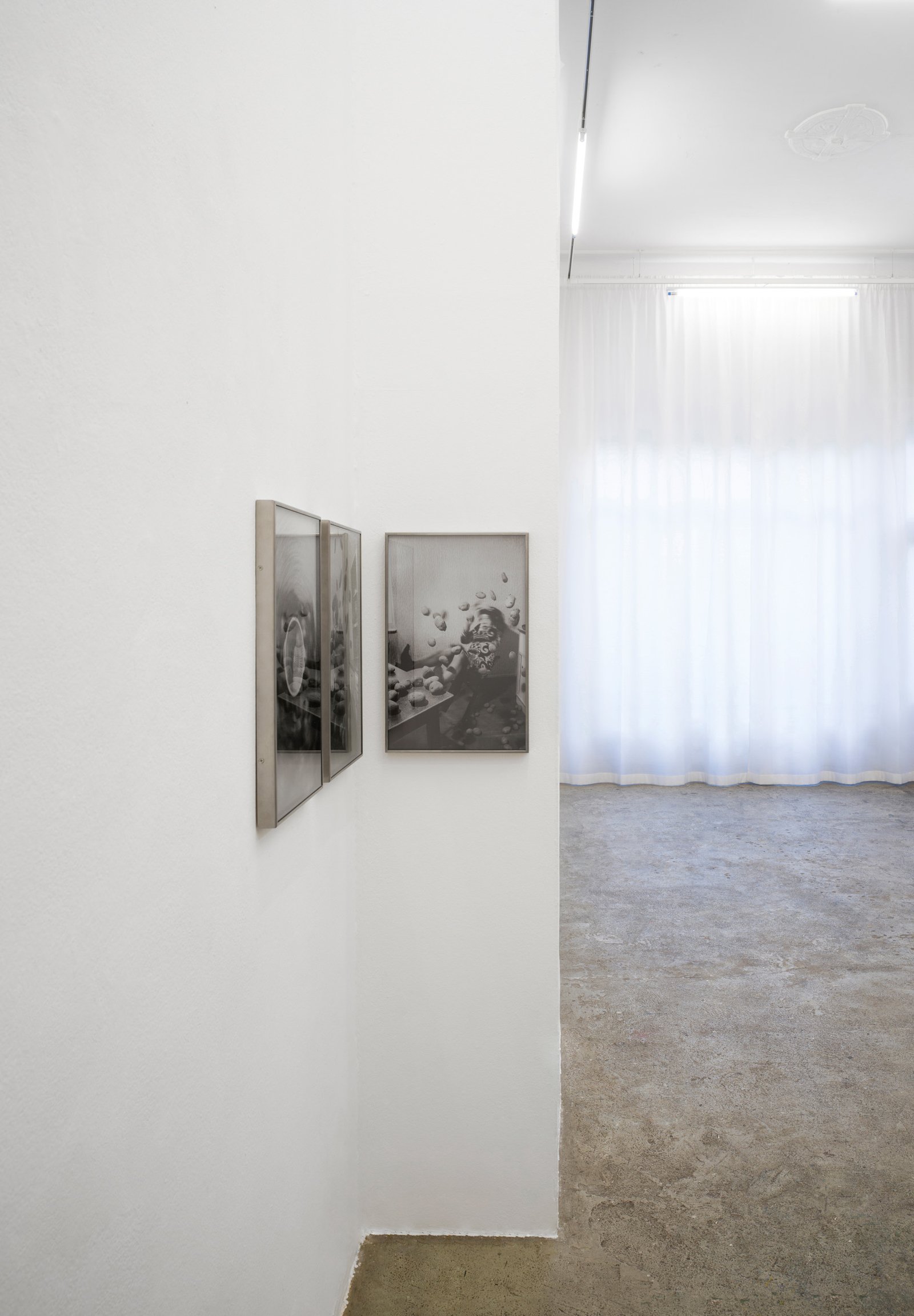
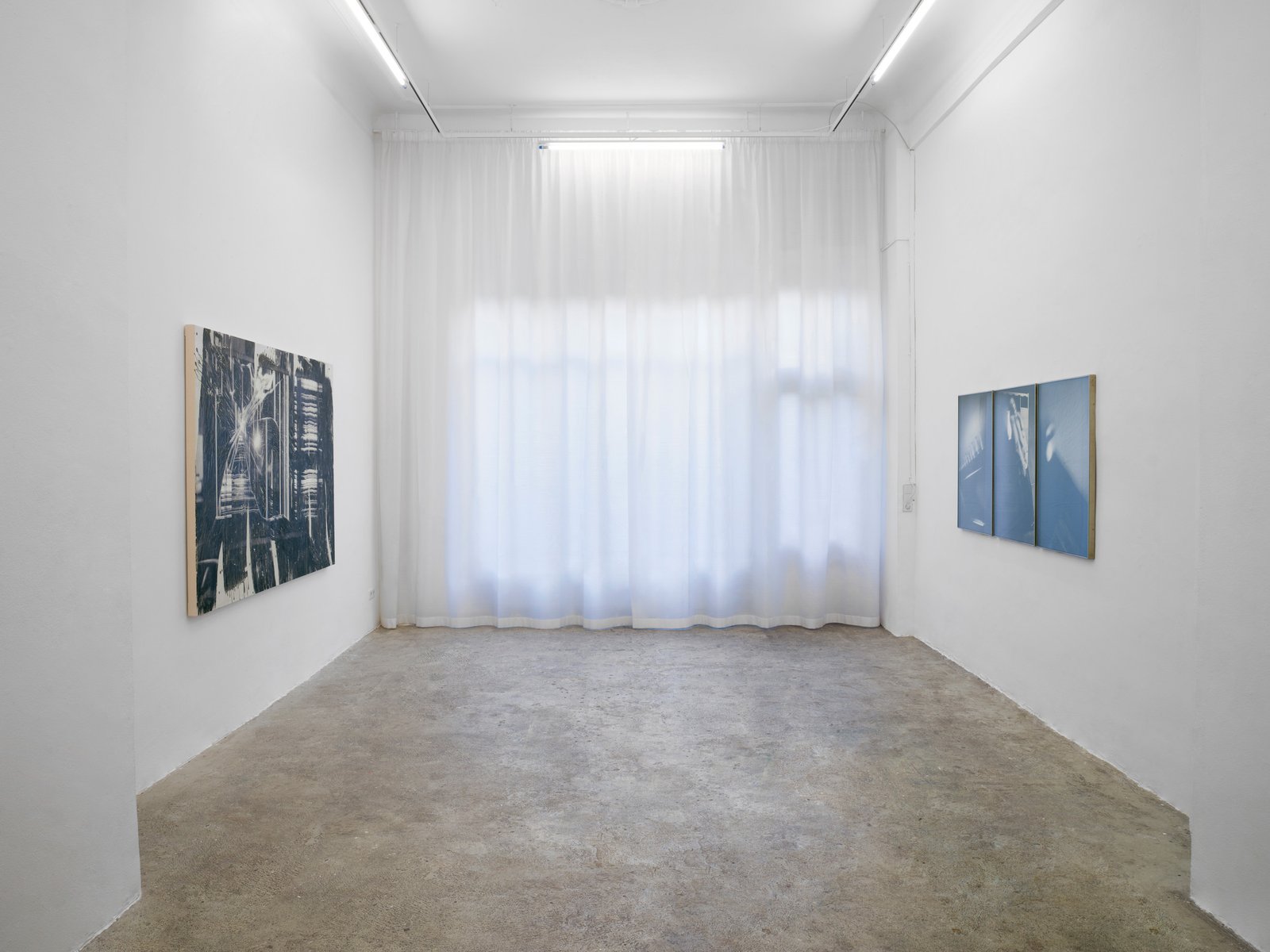
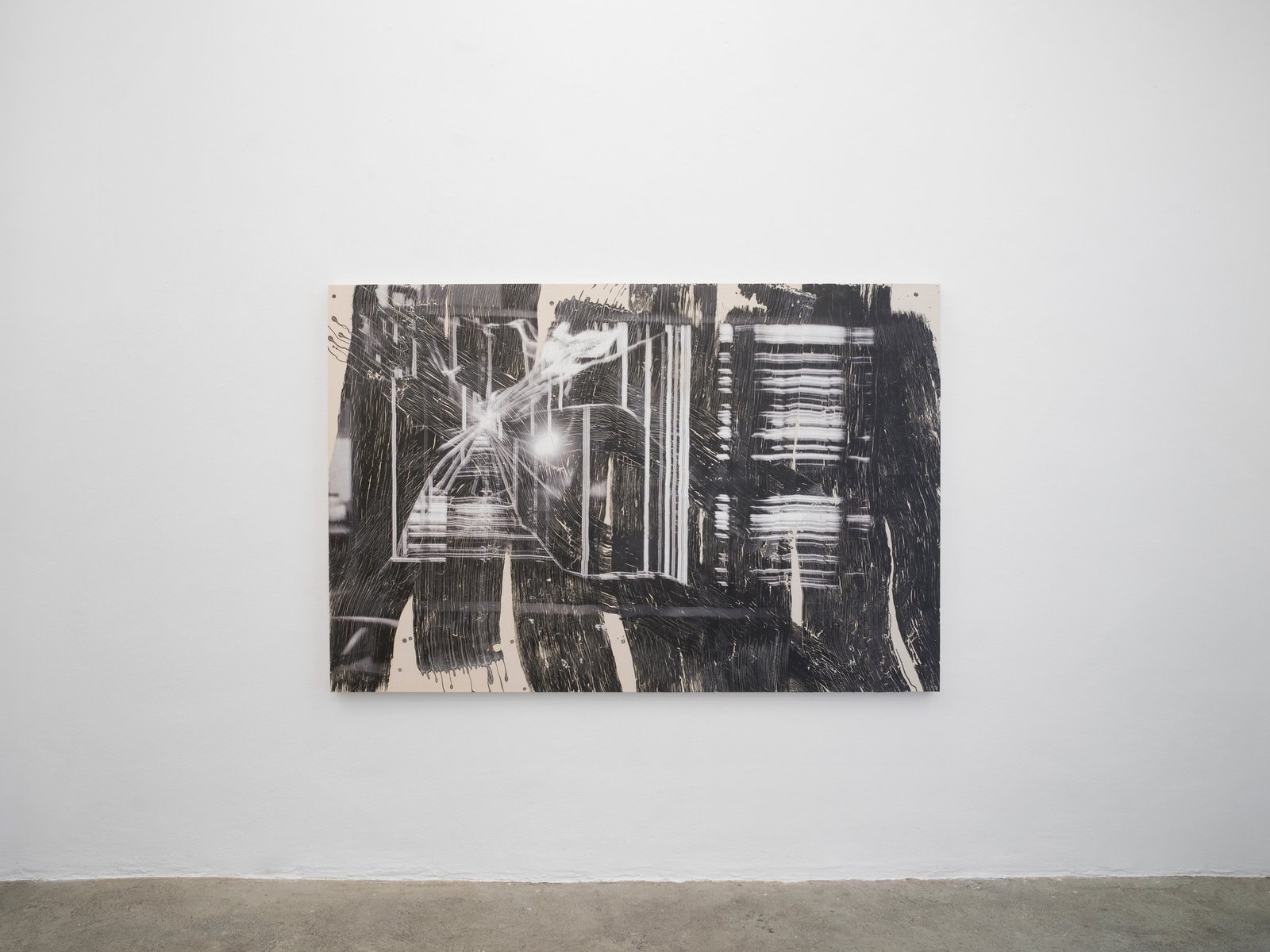
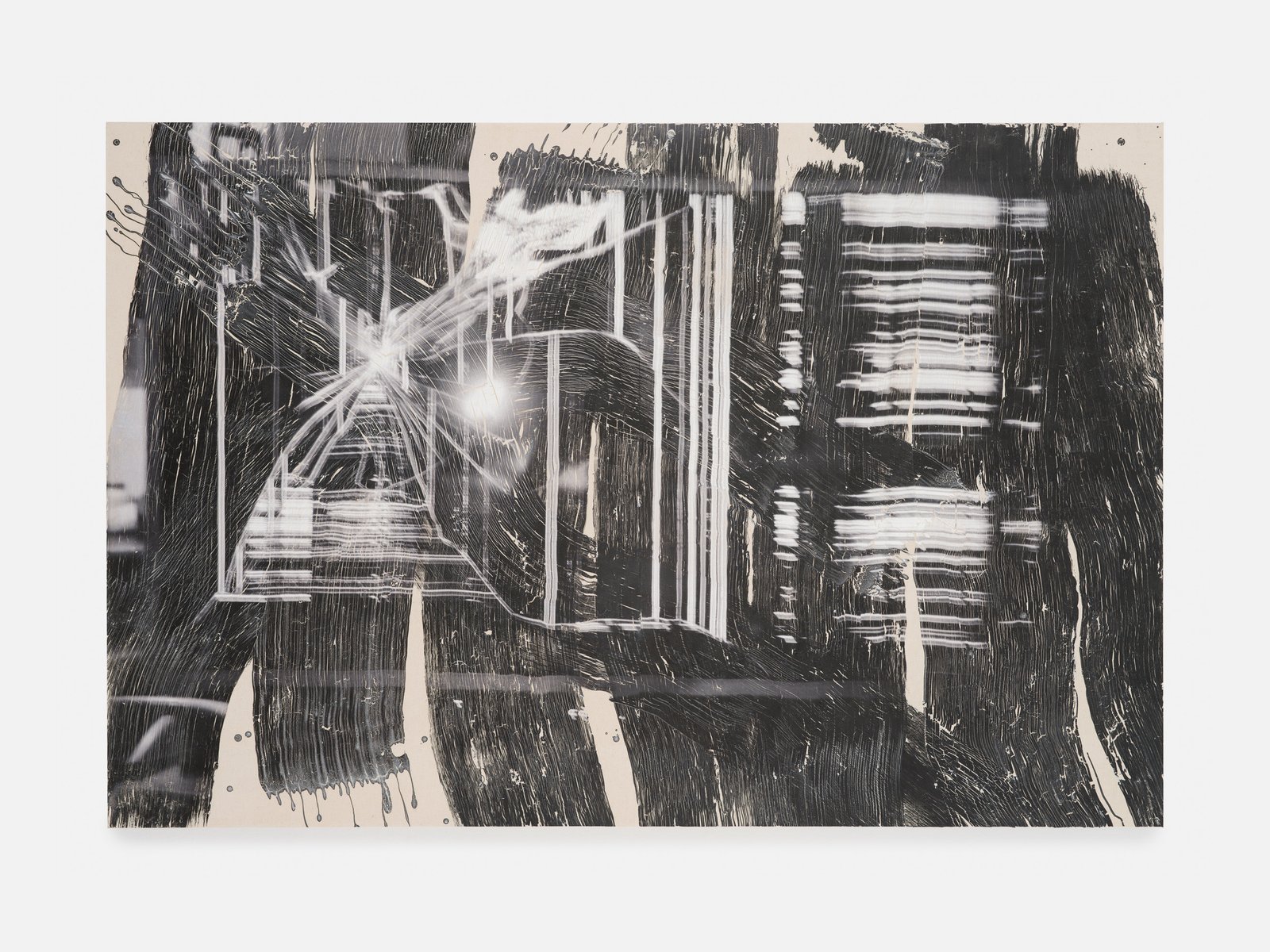
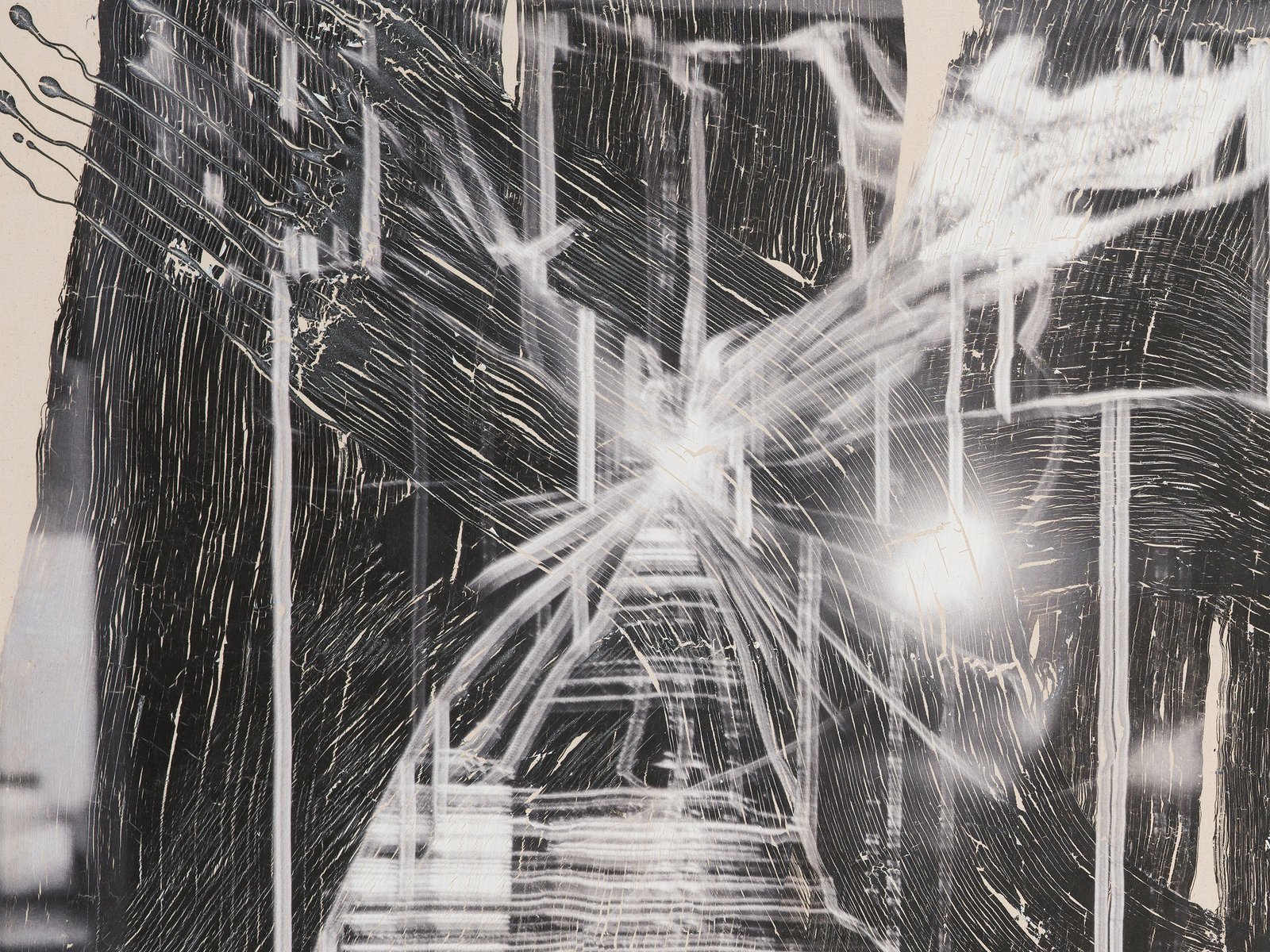
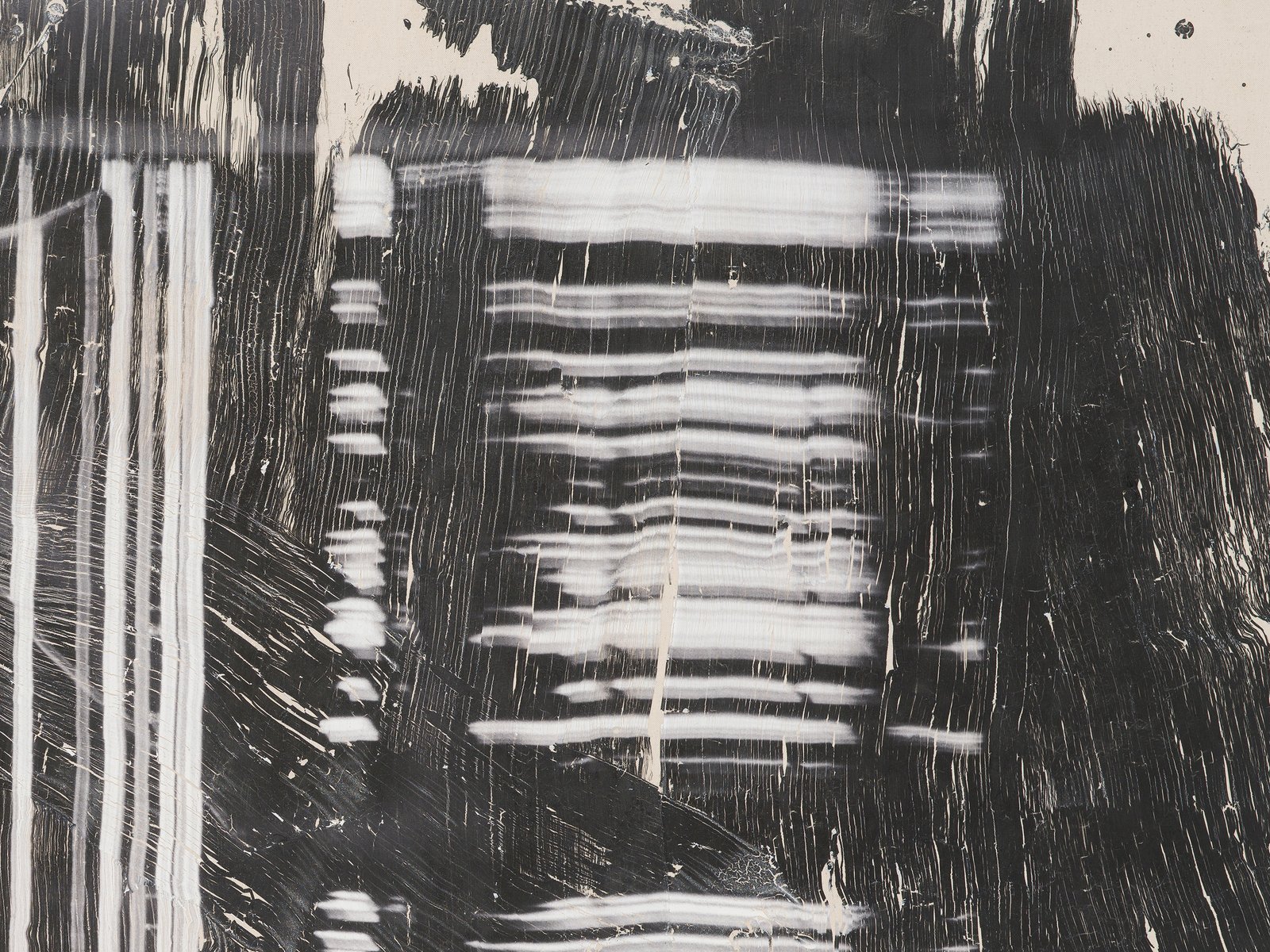
For whatever reason (it’s a long story), I recently happened to have the chance to take a look at a scripture altar. I was already aware that the Reformation brought with it waves of iconoclasm, but not that they produced such peculiar placeholders as images made from text. After all, if one feels compelled to deny images any truthfulness, why then elevate writing into an image. Even though there was no way to capture light in the 16th century, the connections to photography draw themselves almost automatically: the medium’s passive-aggressive insistence on being right has run its course, now that large quantities of photographic material are edited, if not outright generated. Every photo comes with trust issues, ever since light no longer falls into the room (camera) but images are instead compiled from old scraps. Aside from the fact that in artistic uses of photography its functional values such as verification and truthfulness play only a subordinate role, the works of Tatjana Danneberg and the Blumes appear as concrete expressions of a subterranean photography. In a certain way, both are united by the (spatially!) confined world that the lens probes like a damp nose. All three resist the clear, analytical, and cartographic visual language that the technical apparatus ostensibly demands, and instead obscure the image. And without wishing to attribute neo-iconoclastic intentions to them, they may in fact have more in common with the spoken word than one might assume. Their images tend to whisper and mumble; those of the Blumes even cackle occasionally. There is also a pictorial liquefaction at work, insofar as the images become liquid, appear fluid. In the case of Anna & Bernhard Blume, this is primarily due to what one might euphemistically call handheld camerawork – namely, shaky footage and distorted perspectives. In Tatjana Danneberg’s work, however, the liquefaction occurs on a material level through the transfer onto canvas, which succeeds only in those areas where a sufficient amount of liquid gesso has been applied. It’s probably just nitpicking to trace such diluted visual programs back to the oft-cited ocean of images. And yet this image inflation, multiplied many times over by AI, is surely partly responsible for an obscure, entrenched photographic art, for which the Blumes serve as a point of reference. Though it is not without a certain humor that this thoroughly carnivalesque position is gaining traction precisely at this rather serious historical moment. Speaking of Carnival – despite all their pictorial obscurantism, the Blumes and Danneberg celebrate the possibilities of photography in a way that might be best described as ‘theatrical’. Tatjana Danneberg with her shift toward the grandeur of the panel painting, Anna & Bernhard Blume through their domestic performances, which serve as the catalyst for their image-making. It is, incidentally, an interesting thought to mark the moment of media saturation by engaging with a medium that has fallen even further out of time. Although the reverse might also hold true, namely by merging the image and the fourth wall – at least as a proposition. In any case, it seems that the implosion of documentary imperatives within photography has turned it into a kind of modeling clay with which one can operate casually, undogmatically, and playfully. The example of the scripture altar shows, after all, that every crisis, every negation, and every devaluation merely gives rise to new, exciting images. Amen.
Moritz Scheper