

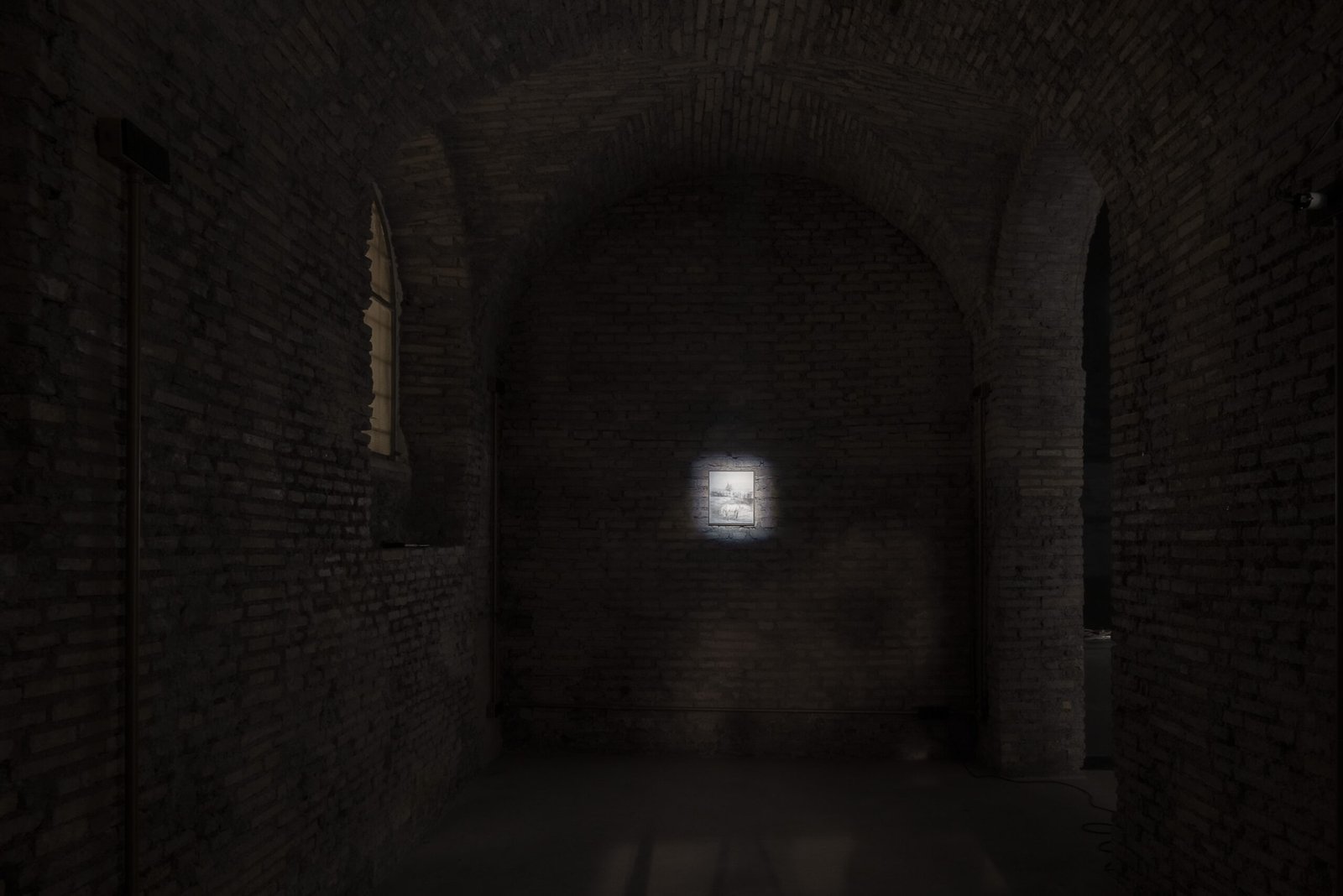
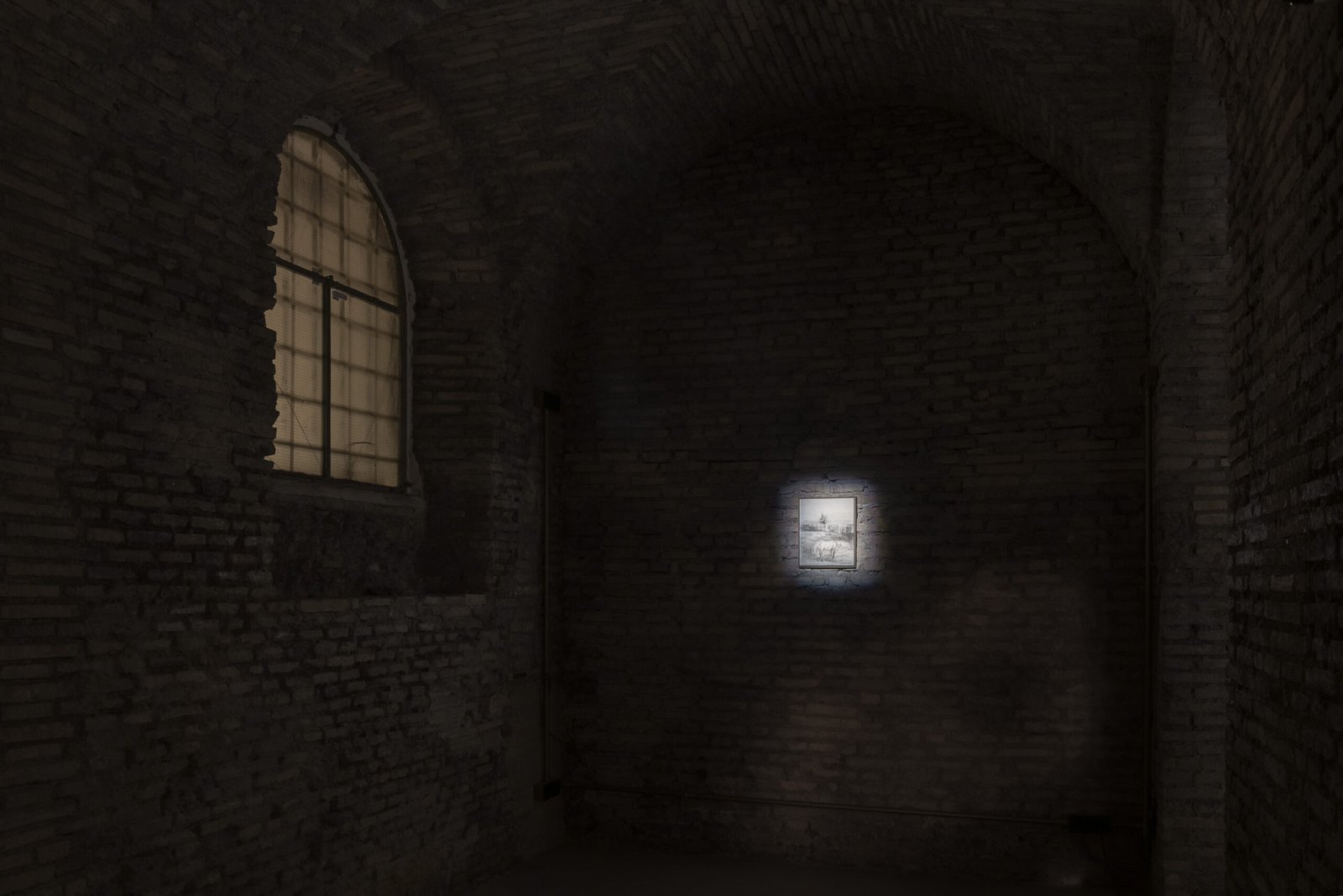
Supernova presents Along the Weight I Have Lost, a solo exhibition by Wang Yuxiang featuring new
works by the artist, curated by Niccolò Giacomazzi. The opening will take place on Monday,
September 15, 2025, at Piazza Santa Maria in Trastevere 1a, Rome. The exhibition will be on view until
October 27, 2025.
The project builds its visual research around the physical phenomena of alternation, flow, and
evaporation within the contemporary urban space, focusing on the role of constantly transforming water
molecules in relation to traffic and the complex interactions among city residents.
This interest intertwines with the artist’s fascination with the theory of humors and the dialectical
relationship between the human body and humidity in traditional Chinese medicine.
The works presented by Wang Yuxiang were conceived as site-specific for Supernova, exploring the
relationship between architecture and space, temperature and humidity.
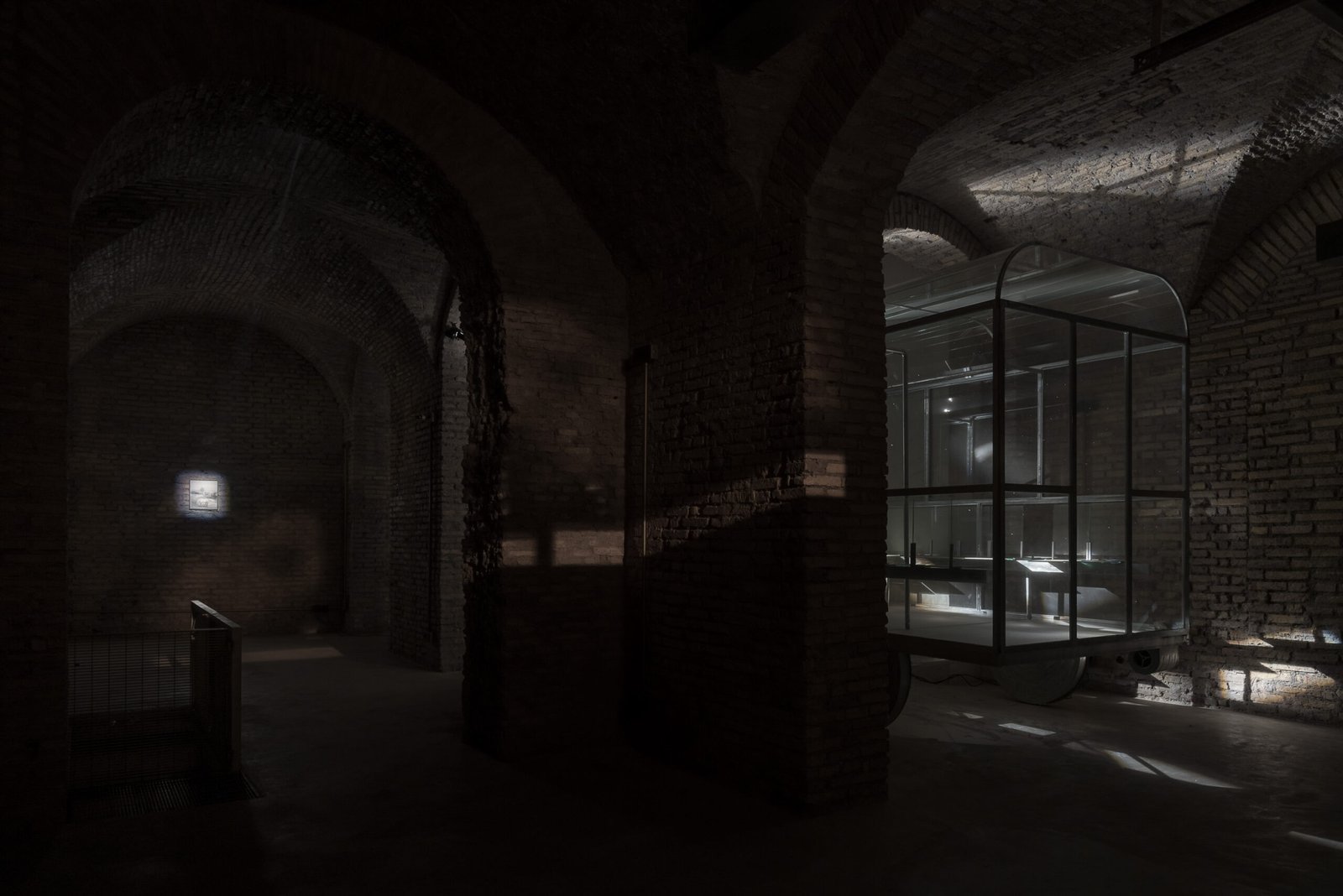
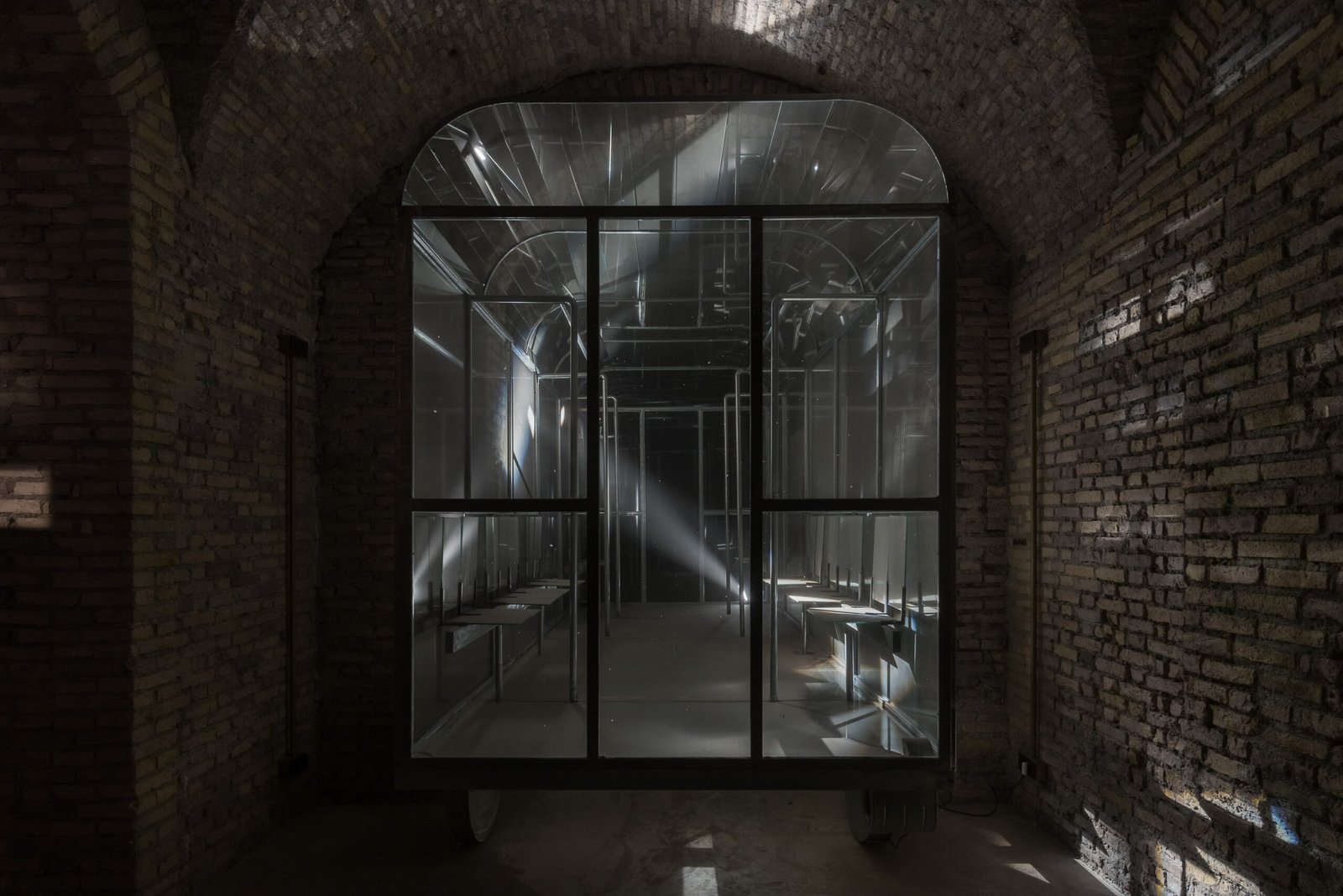
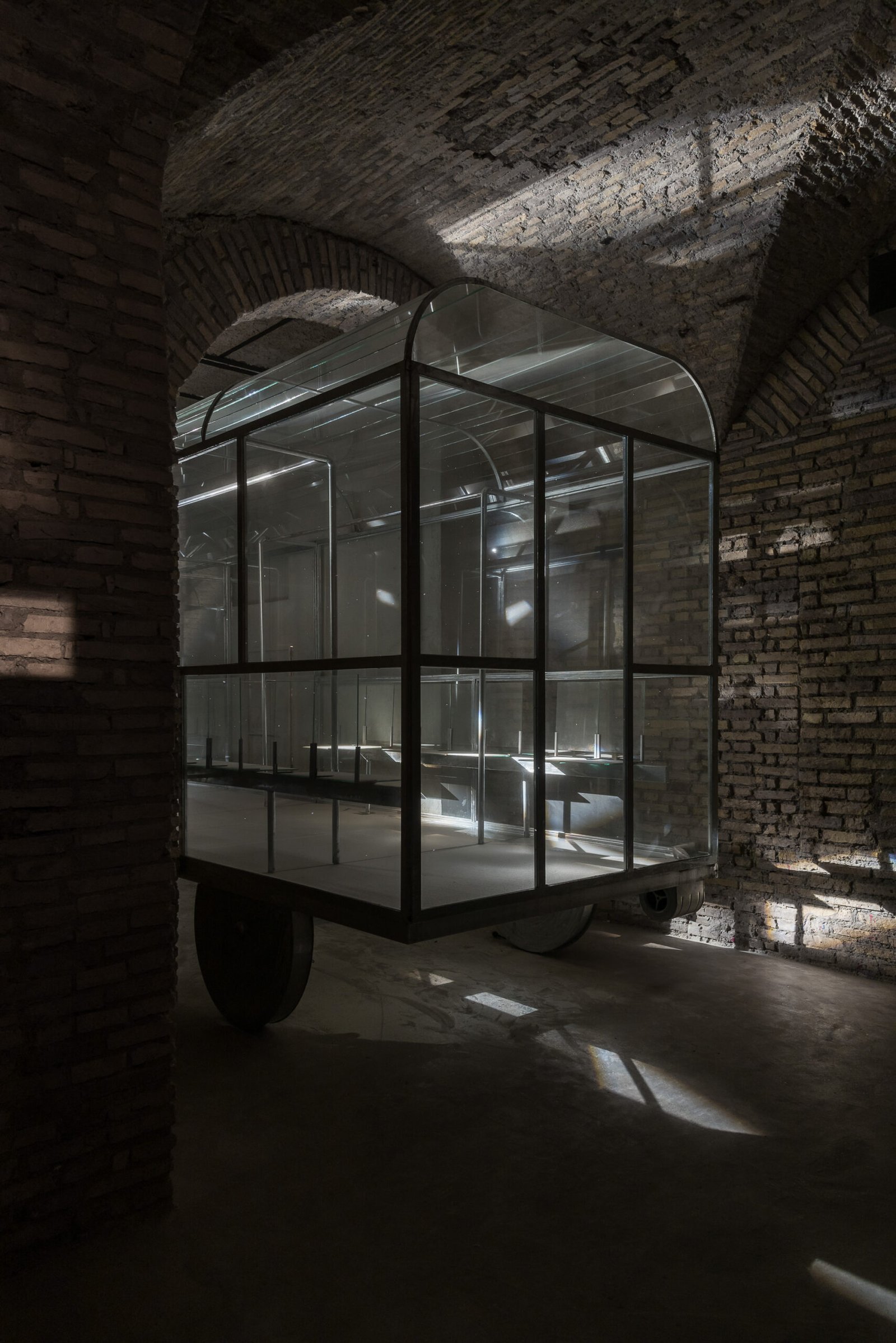
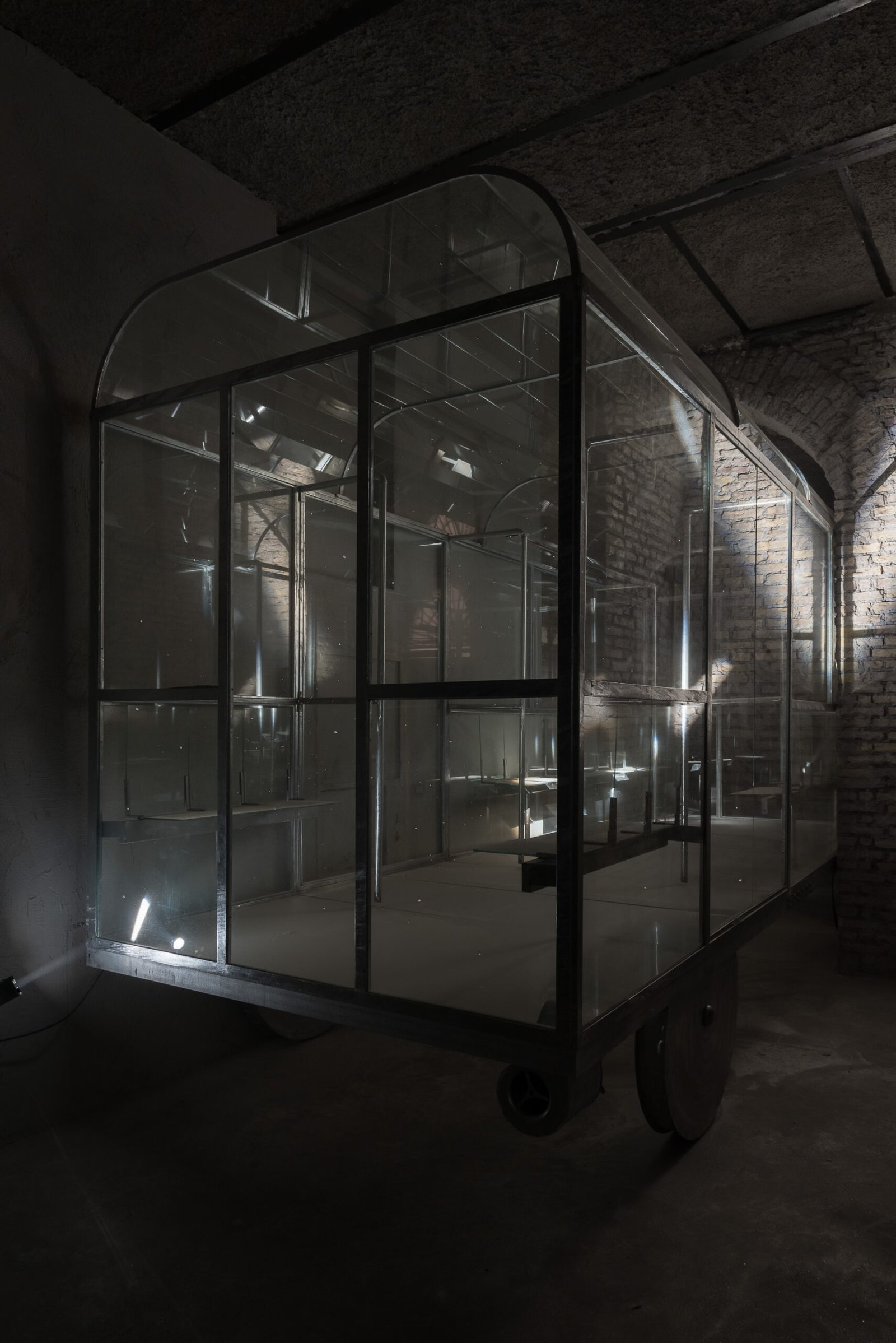
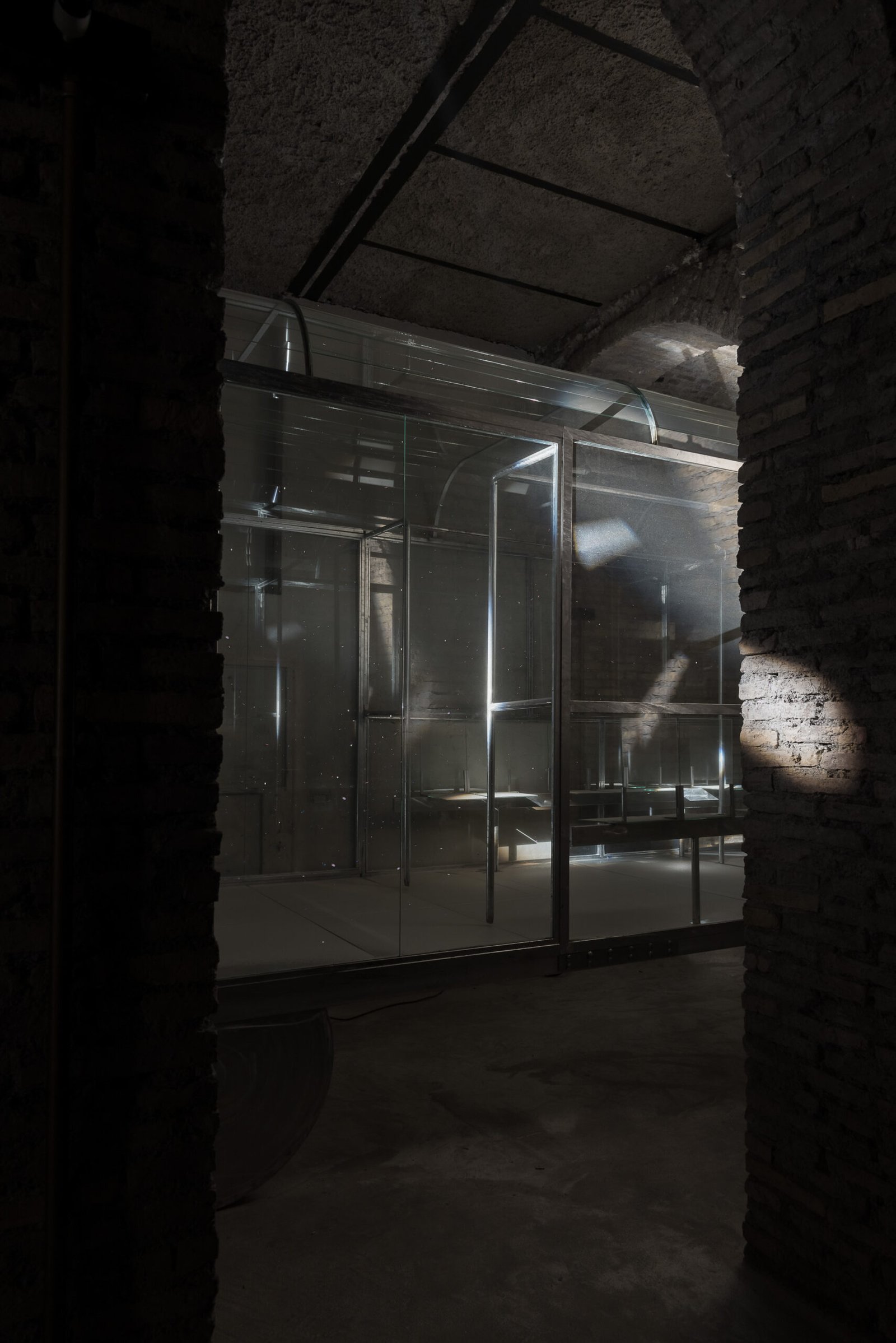
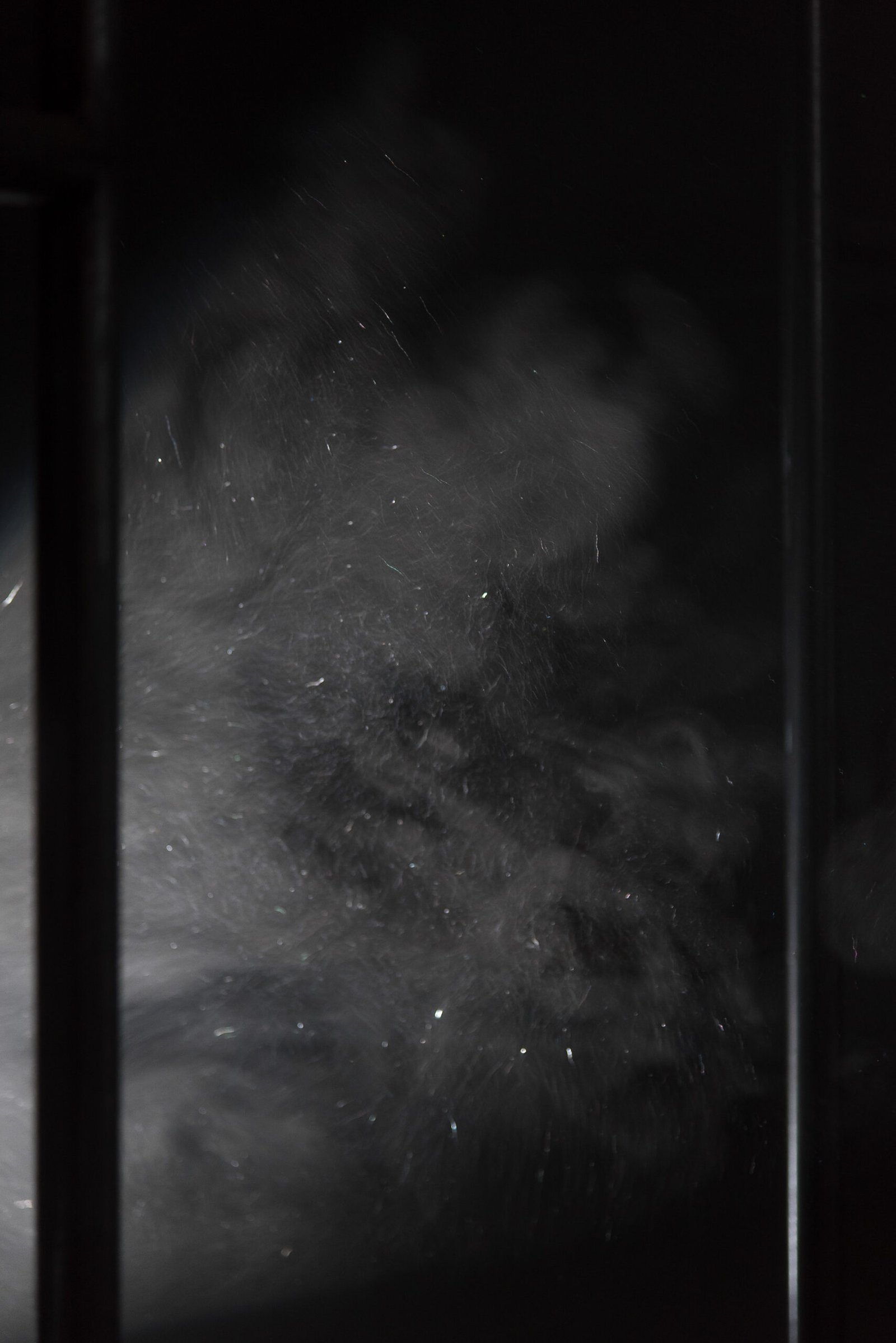
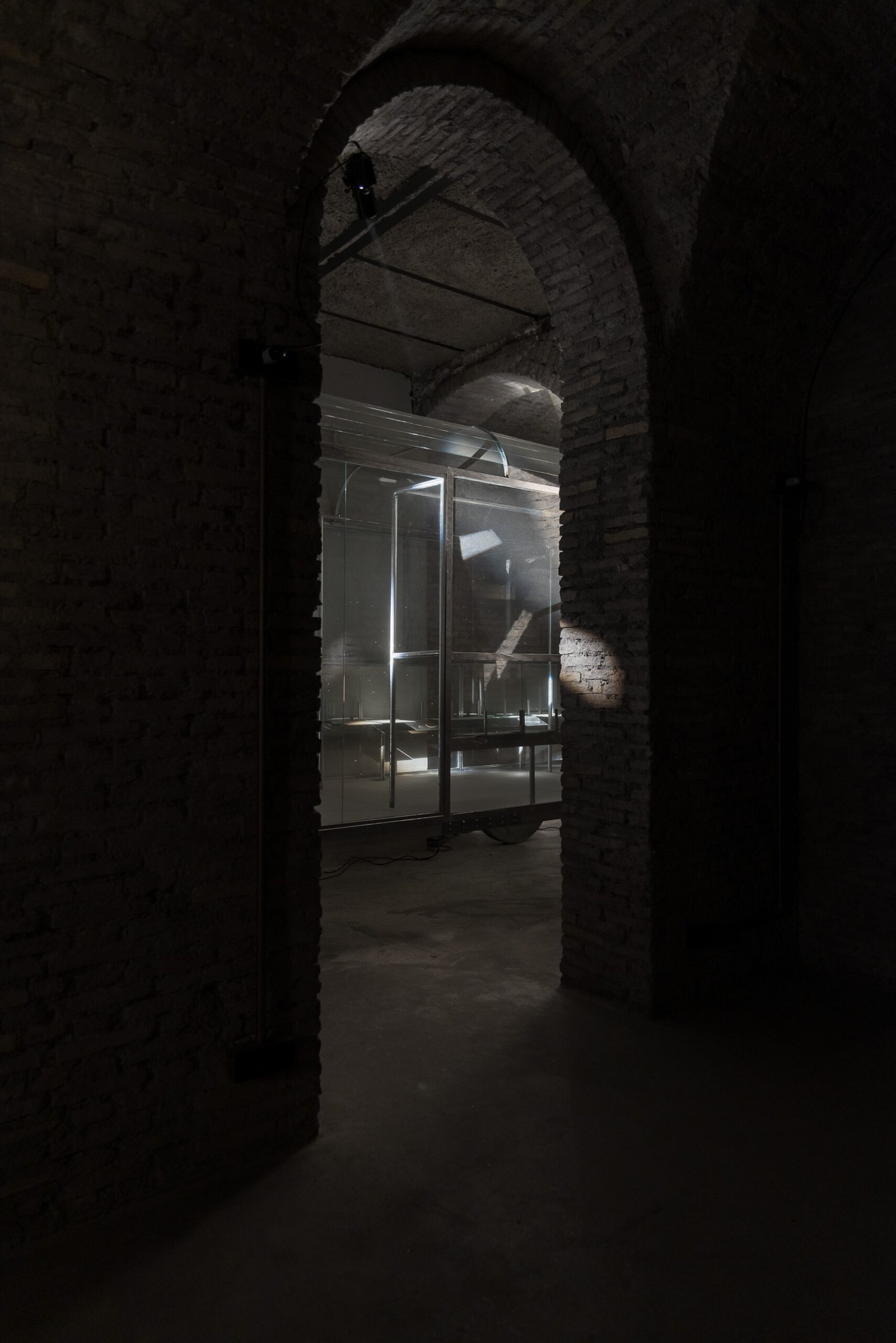
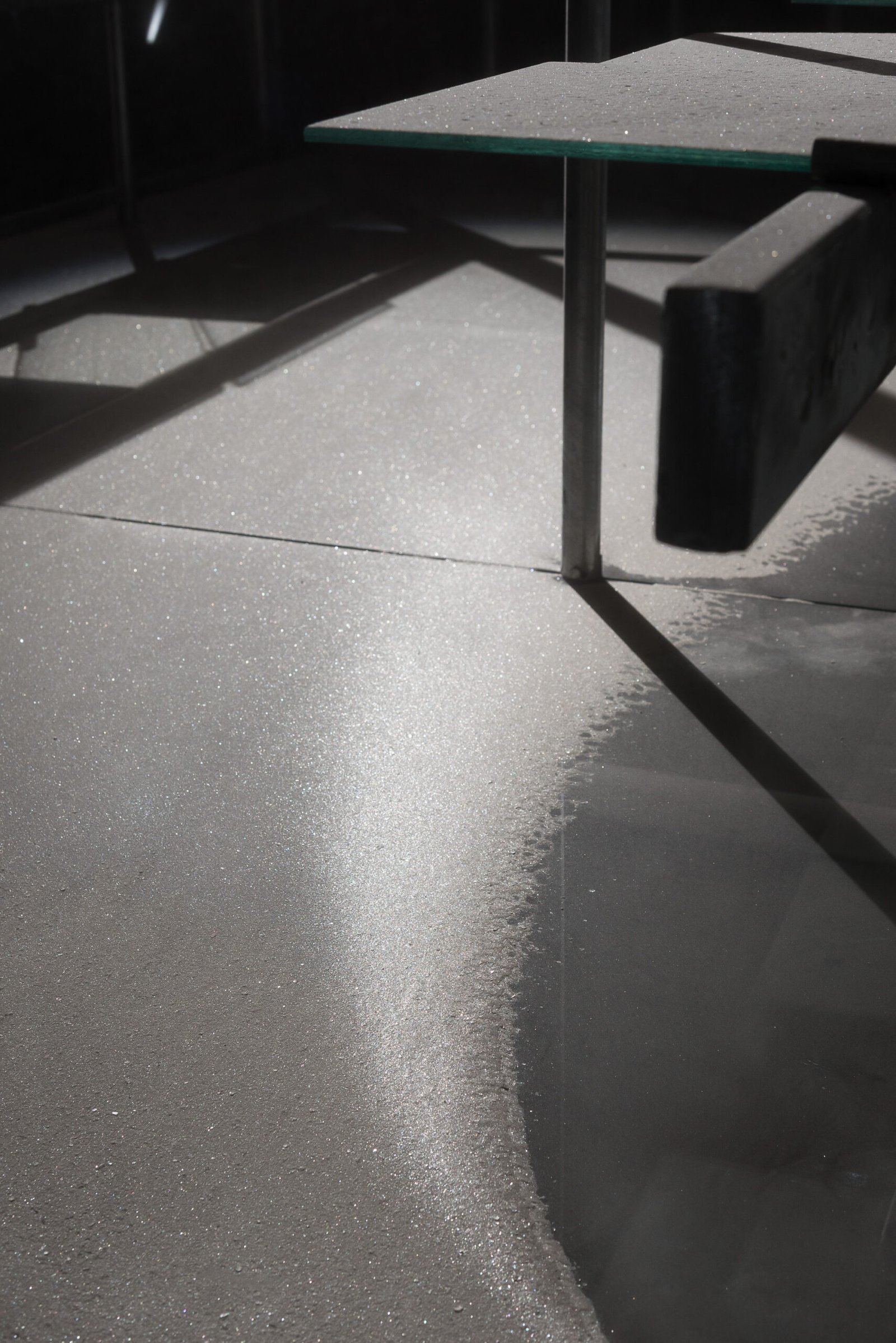
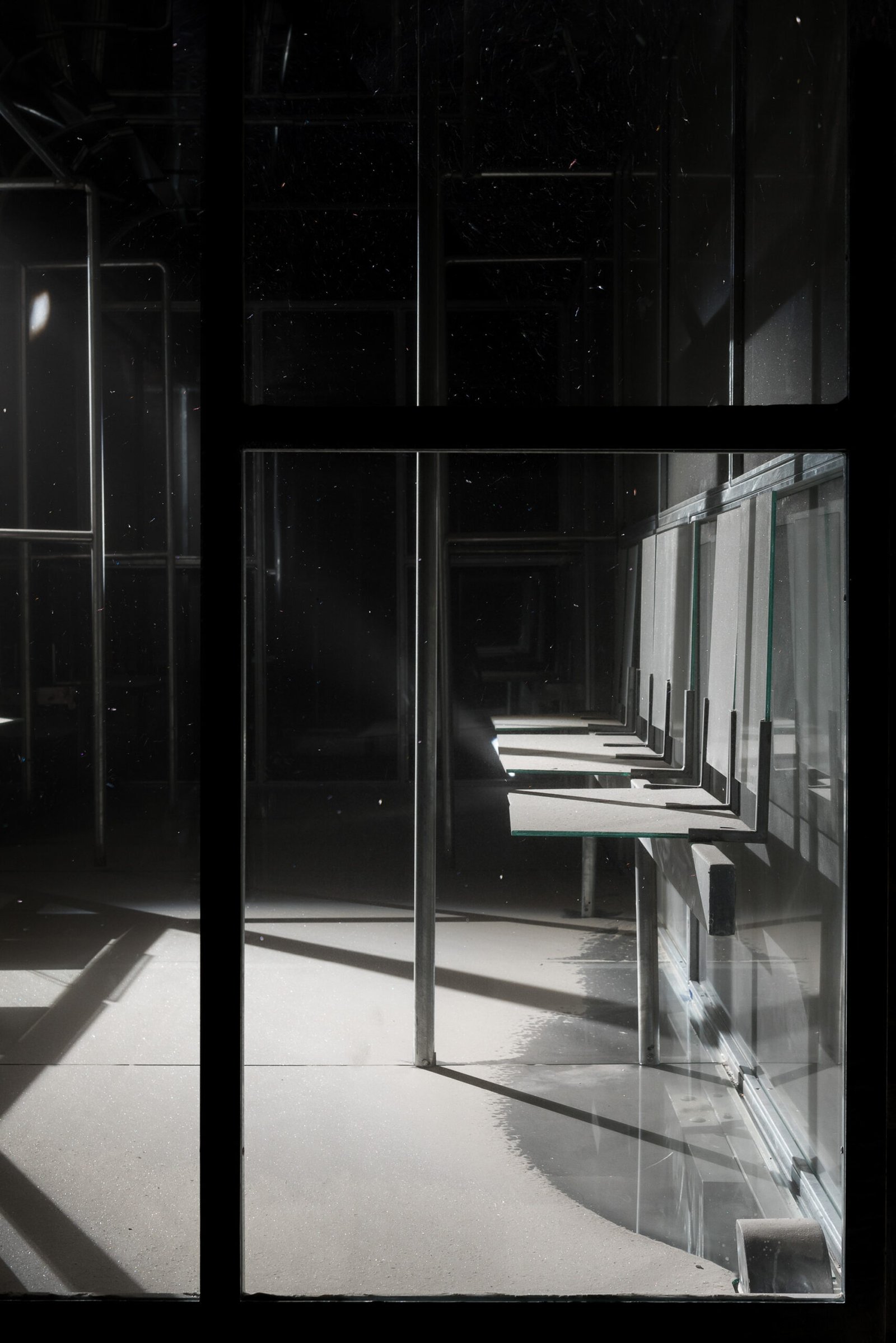
The ground-floor installation, The Horse Dreams of the Ship (2025), consists of a transparent subway
carriage placed beneath the arched space, almost level with its height. Inside the carriage, a ventilation
system regularly stirs mica dust. Thanks to the properties of this mineral, the visual effect resembles
sparkling smoke—a stellar storm creating a shimmer within the carriage. This effect relates to the
insulating qualities of compressed air brakes and muscovite.
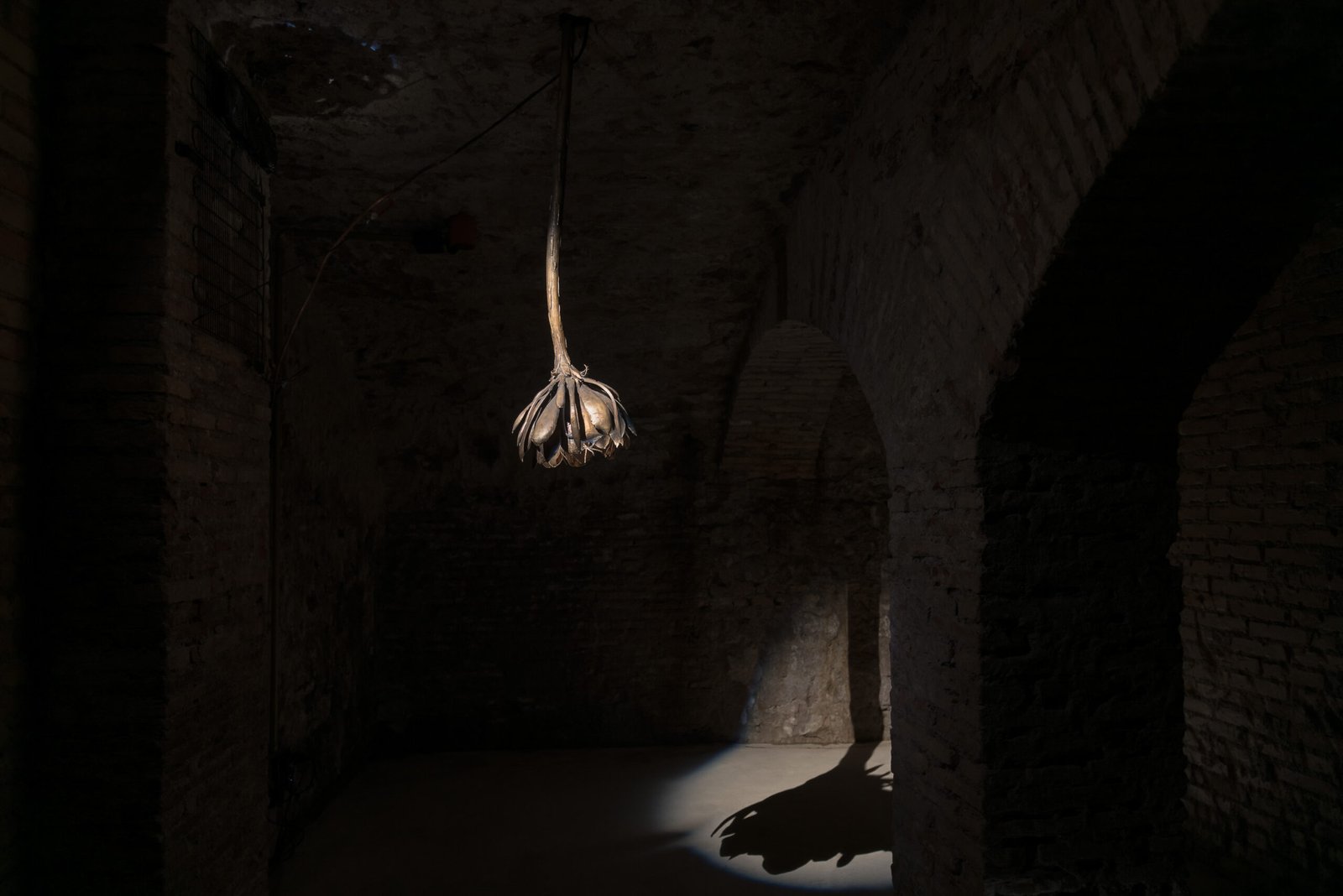
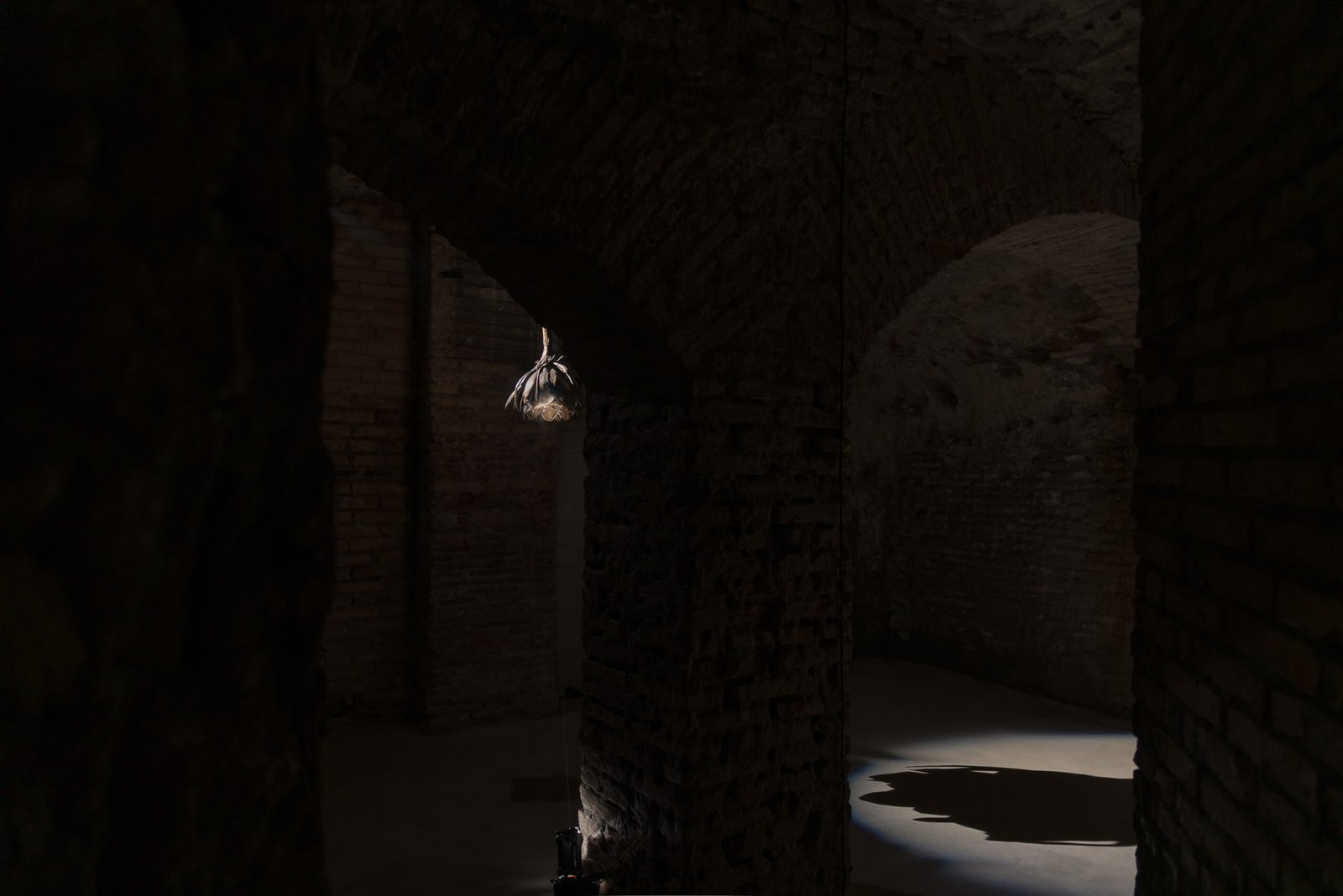
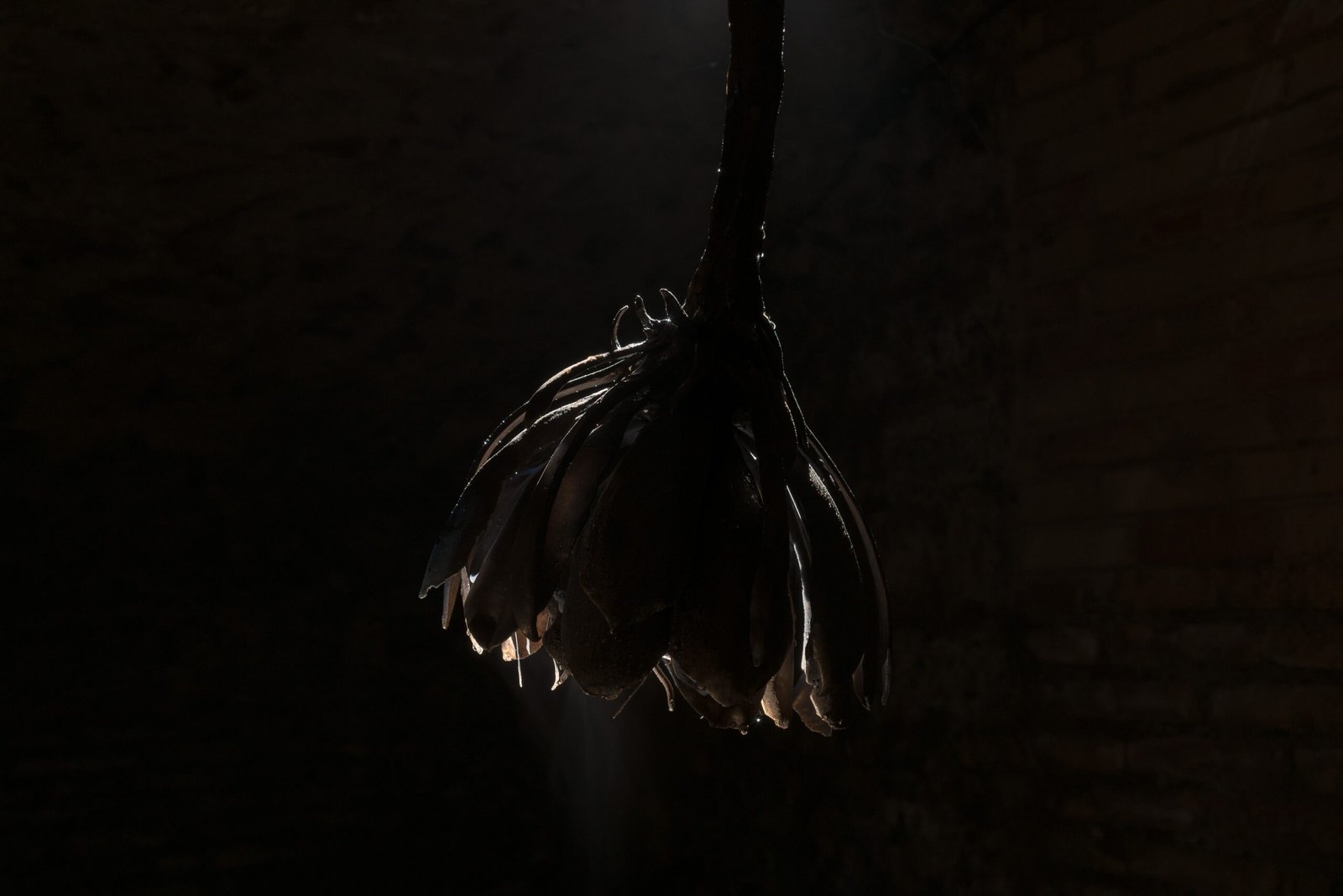
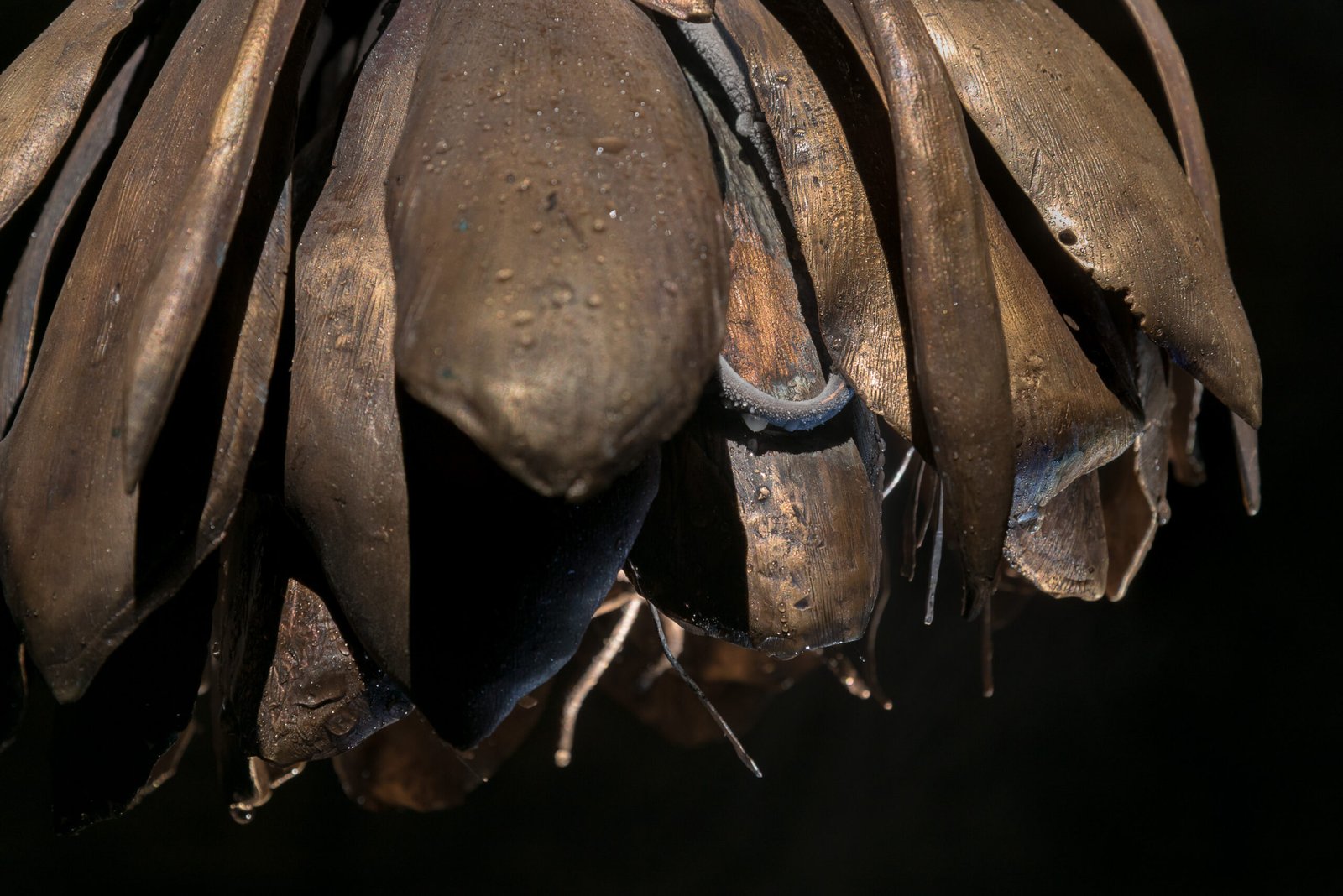
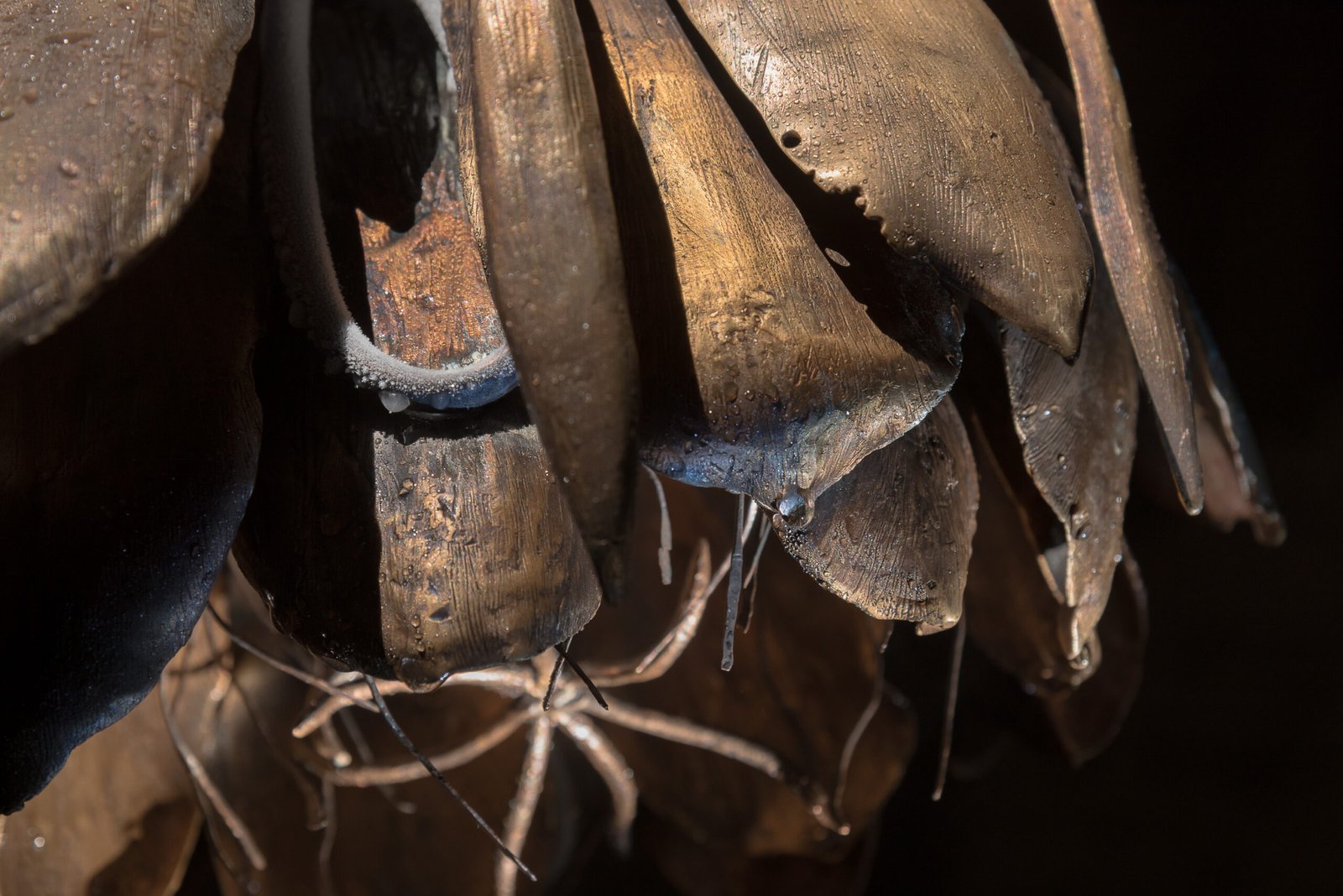
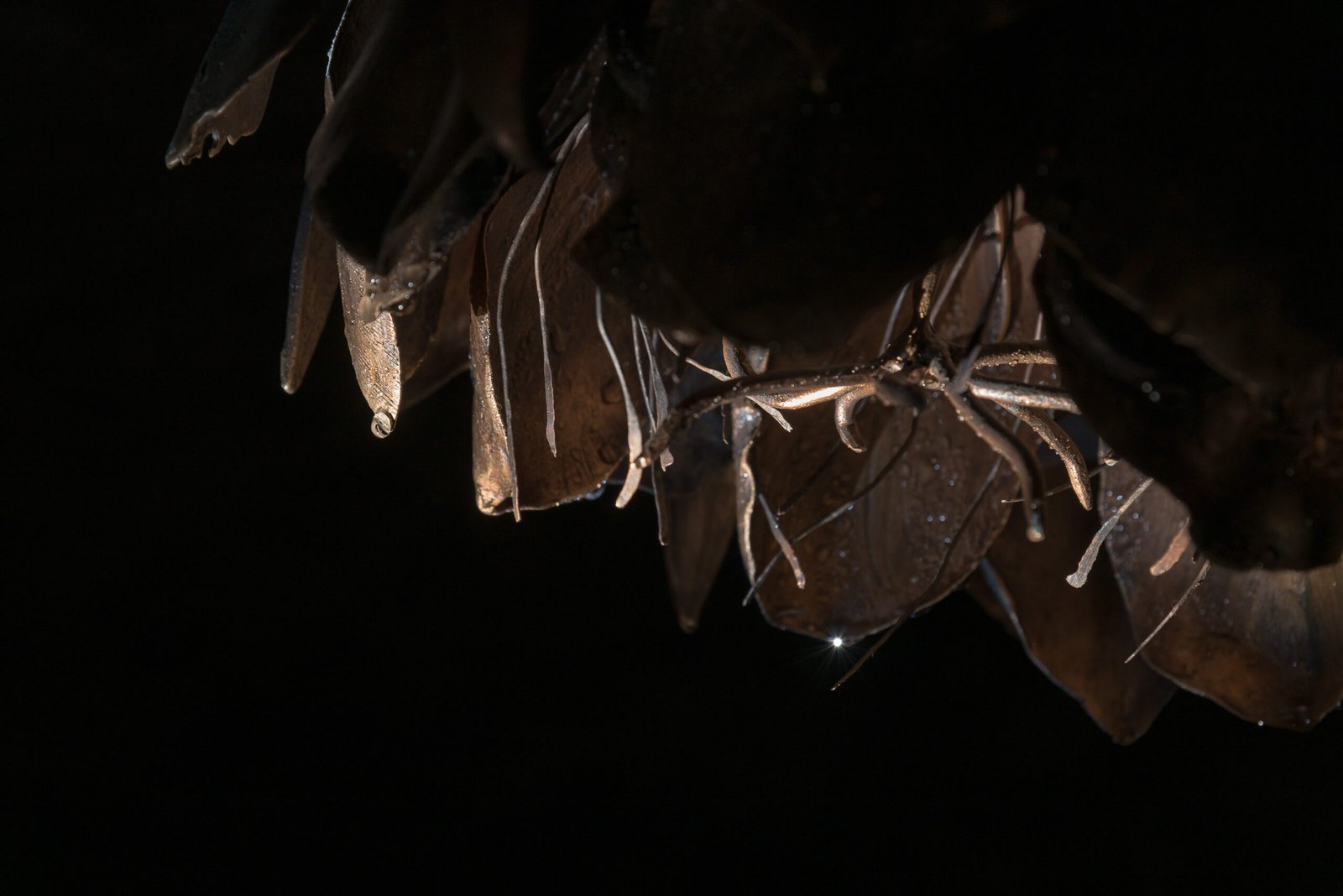
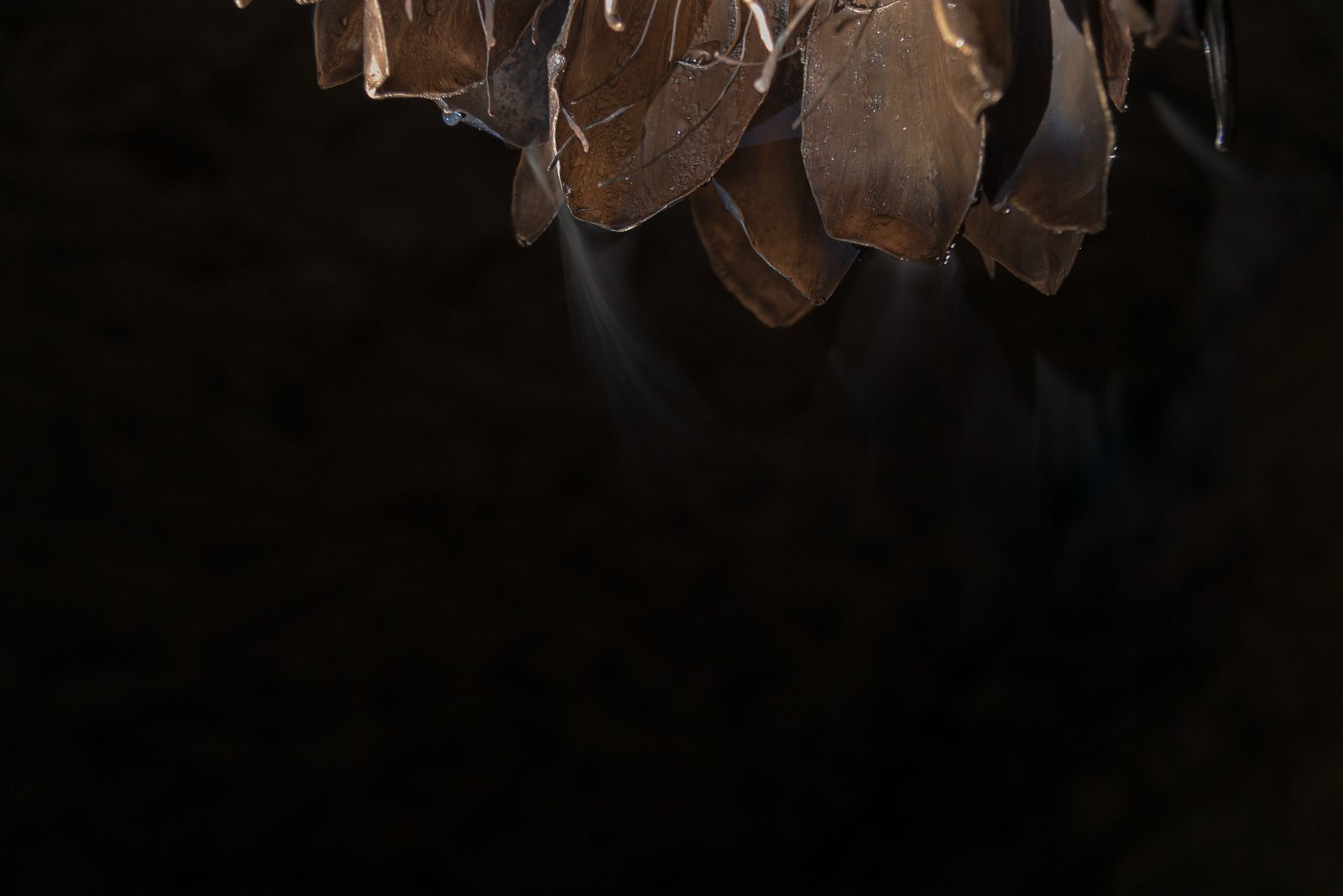
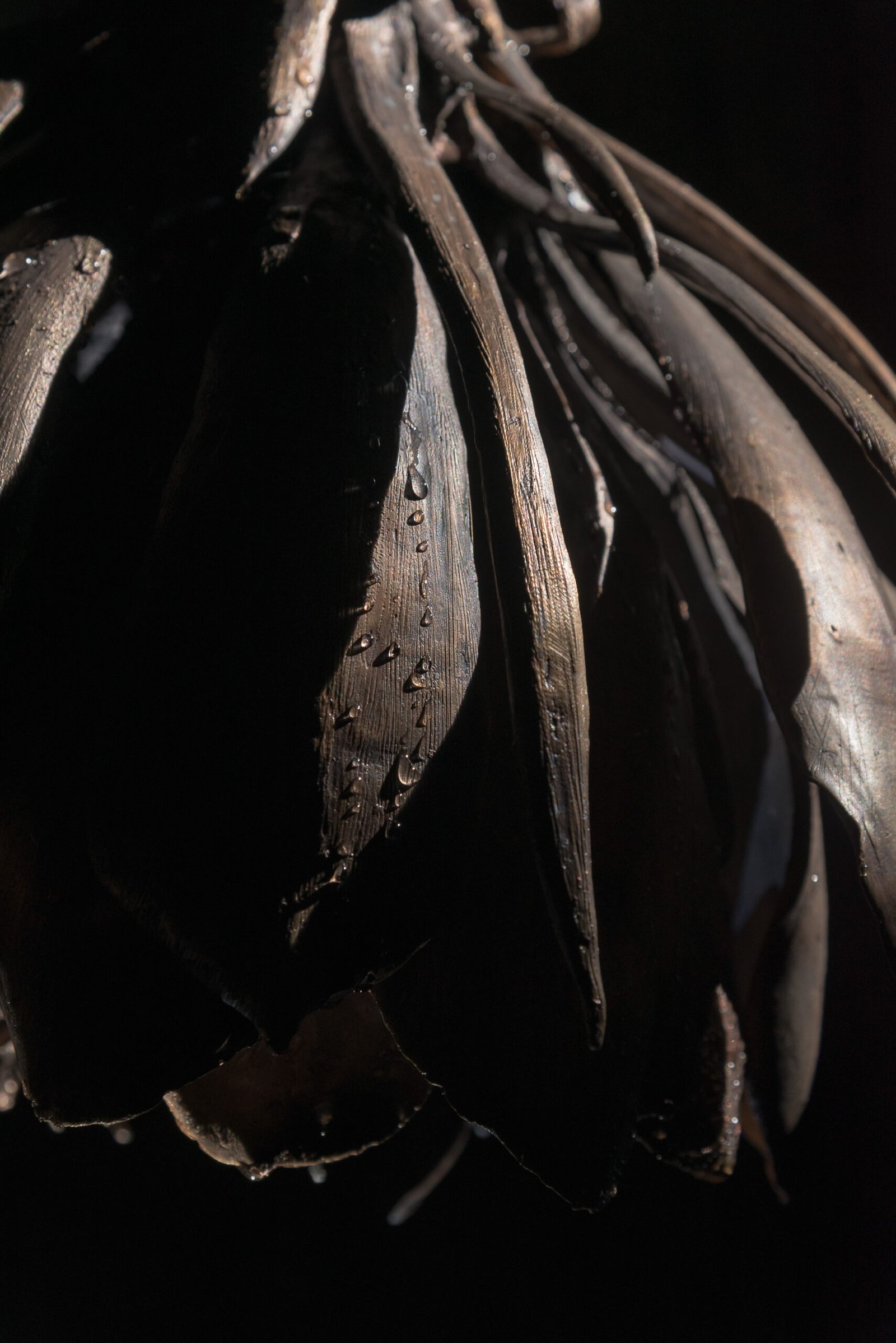
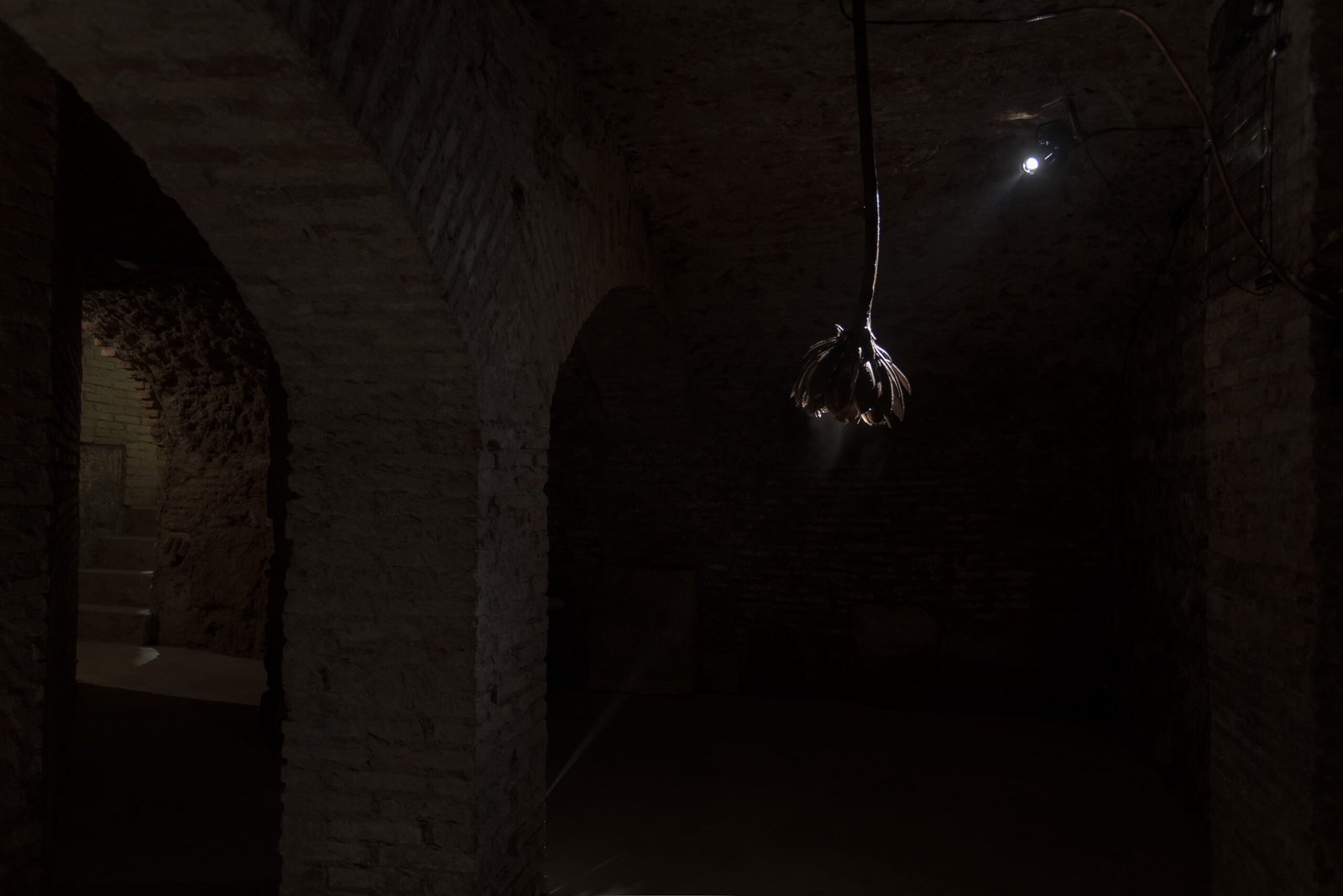
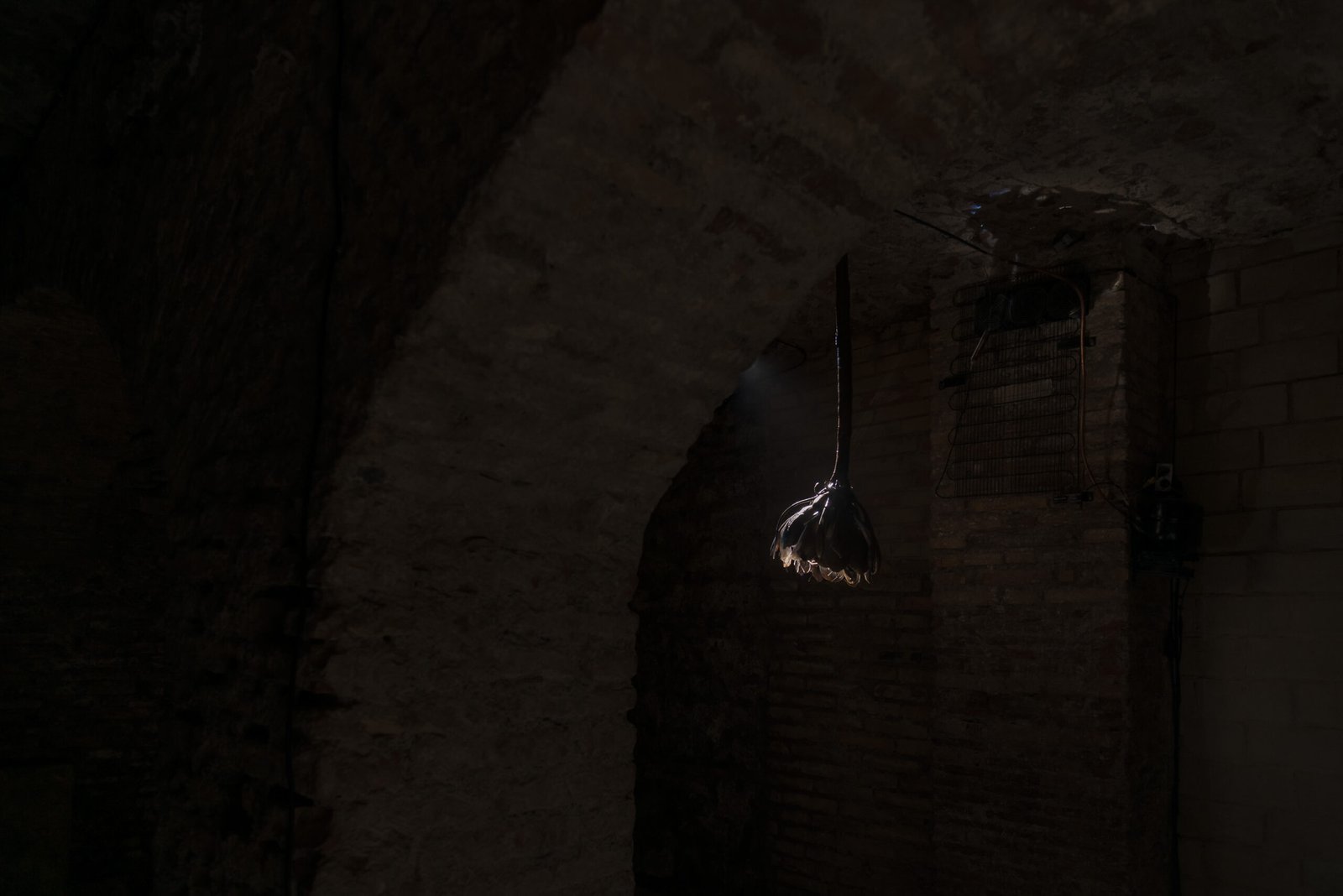
The second work installed in the crypt, Along the Weight I Have Lost (2025), is inspired by the humid
environment and the complex ventilation systems of the area. Made of bronze, the piece contains a
dehumidification system that gradually changes the humidity of the space: initially frozen, the system
then begins to drip, evoking a path to be crossed, like a machine that freezes fate. The form of the work
is inspired by the Epiphyllum, commonly known as the Queen of the Night, a plant that blooms at night
and quickly withers. This botanical characteristic reminds the artist of the flow of his daily encounters on
public transportation.
The artist’s encounter with everyday life sparked in him an interest in a concept that finds one of its
fullest expressions in the Chinese language: Yuanfen.
The word Yuanfen, meaning “having a fate without a fate,” expresses the idea of chance meetings and
coincidences connected to an inexplicable past and future, describing the fate and circumstances that
bring people together.
At first glance, it may be associated with concepts like cause and effect, relationship, and emotion, but at
its core lie many preexisting conditions, including the will of heaven, fate, practice, and opportunity.
Philosophically, it could be defined as “necessity in chance,” but this definition does not capture its full
meaning: fate is not only predestined from a past life but also cultivated and created in the future life.
There are coincidences, but also deep connections and human warmth. It is difficult to determine what is
divine will and what is human action, but both elements are essential. “The bronze casting, at the heart of this process, requires collaboration and mutual listening with the
master founders,” Wang explains. “It is a technique that forces you to distill the work to its most essential
form, respecting the materiality, effort, and logic of nature. It is a journey that combines passion,
alchemy, temperature, and ethics, transforming thought into living matter.”