


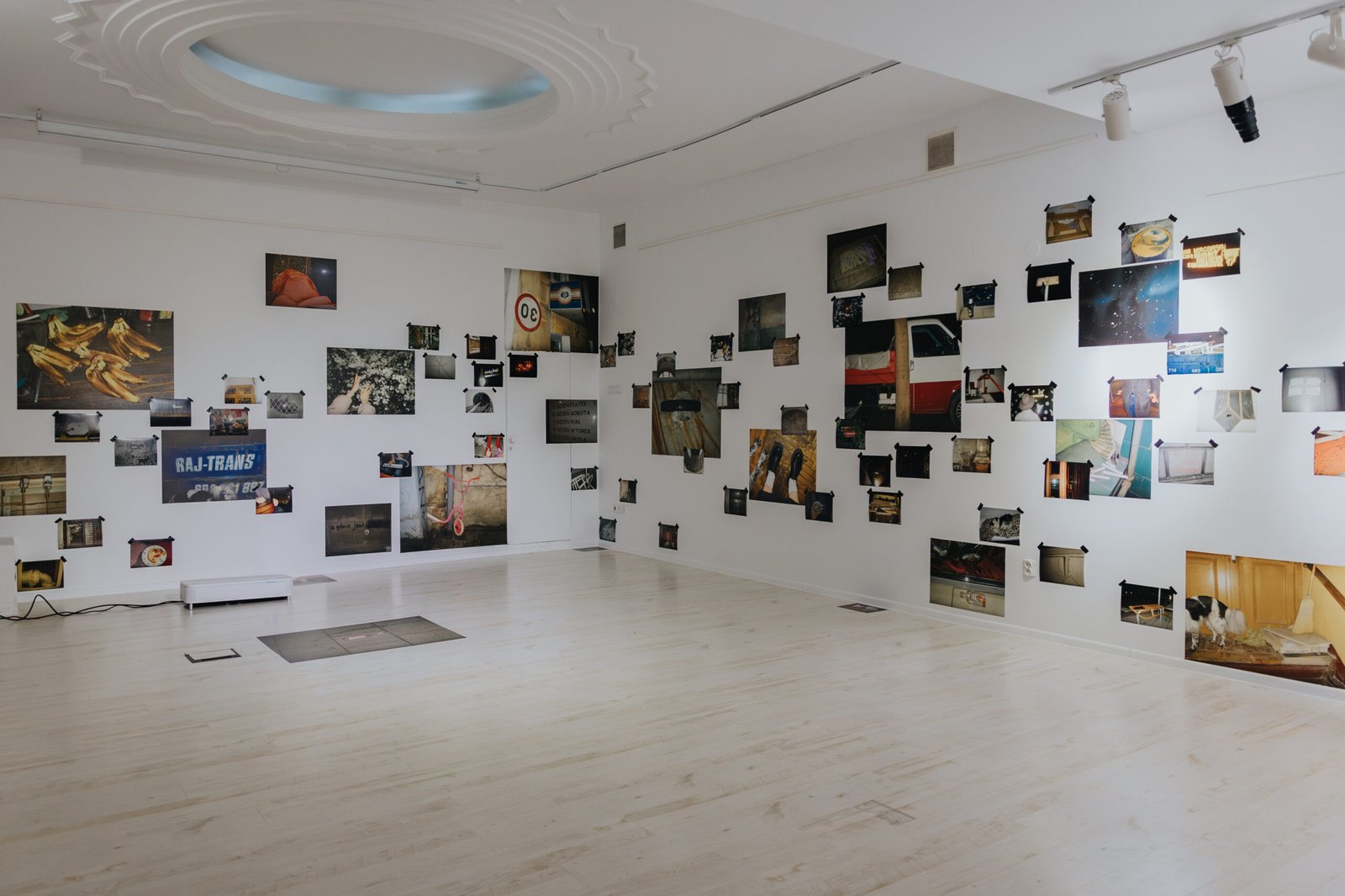
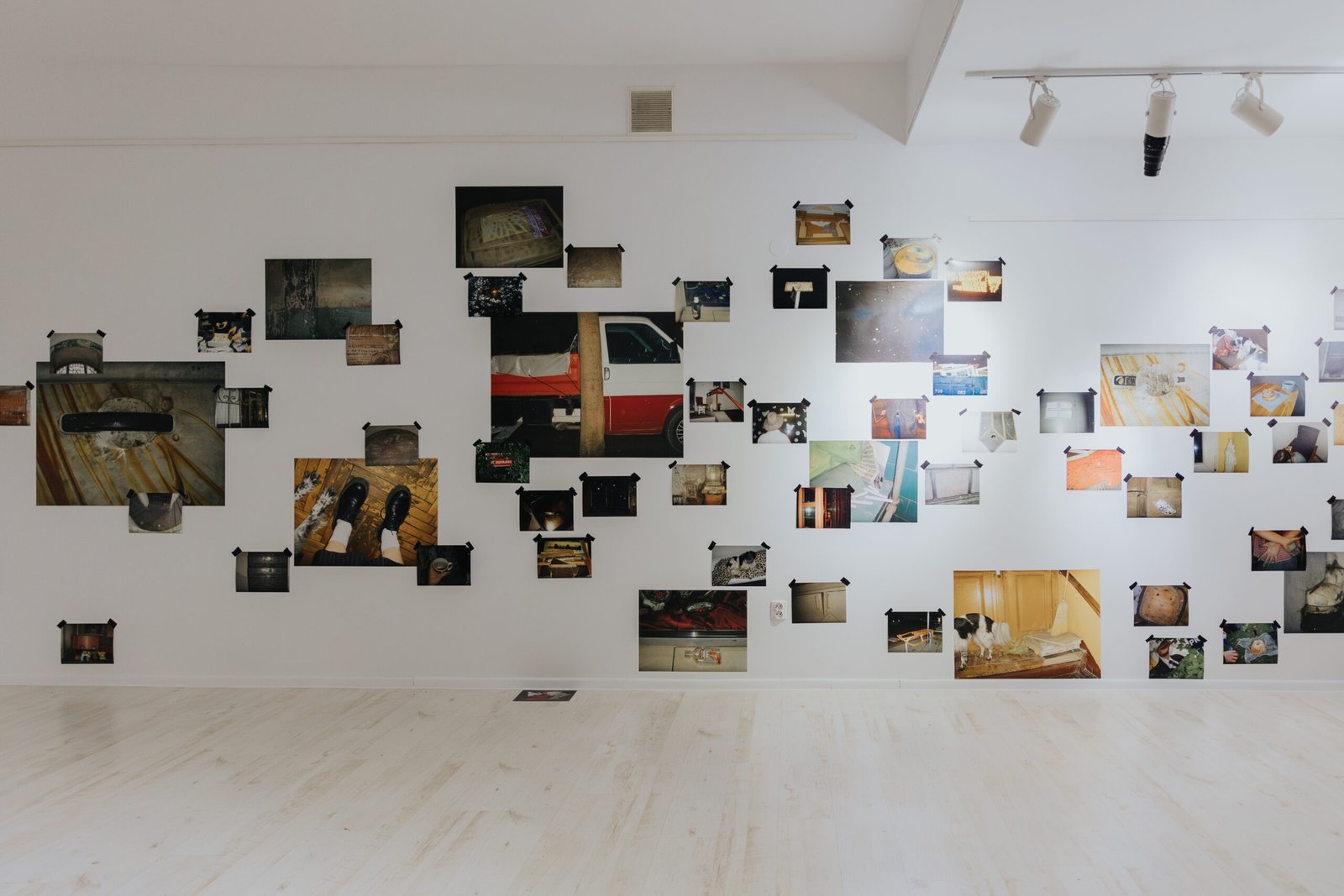
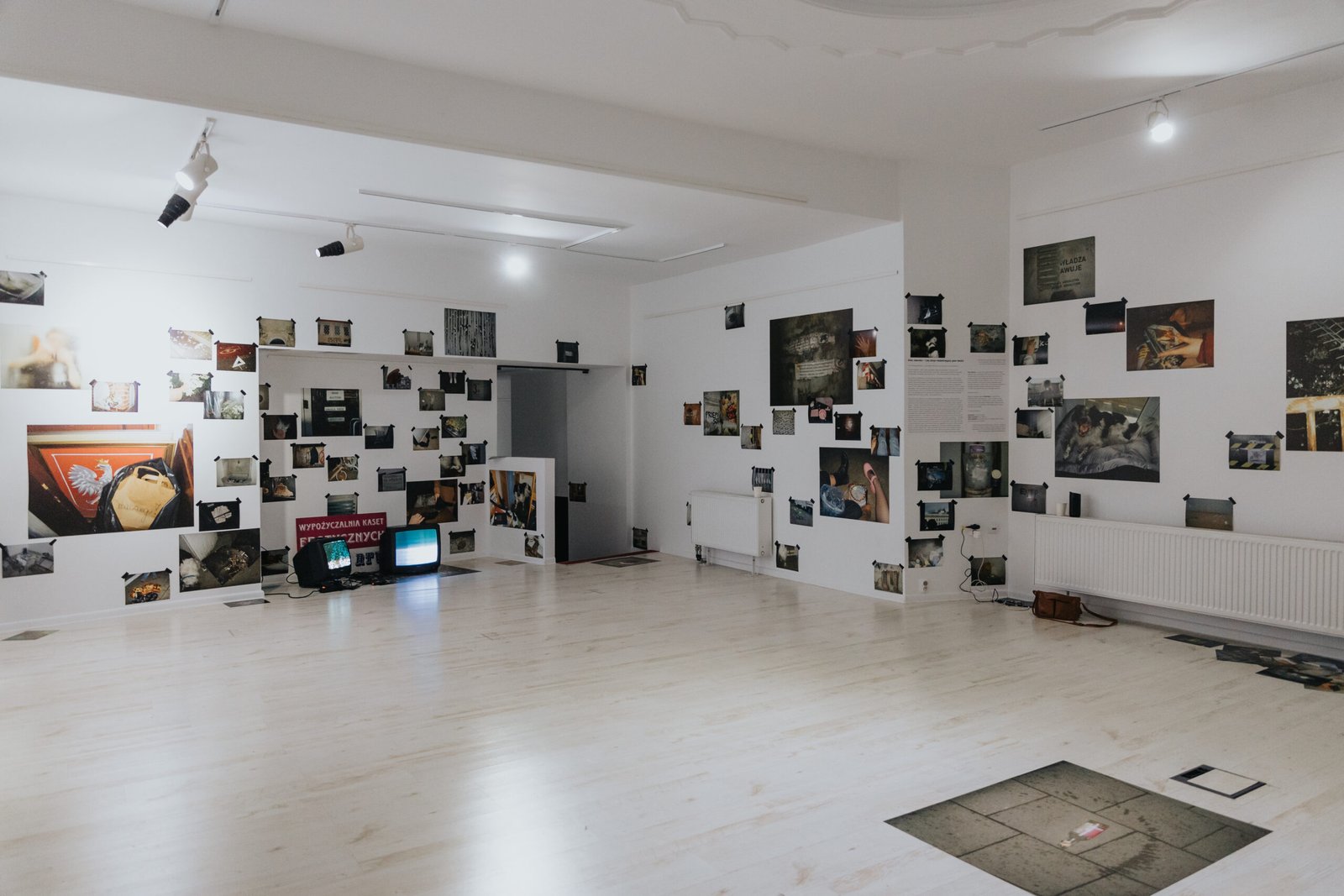
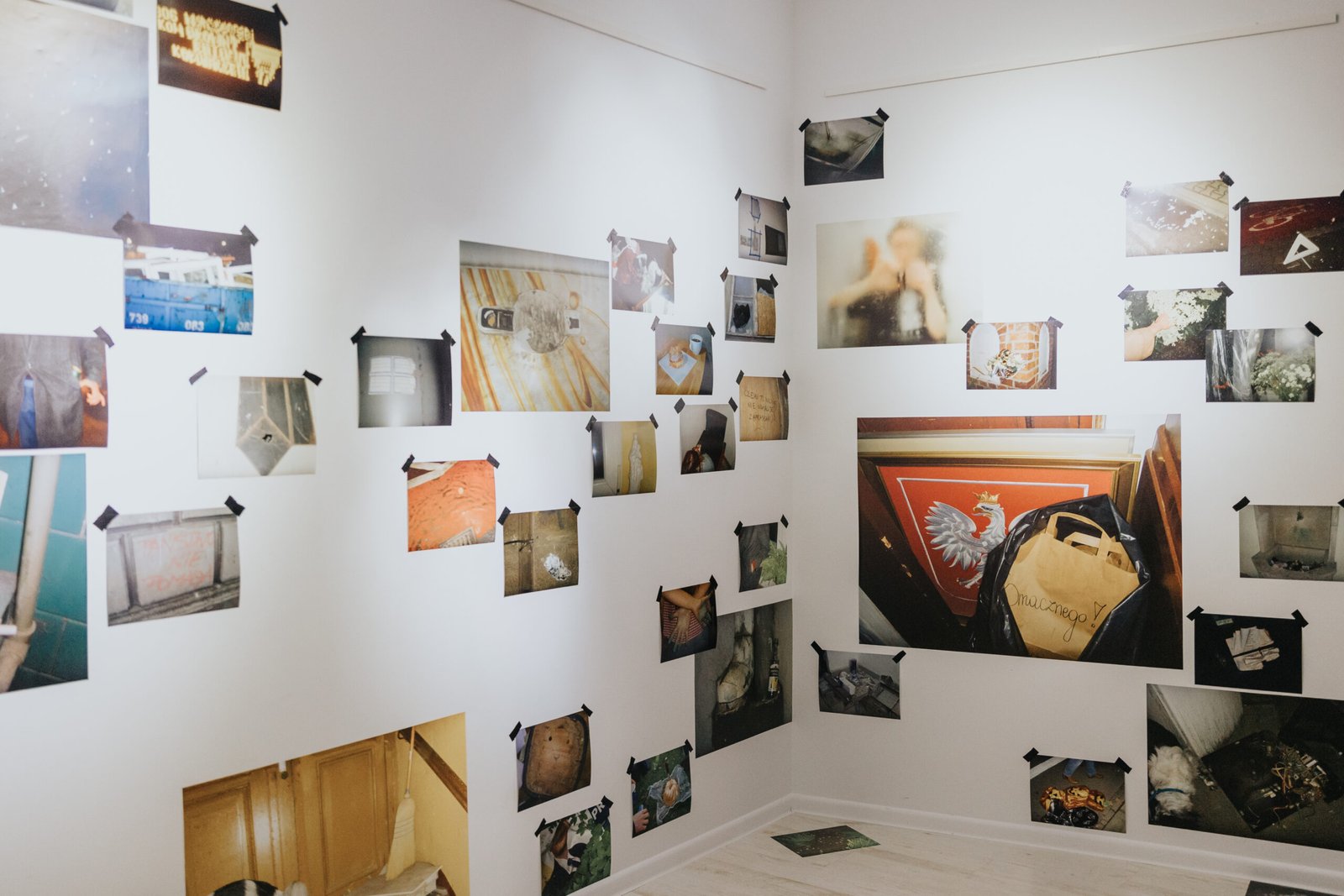
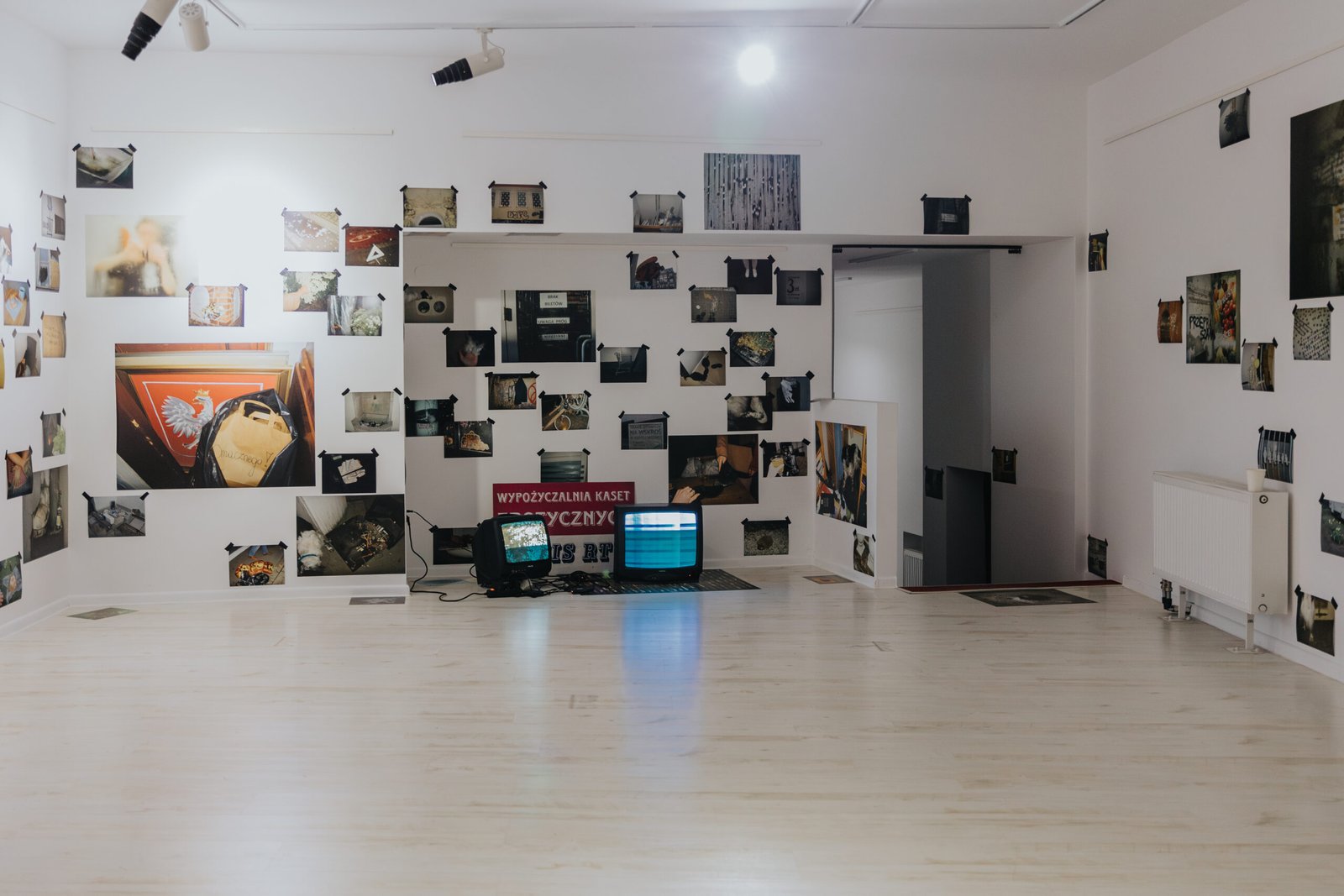
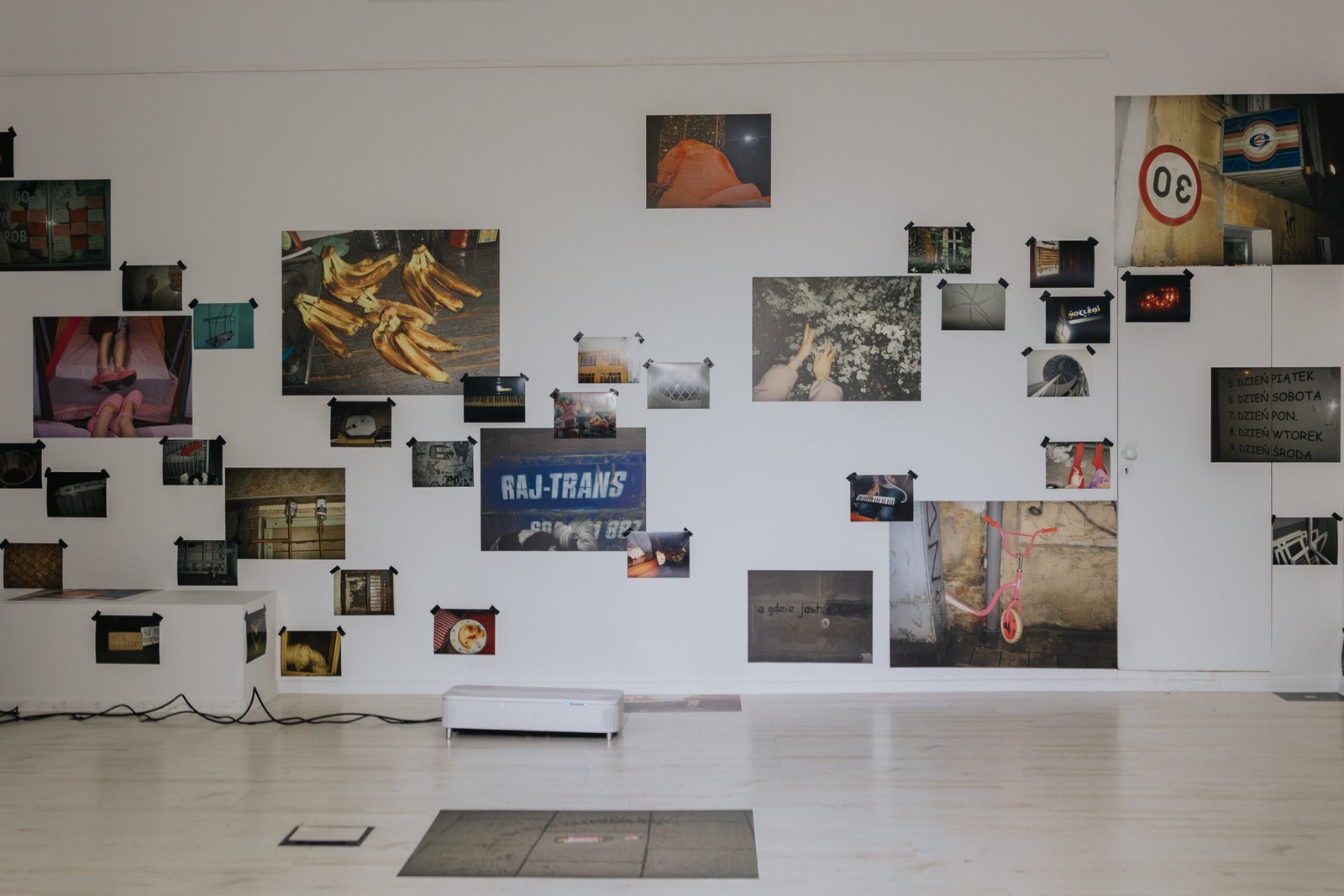
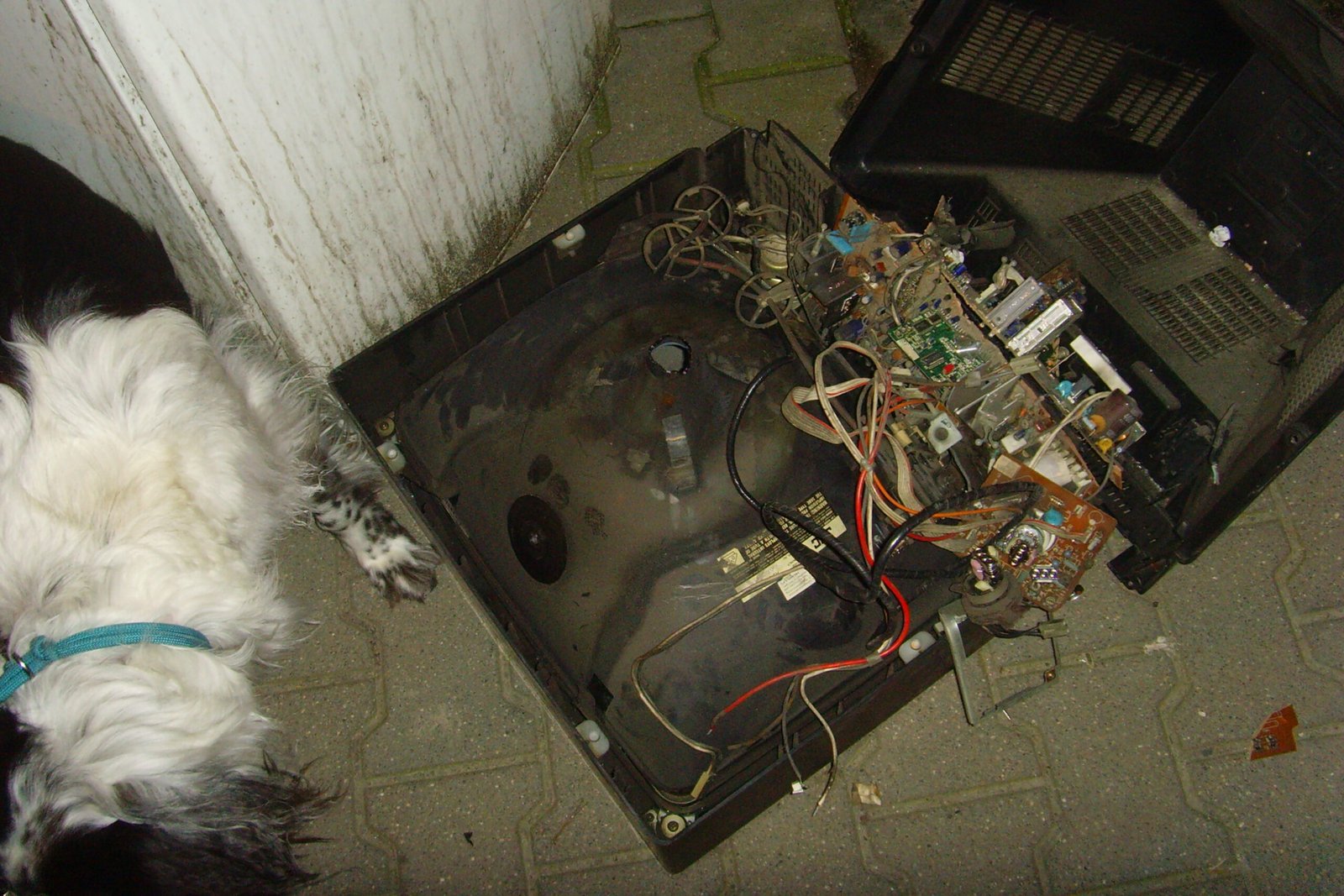

Streets are transitional spaces — if someone stays too long on the street, it likely means they have nowhere to return to. By day, streets are crowded — loud, filled with a haphazard mix of messages. Chaotic collages of conversations and advertisements. But then evening comes, and the emptiness comes — these liminal, half-asleep spaces suddenly feel incomplete, unsettling. As if something essential is missing — as if the very reason for city’s existence had disappeared.
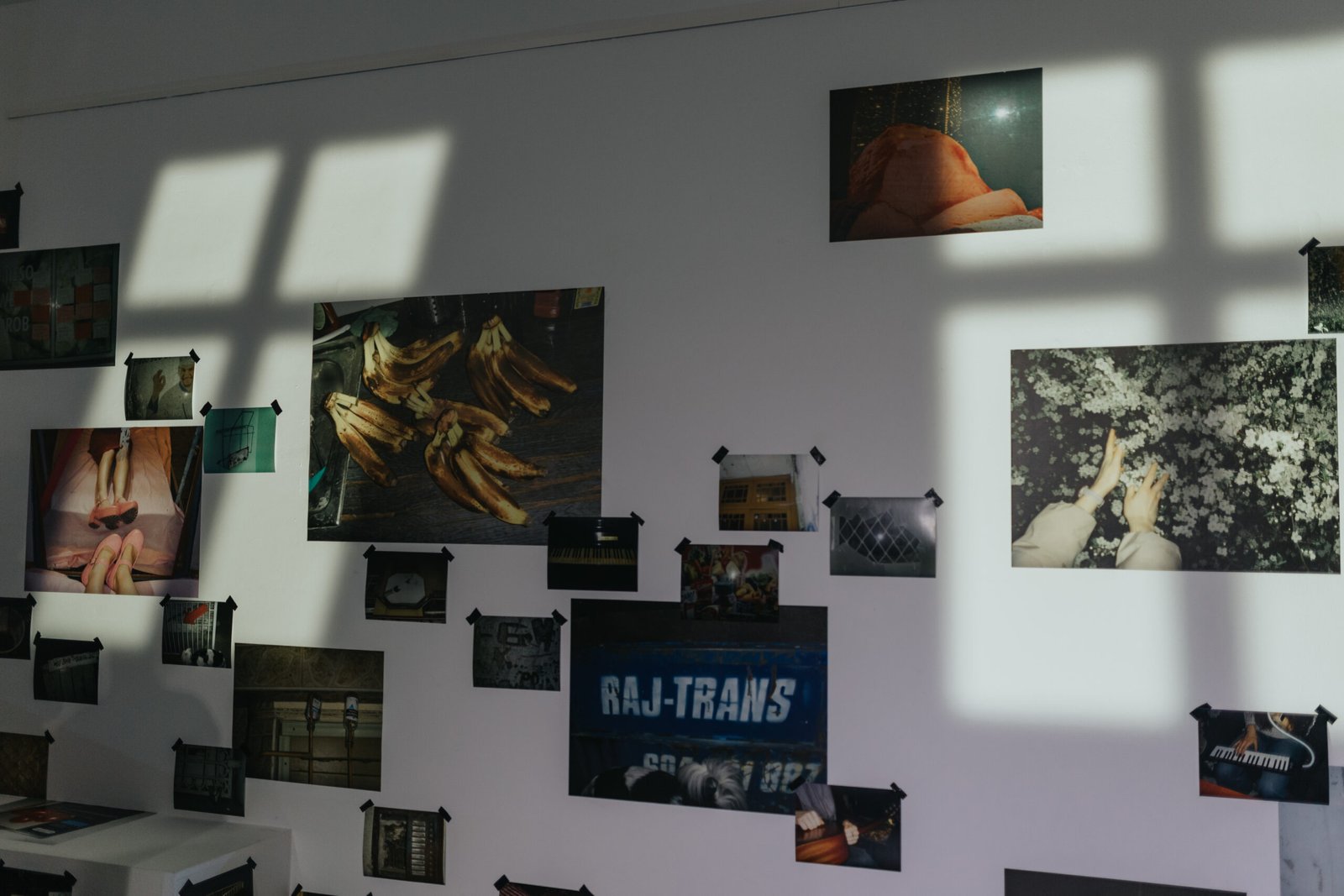
Anyone walking somewhere in the middle of the night becomes a mystery to whoever sees them — the two will pass each other with a strange air of suspicion, perhaps even stepping aside to avoid one another. An empty street, architecture without a user — seemingly pure structures, stripped of bustling bloodstream, reveal traces of presence: remnants that just recently were part of someone’s life. Bottles, trash bins, old TVs, messages scribbled on walls. Layers of paint or bizarre glitches that disrupt the illusion of order — an order that, though once designed, seems to have cracked at the beginning.
I catch it quickly — always on the move, never really searching. It’s not a decisive moment; maybe it’s more of a decisive composition, one that’s been “hanging there” for hours or days. I collect these street findings in my camera alongside daily, instinctive snapshots. Collections of brief moments, places, gestures — the hum of pulsating life.
When I reached for that tiny compact camera in February 2024 — one I’d received by chance — I was looking for ease and lightness, for a way to impulsively snatch fragments of the world using a flash. It’s something different from a phone — the way files are collected feels different, the weight in your hand is different, even the way you press the button changes the experience. That small device stirred sensations I hadn’t felt in a long time — it allowed me to work with the eye intuitively, free from the need to construct concepts. It reminded me of childhood fun with a similar compact.
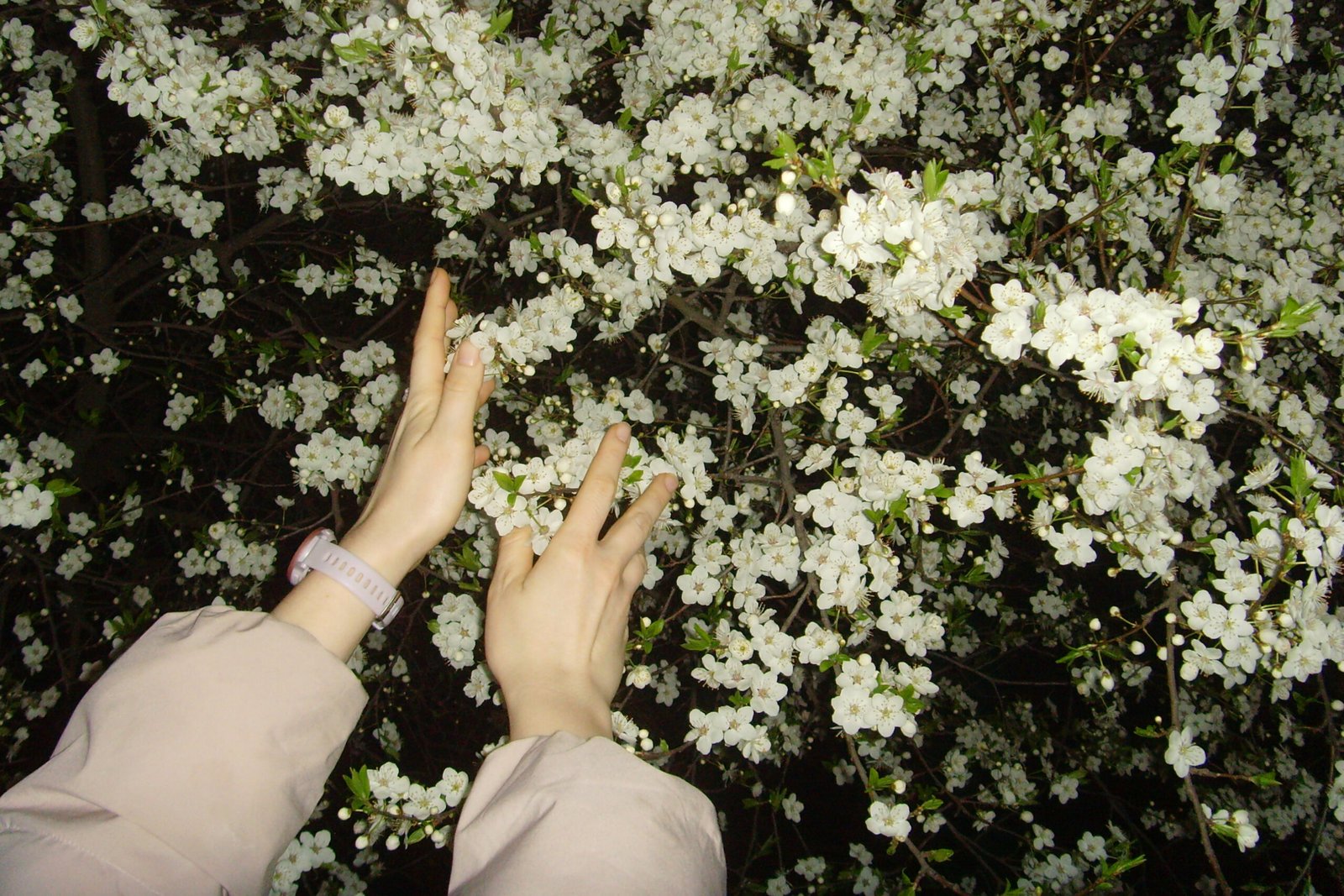
So many situations I now remember only through photographic fragments — because though recent, they were hardly distinguishable from dozens of others. So many of the things I saw have perhaps already been disposed of, destroyed, cleared away — begun their decay far from where we met. But for a moment, they meant something to me. Some objects — the more durable ones — have stayed in the cities to this day. Now, as I pass them, they’re no longer just things in my eyes, but figures from particular photographs. I’ve already once determined the ideal angle from which to view them, already placed them in a specific context — they’ve entered the narrative, blending into its main thread. Interwoven with more vivid refrains — gestures, plants, parts of bodies — they’ve formed a kind of portrait in which it’s harder and harder for me to isolate memories of particular days or construct any clear chronology. Instead, I’m left with a vast cloud of unrepeatable observations and impressions — reflections of forms that, for a fleeting moment, were in the same place as me.