


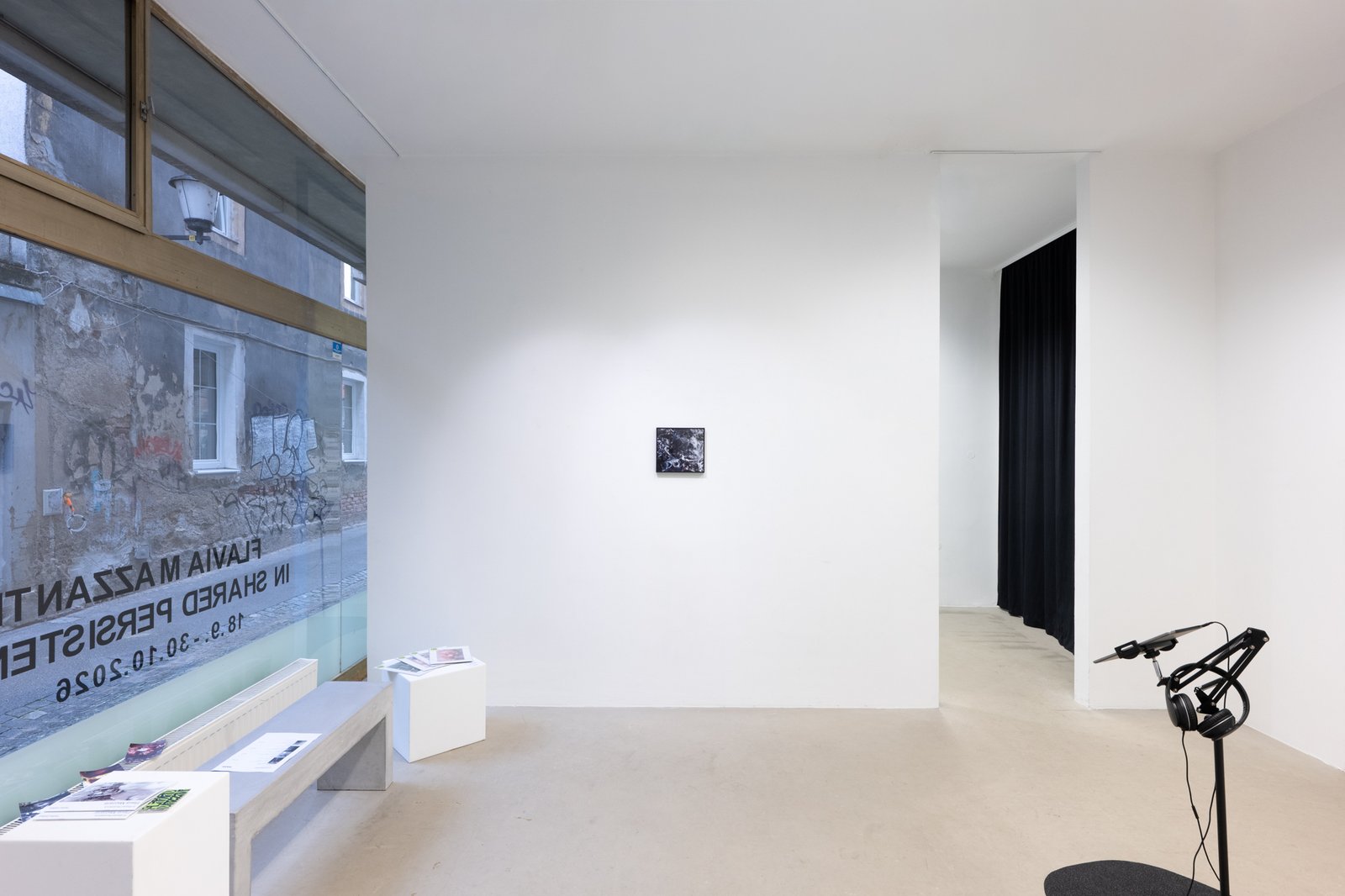
What does it mean to persist? To remain unchanged, or to transform in relation to the world around us?
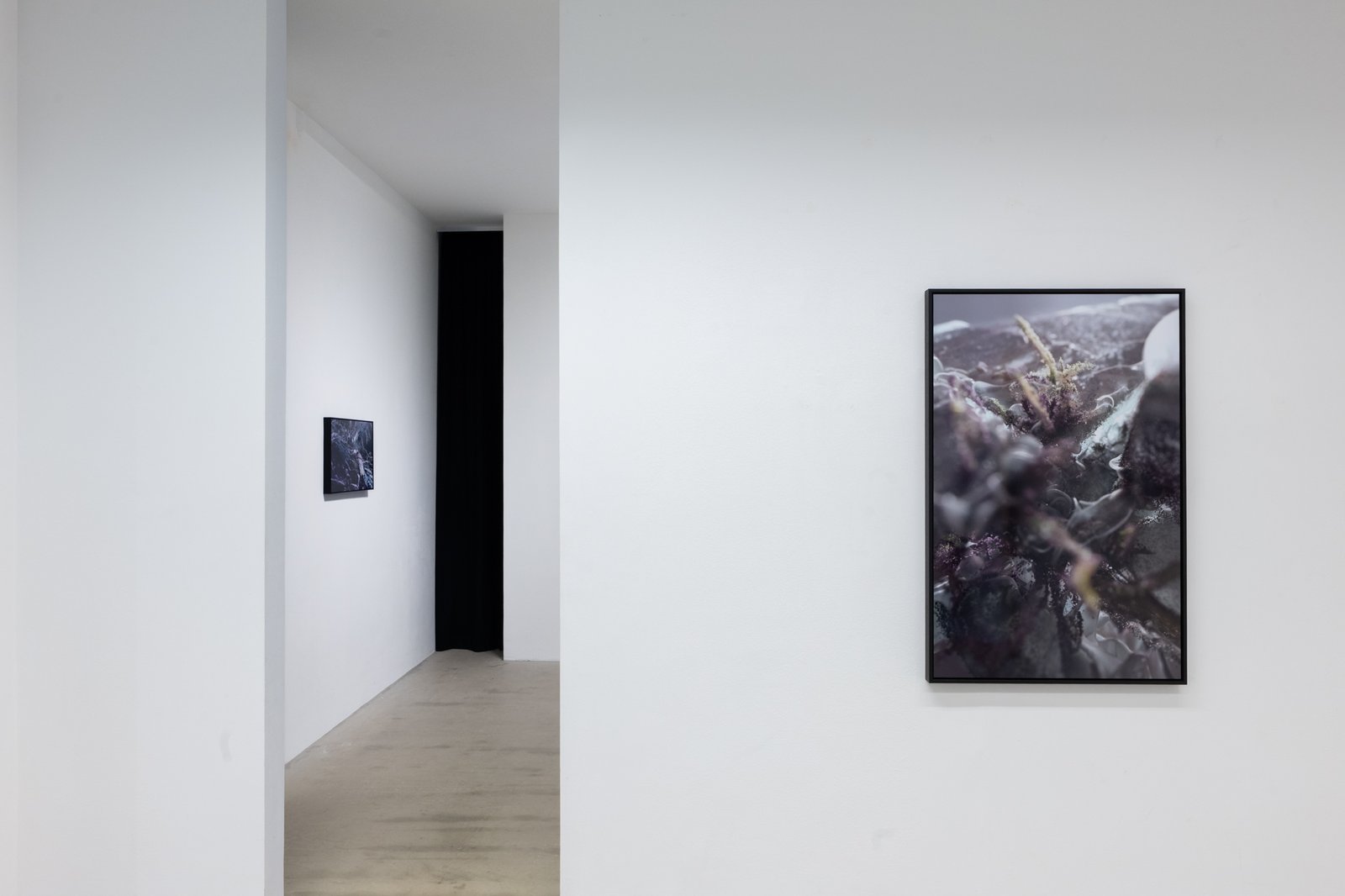
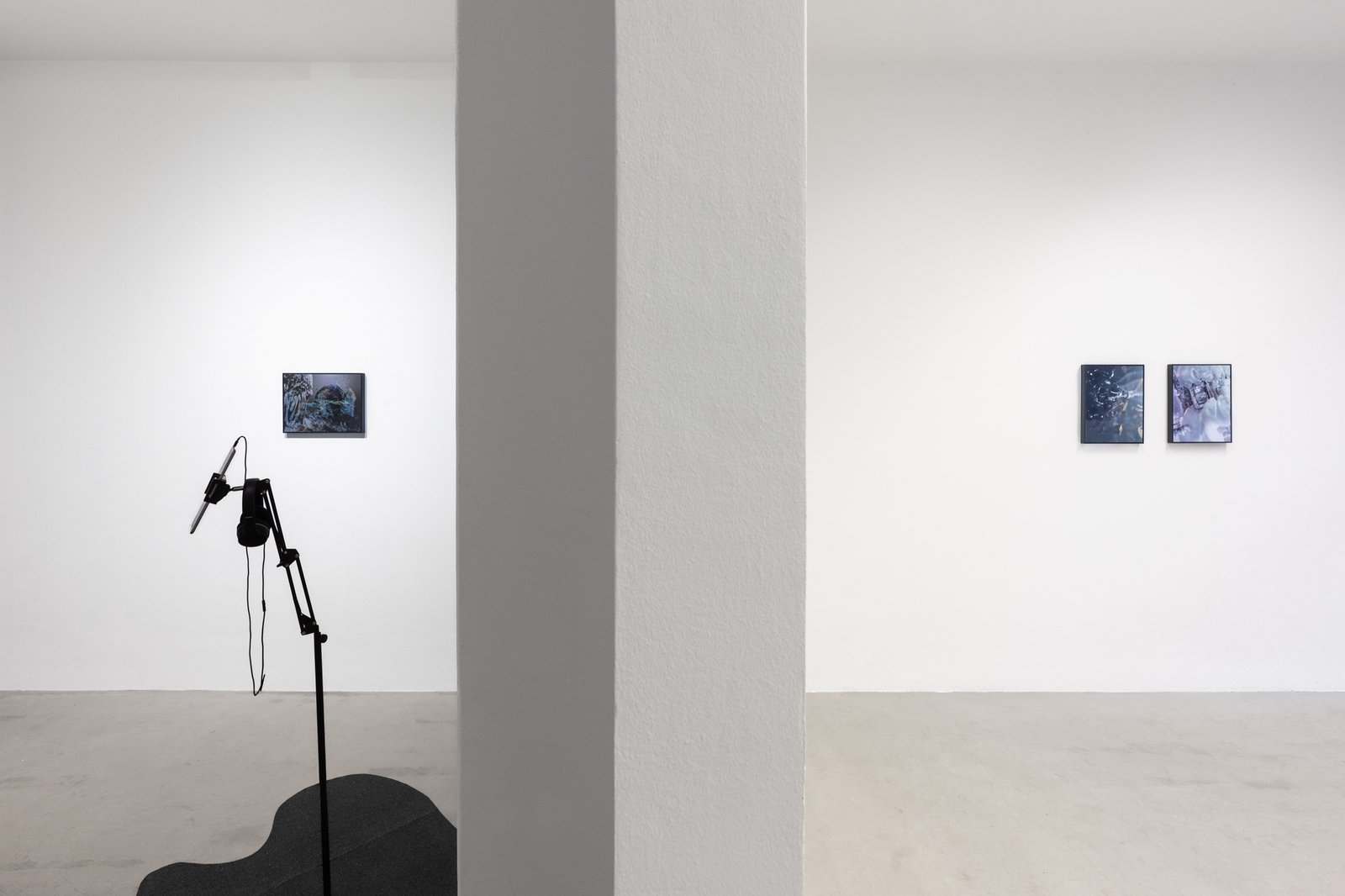
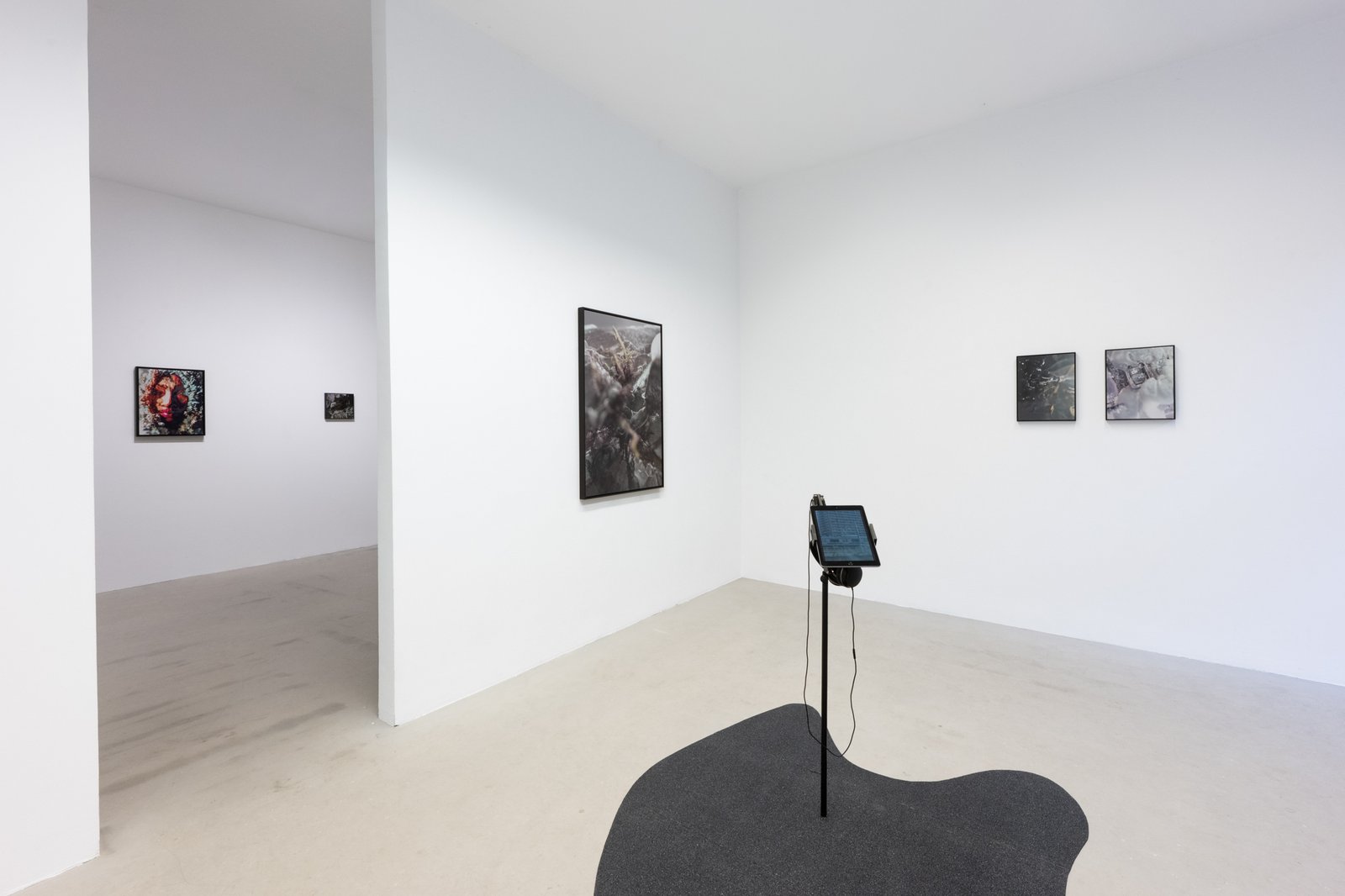
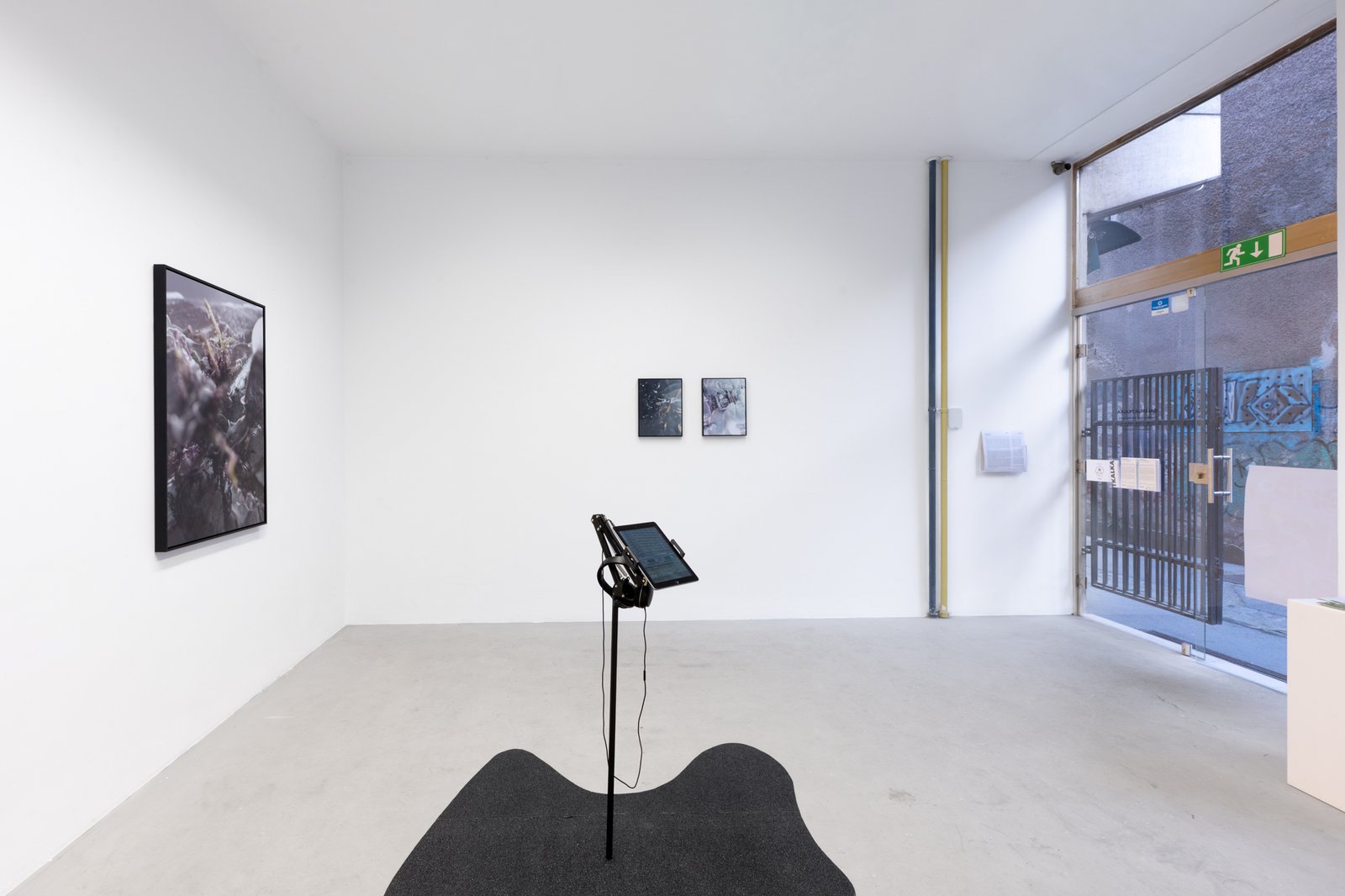
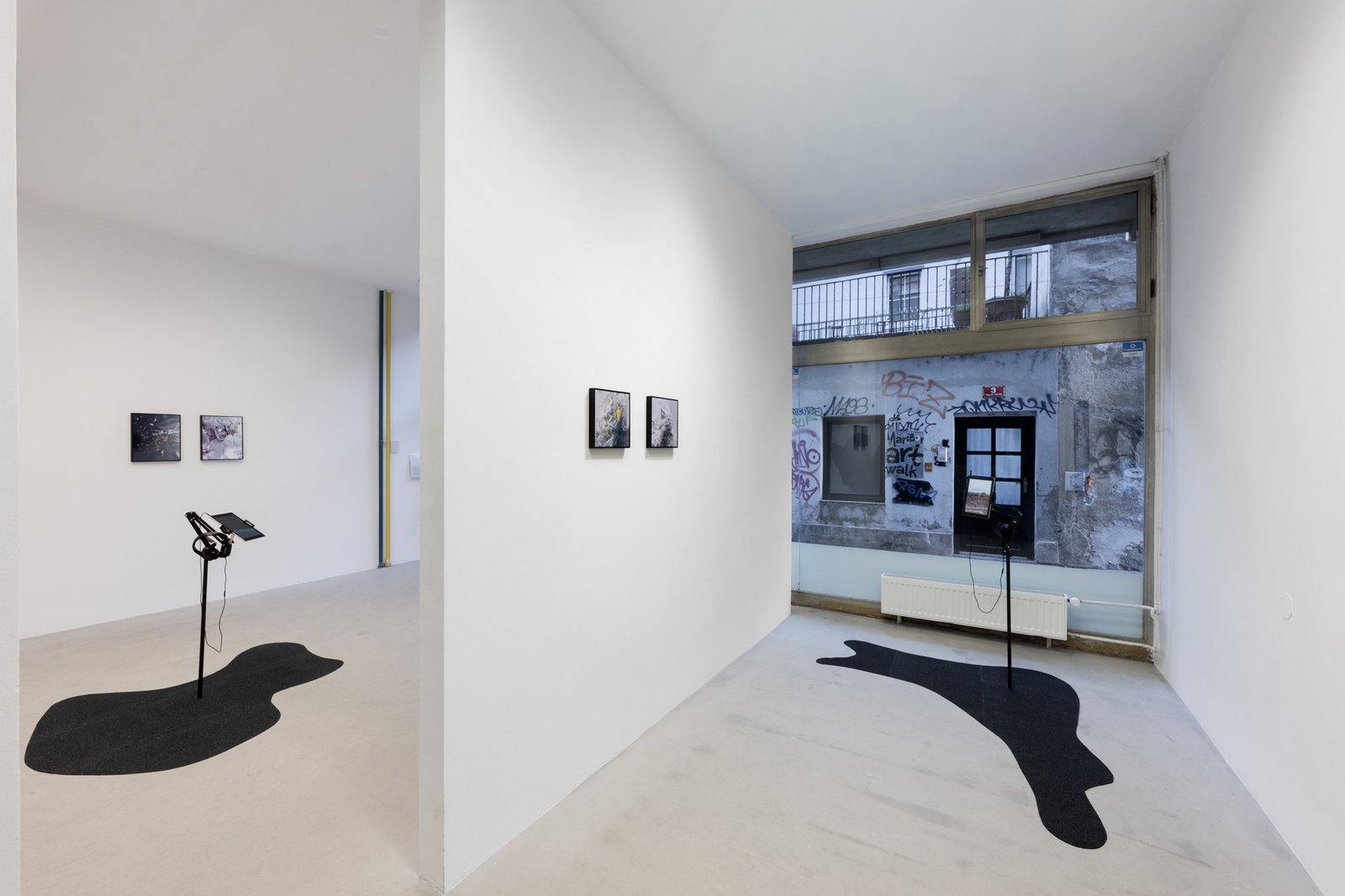
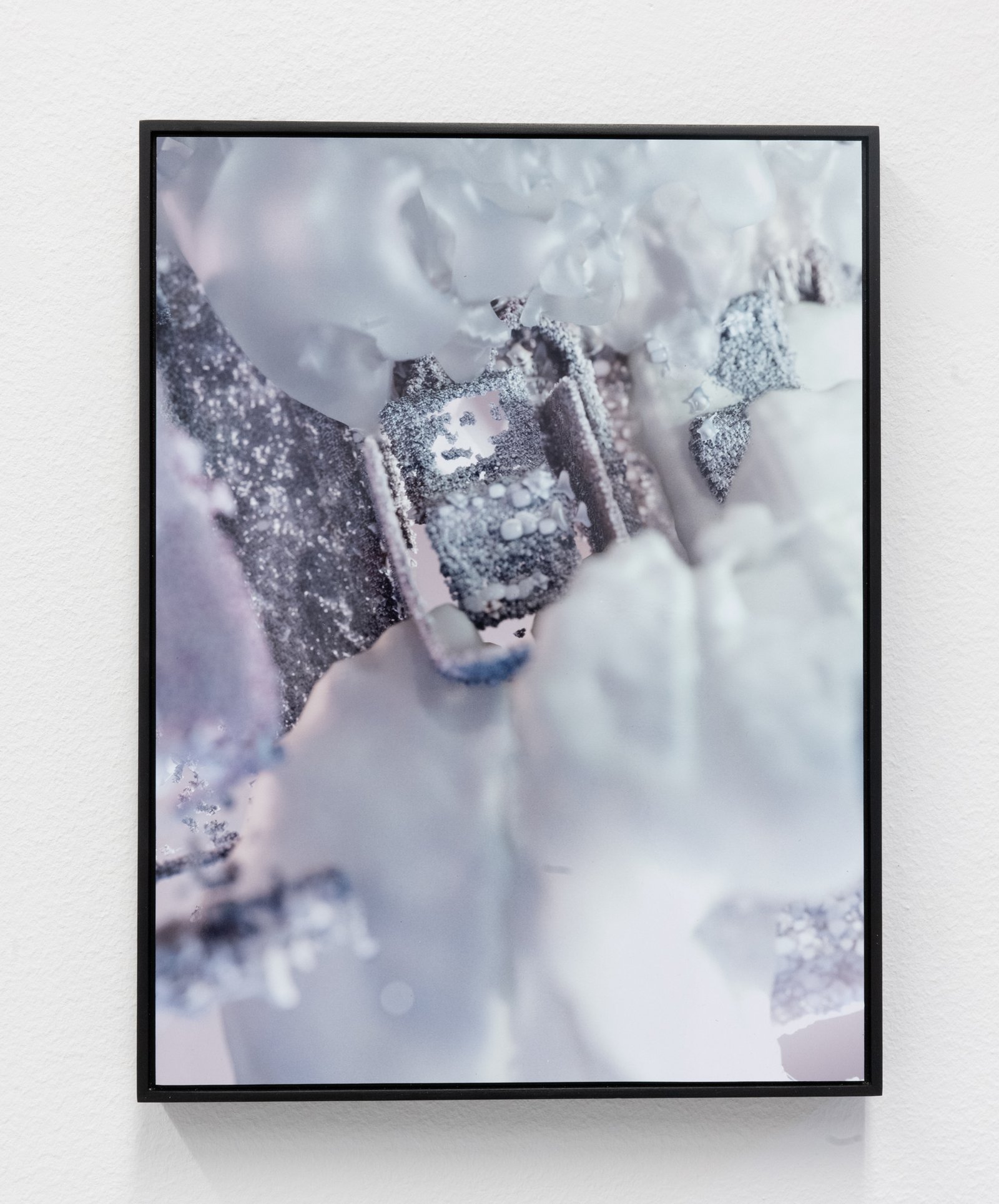
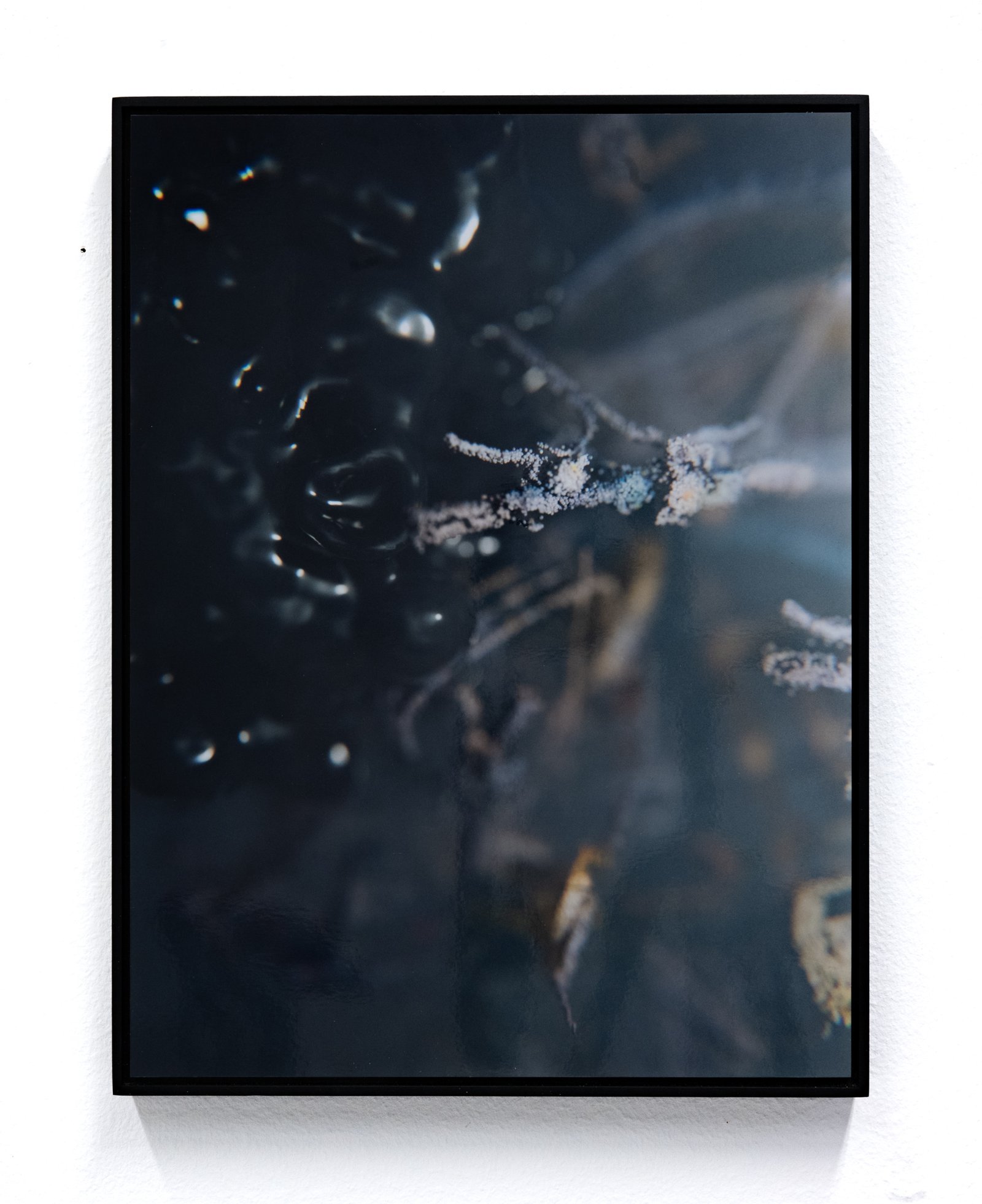
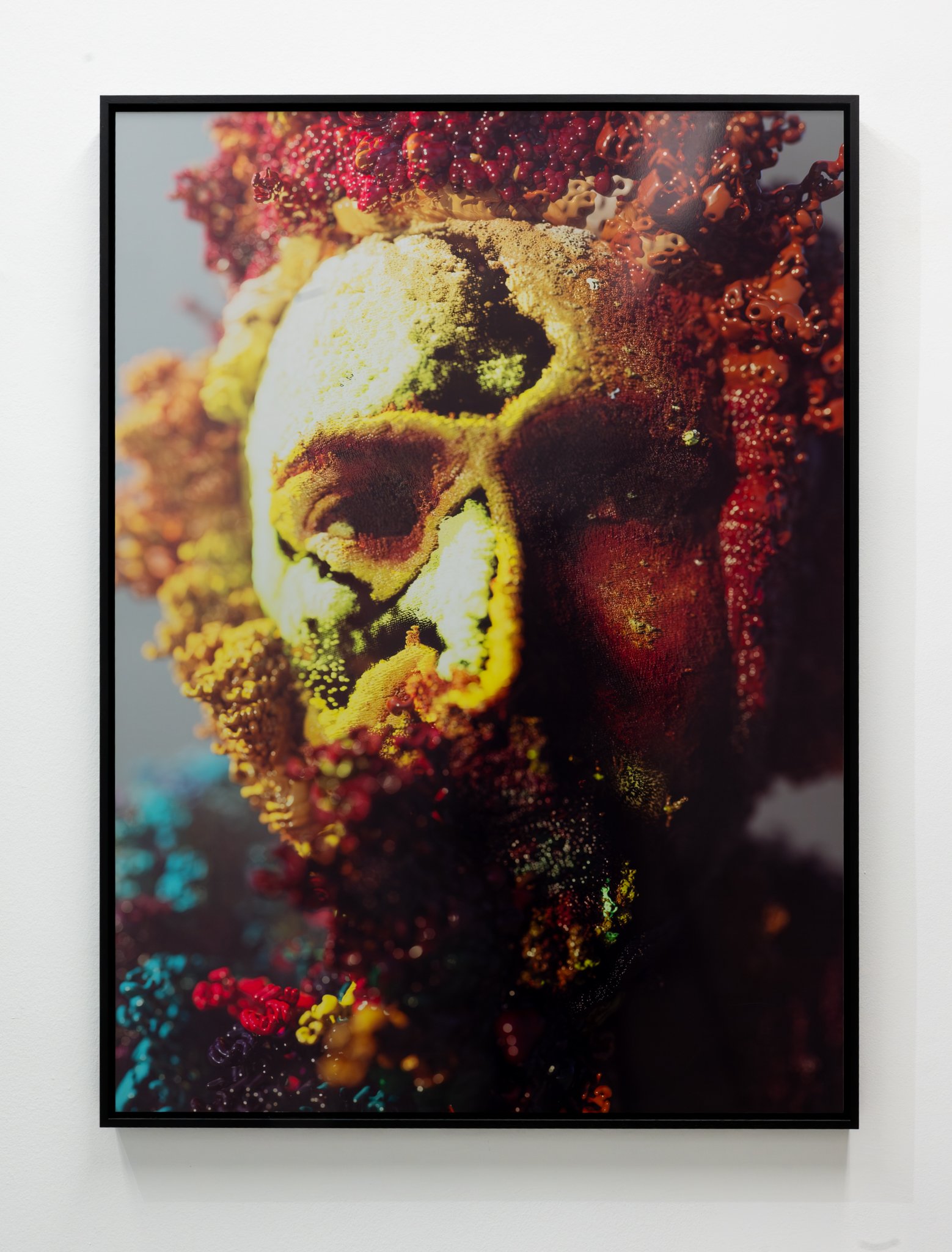
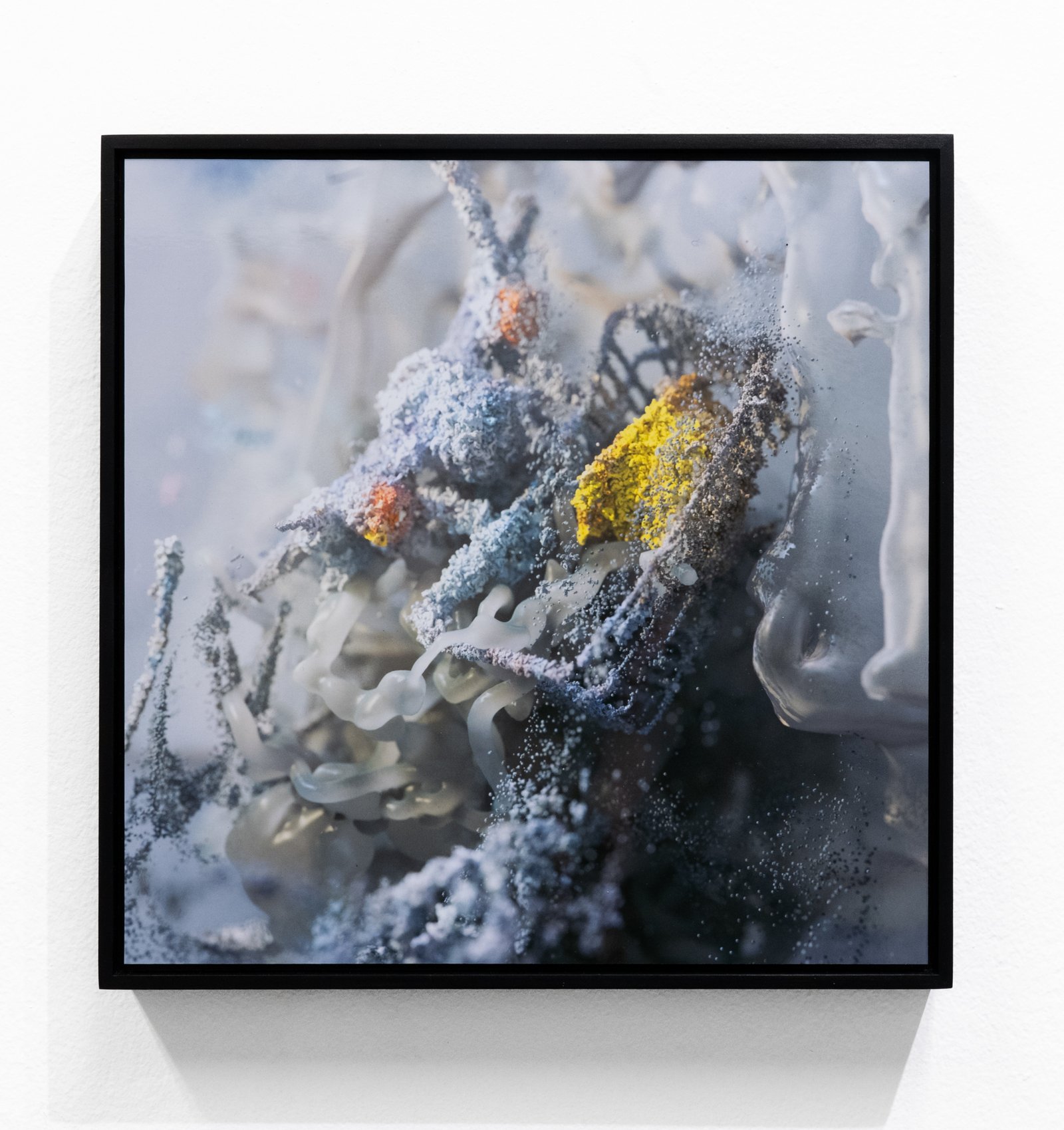
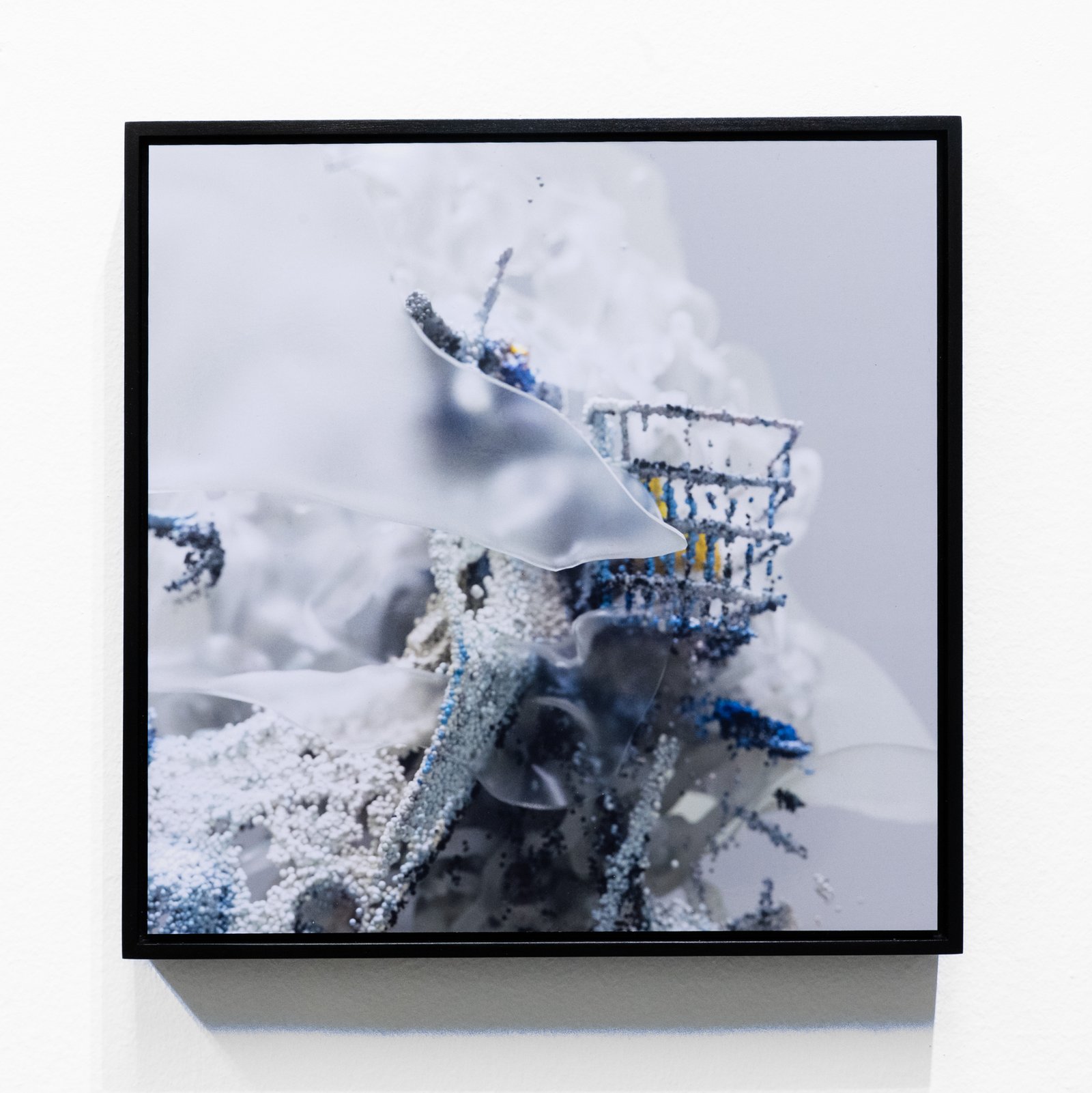
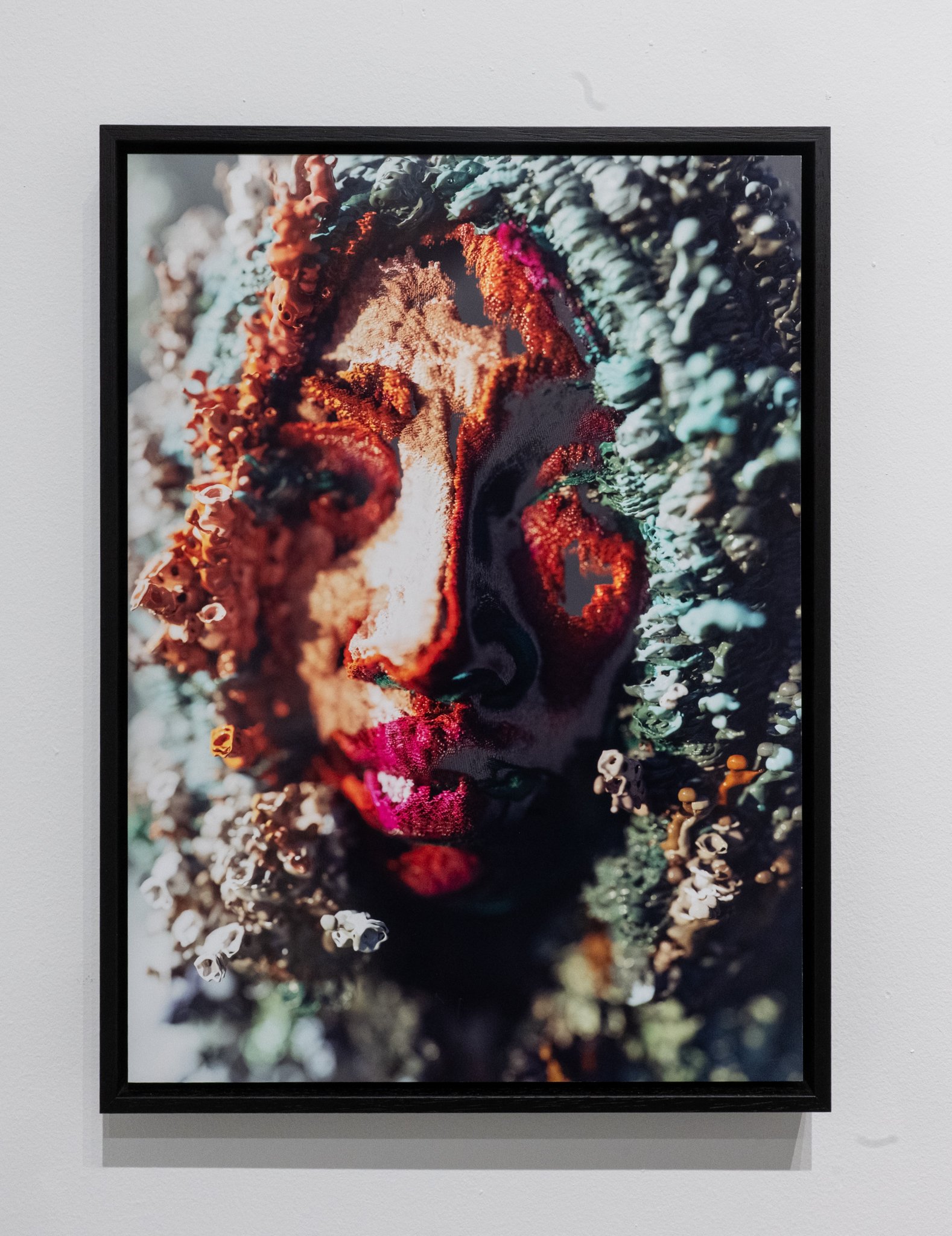
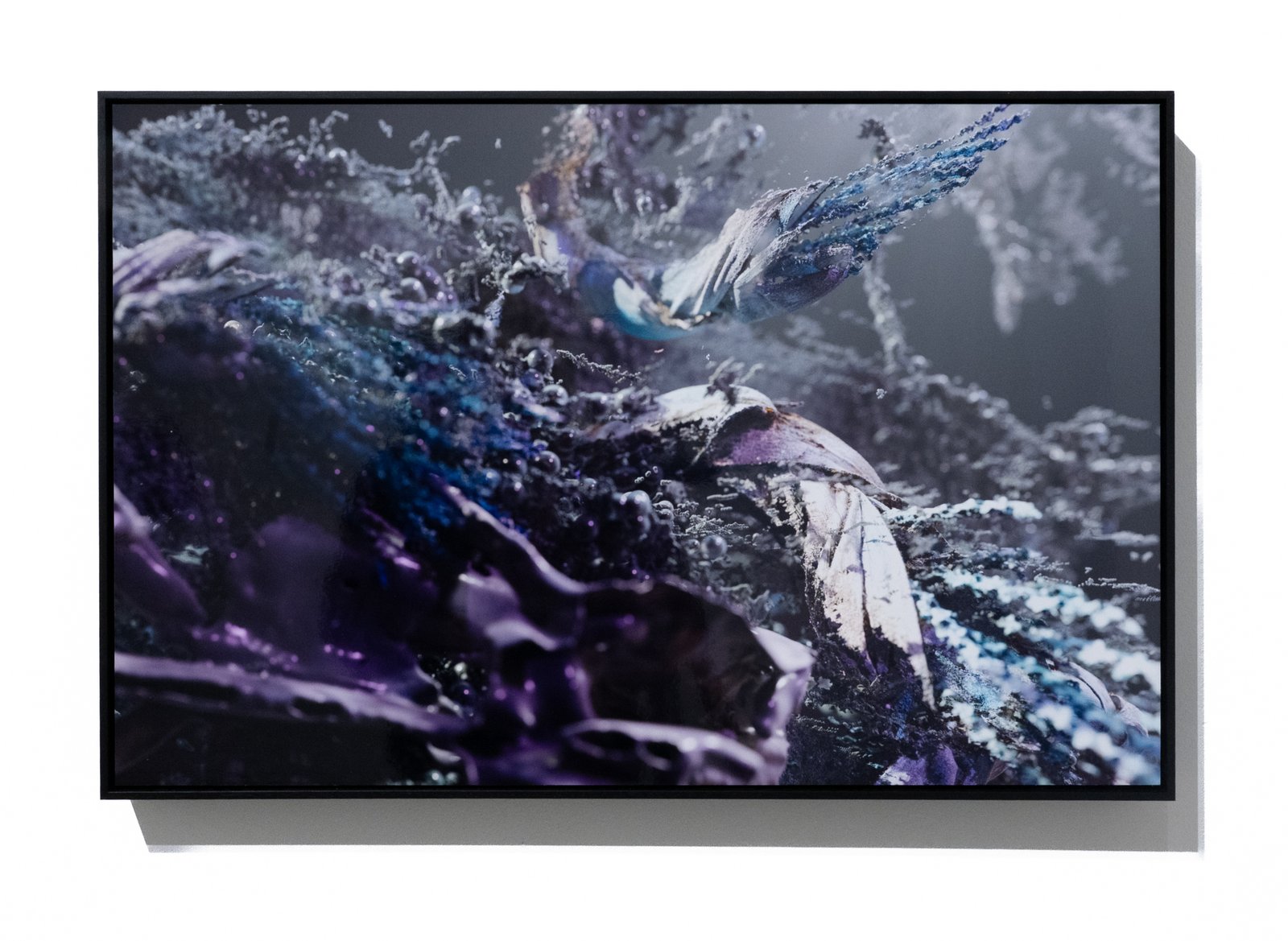
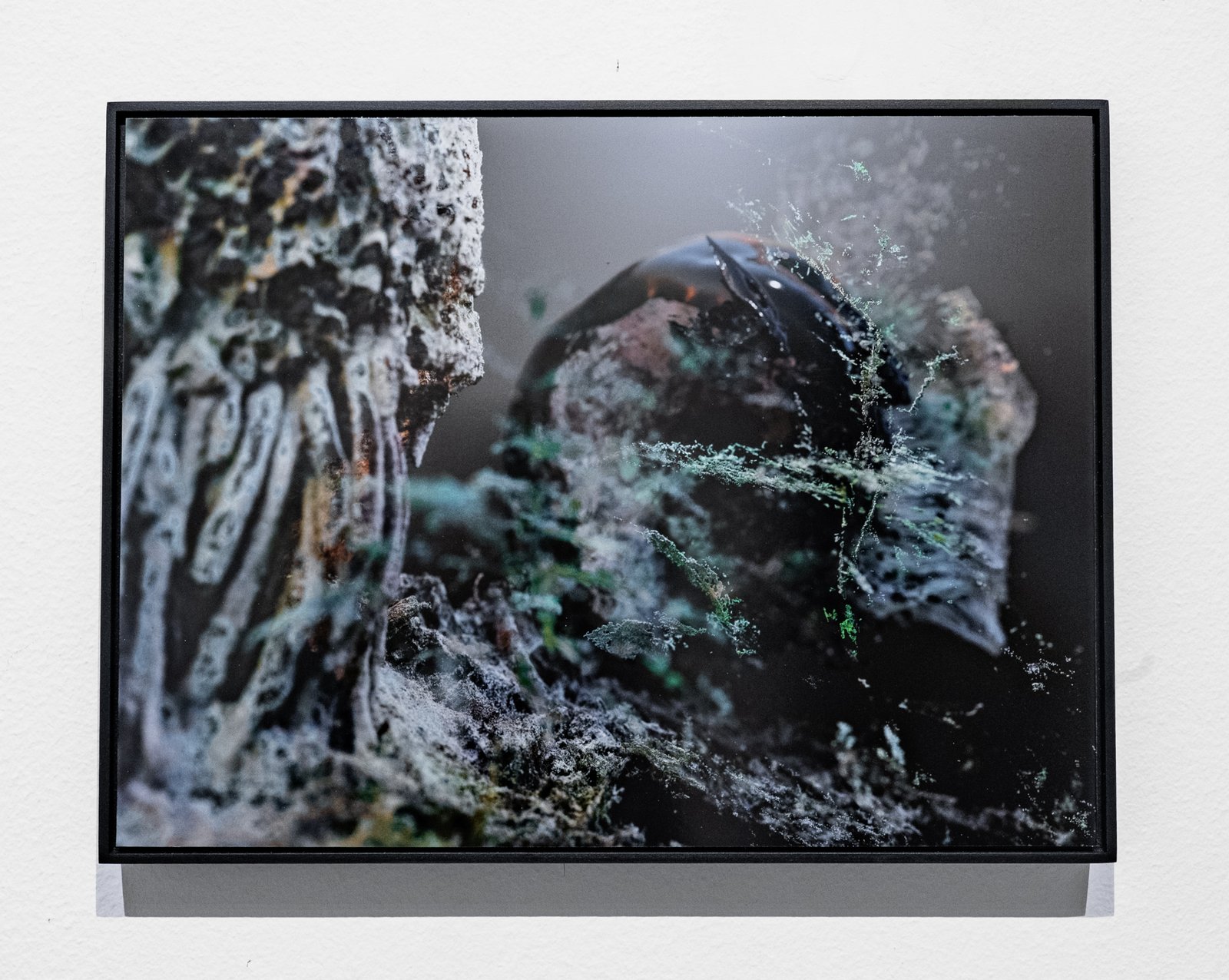
The exhibition In Shared Persistence presents part of a broader artistic research project unfolding between Vienna, São Paulo, and Tokyo, through which Flavia Mazzanti explores the shifting relationships between humans and their environments. In her post-photographic works, environments, bodies, and materials never exist entirely on their own. Forms merge, dissolve, and reassemble, while the boundaries between the natural and the artificial become increasingly difficult to define. Surfaces spread across other structures, and materials lose their original properties as they disintegrate. This elusiveness also affects our perception. The images approach the familiar yet resist clear recognition. A surface may resemble skin, a mineral formation, or a landscape; scale becomes uncertain, while fragments shift between different possible interpretations. Mazzanti begins with real objects, bodies, and environments, recording them through photography, photogrammetry, and 3D scanning. Using digital processes, she transforms, fragments, layers, and reassembles the resulting material. Gradually, it moves away from its original appearance and takes on new, speculative forms and spatial configurations.
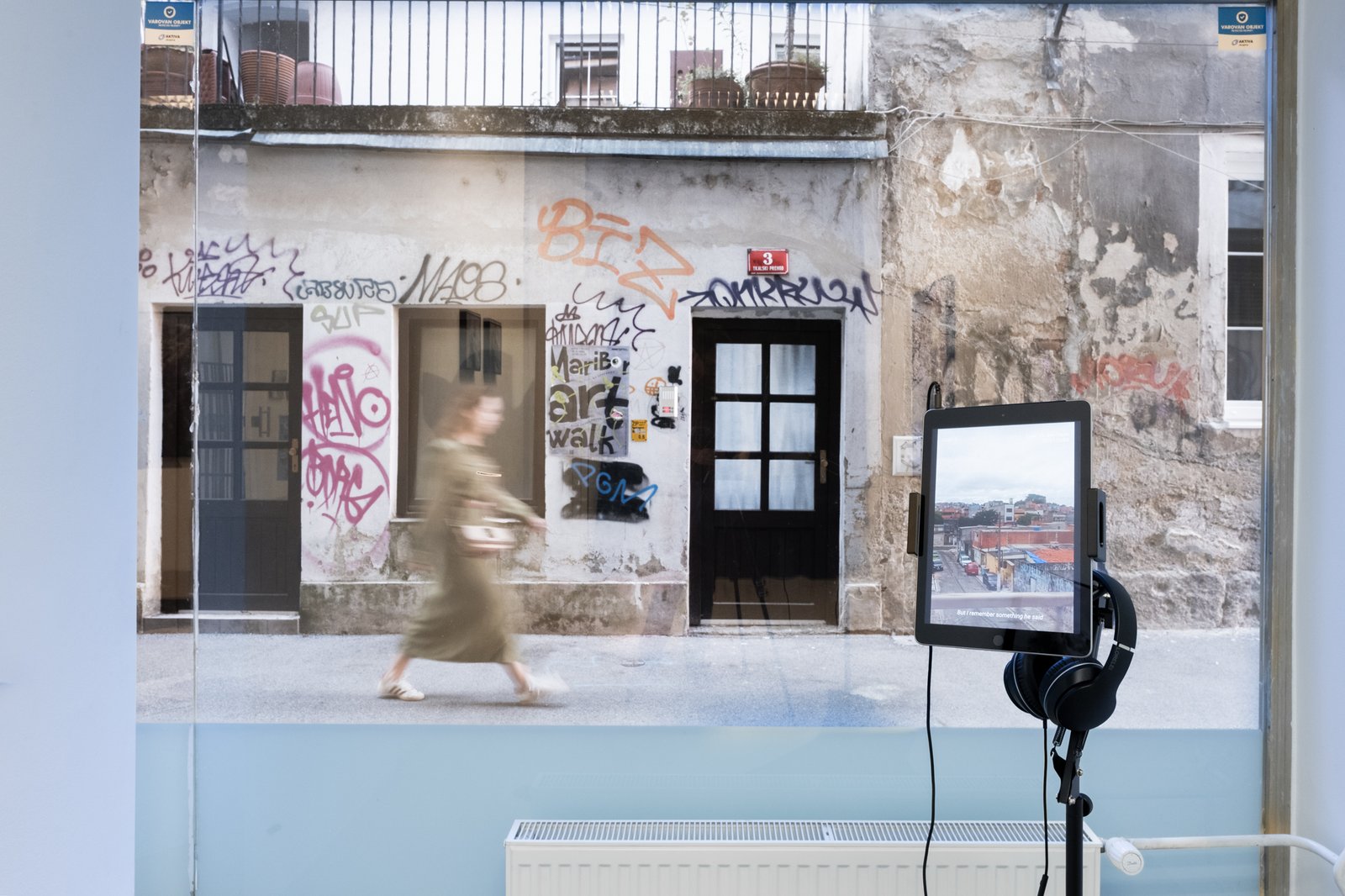
In her post-video works, Mazzanti moves through urban landscapes as both a visitor and an observer. Images of her journeys are accompanied by the voices of people who know these places through their everyday experiences. Their stories, memories, and relationships with particular environments are layered onto the visual images of these spaces, shaping how they are perceived. The artist’s perspective thus encounters the experience of another, who may attribute entirely different meanings to seemingly anonymous streets, buildings, or landscapes. A part of a city, for example, exists simultaneously as a physical environment; as the memory of someone who knows it or once lived there; as the artist’s experience of visiting it; and, finally, as an image constructed by the viewer through all these layers within the exhibition. Individual memories intersect with a shared experience of place, while the city unfolds as an entanglement of different times, relationships, and perspectives. A seemingly objective landscape is thus transformed through a multitude of subjective experiences.
The fragment occupies a special place in Mazzanti’s practice. It carries within it something of what existed before, while at the same time opening up space for the emergence of a new and different form. Memory functions in a similar way. We do not preserve experiences intact; instead, through the act of remembering, we continually reconstruct them from fragments of images, sensations, and impressions. The past takes shape in the present in a fragmented form, changing slightly each time it is recalled. Within these relationships, the human does not occupy the position of a detached observer. The environment becomes an active part of the process, while identity is shaped through the relationships and spaces of which we are a part. This perspective situates Mazzanti’s practice within a post-anthropocentric reflection on a world defined by entanglement, interdependence, and continual transitions between different states.
In Shared Persistence can therefore be understood as a reflection on how persistence does not mean remaining unchanged, but maintaining a presence through continuous transformation.