


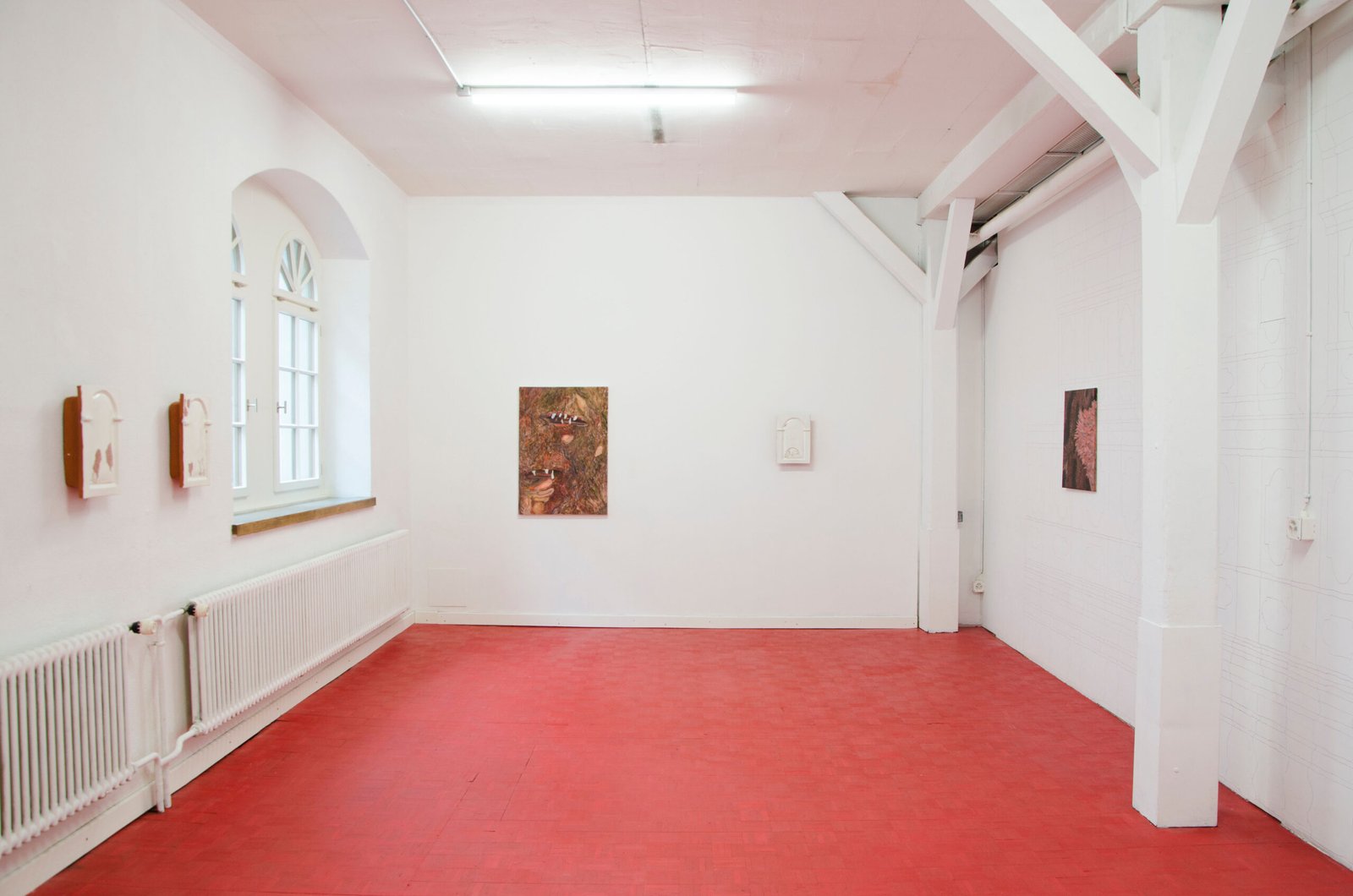
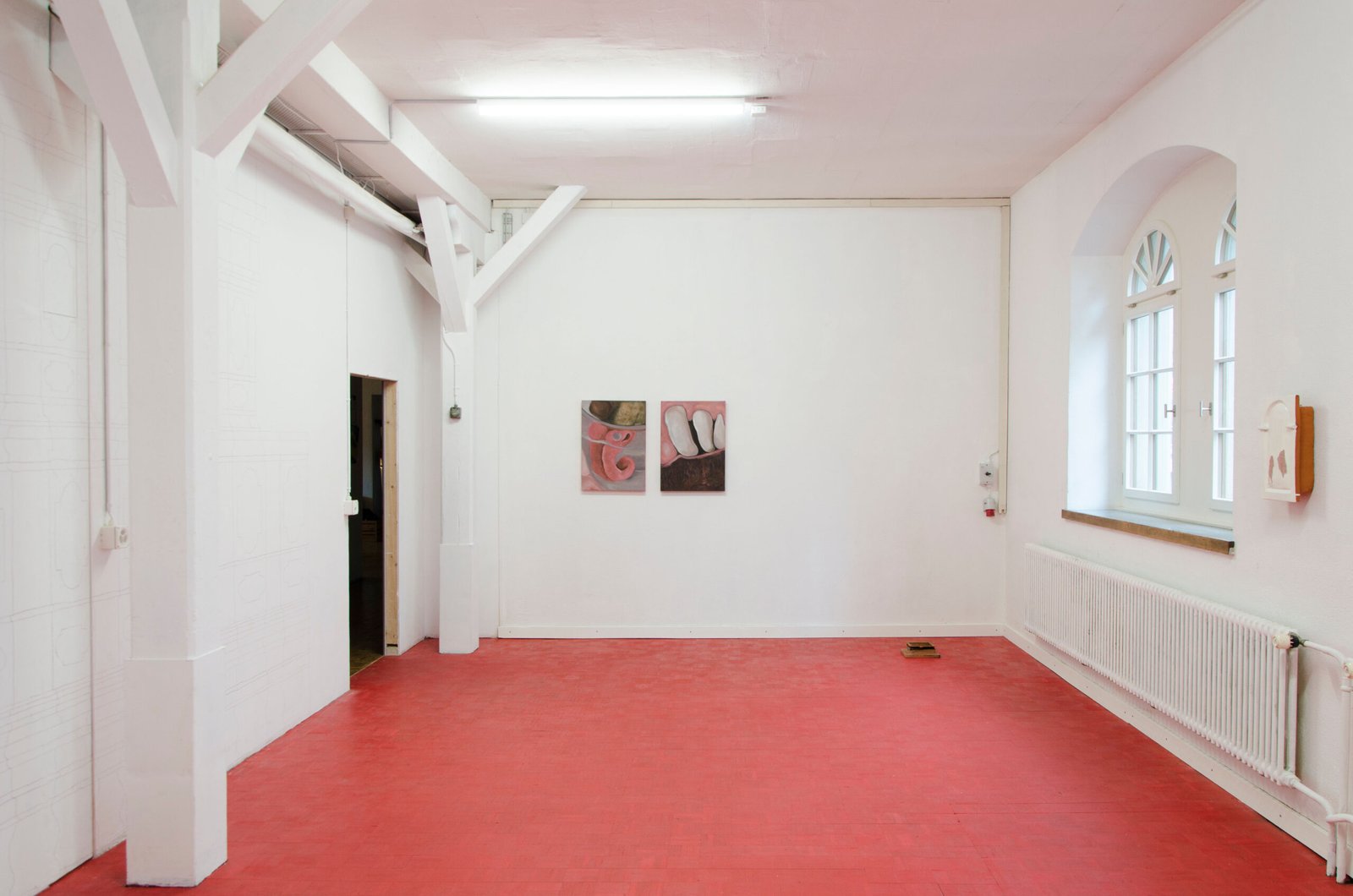
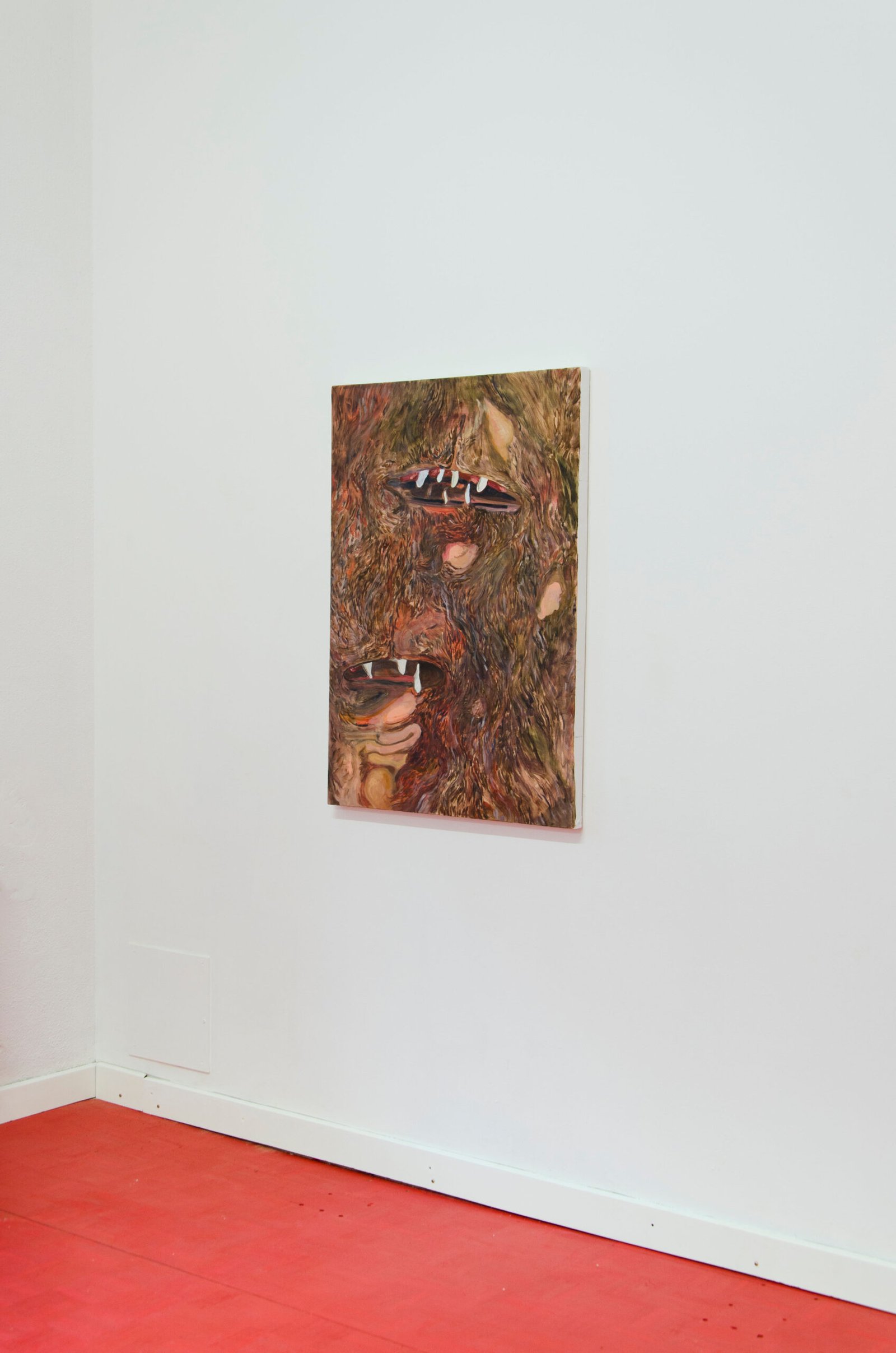
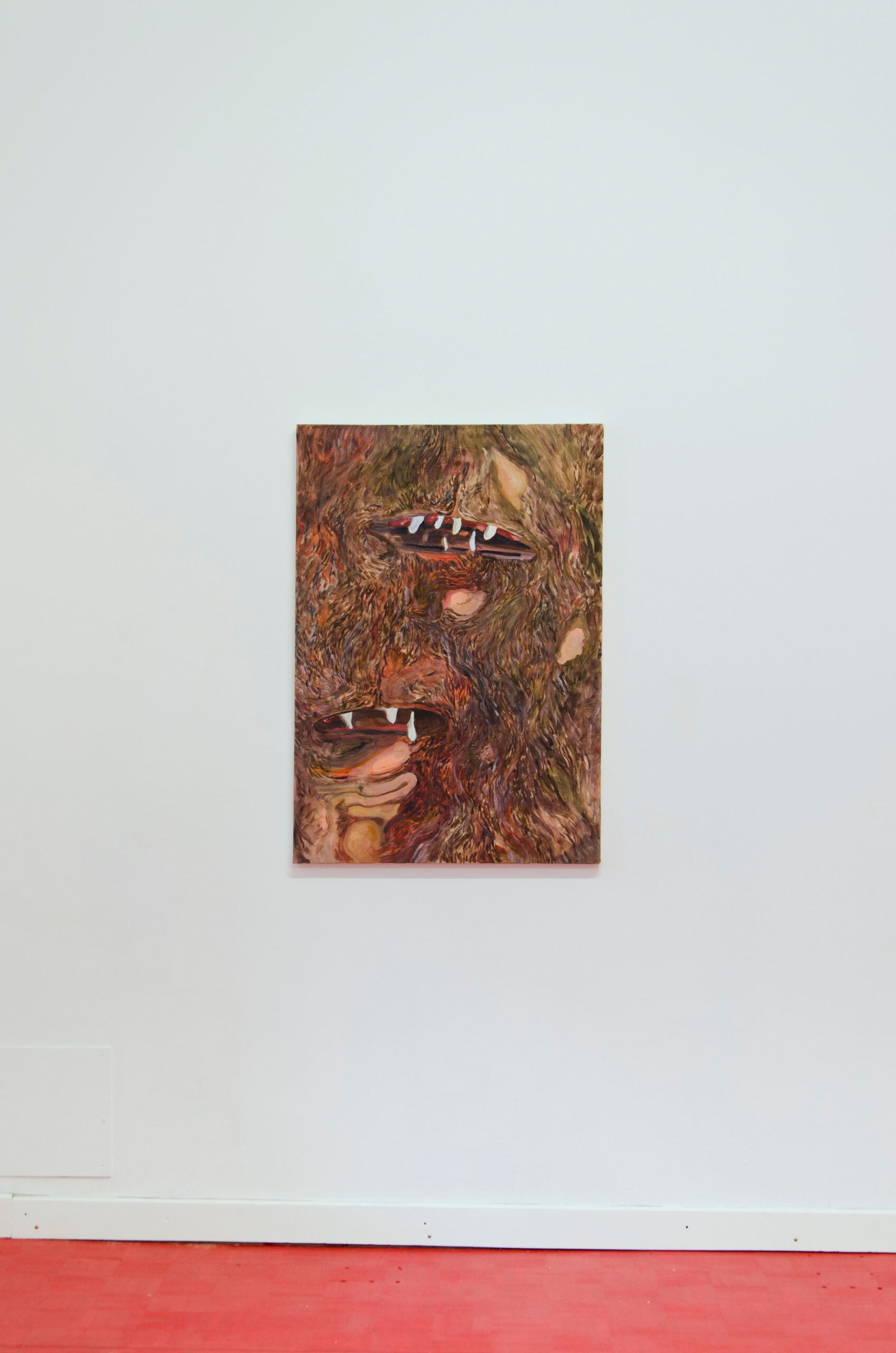
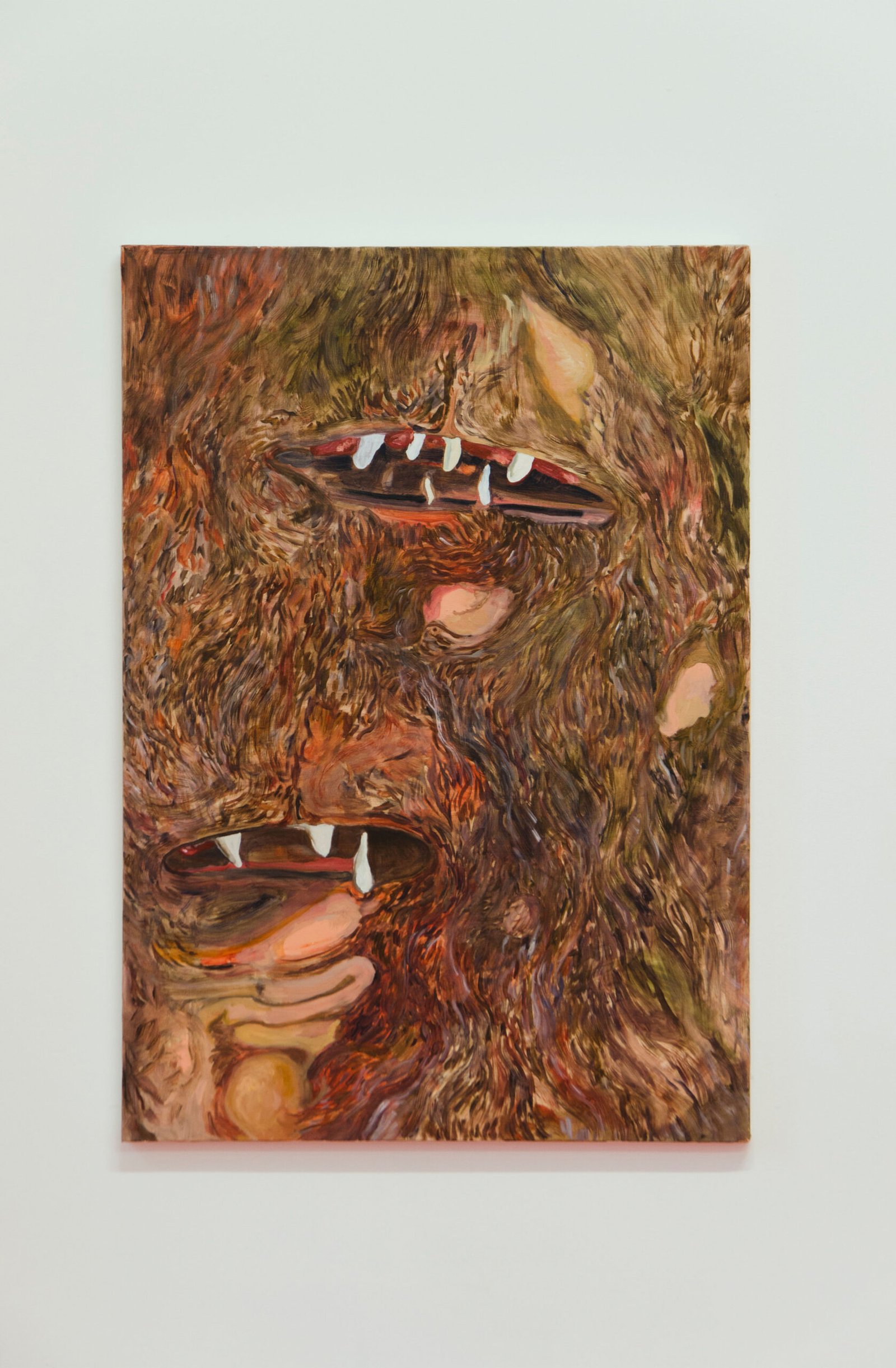
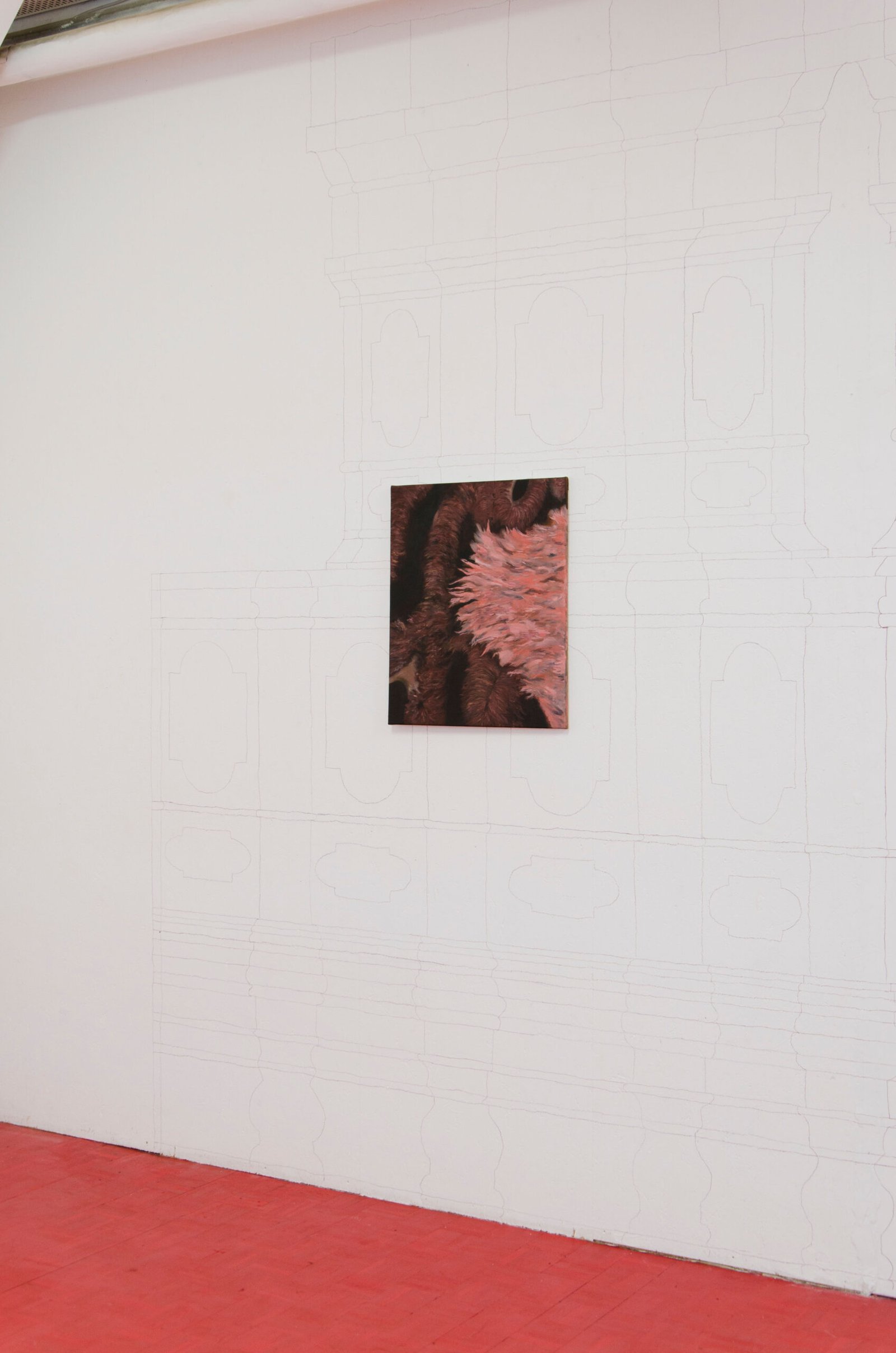
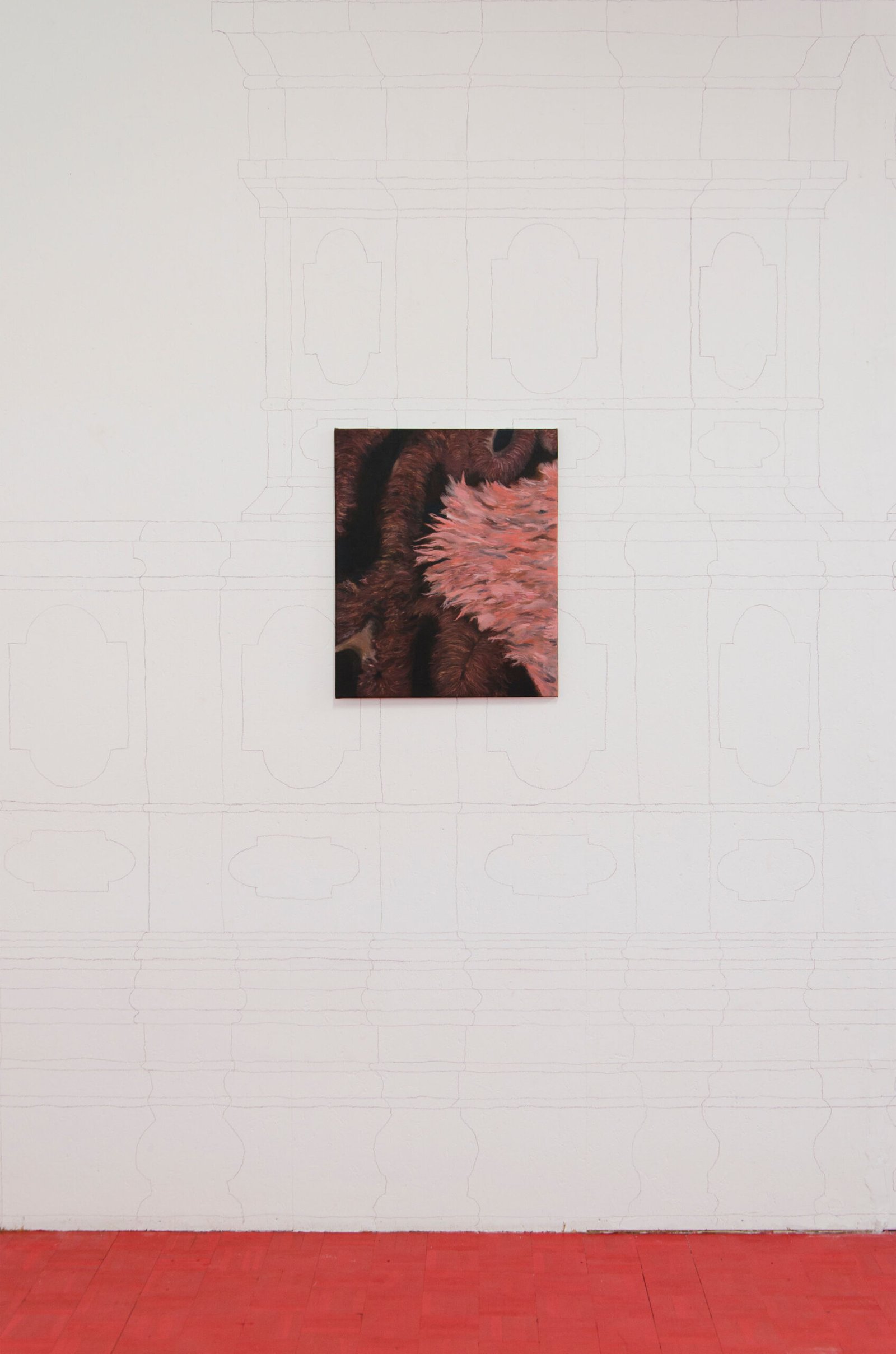
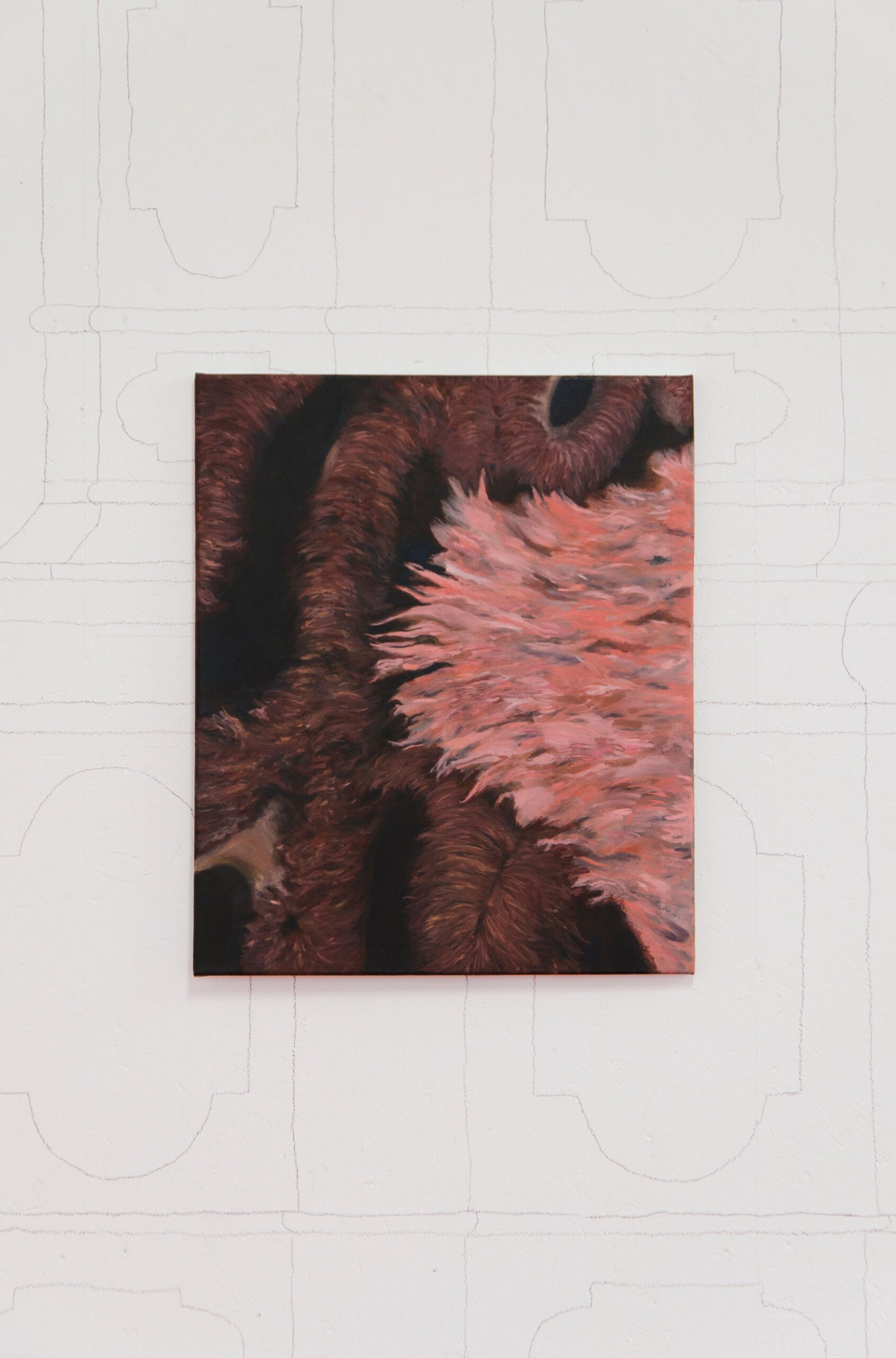
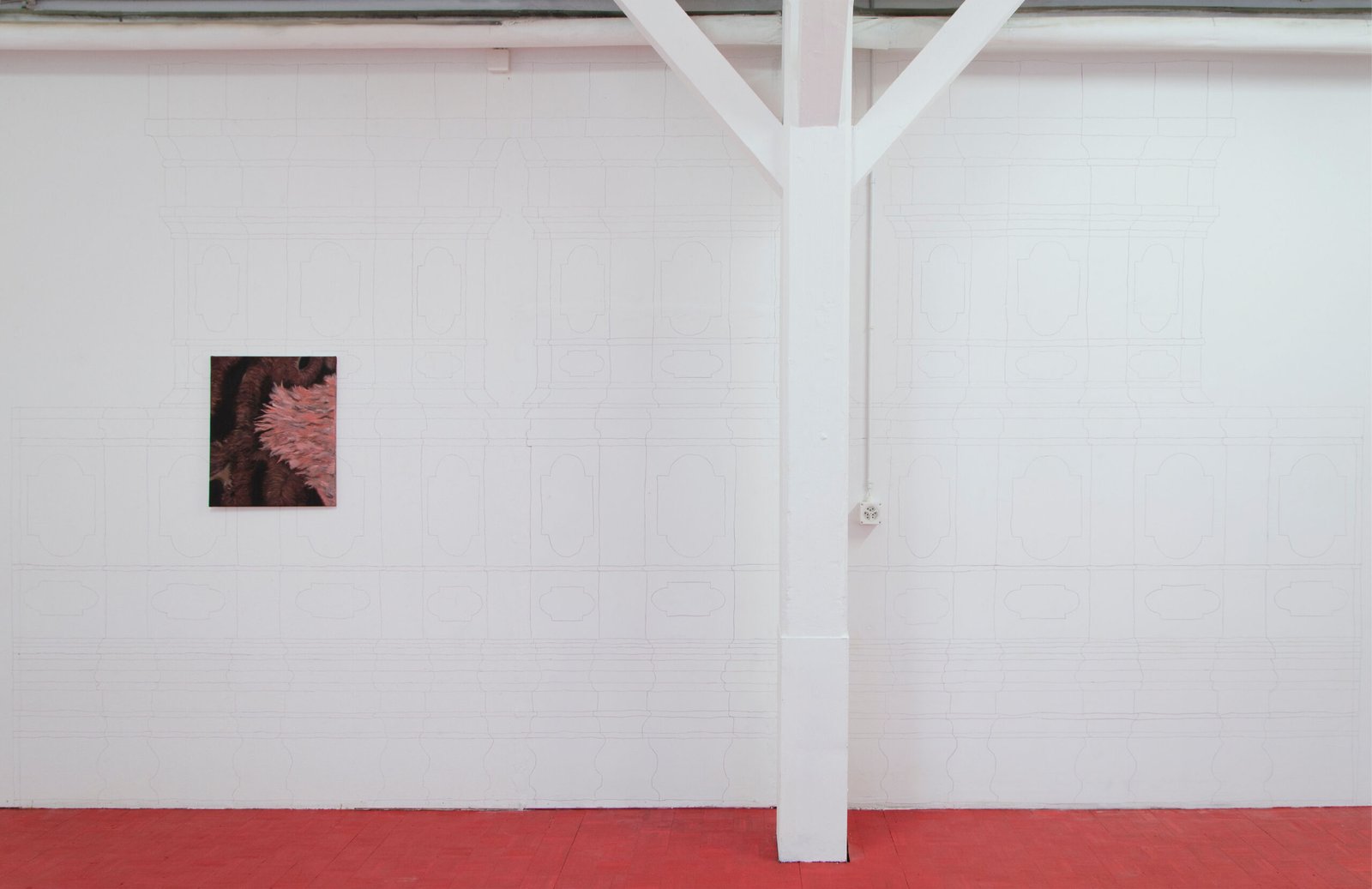
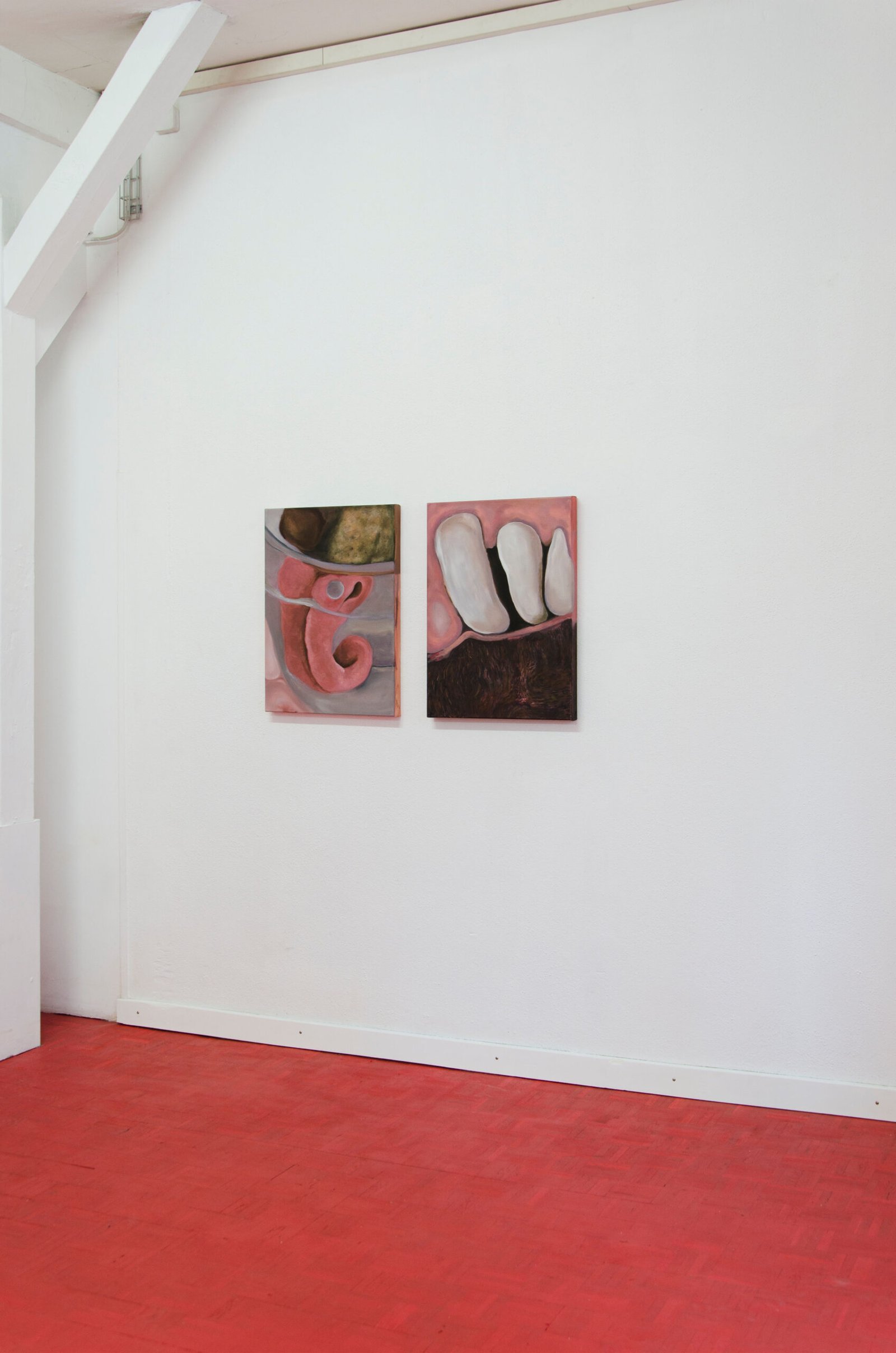
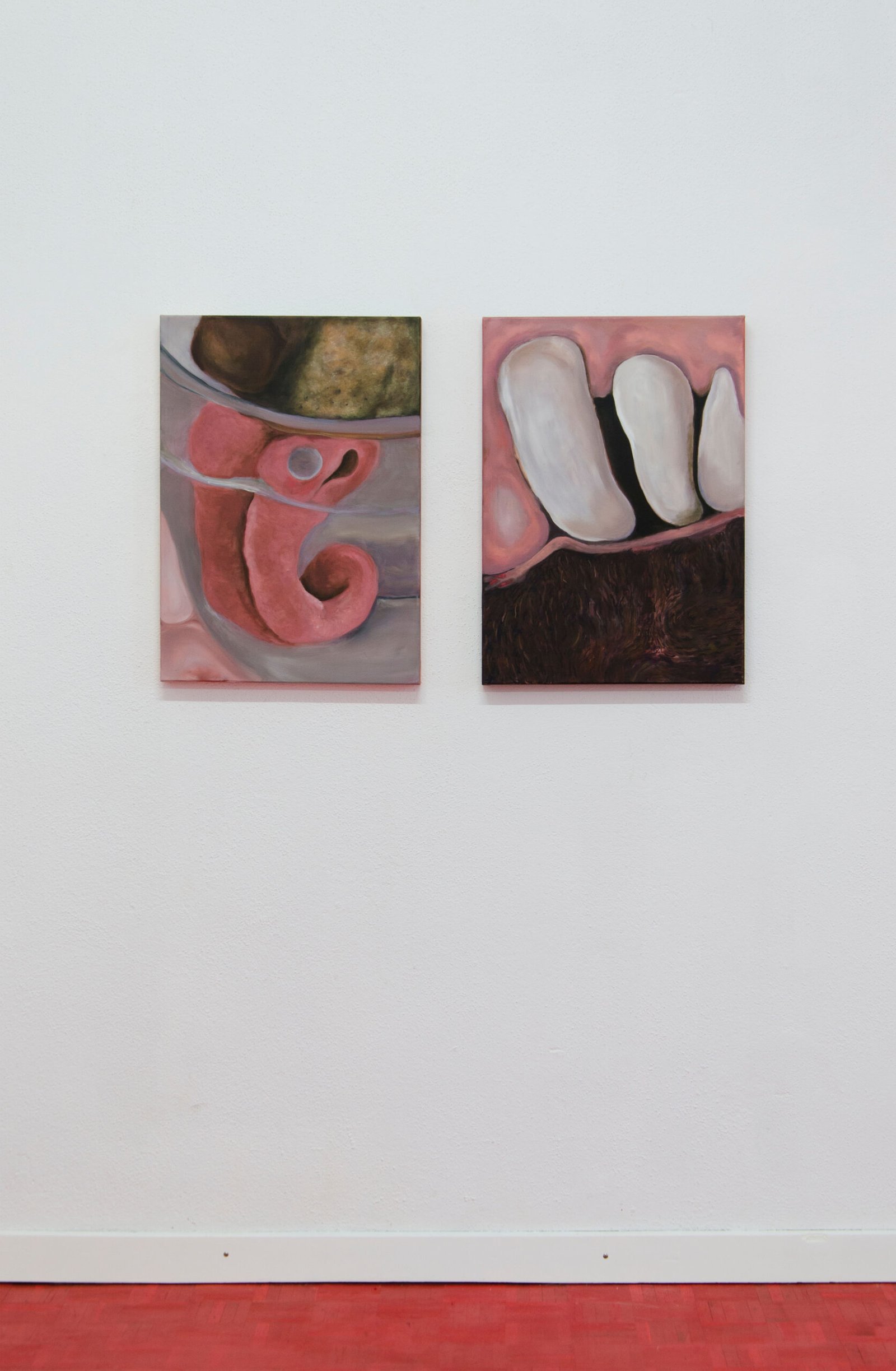
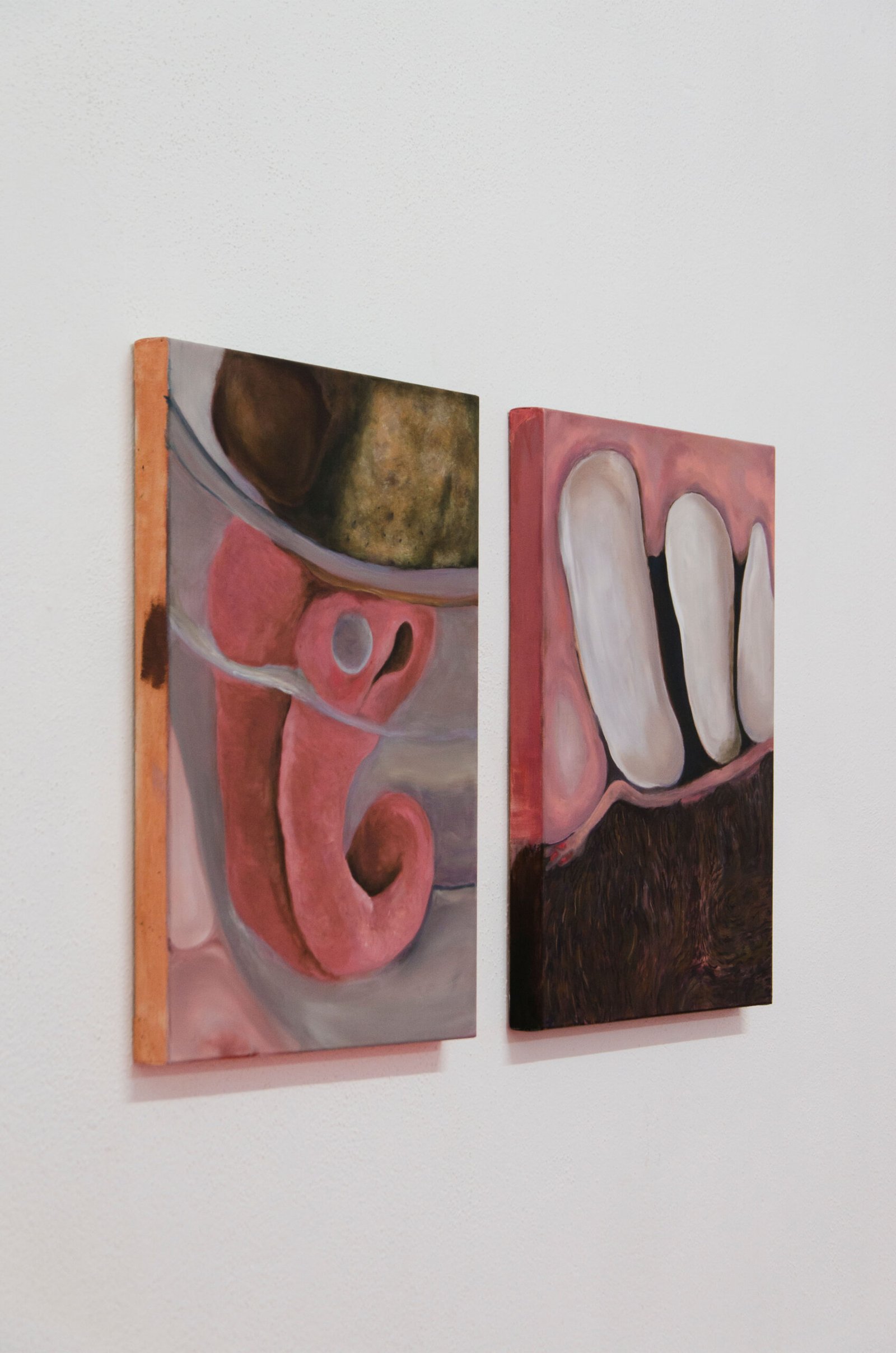
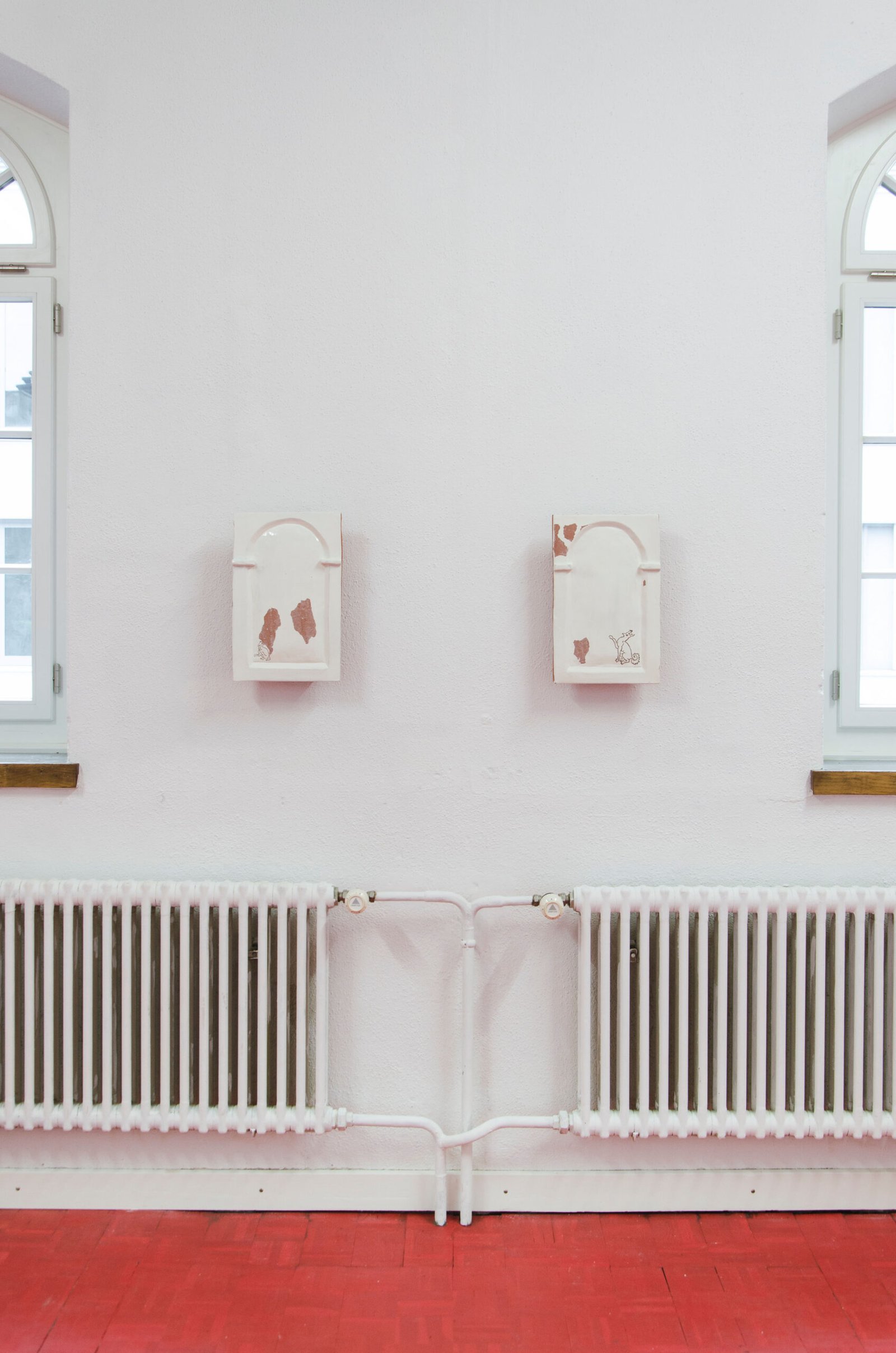
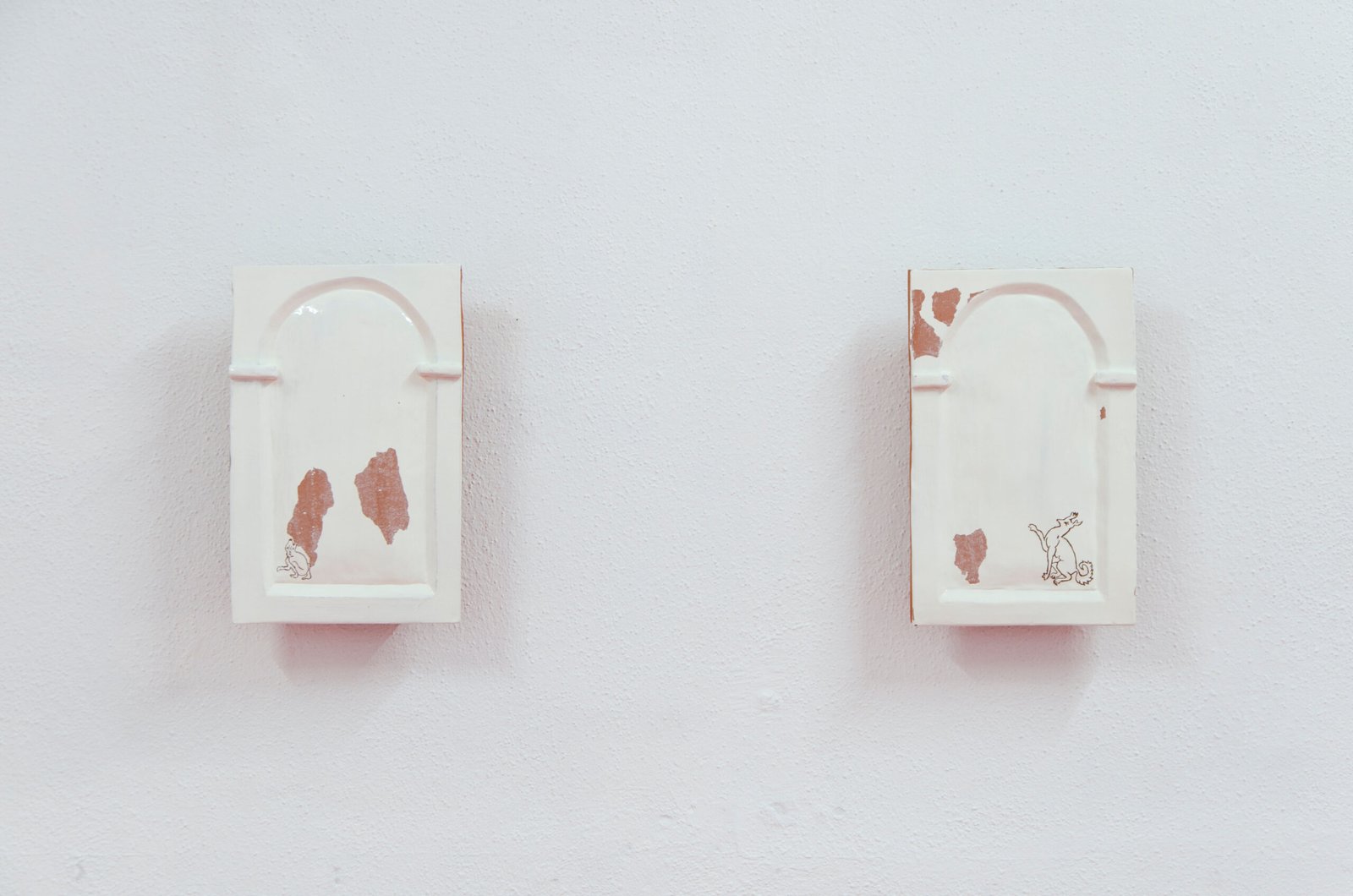
Time that does not produce, bodies that do not function, and objects that lose their original purpose. Fur and stoves provide warmth. Both bring people and bodies together. Where wasting time and idleness are considered sins, work and self-discipline become virtues. Fur and fragments of body parts appear without showing anything or anyone specific. The animal appears as part of, or as an extension of, a human. Human and animal merge into one another. One cannot exist without the other. If one becomes ill, the other becomes ill too. If one dies, the other dies too.
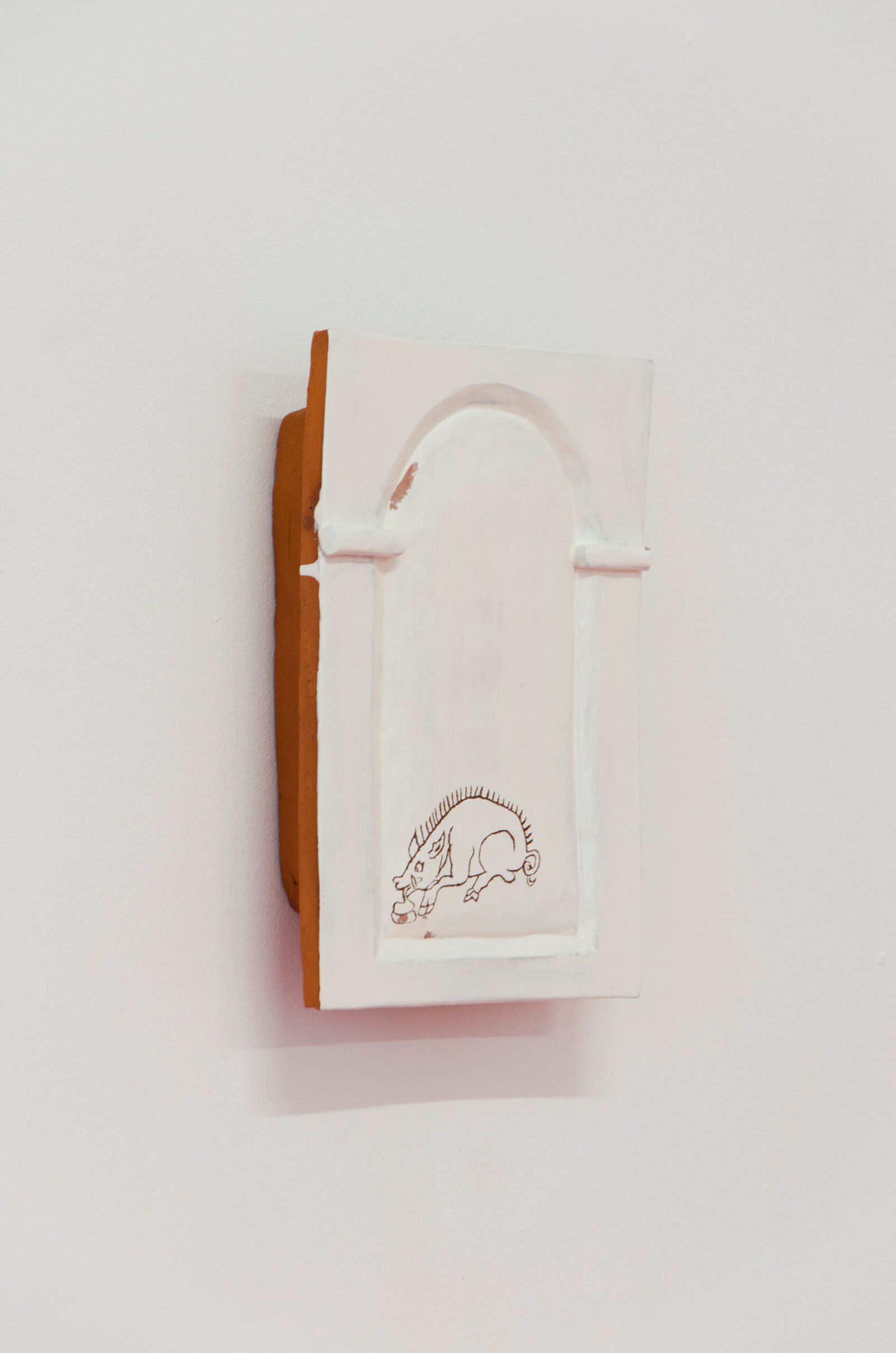
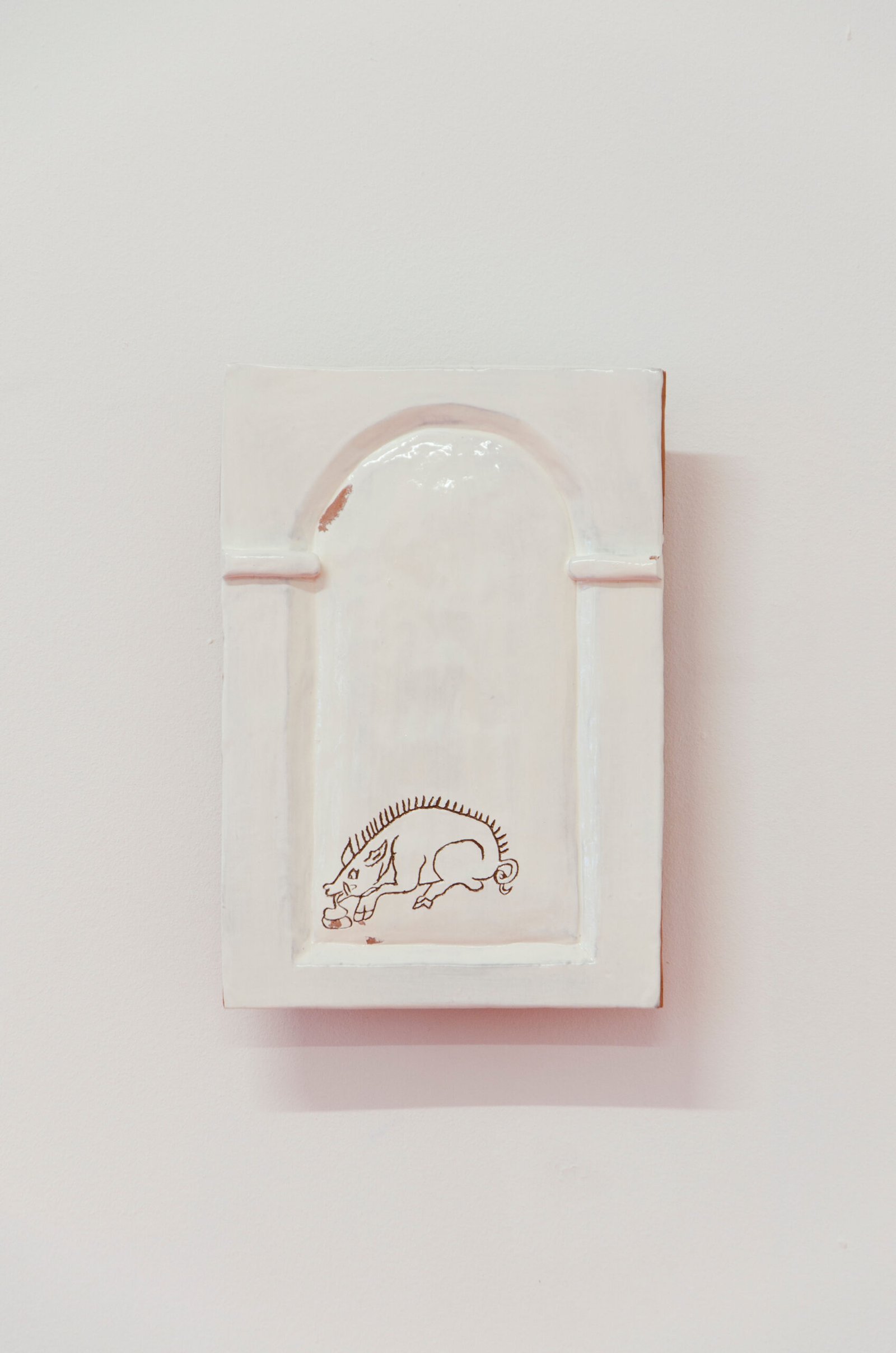
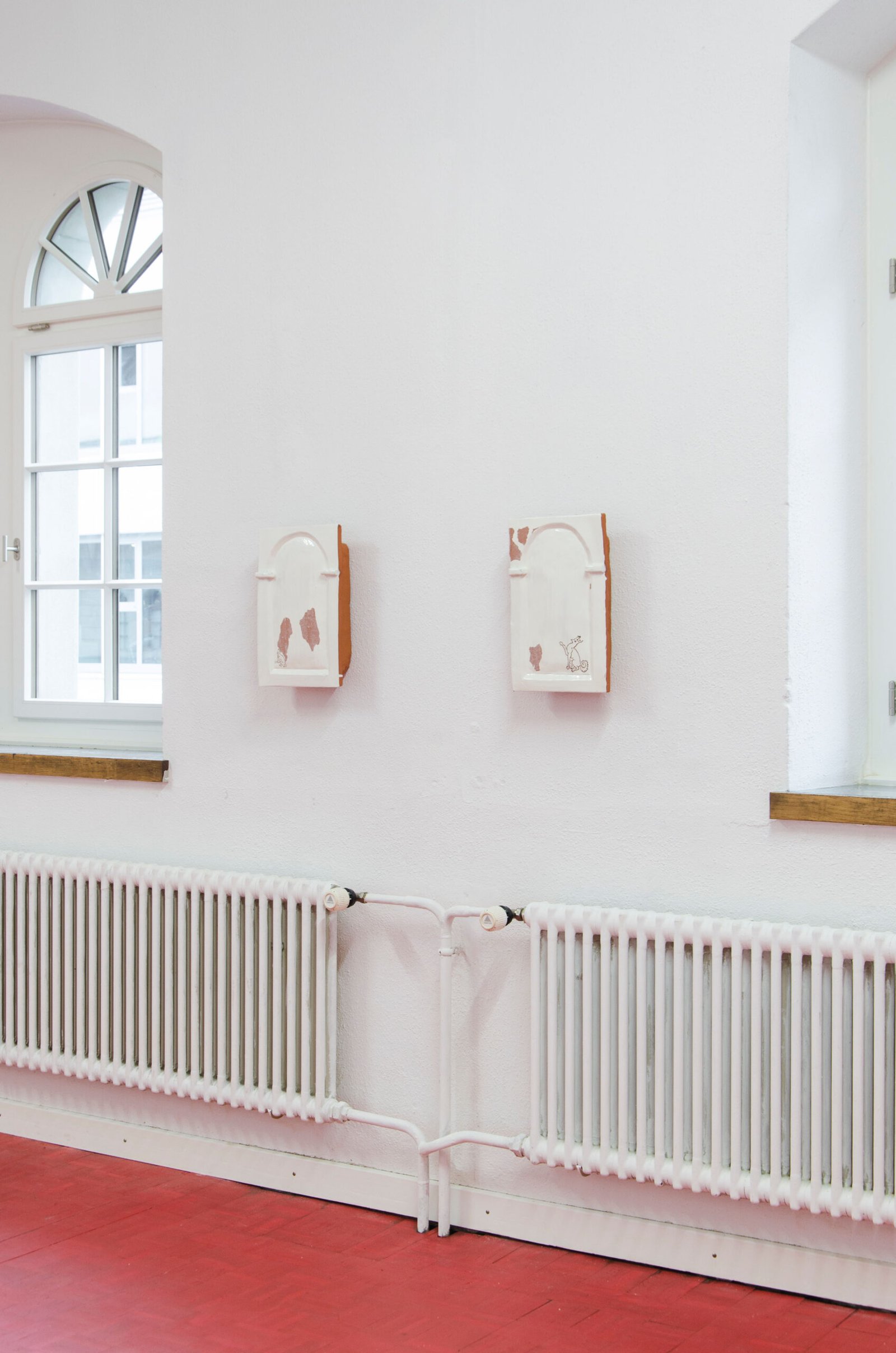
Winterthur’s tiled stoves once adorned the houses of prominent citizens and their town halls. They were a source of warmth, furniture, and part of the architecture. But they were also a form of bourgeois representation and distinction. The craft of stove-making in Winterthur was organized through the guild system and offered certain bourgeois stove-making families the opportunity to rise into the city’s elite. The Pfau family rose into the circle of families eligible for the city council through their successful stove production and their trade beyond the region. Hans Heinrich Pfau became Schultheiss of Winterthur in 1672.
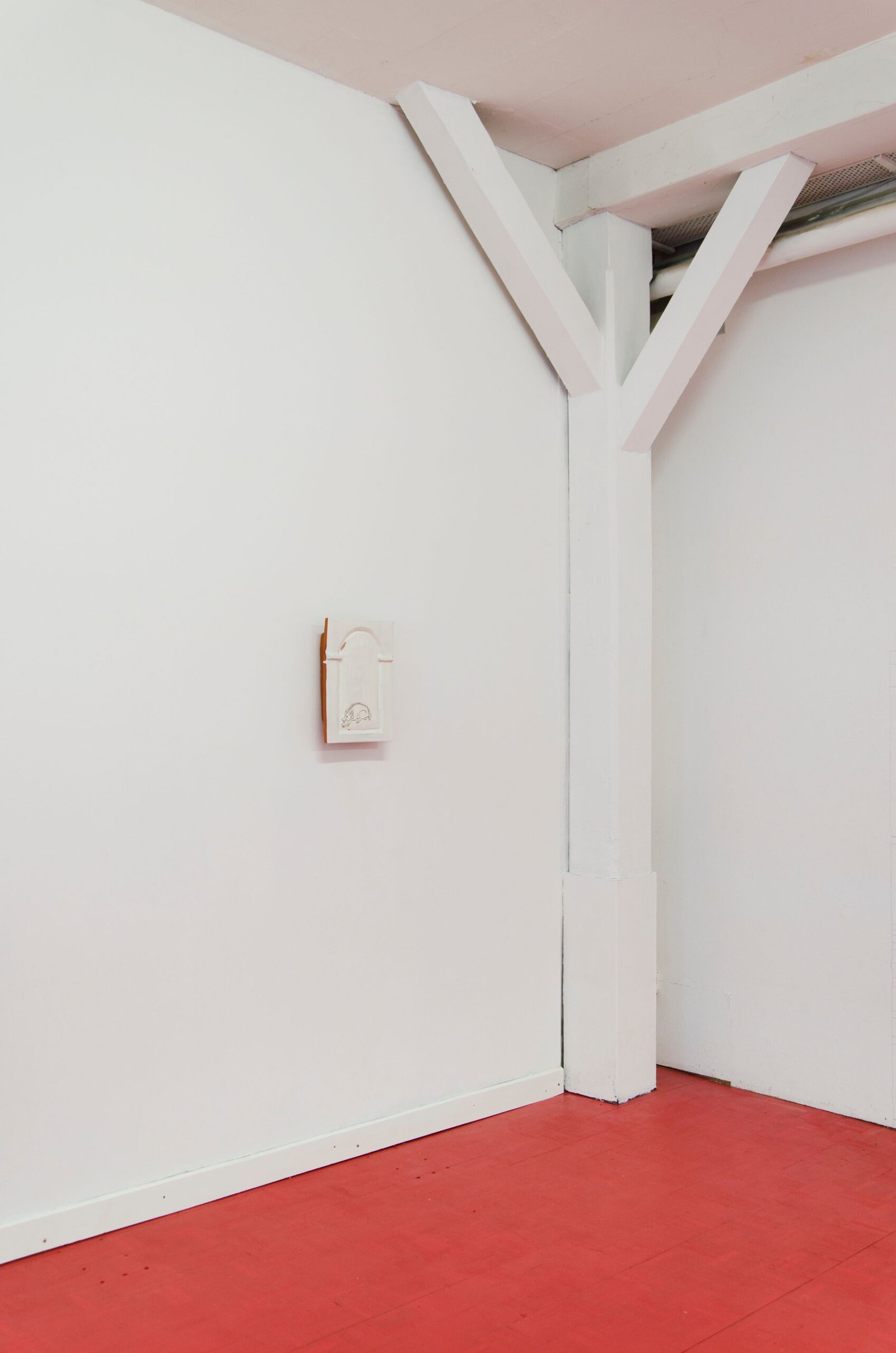
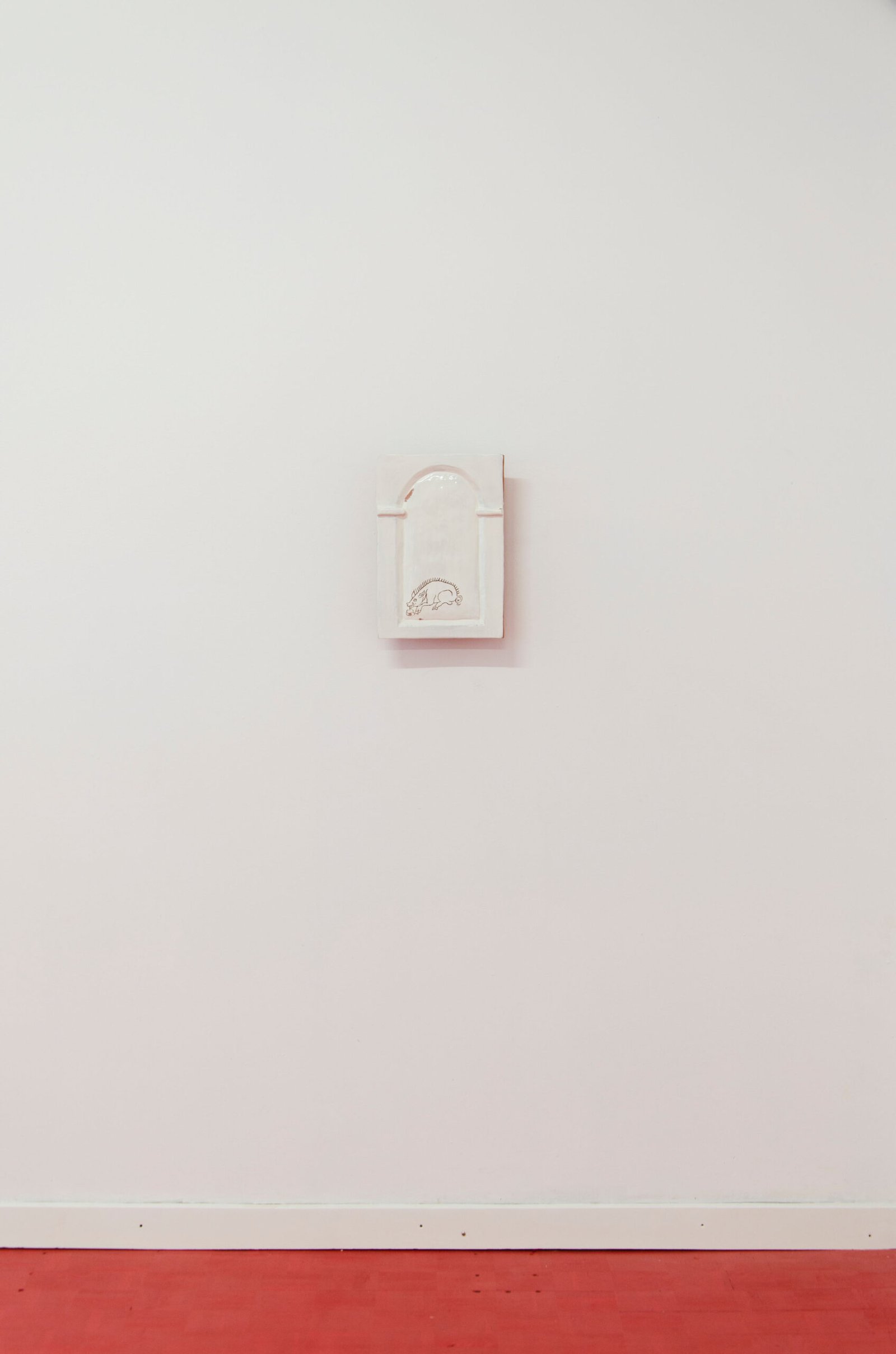
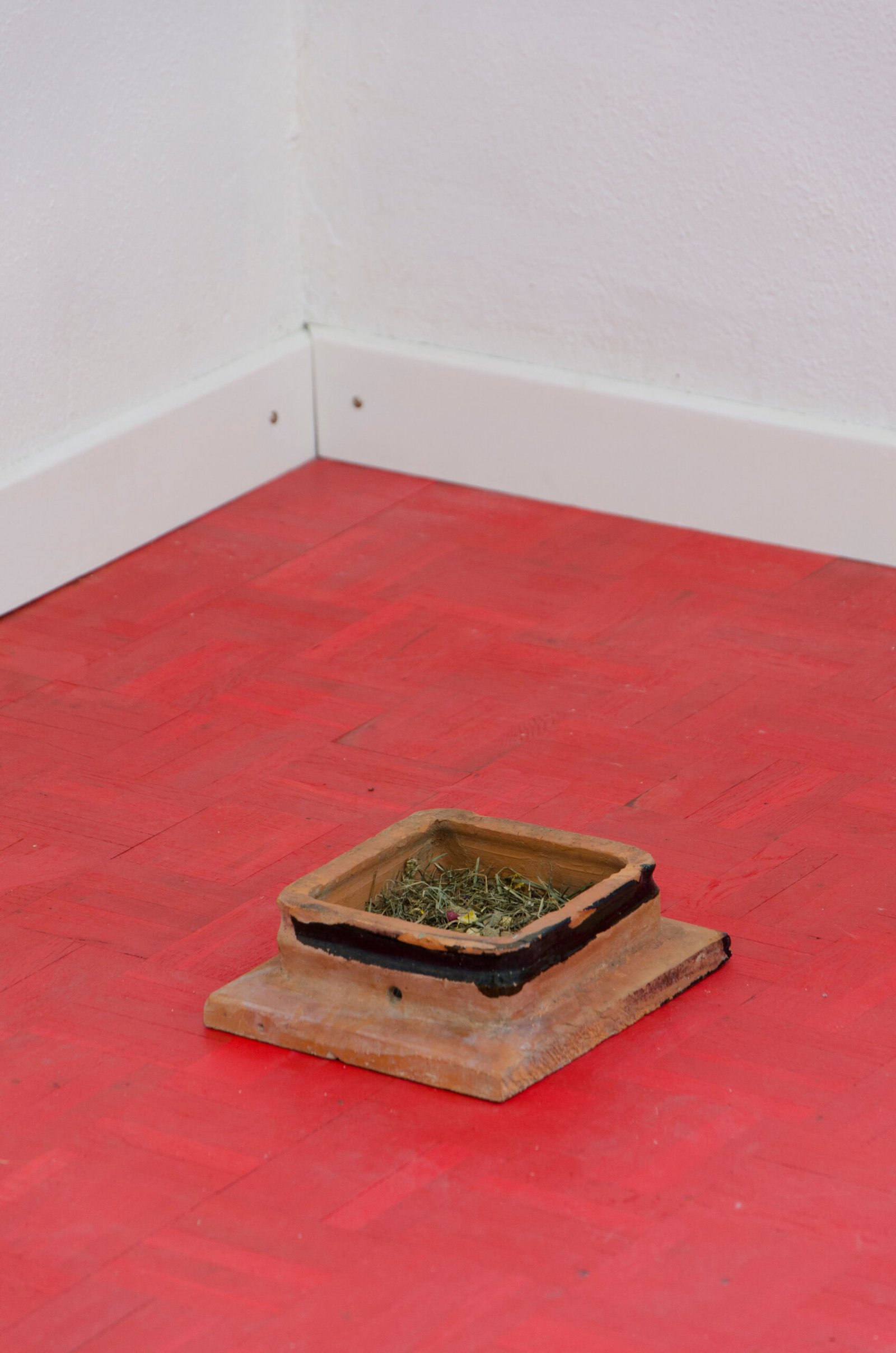
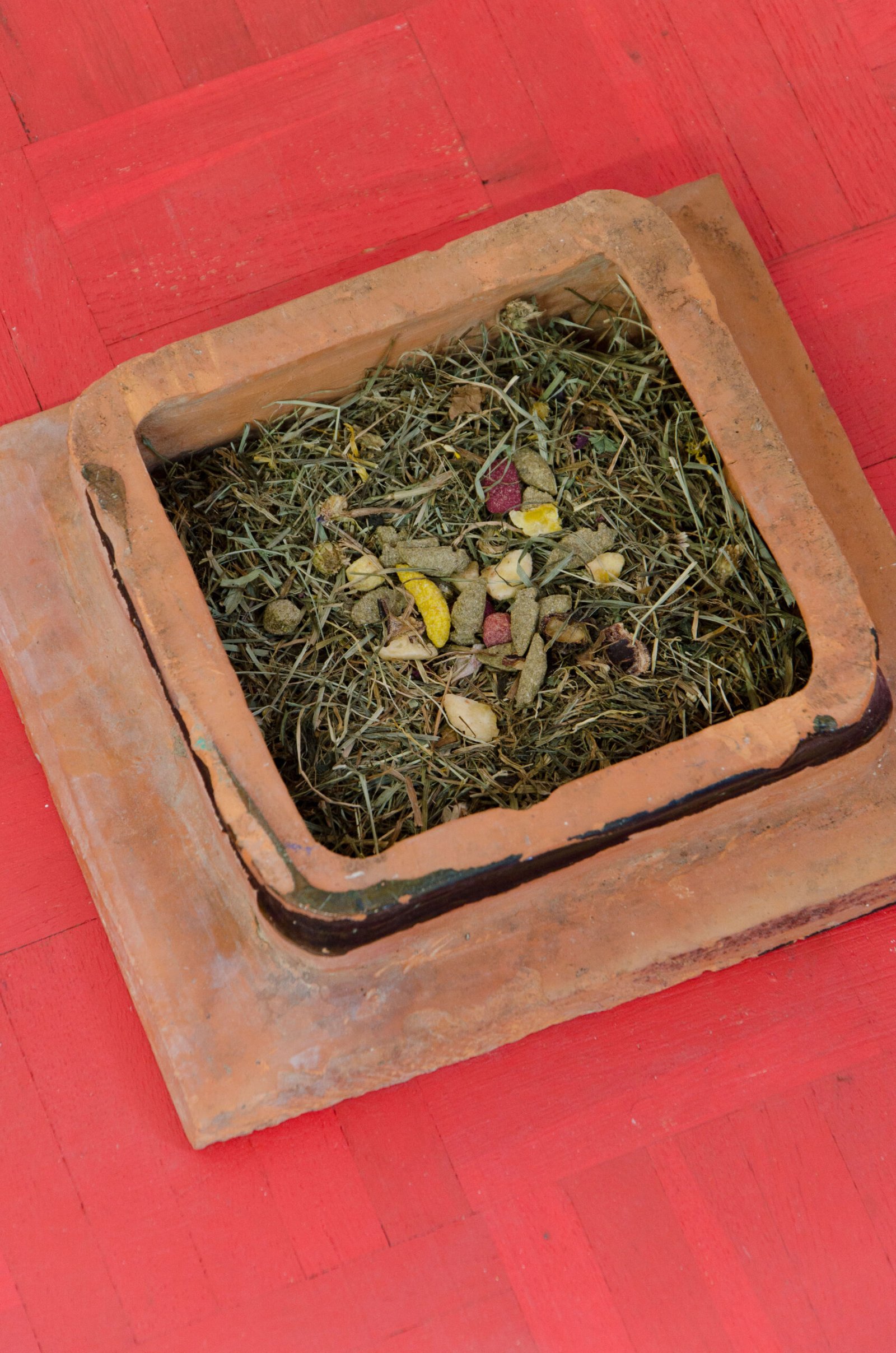
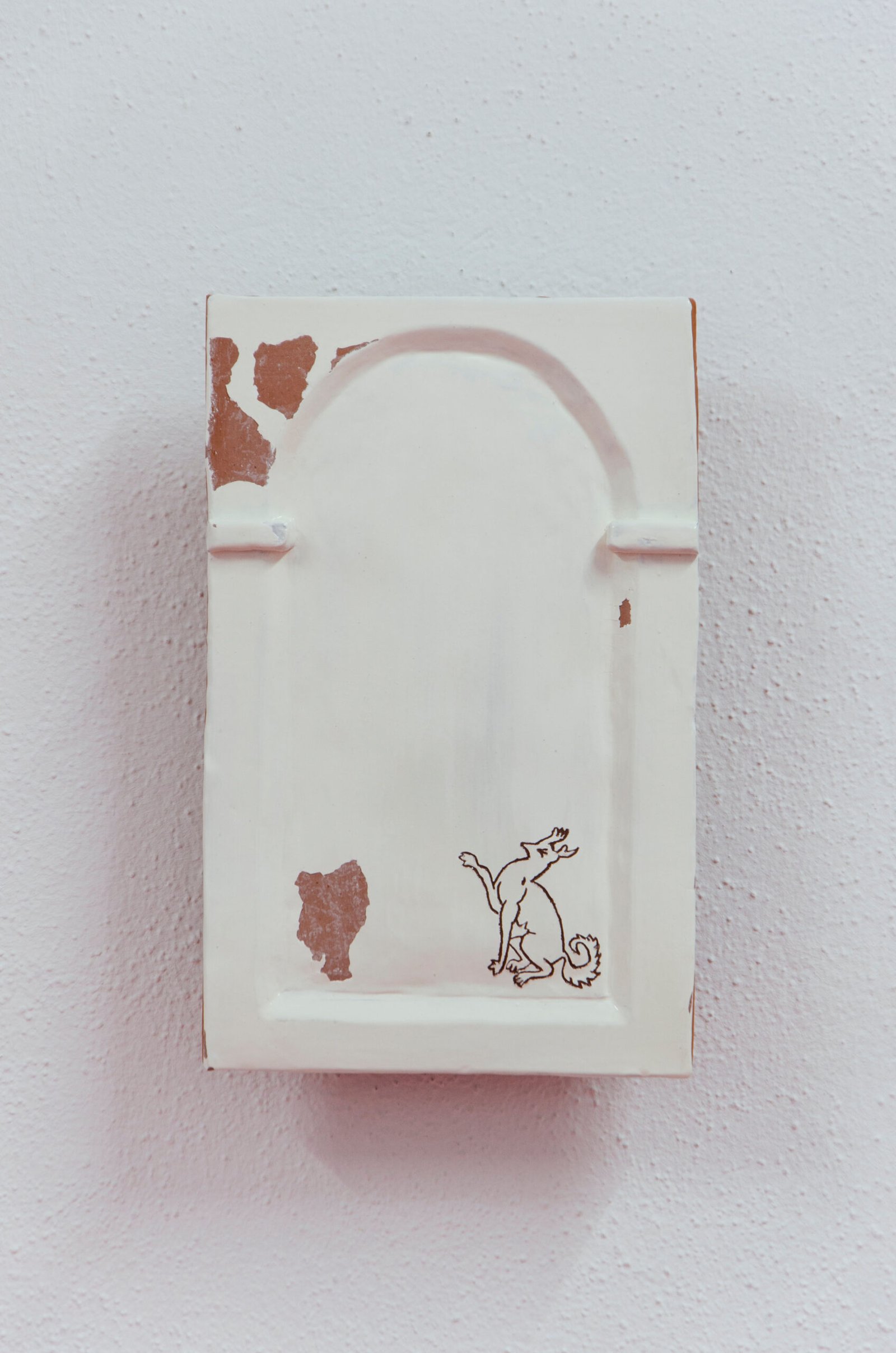
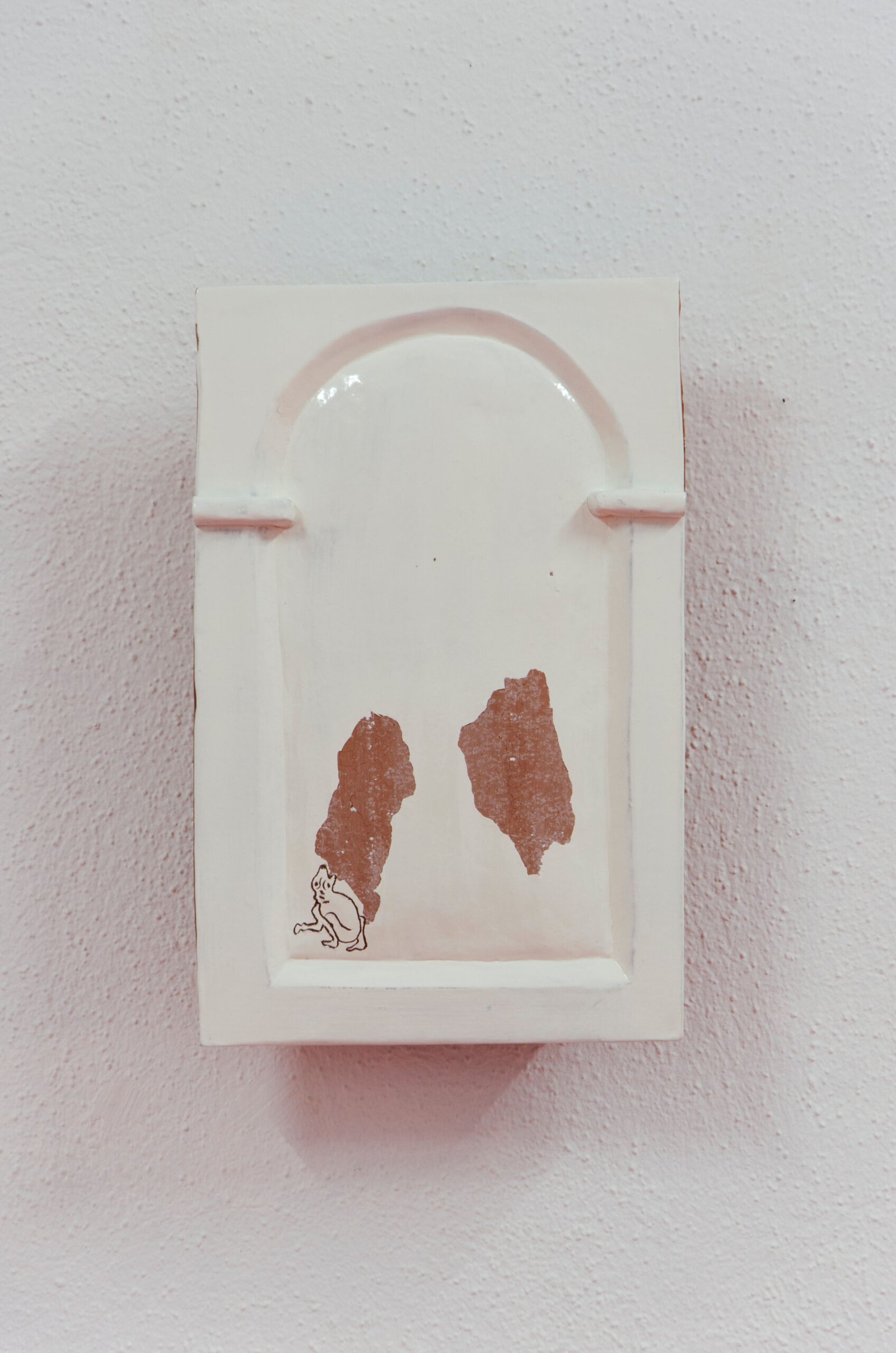
The stoves were not only functional objects, but also image bearers. On a stove from 1610, now housed at the Lindengut Museum, the virtues are overshadowed by a series of vices. An order emerges in which the human meets the animal. The representations contain both forms of representation and an idea of what a virtuous life should look like. At the same time, the stove is an object that provides warmth. One moves closer to it and lingers. In her work, Selina Zürrer isolates these animals from the tiles of these stoves. In the original pictorial programs, the animals do not appear as independent beings, but are part of an order in which the human and the animal meet. Through their isolation, they lose their clear moral classification. They emerge from the abundance of imagery as independent, elusive beings.
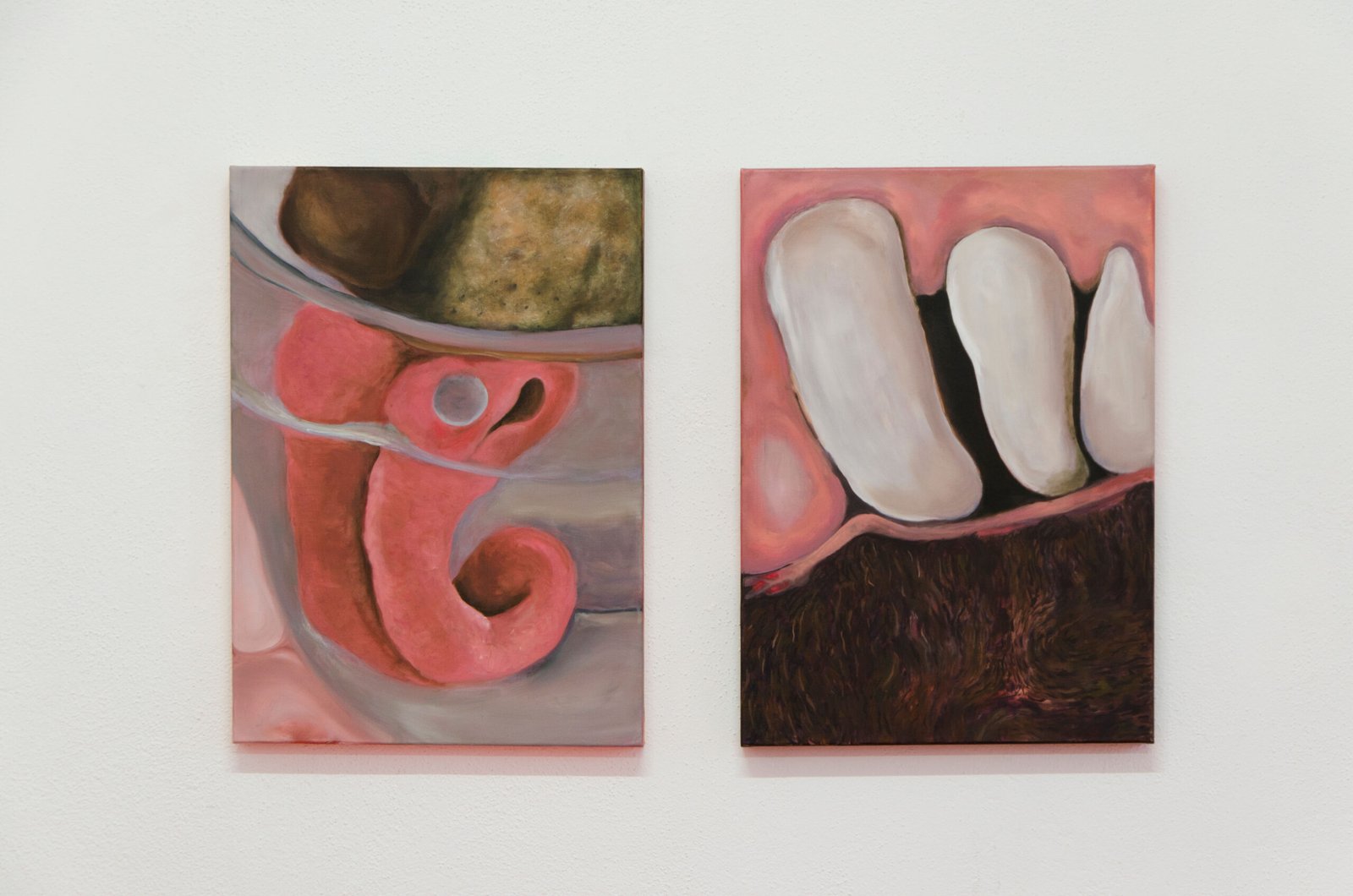
This is where the connection to Enrique Lanz Jiménez and his engagement with the Nahual emerges. Bodies, fur, and animals appear in his work. He engages with subjects that inhabit him or that he searches for. The images elude a concrete form. There is no animal as such, only its presence, because it can be multiple. The fur and the remaining body parts, which sometimes appear abstract, are difficult to grasp. The images show nothing and no one specific. Some originate in found images, others come from mental spaces, and still others have their starting point in his mother’s dog Lucas.
For this series of images, Enrique Lanz Jiménez engaged with the figure of the Nahual. The term is known in Mexico and parts of Central America and is associated with people who can transform into animals or natural phenomena. Yet the Nahual, too, eludes a concrete and unequivocal description. There is no fixed meaning. The animal or being of nature can be understood as the human being itself, as an extension of oneself that inhabits them. One can be born with it, acquire it depending on one’s date of birth, acquire it through a ritual, or inherit it, or even search for it. Lanz Jiménez is interested in the idea of the multiplicity of being because it opens up a non-hierarchical perspective. Human and animal are not separate from one another, but connected.