


In a recent interview, Michael Krebber looked back on his youth and on an unconventional education in Germany during the 1970s and 1980s.
Perhaps many years from now we will look back on those beers in Barcelona, when this exhibition still had no title. The moment before things are named is wide open with possibilities. Like picking up an object from the street without knowing yet what it might be used for. Who hasn’t accumulated huge amounts of garbage during their years of artistic training?
Let’s call it potentiality. Sometimes, those found materials would return to the street through the same door they had entered, after spending months going around the studio. This could be understood as a failure, or as the mature realisation that the material was full of possibilities, just not ours. You know the saying: one man’s trash is another man’s treasure. The same is true of ideas.
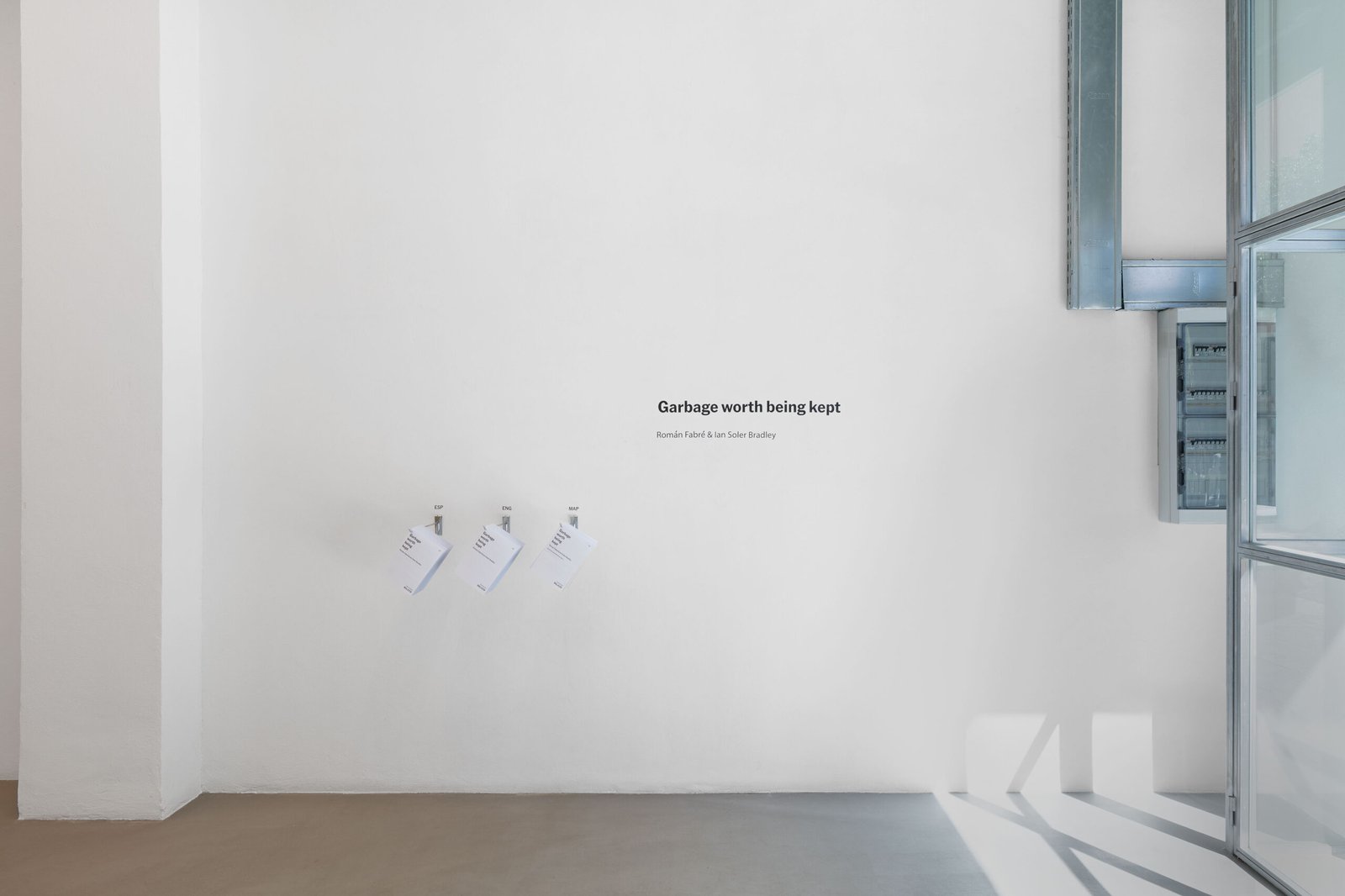
A few days later, the title came. And all three of us liked it, although for different reasons.
I.
When asked in that same interview about the decision to throw away or keep a painting, Krebber says: “At some point, I had to move away. I unstretched the painting and folded it—to make clear that this was garbage. Garbage worth being kept.” The artist’s move forces a decision. What makes us decide to keep something? Perhaps it is simply worth keeping things that remain somewhat unresolved.
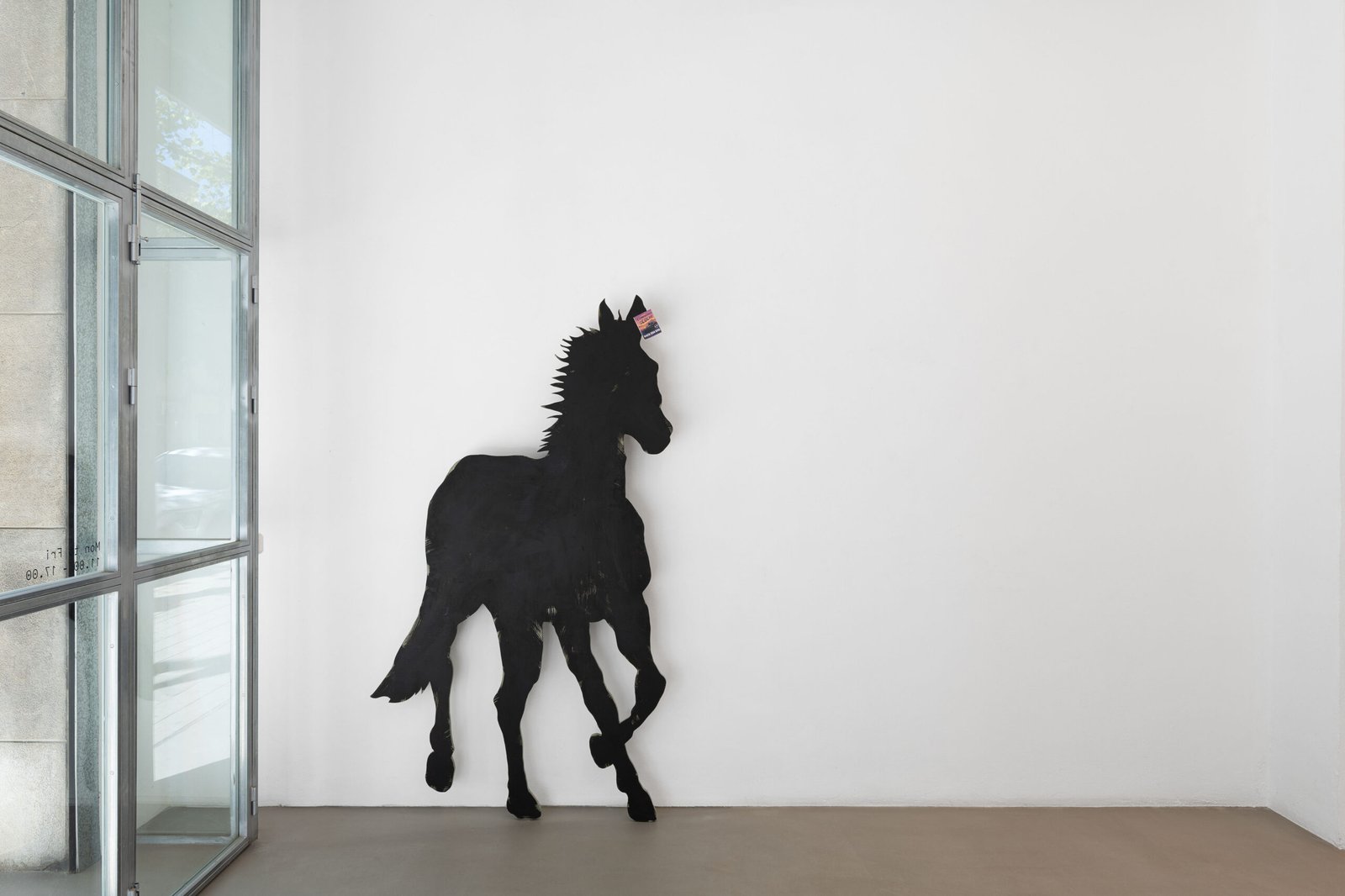
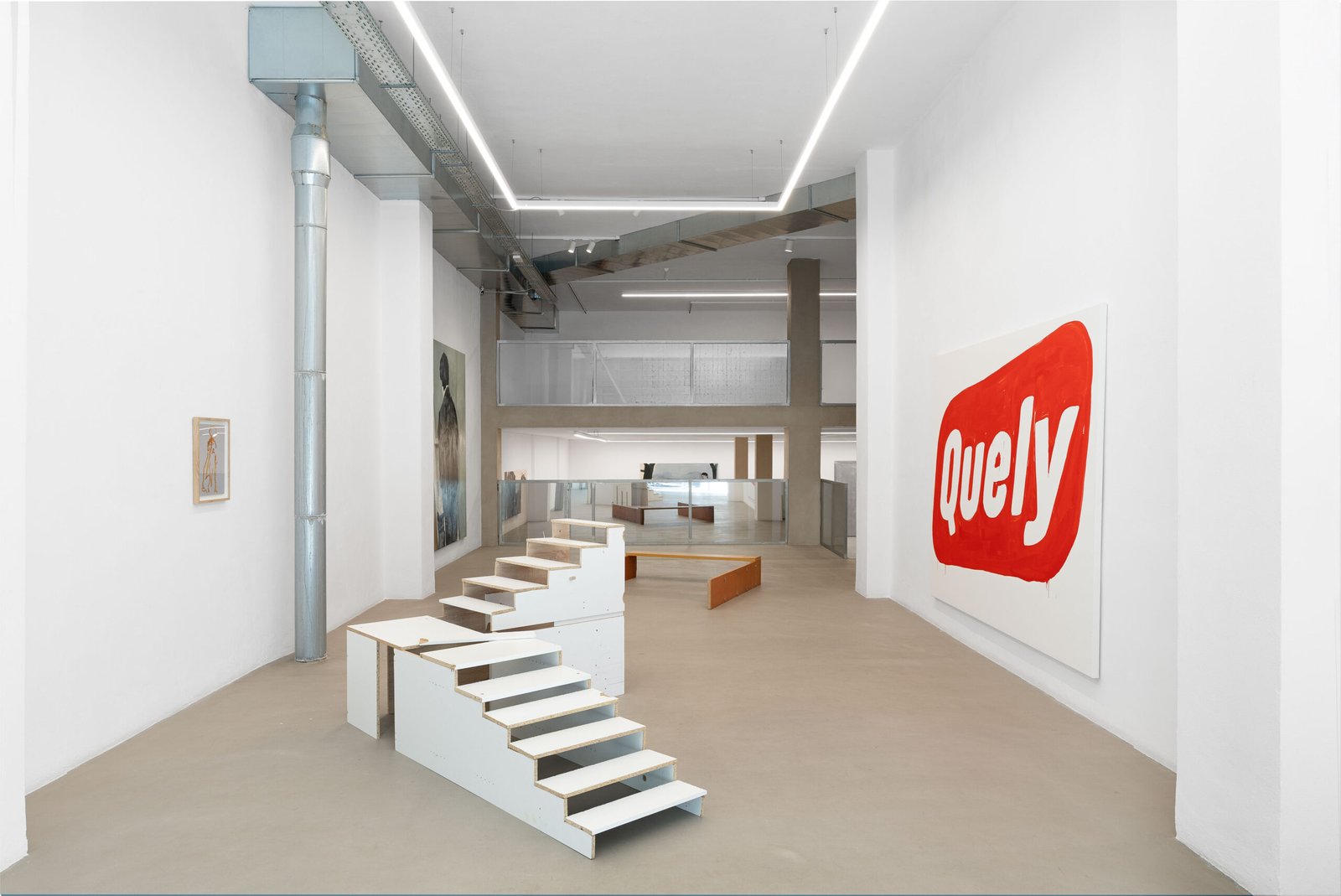
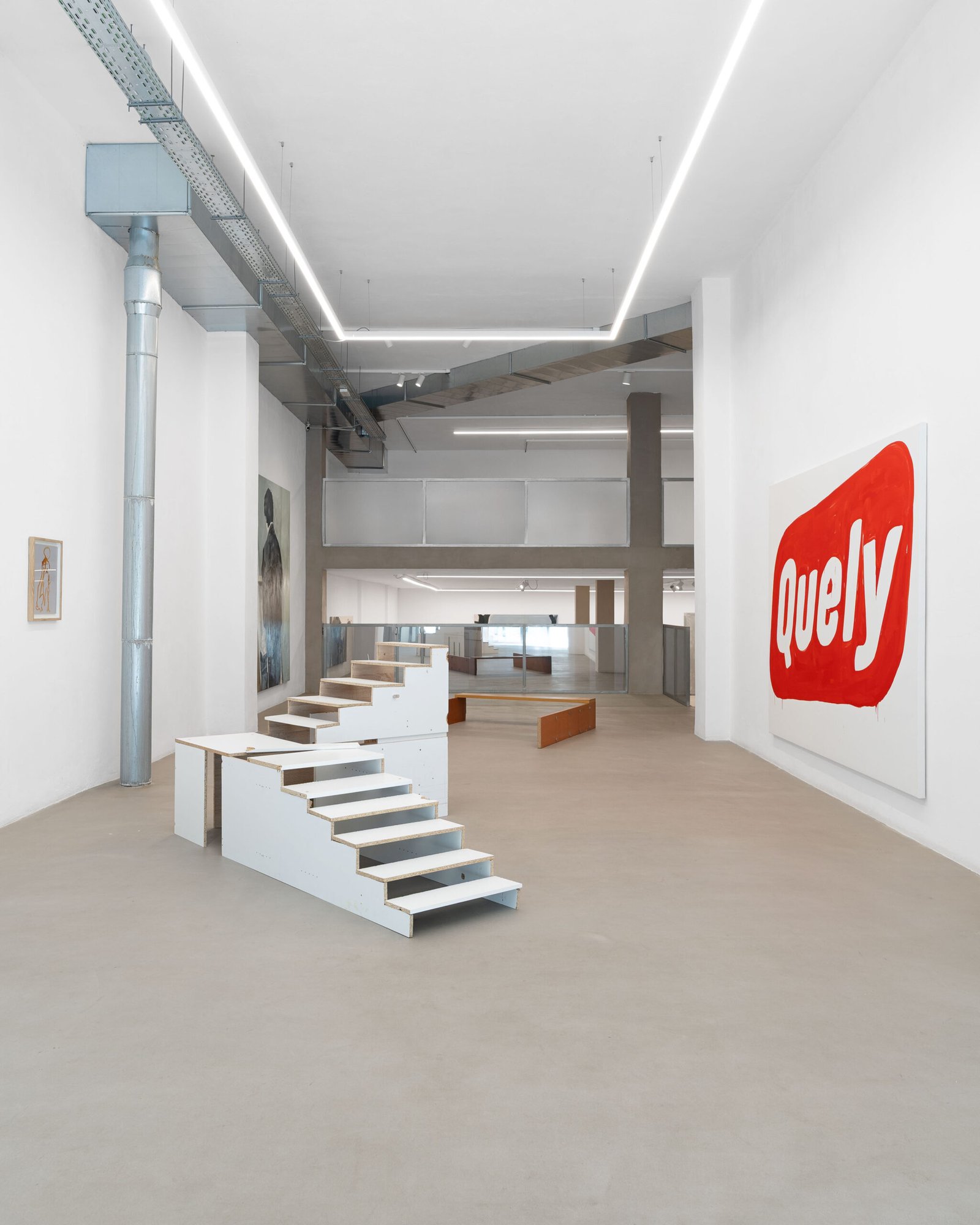
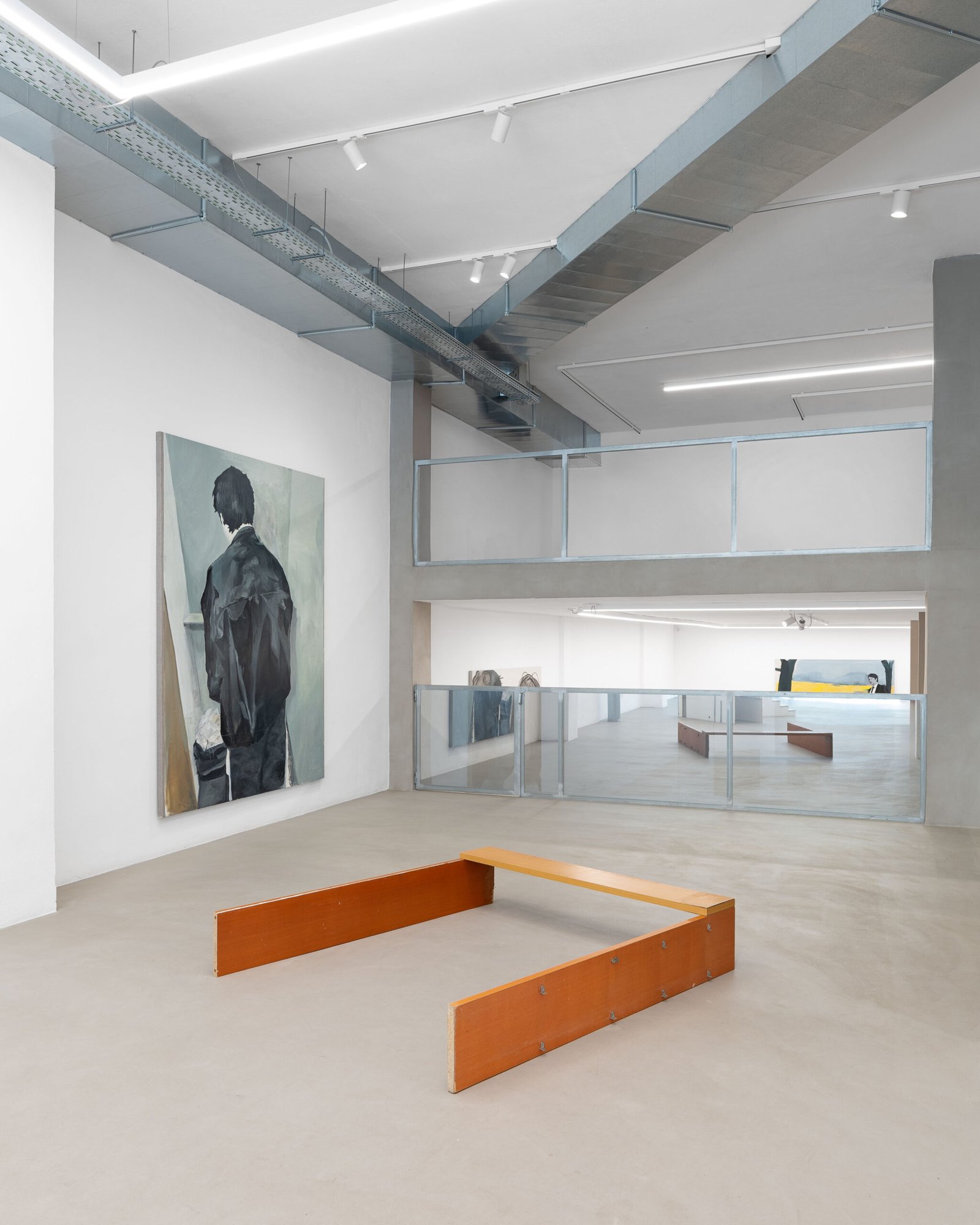
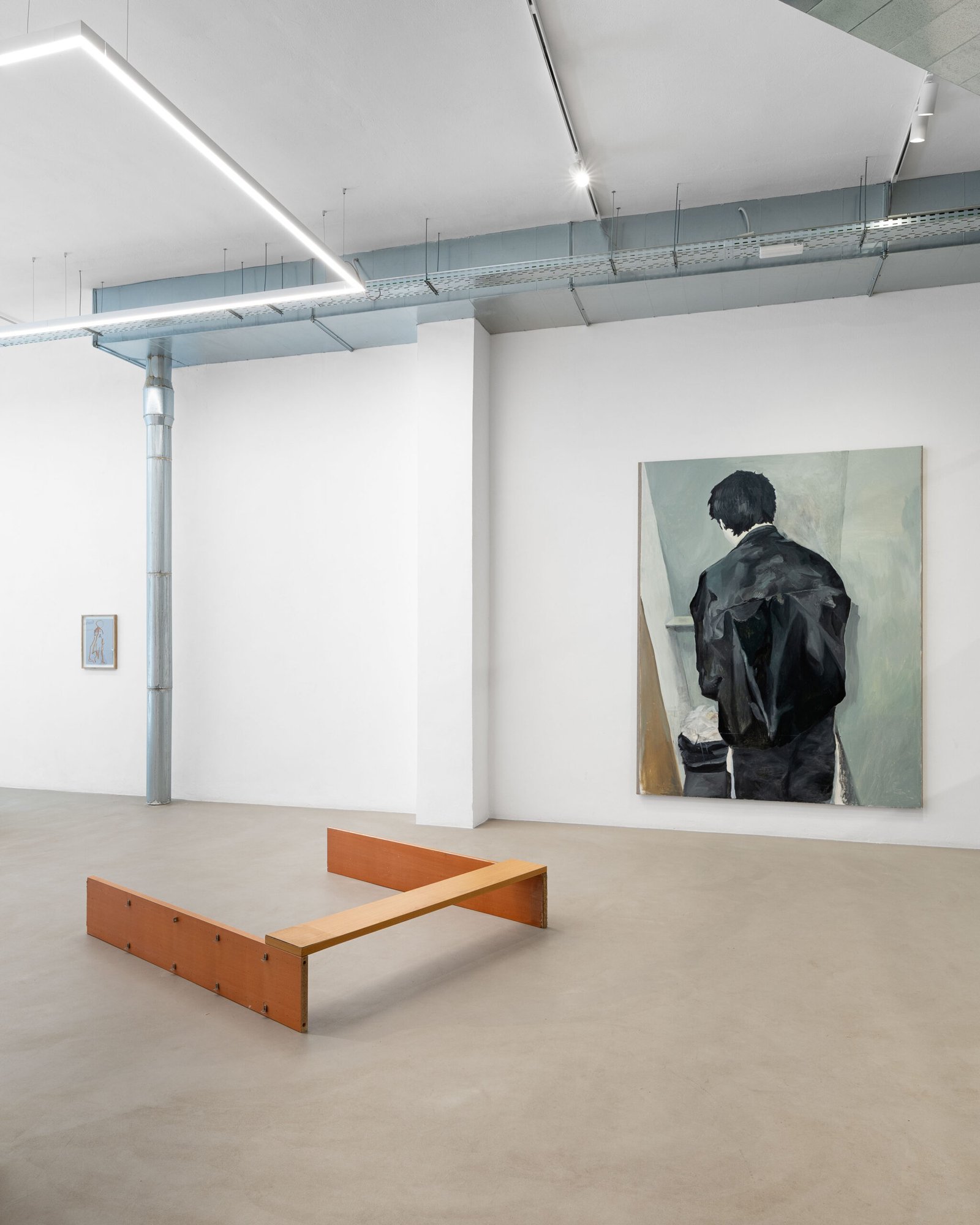
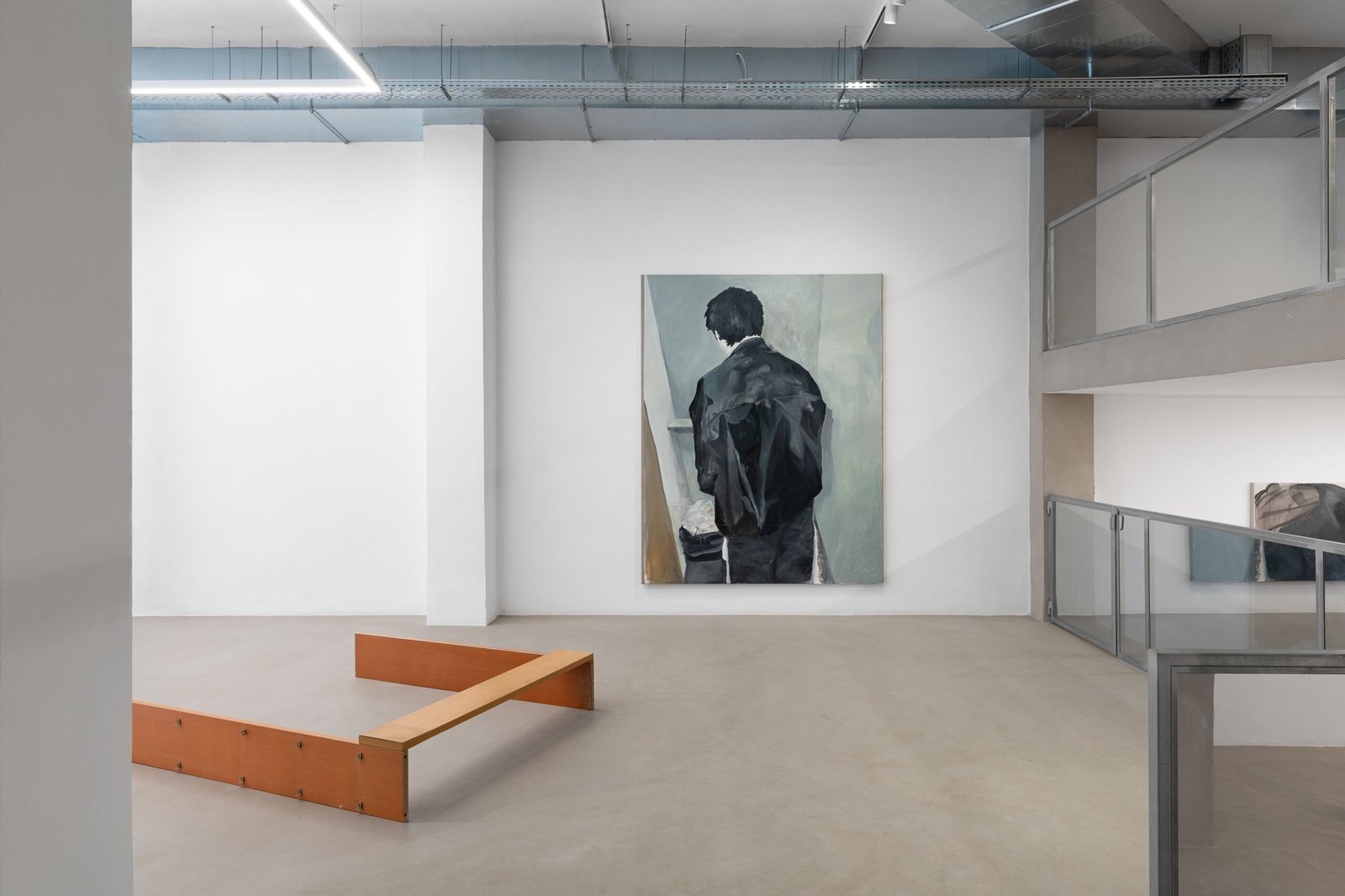
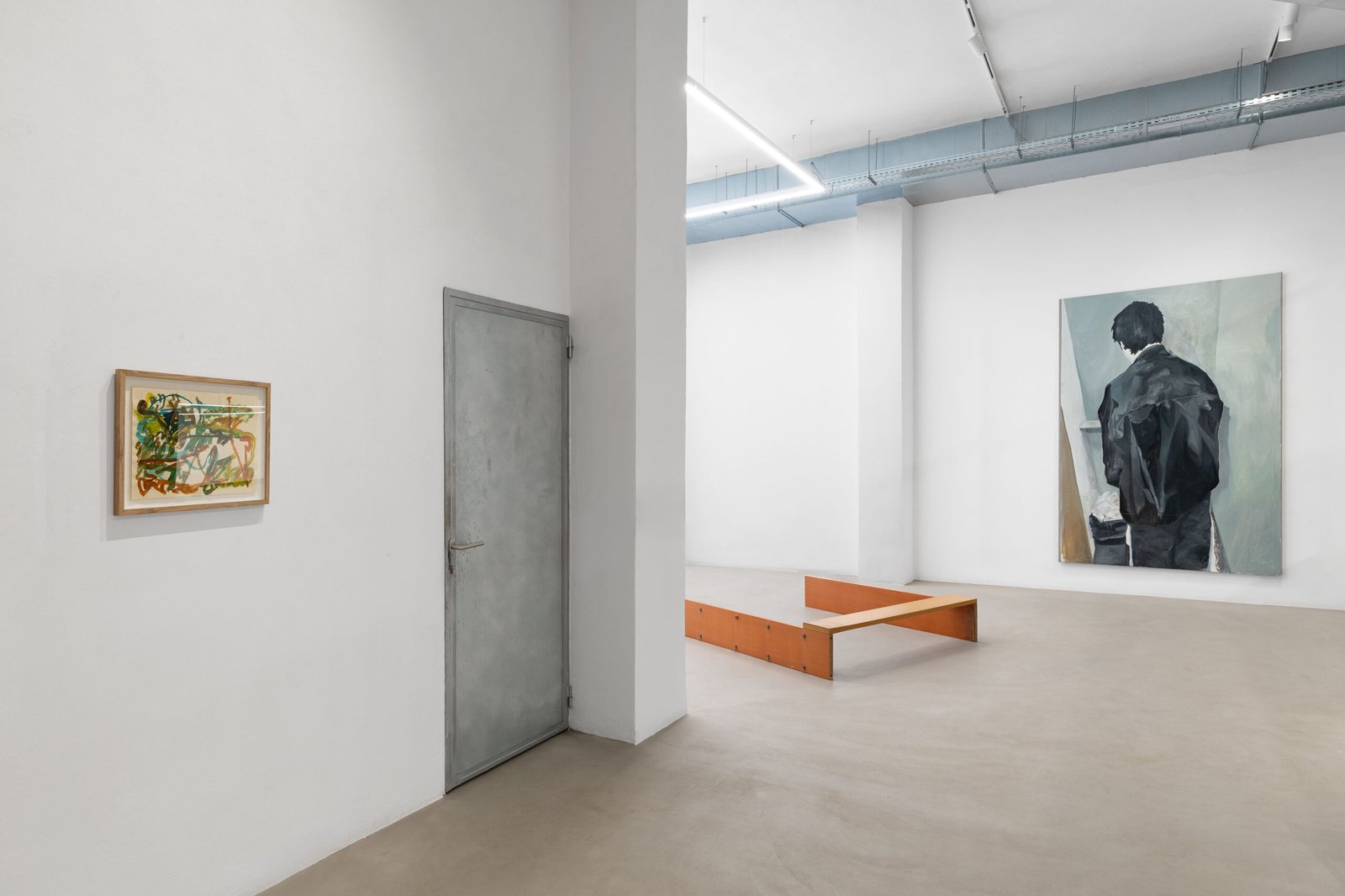
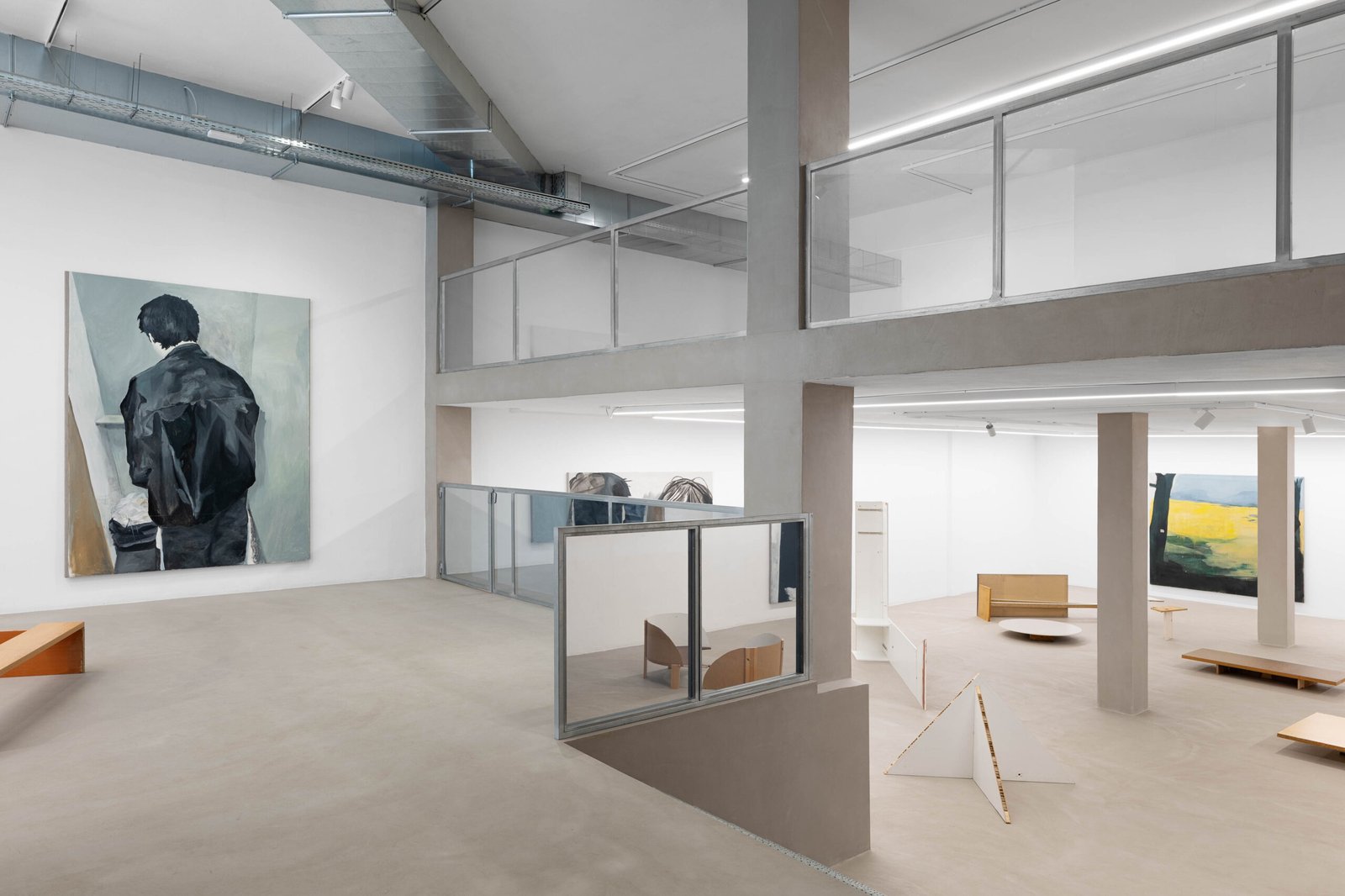
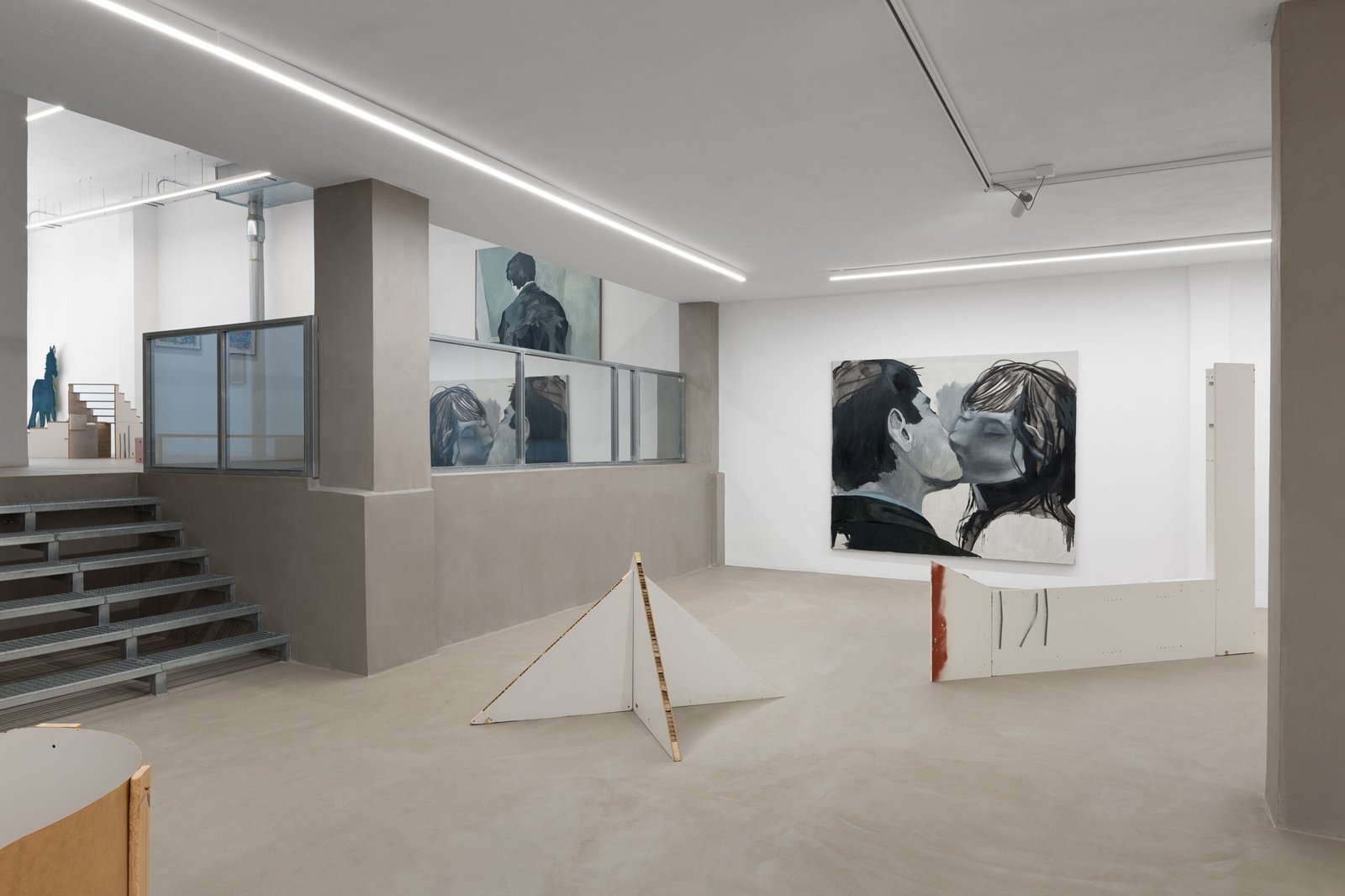
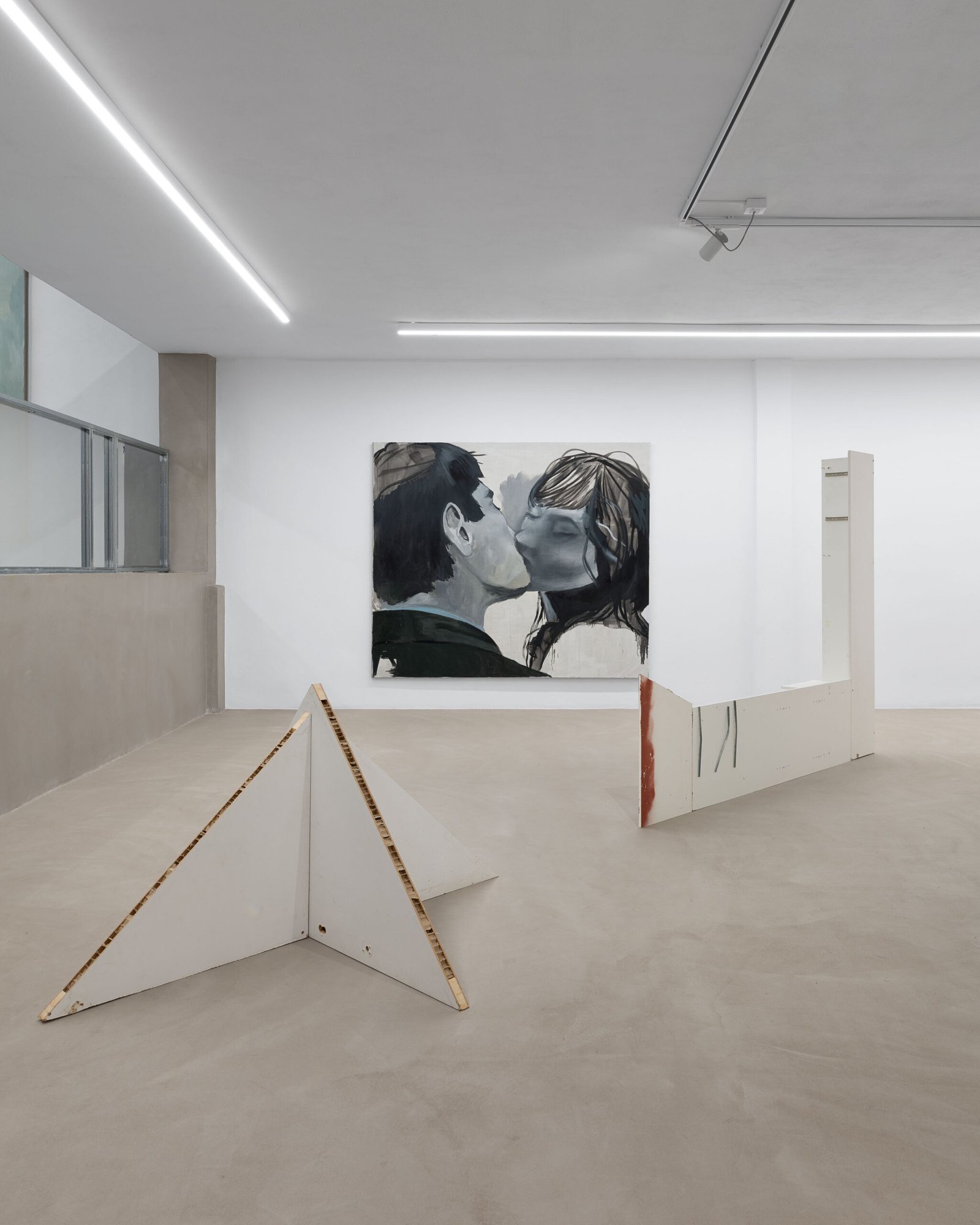
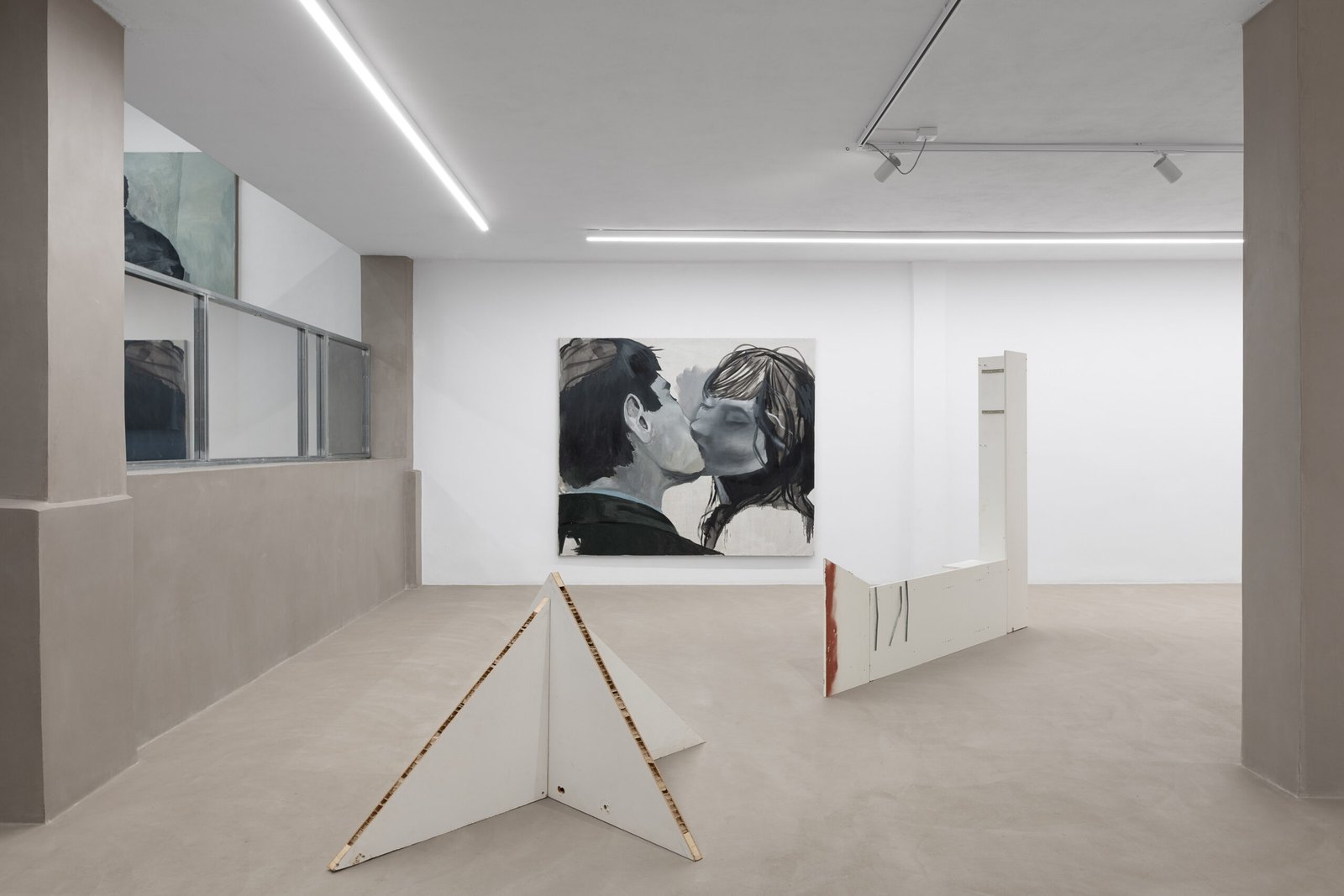
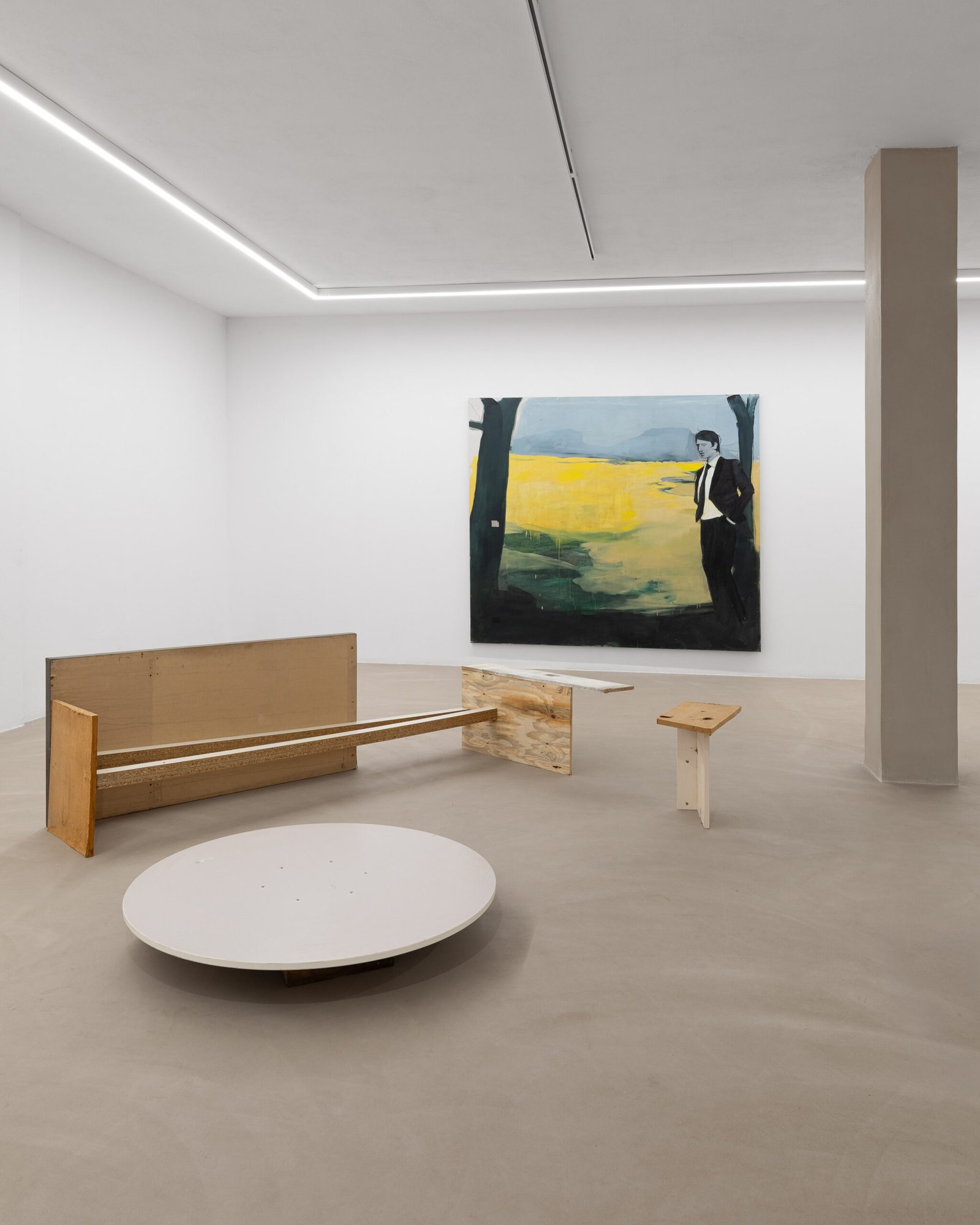
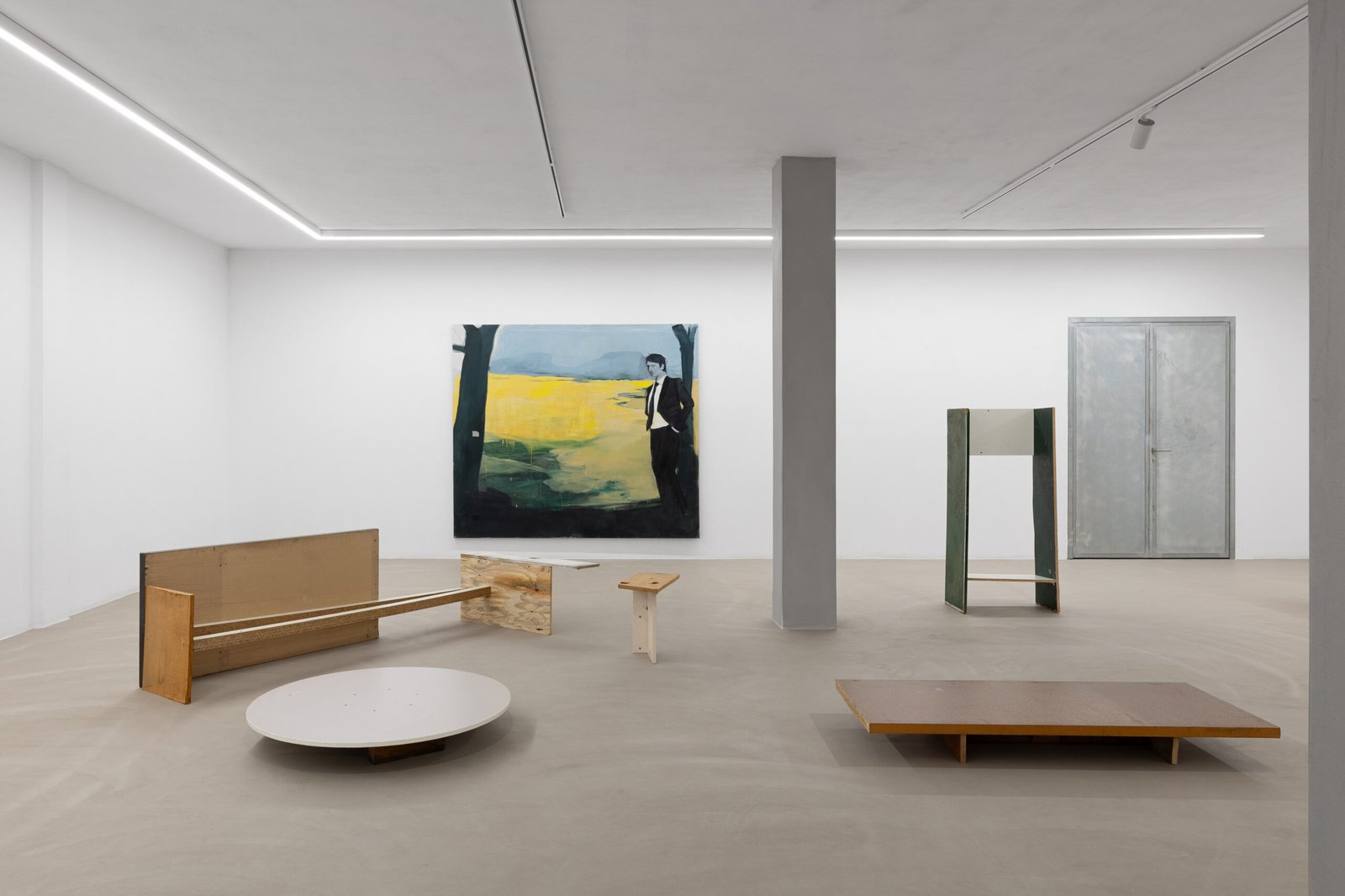
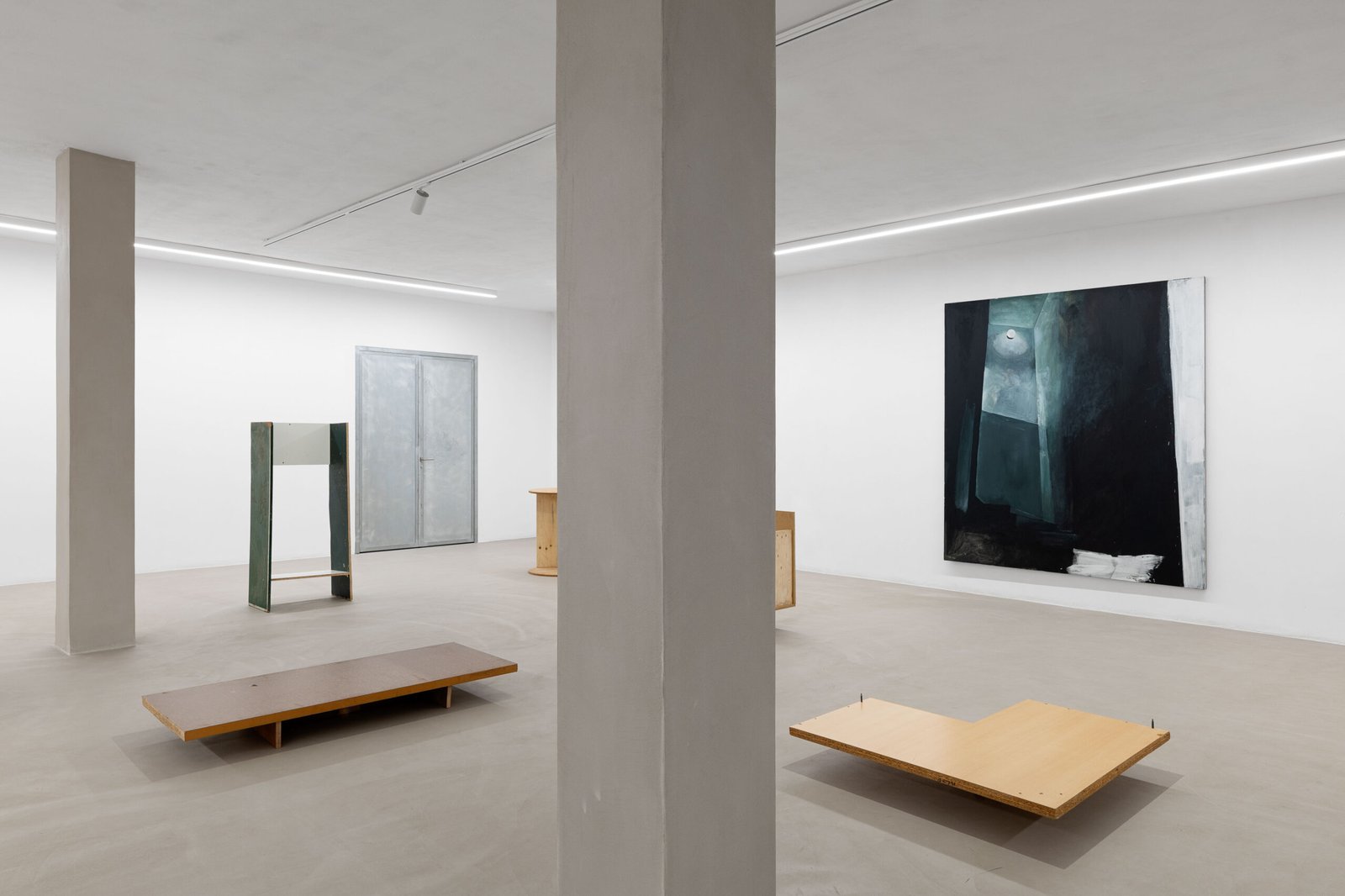
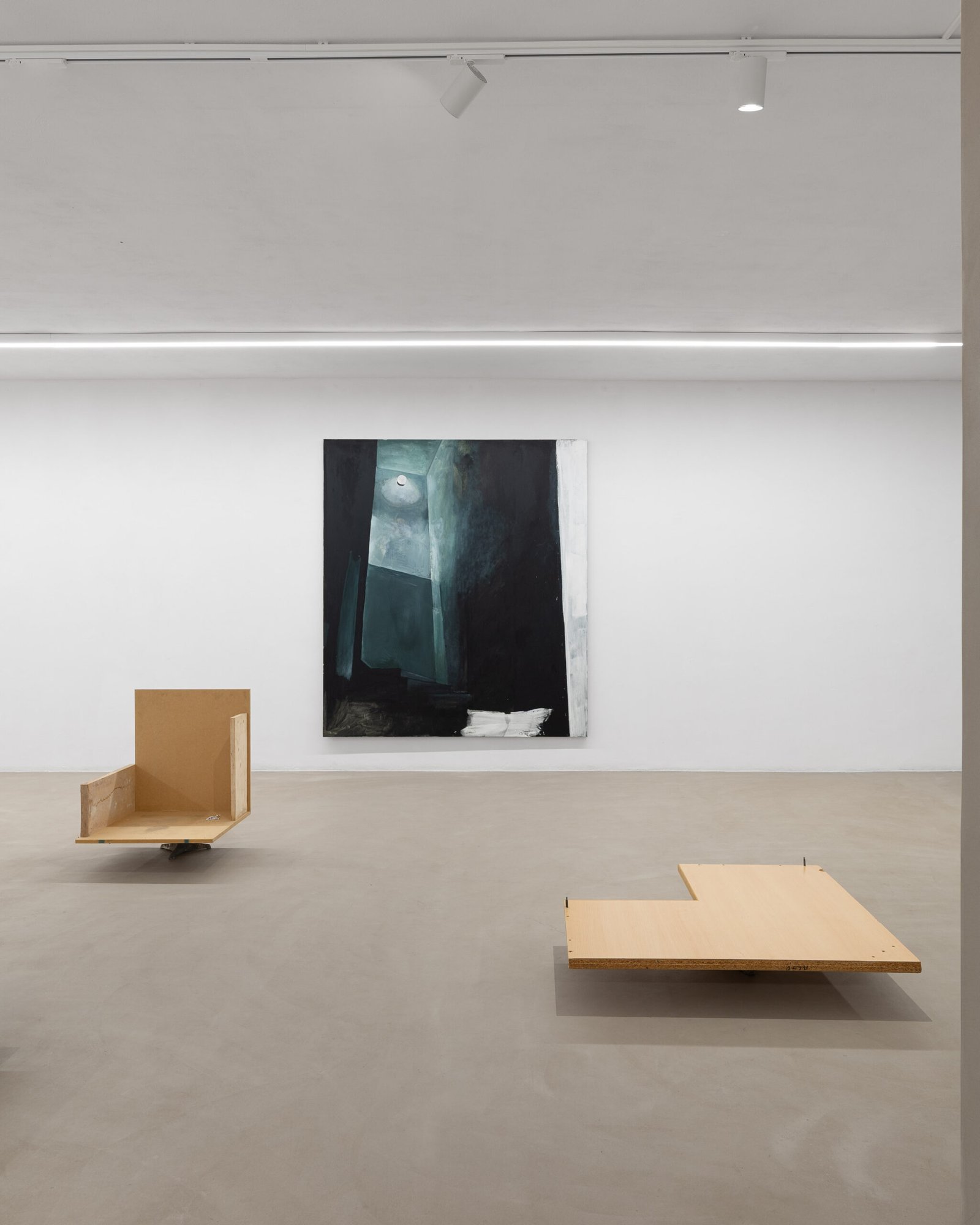
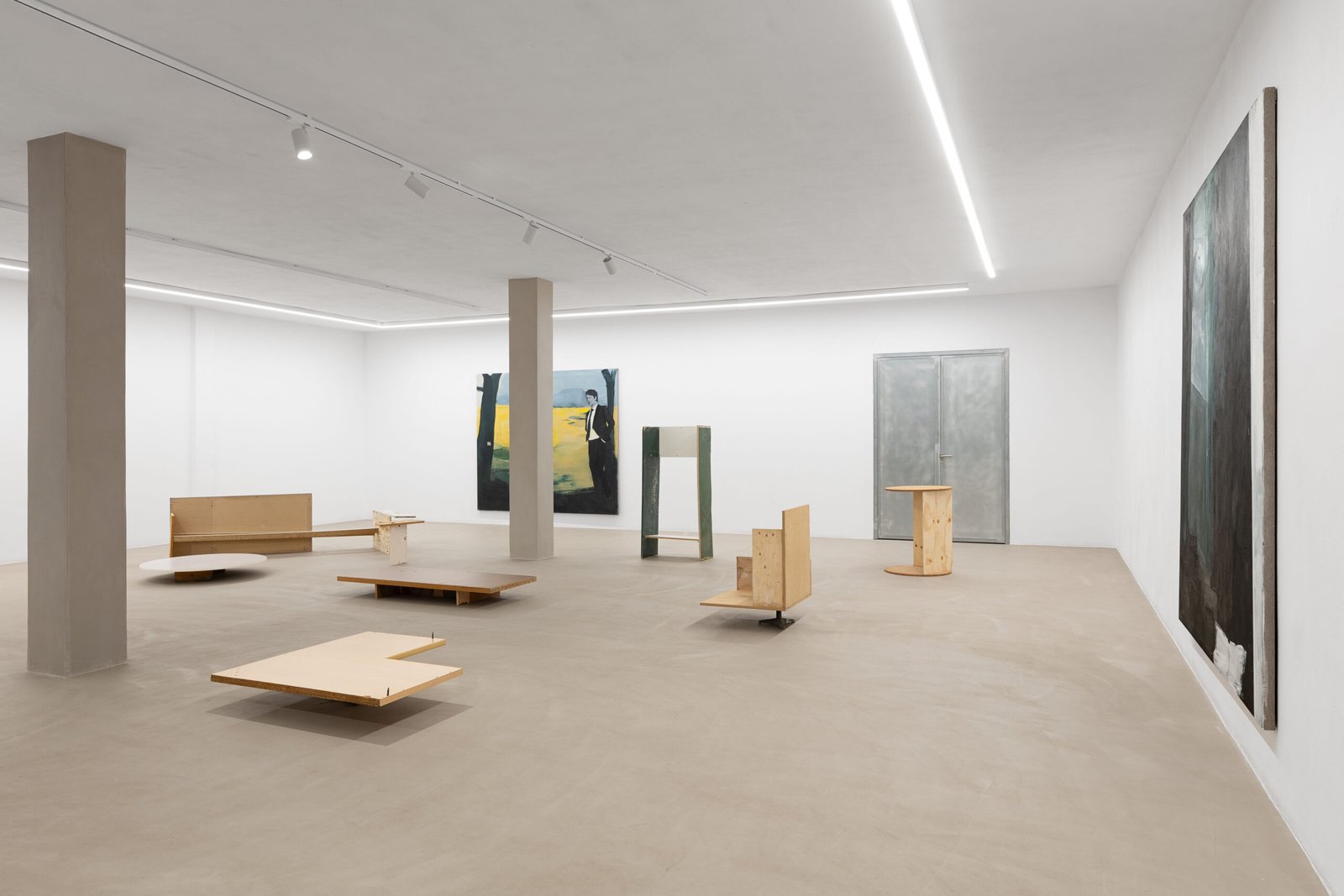
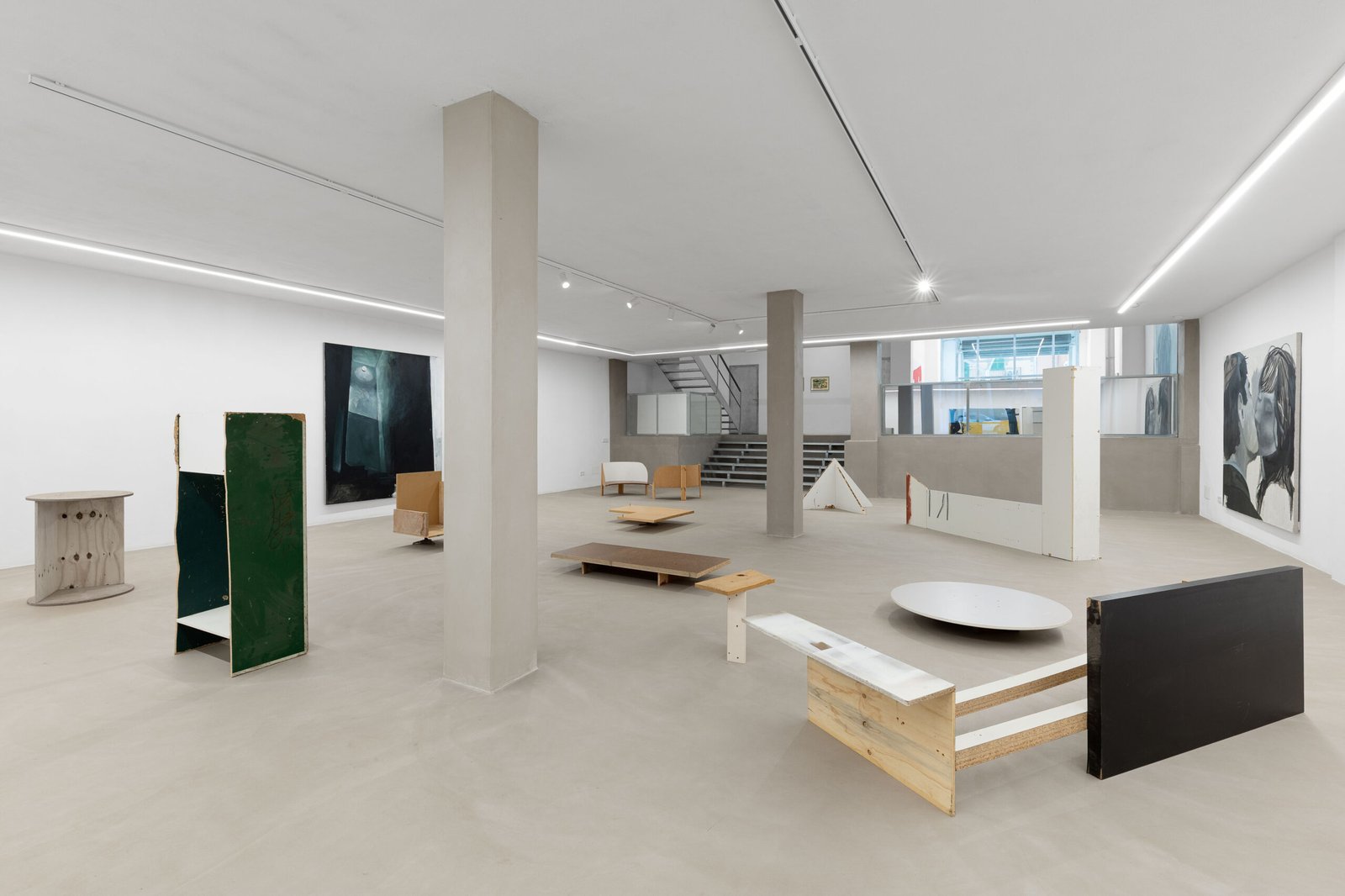
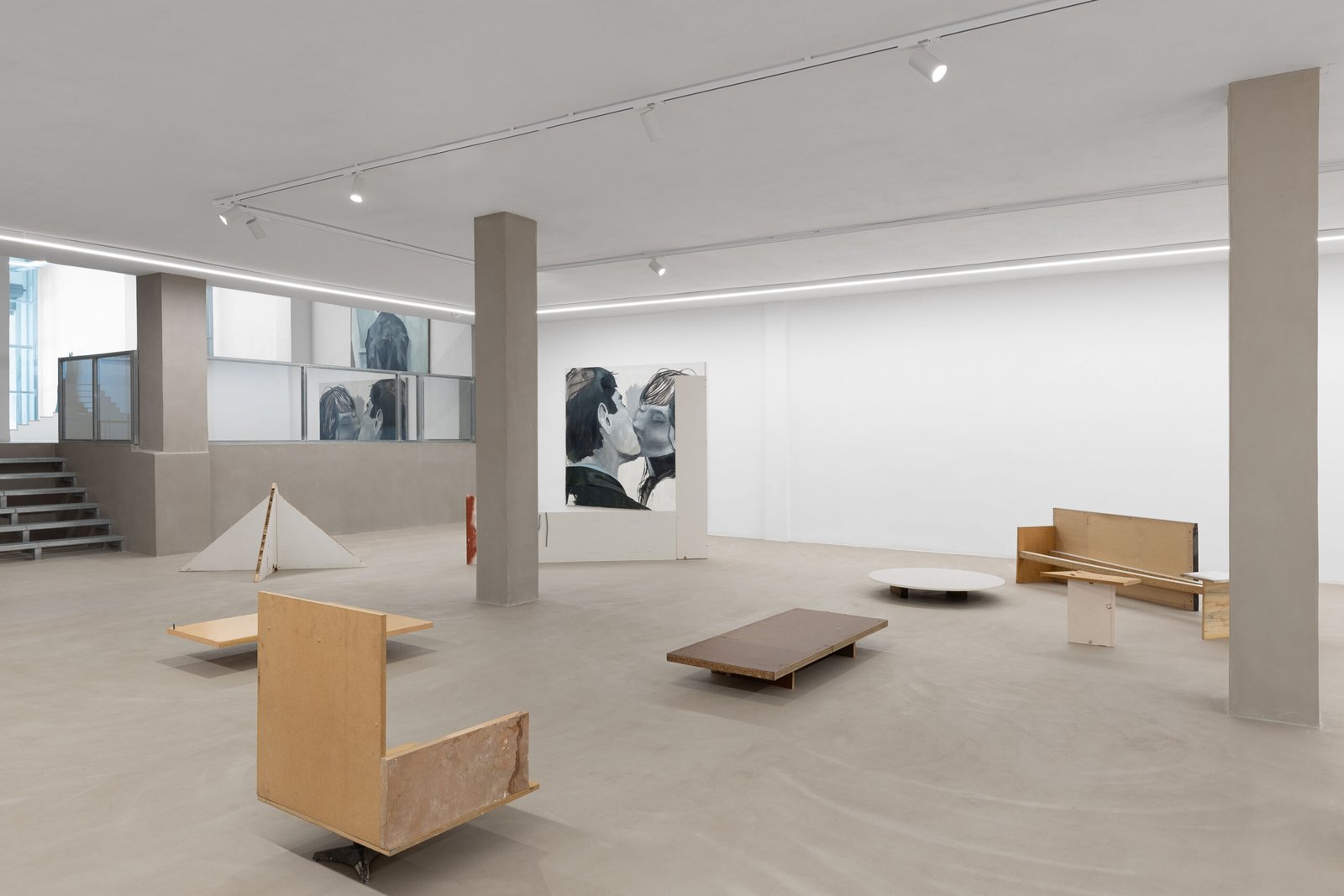
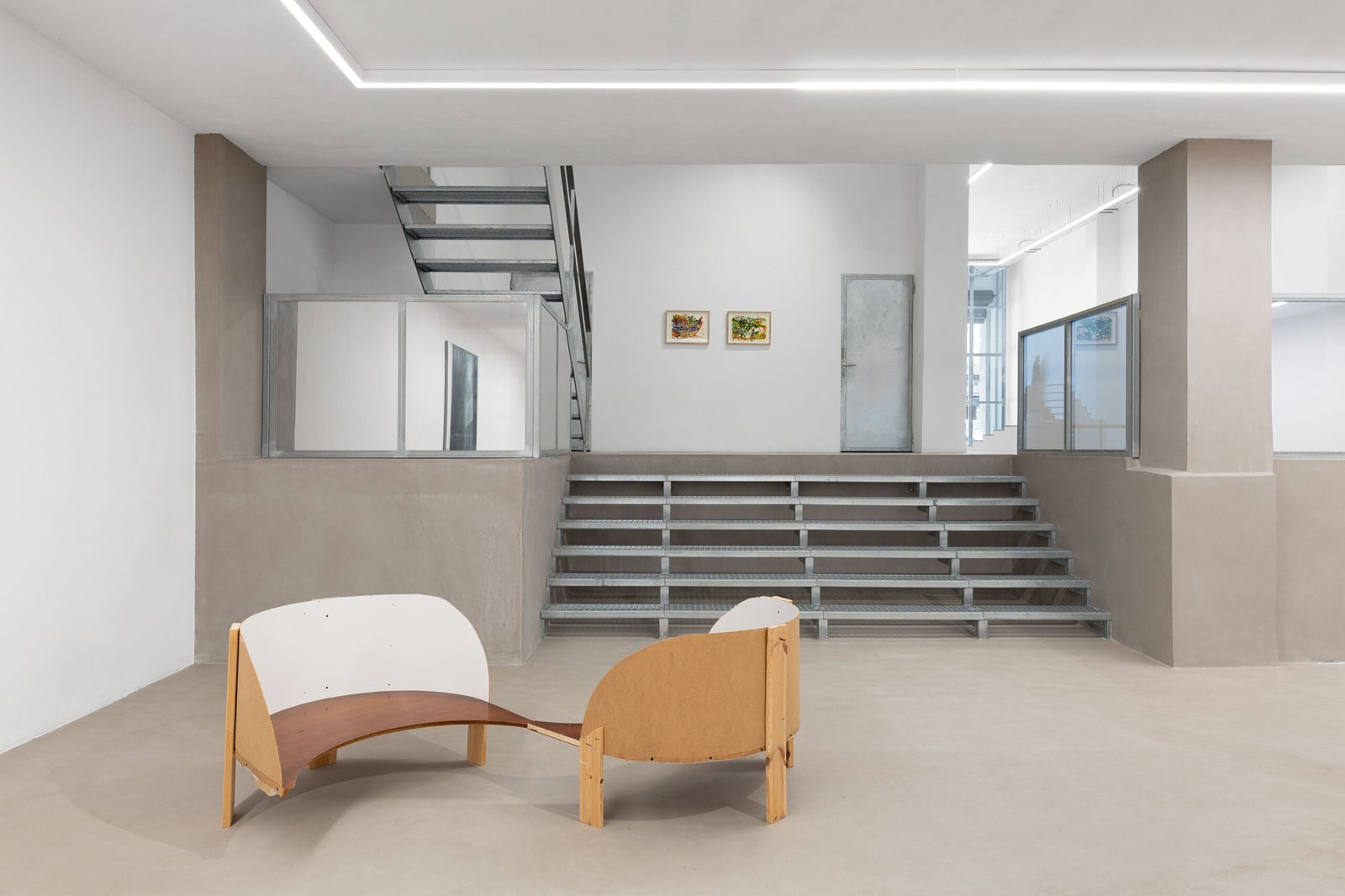
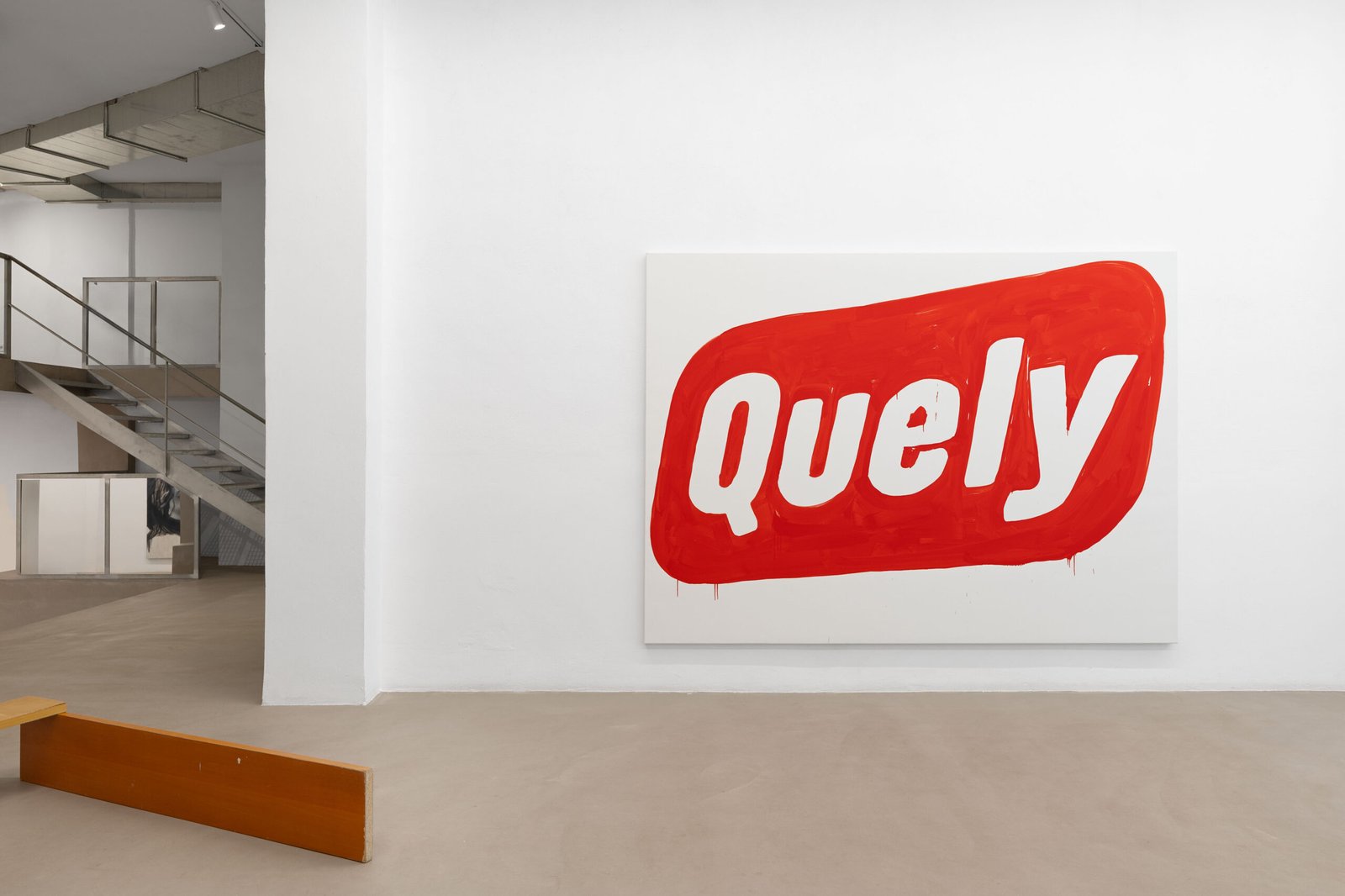
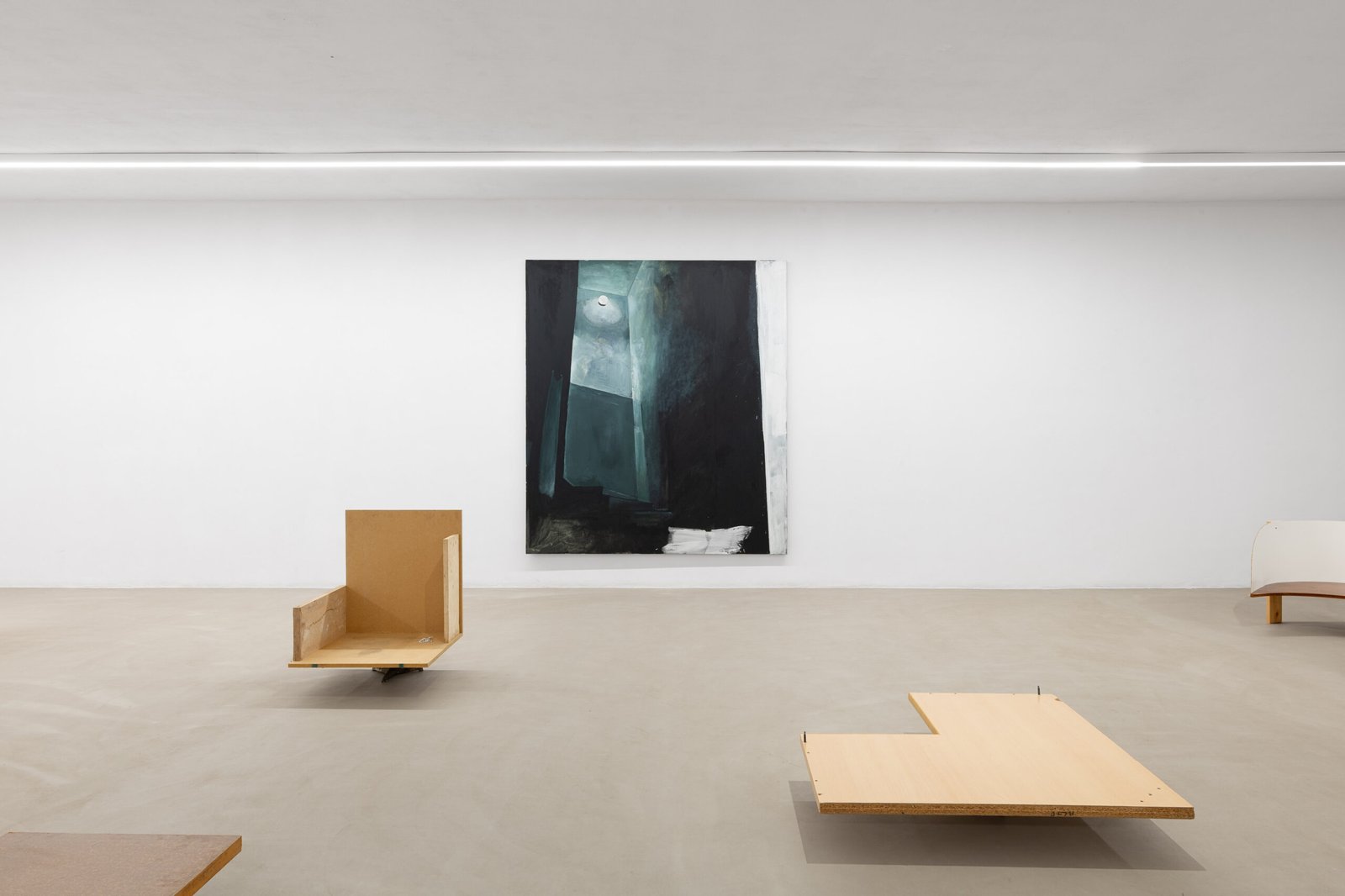
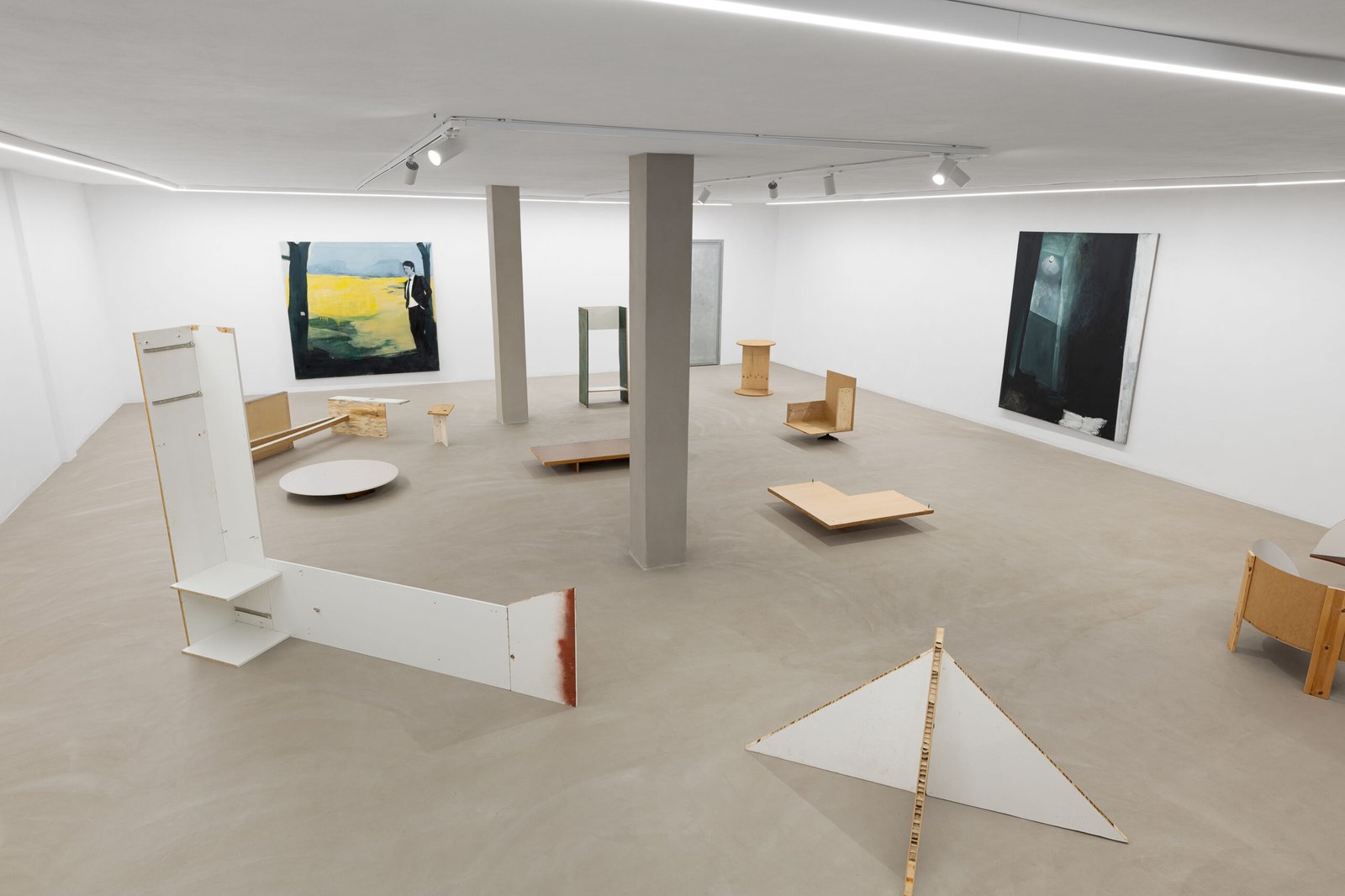
Soon afterwards, Ian clarified that the garbage in the context of the exhibition was not the sculptures filling the gallery, but the paintings. In his case, it is the painting of someone who has moved from abstract surfaces towards figuration. A figuration open to the narrative, innocent at times and at others even slightly mischievous. In short, a painting that turns its back on us.
II.
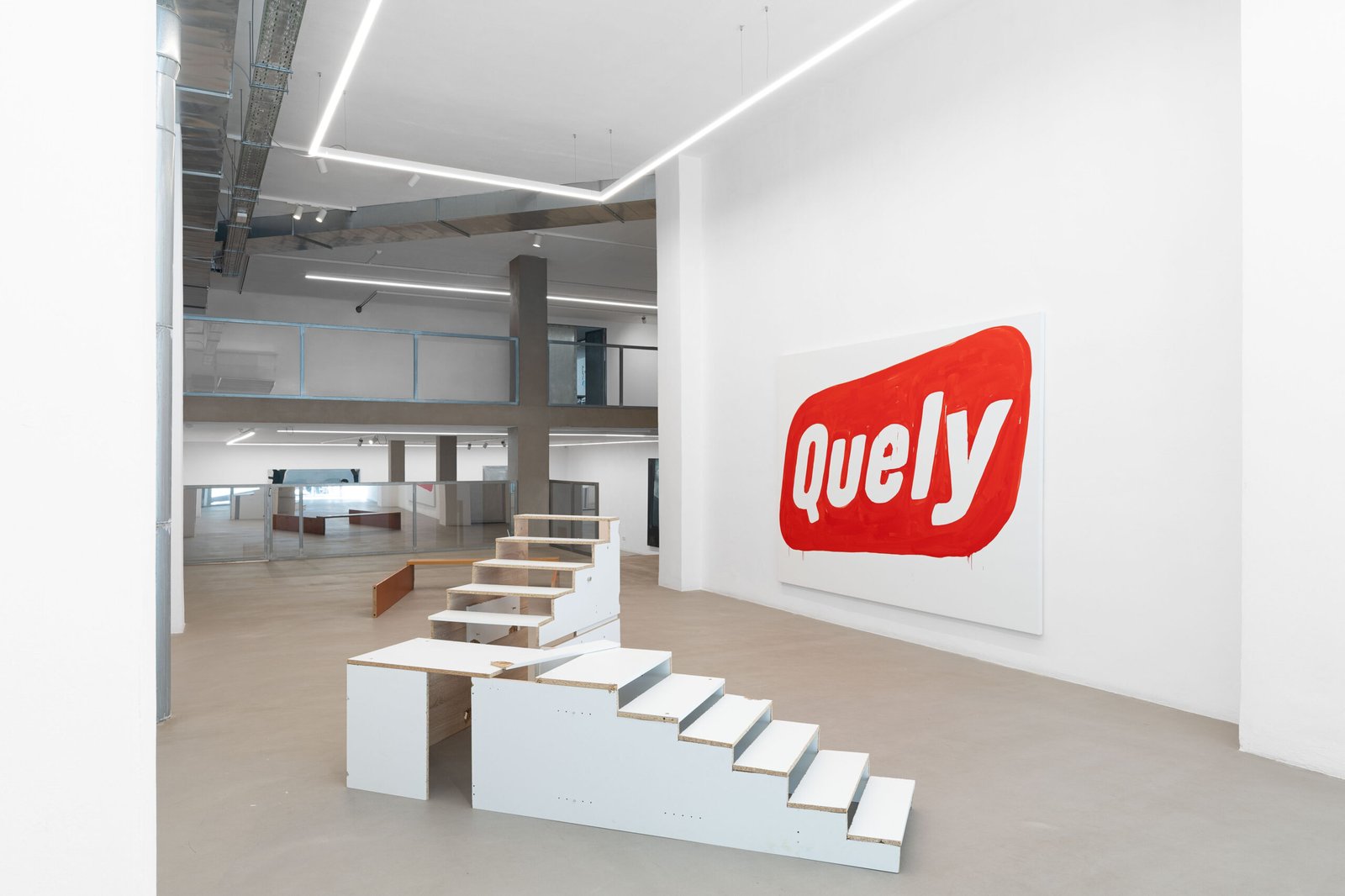
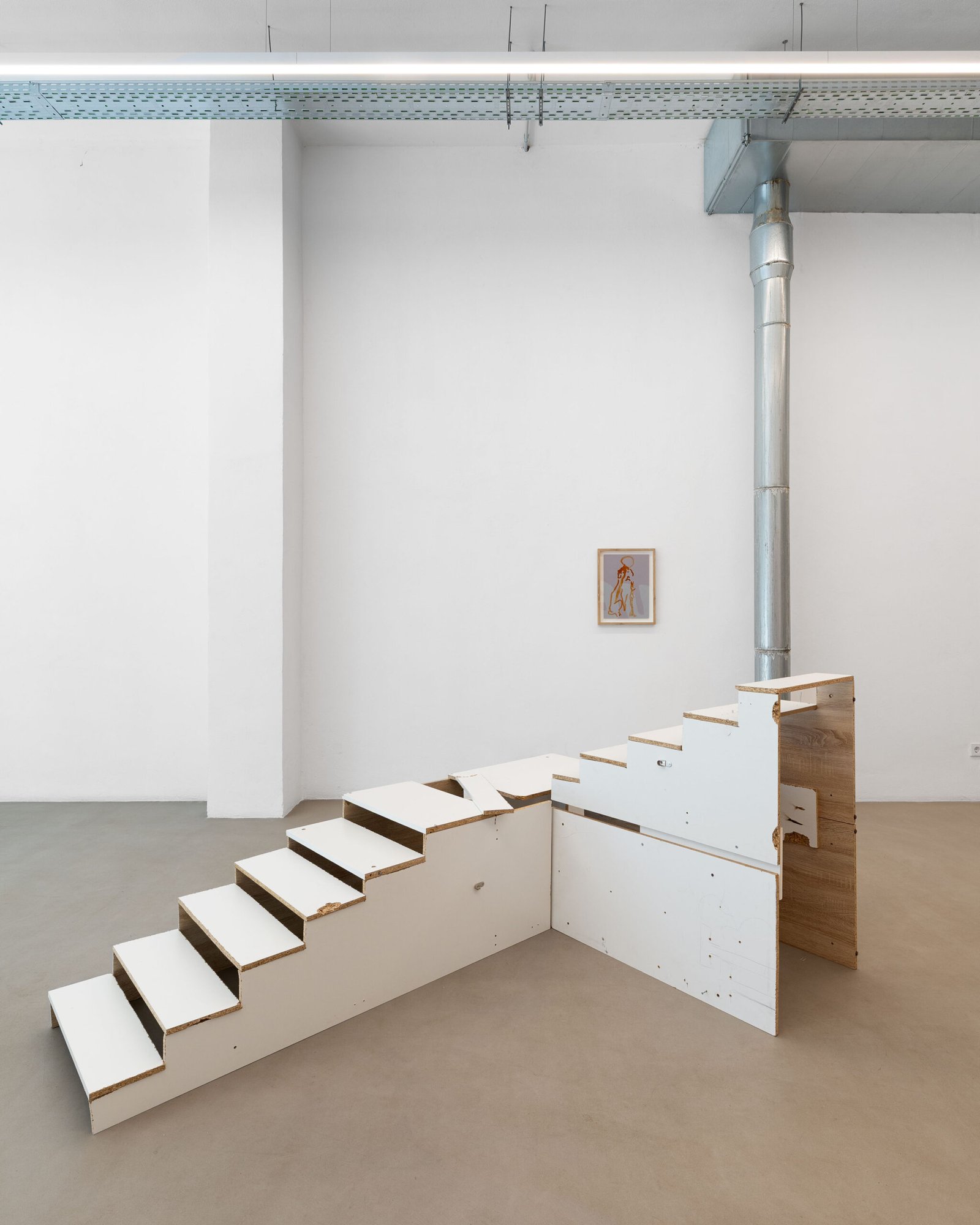
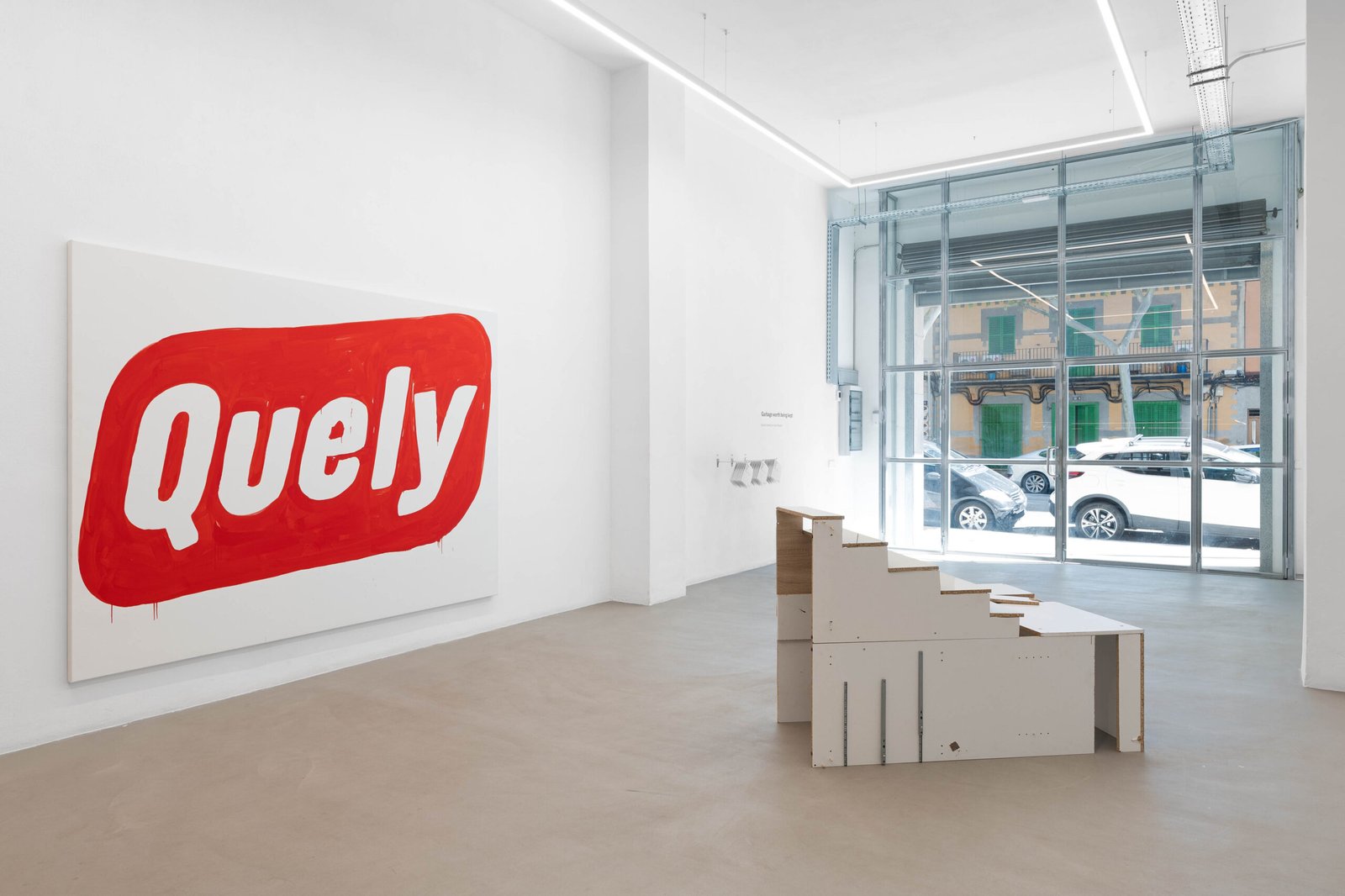
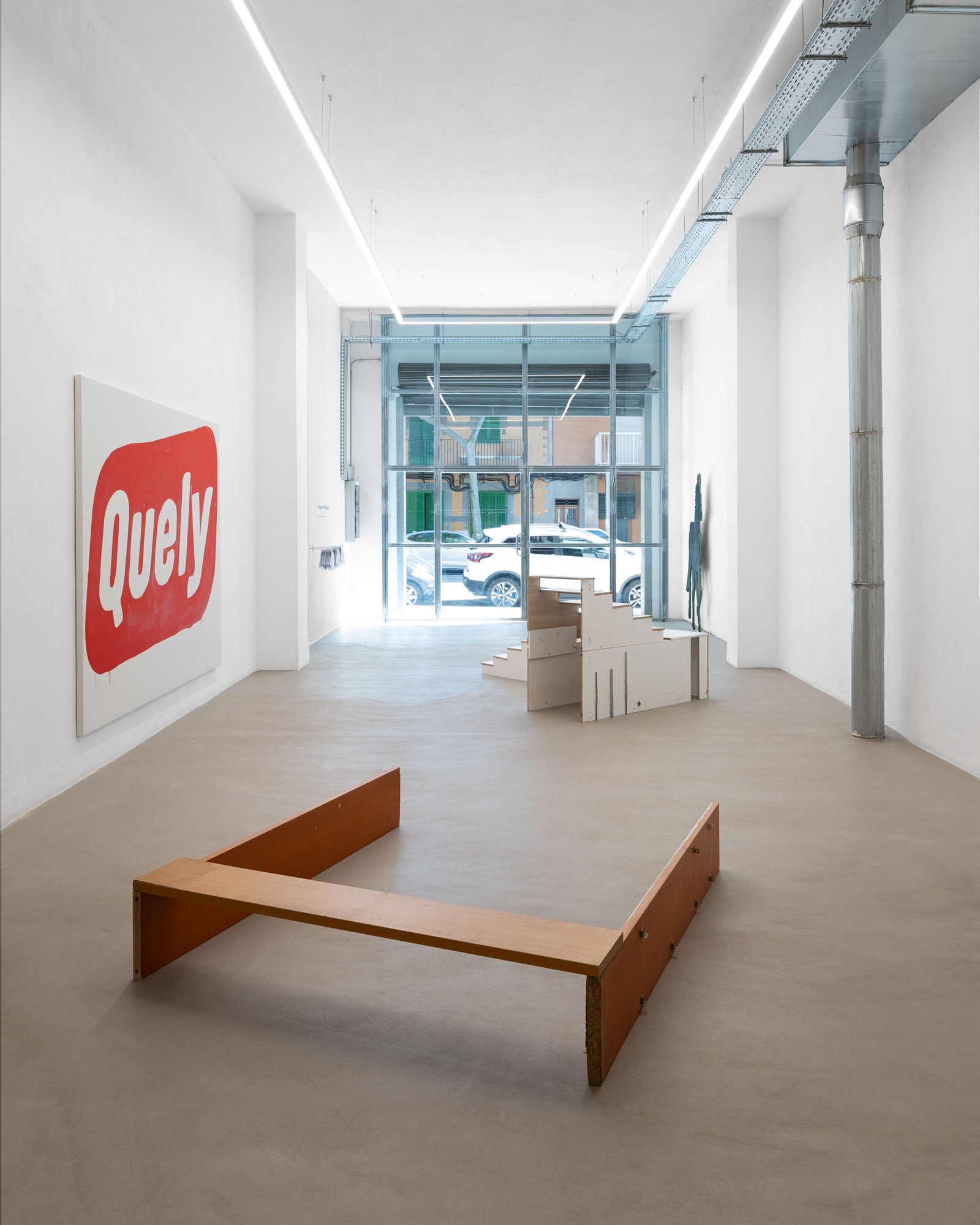
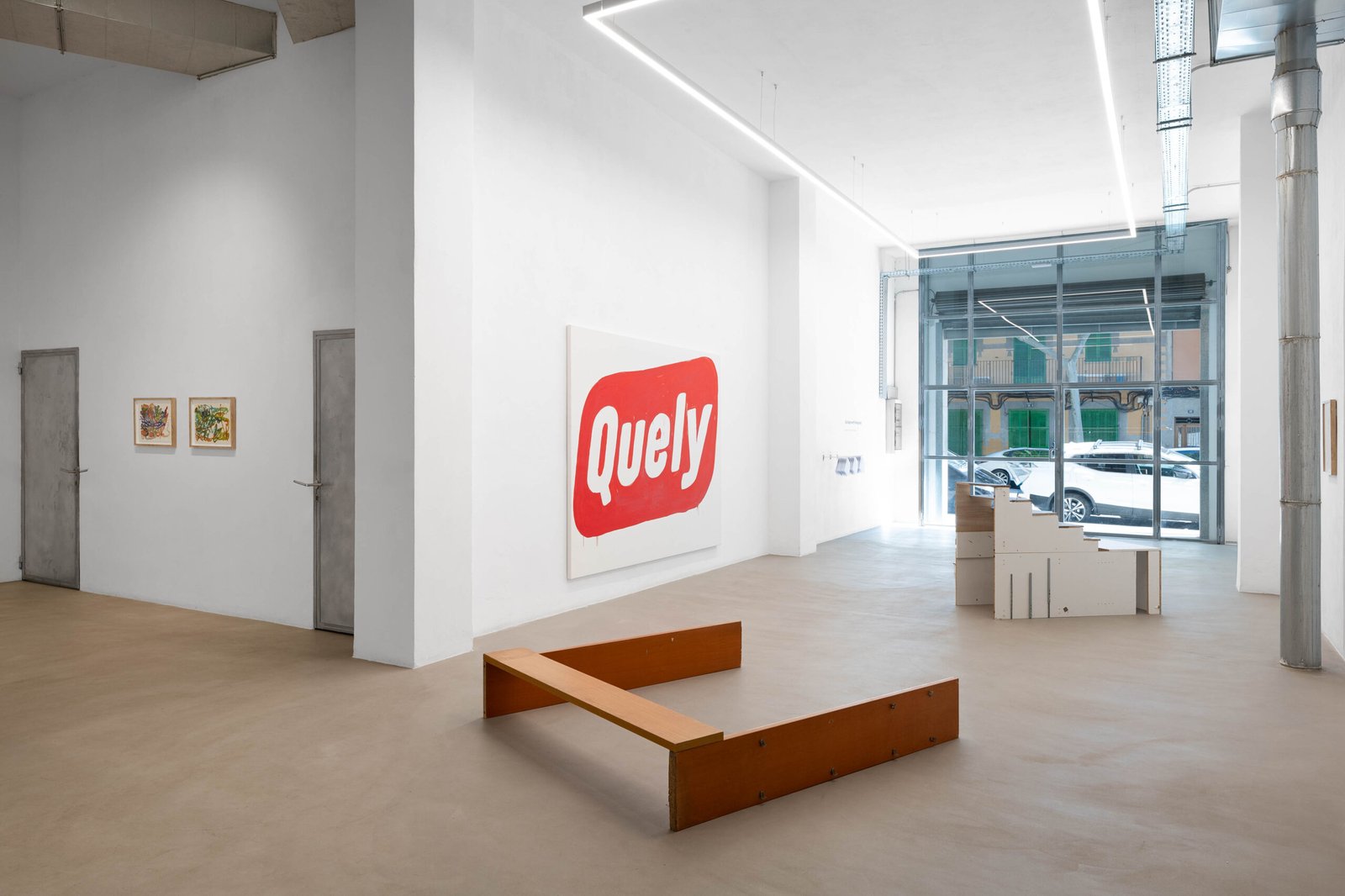
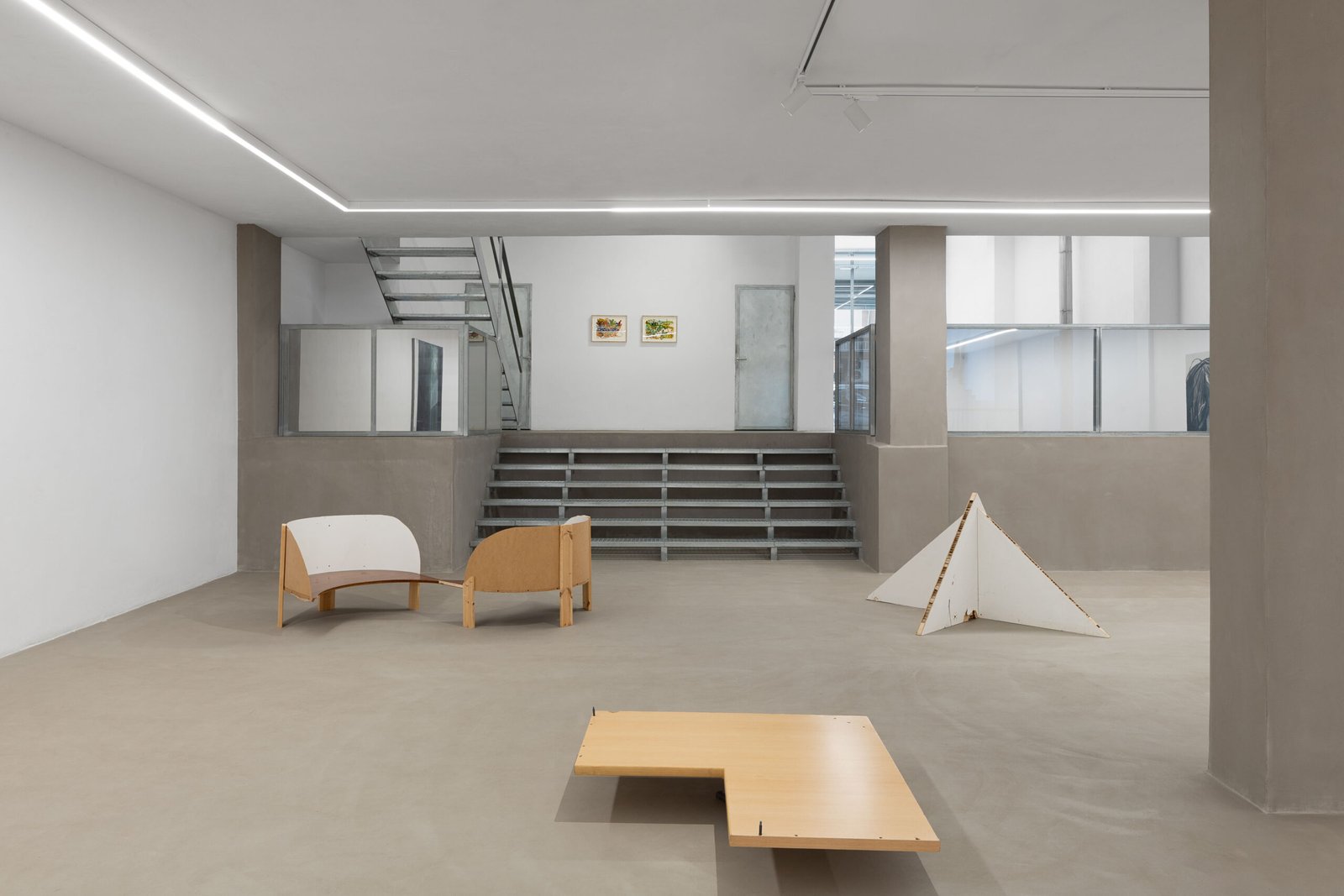
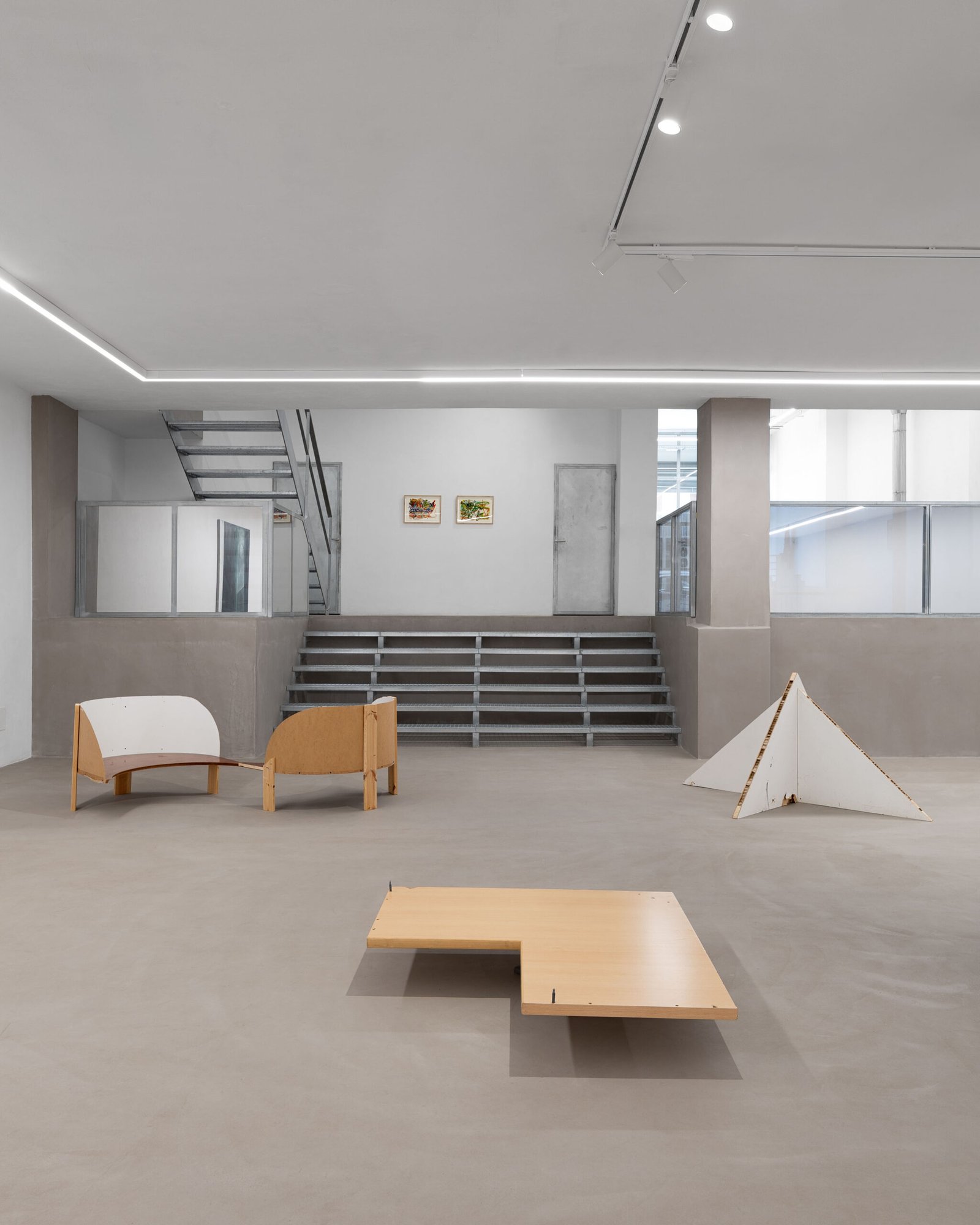
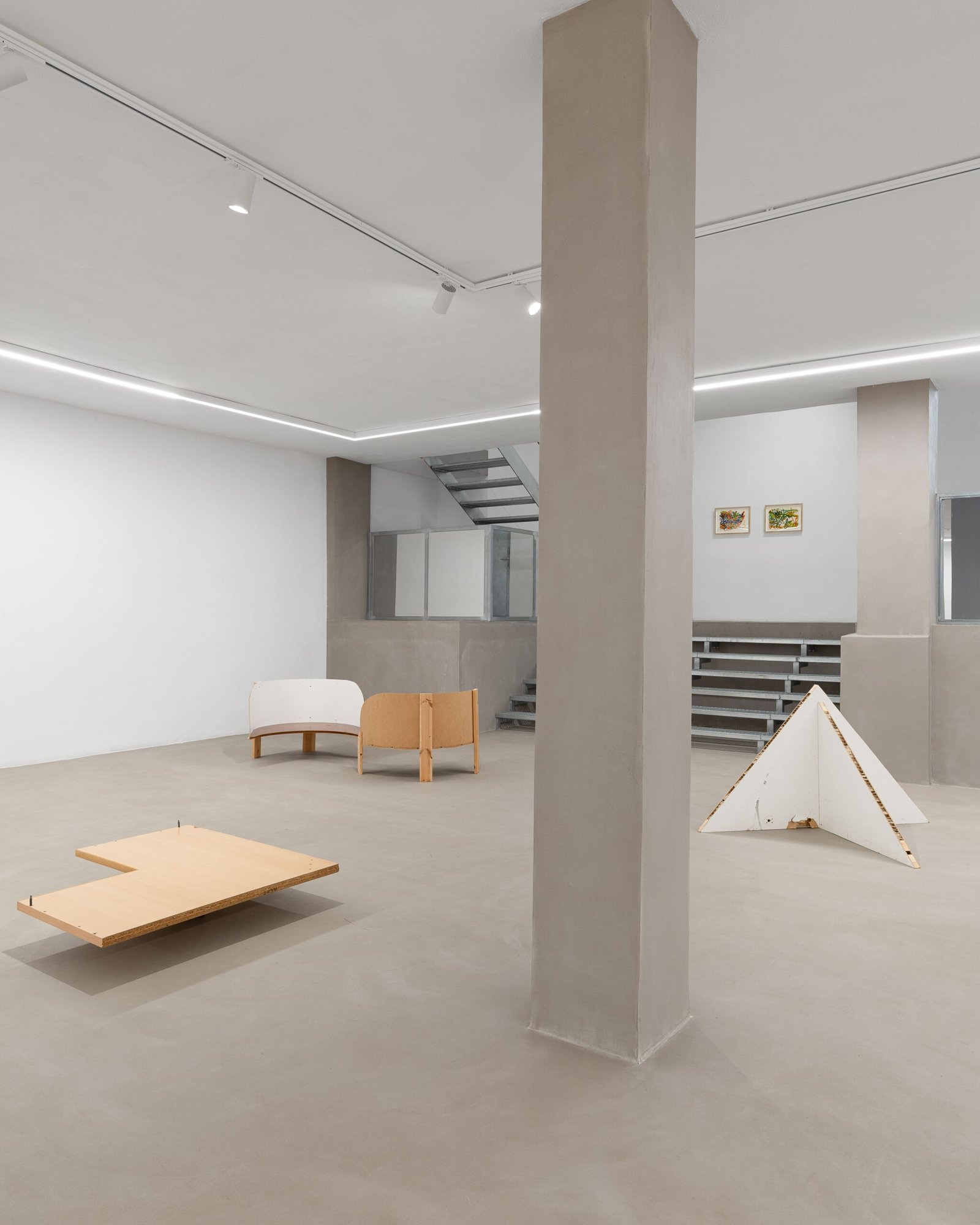
Román, whom I have known for longer, has also followed a path made up of unresolved things. From a volumetric and expanded painting that stretched the conventional limits of the canvas, towards a much flatter and pop language.Volume is no longer sought within the painting itself, but in an emerging sculptural practice.
We are talking about sculpture built from found objects. Most of the time, they have barely been modified, but instead assembled together to create non-functional forms. They are uncomfortable pieces of furniture. Like Bruno Munari’s chair, which made sitting on it impossible. It is not always possible to find comfort. Certainly not in this exhibition.
III.
As I said at the beginning, the title interested me for other reasons too: because of the number of questions it opens up. First of all, in order to keep garbage occupying a common space in a shared studio, there must be a relational dimension. An agreement: this unresolved thing doesn’t bother me, and it doesn’t bother you either. In fact, let’s decide to keep it close, just in case. This relational dimension gives rise to something much broader: sustained conversation, the exchange of ideas, mutual contamination and, eventually, the formation of a community or, if we take it a step further, of a scene. It is not a casual word.
In the 1990s, Brian Eno coined the term scenius as an alternative to the myth of the artistic genius, to name the collective intelligence that emerges within a scene. Some of the best moments in recent art history, as Krebber’s interview also makes clear, emerge when a community of artists, shared references, conversations and places to meet come together: studio, bar, gallery, you name it.
Secondly, to stop considering something garbage, or to return to it at a later stage, requires an aesthetic decision, and making sure that decision is shared with the others. These moments of agreement or friction are what shape a shared conception of art, a definition that, if anything, remains permanently open to question. That great thing left unresolved…
IV.
Who knows whether, years from now, we will keep anything, or any memory, of all this. Whether a scene was taking shape before we even knew it. Whether we will meet again, share beers or intuitions, perhaps become a community in the process, or reread this text. Just as Duchamp threw himself confidently into posterity, let time decide whether any of this is, in fact, worth keeping.
Esmeralda Gómez Galera
Benidorm, 2026