


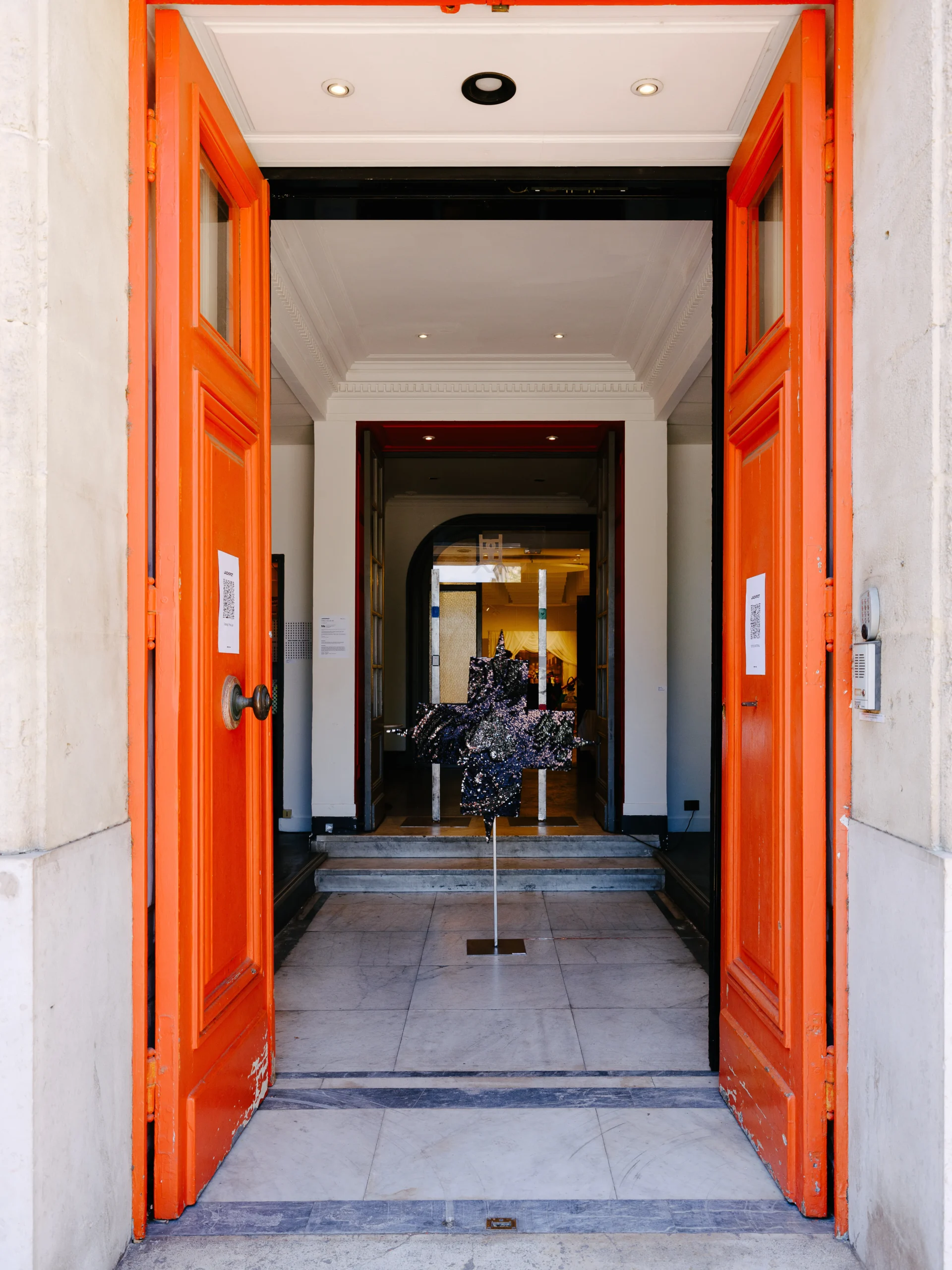
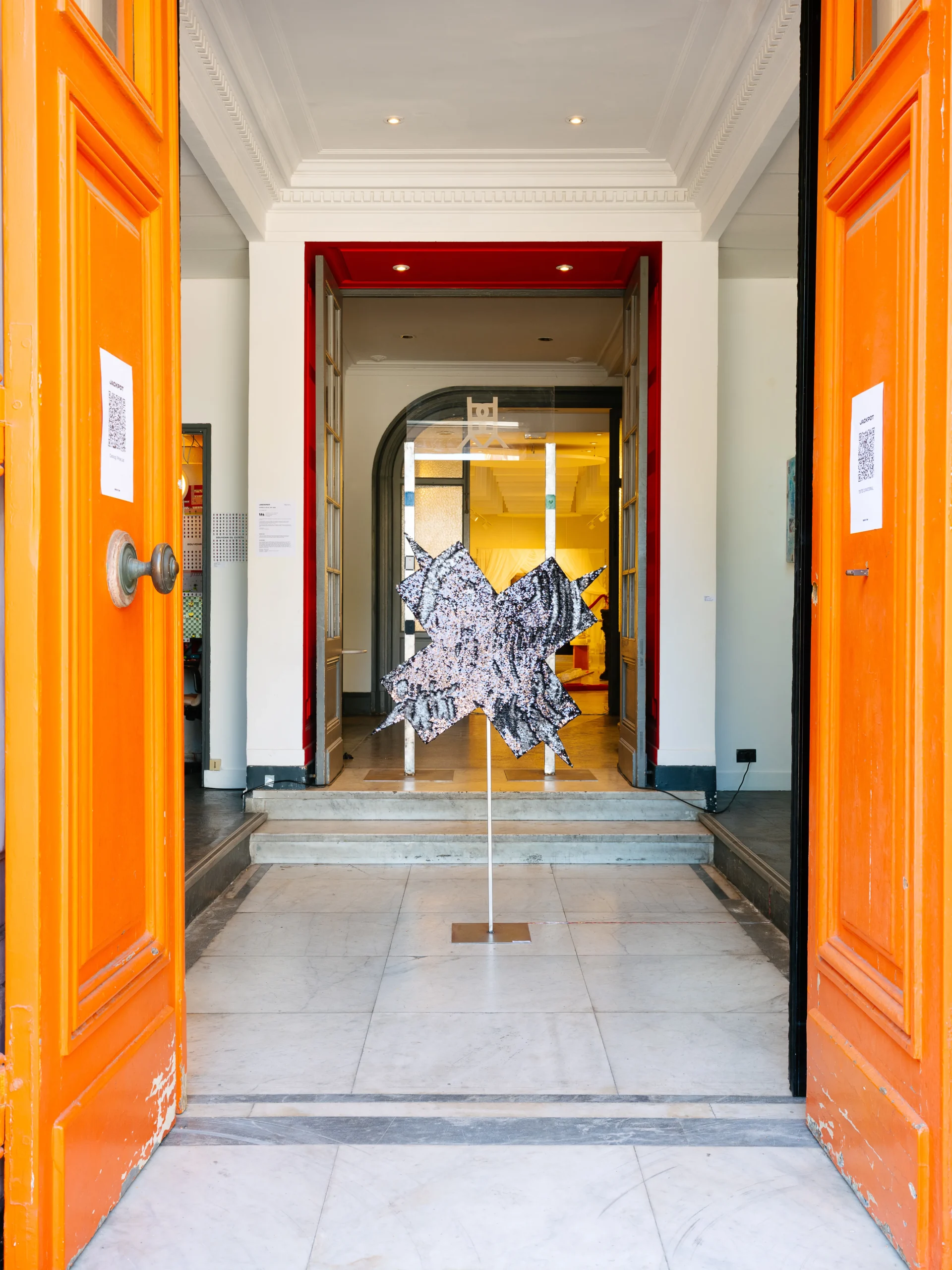
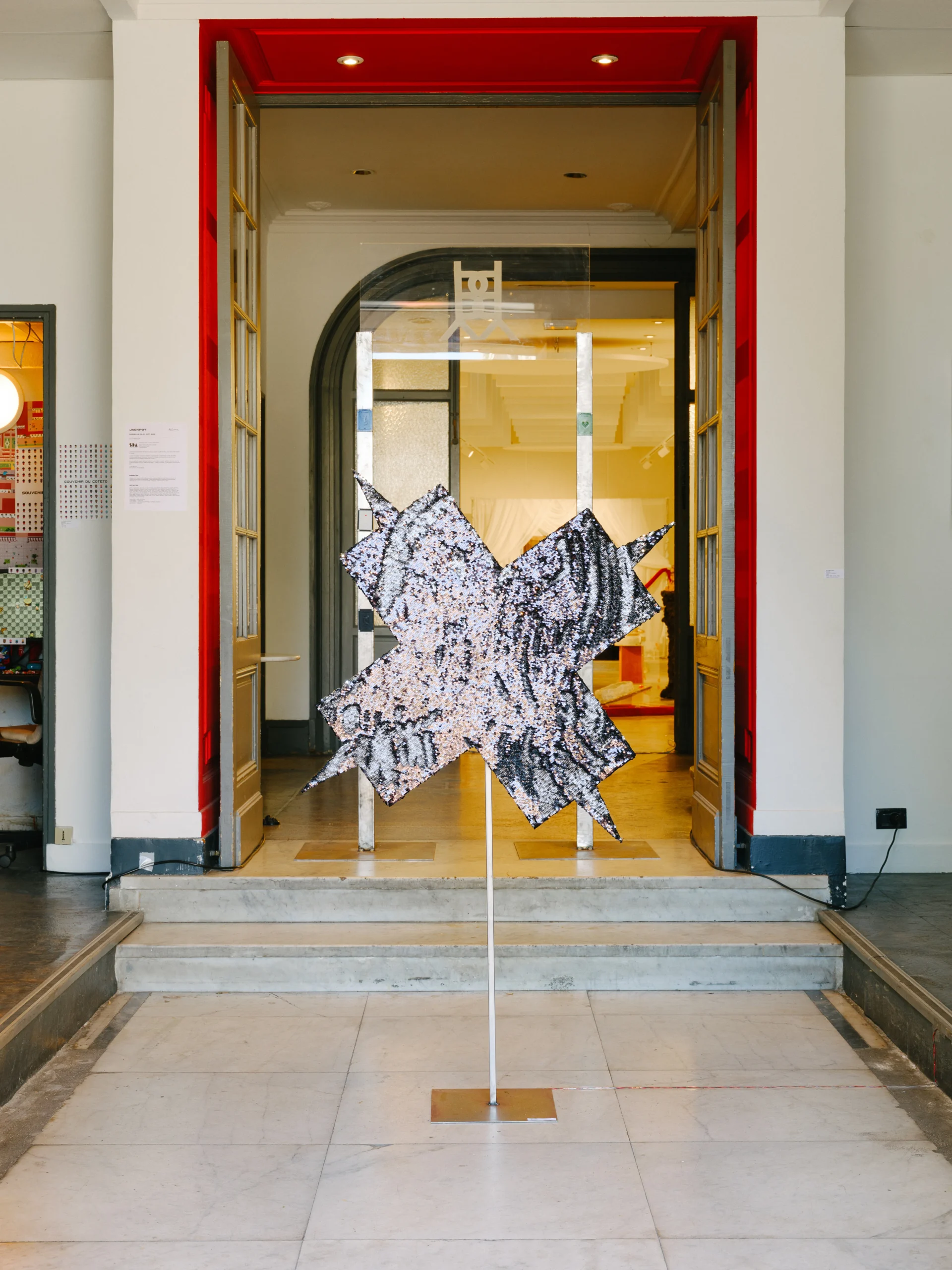
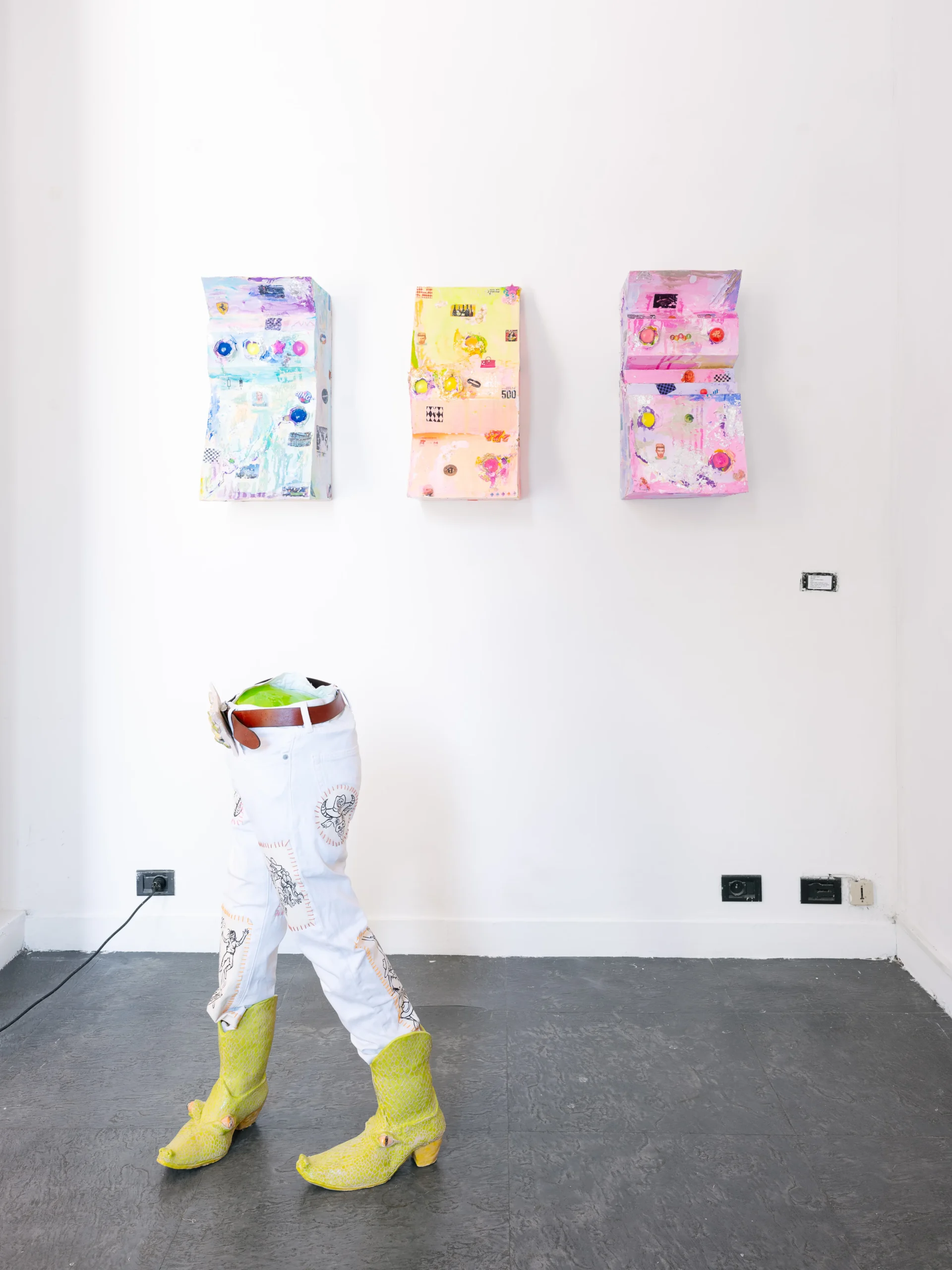
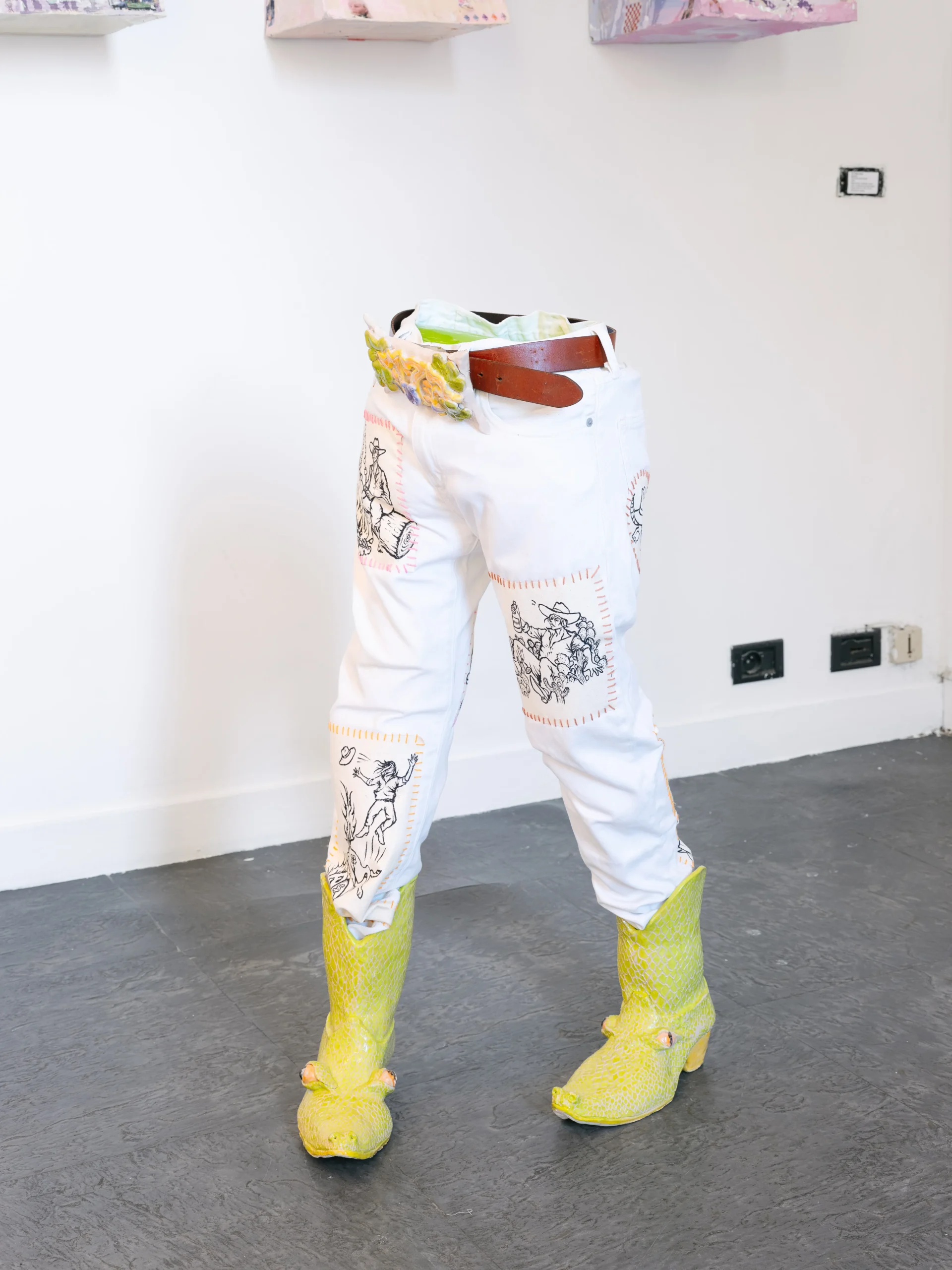
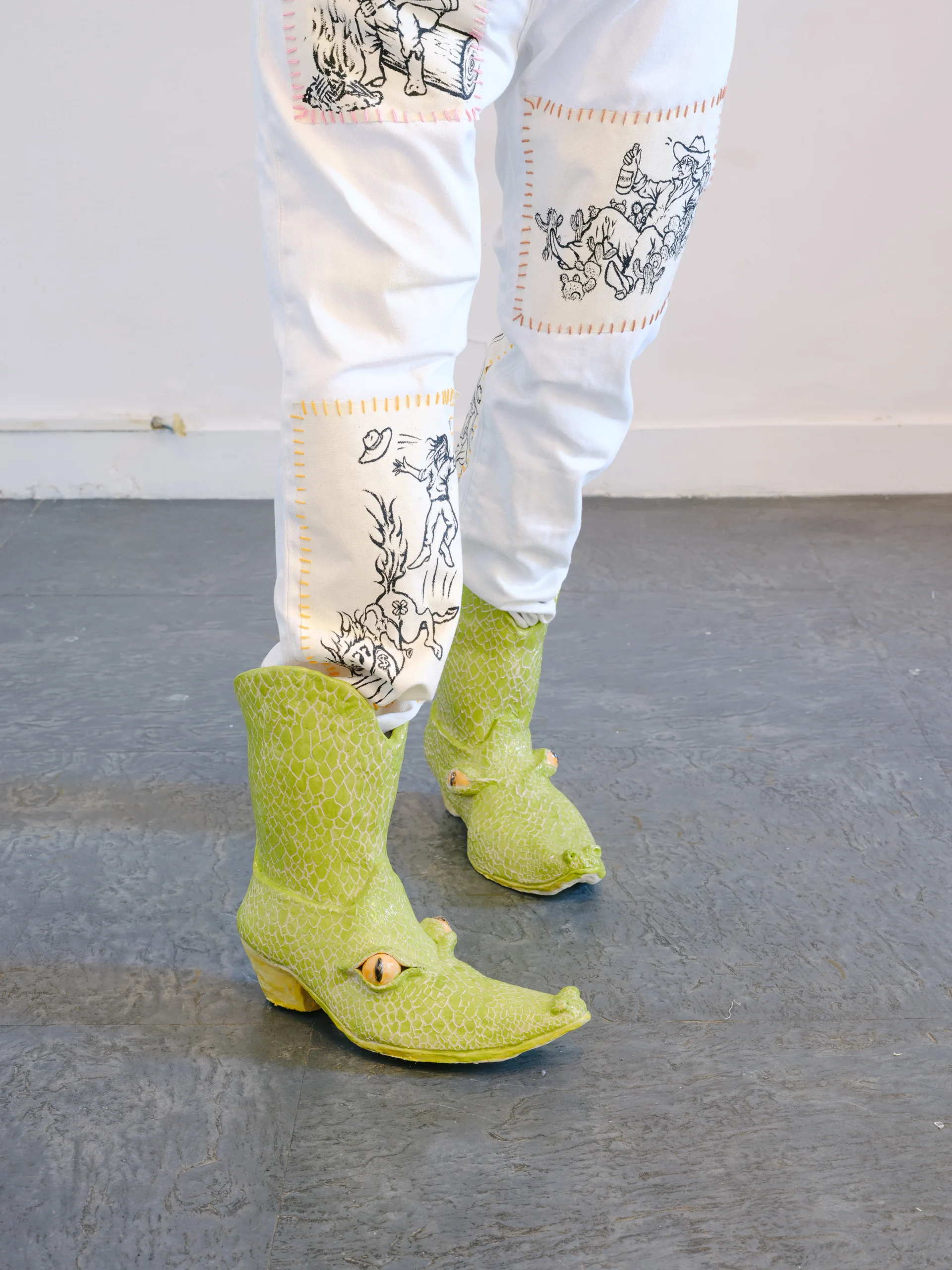
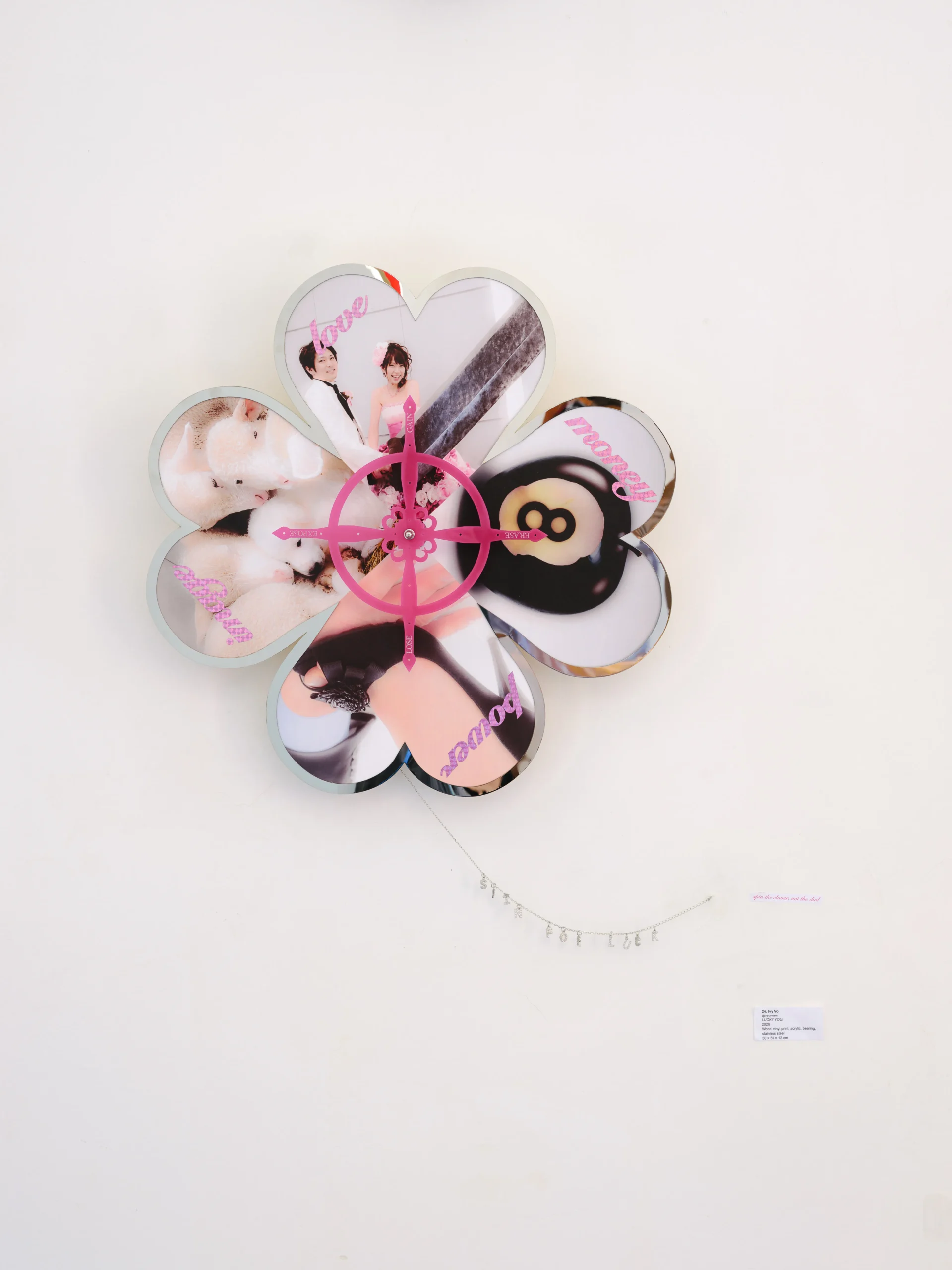
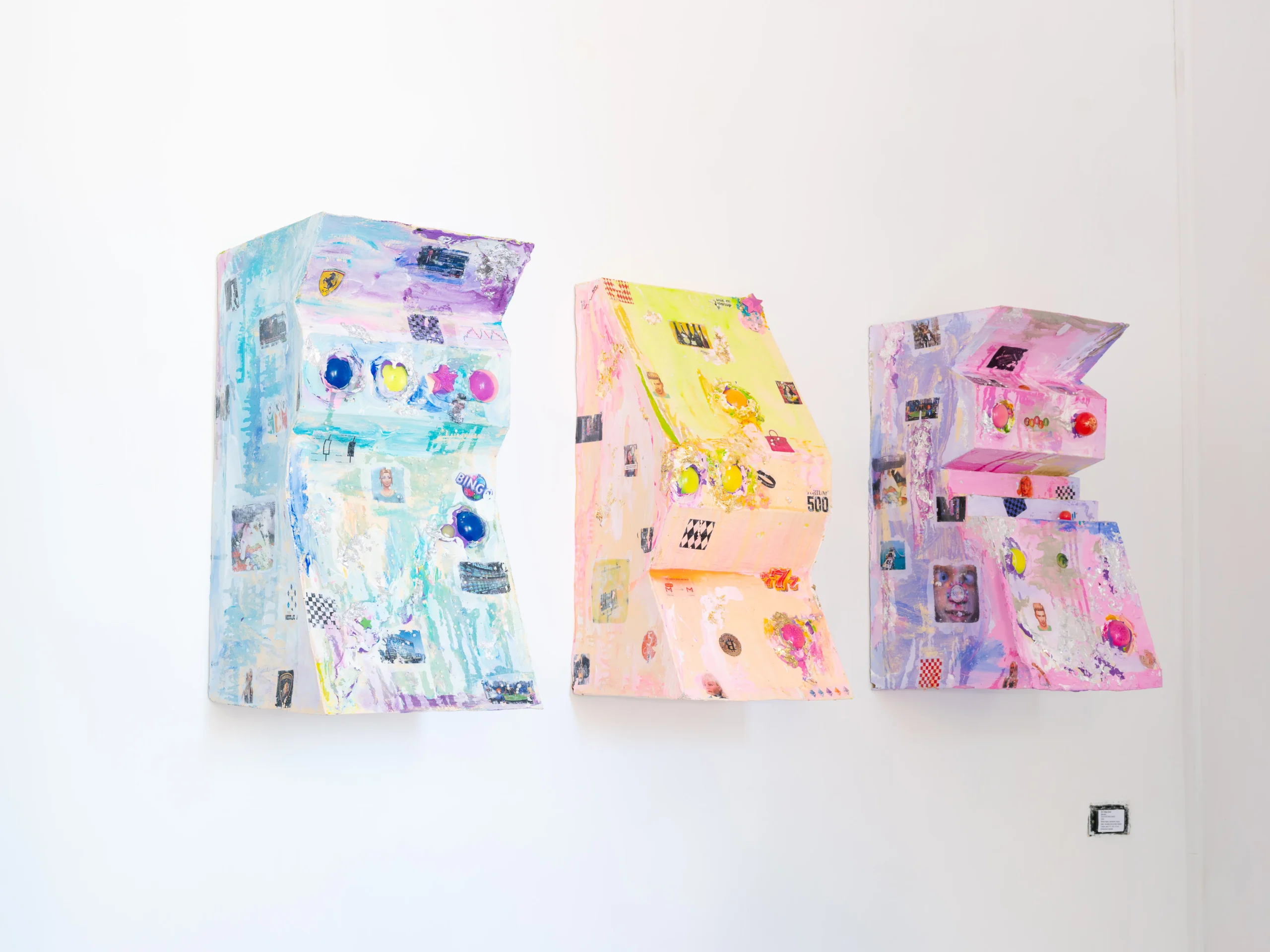
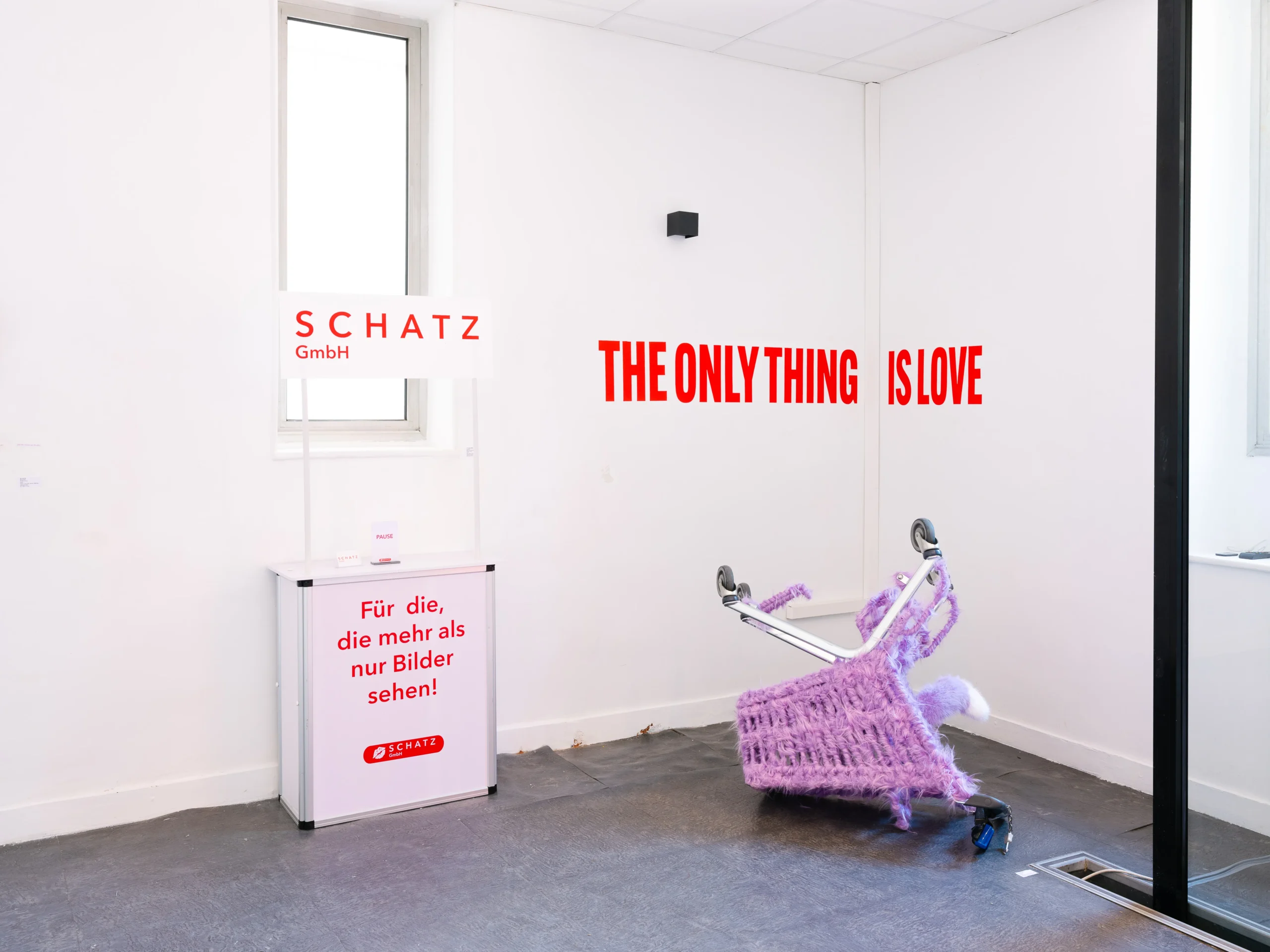
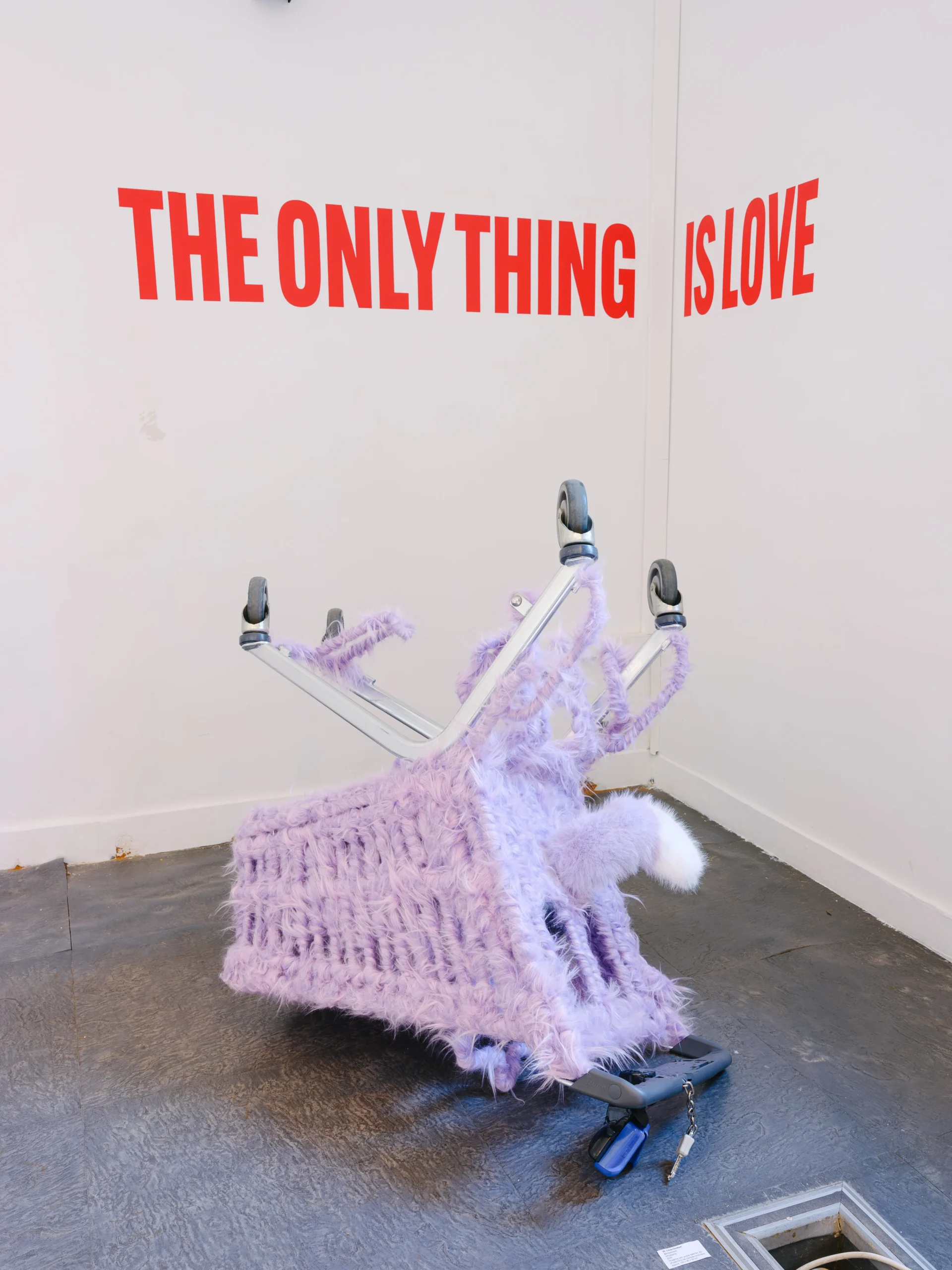
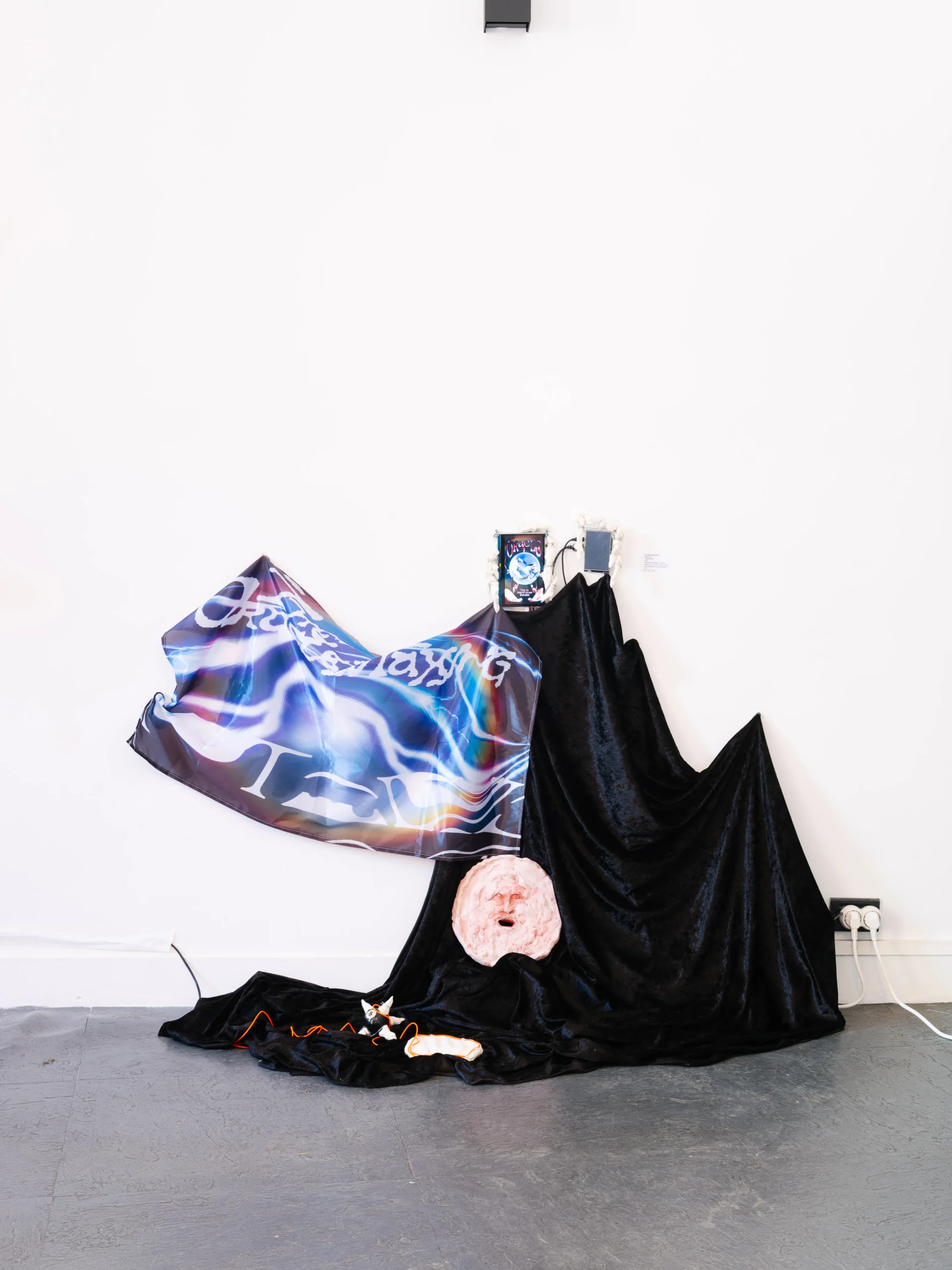
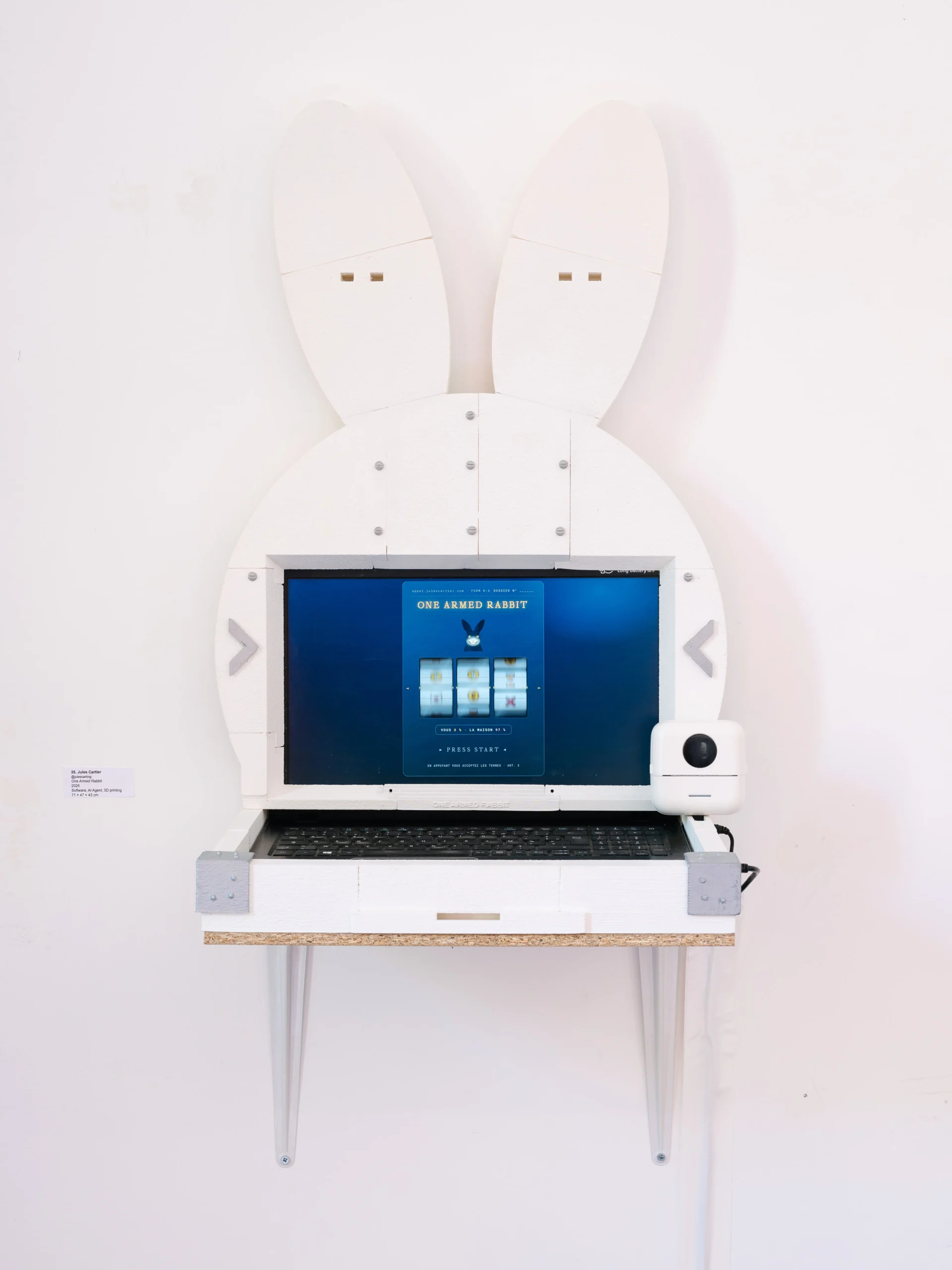
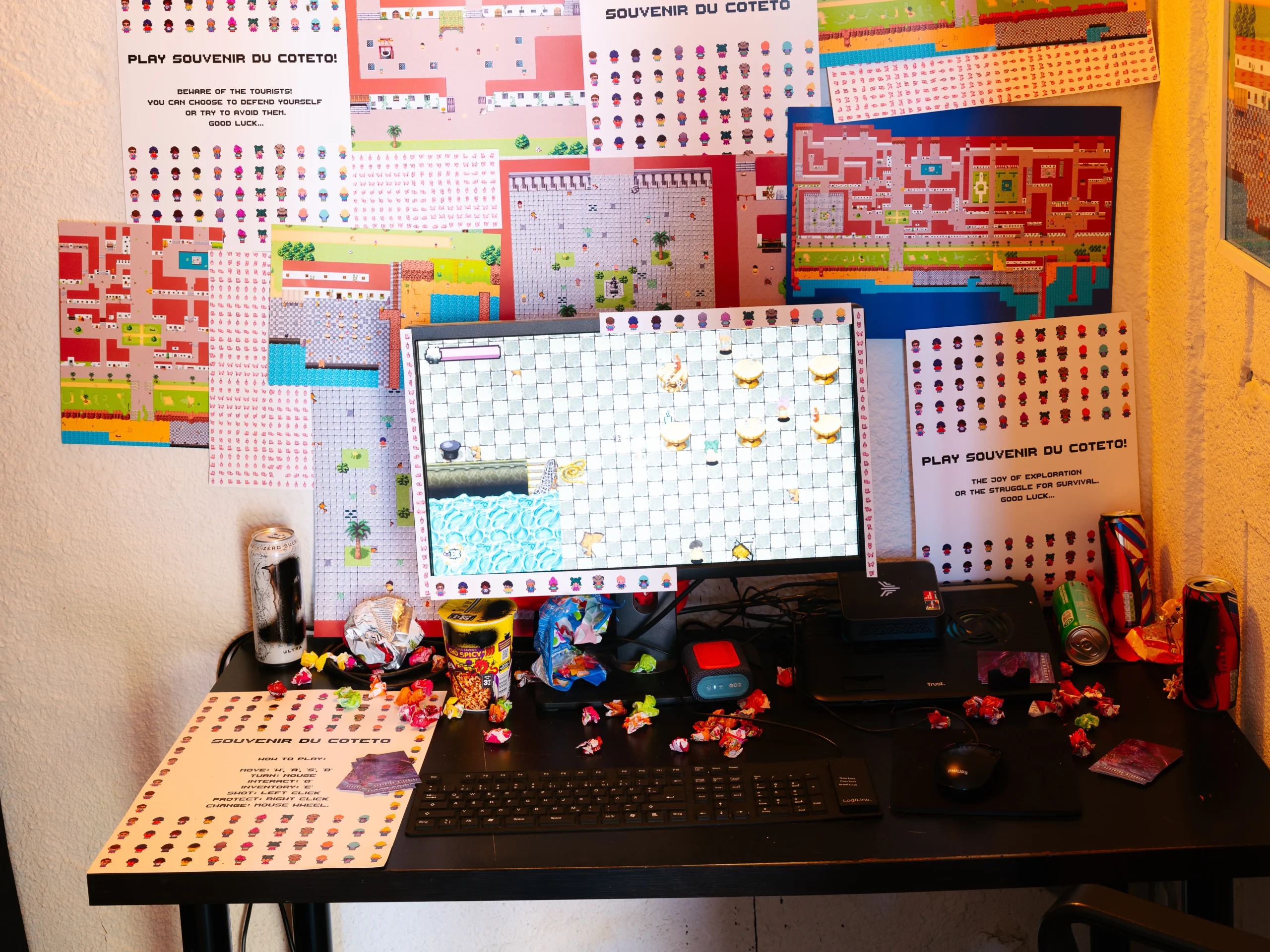
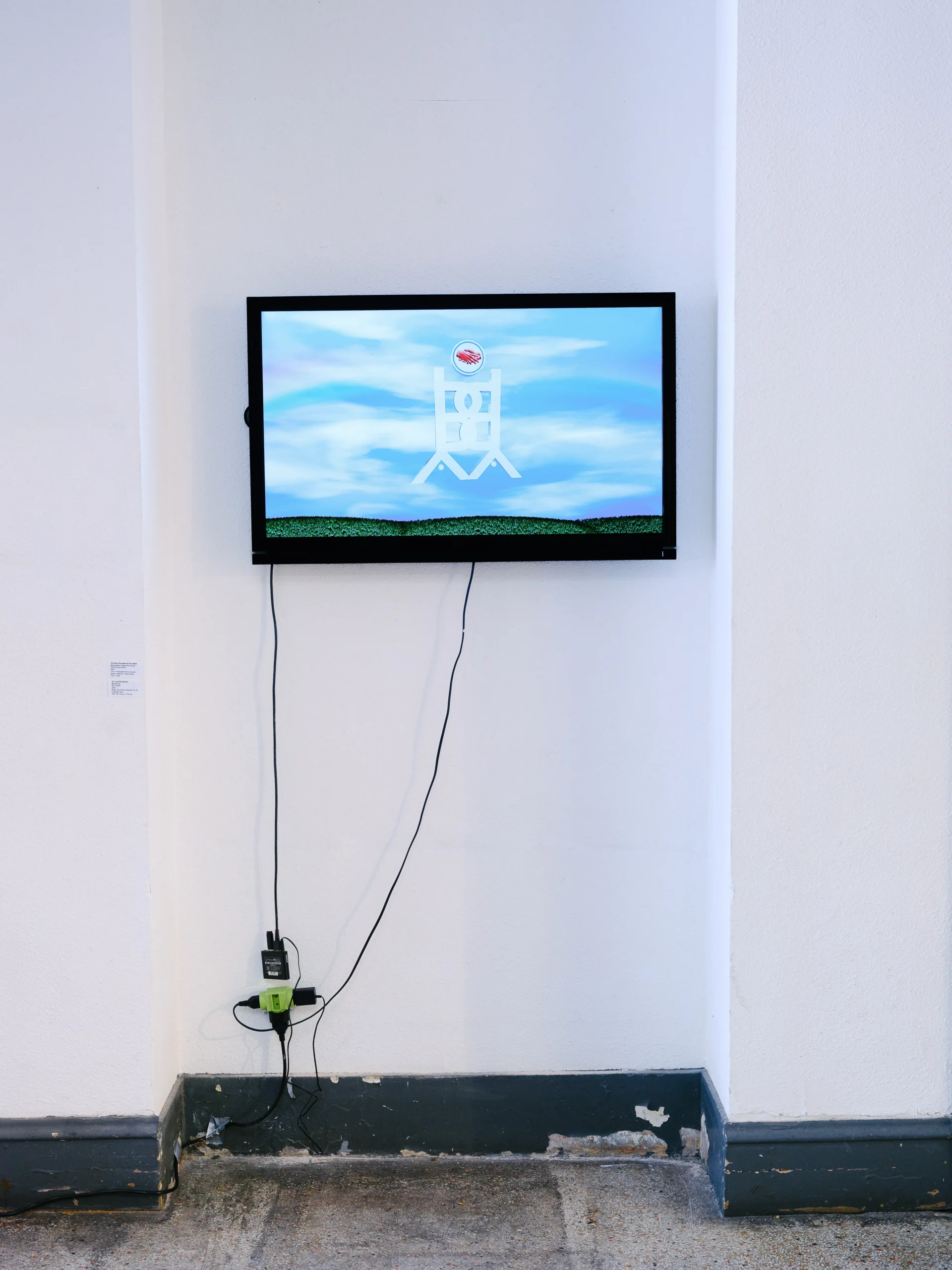
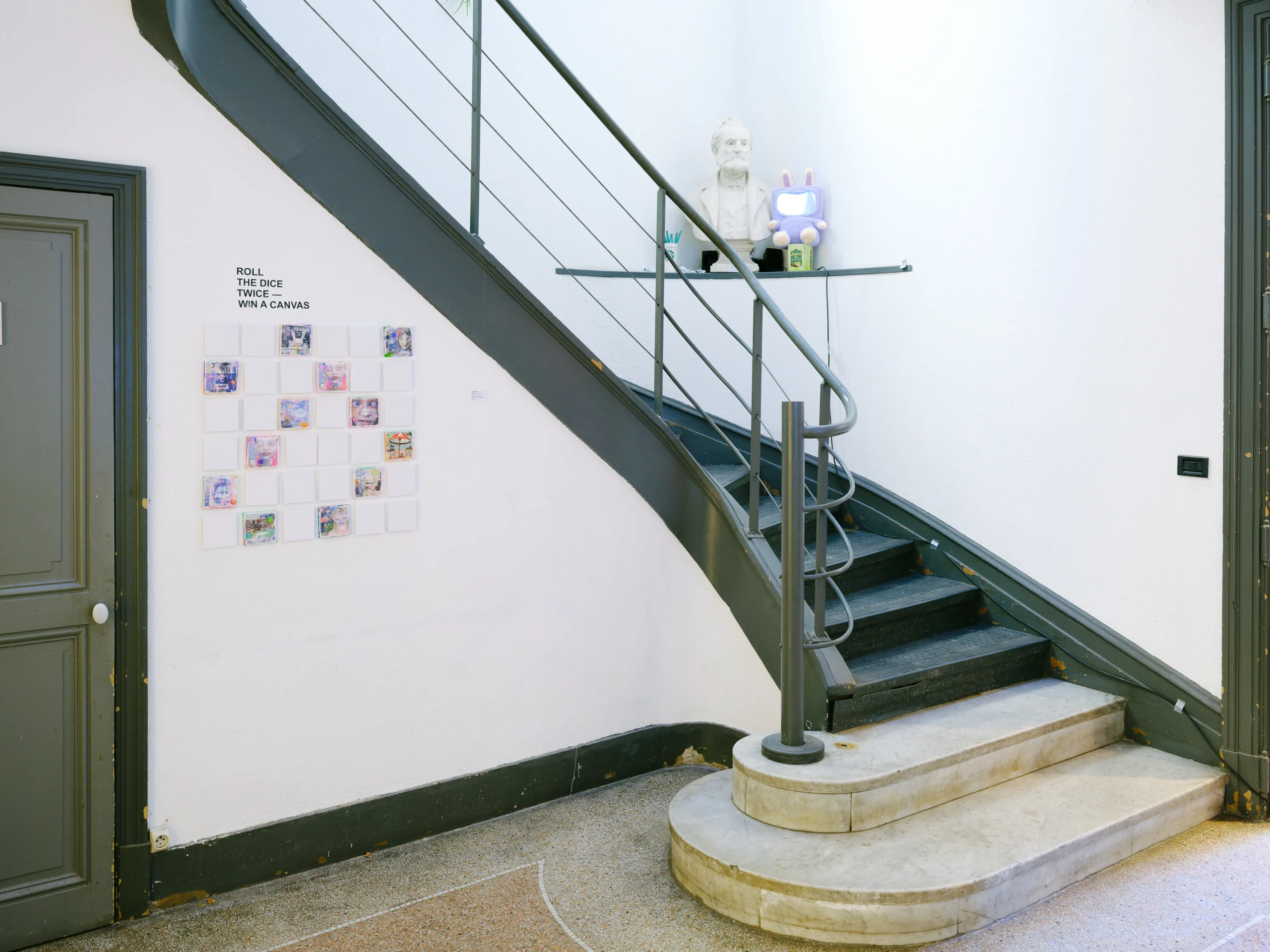
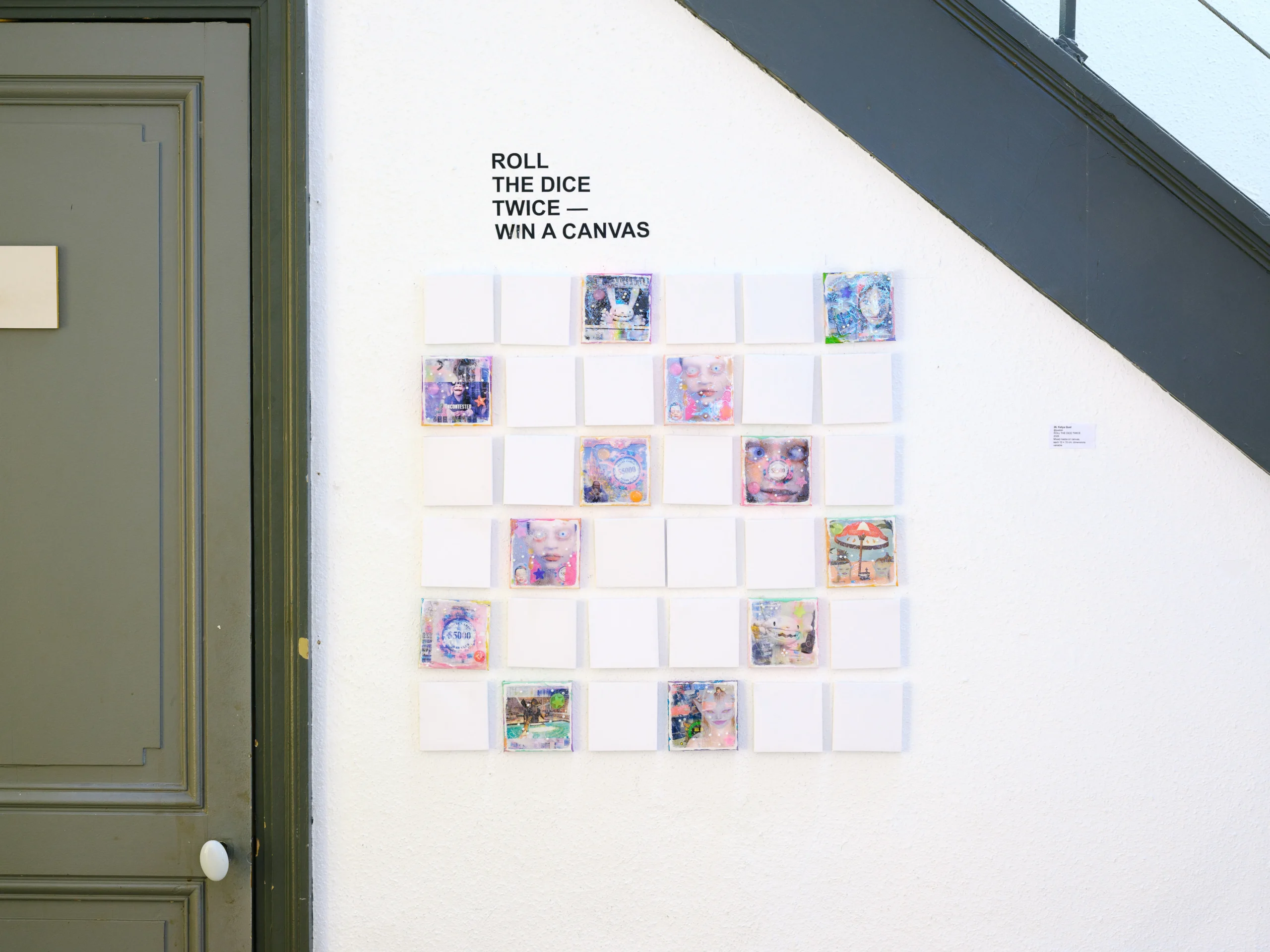
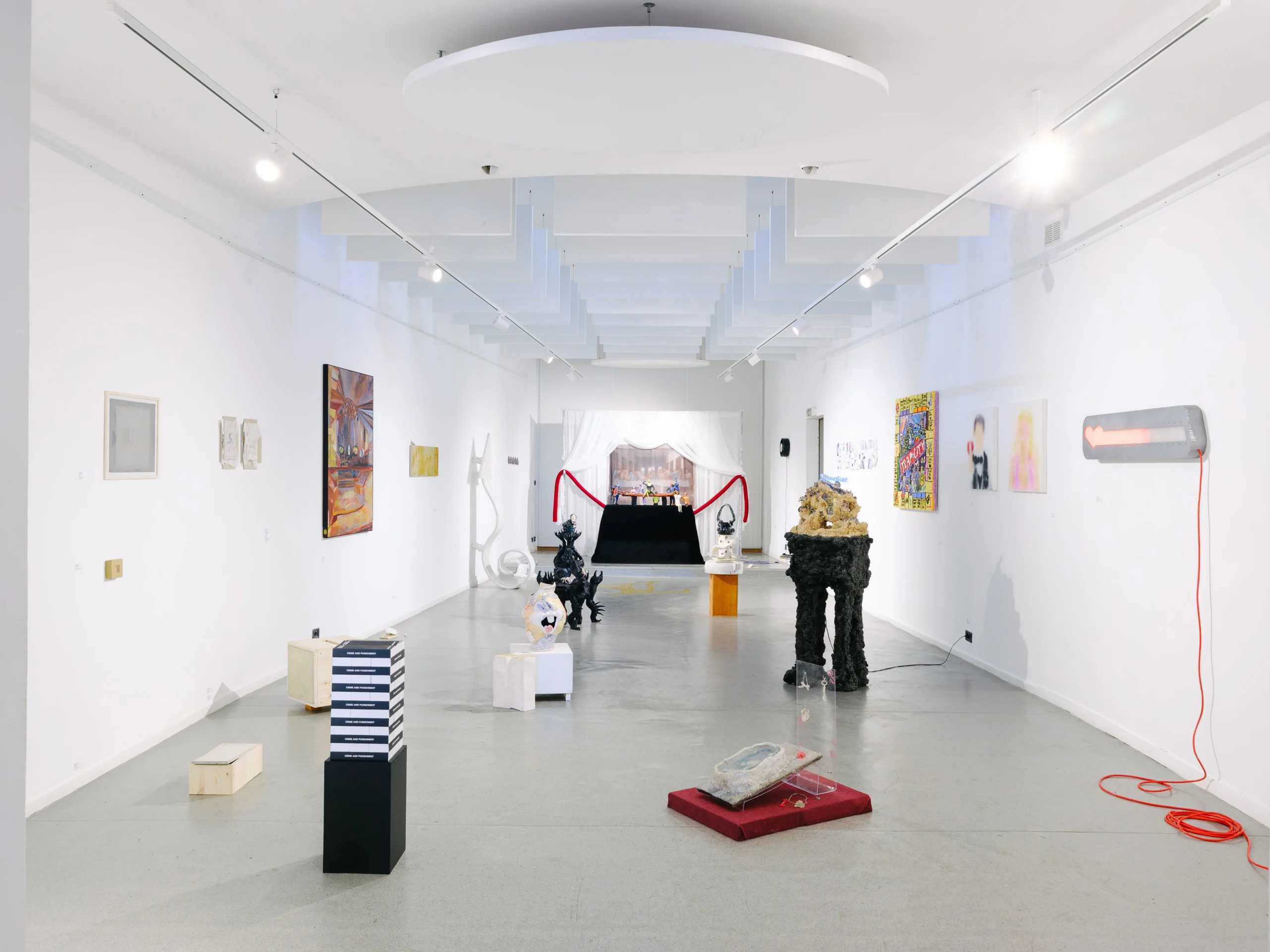
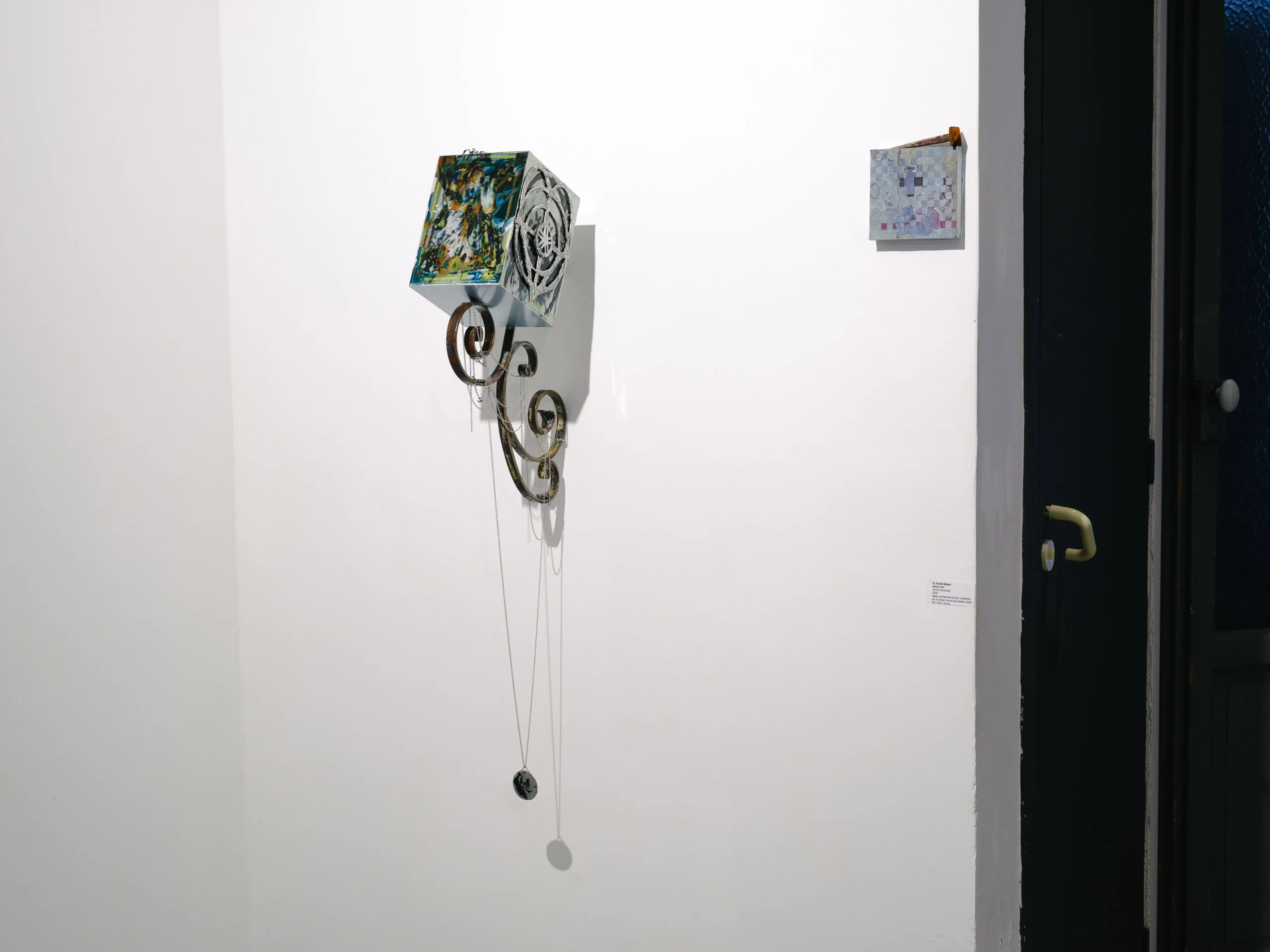
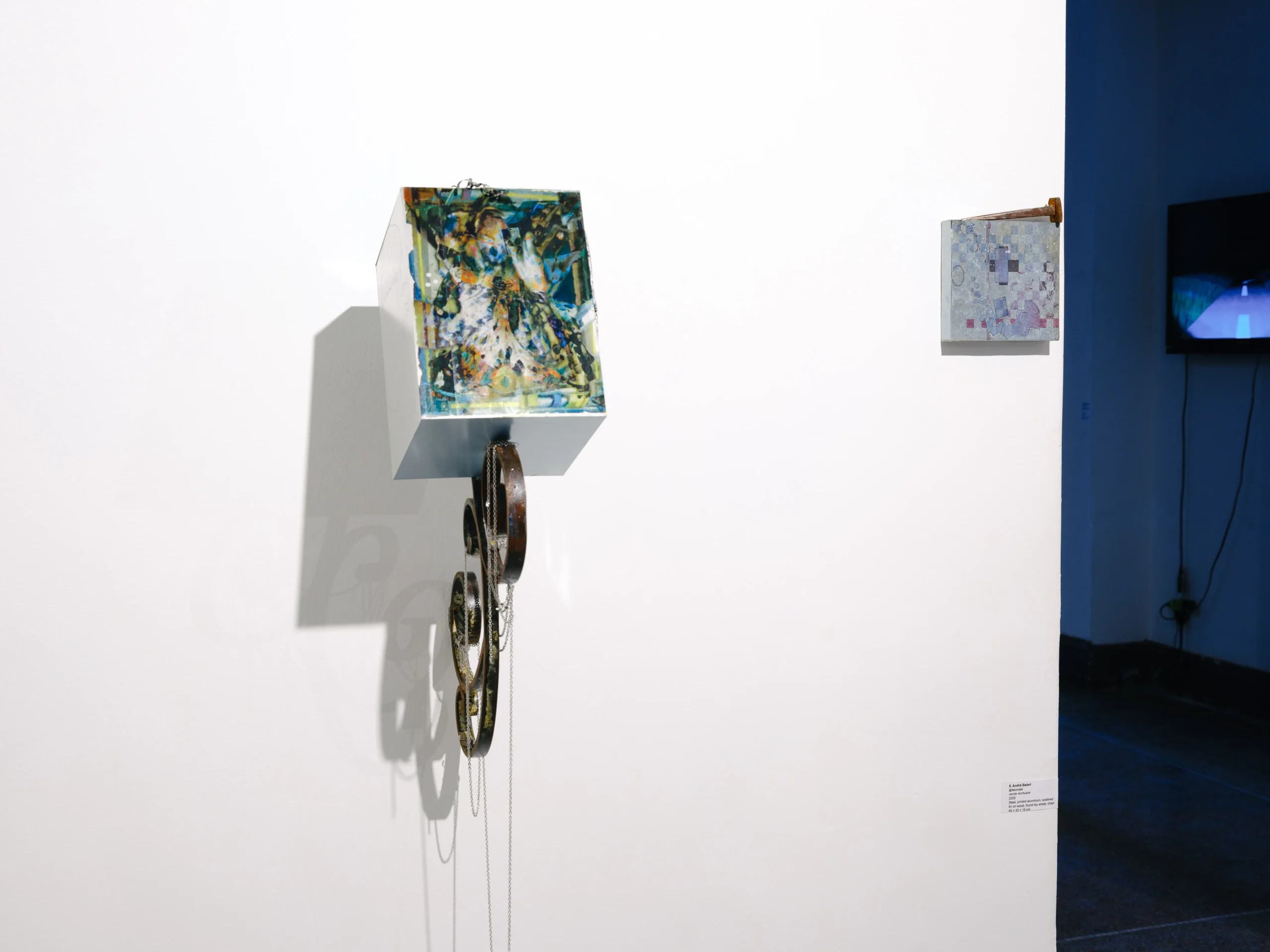
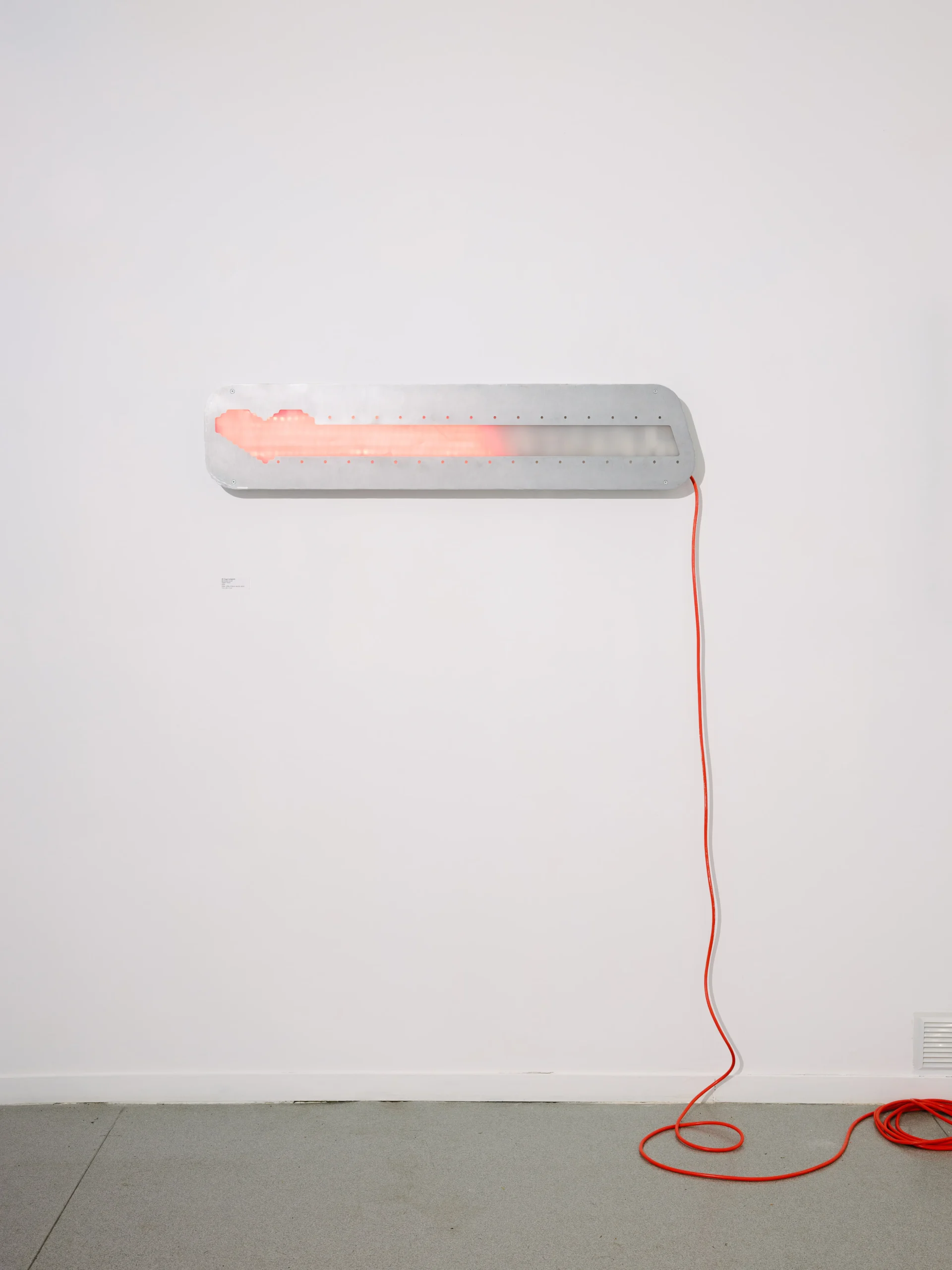
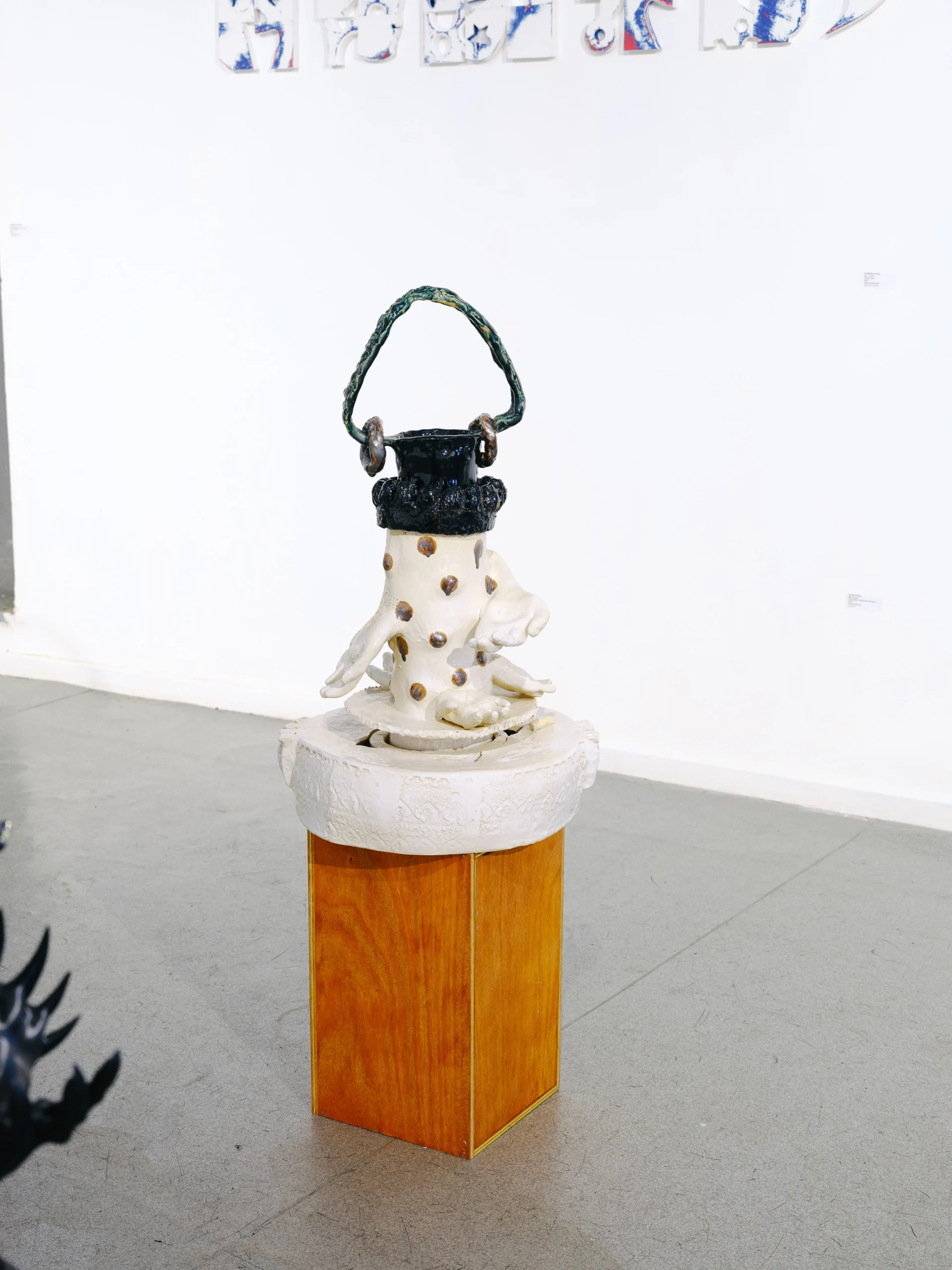
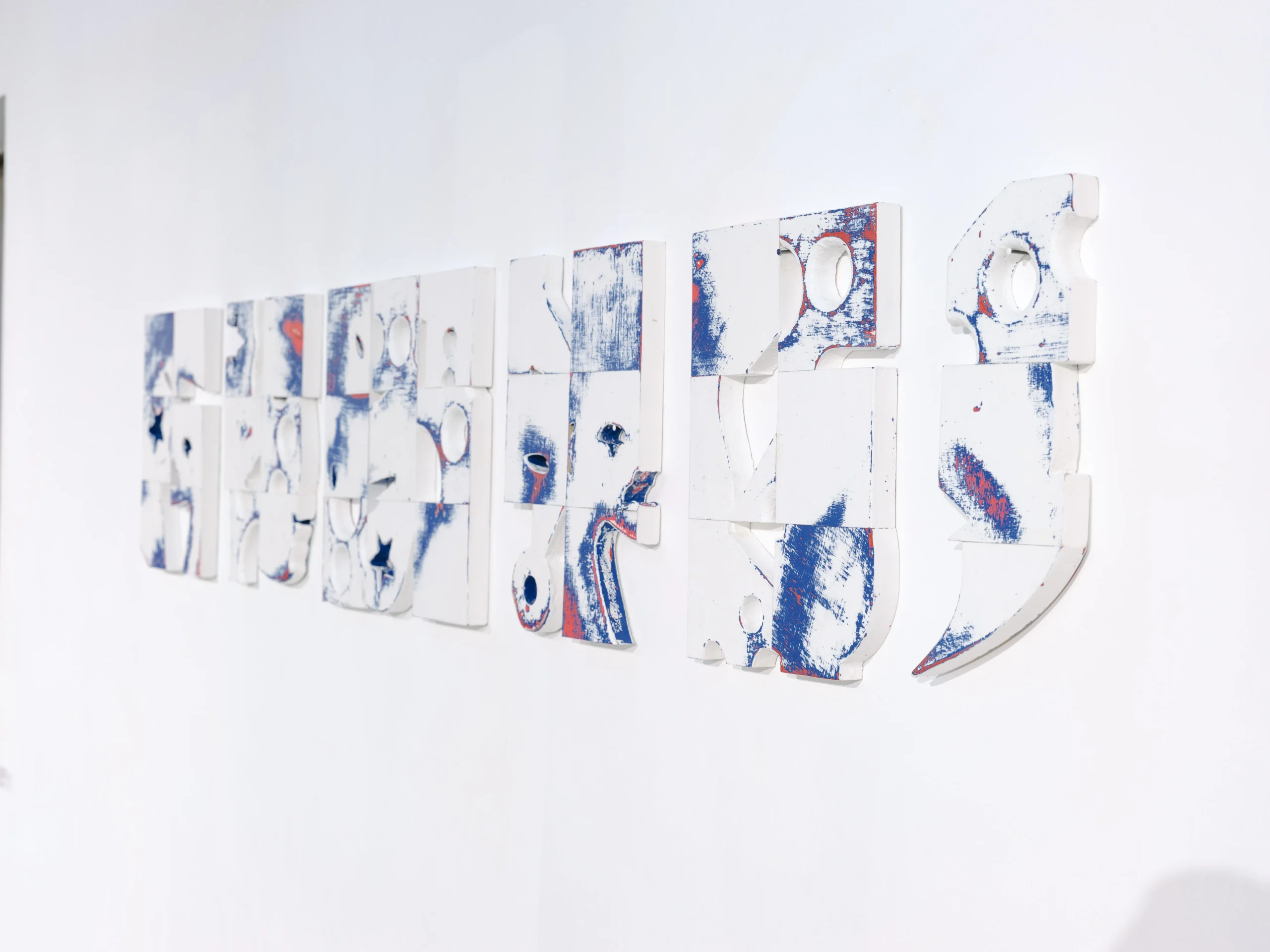
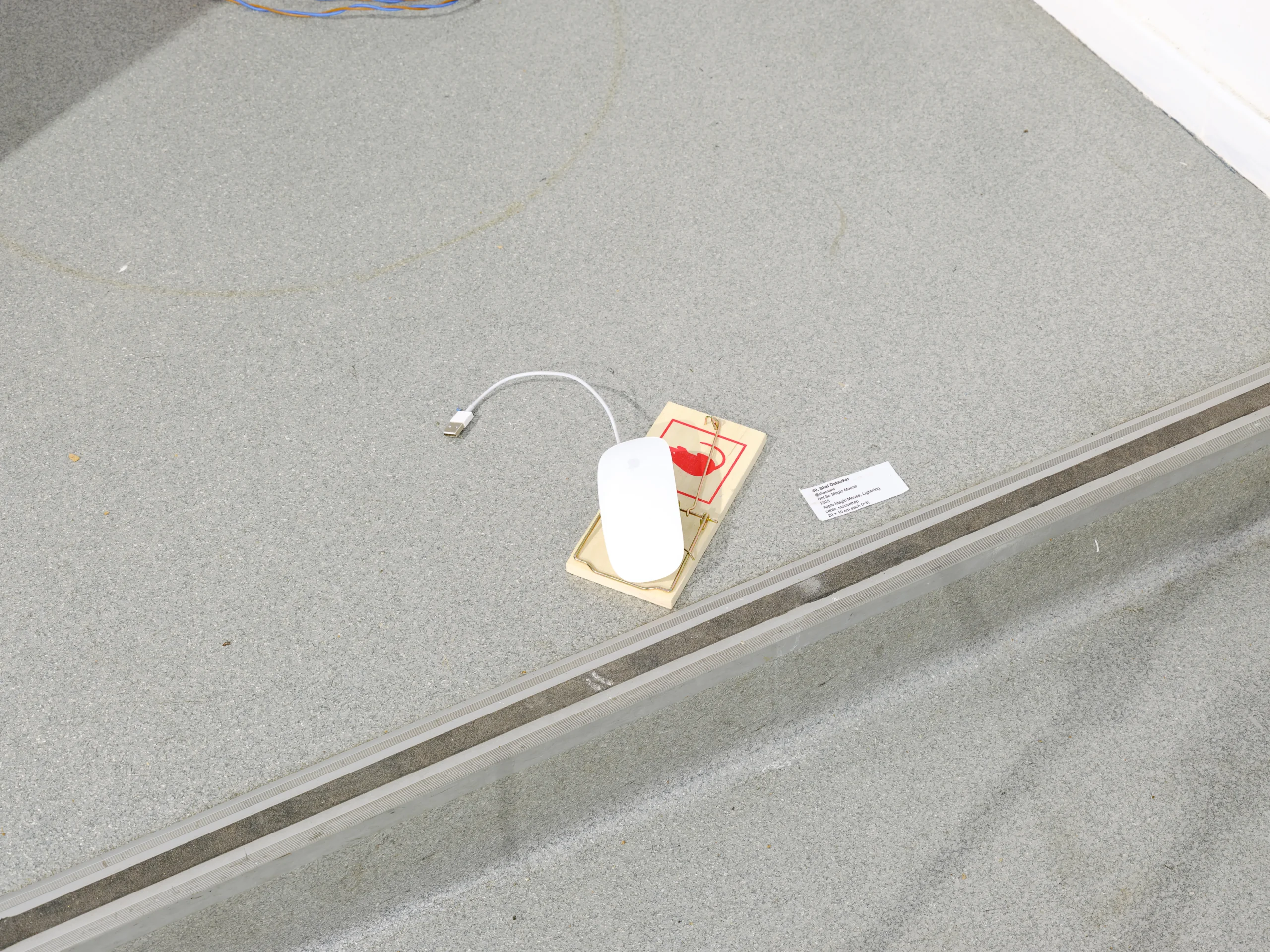
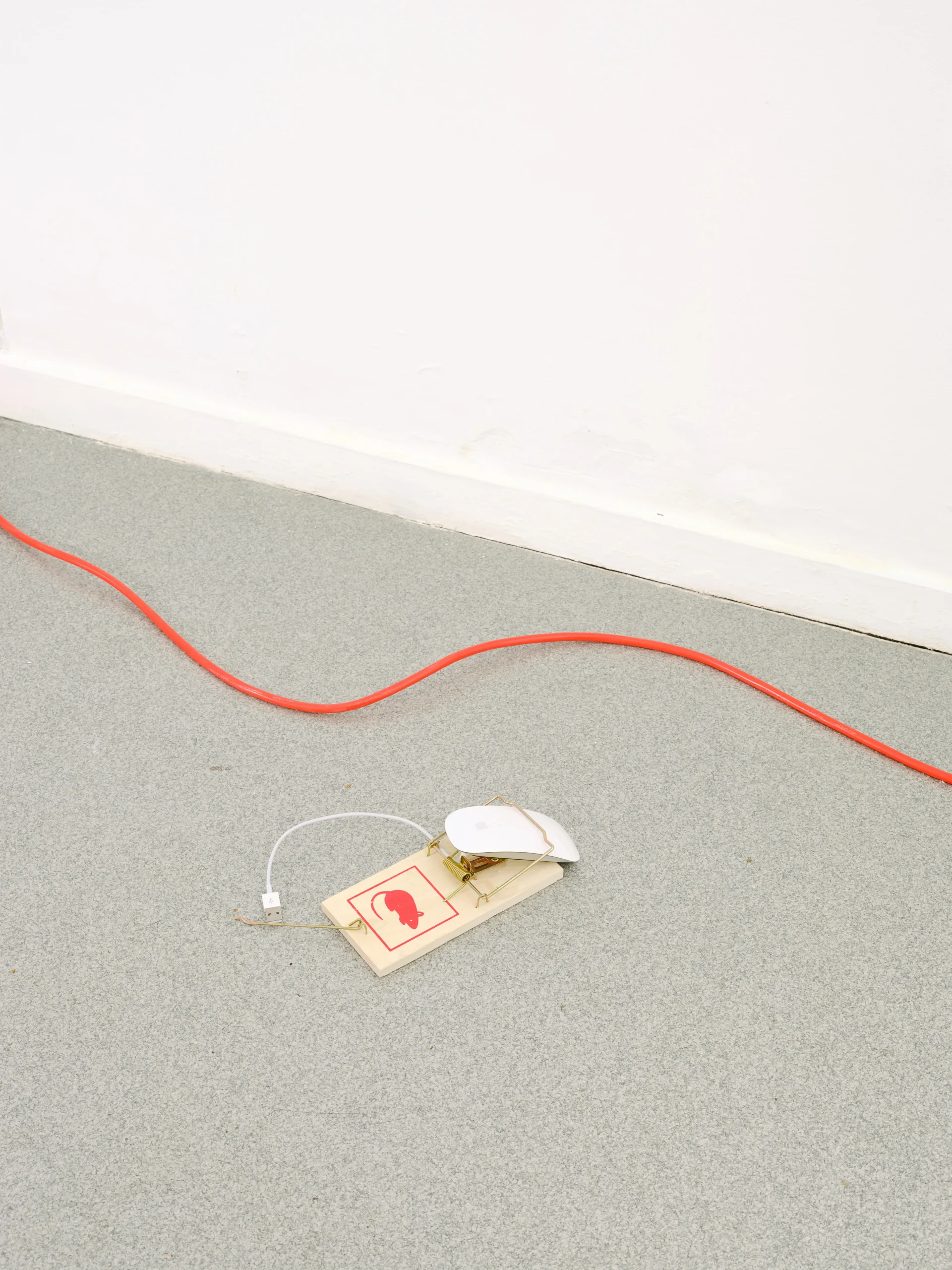
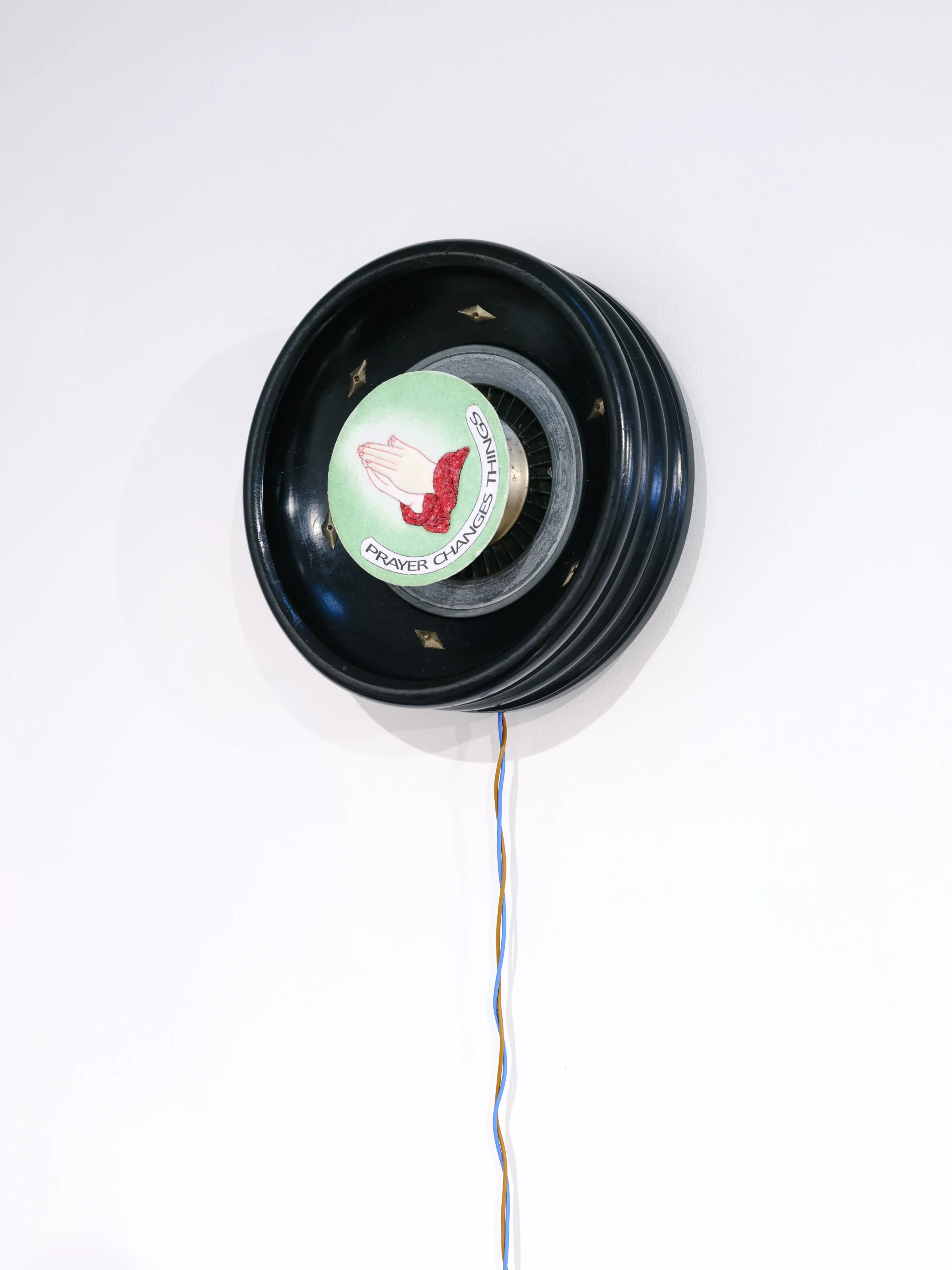
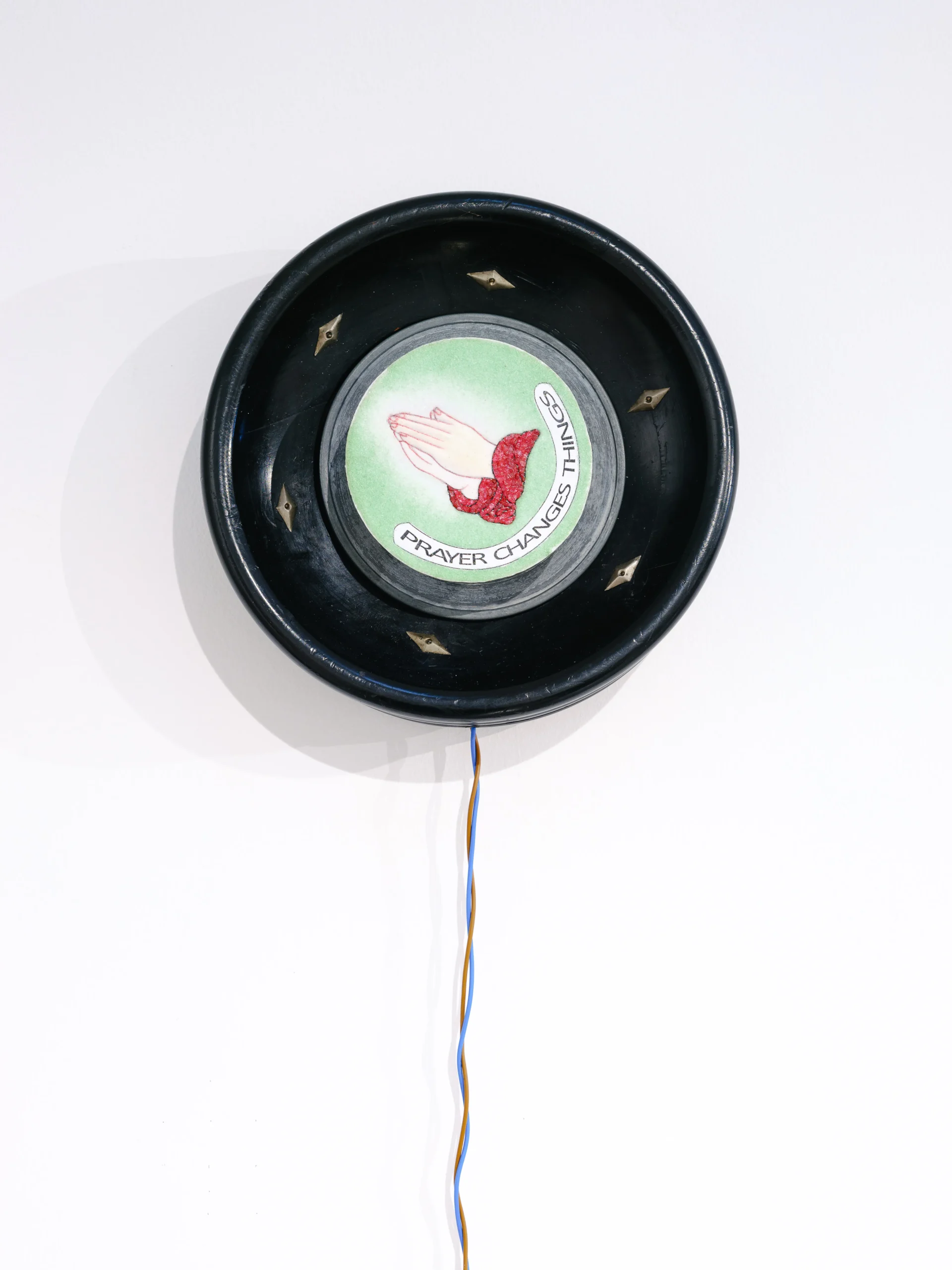
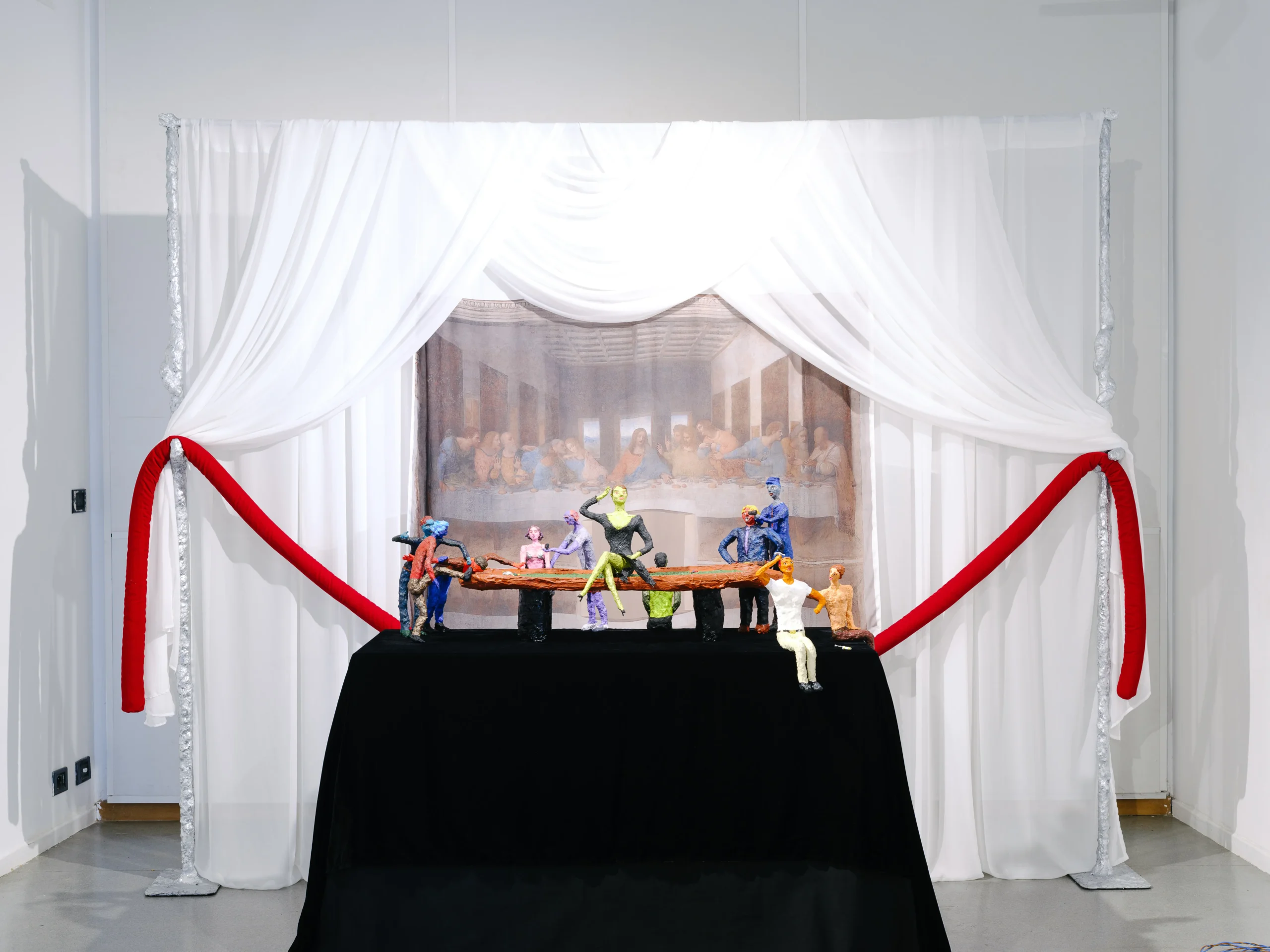
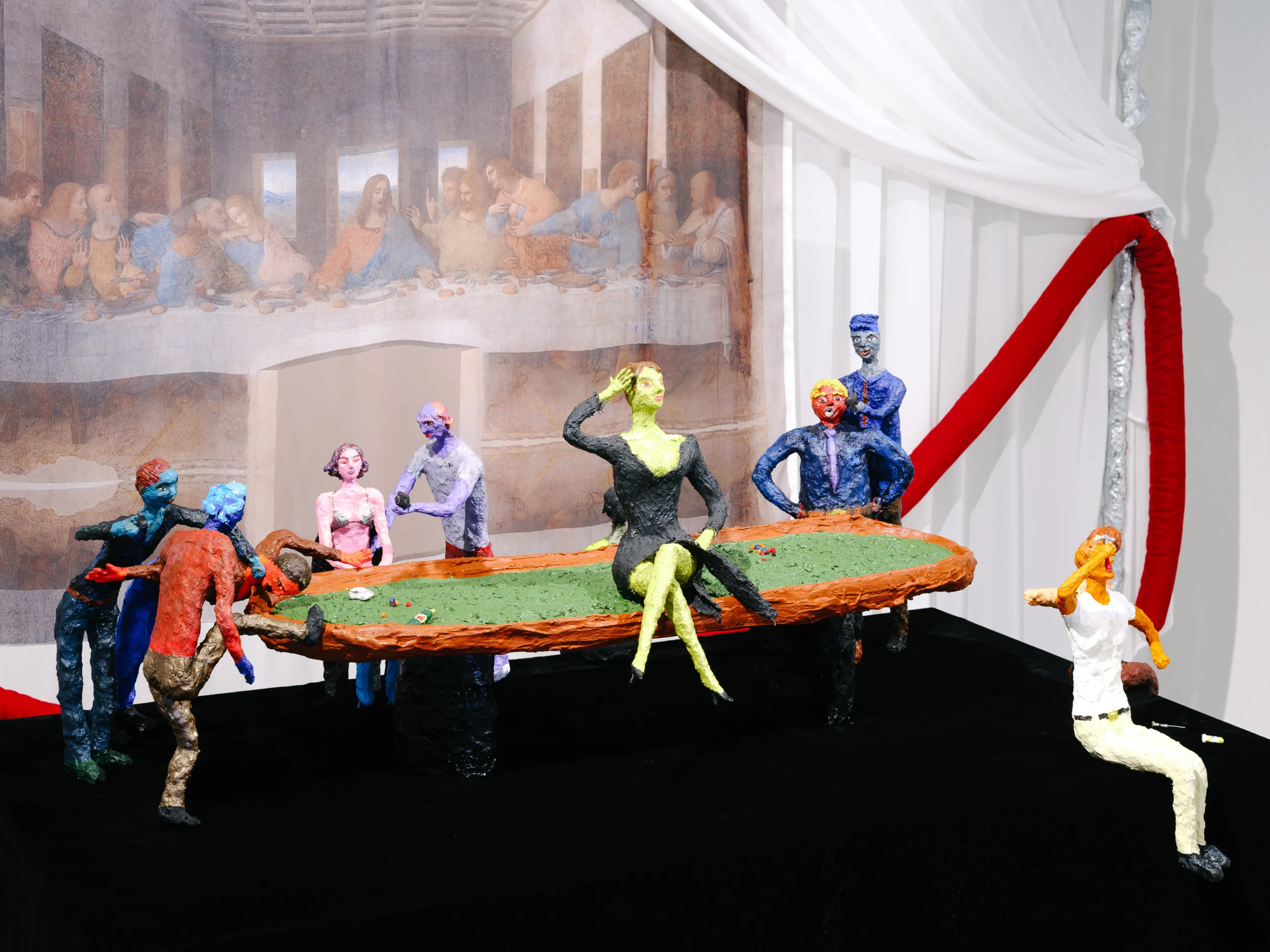
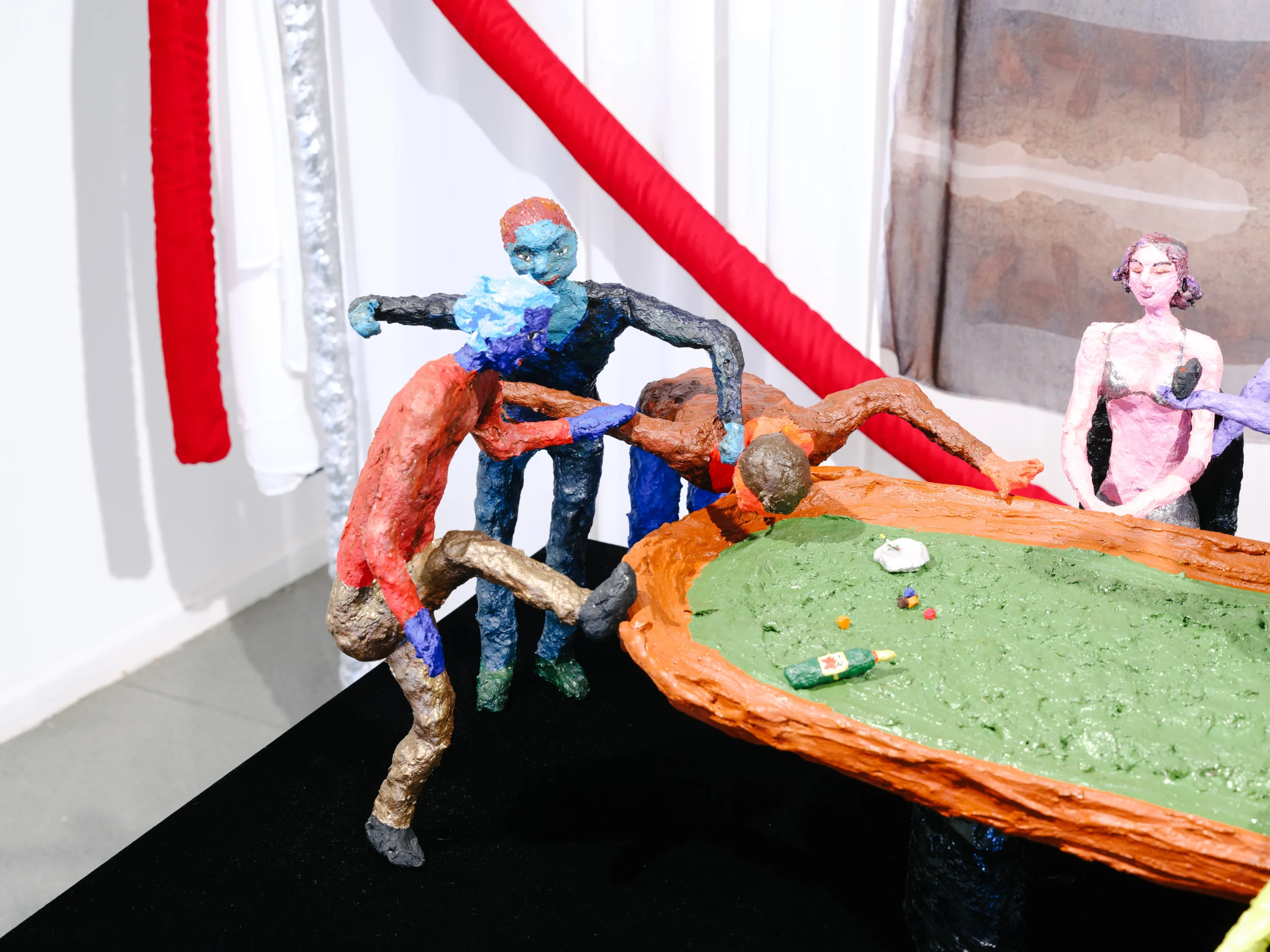
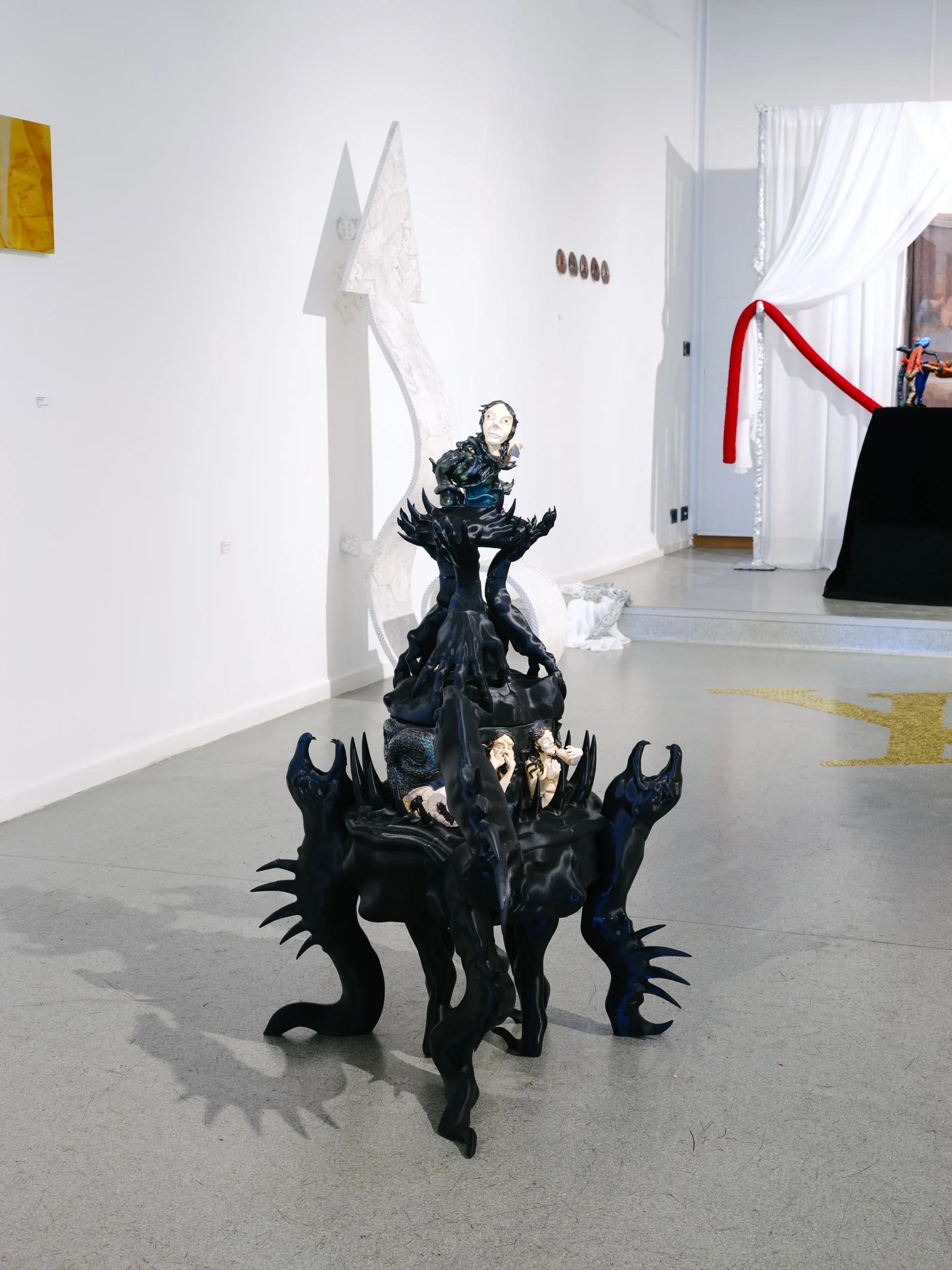
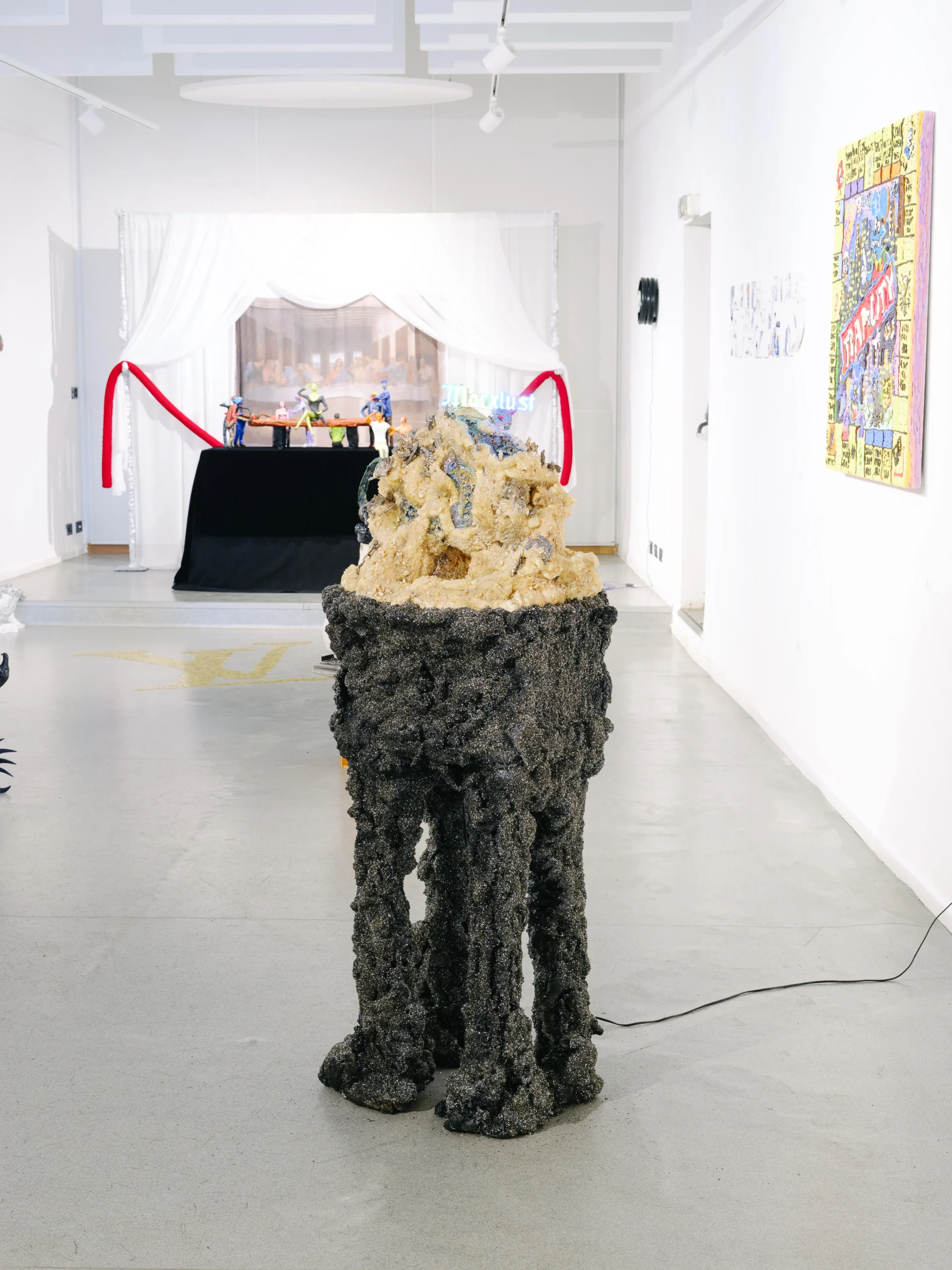
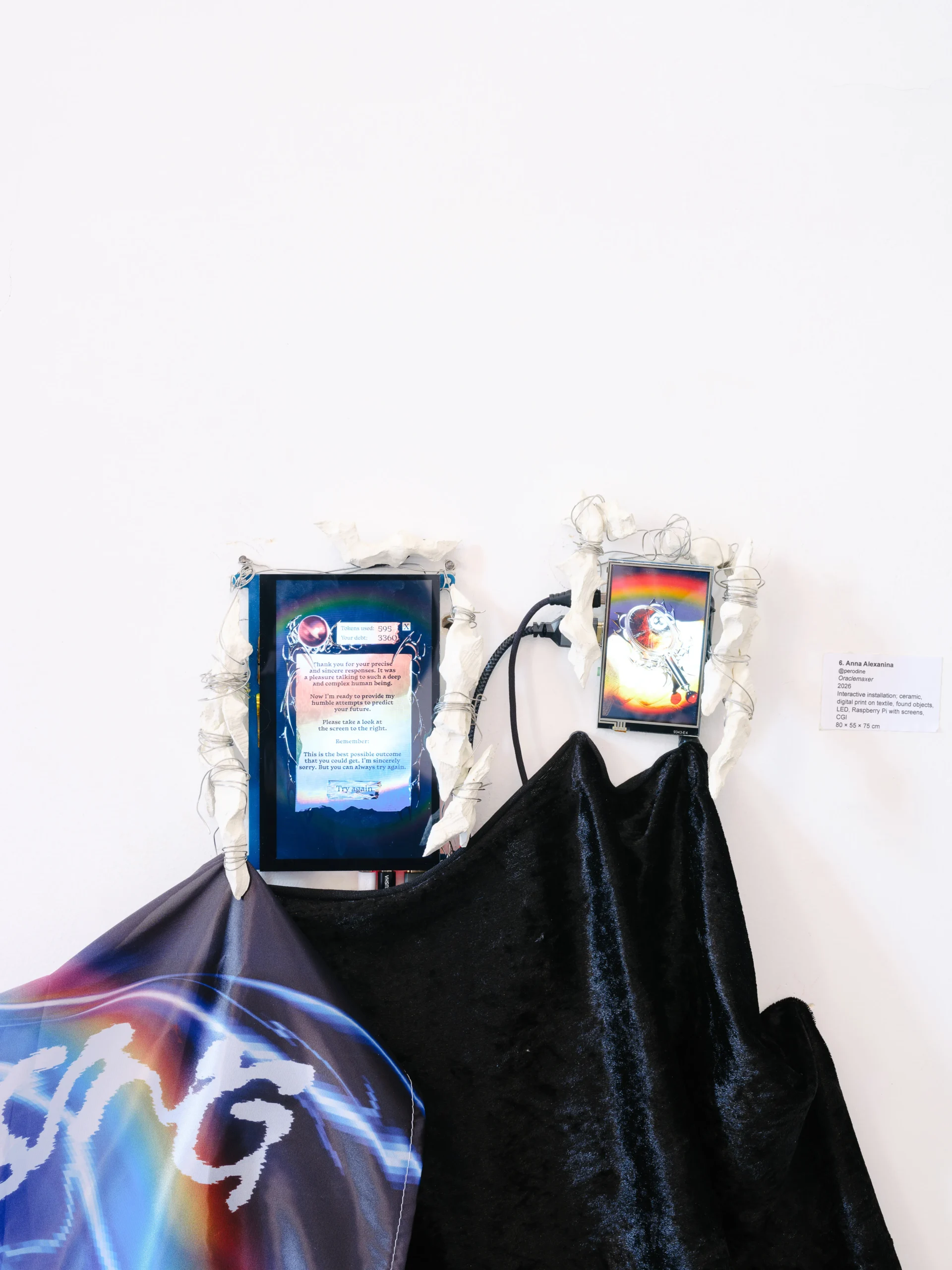
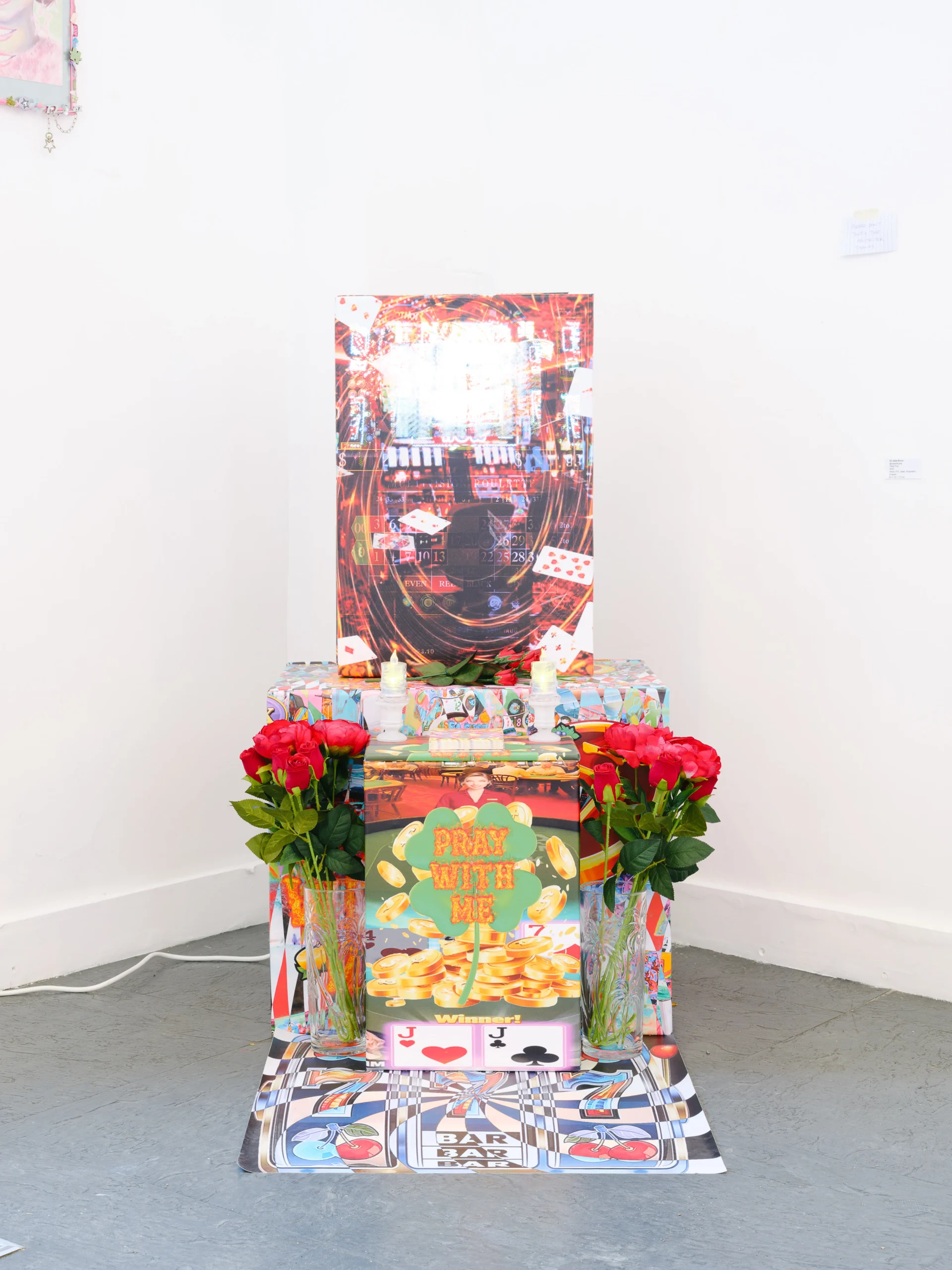
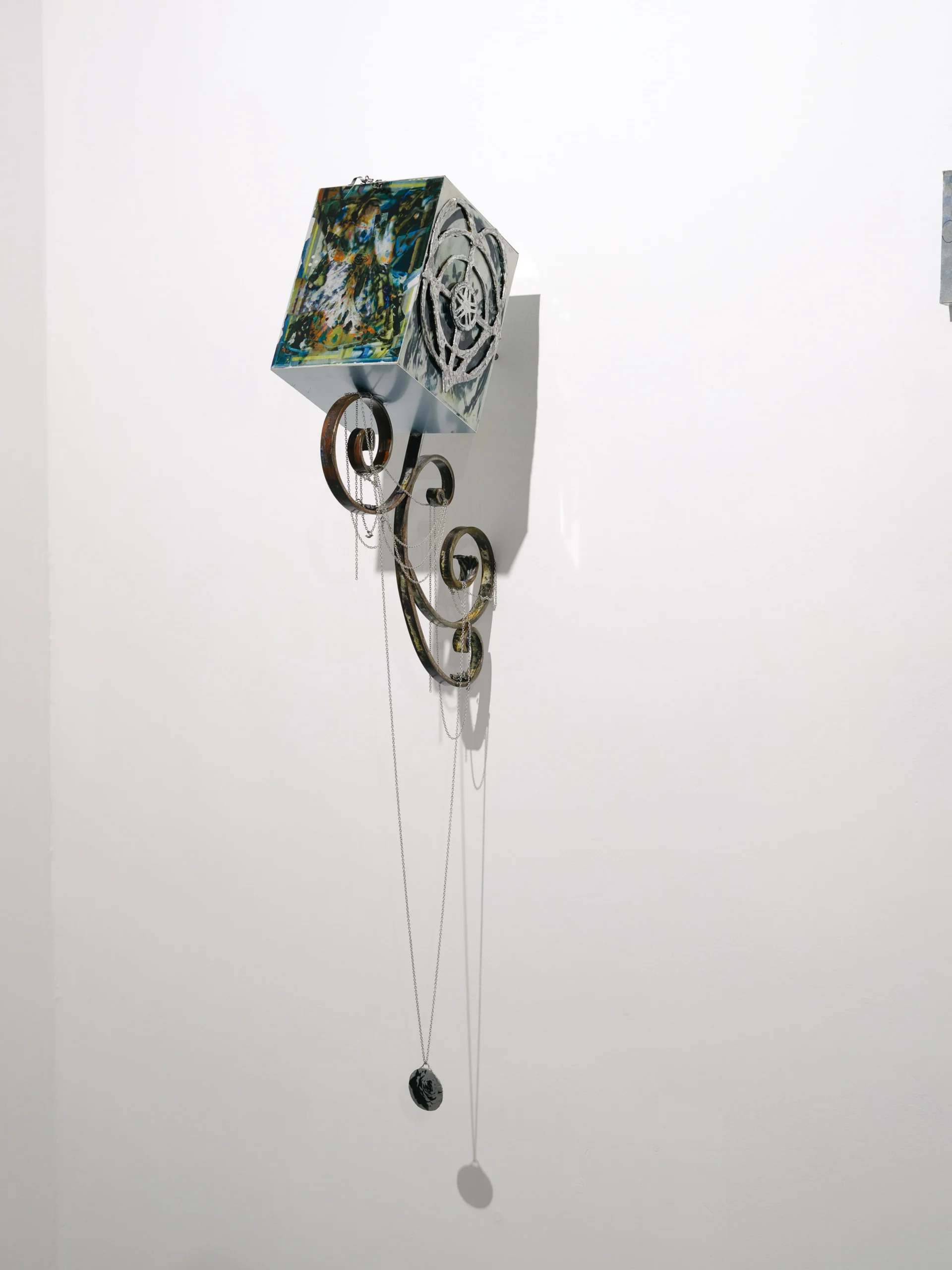
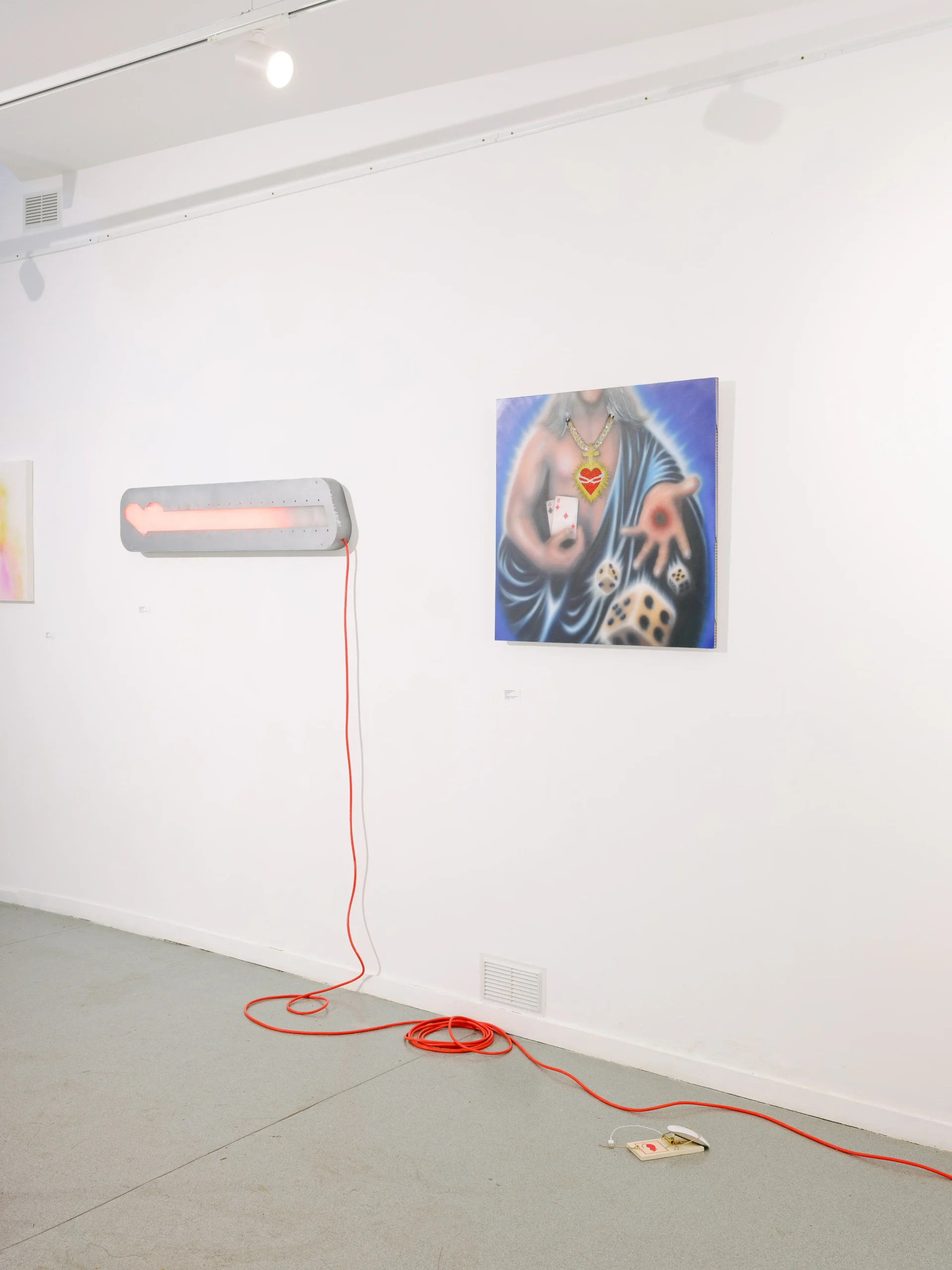
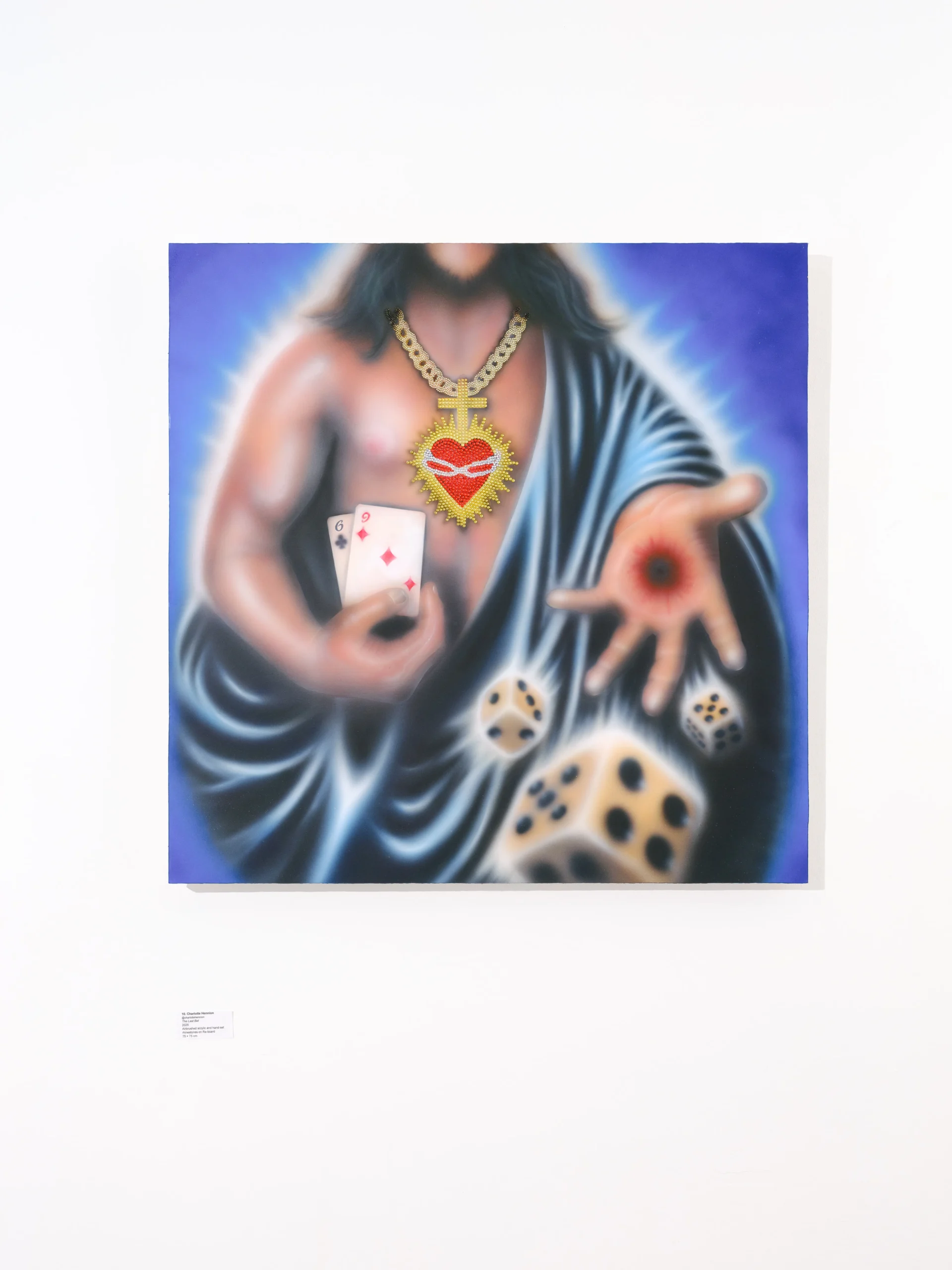
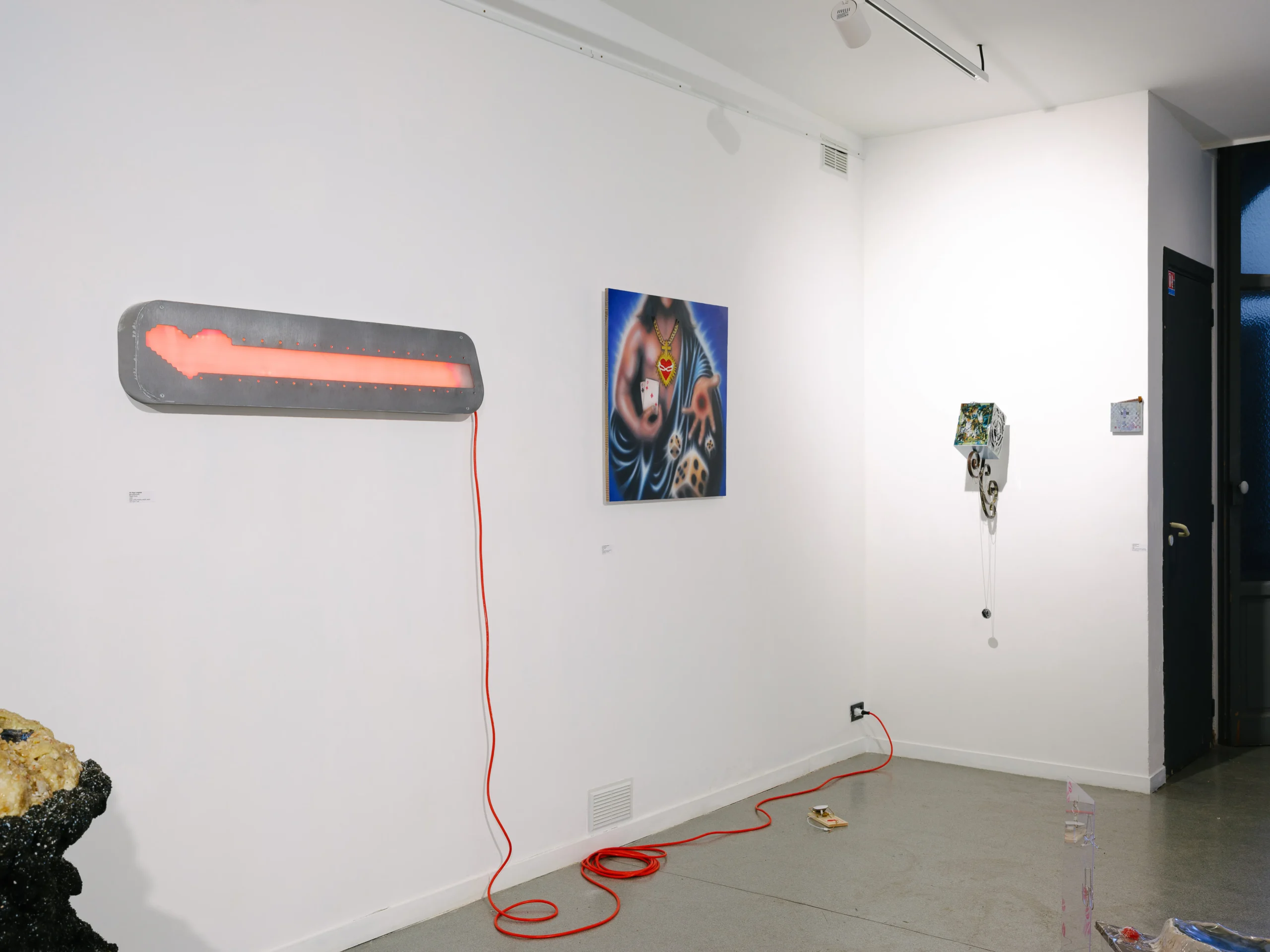
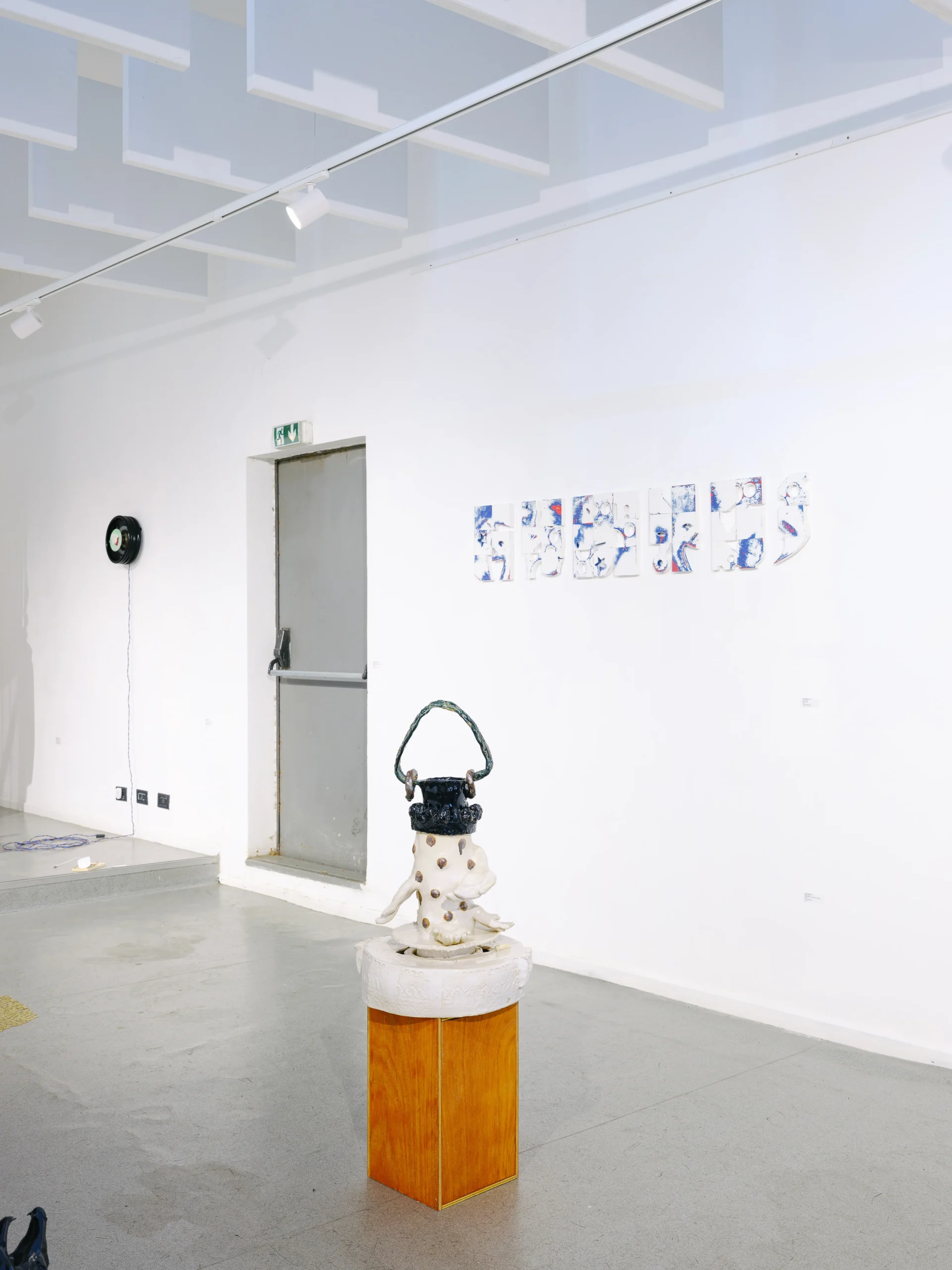
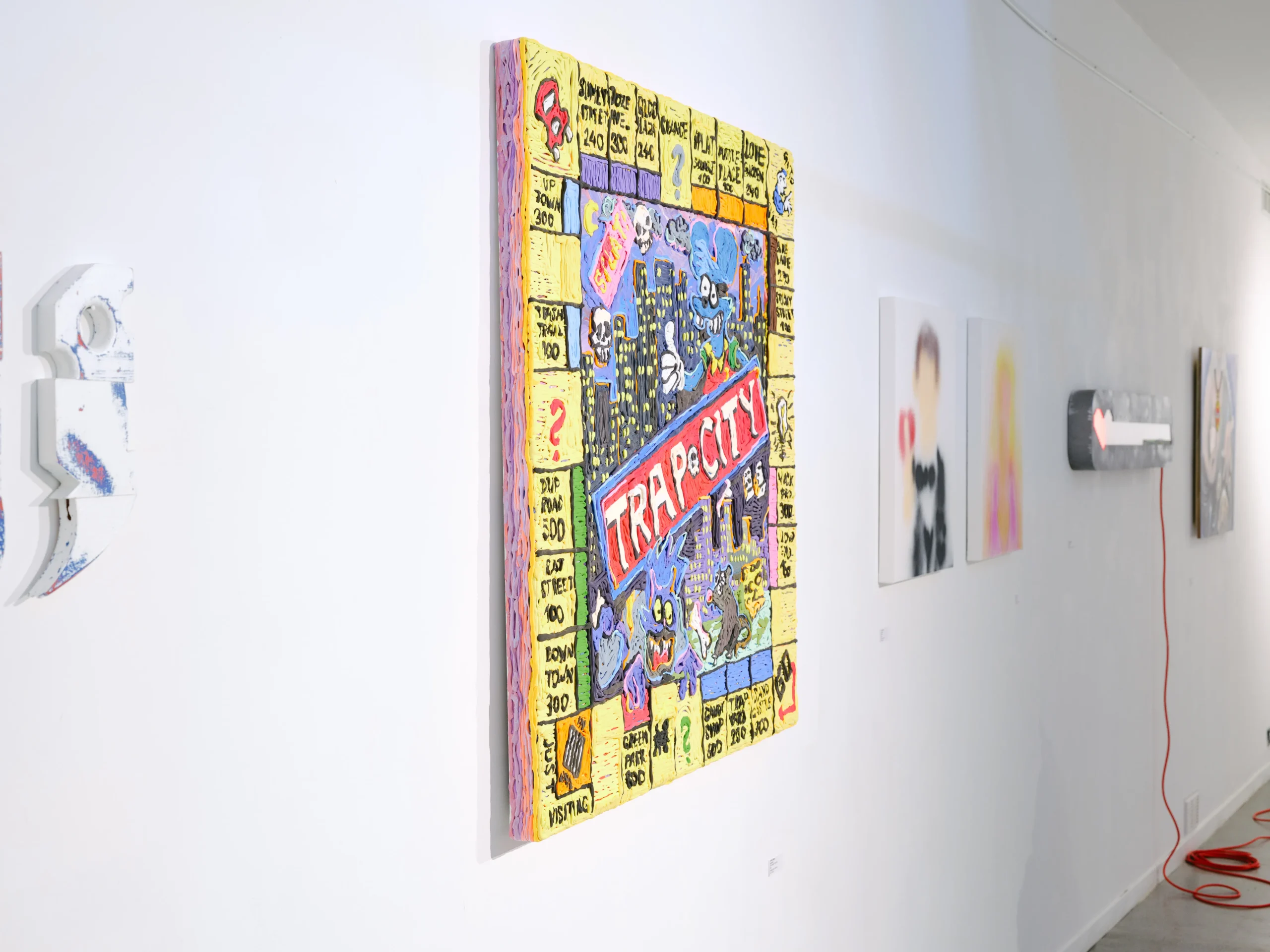
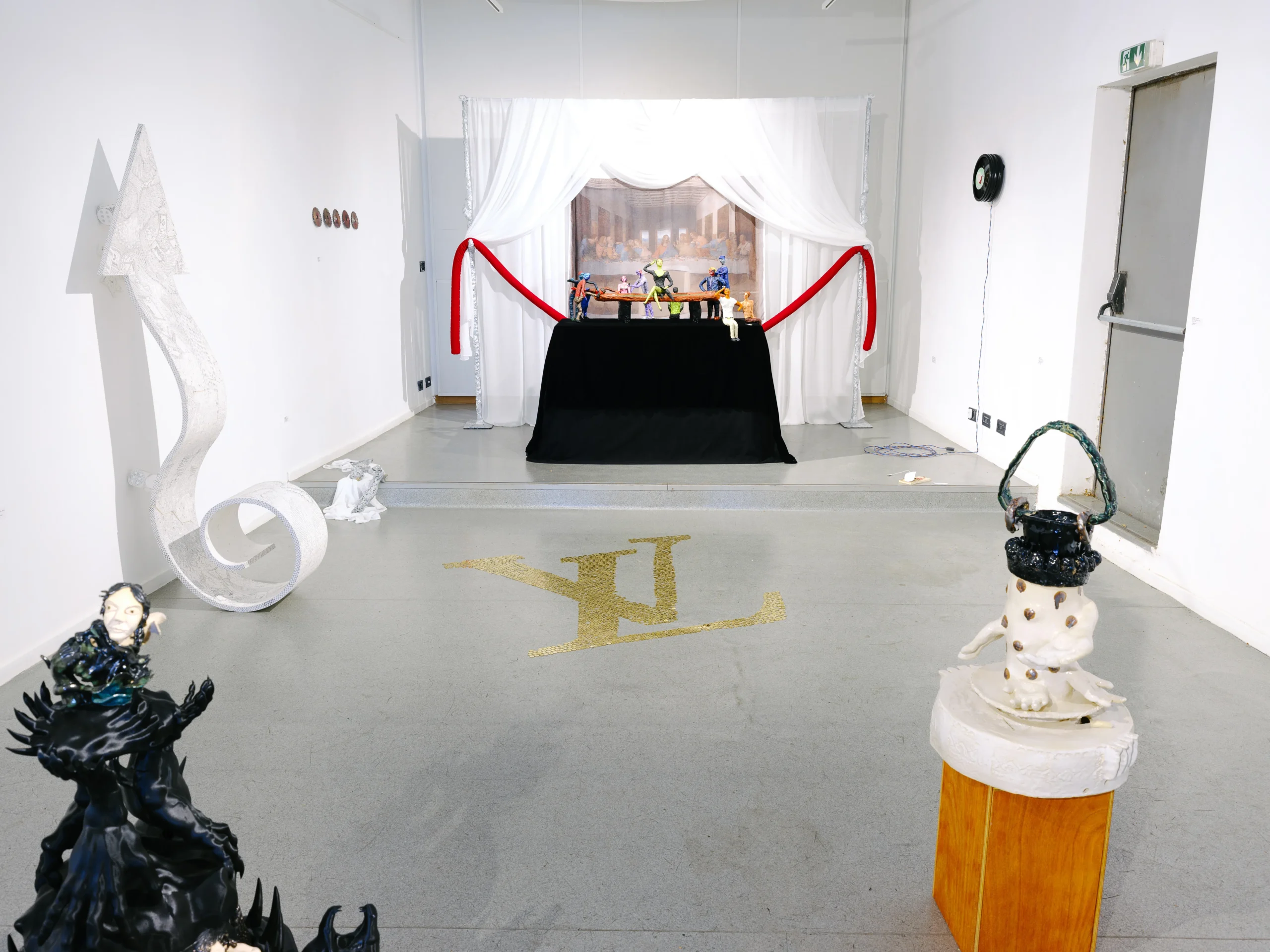
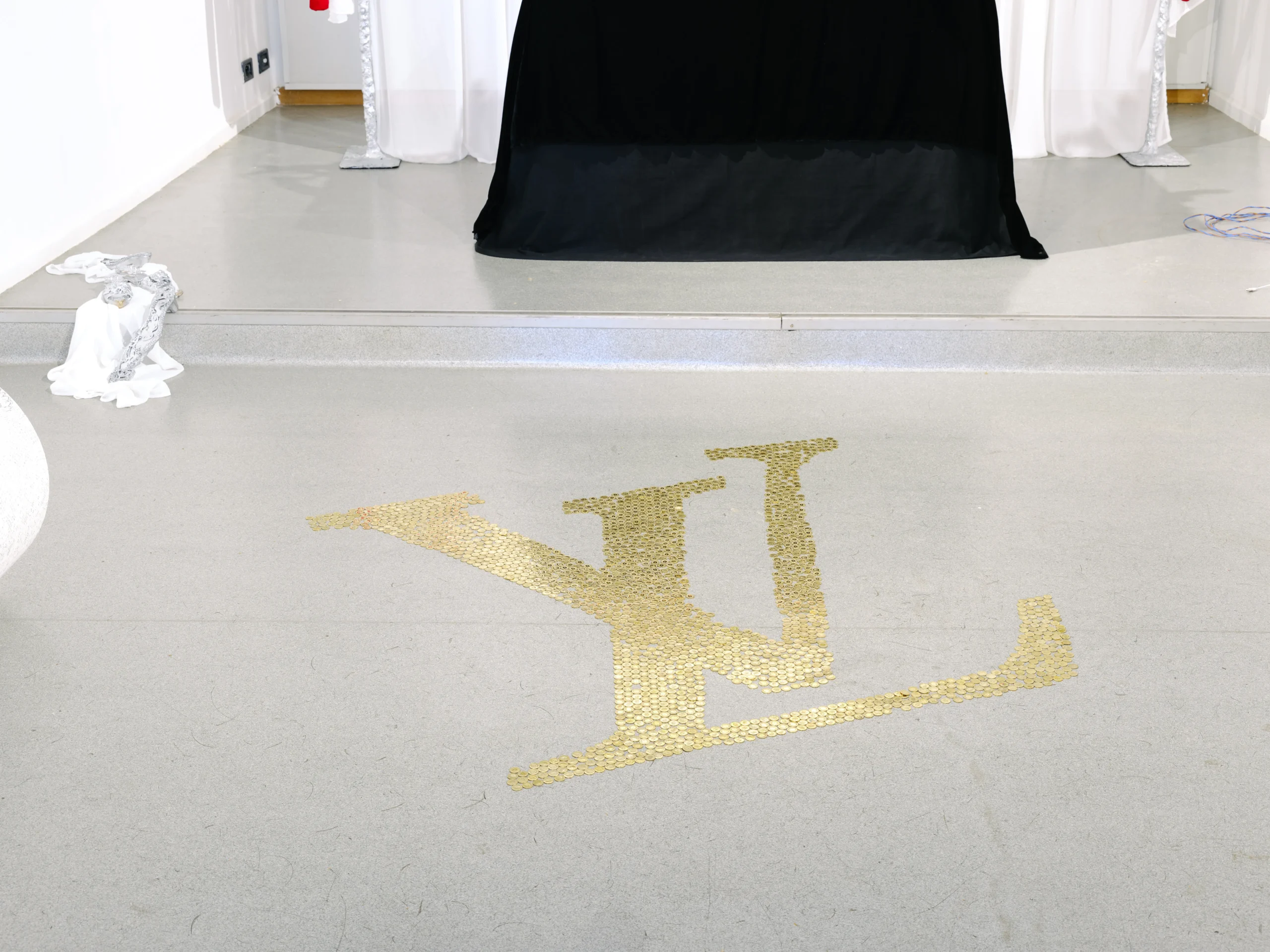
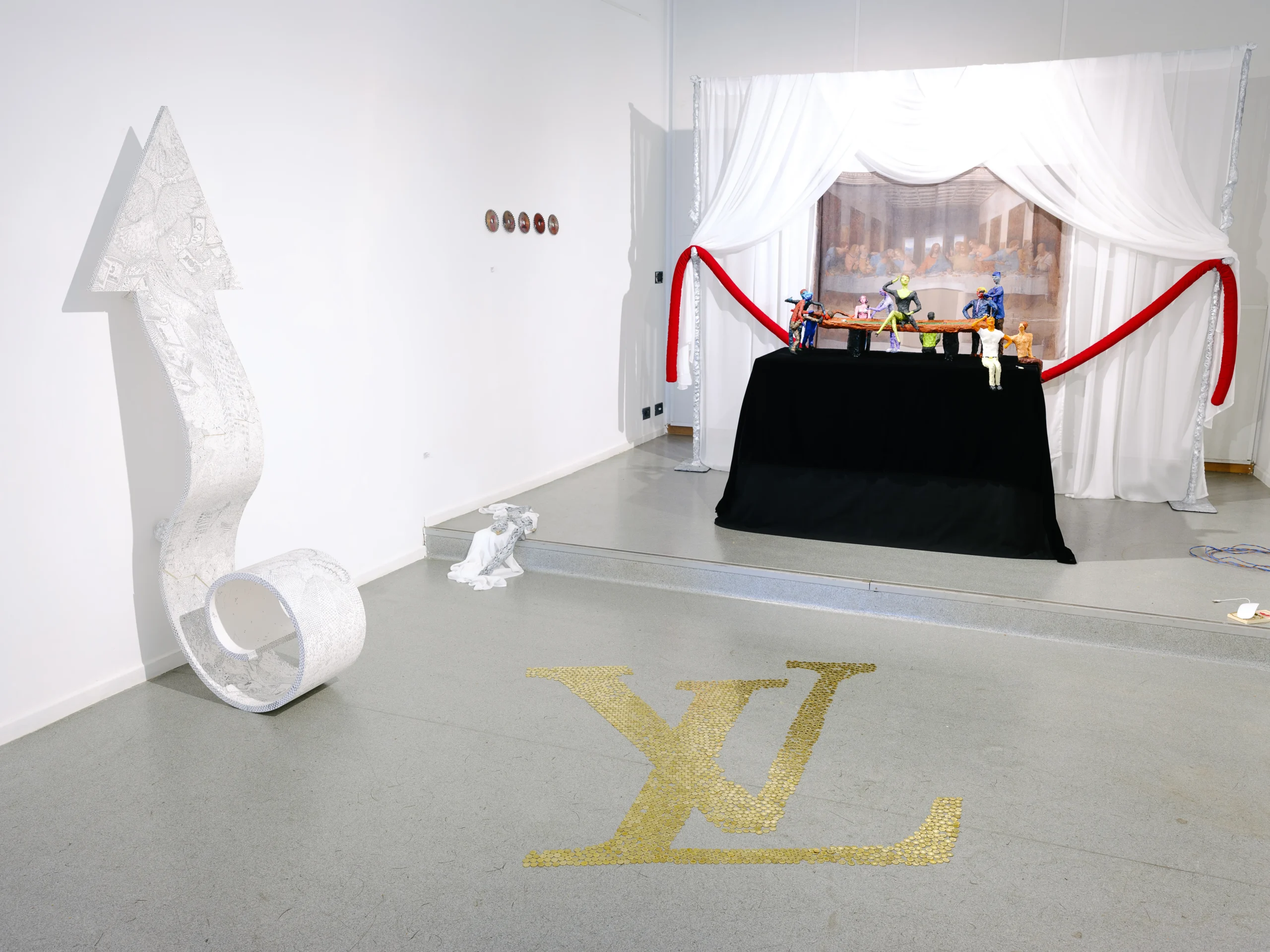
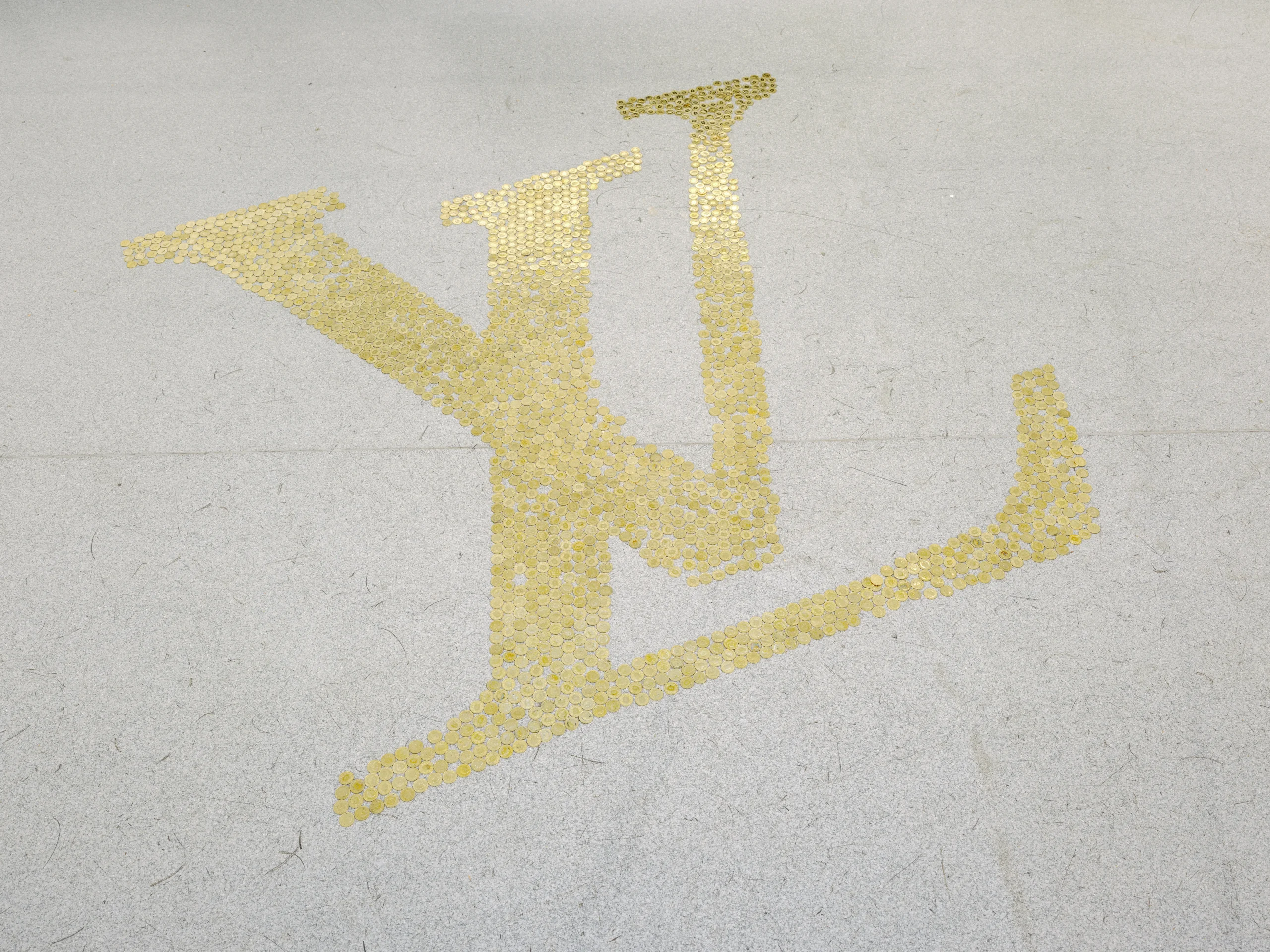
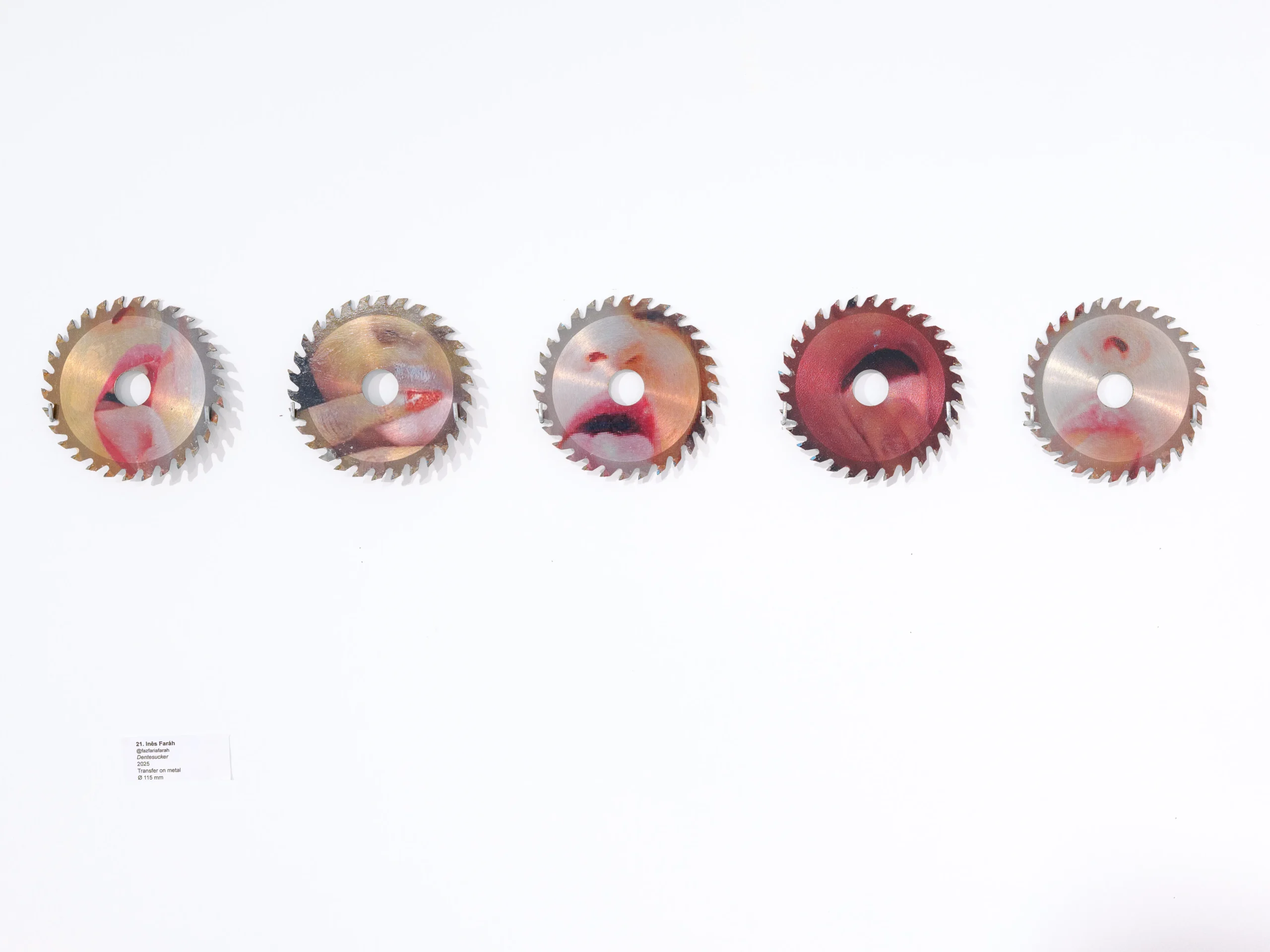
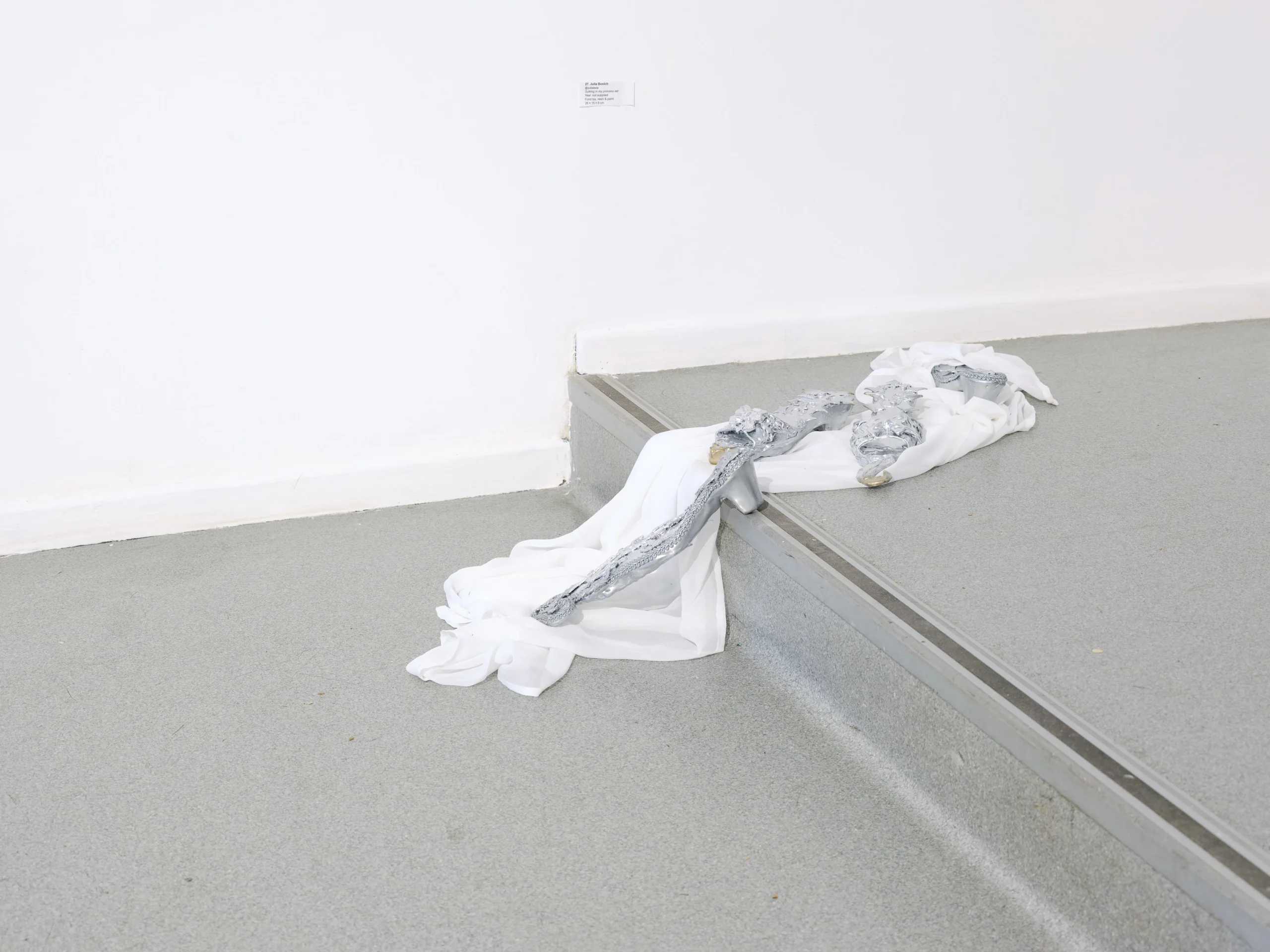
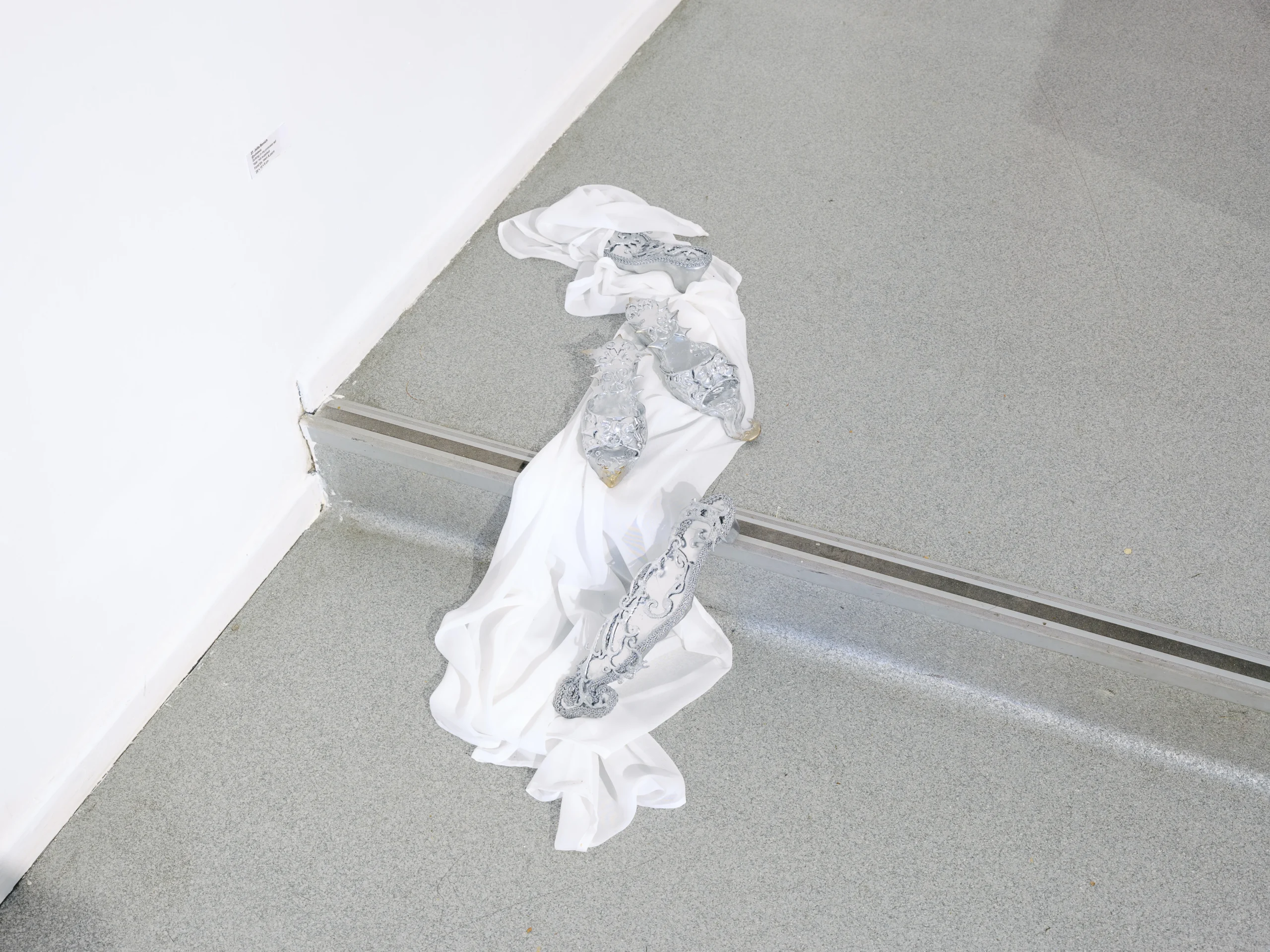
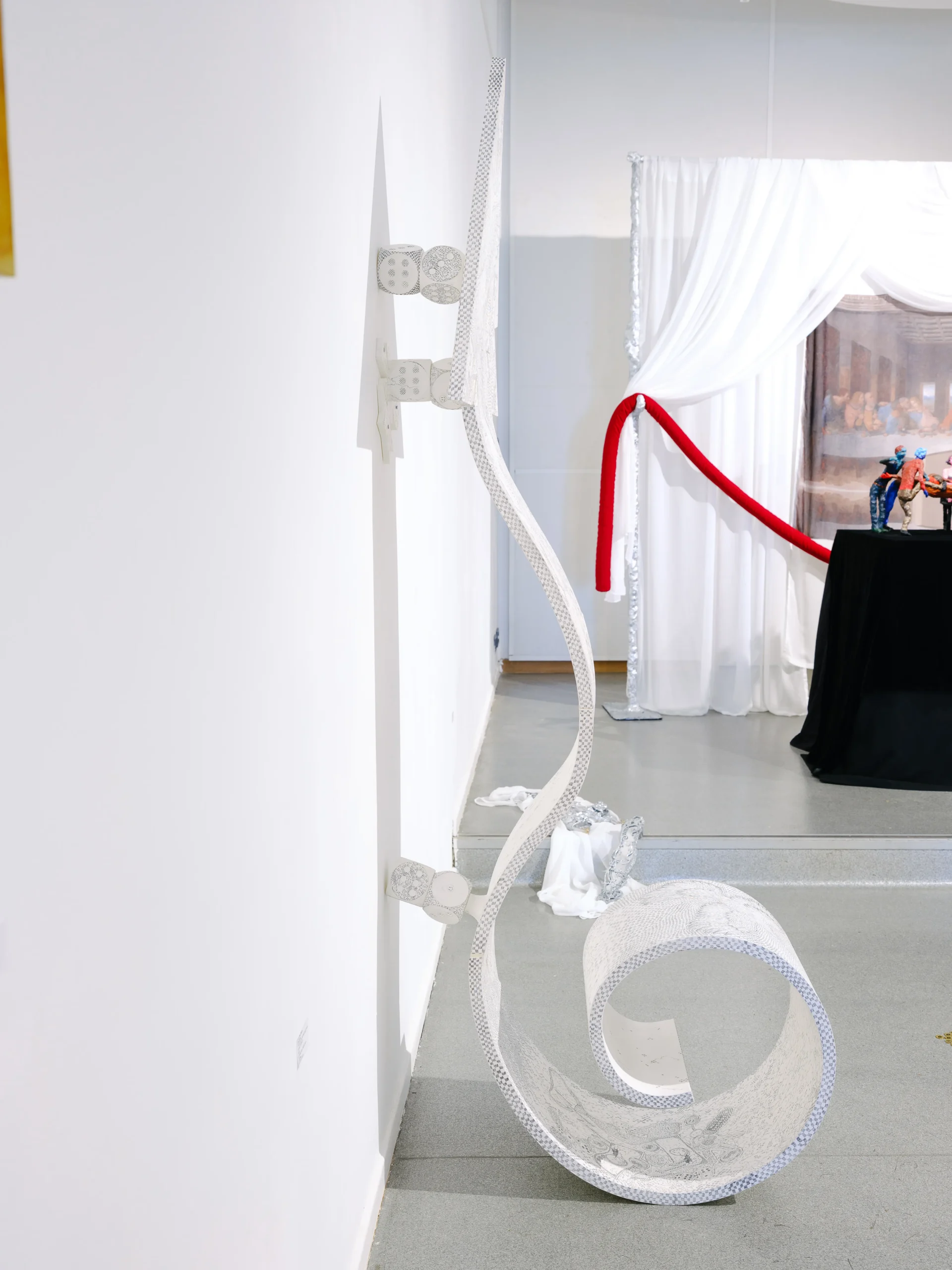
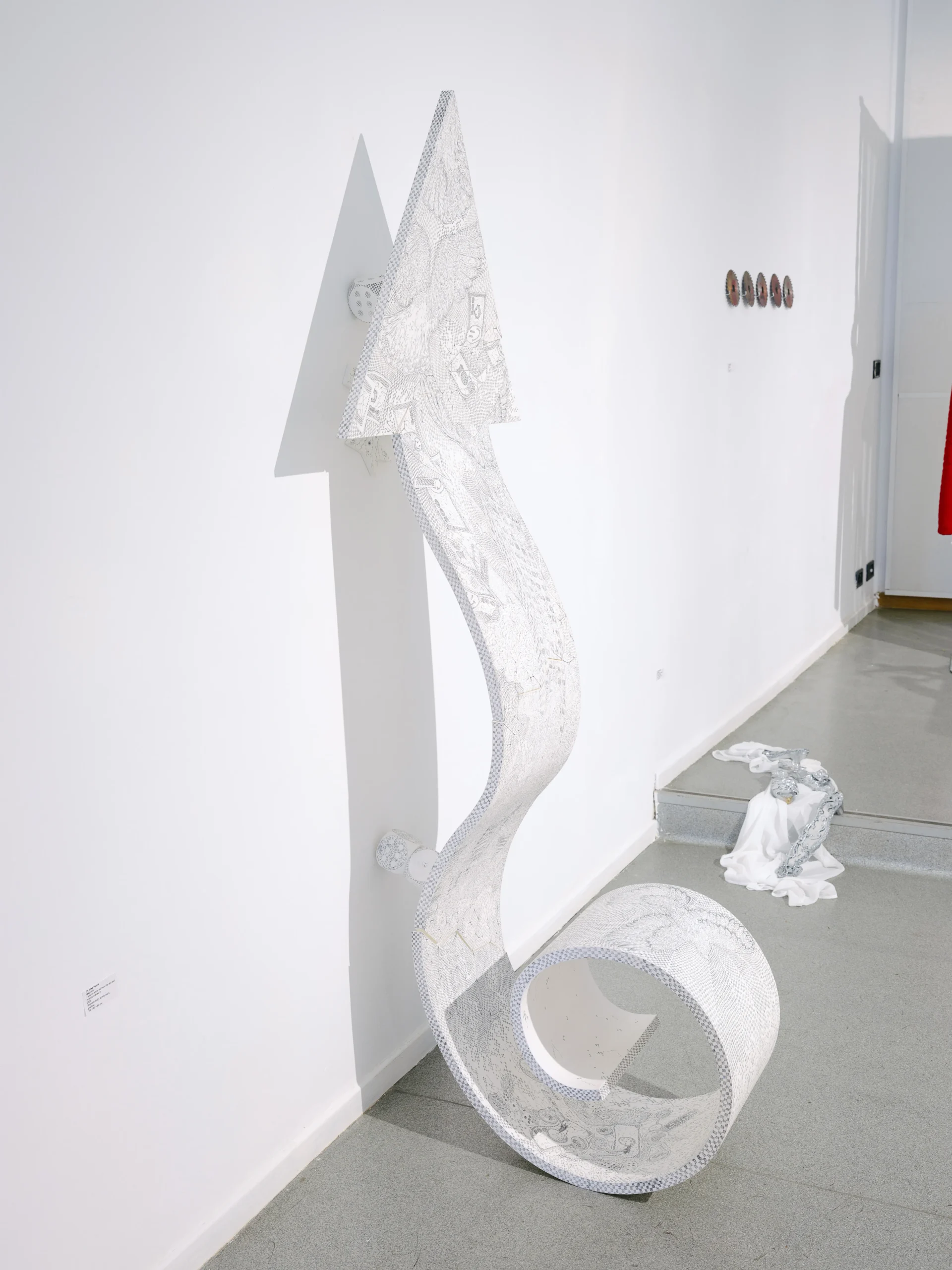
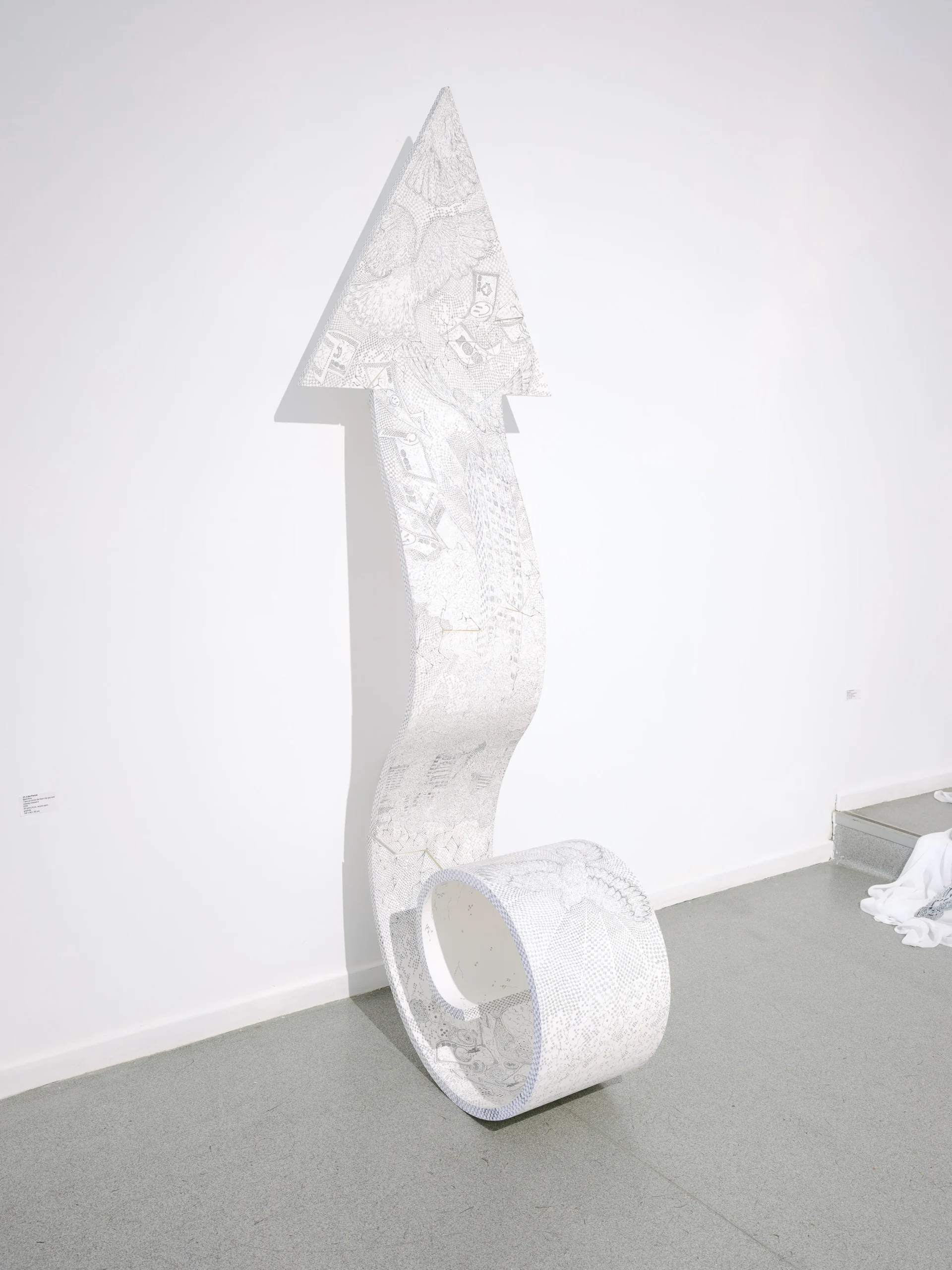
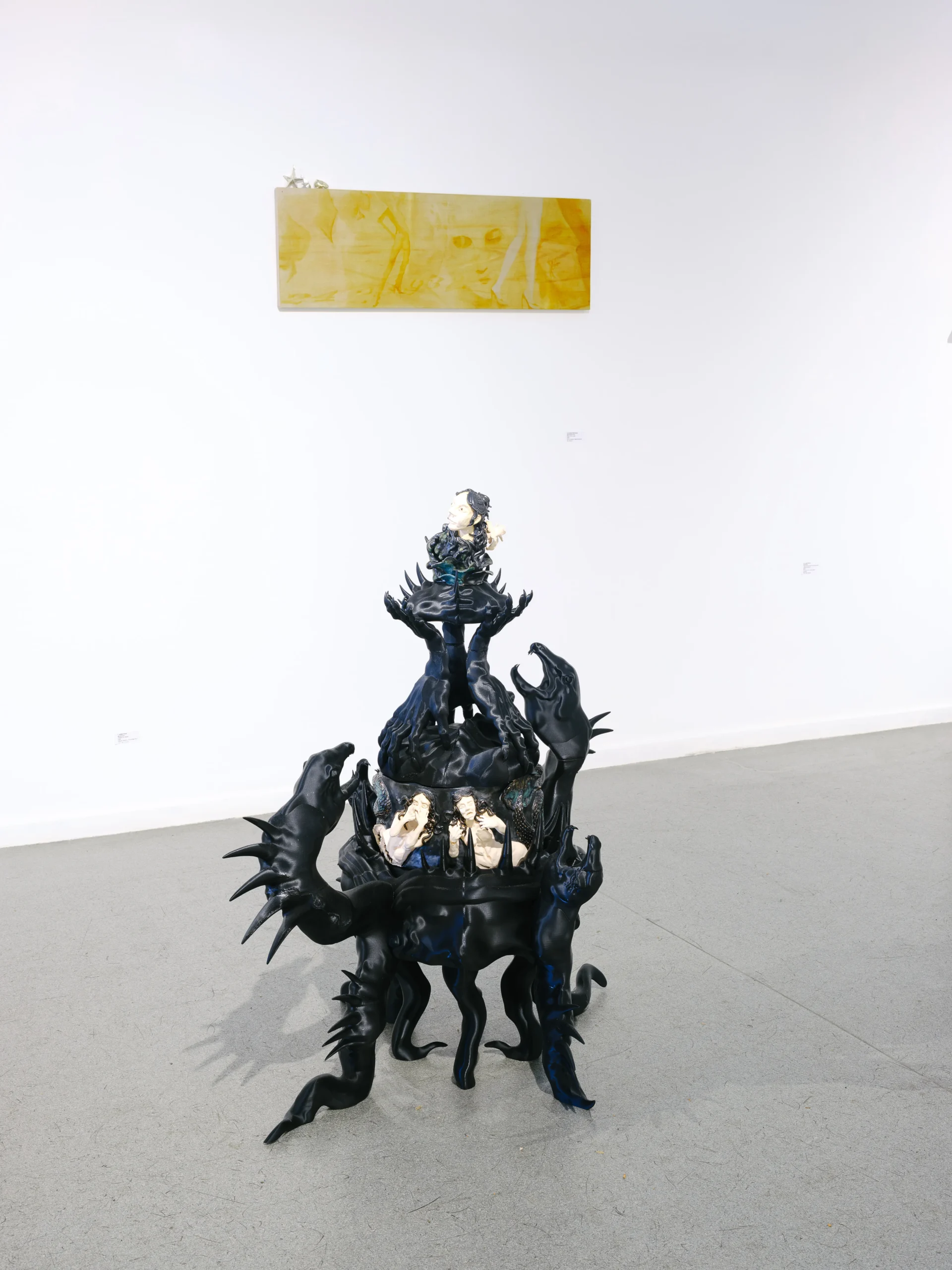
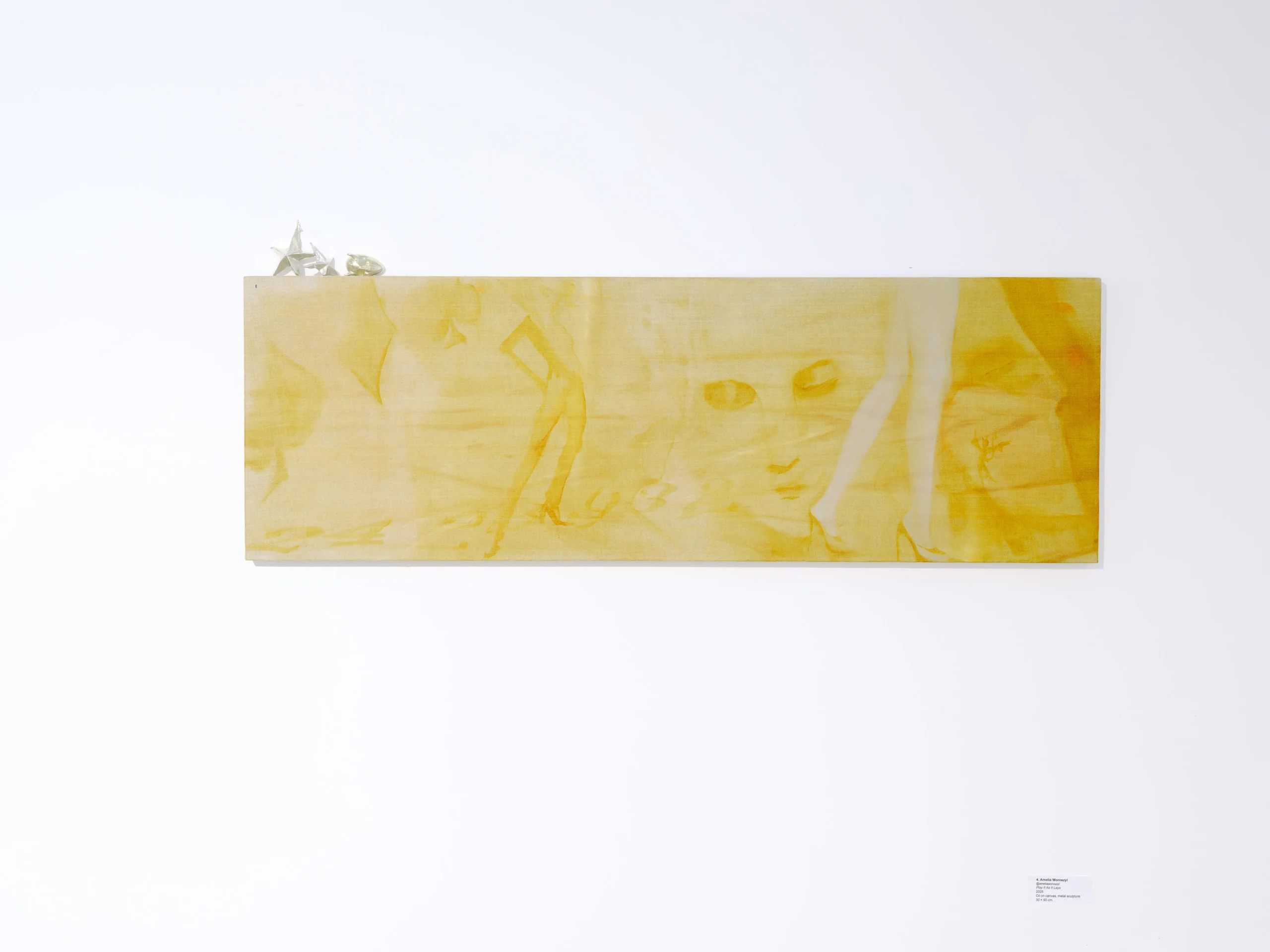
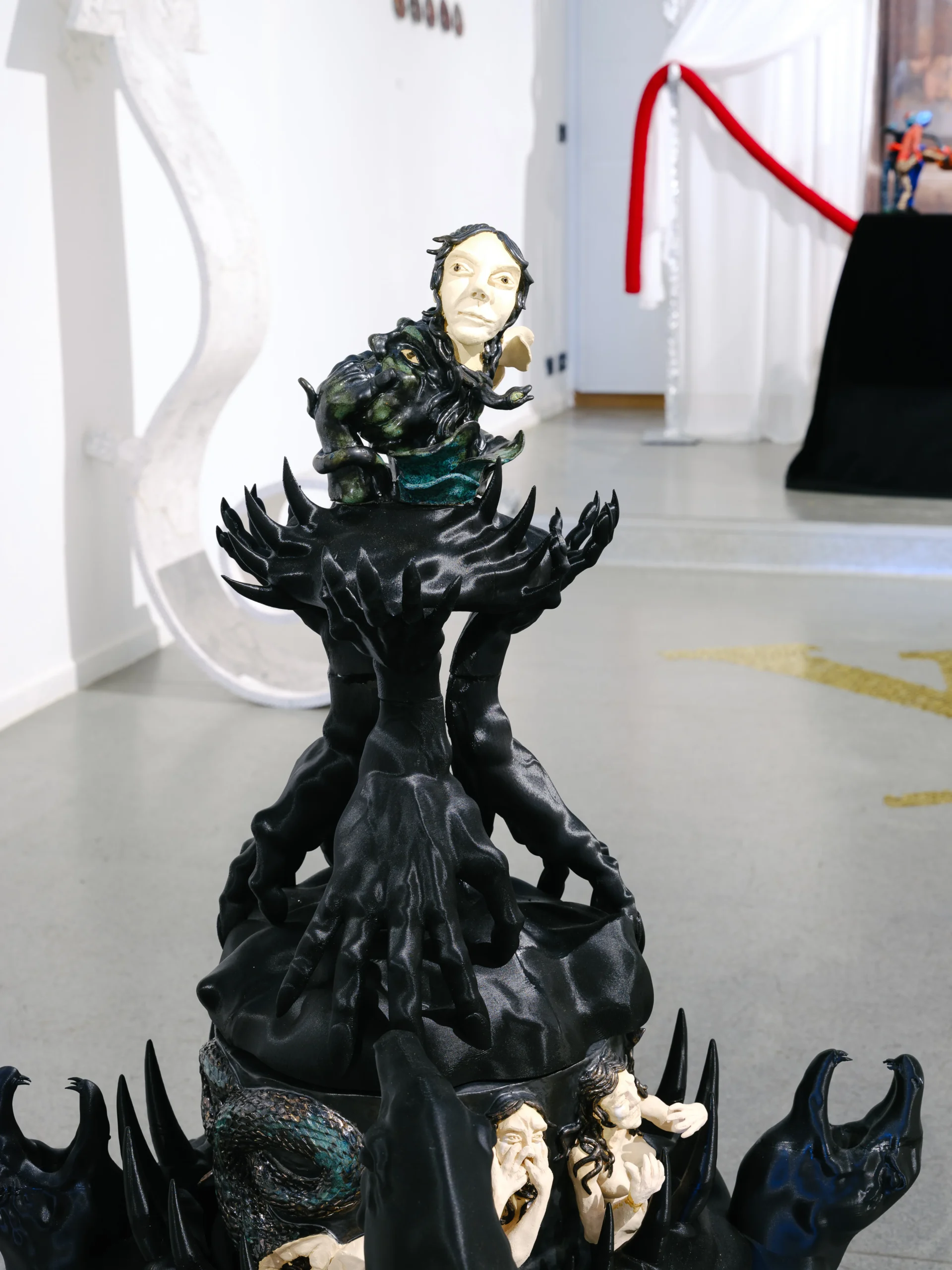
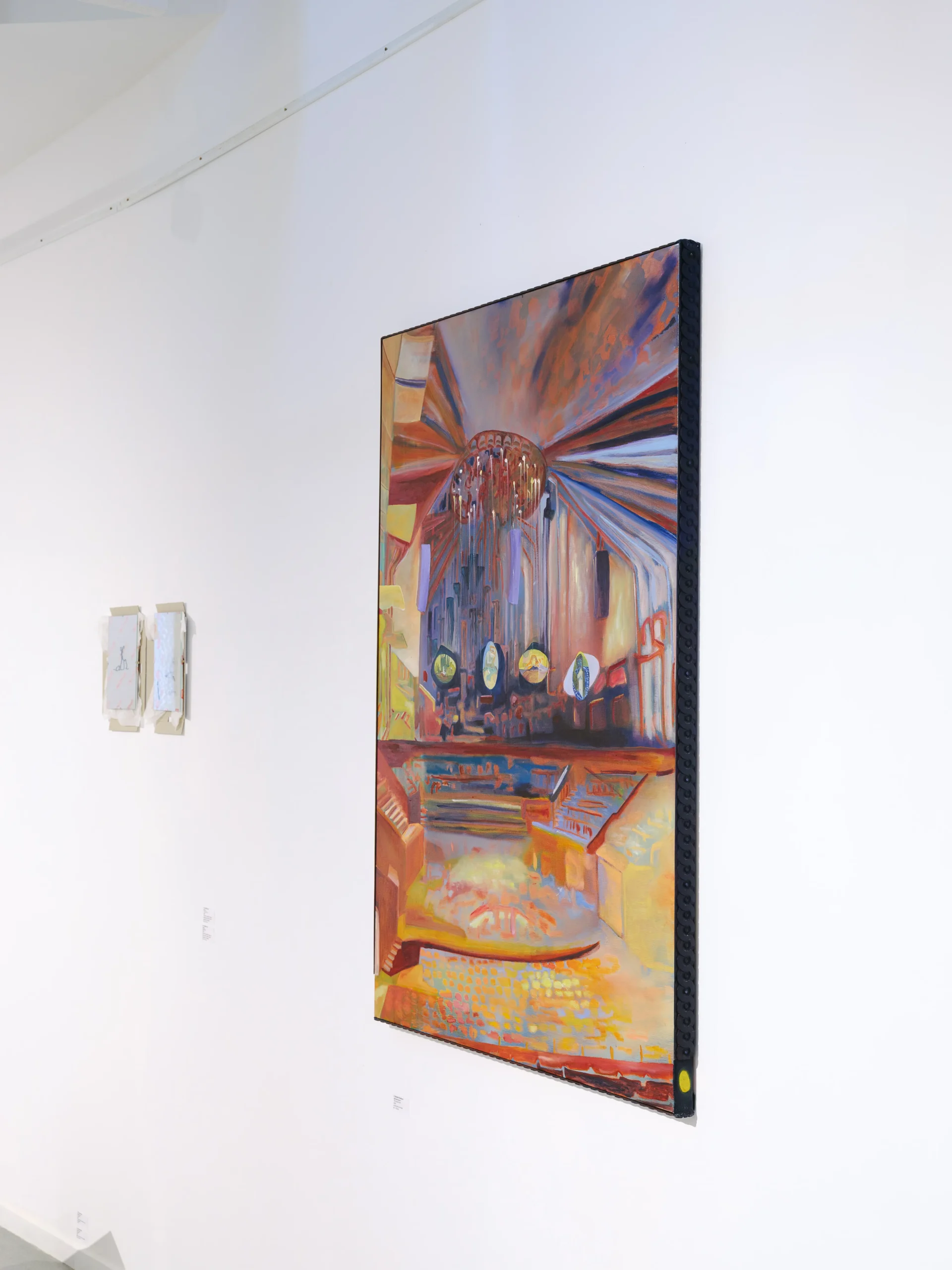
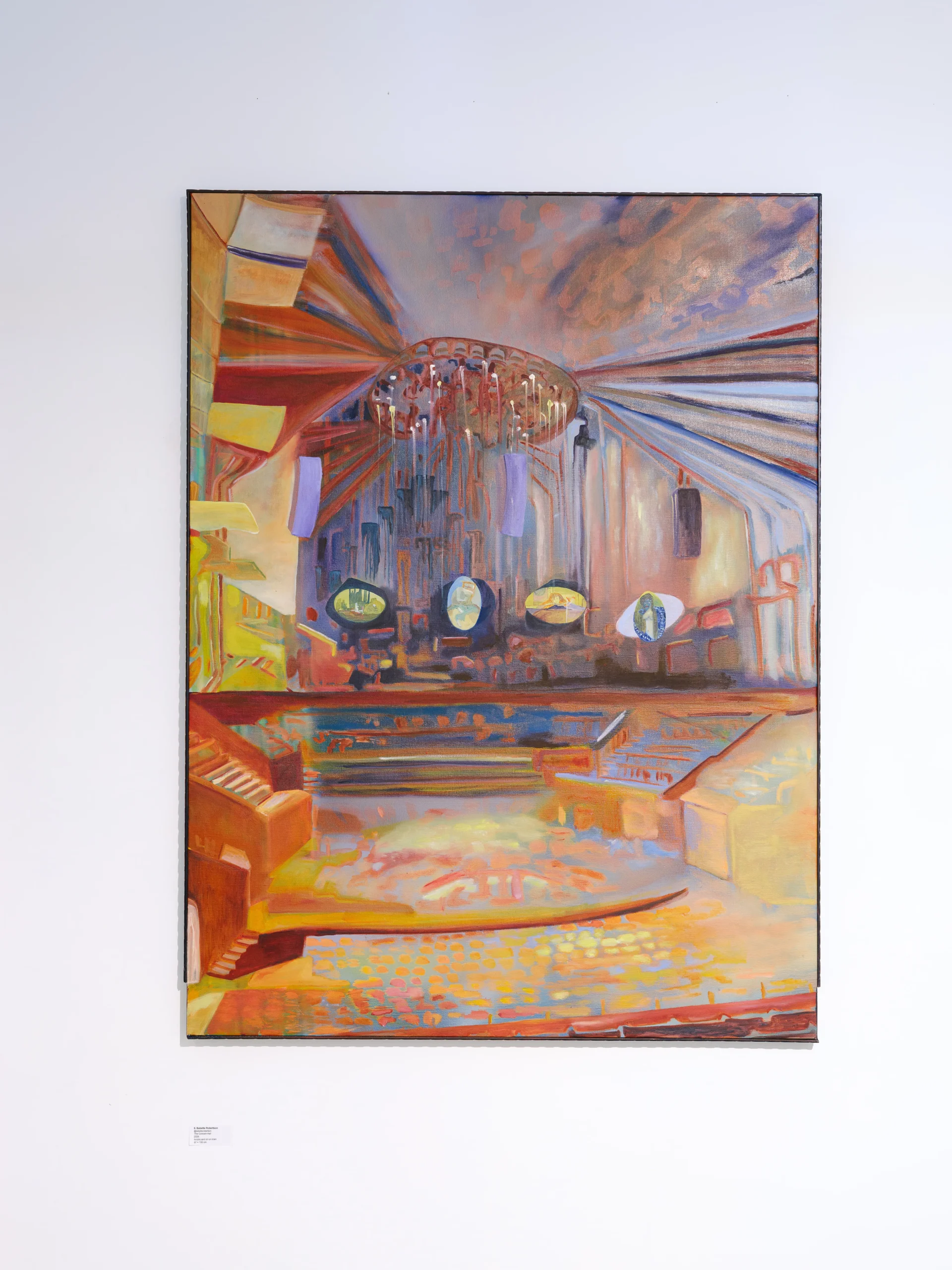
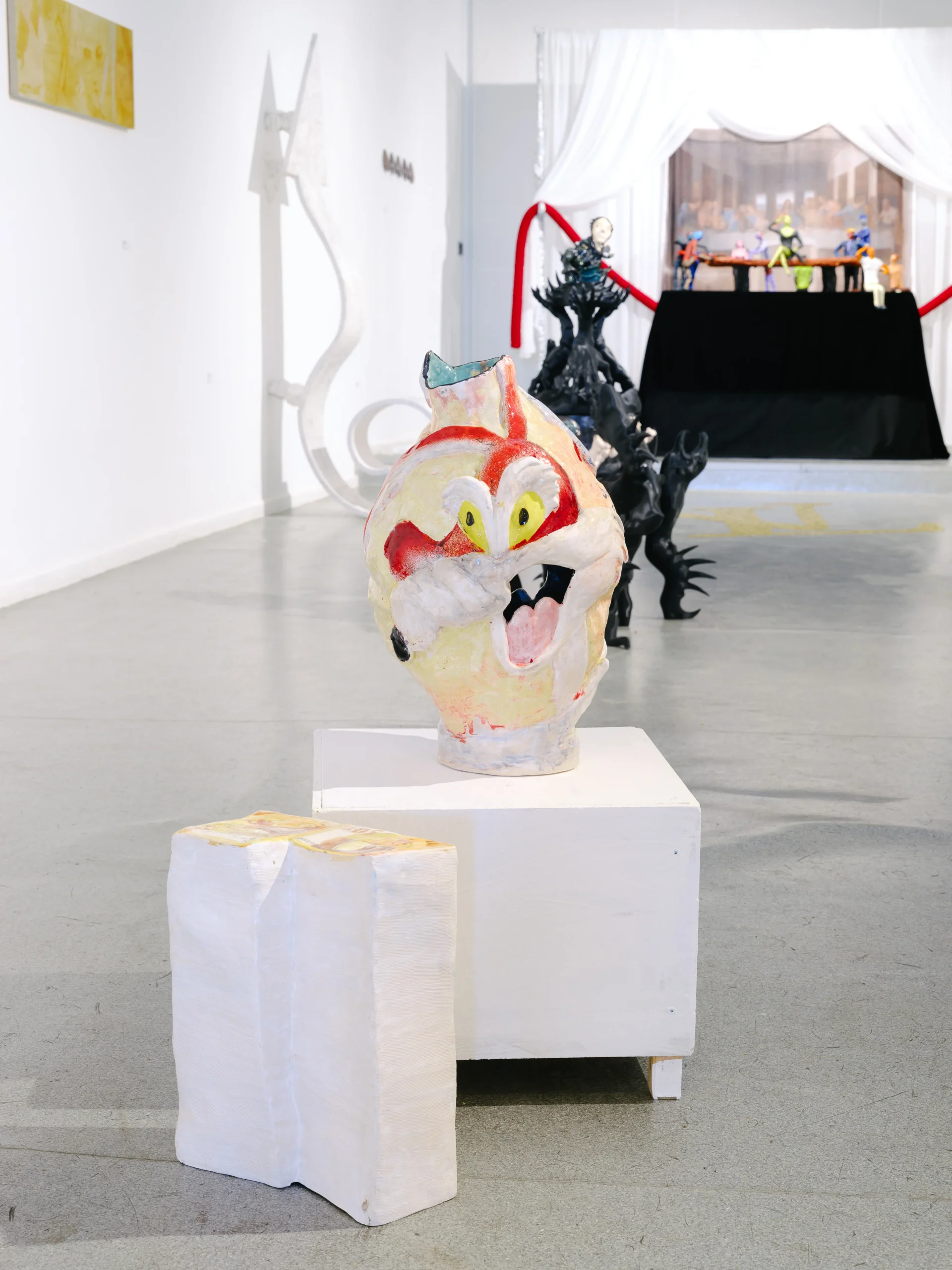
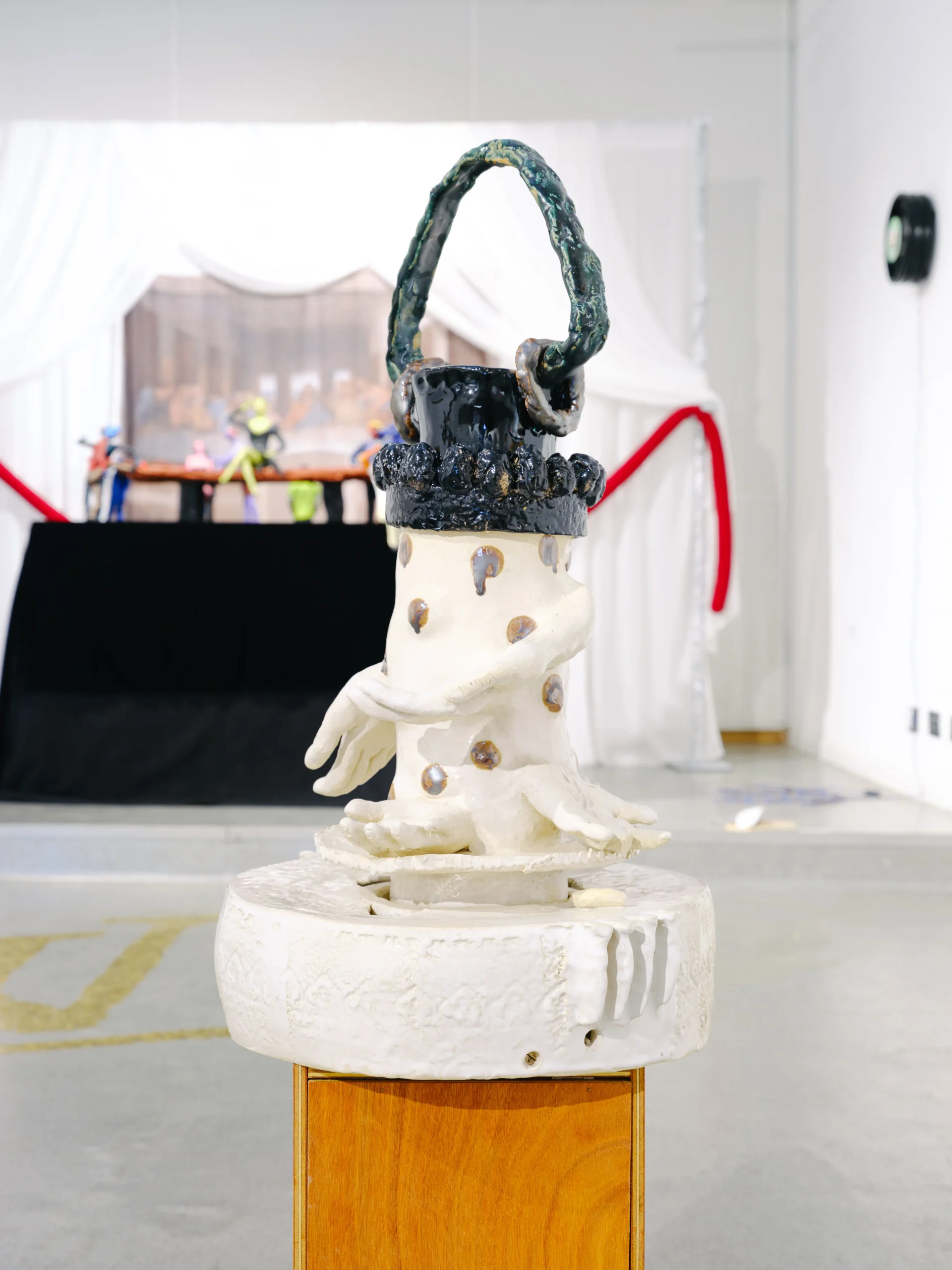
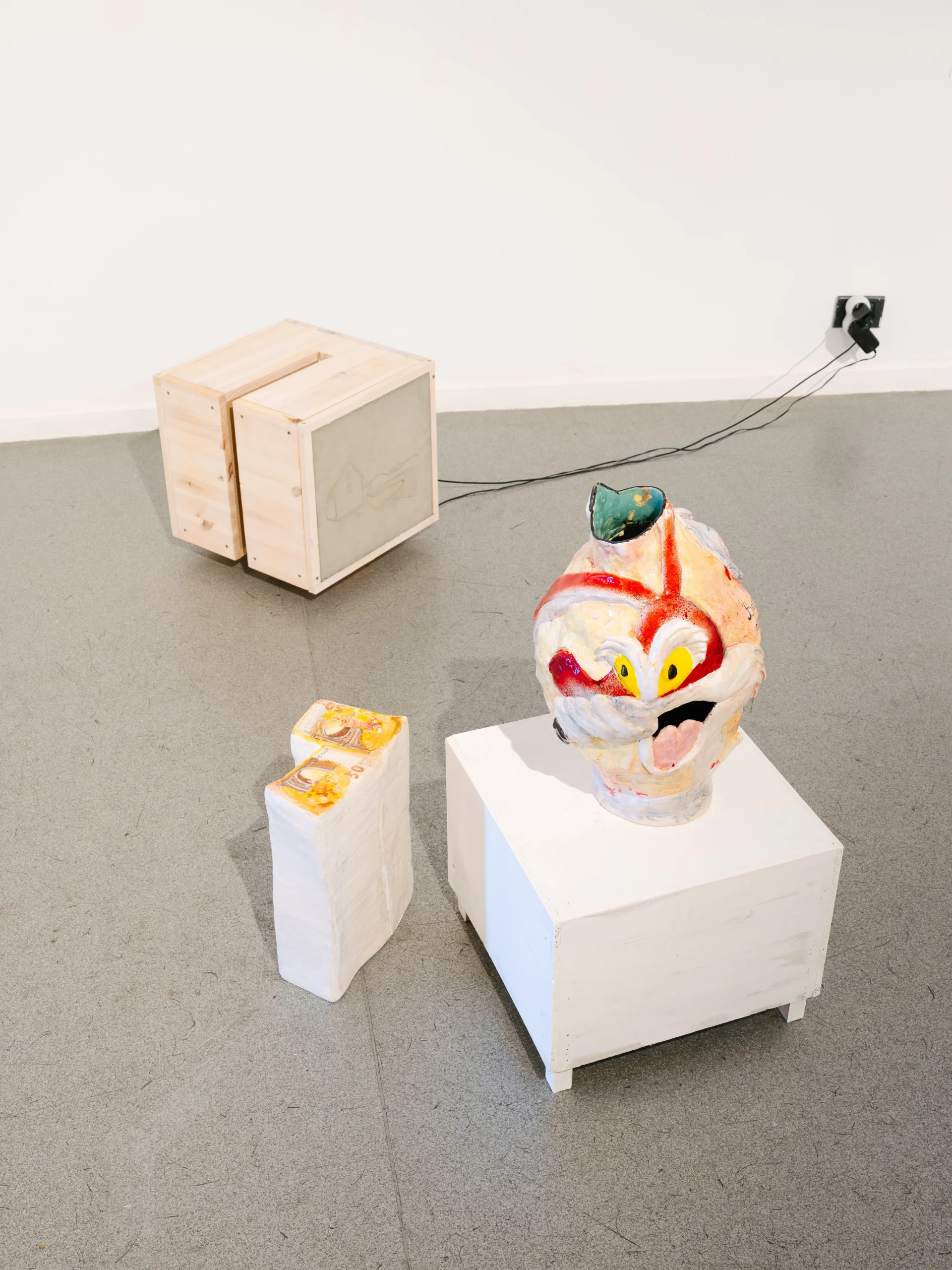
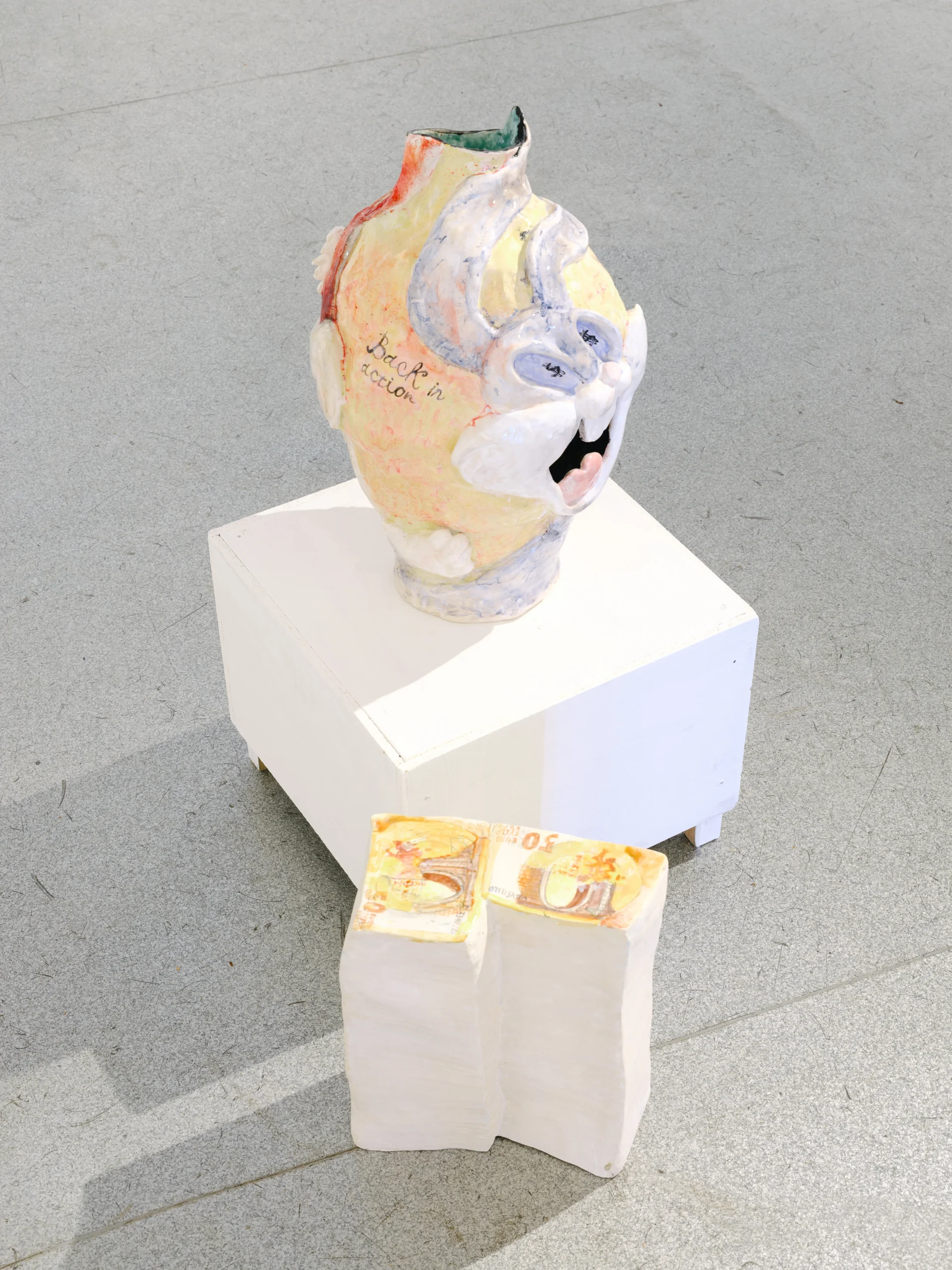
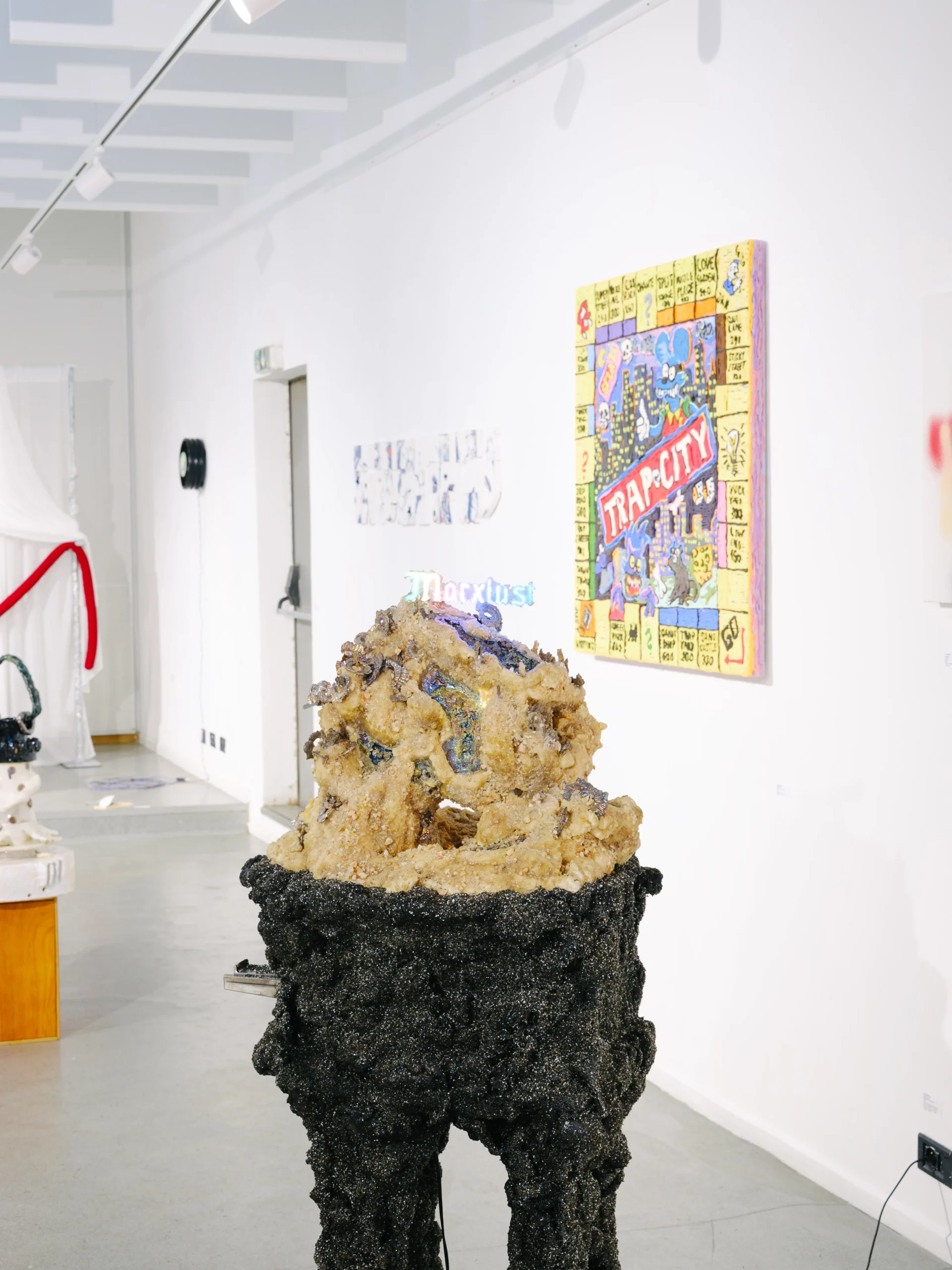
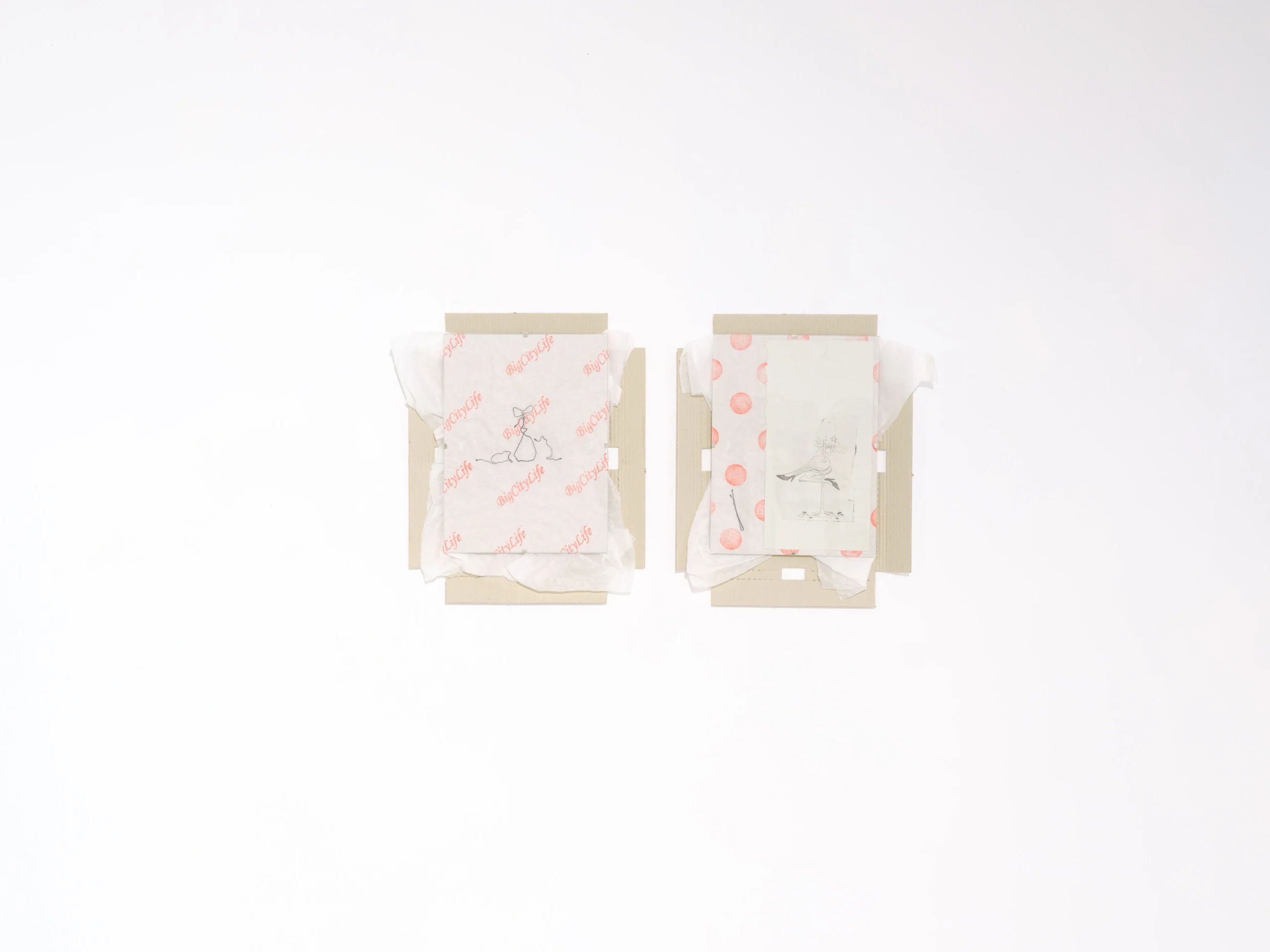
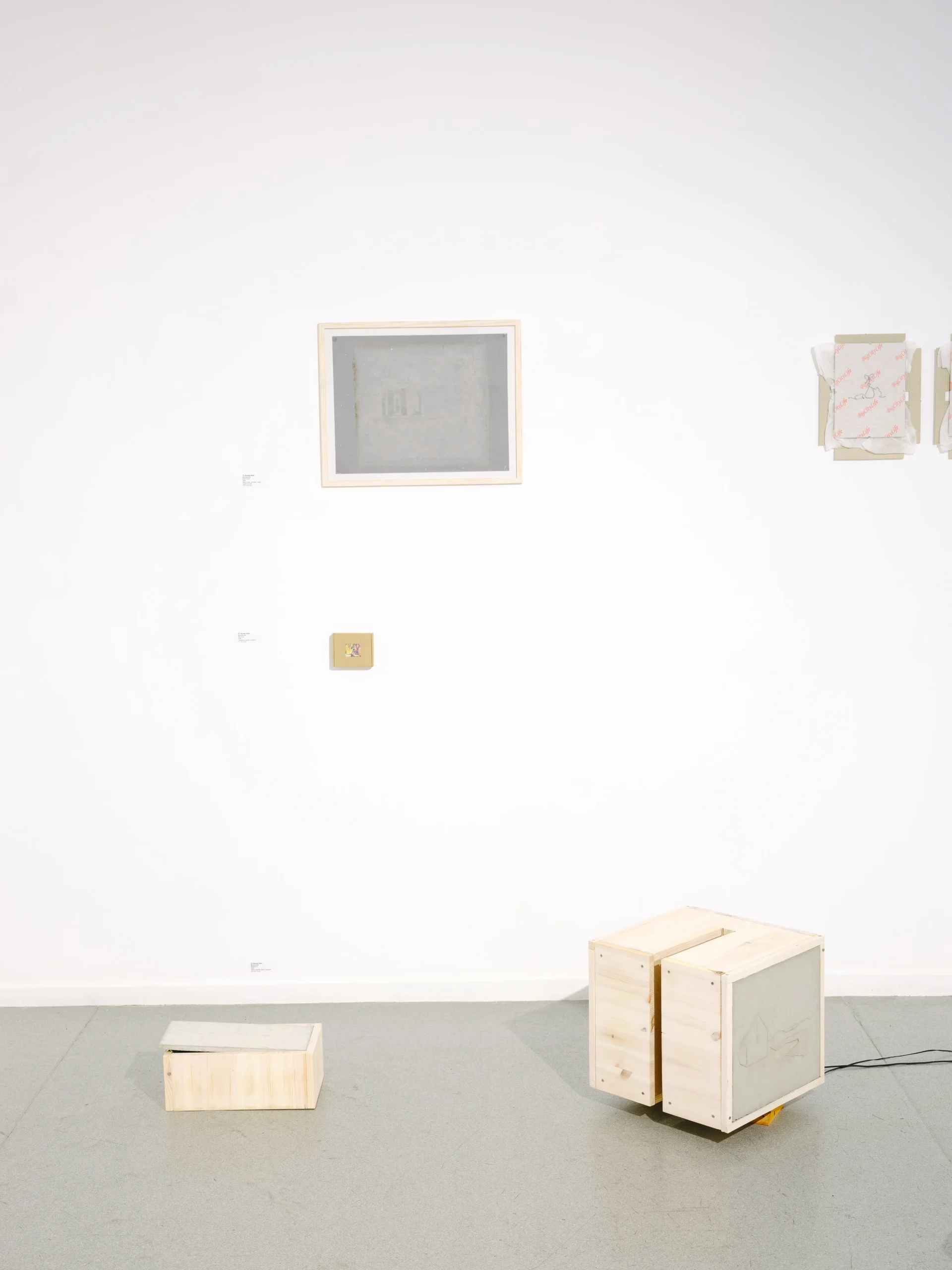
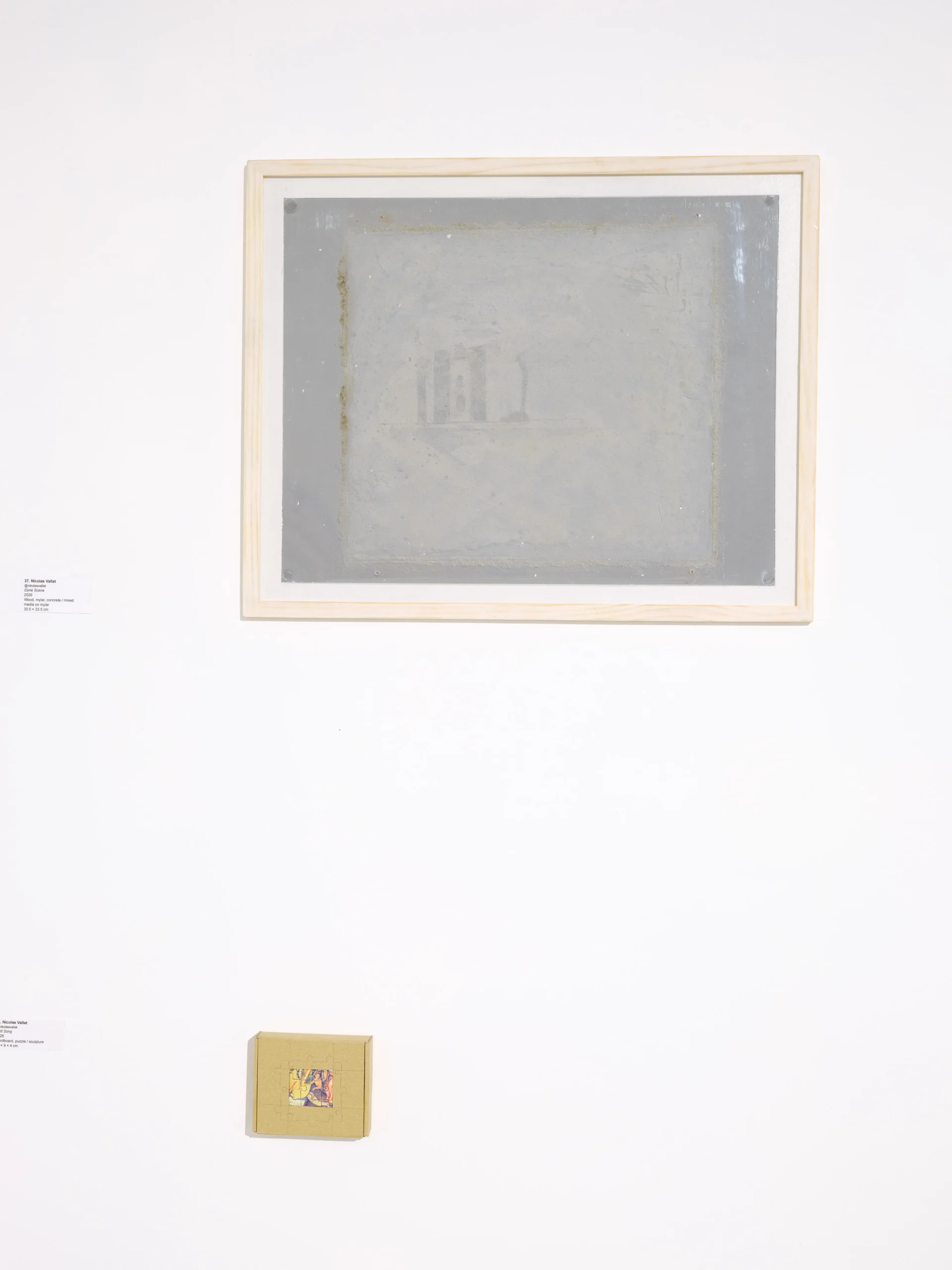
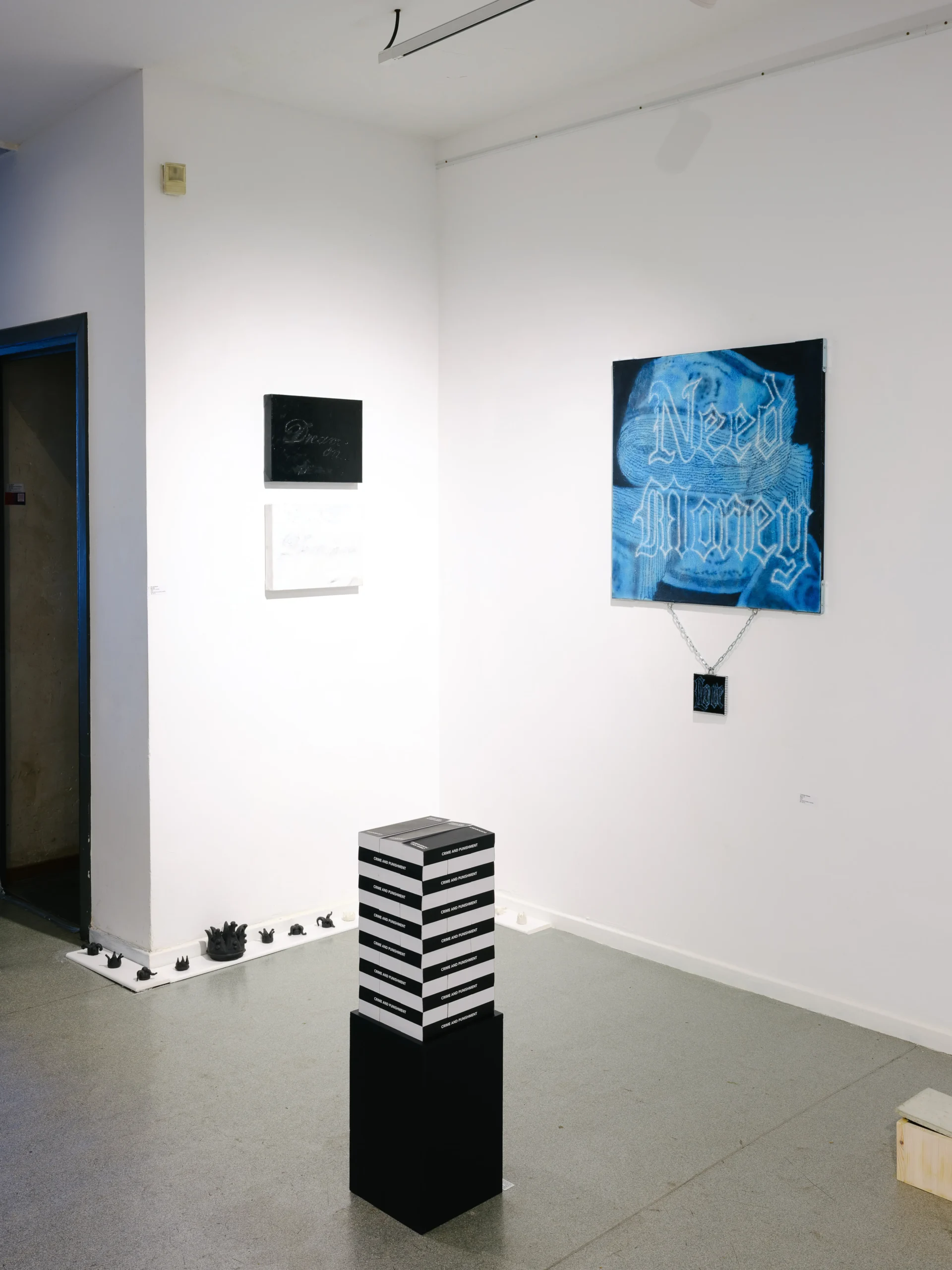
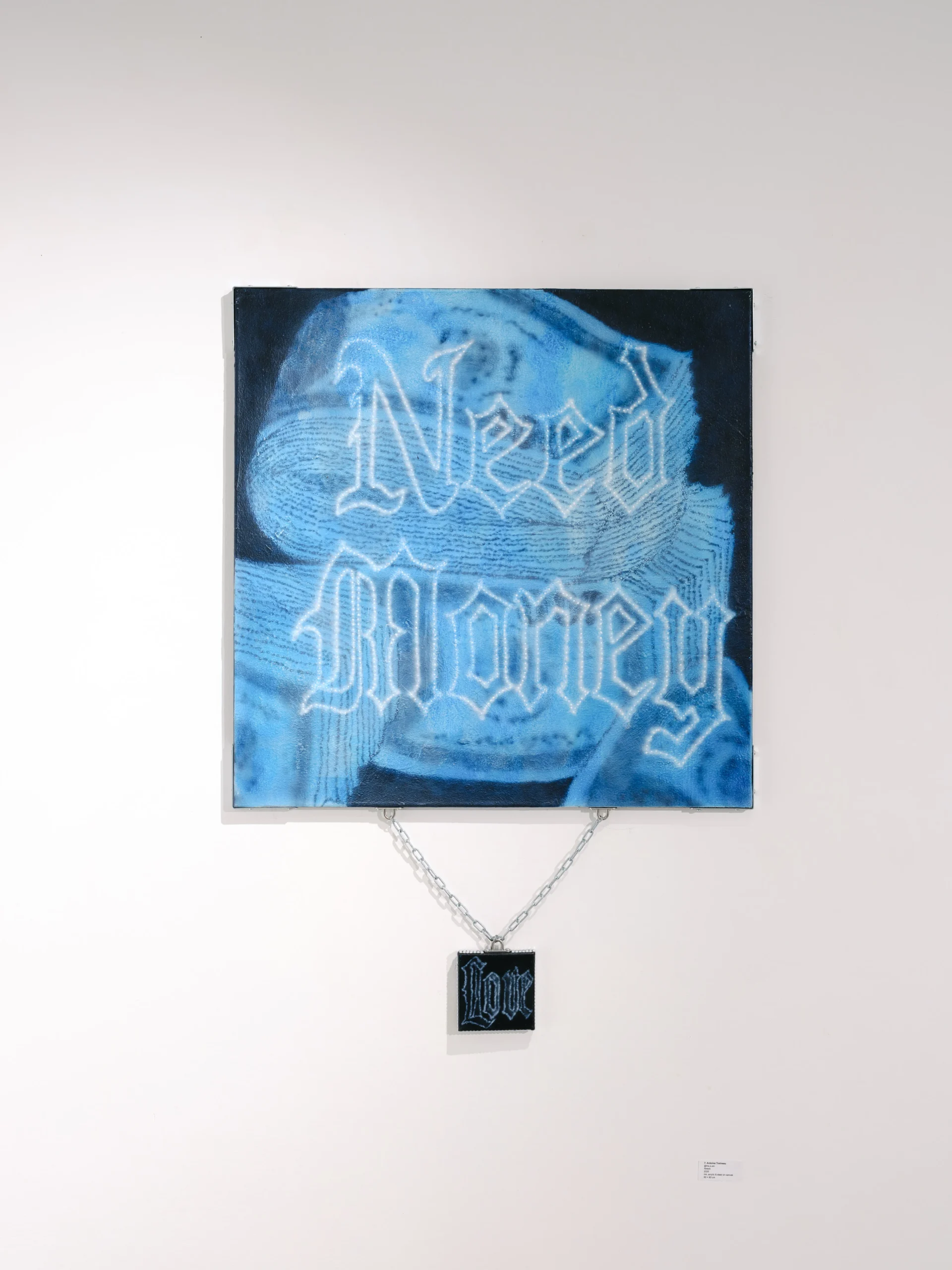
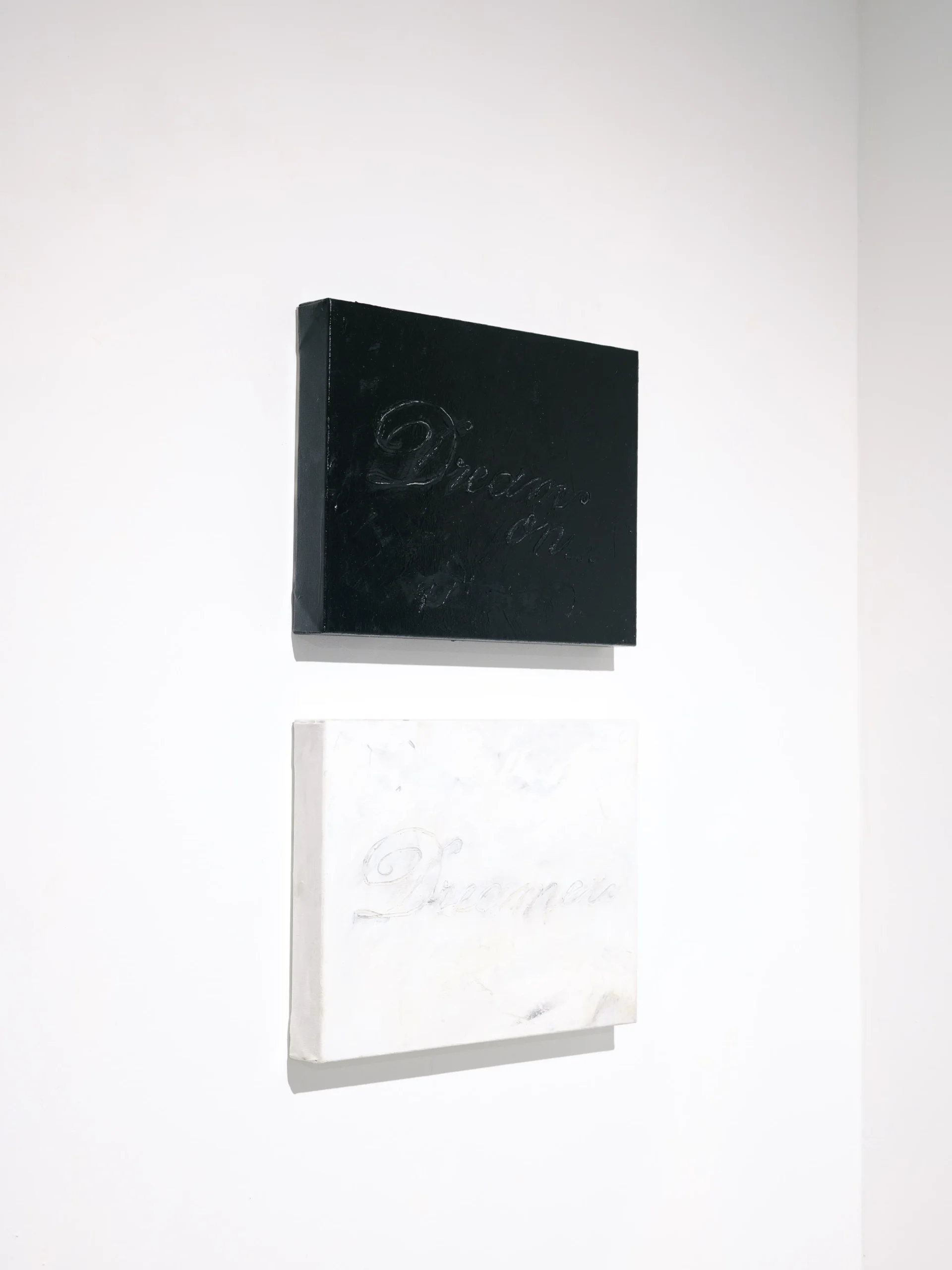
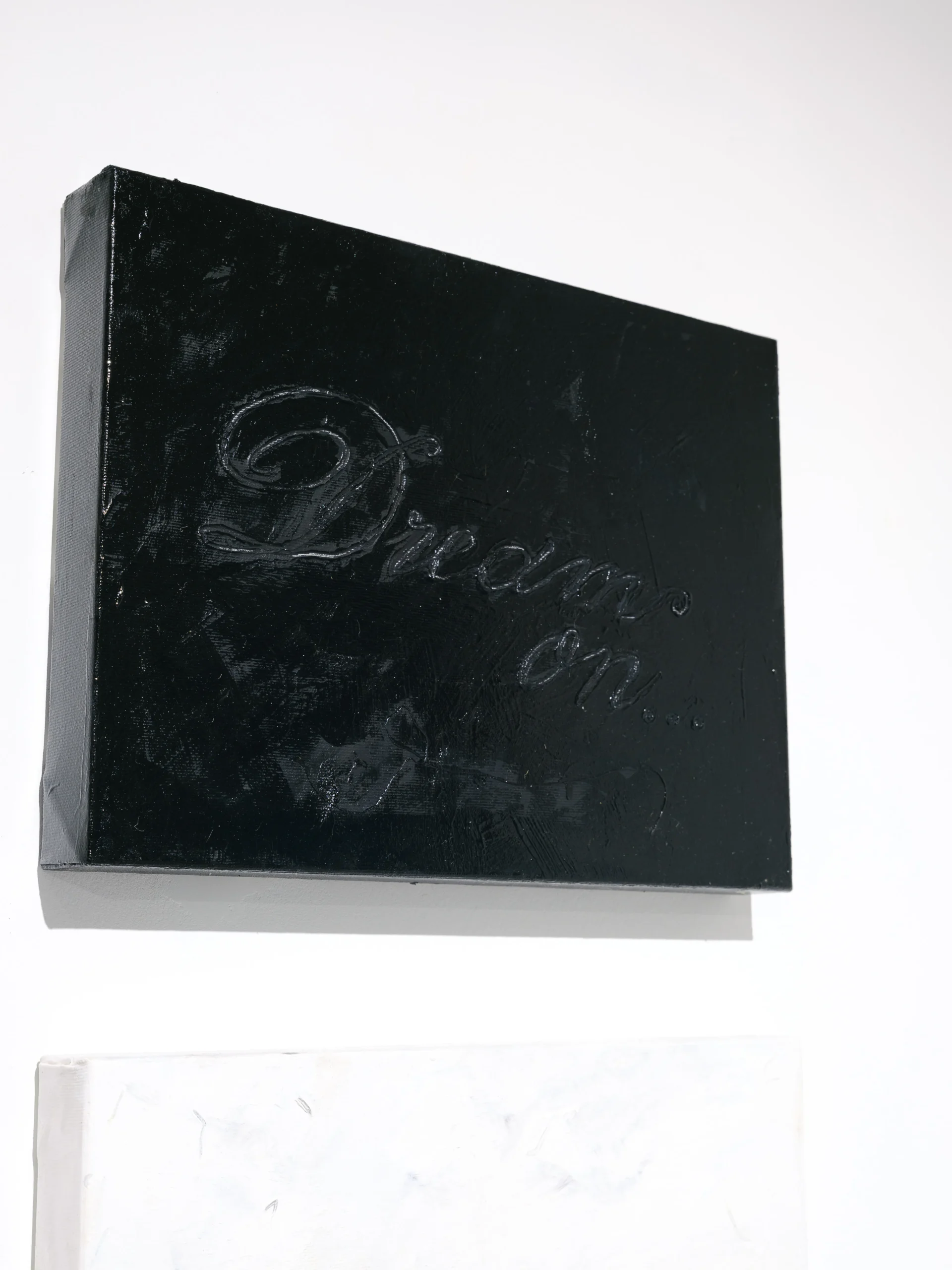
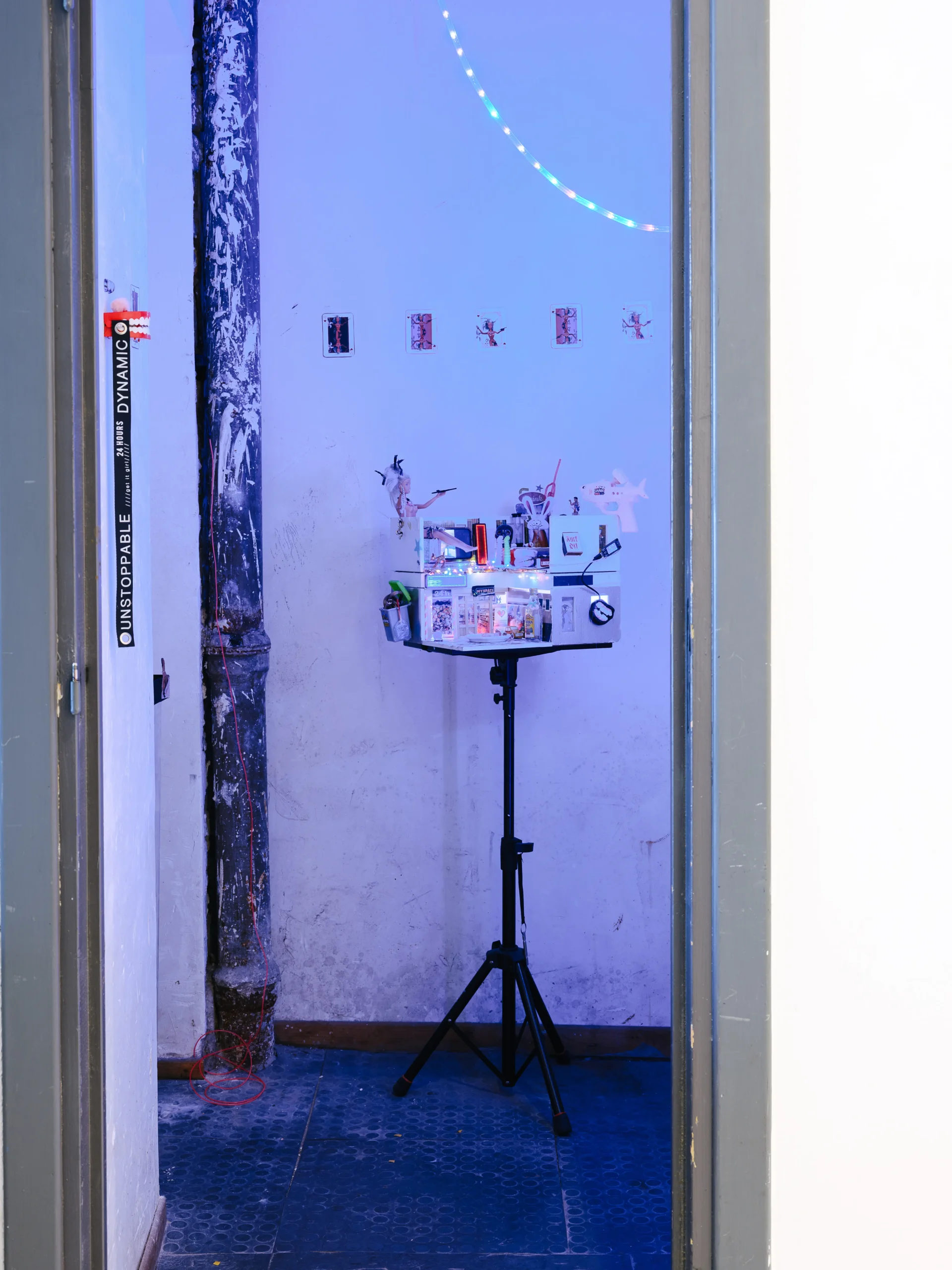
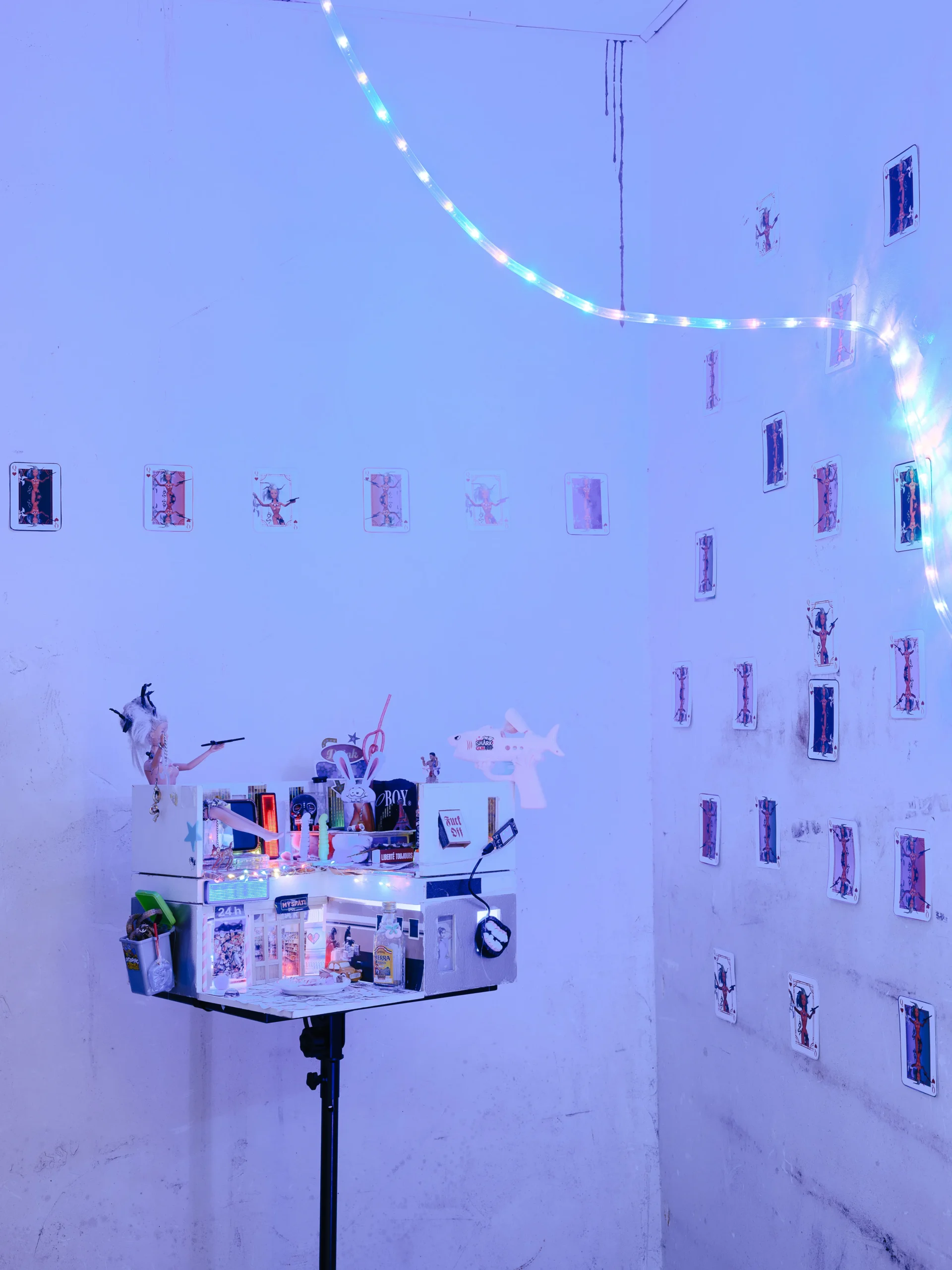
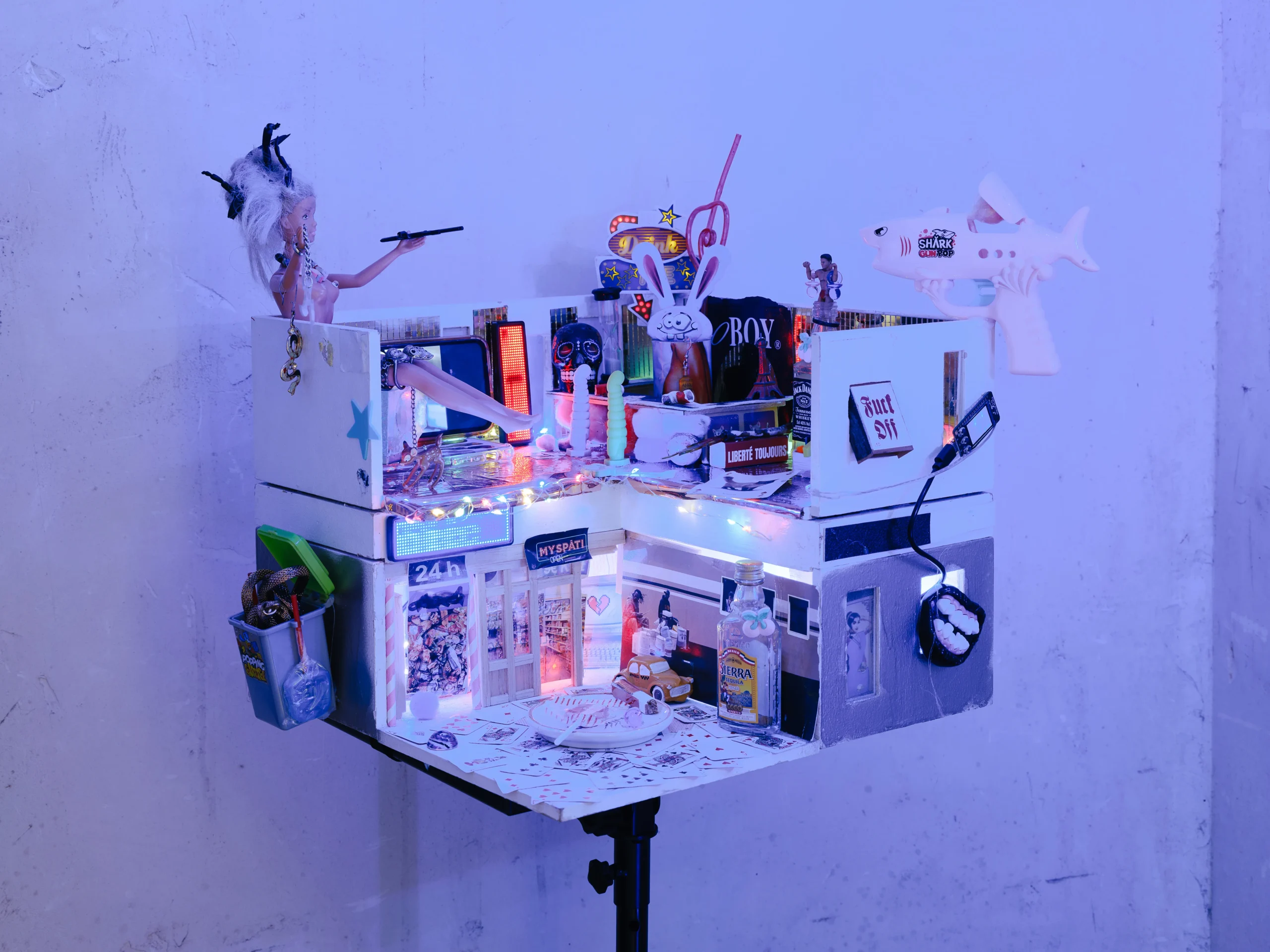
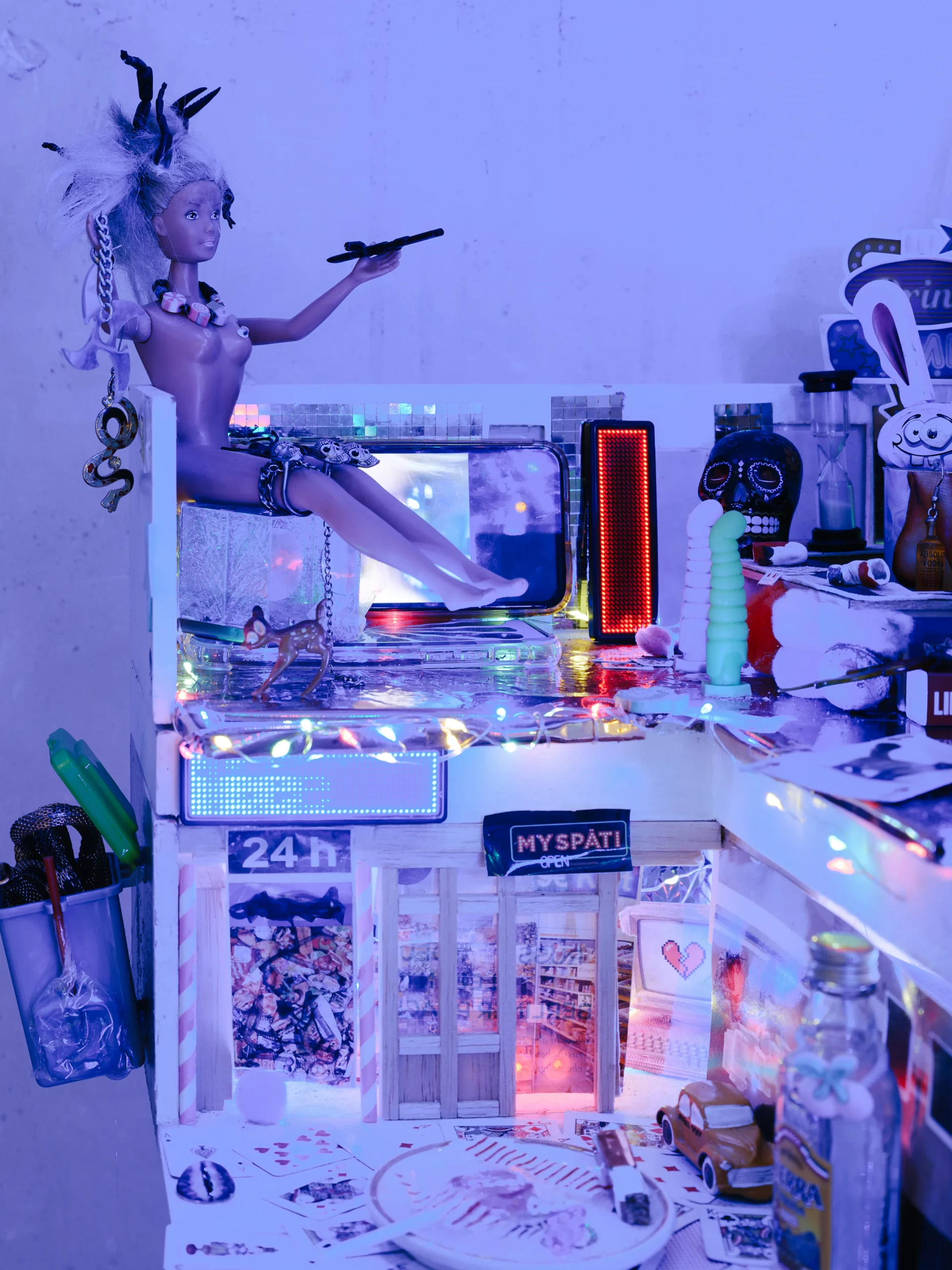
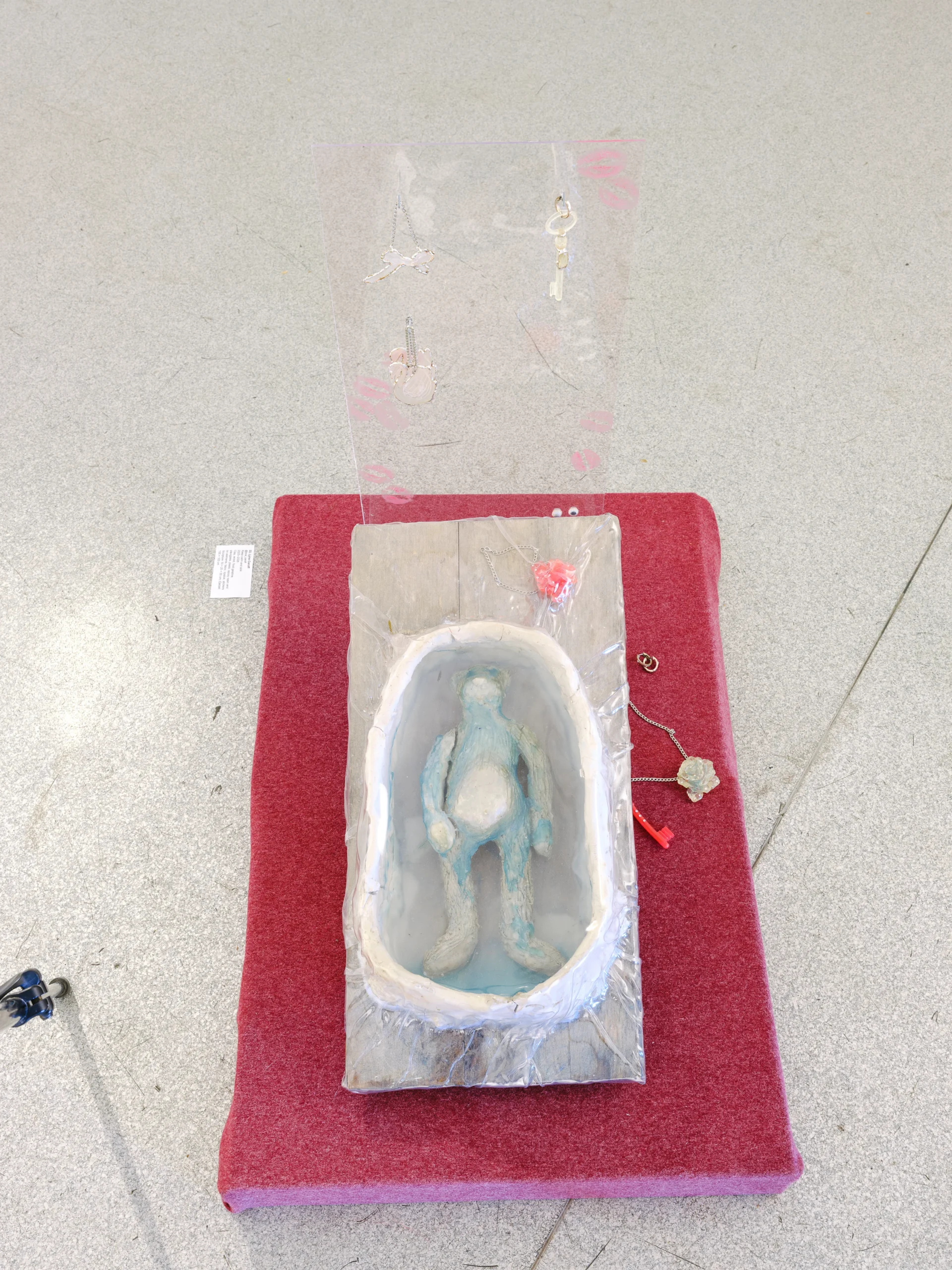
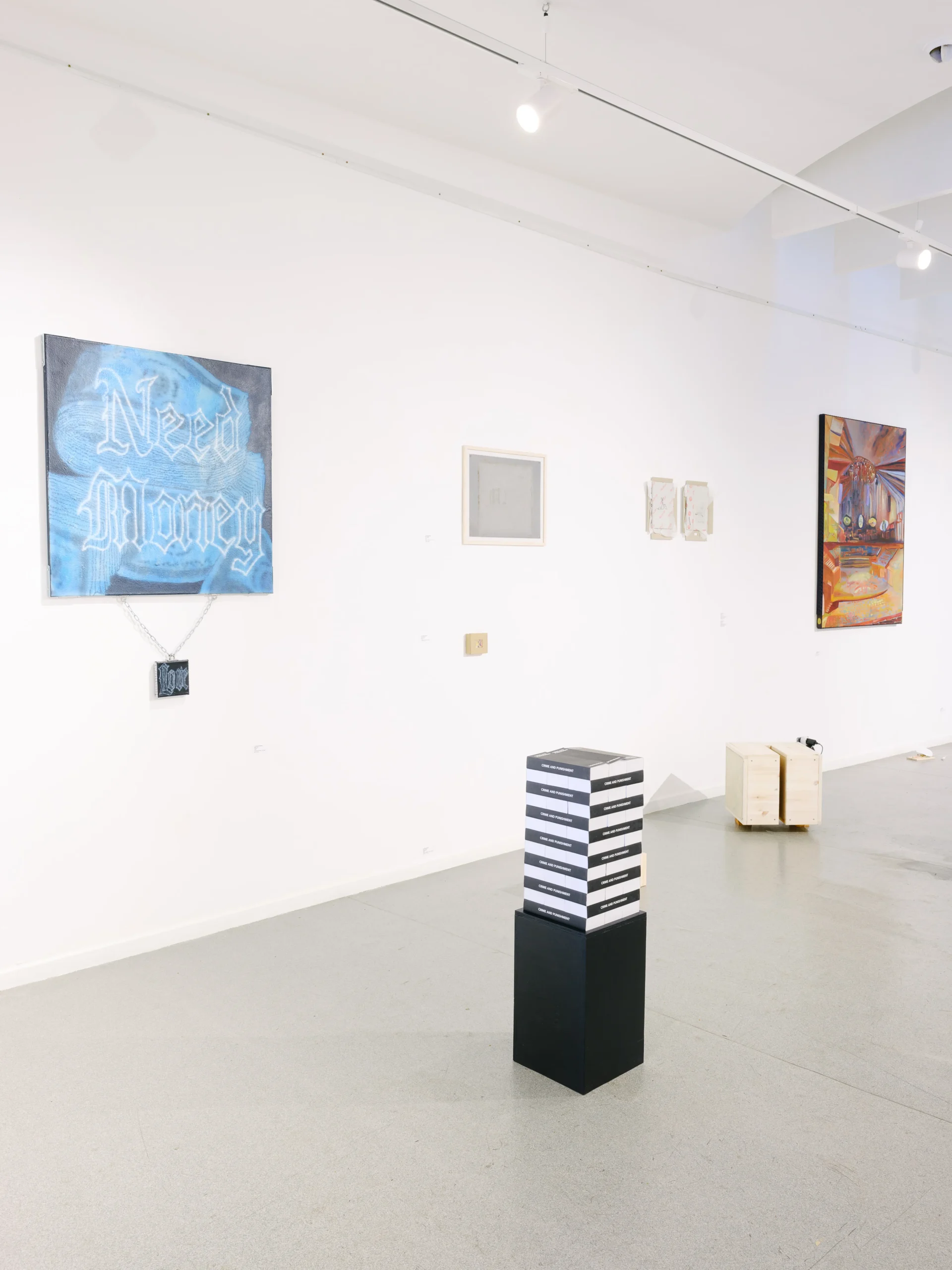
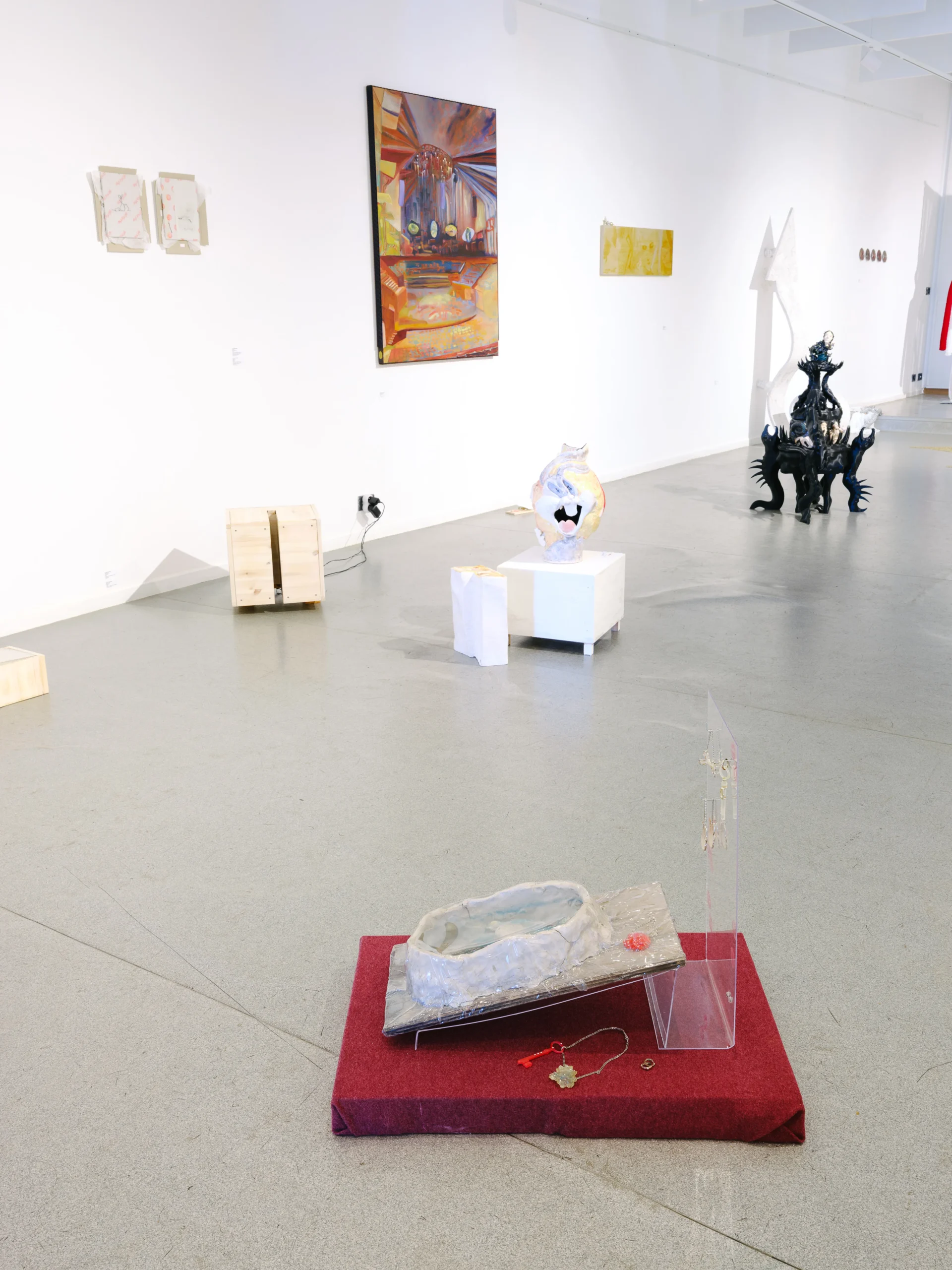
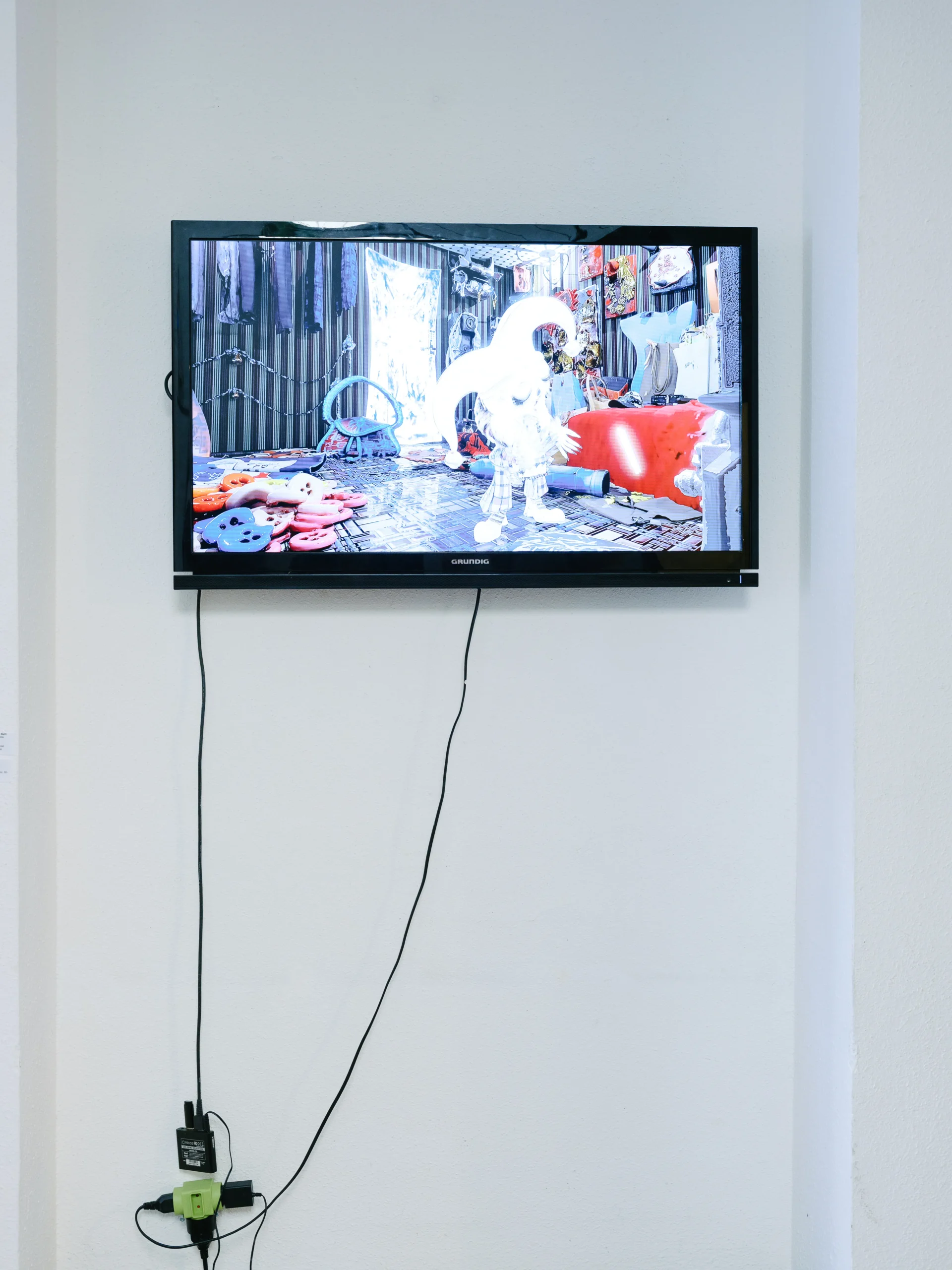
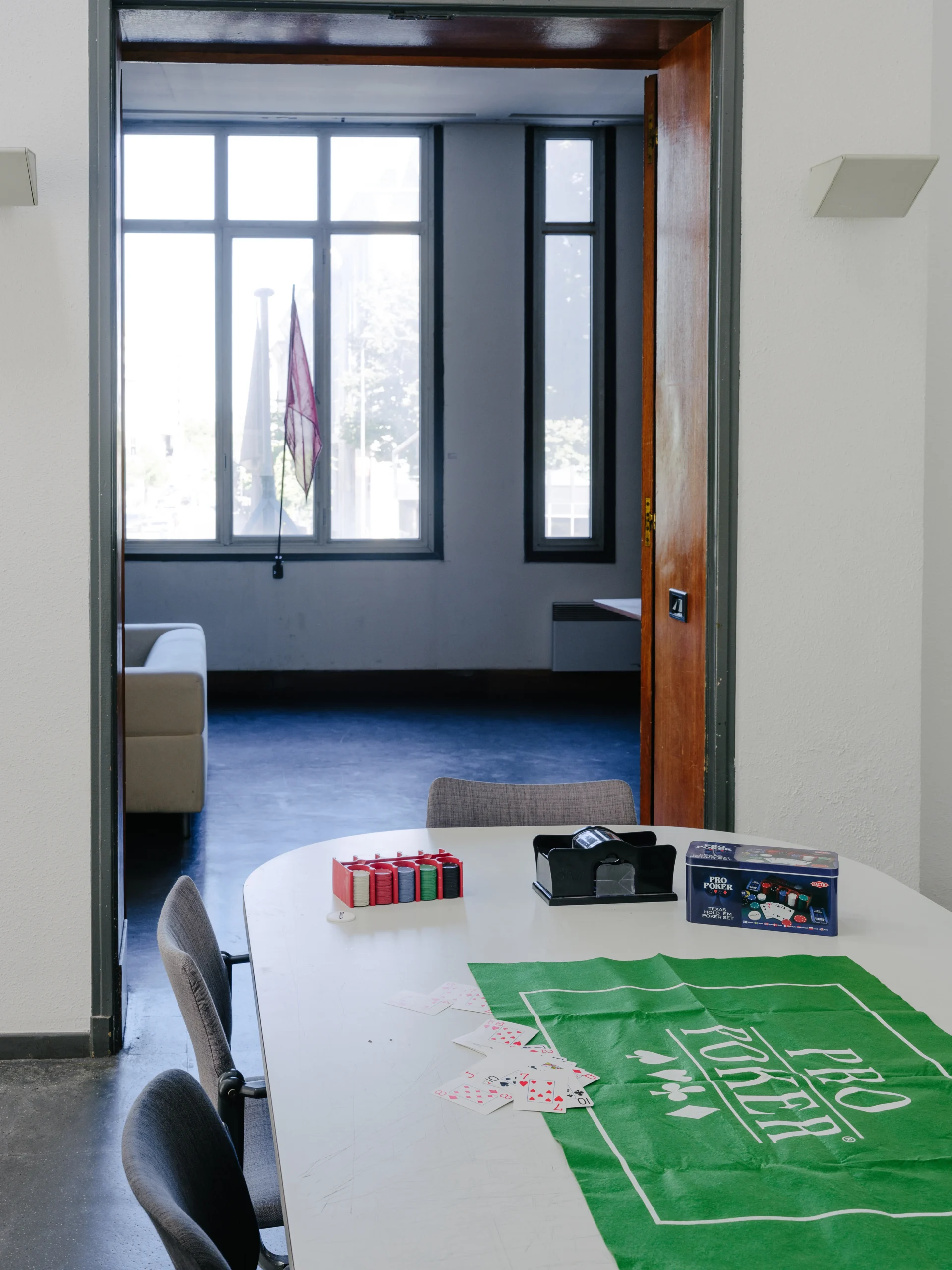
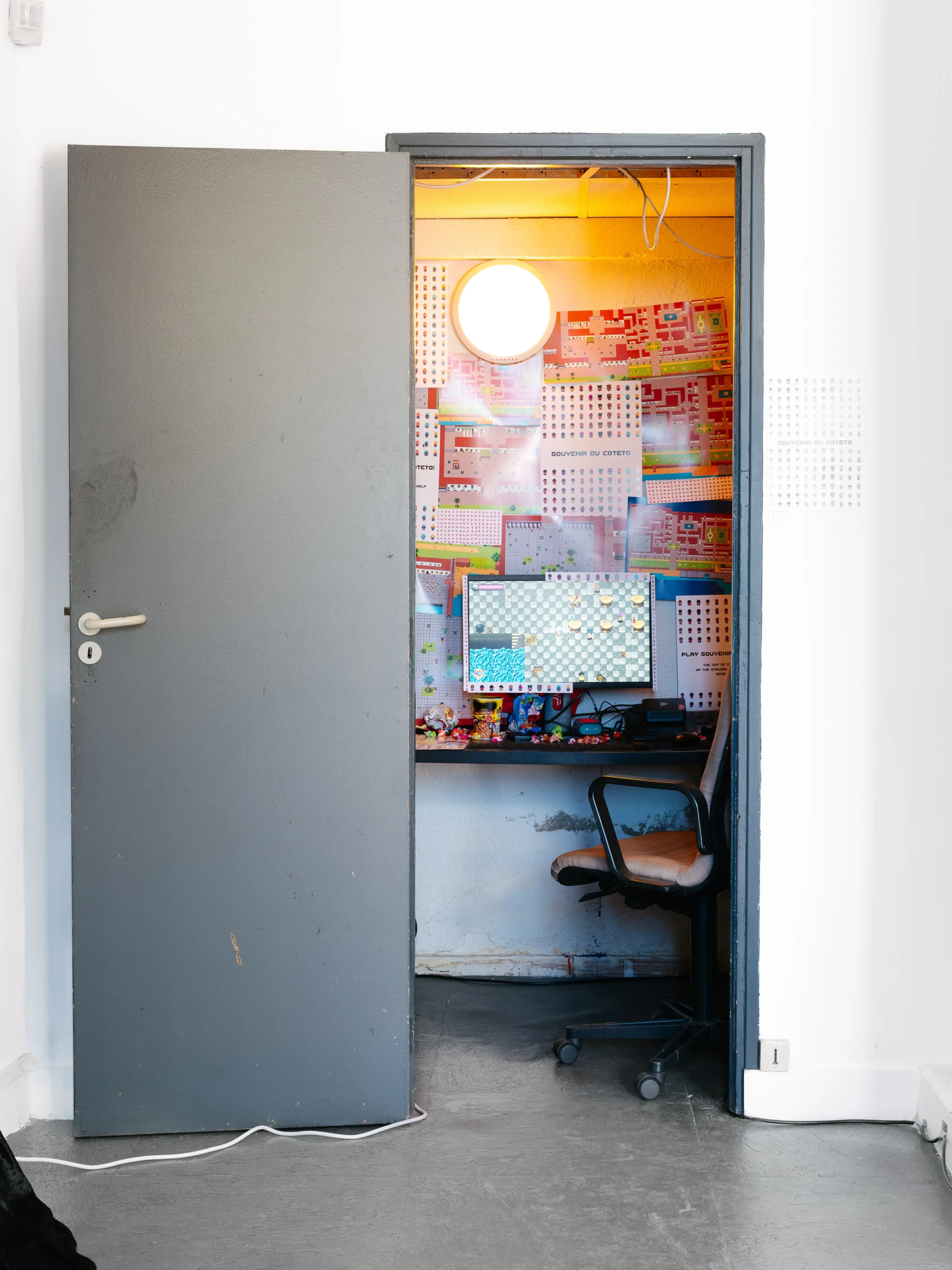
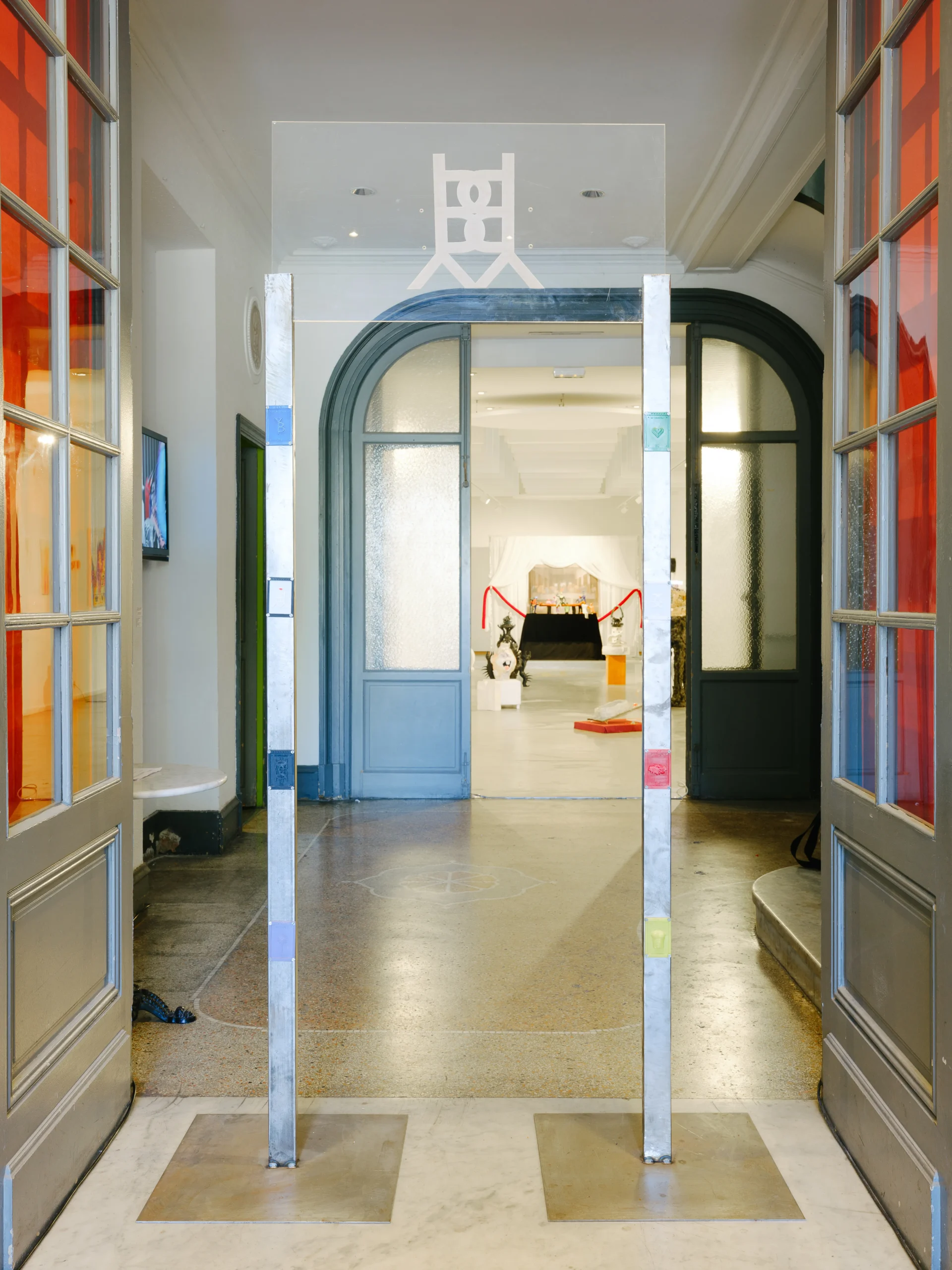
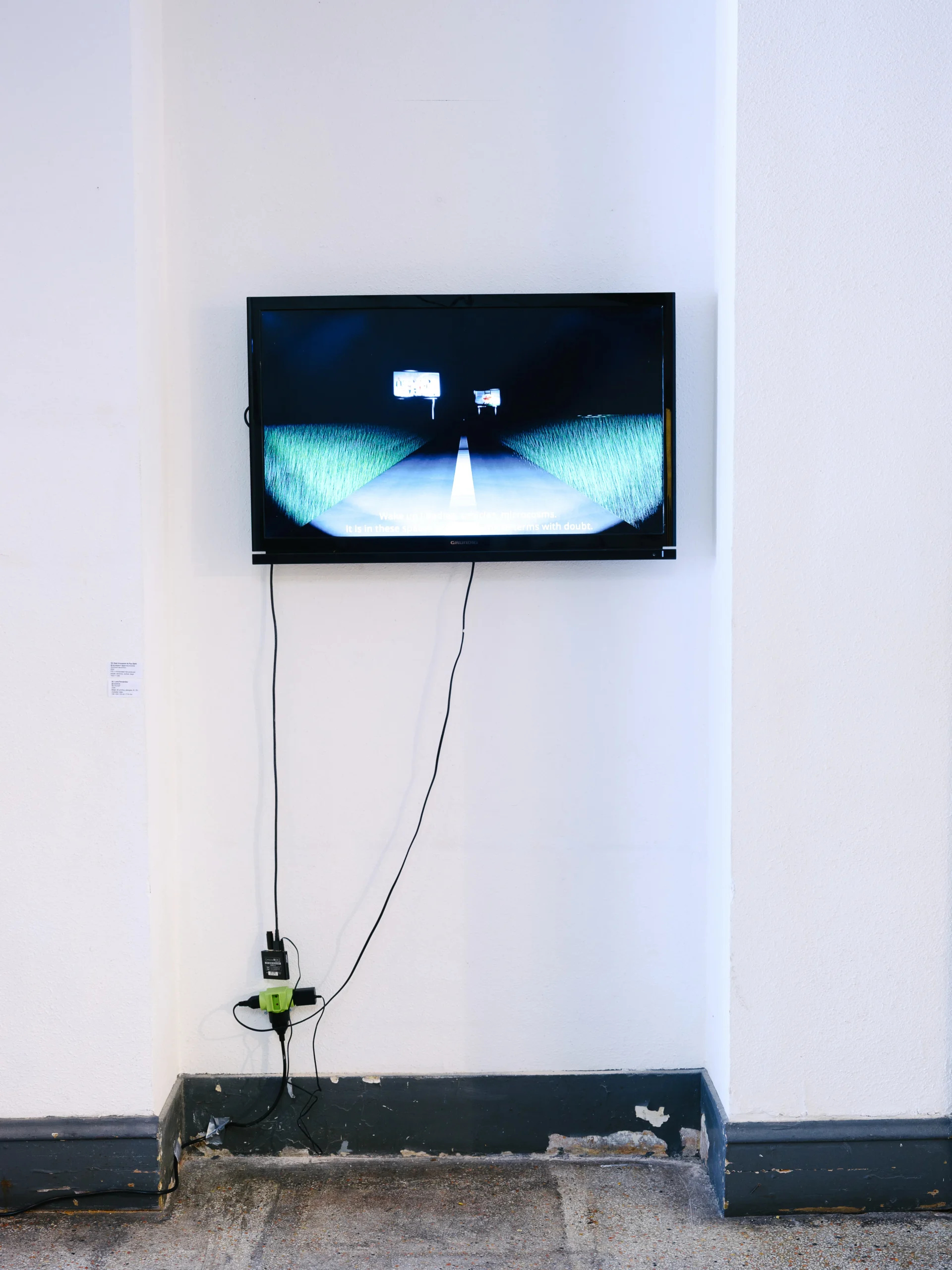
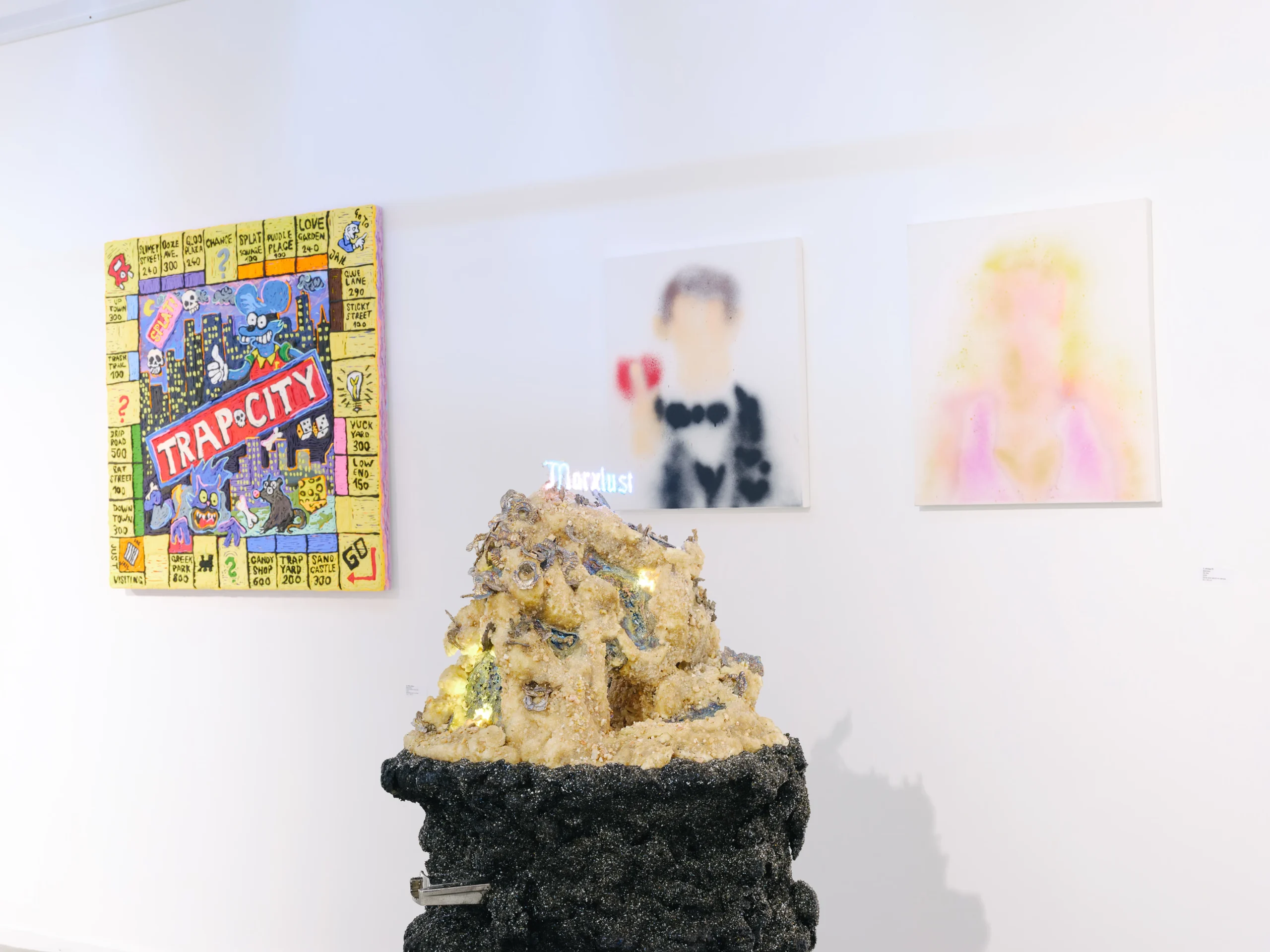
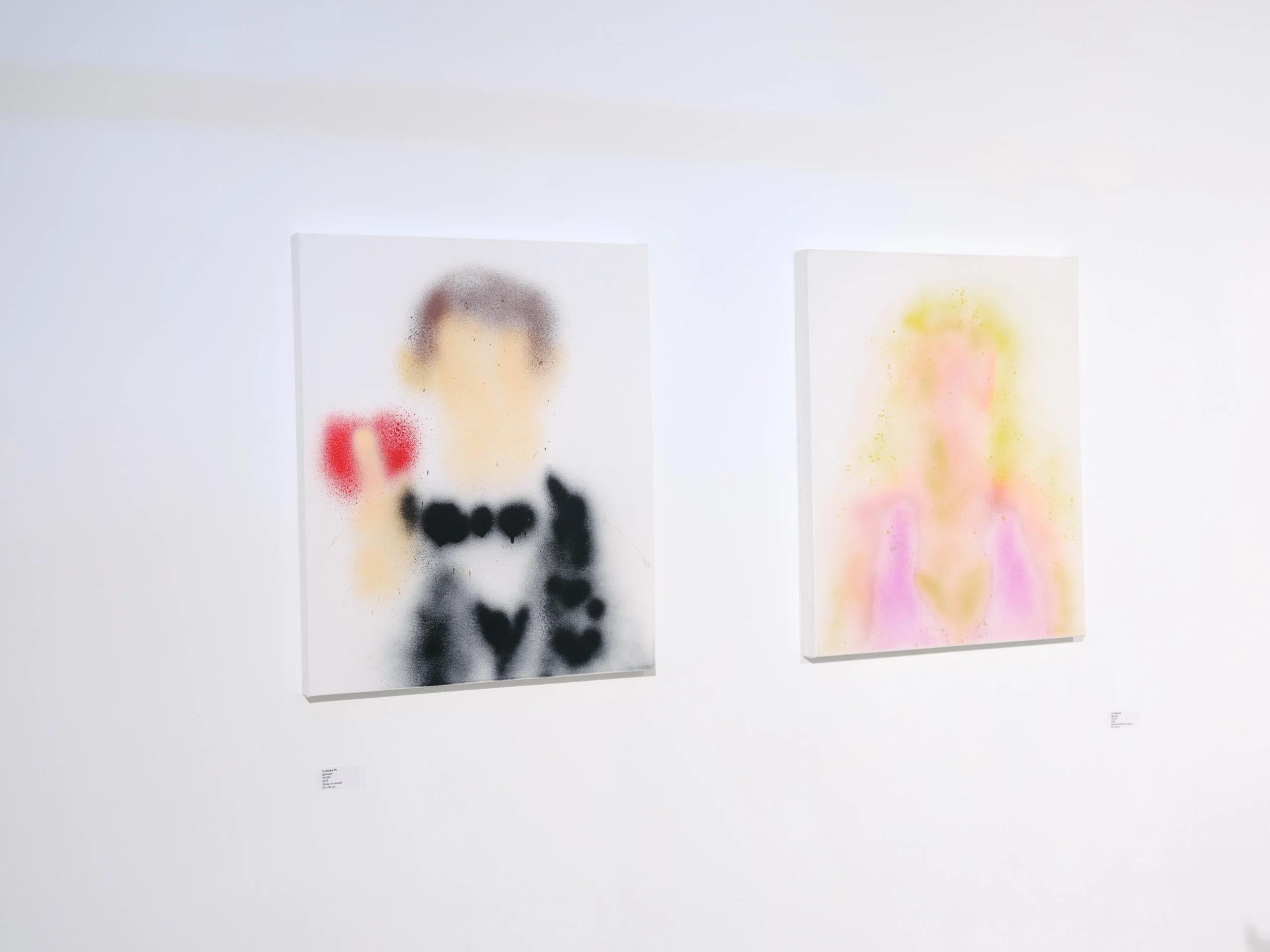
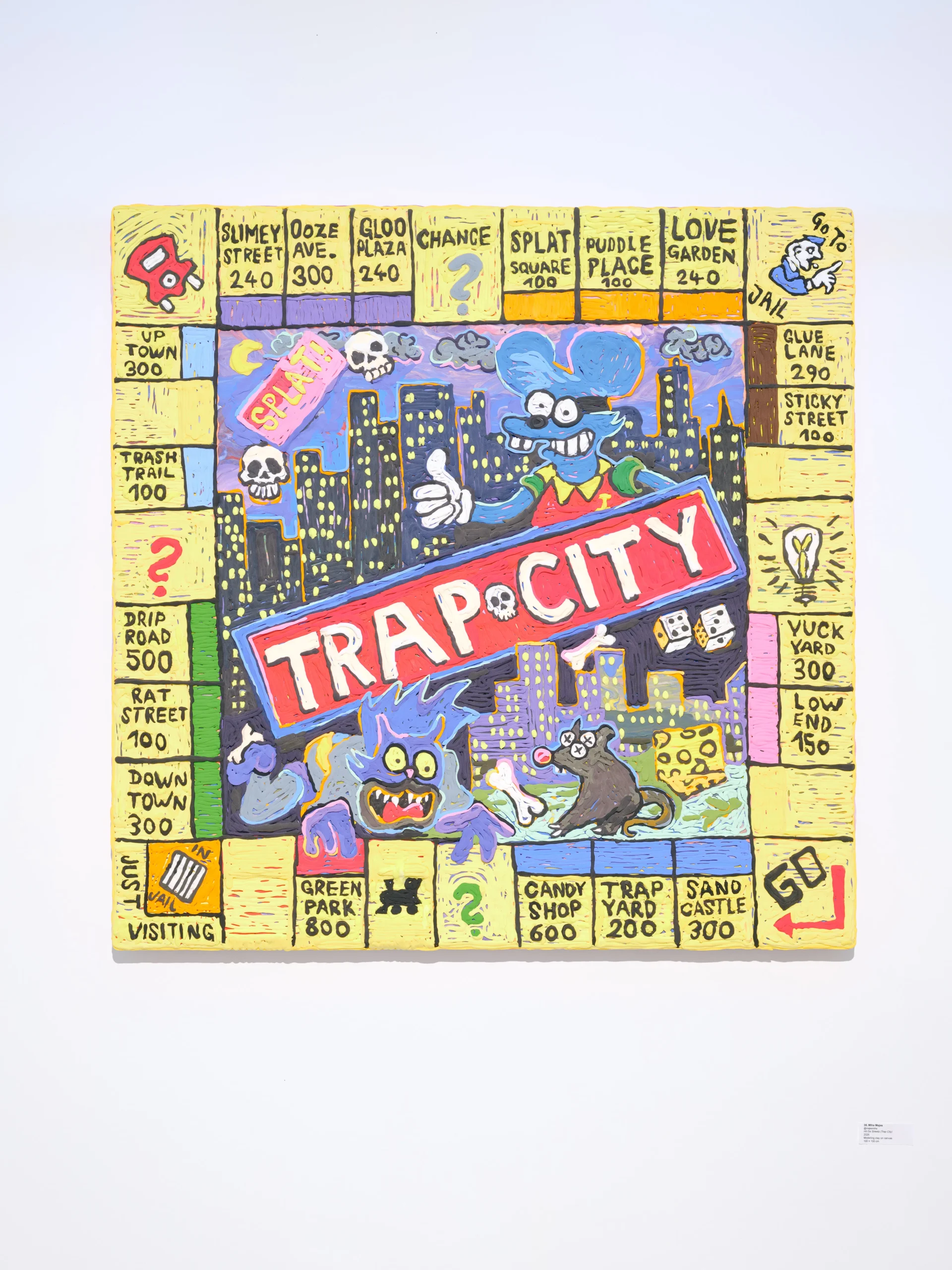
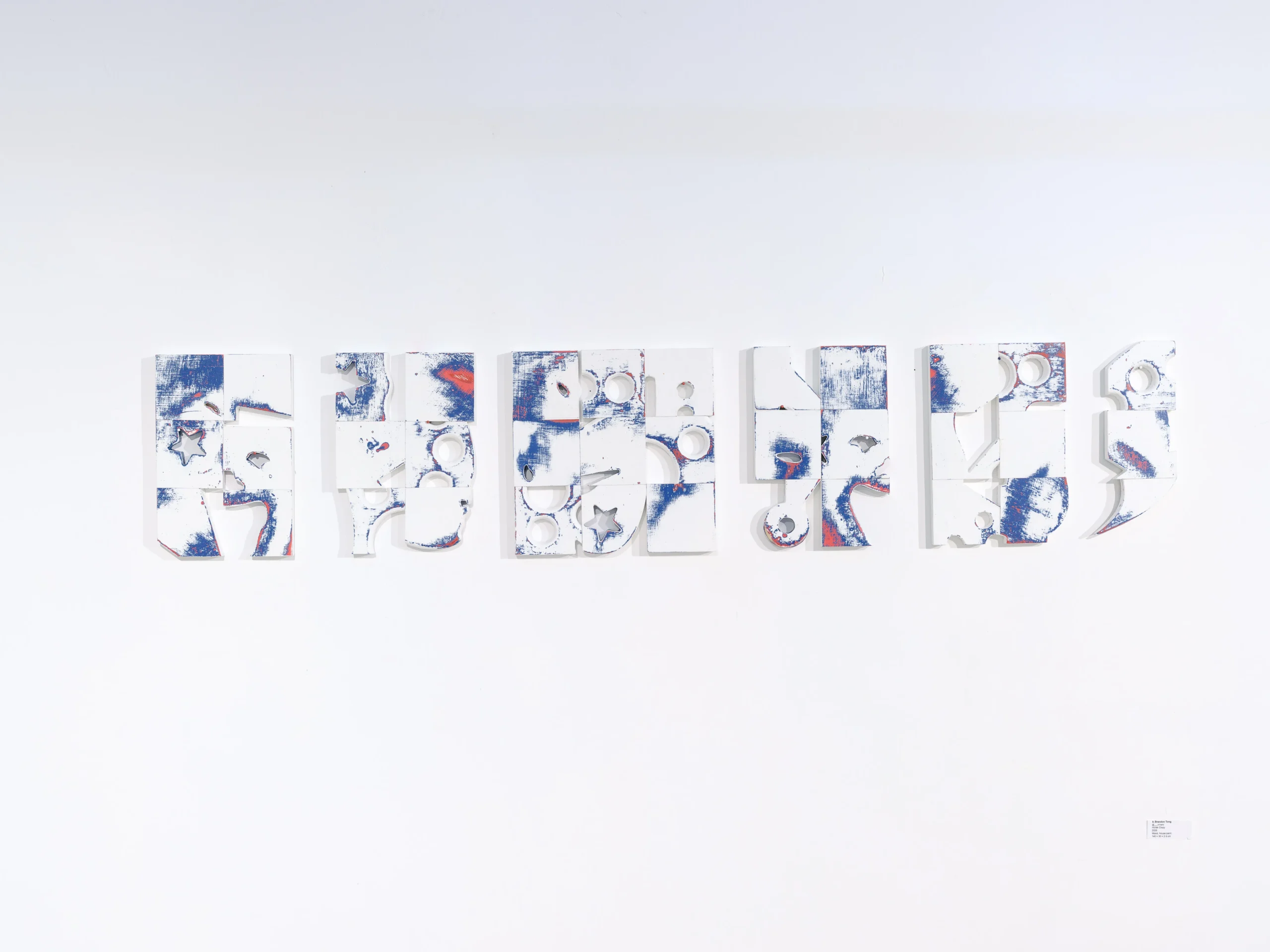
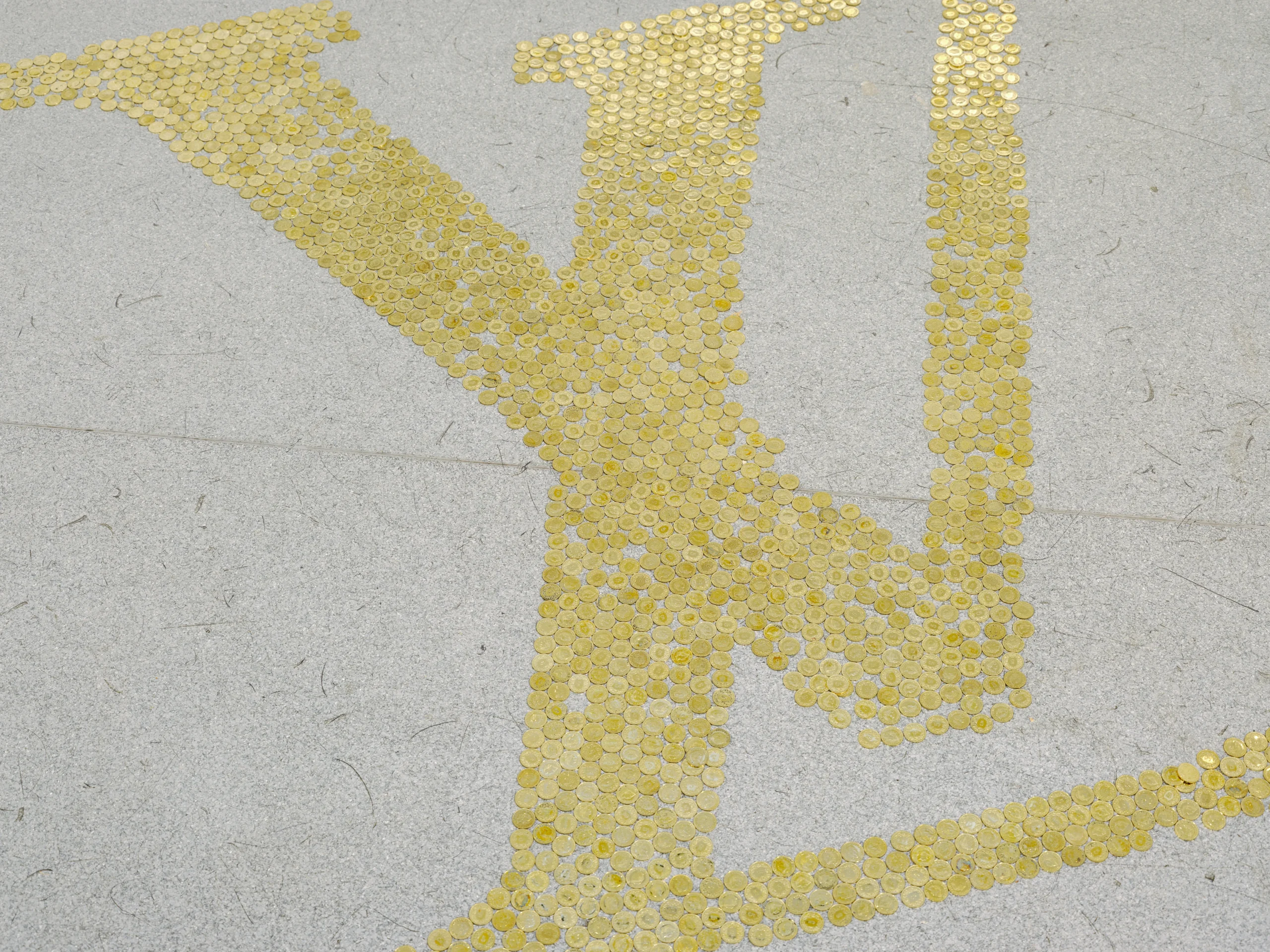
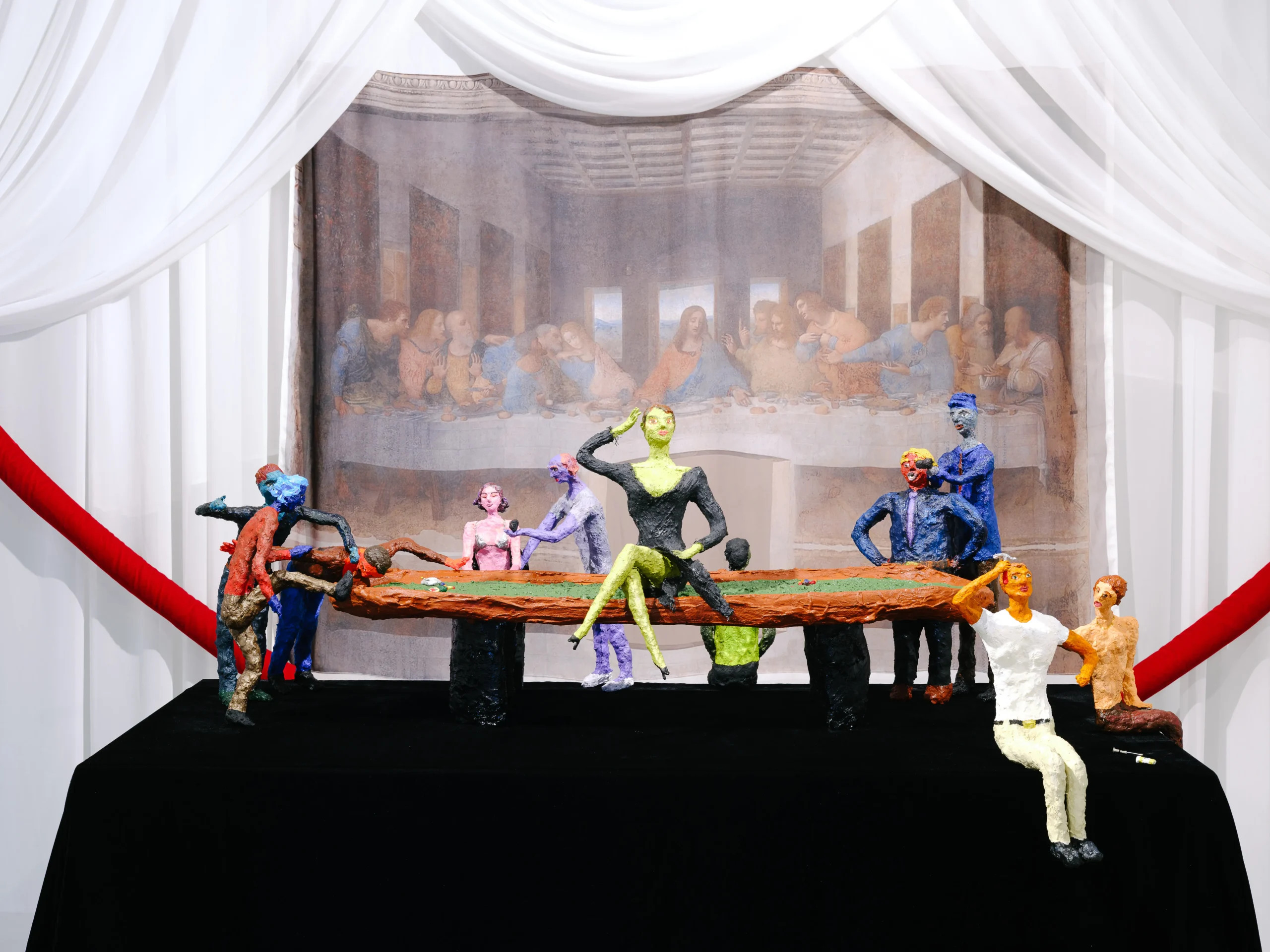
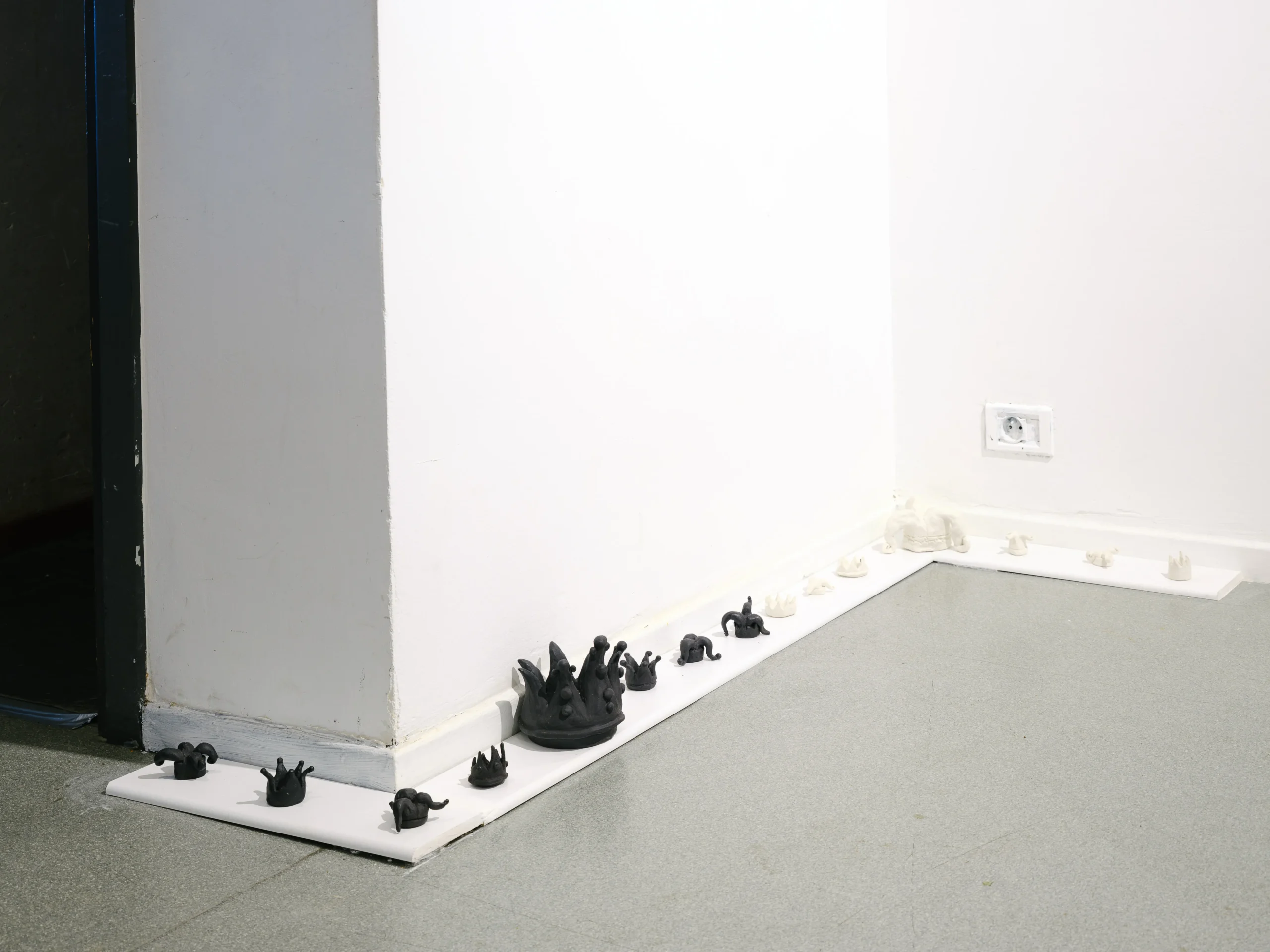
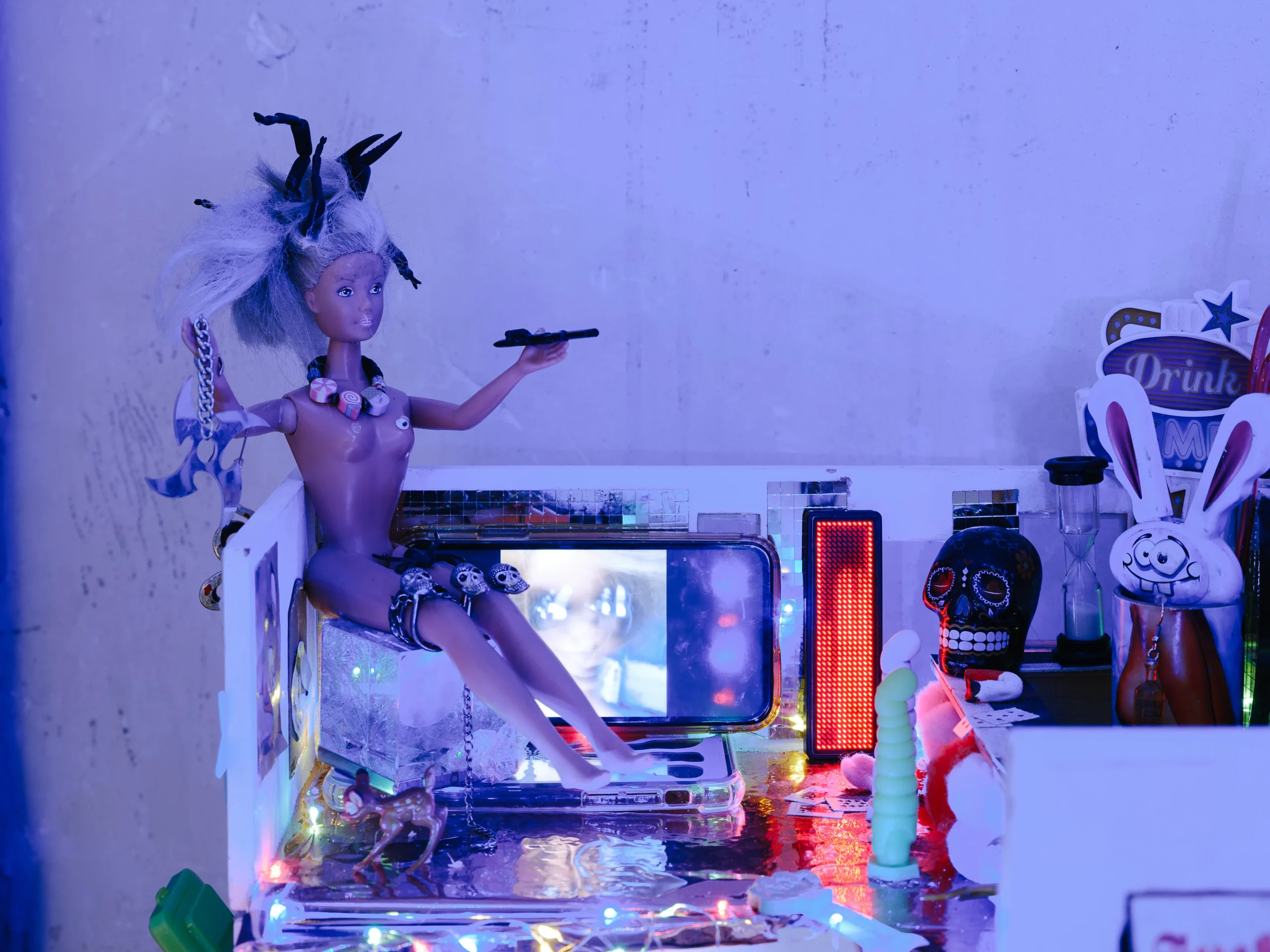
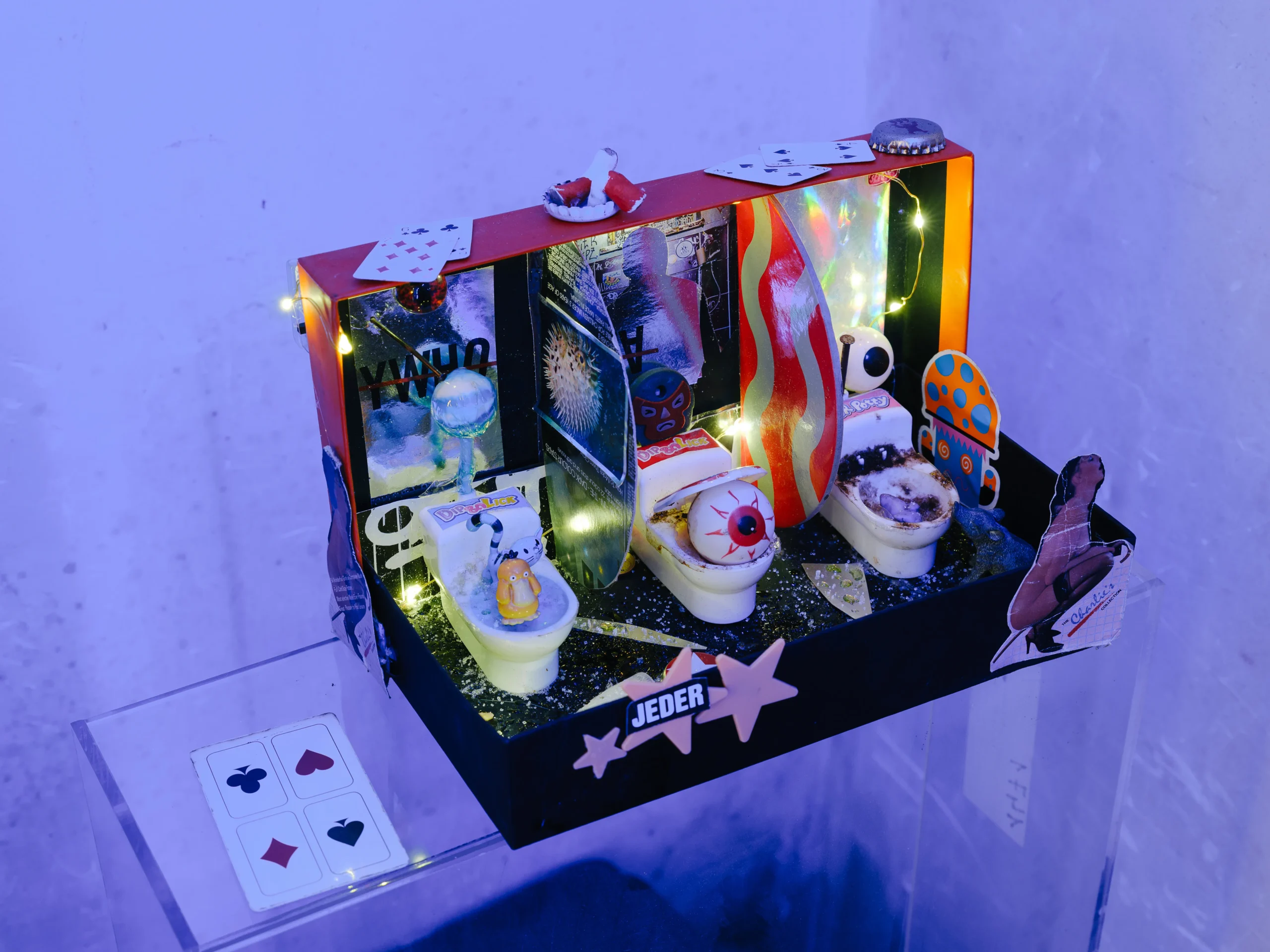
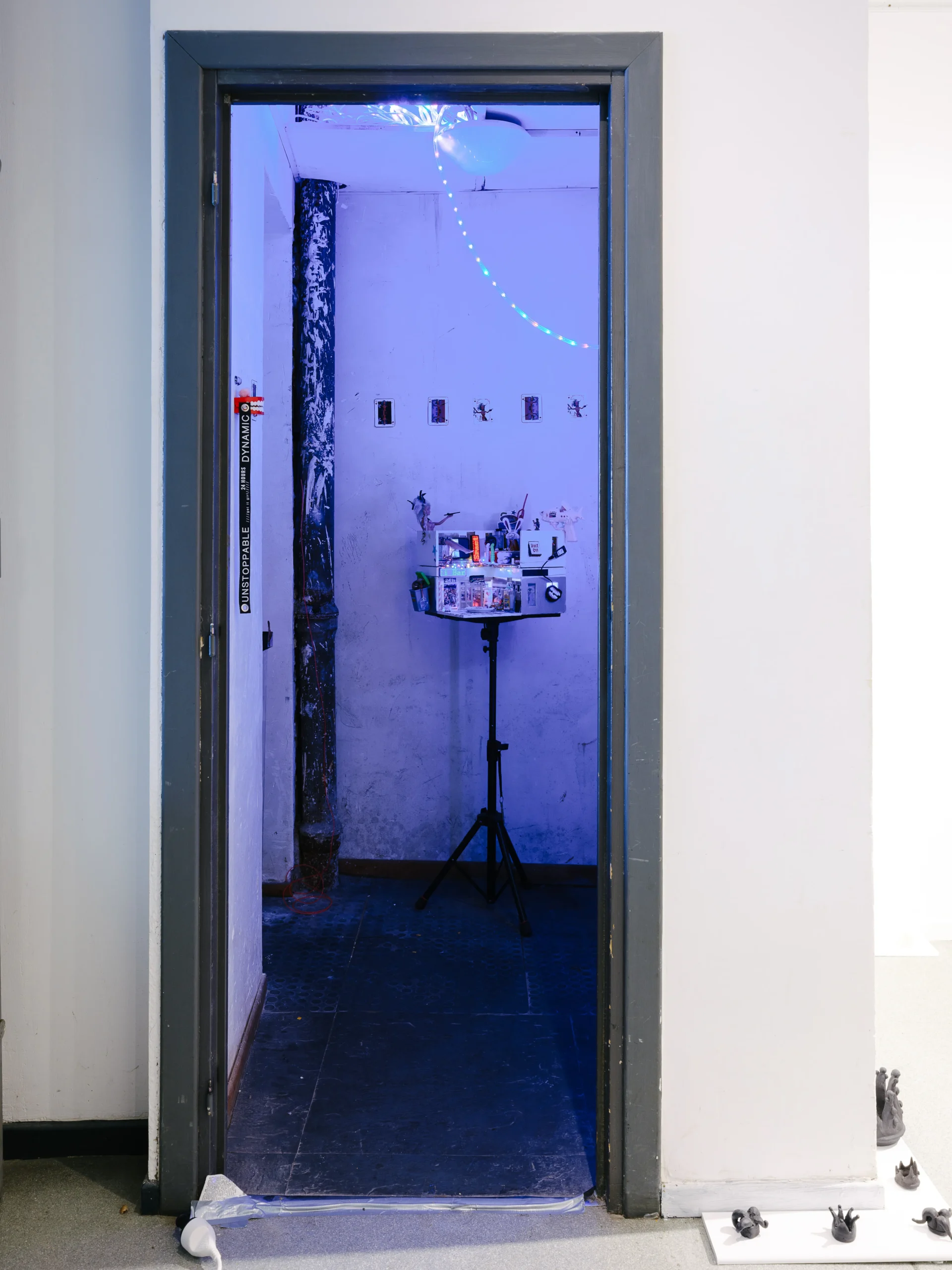
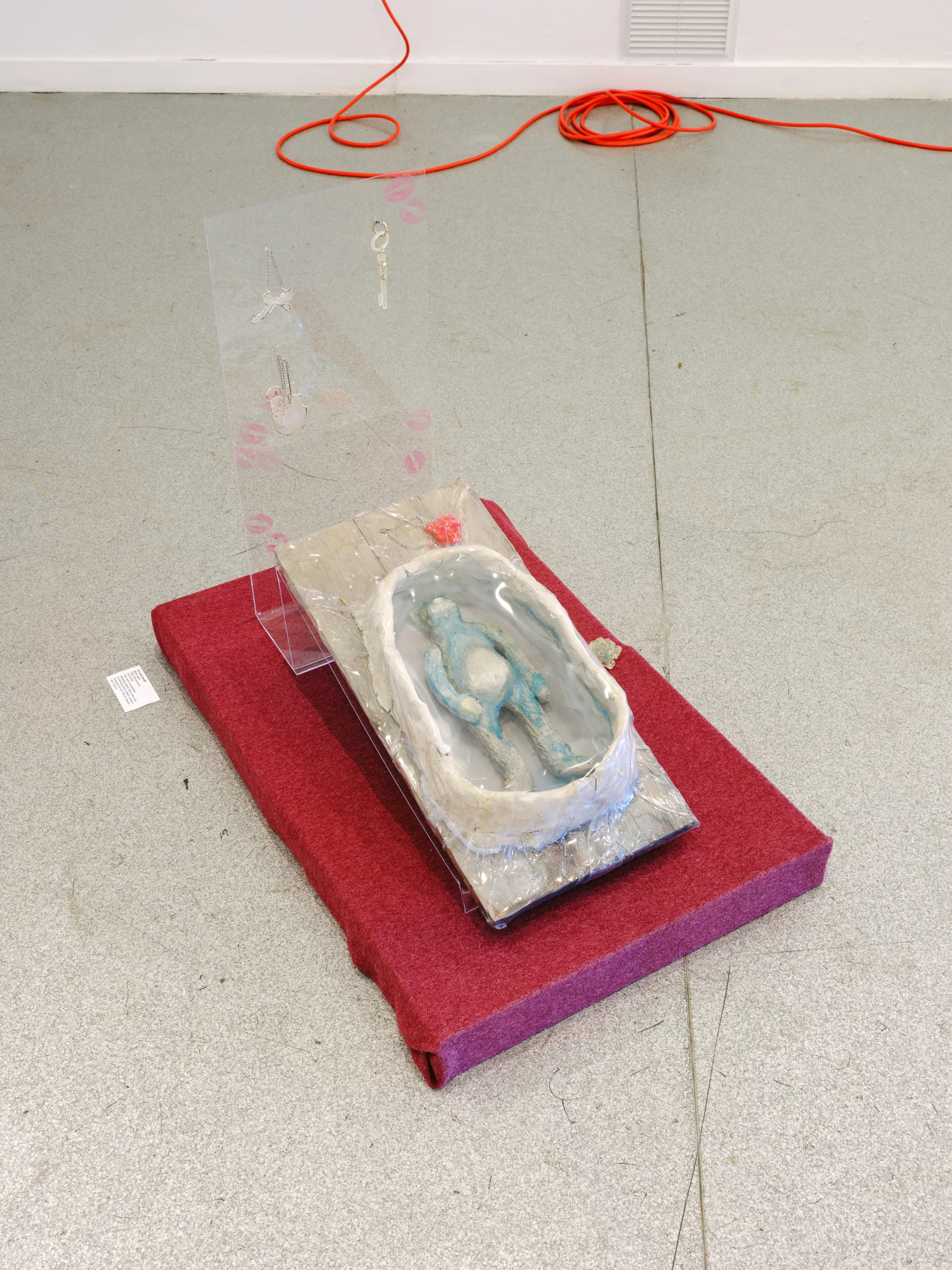
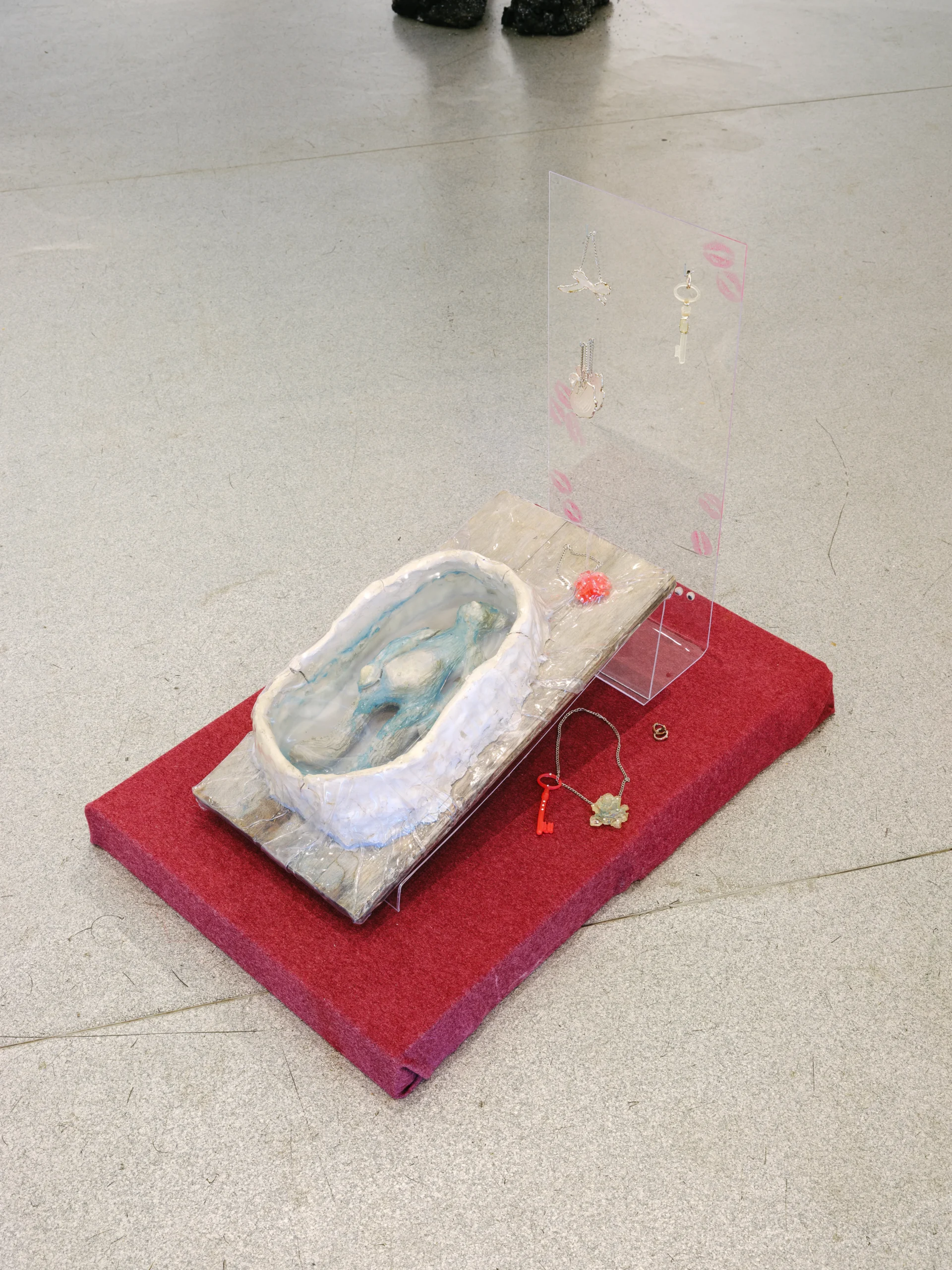
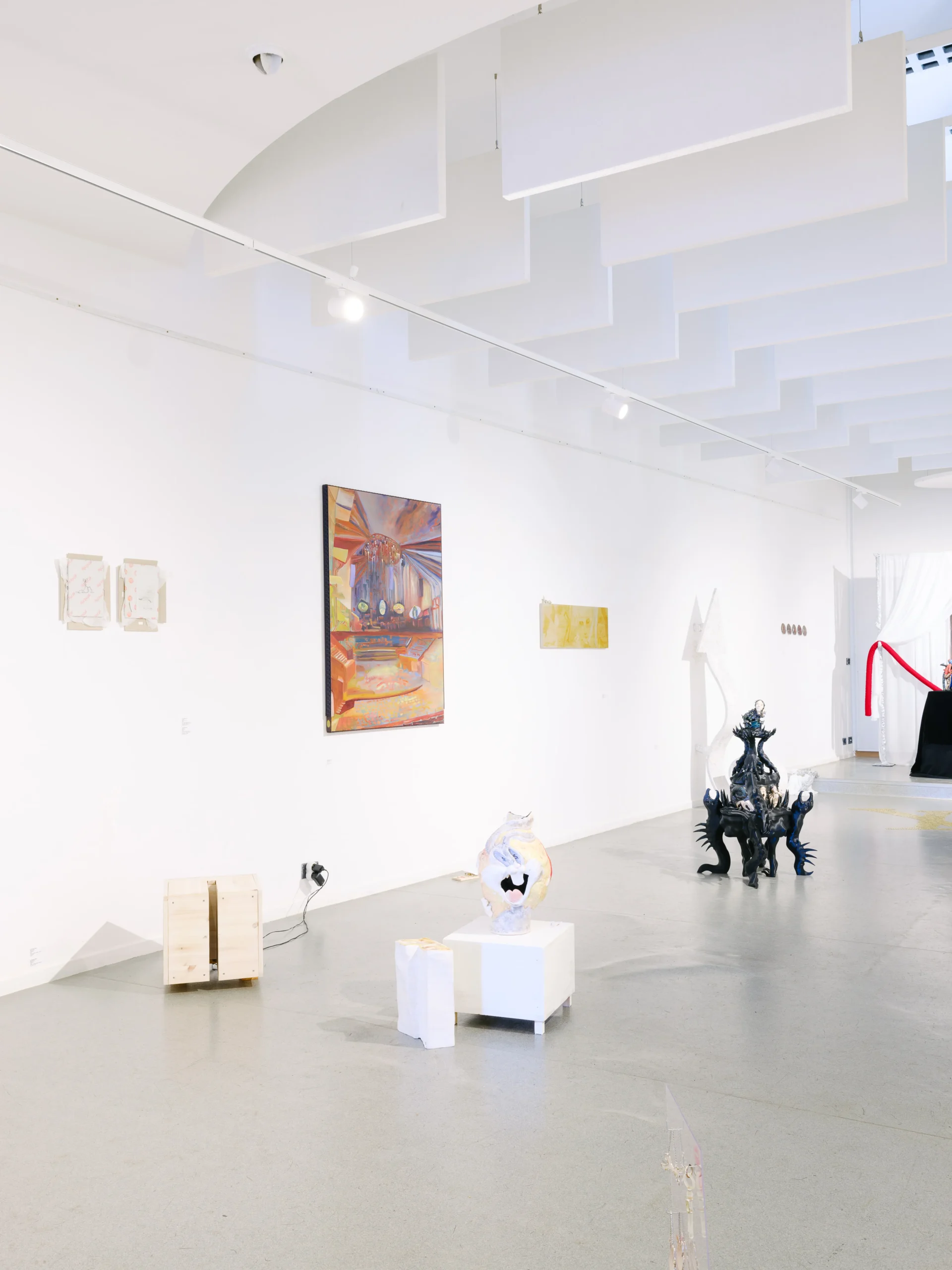
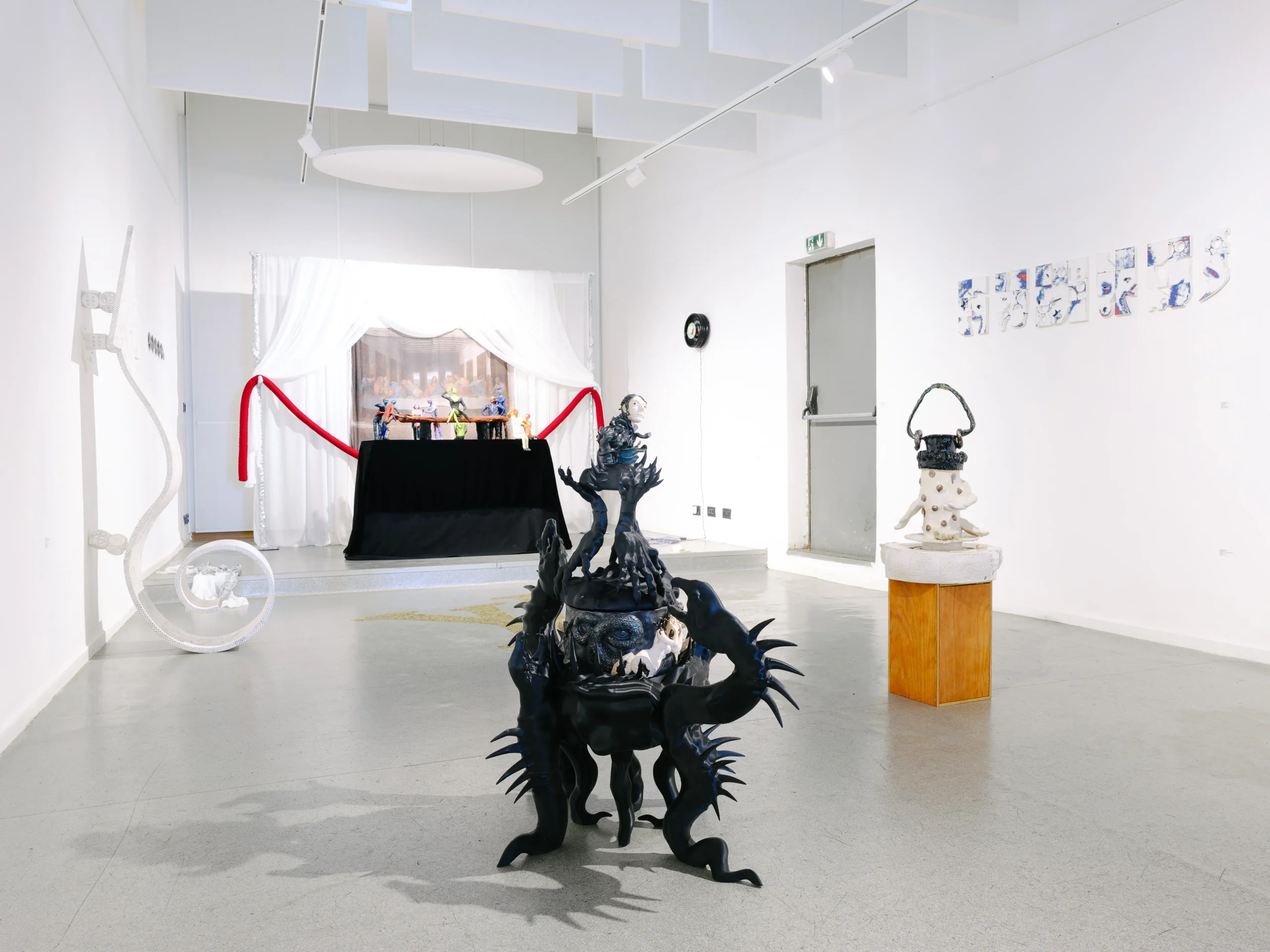
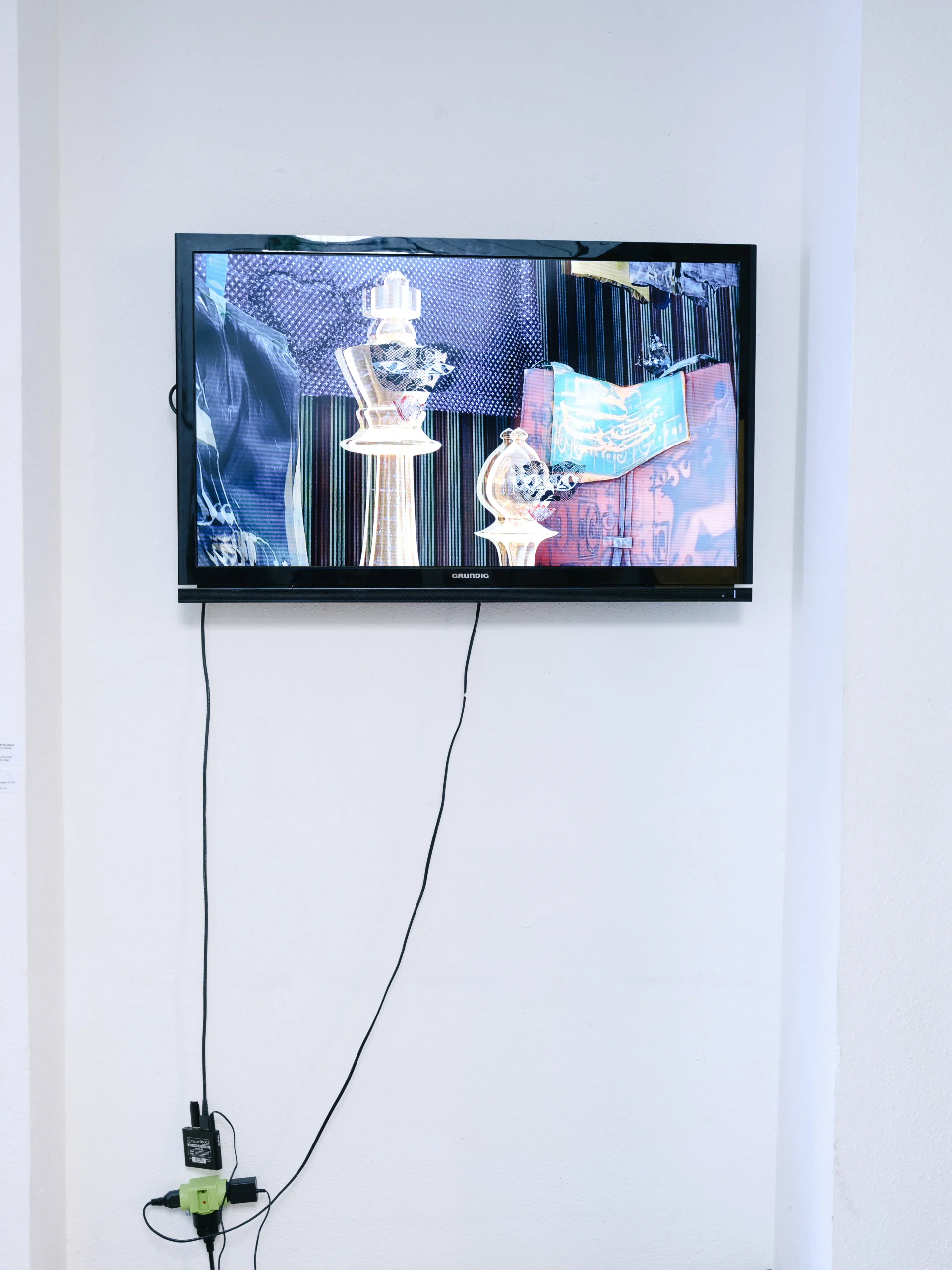
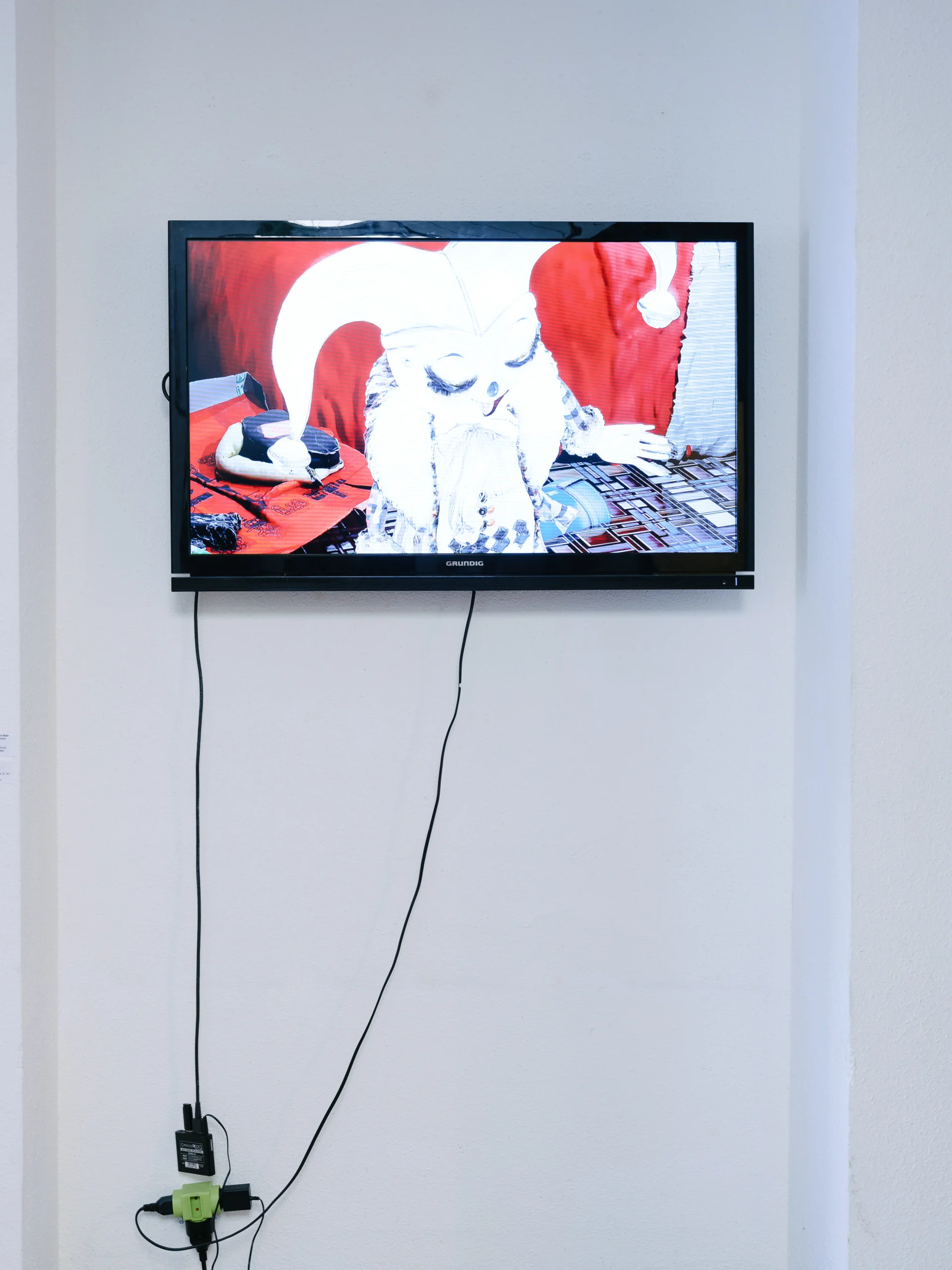
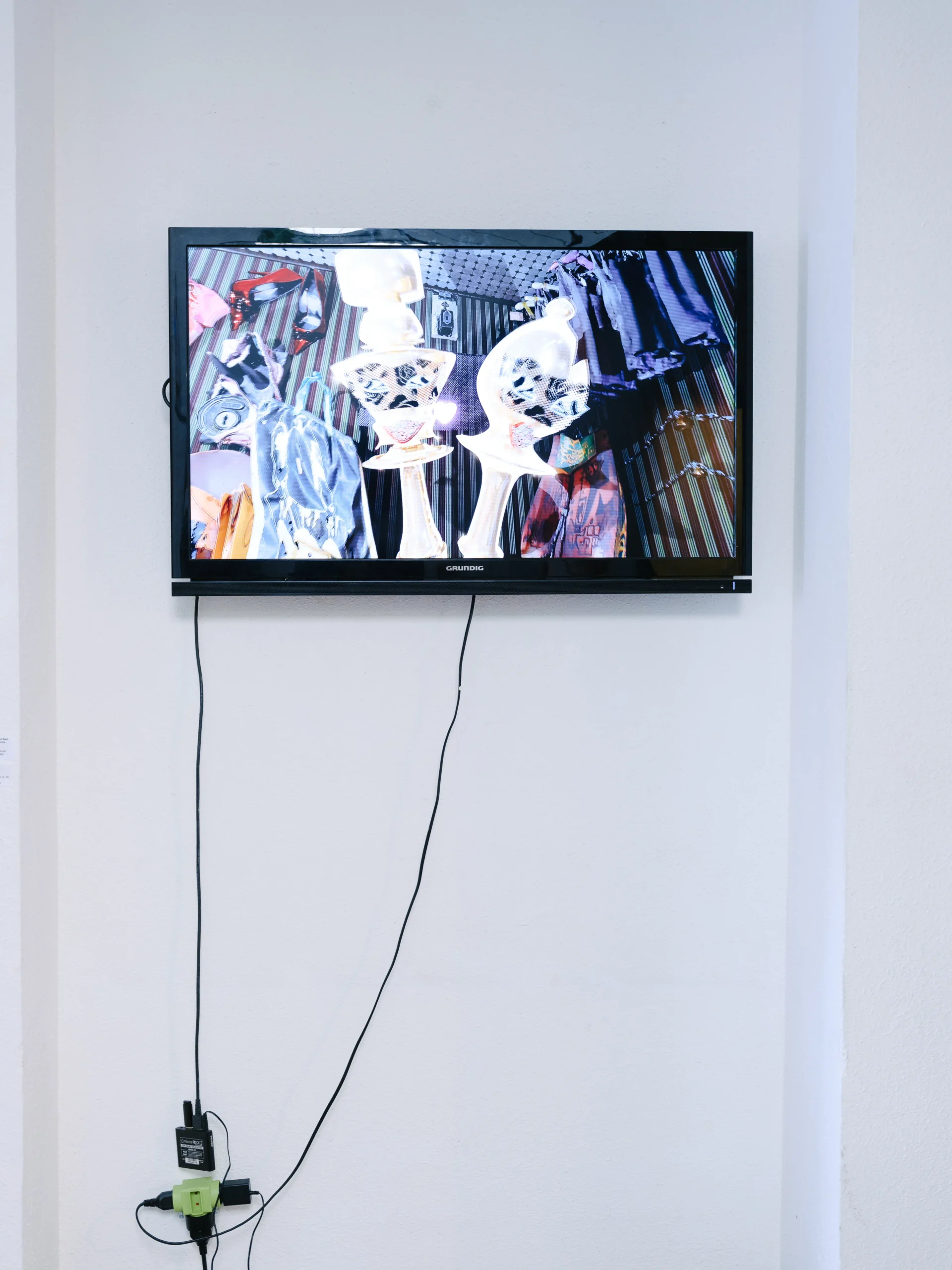
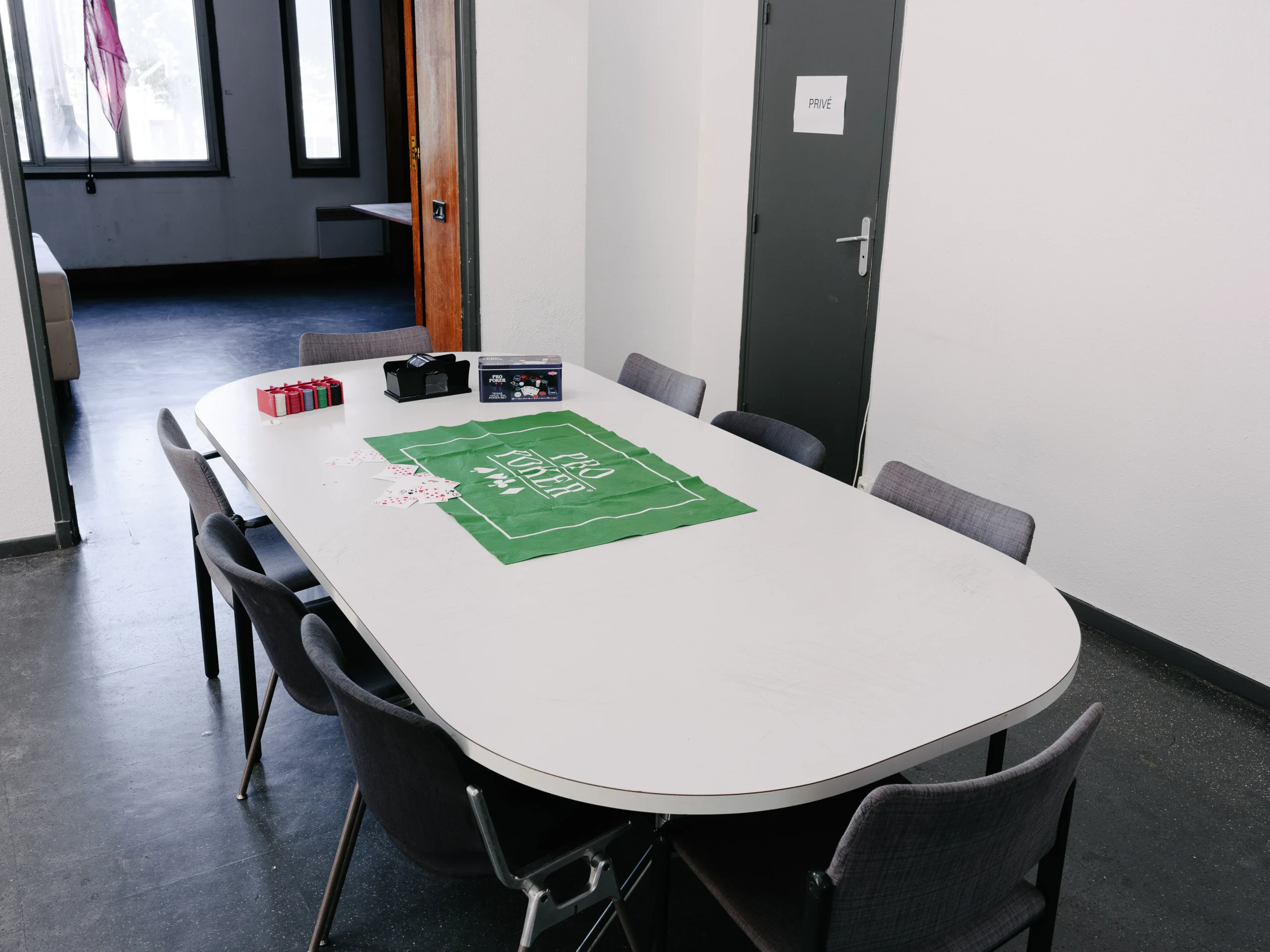
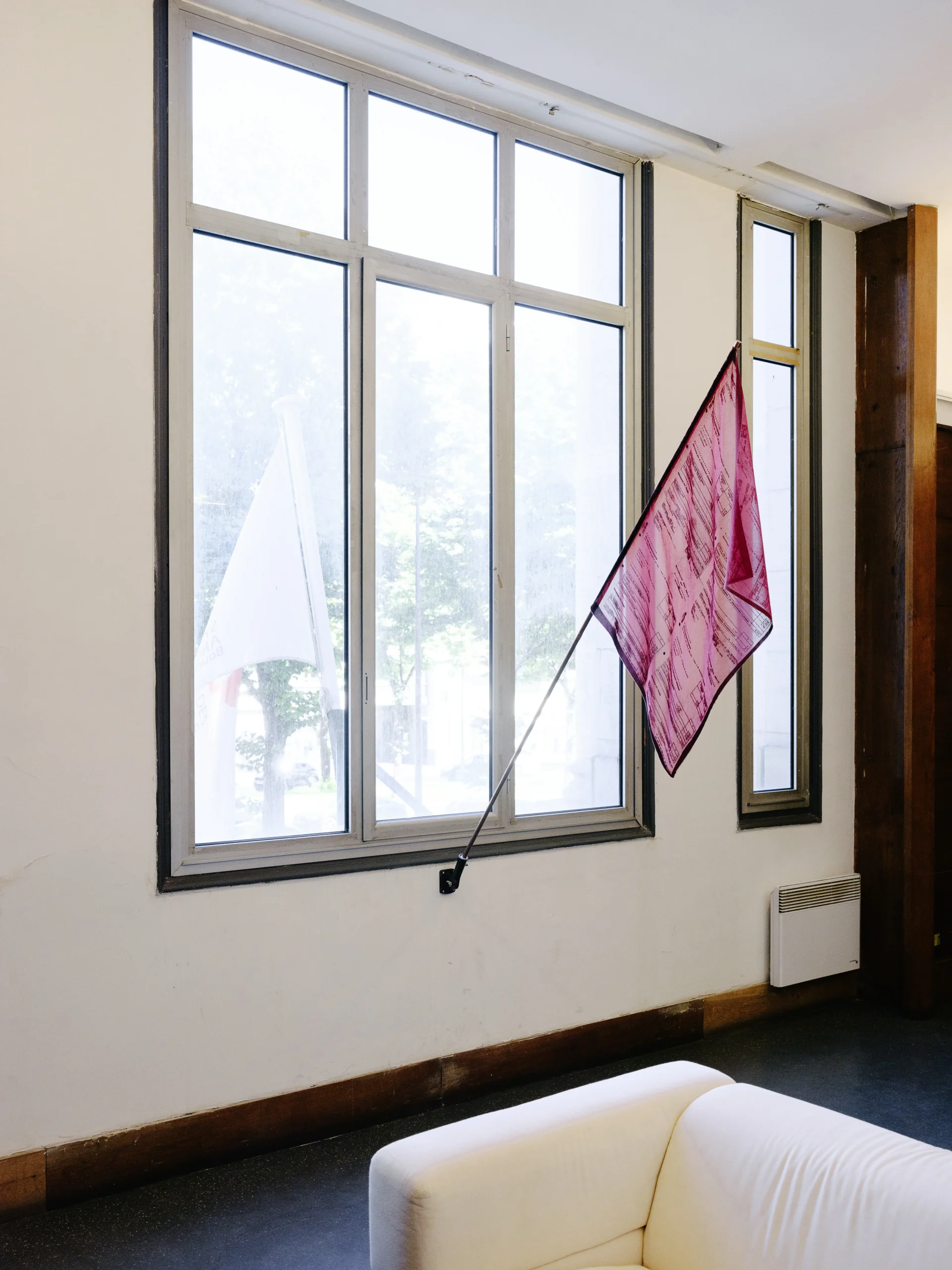
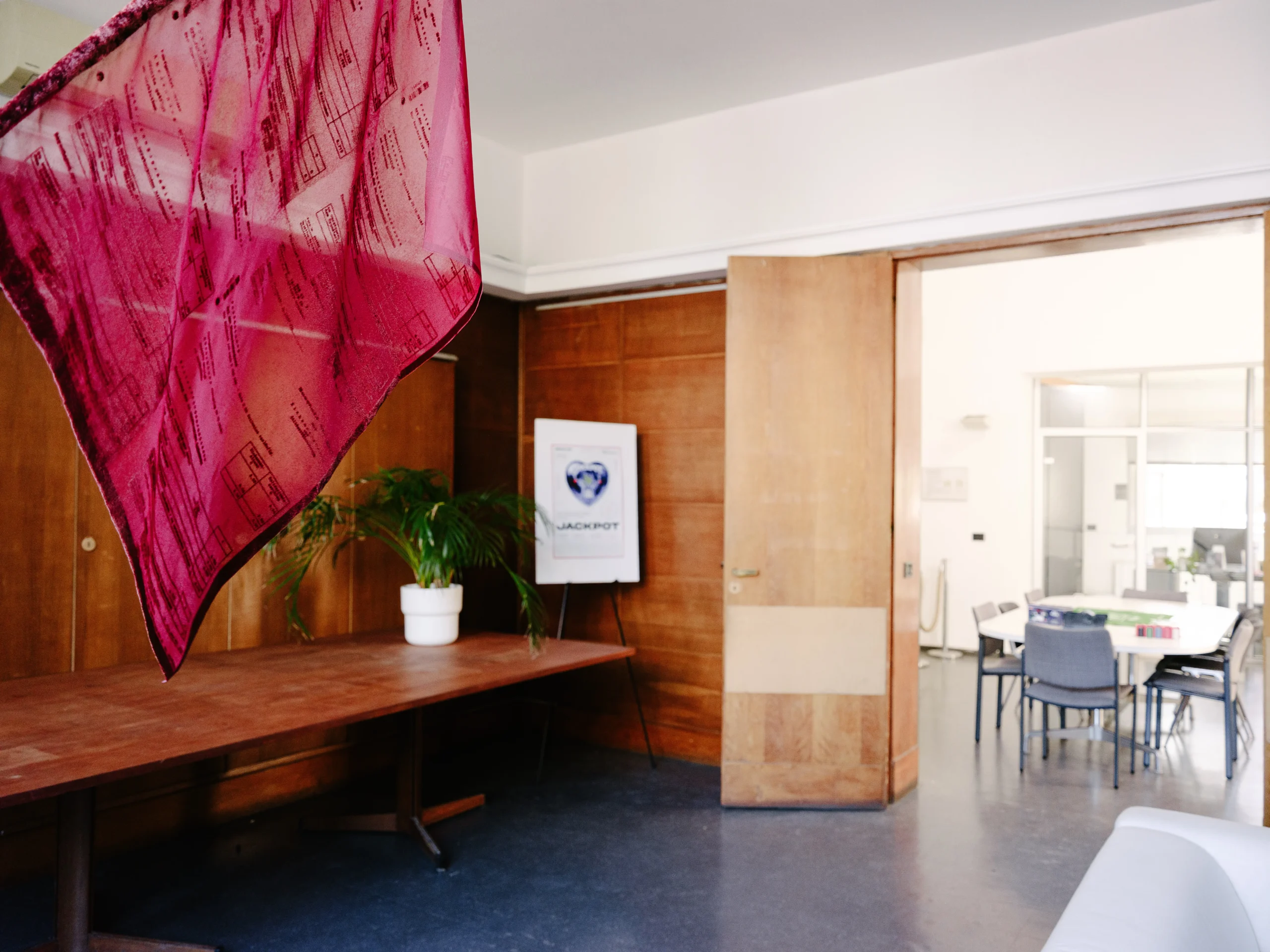
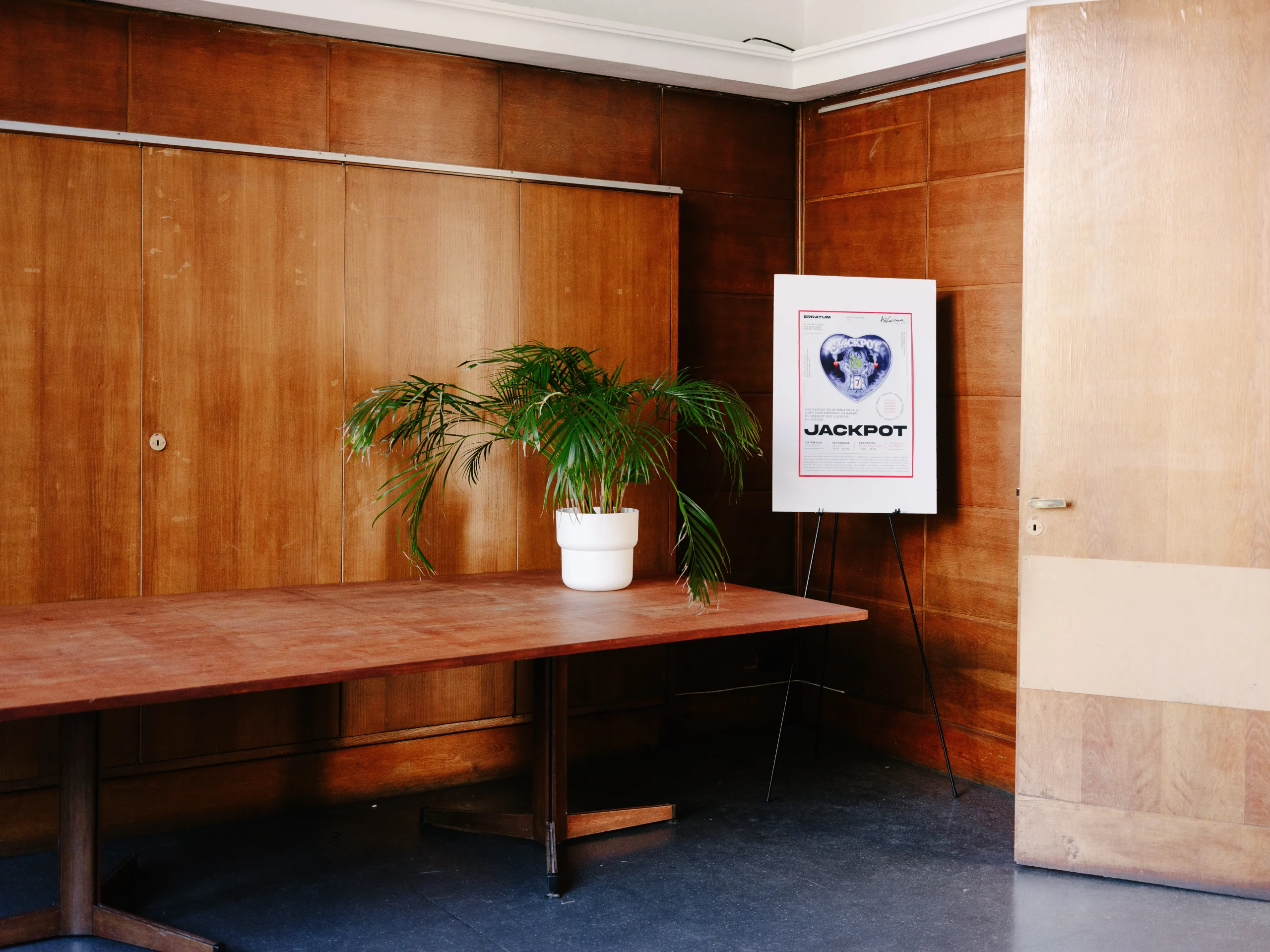
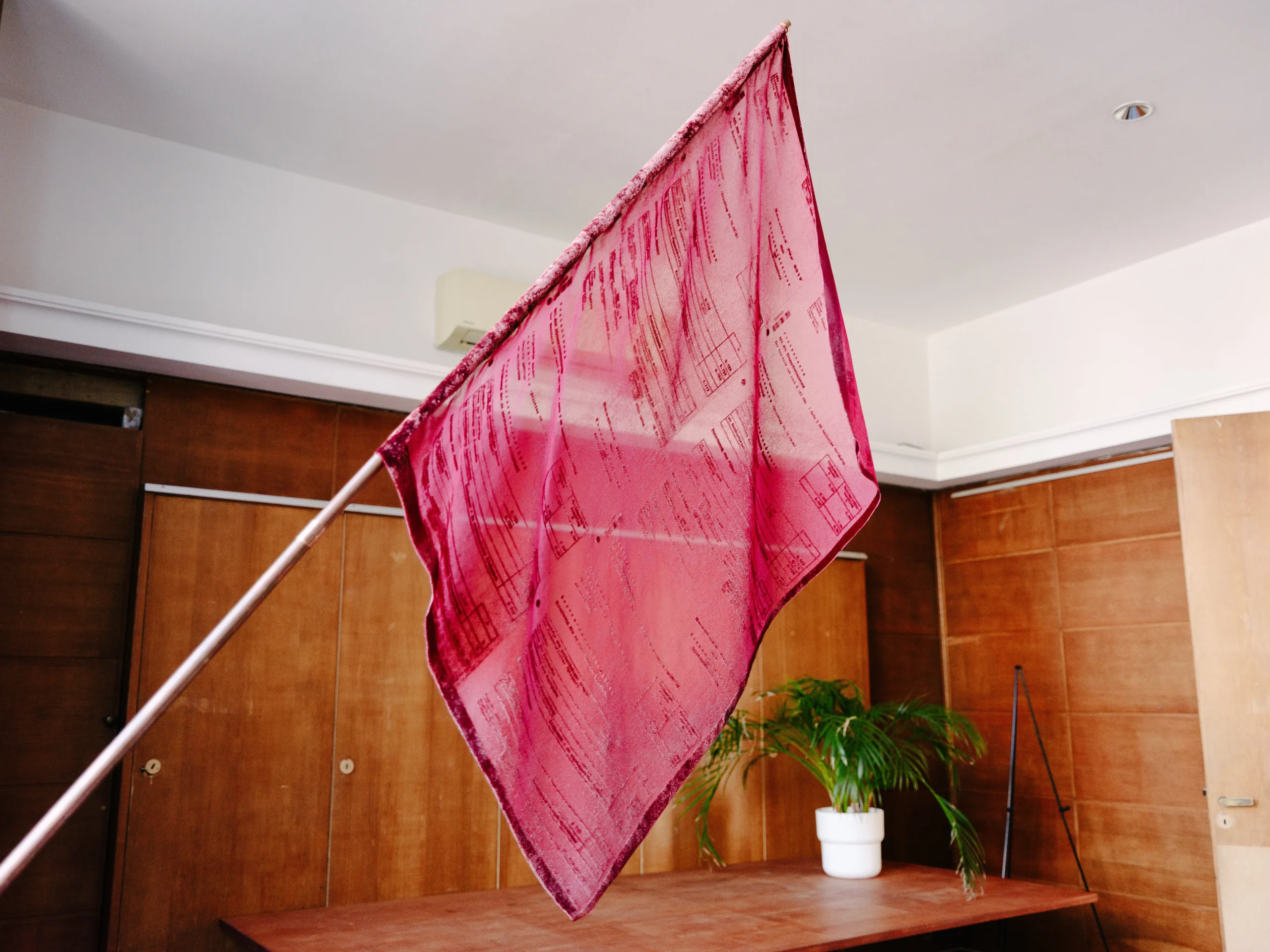
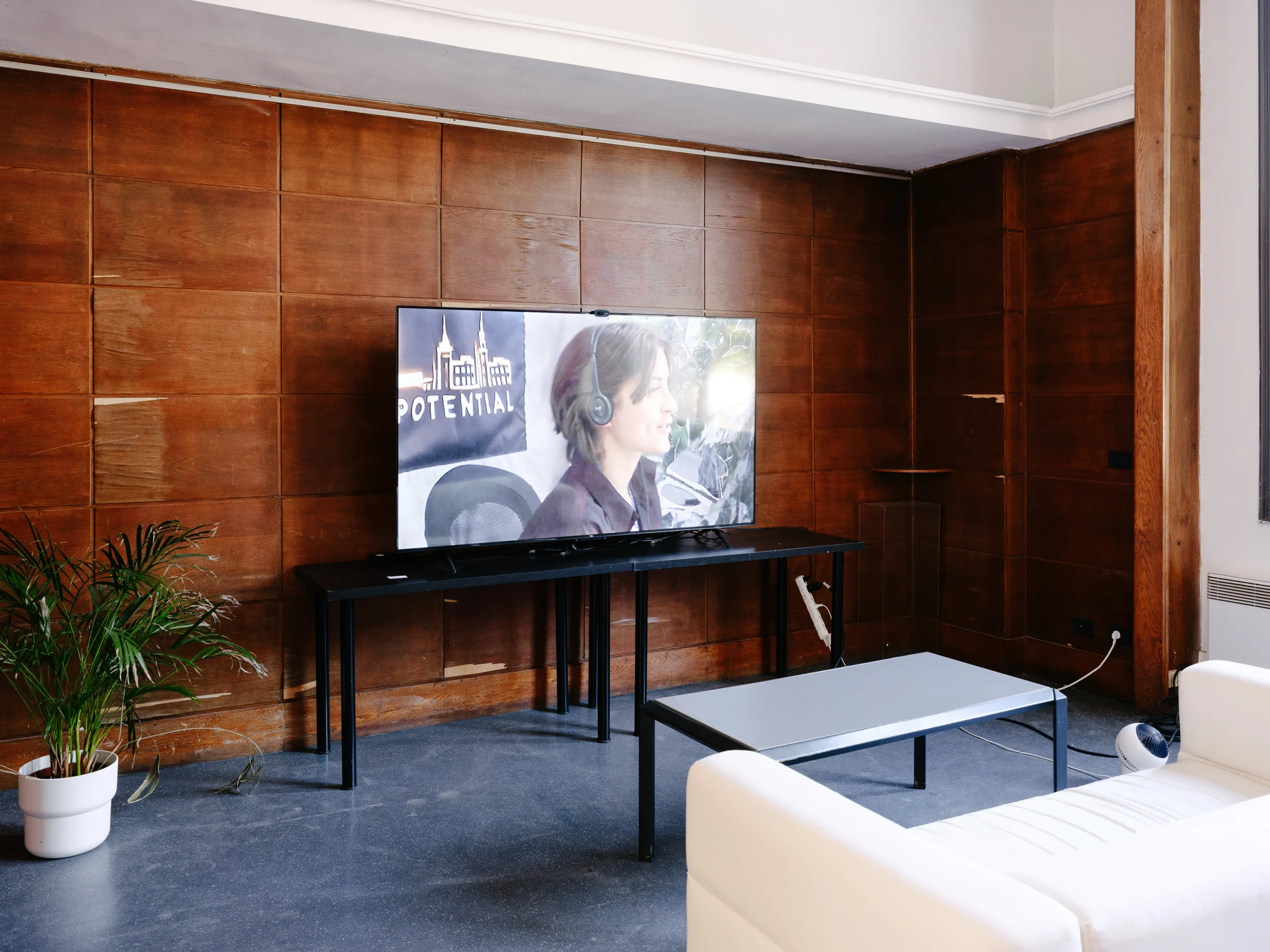
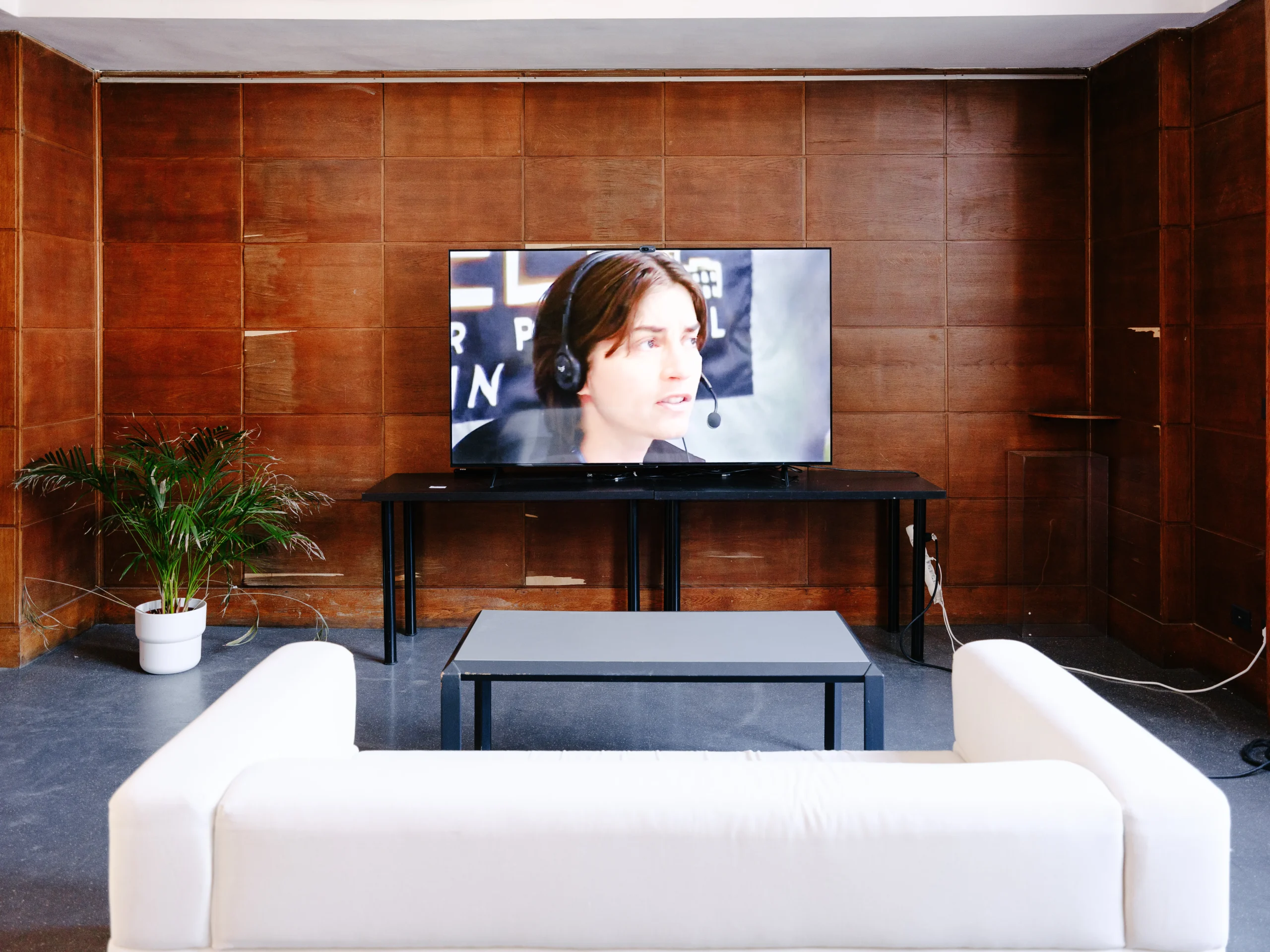
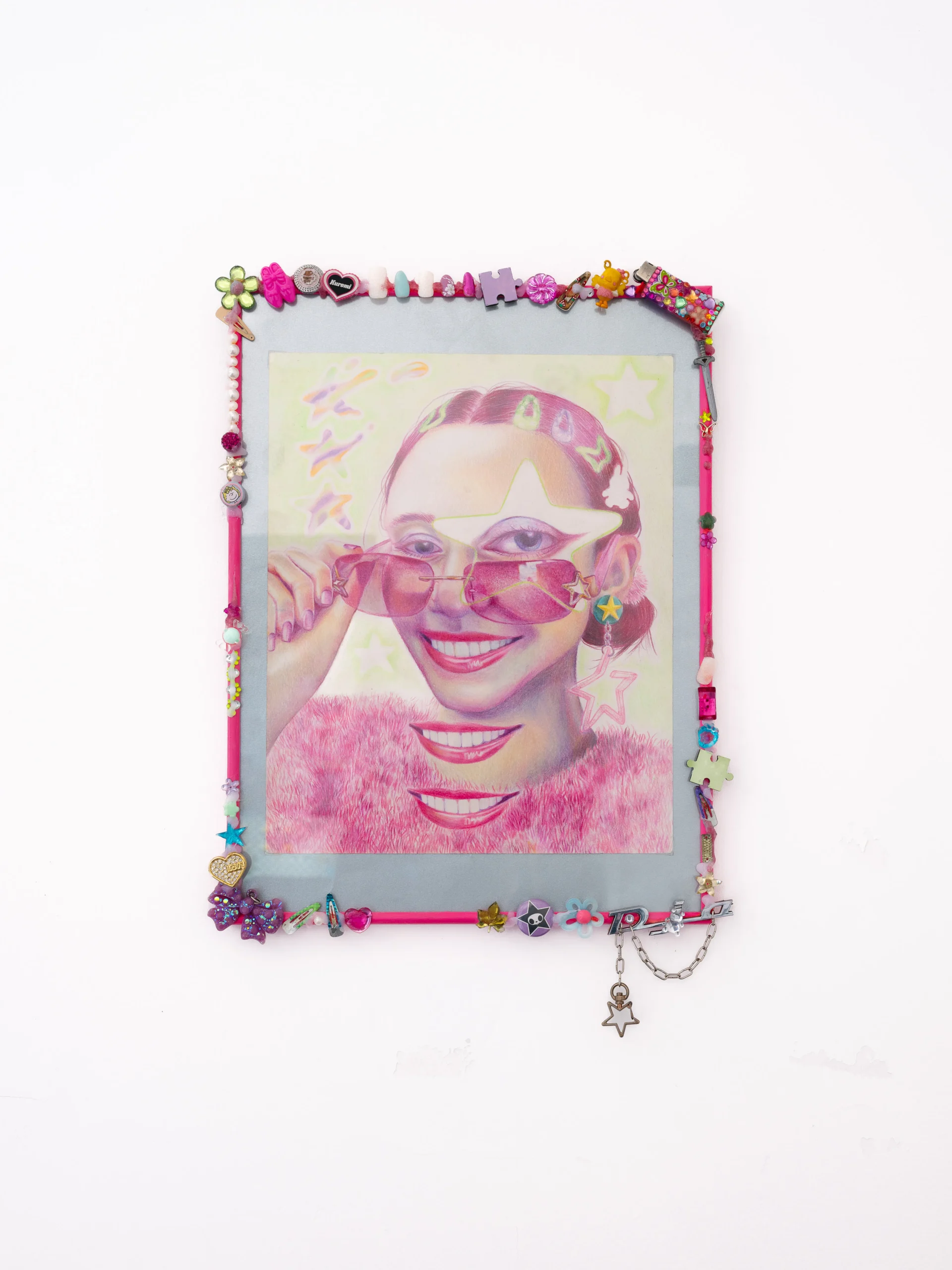
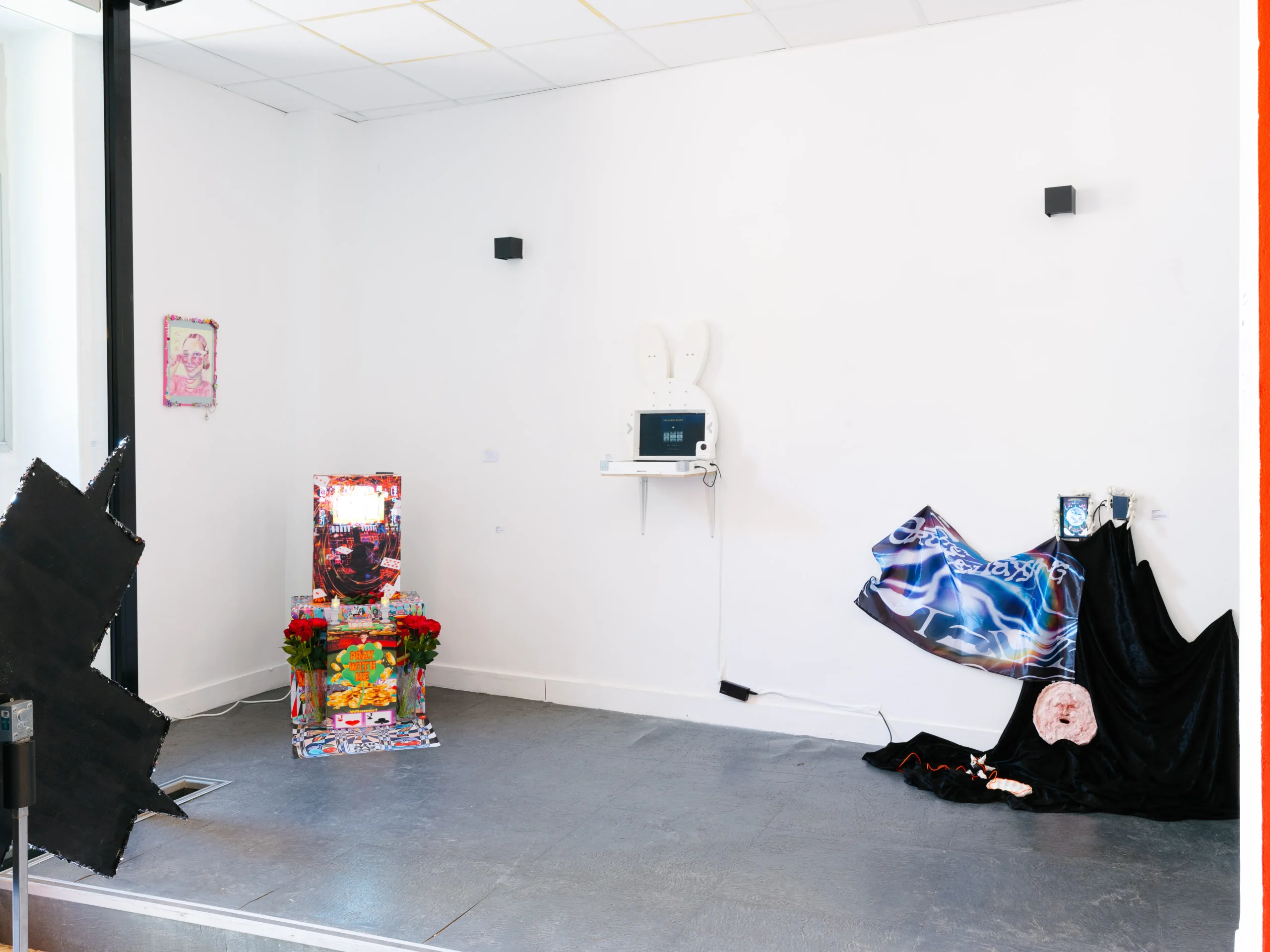
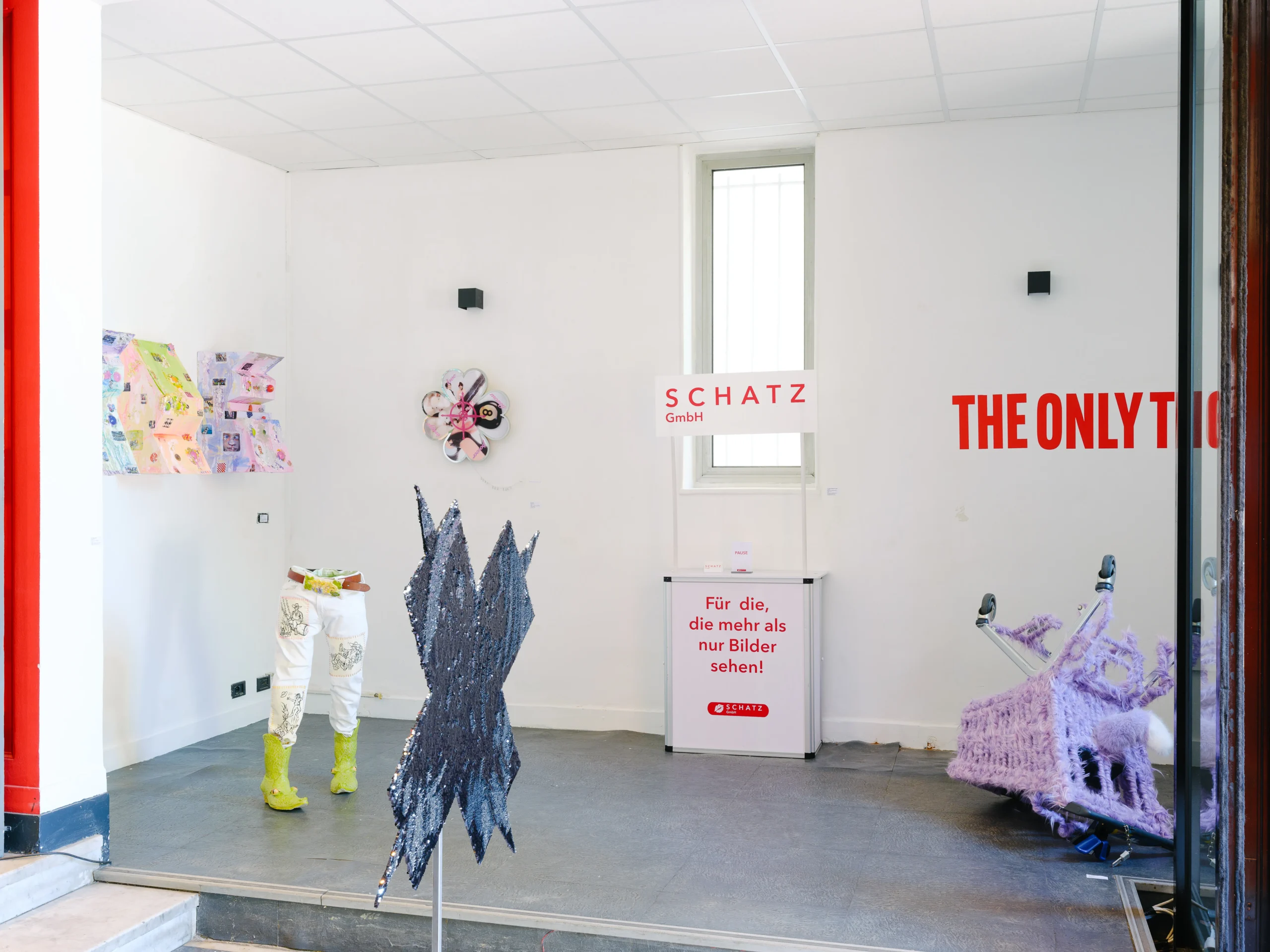
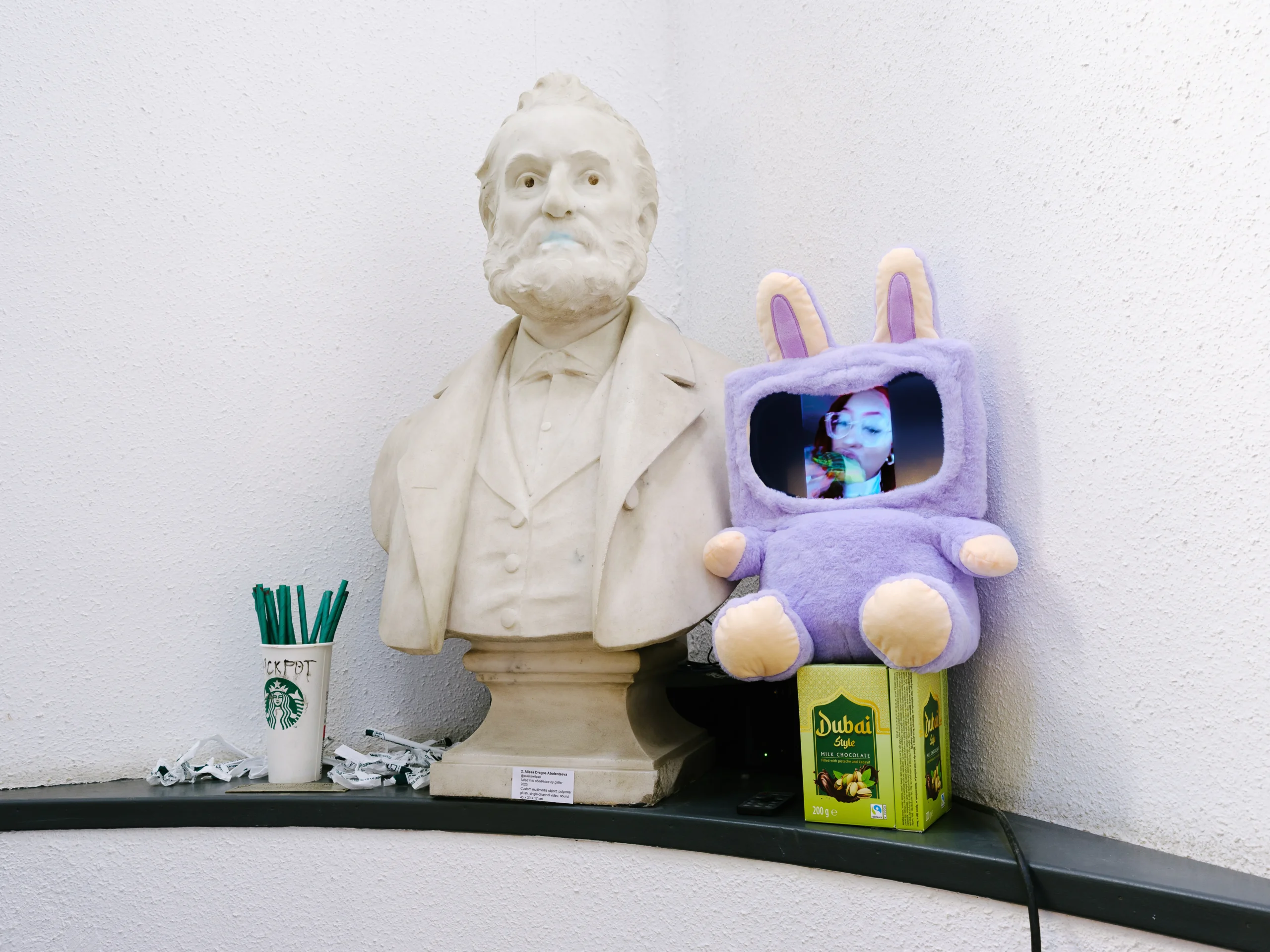
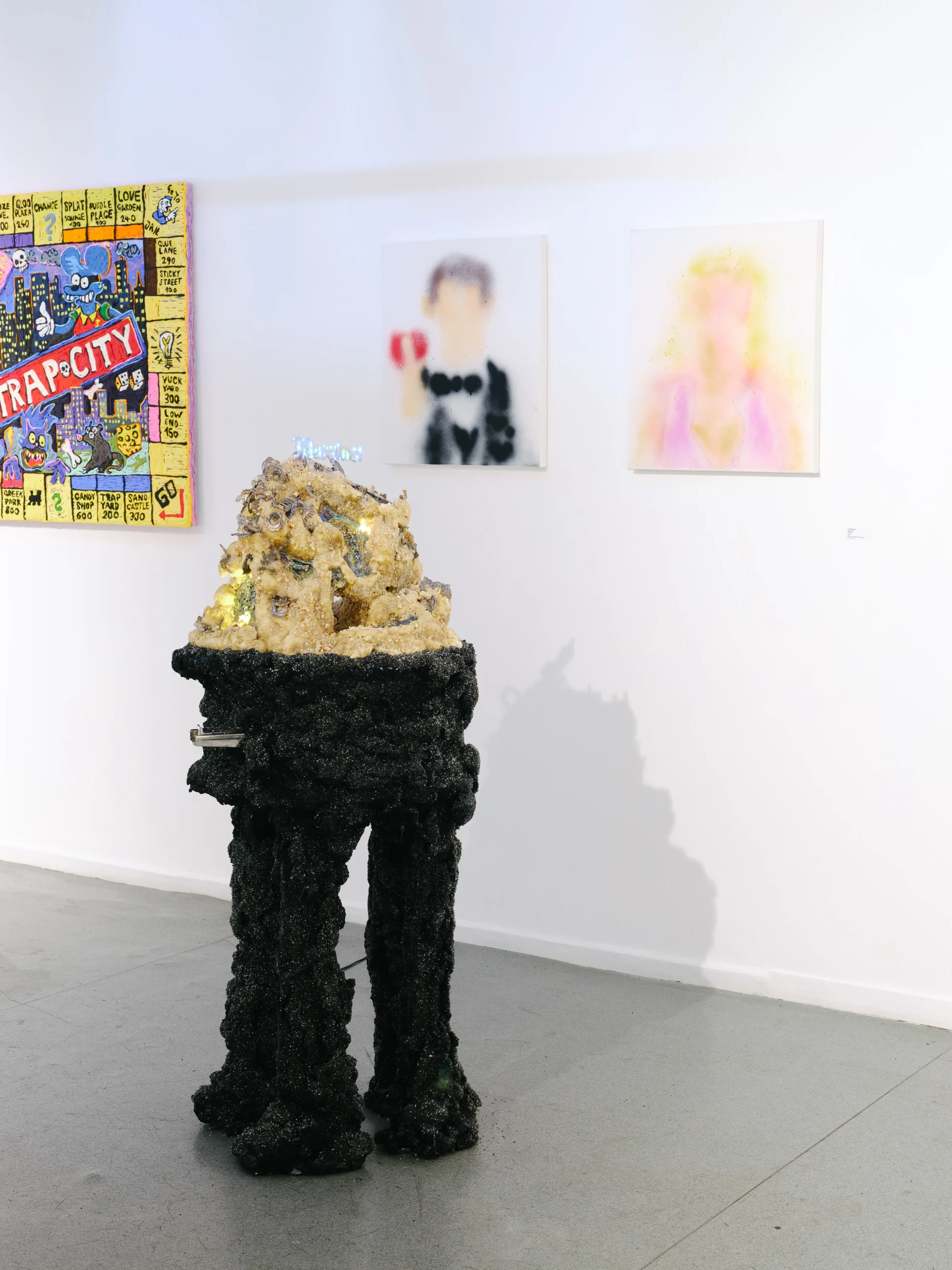
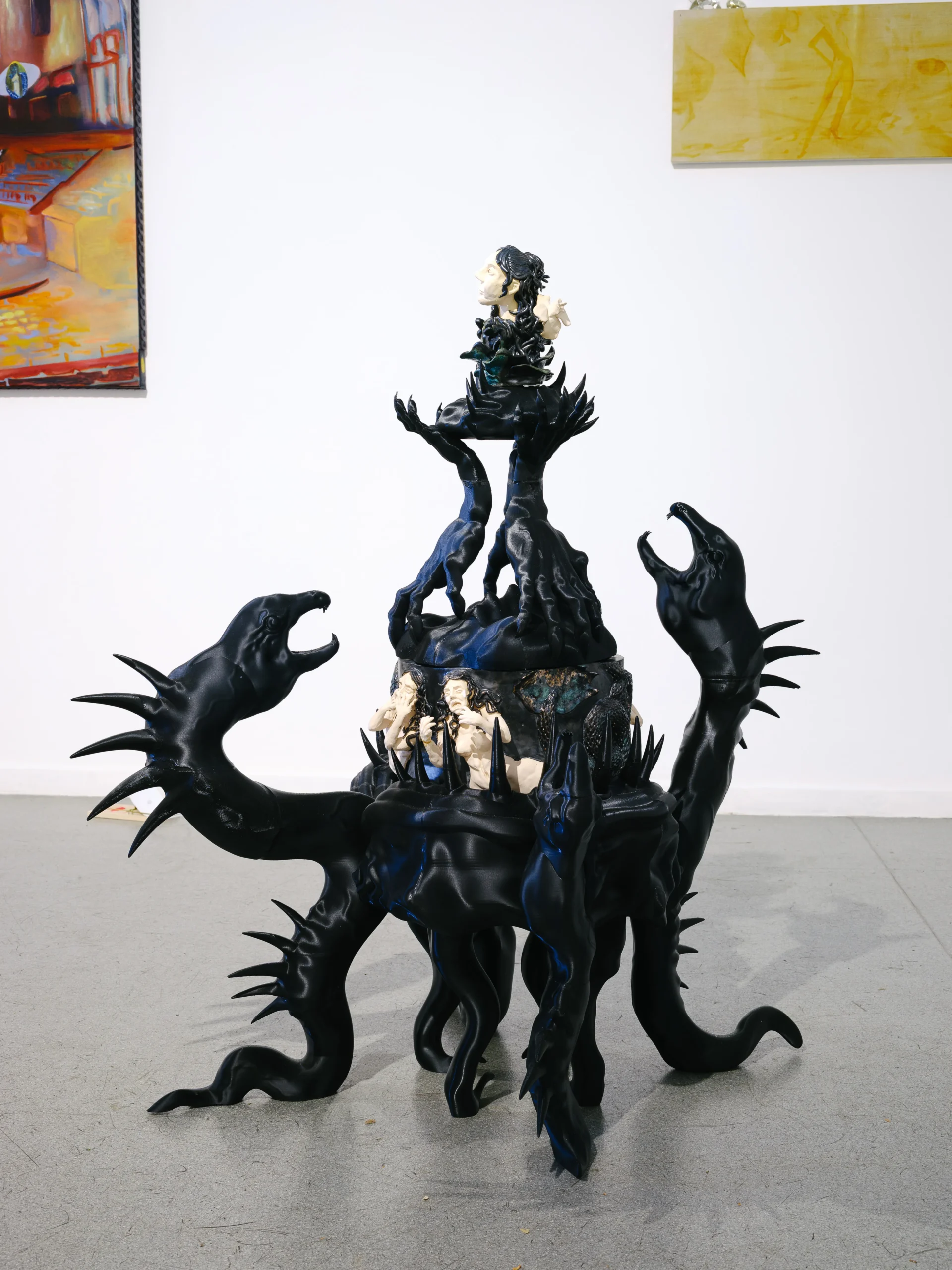
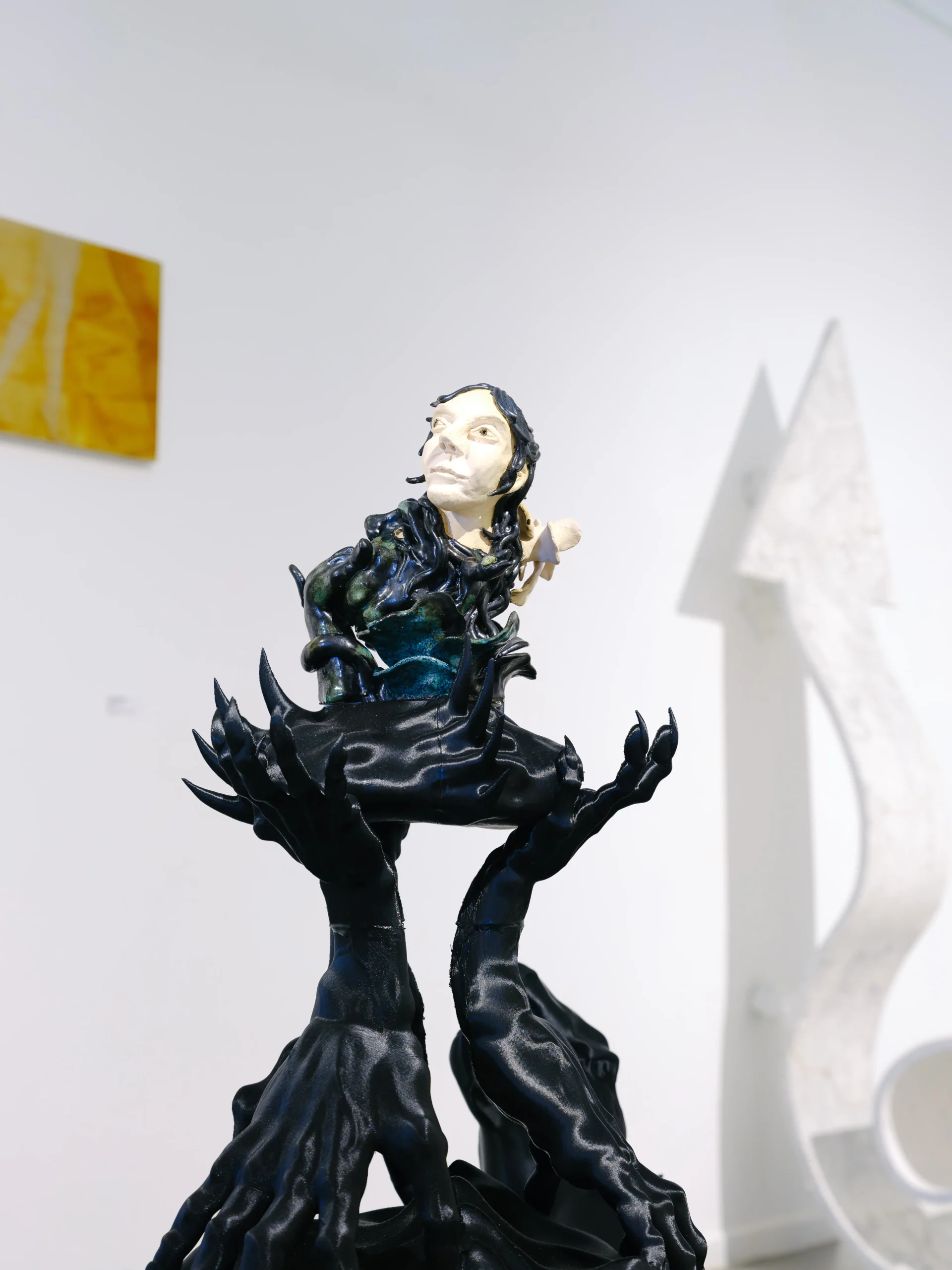
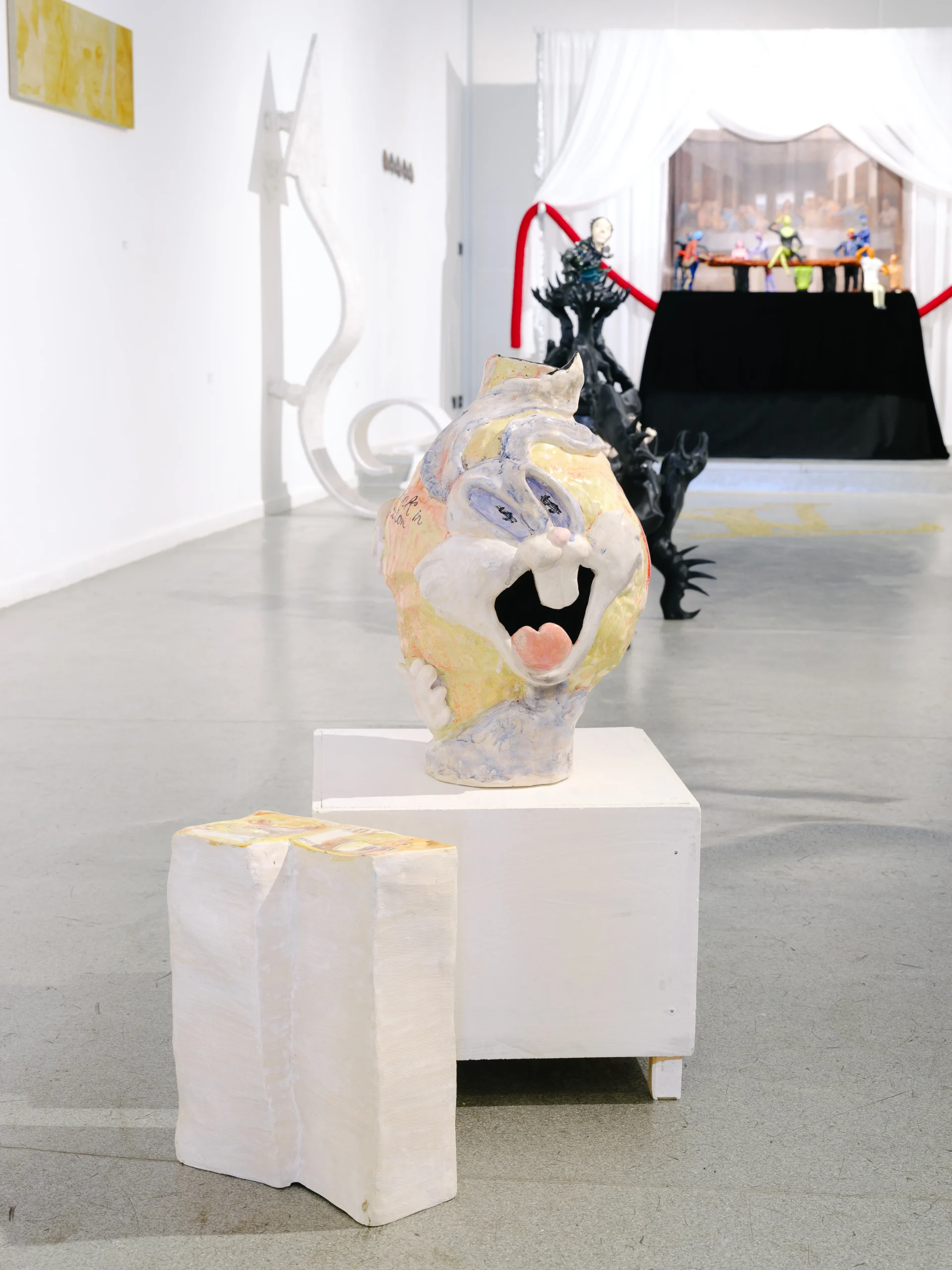
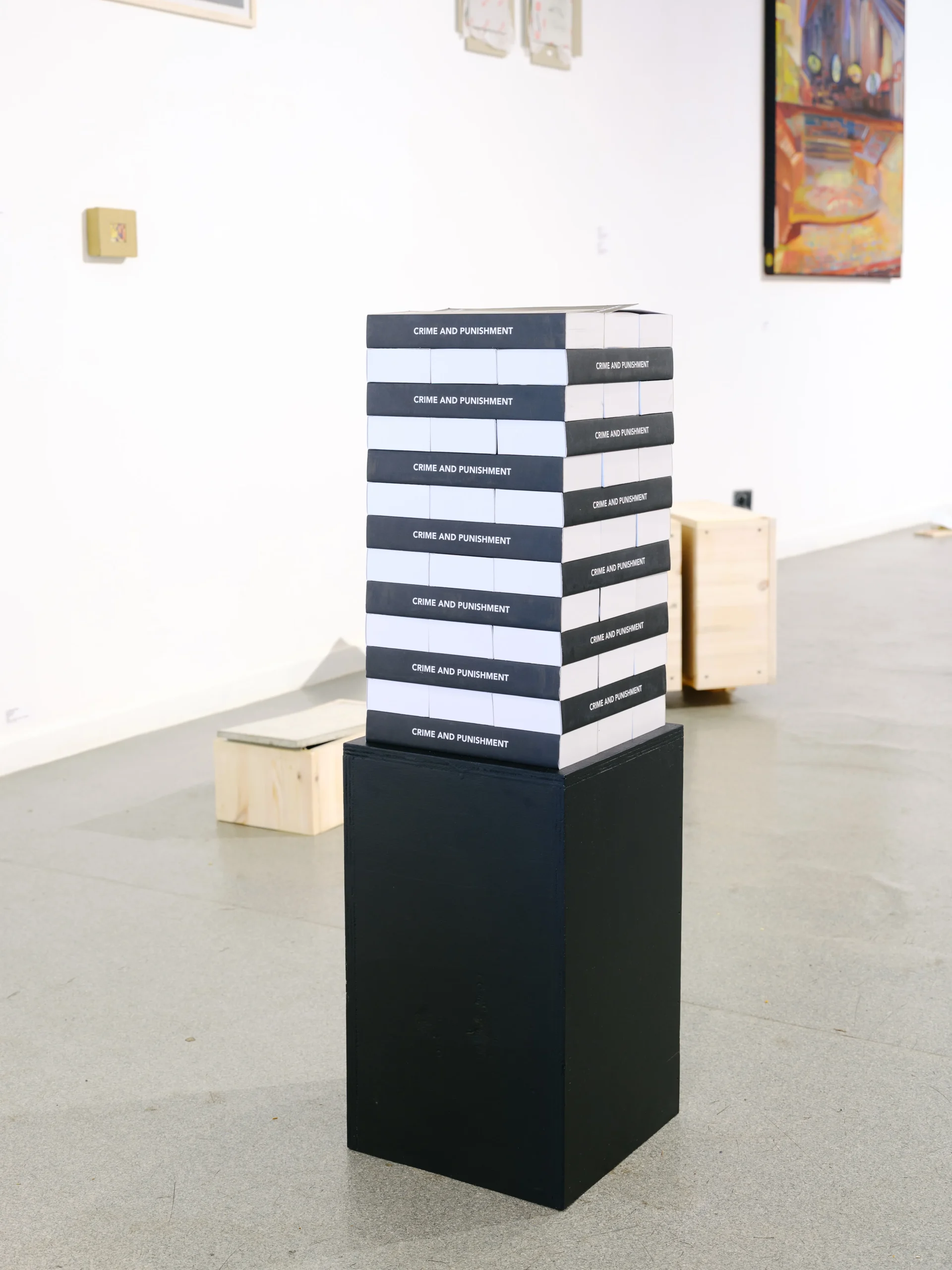
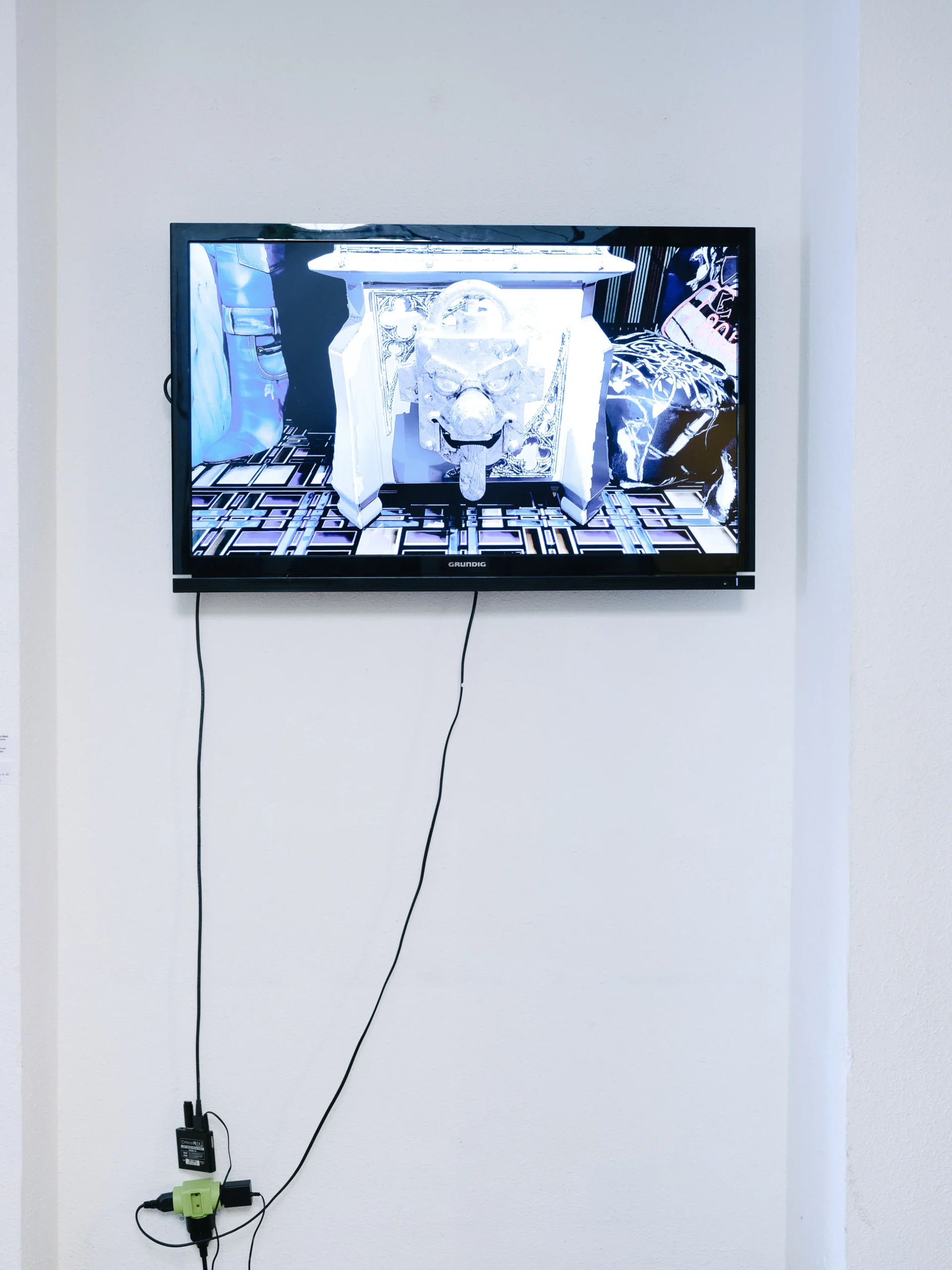
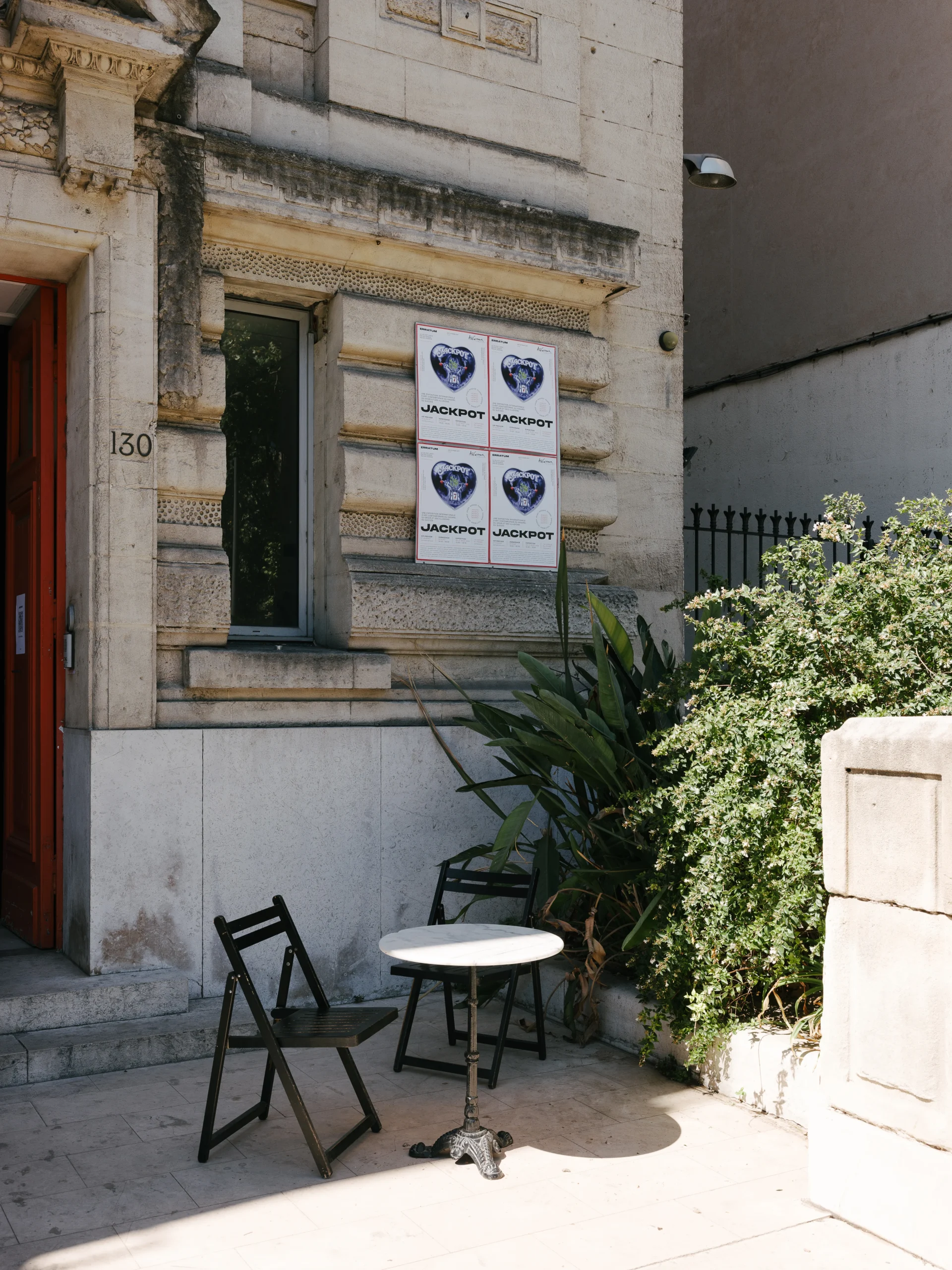
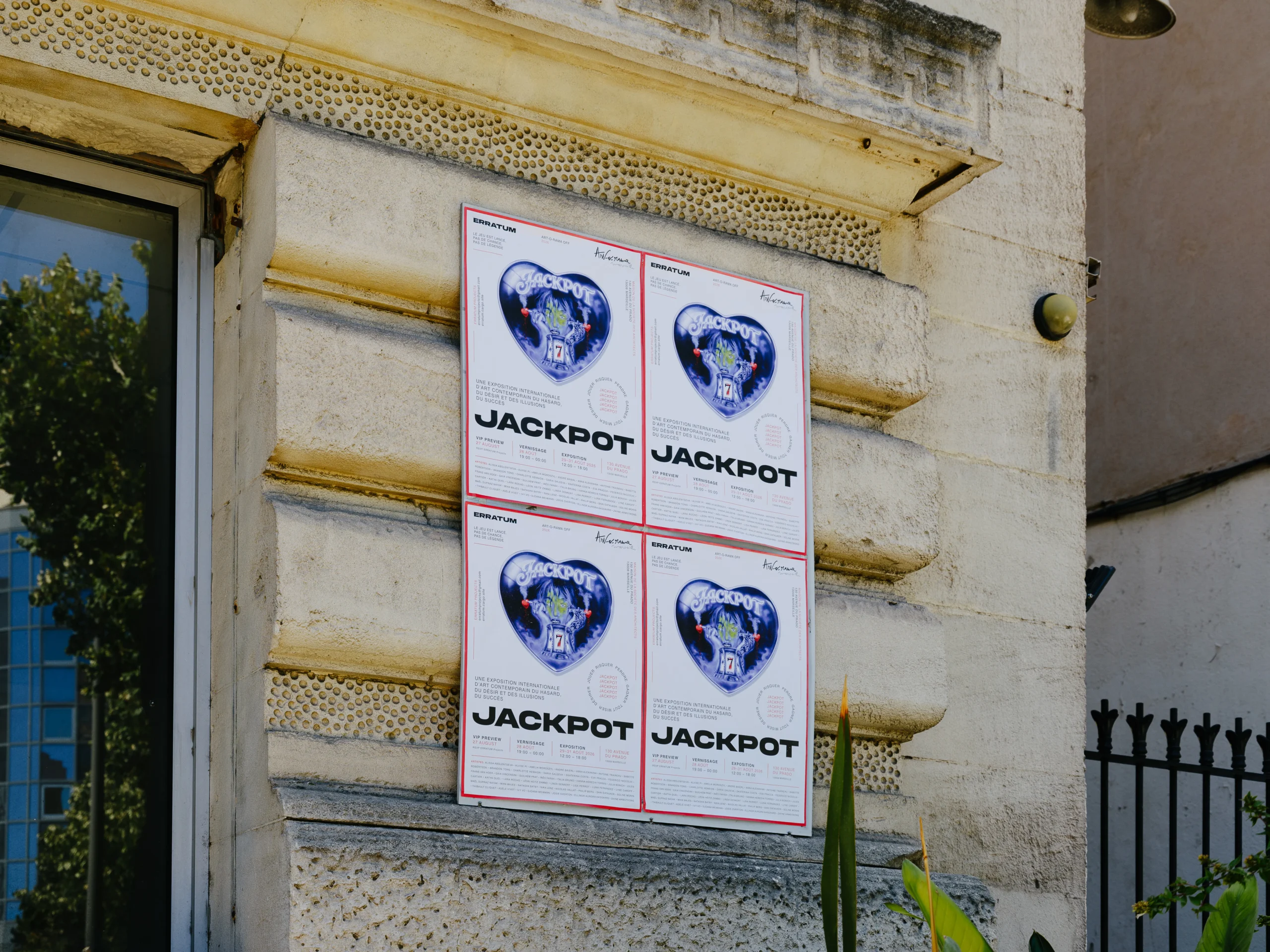
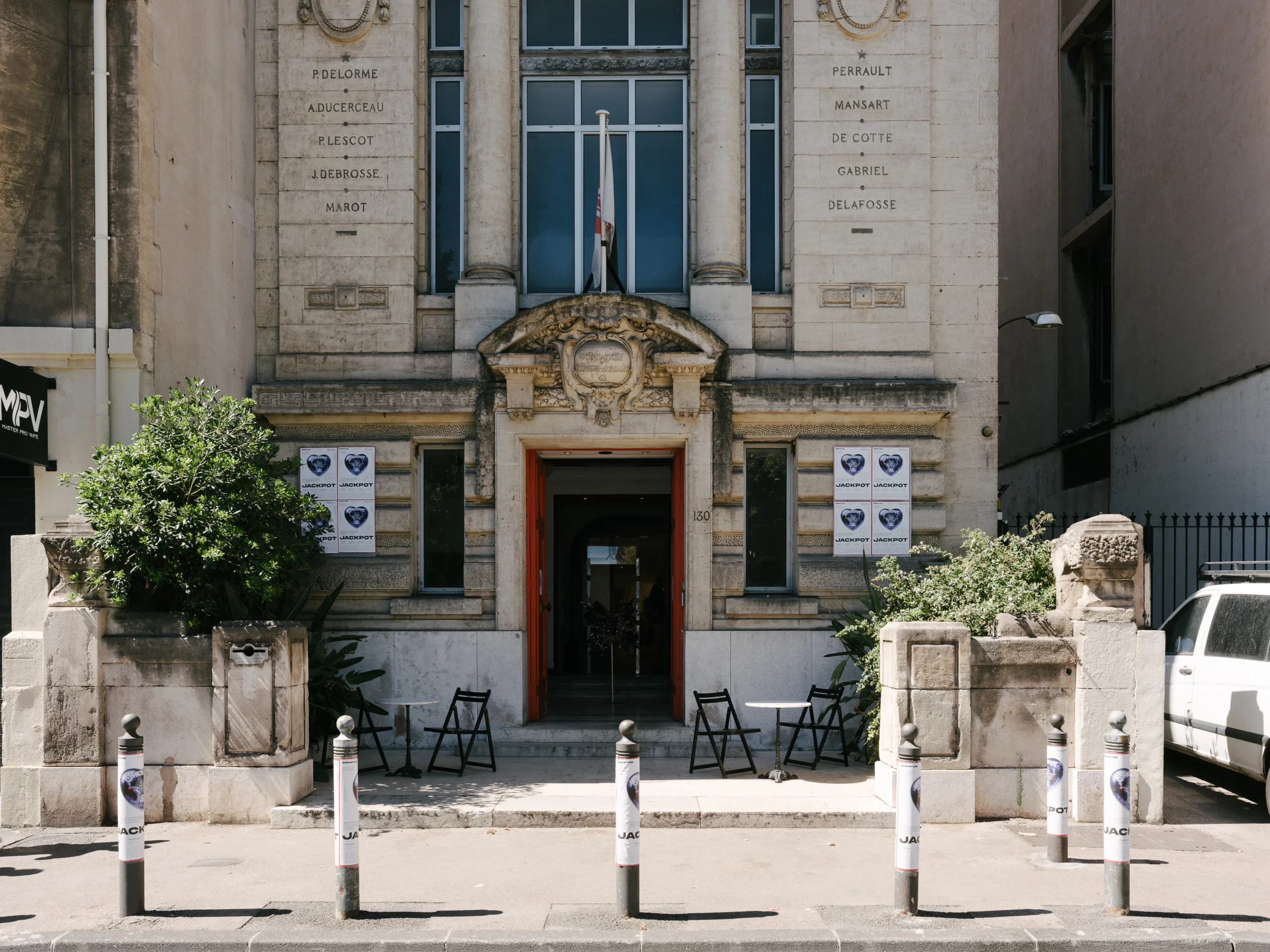
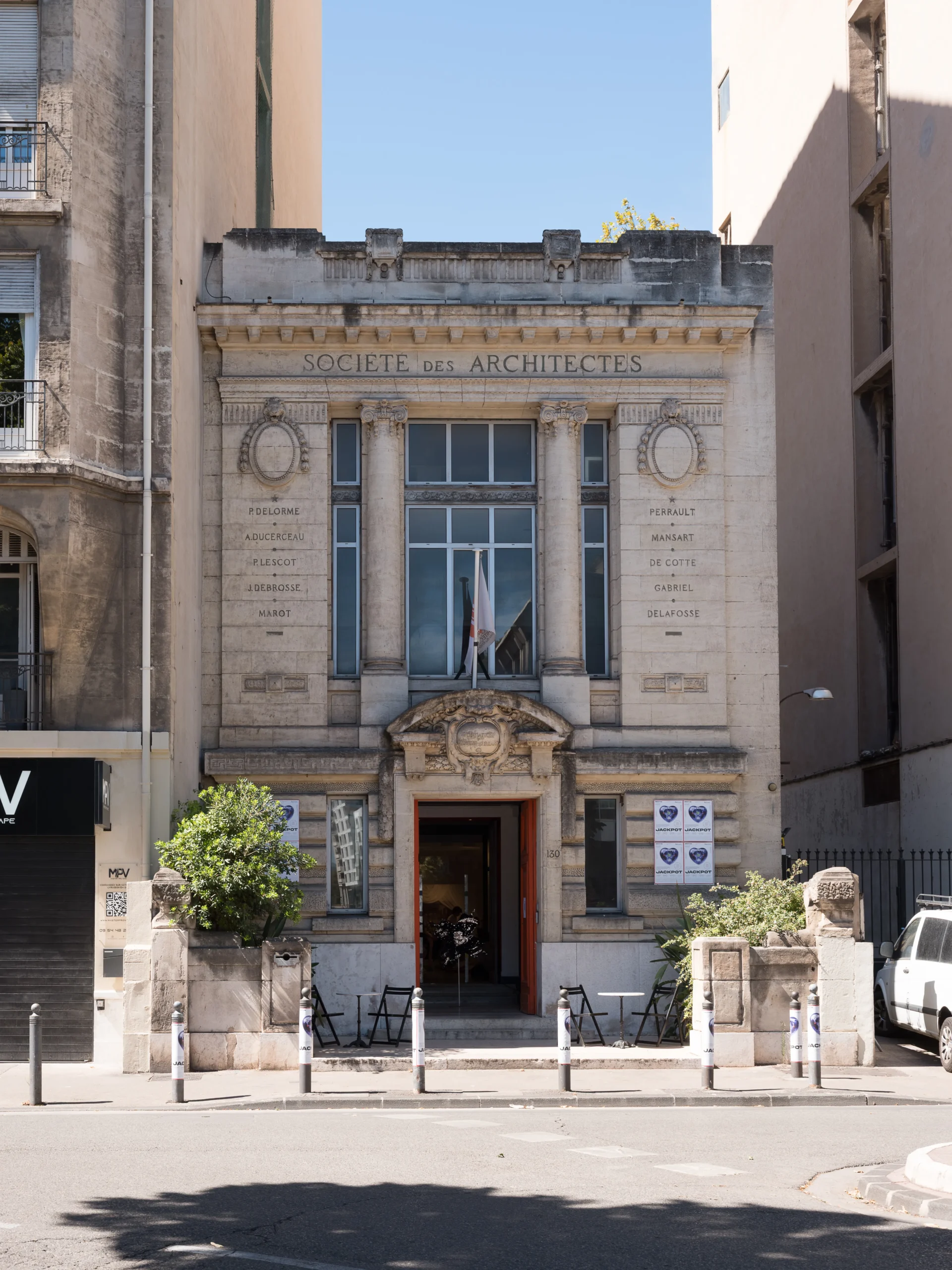
JACKPOT imagines the contemporary art world as a casino. We enter with a stake, a reputation, a desire for recognition, and a belief in the possibility of the next turn. Artworks become cards, exhibitions become tables, collectors become players, institutions become referees. Above this economy of signs hangs the promise of the jackpot: the possibility that an encounter, a sale, an exhibition, or a decision might suddenly transform the value of an artwork, a career, or a life. This fiction connects to a wider reality. Our time organises much of existence around performance, optimisation, and visibility. Life coaches offer methods, algorithms organise encounters, platforms measure attention, and figures of success promise reproducible formulas. Identity becomes a brand, time a resource, and the future an investment. Even uncertainty enters the language of management and strategy. Chance remains at the centre of these systems. It appears through timing, networks, virality, trends, and accidental encounters. In the art world, value is produced through complex relationships between desire, rarity, narrative, institutional recognition, market forces, and visibility. Merit exists alongside countless circumstances beyond individual control. The 45 artists gathered in JACKPOT work within this unstable space where values shift. Their practices move through symbols of status, consumer objects, narratives of success, architectures of desire, memory, archives, toys, found materials, language, the body, technology, catastrophe, intimacy, and virtual worlds. Several works transform ordinary objects into forms charged with renewed value. Abandoned toys become relics of desire; images from popular culture are displaced and recontextualised; fragments of conversations, graffiti, and urban artefacts are sampled, repeated, and put back into circulation. Digital bodies deform, narratives fragment, memories are recomposed. Repetition, displacement, and transformation become ways of unsettling established categories. This logic connects to the casino: the value of a sign also depends on the frame in which it is presented. Rarity, desire, narrative, institutional legitimacy, and collective recognition all participate in the construction of value. The art market makes this circulation particularly visible, but the same process now runs through culture at large. Images, objects, bodies, identities, and experiences are constantly evaluated, ranked, compared, and made desirable. JACKPOT looks at this system with a critical, playful, and sensitive attention. The exhibition focuses on the mechanisms that produce belief: promises of success, signs of status, superstitions, strategies, personal narratives, and collective images that give shape to desire. Against the multiplication of predictions, statistics, advice, and promises of control, art maintains a space for ambiguity. It allows things to remain unstable, contradictory, sometimes useless, sometimes excessive. It circulates forms that escape a single function and an immediately measurable value. In JACKPOT, the game becomes a way of looking at the present: its economies of desire, systems of belief, mechanisms of visibility, and fantasies of success. The works enter this game with their own rules, their own risks, and their own forms of value. The game is on. We are already at the table.